25 Cute Mullet Girl Looks That Are Seriously Stylish
Twenty five mullet looks, sorted by the thing that actually changes them — how big the step is between the short sides and the long back. A hard step reads as a mullet from across a room, a blended one reads as a long layered cut, and the same haircut sits at both ends of that scale.
In this article · 32
- What Makes a Mullet a Mullet
- Choosing Your Length and Fringe
- The 25 Mullet Looks
- 1. The Classic Mullet
- 2. The Soft Mullet
- 3. Short Mullet
- 4. Long Mullet
- 5. Curly Mullet
- 6. Wavy Mullet
- 7. Straight Hair Mullet
- 8. Mullet With Curtain Bangs
- 9. Mullet With a Blunt Fringe
- 10. Mullet With Baby Bangs
- 11. Shaggy Mullet
- 12. Wolf Cut Mullet
- 13. Disconnected Mullet
- 14. Mullet With Tapered Sides
- 15. Mullet With an Undercut
- 16. Pixie Mullet
- 17. Bob Mullet
- 18. Mullet With Face Framing Layers
- 19. Bleached Mullet
- 20. Mullet With a Money Piece
- 21. Mullet With Highlighted Ends
- 22. Mullet on Fine Hair
- 23. Mullet on Thick Hair
- 24. Mullet at Week Six
- 25. Half Up Mullet
- Styling and Upkeep
- Mistakes to Avoid
- FAQ
- Final Thoughts
A mullet is not a length, and most of the ones people call bad are cuts where the step between the sides and the back was blended until nothing was left to see.
The step is the haircut. Short sides, long back, and a visible jump between them. Everything else on this list is a variation on how big that jump is.
Texture decides how big it has to be. Straight hair shows a two inch step clearly. Curl fills the same two inches with its own volume and shows nothing at all.
What Makes a Mullet a Mullet
A step between the sides and the back. It usually sits just behind the ear, where the skull curves away and the eye reads the change as shape rather than as an error.
Weight kept at the nape. The back holds its density while the top and sides lose theirs, which is what makes the tail read as a deliberate piece.
A shag has no step. It graduates from crown to ends continuously, so the volume sits all over the head instead of concentrating at the back.
A wolf cut has both. Shag layering on top of mullet weight. It is what most stylists reach for when a client describes a mullet without naming the step.
Choosing Your Length and Fringe
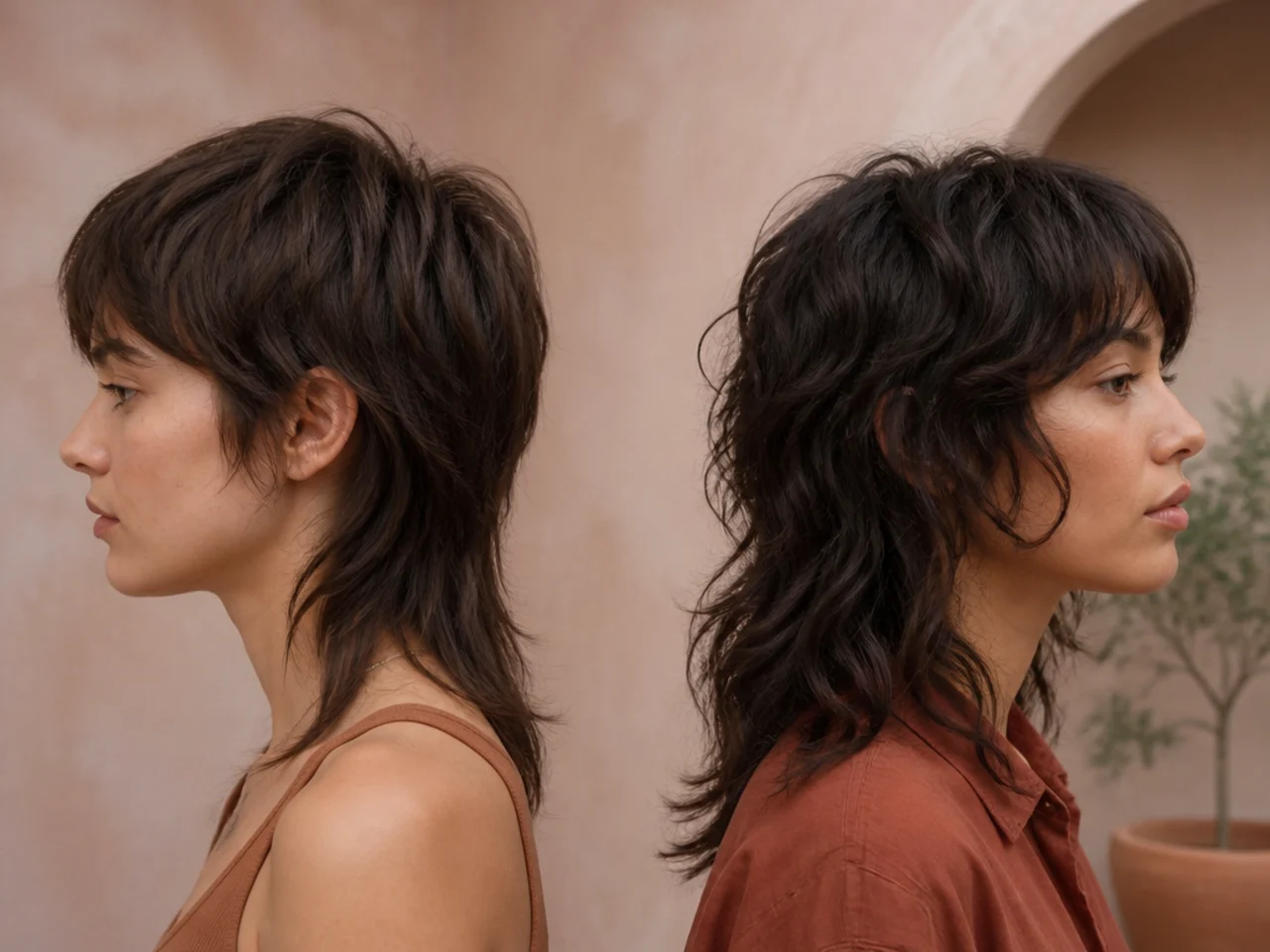
Set the tail against your shoulders. Ends resting on the shoulders get pushed upward all day and the tail flares outward. Keep it above the shoulder line or take it two inches past.
Set the sides by your density. Short sides raise the contrast, but on fine hair they expose scalp above the ear where there is least hair to cover it.
Pick the fringe before the length. A fringe changes the cut more than the tail does, because it is the only part of the shape people see straight on.
Decide how hard you want the step. Hard reads as a mullet immediately and takes two months to soften. Blended reads as a long layered cut and can be sharpened at any appointment.
The 25 Mullet Looks
1. The Classic Mullet
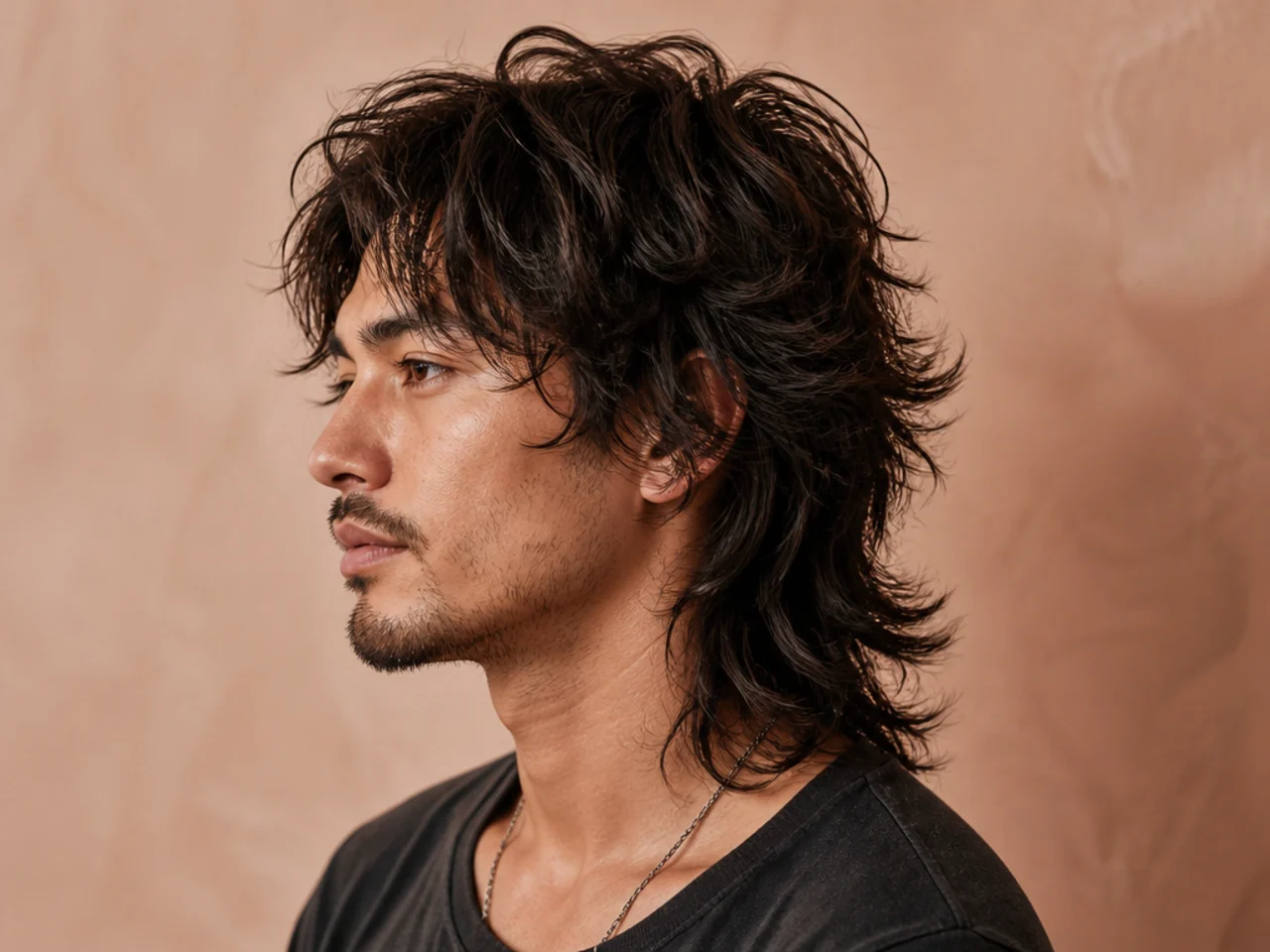
Short through the fringe and sides, long from the occipital bone down, with the step falling just behind the ear. That position works because the skull is already curving away there, so the change reads as the shape of the head.
2. The Soft Mullet
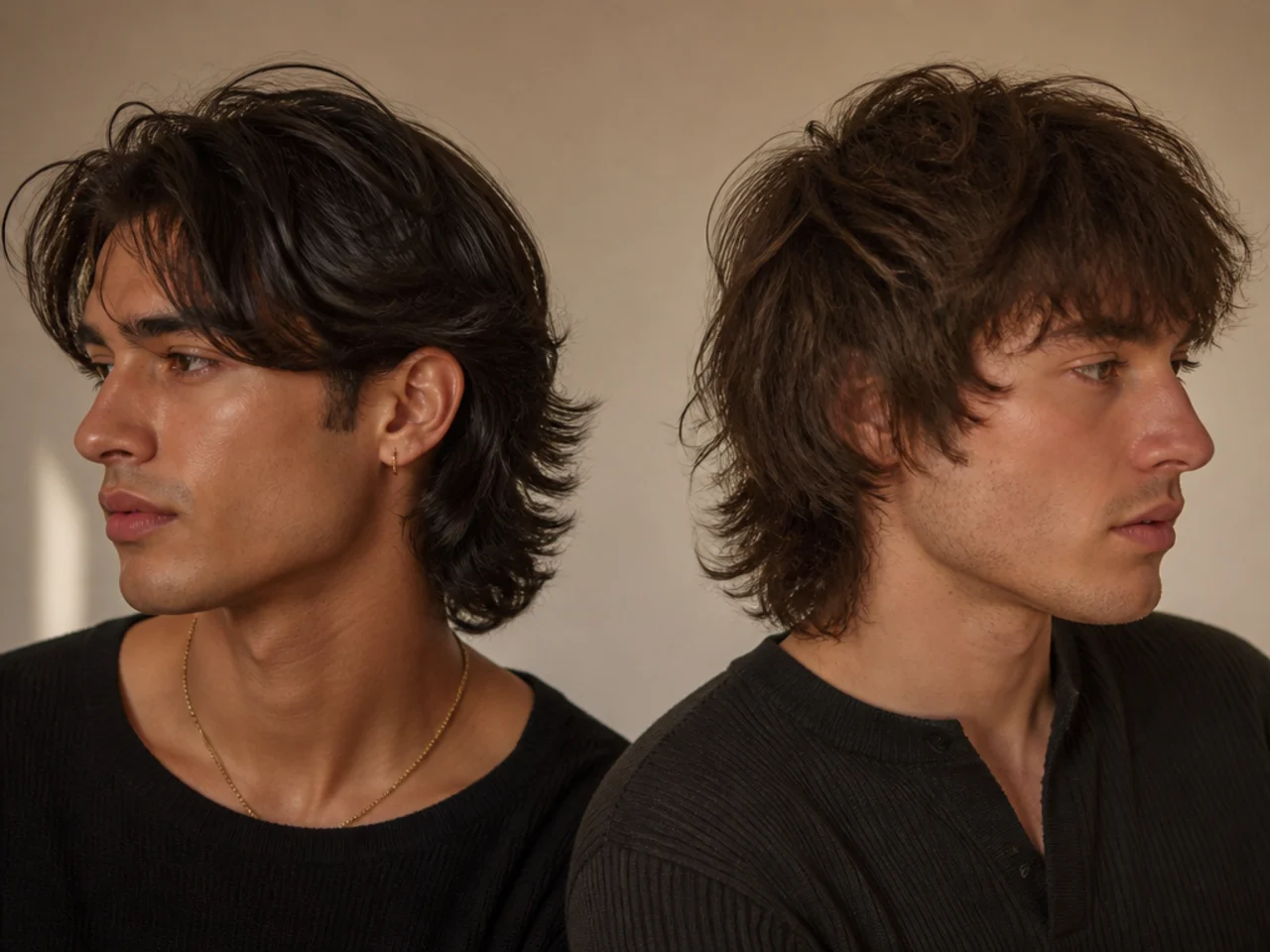
The step blended across two inches instead of left hard. It still reads as a mullet from the side but not from the front, and it grows out with no stage where it looks like a mistake.

3. Short Mullet
The tail stops at the nape. Less length means less weight hanging off each strand, so the back sits fuller and higher than a long version ever manages without help from a dryer.
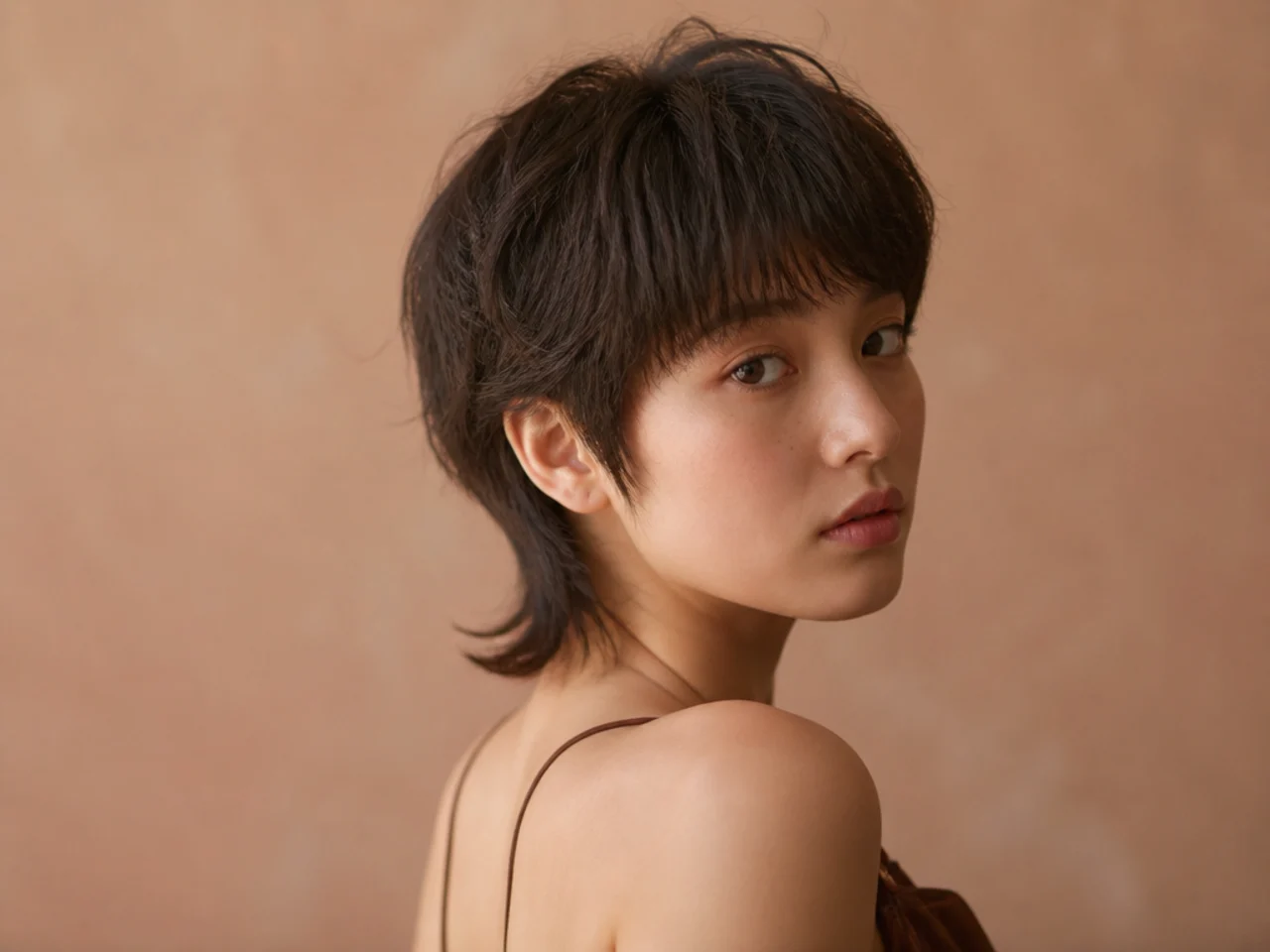
4. Long Mullet
The tail carried past the shoulder blades. Length adds weight, weight pulls everything down, and the effect is a narrower silhouette than the same cut worn short, because the outline is stretched vertically.

5. Curly Mullet
Curl fills the step with its own volume, so the difference between sides and tail has to be cut larger than it looks. Cut dry, because wet curl hangs long and springs up as it dries.

6. Wavy Mullet
The most forgiving texture for this shape. An S bend throws light in several directions at once, so a slightly uneven step is blurred before the eye finds it and the cut tolerates a rushed blend.
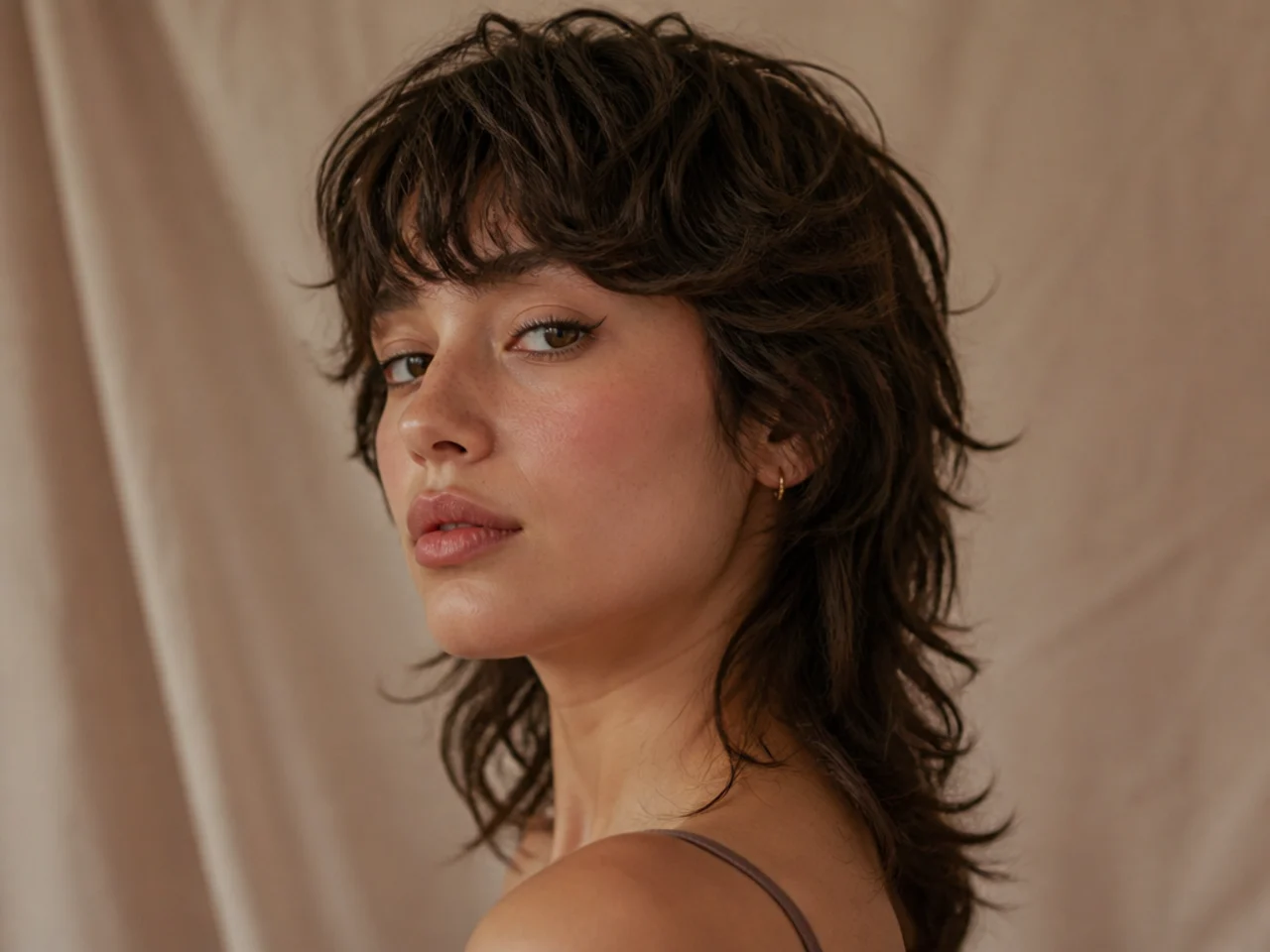
7. Straight Hair Mullet
The cleanest version and the least forgiving. A straight strand hangs in a single line with no bend to scatter light, so every layer edge shows as an edge and each one has to be point cut to soften it.

8. Mullet With Curtain Bangs
The fringe split at the centre and left longest at the outer corners, where it meets the sides. That connection is what stops the front reading as a separate piece glued onto an otherwise long haircut.
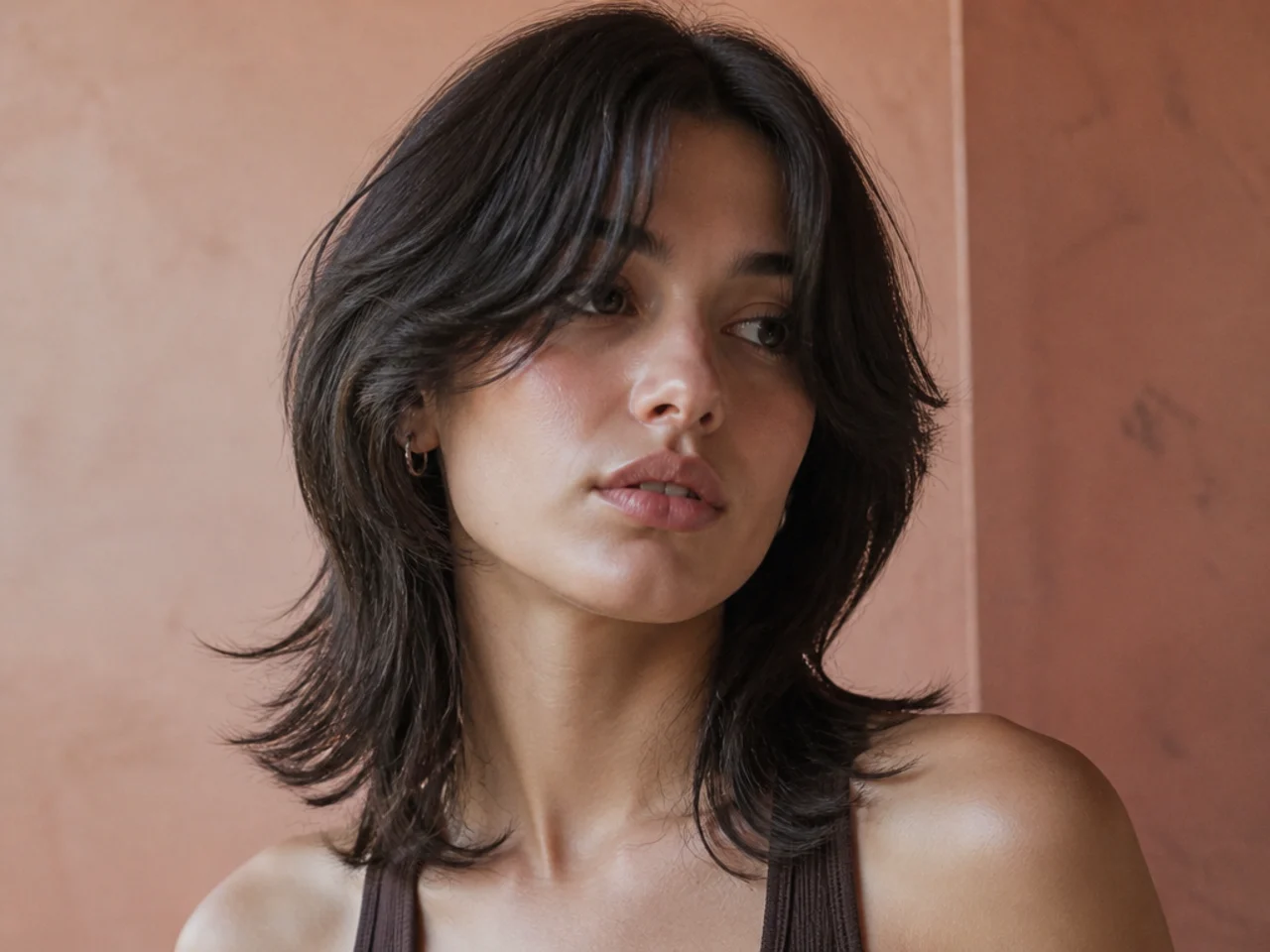
9. Mullet With a Blunt Fringe
A heavy horizontal line at the brow to balance the vertical of the tail. It takes real density from the top of the head, so on anything fine it leaves the crown looking thinner than it was.

10. Mullet With Baby Bangs
A fringe finishing above the brow. Leaving the whole forehead visible makes the face read longer, which counteracts the width a mullet adds at the sides, so it suits rounder face shapes better than a full fringe does.

11. Shaggy Mullet
Layers worked through the whole top rather than only the crown. The shorter ones rest on the longer ones and hold them up, which is where the lift comes from and why it survives a day without product.

12. Wolf Cut Mullet
Shag layering on the top half, mullet weight at the nape. The back stays long because it is over directed forward to a fixed guide at the crown, not because it was left uncut.

13. Disconnected Mullet
No blending at all between the sides and the tail. It softens into an ordinary mullet over about eight weeks as the sides catch up, which makes it the version that survives longest between appointments.
14. Mullet With Tapered Sides
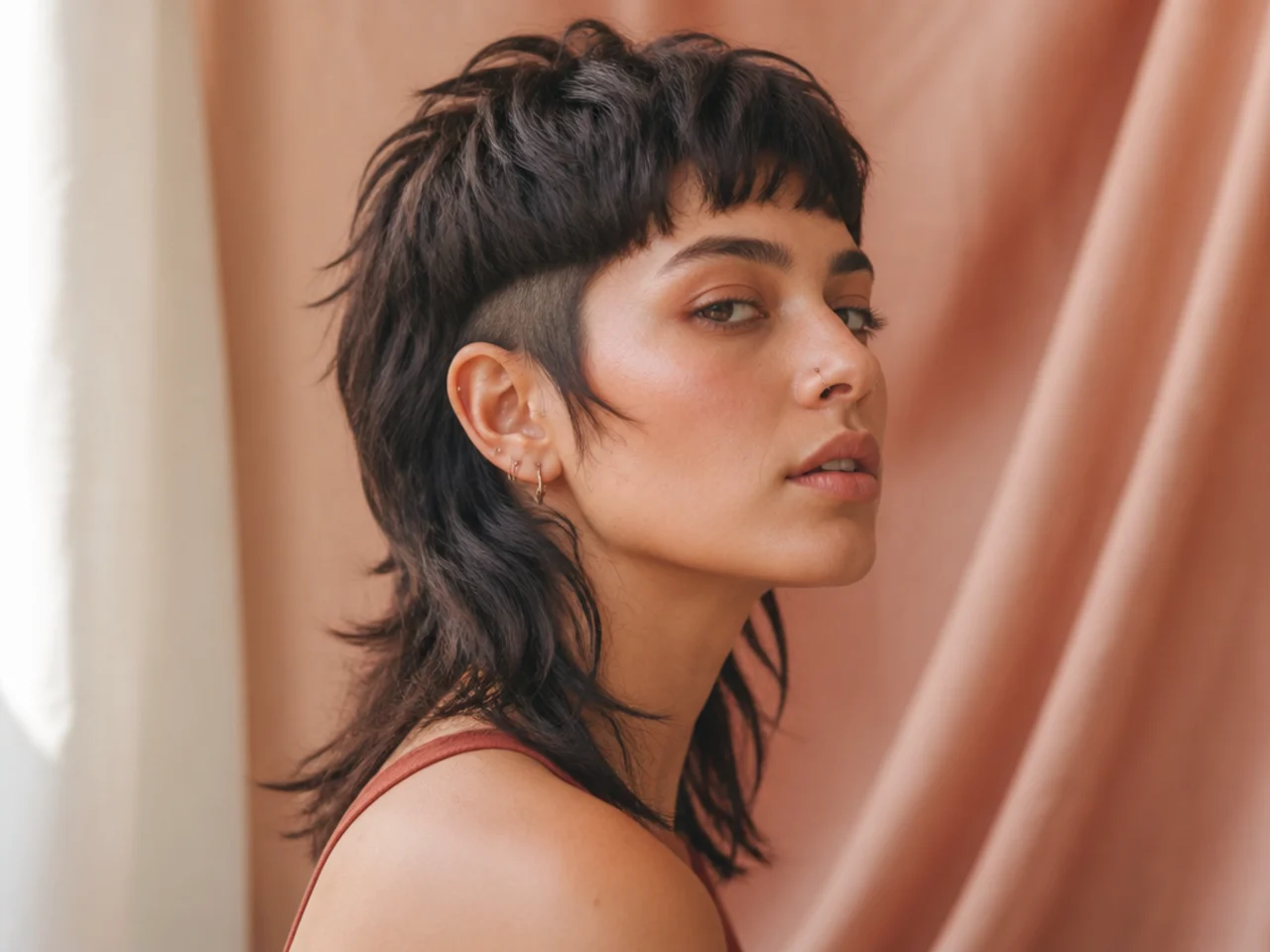
The sides shortened gradually with scissors, keeping length all the way down instead of going to skin. A taper still reads correctly at three to four weeks where a skin fade is visibly regrowing inside two.
15. Mullet With an Undercut
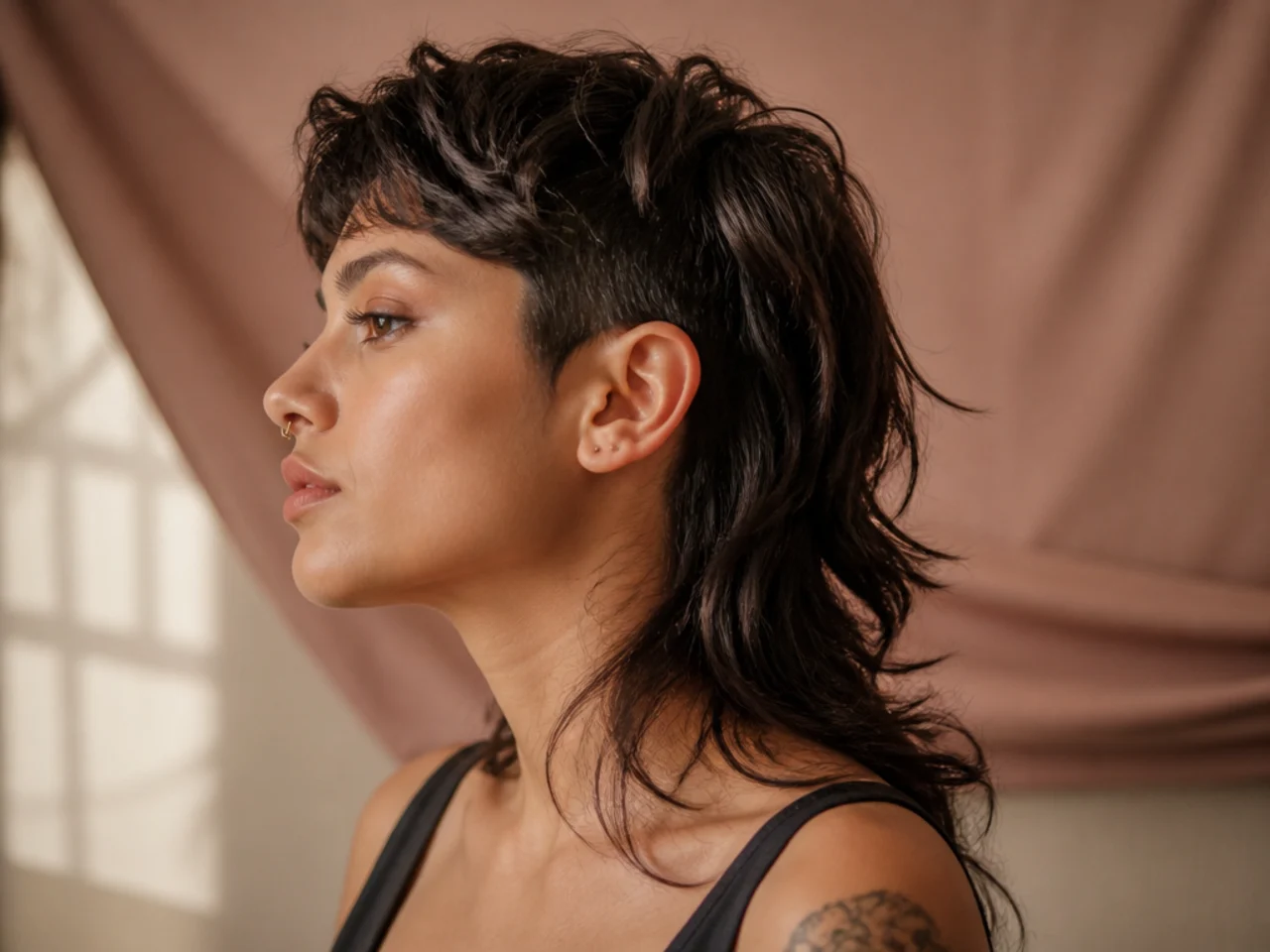
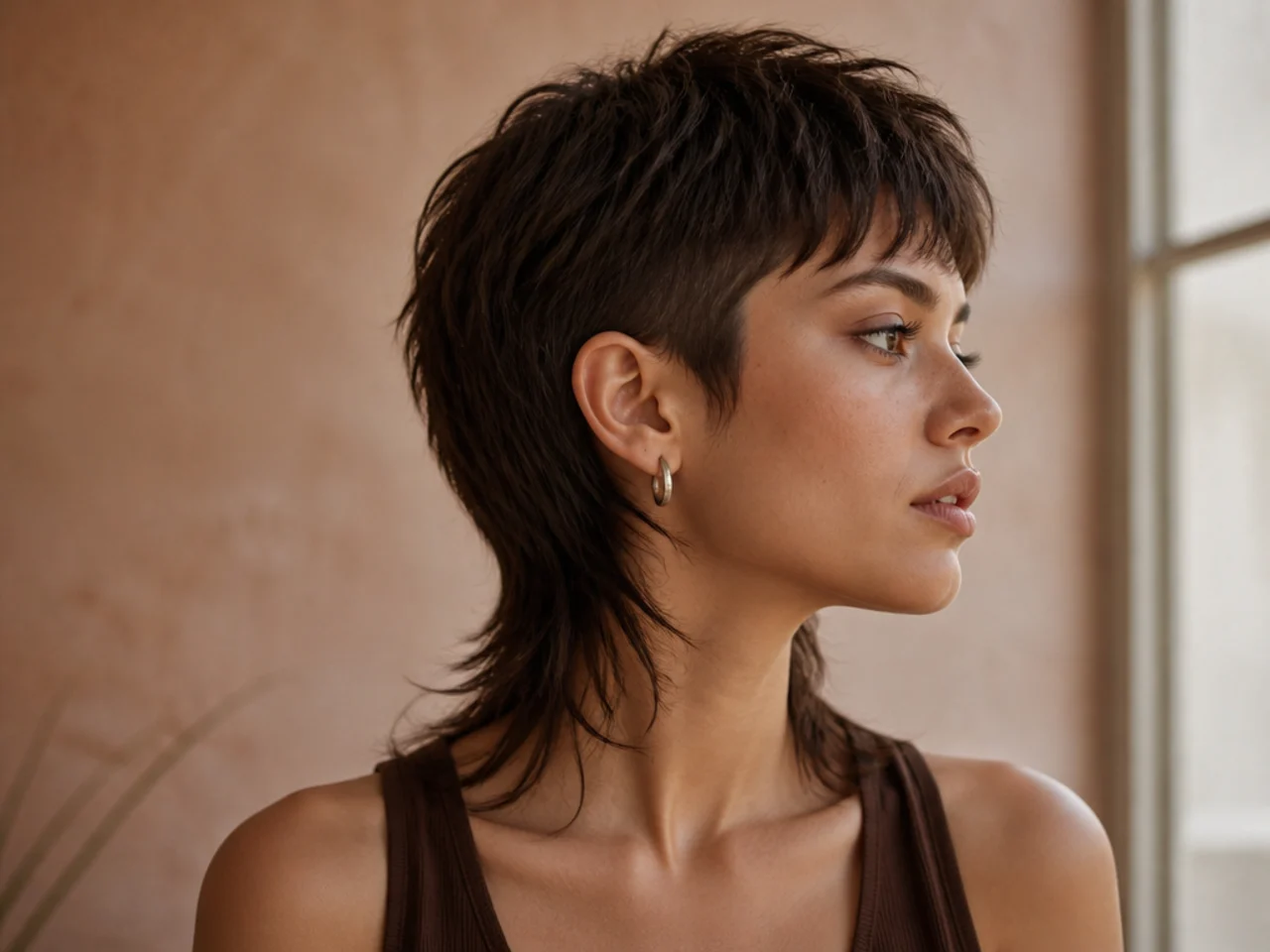
The sides clippered underneath with the top left to fall over them. A number two guard leaves six millimetres, which kills the bulk completely while staying long enough that no scalp shows through.

16. Pixie Mullet
Crown and sides cut to pixie length with only the nape left long. It is the maximum contrast version, because the tail is the sole piece of long hair on the head and nothing competes with it.
17. Bob Mullet
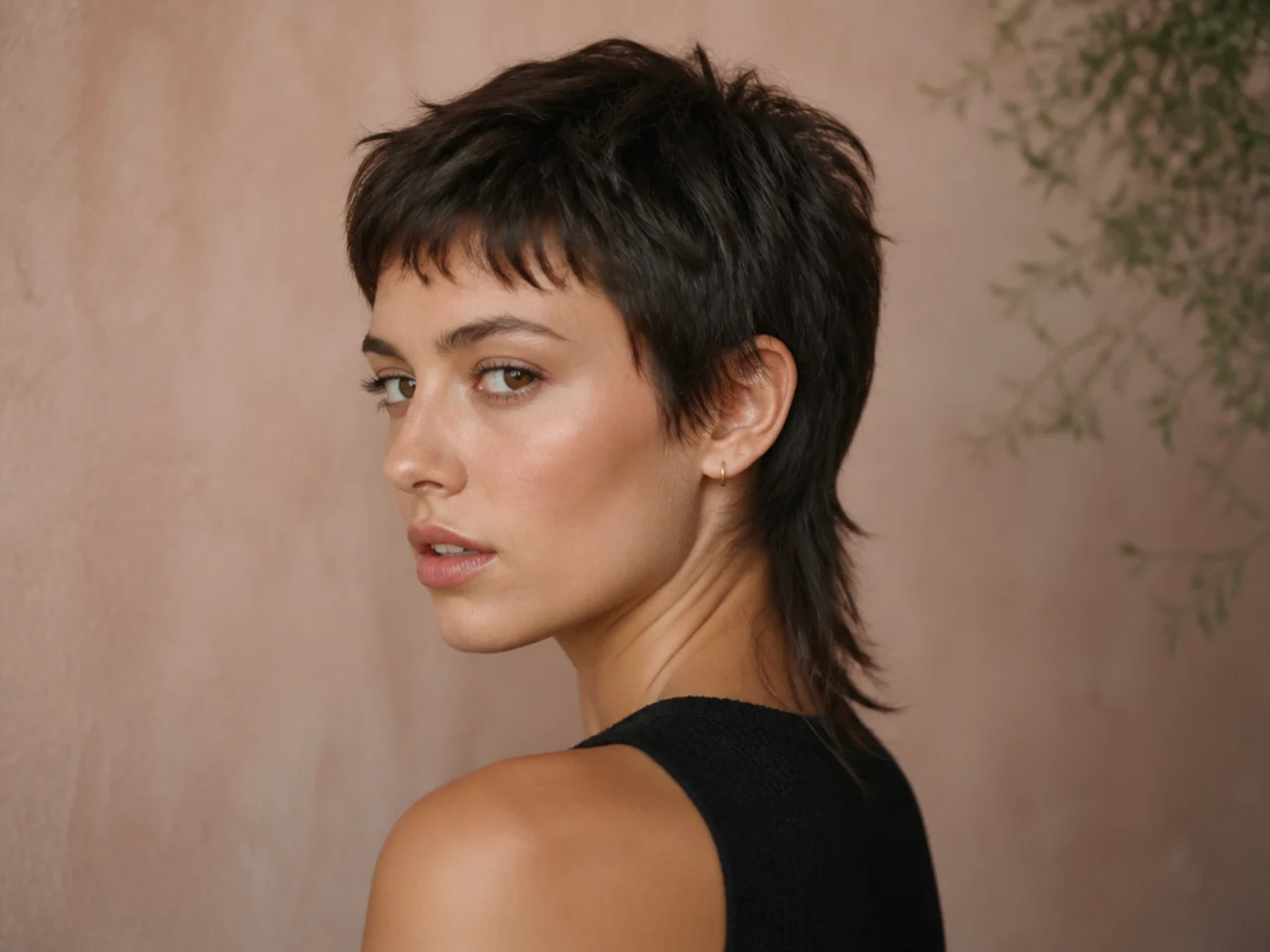
A jaw length perimeter with the back left an inch or two longer. This is the shortest version that still reads as a mullet, because below an inch of difference the step disappears into the natural fall of the bob.
18. Mullet With Face Framing Layers
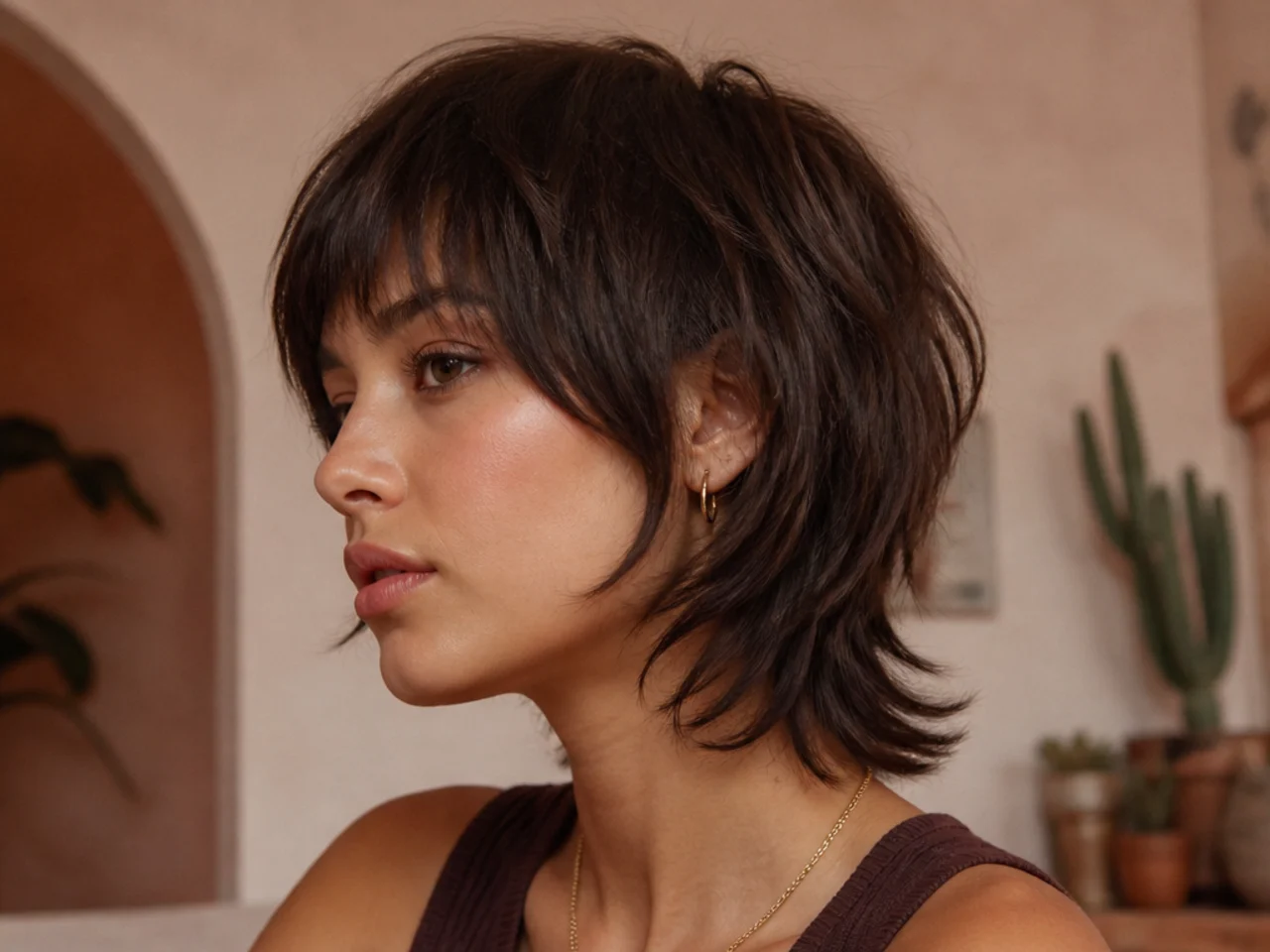
The shortest front layer set at the cheekbone so the face has a soft edge against the hard step behind it. Cut lower, at the jaw, and it reads as a long bob with a tail instead.

19. Bleached Mullet
Lightened hair is rougher on the surface, so the strands grip each other and the choppy ends separate without any product. The cost is that the tail is the oldest hair on the head and takes the damage worst.

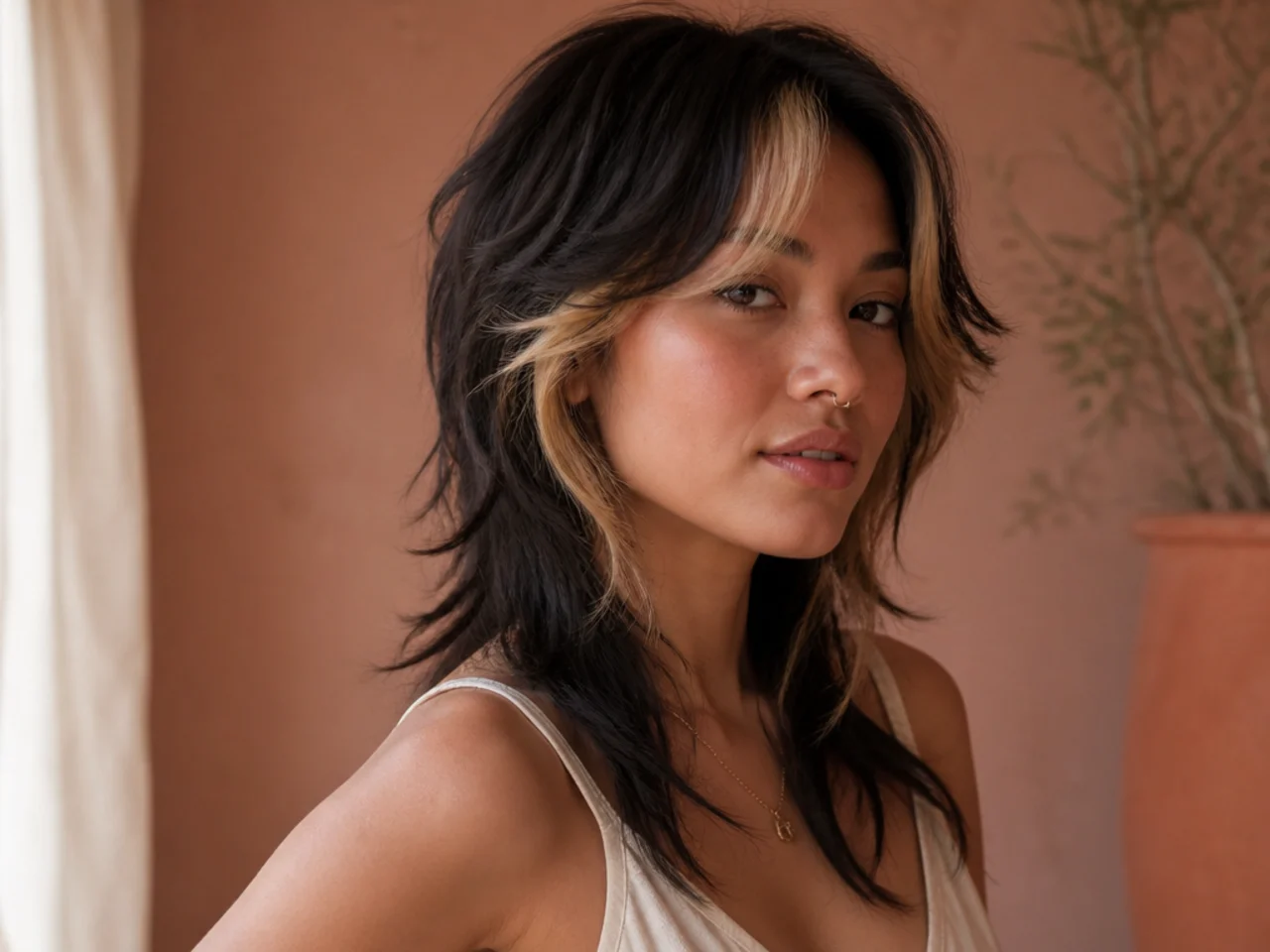
20. Mullet With a Money Piece
Two lightened panels at the front. The eye goes to the brightest area first, so putting light at the face pulls attention forward and away from the width a mullet creates at the sides.
21. Mullet With Highlighted Ends
Colour concentrated in the last few inches. Because the lightest area draws the eye, putting it on the perimeter traces the outline of the cut and makes the step between sides and tail obvious in a photograph.
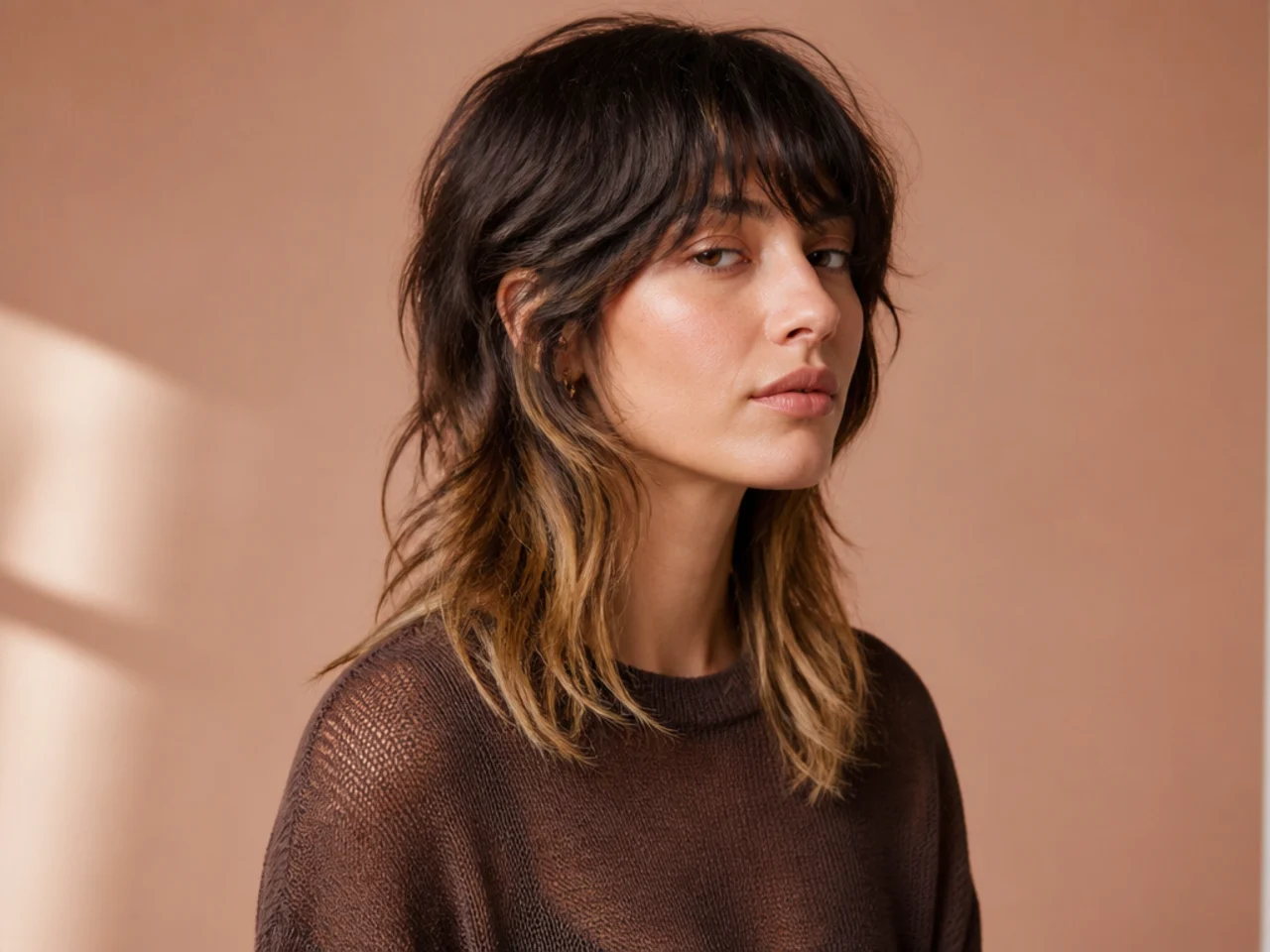
22. Mullet on Fine Hair
Fine hair cannot cover the cut edge where the sides stop, so a hard step looks like breakage rather than design. Keep the sides longer, soften the transition, and remove weight from the tail instead.

23. Mullet on Thick Hair
Density is what pushes the outline sideways. Internal weight removal above the ear fixes it, because thinning the middle of the shape lets the perimeter settle without taking any length off the tail.

24. Mullet at Week Six
The sides and the tail have both grown by the same amount, so the step keeps its size and the cut still reads correctly. The fringe is the piece that has failed, and it can be trimmed on its own.

25. Half Up Mullet
The crown gathered and the tail left down. Lifting the top frees roots that were flattened under their own weight, so the crown reads fuller straight away while the tail keeps the mullet outline intact.

Styling and Upkeep
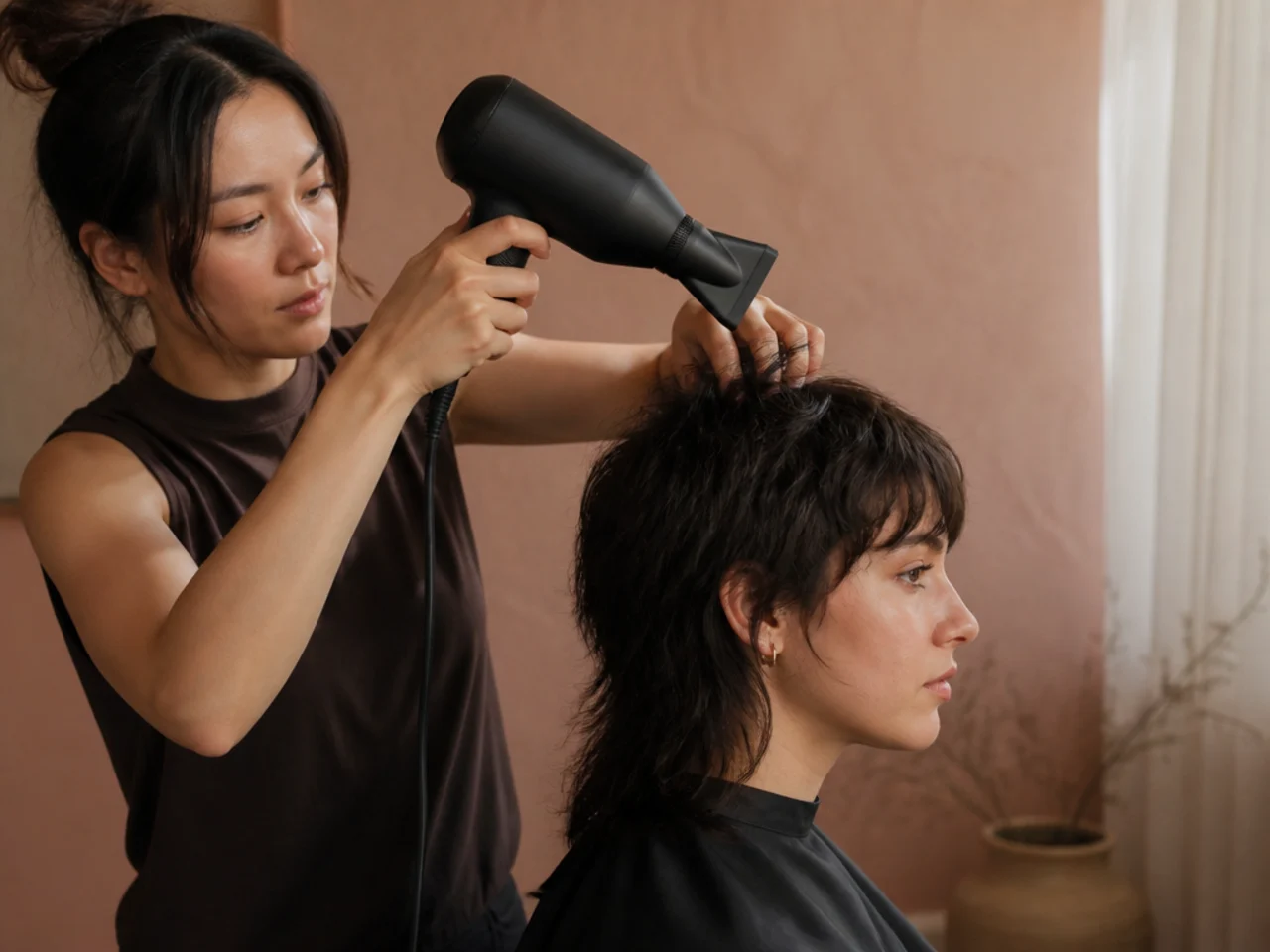
Dry the crown against its natural fall. Pushing the roots the wrong way while they dry is what gives the top height, and it holds until the next wash.
Keep heavy product below the ears. Cream and oil at the crown flatten the short layers, and flat crown layers turn a mullet into a long haircut with short sides.
Trim the fringe alone at six weeks. It is the only part that stops working that early, and refreshing it buys another month on everything else.
Watch the tail against your shoulders. Once the ends rest on them they are pushed up all day, and the tail widens rather than hanging clean.
Photograph the step at week one. Taper and step heights are the measurements worth recording, because they are the ones you will be asked about next time.
Mistakes to Avoid
Asking for a mullet without naming the step. Say where the sides stop and how much longer the back is, or you will be given a shag.
Cutting curl wet. Wet curl hangs at stretched length and springs up as it dries, so the step you cut is not the step you get.
Shortening the sides on thick hair. It only moves the widest point of the silhouette higher up the head. Remove interior weight instead.
Leaving the fringe to grow with the rest. Everything grows at the same rate, but the fringe is the only section where half an inch changes the whole face.
Copying a photograph of a different texture. The same cut on straight and coily hair produces two completely different outlines, and only one of them is in the picture.

FAQ
What makes it a mullet? A visible step between short sides and a longer back.
Will it suit fine hair? Yes, with a softened step rather than a hard one.
How often? Eight to ten weeks, with a fringe trim at six.

Final Thoughts
Describe the step and the rest follows. "Sides finishing at the jaw, back three inches longer, step left hard behind the ear" is a set of instructions, where the word mullet on its own is a mood board.
More cuts built on the same idea, from soft shags to full wolf cuts, are in Mullet and Wolf Cut. See also mullet hairstyle women and mullet hairstyle.