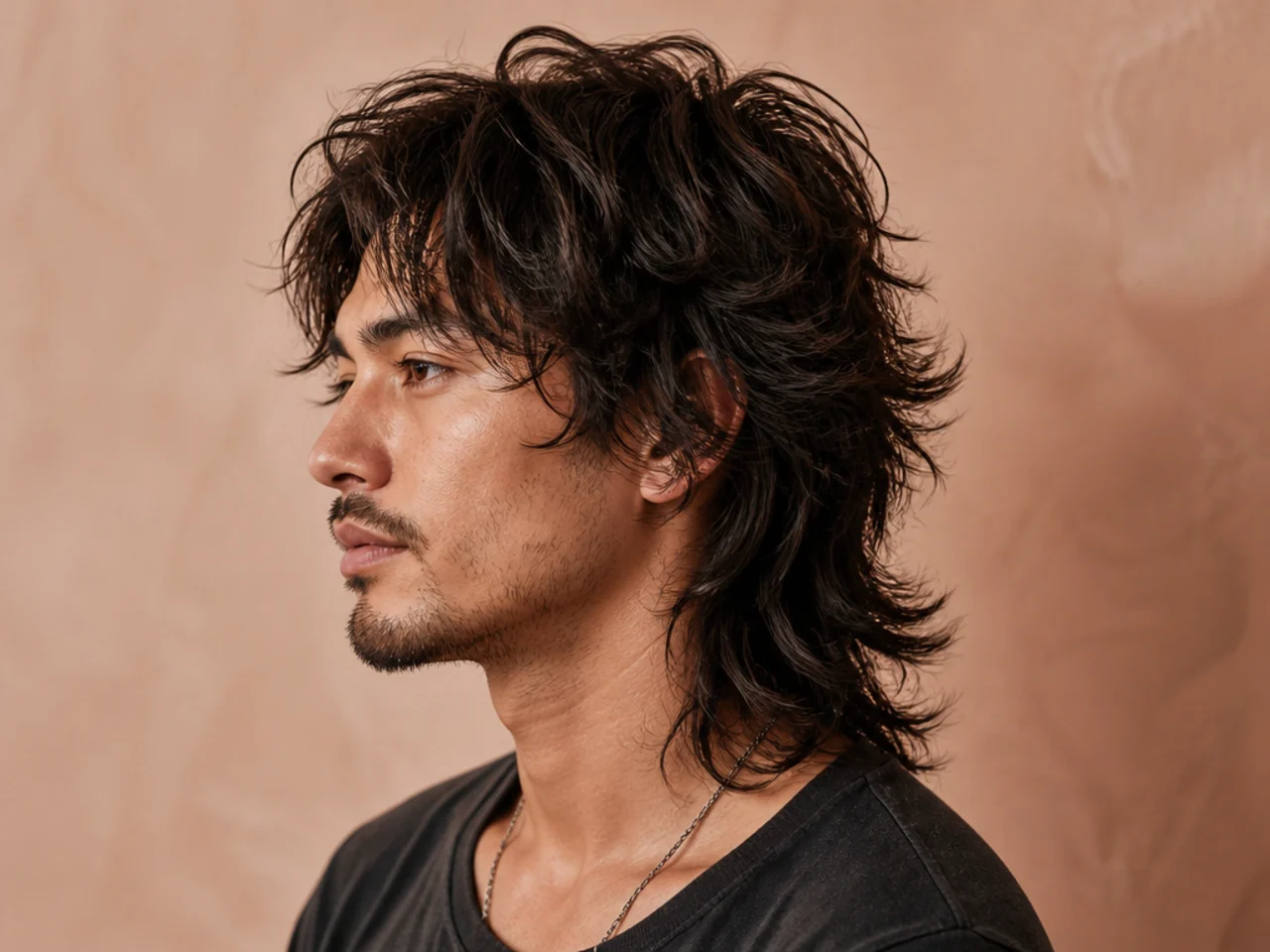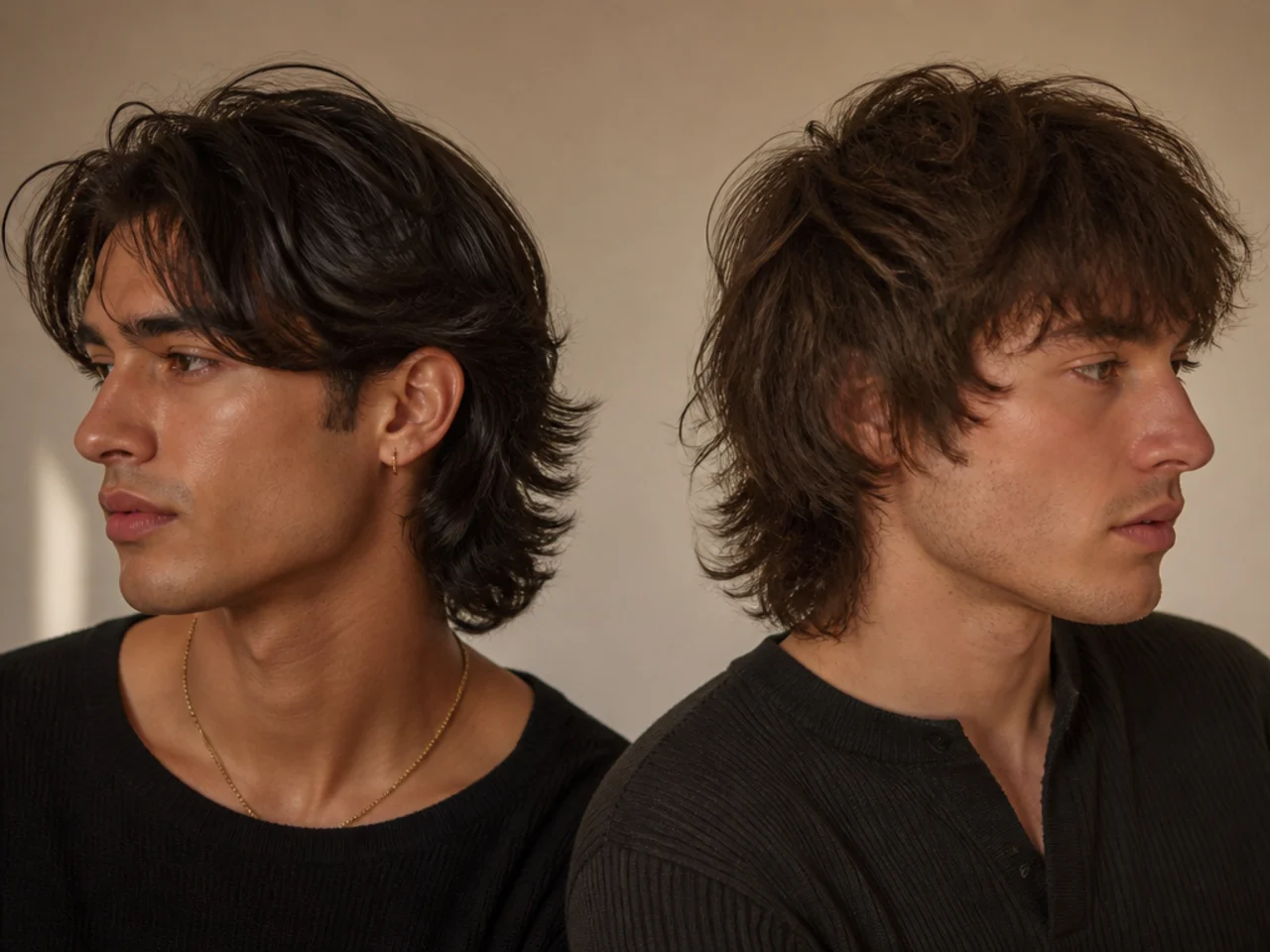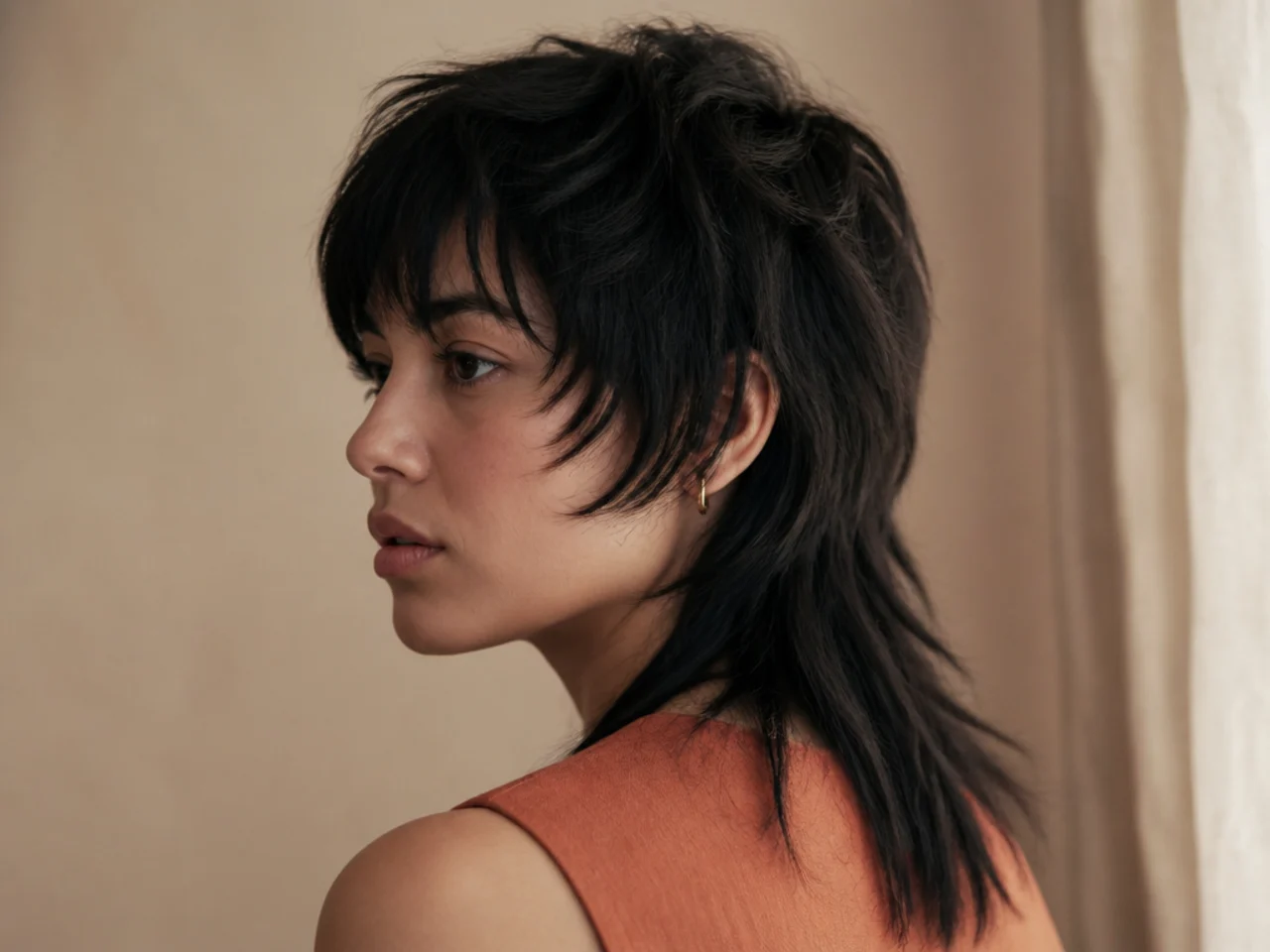
25 Stunning Mullet Hairstyles For Women To Try Now
Twenty five mullet ideas for women, and the measurement that decides all of them — where the shortest front piece stops. That single length sets how loud the cut reads, and the tail at the back barely moves it.
In this article · 32
- What a Modern Womens Mullet Is
- Choosing Your Fringe and Tail
- The 25 Womens Mullet Hairstyles
- 1. Classic Womens Mullet
- 2. Soft Modern Mullet
- 3. Shaggy Mullet
- 4. Wolf Cut Mullet
- 5. Bixie Mullet
- 6. Short Mullet
- 7. Long Mullet
- 8. Curly Mullet
- 9. Wavy Mullet
- 10. Straight Hair Mullet
- 11. Coily Mullet
- 12. Mullet With Curtain Bangs
- 13. Mullet With Blunt Bangs
- 14. Mullet With Micro Bangs
- 15. Mullet With a Side Swept Fringe
- 16. Disconnected Mullet
- 17. Blended Mullet
- 18. Mullet With an Undercut Nape
- 19. Mullet With Shaved Sides
- 20. Mullet on Fine Hair
- 21. Mullet on Thick Hair
- 22. Bleached Mullet
- 23. Mullet With a Money Piece
- 24. Sleek Mullet
- 25. Grown Out Mullet
- Styling and Upkeep
- Mistakes to Avoid
- FAQ
- Final Thoughts
A mullet on women goes wrong at the front, not the back — the tail gets all the attention while the short piece that actually defines the cut is left to the barber to guess.
The front length is the cut. How short the crown and face framing pieces stop is what sets the contrast, and contrast is what makes the shape read as a mullet at all.
The tail only changes the silhouette. Moving it from the nape to the shoulder blade changes how much weight hangs behind you. It does not change how bold the cut looks from the front.
What a Modern Womens Mullet Is
Short and layered at the front, long at the back. The gap between those two lengths is the whole idea, and everything else is a decision about how visible to make it.
Almost always cut with a fringe. The fringe is the shortest point of the front section, so it does more to set the contrast than any other piece.
The step can be hard or soft. A disconnect steps straight from short to long. A blend graduates, and reads as a shape rather than as a statement.
It is not a shag. A shag layers the whole head evenly. Blend a mullet enough and it becomes one, which is why so many grow out into shags without anyone deciding to.

Choosing Your Fringe and Tail
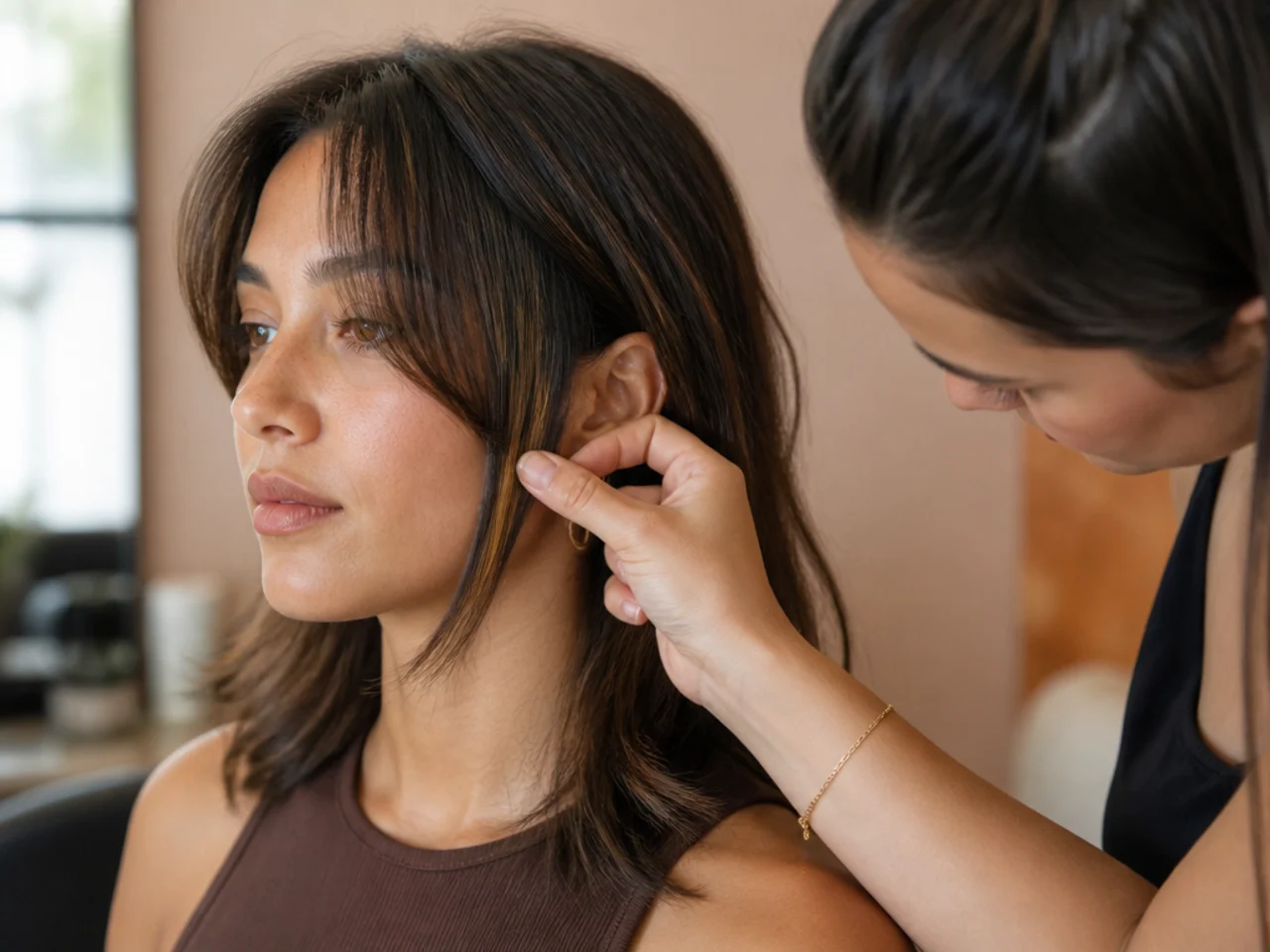
Set the shortest front piece by your face. Cheekbone length falls inside the jawline and softens it; chin length frames it instead. That one measurement moves the cut further than the tail ever will.
Pick the fringe before the layers. A curtain fringe blends into face framing pieces, a blunt one fights them, and the front section has to be cut differently for each.
Choose the tail by where the weight sits. A nape length tail stands away from the neck; a shoulder blade tail has enough weight to lie flat against the back.
Cut curls dry. Curl shrinks as it dries, and two to four inches of shrinkage moves both the fringe and the tail somewhere other than where you agreed.
The 25 Womens Mullet Hairstyles
1. Classic Womens Mullet
Short and layered through the crown and sides, full length from the occipital bone down, with a visible step between the two. The step is the first thing anyone reads, so a stylist who softens it without saying so has given you a shag instead.
2. Soft Modern Mullet
The same lengths with the step graduated away. It keeps the silhouette of a mullet from the side while reading as long layers from the front, which is what makes it the version that survives a workplace with no strong opinions about hair.

3. Shaggy Mullet
Layers cut through the top and crown as well as the back, so volume sits high and the tail becomes the end of a gradient rather than a separate panel. It grows out more gracefully than any other version, because there is no hard step to disguise.

4. Wolf Cut Mullet
A mullet perimeter carrying wolf cut layering. Short crown layers sit on top of longer ones and prop them up, which is where the height comes from, while the tail is what remains of the outline underneath the stack.
5. Bixie Mullet
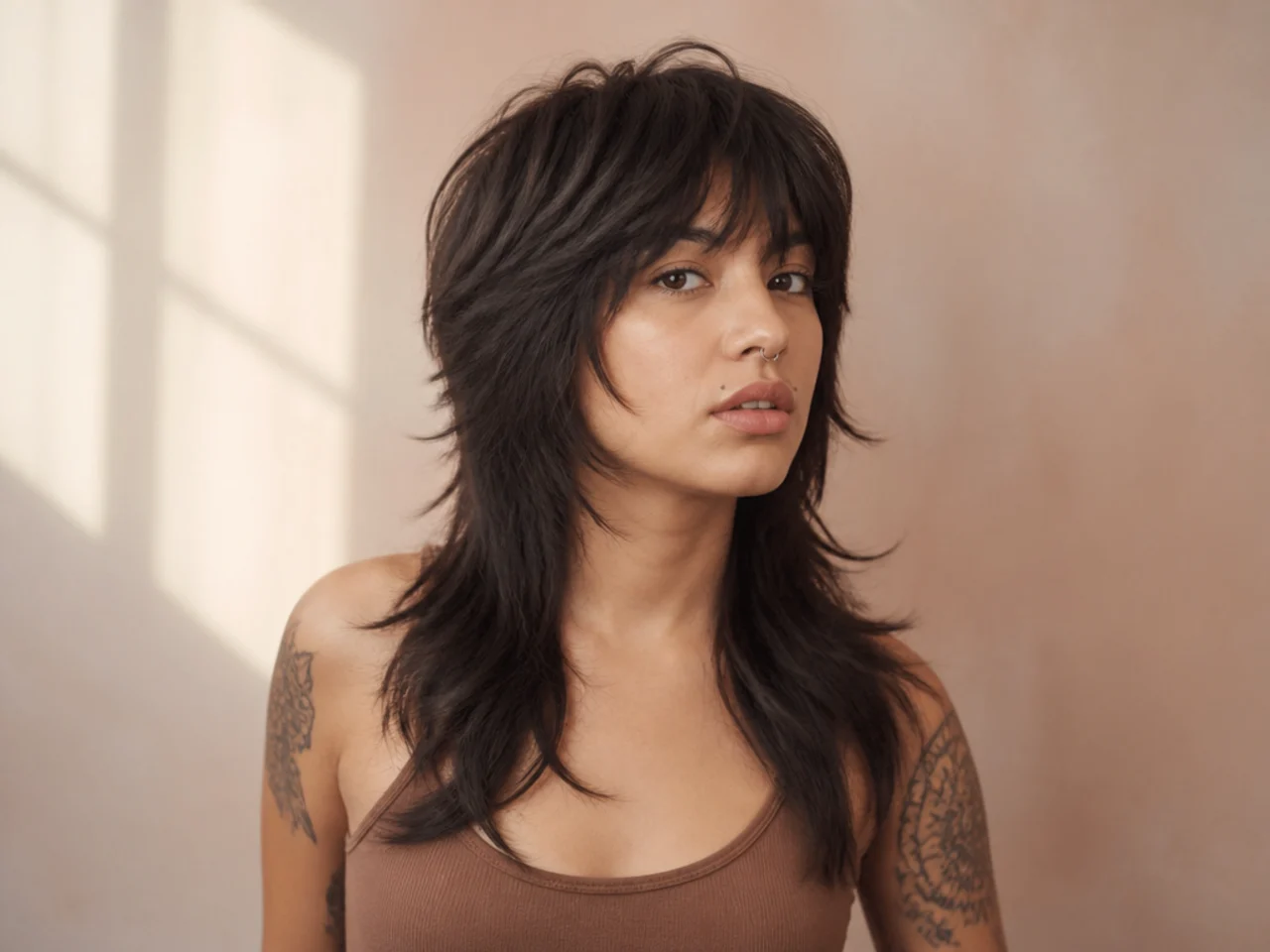
A pixie length front with a mullet tail behind it. Taking the front that short pushes the contrast as far as it goes, so the tail no longer has to be long to register — nape length is enough to read clearly against it.
6. Short Mullet
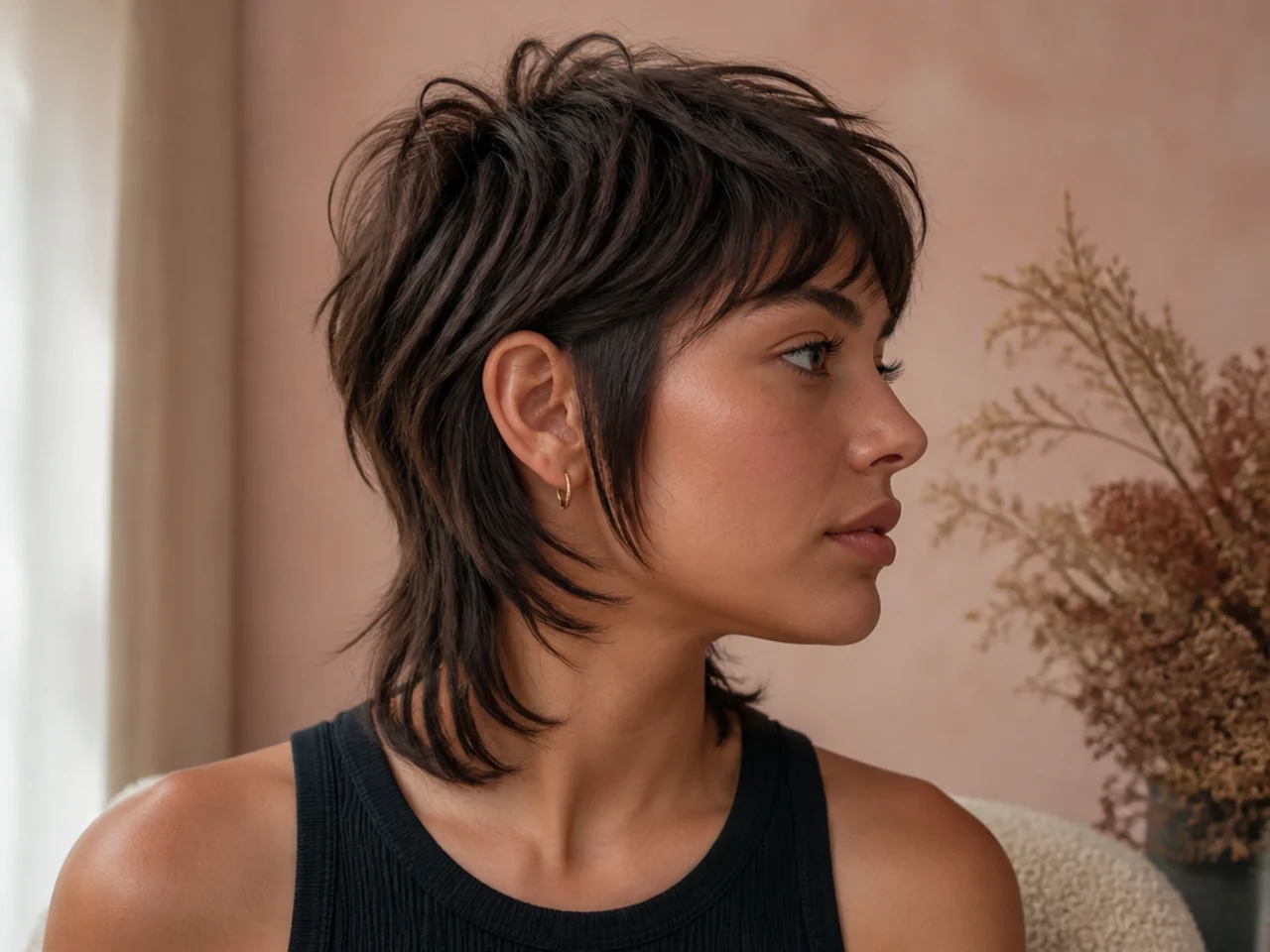
The tail stopping at the nape rather than the shoulders. Shortening the tail lowers the contrast, so the front has to come up as well or the cut flattens into a layered bob with a slightly longer back.
7. Long Mullet
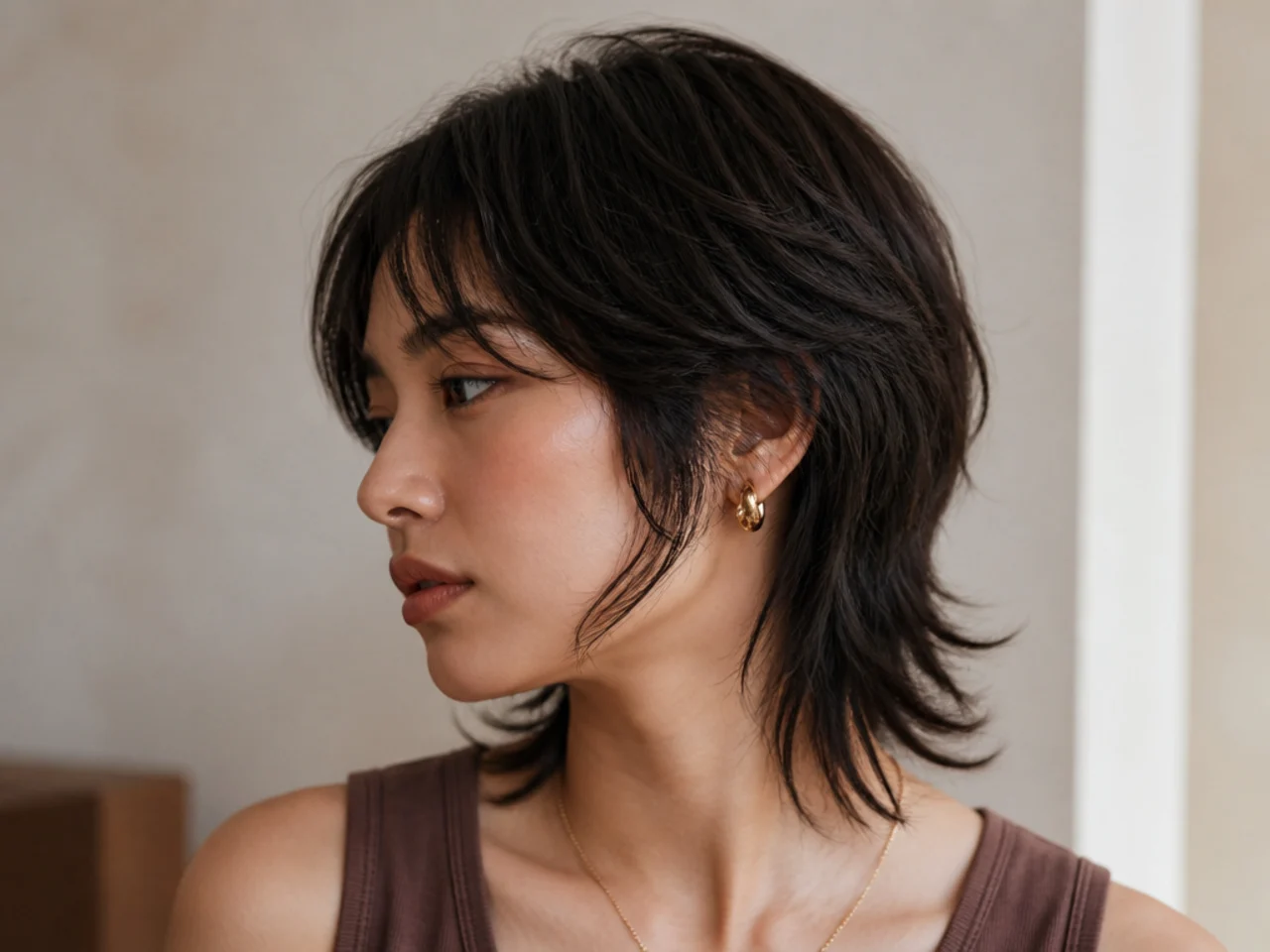
The tail past the shoulder blade, where weight starts working against the shape. Long hair pulls the layers above it flat, so a long mullet needs more layering at the crown than a short one just to hold the same amount of lift.
8. Curly Mullet
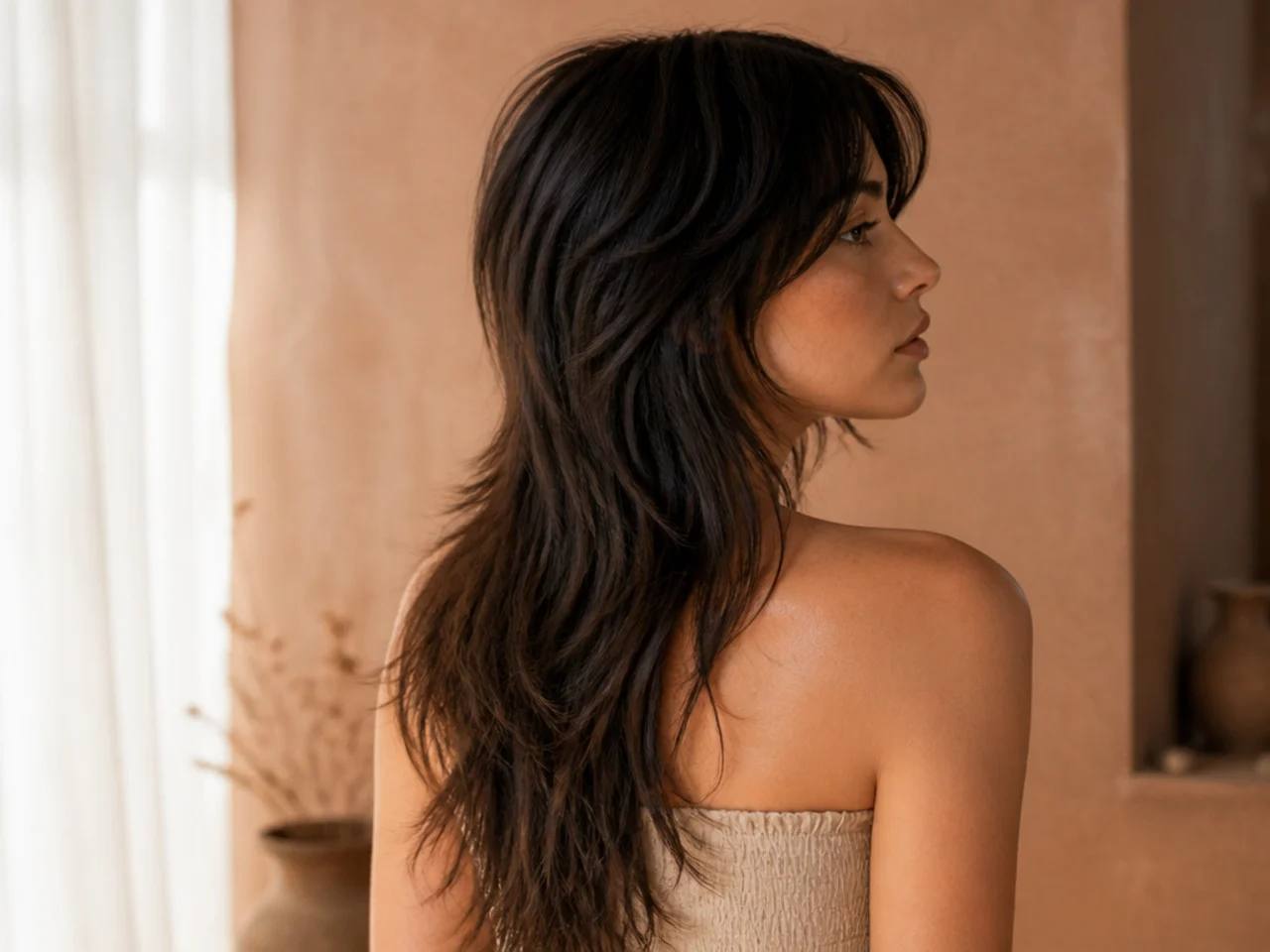
Curl shrinks as it dries, so a curly mullet cut wet arrives two to four inches shorter than it measured. It has to be cut dry, curl by curl, with the fringe set a full inch lower than it would be on straight hair.

9. Wavy Mullet
The wave does the texturising for you. An S bend throws light in several directions at once, so the step between the short front and the long back blurs on its own and needs far less point cutting than a straight head would.

10. Straight Hair Mullet
The sharpest outline of any texture and the least forgiving. A straight strand hangs in a single line with no bend to scatter light, so every uneven pass along the tail perimeter reads as a step rather than as shadow.
11. Coily Mullet
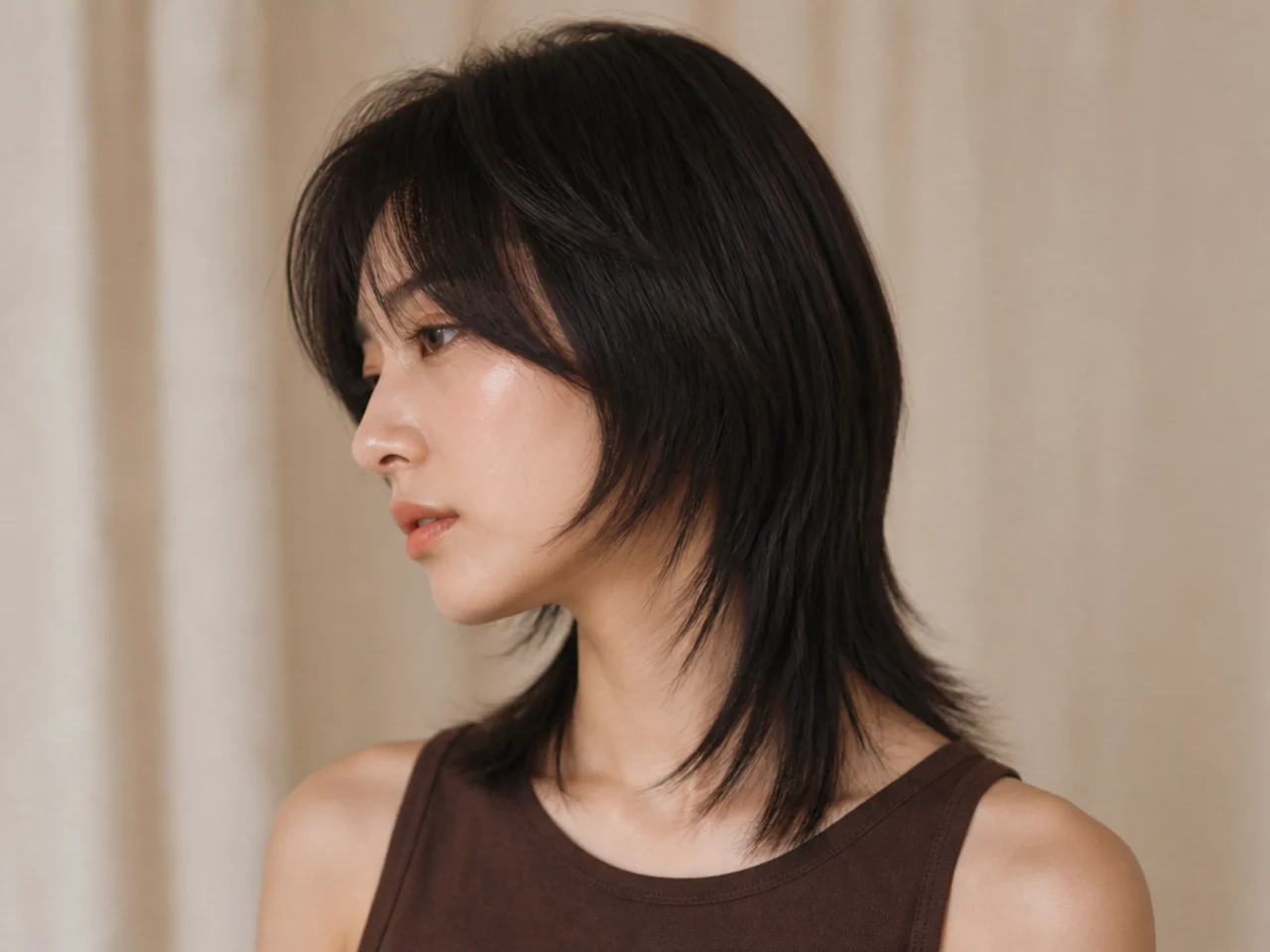
Coily hair grows outward before it grows down, so the front reads as height rather than as shortness and the tail reads as volume rather than as length. The step has to be cut into the coil pattern, or the change in density shows as a hard shelf.
12. Mullet With Curtain Bangs
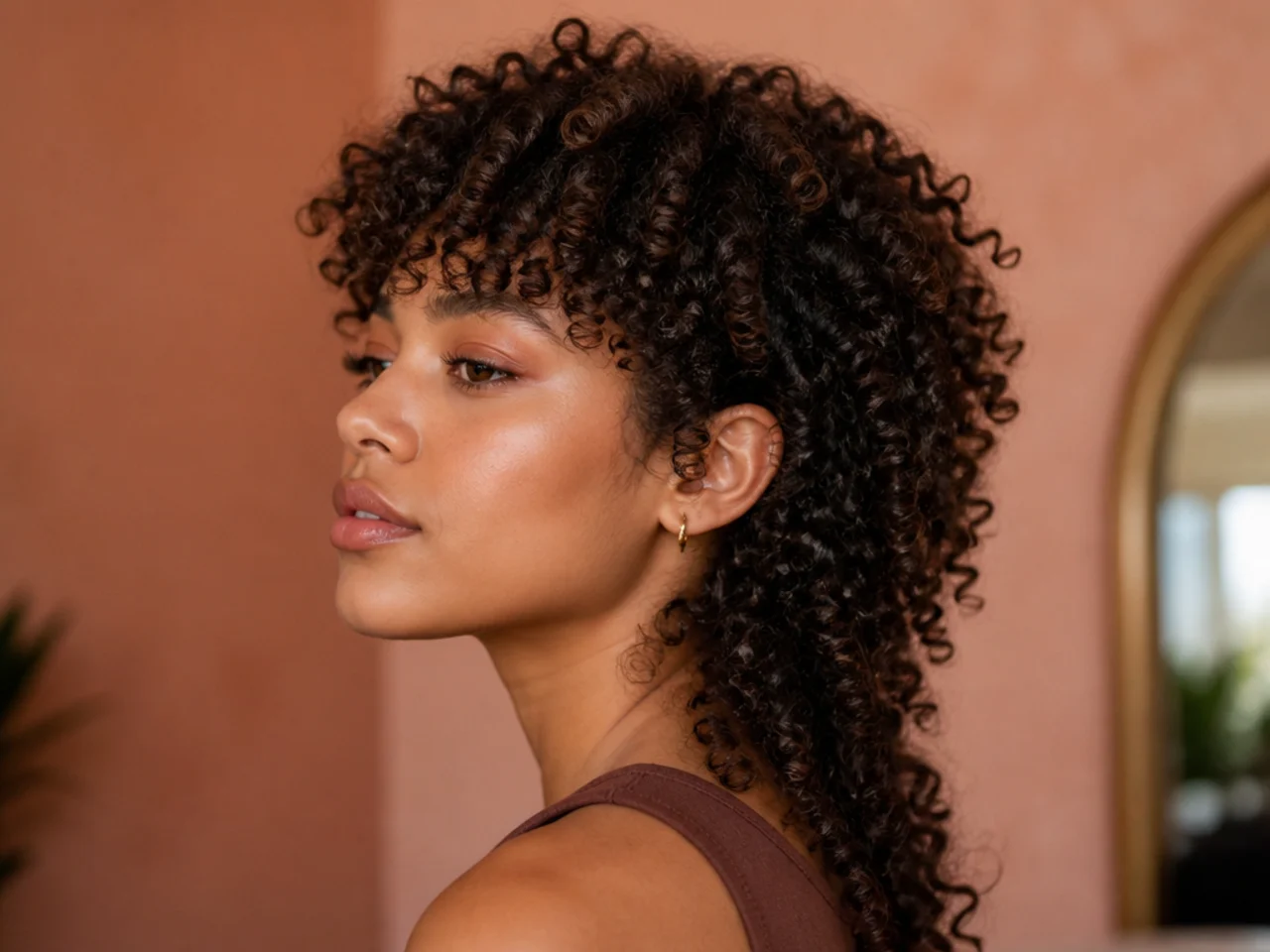
The fringe split at the centre, shortest in the middle and longer at the outer corners. Because the outer edges already reach the face framing pieces, the fringe grows out into the cut rather than sitting on top of it as an obvious length.

13. Mullet With Blunt Bangs
A solid fringe cut level at the brow. It puts a hard horizontal across the face that the shaggy layers behind have to work against, which is striking on a long face and crowding on a short one.

14. Mullet With Micro Bangs
The fringe cut well above the brow. It maximises the front to back contrast, since the shortest point on the head is now several inches higher, and it needs a trim every two to three weeks before it drops to eyebrow level.

15. Mullet With a Side Swept Fringe
The fringe cut on a diagonal and worn to one side. A diagonal crosses the face instead of sitting square on it, which breaks up a wide forehead and gives the asymmetric weight the layered crown can lean into.
16. Disconnected Mullet
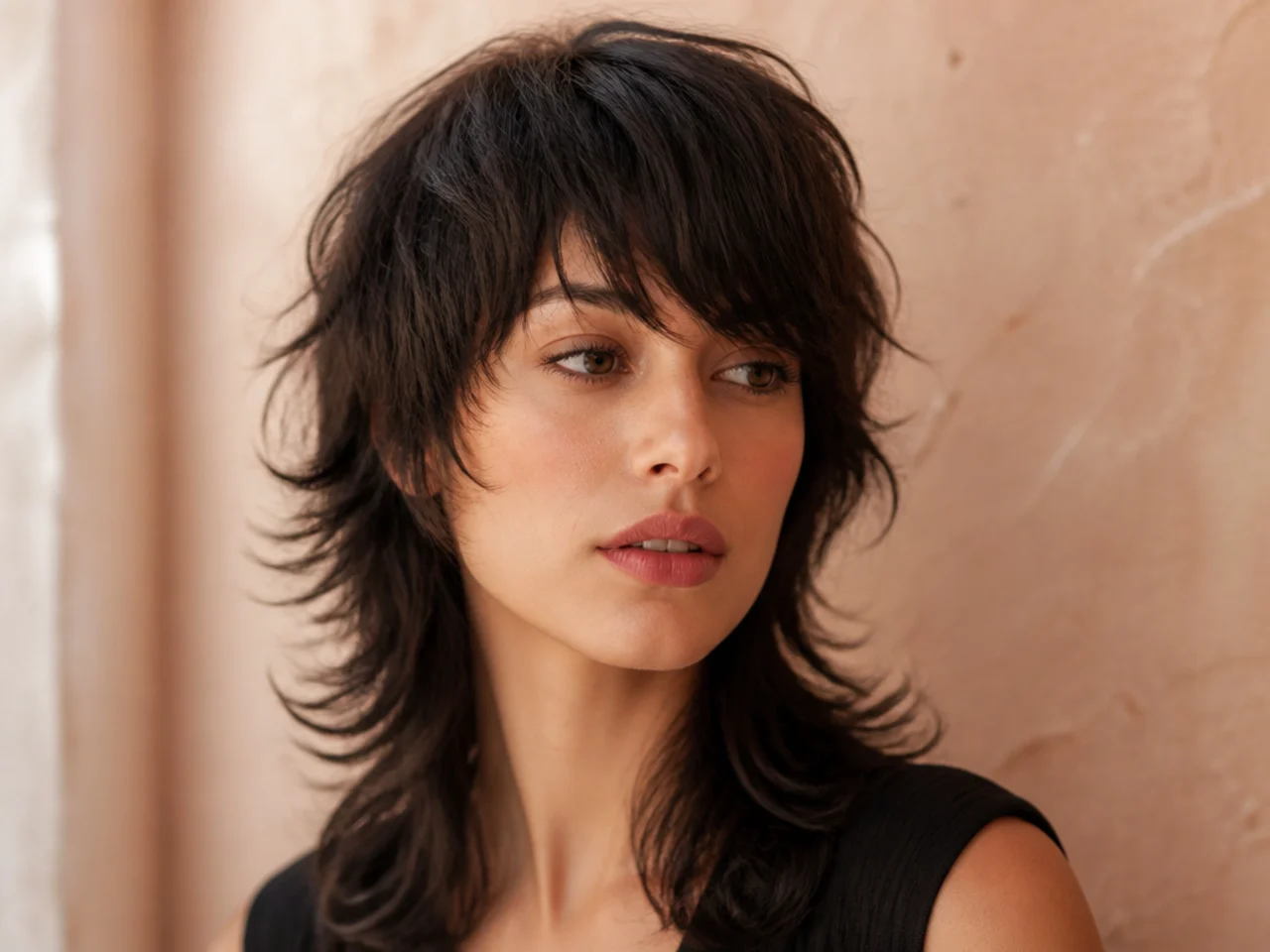
No gradient at all between the short front and the long back, just a clean step. It is the boldest version and the least forgiving of a bad angle, because nothing is blending the two lengths and every viewpoint shows the join at full strength.
17. Blended Mullet
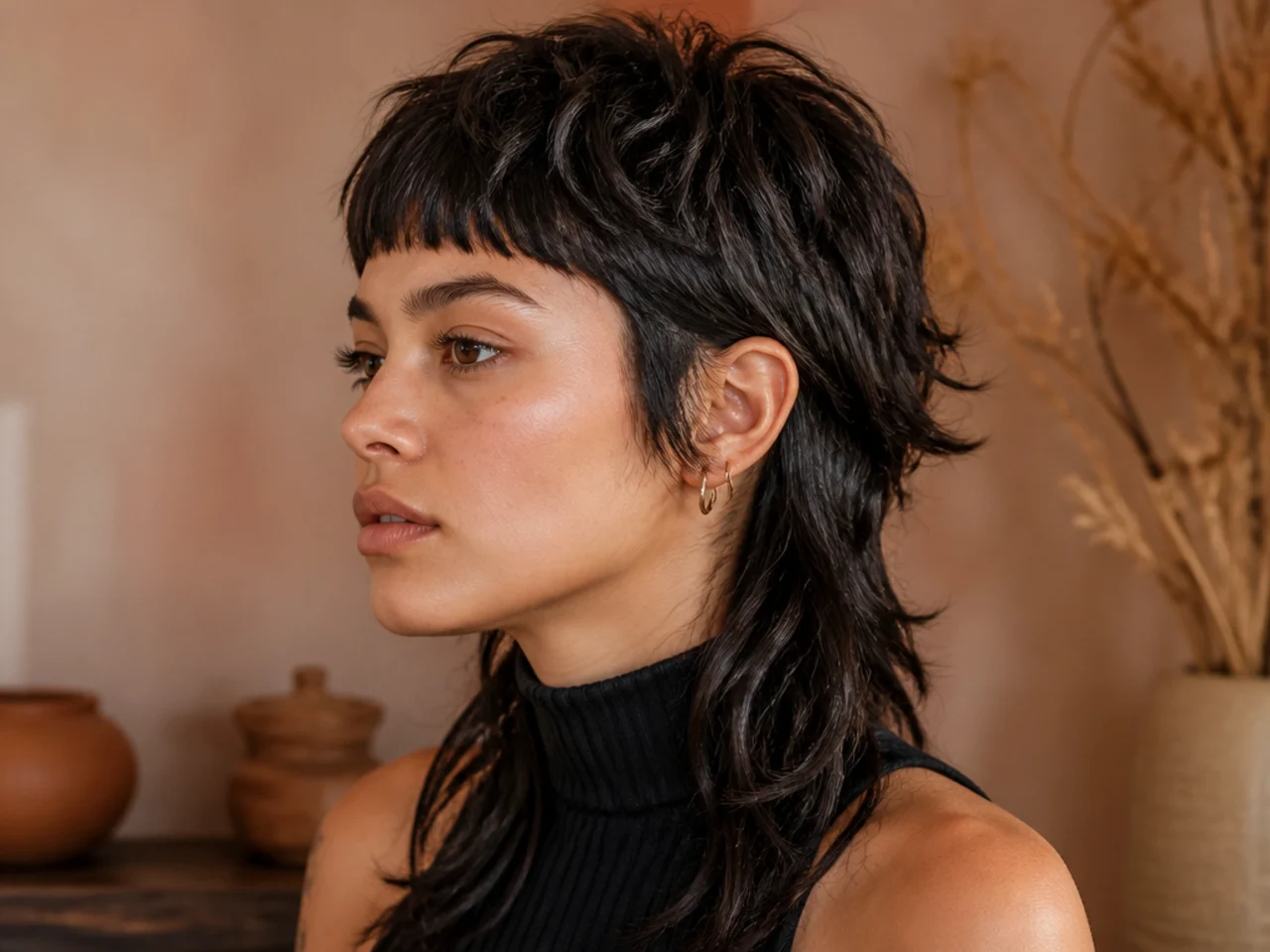
The front graduated into the back so no step is visible anywhere. It reads as long layers with a shape rather than as a mullet on first glance, which is what makes it the easiest version to live with and the hardest to photograph.

18. Mullet With an Undercut Nape
A closely clipped section hidden beneath the tail. It removes bulk from the heaviest part of the head without touching the outline, so the tail hangs closer to the neck while its length stays exactly where it was.

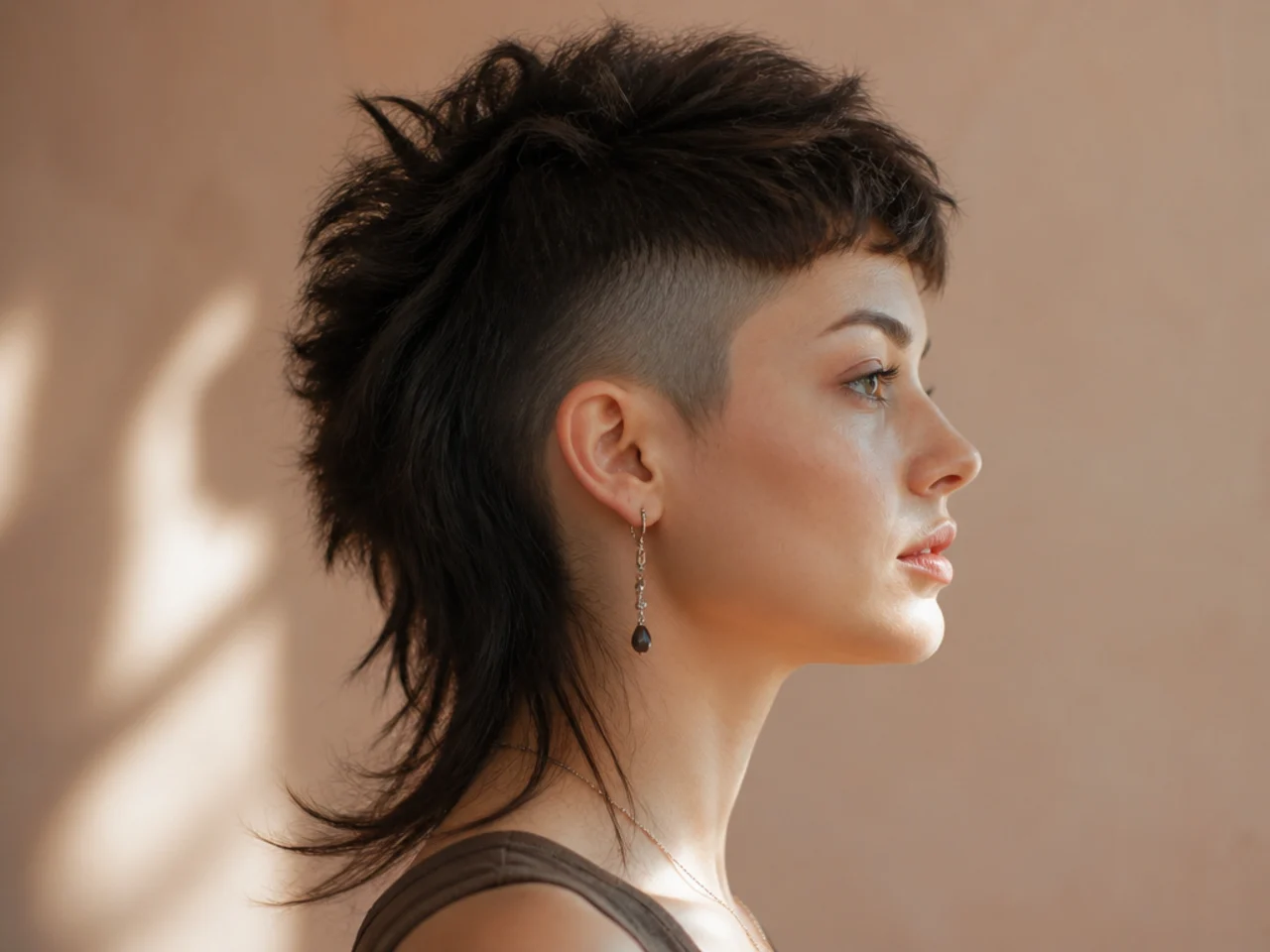
19. Mullet With Shaved Sides
The sides clipped short and left visible rather than hidden. Removing width beside the head sends the whole silhouette upward, so the layered crown reads as height instead of as volume and the tail looks longer than it is.
20. Mullet on Fine Hair
Fine hair depends on its blunt outline for the appearance of density, so the tail ends should be left alone and the volume built at the crown instead. Texturising shears through a fine tail remove exactly the density that makes it visible.

21. Mullet on Thick Hair
Thick hair holds a blunt perimeter so sharply that an unthinned tail sits as a solid wedge. Ask for the interior thinned rather than the outline shortened, so weight comes out of the middle and the shape you agreed to stays put.

22. Bleached Mullet
Lightening the tail against a darker front exaggerates the length change, because a colour boundary registers faster than a length boundary does. Bleach also lifts the cuticle and roughens the strand, which gives fine hair grip it does not have on its own.

23. Mullet With a Money Piece
The two shortest front pieces lightened several shades against the base. Since those pieces are already the ones defining the cut, colouring them makes the front length obvious from across a room without cutting anything shorter.

24. Sleek Mullet
The same cut smoothed flat, so the length changes show as edges rather than as texture. It is the most demanding version to wear, because anything uneven that texture would have hidden is now on full display.

25. Grown Out Mullet
At ten to twelve weeks the layer stack has dropped and the step has closed into a soft gradient. Photograph it, because if you prefer the head at week twelve to the head at week one you should be asking for a blended mullet next time.

Styling and Upkeep
Dry the crown upward and the tail downward. Hair sets in the shape it dries in, so the two sections need opposite directions to do their opposite jobs.
Trim the fringe separately. It fails at four to six weeks while the rest of the shape holds for twelve, so treat it as its own short appointment.
Keep conditioner off the crown. Weight at the top collapses the layer stack, and the stack is the only thing holding the volume up.
Scrunch rather than brush. Brushing pulls the layer ends into line with each other and closes the separation the cut was built to create.
Ask for the layers reset, not the length taken. Recutting the crown restores the shape without shortening the tail you spent months growing.

Mistakes to Avoid
Describing only the tail. The front piece sets the contrast. Name where it stops or the stylist will choose conservatively, and conservatively means no mullet.
Cutting curls wet. Shrinkage costs two to four inches once it dries, and it moves the fringe as well as the tail.
Running thinning shears through a fine tail. Fine hair relies on its blunt outline to look dense, and shears remove precisely that.
Copying a photograph of much thicker hair. The layering in the picture is placed to remove weight that your head may not have, so it hollows out rather than shapes.
Waiting until the shape has gone. Once the stack has fully dropped there is nothing to reset without shortening the perimeter, which changes the cut you asked for.

FAQ
Mullet or shag? A mullet keeps a gap between front and back; a shag blends it away.
Where should the front stop? Cheekbone to soften a jaw, chin to frame it.
How often? Eight to twelve weeks for the shape, four to six for the fringe.

Final Thoughts
Bring two measurements rather than a mood board: where the shortest front piece stops, and where the tail lands. Those two points define the contrast, and contrast is the only thing separating a mullet from long hair with layers in it.
More cuts built on the same front to back length change are in Mullet and Wolf Cut. See also mullet hairstyle and mullet women.