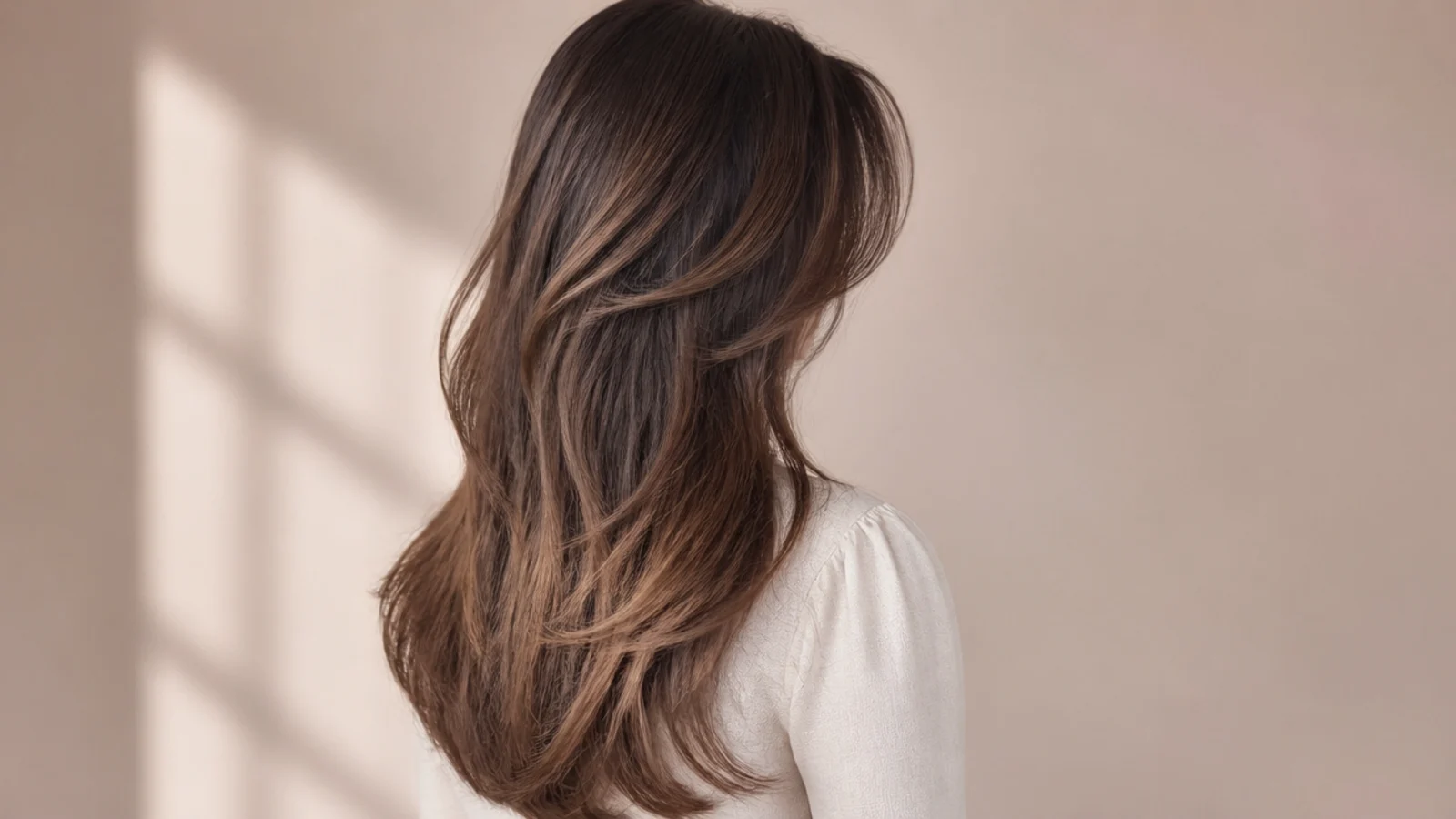
20 Sabrina Carpenter Brown Hair Ideas That Stay Rich
Twenty brown ideas across the whole ladder from bronde to mahogany, and the reason most of them fail on a former blonde — lightening removes warm pigment first, so a brown put back over it has nothing to sit against.
In this article · 28
- Whether the Brown Is Real Color or a Gloss
- The Brown Shade Ladder
- The Cut Behind the Color
- Brown Over Bleached Blonde
- What to Ask Your Colorist For
- The Blowout at Home
- The 20 Brown Hair Ideas
- 1. Bronde Money Piece
- 2. Mushroom Brown Curtain Bangs
- 3. Chocolate Long Layers
- 4. Espresso Sleek and Straight
- 5. Caramel Balayage
- 6. Shadow Root Brown
- 7. Chestnut Blowout
- 8. Ash Brown With Curtain Bangs
- 9. Milk Chocolate Lob
- 10. Toffee Face Framing
- 11. Golden Brown Waves
- 12. Curtain Bangs for a Round Face
- 13. Dark Brown Hollywood Curls
- 14. Cinnamon Butterfly Cut
- 15. Mocha Half Up With a Bow
- 16. Brown Root Smudge
- 17. Espresso High Ponytail
- 18. Chocolate Wig With Blunt Bangs
- 19. Bronde Curly Texture
- 20. Mahogany Blunt Outline
- Final Thoughts
Almost every brown that disappoints was applied over hair that used to be blonde, and the fault is rarely the shade on the tube.
Brown is a level and a tone, never a single word. The level sets depth and the tone sets whether it reads ash, neutral, gold or red. Name both or you are leaving half the result to chance.
Bleached hair cannot hold brown unaided. Lightening strips the warm pigment first, so a brown put back over that base has nothing warm underneath it and drains to a flat ash within a few washes.
Whether the Brown Is Real Color or a Gloss
A permanent brown changes the level. Developer opens the cuticle, pigment deposits into the cortex, and the result stays put until new growth arrives at the scalp.
A gloss changes only the tone. A demi or acidic gloss sits largely on the surface, shifts warmth or coolness by a fraction of a level, and washes out over four to six weeks.
Most rich looking brunettes are both. A permanent base sets the depth, and a gloss on top supplies the shine, which is why the same head can look different two weeks after the same appointment.
Depth is what reads as expensive, not shine. A gloss on an uneven base still shows the unevenness, so fixing depth first and glossing second is the order that produces the effect people are copying.
The Brown Shade Ladder
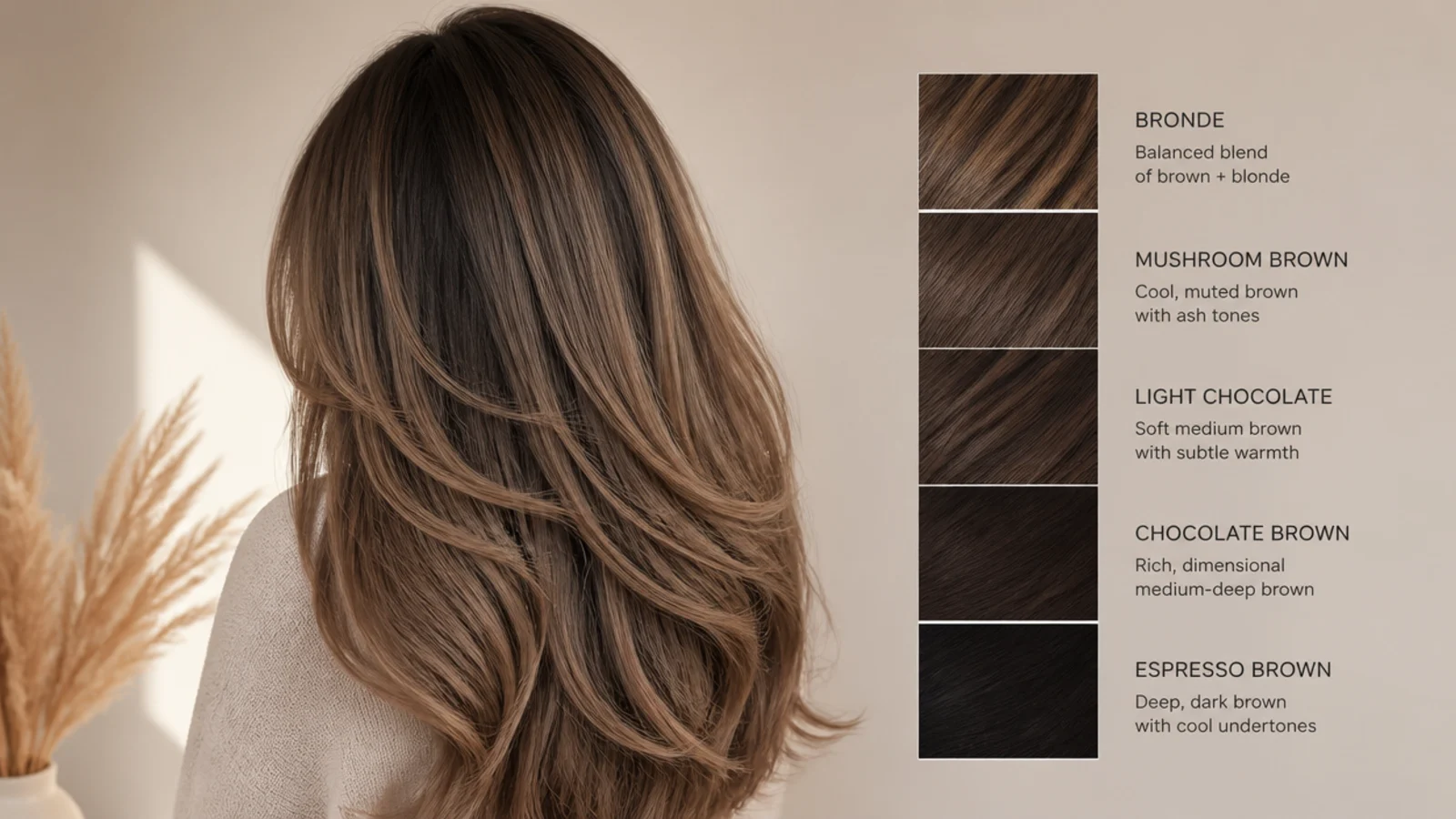
Level three to four is espresso and near black. These absorb the most light, so they show the narrowest and brightest reflection and the most visible regrowth against pale roots.
Level five is chocolate. Deep enough to look saturated, light enough that a red or gold reflect still shows through it rather than disappearing into the depth.
Level six is milk chocolate and mid brown. The most flexible rung on the ladder, because a level six can be warmed or cooled with a gloss without touching the base again.
Level seven and up is bronde. Light brown carrying enough blonde to catch daylight, and the point at which grow out stops being an event because the contrast against natural roots is small.
The Cut Behind the Color
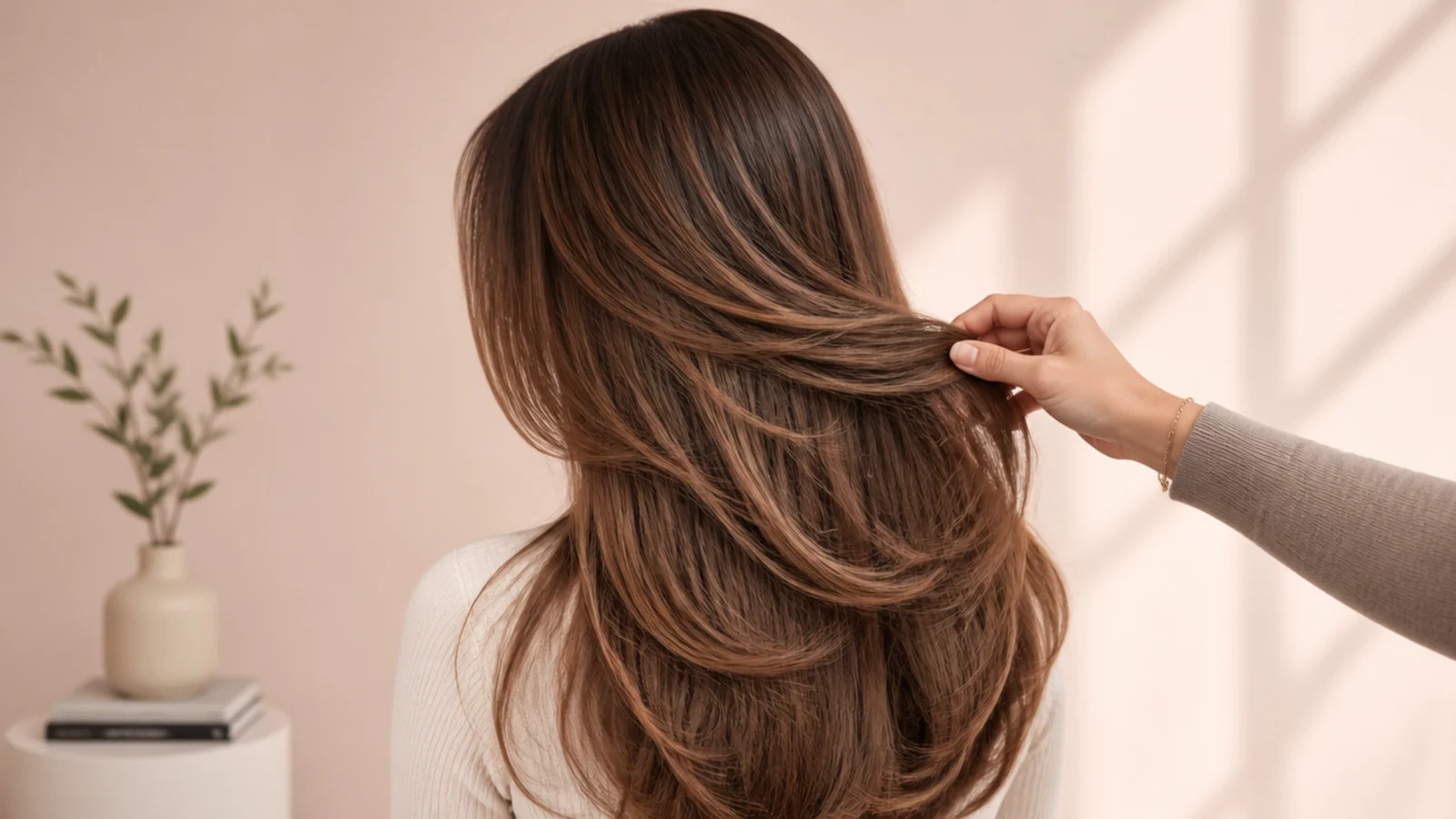
Long layers give the color somewhere to move. Every layer edge is another surface angled toward the light, and a single flat sheet of brown reflects in one band only.
Face framing pieces do the work of a highlight. A shorter section at the front catches light along its ends, which brightens the area around the face without lightening anything.
A curtain fringe is a layer that starts at the forehead. It splits at the centre and travels outward, which is why it reads as part of the cut rather than as a fringe sitting on top of it.
Blunt ends make a brown look denser. Every strand finishing on the same line reflects at the same moment, and that shared reflection is what the eye reads as thickness.
Brown Over Bleached Blonde
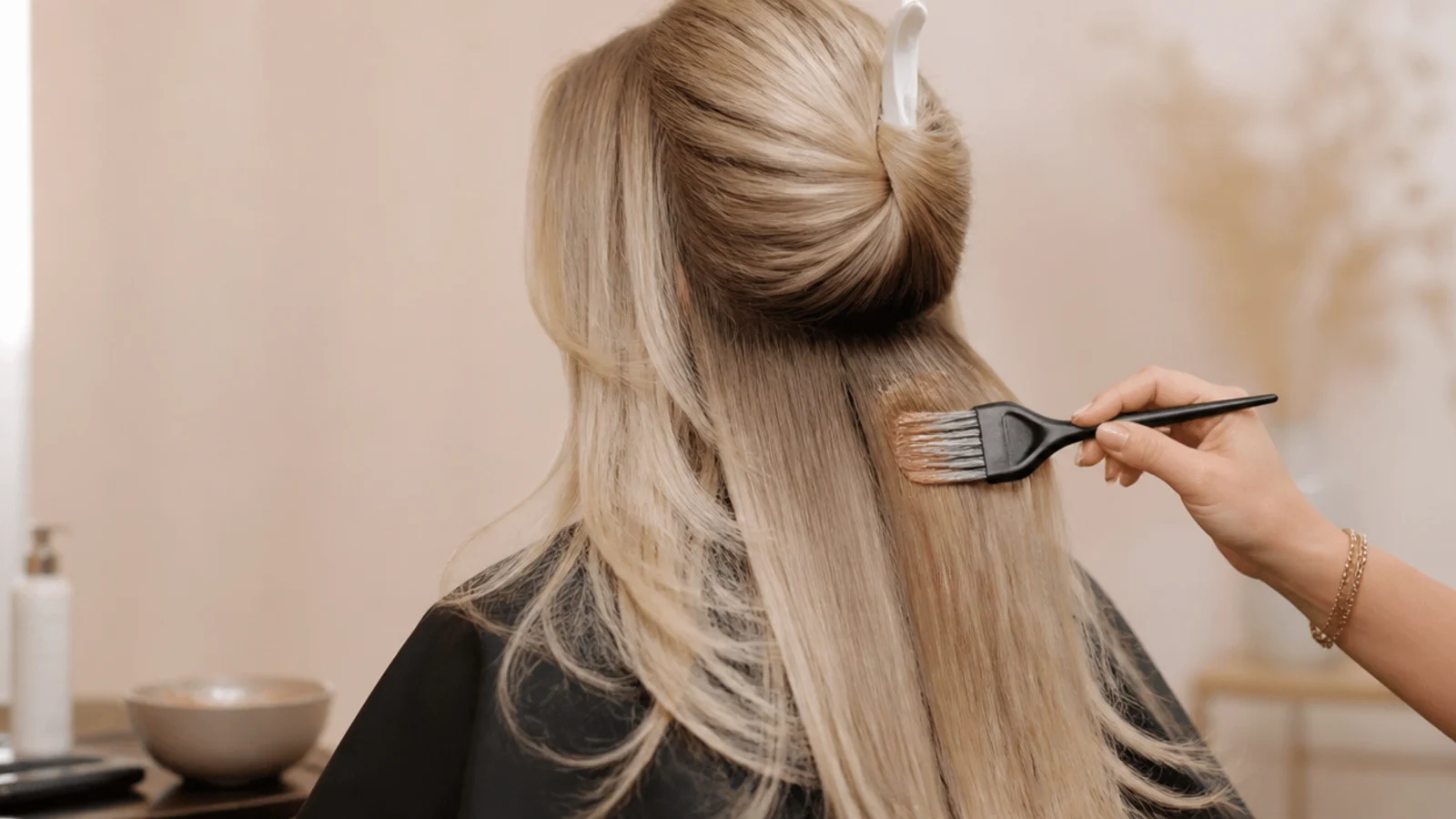
Bleach removes warm pigment first, cool pigment last. That is the whole reason lightened hair goes yellow and then orange on the way up, and it is why it has no warmth left to receive a brown.
A filler replaces what was removed. A warm gold or copper applied before the brown gives the target shade something to sit against, and without it the brown reads green ash within days.
Porous hair grabs and then releases. A damaged cuticle takes the dye faster than intended and holds it worse, so the first result often looks too dark and the second week looks too light.
Go one level lighter than the goal. Porous hair pulls darker than the tube suggests, so aiming above the target and glossing down is more controllable than aiming at it directly.
What to Ask Your Colorist For
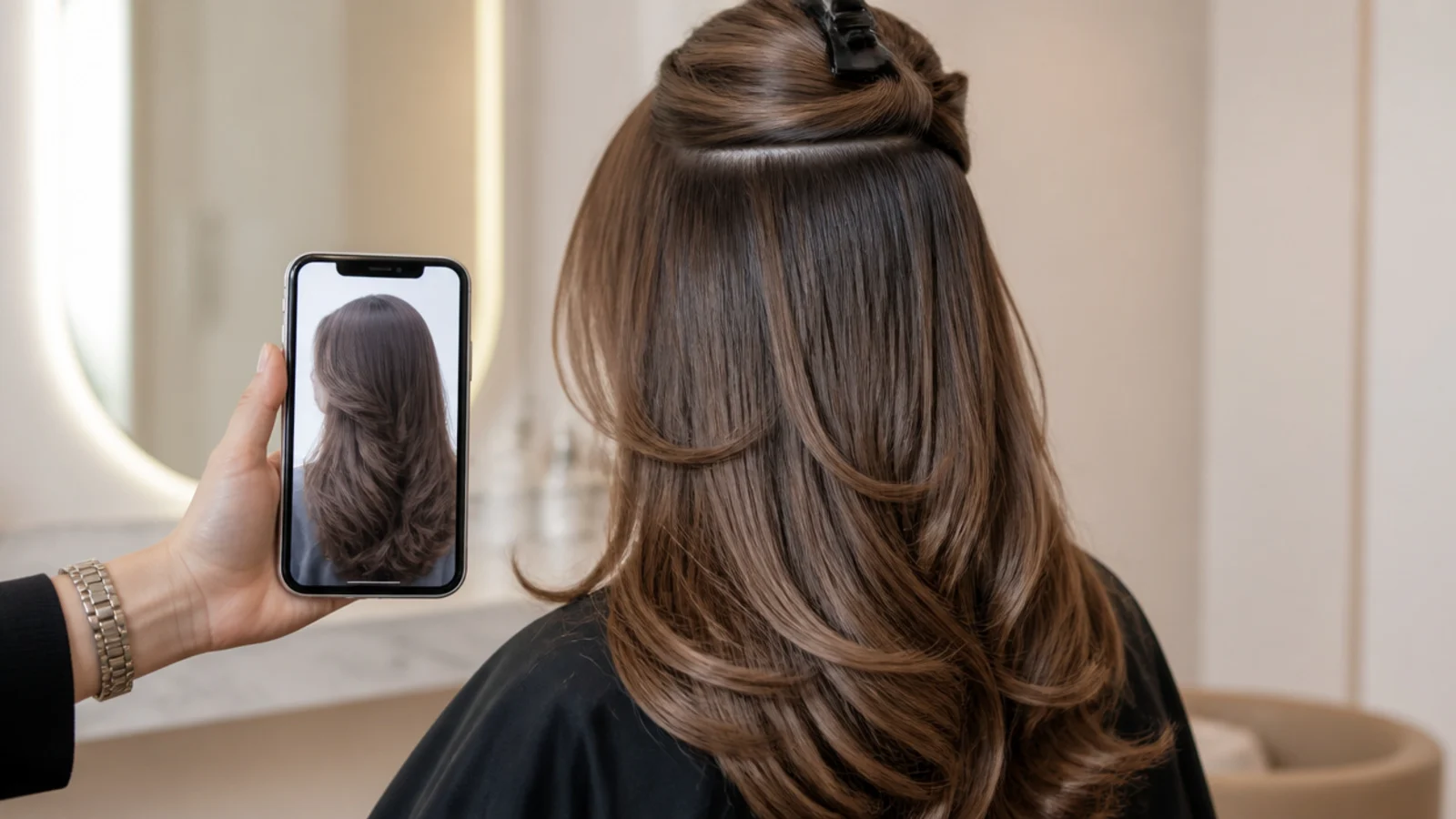
Say the level and the tone in the same sentence. A level six neutral brown is a request. A rich brunette is a wish.
Say whether you have ever lightened it. Even a balayage from two years ago changes how the whole application is planned, because that hair is still porous.
Ask for a shadow root if you want longer between visits. It costs nothing extra at the appointment and turns regrowth from a hard line into a gradient.
Ask what maintenance the tone needs. A red or gold reflect will need a gloss before the base needs a retouch, and knowing that up front is the difference between a plan and a surprise.
The Blowout at Home
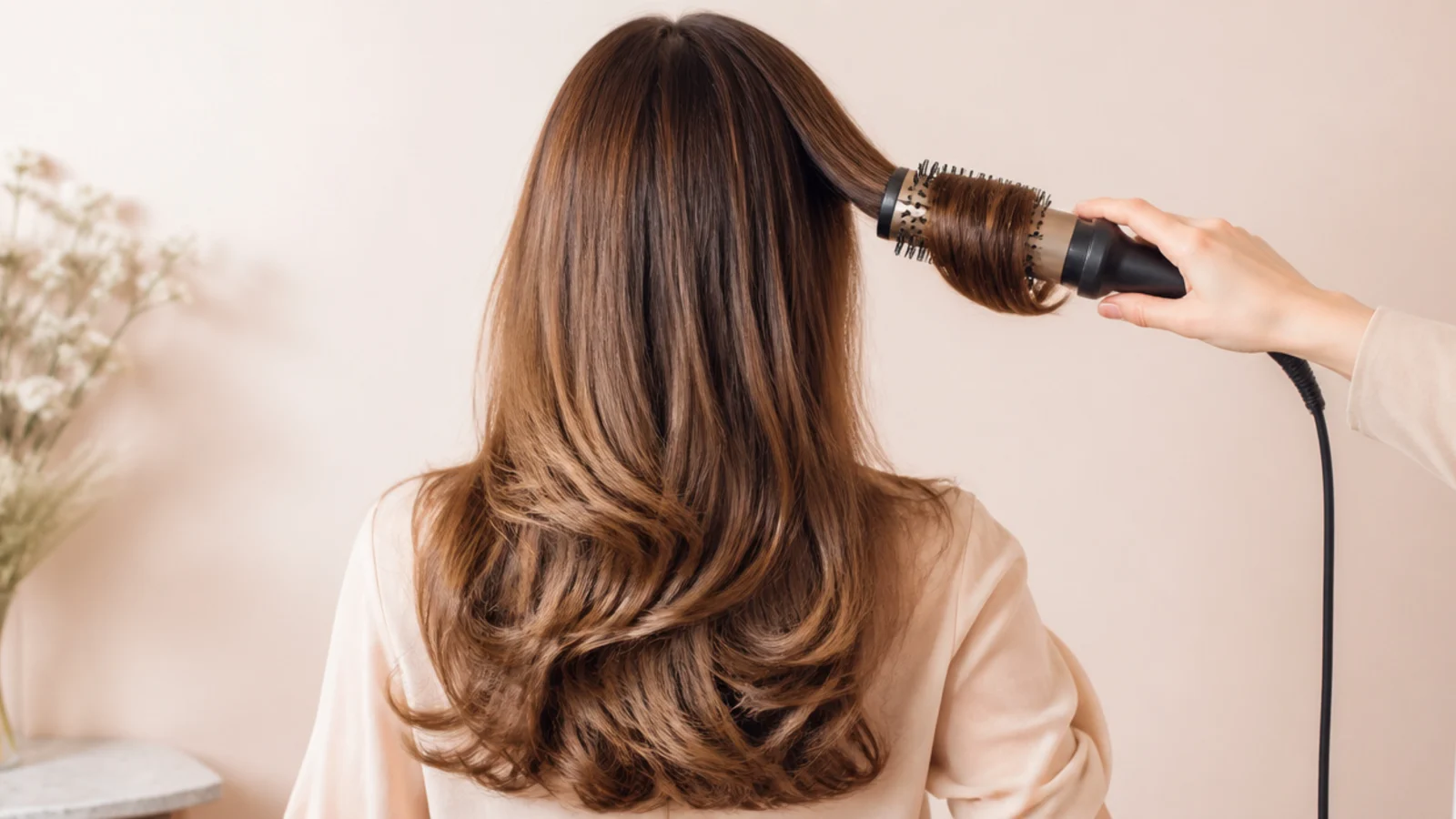
Rough dry to about eighty percent first. A round brush cannot shape soaking hair, and the extra minutes under heat are what dull a fresh gloss.
Take sections no deeper than the brush barrel. Anything thicker leaves the inner hairs wet, and wet hair drops out of the shape as soon as the section is released.
Point the nozzle down the strand. Airflow running root to end lays the cuticle scales flat in one direction, and a flat cuticle is what makes a dark color reflect a clean band instead of a dull haze.
Let each section cool on the brush. Hair sets its shape as it cools, so unwinding a hot section throws away the bend you just made.
The 20 Brown Hair Ideas
1. Bronde Money Piece
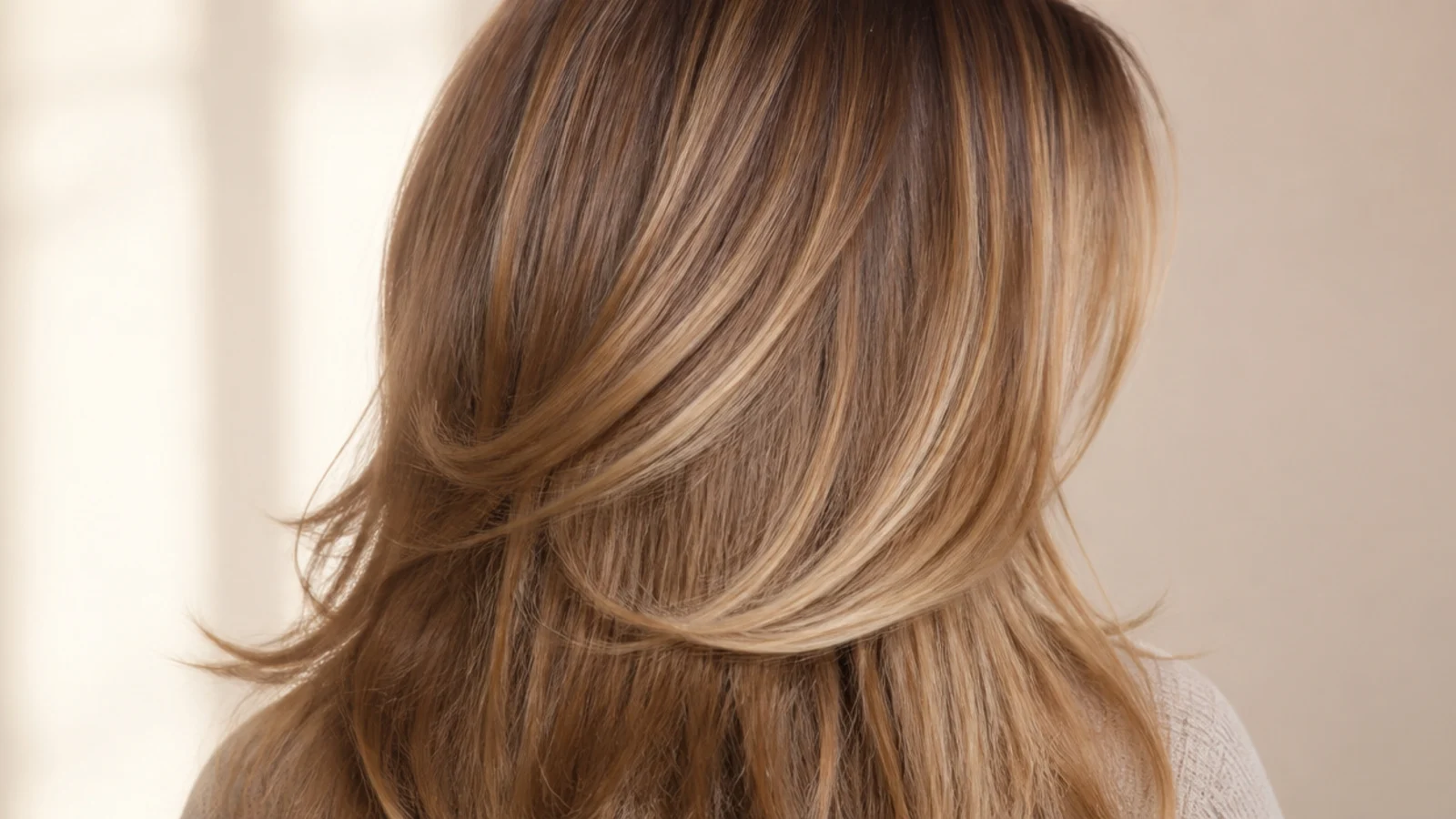
Two lightened sections at the front of an otherwise brown head. The hairline is the part of the hair that sits nearest daylight and nearest the face, so brightening only there buys the maximum visible change for the least lift anywhere else.
2. Mushroom Brown Curtain Bangs
A cool light brown with a gray base and no warm reflect at all. Because there is no warmth in the formula to mask anything, the base underneath has to be free of orange first or the result turns muddy rather than smoky.
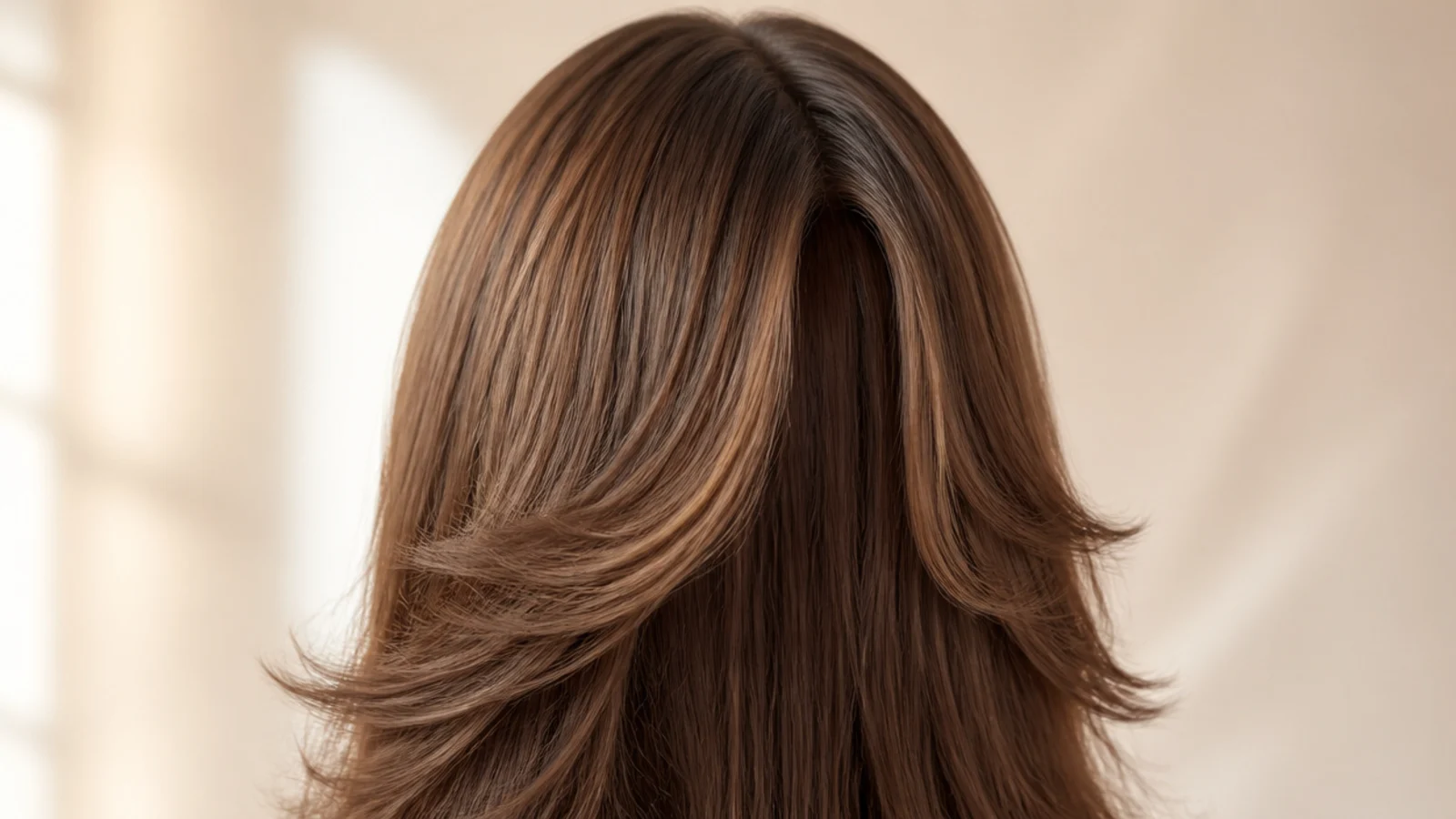
3. Chocolate Long Layers
A deep neutral brown cut into long layers. Dark shades absorb most of the light that hits them and return a narrow bright band, so the extra edges a layered cut provides are what stop the color reading as one flat sheet.
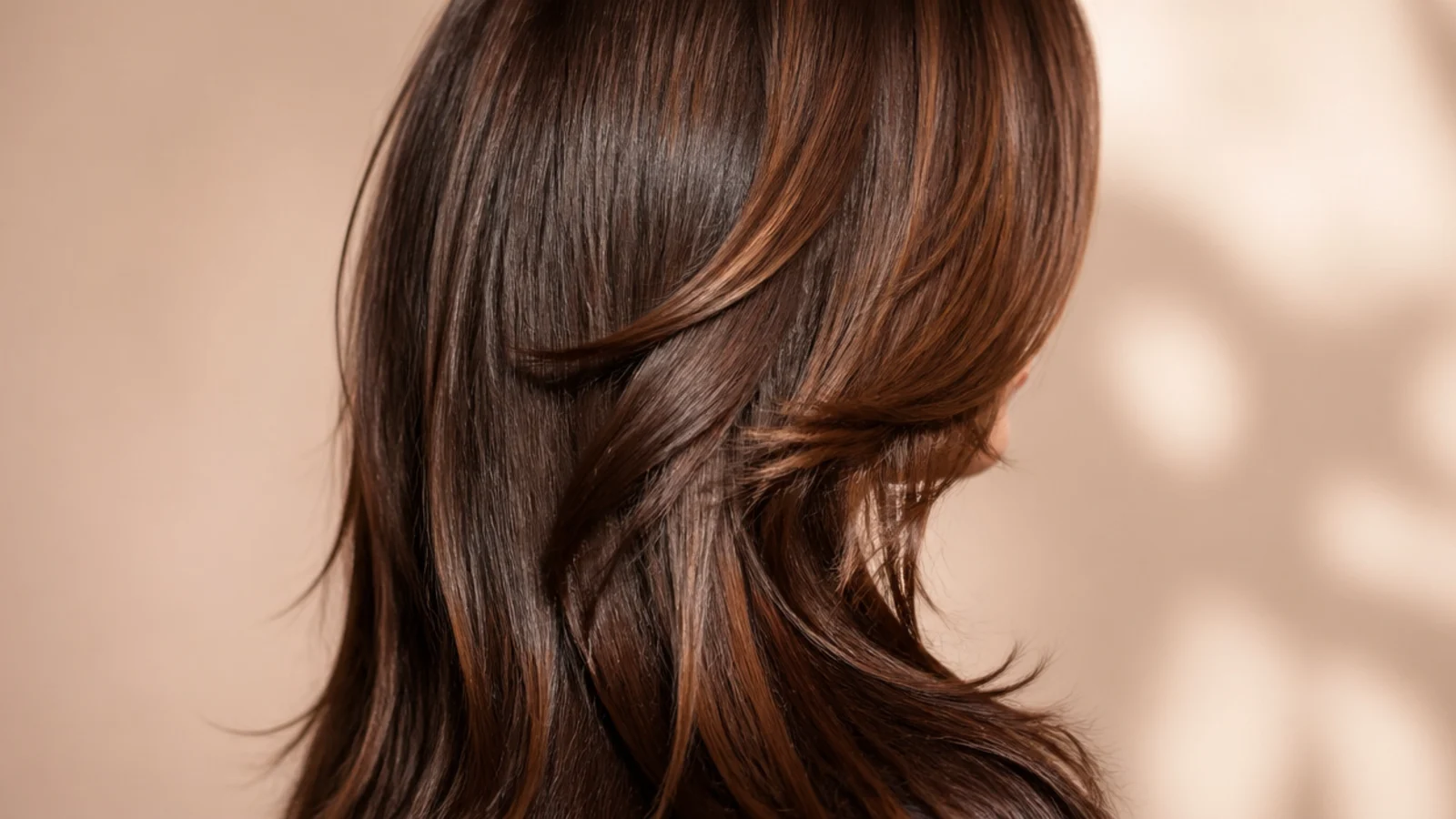
4. Espresso Sleek and Straight
The darkest rung, flat ironed to a single surface. At this depth the cut has nowhere to hide, because a straight strand has no bend to scatter light and every uneven length shows up along the perimeter.
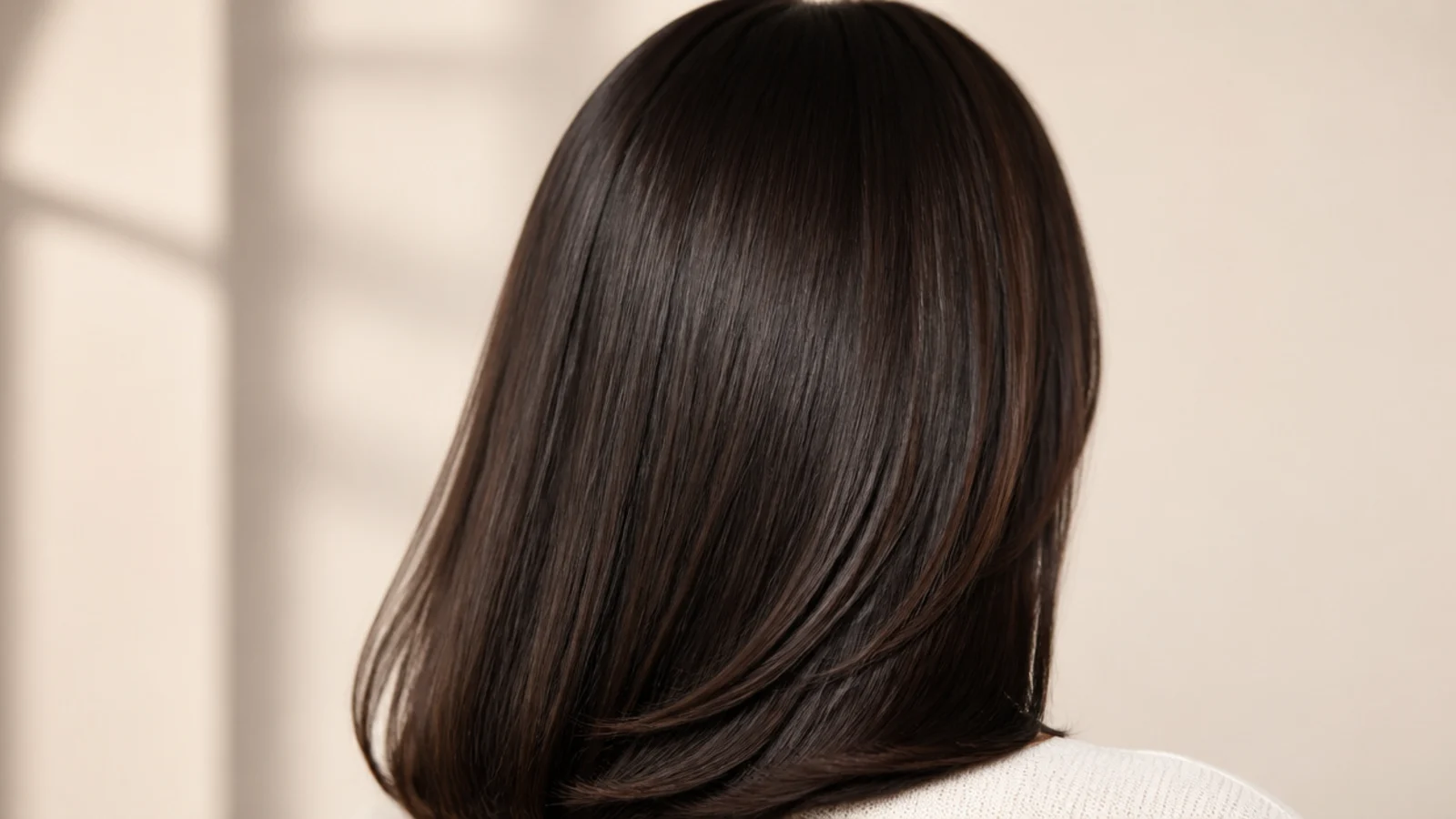
5. Caramel Balayage
Lightener painted freehand rather than packed into foils. The saturation builds toward the ends and thins out toward the root, which means grow out never produces a horizontal line and the appointment interval is set by taste rather than by necessity.
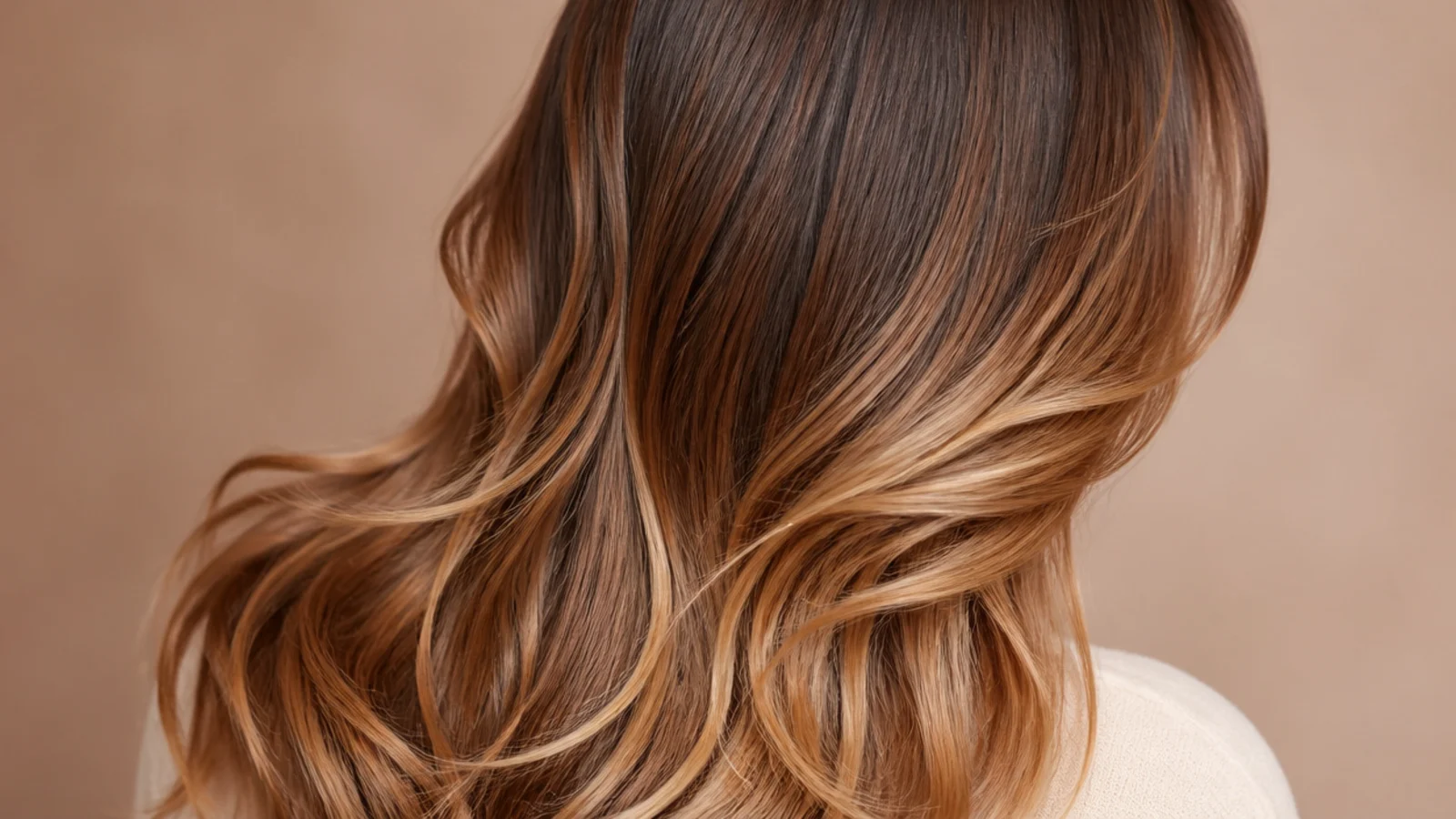
6. Shadow Root Brown
Depth deliberately left darker at the scalp than through the lengths. New growth then arrives into an area that is already dark, so the demarcation line the eye looks for simply never forms.
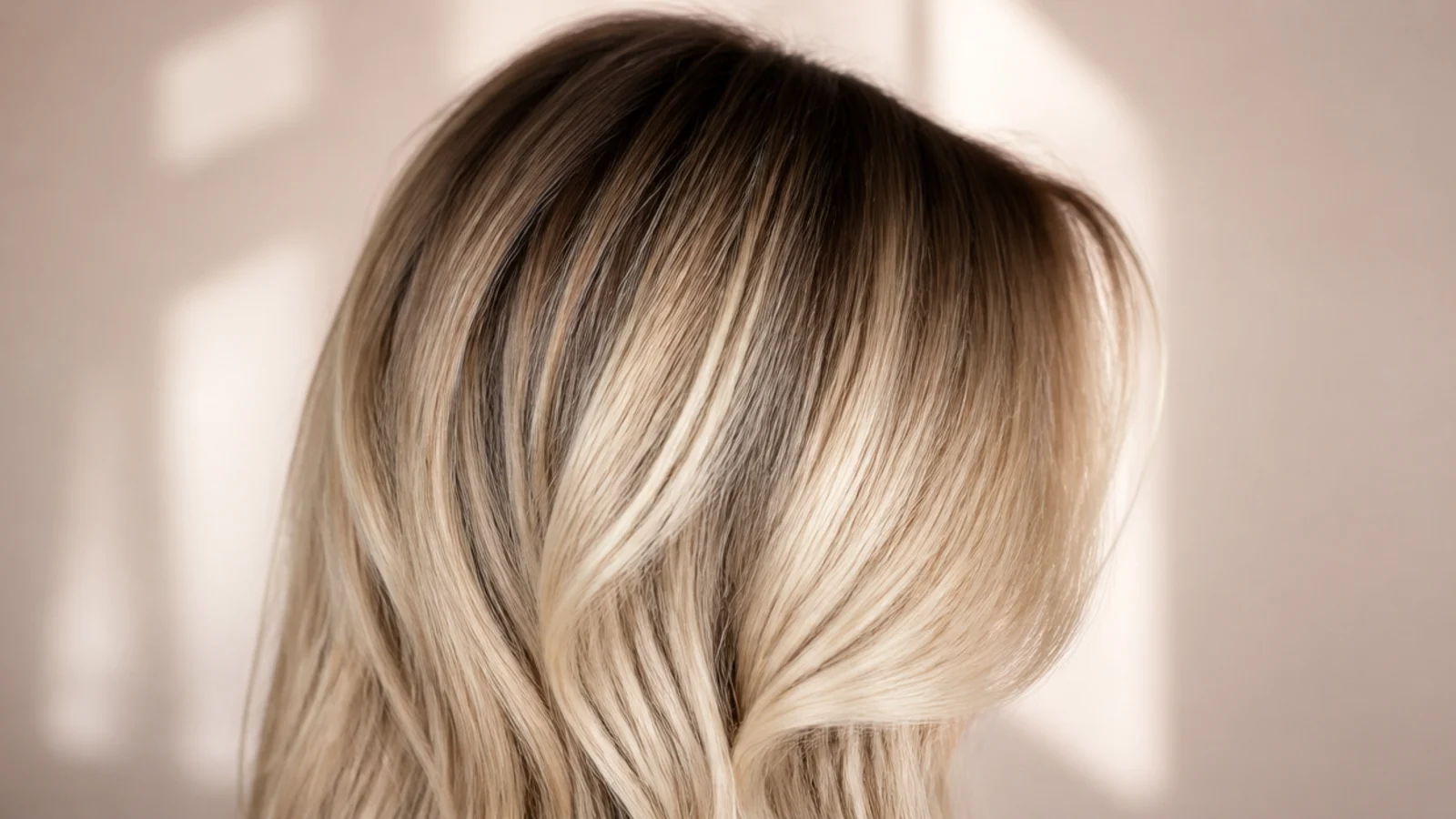
7. Chestnut Blowout
A mid brown carrying a red gold reflect. Red pigment molecules are the largest in the formula and sit nearest the surface, so a chestnut loses its warmth before it loses its depth and drifts toward a flat brown rather than a lighter one.
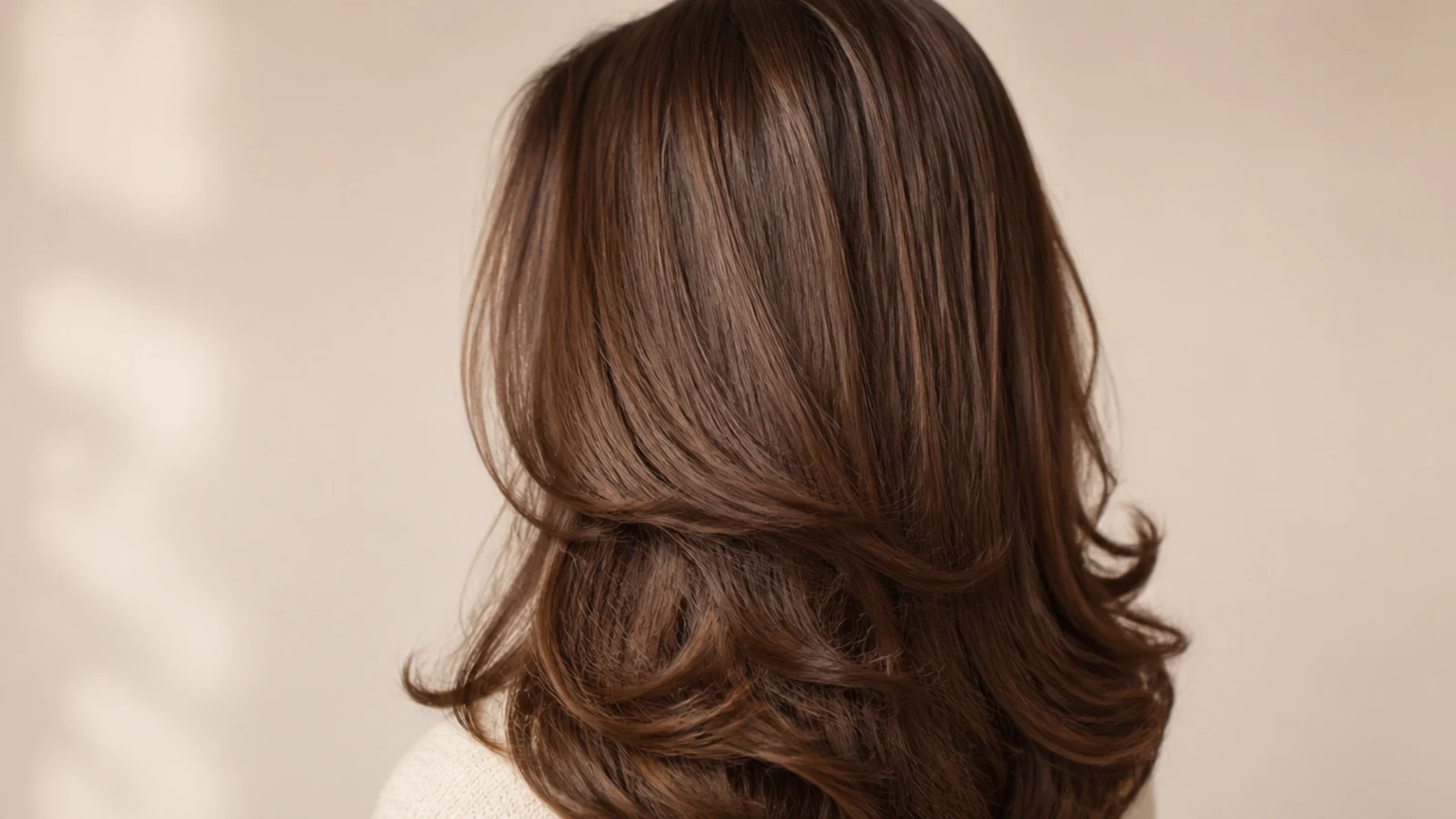
8. Ash Brown With Curtain Bangs
Ash means a blue or green base built into the formula to cancel orange. Those cool pigments absorb more light than they return, which is why an ash brown always looks a shade deeper on the head than it does on the swatch.
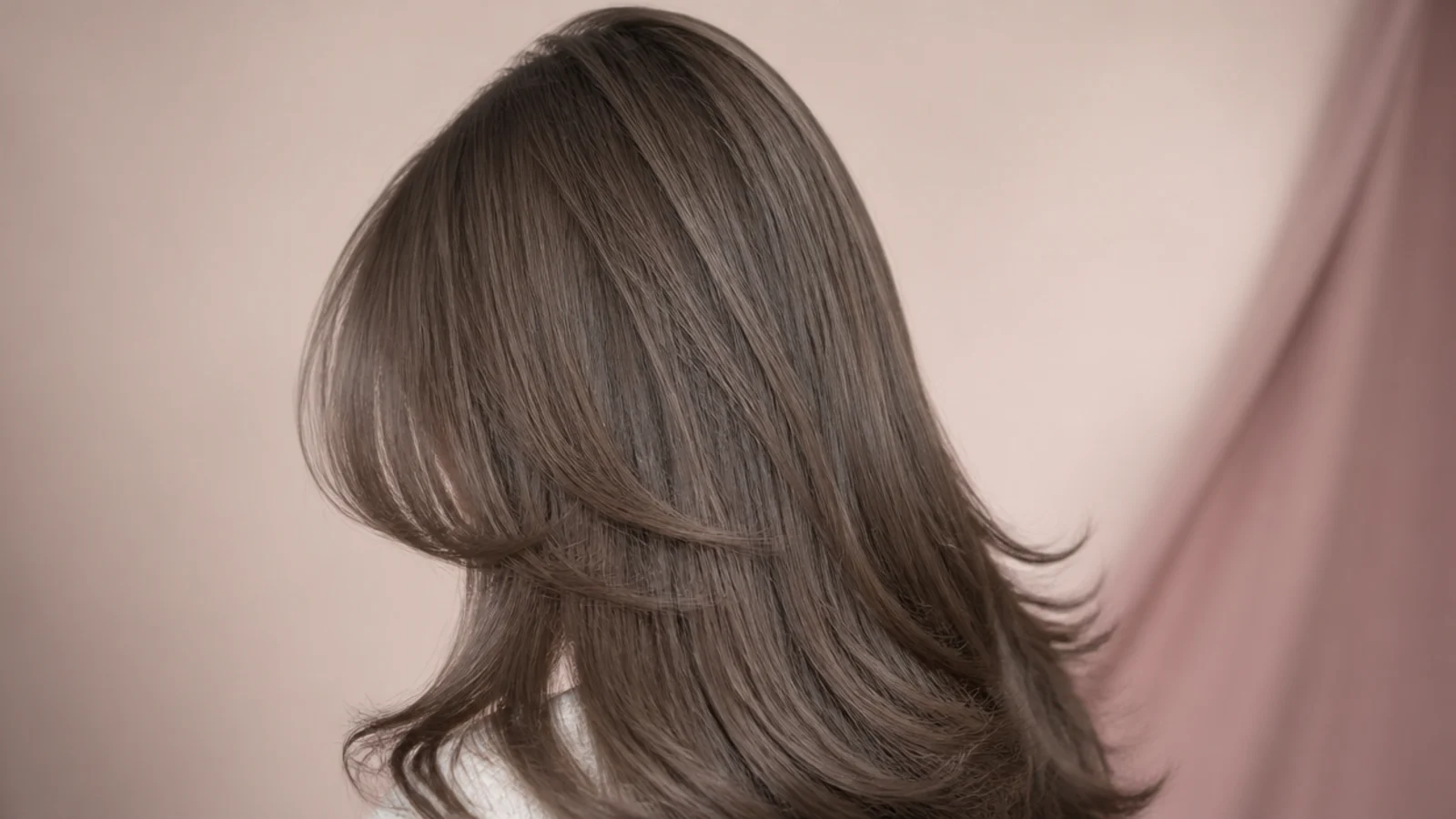
9. Milk Chocolate Lob
A level six at collarbone length. A single level on a one length shape looks flat, so this shade wants at least a half level of variation through the lengths to give the perimeter something to reflect against.
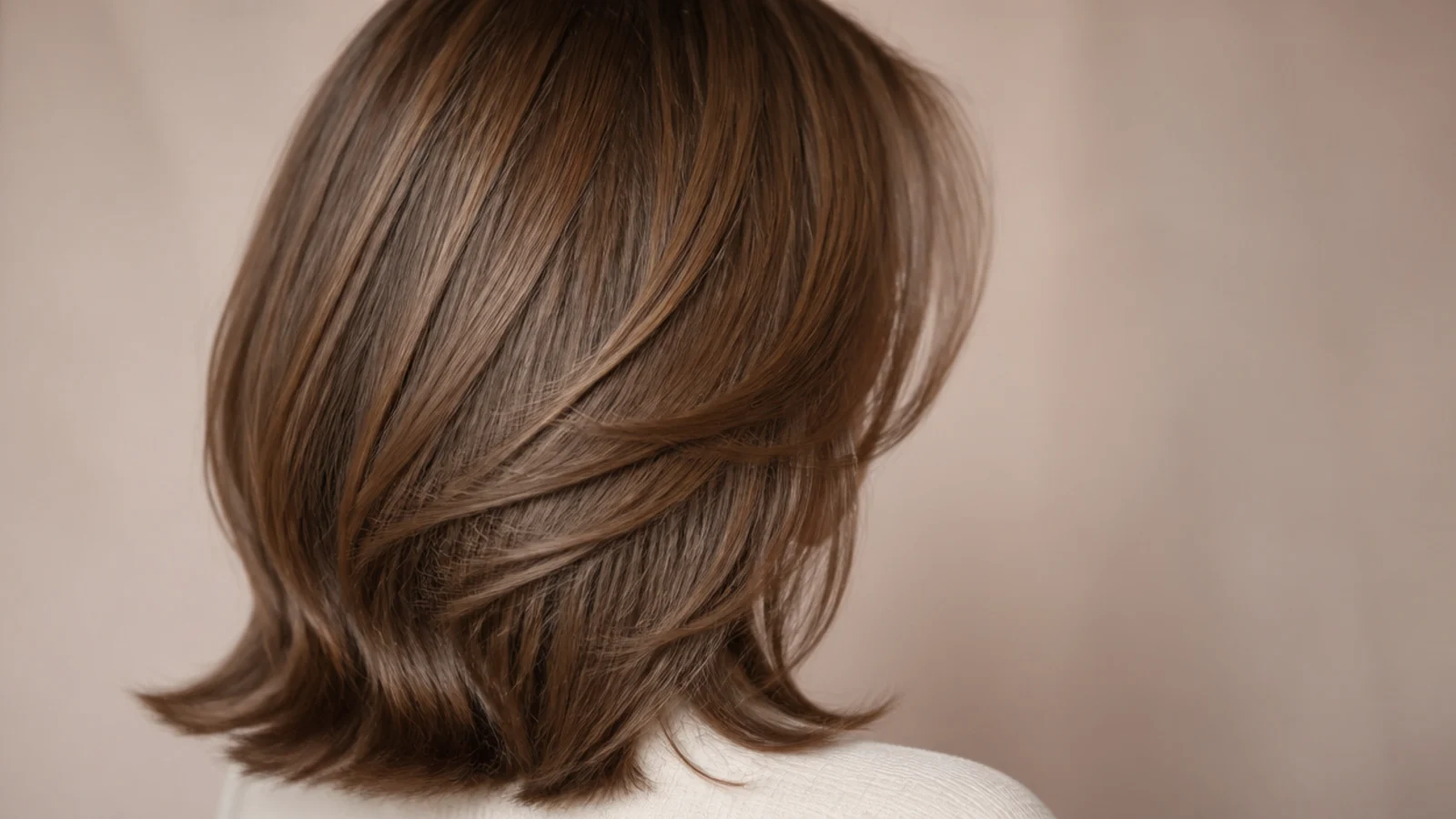
10. Toffee Face Framing
Warm light brown placed only around the hairline. Warm reflects bounce a golden cast onto the skin beside them, which is the entire reason face framing pieces are cut warmer than the rest of the head.
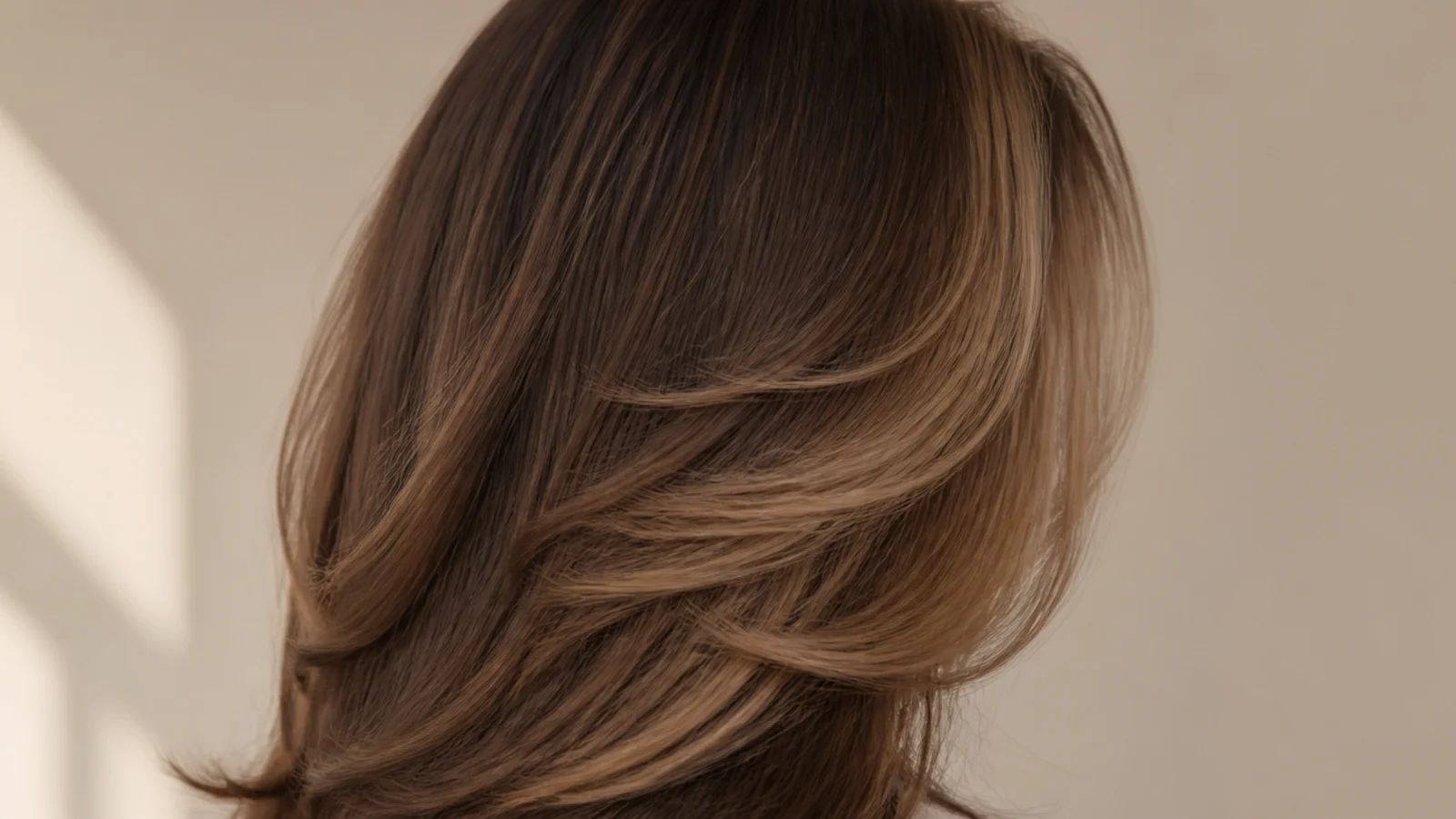
11. Golden Brown Waves
A gold reflect through waved lengths. Waves alternate lit arcs with shadowed ones, and a gold reflect only appears on the lit arcs, so the texture is what turns a single shade into a visibly multi tonal one.
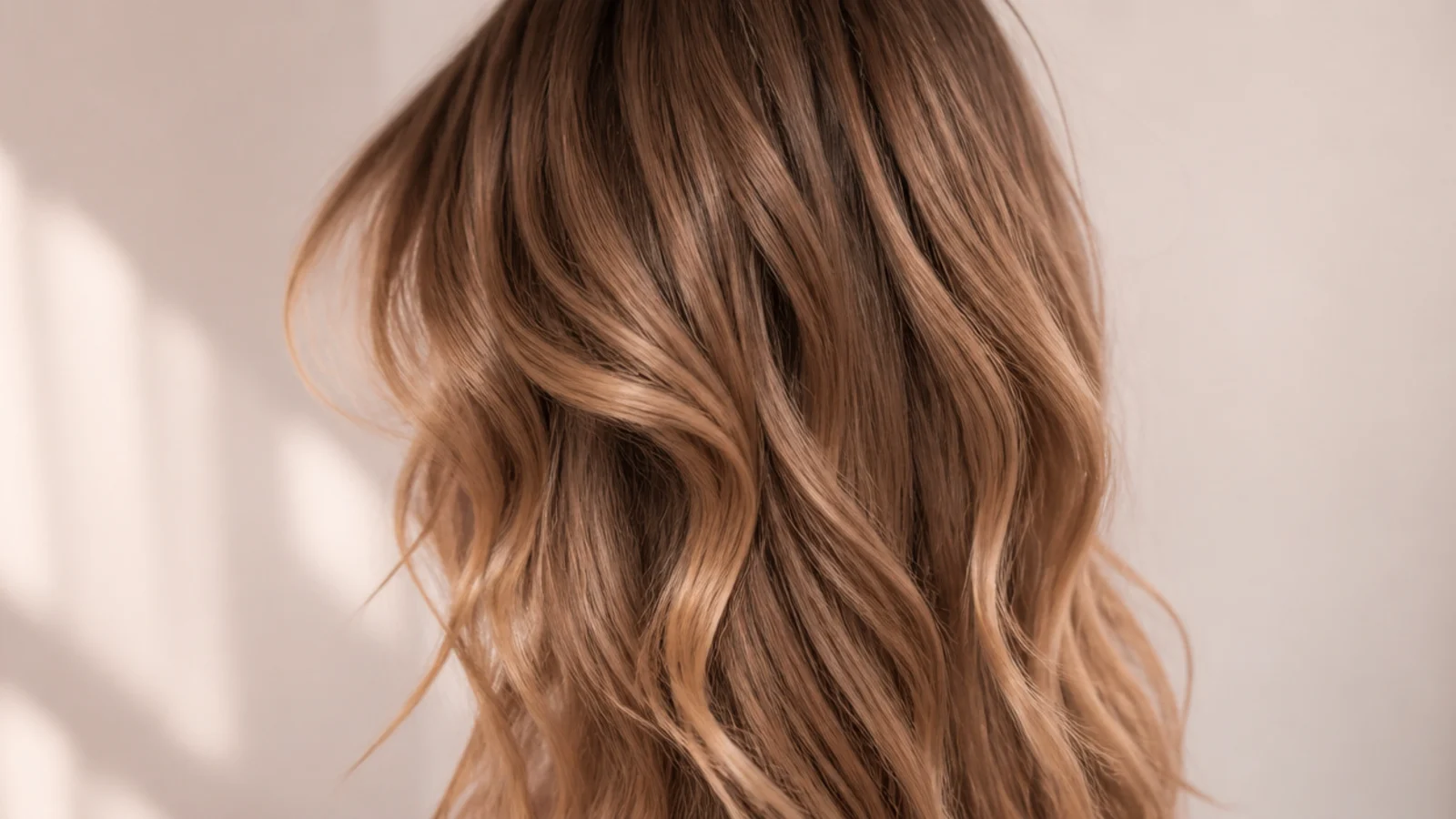
12. Curtain Bangs for a Round Face
The fringe splits at the centre and travels outward and down. Those two diagonals cross the widest part of the face and interrupt its horizontal, which is why the same fringe reads differently here than on a long face.
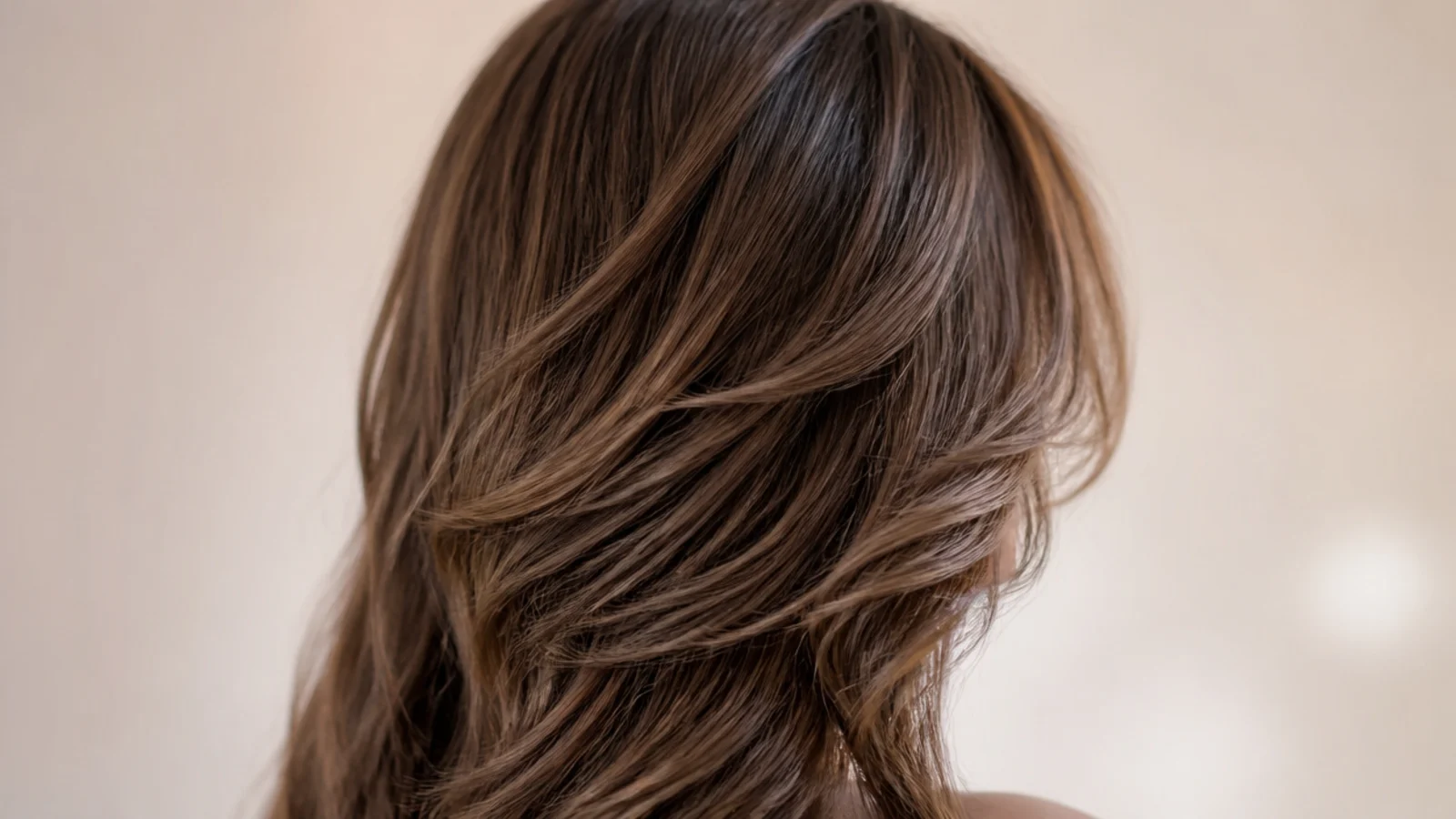
13. Dark Brown Hollywood Curls
A brushed out set on deep brown. Dark hair produces the strongest contrast between a lit ridge and a shadowed hollow, which is why a formal set always looks sharper on a brunette than on the same set in blonde.
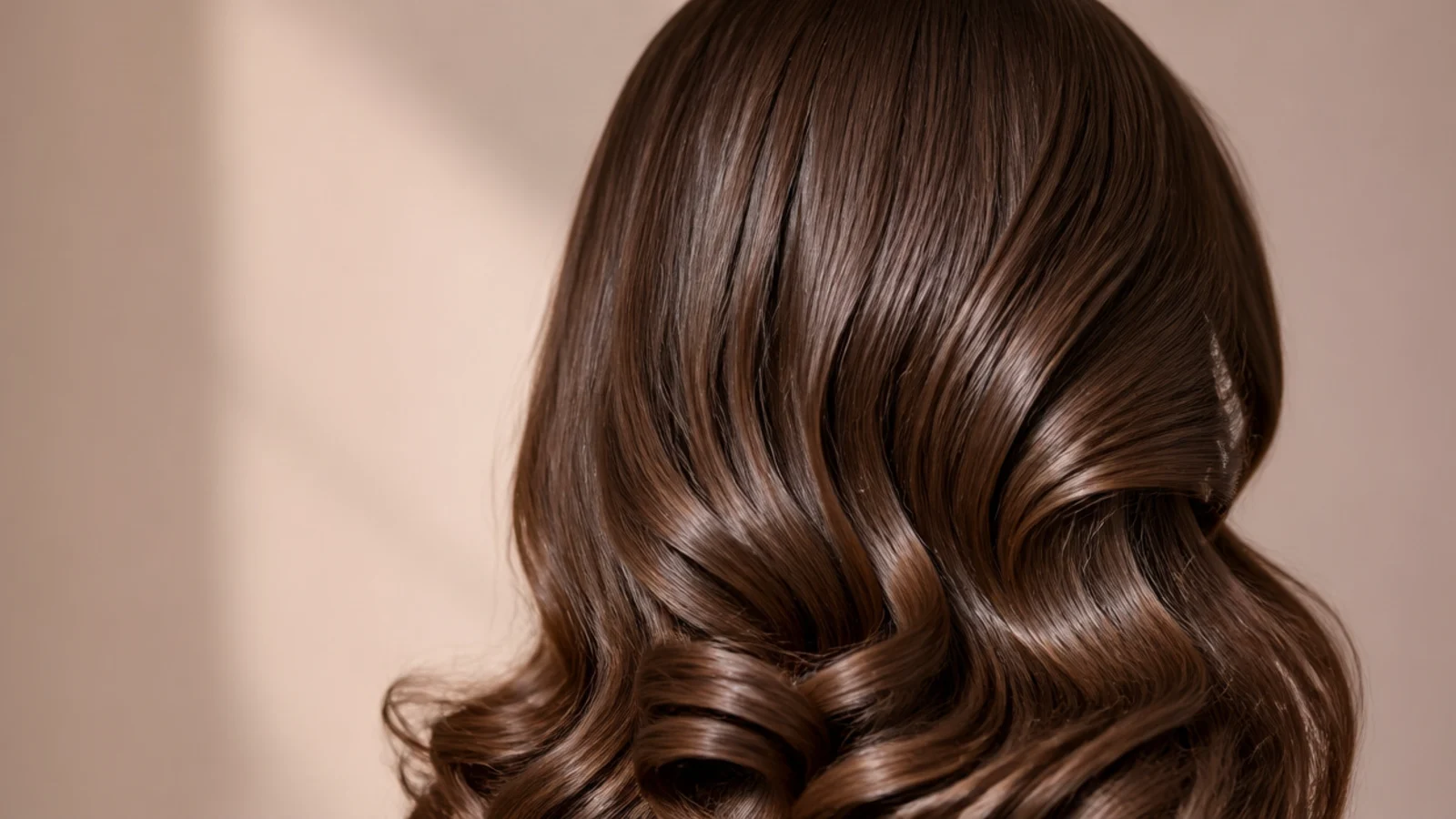
14. Cinnamon Butterfly Cut
Two lengths in one cut, with short face framing layers sitting over long ones. The short layers supply the volume and the long ones keep the length, so it reads as a shag from the front and as long hair from behind.
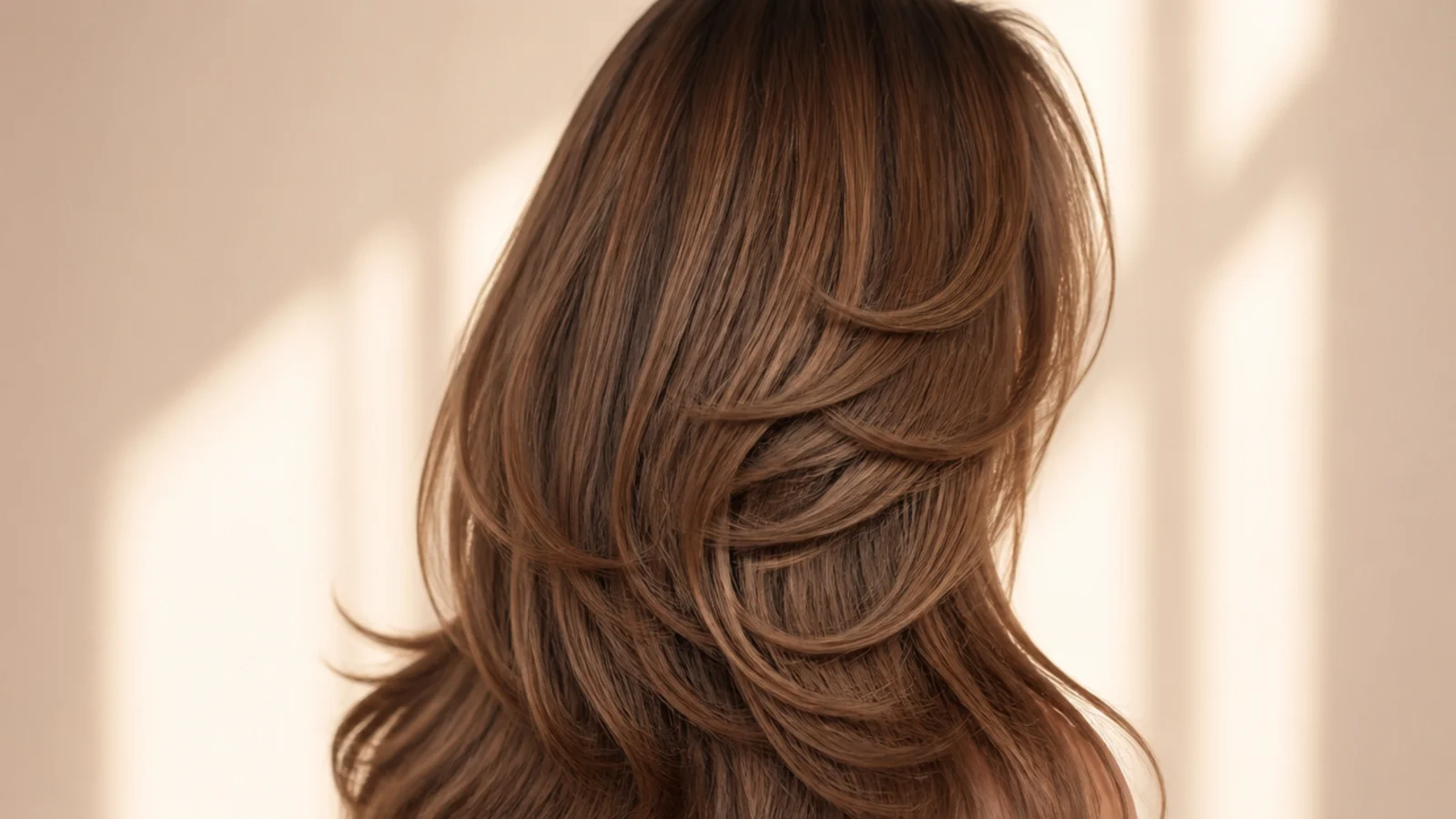
15. Mocha Half Up With a Bow
A balanced brown gathered at the crown. Half up styles show the root and the lengths in the same frame, which flatters a deliberate shadow root and exposes an accidental one just as clearly.
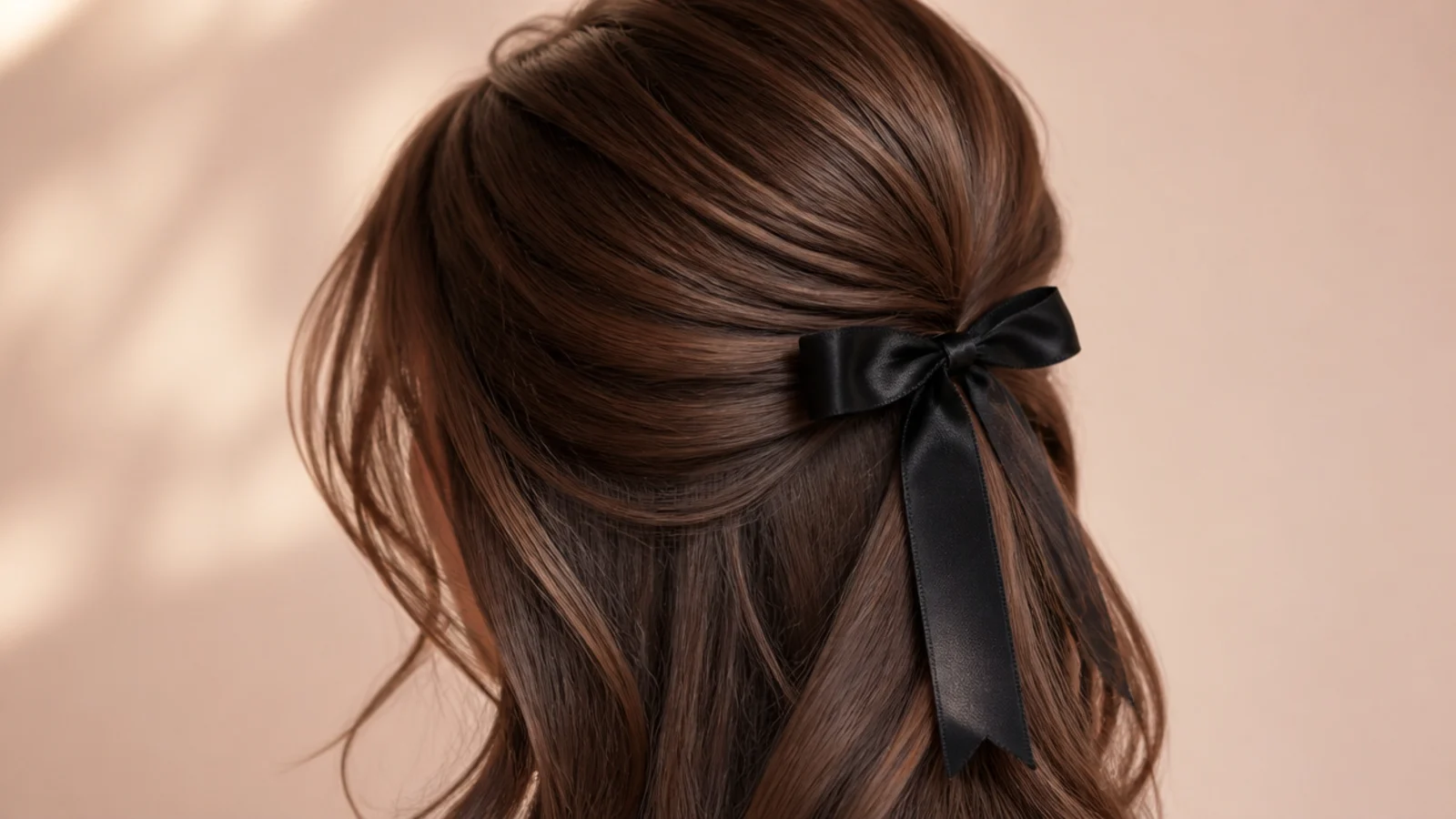
16. Brown Root Smudge
A fast toner worked through the scalp area to blur a hard line left by lightening. It works because the smudge is applied wet and diluted, so it grades out down the strand instead of stopping where the brush stopped.
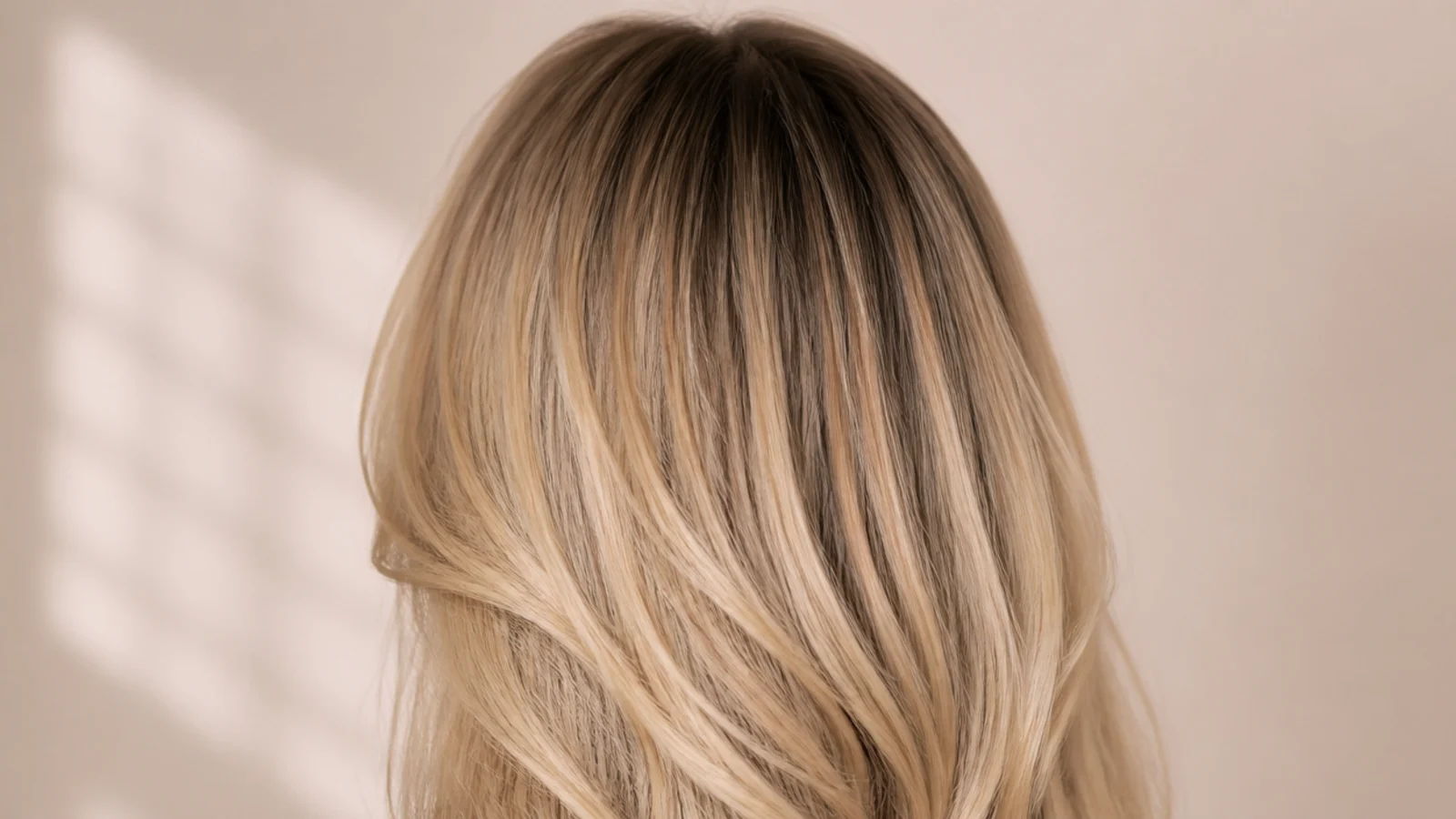
17. Espresso High Ponytail
The darkest shade pulled up and back. Tension at the hairline separates strands and would show scalp on a lighter color, but a dark base and a dark scalp read as one surface and the parting disappears.
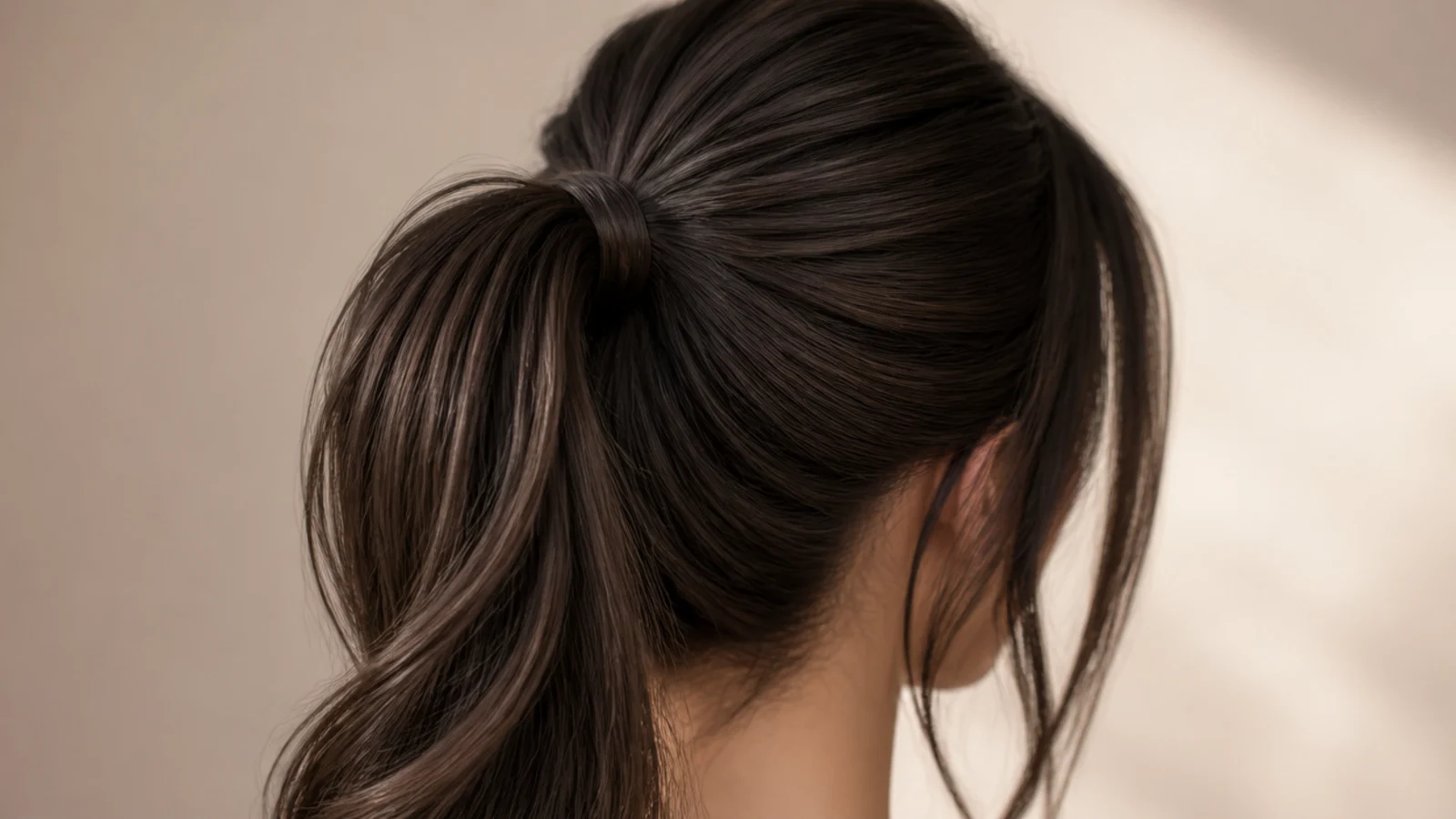
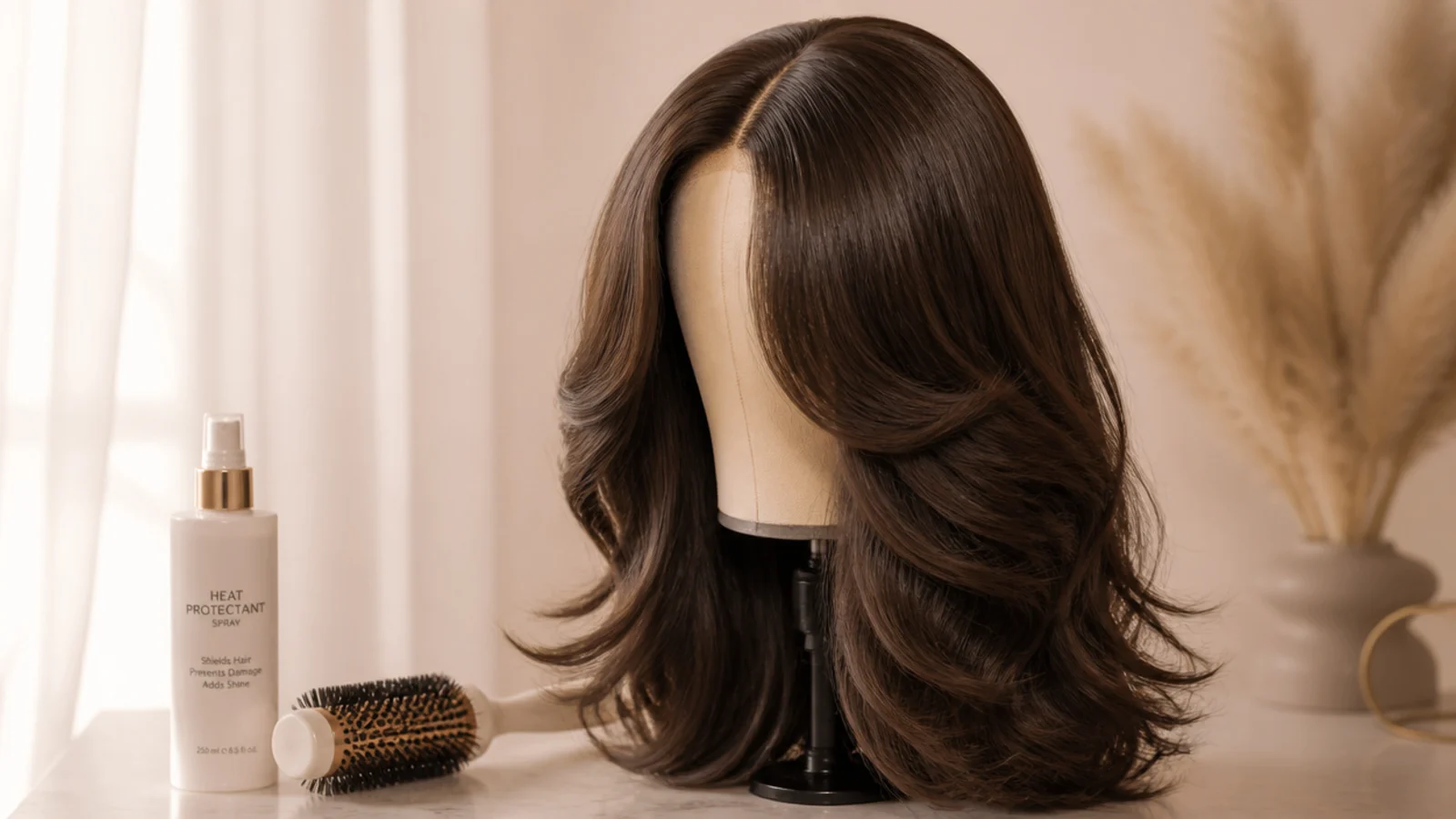
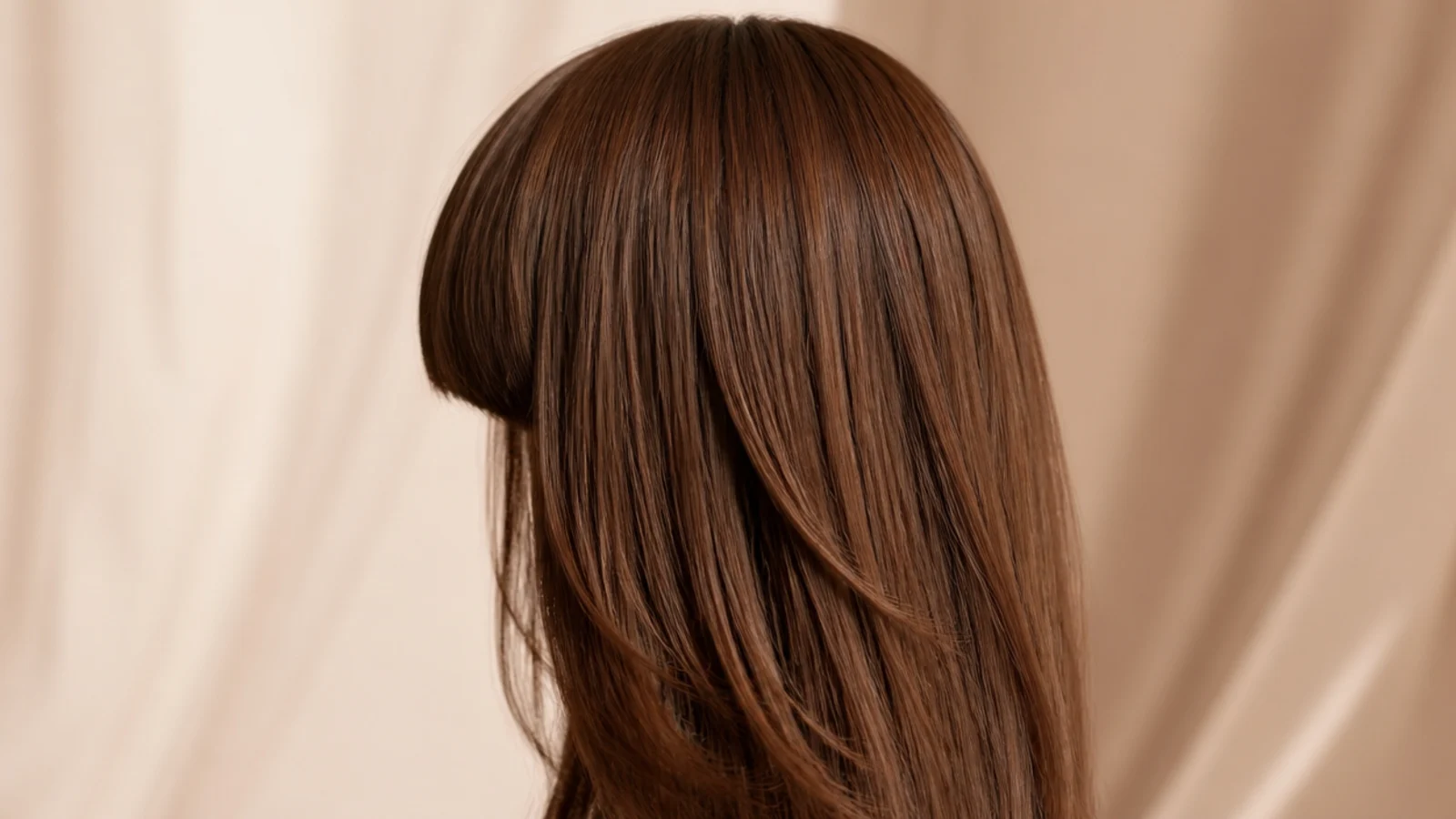
18. Chocolate Wig With Blunt Bangs
The zero commitment way to test a depth before booking it. Wig hair has no living cuticle left to damage, so it can carry a saturation and a bluntness that would take two appointments and a lot of condition on your own head.
19. Bronde Curly Texture
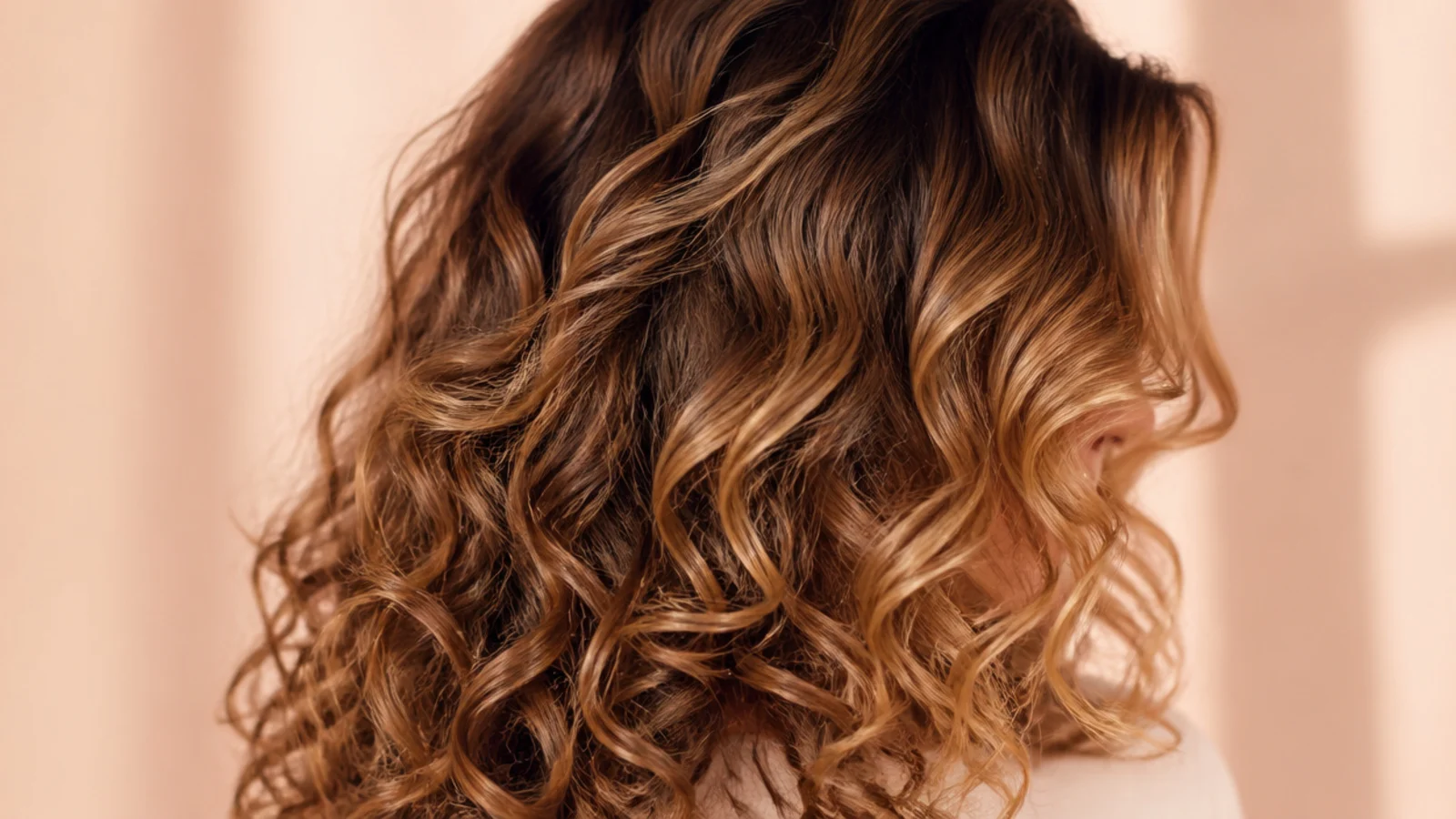
Two tones through a curl pattern. Curls turn parts of every strand toward the light and parts away, so a bronde placement shows as genuine dimension rather than as stripes and grow out lines vanish into the bends.
20. Mahogany Blunt Outline
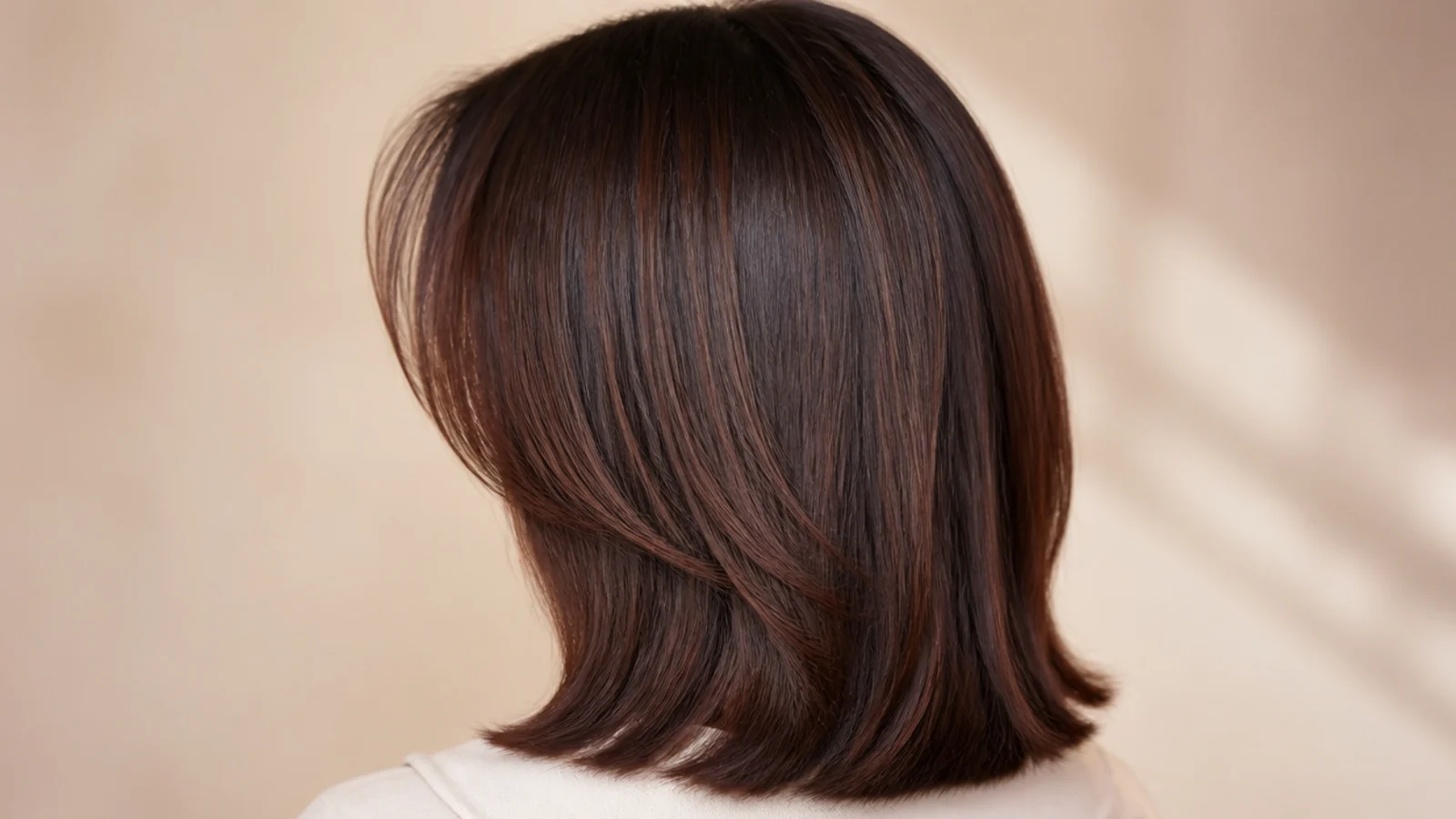
A brown carrying a violet red reflect, cut to one line. Every strand ending at the same point returns its reflection at the same moment, and that shared band is what makes the violet in mahogany visible at all.
Final Thoughts
Ask for a level and a tone, and mention every lightening service you have ever had, however long ago. Those two sentences are what separate a brown that still looks like the photograph in week four from one that turns ashy in week two, and neither of them costs anything.
If the base has been blonde, budget for a filler rather than a darker brown. For more on the shade itself see the chocolate color version, and for a hidden placement see peekaboo hair colors in brown. More in Celebrity Hair.