20 Sabrina Carpenter Blue Hair Ideas That Hold Their Tone
Twenty blue ideas in the soft pastel register, and the fact that decides all of them — blue is a deposit sitting on top of pre lightened hair, so the level you bleach to matters far more than the shade name on the tub.
In this article · 28
- Blue Hair Fact Check
- The Signature Look Broken Down
- Which Blue Suits Your Hair Type
- Shorter Curlier and Darker Hair
- What to Ask Your Colorist for Blue
- Round Brush Blowout on Blue Hair
- The 20 Blue Hair Ideas
- 1. Baby Blue Long Layers
- 2. Powder Blue Fringe
- 3. Denim Blue Layers
- 4. Steel Blue With a Shadow Root
- 5. Blue Black With a Blunt Fringe
- 6. Periwinkle Money Piece
- 7. Peekaboo Blue Underlayer
- 8. Icy Blue Balayage
- 9. Cornflower Blue Blowout
- 10. Navy Dipped Ends
- 11. Blue Silver Over Ash Blonde
- 12. Teal Blue Lob
- 13. Electric Blue Pin Curl Bob
- 14. Sky Blue Half Up With a Bow
- 15. Blue Chrome Glass Hair
- 16. Blue Streak Face Frame
- 17. Mermaid Blue Curls
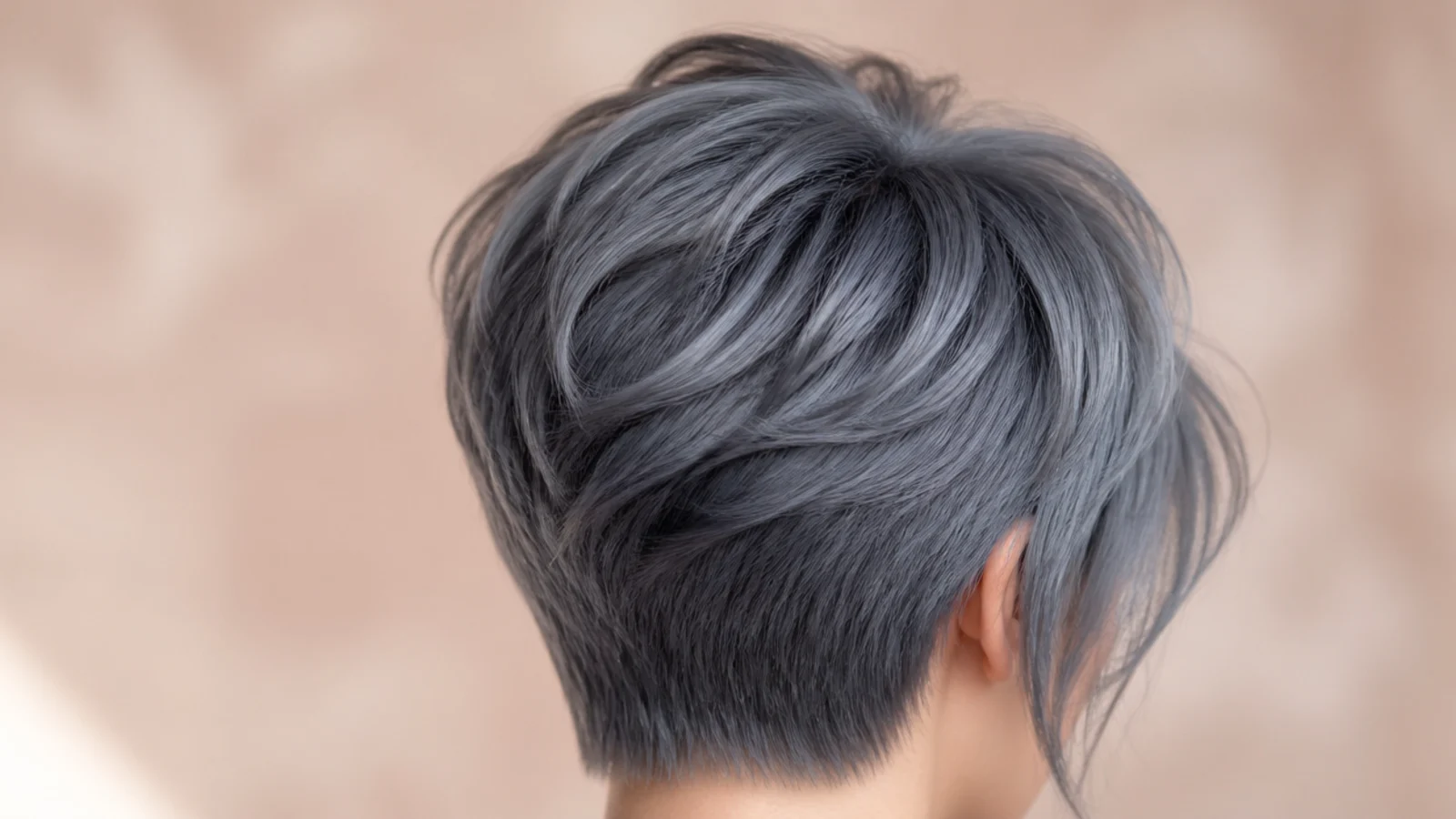
- 18. Smoky Blue Gray Pixie
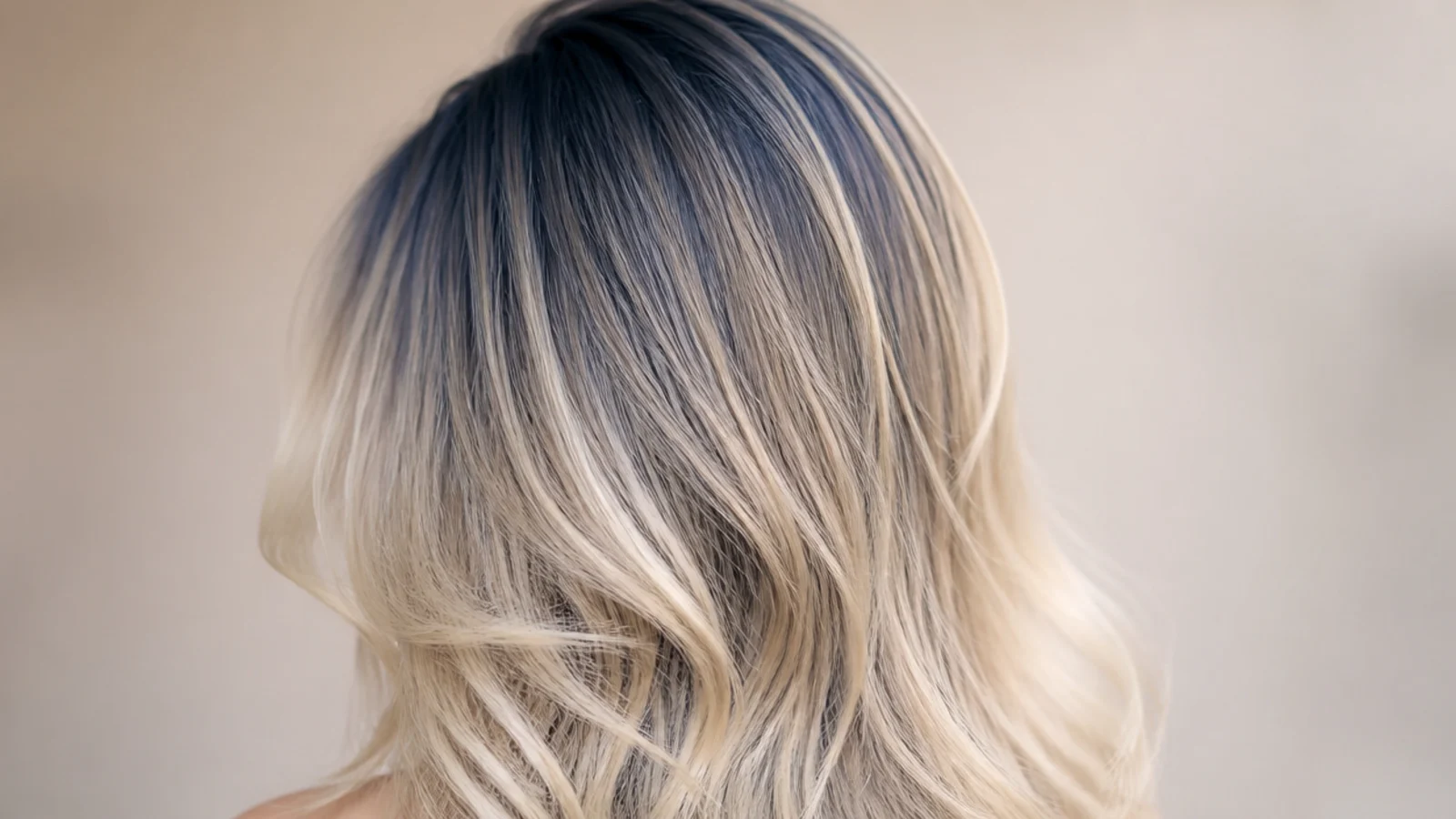
- 19. Blue Root Smudge
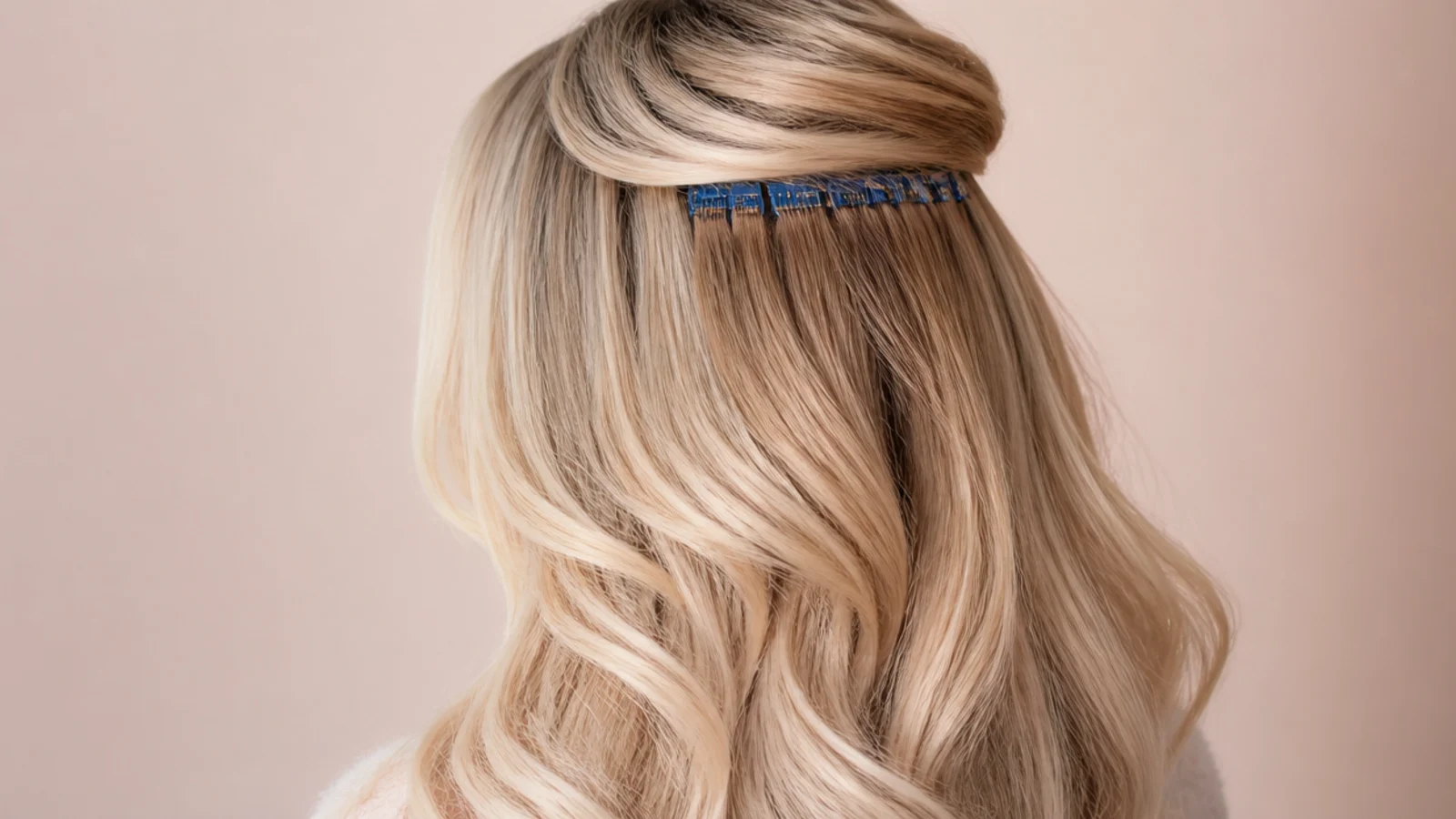
- 20. Temporary Blue Clip Ins
- Final Thoughts
Blue is the one hair color where the shade you pick matters less than the level you bleach to, and almost every disappointing result comes from that order being reversed.
Blue is a deposit, not a lightener. It contains no developer and opens nothing, so it can only sit on top of whatever is already there. The paler that base, the truer the blue reads.
It fades by washing, not by growing out. The schedule is set by how often you shampoo and how hot the water runs, which is why two people with the same application get two very different lifespans.
Blue Hair Fact Check
No pastel exists without lift. A pastel is a dilute pigment, and dilute pigment cannot cover anything. It needs a level nine or ten underneath or it turns into a muddy teal within one application.
Warmth left in the base is the enemy. Blue sitting over yellow reads green, and blue over orange reads gray brown. The toning step before the fun step is what decides the outcome.
Darker blues are the low commitment option. Blue black and navy carry enough pigment to cover a dark base, so they need little or no bleach and behave like an ordinary permanent color.
Fading is uneven by design. Porous ends hold direct dye longest and virgin roots hold it least, so a single flat application always fades into a gradient whether you planned one or not.
The Signature Look Broken Down
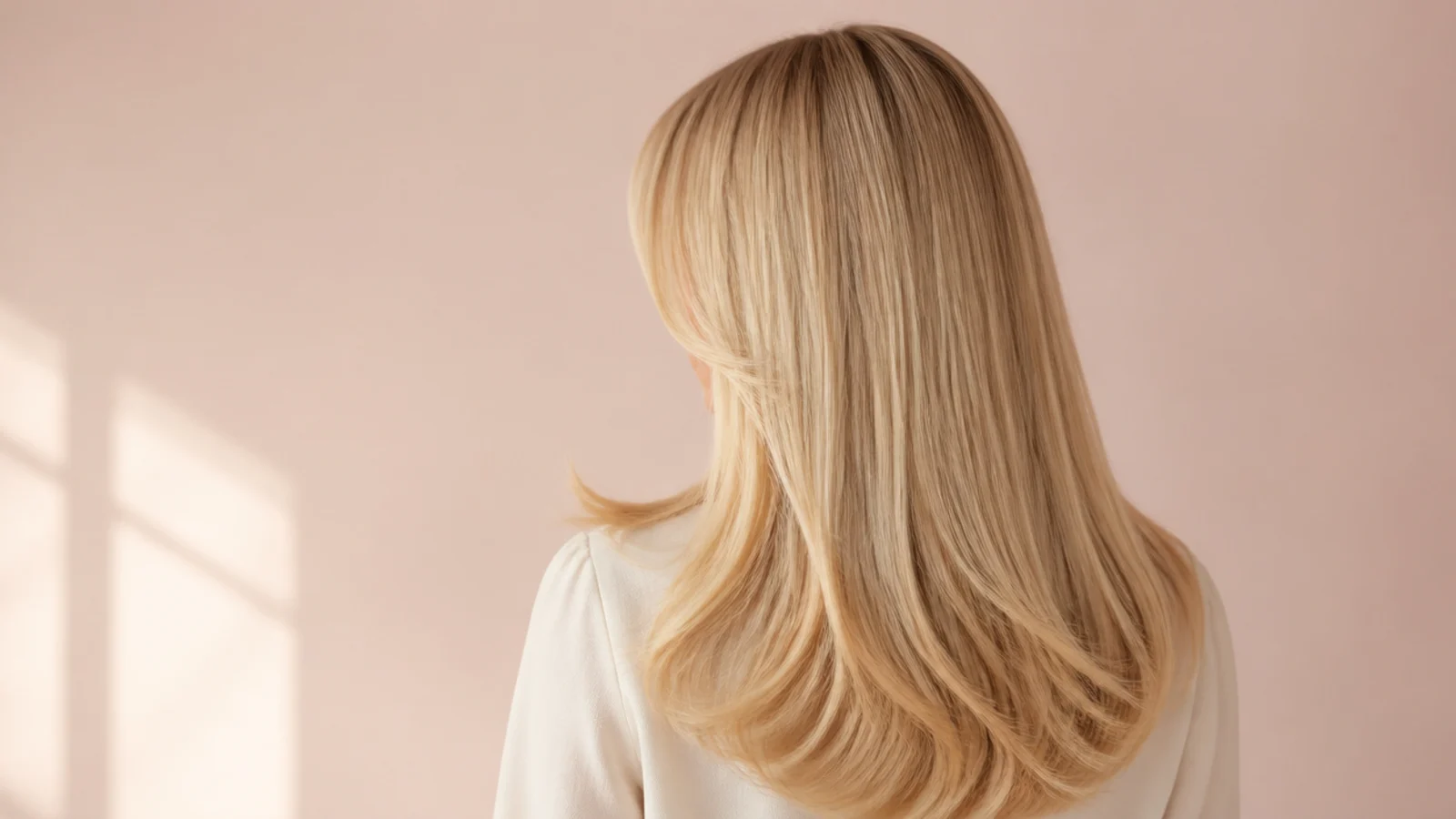
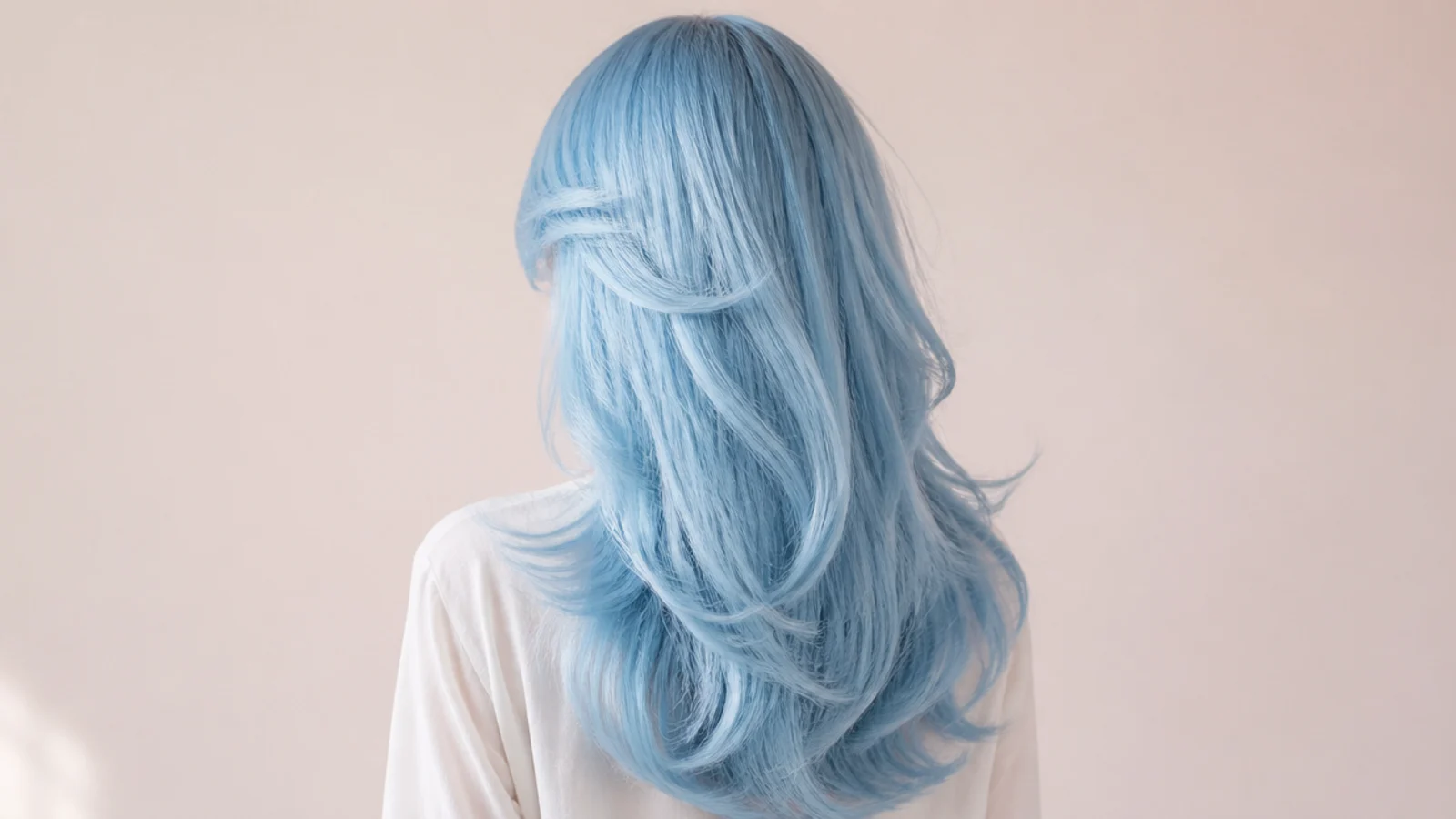
A cool pastel rather than a saturated brightness. The blue stays close to a pale sky tone, which keeps it reading as a soft color rather than as a costume piece.
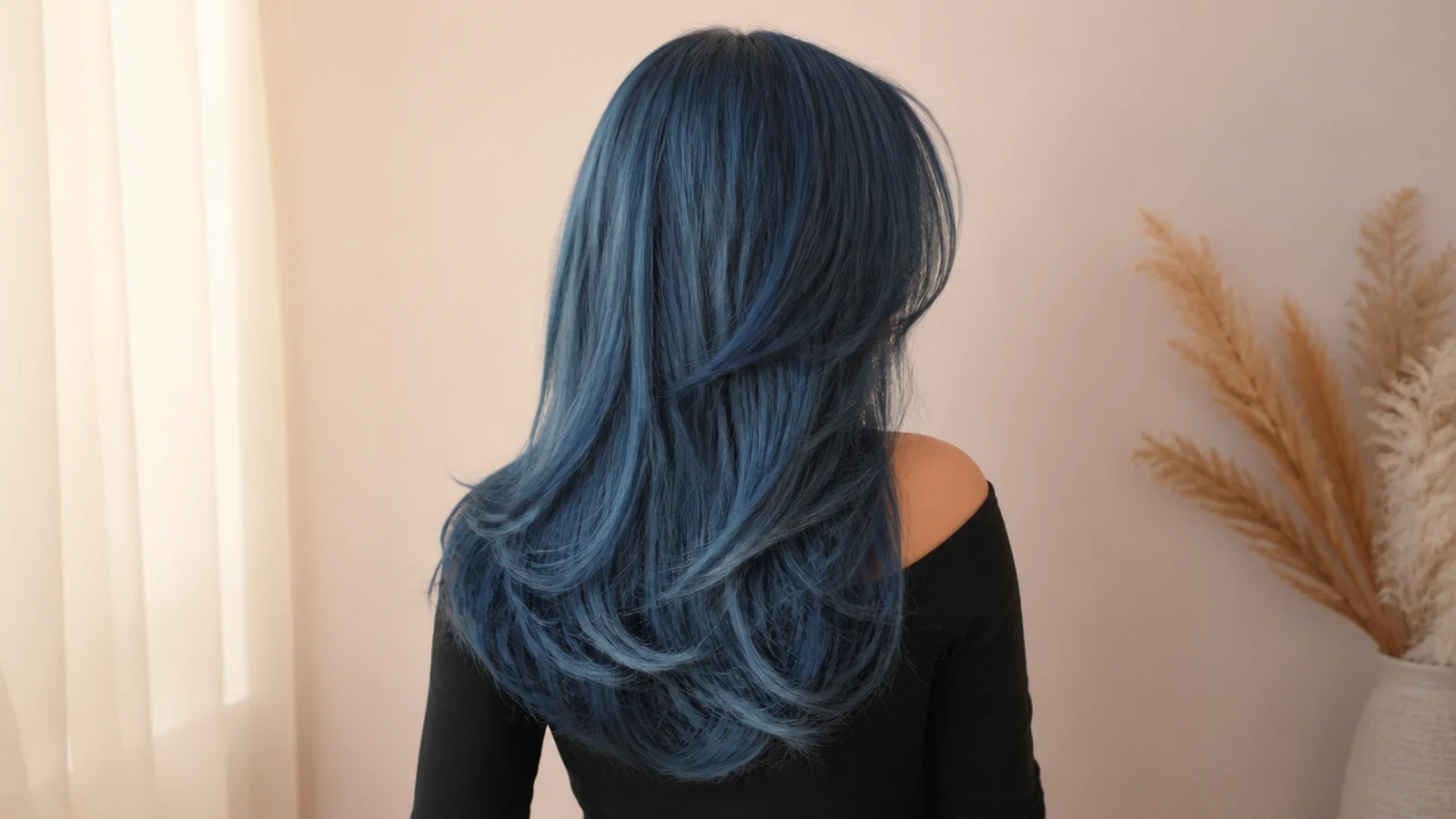
Long layers with movement through the ends. Curved surfaces catch light at several angles, and a dilute pigment only shows its depth where the light lands.
Some depth kept at the root. A slightly deeper scalp area stops regrowth arriving as a hard horizontal line four weeks later.
A smooth, closed surface. Pastel on a rough cuticle looks chalky, because scattered light removes the very reflection that makes a pale color look expensive.
Which Blue Suits Your Hair Type
Fine hair takes pastel fastest and loses it fastest. A thin strand has less cortex to hold on to and more surface relative to mass, so it grabs pigment in minutes and sheds it in a fortnight.
Coarse hair resists both directions. A thick cuticle slows the dye going in and slows it coming out, which makes coarse hair the best candidate for a saturated blue and the worst for a shade you might regret.
Previously lightened ends are already porous. They will take a deeper blue than the mid lengths from the same bowl, so those sections want the dye diluted or applied last.
Dark natural hair should start with the dark blues. Blue black and navy need no lift at all, which means no bleach damage and no green phase on the way out.
Shorter Curlier and Darker Hair
Short hair is the cheapest place to try a bright blue. Hair grows roughly half an inch a month, so a pixie replaces most of its colored length within a year of ordinary trims.
Curls show pastel as several shades at once. Every bend turns part of the strand toward the light and part away, so a single dilute blue reads as three tones without any extra work.
Curly hair also fades faster where it is driest. Sebum cannot travel down a bend, so the ends are more porous, take more pigment and then lose it first once washing starts.
Dark hair does not have to go pale to go blue. A blue reflect over a dark base gives the color only where light strikes directly, which is a different look but a far smaller commitment.
What to Ask Your Colorist for Blue
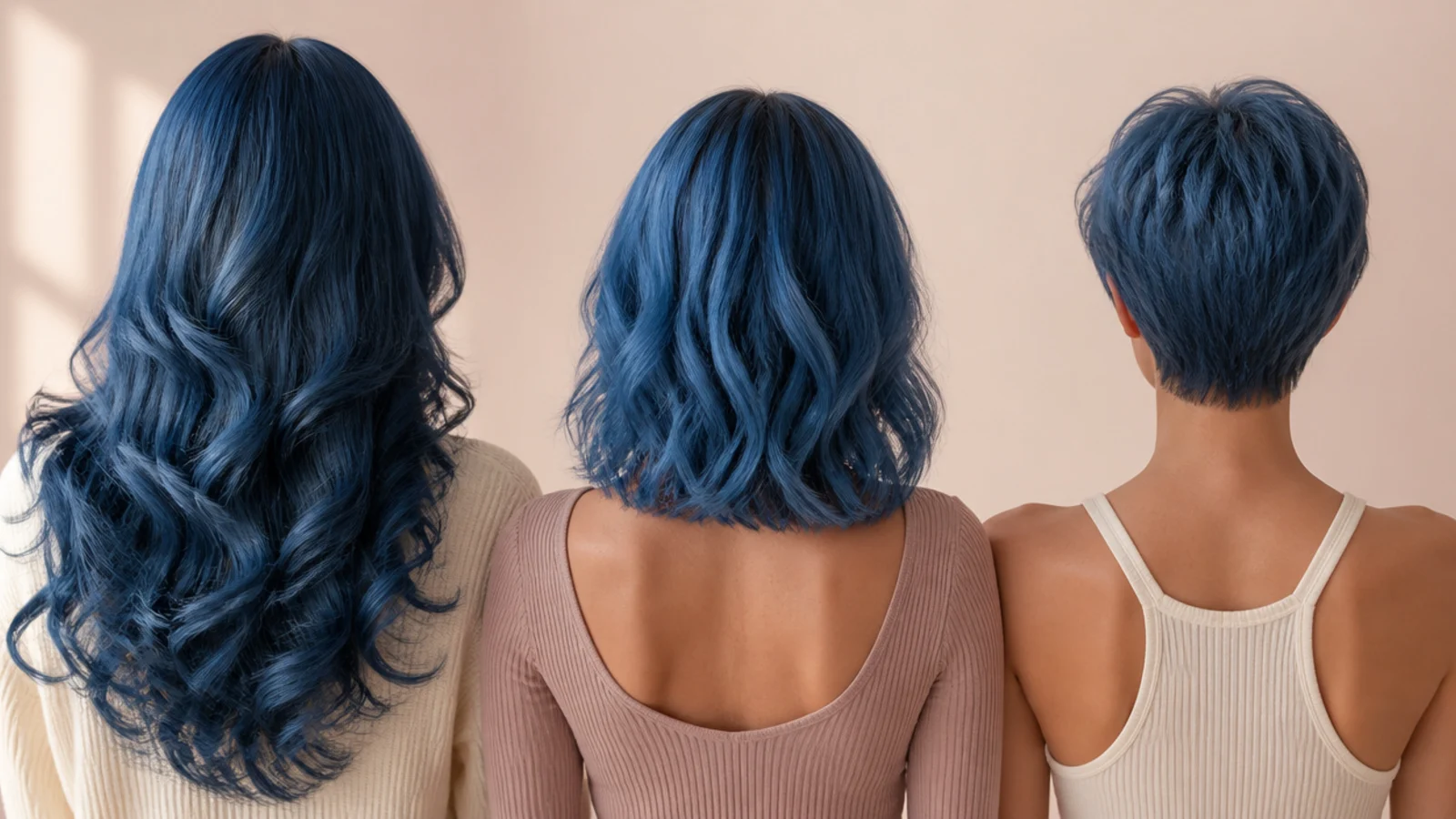
Ask for a level, not a shade name. Say level ten, cool, no residual yellow. Shade names vary between brands and levels do not.
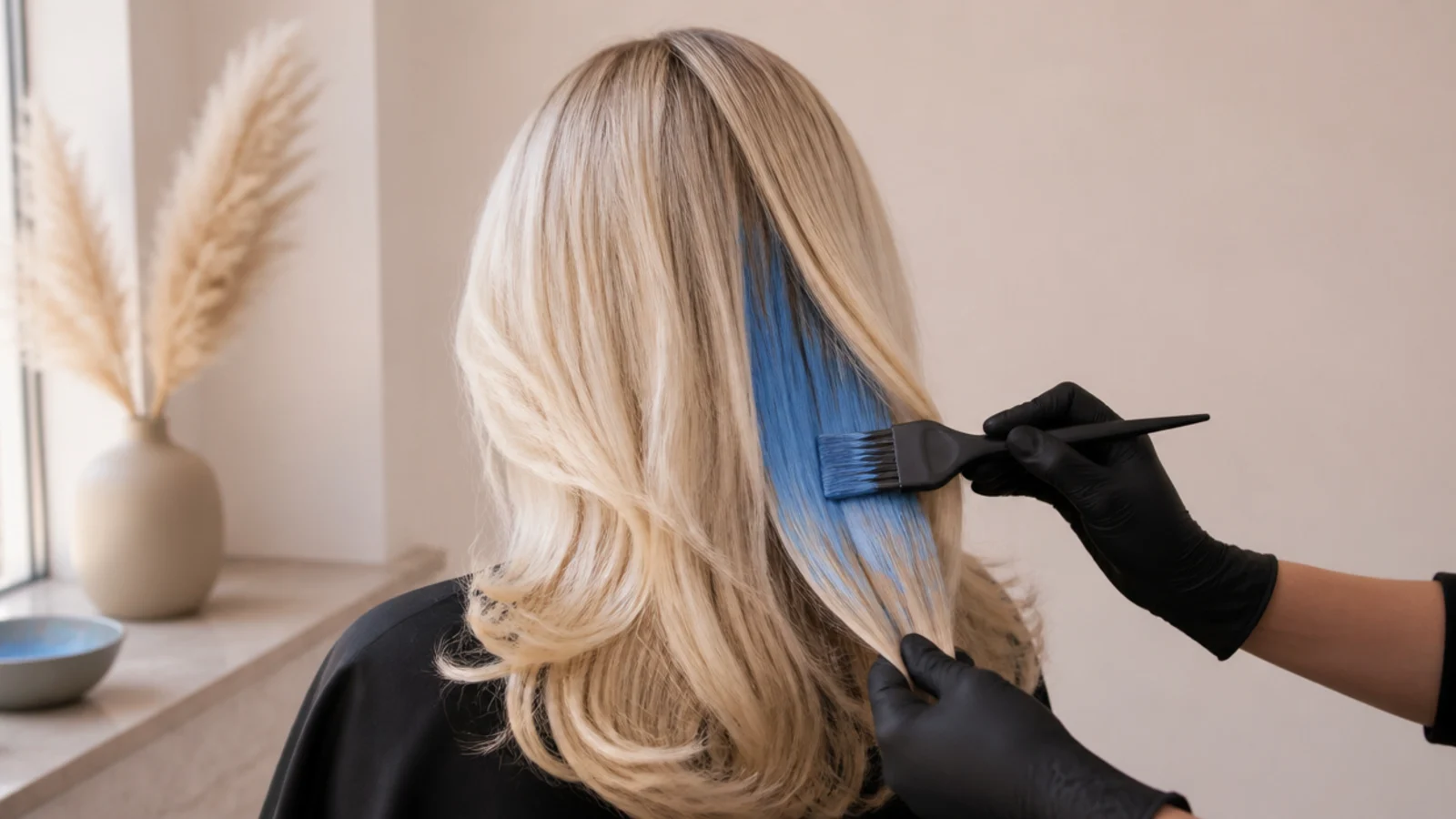
Ask what happens between the bleach and the blue. A toning step belongs in the middle, and leaving it out is the single most common cause of a green fade.
Ask for a strand test on your oldest hair. The ends have the most history and behave least predictably, so they are the section worth testing rather than the fresh growth.
Ask about the removal path before you commit. Blue and teal molecules are among the most stubborn direct dyes, and knowing how they come out is part of deciding to put them in.
Round Brush Blowout on Blue Hair
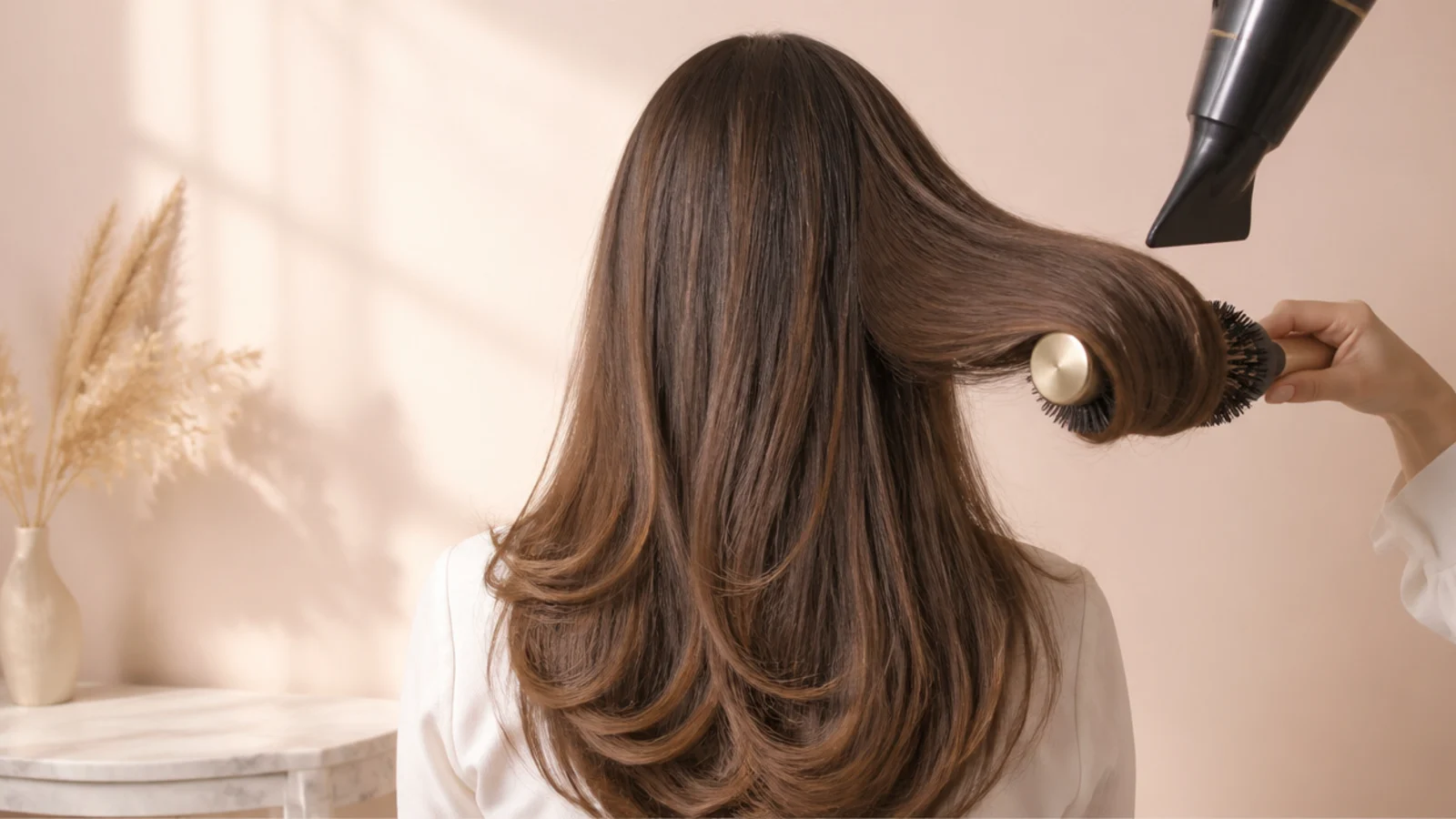
Dry to about eighty percent before the brush touches the hair. Soaking hair holds too much water for the brush to shape anything, and the extra heat time is what dulls a pastel.
Work in sections no deeper than the brush barrel. Anything thicker leaves the inner hairs damp, and damp hair reverts the moment the section is released.
Keep the nozzle pointing down the strand. Airflow travelling root to end lies the cuticle scales flat in one direction, and a flat cuticle is what makes a pale color reflect rather than look chalky.
Cool shot at the end of every section. The style sets as the hair cools, so releasing a warm section undoes the shape you just built into it.
The 20 Blue Hair Ideas
1. Baby Blue Long Layers
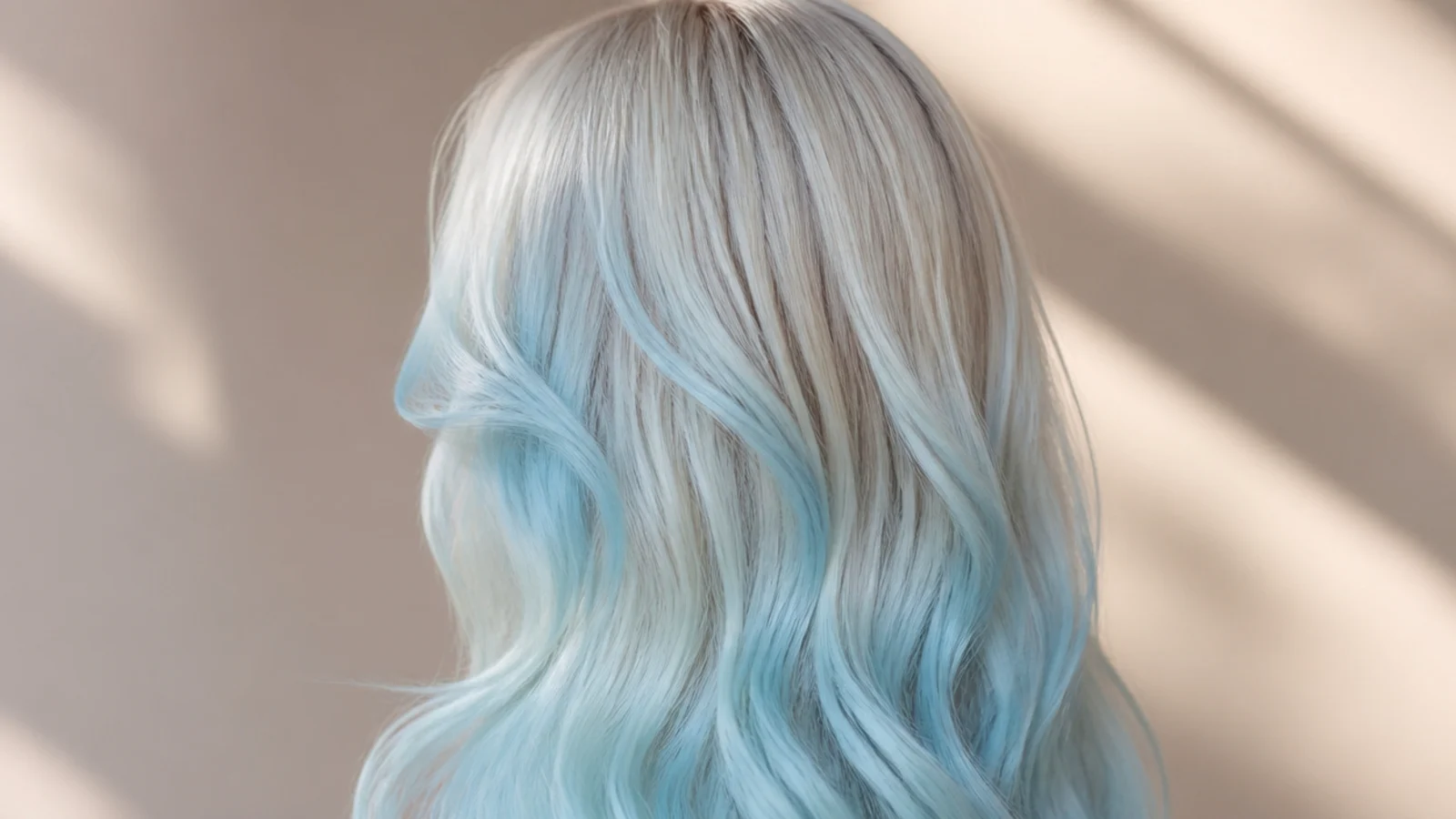
The palest version, and the one most dependent on the bleach beneath it. A dilute pigment has no covering power, so any yellow still sitting in the hair mixes straight through it and turns the blue faintly green.
2. Powder Blue Fringe
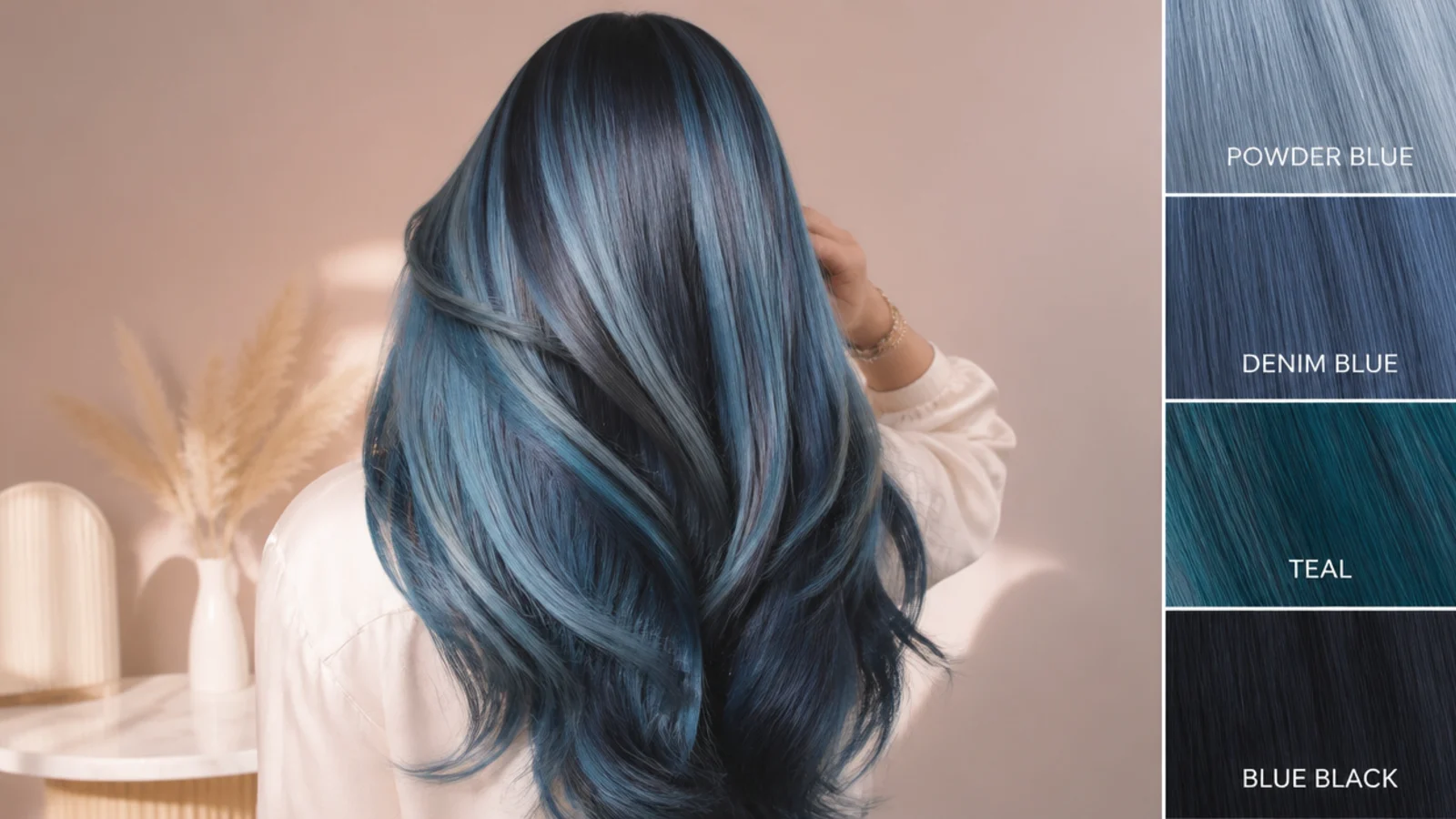
The hairline is finer and more porous than the rest of the head, so it drinks pastel faster and comes out a shade deeper from the same bowl. Ask for the fringe to be dyed last, or for the mix to be diluted there.
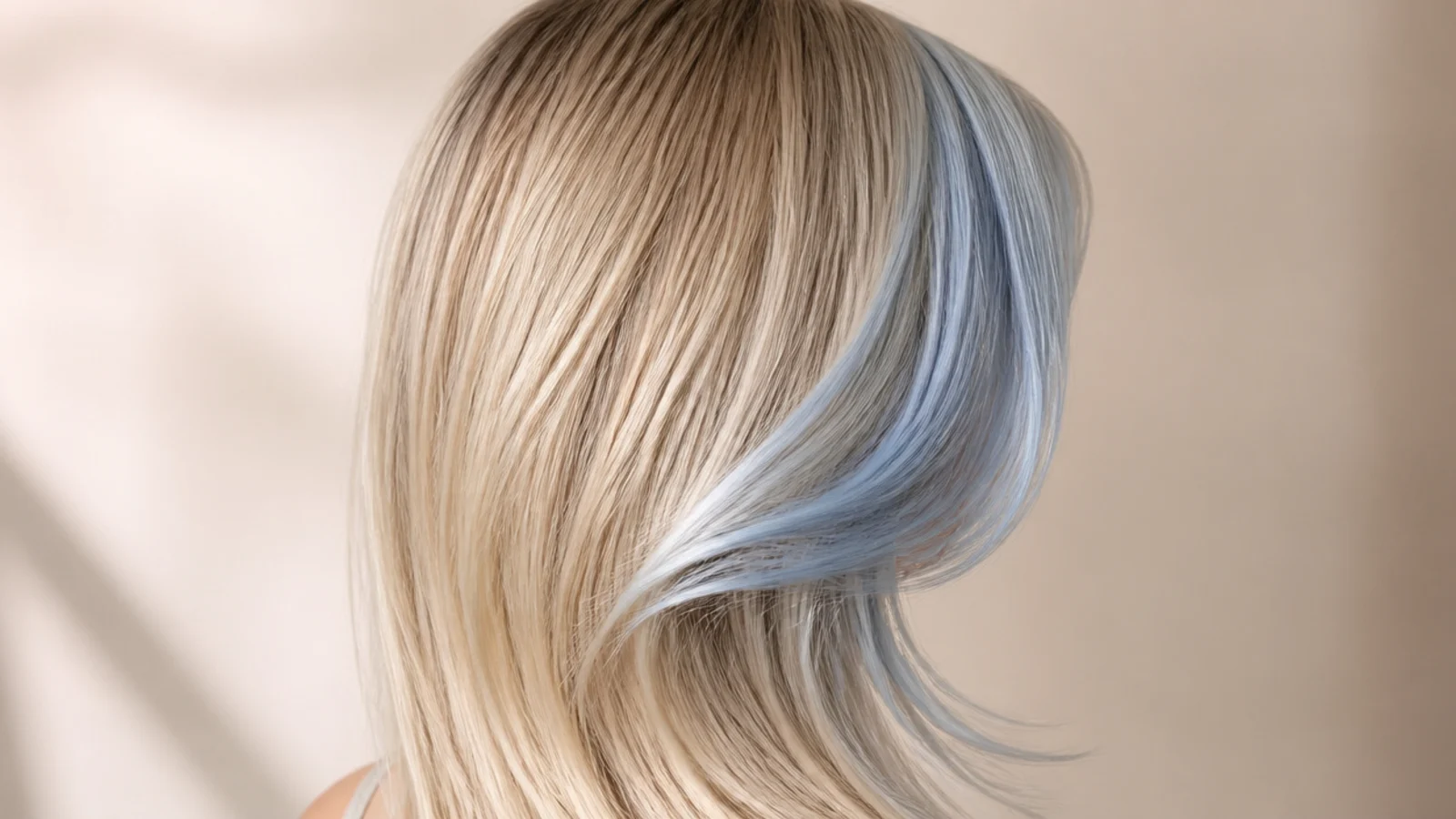
3. Denim Blue Layers
A muted mid blue with gray built into it. Because a proportion of the pigment is neutral rather than pure blue, there is less bright color to lose, so the fade reads as softening rather than as patchiness.
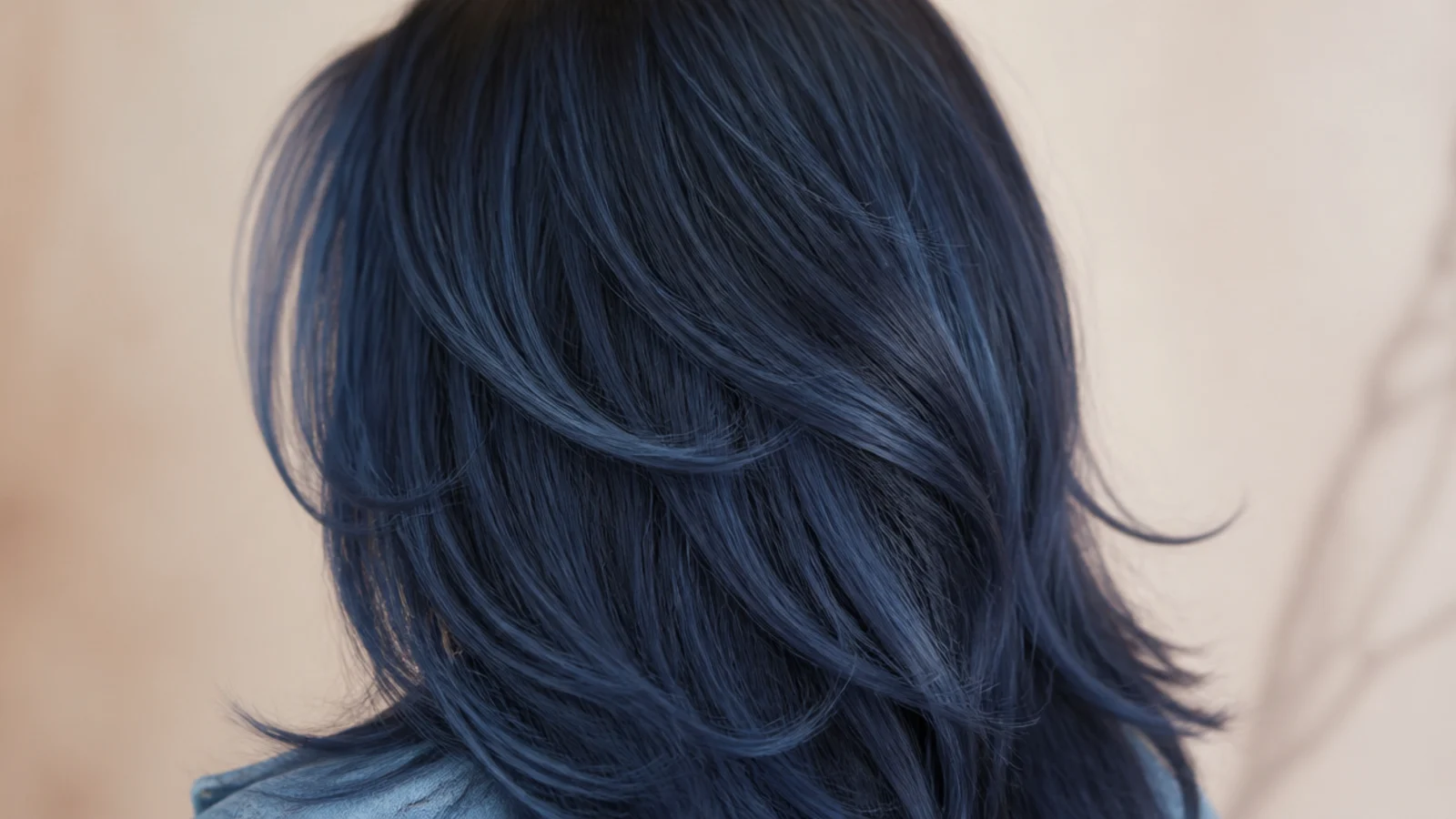
4. Steel Blue With a Shadow Root
Depth deliberately left at the scalp under a cool gray blue. The shadow means new growth arrives into something already dark, so the line between colored and natural blurs instead of appearing overnight.
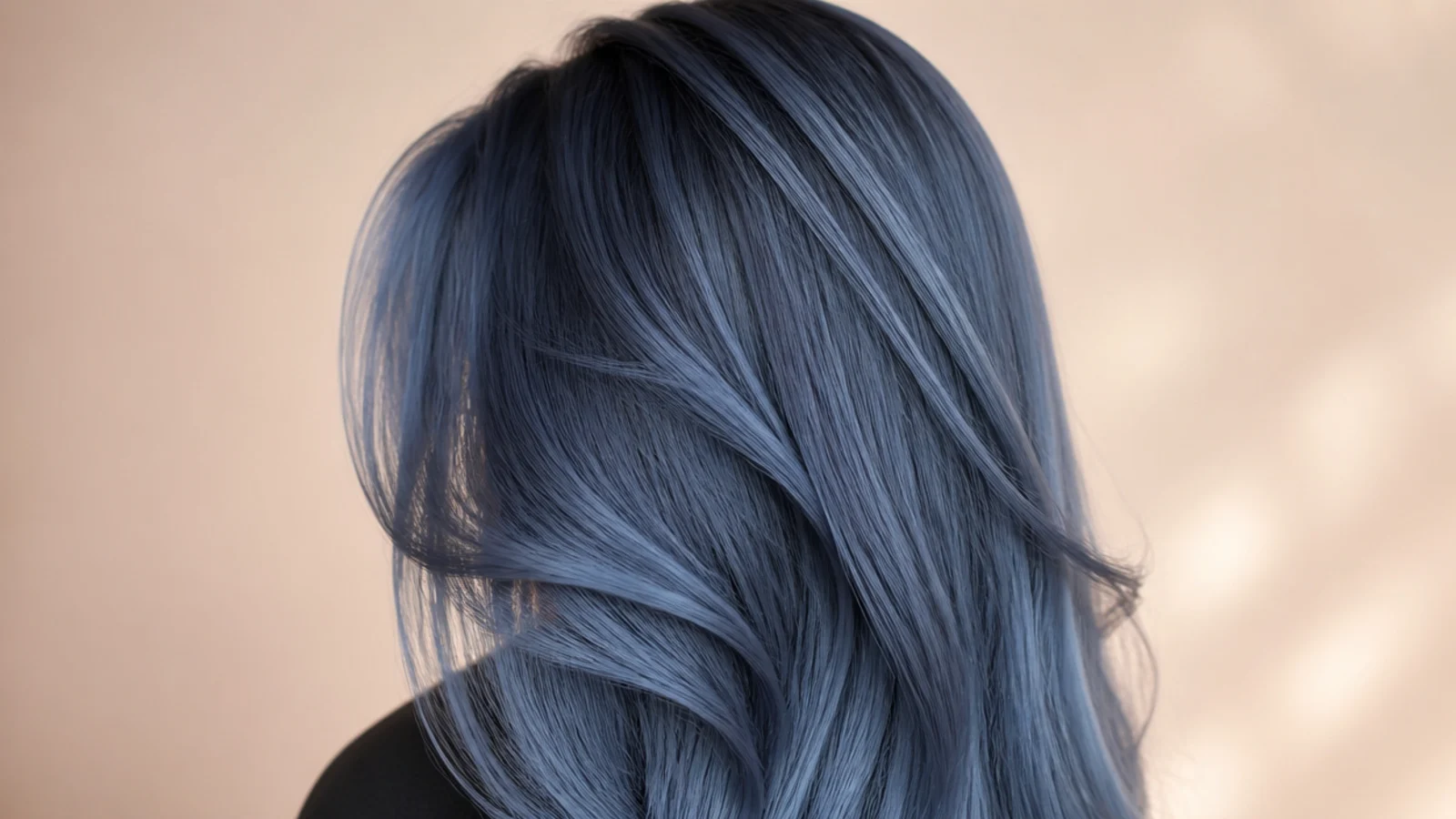
5. Blue Black With a Blunt Fringe
The only blue that needs no lift at all. A blue reflect in a black base shows only where light strikes the surface directly, which is exactly why it wants a blunt line to catch that reflection cleanly.
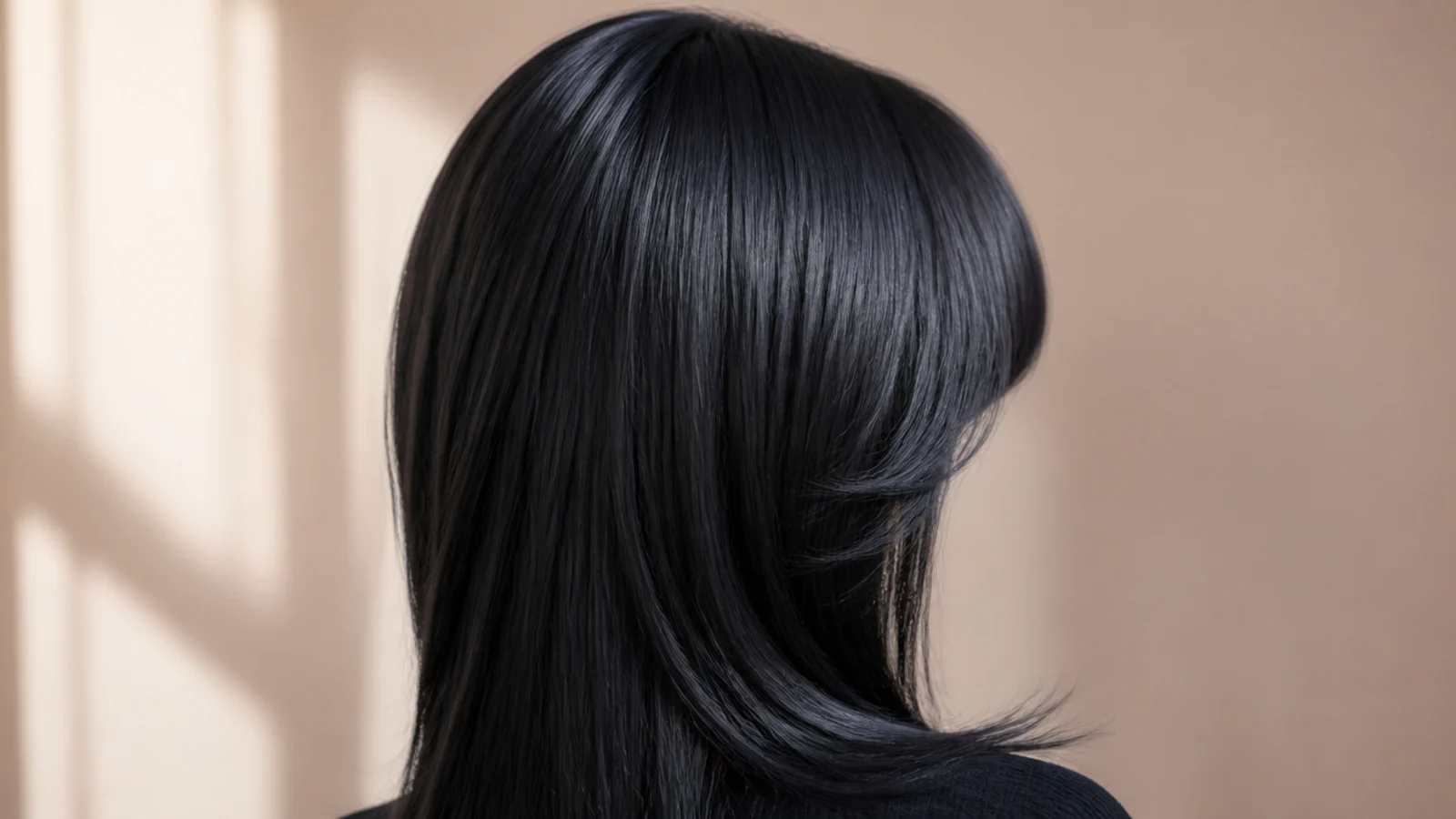
6. Periwinkle Money Piece
Two front sections only. The hairline is thin and easy to reach, so it bleaches evenly with far less product than a full head, and it is also the part of the color you actually see in the mirror.
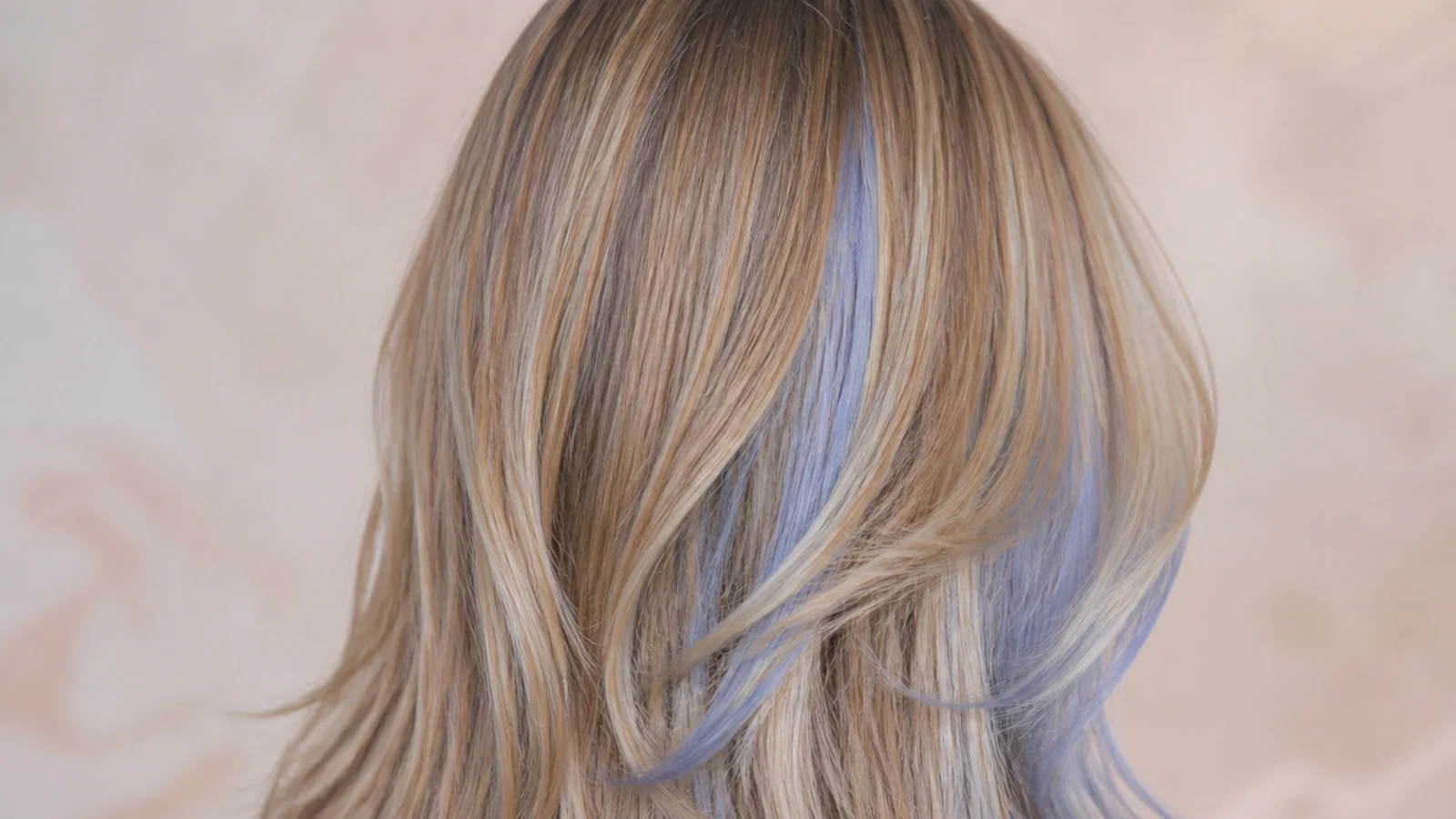
7. Peekaboo Blue Underlayer
The color lives under the top canopy. That canopy is the hair most damaged by sun and heat, so leaving it out of the bleach keeps the lightening on the healthier interior and hides the whole thing when the hair is down.
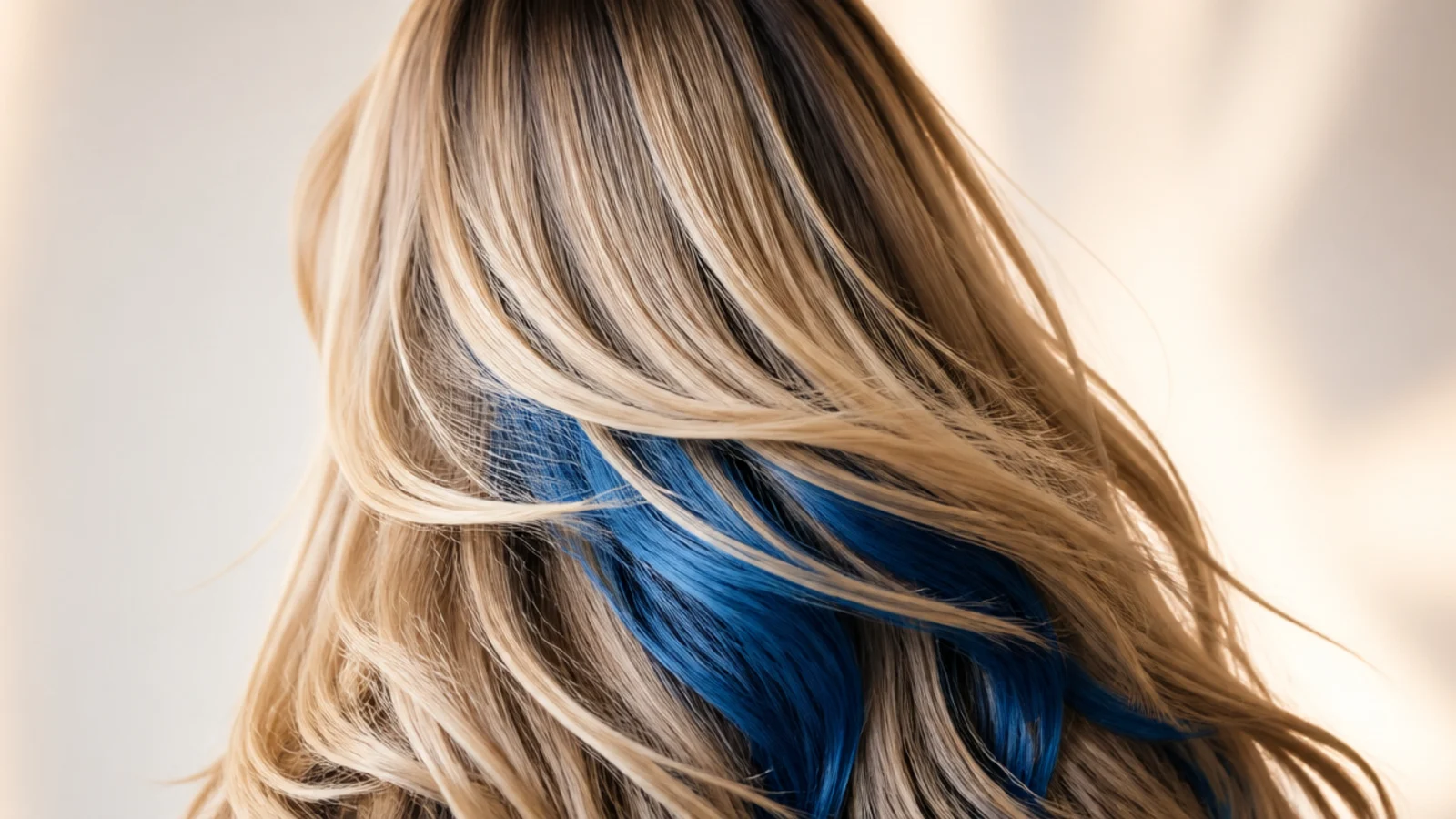
8. Icy Blue Balayage
Painted freehand so the pigment is densest through the ends. Those ends are the most porous part of the hair, which means they hold the deposit longest and the placement still looks deliberate weeks after a flat application would have gone patchy.
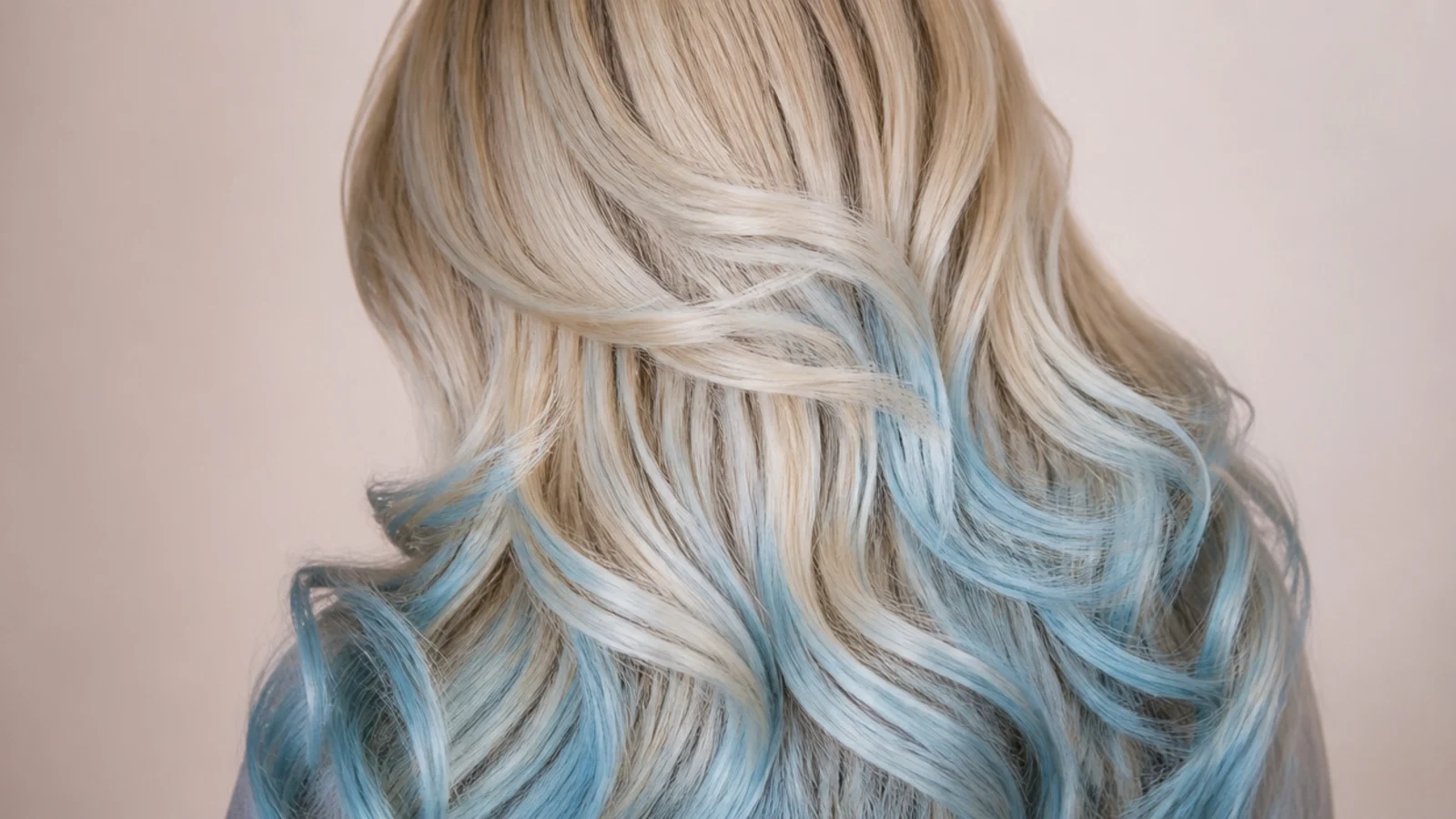
9. Cornflower Blue Blowout
A clear mid blue finished on a round brush. Smoothing the cuticle in one direction concentrates the reflection into a single band, and on a saturated color that band reads as a lighter version of the same shade rather than as white.
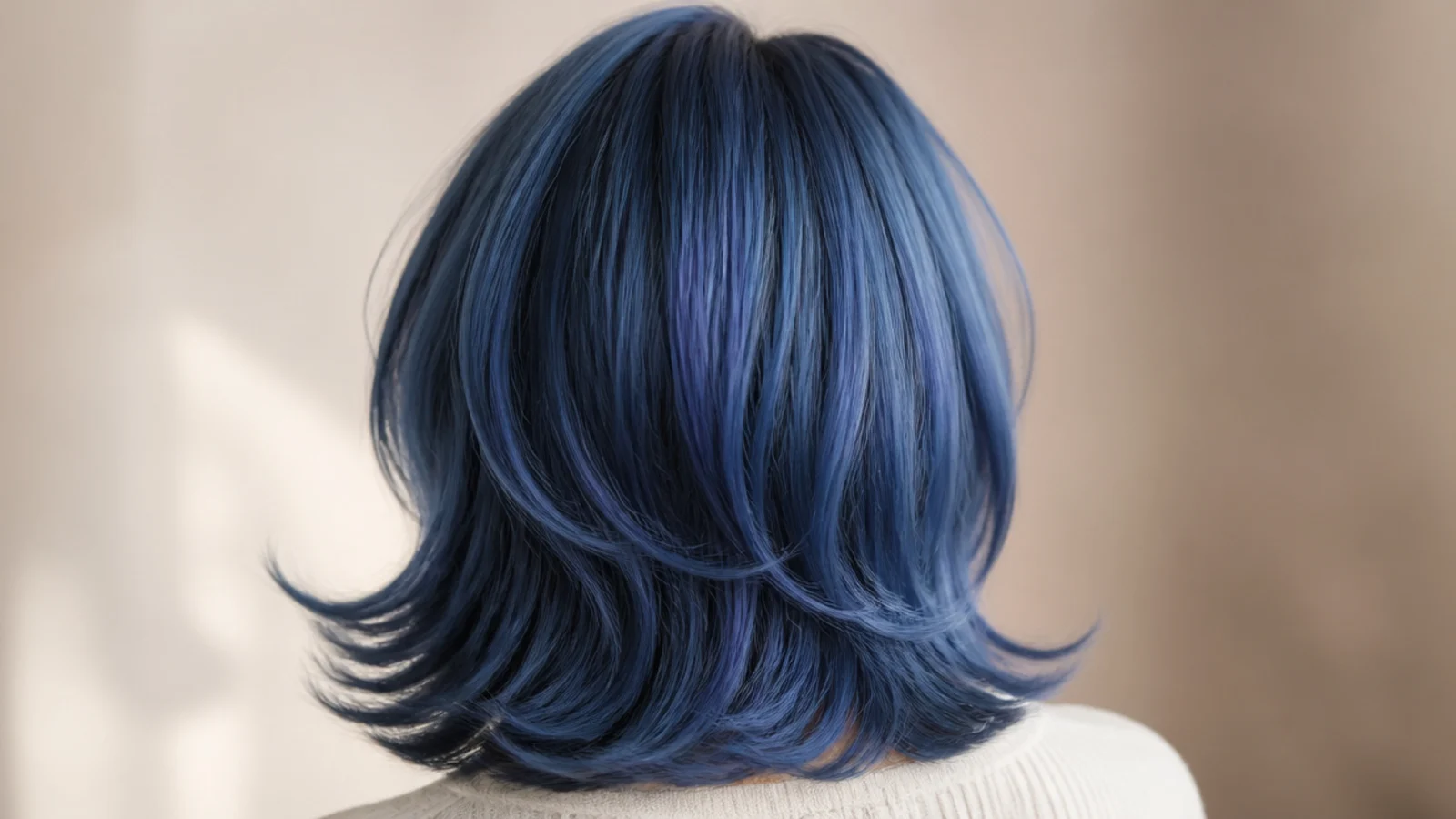
10. Navy Dipped Ends
Bleach confined to the bottom few inches. Navy carries enough pigment to look right over a level seven or eight, so the lift can stop well short of pale and the treated length is the part that gets trimmed away anyway.
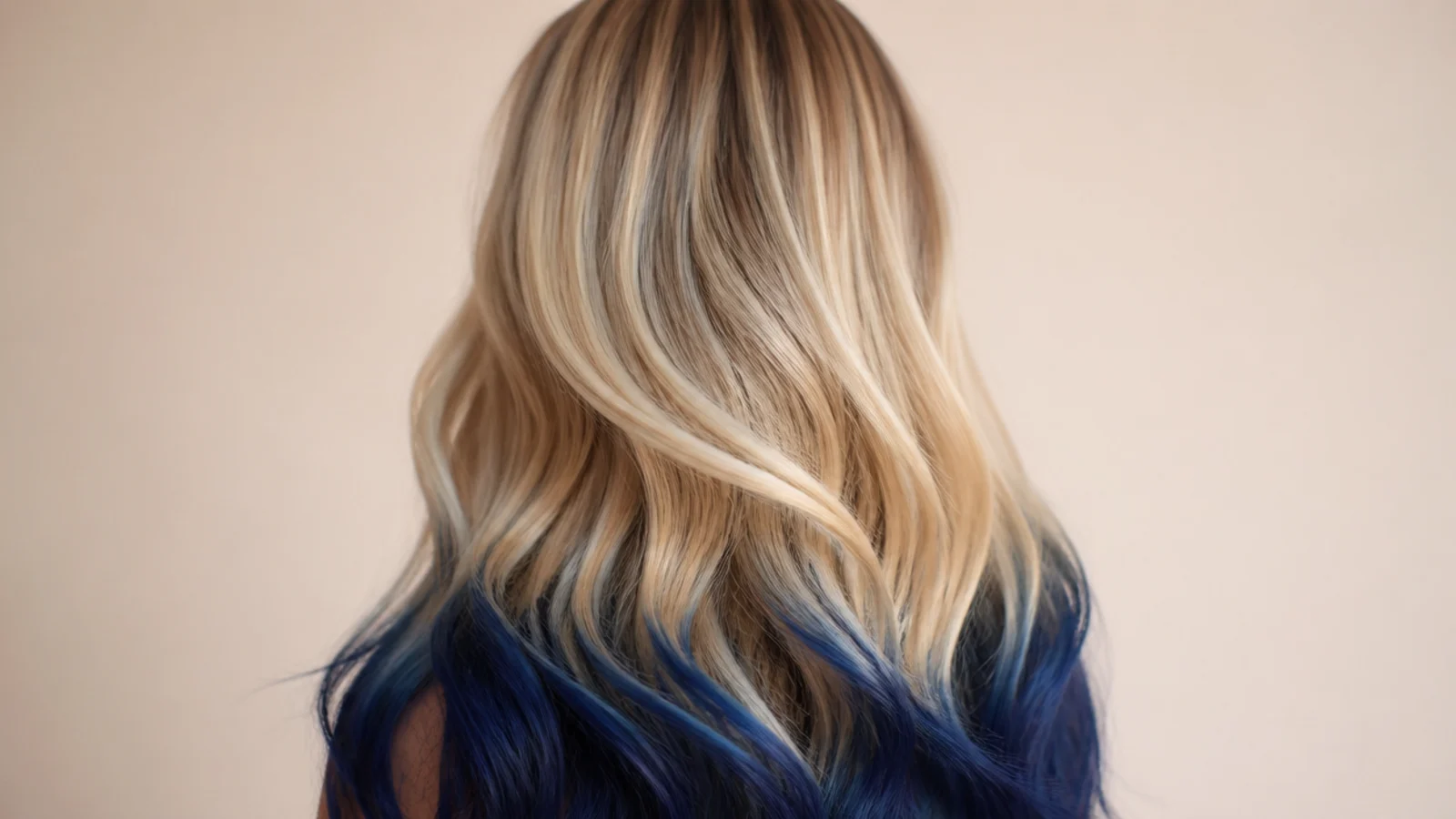
11. Blue Silver Over Ash Blonde
Barely blue at all, and technically a toner. Blue sits opposite orange on the color wheel, so a blue based toner cancels the brass left behind by lightening and leaves a cool silver cast rather than an obvious color.
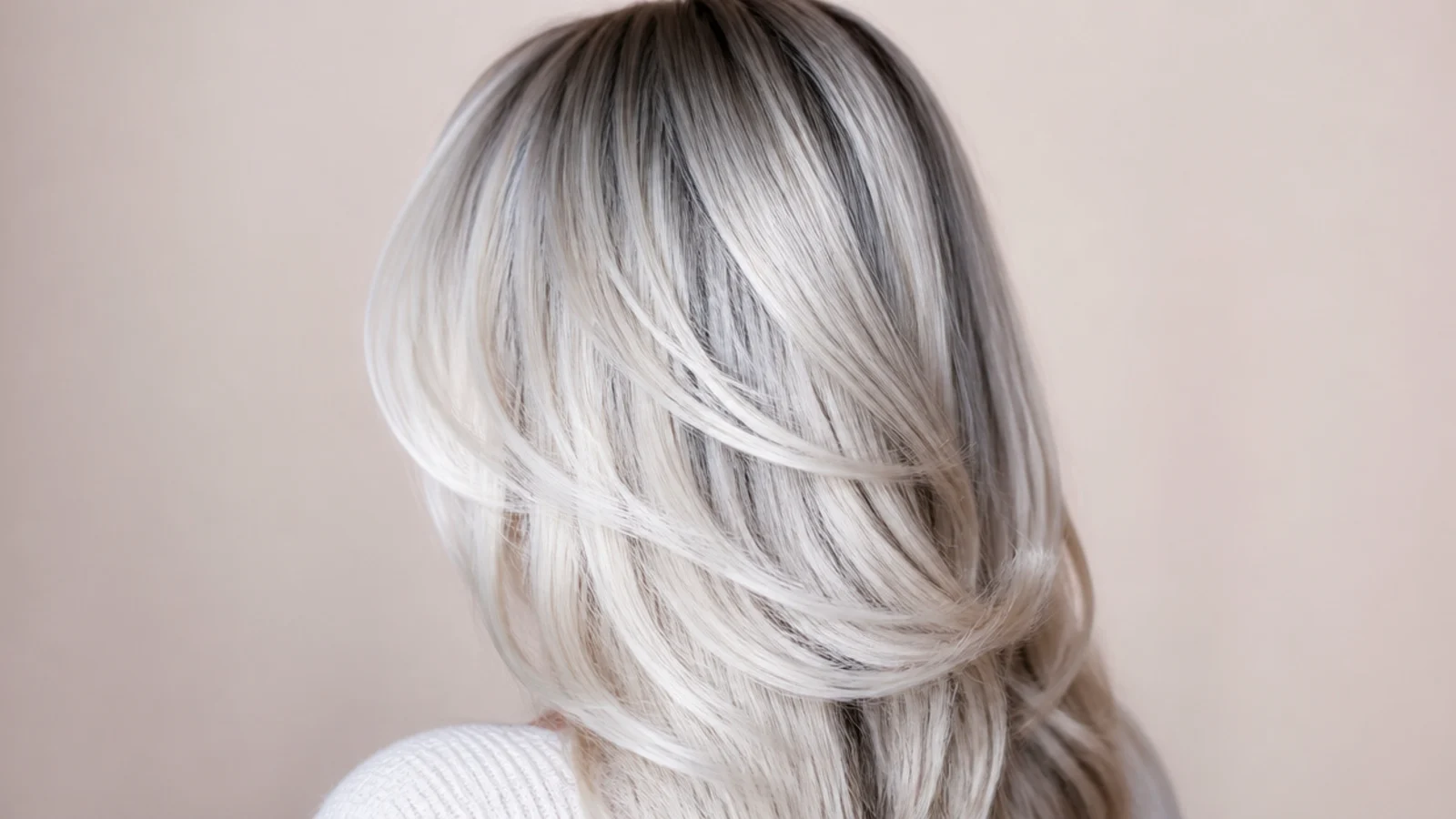
12. Teal Blue Lob
Blue with green mixed into it, cut at collarbone length. Green is the most tenacious direct dye molecule on the shelf, so teal outlasts every other shade here and is correspondingly the hardest to remove when you want it gone.
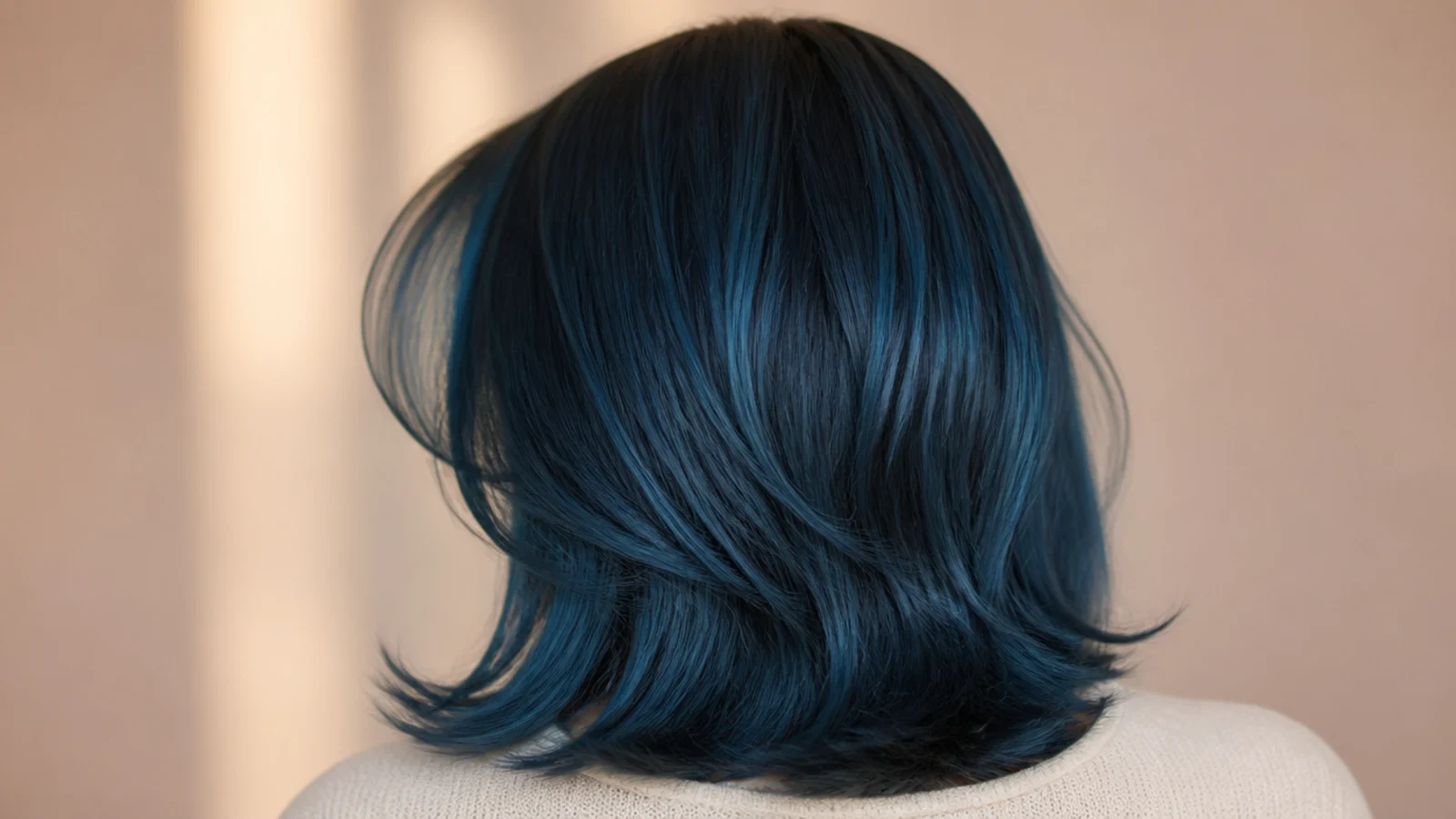
13. Electric Blue Pin Curl Bob
Full saturation on a set. A pin curl set builds alternating ridges and hollows, and a strong pigment shows that alternation as two distinct blues where a pastel would flatten into one.
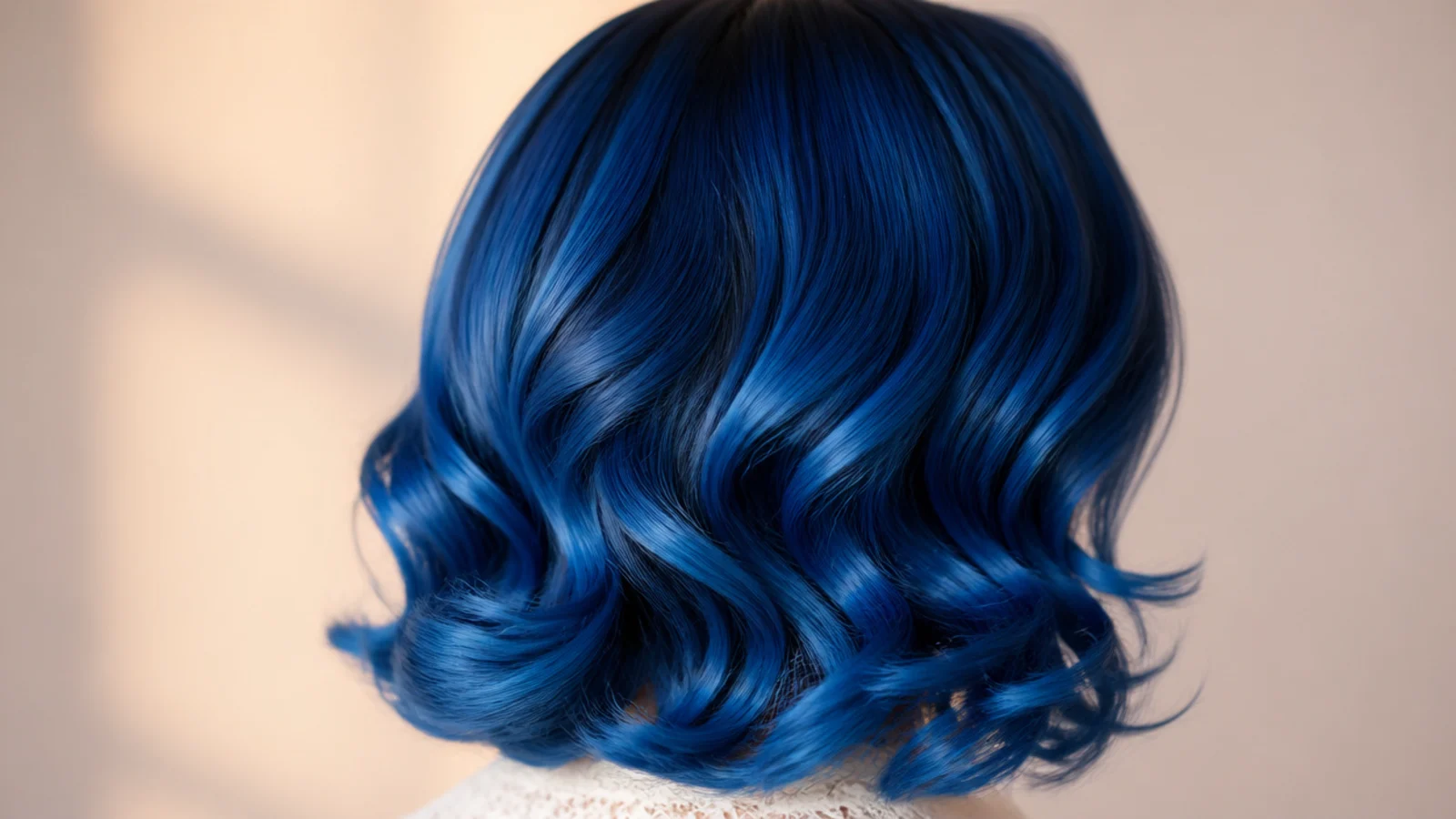
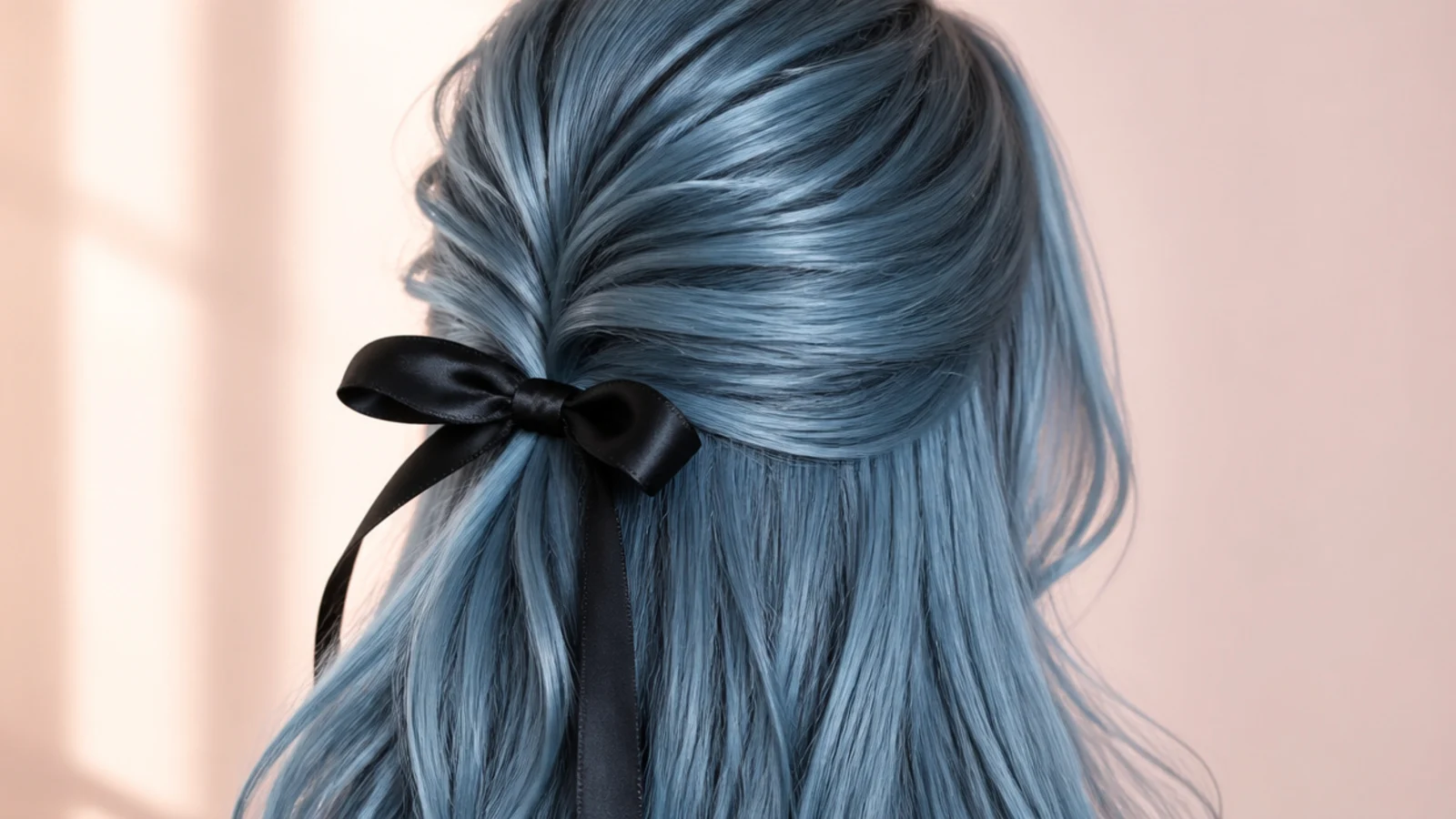
14. Sky Blue Half Up With a Bow
Gathering the top half exposes the root and the ends in the same frame. That is flattering when the root is deliberately deeper and unforgiving when it is simply overdue, so the style is a good weekly test of where the color stands.
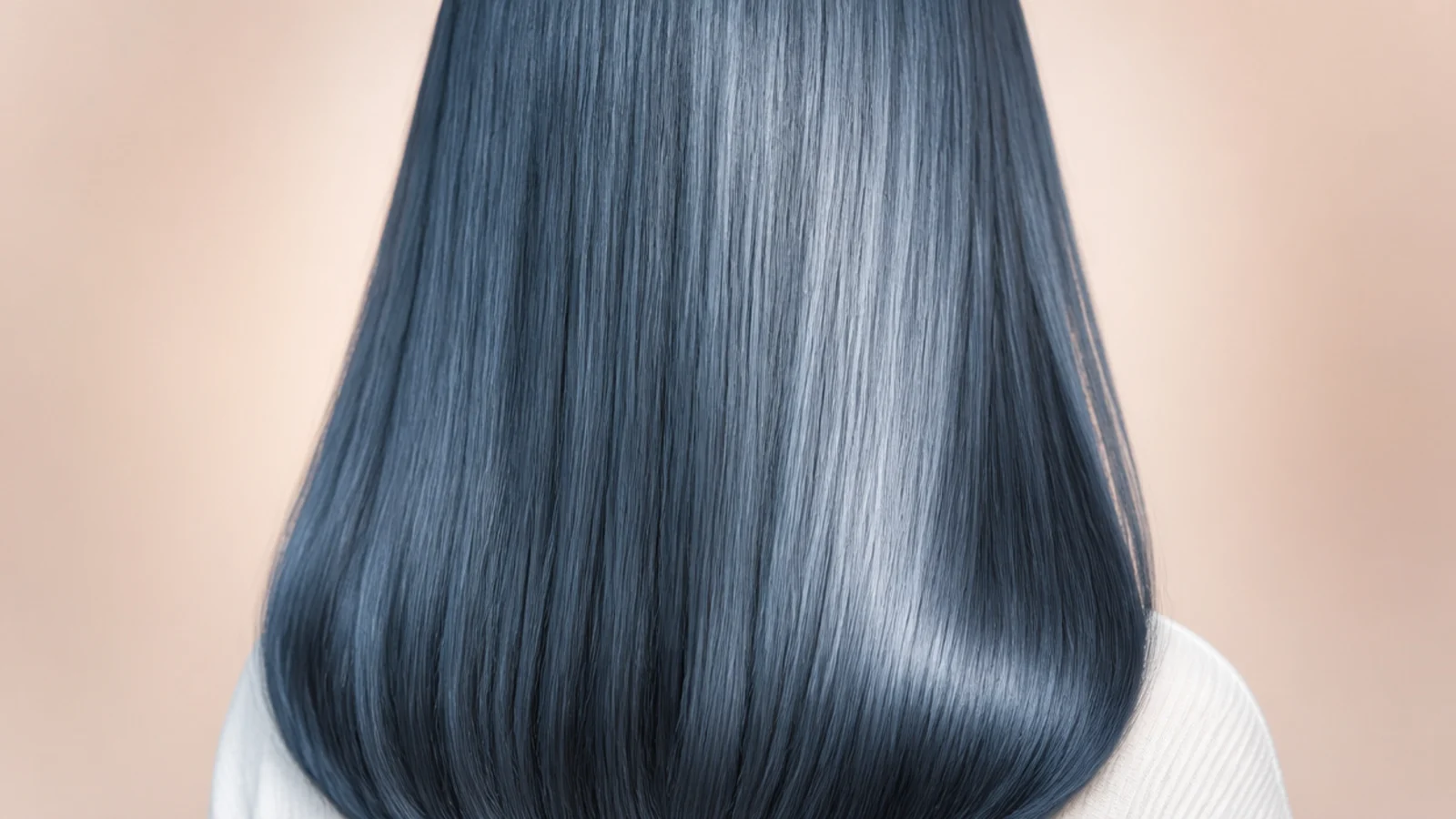
15. Blue Chrome Glass Hair
Maximum shine on a cool blue. Shine is simply a flat cuticle reflecting light in one direction, so this finish depends on an acidic gloss and a straightened surface far more than on the pigment itself.
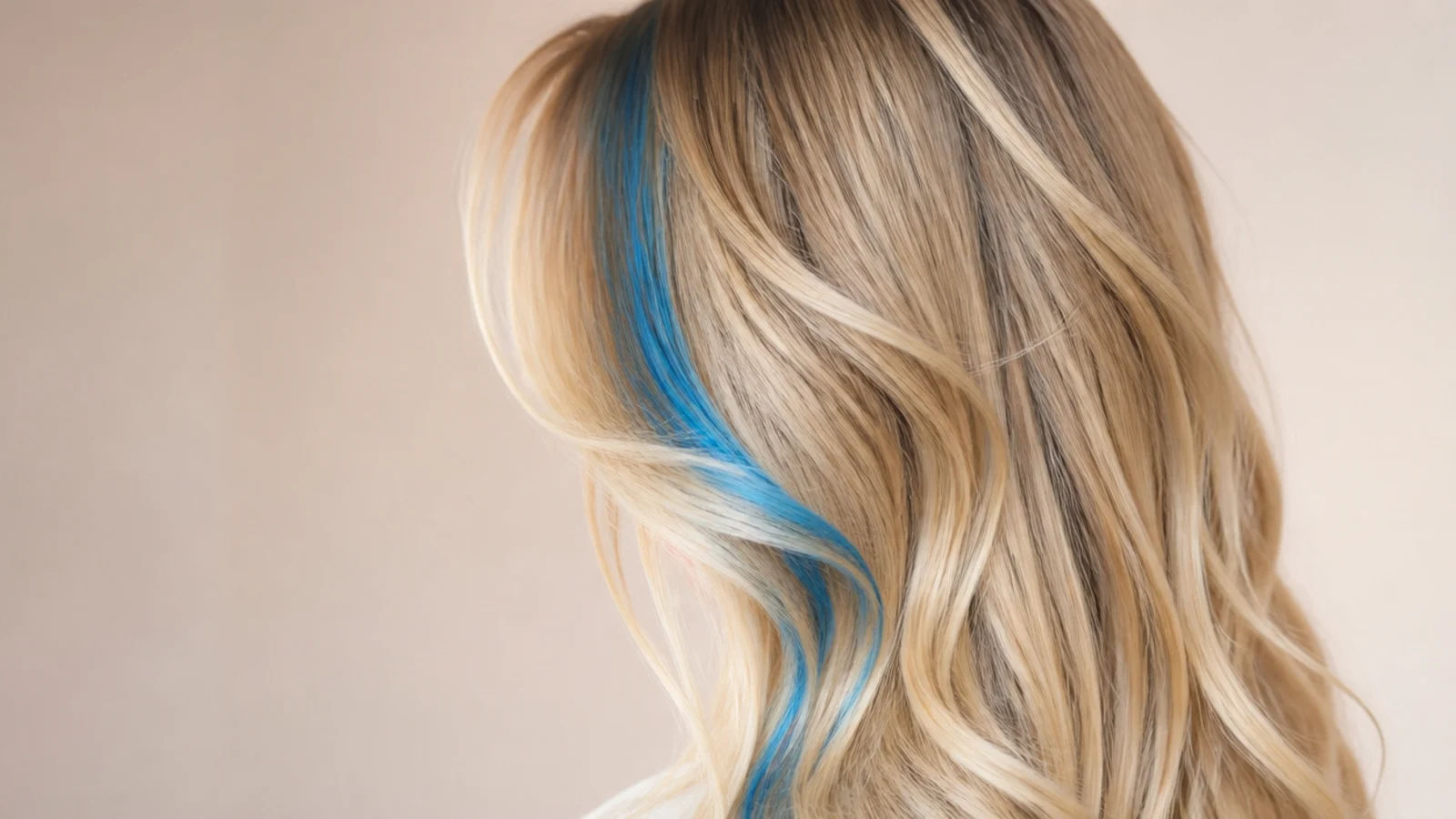
16. Blue Streak Face Frame
One wide ribbon rather than several thin ones. A narrow streak disappears into the surrounding hair the moment the head moves, because the strands shuffle and bury it, so width is what keeps the placement legible.
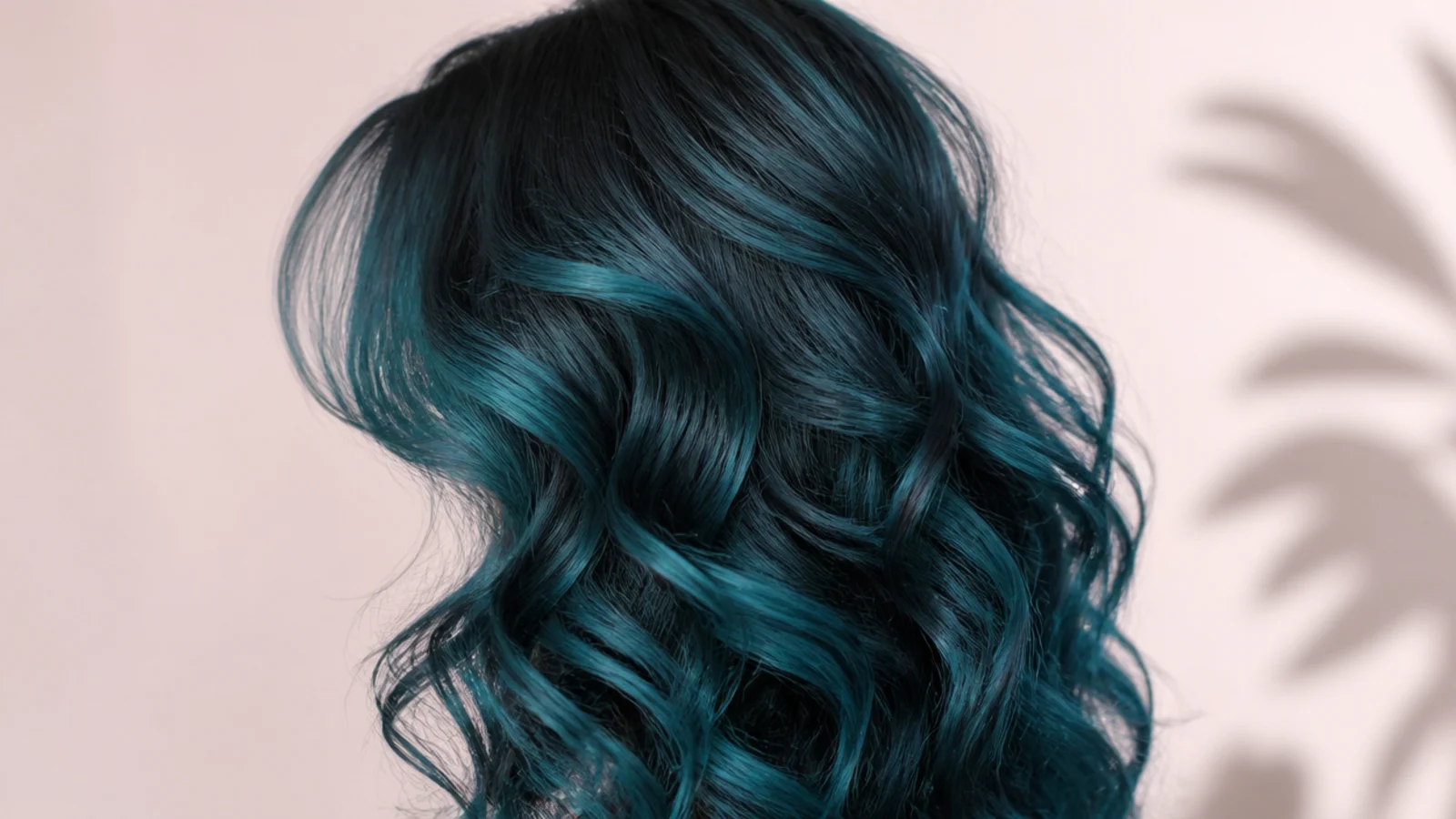
17. Mermaid Blue Curls
Several blues blended through a curl pattern. Curls already break a single color into lit and shadowed sections, so a multi tonal application amplifies what the texture is doing instead of fighting it.
18. Smoky Blue Gray Pixie
A gray leaning blue on a very short cut. At this length the color is largely replaced by the growth cycle within months, which makes the most demanding shades the cheapest ones to live with here.
19. Blue Root Smudge
The reverse of a shadow root, with the color strongest at the scalp. Virgin root hair is the least porous on the head, so it holds a direct dye least well and this is the placement that softens first.
20. Temporary Blue Clip Ins
No lift, no commitment, no fade schedule. Extensions are colored on hair that has no living cuticle left to protect, which is why they can carry a saturation your own hair would need two bleach sessions to reach.
Final Thoughts
Decide the level before the shade. Ask for level ten, cool, with the yellow toned out, and the pastel on the tub will look like the pastel in the photograph. Skip that step and the same tub gives you a green fade in three weeks and a color correction after that.
Then set the two variables that actually govern how long it lasts: water temperature and wash frequency. For a lower commitment placement see the peekaboo version and peekaboo hair colors in blue. More in Celebrity Hair.