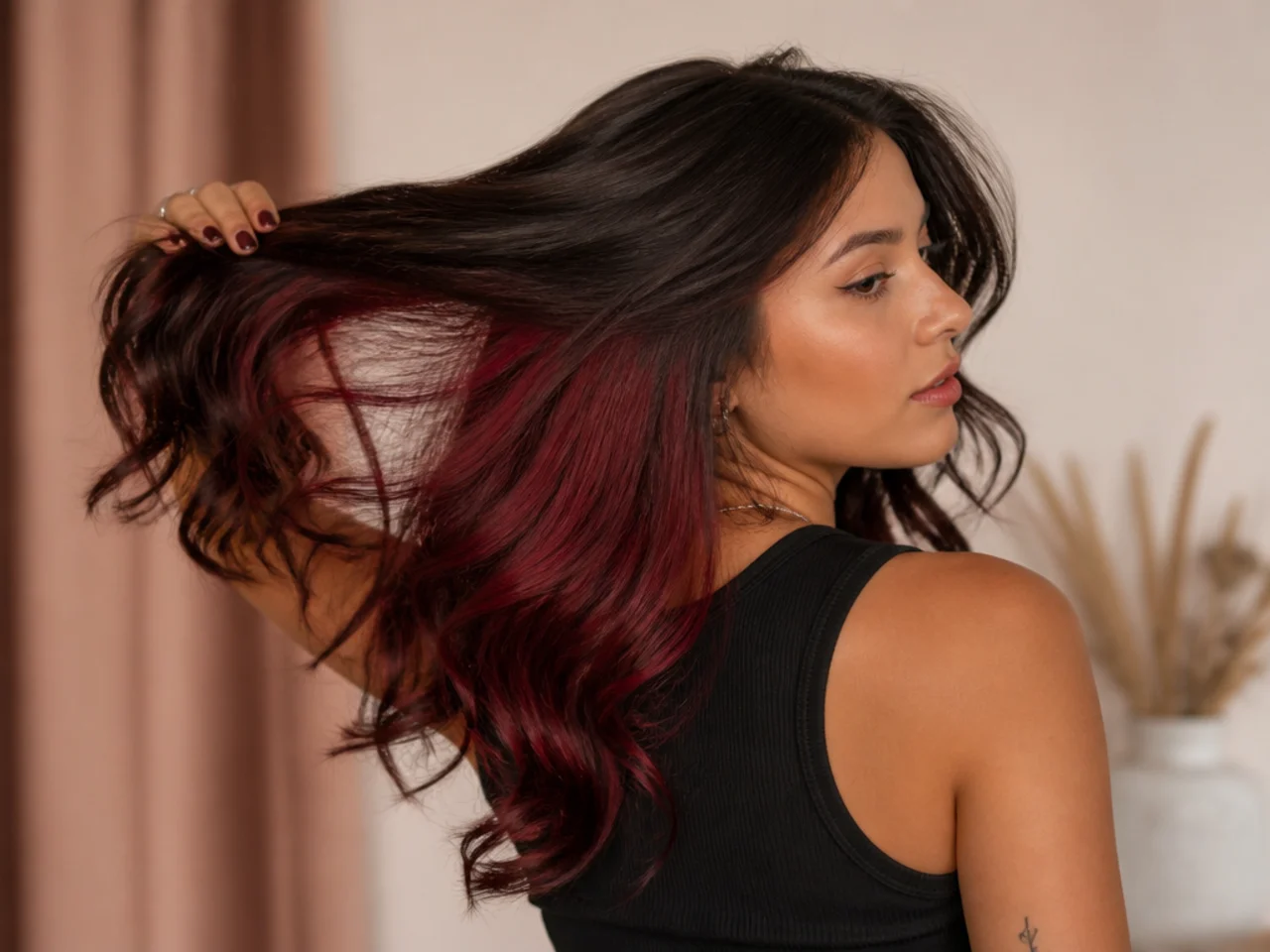
20 Bold Peekaboo Colors for Dark Hair
Twenty bold peekaboo colours for dark hair, sorted by how much lifting each one actually needs — because on dark hair the colour is the easy part. The bleaching is the decision.
In this article · 27
- Sorted by Lift, Not by Shade
- The Advantage of a Panel
- The 20 Bold Ideas
- 1. Deep Burgundy
- 2. Dark Violet
- 3. Deep Red
- 4. Plum
- 5. Emerald Green
- 6. Teal
- 7. Sapphire Blue
- 8. Magenta
- 9. Copper Orange
- 10. Electric Blue
- 11. Bright Turquoise
- 12. Neon Pink
- 13. Silver
- 14. Pastel Lilac
- 15. Two-Tone Blue and Purple
- 16. Fire Ombré
- 17. Peacock Blend
- 18. Nape-Only Vivid
- 19. Vivid on Curly Dark Hair
- 20. Rainbow Panel
- Looking After a Lifted Panel
- Mistakes to Avoid
- FAQ
- Final Thoughts
On dark hair, choosing the shade is the easy half. The real decision is how far the panel has to be lifted to get there, because that is where the cost, the time and the damage live.
Bright colour is translucent. It sits over whatever is beneath it rather than covering it, so a blue applied to dark brown hair produces dark brown hair with a faint blue cast. To get the shade in the photograph, the panel has to be lightened first.
Sorted by Lift, Not by Shade
No lift needed. Deposit-only deep shades — burgundy, dark violet, deep red. These stain rather than replace, so they shift the tone visibly without lightening. The lowest-commitment vivid available on dark hair.
One or two levels. Jewel tones — emerald, teal, sapphire, plum. Enough lifting to let pigment read, not enough to reach a pale base.
Four or more levels. Pastels, bright blues, silver, anything described as neon. The panel has to reach pale yellow or near-white first, and on dark hair that is usually more than one session.
That last group is where people get surprised. A pastel pink panel on black hair is not a colour appointment — it is a lightening appointment with a colour at the end of it.
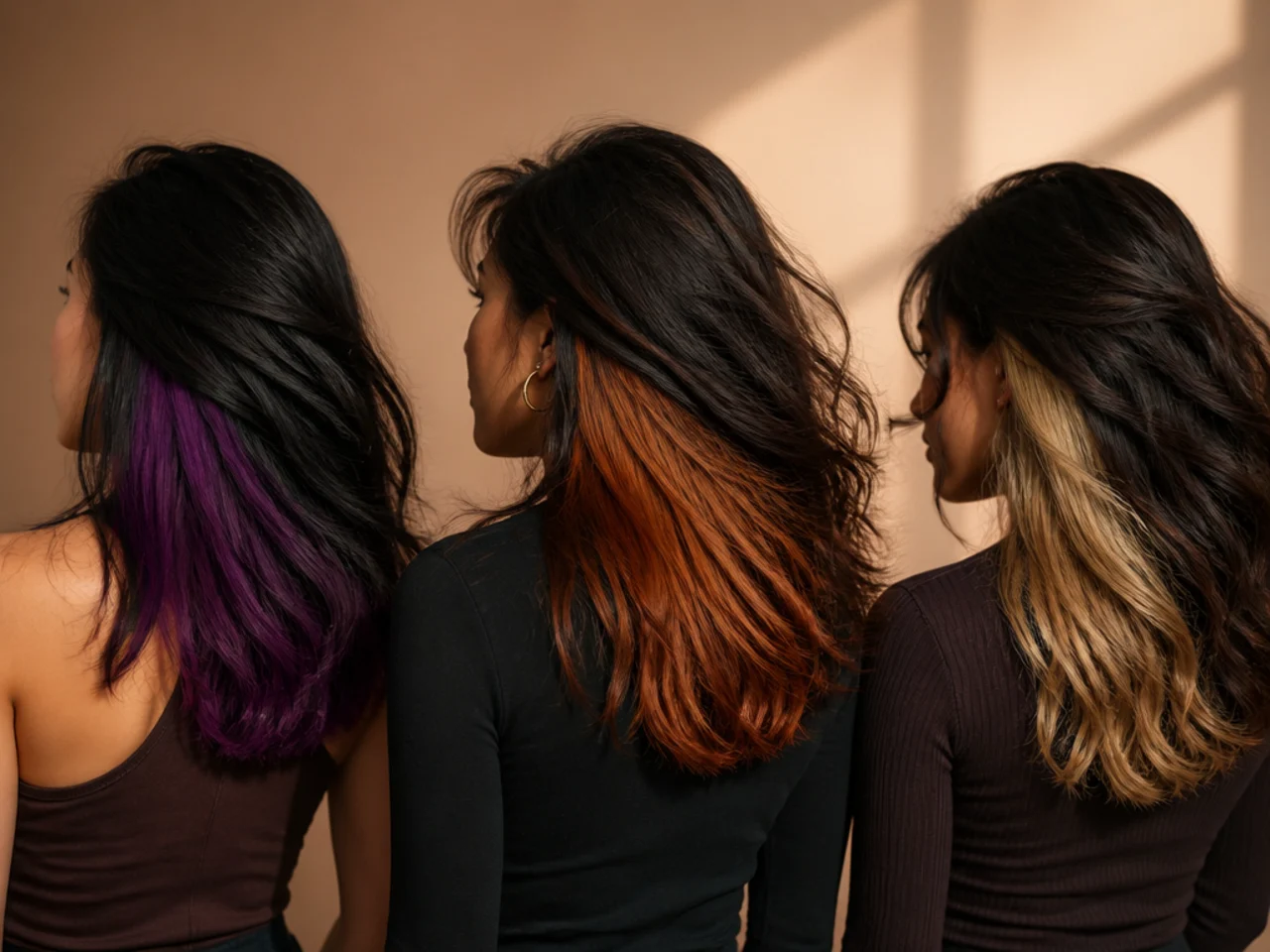
The Advantage of a Panel
Worth stating, because it is the genuine upside of doing this as a peekaboo rather than all over.
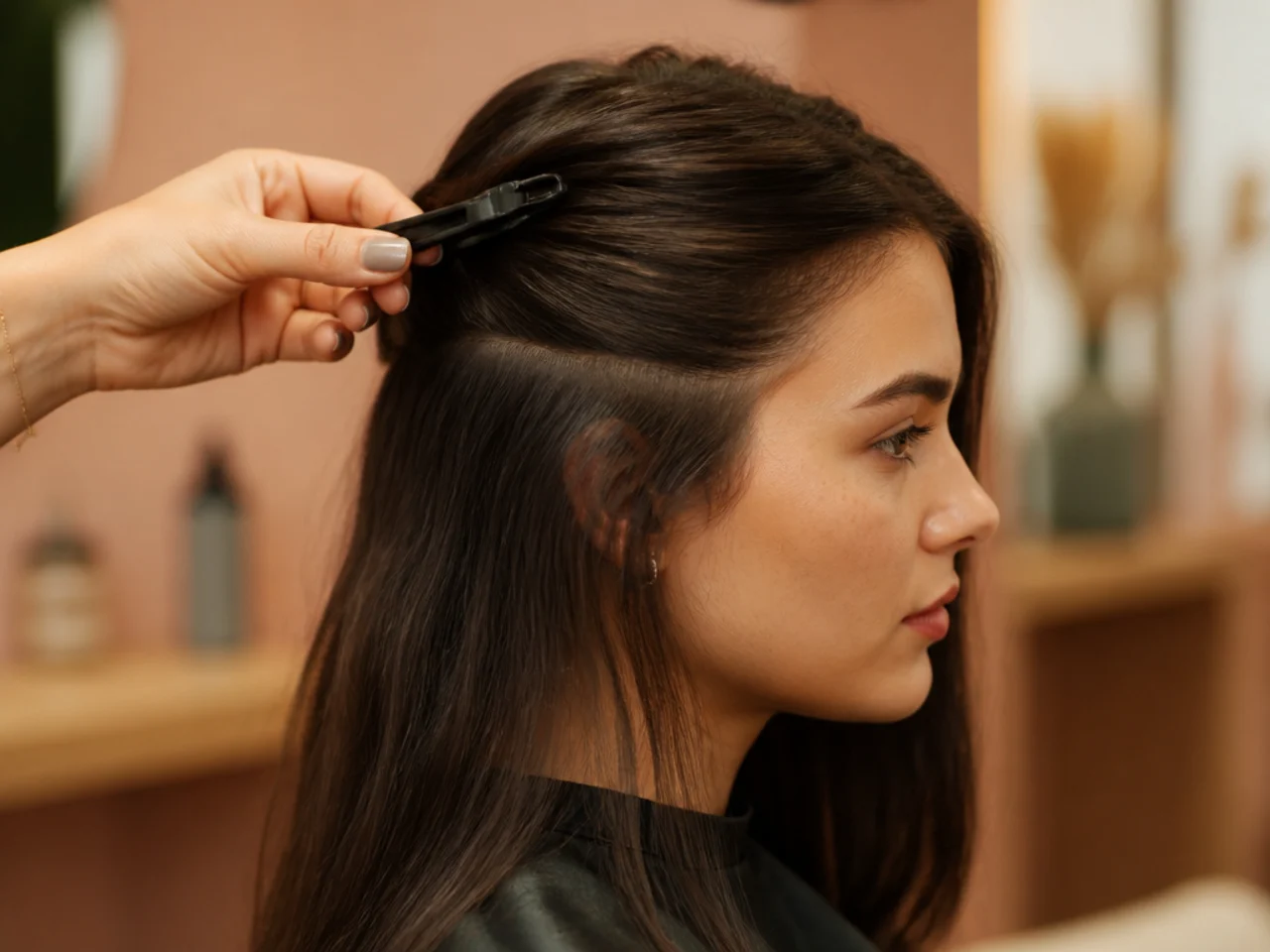
The damage is contained. One section is being lifted, not your whole head. If it becomes dry or brittle, it is one panel you can cut or grow out.
It is underneath. Damage on a hidden layer is far less visible than damage on your top layer, which is the section everyone sees and the one that frames your face.
You can stop. If the first session gets the panel to a level you dislike, you have not committed your whole head to a process.
That does not make bleaching harmless — it makes it a smaller, more reversible version of the same thing.

The 20 Bold Ideas
1. Deep Burgundy
No lift. Shows on dark brown and black. The best starting point.
2. Dark Violet
No lift. Reads purple in sunlight, near-black indoors.
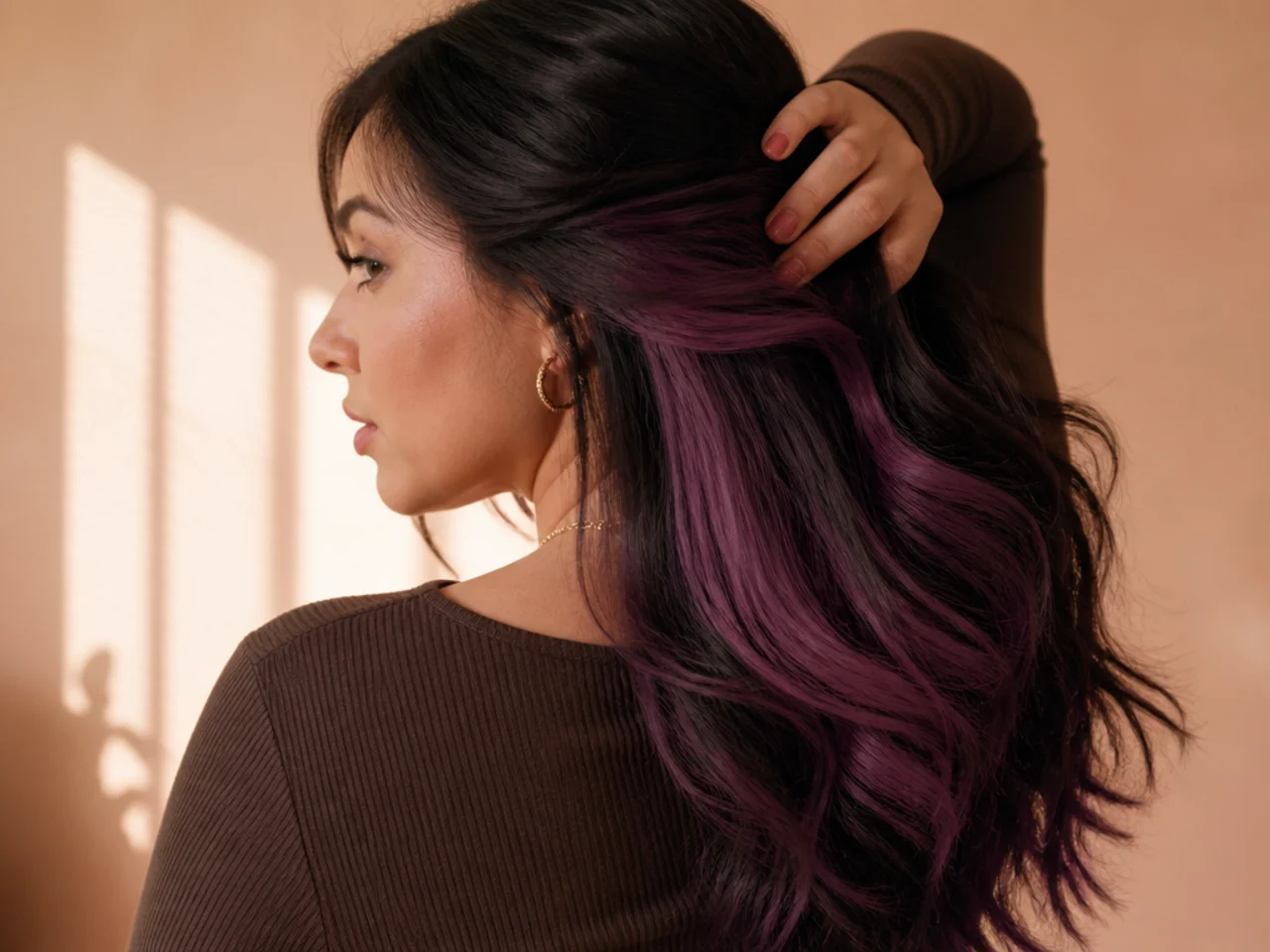
3. Deep Red
No lift. The classic dark-hair peekaboo.
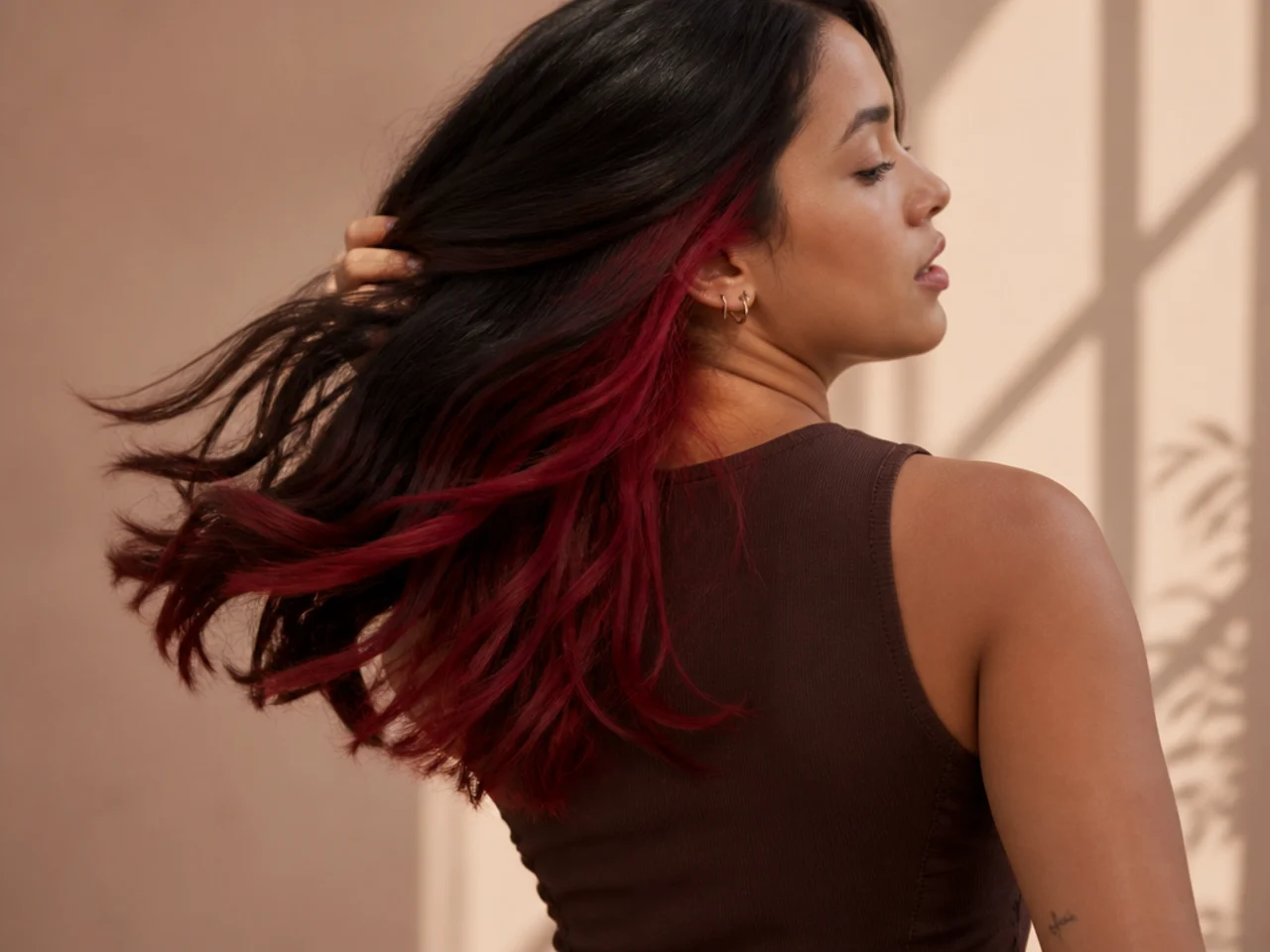
4. Plum
One level. Richer than violet, still low-commitment.
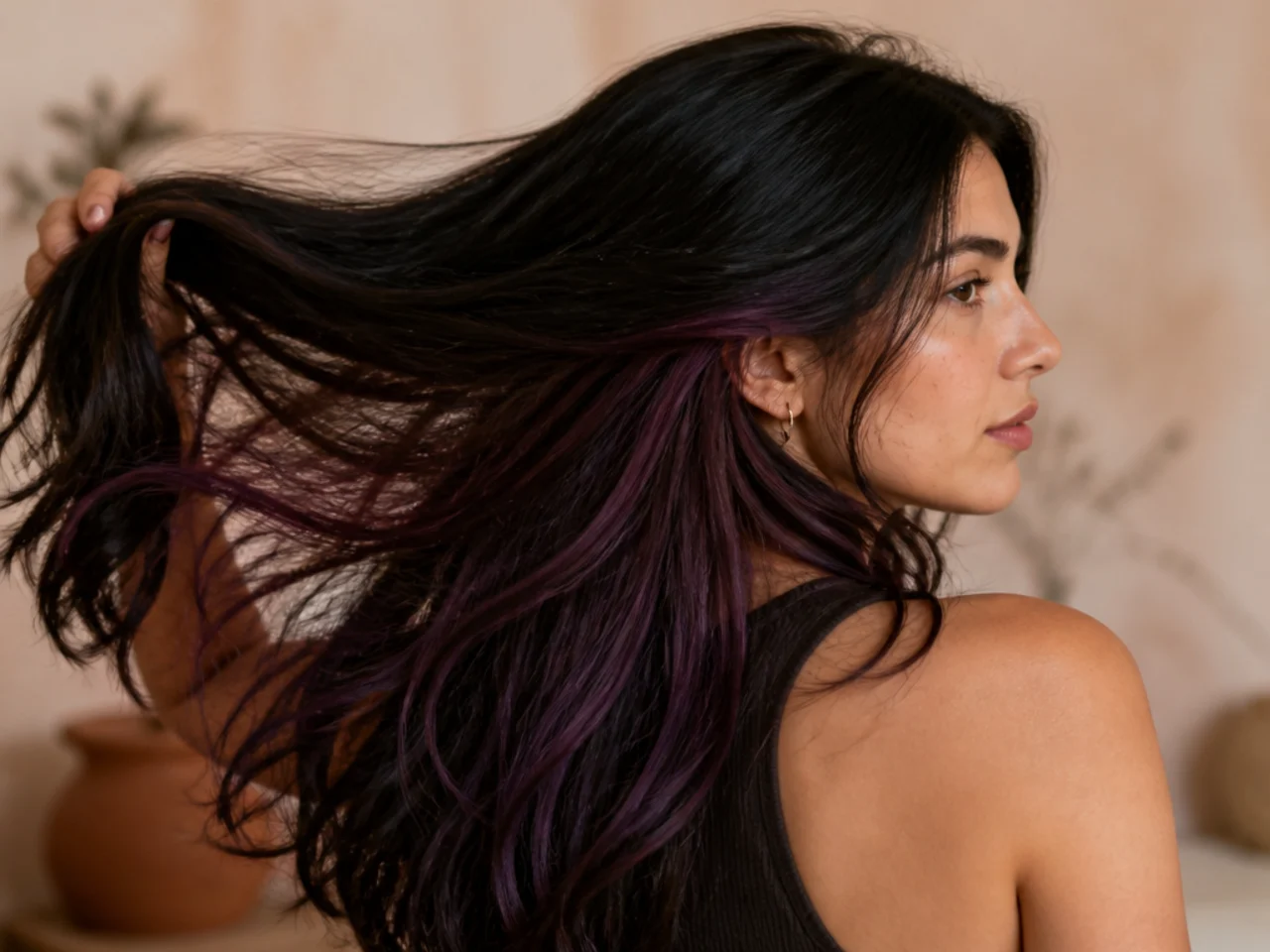
5. Emerald Green
Two levels. Jewel green, and it holds colour well.
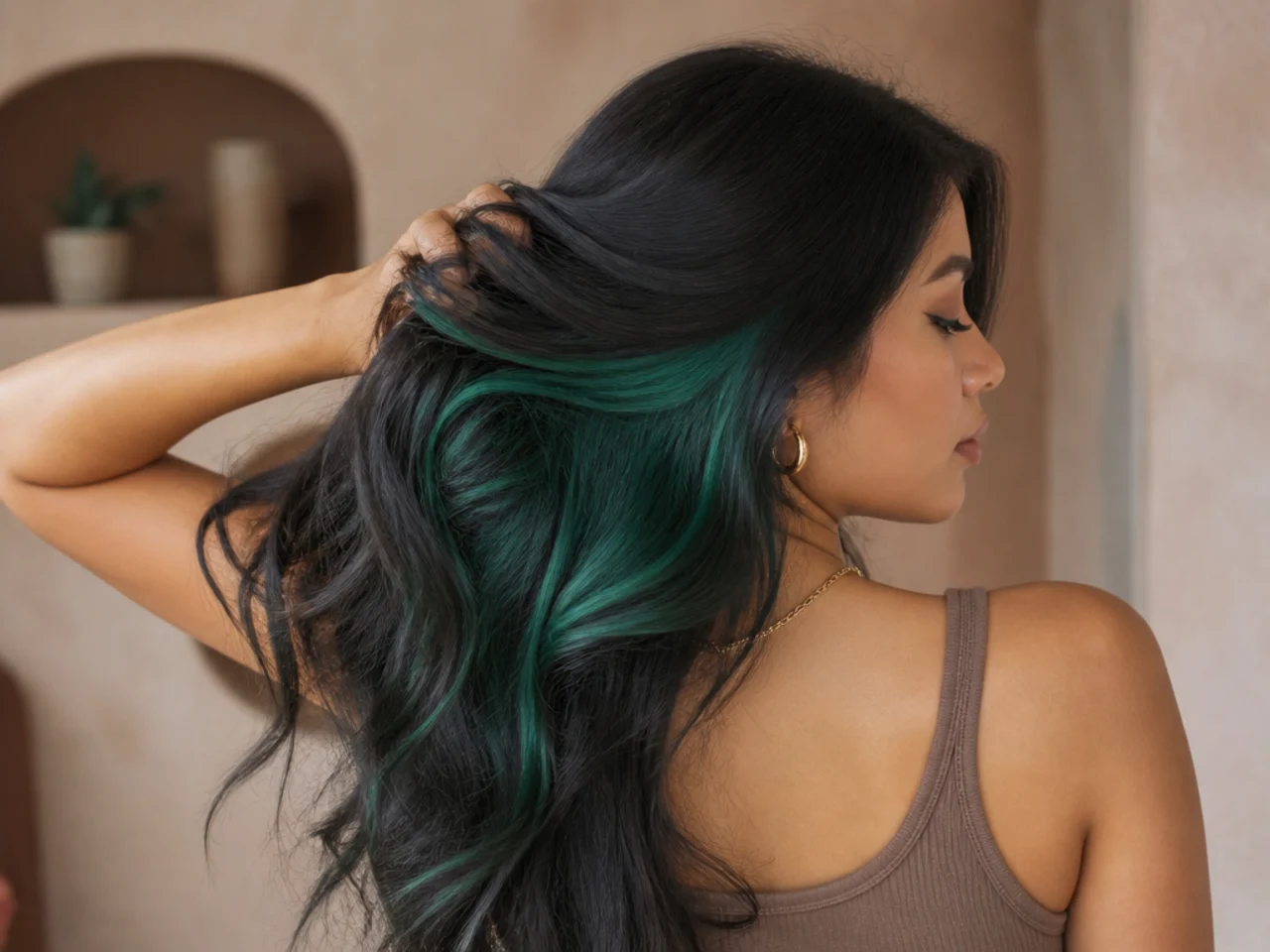
6. Teal
Two levels. Between blue and green, and one of the most forgiving vivids.
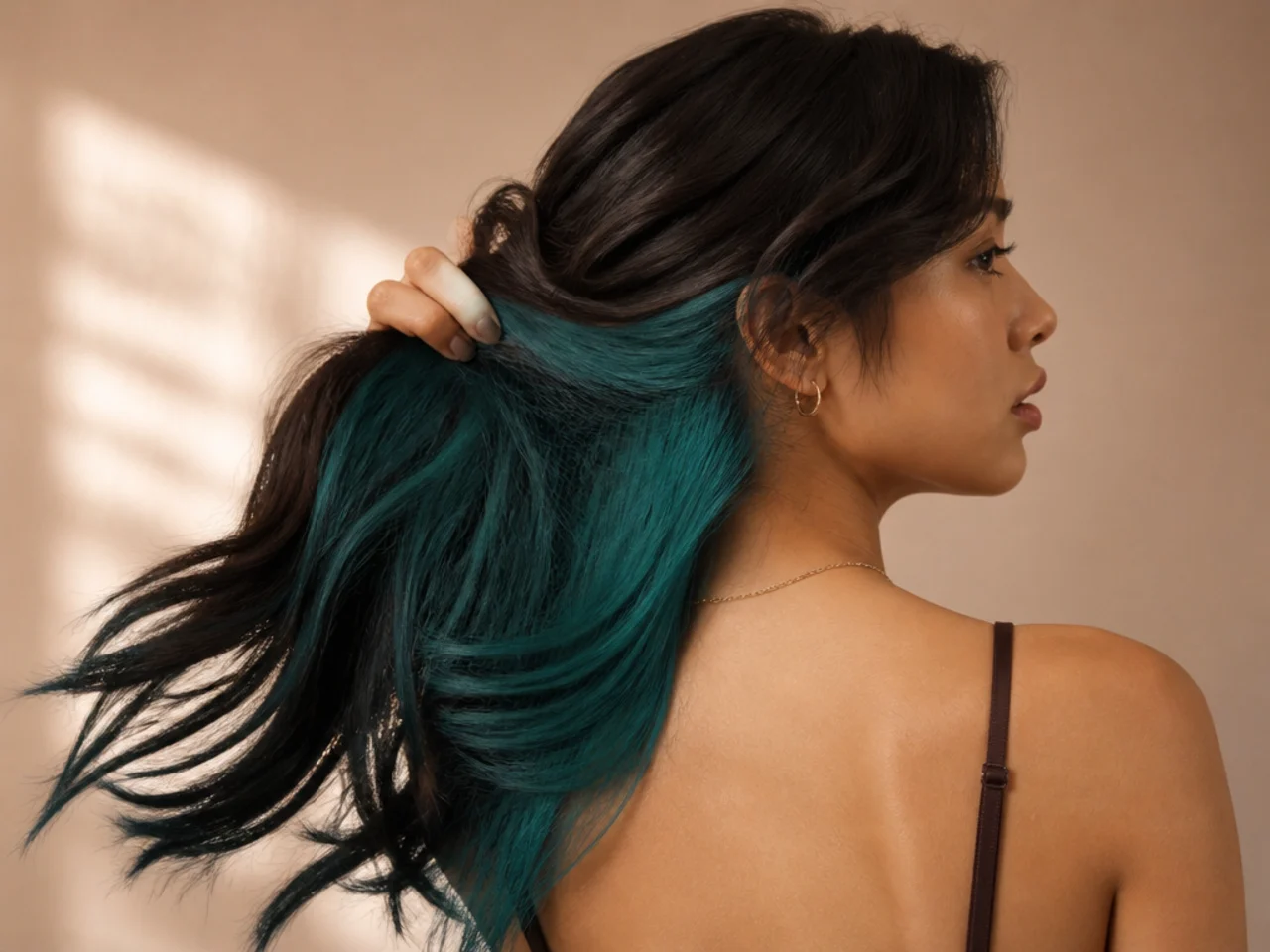
7. Sapphire Blue
Two to three levels. Deep enough to show without a pale base.
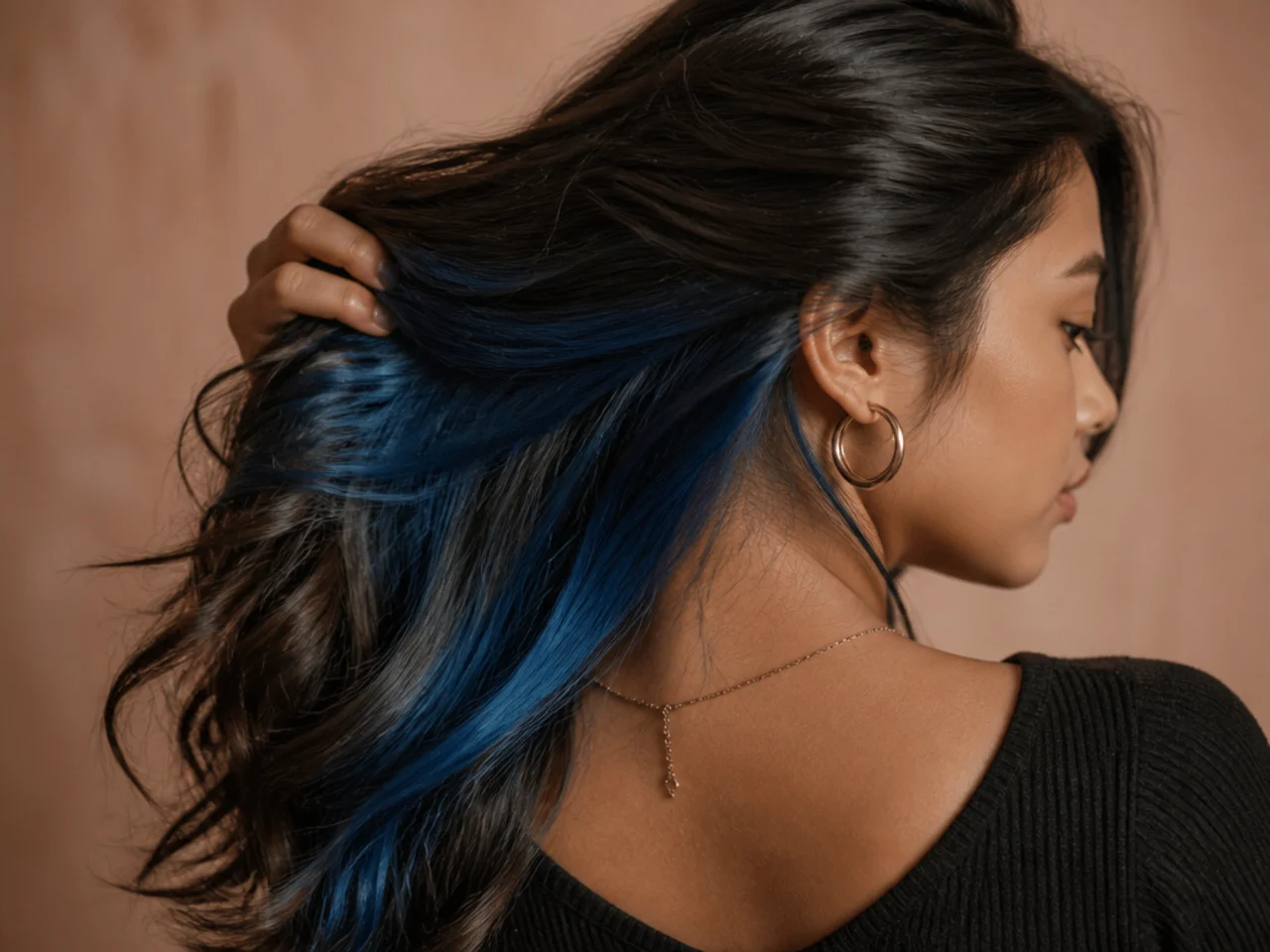
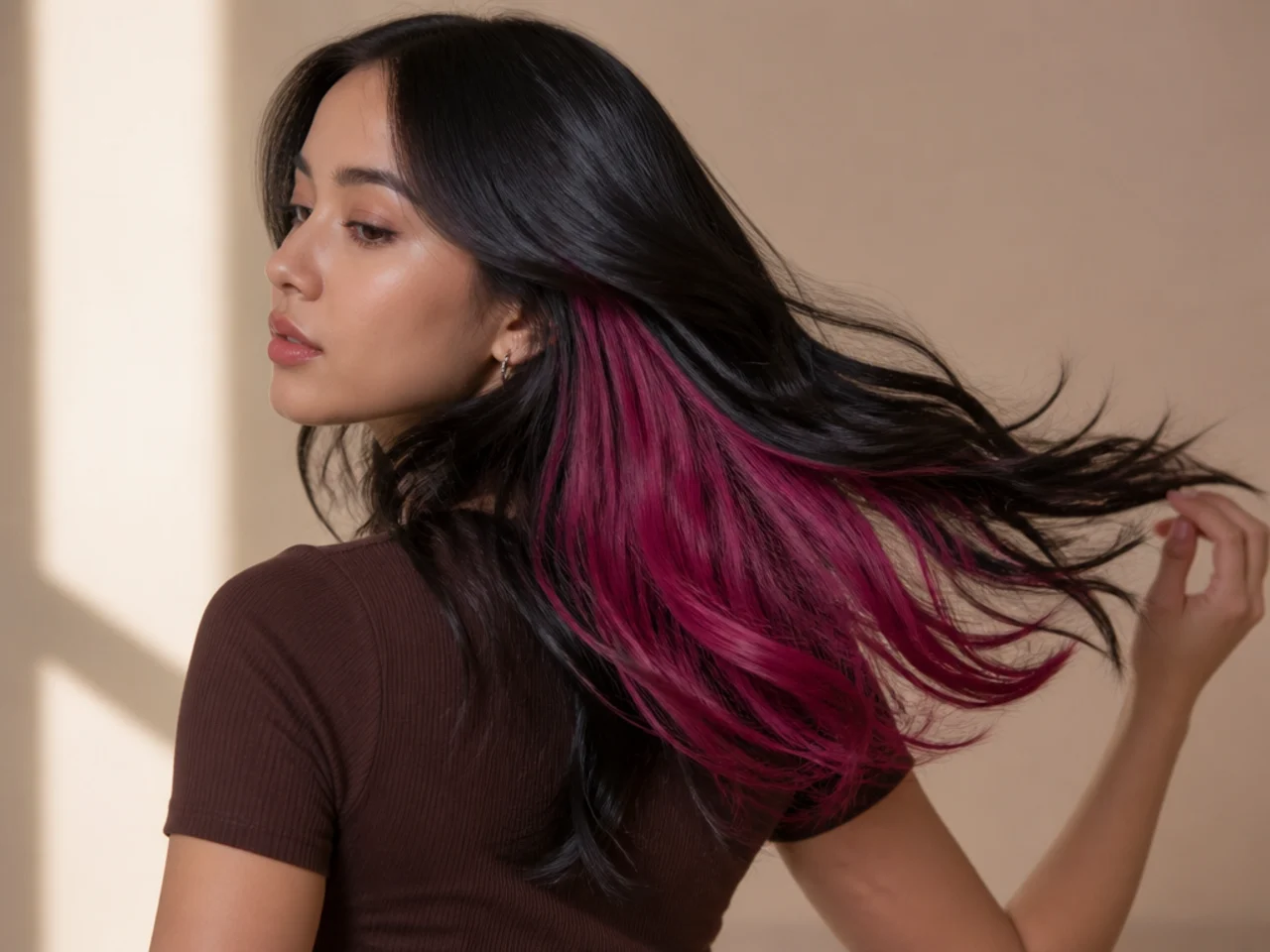
8. Magenta
Two to three levels. Bright, and it fades gracefully into pink.
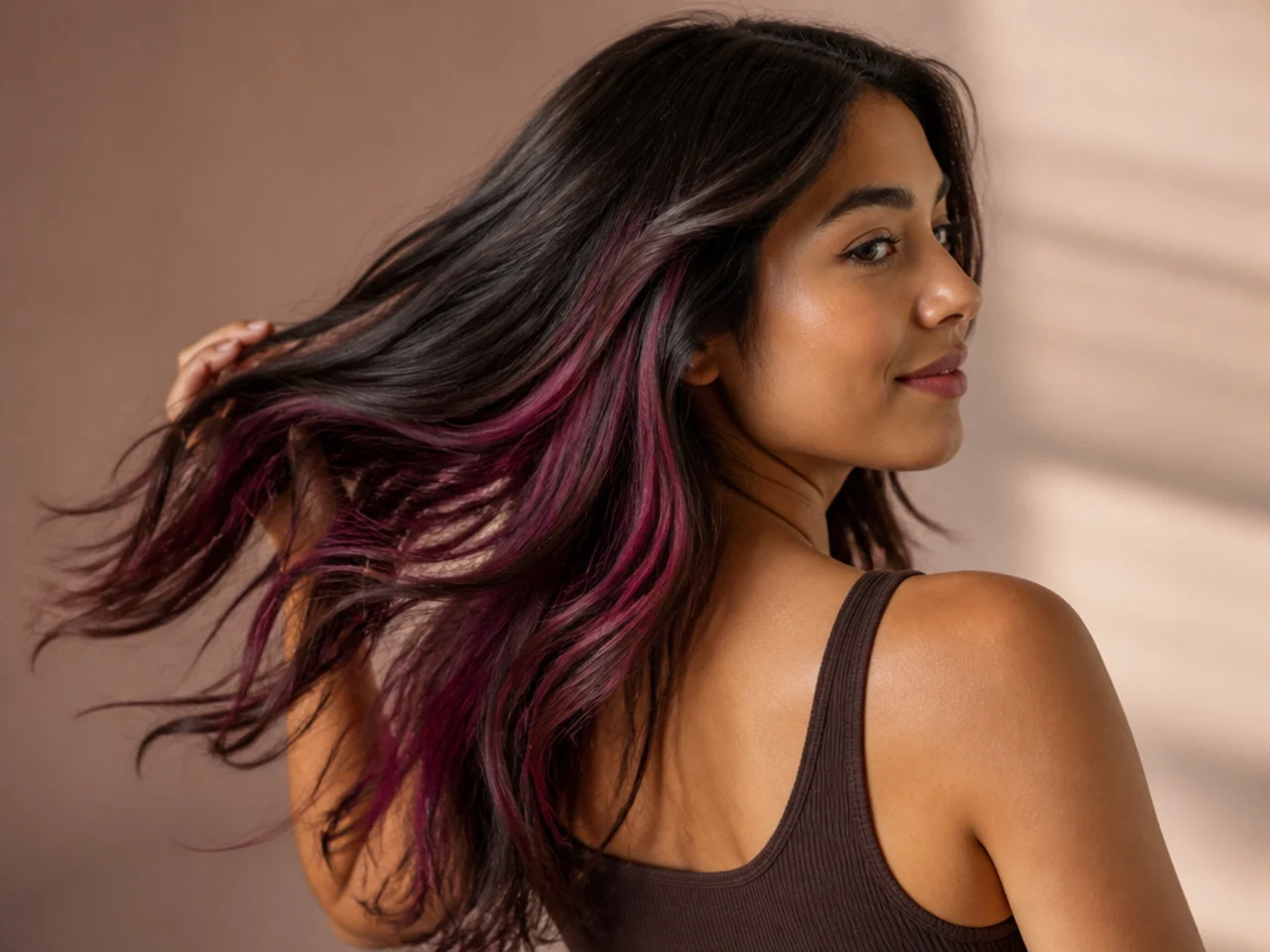
9. Copper Orange
Two levels. Warm, and it suits dark auburn bases especially.
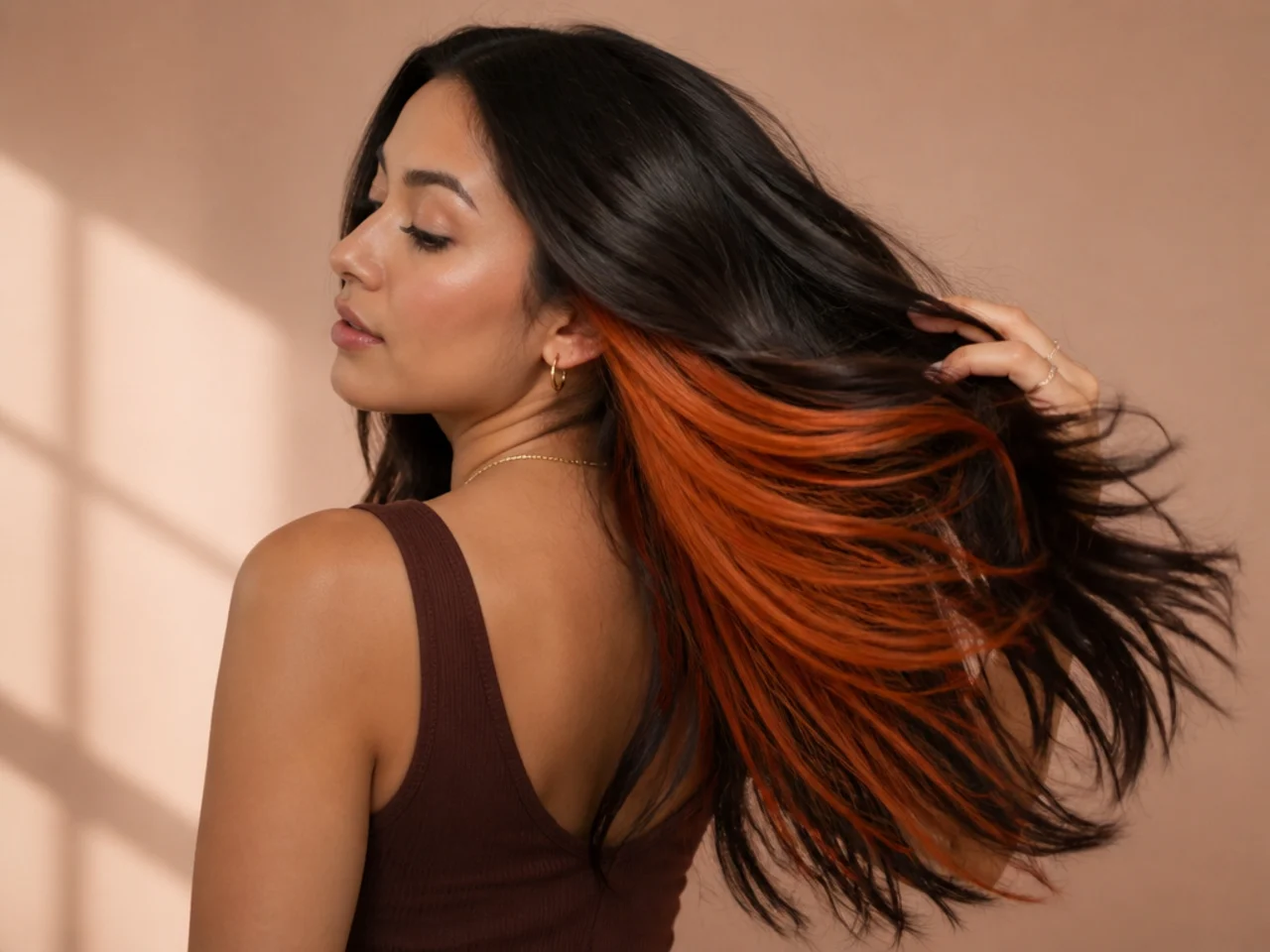
10. Electric Blue
Four levels. High contrast and a real commitment.
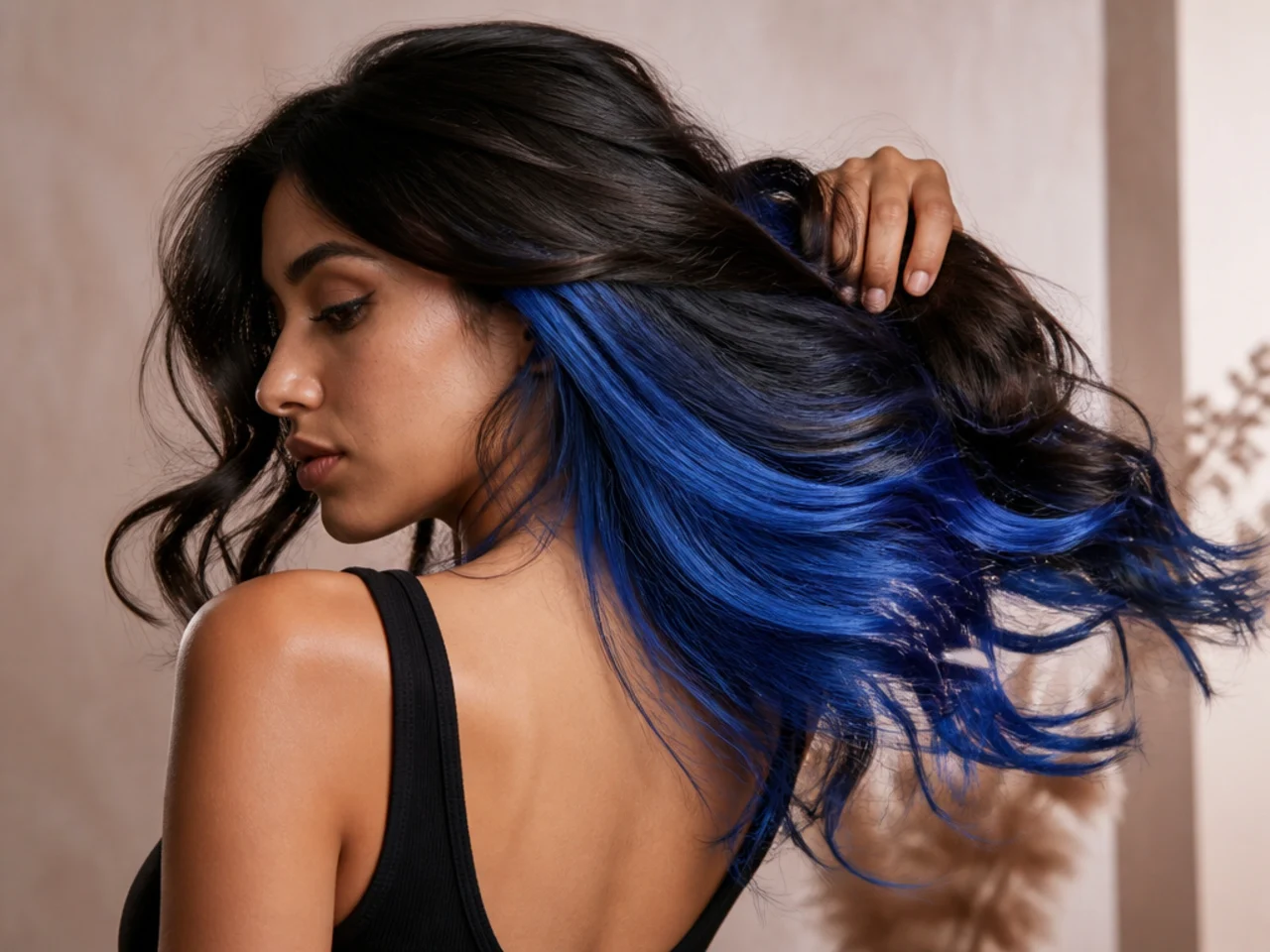
11. Bright Turquoise
Four levels. Needs a pale base to land as turquoise rather than green.
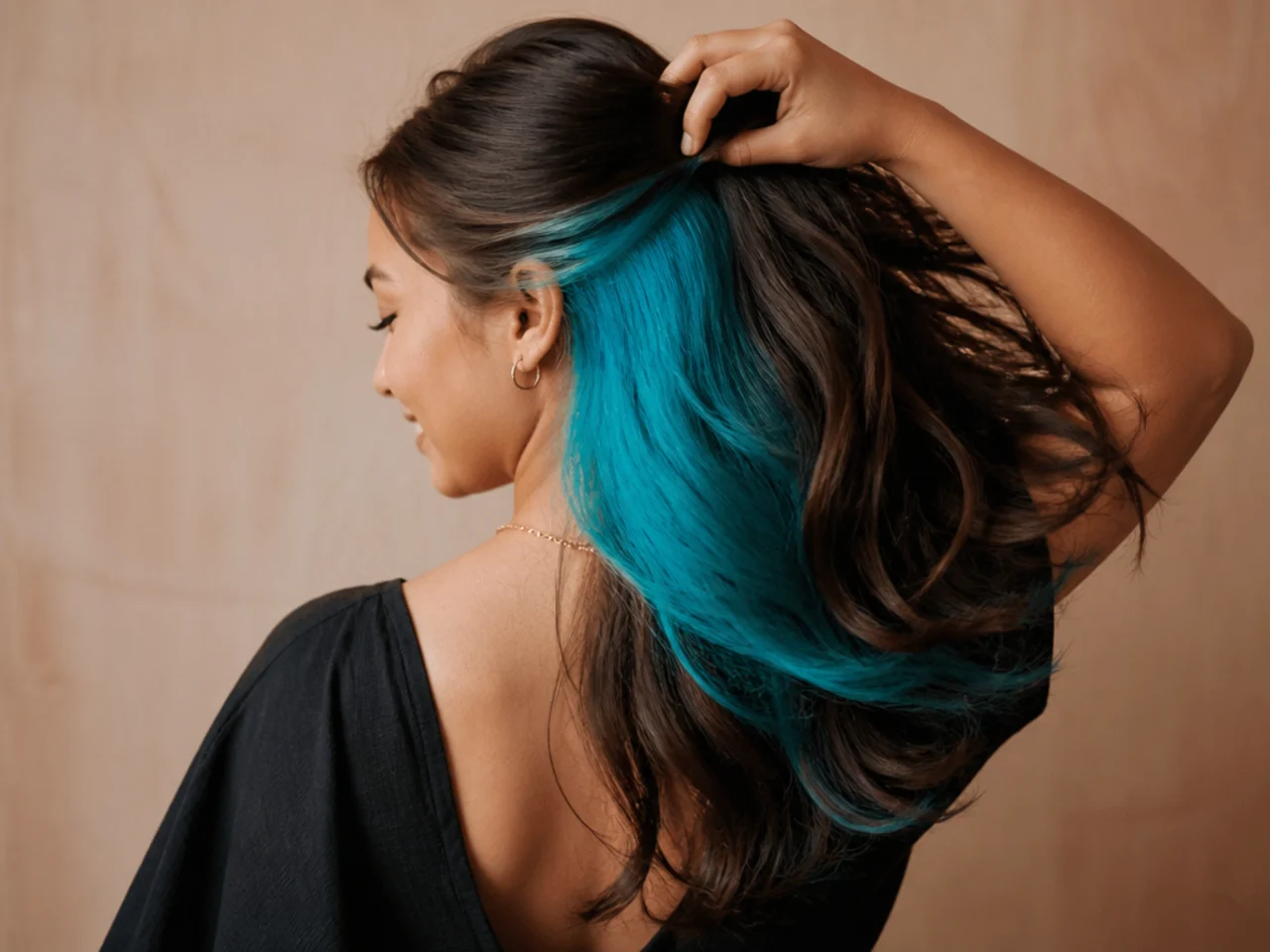
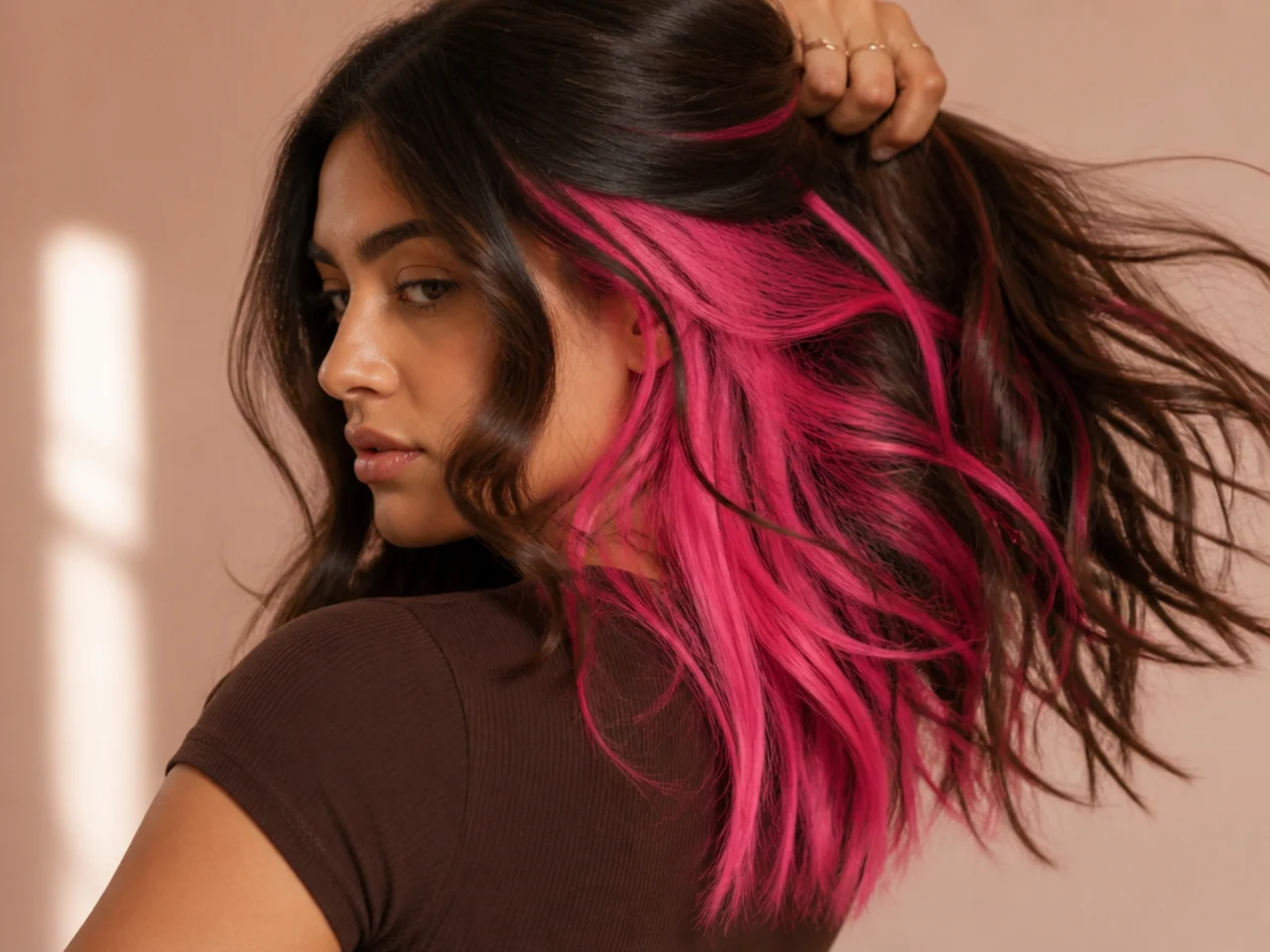
12. Neon Pink
Four levels. The base must be genuinely pale or it turns coral.
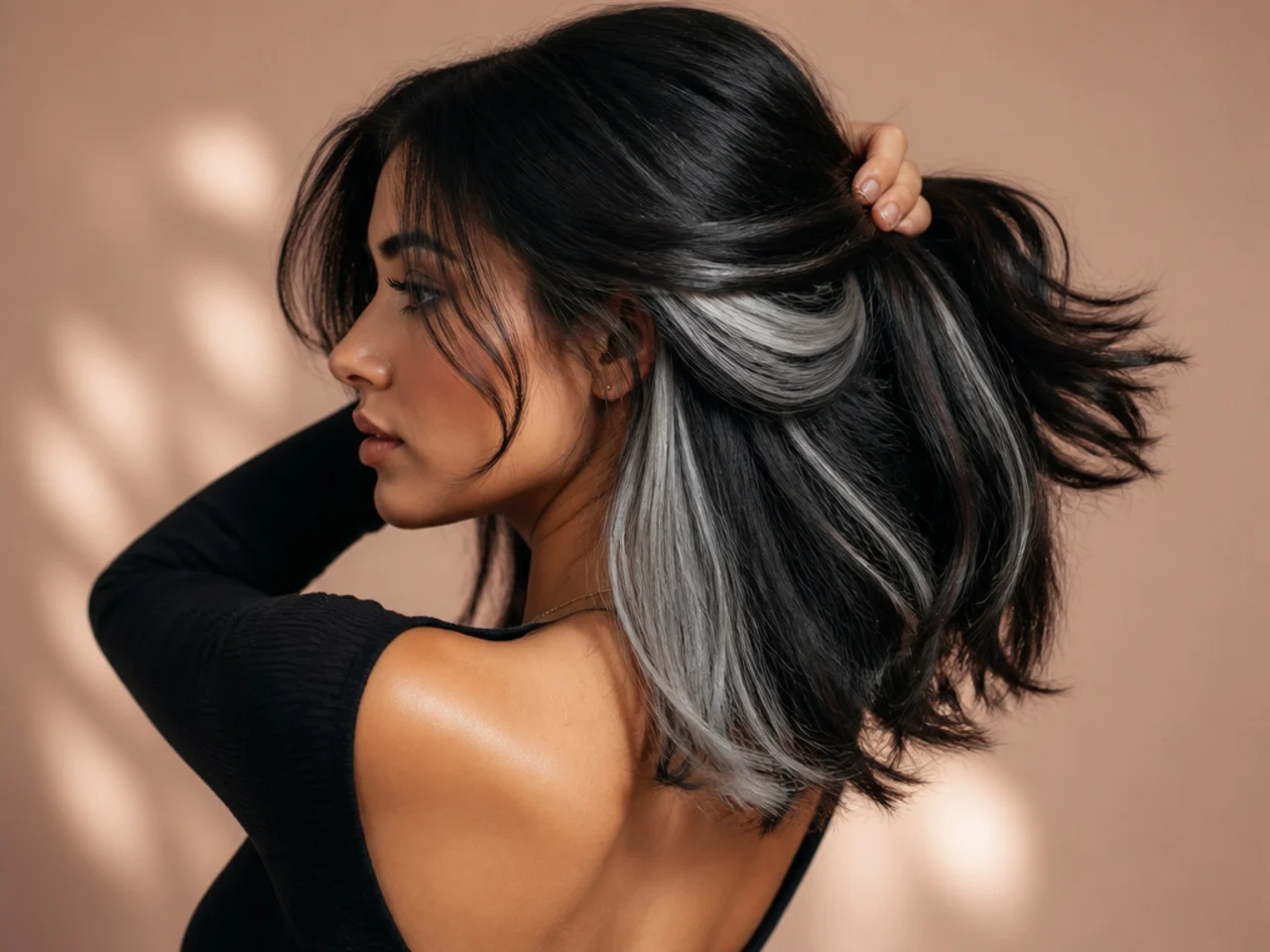
13. Silver
Five levels plus toning. The most demanding on this page.
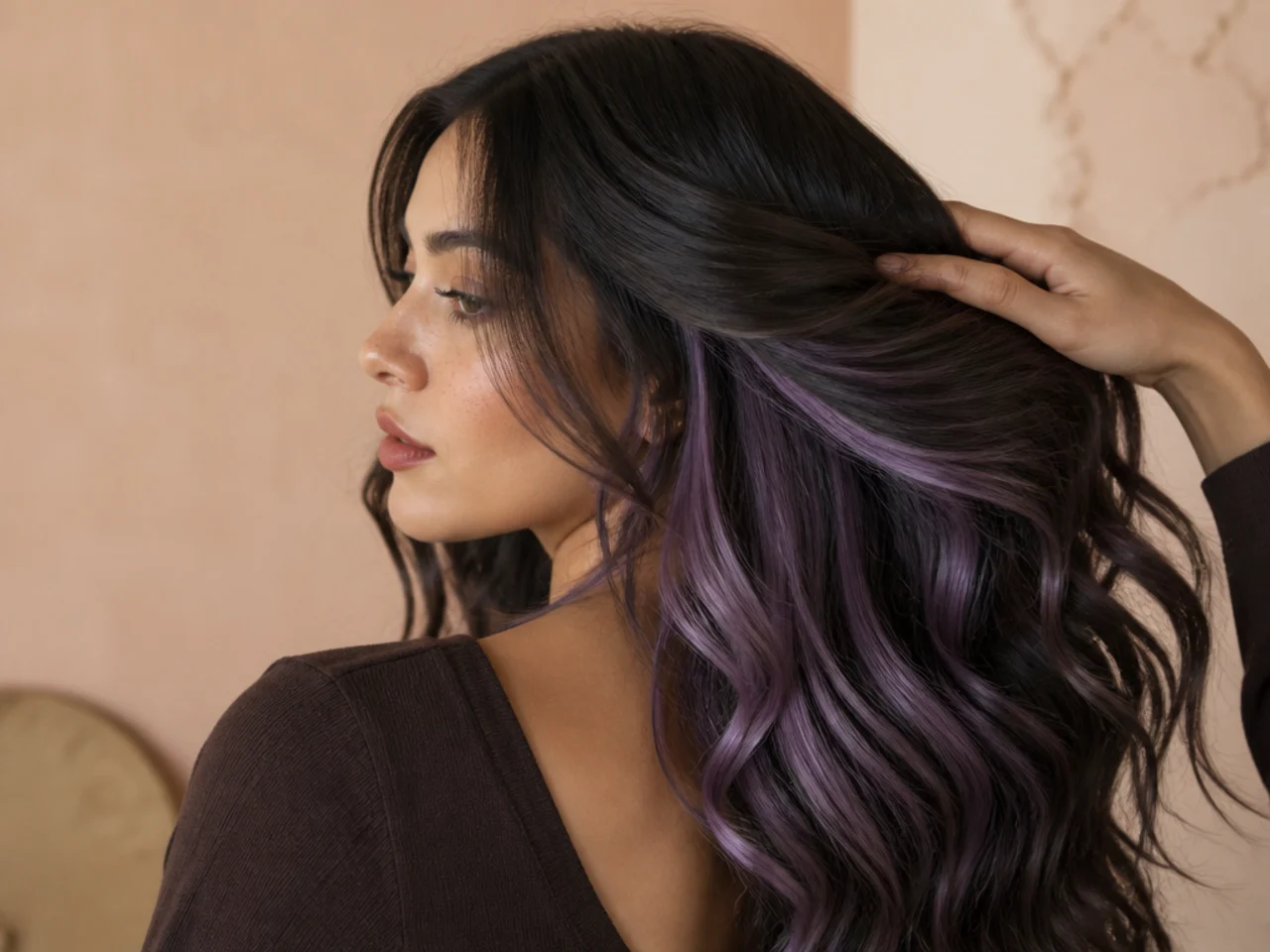
14. Pastel Lilac
Four to five levels. Beautiful, and the least forgiving of an uneven lift.
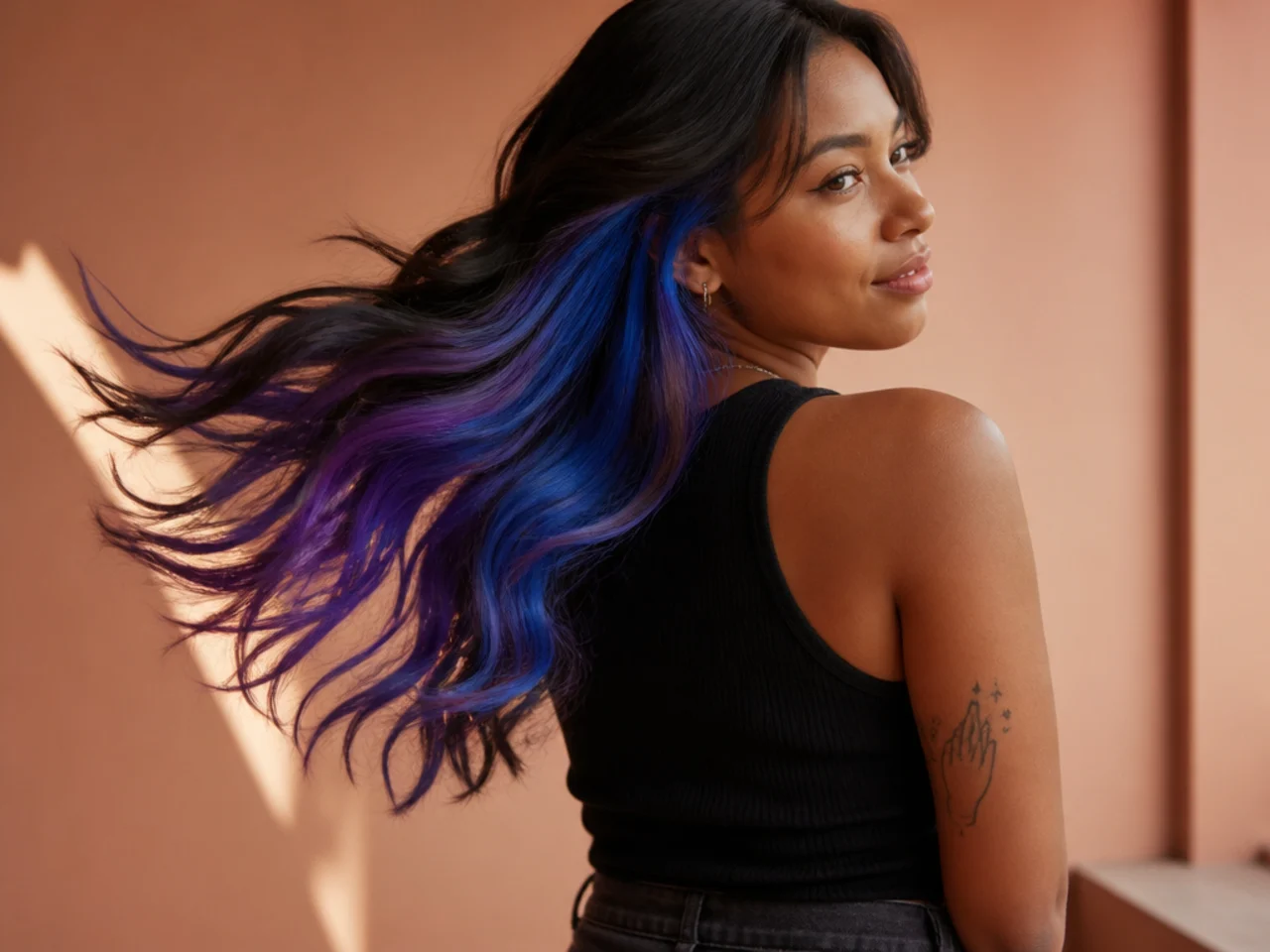
15. Two-Tone Blue and Purple
Three to four levels. Blended, so an uneven base matters less.
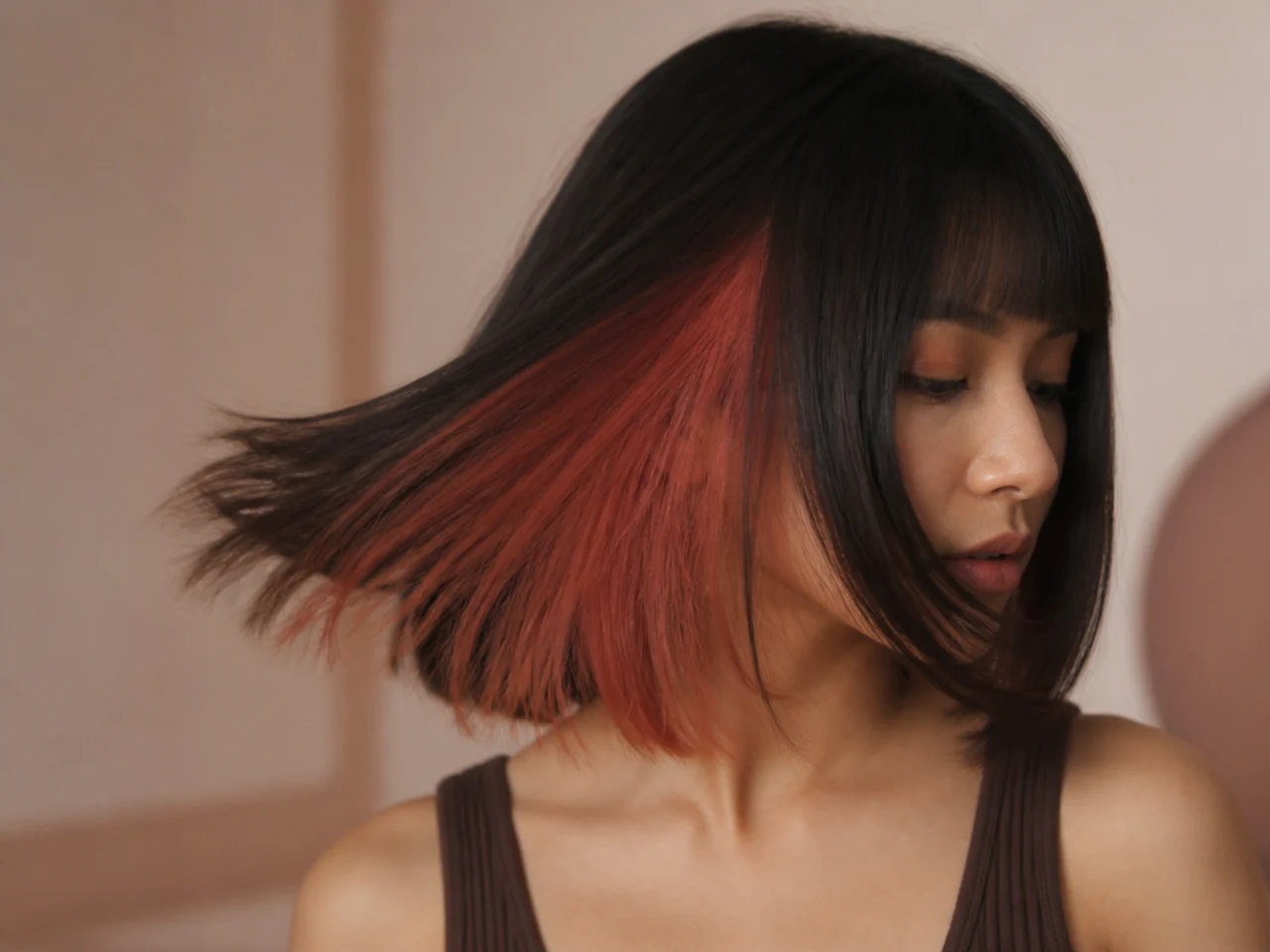
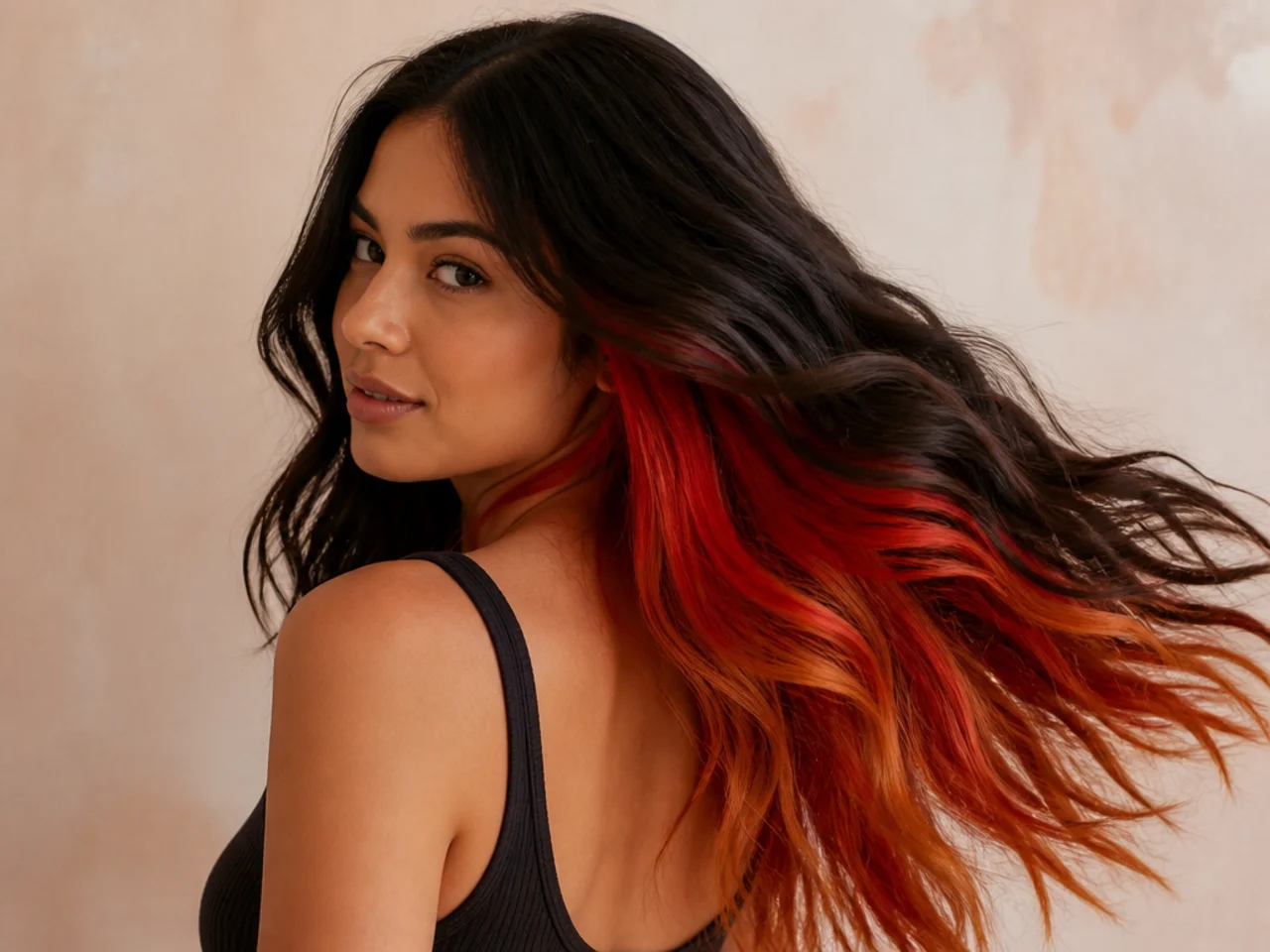
16. Fire Ombré
Three levels. Red into orange down the panel.
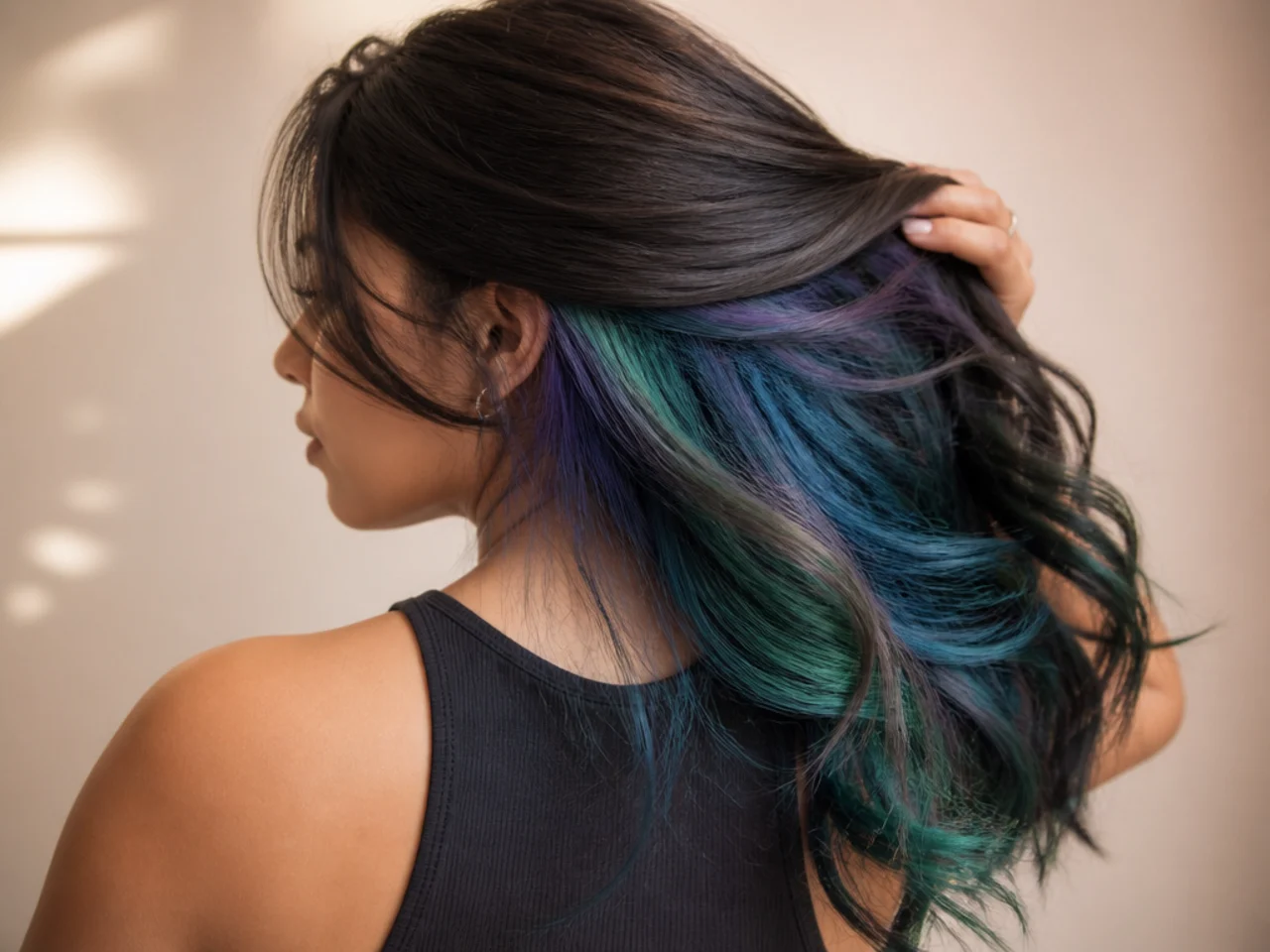
17. Peacock Blend
Three levels. Teal, blue and green together.
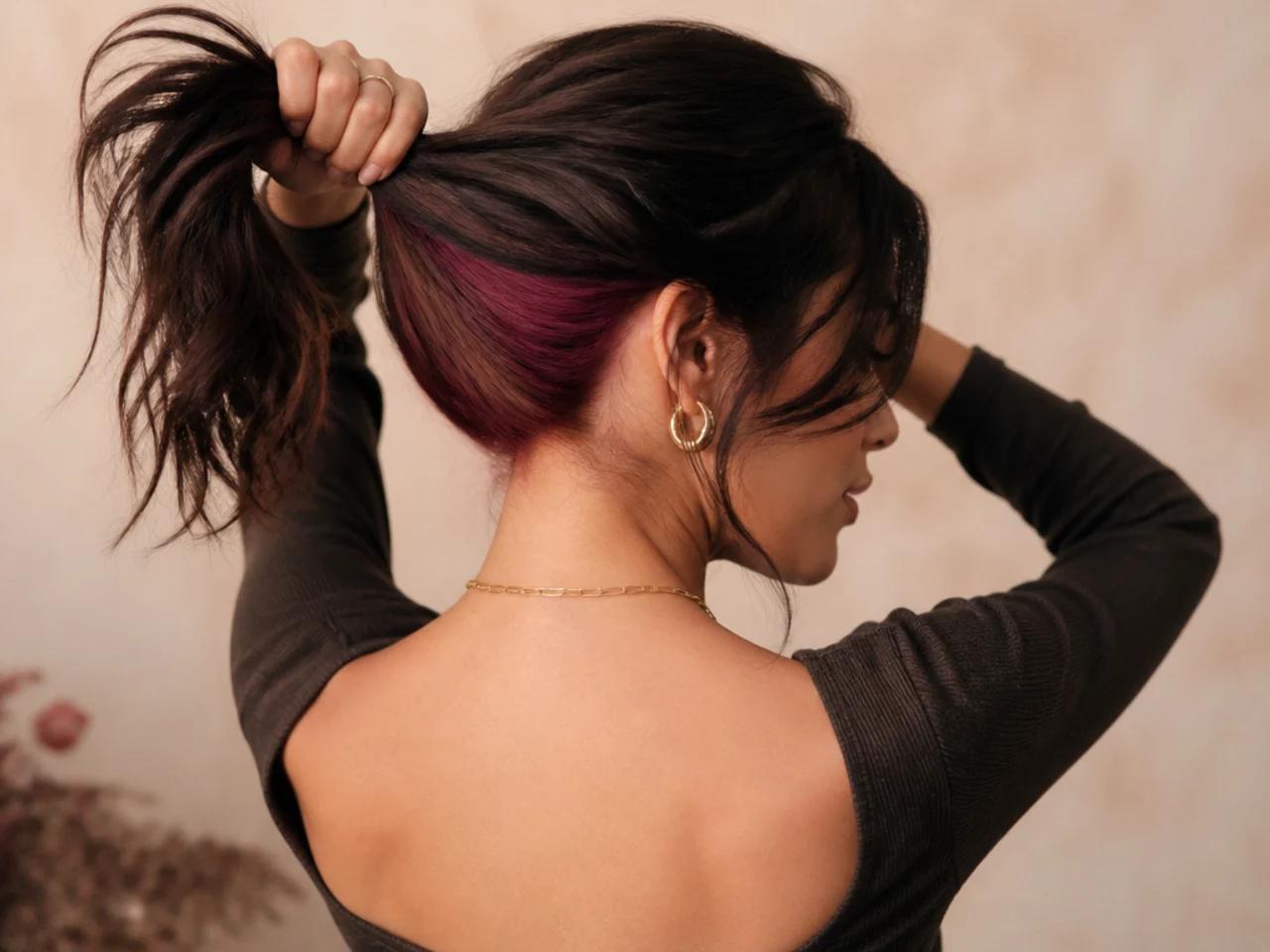
18. Nape-Only Vivid
Any level. Smaller panel, less lifting, fully hideable.
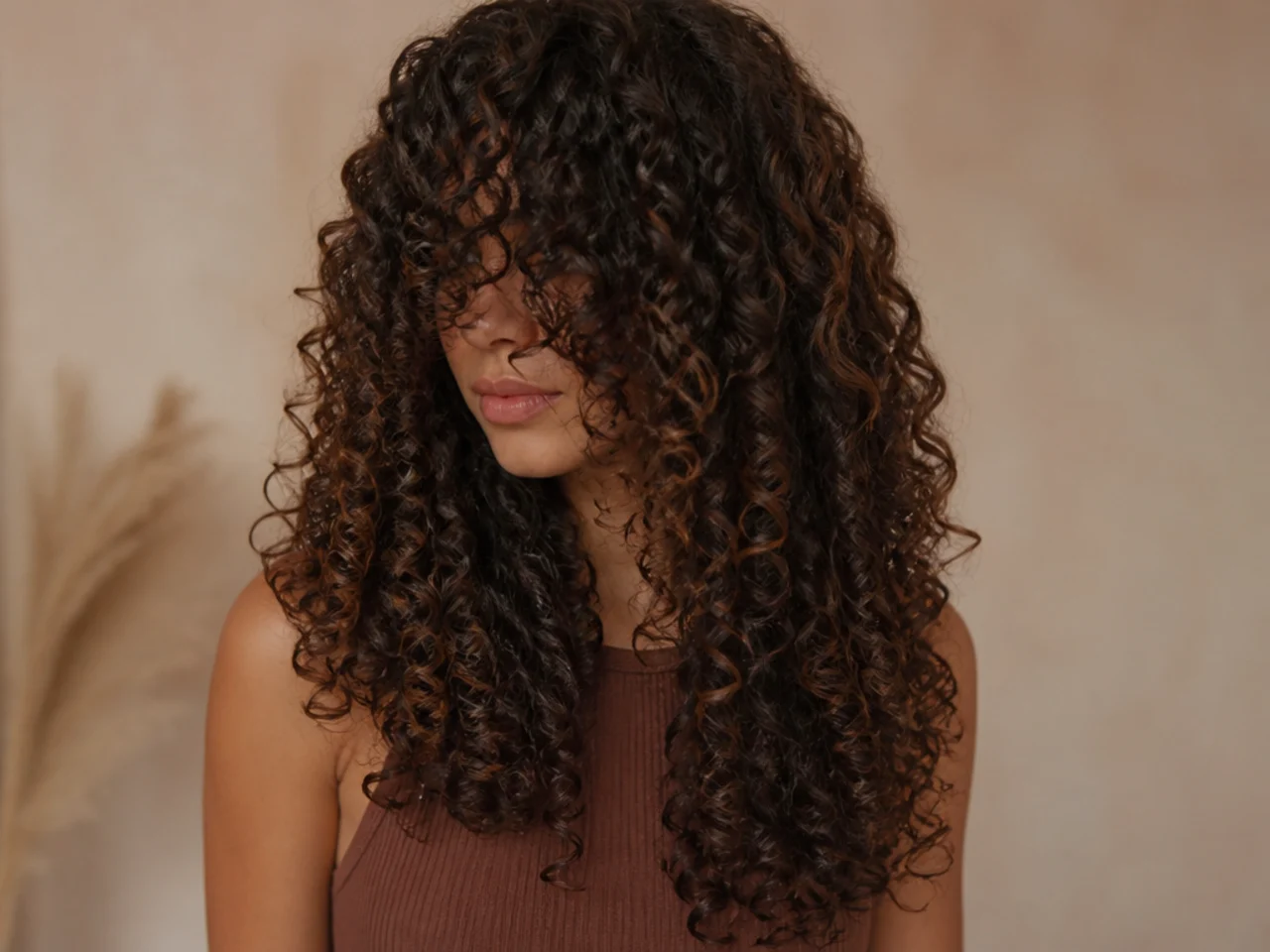
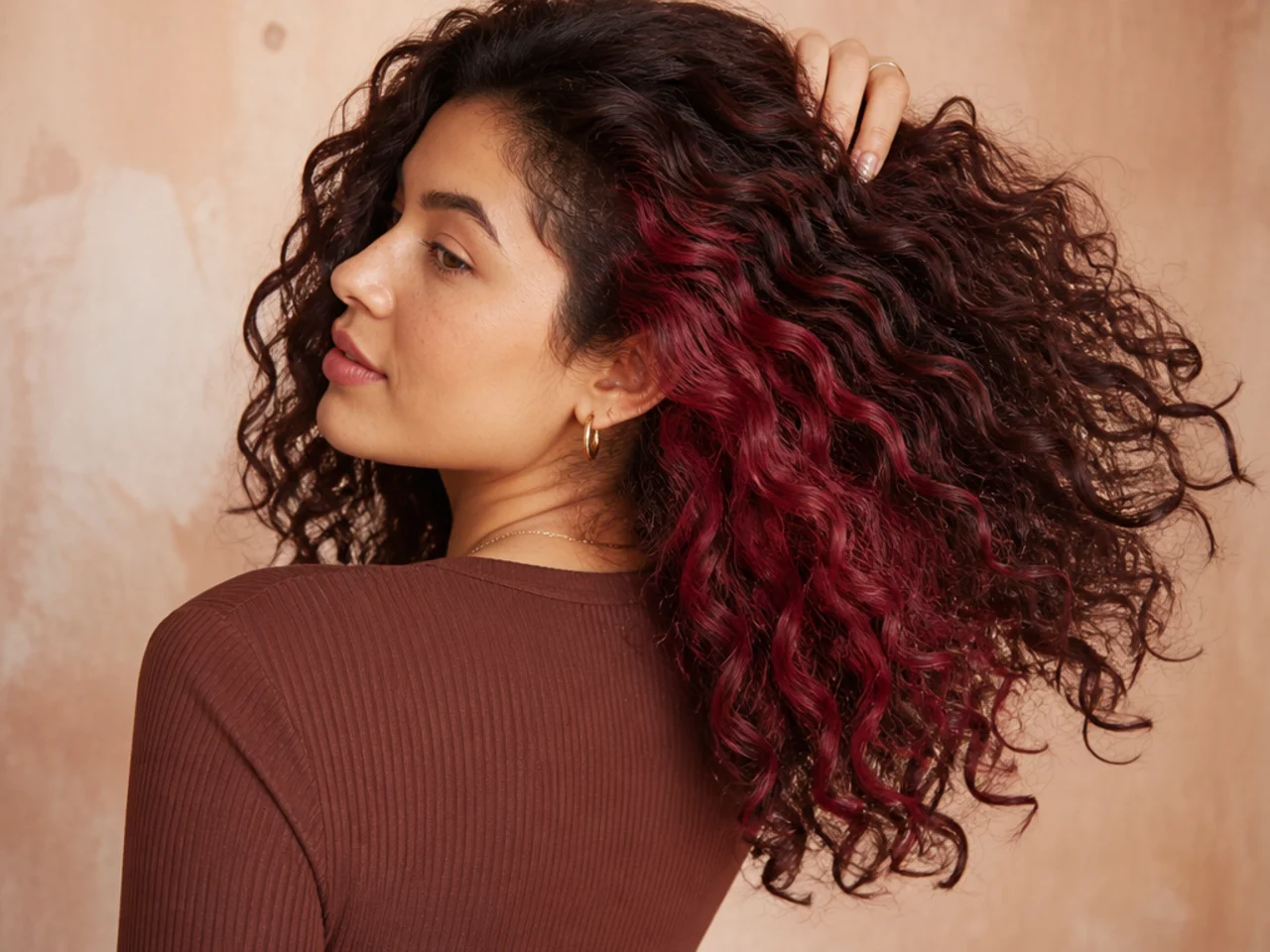
19. Vivid on Curly Dark Hair
Two to three levels. Curl reveals it constantly, so a smaller panel goes further.
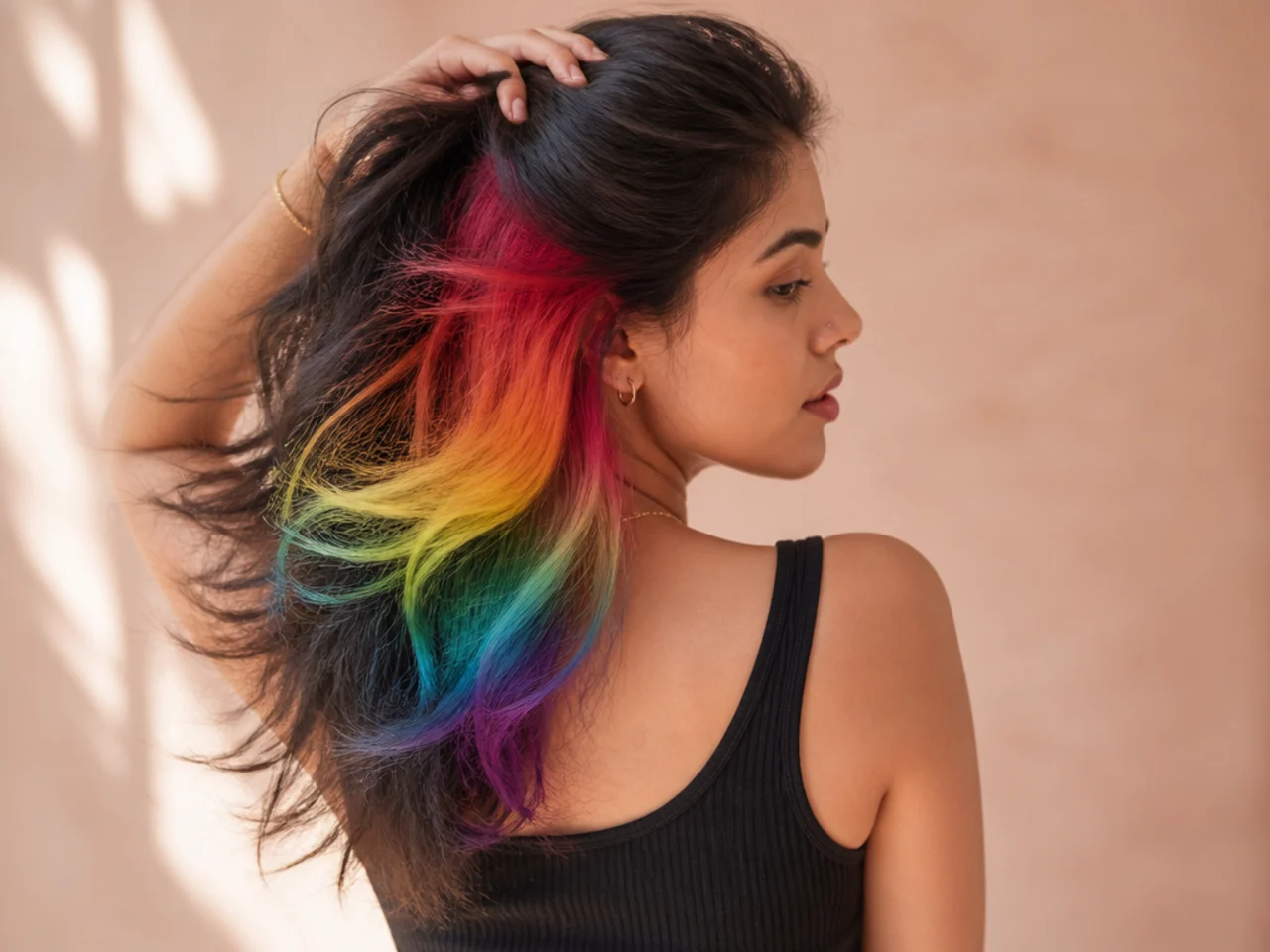
20. Rainbow Panel
Four to five levels. Maximum lift, maximum upkeep.
Looking After a Lifted Panel
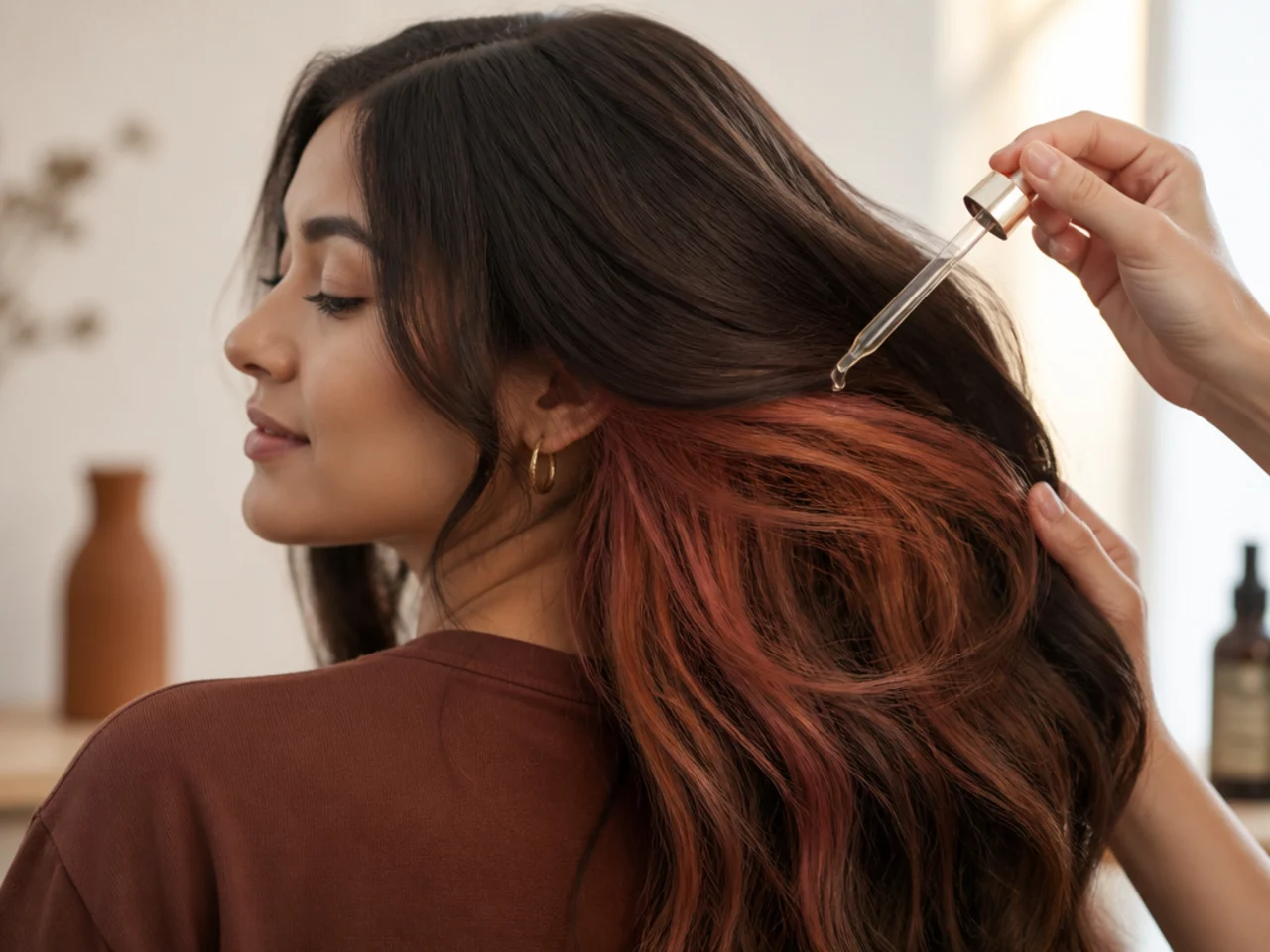
The panel is more fragile than the rest of your hair, and it needs treating as a separate thing.
Wash it less often than the rest, and in cooler water. Heat opens the cuticle and vivid pigment leaves with it.
Colour-safe shampoo, or co-wash the panel only.
Bond-building treatment weekly for the first month after lifting.
Expect fading, and plan for it. Vivids fade fastest, and a faded panel usually needs refreshing every four to six weeks. Deposit-only shades fade more gracefully than lifted vivids.
Heat protection every time, and less heat generally on that section.
Mistakes to Avoid
Expecting a pastel to work without lifting. Bright colour is translucent; the dark base shows through.
Lifting the whole panel in one session. Two gentler sessions damage less than one aggressive one.
Box bleach on dark hair at home. Uneven lift on a dark base is very difficult to correct.
Skipping the strand test on previously coloured hair. Old colour lifts unpredictably.
Choosing a shade without asking the lift level. It changes the price, the time and the damage.
FAQ
Can you do it without bleach? Only deep deposit-only shades — burgundy, dark violet, deep red.
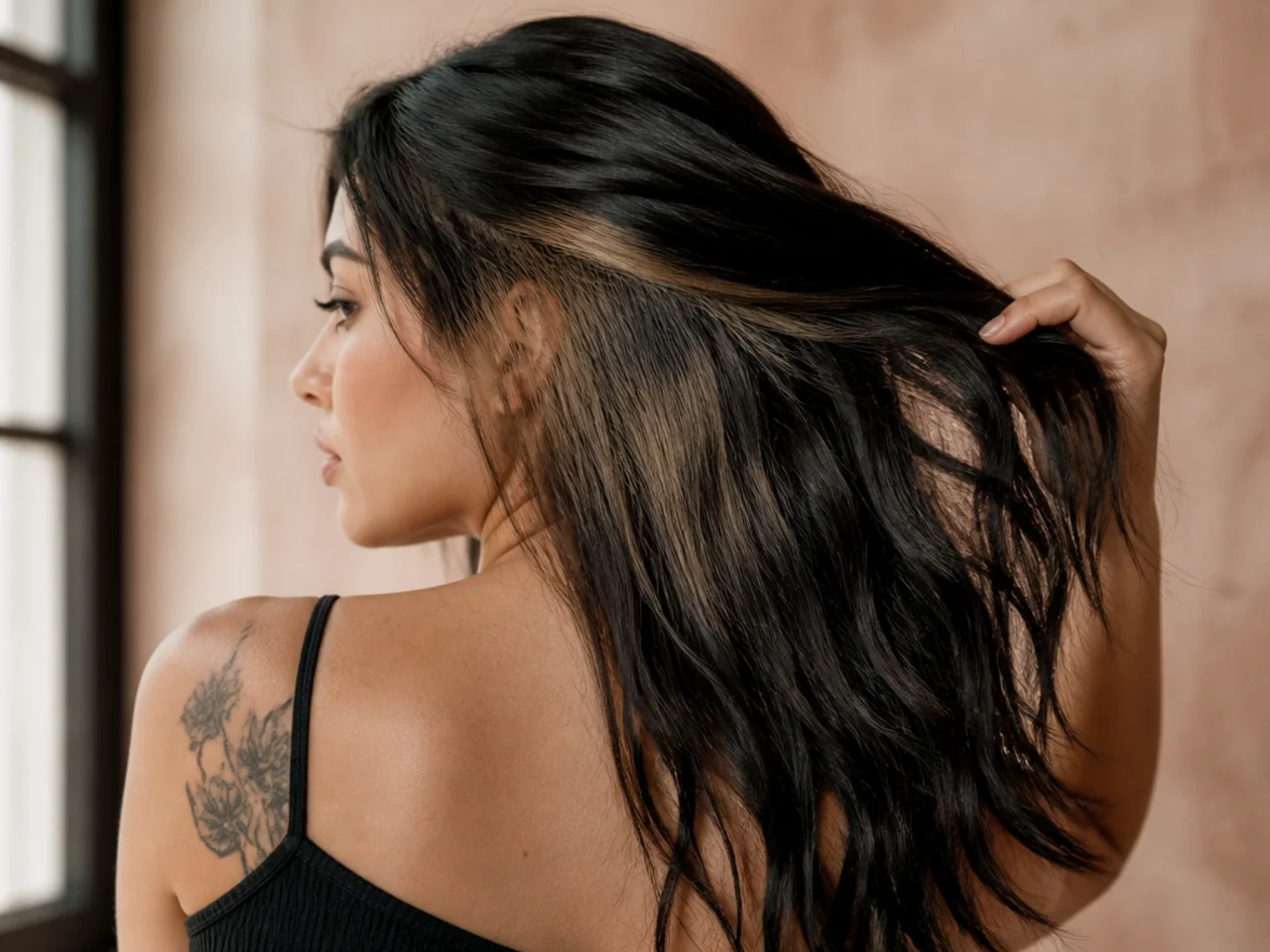
Which shows best on black hair? Jewel tones — violet, burgundy, emerald, teal.
How damaging is it? Real, but contained to one hidden section rather than your whole head.
Final Thoughts
Ask what lift level your shade needs before you fall in love with a photograph. On dark hair that number decides the price, the sessions and the damage — and there are genuinely striking options at every level, including zero.
For subtle options see 15 subtle natural peekaboo hair color ideas, and for the full range see 25 stunning peekaboo hair color ideas. More in Hair Color Trends.