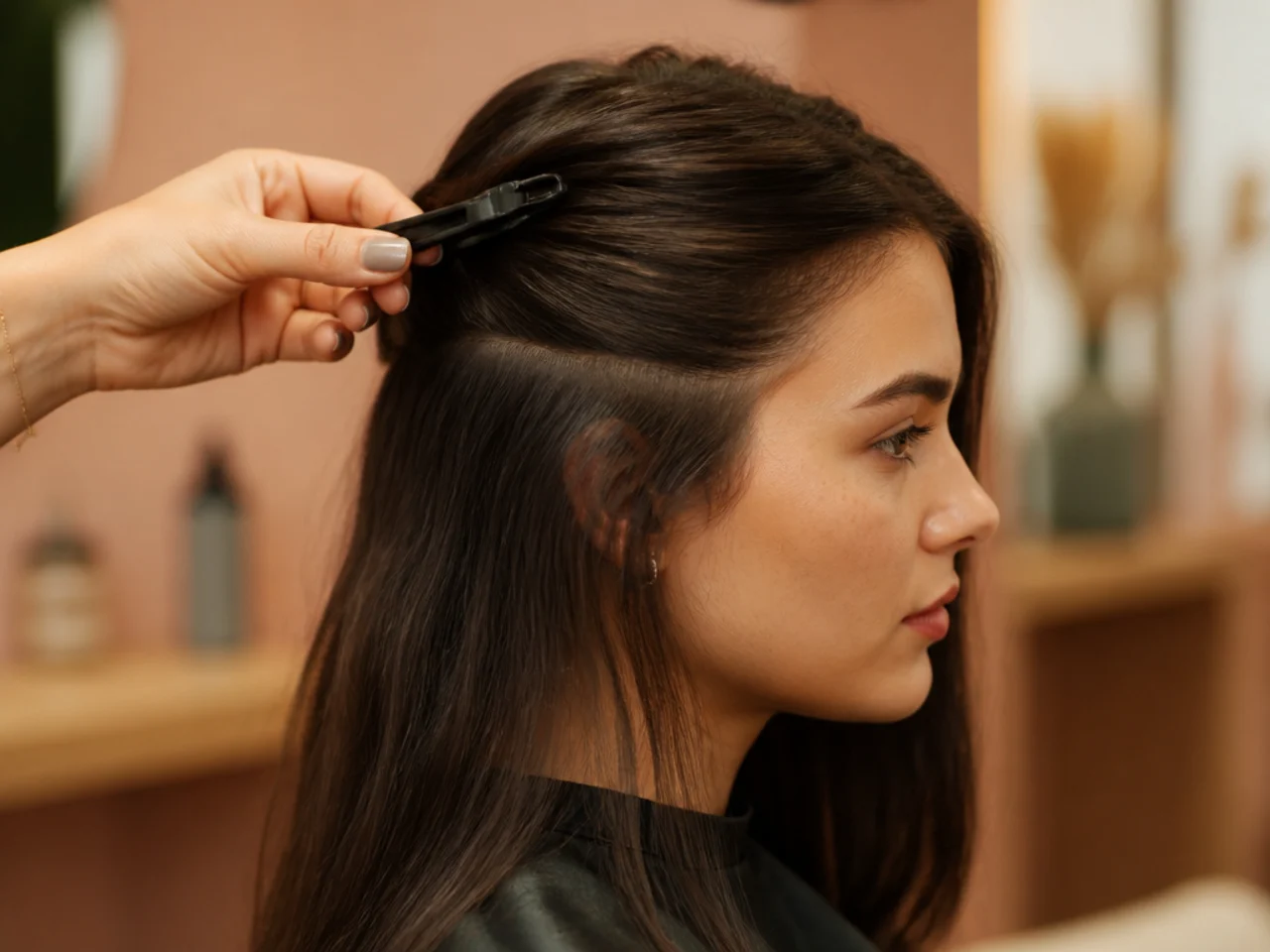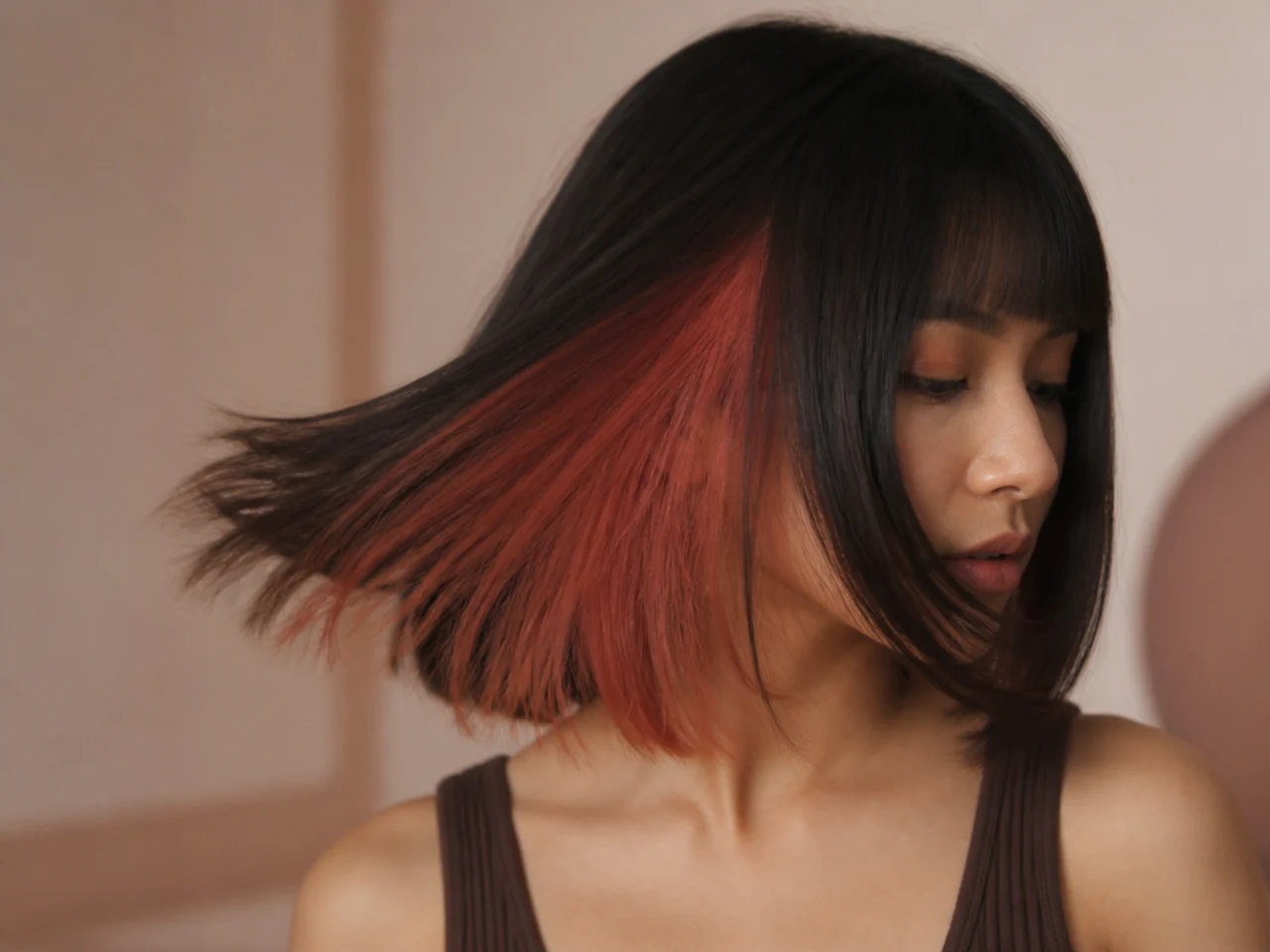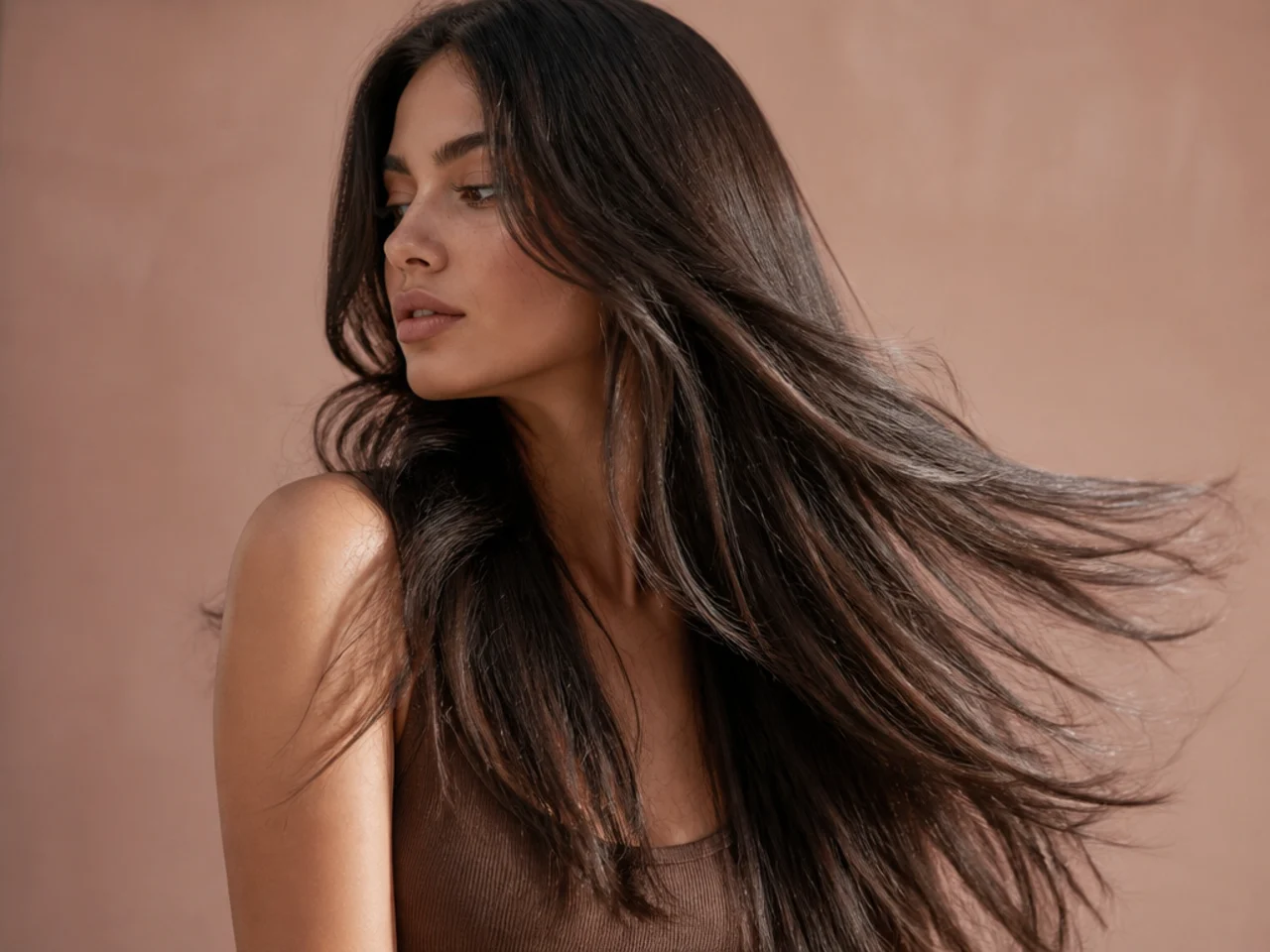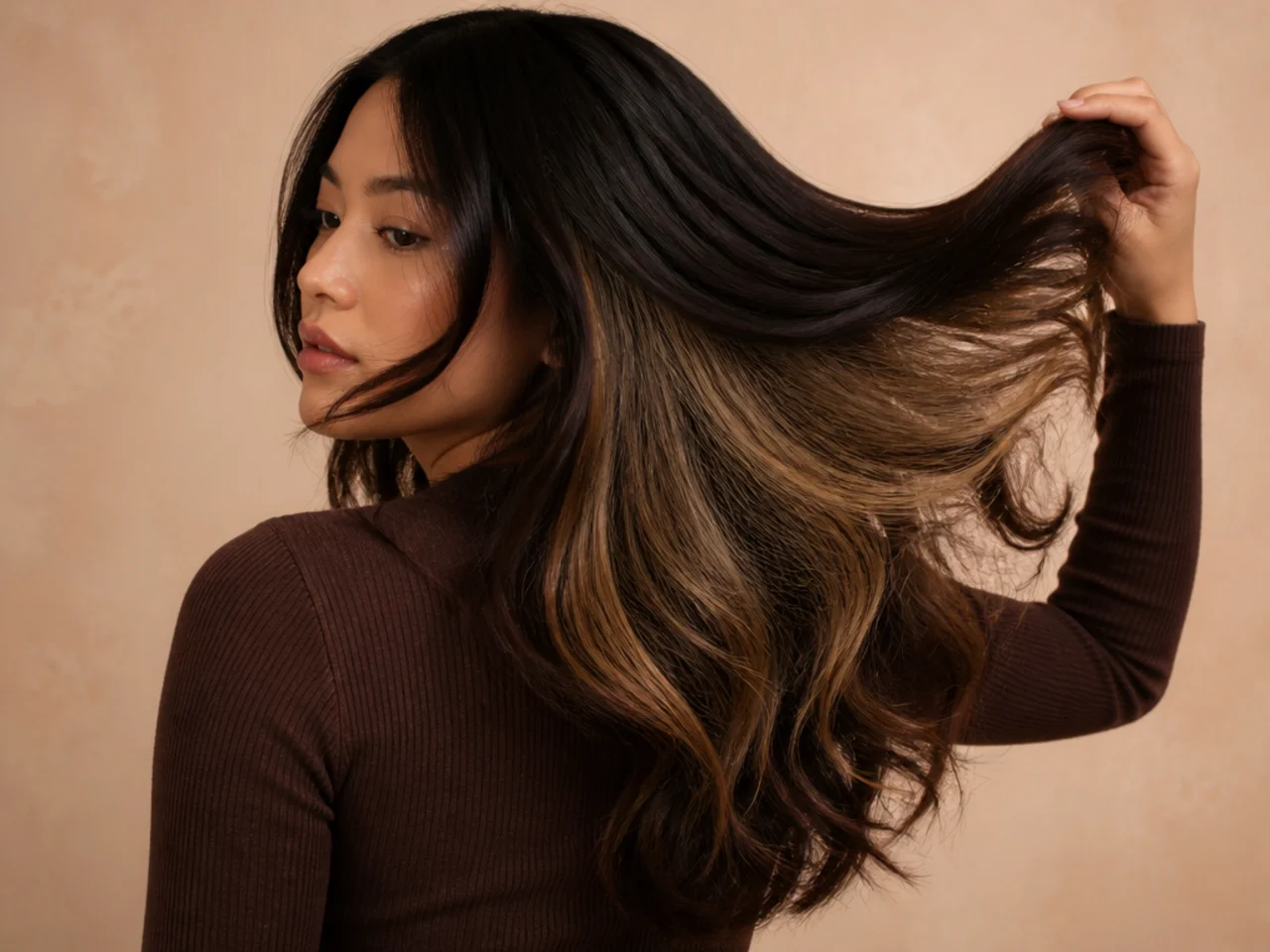
15 Subtle Natural Peekaboo Hair Color Ideas
Fifteen natural-toned peekaboo ideas for anyone who wants the effect without the conversation — and the rule that keeps them subtle. Stay within two shades of your base and it reads as dimension, not colour.
In this article · 22
- The Two-Shade Rule
- Why These Are Easier to Live With
- The 15 Natural Ideas
- 1. Caramel Under Dark Brown
- 2. Honey Under Dark Blonde
- 3. Chestnut Under Black
- 4. Ash Blonde Under Light Brown
- 5. Soft Copper Under Auburn
- 6. Deeper Brown Under Mid-Brown
- 7. Sandy Blonde Under Blonde
- 8. Mushroom Brown Under Brunette
- 9. Golden Under Light Brown
- 10. Espresso Under Dark Brown
- 11. Wheat Under Dark Blonde
- 12. Cinnamon Under Brown
- 13. Natural Peekaboo on Curly Hair
- 14. Face-Framing Natural Panel
- 15. Nape-Only Caramel
- Warm or Cool
- Mistakes to Avoid
- FAQ
- Final Thoughts
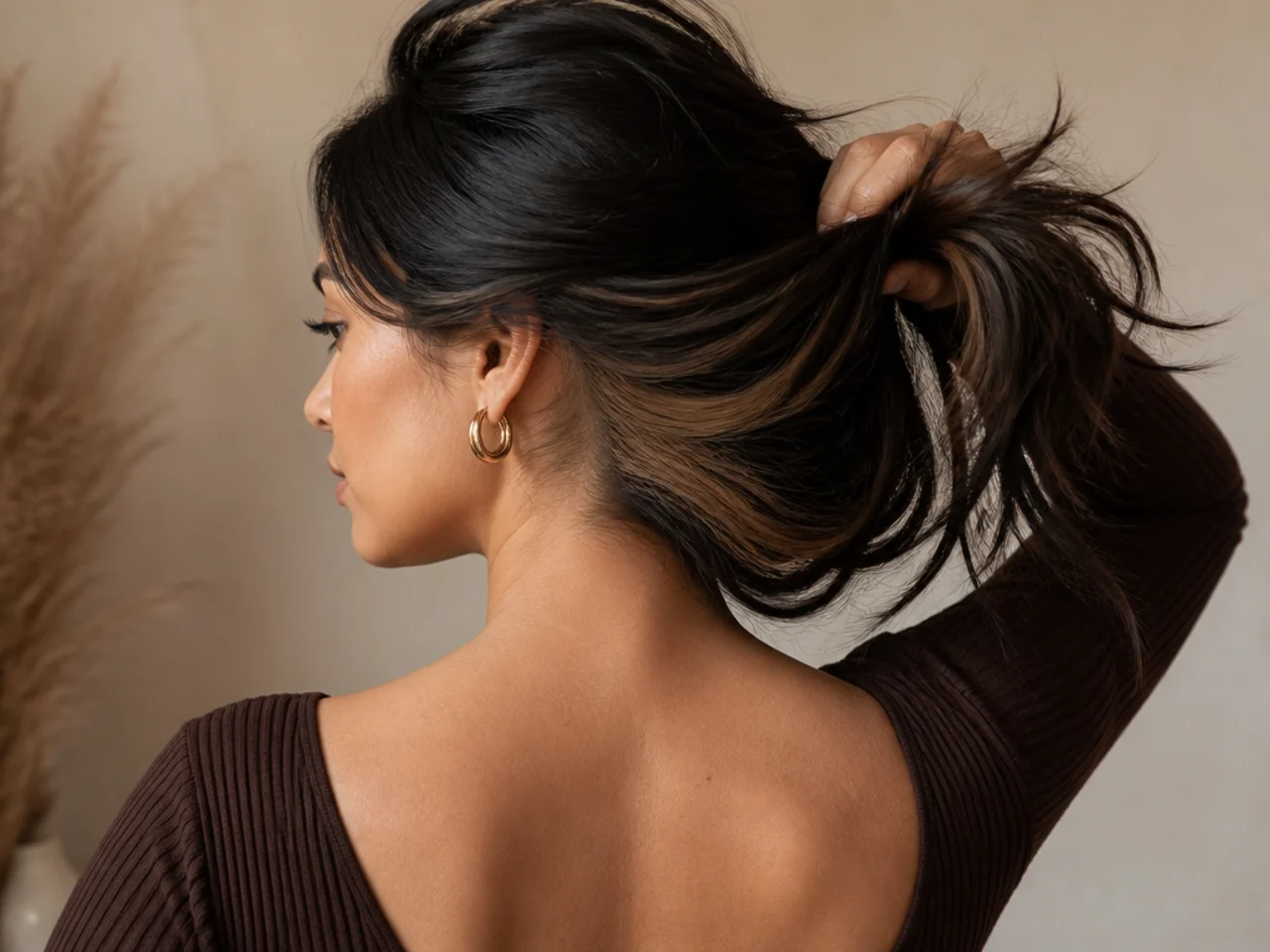
Not everyone wants their hair colour to be a topic of conversation. A natural peekaboo gives you the movement and depth of the style without the panel ever reading as dyed.
Done properly, people notice that your hair looks good and cannot say why. That is the whole objective.
The Two-Shade Rule
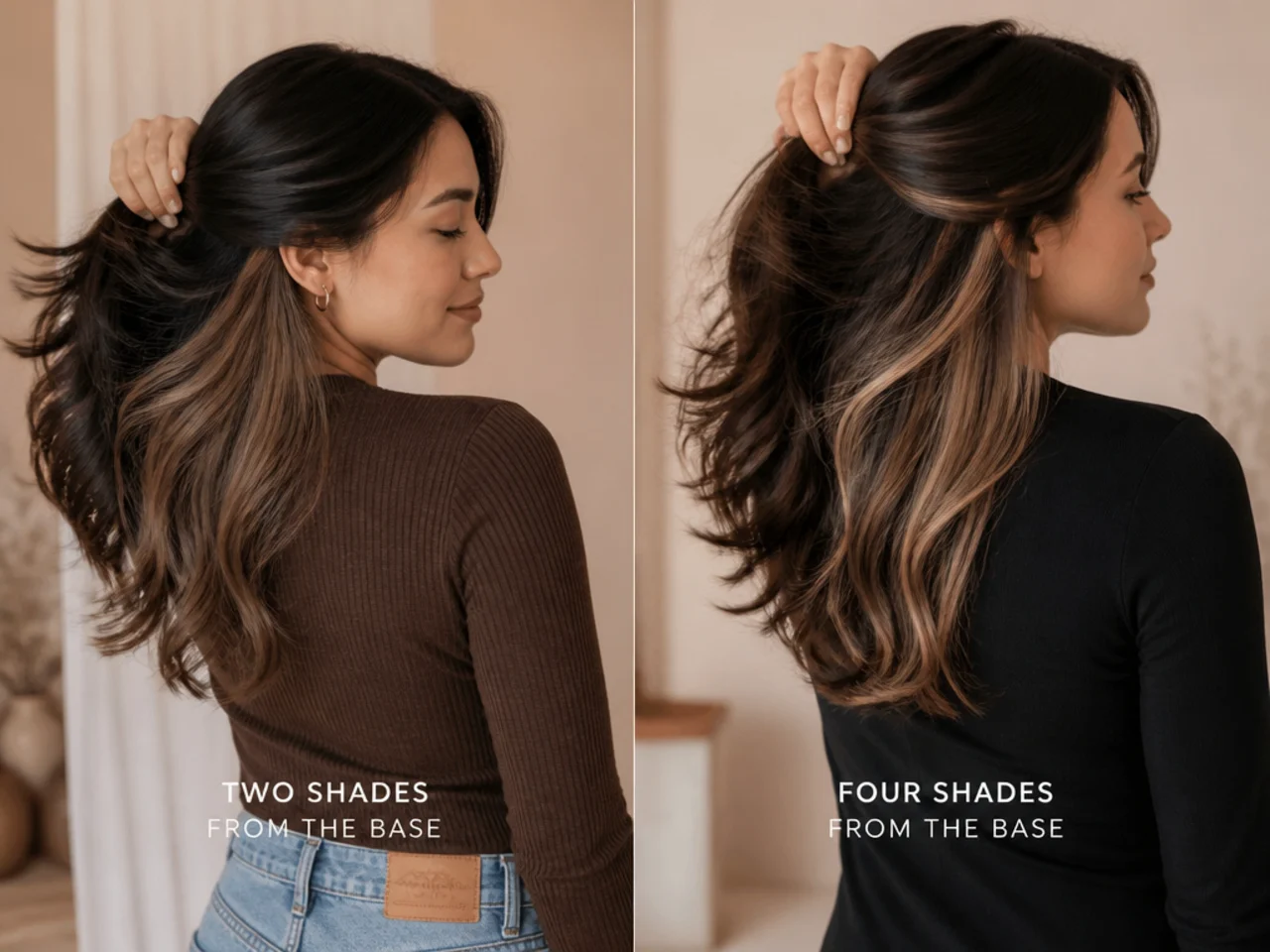
Stay within about two shades of your base, lighter or darker, and the panel reads as natural variation. Real hair is not one uniform colour — it is lighter at the ends, warmer where the sun reaches it, and darker underneath. A subtle peekaboo imitates that.
Go three or four shades away and the eye stops reading it as depth and starts reading it as dye. Neither is wrong, but they are different results, and the two-shade line is where one becomes the other.
Lighter than your base creates the illusion of light hitting the hair, and it is the more common choice.
Darker than your base creates depth and makes the top layer look brighter by contrast. It is under-used, needs no lifting at all, and works particularly well on hair that has been over-lightened.
Why These Are Easier to Live With
Little or no lifting. Most of these shades sit within reach of your natural colour, so damage is minimal or absent.
Invisible grow-out. The panel already resembles what is growing in, so there is no line and no deadline.
Graceful fading. Natural tones fade toward your base, not away from it. A faded vivid looks wrong; a faded caramel just looks like slightly less caramel.
No colour-safe routine required. You can wash it normally.
Against that, the effect is subtle by definition. If you want people to notice, this is not the page.
The 15 Natural Ideas
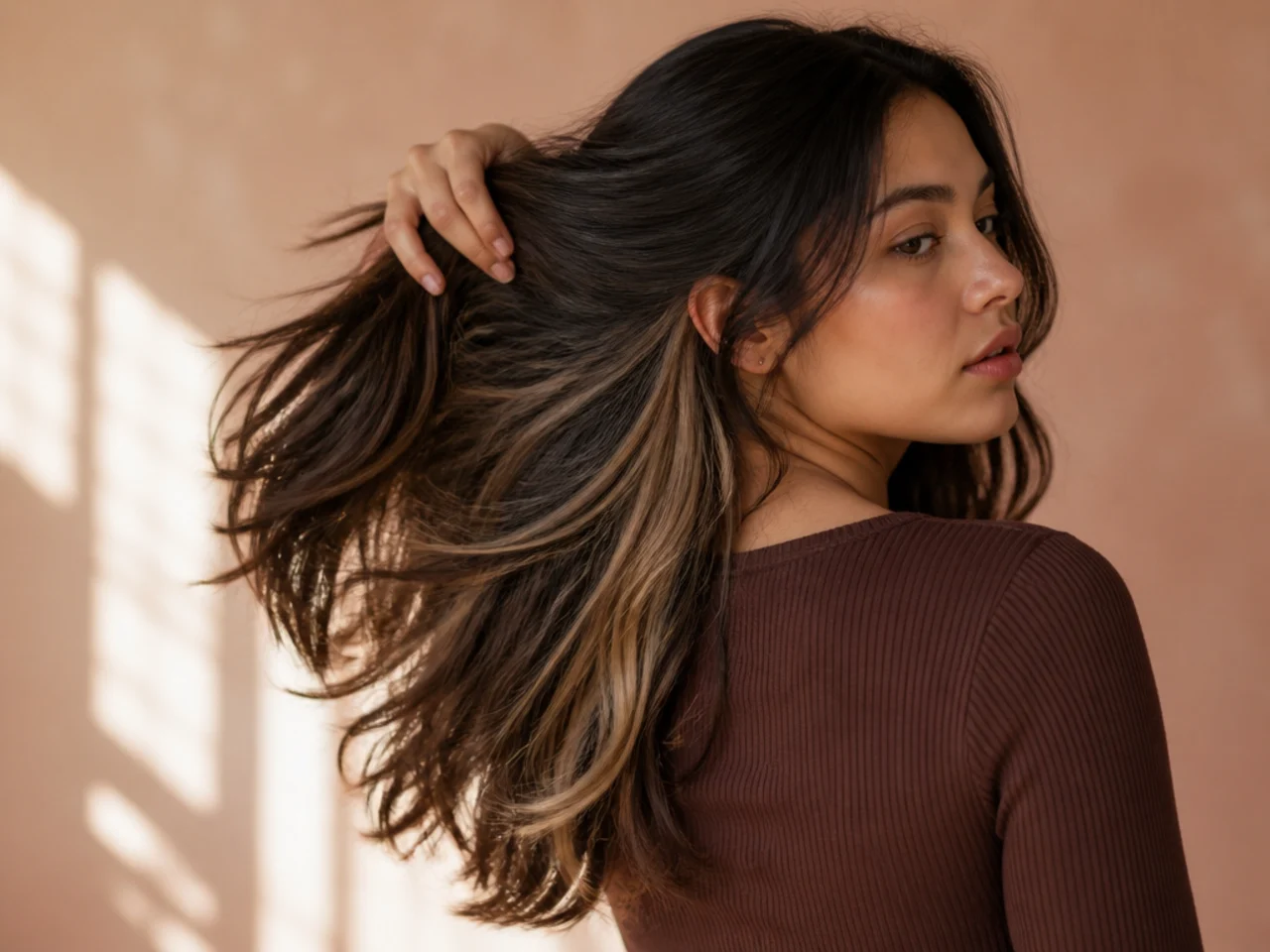
1. Caramel Under Dark Brown
The classic. Warm, visible in sunlight, invisible indoors.
2. Honey Under Dark Blonde
The most natural-looking option available.
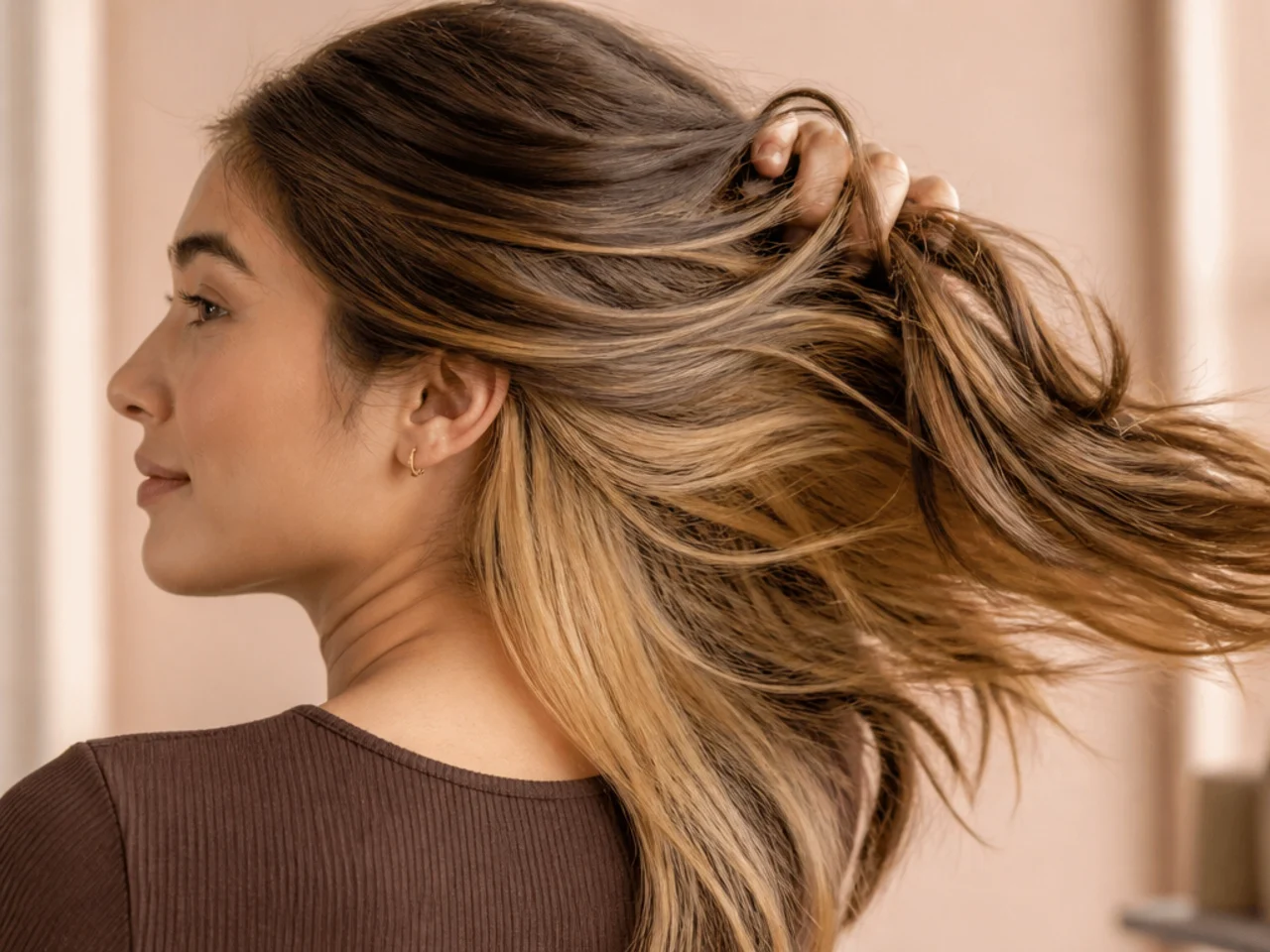
3. Chestnut Under Black
Two shades lighter, no lifting, real depth.
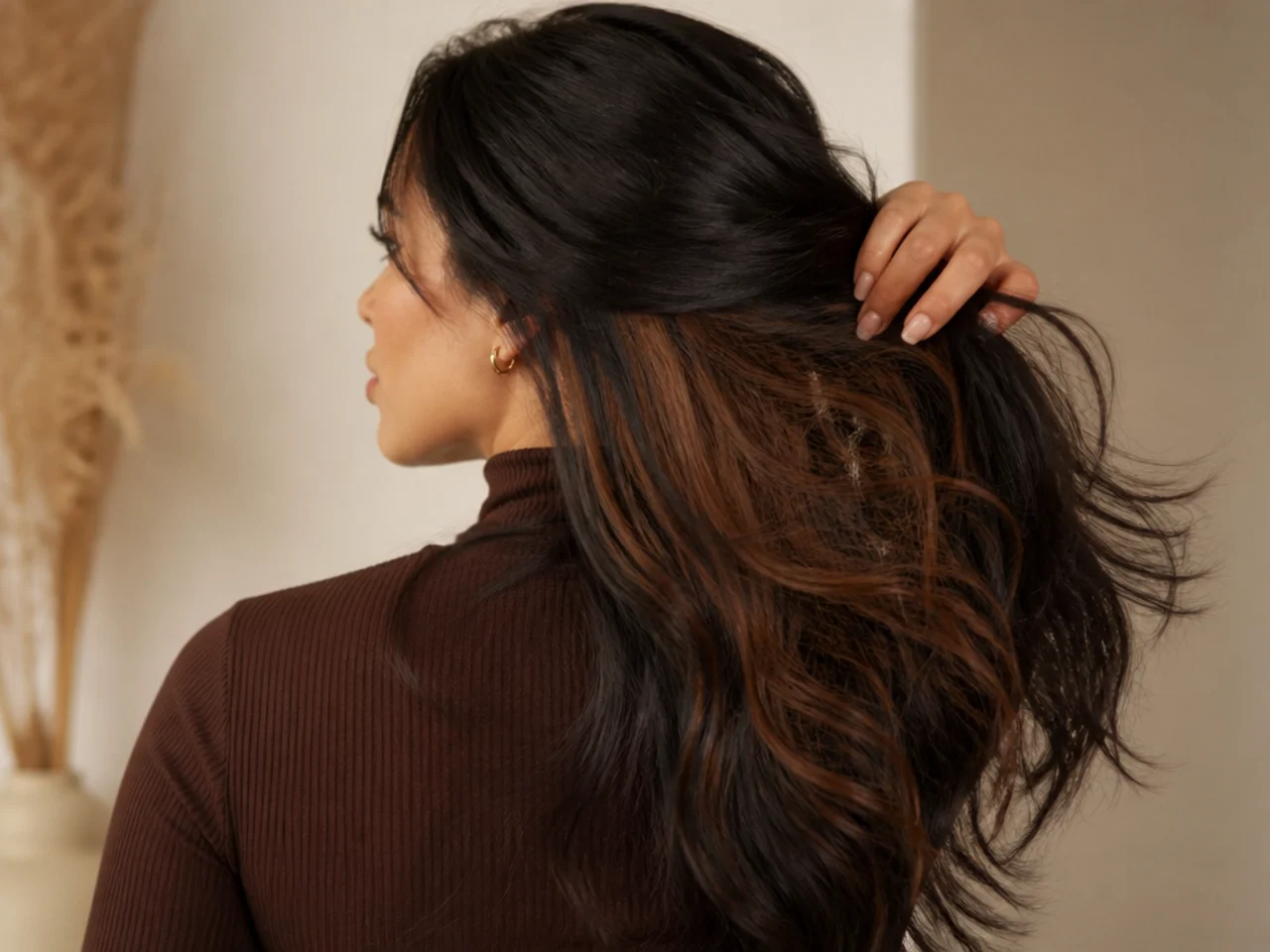
4. Ash Blonde Under Light Brown
Cool-toned, and it counteracts warmth in the base.
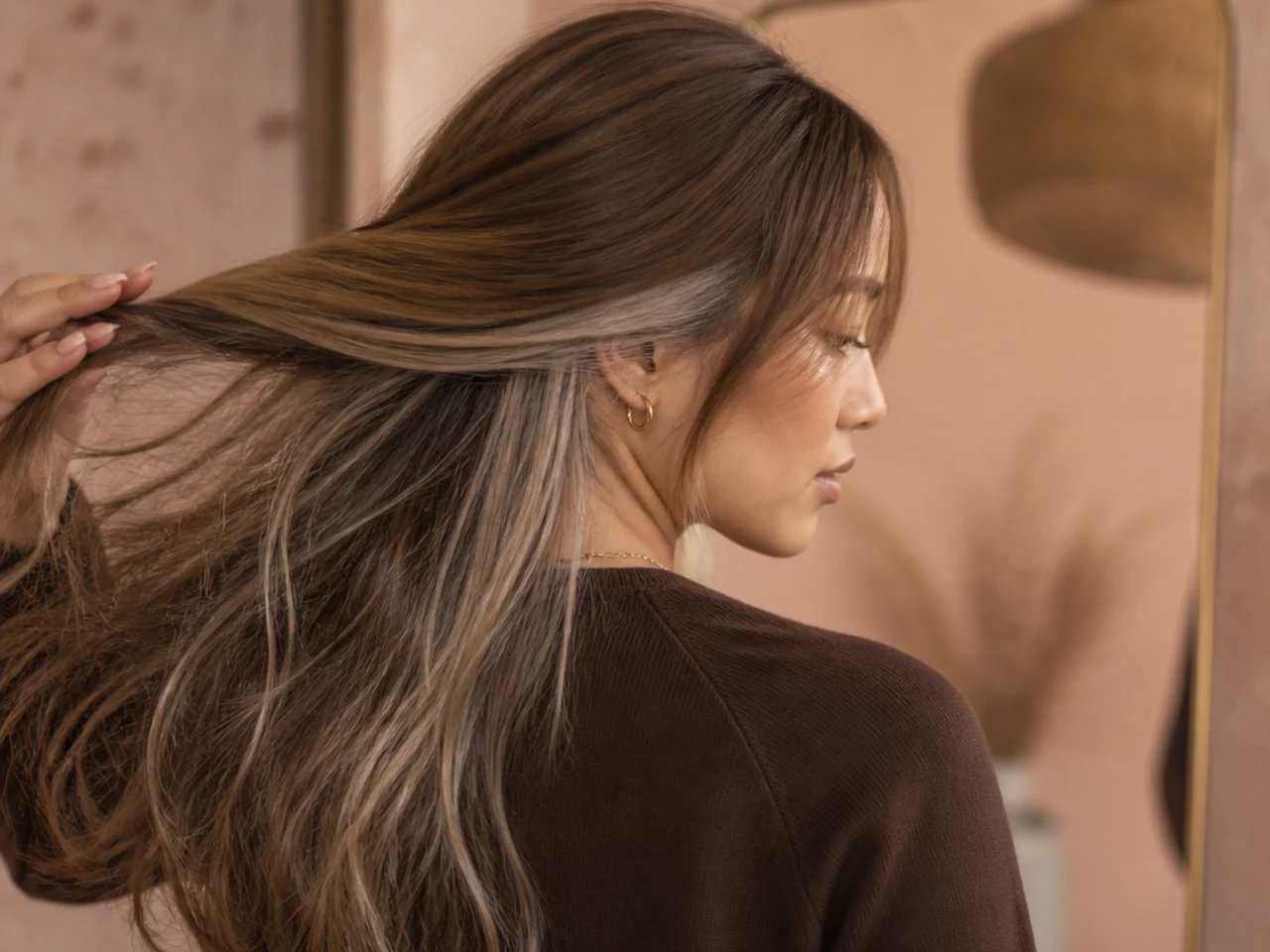
5. Soft Copper Under Auburn
Warm on warm. Reads as sunlight rather than as colour.
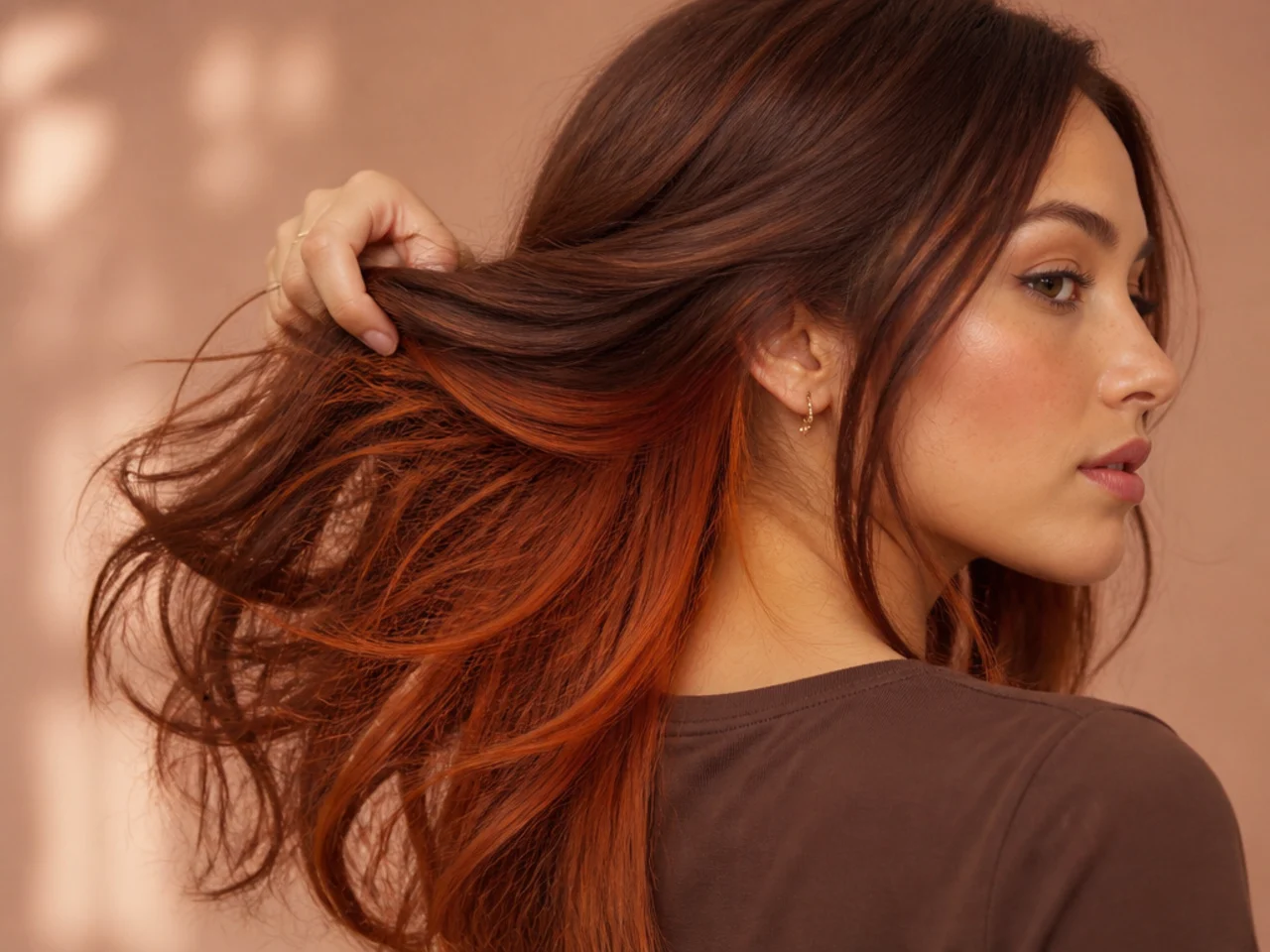
6. Deeper Brown Under Mid-Brown
Darker rather than lighter. No lifting, and it brightens the top layer by contrast.
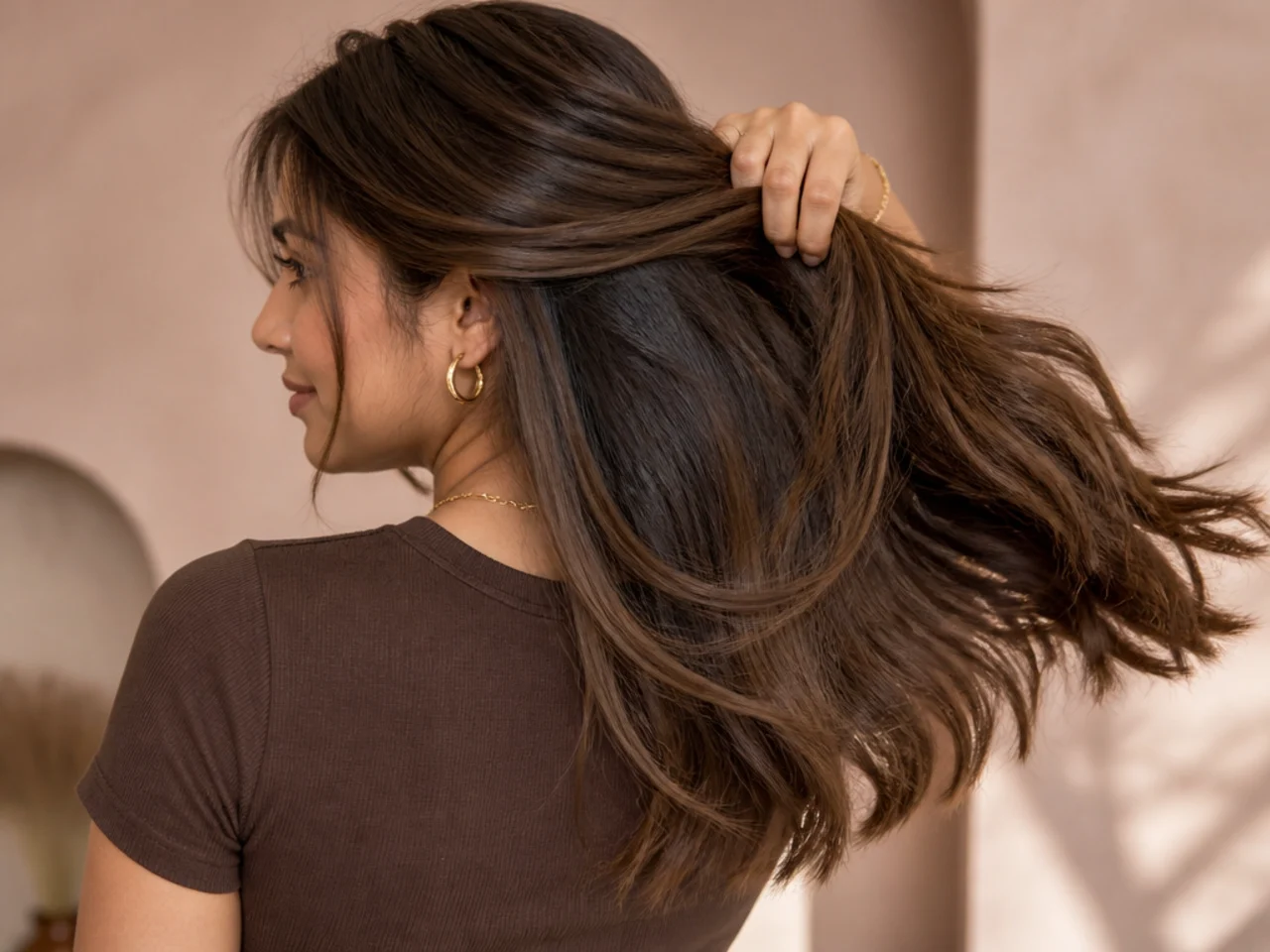
7. Sandy Blonde Under Blonde
Barely there, and it stops flat blonde looking flat.
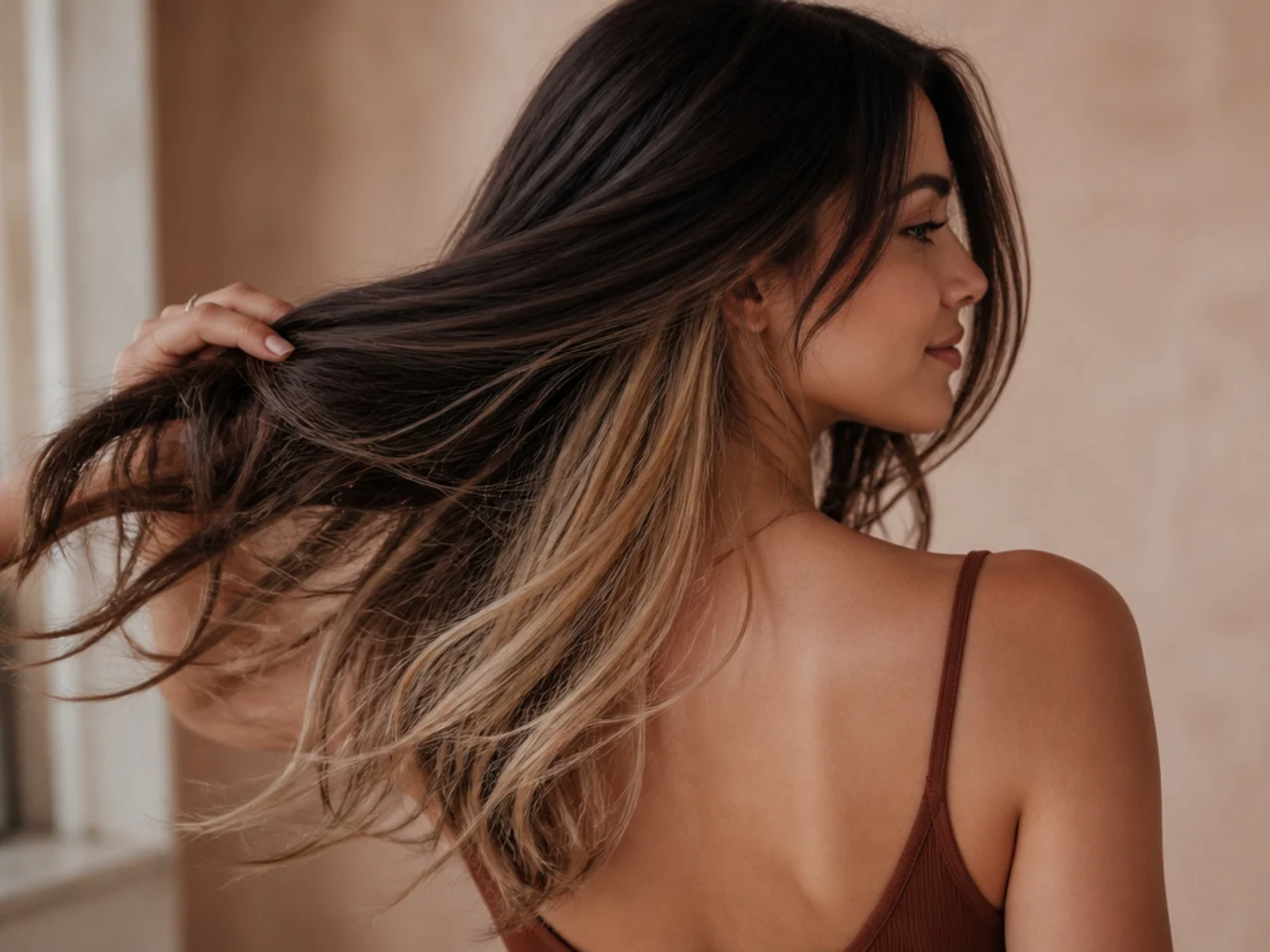
8. Mushroom Brown Under Brunette
Cool and muted. Very current, and completely workplace-safe.
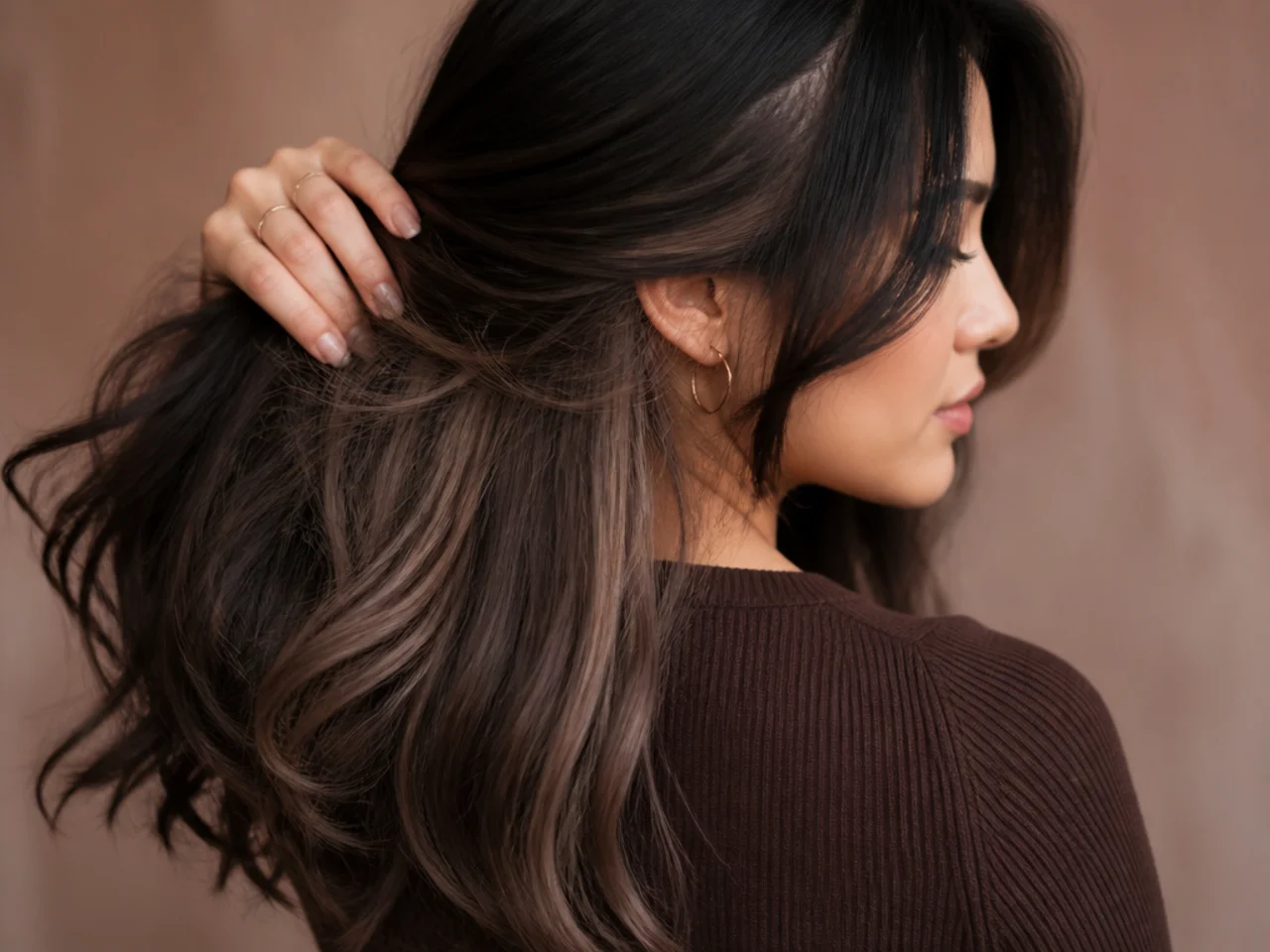
9. Golden Under Light Brown
Warm lift, one shade only.
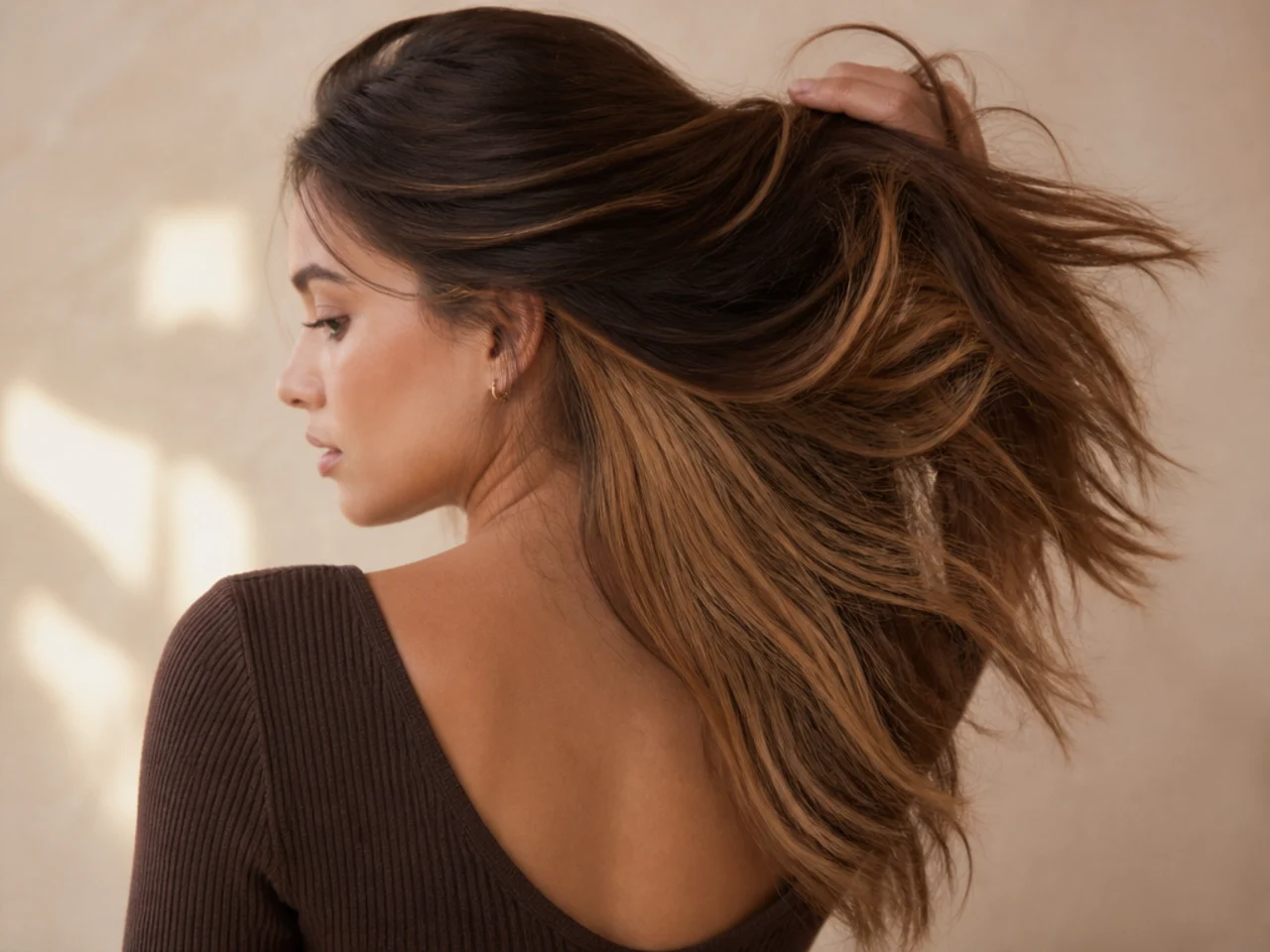
10. Espresso Under Dark Brown
Darker again. Adds weight and shine to fine hair.
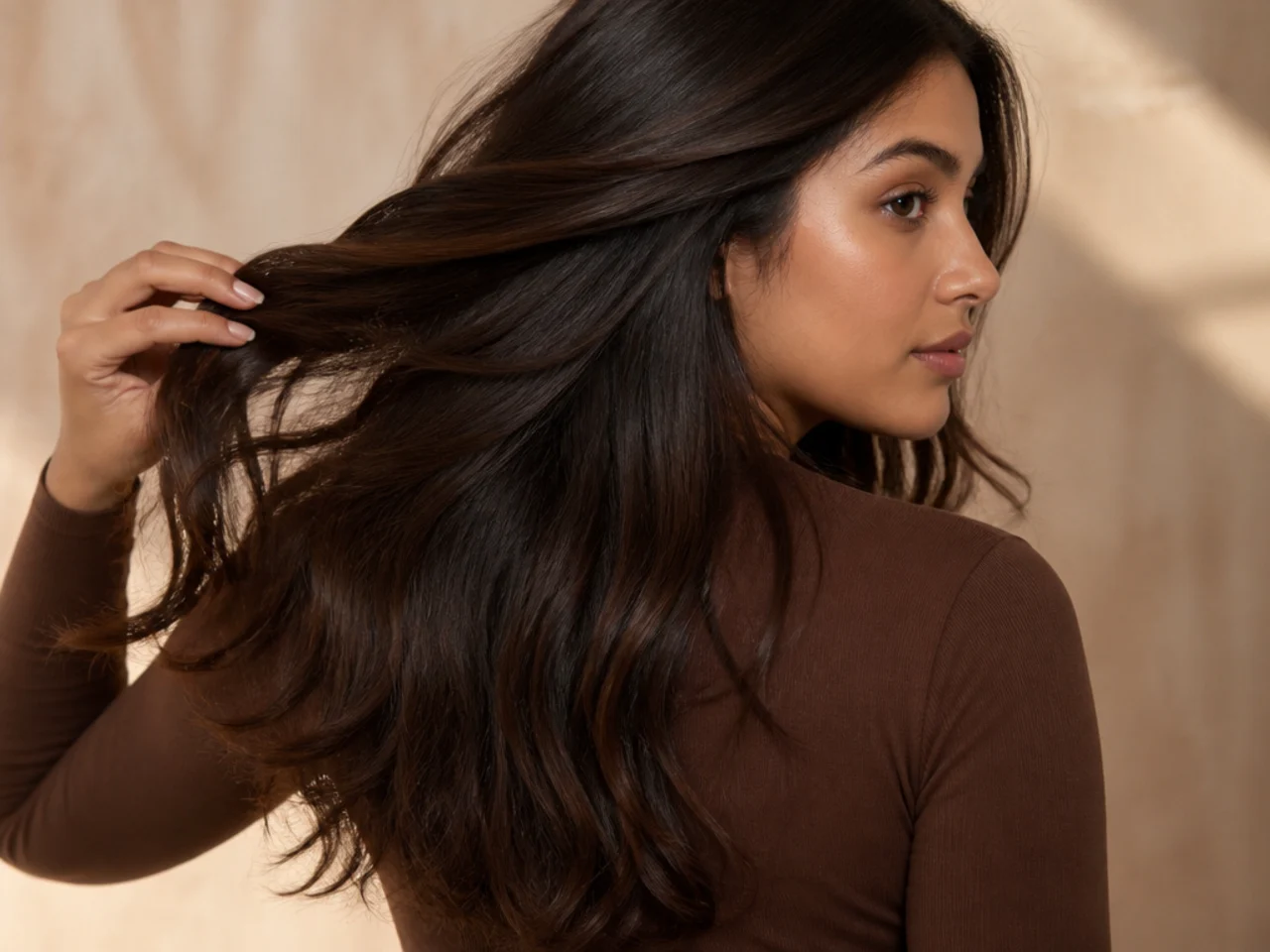
11. Wheat Under Dark Blonde
Soft and cool, and it flatters most skin tones.
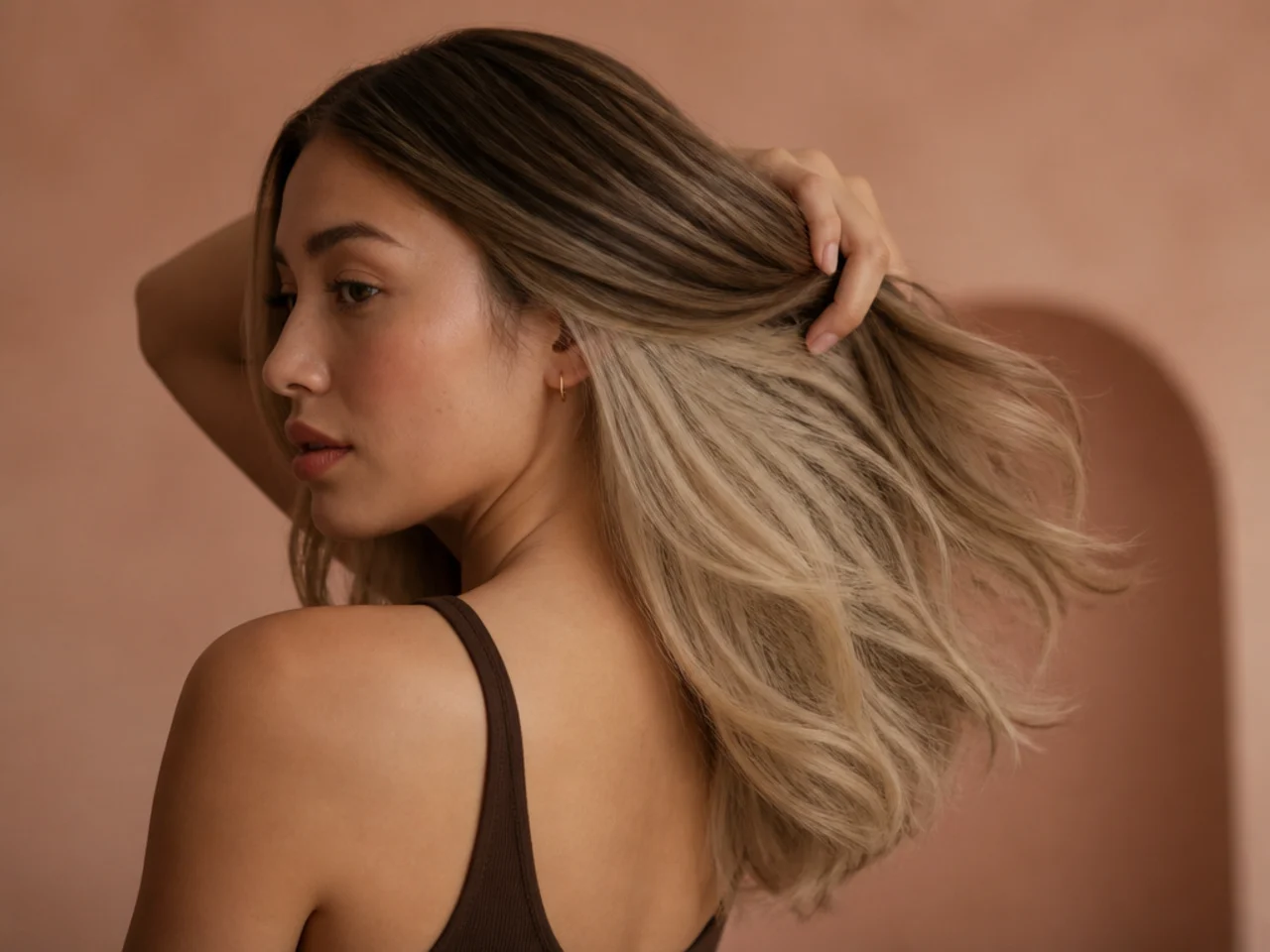
12. Cinnamon Under Brown
Warm, subtle, and it shows most in low sunlight.
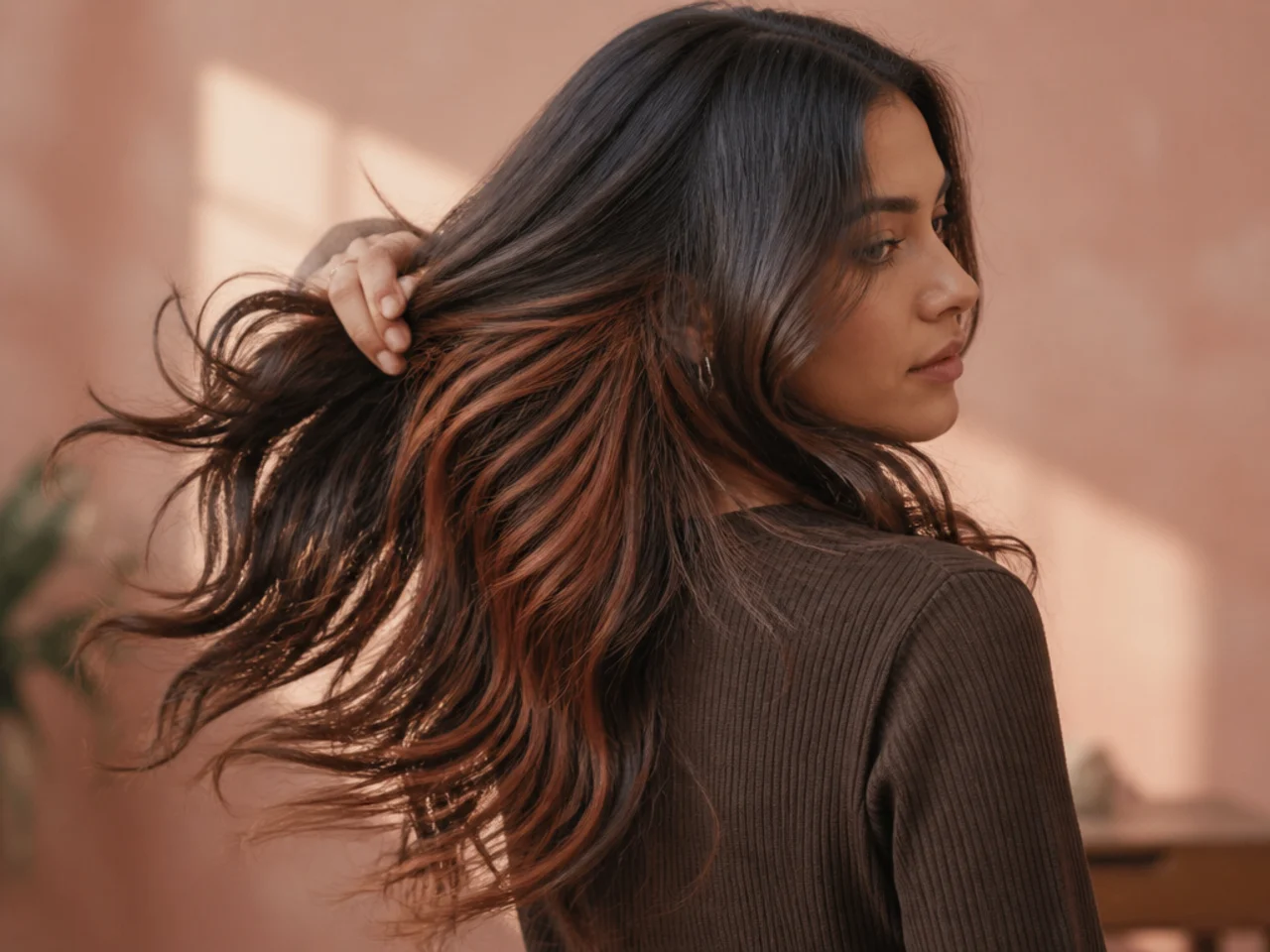
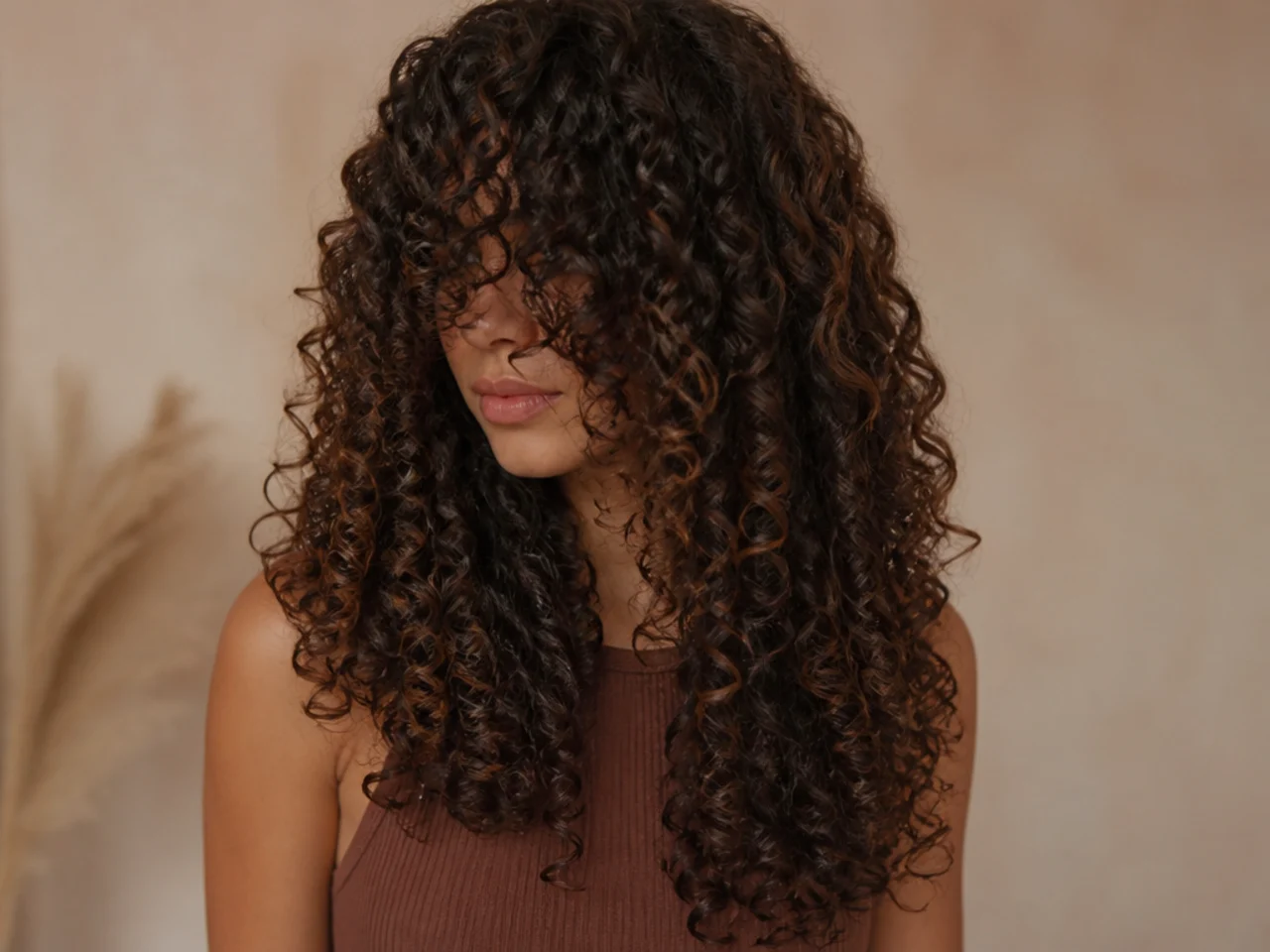
13. Natural Peekaboo on Curly Hair
Curl reveals a subtle panel far more than straight hair does — go subtler still.
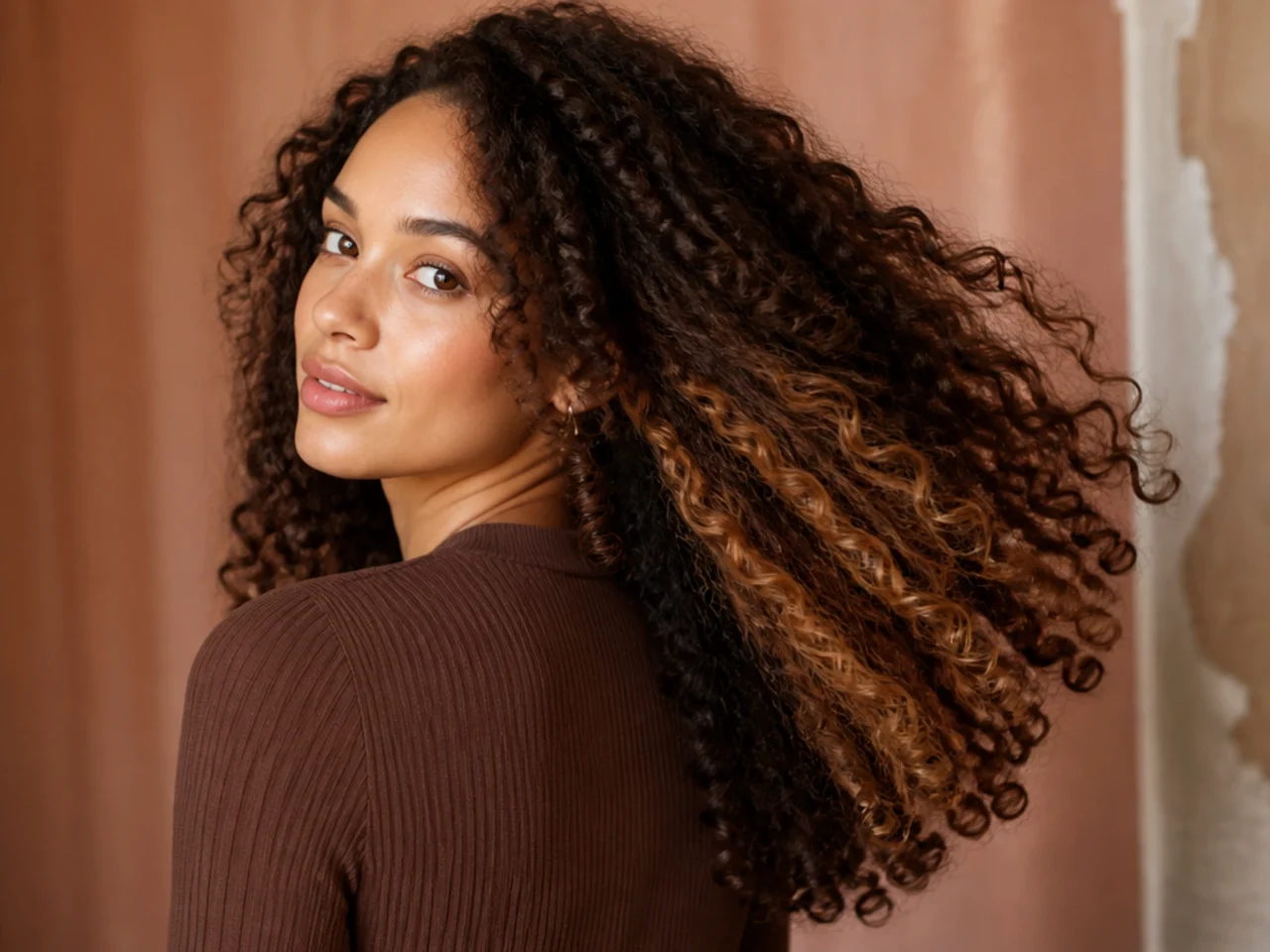
14. Face-Framing Natural Panel
Two lighter pieces at the front rather than a hidden panel.
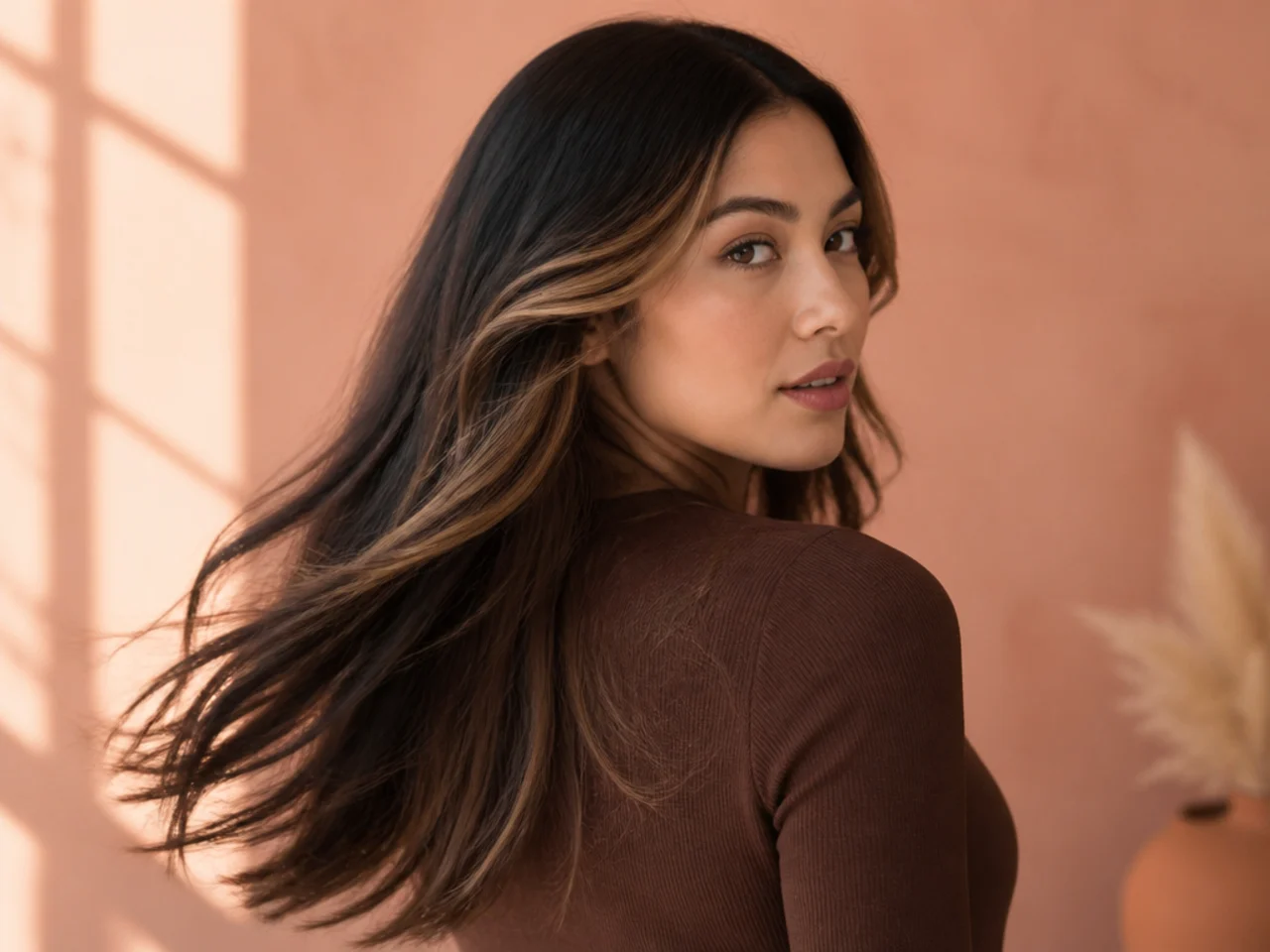
15. Nape-Only Caramel
The most discreet version of the most classic shade.
Warm or Cool
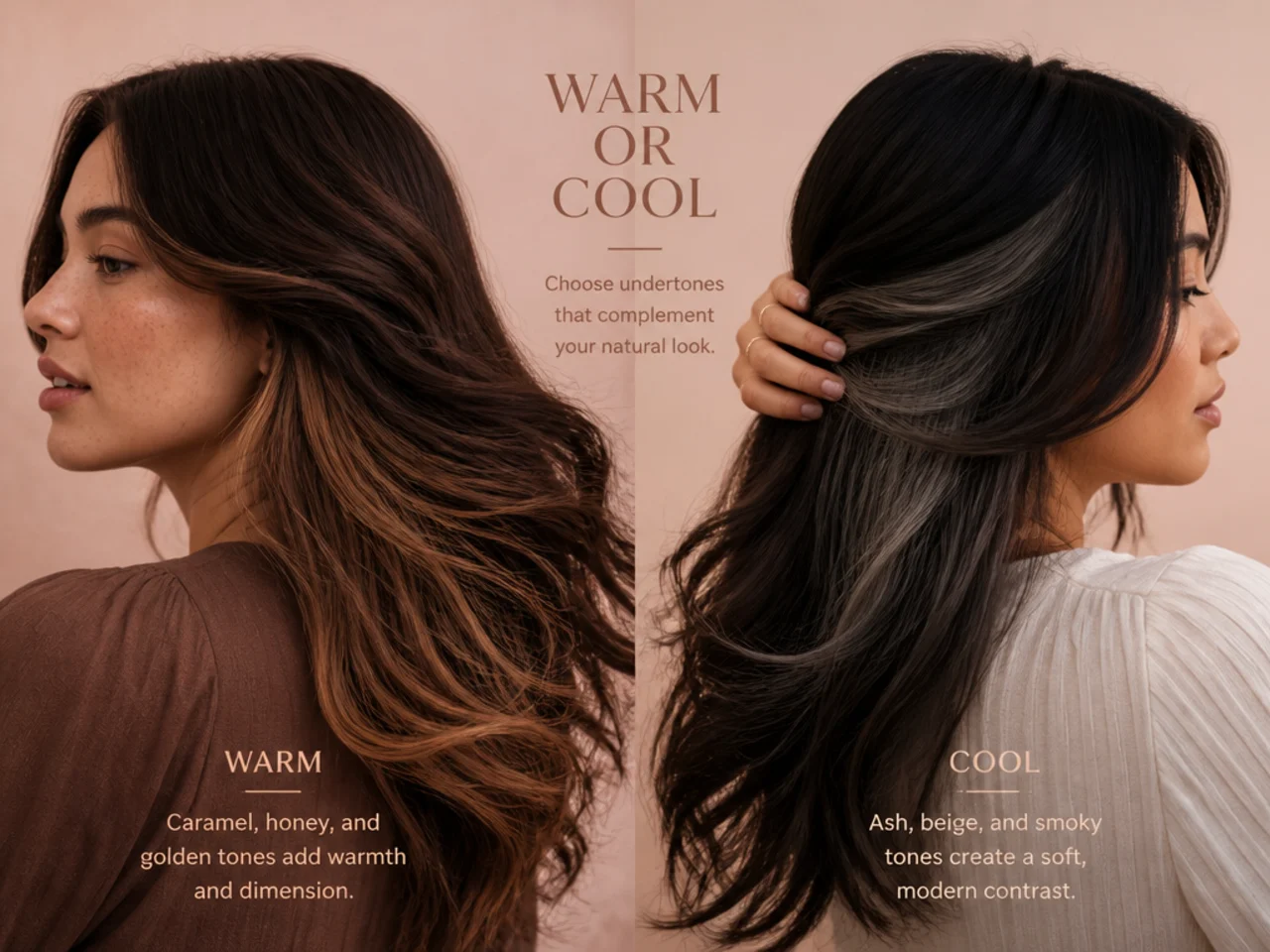
The one decision that matters more than the shade name.
Warm tones — caramel, honey, copper, golden — suit hair with natural warmth and skin with golden or olive undertones. On cool-based brunettes they can read as brassy.
Cool tones — ash, mushroom, wheat, sandy — suit hair that is naturally cool and skin with pink undertones. On warm hair they can look grey rather than subtle.
The simplest test: look at your natural roots in daylight. If they lean golden or reddish, go warm. If they lean neutral or slightly grey, go cool. Matching your own undertone is what keeps the panel reading as your hair rather than as something applied to it.
Mistakes to Avoid
Going more than two shades from your base. Past that it reads as dye rather than depth.
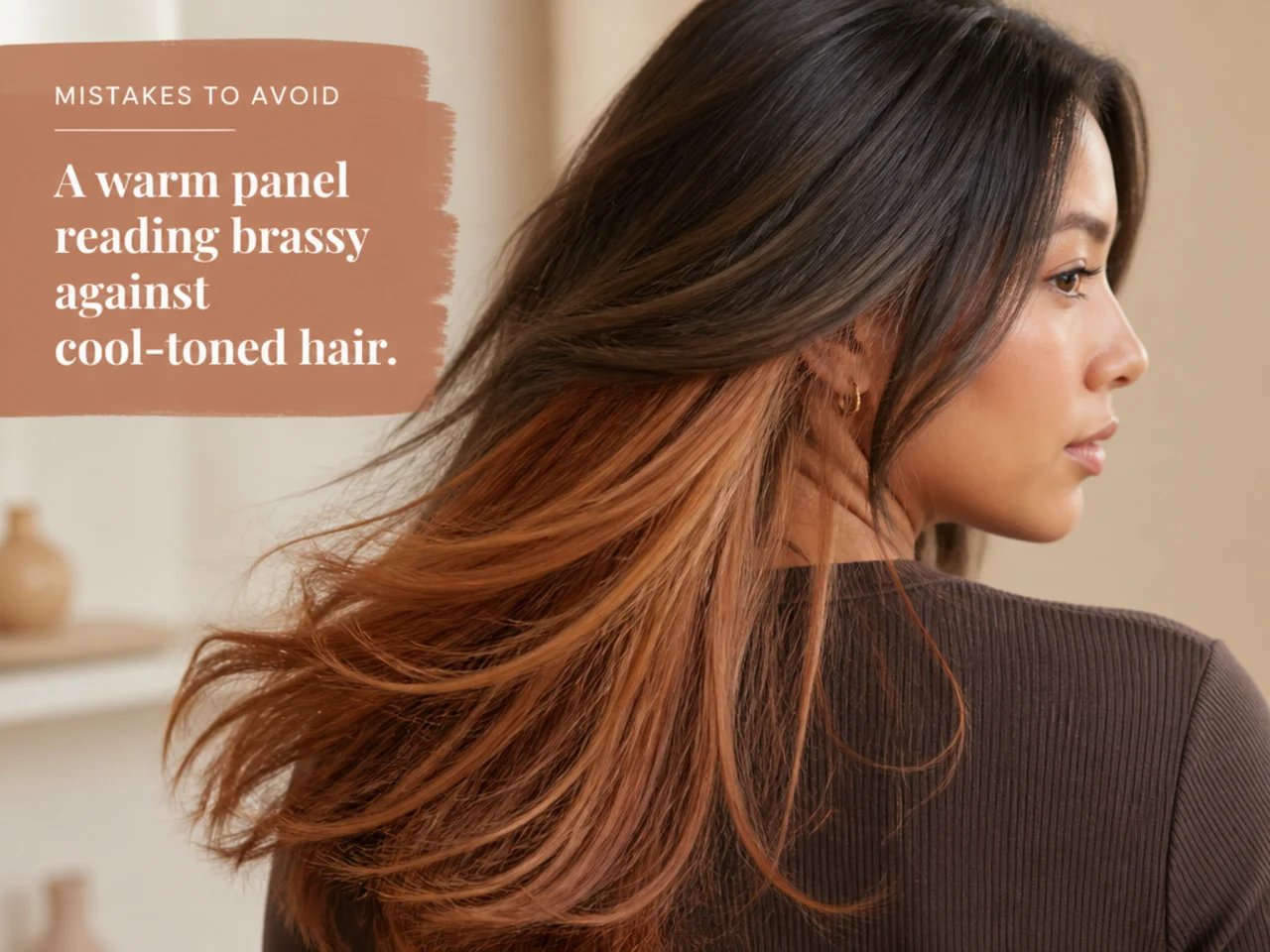
Warm tones on cool-based hair. It reads as brassy rather than natural.
A panel too large. Subtle colour over a large section stops being subtle.
Placing it too high on straight hair. A natural panel wants to peek, not to sit on show.
Assuming subtle means it will not fade. It fades more gracefully, not less.
FAQ
What is a natural peekaboo? A hidden panel within a couple of shades of your own colour.
How do you keep it subtle? Stay within two shades of your base.
Are they lower maintenance? Yes — little lifting, invisible grow-out, graceful fading.
Final Thoughts
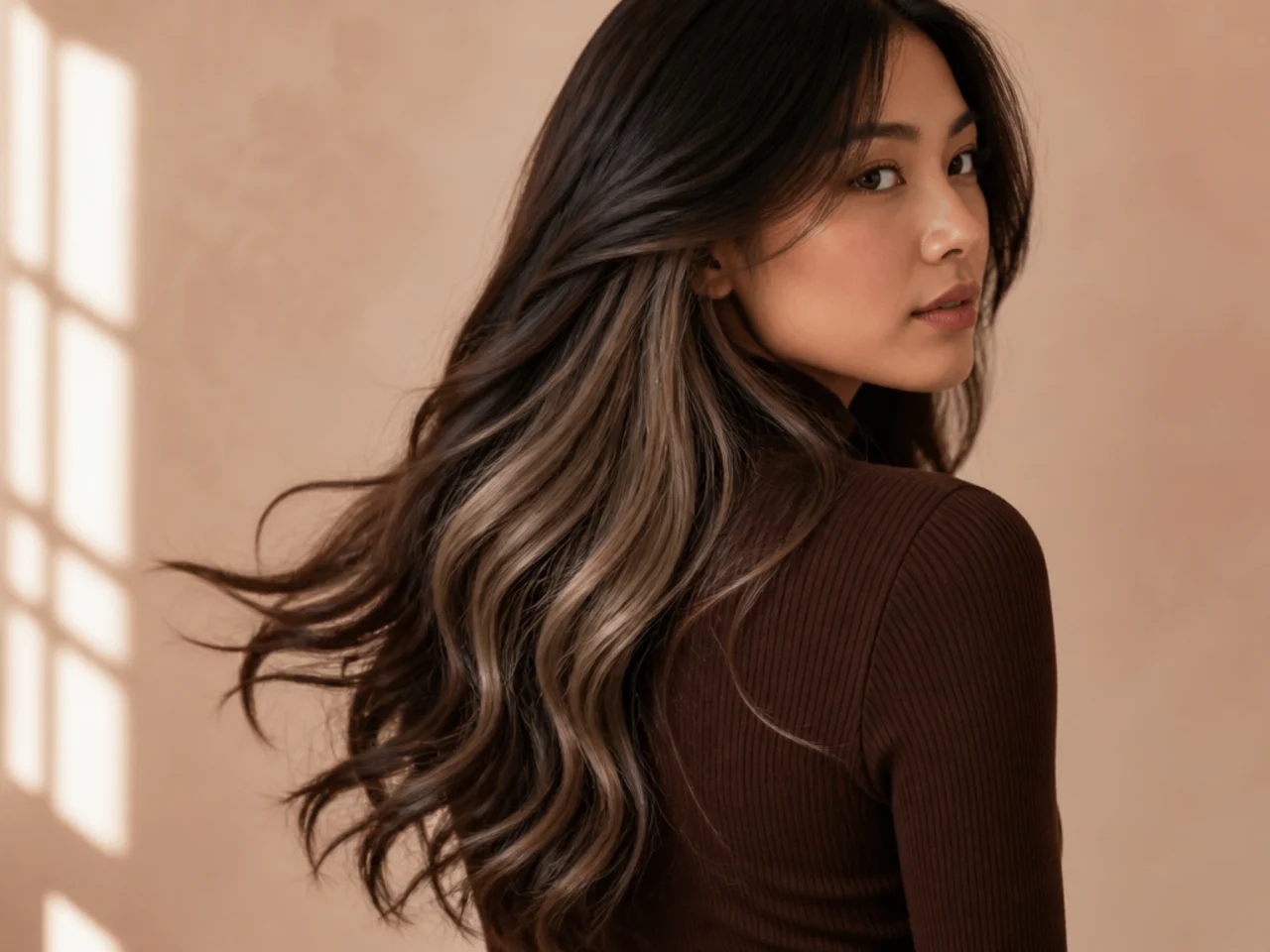
Match your own undertone and stay within two shades. A natural peekaboo is the version you never have to explain, never have to maintain on a schedule, and never have to grow out — which for most people is the version that lasts.
For bolder options see 20 bold peekaboo colors for dark hair, and for the full range see 25 stunning peekaboo hair color ideas. More in Hair Color Trends.