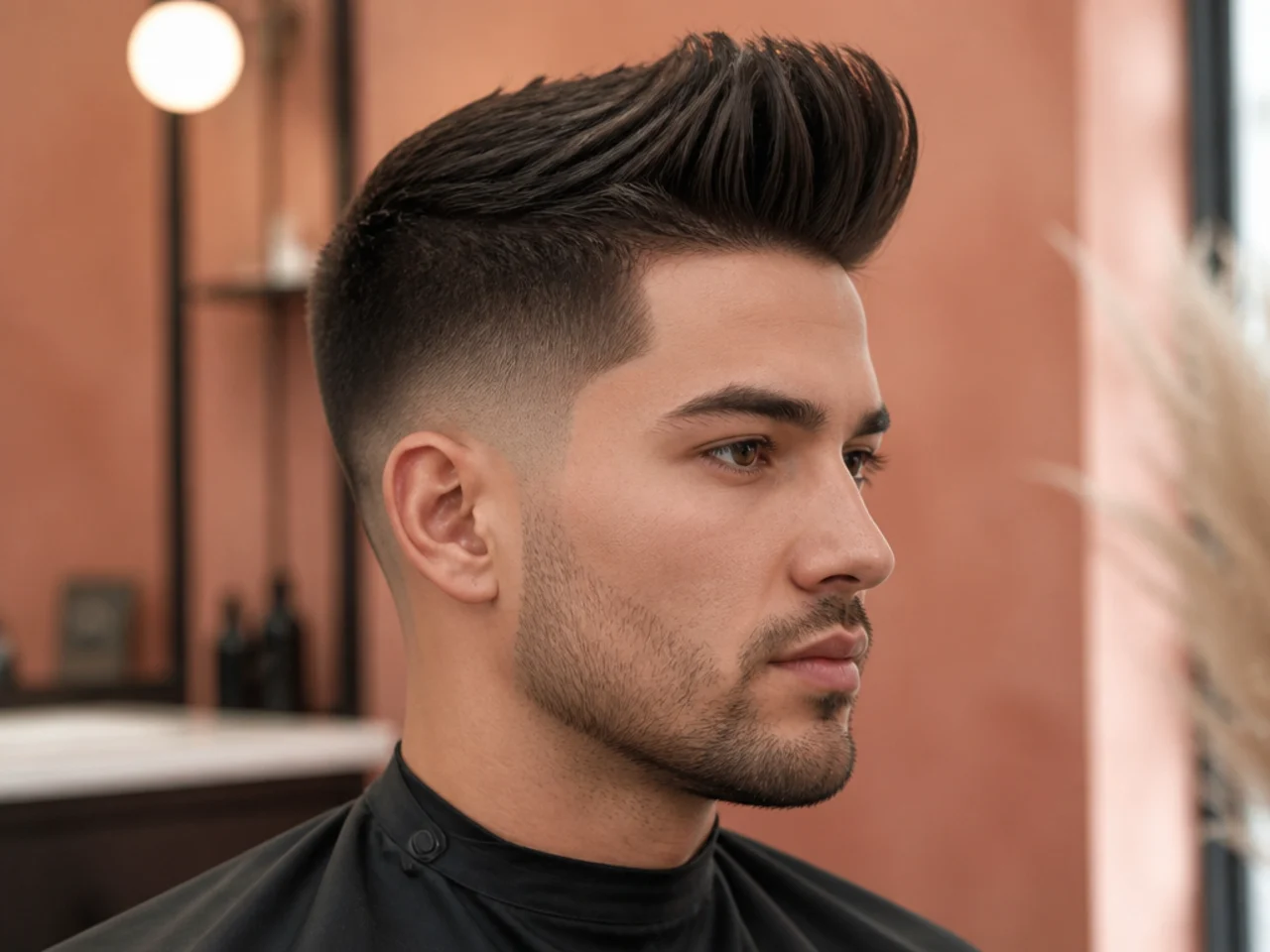
20 Long Trendy Boys Haircut Ideas We Adore
Long is the only category where growth improves the cut instead of ruining it, which makes it two or three appointments a year rather than eight. What it costs you instead is a school problem and a morning problem.
In this article · 27
- Growth Improves a Long Cut and Ruins Every Other One
- How to Choose Yours
- The 20 Long Cuts
- 1. Curtains Split Down the Middle
- 2. Grown-Out Layers to the Jaw
- 3. Long Top With a Soft Undercut
- 4. Shoulder Length One Length
- 5. A Mullet Kept Above the Collar
- 6. Long Fringe Cut to Clear the Eyebrow
- 7. Long With the Nape Taken Up for School
- 8. Surfer Layers With a Cut-In Parting
- 9. Long Curls Left to Their Own Shape
- 10. Wolf Cut With a Shaggy Crown
- 11. Ear-Length Bob With a Blunt Perimeter
- 12. Long Top Over Scissor-Cut Sides
- 13. Chin Length With Weight Taken Out Underneath
- 14. Side-Swept Fringe Cut on an Angle
- 15. Long Waves With a Tapered Nape
- 16. Two Block Grown Long on Top
- 17. Long Hair Tied Back for School
- 18. A Grown-Out Undercut Left to Catch Up
- 19. Long Straight Hair With a Cut-In Middle Part
- 20. The Same Long Cut at Week Ten
- Styling and Upkeep
- Mistakes to Avoid
- FAQ
- Final Thoughts
Every other haircut on this site is a slow decline from the day it was cut. Long hair is the exception.
Growth improves a long cut instead of ruining it, because there is no clipper line anywhere in it to go soft. That turns eight appointments a year into two or three.
What it costs you is a school problem and a morning problem. Policies that never mention the sides still name hair in the eyes and hair on the collar, and a long cut with no styling has to be cut so it falls right on its own.
Growth Improves a Long Cut and Ruins Every Other One
There is no line in it to blur. A taper ages because a hard edge softens; long hair has no edge, so a month of growth is simply a month of length.
Only two things ever force an appointment. Fringe reaching the eyes and hair reaching the collar are the two phrases school policies use, and they are also the two things that annoy a boy.
A long cut needs an internal shape or it hangs flat. Weight removed from underneath is what gives it movement, and without it the hair sits as one heavy curtain.
The parting has to be cut in, not combed in. No child re-parts his hair every morning, so a short section either side of the split is what keeps it where it belongs.
How to Choose Yours
Start from the interval you want. Ten weeks and sixteen weeks are different haircuts, and the honest answer decides how much shape gets cut in.
Handle the fringe and the length as separate decisions. The fringe is what forces most appointments, and it can be trimmed alone in five minutes.
Ask for weight out, not length off. On thick hair the problem is bulk rather than length, and removing weight keeps the style while fixing the hang.
Check whether tying it back is allowed. Some policies solve the whole thing by permitting hair tied back, which removes both the eye rule and the collar rule at once.

The 20 Long Cuts
1. Curtains Split Down the Middle
The centre split does the work of a style with none of the upkeep, because the parting is cut in rather than combed. Cut every ten weeks, and the only intermediate job is shortening the two front pieces when they start meeting at the nose.
2. Grown-Out Layers to the Jaw
Layers cut at jaw length keep the ends moving instead of sitting in one blunt line. As the layers grow they simply get longer and softer, which is why this shape is still recognisably itself at three months. Cut every twelve weeks.

3. Long Top With a Soft Undercut
Length on top over a shorter under-section gives contrast without a blended line to maintain. The undercut is the only part on a clock, so this one runs to the shorter interval. Cut every eight weeks, driven entirely by the section underneath.

4. Shoulder Length One Length
No layers at all, cut straight across at the shoulder. One-length hair has no internal shape to lose, so growth changes nothing except where the ends sit. Cut every sixteen weeks, which is the longest interval on this page.

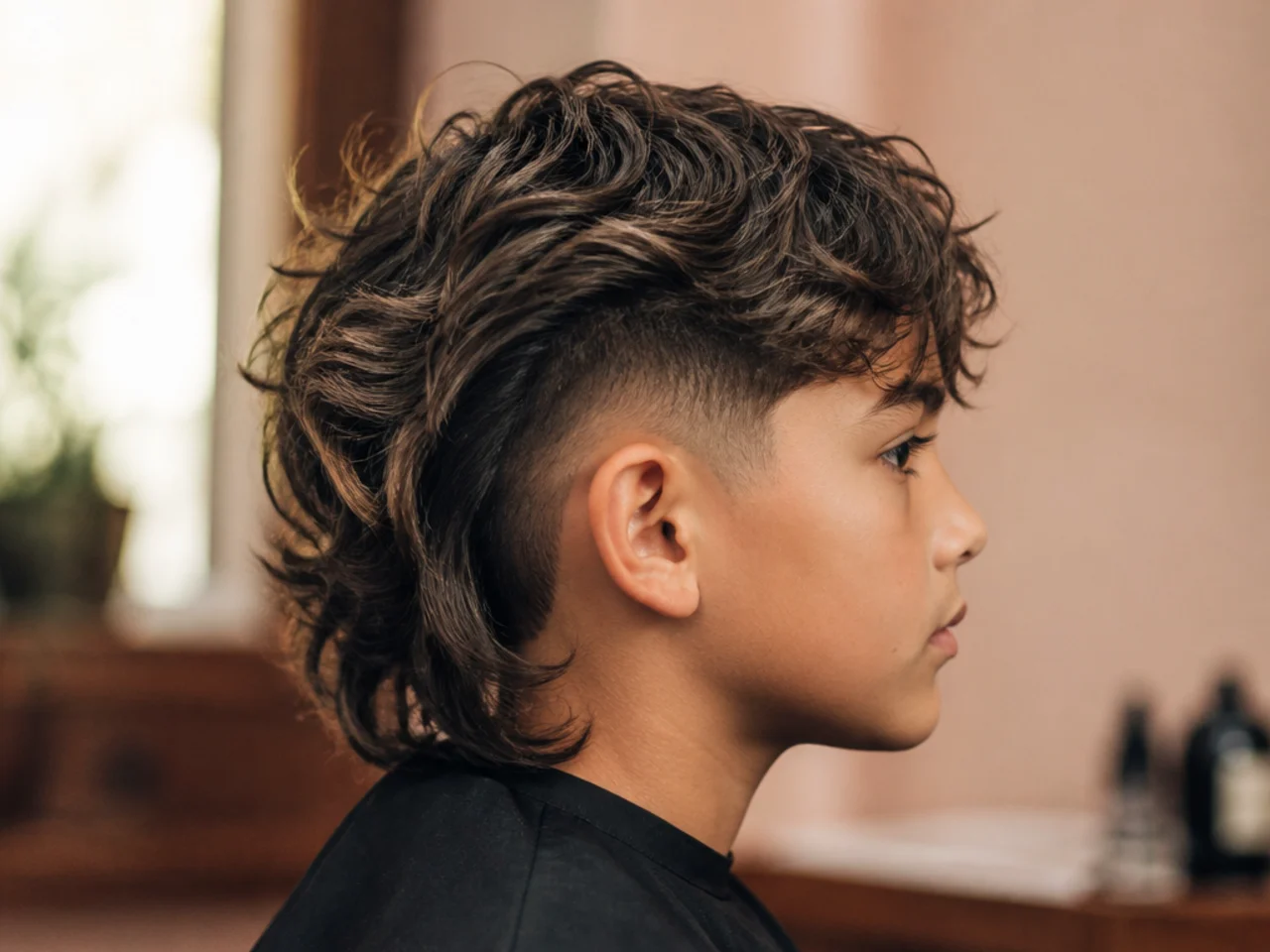
5. A Mullet Kept Above the Collar
The only long shape where the back is the part on a schedule, because the collar is the line a policy names. Everything else can grow untouched while the back gets taken up. Cut every six weeks, and it is the back alone that decides when.

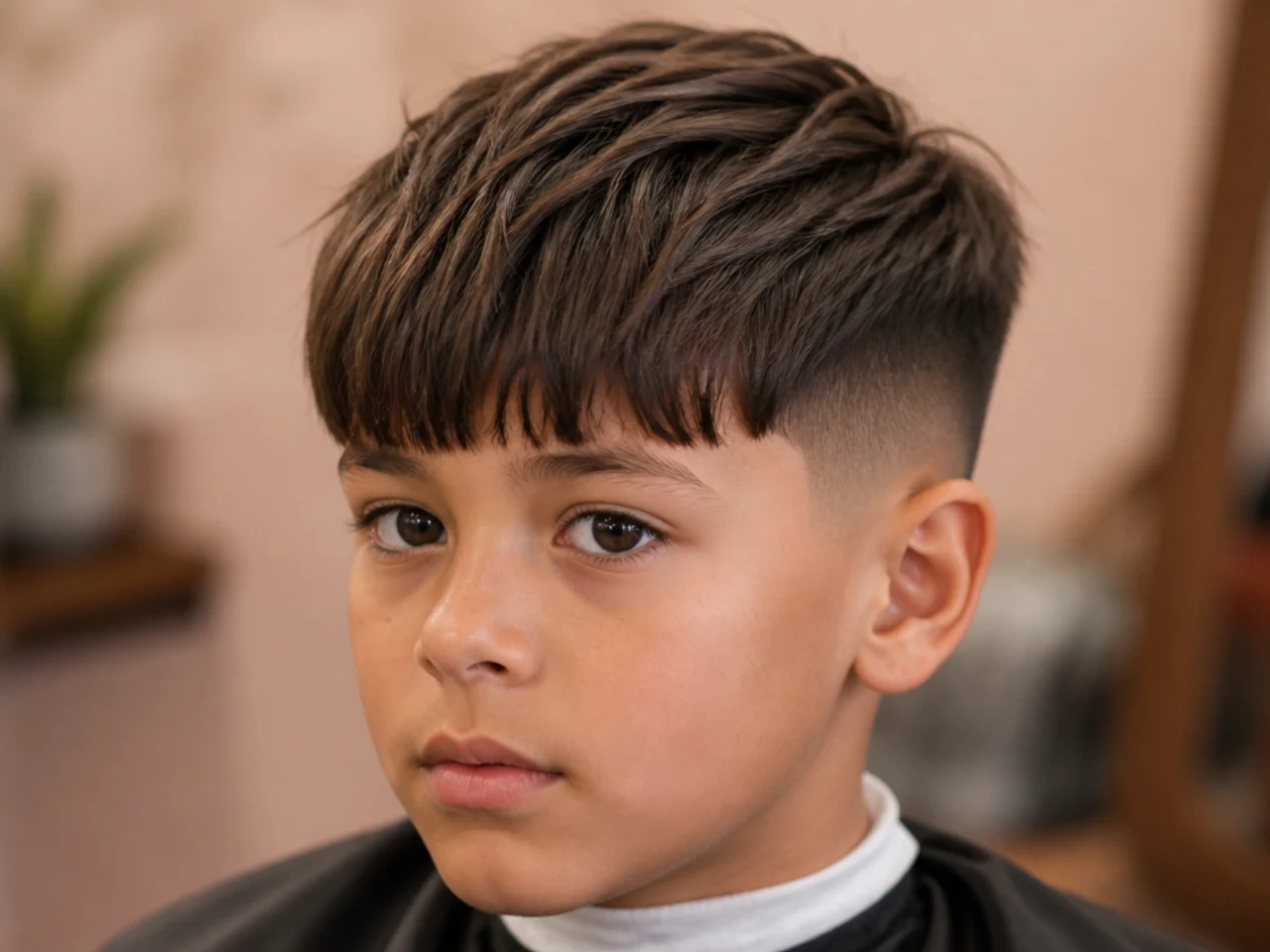
6. Long Fringe Cut to Clear the Eyebrow
Cutting the fringe to sit on the brow rather than below it satisfies the hair-in-the-eyes rule without shortening anything else. A boy's fringe drops roughly a centimetre a month, so it needs its own five-minute trim every five weeks against a full cut every twelve.
7. Long With the Nape Taken Up for School
The length is left everywhere except the nape, which is tapered up off the collar. It answers the one rule most policies name about long hair while keeping the style intact from the front. The nape needs redoing every four weeks and the rest every twelve.

8. Surfer Layers With a Cut-In Parting
Long layers with the parting built into the cut, so the hair falls to one side from damp with nothing done to it. The parting section is short enough to hold its own direction, which is what stops the whole thing collapsing flat by mid-morning. Cut every ten weeks.

9. Long Curls Left to Their Own Shape
Curl already has internal movement, so it needs the ends tidied rather than layers put in. Cutting into curly hair too much is what creates a triangular shape, and leaving it alone is genuinely the better option here. Cut every twelve weeks.
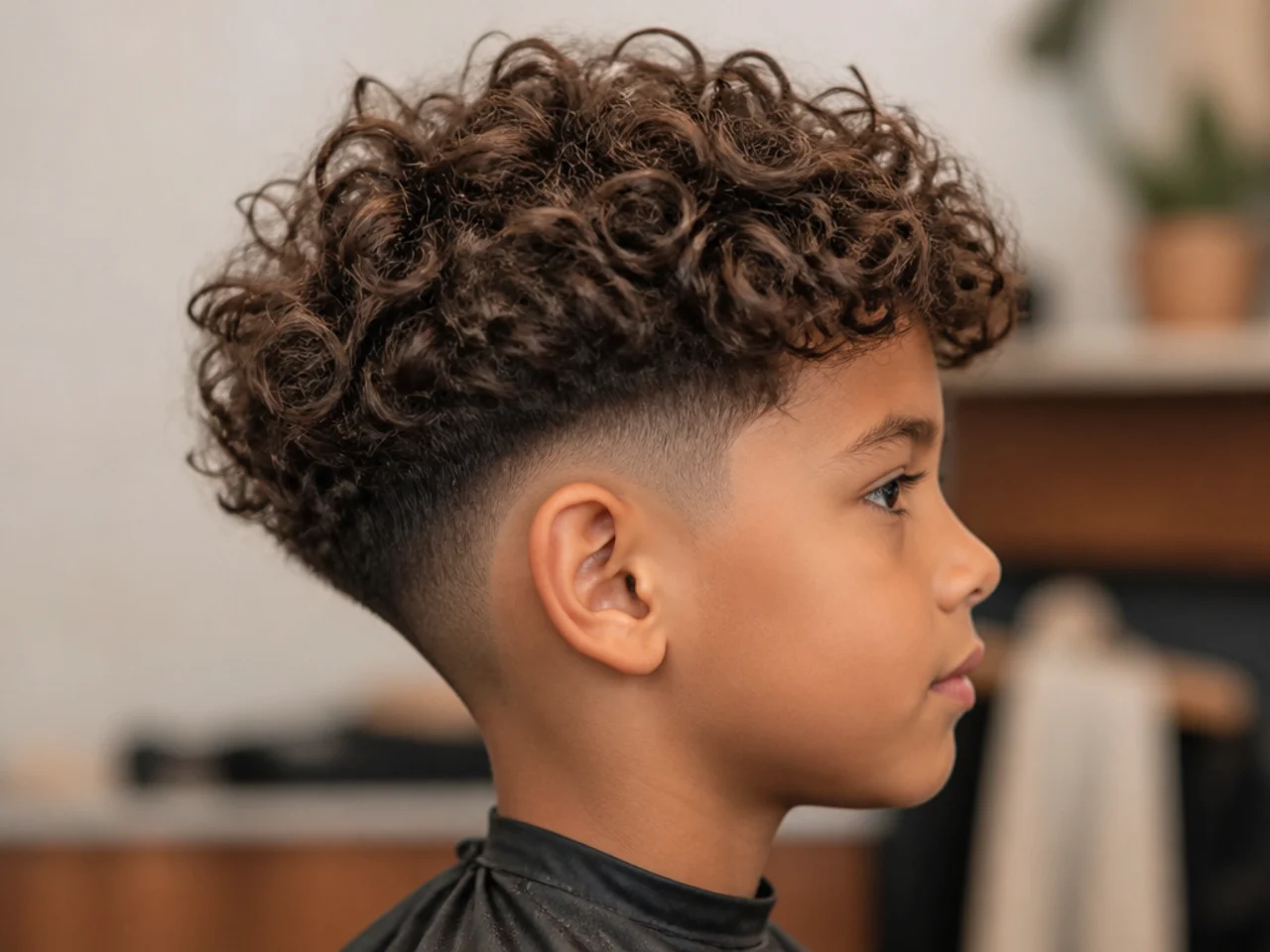
10. Wolf Cut With a Shaggy Crown
Short choppy layers at the crown over long ends, which builds the shape into the top of the head rather than into the perimeter. The crown layers are what date it, because they grow down into the length and the contrast disappears. Cut every eight weeks.

11. Ear-Length Bob With a Blunt Perimeter
A solid line all the way round at ear length, which reads as a deliberate shape rather than as hair that has been left. A blunt perimeter shows growth more honestly than a layered one, so it wants a slightly tighter interval. Cut every eight weeks.

12. Long Top Over Scissor-Cut Sides
Everything cut with scissors, so there is no guard number involved and nothing on the head that could be measured against a policy. Scissor sides grow out as length rather than as a blur, which is the reason this version stretches so far. Cut every ten weeks.
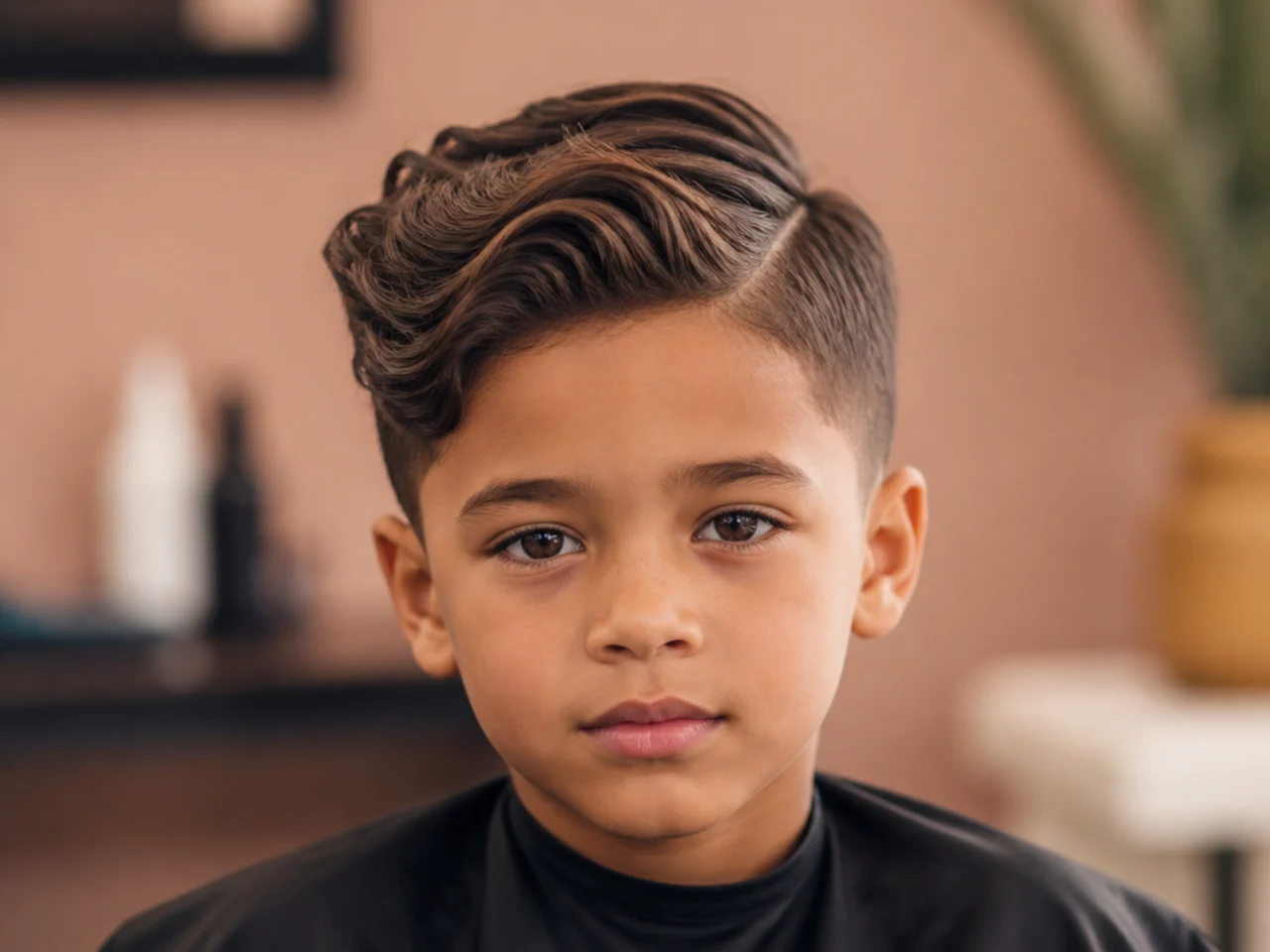
13. Chin Length With Weight Taken Out Underneath
The perimeter stays at the chin while bulk is removed from the inside, which is the fix for hair that hangs like a curtain. Because the change is internal it is invisible on day one and obvious by week three, when the ends start moving properly. Cut every twelve weeks.
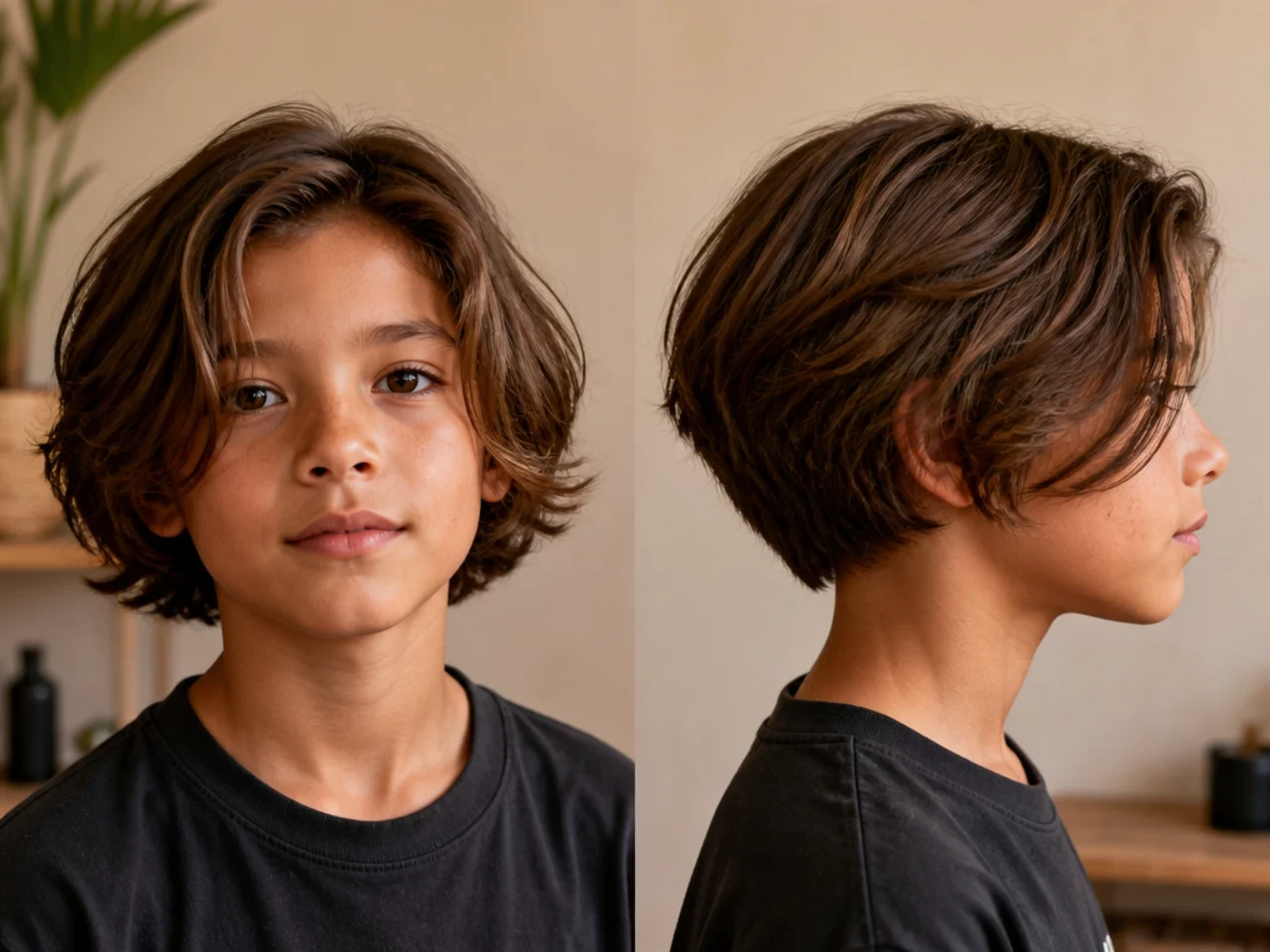
14. Side-Swept Fringe Cut on an Angle
The fringe is cut longer on one side so it falls across the forehead instead of straight down. An angled fringe clears the eye on its own as it grows, which delays the point at which anyone has to do anything. Fringe trimmed every six weeks, full cut every twelve.
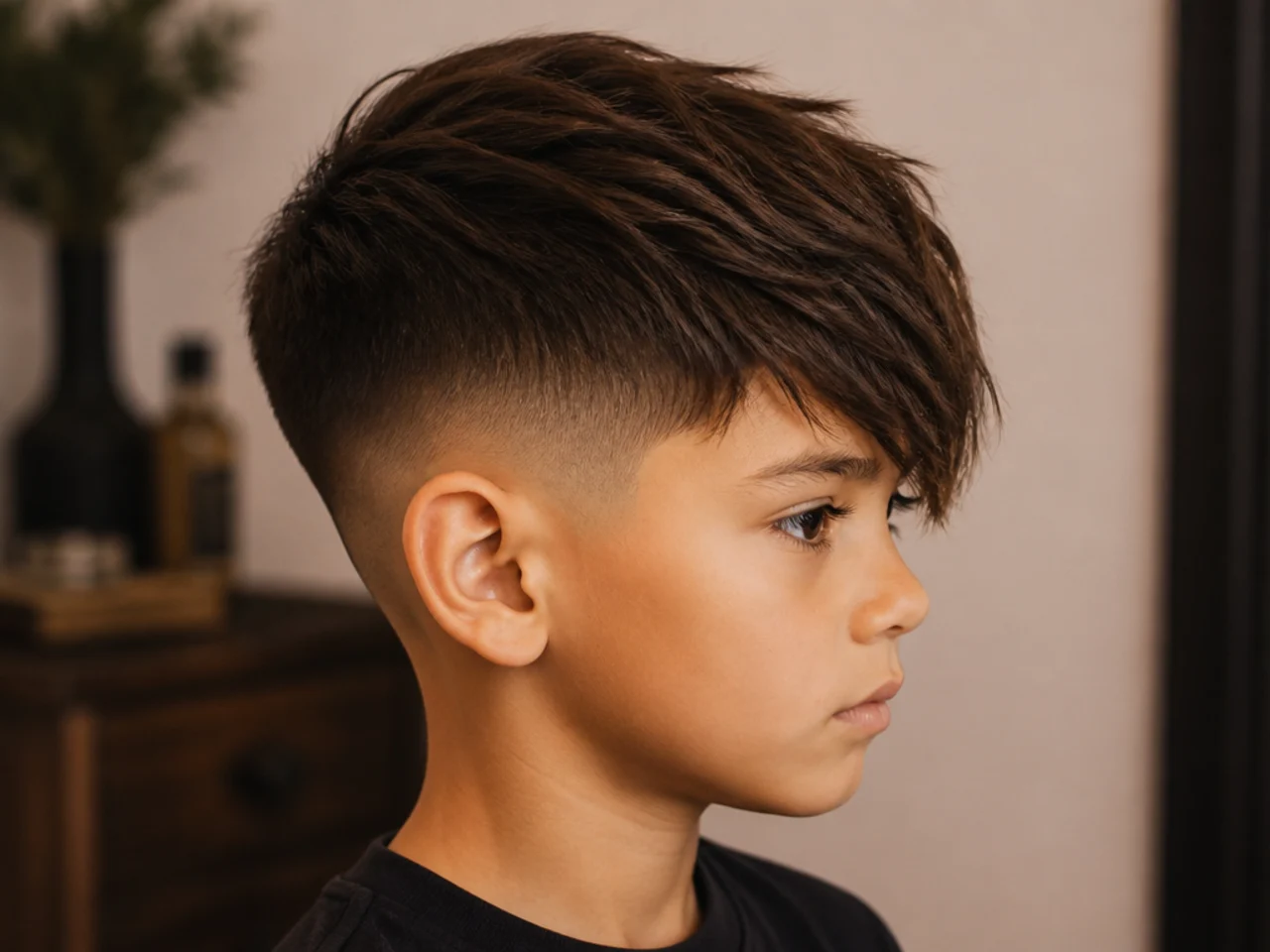
15. Long Waves With a Tapered Nape
Wave has enough natural movement that layers are optional, so the only cutting is at the nape. Tapering the back keeps the collar clear while the waves at the side stay untouched. Cut every ten weeks, with the nape checked in between.

16. Two Block Grown Long on Top
The two block's disconnection is a step rather than a blend, so growth makes the step shallower instead of making it messy. Grown long on top it eventually reads as a single long shape, which is a soft landing rather than a bad one. Cut every nine weeks.
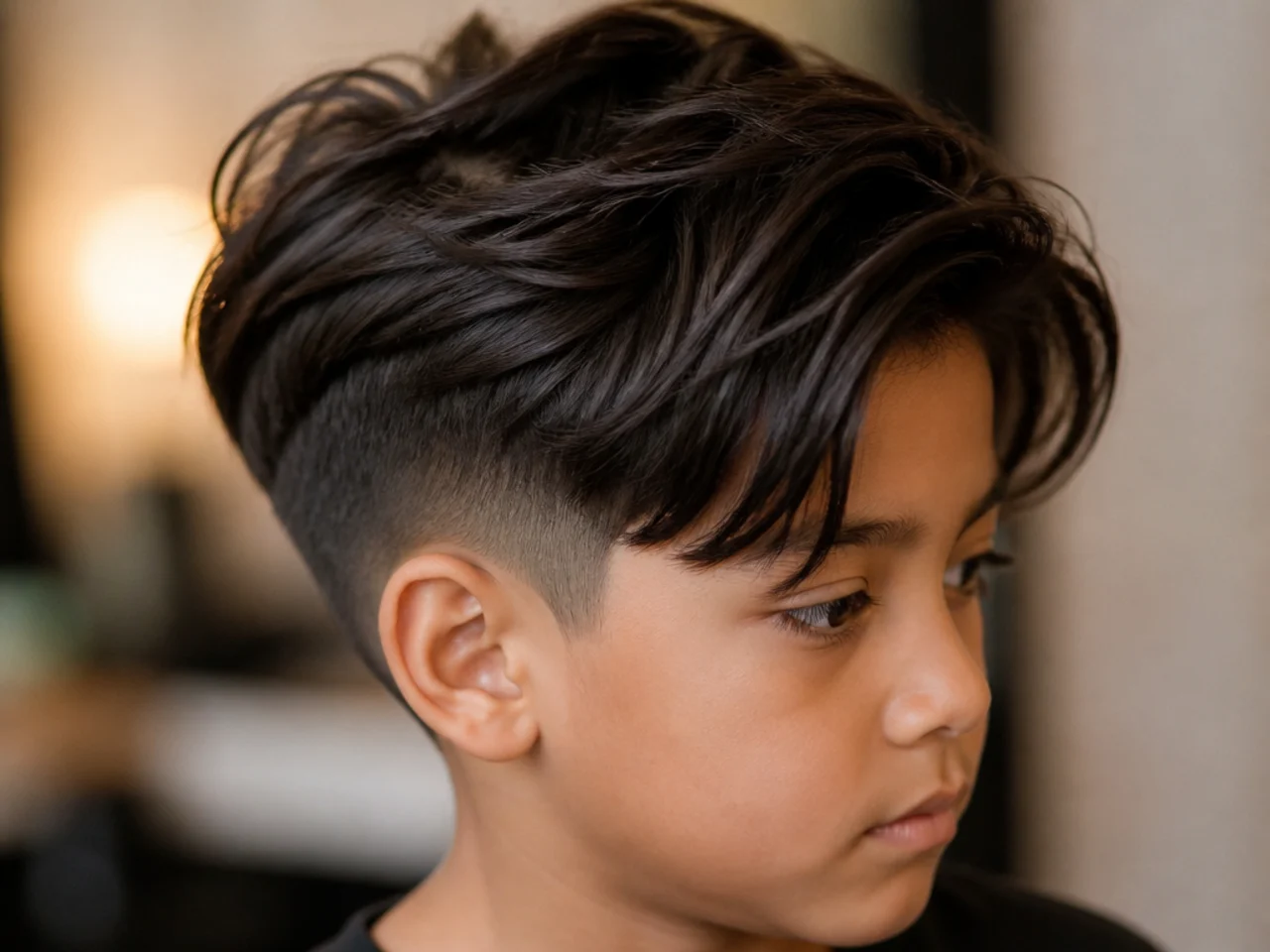
17. Long Hair Tied Back for School
Not a cut so much as the answer to both rules at once, since tied-back hair is neither in the eyes nor on the collar. Where a policy permits it, this removes every scheduled appointment except the ends. Cut every sixteen weeks.

18. A Grown-Out Undercut Left to Catch Up
The stage where the short under-section is halfway to the length above it, which is the awkward phase people cut off too early. Removing weight from underneath rather than shortening the top is what gets through it. Cut every fourteen weeks while it catches up.

19. Long Straight Hair With a Cut-In Middle Part
Straight hair has no natural direction, so the parting has to be built with a shorter section either side of the split. Without that, straight hair falls wherever it lands and the style only exists on the days it is combed. Cut every twelve weeks.

20. The Same Long Cut at Week Ten
Ten weeks on, the layers have softened, the parting has settled and the whole thing looks more lived-in than it did on day one. This is the argument for the entire category in one image, because no other cut on this site improves over ten weeks.

Styling and Upkeep
Comb it damp, then leave it. A long cut with an internal shape falls into place drying, and nothing after that improves it.
Trim the fringe on its own. It is a five-minute job and it is what forces most appointments, so separating it doubles the interval on everything else.
Check the nape monthly. The collar is the rule most likely to be raised at school, and the back is the part nobody looks at.
Ask for weight out at month three. Long hair on a child gets heavy before it gets long, and thinning from underneath fixes the hang without losing length.
Detangle from the ends upward. Working down from the roots on long hair is what makes brushing something he fights.

Mistakes to Avoid
Cutting length when the problem is weight. Shortening heavy hair keeps it heavy, and the style disappears for nothing.
Leaving the fringe until the full cut. It reaches the eyes long before the length needs anything, and it is the one thing a teacher will mention.
Combing a parting instead of cutting one in. It survives until the first break of the day and no further.
Buying product to hold a long style. It will not be applied, so the cut has to work without it or it does not work.
Assuming length means no rules apply. Policies that ignore the sides entirely still name the eyes and the collar.

FAQ
How often does long hair need cutting? Two or three times a year for most of these, against roughly eight for anything clippered.
What will a school actually object to? Hair in the eyes and hair on the collar, which are the two phrases policies use.
Does it need product? No, provided the shape and the parting are cut in rather than styled in.

Final Thoughts
Long is the cheapest trend on this board in chair time and the most demanding in cutting skill, because everything that would normally be styled has to be built into the cut instead. Get the internal shape and the parting right once and the next three months look after themselves.
For the parting boys ask for most see the boy middle part haircut, and for the disconnected version read the two block haircut for boys. More in Men's Haircuts.