20 Curtain Bangs vs Wispy Bangs On Short Hair
Curtain bangs and wispy bangs are cut from different sections, not just to different lengths, and that is what decides which one suits your hair. Twenty cases compared, from curly and fine to cowlicks and humidity, each naming the winner and the reason.
In this article · 27
- What Separates Curtain Bangs From Wispy Bangs
- How to Choose Between Them on Short Hair
- The 20 Cases Compared
- 1. On a Round Face
- 2. On a Long Face
- 3. On Fine Hair
- 4. On Thick Hair
- 5. On Curly Hair
- 6. On a Pixie
- 7. On a Bob
- 8. On a Shag
- 9. On Straight Short Hair
- 10. On Wavy Short Hair
- 11. On a High Forehead
- 12. On a Low Hairline
- 13. With a Middle Part
- 14. With a Side Part
- 15. On a Front Cowlick
- 16. For Growing Out
- 17. For Daily Styling Time
- 18. In Humidity
- 19. On Coarse Grey Hair
- 20. For a First Fringe
- Styling and Upkeep
- Mistakes to Avoid
- FAQ
- Final Thoughts
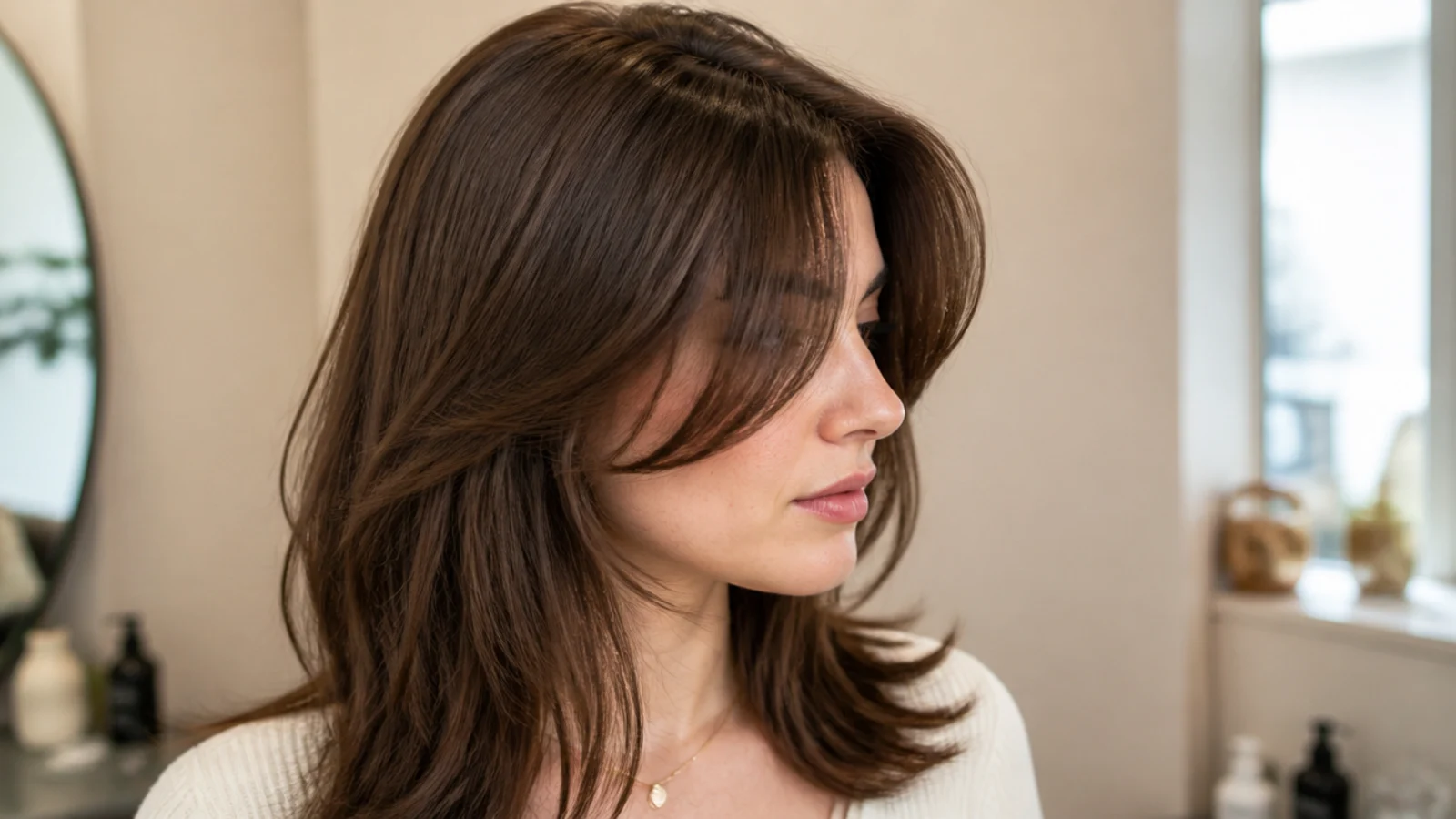
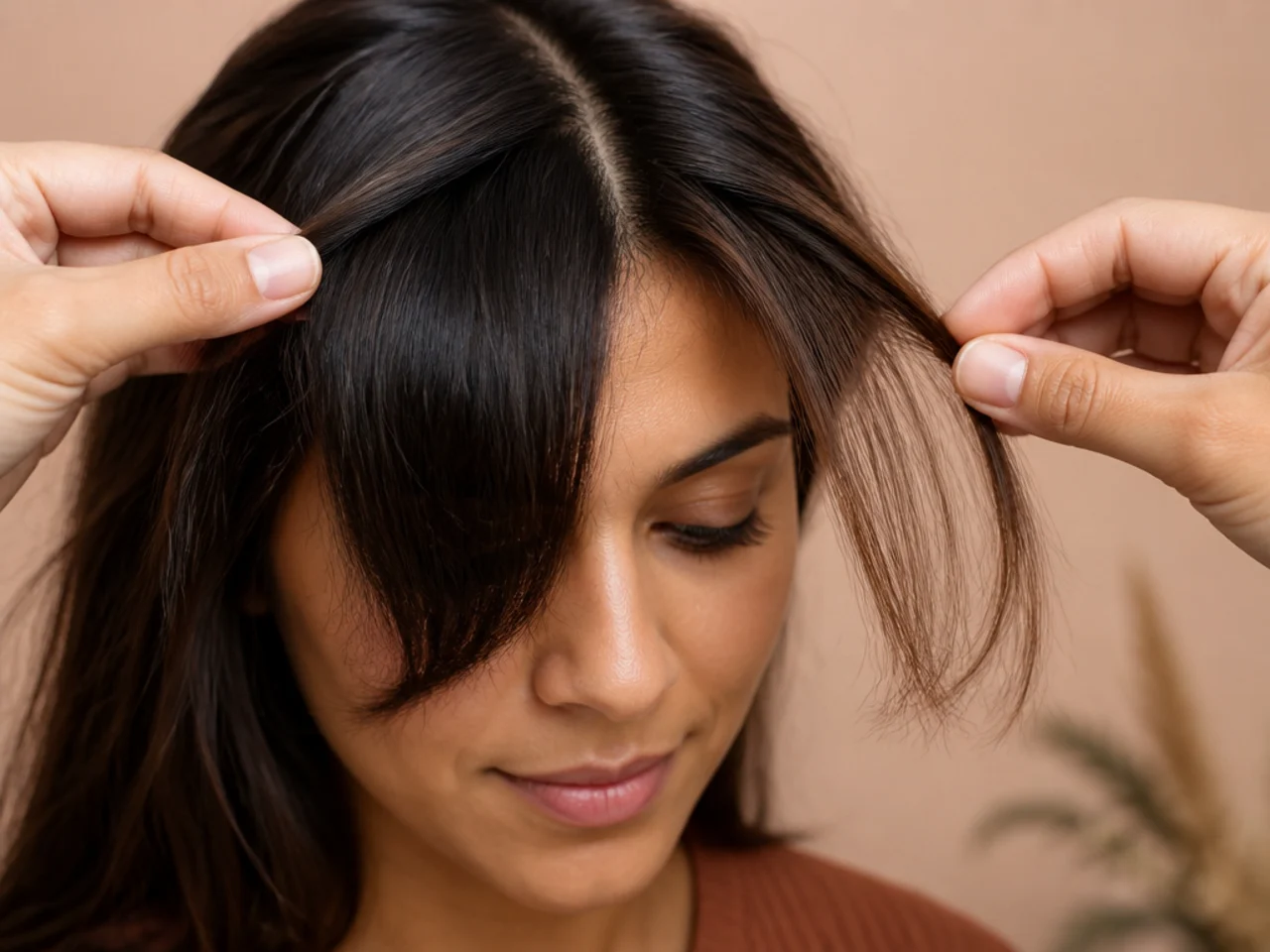
Curtain bangs and wispy bangs are not two lengths of the same fringe, they are cut from different sections of hair, and that decision at the sectioning stage sets everything that follows.
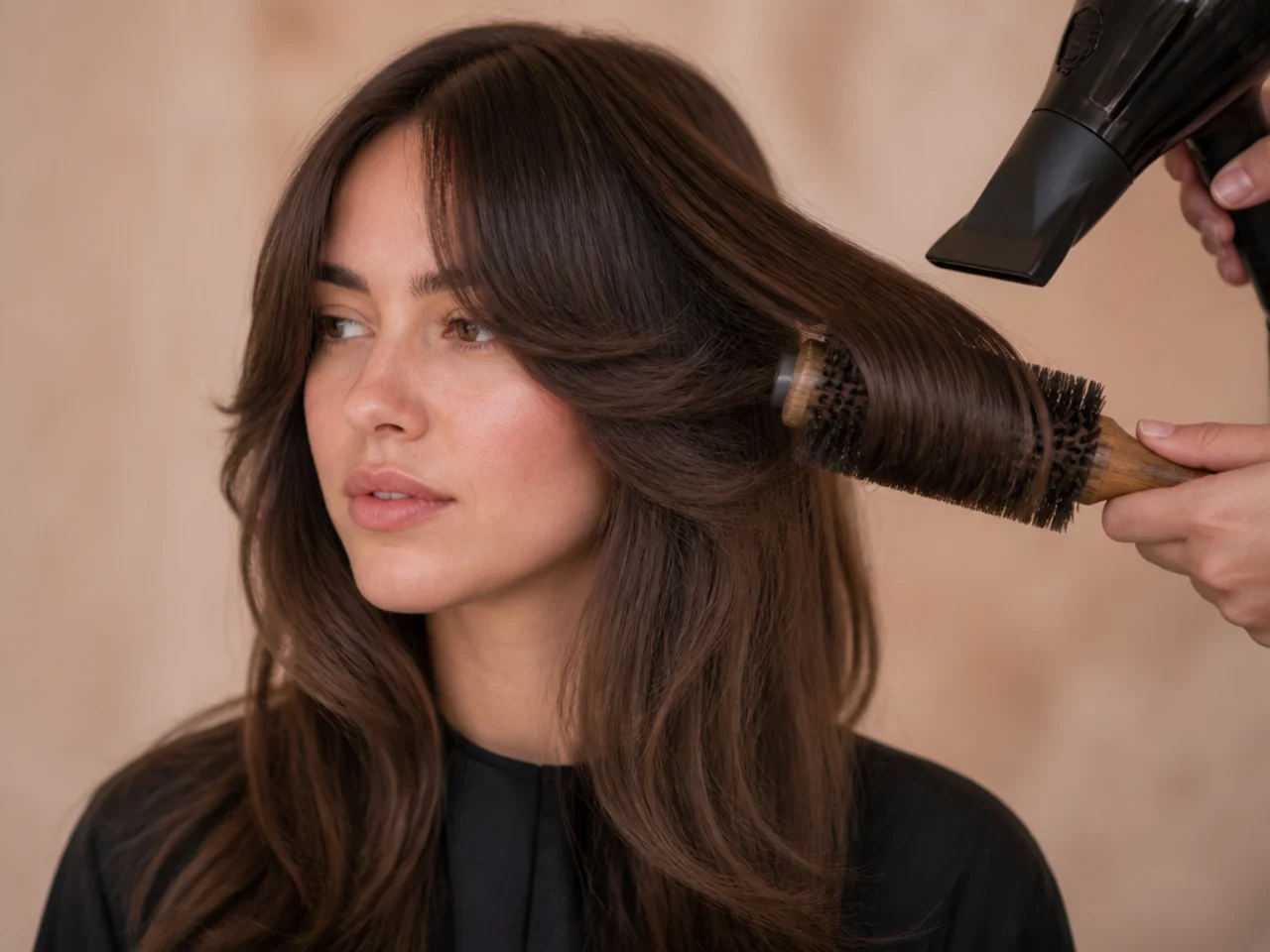
Curtain bangs come from a deep triangle. They carry real density, part at the centre, and sweep outward into the lengths at the sides.
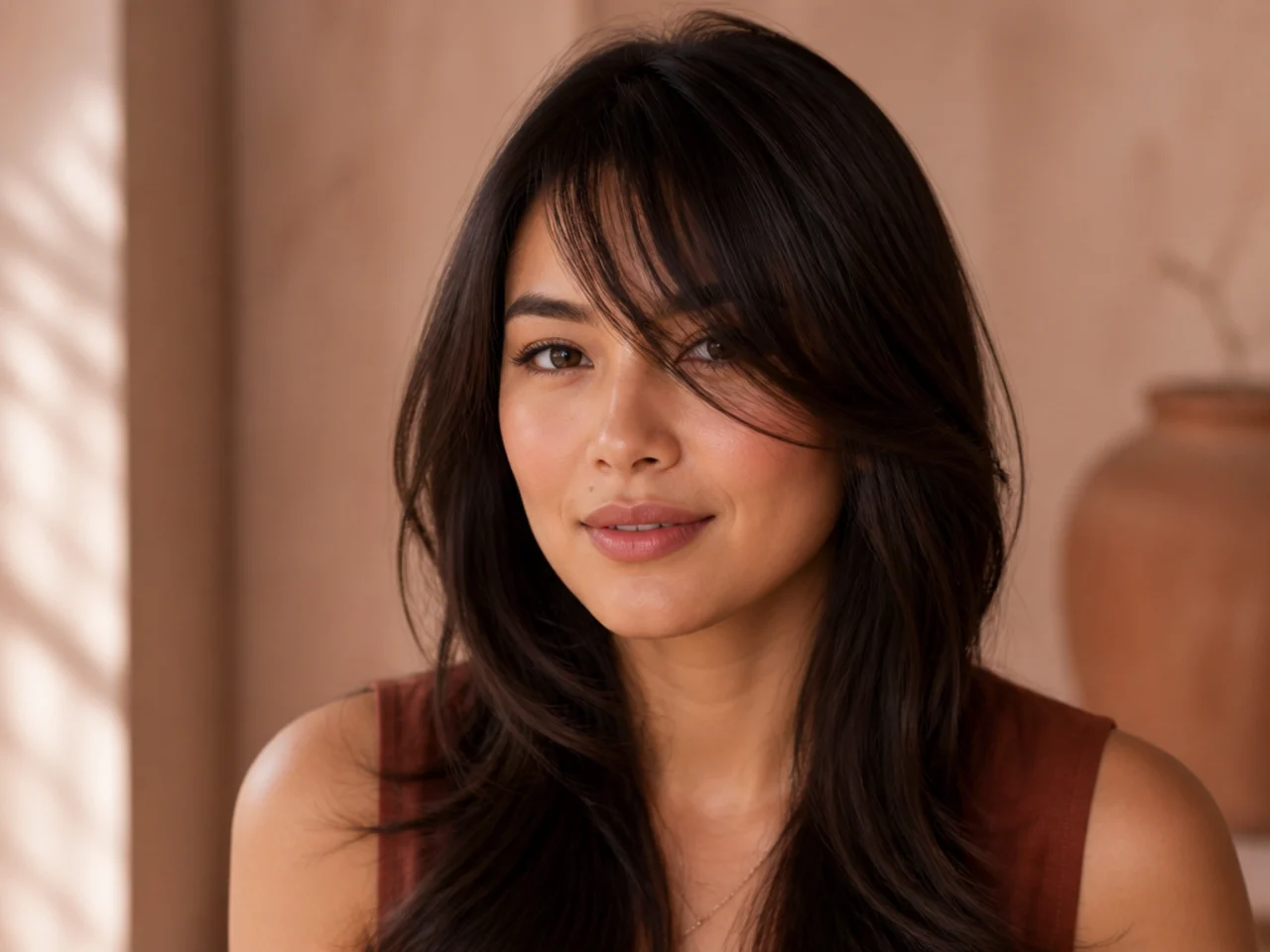
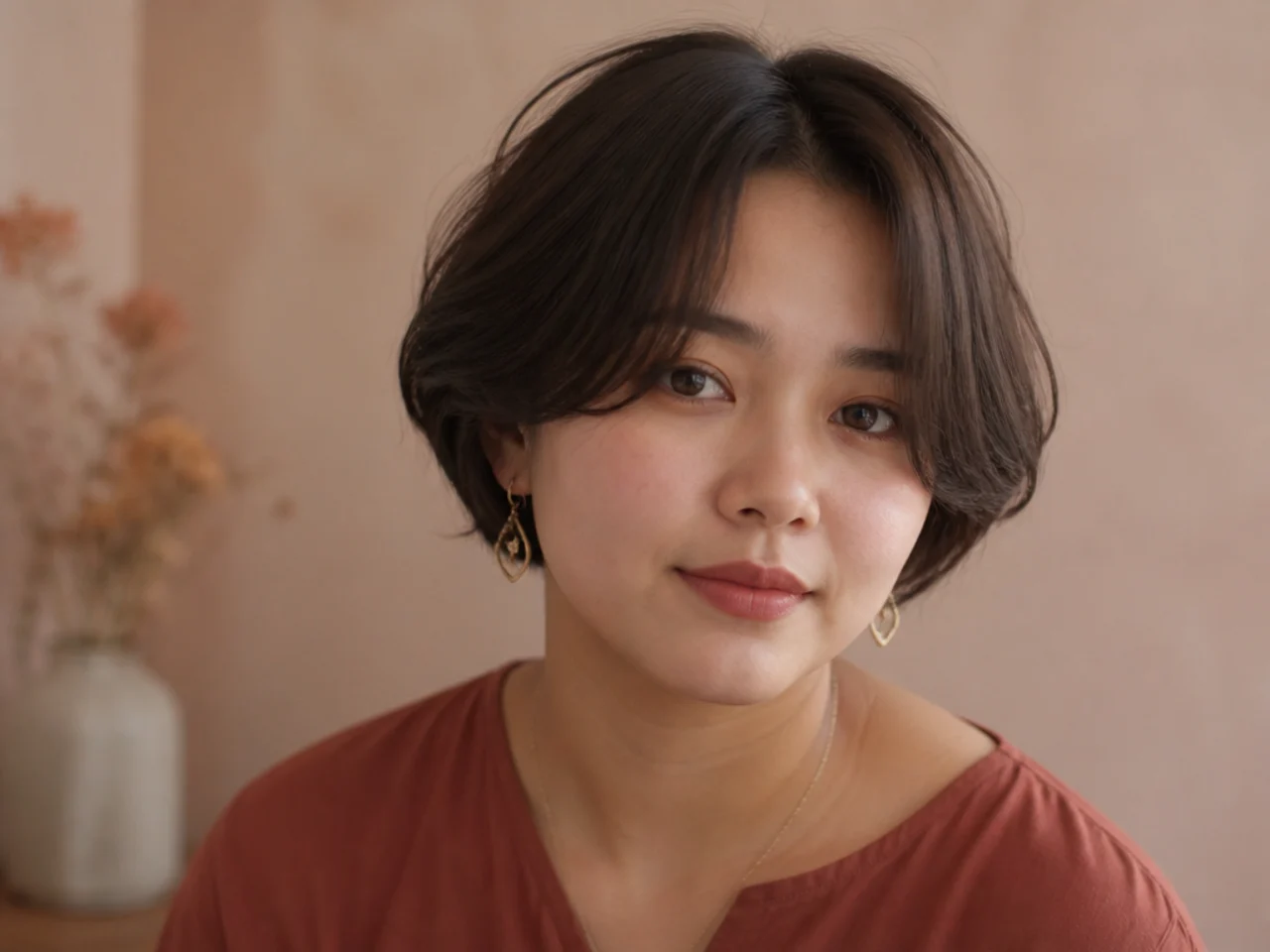
Wispy bangs come from a shallow slice. The forehead stays partly visible through them, which is the whole point, and it also means there is very little hair to work with.
What Separates Curtain Bangs From Wispy Bangs
Section depth is the real difference. A deep section gives density and weight, a shallow one gives transparency. Length is just how each is finished.
Curtain bangs have a shape, wispy bangs have a texture. One is defined by where it parts and sweeps, the other by how much scalp shows through it.
Curtain bangs need a side length to join. They sweep outward and have to land somewhere, so on very short hair there is nothing for them to run into.
Wispy bangs remove almost no hair. That makes them the low risk option and also the one that disappears on any head with enough density to swallow them.
How to Choose Between Them on Short Hair
Count the length at your cheekbone. If there is hair reaching past the cheekbone, curtain bangs have somewhere to go. If not, wispy is the honest choice.
Curl decides for you. Curl shrinks as it dries and needs length in hand, so it favours the fringe that is cut long at the edges.
Be realistic about the round brush. Curtain bangs are set with a brush and a dryer most mornings. Wispy bangs fall where they fall.
Ask for it long the first time. A fringe can be taken shorter in two minutes at the next appointment and cannot be put back for two months.
The 20 Cases Compared
1. On a Round Face
Curtain bangs win. The centre split leaves a strip of forehead and face visible from hairline down, and the eye reads that strip as length. A wispy fringe runs straight across and hands the face a horizontal at its widest point.
2. On a Long Face
Wispy bangs win. A horizontal line across the forehead shortens the visible face, which is exactly what a long face is looking for. Curtain bangs open the centre and add to the length that is already there.

3. On Fine Hair
Wispy bangs win. A deep curtain section takes hair from behind the hairline, and on a fine head that section is missed at the crown. A shallow slice leaves the density where it is needed and still reads as a fringe.
4. On Thick Hair
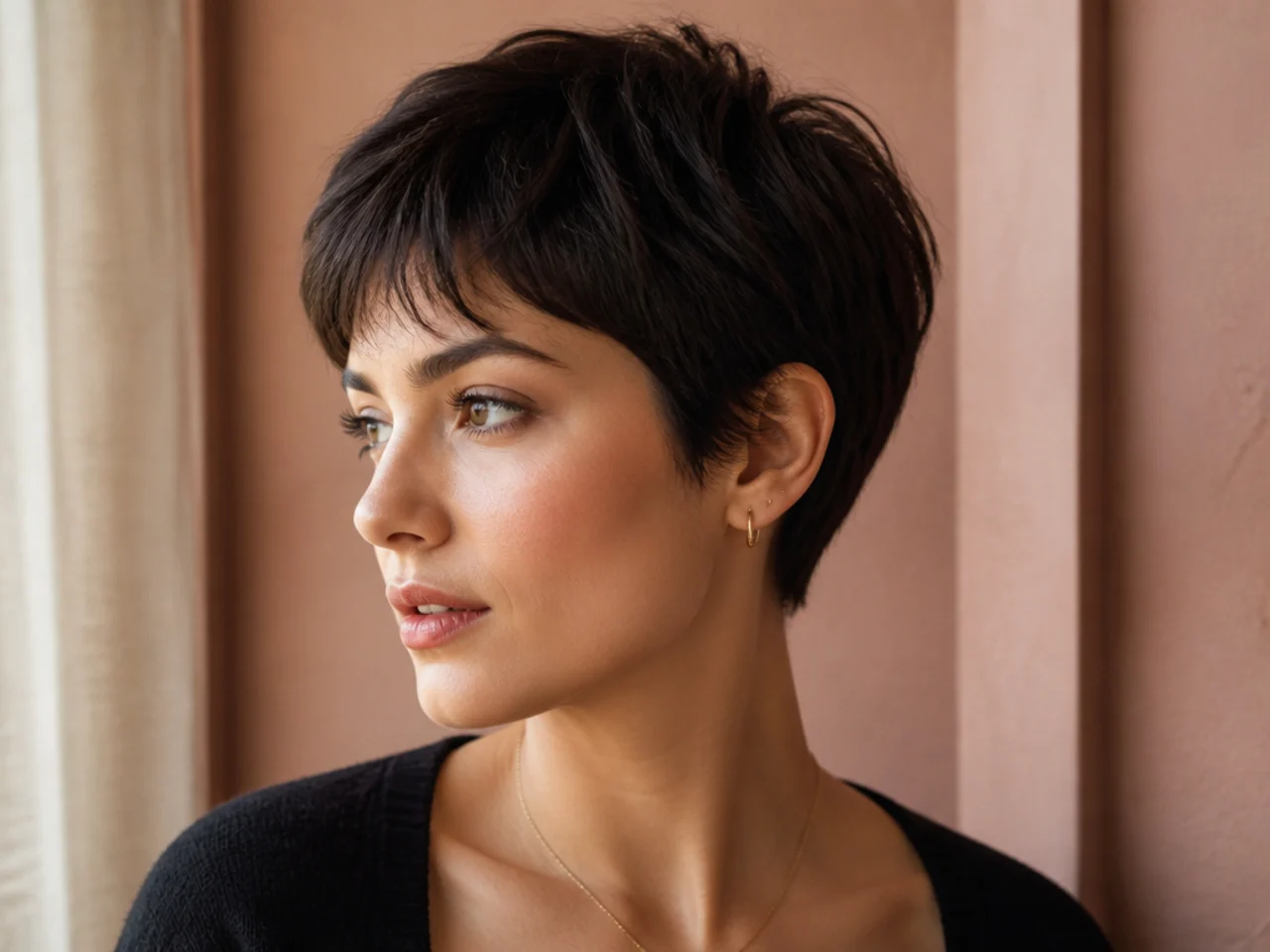
Curtain bangs win. Thick hair fills a deep section easily and holds the sweep without product. Forcing wispy bangs onto thick hair means removing most of the section, and the cut ends stick up through the surface for months.

5. On Curly Hair
Curtain bangs win. Curl shrinks as it dries and rarely by the same amount across the head, so a fringe needs spare length to land where it was planned. A thin wispy section leaves each curl standing alone with a gap beside it.
6. On a Pixie
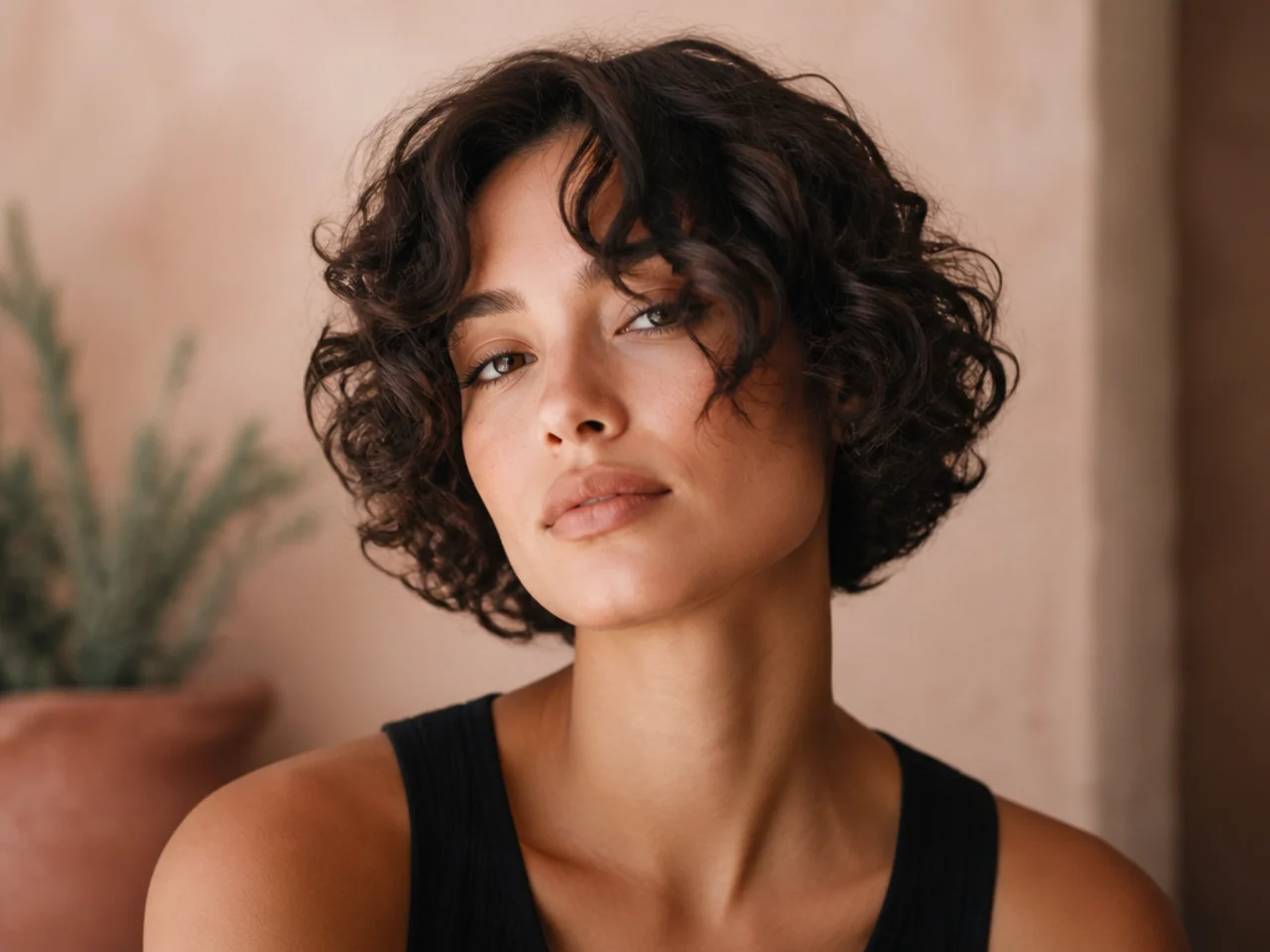
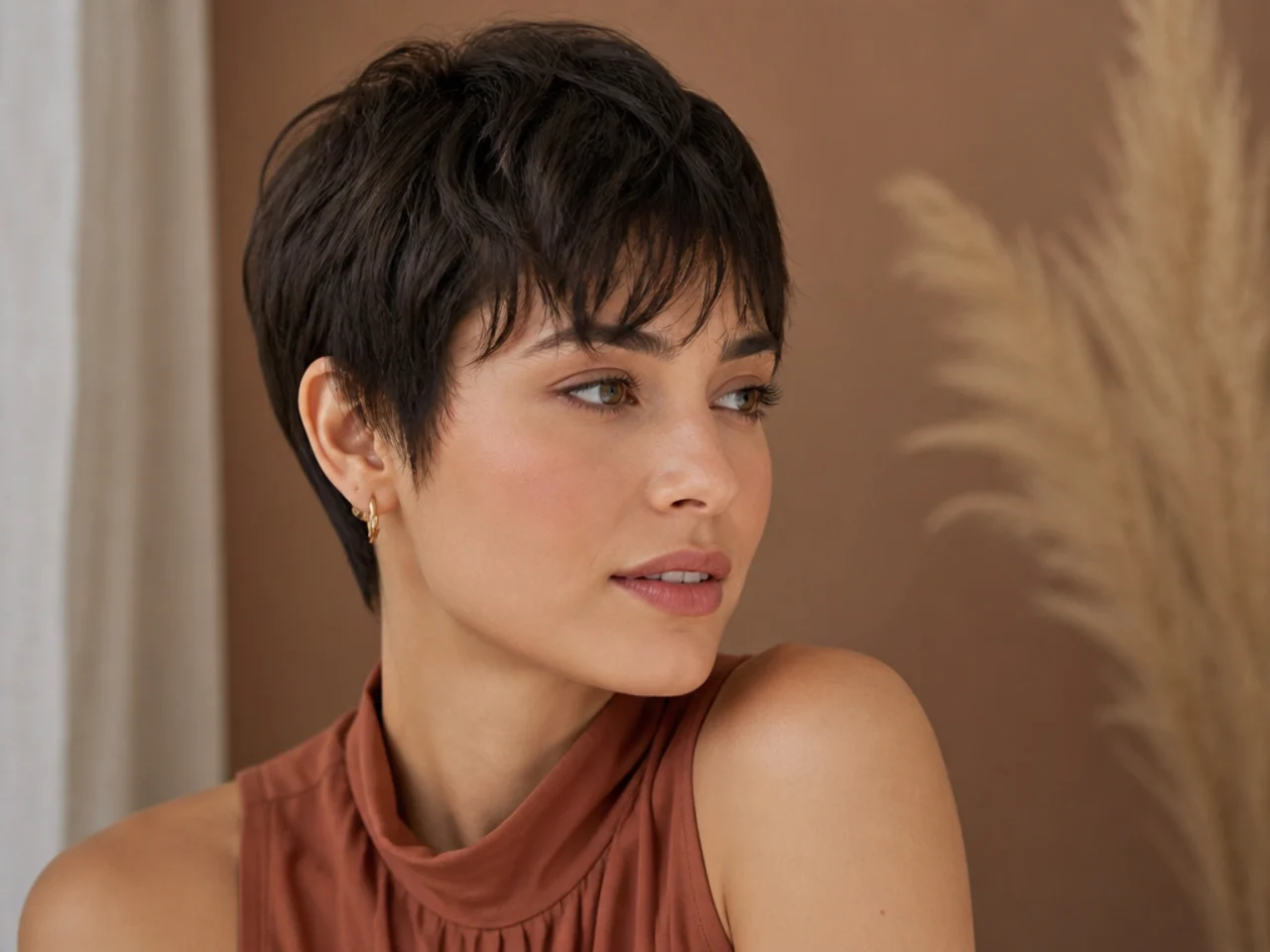
Wispy bangs win. There is no length at the side for a curtain fringe to sweep into, so it finishes in mid air against the temple. A wispy fringe belongs to the top section and does not need anywhere to land.
7. On a Bob
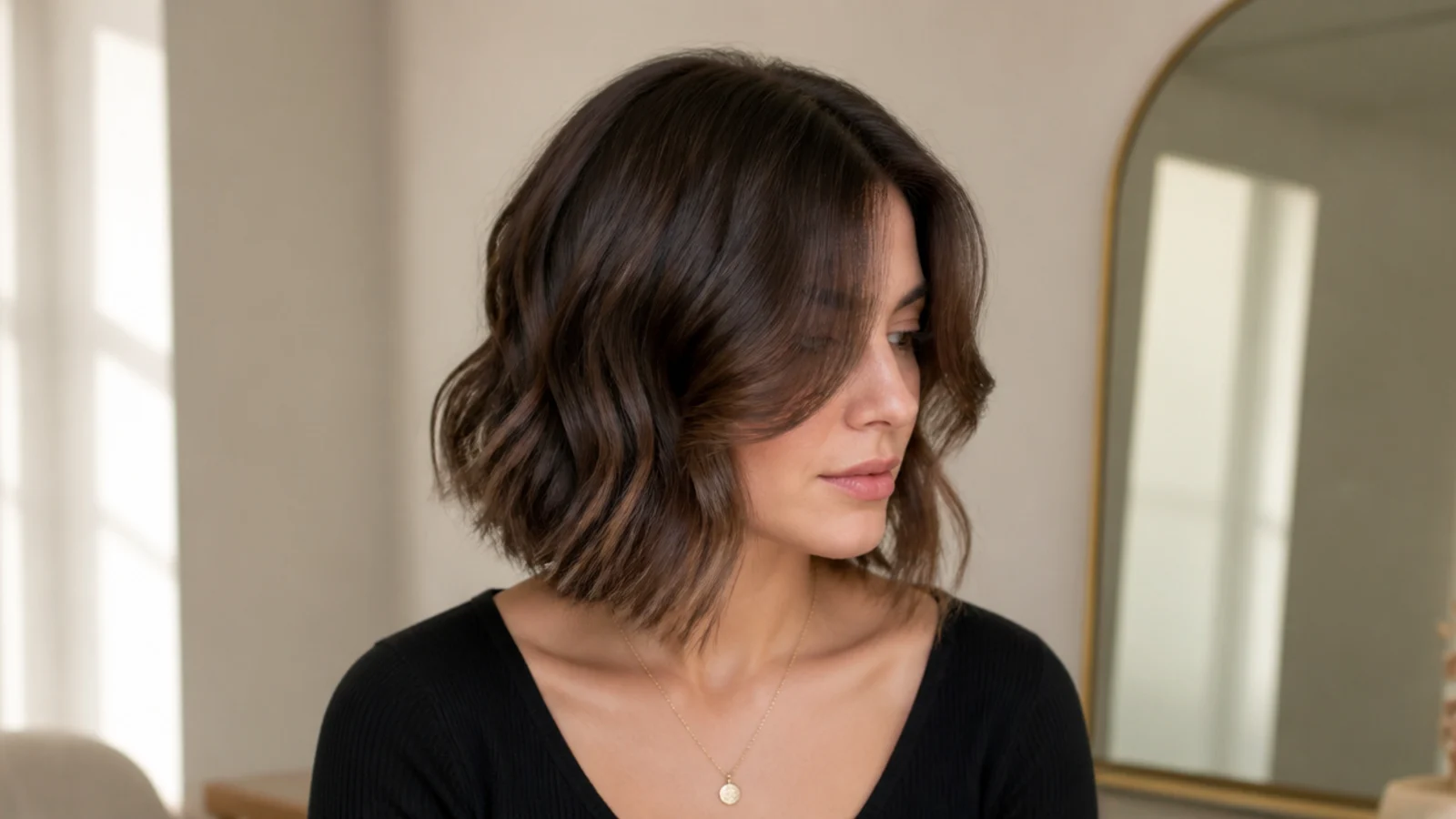
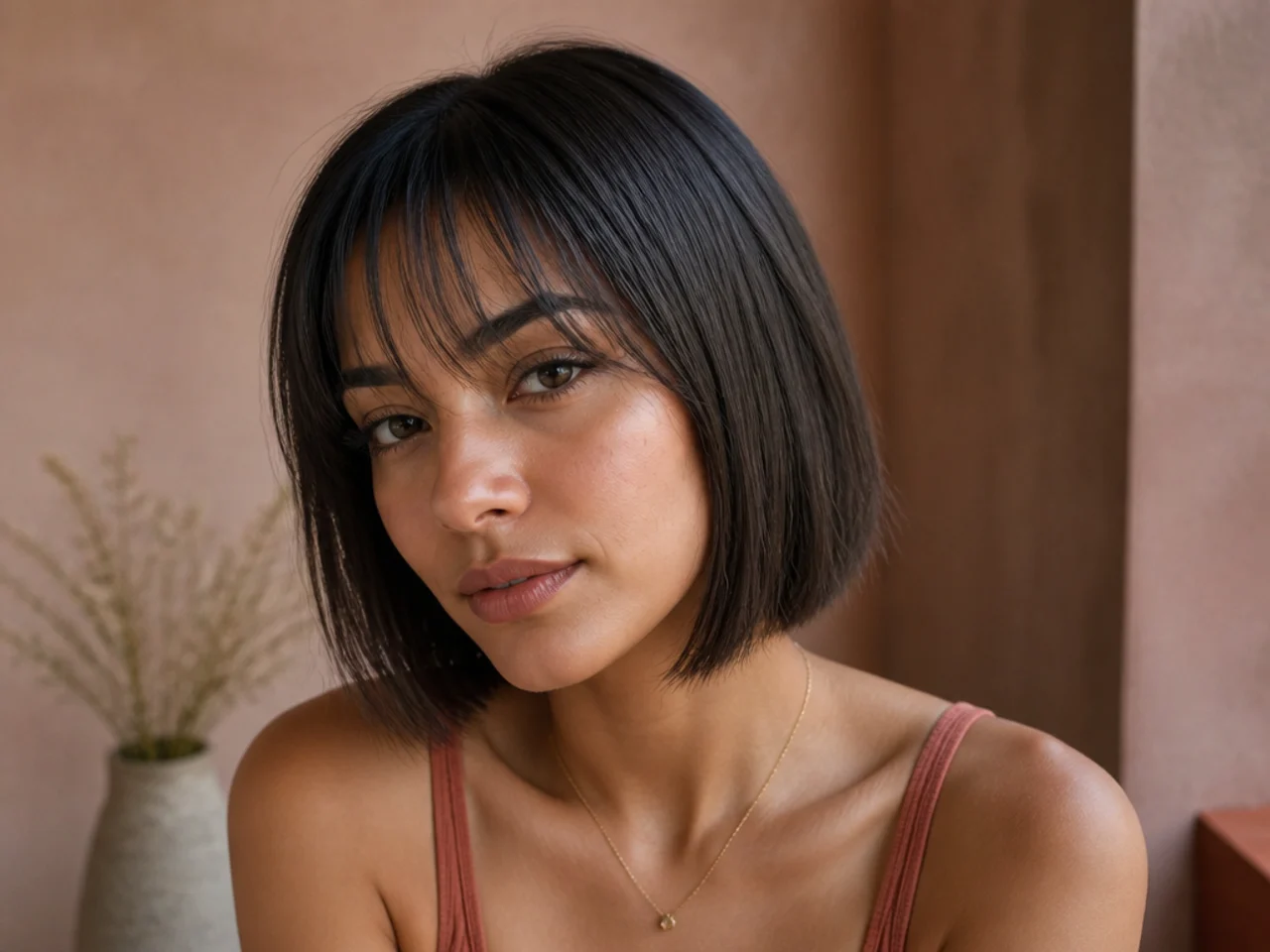
Curtain bangs win. A bob has length at the cheek and jaw, which gives the sweep a destination, and the fringe joins the front corners so the two read as one shape rather than a fringe sitting on a haircut.

8. On a Shag
Curtain bangs win. A shag is already layered from the crown down, and curtain bangs are simply the shortest of those layers. Cut as one continuous piece there is no join, and a join across the cheek always shows.

9. On Straight Short Hair
Wispy bangs win. Straight strands separate on their own, so the piecey look arrives without any product. A curtain sweep on straight hair has no bend to hold it and collapses flat against the forehead by the middle of the day.
10. On Wavy Short Hair
Curtain bangs win. The natural bend in a wave flicks the ends outward, which is the exact movement a curtain fringe is styled to produce. The hair does the work the round brush would otherwise have to do every morning.

11. On a High Forehead
Curtain bangs win. They cover with real density while still opening at the centre, so the forehead is reduced without being sealed off. A wispy fringe is see through, and skin visible through a fringe still reads as forehead.

12. On a Low Hairline
Wispy bangs win. With little forehead to begin with, a dense fringe leaves almost no skin showing and crowds the eyes. A transparent fringe keeps some space above the brow, which the face needs to stay open.
13. With a Middle Part
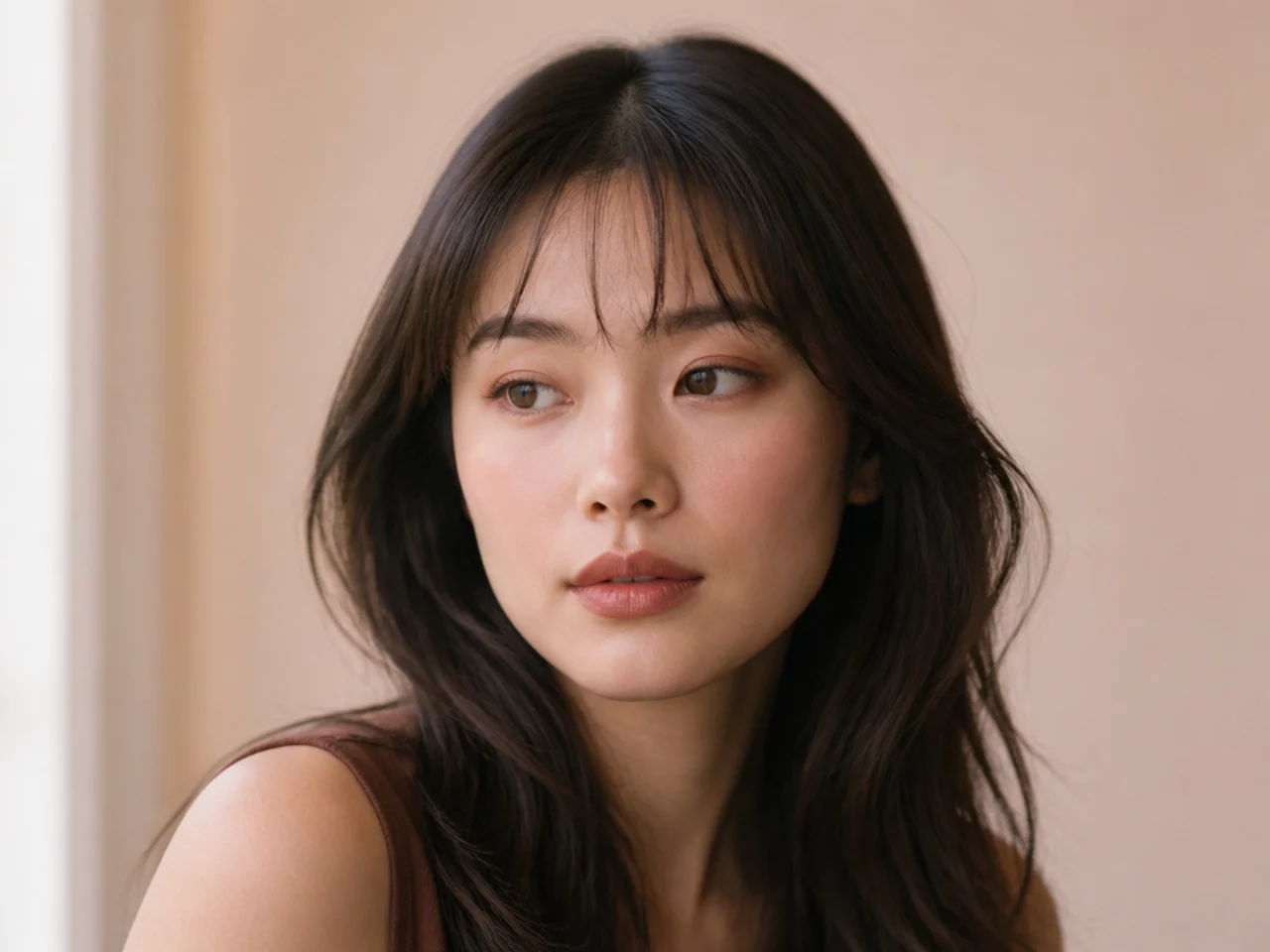
Curtain bangs win outright, because a centre split is what the shape is built on. A wispy fringe fights a middle part, since the parting divides the thin section into two halves that are too sparse to read as anything.

14. With a Side Part
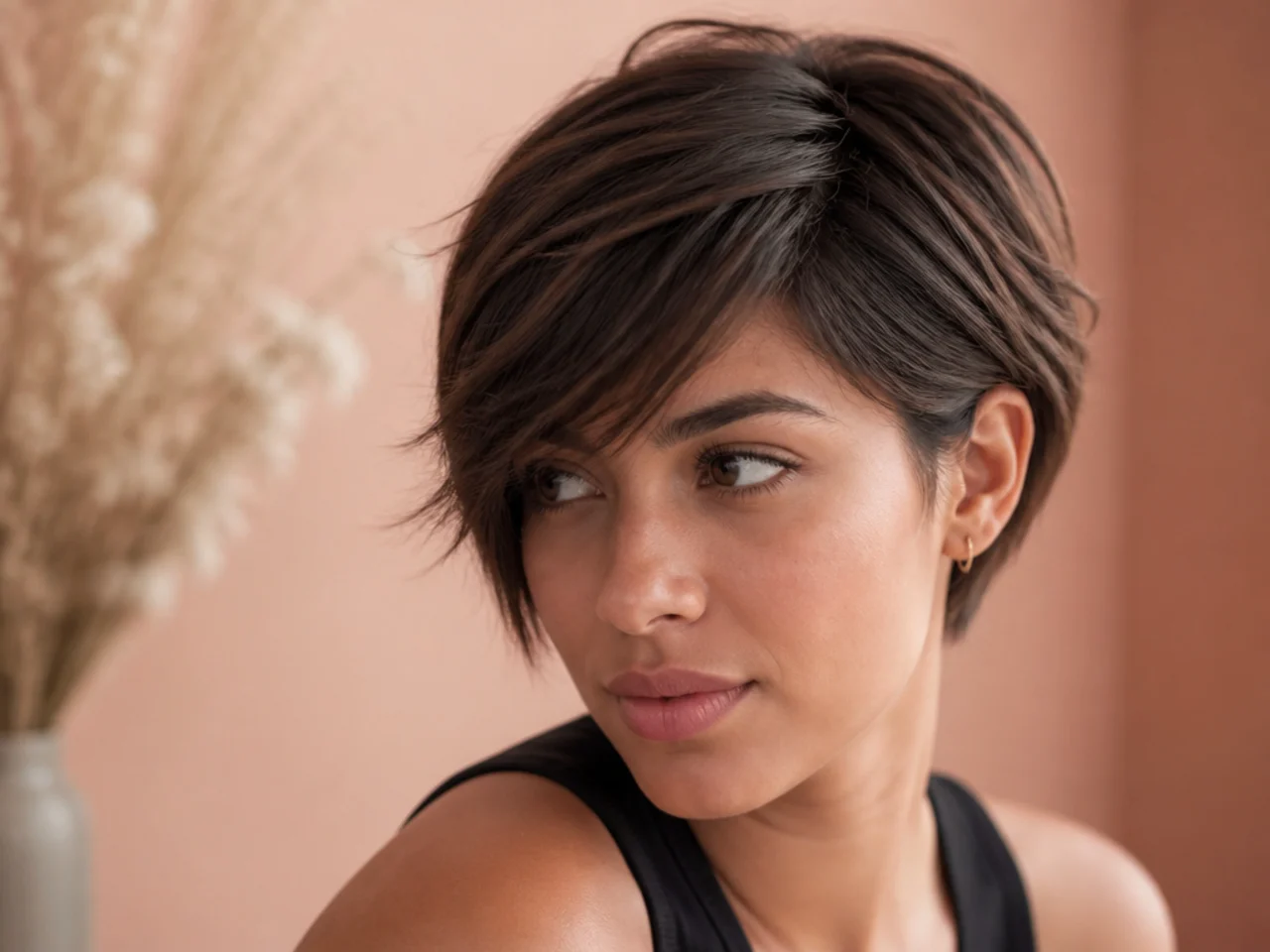
Wispy bangs win. A curtain fringe forced off centre gives two unequal halves, one too heavy and one too thin, and no amount of drying evens them out. A wispy fringe simply travels across the forehead in one direction.
15. On a Front Cowlick
Curtain bangs win. A cowlick has a direction, and a curtain fringe can be parted to agree with it so the hair is swept the way it already wants to go. A short wispy fringe cut across a cowlick stands up permanently.

16. For Growing Out
Curtain bangs win by a distance. They are cut longest at the outer edges, so growth simply merges them into the face framing lengths. Wispy bangs pass through weeks of being too long to sit forward and too short to tuck away.

17. For Daily Styling Time
Wispy bangs win. They are cut to fall where they fall and need nothing beyond drying. Curtain bangs are set with a brush and a dryer within a minute or two of leaving the shower, or they dry in the wrong direction and stay there.

18. In Humidity
Curtain bangs win. Weight holds a shape and humidity swells the hair shaft, so the fine ends of a wispy fringe puff and lose their separation first. A denser fringe has enough weight to keep hanging in the direction it was dried.

19. On Coarse Grey Hair
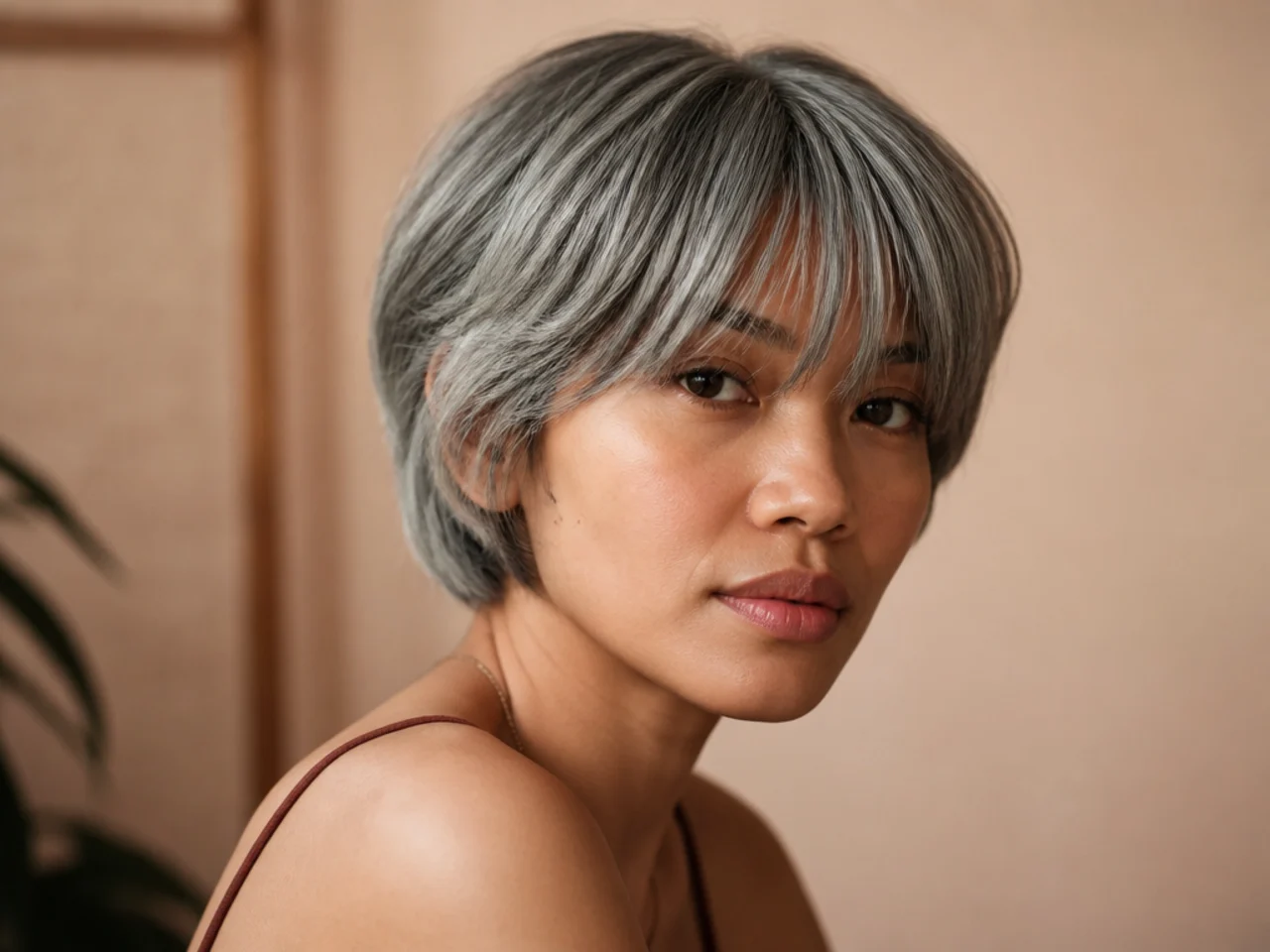
Curtain bangs win. Grey hair is often coarser and more wiry, and single wiry strands stand out of a thin fringe where there is nothing to hold them down. A deeper section gives the strays neighbours to lie against.
20. For a First Fringe
Wispy bangs win. Almost no hair is removed, so if it is wrong it is invisible within a few weeks. A curtain fringe commits a deep section of the front hairline, and that section takes the best part of two months to return.

Styling and Upkeep
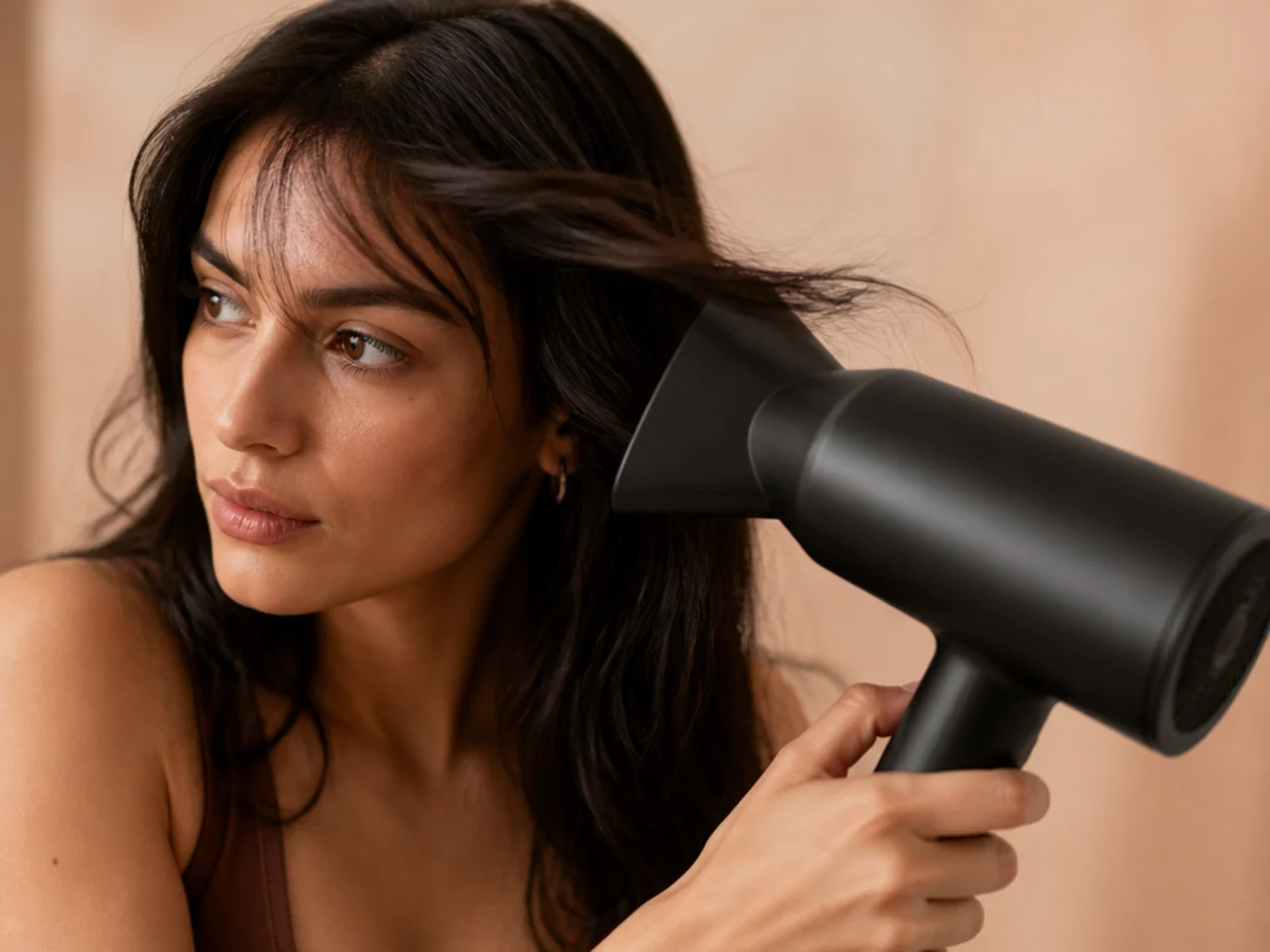
Dry the fringe first, every time. It sets within a minute or two of coming out of the shower and cannot be redirected afterwards.
Dry a curtain fringe away from the face. Pointing the nozzle down the length sets it flat and cancels the sweep.
Leave a curly fringe alone while it dries. Touching a curl mid dry breaks the clump and the fringe frizzes at exactly the point that shows most.
Trim every four to six weeks. Hair grows about a centimetre and a quarter a month, which is enough for either fringe to reach the eyes.
Wash the fringe more often than the rest. It sits against the forehead and picks up oil faster than any other section.
Mistakes to Avoid
Cutting either one wet on curly hair. Curl shrinks as it dries, so the fringe finishes far shorter than it looked at the basin.
Asking for curtain bangs on a pixie. There is no side length for the sweep to join, so it ends in mid air at the temple.
Taking a deep section on fine hair. The hair for the fringe comes out of the crown, and on a fine head the crown shows the loss.
Thinning wispy bangs to make them wispier. Cutting strands short inside the section leaves stubs that stand up through the fringe for months.
Cutting to the eyebrow at the first appointment. Ask for it long, live with it a week, then take it shorter. The other direction takes two months.

FAQ
Which for curly hair? Curtain, because curl shrinks and needs length in reserve.
Which for fine hair? Wispy, because a deep section costs the crown its density.
Which grows out cleanly? Curtain, since it merges into the side lengths.

Final Thoughts
Ask about the section, not the length. "A deep section, parted at the centre, cut to the cheekbone dry" describes curtain bangs precisely, and "a shallow slice, left transparent" describes wispy ones. Those two sentences decide the outcome long before any scissors reach the ends.
For the same fringe on more length see curtain bangs on long hair, and for the tighter, higher version cut into curls see curly french bangs. More in Bangs and Fringe.