30 Gorgeous Wolf Cuts For Long Hair With Big Layers
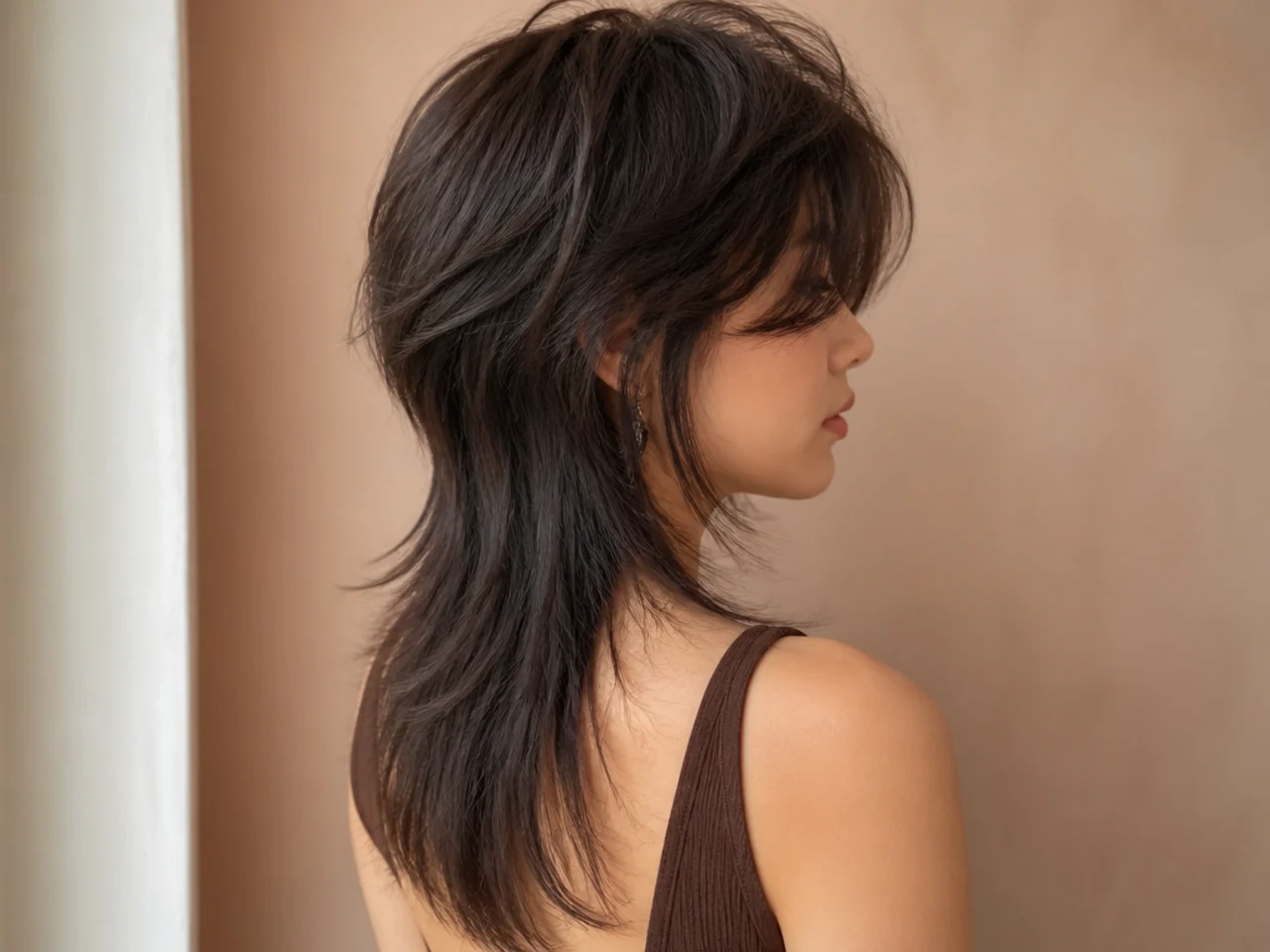
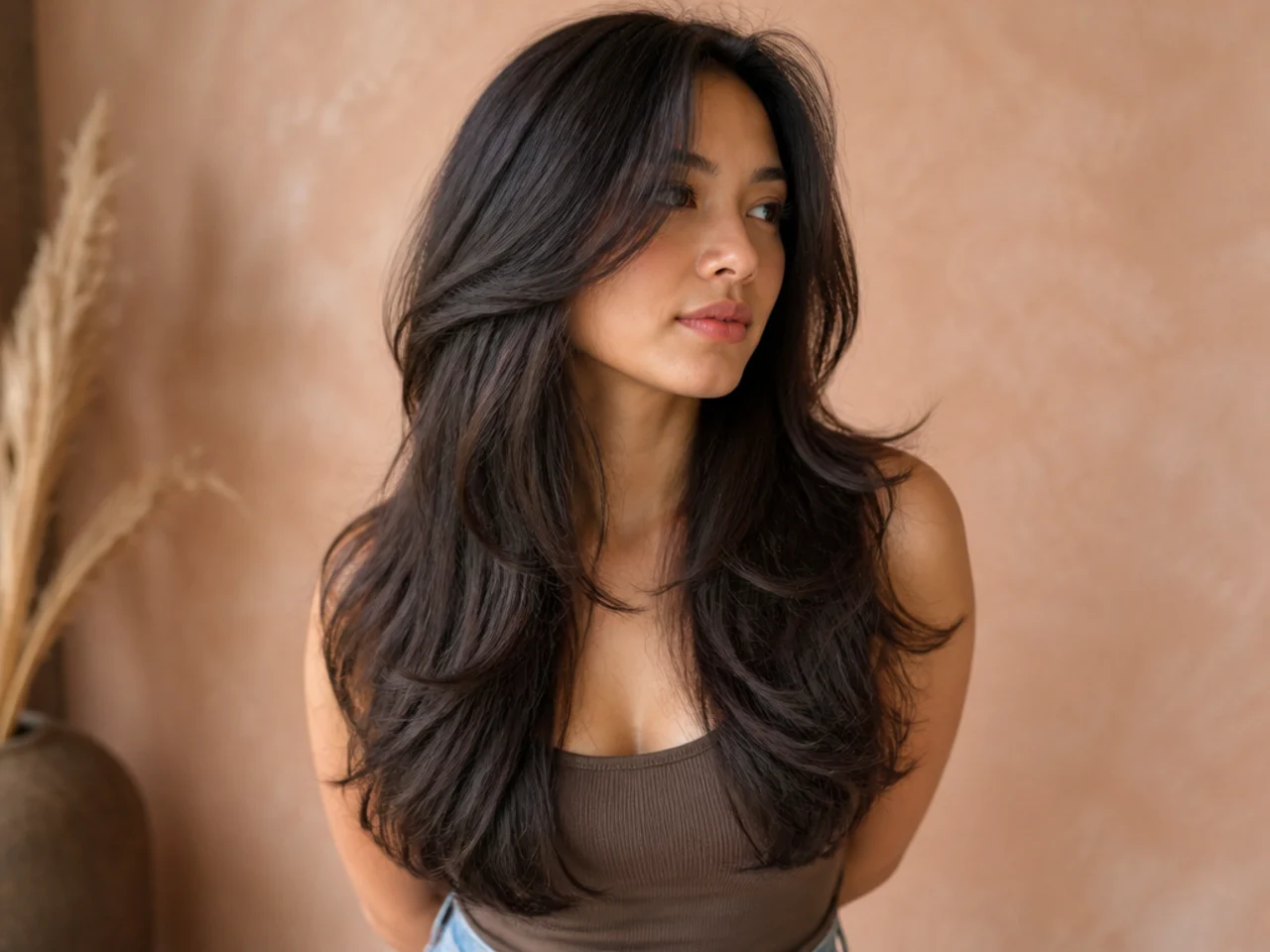
Thirty long wolf cuts, sorted by how the layers are built rather than by how they are styled. Big layers only work if something is left at the bottom to hold the outline down, otherwise the shape widens into a triangle.
In this article · 37
- What Big Layers Actually Do
- Choosing Your Layer Depth
- The 30 Long Wolf Cuts With Big Layers
- 1. Heavy Crown Stack
- 2. Butterfly Layers
- 3. Waterfall Layers
- 4. Ghost Layers
- 5. Face Framing Cascade
- 6. Visible Weight Line
- 7. Razored Ends
- 8. Point Cut Ends
- 9. Feathered Ends
- 10. Blunt Perimeter With Big Layers
- 11. Deep V Shaped Perimeter
- 12. Rounded Perimeter
- 13. Long Wolf Cut With Curtain Bangs
- 14. Long Wolf Cut With Bottleneck Bangs
- 15. Long Wolf Cut With a Full Fringe
- 16. Long Wolf Cut With a Cowlick at the Crown
- 17. Long Wolf Cut With Hidden Layers Underneath
- 18. Long Wolf Cut on Straight Hair
- 19. Long Wolf Cut on Wavy Hair
- 20. Long Wolf Cut on Curly Hair
- 21. Long Wolf Cut on Coily Hair
- 22. Long Wolf Cut on Fine Hair
- 23. Long Wolf Cut on Thick Hair
- 24. Long Wolf Cut With Balayage
- 25. Long Wolf Cut With Lowlights
- 26. Long Wolf Cut With a Shadow Root
- 27. Round Brush Blow Out
- 28. Bent Ends With a Flat Iron
- 29. Long Wolf Cut in a High Ponytail
- 30. Long Wolf Cut at Week Twelve
- Styling and Upkeep
- Mistakes to Avoid
- FAQ
- Final Thoughts
Big layers on long hair fail in one predictable way: the crown gets lighter, the ends keep all their weight, and the silhouette flares outward into a triangle.
A layer lifts by resting on the one beneath it. The shortest crown pieces sit on top of longer hair and prop it up, and the size of that gap is what gives a wolf cut its stack.
The bottom has to be controlled too. Removing weight from the crown without removing any from the mid lengths widens the outline exactly where you wanted it narrow.
What Big Layers Actually Do
They move density upward. Hair cut short at the crown ends higher, so the volume that used to hang at the ends now sits at the top of the head.
They create a weight line. Where the shortest layer's ends land, a horizontal band of density forms. That band is the visible edge of the shape.
They shorten the effective length. The surface of the hair now ends at the layers, so a cut measured at the waist reads several inches shorter.
They cannot be undone quickly. A forty centimetre gap between shortest and longest takes years to close at a centimetre of growth a month.
Choosing Your Layer Depth
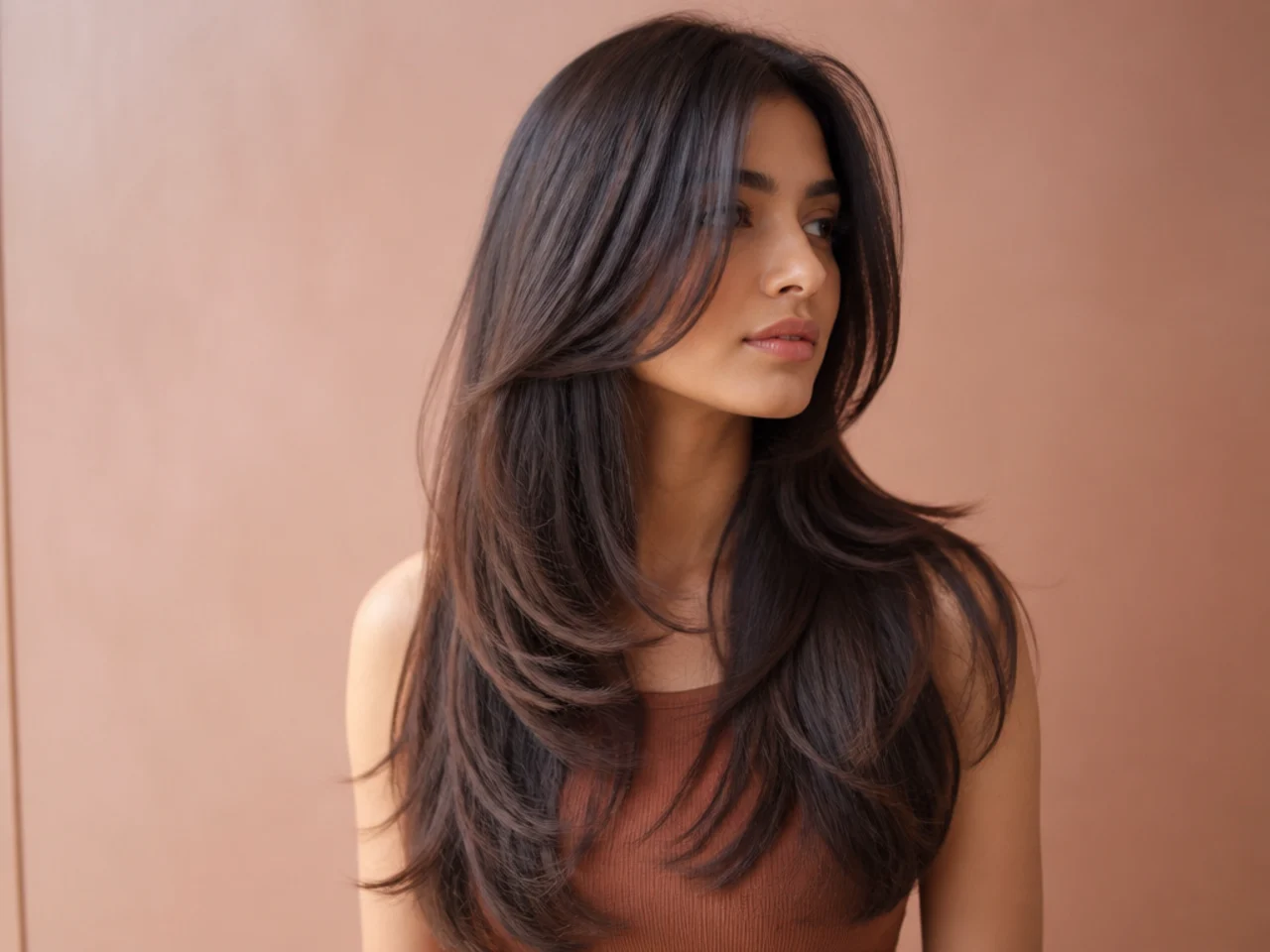
Cheekbone to waist for the biggest stack. The maximum gap most long hair can carry, and the version that gives daily volume with no styling.
Jaw to waist for a strong but calmer shape. Still clearly a wolf cut, with a softer crown and a far easier grow-out.
Collarbone to waist if your hair is fine. Fine hair loses density fast when cut high, and the ends look sparse rather than light.
Match the perimeter to the stack. A heavy crown wants a blunt bottom edge, because a thinned perimeter under a big stack is what produces the triangle.

The 30 Long Wolf Cuts With Big Layers
1. Heavy Crown Stack
The shortest layers concentrated in a tight band around the crown, so the lift happens in one place rather than being spread down the head. Concentrating them is what makes the stack visible from the front instead of reading as general movement.
2. Butterfly Layers
Two separate layer sets that never connect — a short front set that sweeps back around the face, and the long length behind left untouched. Because they are cut independently, you get face volume without giving up any length at the back.
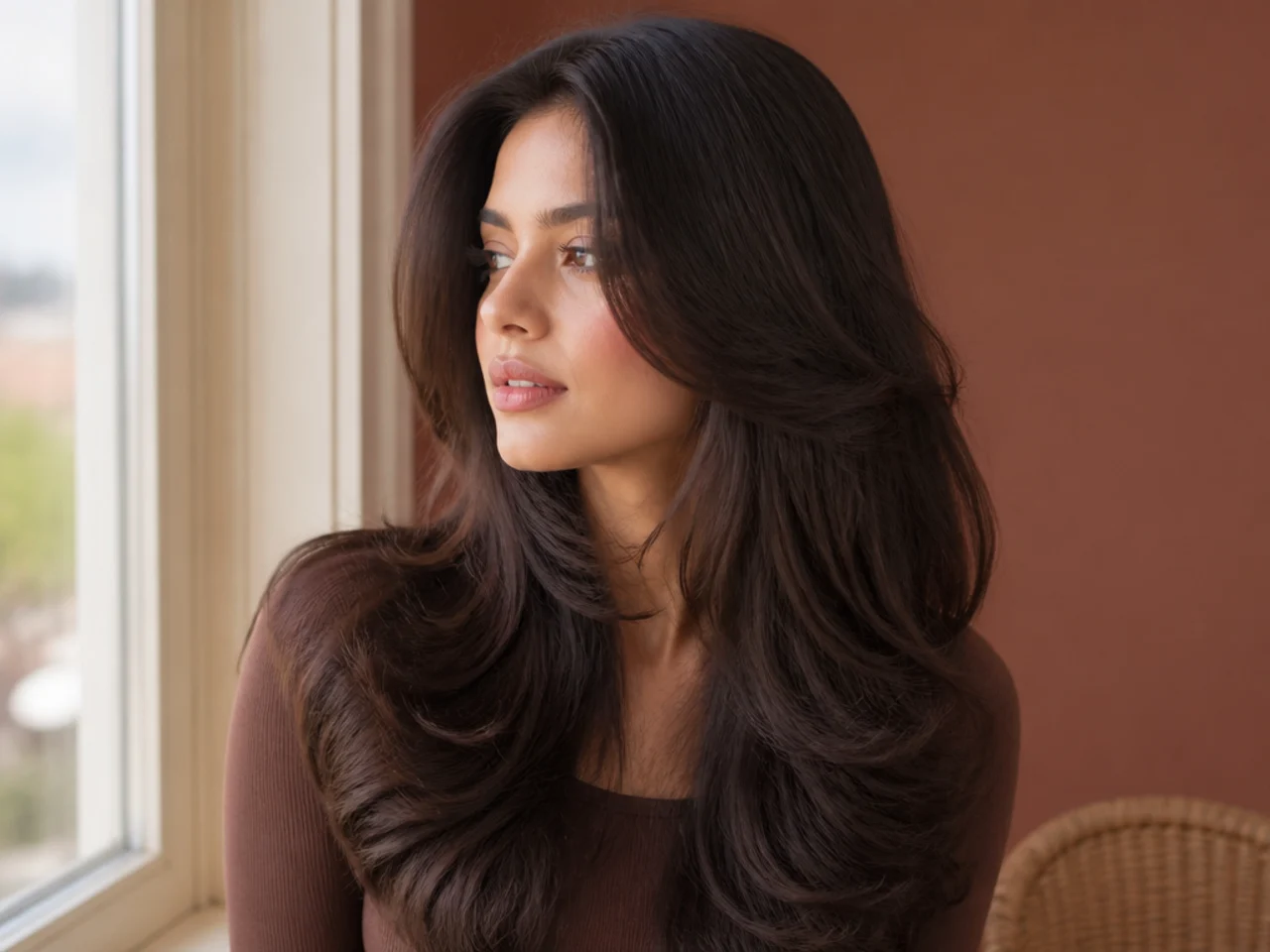
3. Waterfall Layers
Long layers cut at a steep angle so each one falls over the one below in a continuous cascade. The steeper the angle, the more surface each layer shows, which is why this reads as movement rather than as a set of distinct steps.
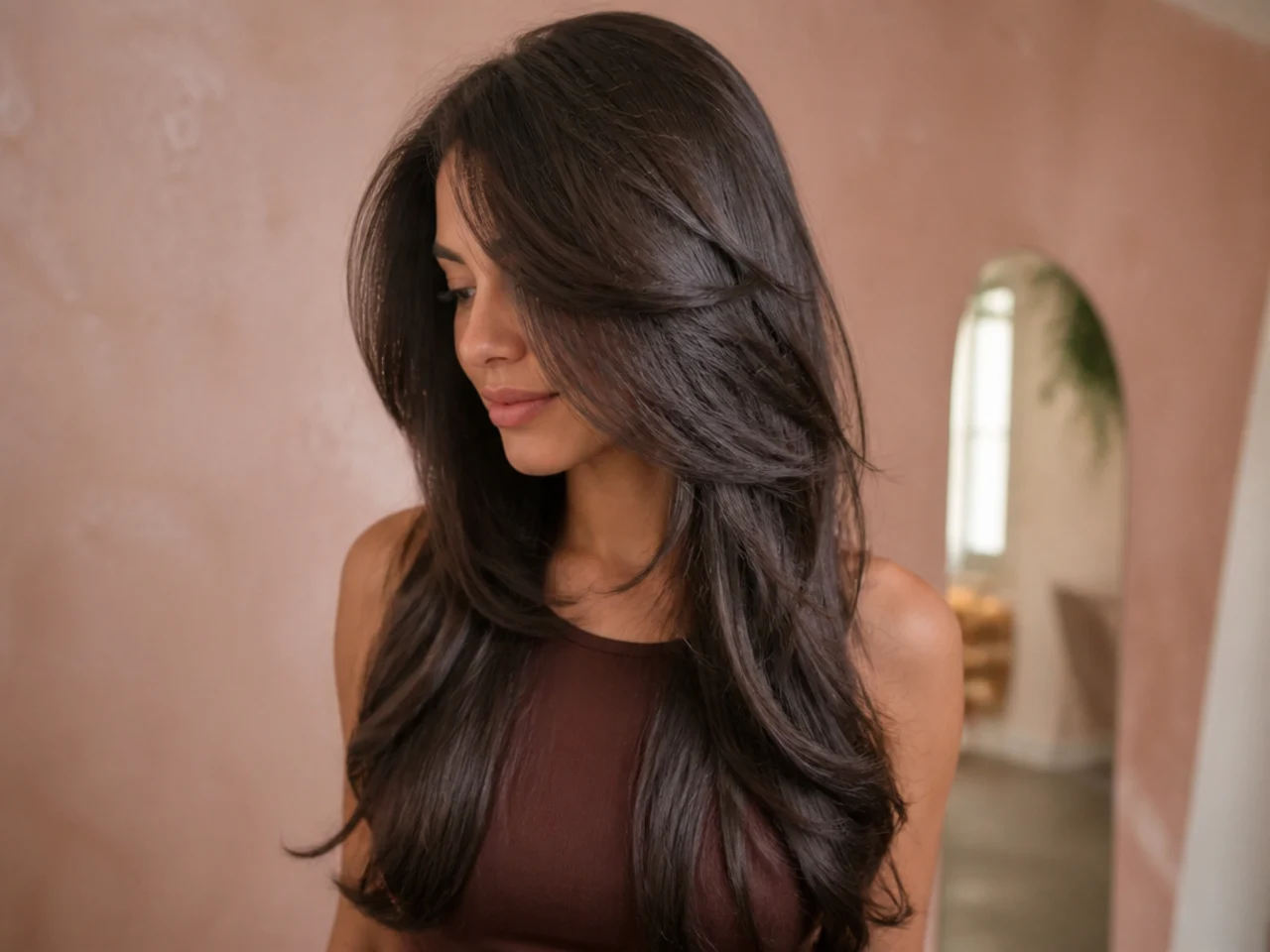
4. Ghost Layers
Cut inside the hair only, never reaching the outer surface. They remove weight from the interior so the shape moves, while the top layer stays unbroken — useful on hair that needs debulking but shows every visible layer edge.
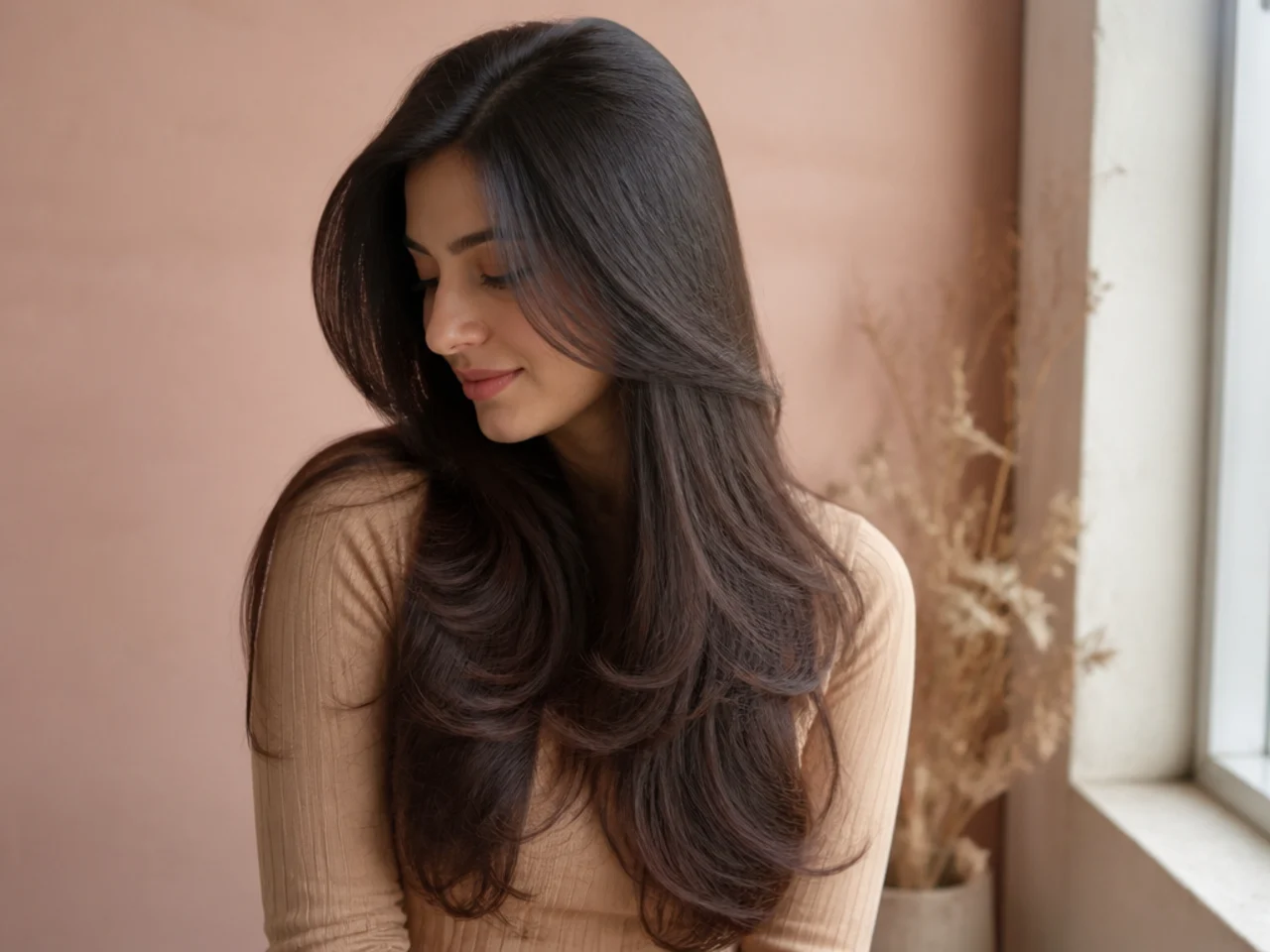
5. Face Framing Cascade
A run of layers stepping down from cheekbone to collarbone at the front only. Each step sits slightly in front of the next, so the eye reads a diagonal running toward the face rather than a horizontal running across it.
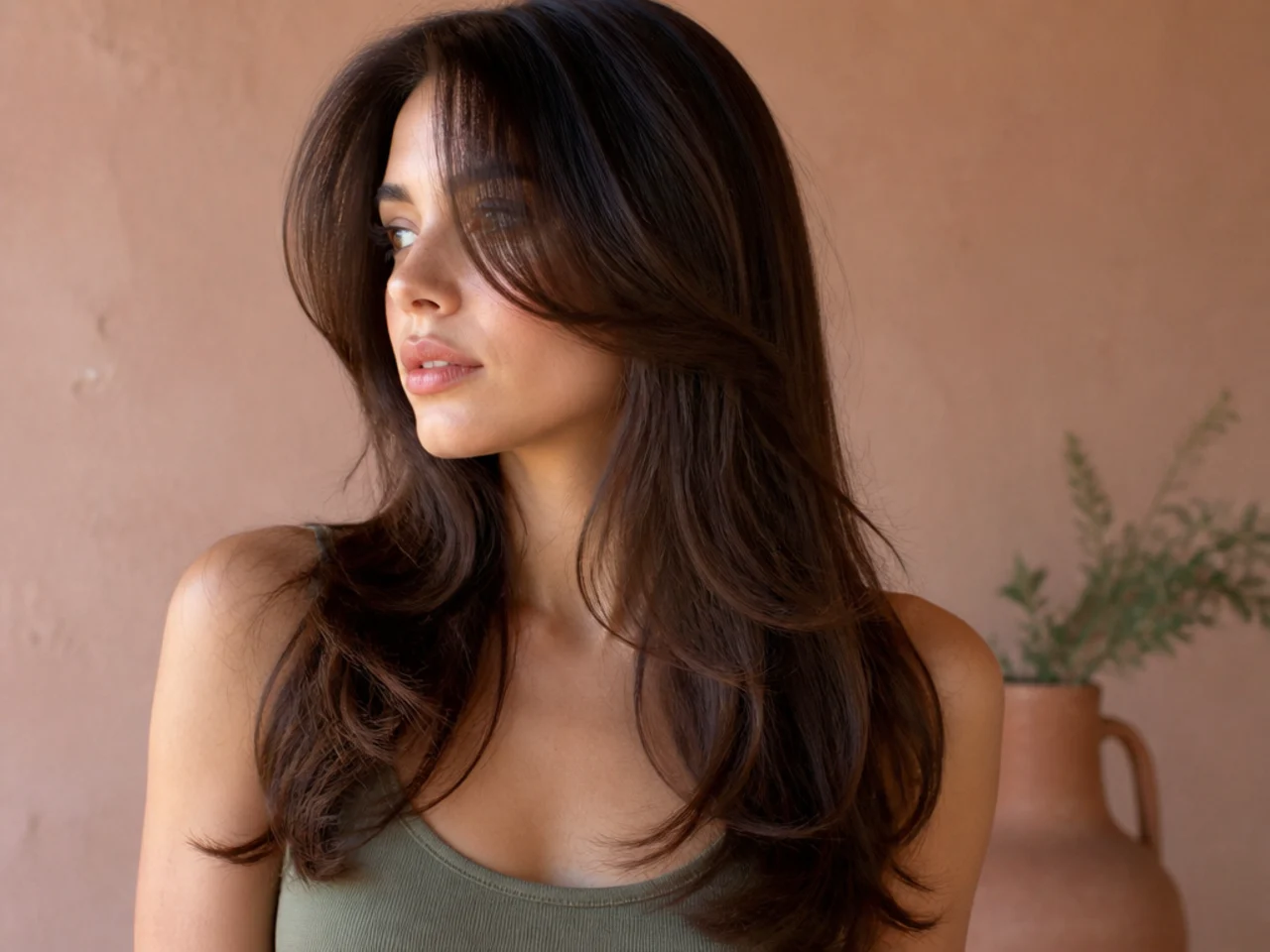
6. Visible Weight Line
The ends of the shortest layer left blunt so they form a clear horizontal band. Leaving that band intact makes the cut read as deliberate architecture, where thinning it out produces a shape with no obvious structure at all.
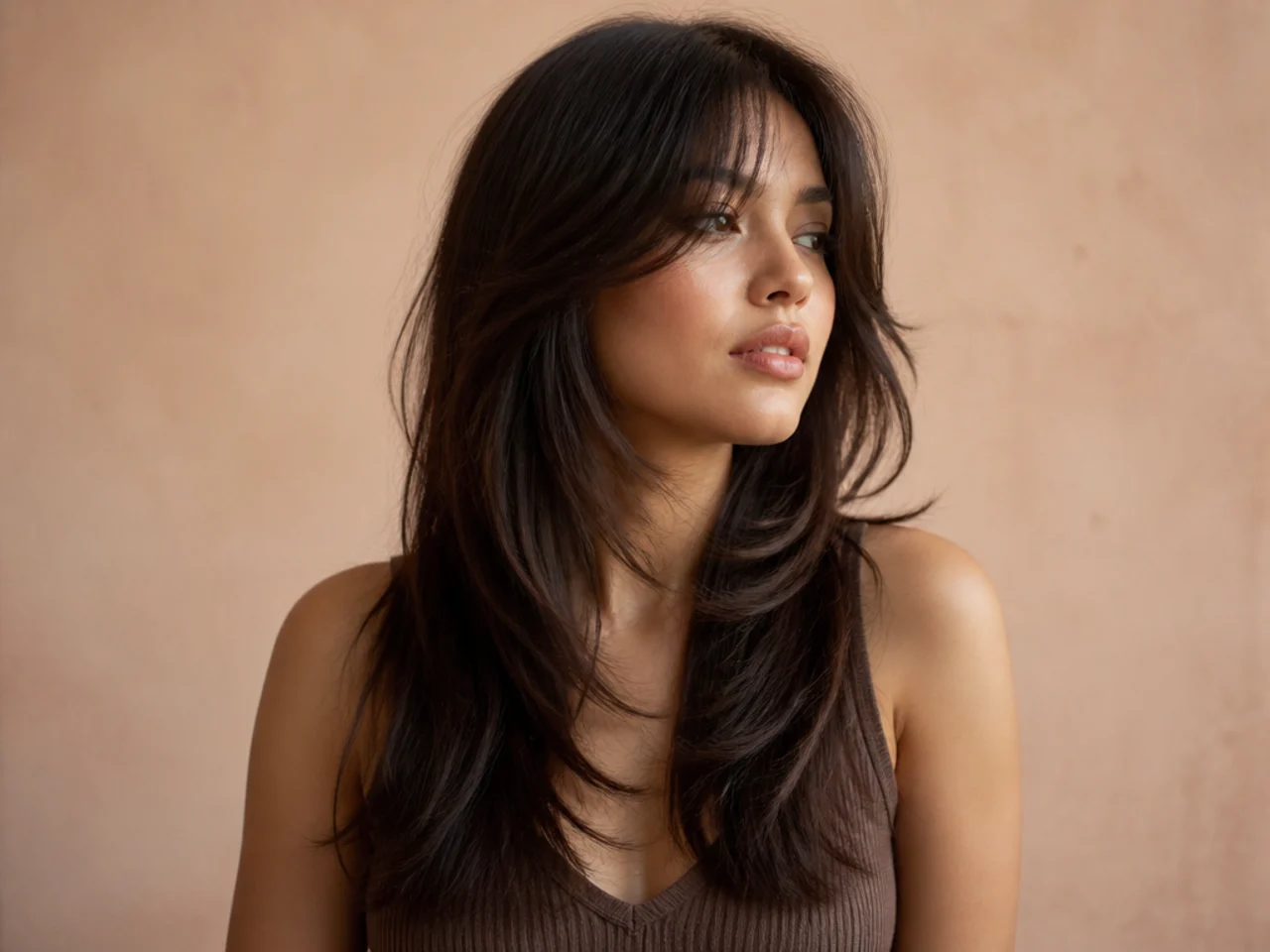
7. Razored Ends
A razor cuts each strand at an angle, tapering the tip to a point rather than a flat end. That taper is why razored ends look feather light, and also why they fray on fine or curly hair, where the open cuticle turns into visible frizz.

8. Point Cut Ends
Scissors held vertically remove small notches from the ends. It softens the line without the cuticle damage a razor causes, which makes it the safer option on anything other than thick, straight, healthy hair.
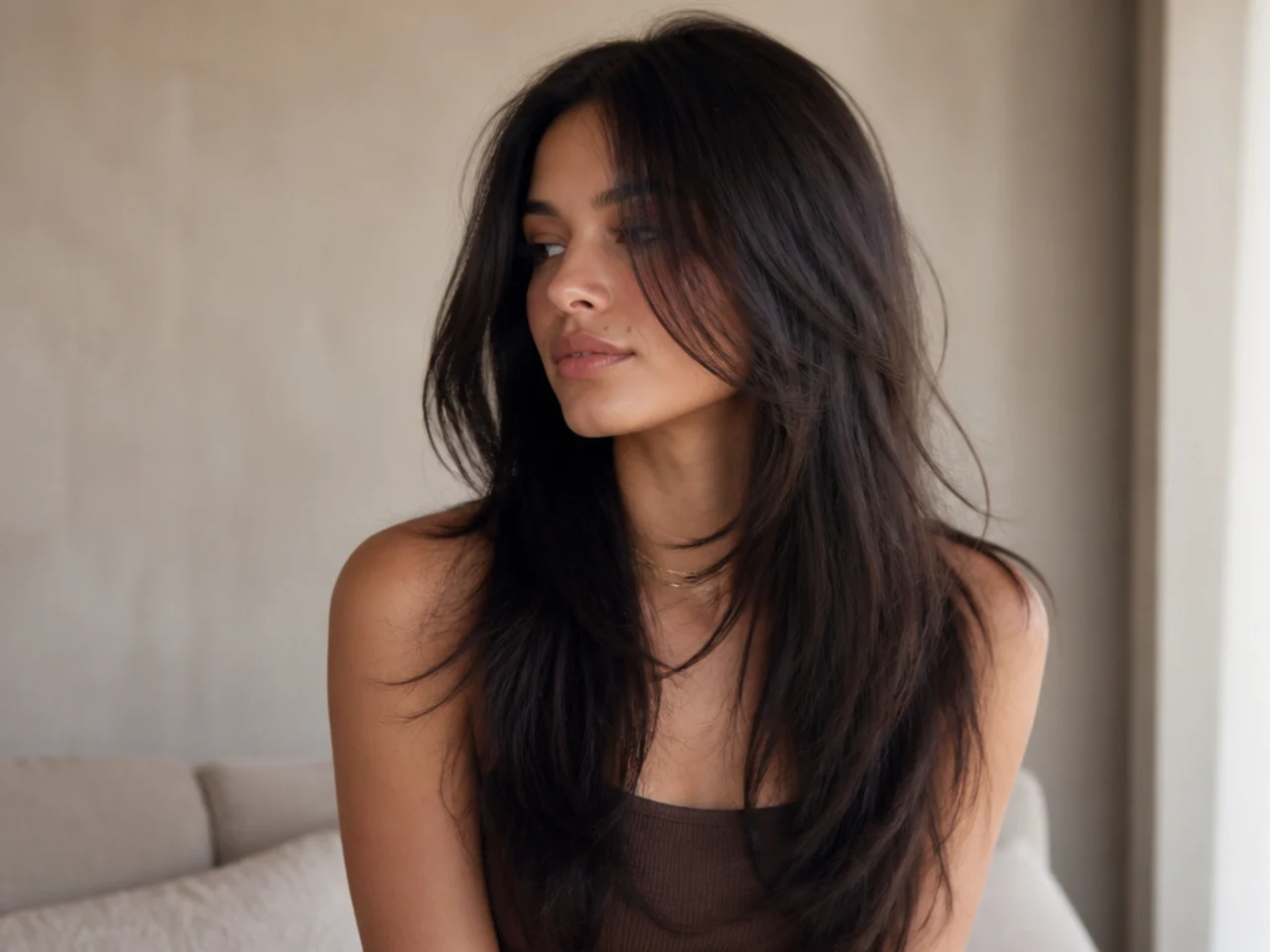
9. Feathered Ends
Shallow slide cutting through the last few inches, removing very little at a time. The result is the softest possible perimeter, but it also removes the weight that holds the outline down, so it needs a heavy crown to balance it.
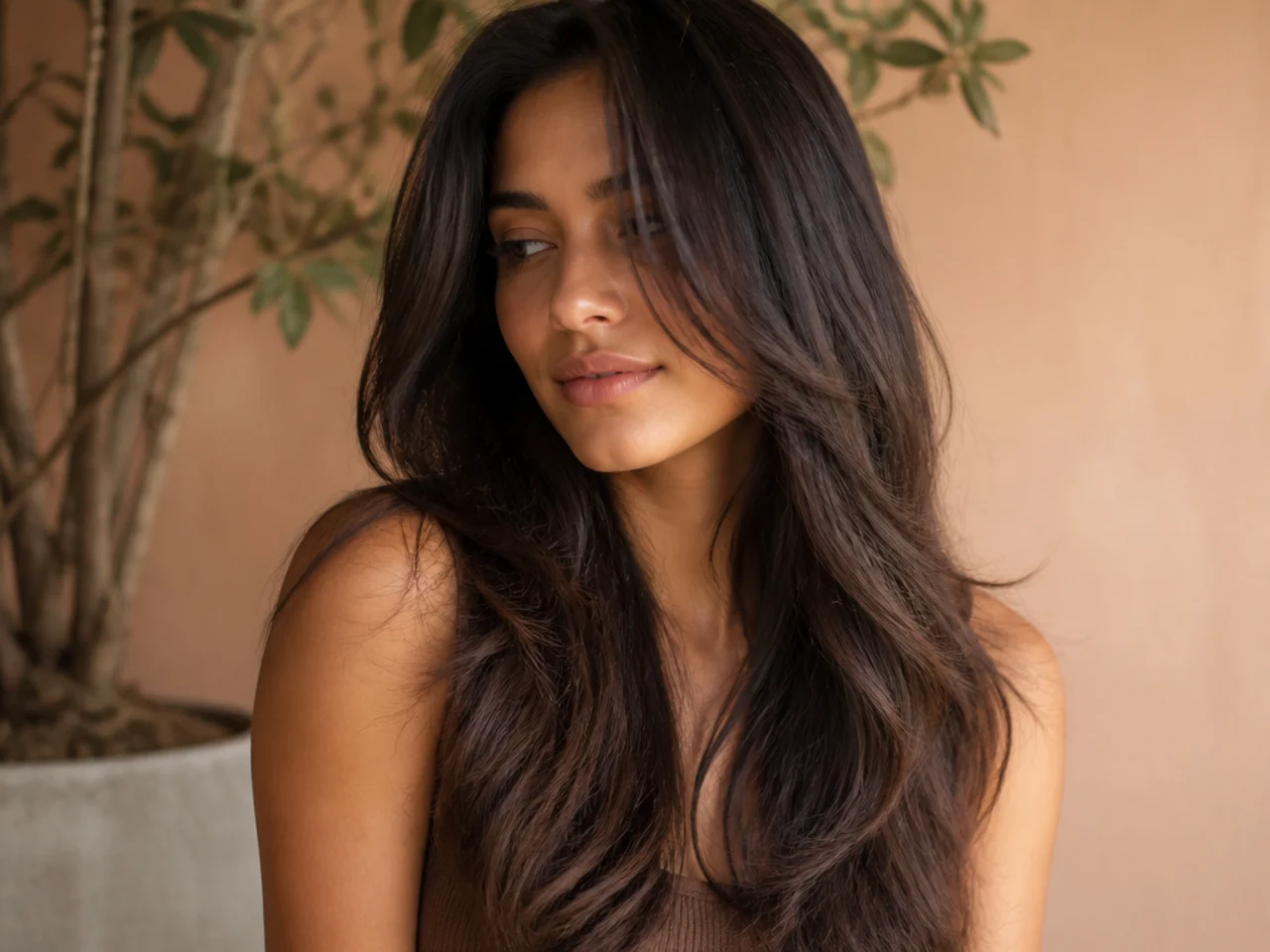
10. Blunt Perimeter With Big Layers
The strongest combination on this list, because the blunt bottom edge holds the outline in while the layers lift the top. Weight at the bottom is the only thing that stops a big stack widening the silhouette below the ears.

11. Deep V Shaped Perimeter
The bottom edge cut into a V so the centre back is longest. It narrows the silhouette to a point, which counteracts the width a heavy layer stack adds at the crown.
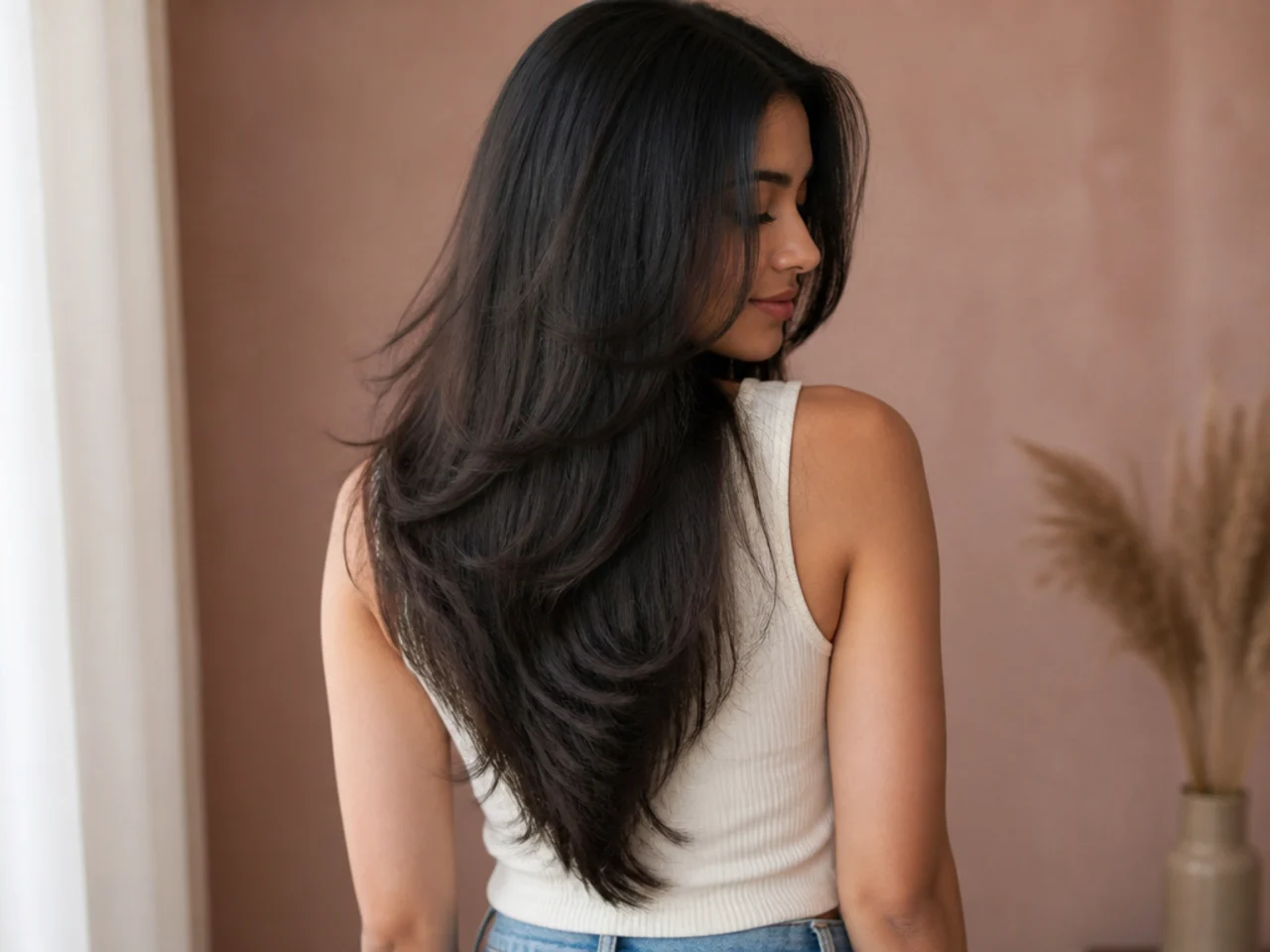
12. Rounded Perimeter
A U shape keeps more length at the sides than a V does, so the outline stays wide all the way down. It suits a long narrow face for exactly that reason, and works against a round one.
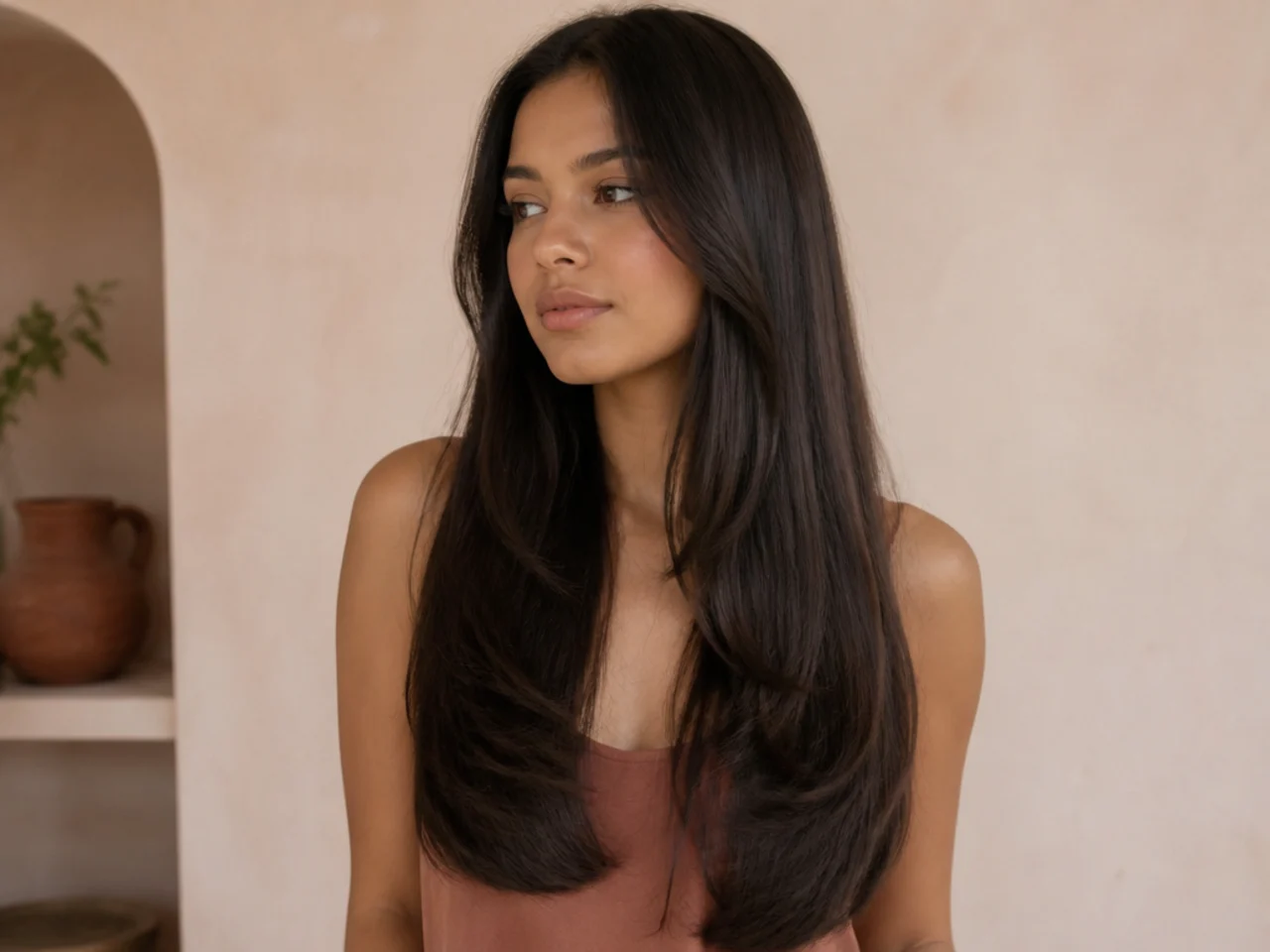
13. Long Wolf Cut With Curtain Bangs
The fringe splits at the centre and lengthens outward, which repeats the same downward taper the layers already follow. Because both shapes run in the same direction, the bangs join the cut rather than sitting on top of it.

14. Long Wolf Cut With Bottleneck Bangs
Narrow at the top and flaring at the cheek, so weight is kept off the forehead. That narrow section is what lets the fringe fall open instead of collapsing into a curtain across the brow.

15. Long Wolf Cut With a Full Fringe
A blunt fringe across the brow gives the cut a horizontal at the front, which the layers behind then break. It is the highest contrast option, and the least forgiving, because a full fringe needs cutting every three weeks to stay level.

16. Long Wolf Cut With a Cowlick at the Crown
A cowlick pushes hair out in its own direction regardless of how it is cut, so a short layer landing on it will stand up rather than lie down. Leave that section longer than the layers around it and the extra weight settles it.
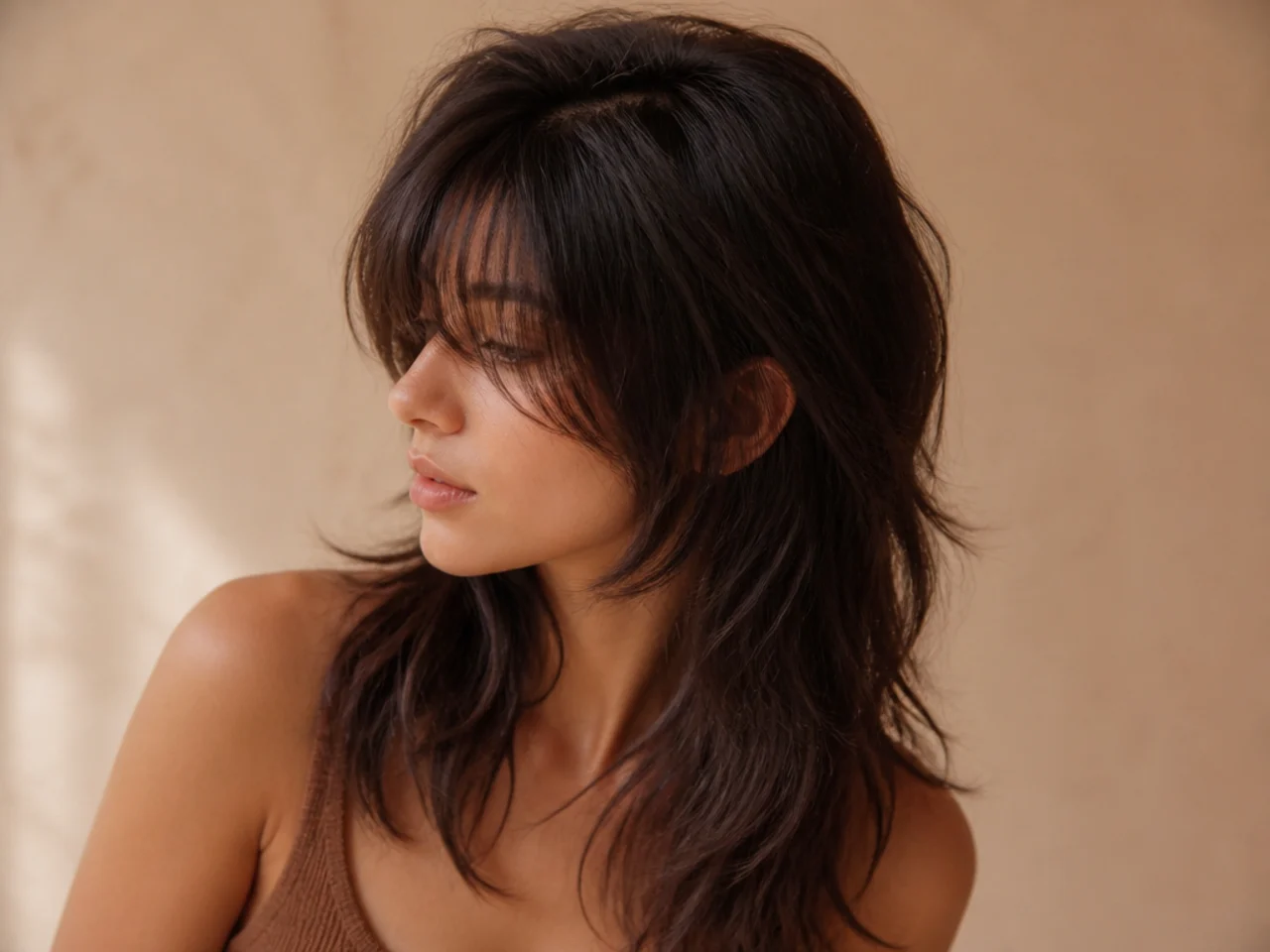
17. Long Wolf Cut With Hidden Layers Underneath
Weight removed from the under sections while the top layer is left long and unbroken. The bulk goes without any visible edge, which is the fix for thick hair that wants movement but shows every layer line on the surface.
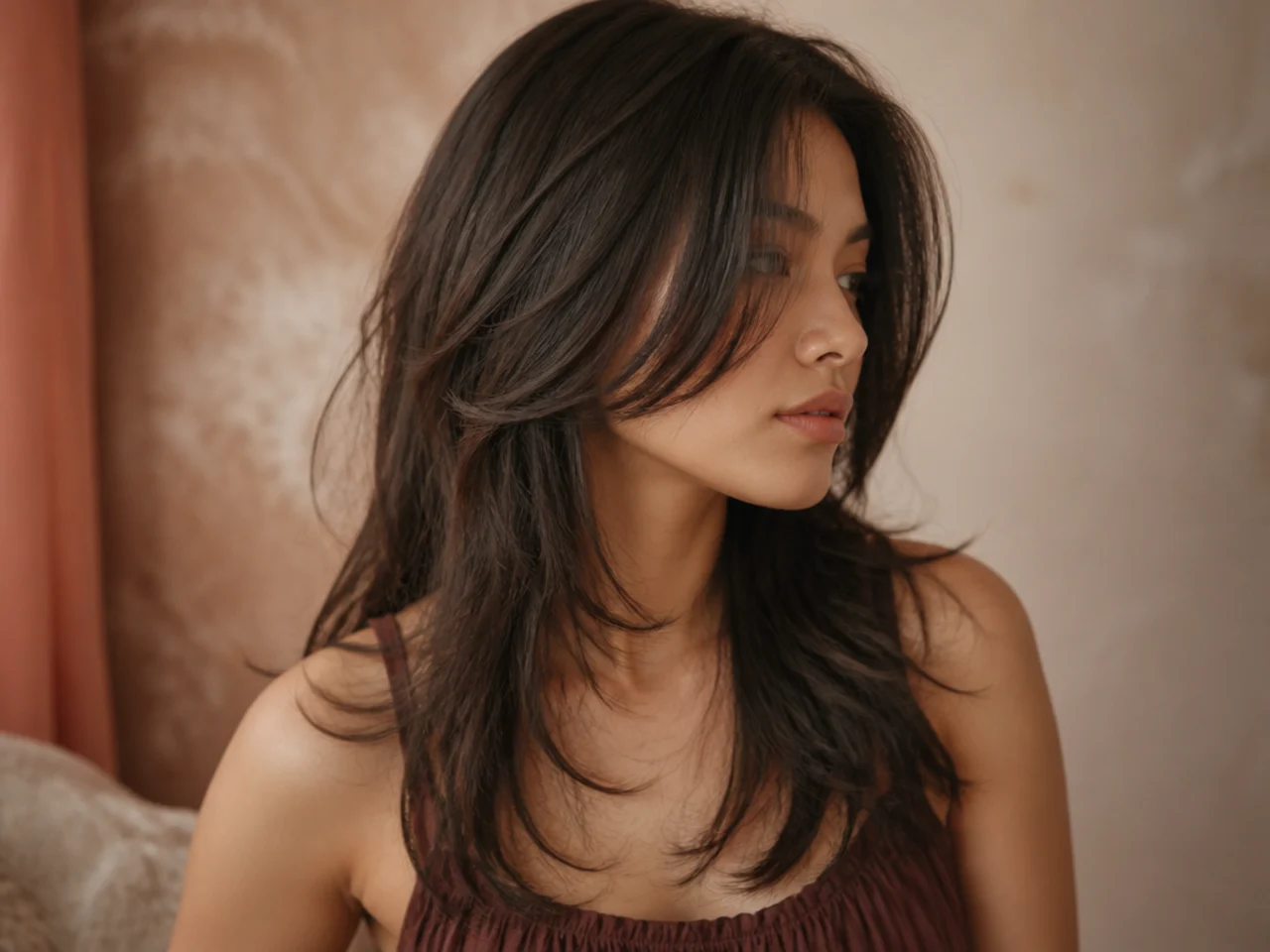
18. Long Wolf Cut on Straight Hair
Straight hair shows every layer edge, because a straight strand sits in a single line with no bend to scatter light. Each layer has to be placed precisely and the ends point cut, or the stack reads as a set of visible shelves.
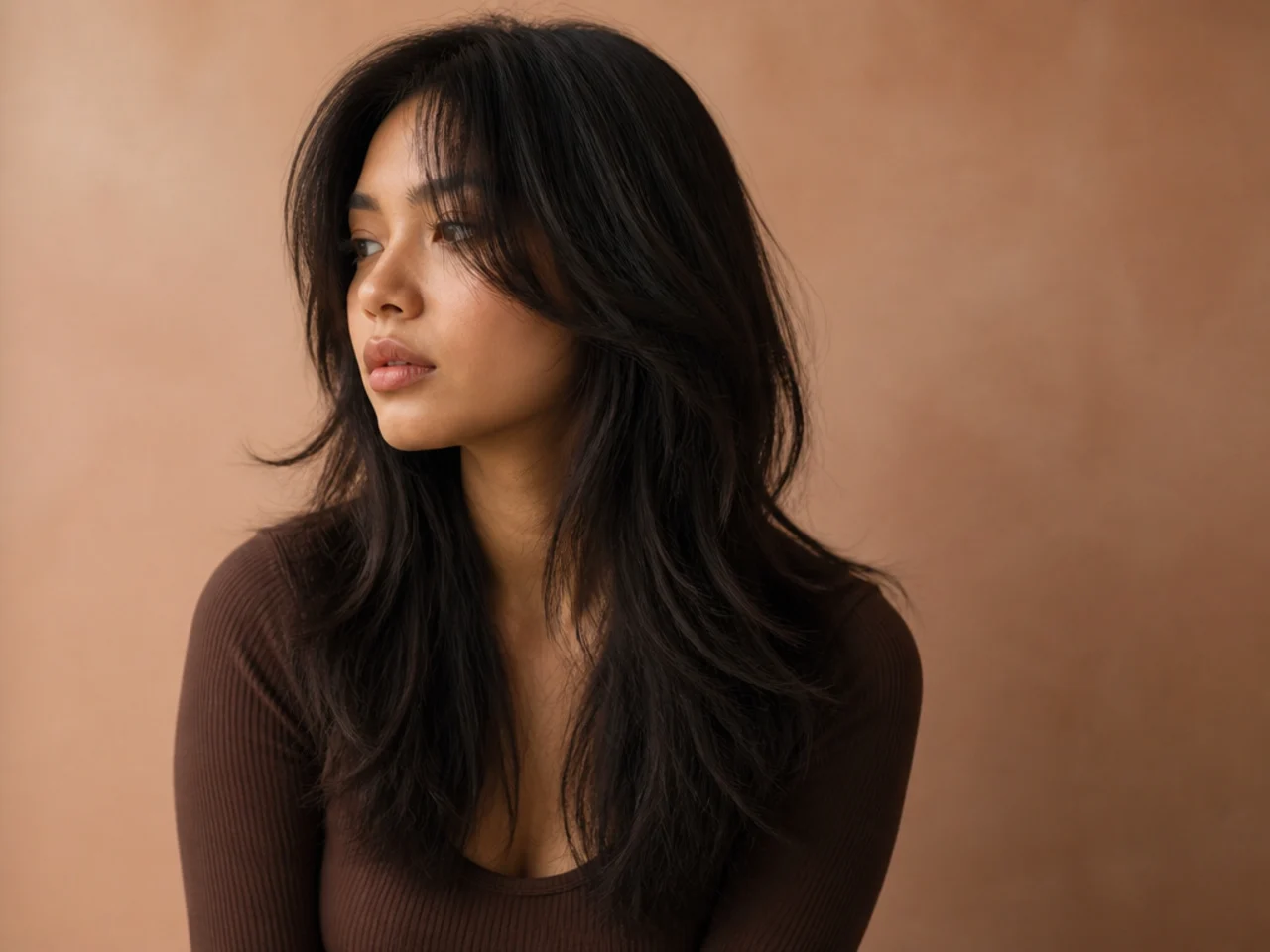
19. Long Wolf Cut on Wavy Hair
An S-bend throws light in several directions at once, so the boundary between two layers blurs before the eye finds it. This is the most forgiving texture for big layers and the one that needs the least product to show them.

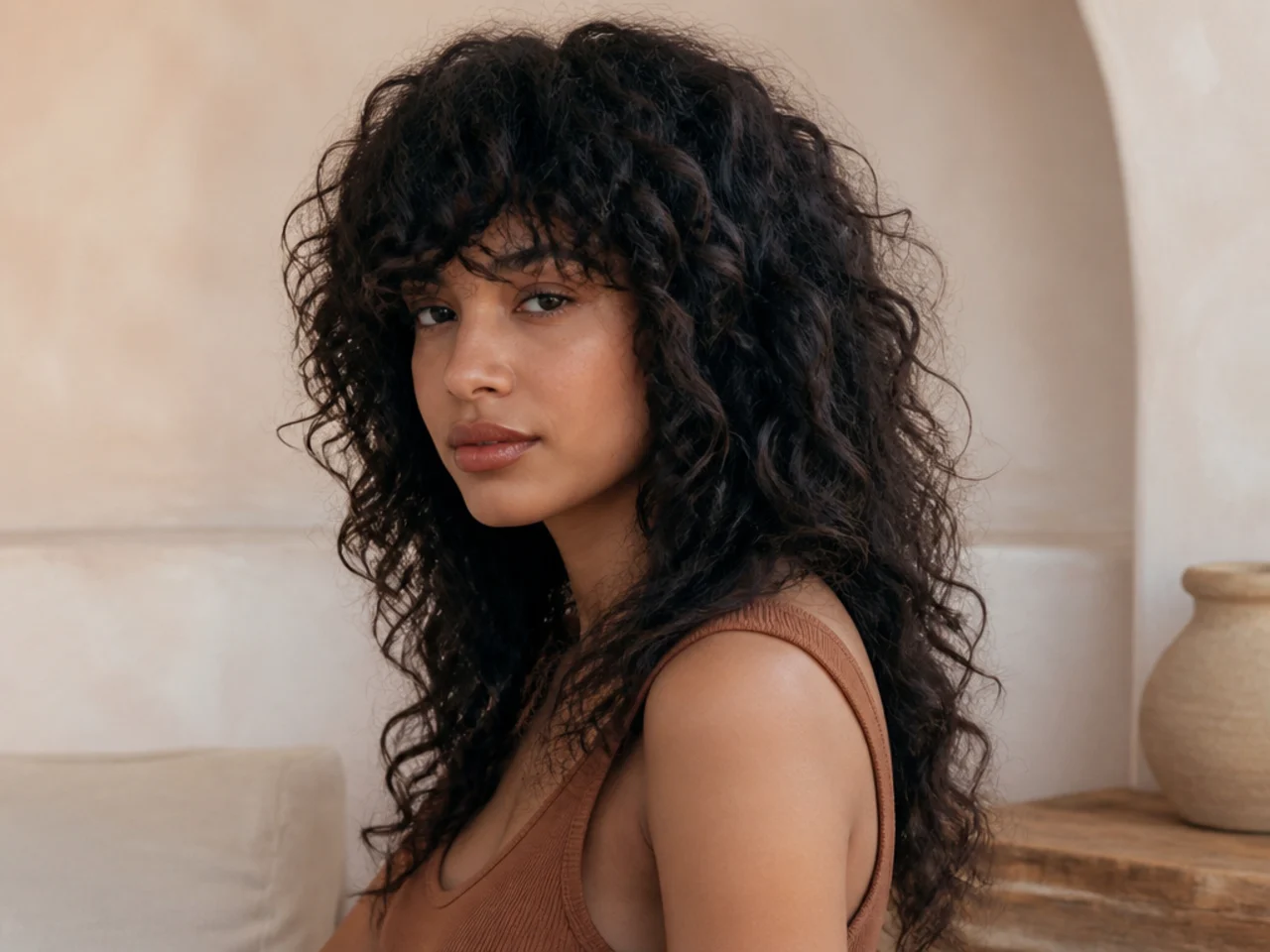
20. Long Wolf Cut on Curly Hair
Curls shrink by a third or more as they dry, so the layers have to be cut dry with the pattern already formed. Cut wet, a cheekbone layer can end up above the brow, and the shrinkage varies between sections so an average is wrong everywhere.

21. Long Wolf Cut on Coily Hair
Coils can lose close to half their length as they dry, which is the largest gap between wet and dry position of any texture. Leave far more length than looks correct in the chair, because none of it can be put back afterwards.
22. Long Wolf Cut on Fine Hair
Start the shortest layer at the collarbone rather than the cheekbone. Every centimetre you cut off the crown is density removed from the ends below, and fine hair has none to spare — the same trap appears on the short wolf cut.

23. Long Wolf Cut on Thick Hair
Thick hair carries enough weight to flatten a shy crown layer, so the shortest pieces need to be genuinely short. Remove bulk from inside the mid lengths at the same time, or the density simply relocates and the outline widens.

24. Long Wolf Cut With Balayage
Lightening painted down the surface lands on the outside of every layer, which is where light already hits. That doubling is why balayage makes layers look deeper than the same colour applied in horizontal foils.
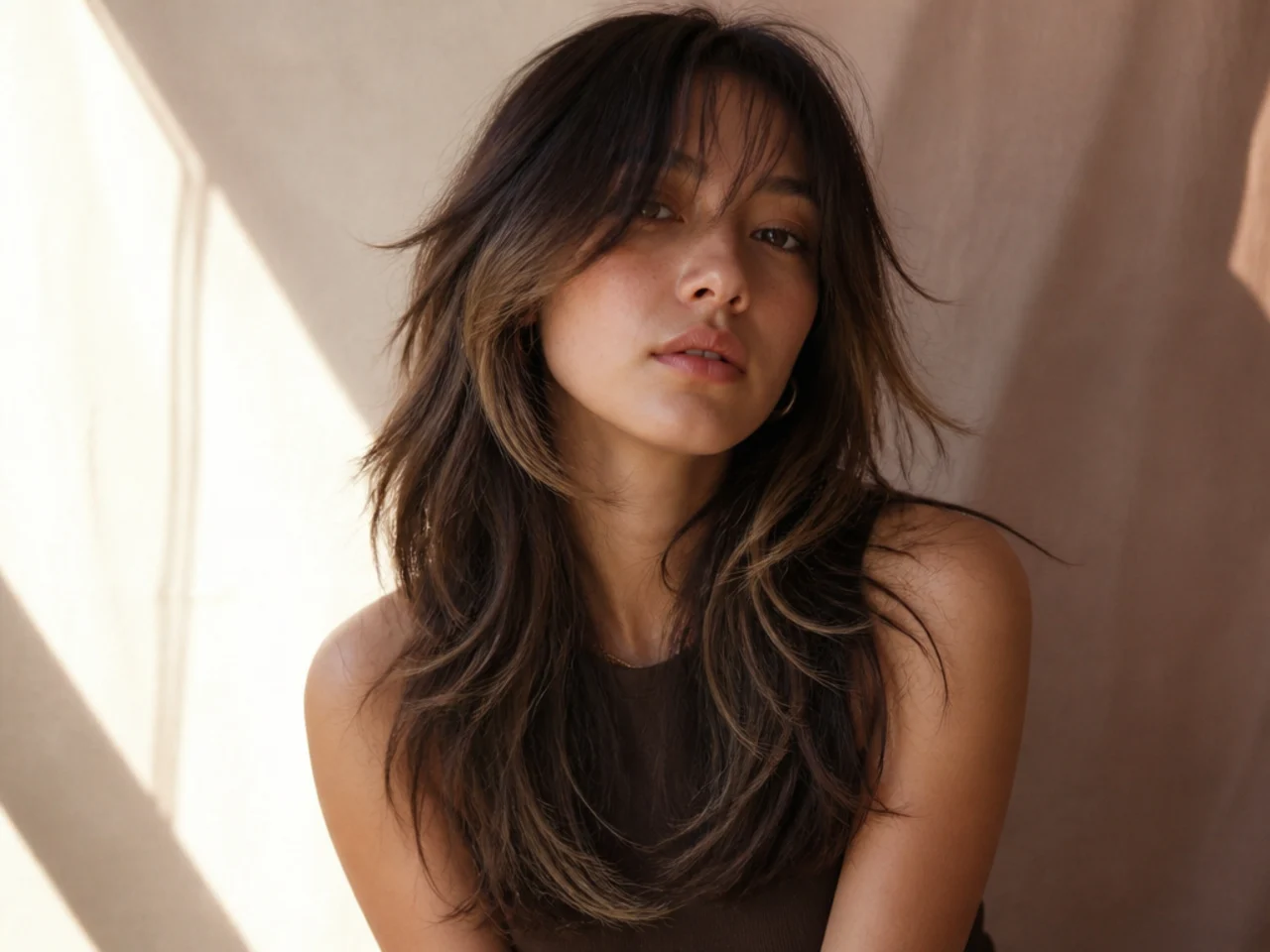
25. Long Wolf Cut With Lowlights
Darker pieces woven underneath make the layers read as separate planes, because dark recedes visually and light advances. On hair that is one flat shade, big layers can disappear entirely no matter how precisely they were cut.

26. Long Wolf Cut With a Shadow Root
Depth left at the roots and lightness through the lengths. The darker root makes the crown look denser than it is, which is useful on a heavily layered cut where the top has had the most weight removed.

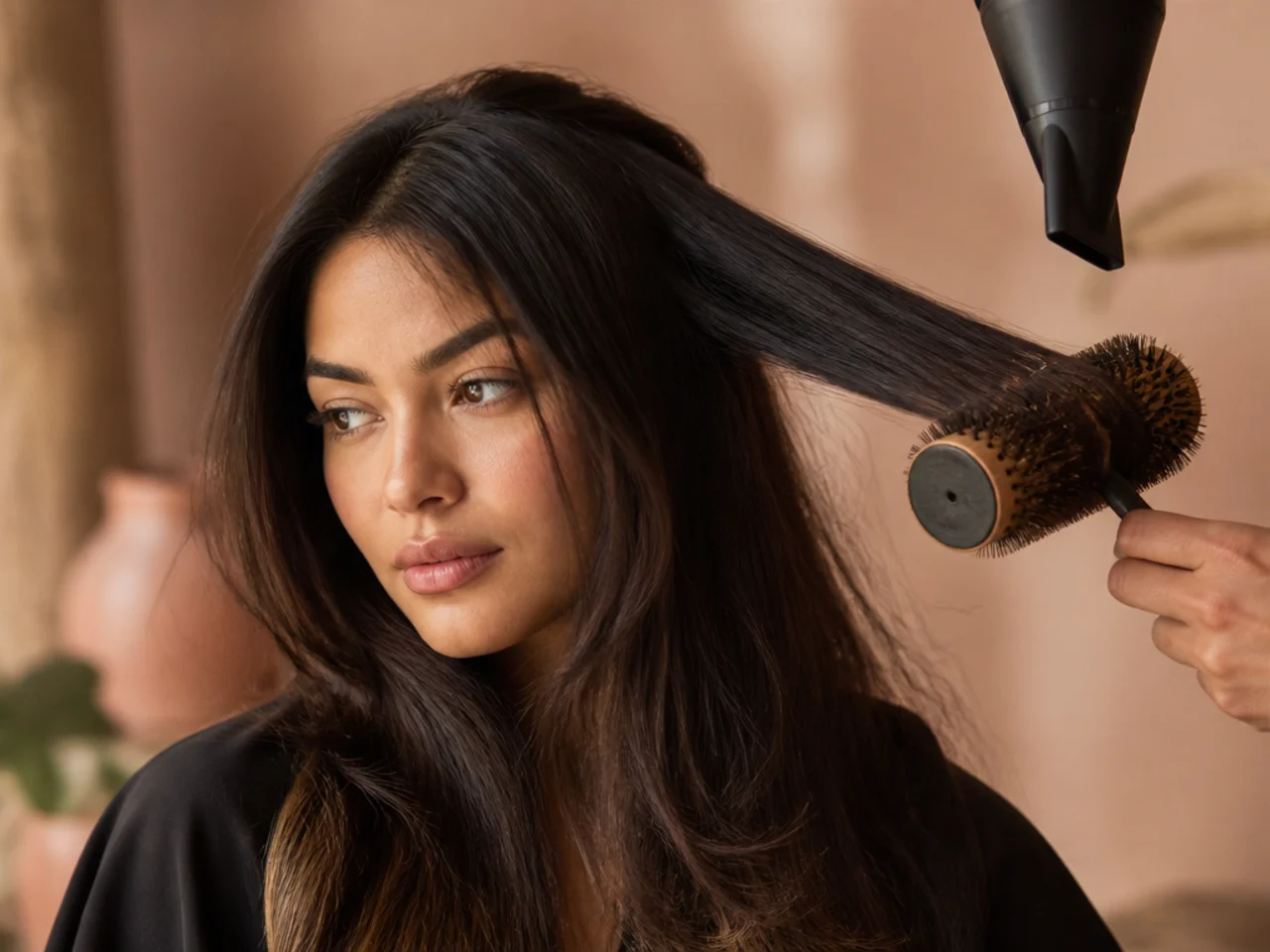
27. Round Brush Blow Out
Lift comes from over-directing each section up and away from the head before drying it, not from the brush itself. Dried in the direction it naturally falls, the same section sets flat regardless of how large the barrel is.

28. Bent Ends With a Flat Iron
Bend only the last few inches. A bend put in near the root fights the layer stack for the same space, and the crown ends up looking crushed rather than lifted.

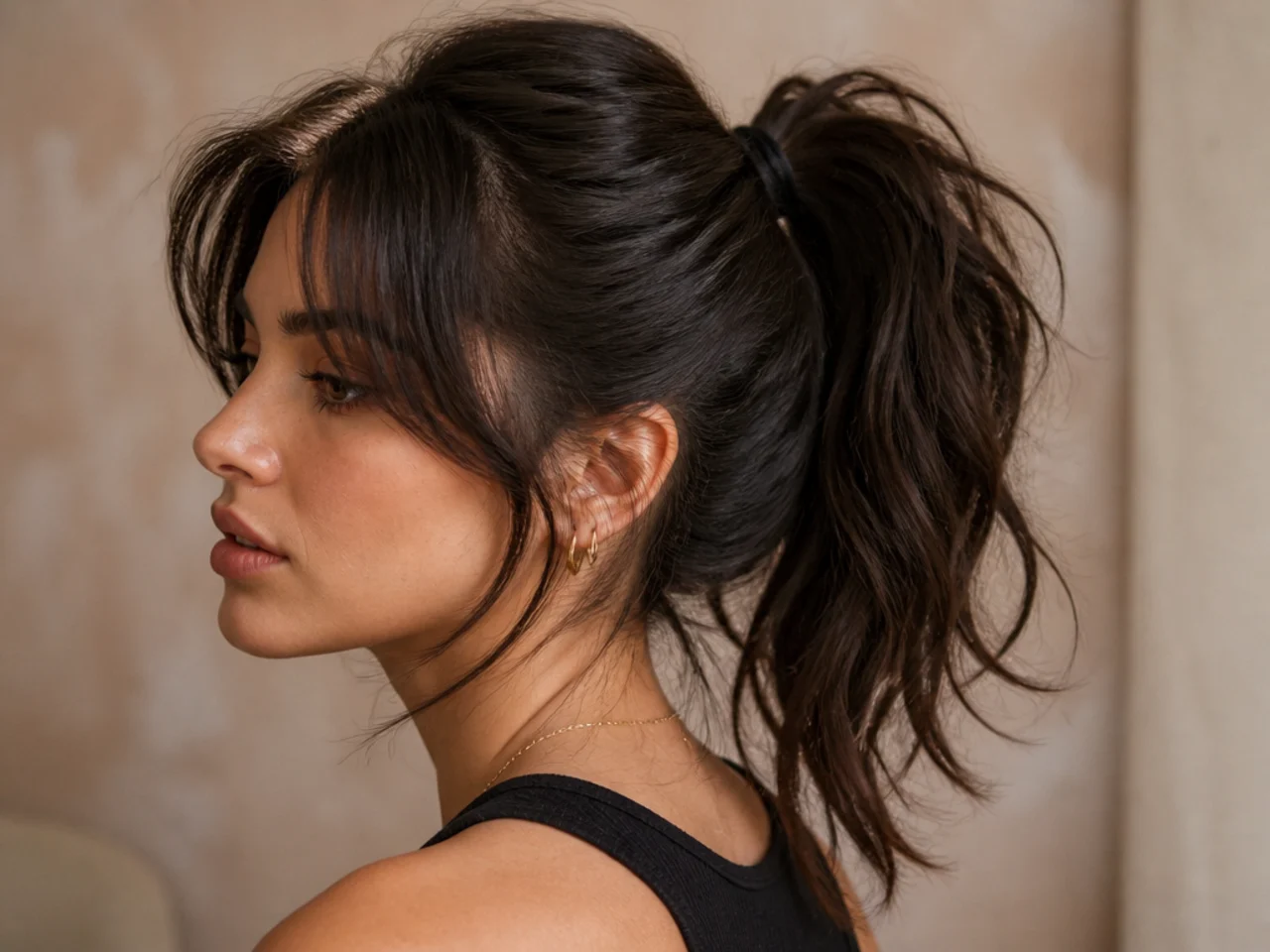
29. Long Wolf Cut in a High Ponytail
The layers cascade out of the tie and taper the ponytail to a point instead of a blunt block. Use a coil tie rather than an elastic, because the short crown layers slip out of a tight elastic and stand up around the base.
30. Long Wolf Cut at Week Twelve
The crown layer has grown down into the lengths and stopped propping them up, so the top flattens while the ends still look fine. That flattening is the trim signal, and the trim reshapes the crown rather than tidying the perimeter.

Styling and Upkeep
Over-direct at the root when drying. Lift is created by the angle you hold the section at, not by the size of the brush.
Keep conditioner off the crown. It weighs down the shortest layers, which are the ones doing all the lifting.
Use a light cream on the ends only. Thinned ends go limp under oil faster than any other part of the cut.
Trim the crown at ten to twelve weeks. That is the layer that expires; the perimeter can usually wait.
Photograph the cut in week one. It records how short the crown was actually taken, and that measurement is the entire shape.
Mistakes to Avoid
Thinning the perimeter under a heavy stack. Nothing is left holding the outline down and the shape flares into a triangle.
Asking for long layers and expecting a wolf cut. Long layers keep the weight low. A wolf cut moves it to the crown.
Razoring fine or curly ends. The angled cut opens the cuticle and the ends fray into frizz within a few washes.
Cutting curls wet. Shrinkage varies section to section, so every layer lands somewhere other than agreed.
Layering across a cowlick. A short piece over a cowlick stands straight up, and no product holds it down for a full day.
FAQ
What makes a layer big? The gap between the shortest piece and the longest, not the number of layers.
Why the triangle? Weight removed at the top and left at the bottom.
When does it need cutting? Ten to twelve weeks, and it is the crown that goes first.

Final Thoughts
Agree two numbers before anything is cut: where the shortest layer sits and what happens to the perimeter. Big layers over an untouched blunt bottom edge is a different haircut from big layers over feathered ends, and the difference is visible from across a room.
For a gentler graduation on the same length see the Korean wolf cut, and for the men's take on a long wolf cut see the long wolf cut for men. For how the same cut behaves on an ordinary morning see wearing a long wolf cut. More in Mullet and Wolf Cut.