20 Easy Long Wolf Cut Styles For Everyday Wear
Twenty long wolf cut styles built for ordinary mornings, and the one thing that decides whether the cut works without effort — how short the crown layer is. Too long and the length below it has nothing holding it up.
In this article · 27
- What Makes a Wolf Cut Long Rather Than a Shag
- Choosing Where the Layers Start
- The 20 Long Wolf Cut Styles
- 1. Air Dried Long Wolf Cut
- 2. Long Wolf Cut With Curtain Bangs
- 3. Long Wolf Cut With a Middle Part
- 4. Long Wolf Cut With a Deep Side Part
- 5. Straight Long Wolf Cut
- 6. Wavy Long Wolf Cut
- 7. Curly Long Wolf Cut
- 8. Long Wolf Cut on Fine Hair
- 9. Long Wolf Cut on Thick Hair
- 10. Long Wolf Cut With a Wispy Fringe
- 11. Long Wolf Cut With Bottleneck Bangs
- 12. Korean Style Long Wolf Cut
- 13. Long Wolf Cut With Face Framing Pieces
- 14. Long Wolf Cut in a Half Up
- 15. Long Wolf Cut in a Low Ponytail
- 16. Long Wolf Cut With a Claw Clip
- 17. Overnight Braid Waves
- 18. Long Wolf Cut With a Money Piece
- 19. Second Day Long Wolf Cut
- 20. Long Wolf Cut at Week Ten
- Styling and Upkeep
- Mistakes to Avoid
- FAQ
- Final Thoughts
A long wolf cut that needs twenty minutes with a round brush every morning was cut wrong, not styled wrong.
The volume comes from the layers, not the styling. Short crown layers rest on top of the longer ones underneath and hold them up. That is the entire mechanism.
Length below the shoulder needs the crown cut short enough to lift it. A timid crown layer leaves the weight of the lengths unsupported, and the shape falls flat within an hour of drying.
What Makes a Wolf Cut Long Rather Than a Shag
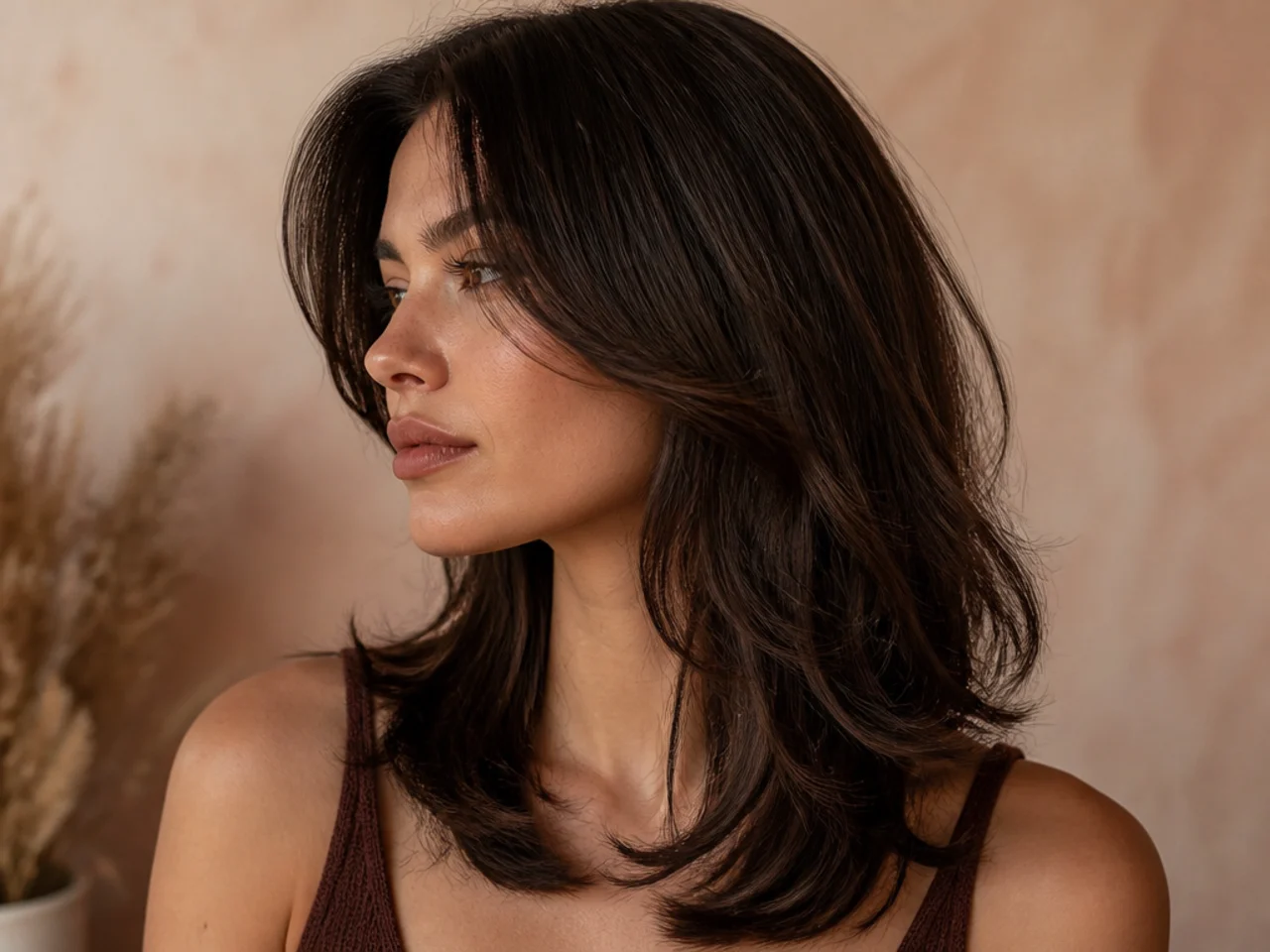
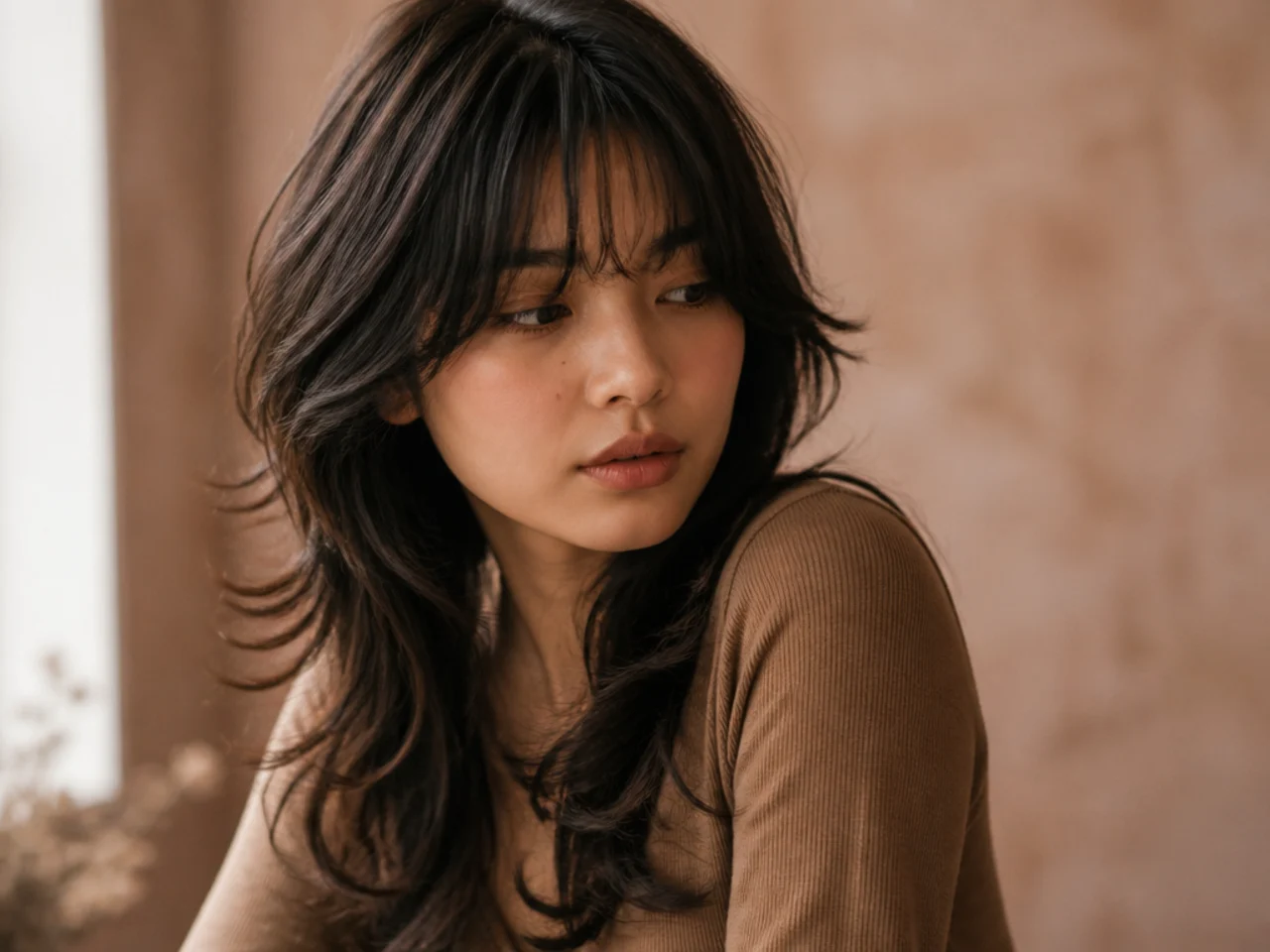
A wolf cut stacks its weight at the crown. The shortest layers sit high and the ends are thinned out, so the silhouette is wide at the top and narrow at the bottom.
A shag spreads layers evenly down the length. No stack at the crown, softer outline, less lift. It is the calmer of the two shapes.
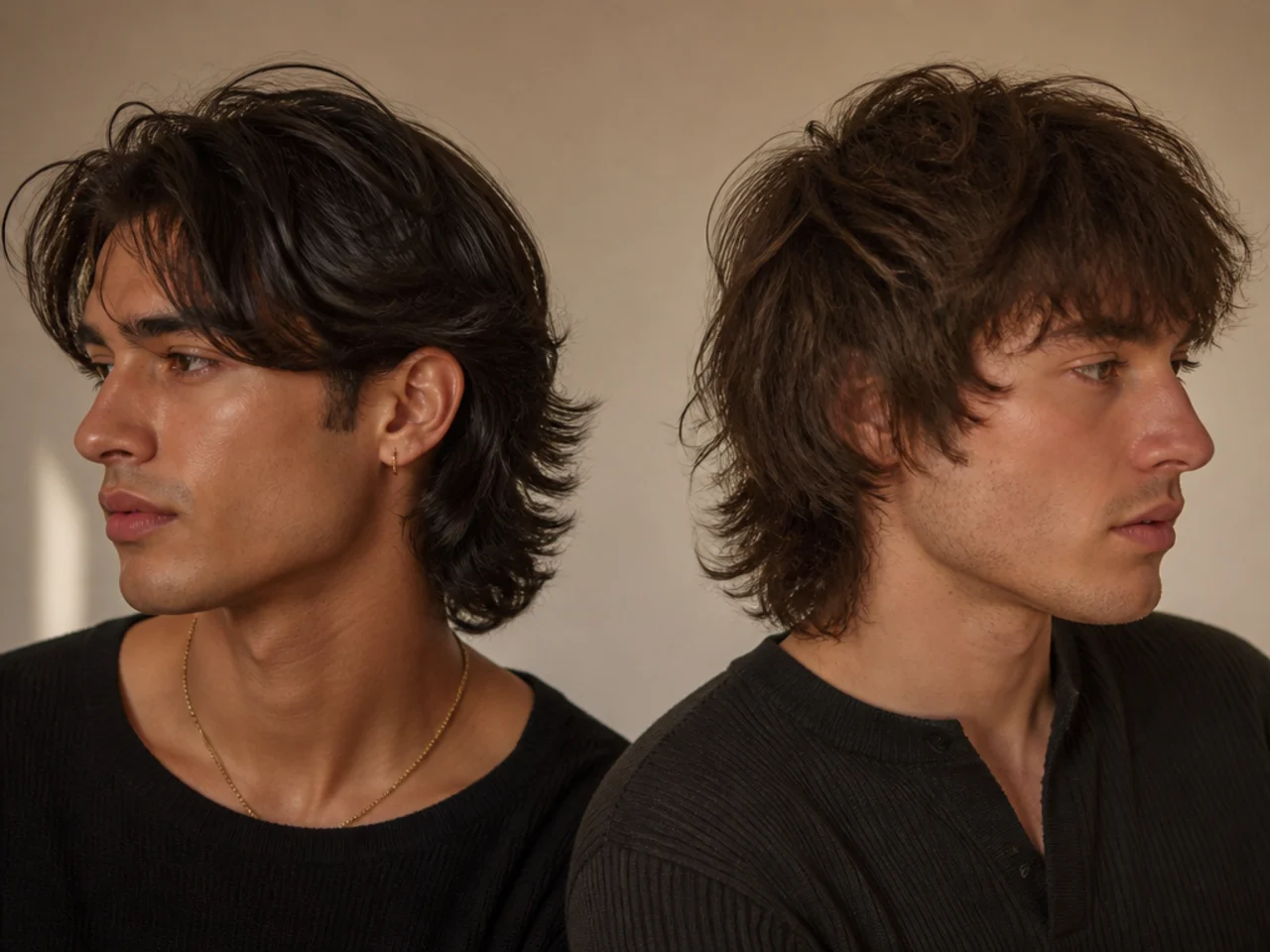
A mullet is disconnected front to back. Short at the sides, long at the back, with a visible step. A wolf cut has no step anywhere.
Long is where the difference matters most. Below the shoulder the weight of the lengths is heavy enough to drag a shag flat, and only a stacked crown resists it.

Choosing Where the Layers Start
At the cheekbone for the most lift. The shortest pieces sit high enough to prop up everything beneath them, and the face framing comes free.
At the jaw for a softer version. Less separation, less daily volume, and a much easier grow-out because the layers blend down rather than sitting apart.
At the collarbone if your hair is fine. Fine hair loses density fast when layered high, and layers that start too near the crown leave the ends looking sparse.
Ask for the shortest layer by name. Say where you want it in relation to your face, not "some layers" — that phrase is how you end up with a long bob with movement.
The 20 Long Wolf Cut Styles
1. Air Dried Long Wolf Cut
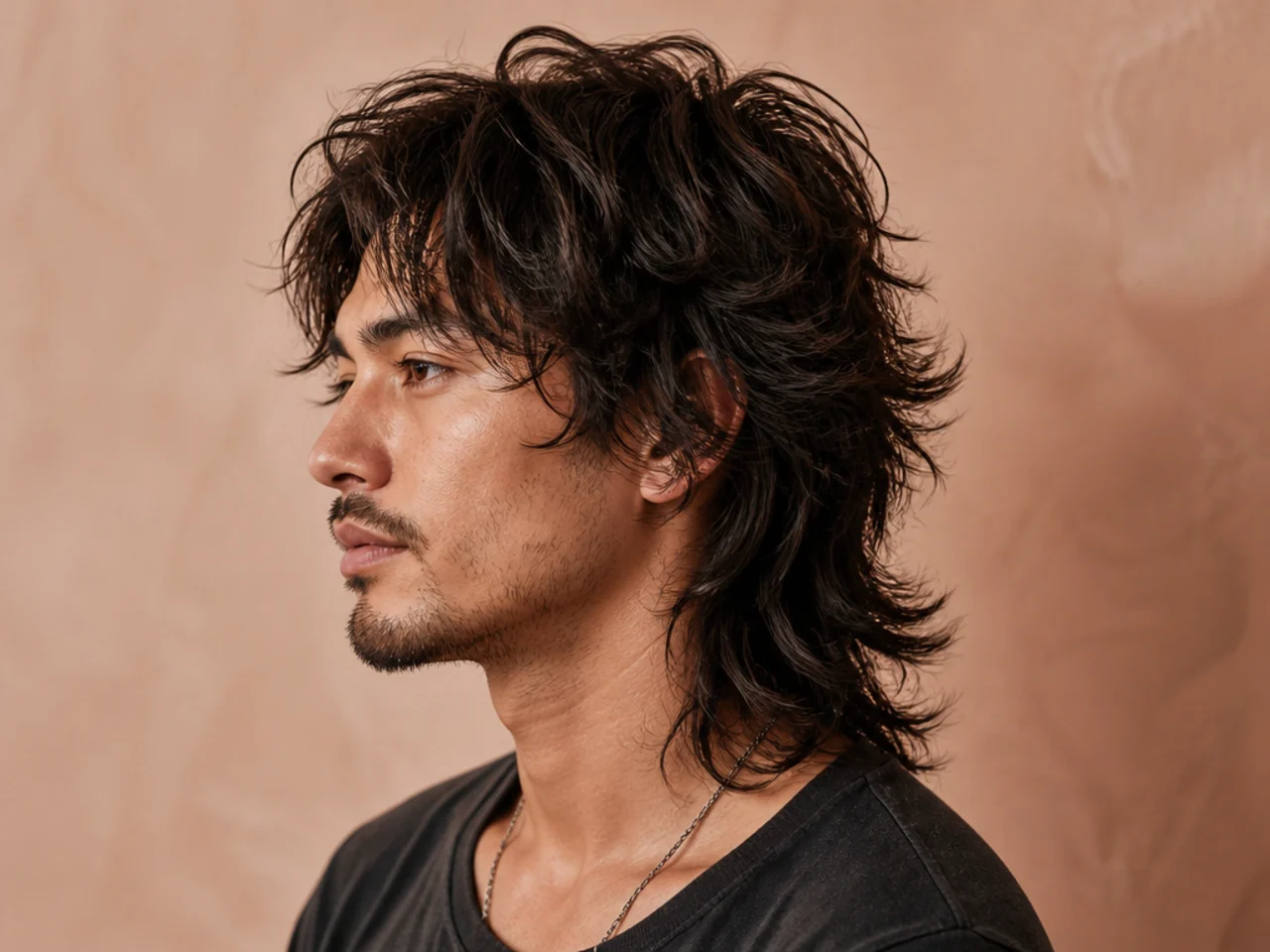
The default, and the one the cut is designed for. As the hair dries in place the short crown layers settle on top of the long ones and hold them up, which is the lift a round brush spends twenty minutes removing.
2. Long Wolf Cut With Curtain Bangs
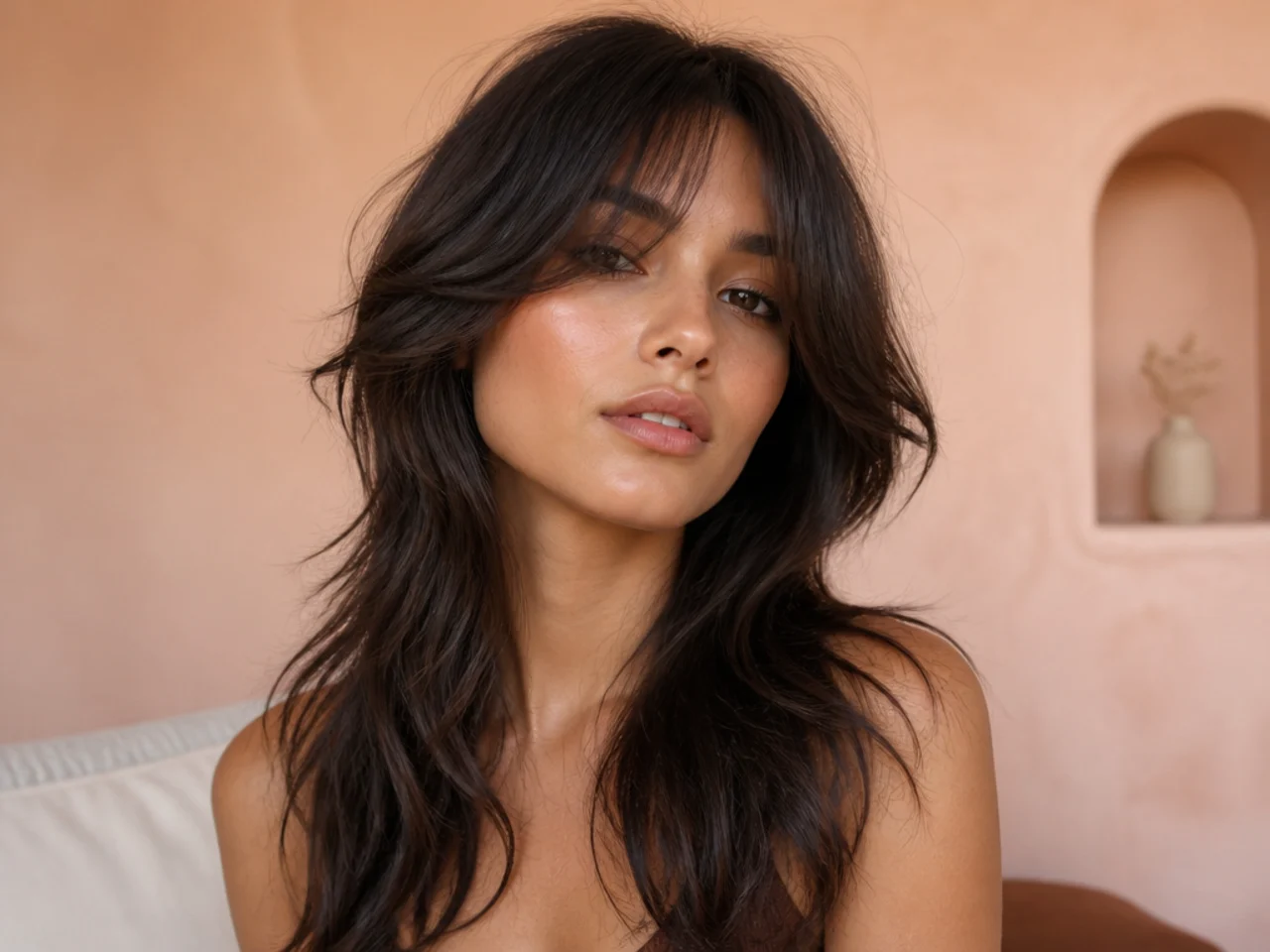
The bangs split at the centre and lengthen from cheekbone to jaw, which continues the same downward taper the layers already follow. Because they share that line, curtain bangs blend into a wolf cut instead of sitting on it as a separate feature.
3. Long Wolf Cut With a Middle Part
A centre part sends equal weight to both sides, so the crown layers stand up rather than being pulled over. This is the part that shows the cut's shape most honestly, and the one to use when judging whether the layers landed where you asked.

4. Long Wolf Cut With a Deep Side Part
Taking the part past the arch of the brow loads one side with far more hair, and that extra weight lifts the crown on the heavy side as it falls across. It is the fastest way to add volume to a wolf cut without touching a single tool.

5. Straight Long Wolf Cut
Straight hair shows every layer edge, so the ends need point cutting rather than a blunt line across. Cut straight across, the layers stack into visible shelves; cut into points, they break up and read as one continuous taper.

6. Wavy Long Wolf Cut
The natural S-bend already separates the layers, so this texture gets the full effect of the cut with no product at all. It is also the most forgiving — a bend scatters light and hides any small unevenness in where the layers landed.

7. Curly Long Wolf Cut
Curls shrink as they dry, often by a third or more, so the layers have to be cut dry or they land far higher than agreed. Cut wet, a cheekbone layer can finish above the brow once the curl pattern pulls it back up.

8. Long Wolf Cut on Fine Hair
Start the layers at the collarbone and keep the ends fuller than the standard version. Fine hair has less density to spare, so heavy thinning at the bottom leaves the ends see-through rather than light.

9. Long Wolf Cut on Thick Hair
Thick hair carries enough weight to flatten a shy crown layer, so the shortest pieces need to be genuinely short. Removing bulk through the mid lengths matters as much as the layers themselves, otherwise the shape widens into a triangle.

10. Long Wolf Cut With a Wispy Fringe
A thin fringe taken from a shallow triangle at the front hairline. Because so little hair is used, it dries in seconds and moves with the face, where a heavy fringe cut from a deep section sits still and squares off the forehead.

11. Long Wolf Cut With Bottleneck Bangs
Narrower at the top and flaring out at the cheek, which is where the name comes from. The narrow section keeps weight off the forehead, so the fringe opens outward instead of collapsing into a curtain across the brow.

12. Korean Style Long Wolf Cut
Softer, more evenly graduated layers with a gentler crown stack, described in full in the Korean wolf cut. The reduced stack means less daily lift but a much longer window before the shape needs cutting again.

13. Long Wolf Cut With Face Framing Pieces
Two pieces cut shorter at the cheekbone and left to fall forward. They work because they sit in front of the crown stack rather than under it, so they move independently of the rest of the layers.

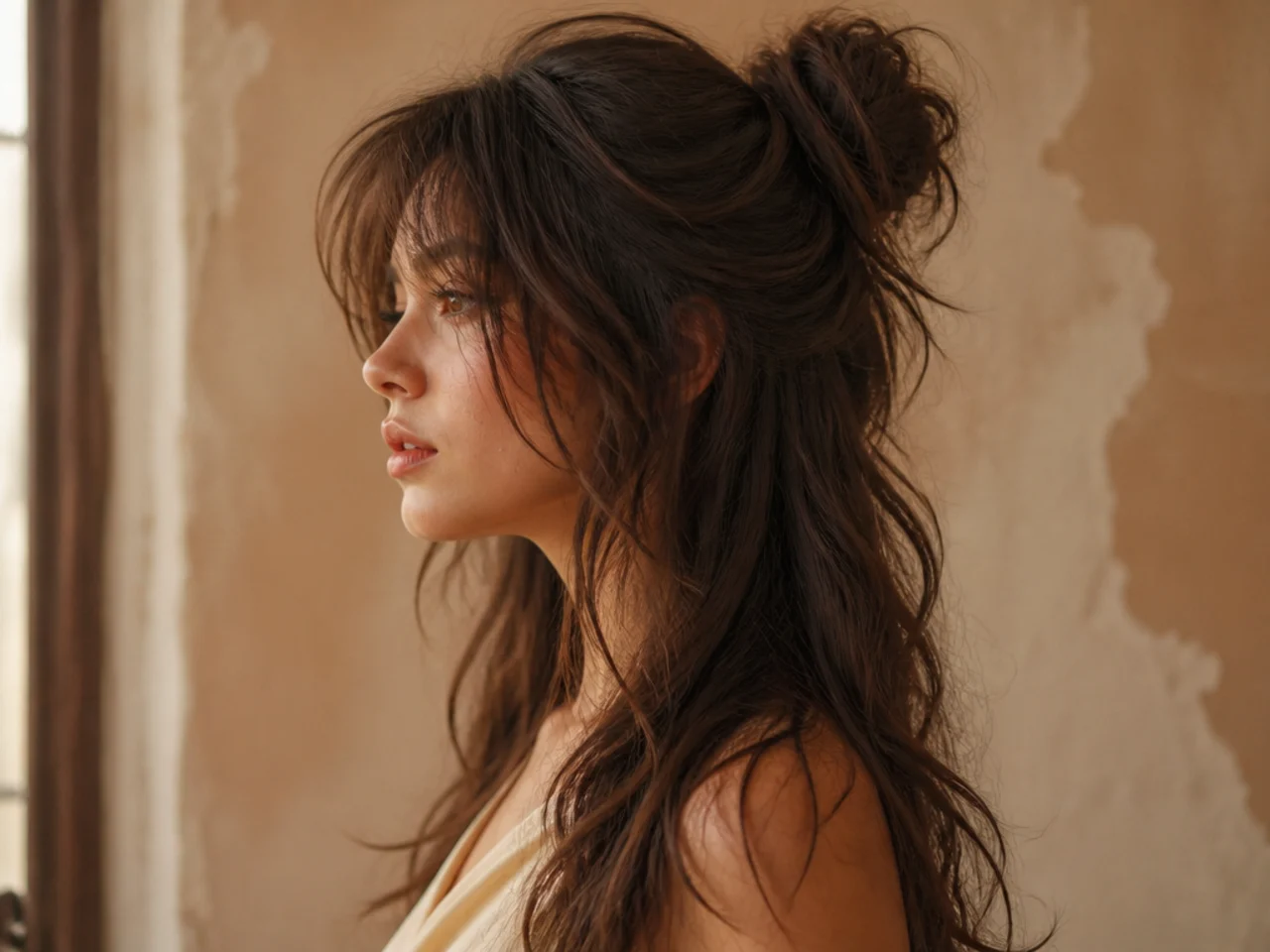
14. Long Wolf Cut in a Half Up
Taking the top section back exposes the crown layers, and the short pieces that escape at the front are the cut, not an accident. A half up on a blunt long cut has nothing to escape, which is why it reads flatter.
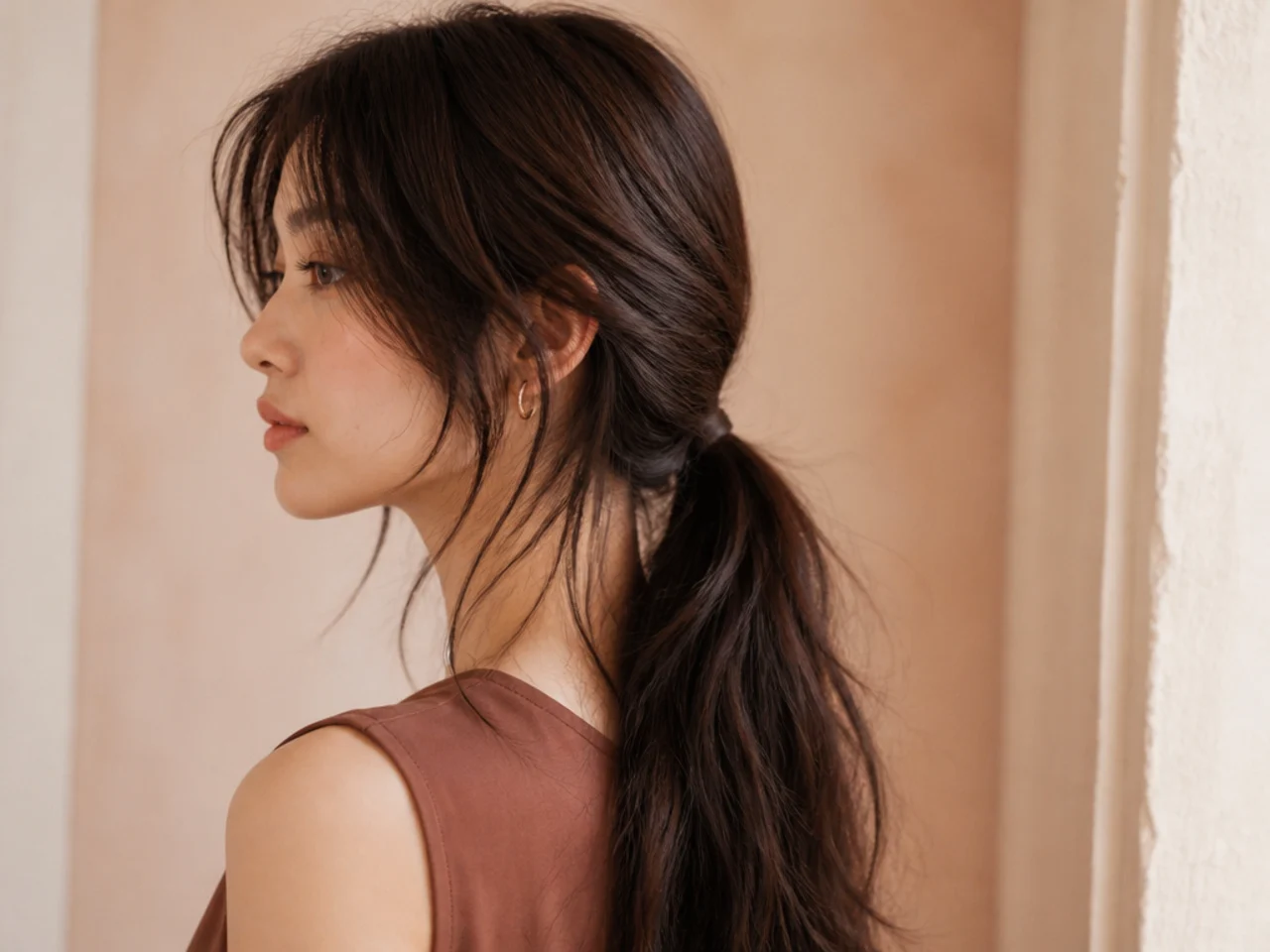
15. Long Wolf Cut in a Low Ponytail
The layers taper the ponytail naturally, so it ends in a point instead of a blunt block. Tie it low rather than high — a high tie pulls the crown layers down and removes the volume the cut exists for.
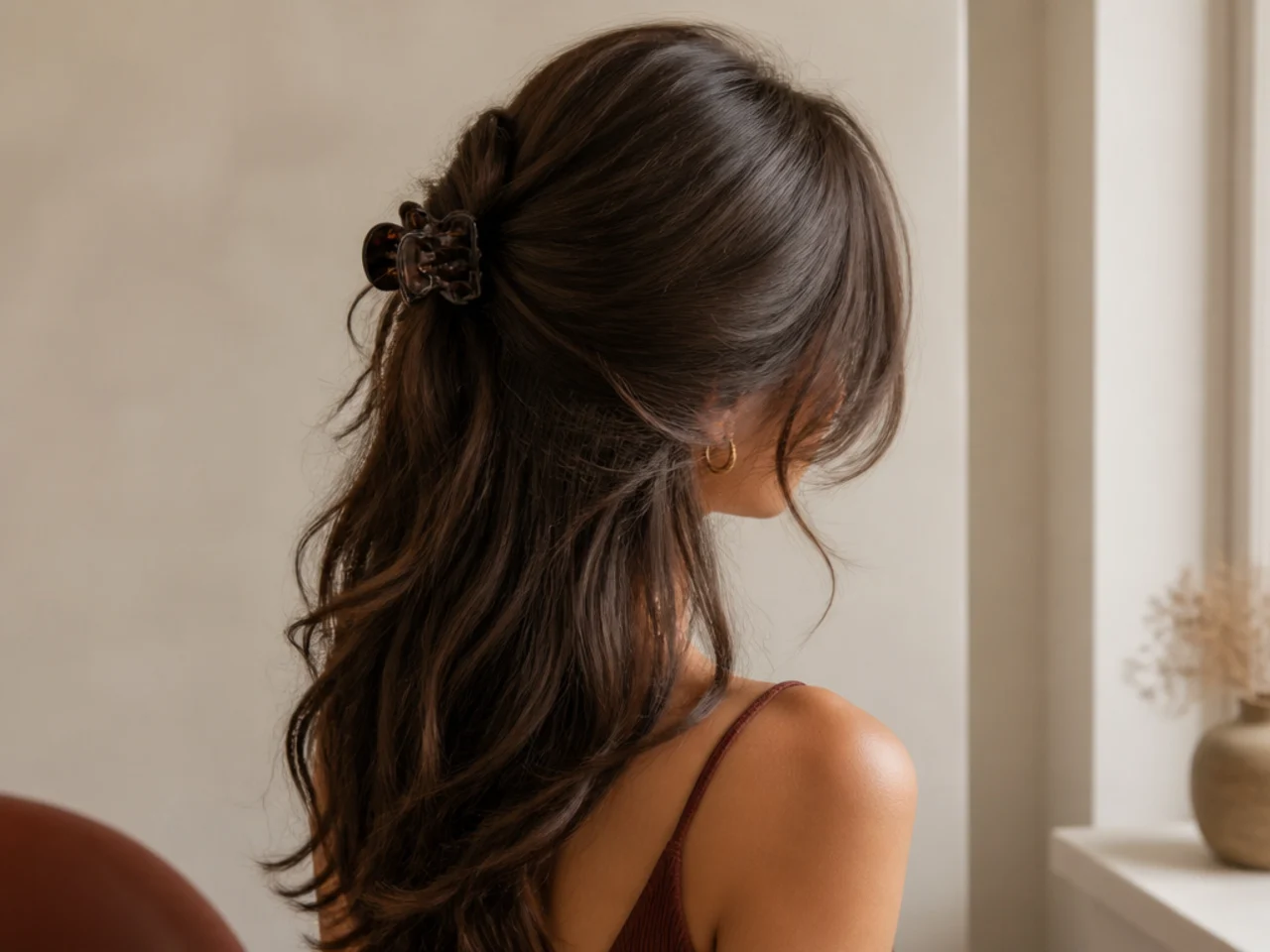
16. Long Wolf Cut With a Claw Clip
Twist the length once before clipping so the teeth have something to bite into. On a layered cut this also leaves the shorter crown pieces out, which is what turns a functional clip-up into something that reads as styled.
17. Overnight Braid Waves
Two loose braids slept in on damp hair give a soft bend by morning. Hair holds the shape it dries in, so the braid does the work of a curling iron overnight with no heat and no damage to the thinned ends.

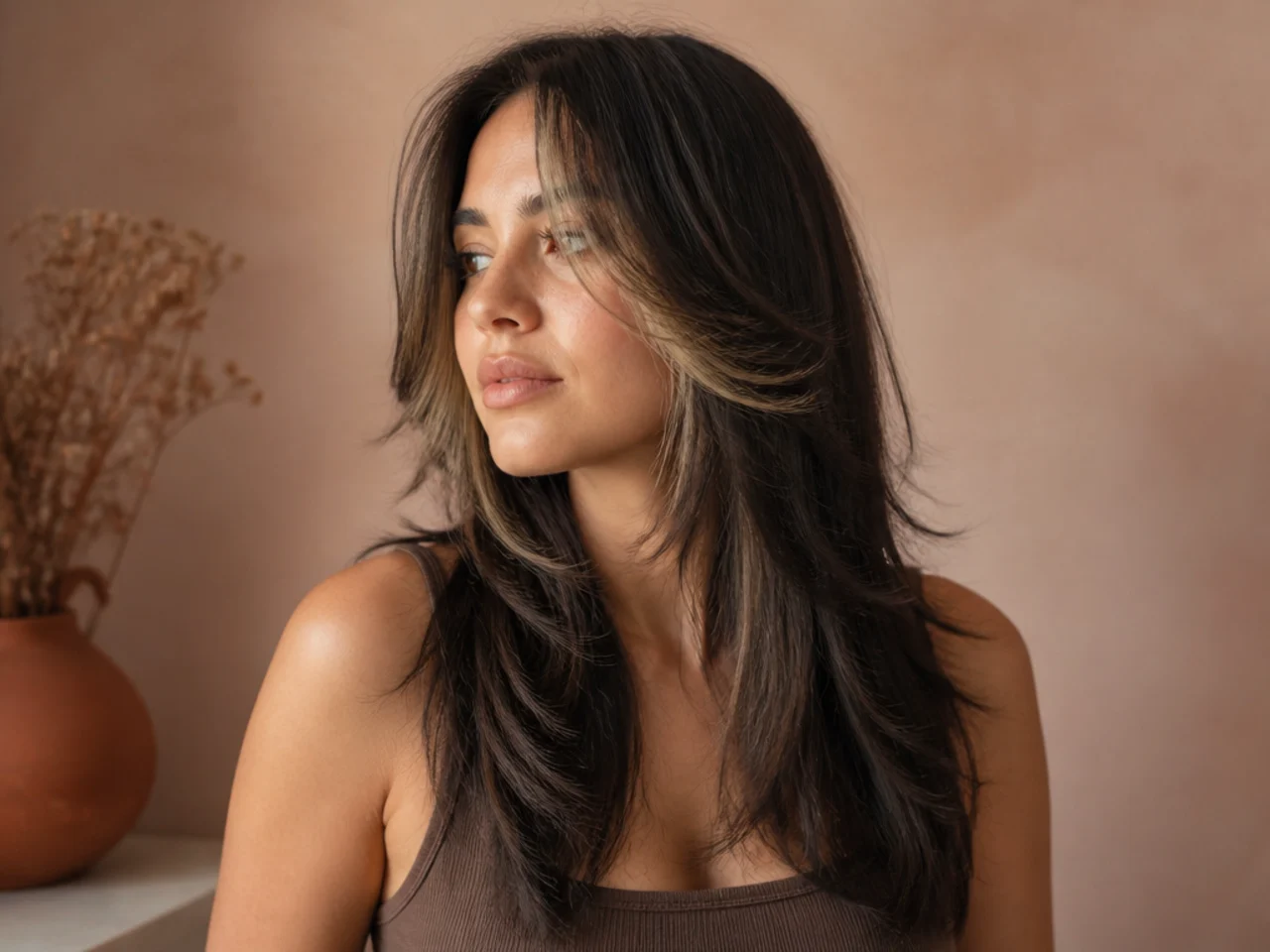
18. Long Wolf Cut With a Money Piece
Two lightened sections at the front hairline. Lighter hair advances visually and darker hair recedes, so the brightened pieces pull the eye forward to the face and away from the width of the crown stack.
19. Second Day Long Wolf Cut
Natural oil gives the strands grip, so the layers separate into pieces instead of sitting as one sheet. This is the day the cut looks its best, which is worth knowing before you wash it out.

20. Long Wolf Cut at Week Ten
The crown layer has grown down into the lengths and stopped propping them up, so the top goes flat first while the ends still look fine. That is the signal for a trim, and the trim is a crown reshape rather than an ends tidy.

Styling and Upkeep
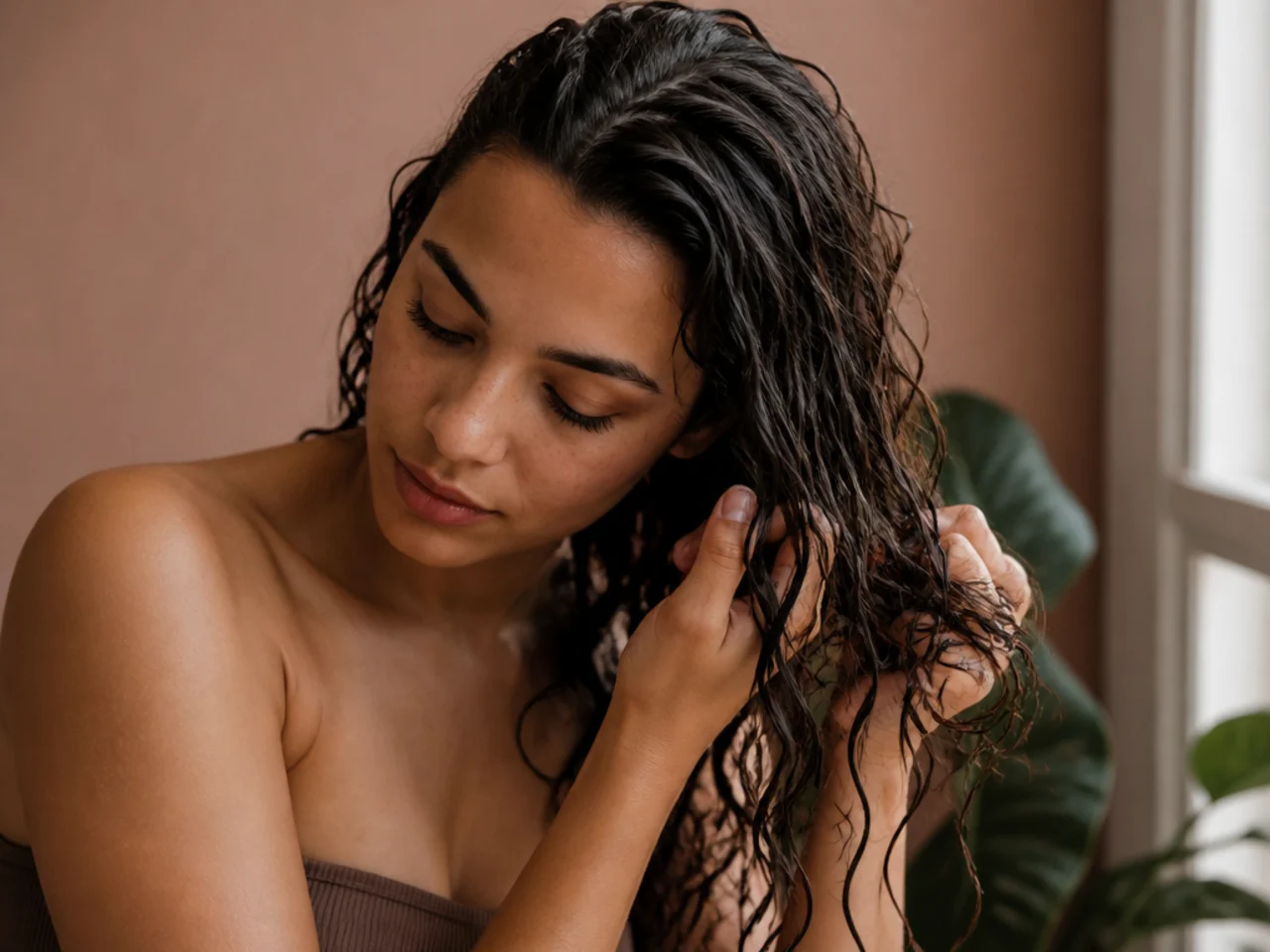
Air dry whenever you can. The lift happens as the hair dries in position, and a round brush undoes it.
Scrunch, do not comb, once it is damp. Combing pulls the layers back into a single sheet and removes every bit of separation.
Use a light cream, not a heavy oil. Oil weighs down the thinned ends, which are the lightest part of the cut and the first to go limp.
Trim at ten to twelve weeks. The crown layer is what expires, not the ends.
Take a photo at week one. It is the reference for how short the crown was actually cut, and that measurement is the whole shape.
Mistakes to Avoid
Asking for "some layers". That phrase produces a long cut with movement, not a wolf cut. Name where the shortest layer sits.
Cutting curly hair wet. It shrinks as it dries and the layers land far above where they were agreed.
Blow drying the crown smooth. You are flattening the exact stack that gives the cut its volume.
Over thinning the ends. Light ends are the point; see-through ends are damage you have to grow out.
Waiting six months between trims. By then the crown has grown into the length and the cut is a long layered shape with no lift left.

FAQ
Wolf cut or shag? A wolf cut stacks weight at the crown; a shag spreads layers evenly.
Does it need daily styling? No — air drying gives the shape its lift.
How often to trim? Ten to twelve weeks, and it is the crown that needs it.
Final Thoughts
The only measurement worth agreeing out loud is where the shortest crown layer sits. Everything the cut does on an ordinary morning follows from that one number, and it is the first thing to go as the shape grows out.
For the same shape cut above the shoulder see the short wolf cut, and for the softer graduated version see the Korean wolf cut. For how the layers themselves are built — spacing, weight line and end finish — see long wolf cut layering. More in Mullet and Wolf Cut.