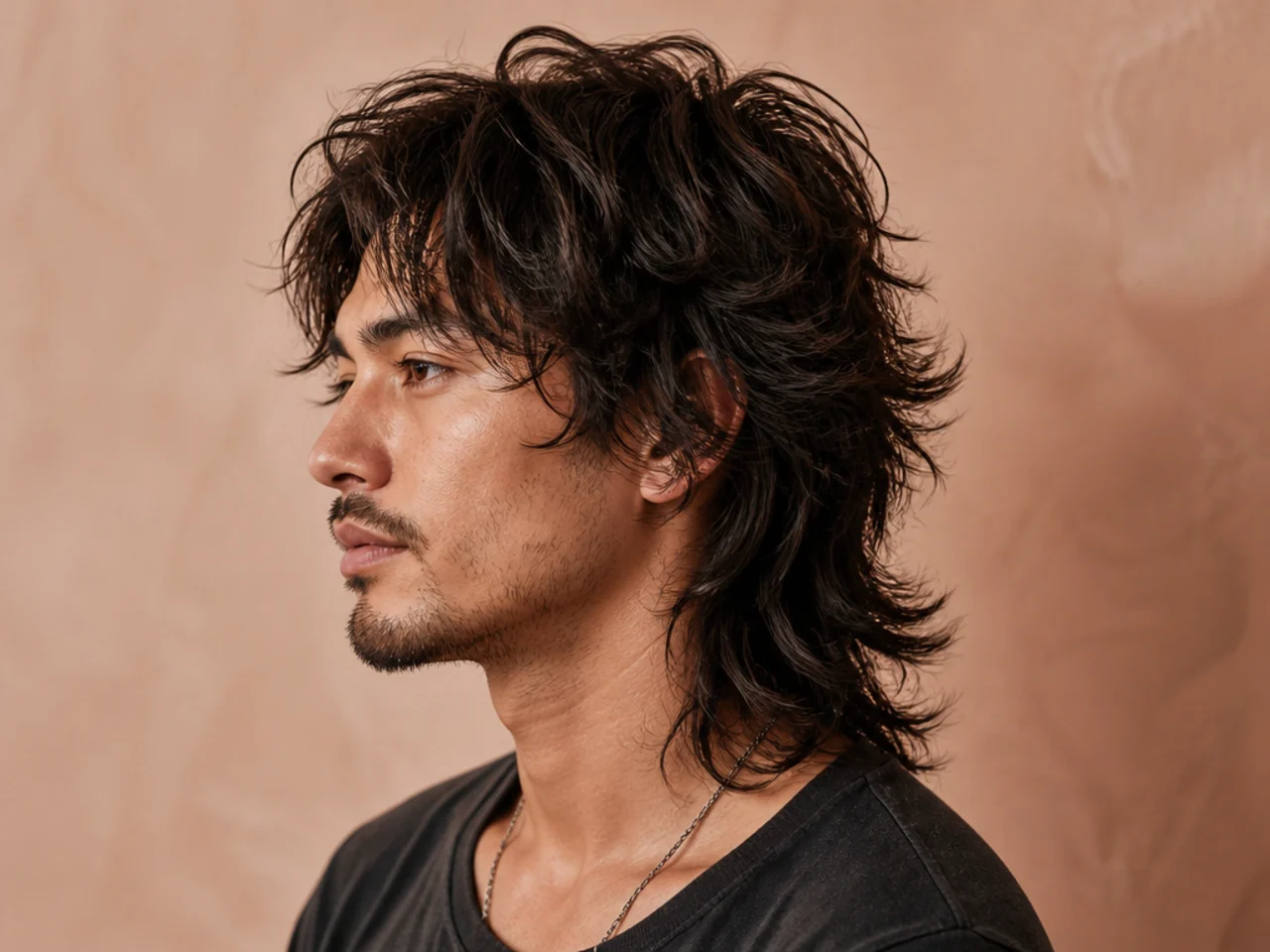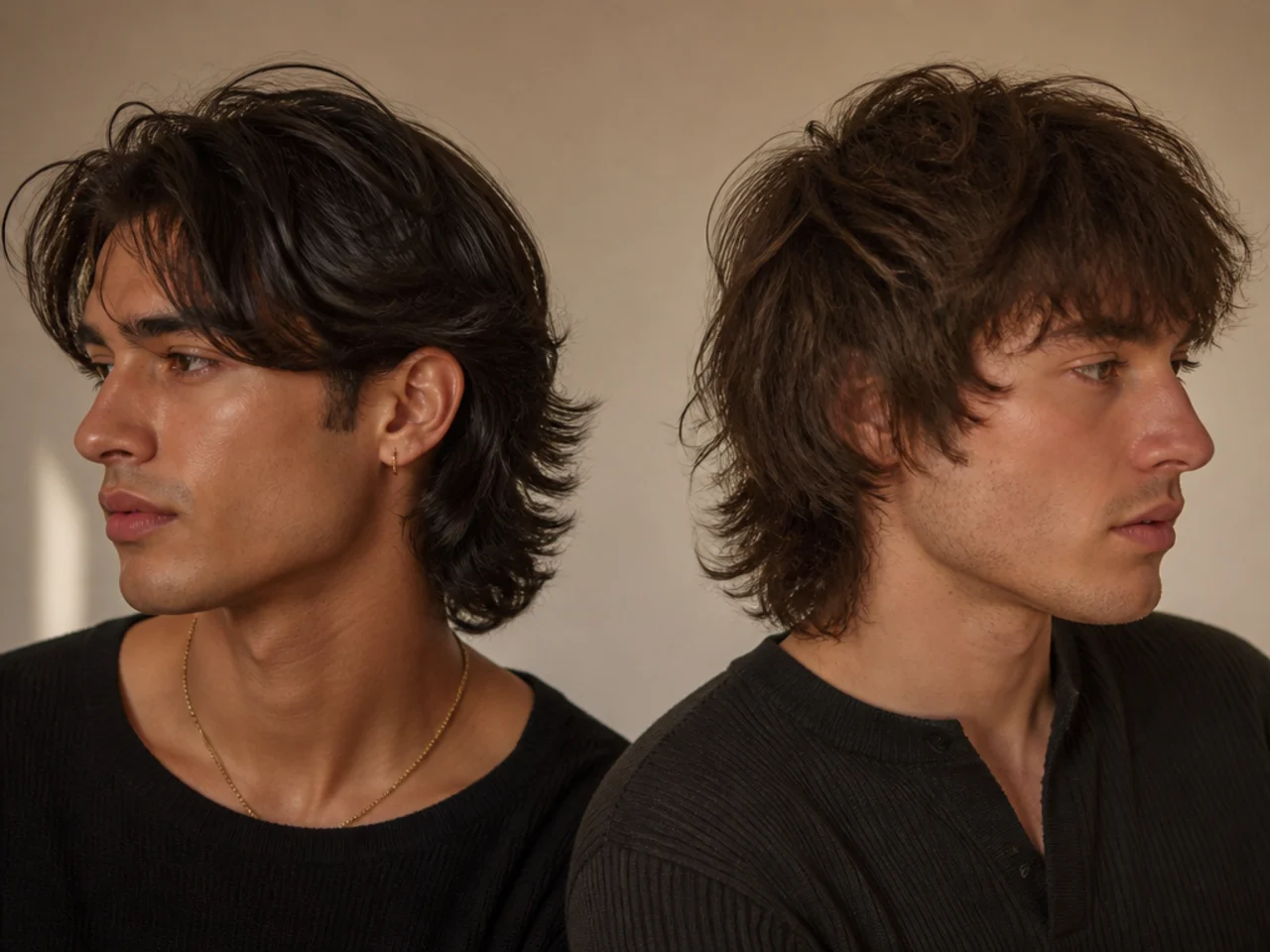
25 Stunning Long Wolf Cut Ideas For Thick Hair
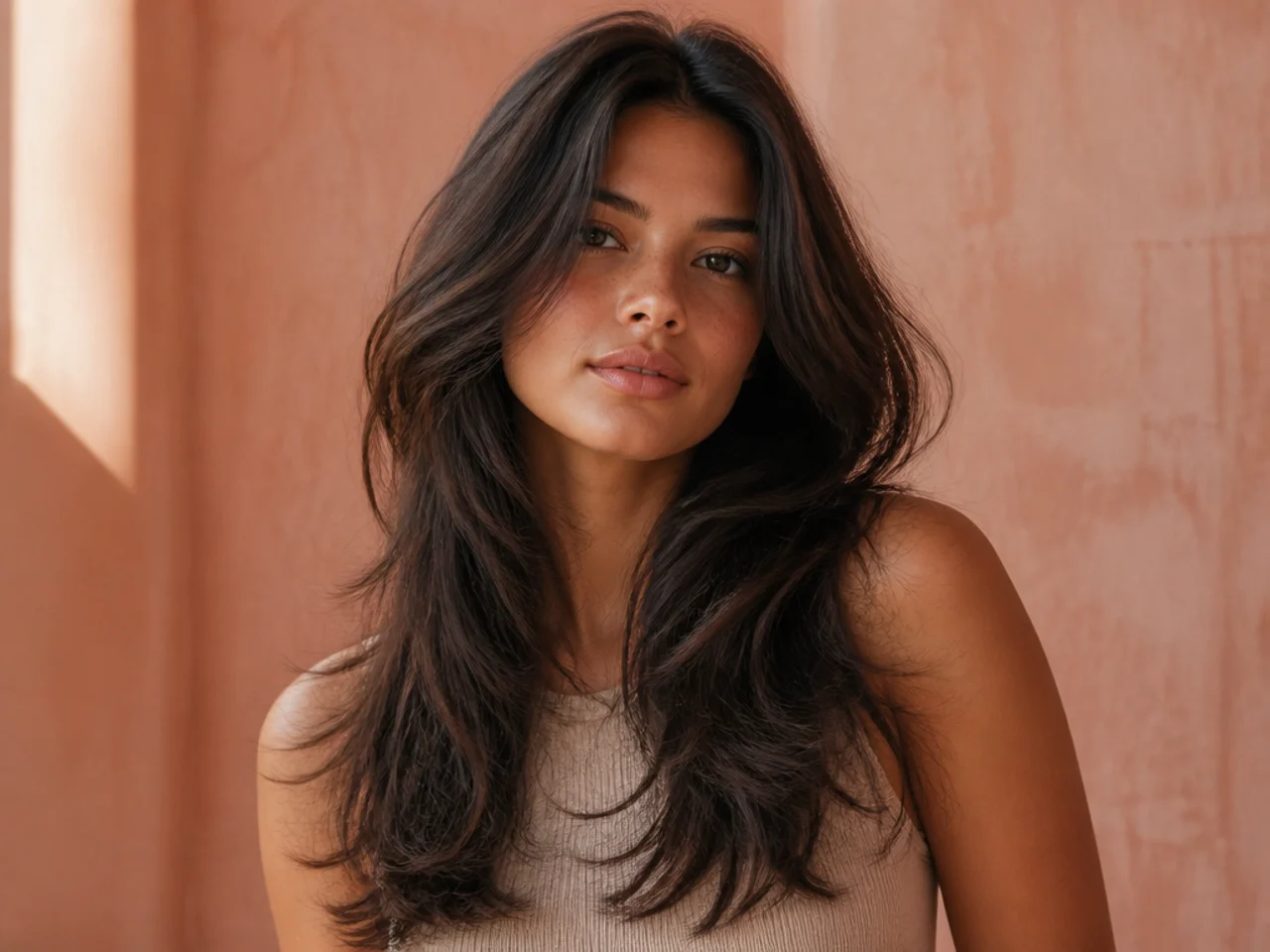
Twenty-five long wolf cuts for thick hair, and the reason most of them fail on it — a wolf cut adds volume, and thick hair already has volume. On a dense head the job is removing weight from inside, not layering on more of it.
In this article · 32
- What a Long Wolf Cut Actually Is
- Cutting It on Thick Hair
- The 25 Long Wolf Cut Ideas for Thick Hair
- 1. The Classic Long Wolf Cut
- 2. The Wolf Cut With Internal Weight Removed
- 3. The Slide Cut Wolf Cut
- 4. The Point Cut Perimeter
- 5. The High Crown Layer Wolf Cut
- 6. The Low Start Wolf Cut
- 7. The Hidden Layer Wolf Cut
- 8. The Curtain Fringe Wolf Cut
- 9. The Wispy Fringe Wolf Cut
- 10. The Full Fringe Wolf Cut
- 11. The No Fringe Wolf Cut
- 12. The Wolf Cut on Thick Straight Hair
- 13. The Wolf Cut on Thick Wavy Hair
- 14. The Wolf Cut on Thick Curly Hair
- 15. The Wolf Cut on Coarse Hair
- 16. The Wolf Cut on Coily Hair
- 17. The Korean Wolf Cut
- 18. The Shag Leaning Wolf Cut
- 19. The Mullet Leaning Wolf Cut
- 20. The Wolf Cut With Face Framing Highlights
- 21. The Wolf Cut With a Blunt Perimeter
- 22. The Wolf Cut With a Razored Perimeter
- 23. The Waist Length Wolf Cut
- 24. The Wolf Cut at Twelve Weeks
- 25. The Wolf Cut Grown Into Long Layers
- Styling and Upkeep
- Mistakes to Avoid
- FAQ
- Final Thoughts
A wolf cut is a volume technique, and putting a volume technique on thick hair without changing anything is how a long cut turns into a triangle.
Thick hair needs weight out, not layers in. The lift is already there. What is missing is movement, and that comes from removing mass inside the section rather than shortening the surface.
The layers have to start at the crown. Long thick hair is heavy, and weight flattens anything cut lower down. A layer beginning at the cheekbone on a dense head simply hangs with the rest.
What a Long Wolf Cut Actually Is
A shag on top of a mullet. Heavy layering through the crown for movement, plus length kept at the back. Remove either half and it becomes a different cut.
The volume comes from stacking. Short crown layers sit on top of longer ones and prop them up. That mechanical support is the whole effect, and it is why the crown length matters more than the perimeter.
The perimeter stays long. Length below the shoulder blades is what makes it a long wolf cut rather than a shag. The bottom edge should barely be touched.
It is not a thinning haircut. Layering redistributes weight; it does not reduce the amount of hair on the head. Thick hair still needs weight taken out separately.

Cutting It on Thick Hair
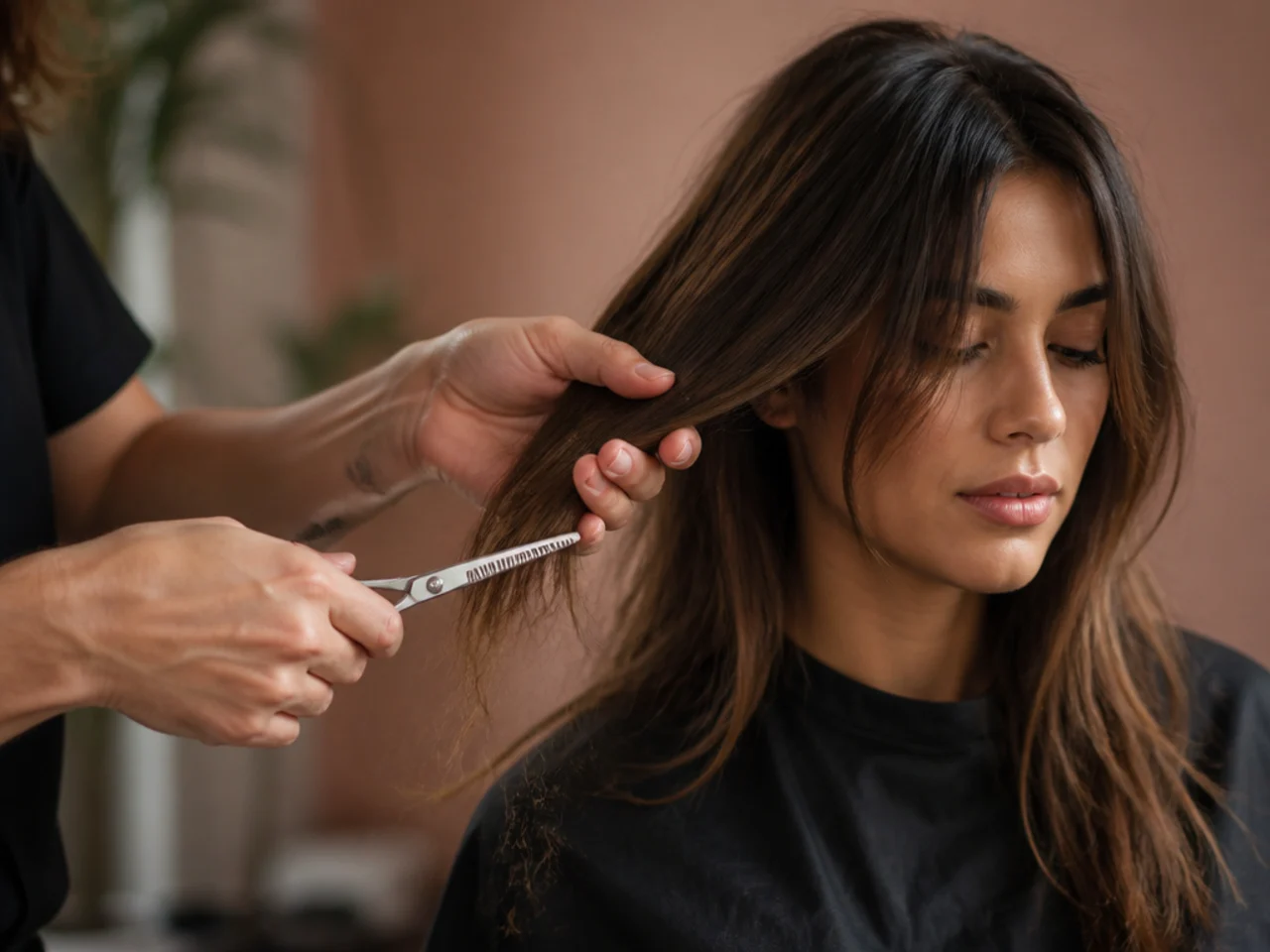
Take the weight from inside. Internal thinning leaves the outline intact. Weight removed from the perimeter leaves a see through edge and a frizz halo where the short ends escape.
Cut it dry if there is any bend in it. Wet thick hair hangs under its own weight and dries an inch shorter and two inches wider, so wet cutting is a guess on anything wavy.
Ask for the layers connected, not stepped. A layer that changes length abruptly creates a visible shelf, and on thick hair there is enough mass underneath to hold that shelf in place all day.
Budget for a long appointment. The layering on a dense head takes several passes to stay smooth, and rushing it is what produces uneven ends that only show once the hair dries.
The 25 Long Wolf Cut Ideas for Thick Hair
1. The Classic Long Wolf Cut
Crown layers short enough to stand away from the head, perimeter left below the shoulder blades, nothing between them interrupted. On thick hair it works only if enough internal weight comes out, since otherwise the layers sit on a mass that will not move.
2. The Wolf Cut With Internal Weight Removed
Bulk taken out of the middle of each section rather than the surface, so the outline stays solid while the interior loosens. It is the difference between hair that swings and hair that moves as one block.

3. The Slide Cut Wolf Cut
The shears travel down the strand while slightly open, tapering the length gradually instead of cutting one point. On thick hair that gradual taper is what stops each layer ending in a hard line halfway down the back.

4. The Point Cut Perimeter
Cutting vertically into the bottom edge removes weight at the tip without shortening the hair. The edge breaks into pieces, which suits thick hair because a blunt perimeter on a dense head reads as a wall.

5. The High Crown Layer Wolf Cut
Layers beginning at the top of the crown, which is the highest they can start before they stop connecting to the length. The higher the start, the more distance the short pieces have to lift the ones beneath them.

6. The Low Start Wolf Cut
Layers beginning nearer the jaw, which gives face framing without disturbing the volume at the top. On thick hair it is the conservative version, because less of the mass is cut into and less can go wrong.

7. The Hidden Layer Wolf Cut
The layering kept beneath the top section, so the surface stays smooth while the weight underneath is gone. It suits anyone with thick hair who wants the movement without visibly short pieces standing up at the crown.

8. The Curtain Fringe Wolf Cut
A parted fringe sweeping outwards continues the angle of the crown layers down the sides of the face. Cut them as one shape, because a fringe cut separately meets the layers at the wrong angle and leaves a step.

9. The Wispy Fringe Wolf Cut
A thin fringe cut into heavily at the ends so it finishes in separated points. On thick hair this is the only way a fringe stays light, since a full section of dense hair at the front sits like a curtain of felt.

10. The Full Fringe Wolf Cut
A dense fringe cut across the brow, which balances heavy layering behind by giving the front equal weight. It needs the section kept shallow on thick hair or the fringe stands away from the forehead instead of lying on it.

11. The No Fringe Wolf Cut
All the layering kept behind the hairline, so the face is framed by length rather than by a cut edge. It is the version that grows out with nothing to manage, because there is no short front piece reaching an awkward length.

12. The Wolf Cut on Thick Straight Hair
Straight hair shows every layer edge, because flat strands lie in one plane with no bend to scatter light across the join. That means the layers have to be connected carefully, and it also means the movement reads more clearly than on any other texture.

13. The Wolf Cut on Thick Wavy Hair
Waves stack sideways and build width, so a wolf cut on thick wavy hair needs more weight out than any other combination here. The bend also hides layer joins, which makes it the most forgiving texture to cut.

14. The Wolf Cut on Thick Curly Hair
Curl shrinks, sometimes to half its stretched length, so layers cut wet finish far shorter and higher than intended. Cutting dry is the only way to place a layer on curly hair and know where it will sit.

15. The Wolf Cut on Coarse Hair
Coarse strands are stiff enough to hold themselves away from the head, so short crown layers stand up rather than lying against the length. Keep the shortest layer longer than you would on fine hair, or the crown separates from everything below it.

16. The Wolf Cut on Coily Hair
Coils diffuse a layer edge into a soft cloud rather than a line, so the shape has to be sculpted by outline rather than by visible steps. Length has to be judged stretched and then checked released, since the released position is the finished one.

17. The Korean Wolf Cut
Softer, rounder layering with the volume concentrated at the crown and the ends kept smooth rather than piecey. The Korean wolf cut works on thick hair because it treats the length as one falling shape rather than as separated sections.

18. The Shag Leaning Wolf Cut
More layering through the crown and less length disparity at the back, which pushes the shape towards a shag. It suits thick hair because spreading the layers across the whole head distributes the weight removal evenly.

19. The Mullet Leaning Wolf Cut
Less layering on top, more length concentrated at the back, so the silhouette reads short at the front and long behind. On thick hair the sides need genuine weight removed or the shape widens at the ears.

20. The Wolf Cut With Face Framing Highlights
Lighter pieces placed on the shortest front layers make the layering visible, because the eye reads a change in colour faster than a change in length. On thick dark hair it is often the only thing that stops the layers disappearing into the mass.

21. The Wolf Cut With a Blunt Perimeter
The bottom edge cut in one clean line, which concentrates weight at the ends and stops the length looking thin after heavy internal layering. It is the pairing that keeps a wolf cut from tapering away to nothing at the bottom.

22. The Wolf Cut With a Razored Perimeter
A razor tapers the tip of each strand to a point, so the edge finishes soft instead of solid. It removes weight from exactly where thick hair carries most of it, but on dry or coarse hair the tapered ends fray.

23. The Waist Length Wolf Cut
Layers at the crown with the perimeter left at the waist, which is the largest length difference the cut can carry. The longer the perimeter, the higher the layers must start to remain visible against it.

24. The Wolf Cut at Twelve Weeks
Roughly three centimetres of growth has narrowed the gap between the short layers and the long ones, so the stacking effect has weakened and the volume with it. This is the point to refresh the layers and leave the perimeter alone.

25. The Wolf Cut Grown Into Long Layers
Left for six months the layer differences even out and the cut becomes ordinary long layers, which is a soft landing if you decide against it. Anyone wanting the opposite direction is looking at the short wolf cut instead.

Styling and Upkeep
Dry the crown upwards. Root direction is set while the hair is wettest, and lifting the crown roots is what makes the stacked layers stand rather than lie.
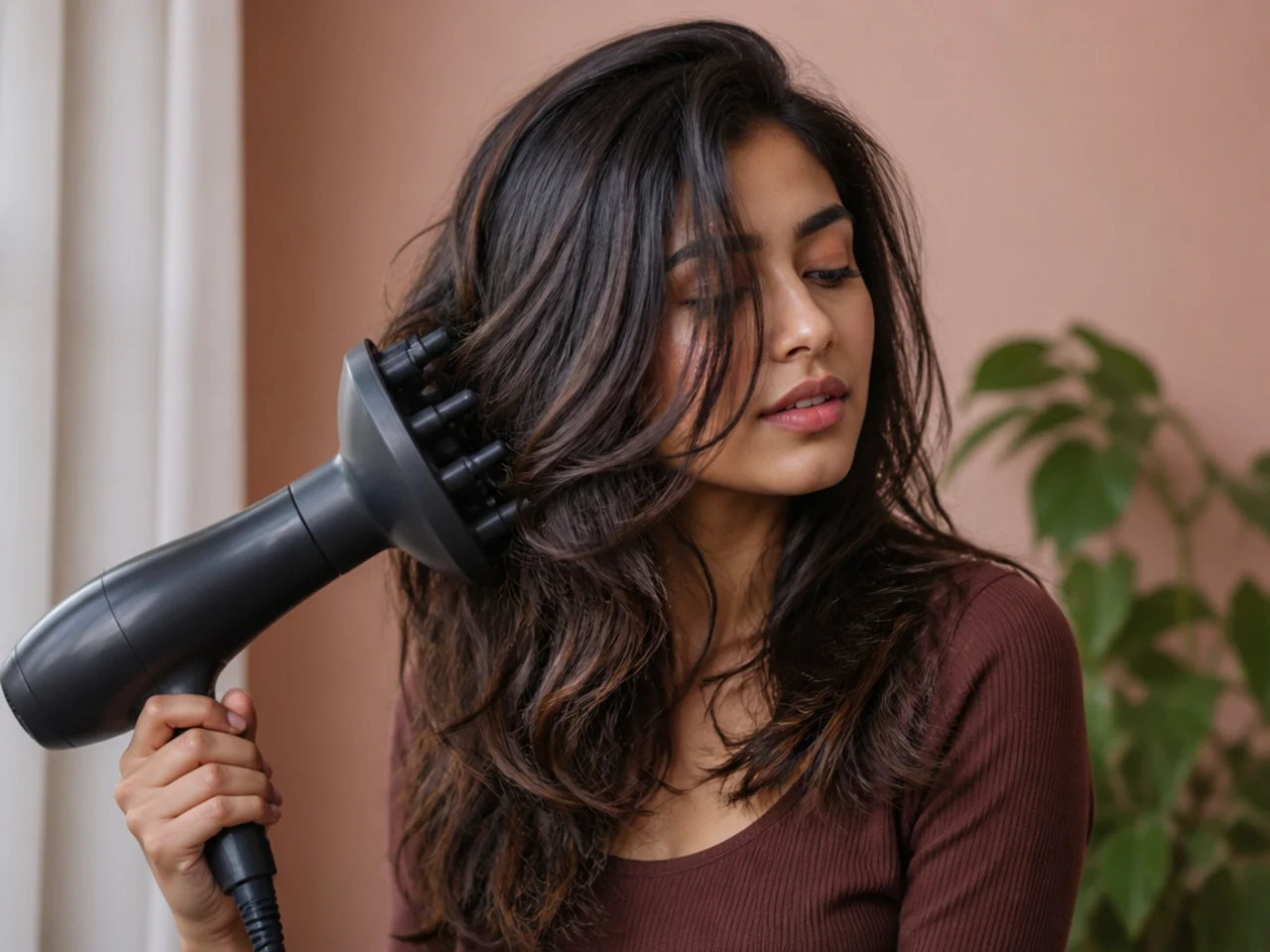
Diffuse thick wavy hair, do not brush it. A brush pulls the wave out of the mid lengths, which flattens exactly the section the layers were cut to lift.
Keep conditioner off the crown. Conditioner adds slip and weight, and on the shortest layers that weight is enough to cancel the lift the cut created.
Refresh layers at ten to twelve weeks. Layers stop working when the length difference between them narrows, and that happens long before the perimeter needs anything.
Leave the bottom edge alone. On hair being grown long, every perimeter trim is length lost for no gain, since the shape lives in the layers.
Mistakes to Avoid
Thinning the ends to reduce bulk. It removes the weight holding the outline, leaving a see through edge and short escaped ends that frizz above the perimeter.
Starting the layers too low on long hair. Below the cheekbone on a heavy head there is not enough distance for the short pieces to lift anything, so the layers just hang.
Cutting thick wavy hair wet. It dries shorter and considerably wider, so a shape that looked right in the chair spreads once it is dry.
Cutting the crown too short. A crown layer with no length below it to sit against stands up as a separate shape, and it takes months to rejoin the rest.
Treating it as a single appointment. On very dense hair the weight removal is easier to judge across two visits than to guess in one, and hair taken out cannot be put back.
FAQ
Where do the layers start? At the crown on long thick hair.
Blunt or razored ends? Blunt if the length already looks thin.
How often? Layers every ten to twelve weeks, perimeter rarely.

Final Thoughts
On thick hair the wolf cut is a weight problem wearing a volume haircut's name. Get the internal weight out and the layers do what the photographs promise; leave it in and the same cut widens at the ears and flattens at the crown.
For the men's version at this length see the long wolf cut for men, and for how the shape works in general see the wolf cut. More in Mullet & Wolf Cut.