15 Short Haircut Ideas for Men With Thick Hair
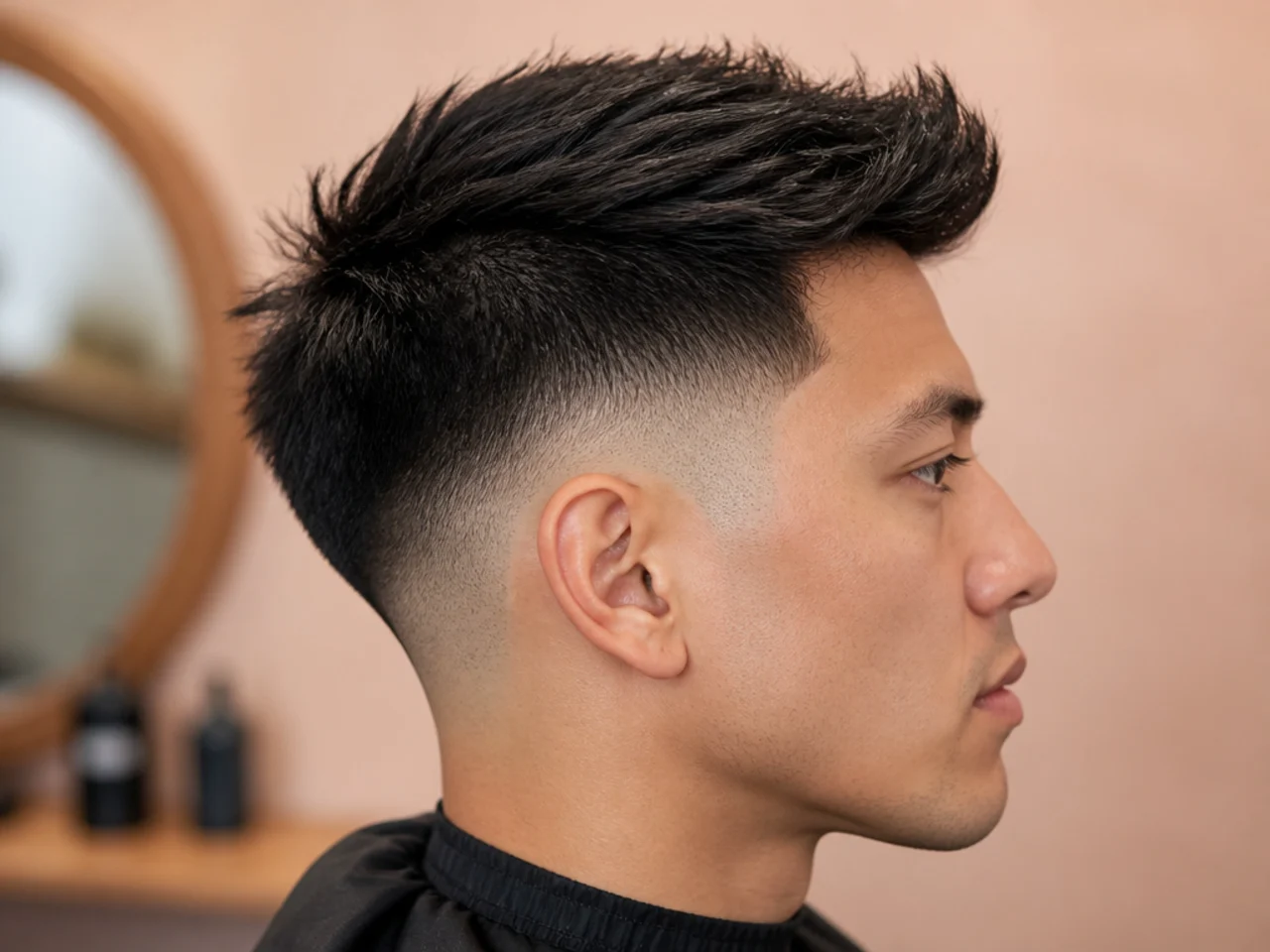
Thick hair at short length does not lie down, it pushes sideways, and going a guard shorter only moves the flare closer to the scalp. The fix is density taken out from underneath, which is a technique you have to ask for by name.
In this article · 22
- Why a Shorter Guard Makes Thick Hair Worse
- How to Ask for Weight Removal Without Losing Thickness
- The 15 Weight-Removal Cuts
- 1. The Corner Above the Ear, Thinned From Below
- 2. The Solid Top Block, Broken Only at the Surface
- 3. Internal Layering Under the Parietal Ridge
- 4. Scissor-Over-Comb Through the Back Bulk
- 5. The Crown Whorl Debulked, Not Shortened
- 6. Thinning Shears Kept Well Away From the Scalp
- 7. A Taper That Removes Volume Instead of Length
- 8. The Occipital Shelf Flattened From Underneath
- 9. The Fringe Corner That Flares Sideways
- 10. Bulk That Sits in the Tips, Not the Body
- 11. Density That Builds From Mid-Length Down
- 12. Reducing Density Versus Breaking a Line
- 13. The Wedge Above the Nape
- 14. Weight Removed Before the Length Is Set
- 15. Where Not to Remove Weight At All
- Upkeep on a Debulked Cut
- Mistakes to Avoid
- FAQ
- Final Thoughts
Thick hair does not get easier when it gets shorter. It gets louder.
Density is the problem, not length. Each hair leans on its neighbours and props itself up, so a dense section stands away from the head instead of falling against it.
A shorter guard moves the flare rather than removing it. The hair still lifts, only closer to the scalp. The only fix is weight taken out of the layers underneath while the surface stays untouched, and every item below names a place bulk collects and what a barber does to it.
Why a Shorter Guard Makes Thick Hair Worse
Thick hair pushes against itself. Neighbouring hairs support each other, so instead of falling flat the section lifts as one mass.
A #2 on thick hair sits higher off the scalp than a #2 on fine hair. Six millimetres is six millimetres, but on density it stands rather than lies, which is why buzz cut styles for thick hair are picked on head shape rather than on guard number.
The flare starts wherever the shortest length ends. Shorten the sides and you simply relocate the corner where the hair begins standing out.
Weight removed from underneath is the only fix that keeps the surface full. Thin the top layer and the hair looks sparse; thin beneath it and it lies down.
How to Ask for Weight Removal Without Losing Thickness
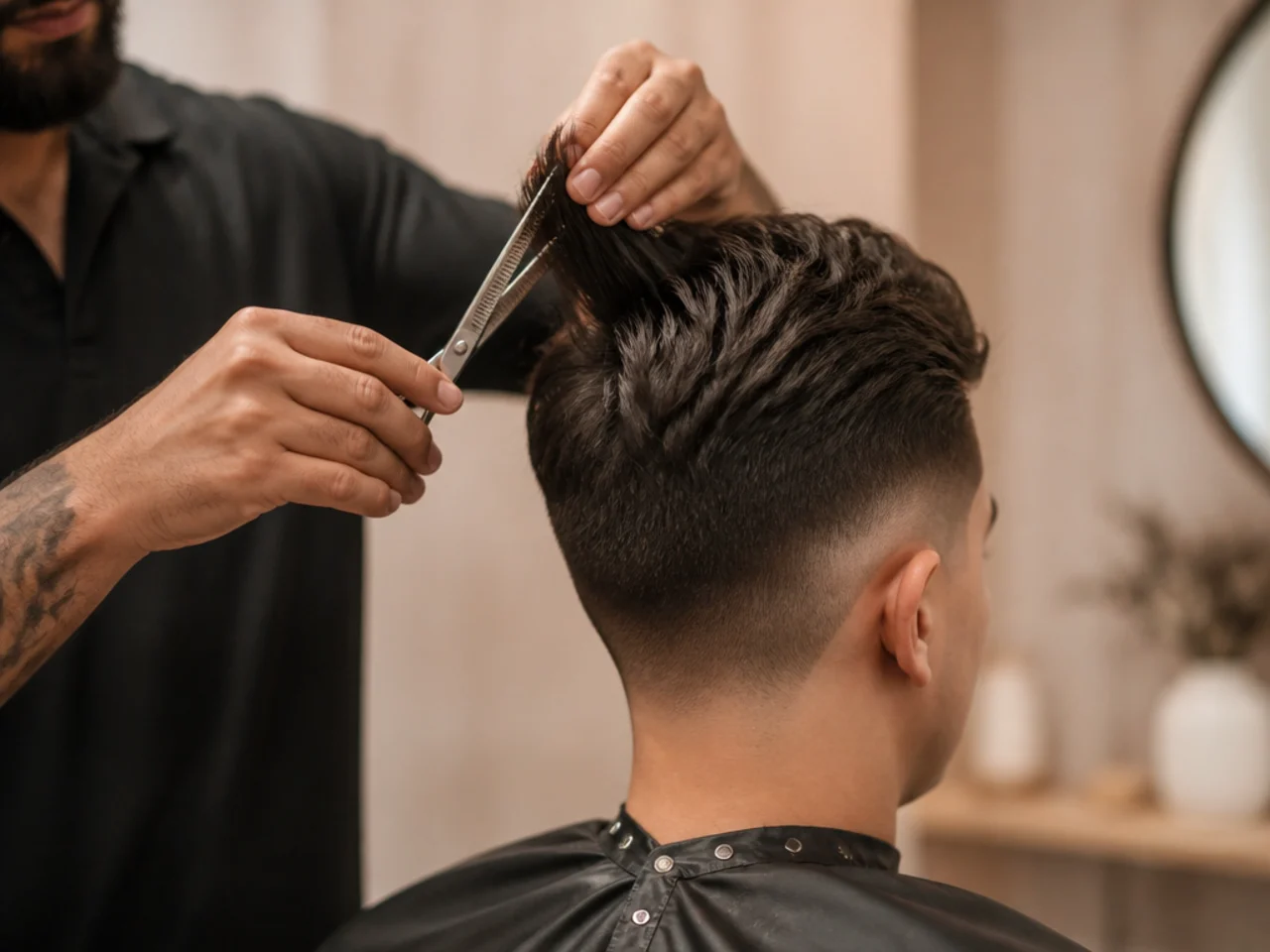
Use the word "debulk", not "thin". Barbers hear "thin it out" as permission to take density from everywhere, including places that should keep it.
Name the location. "Take weight out above the ears and under the crown" is an instruction; "it's too poofy" is a complaint.
Ask for a graduated back rather than a fade. Graduation with a guard removes bulk as it climbs, where a fade to skin only shortens, so a taper haircut does more for density than a skin fade ever will.
Say the surface stays. One sentence — keep the top layer intact and work underneath it — protects the fullness you actually want.
The 15 Weight-Removal Cuts
1. The Corner Above the Ear, Thinned From Below
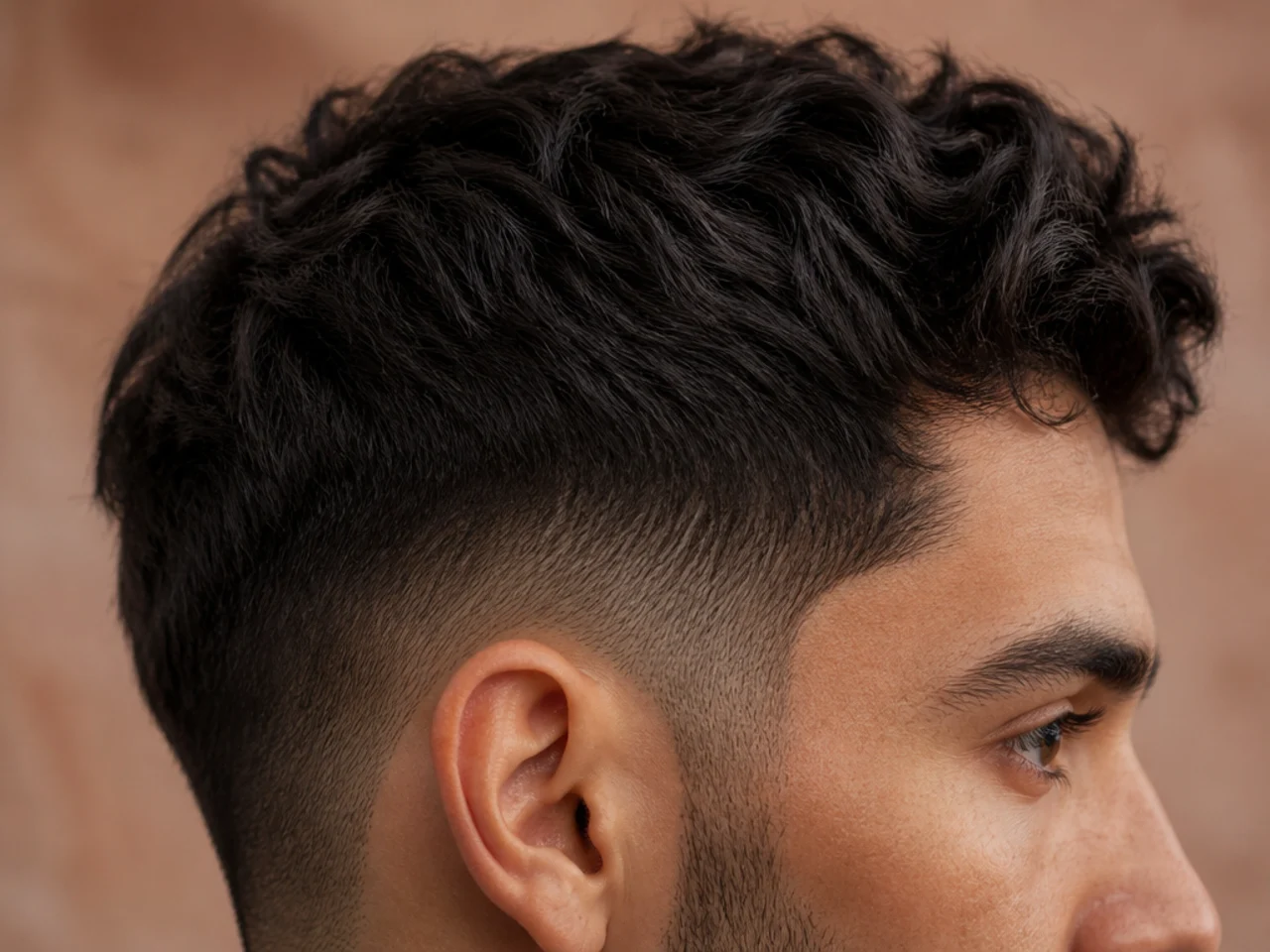
This is where thick hair flares first, because the head turns a corner and the density has nowhere to go but outward. The barber lifts the section and takes weight from its underside only, so the surface still covers the ear while the mass behind it is gone.
2. The Solid Top Block, Broken Only at the Surface
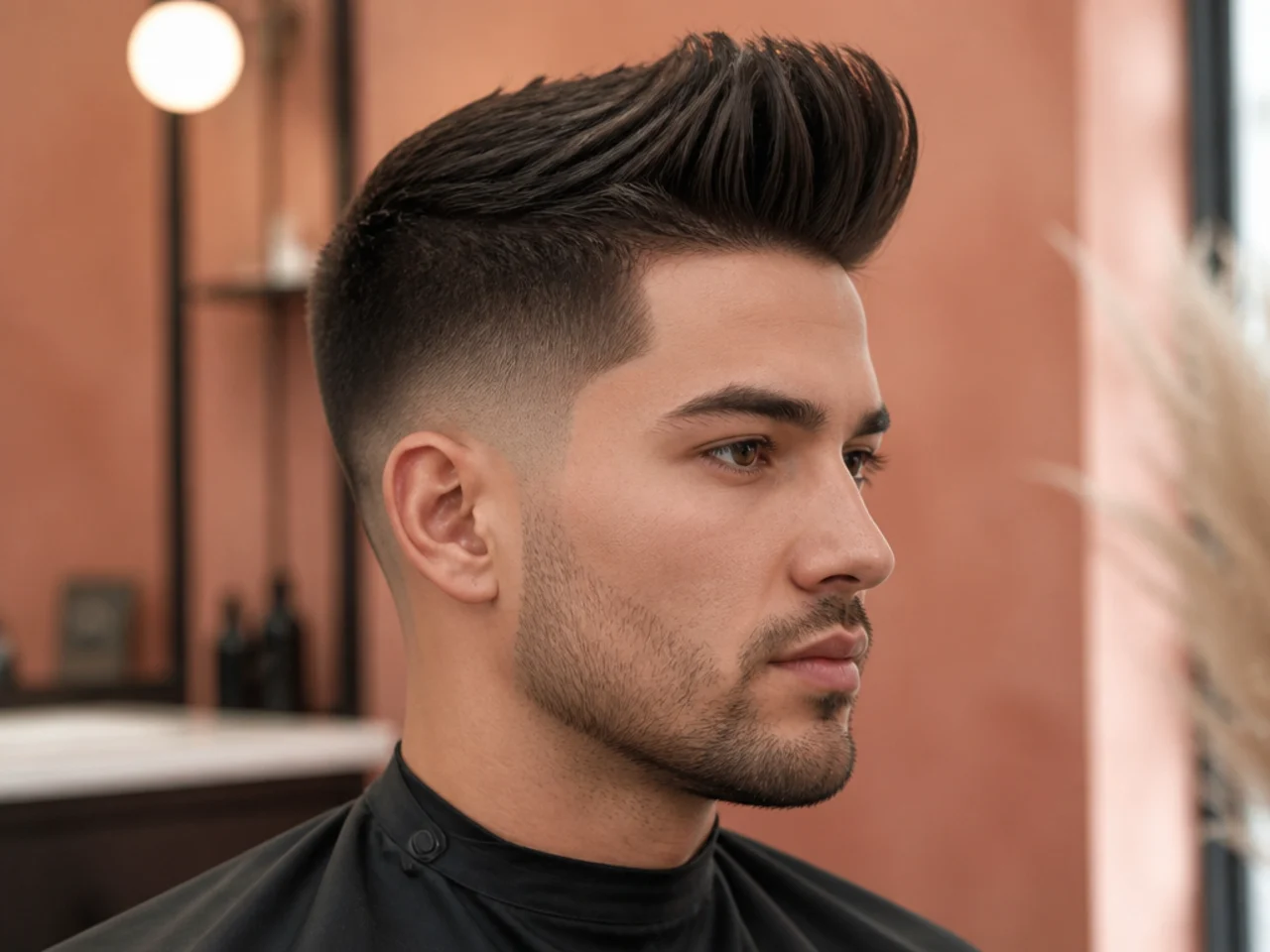
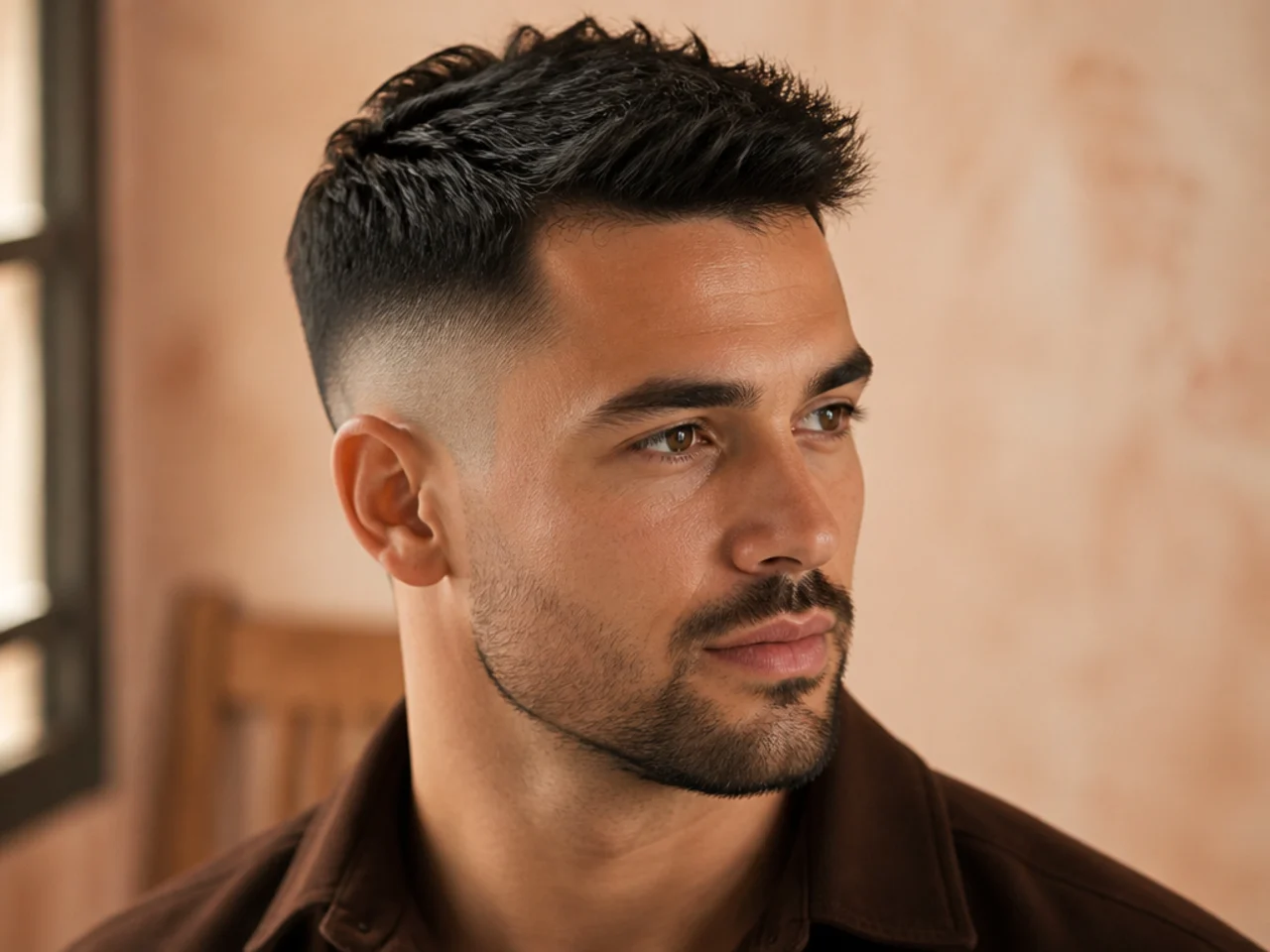
Dense hair cut bluntly on top holds together as one block because every hair ends at the same depth and props up its neighbours. Breaking only the surface ends, with the scissors held vertically, collapses that block without taking density out of the body of the hair, so the top still reads full. It is the step that stops a dense French crop setting into a solid helmet across the top.
3. Internal Layering Under the Parietal Ridge
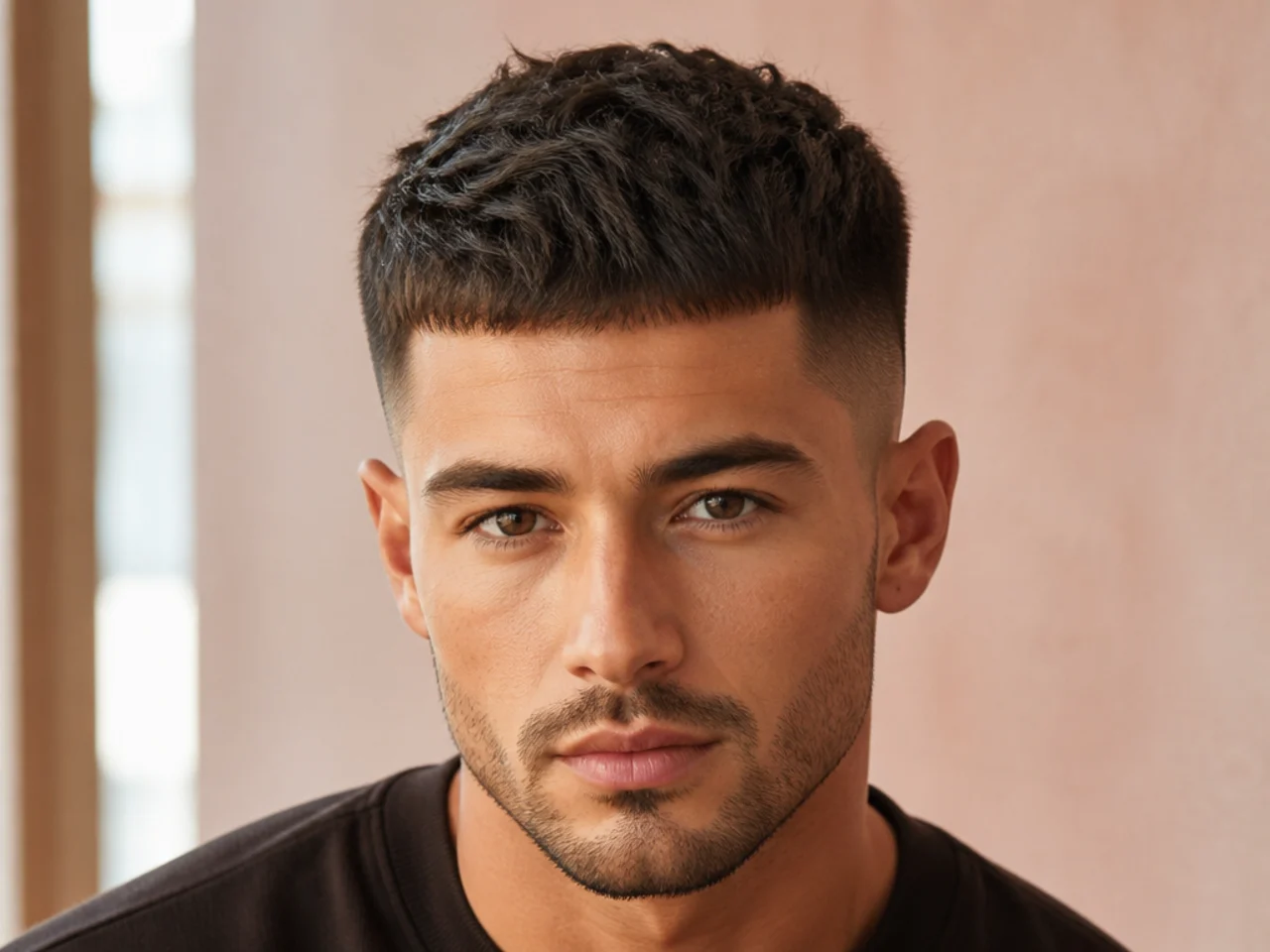
The parietal ridge is where the side of the head turns into the top, and thick hair stacks against it. Shorter internal layers below that line remove the volume propping the top up, while the visible length stays where it was.
4. Scissor-Over-Comb Through the Back Bulk
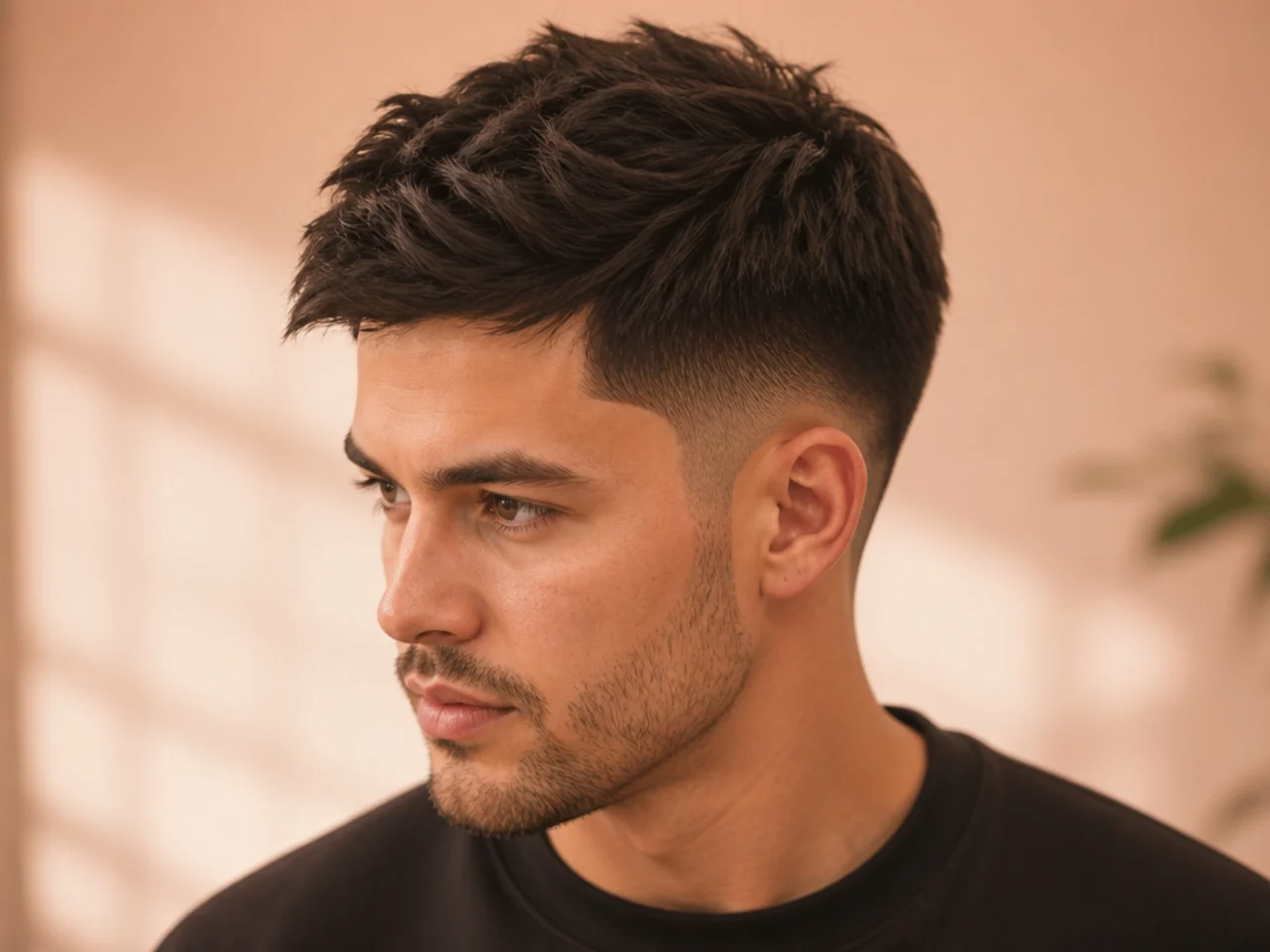
A comb lifts the hair away and the scissors cut against it, so length is controlled continuously rather than in guard-sized steps. That matters on a thick back, because guards jump in millimetres and leave a shelf where density changes.
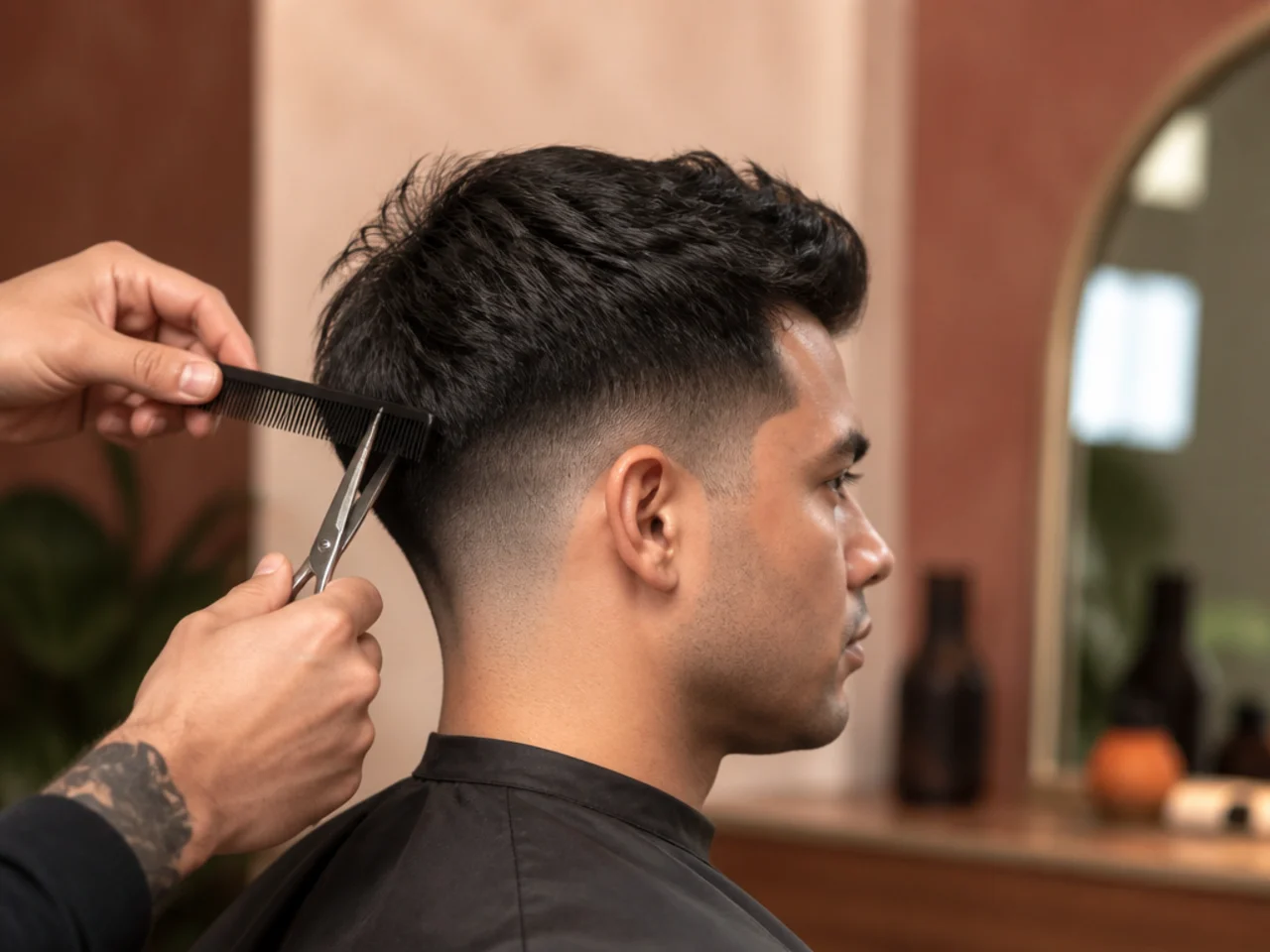
5. The Crown Whorl Debulked, Not Shortened
Hair spins out of the crown in every direction, so cutting it shorter just makes more of it stand up. Removing weight from within the whorl lets the surrounding hair fall over it, which is the only way that spot lies flat.
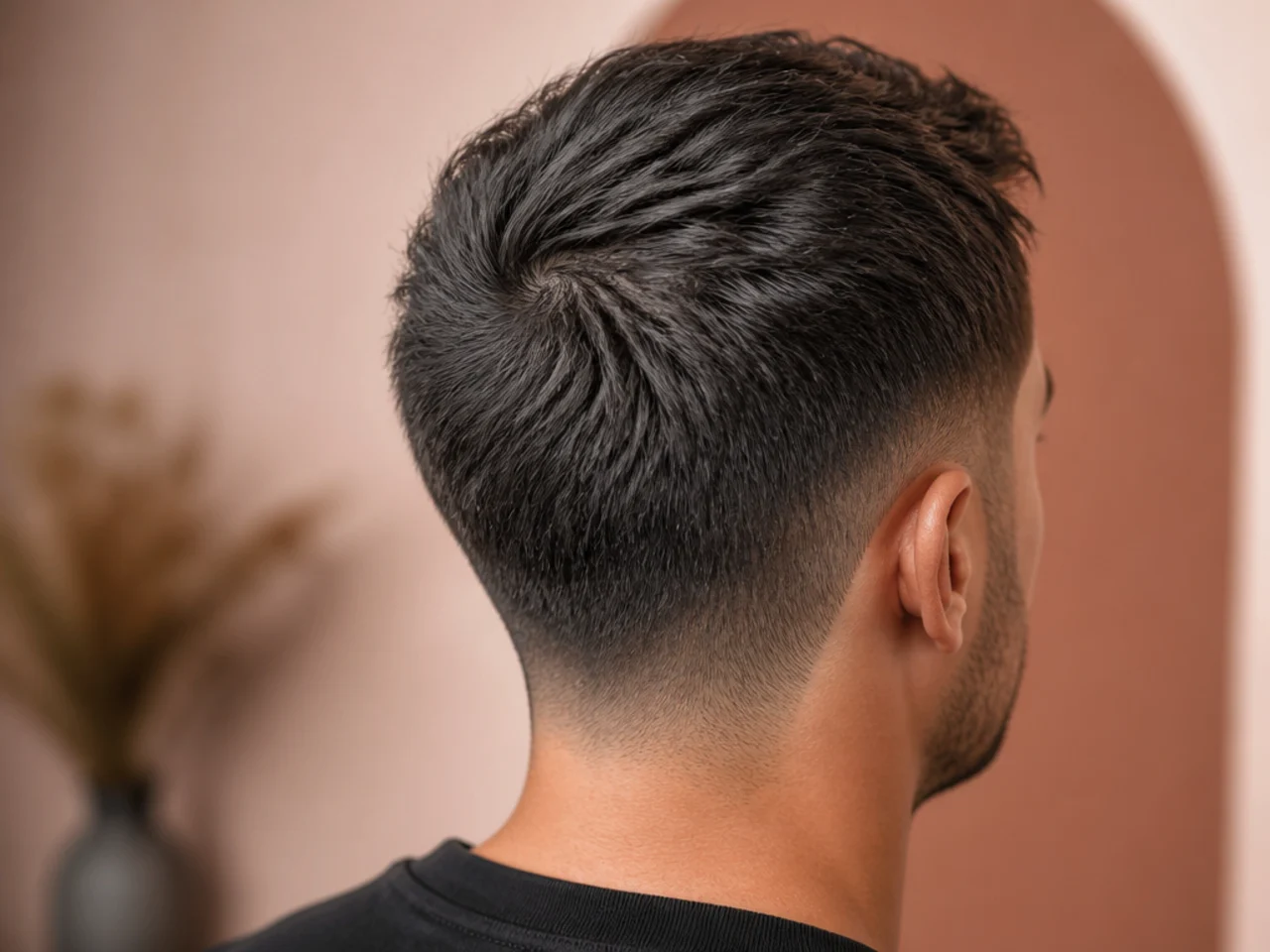
6. Thinning Shears Kept Well Away From the Scalp
Thinning shears used close to the roots leave short stubs that stand up inside the cut and push everything above them outward. Kept four or five centimetres out along the length, the same tool removes bulk without making spikes.
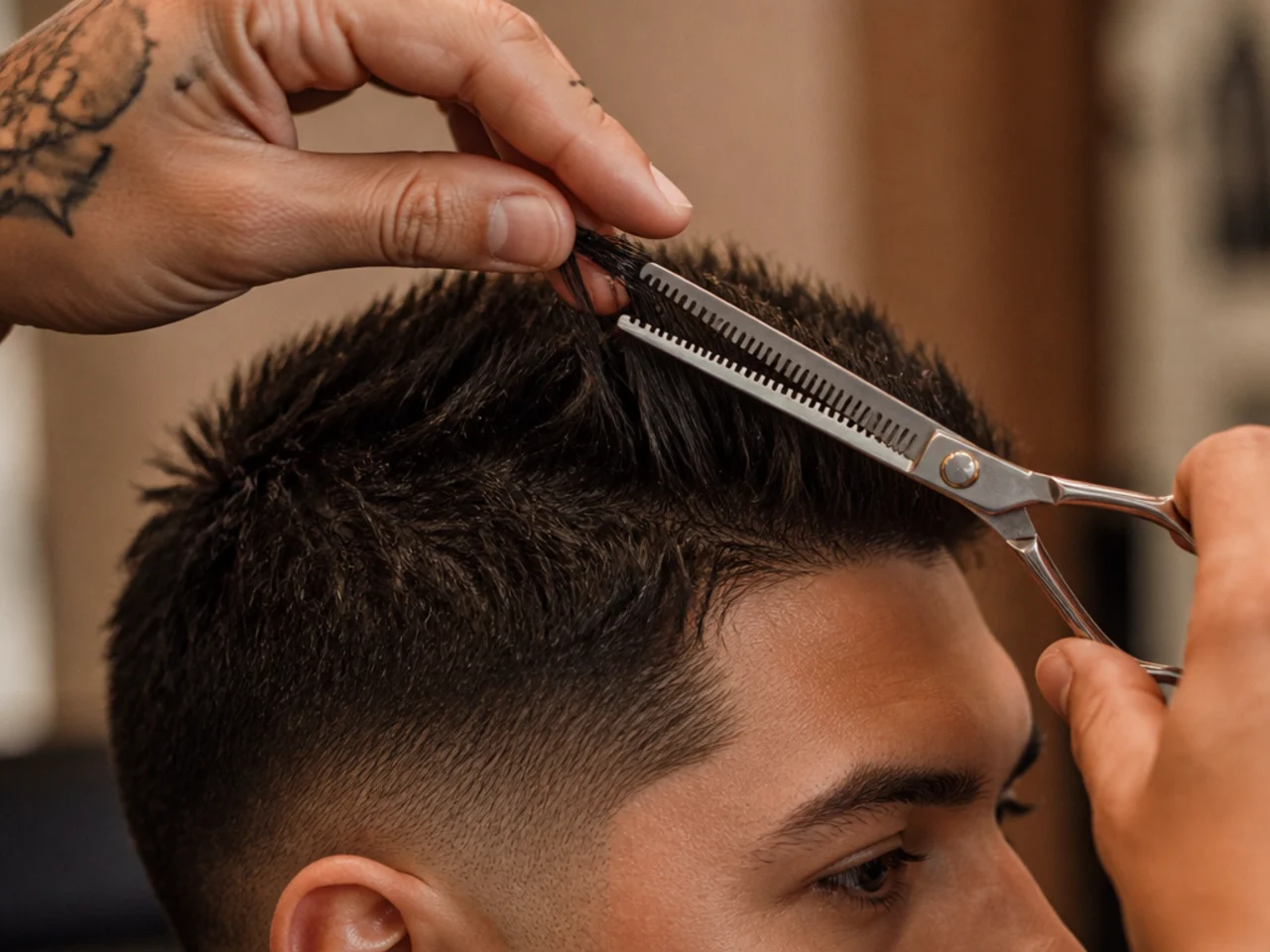
7. A Taper That Removes Volume Instead of Length
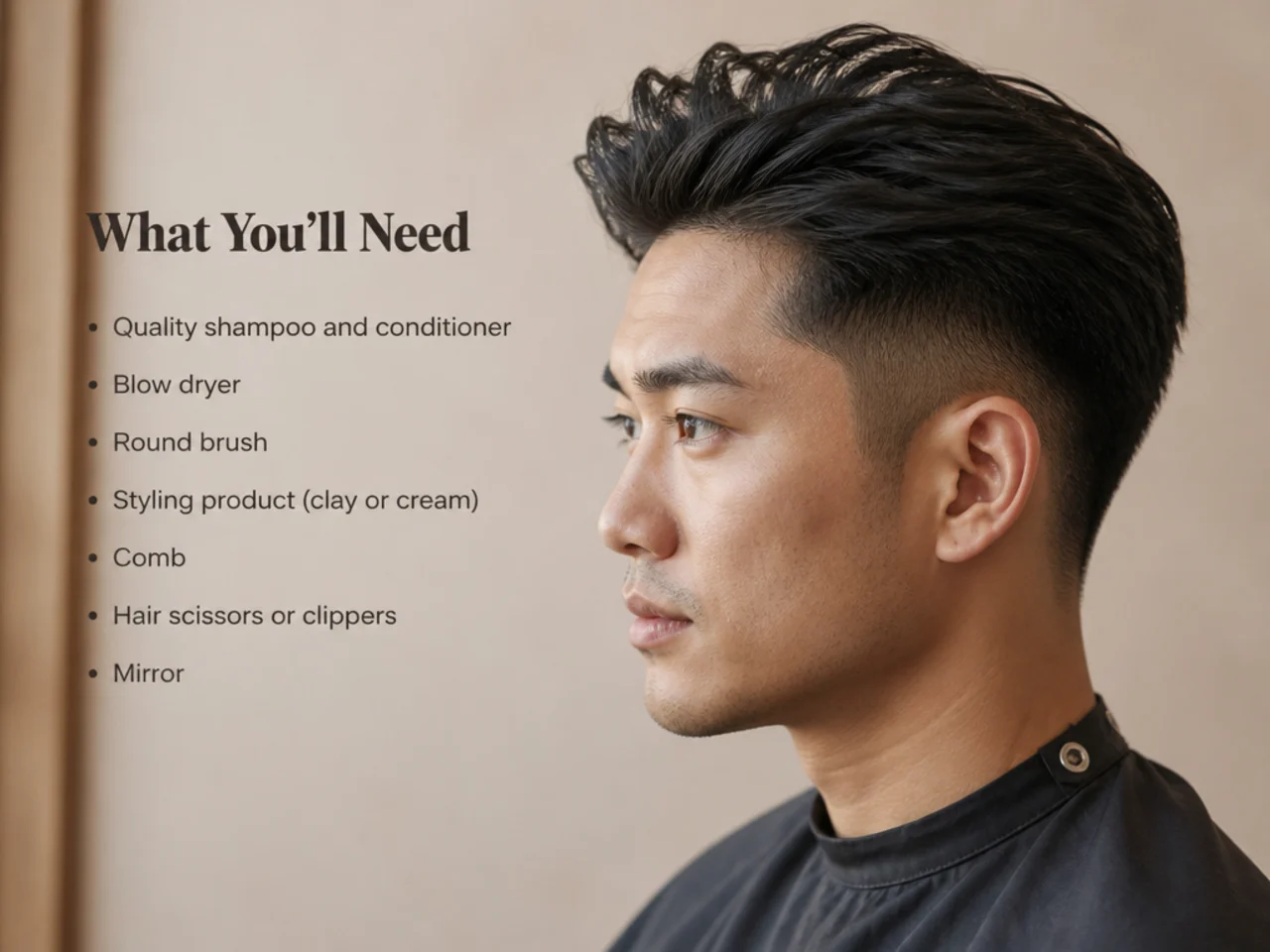
A taper always leaves length, usually a #1 at the neckline, and on thick hair its real job is thinning the mass gradually rather than shortening it. Because it is progressive, no single point exists where density drops and the hair kicks out.
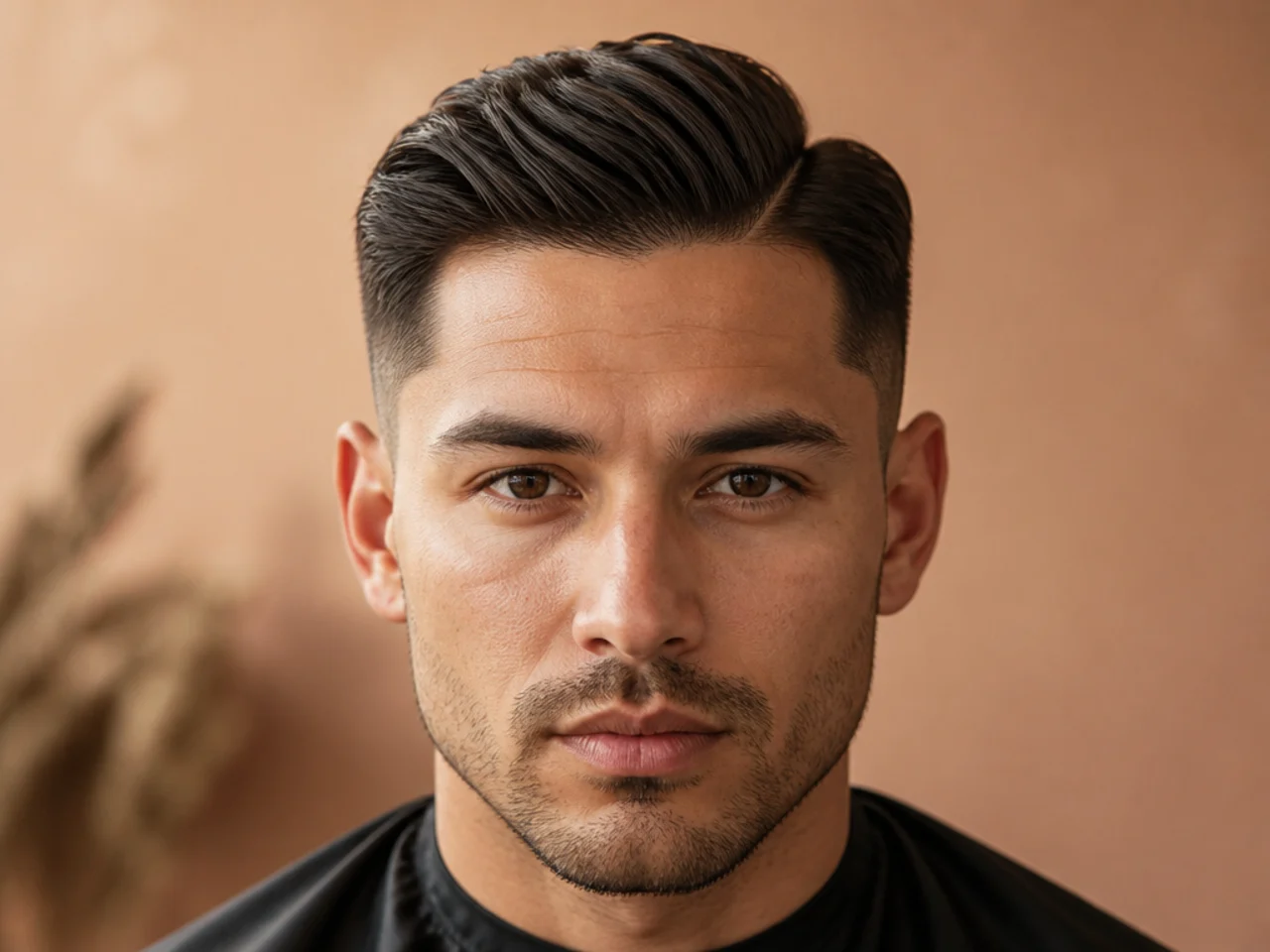
8. The Occipital Shelf Flattened From Underneath
The back of the skull bulges just above the nape, and thick hair sitting on it forms a visible shelf. Taking density out of the section directly beneath the widest point lets the hair above drop instead of resting on a ledge.
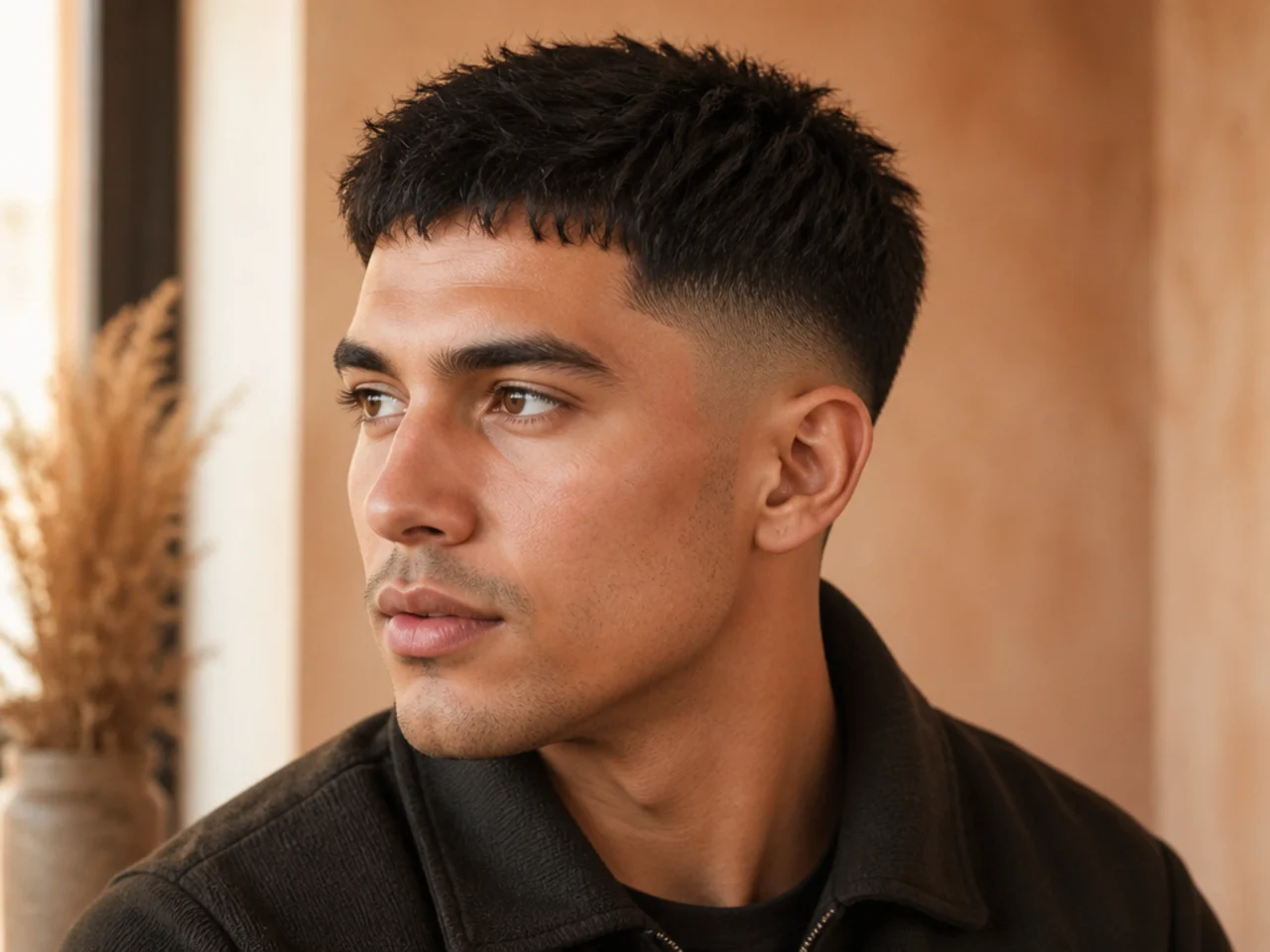
9. The Fringe Corner That Flares Sideways
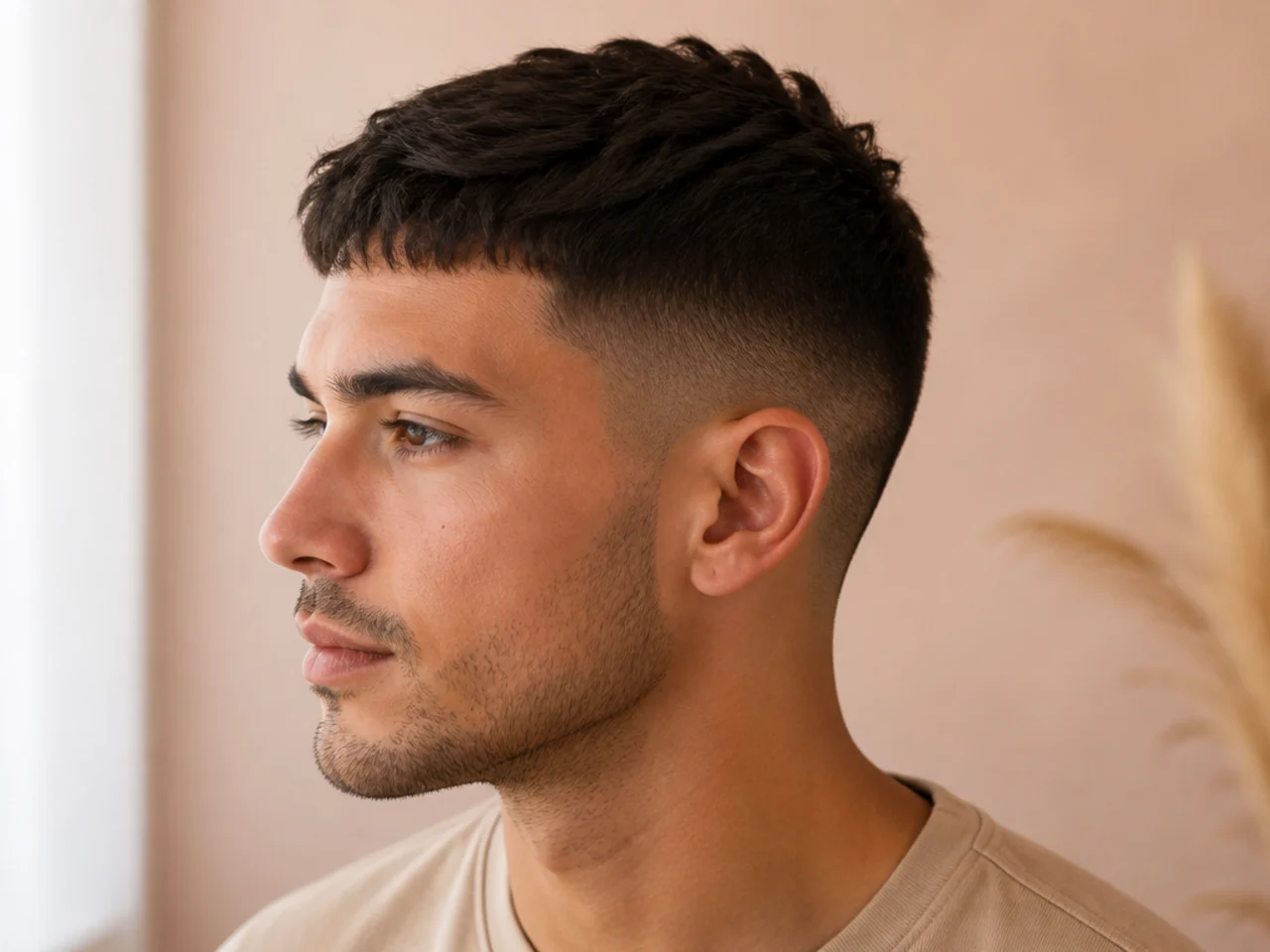
Where the fringe meets the temple, thick hair often wings out because two growth directions meet and neither wins. Weight removed from the underside of that corner lets the fringe sit forward, with no length taken off the front.
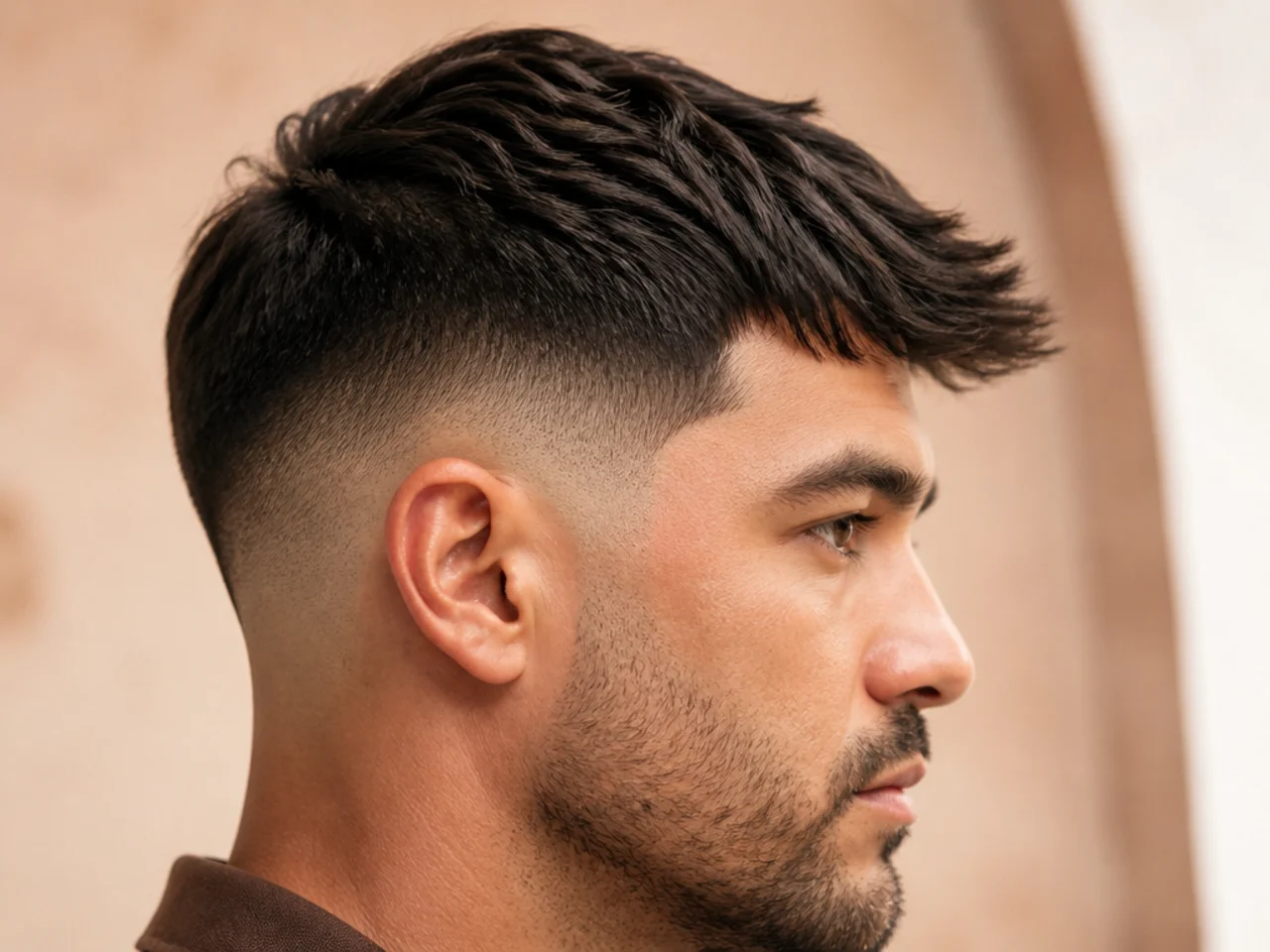
10. Bulk That Sits in the Tips, Not the Body
Some thick heads are dense at the ends and already lie reasonably flat at the root, and taking weight out of the middle would collapse them. Removing small wedges from the very tips alone is the lightest intervention on this page, and the only one that suits hair that is thick but not lifting.
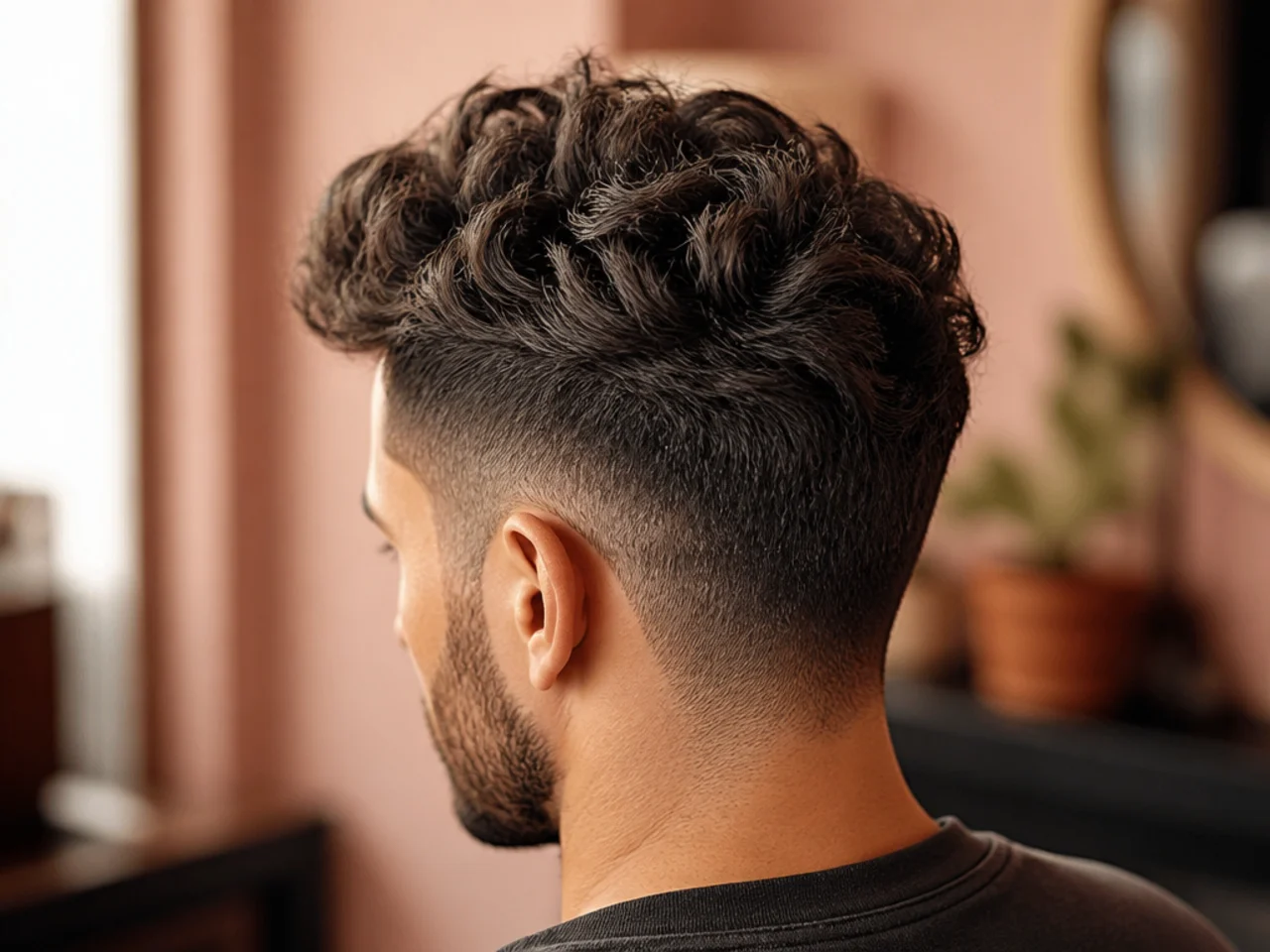
11. Density That Builds From Mid-Length Down
Where the bulk starts halfway down the section rather than at the root, the roots have to stay dense or the whole cut goes flat against the scalp. Weight taken progressively from mid-length to tip removes it from where it shows and leaves it where it holds the shape up.
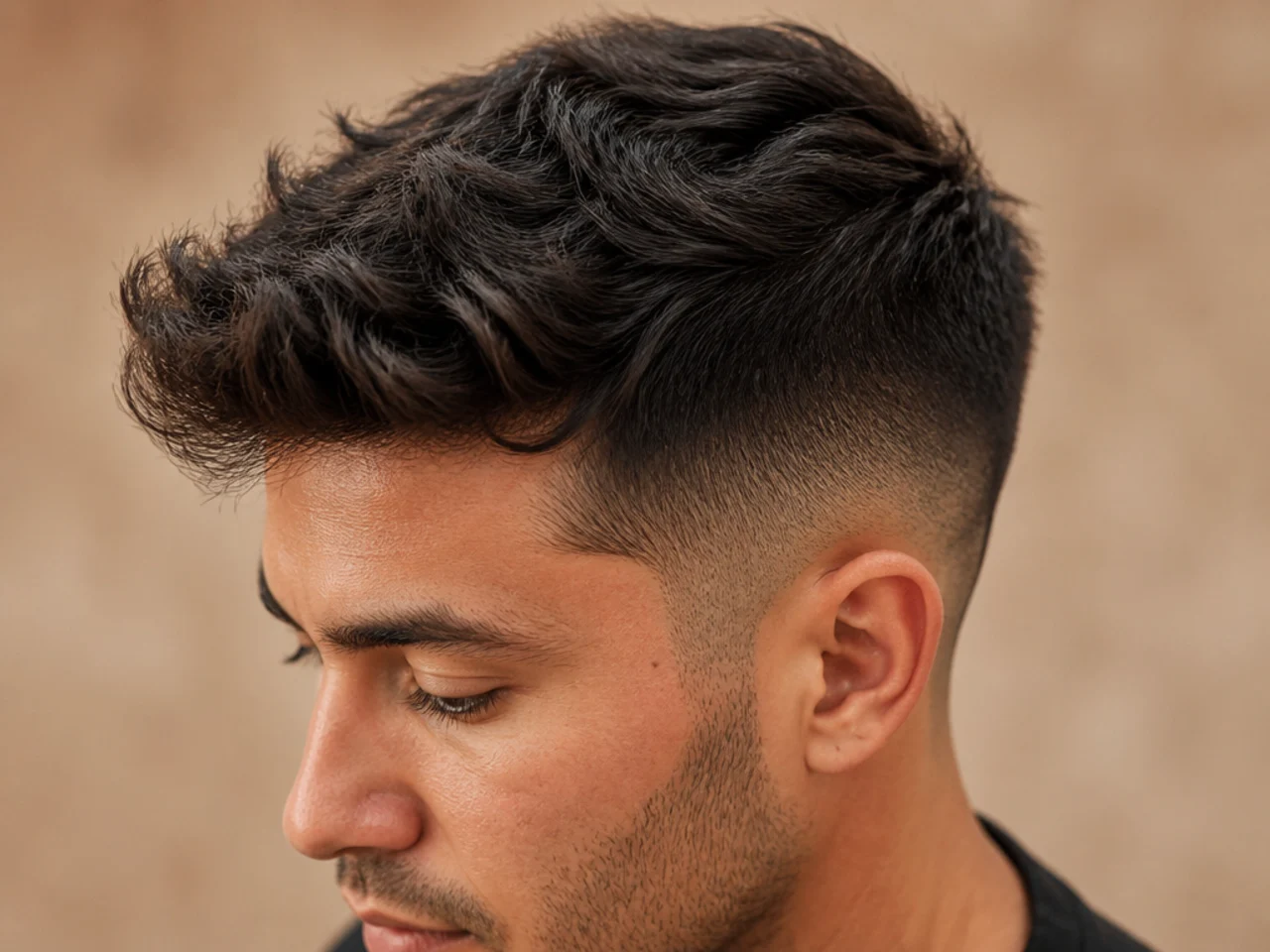
12. Reducing Density Versus Breaking a Line
These are two different requests and thick hair usually needs both, in different places. Taking hair out evenly through a section reduces how much is physically there; taking it out unevenly only softens an edge. Ask for the second when you meant the first and the cut walks out just as bulky.
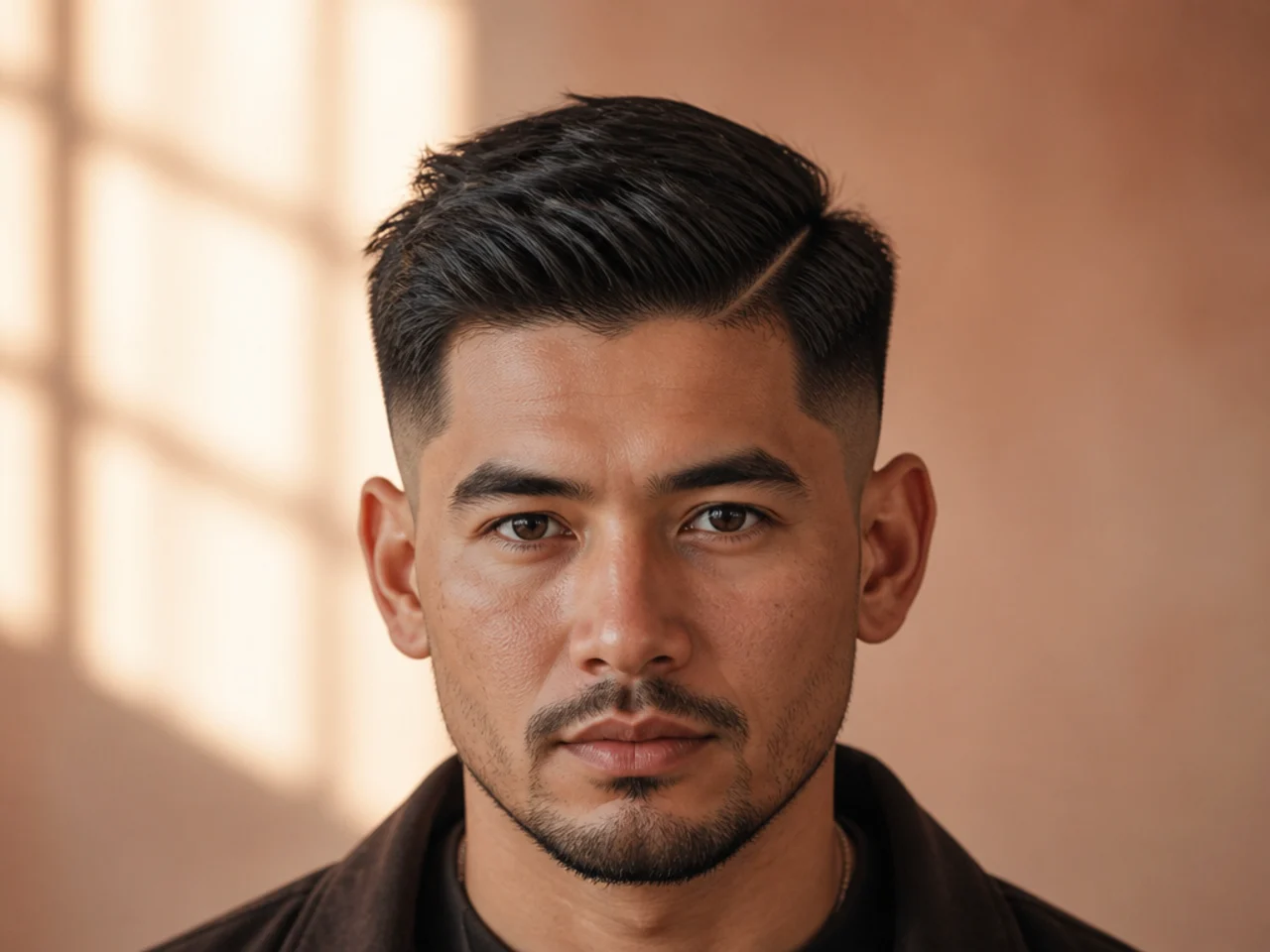
13. The Wedge Above the Nape
Thick hair collects in a triangle just above the neck hairline and pushes the whole back section out. Cutting that wedge shorter underneath, leaving the outer layer, lets the length above lie flat instead of hovering.

14. Weight Removed Before the Length Is Set
Debulking after the shape is finished changes the shape, because the hair drops once the mass under it goes. Removing first means the outline is cut onto hair already sitting where it will sit, so nothing moves afterwards.
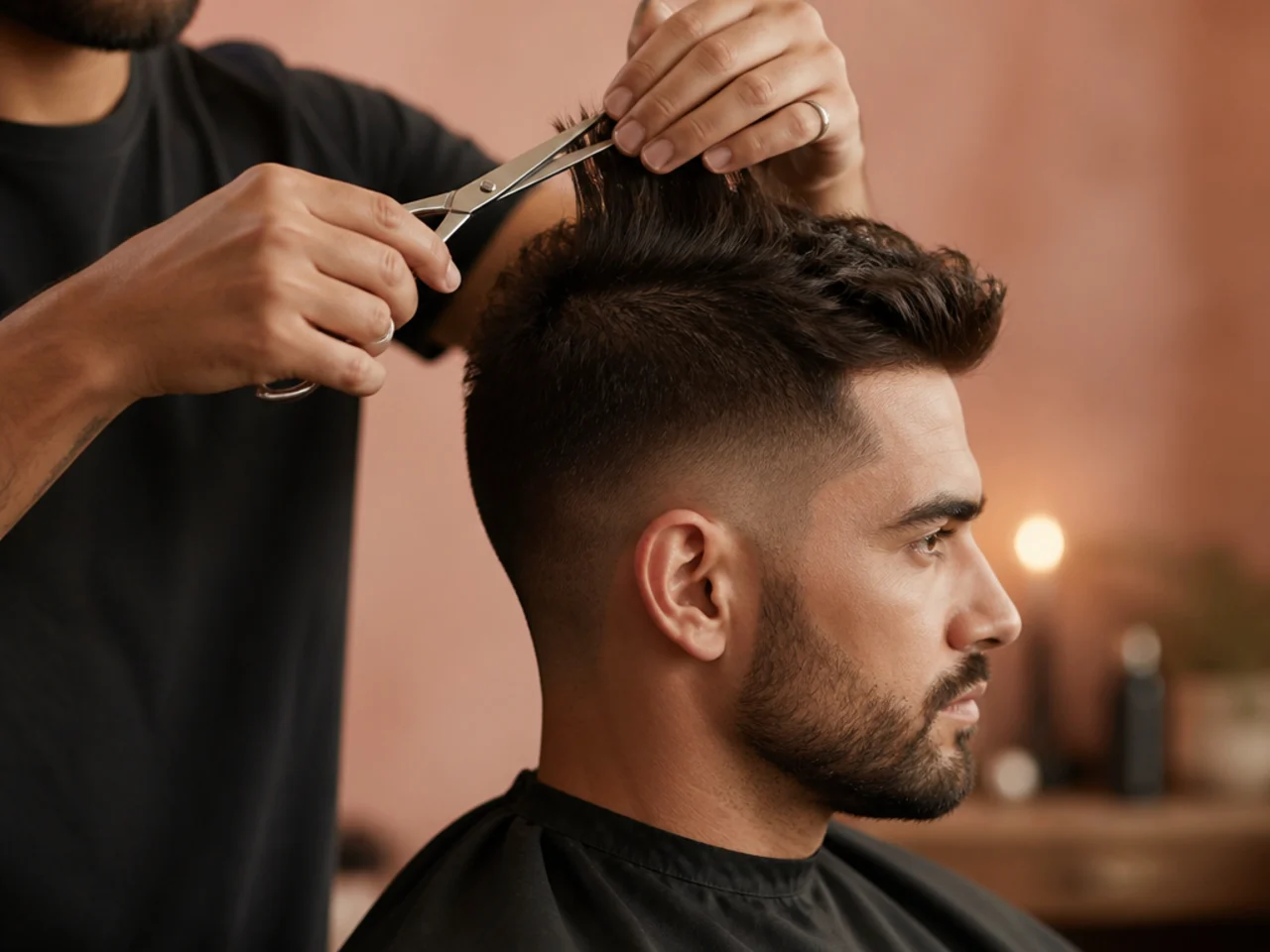
15. Where Not to Remove Weight At All
The hairline, the temples and the part line should never be thinned, because density there gives an edge something to be cut against. Take weight from any of the three and you get flyaway short hairs that stand up permanently.
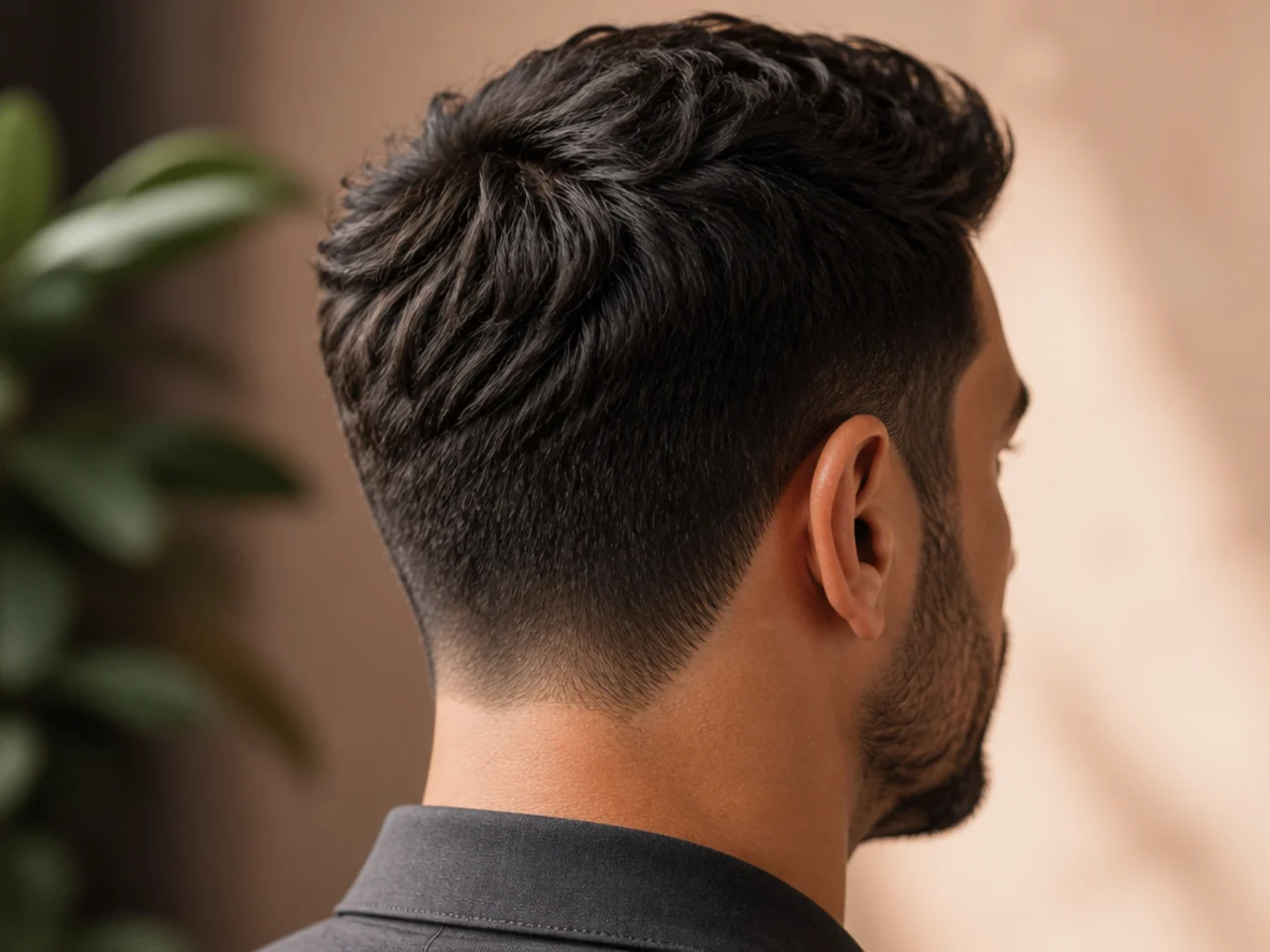
Upkeep on a Debulked Cut
Book the weight removal, not just the haircut. Density grows back on the same schedule as length, so it needs redoing every visit rather than occasionally.
Expect week three to be the heaviest. The internal layers catch up with the surface around then, which is when the sides start standing out again.
Wash less often than you think you need to. Thick hair that squeaks is thick hair with nothing weighing it down.
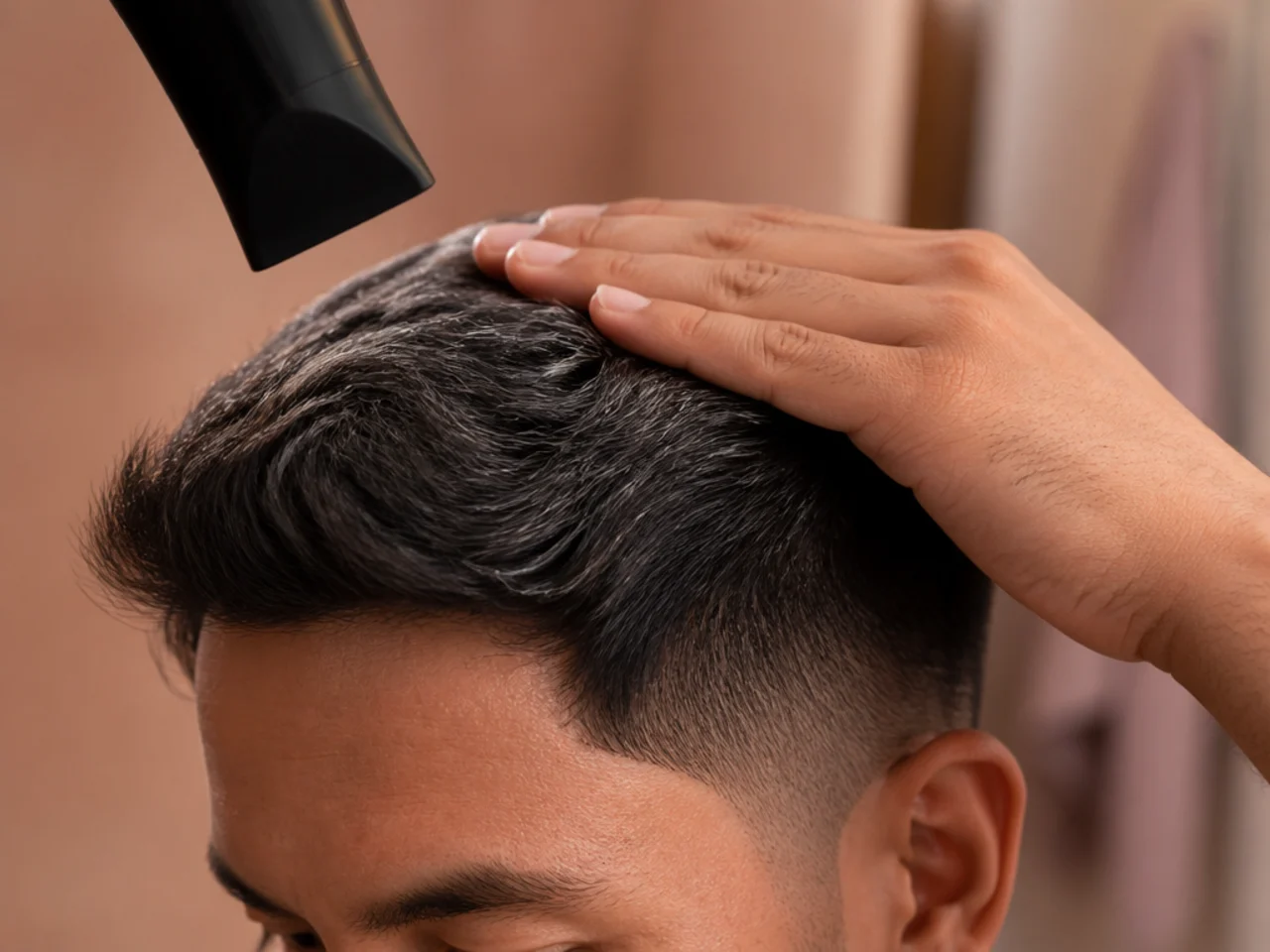
Dry the sides downward with a flat hand. Fifteen seconds of directed airflow sets the direction that all that debulking made possible.
Skip volumising anything. Thick hair does not need lift, and mousse or salt spray undoes the work the shears did.
Mistakes to Avoid
Asking for it shorter when you meant lighter. Those are different instructions and only one of them solves the flare.
Letting thinning shears near the roots. Short stubs inside the cut push the hair above them further out.
Thinning the surface layer. It is the layer people see, and once it is sparse nothing puts it back.
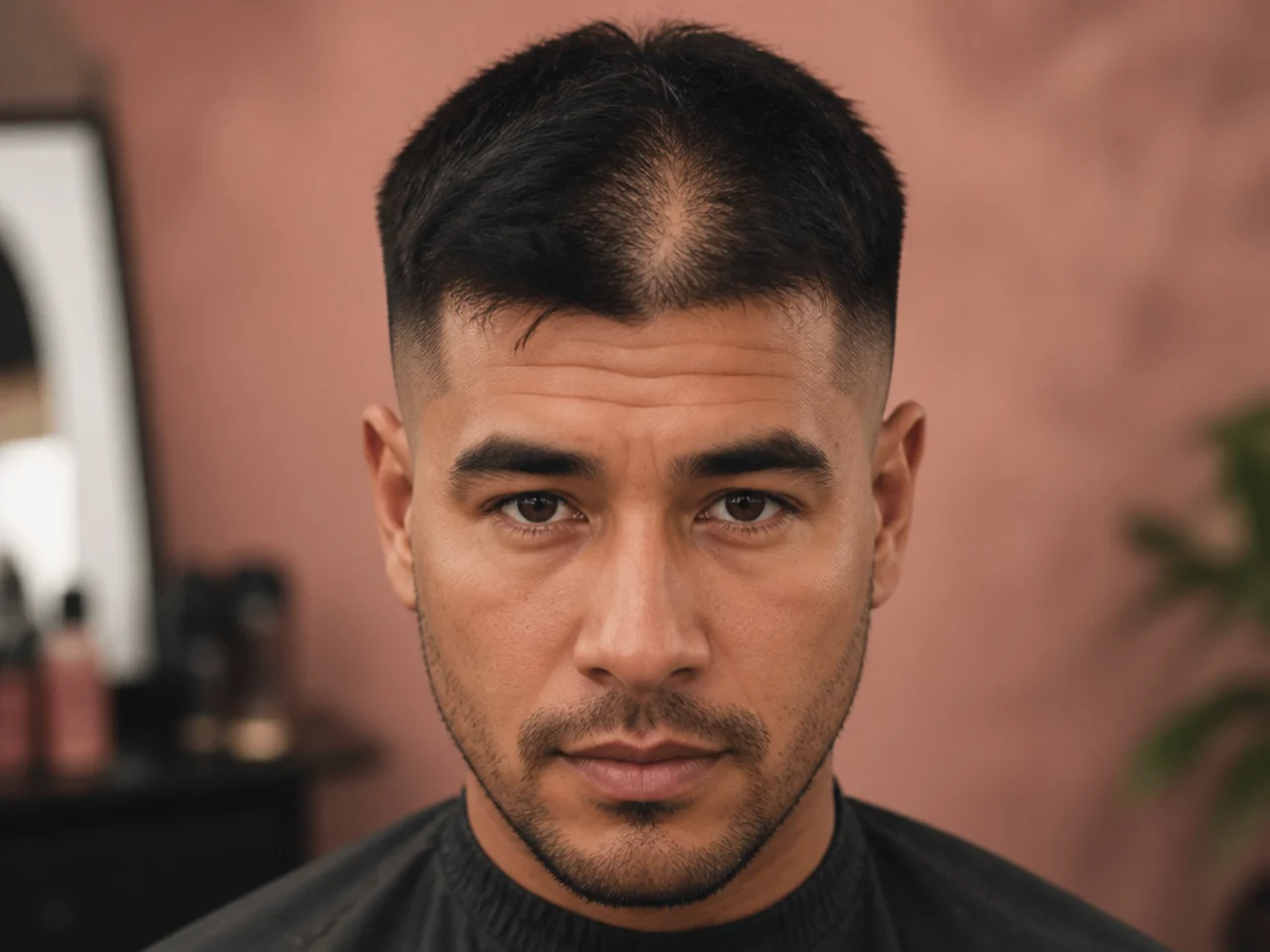
Fading to skin on the sides to control the bulk. It shortens the sides but leaves every gram of density on top.
Judging the cut in the chair. Debulked thick hair settles over two or three days as the weight redistributes.
FAQ
Why does it flare above the ears? The head turns a corner there and dense hair has nowhere to fall.
Shorter or lighter? Lighter, almost always — length is not what makes thick hair stand out.
How often does debulking need redoing? Every cut, because density returns as fast as length does.
Final Thoughts
Walk in with a location and a technique rather than an adjective. "Take weight out under the parietal ridge and above the ears, keep the surface" gets a different haircut from "it's too thick", for the same money and the same forty minutes.
For more length options on dense hair see men's haircuts for thick hair, and for the tools that do the work at home see the best hair clippers for men. More in Men's Haircuts.