15 Things I Learned From A Medium Curly Wolf Cut
Fifteen things a medium curly wolf cut teaches you, starting with the one that ruins most of them — curl shrinkage means the length agreed on wet is not the length you leave with. The shape lives in the layer spacing, not the ends.
In this article · 22
- What a Medium Curly Wolf Cut Actually Is
- How I Chose the Length and the Layers
- The 15 Things I Learned
- 1. Cutting It Wet Was the First Mistake
- 2. Shrinkage Decides the Finished Length
- 3. The Shortest Crown Layer Sets Everything
- 4. Medium Is the Hardest Length to Balance
- 5. Tighter Curls Need Wider Layer Spacing
- 6. Thinning Shears Break the Curl Clumps
- 7. The Face Frame Has to Start Higher
- 8. A Comb Undoes the Cut
- 9. Volume Comes From the Crown
- 10. The Triangle Is a Weight Problem
- 11. Second Day Hair Is the Real Test
- 12. Diffusing Changes the Silhouette
- 13. Product Cannot Fix a Layer in the Wrong Place
- 14. Trims Every Ten to Twelve Weeks
- 15. Reference Photos Do Not Transfer Between Curl Types
- Styling and Upkeep
- Mistakes to Avoid
- FAQ
- Final Thoughts
Nearly every disappointing curly wolf cut comes down to one thing — it was cut wet, and wet curly hair is not the length it will dry to.
The shape lives in the layer spacing. Length is the least important decision in this cut. Where the shortest crown layer sits, and how far it is from the one below it, is what makes the silhouette.
Shrinkage moves every one of those layers. A curl that reaches the collarbone stretched can dry at the jaw. Cutting wet places layers on a map that stops existing the moment the hair dries.
What a Medium Curly Wolf Cut Actually Is
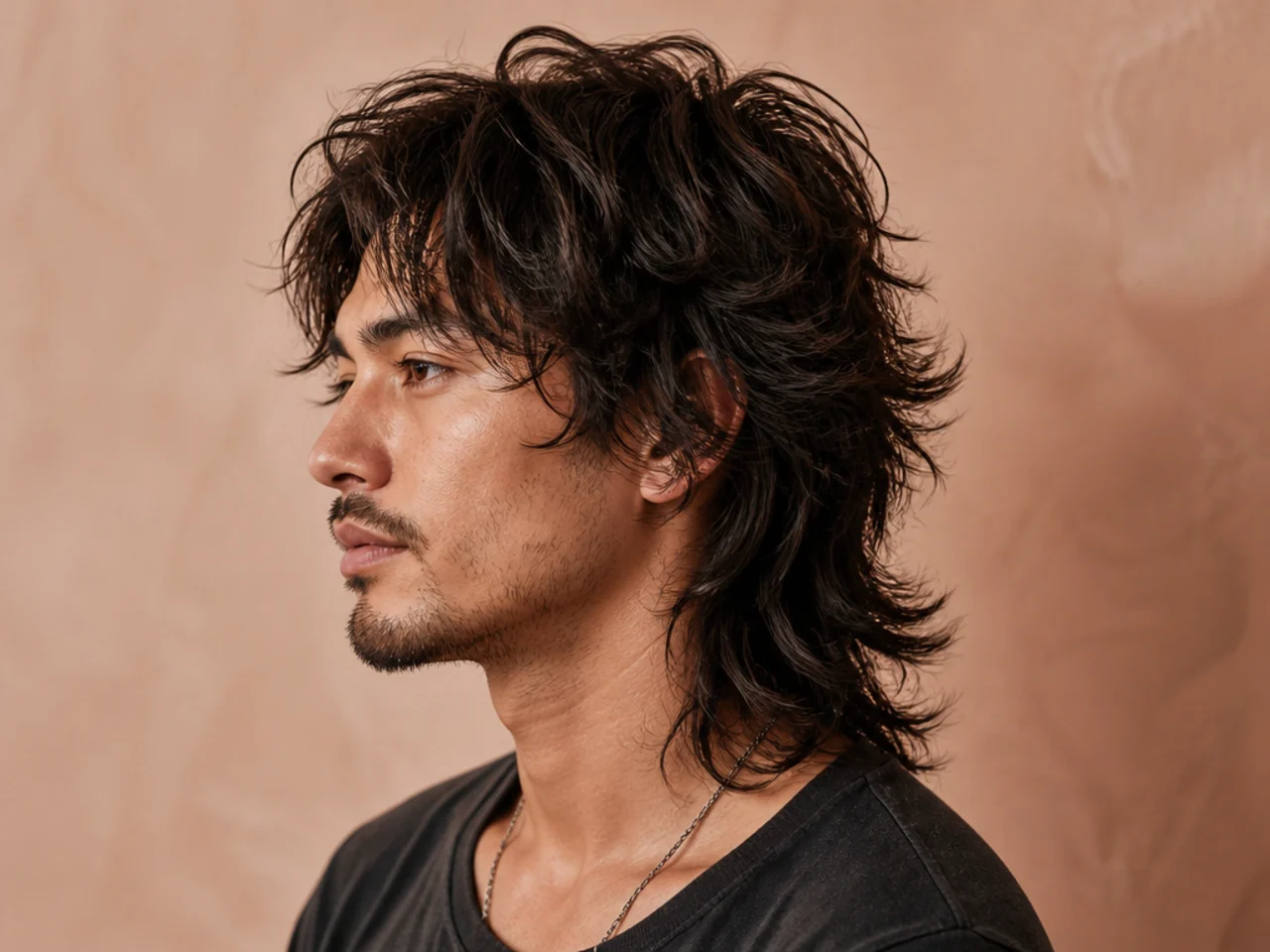
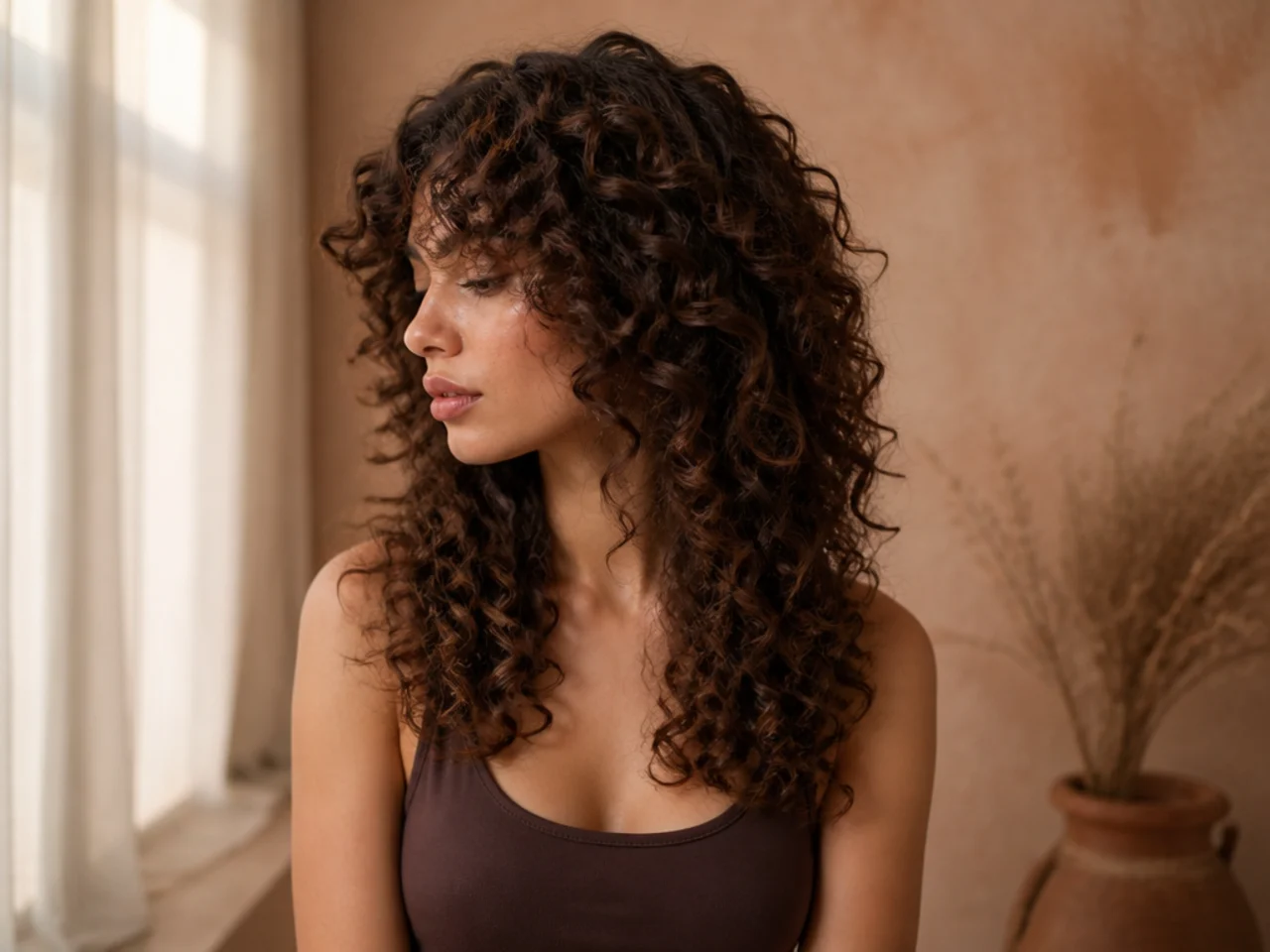
It is a shag with a mullet buried in it. Short heavy layers around the crown, a longer perimeter at the back, and a face frame connecting the two. Remove any one of the three and it becomes a different haircut.
Medium means shoulder to collarbone dry. Not stretched. On a pattern that pulls up by a third, that is somewhere near the mid back with the hair pulled straight.
The disconnection is deliberate. There is a visible step between the crown layers and the length. Blend it away completely and you have a long layered cut, which is a fine haircut but not this one.
Volume here is structural, not styled. The short crown layers rest on the longer ones and hold them off the scalp. That is where the lift comes from, and no product substitutes for it.

How I Chose the Length and the Layers
Pick the finished dry length, not the amount taken off. Two inches off means nothing on hair that shrinks. Point at your collarbone and say the ends land here, dry, curls down.
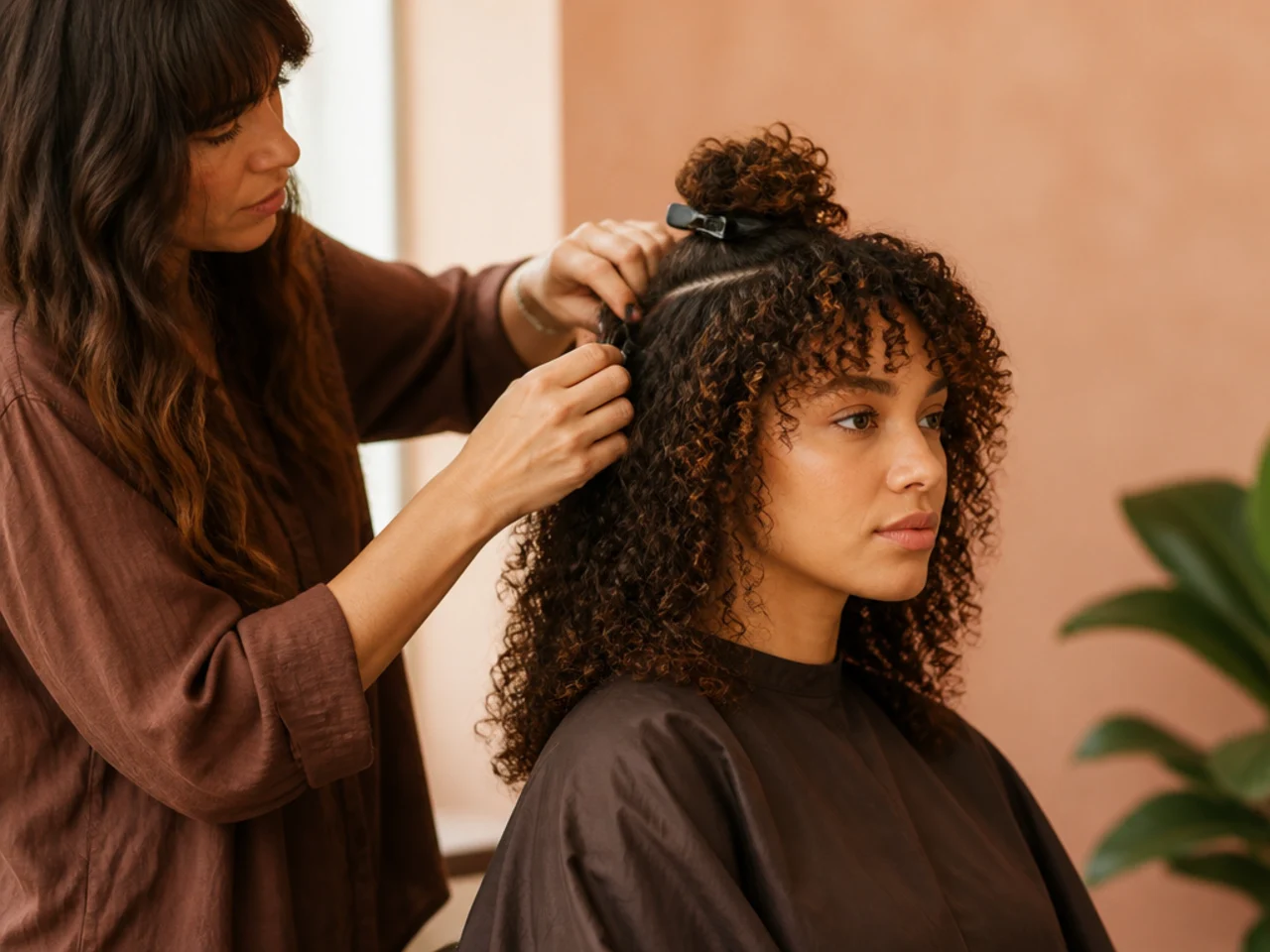
Set the crown layer against your curl diameter. A tight curl occupies more vertical space than a loose one, so the shortest layer has to start higher to clear the layer underneath it.
Decide the face frame before the scissors move. It changes your reflection more than anything else in the cut and it is the slowest piece to grow back.
Be honest about how you actually wear it. A cut built for a wash and go behaves differently diffused, stretched or straightened, and layers that separate beautifully loose can read as shelves once smoothed.
The 15 Things I Learned
1. Cutting It Wet Was the First Mistake
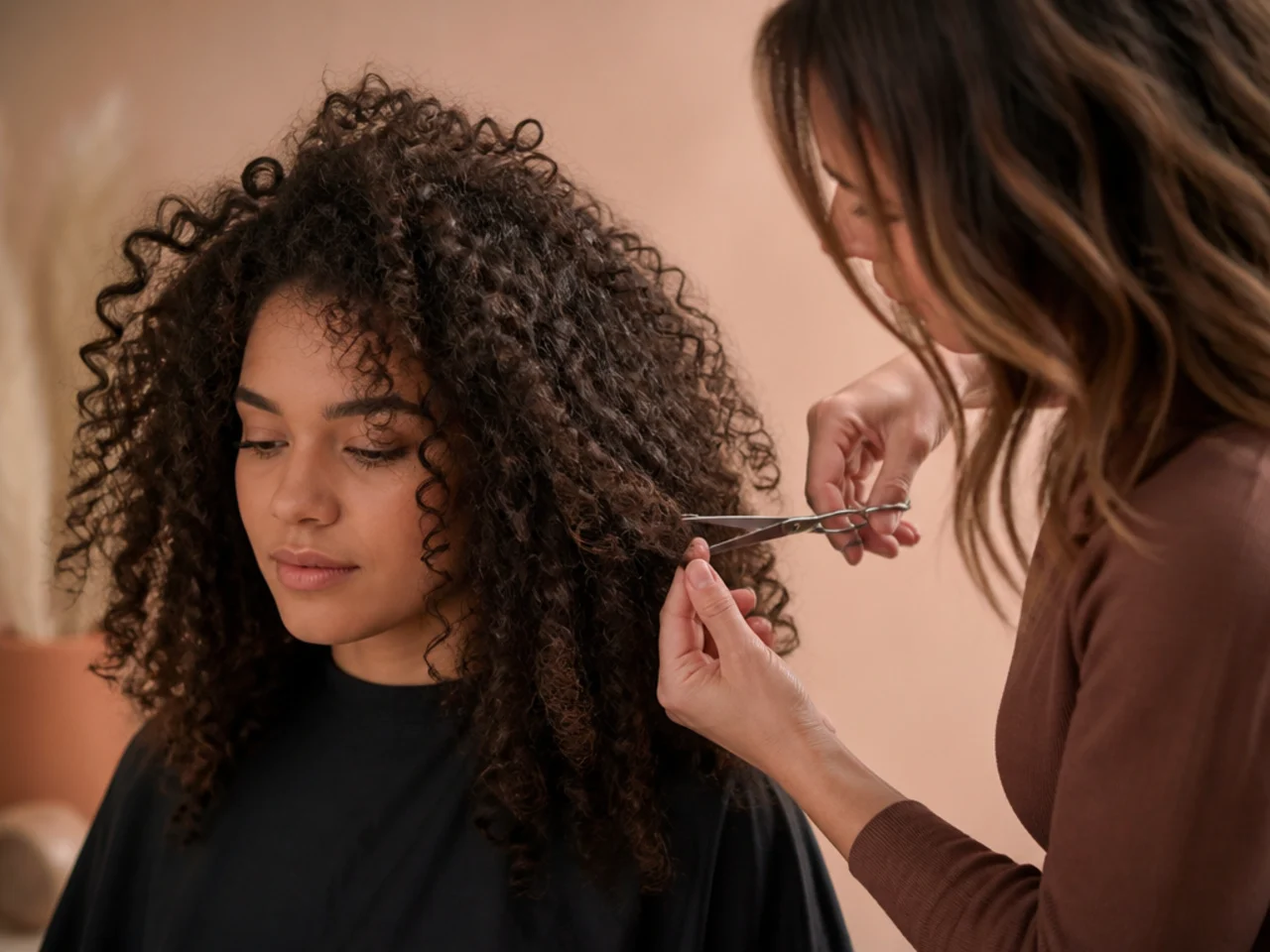
Wet curly hair hangs at two or three times its dry length, so every layer gets placed on a version of the hair that disappears as it dries. A layer agreed at the shoulder can finish near the ear. On curls, dry cutting is not a preference, it is the only way to see what is being cut.
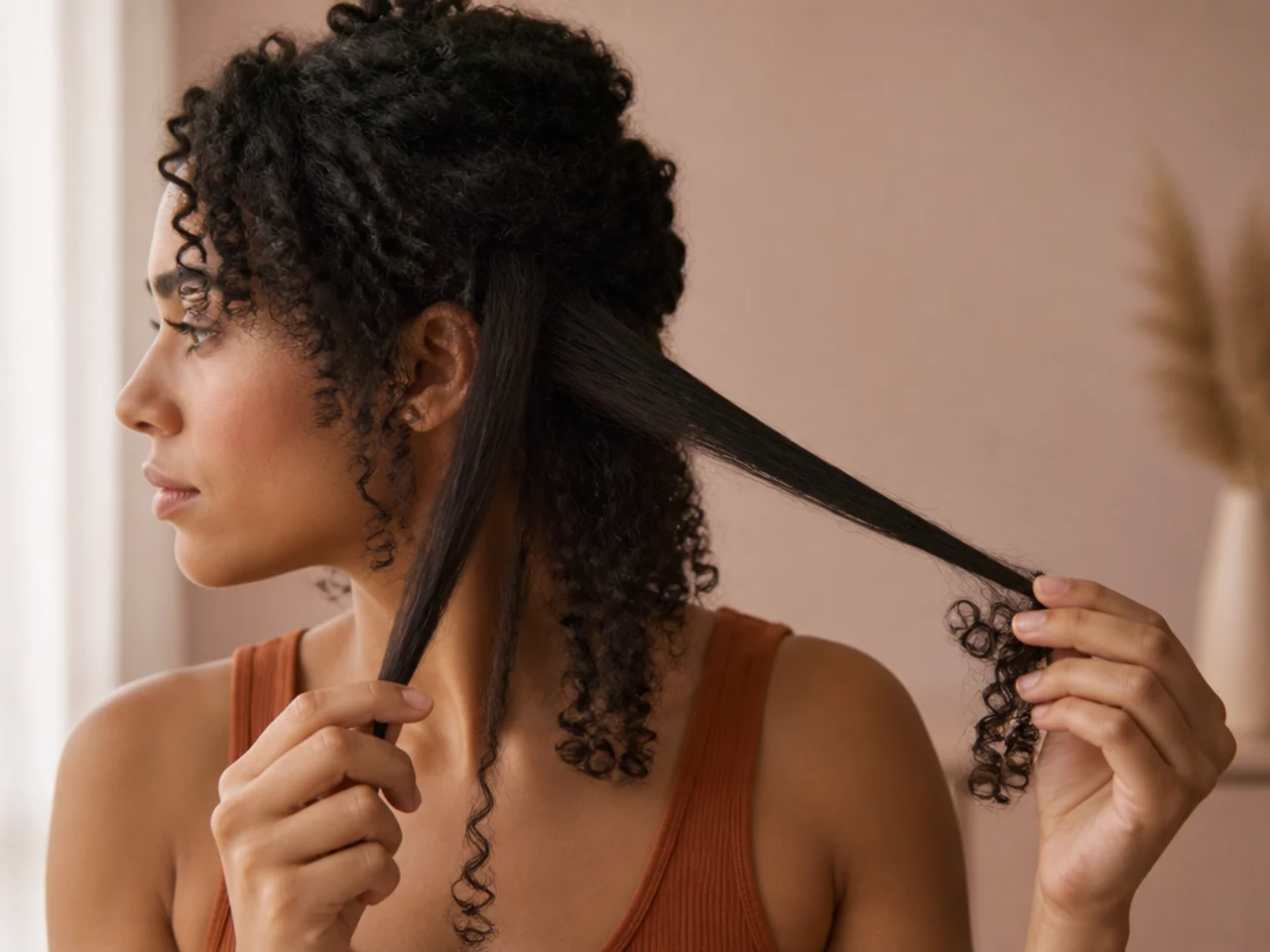
2. Shrinkage Decides the Finished Length
Most wave and curl patterns pull up by a quarter to a half once dry, so a wolf cut aimed at the collarbone has to be cut nearer the mid back. Agree on where the ends land dry with the curls down, and let the stylist work backwards from that.
3. The Shortest Crown Layer Sets Everything
Every other layer is measured against it, so if that one piece is a centimetre too short the whole stack sits higher and the cut starts reading as a mullet. It is also the slowest piece to grow back. Ask for it long at the first appointment and take more off at the next.
4. Medium Is the Hardest Length to Balance
Short hair has no room for a stack and long hair has room to spare, but between the shoulder and the collarbone the layers have to fit into a few inches of vertical space. Crowd them and the shape goes triangular; spread them too far and the disconnection turns into a shelf.

5. Tighter Curls Need Wider Layer Spacing
A tight curl takes up more height than a loose wave, so two layers cut close together vanish into one another and change nothing. The looser the pattern, the nearer the layers can sit before they stop reading as separate pieces at all.

6. Thinning Shears Break the Curl Clumps
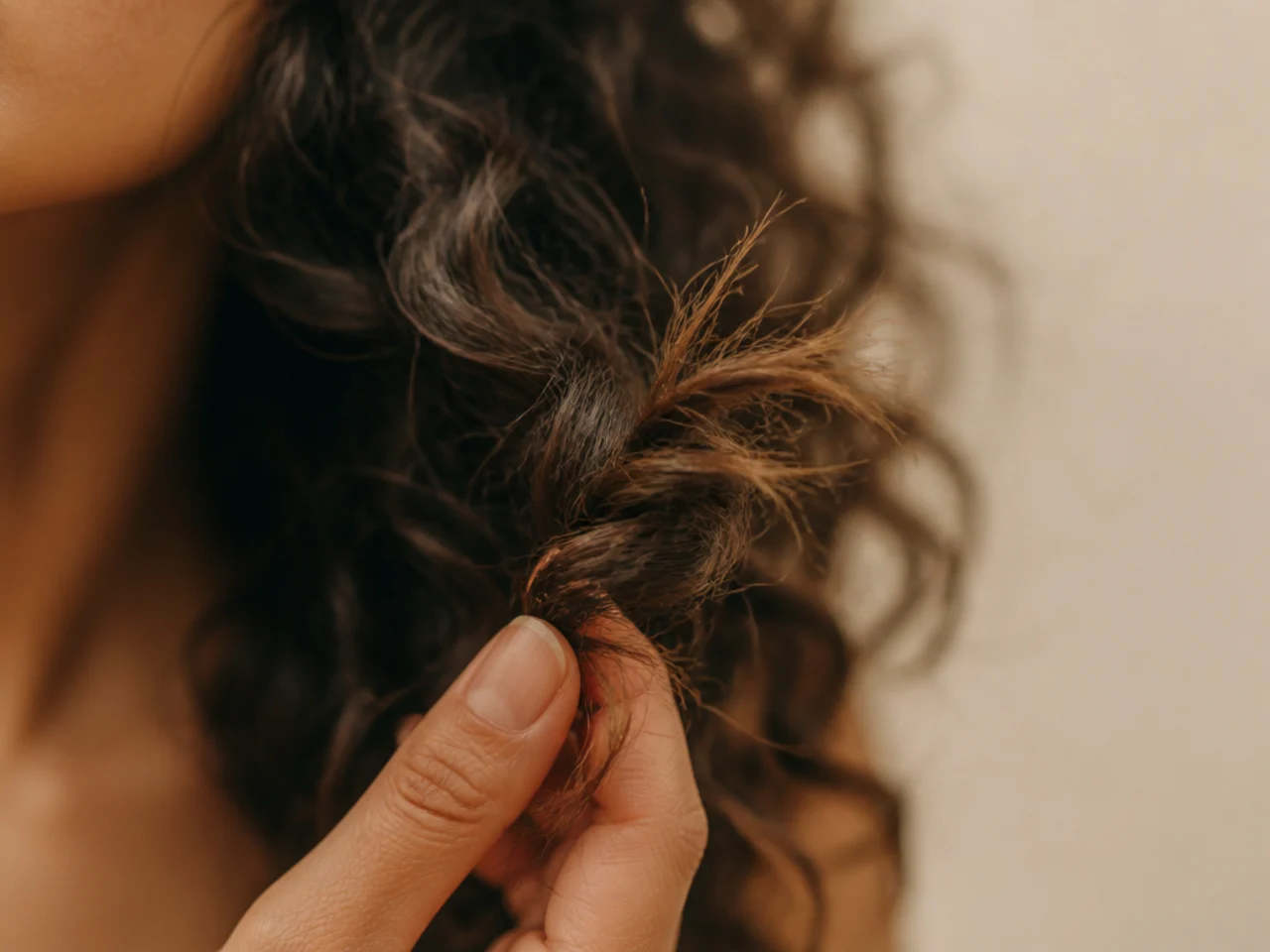
Curl definition comes from strands of similar length gathering into a clump. Cutting into the middle of the length leaves short broken ends inside each clump, and those ends stick out as frizz instead of joining the curl. Bulk on curly hair is removed by taking whole strands from underneath.
7. The Face Frame Has to Start Higher
The front pieces are the shortest hair on the head and carry the least weight pulling them down, so they spring up further than the length behind them. A frame cut at the jaw settles near the cheekbone. Ask for it a full curl longer than the photograph shows.

8. A Comb Undoes the Cut
Running a comb through dry curls separates each clump into individual strands, and the shape is built out of clumps. Detangling belongs in the shower with conditioner and fingers, and after that the hair should be touched as little as it can stand.

9. Volume Comes From the Crown
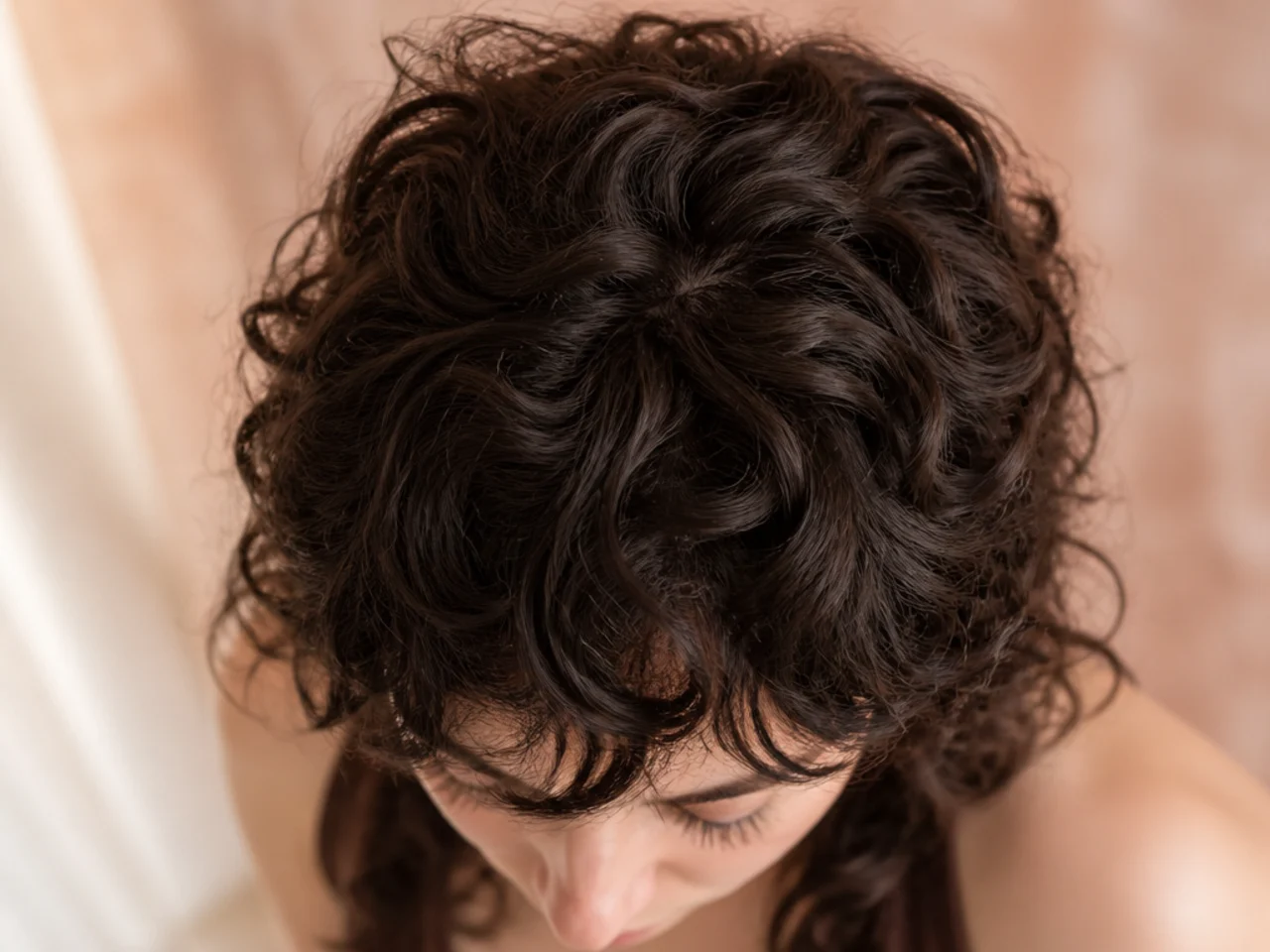
The lift is mechanical. Short layers at the crown rest on the longer ones underneath and hold them away from the scalp. When a wolf cut goes flat, the cause is nearly always crown layers left too long to prop anything up, not a failure of styling.

10. The Triangle Is a Weight Problem
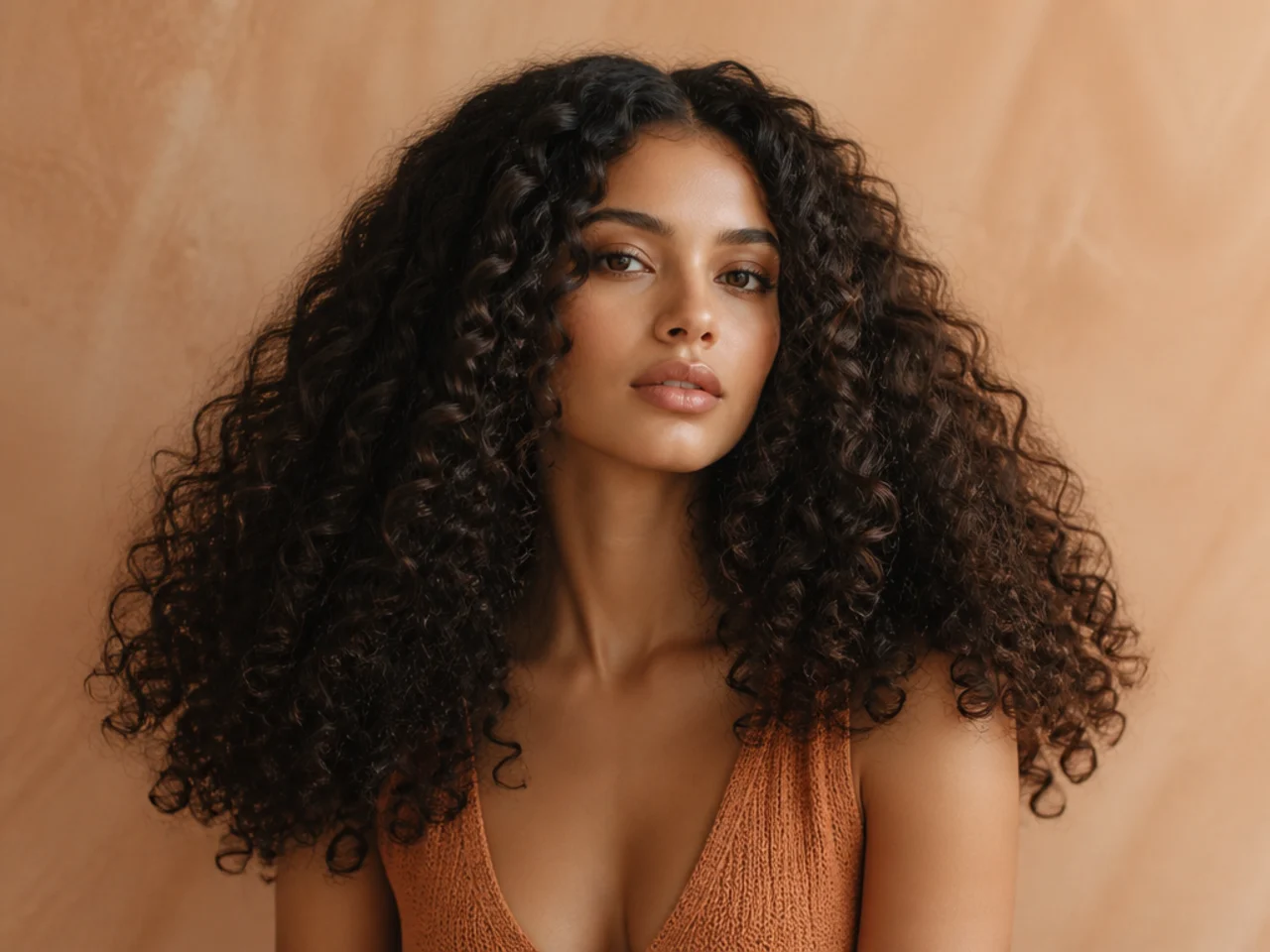
Wide at the bottom and flat on top means too much hair sitting at the perimeter and not enough removed from underneath. The correction is internal weight removal through the mid lengths. Shortening the ends only moves the widest point higher up the head.
11. Second Day Hair Is the Real Test
A fresh wash and go flatters any haircut. It is on the second and third day, once the curls have settled and separated, that a badly spaced layer shows up as a gap. Judge a new cut on day three before deciding whether it works.

12. Diffusing Changes the Silhouette
Diffusing with the head tipped over pushes the crown layers up and outward, widening the top of the shape and cancelling the triangle. Air drying does the reverse and lets the weight settle down and out. Same haircut, two different outlines.

13. Product Cannot Fix a Layer in the Wrong Place
Gel holds a clump, cream softens it, mousse adds body. None of them move hair to a different height. If the shape is wrong the cut is wrong, and buying a fourth product is a way of postponing the correction appointment.

14. Trims Every Ten to Twelve Weeks
Layers grow down together, so their spacing stays roughly proportional and the silhouette survives much longer than a blunt cut would. The ends fail first: once they split, strands stop gathering into clumps and the definition goes well before the shape does.

15. Reference Photos Do Not Transfer Between Curl Types
The same cut on a loose wave and on a tight curl is not the same haircut, because spacing that reads as clean separation on one pattern collapses into a single mass on the other. Bring a photo of hair with your texture, not the photo you like most.

Styling and Upkeep
Apply product to soaking wet hair. Clumps form while the hair is heavy with water. Product added to damp hair only locks in whatever separation has already happened.
Scrunch the cast out once fully dry. Gel dries to a hard shell on purpose, because that shell holds the clump while it sets. Breaking it by hand leaves the hold without the crunch.
Refresh instead of rewashing. Water and a little leave-in on the flattened sections resets the crown without stripping the whole head and starting the drying cycle again.
Protect the clumps overnight. Cotton friction pulls strands out of their clumps as you move. A loose pineapple or a silk pillowcase keeps day three usable.
Book by the calendar, not by the mirror. Ten to twelve weeks. By the time damage is visible in the mirror it has already travelled up the strand.

Mistakes to Avoid
Asking for inches off. On curls that number is meaningless. Say where the ends should land dry and let the stylist calculate the rest.
Letting anyone comb it out before cutting. A combed-out curl is a straight-hair haircut waiting to happen, and the layers get placed on hair that has lost its pattern.
Using thinning shears through the lengths. They leave broken ends inside the clumps, which read as frizz rather than as removed bulk.
Shortening the ends to fix a triangle. The width comes from weight sitting low, so cutting the perimeter simply raises the widest point.
Judging the cut on day one. Fresh product and a fresh blow of the diffuser hide gaps that day three will find.
FAQ
Wet or dry? Dry, curl by curl — wet curls hang at two or three times their finished length.
How much shrinkage? A quarter to a half on most patterns, and more on tight coils.
How often? Ten to twelve weeks. The ends fail before the shape does.

Final Thoughts
A medium curly wolf cut is a spacing problem dressed up as a length decision. Get the shortest crown layer in the right place for your curl diameter and the cut styles itself; get it wrong and no routine rescues it.
For the version with less vertical room to work with see the short wolf cut, and for connected layers with no step at the nape see the Korean wolf cut. More in Mullet and Wolf Cut.