
20 Hair Growth Tips to Grow Hair Faster at Home
Twenty things you can change at home, plus an eight step routine to put them in order. None of it speeds the follicle up, because nothing does. All of it protects the length you already grew, which is where the visible gain lives.
In this article · 37
- How Fast Hair Grows
- Breakage Versus Growth
- Scalp Health at Home
- Protective Styling and Heat
- Diet Supplements and Their Limits
- Edges Thinning and Postpartum Shedding
- The 20 At Home Hair Growth Tips
- 1. Nightly Scalp Massage
- 2. Satin Pillowcase or Bonnet
- 3. Quarter Inch Dusting
- 4. Detangle Upward From the Ends
- 5. One Heat Day a Week
- 6. Cool Final Rinse
- 7. Cotton T Shirt Drying
- 8. Rotate the Ponytail Position
- 9. Deep Conditioner Under a Cap
- 10. Coconut Oil Before Shampoo
- 11. Clarify Once a Month
- 12. Protein and Iron at Breakfast
- 13. Rosemary Oil Diluted Properly
- 14. Four Loose Twists for Bed
- 15. Breaks Between Protective Styles
- 16. Wash Frequency Set by the Scalp
- 17. Satin Scrunchie Bun
- 18. Sleep Stress and Shedding
- 19. SPF or a Hat on the Part Line
- 20. Monthly Progress Photo
- How to Build the Routine at Home
- Step 1. Take a Baseline Photo
- Step 2. Audit Your Ends
- Step 3. Switch the Night to Satin
- Step 4. Detangle From the Ends Up
- Step 5. Cap the Heat
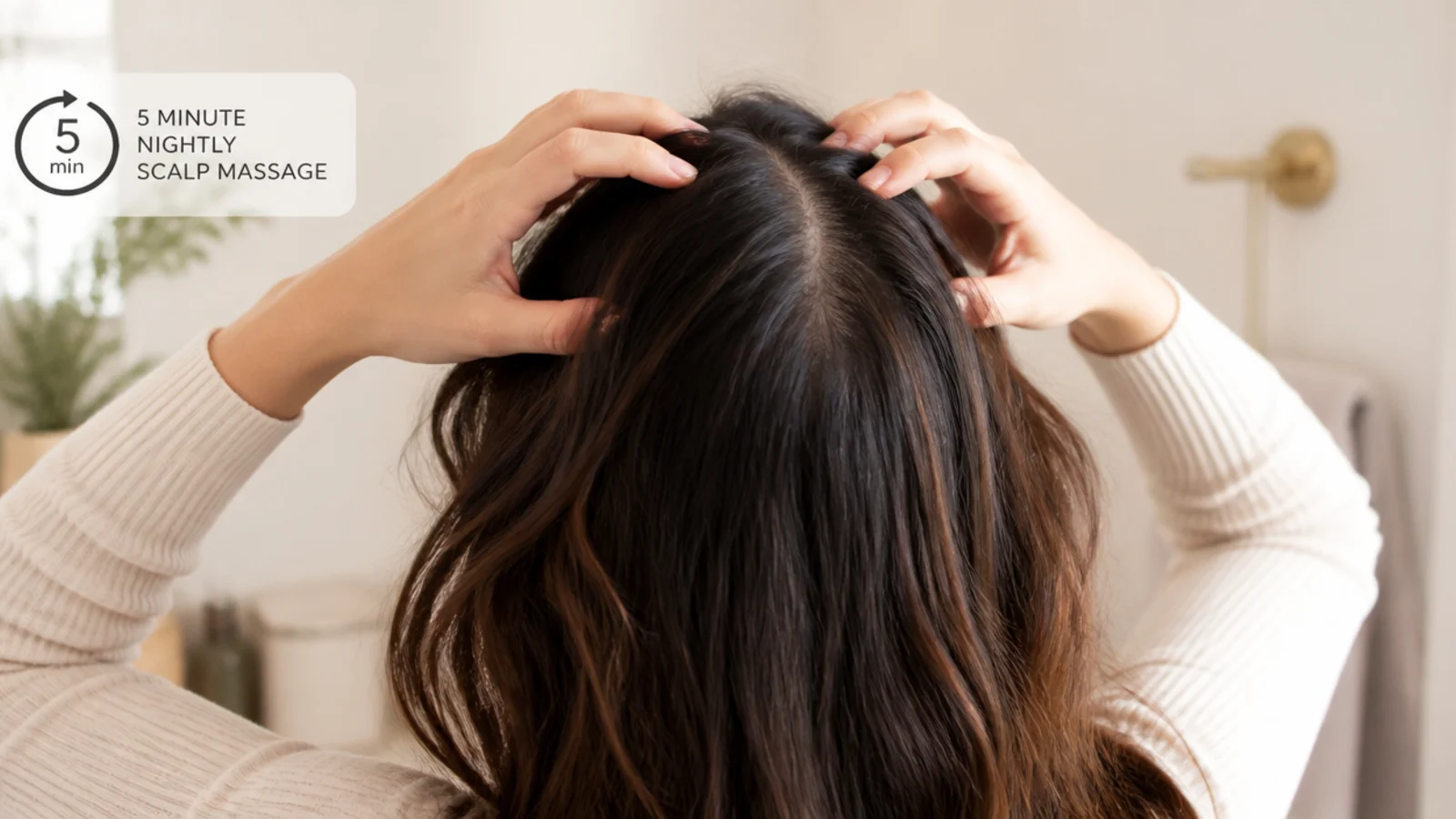
- Step 6. Add the Scalp Massage
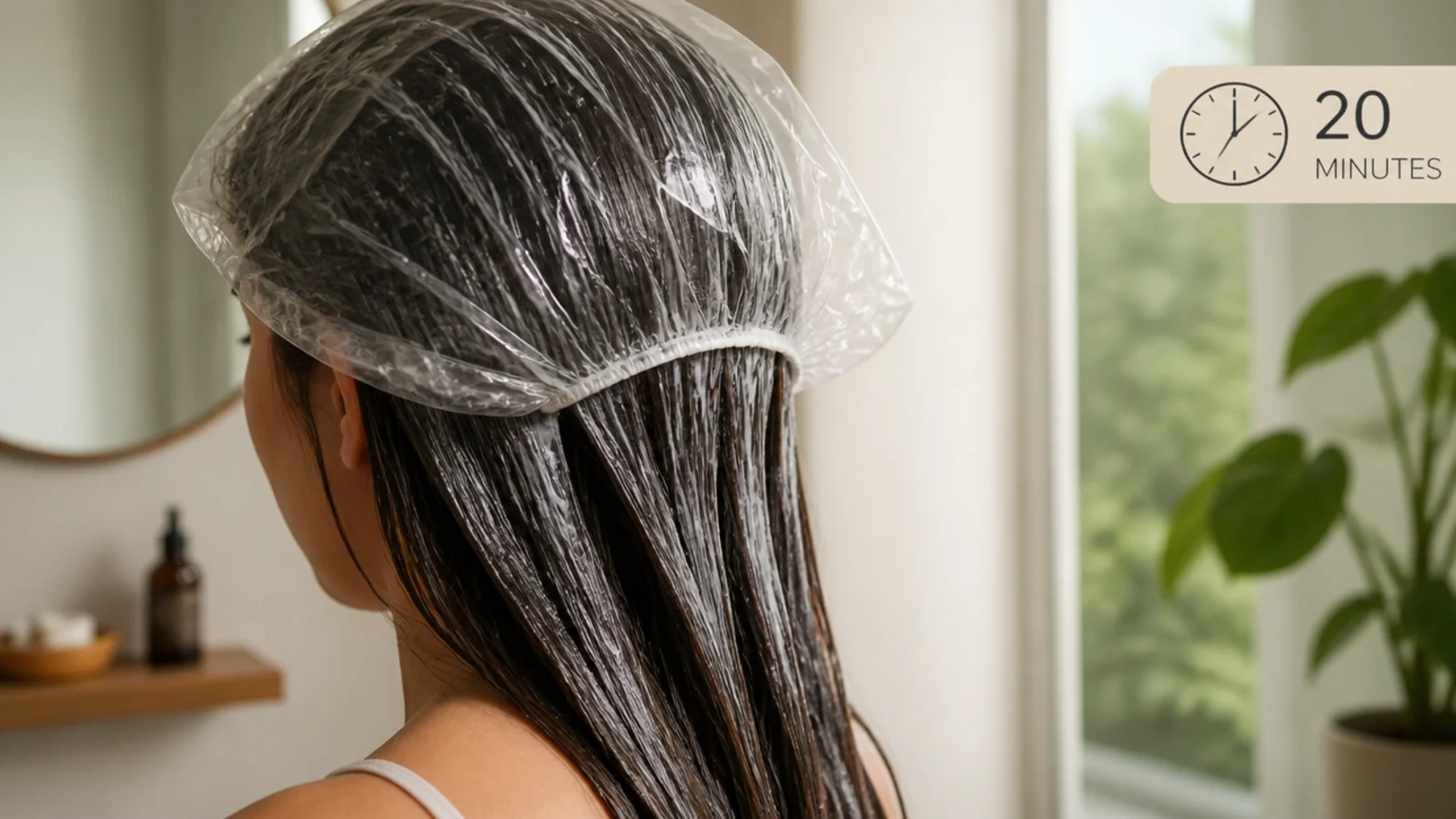
- Step 7. Deep Condition
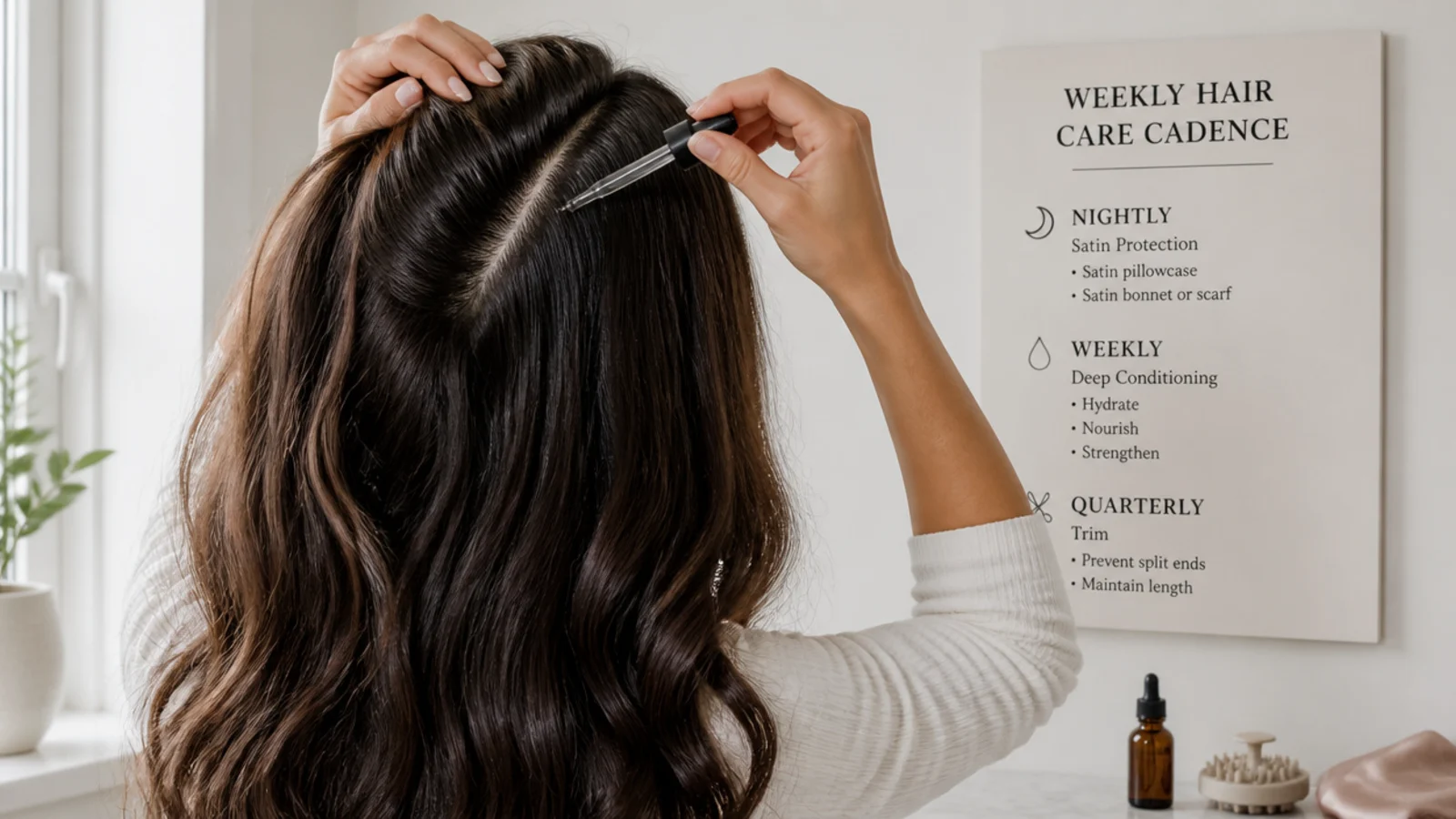
- Step 8. Set the Cadence
- Final Thoughts
Most at home growth routines are a shopping list, and almost none of the visible result comes from anything you buy.
The follicle produces about half an inch a month and takes no instruction from you. Six inches a year, set by genetics and health rather than by any bottle on the shelf.
Everything below protects that six inches on its way down. Sleep surface, detangling order, heat frequency and tension account for most of the damage an ordinary week does.
How Fast Hair Grows
Half an inch a month, six inches a year. That is the whole budget, and it arrives at the same rate in a good year and a bad one.
Growth speed is decided below the skin. Products sit on the shaft, which is dead tissue, and the shaft has no route back to the follicle.
Fifty to a hundred shed hairs a day is normal. Follicles cycle independently, so a proportion of your head is always resting rather than growing.
Your maximum length is a time limit. A growing phase lasting two years cannot reach the same point as one lasting seven, no matter what either of them is fed.

Breakage Versus Growth
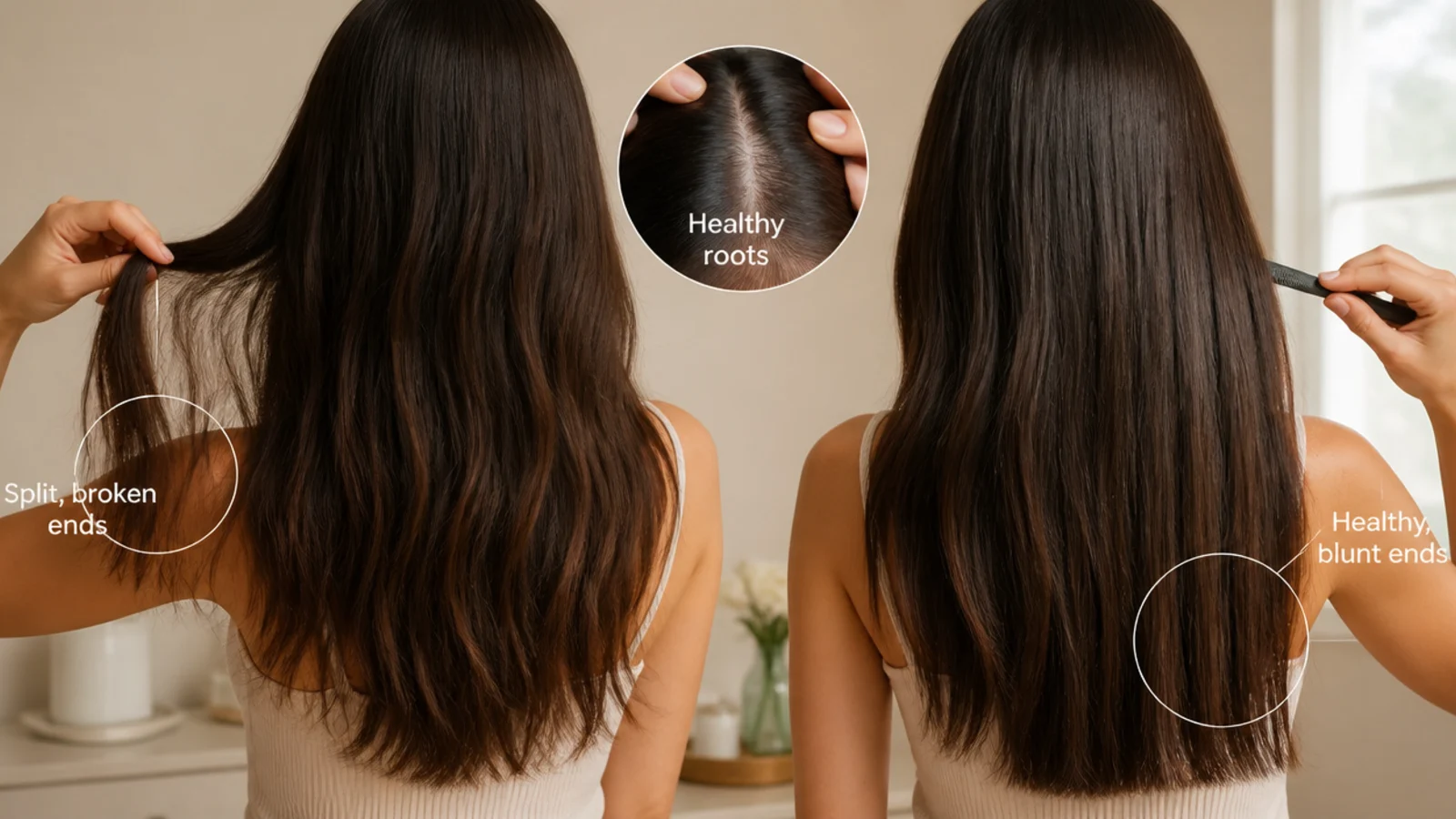
You lose length at the ends, not at the roots. New hair arrives on schedule. Whether the bottom inch is still there in March is the actual question.
Old hair has no repair mechanism. A strand at your waist has been through several years of weather and washing with nothing to restore it, because it is not alive.
Flat length with normal shedding means breakage. If the ends stay level month after month while the drain looks unremarkable, you are snapping off exactly what you grow.
Breakage is loud when you look for it. Short broken hairs standing up along the part and a thinning ponytail circumference both point at the same cause.
Scalp Health at Home
Treat the scalp as skin. It produces oil, sheds dead cells and collects product film exactly as the skin on your face does.
Buildup drives most itching and flaking. Washing less to be kind is the reflex, and it is usually the thing making it worse.
Massage before you rinse, not after. Working fingertips over a dry or oiled scalp loosens buildup so the shampoo has less to fight.
Nails do damage. Scratching breaks the surface and inflames it, and an inflamed scalp sheds more than a calm one.
Protective Styling and Heat
A protective style trades one risk for another. Ends go somewhere safe, roots take the load, and the trade is only worth it while the tension stays low.
Pain is never part of a style. Stinging, tingling or a headache means follicles are being pulled rather than hair being held.
Heat damage is permanent by definition. Once keratin has been reshaped by temperature there is nothing to restore, only products that coat what is left.
Frequency matters more than the dial. One heat day a week at a sensible setting does far less cumulative harm than a daily touch up at a cooler one.
Diet Supplements and Their Limits
Supplements correct shortfalls and nothing else. Topping up a nutrient you already have enough of produces no change at the follicle whatsoever.
Protein and iron are the usual culprits. Hair is among the first tissues the body deprioritises when either is short.
Get tested rather than guessing. A ferritin result and a blood count are cheap next to a year of taking the wrong capsule.
Never supplement iron blind. It accumulates in the body, and the consequences of too much are considerably more serious than thin hair.

Edges Thinning and Postpartum Shedding
Postpartum shedding is a release, not a loss. Pregnancy holds follicles in the growing phase for longer than usual and they all leave together afterwards, usually peaking three to four months in.
It resolves without treatment. The regrowth appears as a fringe of short hairs along the hairline, which is a sign of recovery rather than of breakage.
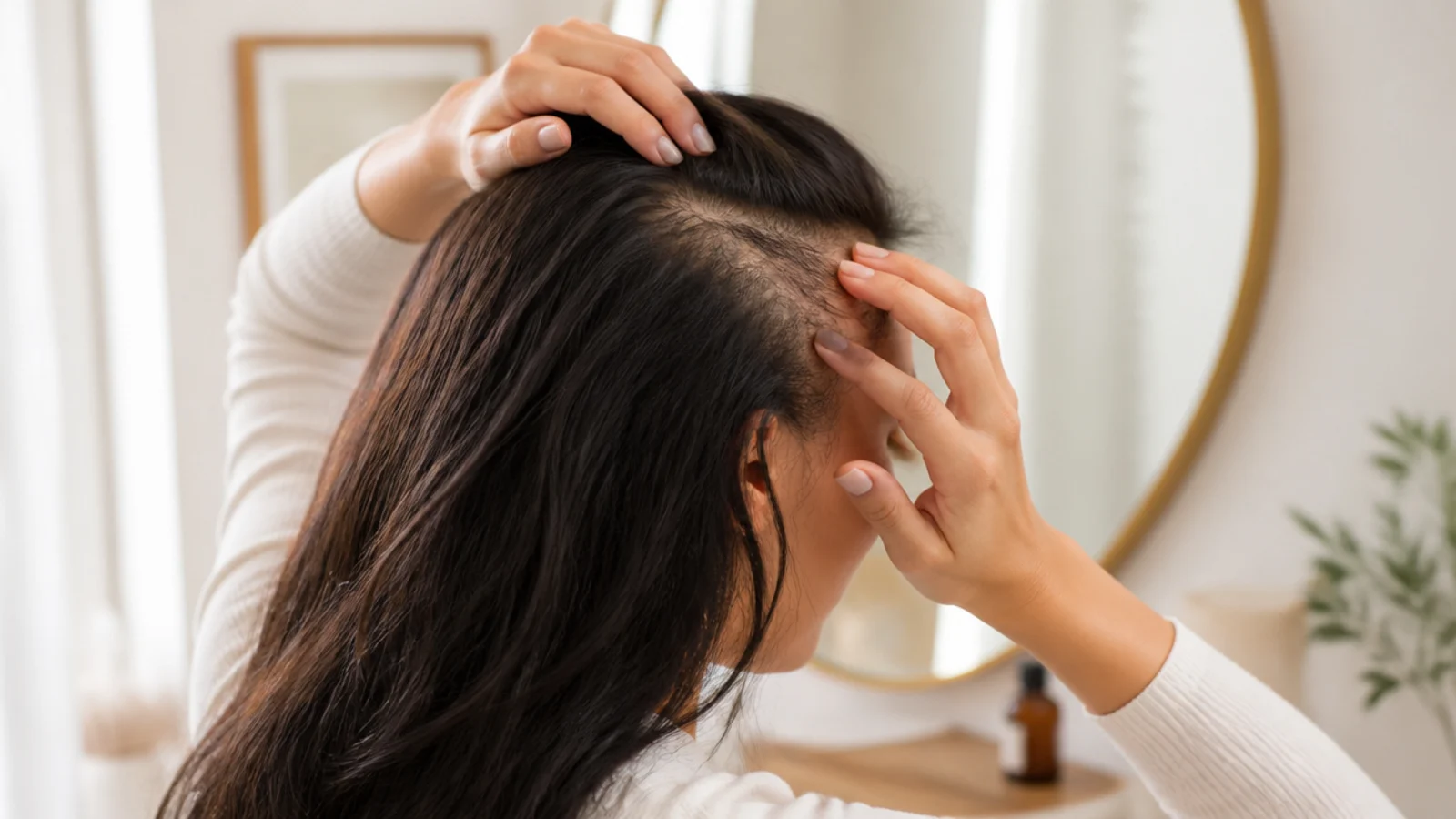
Thinning edges from styling are mechanical. Repeated tension at the same follicles is reversible while it is early and permanent once it scars.
Persistent or patchy loss is a medical question. Diffuse shedding, patterned thinning and round bald patches have different causes and cannot be told apart from a photograph.
The 20 At Home Hair Growth Tips
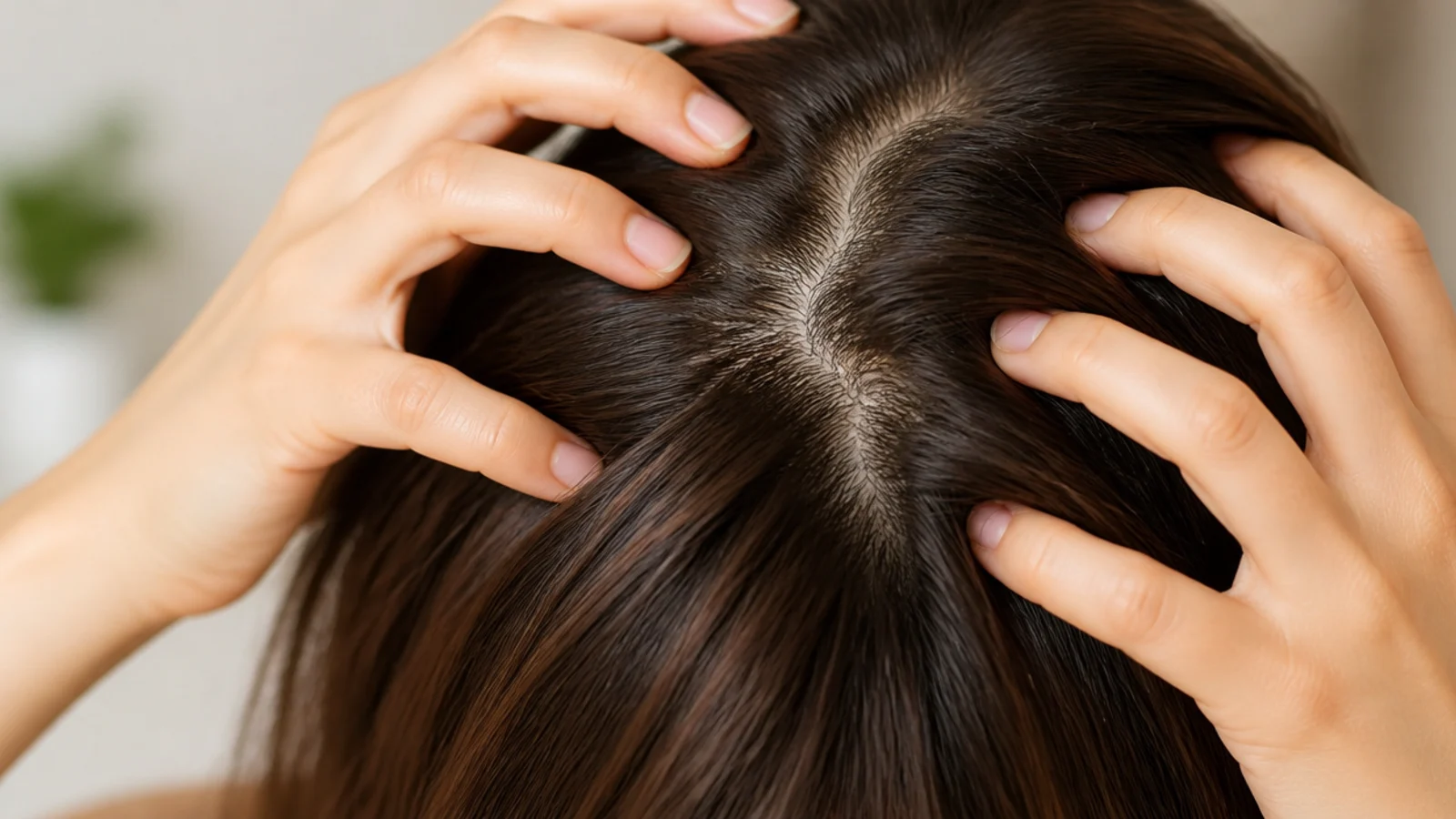
1. Nightly Scalp Massage
Five minutes of firm circular pressure with the fingertips is the one habit here with a mechanism and a small trial behind it, since stretching the tissue around the follicle appears to change how it behaves. Doing it at night on dry hair also distributes sebum from the roots down, which is free conditioner.
2. Satin Pillowcase or Bonnet
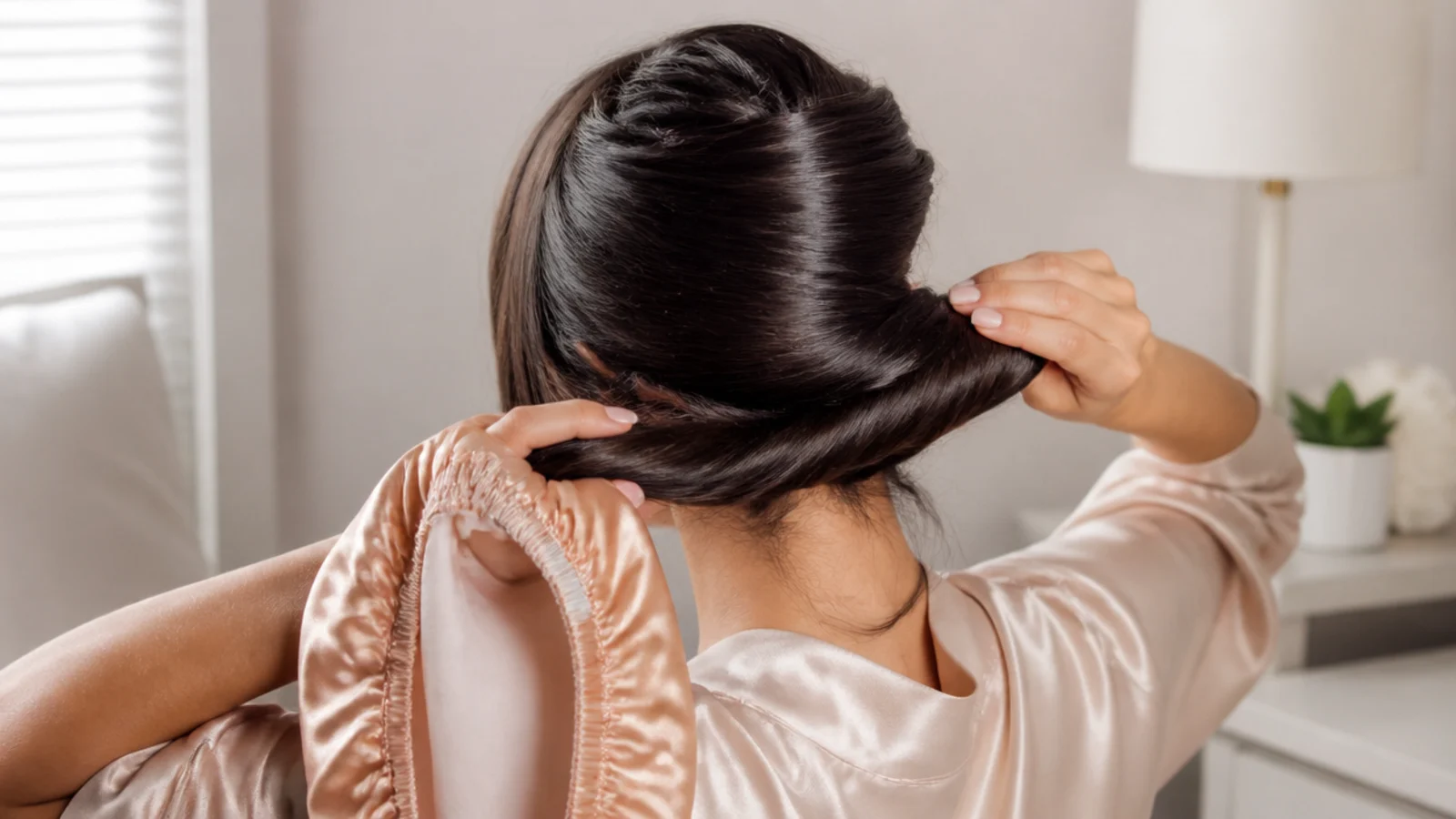
Cotton is both abrasive and absorbent, so seven hours of turning against it lifts the cuticle and draws water out of the shaft at once. A satin pillowcase fixes the surface, a bonnet fixes the surface and keeps the hair contained, and the bonnet wins if you move a lot in your sleep.

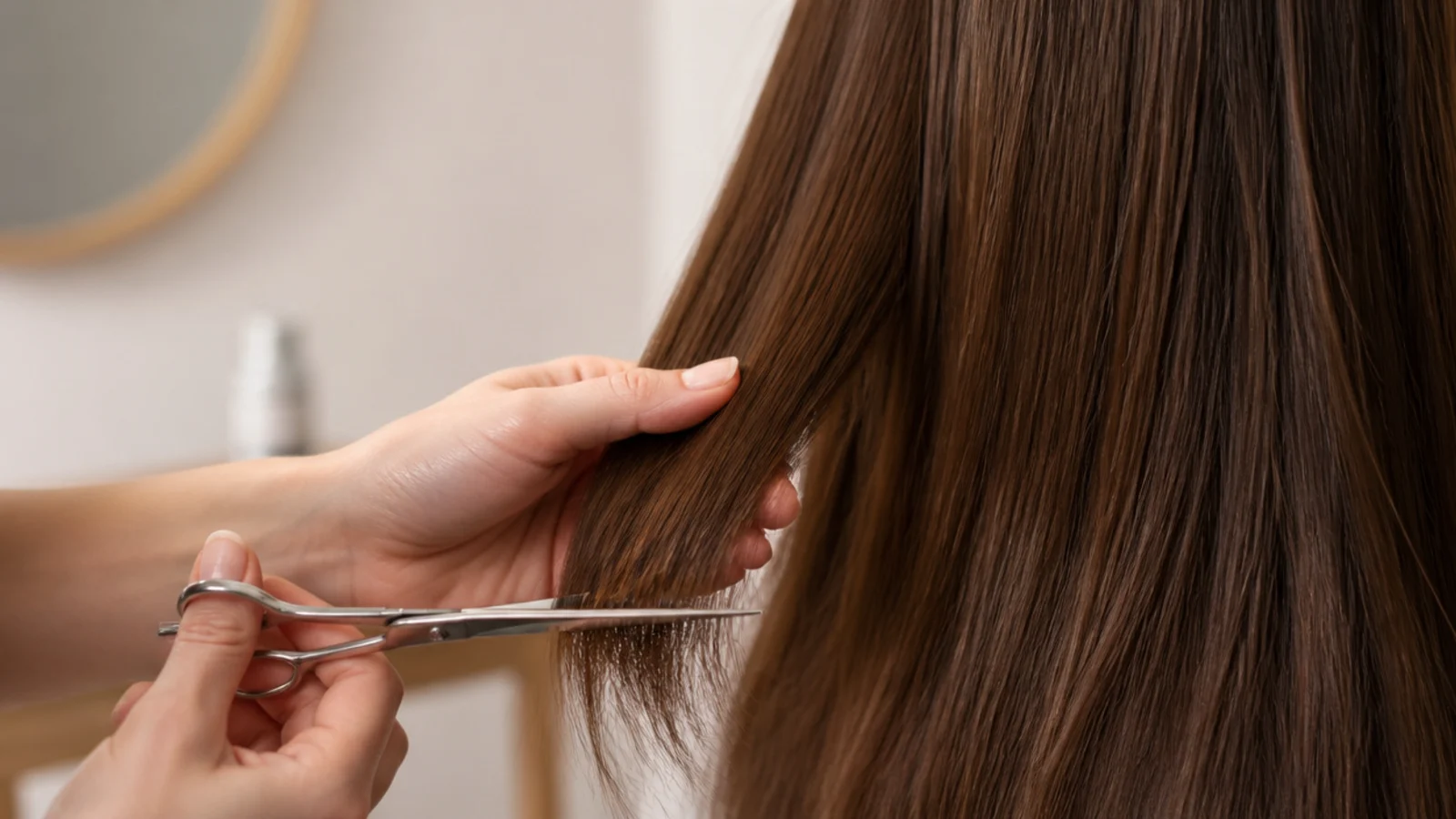
3. Quarter Inch Dusting
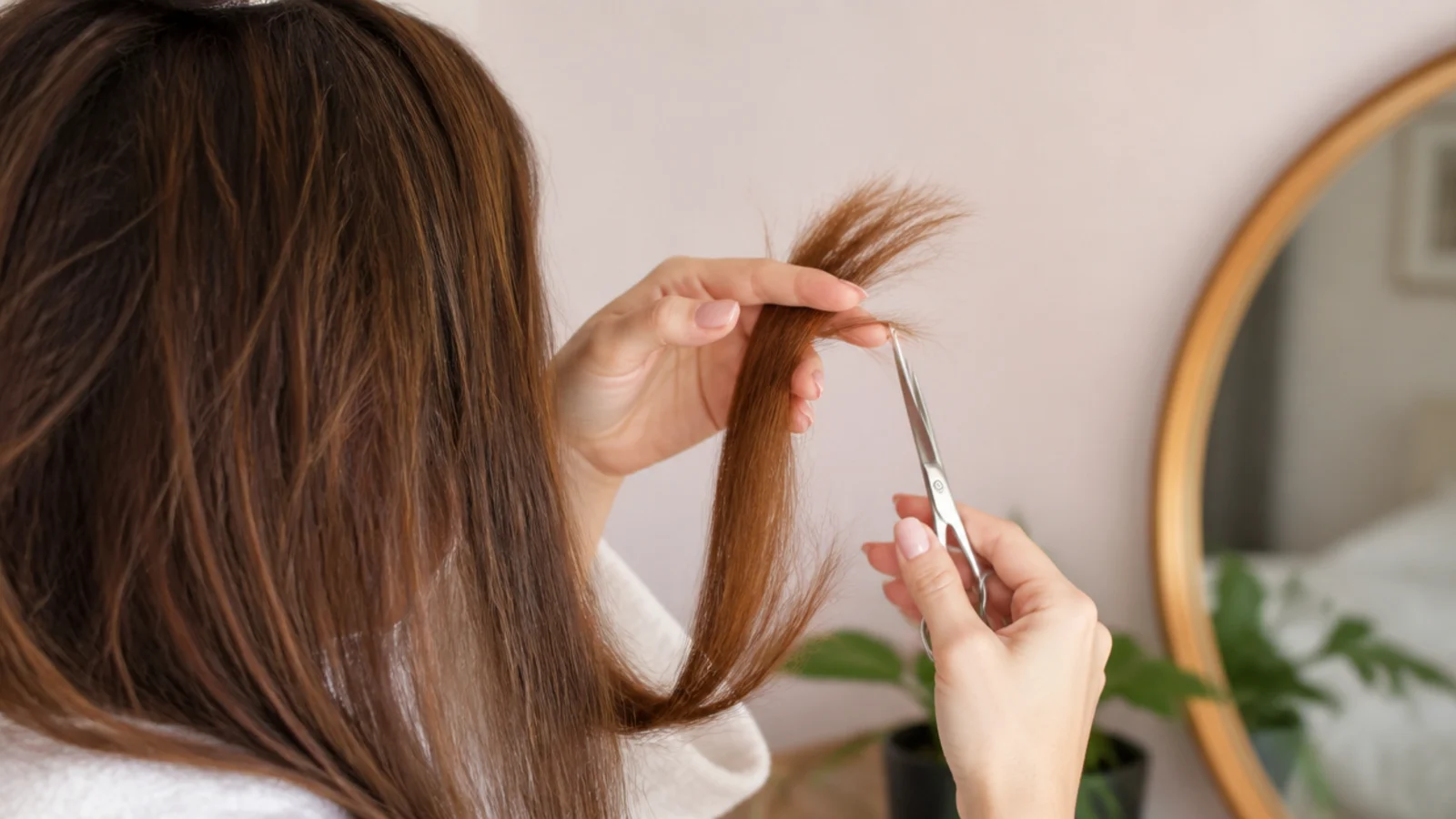
Dusting removes only the frayed tips rather than a length, so the perimeter barely moves while the damage goes. Twist a section and snip the split ends that stand out from the twist, or take a quarter inch straight across every ten to twelve weeks, because a split left alone climbs the shaft.
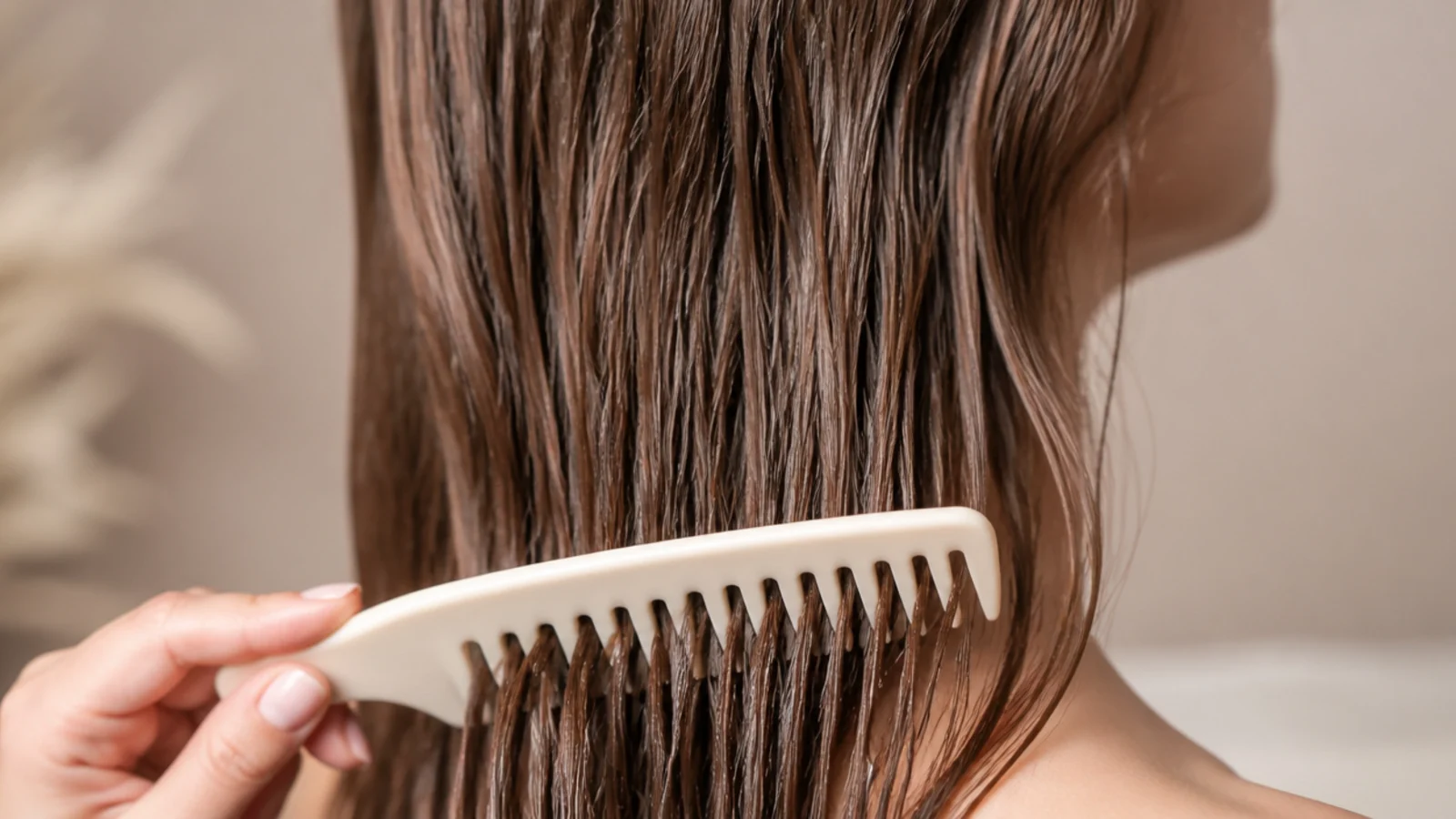
4. Detangle Upward From the Ends
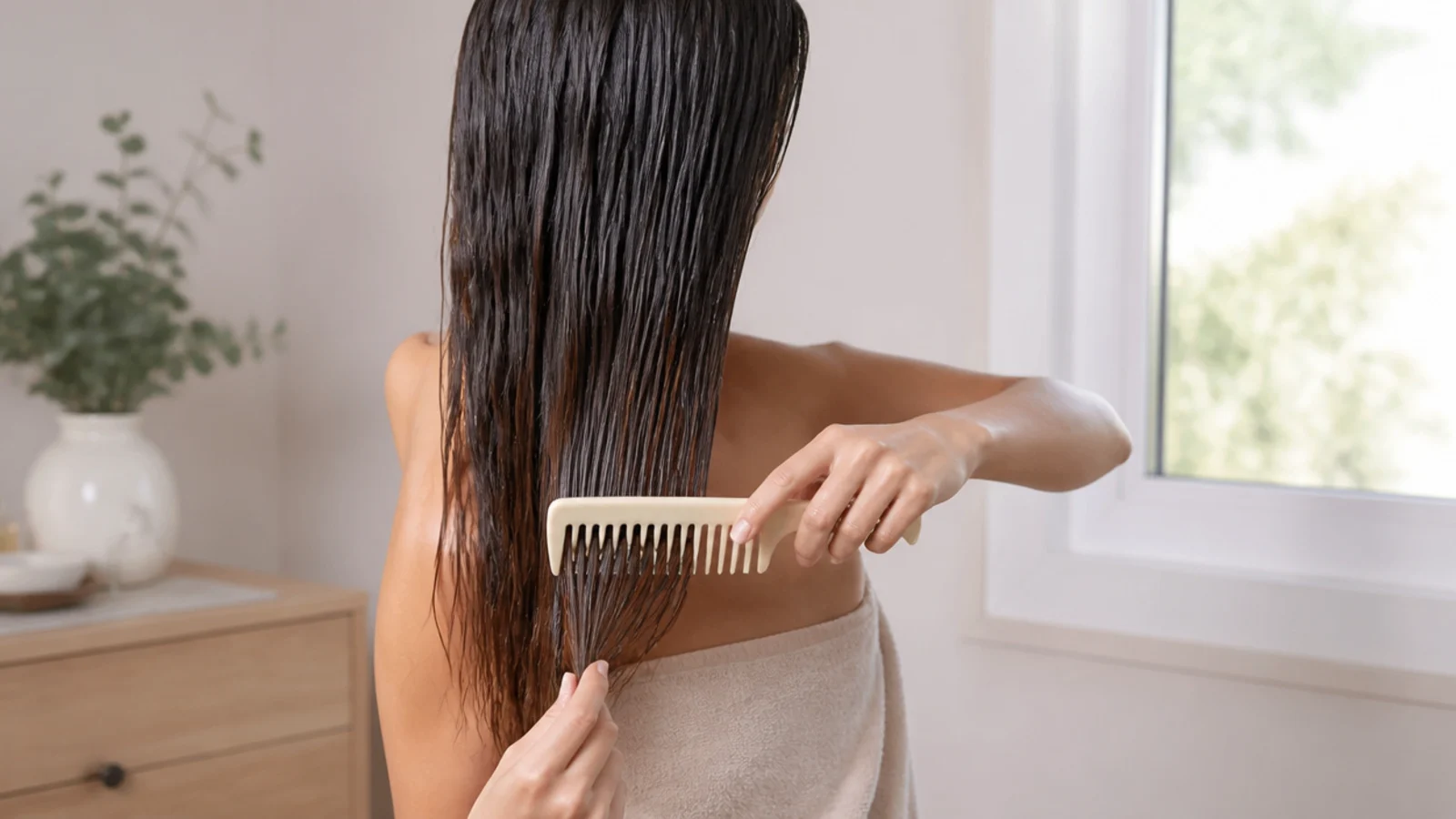
Combing from the roots gathers every knot on the way down and packs them into one solid mass that then has to be forced apart. Starting at the last two inches and working upward frees each tangle with almost no hair behind it, so the force stays low the entire way.
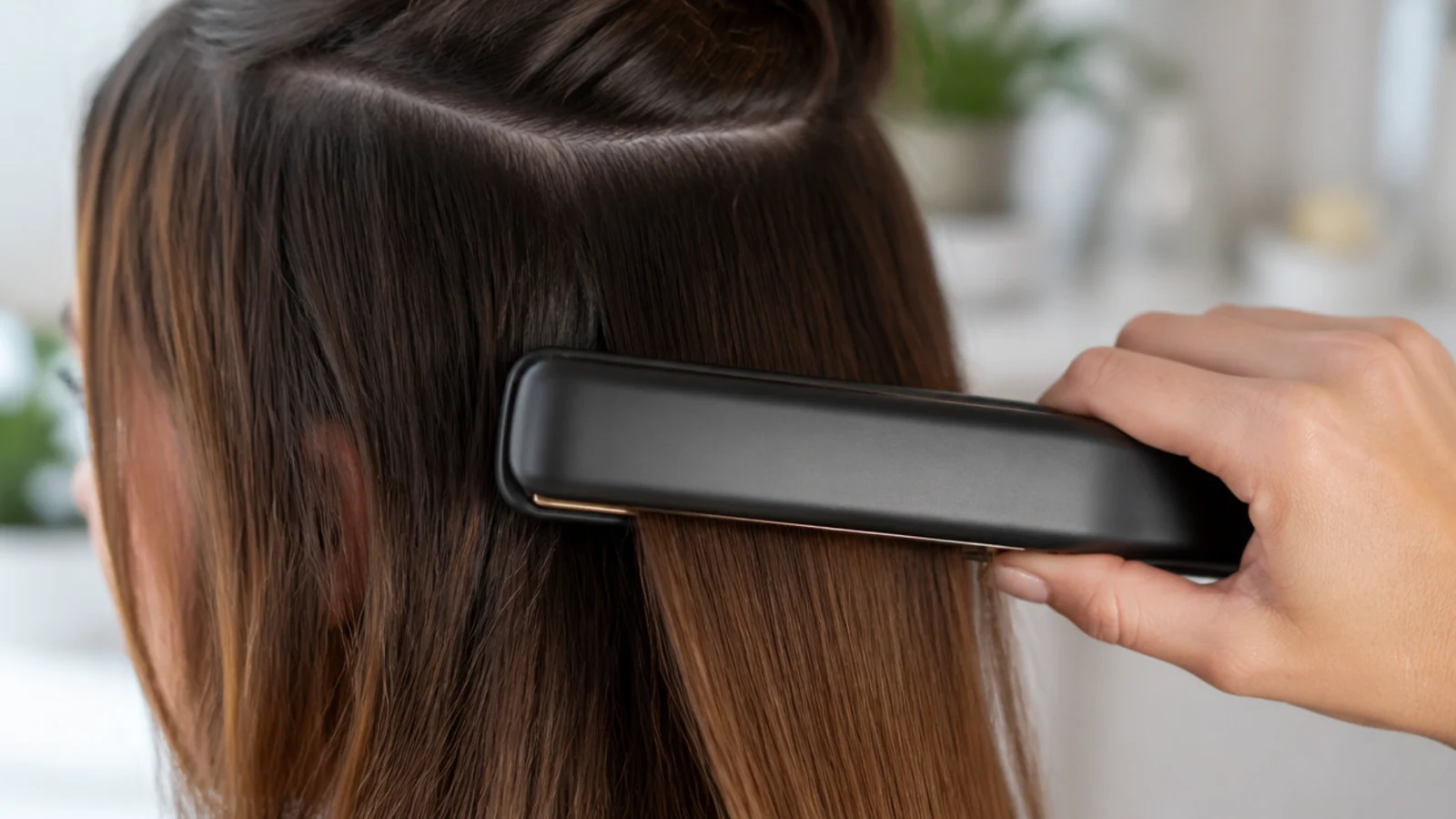
5. One Heat Day a Week
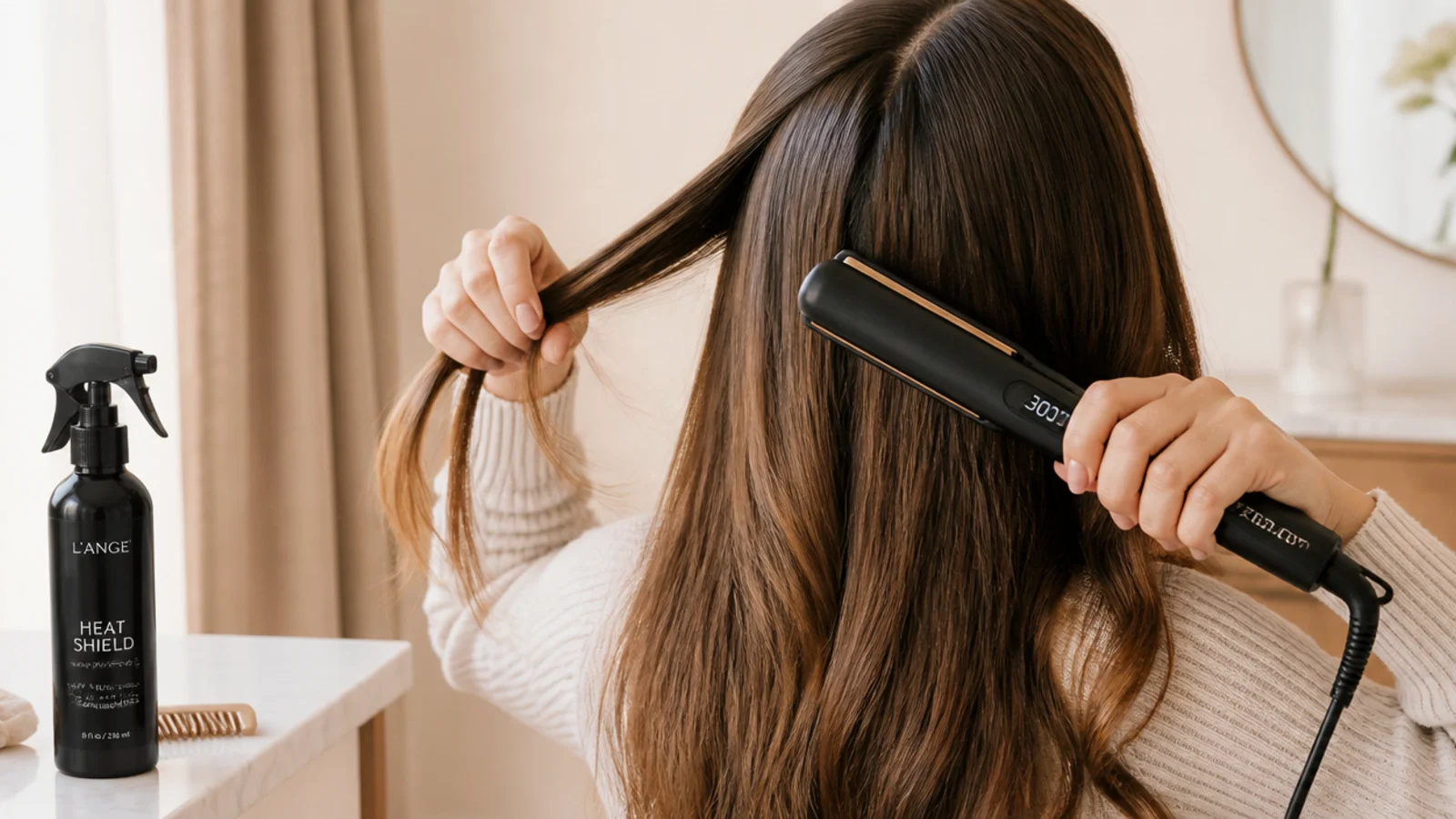
Damage from heat is cumulative and irreversible, so the number of exposures matters more than the temperature on any single one. Consolidating styling into one heat day and wearing that result for several days cuts total exposure by most of a week without changing how you look.
6. Cool Final Rinse
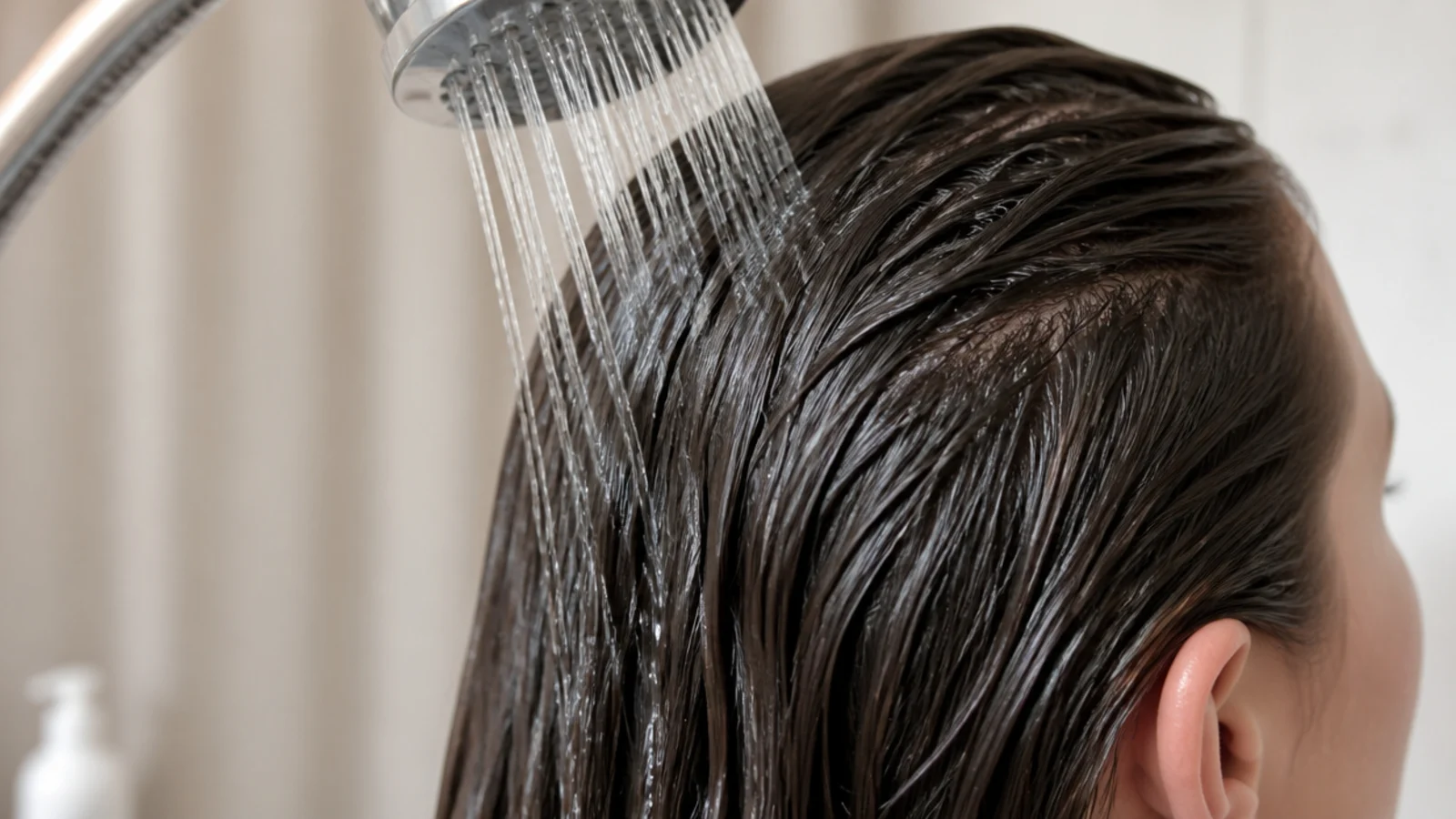
Warm water and surfactant swell the shaft and lift the cuticle scales, and hair that leaves the shower in that state dries rough and catches on itself. Thirty seconds of cool water at the end brings the swelling down before you towel it, which measurably reduces how hard the comb has to work.
7. Cotton T Shirt Drying
A terry towel is a loop pile, and every loop catches a raised cuticle scale on wet hair that is already at its weakest. A smooth cotton shirt has no loops to catch, so blotting with one removes the same water without the abrasion that produces most of the frizz.

8. Rotate the Ponytail Position
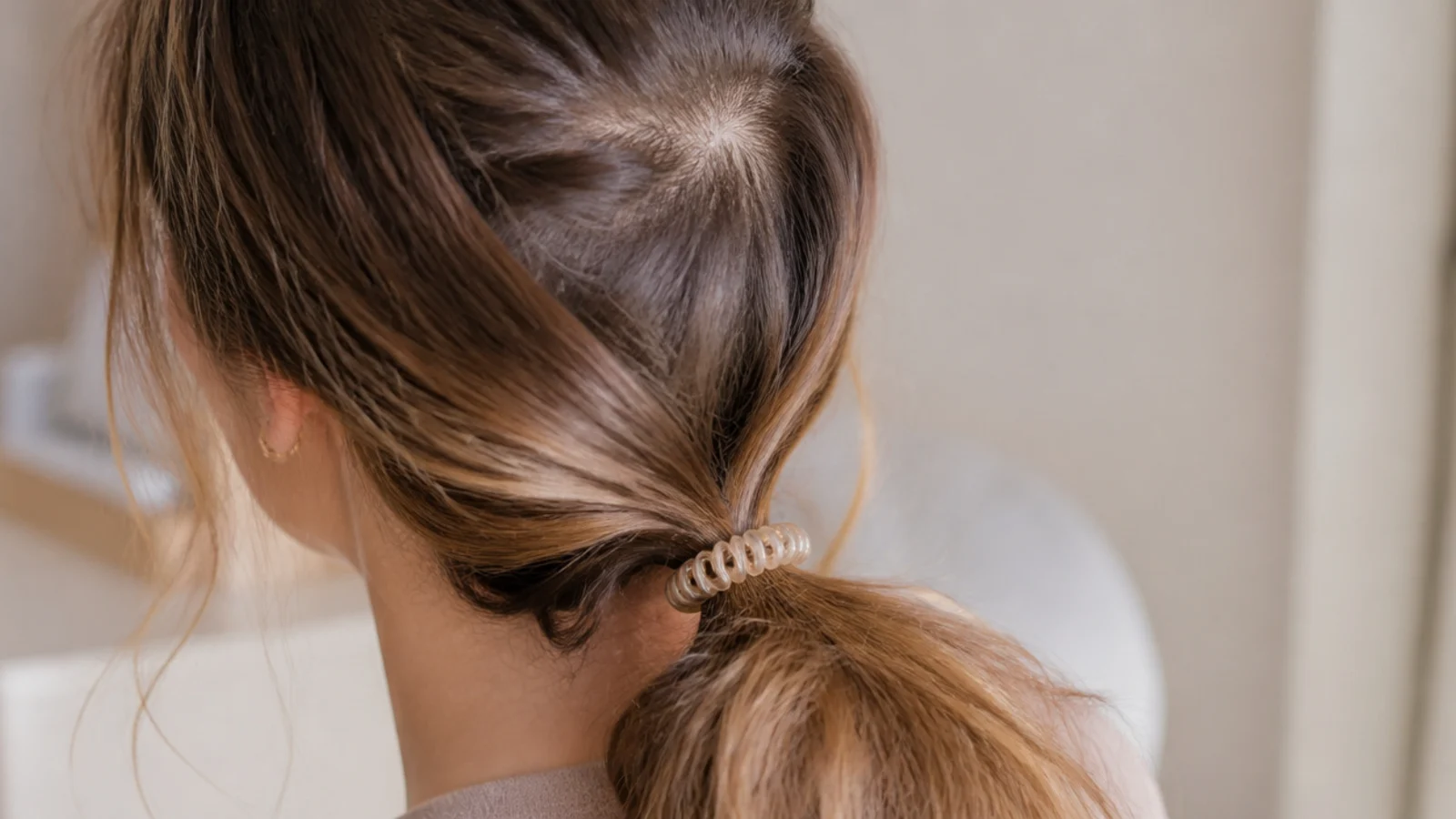
Traction damage comes from the same follicles being pulled in the same direction day after day, not from any one ponytail. Moving the tie an inch or two between days, and moving the part with it, spreads that load over a much larger group of follicles so none of them takes the full week.
9. Deep Conditioner Under a Cap
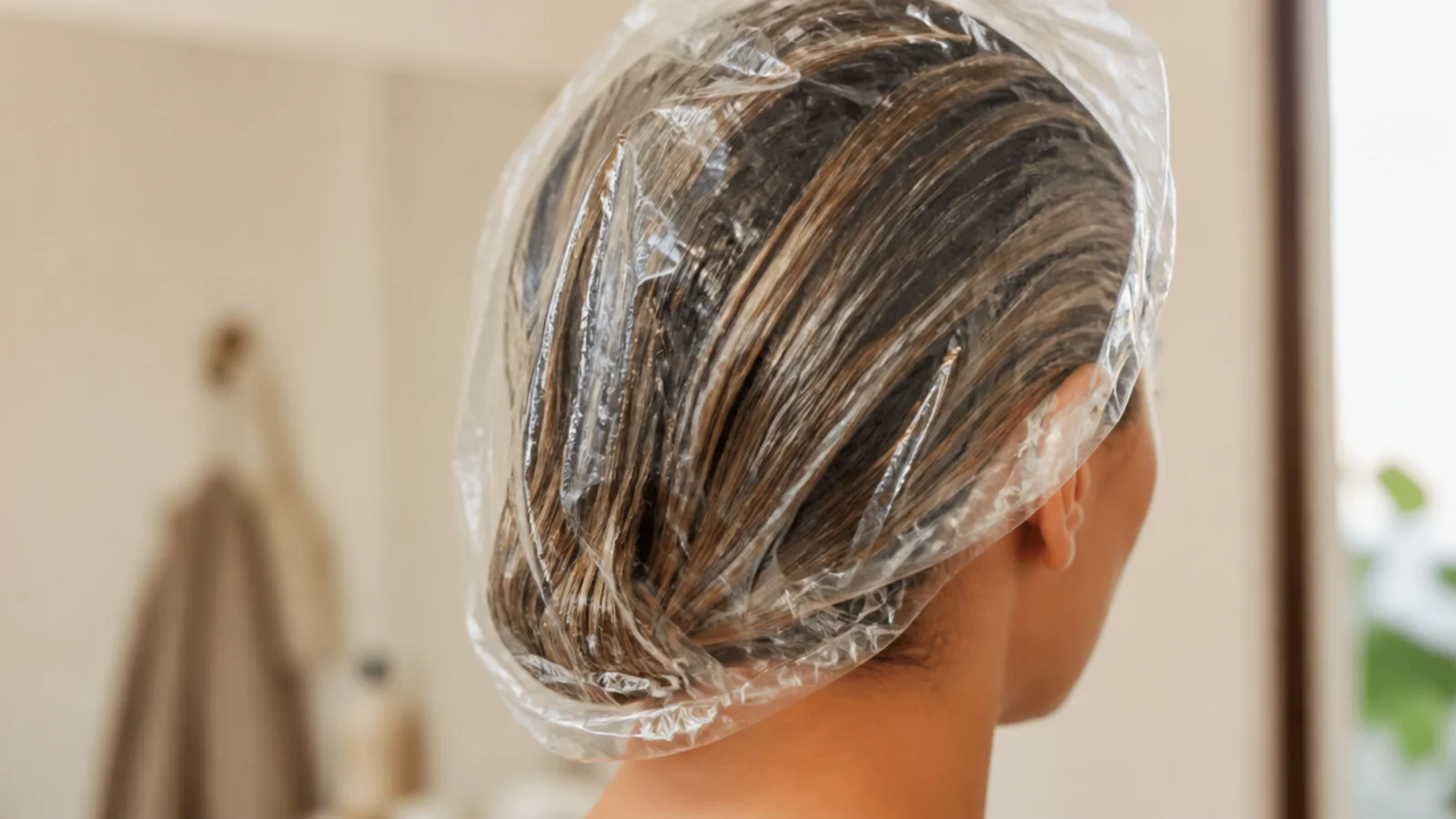
Conditioning agents need warmth and time to move past the cuticle, and a plastic cap traps body heat against the head to supply both. Twenty minutes under a cap does more than an hour of the same mask applied cold, and the bottom third is where it should go.
10. Coconut Oil Before Shampoo
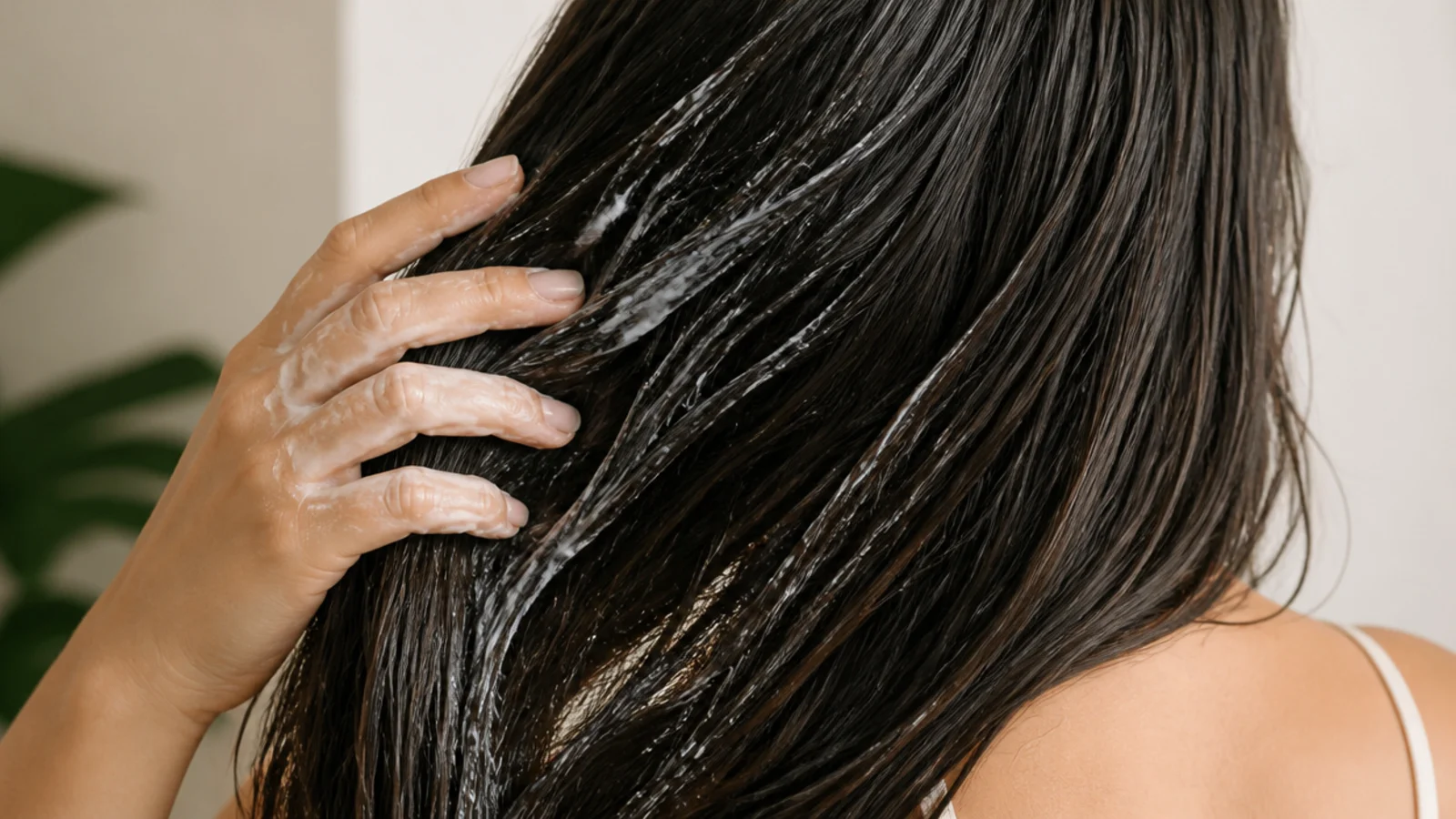
Coconut oil is one of very few oils small and straight enough in structure to enter the shaft rather than sit on top of it. Applied an hour before washing, it limits how much water the cortex takes on, and the repeated swelling and shrinking that water causes is a real source of internal damage.
11. Clarify Once a Month
Silicone, styling polymer and hard water mineral build a film the conditioner cannot cross, so hair behaves as though it is dry no matter what you apply. One clarifying wash a month resets the surface. Any more frequently and you begin stripping the natural lipid the hair actually needs.

12. Protein and Iron at Breakfast
The follicle is one of the fastest dividing tissues in the body and it draws on whatever is available at the time rather than on a daily total. Front loading protein and iron at breakfast keeps supply steady from the morning rather than concentrating it into one evening meal.

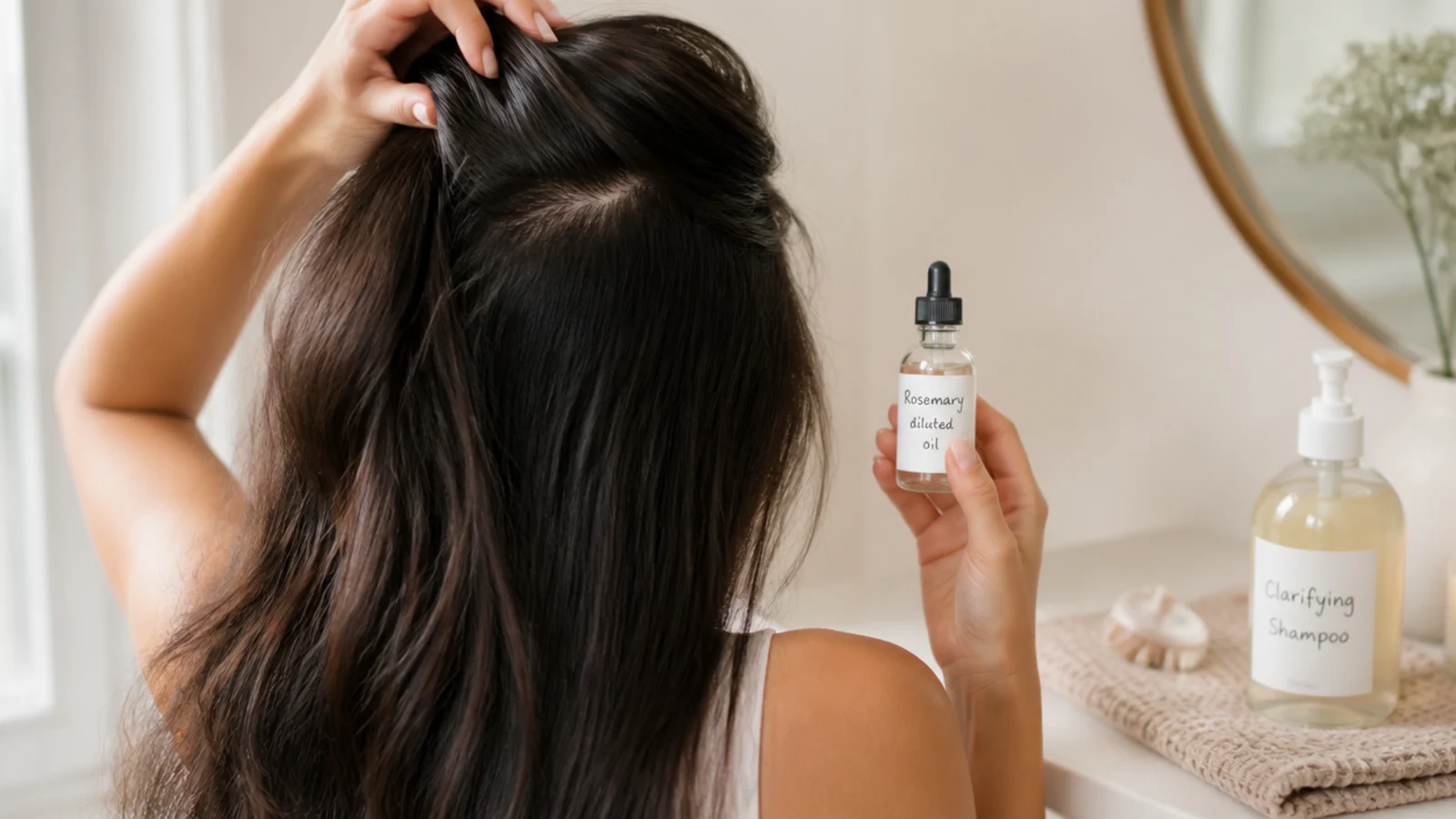
13. Rosemary Oil Diluted Properly
The supporting evidence is one small six month trial against a low strength minoxidil, which suggests a modest effect rather than a dramatic one. Essential oil must go into a carrier before it touches skin, because neat oil irritates the scalp and irritation increases shedding, which is the opposite of the intention.

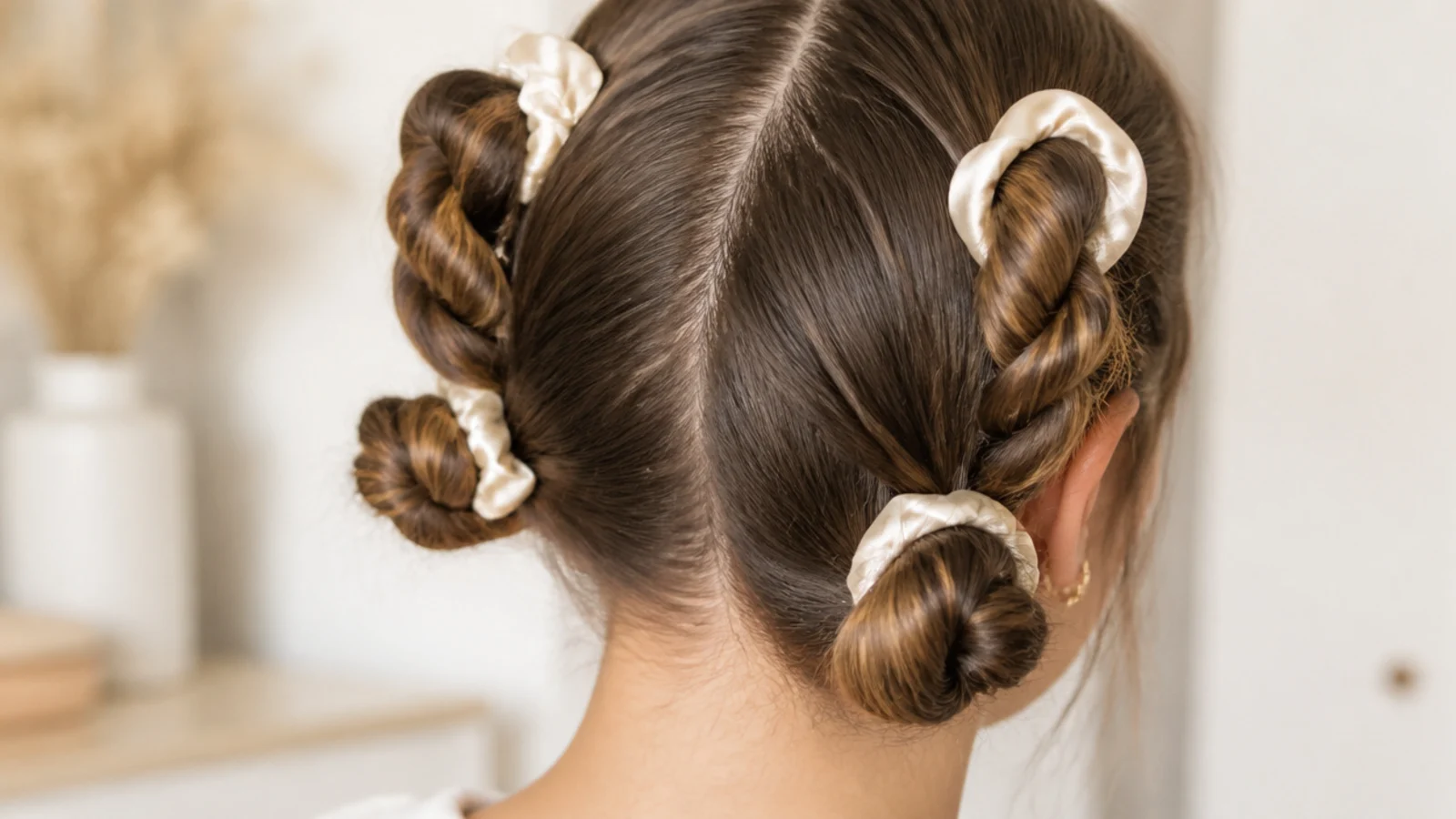
14. Four Loose Twists for Bed
Loose hair migrates across a pillow all night and knots against itself, and morning detangling is where a lot of length quietly disappears. Four loose twists secured with satin ties keep each section together without pulling at the root, so you wake with something to unwind rather than something to fight.
15. Breaks Between Protective Styles
Braids and twists protect the ends while loading the roots, and the load runs continuously for weeks. A week or two of loose wear between installs lets the pulled follicles recover before the next round of tension, which is the difference between protective styling and slow traction damage.
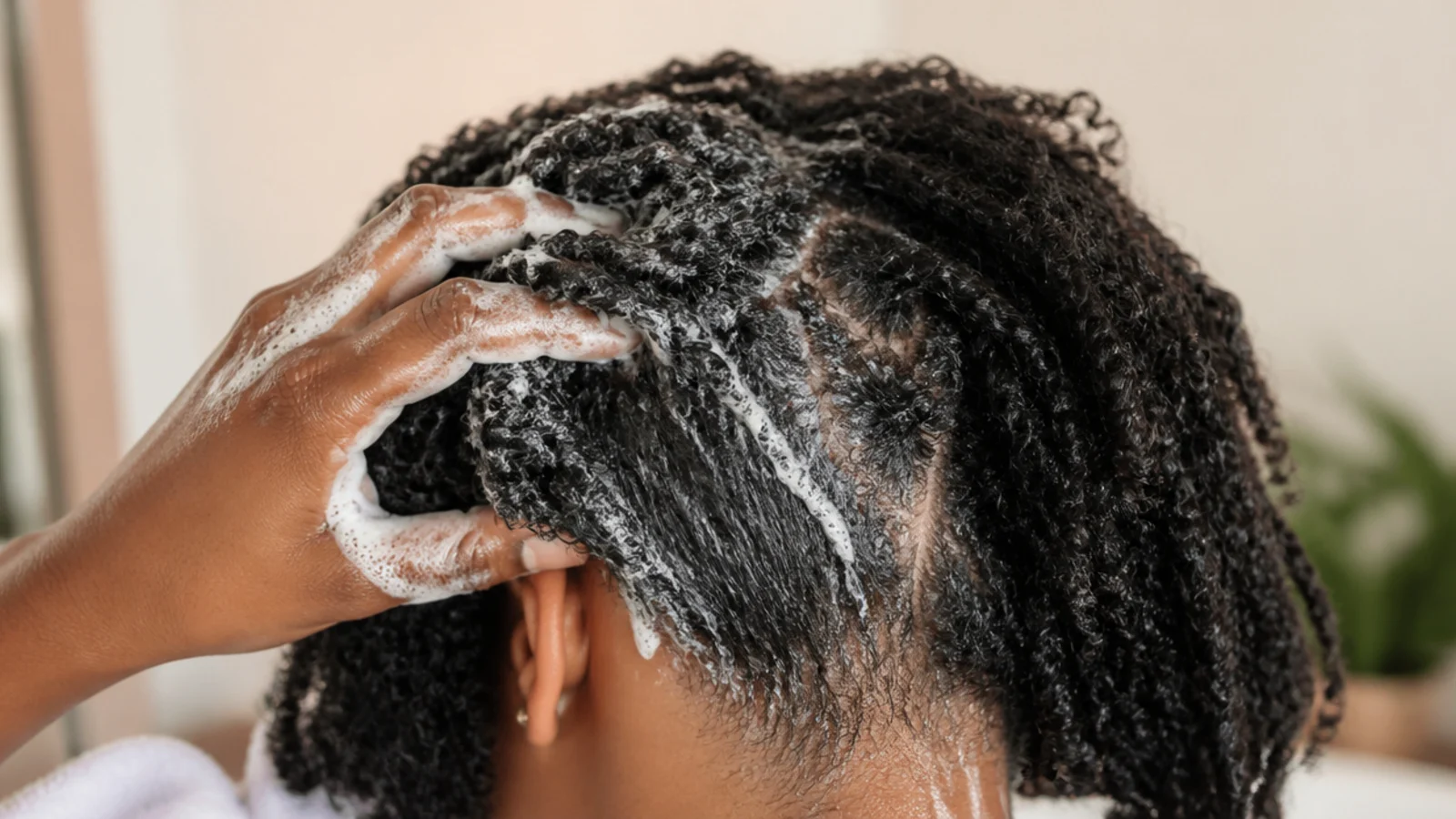
16. Wash Frequency Set by the Scalp
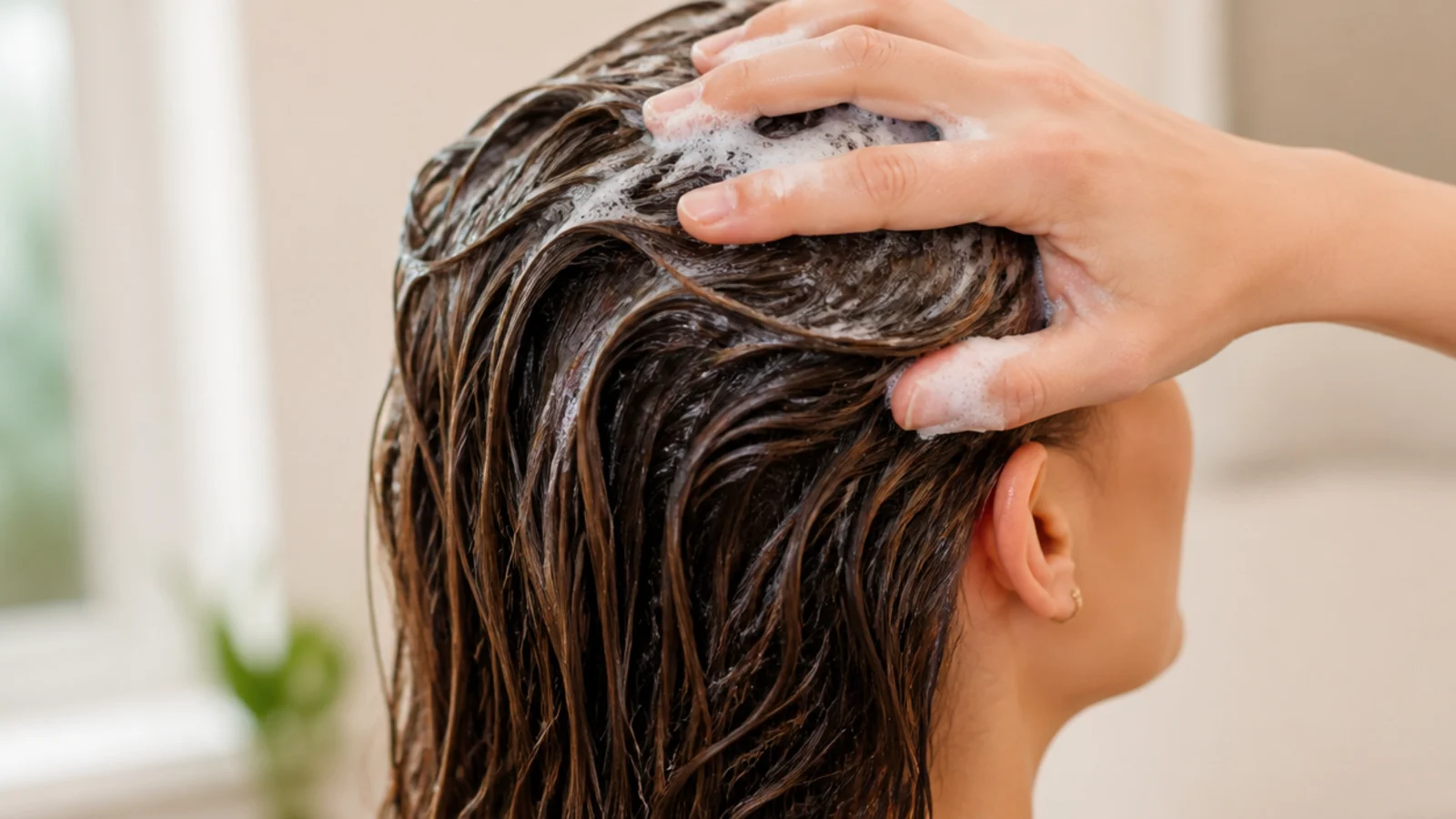
Wash frequency should follow how quickly your scalp produces oil and buildup, not a schedule copied from someone with a different head. Stretching washes to protect the ends leaves the roots sitting in sebum and product film, and that irritation increases shedding faster than a wash ever damages length.
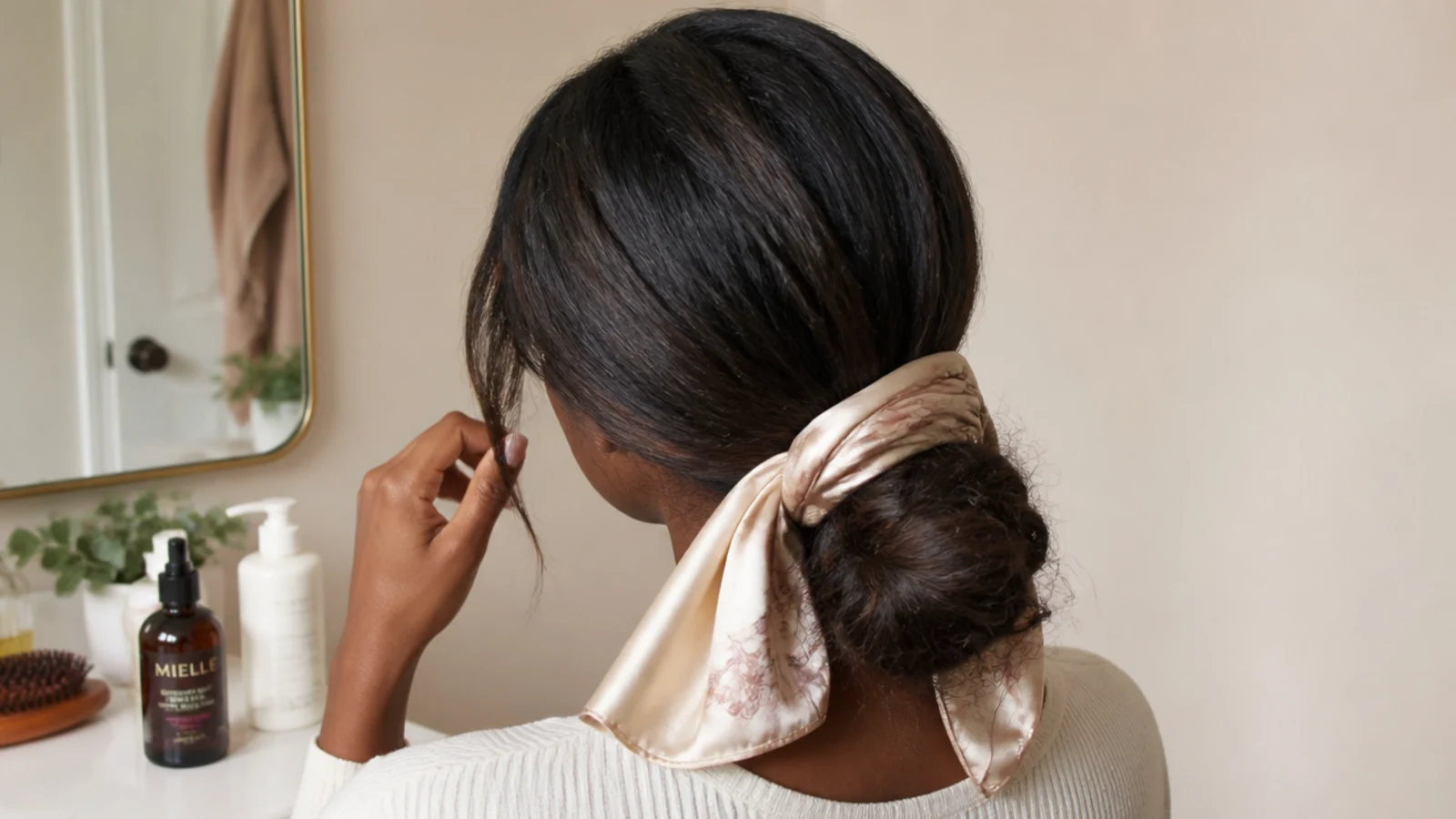
17. Satin Scrunchie Bun
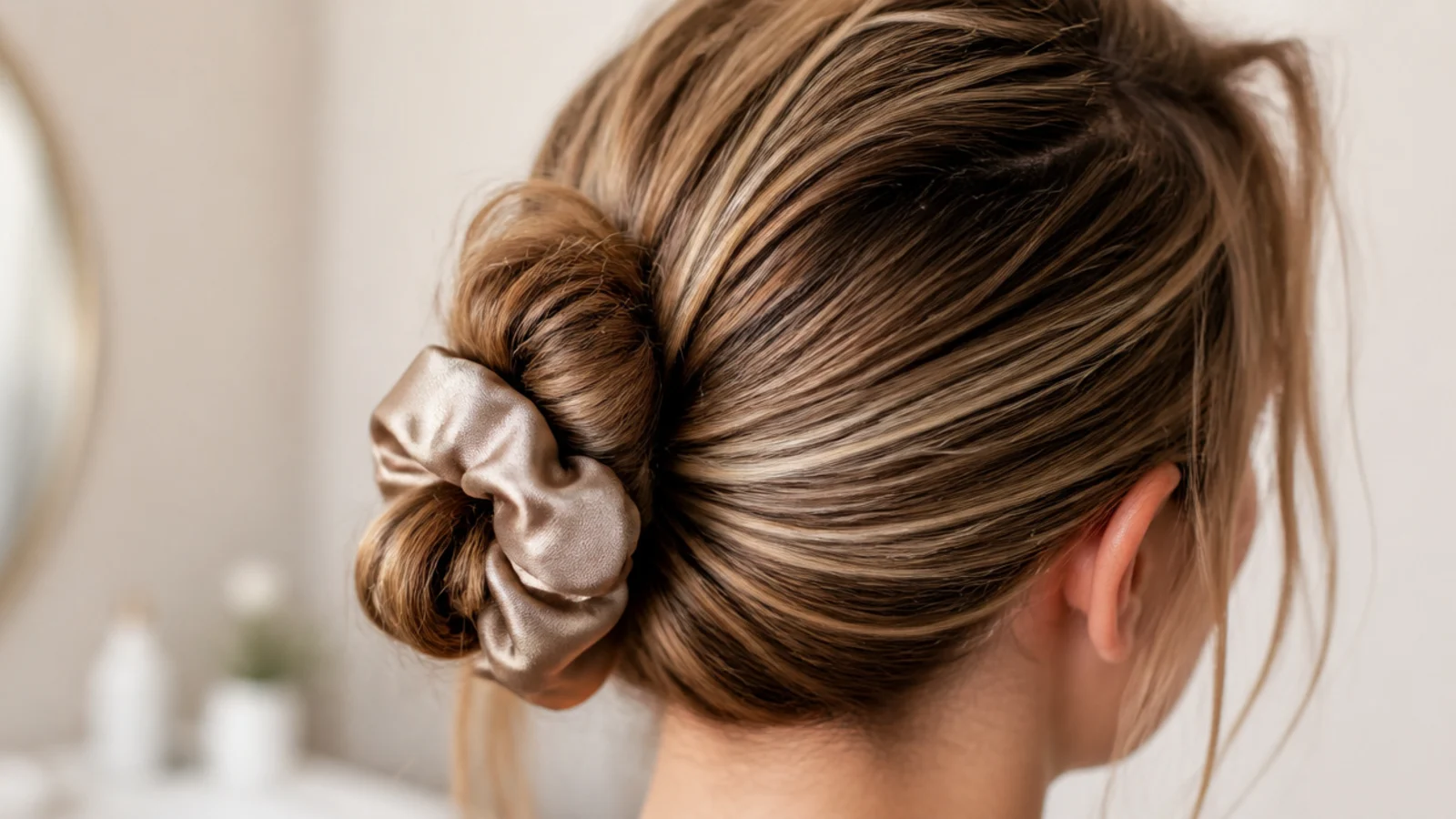
A thin elastic loads all its grip onto one narrow band, which is precisely where mid length hair snaps. A wide satin scrunchie spreads that hold across a larger area and slips rather than gripping, so strands slide free instead of folding hard against the tie and breaking at the crease.
18. Sleep Stress and Shedding
A significant physical or emotional stress can push a batch of follicles into their resting phase at once, and the resulting shed arrives two to three months later rather than immediately. That delay is why the cause is so often missed, and why the shedding usually resolves on its own within about six months.
19. SPF or a Hat on the Part Line
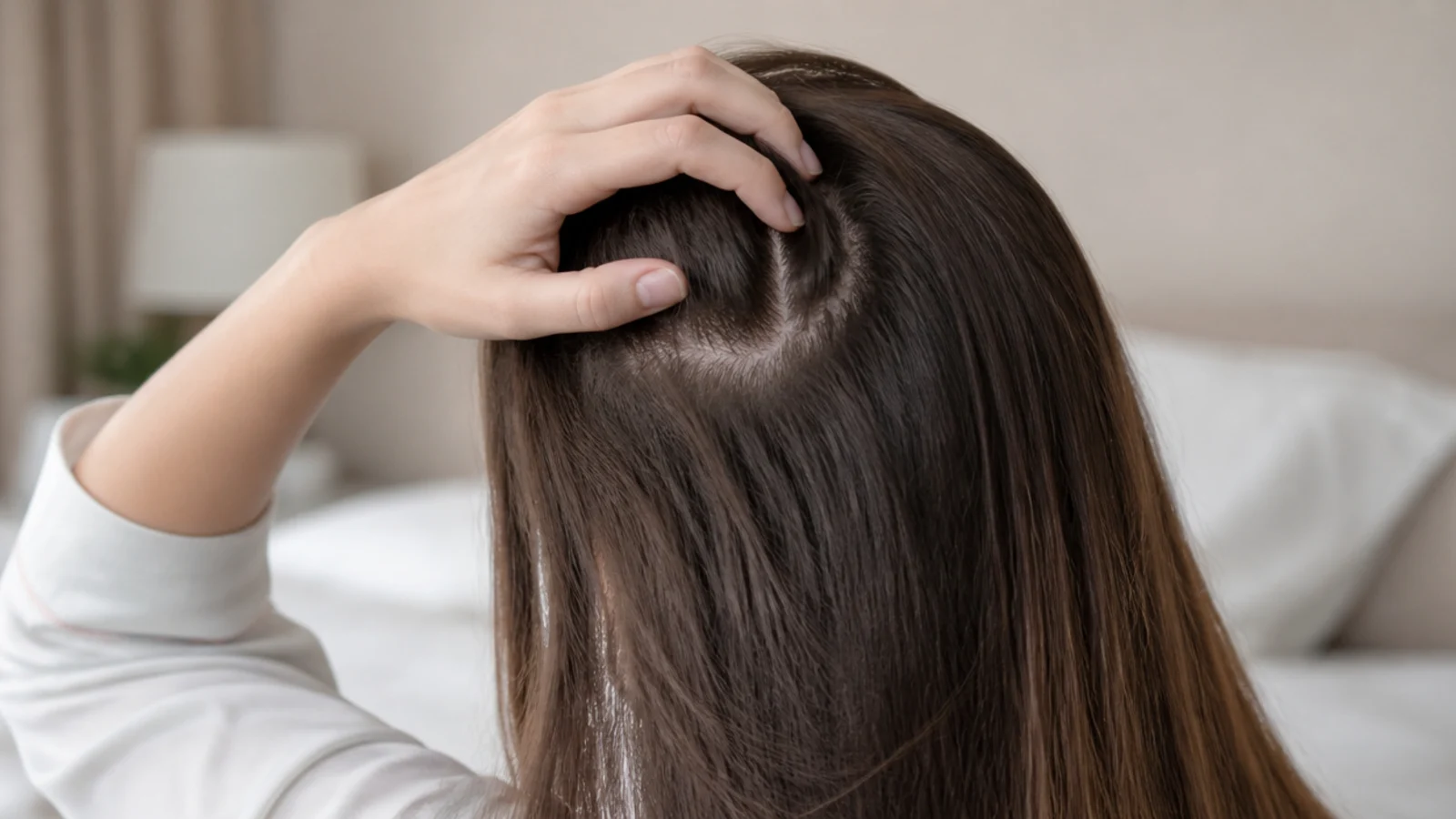
The parting is exposed scalp, and it burns exactly like any other strip of skin while the hair on either side takes the ultraviolet that degrades keratin and lifts colour. A hat covers both at once, and a scalp sunscreen along the part covers the half that actually blisters.
20. Monthly Progress Photo
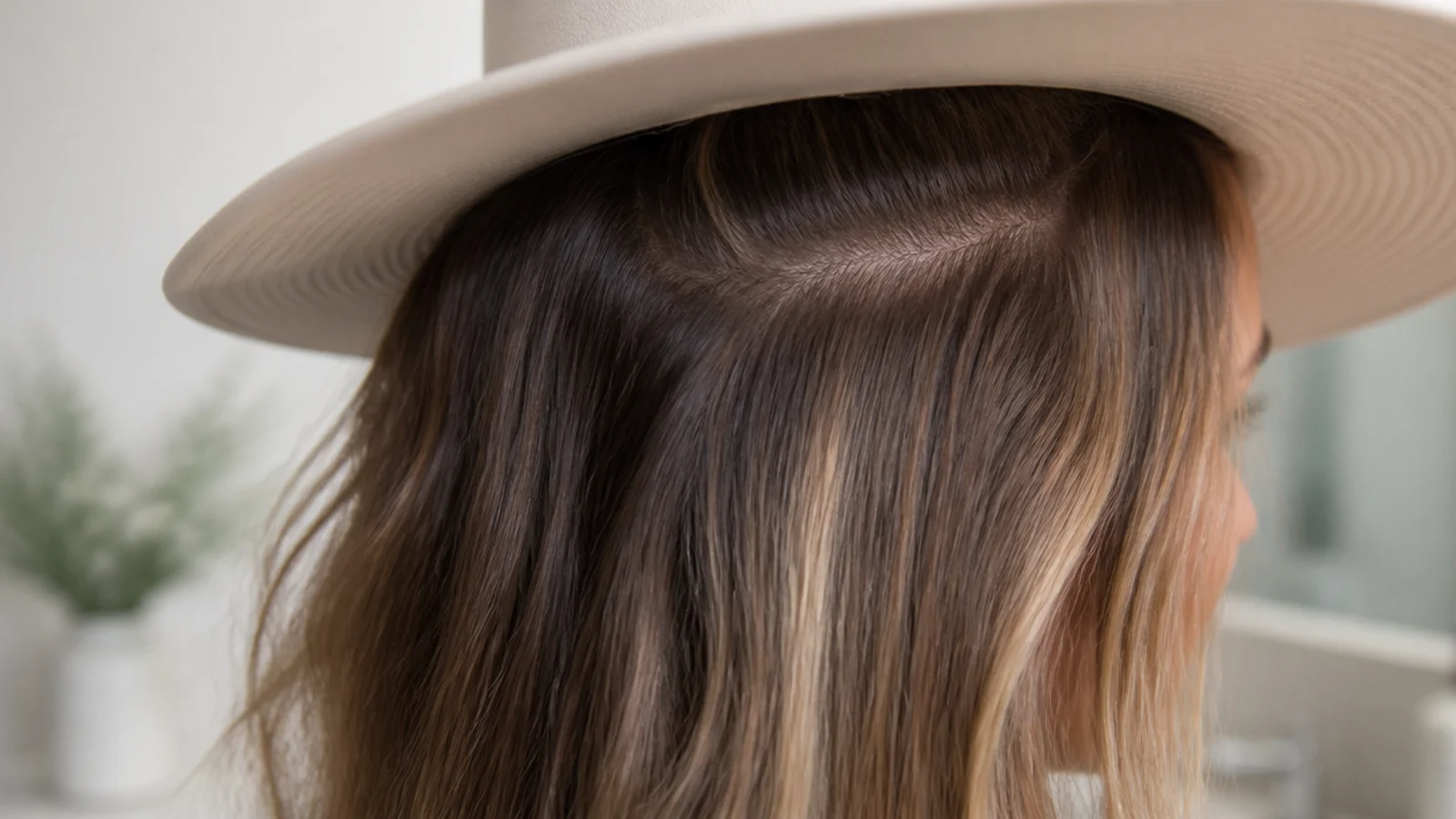
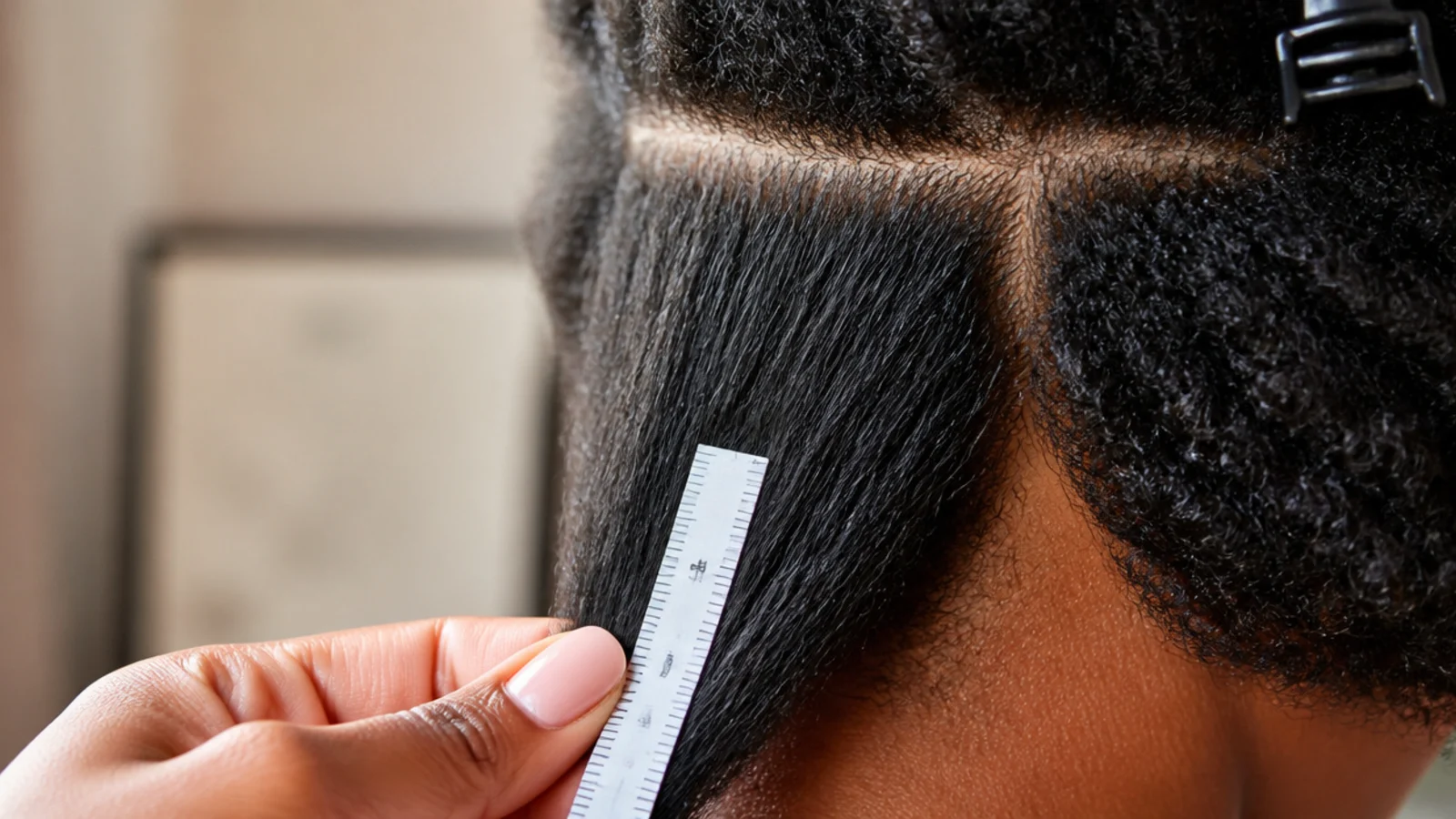
Half an inch a month is below the threshold at which a mirror is any use, which is why working routines get abandoned around week six. One photograph a month in the same light, the same top and with the hair pulled straight turns an invisible change into a file you can compare.
How to Build the Routine at Home
Step 1. Take a Baseline Photo
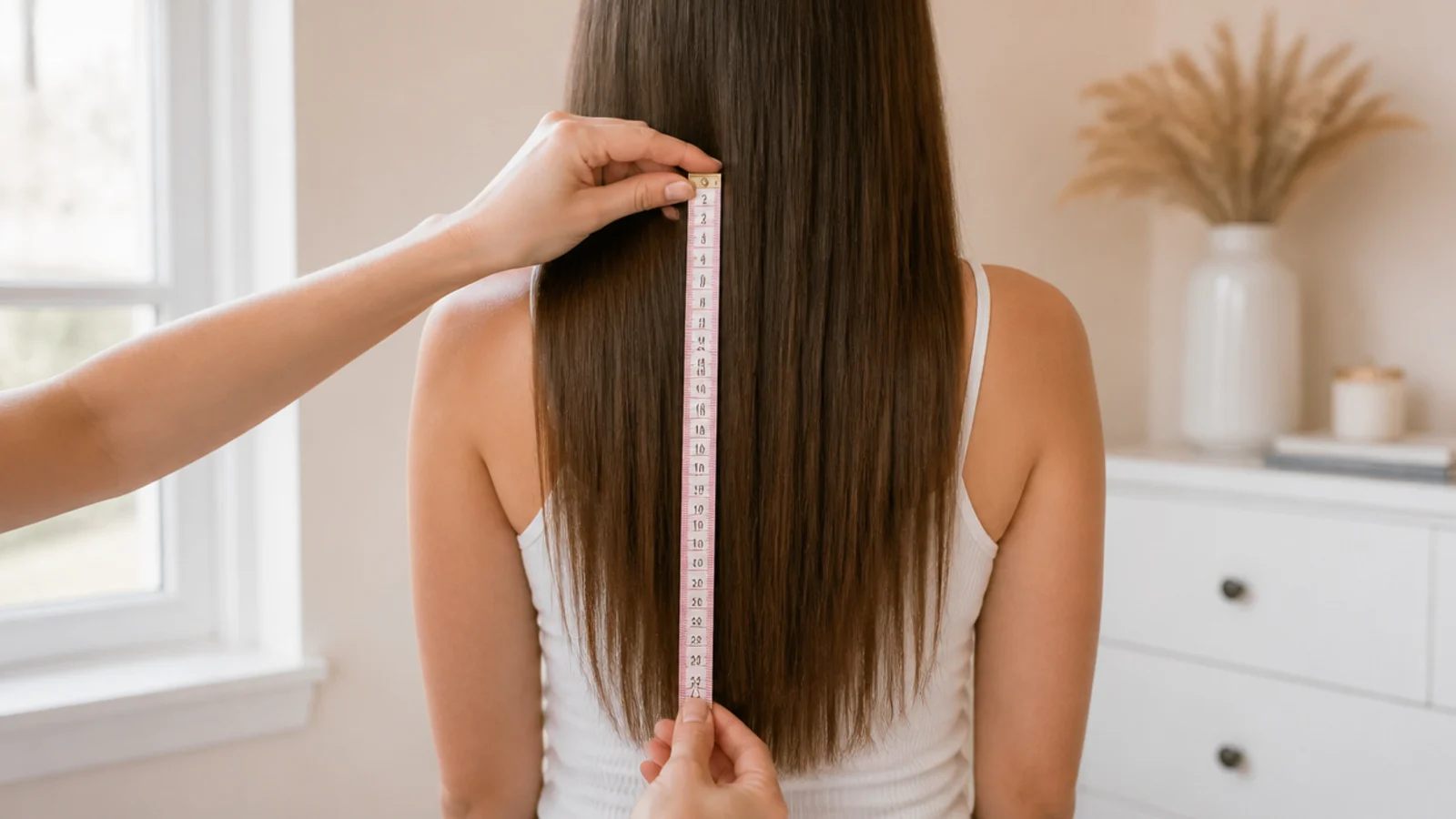
Stand in the same spot, in daylight, with the hair pulled straight down your back and the same top on. Without a dated starting image you are judging six months of half inch increments against memory, and memory reliably reports that nothing has happened.
Step 2. Audit Your Ends
Take a section into the light and look at the last two inches for split tips, white dots and strands that end in a fray rather than a point. What you find decides whether you need a dusting or a real cut, and cutting first is cheaper than a year of protecting hair that was already gone.
Step 3. Switch the Night to Satin
Change the pillowcase or add a bonnet before you change anything else, because it is the cheapest fix and it covers the longest unsupervised stretch of the day. Seven hours of friction against cotton undoes a great deal of careful handling in the other seventeen.
Step 4. Detangle From the Ends Up
Fix the order before you buy a better comb. Work the last two inches clear, then the next two, and keep moving upward so no knot is ever dragged along the shaft. This single change removes more breakage than any product in the routine.
Step 5. Cap the Heat
Set a ceiling and a frequency in the same decision. Around three hundred and fifty Fahrenheit suits most hair with fine hair wanting less, and one heat day a week keeps the number of exposures low, which is the figure that actually accumulates.
Step 6. Add the Scalp Massage
Five minutes a night with the pads of the fingers, moving the scalp rather than sliding across the hair. Attach it to something you already do every evening, because the effect depends entirely on it happening daily for months rather than intensely for a fortnight.
Step 7. Deep Condition
Once a week, on the bottom third, under a cap for twenty minutes. Warmth and time are what carry the conditioning agents past the cuticle, so a covered head at body temperature does more than an expensive mask applied cold and rinsed early.
Step 8. Set the Cadence
Write the schedule down. Massage nightly, deep condition weekly, clarify monthly, photograph monthly, dust every ten to twelve weeks. A routine you can recite is one you can actually keep for the six months it takes to produce three inches of evidence.
Final Thoughts
The whole at home routine comes down to four decisions repeated for six months — what your hair sleeps on, which direction you detangle, how often heat touches it, and how hard anything pulls at the roots. None of them costs much, and all of them work on the only variable in this subject that answers to effort.
Give it two full seasons before you judge anything, and judge it on whether last spring's ends are still attached rather than on how the mirror looks on a Tuesday. Three inches of retained growth is a visible change; three weeks of a new product is not a test of anything. More in Hair Care. See also the growth version and the 4c version.