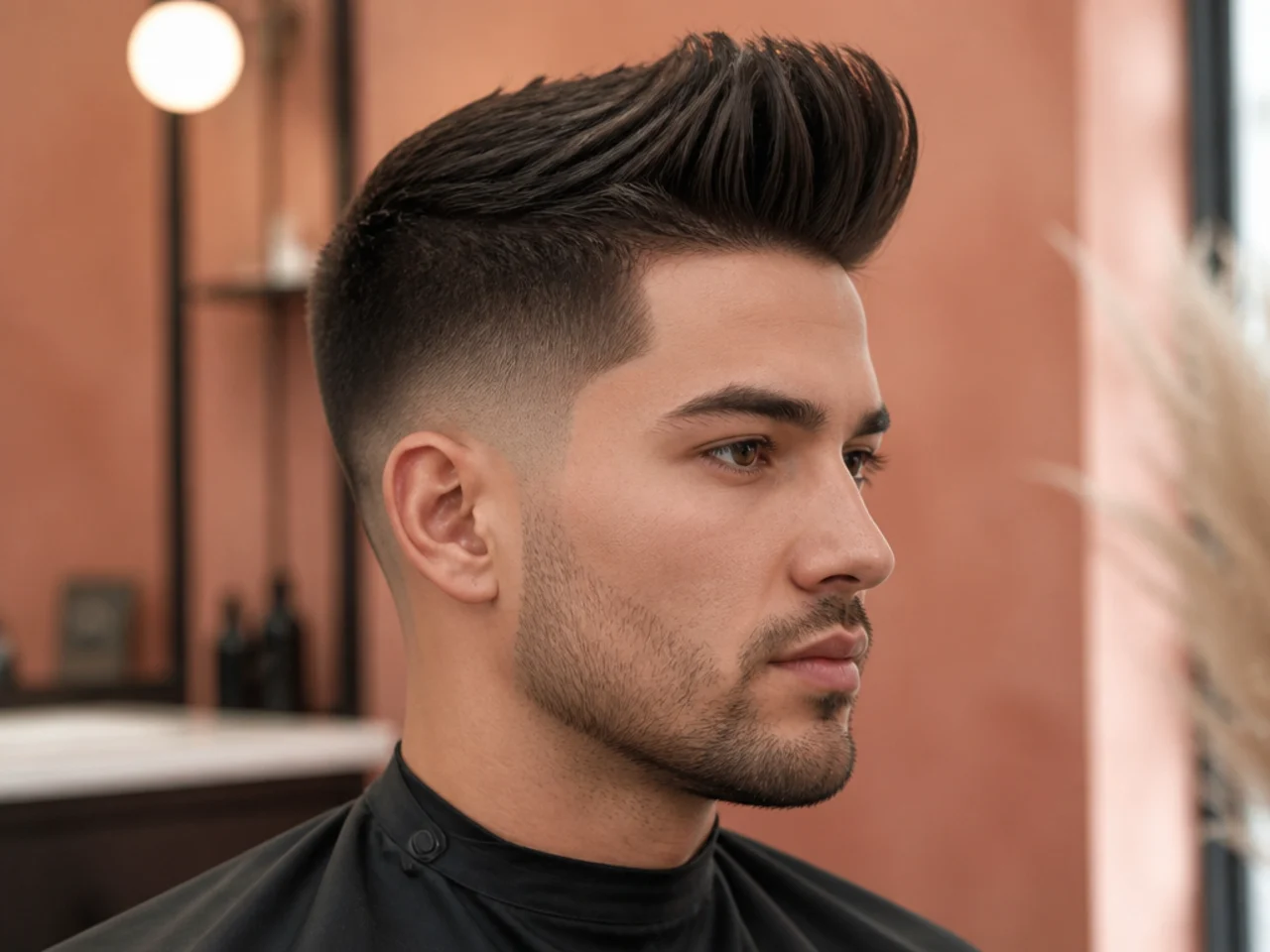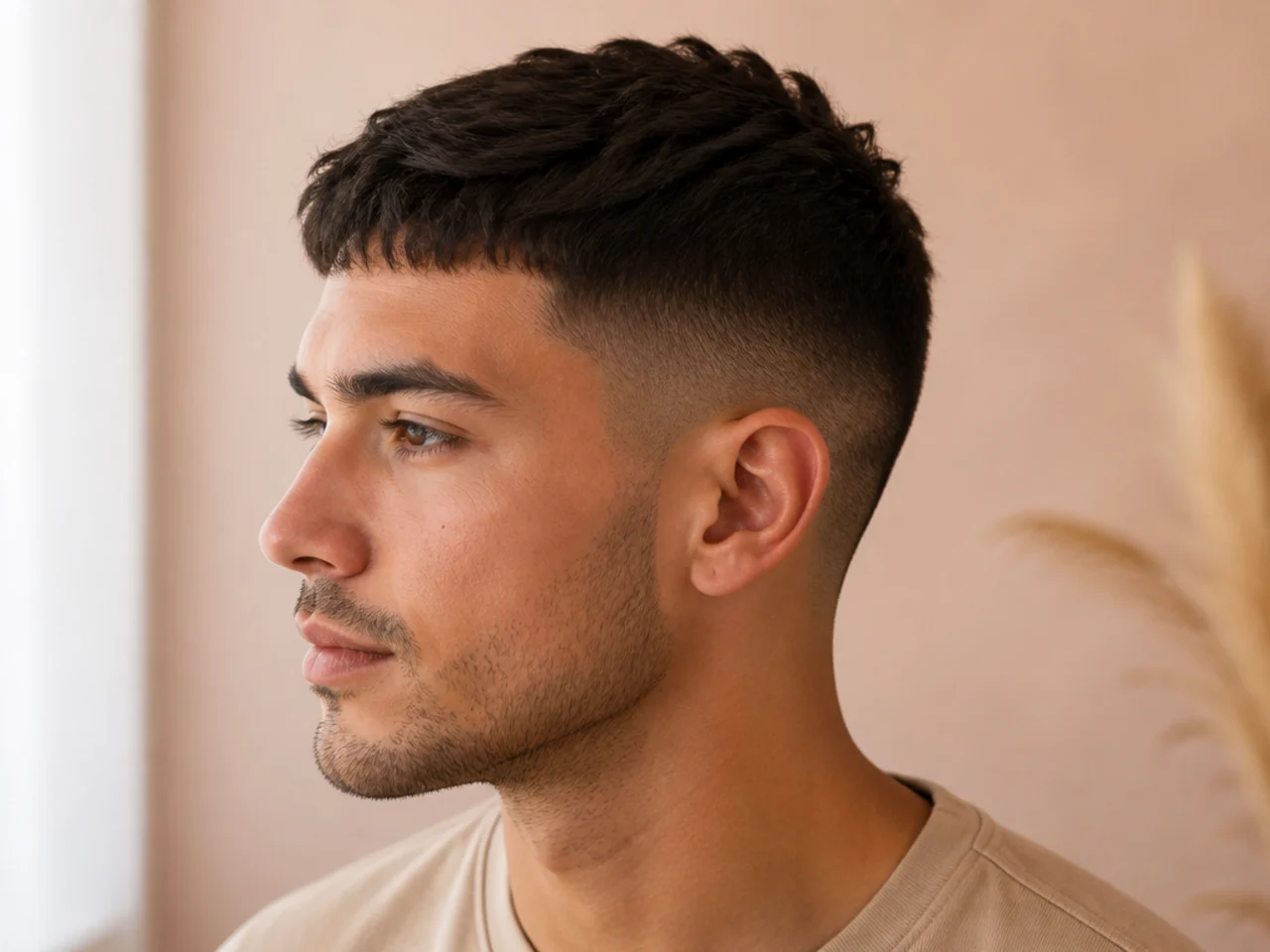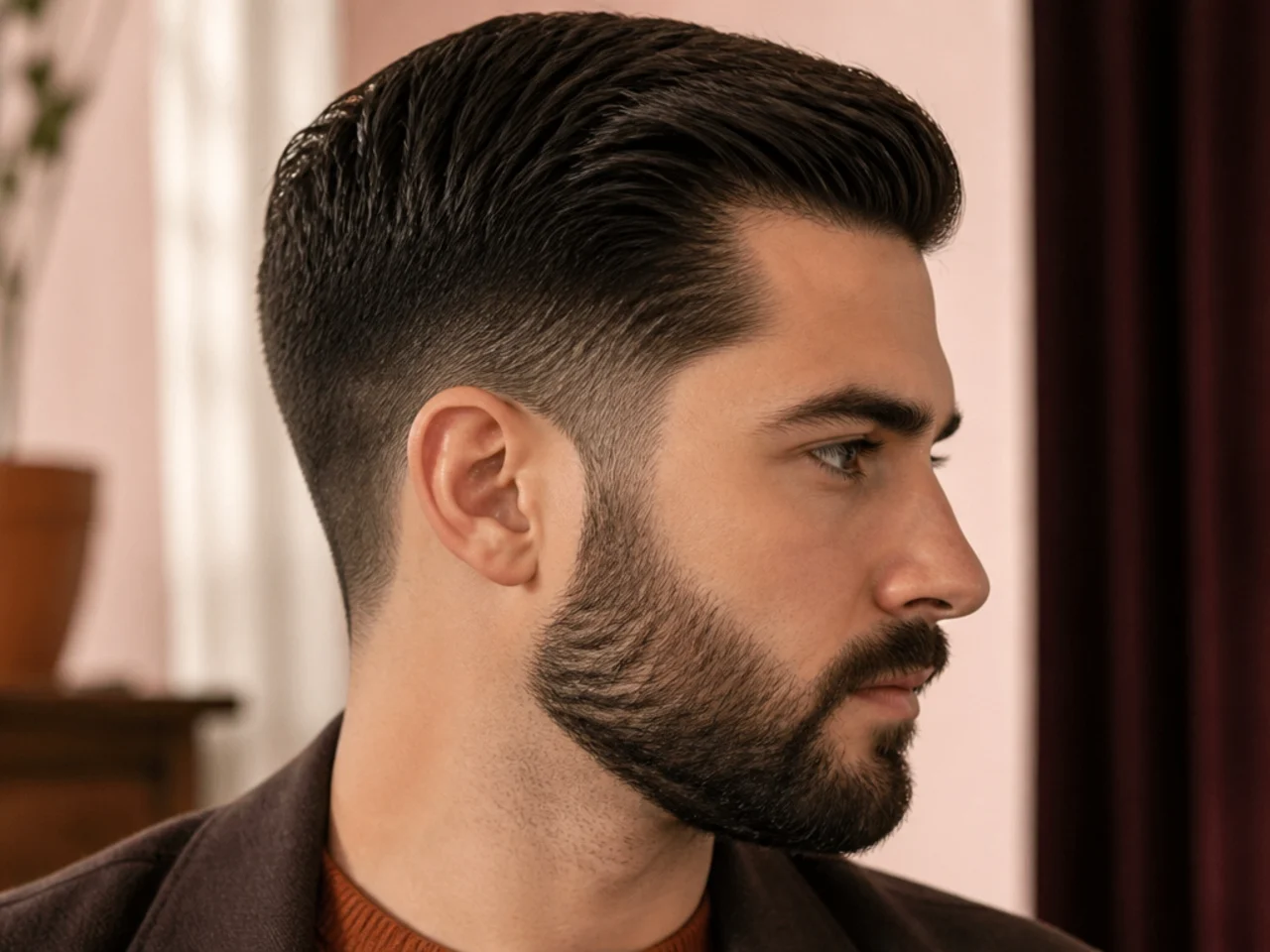
20 Ivy League Haircut Ideas With a Beard
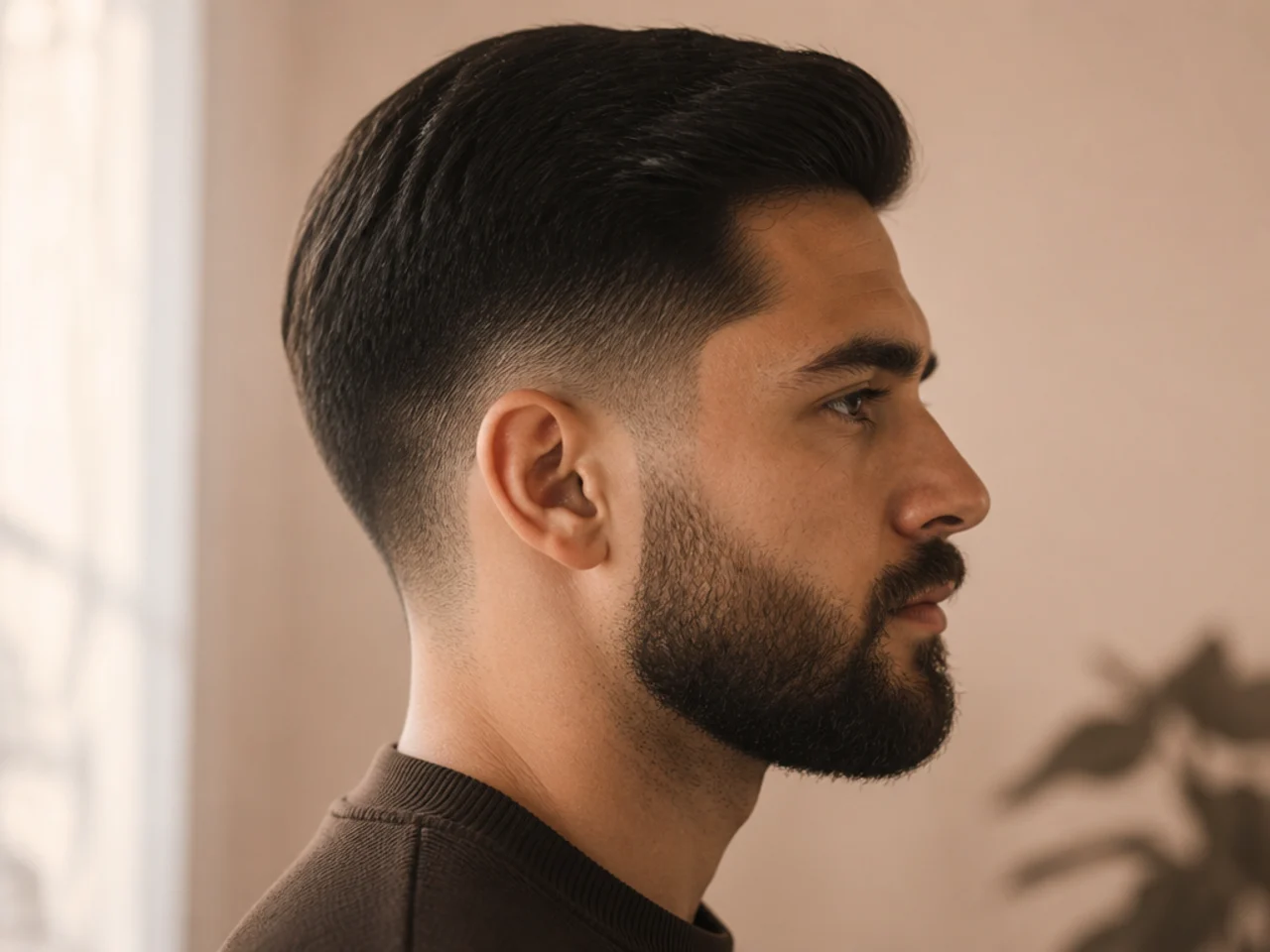
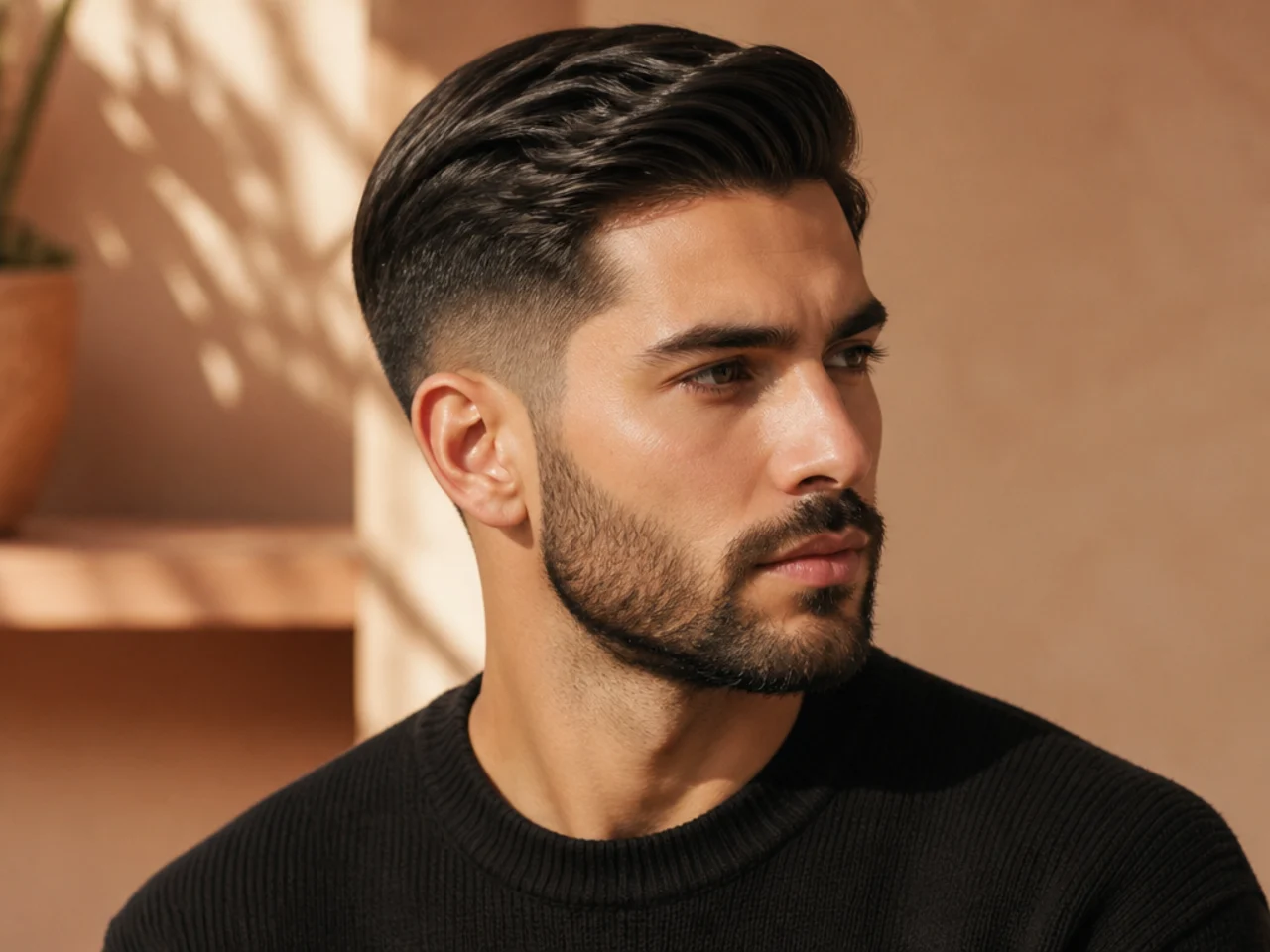
Twenty ivy league and beard pairings, and the one thing that decides whether they work — the taper line and the beard line are two horizontals across the same face. They have to meet, or clearly not meet.
In this article · 27
- Why the Two Lines Fight
- How to Choose Yours
- The 20 Ivy League and Beard Pairings
- 1. Full Connect at the Sideburn
- 2. Hard Disconnect With a Shaved Gap
- 3. Ivy League With a Short Boxed Beard
- 4. Ivy League With Heavy Stubble
- 5. Ivy League With a Full Beard
- 6. Low Taper Into a Beard
- 7. Mid Taper With a Connected Beard
- 8. Ivy League With a Goatee
- 9. Ivy League With a Chin Strap
- 10. Ivy League With a Faded Beard Line
- 11. Longer Top With a Full Beard
- 12. Ivy League With a Grey Beard
- 13. Ivy League With a Patchy Beard
- 14. Ivy League With a Hard Part and Beard
- 15. Ivy League With a Moustache Only
- 16. Ivy League With a Beard on Curly Hair
- 17. Ivy League With a Beard on Thick Hair
- 18. Ivy League With a Beard, Week One
- 19. Ivy League With a Beard, Week Four
- 20. The Accidental Two-Centimetre Gap
- Styling and Upkeep
- Mistakes to Avoid
- FAQ
- Final Thoughts
An ivy league haircut and a beard are two separate services that meet at one place, and that meeting point is what people get wrong.
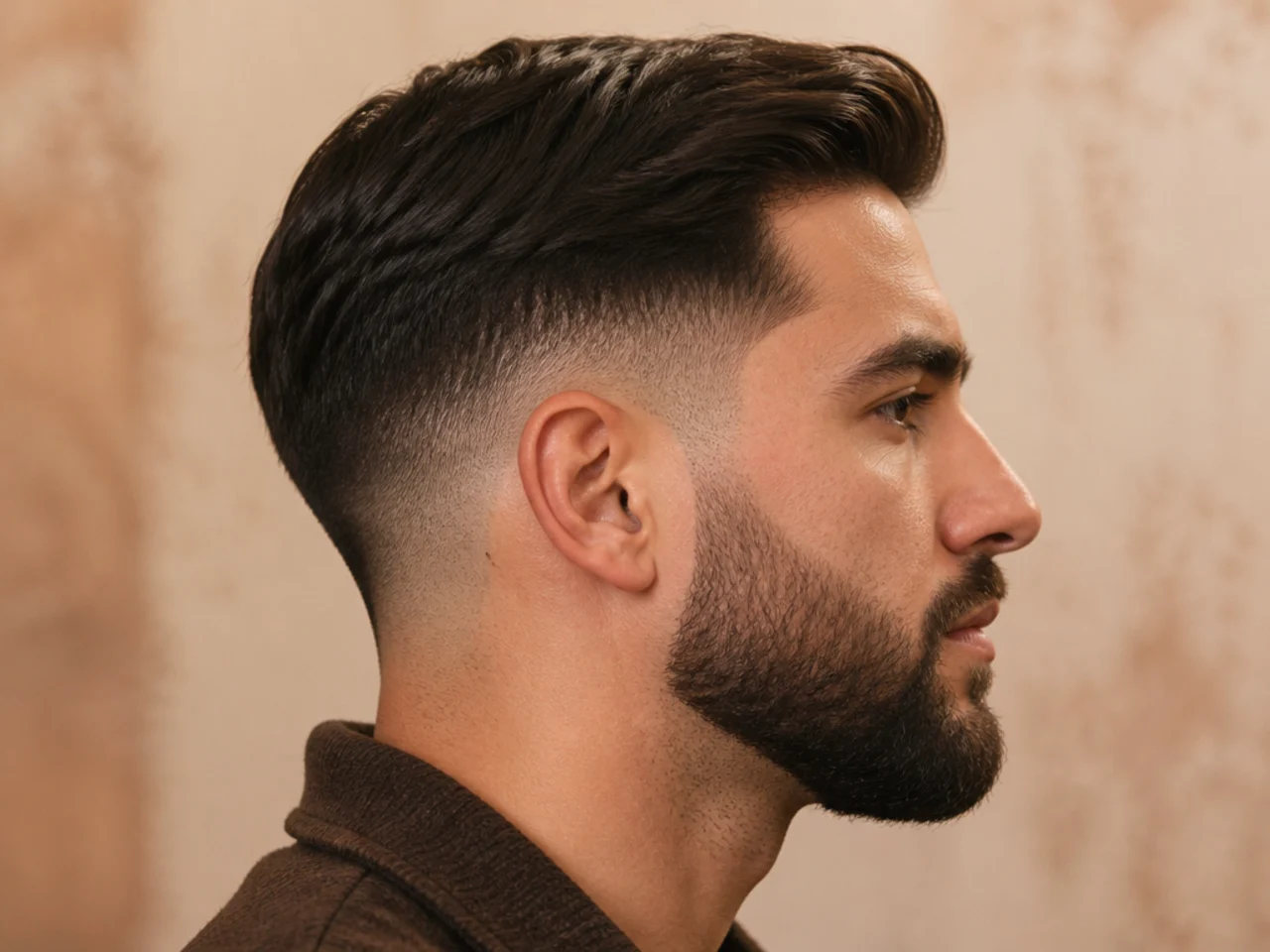
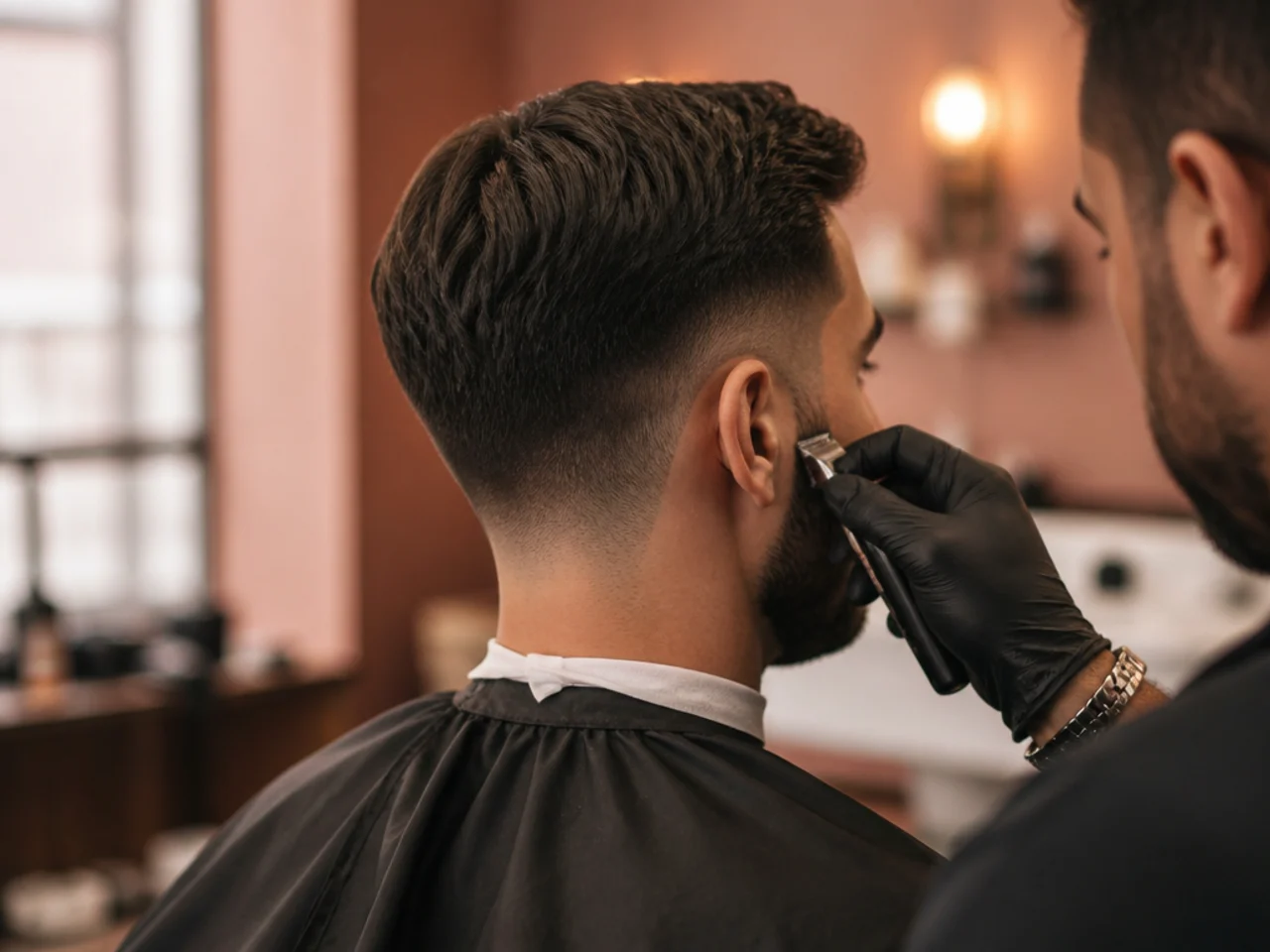
The taper line and the beard line are both horizontals across the same face. Two hard lines a short distance apart compete with each other. The eye reads the gap between them rather than either one.
They have to meet, or clearly not meet. Connected into one gradient, or separated by enough bare skin that the separation is obviously deliberate. The near-miss is the only version that fails.
Why the Two Lines Fight
A taper ends in a horizontal. However soft the blend, the point where it stops is a line running around the head.
A beard begins in a horizontal. The top edge of the cheek line and the sideburn form a second one.
Two centimetres apart is the worst distance. Close enough to read as one shape, far enough to read as a mistake.
Connected or clearly apart both work. What fails is the accidental gap in between.
How to Choose Yours
Decide connected or disconnected before the clippers start. It changes where the taper is taken down to.
Connected suits a full beard. There is enough density for the gradient to land in.
Disconnected suits a short or patchy beard. A gradient needs something to blend into, and stubble is not enough.
Say it in one sentence at the consultation. "Blend the taper into the beard" or "keep the taper off the beard entirely."
The 20 Ivy League and Beard Pairings
1. Full Connect at the Sideburn
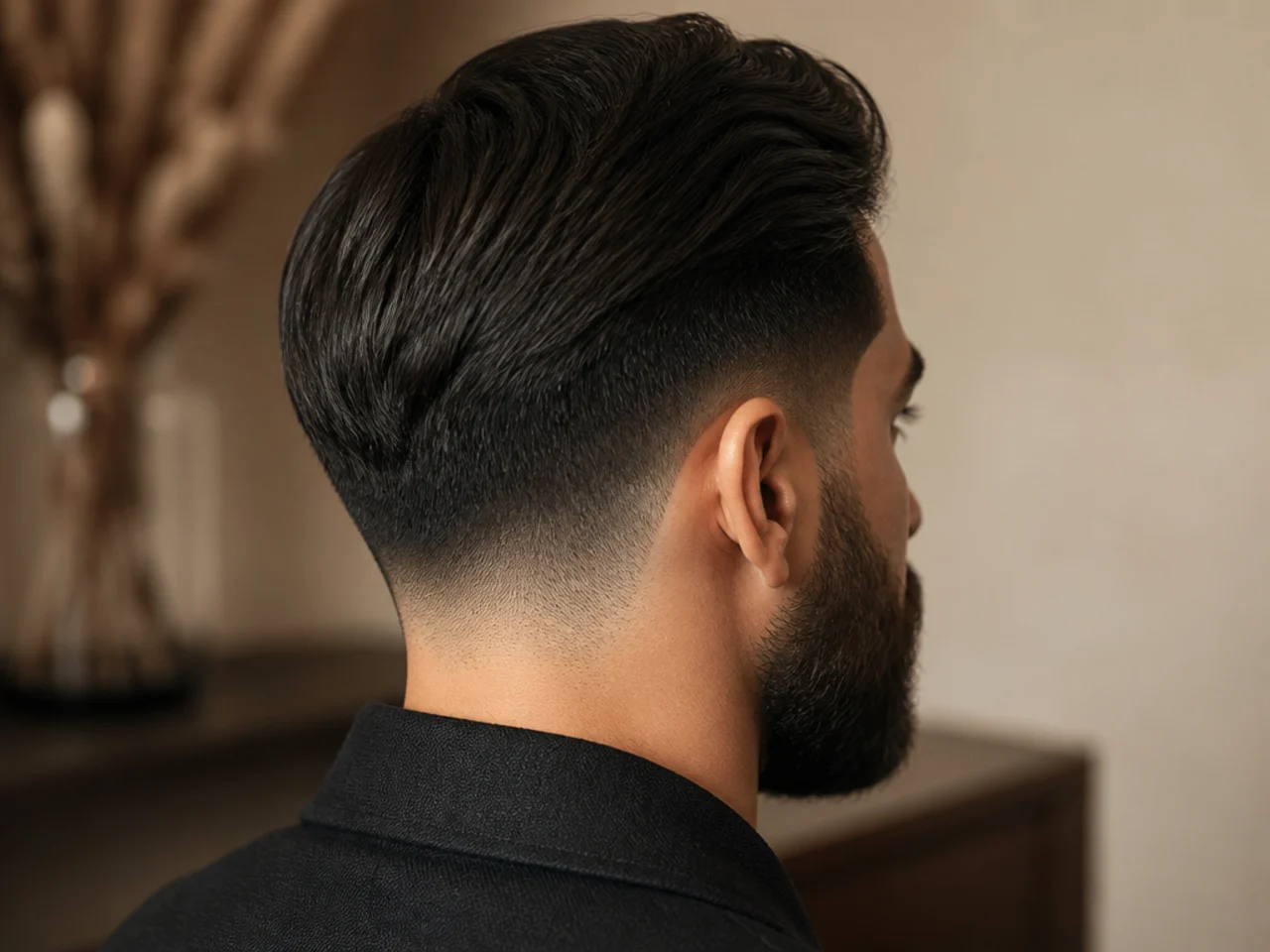
The taper runs down into the beard with no visible join. The gradient continues from the top of the head to the jaw as one movement, which is why this version never shows a line at all.
2. Hard Disconnect With a Shaved Gap
A deliberate strip of bare skin between the taper and the beard. It only works if the gap is wide enough to read as intentional — under a centimetre and it looks like a missed blend.
3. Ivy League With a Short Boxed Beard
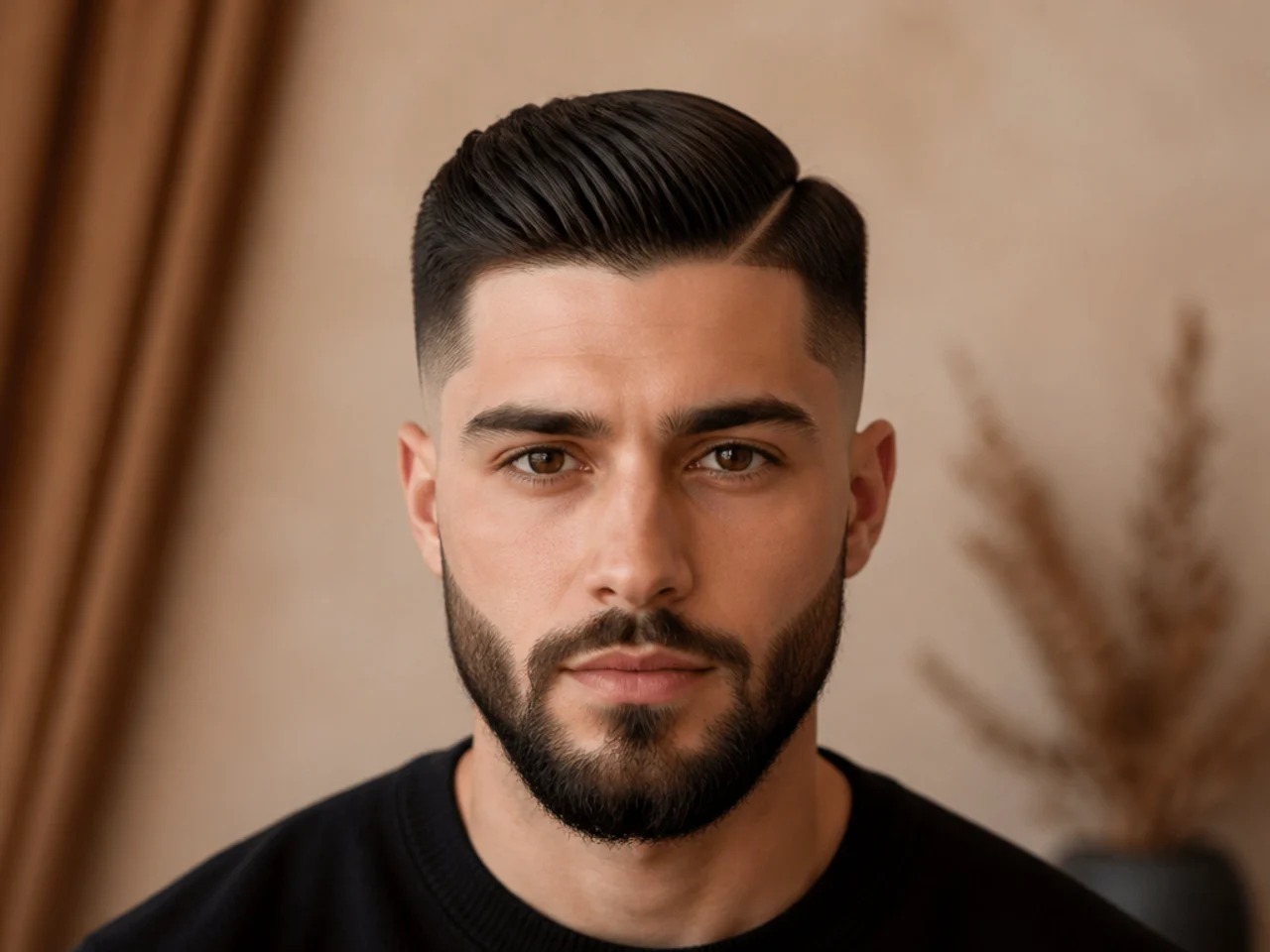
The beard held to one guard all over, connected at the sides. A boxed beard has its own hard lines, so keeping it short stops it adding a third horizontal to the face.
4. Ivy League With Heavy Stubble
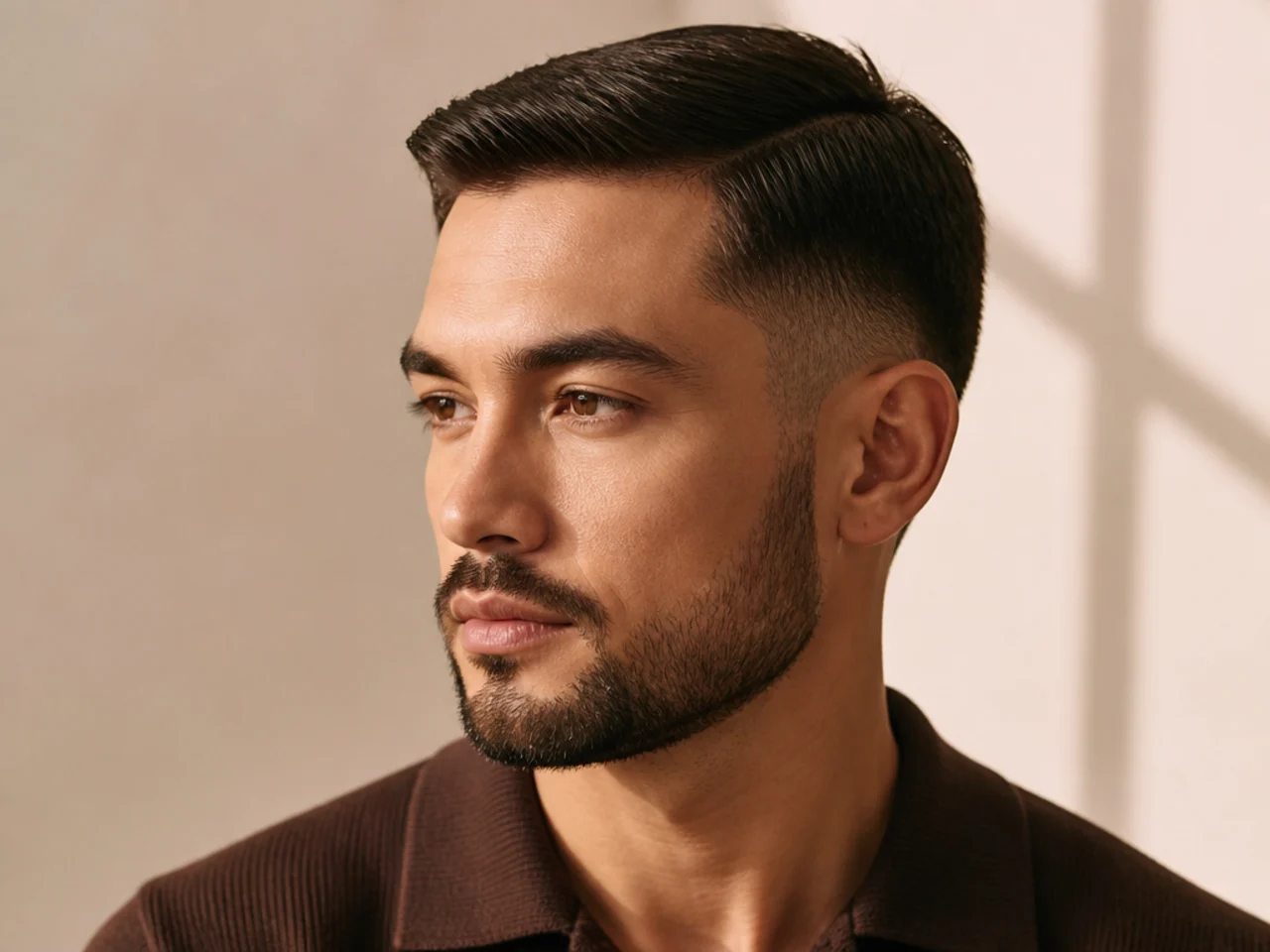
Stubble is too short to blend into, so this is a disconnect by default. Keep the taper finishing cleanly above it rather than trying to fade the two together.
5. Ivy League With a Full Beard
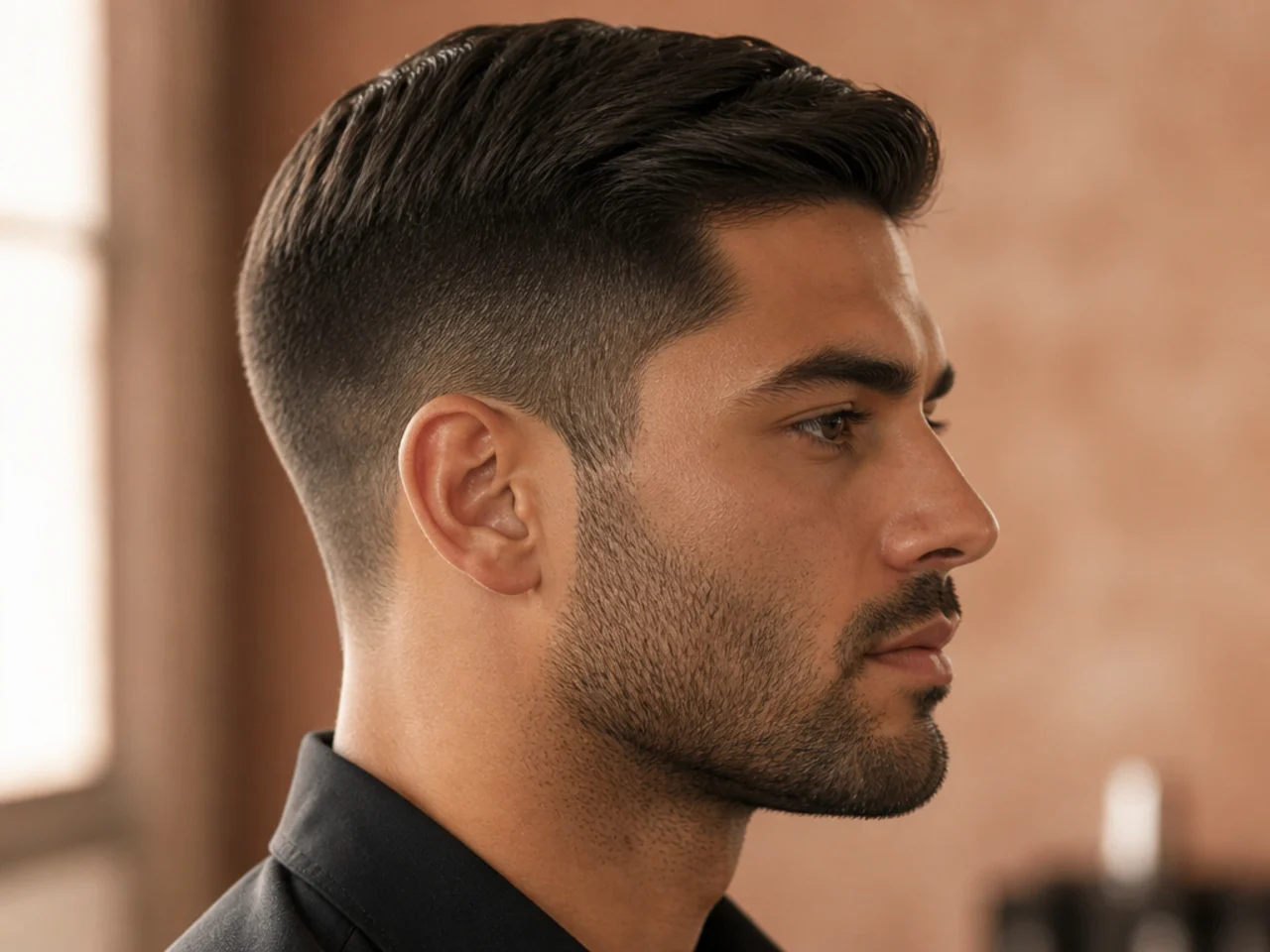
The most forgiving pairing on this page. Full density gives the taper somewhere to land, so the join can be soft rather than precise.
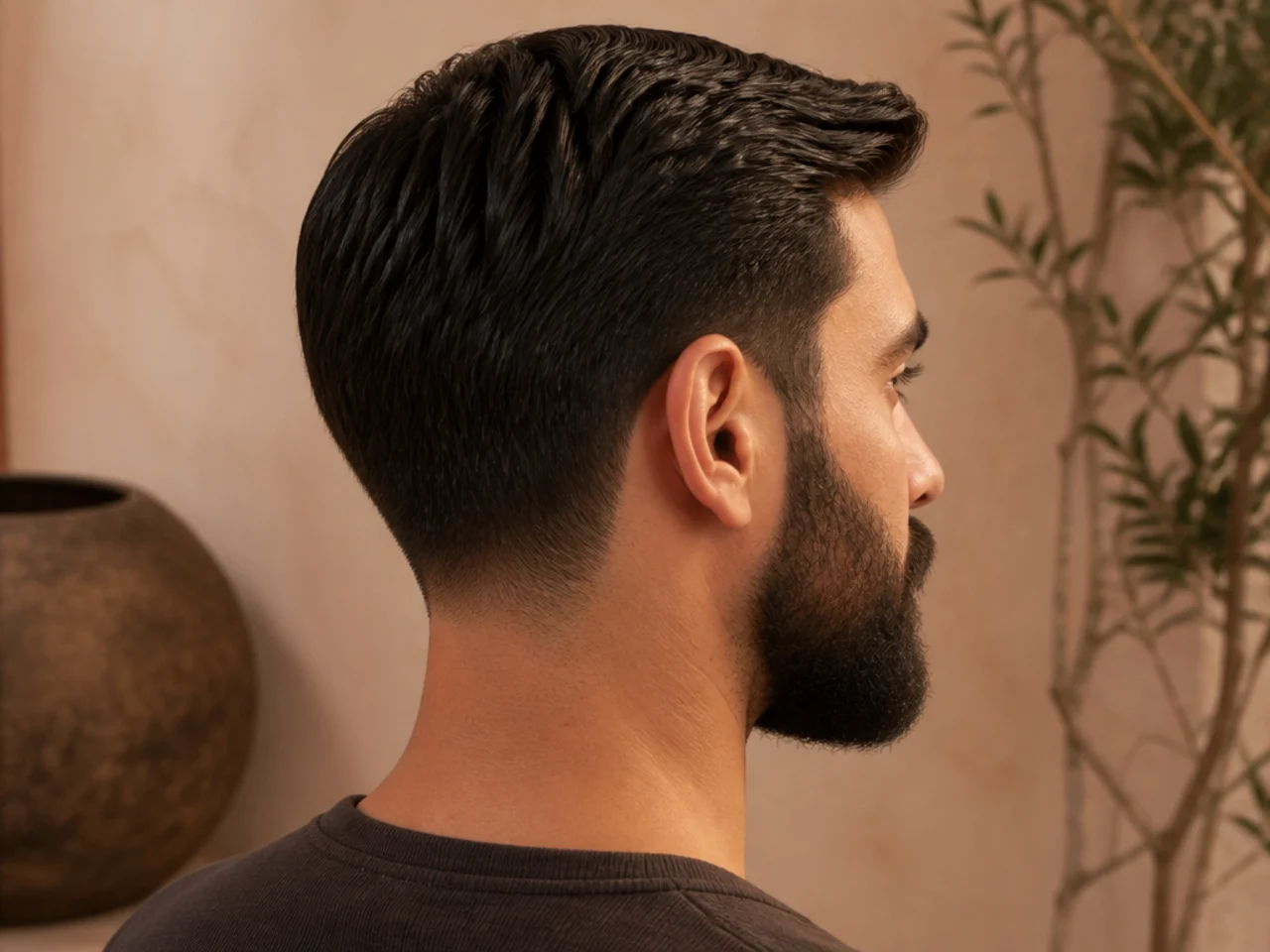
6. Low Taper Into a Beard
The taper kept low means a shorter distance to travel before it meets the beard, which makes the gradient gentler and easier to keep even.
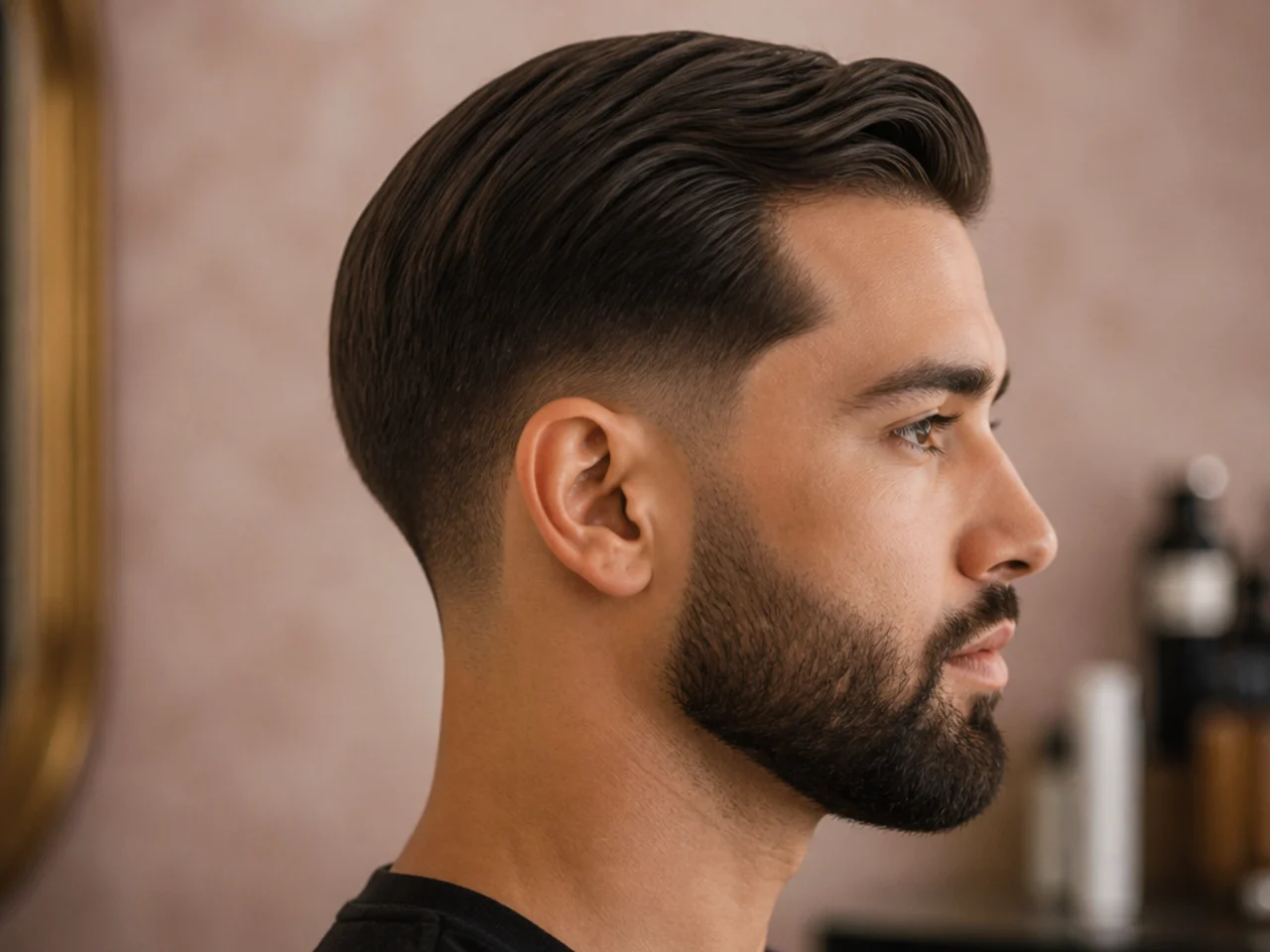
7. Mid Taper With a Connected Beard
More contrast up the side, and the join still lands at the jaw. The higher the taper starts, the more skill the connection takes to keep smooth.

8. Ivy League With a Goatee
A goatee leaves the sides bare, so the taper has nothing to meet. Finish it as you would with no beard at all and let the goatee sit as a separate shape.
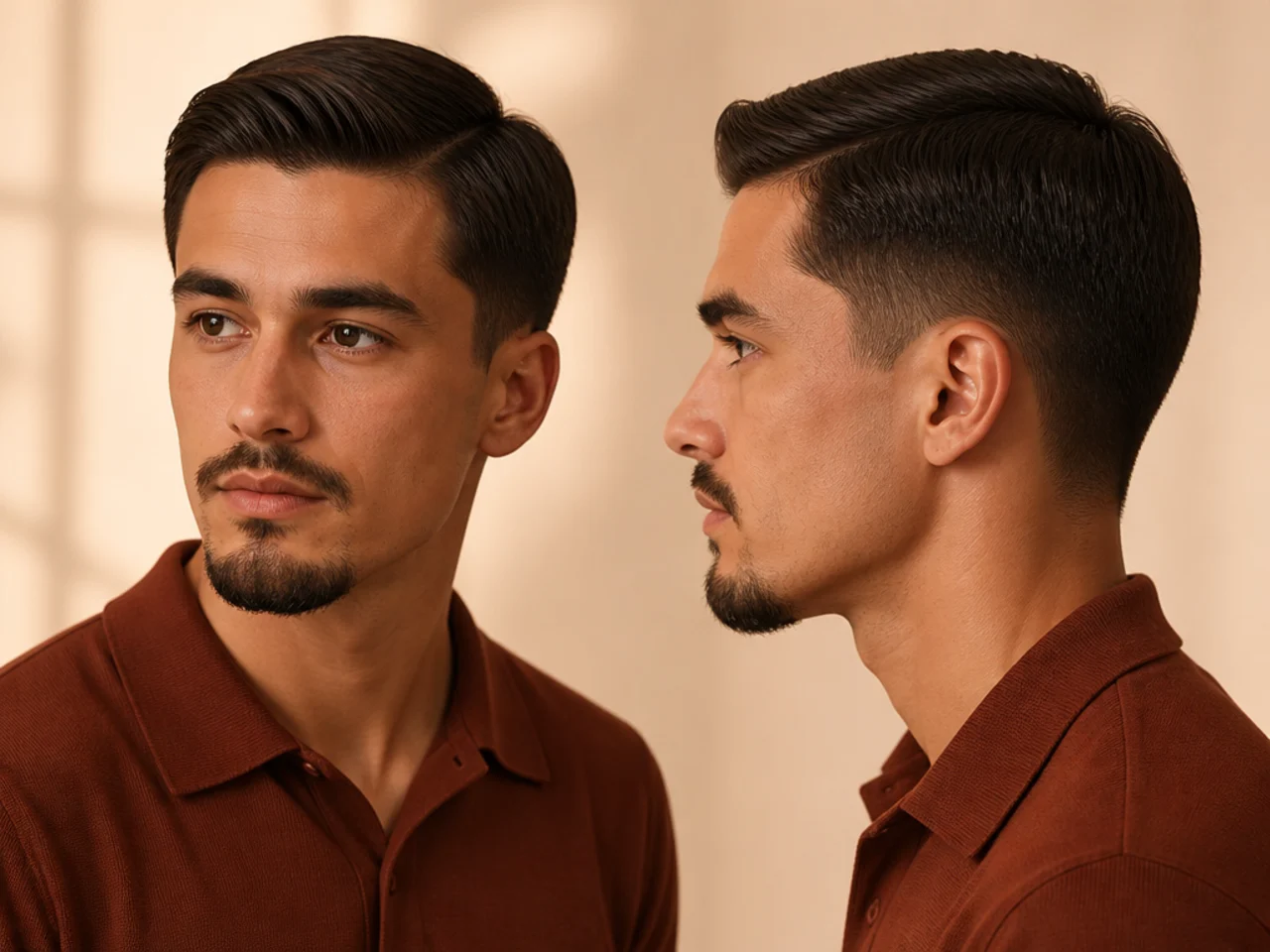
9. Ivy League With a Chin Strap
A chin strap is a hard line by definition, so pair it with a disconnected taper. Two connected gradients and one hard line in the same look is one shape too many.
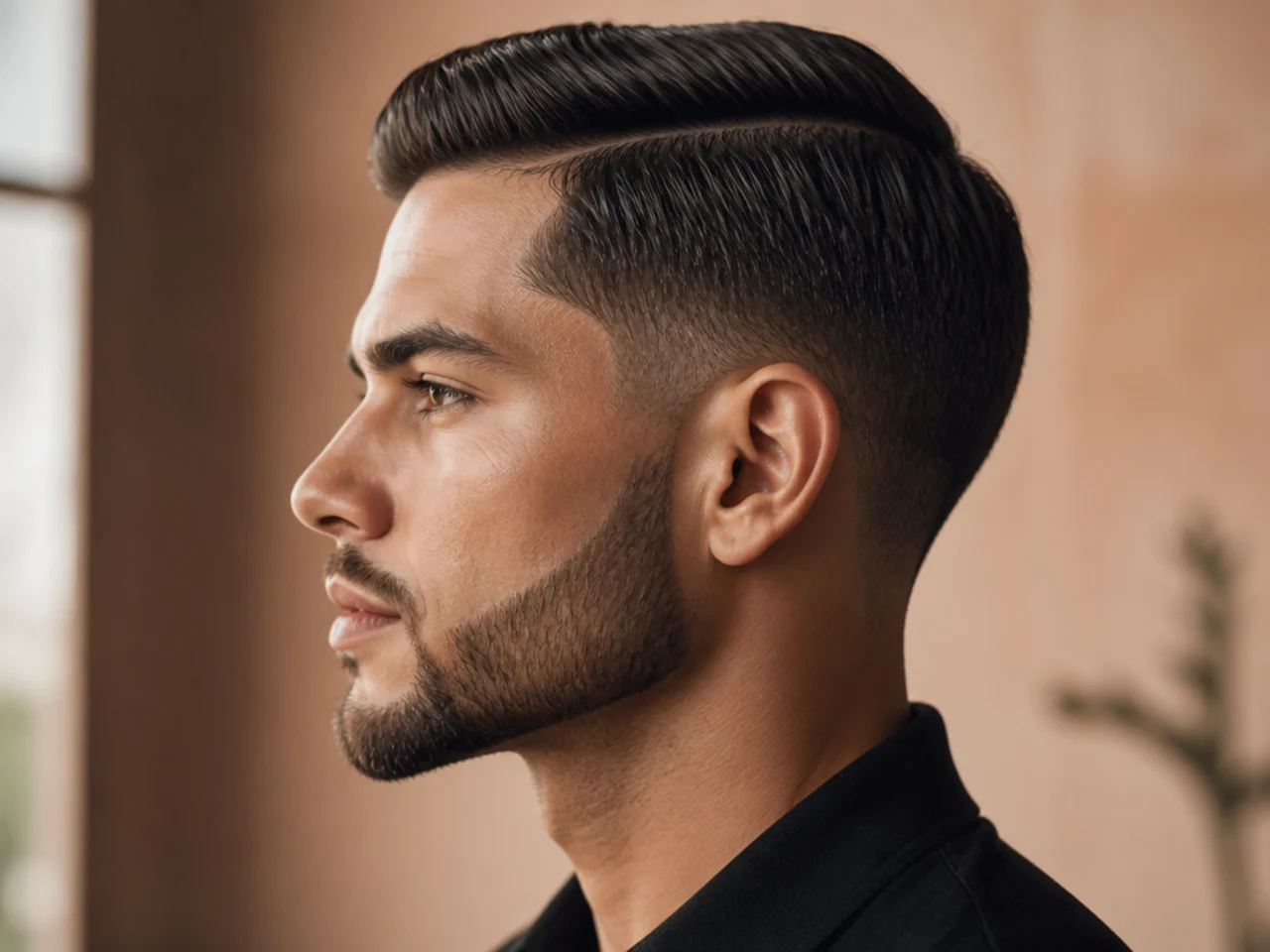
10. Ivy League With a Faded Beard Line
The beard itself faded downward into the neck, mirroring the taper above, in the same way a low fade and a beard are matched. Two gradients running the same direction read as one considered shape.
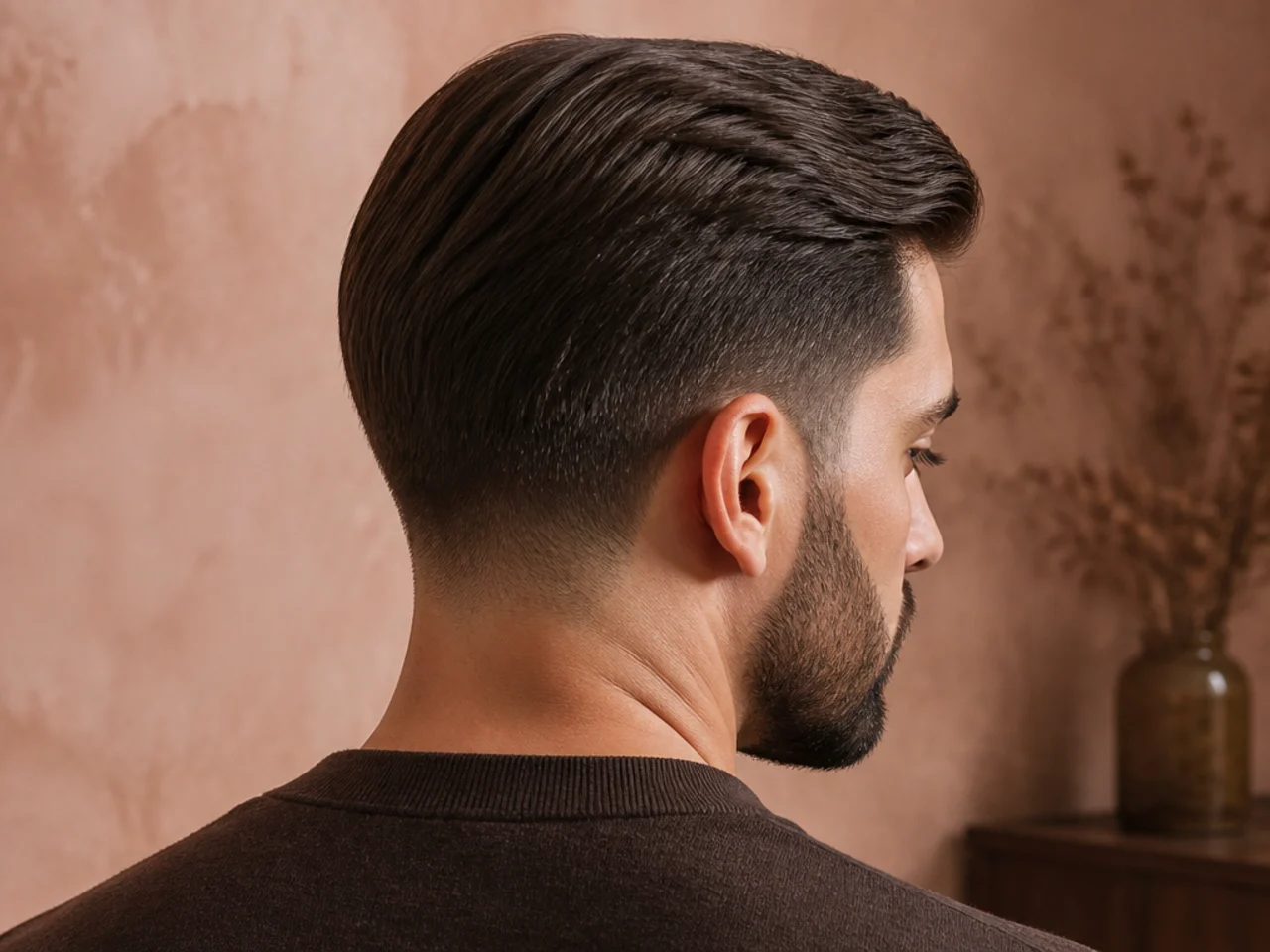
11. Longer Top With a Full Beard
Extra length on top balances the visual weight a full beard adds low on the face. Without it, a big beard makes the head read small above the jaw.
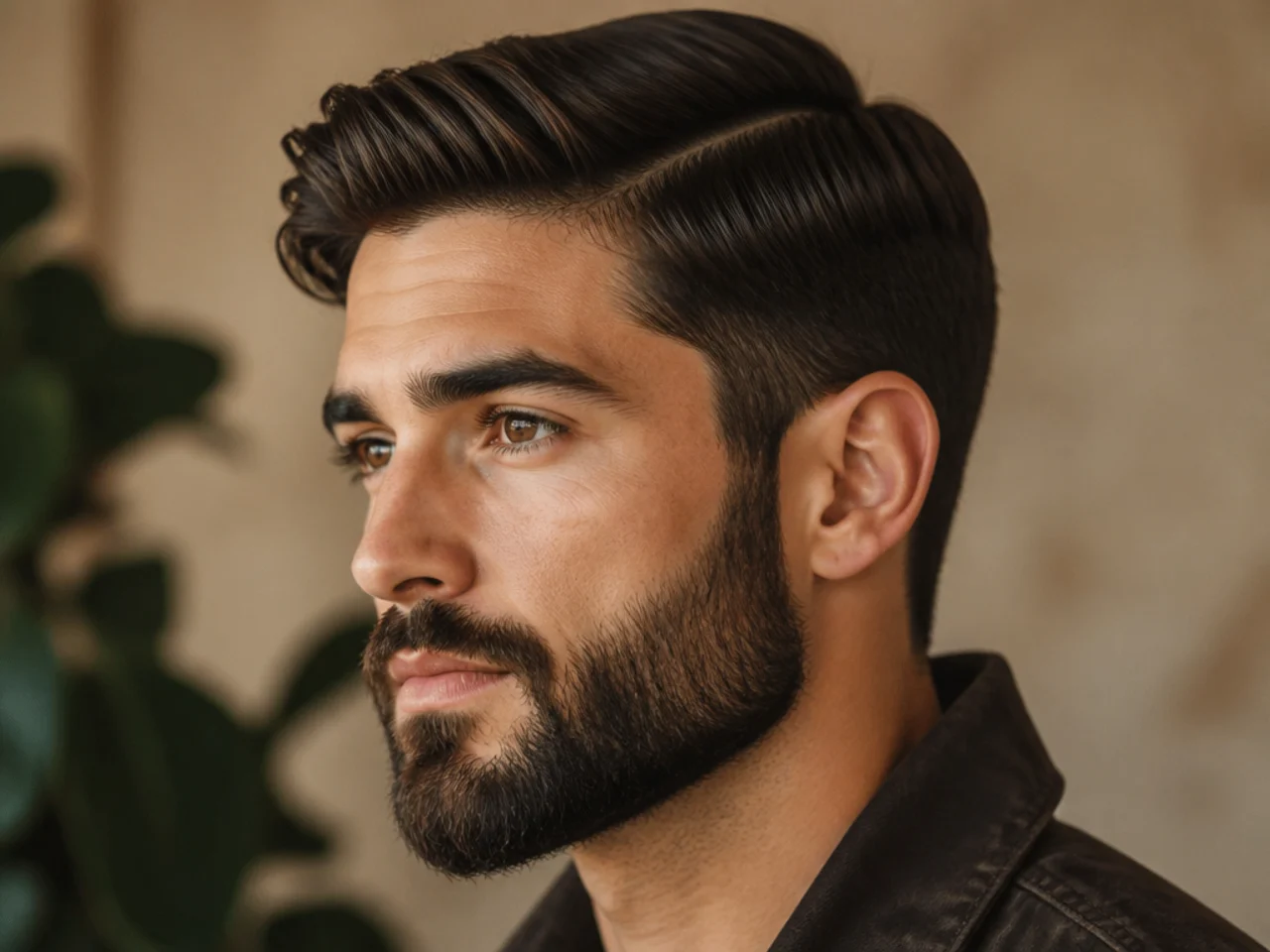
12. Ivy League With a Grey Beard
Grey beard hair is coarser and reflects light differently from the hair above, so a connected blend is harder to hide. A slight disconnect suits it better.

13. Ivy League With a Patchy Beard
Patches interrupt a gradient, so keep the taper well clear and let the beard read as its own shape rather than as a continuation.

14. Ivy League With a Hard Part and Beard
The hard part adds a vertical to a face that already has two horizontals, which is what stops the whole arrangement reading as flat.
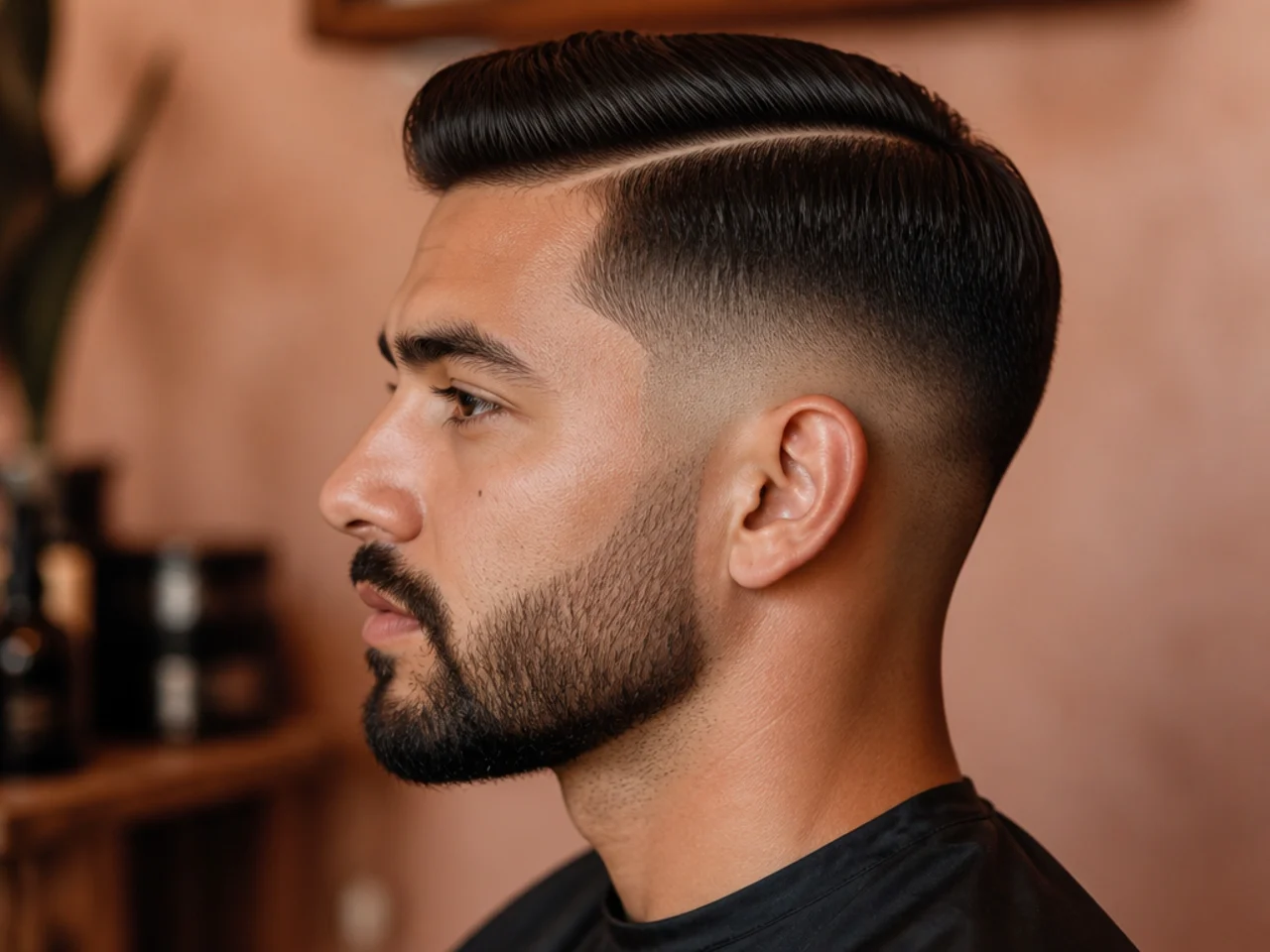
15. Ivy League With a Moustache Only
Nothing at the sides, so the taper finishes normally. The moustache sits inside the face rather than on its edge and never interacts with the cut.

16. Ivy League With a Beard on Curly Hair
Curl on top and a straight beard is a texture mismatch at the join, so a disconnect reads cleaner than a blend here — the curly ivy league covers the rest of what changes.
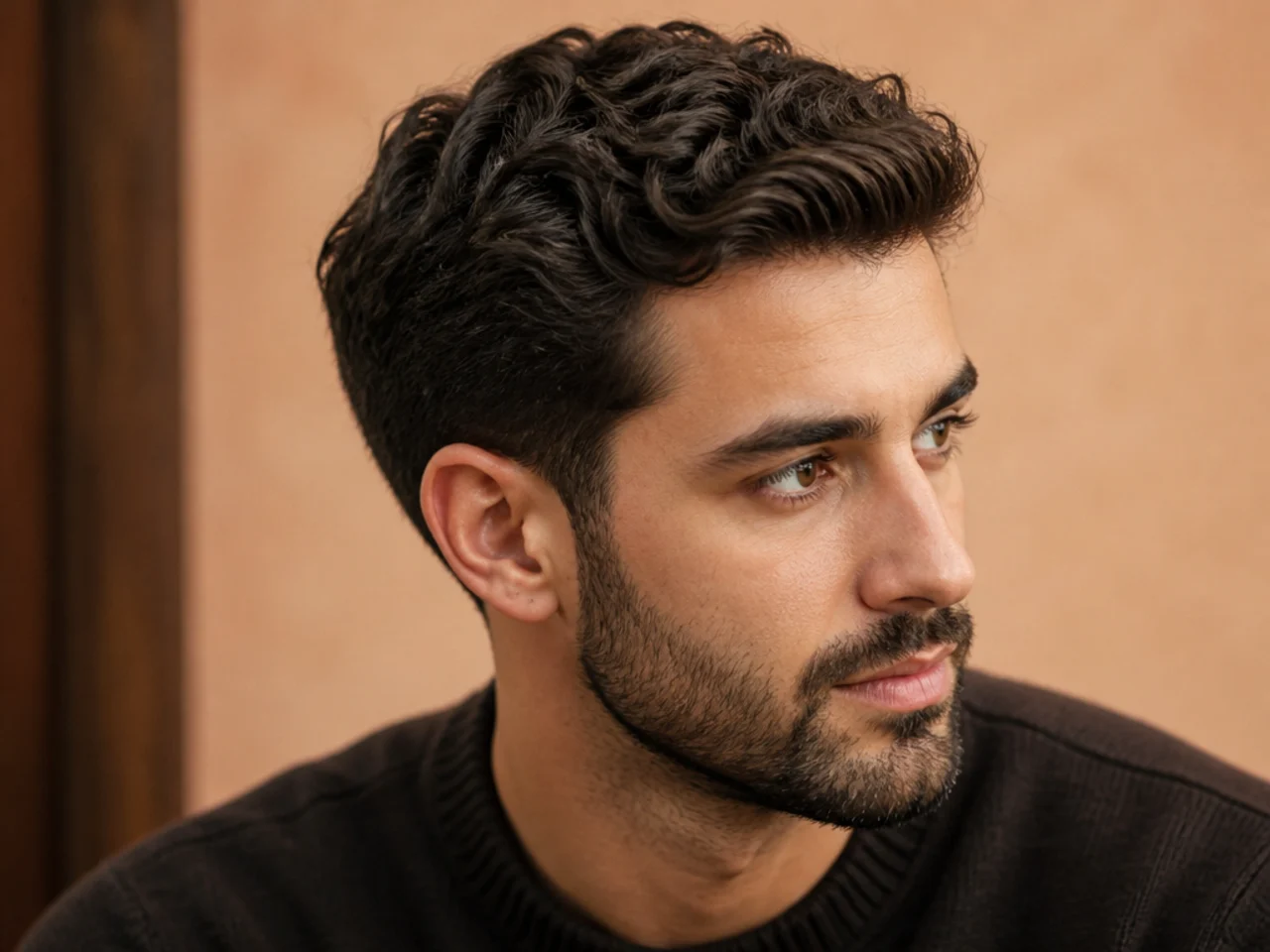
17. Ivy League With a Beard on Thick Hair
Thick hair holds a taper line more sharply, which makes the connection to a beard more visible, and the thick-hair version explains why. Ask for extra blending time at the join.

18. Ivy League With a Beard, Week One
Both lines at their sharpest, which is the version worth photographing for the next appointment. They are cut on the same day and blur on different clocks, so week one is the only point at which the taper edge and the beard line are genuinely in agreement.

19. Ivy League With a Beard, Week Four
The taper has grown into the beard on its own. On a connected version this still reads fine, which is the practical argument for connecting.
20. The Accidental Two-Centimetre Gap
Neither joined nor separate. The eye finds the gap immediately, and it is the single most common way this pairing goes wrong.
Styling and Upkeep
Trim the beard line and the taper on the same visit. They age together, and fixing one without the other reopens the gap.
Keep the beard's top edge where the taper meets it. Moving one line without the other is what creates the near-miss.
Book every three to four weeks. A taper blurs before a beard does, so the cut sets the schedule.
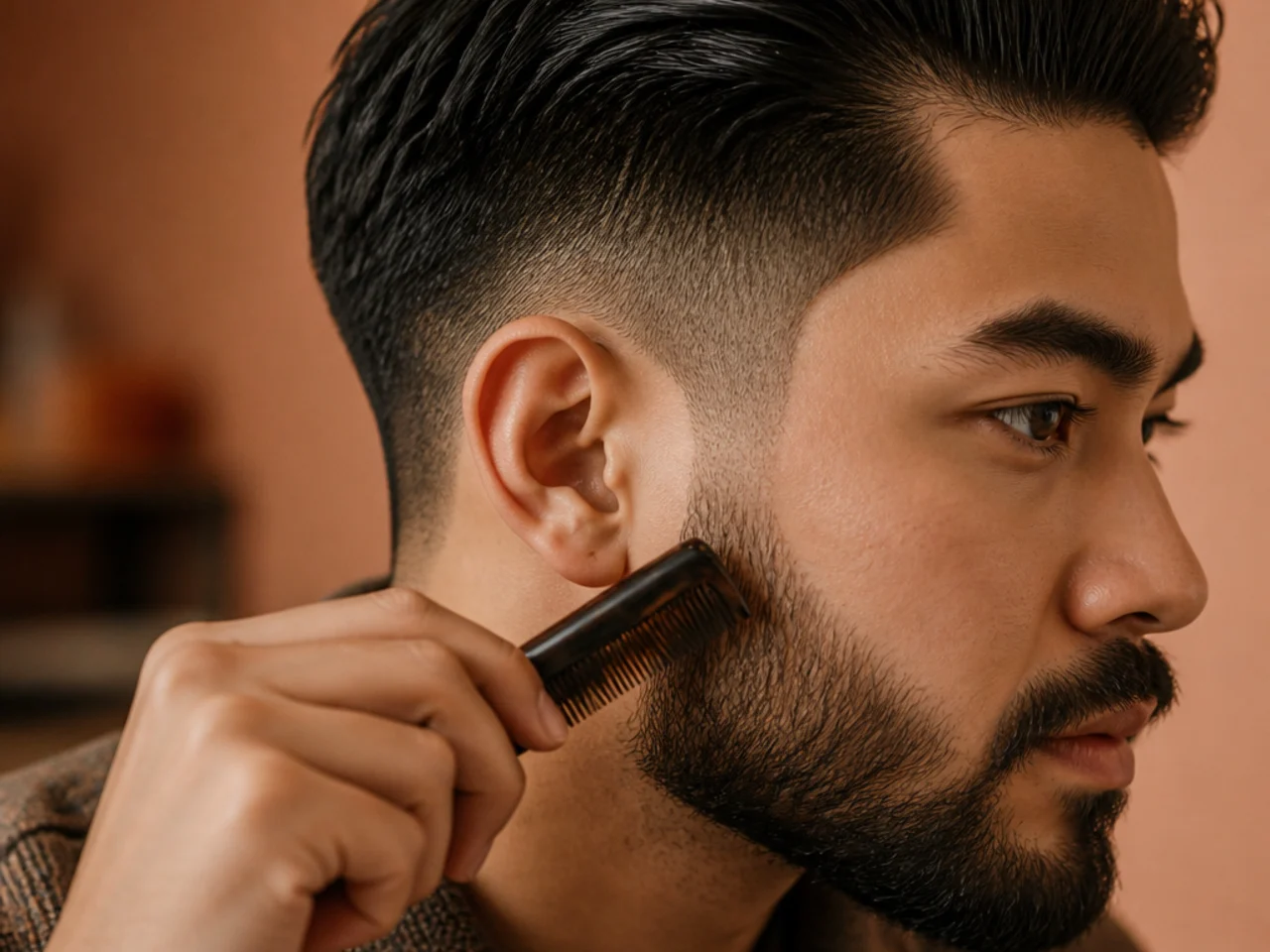
Use a beard comb before judging the join. Beard hair sits differently once combed, and an uncombed beard hides a bad blend.
Photograph the join at week one. It is the reference your barber needs next time, and it is behind your ear where you cannot see it.
Mistakes to Avoid
Leaving a small unplanned gap. The failure this whole page is about.
Connecting a taper to stubble. There is not enough beard density for a gradient to land in.
Trimming the beard between haircuts and not the taper. It moves one line and not the other.
Asking for a fade when you have a full beard. A fade to skin next to dense beard hair maximises the contrast at exactly the wrong point.
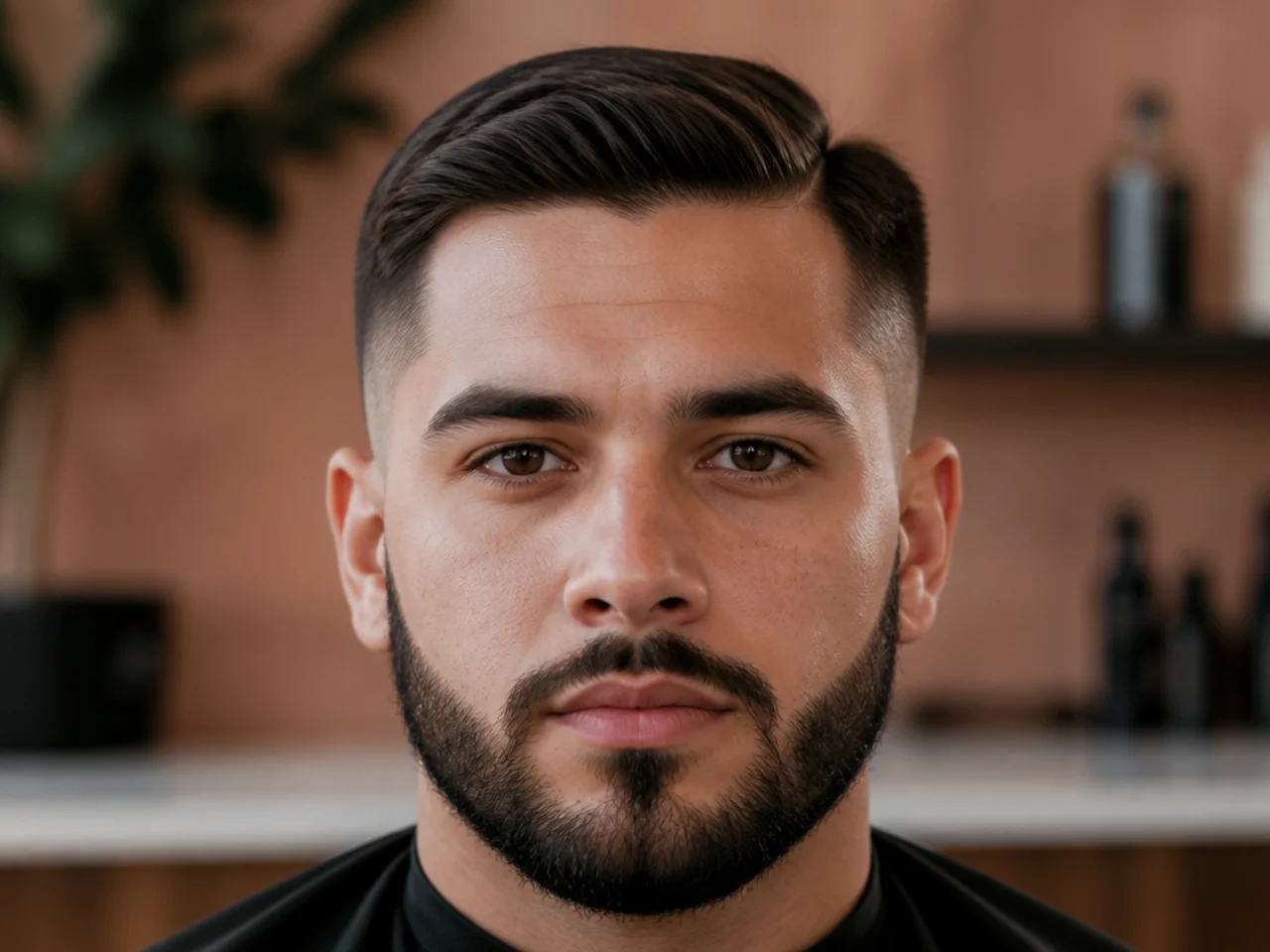
Judging the join in a front-facing mirror. It lives at the side of the head, which the front view does not show.
FAQ
Should the haircut connect to the beard? Either connect it properly or leave an obvious gap.
Where should the taper end if connected? Where beard density genuinely begins, usually below the earlobe.
Does a beard change the top length? It changes the proportion — a full beard usually wants the top kept longer.
Final Thoughts
Decide connected or disconnected before anyone picks up clippers, and say which one you want out loud. Everything else on this page follows from that single choice, and the version that fails is the one where nobody made it.
For the full range of the cut see the ivy league haircut guide, and for the beard-side of the same join see taper fade haircut with a beard. More in Men's Haircuts.