20 Curly Ivy League Haircut Ideas for Men
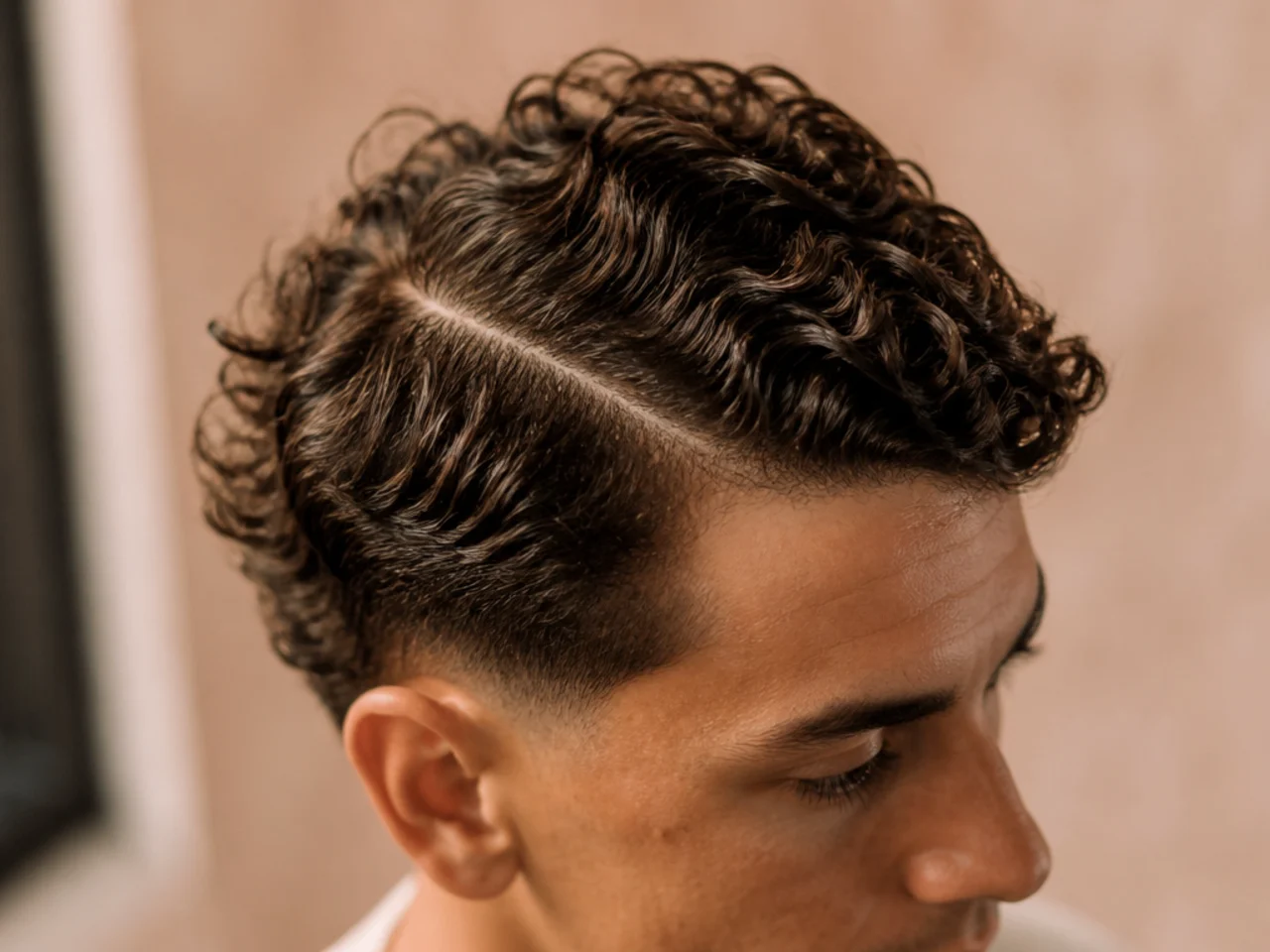
Twenty curly ivy league ideas, and the measurement that decides all of them — an ivy league needs enough length on top to hold a part, and curl loses a third of its length the moment it dries.
In this article · 27
- Why Shrinkage Breaks This Cut
- How to Choose Yours
- The 20 Curly Ivy League Variations
- 1. Loose Curl With a Combed Part
- 2. Defined Curl With a Hard Part
- 3. Curly Ivy League With a Low Taper
- 4. Curly Ivy League With a Mid Taper
- 5. Longer Curly Top
- 6. Short Curly Ivy League
- 7. Curly Ivy League on 2C Hair
- 8. Curly Ivy League on 3A Hair
- 9. Curly Ivy League on 3B Hair
- 10. Curly Ivy League With Sponge Definition
- 11. Curly Ivy League Worn Dry and Undone
- 12. Curly Ivy League With Matte Paste
- 13. Curly Ivy League With a Cream
- 14. Curly Ivy League With Thick Density
- 15. Curly Ivy League With Fine Density
- 16. Curly Ivy League With a Beard
- 17. Curly Ivy League Cut Dry
- 18. Curly Ivy League at Week Two
- 19. Curly Ivy League at Week Six
- 20. A Curly Cut Measured Wet
- Styling and Upkeep
- Mistakes to Avoid
- FAQ
- Final Thoughts
An ivy league is defined by one thing: enough length on top to take a part and comb it over. That is the whole difference between it and a crew cut.
Curl loses about a third of its length as it dries. Hair cut to two inches under a wet comb comes back at closer to one and a third, and one and a third inches will not hold a part.
So the cut has to be measured against the finished length, not the wet one. Every version on this page is the same style with that one correction applied.
Why Shrinkage Breaks This Cut
The ivy league has a minimum length. Below roughly two finished inches on top there is nothing to part.
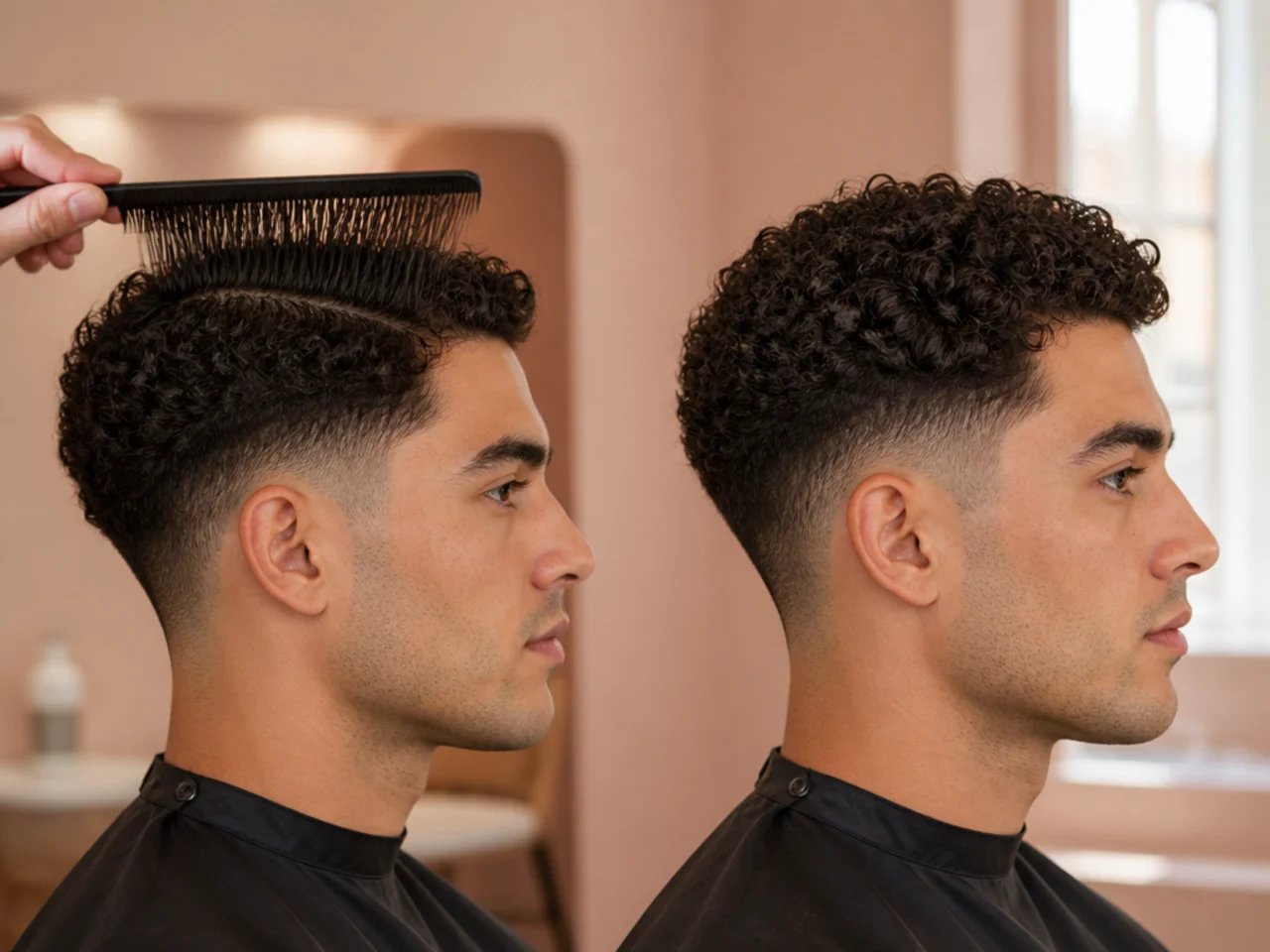
Curl is cut wet and worn dry. The comb stretches it straight, so the barber is measuring a length that will not exist an hour later.
Looser curl shrinks less, tighter curl more. A wave loses very little; a coil can lose half.
The fix is one sentence, not a technique. Ask for the finished length and let the barber work backwards.
How to Choose Yours
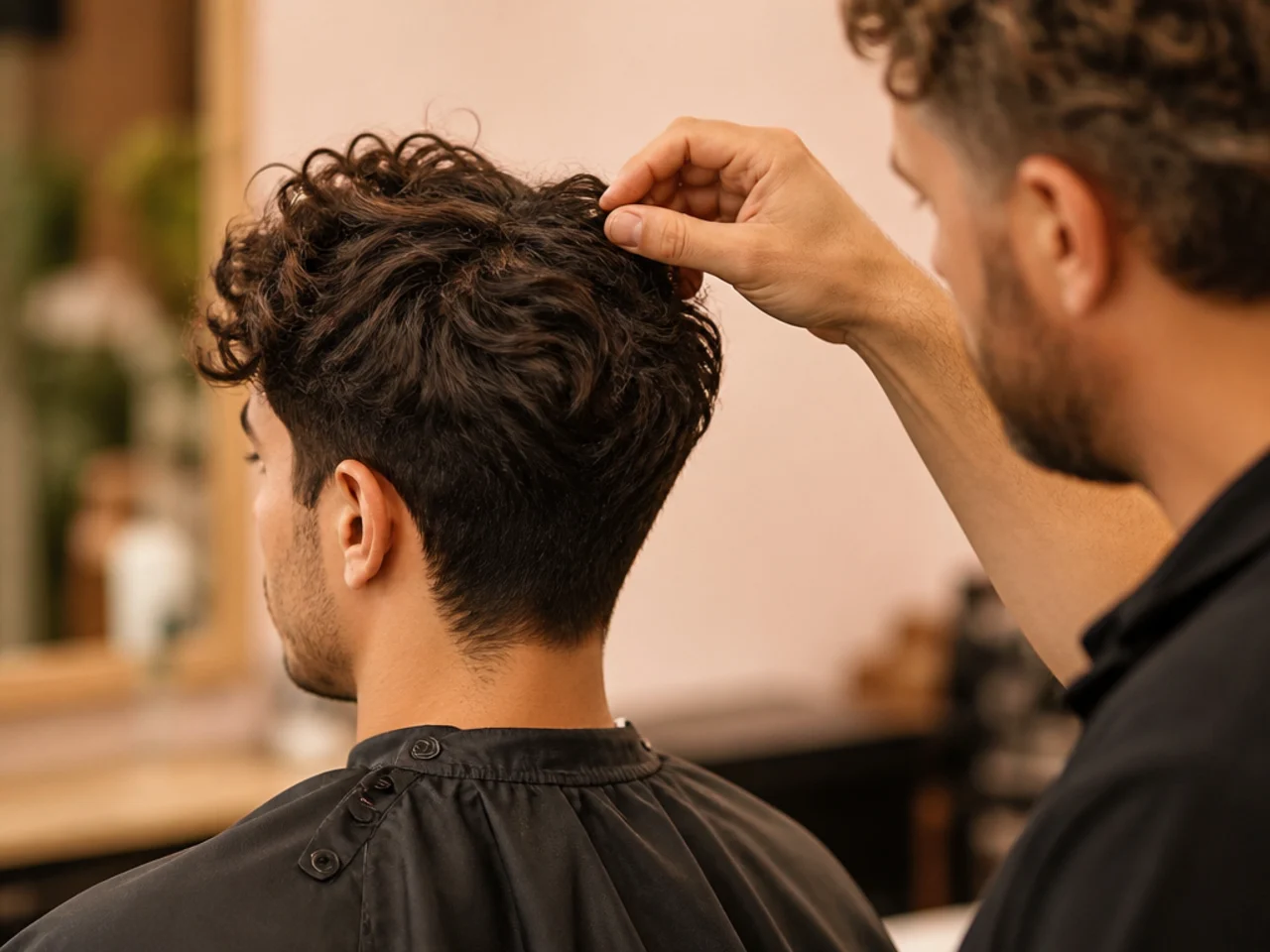
Say the finished length you want. "Two inches when it is dry" is a usable instruction; "two inches" is not.
Ask for it cut dry if your curl is tight. Then what the barber sees is what you will wear.
Decide how the part is made. Combed for loose curl, cut in for anything tighter.
Match the sides to the curl, not to a number. A guard that suits straight hair leaves curl looking sparse.
The 20 Curly Ivy League Variations
1. Loose Curl With a Combed Part
The easiest version. A 2A to 2B pattern shrinks so little that a combed part still holds through the day. At that pattern the strand stays close to flat along its length, so the comb line has a surface to sit in rather than a spiral to cross.
2. Defined Curl With a Hard Part
Once the pattern is tight enough to close a comb line, the part has to be cut in with a trimmer to stay visible.
3. Curly Ivy League With a Low Taper
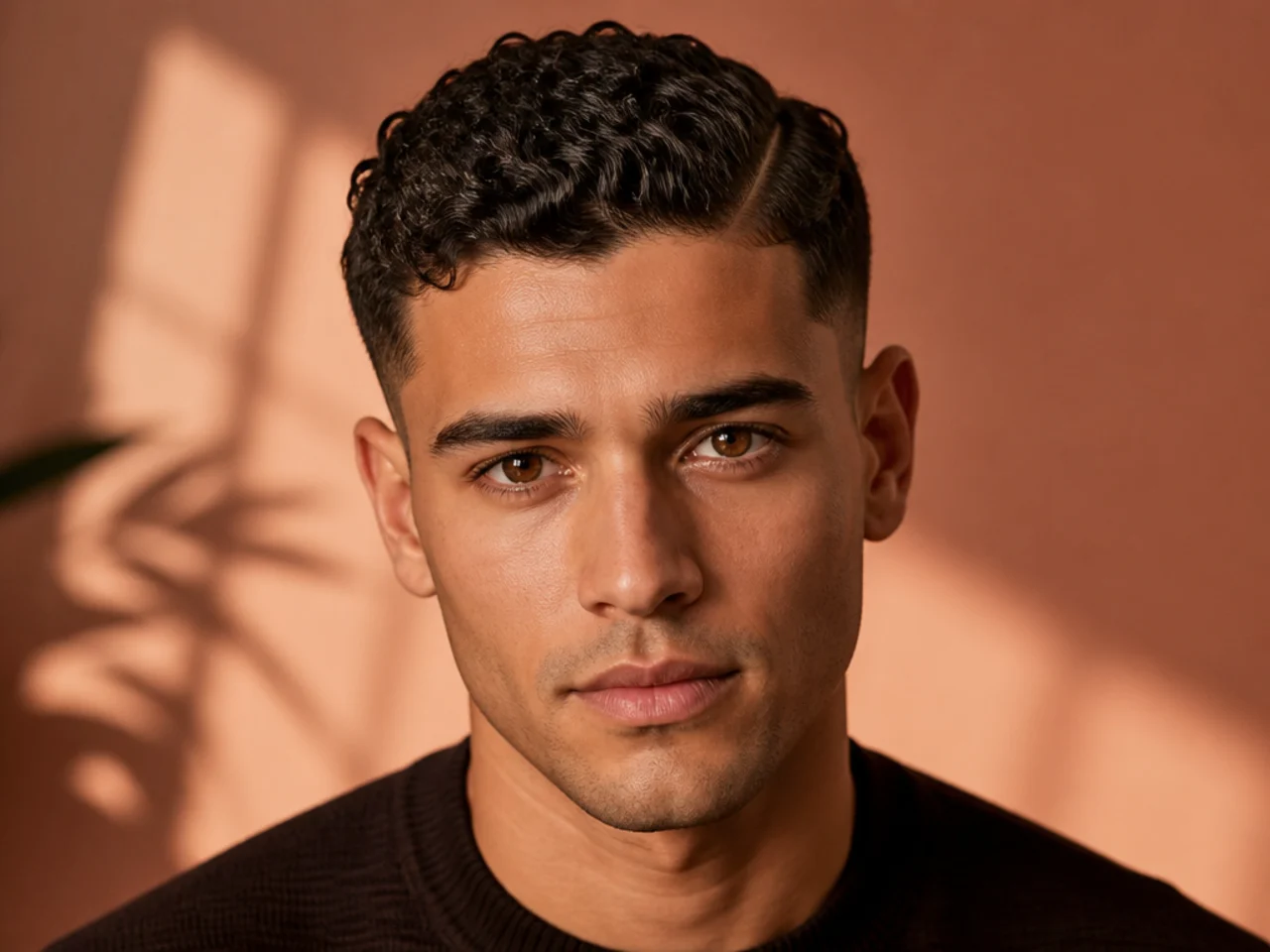
The taper kept low leaves more length at the sides for the curl to fill, which stops the head reading narrow. Curl needs roughly a centimetre before it forms a visible clump at all, and a low line is what keeps the sides above that threshold. Ask for a low taper on curl by name.

4. Curly Ivy League With a Mid Taper
More contrast between the curl on top and the sides. It suits denser curl, which has enough volume to carry the gap.
5. Longer Curly Top
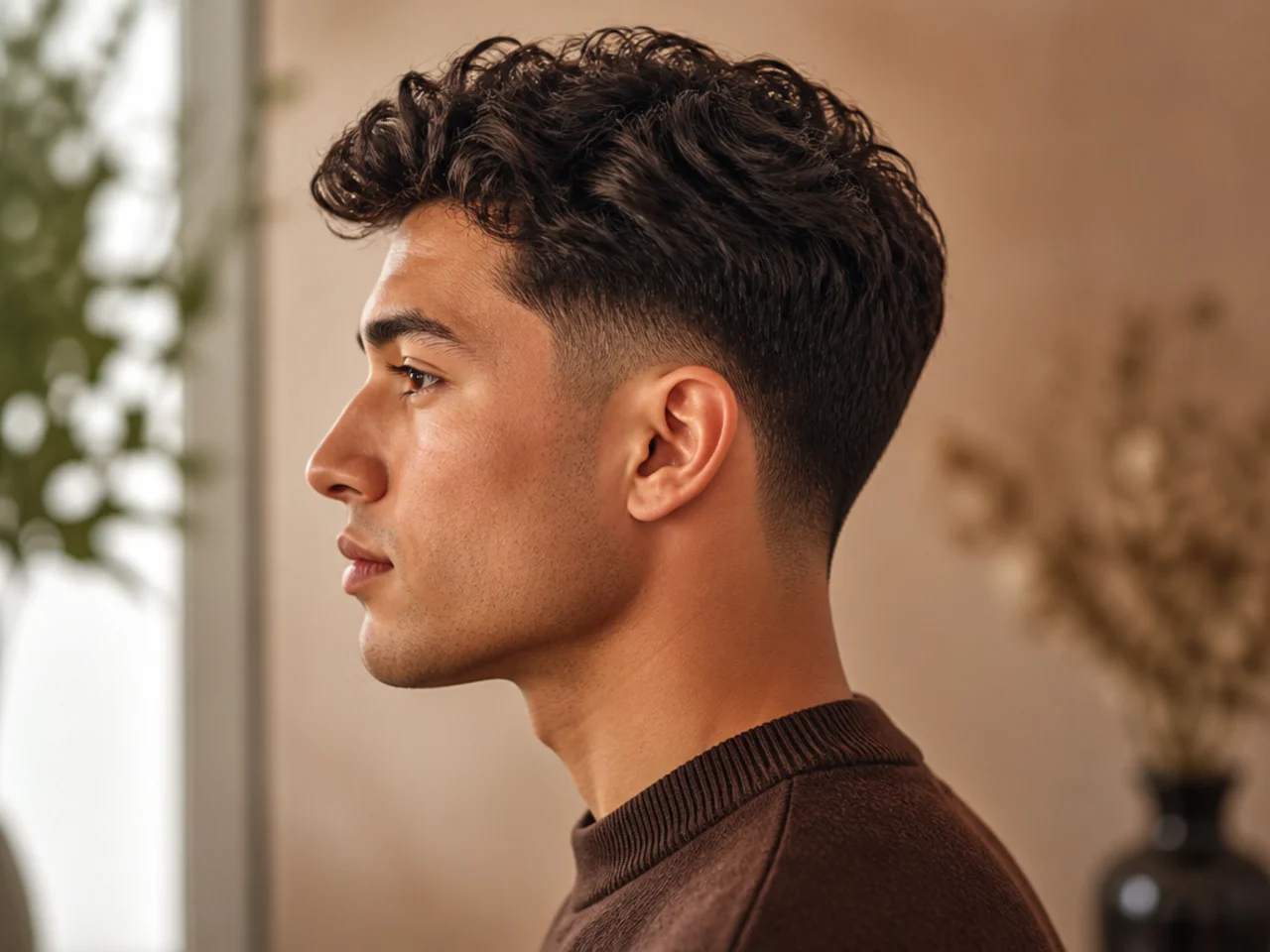
Three finished inches rather than two. The extra length weighs the curl down slightly, which makes the part sit flatter. Every additional inch is mass the spiral has to lift, and somewhere past three inches gravity starts winning on most patterns.
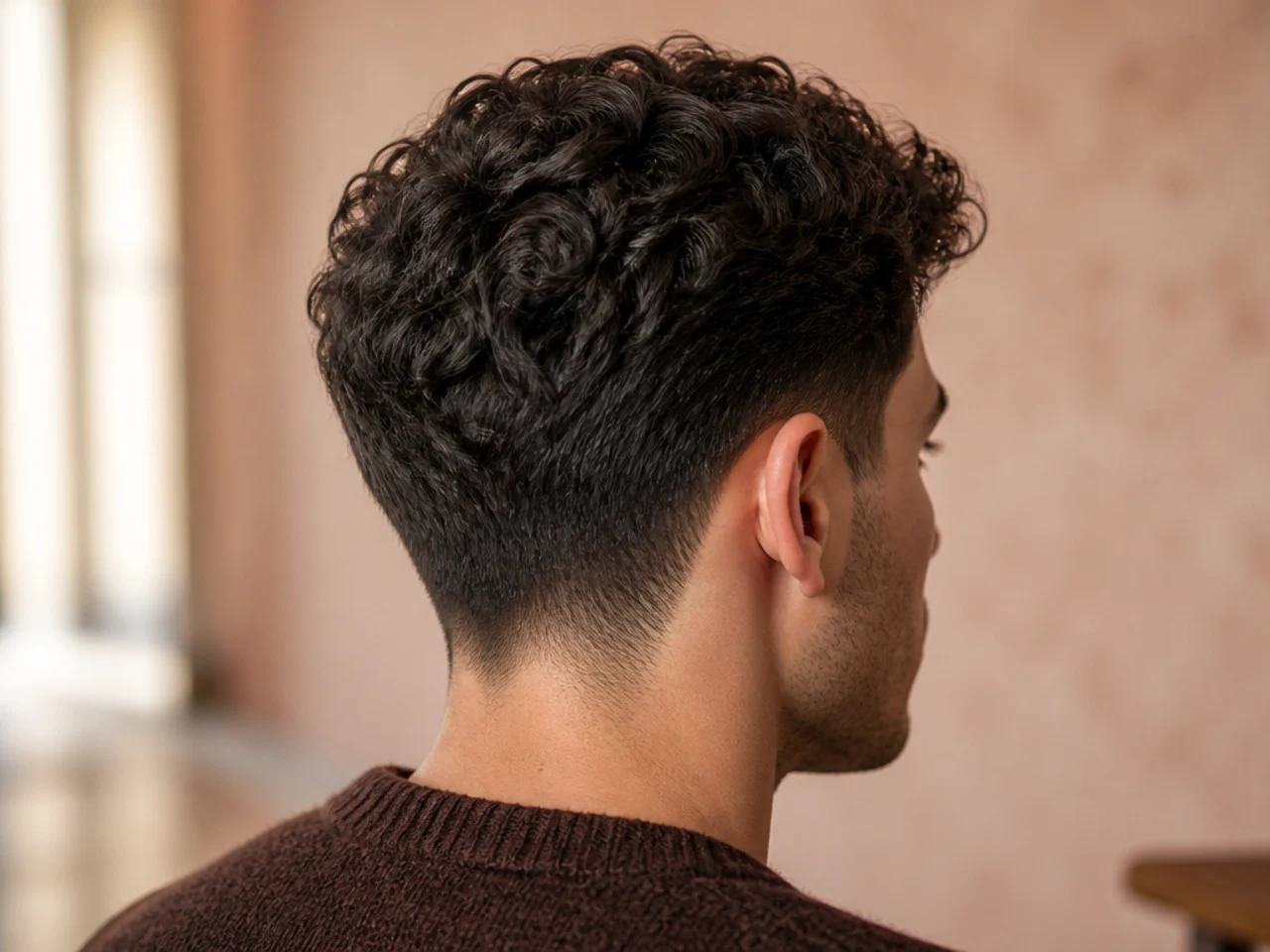
6. Short Curly Ivy League
The shortest version that still parts. Below this the curl springs up and the style becomes a curly crew cut instead. Two finished inches is the floor because a comb line needs enough length for the hair to fall sideways rather than stand on its own.
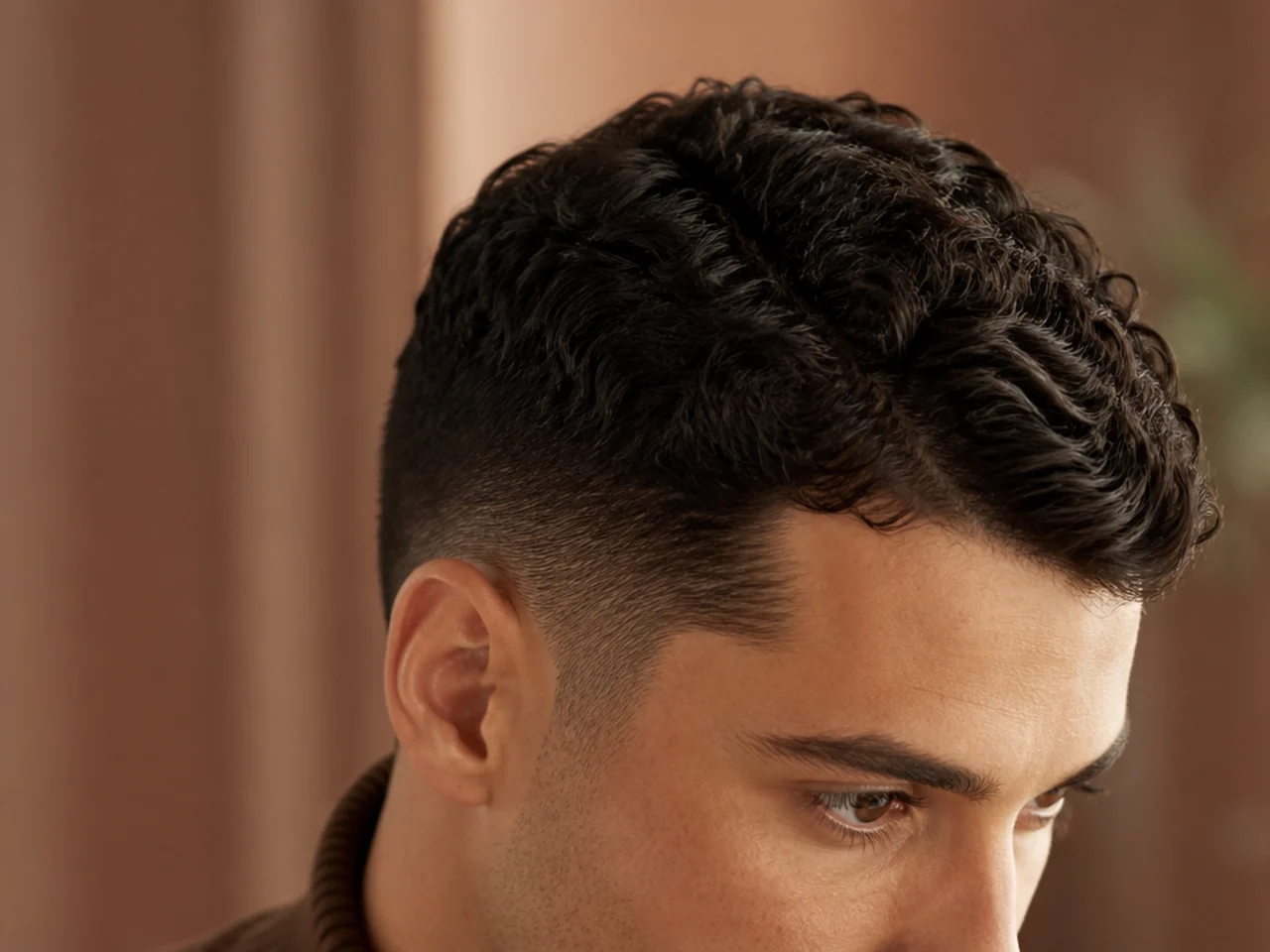
7. Curly Ivy League on 2C Hair
The crossover pattern. It parts without help on a good day and needs product on a humid one. Moisture in the air swells the strand and closes the bend further, which is why the same head parts on a dry Tuesday and refuses on a wet Thursday.

8. Curly Ivy League on 3A Hair
Enough spring that the part closes on its own. Cut it in, or accept the style will read as a curly comb-back.

9. Curly Ivy League on 3B Hair
Half the wet length disappears here, which is what the curl type scale is really measuring. Ask for the finished length and expect the wet cut to look far too long — four inches under the comb is the working figure for two on the head.
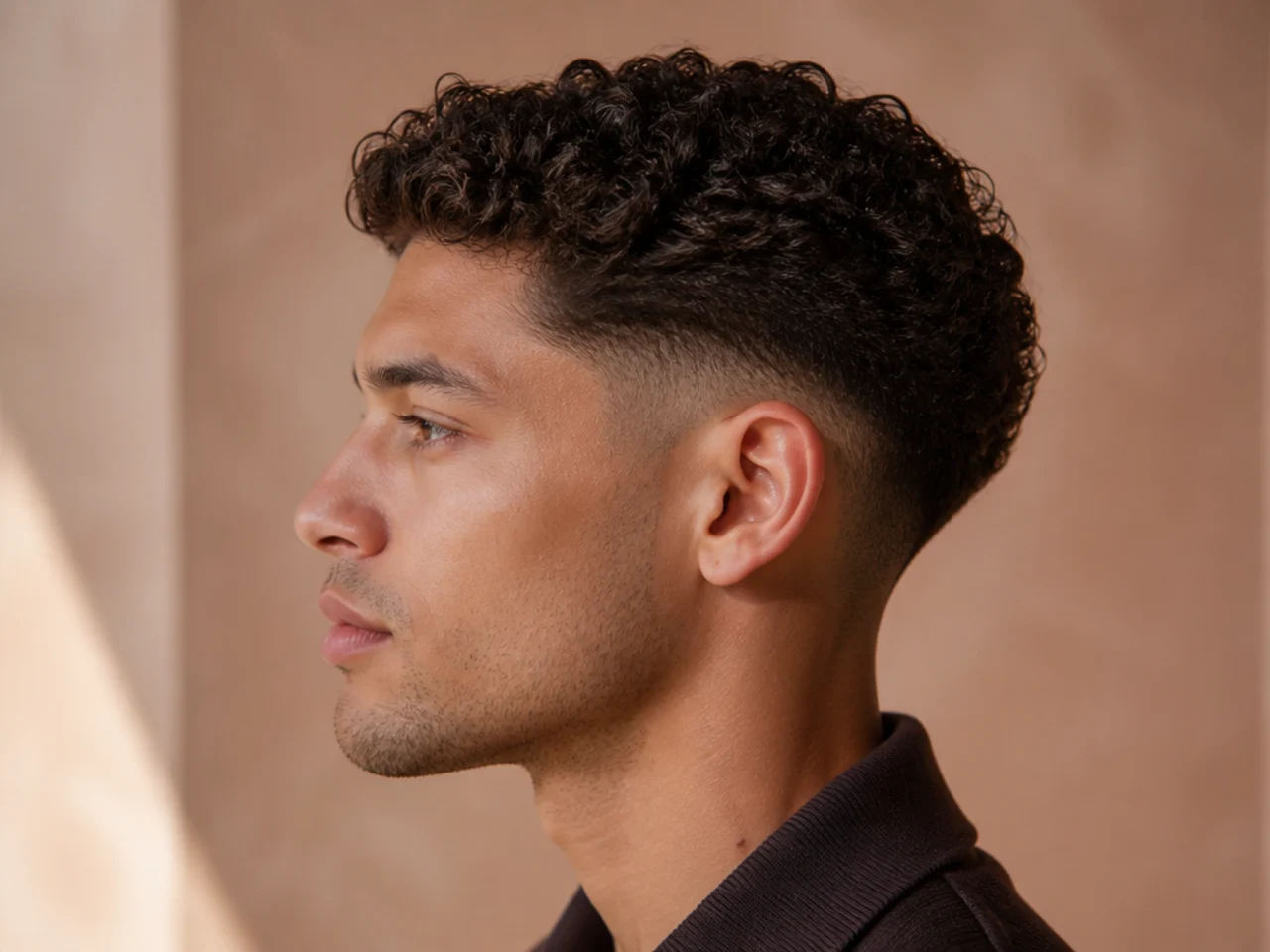
10. Curly Ivy League With Sponge Definition
A twist sponge tightens the pattern deliberately, which shortens it further — so cut longer again if you use one. The sponge coils the strand tighter than it grows, and that can take another centimetre off the height you were counting on. It is one of the standard curly finishes worth trying before the cut.
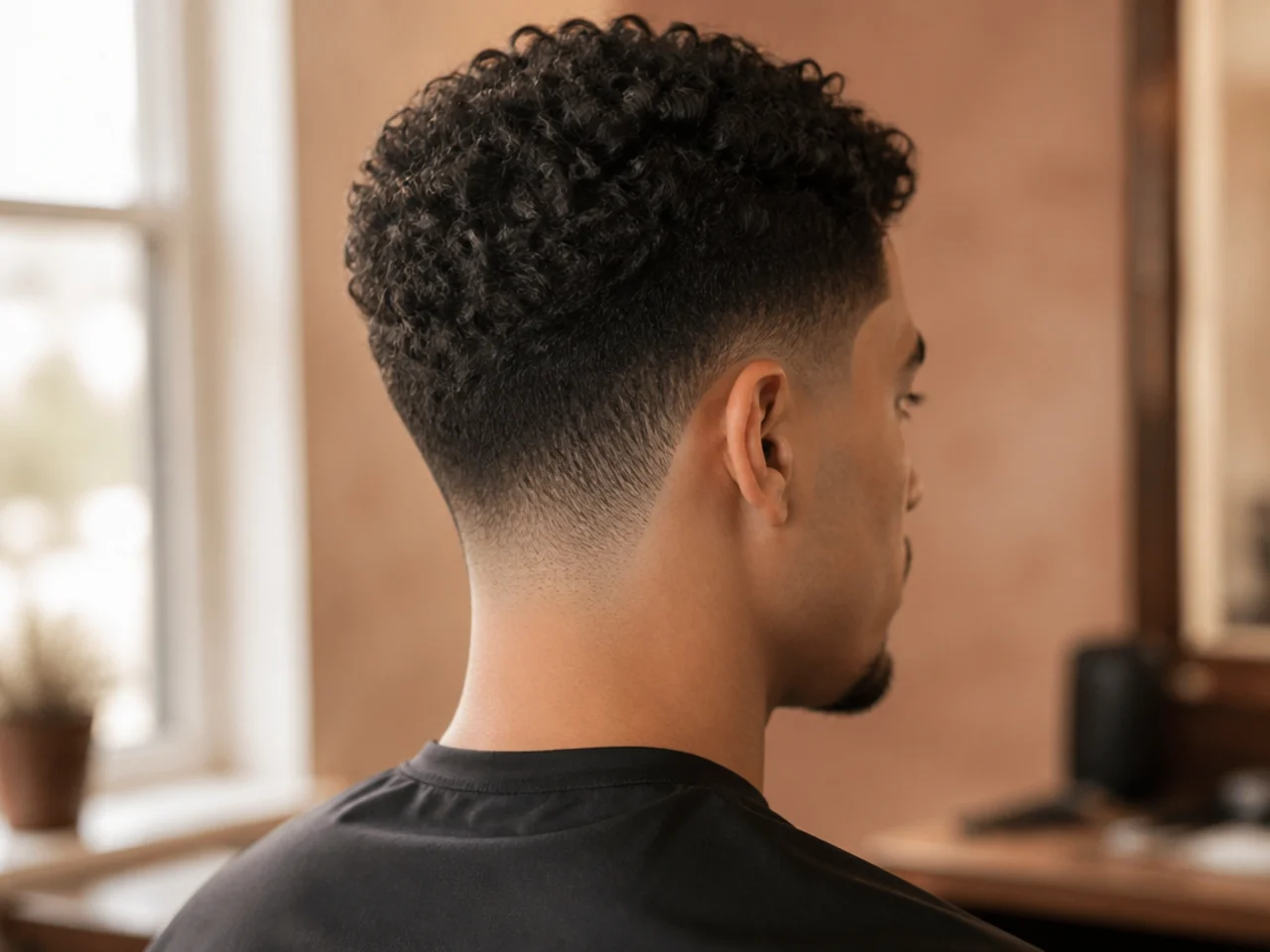
11. Curly Ivy League Worn Dry and Undone
No product, no part enforced. It reads as a shape rather than a style, which suits a looser pattern best. With no weight holding it open, a tight spiral closes a parting within minutes of being combed.
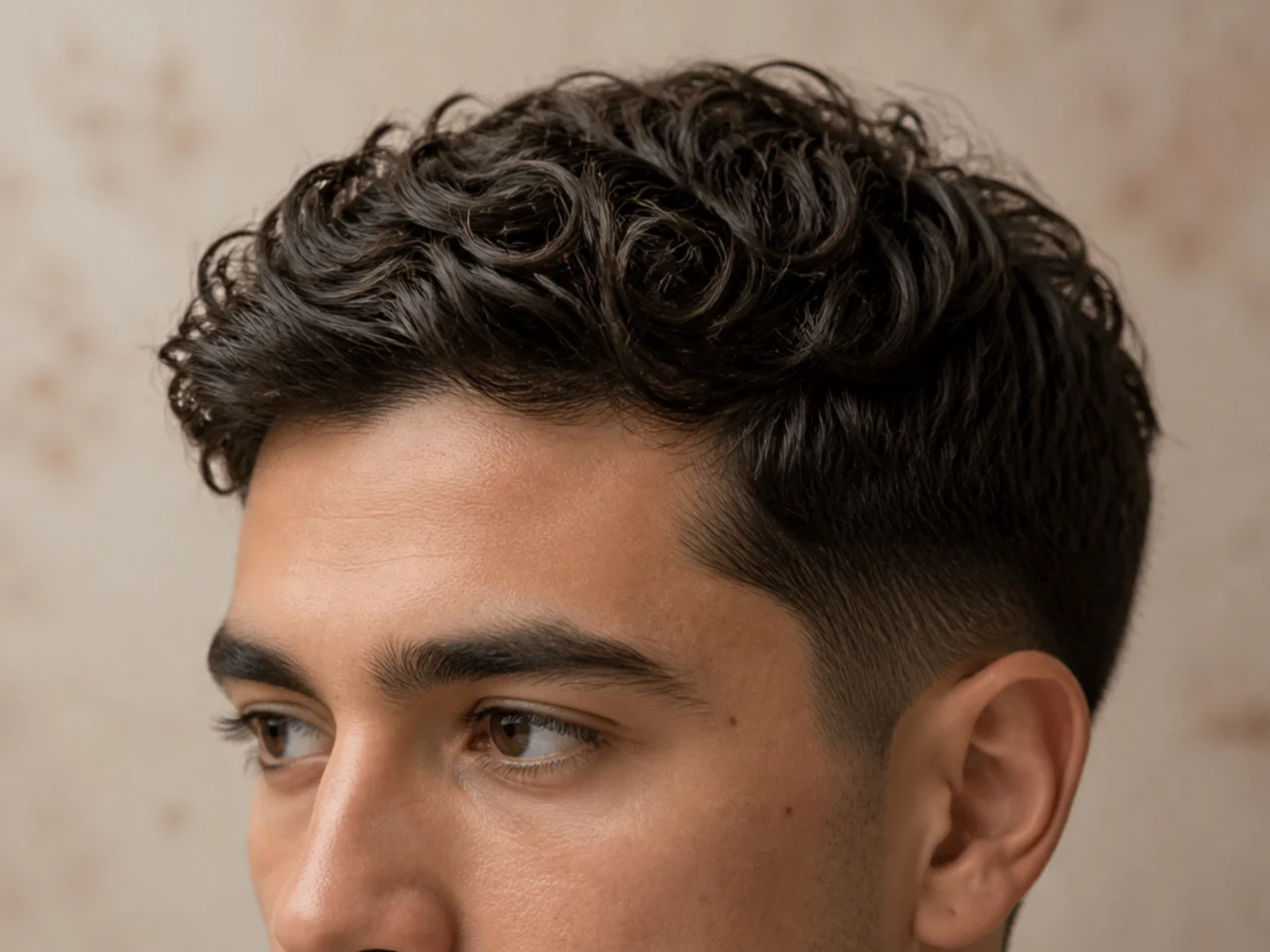
12. Curly Ivy League With Matte Paste
Paste adds weight without shine, which holds the part open without making the curl look wet. Weight is the thing keeping a comb line from closing, and a matte finish is the only way to add it without the hair reading as producted.

13. Curly Ivy League With a Cream
Cream keeps the curl pattern intact where paste breaks it up. Choose by whether you want definition or control. Cream carries water into the strand and lets the clumps reform, while paste coats the outside and holds whatever position your hands left it in.
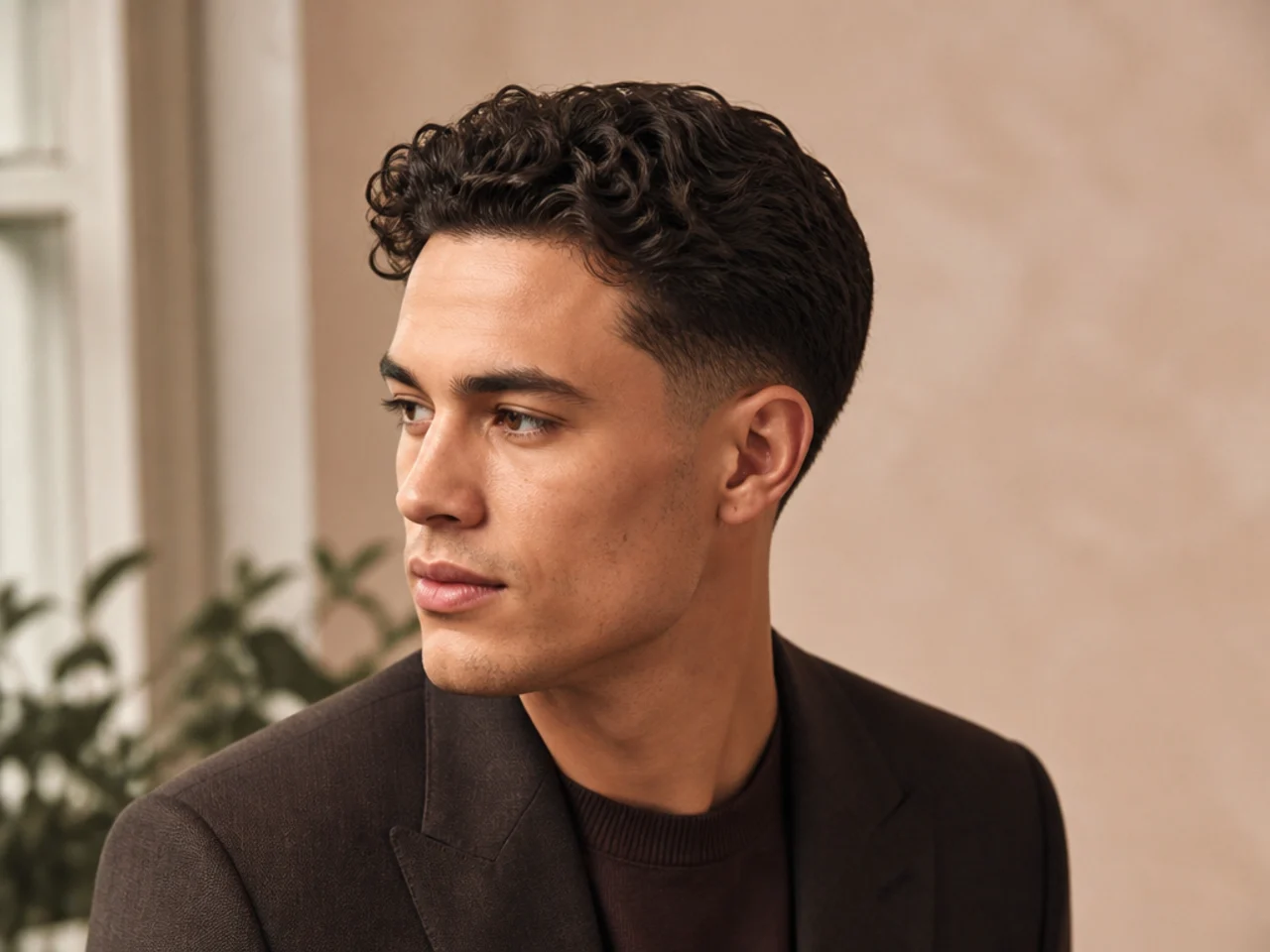
14. Curly Ivy League With Thick Density
Density and curl together build height fast, so the sides need taking shorter to keep the proportion. Two inches of dense curl can sit a full three inches off the skull once it springs, which is why the same top length reads far taller here.
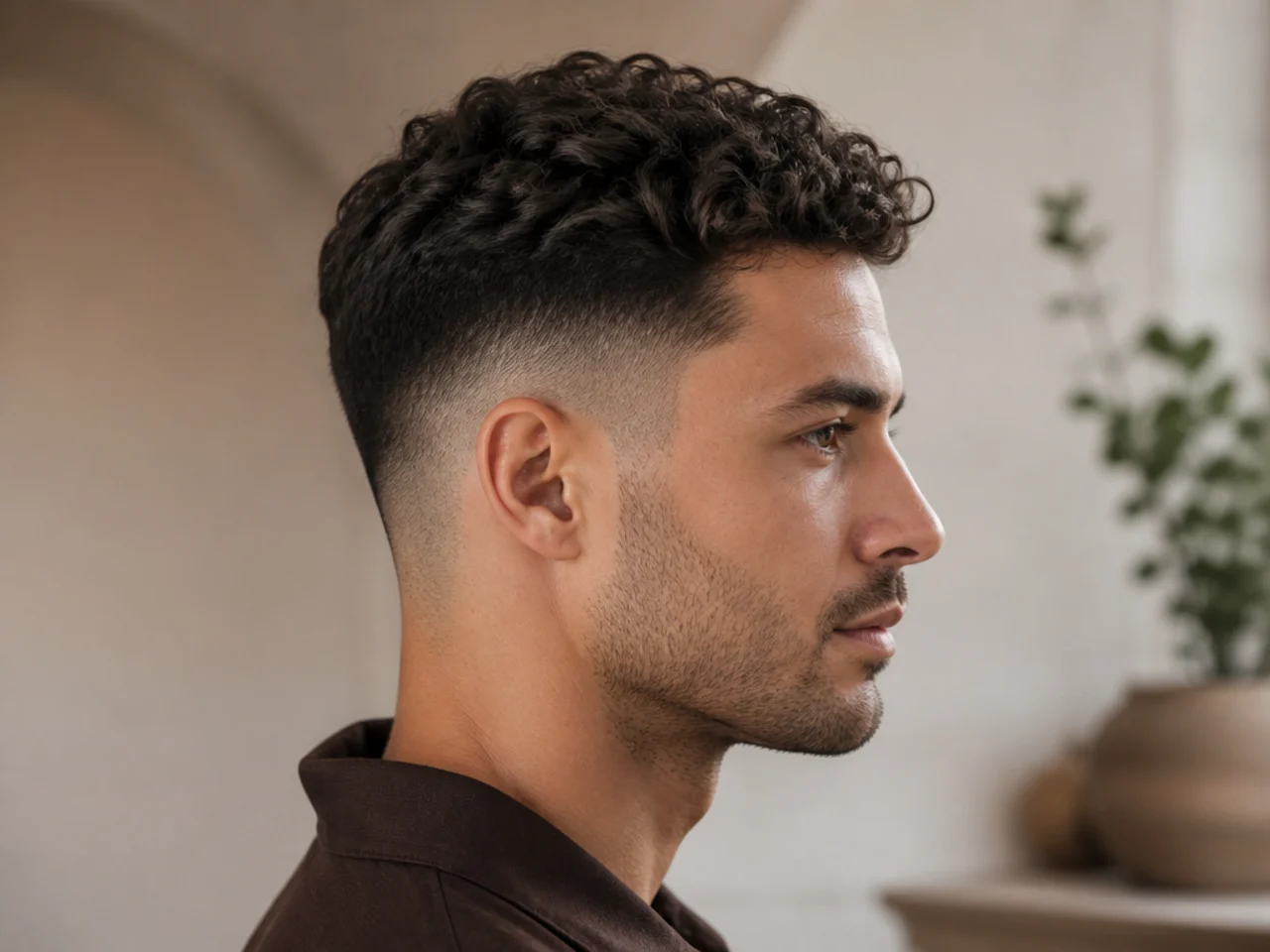
15. Curly Ivy League With Fine Density
Fine curly hair shrinks the same amount but has less bulk to spare, so keep the sides longer to avoid looking sparse.

16. Curly Ivy League With a Beard
Curl on top against a straight beard is a texture mismatch at the join, so keep the taper clear of the beard rather than blending.

17. Curly Ivy League Cut Dry
The barber sees the finished shape as they work, which removes the shrinkage guess entirely. There is no comb to section with, so it takes roughly twenty minutes longer in the chair and is usually priced accordingly.
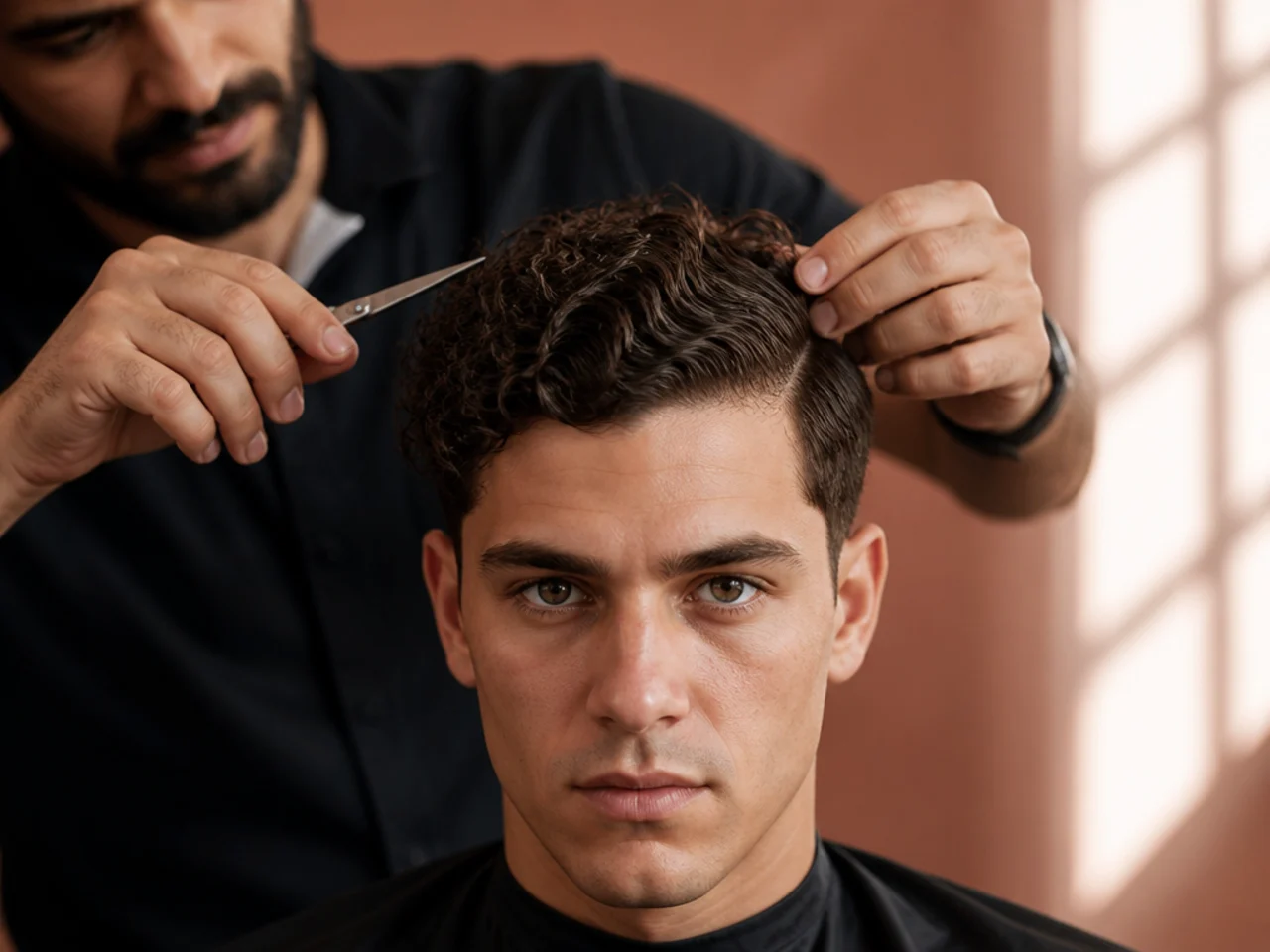
18. Curly Ivy League at Week Two
Still parting cleanly. The window is longer than on straight hair because curl gains usable length as it grows. A centimetre of growth shows as about two thirds of a centimetre on the head, so the shape drifts more slowly than the calendar suggests.

19. Curly Ivy League at Week Six
The top has outgrown the shape and the sides have caught up. This is the point where it stops reading as an ivy league.
20. A Curly Cut Measured Wet
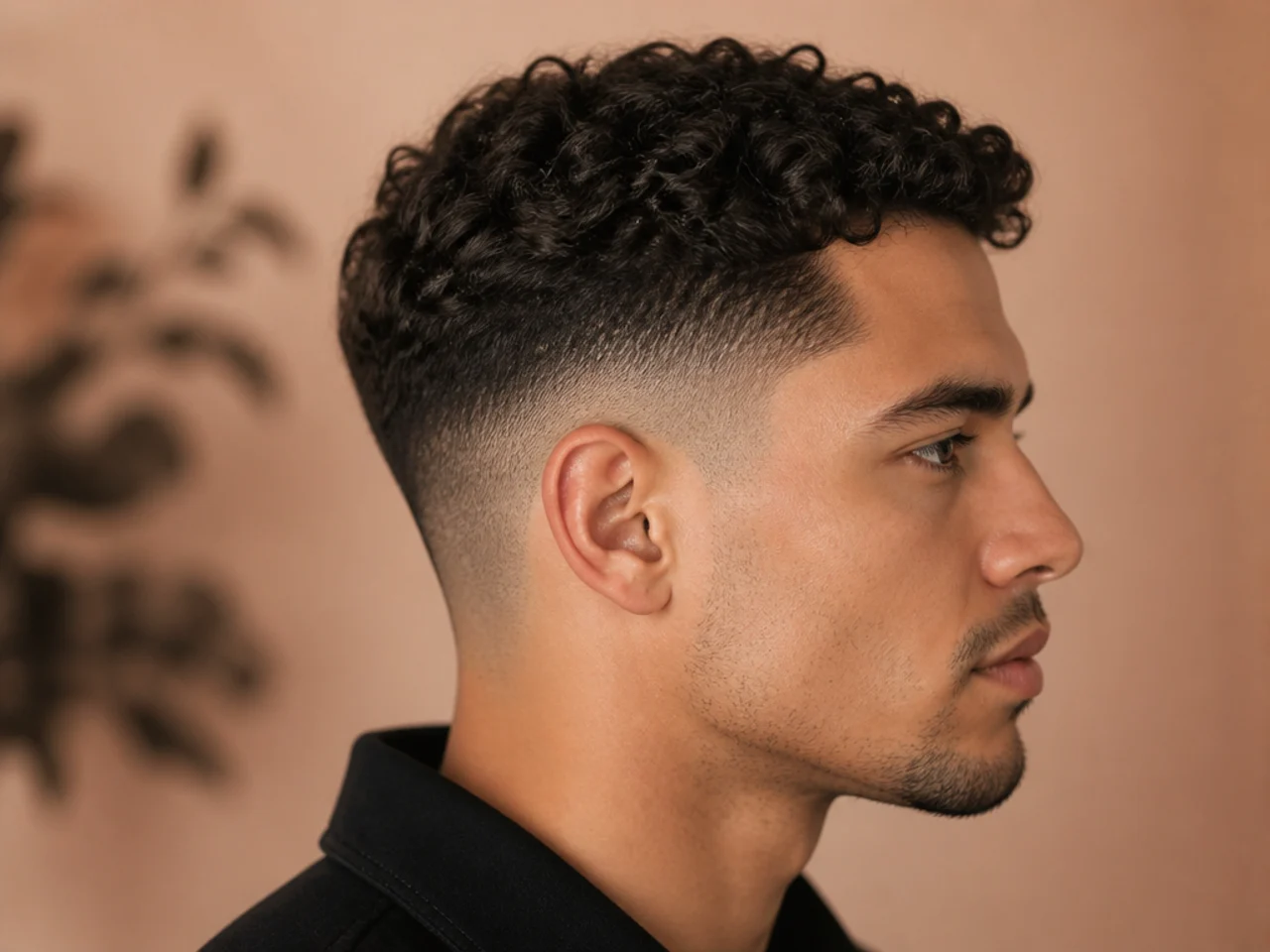
Too short to part the moment it dries. The single most common way this cut goes wrong. The barber measured honestly under a wet comb and the hair drew up a third the moment the water left, which is a communication failure rather than a cutting one.
Styling and Upkeep
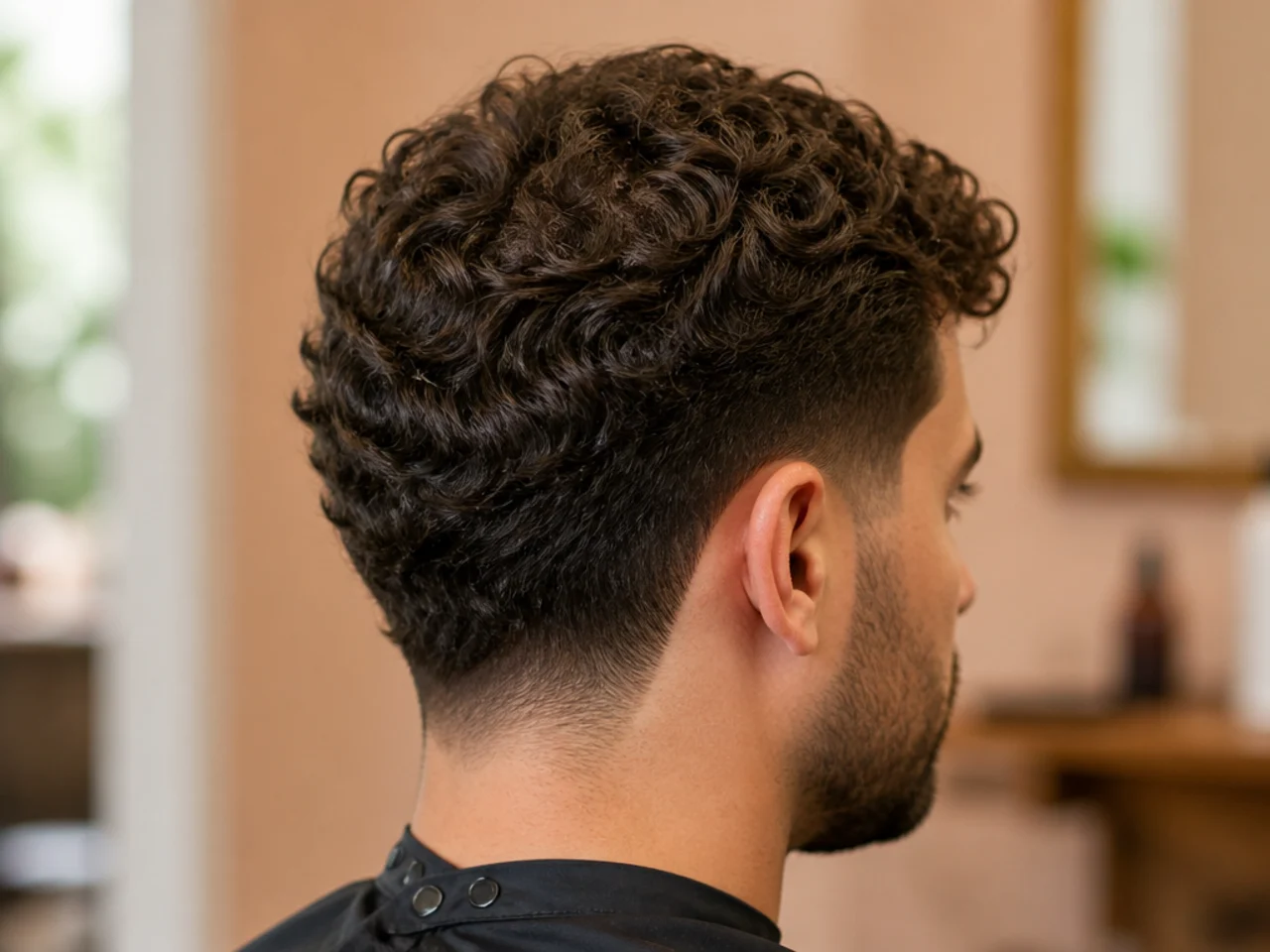
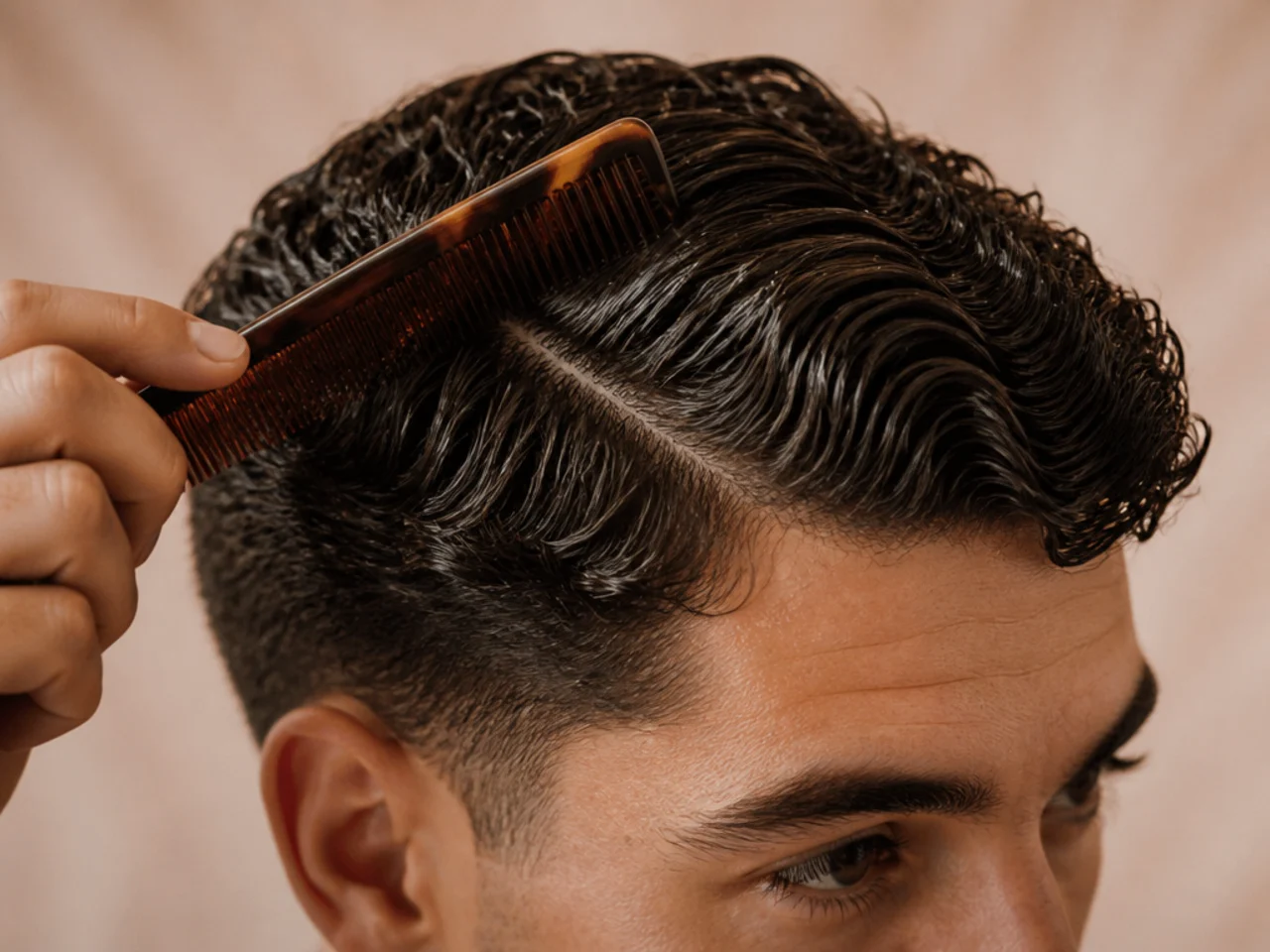
Style it damp, not wet. Wet hair is at its longest and tells you nothing about how the part will sit.
Comb the part in before the curl sets. Once it has dried in a direction it will not move without rewetting.
Use weight, not hold. A cream or paste opens the part; a stiff gel locks the curl into whatever shape it was in.
Trim every four to five weeks. Curl gains usable length as it grows, so the window is longer than for a straight ivy league.
Rewet rather than restyle. A curl that has dried wrong cannot be repositioned dry.
Mistakes to Avoid
Asking for a length without saying wet or dry. The barber will assume wet, and you will lose a third of it.
Expecting a combed part to hold past 3A. Beyond that it needs cutting in.
Cutting the sides to a straight-hair guard. Curl fills space differently and looks sparse at the same number.
Using gel for hold. It sets the curl closed rather than holding the part open.
Judging it in the chair while wet. The shape you are looking at is not the one you will wear.

FAQ
Can you get an ivy league with curly hair? Yes, cut longer on top to allow for shrinkage.
How much longer? Roughly a third — three wet inches for two finished ones.
Will it hold a part? Combed up to about 3A; cut in beyond that.
Final Thoughts
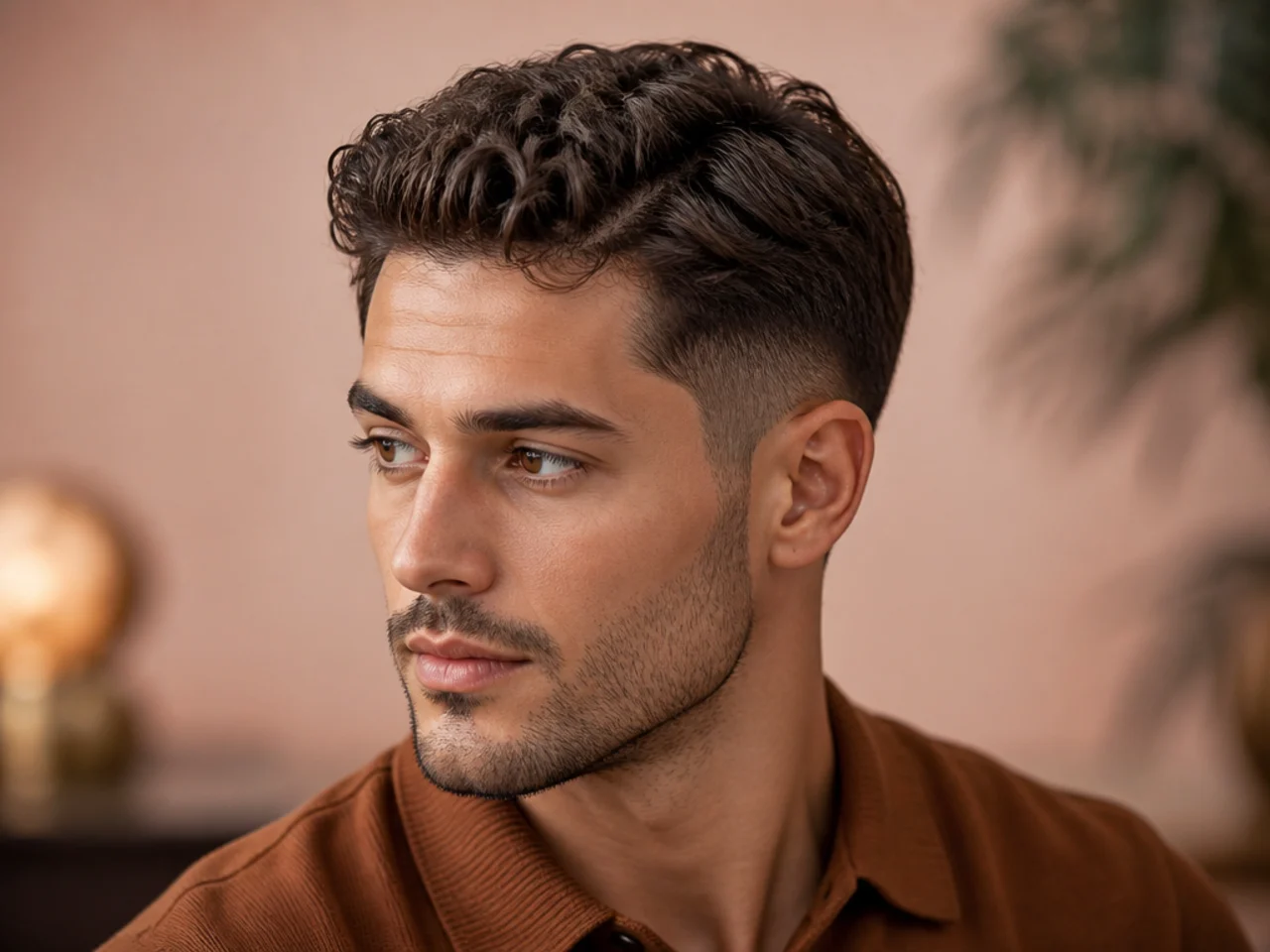
Ask for the finished length rather than the cutting length, and the whole problem disappears. Curl does not make this cut difficult — measuring it wet does, and that is a sentence at the consultation rather than a technique.
For the full range of the cut see the ivy league haircut guide, and for more on cutting curl at this length see curly haircut ideas for men. More in Men's Haircuts.