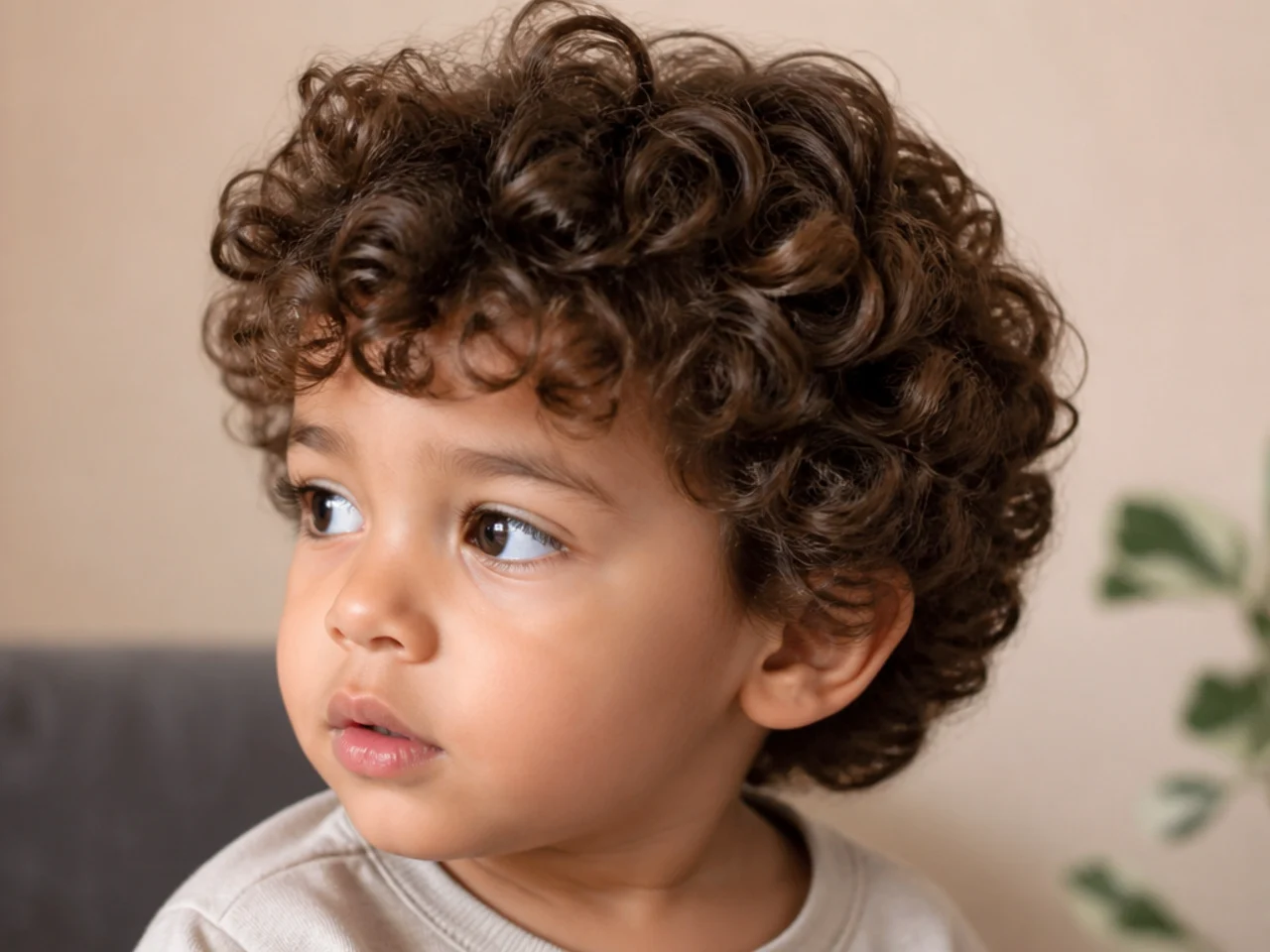
20 Curly Toddler Boy Haircut Ideas We Love
The curl a one-year-old has is not the curl he will have at five, and the standard curly cutting technique needs twenty still minutes he will never give you. Both facts point at the same answer, which is a shape cut in bursts.
In this article · 27
- Why Toddler Curl Is Not the Same Job as Curly Kid Hair
- How to Choose Yours
- The 20 Curly Toddler Boy Haircut Ideas
- 1. Loose Curl Left One Length
- 2. Curl Cut Damp and Combed Down
- 3. Round Shape With a Soft Perimeter
- 4. Curly Fringe Cut Curl by Curl in Three Bursts
- 5. Long Guard Sides Under Curl
- 6. Curls Cut While Asleep
- 7. Shape Cut Wet and Left to Spring Up
- 8. Ends Off With No Layering at All
- 9. Curl Left Longer Than It Looks
- 10. Soft Halo With No Perimeter Line
- 11. Crown Volume Left Alone
- 12. Curl Cut to Sit Above the Brow
- 13. Curl Over the Ears Taken Back
- 14. A Shape That Works on Either Pattern
- 15. Bath-Time Trim on Wet Curl
- 16. Two Bursts at the Front, Two at the Back
- 17. Loose Wave Cut as if It Were Straight
- 18. Short Curl Left to Find Its Own Shape
- 19. Half Now and Half Next Week
- 20. The Cut That Only Needs Water
- Styling and Upkeep
- Mistakes to Avoid
- FAQ
- Final Thoughts
Curly hair on a one-year-old and curly hair on a seven-year-old are not the same material, and they are not the same job in the chair.
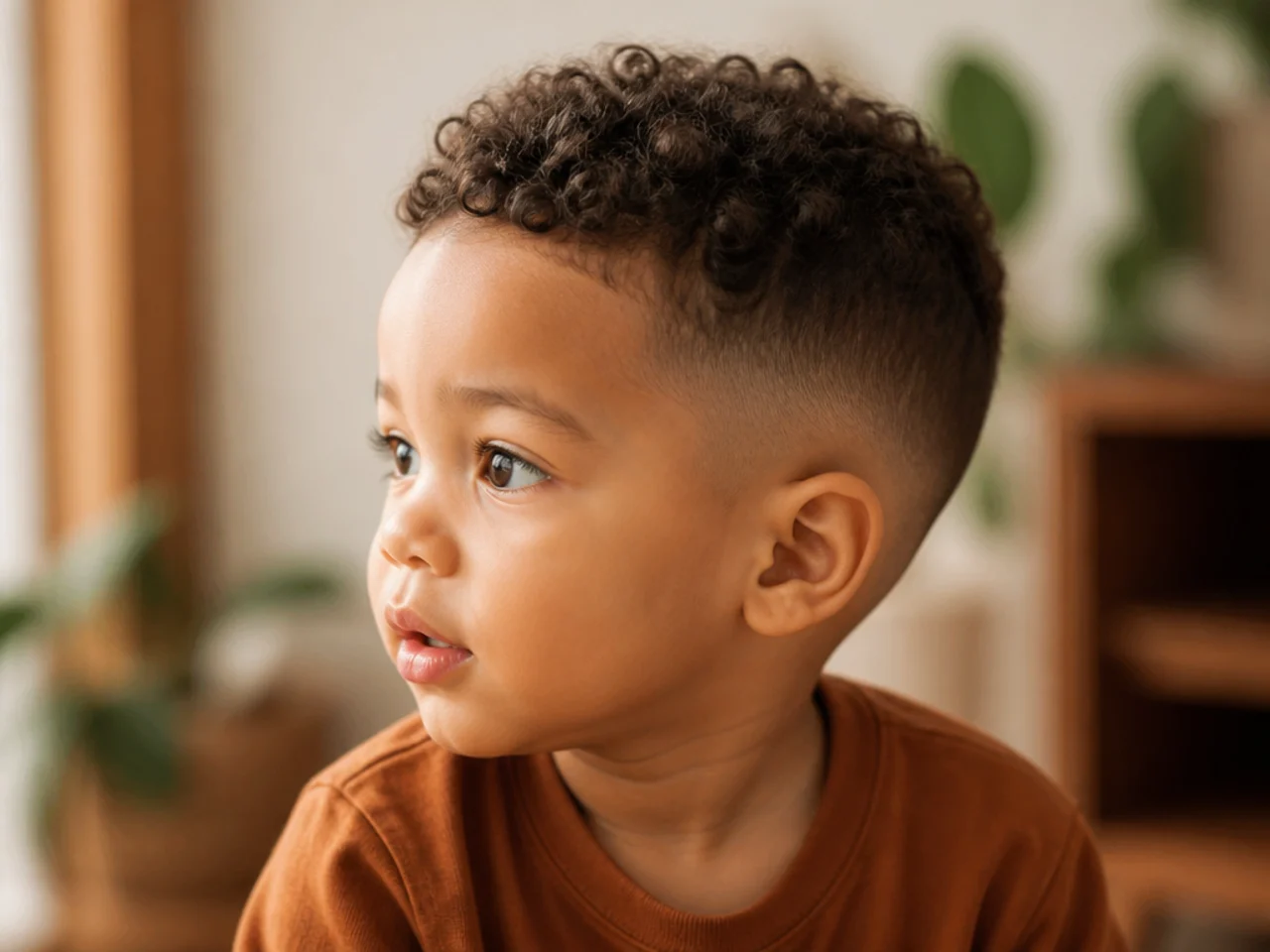
A toddler's curl is not his final curl. Baby curl is finer, looser and lower in density than the pattern the same child will carry at five, and it commonly changes somewhere between eighteen months and three years.
And the standard curly technique does not survive contact with a toddler. Cutting dry, curl by curl, needs a still head for twenty minutes, so toddler curl gets shape-cut in short bursts instead — and the curl itself hides what that leaves behind.
Why Toddler Curl Is Not the Same Job as Curly Kid Hair
Density is lower than it looks. A toddler's curl reads full because it stands away from the head, but there are fewer strands doing the work, so it will not carry weight or hold a heavy blunt line the way an older child's curl does.
The pattern is still forming. A spiral at eighteen months can be a loose wave at three, or the reverse, which makes any cut built around one specific pattern a short-term decision — read the curl type scale as a description of today rather than a diagnosis.
Curl-by-curl dry cutting is off the table. The technique works by isolating each clump and cutting it where it sits, and it takes a quarter of an hour of stillness that no toddler has in one piece.
Curl bridges an uneven line. Volume fills the gap either side of a wobble, so a shape cut in four rushed bursts reads as one shape once it dries and springs back.
How to Choose Yours
Choose a shape, not a pattern. Anything that only works on tight spirals stops working the month the spirals loosen.
Assume ten-second bursts. Pick a cut you can break into four or five short pieces rather than one continuous shaping pass.
Cut damp, and expect it to rise. Curl draws up as it dries — roughly a third on defined curl — so the length you leave wet is not the length you get.
Leave the perimeter soft. A blunt edge sits badly on low-density curl and it is the one line a burst-cut session cannot keep straight.
The 20 Curly Toddler Boy Haircut Ideas
1. Loose Curl Left One Length
Nothing shaped, nothing layered, one length all the way round. On low-density baby curl this is the cut that flatters the hair most, because layers remove the small amount of weight that stops fine curl frizzing outward at the ends.
2. Curl Cut Damp and Combed Down
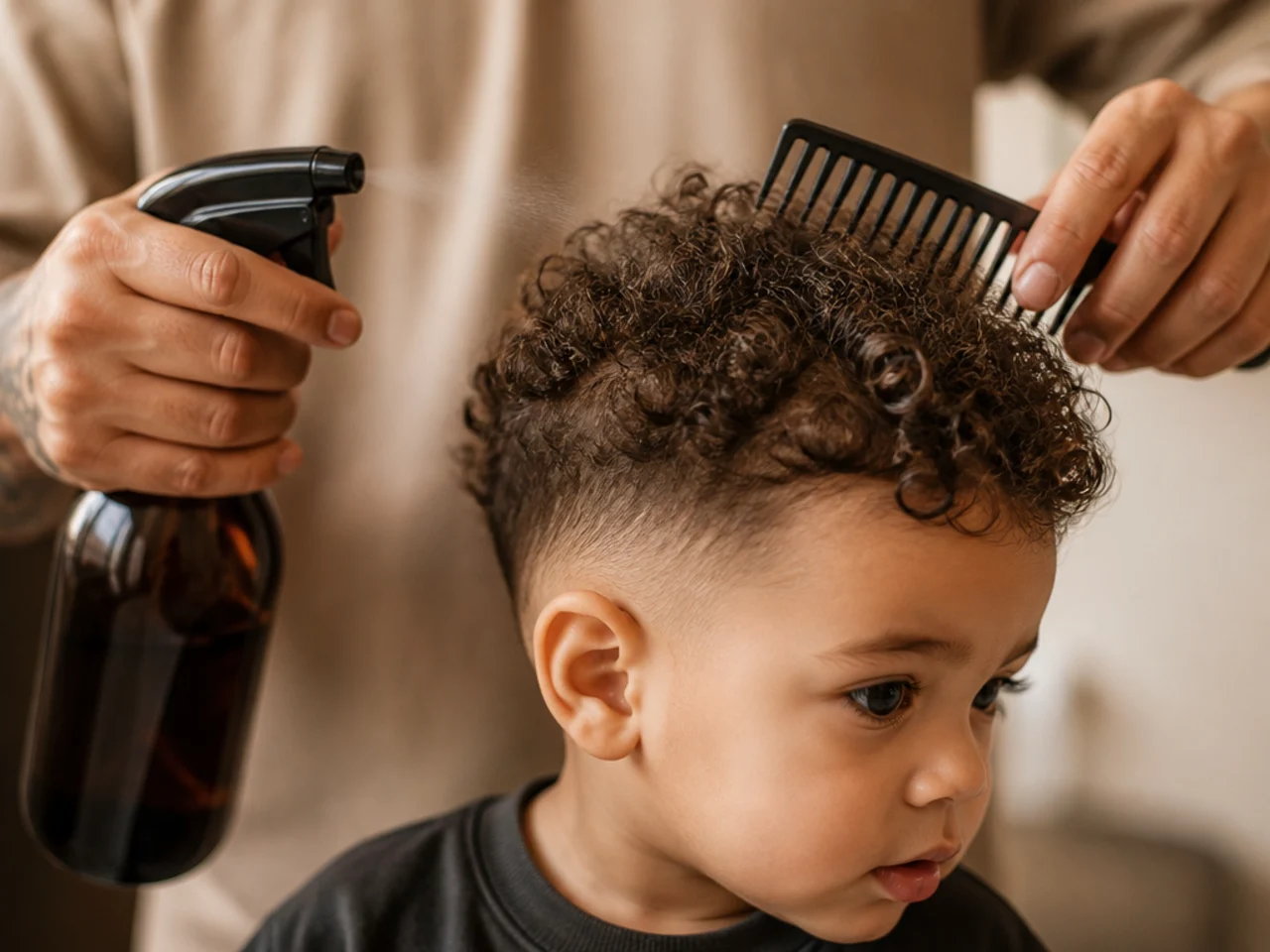
The whole head sprayed, combed flat and cut along one line, then released. Damp curl holds still for the few seconds you have, and the shape you cut flat becomes a soft rounded outline once it springs back up.
3. Round Shape With a Soft Perimeter
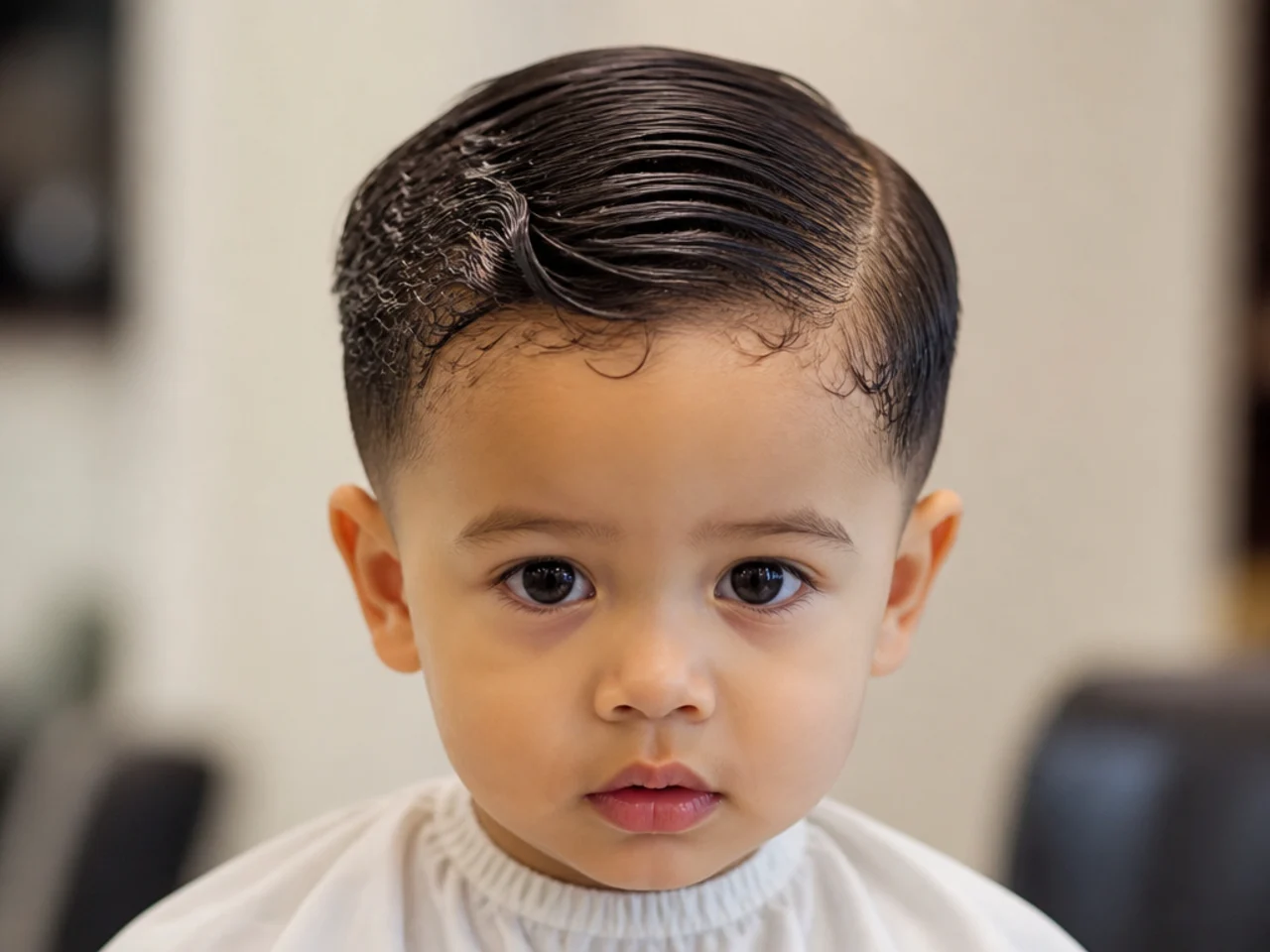
A curve rather than an edge, cut without ever putting the scissors flat across the ends. Fine curl does not have the density to carry a hard perimeter, so a soft one looks deliberate while a blunt one looks thin.
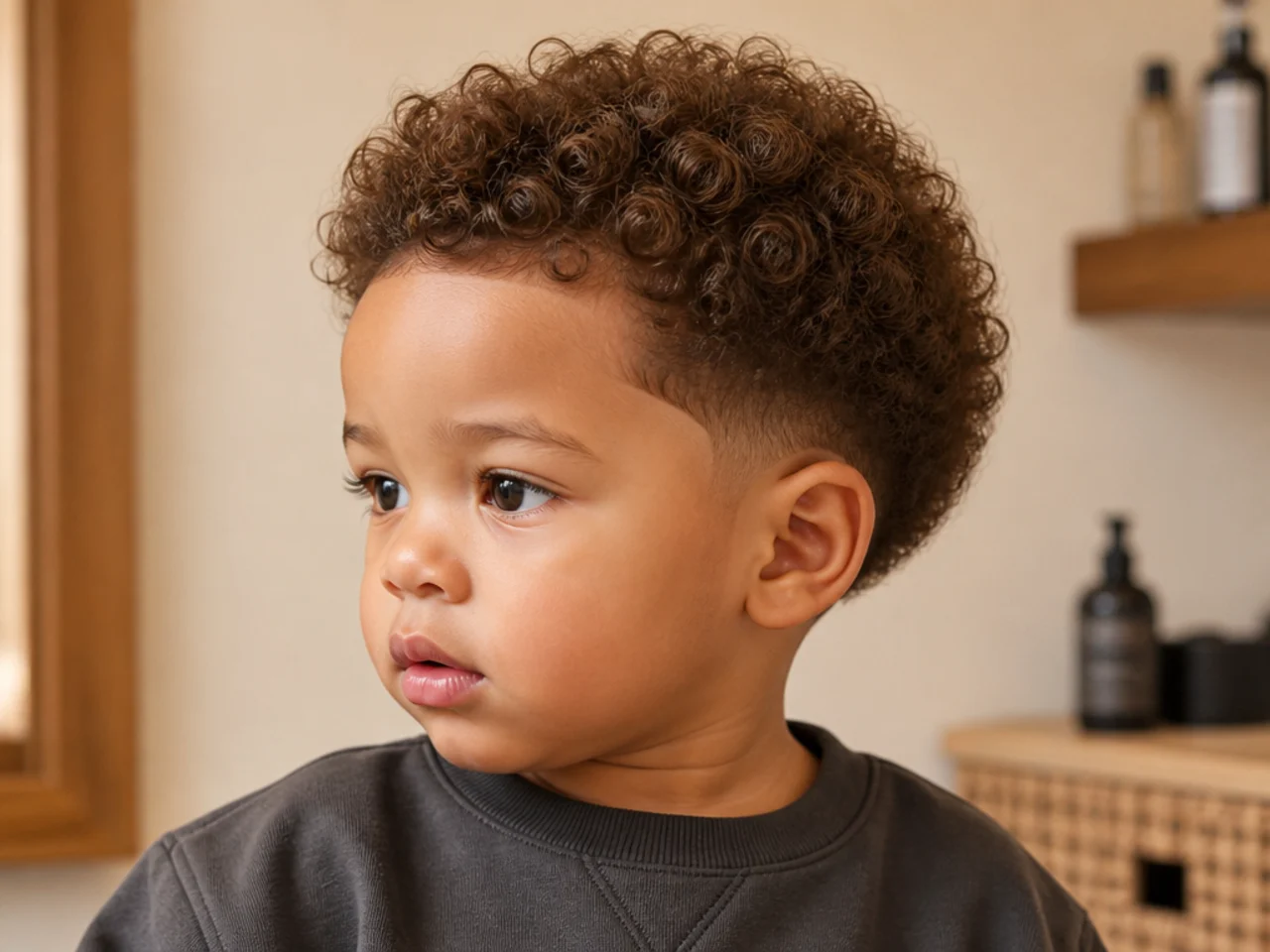
4. Curly Fringe Cut Curl by Curl in Three Bursts
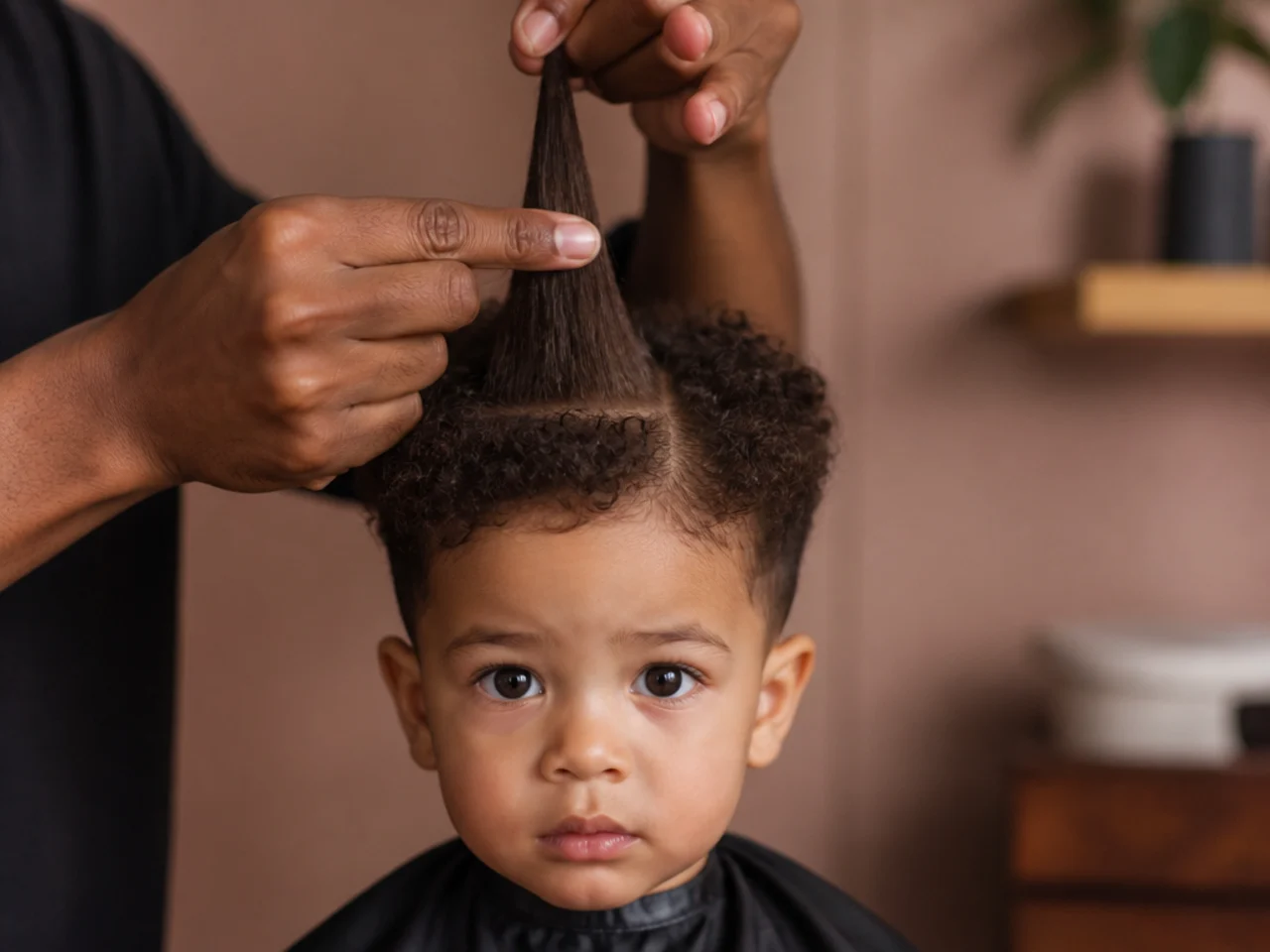
The one place curl-by-curl cutting is still worth doing, because the front is small enough to finish in three ten-second goes. Each curl is lifted, cut where it naturally sits, and dropped, so the fringe keeps its spring instead of hanging flat.
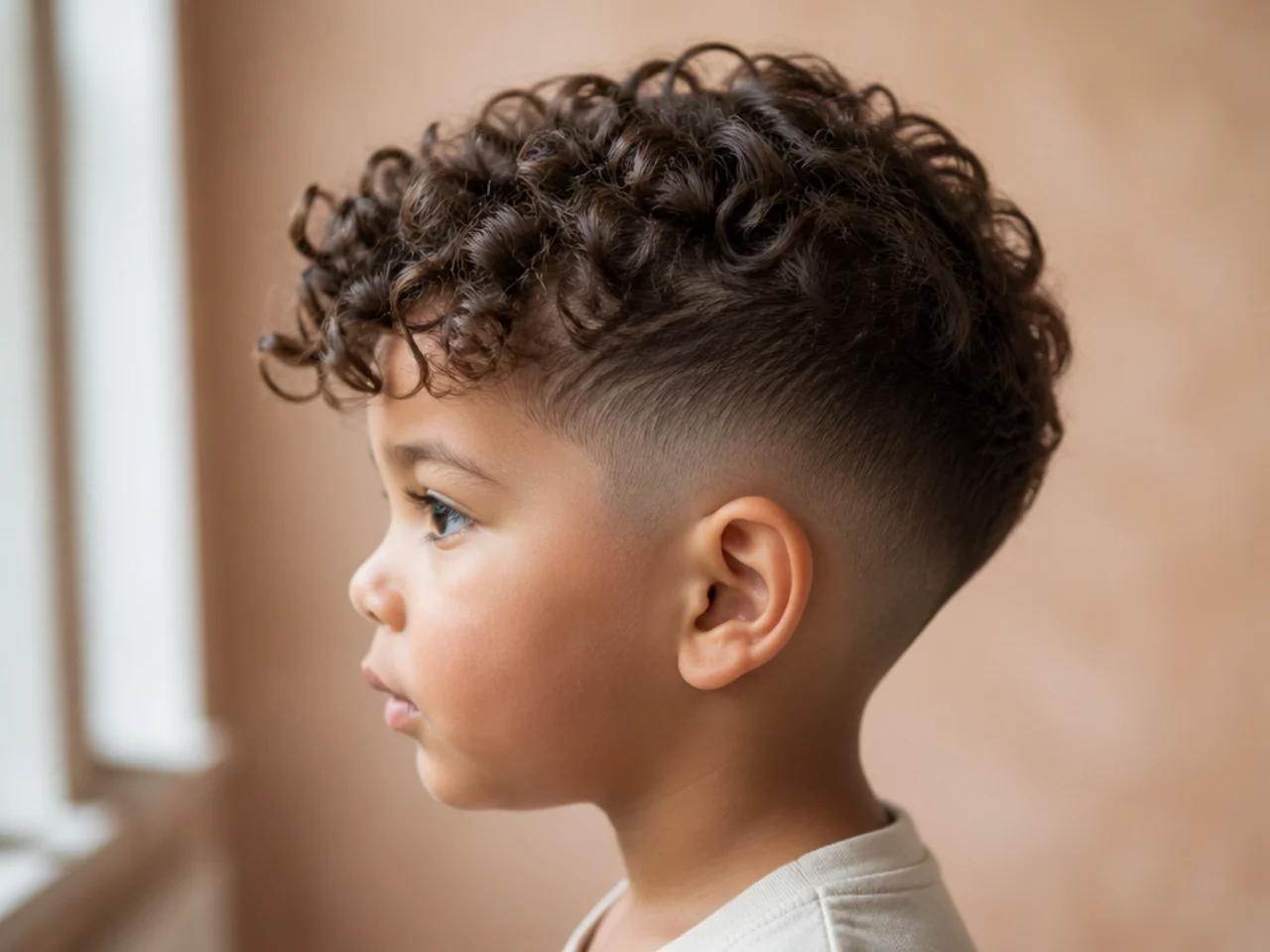
5. Long Guard Sides Under Curl
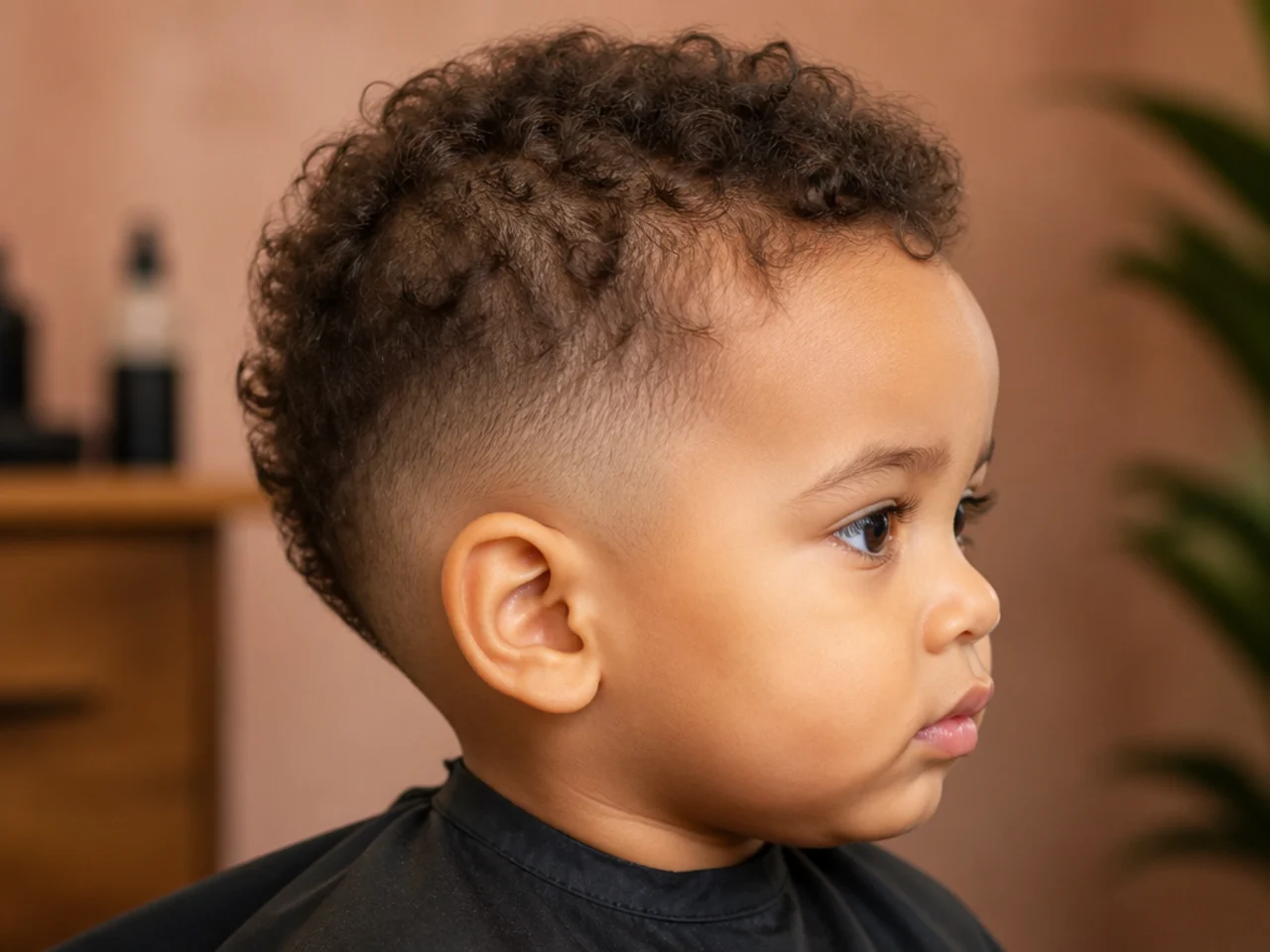
A #4 at 13mm underneath with the curl left long on top, so the clipper never goes near the visible hair. Curl above a longer guard covers the transition on its own, which is why no blending pass is needed here at all — it is a curly boy's fade with all the difficult parts removed.
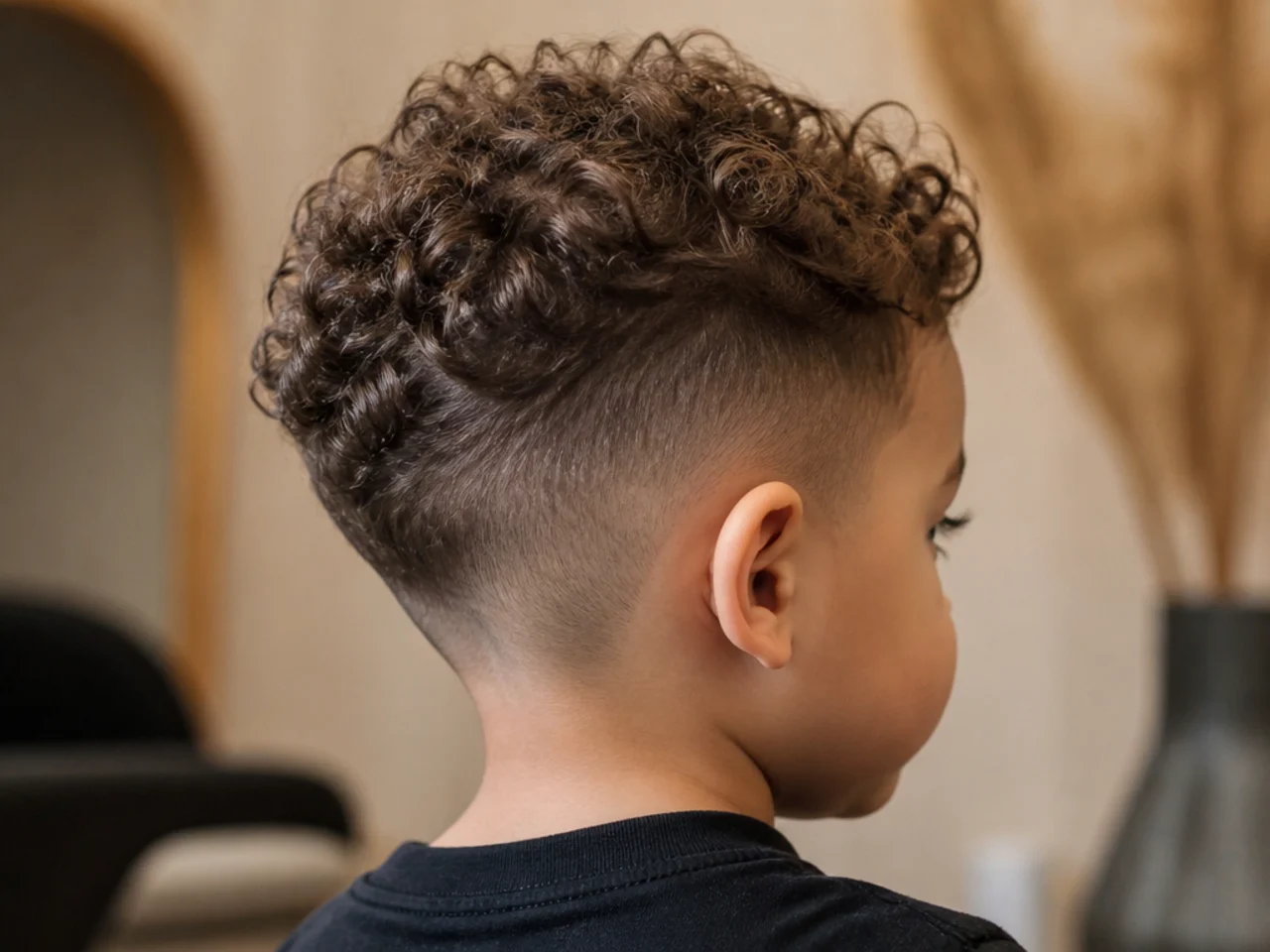
6. Curls Cut While Asleep
Scissors only, on whichever side is facing up, taking the ends off a few clumps at a time. Curl is the texture that forgives this best, because the unevenness a sleeping child guarantees disappears into the pattern once he is upright.
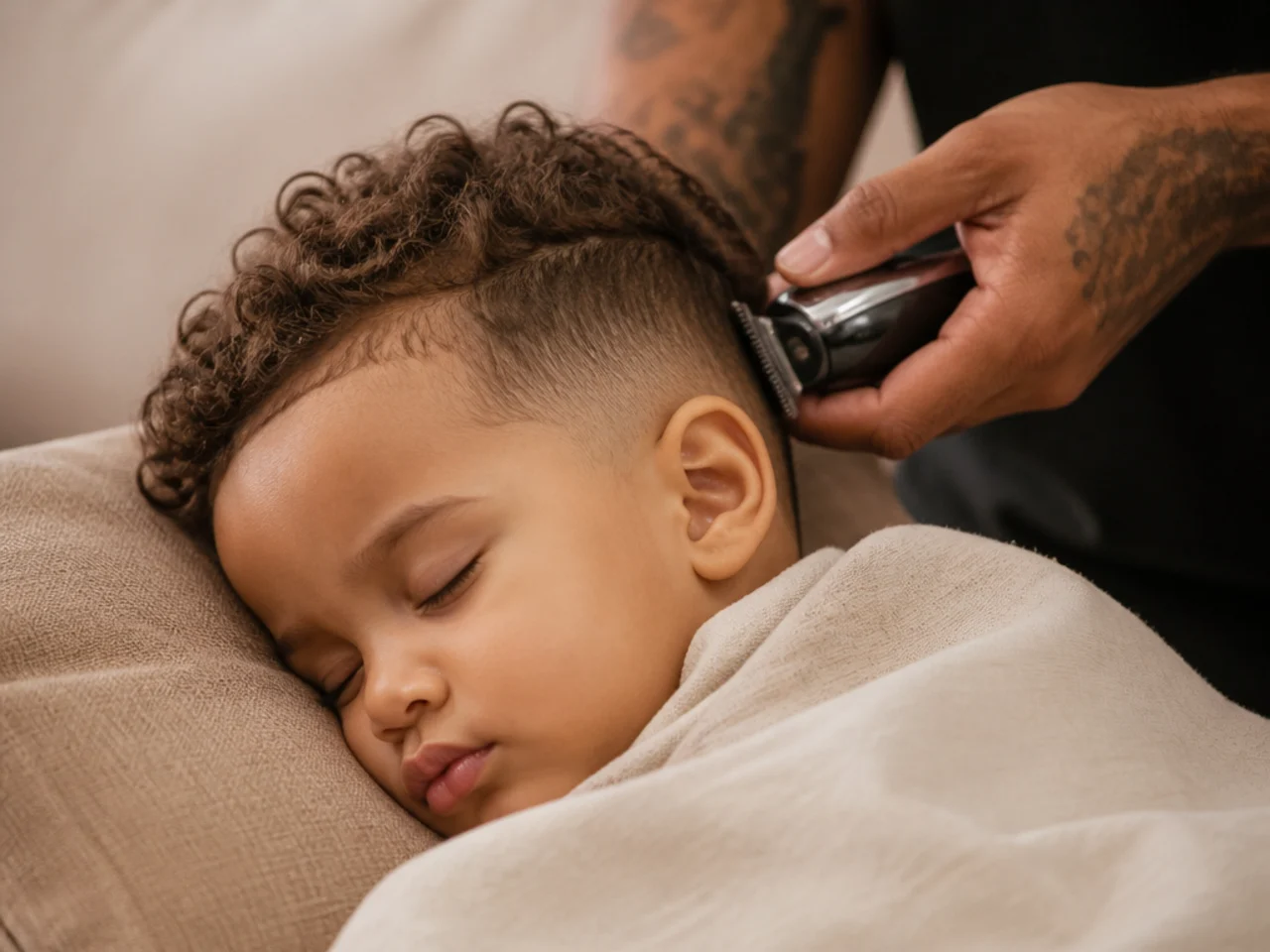
7. Shape Cut Wet and Left to Spring Up
Cut on soaking hair with the length pulled straight, then allowed to dry with no intervention. It only works if you leave a third more length than the finished shape needs, because that is roughly what defined curl loses on the way up.
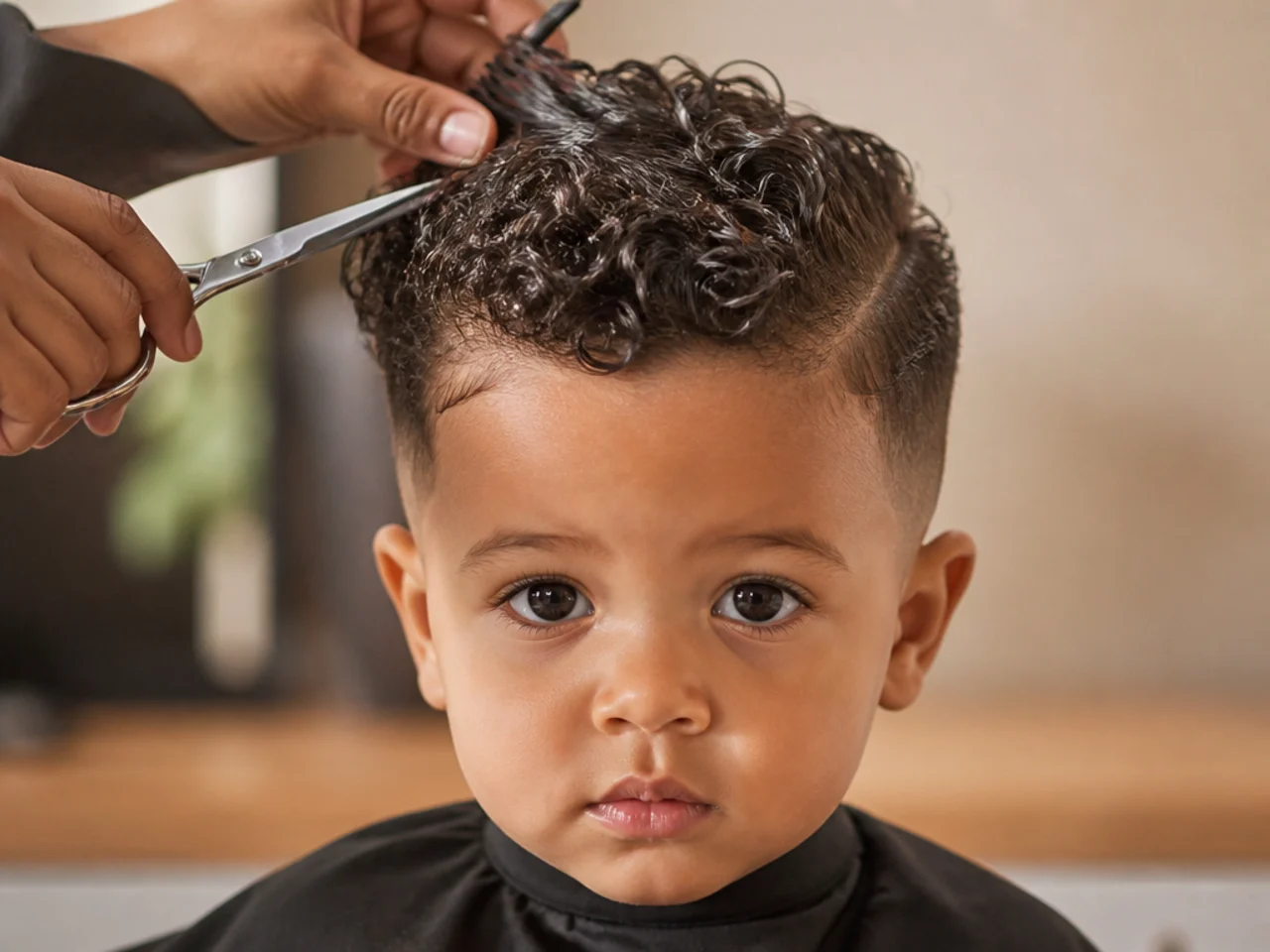
8. Ends Off With No Layering at All
A single removal of the very ends and nothing internal. Baby curl has too little density for internal layers to do anything except make the shape thinner, and thin is the one thing fine curl cannot afford.
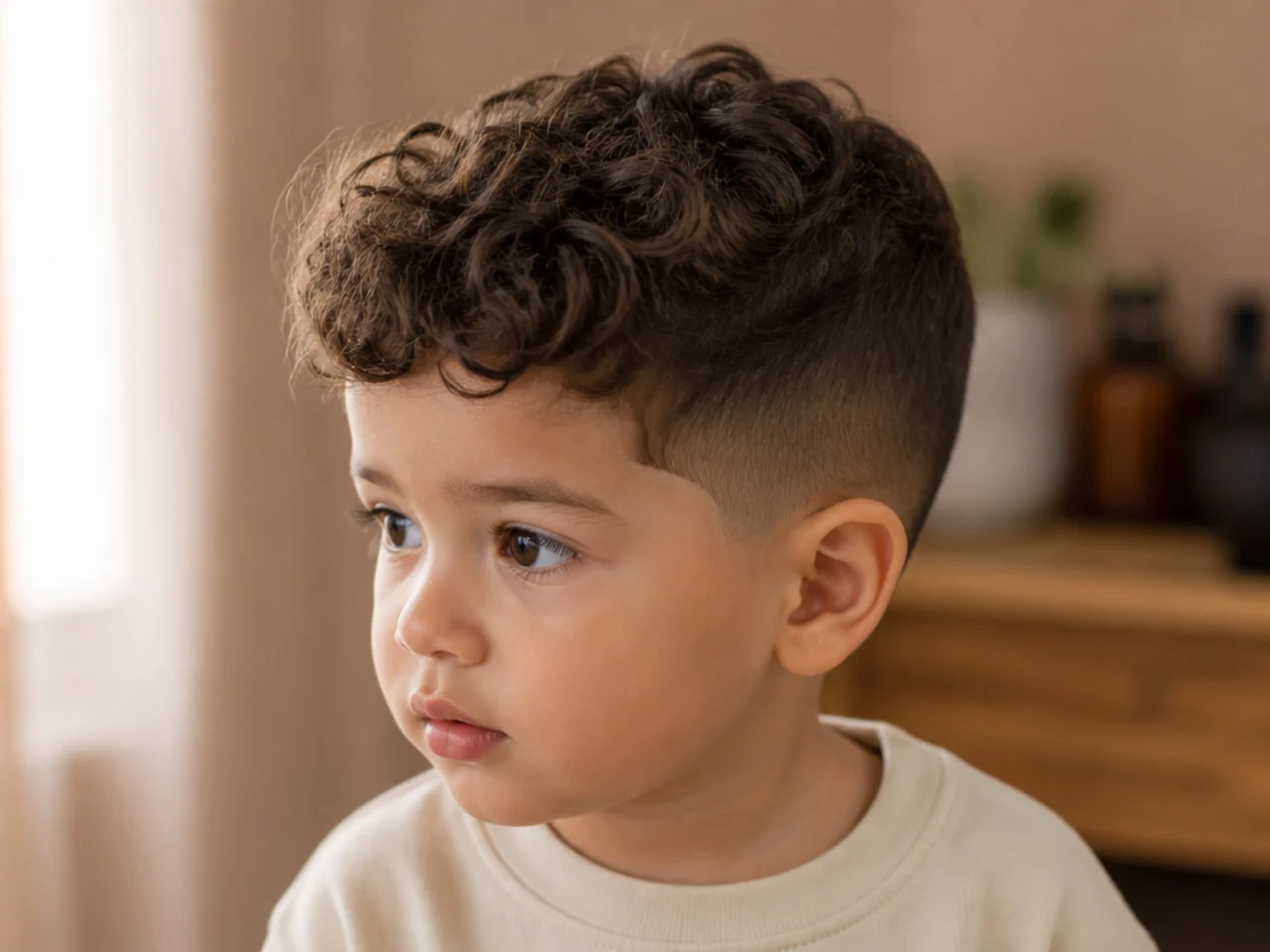
9. Curl Left Longer Than It Looks
Deliberately cutting a centimetre or two longer than the shape you want. On a pattern that is still tightening or loosening month to month, extra length is the only insurance you have against the curl changing after the cut.
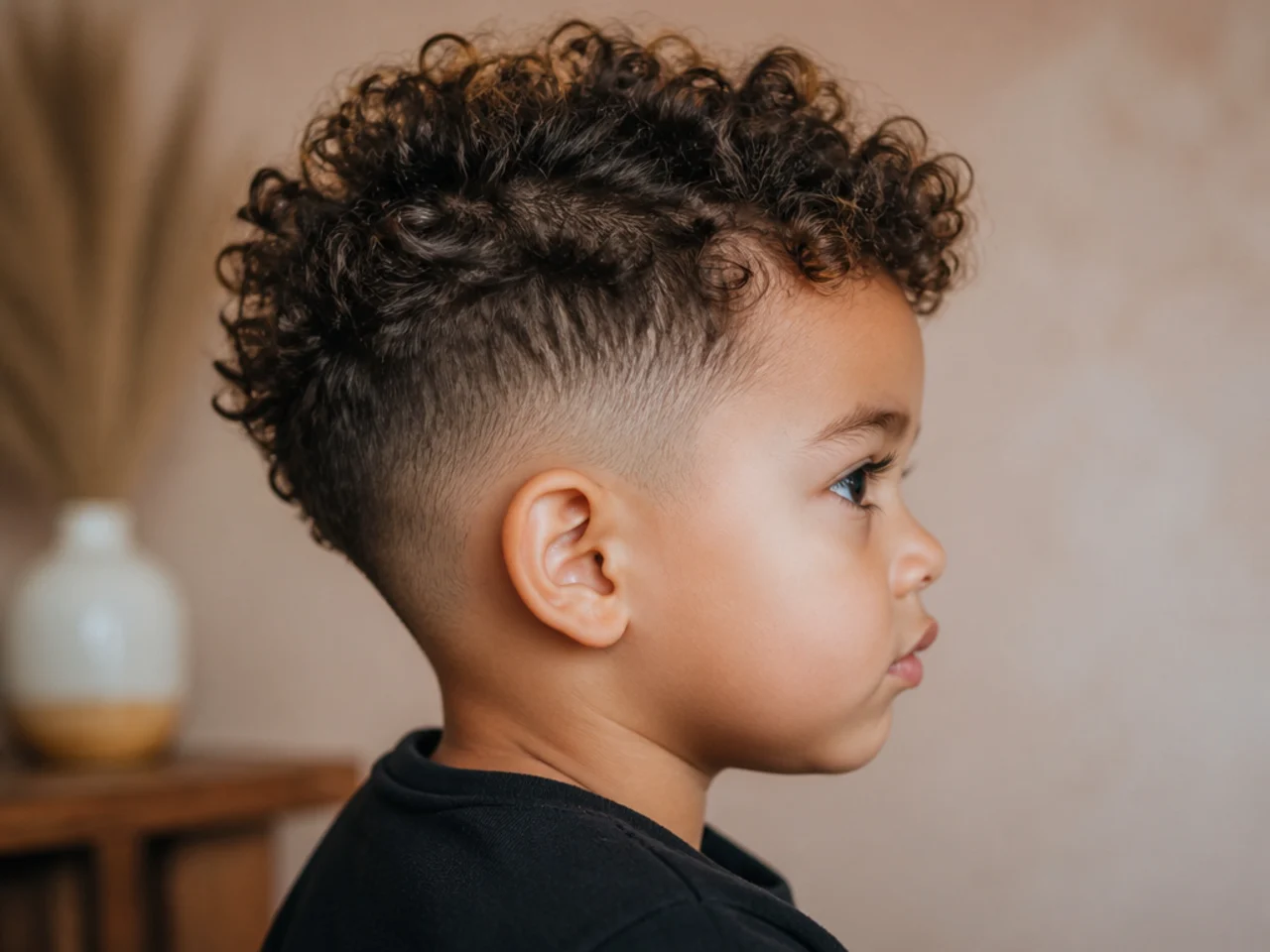
10. Soft Halo With No Perimeter Line
The outline shaped by eye from a metre away rather than by combing sections. Standing back is the only way to see a curl shape, because a comb pulls the pattern out of the position the shape is actually judged in.
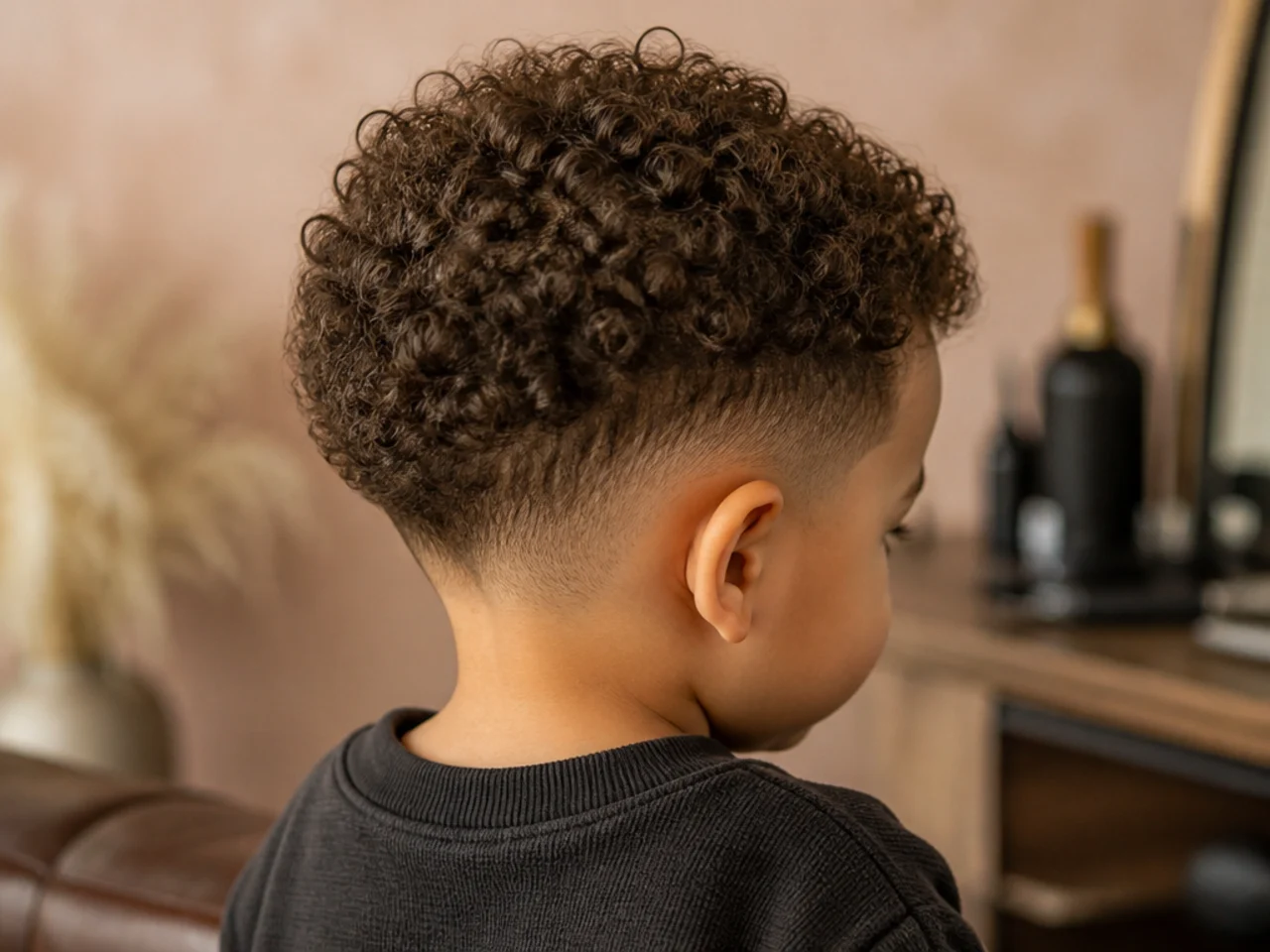
11. Crown Volume Left Alone
Nothing taken from the top of the head at all, with all the work done around the outline. On a toddler the crown is where density is lowest, so removing anything there shows scalp faster than anywhere else on the head.
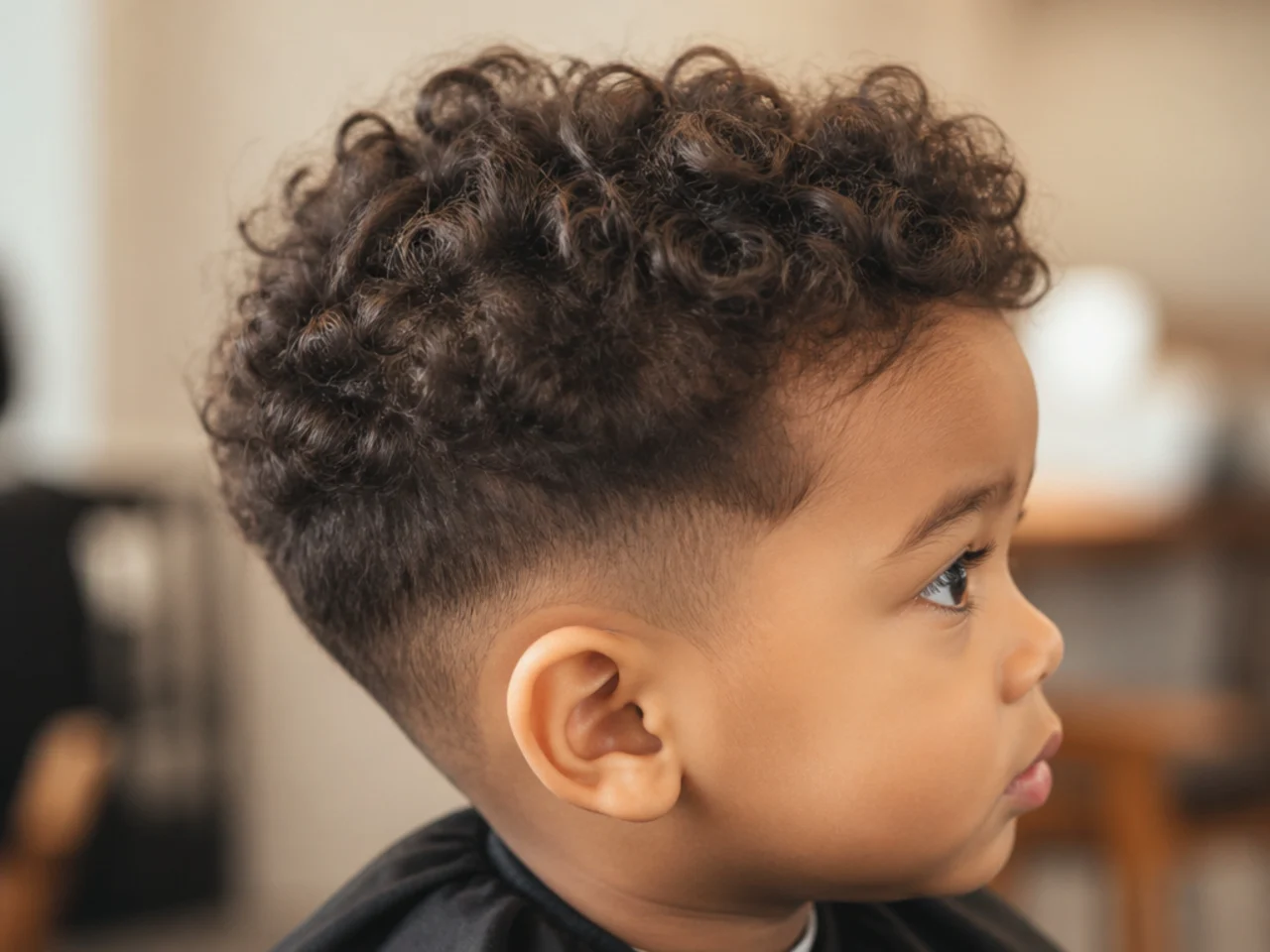
12. Curl Cut to Sit Above the Brow
Front curls shortened only until they clear the eyebrows, measured dry rather than pulled straight. A curl cut to brow length while stretched will sit halfway up the forehead once it dries, which is the most common way a toddler fringe ends up too short.
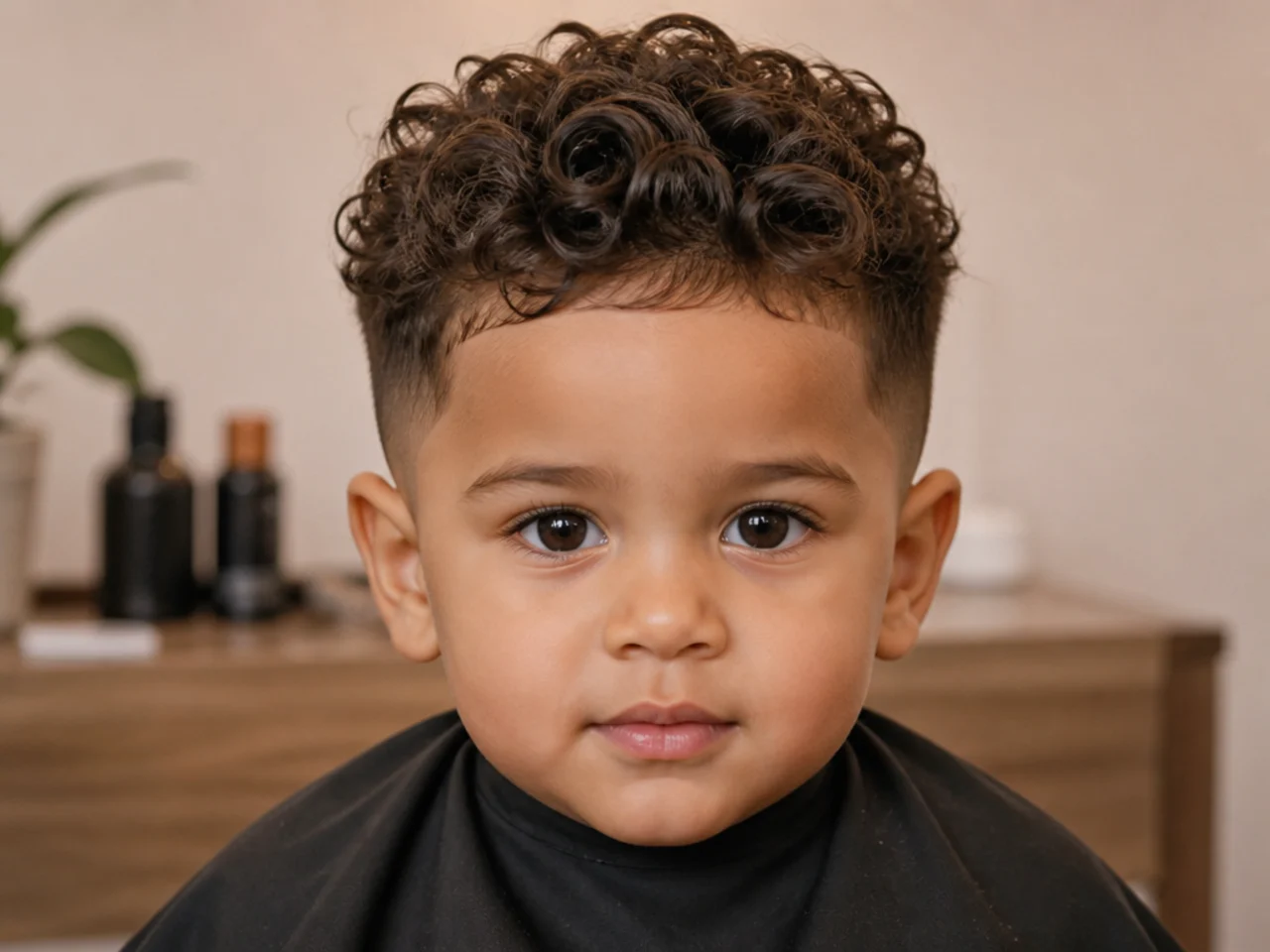
13. Curl Over the Ears Taken Back
The only sections touched are the ones folding forward over the ear. Two bursts of five seconds each solves the thing toddlers actually pull at, and the shape everywhere else stays exactly as it was.
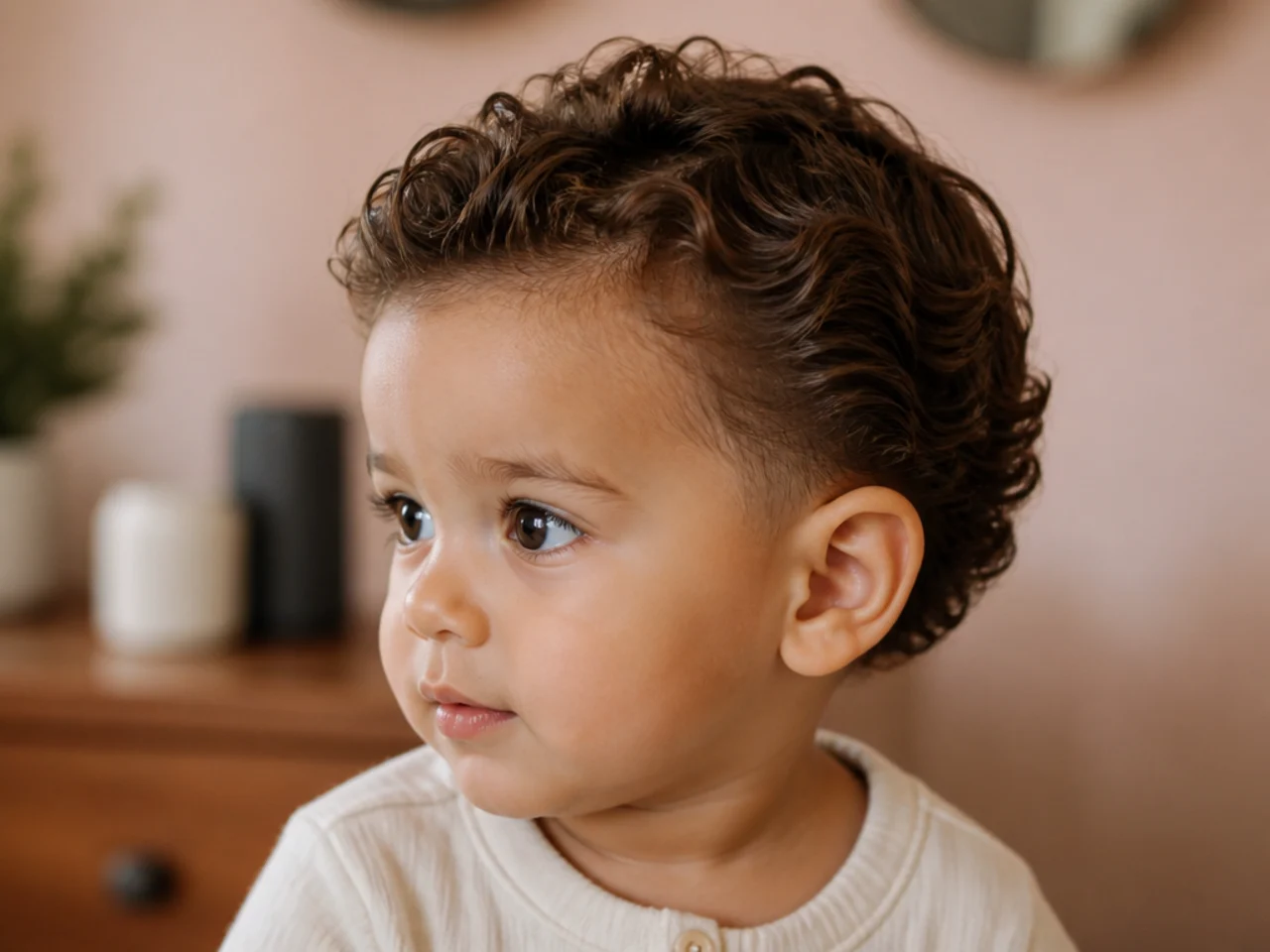
14. A Shape That Works on Either Pattern
A rounded outline with no internal structure, which reads the same whether the curl tightens into spirals or drops into waves. Choosing this deliberately is the practical answer to a pattern that is still moving.
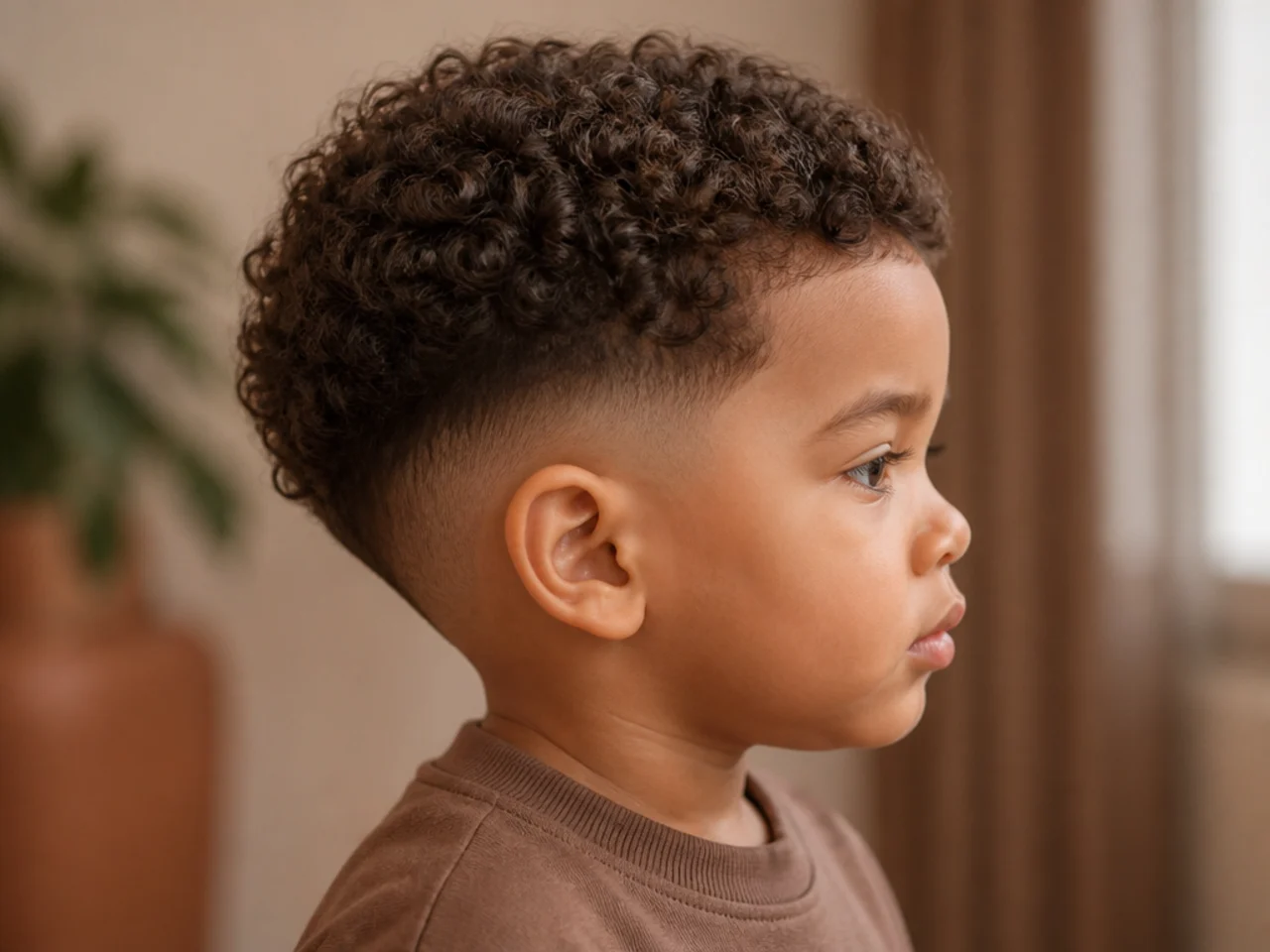
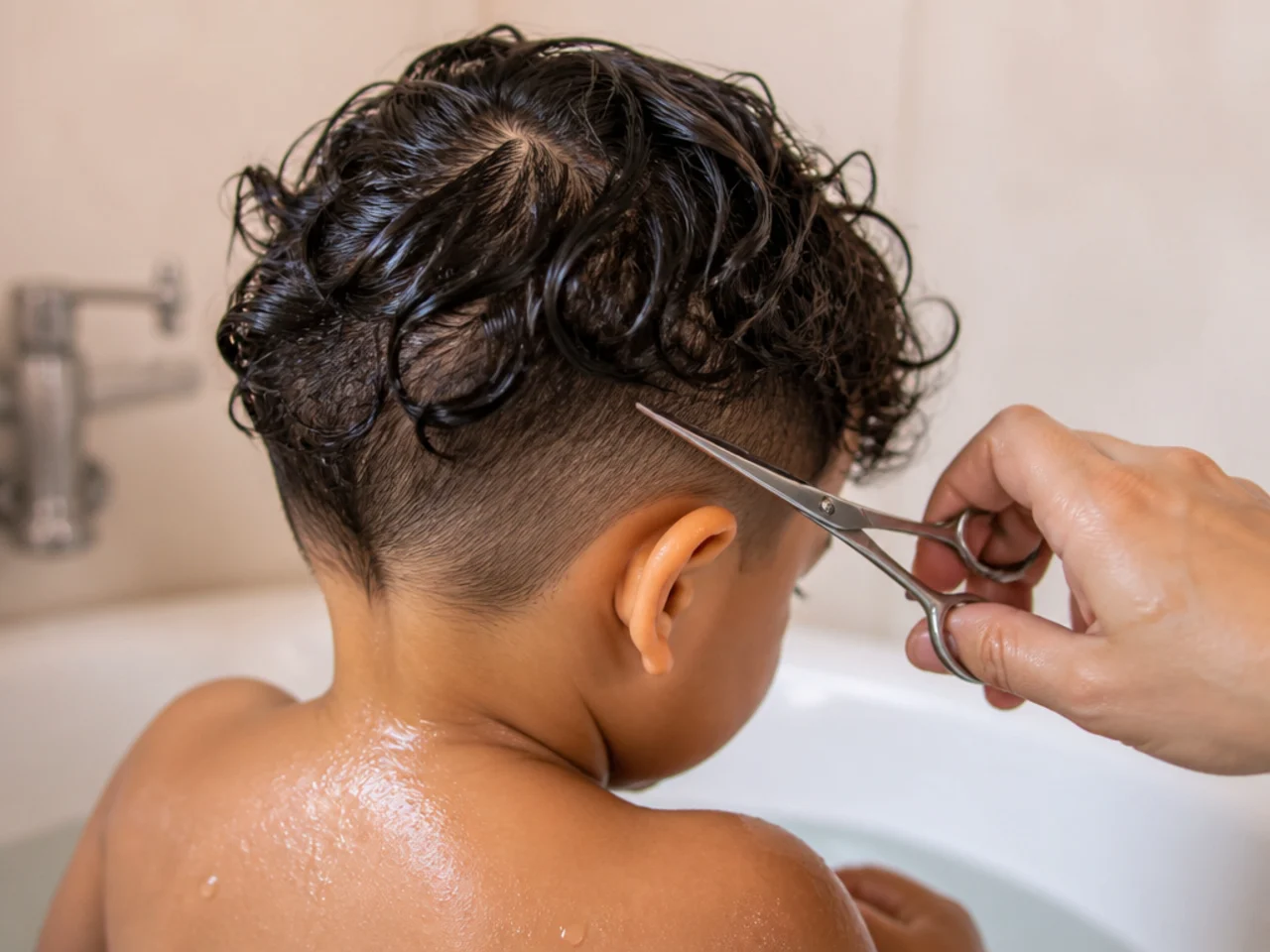
15. Bath-Time Trim on Wet Curl
Cut in the bath while he is already occupied and already wet, with the clippings rinsed straight down. It removes the two things toddlers resist most, which are being made to sit somewhere new and having wet hair pulled about.
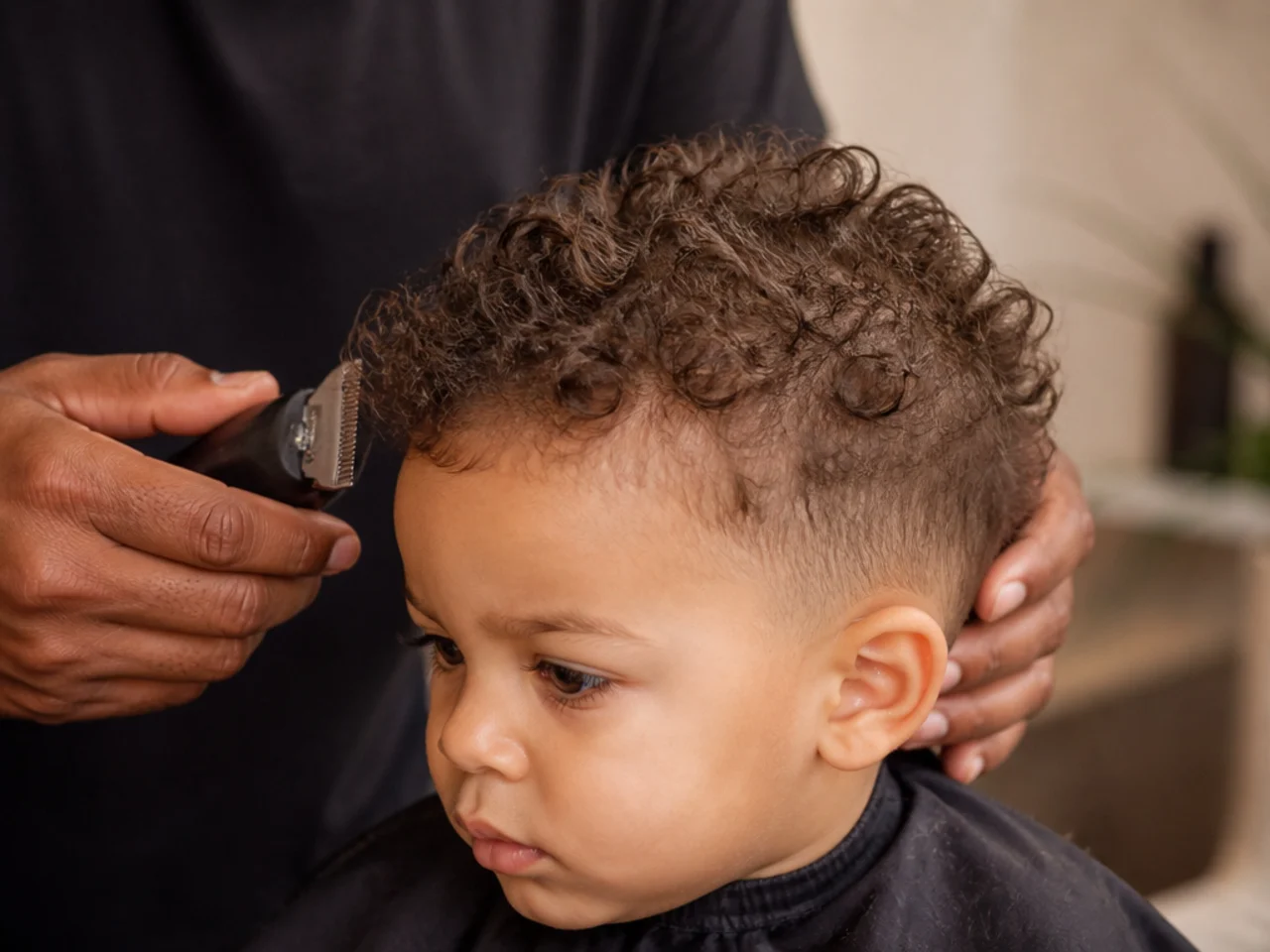
16. Two Bursts at the Front, Two at the Back
The whole cut planned as four short windows with a break between each. Naming the four in advance stops you starting a continuous pass you cannot finish, which is how curl shapes end up with one heavy side.
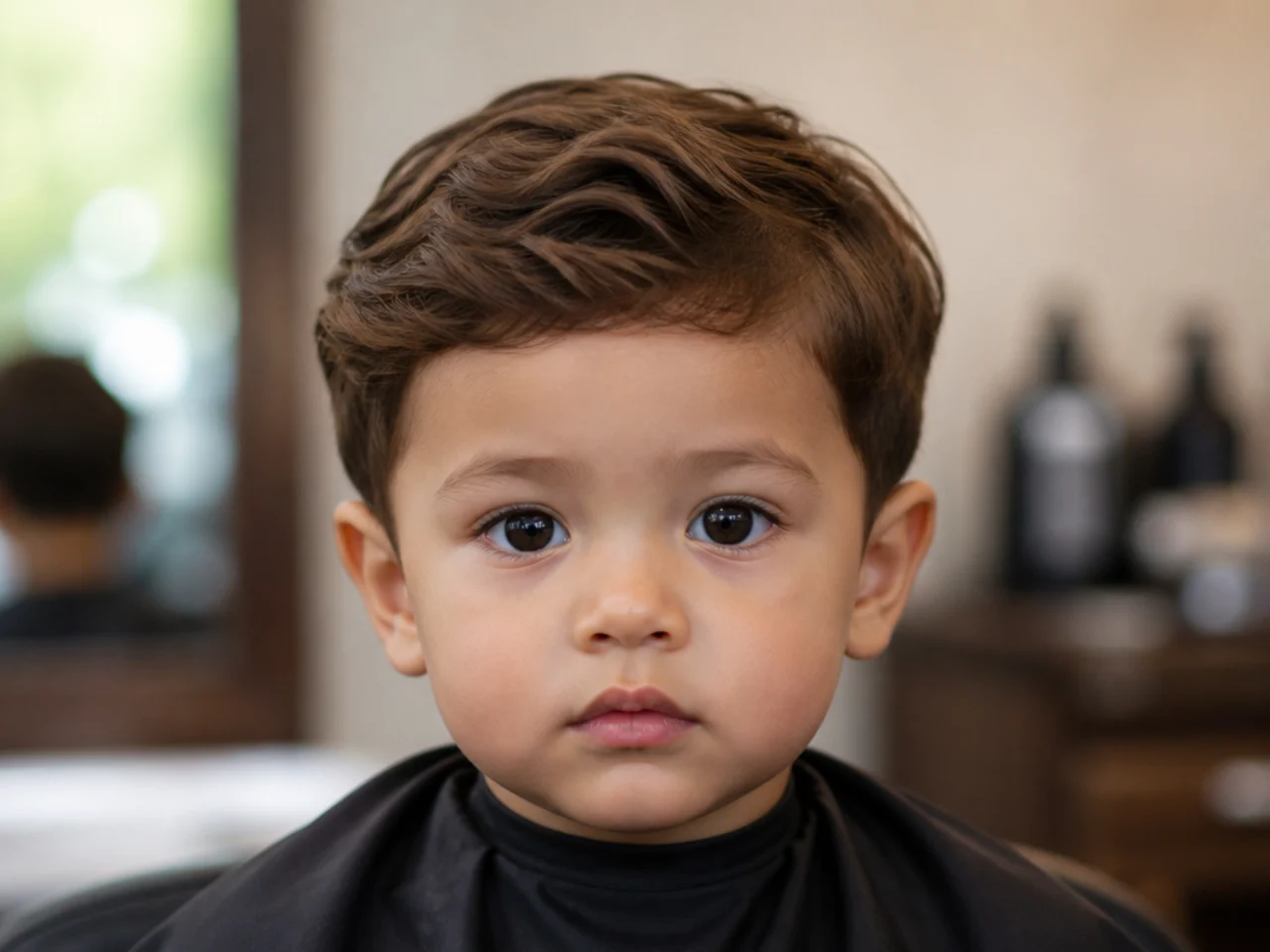
17. Loose Wave Cut as if It Were Straight
For the child whose curl is barely a bend yet, combed down and cut on a level line. Loose baby wave has almost no spring-up, so treating it as straight hair gives you a predictable length instead of a guess.
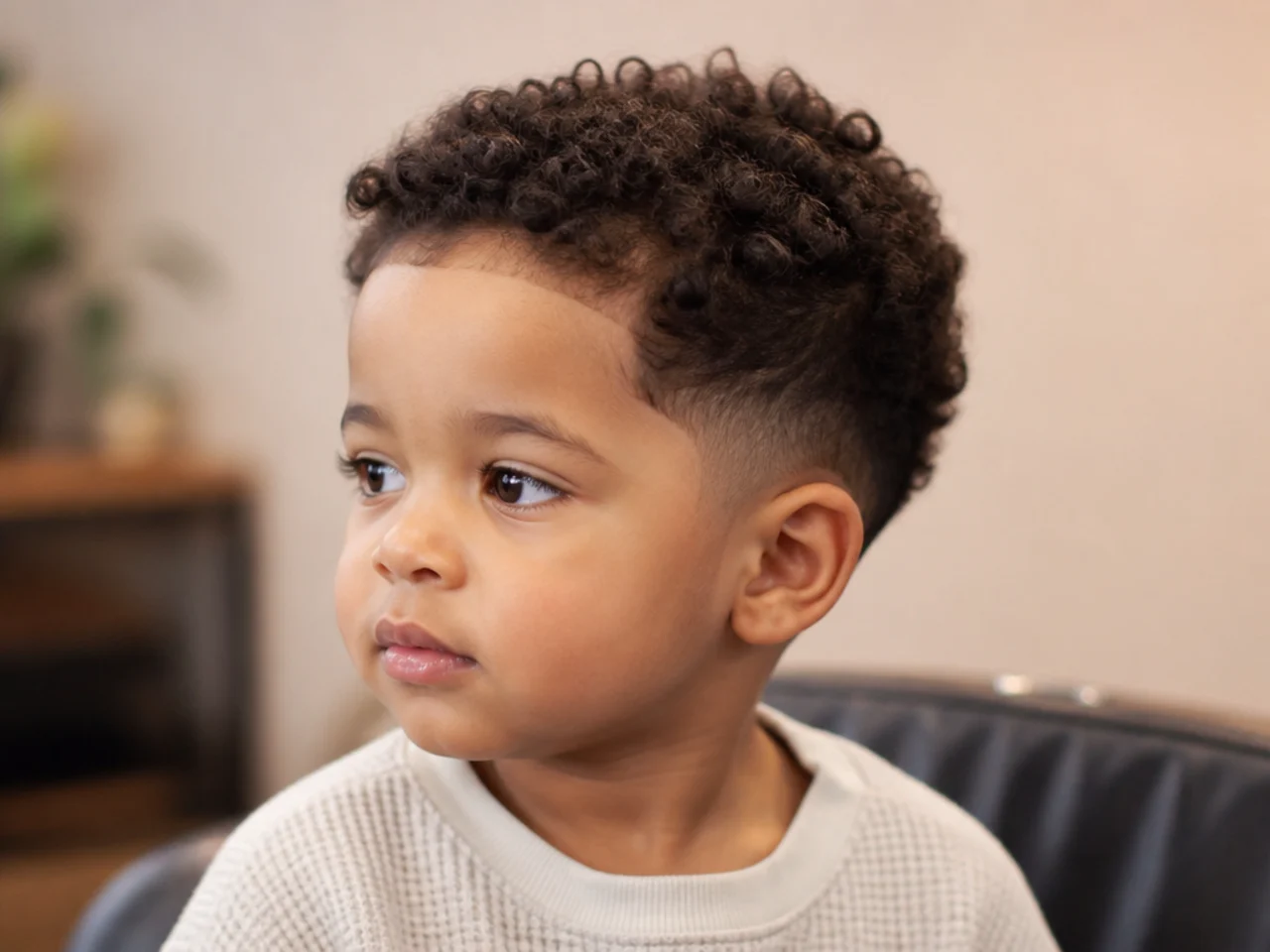
18. Short Curl Left to Find Its Own Shape
Everything taken to a couple of centimetres and then left completely alone. At that length fine curl forms its own clumps without any help, which is the one situation where doing nothing genuinely produces a better result.
19. Half Now and Half Next Week
Front and one side today, the rest in a few days, with no attempt to blend the join. Curl volume covers a week of growth difference completely, which is why a split session on curly hair costs nothing visible.
20. The Cut That Only Needs Water
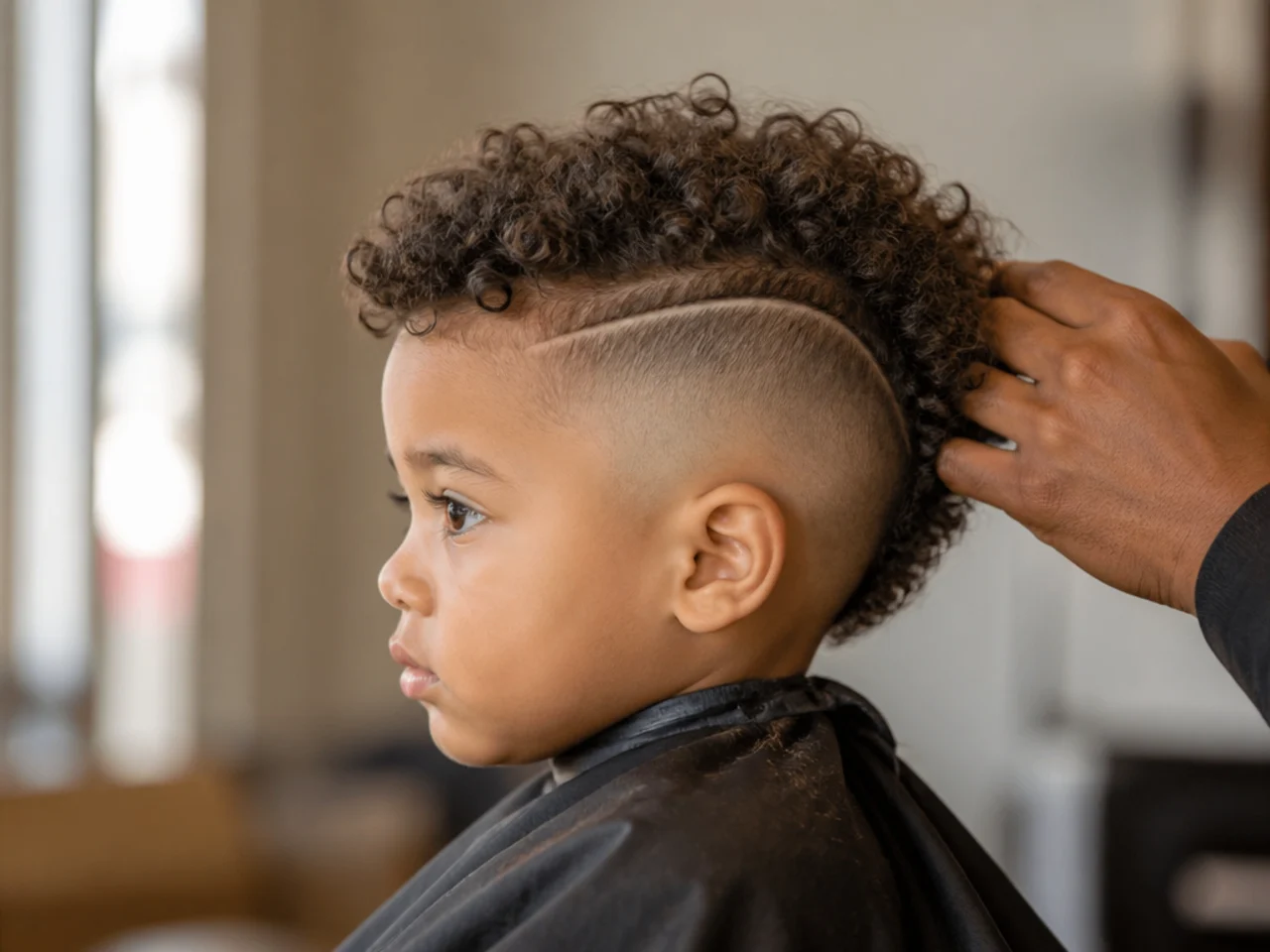
A shape chosen on the basis that it will never have anything put on it. A toddler needs water and a wide-tooth comb and nothing else, so any cut that depends on being defined afterwards is a cut that will not look right on any day of its life.
Styling and Upkeep
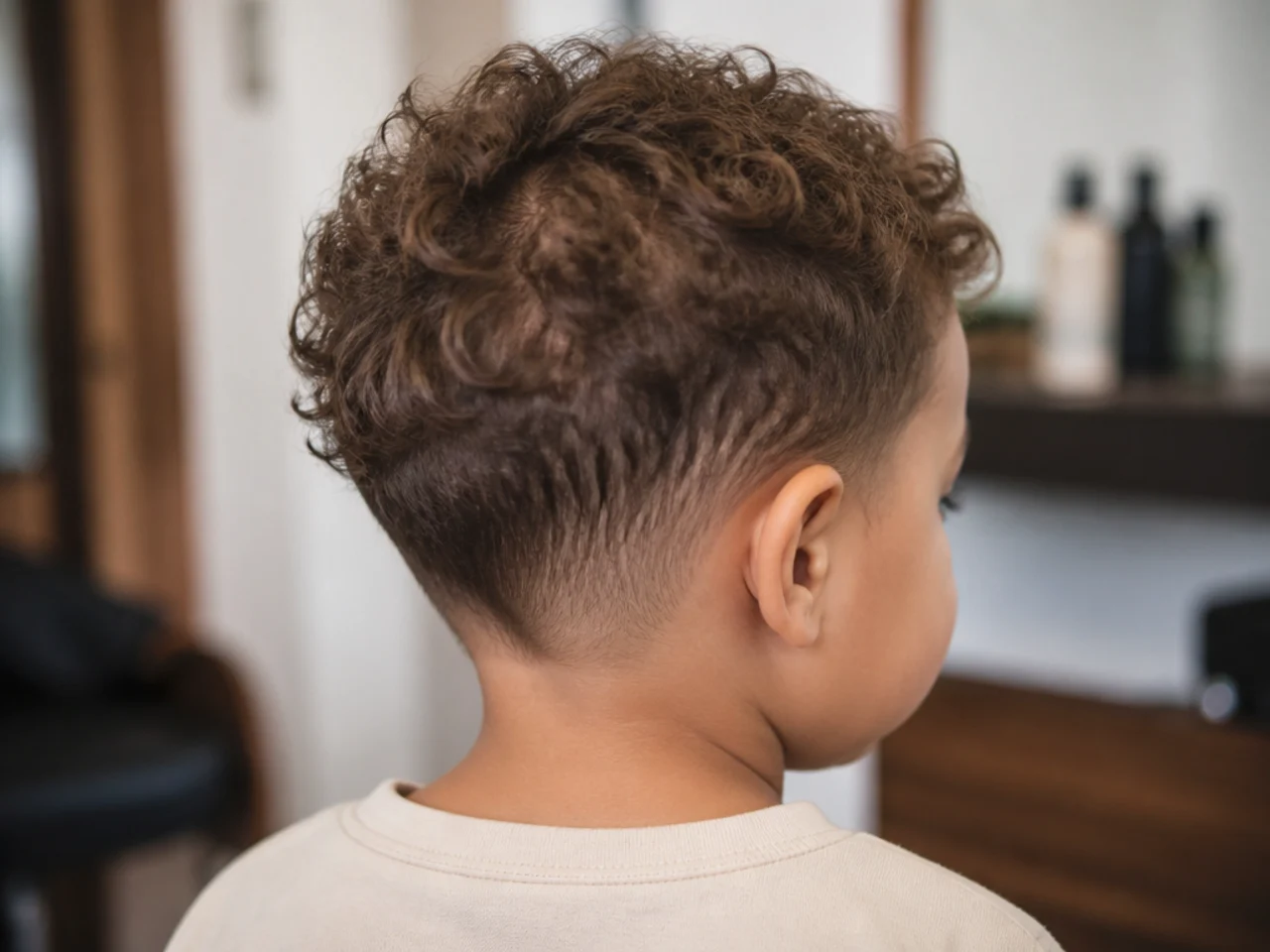
Use water and nothing else. Baby-fine curl clumps on its own and anything added sits on the surface instead of being absorbed, which is why a boy's curl routine only starts involving product years later.
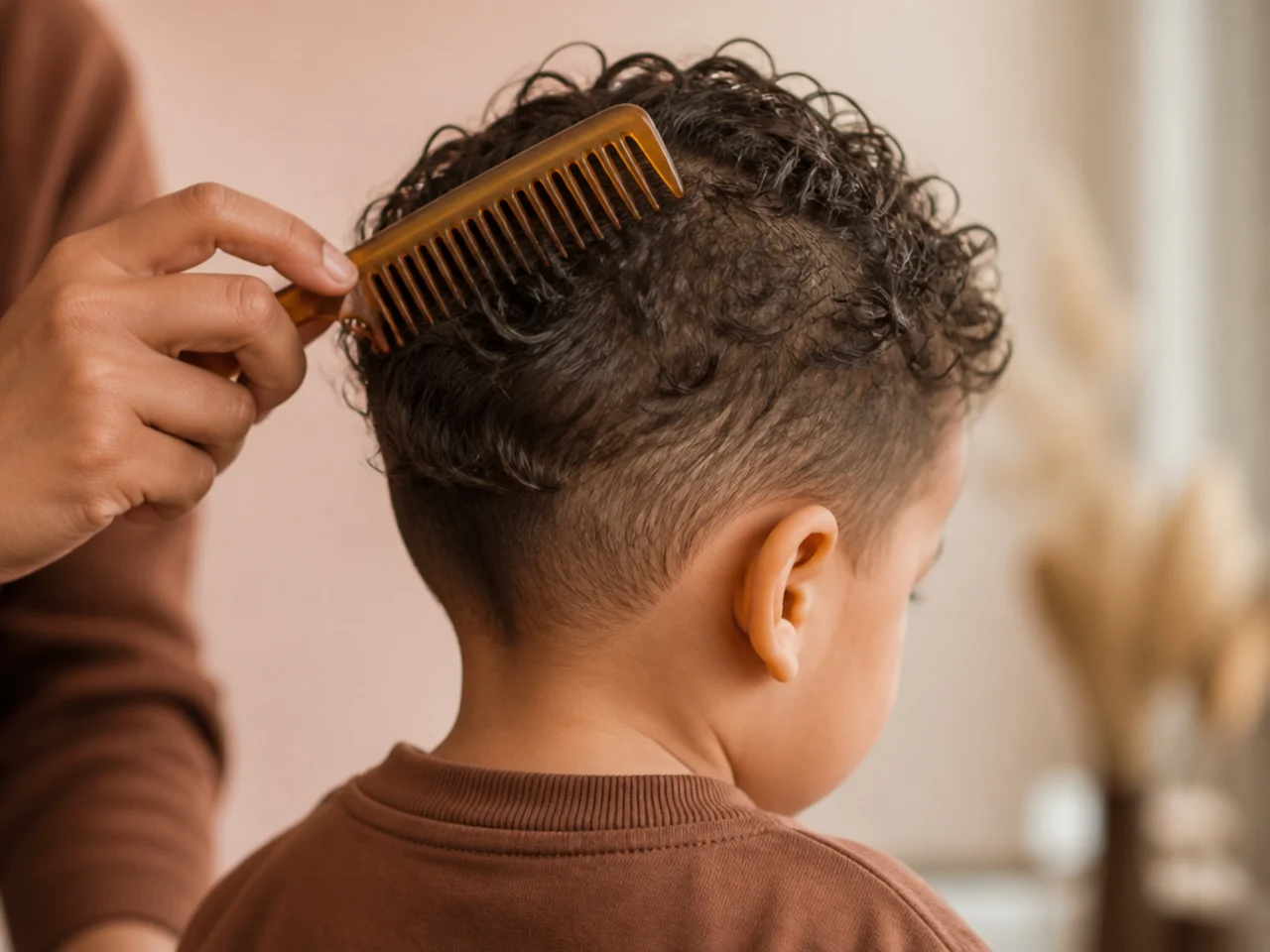
Comb only while wet, and only with a wide tooth. Dry-combing curl separates the clumps and leaves the shape looking thinner than it is.
Judge the cut the day after, not the same day. Curl needs one full dry cycle to settle into where it was cut, and a fresh curly cut always looks shorter than it will be.
Rewet the front rather than recutting it. Most fringe complaints at this age are a curl sitting wrong, not a length problem, and a wet hand through it resets the fall.
Wet the nape before the car seat. Damp curl at the back flattens rather than knots under a headrest, which is where toddler curl mats first.
Mistakes to Avoid
Cutting to the curl pattern he has today. It may not be the pattern he has in six months, and the cut will outlast it.
Thinning or layering fine curl. There is not enough density to remove, and the shape goes wispy at the ends instead of lighter.
Pulling the fringe straight to measure it. Stretched curl is not the length it will sit at, and the error always runs in the direction of too short.
Trying to cut curl by curl over the whole head. It is the right technique on an older child and an impossible one on a two-year-old.
Adding cream or gel to make it define. It weighs down hair that has no weight to spare, and it will be rubbed into a pillow within the hour.
FAQ
Will his curls stay curly? Often not exactly — the pattern commonly shifts between eighteen months and three years.
Wet or dry cut? Damp, because dry curl-by-curl cutting needs stillness a toddler does not have.
What should I put on it? Water. Nothing else does anything useful on baby-fine curl.
Final Thoughts
Cut the shape, not the curl. A toddler gives you four short windows rather than one long one, and the pattern you are cutting will have changed by the time he is old enough to sit through a proper curl consultation — so choose an outline that survives both.
When he is older and the pattern has settled, curly haircuts for boys covers the cuts that need a still head, and the toddler burst fade guide is the one clippered shape worth attempting at this age. More in Men's Haircuts.