This Is the Simplest Way to Figure Out Your Curl Types: 2026
Curl Types decoded! Explore the ultimate guide to understanding different curl types for your hair and find your perfect match...
In this article · 19
Twenty years behind the chair has taught me one thing: the wrong routine on the right texture wrecks more heads than any single bad cut. The Andre Walker system labels every curl from 1A pin-straight to 4C tight-coiled, and it is still the fastest way to figure out what your hair actually wants. Below, I break down all twelve curl types — with the products, the cutting technique, and the exact words to bring to your stylist.
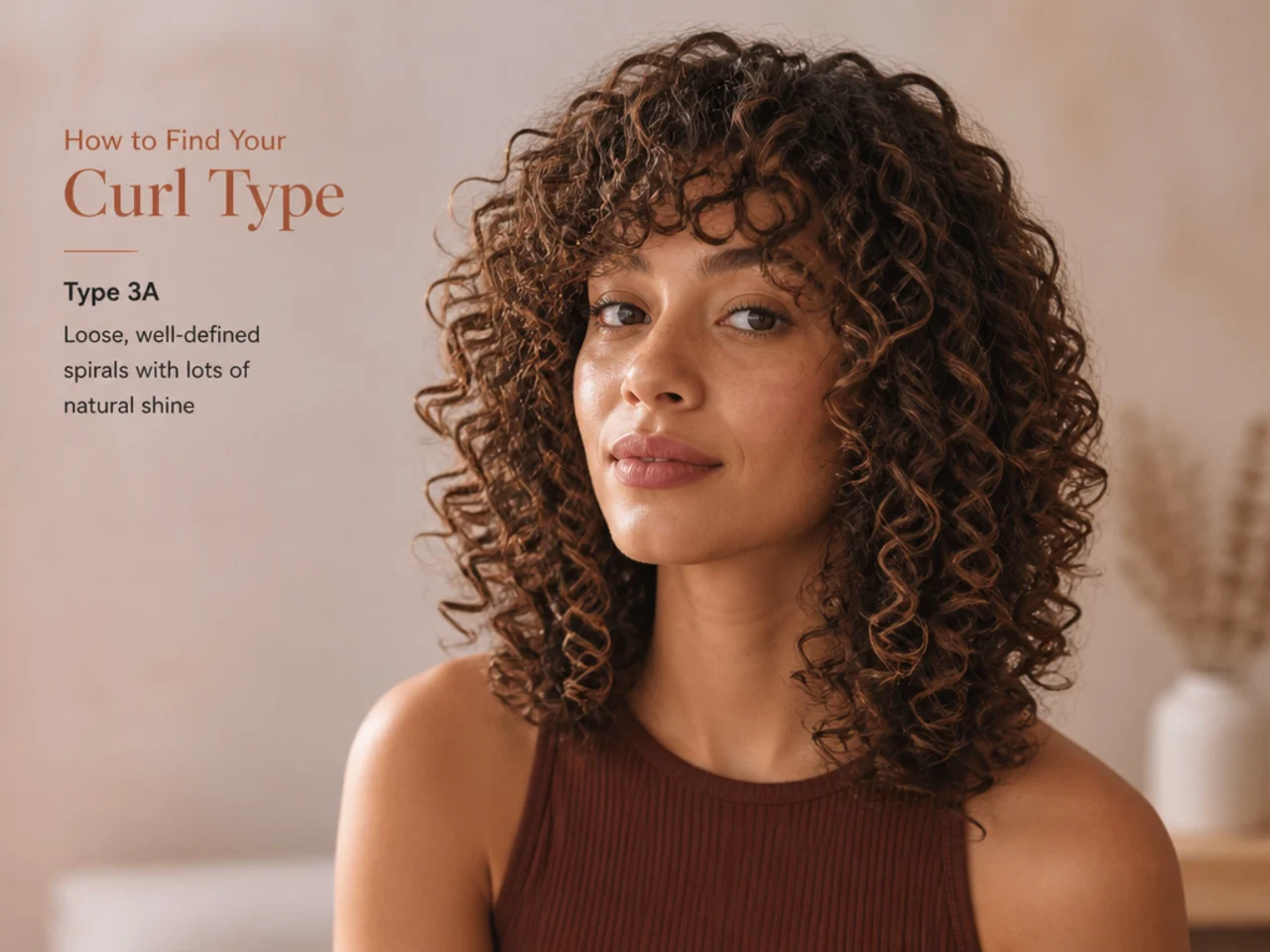
How to Find Your Curl Type
Wash with a clarifying shampoo, skip conditioner, and let your hair air-dry with zero product and zero touching. Look at the section framing your face — that is your dominant pattern. Compare curl width to three household objects:
- Paint roller width → Type 2 (wave)
- Sharpie marker width → Type 3 (spiral)
- Coffee stirrer or knitting needle width → Type 4 (coil)
Two follow-up checks I run at the chair. First, watch how the hair reacts to humidity — waves collapse or fluff, curls swell and clump, coils shrink upward. Then a porosity test: drop a clean, dry strand into a glass of water. A sinker is high-porosity and thirsty. A floater is low-porosity and seals moisture out.
Most heads carry two or three patterns at once. The crown almost always sits one letter looser than the nape. Type your majority and treat the outliers on their own terms. Once you know your number and letter, everything else — product weight, cut technique, drying method — starts to line up.
Curl Type Chart
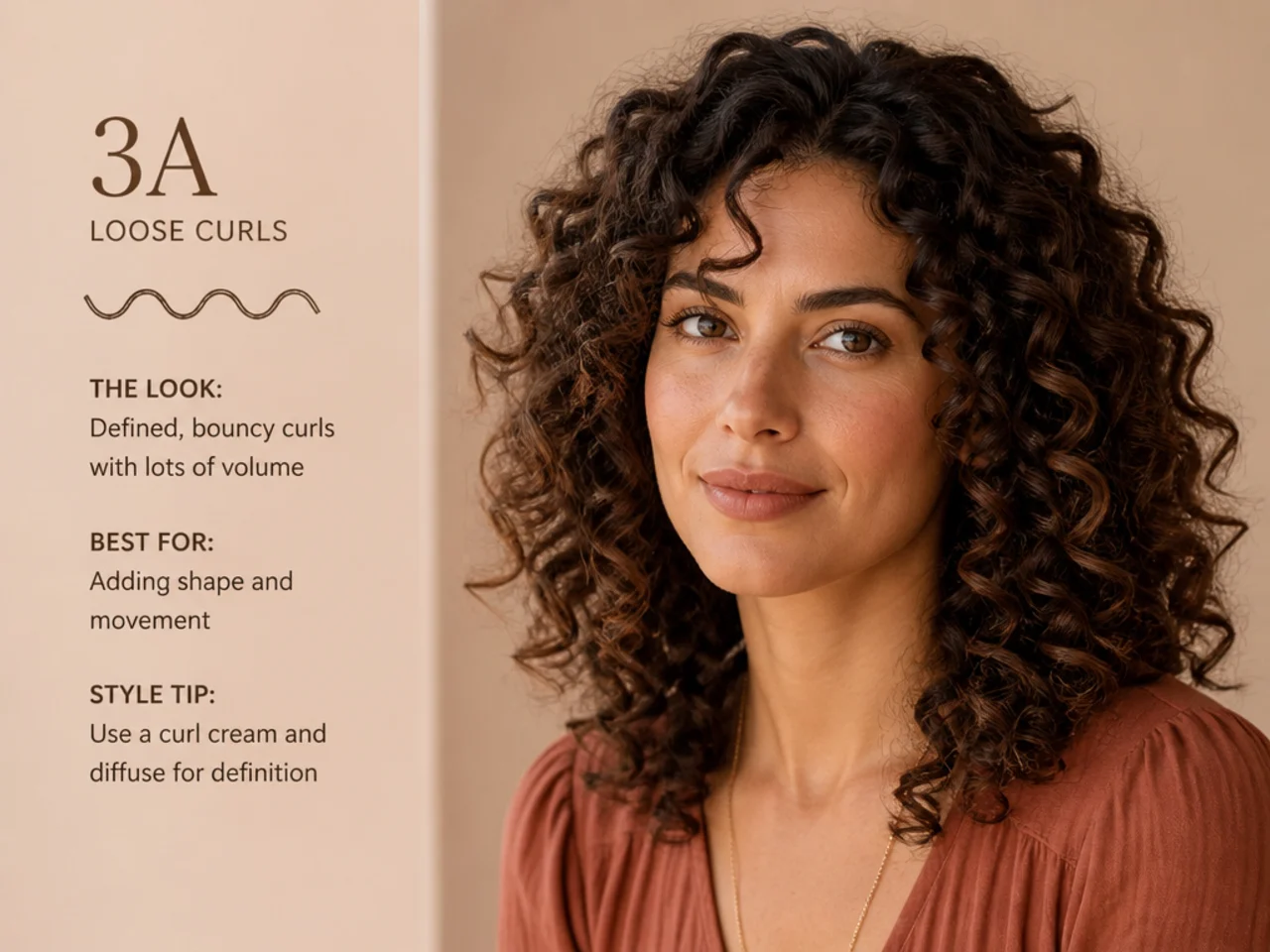
The chart above sorts every pattern by 1) how tight the curl spirals, and 2) how much natural definition the pattern shows. Match your strand against it after the porosity test, not before — dry, unmanipulated hair is the only fair read.
Type 1 (Straight Hair)
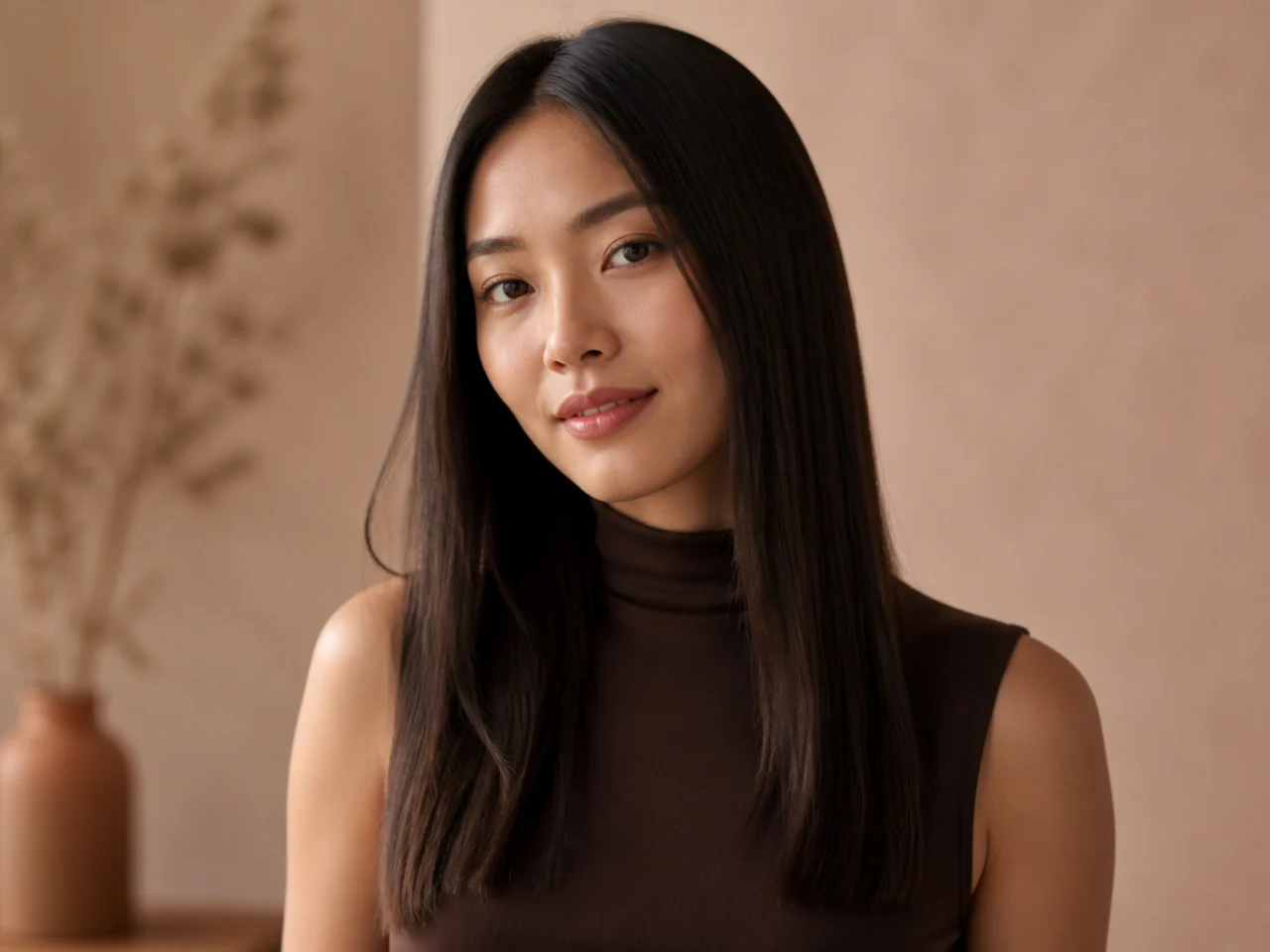
Type 1 is the straight family — no visible bend from root to tip. Andre Walker built the system around Black hair textures first and folded straight patterns in as a category; I still find the sub-letters underrated. 1A is glass-smooth, 1B carries body, and 1C hides a bend that appears in humidity.
Ask for internal weight-line technique on Type 1 — never a harsh razor on fine straight strands, never over-thinned ends on thick. This family shows every scissor mark, so blunt lines and clean layer connections matter more than volume tricks.
Type 1A
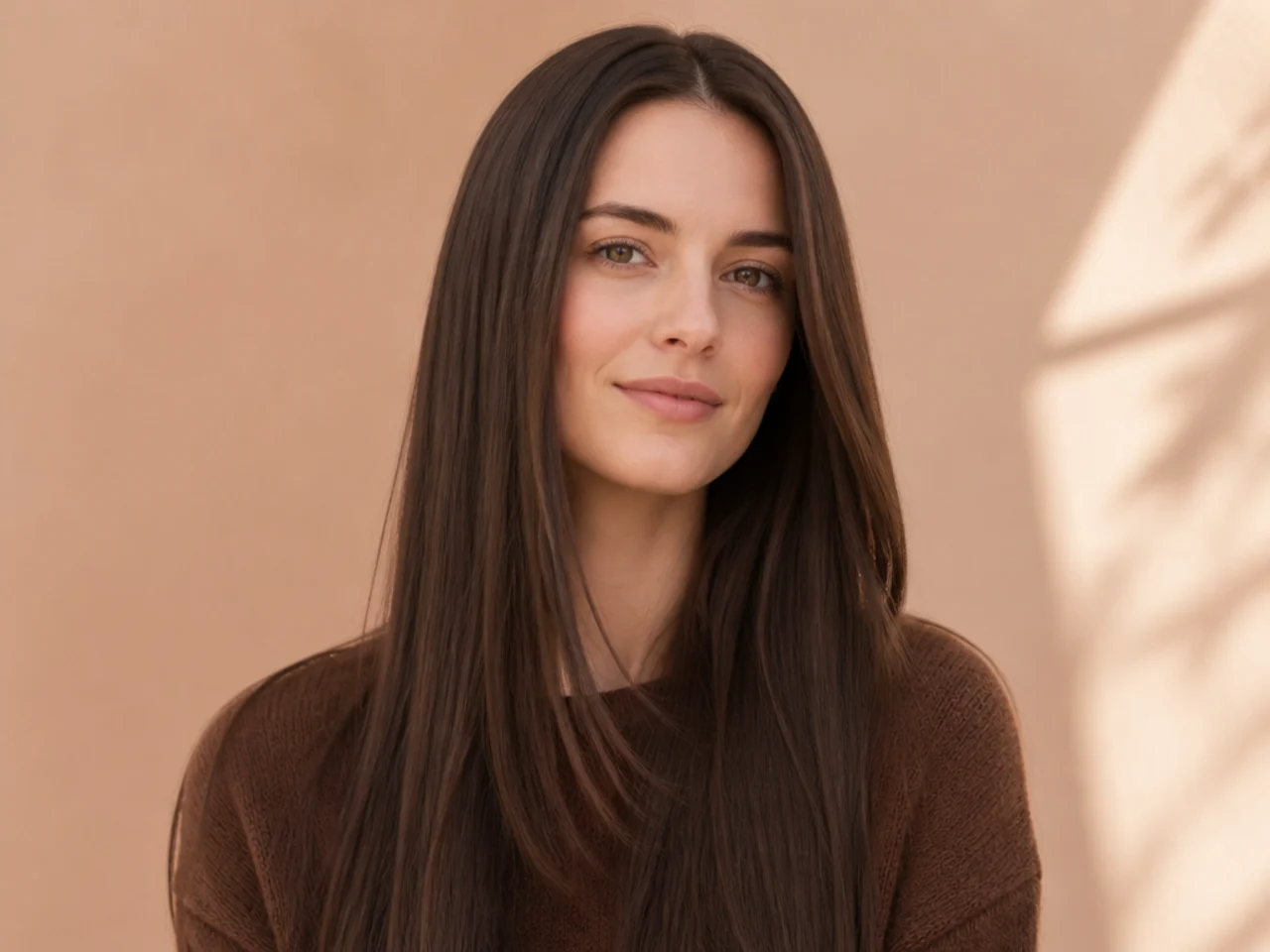
Pin-straight, fine, and low-density. Zero natural bend. Reflects light like a mirror and drops flat within minutes of styling.
Product routine: 1) volumizing mousse root-to-mid on damp hair, 2) round-brush blow-dry with the hair rolled up and off the scalp, 3) light hairspray at the roots only. Skip creams; skip oils past the mid-shaft — both flatten this texture within an hour.
Ask for: a blunt one-length cut at collarbone or longer. Long, invisible layers only if the density can spare weight. Never razor 1A — it thins the ends into stringy wisps.
Type 1B
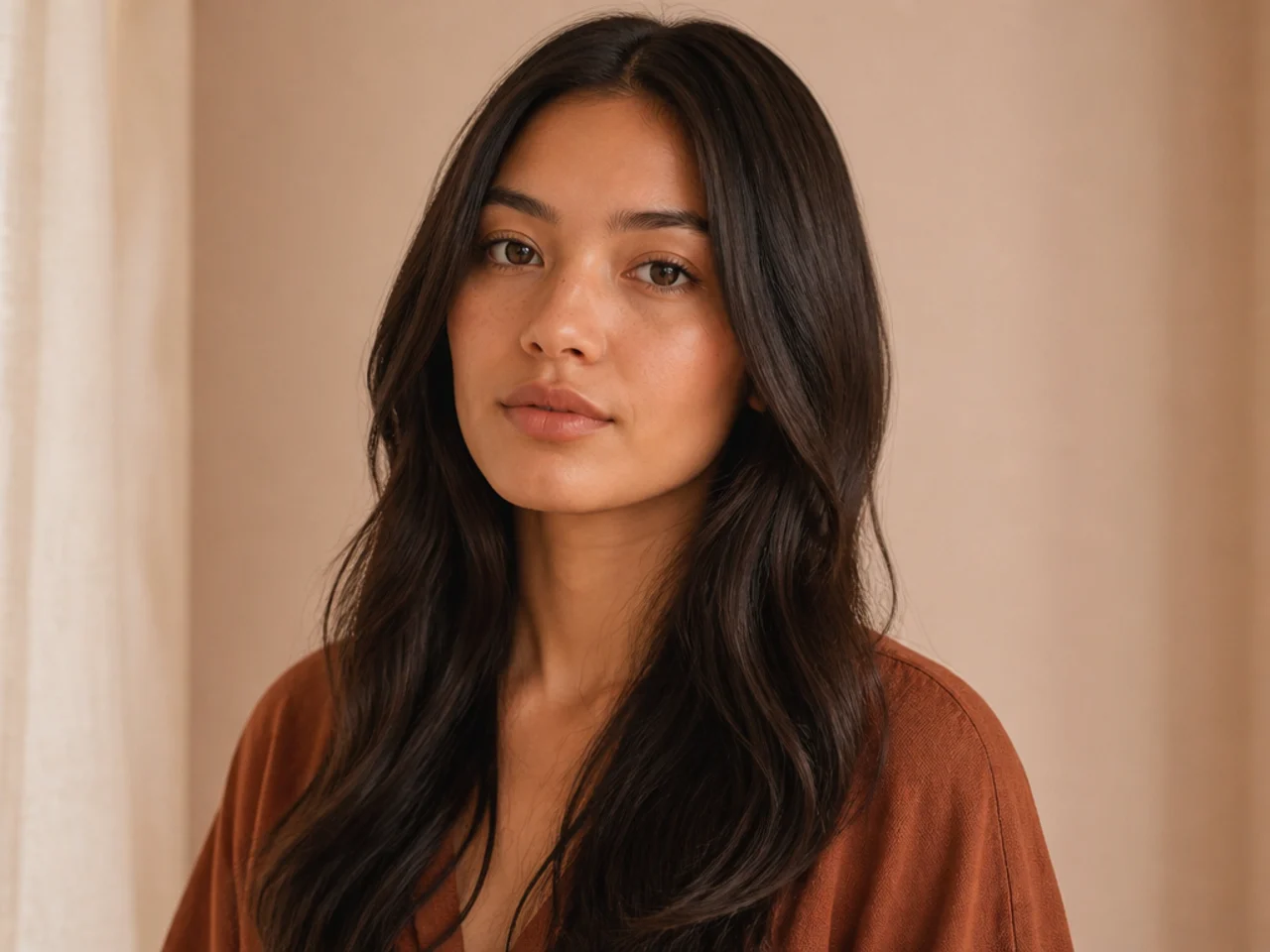
Straight with medium density and enough body to hold a wave when curled. Shows up glossy and behaves in a ponytail. Small kick at the ends by mid-afternoon.
Product routine: 1) lightweight leave-in mid-length to ends, 2) heat protectant, 3) round-brush blow-dry with tension. A dry texture spray at the roots adds workable grit for updos.
Ask for: a long layered cut with soft face-framing pieces. Point-cut ends break up the blunt line without over-thinning. A layered haircut built around a heavy weight line reads modern on 1B.
Type 1C
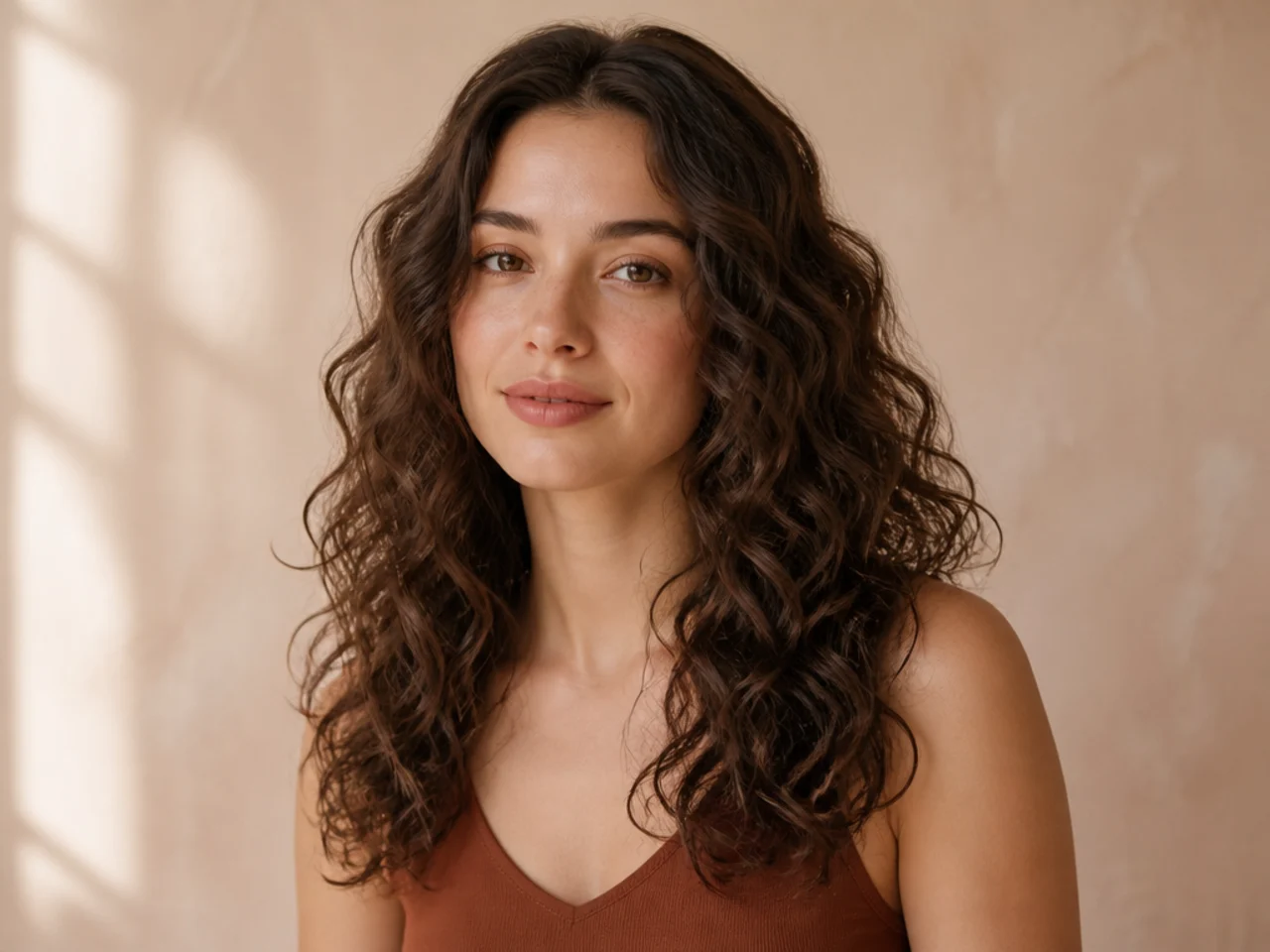
Straight at first pass, but a definite hidden S-bend appears within a few hours of air-drying — especially in humidity. Thicker individual strand than 1A or 1B. Frizz shows up at the crown by late afternoon.
Product routine: 1) smoothing shampoo, 2) medium-weight leave-in on damp hair, 3) smoothing serum on the mid-lengths and ends before the blowout. A ceramic flat iron on medium heat locks the finish.
Ask for: a blunt bob or lob with subtle internal layering. Skip aggressive razor work — 1C splits fast when the cuticle takes a beating.
Type 2 (Wavy Hair)
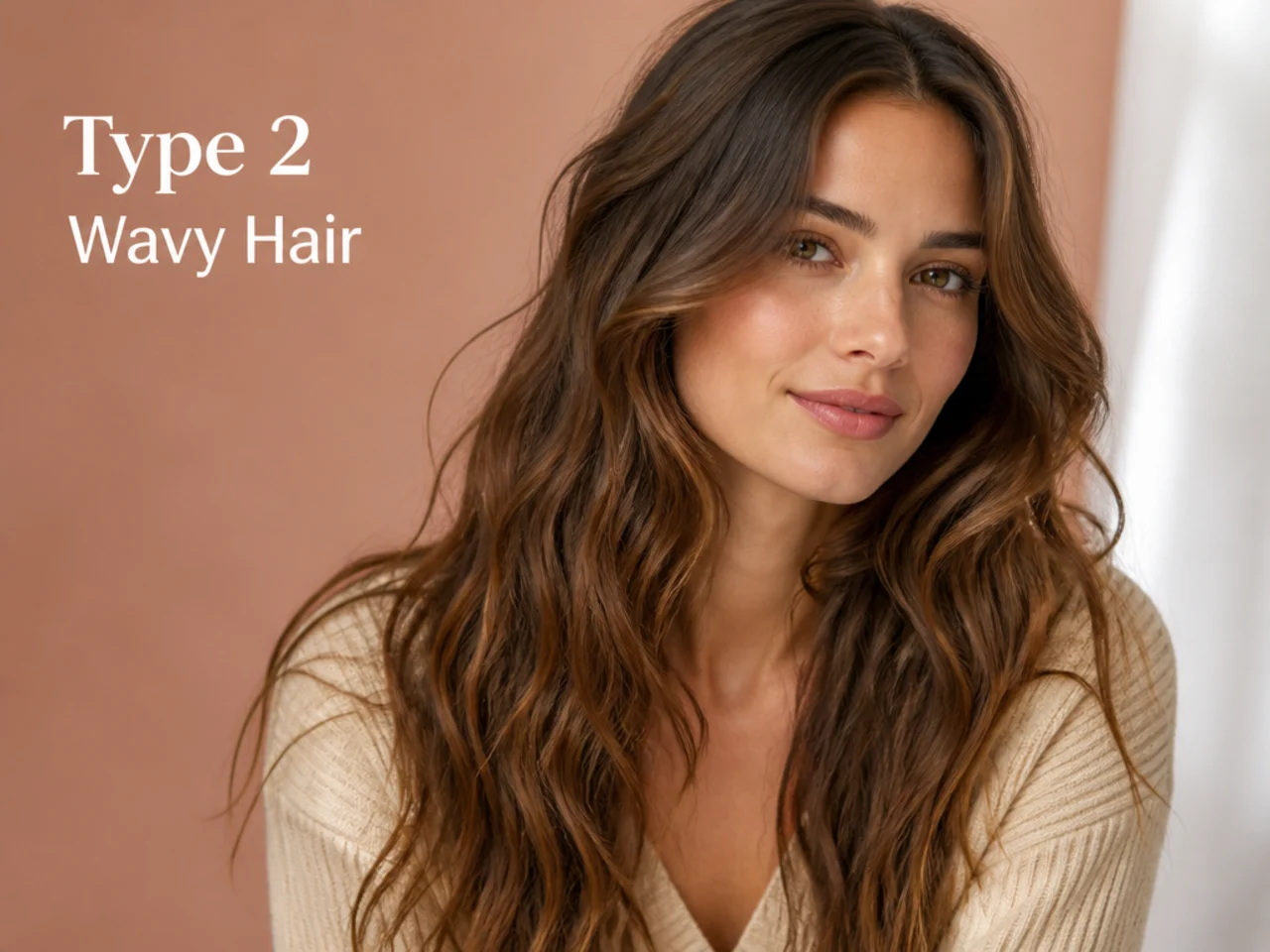
Type 2 is the wavy family. Strands form a soft S-shape that begins a few inches below the root and continues to the ends. The wave tightens as you move from 2A to 2B to 2C. All three flatten under heavy products and all three lose shape when brushed dry.
Ask for cuts that follow the wave, not fight it — internal layers, no chunky blunt lines, and a diffuse finish over a blowout whenever possible. The number-one wavy-hair mistake I see: treating this hair like it is straight and reaching for smoothing serums that kill every bend.
Type 2A
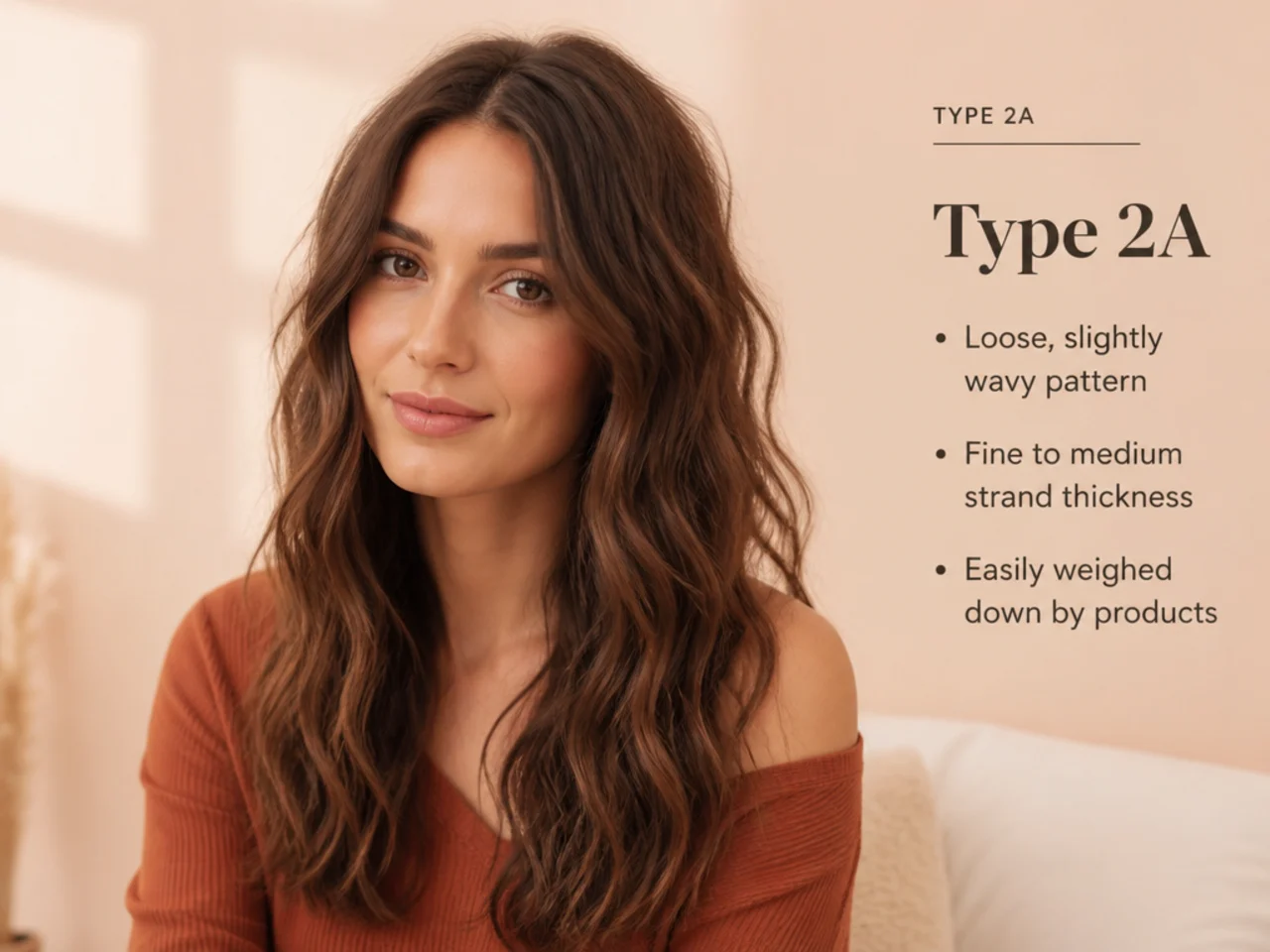
Loose, tousled beach waves. Barely-there S-shapes that could pass for straight in a ponytail. Fine strand diameter. Low volume at the root and easy to weigh down.
Product routine: 1) nickel-sized lightweight mousse or a sea-salt spray on soaking-wet hair, 2) scrunch upward from the ends, 3) air-dry with zero touching. Skip heavy creams — they flatten 2A into stringy strands within the hour.
Ask for: long, invisible layers that remove weight underneath without breaking the length. Blunt one-length drags the wave straight down. A soft layered haircut that starts around the jawline is the sweet spot.
Styling tip: Sleep in a low, loose pineapple. You will wake with more defined bends and less morning frizz.
Type 2B
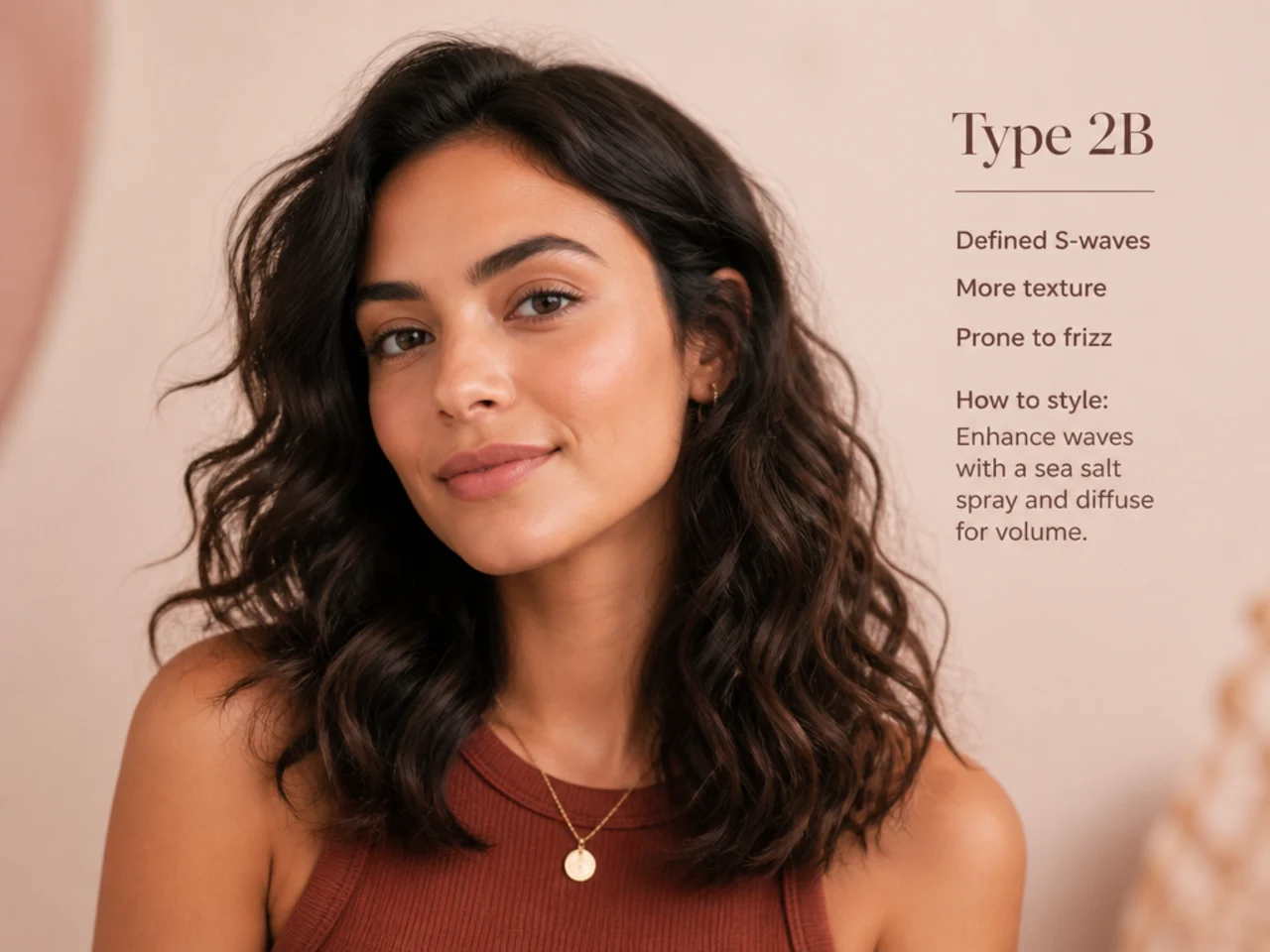
Medium-thick strands that form a consistent S-wave from mid-length down. The root is still flat, but the mid-lengths and ends show real shape. Frizz shows up at the crown by mid-afternoon on humid days.
Product routine: 1) sulfate-free curl shampoo and a light rinse-out conditioner, 2) a leave-in first on soaking-wet hair, 3) mousse or foam layered on top. Cocktail your products — do not stack heavy gel over heavy cream, or you will crunch the wave flat.
Ask for: a soft bob haircut with a slight A-line and internal layering. Cut dry whenever possible so the stylist can see where the wave actually lands.
Styling tip: Diffuse on low heat with your head tipped to one side. Cup sections in the bowl and hold twenty seconds each. Never leave the hair damp — the wave collapses as it finishes drying flat.
Type 2C
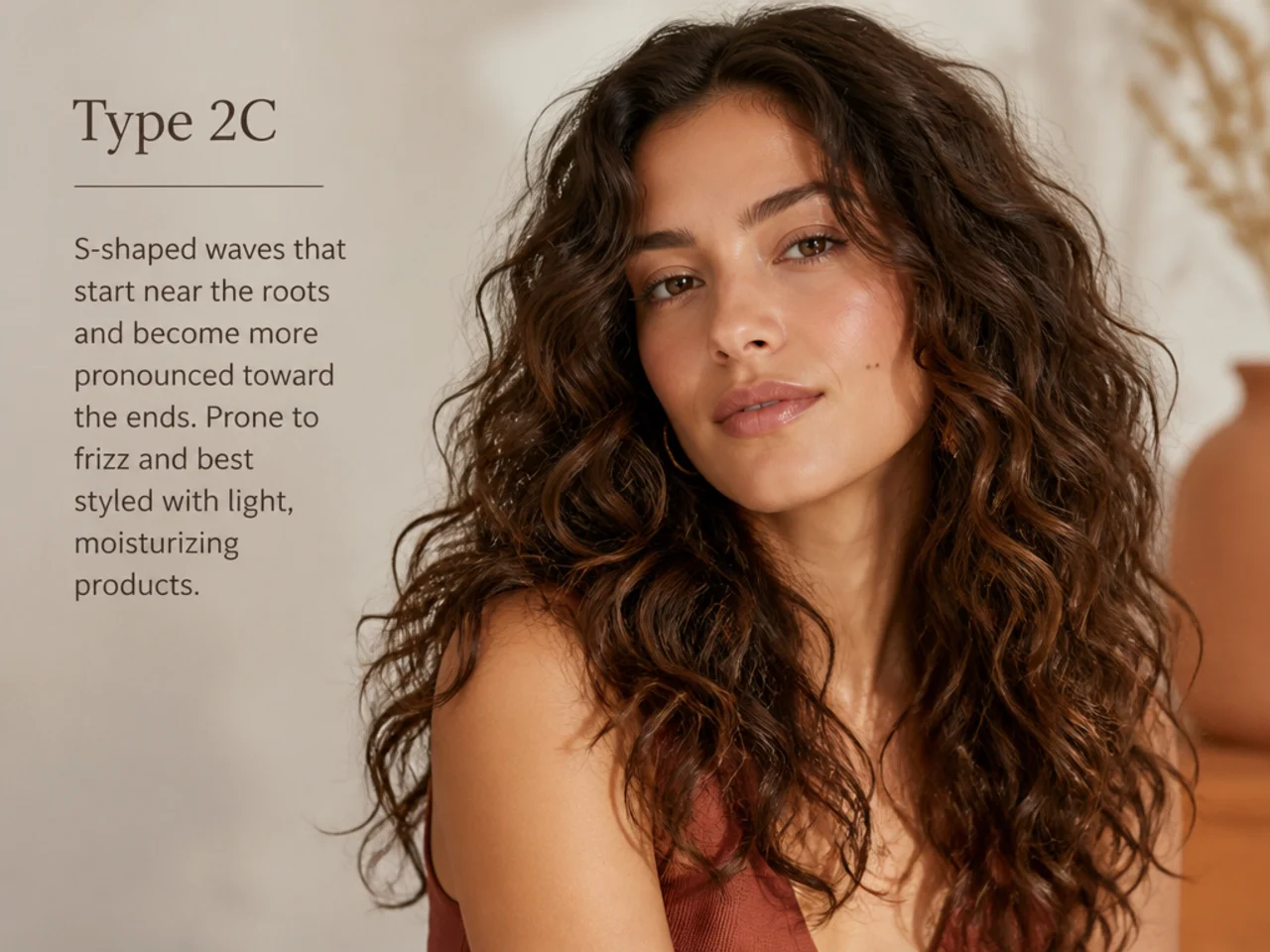
Thicker strands with defined waves that begin higher on the head, sometimes right at the root. A mix of waves and loose spiral curls in the same section. This is the frizziest Type 2 and the pattern most often misidentified as 3A.
Product routine: 1) creamy leave-in on soaking-wet hair, 2) medium-hold gel worked in with the praying-hands method, 3) a pea-sized drop of oil to break the gel cast the next morning.
Ask for: a dry, curl-by-curl cut with curved, invisible layers. Wet cuts on 2C end up too short and too heavy once the hair shrinks. Read best wavy hair products before committing to a new routine — plenty of 2Cs use products built for 2A and wonder why nothing gives them definition.
Styling tip: Plop in a clean cotton T-shirt for fifteen minutes before diffusing. Cotton absorbs excess water without roughing up the cuticle.
Type 3 (Curly Hair)
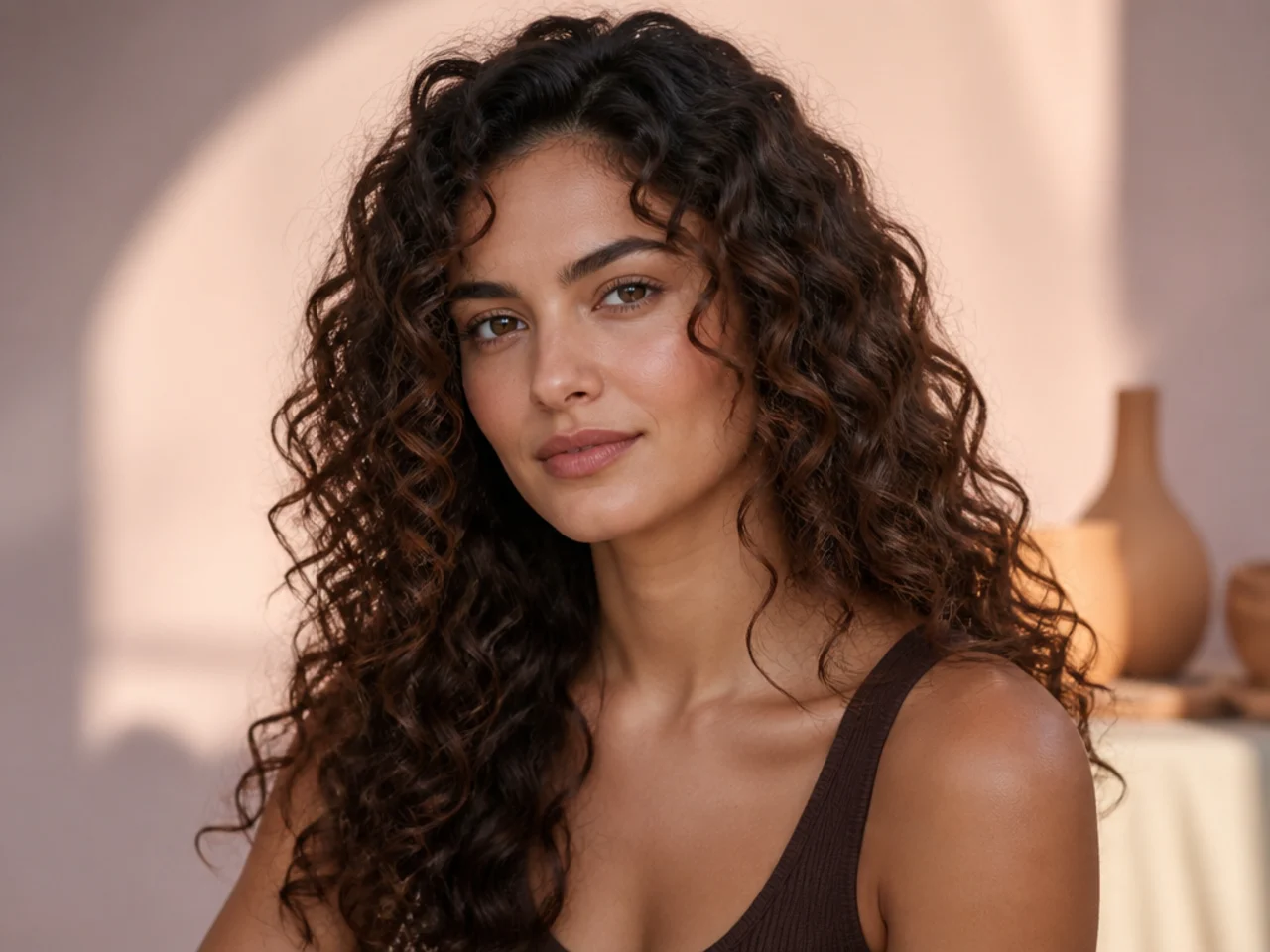
Type 3 curls form true spirals — a complete loop from root to tip. The width tightens as you move through 3A, 3B, and 3C. All three shrink noticeably when they dry, sometimes losing 30 to 50 percent of their wet length. Cutting technique has to account for that shrinkage from the start.
Ask for a dry cut whenever your stylist offers one — you do not want the day-of surprise of curls sitting two inches higher than the wet cut suggested. Type 3 hair also loves water; reintroduce moisture between wash days with a light water-and-leave-in mist, not a brush.
Type 3A
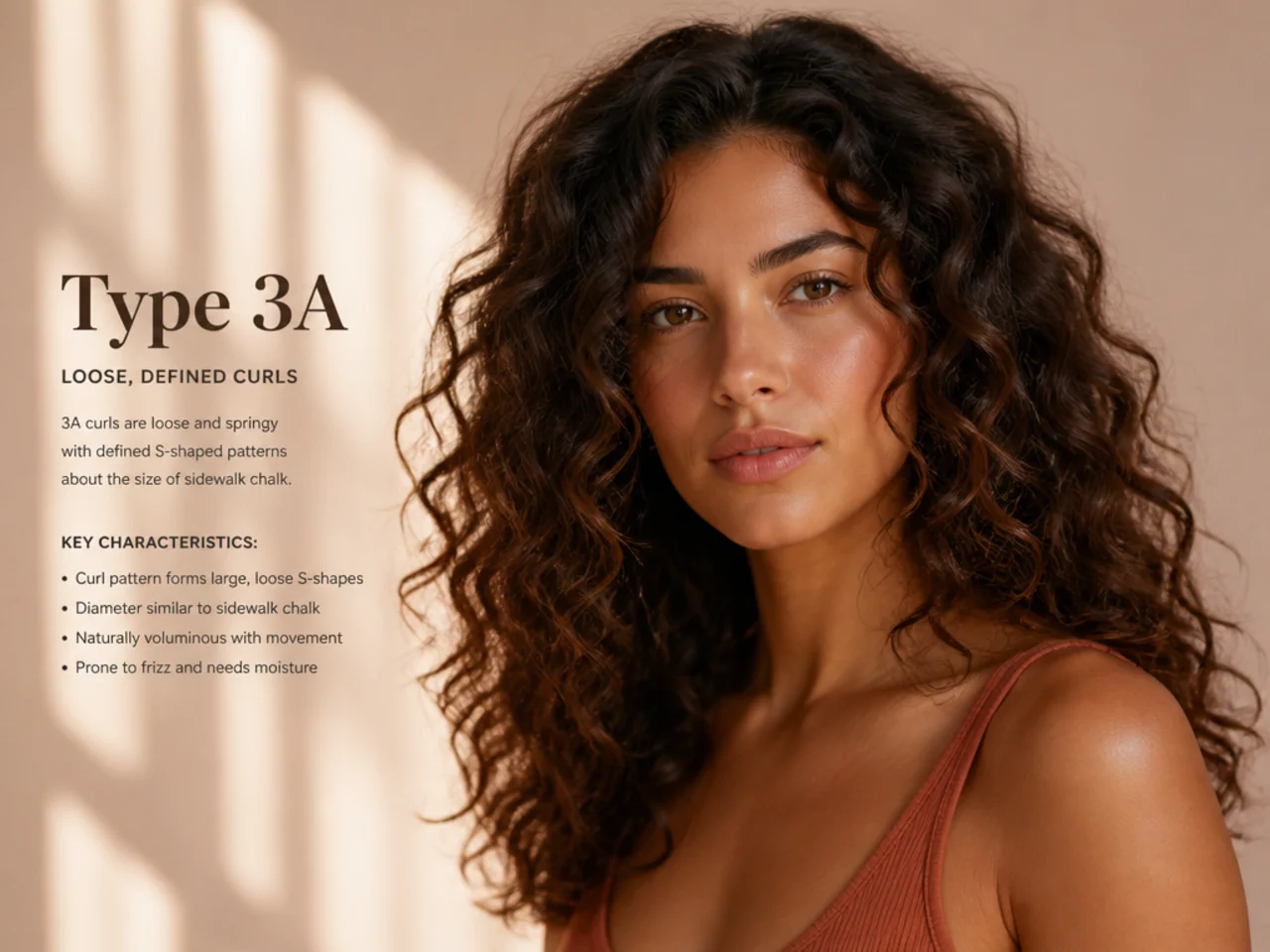
Loose, bouncy ringlets about the width of a piece of sidewalk chalk. Shine runs high because the cuticle sits relatively flat. Individual strands run fine to medium. The pattern reads defined but soft — think champagne bubbles, not corkscrews.
Product routine: 1) golf-ball-size curl cream on soaking-wet hair, 2) light-to-medium hold gel on top, 3) diffuse or air-dry without touching. Every finger raked through a drying clump breaks it apart.
Ask for: long layers with face-framing pieces cut into the natural curl formation. Without layers, 3A sits flat at the crown and stretches straight at the ends. Browse curly hair haircuts for shapes that keep the natural spring alive.
Styling tip: Refresh day-two hair with a water-and-leave-in mix in a small spray bottle. Spritz sections, then scrunch — never comb — to bring the ringlets back to life.
Type 3B
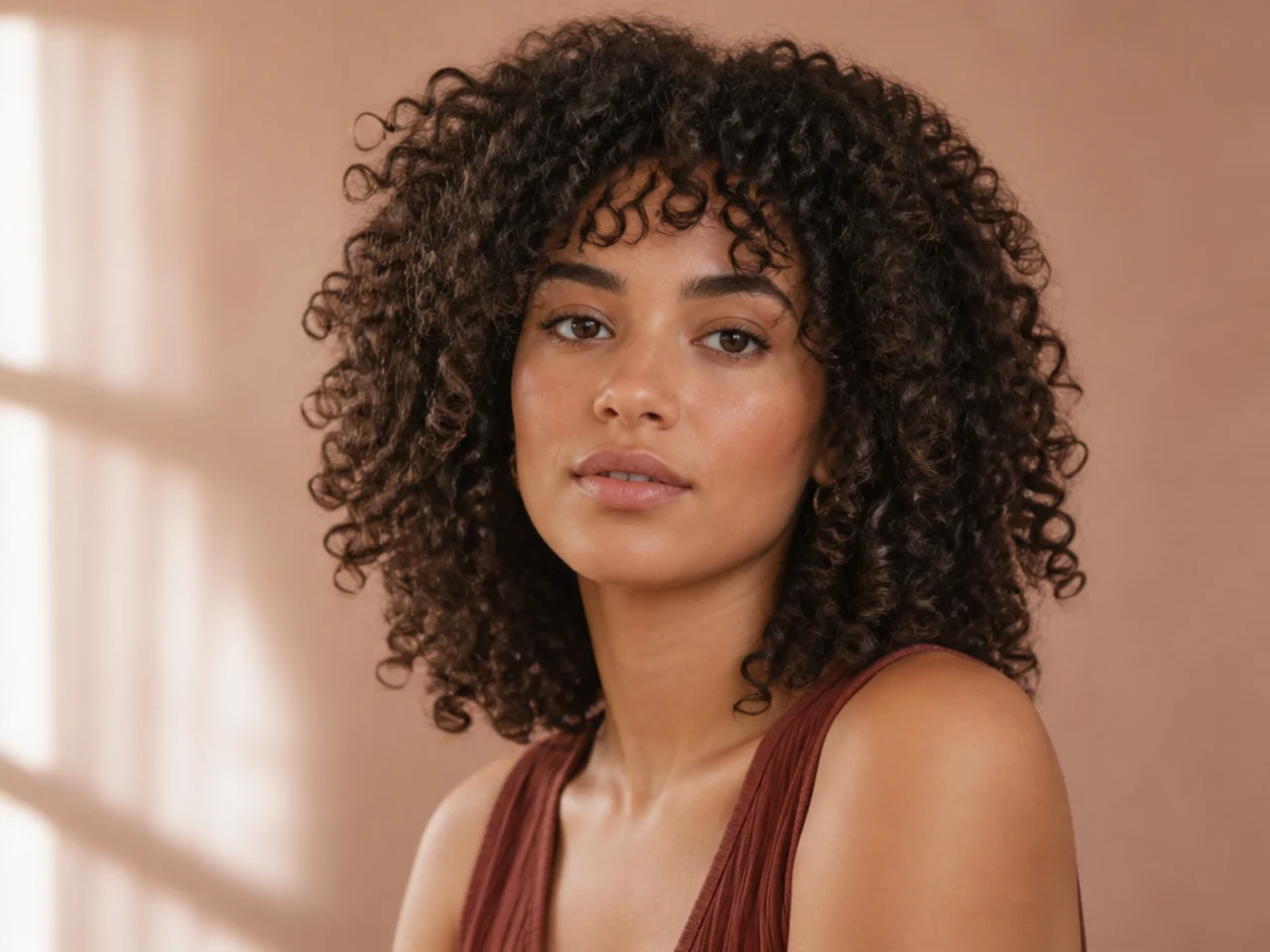
Springy, well-defined curls the width of a Sharpie marker. Denser than 3A. The pattern holds up in humidity — sometimes humidity even improves it — because there is enough weight in the coil to resist frizz.
Product routine: 1) leave-in cream to hydrate, 2) curl custard or a strong curl gel raked through with fingers, 3) scrunch to encourage clumping. Root-clip with metal duckbill clips to lift the base while it dries if you fight flat crowns.
Ask for: point-cutting into the curls at varying lengths to break up bulk without losing shape or length. Curved, curl-following layers cut dry beat any blunt shape on this density. A layered haircut built around the natural spiral is the go-to.
Styling tip: Refresh with a spray-bottle mist and a quarter-sized drop of leave-in on the ends only. Roots stay untouched and volume holds.
Type 3C
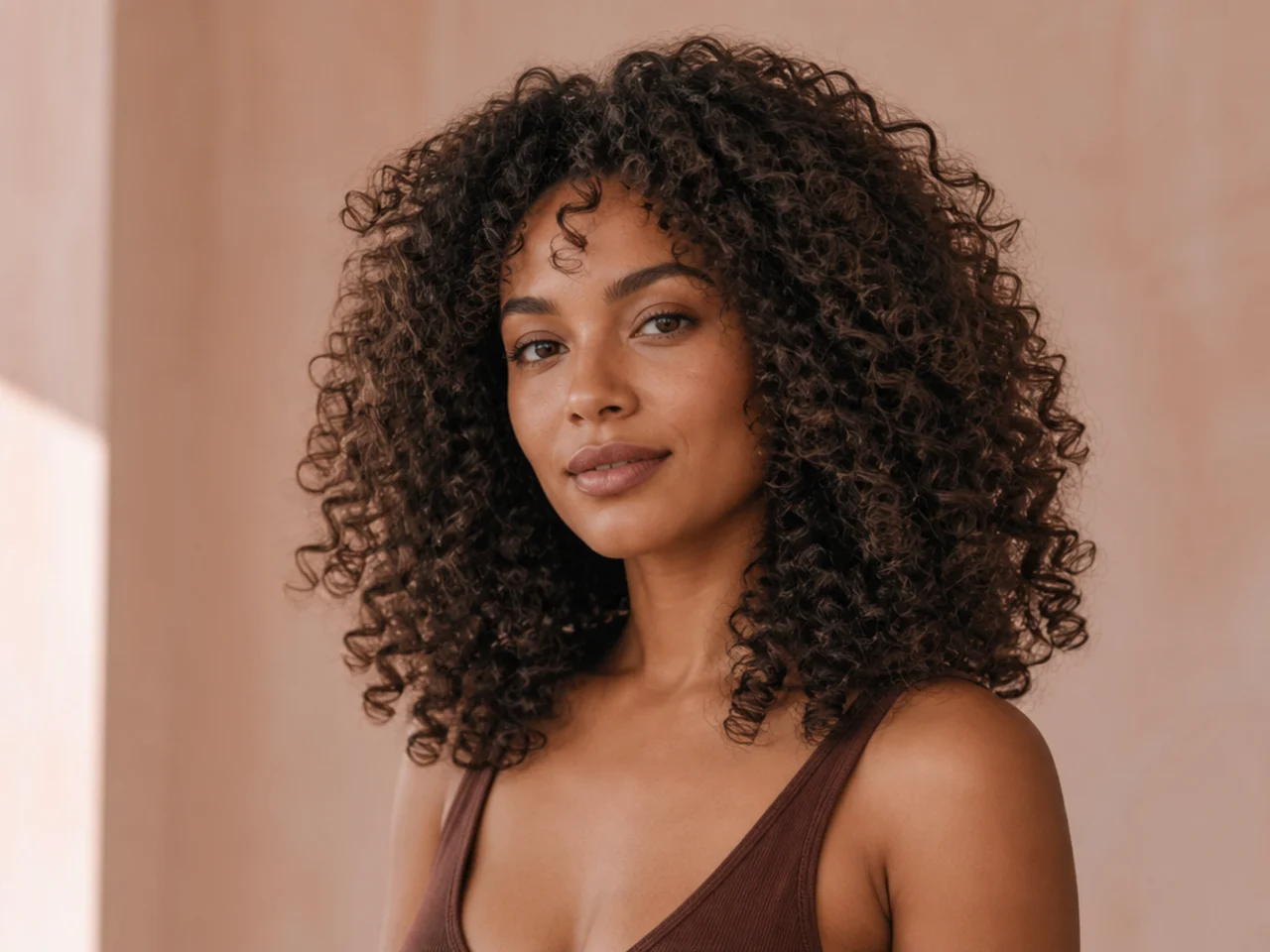
Tight corkscrew curls the width of a pencil. Very dense, high volume, and significant shrinkage — a 3C ringlet at your shoulder wet might sit at your ear dry. Often mistaken for 4A because the coils sit so close together on the scalp.
Product routine: 1) deep condition weekly, no exceptions, 2) heavy curl cream to define the tighter coil, 3) firm-hold gel or custard on top; break the cast the next morning with a drop of oil.
Ask for: a dry, curl-by-curl cut every time. A wet cut looks fine at the appointment and completely uneven at the next wash. If you are tired of the shrinkage game, consider a shorter shape — see short curly hairstyles for cuts built around shrinkage. Men with 3C should look at curly hairstyles for men — a high top paired with tapered sides handles the density beautifully.
Styling tip: Pineapple at night with a satin scrunchie under a silk bonnet. You will wake with about 80 percent of yesterday's definition intact.
Type 4 (Coily Hair)
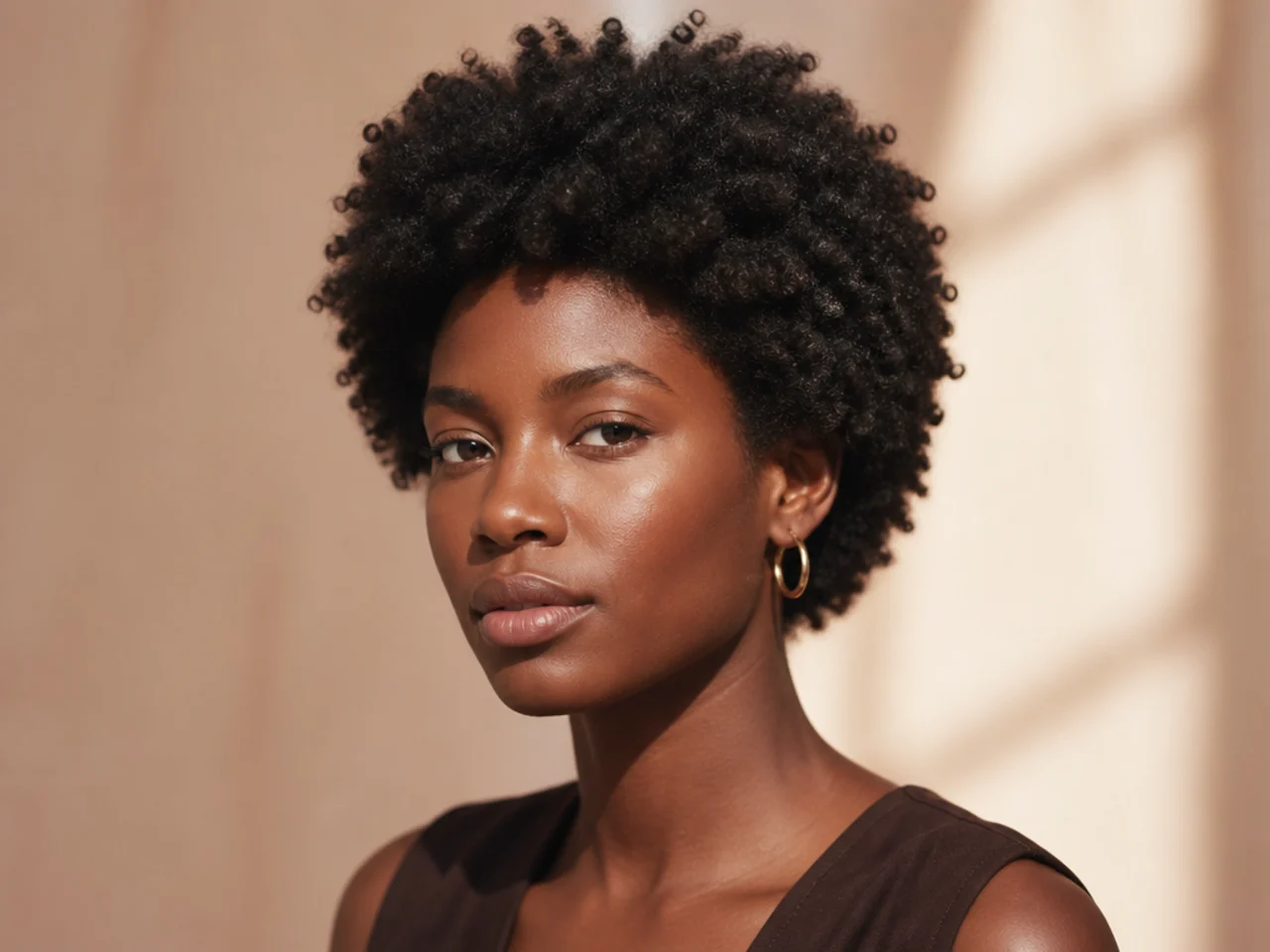
Type 4 is the coily family. Strands form tight coils, zigzags, or Z-patterns instead of open loops. This is the most fragile texture on the chart — every bend in the pattern is a potential break point. Moisture, protection, and low-manipulation styling define the routine.
Ask for shears, not razors, and always on dry hair in the natural formation. You are not just chasing definition here — you are chasing length retention and cuticle health. That means fewer daily manipulations, more protective styles, and satin on your head every single night.
Type 4A
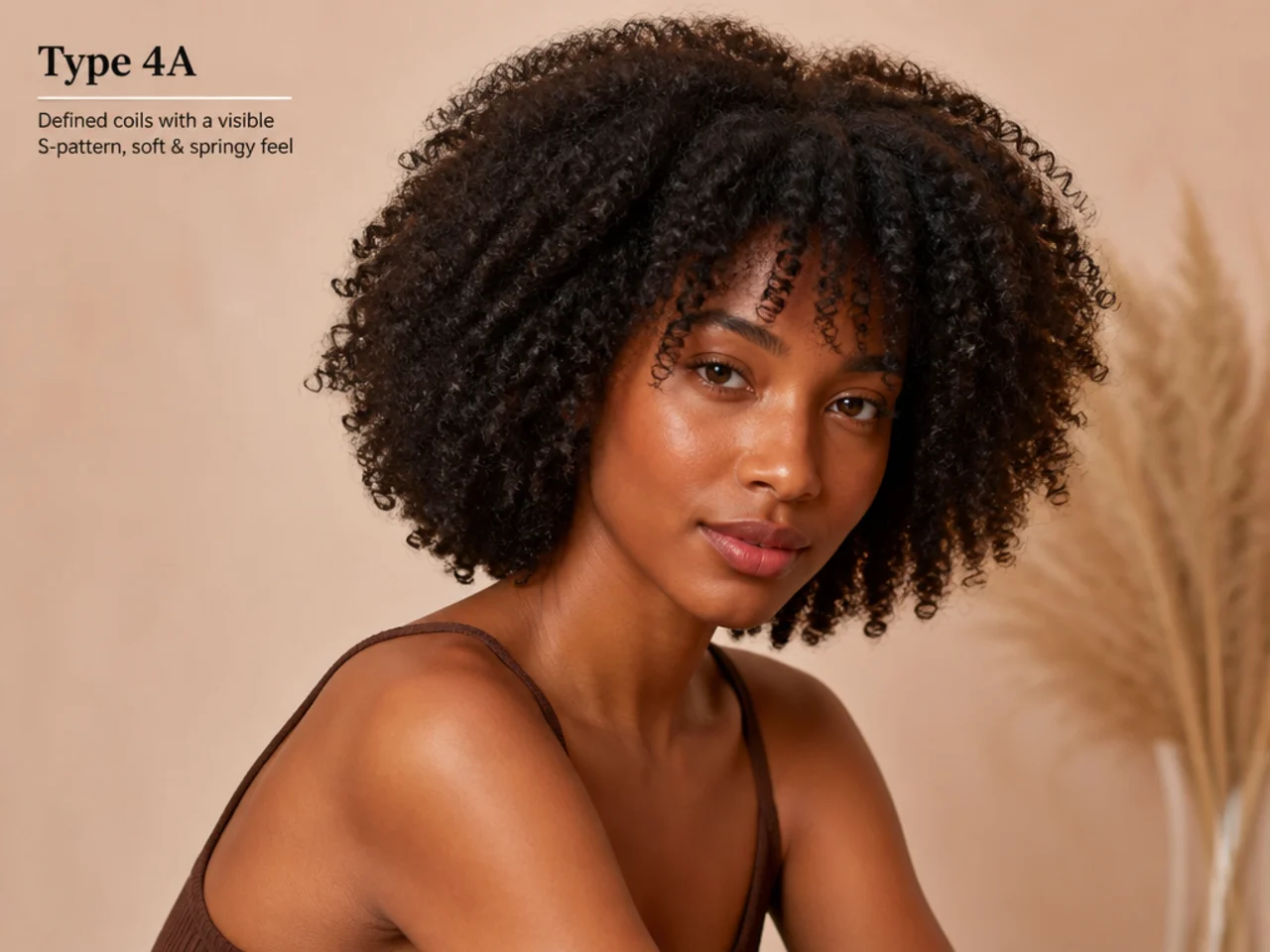
Springy, S-shaped coils about the width of a crochet needle. Well-defined pattern. Wet-to-dry shrinkage runs 50 to 75 percent, so length looks dramatically different once air-dried.
Product routine: 1) rich leave-in as the "liquid," 2) light oil like argan or grapeseed to seal, 3) curl cream heavy enough to define but light enough to move. Both LOC (Liquid-Oil-Cream) and LCO (Liquid-Cream-Oil) work — pick based on whether your strands read parched or coated.
Ask for: a rounded silhouette with layers to keep the shape from turning into a helmet. Shears on dry hair, cut in the natural coil formation. Skip the razor entirely — it splits coily ends within a wash cycle.
Styling tip: Satin-lined bonnet every single night. Cotton pillowcases pull moisture out of coily hair while you sleep, leaving brittle, frizzy strands by morning. Satin is not optional.
Type 4B
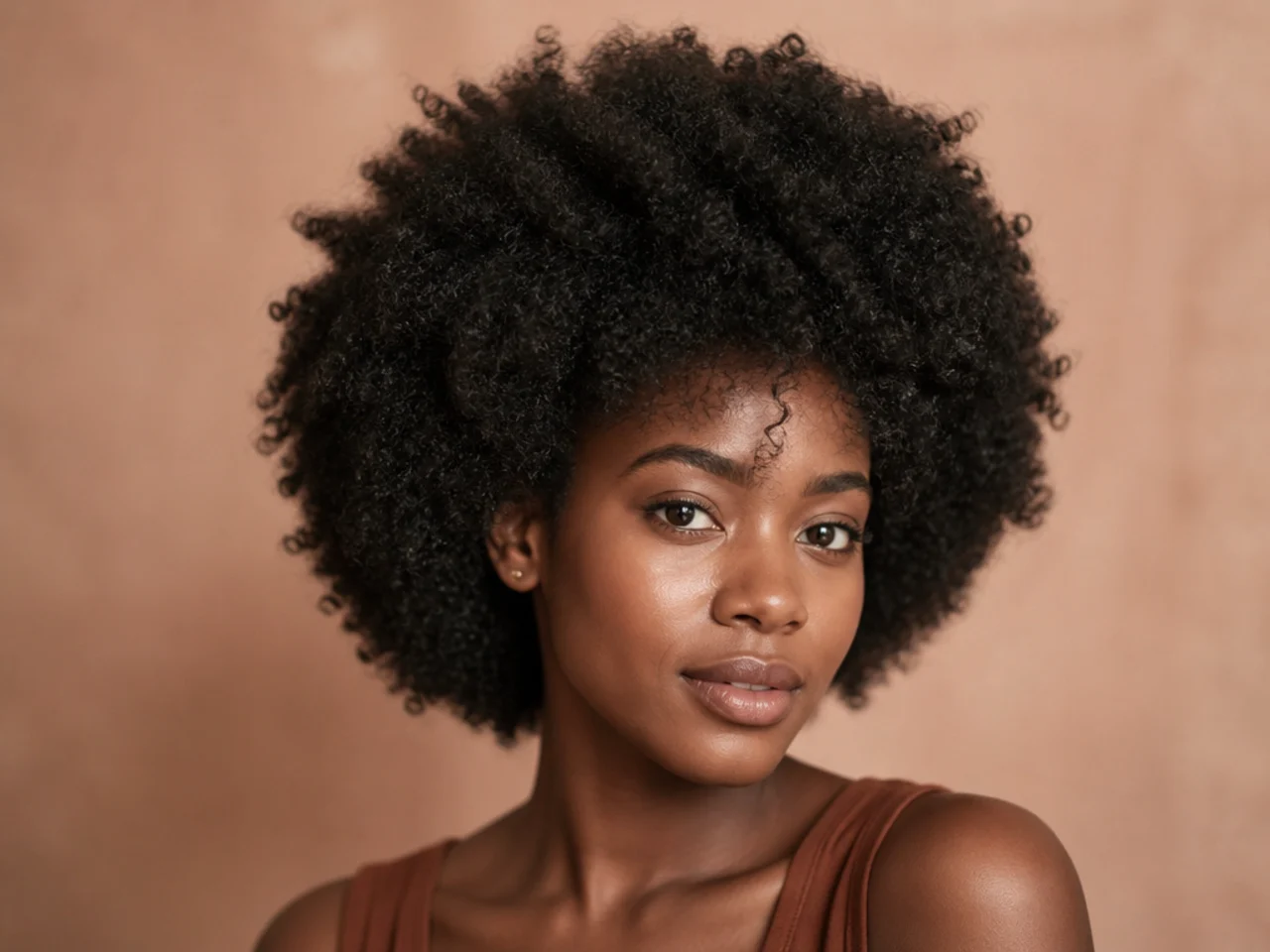
Sharp zigzag pattern with less coil definition than 4A. Strands bend at near-90-degree angles instead of curving through smooth loops. Texture reads cotton-like, and the hair expands into volume rather than clumping into distinct coils.
Product routine: 1) weekly deep condition minimum, with a plastic cap and heat to boost absorption, 2) heavy leave-in cream, 3) butter or shea-based sealer. Finger-detangle in small sections with slippery conditioner and warm water — combs snap this pattern almost every time.
Ask for: a tapered shape or a defined shaped afro that reads polished without needing daily handling. Protective styles between trims — twist-outs, bantu knots, flat twists, cornrows — buy you months of length retention.
Styling tip: Stretch the hair before styling. African threading, banding, or overnight two-strand twists give visible length and a smoother base for the next day's set. A stretched 4B twist-out shows far more of your true length than an unstretched set ever will.
Type 4C
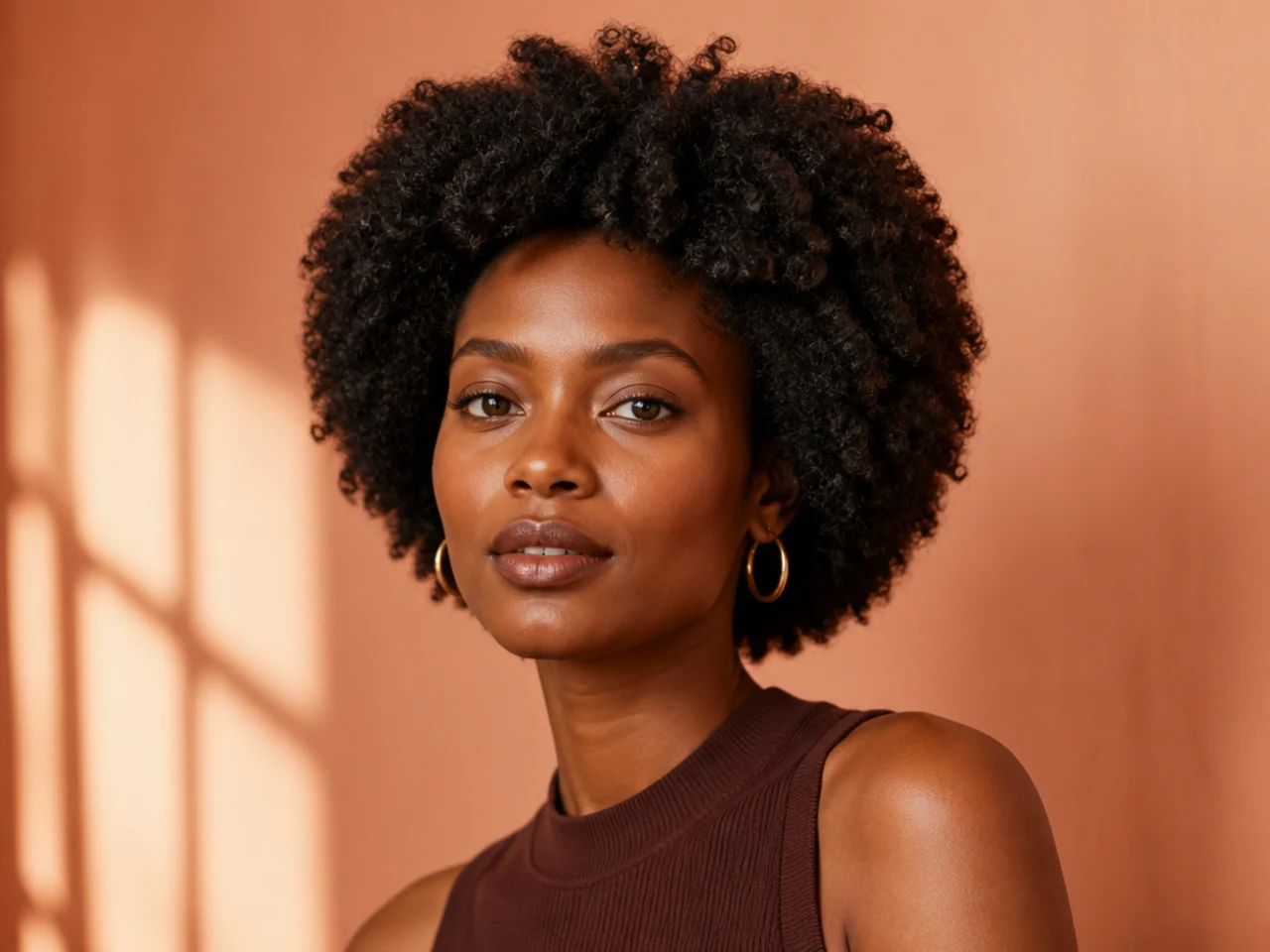
Tight Z-pattern with almost no visible curl definition until you clump it with product. The most dramatic shrinkage on the chart — up to 75 percent or more. Densely packed, fine individual strands that gather into thick, cotton-like volume.
Product routine: 1) water first, before any styler, 2) heavy leave-in and rich cream layered in that order, 3) sealing oil last. Stretch small sections in the shower with your fingers to prevent single-strand knots.
Ask for: low-manipulation cuts that win the length-retention game — a tapered TWA (teeny-weeny afro), a defined shaped afro, or a foundation cut built to hold protective installs like braids and twists. Reference short curly hairstyles for TWA options and curly hairstyles for men for tapered coily shapes with clean lines.
Styling tip: Wash-and-gos are optional, not required, for 4C. Rotate between twist-outs, braid-outs, and Bantu knot-outs across the week to reduce manipulation and keep length on your head.
Final Word From the Chair
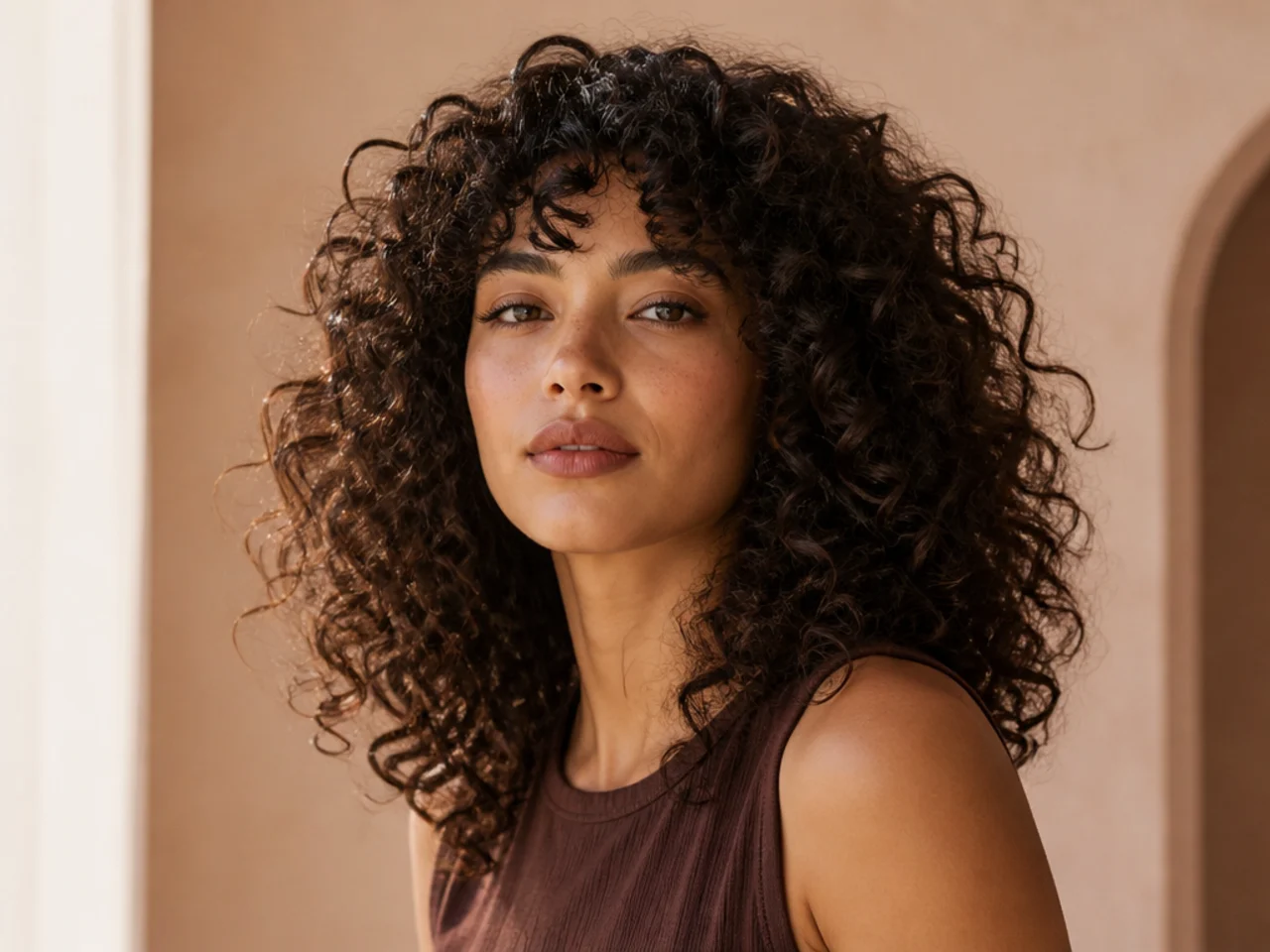
Knowing your curl type ends the guessing game with products and cuts. Match the pattern to the routine and stop trying to force a 4C moisture ritual onto 2A strands (or vice versa). Every head carries at least two textures — often three.
Three things to bring to every appointment:
- Your dominant pattern named out loud (2C, 3B, 4A, etc.)
- Two or three photos of your hair on a good day
- An honest read on how much daily styling you will actually do
Type your dominant pattern, treat the outliers on their own terms, and let the natural shape do most of the styling for you. Know your number and your letter, and every wash-day decision — plus every stylist conversation — gets easier from here.
Frequently asked questions
Related posts
See all posts
17 Best Curly Hair Haircuts for Ultimate Style in 2026
Read more
15 Stunning Layered Haircuts for Every Face Shape
Read more
25 Trendy Haircuts for Thick Wavy Hair You’ll Love
Read more