7 Steps to a Clean Burst Fade for Toddlers
Seven parent-barber steps for a clean toddler burst fade — timing, quiet clippers, guard order, and the exact moment to stop and book a pro.
In this article · 21
- Should You DIY at Home or Book the Barber?
- Safety First: What to Know Before You Start
- What You'll Need
- The 7 Steps to a Clean Toddler Burst Fade
- Step 1: Time the Cut Around Their Mood
- Step 2: Set Up the Room to Feel Safe
- Step 3: Wet-Comb the Top and Section It
- Step 4: Set the Guard Length on the Sides
- Step 5: Cut the Burst Arc Around the Ear
- Step 6: Blend the Top Into the Fade
- Step 7: Clean the Neckline and Sideburns
- Troubleshooting: When Things Go Sideways
- When to Take Them to a Pro Instead
- Aftercare and Booking the Next Cut
- FAQ
- Is a burst fade safe for a toddler?
- At what age can a toddler get a burst fade?
- Should I do the toddler burst fade at home or book a barber?
- What clippers should I use for a toddler burst fade?
- How often does a toddler burst fade need to be re-cut?
- What if my toddler cries or refuses partway through the cut?
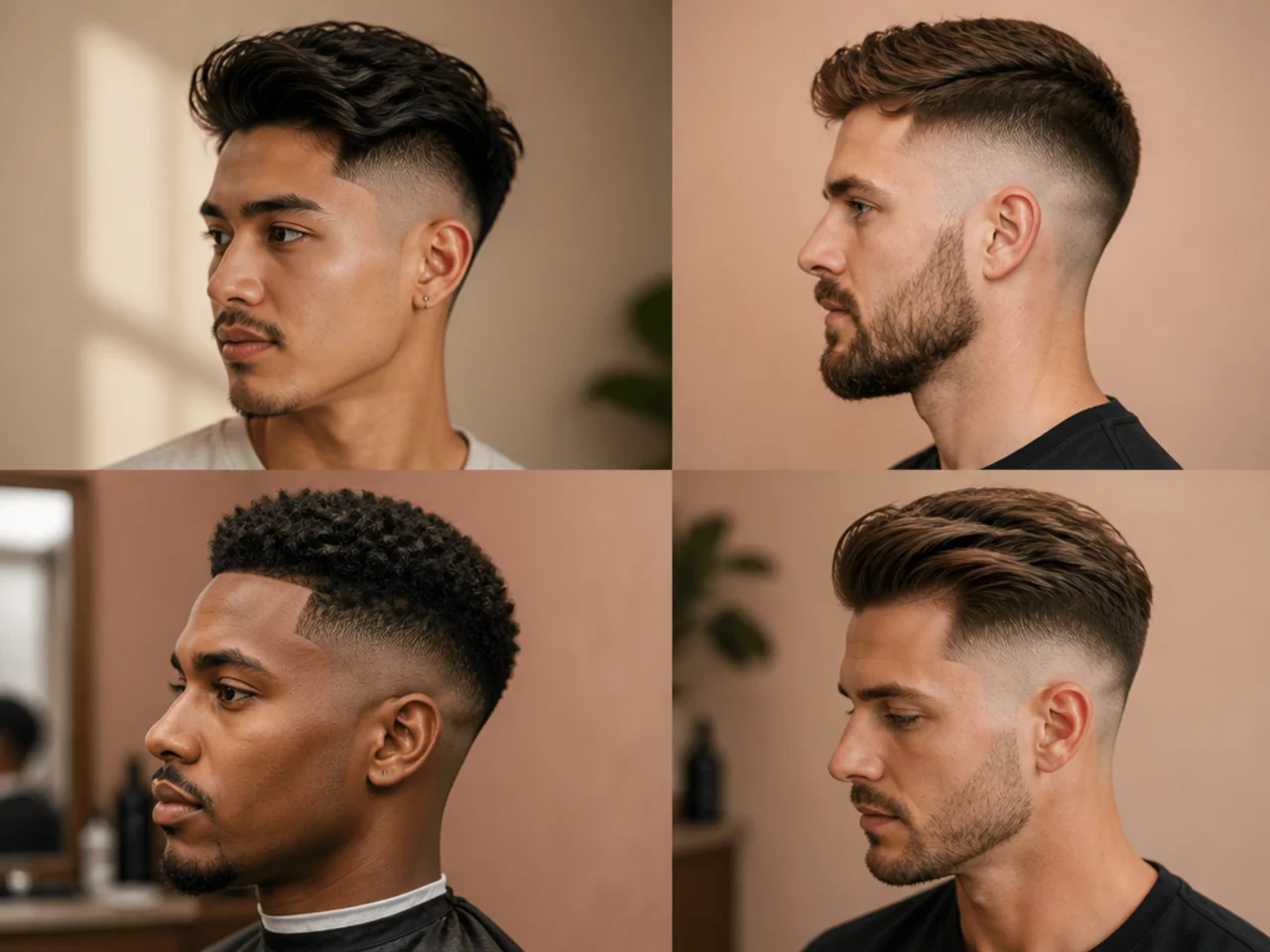
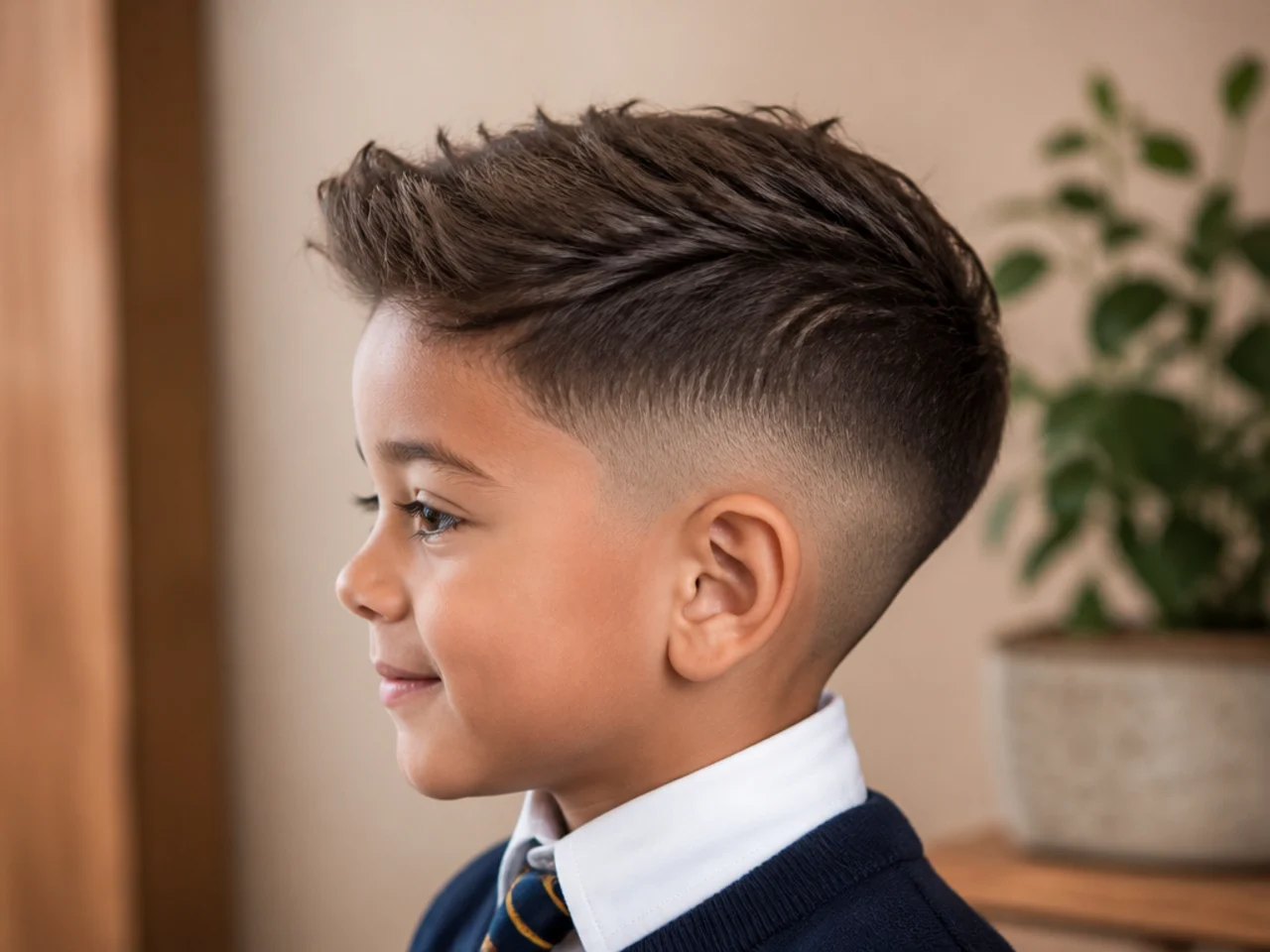
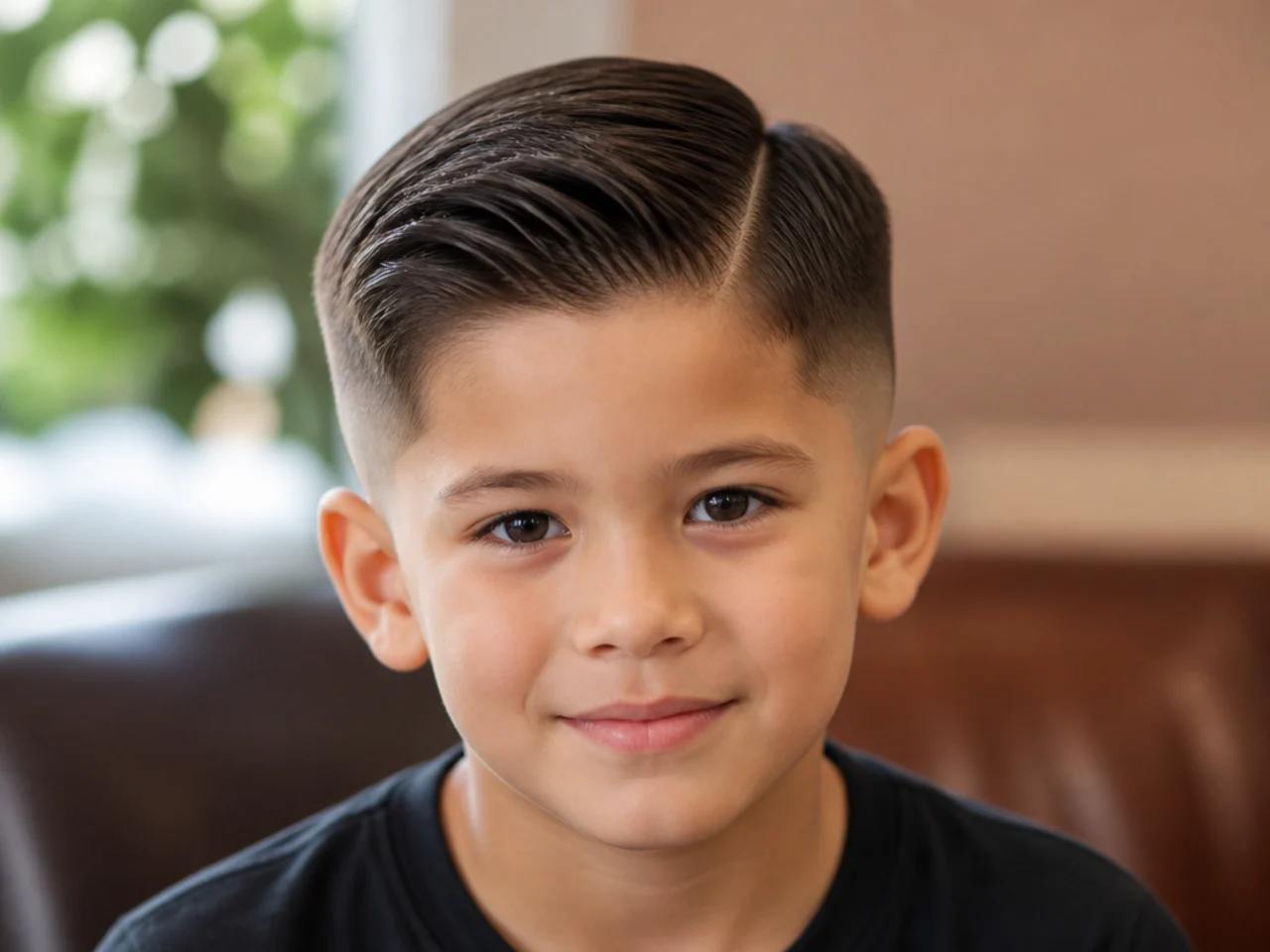
The burst fade on a toddler is one of the cleanest cuts in the shop when it goes right — a soft arc around each ear and a bit of length on top. It goes right about half the time on the first try; the other half, someone rushed a step or brought a blade too close to a squirming head. Here are the seven steps that keep the cut safe, the arc clean, and your toddler willing to sit for the next one.
Should You DIY at Home or Book the Barber?
Book the first one. Watch where the barber sets the arc, how they move around a moving head, and what guard order they run. That shape becomes the map you follow at home.
After that, home cuts are fair game if three things are true: you own low-noise clippers, you have a second adult in the room, and you can name the guard order you plan to use before you turn the clippers on. Miss any one of those and rebook the shop.
A first-time DIY burst on a wiggly two-year-old lands uneven about eight times out of ten. A follow-up shape-up on the same child four weeks later, using the barber's original shape as a guide, lands clean about nine times out of ten. Skill isn't the variable — the reference shape is. Compare against the parent burst fade haircut guide so you know what a clean adult arc looks like.
Safety First: What to Know Before You Start
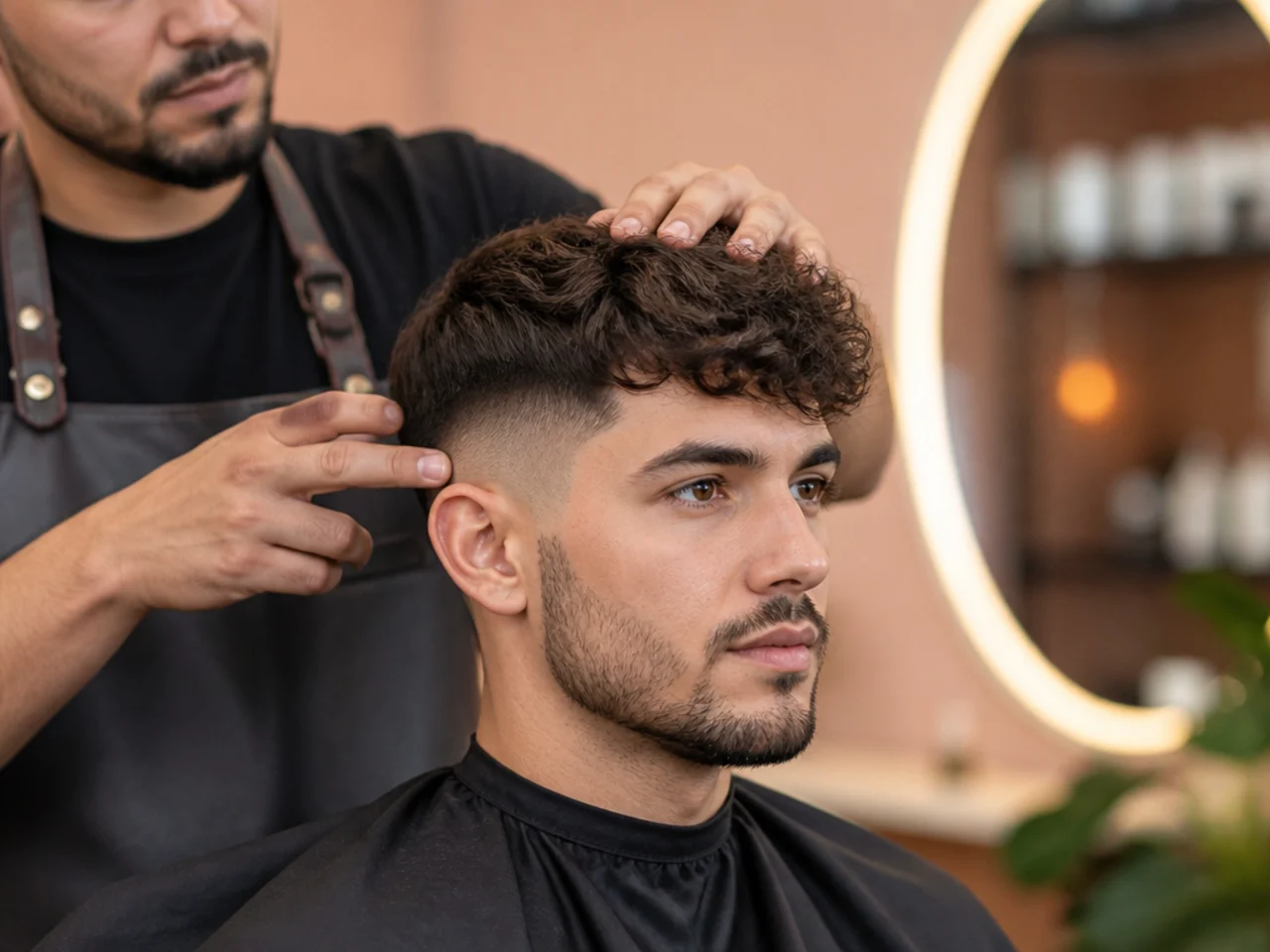
A toddler's head moves. That's the whole safety picture. Everything below flows from that one fact.
Never bring a blade to skin around a toddler's ear. No skin-level burst, no zero-guard cleanup, no straight razor near the temple or nape. Guards stay on for every pass. The shortest guard you should use behind a toddler's ear is a 1 — and only if the child has sat through a burst fade before.
Quiet clippers matter more than sharp ones. Standard barber clippers run 75 to 85 decibels and can startle any toddler into a full-head jerk. Low-noise models sit at 50 to 60 decibels. That gap is the difference between a smooth cut and a nicked ear.
What You'll Need
- Quiet cordless clippers rated under 60 dB, with a fresh charge.
- A full guard set — you'll use the 4, 3, 2, and 1 for a low burst.
- Small barber shears for the top.
- A wide-tooth comb and a fine-tooth comb.
- A spray bottle of clean water for dampening.
- A soft child-sized cape or a folded towel.
- A hand mirror the toddler can hold.
- A tablet, a favorite snack, or a book — the distraction plan.
- A second adult who is not you.
That last one is not optional. One adult holds the child's shoulders steady and manages the tablet; the other cuts. Trying to do both alone is how good parents end up with bad arcs.
Skip the clipper oil during the cut itself — apply it before you start, wipe the blade, and go. Oil on skin plus loose hair plus a wiggly toddler equals a mess you don't want to clean up mid-session.
The 7 Steps to a Clean Toddler Burst Fade
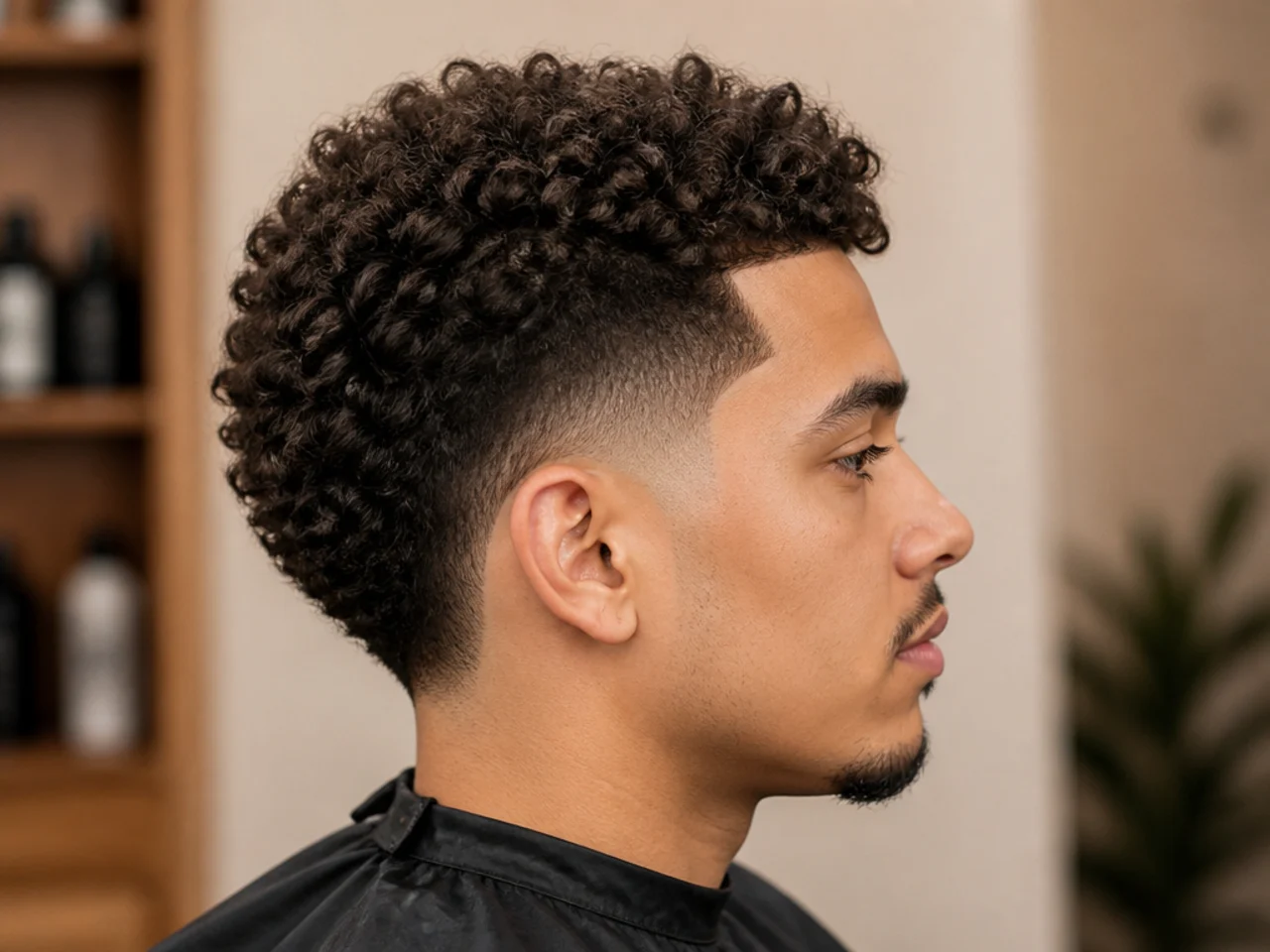
Read all seven before you plug in the clippers. Each step depends on the one before it — skip step one, and step five gets twice as hard.
Step 1: Time the Cut Around Their Mood
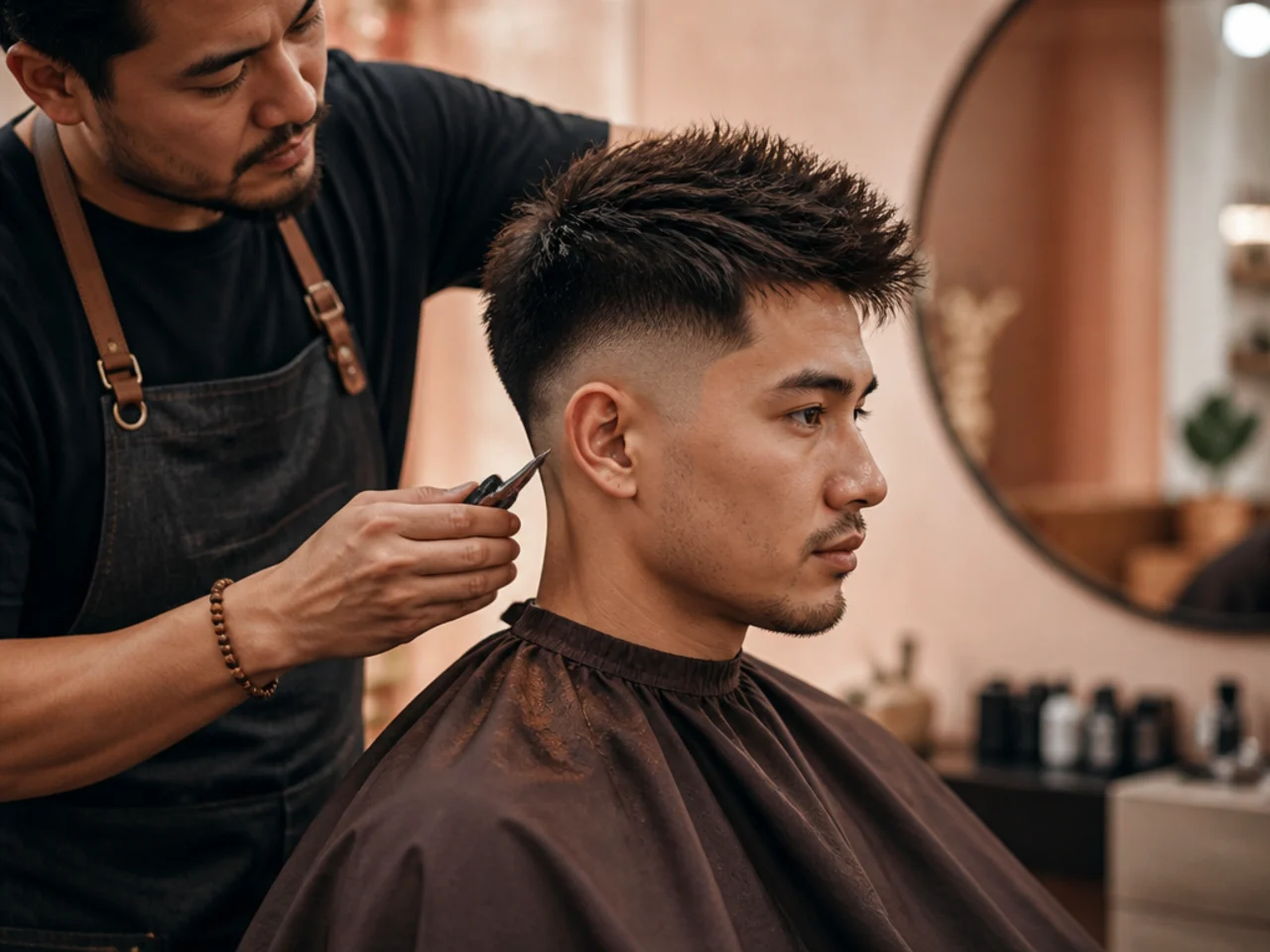
Cut when they're fed, watered, and unrushed. Right after breakfast on a Saturday is the gold standard. Never after a short nap, never during a nap window they're about to miss, never when they're hungry.
Toddlers have a fifteen-minute sitting ceiling before they revolt. Yours might have less. Plan the cut to fit inside that window. If you sense the mood turning at minute eight, wrap what you have and finish tomorrow. The right answer is almost always tomorrow.
Put on one thing they love and know — a favorite show on the tablet, not a new one. A new show demands attention; a familiar one lets them zone out enough to sit still. If you booked a barber for this cut, ask for the earliest slot. Toddler behavior peaks in the first two hours after waking, and every hour past that is one degree harder.
Step 2: Set Up the Room to Feel Safe
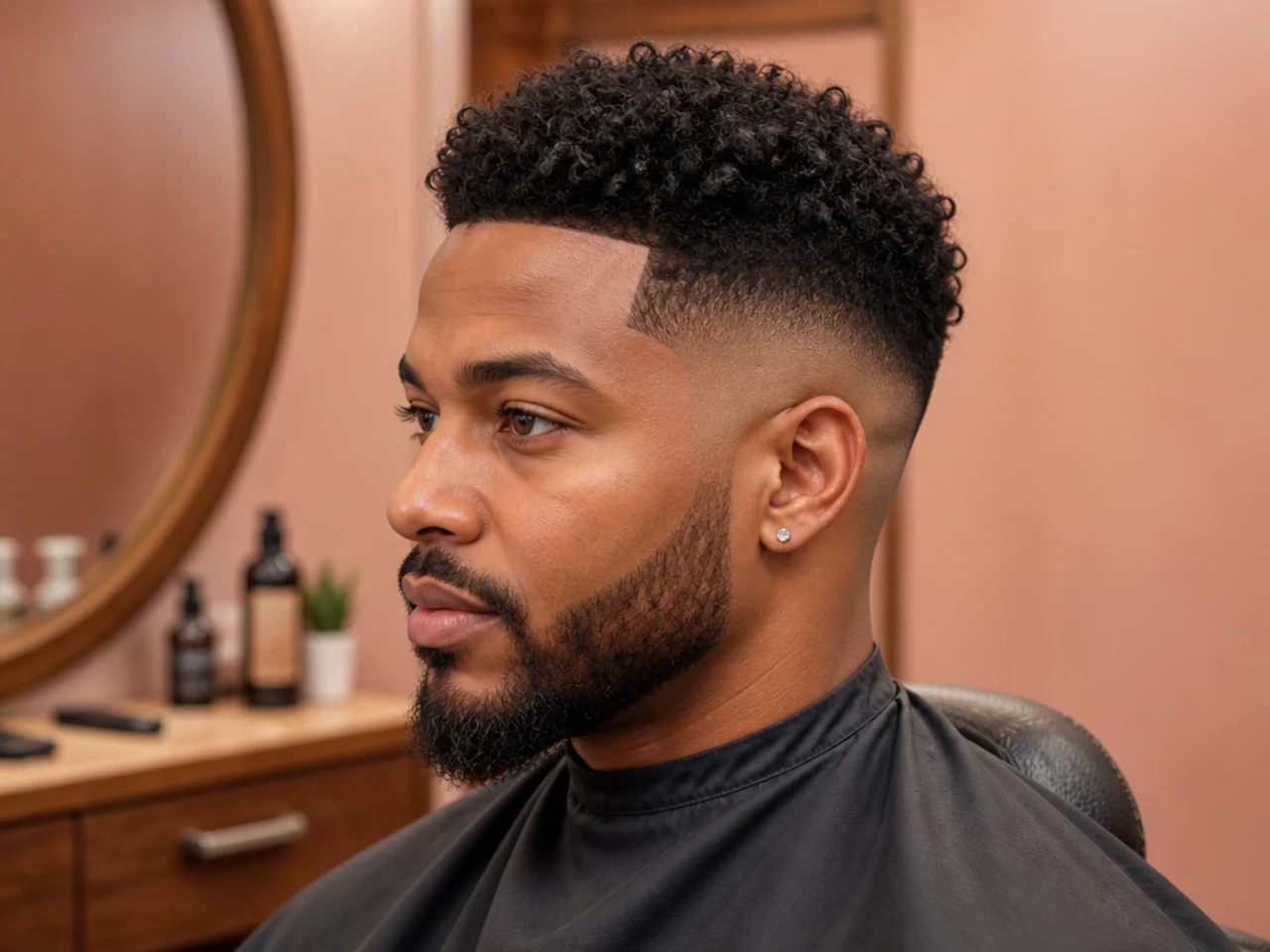
The room does half the work. Warm — the cape feels cold if the bathroom does. Well-lit — you cannot see a fade line in dim light. Quiet — no vacuum in the next room.
Sit the toddler on a booster or high chair pulled up to a counter, not the floor. You need to reach around their ear without stooping, and they need to see themselves in the mirror to feel involved. Wrap the cape or towel loosely. A tight cape feels like a restraint and every toddler I've cut can tell the difference.
Set tools out in the order you'll use them: comb, spray bottle, shears, then clippers with the largest guard attached. Nothing within toddler reach, nothing plugged into an outlet they can pull. Go cordless every time.
Then show them each tool. Let them touch the comb, run their fingers over the guard, hear the clippers buzz for two seconds before you switch them off. Toddlers fear surprises more than they fear tools. Familiarity kills fear.
Step 3: Wet-Comb the Top and Section It
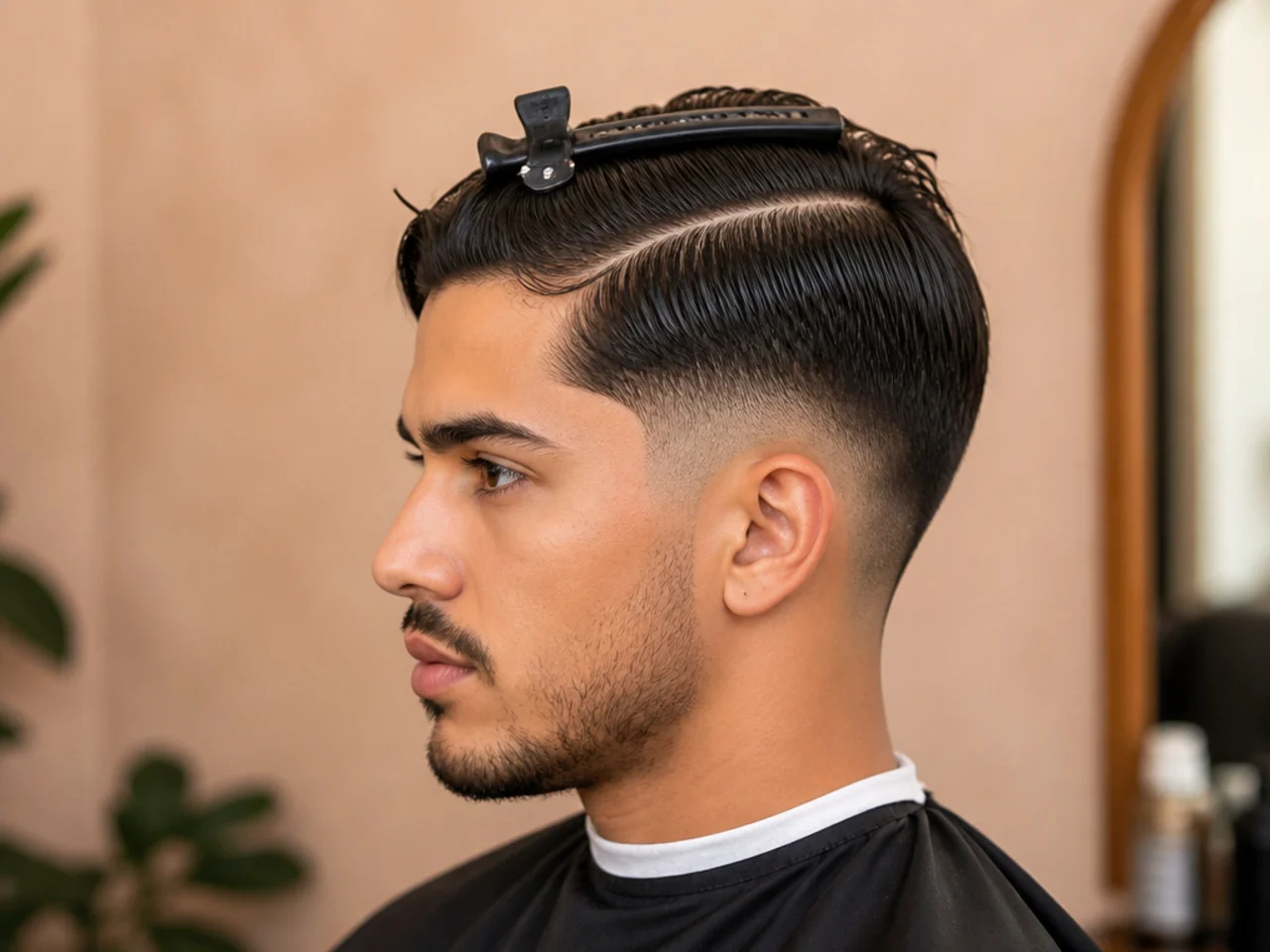
Spray the hair damp, not wet. Wet hair drips into eyes; damp hair holds the comb. Two or three quick pulses across the top is plenty.
Comb the top forward with the wide-tooth comb to catch tangles, then again with the fine-tooth to lay everything flat. This is your chance to notice how the toddler's hair naturally falls — the growth pattern behind the ears sets the whole burst arc angle. Every toddler has one side that curves tighter than the other. Look for it.
Section the top with a clip or a headband if you can. Keeping the top length out of your way while you work the sides means you catch mistakes before they set. The arc itself is drawn with clippers, not a comb — but the top has to be clean and flat so your blend lands where you want it.
Step 4: Set the Guard Length on the Sides
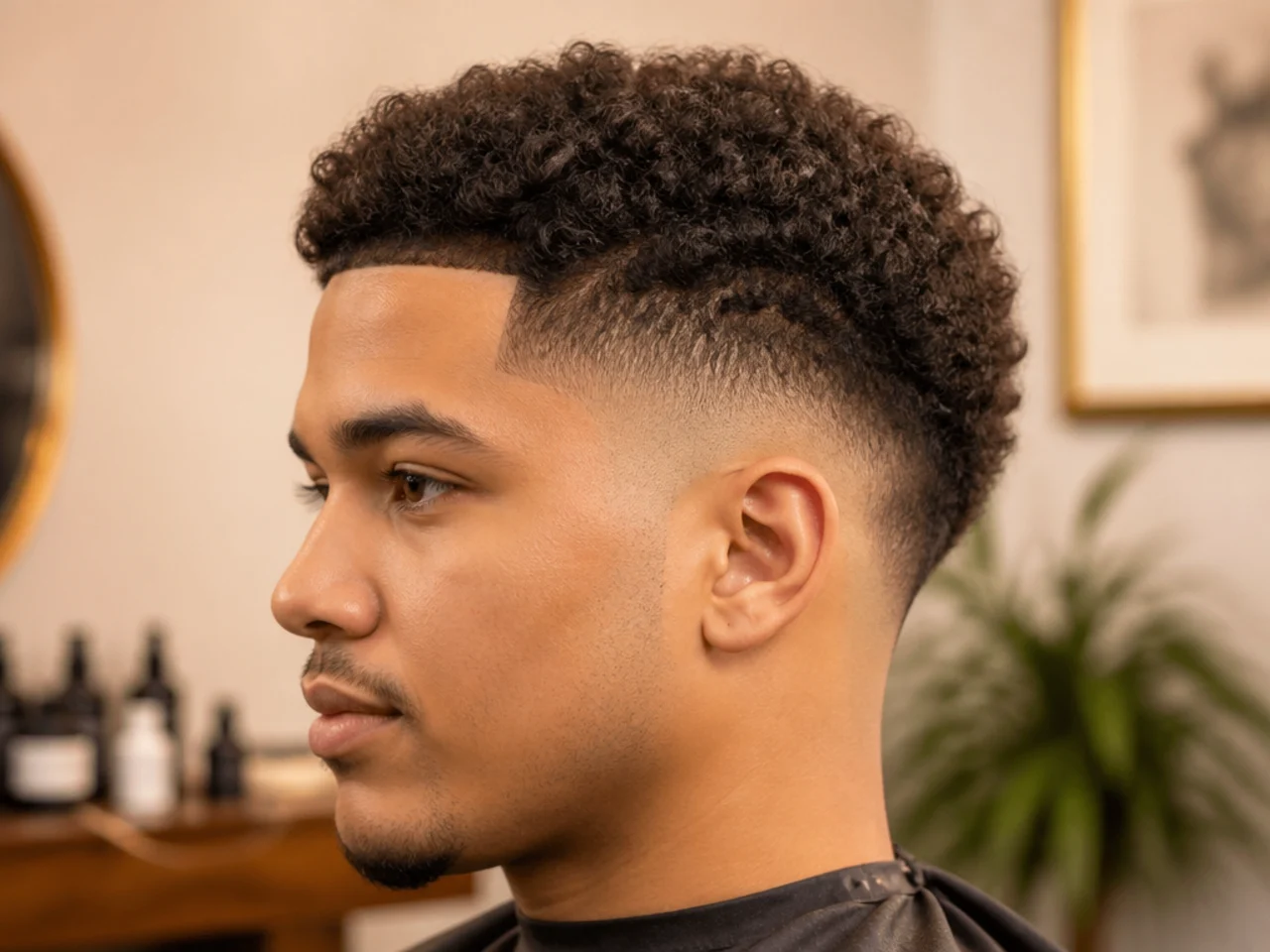
Always start long. The largest guard you plan to use goes on first — for a toddler, that's usually a 4. Move the clippers up the side from the ear to the top, following the shape of the head, with steady slow strokes. This first pass is not the fade; it's just taking bulk length off.
Once the sides are down to a 4, swap to a 3. Cut the same area but stop an inch above the ear. Then a 2 — same area, stopping half an inch above the ear. Then a 1 — only the section right around the ear where the burst arc will live. That guard order (4, 3, 2, 1) is the burst blend, and it builds the gradient without any guesswork.
If your toddler is still calm here, you're winning. Ninety percent of toddler burst fades succeed or fail in this step because it's the longest stretch. Take a break if you need to — pause, offer a sip of water, restart when you have their attention.
Step 5: Cut the Burst Arc Around the Ear
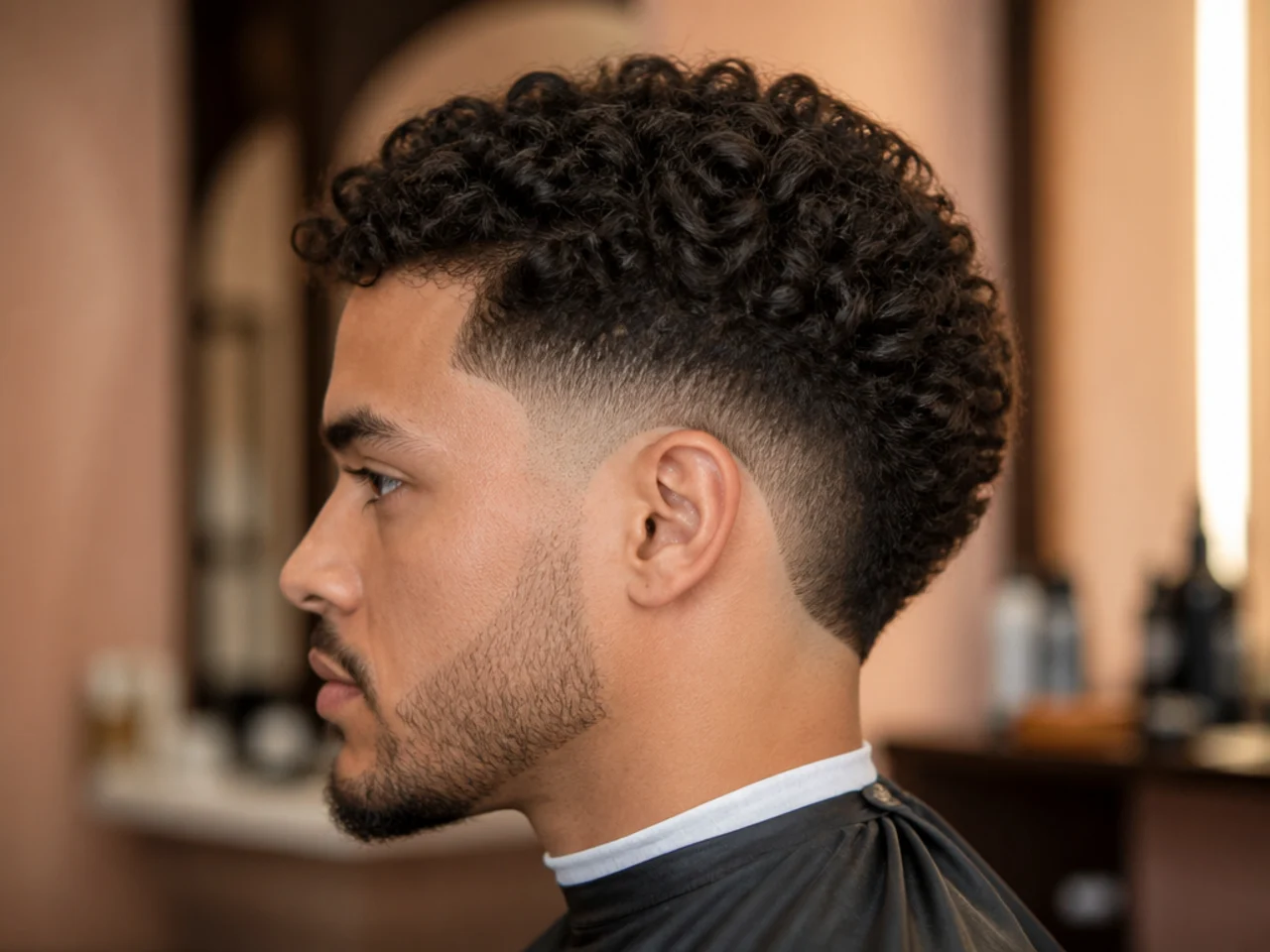
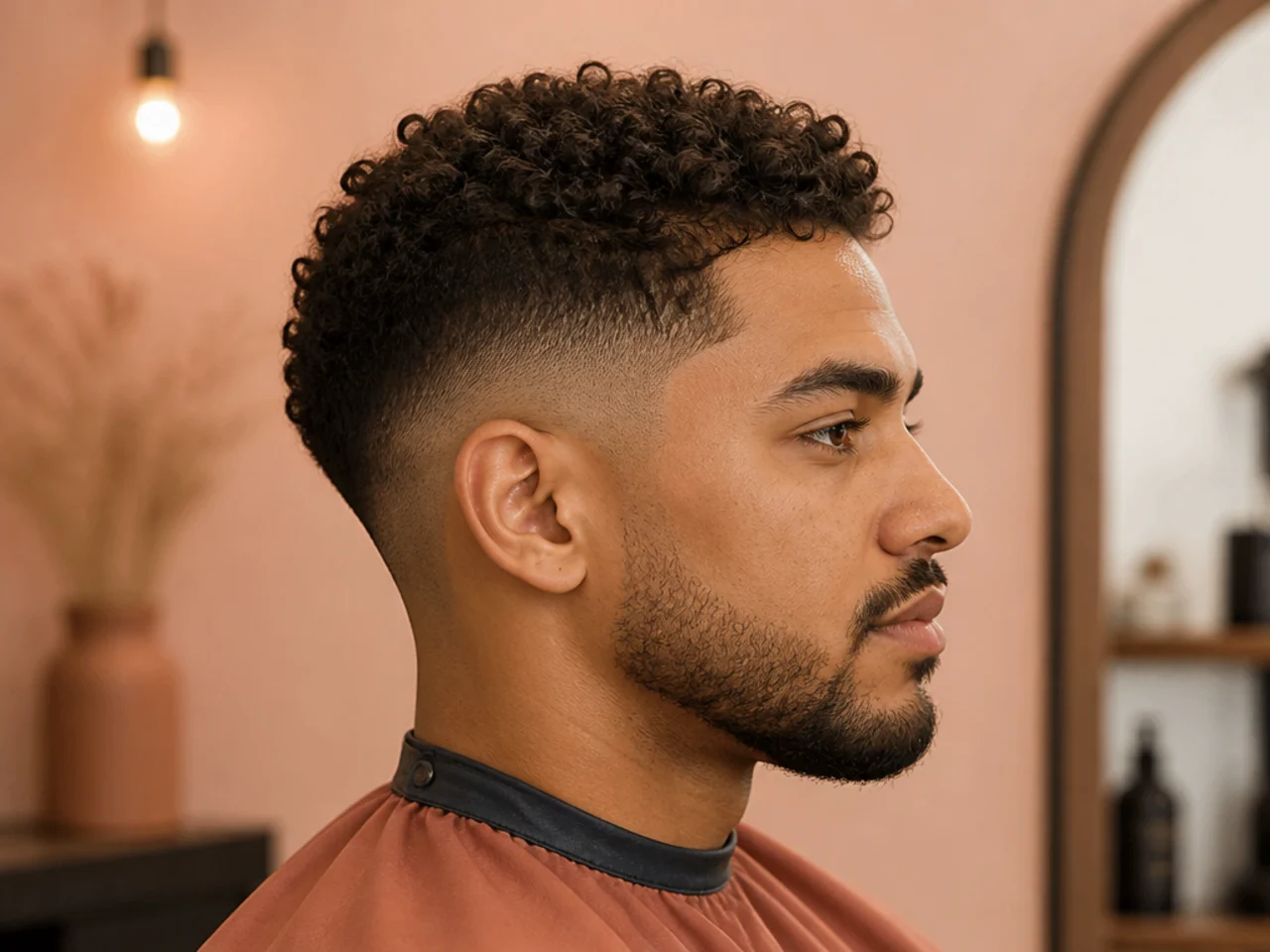
Everyone thinks this is the hardest step. It isn't — if steps one through four went well. The arc is a semicircle. The shortest point sits directly behind the earlobe. Length grows outward from that point in every direction.
With the 1 guard still on, place the clippers at that shortest point and pull up in a smooth curve, following the natural shape of the ear. Do the same going backward toward the nape. Step back and look at the arc from three feet away. It should read as a soft halo — not a hard line, not a wobble.
Fold the ear forward with your free hand while you cut behind it. That two-second move keeps the ear tucked out of the blade path. Never cut with the ear standing free — even a still toddler moves enough for a nick if the ear is in the way.
Do one ear completely before you move to the other, then match the second arc to the first by eye. The instinct to alternate sides for evenness is a trap — toddlers give you one attention window per side, so use it. A low burst fade is the target on almost every toddler cut; a mid burst fade works only on calm four-year-olds.
Step 6: Blend the Top Into the Fade
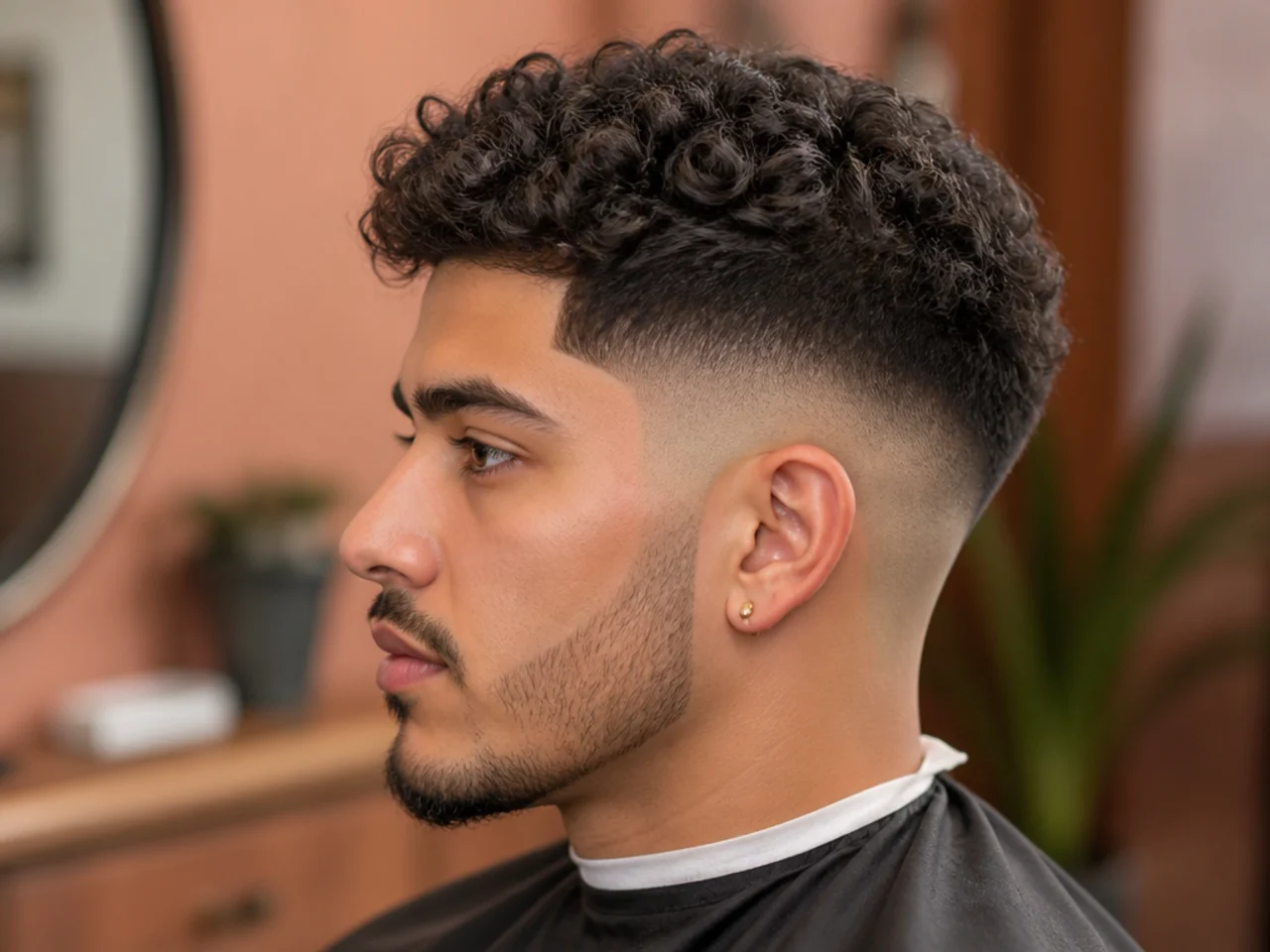
Put the clippers down. This step is scissors only. The top should sit around one to one and a half inches — short enough to style with fingers, long enough to read as a haircut and not a buzz.
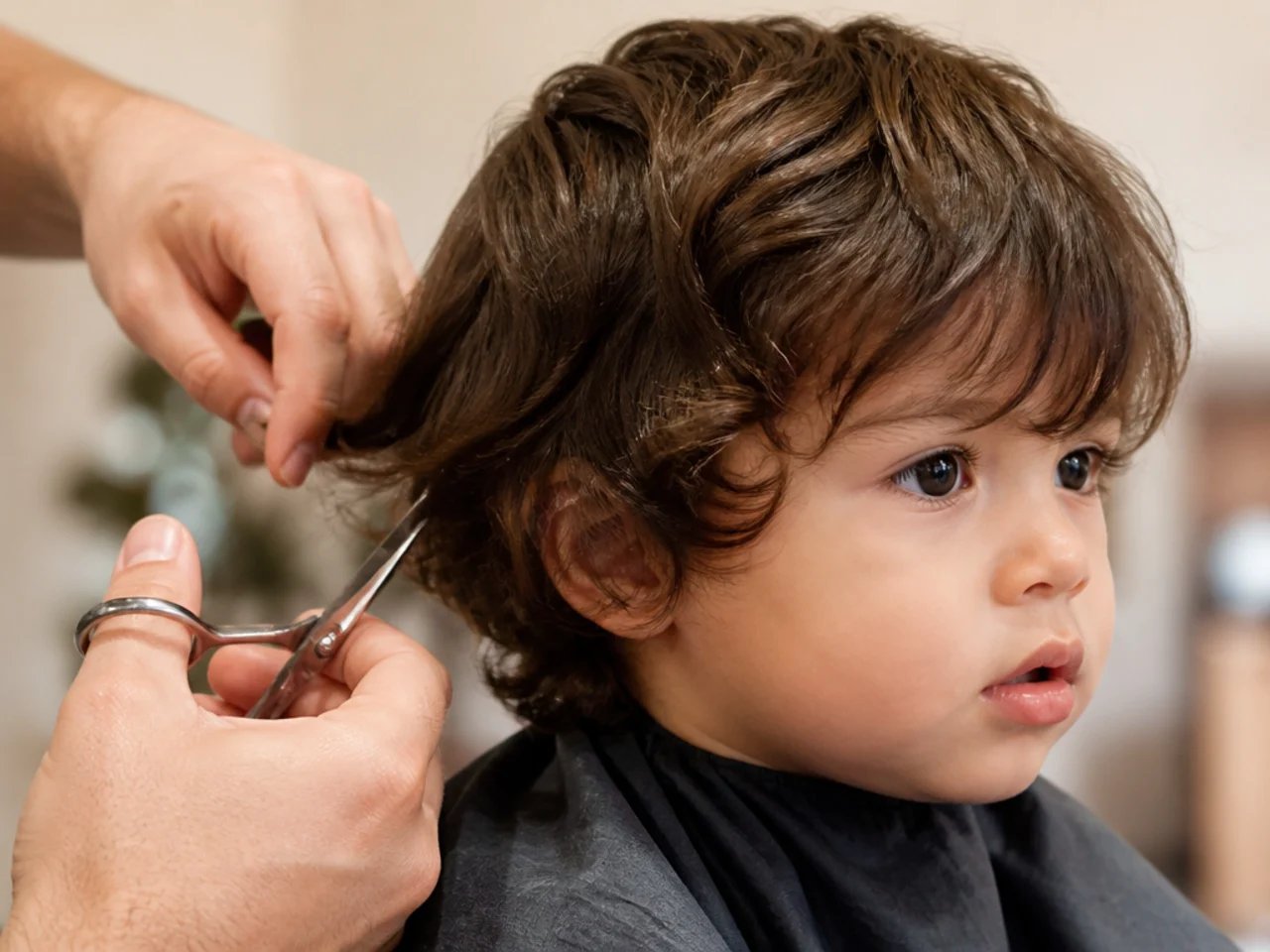
Take a section of hair between your index and middle fingers, lift it straight up, and trim the tips that stick past your fingers with small barber shears. Move around the head section by section. The goal is a single, even length across the top with no chunks.
To blend the top into the guard-4 side, hold small sections at a downward angle where the two meet and trim the ends. On a toddler the top length is forgiving — small movements make small differences.
Never point-cut into a toddler's scalp with the shear tip. Keep the tips angled up and away from the head at all times. For a shorter alternative, the burst fade buzz cut is the top-cropped version some parents ask for on very active toddlers who won't sit through the scissor work.
Step 7: Clean the Neckline and Sideburns
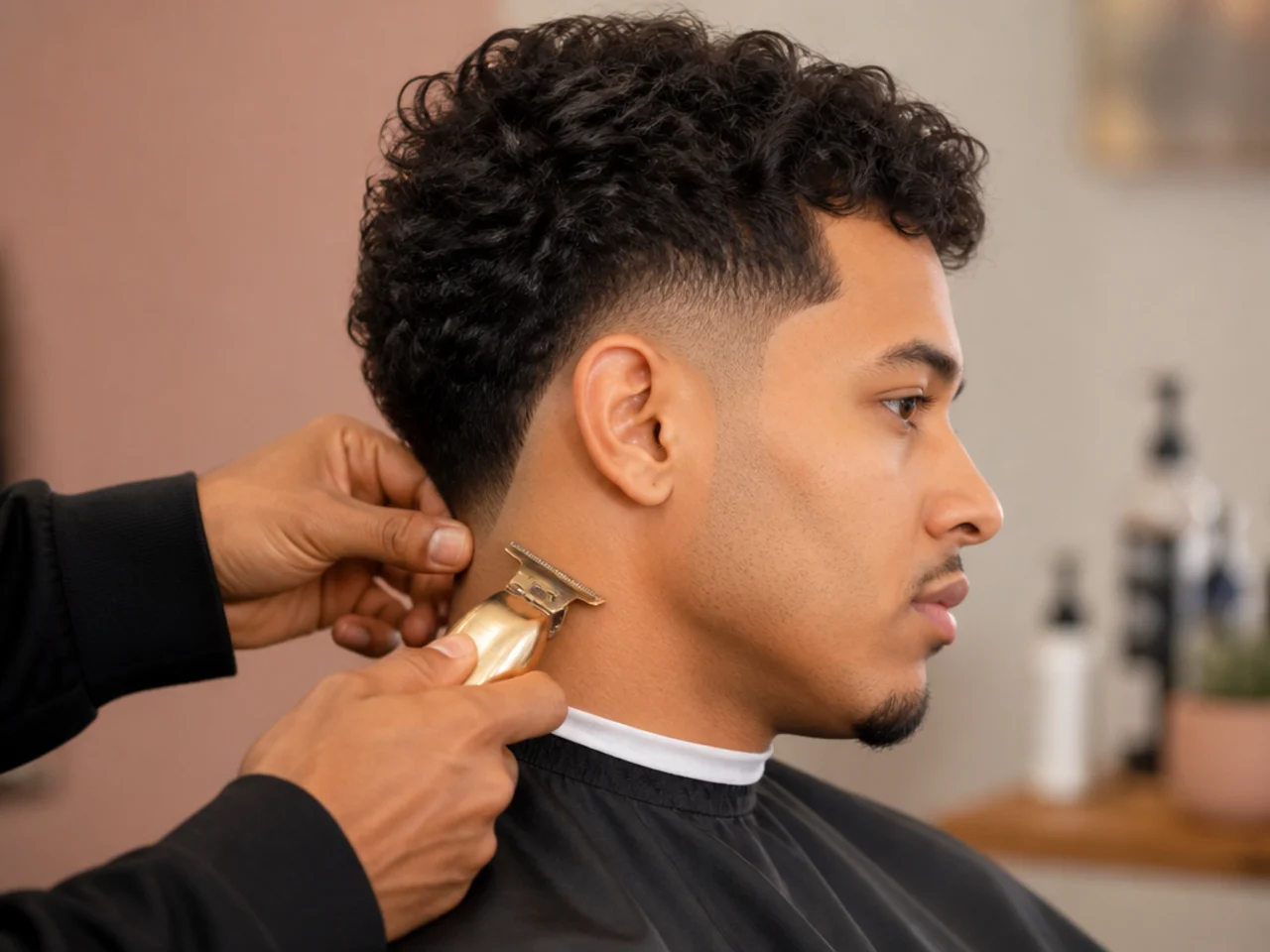
Keep the guard on. Toddler necklines get soft tapers, not hard blocks. Turn the clippers upside down so the blade points away from the skin, use the corner of the blade to gently taper the fine baby hair at the nape, and blend it up into the guard-2 area from step four.
Sideburns get the same treatment. A toddler's sideburns are usually so soft they barely need cutting — a quick pass with the guarded clipper corner at the outer edge is enough. Never take a bare blade to a toddler sideburn.
Lift them off the chair, brush loose hair off with a soft brush or a clean makeup brush, and let them look in the mirror before you take the cape off. Cape-off first almost always means loose hair in eyes or mouth. Order matters.
Praise them. Show them what they look like. Take a photo. Every good moment in that chair is one they'll remember at the next appointment.
Troubleshooting: When Things Go Sideways
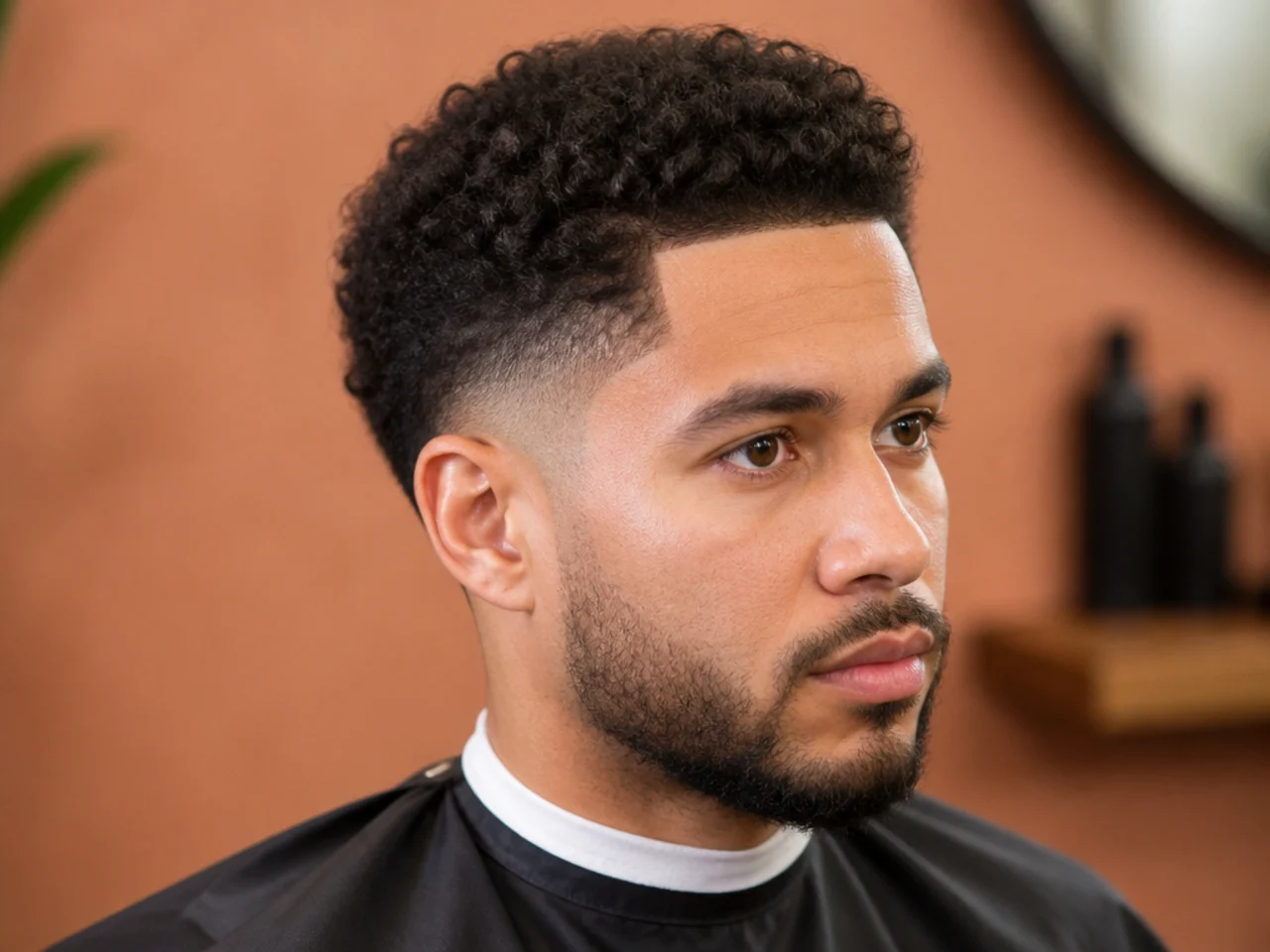
Every parent-barber has had the cut go wrong. Here's what to do when it does.
One arc is higher than the other. Wait a week and look again with fresh eyes. If it still bugs you at day seven, take the higher arc down to match the lower — never the other way around. Chasing perfection on a toddler's head is how you end up with a total shave.
A visible stripe from a clipper wobble. Blend it out with the next guard up. If the stripe is in the guard-2 zone, take that whole area to a 3. The stripe vanishes; the cut just reads slightly softer than you planned.
The child refuses to let you finish. Stop. Blend whatever you have down to the shortest safe length that hides the incomplete work — usually a guard 2 or 3 across the sides. It'll look like a rough taper and grow out fine. Book the burst clean-up in three days when the shock has passed.
A nick. Rinse with cool water, dry gently, and press clean gauze for two minutes. Toddler skin bleeds a lot from very little; it almost always stops fast. Skip the alcohol — clean water and pressure only. Anything deeper than a shave nick is an urgent care visit, not a bathroom fix.
Hair in eyes or mouth. Wipe the face with a damp cloth, not a dry one, and rinse with cool water if hair got in the mouth. A soft brush plus a face wipe live on the counter for every cut.
When to Take Them to a Pro Instead
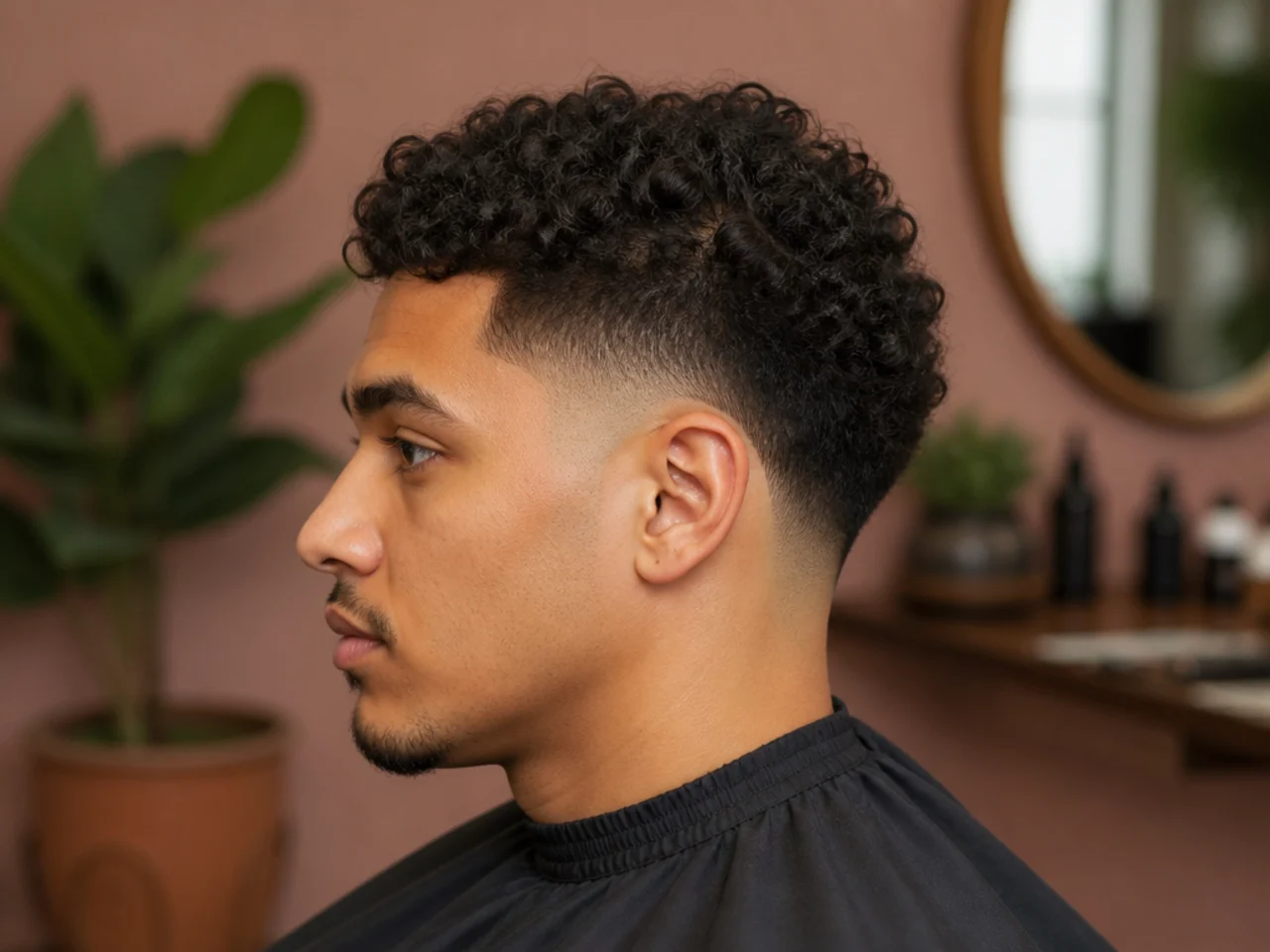
Some cuts belong in the shop. Book a barber if any of these are true.
It's the first burst fade this toddler has ever had. You need the reference shape to work from later. Do not learn the burst on your own child.
The toddler is under two. Their head is still growing fast, they can't sit predictably, and the risk-to-reward math doesn't add up. Scissor trims only under two — never clippers.
You're single-parenting the cut. One person cannot both hold and cut safely. No second adult, no home cut.
The child has any past trauma around the chair. Kids who screamed last time will scream this time, and a home DIY makes the fear worse. A shop with a specialty kids' setup — booster, toys, a friendly regular — is worth the money.
The child has cowlicks or growth patterns you can't map. A pro sees the pattern in ten seconds and cuts around it; you'll spend twenty minutes fighting the same swirl.
For a broader look at cuts as they age out of the burst window, see boys' haircuts for teenage guys. For clipper investment on regular home cuts, the best hair clippers for men roundup covers the low-noise models that work on toddlers too.
Aftercare and Booking the Next Cut
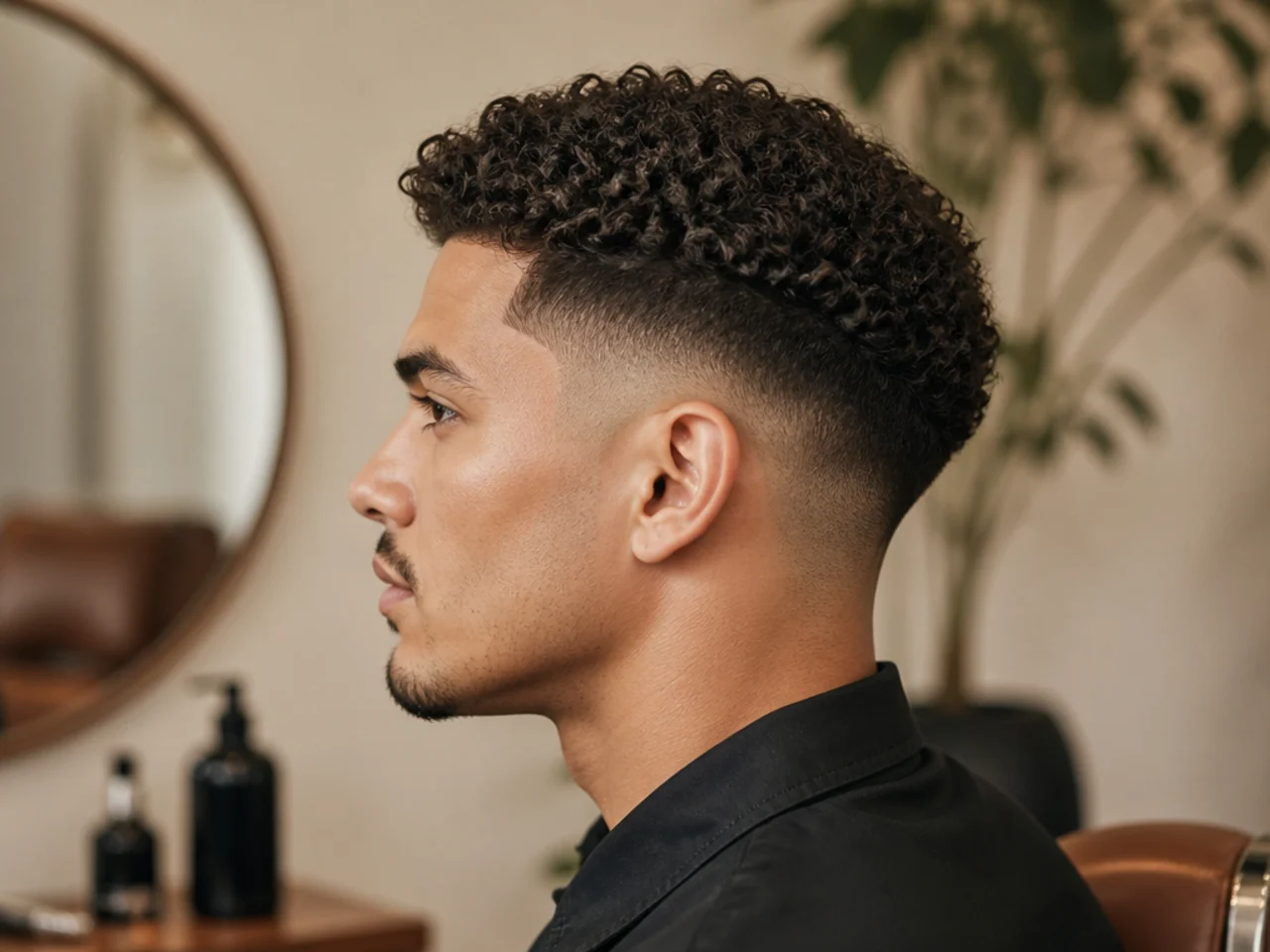
Wash the same day if hair got into the collar — loose clippings itch and toddlers scratch. Use their normal baby shampoo, no styling product. Toddler hair looks best with nothing in it beyond a quick comb.
Take a photo of the finished cut from three angles: front, both sides, and the back. That set becomes your reference for next time and lets a barber replicate the cut later if you decide to hand it off.
Book the next cut for four to six weeks out. Toddler hair grows a touch slower than adult hair, and the burst arc softens rather than blurring like an adult fade. Push to six weeks and you're fine; push to eight and you have a taper, not a burst. For the parallel adult cadence, how often should men get a haircut covers the fade schedule alongside other cuts, and the full fade haircuts hub shows the wider family this shape belongs to.
Between cuts, run a soft brush over the arc daily. That two-minute habit trains the hair to fall in the direction you cut it and separates a burst that grows out well from one that goes shaggy in ten days. Keep a small file on your phone — cut date, guards used, top length, notes on what worked. Six cuts in, every future cut goes from twenty minutes to twelve.
FAQ
Is a burst fade safe for a toddler?
Yes, when the setup is right. Use guarded clippers on every pass, keep a second adult holding the child, stop the moment the toddler squirms, and never bring the blade to skin around a moving head. Skin-level bursts belong on older kids.
At what age can a toddler get a burst fade?
From about age two, once the child can sit for eight to ten minutes with a tablet or a snack. Under two, keep it to a scissor trim only — clippers around a moving infant's ear are not a risk worth taking, and the arc doesn't hold on very fine baby hair anyway.
Should I do the toddler burst fade at home or book a barber?
Book a barber for the first burst fade so you see how the arc is set. After that, home cuts work well for follow-up shape-ups if you have quiet clippers, a second adult, and a clear plan.
What clippers should I use for a toddler burst fade?
Quiet cordless clippers rated under 60 decibels — the low-noise models marketed for kids and pets. Standard barber clippers run 75 to 85 dB and can startle a two-year-old into a jerk that nicks an ear. Always start with the largest guard on.
How often does a toddler burst fade need to be re-cut?
Every four to six weeks. Toddler hair grows a touch slower than adult hair, and the burst arc softens rather than blurring like an adult fade. Book at week five so the shape stays sharp.
What if my toddler cries or refuses partway through the cut?
Stop. A half-finished burst fade is fixable at the next appointment; a scared toddler who refuses future haircuts is not. Blend what you have down to the nearest safe length, praise the child, and finish another day.