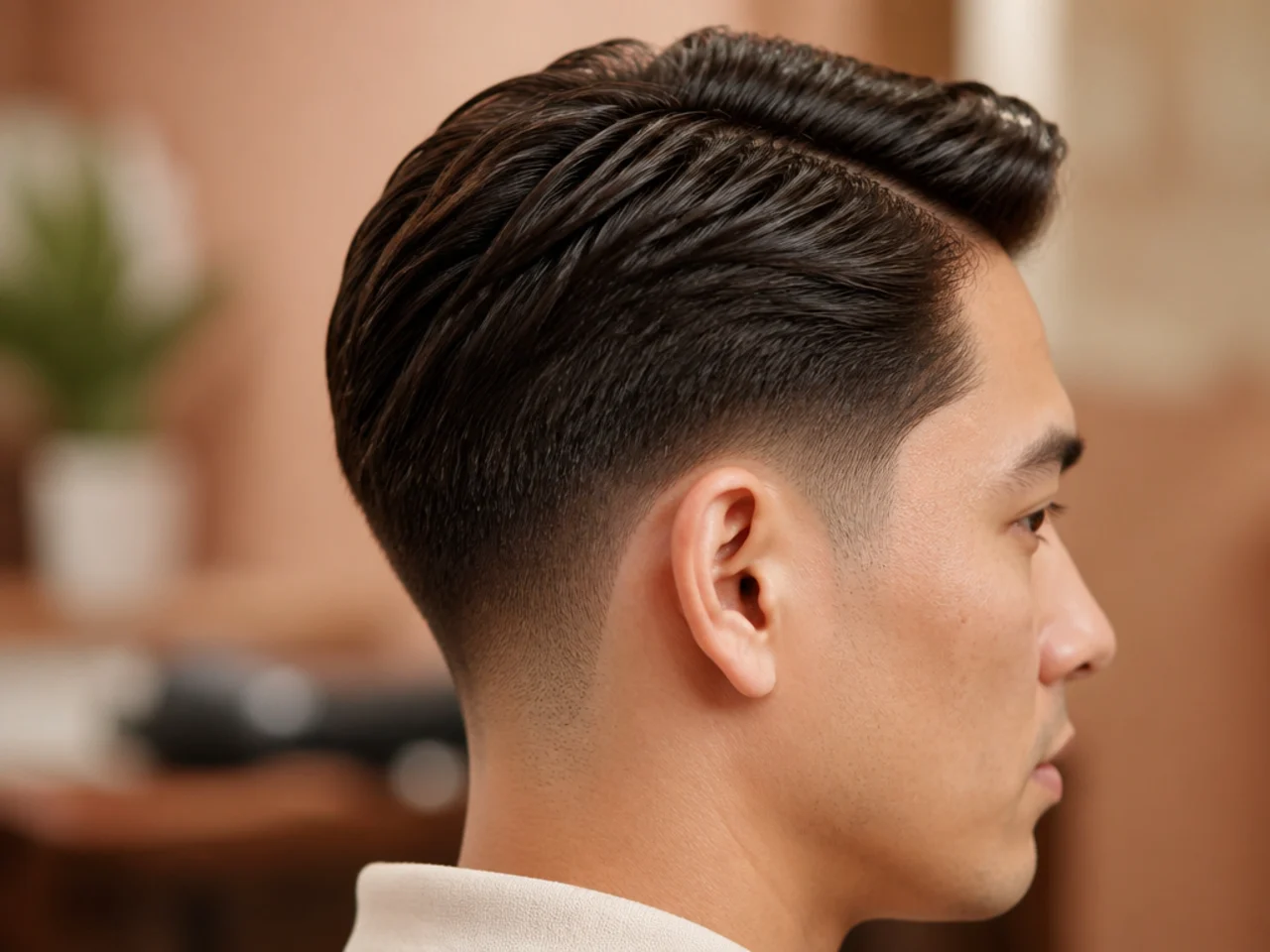
15 Ivy League Haircut Ideas With a Taper
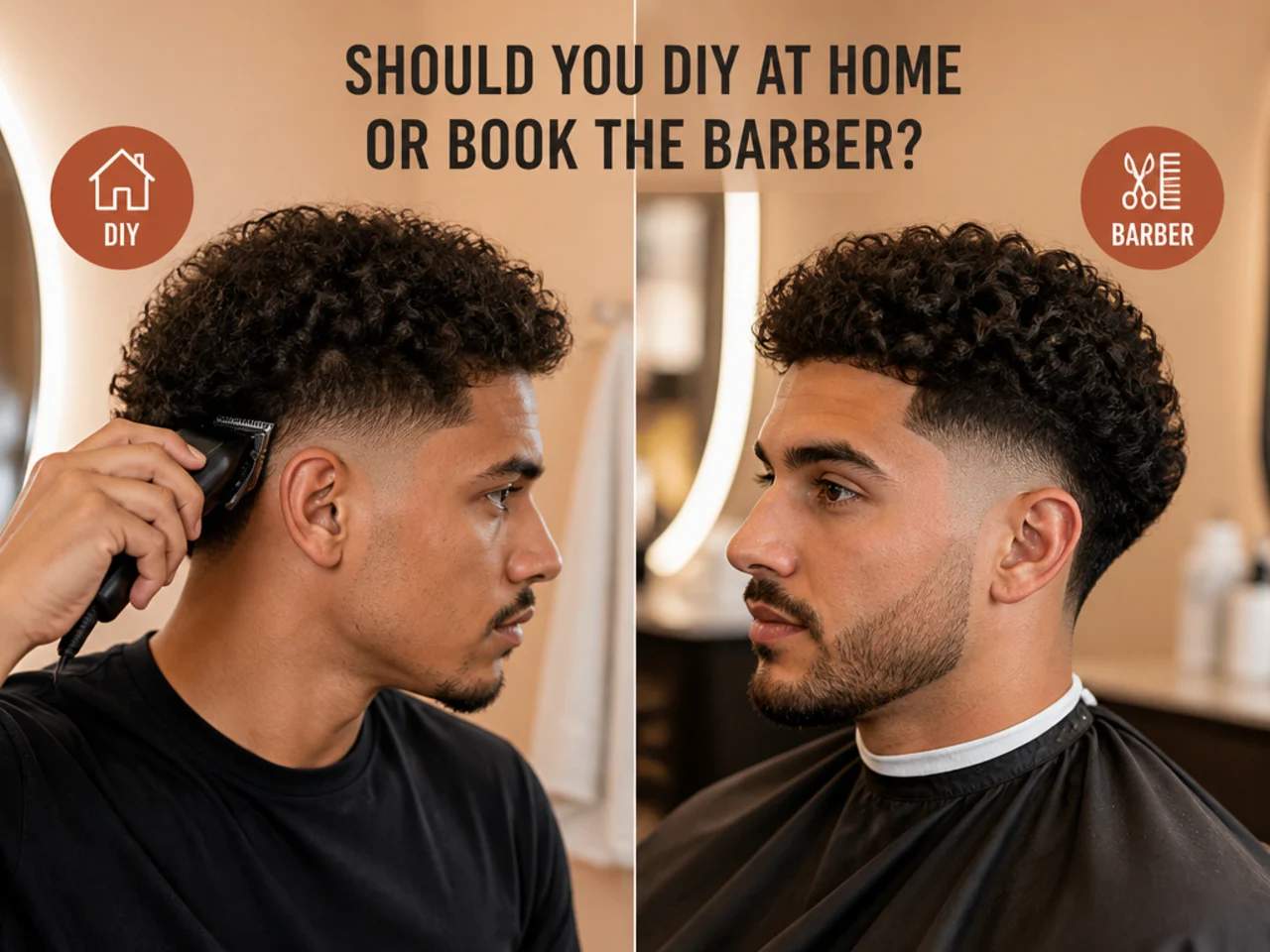
Fifteen tapered ivy league ideas, and the distinction most people ask for wrongly — a taper keeps length all the way down and a fade goes to skin. Ask for the wrong one and the cut changes register entirely.
In this article · 22
- Taper Versus Fade on This Cut
- How to Choose Yours
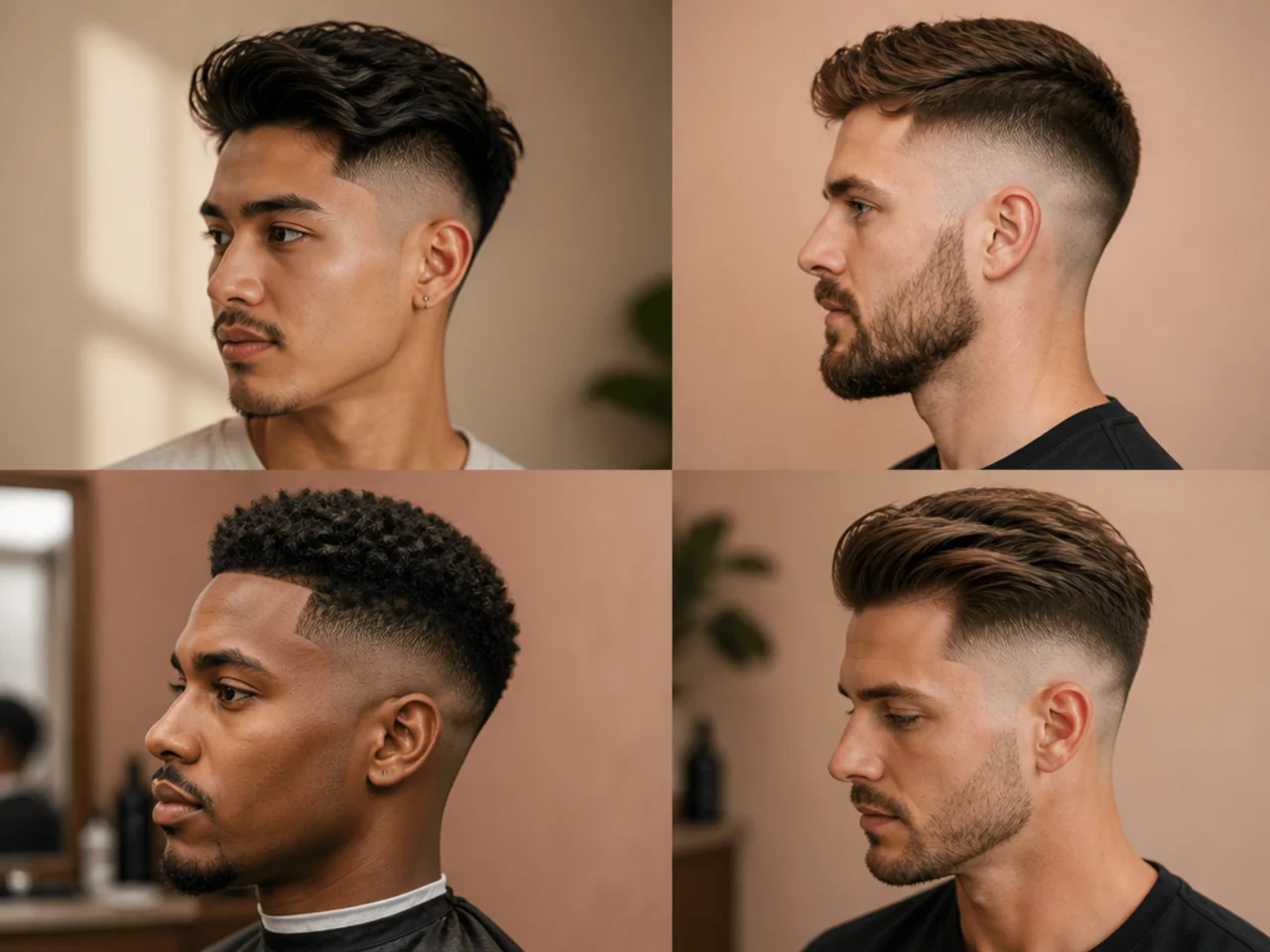
- The 15 Tapered Ivy League Variations
- 1. Classic Low Taper
- 2. Mid Taper Ivy League
- 3. High Taper Ivy League
- 4. Taper With a Blunt Neckline
- 5. Taper With a Tapered Neckline
- 6. Taper With a Hard Part
- 7. Taper With a Longer Top
- 8. Taper on Thick Hair
- 9. Taper on Fine Hair
- 10. Taper on Straight Hair
- 11. Taper on Wavy Hair
- 12. Taper With a Connected Beard
- 13. Taper at Week One
- 14. Taper at Week Four
- 15. A Skin Fade Asked for as a Taper
- Styling and Upkeep
- Mistakes to Avoid
- FAQ
- Final Thoughts
Most people asking for a tapered ivy league are describing a taper and asking for a fade, and the two produce different cuts.
A taper leaves hair behind. A fade goes to skin. A taper shortens gradually down the side and finishes around a number one at the bottom. A fade takes that same area to nothing.
The ivy league is traditionally a taper. It is what makes the cut read as classic rather than current, and swapping in a fade changes the register even though the top is identical.
Taper Versus Fade on This Cut
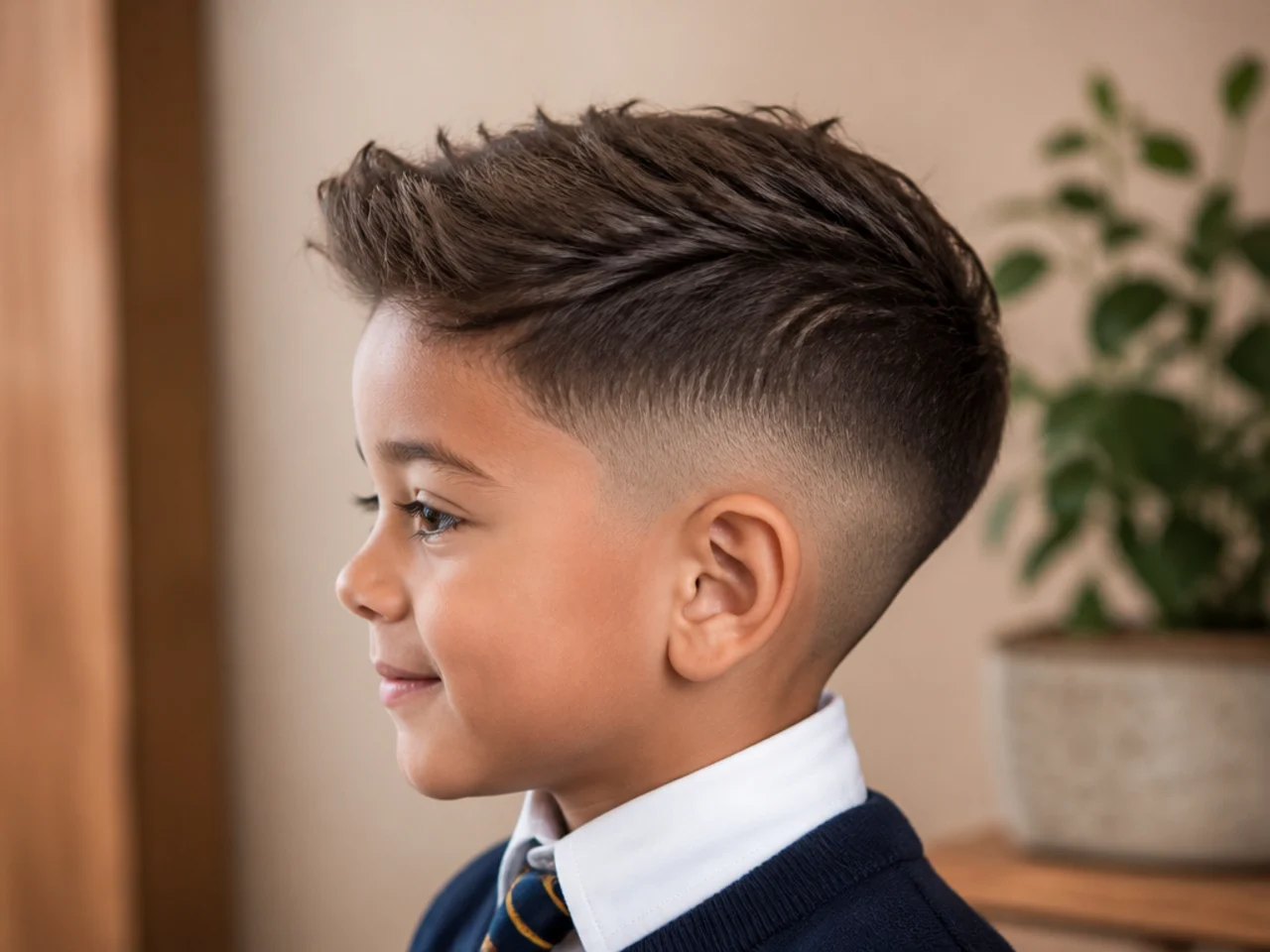
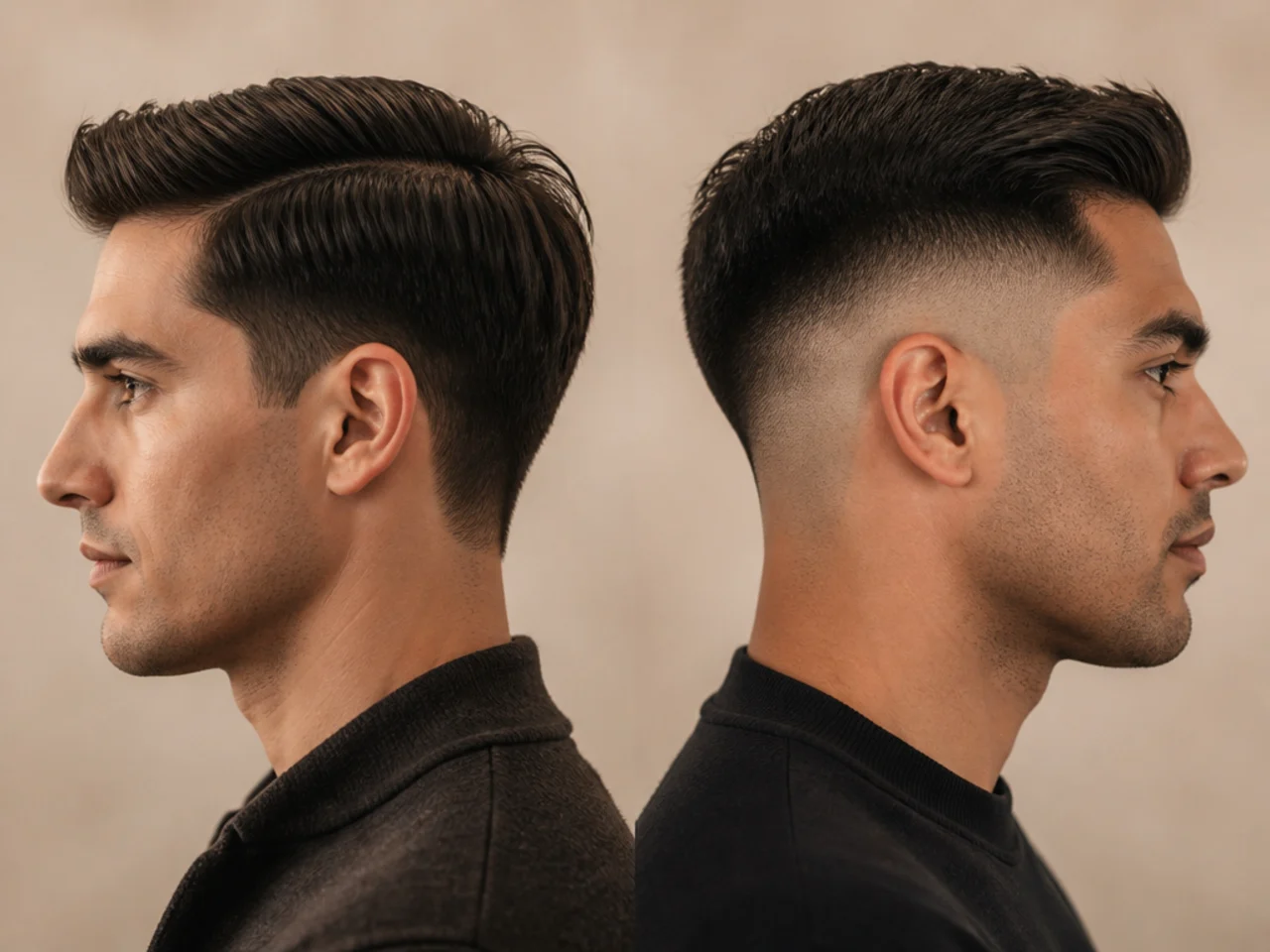
A taper finishes with length. Usually a number one at the neckline, never bare. That remaining length is what keeps the contrast against the top moderate rather than stark.
A fade finishes at skin. The contrast against the top is much higher. Skin reflects light where hair absorbs it, which is why the jump reads so much harder.
Taper grows out invisibly. A number one blurs; bare skin becomes visible stubble in days. That difference is worth two extra weeks between appointments.
Both are correct — they are different looks. The mistake is asking for one and expecting the other, then blaming the barber for a cut you did not describe.
How to Choose Yours
Say the word taper, and say "not to skin". Barbers use both words loosely, so remove the ambiguity.
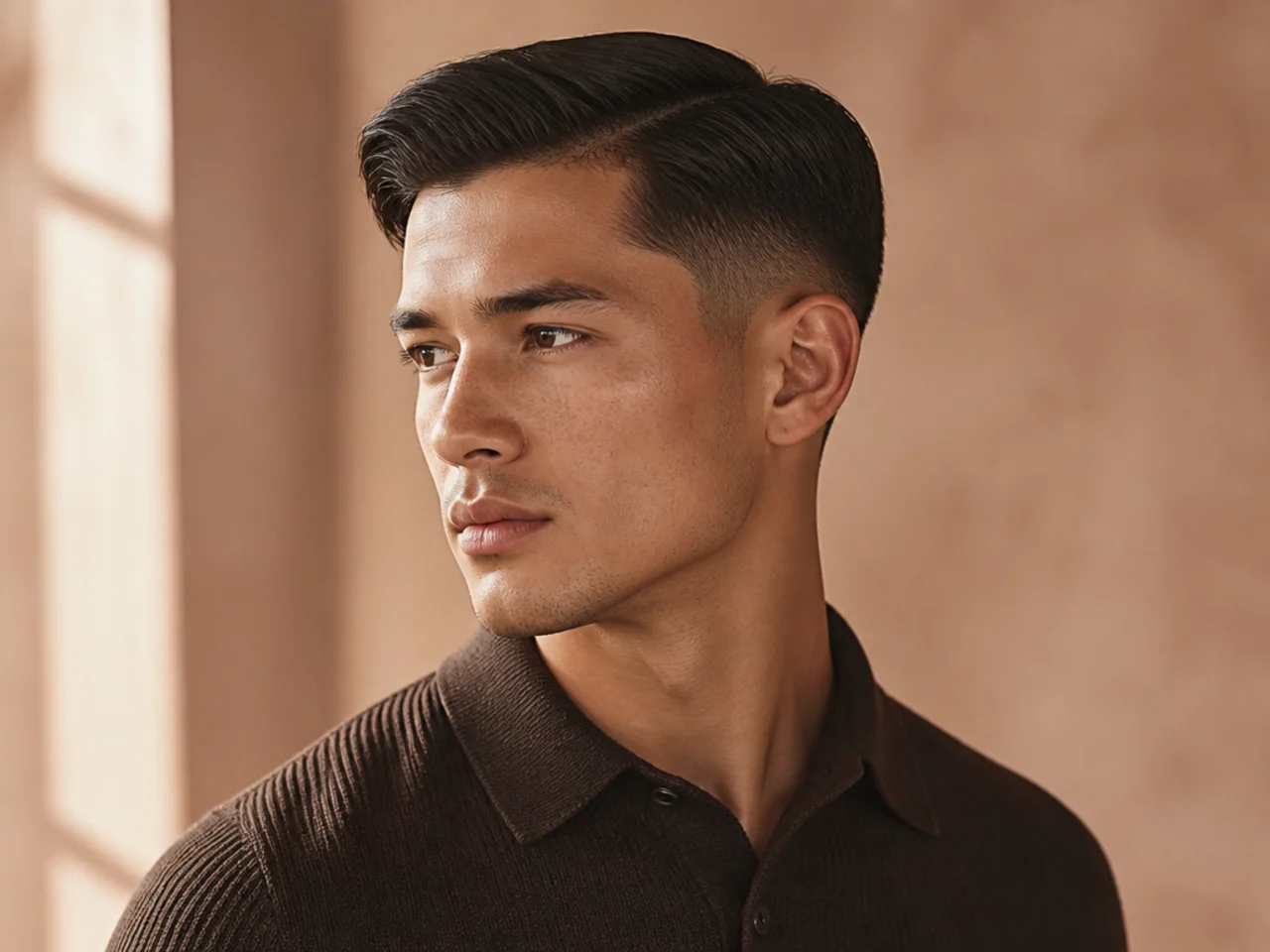
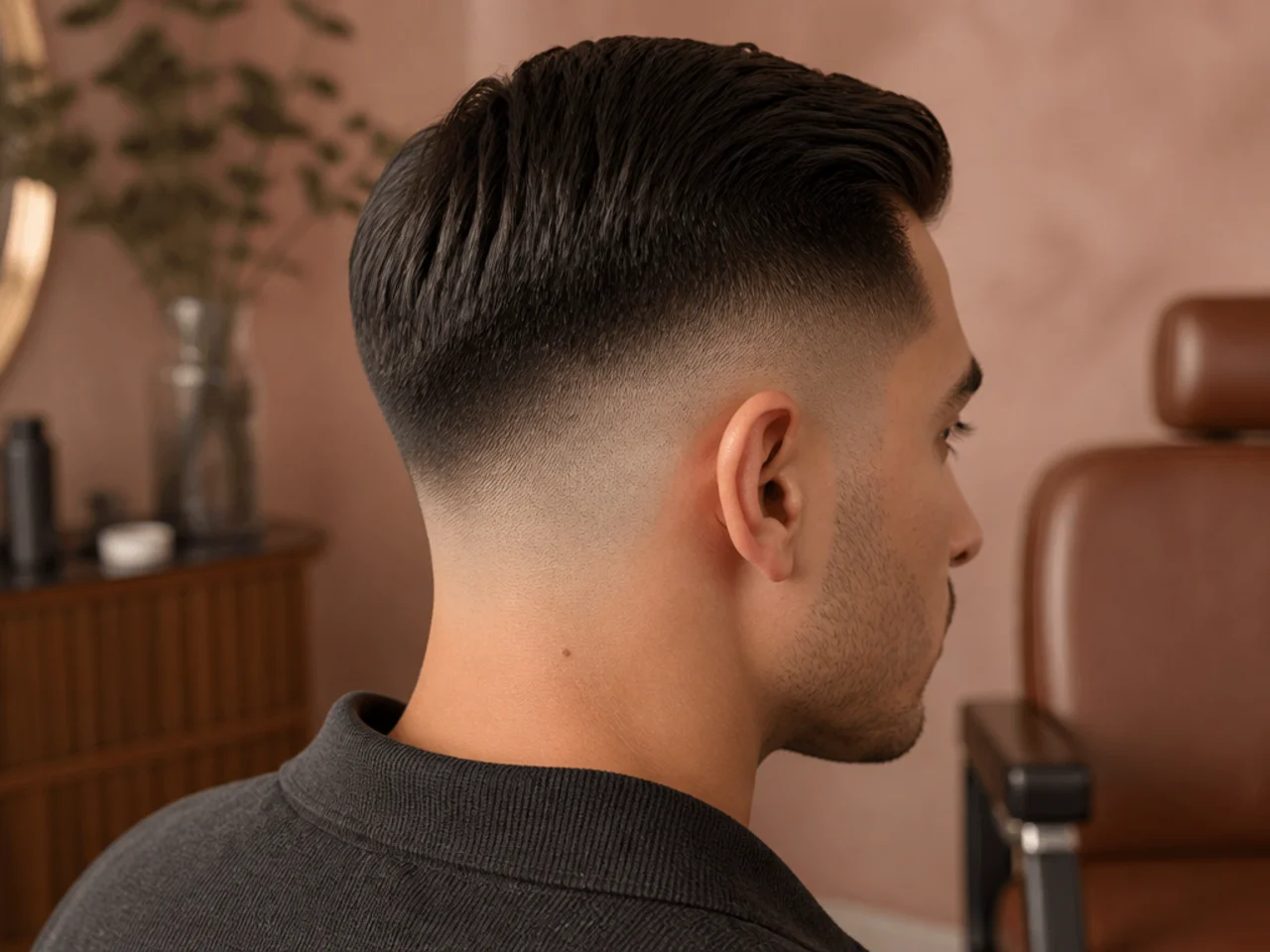
Choose a low taper for the classic version. Starting at the top of the ear keeps it conservative. It is also the height the cut was originally built around.
Choose a mid taper for more contrast. It modernises the cut without going to skin. A useful middle if you want more contrast but the same trim schedule.
Pick by your trim schedule. A taper holds three to four weeks; a fade wants two. Choose by how often you actually get to a barber rather than by the photograph.
The 15 Tapered Ivy League Variations
1. Classic Low Taper
The original version, and a taper in the strictest sense of the word. The shortening begins at the top of the ear and finishes at a number one, which keeps the whole cut in a conservative register.
2. Mid Taper Ivy League
The line starts between the ear and the parietal ridge. More contrast against the top, still no skin anywhere. The higher the line begins, the further the gradient has to travel, so it takes more passes to keep smooth and shows a rushed blend far more clearly.

3. High Taper Ivy League
The shortening begins at or above the parietal ridge, which is the territory of the high taper fade. This is the furthest a taper can go before it starts reading as a fade in everything but name.
4. Taper With a Blunt Neckline
The bottom edge cut straight across rather than faded out. It holds a sharp outline for longer and suits a squared head shape.
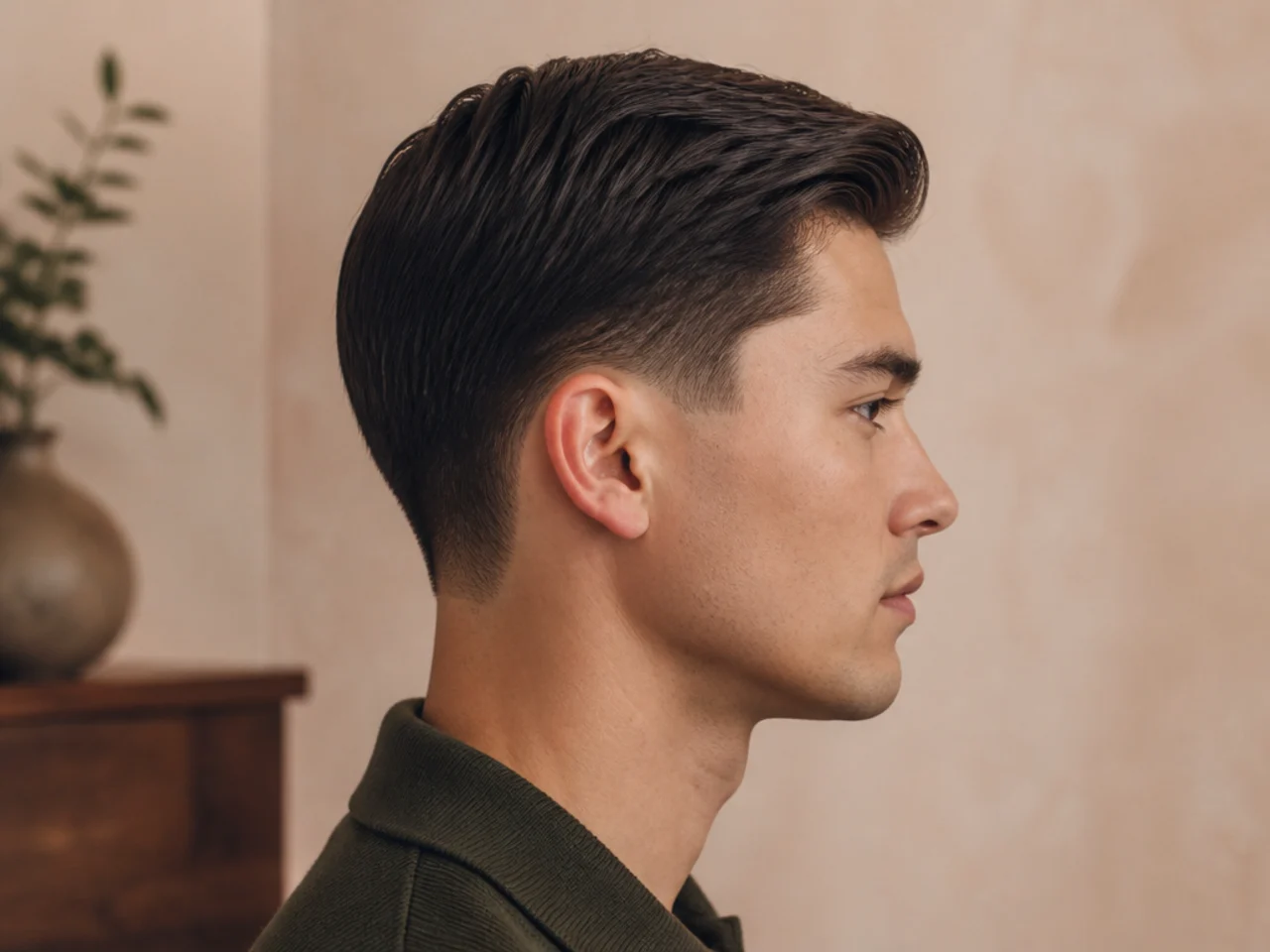
5. Taper With a Tapered Neckline
The back faded softly into the neck instead of cut across. It grows out with nothing to correct, which is why barbers default to it.
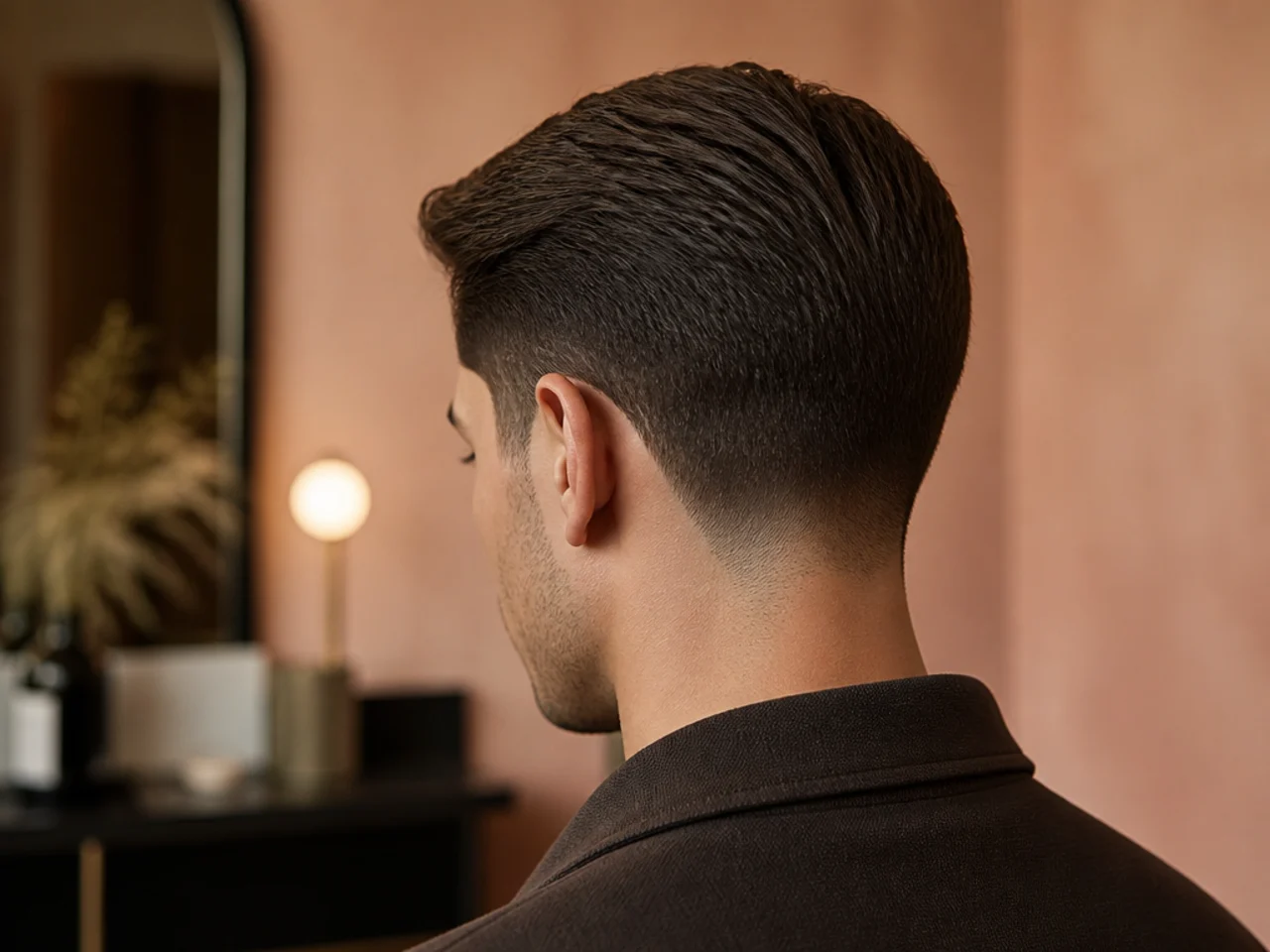
6. Taper With a Hard Part
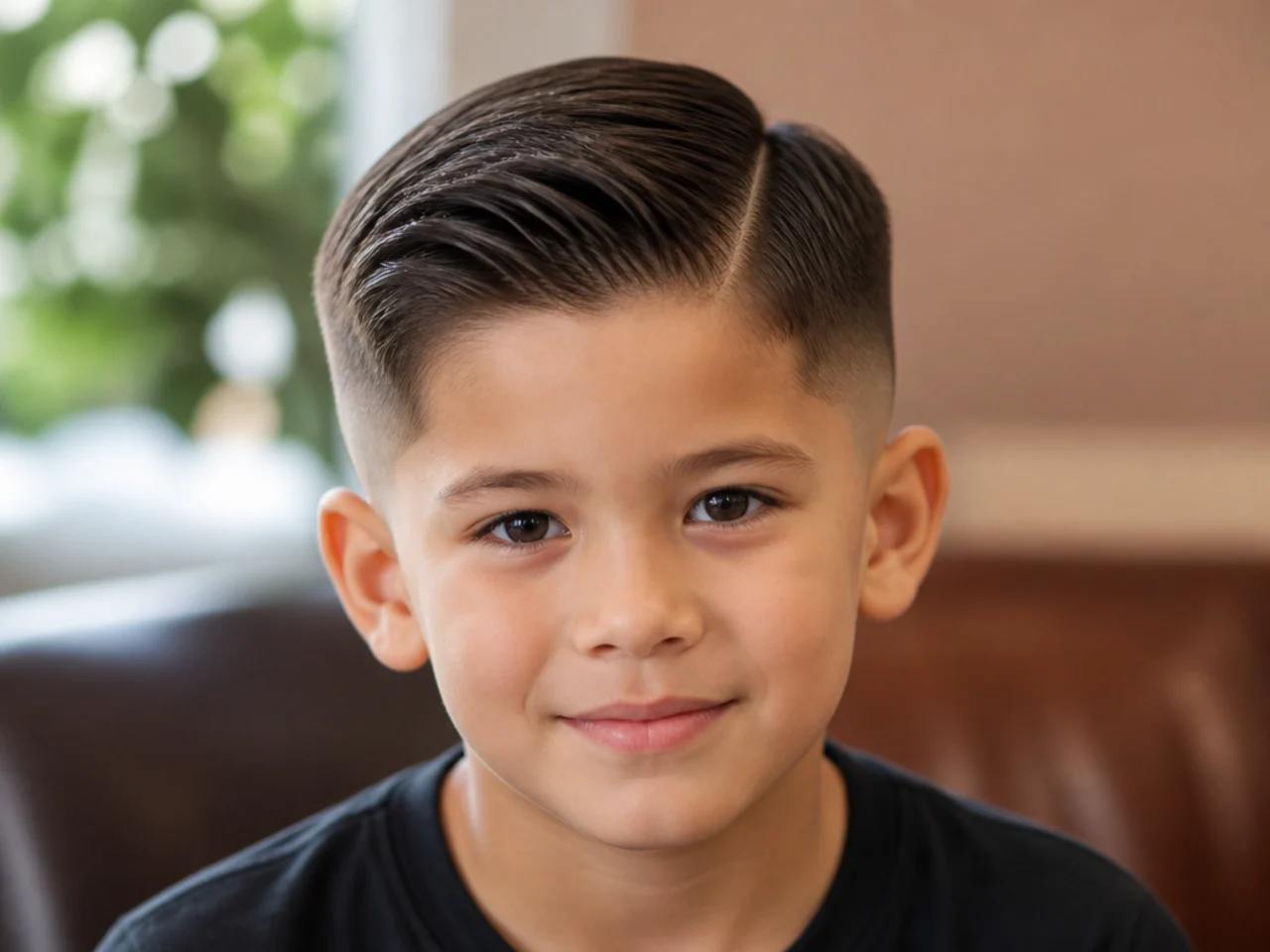
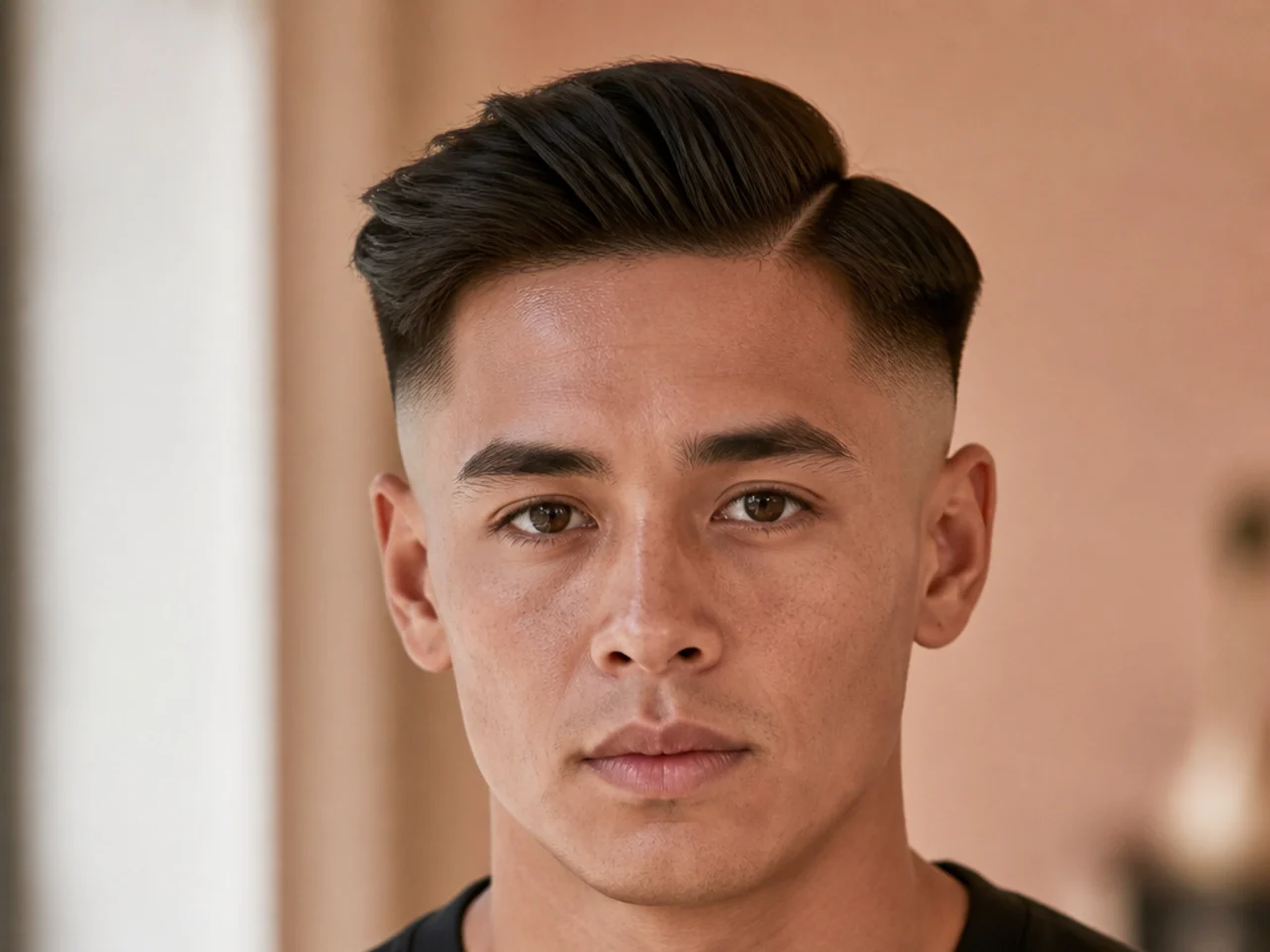
A trimmer line cut along the parting, handled in more depth in the version built for coily hair. It gives the eye a vertical against the taper's horizontal, which is what stops the cut reading flat.
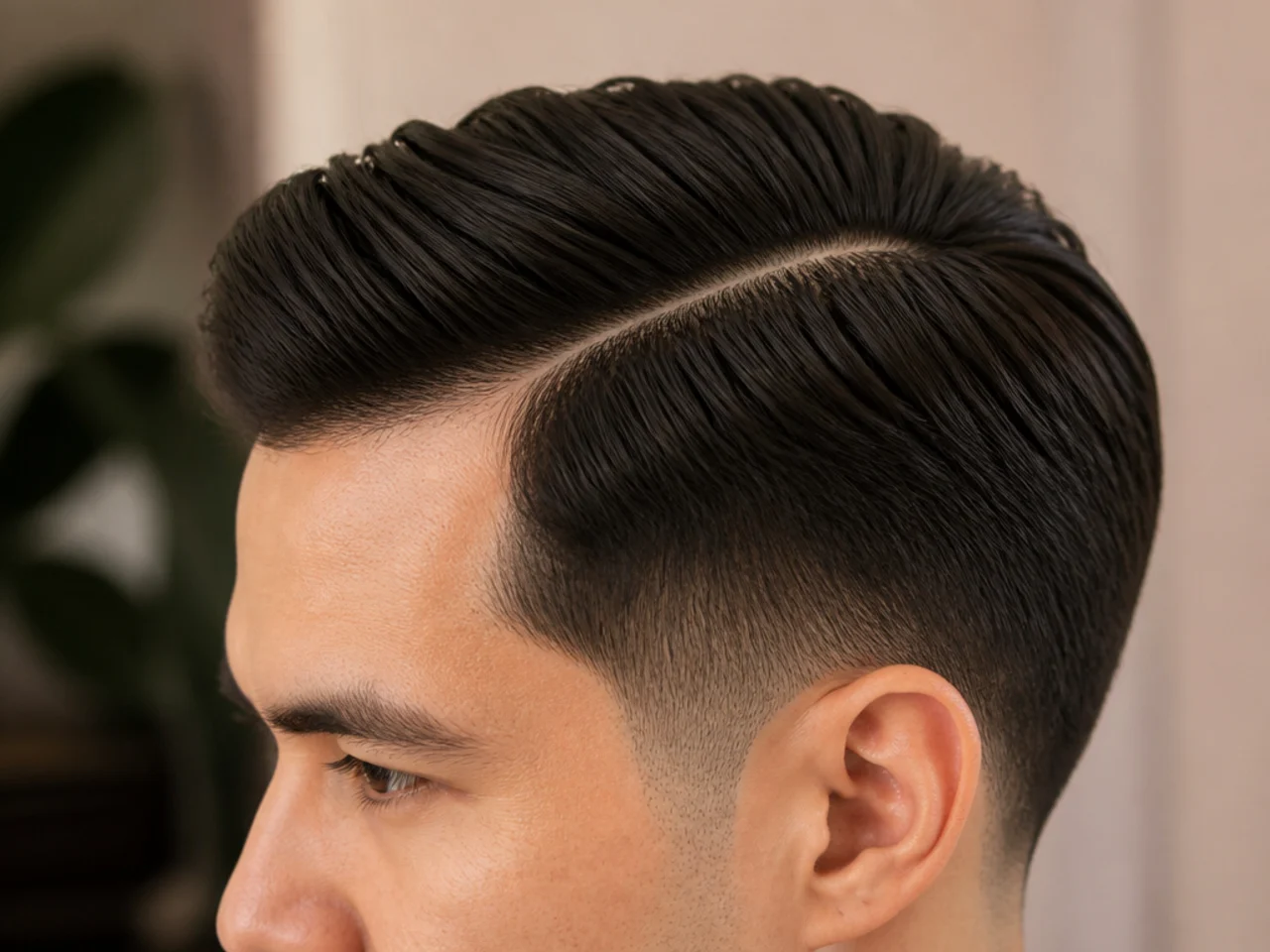
7. Taper With a Longer Top
More length above the taper increases the contrast without touching the sides, which is the cheapest way to modernise the cut. Contrast is the ratio between the two lengths, so adding an inch on top raises it exactly as much as taking a guard off the sides would.

8. Taper on Thick Hair
Thick hair holds a taper line sharply, so the gradient needs more passes to stay smooth. Ask for extra blending time rather than a shorter guard.
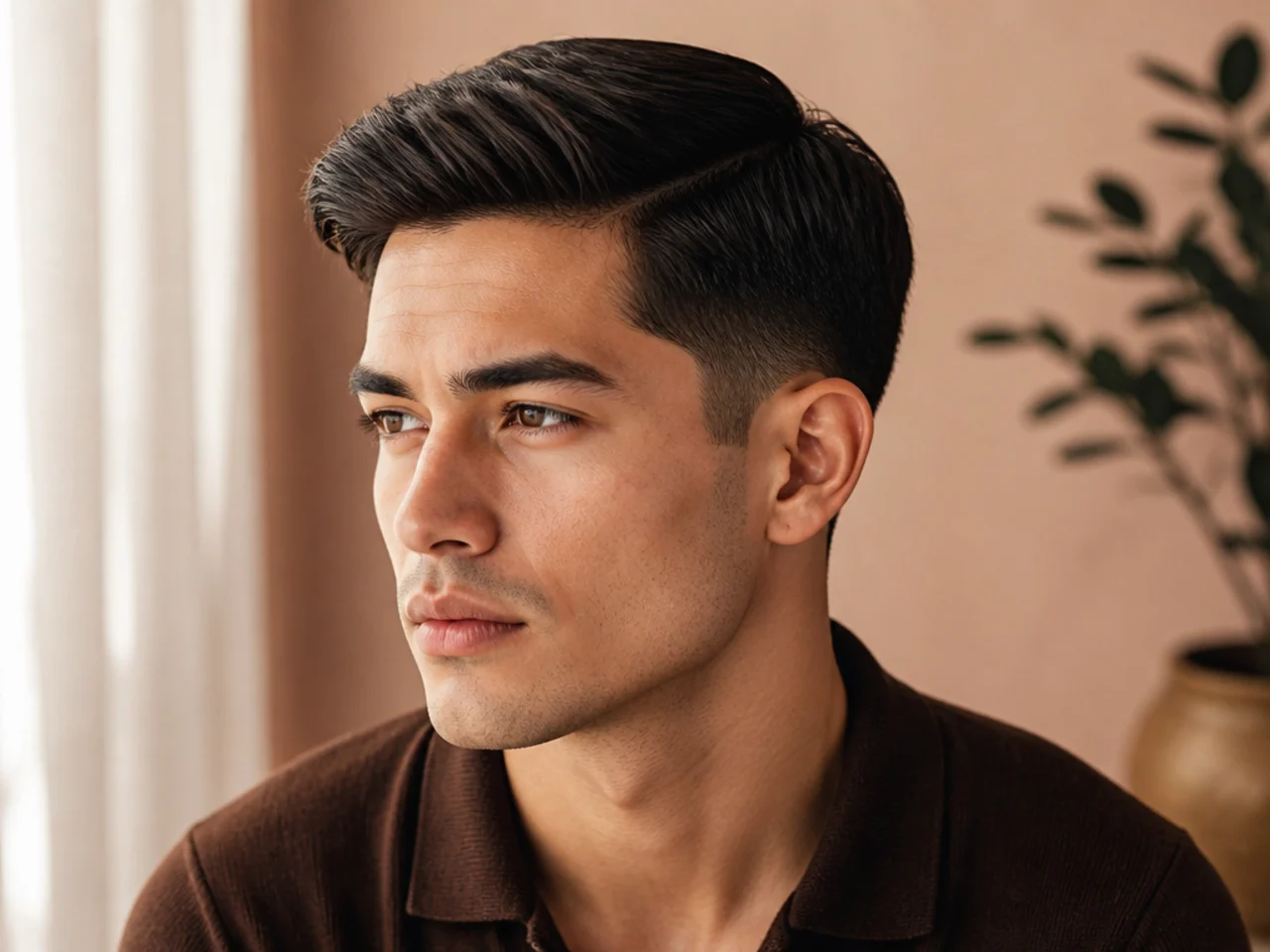
9. Taper on Fine Hair
Fine hair shows scalp at short guards, so keep the taper's lowest point at a number two rather than a one. A number one leaves three millimetres, and on a thin head those three millimetres sit far enough apart to show skin between them in daylight.

10. Taper on Straight Hair
The cleanest gradient of any texture, and the least forgiving — every uneven pass is visible along the whole line. A straight strand sits in a single line with no bend to scatter the light, so any step in the gradient is read as a step rather than as shadow.
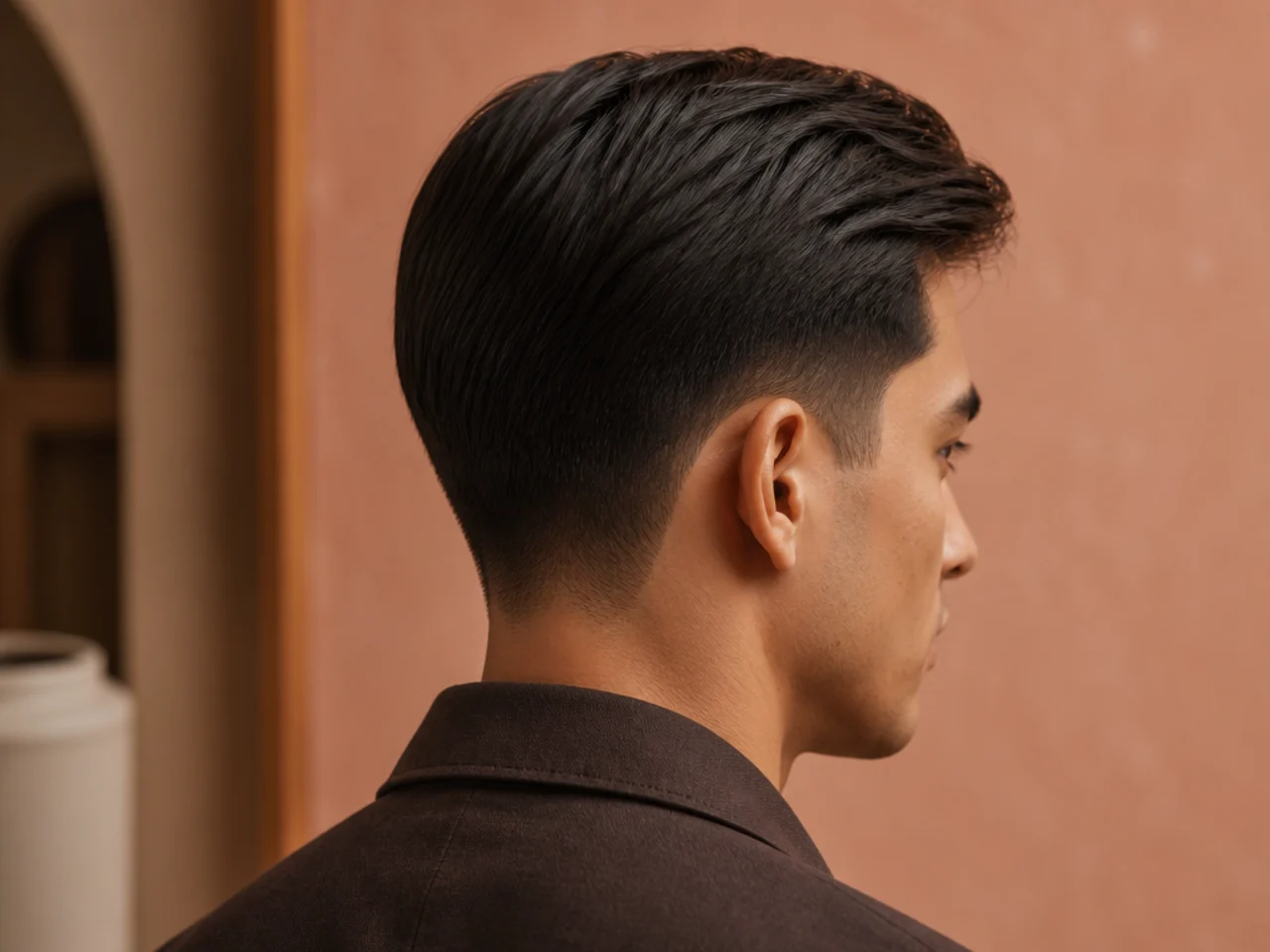
11. Taper on Wavy Hair
The bend breaks up the gradient naturally, which hides small inconsistencies a straight head would expose. An S-bend throws light in several directions at once, so the boundary between two guard lengths is blurred before the eye can find it.
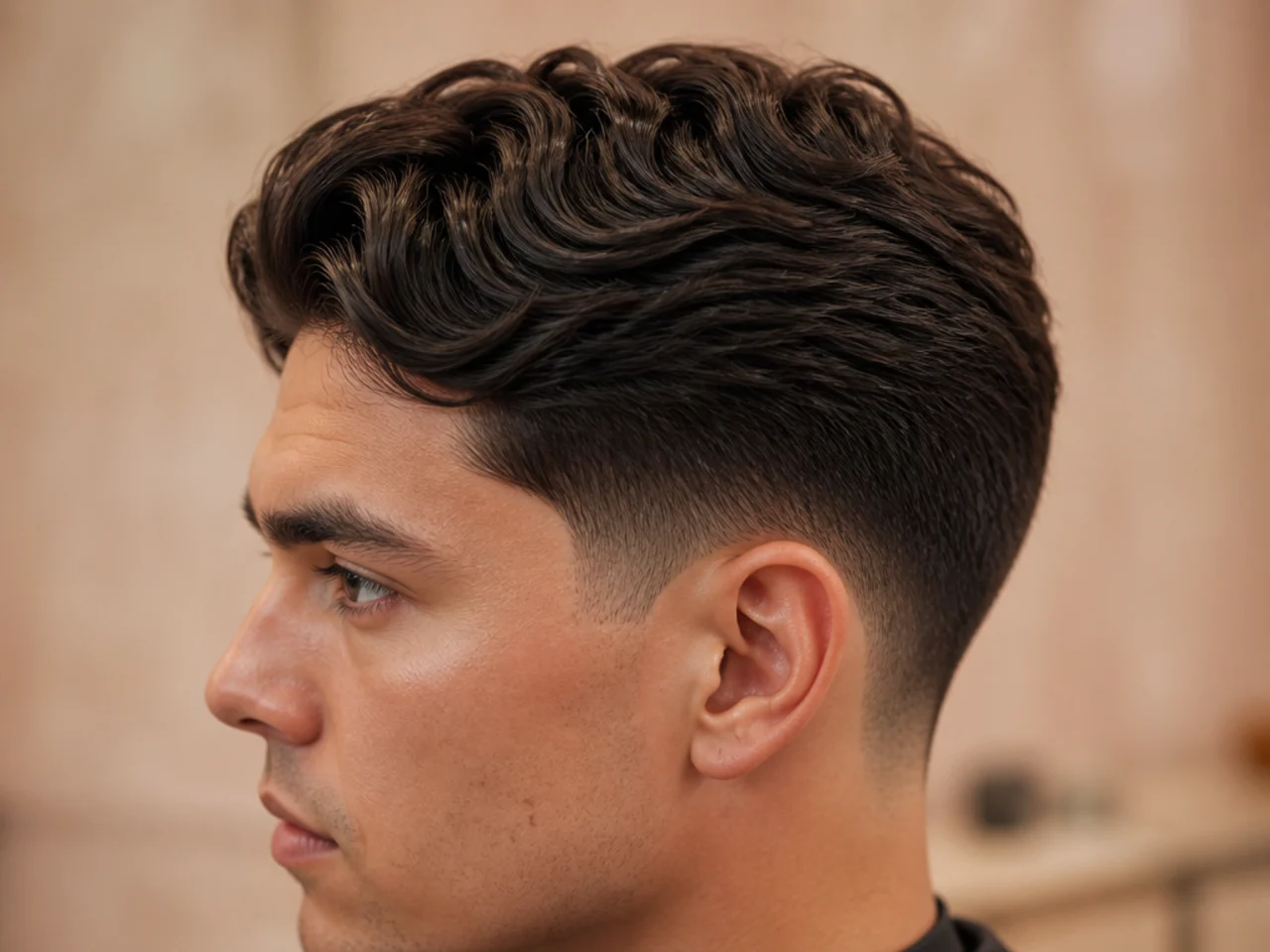
12. Taper With a Connected Beard
The taper runs down into the beard as one continuous gradient, which removes the second horizontal across the jaw. The join has to land where beard density genuinely begins, usually just below the earlobe, or the gradient runs out of hair halfway down.

13. Taper at Week One
Both the line and the neckline at their sharpest. Worth a photograph, because it is the reference for the next appointment. The line holds that definition for about five days, so a photo taken later is already showing a softer cut than the one you asked for.
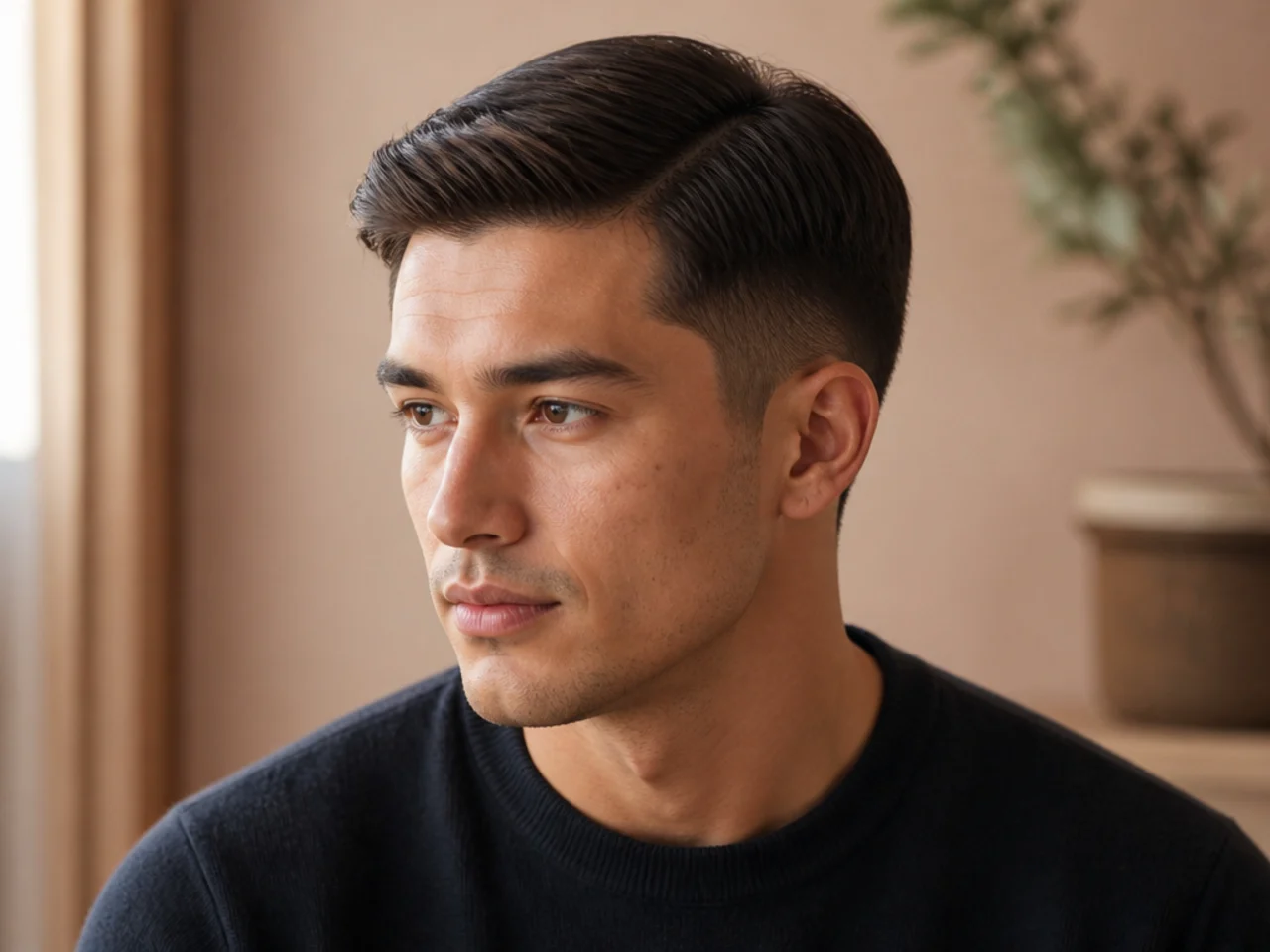
14. Taper at Week Four
Softened but still correct. This is the argument for a taper over a fade — four weeks in it still reads as the cut you asked for.
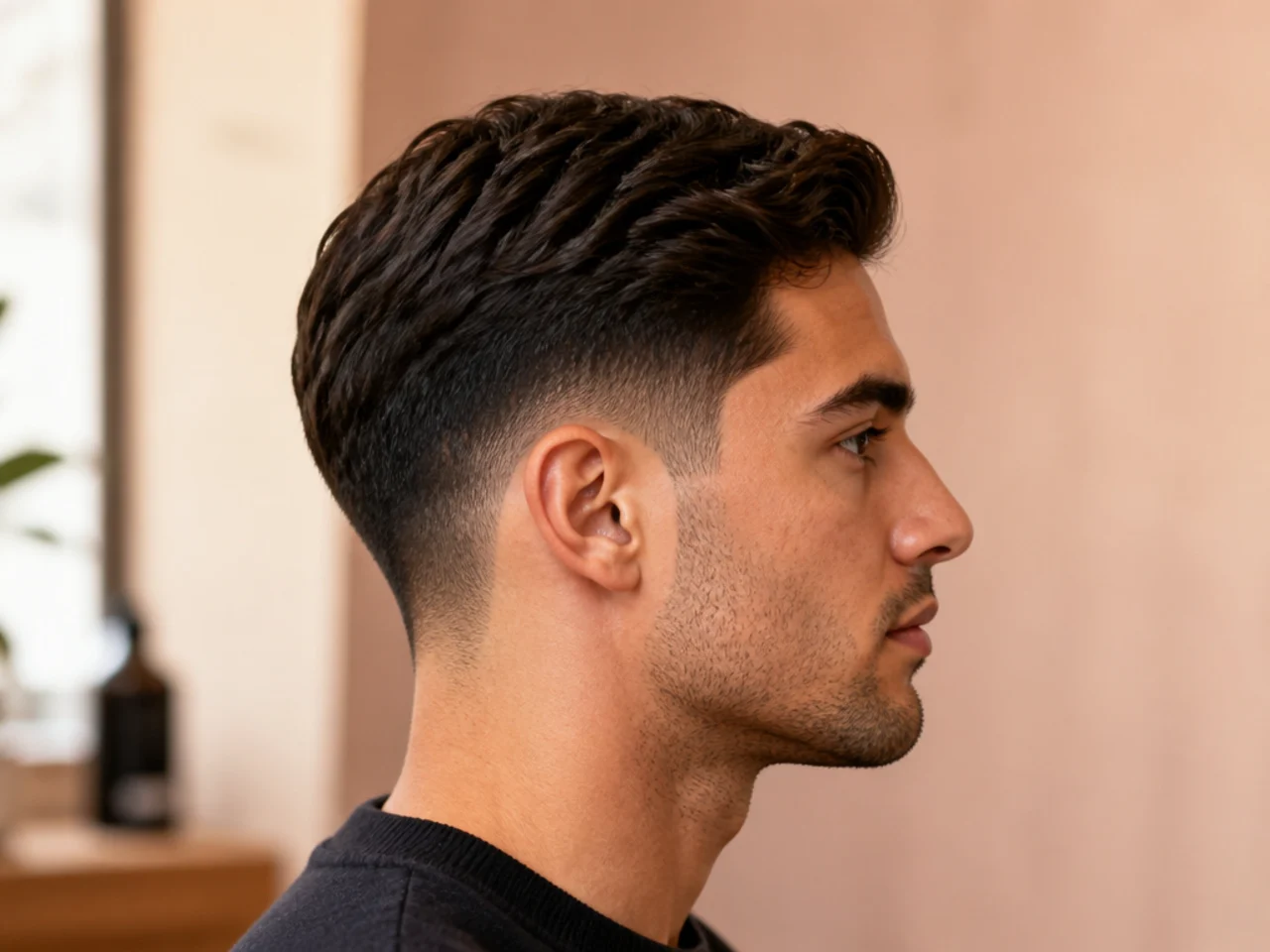
15. A Skin Fade Asked for as a Taper
Bare at the bottom and much higher contrast than intended. The same top, a completely different cut. It also halves the useful window — bare skin shows stubble inside a fortnight, where a number one blurs slowly enough to still read correctly at four weeks.
Styling and Upkeep
Say "taper, not to skin" at every appointment. The words are used interchangeably and the results are not.
Book at three to four weeks. A taper holds longer than a fade, and this is where the saving is.
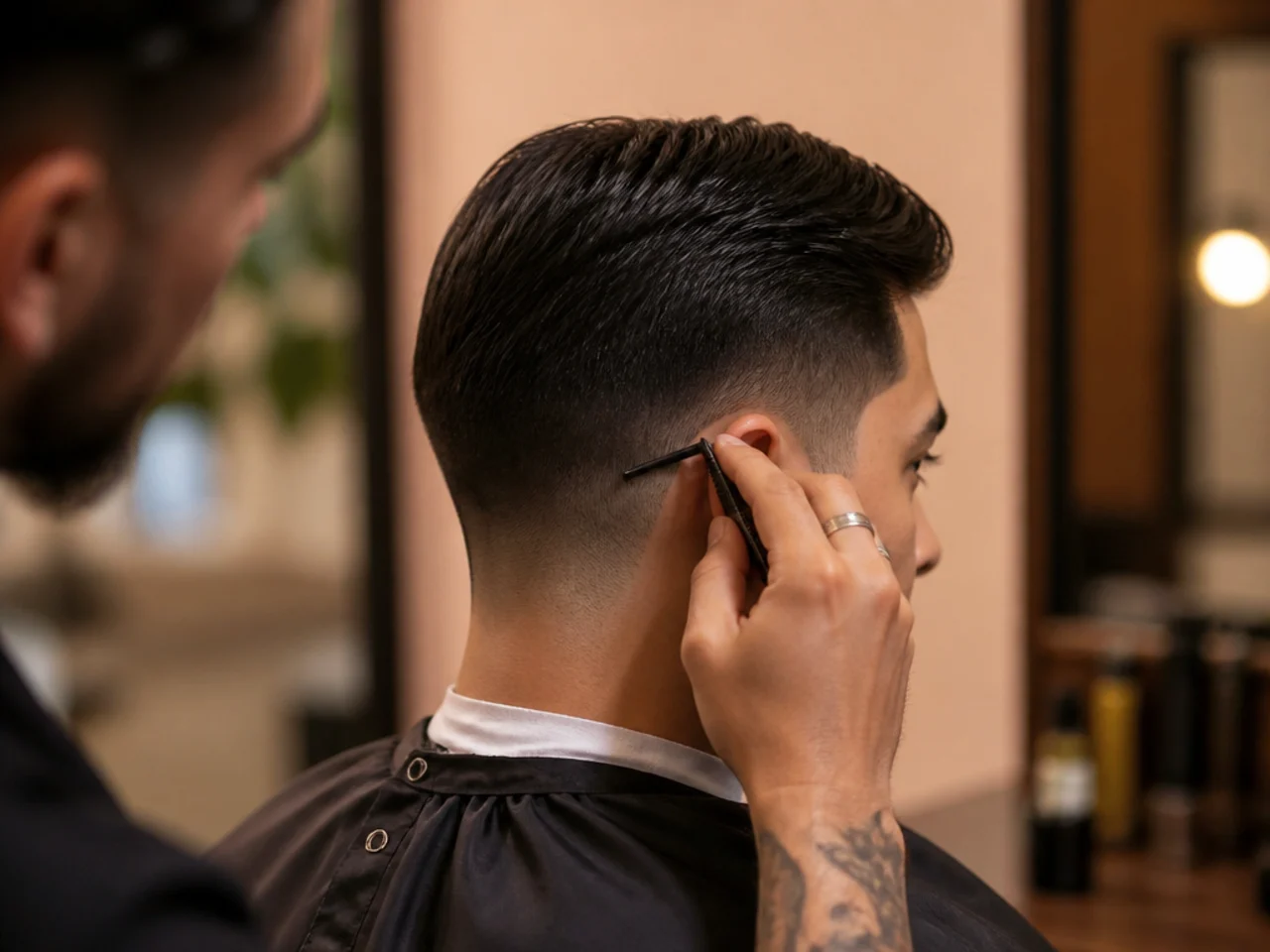
Check the neckline in a hand mirror. It is the part of the cut you never see and everyone behind you does.
Ask for the same starting height each time. Taper height is the one measurement worth writing down.
Style the top before judging the sides. The contrast only reads correctly once the top is in position.

Mistakes to Avoid
Saying taper and meaning fade. Or the reverse — name the finish, not just the word. Say where it starts and where it ends, in guard numbers.
Going to a number zero at the bottom. That is a fade, whatever it was called. A zero is bare skin by definition.
A high taper on fine hair. It exposes scalp where there is least hair to cover it. Keep the shortening lower and the guard longer on a thin head.
Letting a taper run past five weeks. The gradient closes up and the shape goes with it. By then it is a short back and sides rather than a taper.
Changing the taper height every visit. It is the variable that makes the cut look different each time. Write the number down and read it out at the next appointment.
FAQ
Taper or fade? A taper leaves length; a fade goes to skin.
Where should it start? Top of the ear for the classic version.
How often? Three to four weeks — longer than a fade.
Final Thoughts
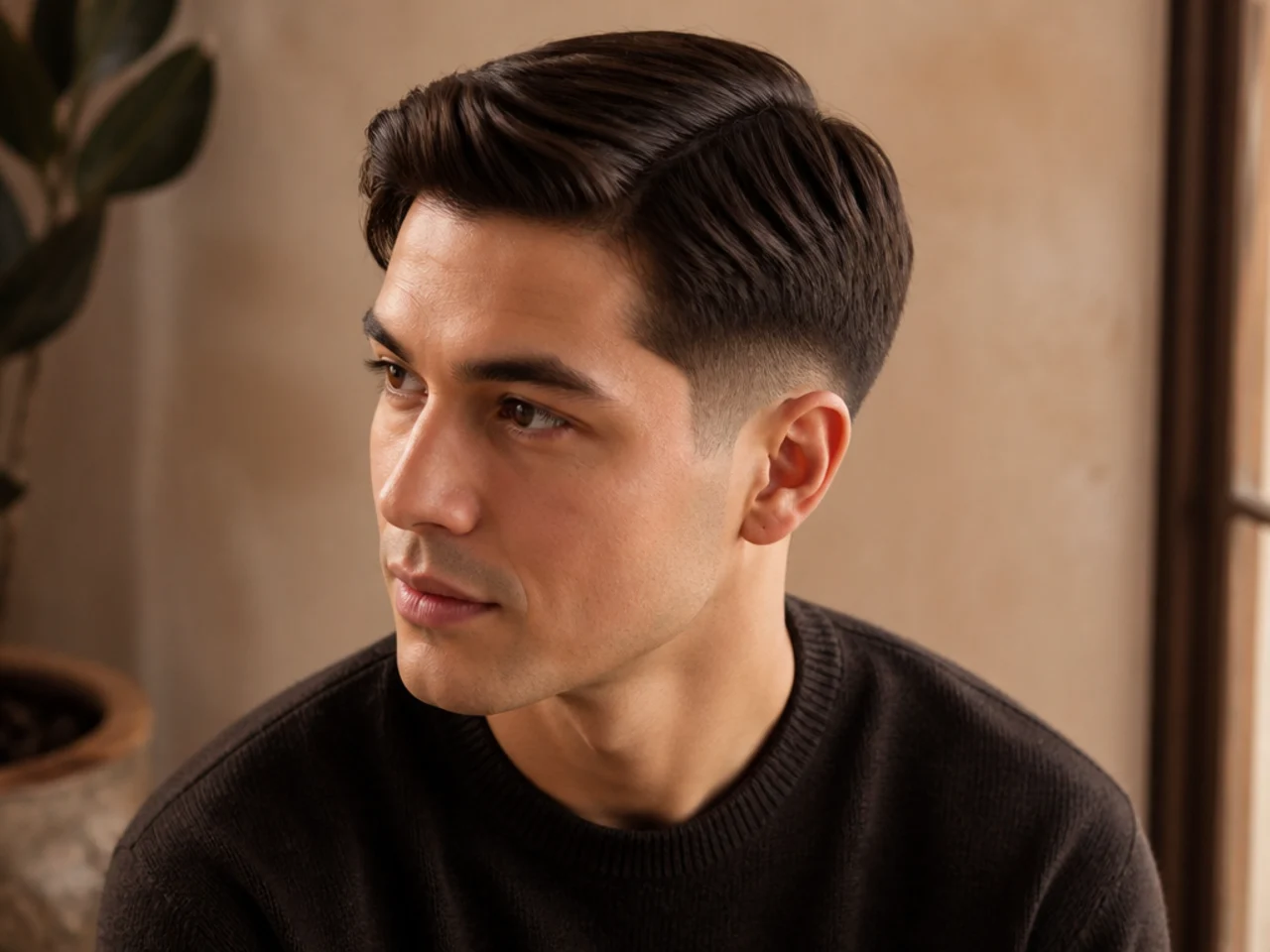
Name the finish rather than the word. "Taper, finishing at a number one, starting at the top of the ear" is three facts a barber can act on, and it is the difference between the cut you pictured and a fade you did not ask for.
For the full range of the cut see the ivy league haircut guide, and for where taper heights sit generally see low fade vs mid fade vs high fade. More in Fade Haircuts.