15 Ivy League vs Crew Cut Ideas Compared
Fifteen pairings compared, and the finding underneath all of them — the two cuts differ by one measurement on top and nothing else. Everything people think separates them is a variable both cuts share.
In this article · 22
- The One Measurement That Separates Them
- How to Choose Yours
- The 15 Comparisons
- 1. Two Inches Against an Inch and a Half
- 2. Same Low Taper, Two Different Tops
- 3. Both Over a Skin Fade
- 4. Morning Routine Compared
- 5. Growing Out Compared
- 6. On Thick Hair
- 7. On Fine Hair
- 8. On a Receding Hairline
- 9. On Curly Hair
- 10. In a Formal Setting
- 11. Under a Hat or Helmet
- 12. Trim Frequency
- 13. Product Needed
- 14. Asking For Them at the Barber
- 15. The Cut That Sits Between Them
- Styling and Upkeep
- Mistakes to Avoid
- FAQ
- Final Thoughts
These two cuts are argued about as though they were opposites. They differ by one measurement, and it is not the one most people name.
The fork is the top length, and nothing else. An ivy league keeps enough to lay across a parting, roughly two finished inches. A crew cut is cut below that and worn forward or up instead.
Everything else is shared. Taper height, guard number, neckline, hairline, product and schedule are variables both cuts have, which is why the same barber can produce either from the same instructions minus one sentence.
The One Measurement That Separates Them
Two finished inches is the fork. Above it a parting holds; below it the two sides close again on their own.
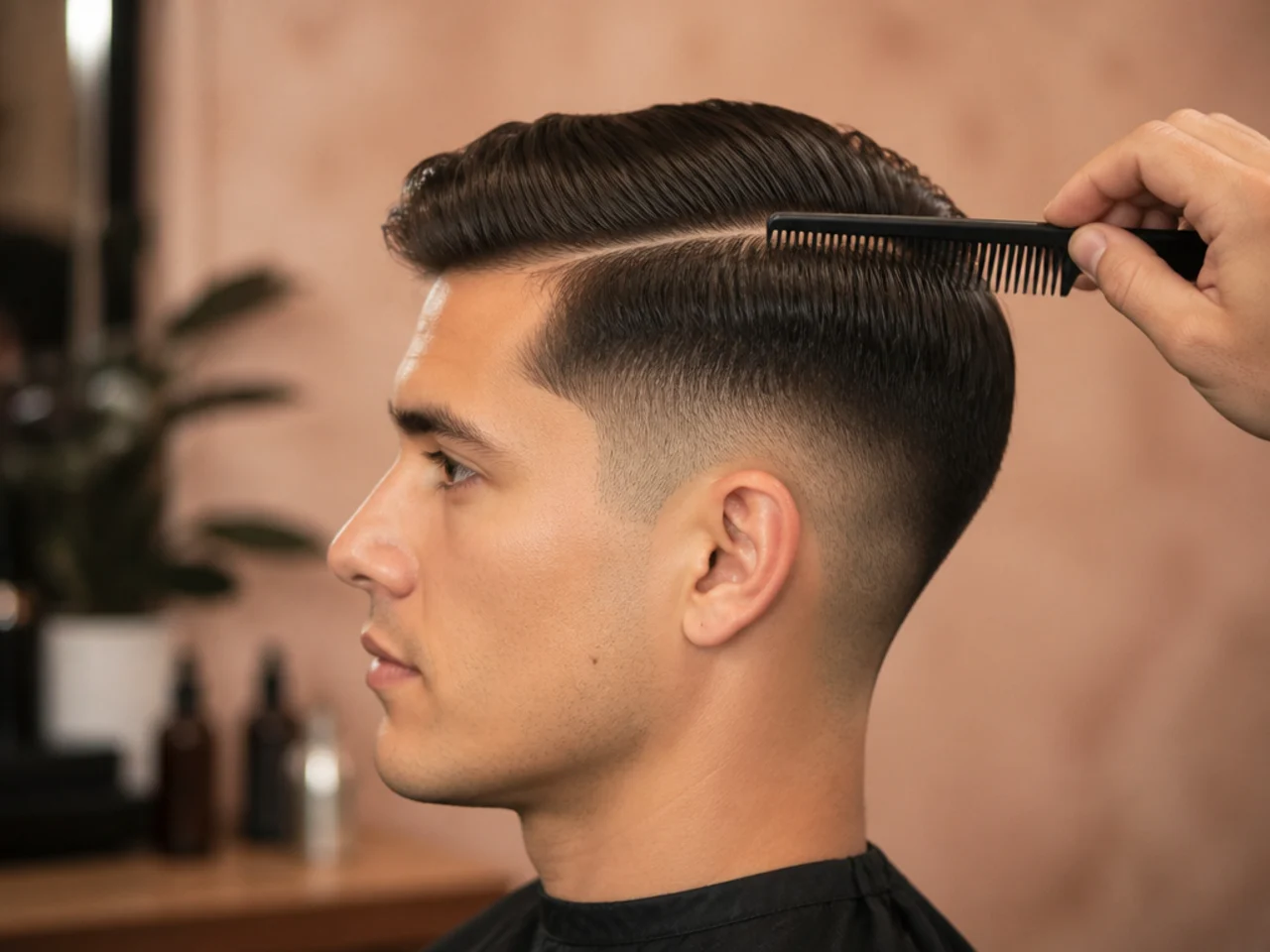
The comb test settles any argument. Draw a line, take the comb away, and watch whether it stays open.
Direction follows length. Long enough to part means the hair travels across the head; shorter means it can only go forward or up.
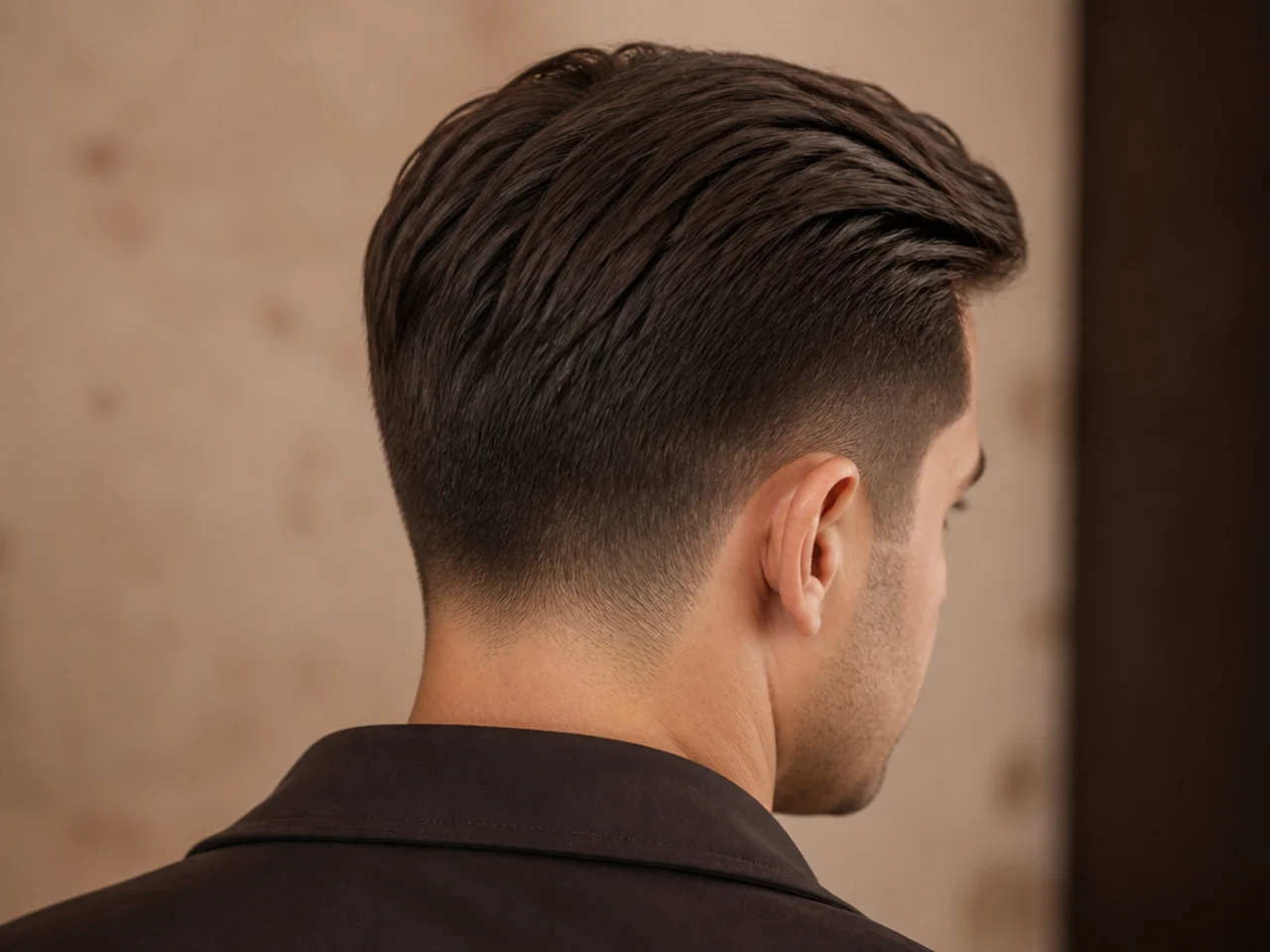
The sides prove nothing. A crew cut and an ivy league can both sit over a number one low taper and look identical from behind.
How to Choose Yours
Ask whether you want to comb it. That is the real question, and the length follows from the answer.
Count your morning minutes. A part is set damp and takes a minute; a crew cut takes none.
Consider what grows out better for you. A crew cut passes through ivy league length on its way out, which is a free upgrade if you like it.
Decide before you sit down. The instruction that produces one produces the other with a single word changed.
The 15 Comparisons
1. Two Inches Against an Inch and a Half
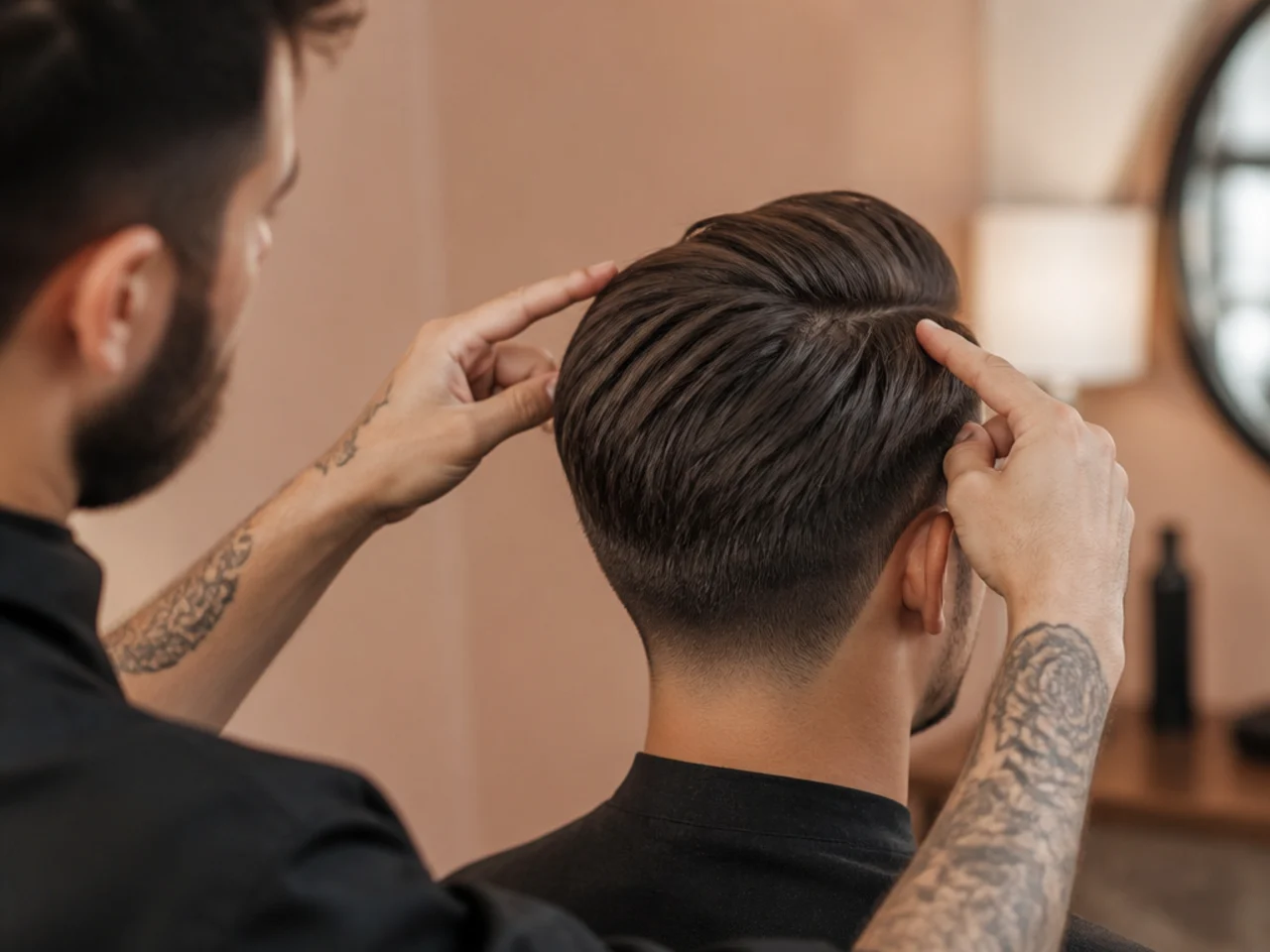
The fork itself, half an inch apart. One combs and stays; the other combs and closes within a minute, which is the entire distinction on this page.
2. Same Low Taper, Two Different Tops
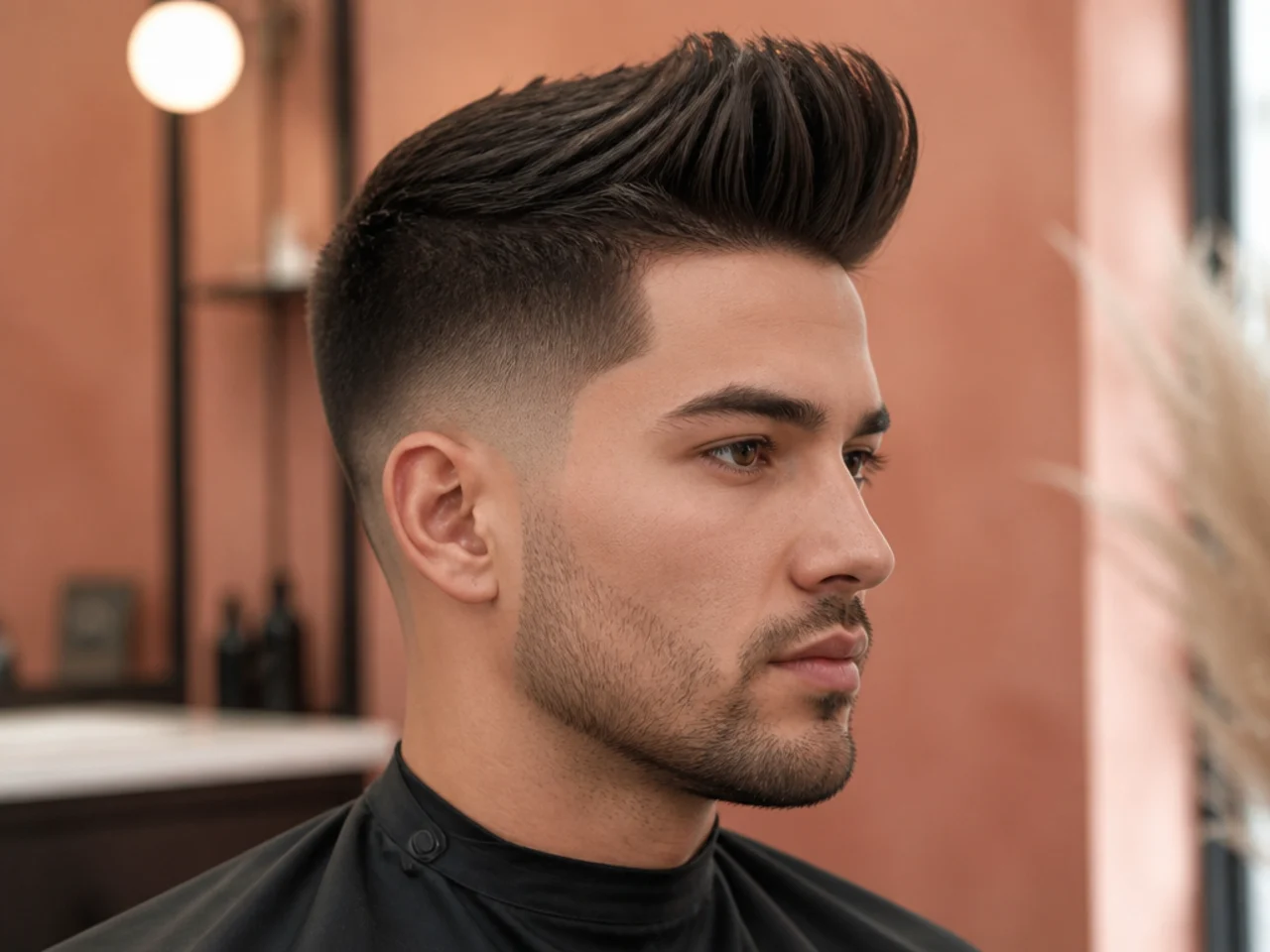
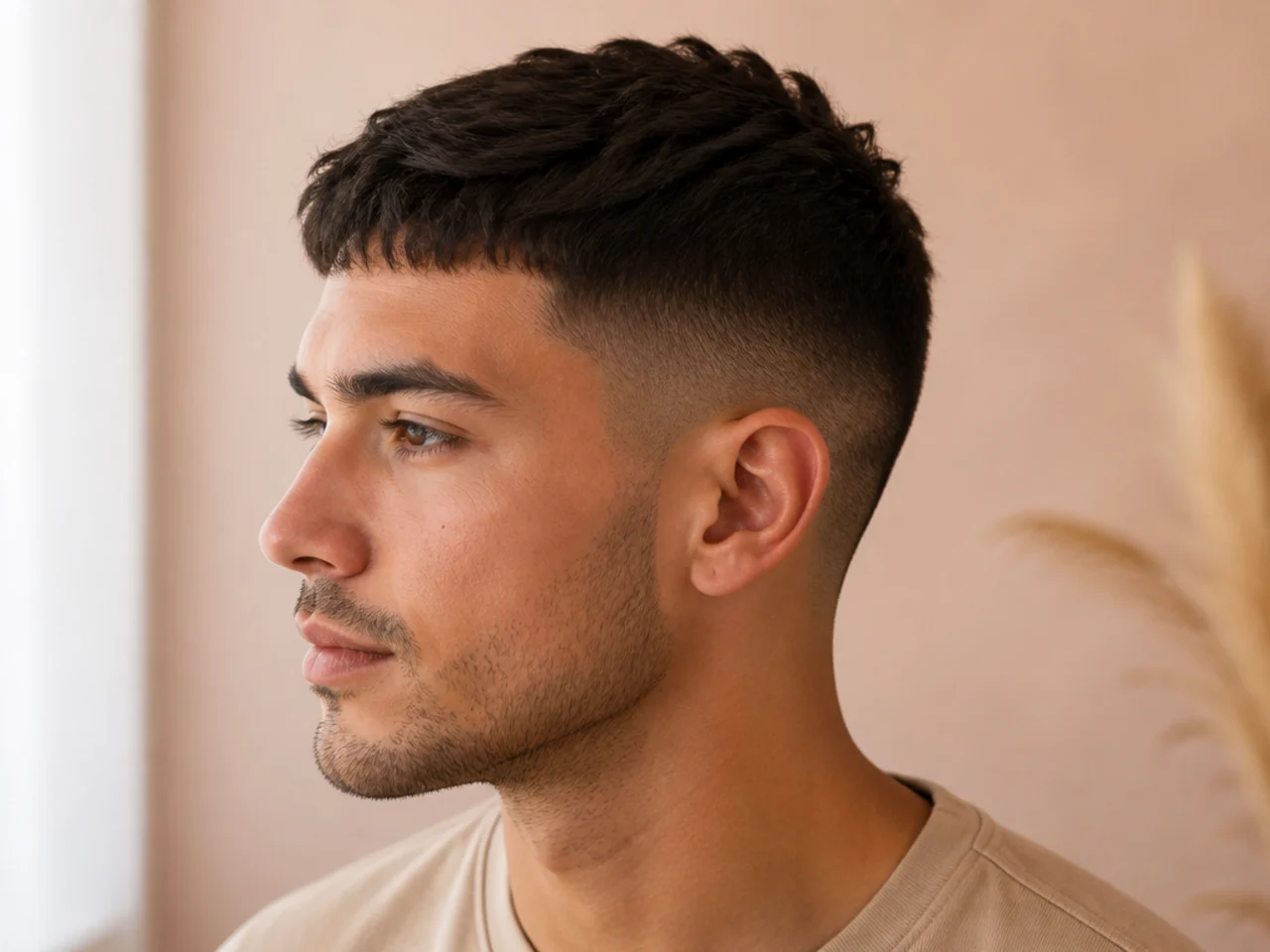
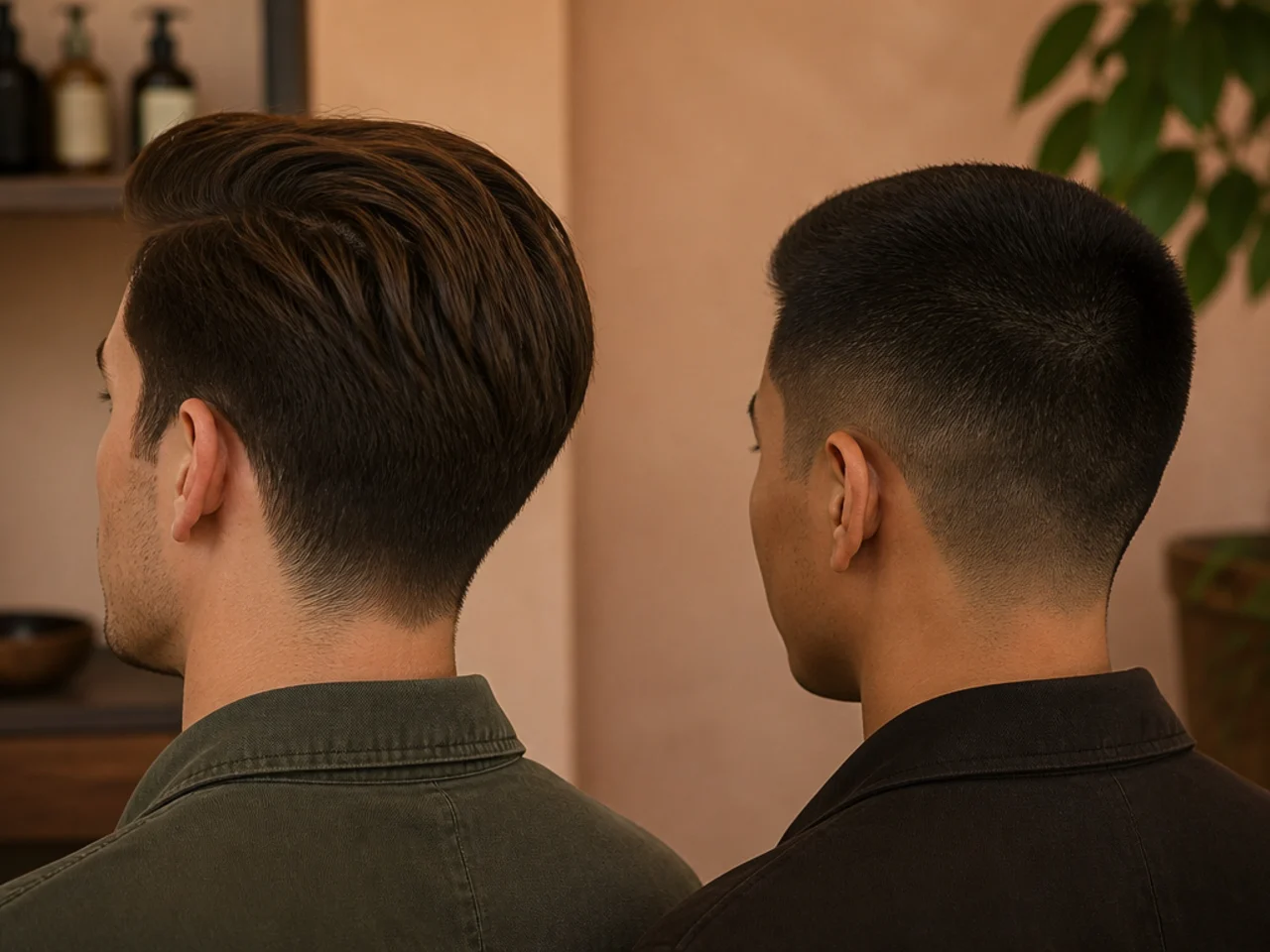
Identical sides, identical neckline, identical guard numbers. From behind they are the same haircut, which is why the sides are useless as a way of telling them apart and why so many online arguments about these two cuts are conducted over back-of-head photographs that prove nothing either way.

3. Both Over a Skin Fade
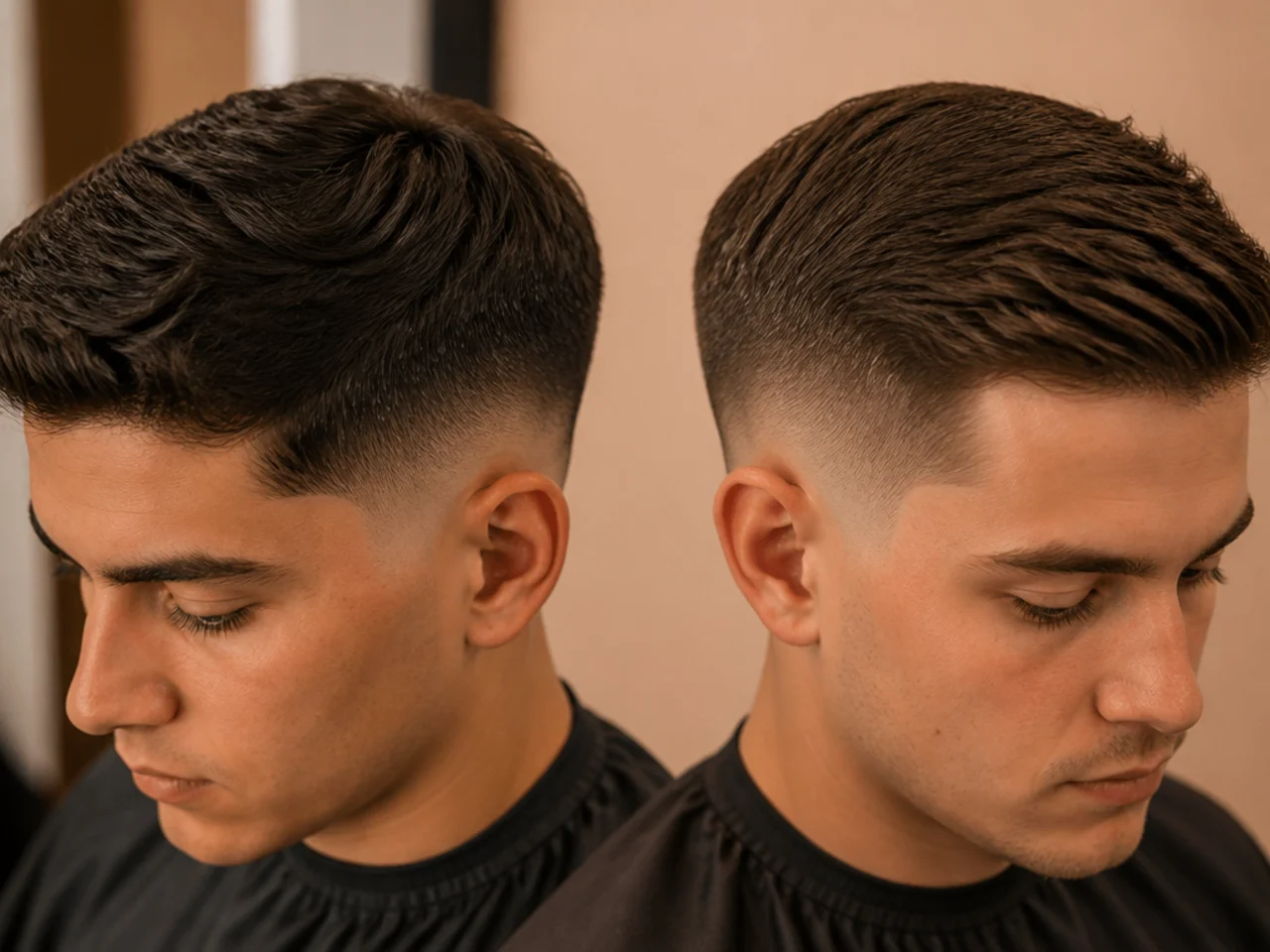
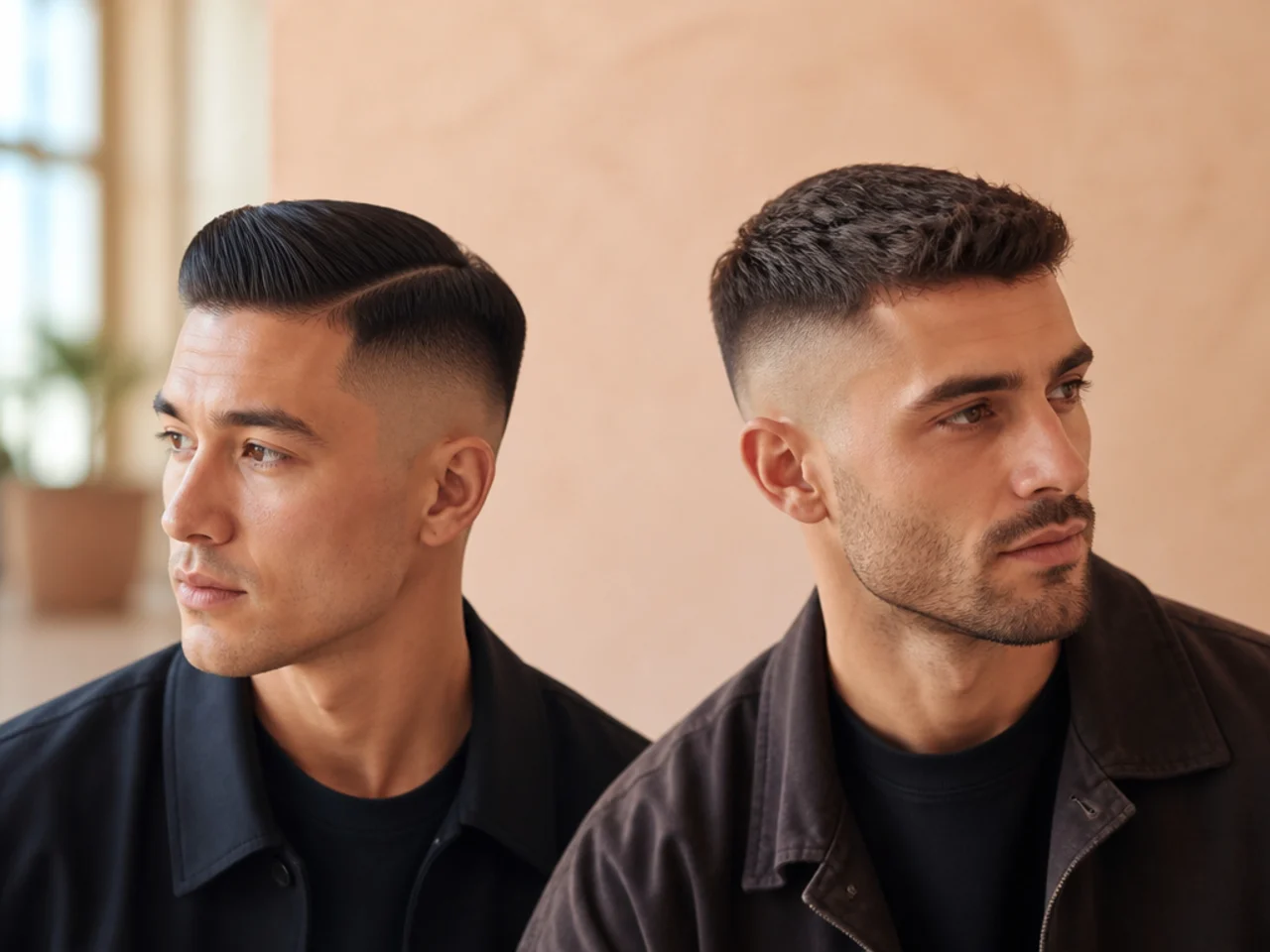
High contrast on both, and a skin fade modernises each of them equally without changing which cut you are looking at. It also blurs in one to two weeks either way, so it sets the same schedule for both and leaves the top length doing all the identifying.
4. Morning Routine Compared
The ivy league needs a damp comb and thirty seconds. The crew cut needs nothing, and that difference is the honest reason most people choose one.
5. Growing Out Compared
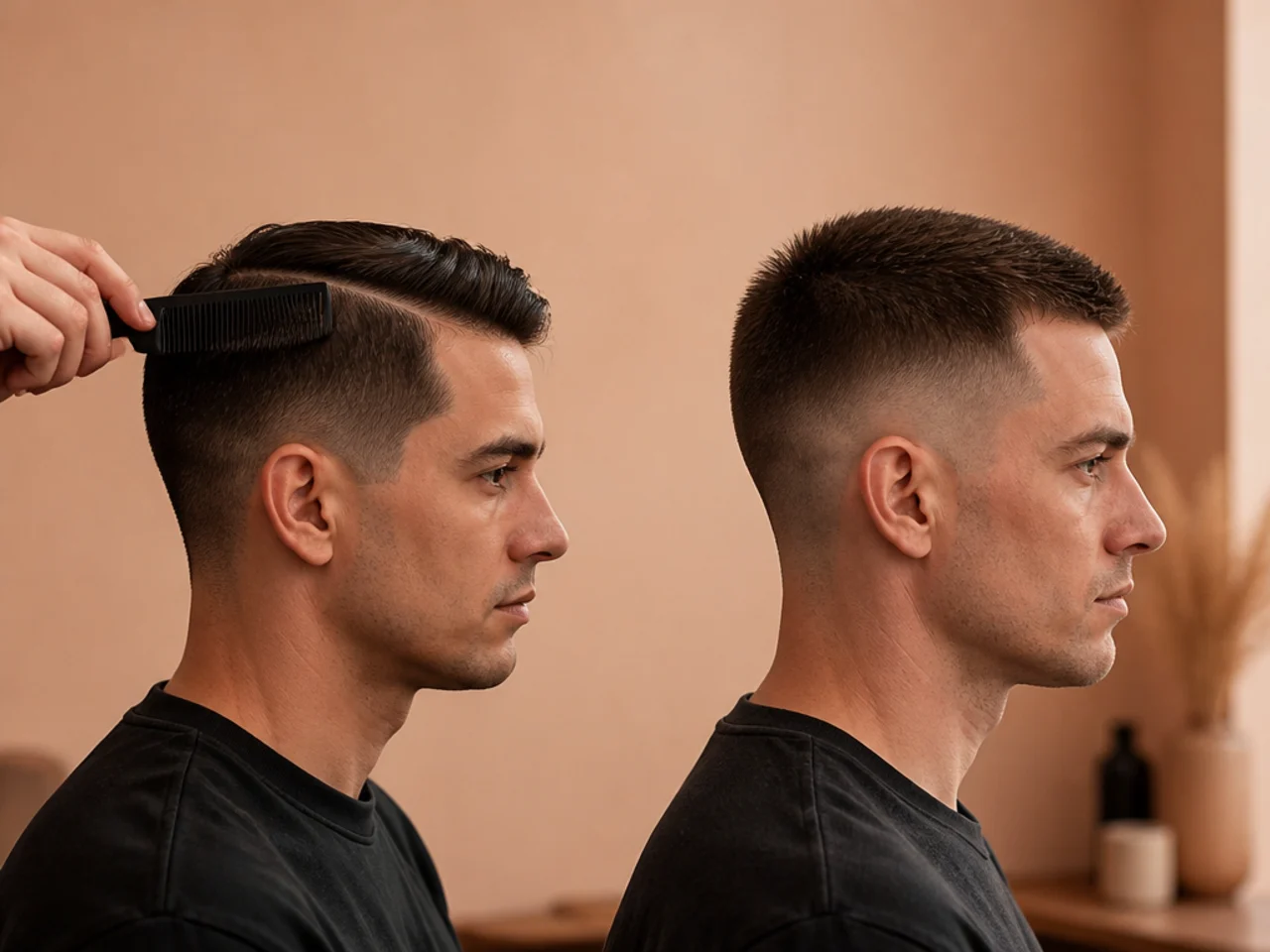
A crew cut passes through ivy league length at around week five, since hair adds roughly half an inch a month. An ivy league at week five is a short side part, so the two grow along the same line at different starting points rather than in different directions.
6. On Thick Hair
The crew cut wins on ease here — dense hair at ivy league length builds a mound the part slides off, which is the central problem in any cut for thick hair, and shorter simply avoids it.
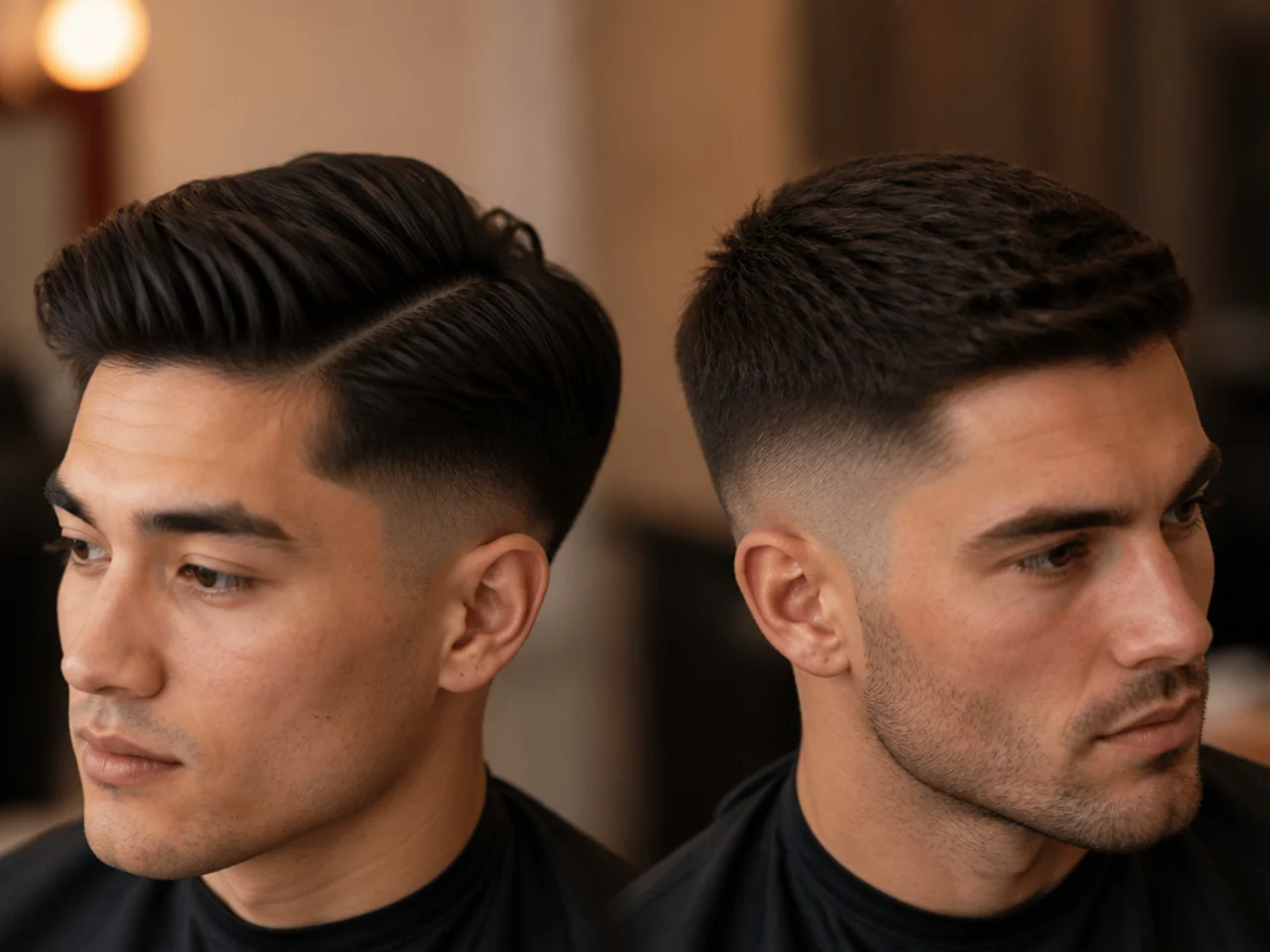
7. On Fine Hair
The ivy league wins. Two inches of fine hair laid over a part covers scalp that a crew cut leaves standing up and visible.

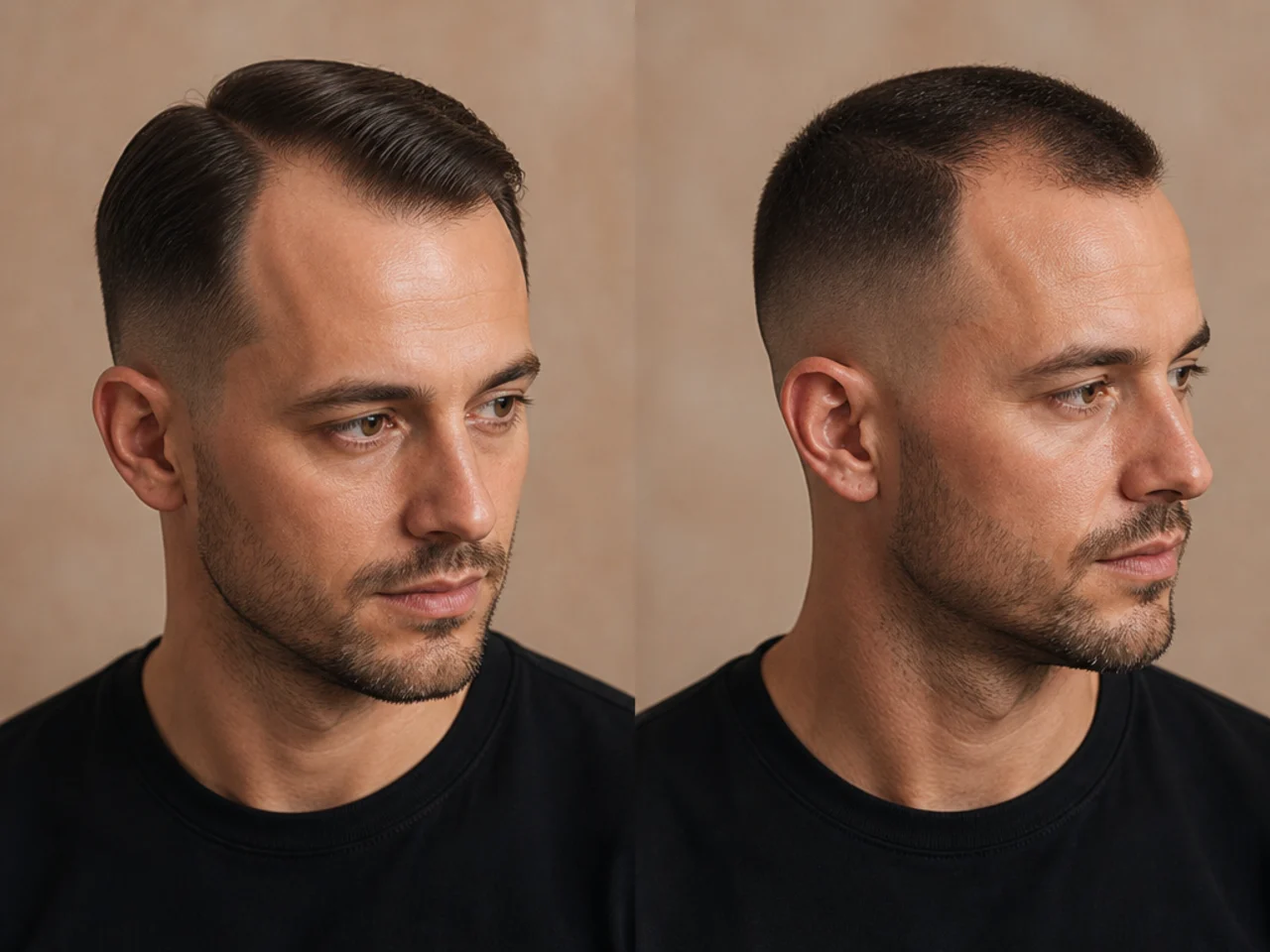
8. On a Receding Hairline
The ivy league can sweep across the temples; the crew cut has no direction available to it and hides nothing. Once the hairline moves back, where the hair travels matters more than how much of it there is.
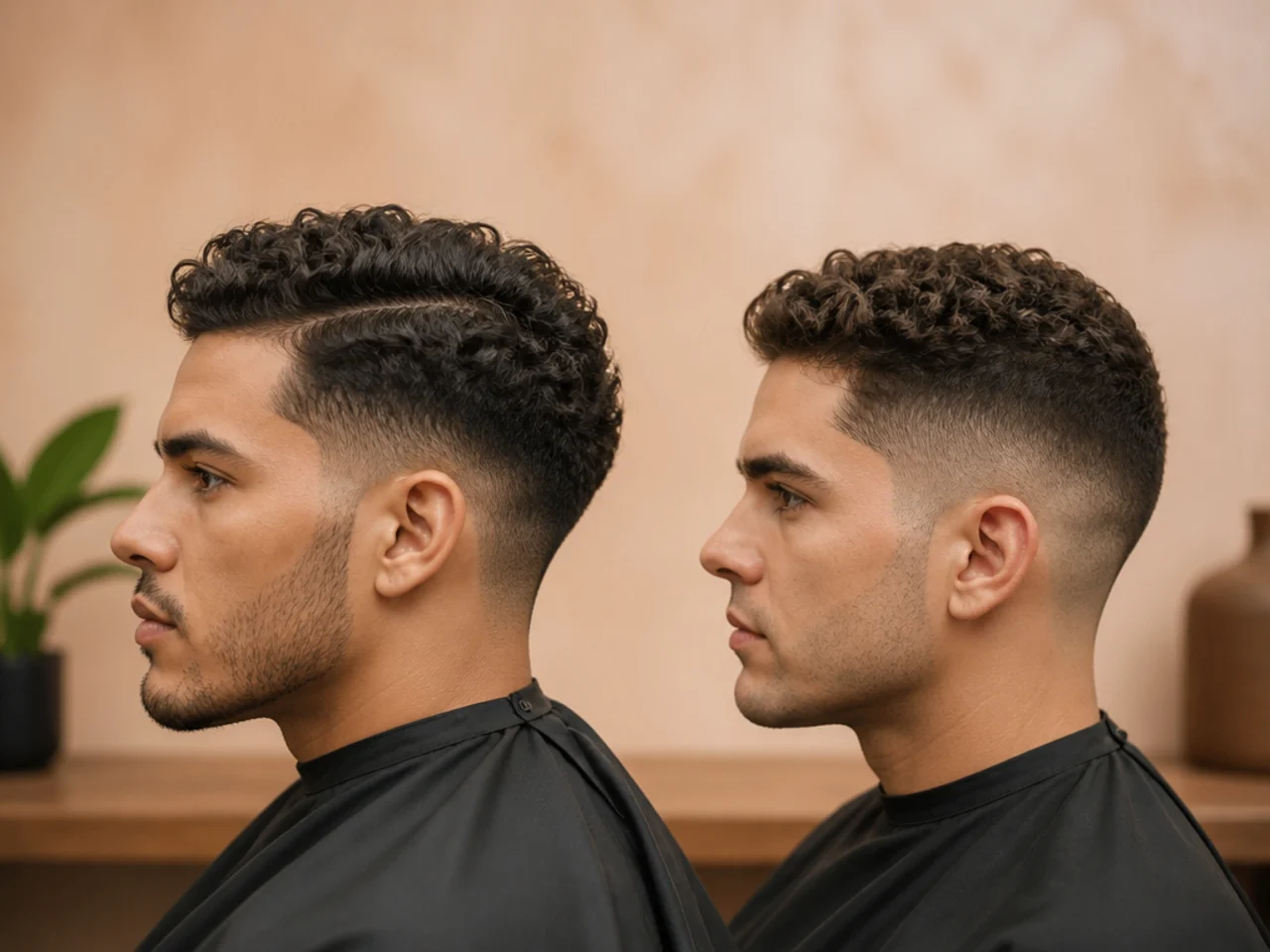
9. On Curly Hair
The crew cut is easier because it sidesteps shrinkage entirely, while an ivy league on curl has to be cut a third longer than it will finish.
10. In a Formal Setting
A part reads more formal than a forward-worn top, which is the only place the two cuts genuinely differ in register. A parting is a deliberate line and a forward-worn top is the absence of one, and formality is mostly the reading of deliberate lines.

11. Under a Hat or Helmet
The crew cut survives it. An ivy league comes out flattened with the part crushed, and it needs rewetting rather than recombing.

12. Trim Frequency
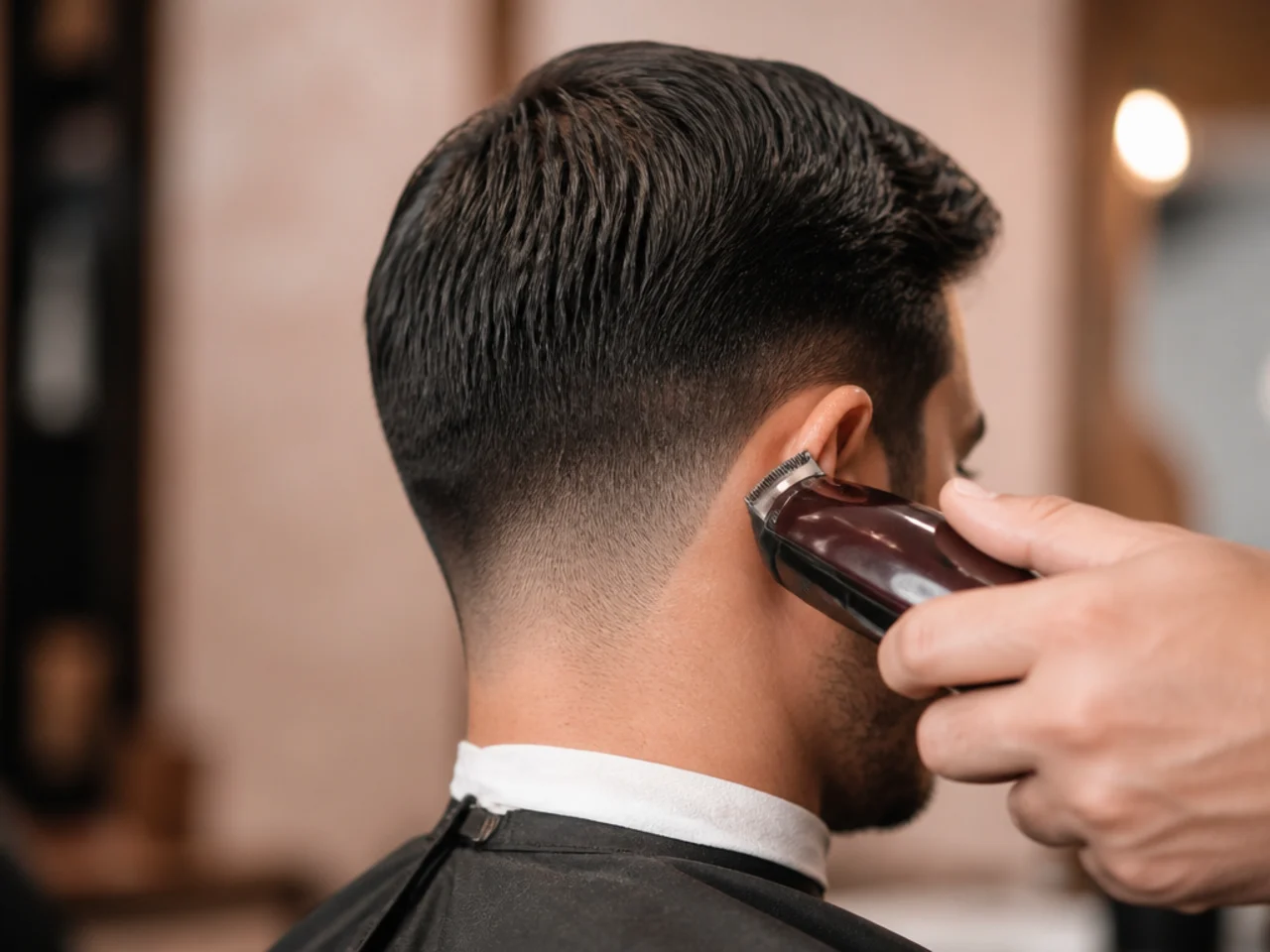
The same on both, because the sides set the schedule and the sides are identical. A taper holds three to four weeks and a skin finish holds one to two, whichever cut is sitting above it.

13. Product Needed
A pea of paste against nothing at all. The crew cut's real advantage is that it has no styling failure mode, because there is no direction to lose and therefore no morning on which it can be worn wrong.

14. Asking For Them at the Barber
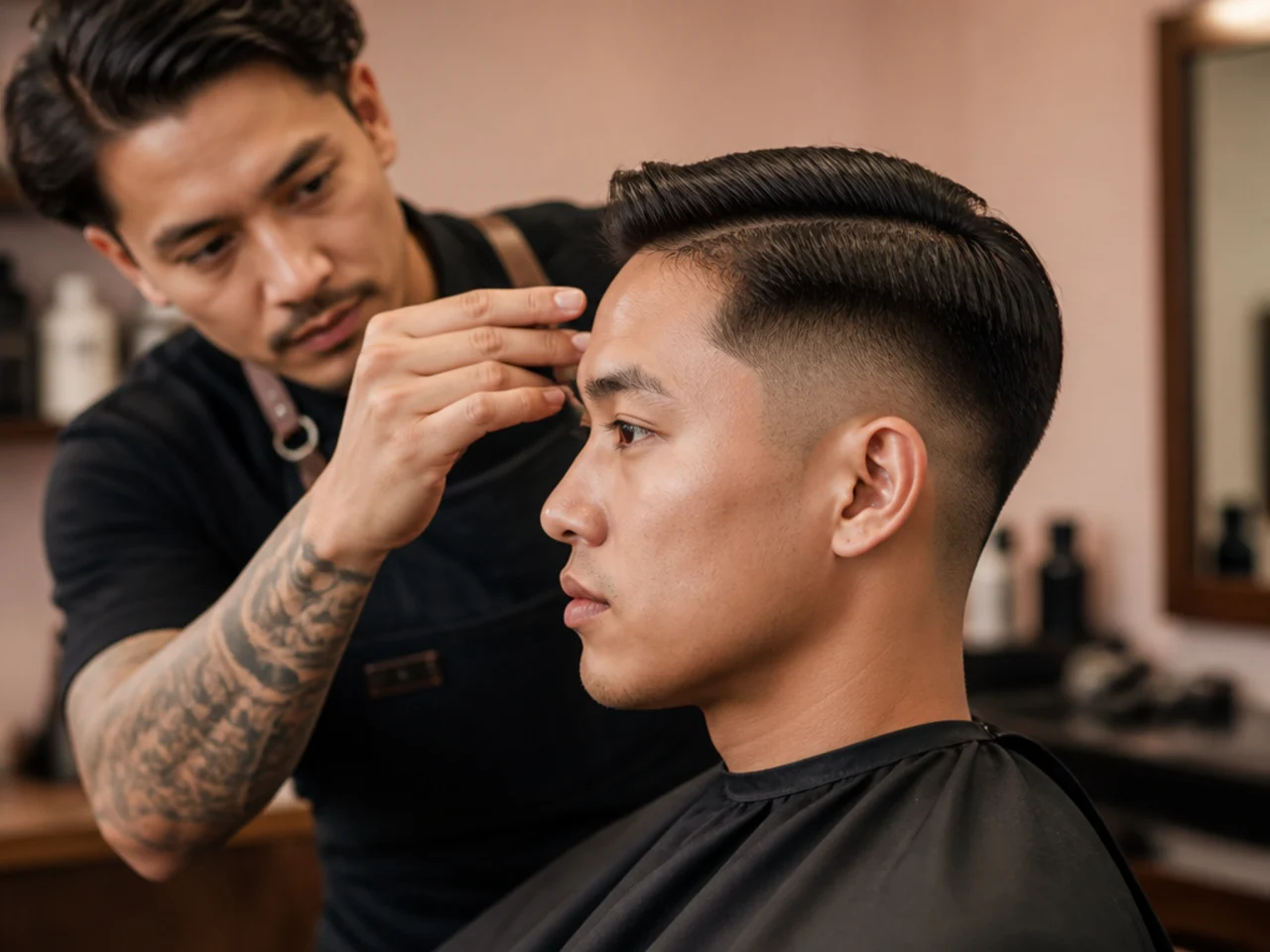
The instructions differ by one clause — "enough to part it." Without it, most barbers default to crew cut length on a short brief, because a shorter top is the safer error in a trade where you cannot put length back on.
15. The Cut That Sits Between Them
An inch and three quarters, combed and clinging on. It looks parted in the bathroom mirror and unparted in every photograph, because the line holds only while the hair is still slightly damp. It is the one length worth avoiding on purpose.
Styling and Upkeep
Test with a comb, not with a ruler. Whether the line holds is more useful than what the tape says.
Keep the same side numbers whichever you pick. They are the half of the cut both styles share.
Set an ivy league part damp. A crew cut skips this step because there is no direction to set.
Use the grow-out. A crew cut becomes an ivy league on its own if you let it, at no cost.
Book on the sides. Both cuts lose their shape at the taper before they lose it on top.
Mistakes to Avoid
Assuming the sides tell you which cut it is. They are identical on both.
Asking for a crew cut and expecting a part. The length that allows one is the definition of the other cut.
Landing between the two lengths. It parts unconvincingly and reads as neither.
Choosing by photo. A front-on shot of either cut looks the same.
Judging an ivy league at week one and a crew cut at week four. Both look best fresh, and comparing them at different ages proves nothing.

FAQ
What separates them? One measurement on top — enough length to part, or not.
Is an ivy league a long crew cut? Yes, that is literally its origin.
How do I tell? Comb a line and see whether it stays open.

Final Thoughts
Ask yourself whether you want to comb it in the morning. That single question decides between these two cuts more reliably than any photograph, because every other difference people cite turns out to be a setting both of them share.
For the full range of the longer version see the ivy league haircut guide, and for the shorter one see crew cut hairstyles. More in Men's Haircuts.