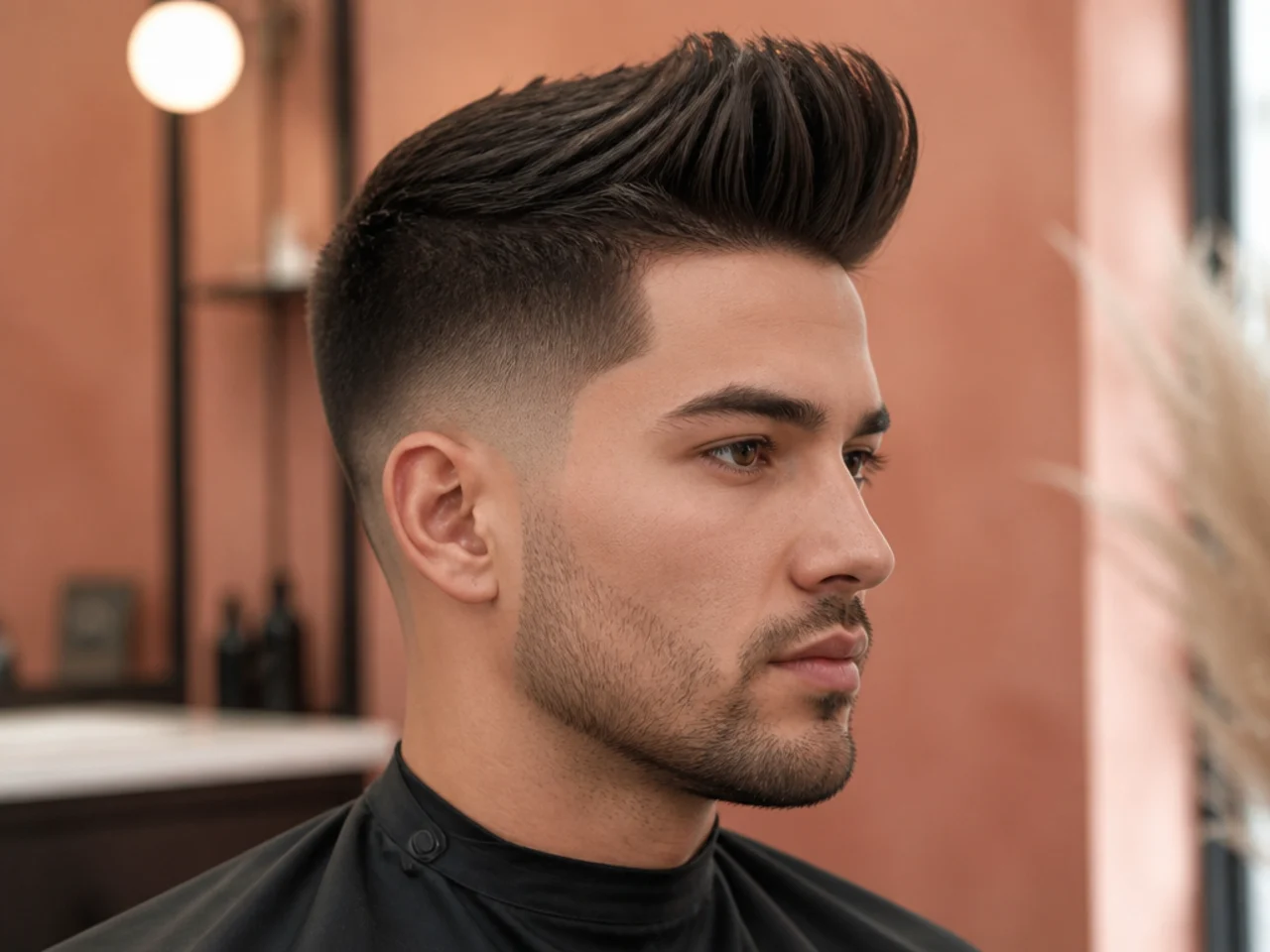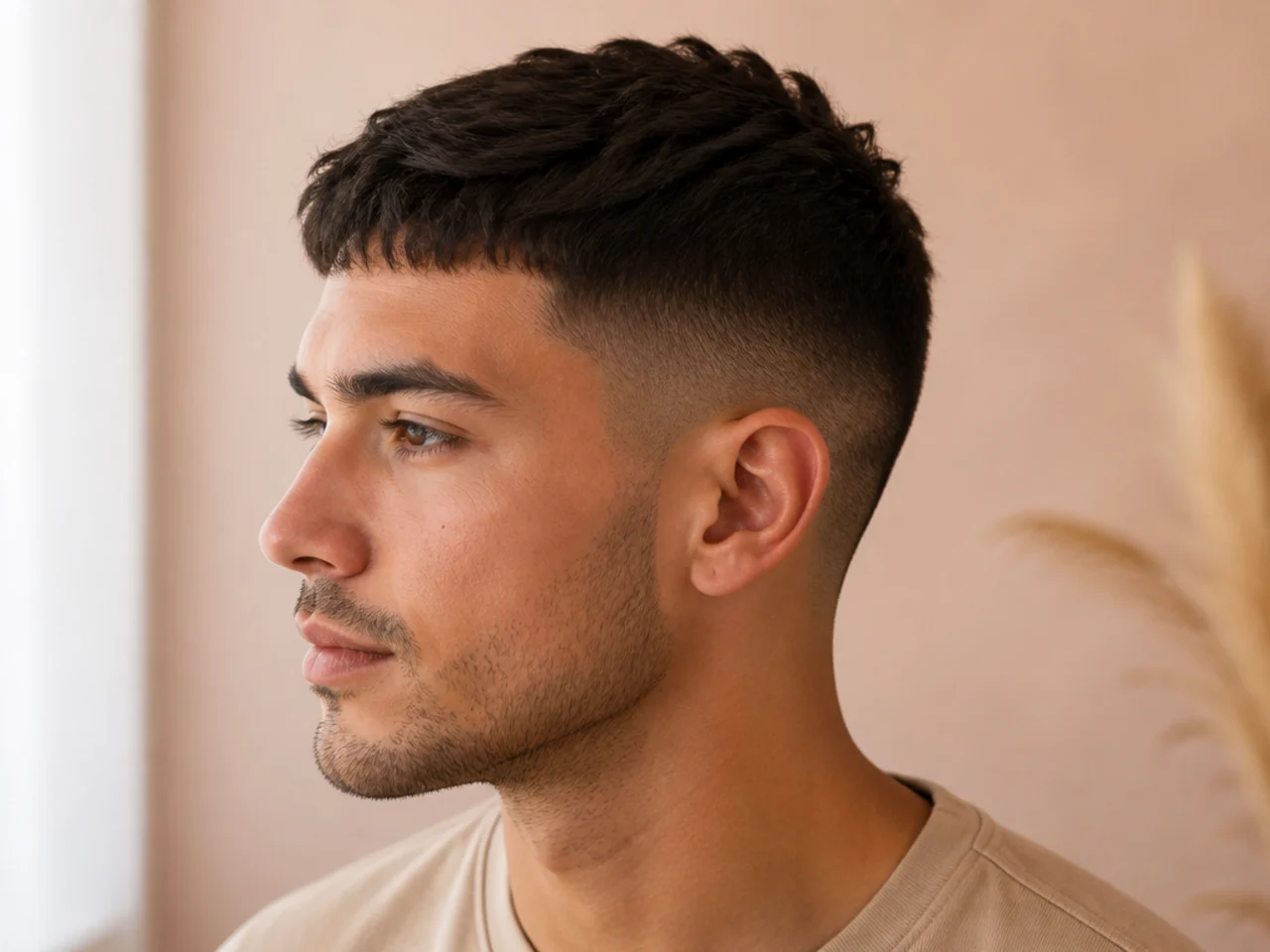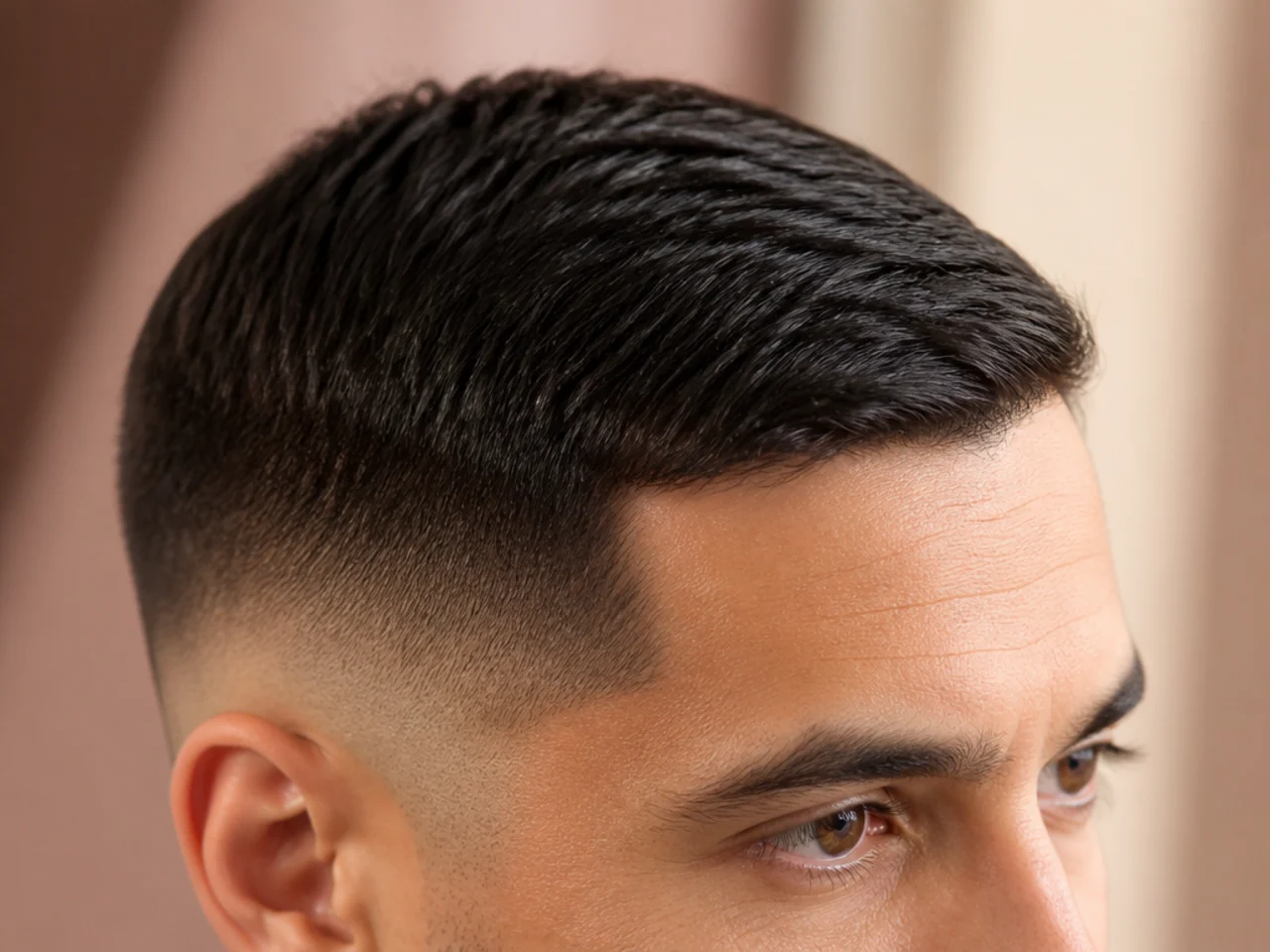
15 Ivy League Haircuts I Tried This Year
Fifteen ivy leagues across a year and three barbers, with an honest verdict on each. Asking for two inches got me five different tops, because nobody measures from the same place — the fix was naming where.
In this article · 23
- What I Was Actually Getting Wrong
- How I Picked These
- The 15 Cuts I Tried
- 1. Two Inches, Barber One
- 2. Two Inches at the Front, Dry
- 3. The Same Sentence at a New Shop
- 4. Measured Wet, Not Specified
- 5. Low Taper, Number One
- 6. Mid Taper, Number One
- 7. Skin Fade Under an Ivy League
- 8. Three Inches on Top
- 9. The Hard Part I Asked For Once
- 10. Point-Cut Top
- 11. Blunt Neckline
- 12. Squared Front Hairline
- 13. Switching My Part Side
- 14. Clay Instead of Pomade
- 15. The Cut I Let Go to Seven Weeks
- What I Would Do Differently
- Styling and Upkeep
- Mistakes to Avoid
- FAQ
- Final Thoughts
Three barbers, fifteen cuts, one year. I logged what I asked for, what I got and whether it still parted at week three, and the pattern in those notes was not about barbers at all.
The same number kept producing different tops. I asked for two inches eleven times and got at least five distinguishable lengths.
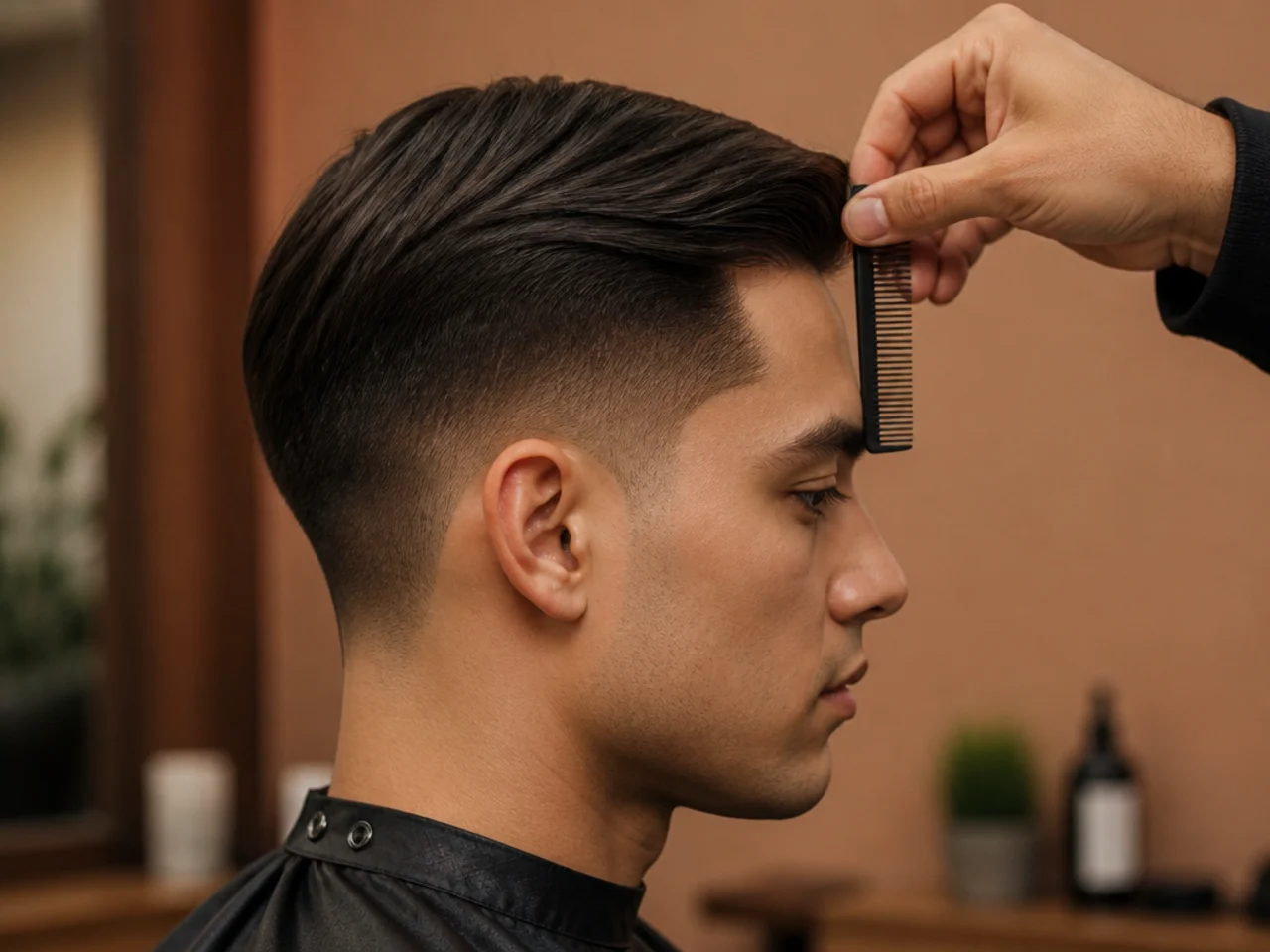
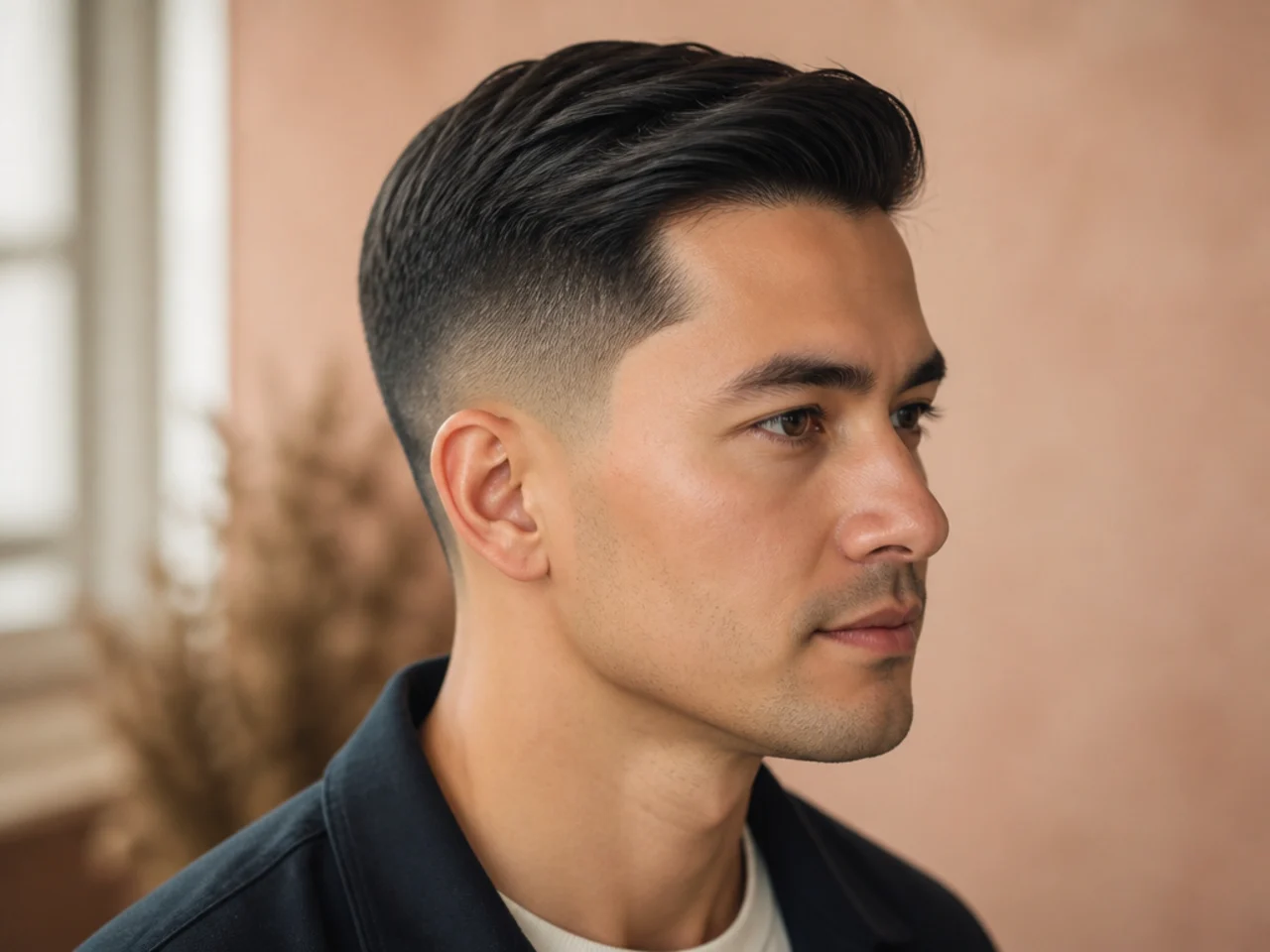
Nobody measures from the same place. The top of an ivy league is not one length — it graduates back toward the crown, so "two inches" means whatever spot the barber's fingers happen to be holding.
What I Was Actually Getting Wrong
I gave a number without a location. Two inches at the crown and two inches at the hairline are very different haircuts.
The front is the shortest point that matters. It is where the part has to lie down and where I kept coming up short.
Wet and dry cost me a cut too. One barber measured wet, and my slight wave took nearly half an inch back as it dried.
Fixing it took one extra word. "At the front." Everything since has been repeatable.
How I Picked These
I paid for all fifteen at three shops. No free cuts, no arrangements, no one knew I was writing anything down.
I judged each at week three, not week one. Everything looks correct on the day.
The test was always the same. Comb a part, take the comb away, see if it stays.
The verdicts are from my notes. Where I say something failed, it failed on me and not in principle.

The 15 Cuts I Tried
1. Two Inches, Barber One
Came back closer to an inch and a half at the front. He measured at the crown, where the top graduates longer, and cut everything forward of it to match. It parted for about a week while there was still some weight in it, and then stopped holding at all.
2. Two Inches at the Front, Dry
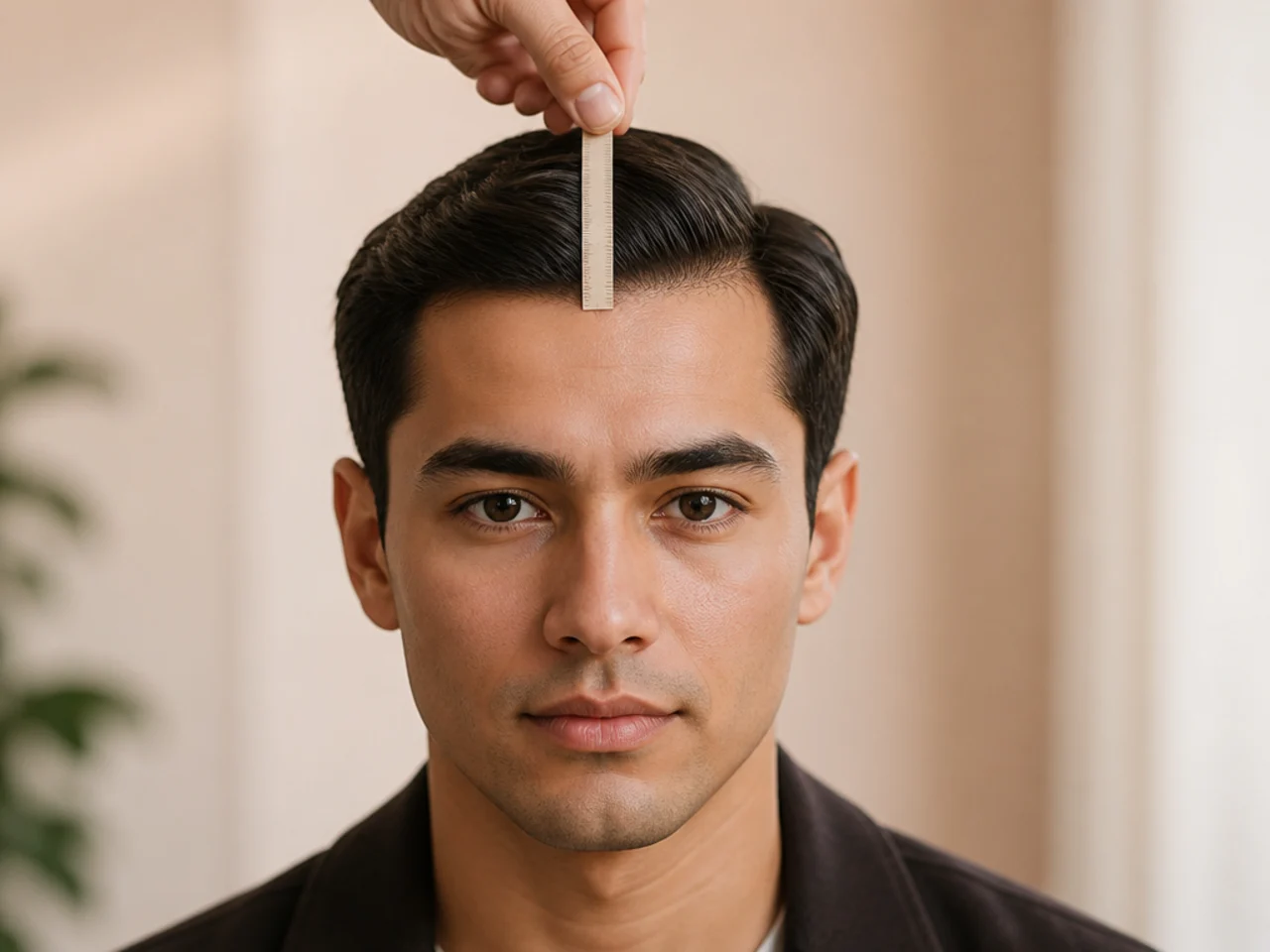
The cut that fixed the year. Same shop, same barber, one extra clause. It parted from day one and still parted at week four.
3. The Same Sentence at a New Shop
I moved and used the identical wording at a shop that had never seen me. It came out within a few millimetres of the previous cut, which had never happened before, and it was the point at which I stopped blaming individual barbers for the variation.
4. Measured Wet, Not Specified
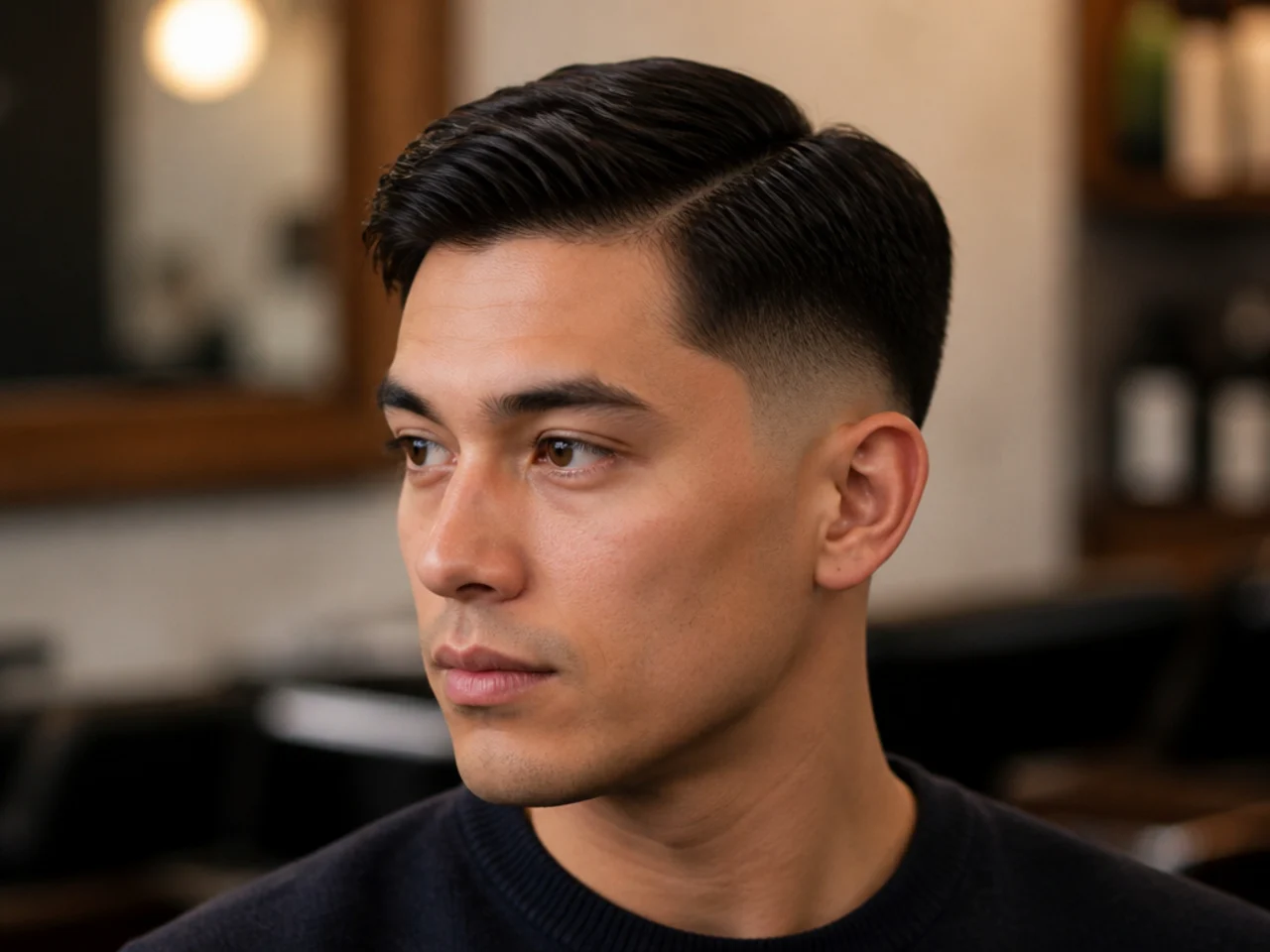
Lost about half an inch as it dried. My hair has a slight wave I had never thought of as a wave, and that was enough.
5. Low Taper, Number One
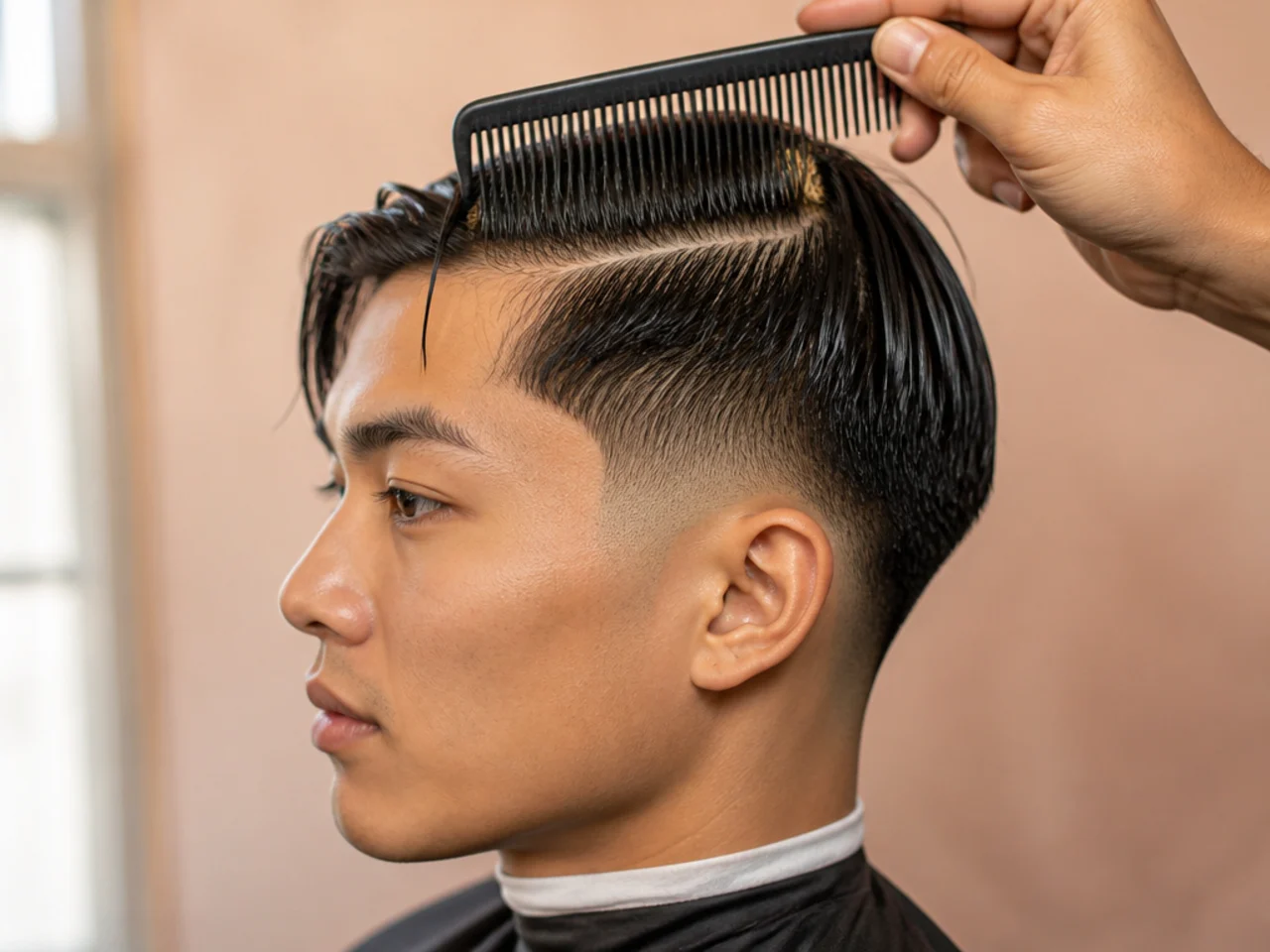
The version I keep coming back to. Conservative, and it still looked deliberate at three and a half weeks rather than merely grown out.

6. Mid Taper, Number One
Sharper on day one. The extra contrast disappeared by week two, which made the whole thing feel like paying for eight good days.
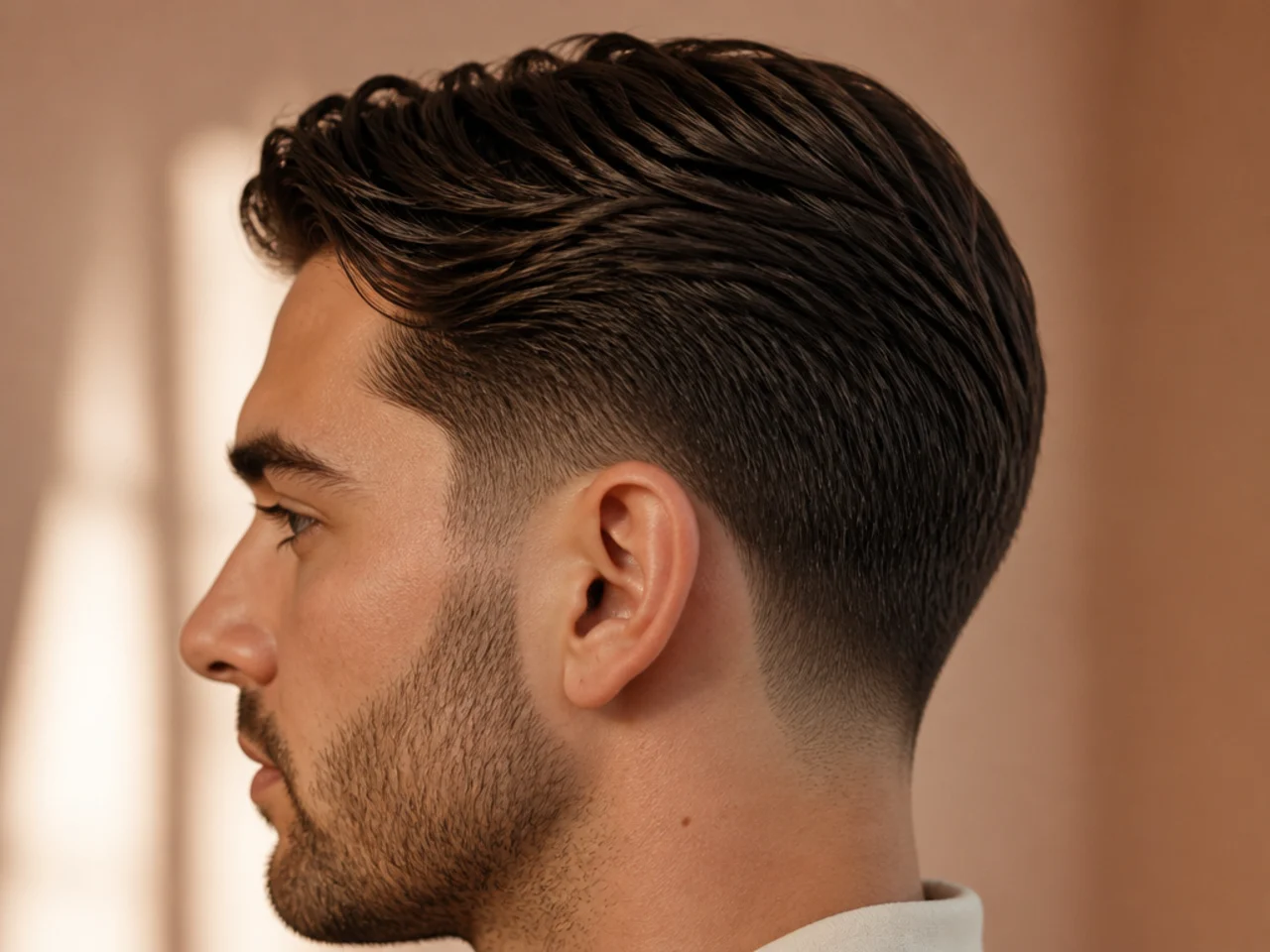
7. Skin Fade Under an Ivy League
Best photograph, worst fortnight. Stubble on bare skin was obvious by day four and I was back in the chair inside two weeks, which is the same verdict I would give any high fade I have tried.
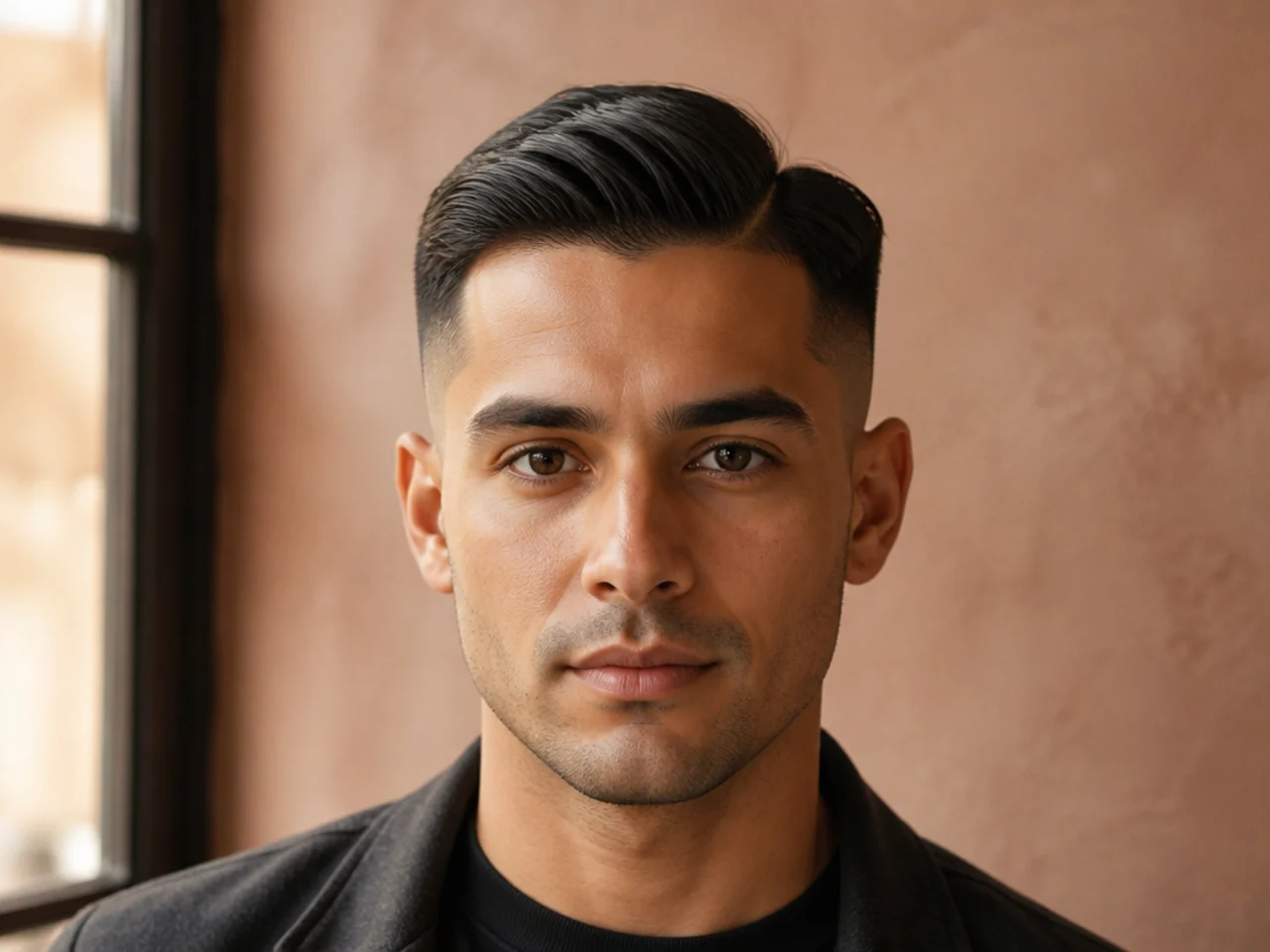
8. Three Inches on Top
More to comb and easier to part, but it needed drying rather than air drying. Three inches is past the point where air drying sets a direction on its own, so the part has to be blown into place instead of combed into it. Good cut, longer morning.

9. The Hard Part I Asked For Once
Held perfectly for two weeks, then grew in as a stripe of shorter hair that I could see for a month, which is the known cost of a hard part. Not for me.
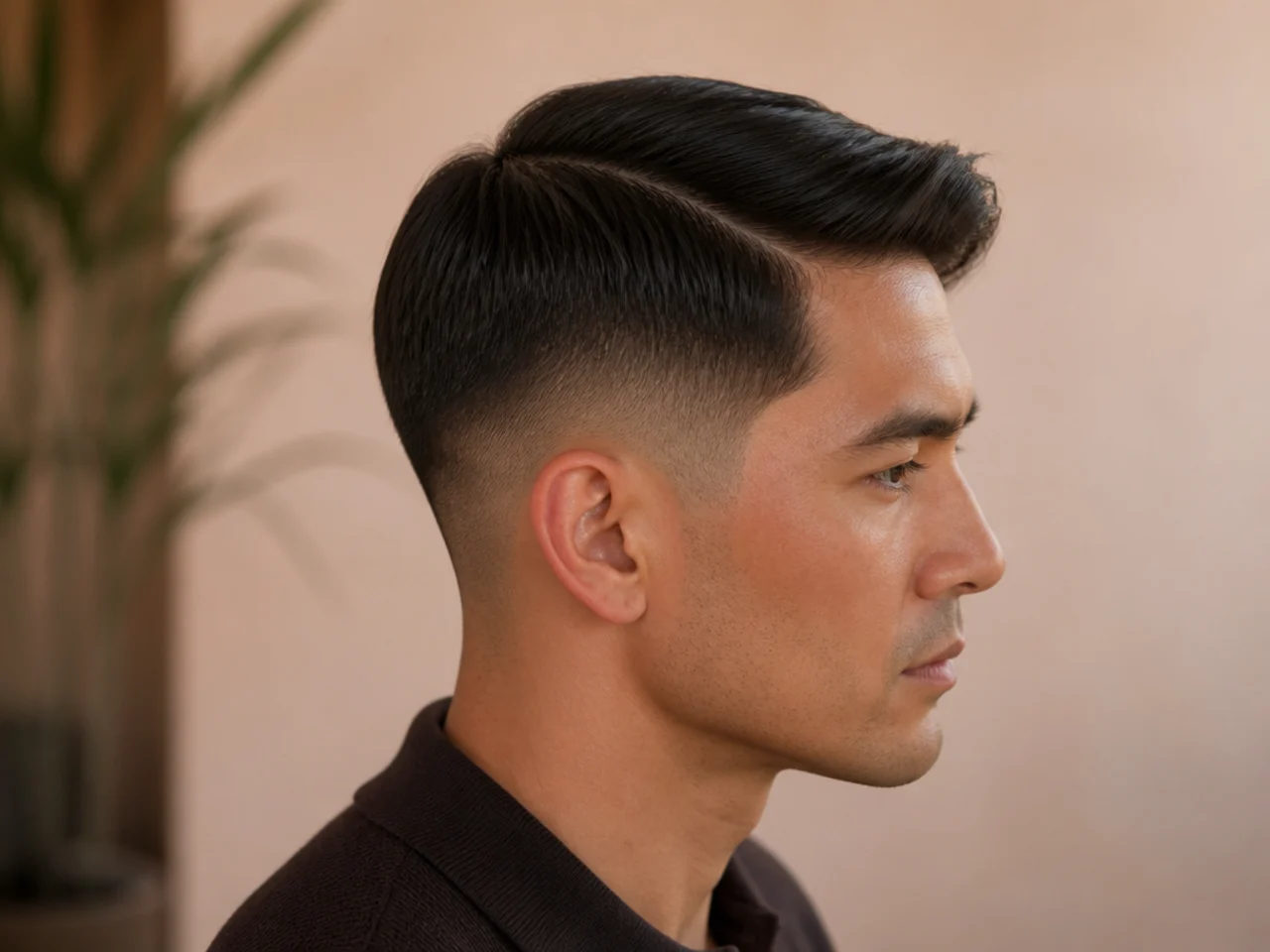
10. Point-Cut Top
The single best change to the top itself. The bulk came out, the length stayed, and the part stopped riding up over a lump at the crown. I had spent months assuming that was a length problem and trying to fix it by asking for less.
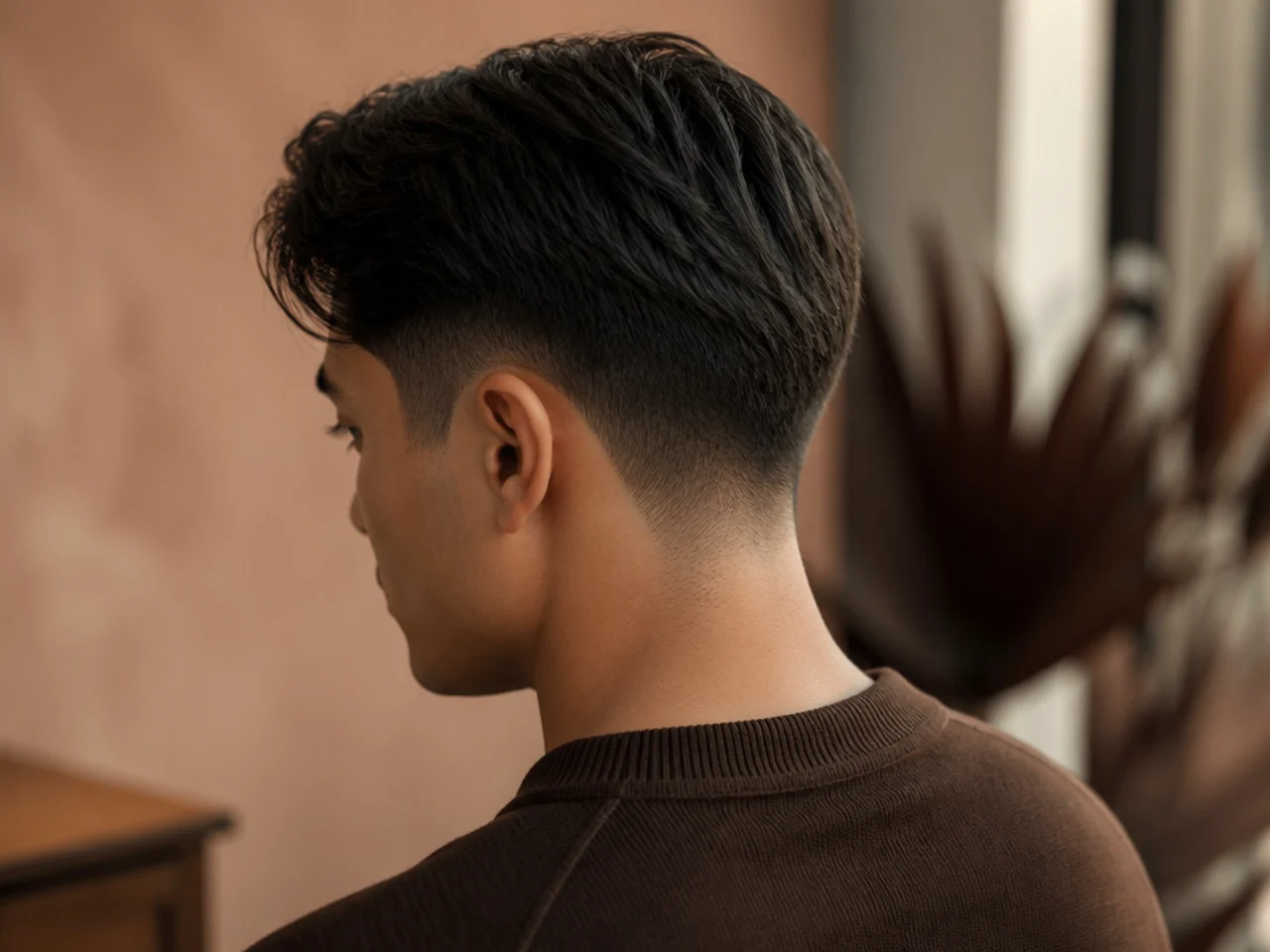
11. Blunt Neckline
Looked immaculate for eight days and then grew into a visible shelf on my neck. A blunt line is cut across the neck rather than into the hairline, so growth arrives underneath it and builds a ledge instead of softening. Tapered every time since.
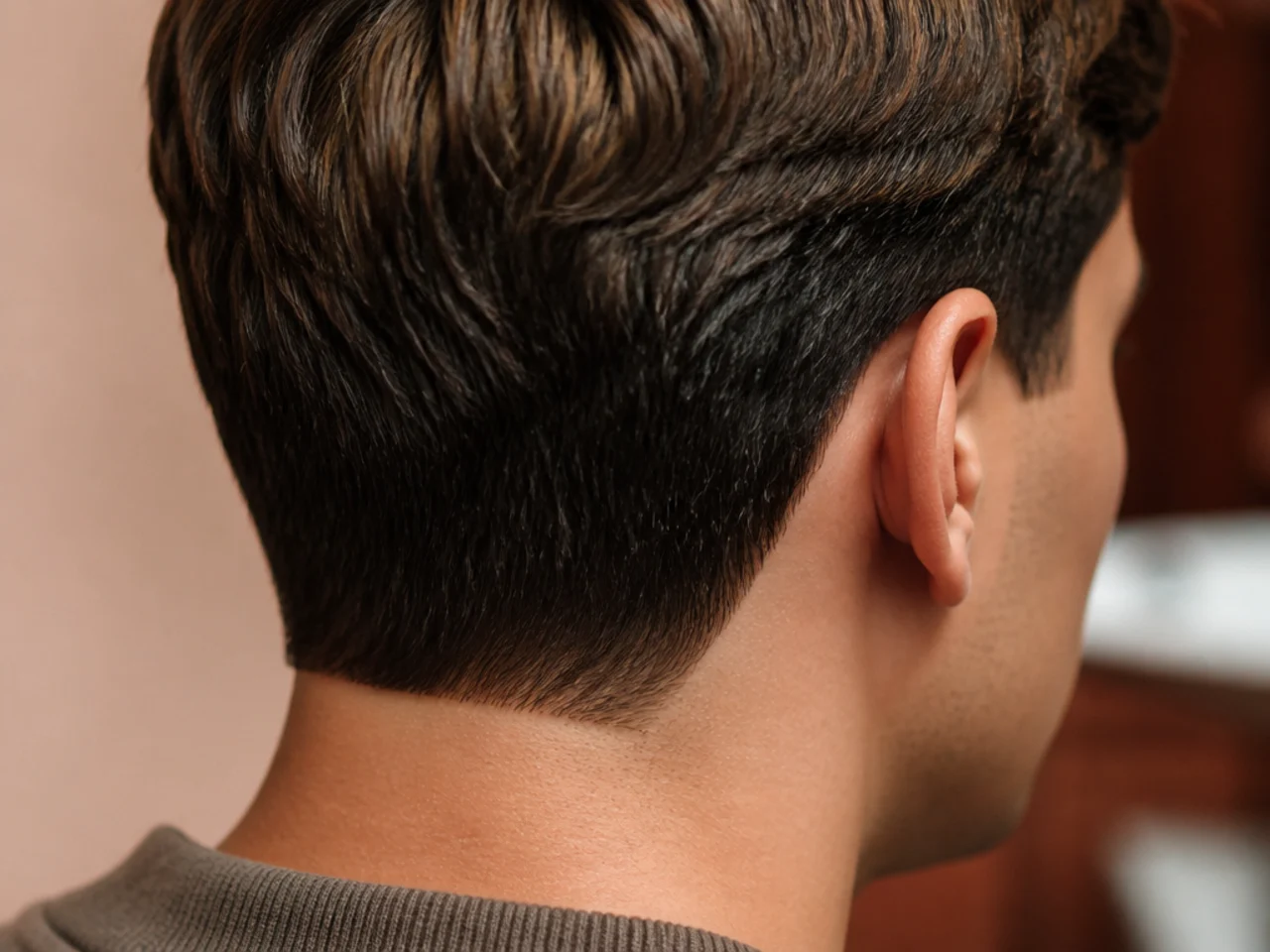
12. Squared Front Hairline
Sharp, and it made the cut read shorter without a millimetre coming off. Squaring the corners pulls the outline of the head in at the temples, and the eye reads that outline before it reads any length. Cheapest change on this list.

13. Switching My Part Side
I tried the other side for six weeks. It never settled and I combed it three times a day. Do not do this on a whim.

14. Clay Instead of Pomade
Same shape, no shine, and it held identically, which is the whole of what product choice does here. The finish was a preference, not a function — which took me most of a year to accept.
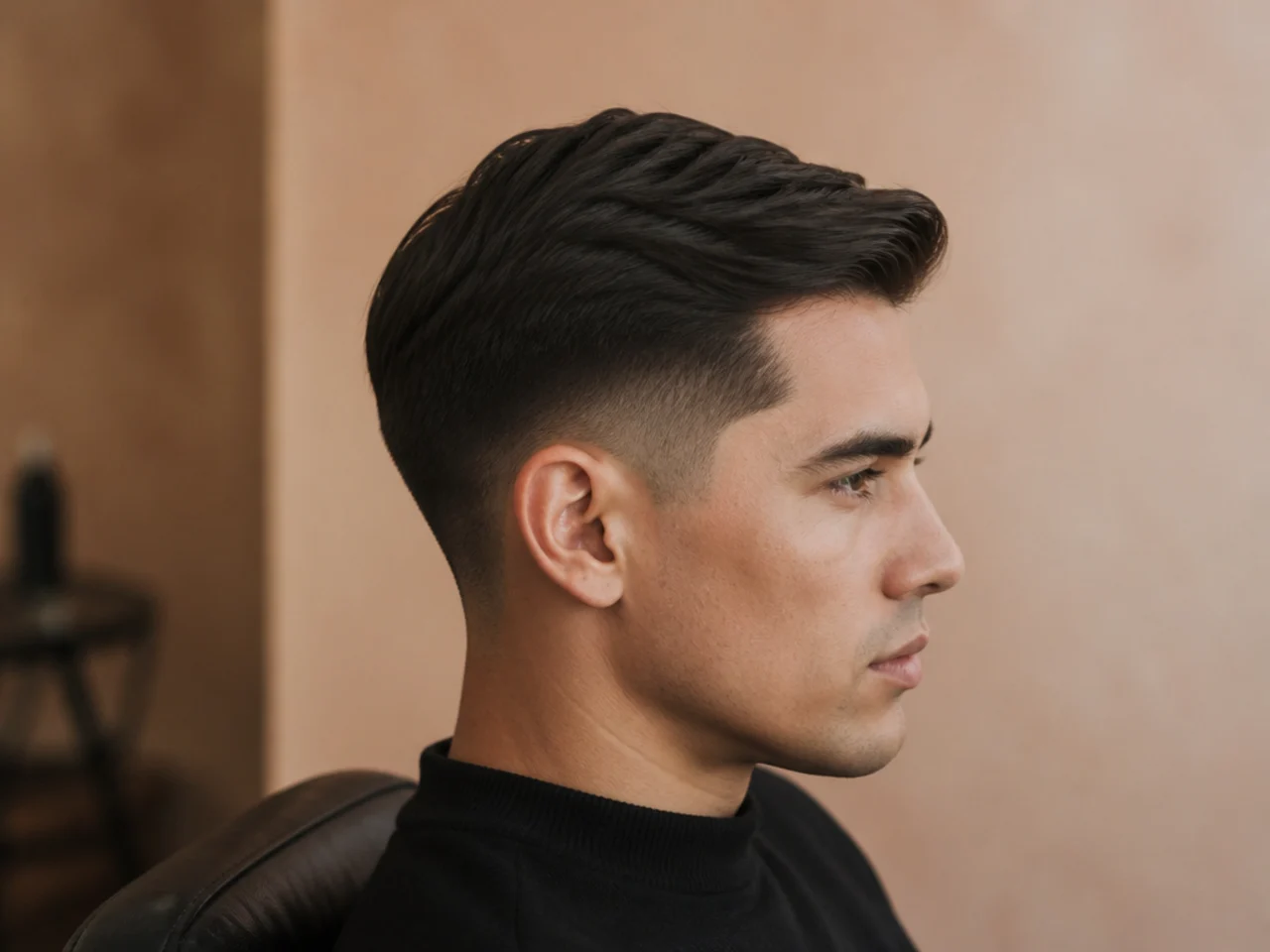
15. The Cut I Let Go to Seven Weeks
The sides had caught up with the top and there was no contrast left anywhere. It was a shaggy side part, and it is the only one on this list I would call a different haircut rather than a worse version of the same one.

What I Would Do Differently
Start with the front-hairline wording, not end with it. It took eleven cuts to arrive at a clause I could have written down on day one.
Ask for point cutting sooner. It solved a problem I had spent months misdiagnosing as too much length.
Stop testing tapers I cannot maintain. Two of the fifteen were only ever going to look right for a fortnight.
Judge everything at week three. Day-one photographs made two bad cuts look like good ones.
Styling and Upkeep
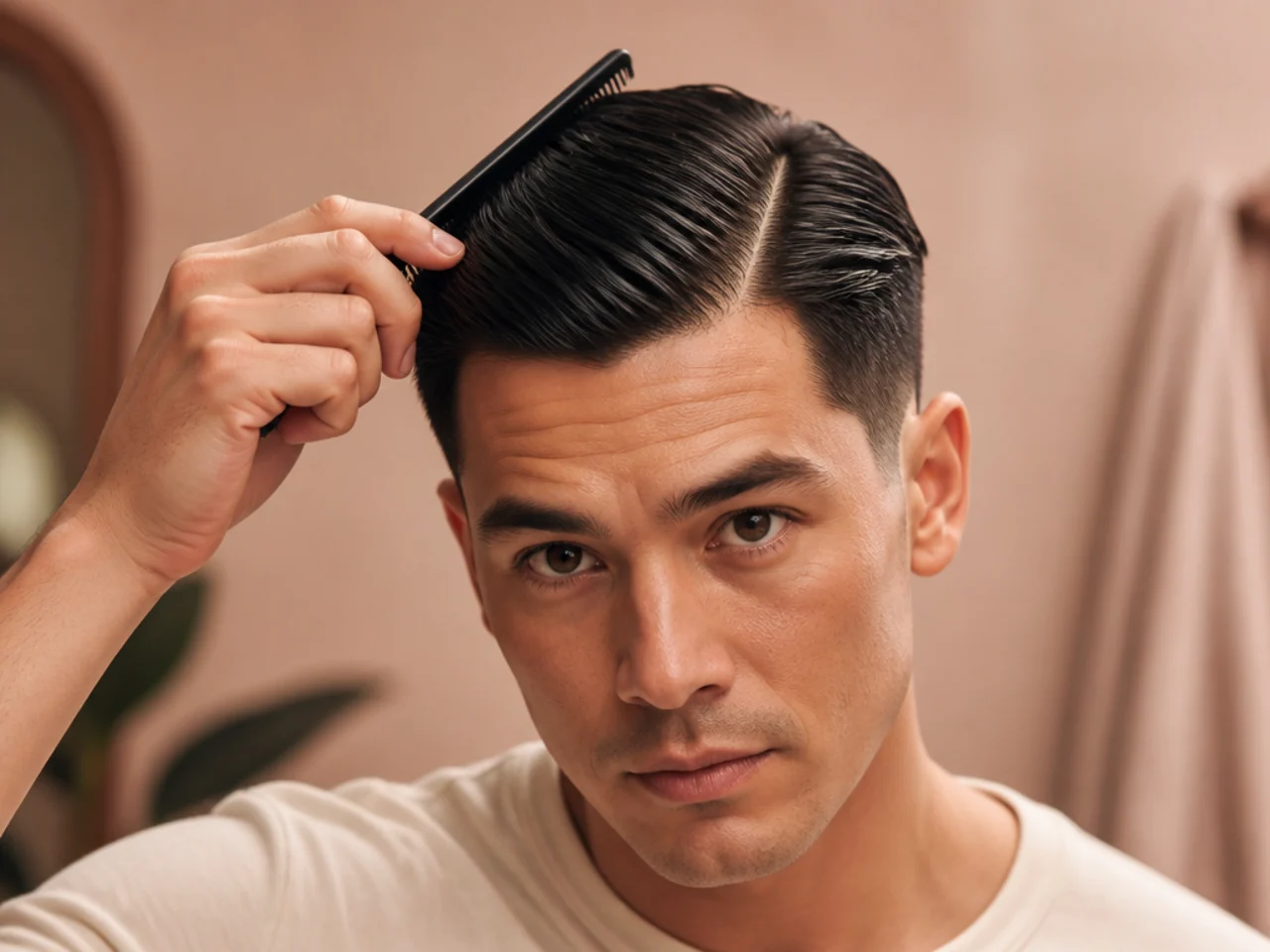
I set the part damp and never touch it again. Every attempt to fix it dry made it worse.
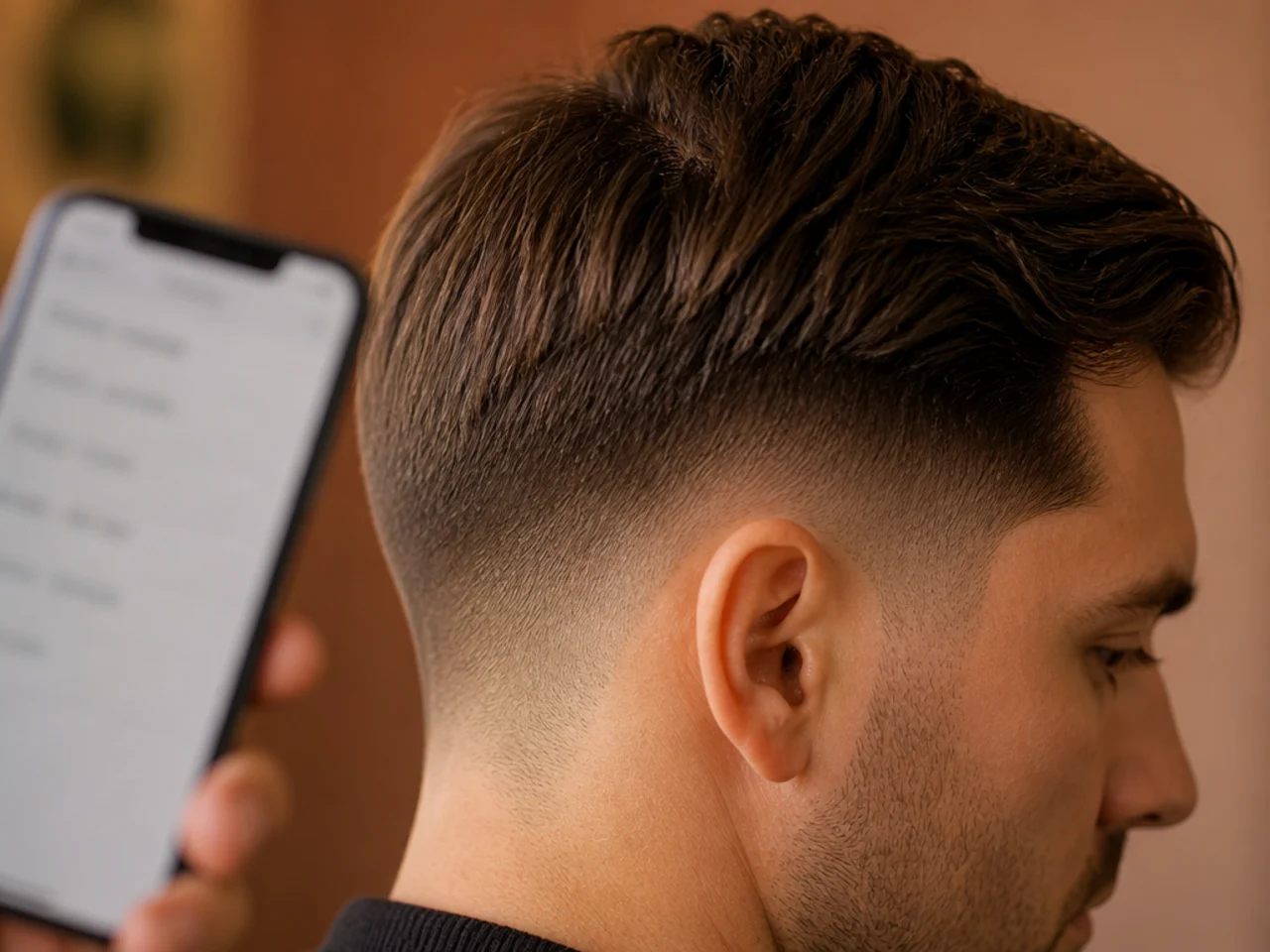
I keep four numbers in a phone note. Front length, taper height, bottom guard, top guard.
I book the sides at three weeks and the top at six. The top genuinely improves in between.
I stopped using more product to fix a bad part. Rewetting the front takes twenty seconds and actually works.
I photograph the side at week one. I could never describe the taper height accurately from memory.
Mistakes to Avoid
Giving a length with no location. The mistake that cost me four cuts.
Not saying wet or dry. Worth half an inch on hair with any bend in it.
Booking a fade if you cannot come back in two weeks. It is a fortnight of a haircut.
Changing part sides without a reason. Six weeks of combing to end up back where I started.
Judging a cut on the day. Week three is when you find out what you actually bought.

FAQ
What went wrong most? The top came back too short to part, four times.
What fixed it? Saying "two inches at the front hairline, dry."
Best single change? Point cutting the top — bulk out, length kept.
Final Thoughts
Fifteen cuts to learn that a number is not an instruction until it has a place attached to it. Nothing else I changed all year — not the shop, not the product, not the taper height — made anything like the difference that one extra clause did.
For the full range of the cut see the ivy league haircut guide, and for the same exercise on the sides see taper fade haircuts I tried. More in Men's Haircuts.