20 Ivy League Haircut Ideas I Saved for Men
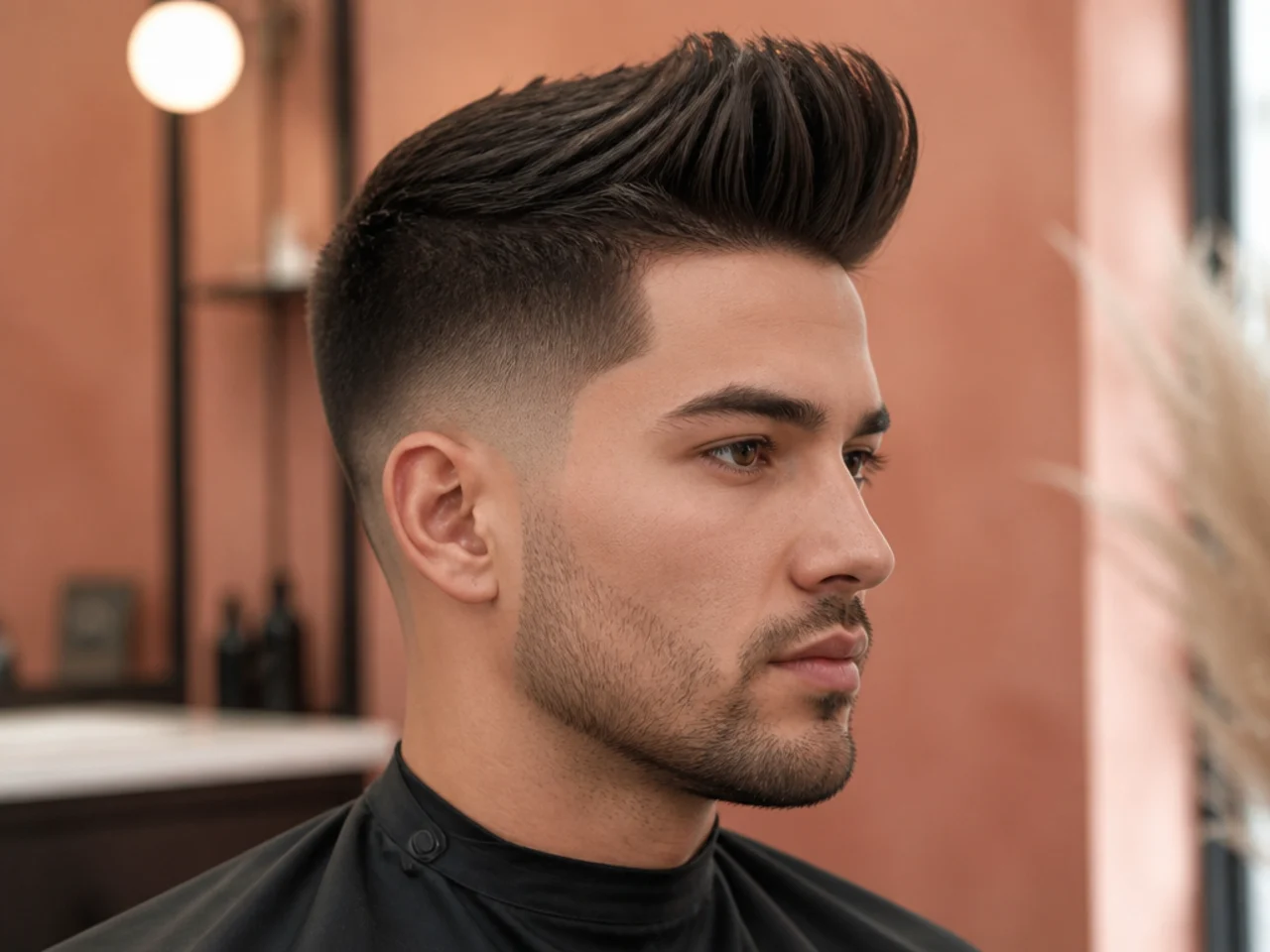
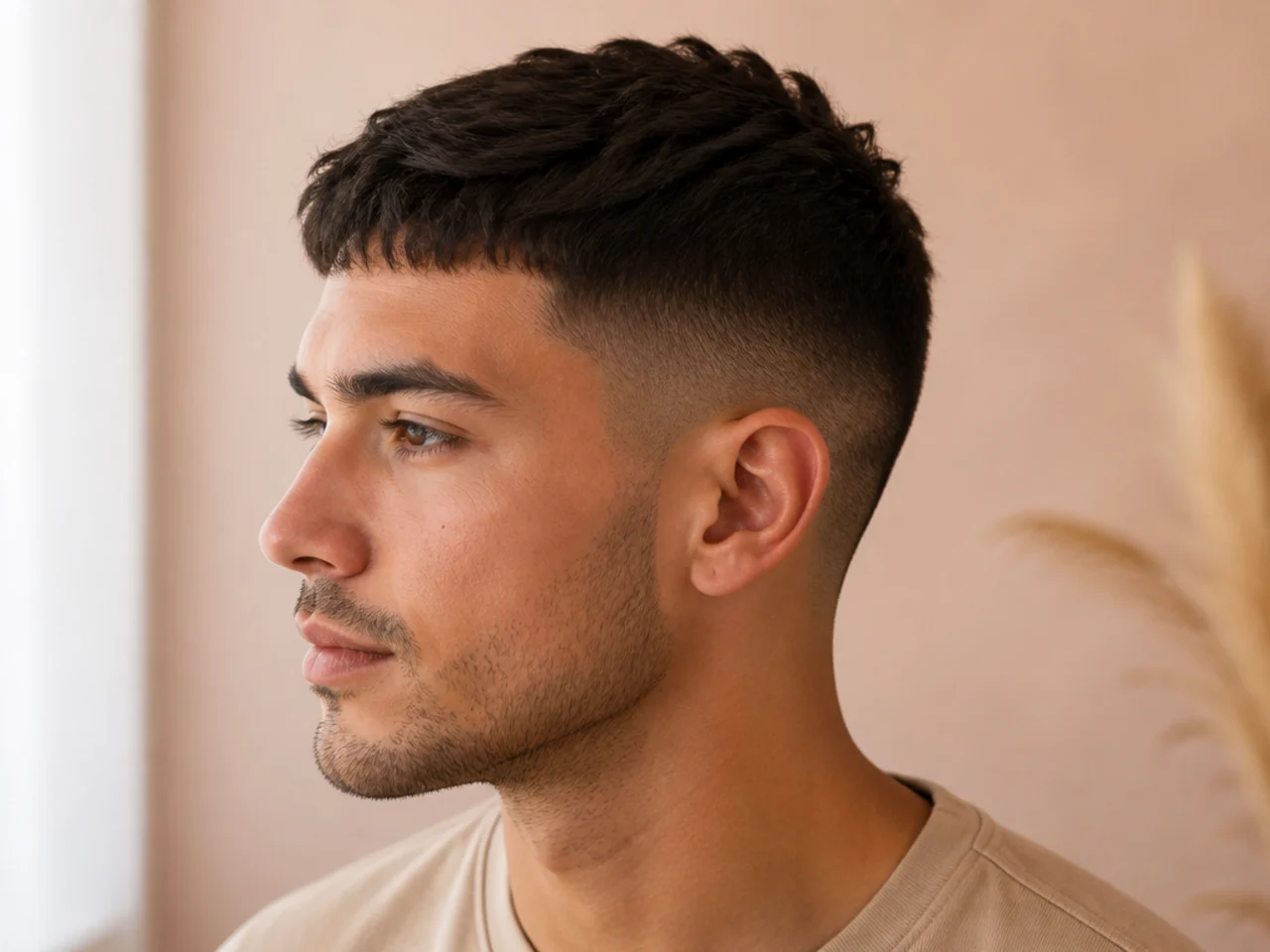
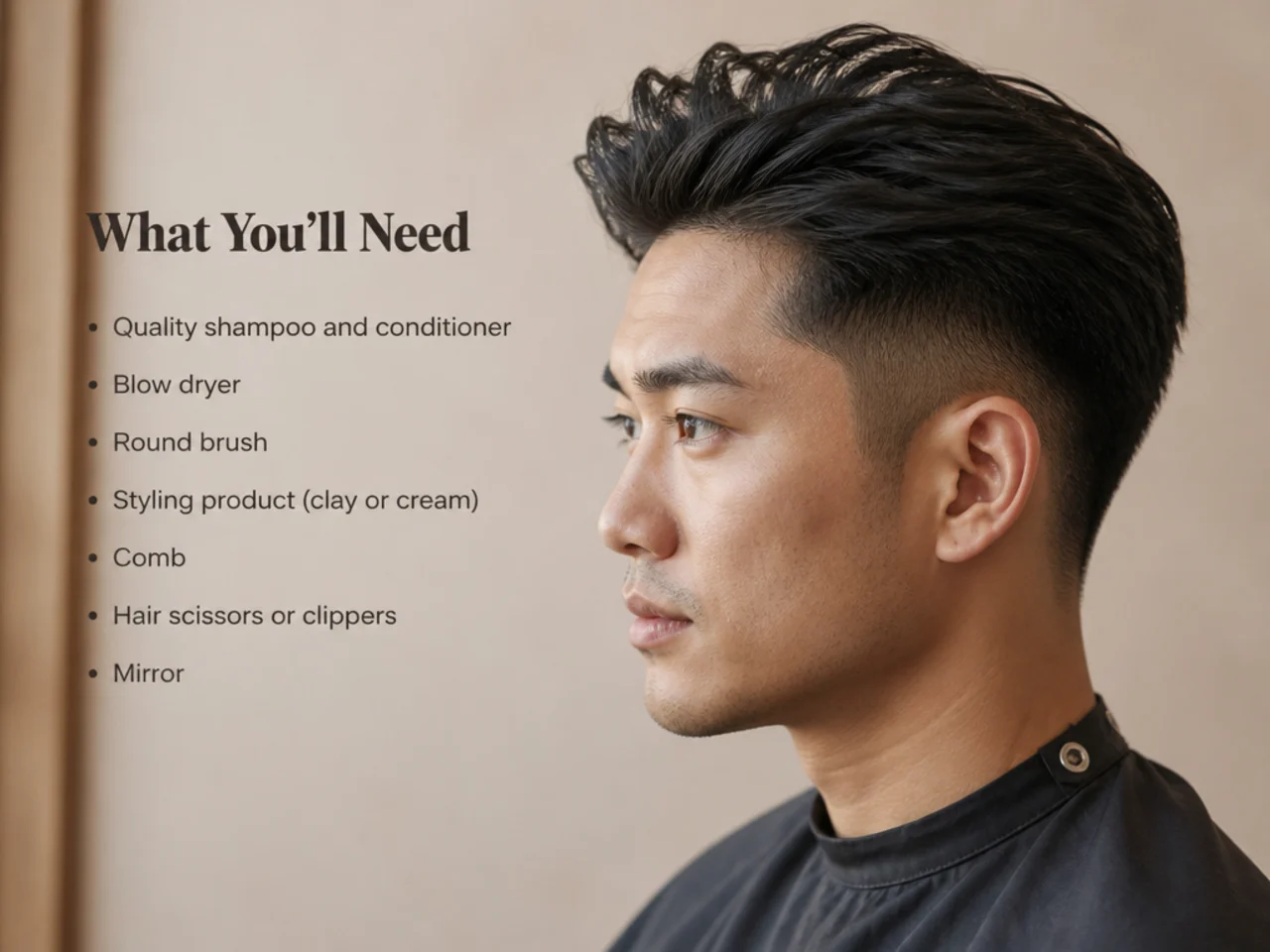
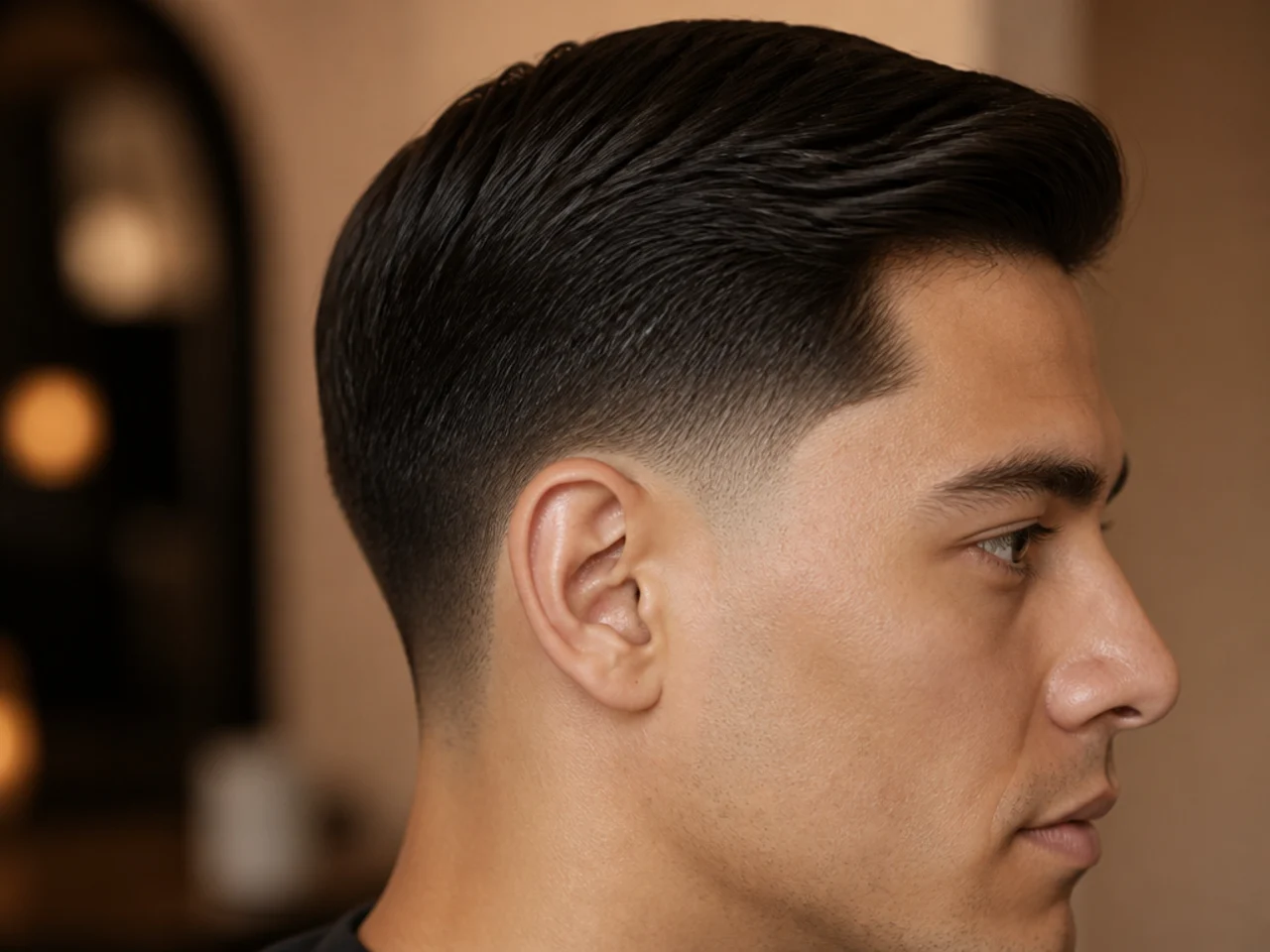
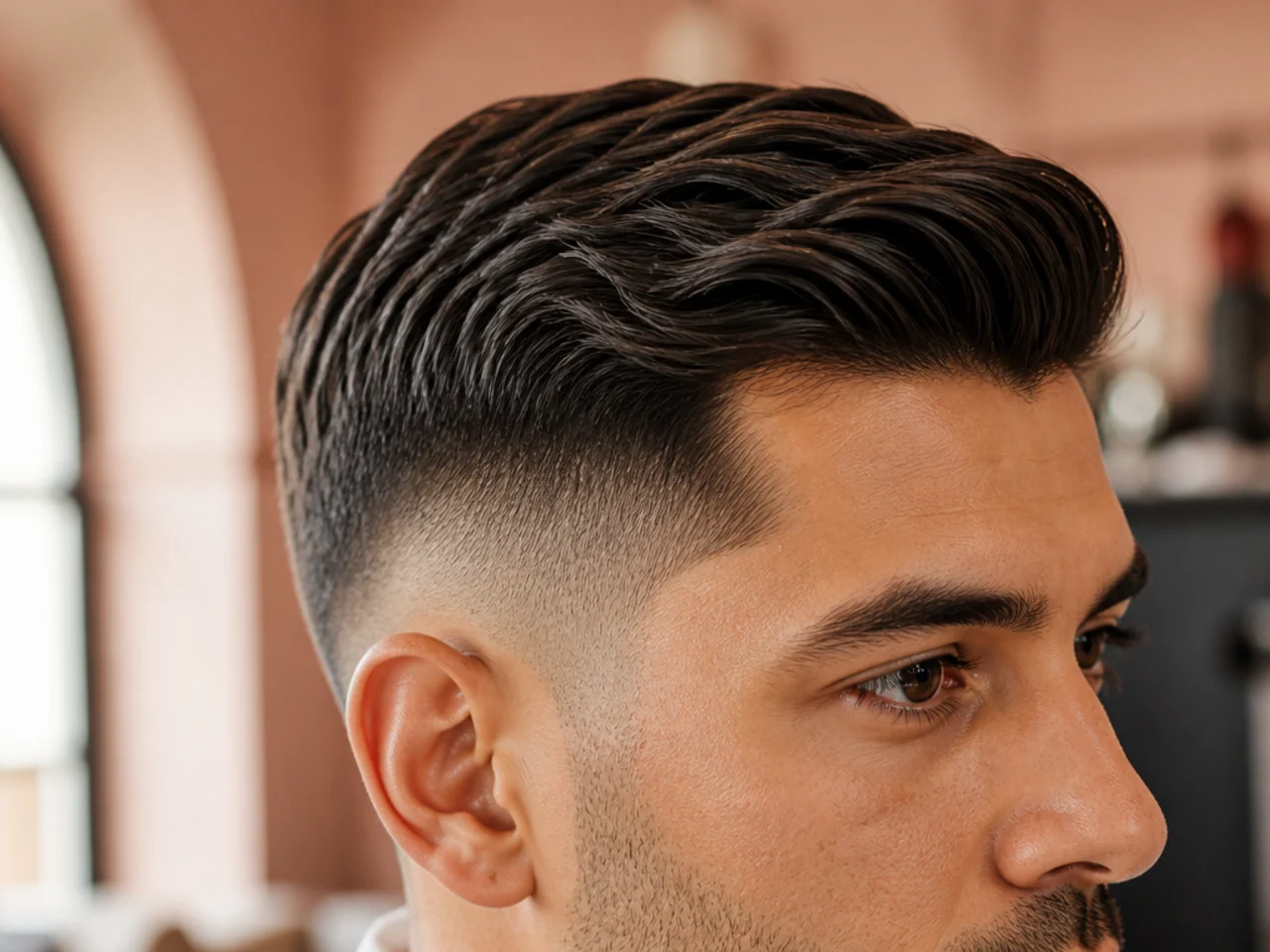
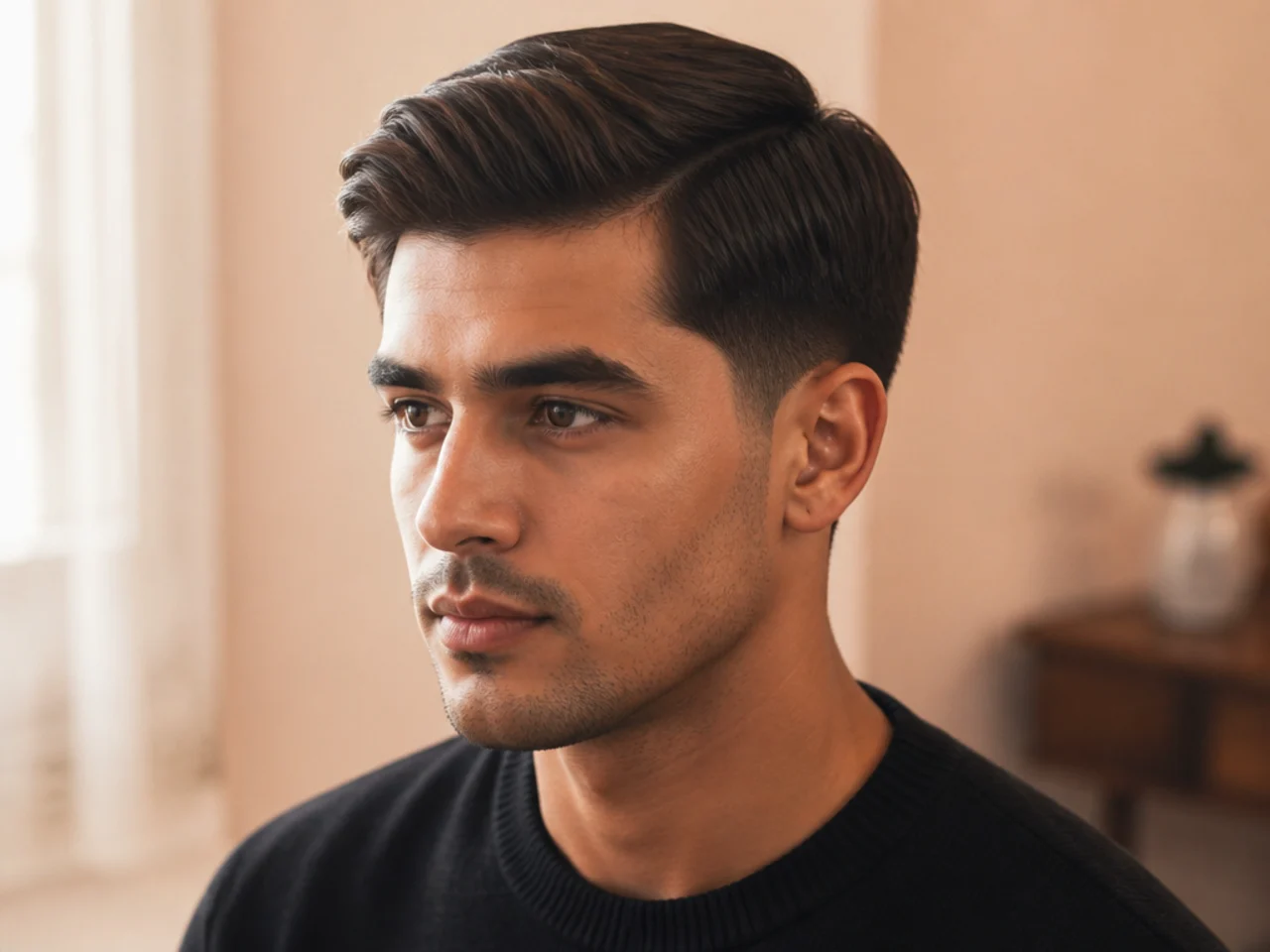
Twenty saved ivy league ideas that survived one filter — the photo has to show the parting side. A front-on shot of this cut is indistinguishable from a crew cut, so it tells a barber nothing about the only thing that defines it.
In this article · 27
- The Filter I Use
- How to Choose Yours
- The 20 Ideas I Saved
- 1. Classic Low Taper Ivy League
- 2. Mid Taper With a Longer Top
- 3. Ivy League Over a Skin Fade
- 4. Scissor-Cut Sides
- 5. Ivy League With a Hard Part
- 6. Point-Cut Textured Top
- 7. Ivy League With a Squared Hairline
- 8. Ivy League With a Tapered Neckline
- 9. Wavy Ivy League
- 10. Curly Ivy League
- 11. Thick-Haired Ivy League
- 12. Fine-Haired Ivy League
- 13. Ivy League With a Connected Beard
- 14. Ivy League With Stubble
- 15. The Comb-Back Version
- 16. The Matte Finish Version
- 17. Ivy League at Week One
- 18. Ivy League at Week Four
- 19. The Back View
- 20. The Front-On Shot I Deleted
- Styling and Upkeep
- Mistakes to Avoid
- FAQ
- Final Thoughts
I have a folder of these and most of what was originally in it has been deleted. One filter cleared out about half.
The photo has to show the parting side. An ivy league is defined by having enough length on top to hold a part, and a front-on photograph puts the part behind the face where nobody can see it.
Without the part visible, it is a photograph of a crew cut. A barber looking at it has no way to know the one measurement that separates the two, which is how people leave with the wrong one.
The Filter I Use
Can I see the part? If not, it goes. There is no second criterion that matters as much.
Can I see where the sides shorten? Taper height is the other number a photo can carry.
Is it the same head from two angles? Two views of one cut beat twenty views of twenty.
Is the hair styled? An unstyled top sits flat and lies about how much length is there.

How to Choose Yours
Save for your own texture. A photo of straight hair tells you nothing about what curl will do at that length.
Save the taper height you can maintain. A high one photographs better and lasts half as long.
Write the ask under each one. A saved photo you cannot translate is decoration.
Keep no more than five. Handing a barber a folder is how the cut becomes an average of everything in it.

The 20 Ideas I Saved
1. Classic Low Taper Ivy League
Ask: two inches at the front, dry, low taper starting at the top of the ear, number one at the bottom. Naming both ends of the taper describes the whole gradient, where giving only the bottom guard leaves the barber to guess where it starts.
2. Mid Taper With a Longer Top
Ask: three inches at the front, mid taper level with my temple. The extra length is what carries the higher taper, because a higher line strips more width off the sides and the top has to make that back up.

3. Ivy League Over a Skin Fade
Ask: skin at the bottom, blend into a two. Saved with a note to myself that this one needs rebooking in two weeks.
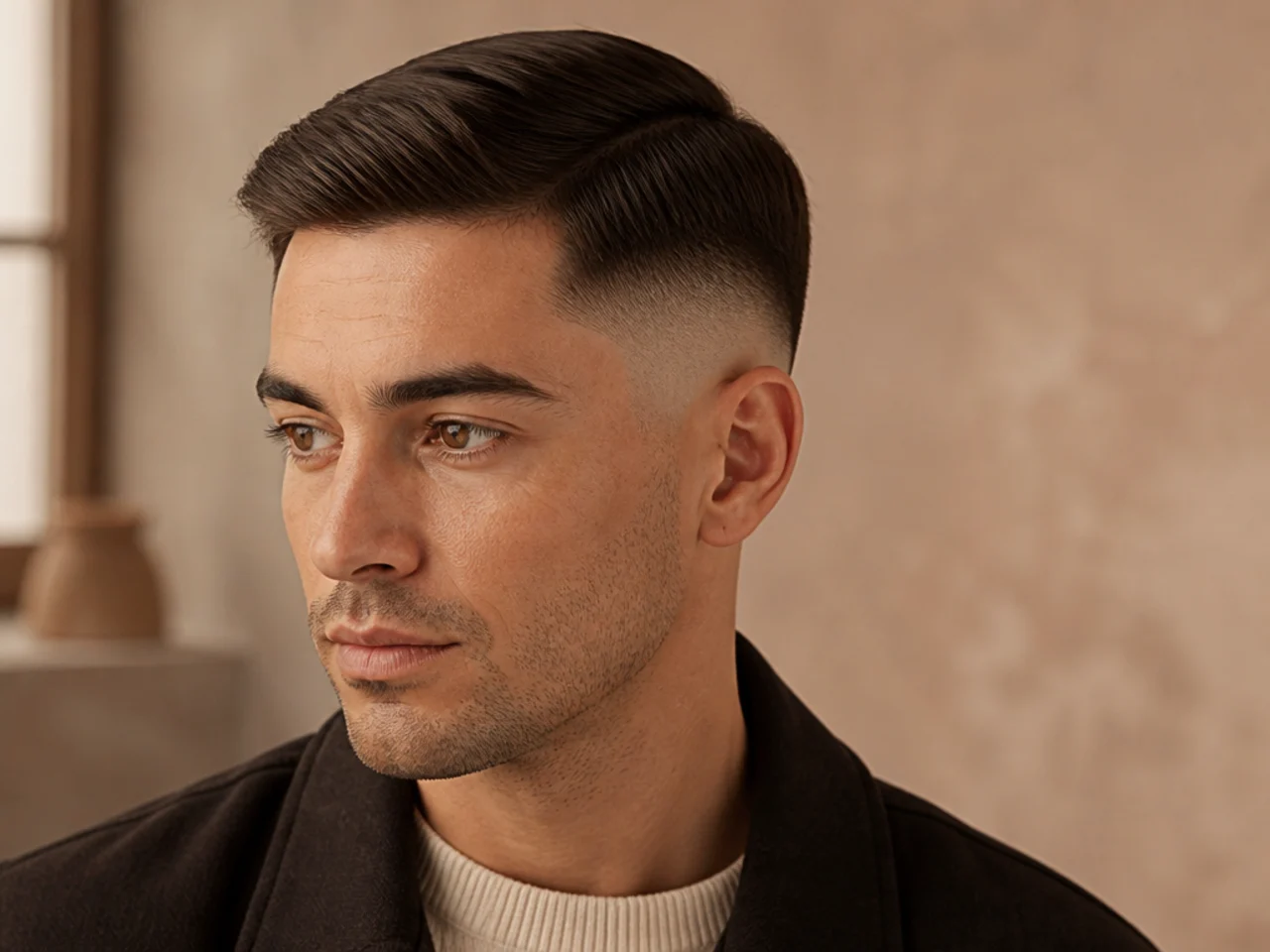
4. Scissor-Cut Sides
Ask: no clippers, scissor over comb on the sides. It grows out more slowly than any guard number because there is no hard line to blur, which is why it stayed in the folder even though it photographs less sharply than the rest.
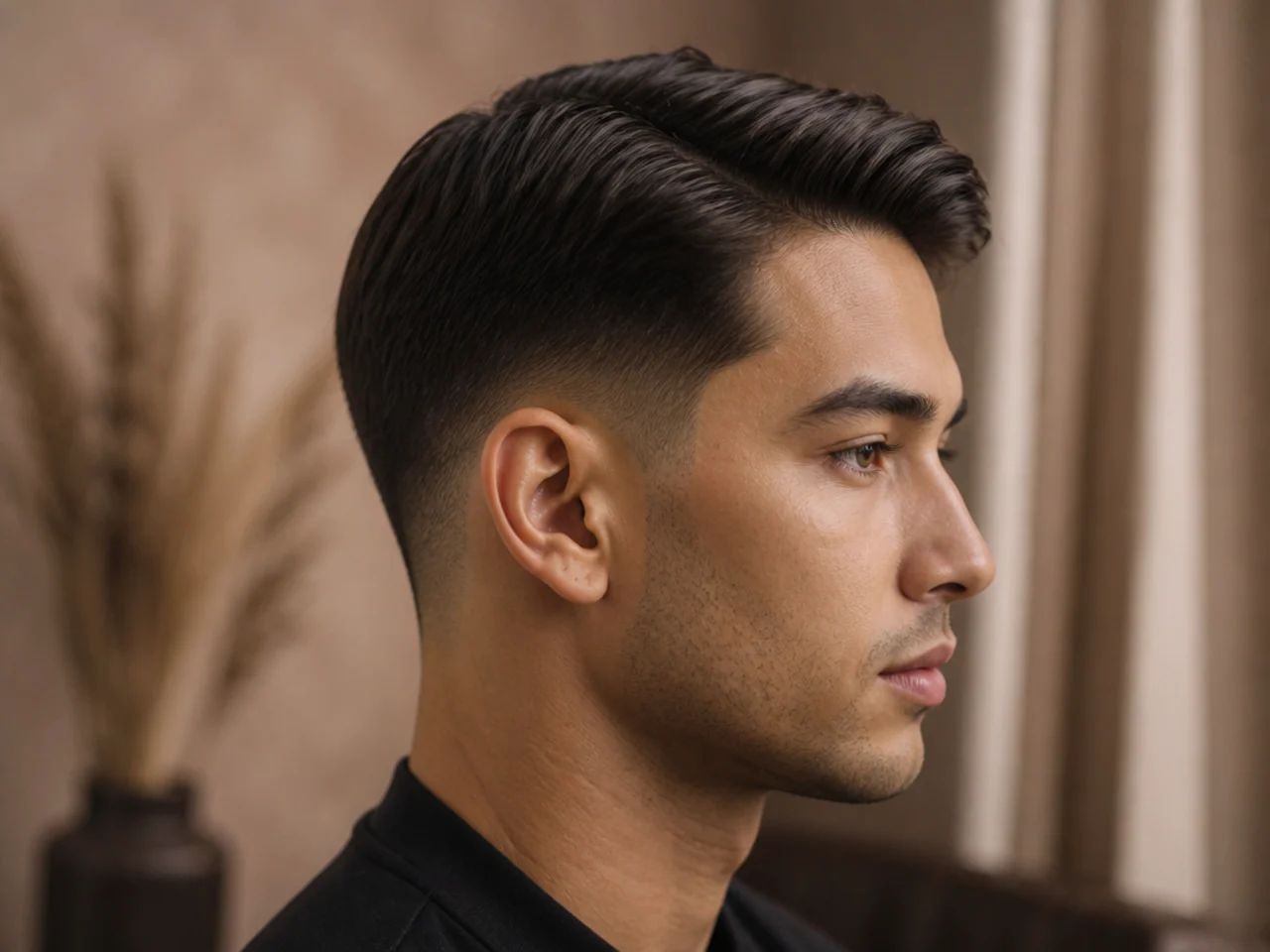
5. Ivy League With a Hard Part
Ask: cut the part in with a trimmer, on my left. Worth saving a photo of the grown-out version too, because the line fills in from both sides at once and looks its worst around week three rather than at week four.
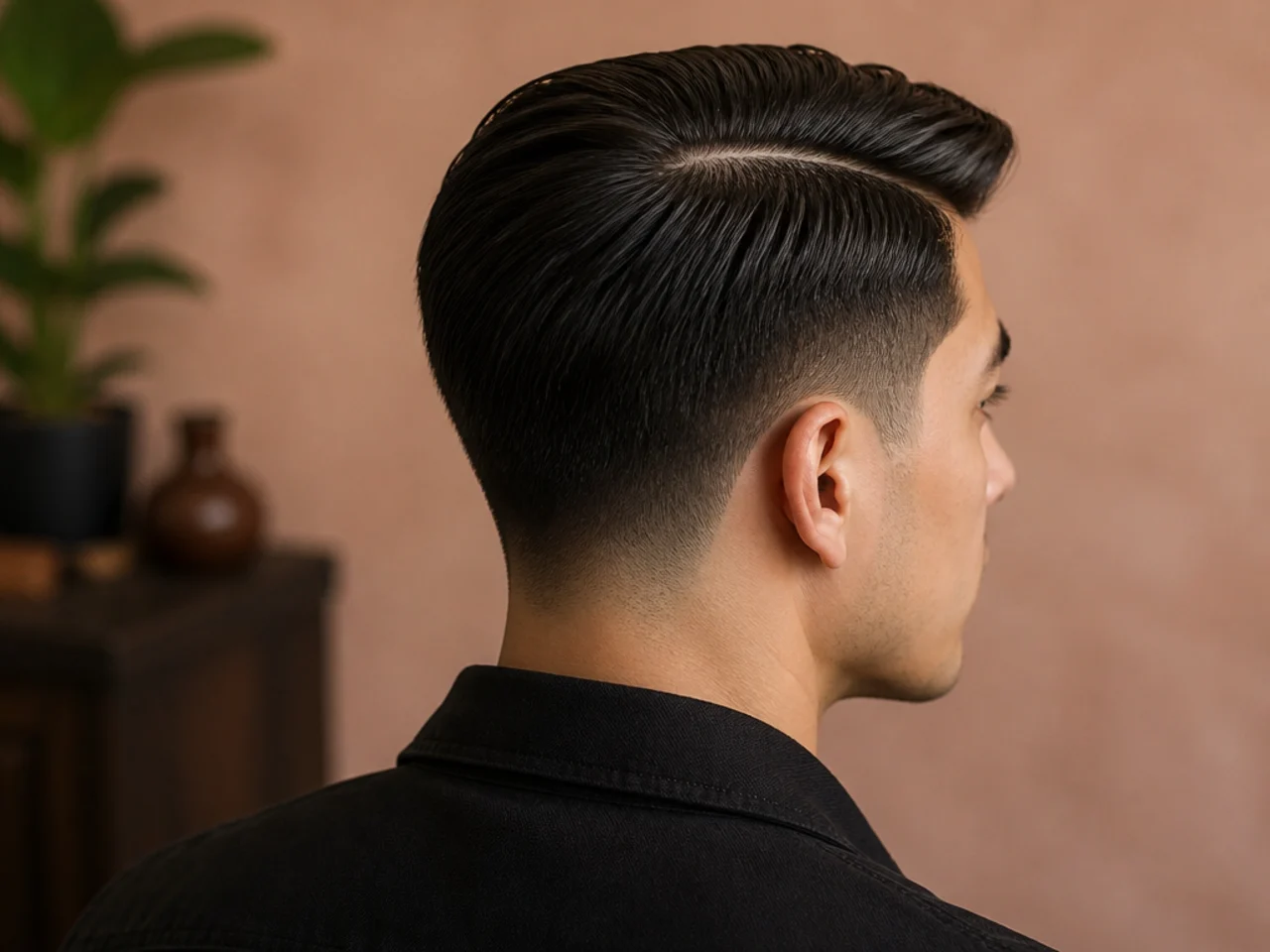
6. Point-Cut Textured Top
Ask: point cut the top, keep the length. The instruction that separates losing weight from losing inches — scissors held vertically take bulk out of the middle of a section while the outline stays exactly where it was.
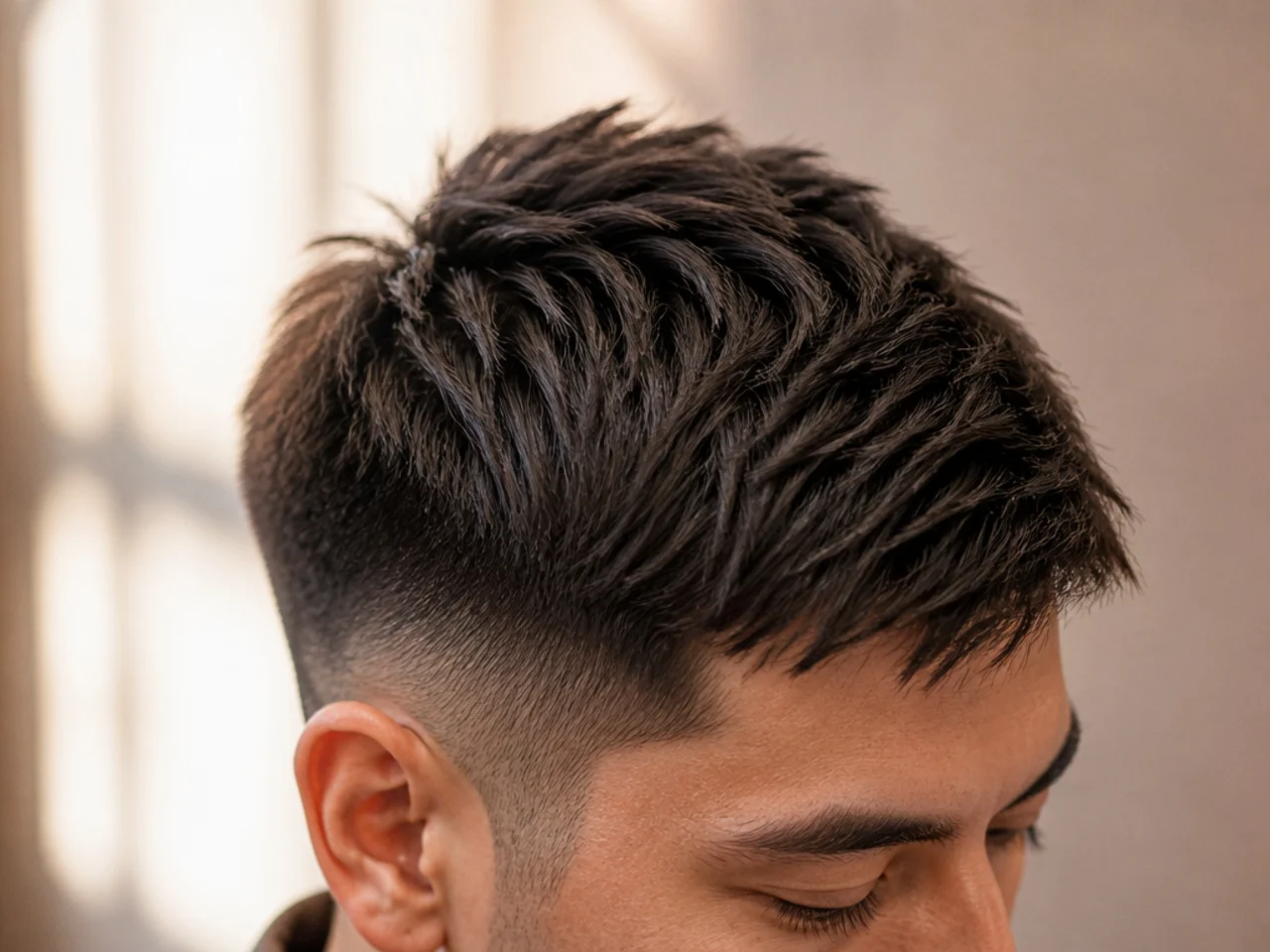
7. Ivy League With a Squared Hairline
Ask: square the front corners. It reads sharper without touching a single millimetre of length, because the eye reads the outline before it reads the length, and two right angles are thirty seconds of trimmer work.

8. Ivy League With a Tapered Neckline
Ask: taper the neckline, do not cut it straight. Saved after learning what a blunt one looks like at week three — a straight line grows down into a solid shelf, while a tapered one has no edge to grow past and simply softens.
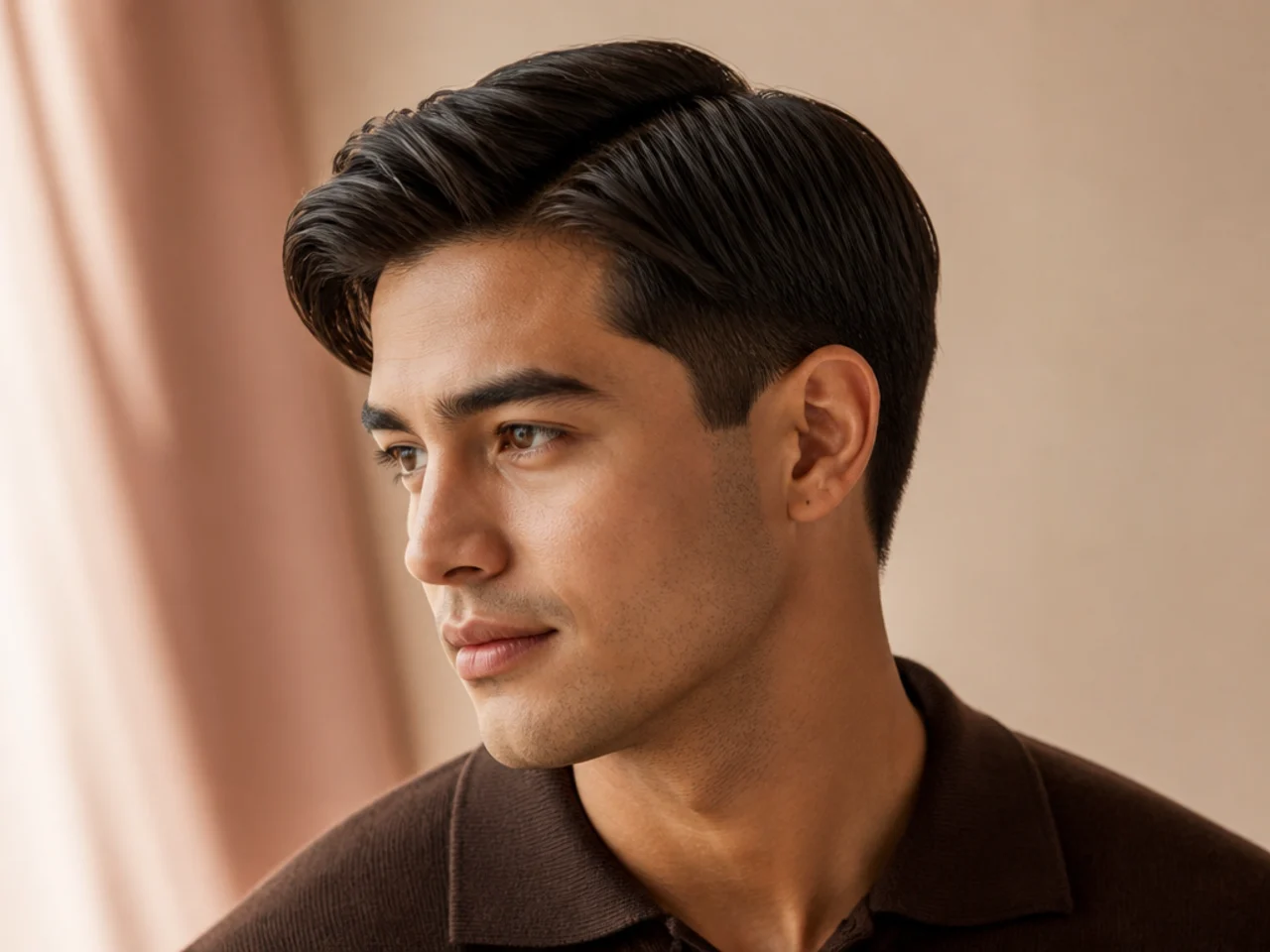
9. Wavy Ivy League
Ask: part it where it already breaks. The wave holds the part open on its own, so no product is in this photo.
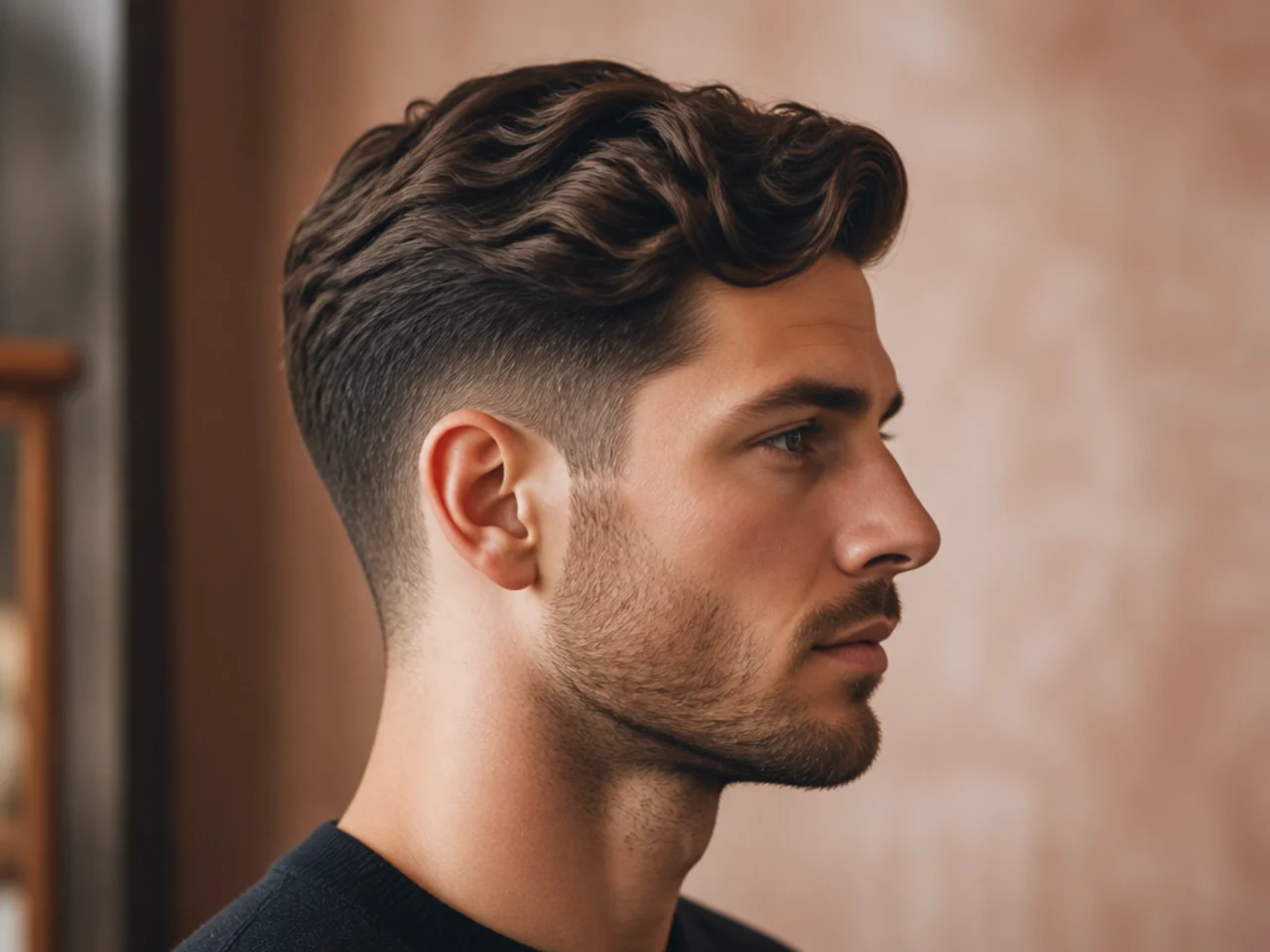
10. Curly Ivy League
Ask: two inches when it is dry. Saved with a reminder that this means nearly three inches under a wet comb, since curl draws up roughly a third on the way to dry. The curly version has the full arithmetic.

11. Thick-Haired Ivy League
Ask: take the weight out from underneath, keep the length. The photo shows a top that lies flat rather than one that has been cut short.
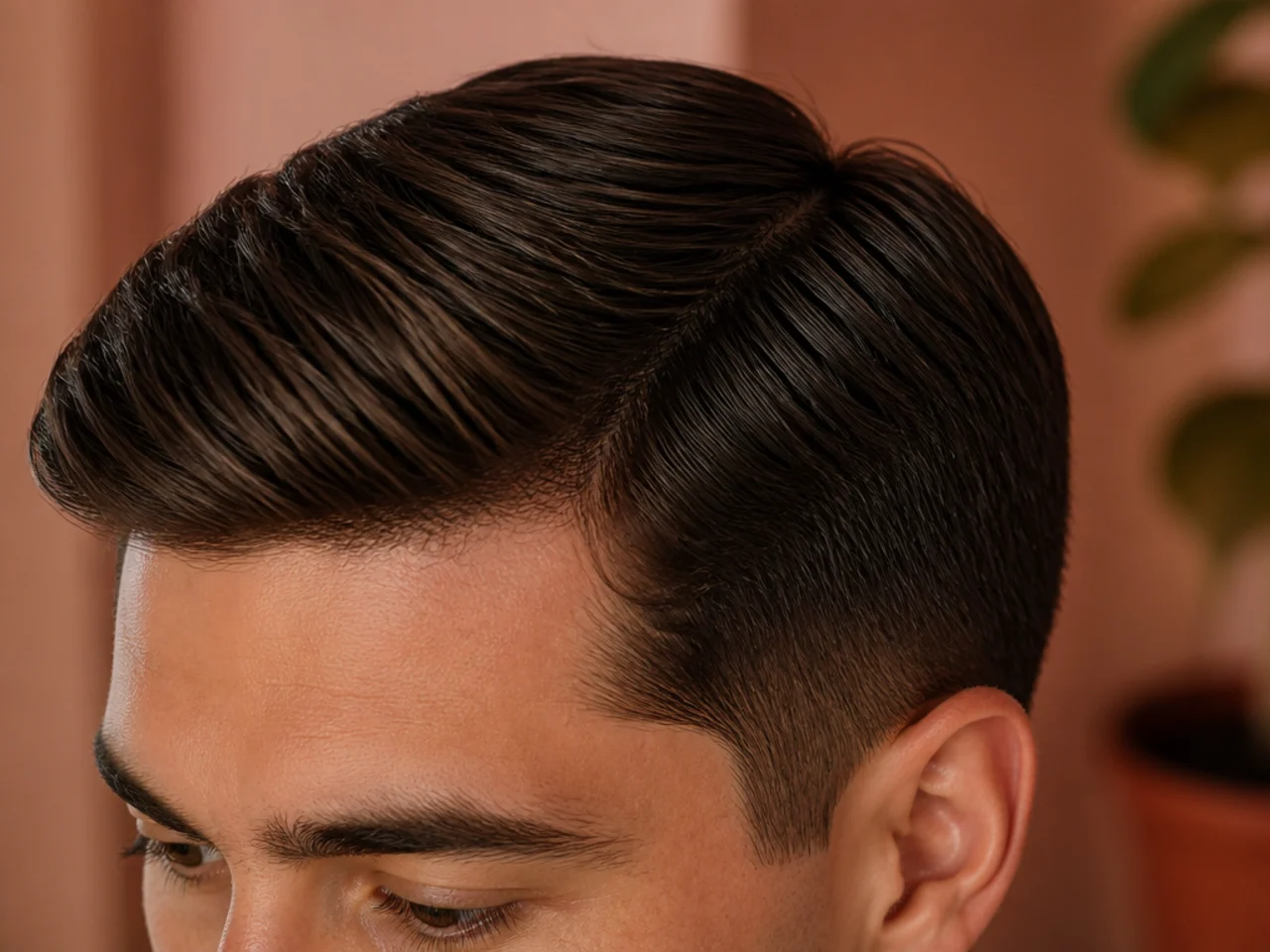
12. Fine-Haired Ivy League
Ask: nothing shorter than a two at the bottom. Fine hair shows scalp below that, and this photo is the proof of what works instead — the same rule that governs most haircuts for thin hair.

13. Ivy League With a Connected Beard
Ask: blend the taper into the beard. Saved from the side, because the join is the only part of it worth seeing.
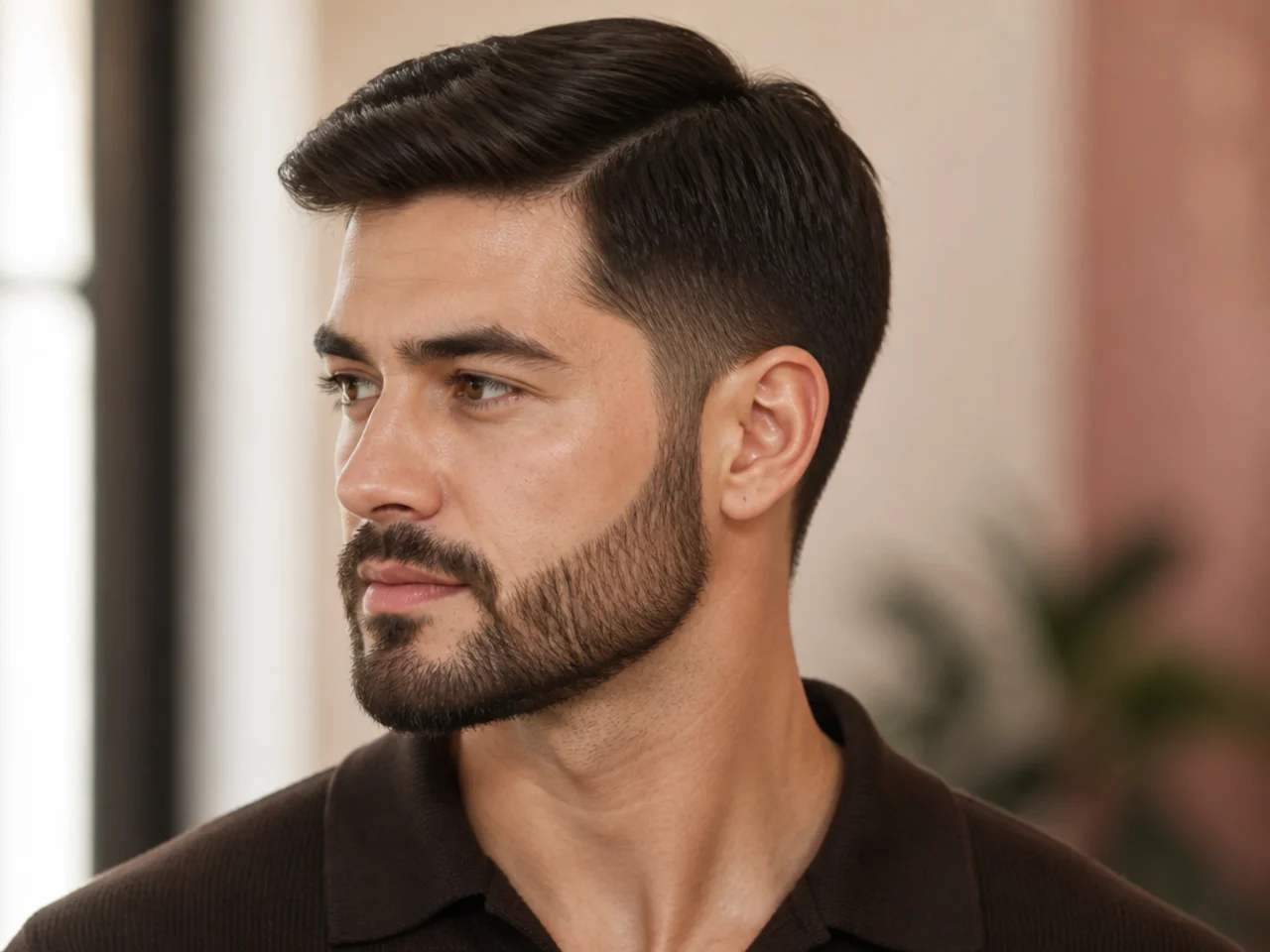
14. Ivy League With Stubble
Ask: keep the taper clear of the stubble. A disconnect by default, because stubble is too short to blend into — a gradient needs density to travel through, and a few days' growth gives the clipper nothing.
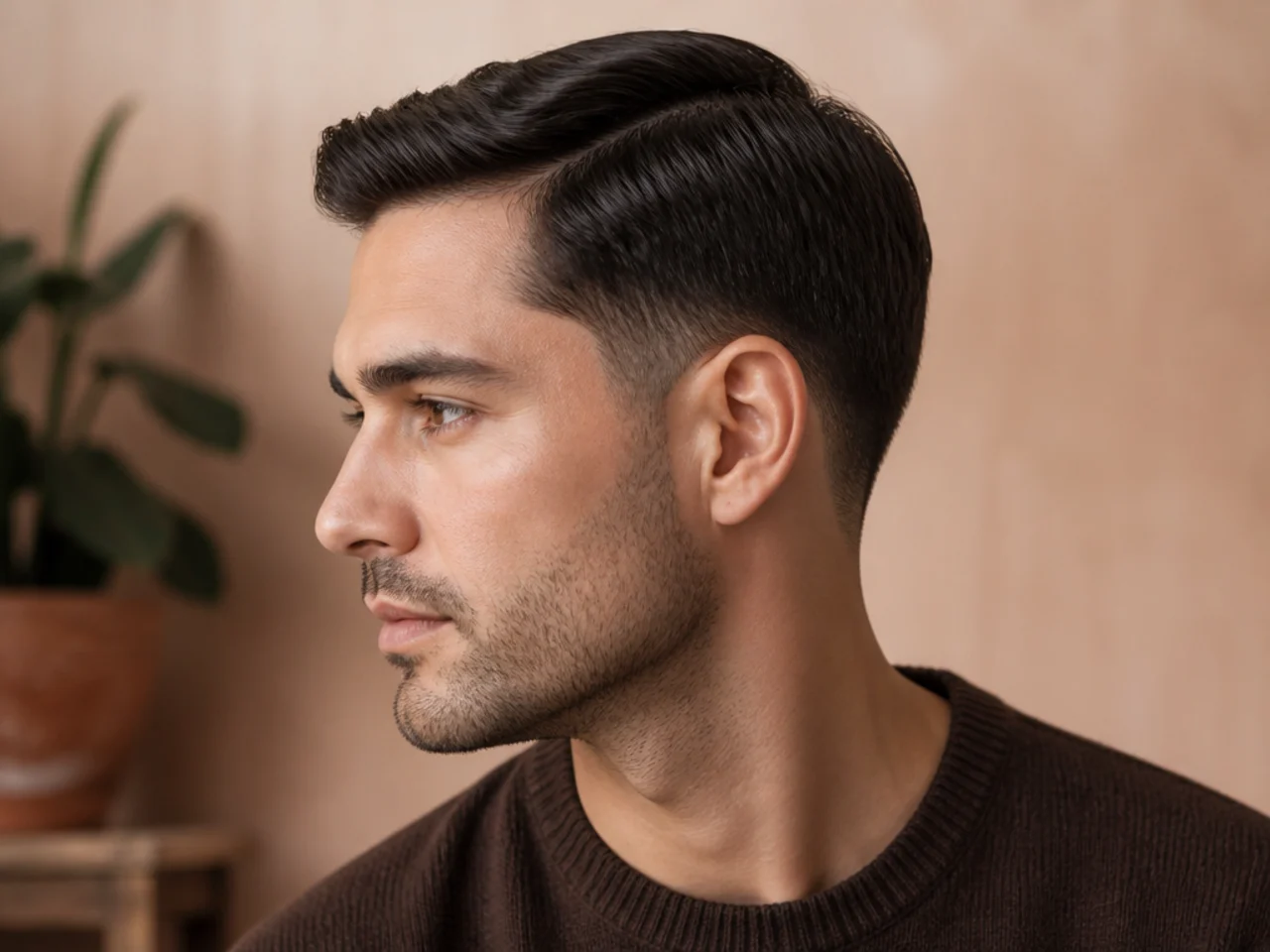
15. The Comb-Back Version
Ask: an extra half inch on top so it reaches the crown. A comb-back needs more length than a side part, which is not obvious from the photo.
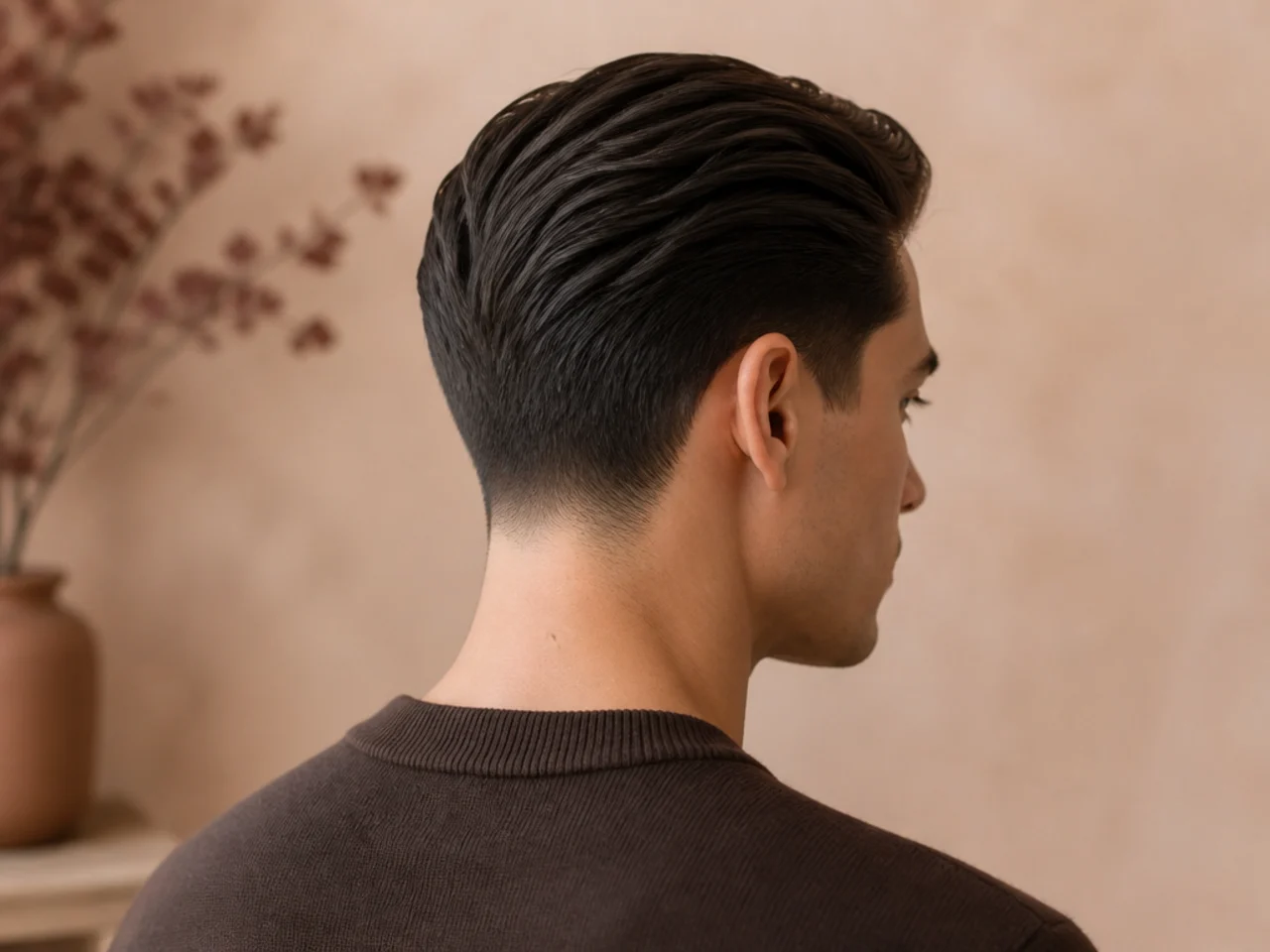
16. The Matte Finish Version
Ask: nothing — this one is a product note. Clay rather than pomade, same cut, different register: clay holds by adding texture and pomade holds by adding shine, so the same part reads casual in one and formal in the other.
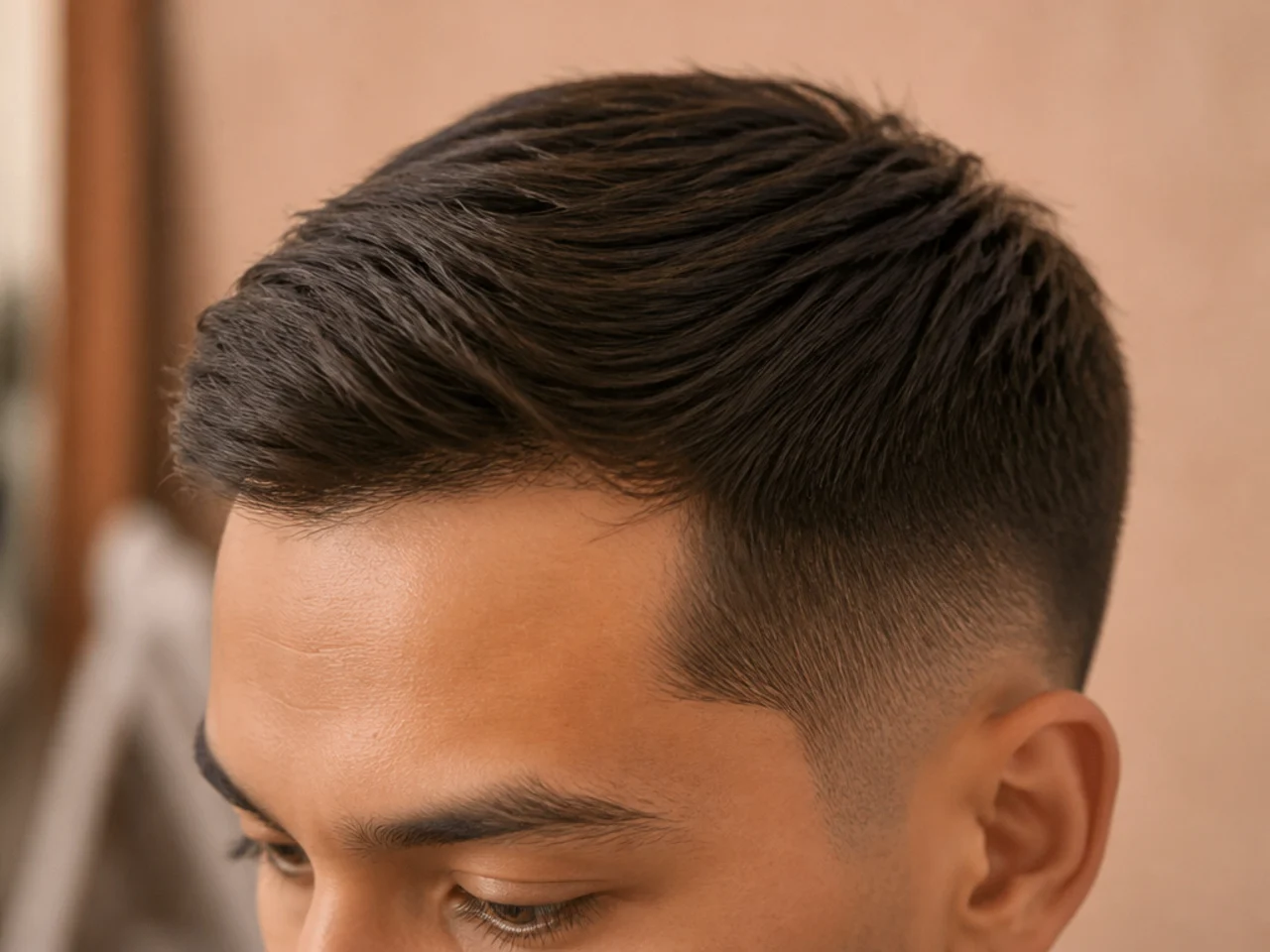
17. Ivy League at Week One
Ask: this is what to aim for on the day. Saved as a benchmark rather than as inspiration, because week one is the only state a barber can actually hand you and therefore the fair photograph to show at the consultation.

18. Ivy League at Week Four
Ask: this is what I want it still doing before the next cut. The more useful of the two benchmarks, because by four weeks the top has gained about a centimetre and the taper has blurred, and that is the state the cut spends most of its life in.

19. The Back View
Ask: taper the neckline into the hairline. One photo of the back does more than five more of the front, because the neckline is the only section you cannot check in a mirror and the first one to look overgrown.
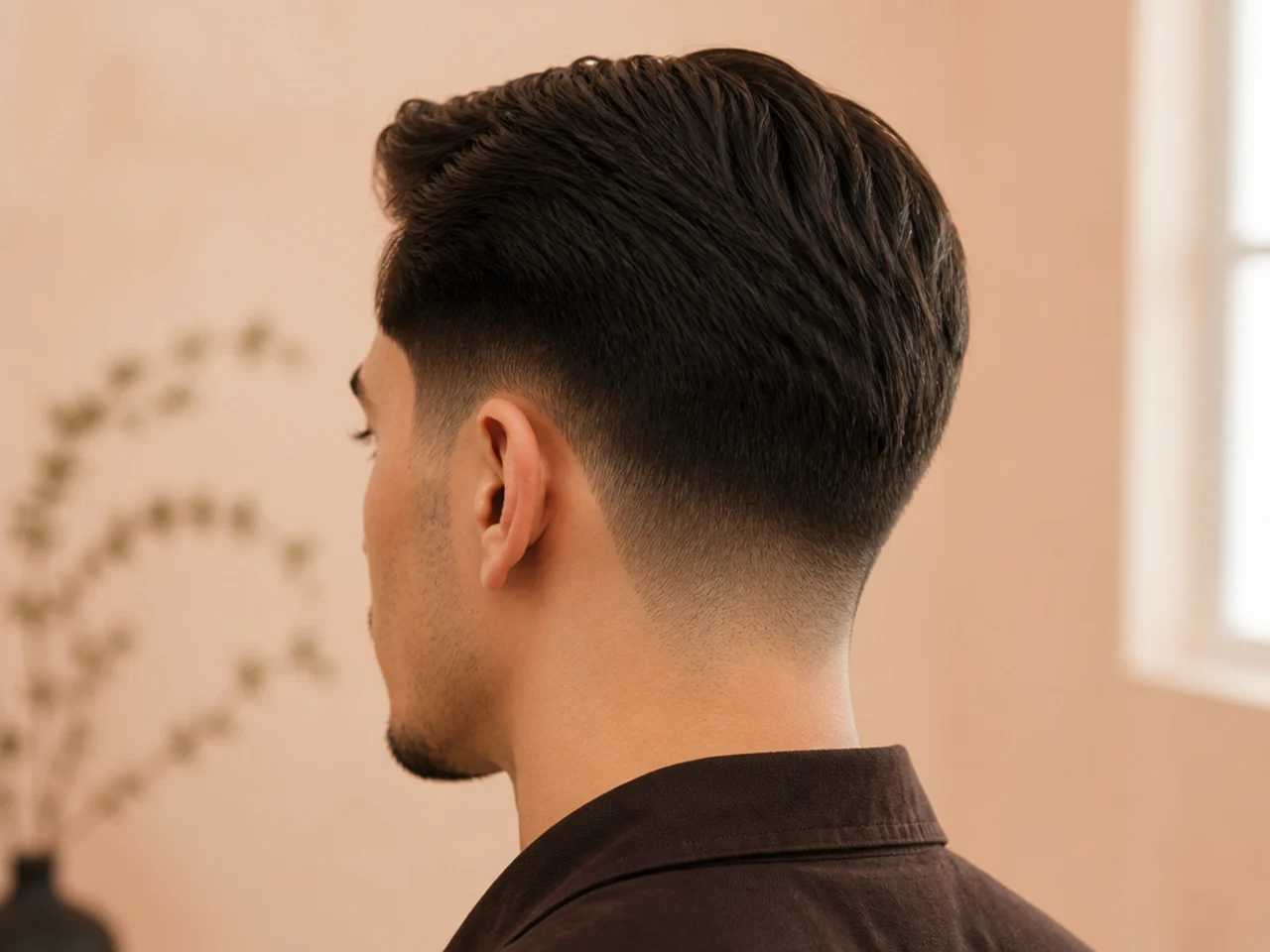
20. The Front-On Shot I Deleted
No part visible, no taper height visible, no neckline visible. It could equally be a crew cut, a caesar or a very short side part, and about half my folder used to look exactly like this before I started deleting them.

Styling and Upkeep
Keep the ask written under each saved photo. Six months later you will not remember what produced it.
Re-save your own cut at week one. Your head at the right length beats a stranger's every time.
Photograph the parting side, in daylight. Overhead lighting flattens the part into nothing.
Delete anything you cannot translate into numbers. It is inspiration, not an instruction.
Take a back view yourself with two mirrors. It is the angle nobody saves and the one that ages worst.
Mistakes to Avoid
Saving only front-on shots. They hide the one feature that defines this cut.
Handing over a whole folder. The barber averages them and you get none of them.
Saving a different texture from yours. The same length behaves differently on curl, wave and straight hair.
Saving a look without a taper height. Half the photo's information is on the side of the head.
Trusting a heavily styled photo. Product can make a short top look like a long one for exactly one shot.

FAQ
What makes a good reference? A side or three-quarter view where the part is visible.
What do I add? Front length, taper height, bottom guard.
How many? Two of the same head, not twenty of twenty.
Final Thoughts
Save the angle that shows the part and write the ask underneath it. A photograph on its own gets you close to the shape and nowhere near the measurement, and on this cut the measurement is the entire difference between what you saved and what you leave with.
For the full range of the cut see the ivy league haircut guide, and for the same folder approach on the sides see taper fade haircut ideas I saved. More in Men's Haircuts.