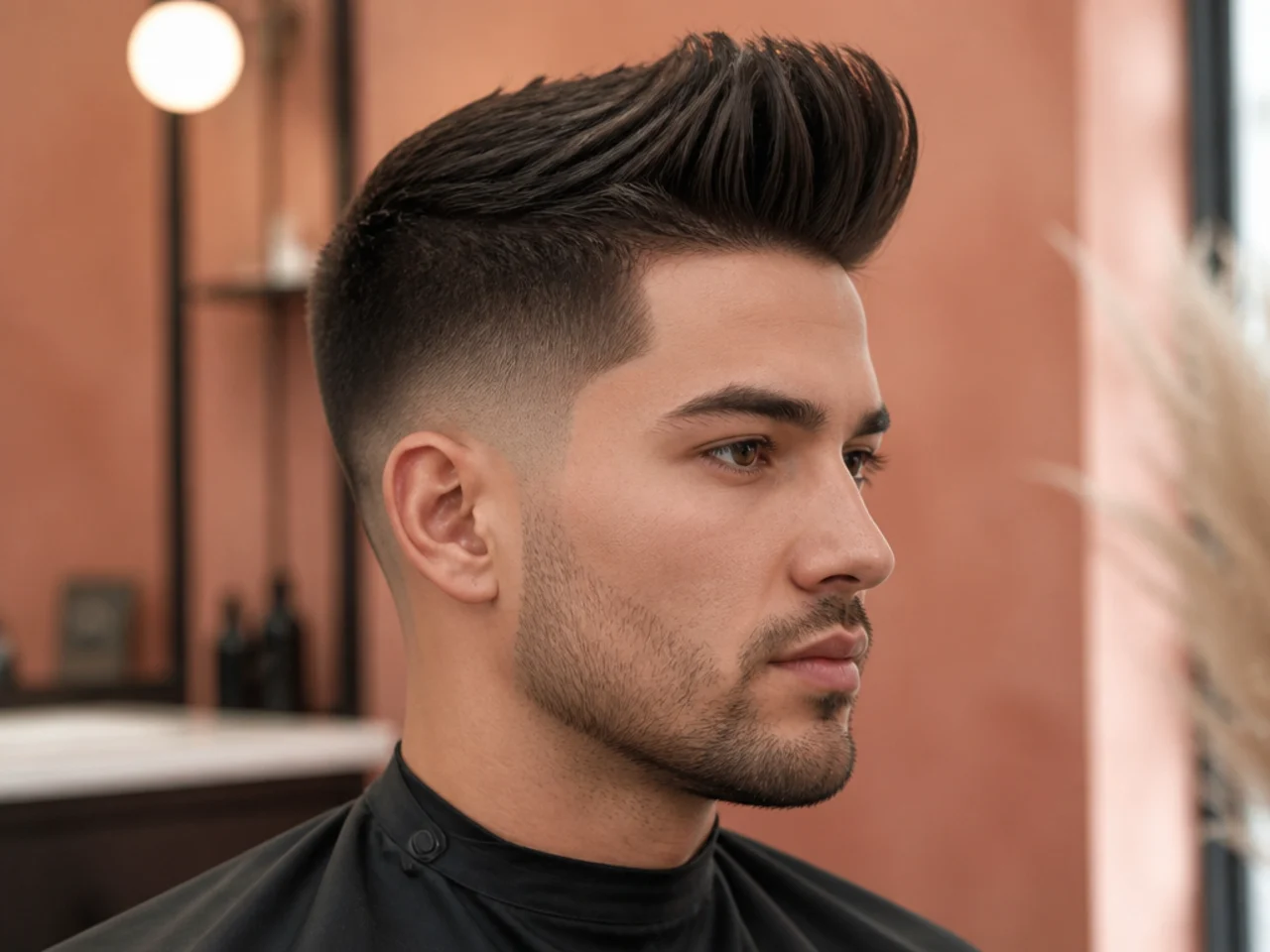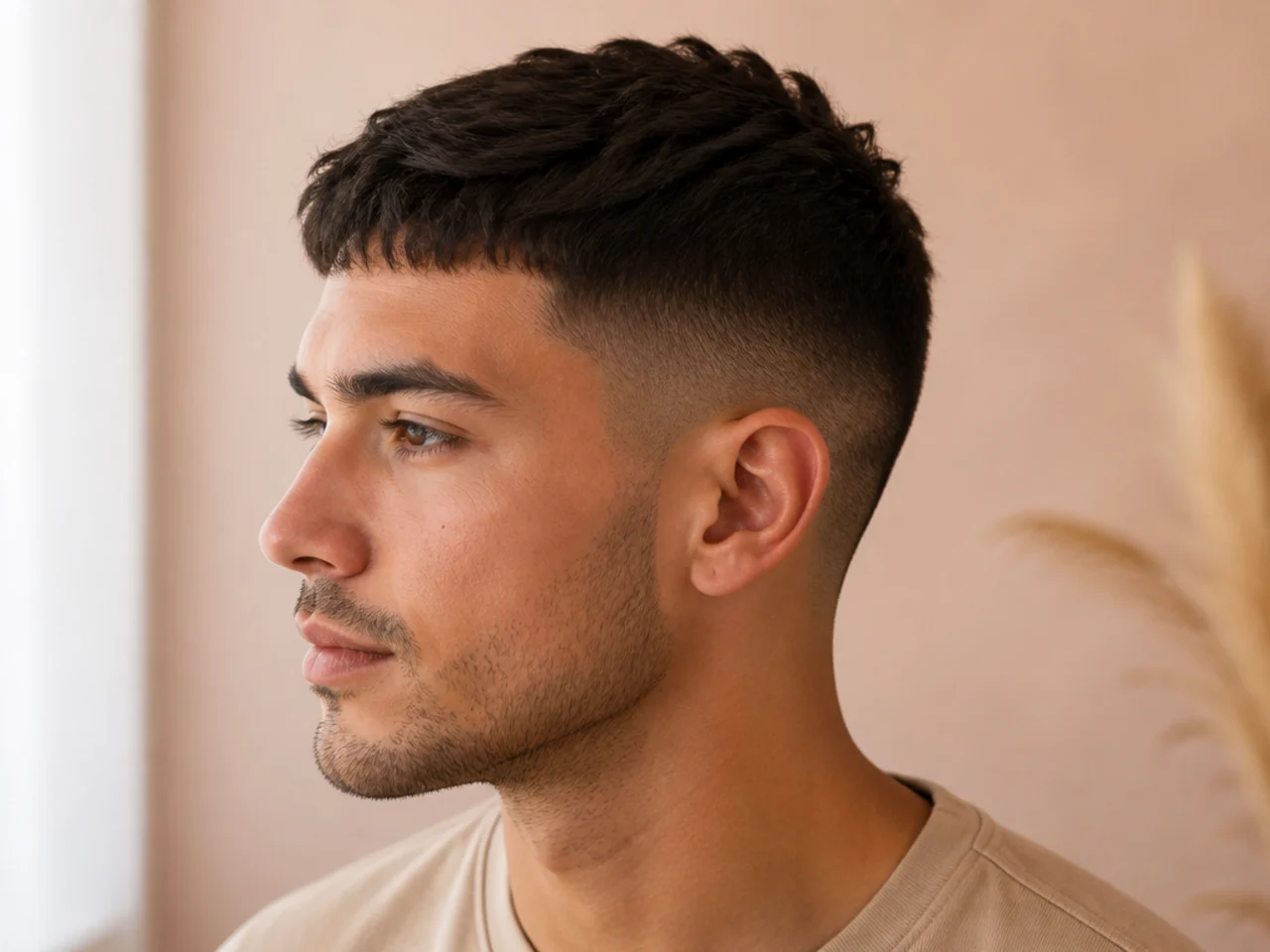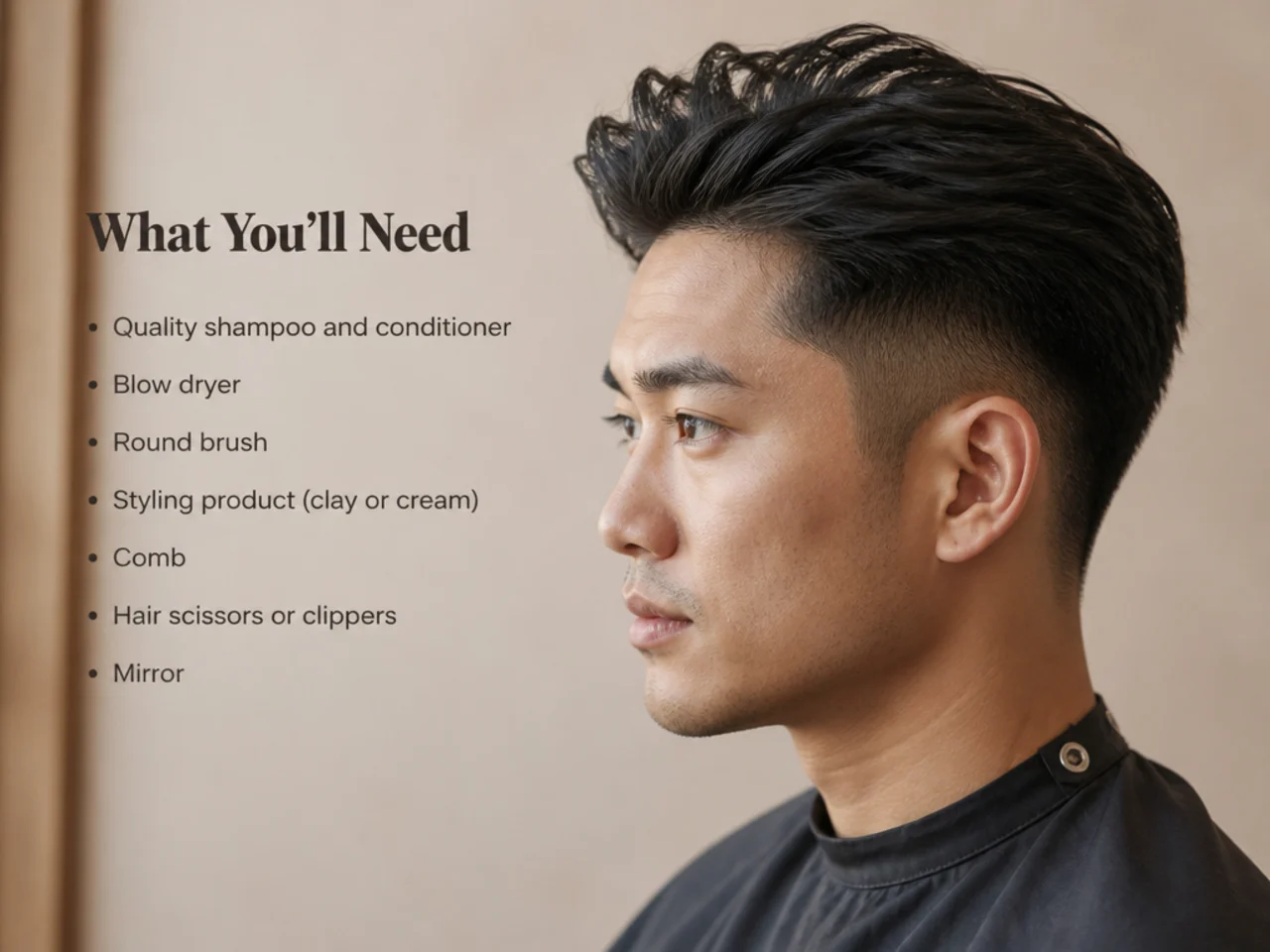
15 Ways to Style an Ivy League Haircut
Fifteen ways to style an ivy league, each with the product type and the time it takes. Plus the rule underneath all of them — water sets the part and product only holds it, so the direction is decided before the tub is opened.
In this article · 22
- The Rule Under All Fifteen
- How to Choose Yours
- The 15 Ways to Style an Ivy League
- 1. The Damp Comb Part
- 2. The Classic Pomade Part
- 3. The Matte Clay Part
- 4. The Cream Flatten
- 5. The Blow-Dried Part
- 6. The Comb-Back
- 7. The Side Sweep
- 8. The Finger Part
- 9. The Low-Shine Paste Finish
- 10. The Sea Salt Lift
- 11. The Pre-Styler Plus Clay
- 12. The Second-Day Refresh
- 13. The Deliberately Messy Ivy
- 14. The Five-Minute Formal
- 15. Product on Dry Hair With No Part Set
- Styling and Upkeep
- Mistakes to Avoid
- FAQ
- Final Thoughts
The barber does the sides. The top is yours, and almost every bad result comes from one habit rather than one product.
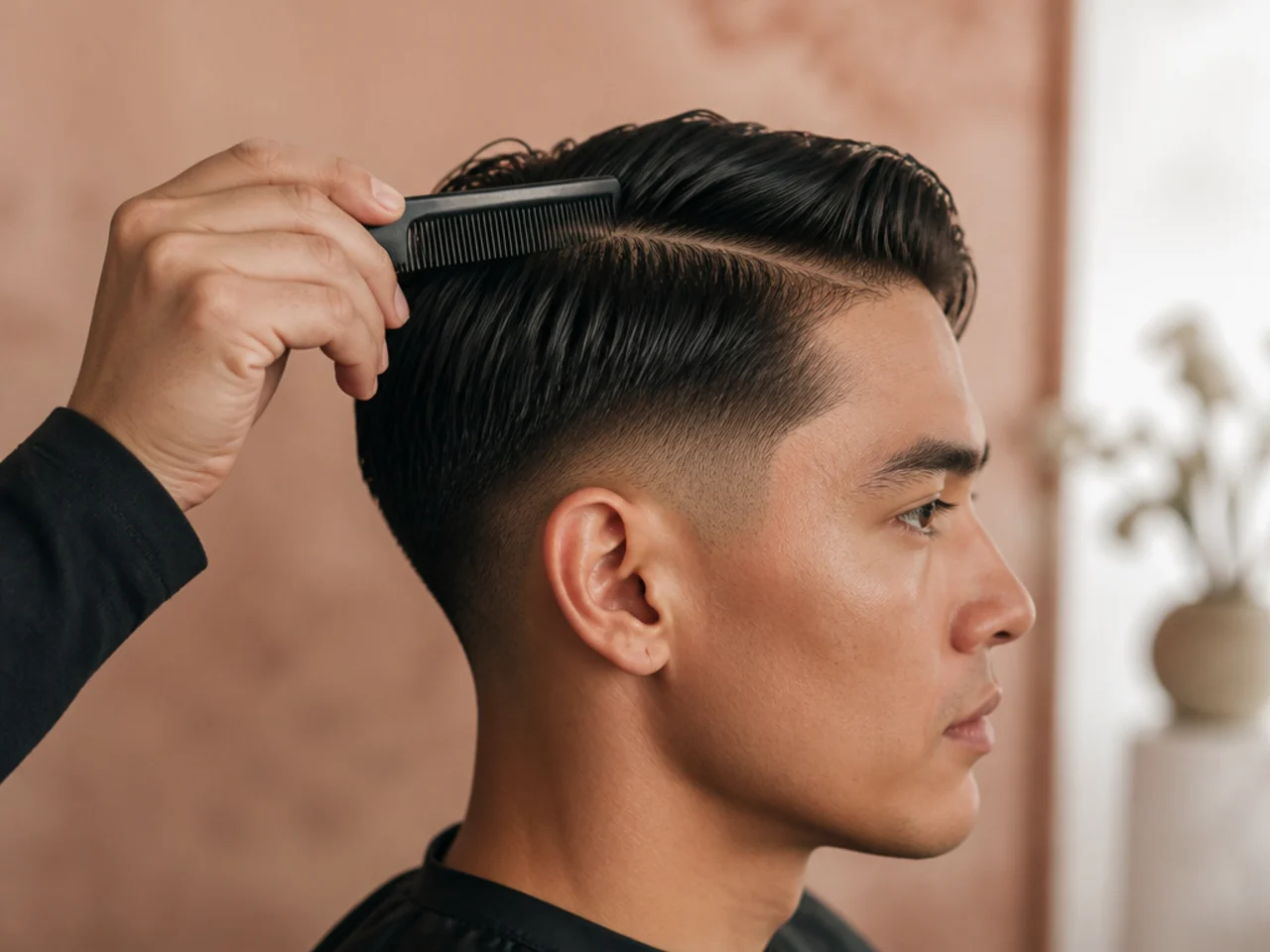
Water sets the part, product only holds it. Hair keeps the shape it dried in, so a parting combed into damp hair holds until the next wash and one combed into dry hair holds until the product gives out.
Product choice is weight against hold, not shine against matte. Weight flattens a top that lifts. Hold keeps a part open on hair that will not stay. They are different problems and they want opposite tubs.
The Rule Under All Fifteen
Comb the part while the hair is damp. Towel-dried, not dripping. Water is doing the structural work at this point, not the product.
Dry it in the position you want it. Airflow along the parting rather than into the roots, or you undo the split you just made.
Then choose weight or hold. Weight for hair that stands up, hold for hair that falls back down. Very few heads need both.
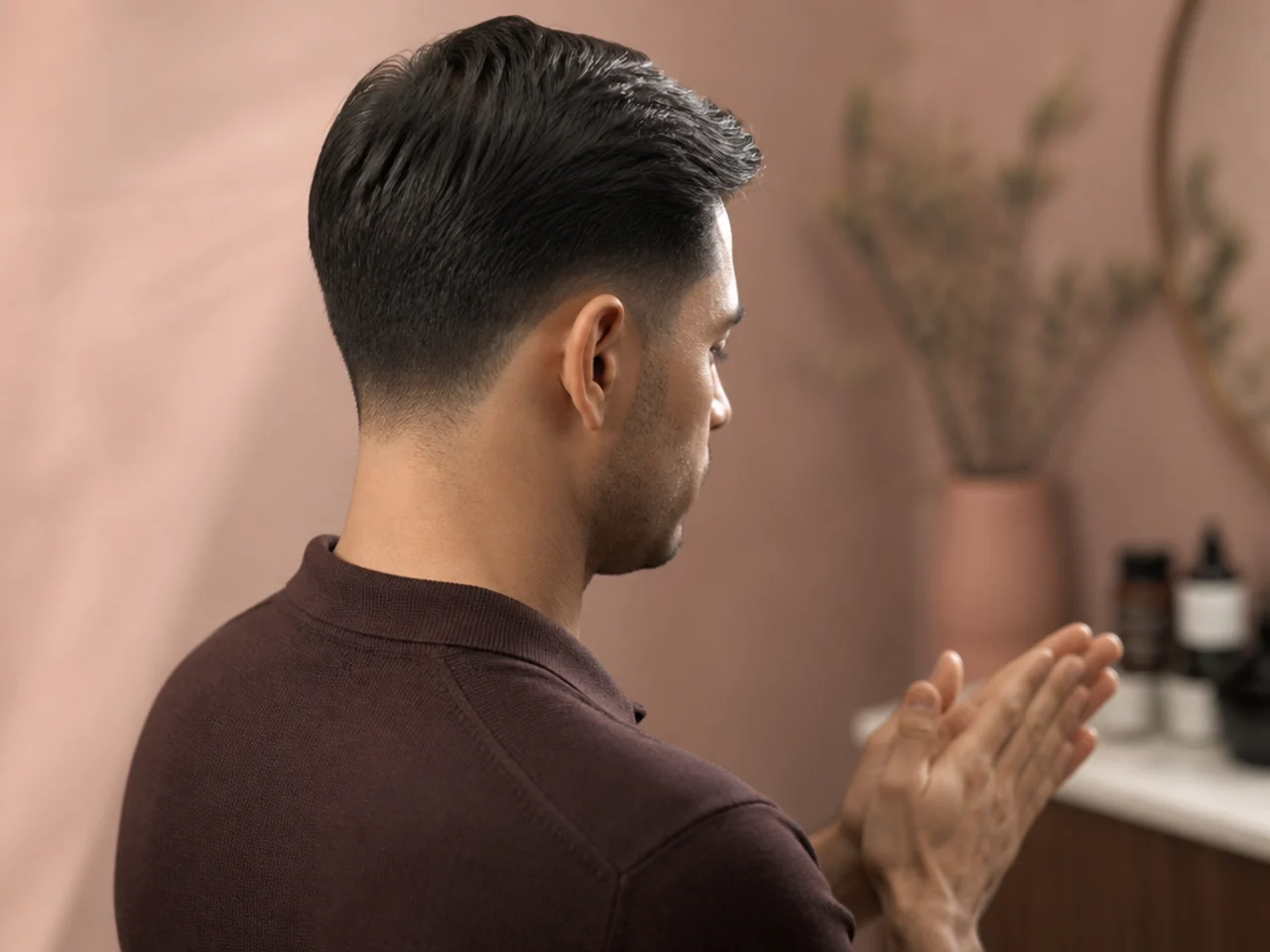
Product goes on last and goes on dry. By then the shape exists and the product is only preserving it.
How to Choose Yours
Work out which problem you have. Does the part lift open too far, or close on its own? The answer picks the aisle.
Match the finish to the register. Shine reads formal, matte reads current, and both hold identically.
Count the time you actually have. Several of these take twenty seconds; two take five minutes with a dryer.
Use less than you think. A pea of anything is enough at this length, and excess is what makes a top look greasy by noon.
The 15 Ways to Style an Ivy League
1. The Damp Comb Part
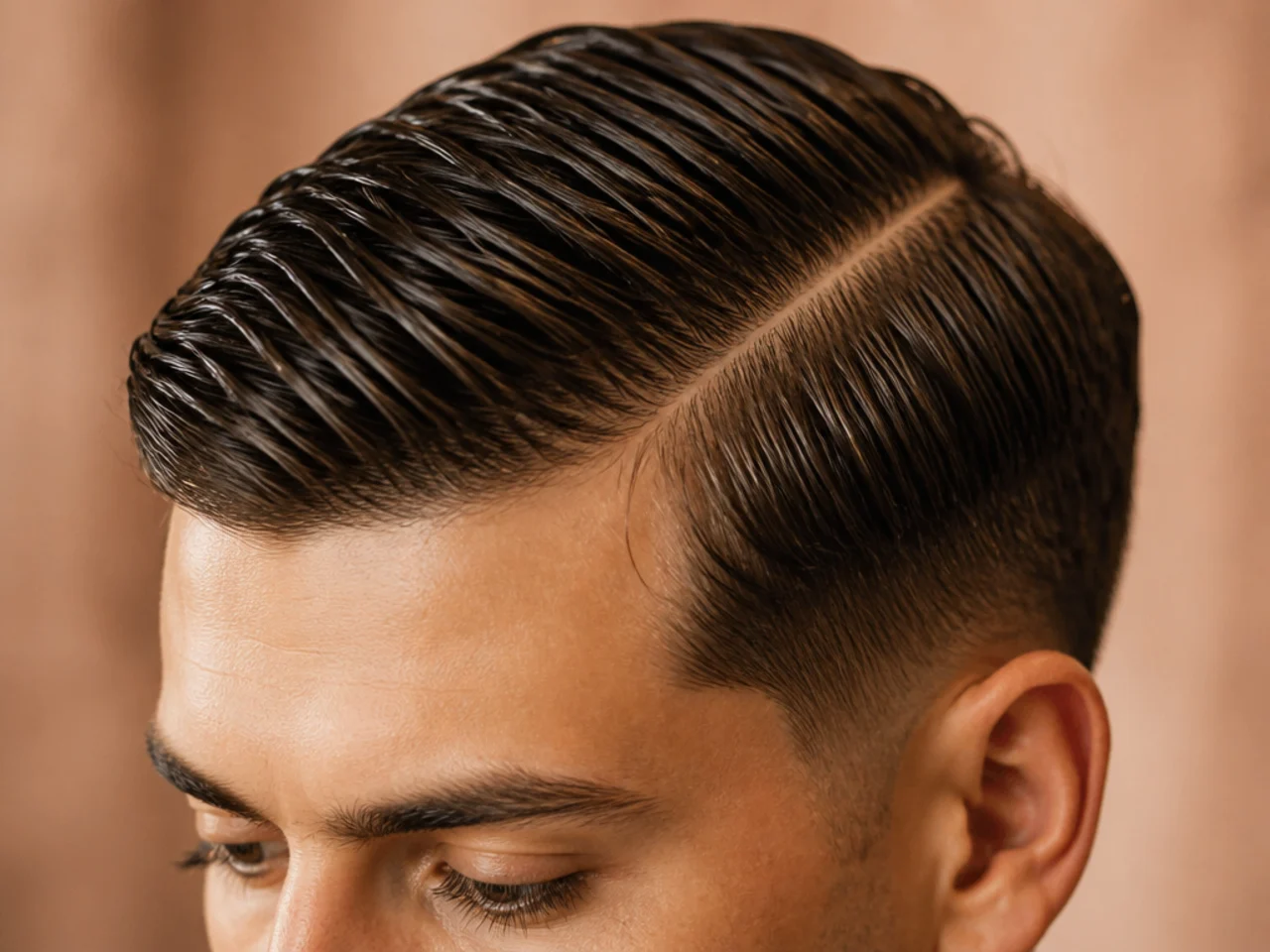
Comb the parting into towel-dried hair and let it air dry. No product at all. It is the version that proves the rule, and on straight hair it holds all day.
2. The Classic Pomade Part
Damp comb, then a pea of water-based pomade through the top. Shine plus slip, which is why this is the formal default and why it turns up across business hairstyles. Two minutes.
3. The Matte Clay Part
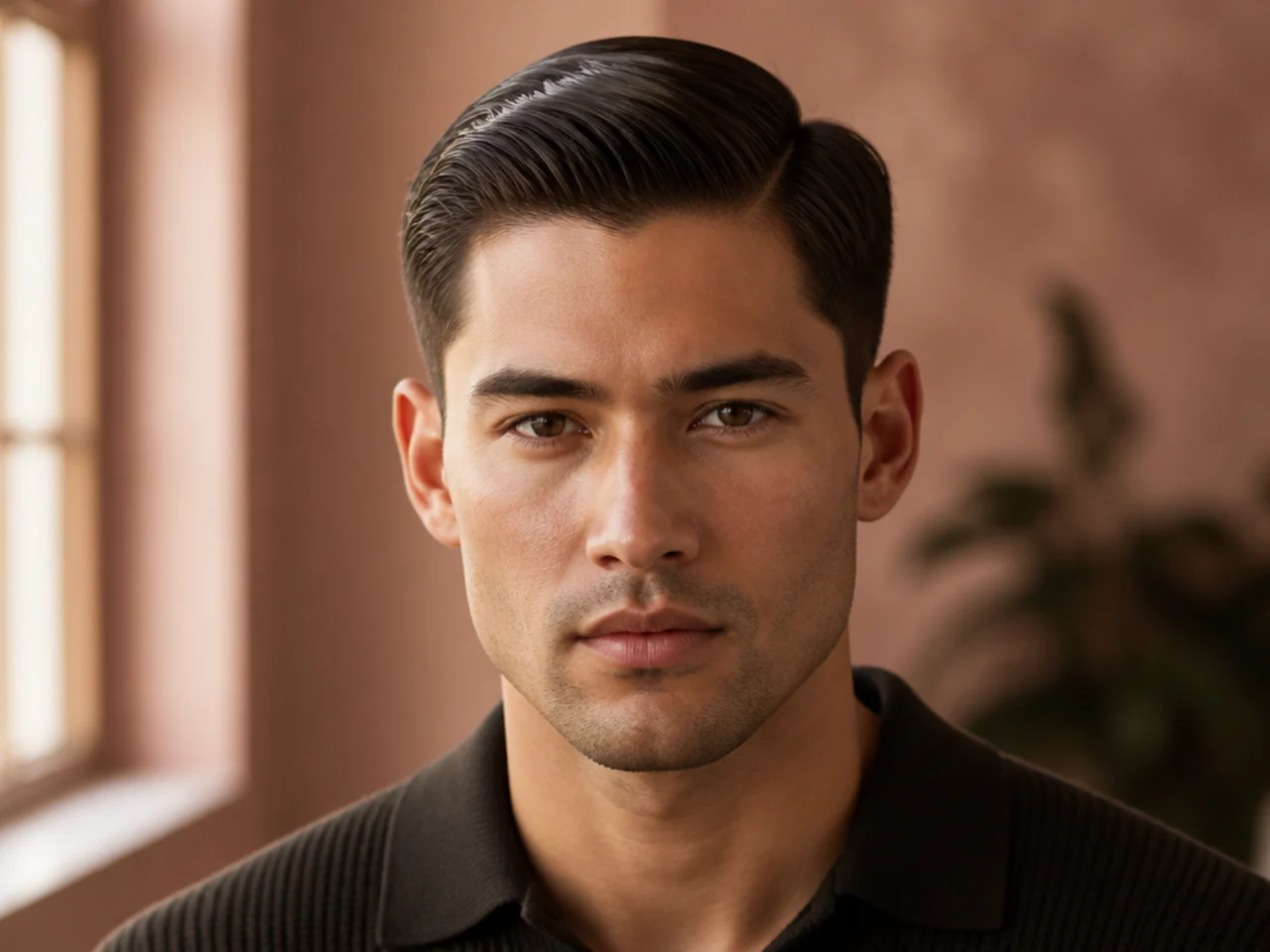
Same shape, no shine. Clay grips at the root, so it suits a part that wants to close rather than one that wants to lift. Thirty seconds.

4. The Cream Flatten
Cream is weight without hold. It is the answer for a top that stands up on its own, and the wrong answer for one that goes flat, because adding weight to hair already lying down only makes it lie down further.
5. The Blow-Dried Part
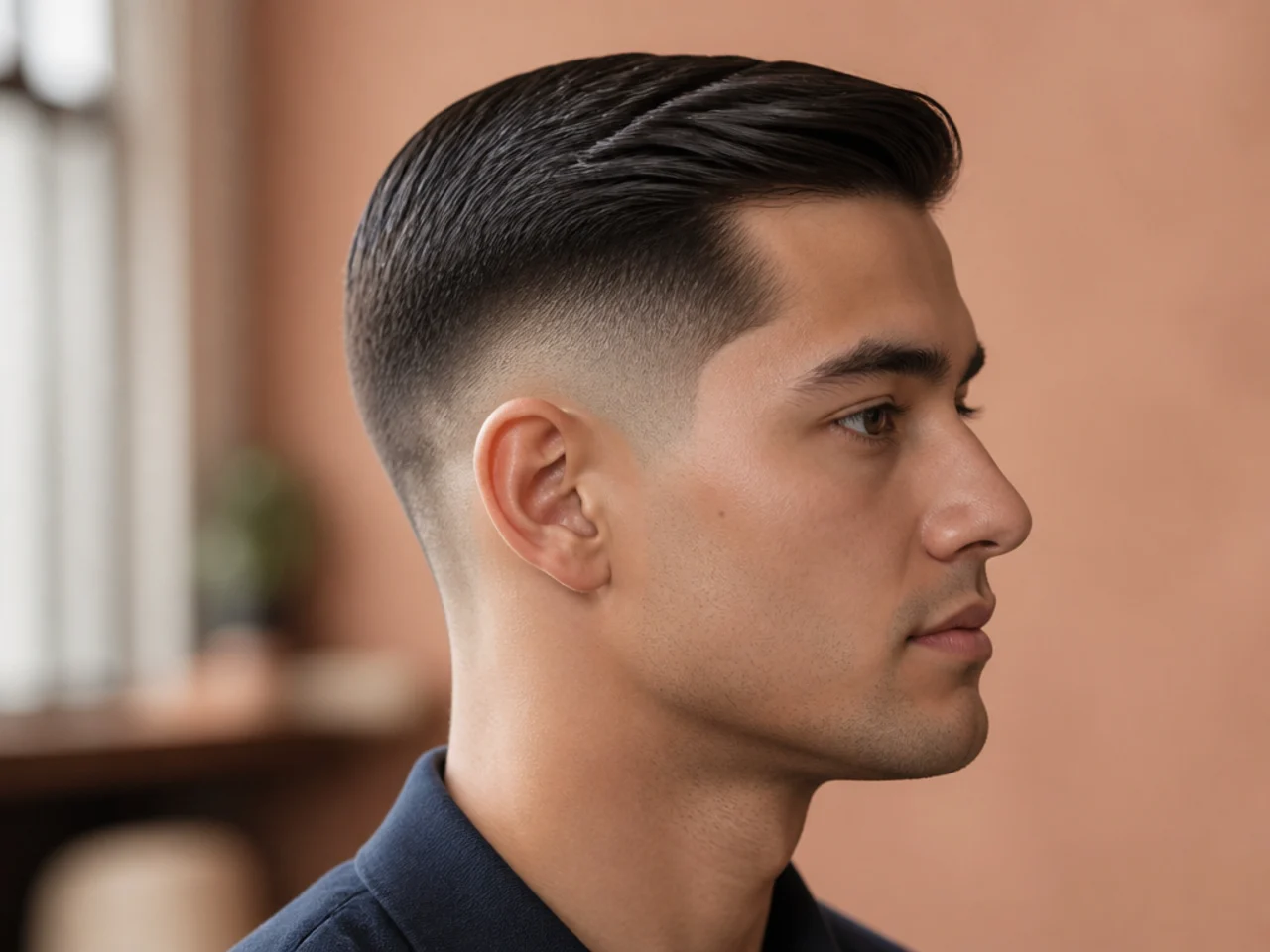
A dryer aimed along the parting for thirty seconds while the hair is still damp. Heat sets the direction harder than air drying does, and it is the only way to move a stubborn cowlick.
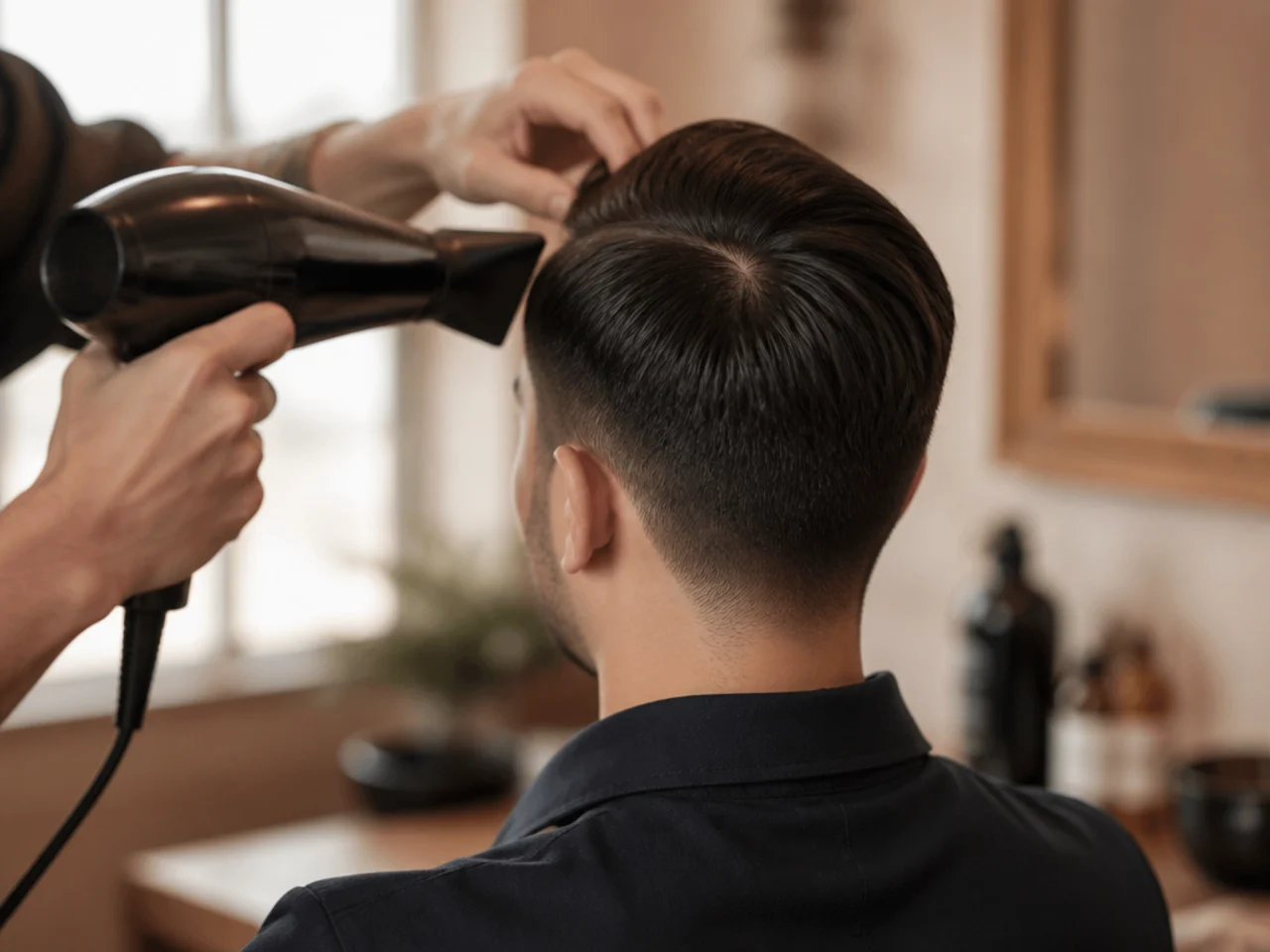
6. The Comb-Back
No parting at all, everything swept back off the face, which is the slick back at ivy league length. It needs an inch more length than a side part does, because the hair has further to travel.
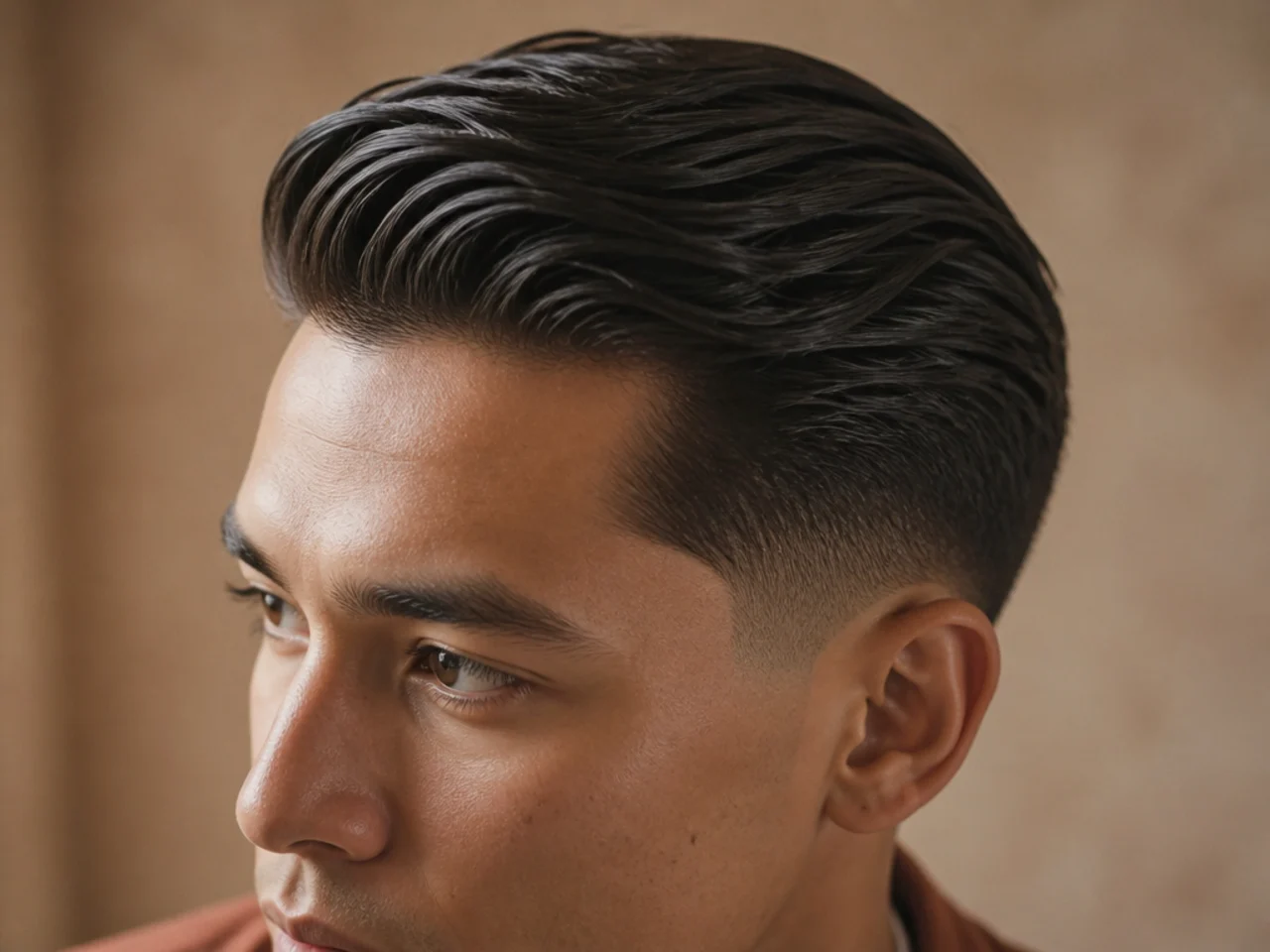
7. The Side Sweep
Parted, then swept across rather than laid flat. The front section covers part of the forehead, which softens a high hairline, because hair sitting at an angle across the brow shortens the visible distance between the eyebrow and the hairline.

8. The Finger Part
Set damp with fingers instead of a comb, so the line comes out broken rather than drawn. It suits a textured top and takes ten seconds.
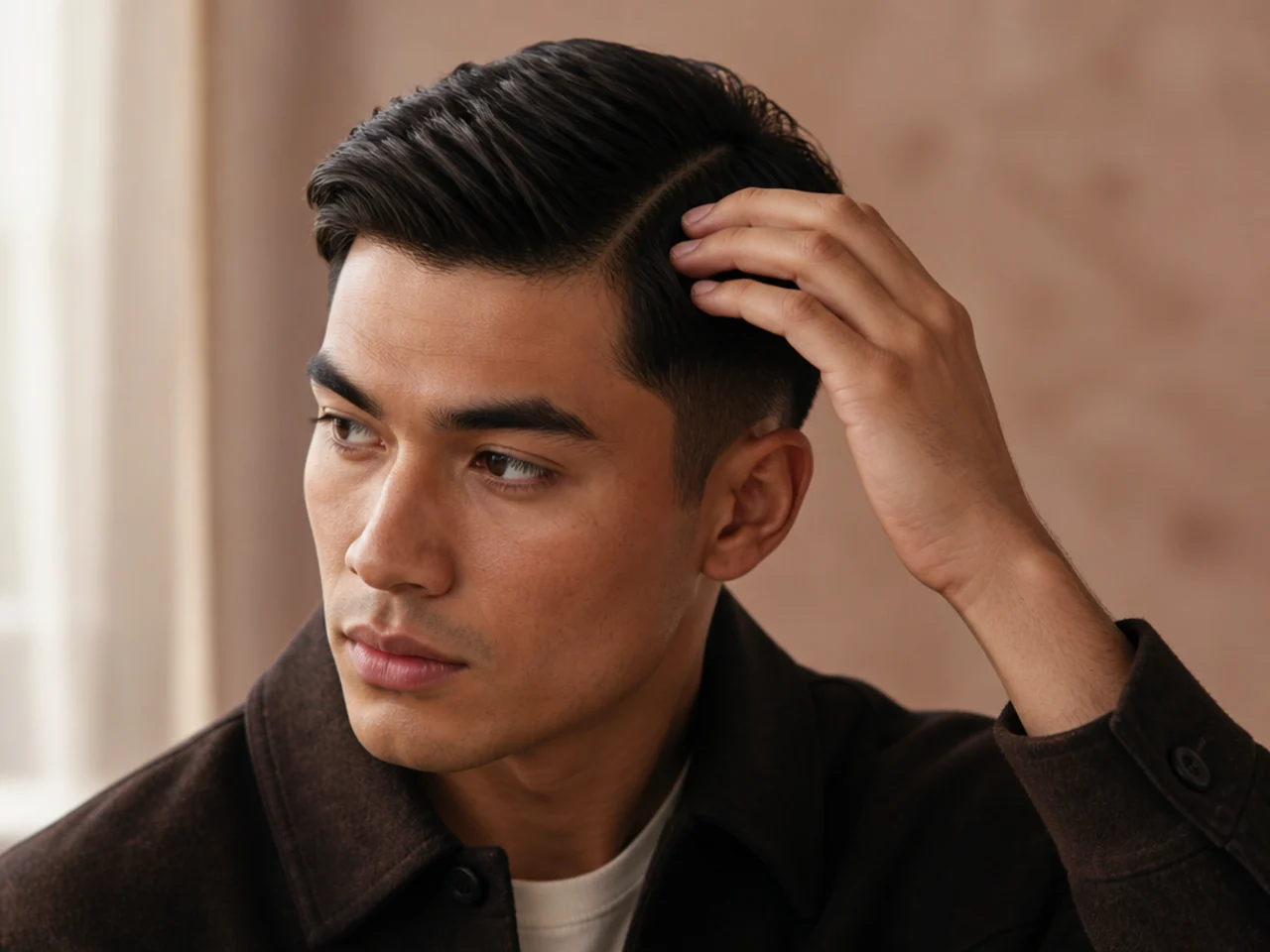
9. The Low-Shine Paste Finish
Paste sits between clay and pomade — some hold, a little movement, almost no shine. It is the safest single tub if you only own one.
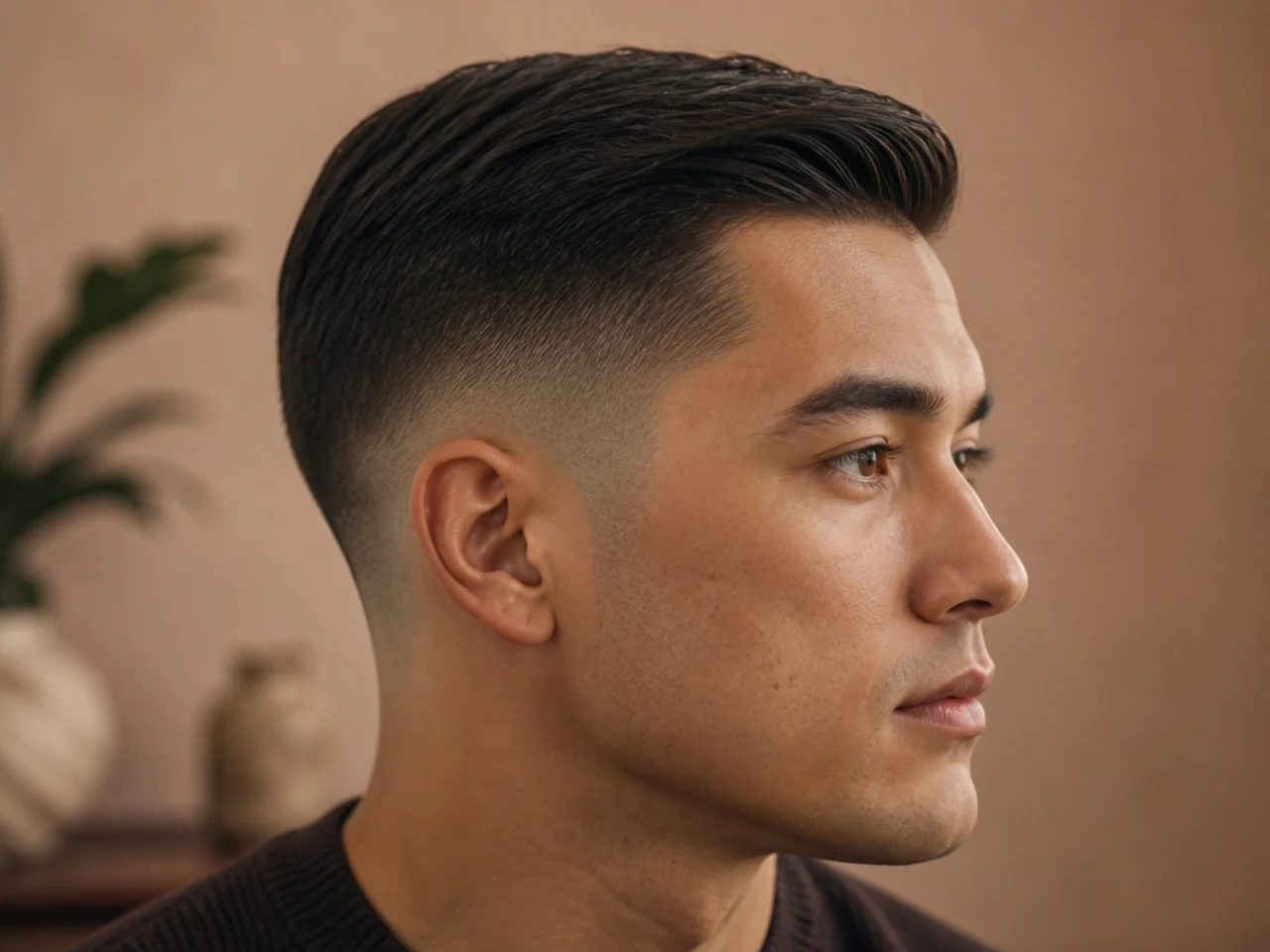
10. The Sea Salt Lift
Salt spray on damp hair before drying. It roughens the surface so strands hold apart, which opens a part on hair that normally lies flat — it is borrowing the root bend that a wavy head gets for free.
11. The Pre-Styler Plus Clay
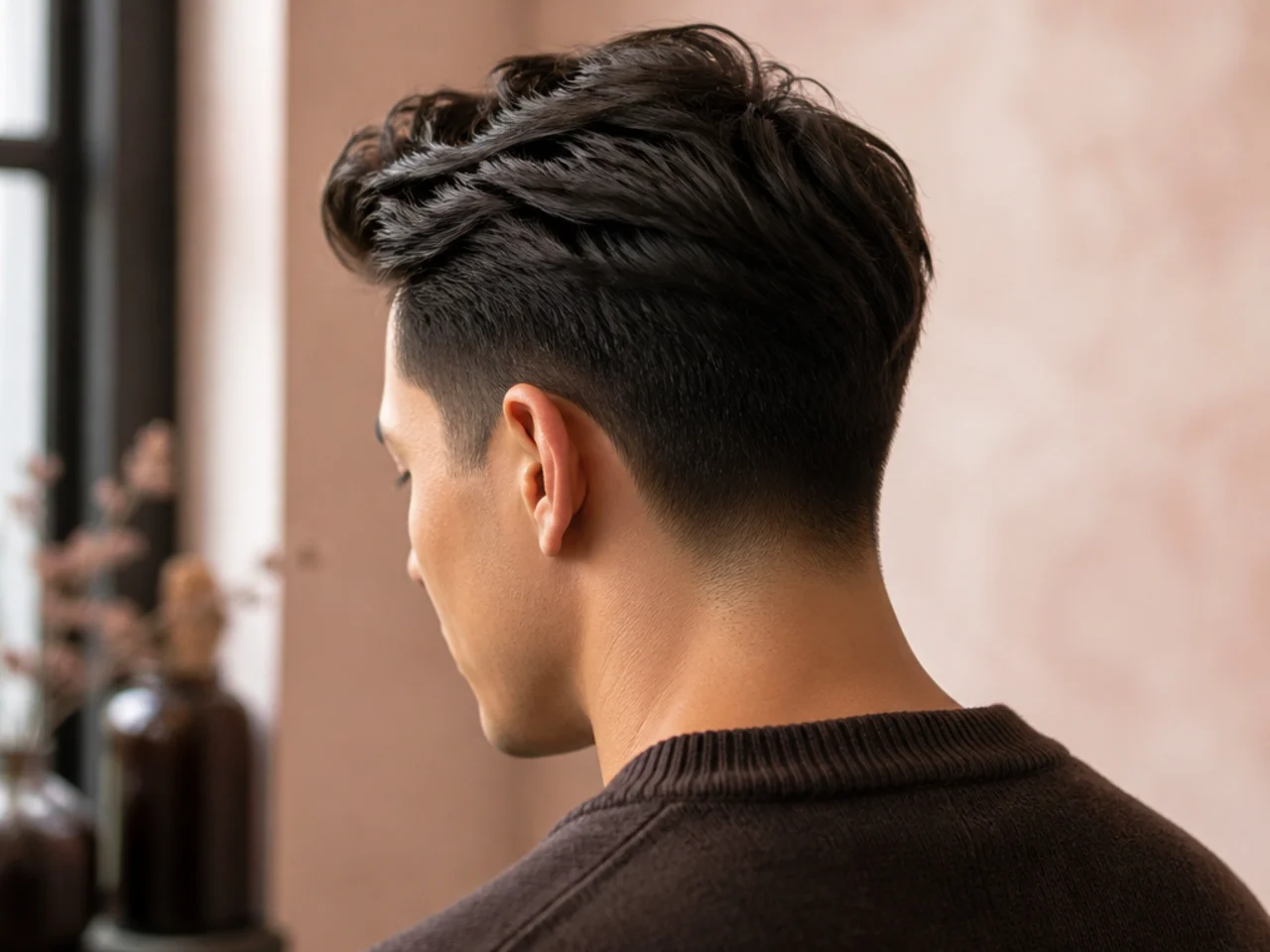
A cream or spray while damp, clay once dry. Two products doing two jobs — one sets the direction, the other holds it — and it is the routine for hair that resists both.
12. The Second-Day Refresh
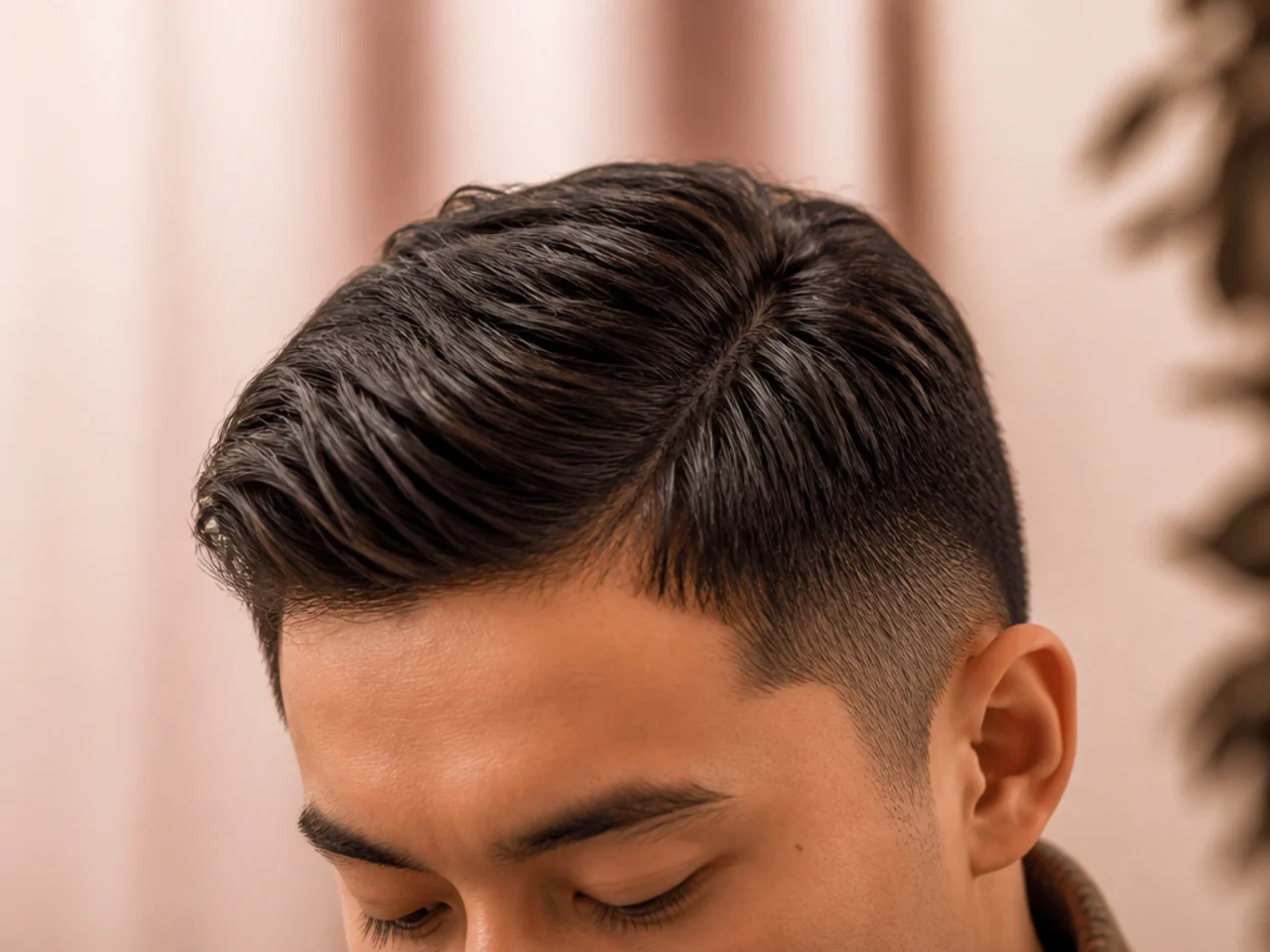
Wet the fingertips, run them along the parting only, and let it dry again. It resets the part without rewashing and without adding more product.
13. The Deliberately Messy Ivy
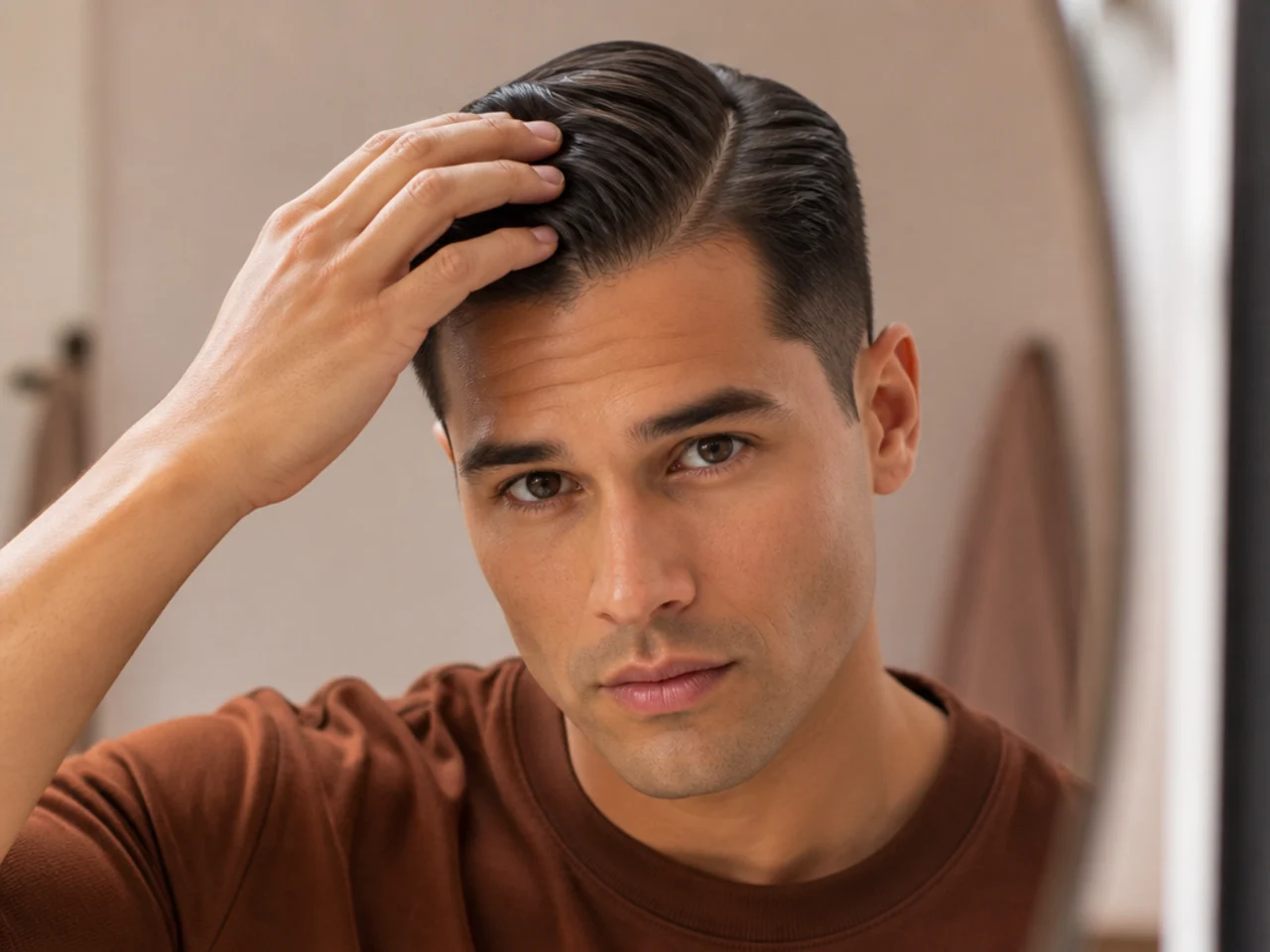
Damp, dried without a comb, then broken up with clay. The part still exists but reads as a split rather than a line.

14. The Five-Minute Formal
Blow-dried along the part, pomade, then combed through a second time. It is the longest routine here and the only one that survives a full evening.
15. Product on Dry Hair With No Part Set
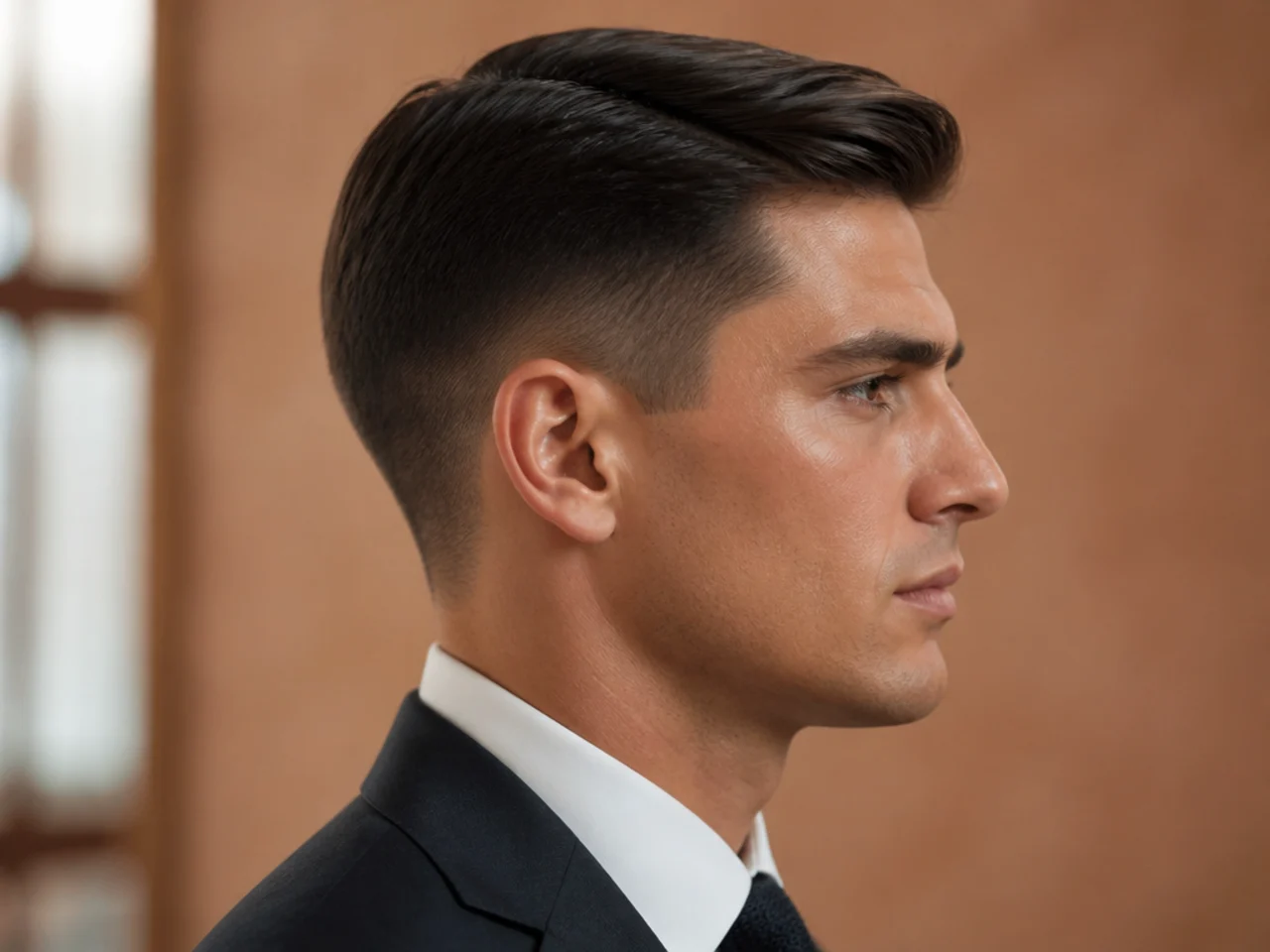
The failure case, and the most common routine there is. The product holds the top exactly where it dried, which is wherever it happened to fall in the night, and no amount of extra clay will move a shape that water already set.
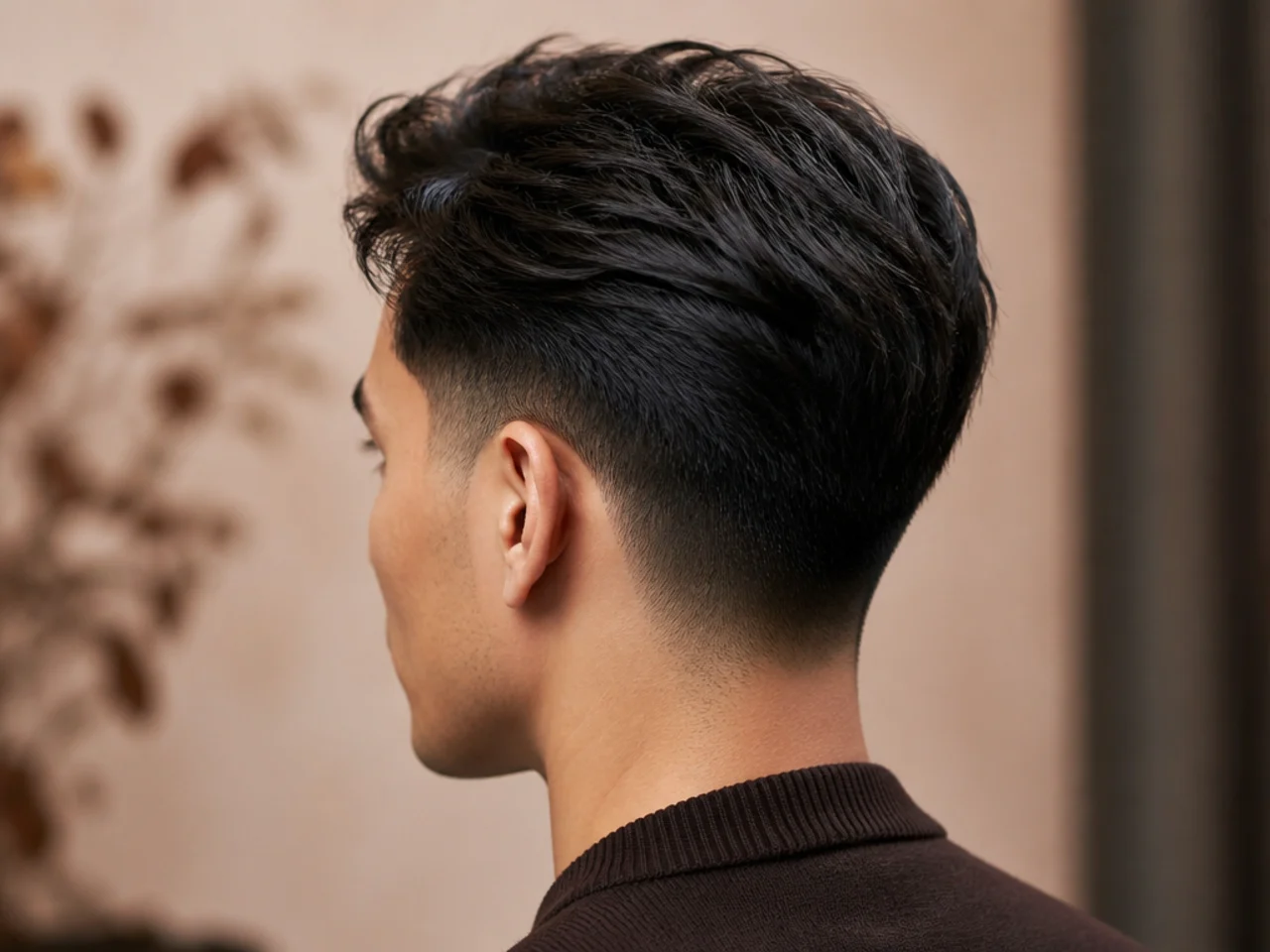
Styling and Upkeep
Set the part the morning after a wash. That is the one moment the hair has no memory of a previous direction.
Keep a comb, not a brush. A brush distributes; a comb divides, and division is the entire point of this cut.
Wash less than daily if the part struggles. Natural oil adds the weight that a stubborn top needs.
Rewet rather than restyle. Adding product to a part that dried wrong holds the mistake in place.
Trim every three to four weeks. The top gains usable length, but the sides lose the contrast that makes the part read.
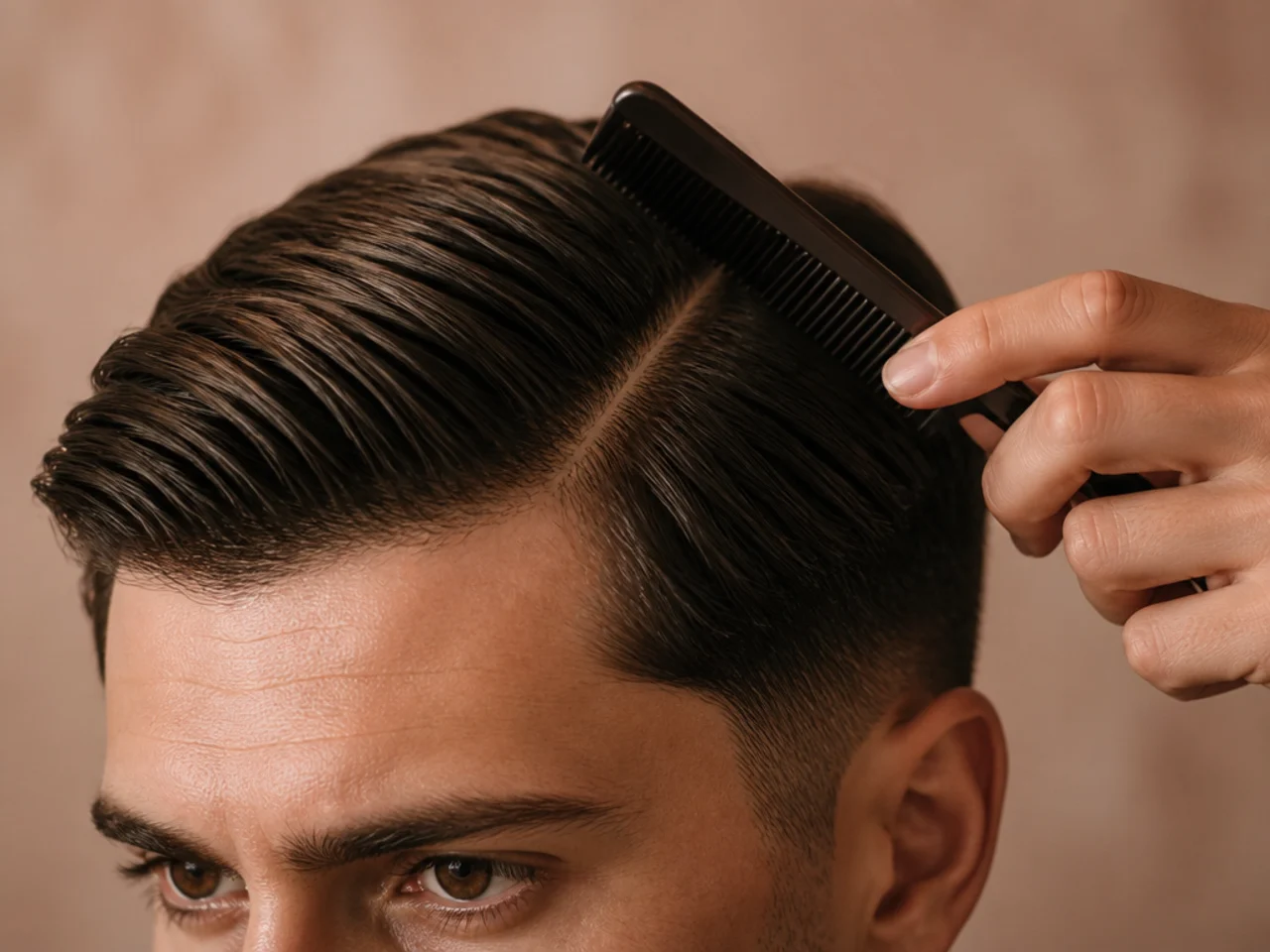
Mistakes to Avoid
Applying product to soaking hair. It dilutes, runs to the roots and flattens everything.
Using volume products on a part. Lift at the root is the opposite of what a parting needs.
Too much of anything. At two inches a pea is plenty, and excess reads as unwashed by the afternoon.
Choosing product by shine. Shine is a finish; weight and hold are the functions that matter.
Combing a dry part after styling. It drags the product into a stripe and lifts the panels apart.
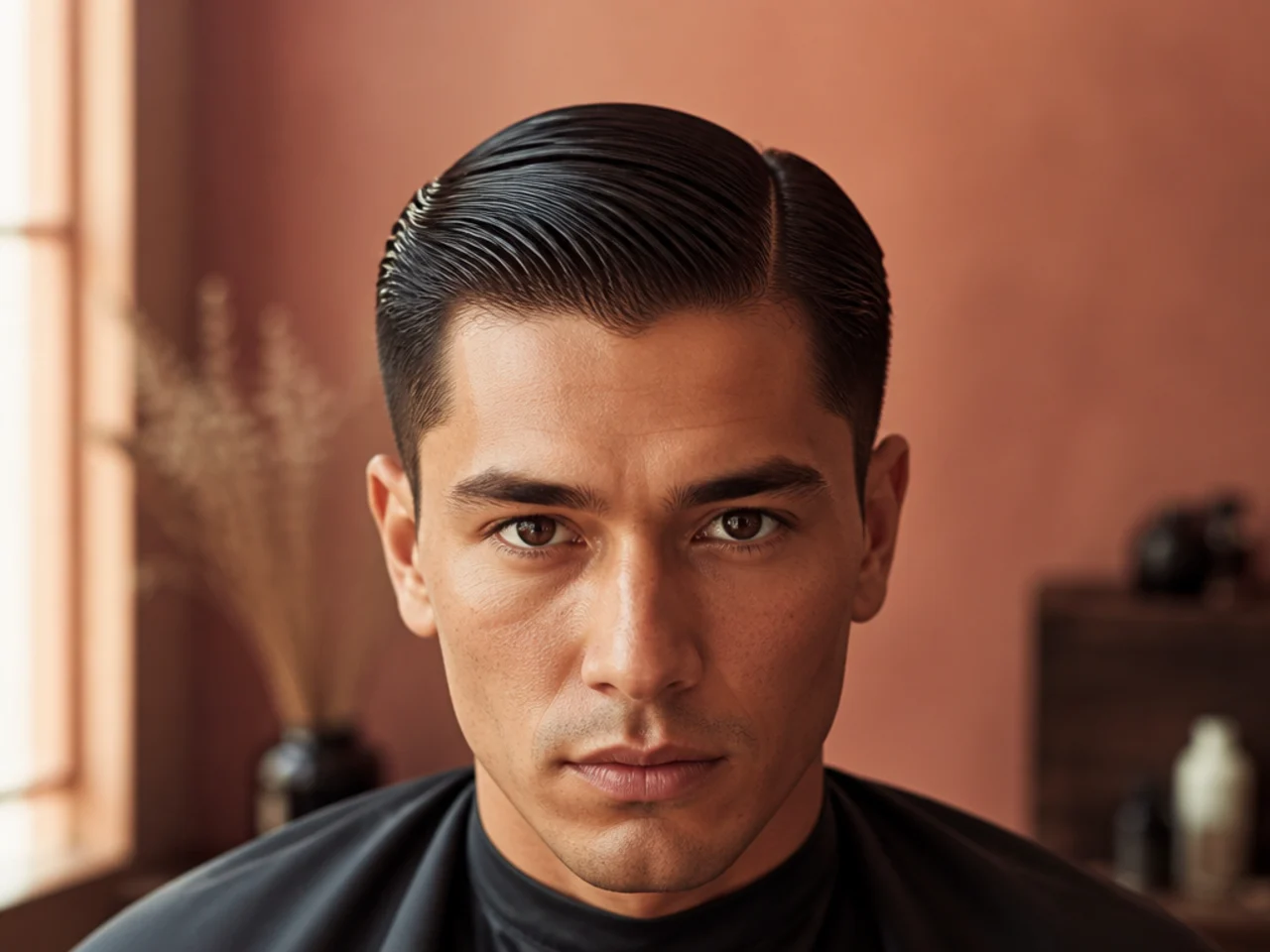
FAQ
Wet or dry? Damp — water sets the direction, product only holds it.
Which product? Weight for a top that lifts, hold for one that closes.
How long does the part last? Until the next wash, if it was set damp.

Final Thoughts
Set the part before you open anything. Every routine on this page is the same two steps — water decides where the hair goes, product decides whether it stays — and getting them in that order removes most of what people blame on the wrong tub.
For the full range of the cut see the ivy league haircut guide, and for the same approach on a shorter top see taper fade haircut styling. More in Men's Haircuts.