15 Wavy Ivy League Haircut Ideas We Love
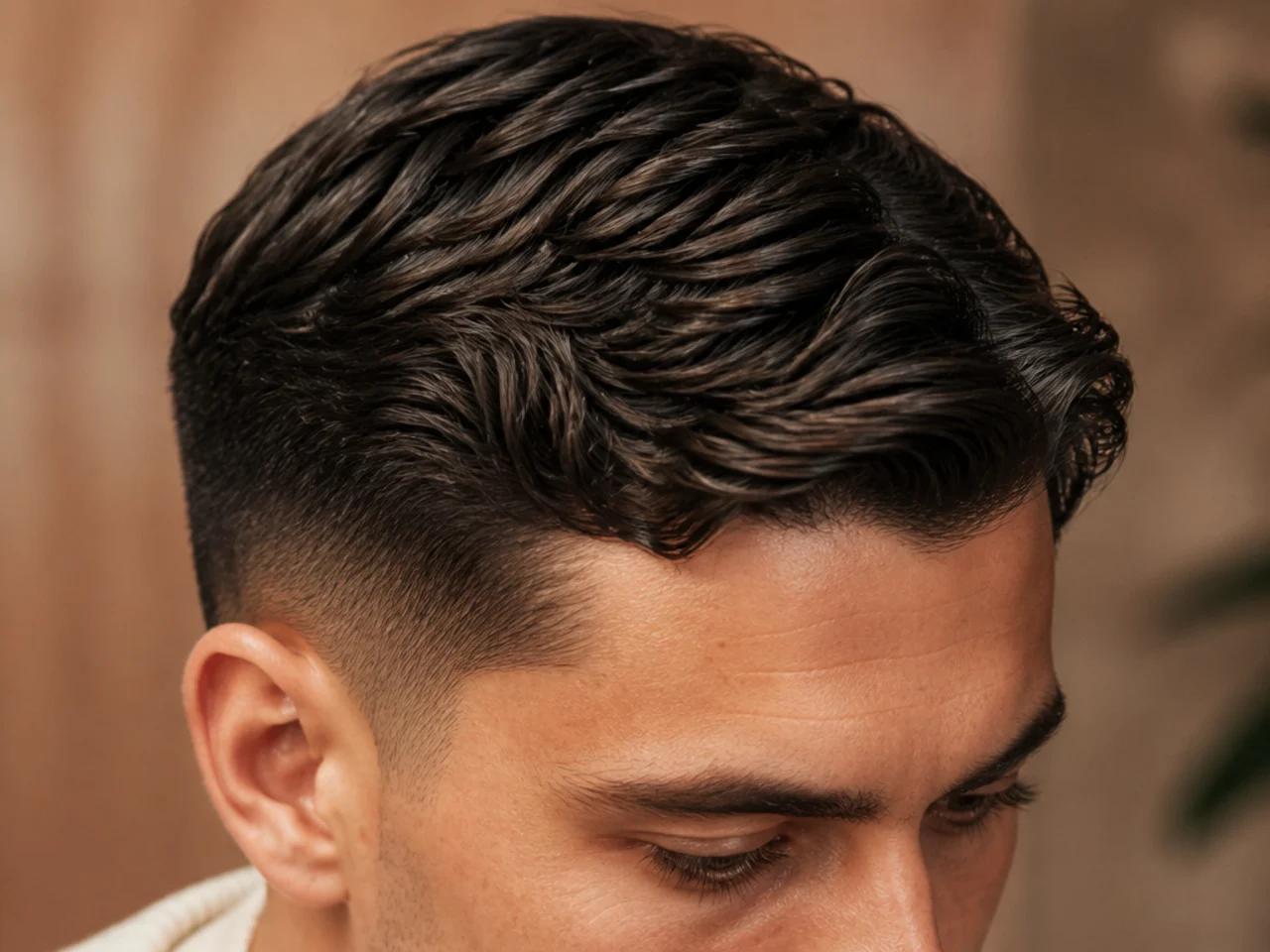
Fifteen wavy ivy league ideas, and the reason this is the easiest texture for the cut — wave bends at the root, so each hair leaves the scalp at an angle and the part falls open without being held there.
In this article · 22
- Why Wave Opens the Part on Its Own
- How to Choose Yours
- The 15 Wavy Ivy League Variations
- 1. Natural Break Ivy League
- 2. Loose 2A Wavy Ivy League
- 3. Defined 2B Wavy Ivy League
- 4. Strong 2C Wavy Ivy League
- 5. Wavy Ivy League With a Low Taper
- 6. Wavy Ivy League With a Mid Taper
- 7. Wavy Ivy League Worn Dry
- 8. Wavy Ivy League With a Sea Salt Finish
- 9. Wavy Ivy League With a Light Cream
- 10. Wavy Ivy League Combed Flat
- 11. Wavy Ivy League on Thick Hair
- 12. Wavy Ivy League on Fine Hair
- 13. Wavy Ivy League With a Longer Top
- 14. Wavy Ivy League at Week Five
- 15. A Wavy Part Fought Against the Break
- Styling and Upkeep
- Mistakes to Avoid
- FAQ
- Final Thoughts
Every other texture makes this cut harder. Wave makes it easier, and for a reason that has nothing to do with how it looks.
A wave bends near the root. The hair leaves the scalp at an angle instead of lying flat against it, so two panels either side of a parting lean away from each other on their own.
That means the part opens without being held open. No cut-in line, no daily product, no comb war. The only thing you have to get right is where you put it.
Why Wave Opens the Part on Its Own
Root bend is the whole mechanism. The first curve of a wave sits within the first centimetre of growth, which is where a parting is decided.
Straight hair has to be persuaded. It leaves the scalp flat and lies back down, which is why straight ivy leagues live on pomade.
Wave also loses almost no length. Under half an inch on a loose pattern, against a third on curl, so the two-inch minimum is easy to reach.
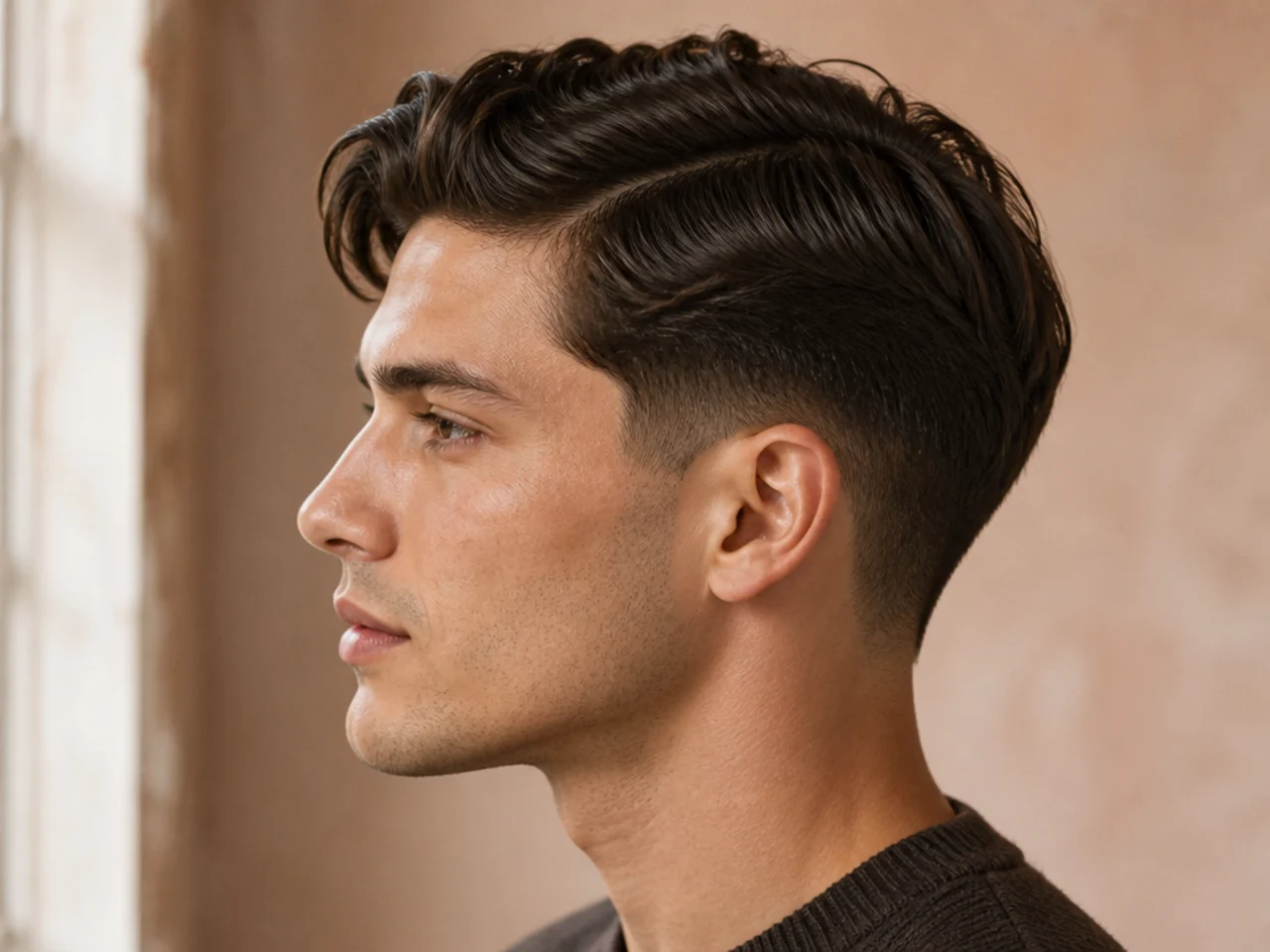
The wave chooses the line, not you. There is one place it already breaks, and that is the free version.
How to Choose Yours
Find the natural break before anything else. Push damp hair forward with a flat palm and let it fall — the line it lands in is free to maintain.
Match the part side to that break. Parting an inch off it costs product every morning for the rest of the cut.
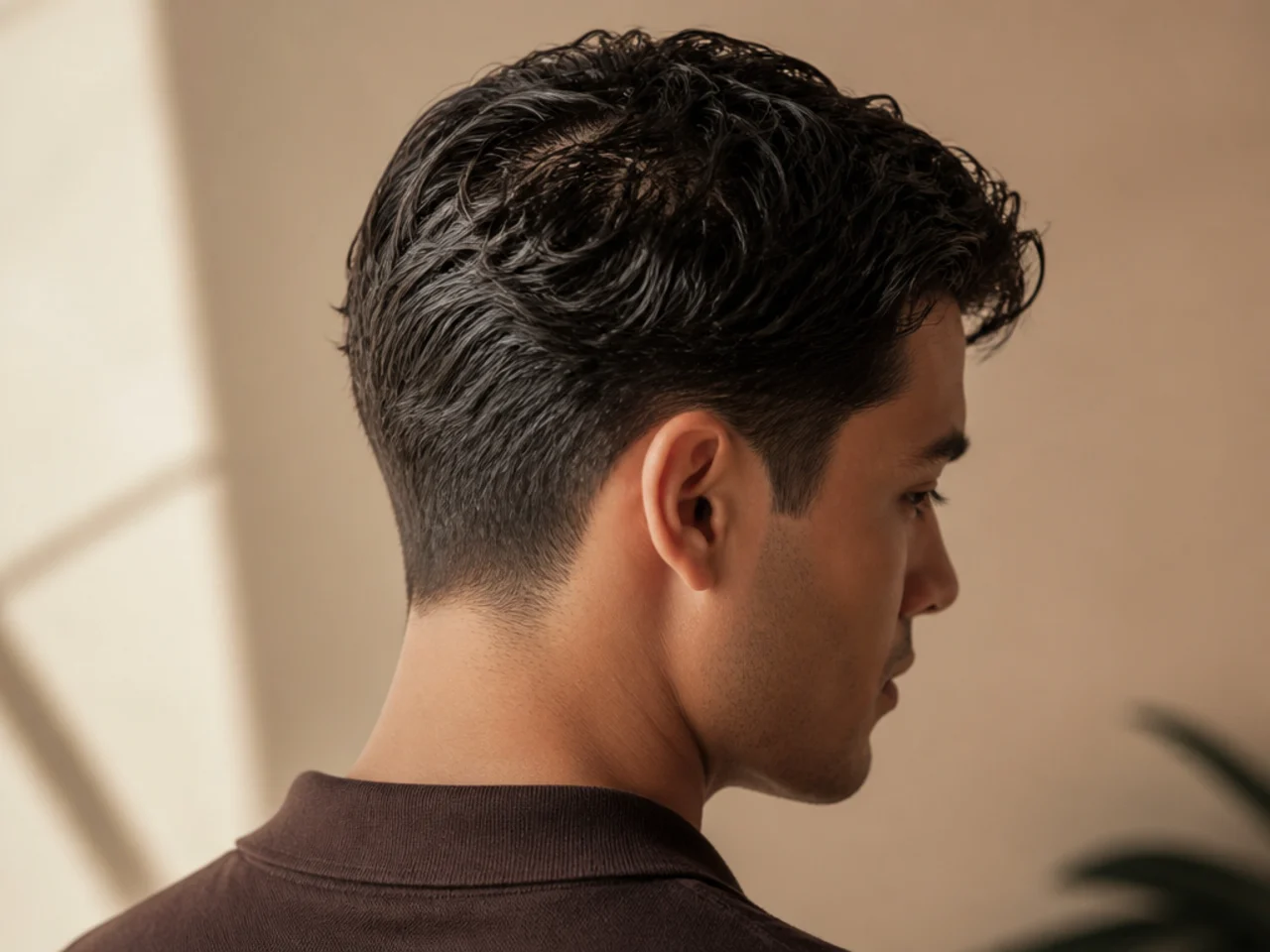
Let the wave decide the top length. A tighter wave wants more length to show its pattern; a loose one shows it at two inches.
Keep the sides long enough for the wave to read. Taken too short, the pattern disappears and the sides look flat next to a textured top.
The 15 Wavy Ivy League Variations
1. Natural Break Ivy League
Parted exactly where the wave already falls. It is the version that still looks correct at the end of a long day, because nothing is holding it in place that could give way. On most heads the break sits slightly off centre and slightly further back than a barber would choose by eye.
2. Loose 2A Wavy Ivy League
Barely more than a bend, but enough root lift to keep a part open. It reads closest to a straight ivy league and needs the least product of any version here.

3. Defined 2B Wavy Ivy League
The S-bend is visible along the length. The part sits deeper because the panels have more structure to lean on, which is the sweet spot for this cut.

4. Strong 2C Wavy Ivy League
Nearly curl, and close enough to the line that the curl-versus-wave rules start to matter. The wave lifts so much at the root that the top gains apparent height, so the sides usually need taking shorter to keep the proportion.
5. Wavy Ivy League With a Low Taper
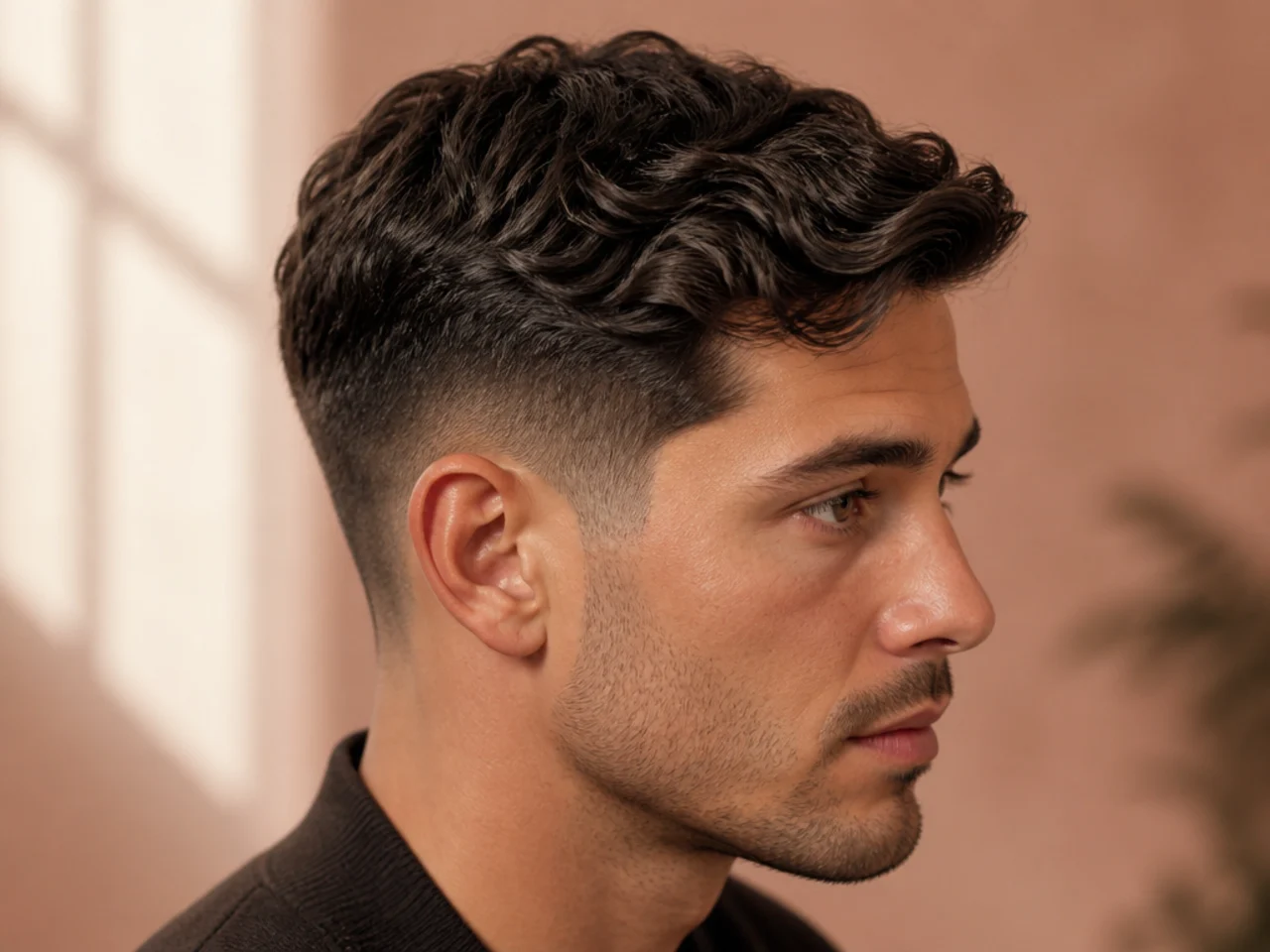
The sides kept long enough that the wave still shows in them. Two textured surfaces separated by a soft gradient, rather than texture on top and nothing below.
6. Wavy Ivy League With a Mid Taper
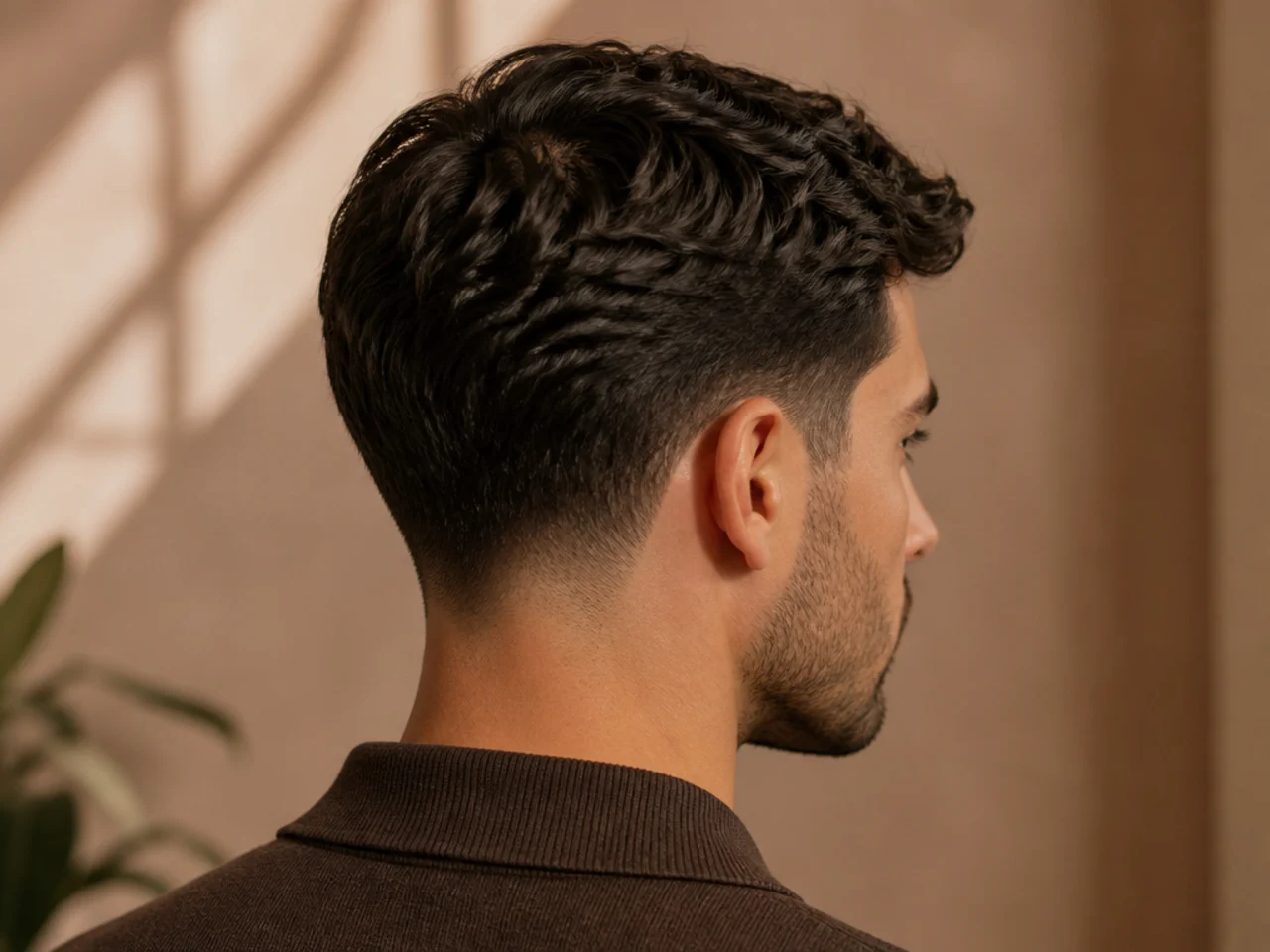
More contrast, and the wave on top carries it well because the pattern gives the eye something to look at above the gradient.
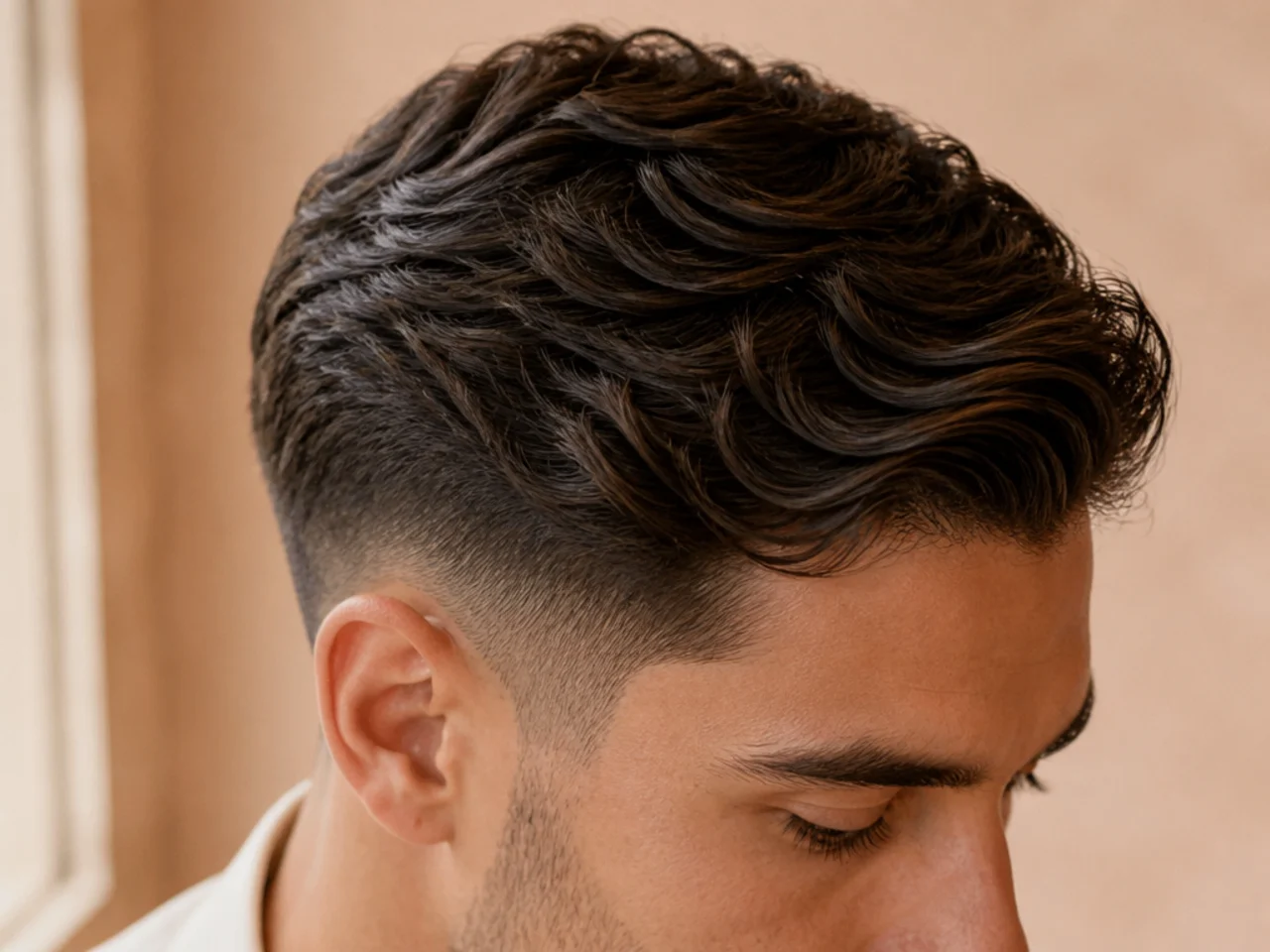
7. Wavy Ivy League Worn Dry
No product at all. This is the version that proves the mechanism, and it only works if the part sits on the natural break.

8. Wavy Ivy League With a Sea Salt Finish
Salt spray tightens the bend, which raises the root lift and deepens the part, and it is the one item in the wavy hair product list that changes the shape rather than the finish. Use it on damp hair, before the direction sets, because salt applied to dry hair only roughens the surface without changing the shape near the scalp.

9. Wavy Ivy League With a Light Cream
Cream keeps the pattern intact while adding a little weight, which suits a wave that lifts more than you want it to.
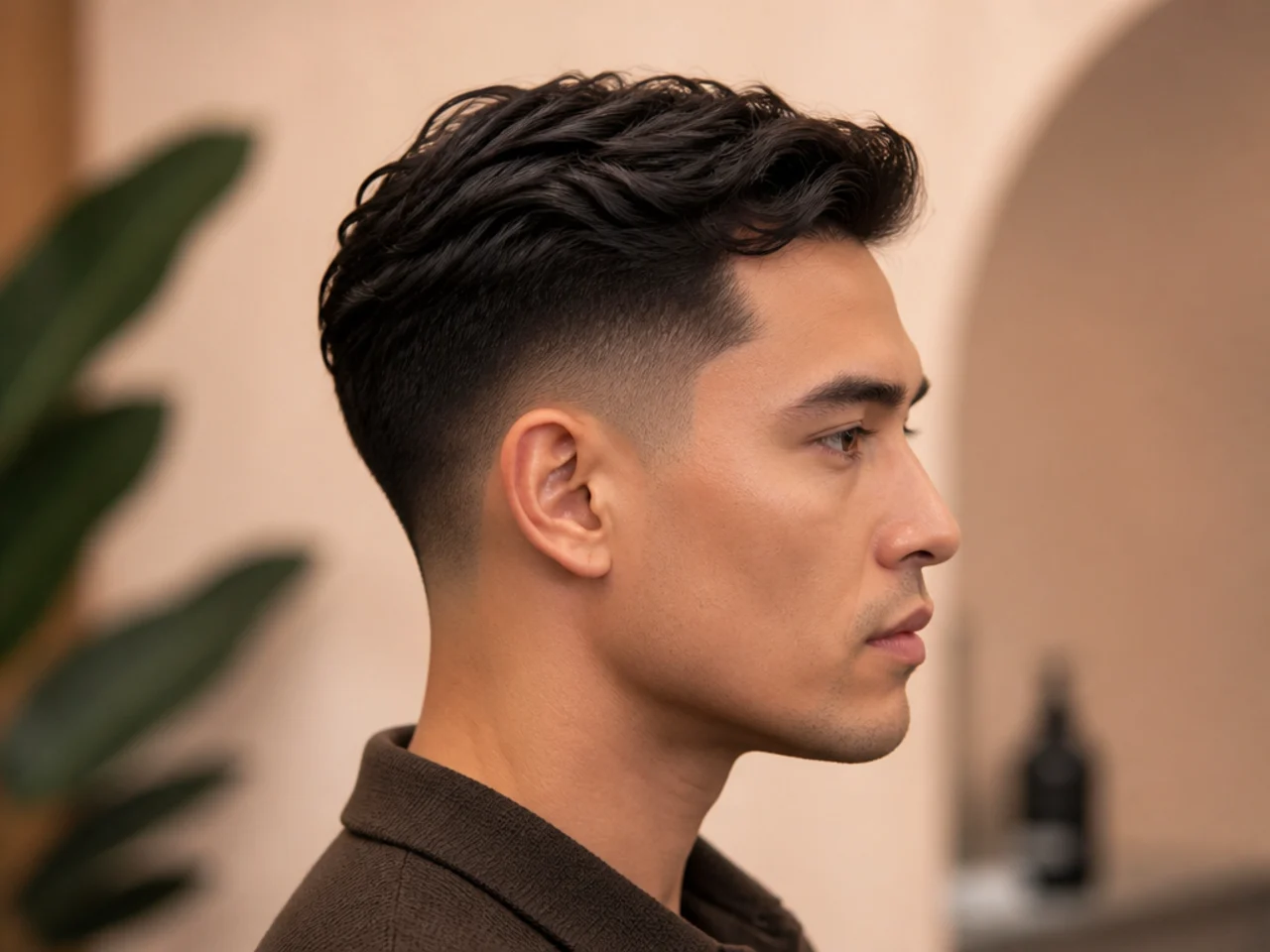
10. Wavy Ivy League Combed Flat
Combed through wet and dried down, the wave suppressed. It reads more formal, and it is the one version here that does need product to hold, because flattening the root bend removes the thing that was keeping the part open for free.

11. Wavy Ivy League on Thick Hair
Wave and density together build height fast. The pattern breaks the mass up on its own, so it needs far less thinning than straight thick hair does.
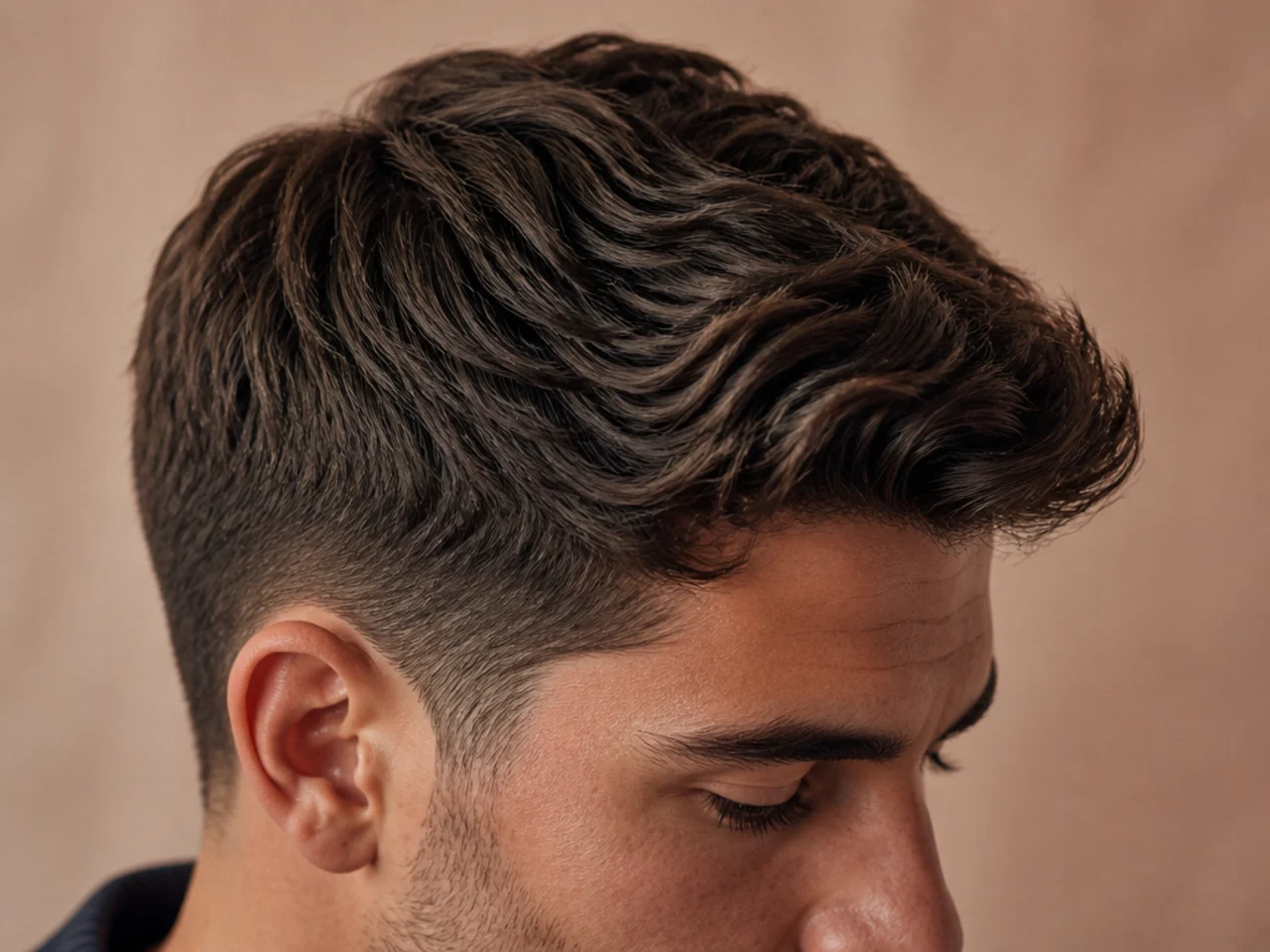
12. Wavy Ivy League on Fine Hair
Fine wave gives the best root lift per strand but has no weight behind it, so keep product to a light spray and nothing heavier.

13. Wavy Ivy League With a Longer Top
Three inches instead of two. The extra length lets a full S-bend show above the part rather than half of one, because a single S takes roughly two and a half inches to complete and at two the part is sitting mid-bend.
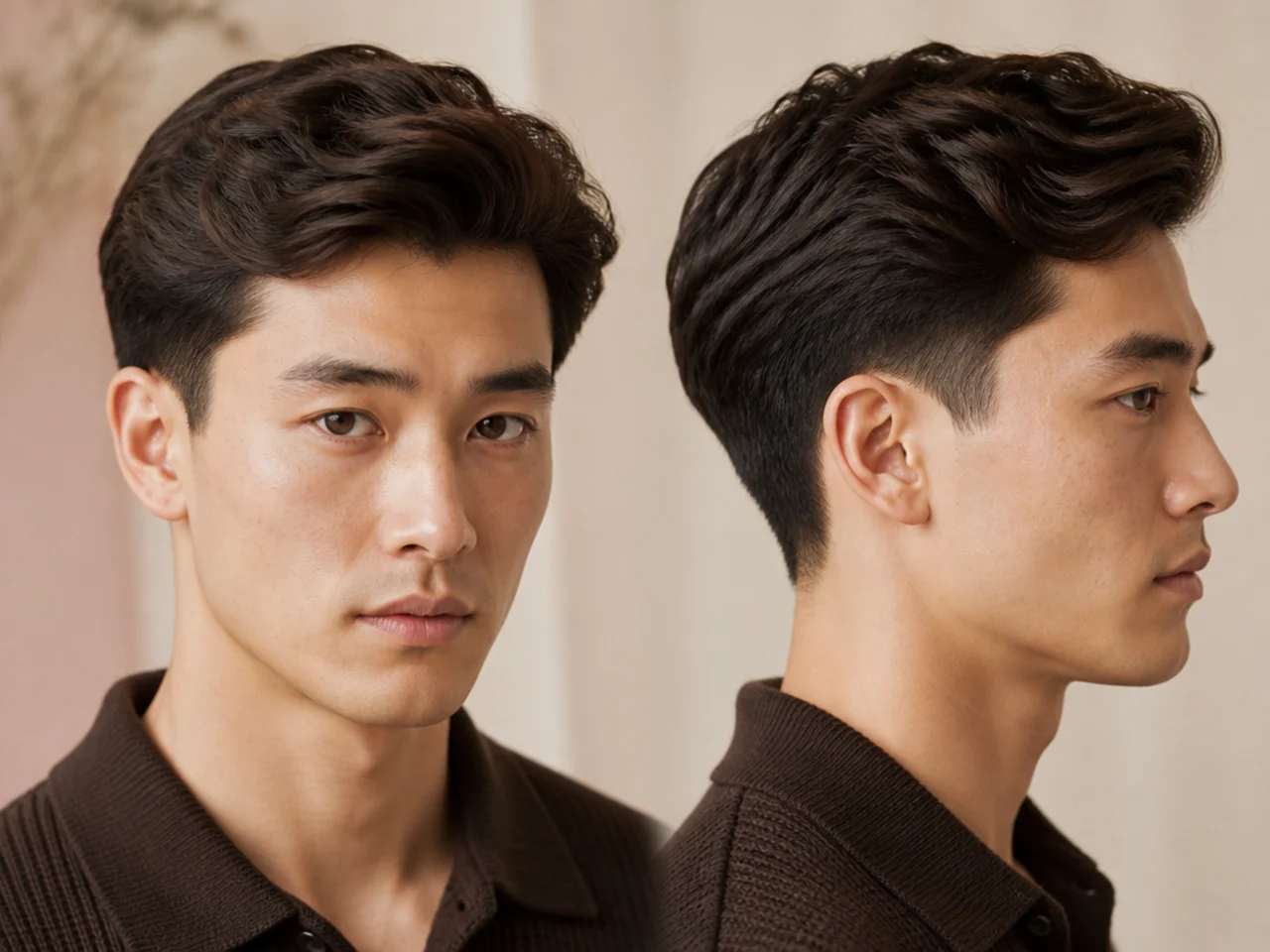
14. Wavy Ivy League at Week Five
Still parting cleanly. Wave gains definition as it gains length, so this cut ages better on this texture than on any other.
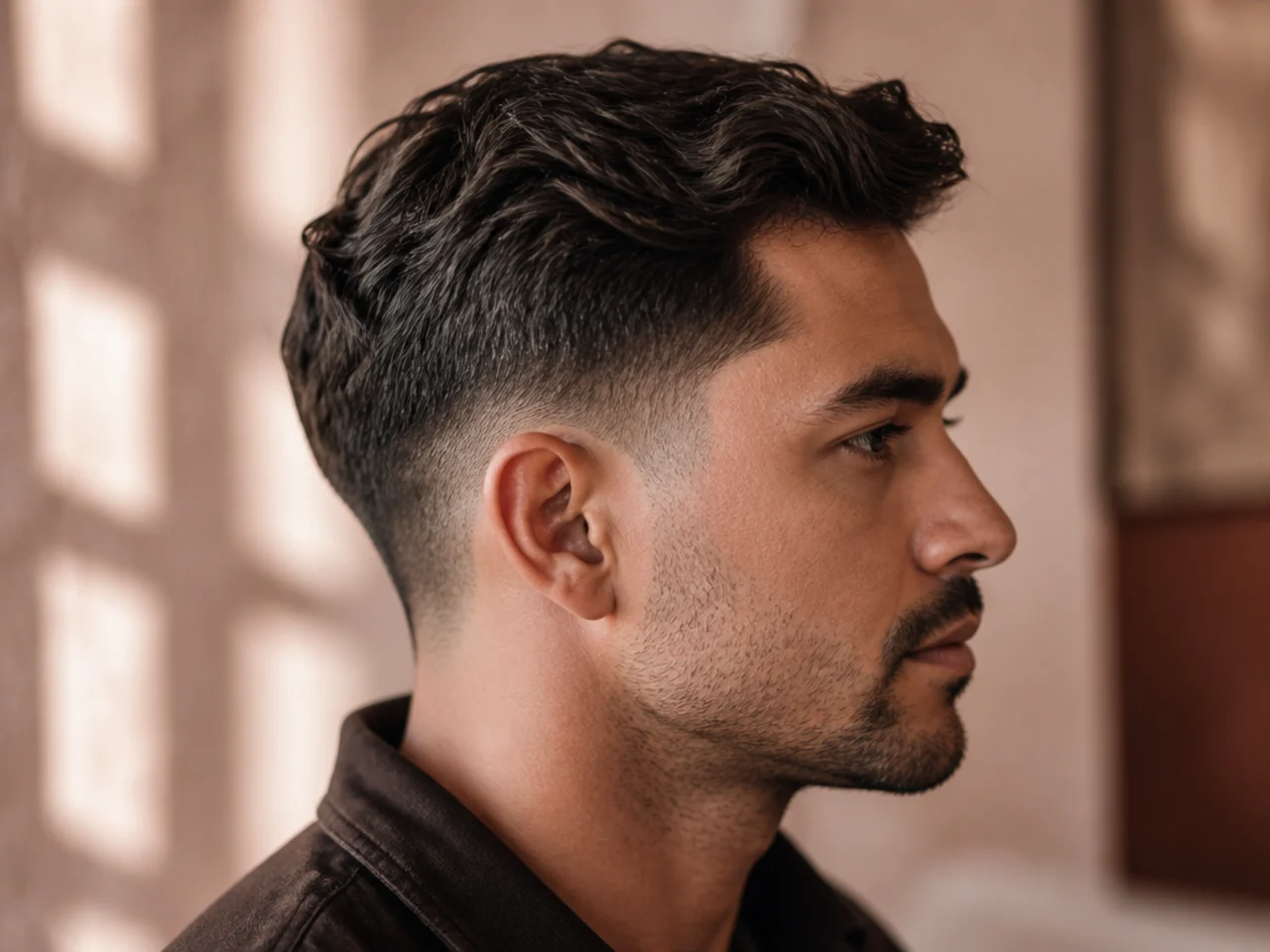
15. A Wavy Part Fought Against the Break
Parted an inch off the natural line. It holds until the first time you run a hand through it, then jumps back to where the wave wanted it.
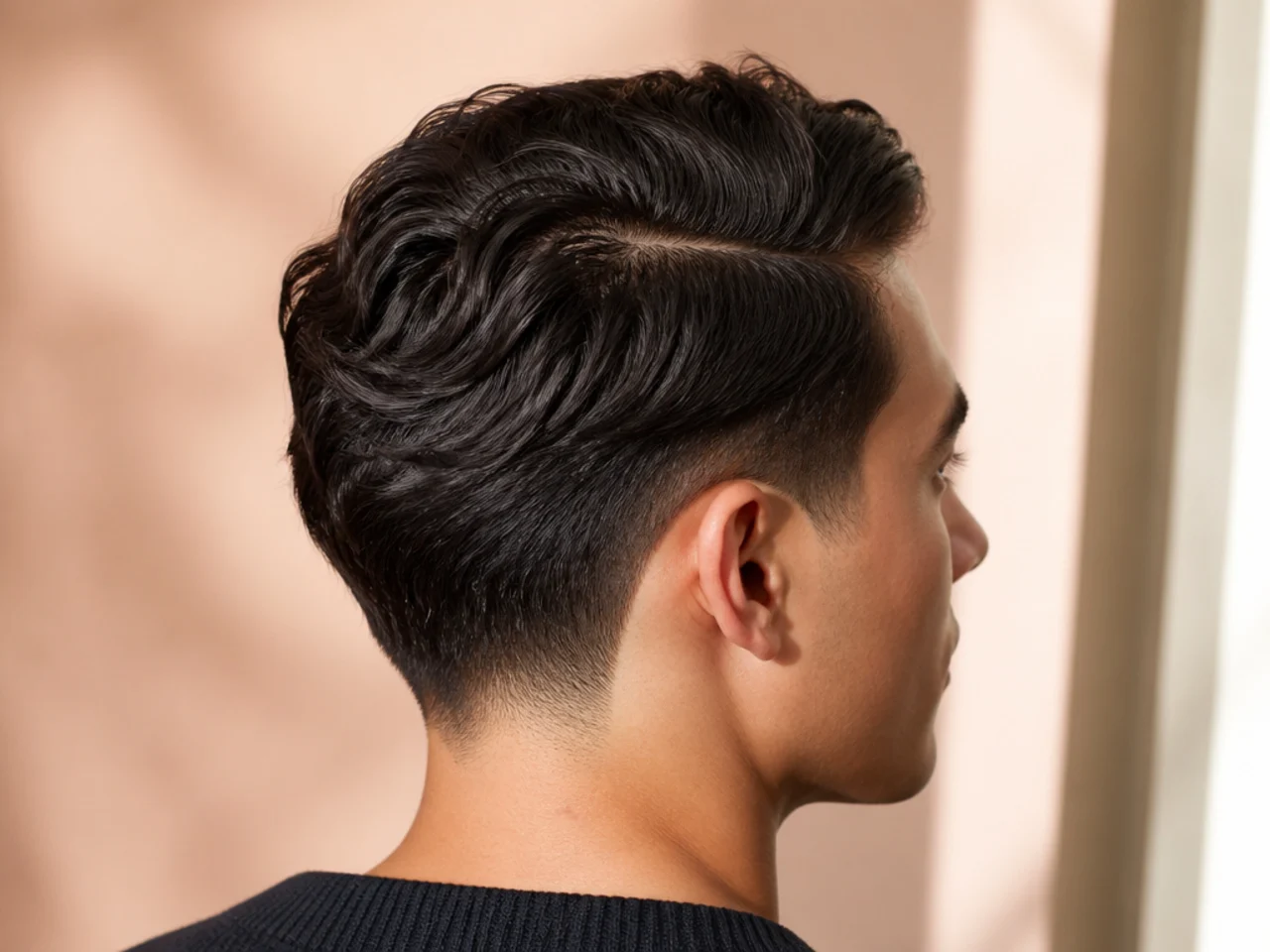
Styling and Upkeep
Set the direction damp and leave it alone. Wave locks its shape as it dries and resets only with water.
Use the flat-palm test after every wash. The natural break can shift slightly as the cut grows out.
Choose weight, not hold. Wave holds itself, so product only needs to stop it lifting further.
Do not comb it dry. A comb through dry wave pulls the bend straight and closes the part you were relying on.
Stretch the appointment to five weeks. Wave gains usable pattern as it grows, unlike straight hair, which only gains bulk.
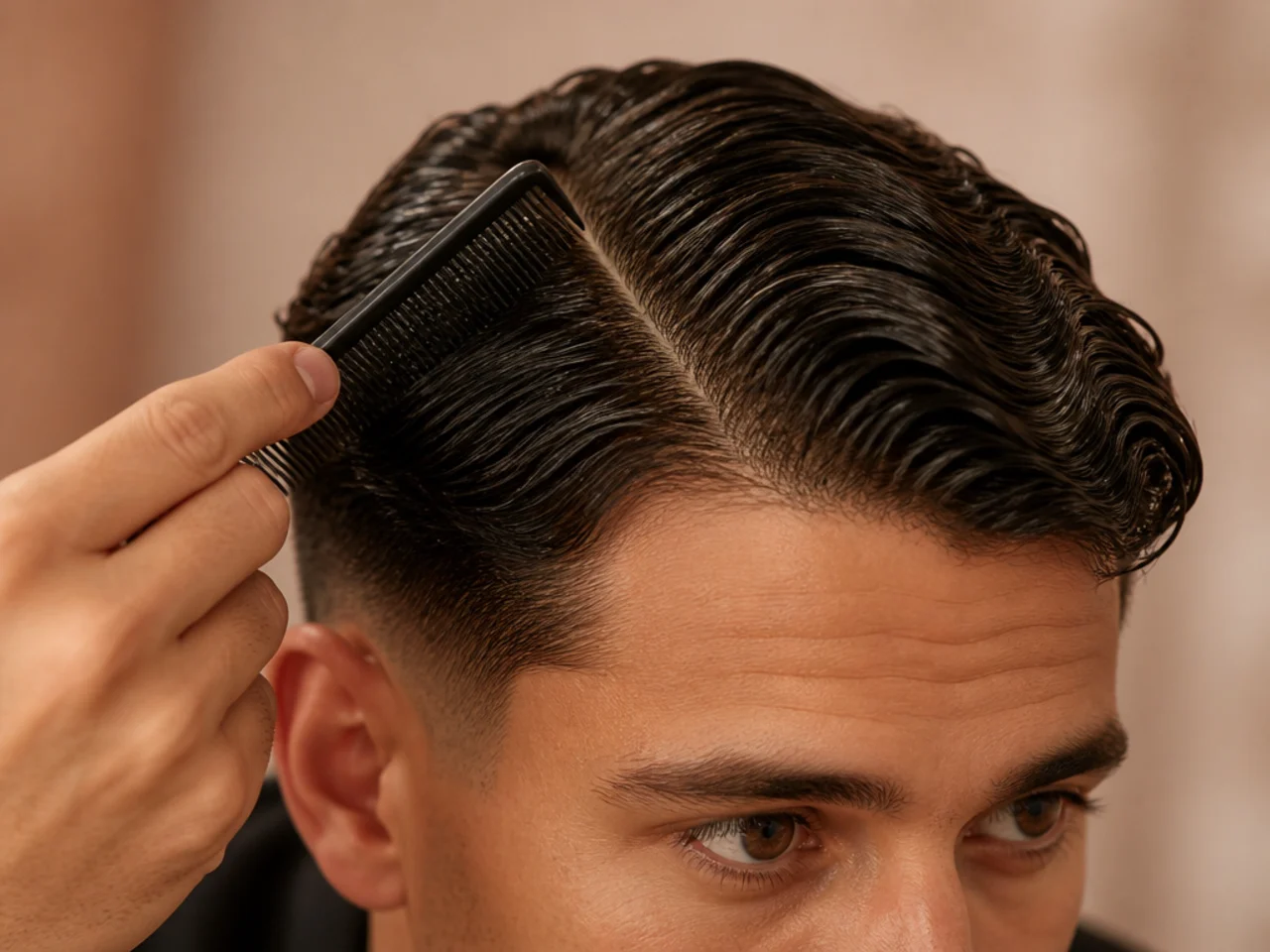
Mistakes to Avoid
Parting where you want rather than where it breaks. The wave wins by lunchtime.
Using a strong-hold gel. It sets the wave closed and removes the root lift that made the part free.
Taking the sides too short. The pattern disappears and the wave on top looks stuck on.
Blow-drying at the roots. It lifts the whole top instead of setting two panels.
Cutting it wet without allowing anything for the bend. Even a loose wave shortens a little as it dries.

FAQ
Is wavy hair good for this cut? The best texture for it — the root bend opens the part.
Where should the part go? Wherever the wave already breaks.
How much length is lost? Under half an inch on a loose wave.

Final Thoughts
Find the break before you choose the part, and this cut costs you nothing to maintain. Wavy hair is the one texture where the ivy league's defining feature happens by itself, and the only way to waste that is to put the parting somewhere the hair was never going to hold it.
For the full range of the cut see the ivy league haircut guide, and for more at this texture see haircut ideas for men with wavy hair. More in Men's Haircuts.