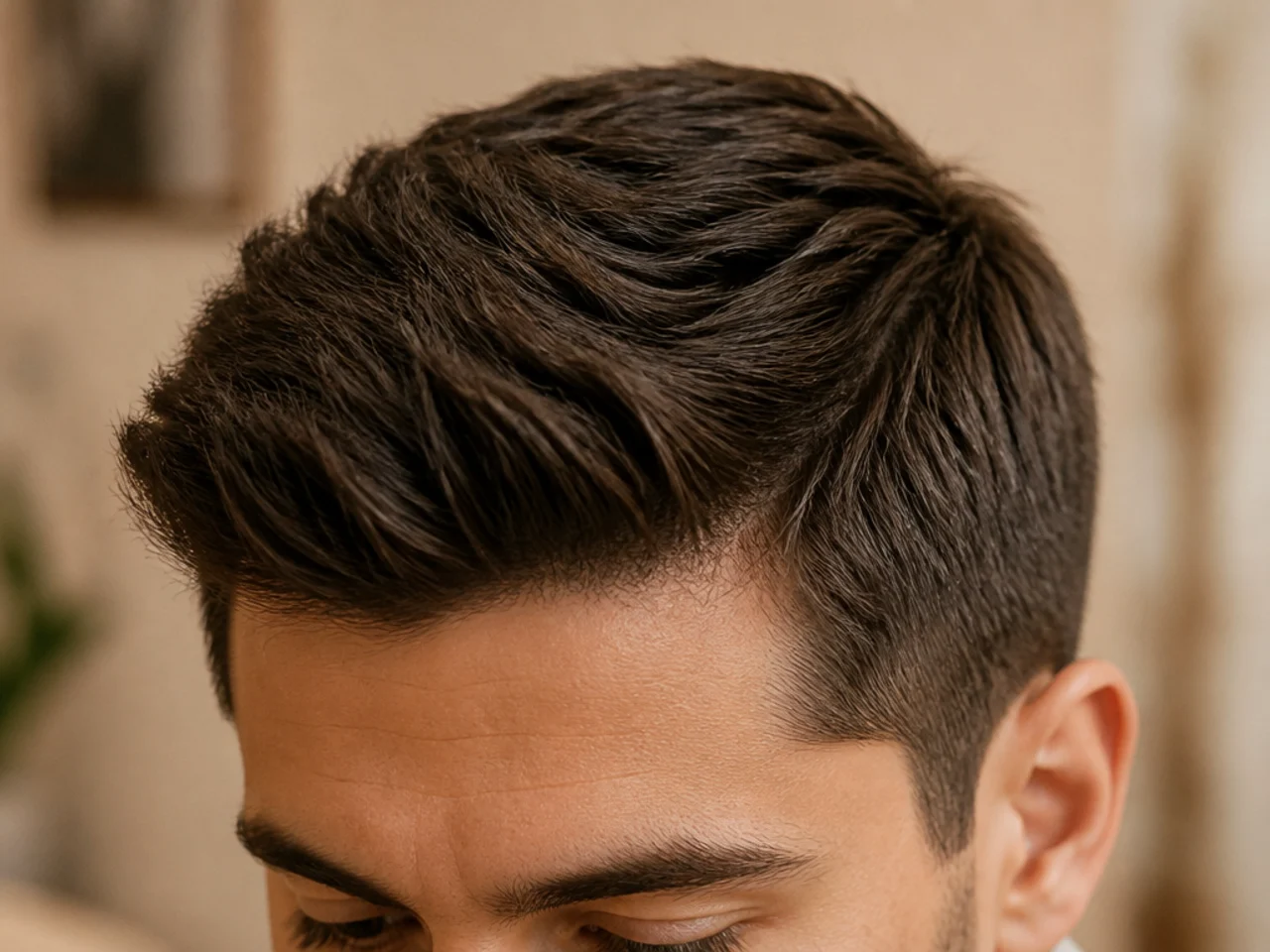
20 Ivy League Haircut Ideas for Thick Hair
Twenty ivy league ideas for thick hair, and the reason most of them fail on a dense head — bulk pushes the top into a mound and the part slides off the side of it. Weight has to come out from underneath.
In this article · 27
- Why Bulk Fights the Part
- How to Choose Yours
- The 20 Thick Hair Ivy League Variations
- 1. Point-Cut Top, Full Length
- 2. Thinned Underneath, Blunt on Top
- 3. Ivy League With an Internal Undercut
- 4. Longer Top on Thick Hair
- 5. Thick Ivy League With a Low Taper
- 6. Thick Ivy League With a Mid Taper
- 7. Hard Part on Thick Hair
- 8. Thick Ivy League Over a Flat Crown
- 9. Thick Ivy League Over a Round Crown
- 10. Thick Straight Ivy League
- 11. Thick Wavy Ivy League
- 12. Thick Coarse Ivy League
- 13. Dense But Fine Ivy League
- 14. Thick Ivy League With a Cowlick
- 15. Thick Ivy League With a Heavy Fringe Line
- 16. Thick Ivy League Blow-Dried Flat
- 17. Thick Ivy League With a Heavy Cream
- 18. Thick Ivy League at Week Two
- 19. Thick Ivy League at Week Five
- 20. The Top Cut Short to Fix the Bulk
- Styling and Upkeep
- Mistakes to Avoid
- FAQ
- Final Thoughts
An ivy league needs about two finished inches on top to hold a part. On thick hair those two inches do not lie down — they stand up as a mass.
Density turns the top into a mound. The parting line then sits on a curved surface, and hair falls away from a curve in both directions rather than staying in two panels.
The fix is to remove weight from underneath, not length from the top. Cutting the top shorter takes the part away before it takes the bulk away, which is why so many thick-haired versions of this cut end up as crew cuts.
Why Bulk Fights the Part
A part needs a flat plane. Two panels of hair leaning away from a line only stay put if the scalp under them reads as flat.
Density builds height before it builds length. Thick hair at two inches occupies far more volume than fine hair at the same measurement.
Weight is what makes hair lie down. Remove it from the interior and the same length collapses into place under its own mass.
Length and bulk are separate variables. Most people only ask about one of them, and it is usually the wrong one.
How to Choose Yours
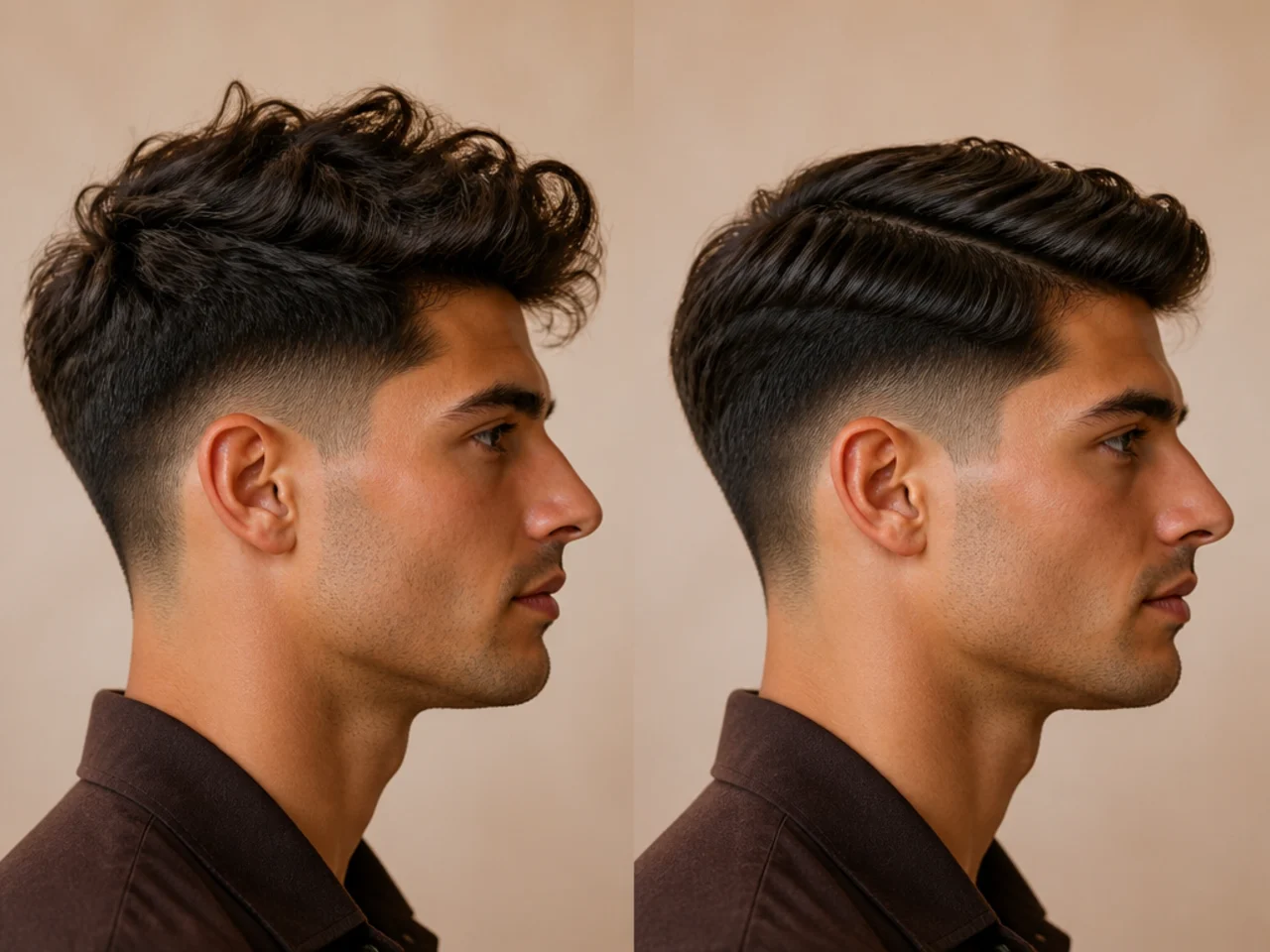
Say "keep the length, lose the weight". It is the one sentence that separates the two variables for a barber.
Ask where the thinning happens. Underneath the section, not on the surface, or you get visible holes.
Decide how much height you want to keep. Some density on top is an asset — a flat ivy league on a thick head can look severe.
Pick a side guard that carries the top. Thick hair above very short sides exaggerates the mound rather than balancing it.
The 20 Thick Hair Ivy League Variations
1. Point-Cut Top, Full Length
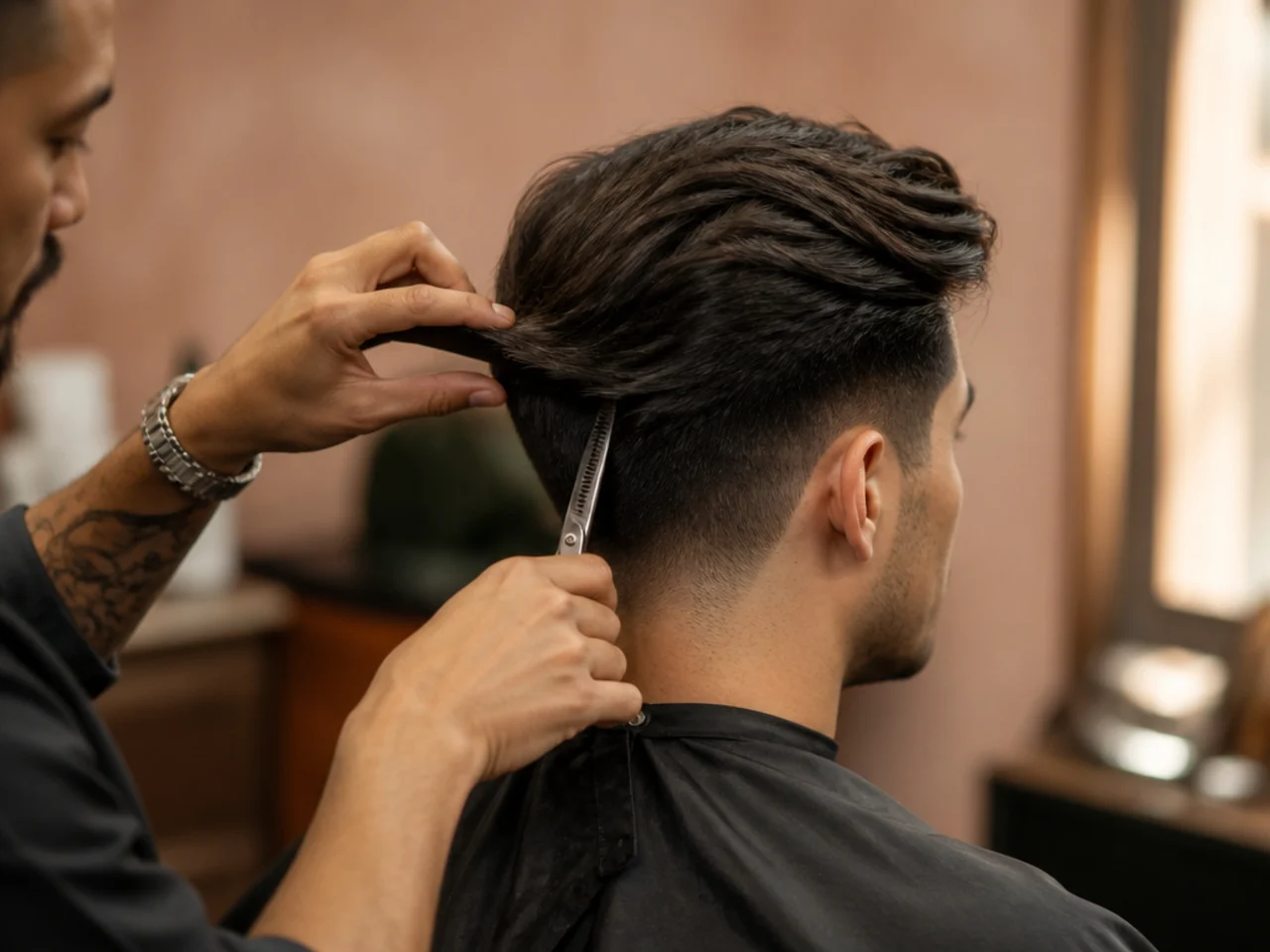
The ends broken up with vertical shear work, no length removed. It is the least invasive way to lose bulk and the version to try first on any thick head of hair.
2. Thinned Underneath, Blunt on Top
Weight taken out of the interior while the surface stays solid. The top reads dense from above and lies flat, which is the ideal outcome on a thick head.

3. Ivy League With an Internal Undercut
A short section removed under the crown where nobody sees it. It collapses the height at the exact point where a mound is tallest.
4. Longer Top on Thick Hair
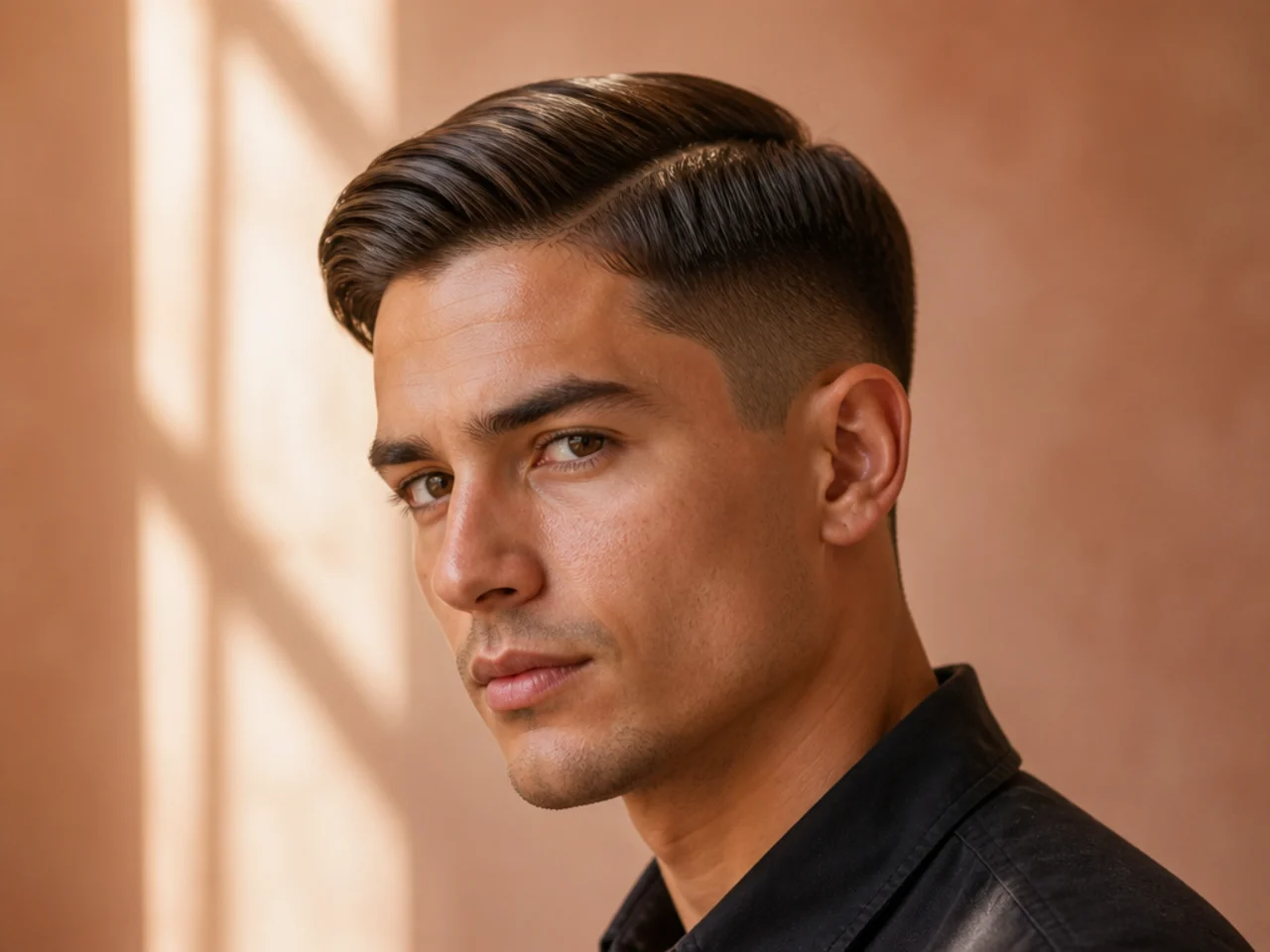
Three finished inches rather than two. Extra length adds extra weight, and on dense hair that weight is what finally pulls the mound flat.
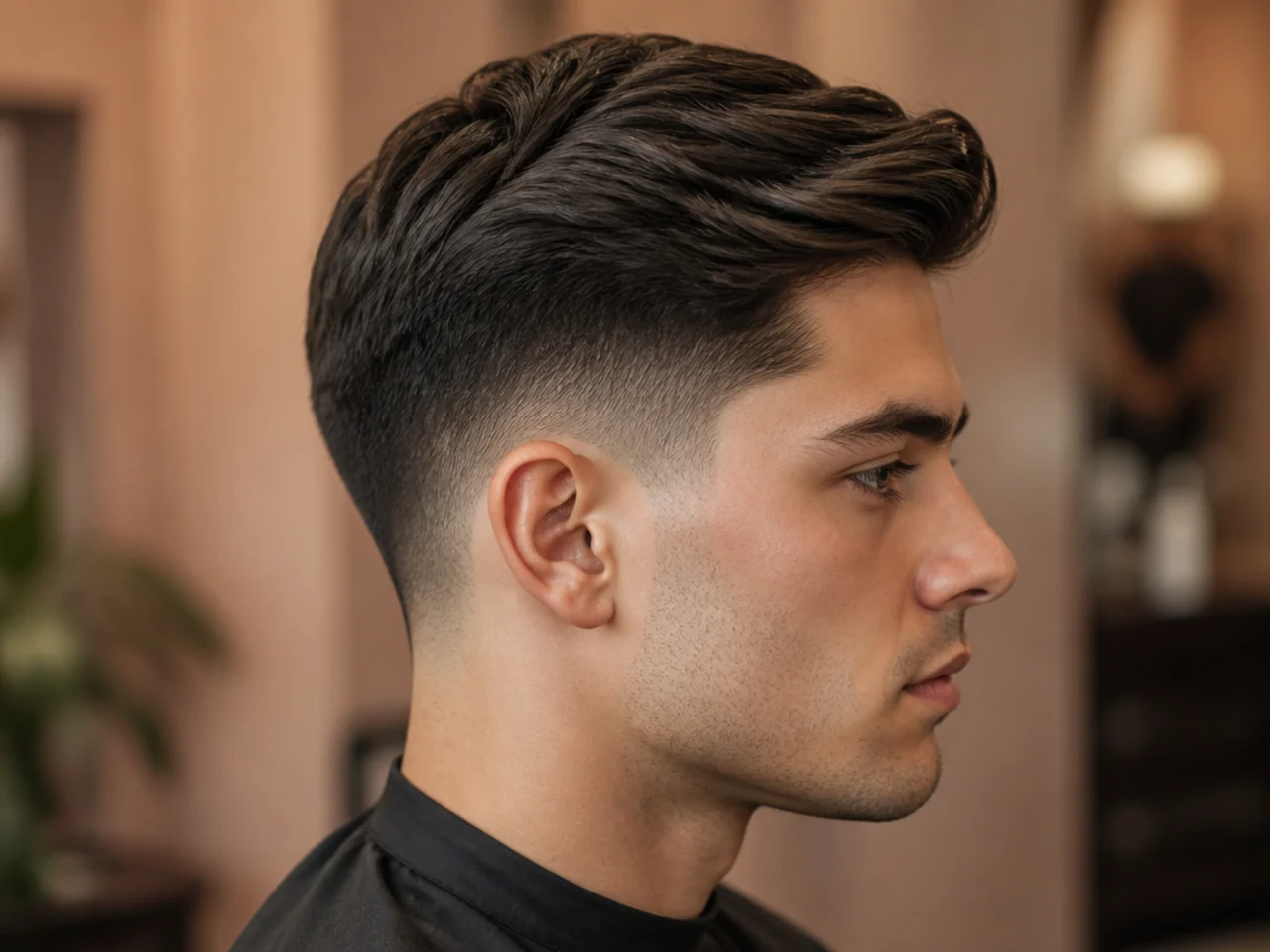
5. Thick Ivy League With a Low Taper
The sides kept relatively long, which gives the head width to balance the height. It stops the top reading as a block sitting on a narrow base.
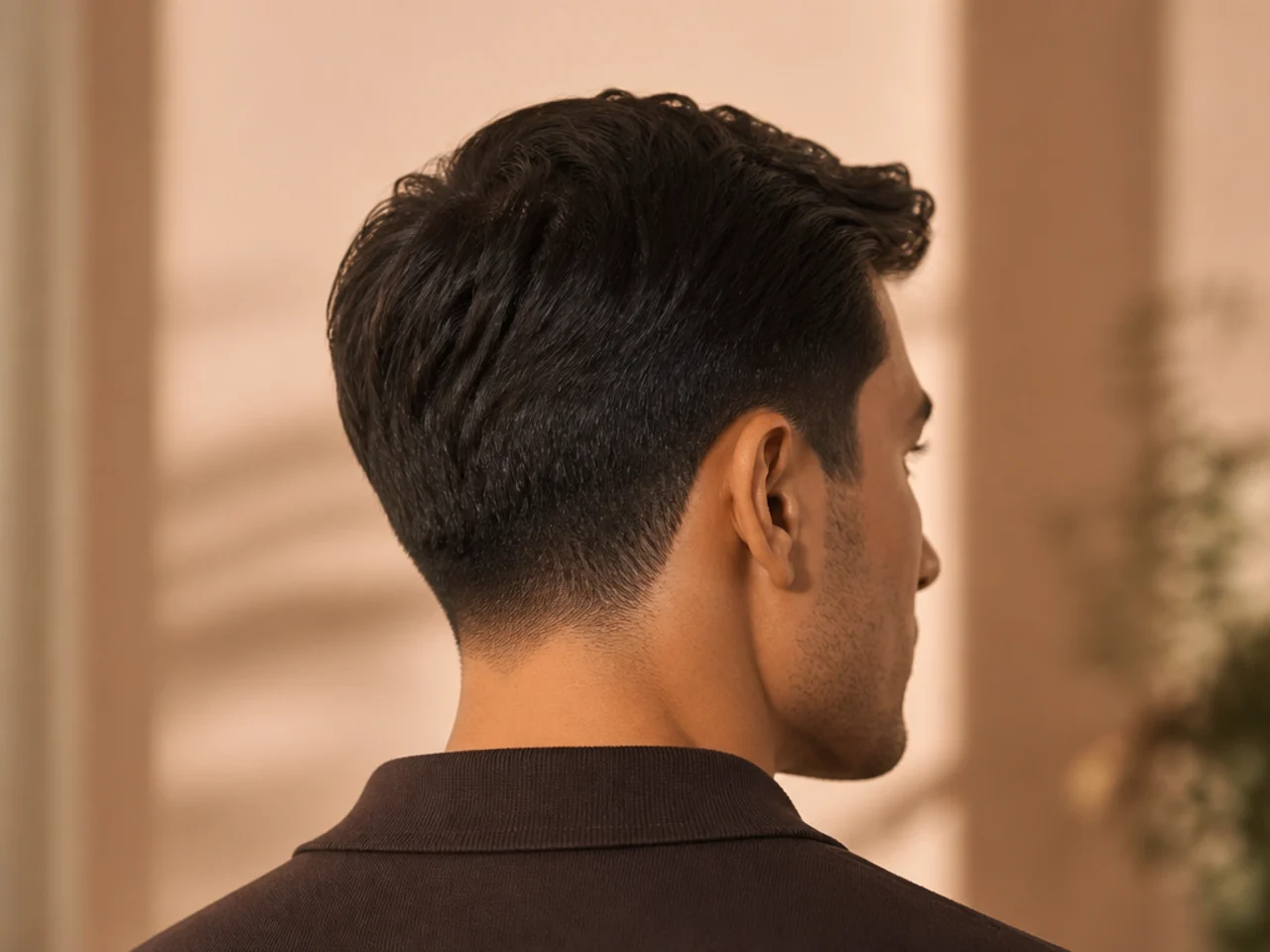
6. Thick Ivy League With a Mid Taper
More contrast, and it needs the top genuinely de-bulked first. Short sides under an unthinned top is the combination that reads mushroom rather than ivy league.
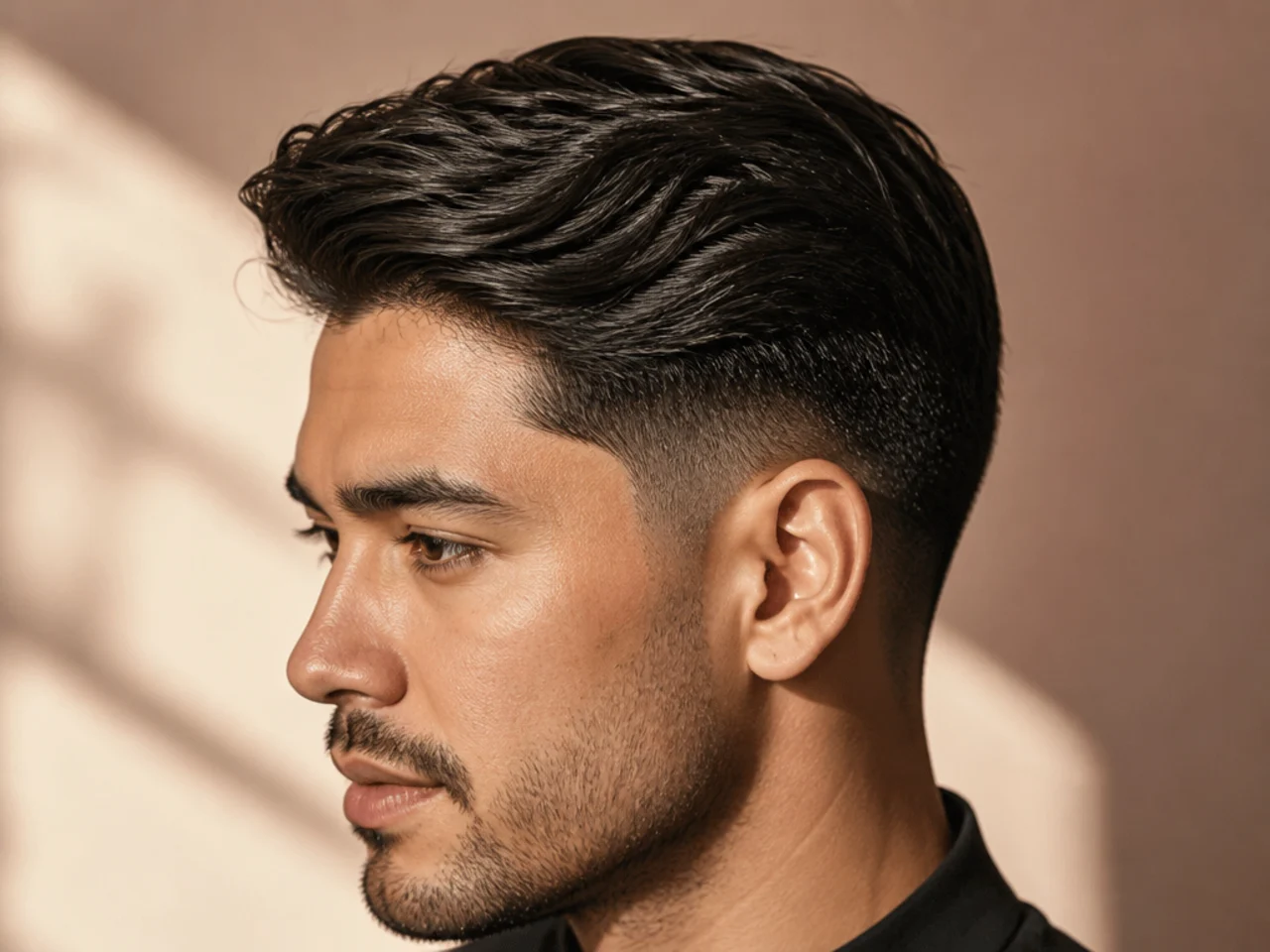
7. Hard Part on Thick Hair
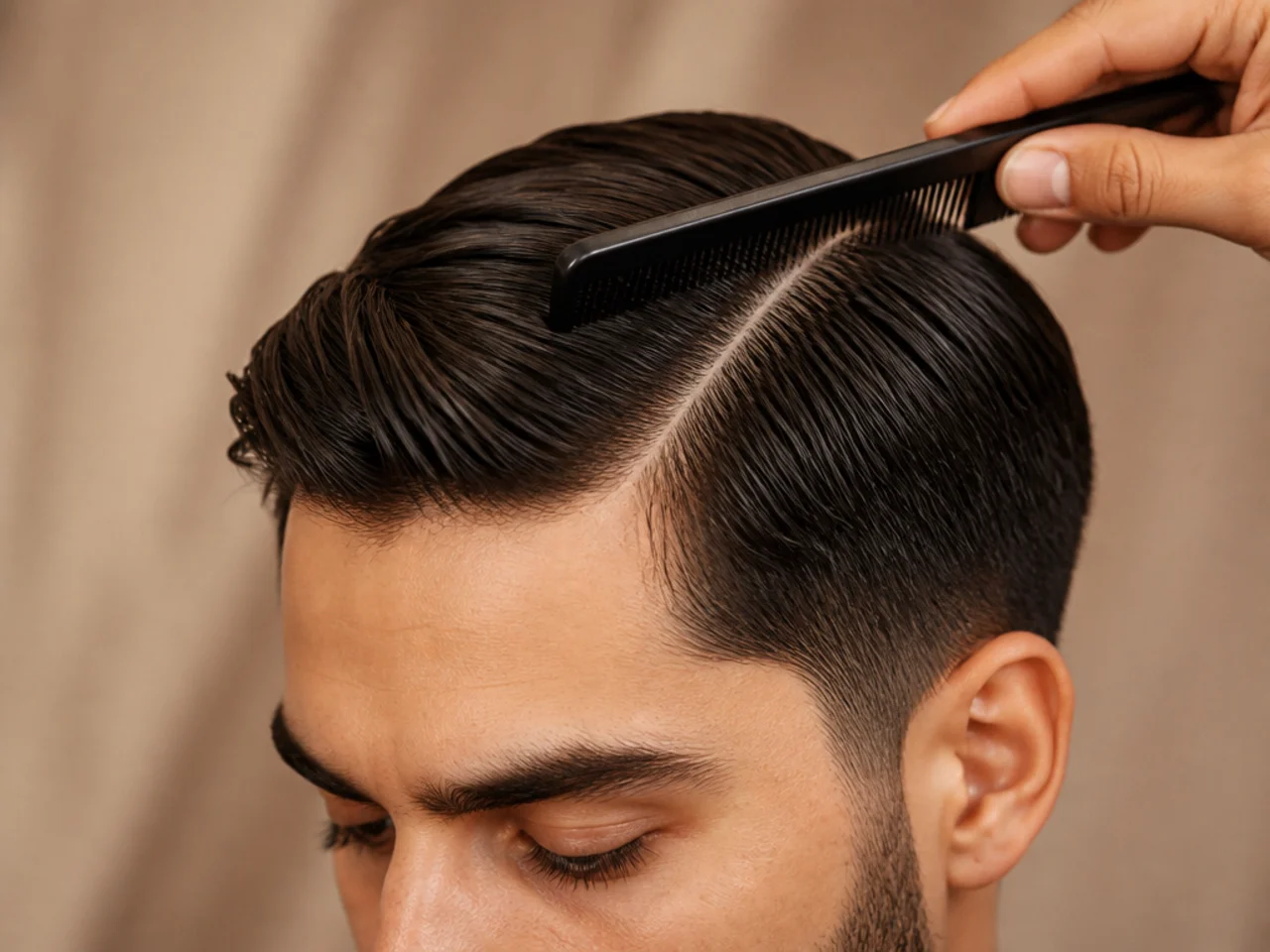
A trimmer line gives the two panels a physical edge to lean against, which matters more here than on any other density — the hard part is worth asking for by name.
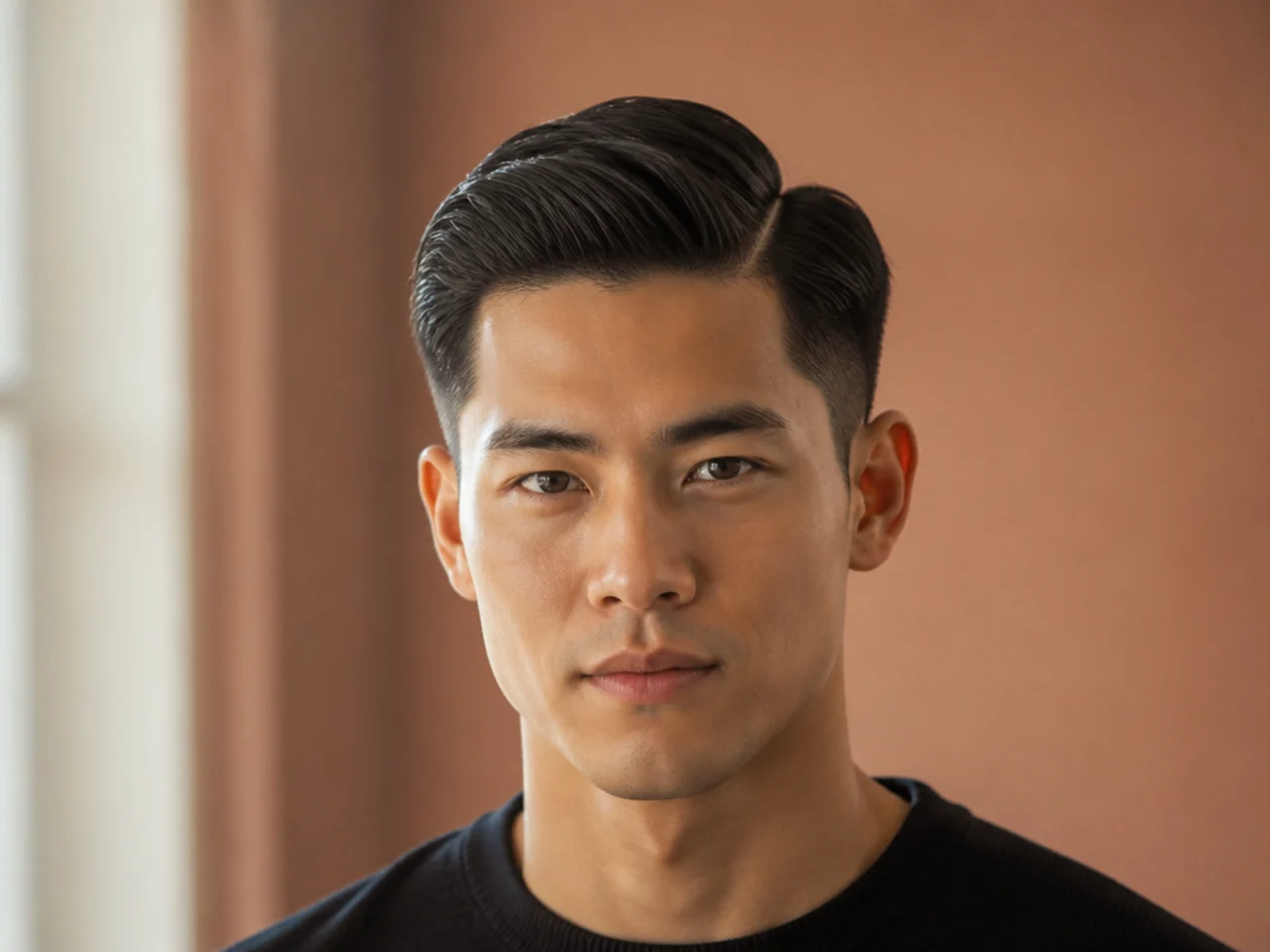
8. Thick Ivy League Over a Flat Crown
On a flatter crown the mound problem is smaller, so the interior barely needs touching. Ask the barber to check the head shape before thinning anything.
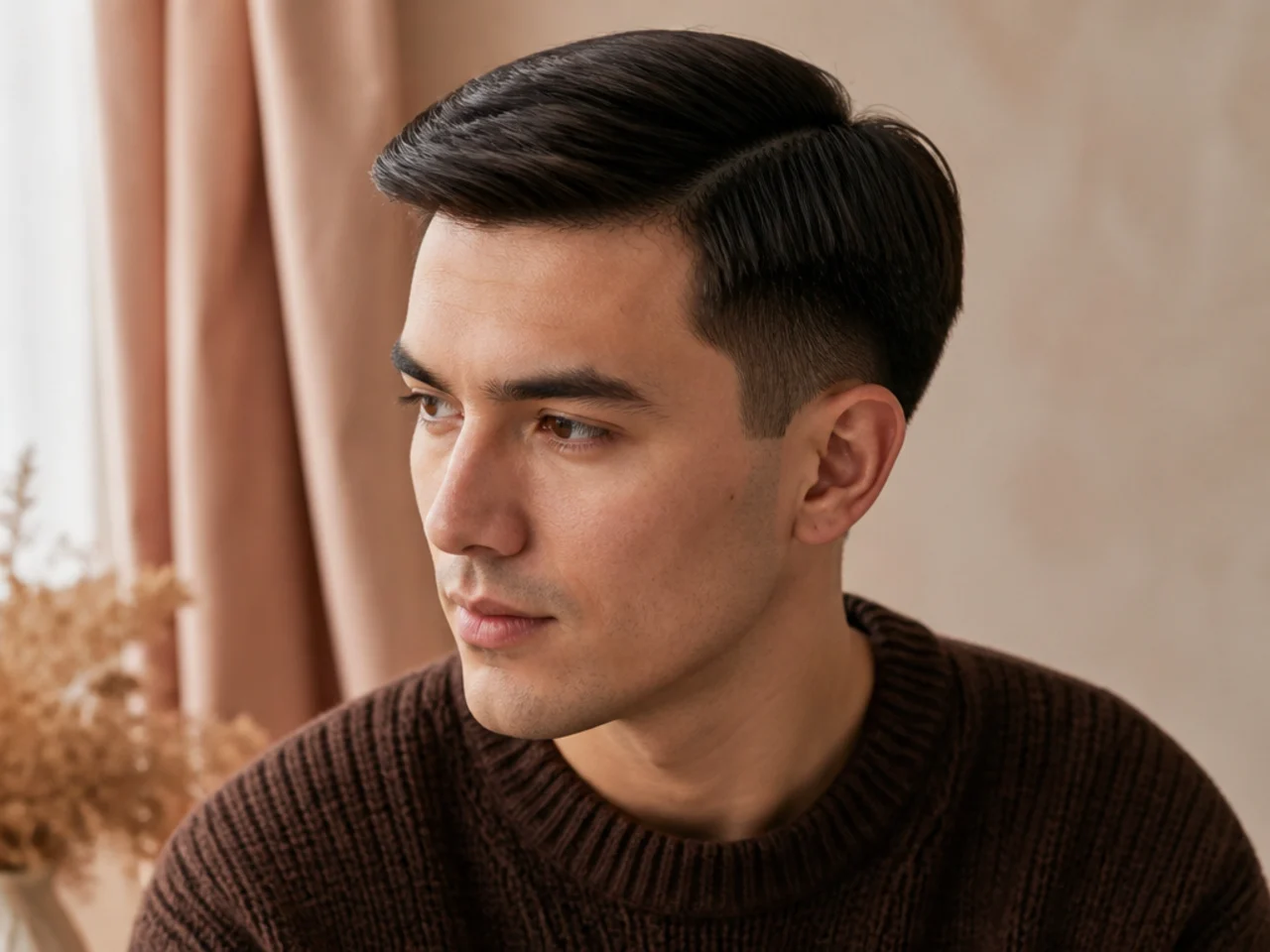
9. Thick Ivy League Over a Round Crown
The worst case for bulk, because the scalp is already curved before the hair adds to it. This is where the internal work does the most.
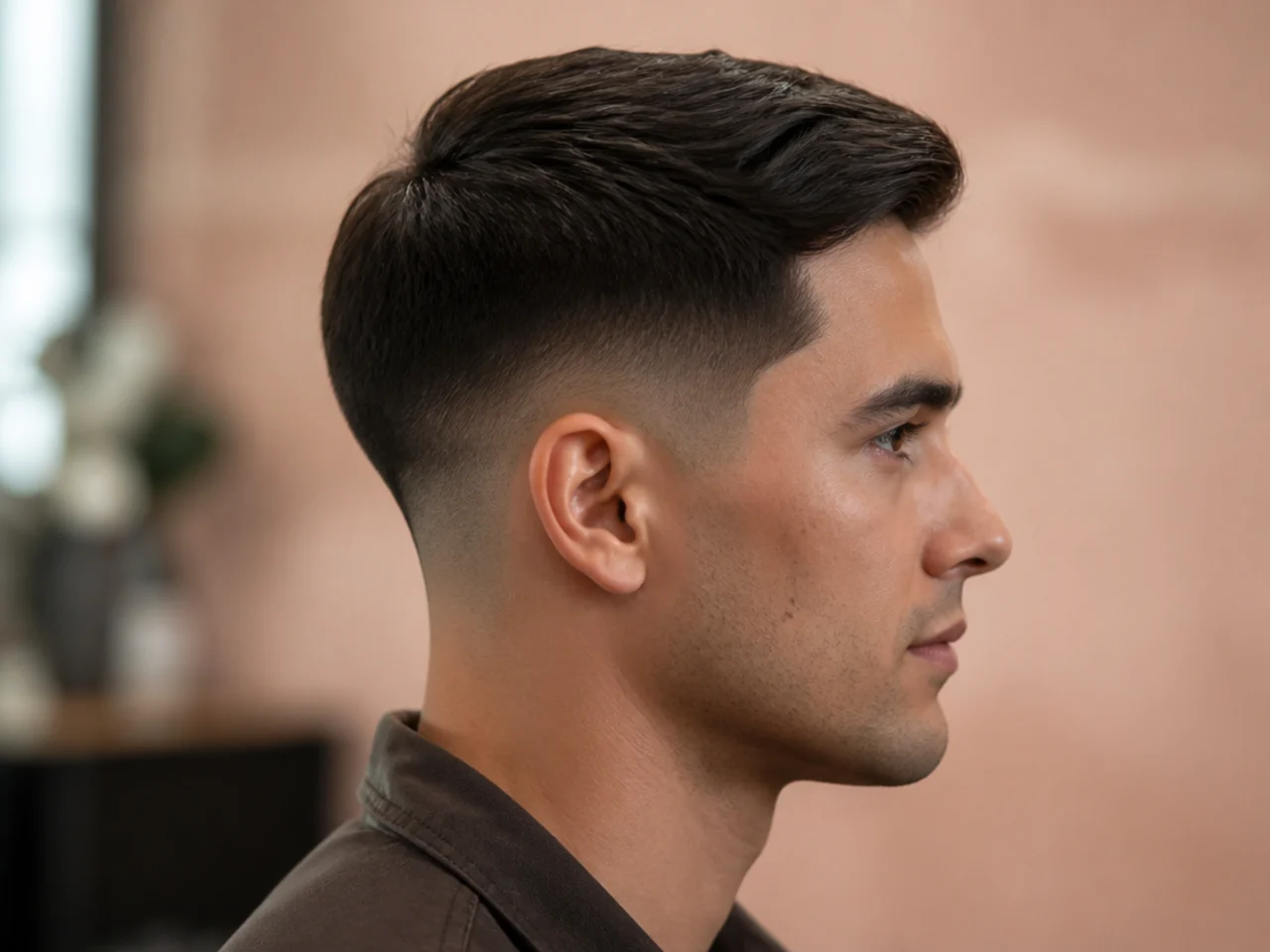
10. Thick Straight Ivy League
Straight thick hair holds every cut line visibly, so thinning has to be graduated across the section rather than concentrated in one spot.

11. Thick Wavy Ivy League
The wave already breaks the mass up, so less weight needs removing, which is the same reason a wavy ivy league needs so little internal work. Take out half of what you would on straight hair and reassess.
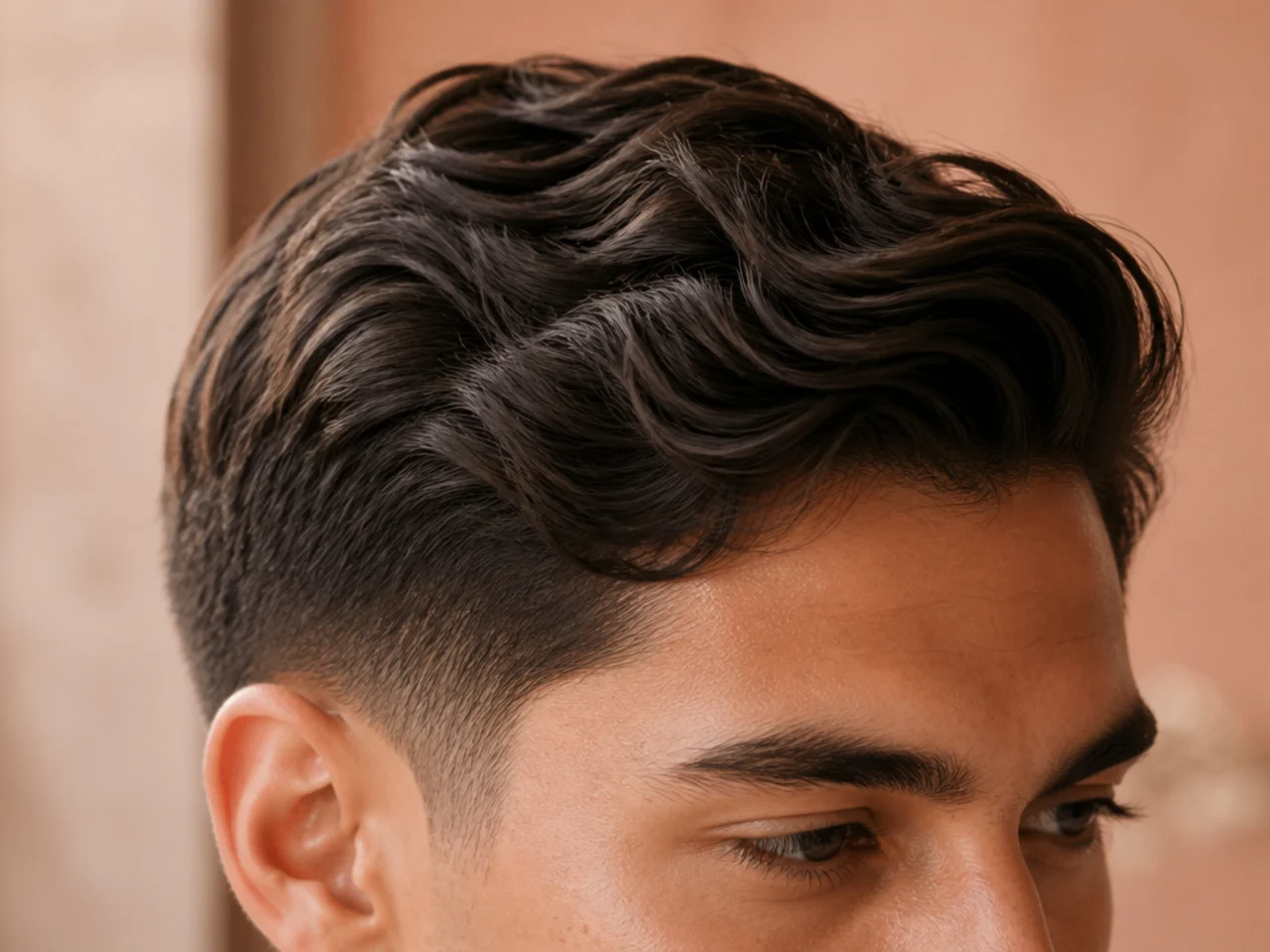
12. Thick Coarse Ivy League
Coarse strands resist lying down individually, not just collectively. Weight removal helps less here, so a longer top does more of the work.
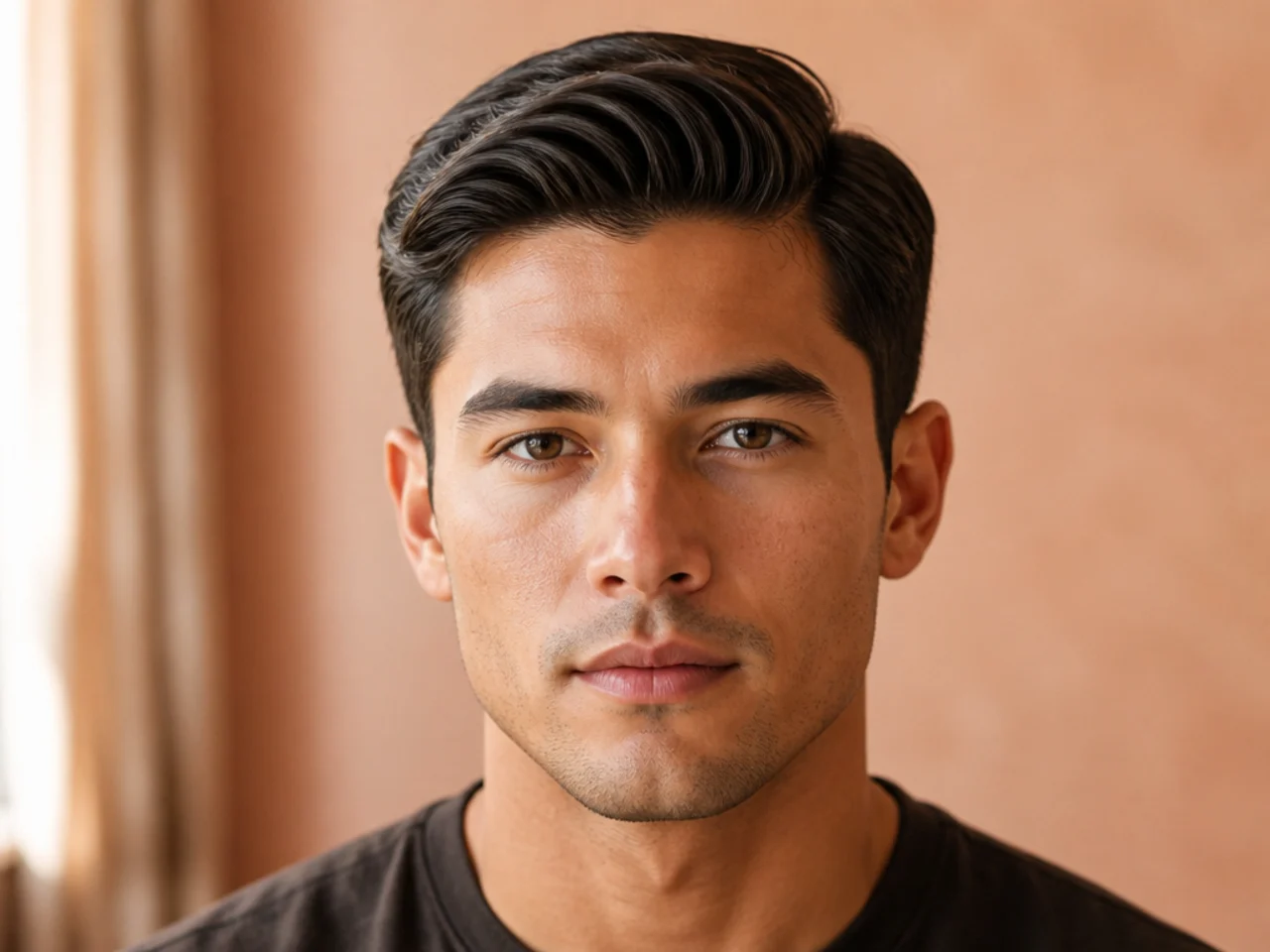
13. Dense But Fine Ivy League
Many fine strands behave differently from few coarse ones — the mass is soft, so it flattens with a comb and needs almost no thinning at all.
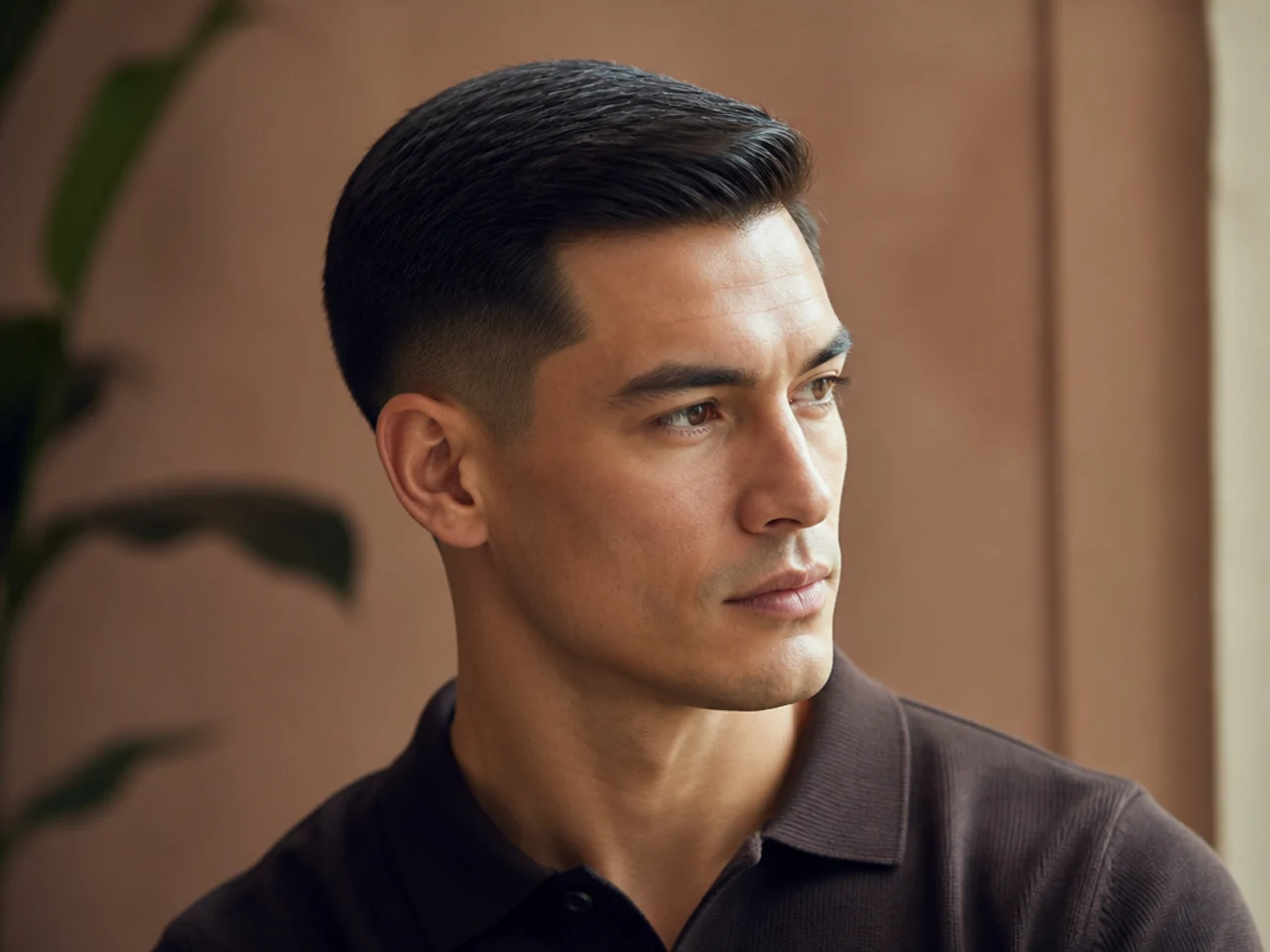
14. Thick Ivy League With a Cowlick
A cowlick pushes bulk in one direction. Part with the cowlick rather than against it, or the mound reappears on one side only.
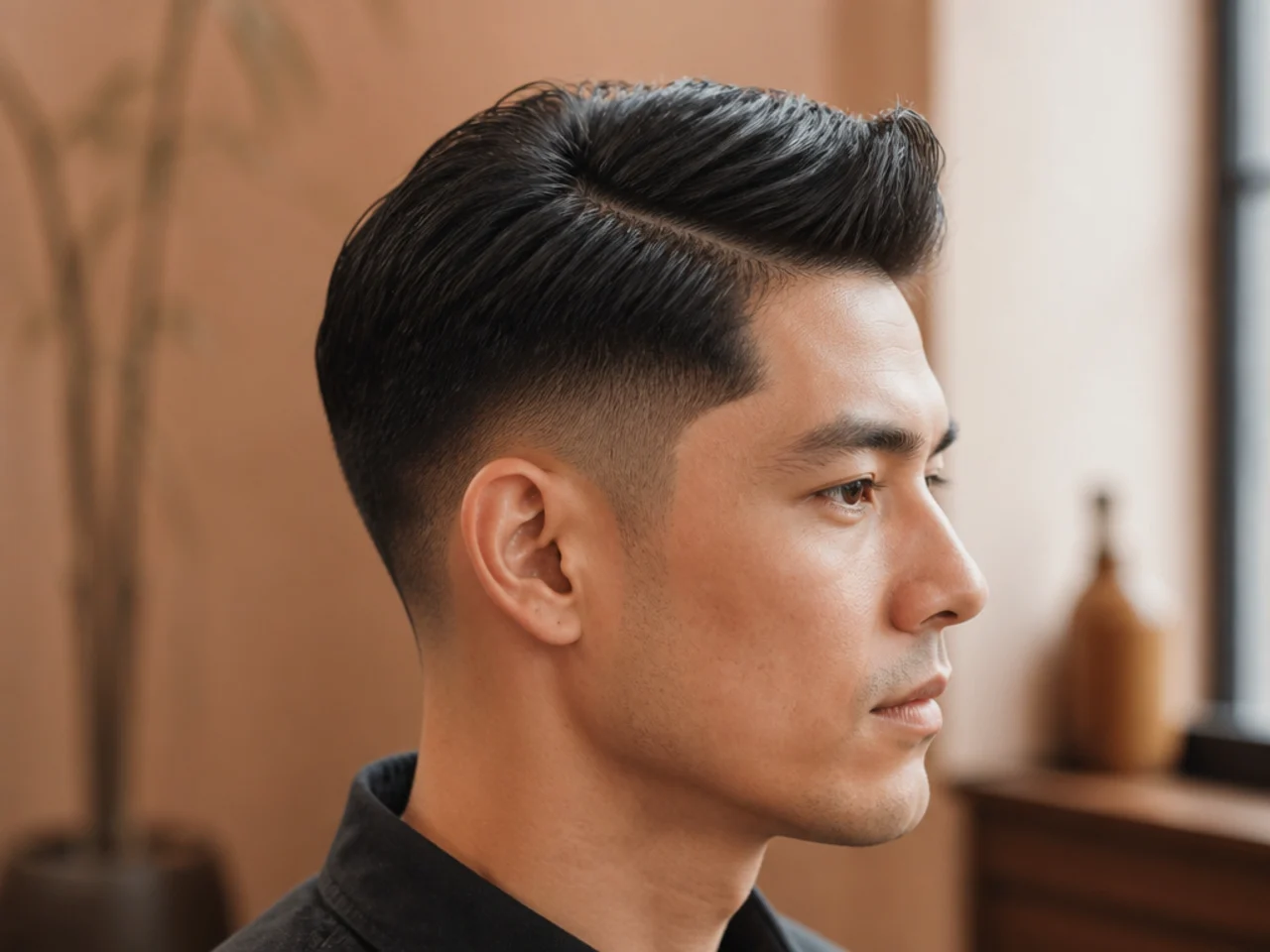
15. Thick Ivy League With a Heavy Fringe Line
The front left slightly longer so the weight there holds the part down at the hairline, which is where it opens first.
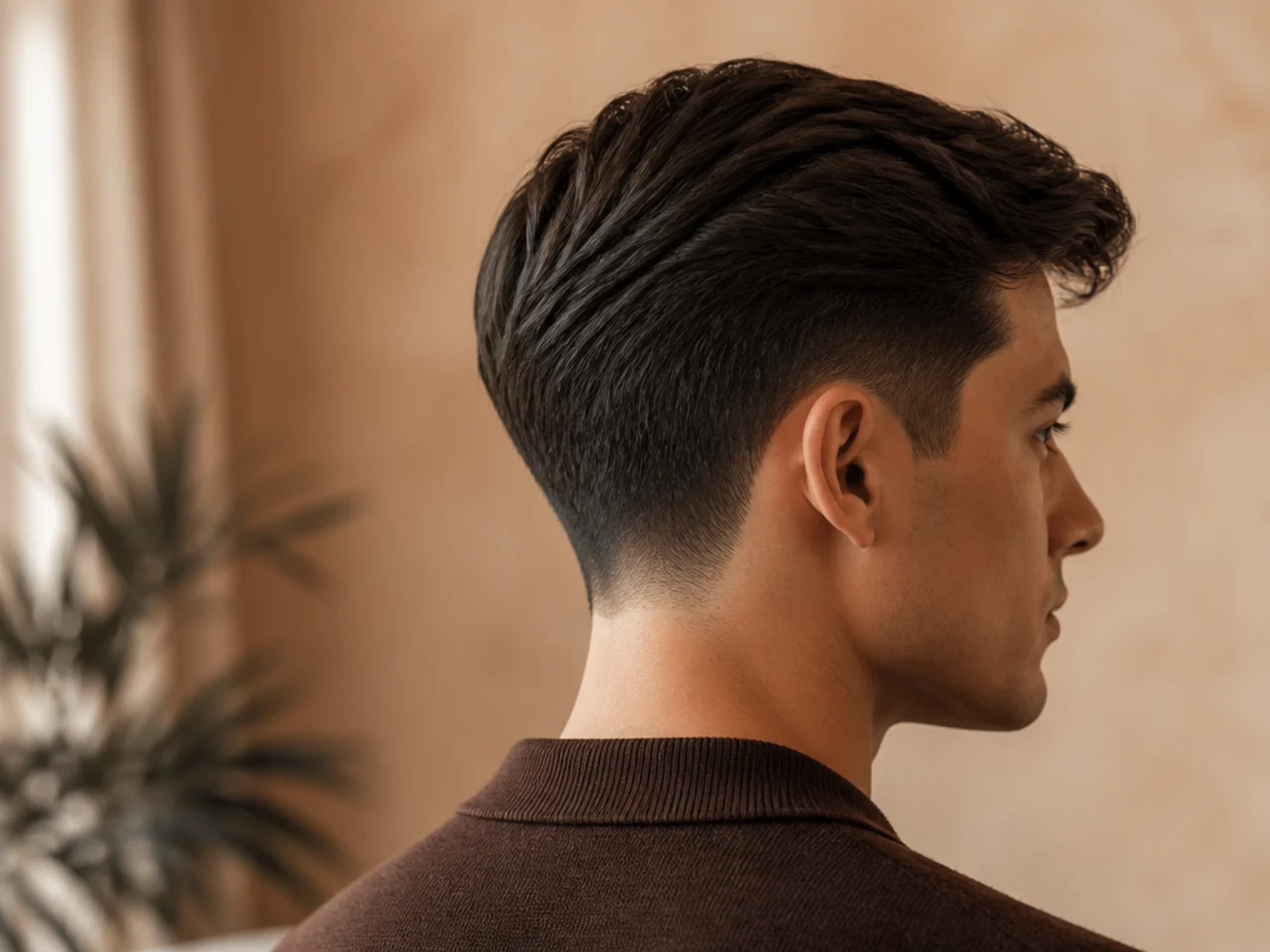
16. Thick Ivy League Blow-Dried Flat
A dryer aimed along the part rather than at the roots sets the direction while the hair is still heavy with water. Weight and heat together beat product.
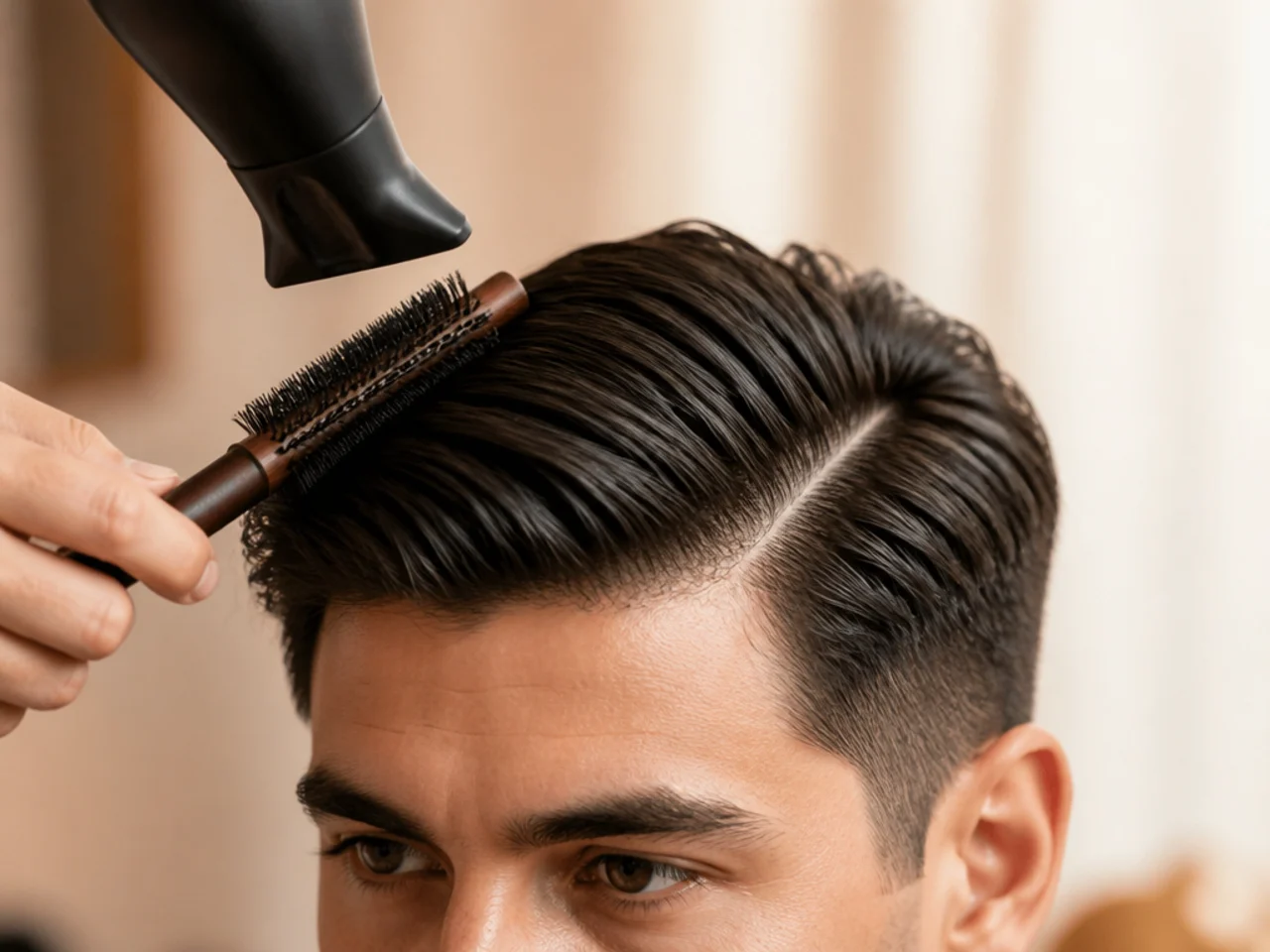
17. Thick Ivy League With a Heavy Cream
Cream adds weight without adding hold, which is exactly the right trade on a head that needs pulling down rather than locking up.
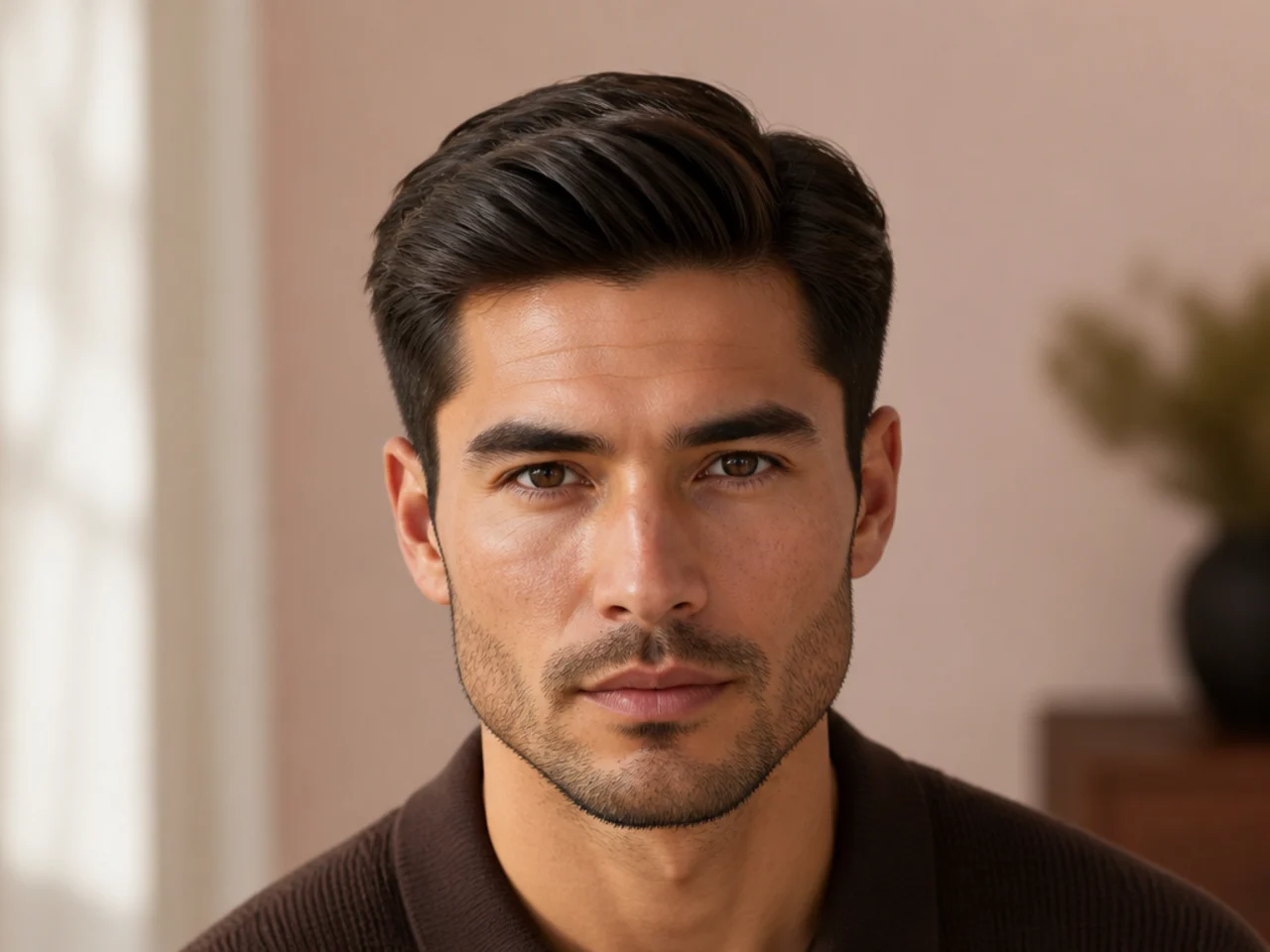
18. Thick Ivy League at Week Two
The best it looks. The bulk has settled and the sides are still clean, which is a shorter peak than fine hair gets.
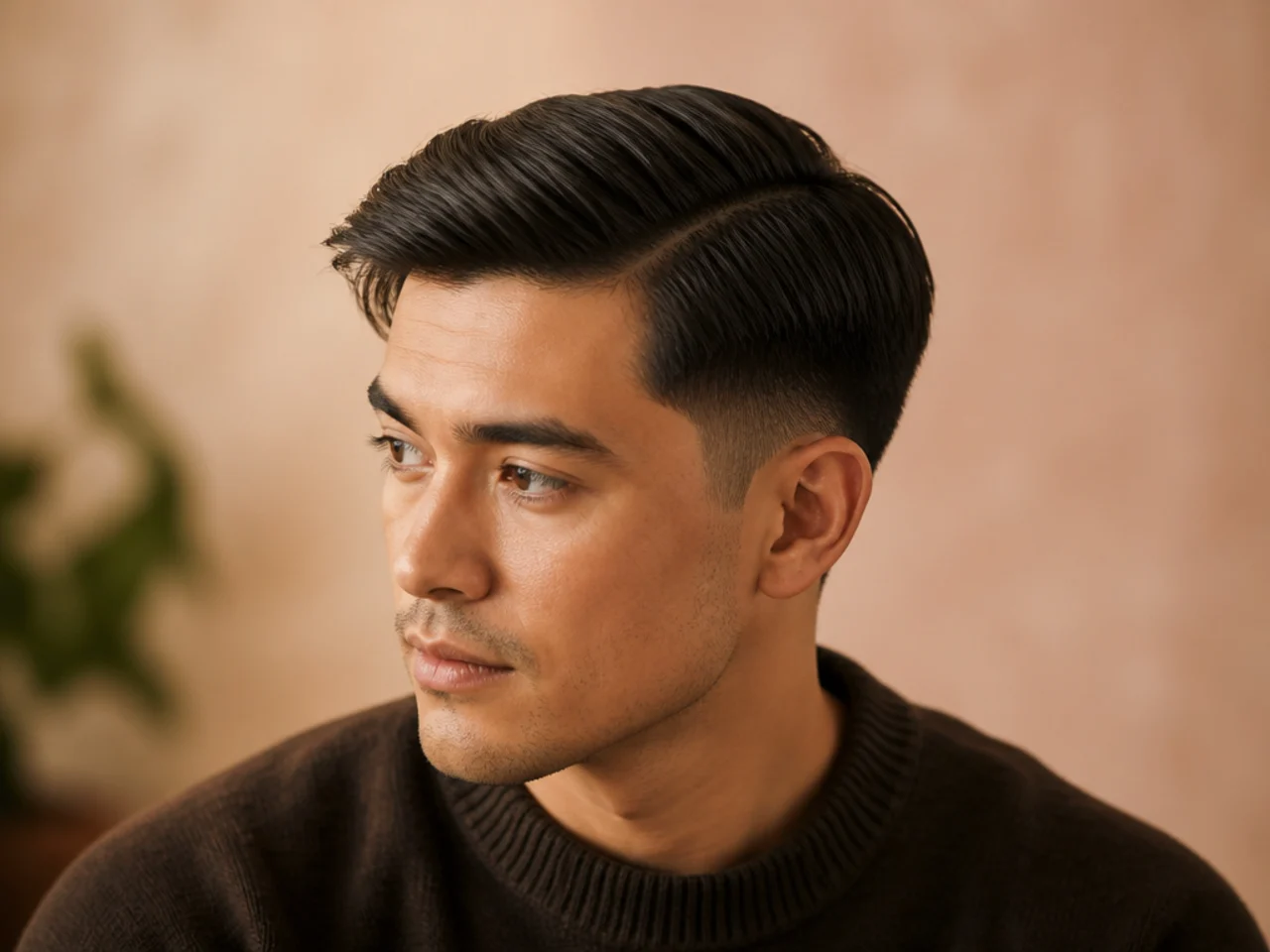
19. Thick Ivy League at Week Five
The interior has grown back in and the mound has returned. Thick hair rebuilds weight faster than it rebuilds length, because a centimetre of growth is a centimetre on every strand, and a dense head simply has more strands adding it.
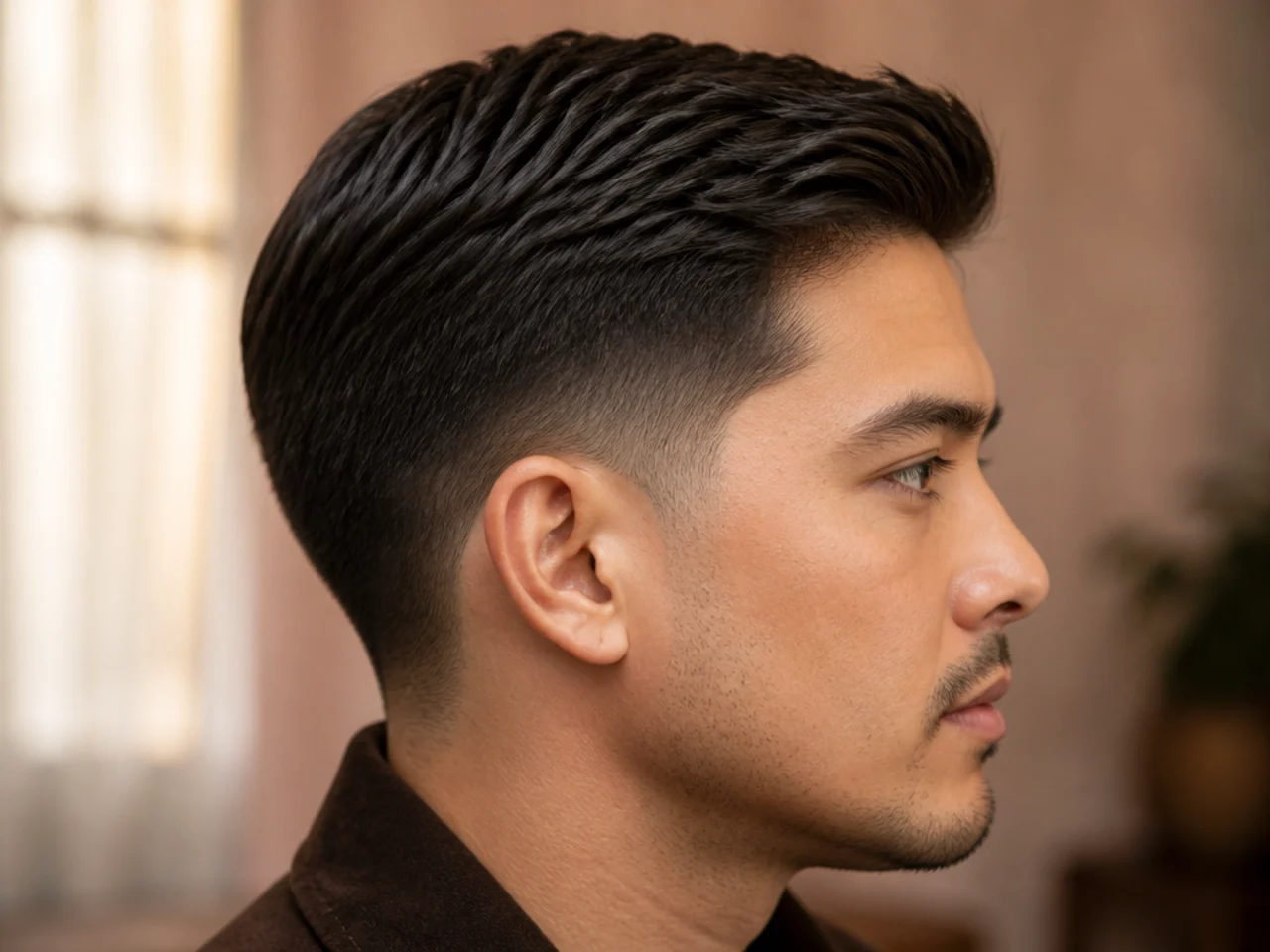
20. The Top Cut Short to Fix the Bulk
Bulk gone, part gone with it. The single most common wrong turn on thick hair, and the reason this page exists. Cutting the top shorter removes length before it removes density, so the part disappears while the bulk underneath is still there.
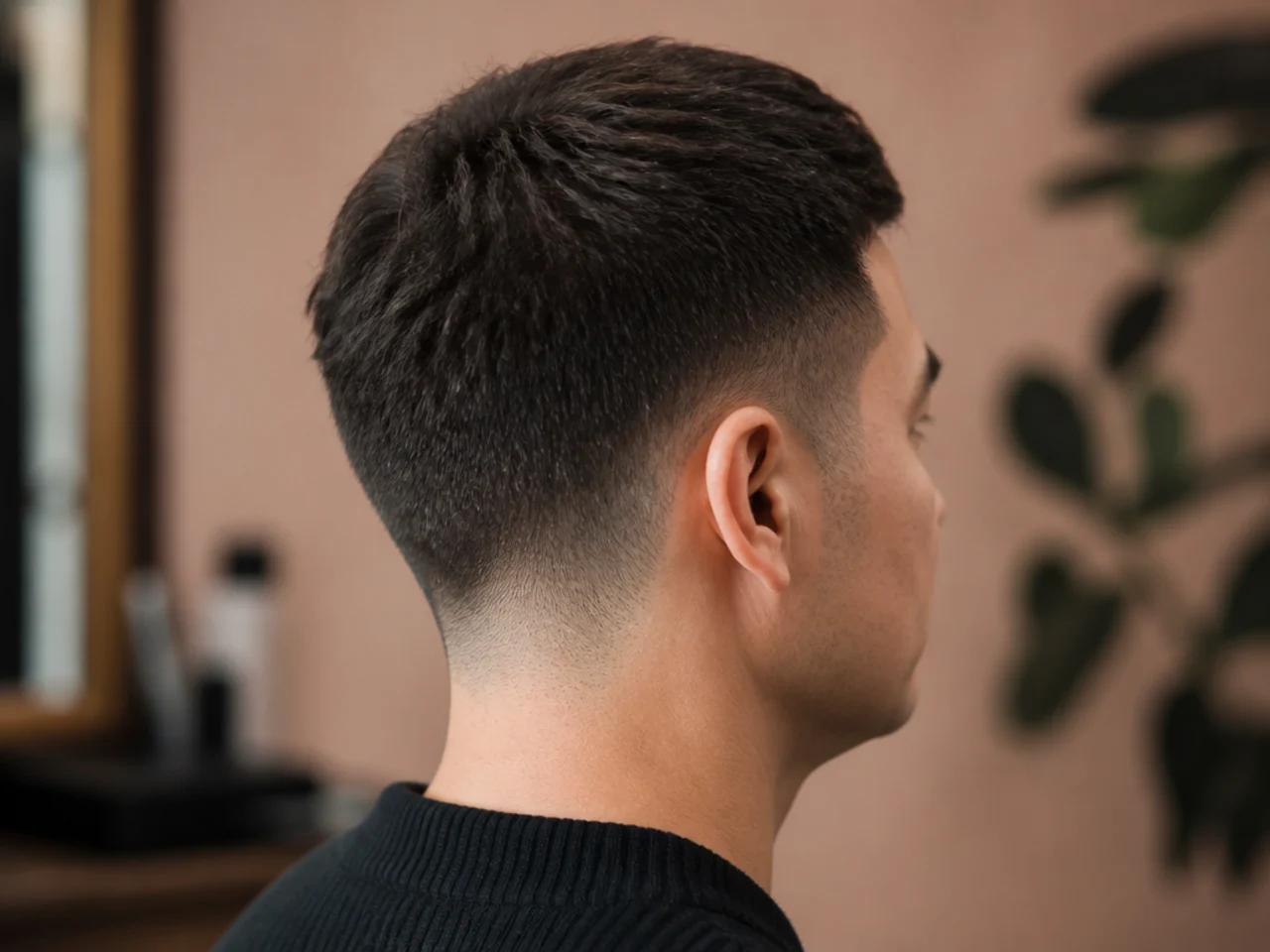
Styling and Upkeep
Comb the part in while the hair is heavy with water. Weight is doing the work, and dry hair has none.
Dry along the part, not down onto the scalp. Airflow across the parting sets two panels; airflow at the roots lifts them.
Choose weight over hold. A cream or a light pomade pulls the mound down; a stiff clay locks it wherever it already is.
Book the interior thinning every second visit. Weight rebuilds faster than length, so it does not need doing every time.
Keep the sides on a shorter cycle than the top. The top improves as it gains weight; the sides only get wider.
Mistakes to Avoid
Cutting the top shorter to reduce bulk. It removes the part first.
Thinning on the surface. It leaves visible gaps and frizz where the shortened ends stick up through the top layer.
Asking for volume products. Thick hair has volume already, and every one of them works against the part.
Very short sides under an unthinned top. It exaggerates the mound instead of balancing it.
Parting against a cowlick. The bulk wins, every time, by lunchtime.
FAQ
Why does the part not hold? The top is a mound, and hair slides off a curve.
Should I cut it shorter? No — remove weight from underneath and keep the length.
What do I ask for? Weight out from the interior, length left alone.
Final Thoughts
Thick hair does not make this cut harder — treating length and bulk as the same thing does. Ask for weight out from underneath and the length left alone, and the top flattens into two panels that a part will actually sit between.
For the full range of the cut see the ivy league haircut guide, and for more at this density see men's haircuts for thick hair. More in Men's Haircuts.