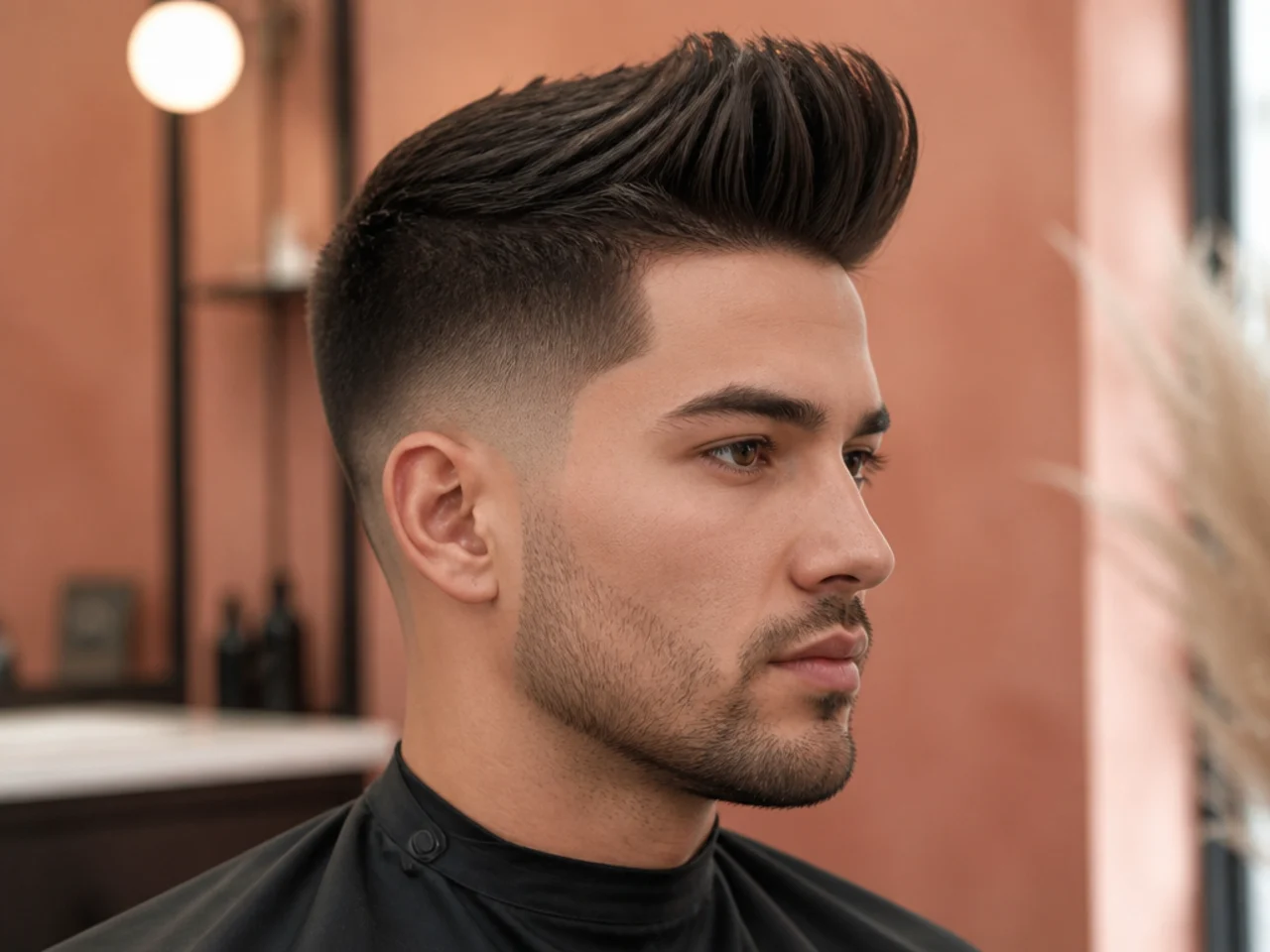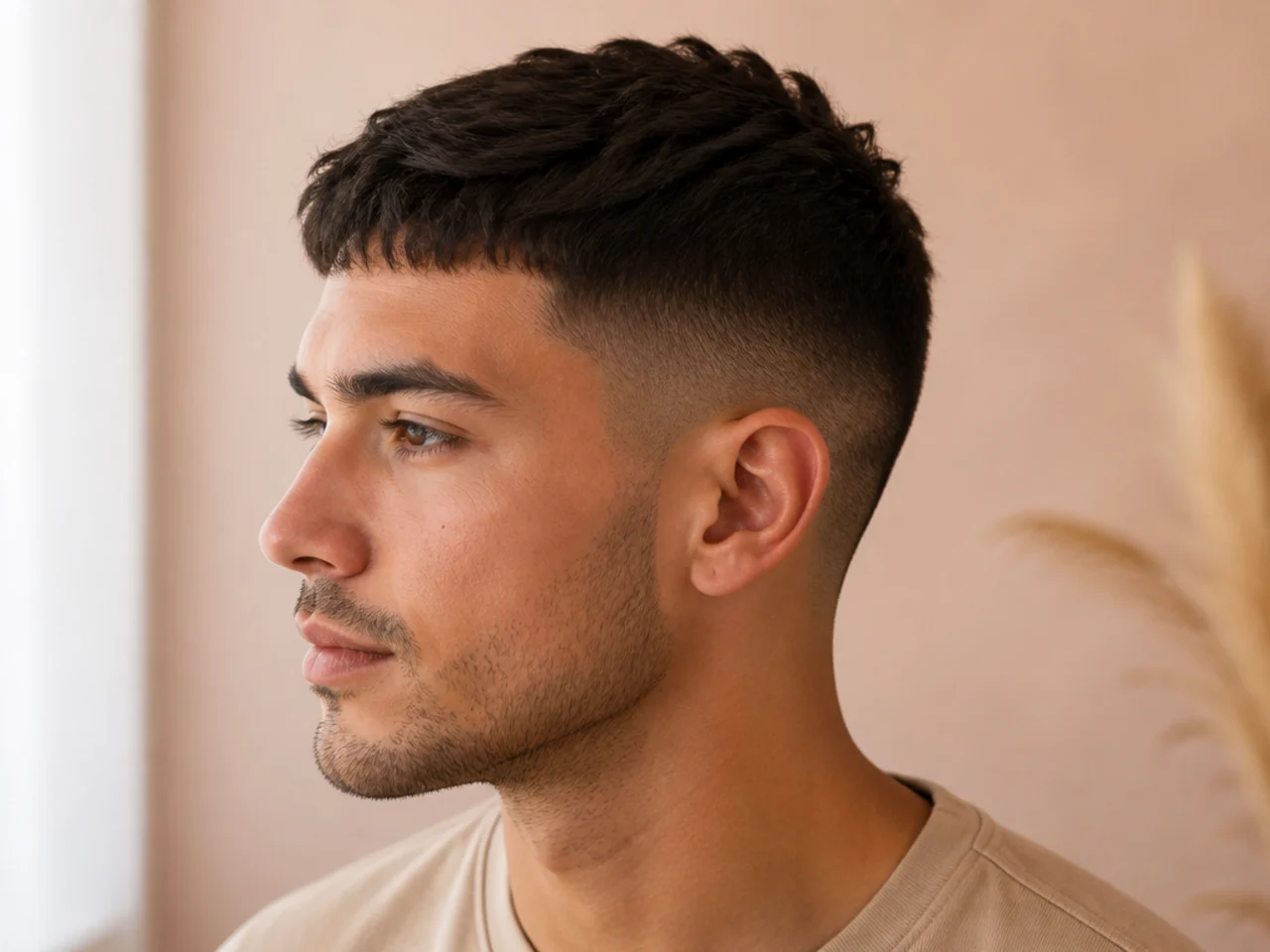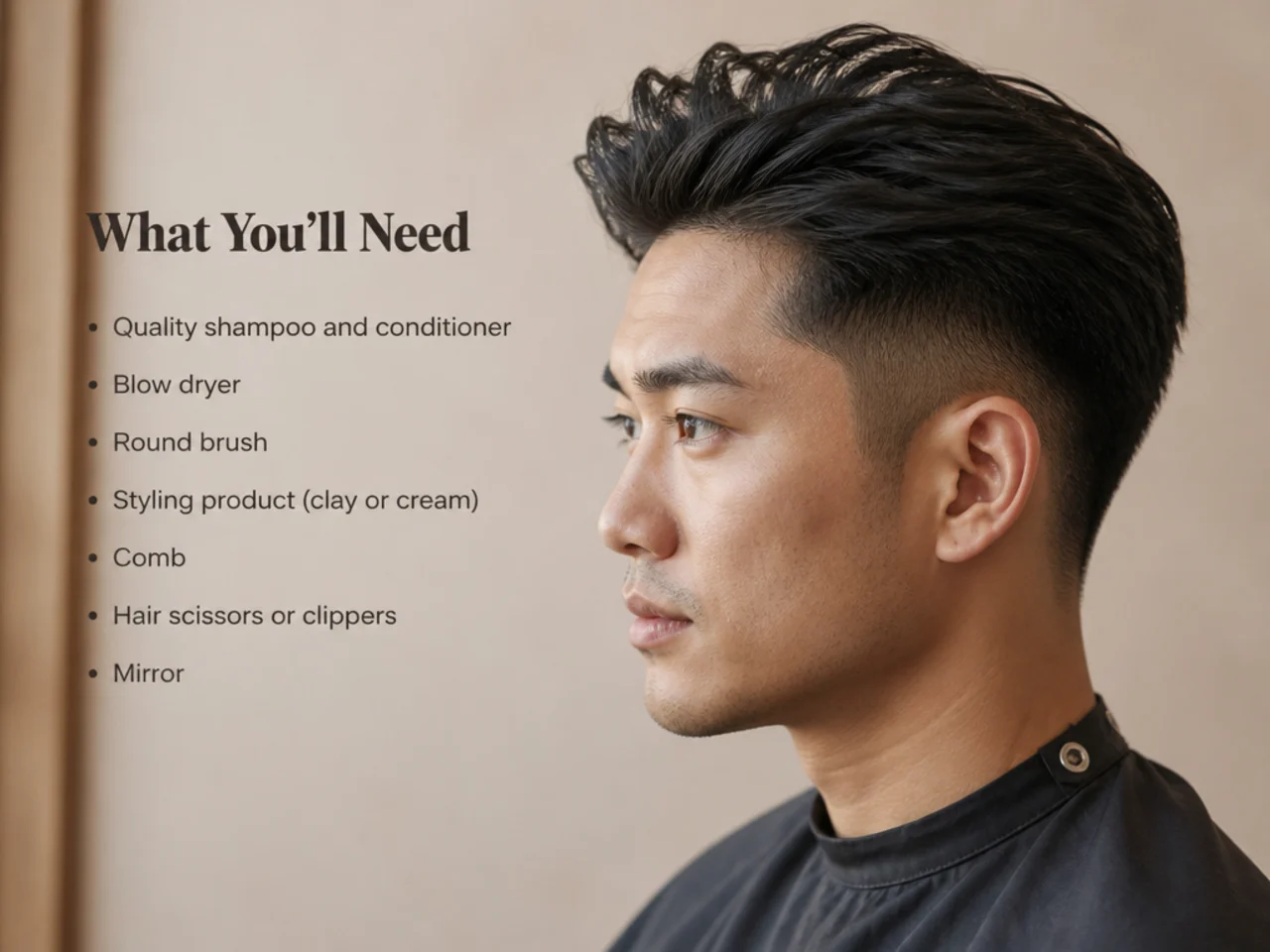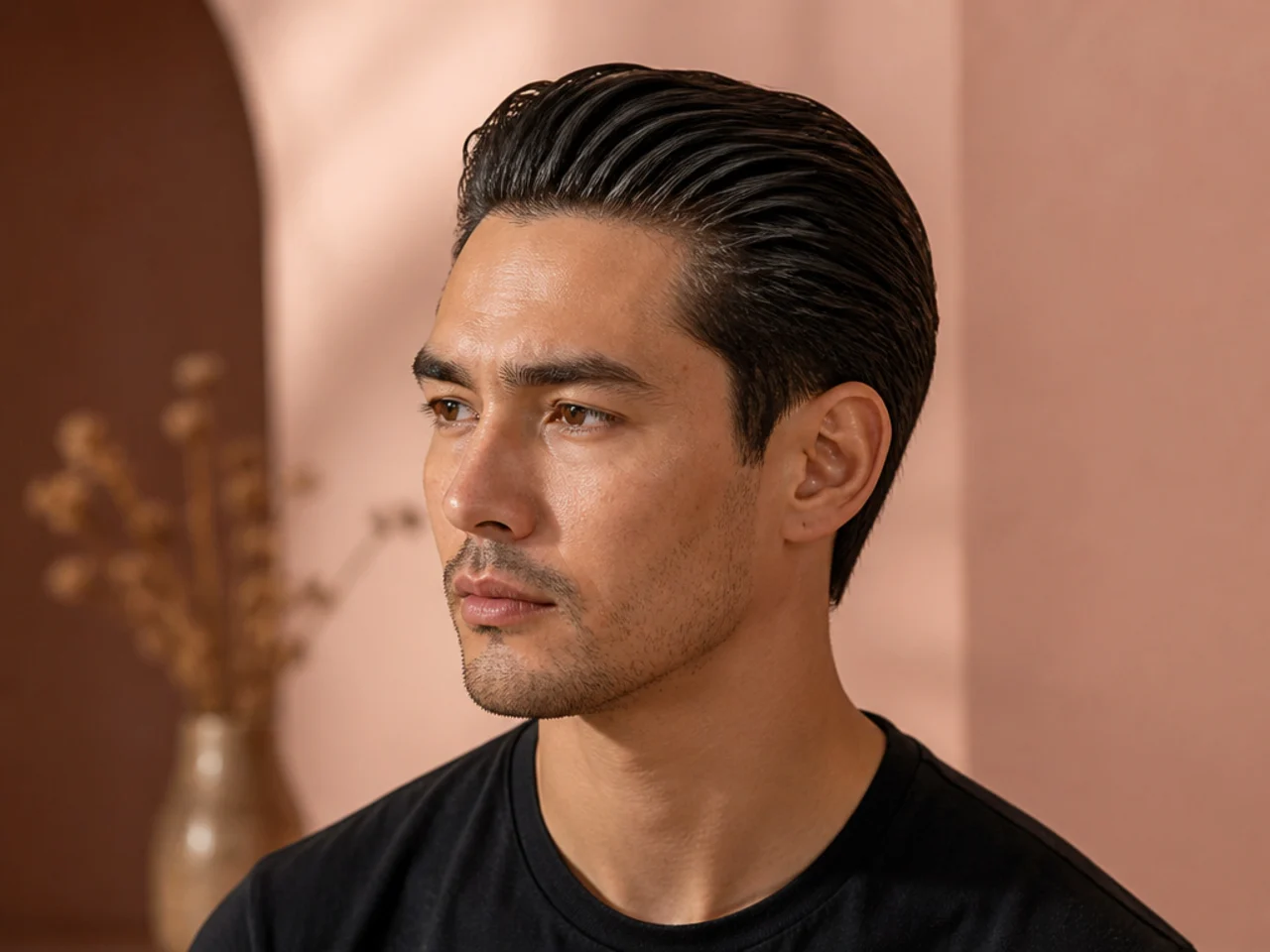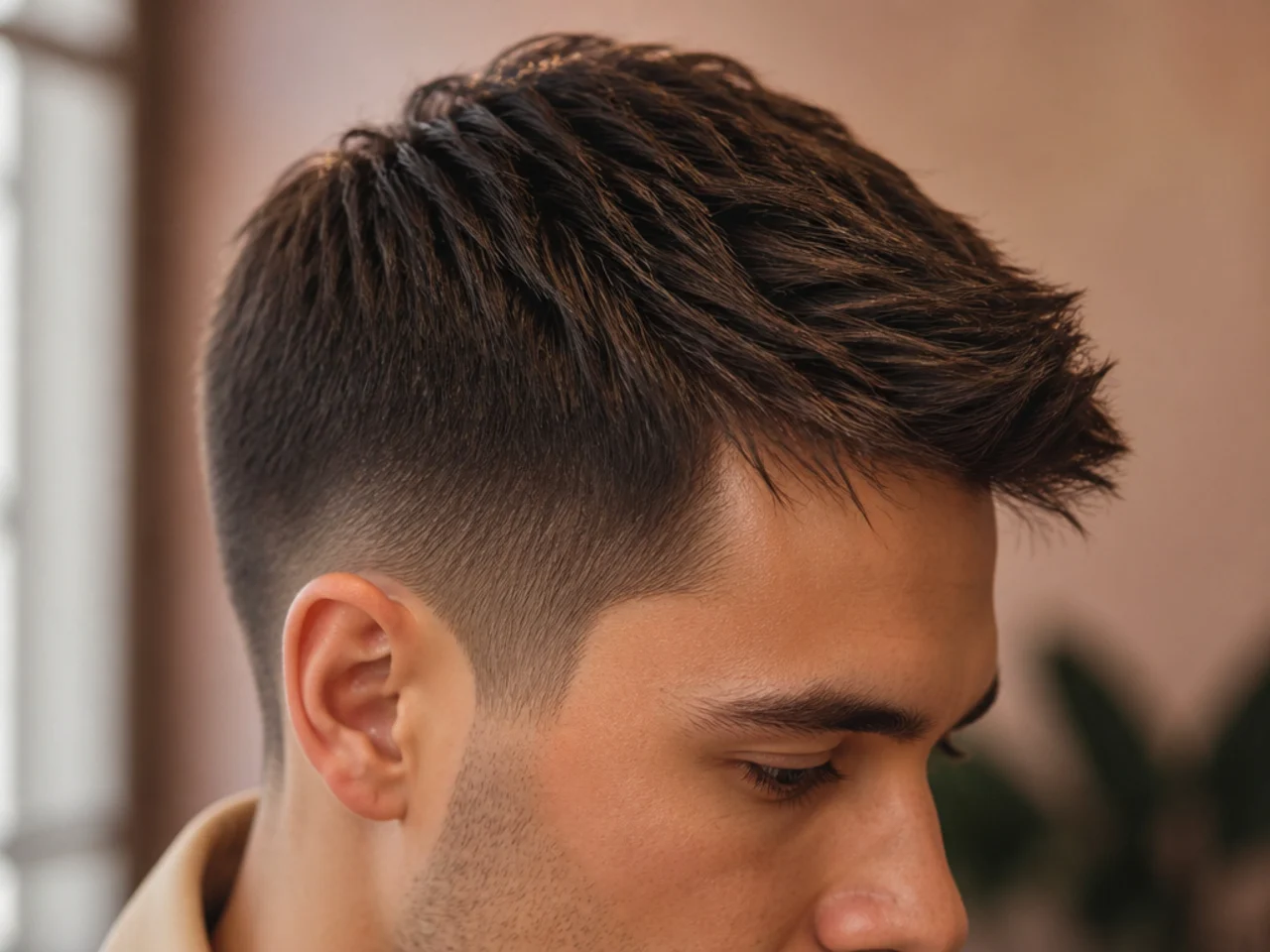
15 Textured Ivy League Haircut Ideas for Men
Fifteen textured ivy league ideas, and the technique they all depend on — texture in this cut is made with shears, not with product. Point cutting takes weight out without taking length off, which is the only way to keep the part.
In this article · 22
- Why Texture Has to Be Cut, Not Applied
- How to Choose Yours
- The 15 Textured Ivy League Variations
- 1. Lightly Point-Cut Ends
- 2. Deep Point-Cut Top
- 3. Slide-Cut Textured Ivy League
- 4. Textured Ivy League With a Broken Part
- 5. Textured Ivy League With a Hard Part
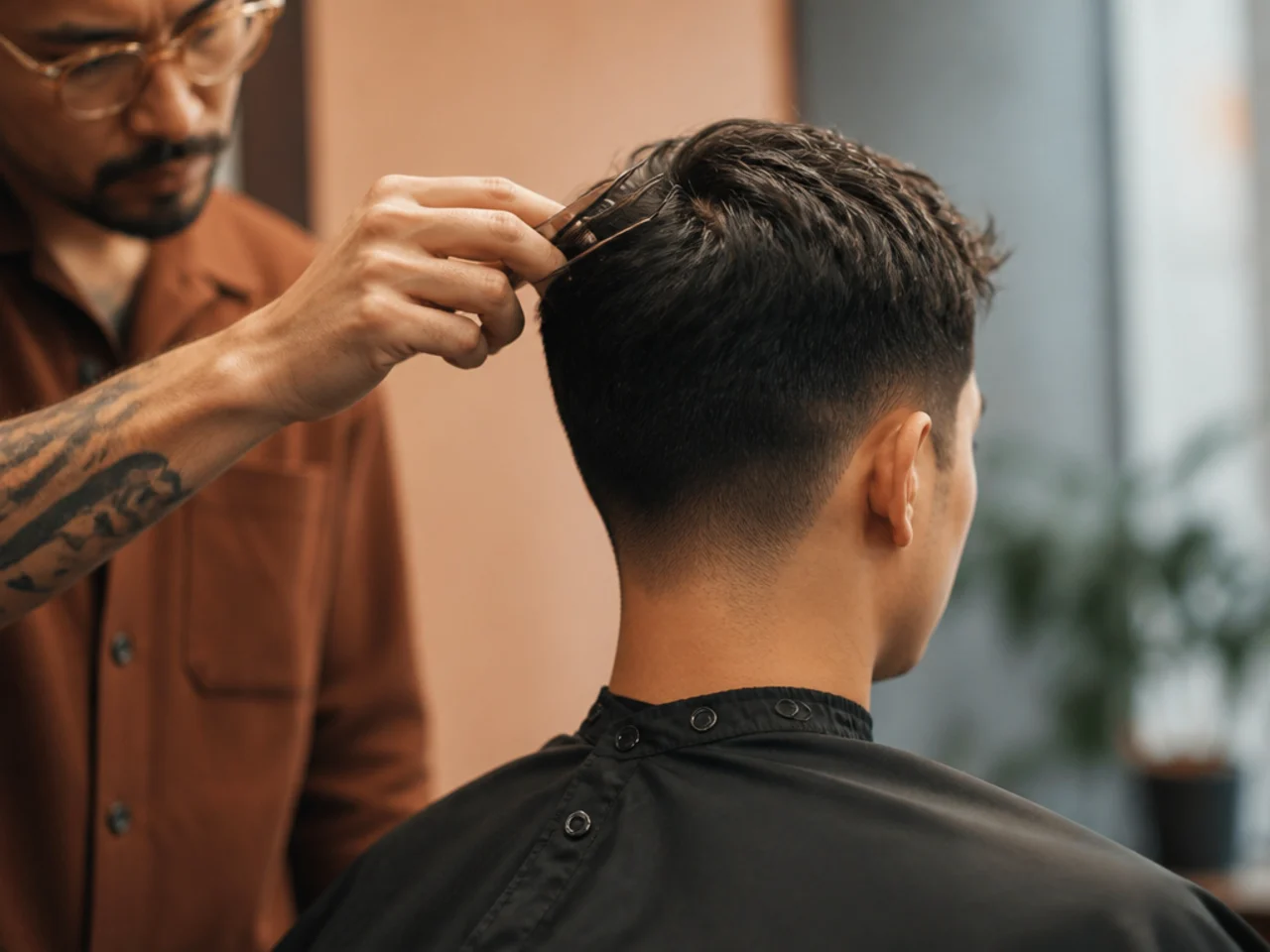
- 6. Textured Ivy League Over a Low Taper
- 7. Textured Ivy League Over a Mid Fade
- 8. Textured Ivy League on Straight Hair
- 9. Textured Ivy League on Wavy Hair
- 10. Textured Ivy League on Thick Hair
- 11. Textured Ivy League on Fine Hair
- 12. Textured Ivy League With a Longer Front
- 13. Textured Ivy League With Matte Clay
- 14. Textured Ivy League at Week Four
- 15. A Top Thinned With Thinning Shears Only
- Styling and Upkeep
- Mistakes to Avoid
- FAQ
- Final Thoughts
Texture on this cut is something a barber does with shears. It is not something you add afterwards out of a tub.
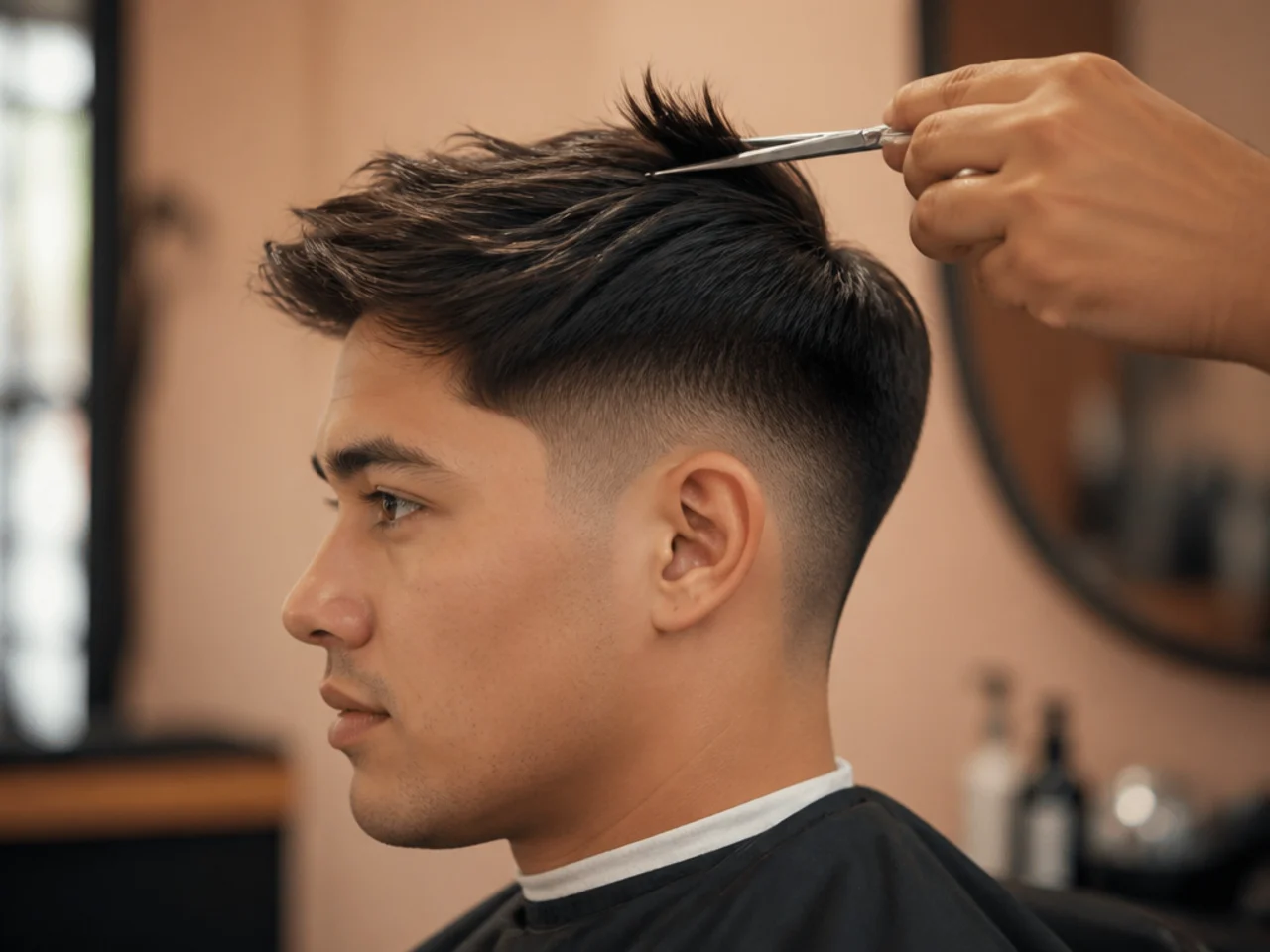
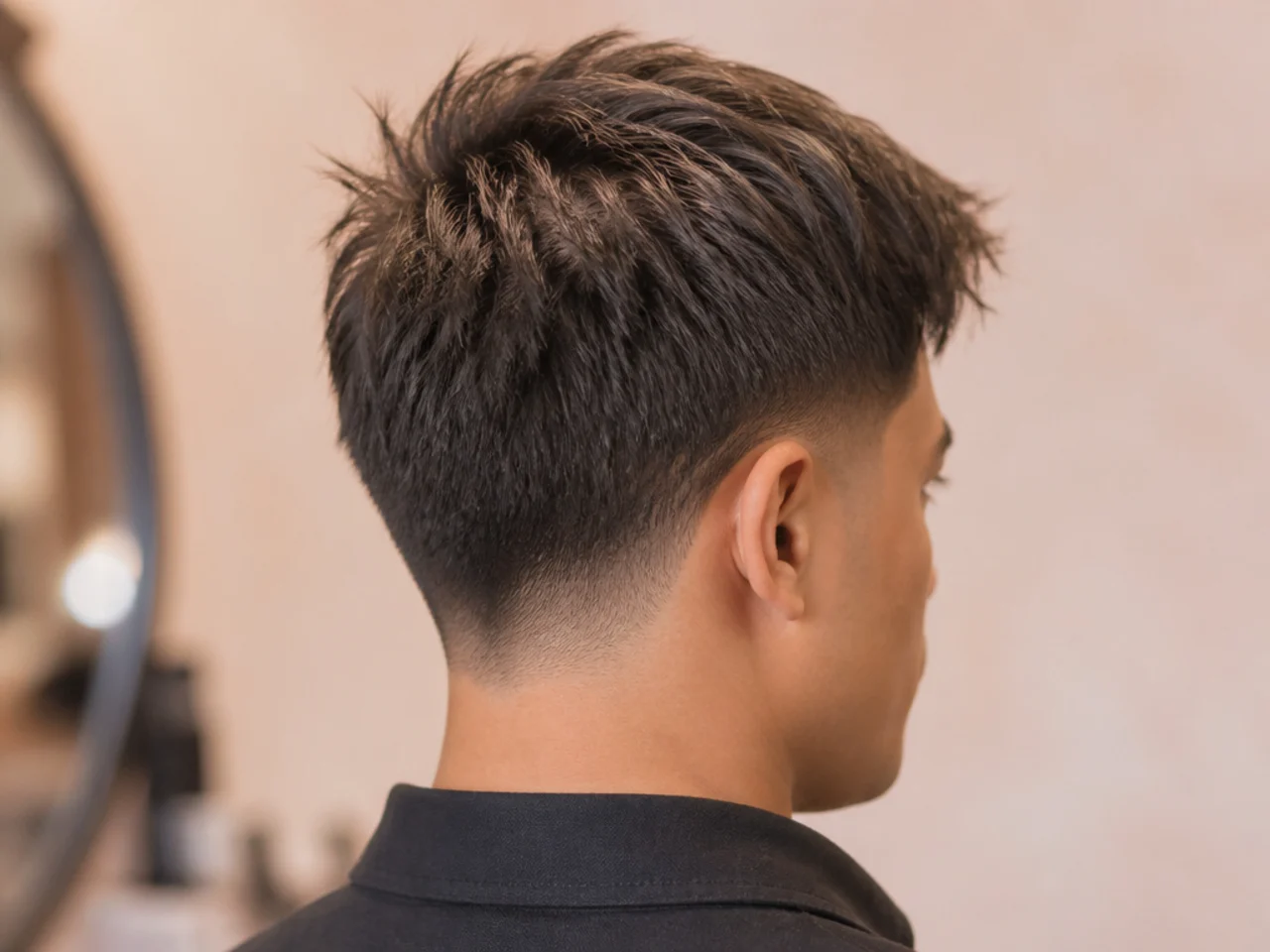
Point cutting removes weight without removing length. The shears go into the ends vertically, so the section finishes at a spread of lengths rather than one blunt line, and the longest strands stay exactly as long as they were.
That is the only way to lose bulk and keep the part. Cutting straight across to reduce weight takes the top under the two-inch floor, and the part goes with it.
Why Texture Has to Be Cut, Not Applied
A blunt end holds the section together. Every hair finishing at the same point makes one solid mass that moves as a single piece.
A point-cut end lets the section separate. Different lengths break the surface into strands, which is what the eye reads as texture.
The longest hairs are untouched. That is the whole trick — the measurement that defines the cut survives the thinning.
Depth controls how much comes out. Shallow snips break the surface; deep ones remove real weight from the interior.
How to Choose Yours
Ask for point cutting by name. It is a specific scissor technique and every barber knows the term.
Say how deep you want it. Ends only for movement, an inch in for genuine weight removal.
Decide what the part should look like. Texture softens a parting into a broken line rather than a drawn one.
Match the sides to the top. A crisp fade under a textured top is a deliberate contrast; a soft taper under it is a continuation.
The 15 Textured Ivy League Variations
1. Lightly Point-Cut Ends
The shears take a centimetre off the very tips at an angle. It breaks the blunt line without changing the weight, and it is the safest first request.
2. Deep Point-Cut Top
The shears go an inch into the section rather than skimming the tips. It removes genuine weight, which is what a dense head needs before a part will sit flat, and it is the version to ask for if a lighter pass has already failed to fix the bulk.
3. Slide-Cut Textured Ivy League
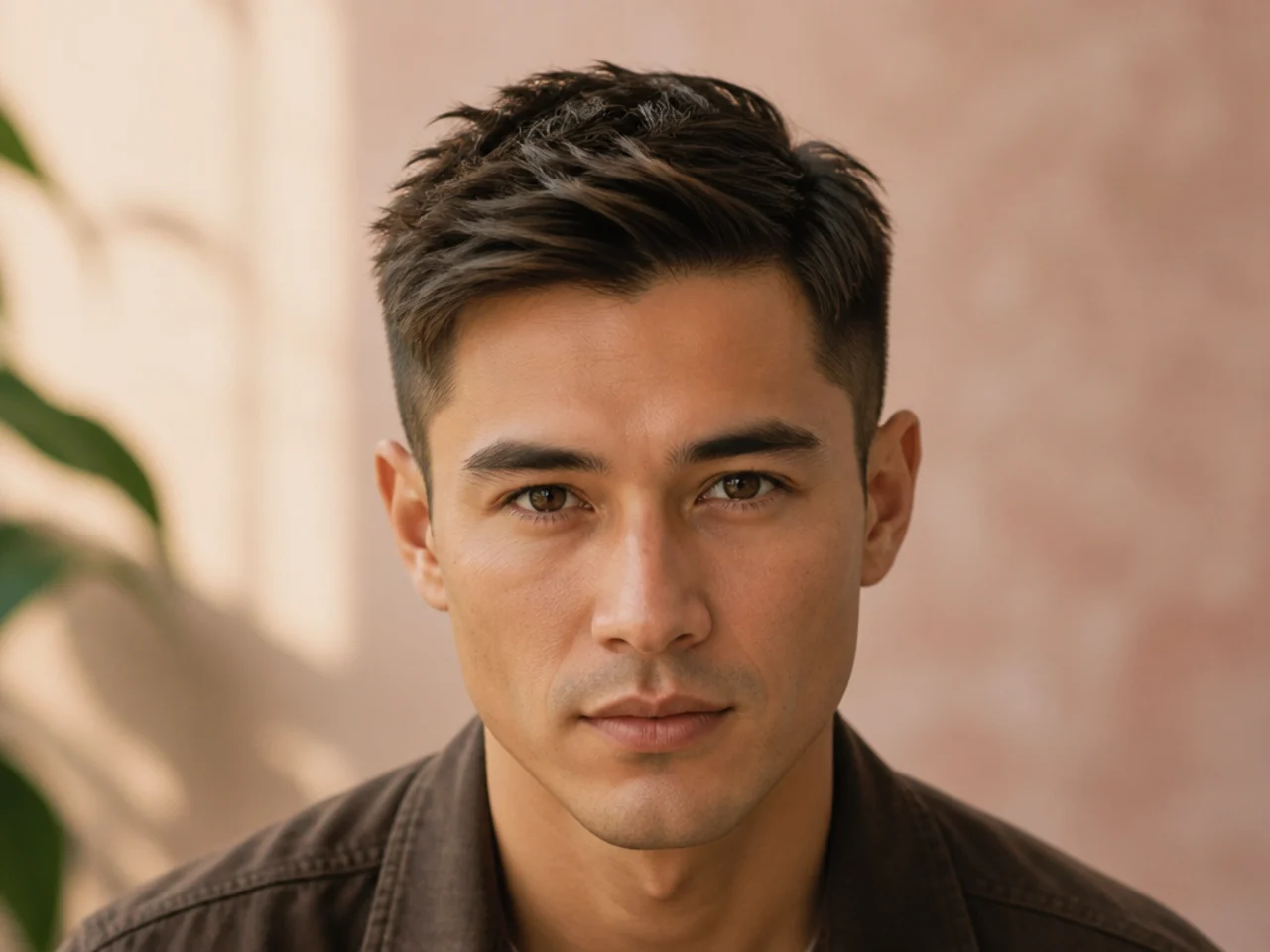
The shears run down the length rather than cutting across it, which thins the strand gradually instead of removing a chunk. It gives the softest edge of any technique here.
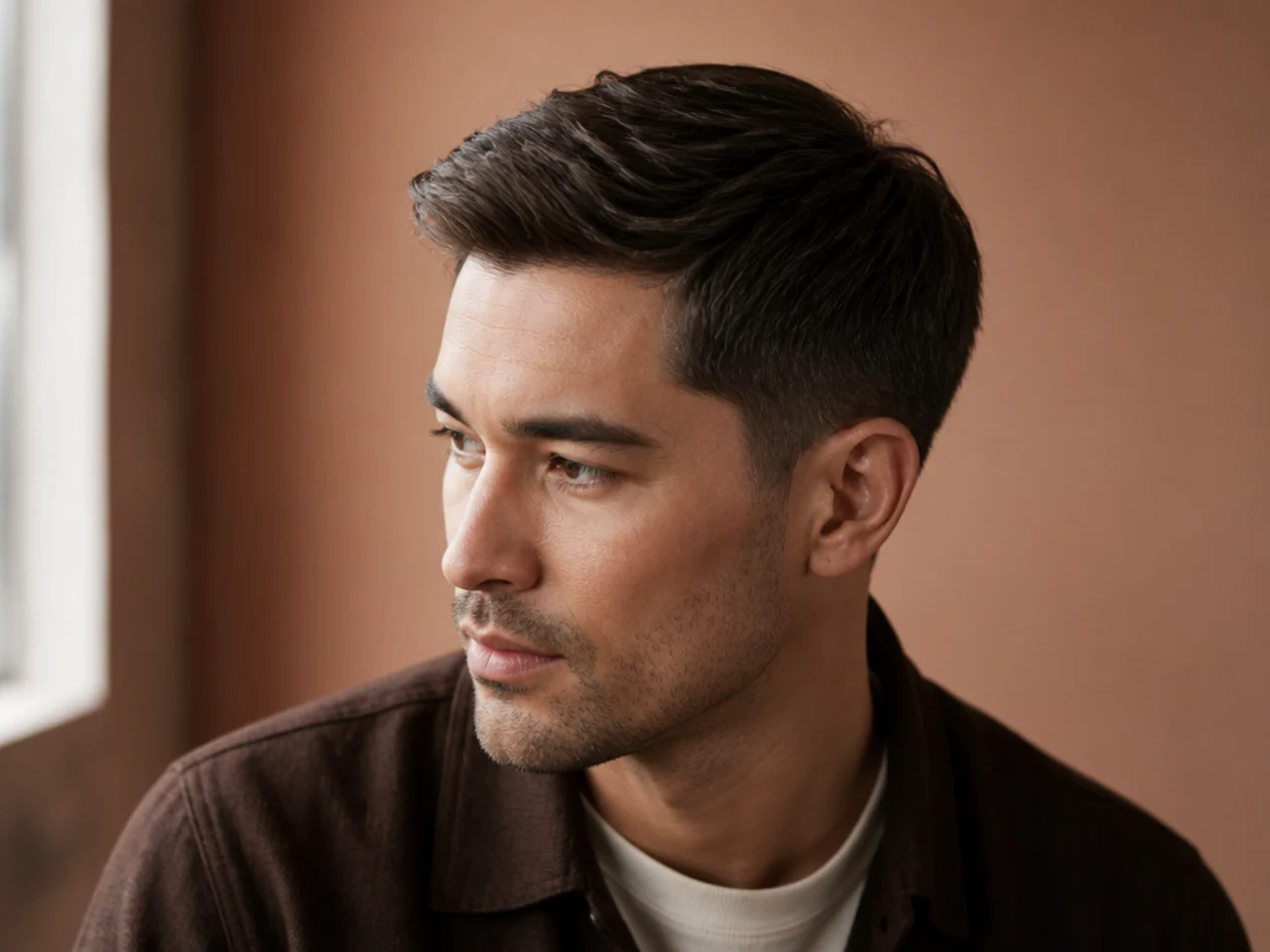
4. Textured Ivy League With a Broken Part
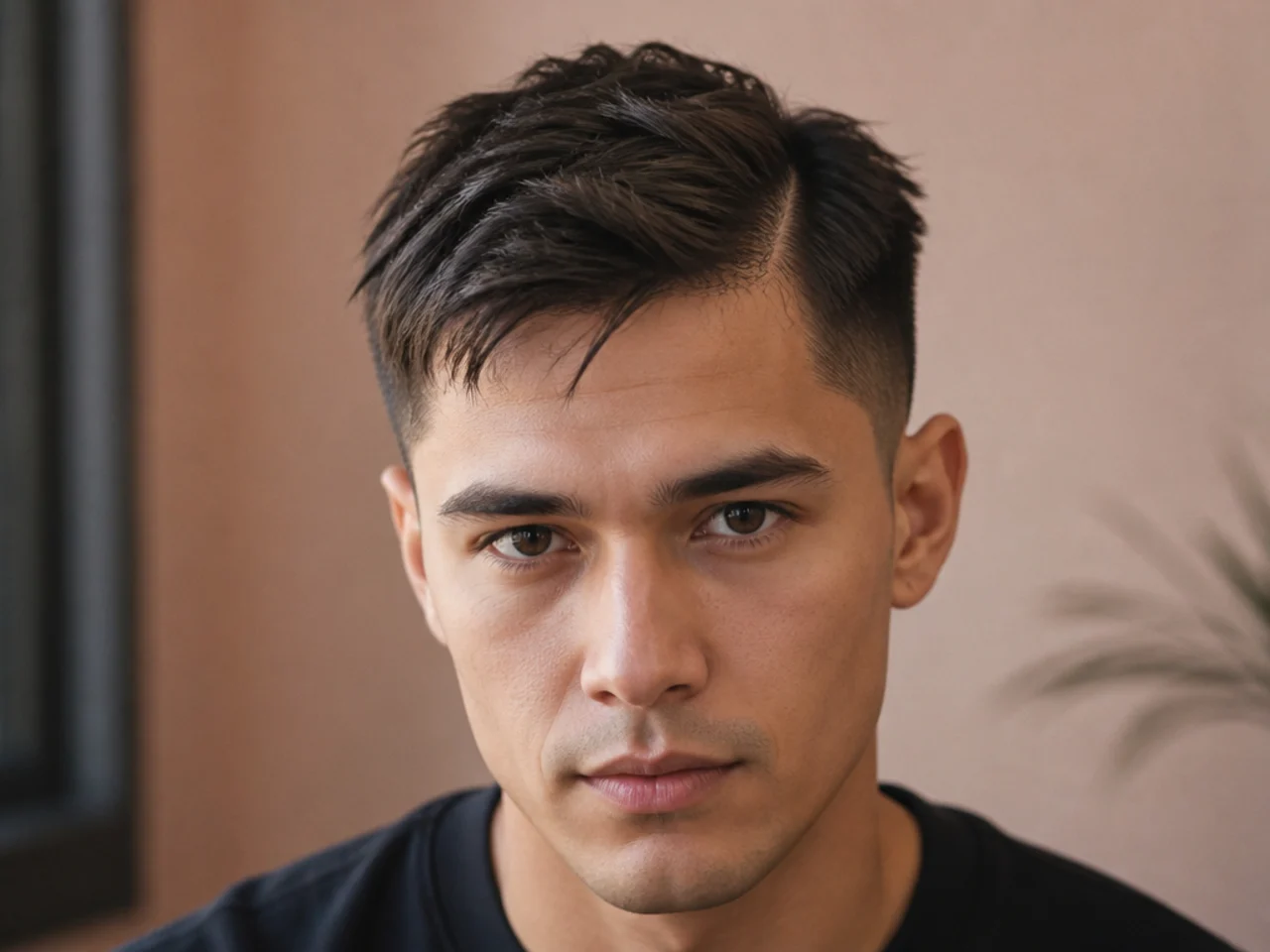
The parting left as a natural split rather than a combed line. Texture makes this possible, because separated strands hold a rough edge that blunt ones cannot.
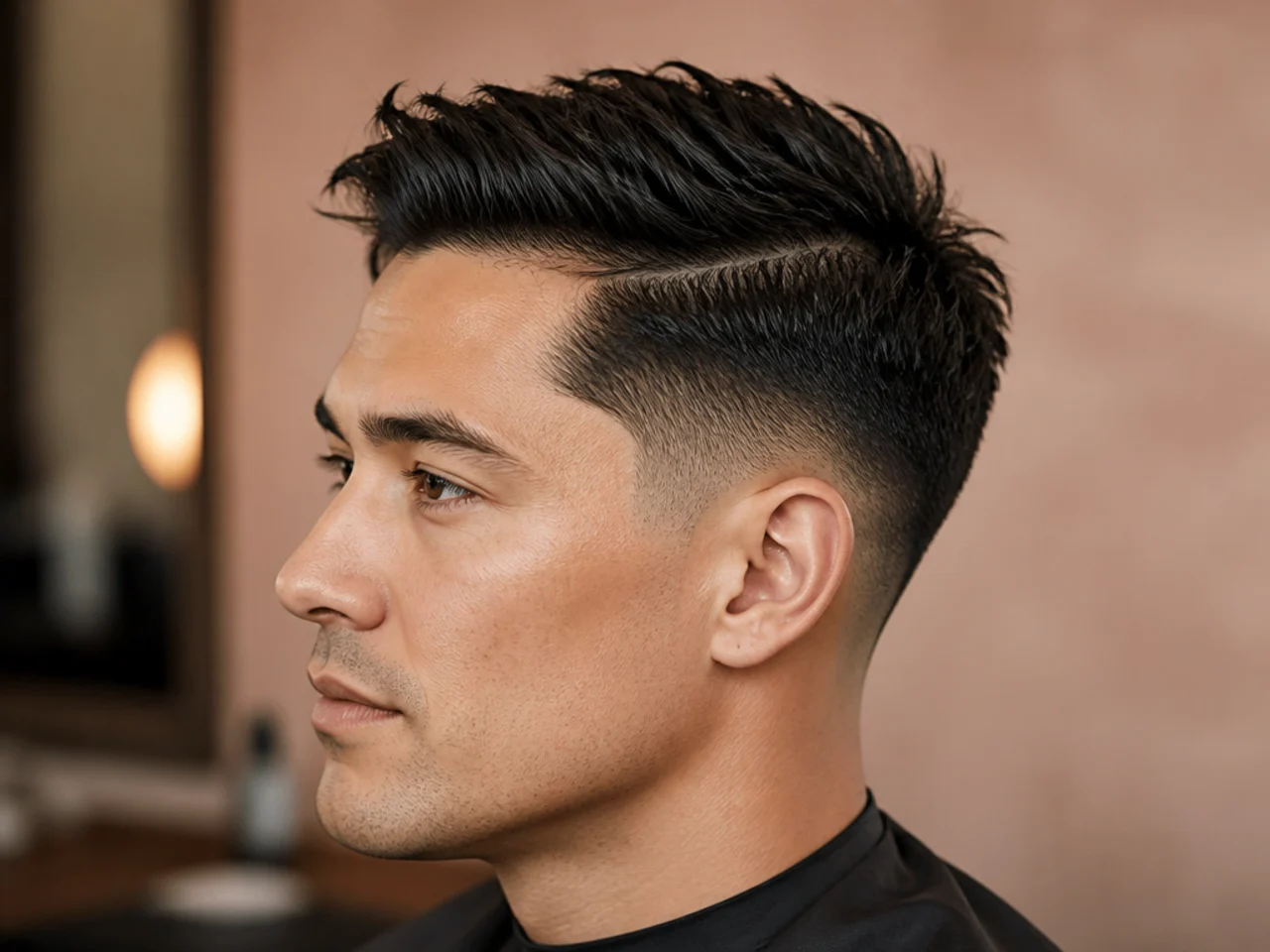
5. Textured Ivy League With a Hard Part
The opposite pairing. A drawn line under a broken surface, which is a strong contrast and needs the texture to be even for it to read.
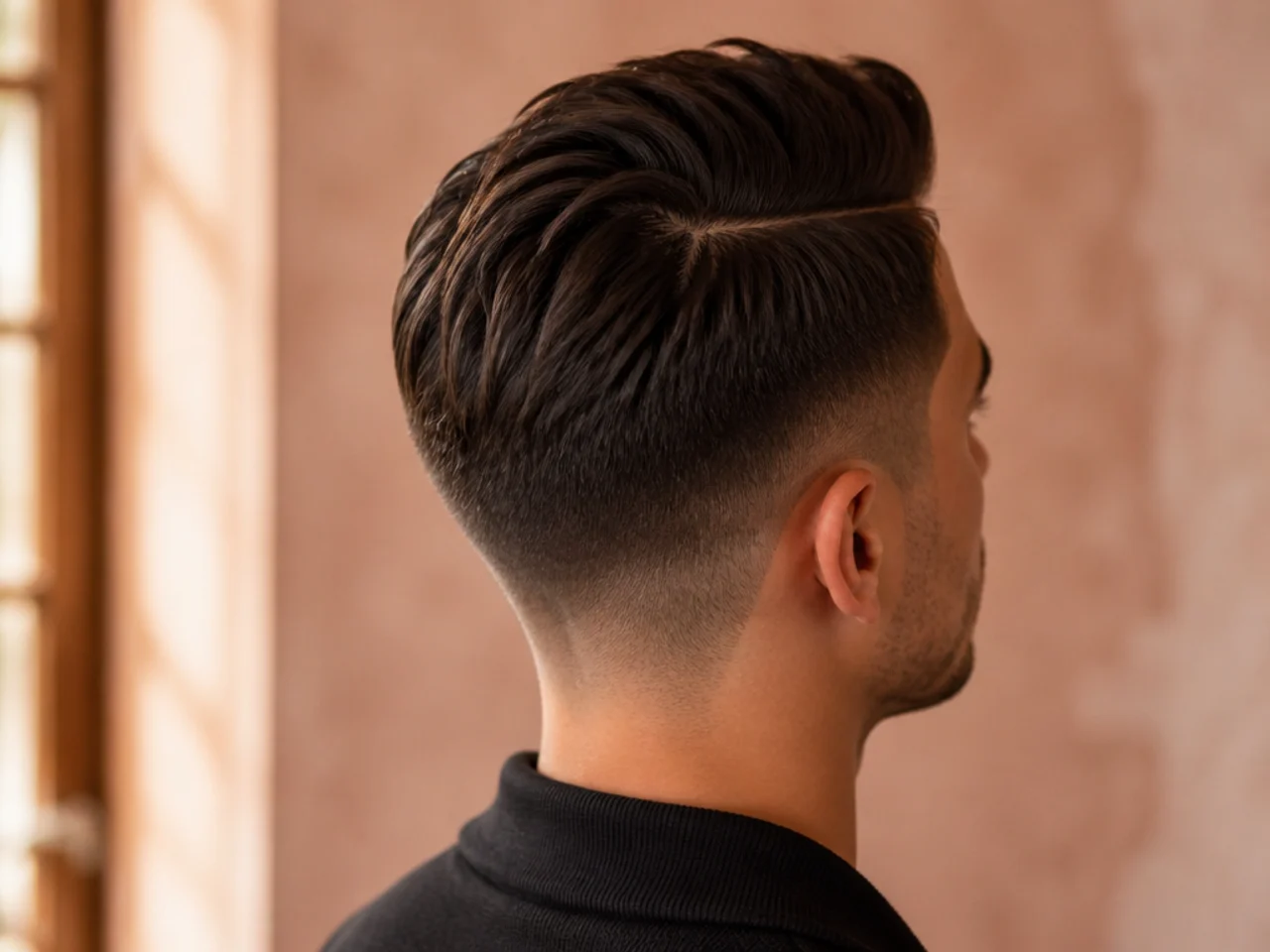
6. Textured Ivy League Over a Low Taper
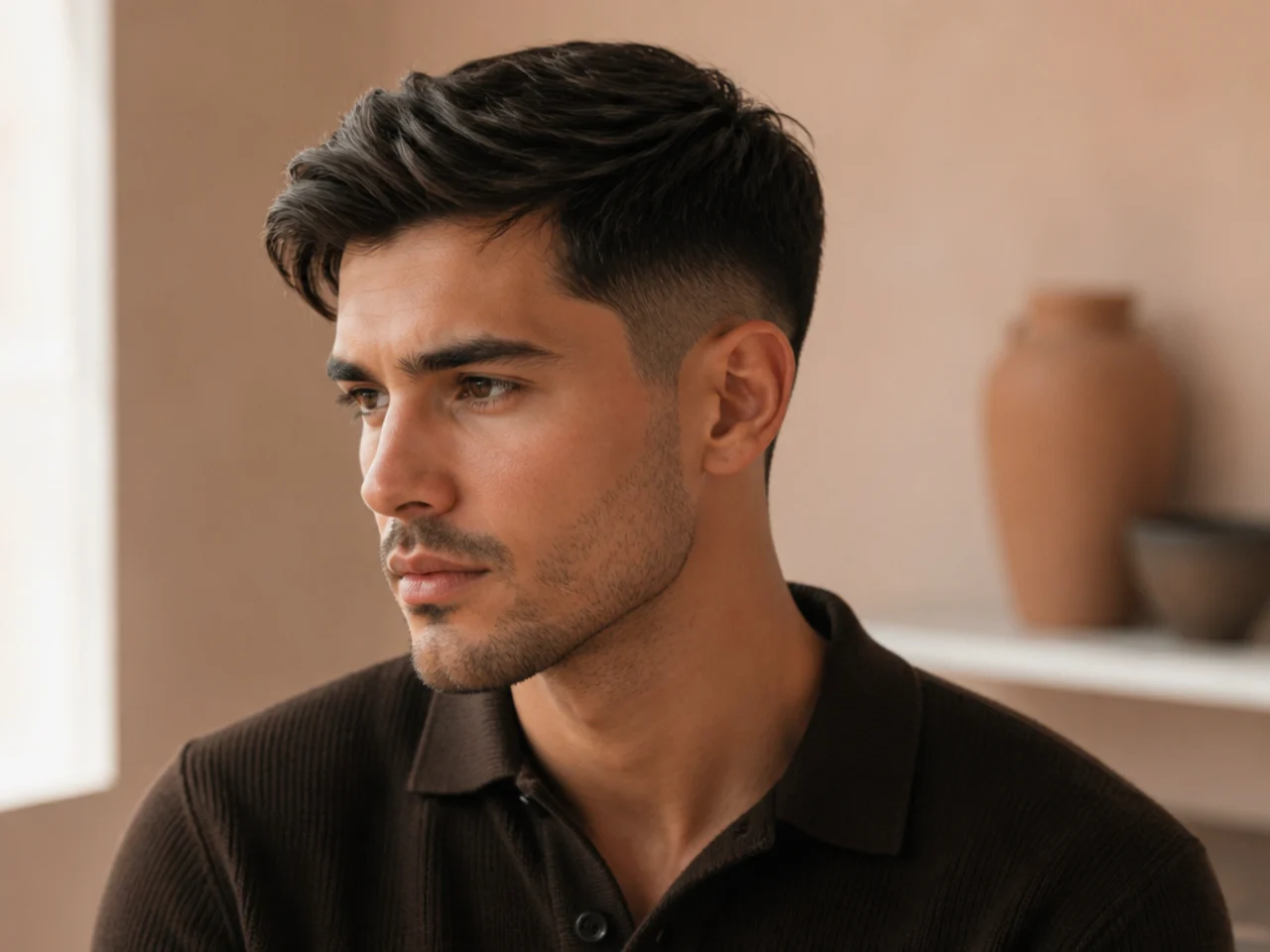
Soft above, soft below. The two surfaces flow into each other, which is the quietest way to wear texture on this cut.
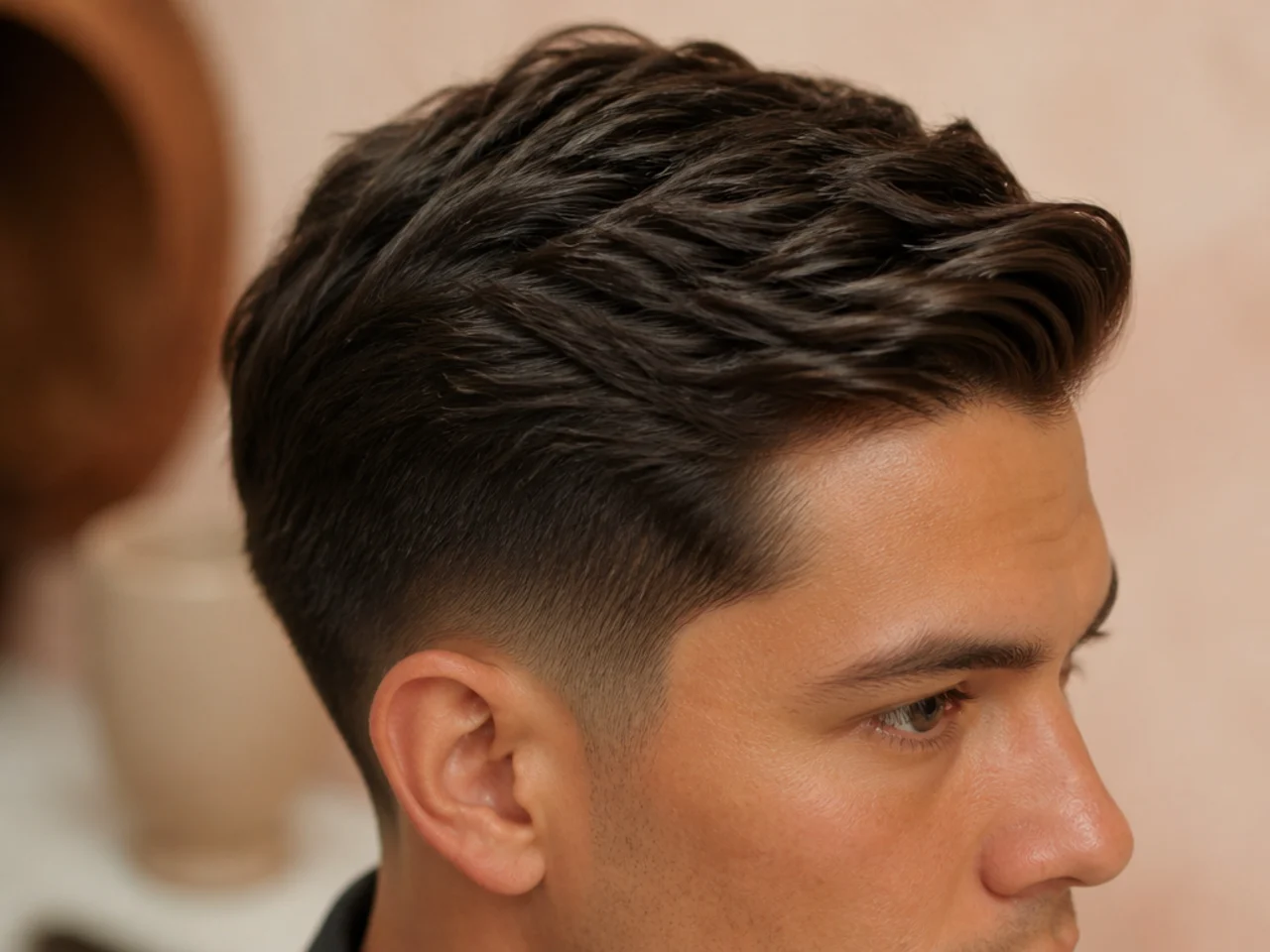
7. Textured Ivy League Over a Mid Fade
Crisp below, broken above, in the manner of a textured mid fade. The contrast between a machine-clean gradient and a hand-cut top is the point of this version, because a clipper cuts every hair to the same height while shears leave a spread, and the two surfaces catch light differently.
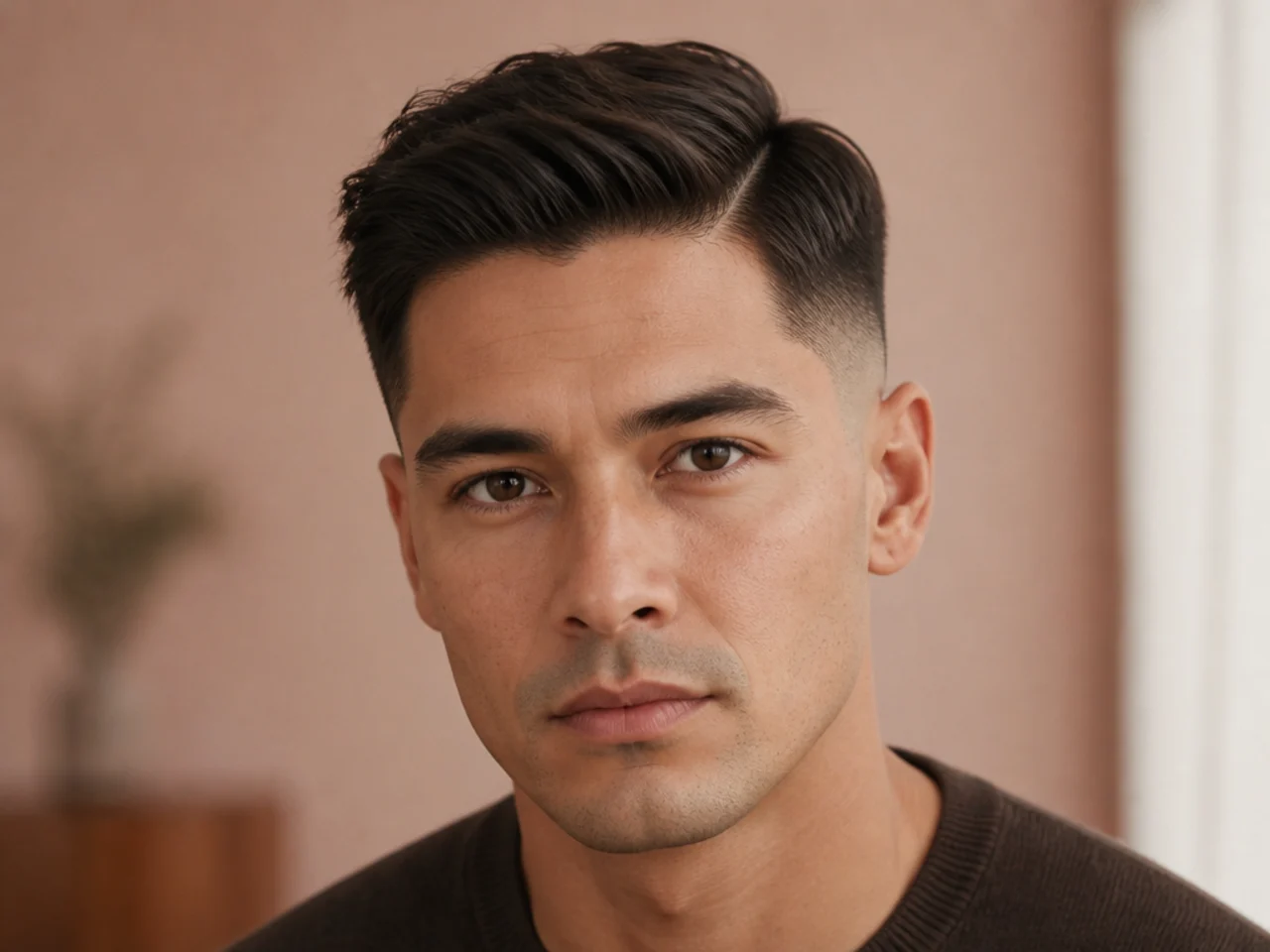
8. Textured Ivy League on Straight Hair
Straight hair has no natural separation, so all the texture comes from the shears. It is the texture that shows the technique most clearly, and the least forgiving of uneven work.
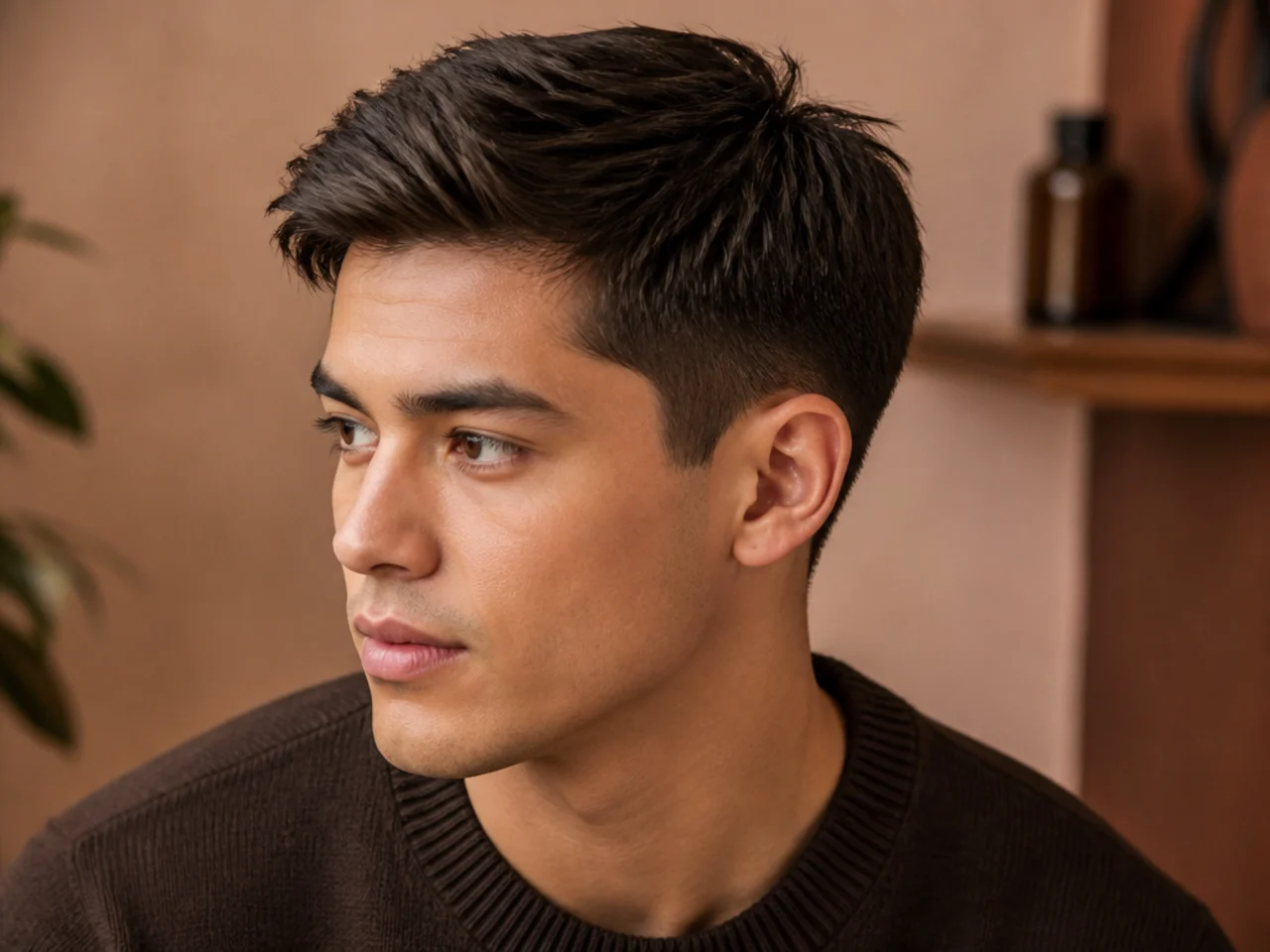
9. Textured Ivy League on Wavy Hair
The wave already separates the section, so less cutting is needed. Ask for half the depth you would on straight hair and check before going further.
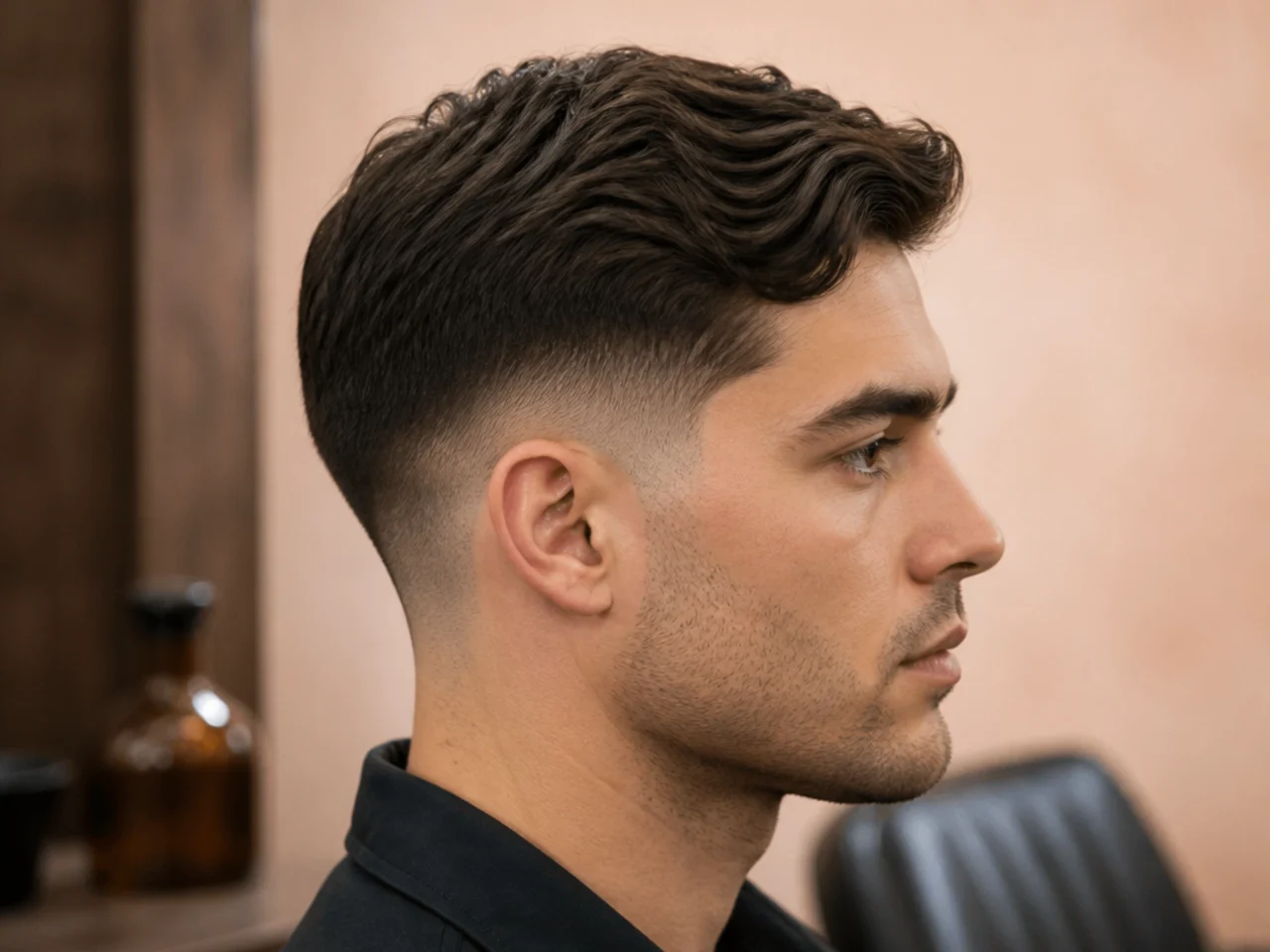
10. Textured Ivy League on Thick Hair
Where the technique earns its place, and the reason it comes up so often on thick-haired ivy leagues. Deep point cutting is the only way to take real weight out of a dense top without cutting it under the floor.
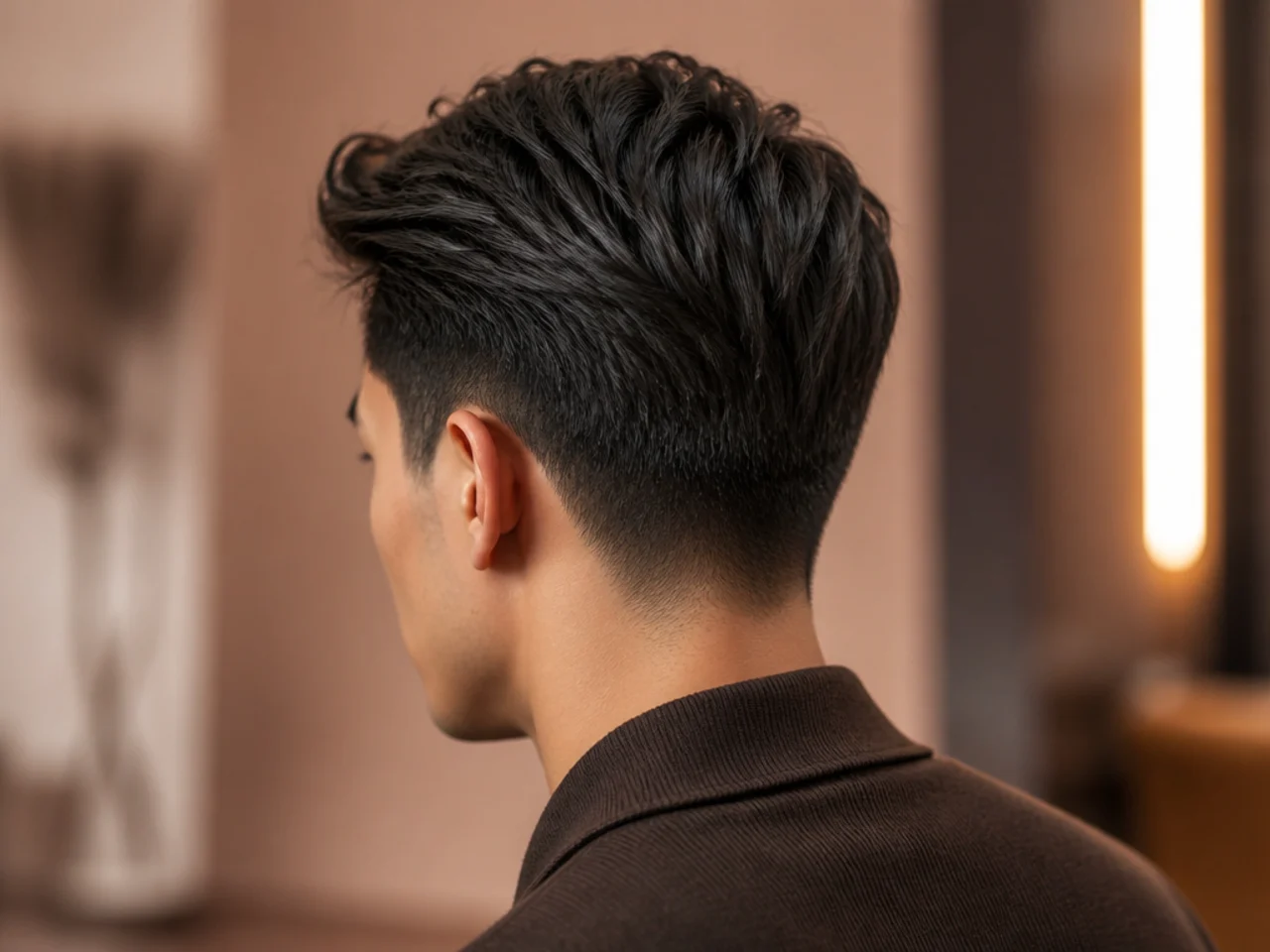
11. Textured Ivy League on Fine Hair
Fine hair has little weight to lose, so point cutting is used shallowly for separation only. Go deep and the top looks sparse rather than textured.
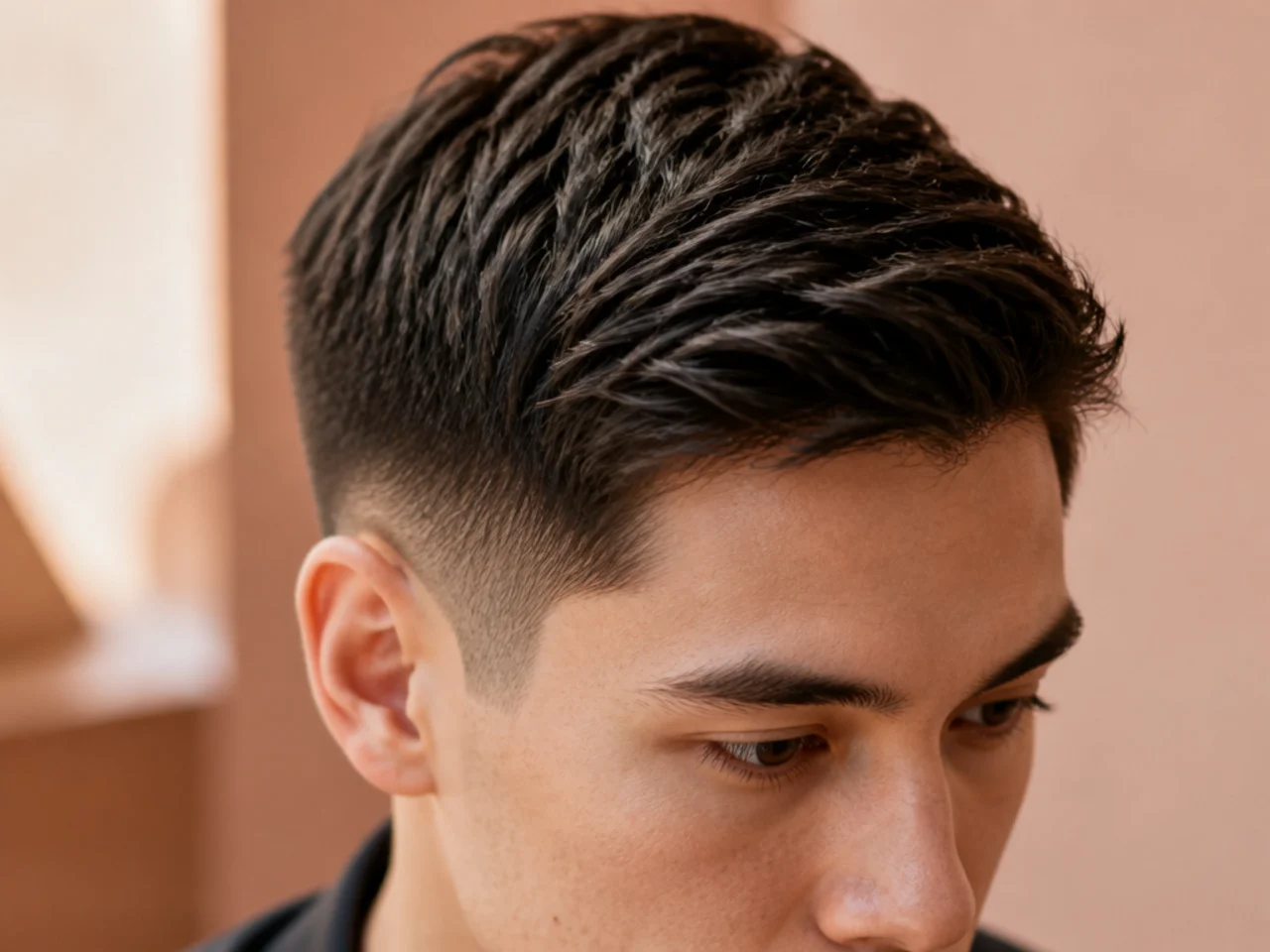
12. Textured Ivy League With a Longer Front
Extra length left at the hairline and textured hard. It gives the front some fall without turning the cut into a fringe.
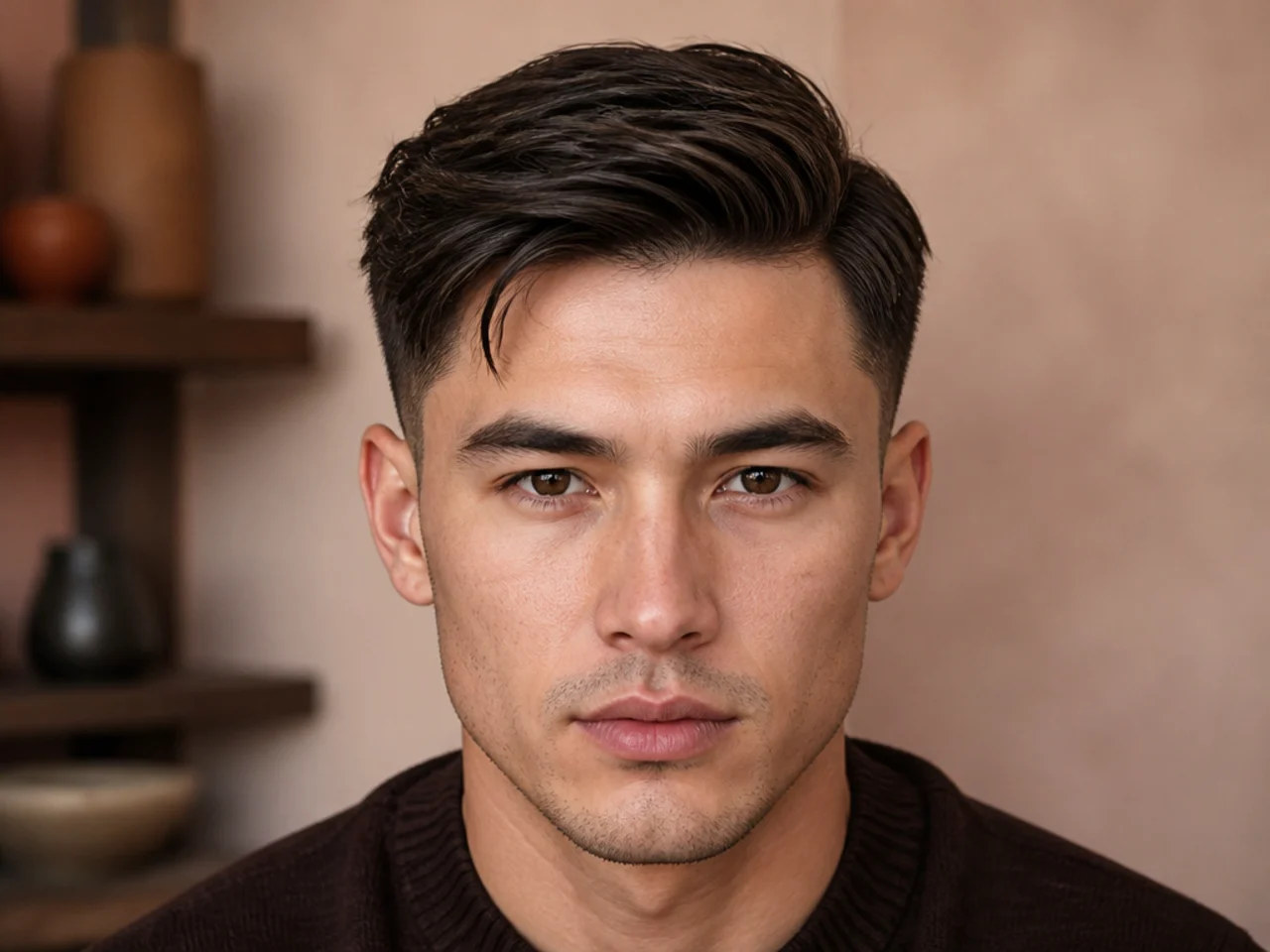
13. Textured Ivy League With Matte Clay
Clay separates what the shears already divided. On a blunt top the same product only makes it look dry, which is why the cut has to come first and the styling second.
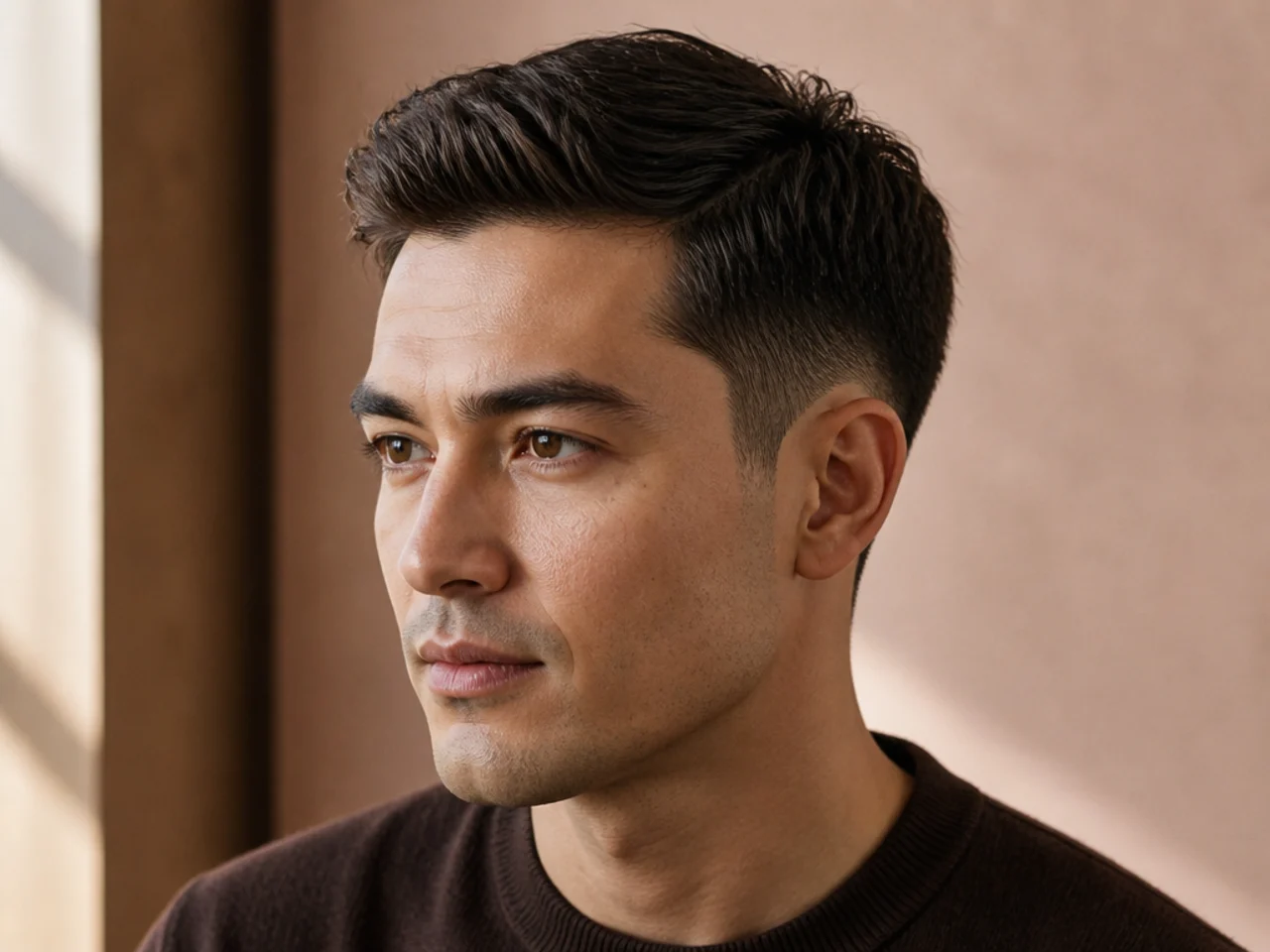
14. Textured Ivy League at Week Four
Still the best-looking version at four weeks, because a broken outline has no single line to grow out of shape. A blunt top at the same age has a visible edge sitting half an inch lower than it was cut.
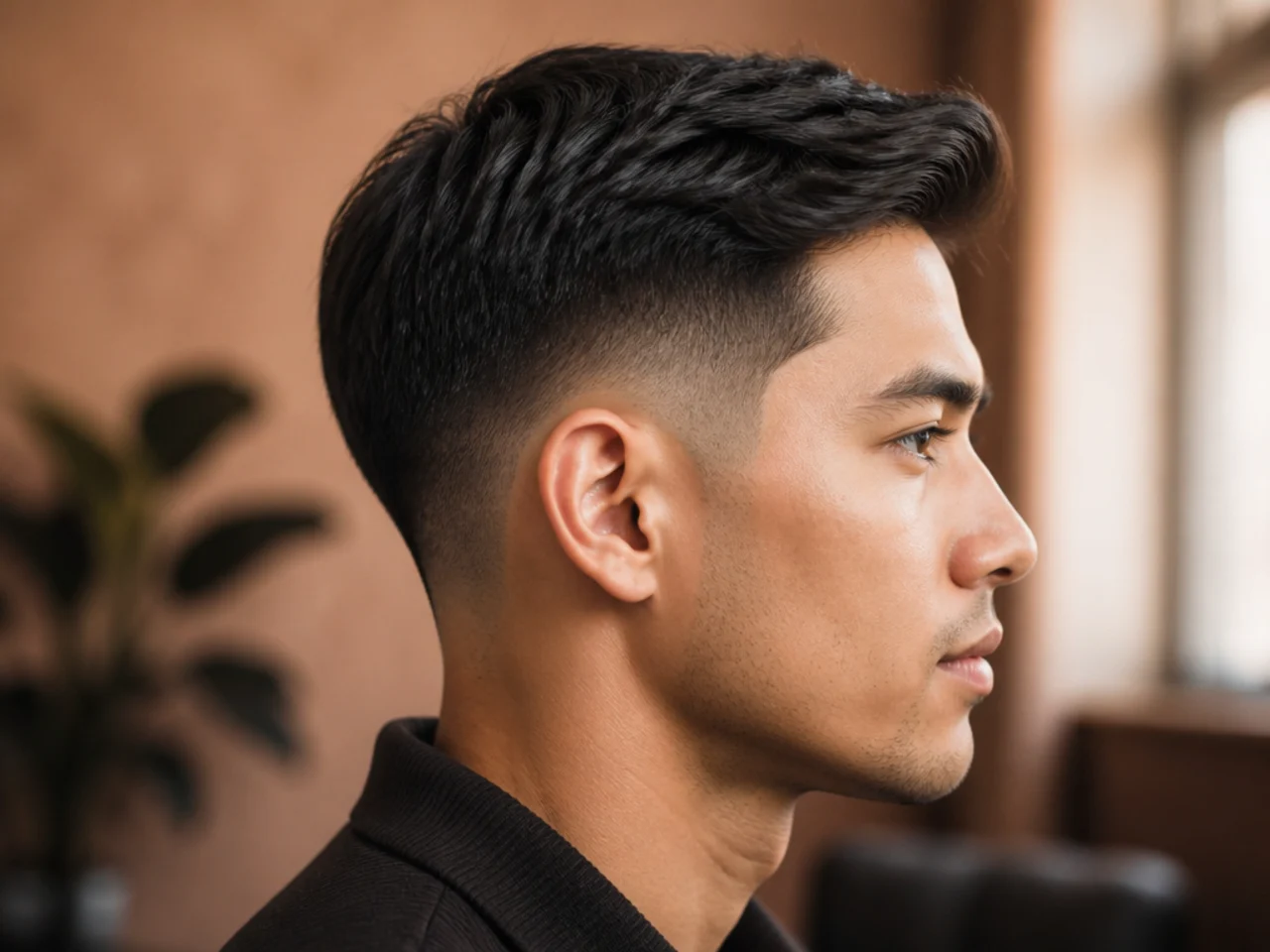
15. A Top Thinned With Thinning Shears Only
Notched teeth remove hair in stripes rather than at a spread of lengths, which leaves the short pieces sticking up through the surface as frizz.
Styling and Upkeep
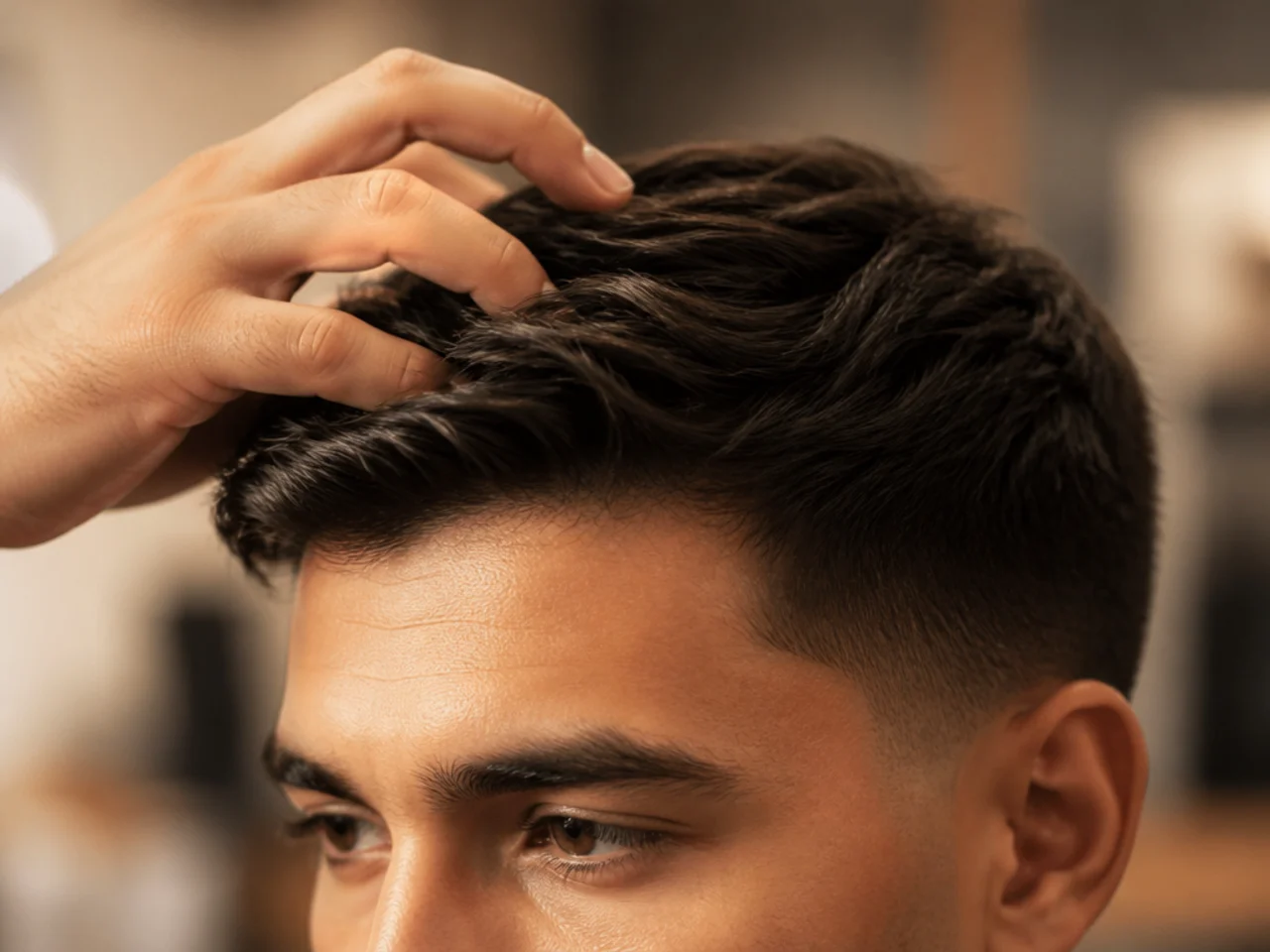
Style with fingers, not a comb. A comb pulls the separated lengths back into one plane and undoes the cut.
Use a matte product, sparingly. Anything with shine glues the strands back together into a solid surface.
Apply to dry hair. Product on wet hair spreads evenly, which is the opposite of what texture needs.
Ask for the texture refreshed at every second cut. The shortest point-cut pieces catch up first and the surface goes blunt again.
Rough dry rather than blow it flat. Heat with movement sets separation; heat with tension removes it.
Mistakes to Avoid
Asking for texture and getting length taken off. Say "point cut it, keep the length" so both instructions land.
Relying on a texturising spray. It coats a blunt shape and rinses out, and the cut underneath has not changed.
Over-thinning with notched shears. The stripes grow back as frizz rather than as texture.
Texturing fine hair deeply. There is not enough weight to remove and it reads as thinning hair.
Combing it into place after styling. It flattens the separation you paid a barber to create.
FAQ
What makes it textured? Point cutting with shears, not a product.
Does it shorten the top? No — the longest strands are left at full length.
Which product? Matte clay or paste, applied dry and worked with fingers.
Final Thoughts
Ask for point cutting and say to keep the length, and the top loses bulk while the part survives. Every tub of clay on this page is finishing something the shears already did — buy the technique first and the product becomes optional.
For the full range of the cut see the ivy league haircut guide, and for more cut-in texture at this length see textured haircuts for men. More in Men's Haircuts.