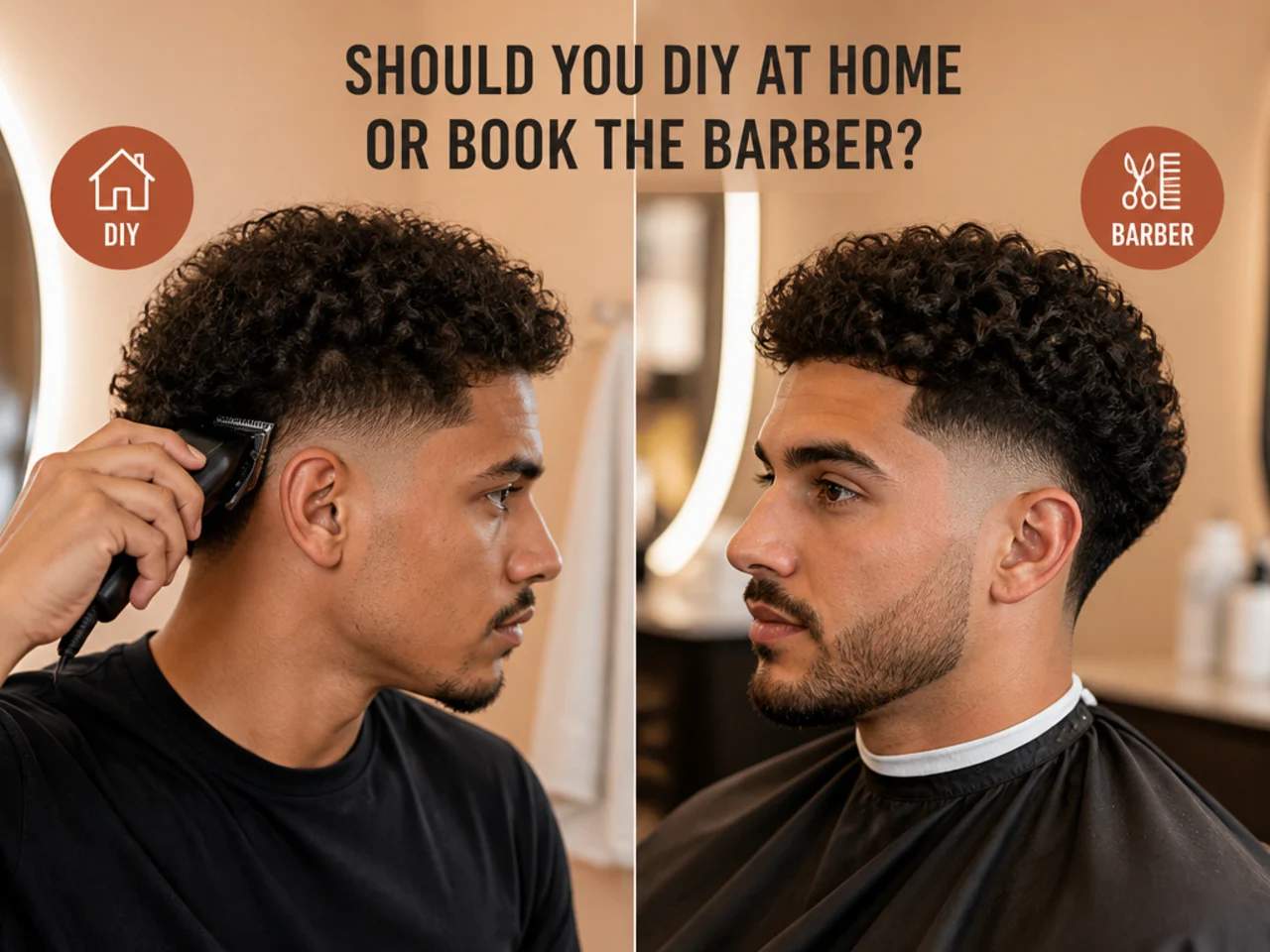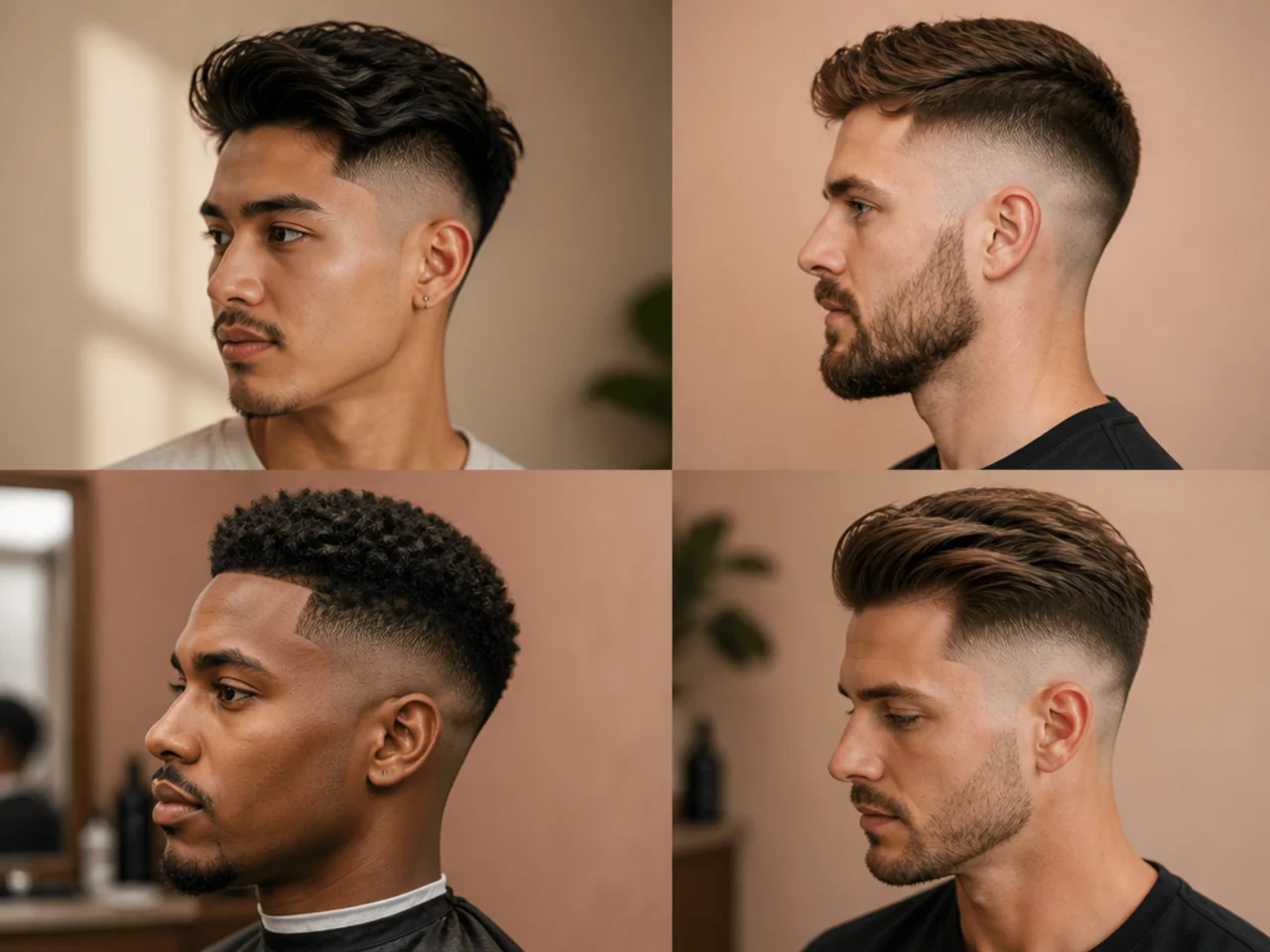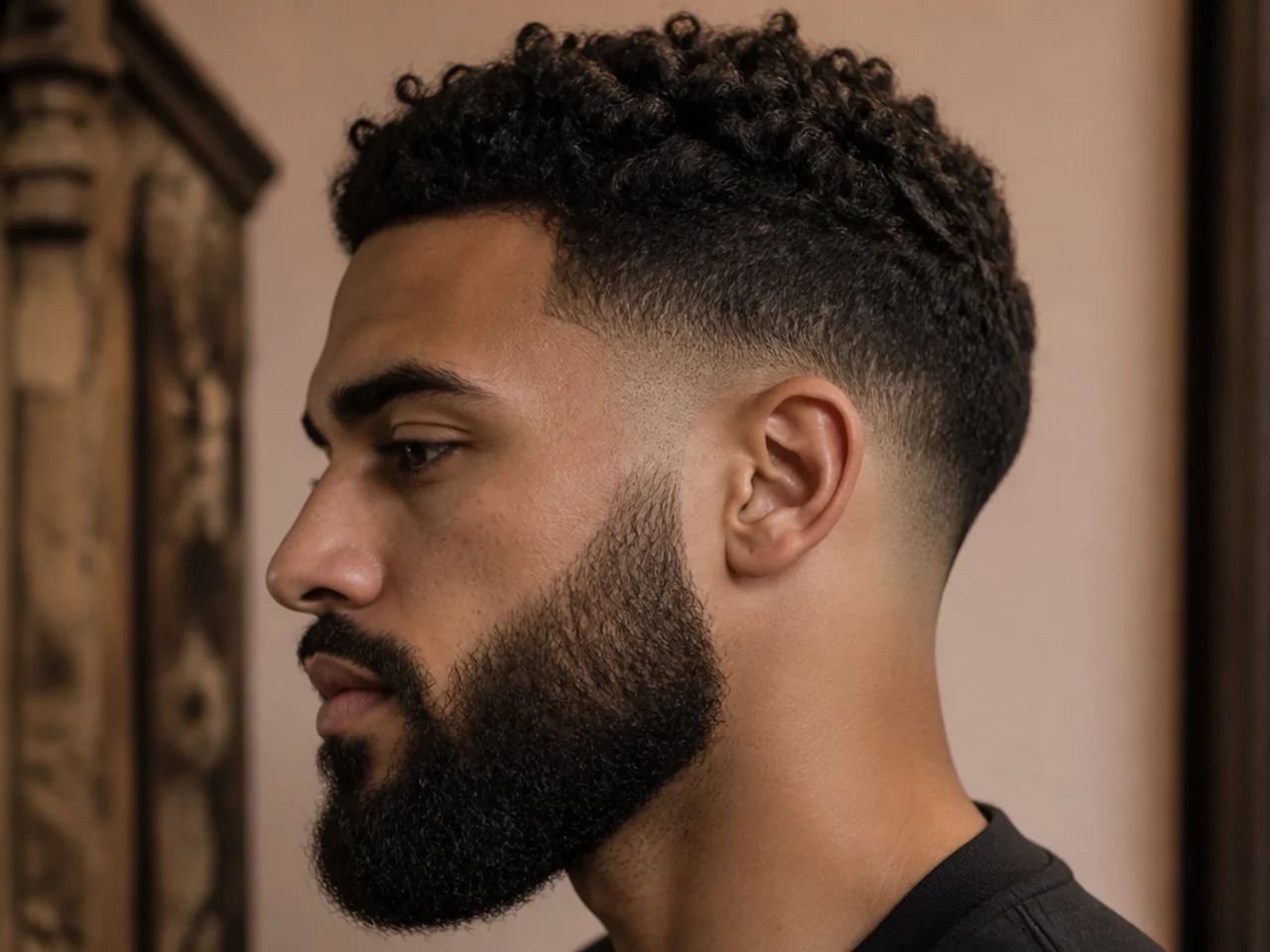
20 Low Fade Haircut Ideas With a Beard
A low fade starts at or below the temple, which puts its whole gradient in the same two or three centimetres as the top of the beard. They are neighbours, not distant relatives, and that makes connecting easy and disconnecting hard.
In this article · 27
- Why They Share the Same Band
- How to Choose Yours
- The 20 Low Fade and Beard Pairings
- 1. Low Taper Connected Into a Full Beard
- 2. Low Skin Fade With a Faded Beard
- 3. Low Fade With a Deliberate Disconnect
- 4. Low Fade With a Short Boxed Beard
- 5. Low Fade With Heavy Stubble
- 6. Low Fade on a Receding Hairline With a Beard
- 7. Low Fade With a Long Beard
- 8. Low Fade With a Goatee
- 9. Low Fade With a Chin Strap
- 10. Low Fade With a Patchy Beard
- 11. Low Fade Comb Over With a Beard
- 12. Low Fade Slick Back With a Beard
- 13. Low Fade Textured Crop With a Beard
- 14. Low Fade on Curly Hair With a Beard
- 15. Low Fade With 360 Waves and a Beard
- 16. Low Fade With a Grey Beard
- 17. Low Drop Fade With a Beard
- 18. Low Burst Fade With a Beard
- 19. Low Fade and Beard, Week Two
- 20. Low Fade and Beard, Week Five
- Styling and Upkeep
- Mistakes to Avoid
- FAQ
- Final Thoughts
A low fade and a beard occupy the same few centimetres of skin. Every other fade height has some distance between them, and this one does not.
A low fade's line goes in at the temple or under it, barely a finger's width above the ear. Its shortest length is already sitting at the sideburn where beard density begins.
Which makes it the easiest fade to connect and the hardest to disconnect. There is no vertical room left for a gap to look deliberate rather than missed.
Why They Share the Same Band
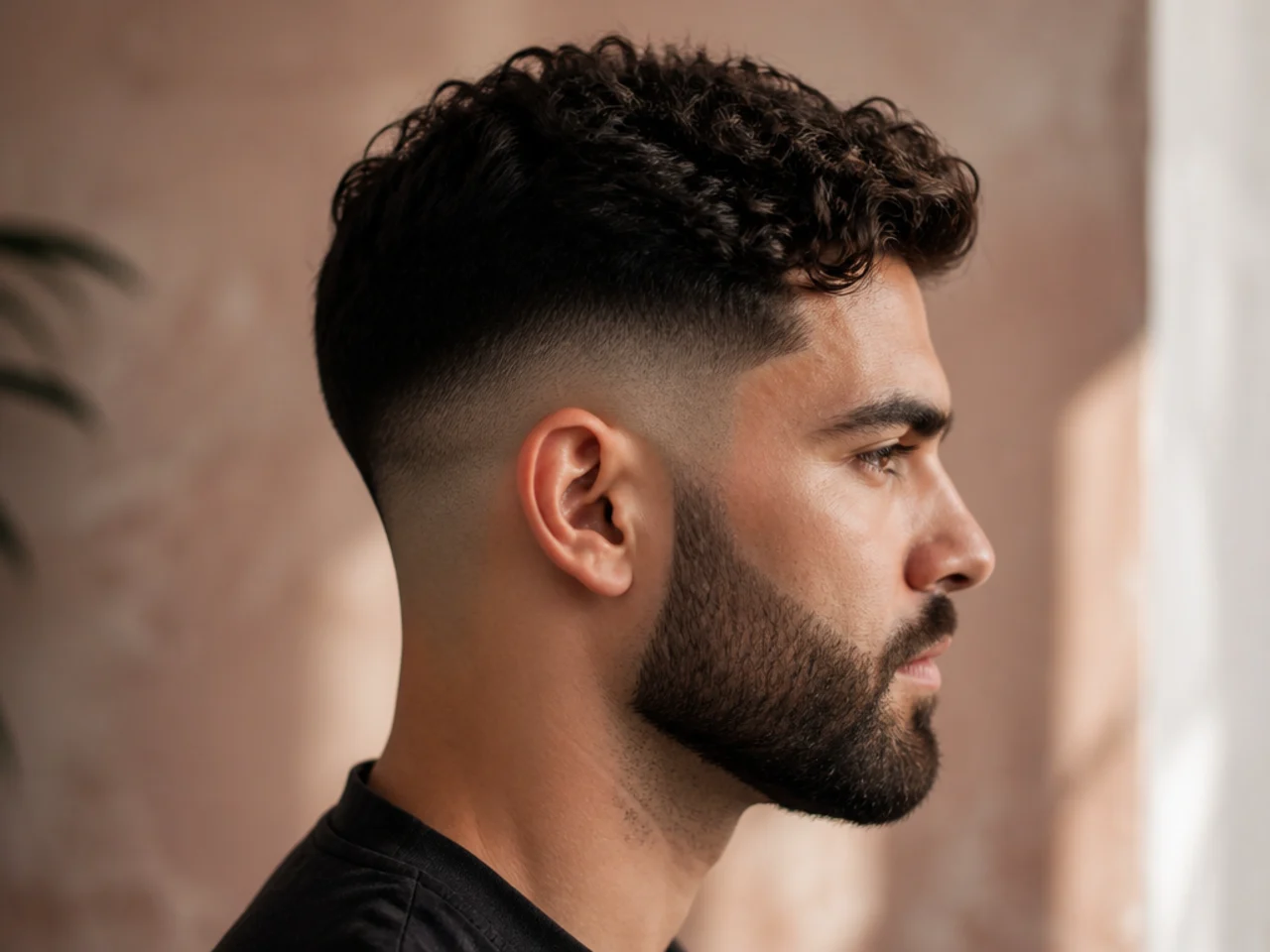
A low fade lives in two or three centimetres. From the temple down to the top of the ear, and no higher.
The beard's top edge is in the same band. The sideburn sits directly below and often overlaps it.
So a connection needs almost no distance. A centimetre of blending joins them completely.
And a disconnect has nowhere to go. Any gap will read as a missed pass rather than a decision.
How to Choose Yours
Plan to connect rather than separate. The geometry is on your side and fighting it produces the near-miss.
Match the fade's bottom guard to the beard's shortest guard. A #1 at 3mm on both sides makes the join invisible.
Choose skin only if the beard is faded too. Bare skin against dense hair in a two-centimetre band is a very hard step.
Ask for the sideburn to be left alone. It is the hinge between the two services and trimming it moves both.
The 20 Low Fade and Beard Pairings
1. Low Taper Connected Into a Full Beard
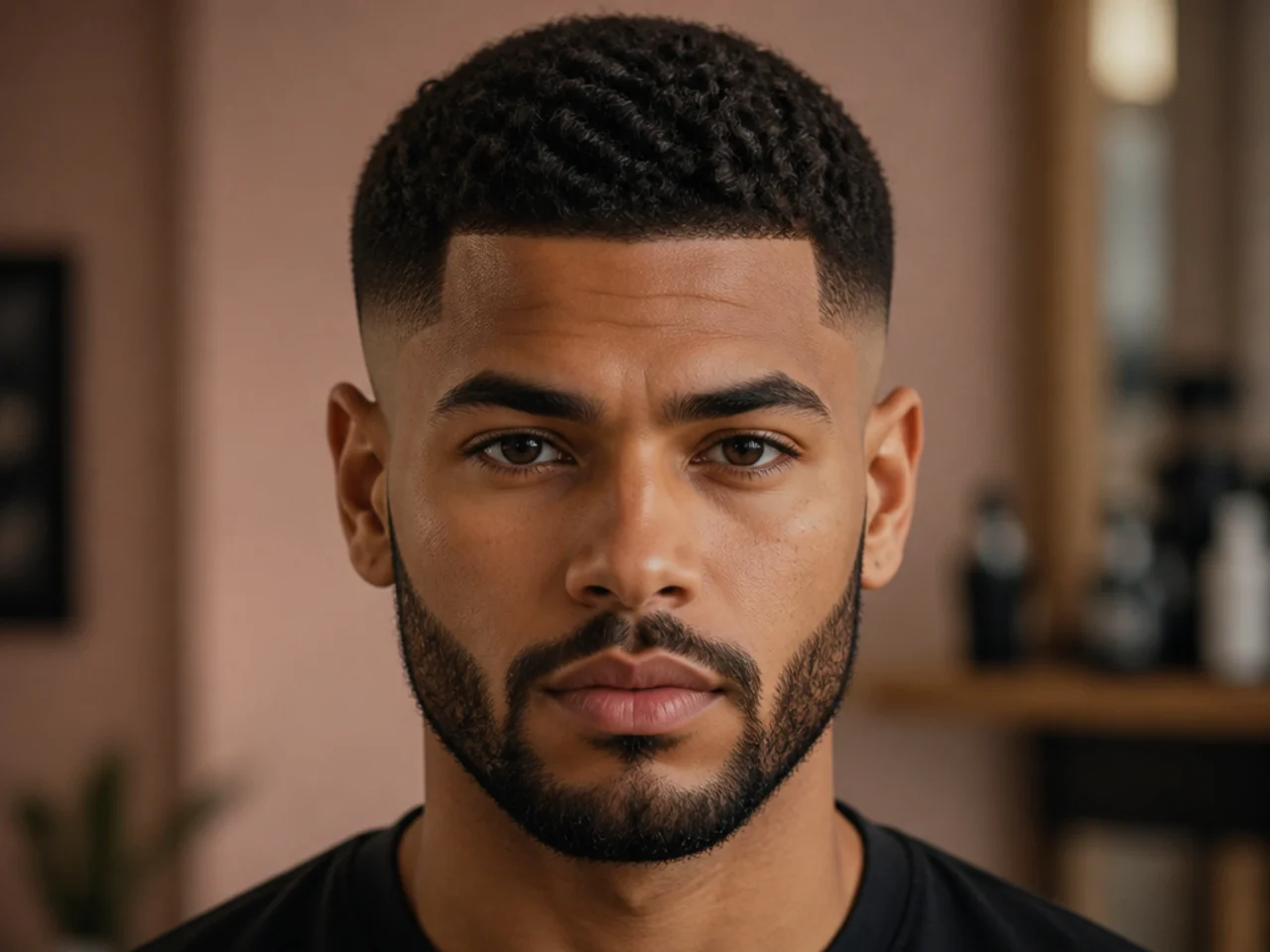
The default and the easiest version of this pairing, and the reason a low taper fade is the standard recommendation for bearded men. A #1 at 3mm floor meeting beard density directly, with only a centimetre of blending needed to make the two read as one gradient.
2. Low Skin Fade With a Faded Beard
Bare skin above and a beard graduated from short at the sideburn to full at the chin. Both sides fading toward each other is the only way a skin finish works in a band this narrow.
3. Low Fade With a Deliberate Disconnect
The hard version. It needs a wide shaved strip to read as intentional, and in two or three centimetres that strip takes up almost the whole band.
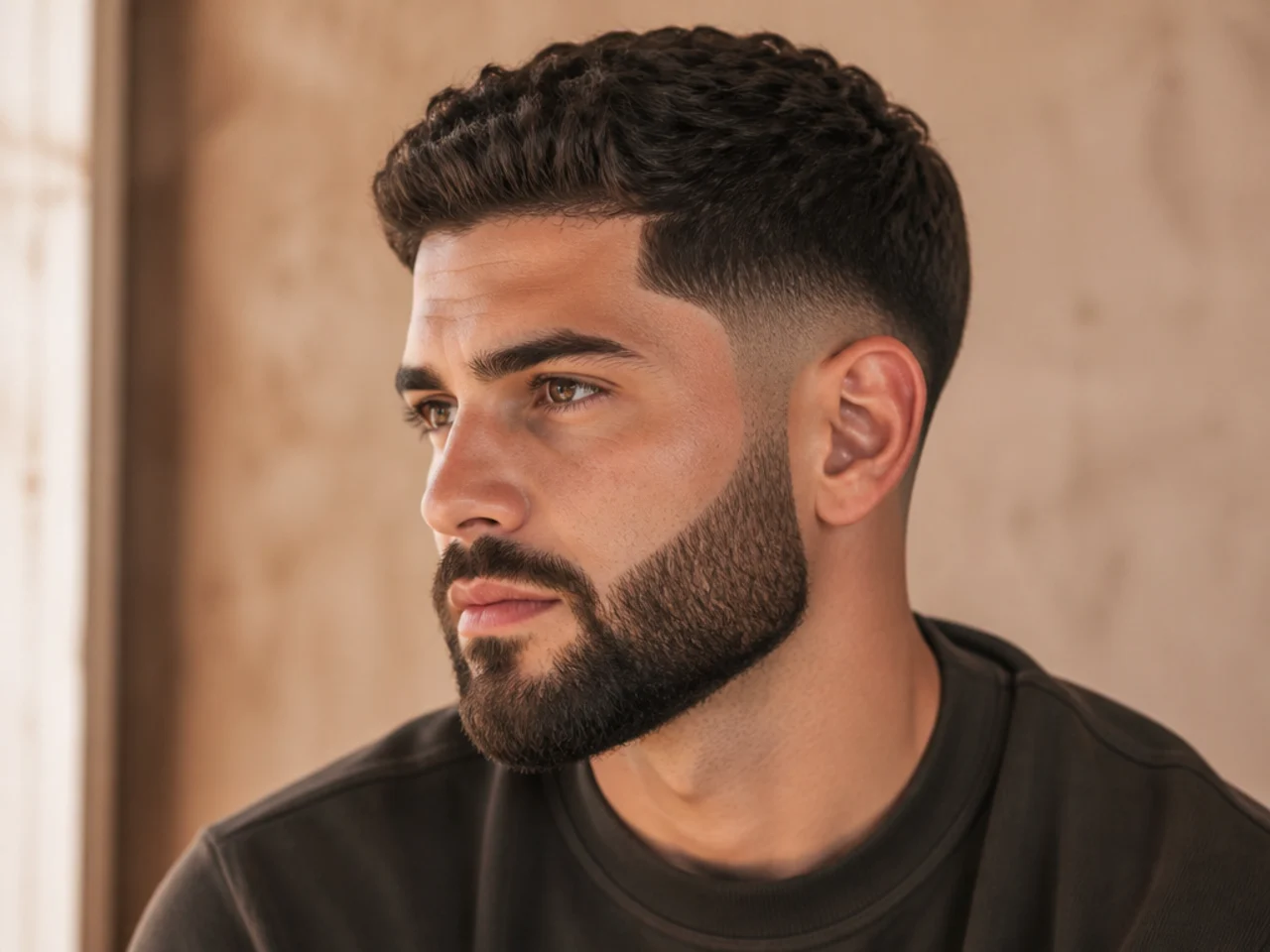
4. Low Fade With a Short Boxed Beard
The whole beard kept at a single length with hard, squared-off borders. Short density means a smaller step at the join, which suits a fade that has no room to gradate.
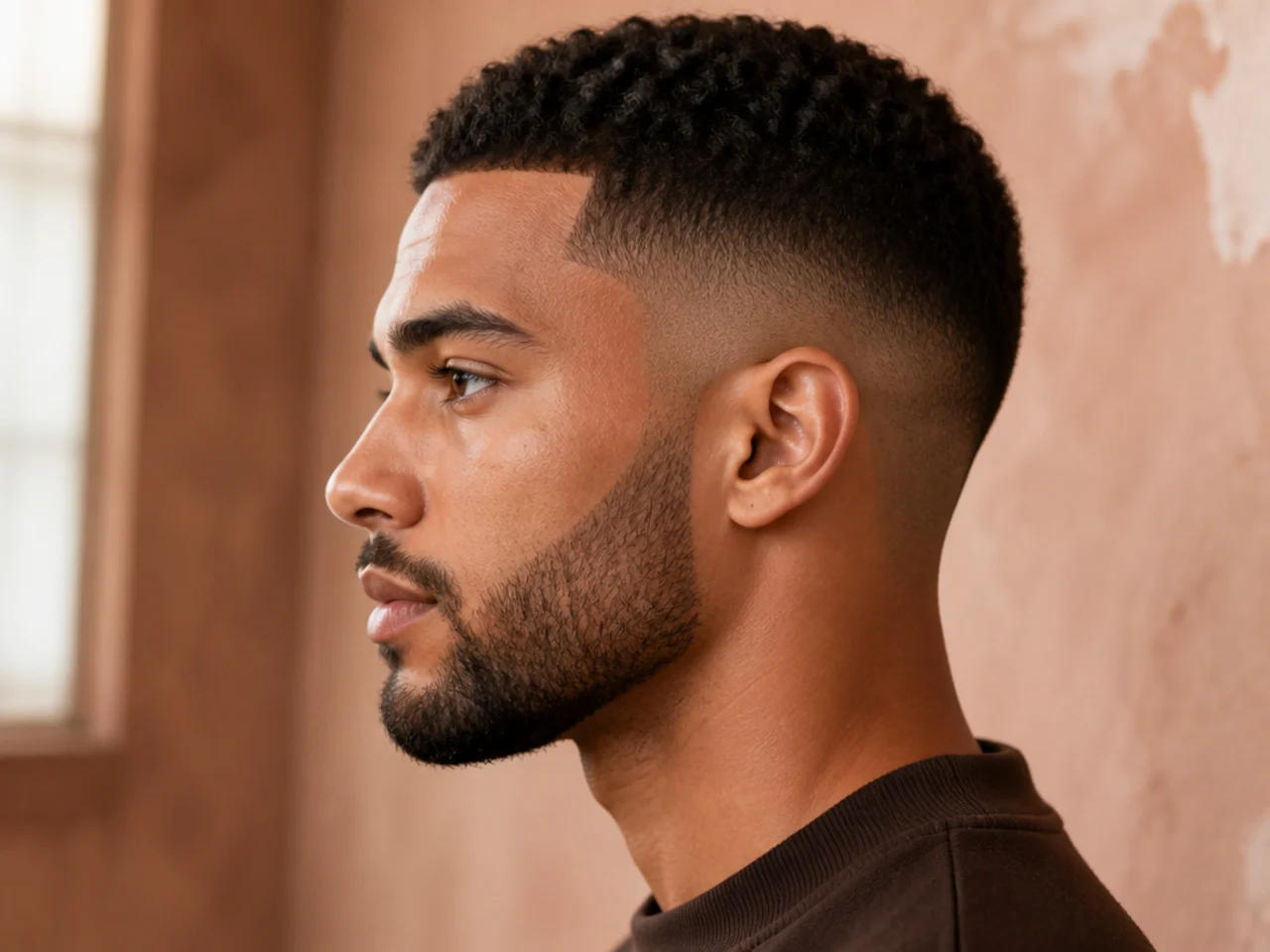
5. Low Fade With Heavy Stubble
Stubble is too short to blend into, but at this height the difference between a #1 and stubble is barely a millimetre. It is the most forgiving combination on the page.
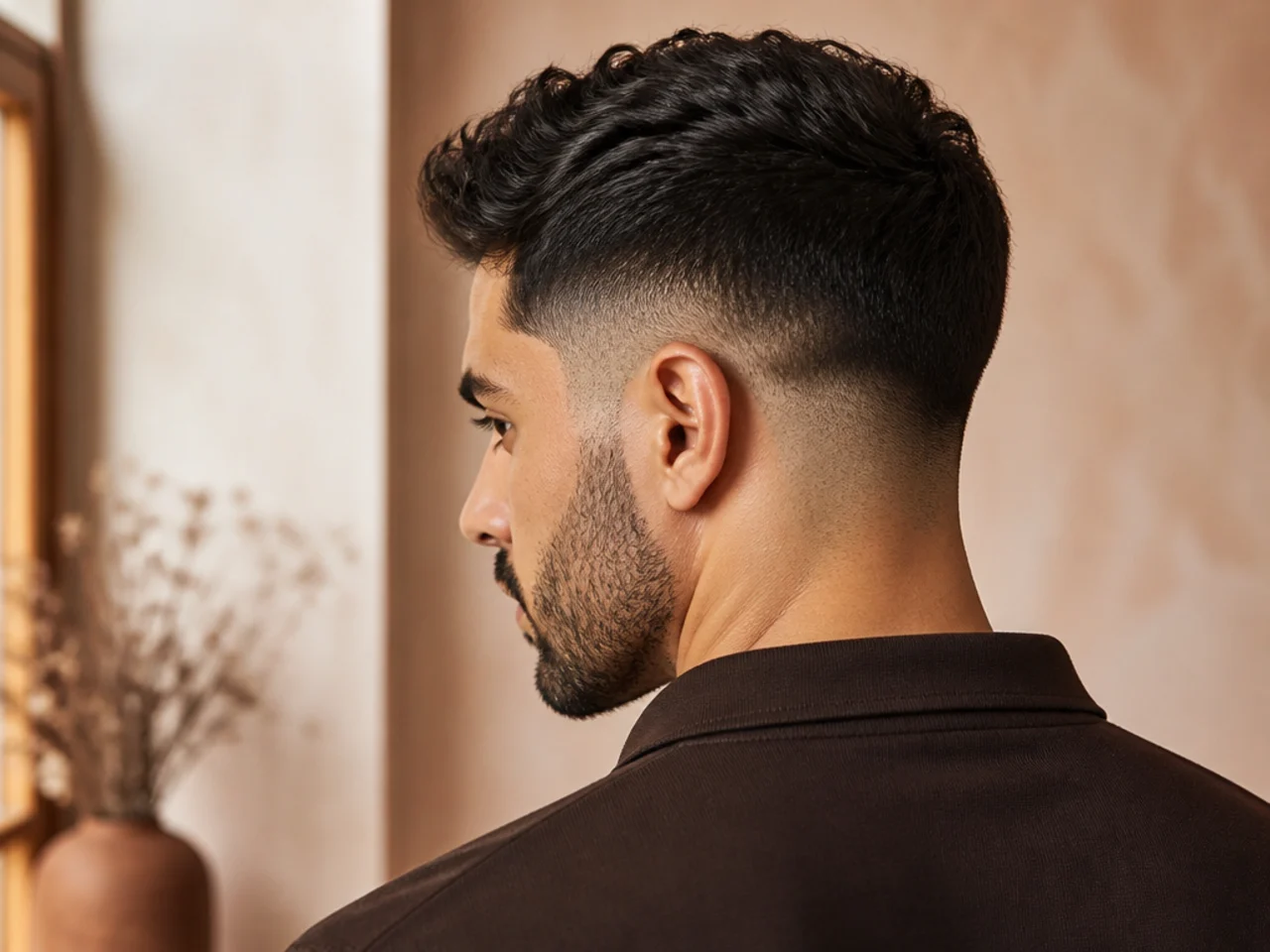
6. Low Fade on a Receding Hairline With a Beard
The strongest argument for this height. A low fade keeps the weight high at the temples instead of removing it, and the beard adds balance low on the face.
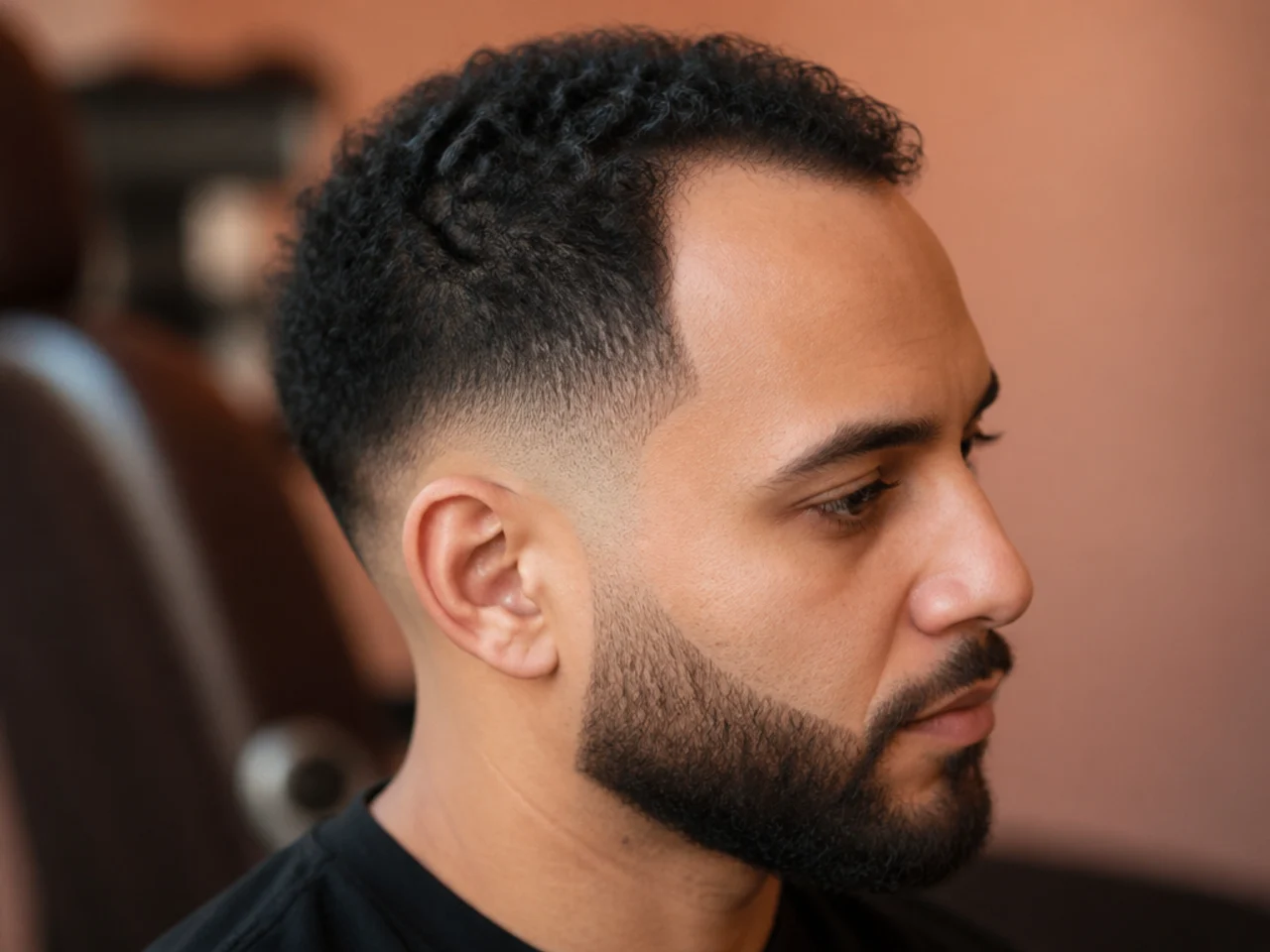
7. Low Fade With a Long Beard
Full length at the chin over a fade that removes almost nothing. The head keeps its width, which stops a big beard making everything above the jaw look small.
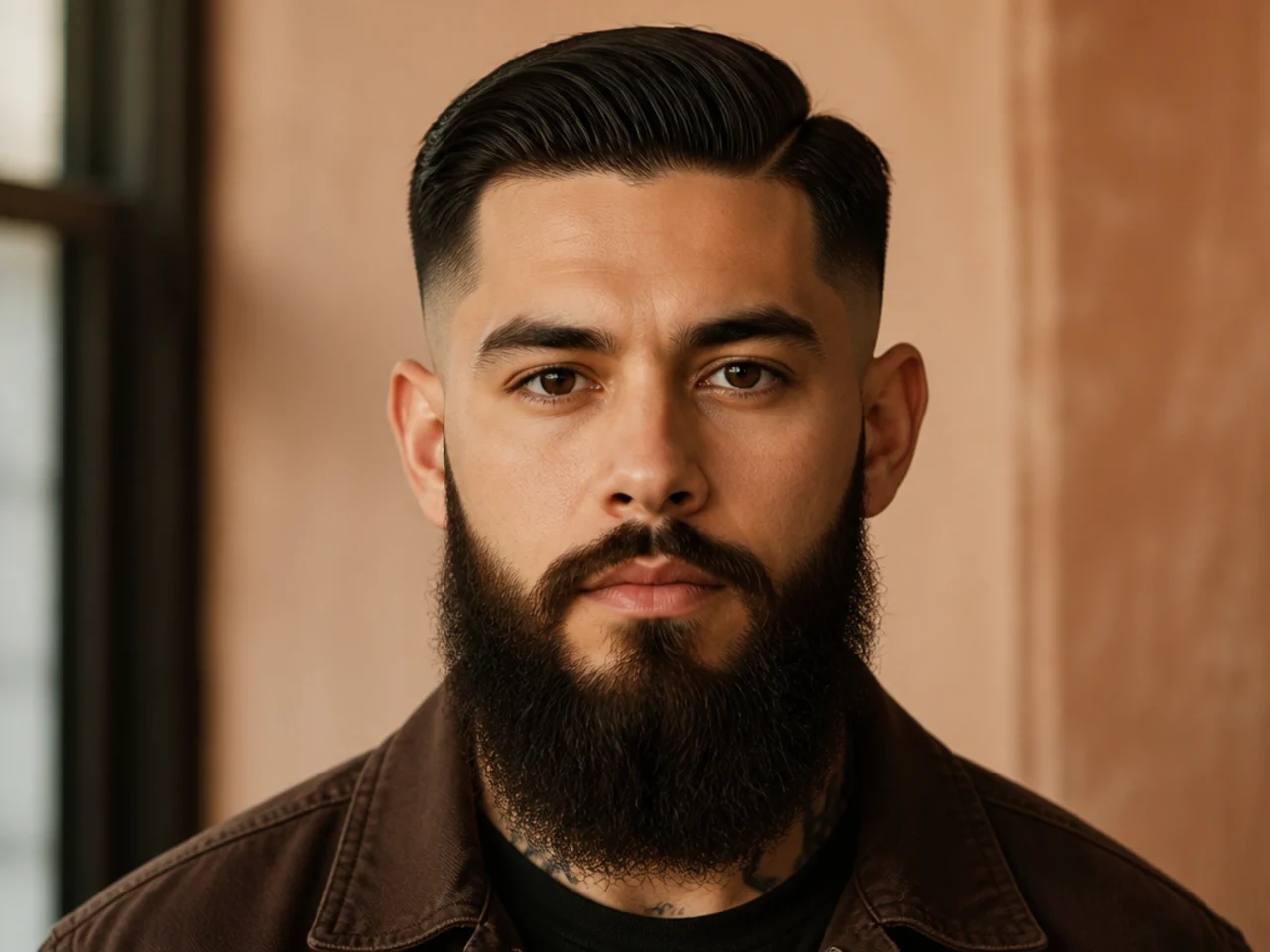
8. Low Fade With a Goatee
The sides bare, so the fade meets nothing at all. Whatever happens at the sideburn is purely a haircut decision here. It also removes the reason to match guards, so the fade can finish on skin with nothing below it to contrast against.
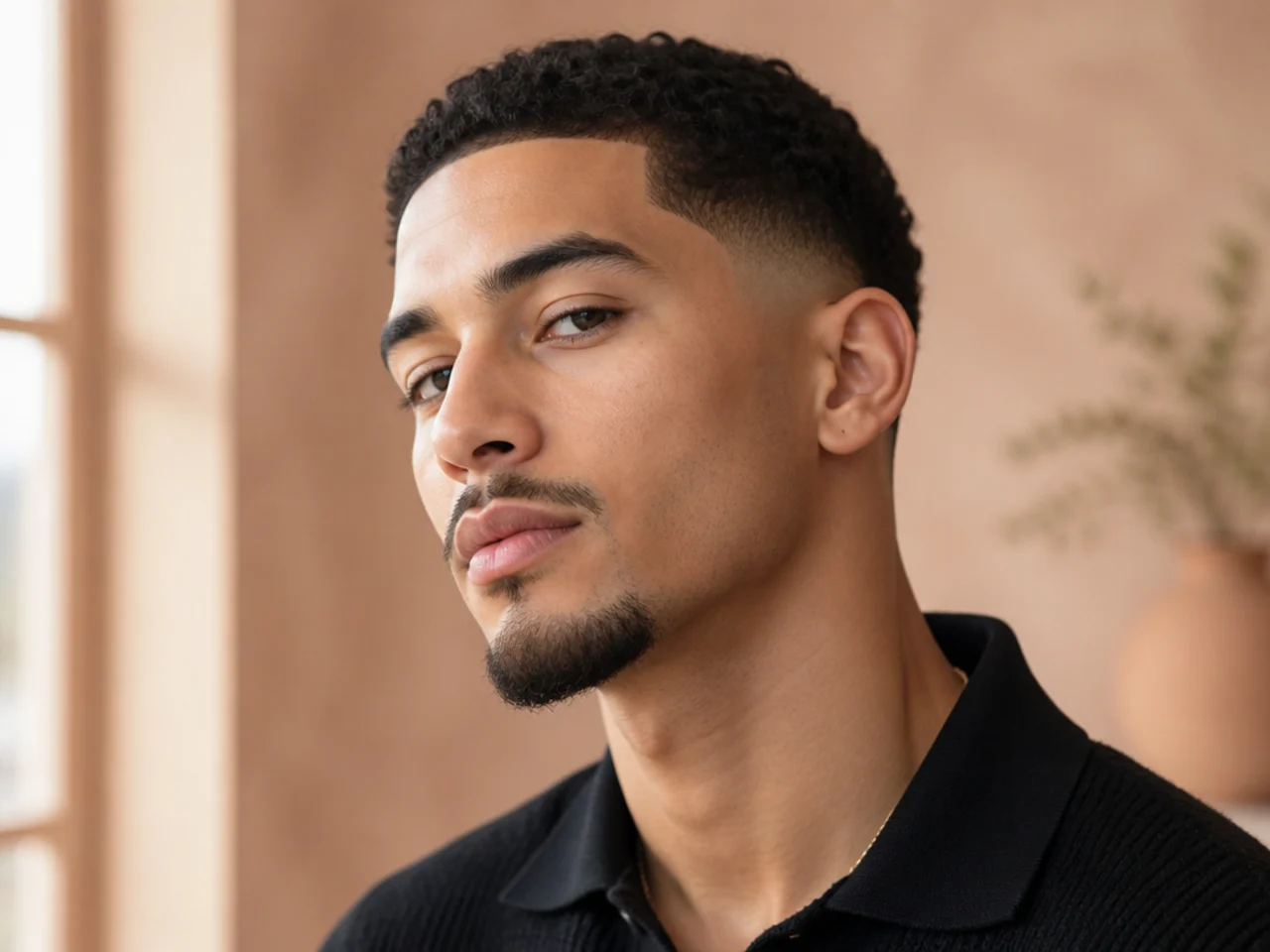
9. Low Fade With a Chin Strap
A hard beard line under a soft fade. The contrast in edge quality does the work, since the two lines are too close together to compete on position.
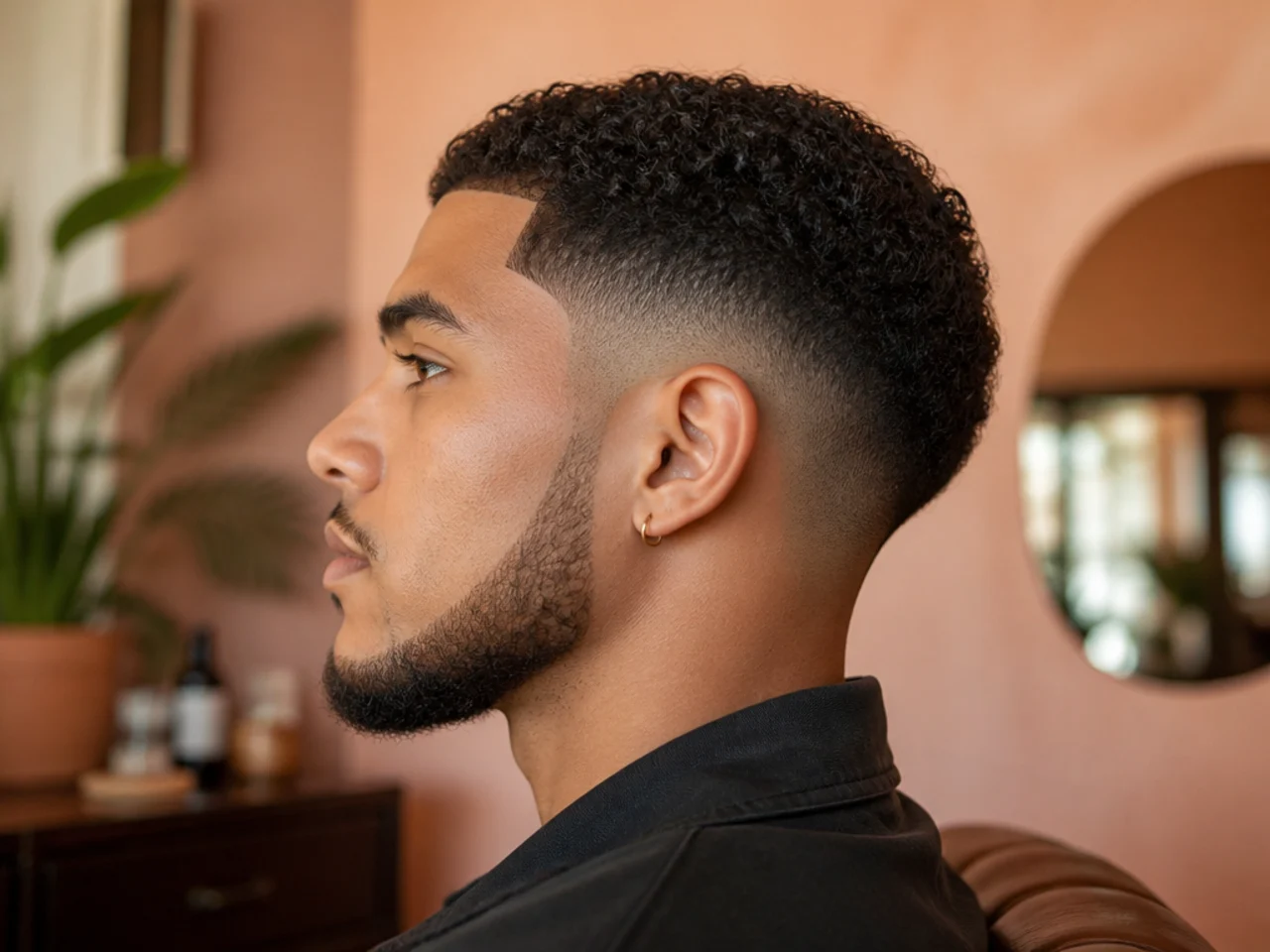
10. Low Fade With a Patchy Beard
A low fade keeps side weight, which sits above a thin sideburn and reduces the comparison. It is a genuinely useful choice for a beard that does not fill in.
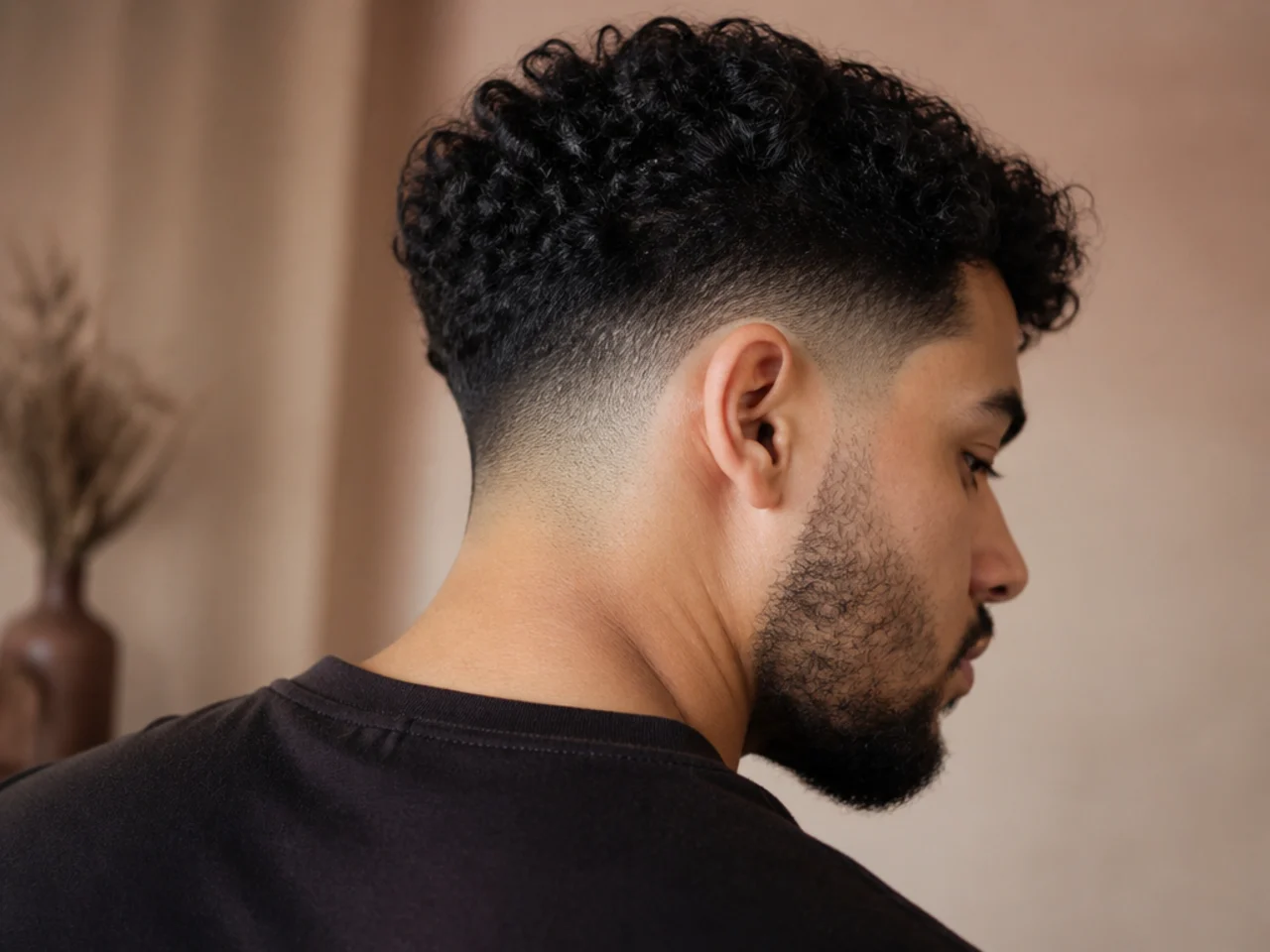
11. Low Fade Comb Over With a Beard
The sweep above, the weight at the temple intact, the beard below. The comb over has real hair to travel through because the fade took so little.
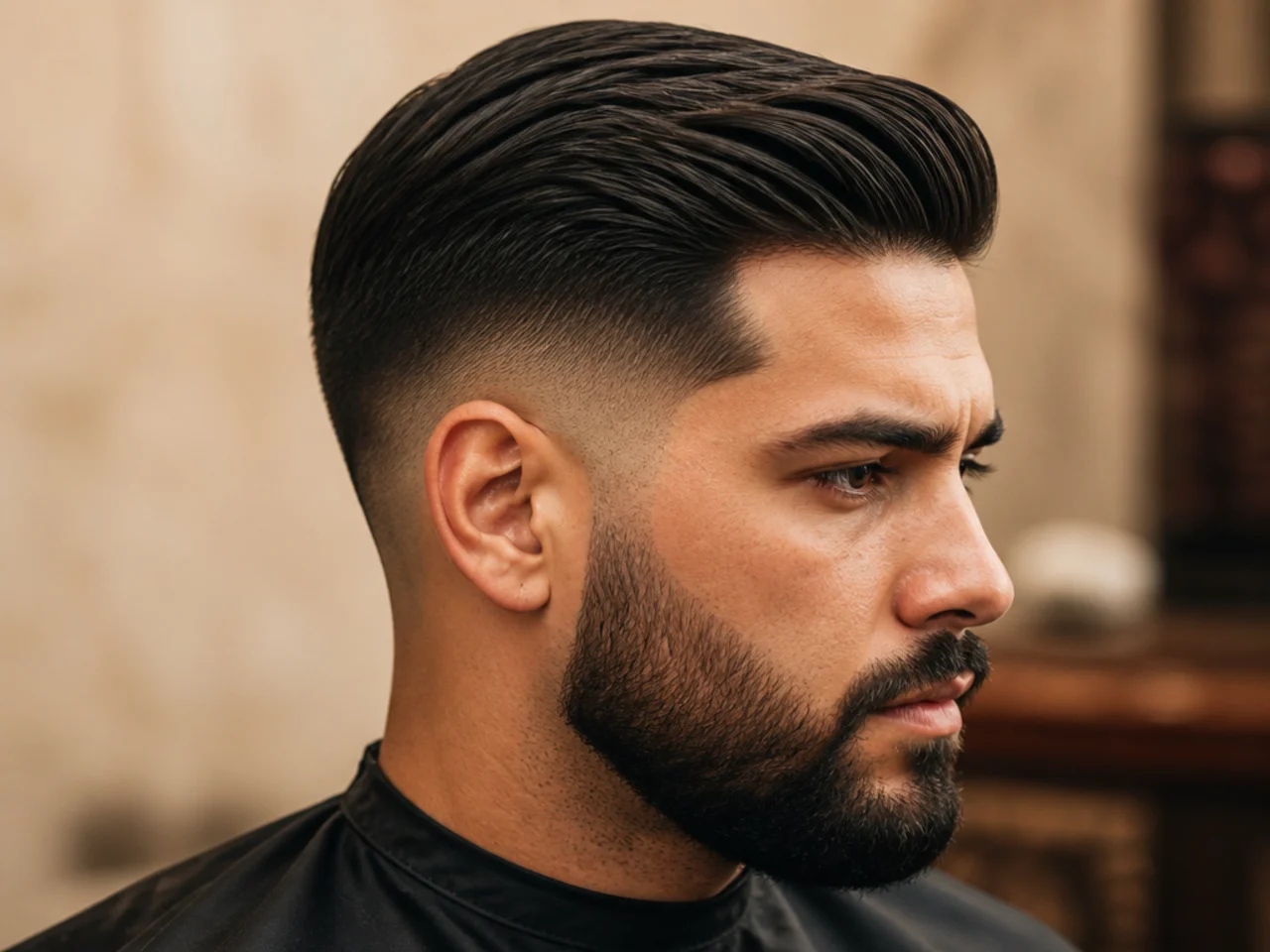
12. Low Fade Slick Back With a Beard
Everything combed away from the face. Even fully exposed, a low fade shows only two or three centimetres of gradient, which is why this version is forgiving.
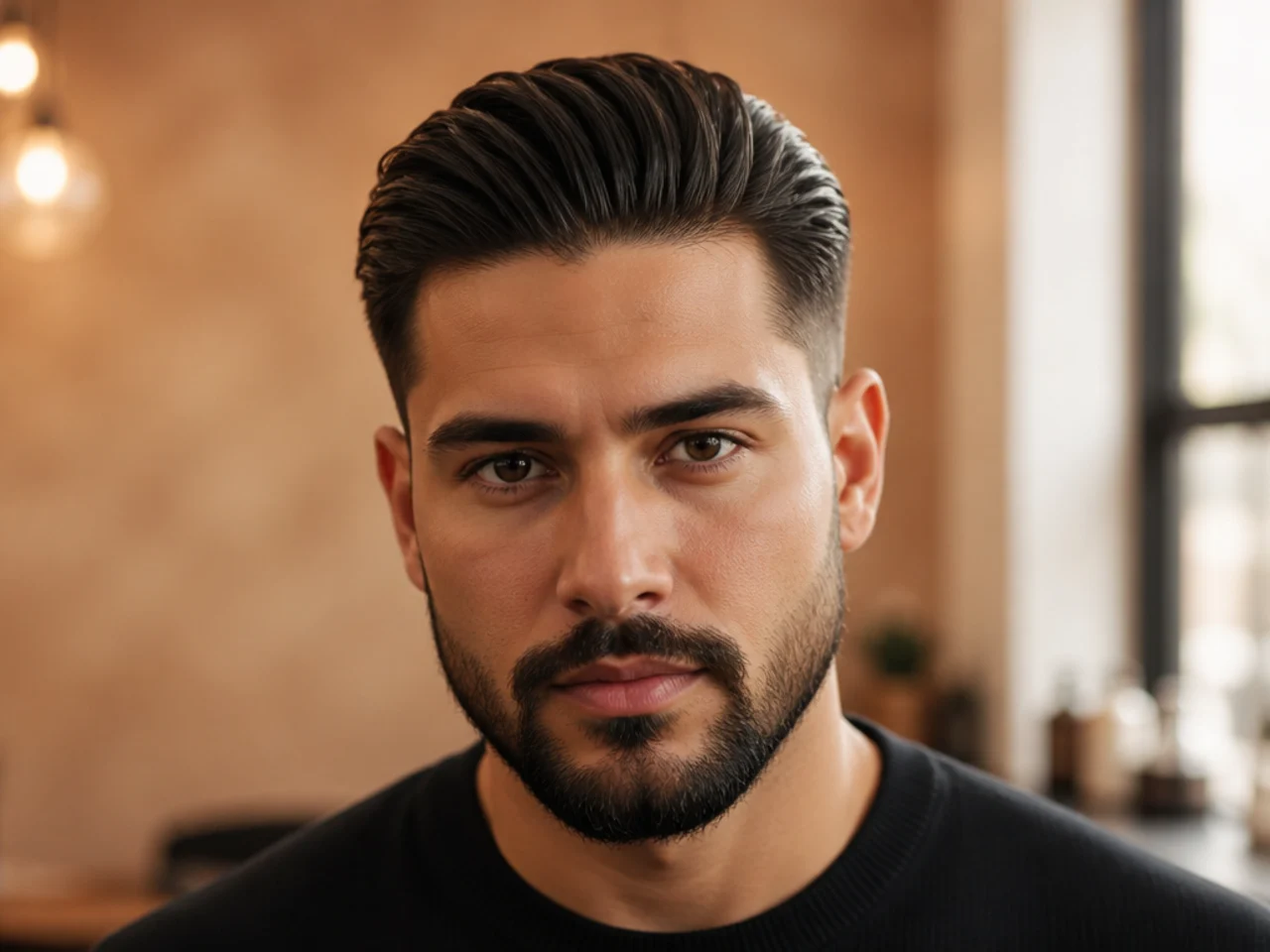
13. Low Fade Textured Crop With a Beard
Separated ends on top with the sides left heavy. The texture is the only thing removing visual weight, since the fade barely does.
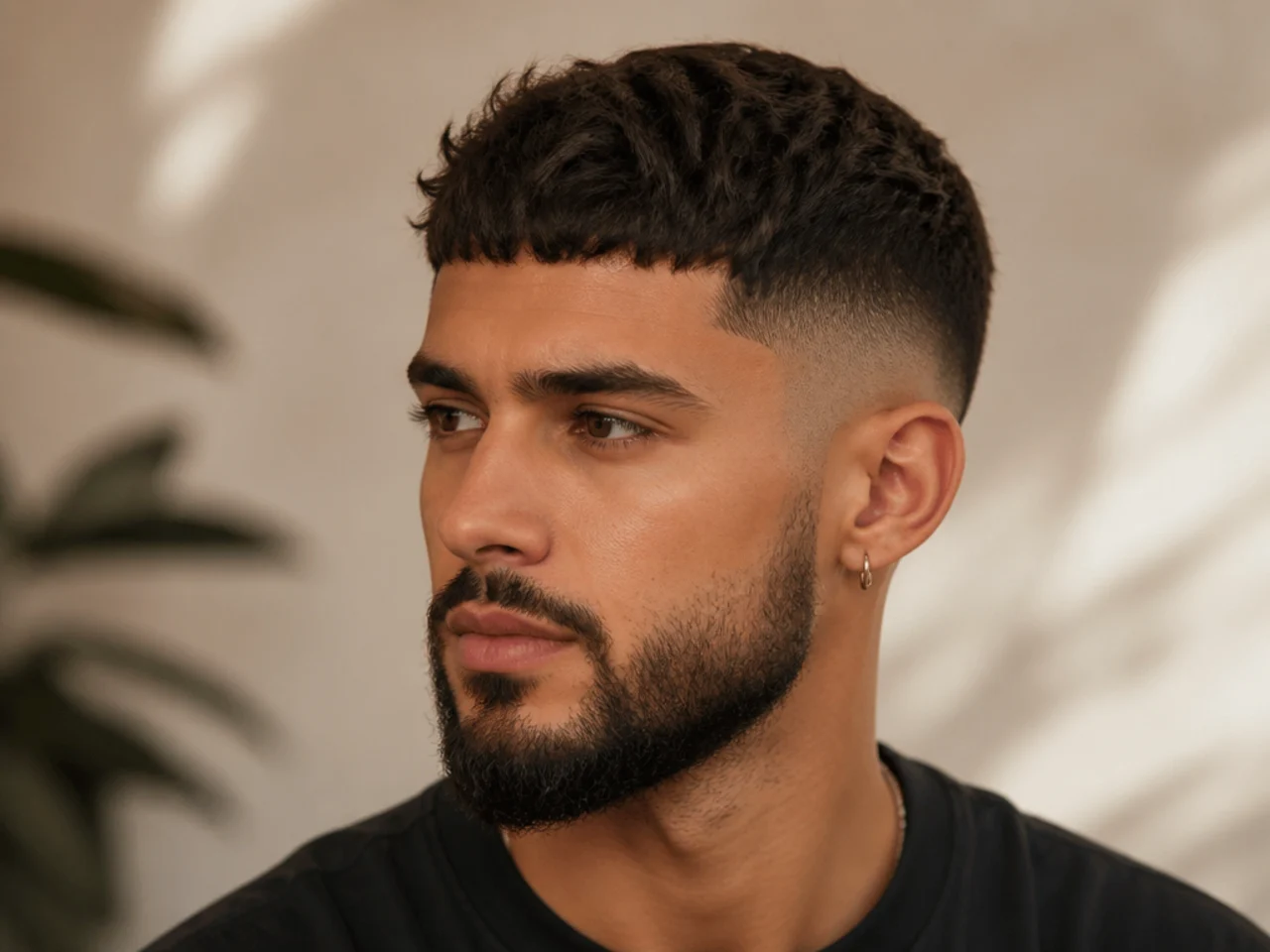
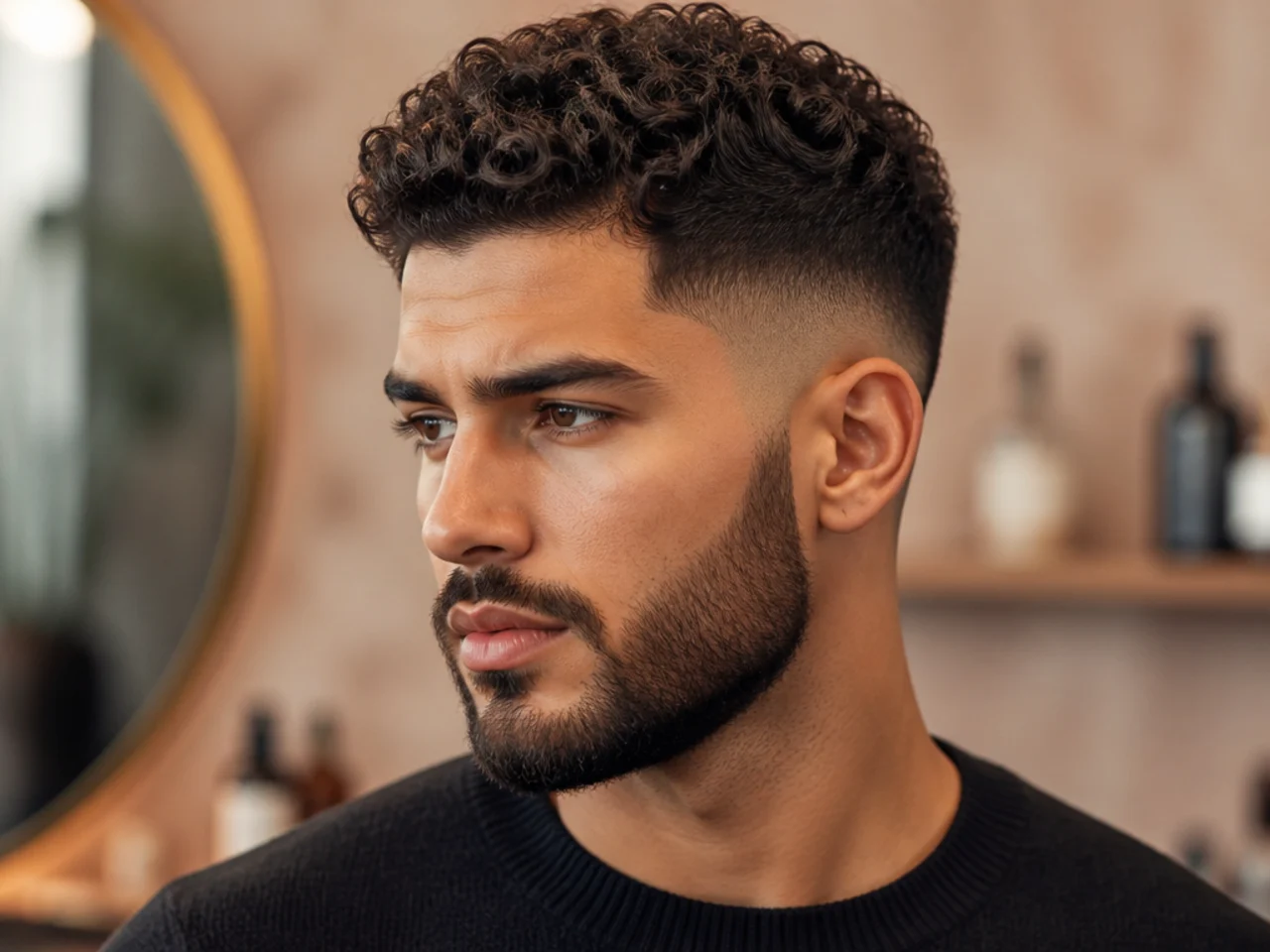
14. Low Fade on Curly Hair With a Beard
Curl above and beard below, with almost no bare skin between them. It is the least contrasty version of this pairing on any texture.
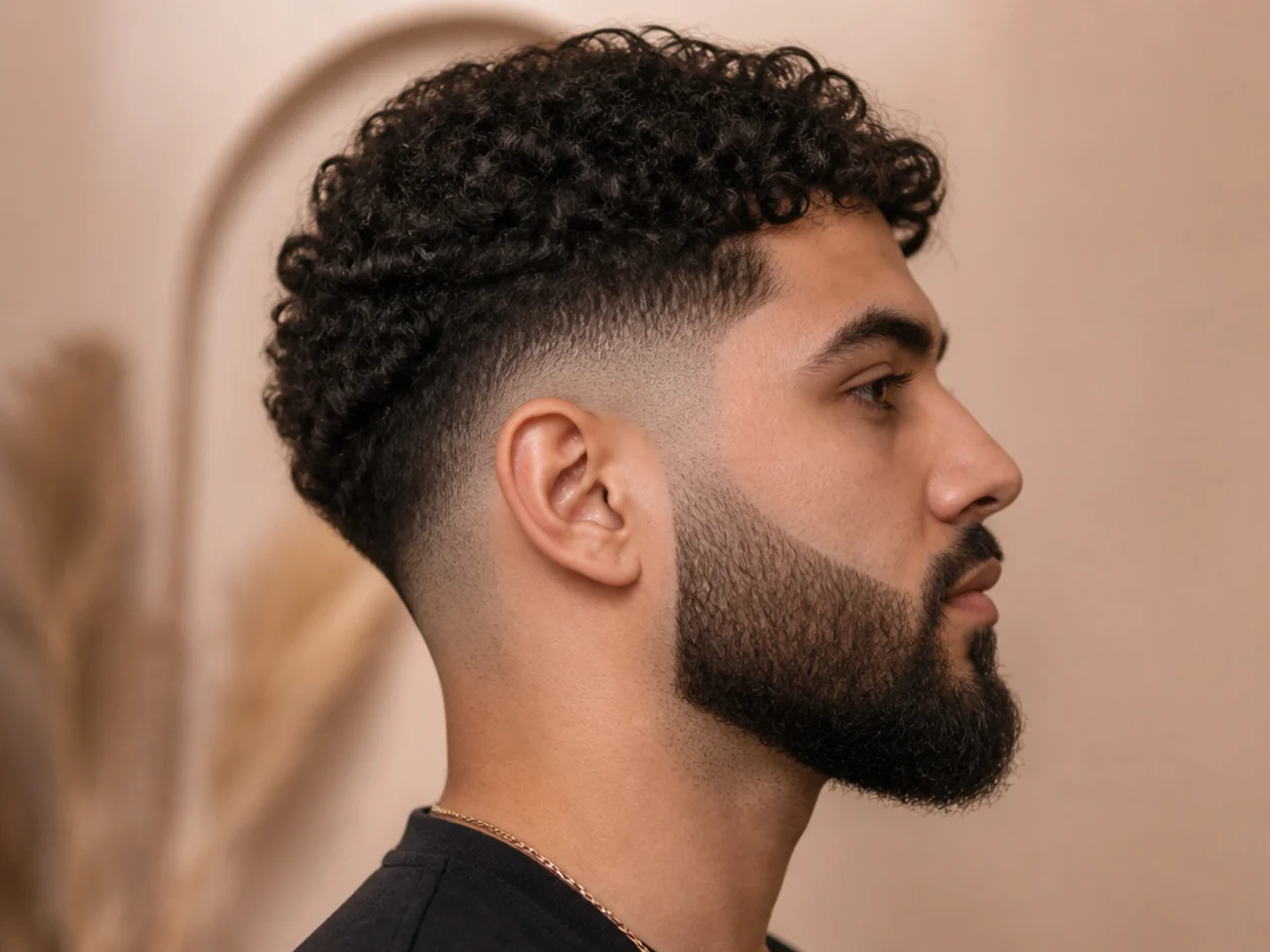
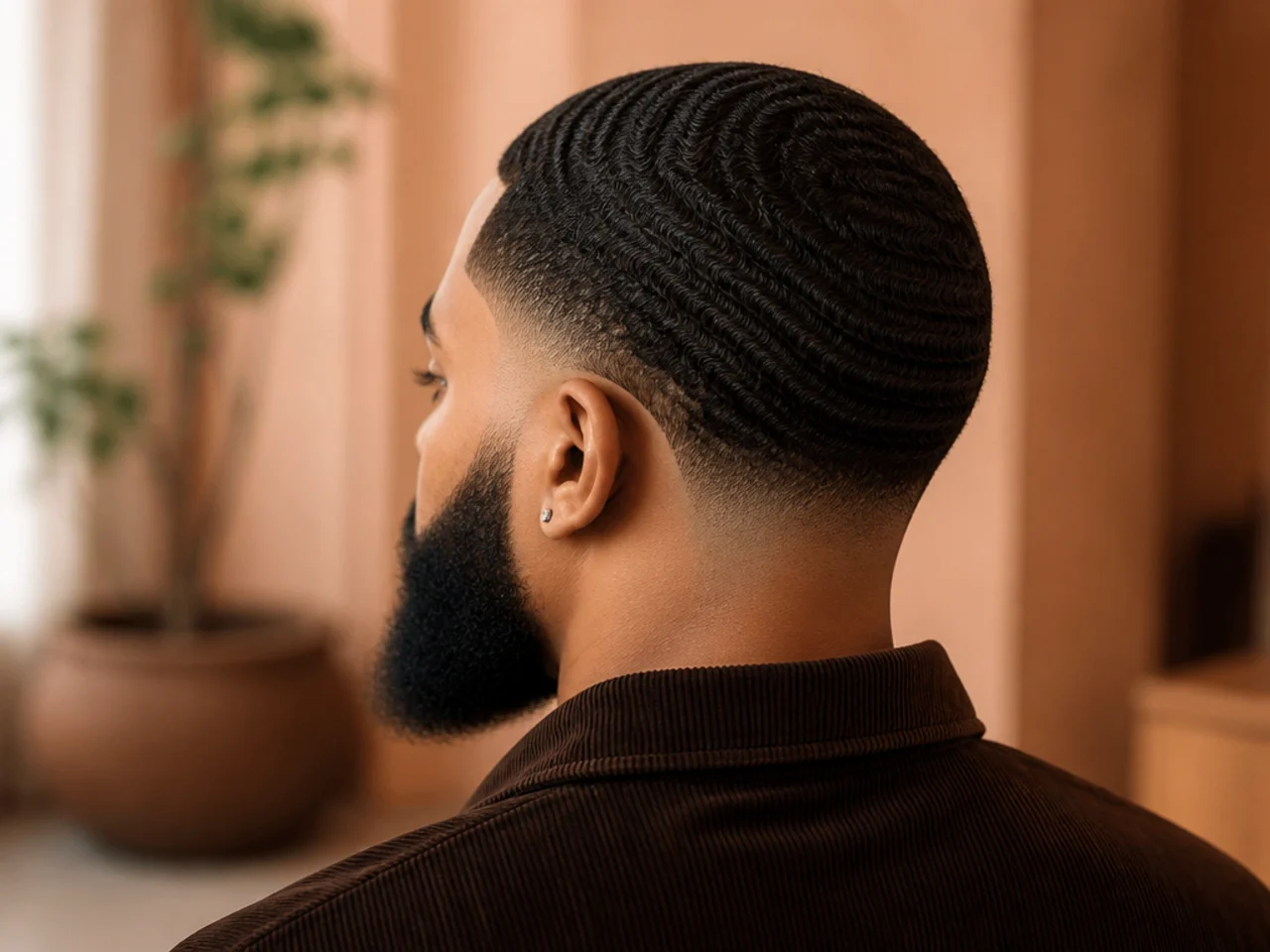
15. Low Fade With 360 Waves and a Beard
The wave field running all the way down to the fade, which starts just above the ear. It is the only fade height that leaves the side rows intact right down to the beard.
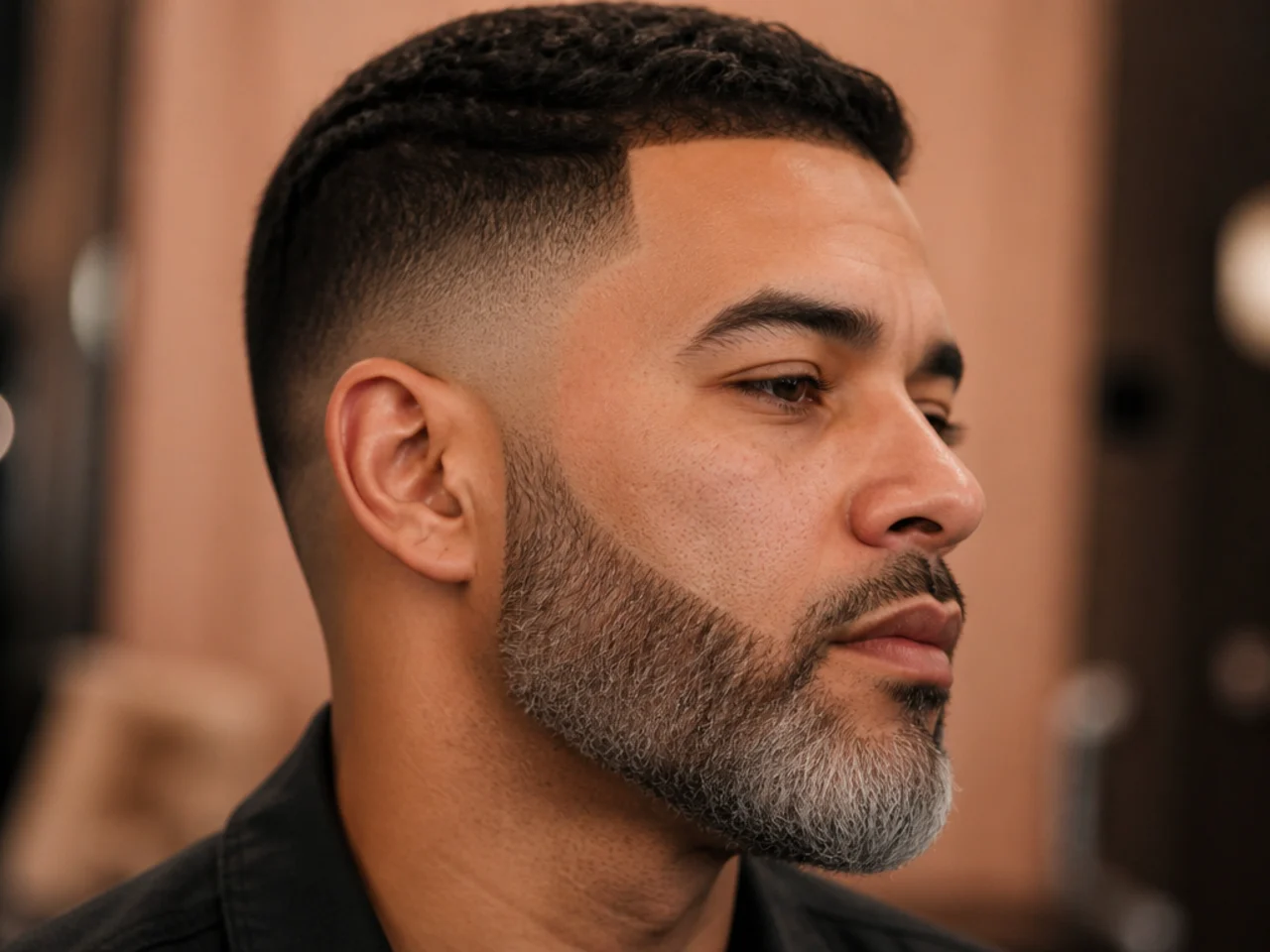
16. Low Fade With a Grey Beard
Grey beard hair reflects light differently, and a low fade puts hair rather than skin directly above it. That softens a difference a higher fade would exaggerate.
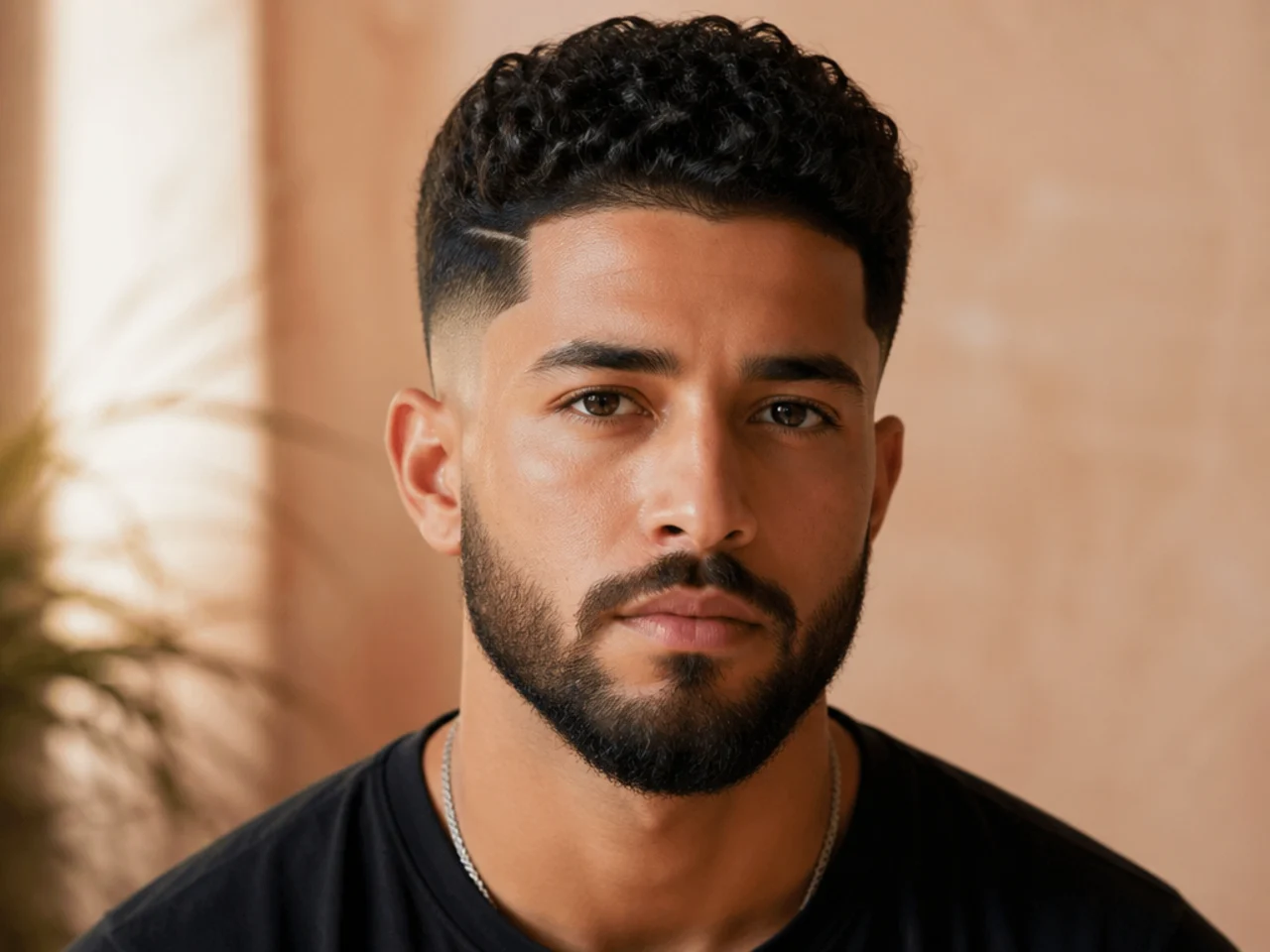
17. Low Drop Fade With a Beard
The line dropping behind the ear, the shape catalogued in low drop fade haircuts for black men. It adds a curve to the back while leaving the beard connection at the front exactly as it was.
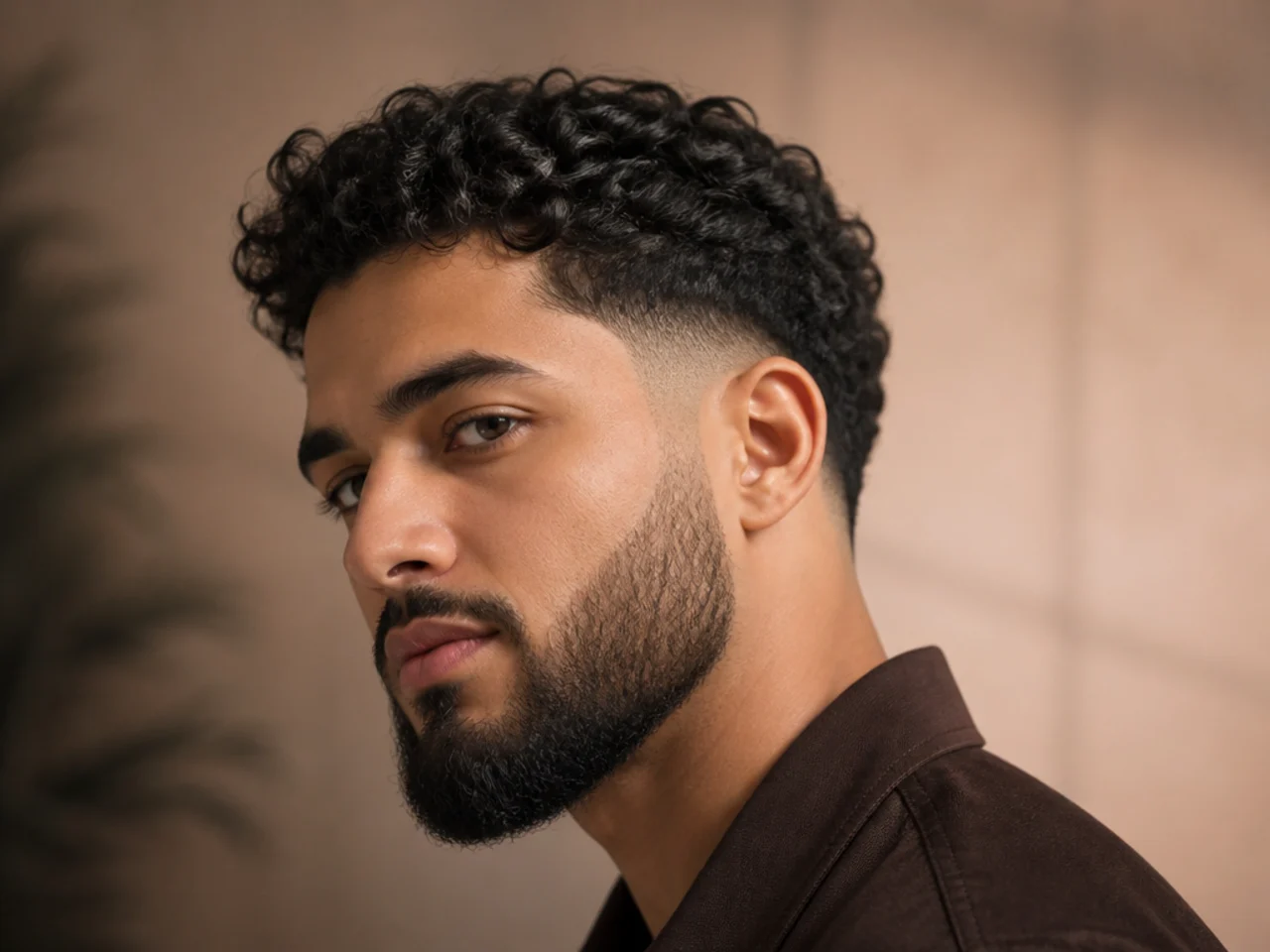
18. Low Burst Fade With a Beard
The fade curved into a half-circle round the ear instead of travelling level along the side, exactly as a low burst fade is cut. It crosses the sideburn at an angle, which is a different join from anything else on this page.
19. Low Fade and Beard, Week Two
The fade has softened and the beard has gained a couple of millimetres. Because they started so close together they age as one shape rather than drifting apart.
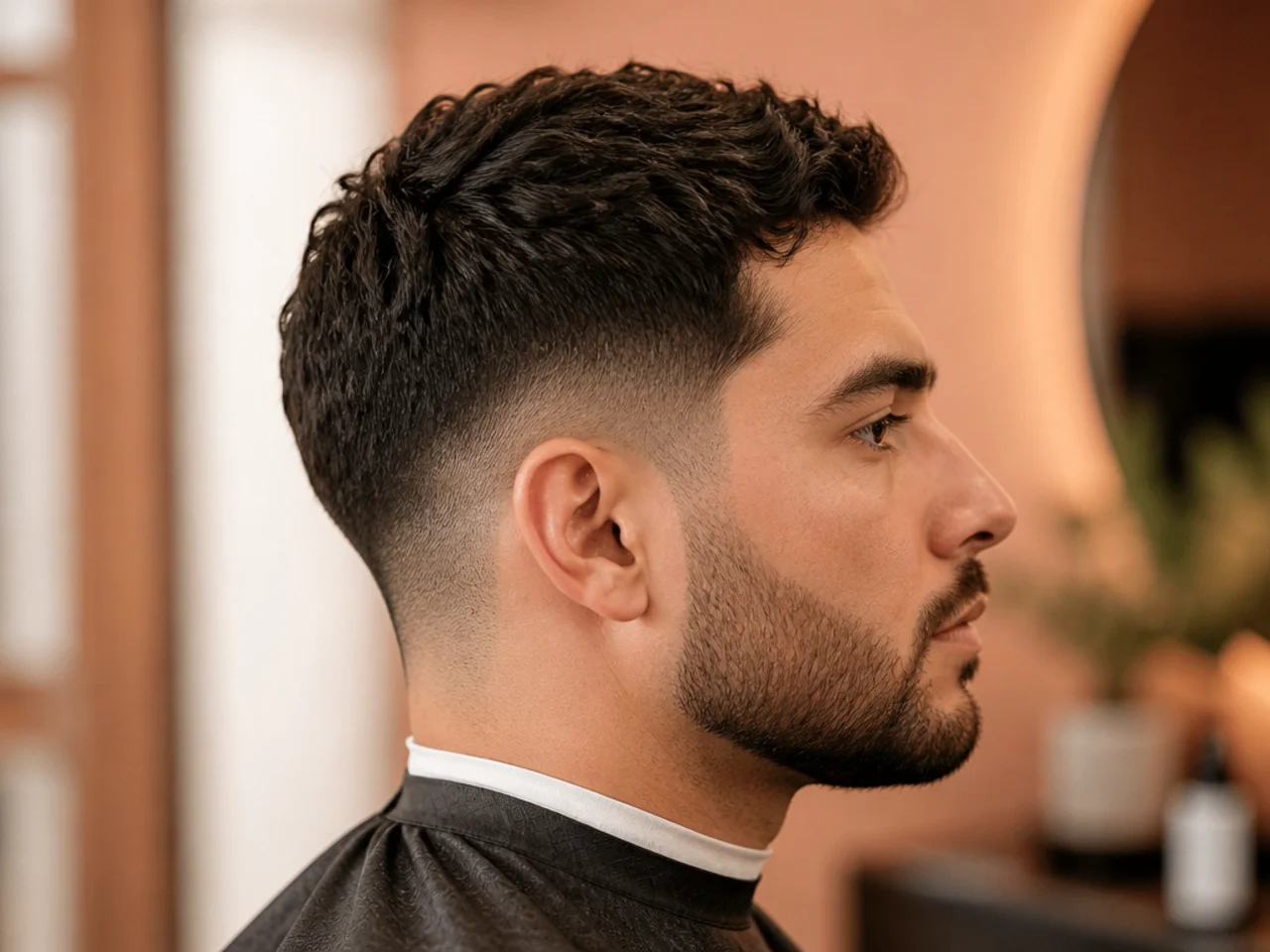
20. Low Fade and Beard, Week Five
Still readable, which no other fade height manages this late. The soft grow-out is the practical reason men who wear beards settle on low fades.
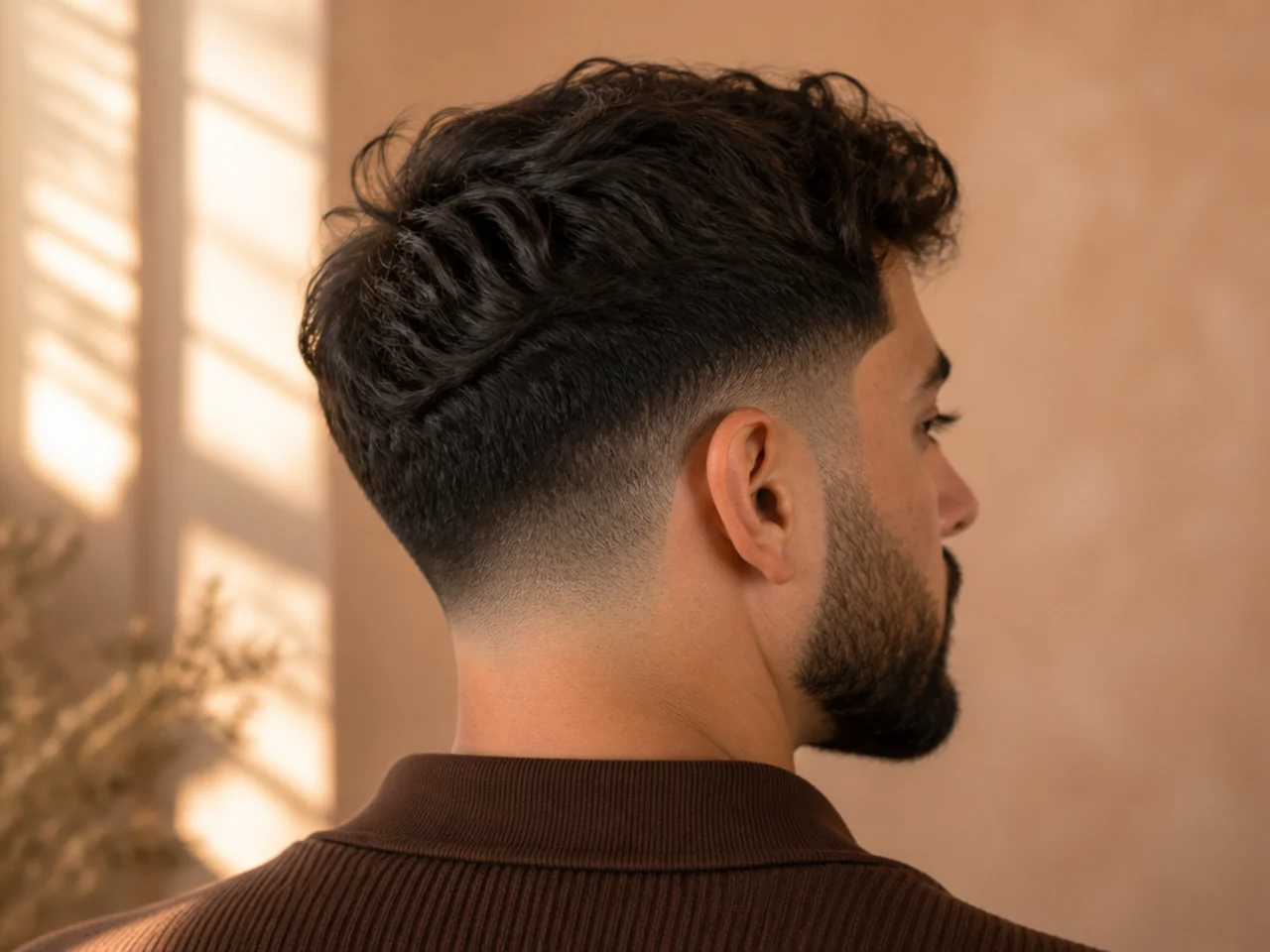
Styling and Upkeep
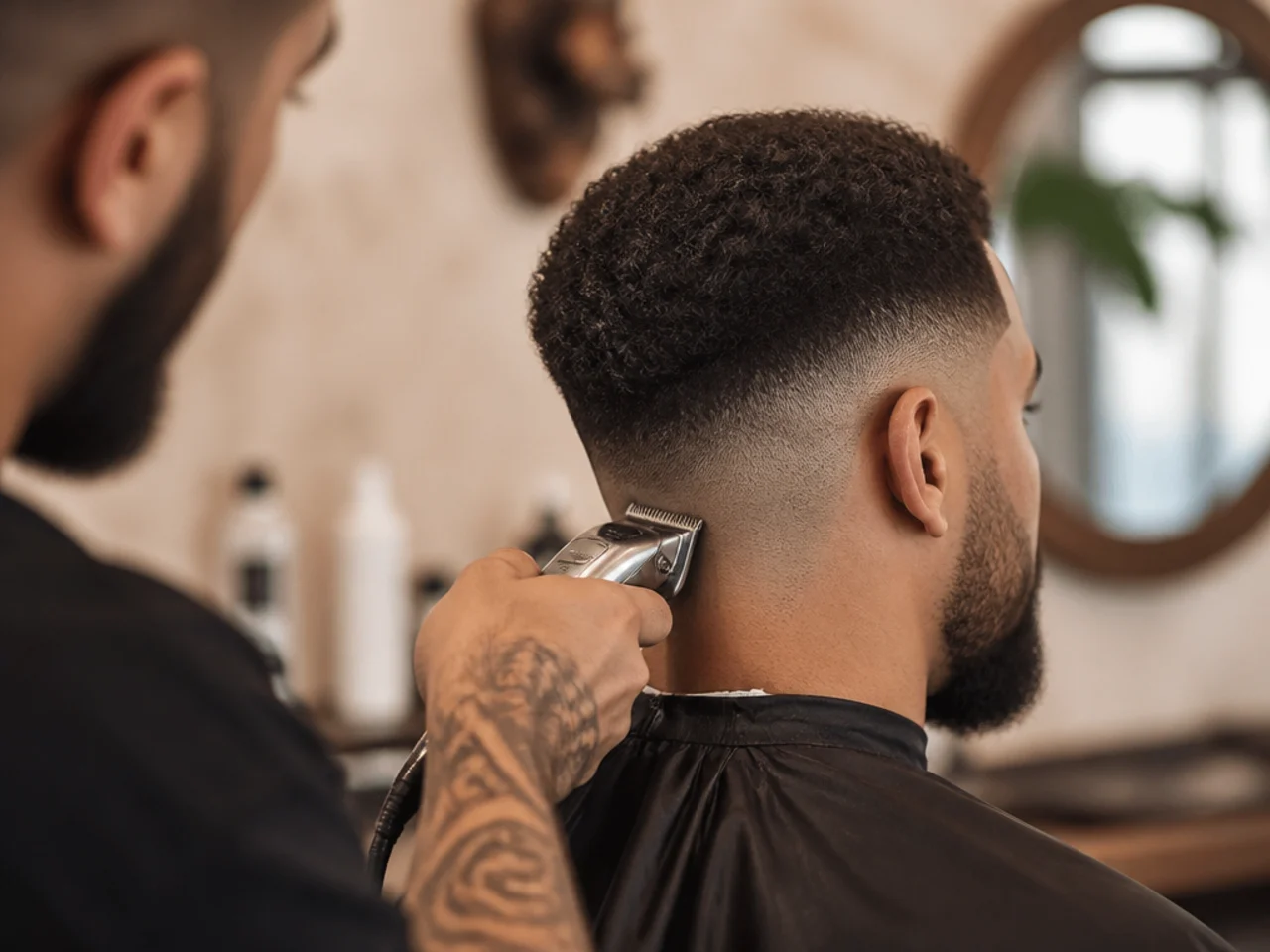
Trim both on the same visit. They live in the same band and moving one moves the join.
Leave the sideburn alone in between. It is the hinge, and shortening it drags the fade downward.
Rebook by finish. Both services sit inside the same two centimetres, so the finish sets a single joint appointment: one to two weeks on a low skin fade, three to four on a low taper.
Comb the beard before judging the blend. Uncombed beard hair falls over the join and hides a step.
Keep product above the fade line. Inside a band two or three centimetres deep there is nothing long enough for a clay to grip on to.
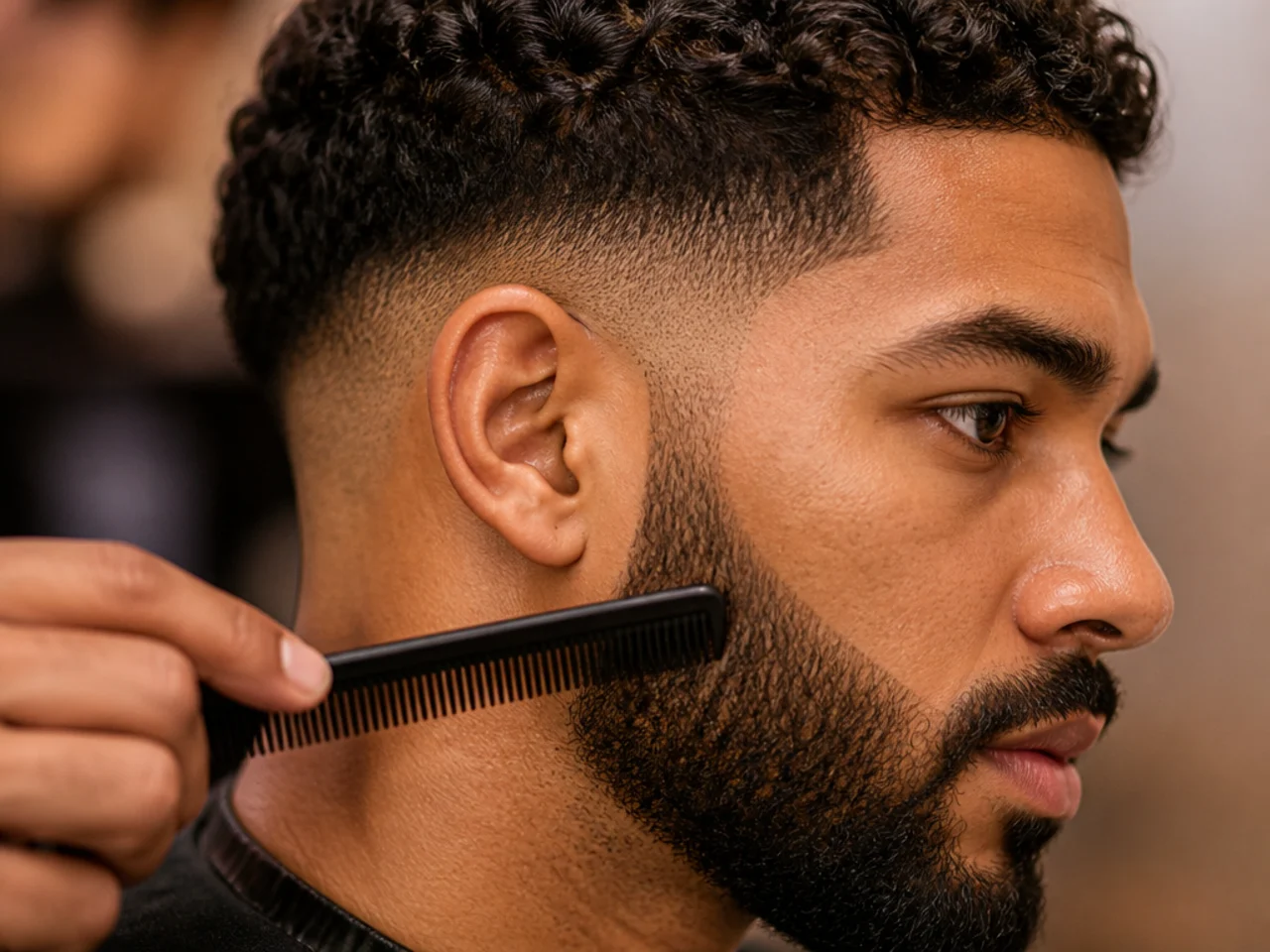
Mistakes to Avoid
Trying to disconnect at this height. There is not enough vertical room for a gap to look deliberate.
Taking the fade to skin under a dense unfaded beard. In a two-centimetre band that is a step, not a gradient.
Trimming the beard alone in week two. It moves the bottom line while the top one stays put.
Choosing a higher fade to look sharper with a beard. It moves the two lines apart and creates the near-miss.
Judging the join in a front-facing mirror. It sits at the side of the head where the front view hides it.
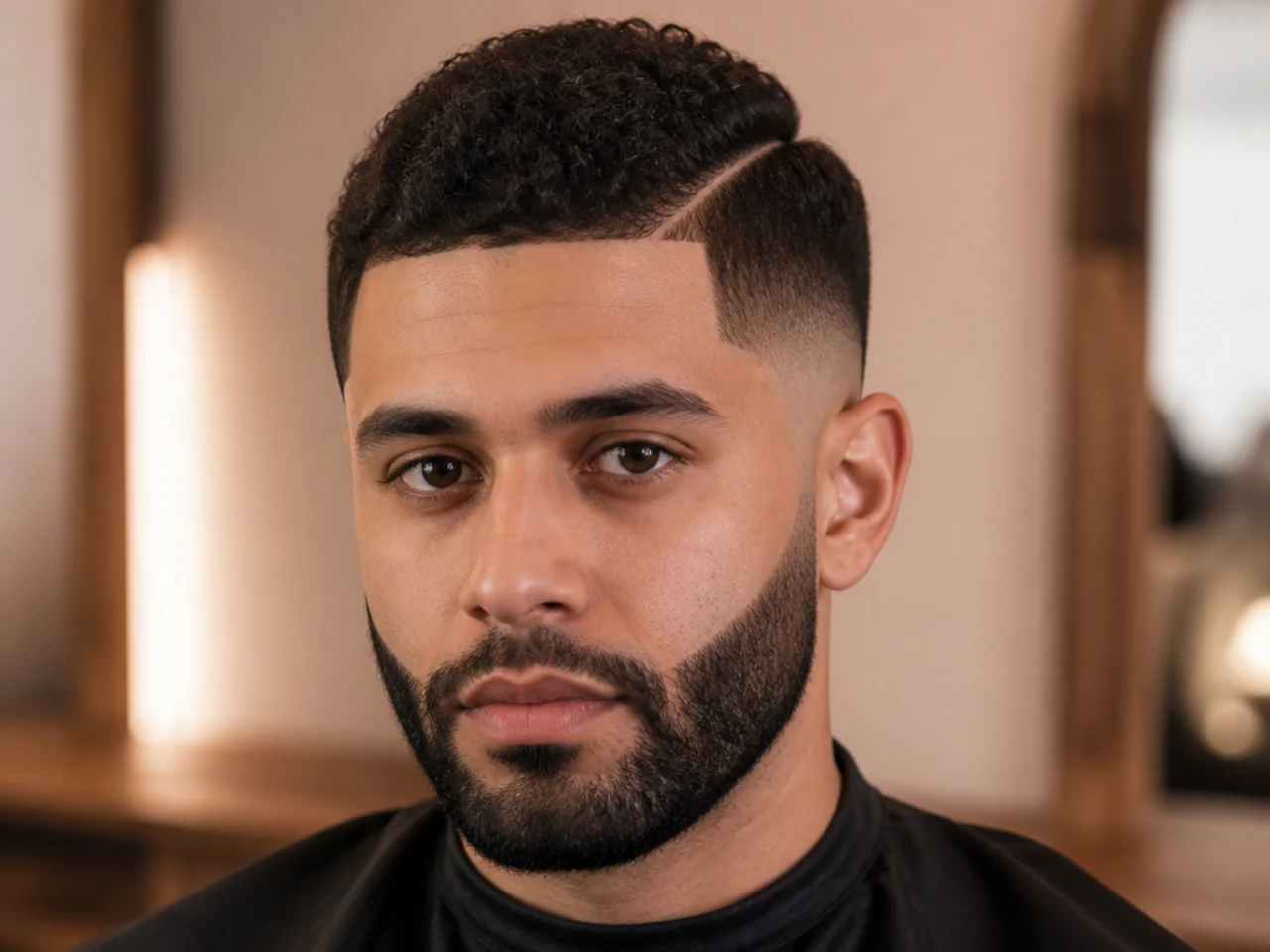
FAQ
Is a low fade easy to connect to a beard? The easiest of any height, because they share the same band.
Can you disconnect it? Not convincingly, there is no room for a deliberate gap.
Does it suit a receding hairline? Yes, because it keeps weight high at the temples.
Final Thoughts
Work with the geometry instead of against it. A low fade and a beard already occupy the same two or three centimetres, so ask for them connected and matched at the guard rather than separated. The reason so many low fade and beard pairings fail is that somebody tried to force a gap into a space that does not have one.
For the same join at a taller height see mid fade haircut with a beard, and for the consultation itself see 5 steps to ask for a low fade. More in Fade Haircuts.