20 Steps to a Men's Short Hair Routine
A short cut is not one look, it is four, and it changes on you every week whether you style it or not. The routine that suits week one is the same routine that makes week three look like a mistake.
In this article · 27
- The Same Cut Is Four Different Cuts
- Choosing Your Cycle Length
- The 20 Steps, Week by Week
- 1. Week One — Photograph the Back and Sides on Day Two
- 2. Week One — Write the Guard Numbers Down
- 3. Week One — Skip Product Entirely and Learn the Shape
- 4. Week One — Protect the Lines Rather Than Restyle Them
- 5. Week One — Change Nothing Yet, Even If It Feels Too Short
- 6. Week Two — The Neckline Goes First
- 7. Week Two — A Skin Fade Has Already Lost Its Edge
- 8. Week Two — Move Up One Step in Product Weight
- 9. Week Two — The Crown Starts to Lift
- 10. Week Two — The Mid-Cycle Decision if You Wear a Fade
- 11. Week Three — The Top Has Gained a Centimetre
- 12. Week Three — Restyle Forward or Back, Not the Old Way
- 13. Week Three — The Sides Now Hold a Part
- 14. Week Three — This Is the Week to Book, Not to Cut
- 15. Week Three — A Taper Still Reads Intentional, a Fade Does Not
- 16. Week Four — Wear the Cut It Has Become
- 17. Week Four — Change the Wash Cadence, Not the Haircut
- 18. Week Four — Tell the Barber How It Aged
- 19. Week Four — Repeat the Guards or Move One Number
- 20. Week Four — Set the Honest Cycle Length
- Making Each Week Look Deliberate
- Mistakes to Avoid
- FAQ
- Final Thoughts
A short haircut is sold as one look and delivered as four.
The shape changes every week whether you touch it or not. Hair grows roughly 1.25 cm a month, which works out at about 3mm a week, and at short length 3mm is a visible fraction of everything you have.
So the routine has to move with the cut rather than against it. The product weight, the direction you push the top and the day you pick up the phone all belong to a specific week, and running week one's routine in week three is the reason a good cut stops looking good.
The Same Cut Is Four Different Cuts
Hair grows about 1.25 cm a month. That is roughly 3mm a week on top, so on a three-centimetre top, week three has added a third of the length you started with.
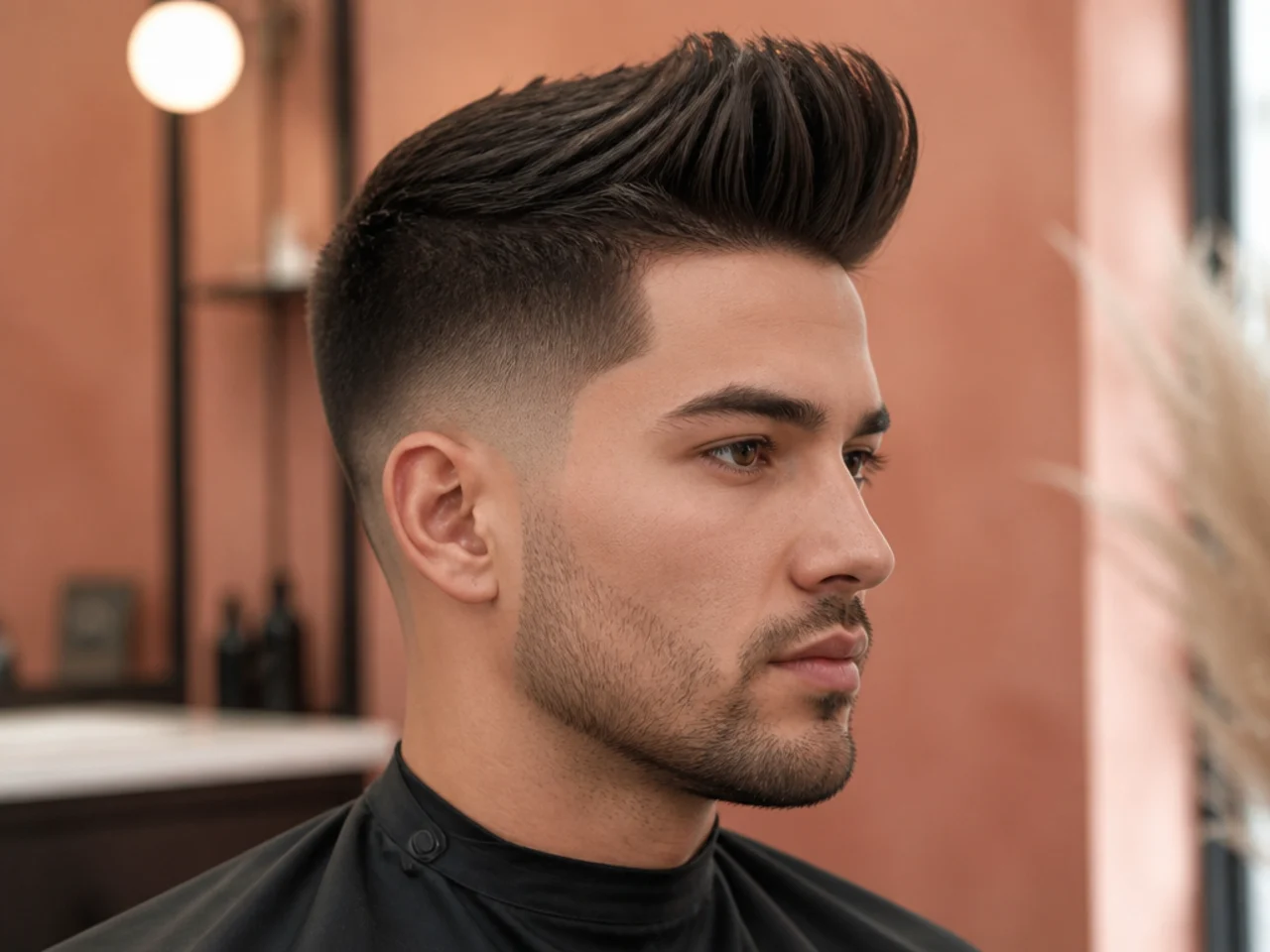
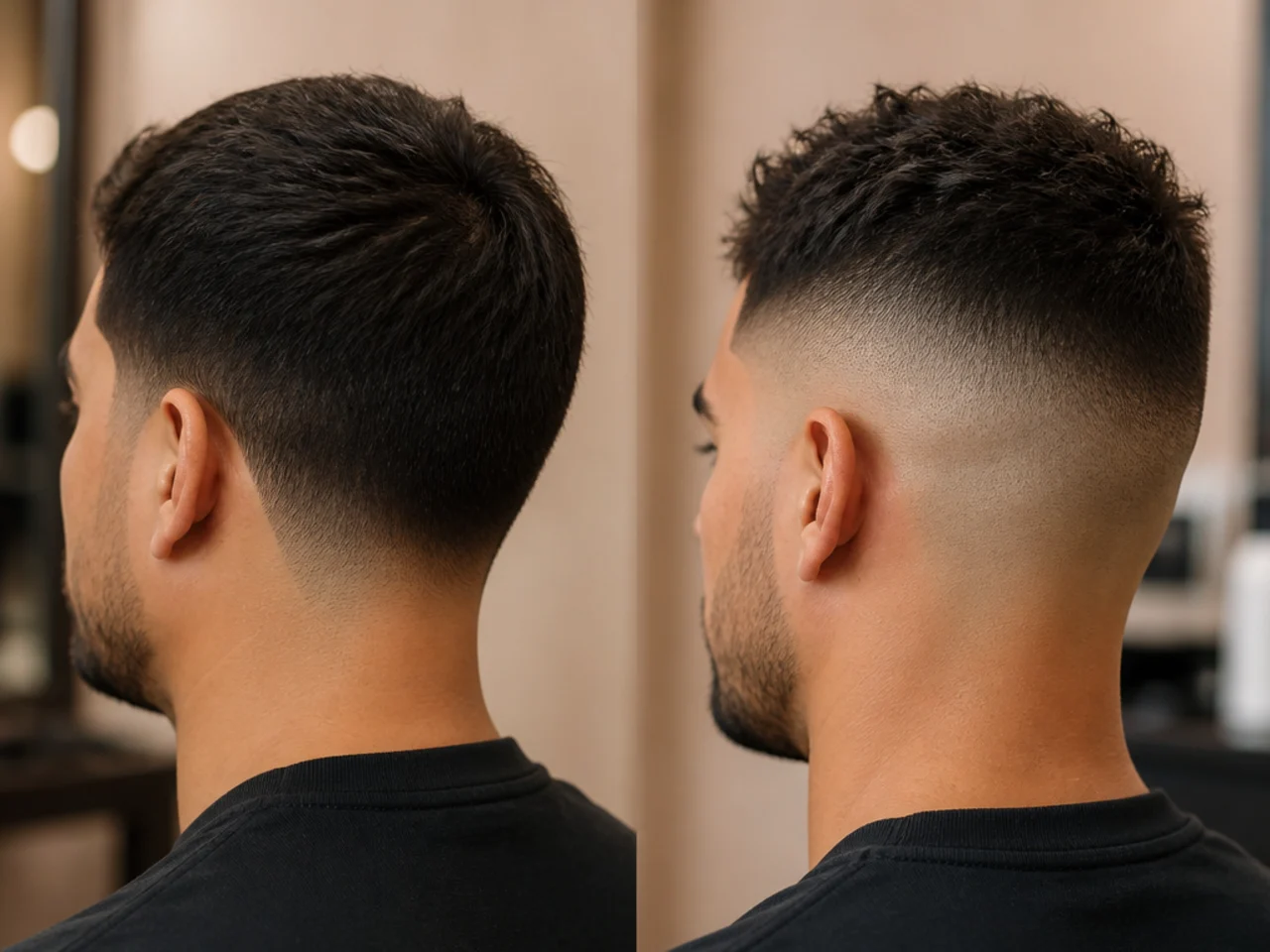
A skin fade blurs in one to two weeks. At the shortest point there is no length at all, so the bottom of the gradient has nothing in reserve — it fills in and the contrast that made the fade visible collapses.
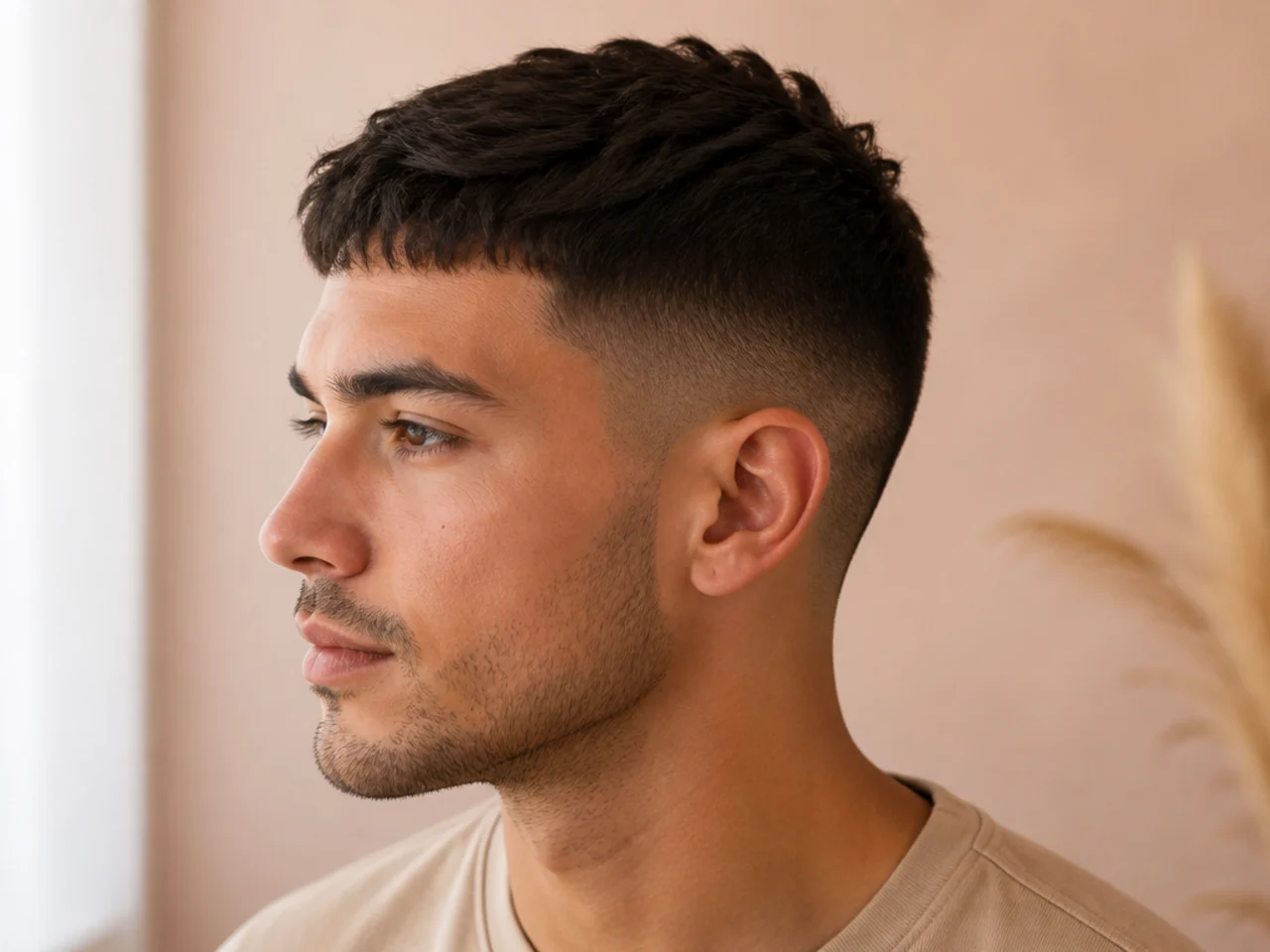
A taper holds three to four weeks. A taper always leaves length, usually a #1 at 3mm at the neckline, and that 3mm is the buffer a fade does not have.
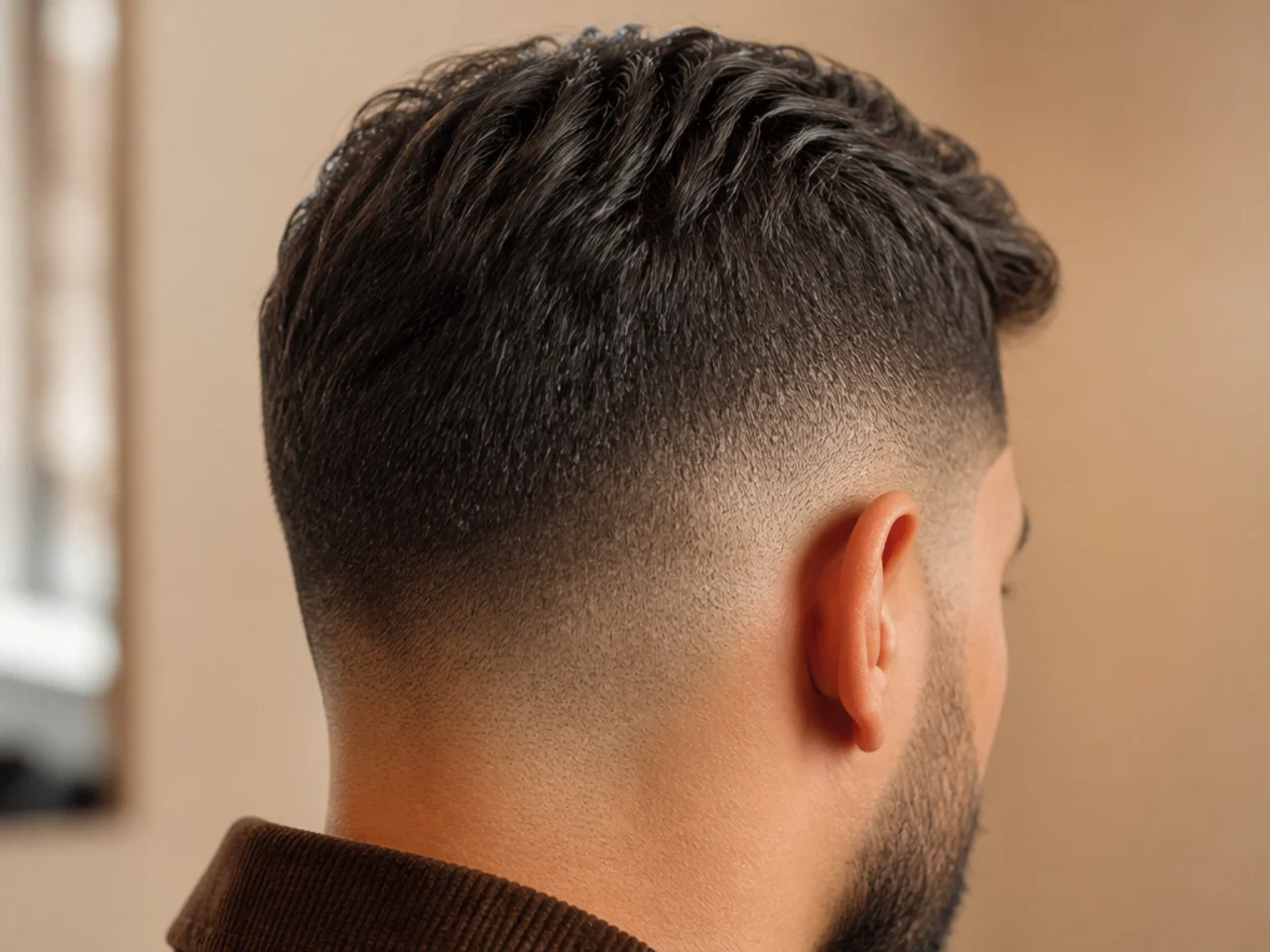
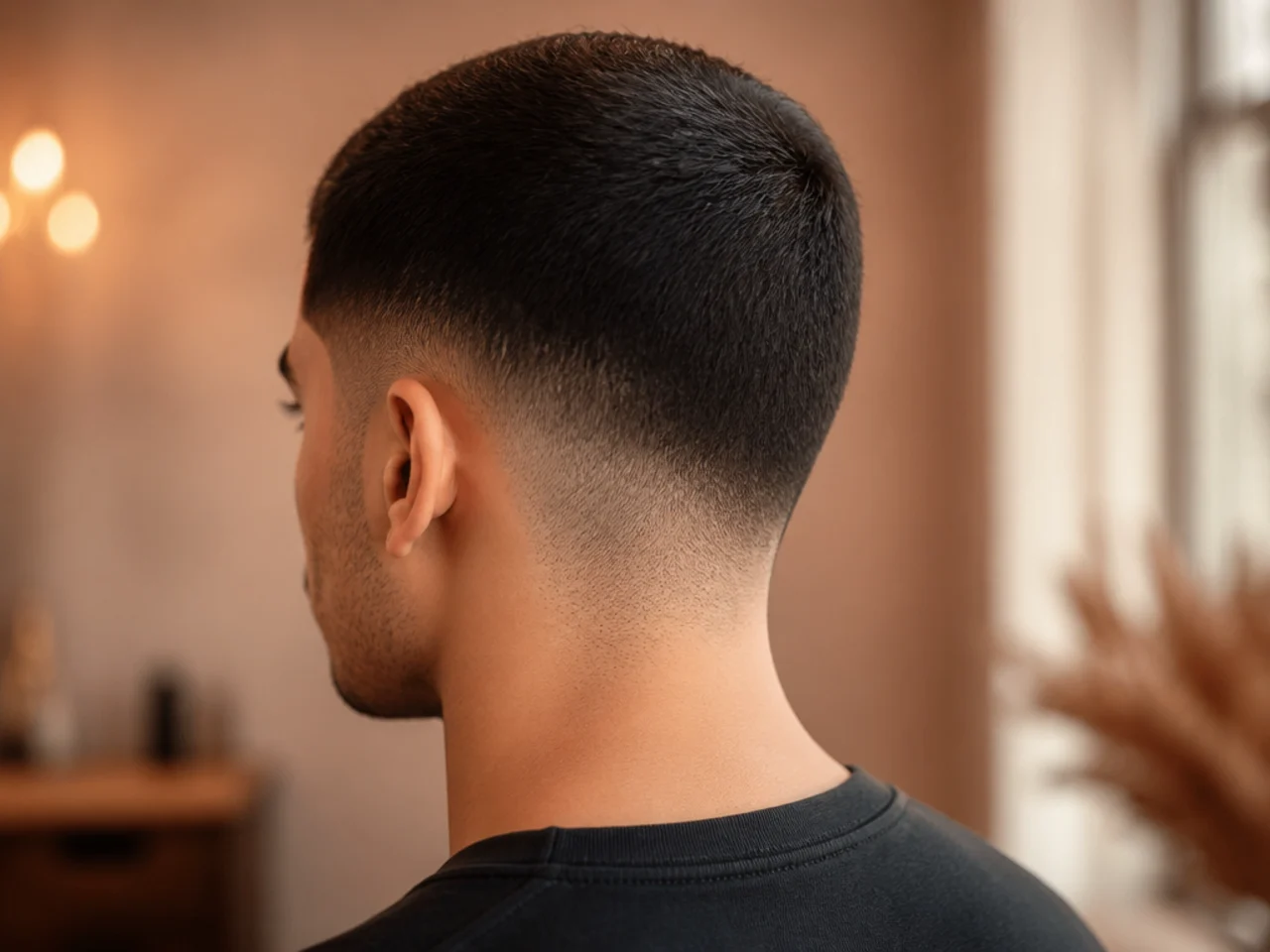
The neckline goes untidy before the sides do. It is the only place the cut meets bare skin in a straight line, and a straight line shows a week of growth long before a gradient does.
Choosing Your Cycle Length
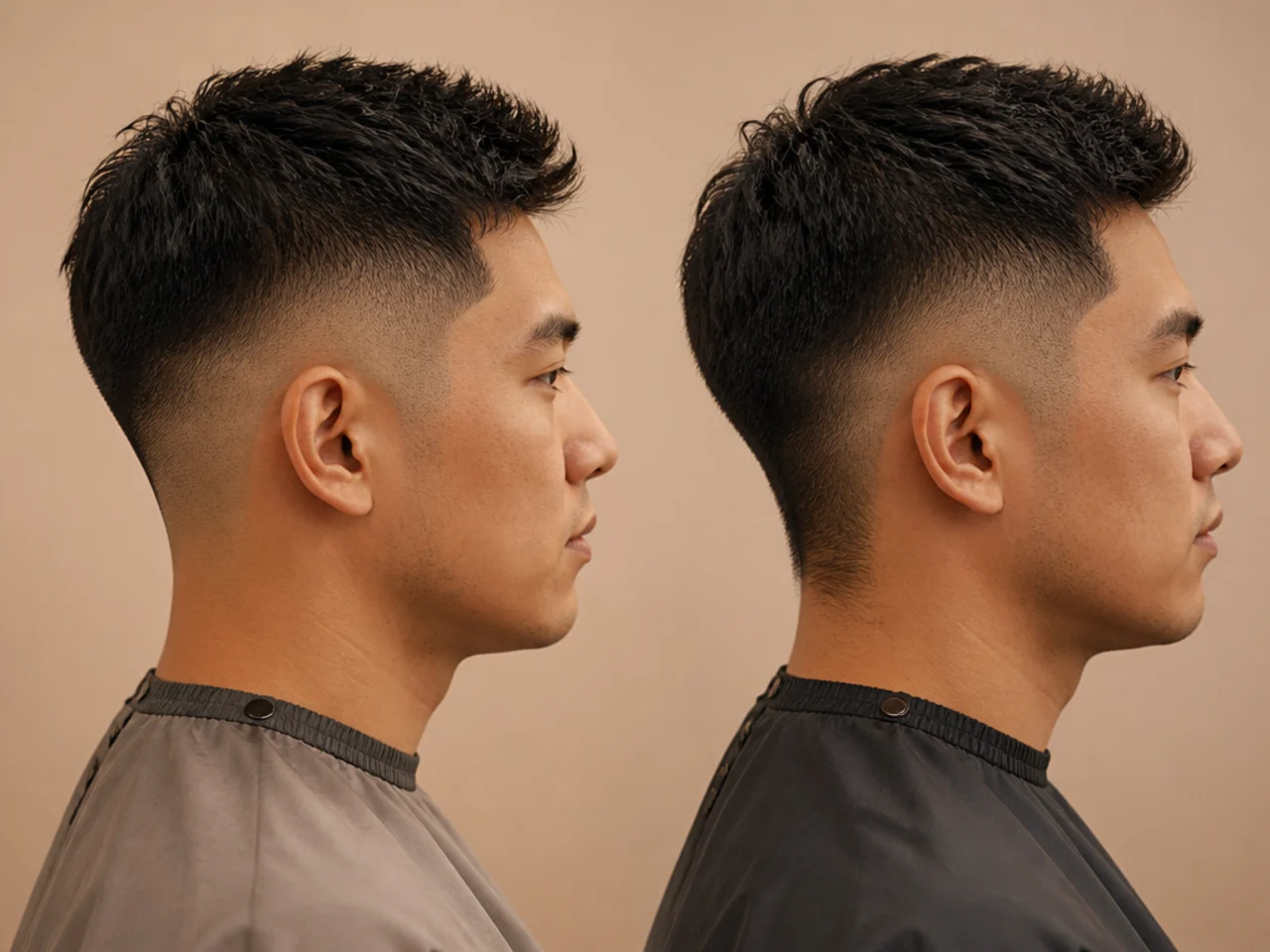
A skin fade is a two-week cycle. Book it any longer and you are wearing a blurred version of it for most of the time you own it.
A taper is a three to four week cycle. The 3mm left at the neckline is what buys the fortnight the fade cannot give you.
Scissor-cut sides run five to six weeks. With no hard bottom edge there is nothing to go out of focus, so the cut ages by shape instead of by outline.
Find the week you stop liking it, then subtract one. That number is your real cycle, and for most men it is shorter than the interval they have been booking out of habit.
The 20 Steps, Week by Week
1. Week One — Photograph the Back and Sides on Day Two
Day one still carries the barber's finish. Day two is the cut as you will actually wear it, and the back of your head is the part you never see and everybody else does.
2. Week One — Write the Guard Numbers Down
Ask which guards went on the sides and how high the taper or fade was taken. Written down in week one, that line of numbers is worth more at the next booking than any photo of somebody else.

3. Week One — Skip Product Entirely and Learn the Shape
A fresh short cut holds its own shape for the first week. Going in dry for a few days shows you what the barber actually built, which is the thing you need to know before you start correcting it.

4. Week One — Protect the Lines Rather Than Restyle Them
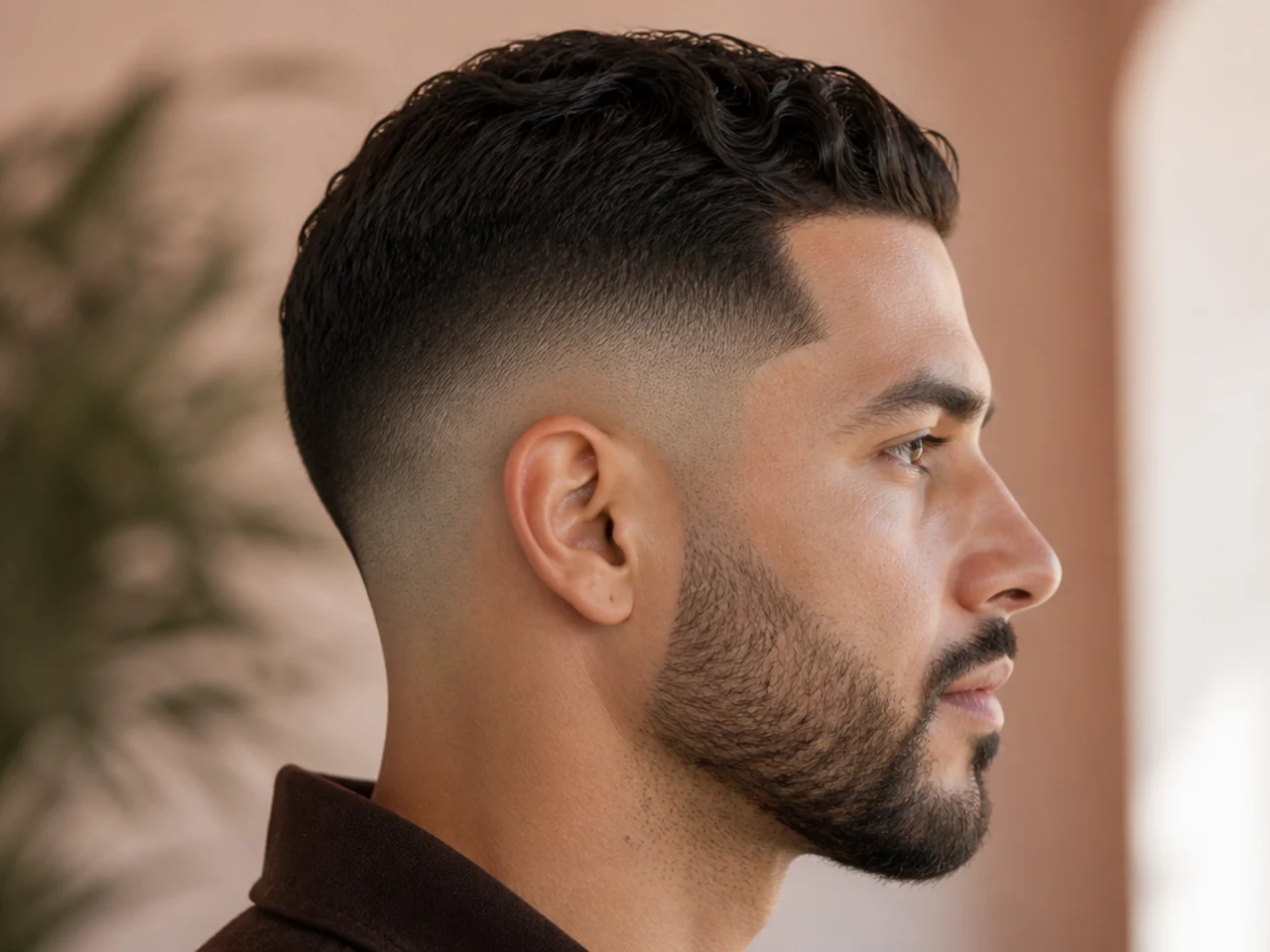
The neckline, the fade edge and the corners are the only parts of the cut with a date on them. Keep hoods and hats off a fresh skin fade, because friction at the shortest point is what blurs it early.
5. Week One — Change Nothing Yet, Even If It Feels Too Short
Every short cut reads shorter on day one than it will on day ten. Judging it now costs you a guard number at the next visit that you did not actually need to give away.
6. Week Two — The Neckline Goes First
By day ten there is soft new hair growing below the straight edge at the nape. This is the one detail worth a five-minute tidy between appointments, because it ages faster than anything above it.

7. Week Two — A Skin Fade Has Already Lost Its Edge
Bare skin at zero is 3mm of hair by week two, and the range from darkest to lightest that made the gradient readable collapses with it. If you wear skin, week two is the end of the cut and not the middle. That two-week ceiling is the running cost of a skin fade rather than a fault in it.
8. Week Two — Move Up One Step in Product Weight
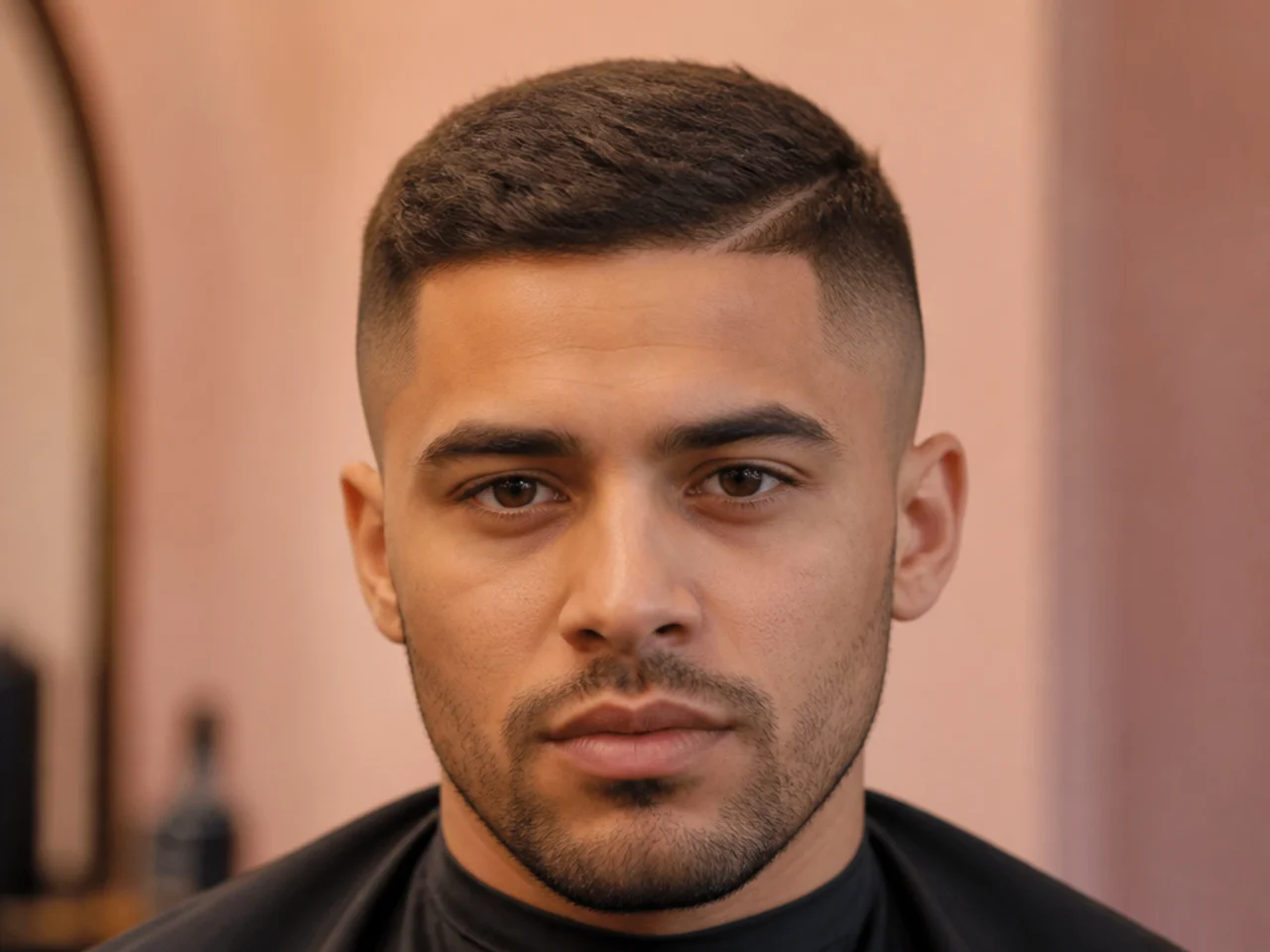
The extra 6mm on top has weight now and a light cream stops holding it. Step up one notch, cream to clay or clay to paste, rather than doubling the amount of the product that has already stopped working.

9. Week Two — The Crown Starts to Lift
The crown grows out of a whorl, so it gains height before the rest gains length. If the back of your head has begun to read taller than it did, that is the whorl opening up rather than your imagination.
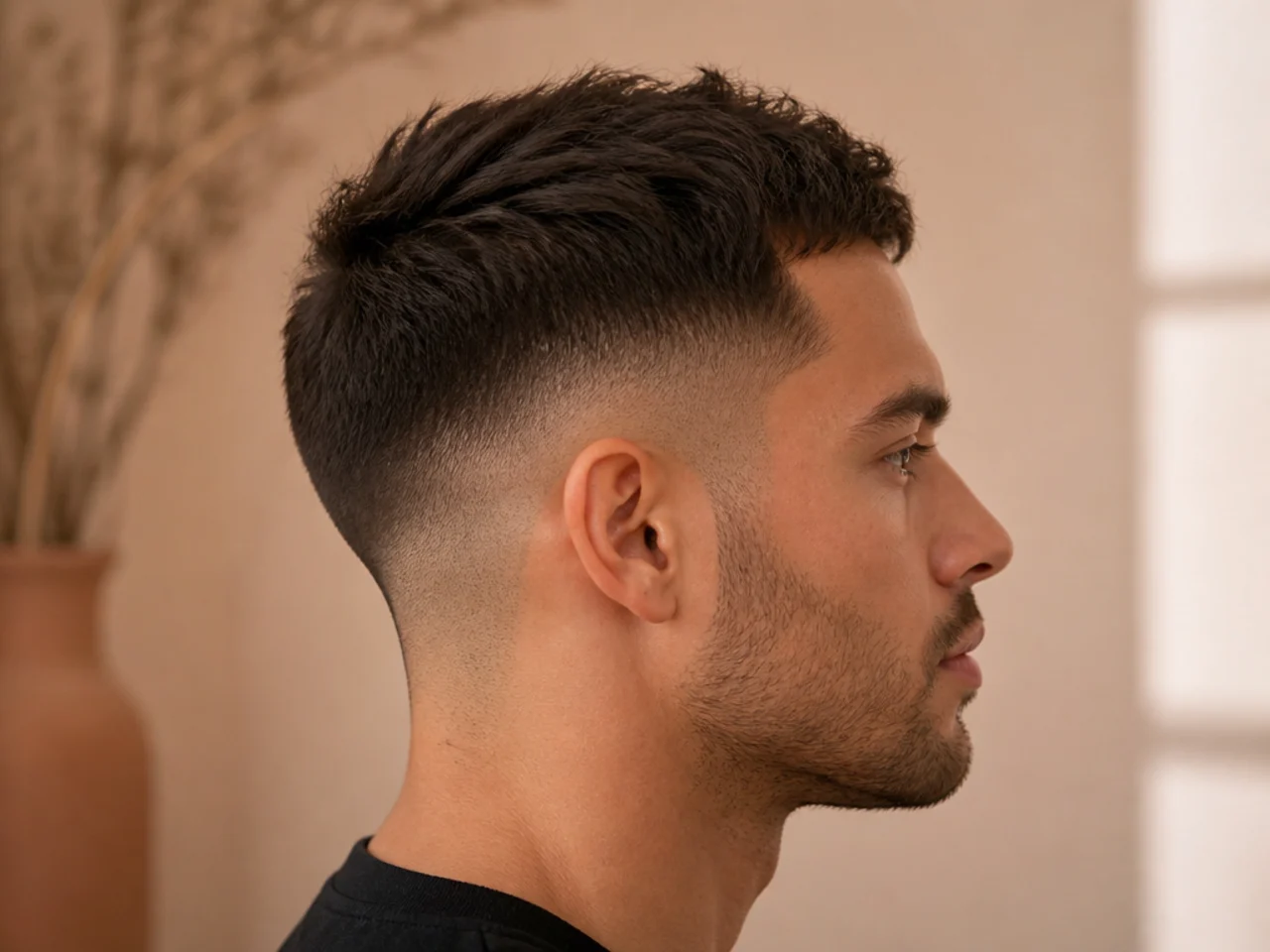
10. Week Two — The Mid-Cycle Decision if You Wear a Fade
Either book a fade-only touch-up now or accept two more weeks of a soft gradient. There is no third option, and that is the real running cost of asking for skin in the first place.
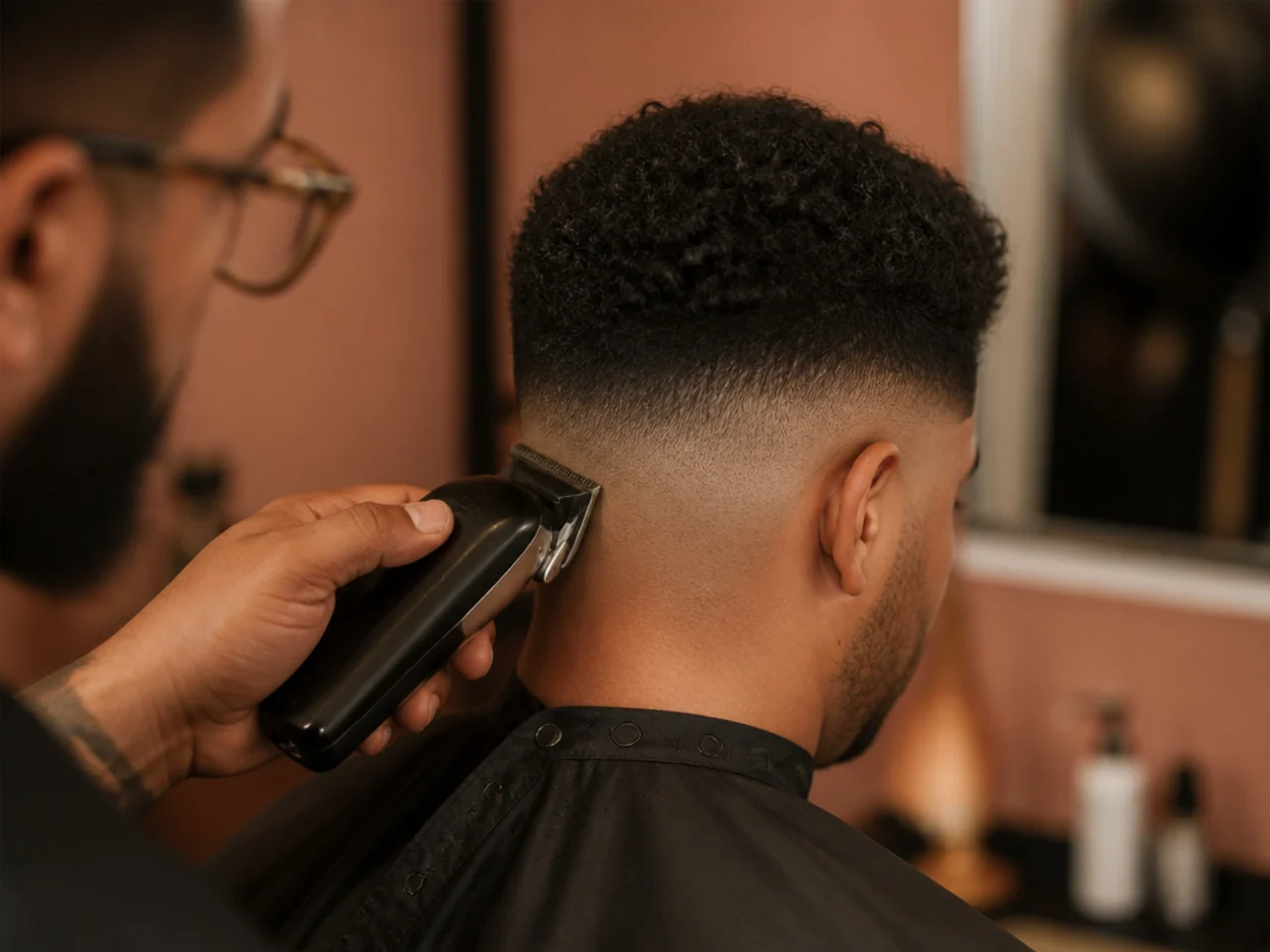
11. Week Three — The Top Has Gained a Centimetre
Three weeks at 1.25 cm a month is close to a full centimetre added on top, and at this length that changes the silhouette rather than just the measurement. The head reads taller and the sides suddenly read shorter.
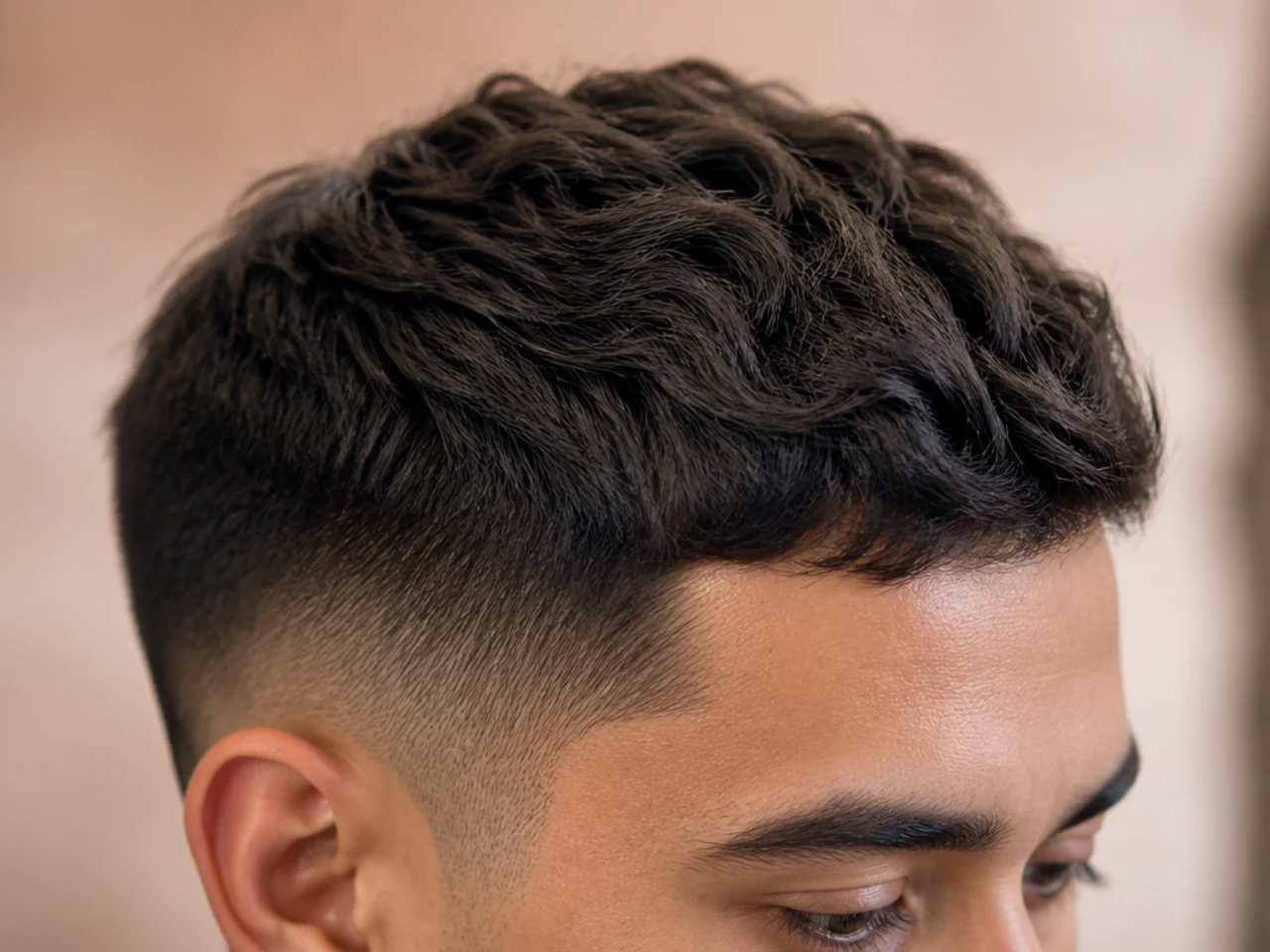
12. Week Three — Restyle Forward or Back, Not the Old Way
The direction that worked at two centimetres rarely works at three, because the hair now has enough length to fall. Push it where the added weight already wants to go instead of spending five minutes fighting it.

13. Week Three — The Sides Now Hold a Part
A #2 at 6mm cannot take a part line, but three weeks of growth puts those sides near 15mm, which can. A part that was physically unavailable in week one becomes an option exactly now.

14. Week Three — This Is the Week to Book, Not to Cut
Book now for a slot about ten days out. Booking in week four means taking whichever appointment is left over, which is how a three-week cut quietly turns into a five-week one.

15. Week Three — A Taper Still Reads Intentional, a Fade Does Not
A taper at three weeks is simply a slightly longer taper, still a gradient with a defined bottom. A fade at three weeks is short sides with a vague edge, and that gap is the entire practical argument for the taper. Kept low, as in a low taper fade, the bottom edge survives the third week almost intact.

16. Week Four — Wear the Cut It Has Become
The sides have body now and the top has fall, so what you own is closer to a short scissor cut than to the thing you asked for. Style it as that for a week rather than chasing week one, treating it as a classic short men's haircut instead of a failed version of the cut you paid for.
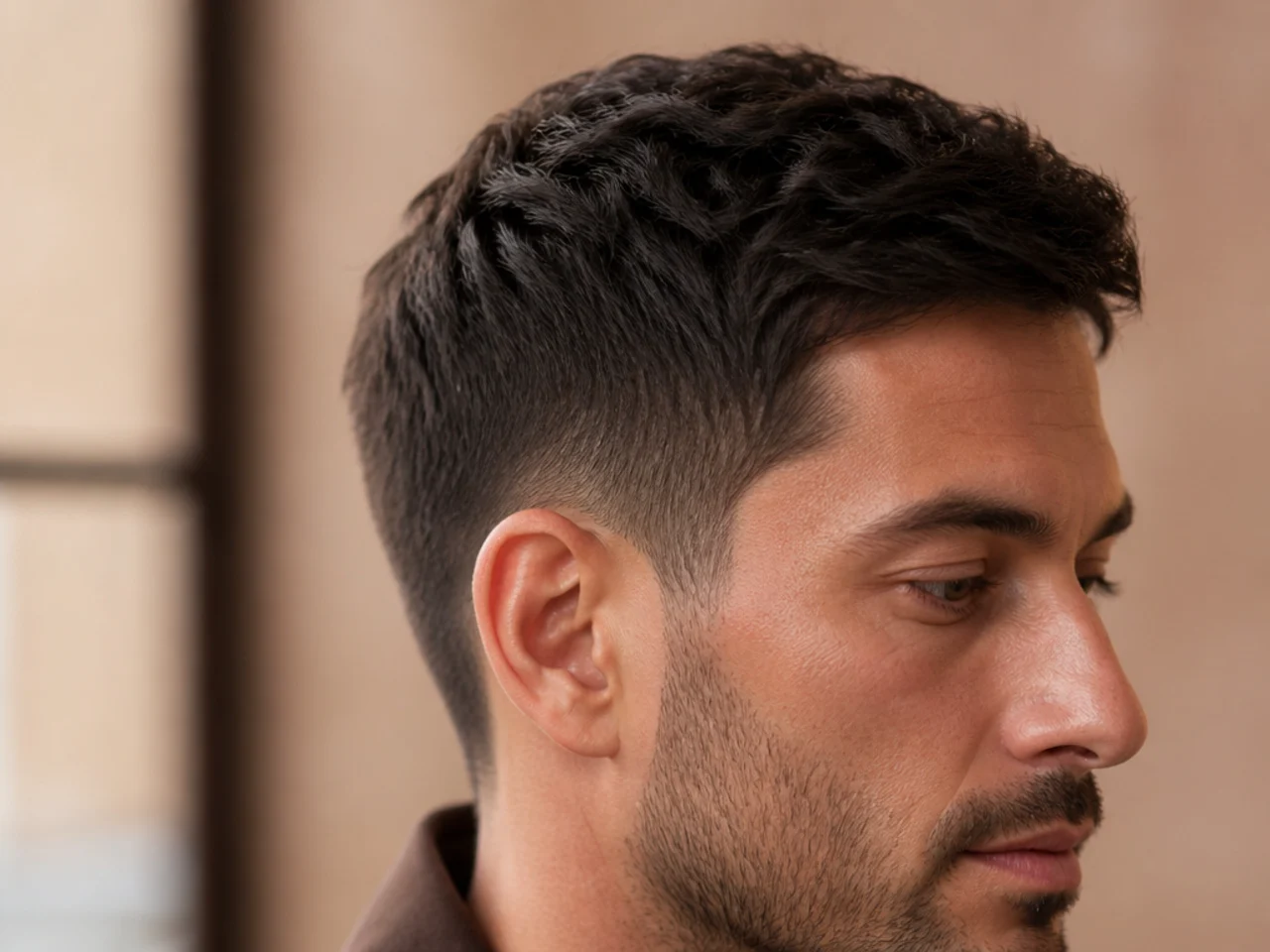
17. Week Four — Change the Wash Cadence, Not the Haircut
Longer hair on top holds oil where 6mm could not, so it drops a day sooner than it used to. One extra wash a week is the smallest change that buys the volume back without touching the shape.

18. Week Four — Tell the Barber How It Aged
How it looked on day one is not useful information to him. Saying that the neckline went at day nine, or the fade blurred by week two, is what actually gets the next cut adjusted.

19. Week Four — Repeat the Guards or Move One Number
One guard is a 3mm or 4mm decision and it is the only lever worth pulling in a single visit. Change two things at once and you finish the next cycle without knowing which of them worked.
20. Week Four — Set the Honest Cycle Length
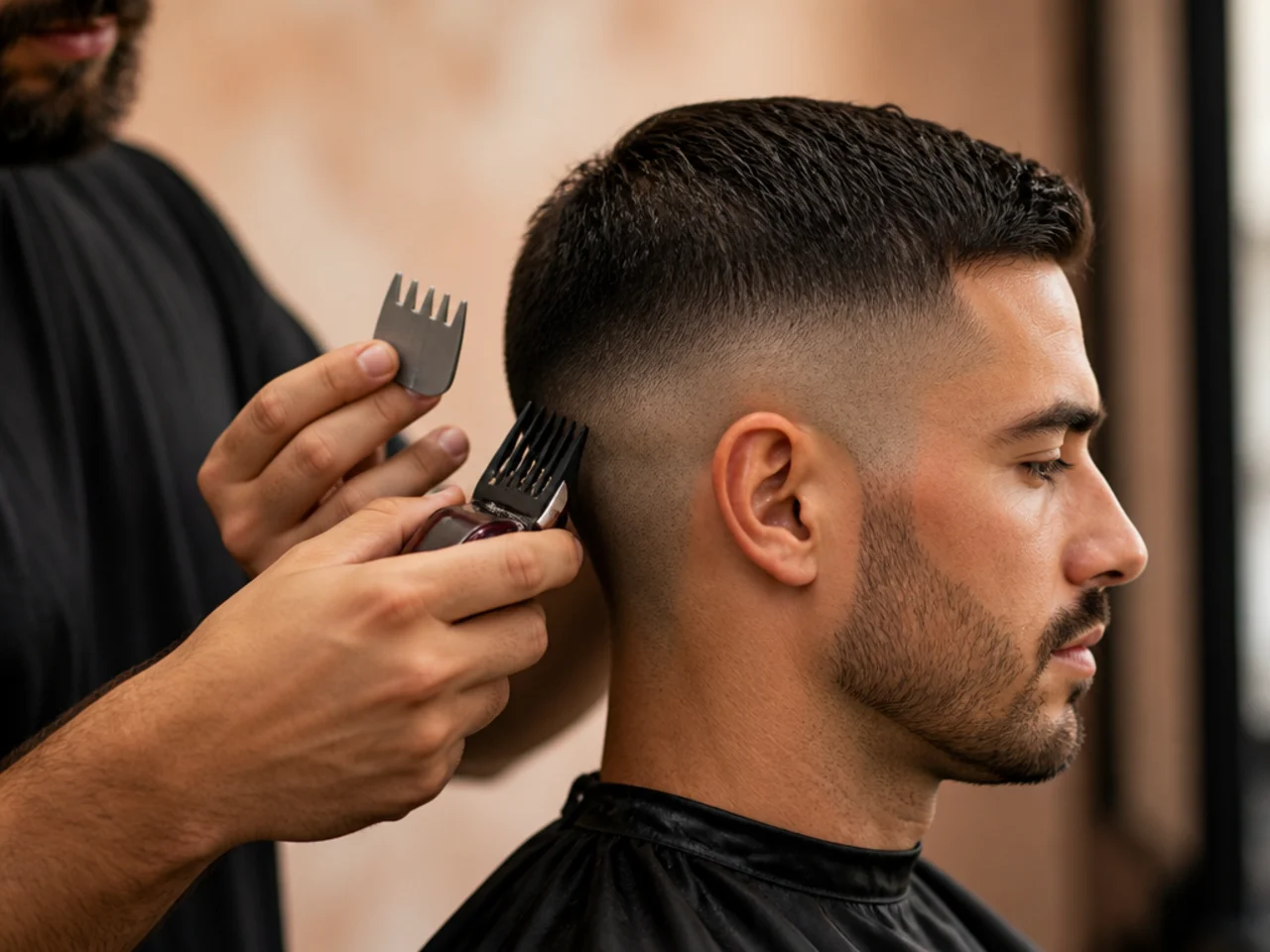
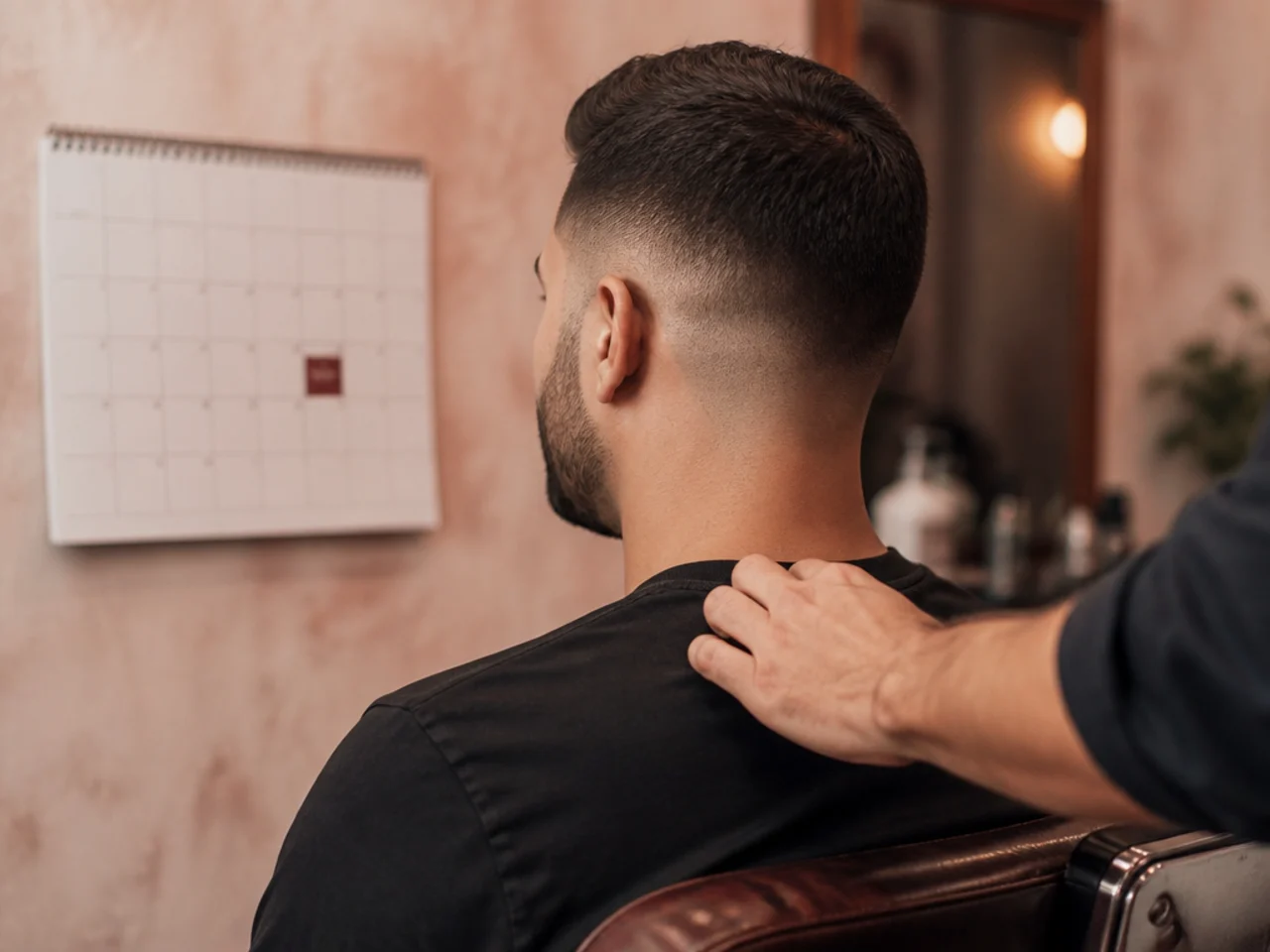
Count the day it stopped looking right and take three off. That number, rather than four weeks by default, is the interval to book standing, and on a skin fade it usually lands closer to fourteen days.
Making Each Week Look Deliberate
Match the product to the week, not to the bottle you own. Water and a towel in week one, cream in week two, clay or paste by week three.
Keep one recurring job for the neckline. Five minutes at the nape is the difference between a three-week cut and a three-week cut that still reads as a haircut.
Change direction once per cycle, in week three. That is the point where the extra centimetre finally gives you a second option worth taking.
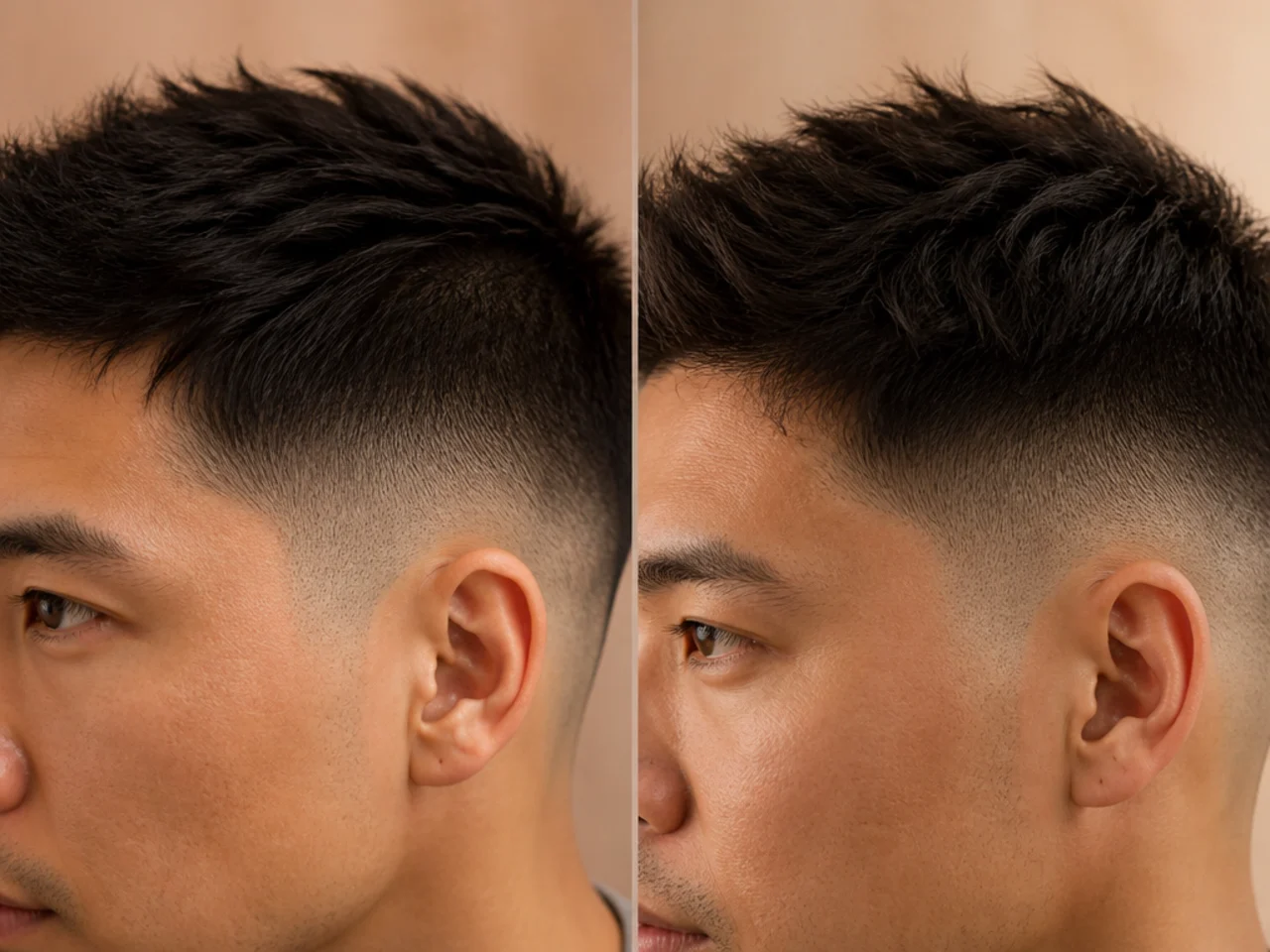
Keep the week-one photo and the week-four photo. Two images of the same cut three weeks apart tell a barber more than any reference shot of a stranger.
Hold the standing booking even when the week looks fine. Cancelling once resets the cycle, and it takes two visits to get back onto it.
Mistakes to Avoid
Booking a skin fade on a four-week cycle. You are paying for a shape that only exists for a fortnight of it.
Using more of a light product instead of a heavier one. Quantity is not weight, so the top goes greasy and still drops by lunchtime.
Judging the cut on day one. It is the single day of the cycle when it does not look like itself.
Tidying your own fade line. The neckline is a straight edge and manageable, the gradient above it is not, and a blurred fade beats a stepped one.
Changing guard, fade height and product in the same visit. Three variables, no information, and nothing learned for next time.

FAQ
How long does a short cut hold? A skin fade one to two weeks, a taper three to four, scissor sides five to six.
Why does week three need more product? The top has gained close to a centimetre and that added weight needs holding.
When do I book? In week three, for a slot in week four.

Final Thoughts
Stop treating a haircut as a purchase and start treating it as a four-week schedule. The version you paid for exists for about seven days, and the other three weeks are the ones the routine is actually for, which is why the useful question is never how it looks today but which week it is.
For the interval itself see how often men should get a haircut, and for shapes that age well across a longer cycle see low-maintenance short men's cuts. More in Men's Haircuts.