15 Ways to Style Men's Short Hair
Styling short hair comes down to two decisions, which way you push it and what you push it with. The direction sets the silhouette and the tool decides whether the surface reads as separate pieces or as one sheet.
In this article · 22
- The Two Decisions Behind Every Short Style
- How to Choose Your Direction
- The 15 Direction and Tool Combinations
- 1. Forward With Fingers, for a Cropped Fringe
- 2. Forward With a Comb, for a Blunt Caesar Front
- 3. Straight Back With a Brush and Dryer
- 4. Back With a Comb for a Continuous Surface
- 5. Across With a Comb Along a Found Part
- 6. Up at the Front With a Round Brush
- 7. Against the Growth With a Towel, Then Set
- 8. Sideways at the Crown to Flatten a Whorl
- 9. Out at the Temples to Widen a Narrow Head
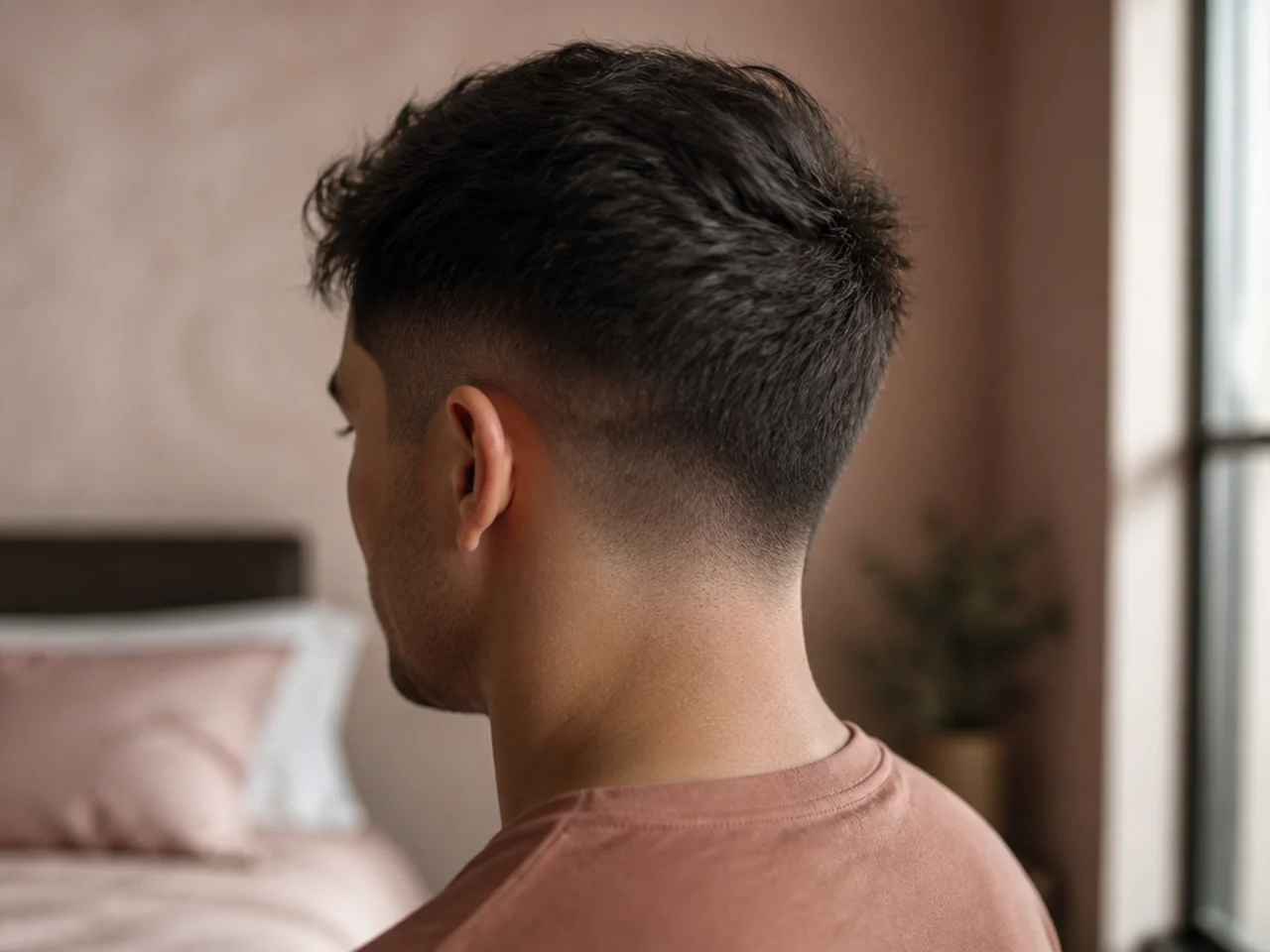
- 10. Down at the Nape With a Fine Comb
- 11. A Vent Brush Through Damp Hair
- 12. The Nozzle Angled Up for Lift, Down for Flat
- 13. The Two-Direction Split, Front Forward and Sides Back
- 14. The Mid-Day Reset With Wet Hands and No Product
- 15. The Direction You Sleep In
- Making a Direction Hold
- Mistakes to Avoid
- FAQ
- Final Thoughts
Everything you can do to short hair is one of two choices, and the product is neither of them.
Direction sets the silhouette. Forward, back, across or up changes the outline of your head far more than any tub on the shelf does.
The tool sets the surface. Fingers leave gaps, a comb closes them, a brush lifts the root, and a dryer fixes whichever of those you chose.
The Two Decisions Behind Every Short Style
Direction is the silhouette, tool is the surface. Choose them separately and you can build any short style from the two.
Fingers separate, a comb unifies, a brush lifts. Three tools, three completely different finishes from the same haircut.
Short hair only keeps a direction set while it dries. The water leaving the hair is what fixes the root angle in place.
A dryer does not create a direction, it locks one. Whatever you are holding when the air hits is what you get.
How to Choose Your Direction
Look at where your crown sends the hair. Working with the growth costs nothing; working against it costs you every morning.
Match the direction to the head shape. Forward shortens a long face, out at the temples widens a narrow one.
Pick the tool by the finish you want, not the length. Pieces or a sheet is a genuine choice, not a consequence of your haircut.
Commit while it is damp. A direction chosen at eighty percent dry holds all day, and one chosen at the mirror lasts an hour.
The 15 Direction and Tool Combinations
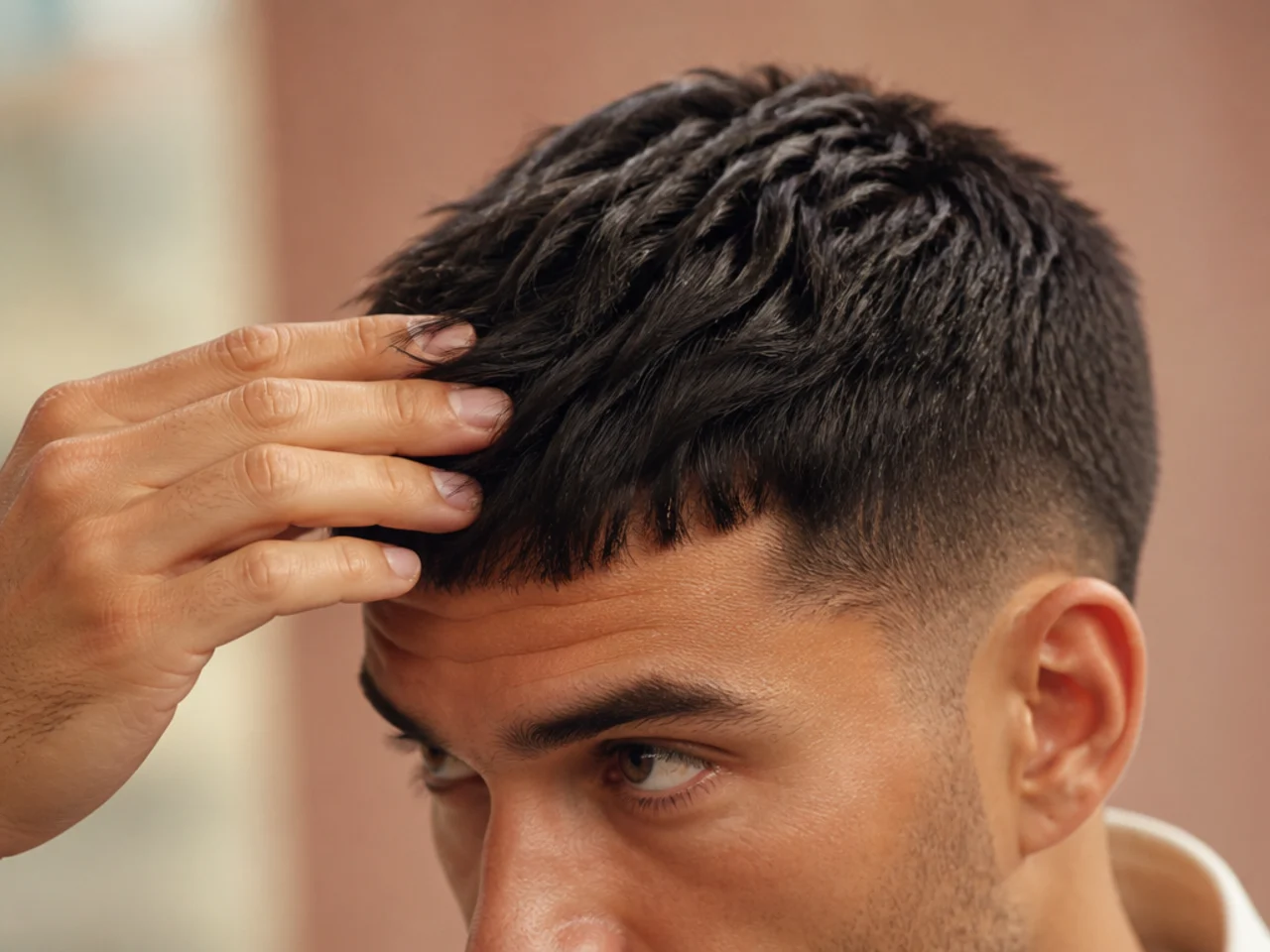
1. Forward With Fingers, for a Cropped Fringe
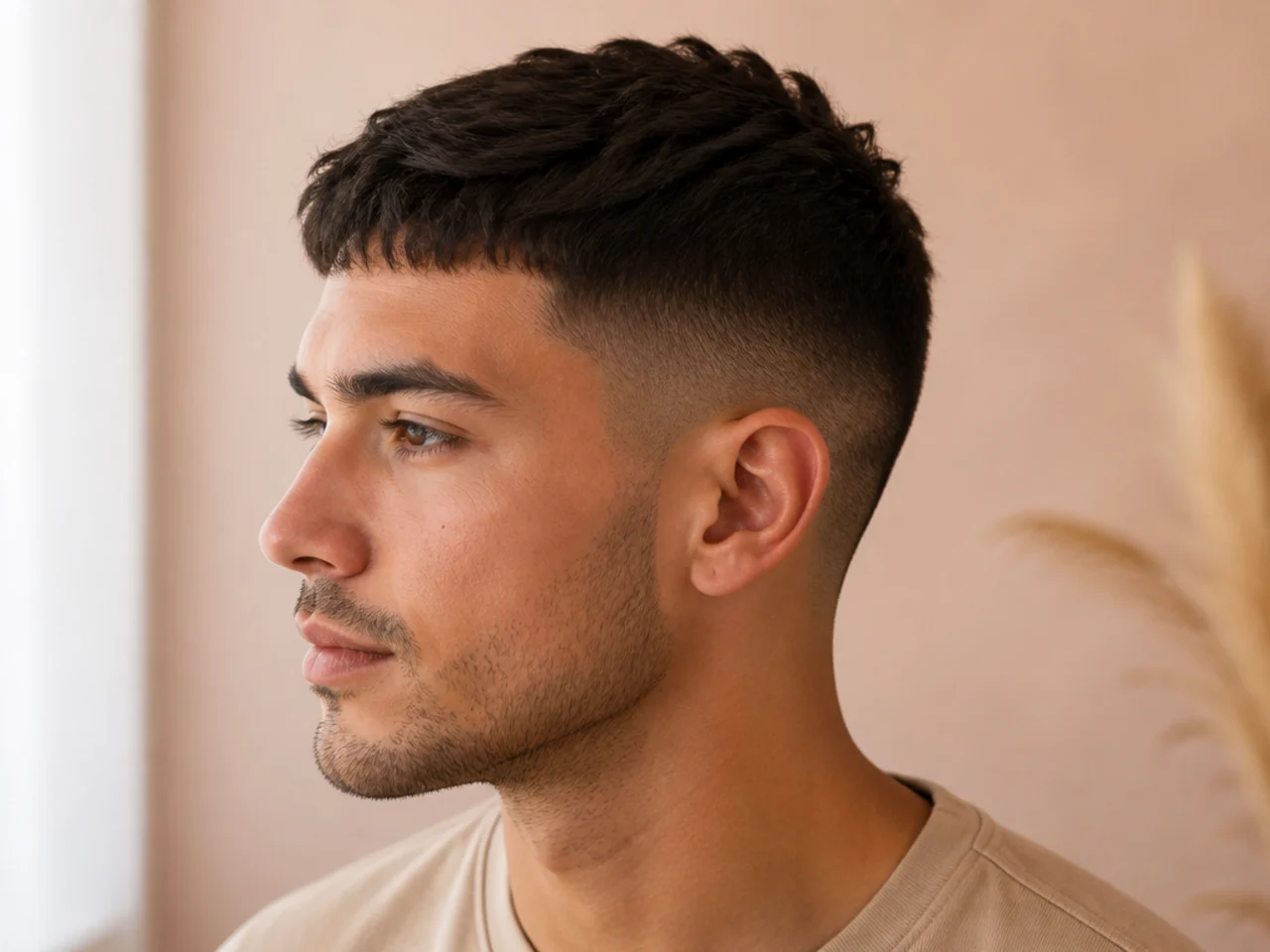
Fingertips push the whole top toward the forehead in small groups rather than one mass. Because fingers cannot gather every hair, the front edge lands as separate points, which is what makes a crop look cut rather than combed. It is the finish the French crop depends on.
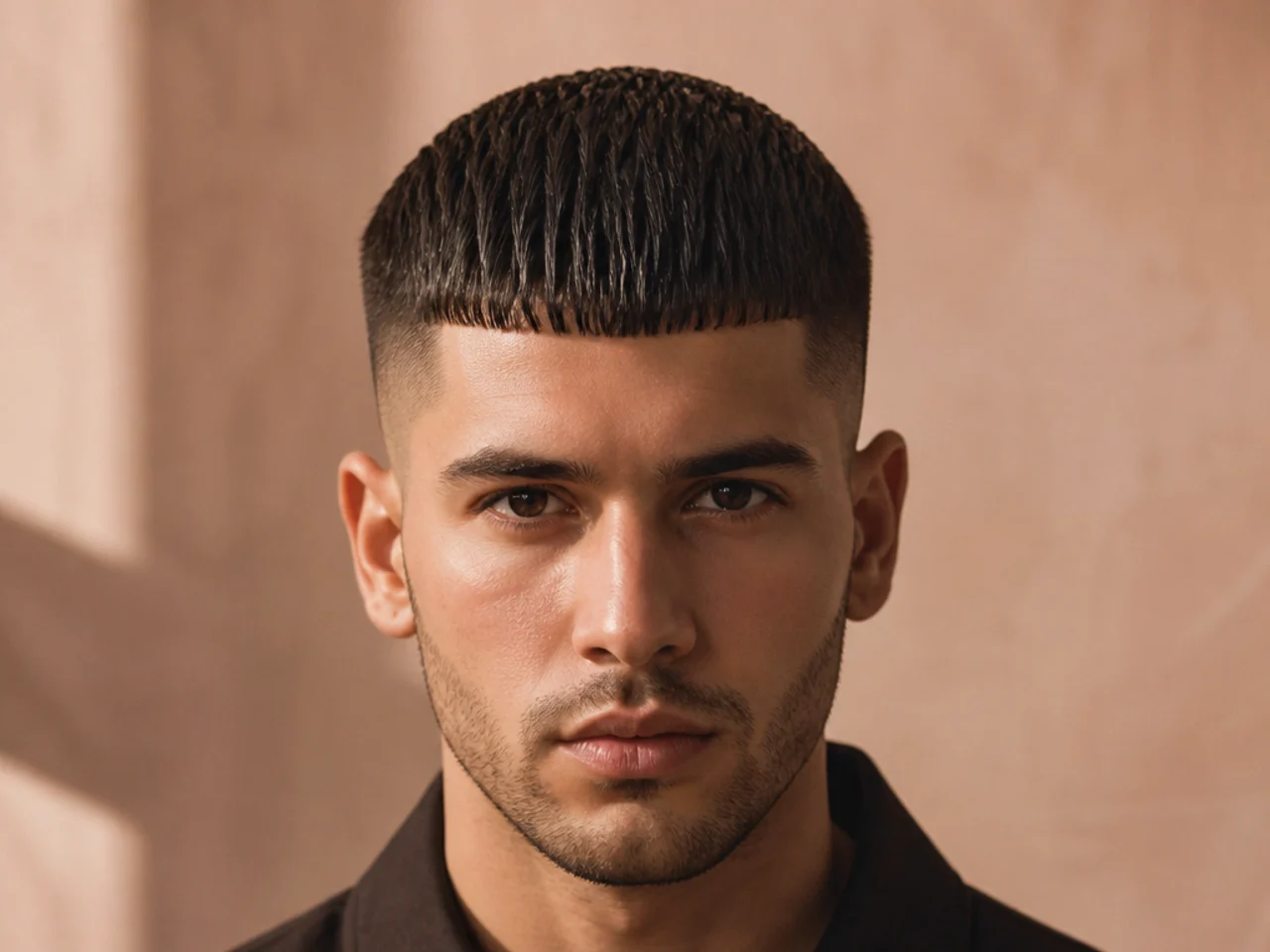
2. Forward With a Comb, for a Blunt Caesar Front
The same direction with a different tool gives the opposite result. A comb collects every hair into one plane, so the fringe arrives as a solid horizontal edge, which is the harder, more graphic version of the same idea.
3. Straight Back With a Brush and Dryer
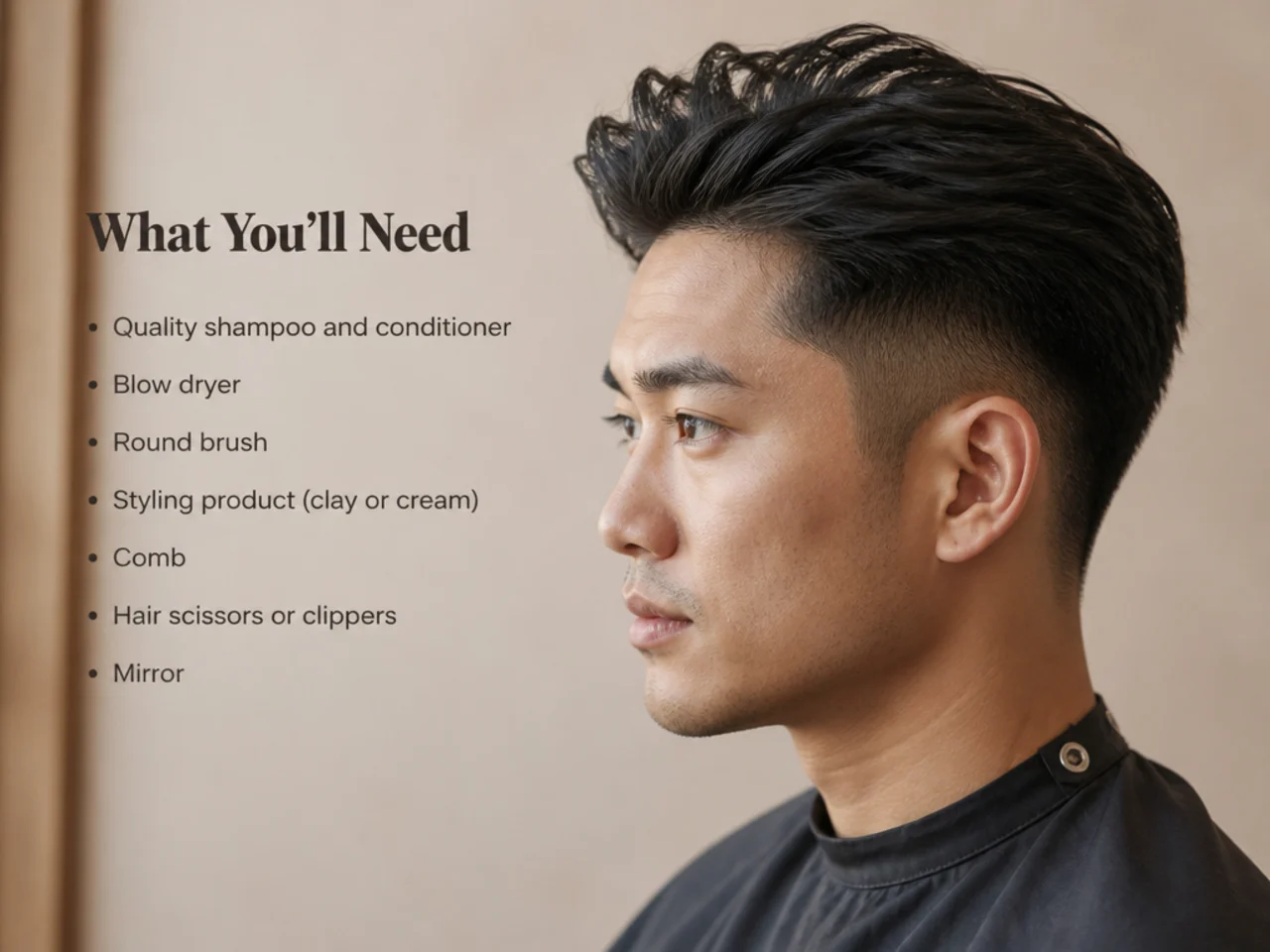
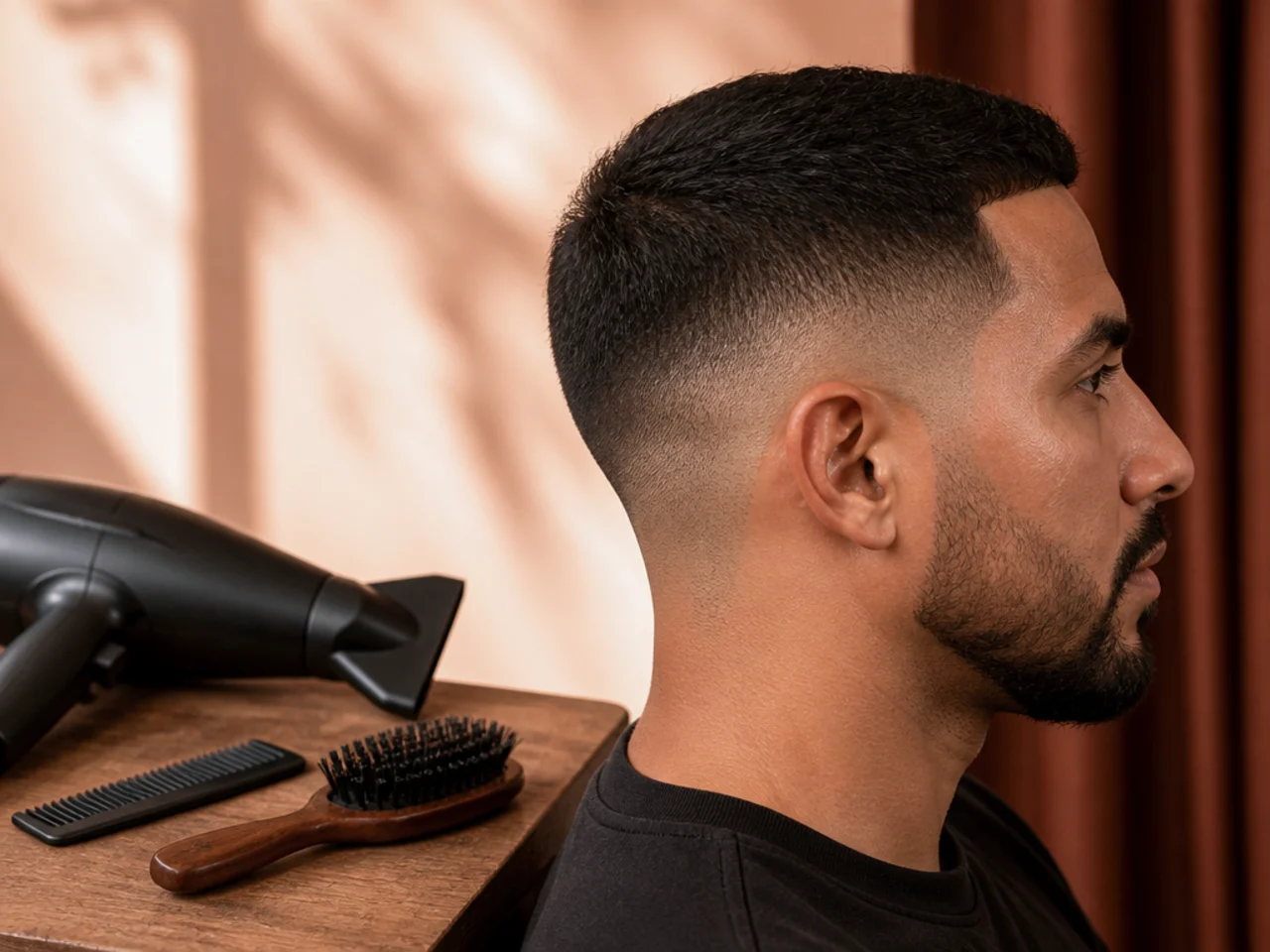
The brush pushes the root backwards while the airflow follows it. Because the root is being moved rather than the length, the hair leaves the scalp at an angle and the front stands up instead of lying flat against the forehead.
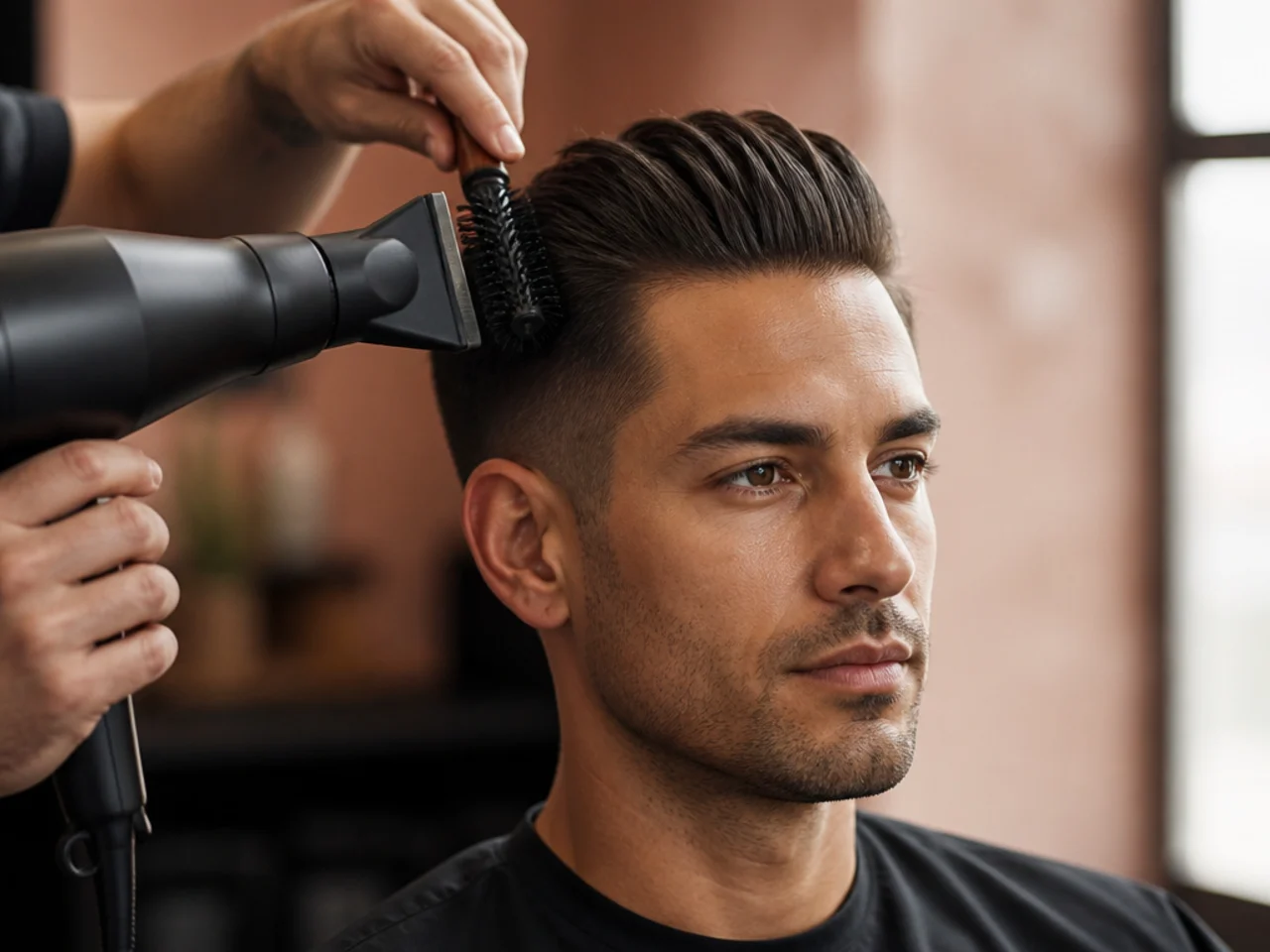
4. Back With a Comb for a Continuous Surface
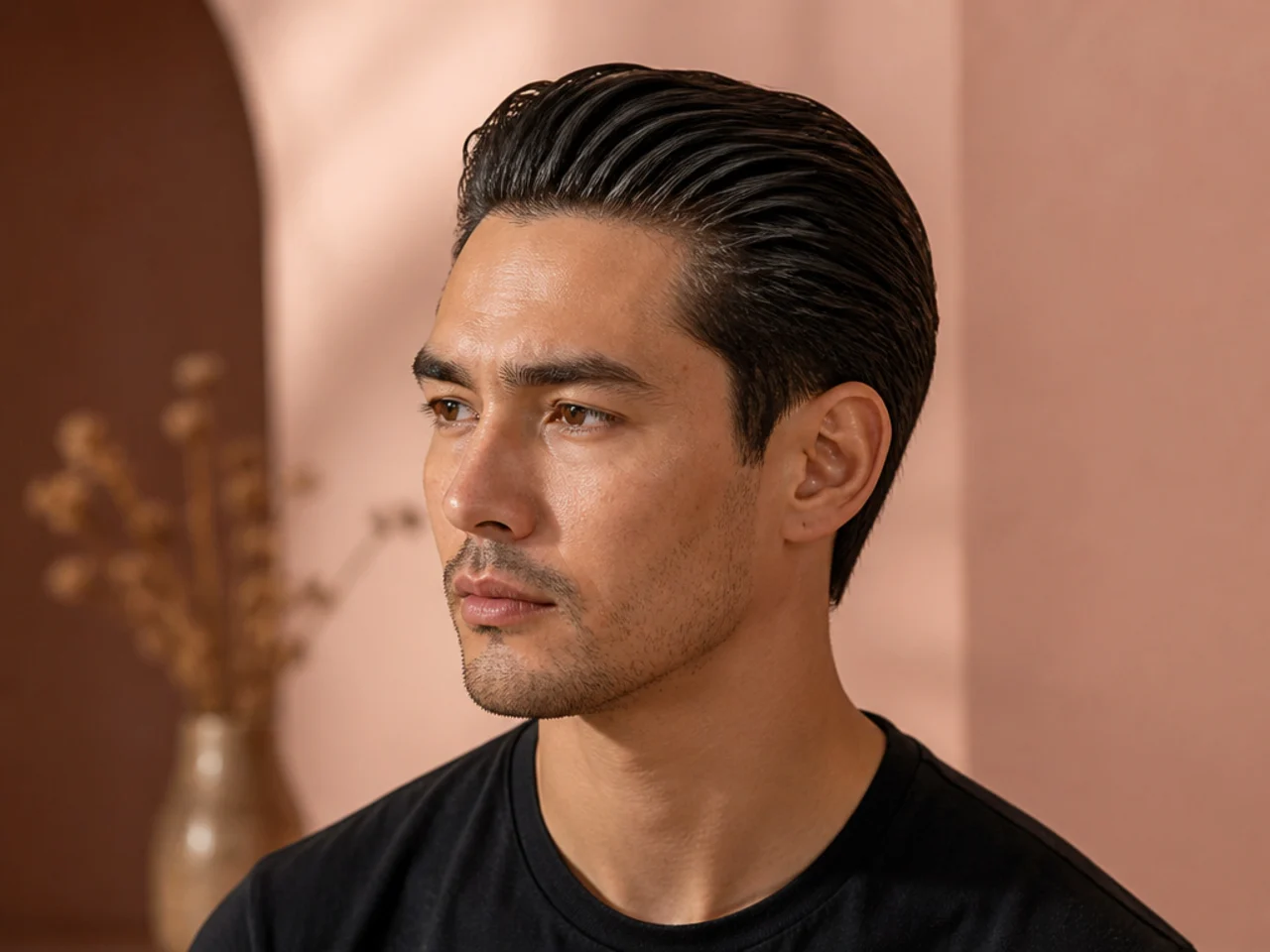
A comb takes the length back without lifting the root, giving a low, flat, uninterrupted top. It is the most formal thing you can do with short hair, and it shows every tooth mark, which is either the point or the problem. Shown deliberately, those marks are what a classic slick back is made of.
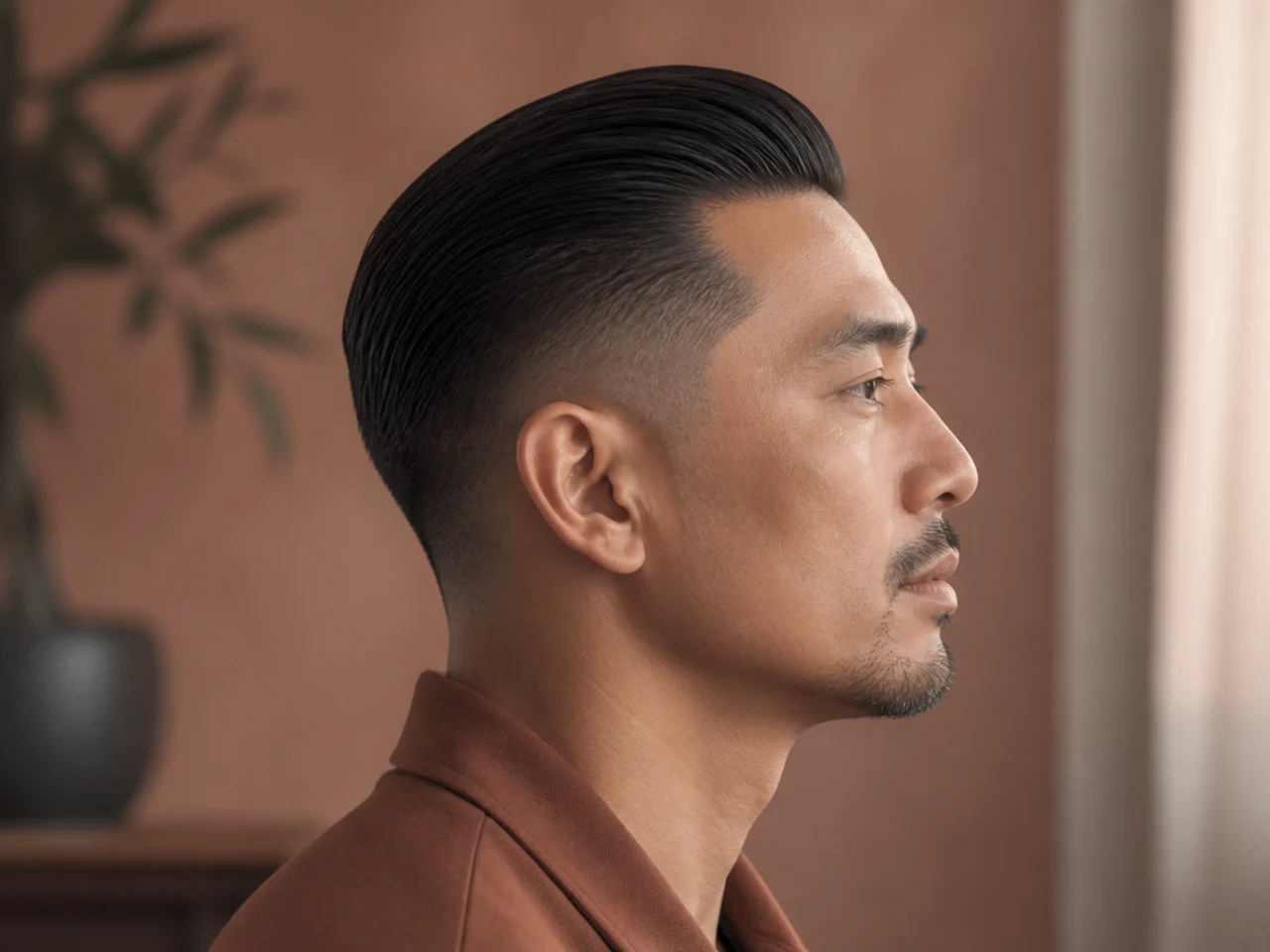
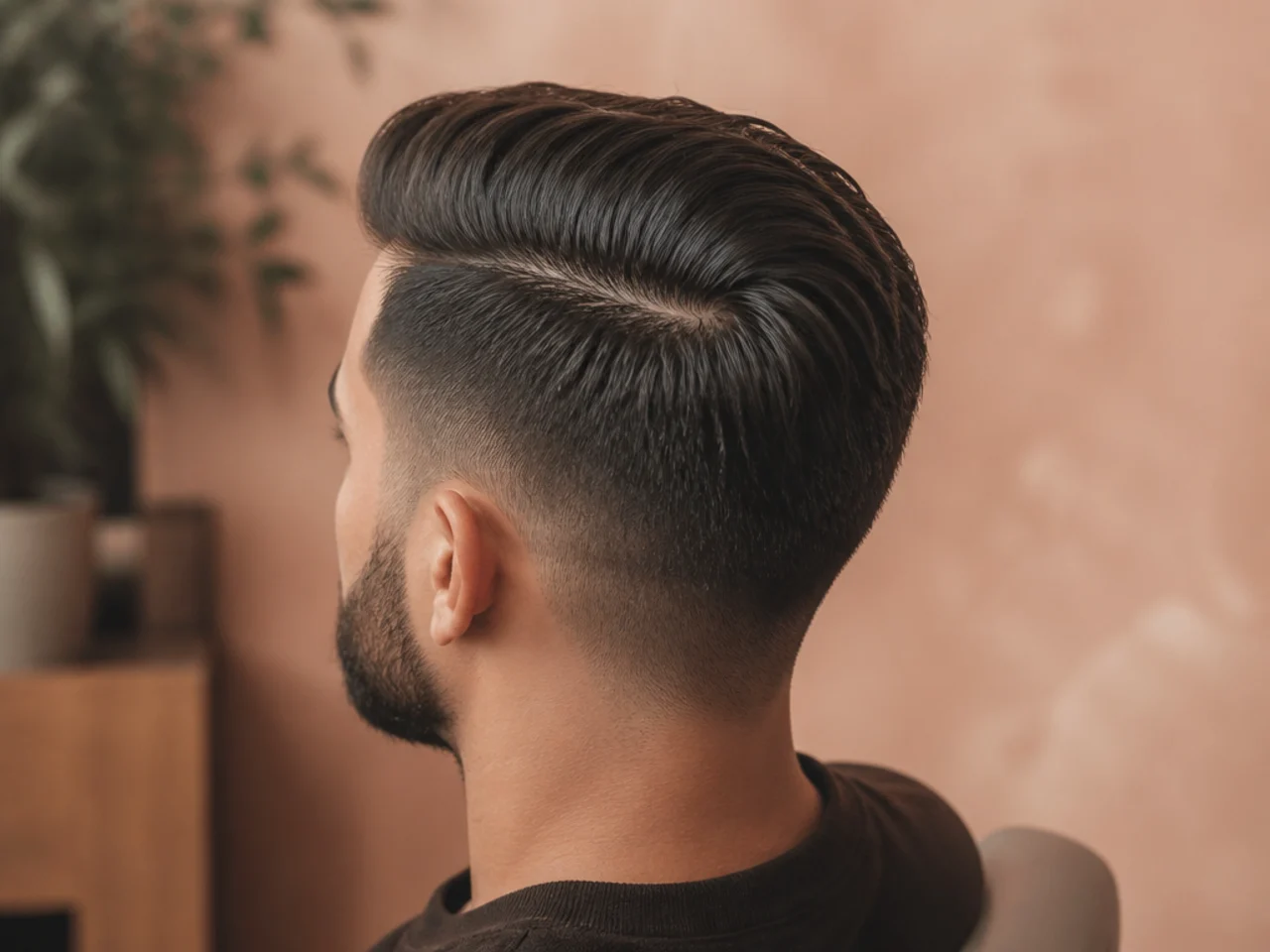
5. Across With a Comb Along a Found Part
The comb is placed on the line the hair already splits along and everything is taken sideways from there. Following the existing split means the hair stays where it is put, which is why a found part needs almost no product to hold.
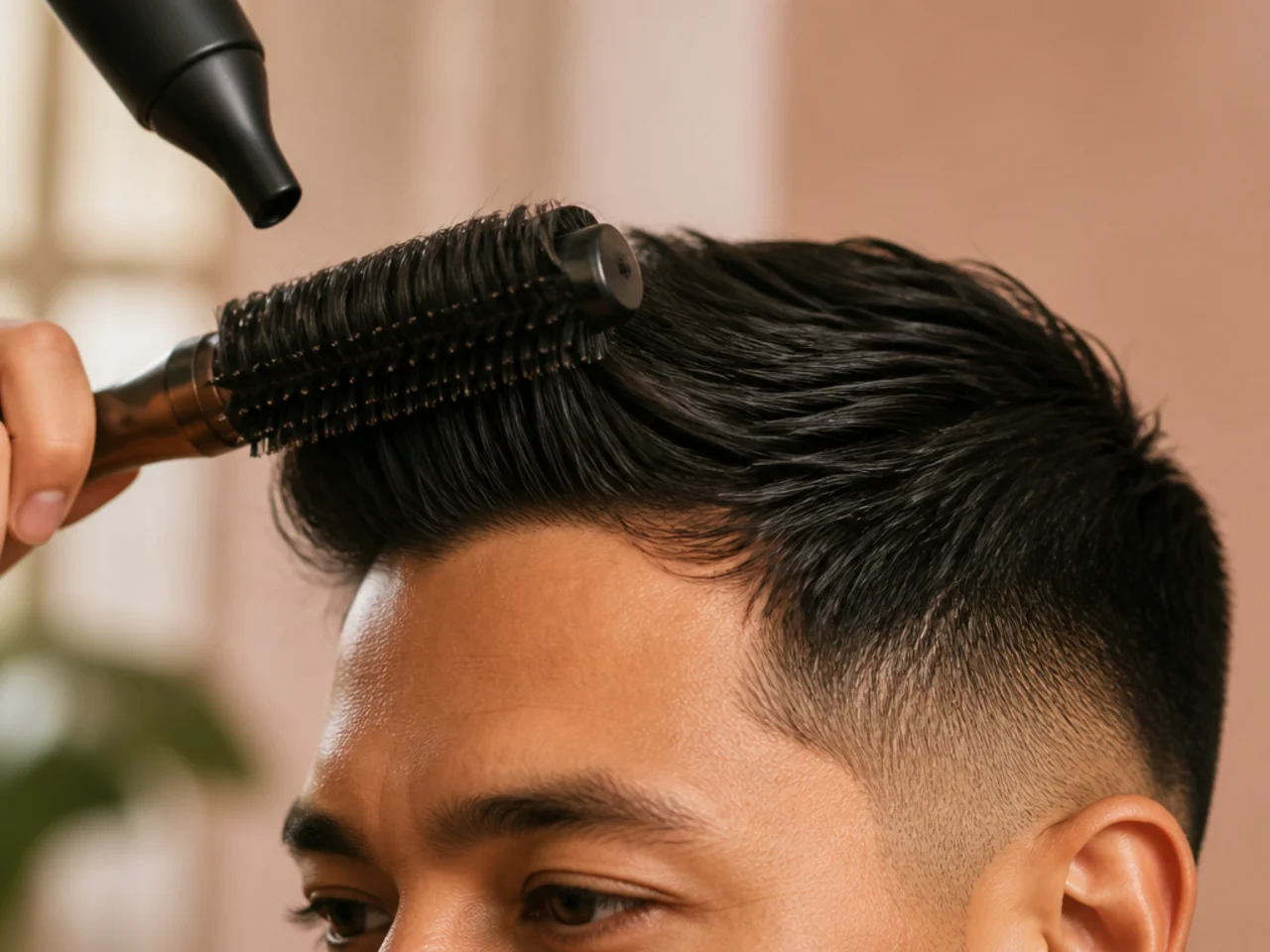
6. Up at the Front With a Round Brush
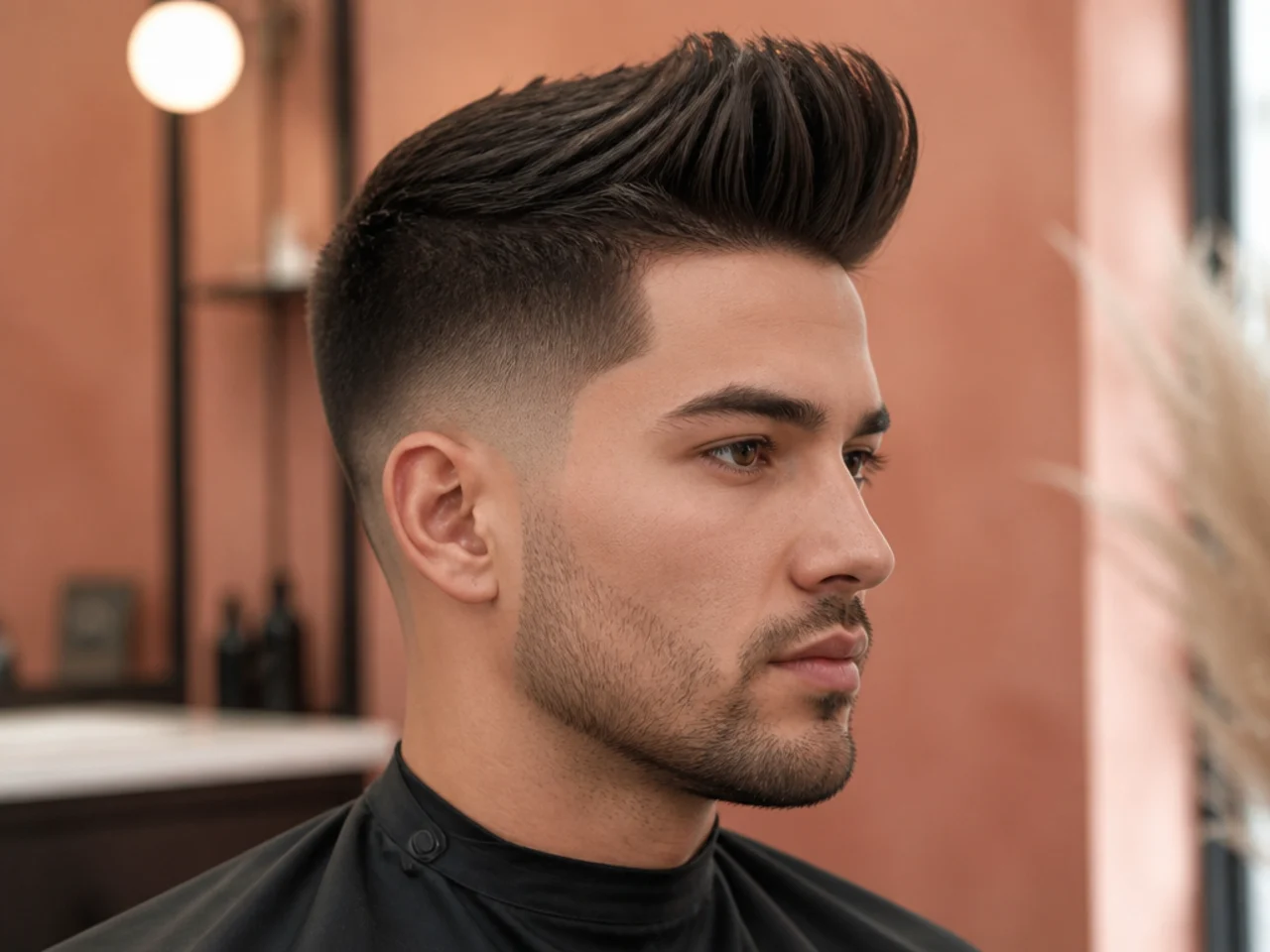
The round barrel wraps the hair and turns the root upward as the dryer follows it. That curved root angle is what holds height at the front, and no flat tool can produce it because nothing else bends the base of the hair. Every one of the men's quiff shapes starts from that same bend.
7. Against the Growth With a Towel, Then Set
A towel is the crudest direction tool there is, and that is its value. It moves every hair at once to the opposite of its natural fall, so the roots are already standing before you choose the direction you actually want.
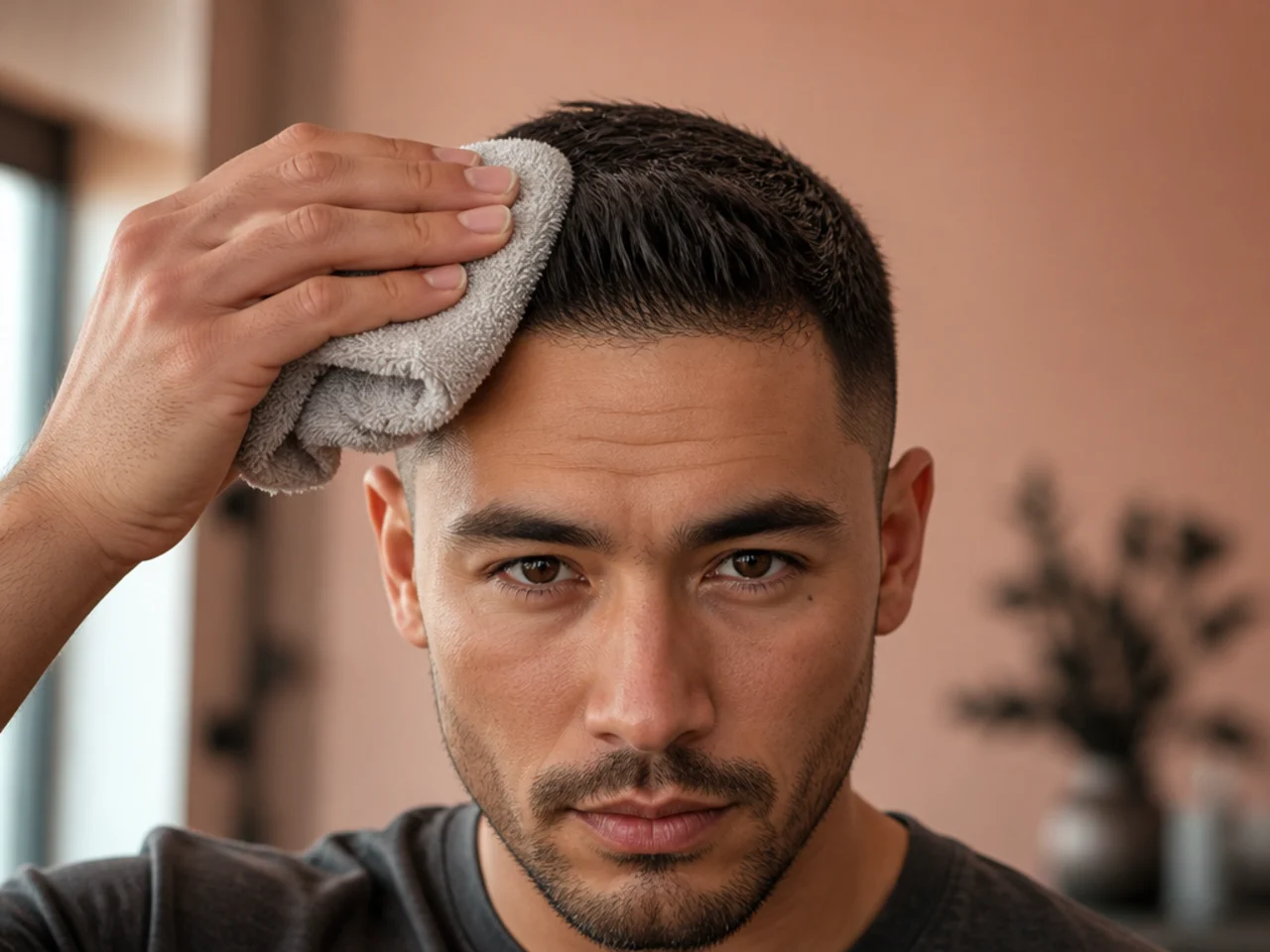
8. Sideways at the Crown to Flatten a Whorl
A whorl spins the hair outward and leaves a standing patch. Directing the crown sideways across the spiral, rather than with it or against it, lays the outer edge of the whorl down and stops it splitting the back of the head.
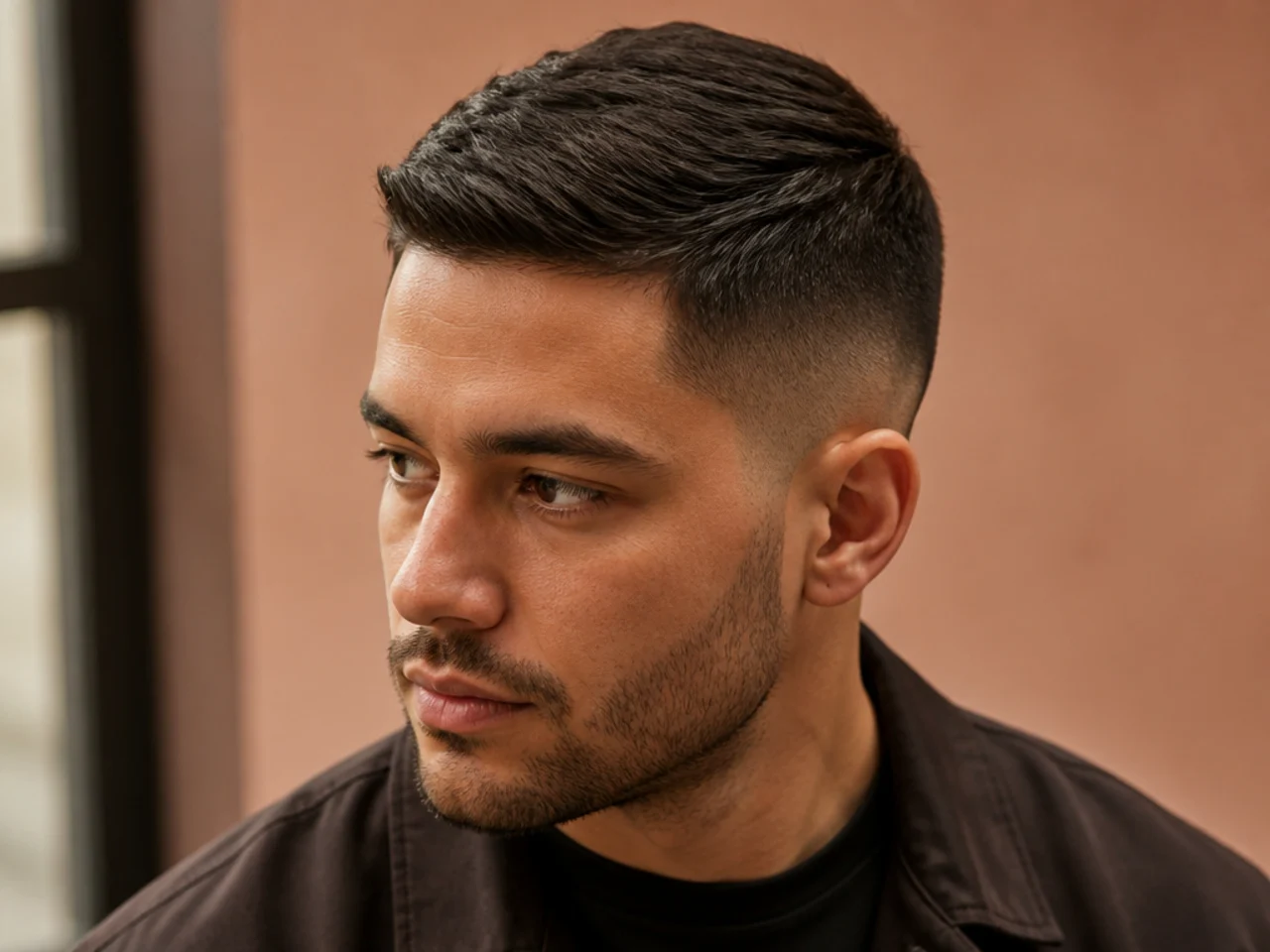
9. Out at the Temples to Widen a Narrow Head
Fingers push the hair above the ears outward rather than letting it fall in. Adding width at the temples broadens the top third of the head, which balances a narrow face far more effectively than adding height does.
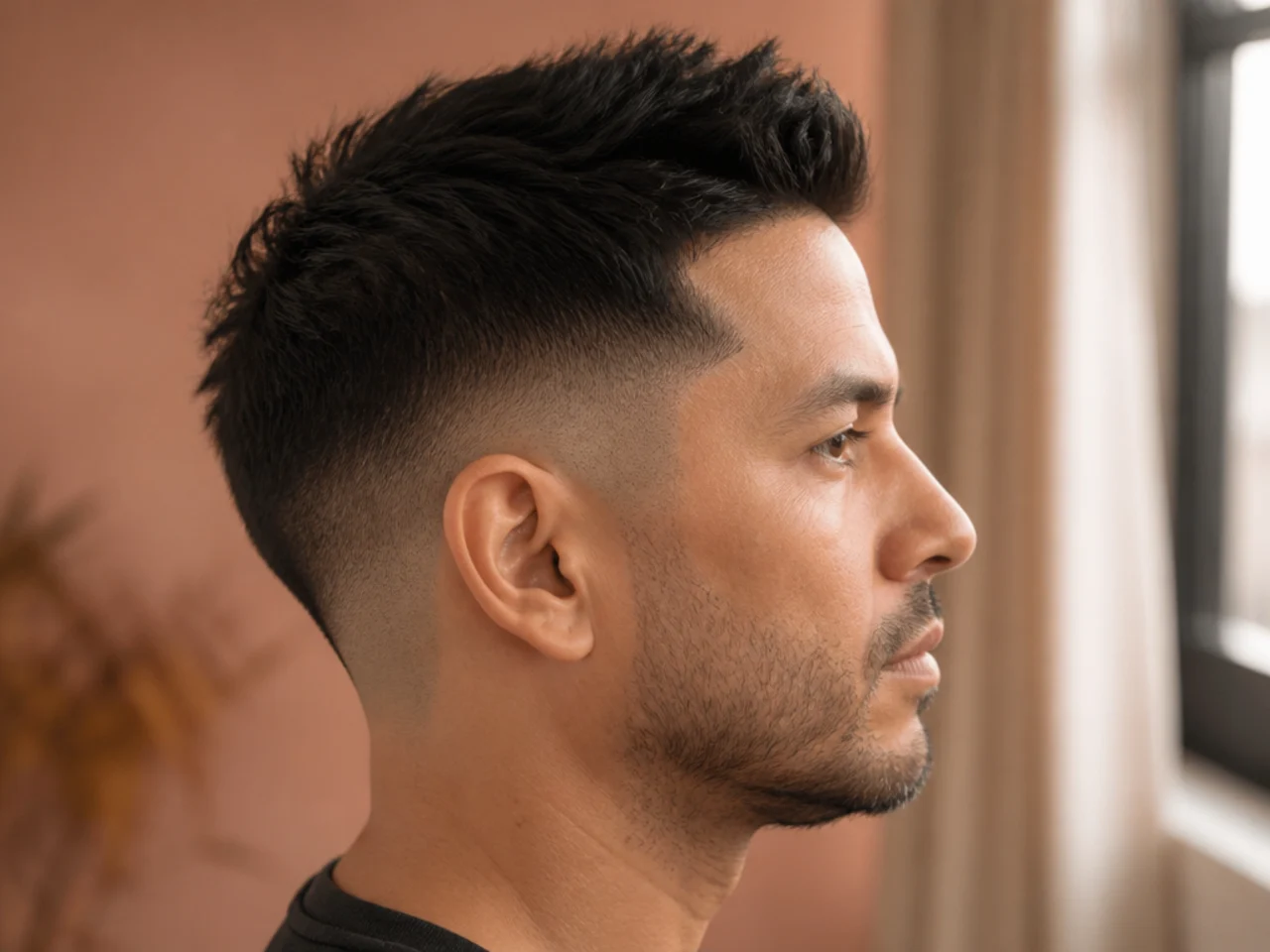
10. Down at the Nape With a Fine Comb
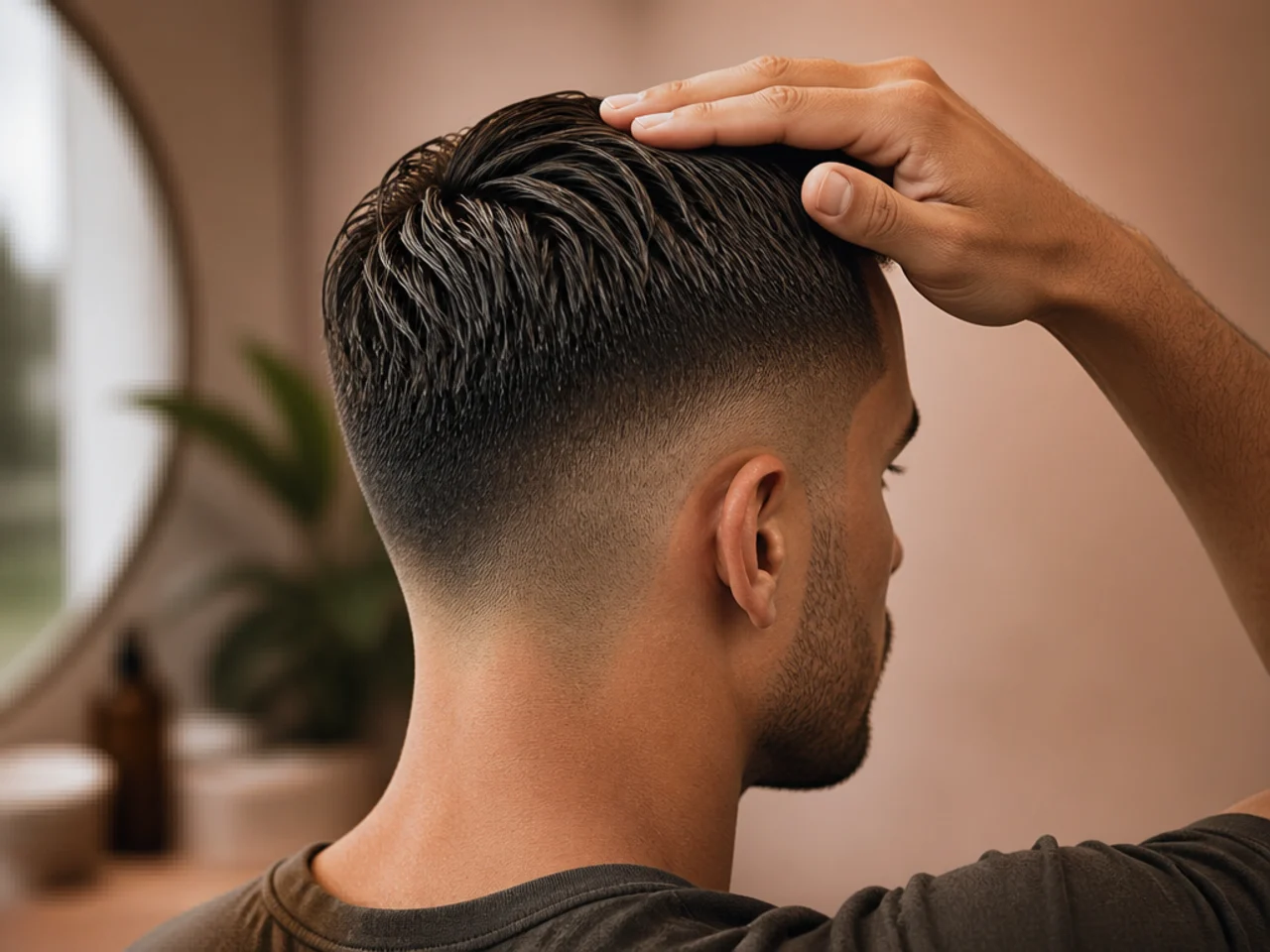
The nape is the one place you want no lift at all. A fine comb through damp hair at the neckline settles it flat against the skin, which keeps the outline clean and stops the back from looking bulkier than the sides.
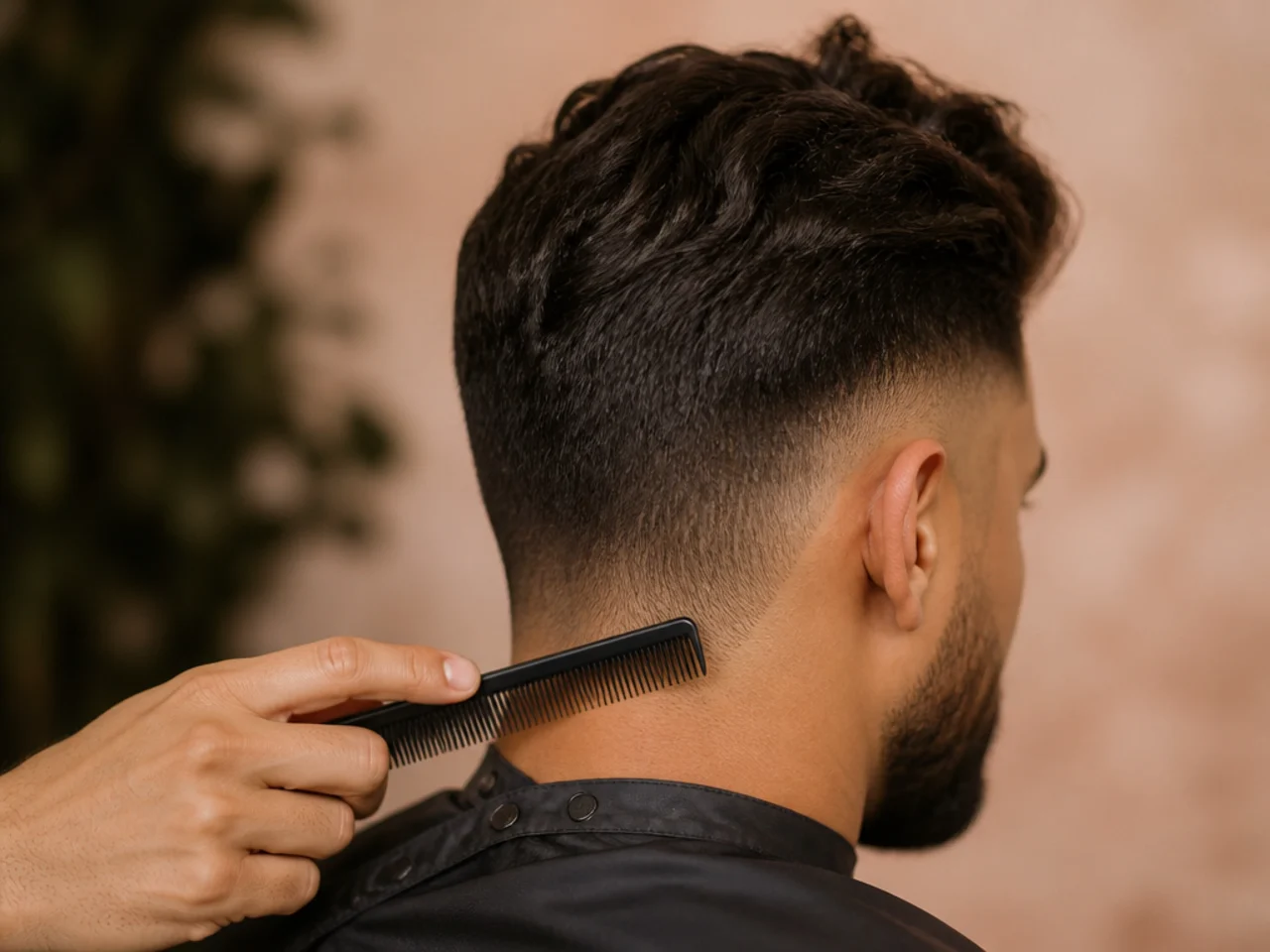
11. A Vent Brush Through Damp Hair
The gaps in a vent brush let air pass through the bristles, so it directs and dries in the same stroke. It moves more hair than fingers and lifts more root than a comb, which makes it the middle setting between the two.
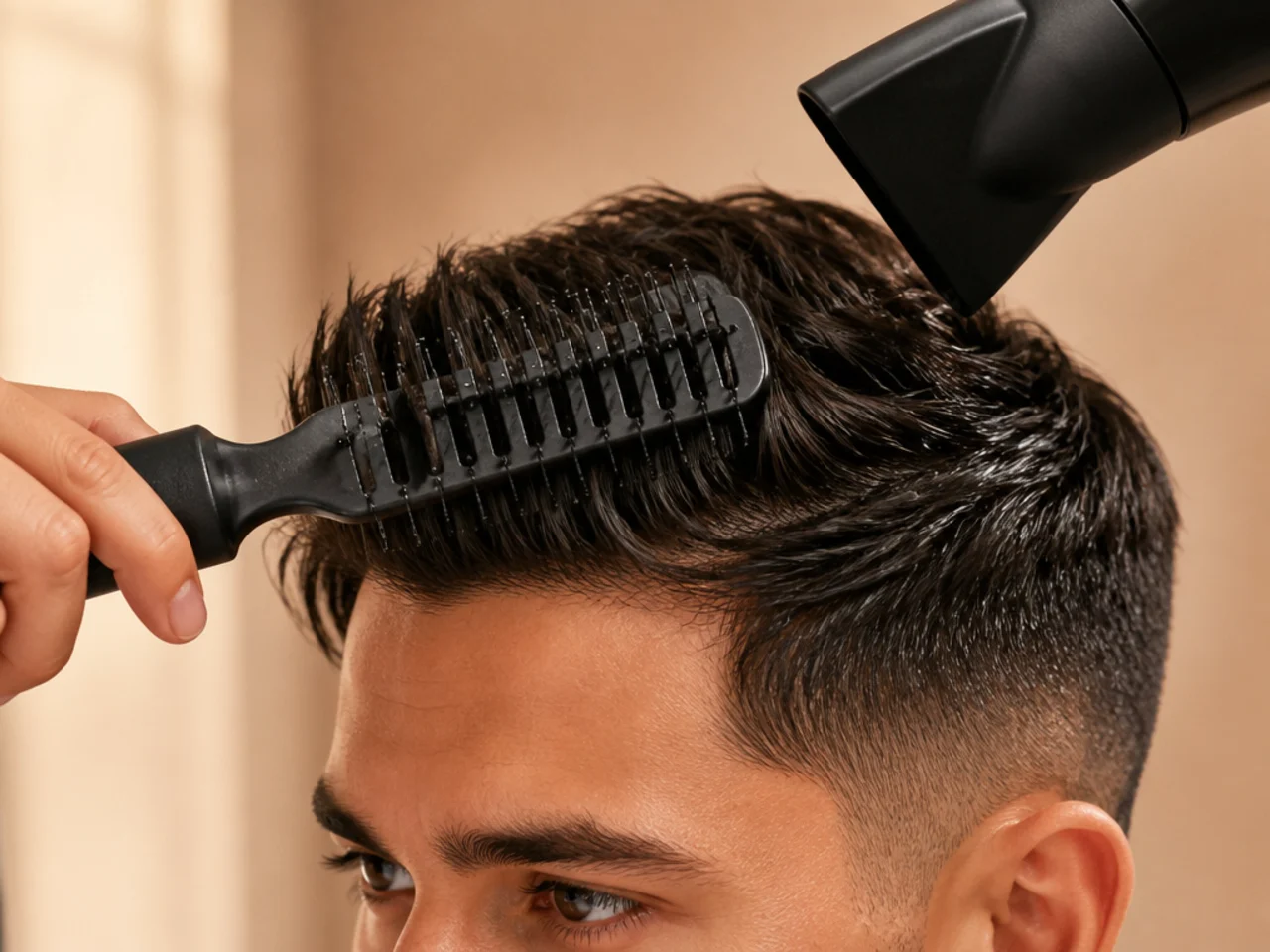
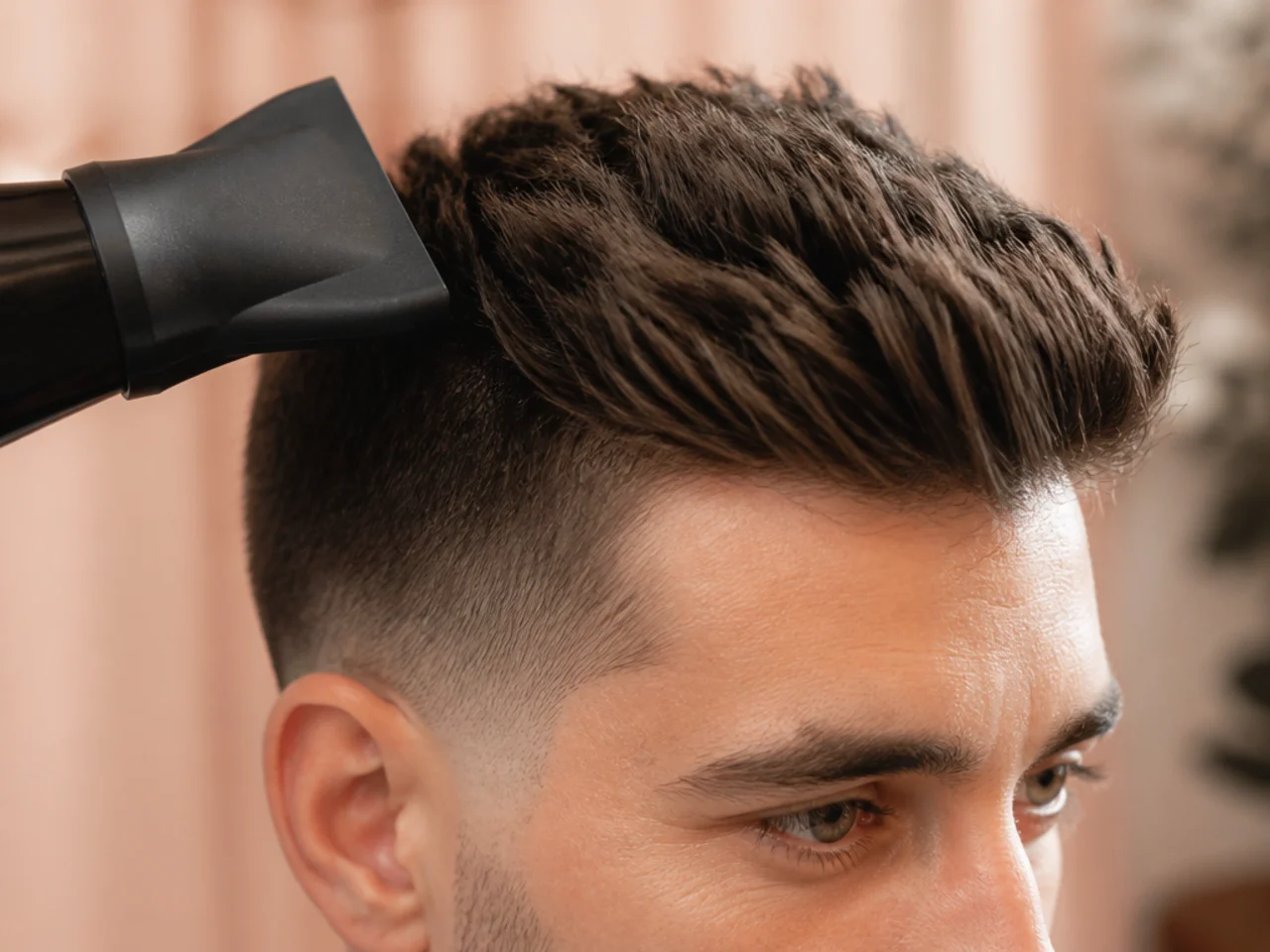
12. The Nozzle Angled Up for Lift, Down for Flat
The nozzle concentrates the air into a narrow line, so wherever it points is the direction the hair sets in. Aimed up at the root the hair sets standing. Aimed down the head it sets lying, and no tool afterwards will change that.
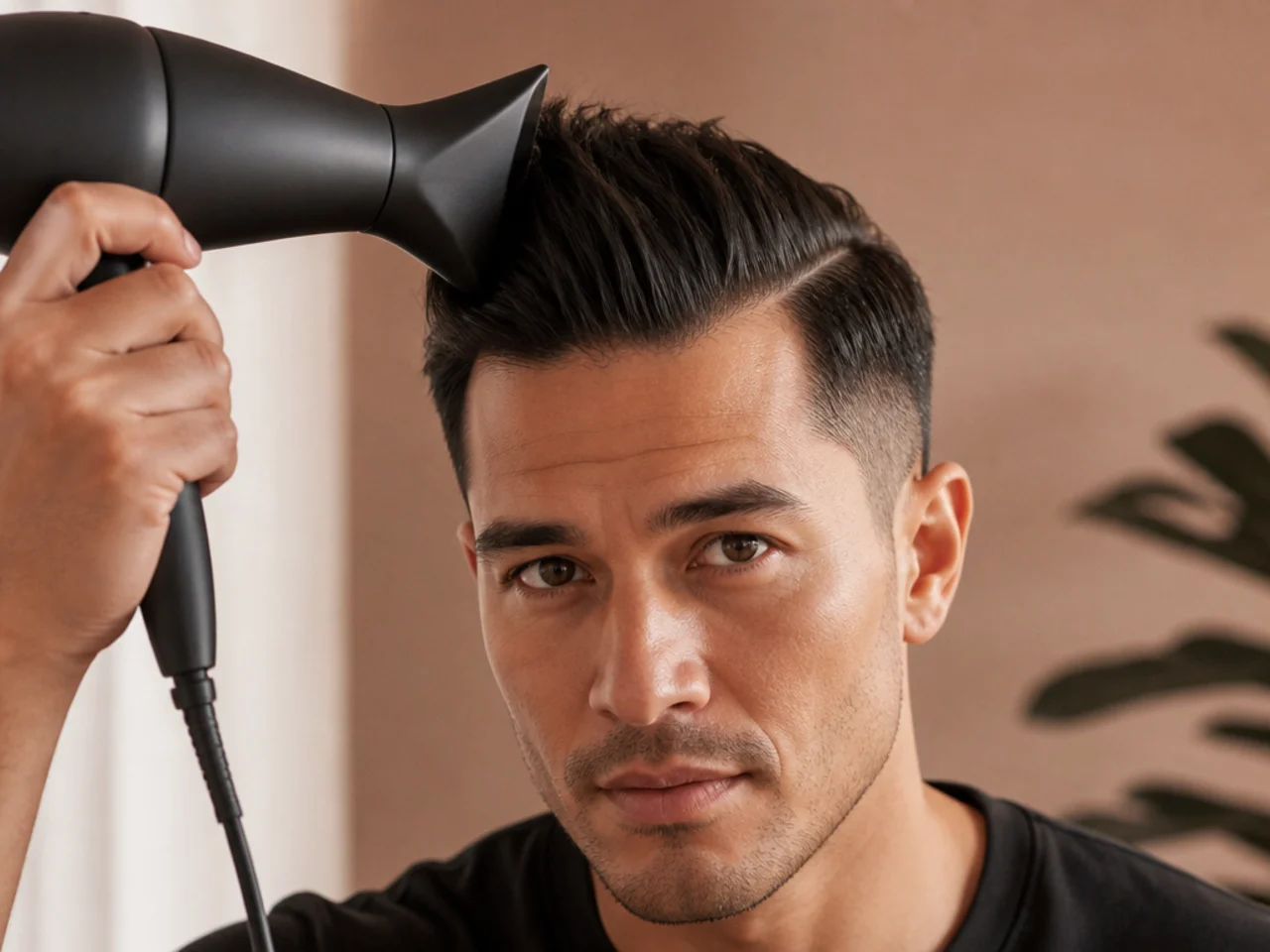
13. The Two-Direction Split, Front Forward and Sides Back
The front third goes toward the face and everything behind the temples goes back. Two directions meeting rather than one continuous sweep gives the top a break in it, which stops a short cut reading as a helmet.
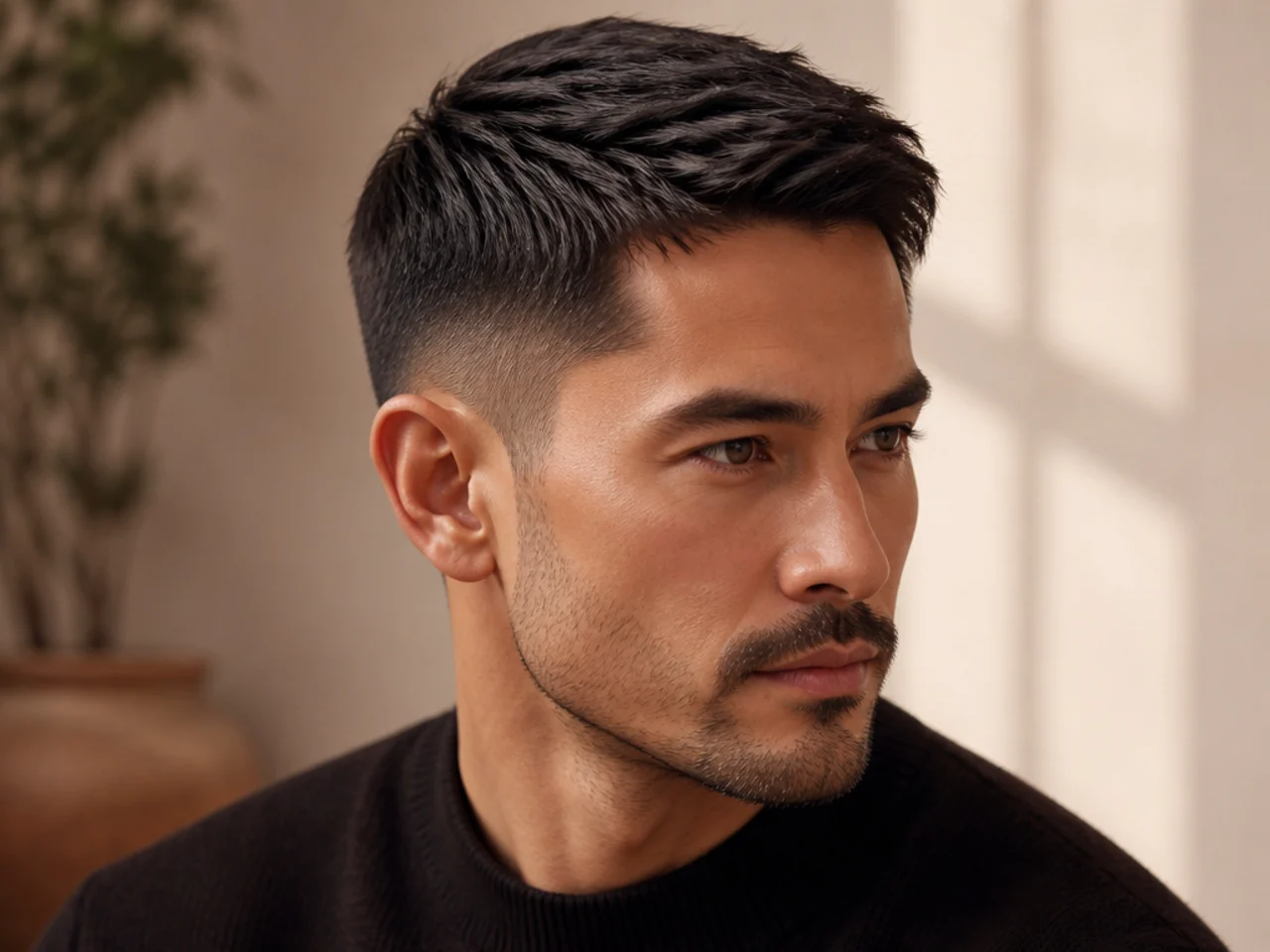
14. The Mid-Day Reset With Wet Hands and No Product
Wet fingertips at the scalp, thirty seconds of movement, done. What collapsed is the root angle rather than the product, so water fixes it and a second application of anything just holds the collapse in place.
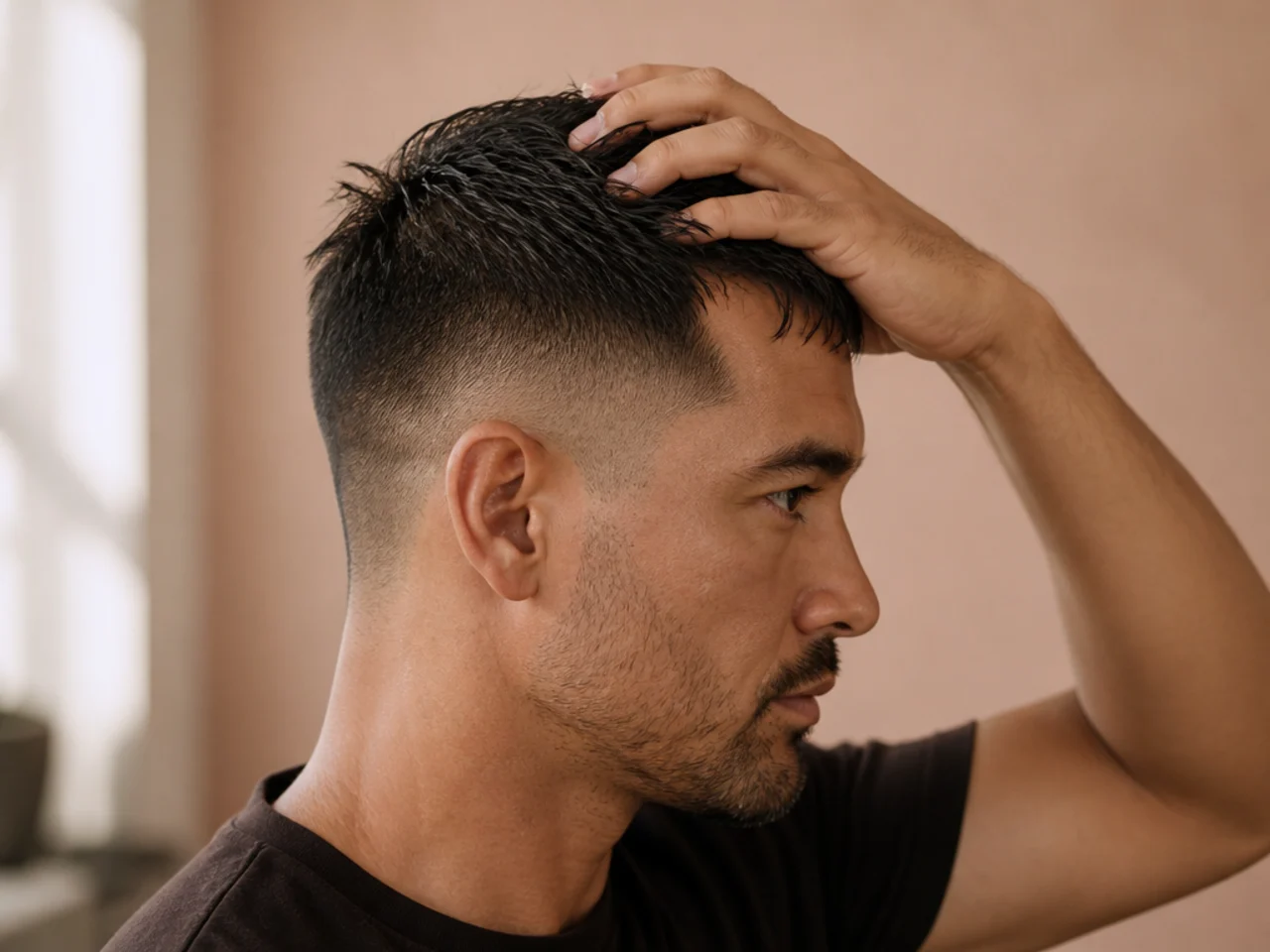
15. The Direction You Sleep In
Eight hours of pressure sets a direction whether you chose it or not. Sleeping face-down flattens the front, and always turning the same way pushes a permanent lean into one side, which is why some mornings start from much further back than others.
Making a Direction Hold
Set it damp, always. A direction chosen after the hair is dry has nothing fixing it there.
Finish with cool air. Warm air makes hair movable and cool air locks the angle you just made.
Work at the root, not the ends. The root decides the direction and the ends only follow it.
Use one tool per direction. Switching mid-style undoes the surface you already built.
Do the crown first. It is the hardest area and everything else can be adapted around it.
Mistakes to Avoid
Combing hair you styled with your fingers. One stroke turns the pieces back into a sheet.
Fighting the crown every morning. The whorl wins, and daily product is the price of arguing with it.
Choosing the direction once the hair is dry. It will drift back within the hour.
Brushing the length instead of the root. The root is the only part that holds anything up.
Drying with no nozzle. Unfocused air pushes the hair in every direction at once.

FAQ
Fingers or comb? Fingers for pieces, a comb for one continuous surface.
Why does the direction drift? You set it dry instead of damp.
What does a brush add? Root lift, which is the only real source of height.
Final Thoughts
Pick the direction first, pick the tool second, and set both while the hair is still damp. Everything else about styling short hair is detail hanging off those two decisions.
For cuts where the sides carry the shape see men's haircuts with short sides, and for more shapes to work from see short haircut ideas for men. More in Men's Haircuts.