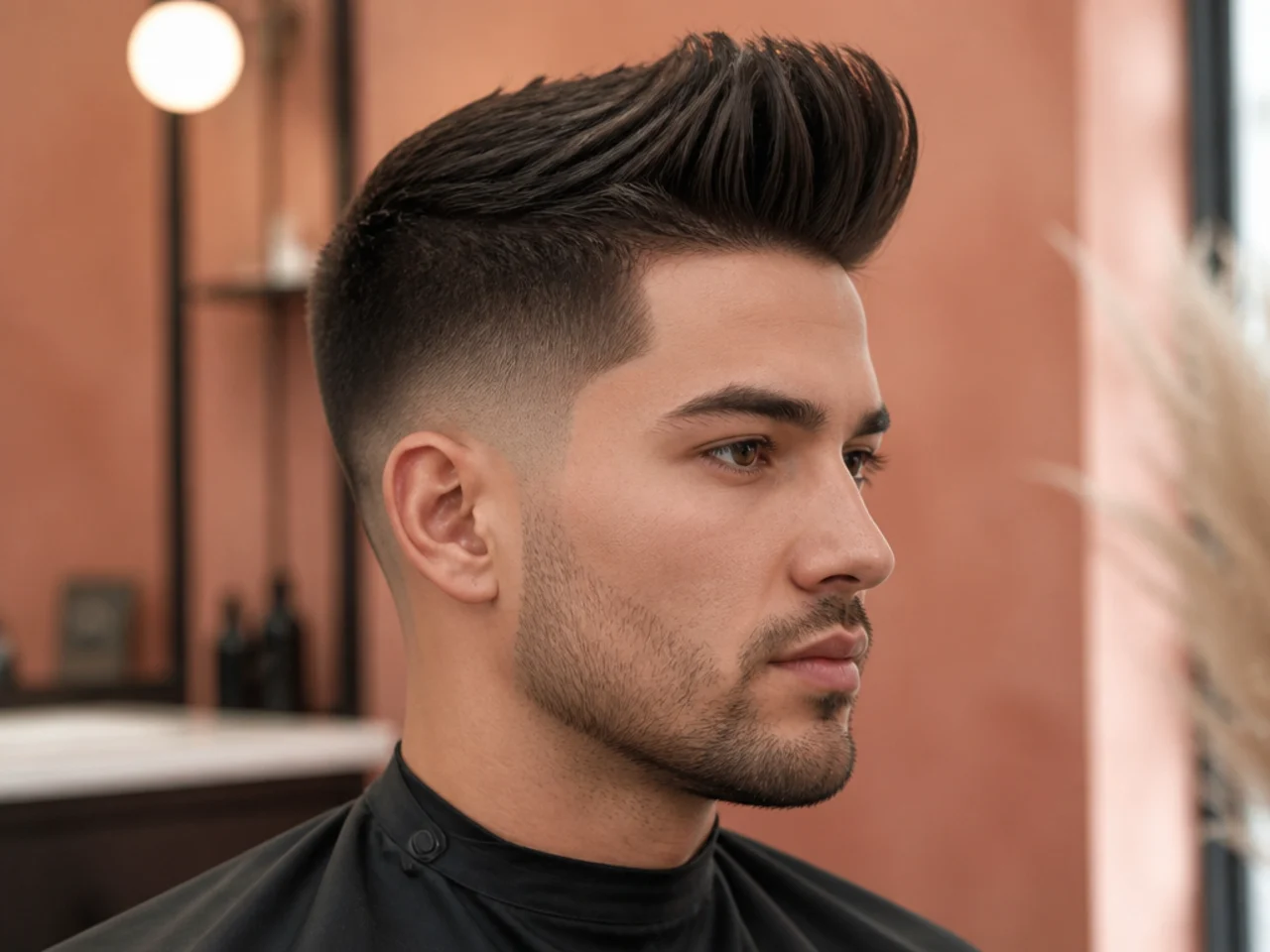
15 Men's Short Hair Ideas With a Side Part
Most men part their hair where they always have, which is rarely where the hair wants to split. The crown decides that line, and a part placed against it needs product every single day to stay put.
In this article · 22
- How to Find the Line Your Hair Already Has
- Natural, Chosen or Cut — Which Part You Want
- The 15 Part Placements
- 1. The Natural Split, Found With a Flat Palm
- 2. A Part Moved One Centimetre Toward the Centre
- 3. The Deep Side Part, and the Density It Needs
- 4. A Hard Part Cut Along the Natural Line
- 5. A Hard Part Cut Against It, and What It Costs Daily
- 6. The Part That Lands on a Cowlick
- 7. Parting on the Heavier Side
- 8. Parting on the Lighter Side to Spread Density
- 9. The Part Placed to Widen a Narrow Face
- 10. The Part That Runs Into a Receding Corner
- 11. A Soft Part With No Comb Line
- 12. Part Height Measured Against the Eyebrow
- 13. The Part That Stops Before the Crown
- 14. The Part on Curly Hair
- 15. How the Part Migrates as the Cut Grows Out
- Keeping the Part Where You Put It
- Mistakes to Avoid
- FAQ
- Final Thoughts
Ask ten men where their part is and nine will point at a line they chose at fourteen.
Your crown decides the part, not your habit. The direction the hair leaves the whorl determines which side falls away cleanly and which side has to be held down.
A part fought daily is a product problem you created. On the right line short hair splits and stays. On the wrong one it closes over by mid-morning no matter what you put on it.
How to Find the Line Your Hair Already Has
Wash it, comb it all straight forward. Every hair pointing the same way removes whatever direction you set yesterday.
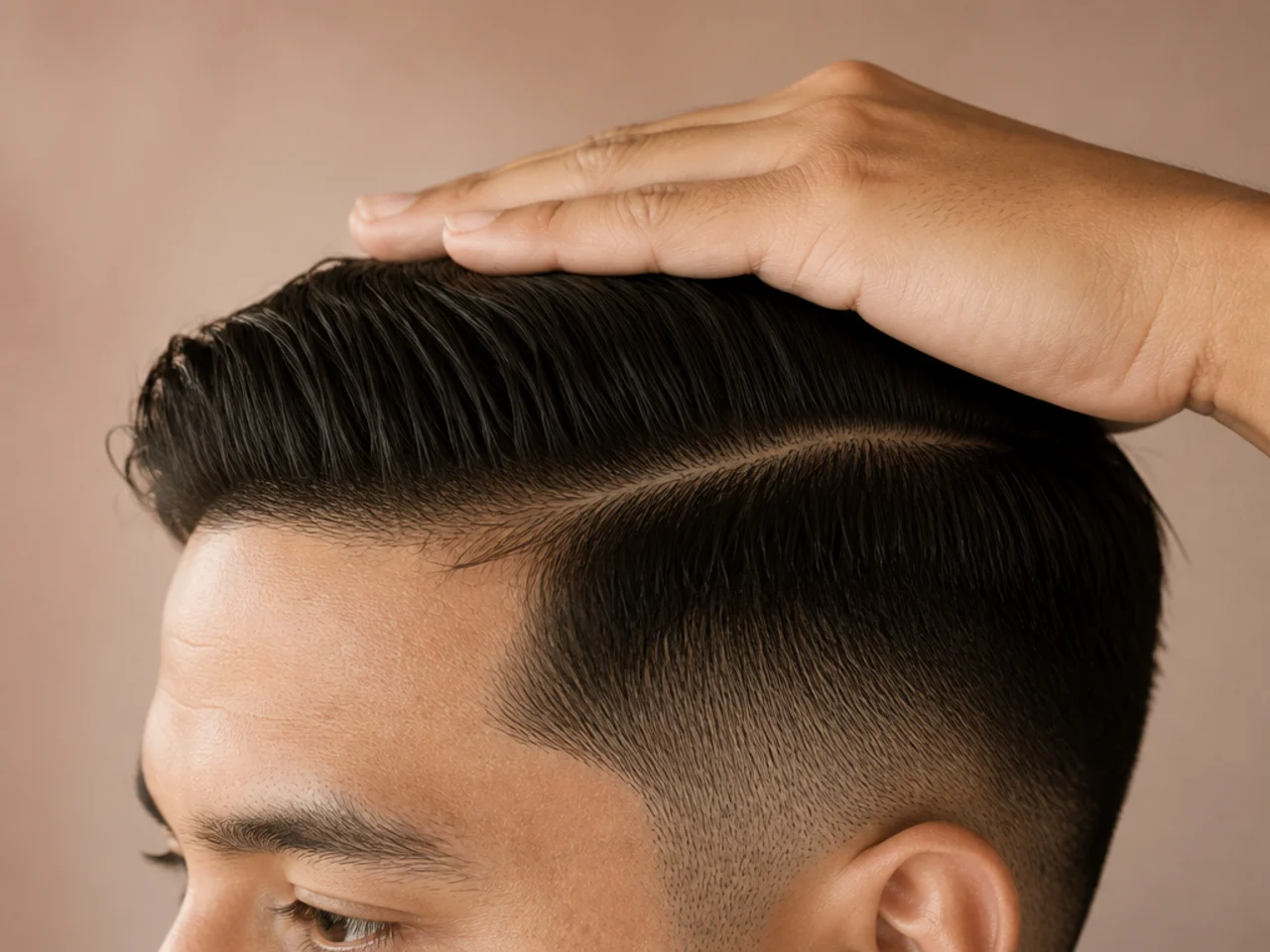
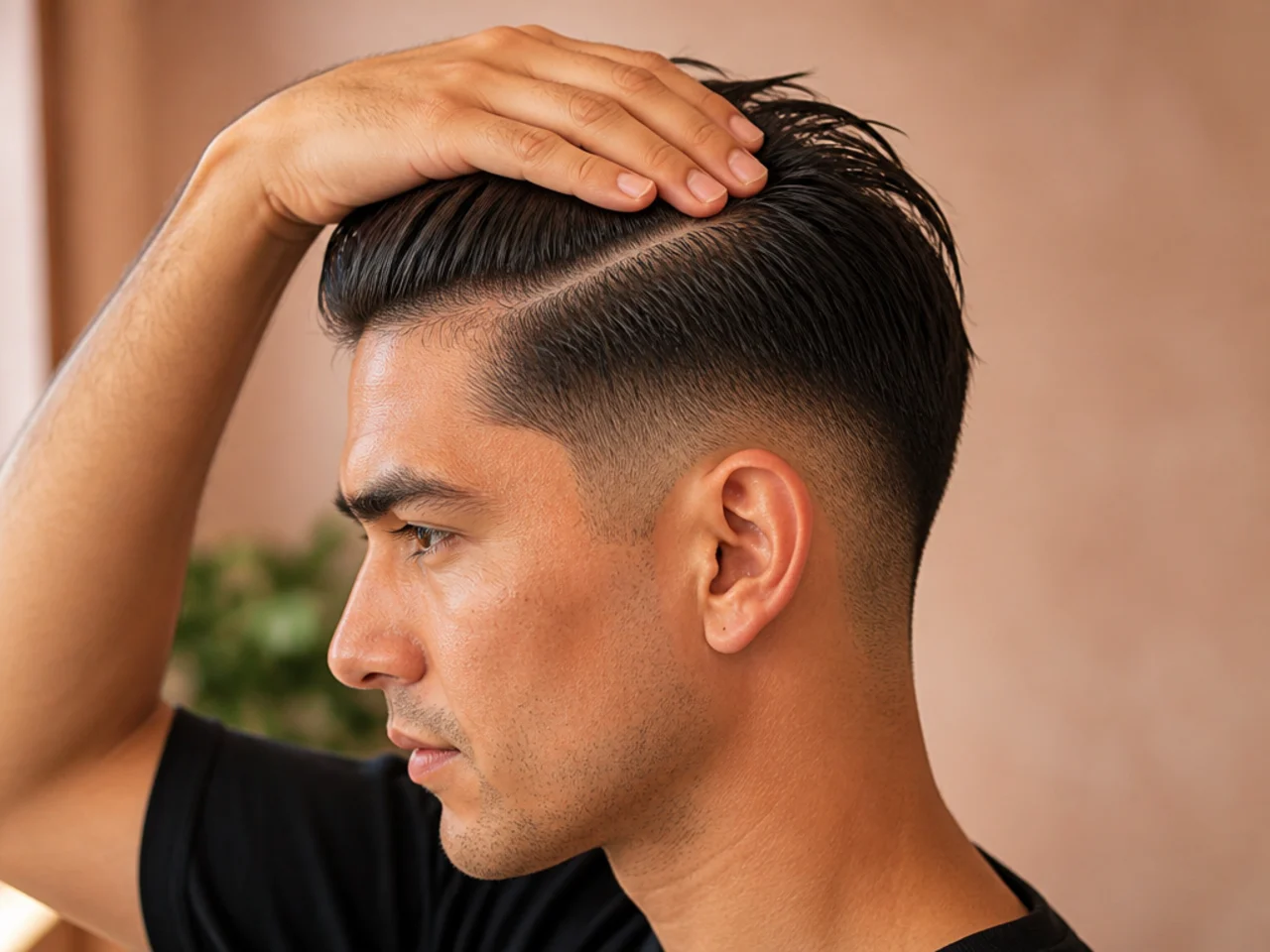
Push it back with a flat palm, not a comb. A palm applies even pressure and lets the hair choose. A comb imposes a line.
Watch where it splits, and mark that. It will land within about a centimetre of the same place every time, because the crown has not moved.
A hard part is a cut line, not a natural one. It can be shaved anywhere, which is exactly why the decision needs making deliberately.
Natural, Chosen or Cut — Which Part You Want
Natural costs nothing. It holds with water and a comb, which is the whole argument for it.
Chosen costs a daily effort. Moving the line means overriding the growth every morning, forever.
Cut costs a weekly appointment. A shaved line grows back visibly in about a week and needs redoing.
Density decides what is available. A deep part needs enough hair on the heavy side to cover the ground it has to travel.

The 15 Part Placements
1. The Natural Split, Found With a Flat Palm
The line the hair chooses when nothing is imposed on it. Everything on both sides is already lying away from it, so it opens with a comb and stays open with almost nothing in the hair. It is the only placement that costs you nothing to maintain.
2. A Part Moved One Centimetre Toward the Centre
Close enough to the natural line that the hair still cooperates, but far enough to change the balance of the top. A centimetre is roughly the limit of what you can move without needing product to hold it, which makes it the safest adjustment available.

3. The Deep Side Part, and the Density It Needs
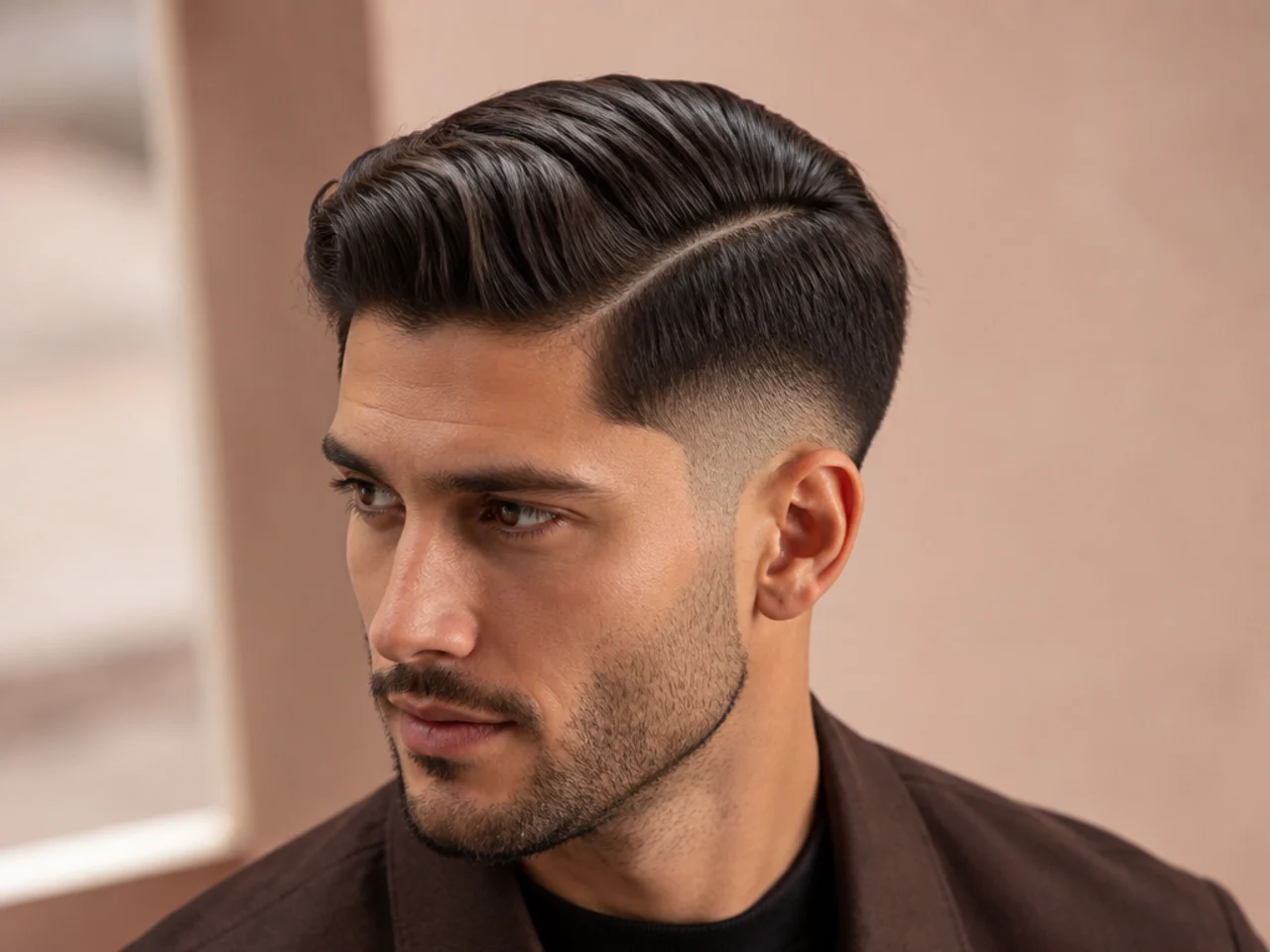
Placed low above the ear, it leaves a large heavy section to be carried across the head. That only works if there is enough hair to cover the distance without going see-through halfway. On thinning hair a deep part exposes the scalp it was meant to disguise. Depth is what makes the classic side part read as formal, and what makes it conditional.
4. A Hard Part Cut Along the Natural Line
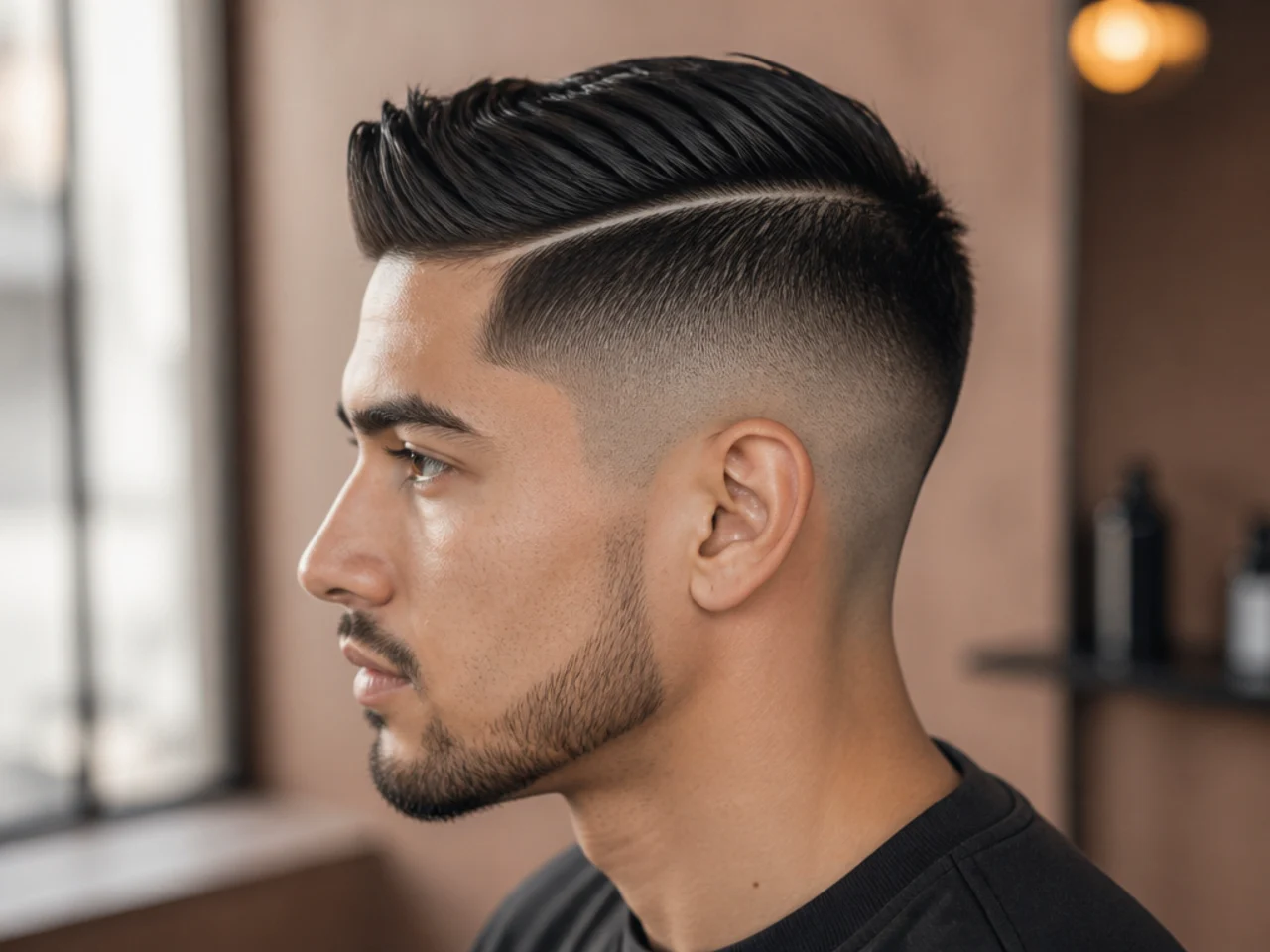
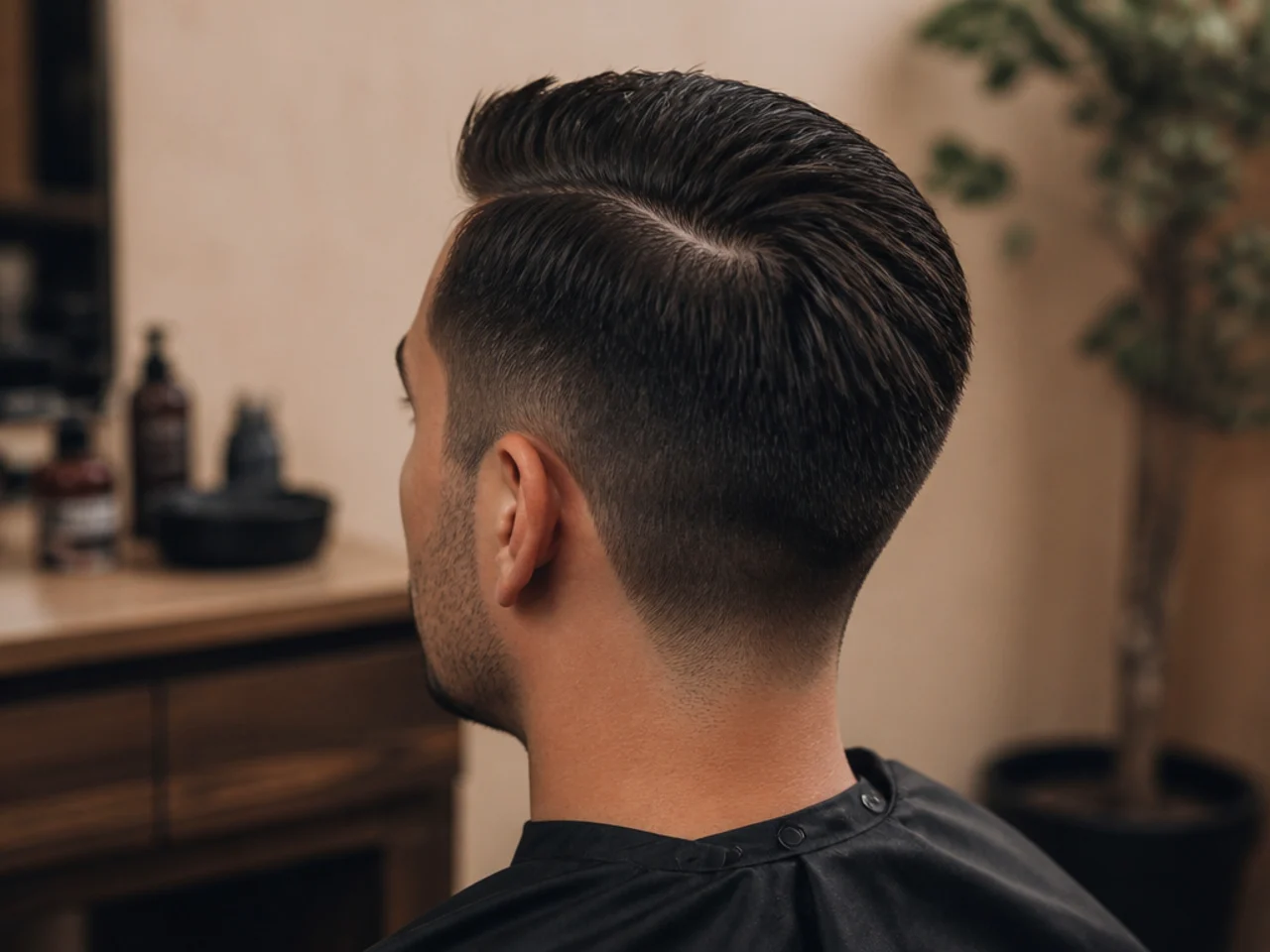
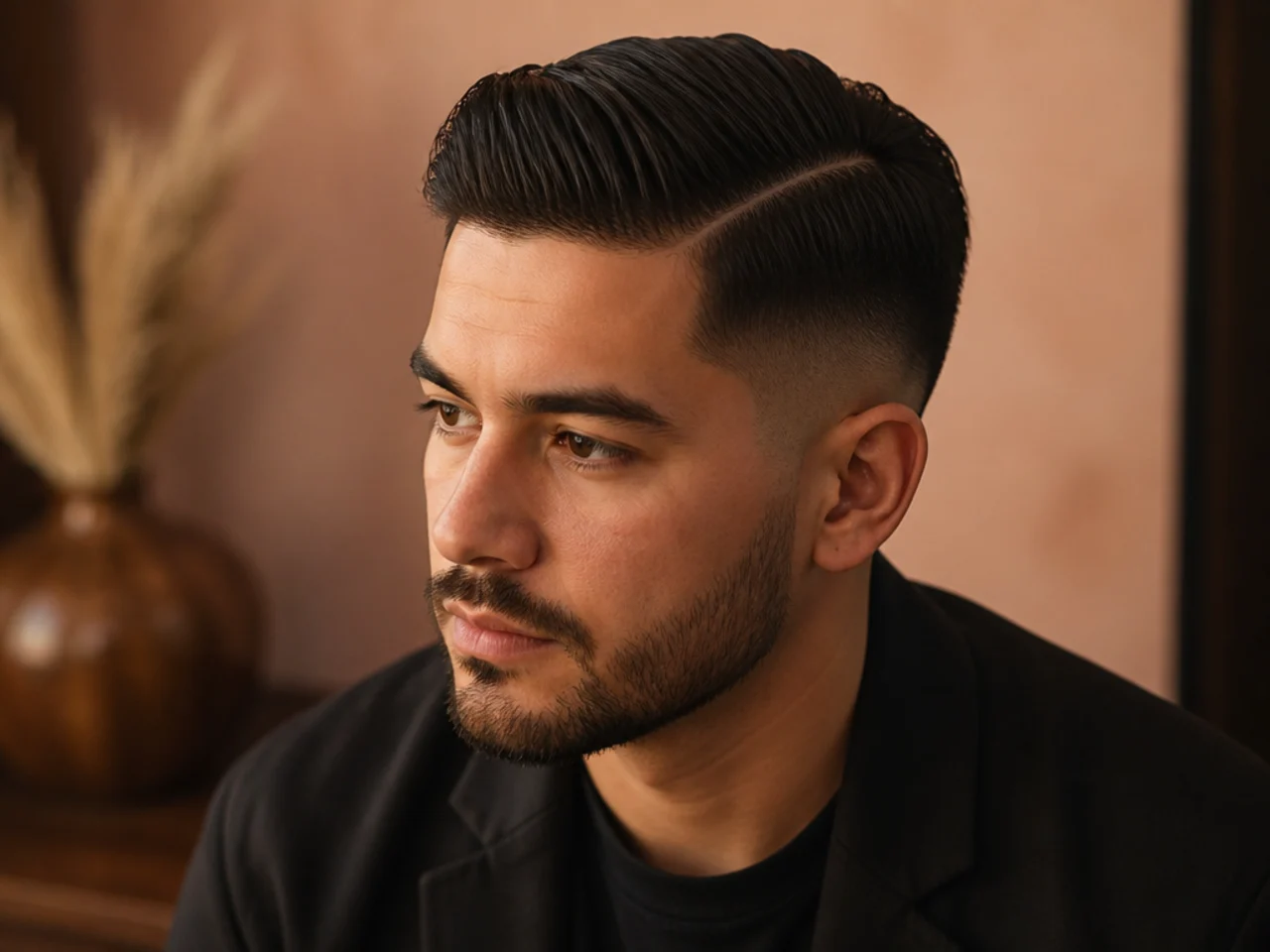
A shaved channel following the split the hair already has. The line does two jobs, making the part visible and giving the hair a physical edge to fall away from, which is why this version needs the least styling of any hard part. It is usually cut alongside a gradient, as in a mid fade with a side part, so the channel has a clean field to sit against.
5. A Hard Part Cut Against It, and What It Costs Daily
Shaved wherever you asked for it, regardless of the growth. The two sides keep trying to close over the channel, so it needs combing and holding every morning, and it still drifts. It looks sharp on day one and argumentative by day five.
6. The Part That Lands on a Cowlick
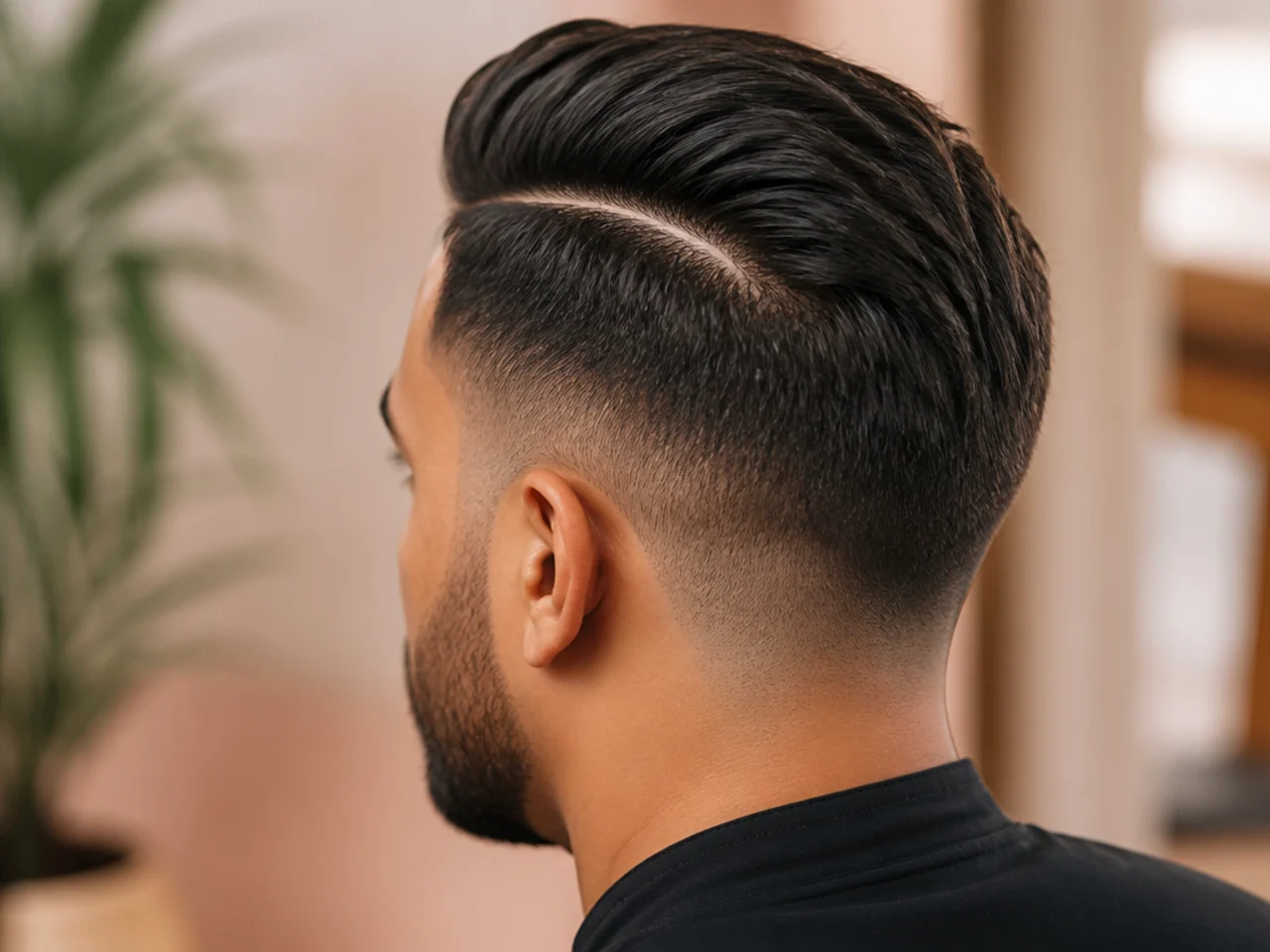
A cowlick pushes hair up and outward from a fixed point, so a part running through one will not close and will not sit flat either. Moving the line a centimetre to either side of it is almost always easier than trying to flatten it.
7. Parting on the Heavier Side
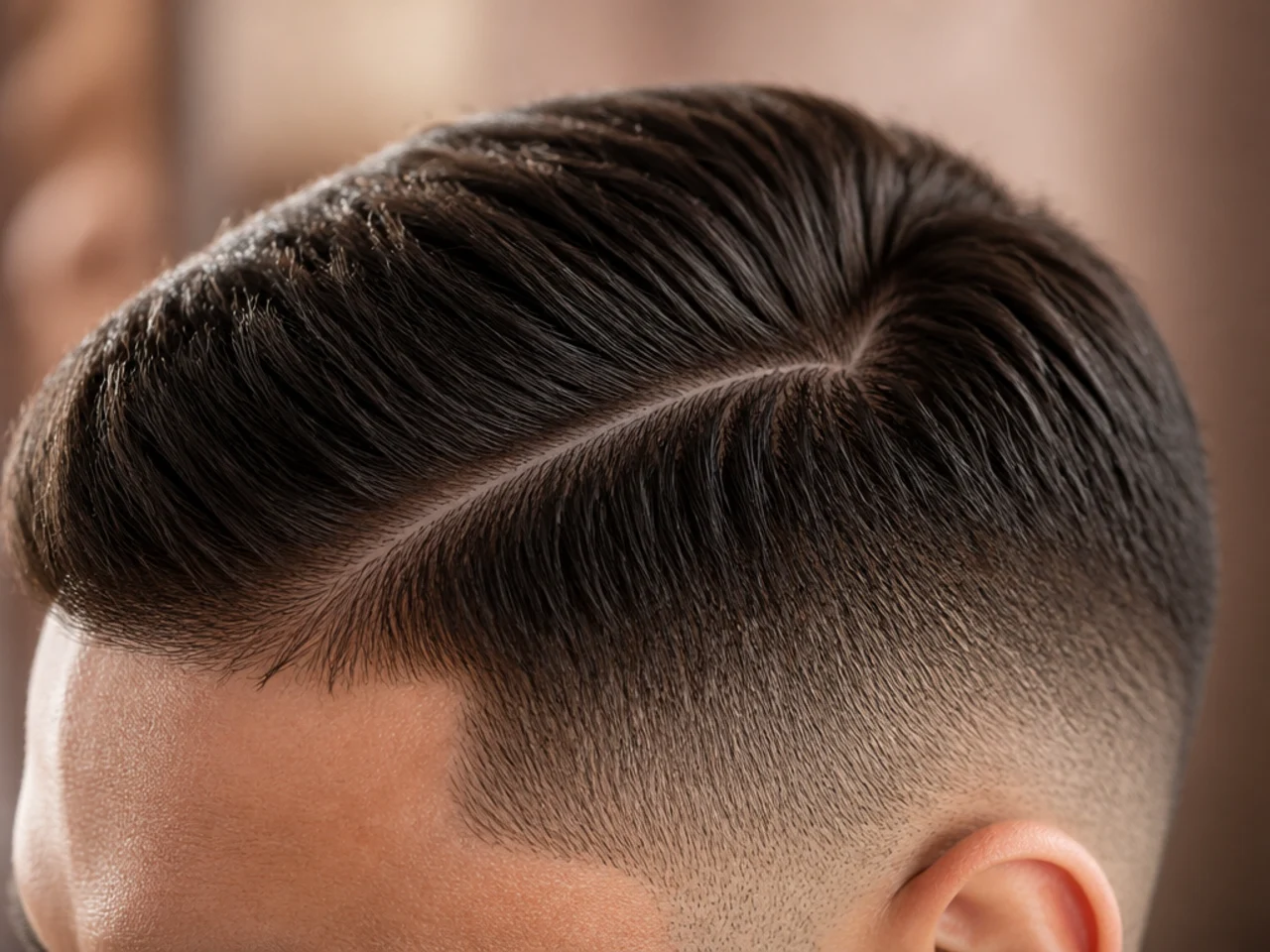
Most heads carry more hair on one side. Placing the line so the heavy side is the one sweeping over gives the top its maximum apparent volume, because the thickest section is the one covering the most visible ground.

8. Parting on the Lighter Side to Spread Density
The opposite trade, and the right one when there is a thin patch. Parting on the sparser side sends the denser hair across it, so the thin area sits underneath rather than being the surface everyone sees.

9. The Part Placed to Widen a Narrow Face
The further from centre the line sits, the more width it creates on the heavy side and the more the top reads as broad rather than tall. A narrow face gains more from that horizontal spread than from any amount of height at the front.
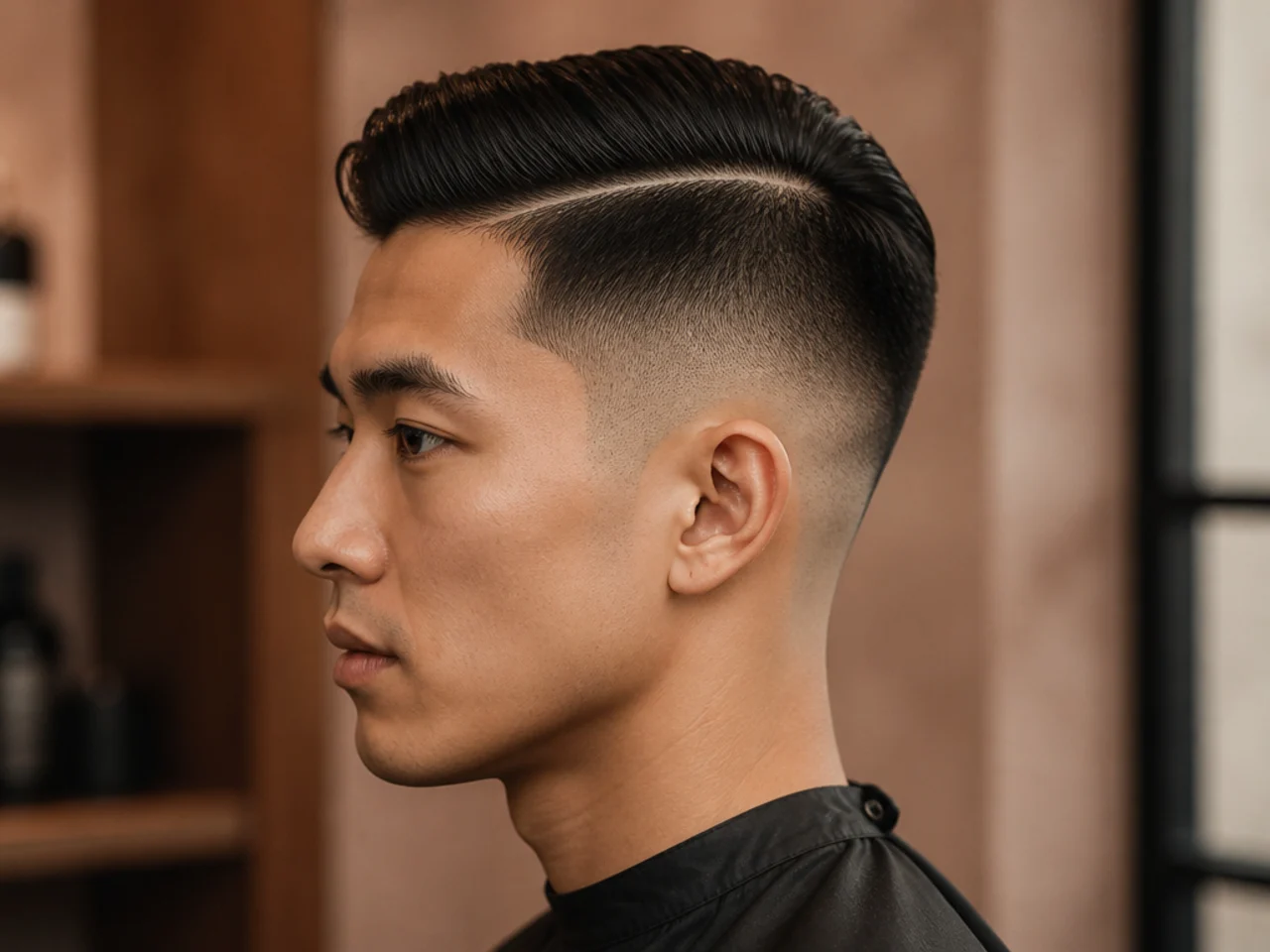
10. The Part That Runs Into a Receding Corner
If the line ends at a receding temple, it points straight at it. Setting the part so it terminates before the corner, and letting the hair fall across rather than away from that point, keeps the eye on the line instead of the gap.
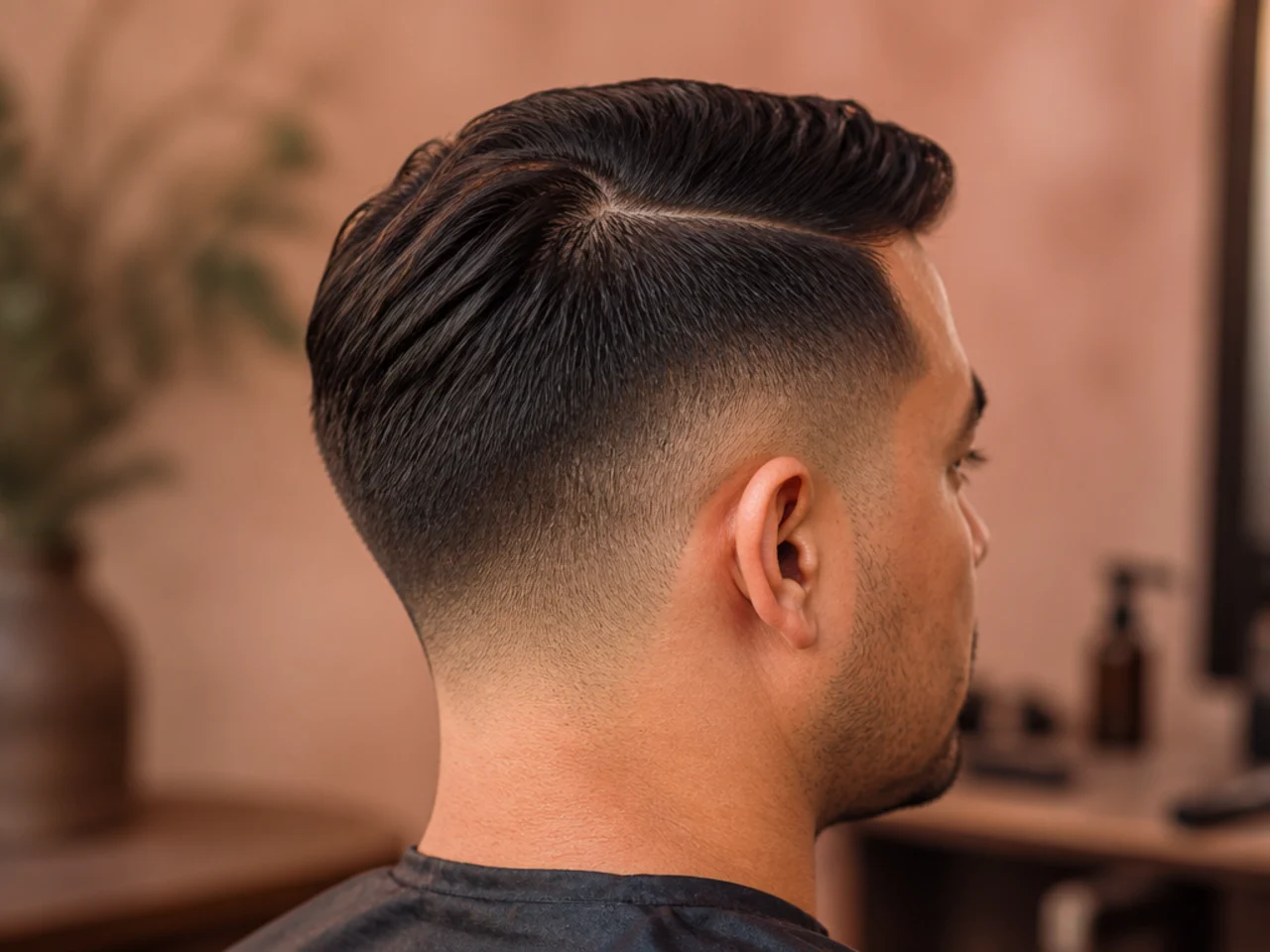
11. A Soft Part With No Comb Line
The same placement, opened with fingertips instead of a comb. There is no visible channel, just a change of direction between two sections, which reads as far less formal and forgives the line wandering a few millimetres.
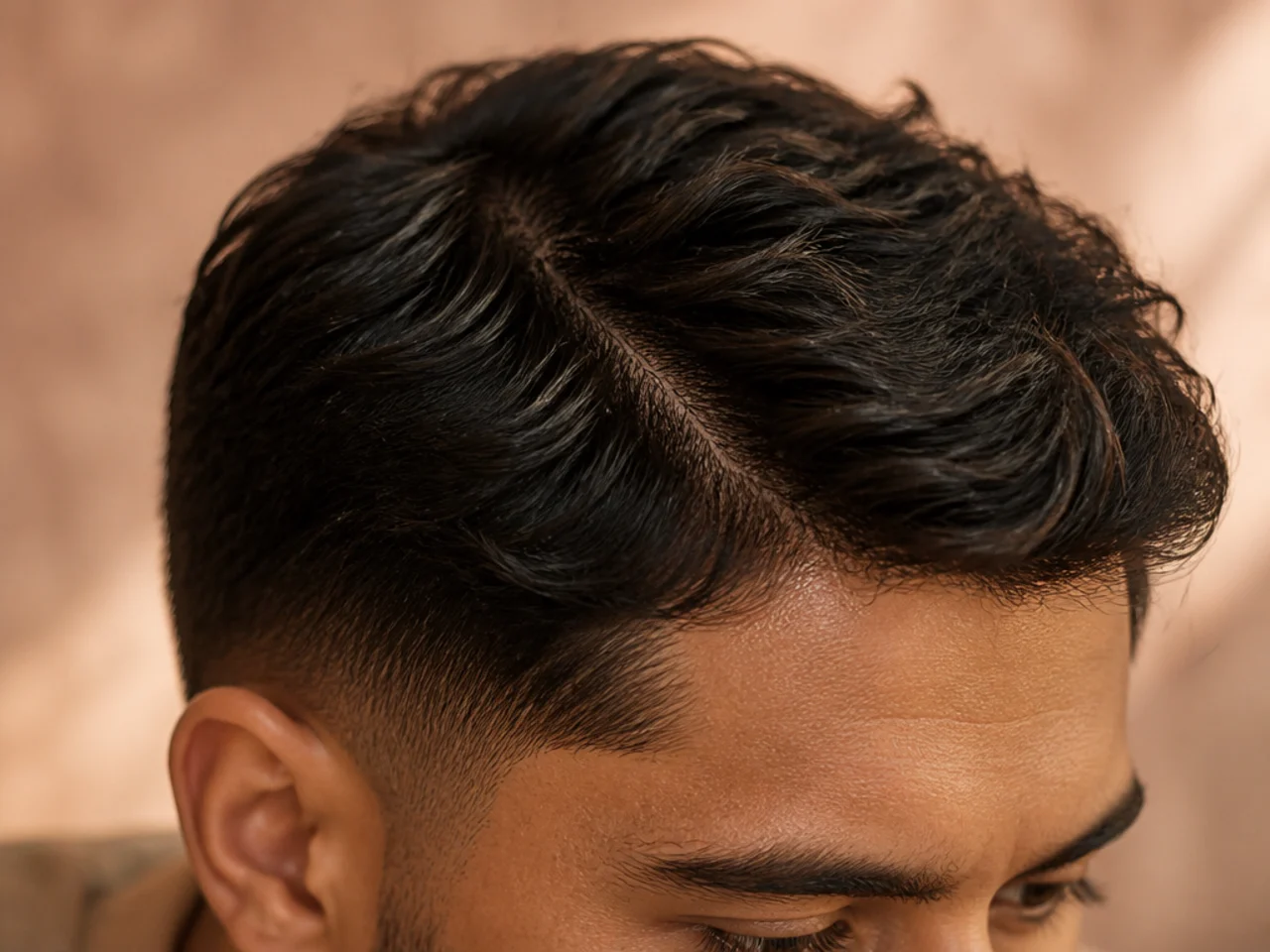
12. Part Height Measured Against the Eyebrow
The usual reference point is the outer end of the eyebrow, and the line sits above it. Placed further in, the part reads as formal and severe. Placed further out toward the temple, it barely registers as a part at all.

13. The Part That Stops Before the Crown
A part does not have to run the full length of the head. Ending it two-thirds of the way back leaves the crown to fall naturally, which avoids the split meeting the whorl and turning into a gap at the back.
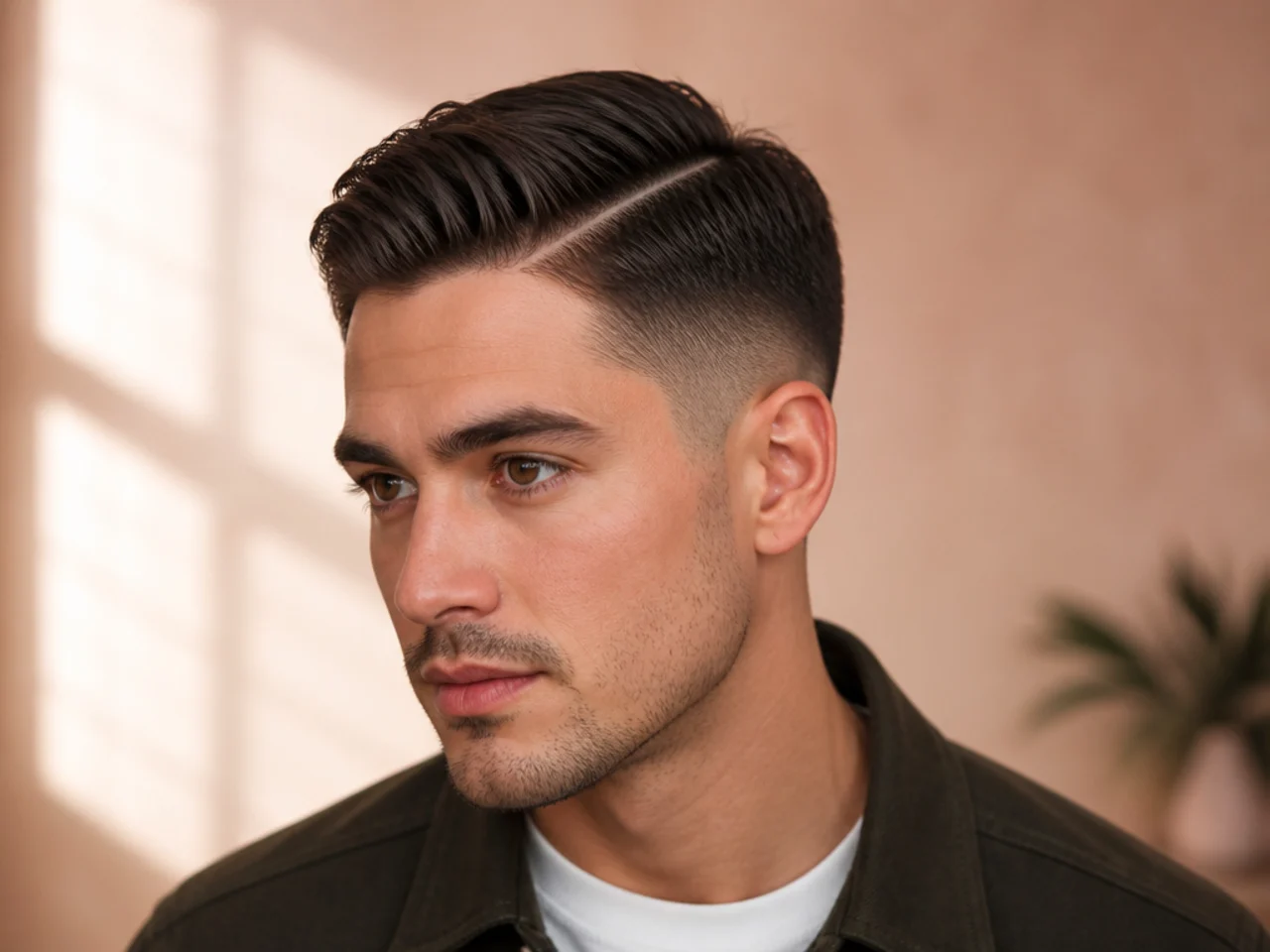
14. The Part on Curly Hair
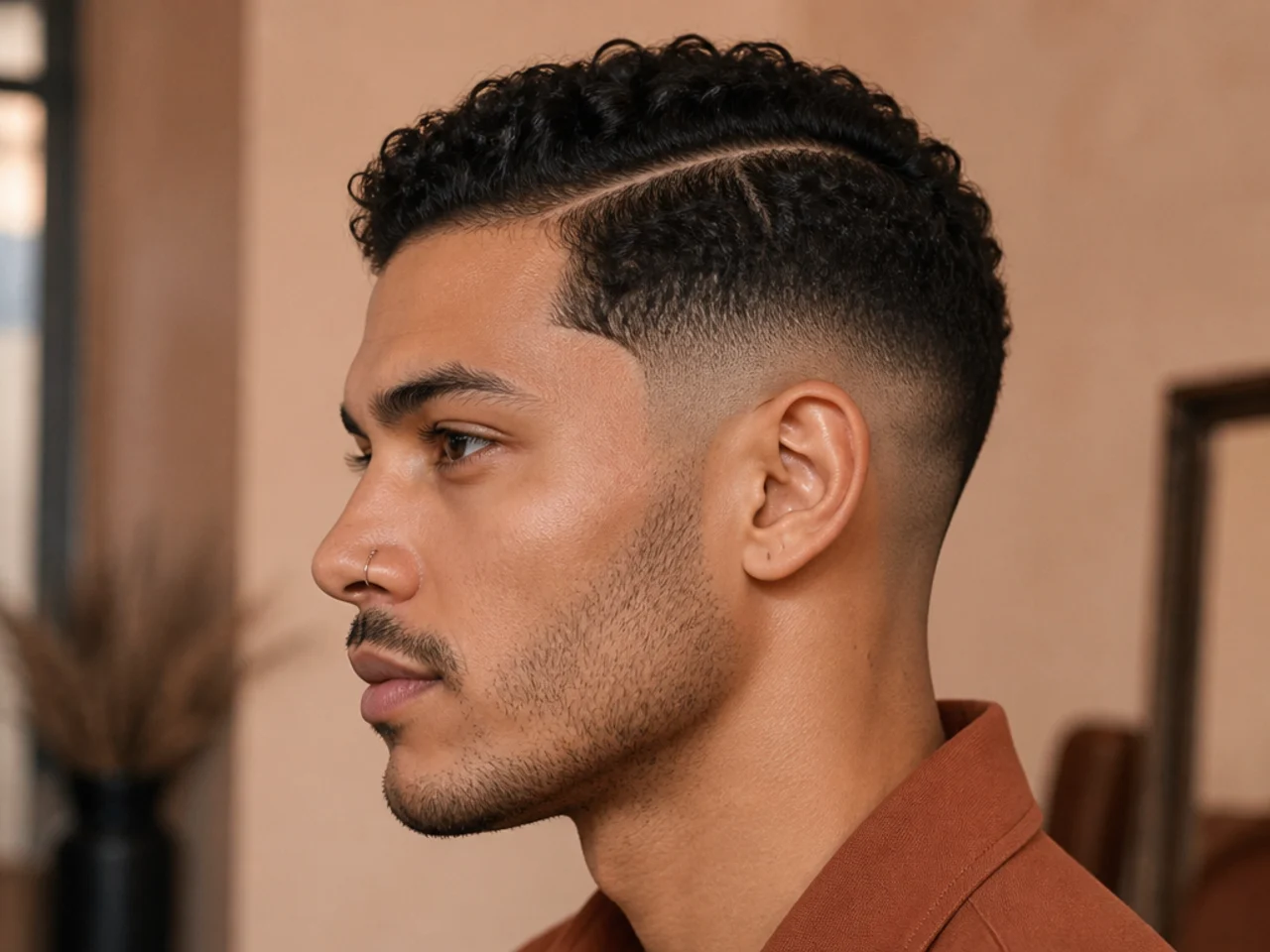
Curl does not lie flat against a line, so the part reads as a gap between two masses rather than a drawn edge. That gap only stays open if it sits exactly on the natural split, which makes finding the line more important here than anywhere else. The cuts that carry it are set out in short curly haircuts for men.
15. How the Part Migrates as the Cut Grows Out
As length increases, weight pulls the sections down and the line drifts toward the natural split whether you like it or not. A chosen part is therefore hardest to hold in week four, which is a good argument for choosing the natural one.
Keeping the Part Where You Put It
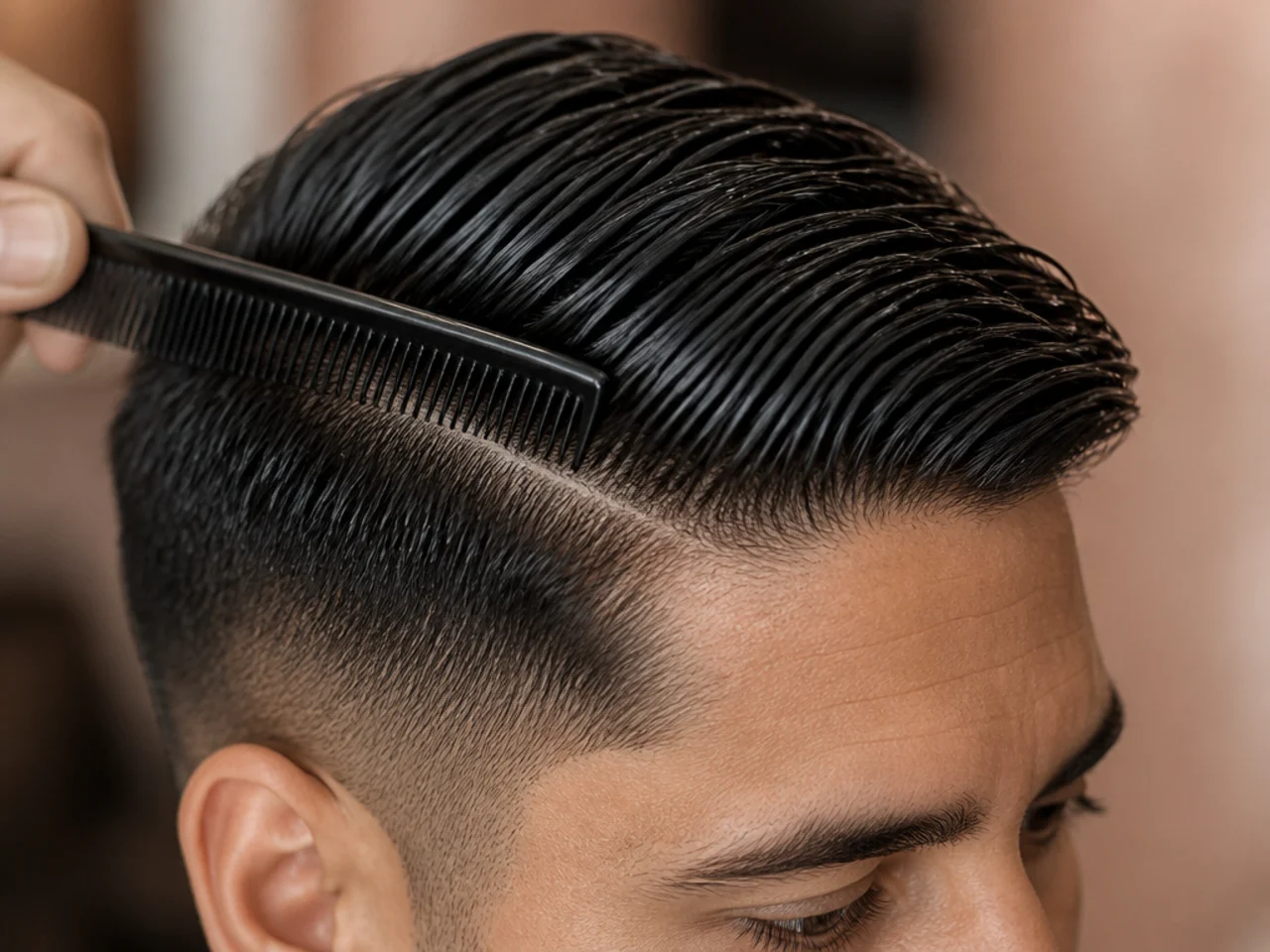
Open it while the hair is damp. A line set dry closes as soon as the hair moves.
Comb from the line outward, both sides. Combing across it drags hair back over the channel.
Show your barber the line, do not describe it. Part it yourself in the chair before anything starts.
Re-find it after every cut. Removing weight can shift where the hair naturally splits.
Keep product off the channel itself. Anything in the gap bridges it and closes the part.
Mistakes to Avoid
Parting where you always have. Habit is not evidence about where your hair splits.
Choosing the side by which mirror you use. The crown decides the side, not your reflection.
Going deep on thinning hair. A long sweep over a sparse area shows the scalp under it.
Shaving a hard part against the growth. You are cutting a line the hair will not respect.
Judging a new part on day one. It needs a wash cycle to settle into place.

FAQ
How do I find my natural part? Comb it forward wet, then push it back with a flat palm.
Which side? The one your crown whorl sends the hair toward.
Why does my part close? It is placed off the natural line and the hair is returning to it.
Final Thoughts
Spend one wash finding the line your hair already has before you spend another year holding one it does not want. Placement is the whole difference between a part that needs a comb and a part that needs a comb, a product and a check in the mirror at lunch.
For the cuts this line sits best in see short side part haircuts, and for more variations on the shape see side part hairstyles for men with short hair. More in Men's Haircuts.