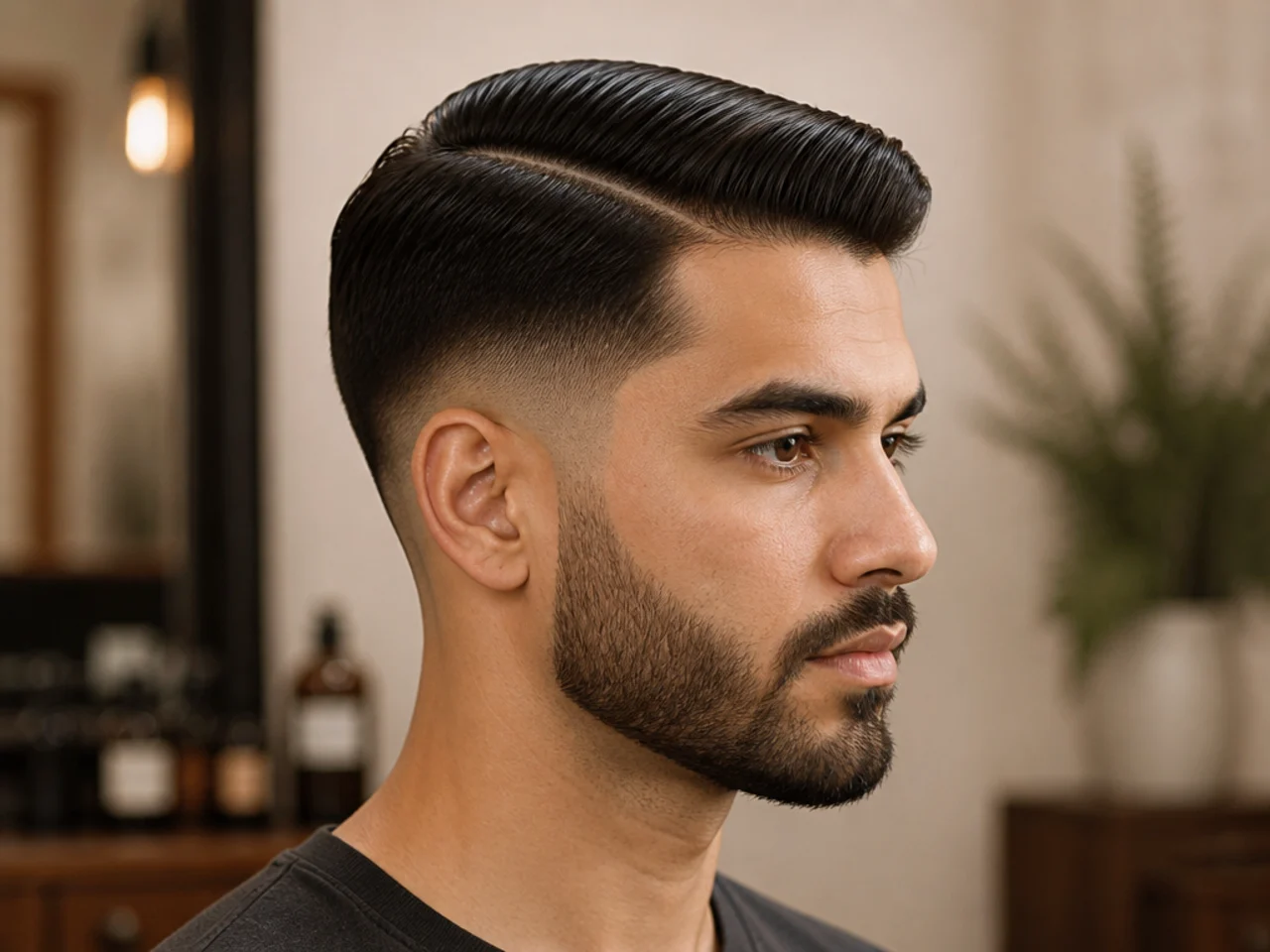
20 Mid Fade Side Part Haircuts for Men
Twenty mid fade side part haircuts men are asking barbers for in 2026 — from classic hard-part polish to textured modern versions, with the exact wording to hand your barber.
In this article · 26
- Why the Mid Fade Side Part Works
- How to Choose Your Mid Fade Side Part
- The 20 Mid Fade Side Part Variations
- 1\. Classic Mid Fade Side Part
- 2\. Mid Fade with Hard Side Part
- 3\. Mid Skin Fade Side Part
- 4\. Mid Drop Fade Side Part
- 5\. Mid Fade Slicked Side Sweep
- 6\. Mid Fade Comb Over Side Part
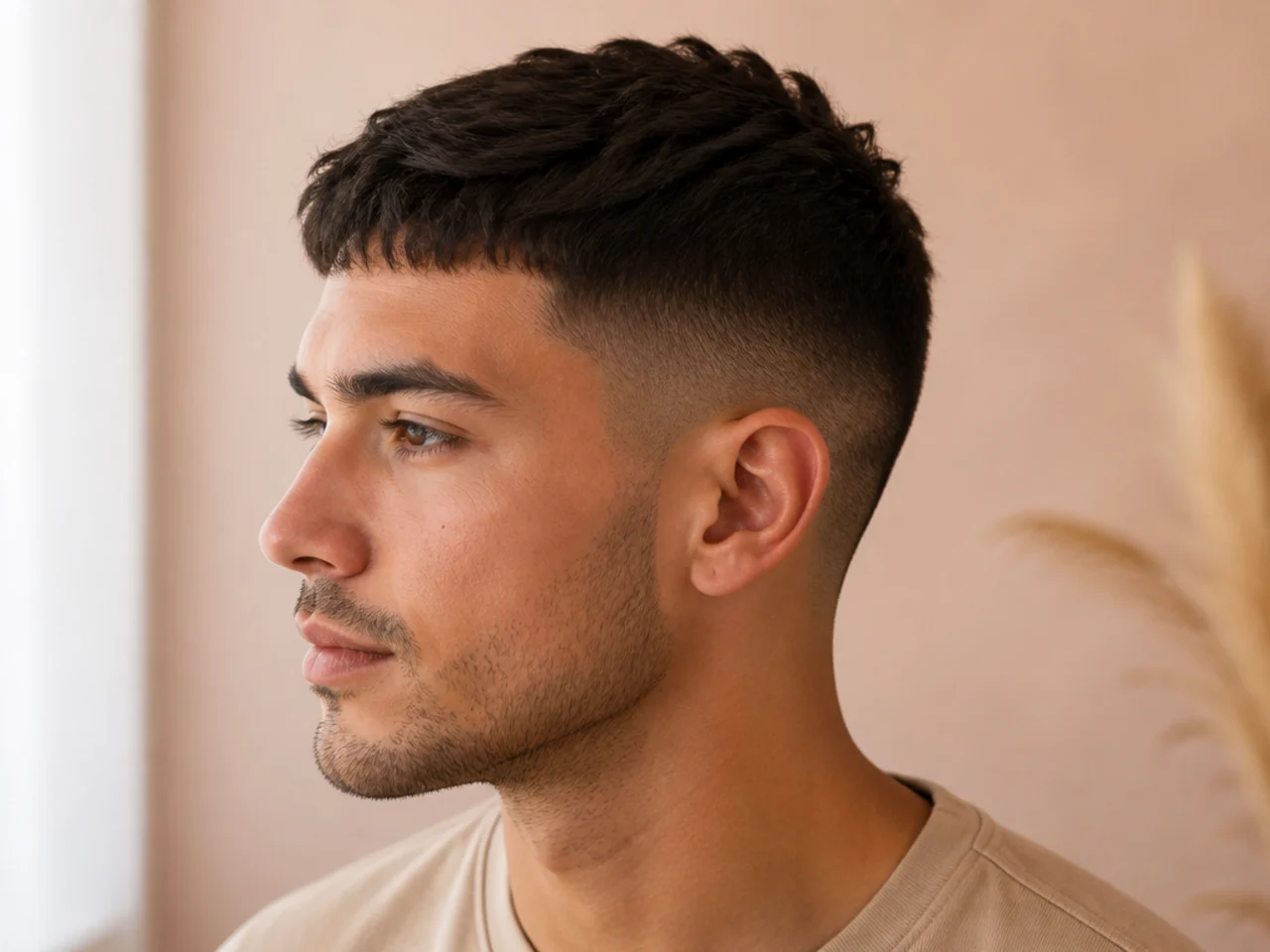
- 7\. Textured Mid Fade Side Part
- 8\. Mid Fade Side Part with Beard
- 9\. Mid Fade Side Part Quiff
- 10\. Deep Side Part Mid Fade
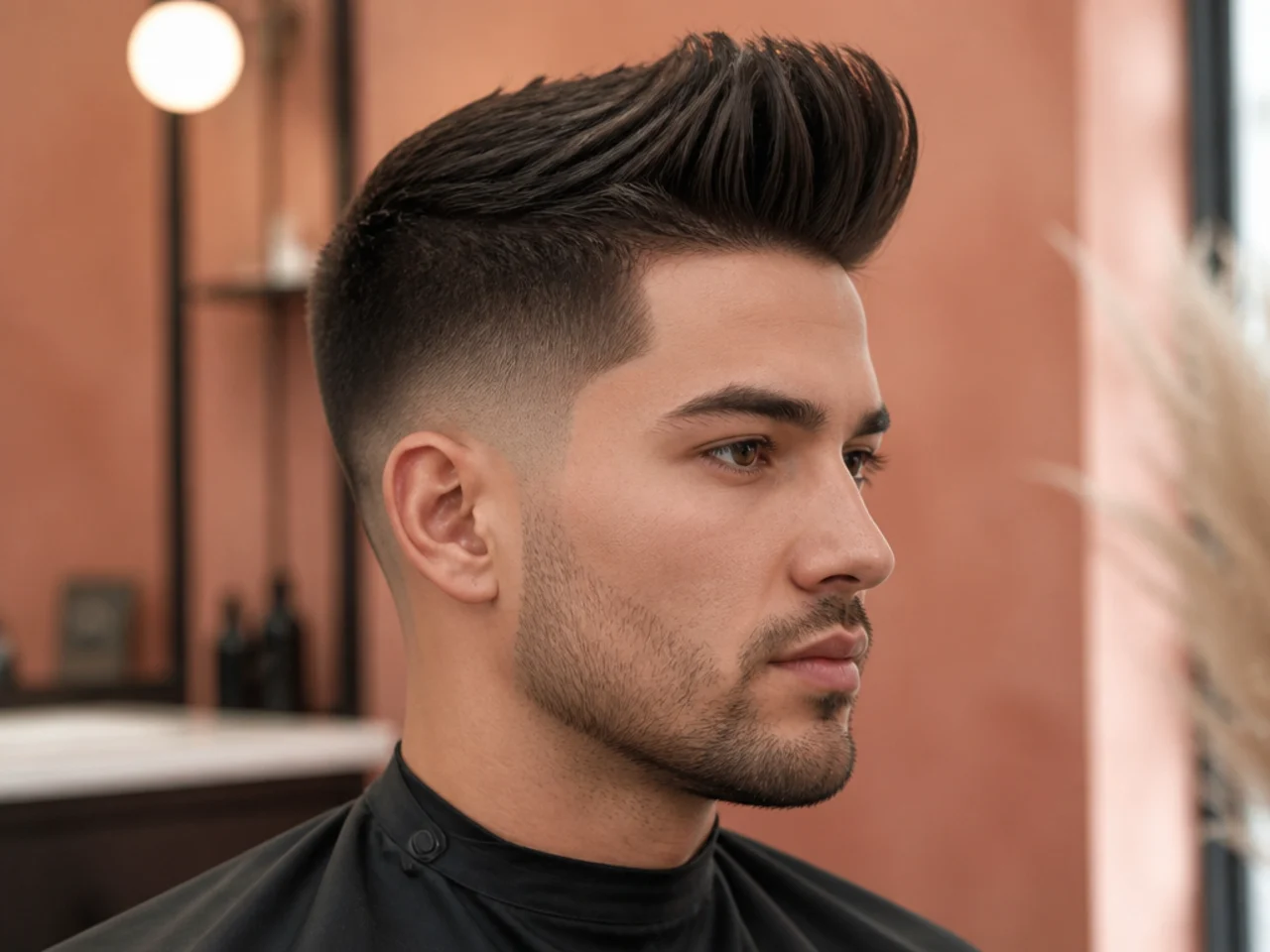
- 11\. Mid Fade Side Part Pompadour
- 12\. Mid Burst Fade Side Part
- 13\. Mid Fade Side Part Undercut
- 14\. Mid Fade Ivy League Side Part
- 15\. Mid Fade Side Part with Curly Top
- 16\. Old Money Mid Fade Side Part
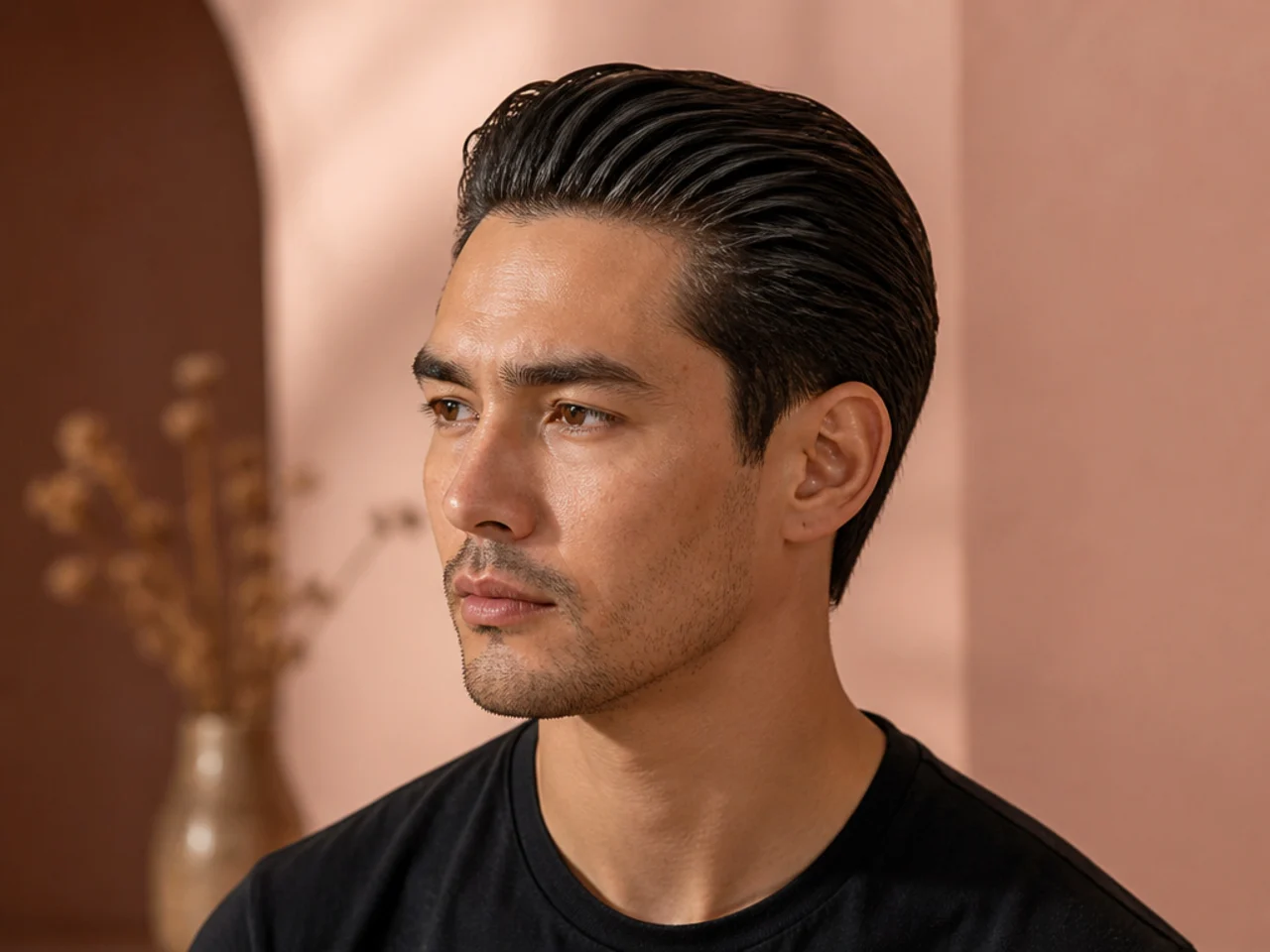
- 17\. Mid Fade Side Part Wet Look
- 18\. Modern Executive Mid Fade Side Part
- 19\. Mid Fade Side Part with Line-Up
- 20\. Mid Fade Side Part for Thick Hair
- How to Ask Your Barber for a Mid Fade Side Part
- Styling and Maintenance
- FAQ
The mid fade side part is the cut men ask for when they want one haircut that reads sharp in a boardroom and doesn't feel dated on a Saturday. The fade sits at the temple line, the part sits wherever your cowlick does, and the top does the work. Below: the twenty mid fade side part variations men are handing barbers on their phones in 2026 — from the classic hard-part polish to the textured, modern versions — plus the exact language to use in the chair.
Start with the broader side part hairstyles for men pillar for the full parting taxonomy, or the mid fade haircut guide for the fade side of the story.
Why the Mid Fade Side Part Works
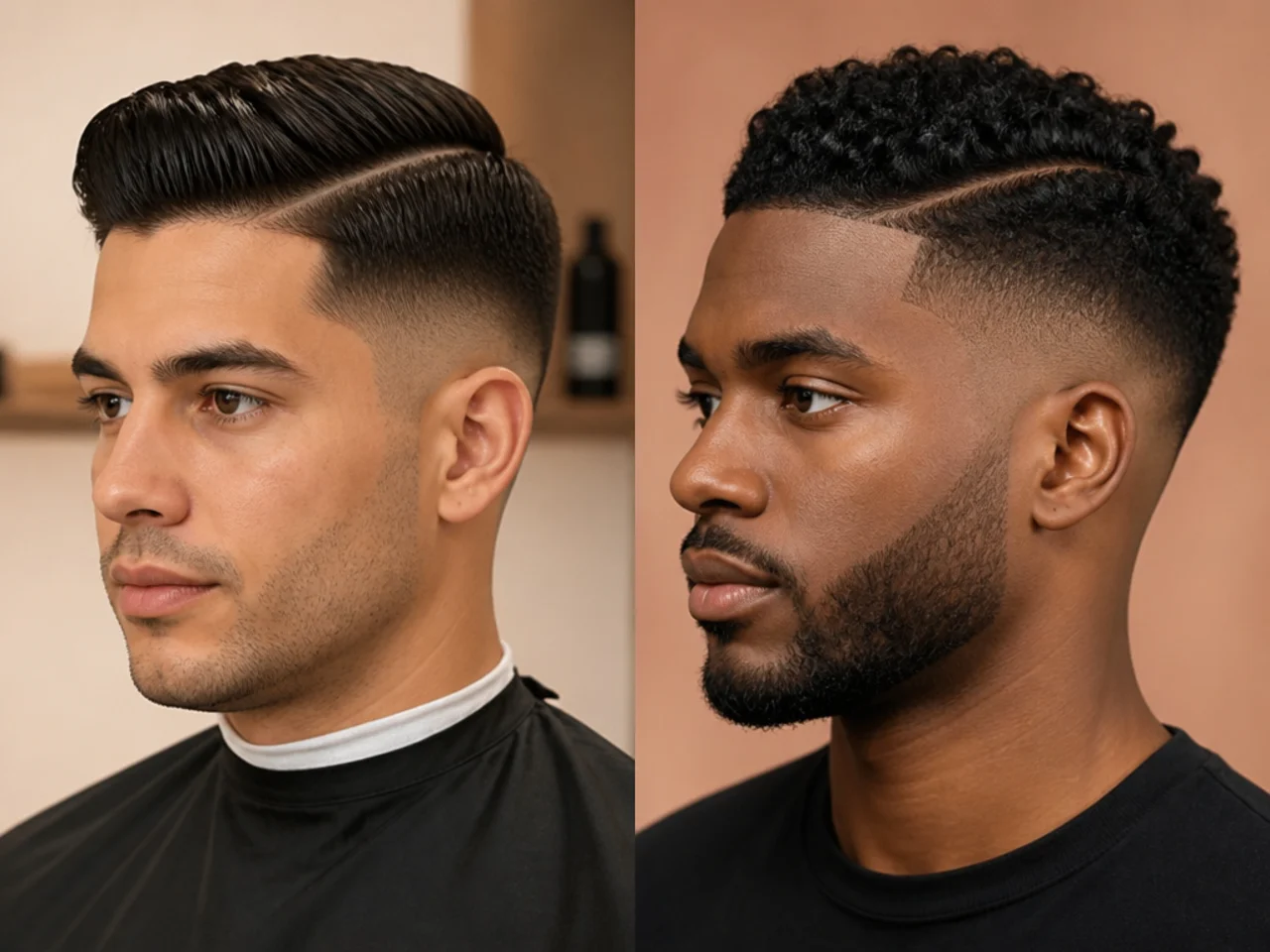
Two forces meet in this cut. The mid fade brings the modern contrast that a plain gentleman's cut can't — a clean transition from skin (or near-skin) at the temple up to length on top. The side part brings the structure. A defined parting turns any top length into an intentional shape rather than a pile of hair, and it reads as an old-school signal of care no matter what year it is.
Together they cover almost every social context a guy walks into. Weddings, offices, interviews, first dates — a mid fade side part passes each one without you thinking about your hair. The reason it doesn't feel dated the way a full 1950s slick back does is the fade: the temple-line contrast pulls the whole silhouette forward into a modern era.
Barbers see this cut requested year-round because it also grows out well. As the fade blurs into a taper over three weeks, the part still holds. You get a longer working window than most fade combinations, which is why the guy who books every four weeks (not every ten days) tends to end up here. Zoom out to the full fade haircut family if you want to compare the mid against its low and high cousins before committing.
How to Choose Your Mid Fade Side Part
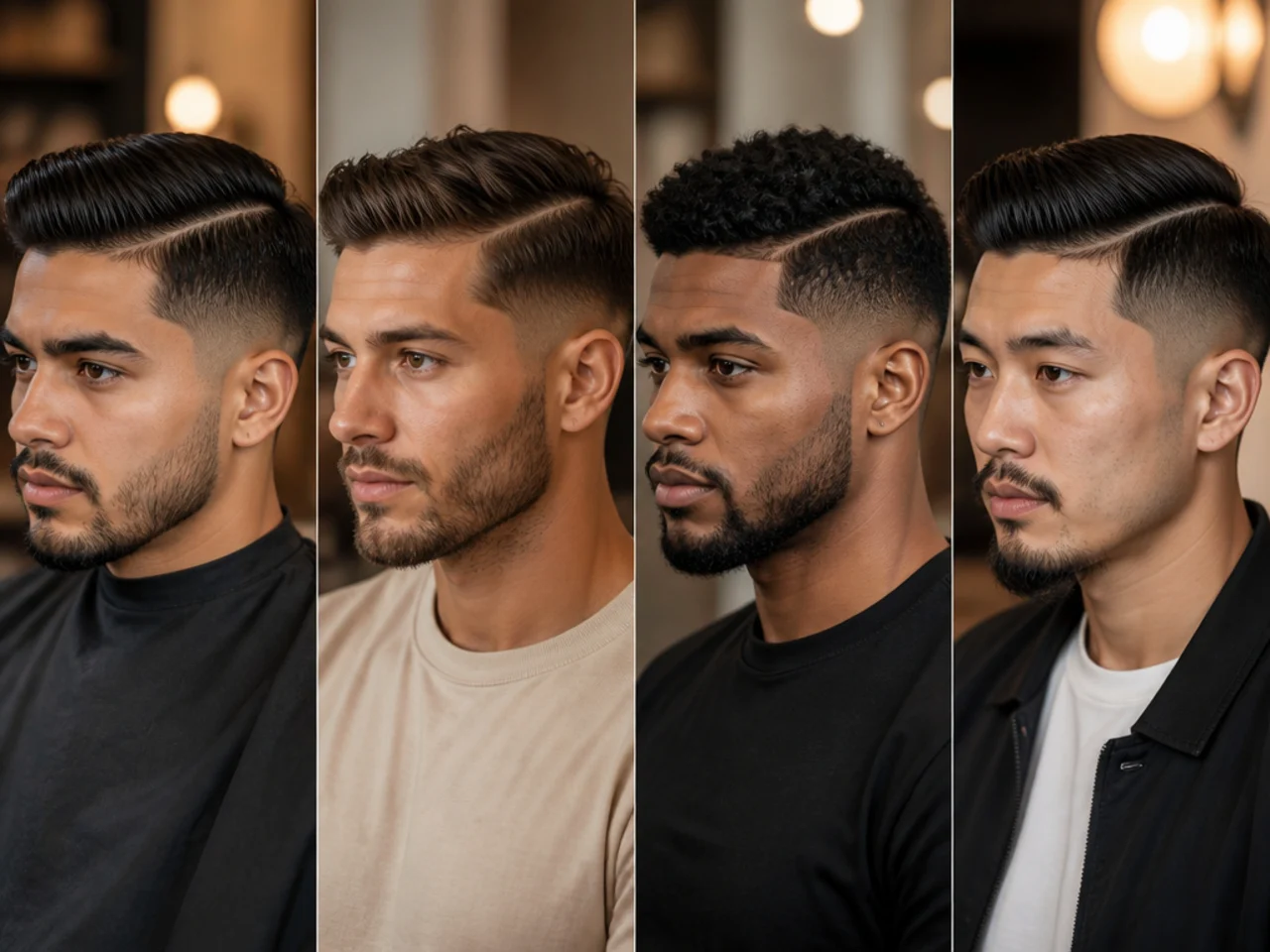
Three variables decide the version for you. Face shape, hair type, and how much daily styling you're willing to do.
Oval and square faces wear almost every variation well — from the shortest textured crops with a hard part to the longest slicked-back sweeps. Round faces want height and a deeper part to add vertical line: skip the low, flat comb overs. Long or narrow faces should keep the top shorter and the fade a touch higher so the head doesn't stretch. Diamond faces suit softer natural parts over hard razored ones, which can emphasize a pointed chin.
Hair texture pushes the finish. Straight hair takes a shine pomade for a classic side sweep or a matte cream for a modern textured version. Wavy hair holds a natural part without needing a comb — just push it into place damp. Curly hair needs the barber to work in a defined part with the clippers or razor, then set the curls with cream on wet hair. Fine hair wants a shorter top and no pomade weight; a texturizing powder does the lifting.
The 20 Mid Fade Side Part Variations
Twenty combinations sorted from the cleanest classic to the loudest modern take. Each block covers what makes it different, who it suits, the exact ask, and one styling move worth stealing.
1. Classic Mid Fade Side Part
The default version — the one your barber pictures when you say "mid fade side part" with no other details. Three inches of length on top, natural part on the side your hair already falls to, mid fade at the temple. Suits every face shape and every workplace. This is the version to ask for if you don't yet know which of the twenty you want; it's a solid landing spot that flatters everything else you might change later.
Ask for: "mid fade, #0.5 to #2, three inches on top scissor-cut, combed over a natural side part."
Styling: damp hair, quarter of matte cream, fine-tooth comb into the part in one clean pass. Blow-dry against the part first for lift at the root.
2. Mid Fade with Hard Side Part
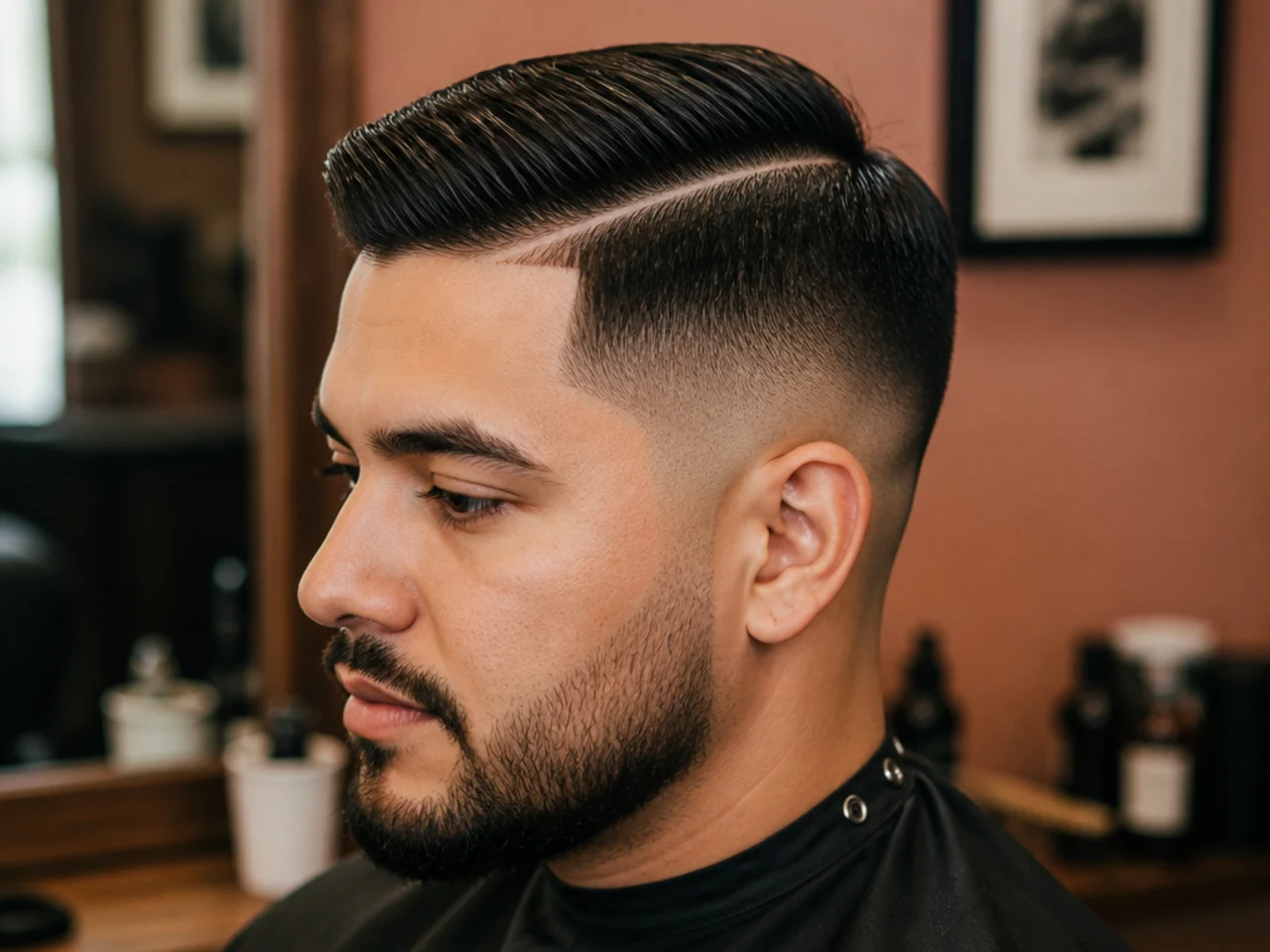
A precise straight line razored into the temple where the part sits — the visual anchor that turns a good cut into a signature one. Great for guys whose hair doesn't naturally part, or who want the line to stay put through a workday of hand-through-hair moments. Suits square, oval, and diamond faces best. The full comb over haircut guide covers hard-part variations in depth.
Ask for: "mid fade, #0 to #2, three inches on top, hard part razored on the left about an inch above the temple, combed over."
Styling: shine pomade on damp hair, comb the top over the part in one pass. The razored line does the framing — don't fight it with texture spray.
3. Mid Skin Fade Side Part
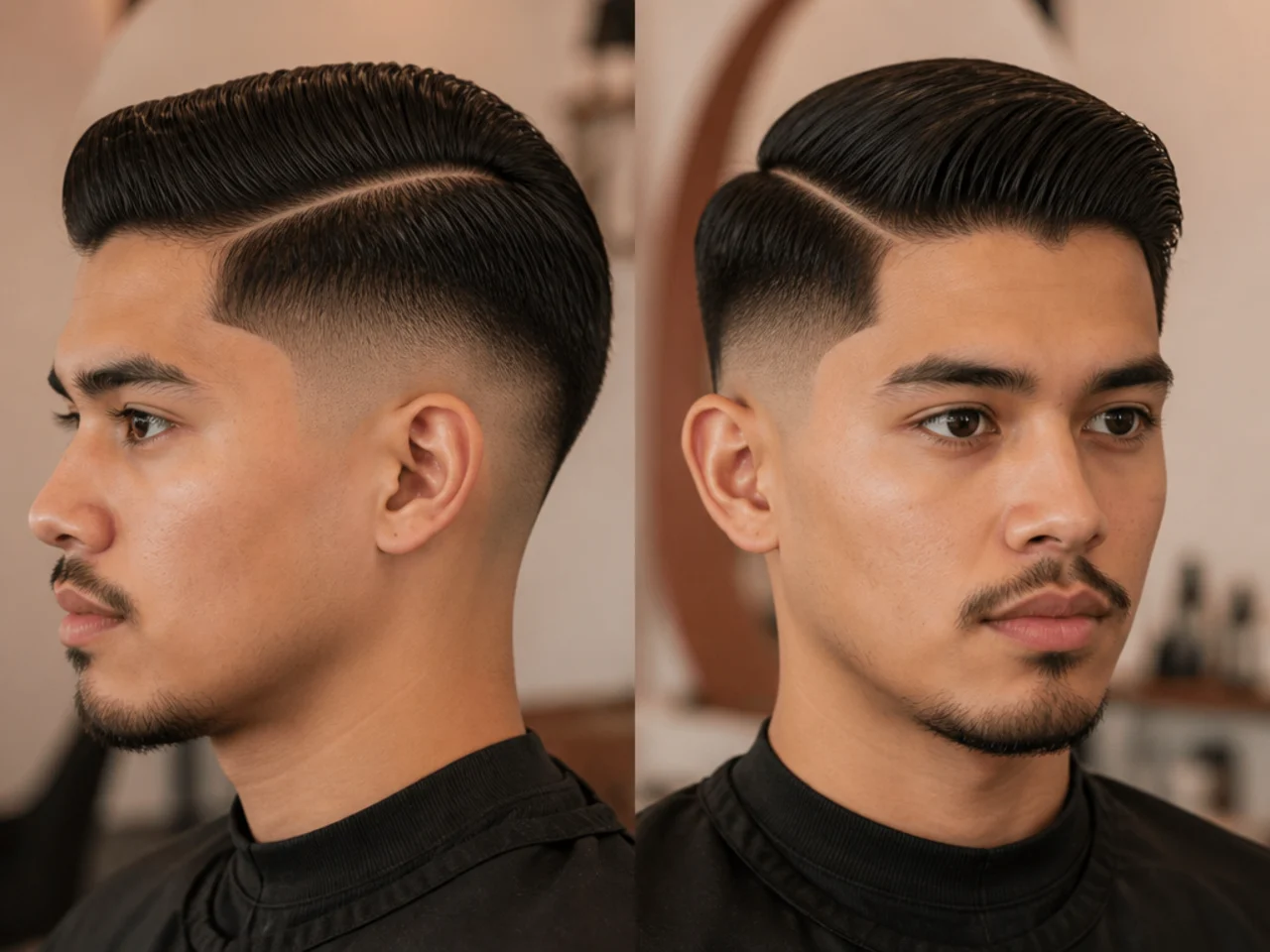
The sharpest version on the list. The fade drops all the way to bare scalp at the temple, the top stays at three inches, the part sits crisp against the smooth panel. Reads editorial — the kind of finish that photographs like a magazine cover. Works best on straight and lightly wavy hair; the smooth wall makes any part read louder. Book every 10 to 14 days or the skin panel goes fuzzy fast.
Ask for: "mid skin fade taken to bare scalp at the temple, three inches on top, natural or hard side part combed over."
Styling: matte cream or shine pomade depending on the top vibe. Sunscreen on the shaved panels day one and two.
4. Mid Drop Fade Side Part
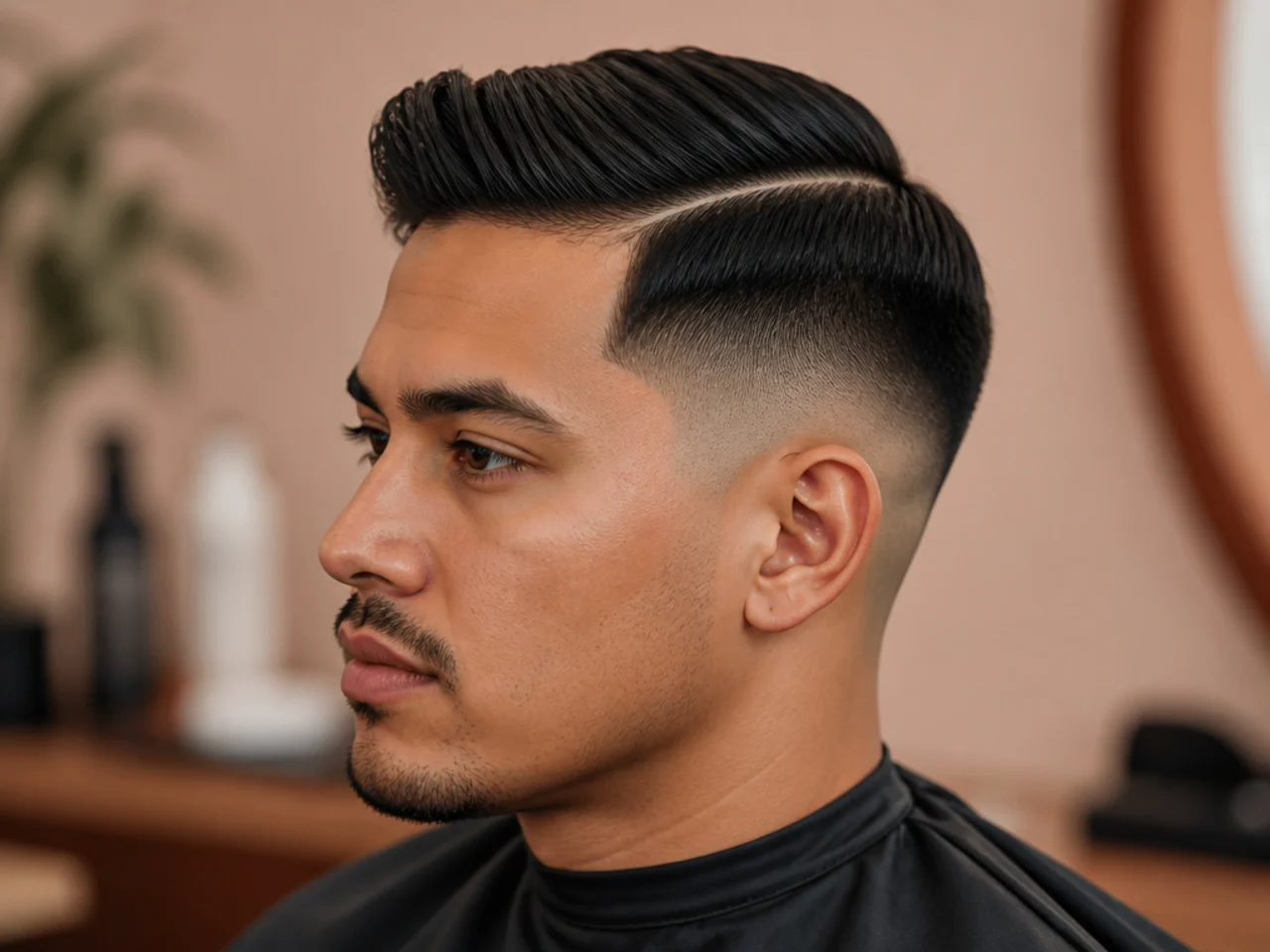
The mid fade line drops in a soft arc behind the ear instead of running straight across, so it curves down toward the neckline. Adds a softer, sculpted framing to the side part — flatters round and square faces because the curve rounds off the head shape. Best on medium and thick hair; the drop shows most on a longer top.
Ask for: "mid drop fade, #0 to #1.5, drop line arcing behind the ear, three inches on top with a side part combed over."
Styling: same as the classic — matte cream, damp comb-through. The drop does the visual heavy lifting; keep the top styling simple.
5. Mid Fade Slicked Side Sweep
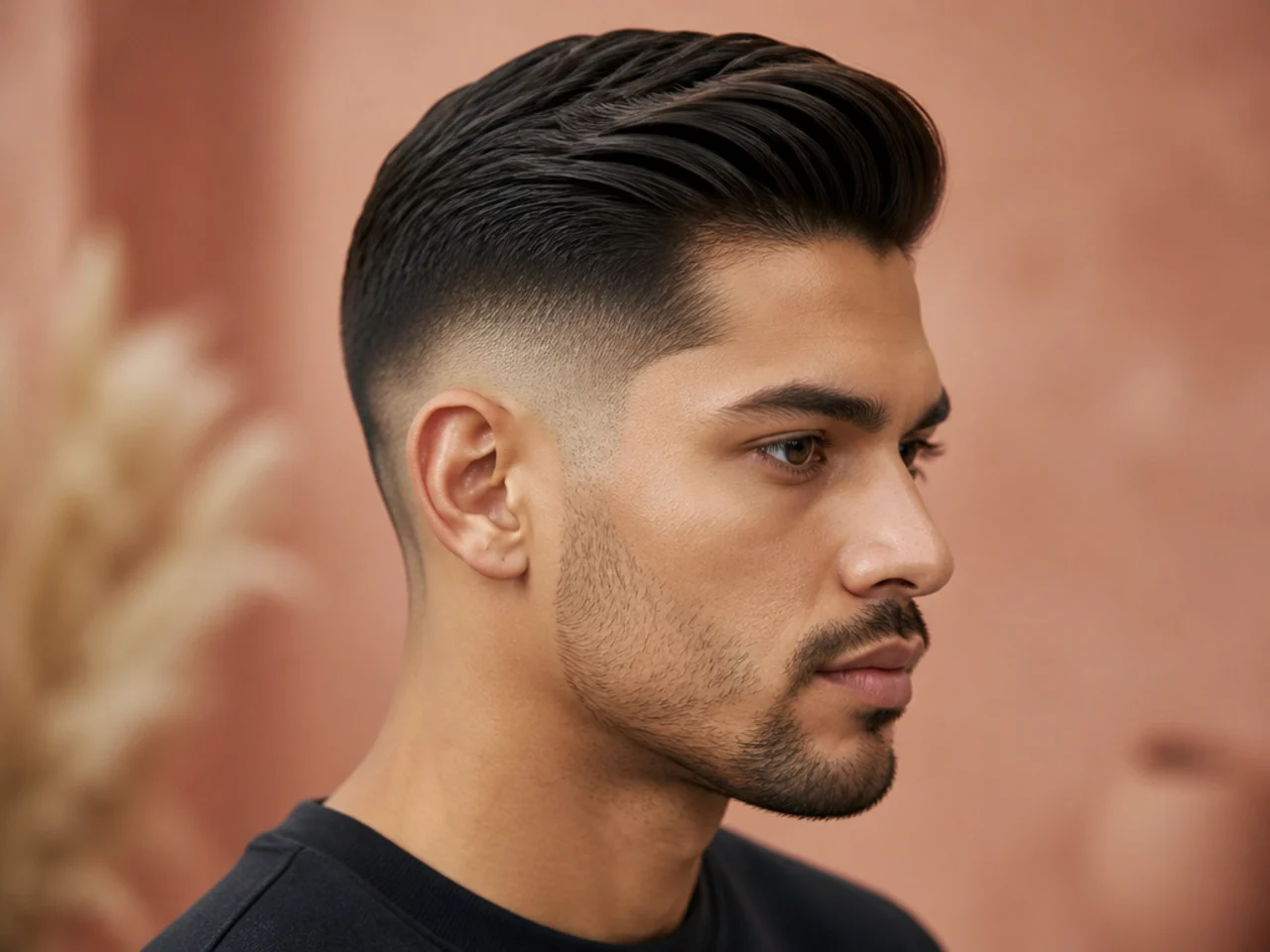
The polished side sweep — three to four inches on top, combed across a deep side part with shine pomade so the whole top reads like one slick sheet. Reads formal, event-ready, black-tie safe. Cross-reference the slick back haircut guide for the full slicked family; this variation is the side-parted cousin.
Ask for: "mid fade, #0.5 to #2, four inches on top scissor-cut, slicked across a deep side part with shine."
Styling: damp hair, quarter of shine pomade, fine-tooth comb across the part front-to-back. Blow-dry with the airflow following the sweep to set direction.
6. Mid Fade Comb Over Side Part
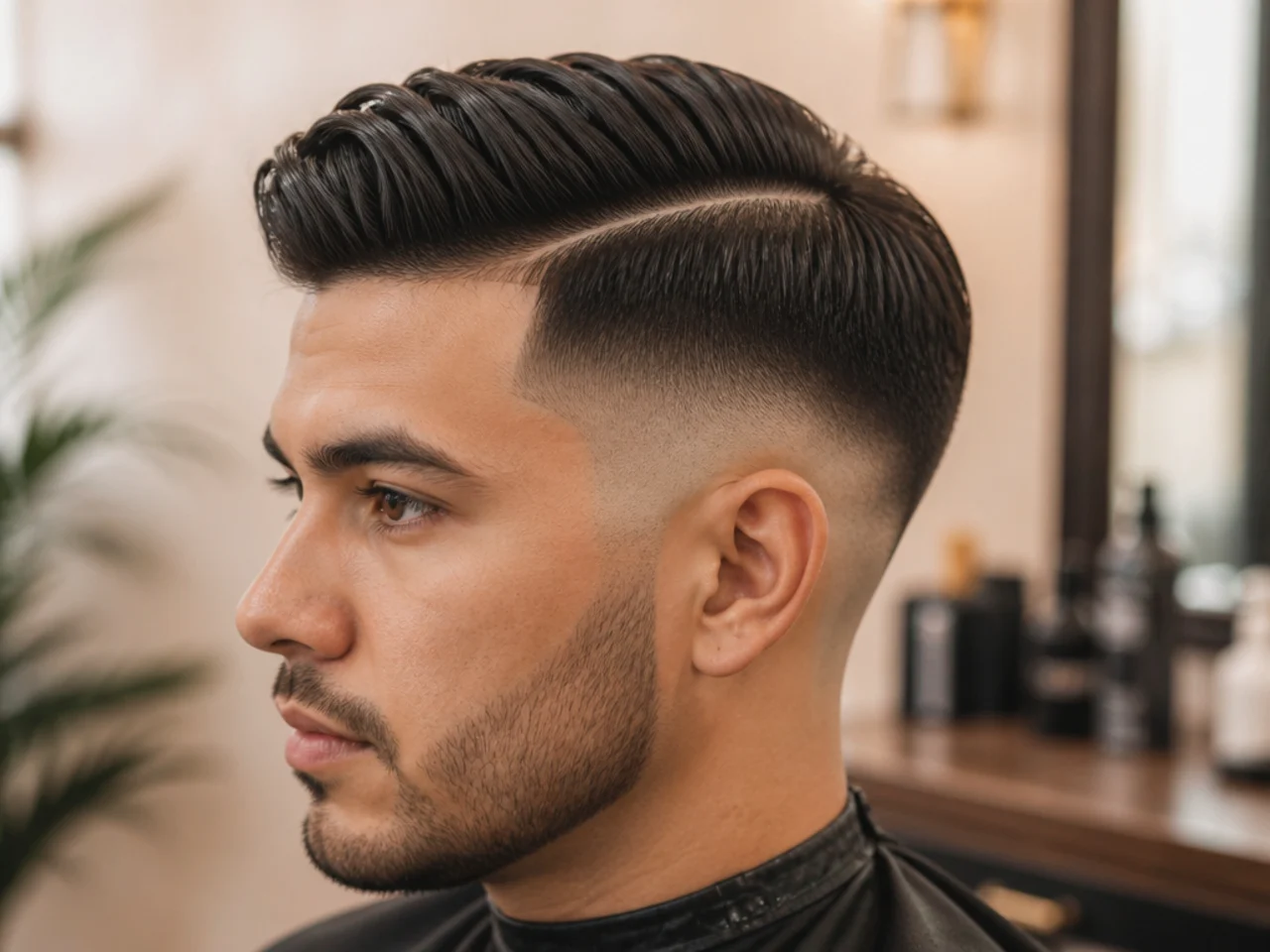
The corporate default. Three inches on top, hard part razored on the left or right, top combed cleanly over the part with a light shine. Corporate finance, law, consulting — this cut has been quietly running rooms in every one of those industries for a decade. Suits oval, square, and diamond faces; skip if your hairline is receding sharply at the corners, where a longer forward-swept top hides better.
Ask for: "mid fade, #0 to #2, three inches on top, hard part razored on the left, combed cleanly over with a light shine."
Styling: damp hair, medium-shine pomade, comb over the part in one pass. Blow-dry against the part first for crown lift.
7. Textured Mid Fade Side Part
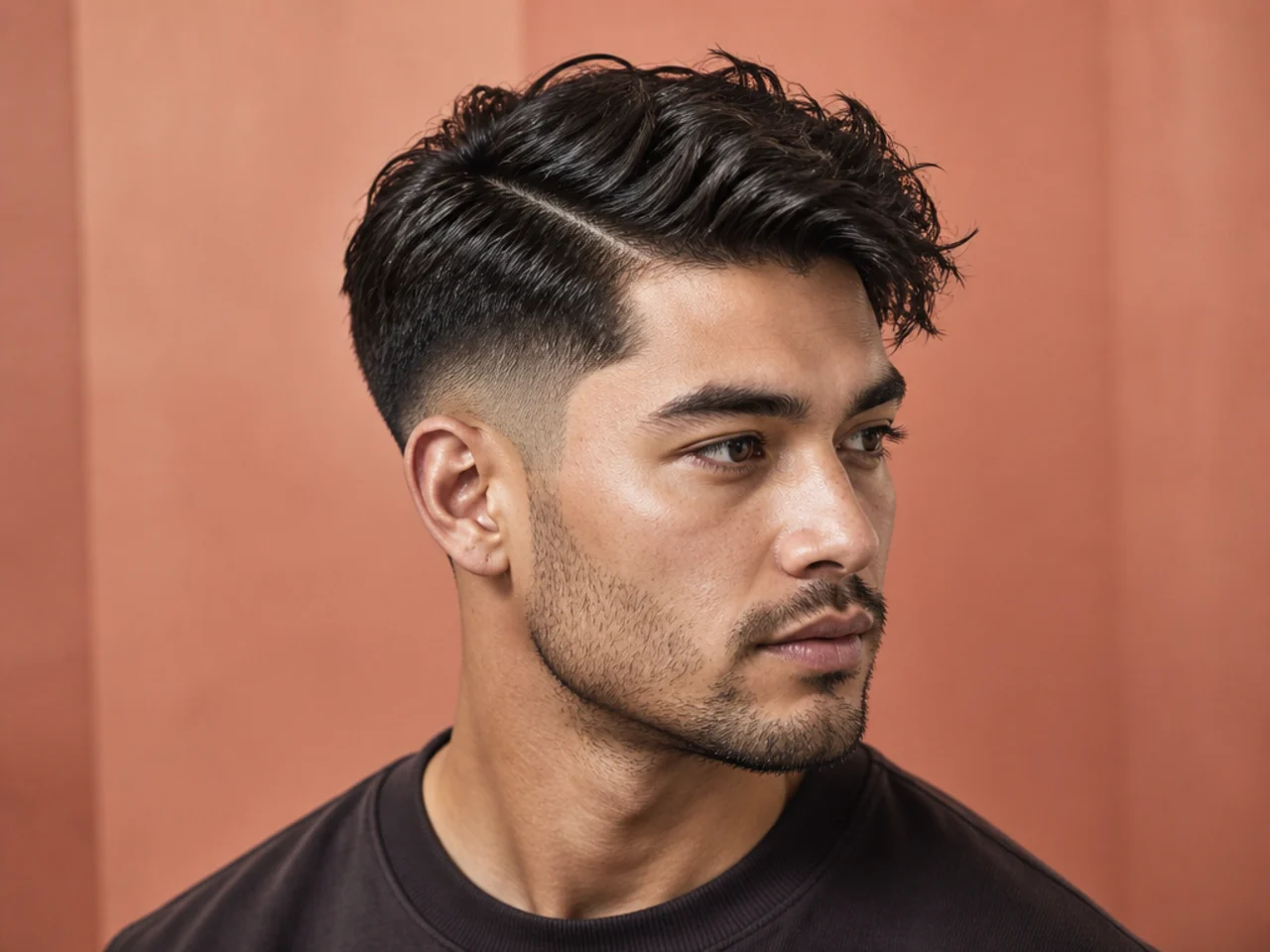
The modern counterpoint to the slick version — same fade, same part, but the top is point-cut for movement and finished matte rather than glossy. Reads current and slightly rougher. Best for guys who want the structure of a part without the wedding-photo formality of shine.
Ask for: "mid fade, #0.5 to #2, three inches on top point-cut for texture, natural side part, matte finish."
Styling: matte cream or clay on damp hair, finger-comb into the part rather than combing. Leave a few pieces slightly askew at the crown.
8. Mid Fade Side Part with Beard
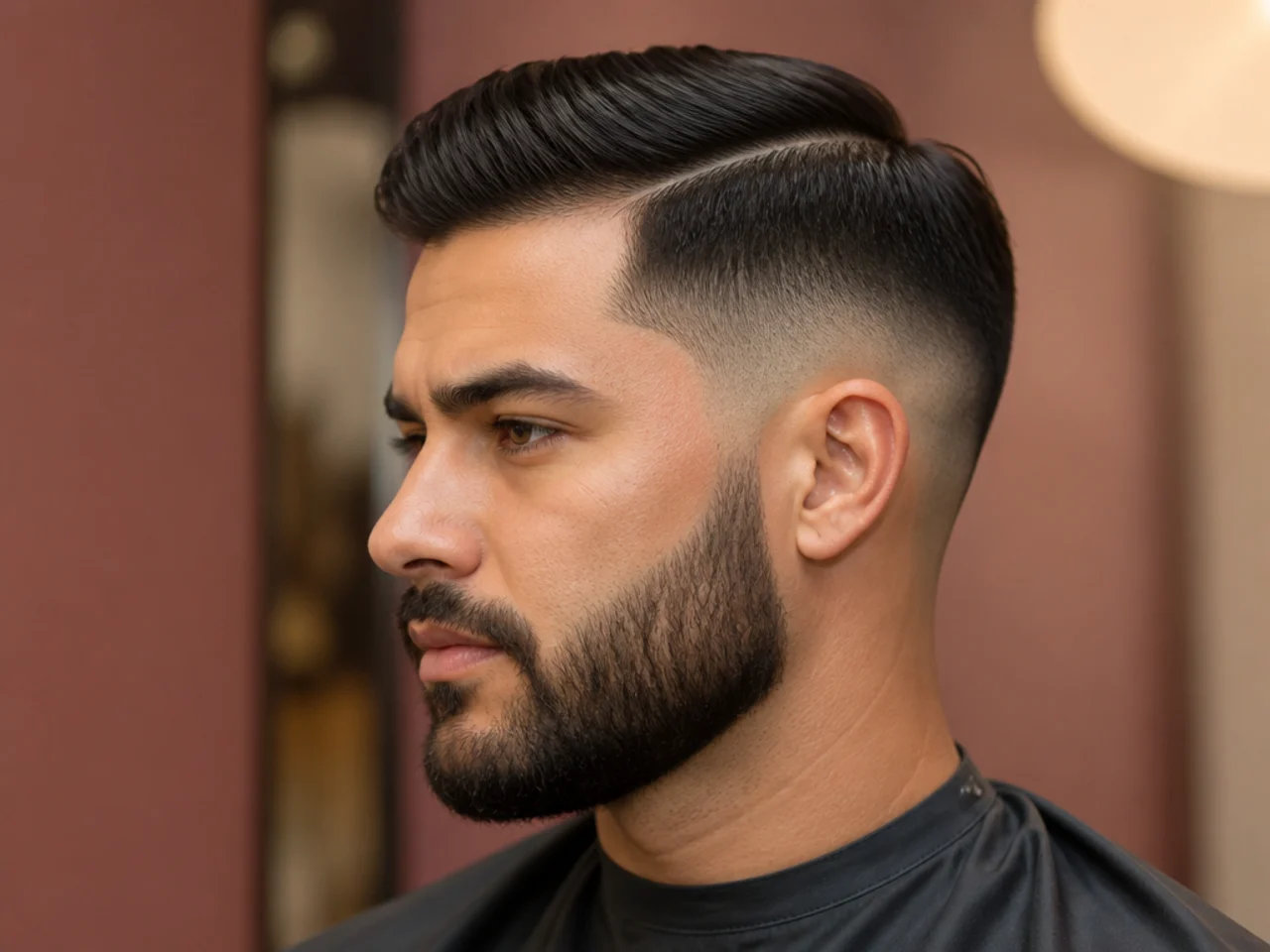
The matched-grooming combo. Mid fade at the sides, side-parted top, and a full beard trimmed tight to the jaw with the sideburn blended straight into the fade line. The beard fills the space a bare mid fade sometimes leaves and photographs like an expensive haircut. Best on square and oval faces; the beard should follow the jaw, not extend it.
Ask for: "mid fade, #0.5 to #2, three inches on top with a natural side part, beard trimmed to a #4 and blended into the fade at the sideburn."
Styling: matte cream through the top, beard oil after your morning shower. Trim the beard in the same appointment as the fade.
9. Mid Fade Side Part Quiff
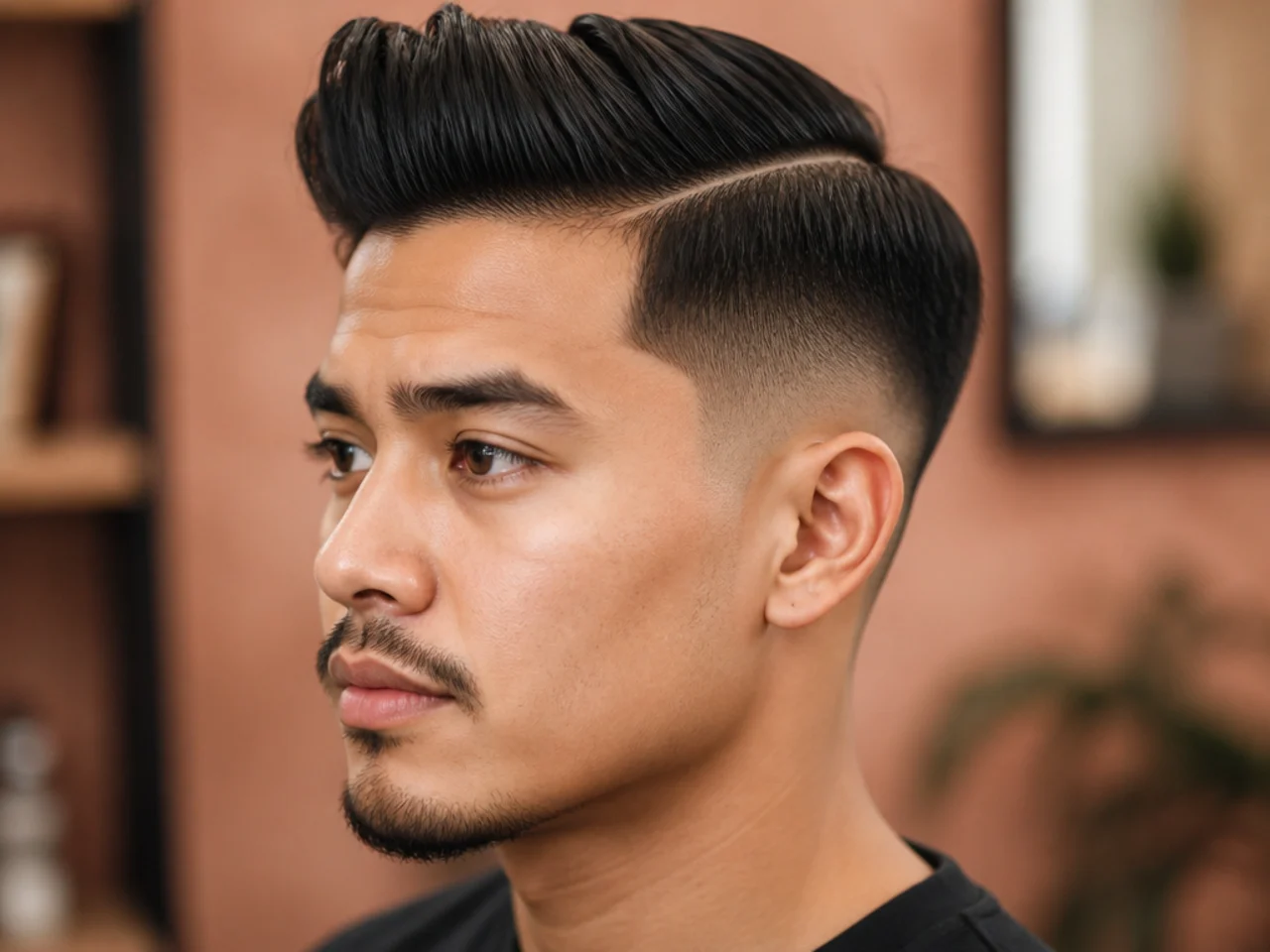
Height on top — the front section lifted into a soft quiff, the rest swept across a side part. Adds vertical length that flatters round and short-jawed faces. Feels less formal than the pure slick back but more presence than the classic comb over. See the full quiff hairstyles men guide for height and lift variations.
Ask for: "mid fade, #0.5 to #2, four inches on top scissor-cut, front lifted into a soft quiff, the rest swept across a side part."
Styling: blow-dry the front section up and back with a round brush, pomade with medium shine through the mid and back, comb into the part.
10. Deep Side Part Mid Fade
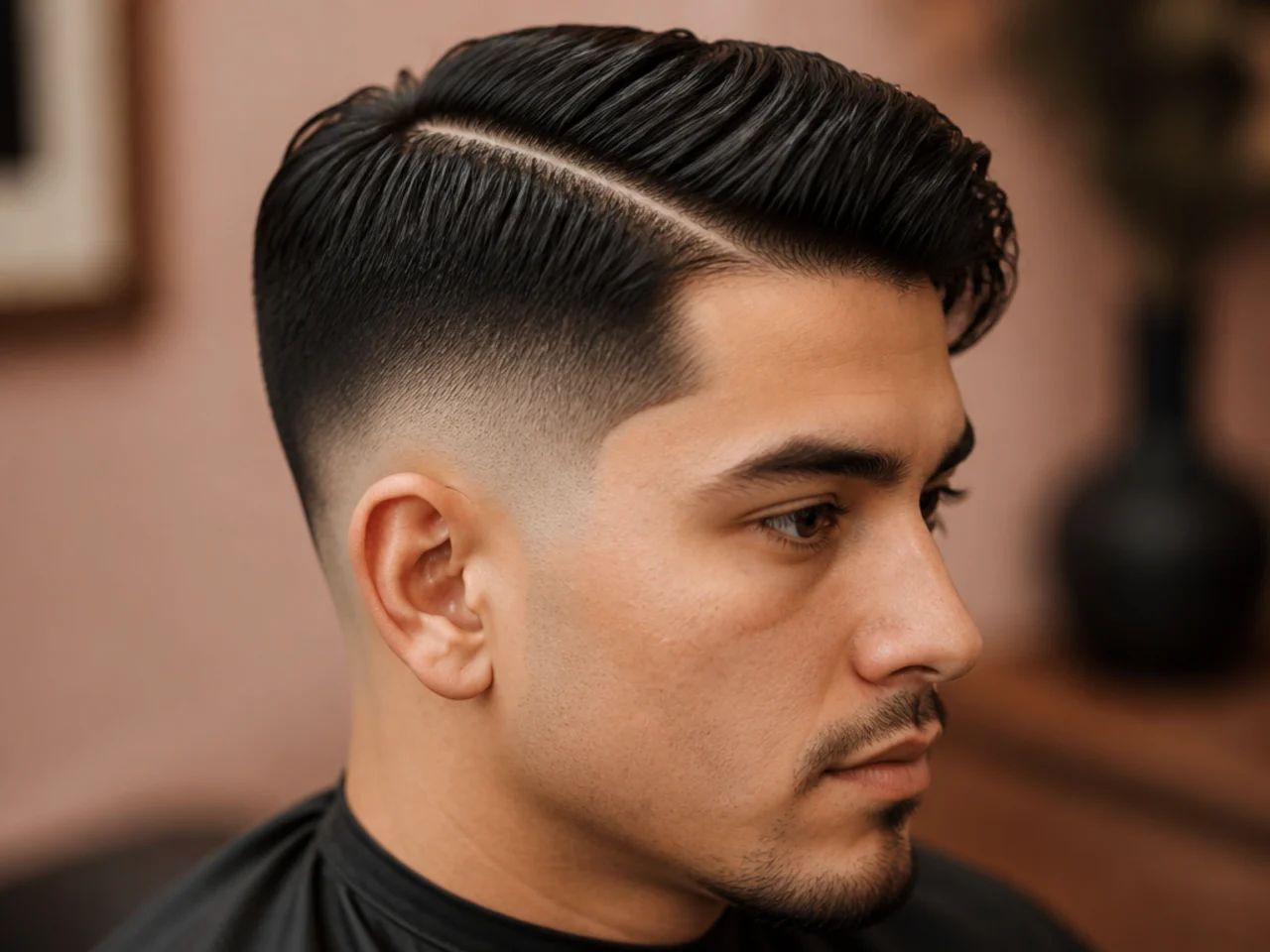
The parting moves further to the side than a standard part — closer to the temple than the crown — so more hair falls across the head from the deep side. Reads dramatic and slightly vintage, in the vein of a 1940s Hollywood leading man. Best on thick hair that has the density to fall from the deep side without going flat.
Ask for: "mid fade, #0.5 to #2, three to four inches on top, deep side part set an inch above the temple, top combed across from the deep side."
Styling: damp hair, shine or medium-shine pomade, comb across in one long sweep. Blow-dry against the direction first for lift.
11. Mid Fade Side Part Pompadour
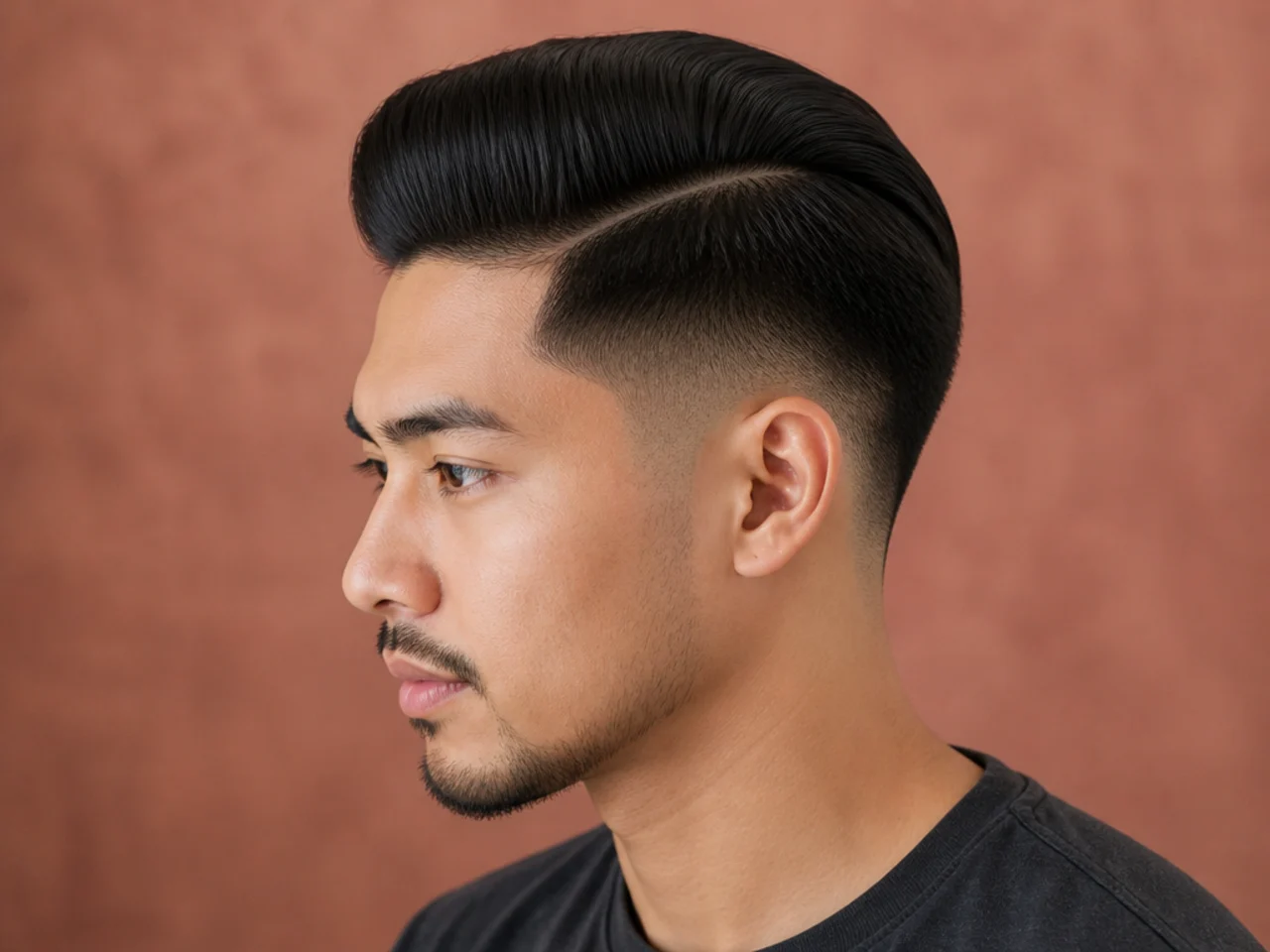
The pomp — bigger and more sculpted than the quiff, with real height at the crown and a slicked side sweep behind it. A rockabilly-adjacent silhouette pulled current by the mid fade underneath. Suits square and oval faces with strong features; feels overpowered on very slight builds or narrow faces.
Ask for: "mid fade, #0 to #2, five inches on top scissor-cut, front and crown lifted into a pomp, the rest swept over a side part."
Styling: damp hair, blow-dry the front up and back with a round brush at high heat then cool, pomade with shine worked front to back. Light hairspray to hold.
12. Mid Burst Fade Side Part
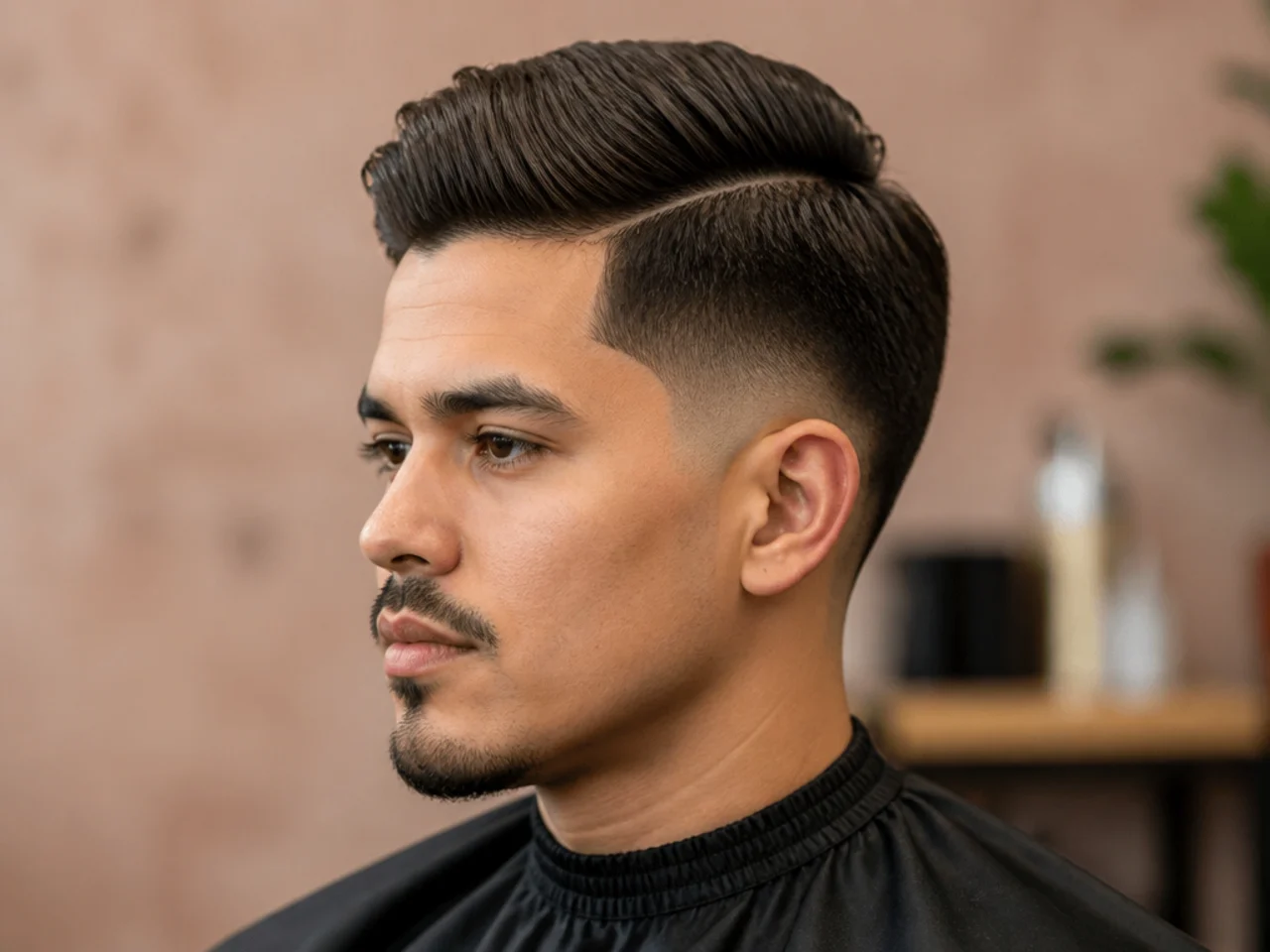
The fade arcs around the ear in a half-circle instead of running straight across the temple, and the top holds a defined side part combed across. Modern and slightly editorial — reads younger than a classic straight-line mid fade side part. Suits guys who want the parting structure but not the buttoned-up feel it can sometimes carry.
Ask for: "mid burst fade around the ear, #0 to #1.5, three inches on top with a natural side part."
Styling: matte cream on damp hair, comb into the part. Skip shine — the burst fade wants a matte top to keep the ratio right.
13. Mid Fade Side Part Undercut
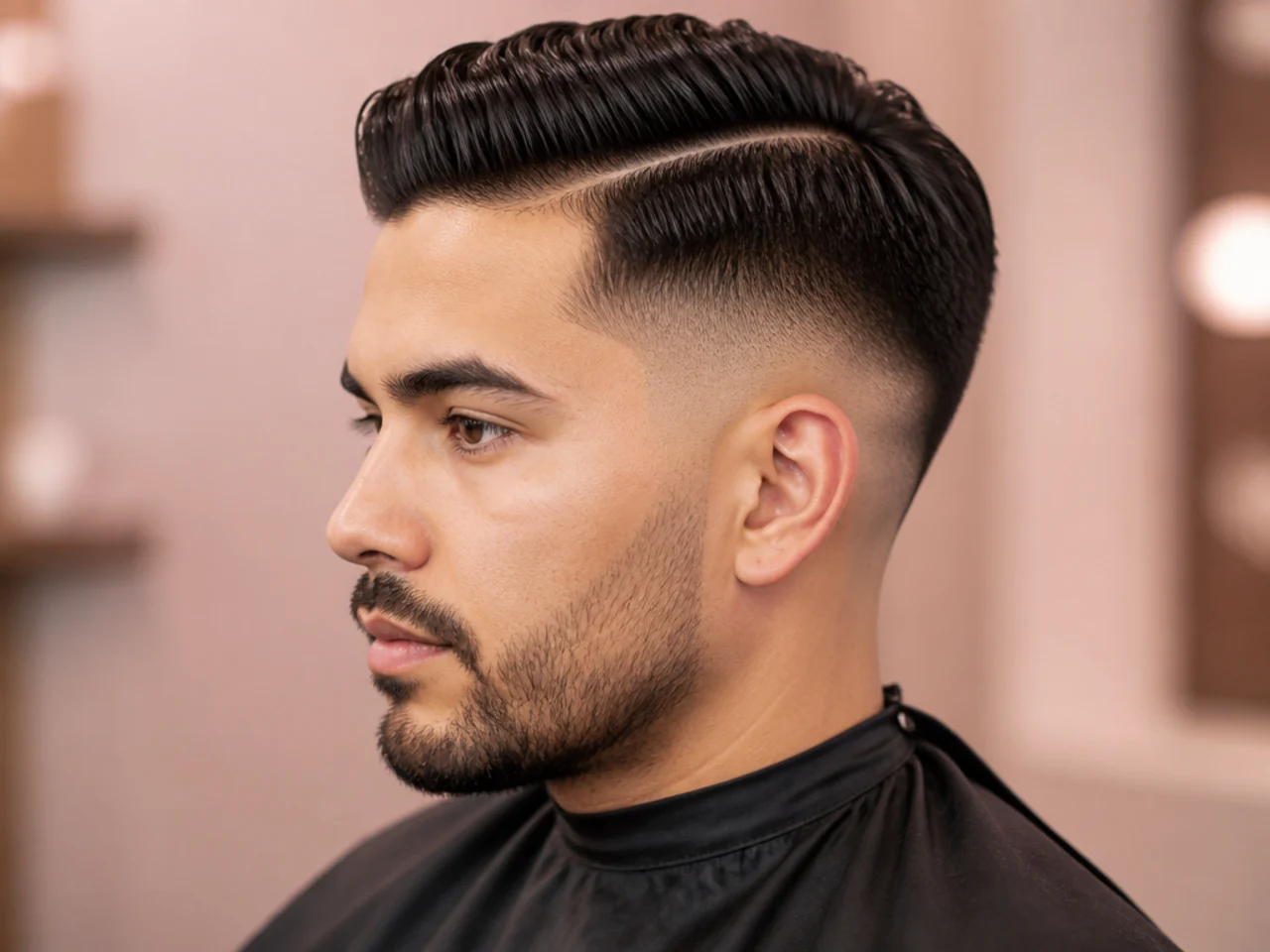
A hybrid — the sides run a mid fade instead of a pure buzz, but the top is left disconnected rather than blended, so there's a small ledge where the length ends. The side part sits crisp against that ledge. Reads bold and slightly punk. Best on guys with strong features; the disconnection is a statement, not a whisper.
Ask for: "mid fade at the sides, disconnected top left at three inches, natural side part combed across."
Styling: matte clay or paste on damp hair, comb into the part, finger-rough the ends for texture. Don't try to hide the disconnect — it's the point.
14. Mid Fade Ivy League Side Part
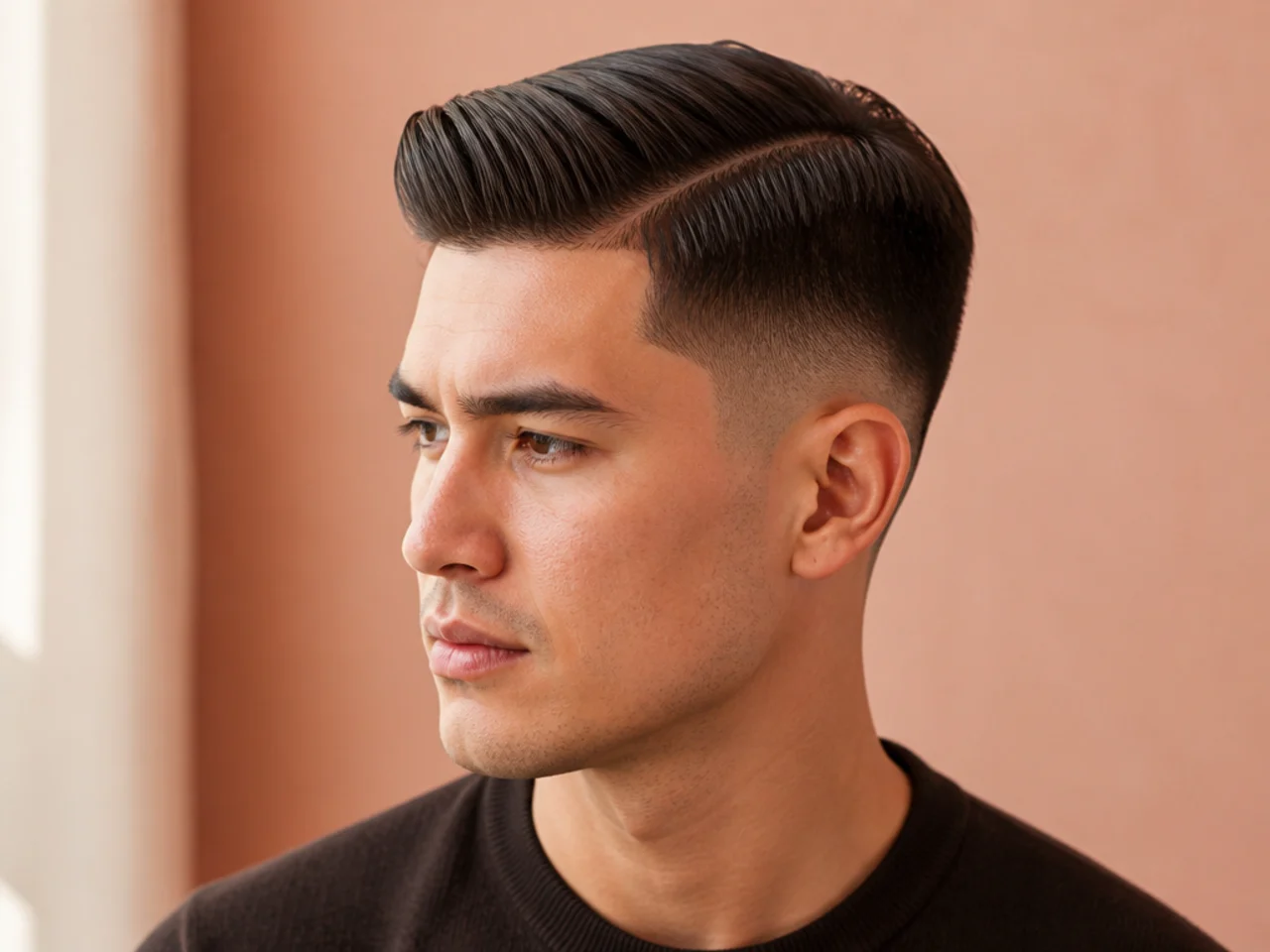
The Ivy League cut updated with a mid fade instead of the traditional tapered sides. Two inches on top, side part combed over, mid fade at the temple. Reads classic and preppy — the finance-intern, business-school-on-a-Wednesday look. Best on straight and lightly wavy hair.
Ask for: "mid fade, #0.5 to #2, two inches on top scissor-cut, side part combed over — Ivy League style."
Styling: damp hair, small amount of shine pomade, comb into a defined side part. Sits well without a blow-dry if the length is right.
15. Mid Fade Side Part with Curly Top
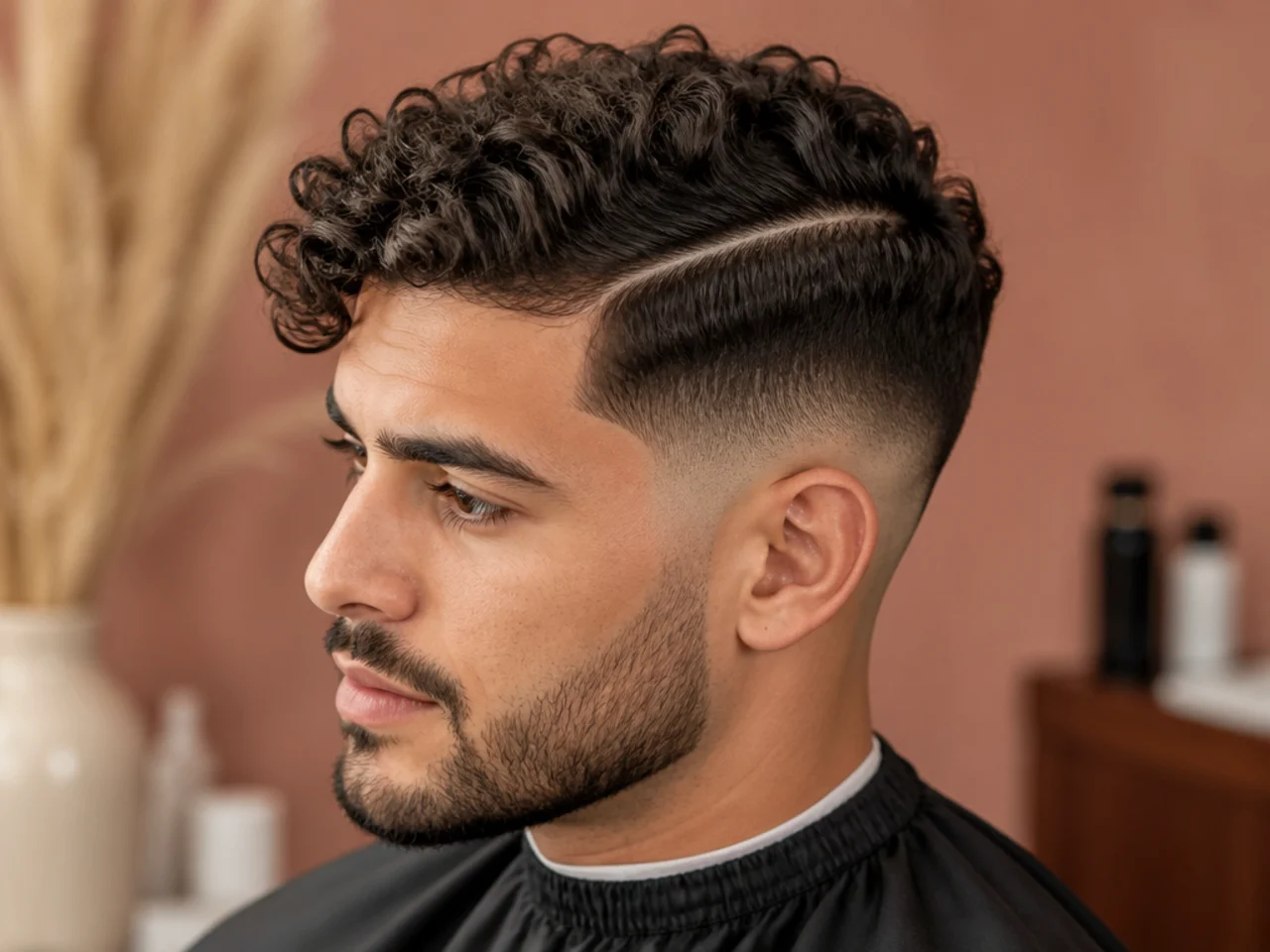
The parted-curl silhouette. Two to three inches of natural curl kept on top, side part defined by the barber's clippers or razor so the curls fall to one side rather than pouf outward, mid fade at the temple. Best on 2C to 3B curl patterns; tighter than 3B and the part fights the pattern.
Ask for: "mid fade, #0 to #1.5, two to three inches on top scissor-cut, defined side part cut in so the curls fall across it."
Styling: curl cream on soaking-wet hair, air-dry or diffuse with the airflow pushing across the part. Silk pillowcase overnight.
16. Old Money Mid Fade Side Part
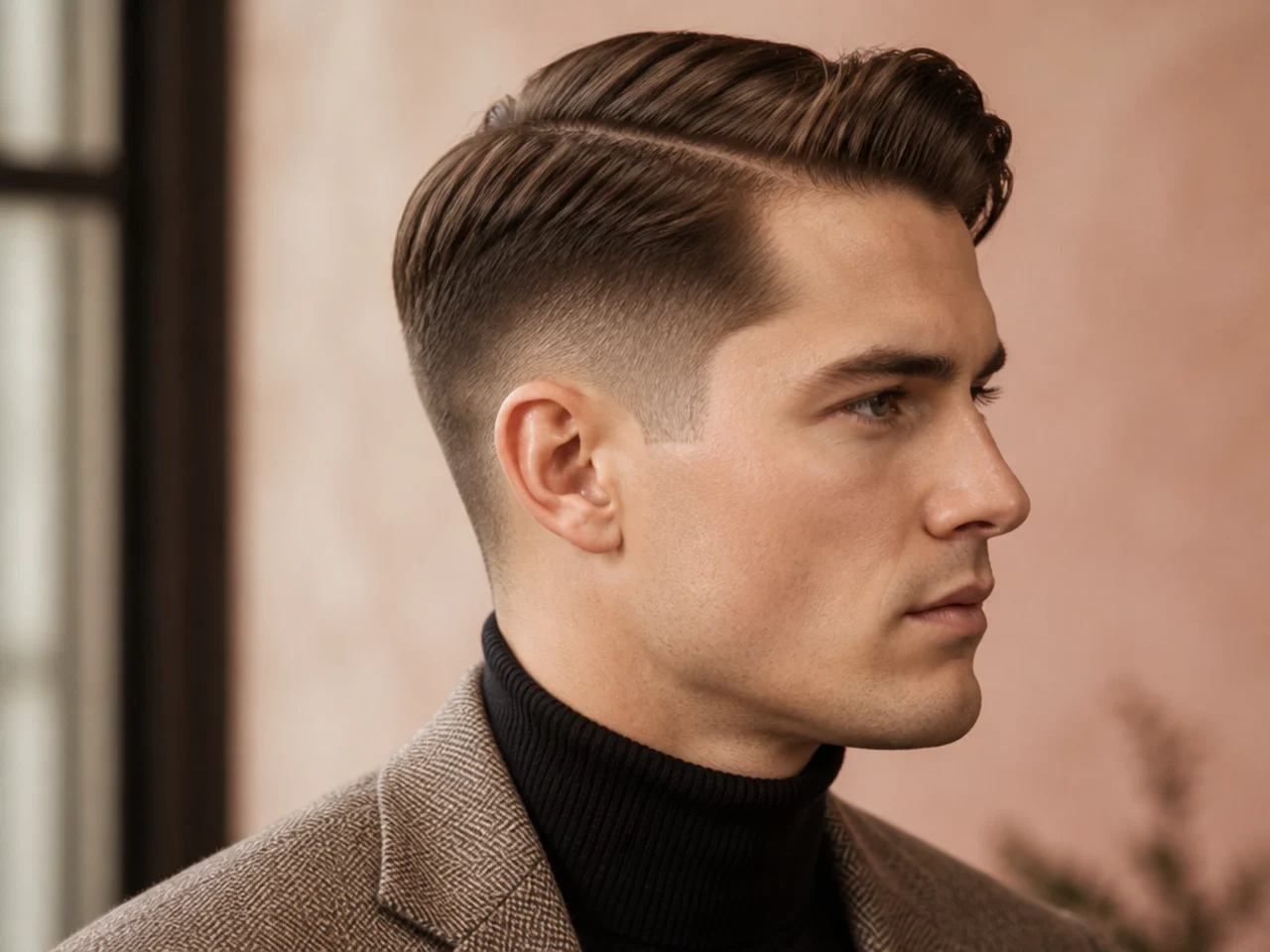
The Ralph Lauren silhouette. Three inches on top, natural side part, sides that read tapered rather than sharply faded — a mid fade at the softer end of the spectrum (usually a #1 or #2 at the shortest point), no skin. Reads inherited-wealth rather than fresh-out-the-chair. Cross-reference the old money haircut men guide for the full aesthetic.
Ask for: "soft mid fade, #1 at the shortest point — no skin — three inches on top with a natural side part."
Styling: medium-shine pomade or a light cream, comb into the part. The finish is polished but never glossy.
17. Mid Fade Side Part Wet Look
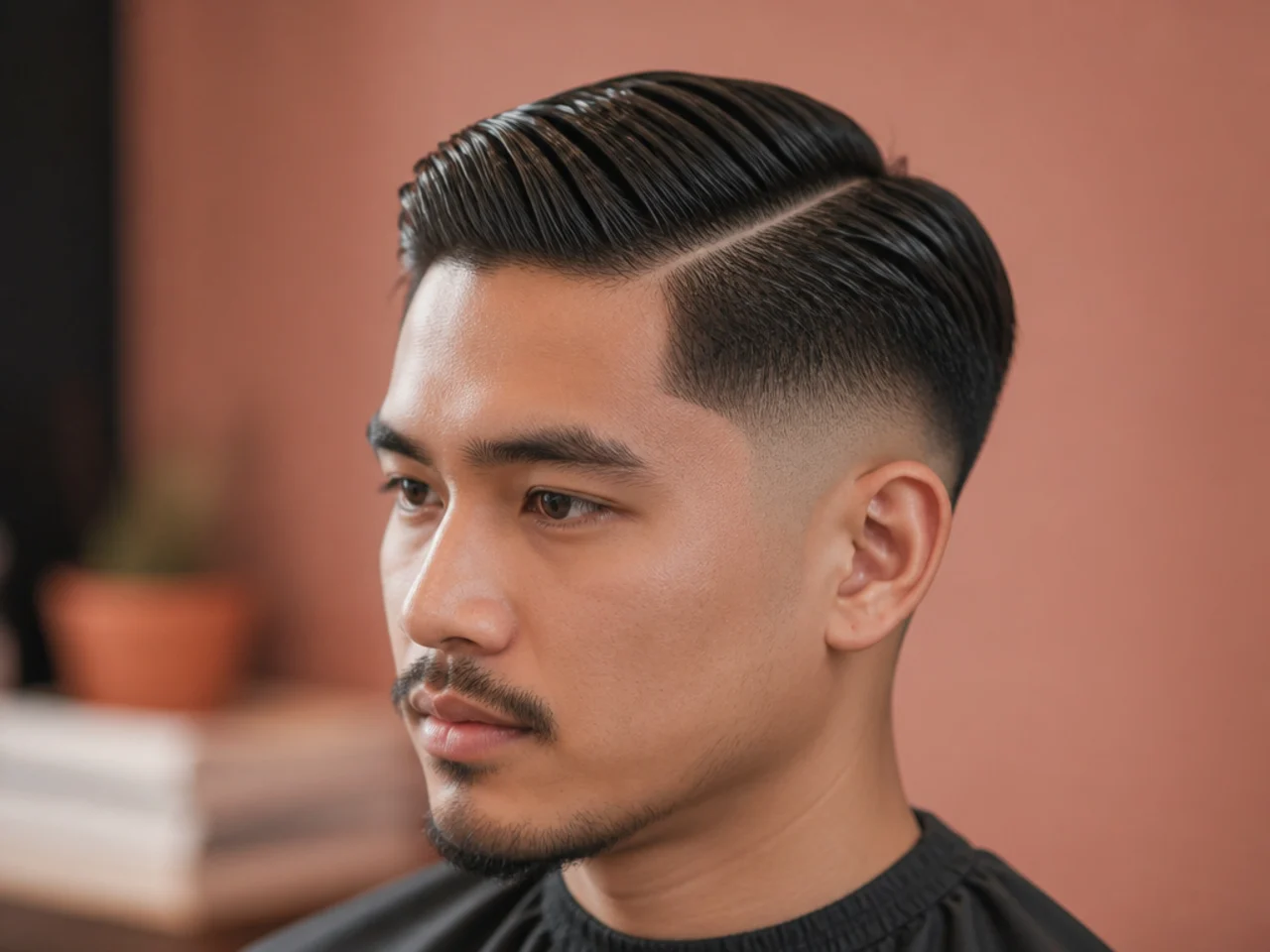
Straight from the runway. The top is combed across a side part while still soaking with high-shine product so it reads slicked-back-from-the-pool. Mid fade at the sides keeps it from looking sloppy. Best for events, photo shoots, or a night out — this is not an everyday finish.
Ask for: "mid fade, #0.5 to #2, three to four inches on top with a side part combed across."
Styling: on wet, not damp, hair — heavy shine pomade or gel worked through, comb across the part, don't blow-dry. Let it air-set for the wet-look finish.
18. Modern Executive Mid Fade Side Part
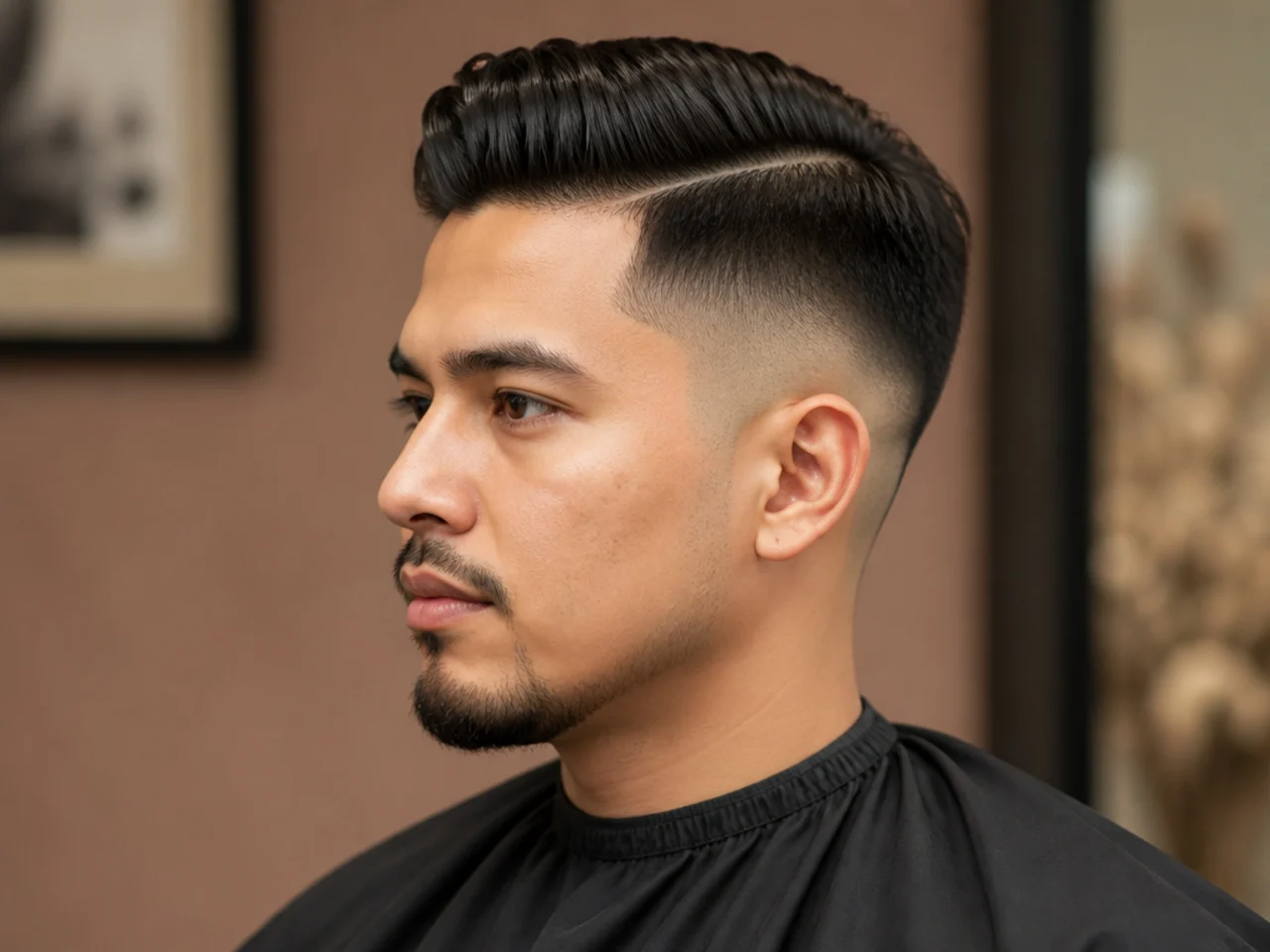
The corporate hero cut. Two and a half to three inches on top, hard part razored in on the left, top combed cleanly over with a light shine, mid fade at the temple with a #1 or #0.5 at the shortest point (no skin, so it stays office-conservative). The version that lives in the airport lounge and the boardroom. See the professional hairstyle men guide for other work-safe options.
Ask for: "mid fade, #0.5 to #2 — no skin — three inches on top, hard part razored on the left, combed over with a light shine."
Styling: damp hair, medium-shine pomade, comb over in one pass. Blow-dry against the part for crown lift. Rebook every three weeks.
19. Mid Fade Side Part with Line-Up
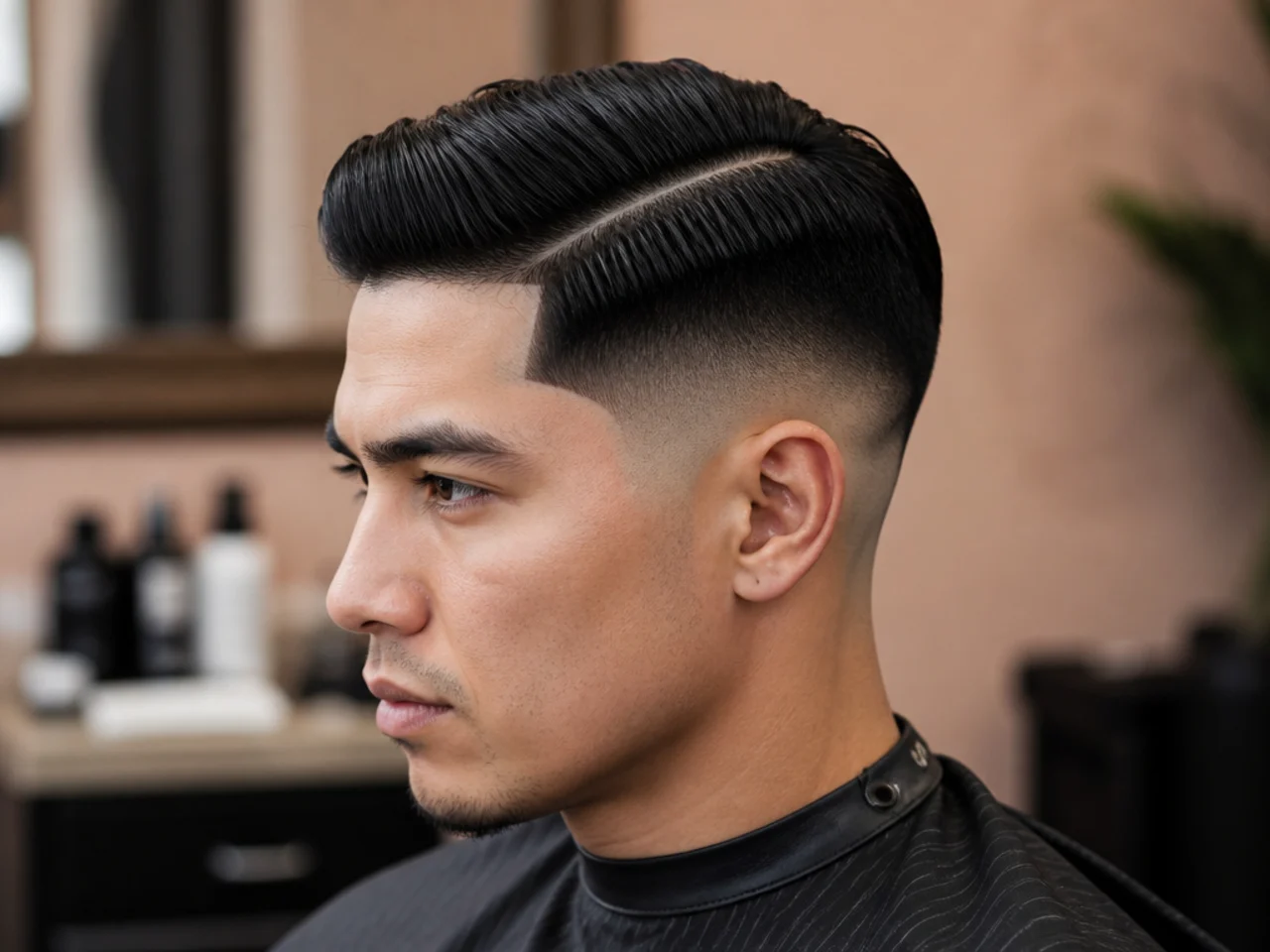
Standard mid fade side part with a razored line-up along the temples and forehead so every edge reads sharp. The line-up is what makes a mid fade side part read designed rather than clipped. Great for guys with strong, well-defined hairlines; skip if your temples are receding sharply because the razor exposes it.
Ask for: "mid fade, #0.5 to #2, three inches on top with a side part, sharp razor line-up at the temples and forehead."
Styling: normal side-part styling. The line-up fades faster than the rest — book a shape-up between full cuts every ten days.
20. Mid Fade Side Part for Thick Hair
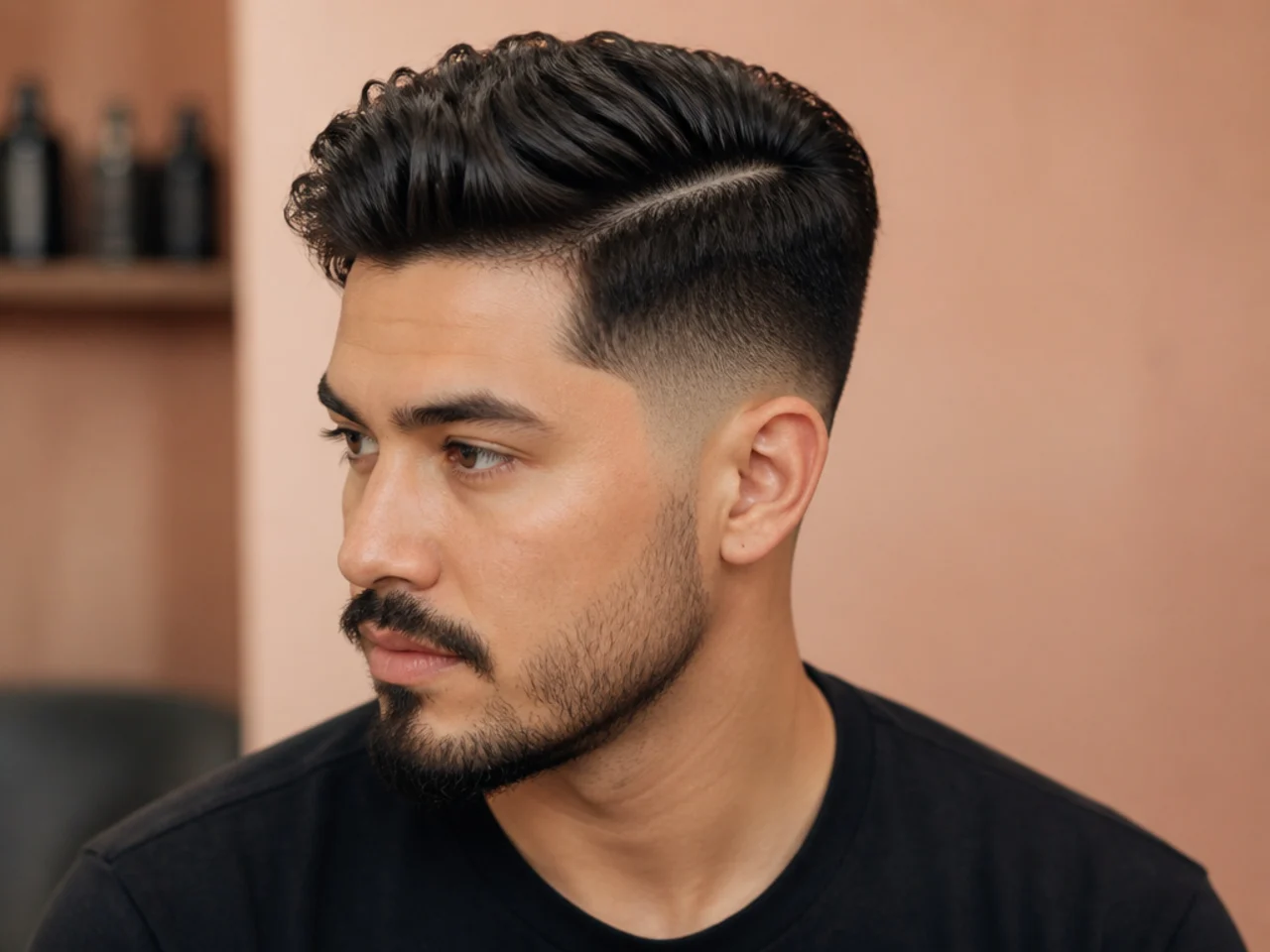
The version for guys whose hair fights back. Three inches on top scissor-cut with light thinning shears in the mid-length section so the part sits without lifting, mid fade at the sides, natural or hard part depending on how much the hair wants to move. Without the thinning step, thick hair tends to reject a side part and pop back to a middle.
Ask for: "mid fade, #0.5 to #2, three inches on top scissor-cut with light thinning through the mid-length so the side part will hold."
Styling: damp hair, matte cream (thick hair rejects heavy pomade weight), comb into the part. Blow-dry against the part first for two minutes to train the cowlick.
How to Ask Your Barber for a Mid Fade Side Part
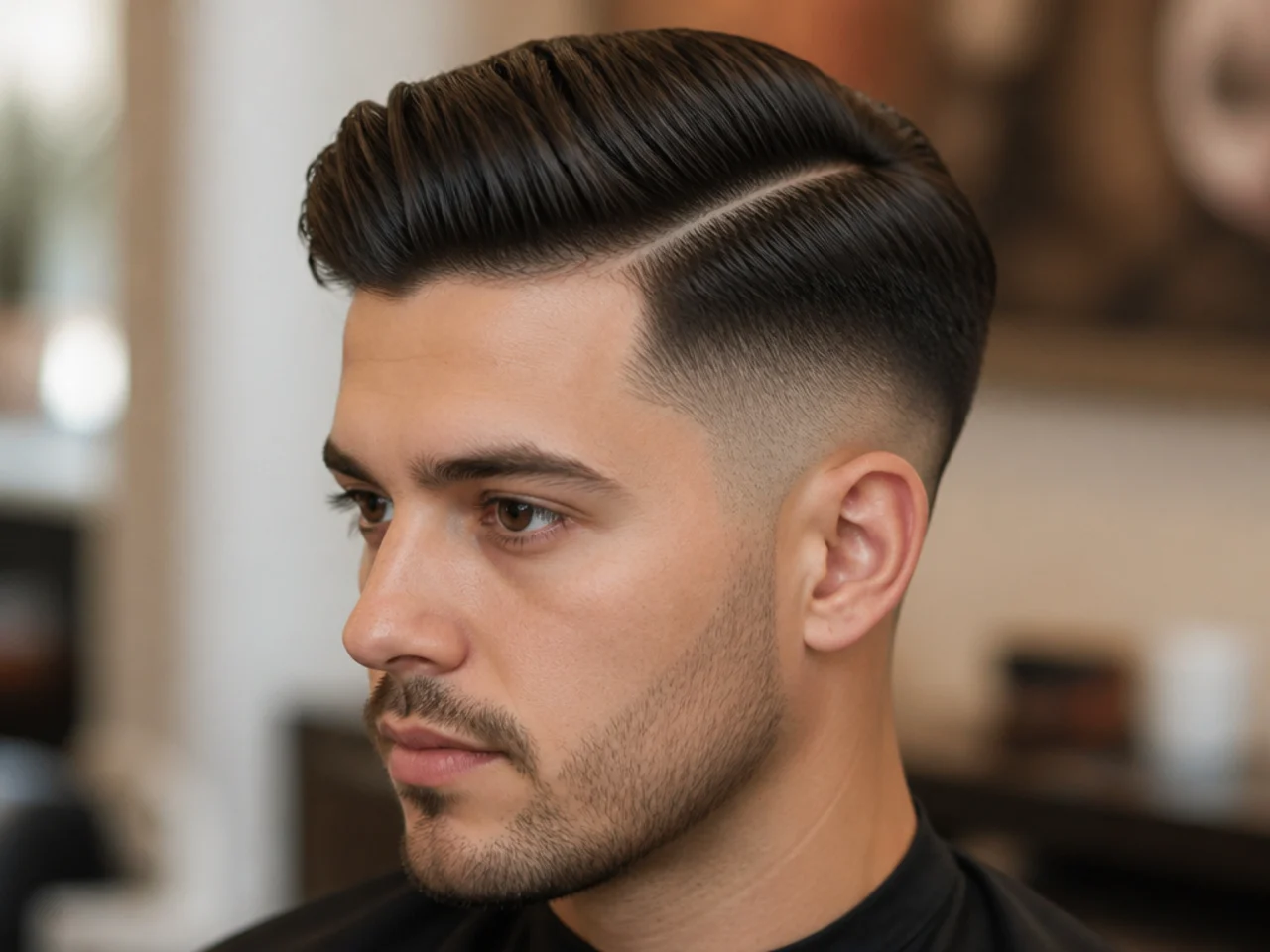
Six lines cover the whole conversation. Get these right and you'll leave with the version you had in mind.
- Show a photo. Two photos, ideally — front and side of a guy with hair like yours in the exact version you want. Screenshots kill 90 percent of the miscommunication that happens in a barber chair.
- State the fade height. "Mid fade — starting at the temple line." Not "medium." The words mid fade and temple line together leave no room for the wrong height.
- Pick the finish at the shortest point. Skin (bare scalp), #0.5, or #1 guard. This one choice controls how sharp the fade reads and how often you need to return.
- Choose your part. Natural or hard. If hard, say which side (left or right) and roughly how far above the temple you want the line to sit — usually an inch.
- Give the top length in inches. "Three inches on top, scissor-cut." Not "medium." Not "shorter than now." Inches remove all ambiguity.
- Name the finish vibe. Matte and textured, sleek and shiny, or somewhere in between. One phrase tells your barber what product weight to leave the hair ready for.
Styling and Maintenance
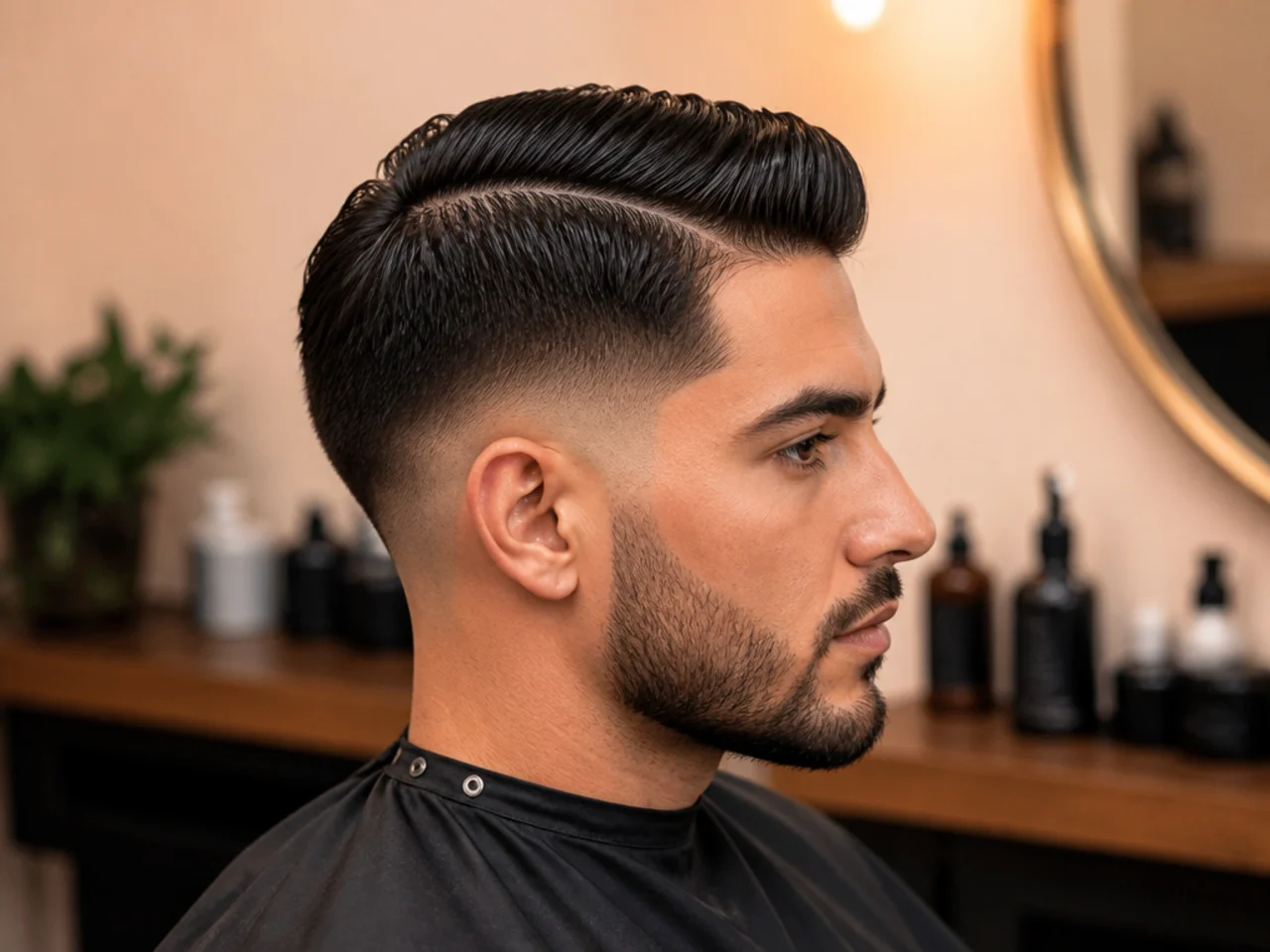
The mid fade side part rewards a two-minute morning. Wash, towel-dry until damp, warm a pea to nickel of product between your palms, comb into the part in one clean pass, done. The barber's cut sets the shape; product just tells it what to do that day.
Product by finish. Slicked, executive, and wet-look versions want a shine pomade — a small tub of pomade with the word "shine" or "high hold" on the front. Modern textured, Ivy League, and casual versions want a matte cream or a light clay. Curly and thick-hair versions want a curl cream and a lighter blow-dry setup. Never pile two products on one head unless a stylist has walked you through it.
Blow-dry the part first. Two minutes with a low-heat blow-dryer directing air against the part (from the deep side toward where you want the top to fall) sets the direction and lifts the crown. Then flip the airflow to follow the sweep for the last thirty seconds. This step is the difference between a part that stays and a part that pops back to a middle by lunch.
Line-up cadence. The forehead and temple line-up is what makes a mid fade side part read designed rather than clipped. Ask for it every full appointment. If you can, book a fade-only touch-up between full cuts — most shops charge $15 to $25 and it takes fifteen minutes. It cleans the transition line, the neckline, and any hard part line.
Skin-panel care. If you went with a mid skin fade, rinse the freshly shaved panels daily in the shower and pat dry with a clean towel. Thirty seconds. Prevents the ingrown hairs that make a fresh fade itchy by day four. Sunscreen on day one and two — the shaved skin burns fast in summer.
Match the beard. If you wear one, trim it in the same appointment as your fade. A crisp mid fade side part with an overgrown beard reads accidental; a matched pair reads intentional. Have the barber blend the sideburn straight into the fade line for a seamless transition.
FAQ
What's the difference between a mid fade side part and a low fade side part? Fade height. A low fade starts just above the ear and reads quieter and more traditional; a mid fade starts at the temple line and reads more modern with sharper contrast. Both work with a side part — the low fade side part suits ultra-conservative offices, the mid fade suits everywhere else. The low fade vs mid fade vs high fade comparison breaks the three fade heights down side-by-side.
Can I do a mid fade side part myself at home? The side part yes; the fade no. Combing the top into a side part is a home-styling move any morning. The mid fade blend requires clipper guards, a bare-clipper corner blend, and a mirror setup most guys don't have — that half of the cut is barber territory.
How long does the top need to be for a proper side part? At least two inches. Anything shorter falls back to a middle or a spike no matter how well you comb it. The sweet spot for most side parts sits between two and a half and four inches on top.
Which product holds a side part best all day? A medium-hold pomade with a touch of shine holds the classic version. A matte cream with a firm hold holds the textured version. Skip gels — they dry into a shell that cracks at hour three and re-styling gets crumbly.
Can I switch between the middle and side part with the same haircut? Yes, if the top is scissor-cut with enough length (three inches or more) and no hard razored part. That flexibility is one of the reasons the classic mid fade side part is the default barber recommendation — you can style it into a middle part for a casual day and back to the side for a meeting.
How much does a mid fade side part cost? Standard mid fade side part at a mainstream barbershop: $30 to $50. A mid skin fade with a hard razored part at a specialist shop: $60 to $120. Add a tip. A fade-only touch-up between full cuts runs $15 to $25.