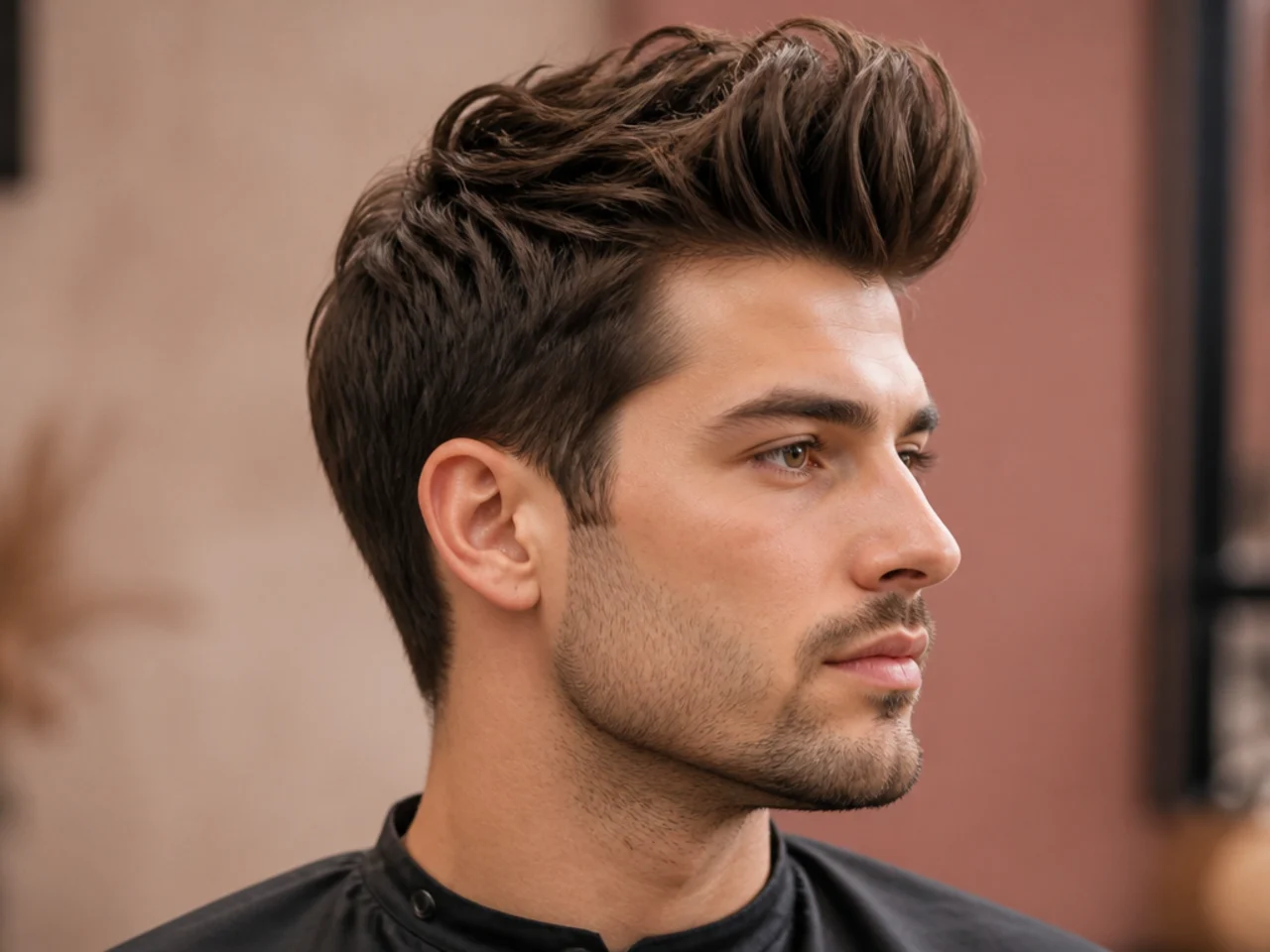
30 Quiff Hairstyles Every Guy Should See
Thirty mens quiff hairstyles worth stealing — with face-shape notes, exact barber wording, and the product routine that keeps each one holding shape from morning coffee to last call.
In this article · 41
- What Is a Quiff?
- How to Choose Your Quiff
- The 30 Quiff Variations
- Classic Quiff
- Textured Quiff
- Modern Quiff
- Messy Quiff
- Short Quiff
- Medium Quiff
- Long Quiff
- Curly Quiff
- Wavy Quiff
- Straight Hair Quiff
- Undercut Quiff
- Disconnected Quiff
- Skin Fade Quiff
- Low Fade Quiff
- Mid Fade Quiff
- High Fade Quiff
- Drop Fade Quiff
- Burst Fade Quiff
- Taper Fade Quiff
- Side Part Quiff
- Pomaded Quiff
- Slick Back Quiff
- Rockabilly Quiff
- Quiff with Beard
- Fringed Quiff
- Blowout Quiff
- Blonde Quiff
- Korean Quiff
- Afro Quiff
- Executive Quiff
- How to Ask Your Barber
- Styling & Maintenance
- FAQ
- Is a quiff good for beginners?
- What if my hair is too thin?
- Can I wear a quiff to a wedding?
- Do I need product every day?
- Quiff versus pompadour?
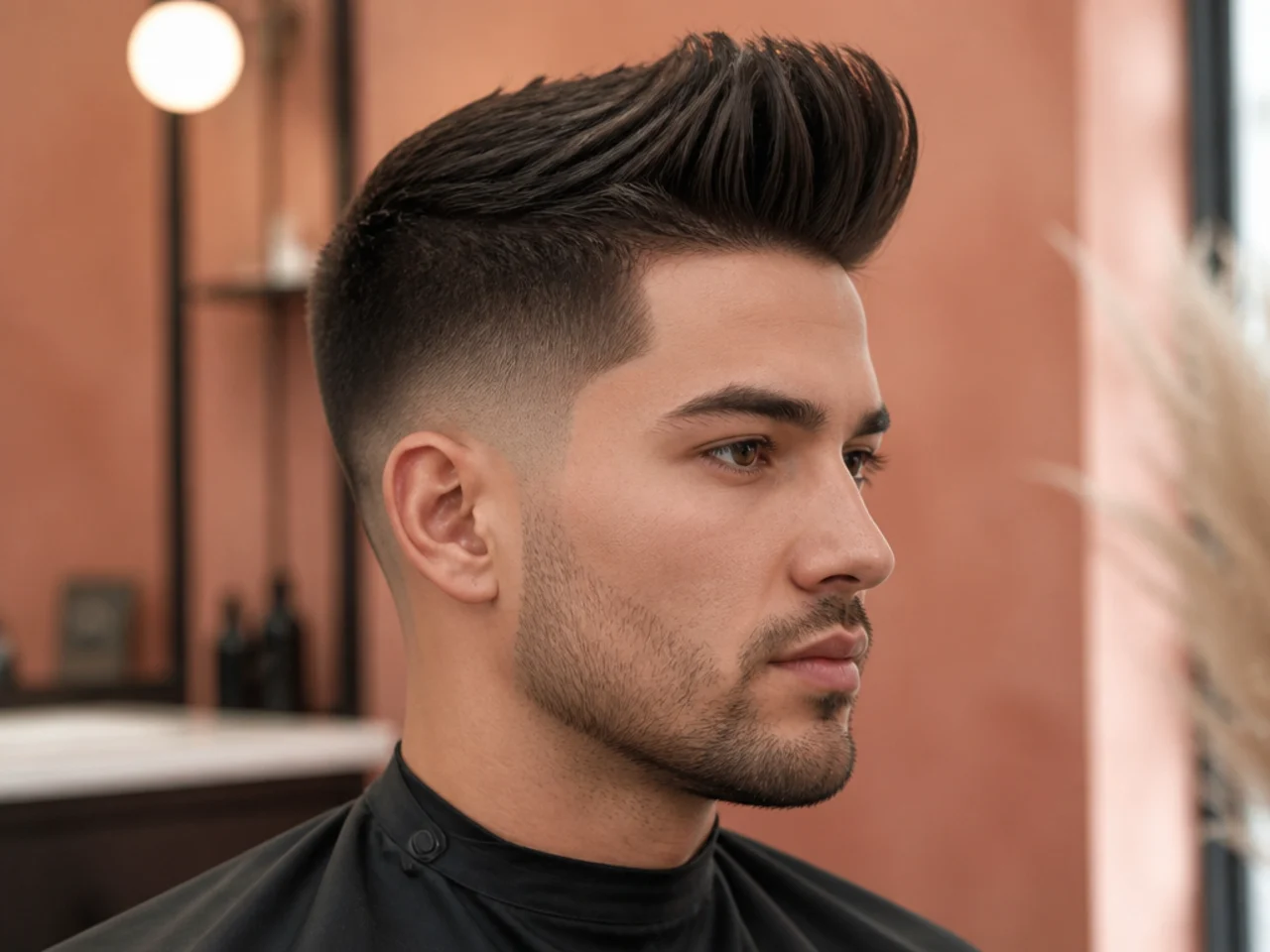
The quiff has outlived every haircut trend since 1955. Sides short, front lifted, top swept up and slightly back — the shape reads modern with matte clay, retro with pomade, and sharp under a fade at every height. This guide walks through thirty mens quiff hairstyles worth stealing, with face-shape notes, exact barber wording, and the product routine that keeps each one holding all day.
What Is a Quiff?
A quiff is a men's haircut with short sides, longer hair on top, and the front swept up and slightly back to build vertical height. The shape came out of the 1950s rockabilly era — Elvis, James Dean, Ricky Nelson — but modern barbers strip the shine, add fades and tapers, and let matte texture carry the top. That's the working definition every cut in this guide spins off.
The geometry stays consistent no matter which version you pick. Sides run scissor-tapered or faded from low to skin. The crown sits shorter than the front. The front — anywhere from two to seven inches — does the lifting. Product choice controls the mood: pomade for classic gloss, matte clay for modern texture, cream for a soft in-between. See the wider quiff hairstyles men guide for the shape's full range before you commit.
How to Choose Your Quiff
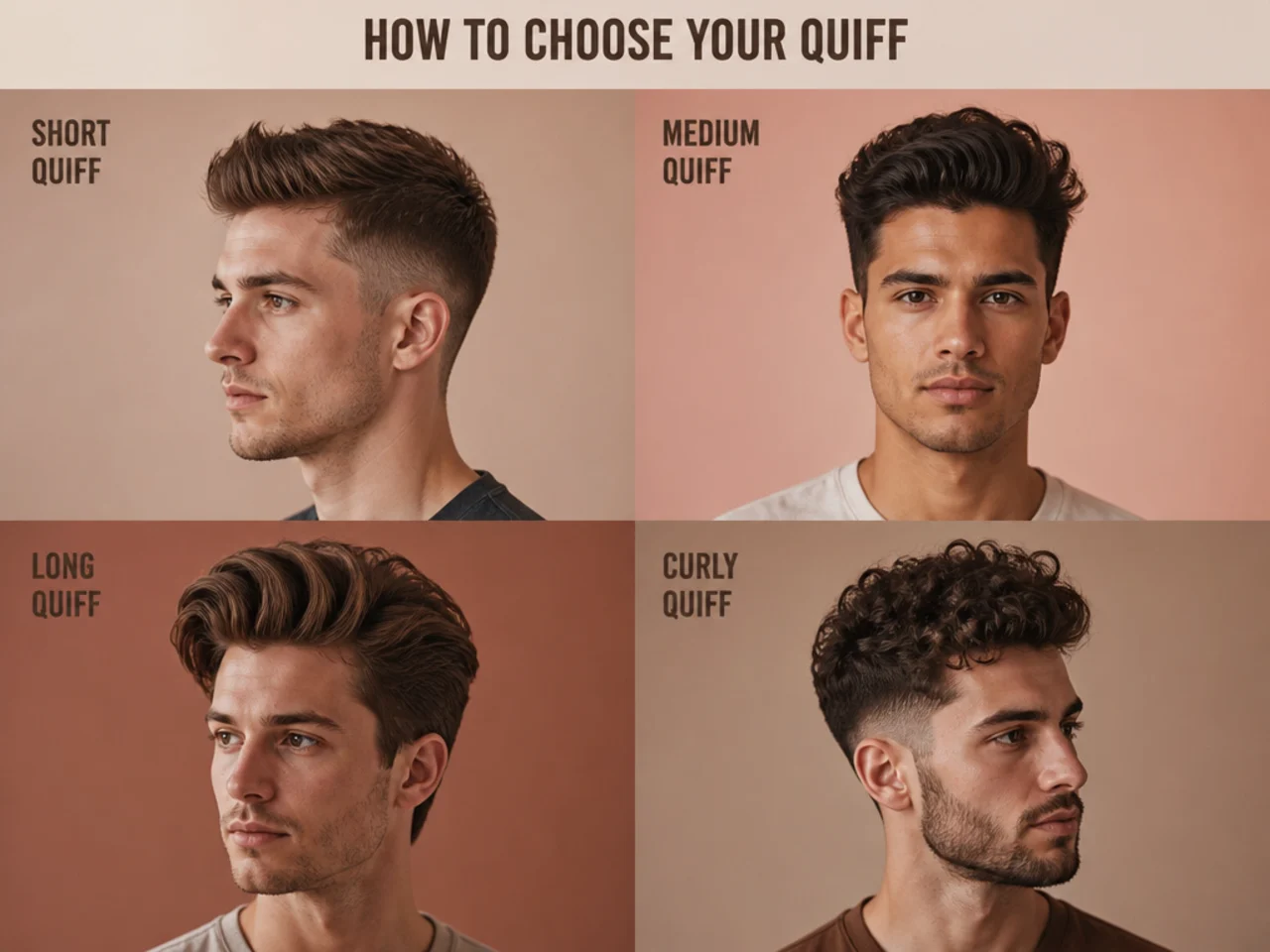
Start with your face shape. Round and square faces gain the most from a quiff — vertical lift lengthens the face and softens a heavy jaw. Oval works with any variation. Long or narrow faces should keep the height moderate; too tall stretches the face further. The haircuts for square faces rules apply here too — width at the sides balances height on top.
Match the length to your hair type next. Fine hair needs a shorter top (three to four inches) plus a mousse pre-styler, or the lift collapses. Thick, coarse hair takes a longer front (five to six) with internal thinning so the shape doesn't read bulky. Curly hair adds an inch or two for shrinkage and switches pomade for cream. Wavy hair is the easy setting — the natural bend does half the styling.
Finally, be honest about your morning. The classic pomaded and long swept-back versions want five minutes and a comb. Short and messy quiffs finger-style in ninety seconds. Pick the version your Tuesday can actually support.
The 30 Quiff Variations
Thirty variations, each with a clear reason it earned its spot. Each entry names what makes the shape different, who it flatters, the exact language to bring to your barber, and the styling detail that separates it from its neighbors.
Classic Quiff
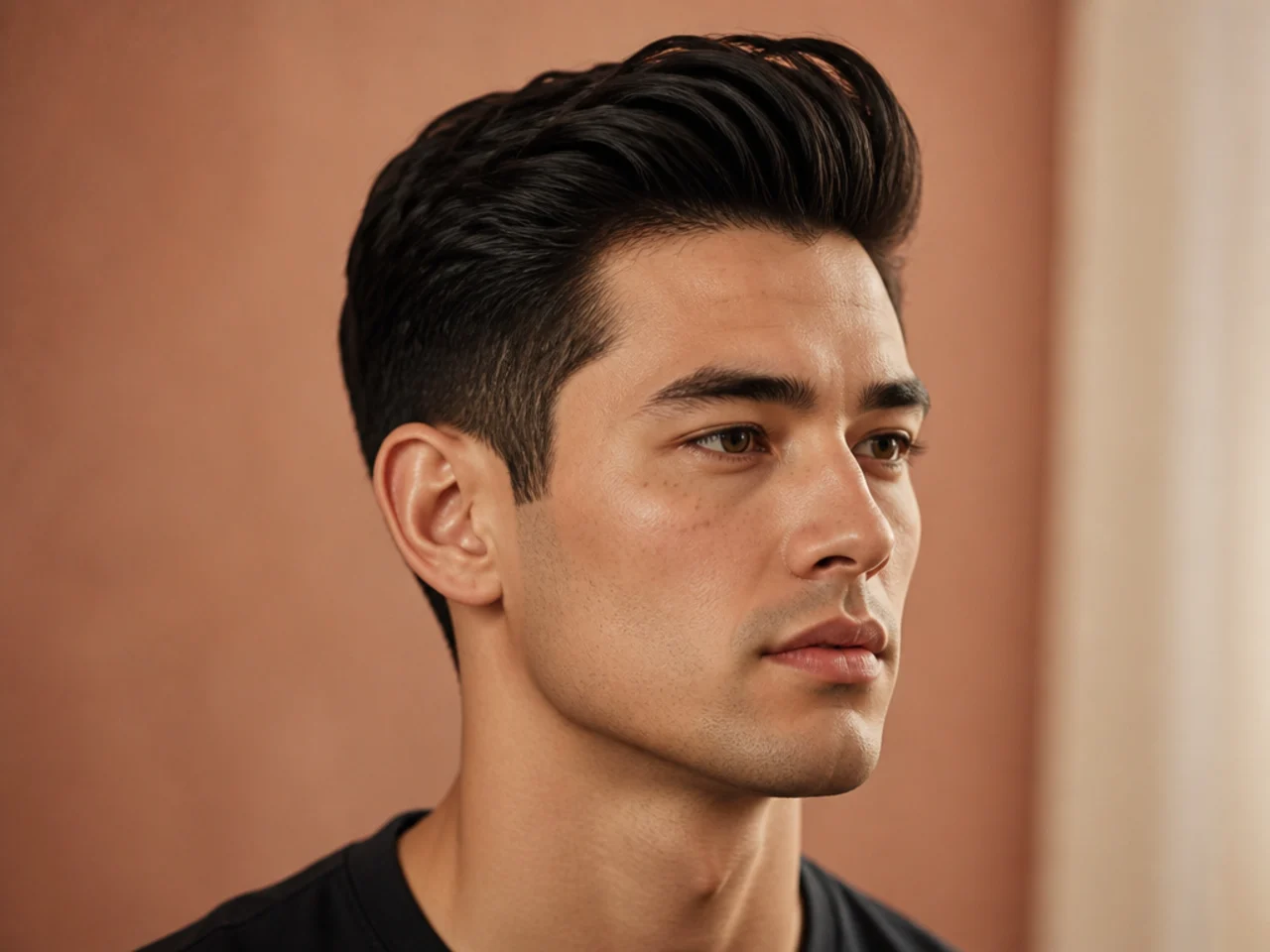
The neutral shape. Four inches on top, sides scissor-blended or dropped into a soft low taper fade, front lifted up and slightly back at a rounded angle. Nothing shouts — the sweep does the talking. Works on straight or wavy hair and reads sharp on almost any face shape.
Ask your barber for four inches at the front, a low taper at the sides, and a soft blend at the parietal ridge. Blow-dry up and back with a round brush, then work a nickel-size scoop of matte clay through the ends. Best for medium-to-thick straight hair on oval or square faces.
Textured Quiff
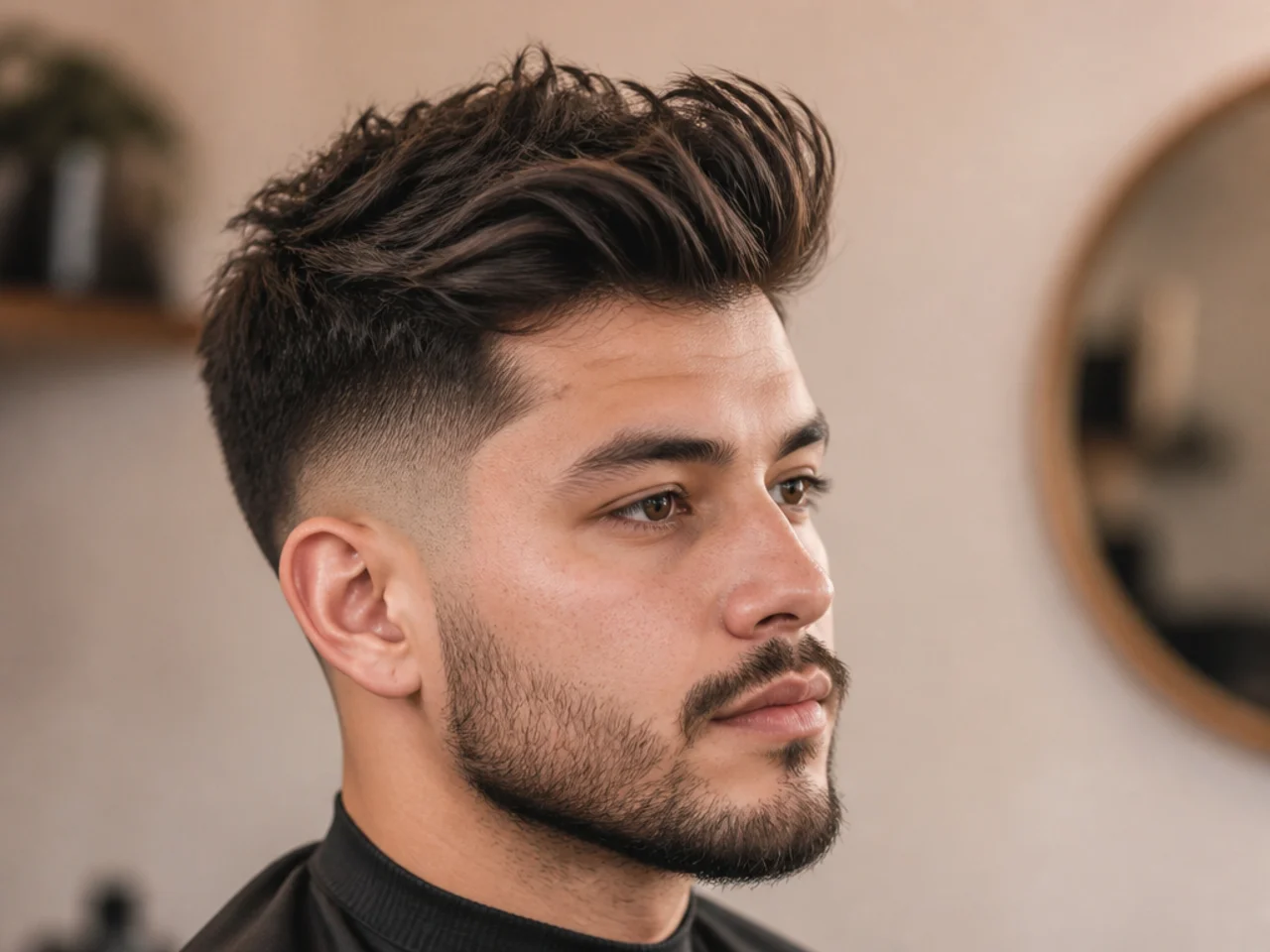
The modern default. Layers are point-cut through the top so strands separate cleanly, the front runs five inches, and the whole finish reads piece-y rather than helmet-flat. Every young stylist in the country cuts a version of this one.
Ask for point-cut layers on top, a mid fade or low taper fade on the sides, and light internal thinning if your hair is dense — see the textured haircuts for men guide for wider context. Rough-dry from the roots up, then round-brush the front. Warm a pea of matte clay between your palms and press it into the ends only. Best for straight or slightly wavy hair on any face shape but very narrow.
Modern Quiff
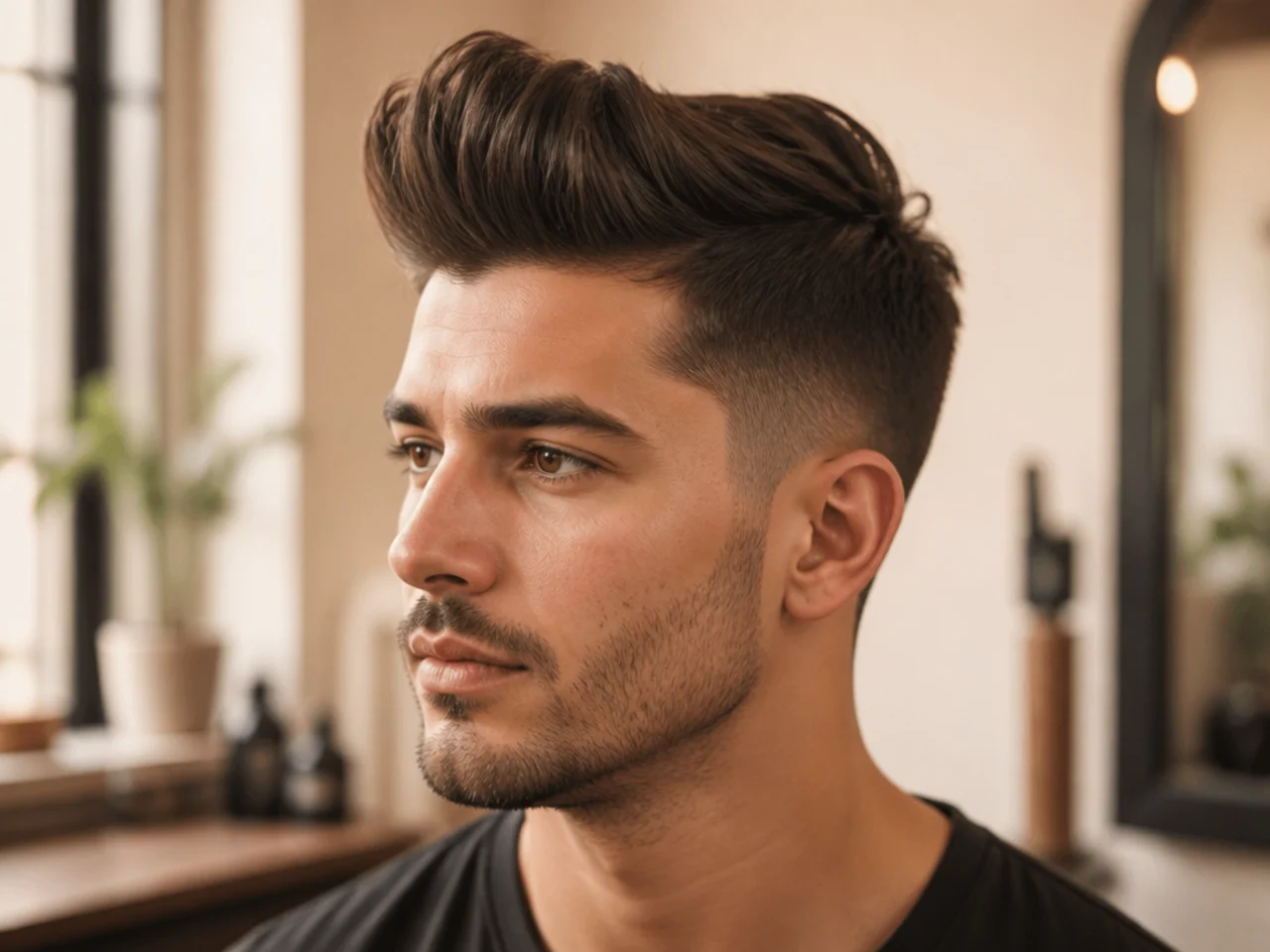
The modern quiff sharpens every edge of the classic. Sides drop into a proper skin fade or high taper fade, the top is left long at the front (five to six inches) and tighter through the crown, and there's a soft disconnection where the top meets the fade.
Ask for a skin fade starting mid-ear, scissor detail through the crown, and the front left long enough to sweep. Prep with a light mousse for lift, blow-dry up with a round brush, then finish with matte clay pressed into the ends. Best for the twenty-to-thirty range and anyone who wants a haircut that photographs well.
Messy Quiff
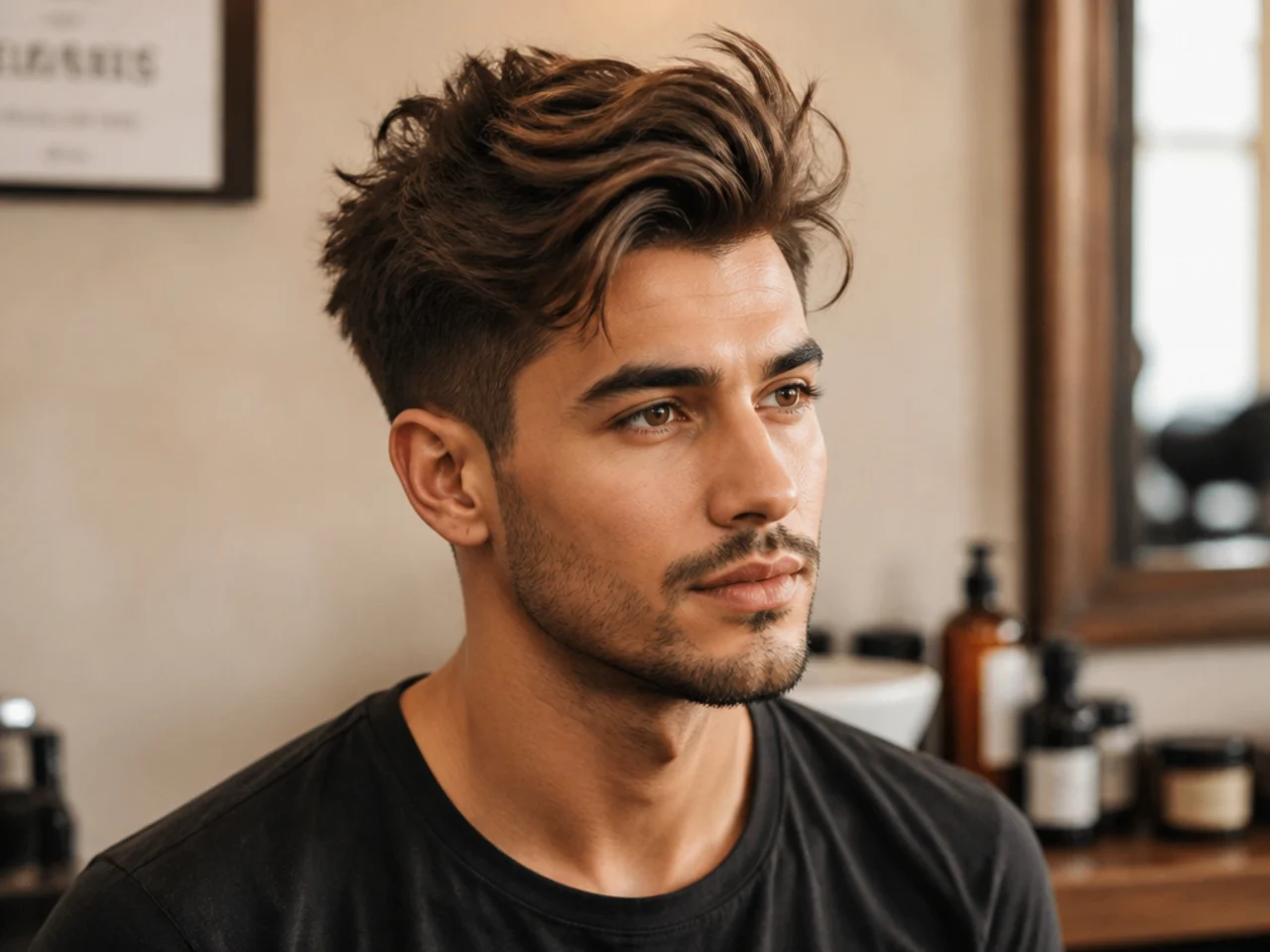
The messy quiff keeps the volume of the classic but breaks up the finish so it looks slept-in, not styled. Layers run longer at the front (five to six inches), the perimeter reads slightly rough, and there's no clean part or comb line — just texture pointing up and forward.
Ask for scissor layers on top, a burst fade or drop fade at the sides, and no razor work at the ends. Rough-dry with fingers on high heat — no brush. Warm a pea of matte clay and press it in from the ends toward the roots. Best for guys who want to spend under two minutes in the mirror.
Short Quiff
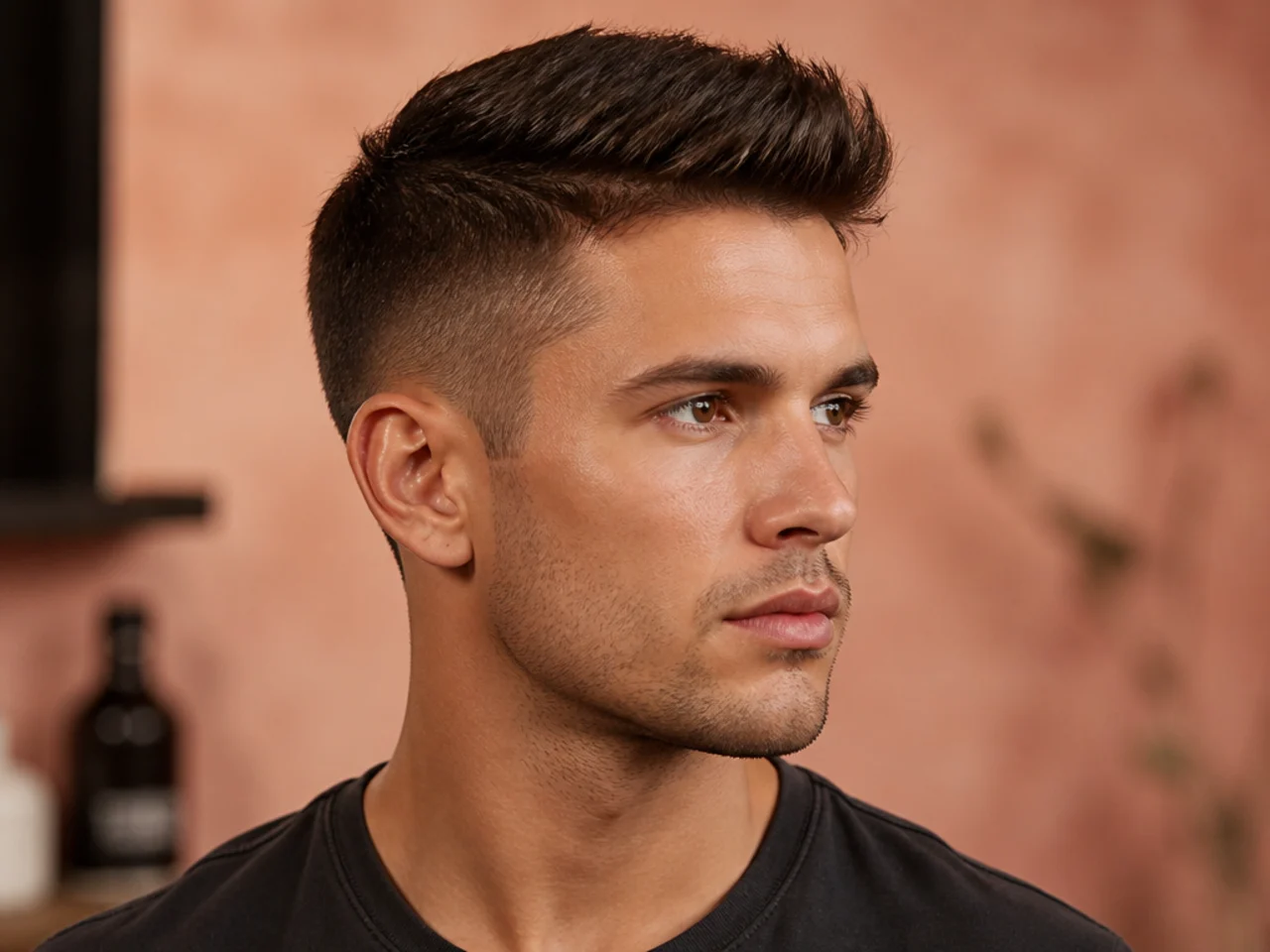
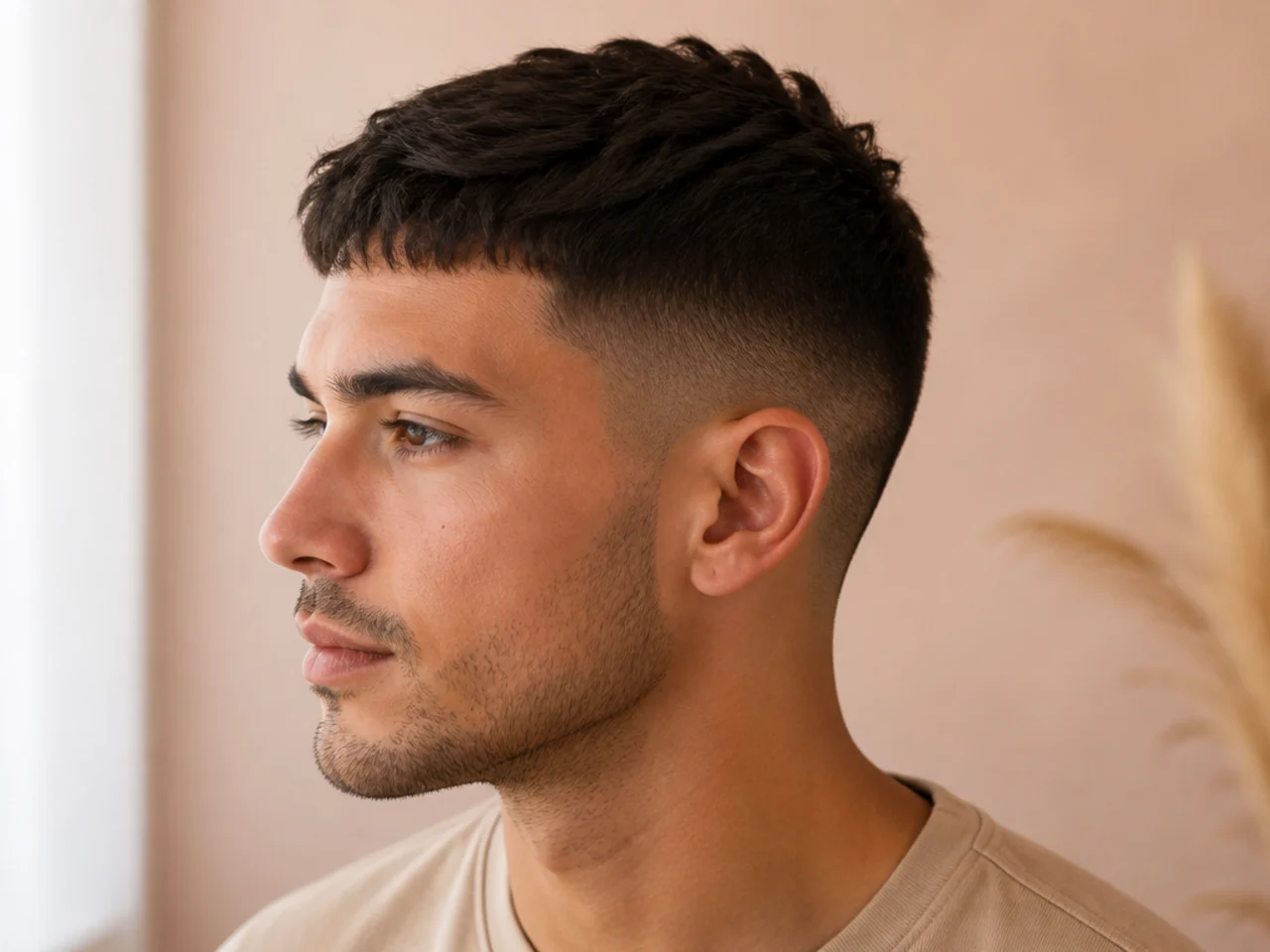
A quiff cut down to shift-work length. Top runs two to three inches — long enough to lift, short enough that it holds shape without a blow-dryer most days. Sides are usually a mid or high skin fade.
Ask for three inches on top, a skin fade of your choice, and a soft blend at the crown so the profile stays smooth. See the short quiff hairstyles men deep-dive for more of this family. Rub matte paste between your palms and push the front up and back with your fingers — no dryer required most mornings. Best for straight, medium-density hair and a schedule that can't spare ten minutes.
Medium Quiff
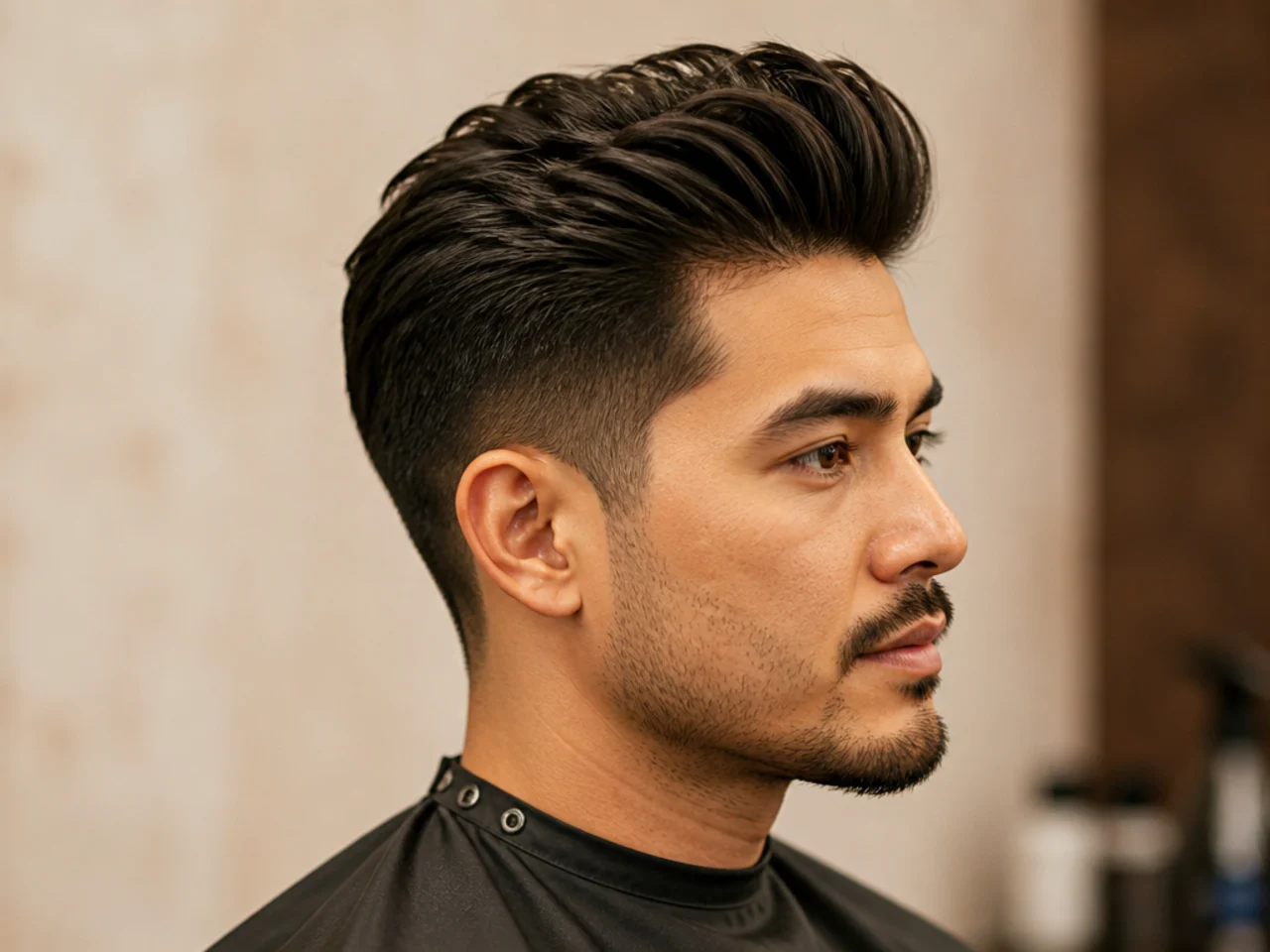
The flexible middle length. Top runs five to six inches — enough to style up for a meeting or push back for the weekend without recutting. This is the version most barbers recommend for guys new to the shape.
Ask for scissor-cut layers on top, a low or mid taper fade at the sides, and enough length at the crown to blend into the front sweep. Round-brush up and back after towel-drying, then work matte clay through the ends. For a softer day, run a wide-tooth comb through with a light cream. Best for men who want one haircut that dresses up and dresses down.
Long Quiff
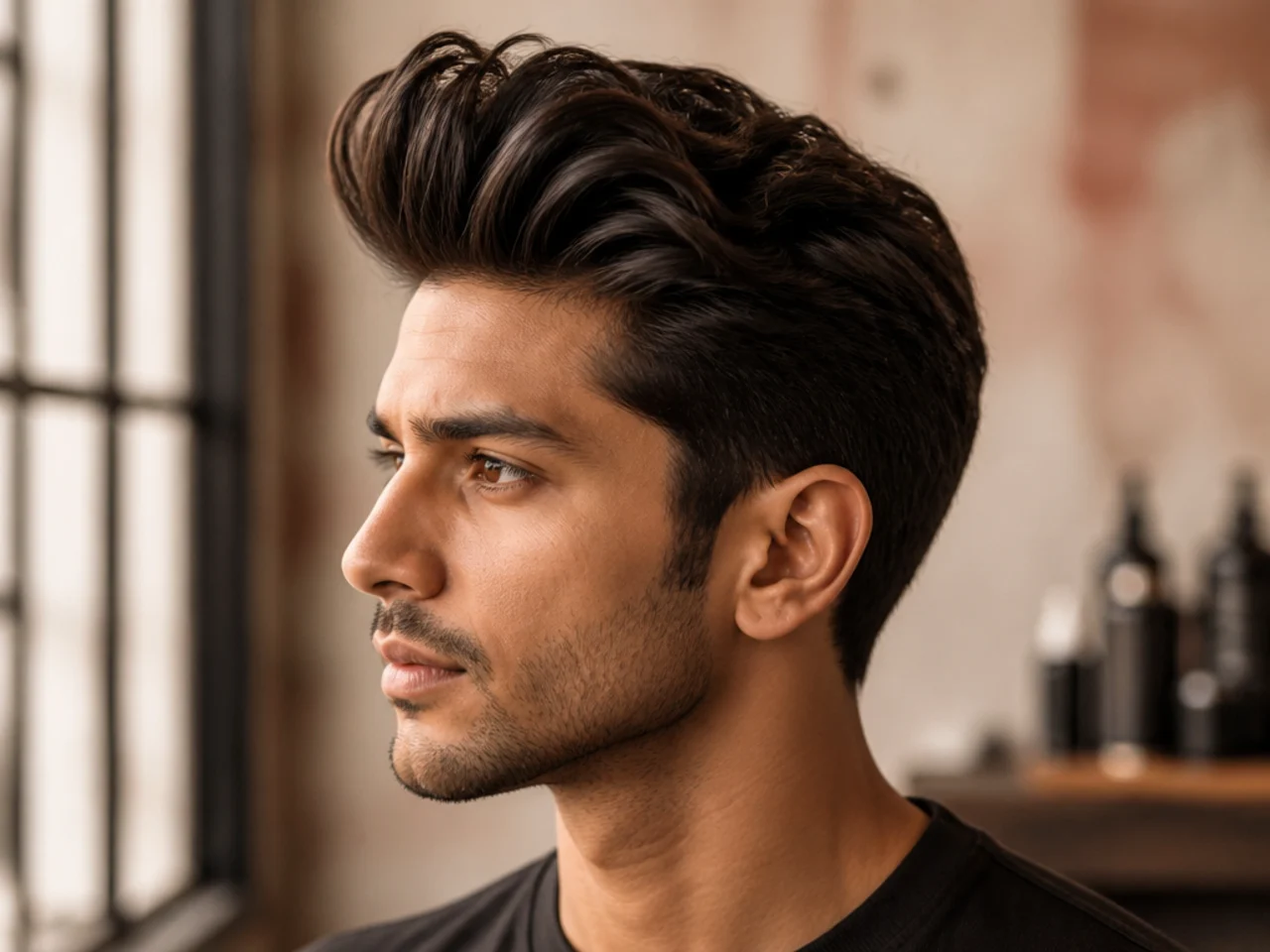
Length on top (six to seven inches) with the front swept back for real drama. It needs thicker hair to hold shape and five minutes of styling most days, but the payoff is a cut that pulls attention in a room.
Ask for six inches at the front, layered down to four at the crown, and a low fade or scissor-blended sides so the length dominates. Prep with a volumizing mousse, blow-dry with a large round brush from front to crown, then set with a firm-hold matte cream. Finish with a light hairspray for hold through the day. Best for thick, straight-to-wavy hair on oval or long face shapes.
Curly Quiff
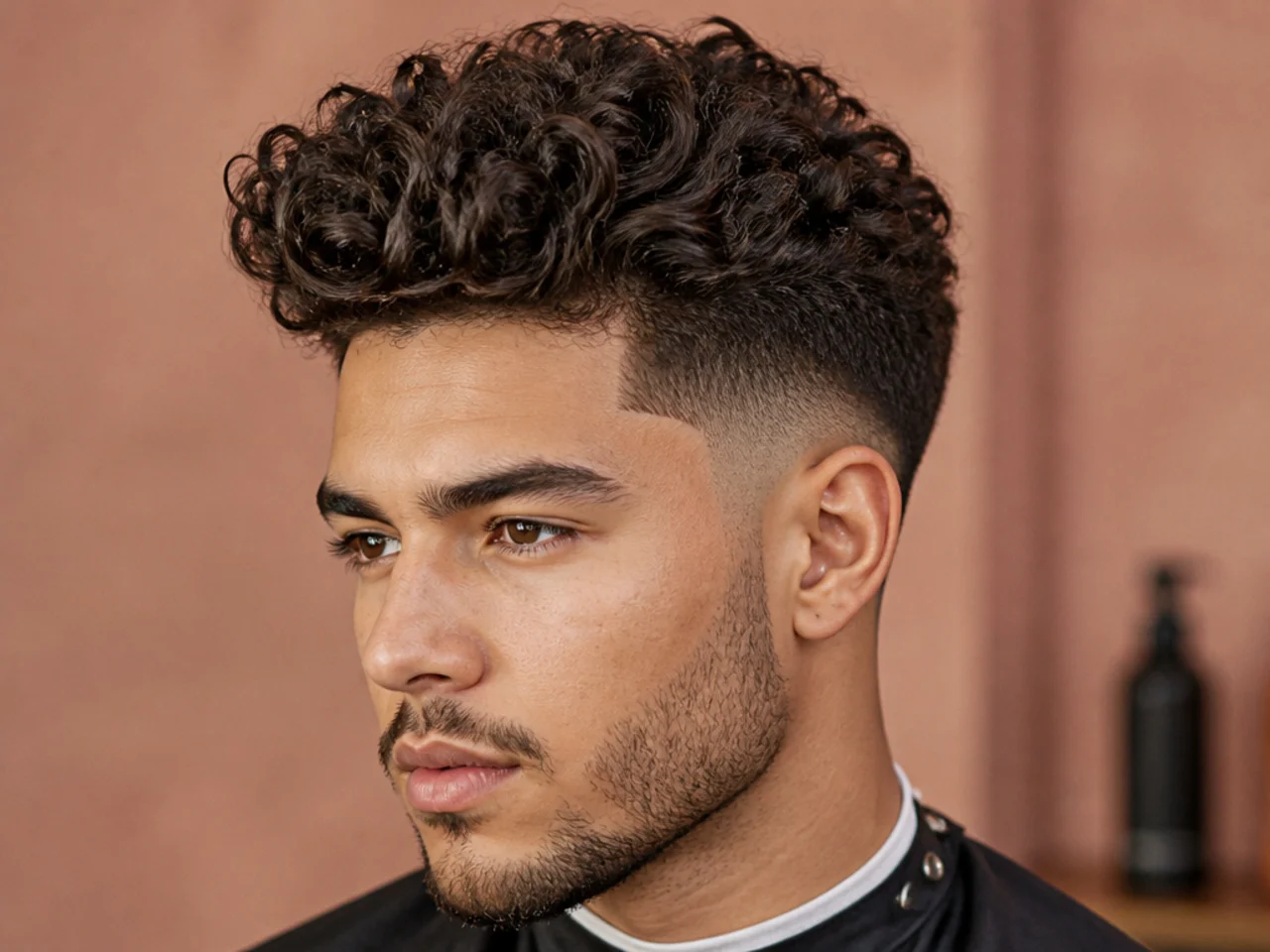
Curly hair makes the quiff read differently — the volume is built in, so the barber's job is controlling the perimeter and giving the front room to lift naturally. Cut on dry curl, not wet; curls shrink up to two inches once they dry.
Ask for scissor layers cut on dry curl, a low or mid taper fade at the sides, and four to five inches at the front measured stretched. Never let a barber razor or thin — both destroy curl pattern. Apply a curl cream to damp hair, scrunch upward at the front, and diffuse on low. See the curly quiff hairstyles men guide for cut-and-product specifics on 3A through 4A hair.
Wavy Quiff
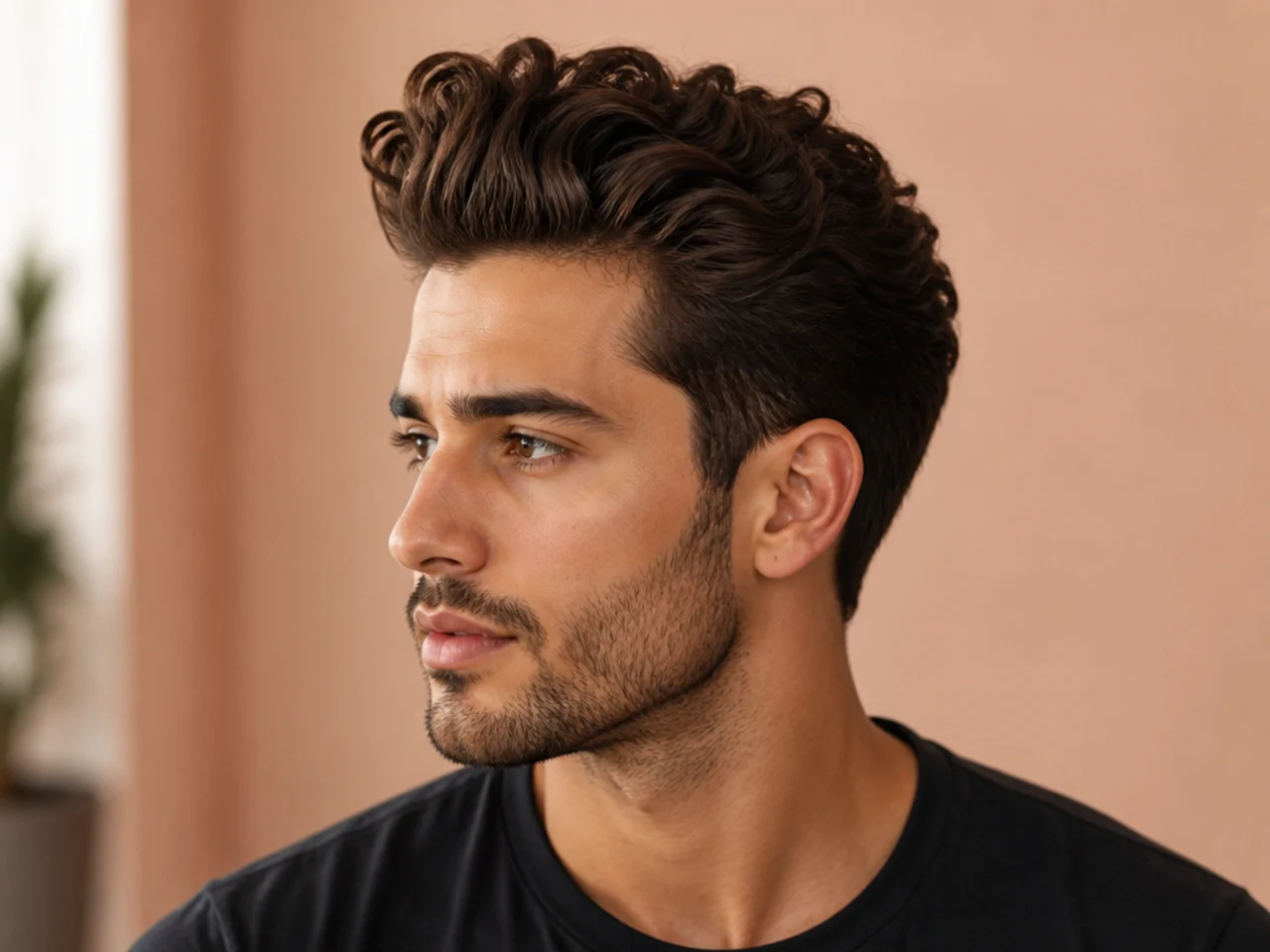
If your hair has a natural bend, the wavy quiff lets it show instead of forcing it flat. The waves handle the texture for you — you're just adding direction and a bit of lift at the front. This is the easiest quiff to maintain.
Ask for scissor layers cut with the wave pattern (not against it), a mid or low taper fade at the sides, and four to five inches at the front. Apply a wave-friendly cream to damp hair, then either air-dry with the front swept back or diffuse on low. Skip clay — too thick for waves. Best for naturally wavy hair on any face shape.
Straight Hair Quiff
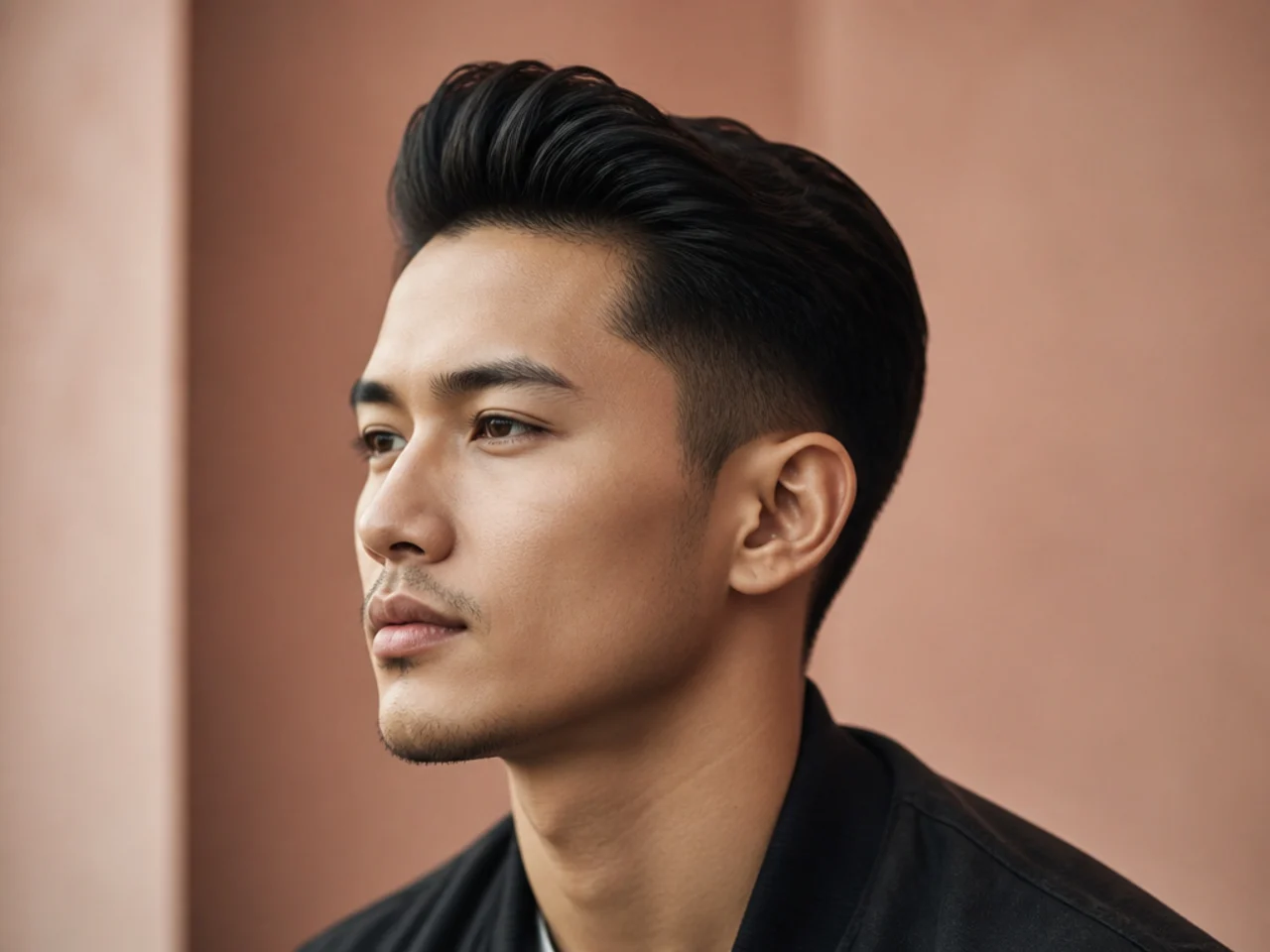
Straight hair holds a quiff cleanly but needs product to hold texture. Left alone, it slides flat by lunch. The trick is a mousse pre-styler plus a clay that adds grip without weighing the front down.
Ask for scissor layers on top, a mid fade at the sides, and four to five inches at the front. Apply a light mousse to damp hair, blow-dry up and back with a round brush, then work matte clay through the mid-lengths to ends. Cool-shot the shape at the end to lock the direction. Best for medium-density straight hair on oval, square, or long face shapes.
Undercut Quiff
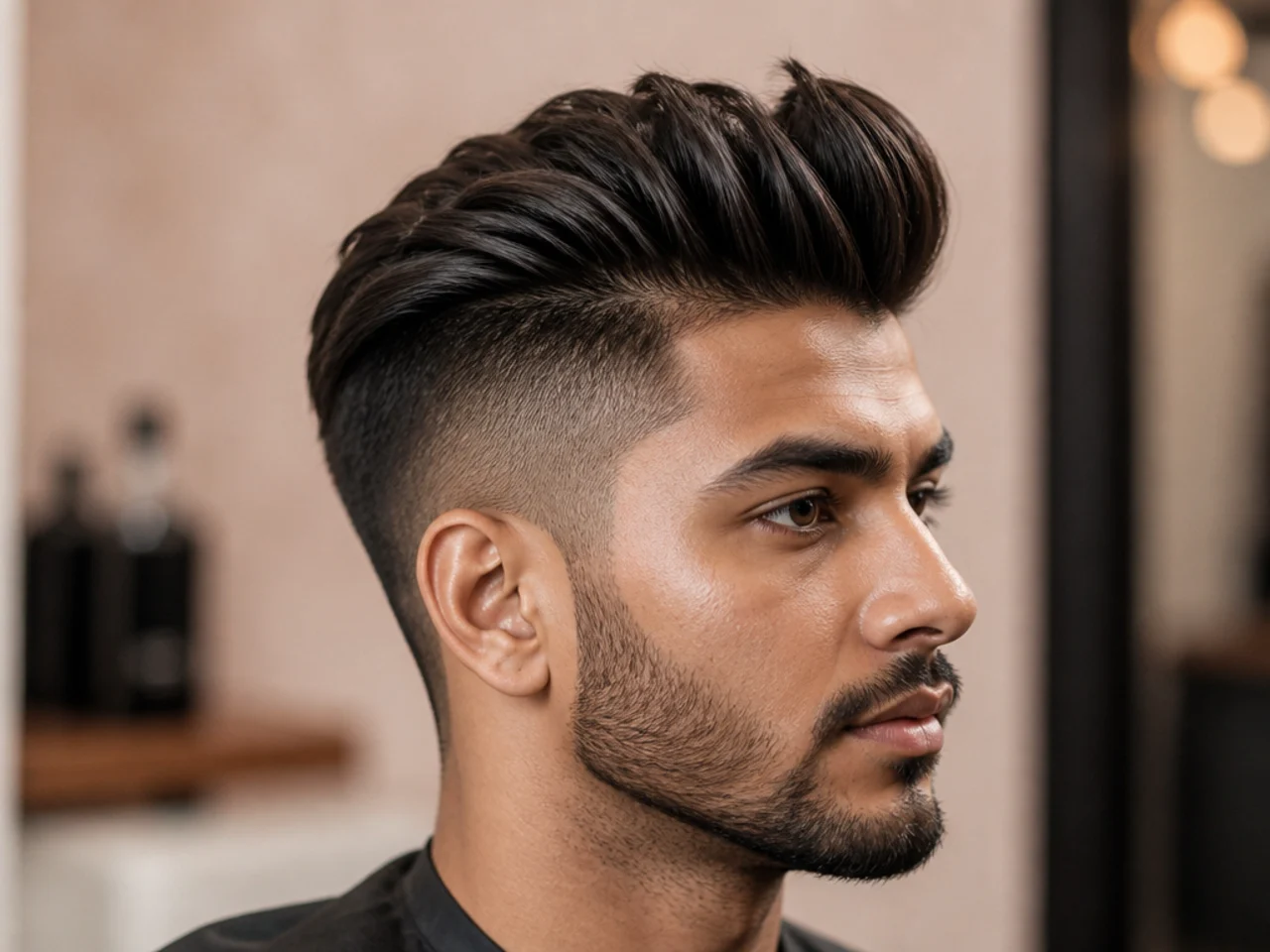
The undercut quiff is disconnected on purpose. Sides are clipped short — often one guard, all the way up — with no blend between them and the top. It's the sharpest, most fashion-forward take on the shape.
Ask for a disconnected undercut (specify #2 or #3 guard), five to six inches on top, and a clean line where the disconnection sits. Style up and back with matte clay for everyday, or brush back sleek with pomade for a formal slick back. Best for men who don't mind attention, oval or square face shapes, and straight to slightly wavy hair.
Disconnected Quiff
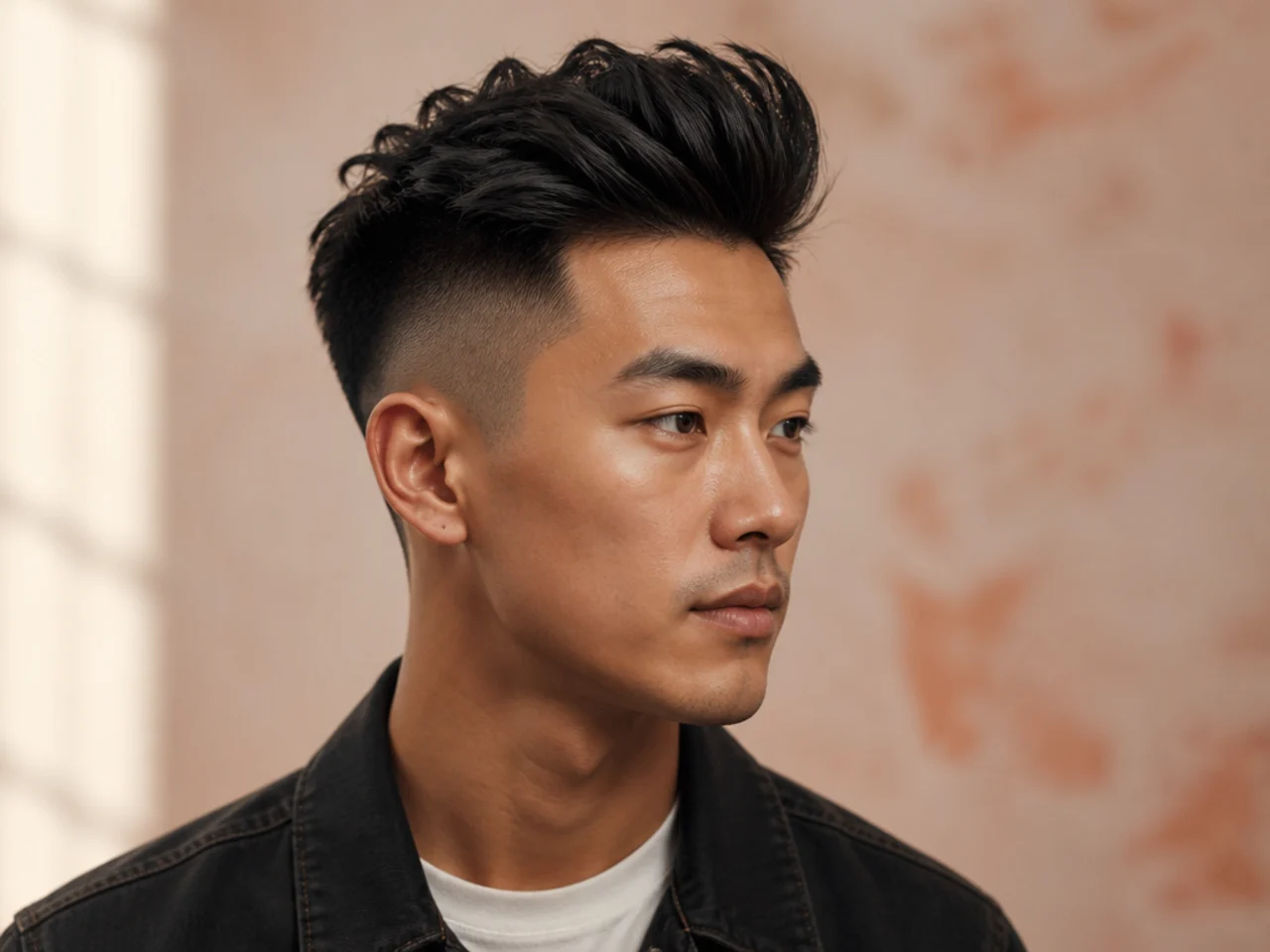
A close relative of the undercut quiff but with a softer break. The sides fade or taper, and the top drops down over that fade with visible length rather than a clean disconnect. Reads modern without going full statement piece.
Ask for a mid skin fade with a soft shadow at the top edge, five inches at the front, and no hard line — you want the top to fall naturally over the fade, not sit above it. Style with matte clay pressed into the ends and pushed up and back. Best for the twenty-to-thirty-five range on oval, square, or heart-shaped faces.
Skin Fade Quiff
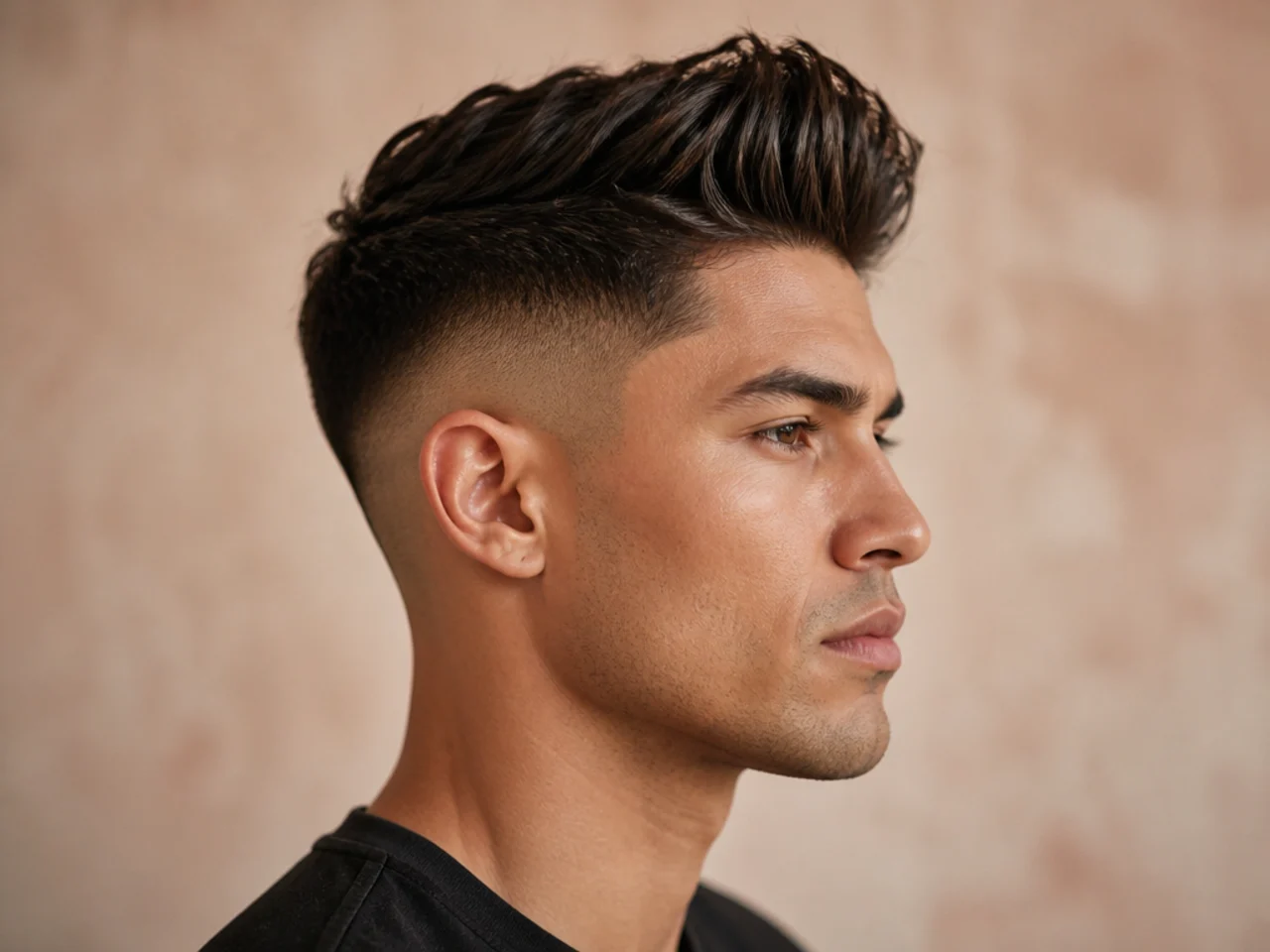
Maximum contrast. The sides drop to bald skin at the low point, and the top carries all the visual weight. Every angle photographs sharp, but the fade needs re-cutting every two to three weeks to stay clean.
Ask for a skin fade starting at your preferred height (low, mid, or high), scissor layers through the top, and four to five inches at the front. Prep with mousse, blow-dry the front up with a round brush, then finish with matte clay. Best for angular face shapes (the fade slims a wider jaw) and men who don't mind a short maintenance cycle.
Low Fade Quiff
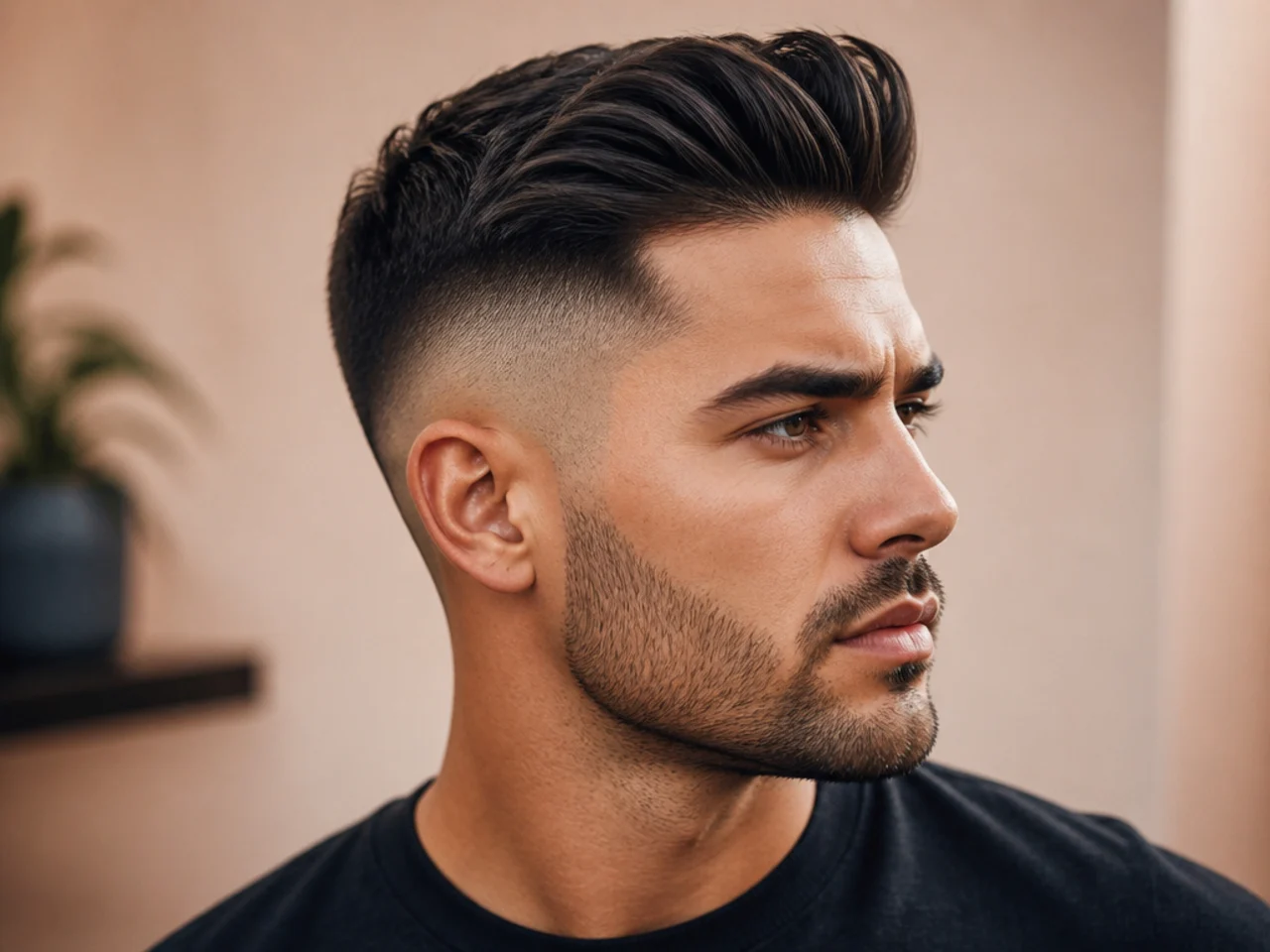
The conservative fade choice. The low fade barely climbs above the ear, so all the drama sits on top — the fade only whispers. Fits offices, weddings, and school pickup lines without looking dated.
Ask for a low fade starting just above the ear, scissor layers on top, and four to five inches at the front. Blow-dry up and back, work matte clay through the ends, done. Best for professional settings, all face shapes, and any hair type that holds shape once styled.
Mid Fade Quiff
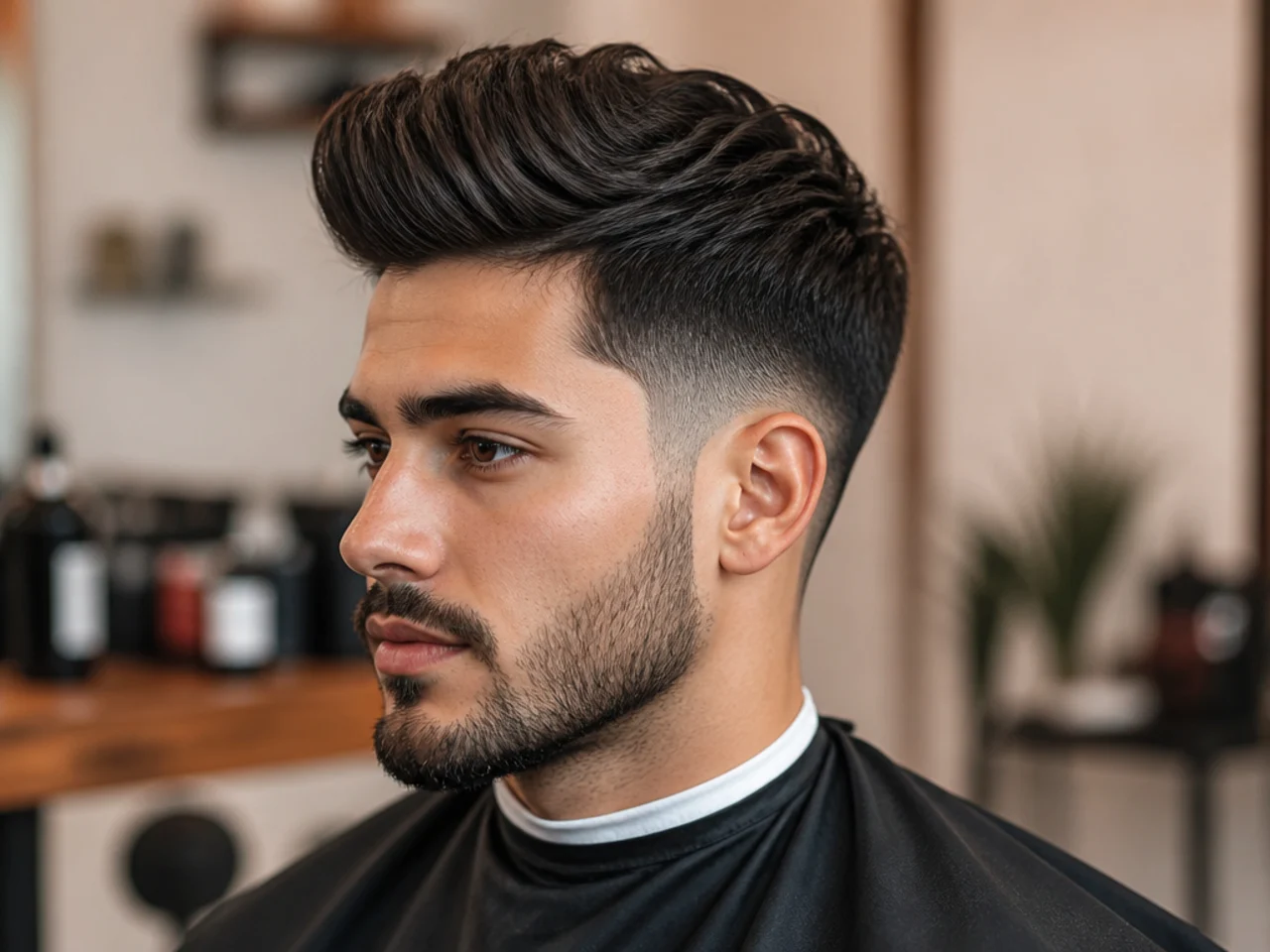
The barber's default when a client says "give me the standard fade with a quiff." The mid fade sits at the temple — visible contrast without the harshness of a high fade. Suits every hair type and every industry.
Ask for a mid fade, point-cut layers on top, and enough length at the front to lift with your fingers. Rub matte paste between your palms, press into the front, then push up and slightly forward. Best for thick or coarse hair on square or oval face shapes, or anyone who wants a low-effort sharp finish.
High Fade Quiff
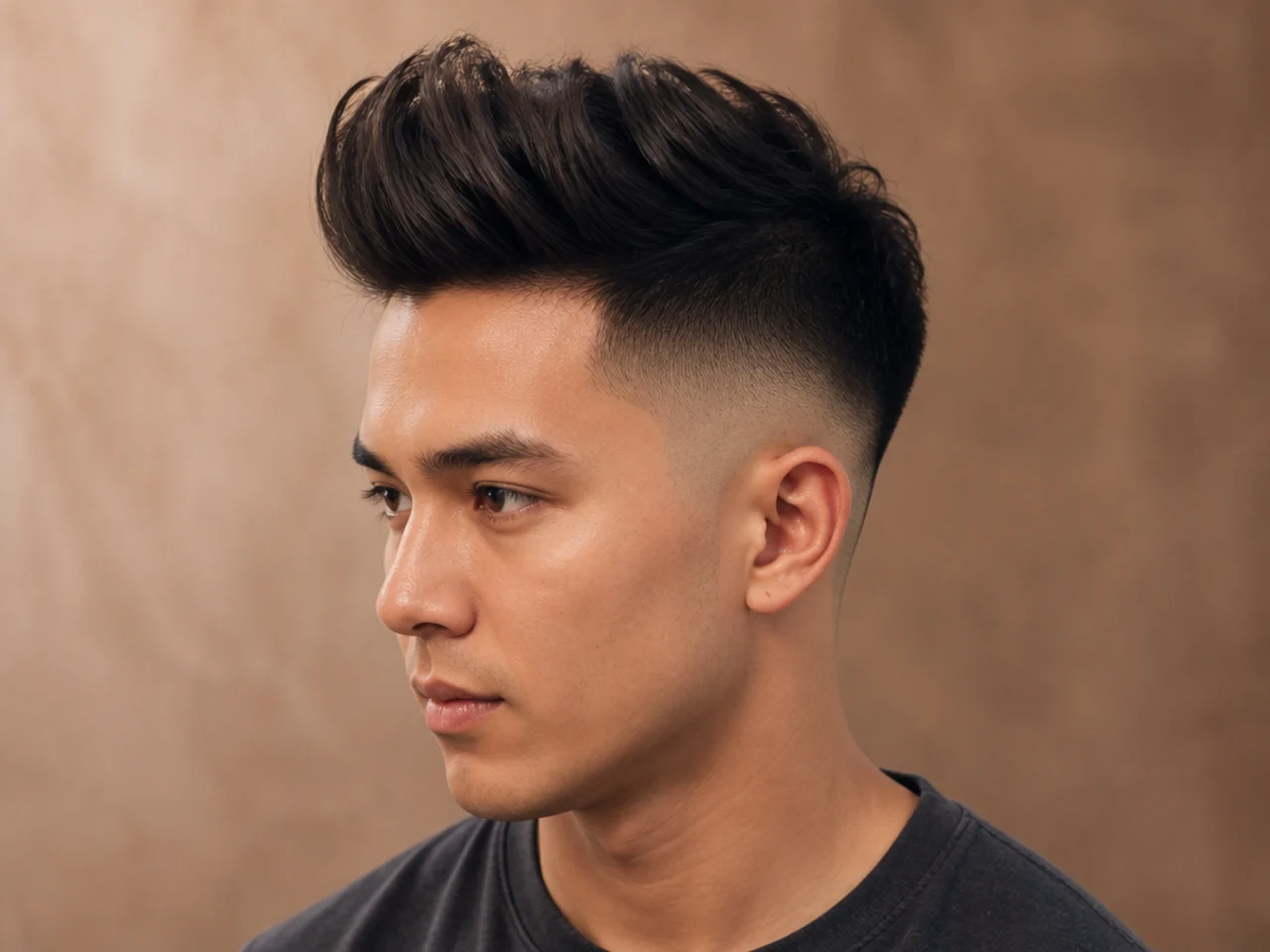
Maximum contrast. The fade climbs up to the parietal ridge, so the top reads as a floating shape of hair against clean sides. Reads bold in every photo — but it also demands weekly grooming to stay sharp.
Ask for a high fade at the temple, scissor detail through the top, and no thinning — you want the density intact so the top holds its shape against the tight sides. Blow-dry loosely up and back with fingers, then finish with a tiny bit of light cream through the front. Best for oval or square face shapes with clean-shaven or lightly stubbled skin, and straight-to-wavy hair.
Drop Fade Quiff
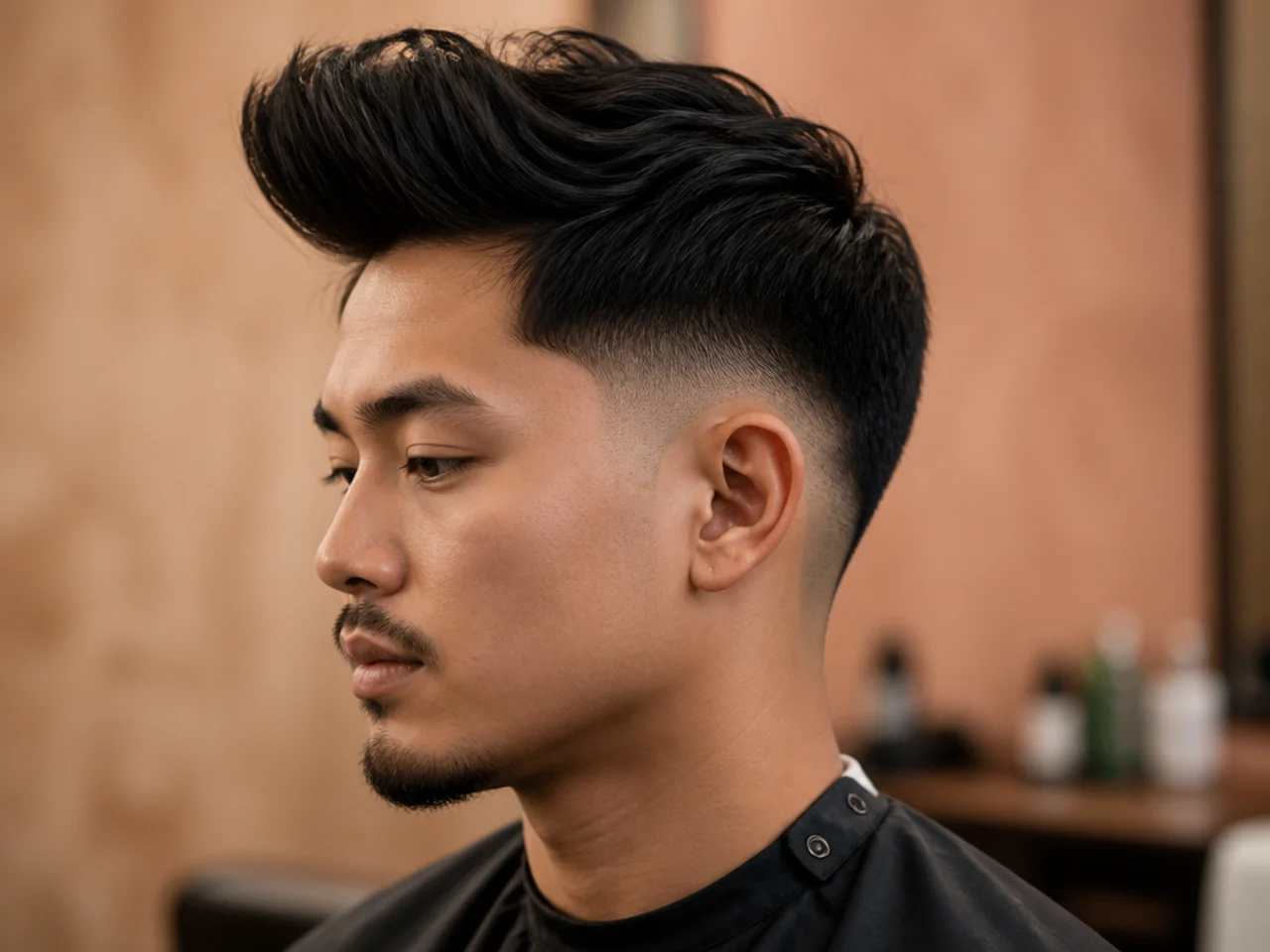
The drop fade curves down and around behind the ear rather than staying flat, which softens the profile and reads younger than a straight fade. Paired with a short quiff and trimmed stubble, it's the current default in barbershops for the eighteen-to-thirty crowd.
Ask for a drop fade — specify where you want the low point to bottom out — and three inches on top. Rub matte paste between your palms, push the top up and slightly forward, then rake through with light pressure. Best for oval to square face shapes on medium-density hair.
Burst Fade Quiff
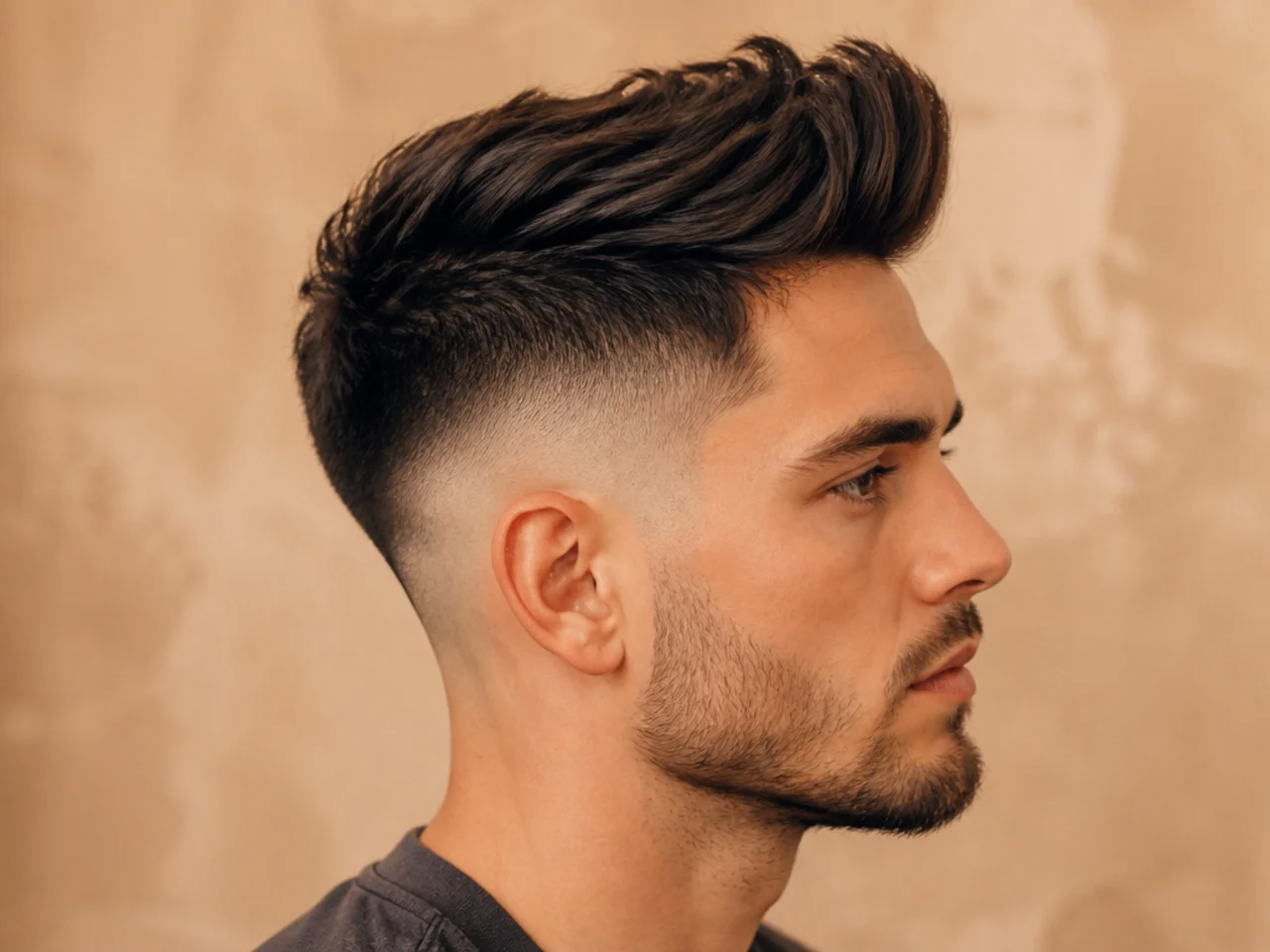
The burst fade arcs in a semicircle around the ear rather than running straight down. It's the loudest fade shape for a quiff and it draws every eye to the profile — great for guys who want their haircut to be a talking point.
Ask for a burst fade with the arc following your ear line, scissor layers on top, and four to five inches at the front. Rough-dry with fingers, spray sea-salt spray from the ends up, then press matte clay into the front. Best for the fashion-forward end of the spectrum on oval face shapes with medium to thick hair.
Taper Fade Quiff
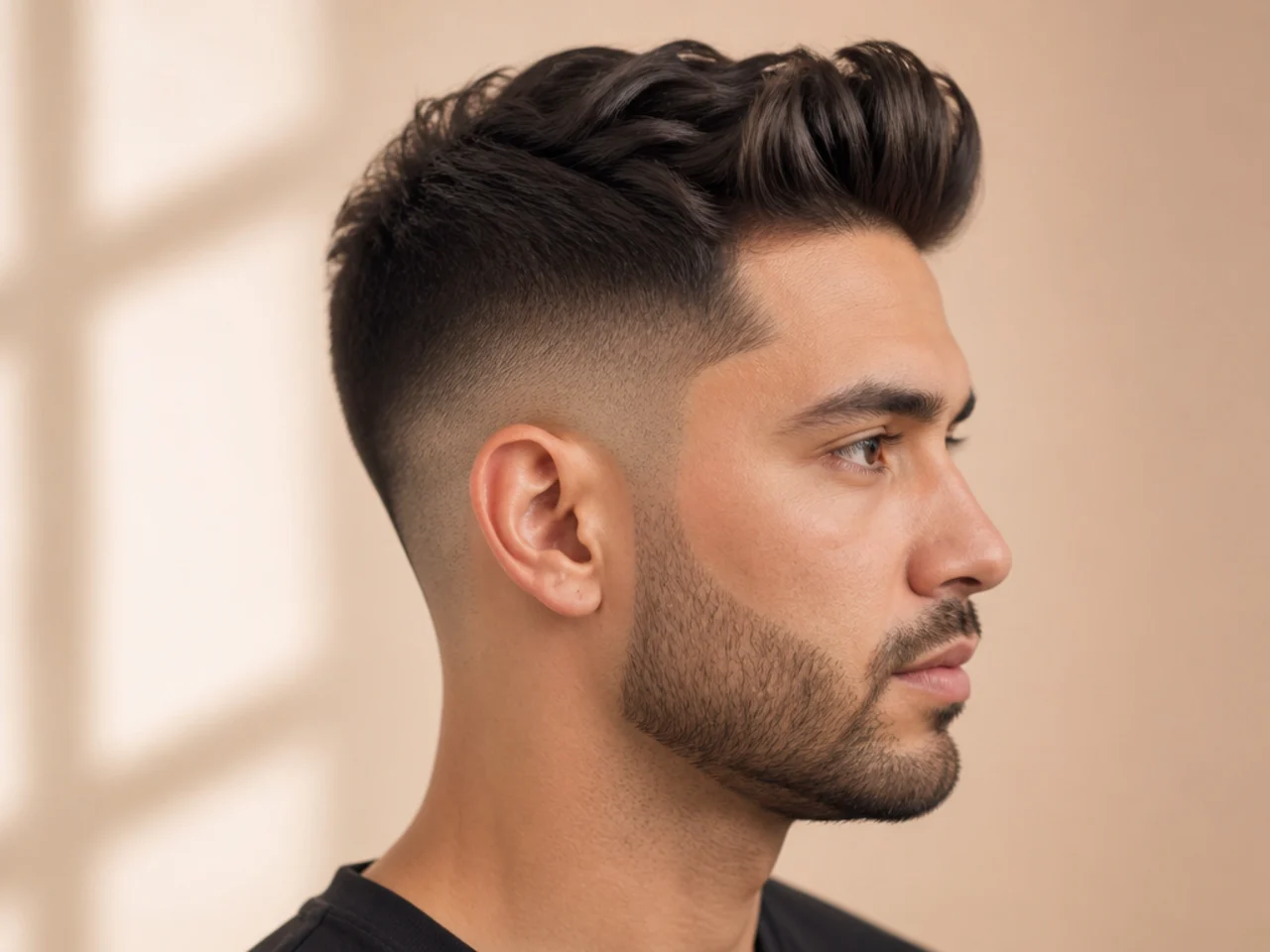
The gentlest of the fade options. A taper fade only shortens the hair at the sideburns and nape, leaving the sides at a longer, softer length above. Everything reads polished rather than sharp — this is the "office fade" for a reason.
Ask for a taper fade (not a skin fade), scissor-cut layers through the top, and four to five inches at the front. Blow-dry up and back with a vented brush, then finish with a matte cream or light pomade depending on how retro you want the finish. Best for conservative dress codes, older men, and hair types that fluff at the sides.
Side Part Quiff
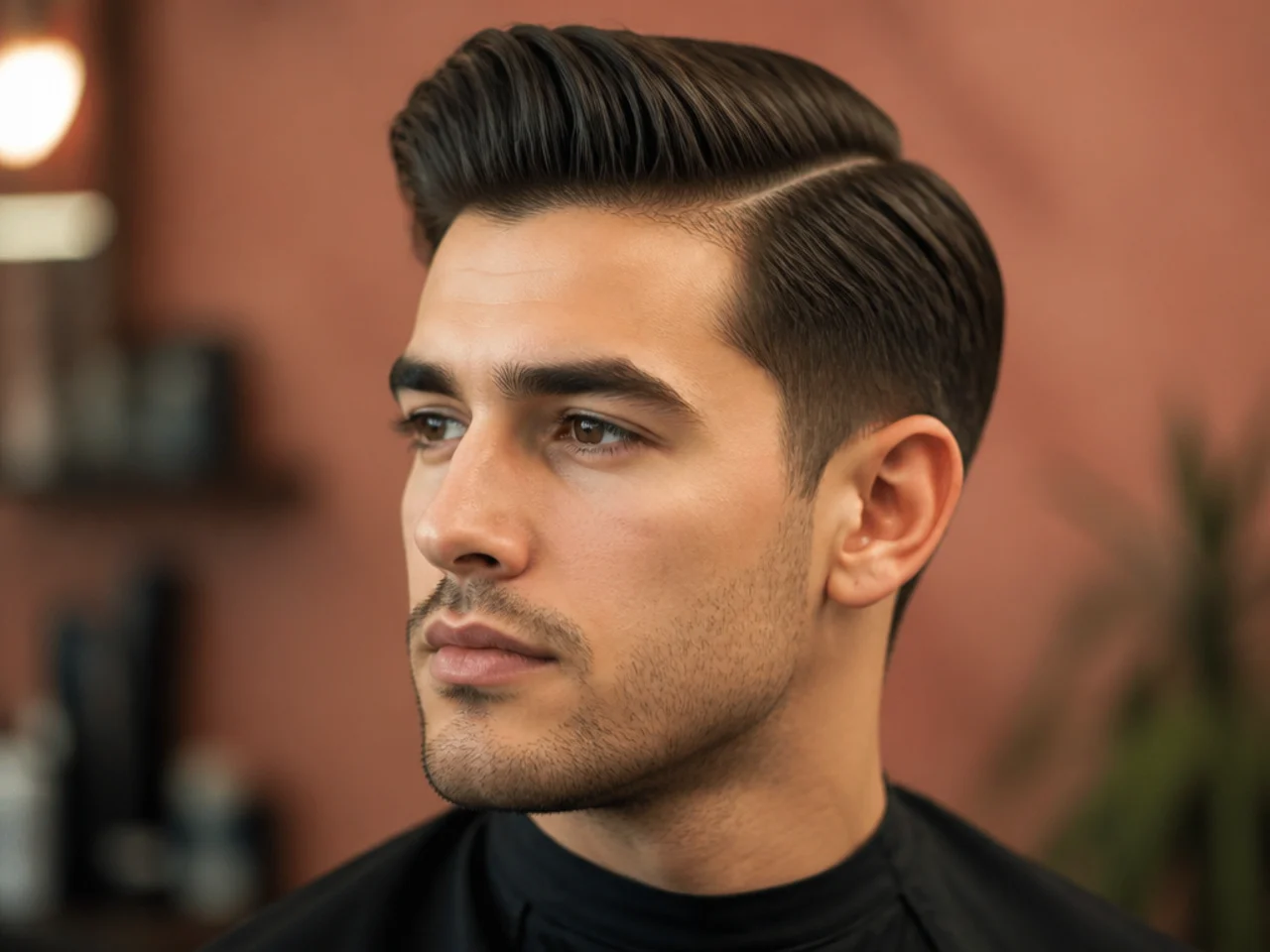
Add a clean side part to a classic quiff and you get the executive version. The parting anchors the shape, keeps the front from falling forward, and adds a formal read that suits suits and wedding invitations.
Ask for a scissor-tapered side, four to five inches at the top, and a hard part cut in at your natural parting line (usually left of center). See the side part hairstyles for men guide for parting technique. Style with a water-based pomade combed through — first flat along the part, then swept up and back on the longer side. Best for square and oval face shapes on straight hair.
Pomaded Quiff
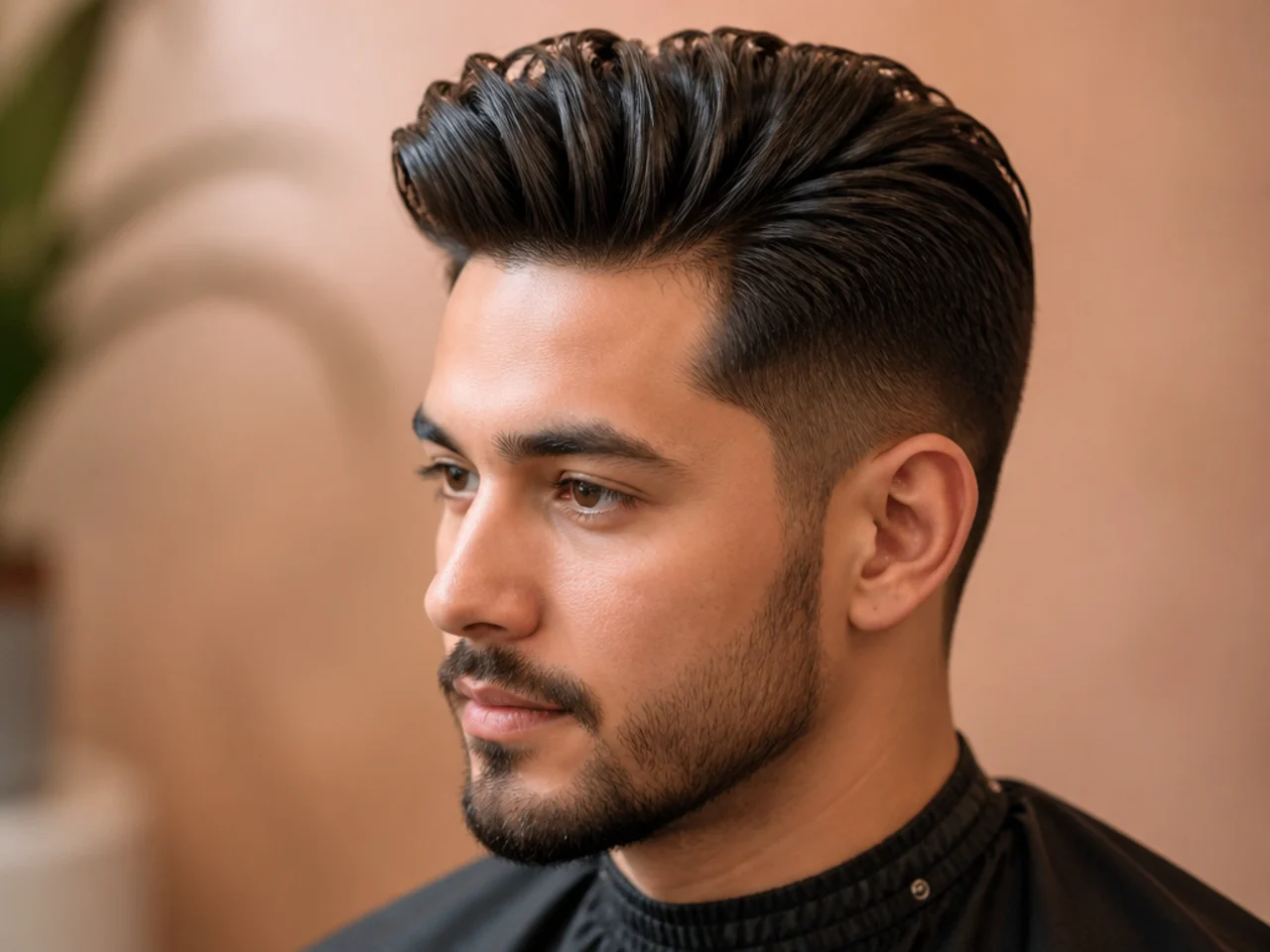
The retro version. Same shape as the classic quiff but finished with a medium-hold water-based pomade for real shine and hold. Reads polished — it's the finish your grandfather wore, and it still runs the room in a tuxedo.
Ask for a scissor-tapered side or a low taper fade, four to five inches at the front, and no aggressive thinning through the top (pomade shows scissor cuts). Warm a coin of water-based pomade between your palms until it turns clear, then comb from root to tip. Best for weddings, offices, and any setting where "polished" beats "casual."
Slick Back Quiff
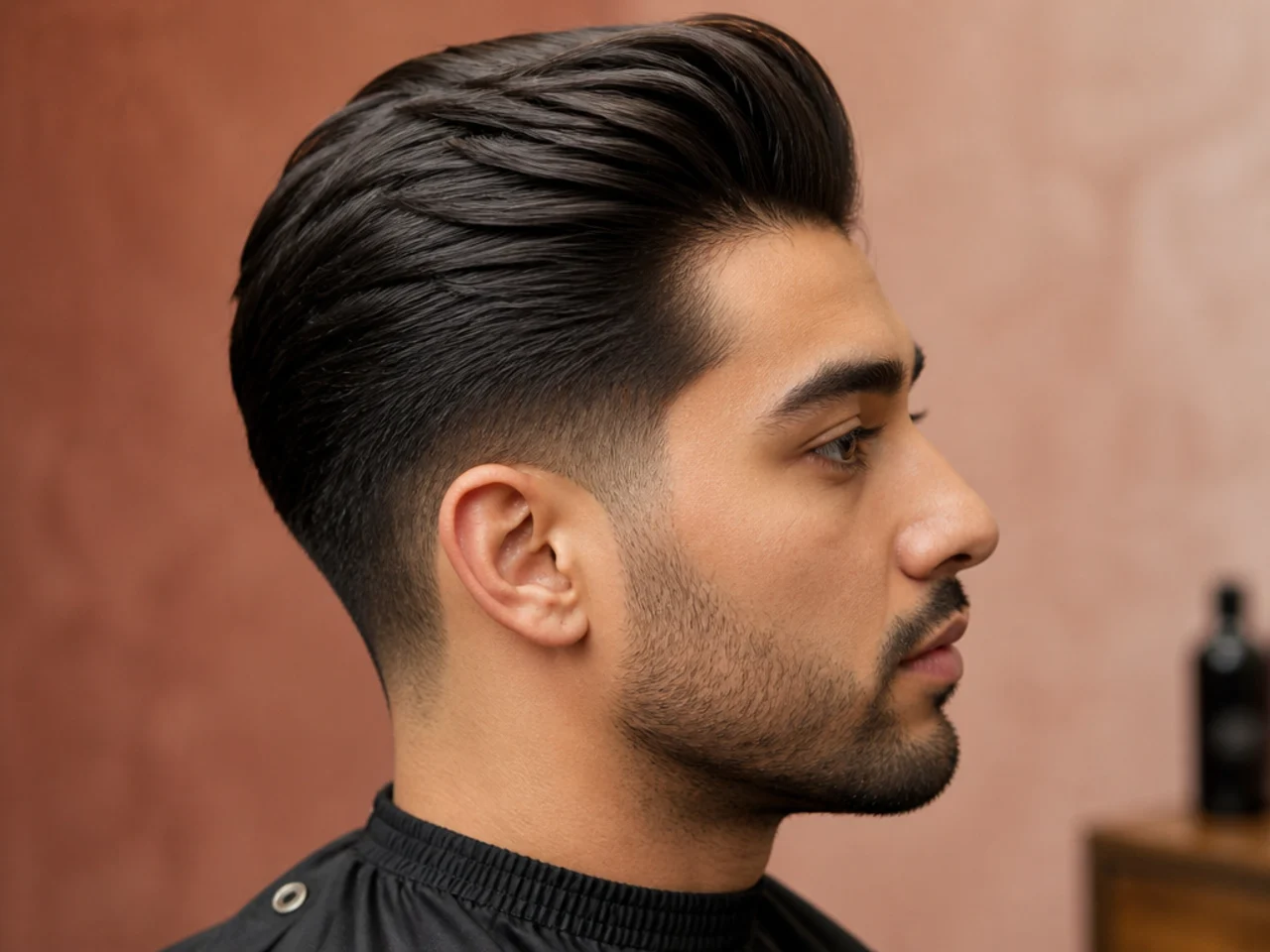
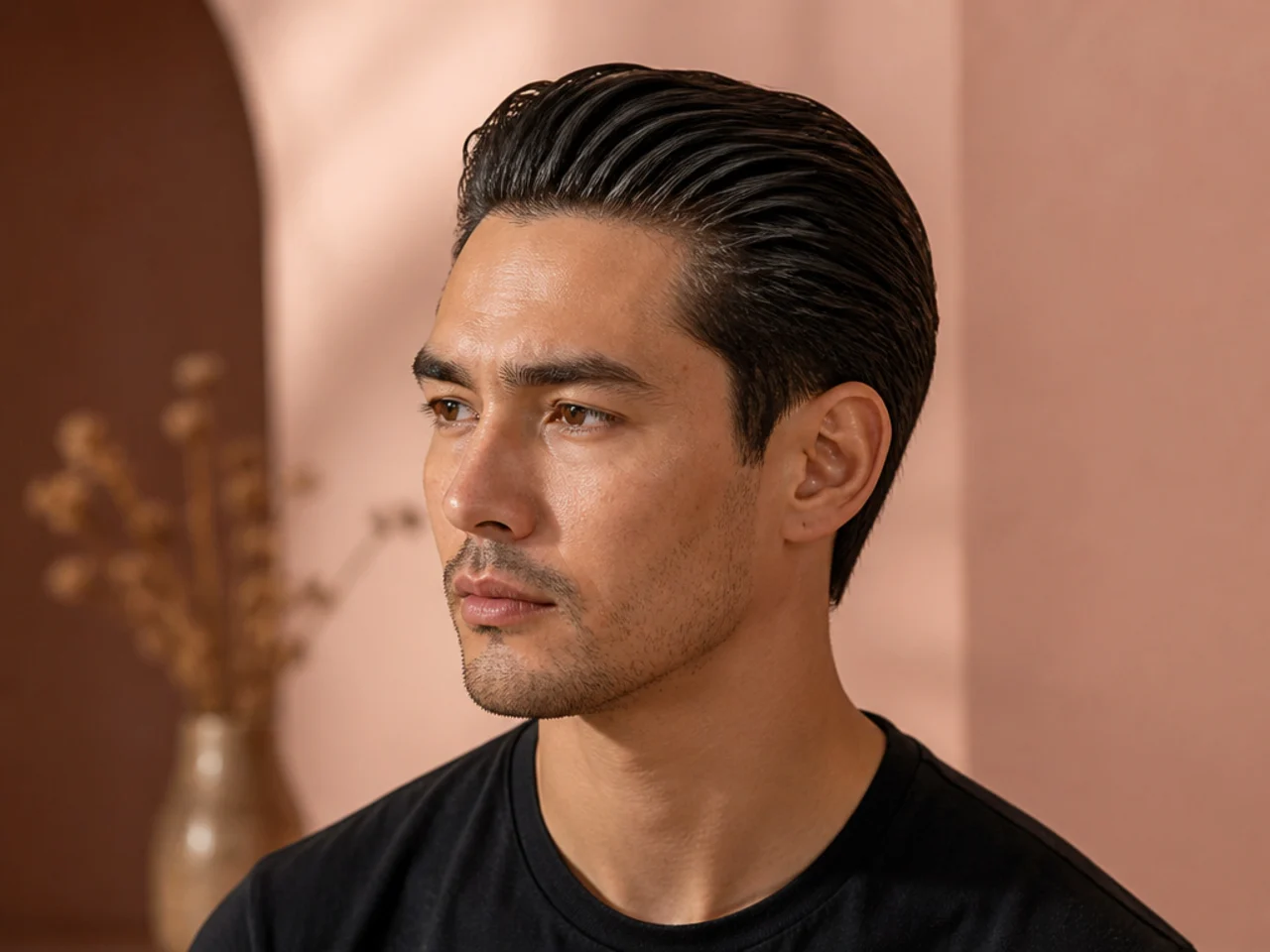
A quiff-slick-back hybrid. The front lifts and then sweeps fully back — no vertical crest, just a smooth arc from forehead to crown. Cleaner than a full quiff, more shape than a straight slick back.
Ask for five inches at the front, a low or mid taper, and enough length at the crown that the sweep reaches without pulling. Prep with a blow-dry cream, round-brush up and straight back, then finish with a medium-hold pomade combed through. Best for straight-to-wavy hair on oval or square face shapes.
Rockabilly Quiff
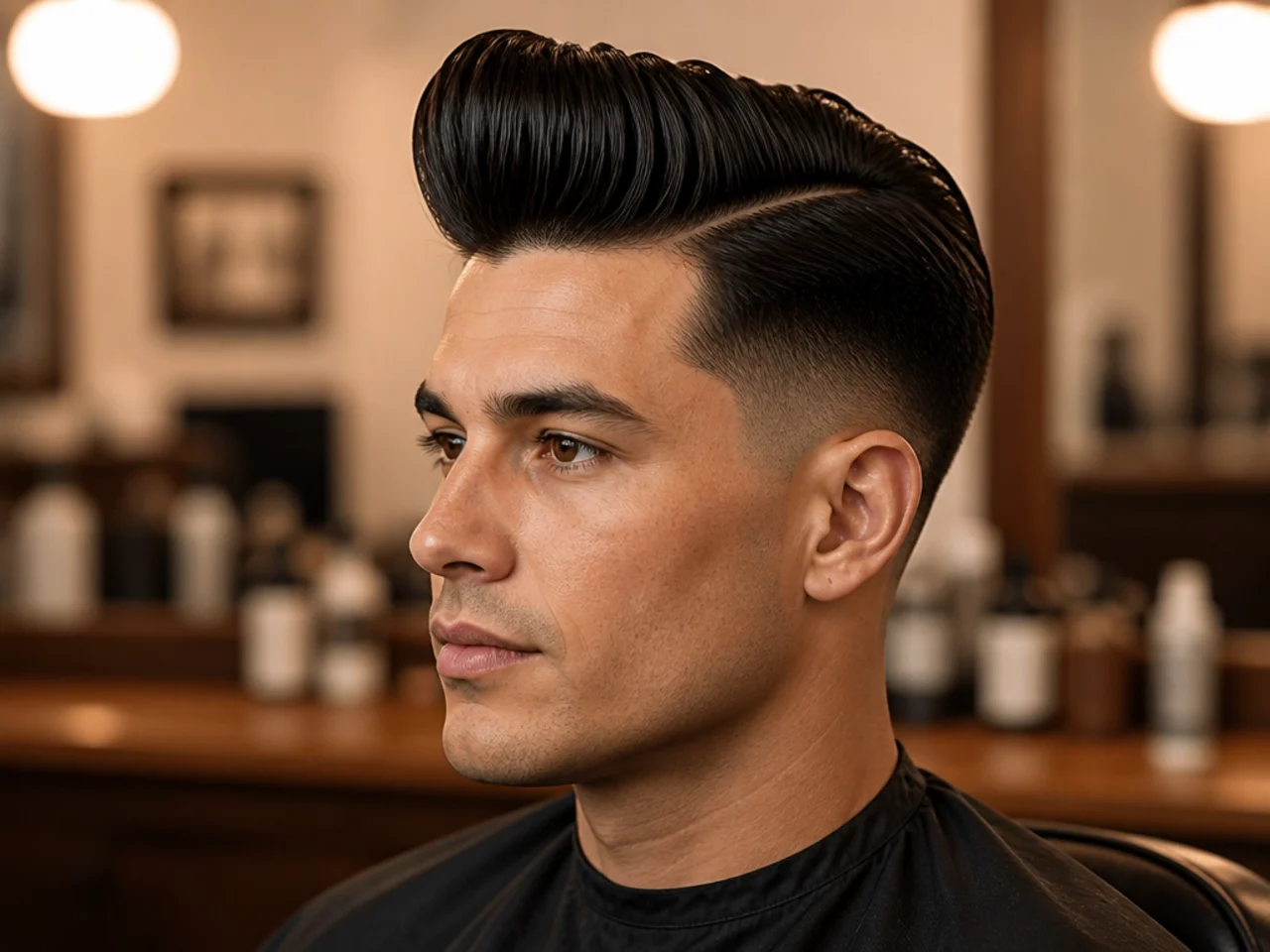
The tallest, most theatrical version — front rolled up into a defined crest that adds three inches to your visible height. It's the shape Brian Setzer built a career on, and it still shows up on any guy with a vintage motorcycle.
Ask for six inches at the front tapered down to three at the crown, scissor-tapered sides to a #2 above the ear, and no fade — the shape needs a soft edge to feel period-correct. Comb an oil-based pomade forward first, then sweep up and back with a fine-tooth comb, building the roll as you go. Best for square jaws, thick straight hair, and guys who own more than one vintage jacket.
Quiff with Beard
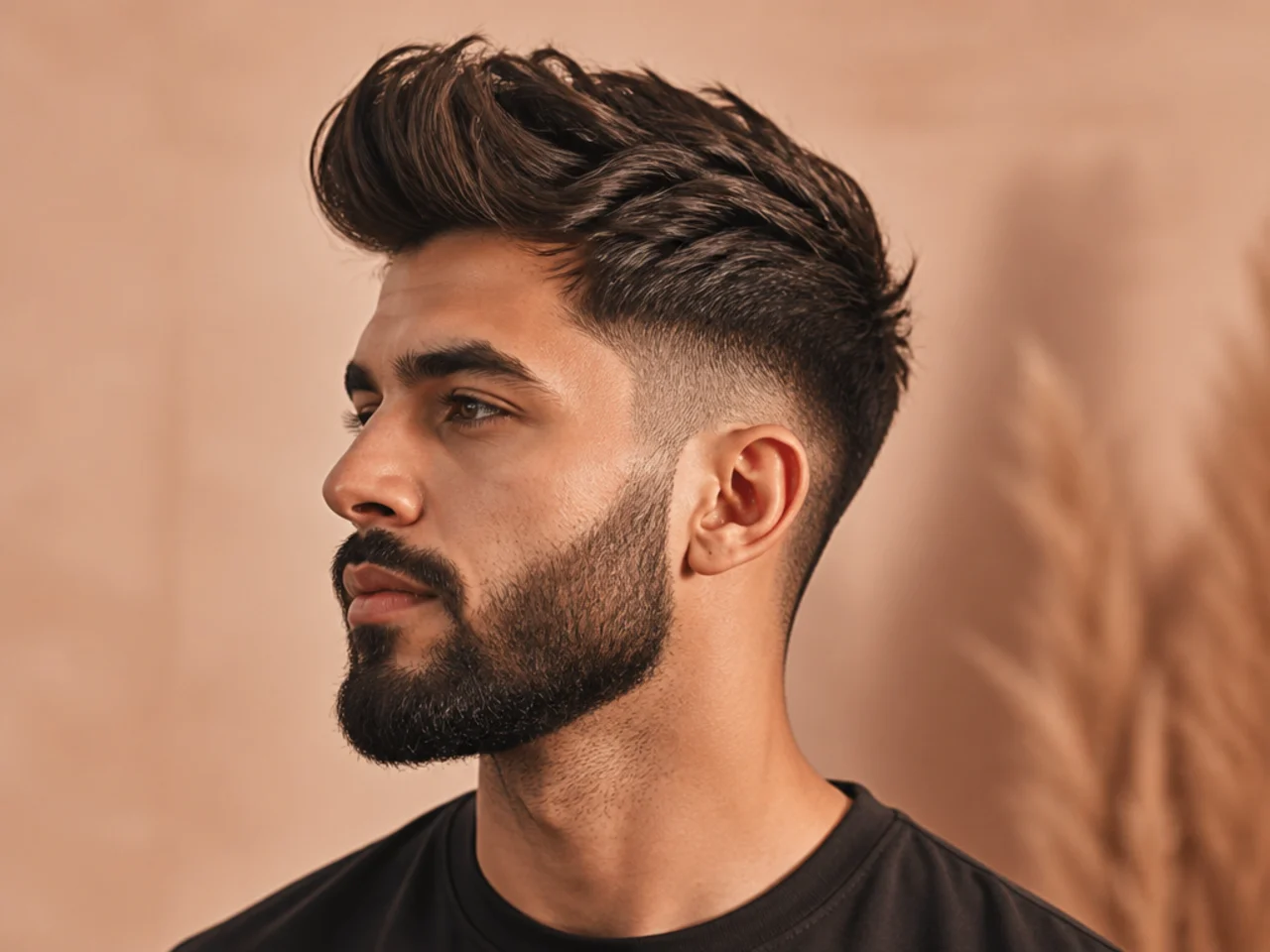
Pair a quiff with a beard and you double the frame — height on top, weight along the jaw — which reads masculine without effort. The trick is matching the density: full quiff with a full beard, textured quiff with shorter stubble.
Ask for a mid fade that ties into the beard line so sides and cheeks flow into each other. Top length depends on the quiff style — four inches for classic, five to six for textured. Style the quiff with matte clay pushed up and back; keep beard oil in the beard and product on top separate. Best for square, oval, and heart-shaped faces; round faces should keep the beard tighter.
Fringed Quiff
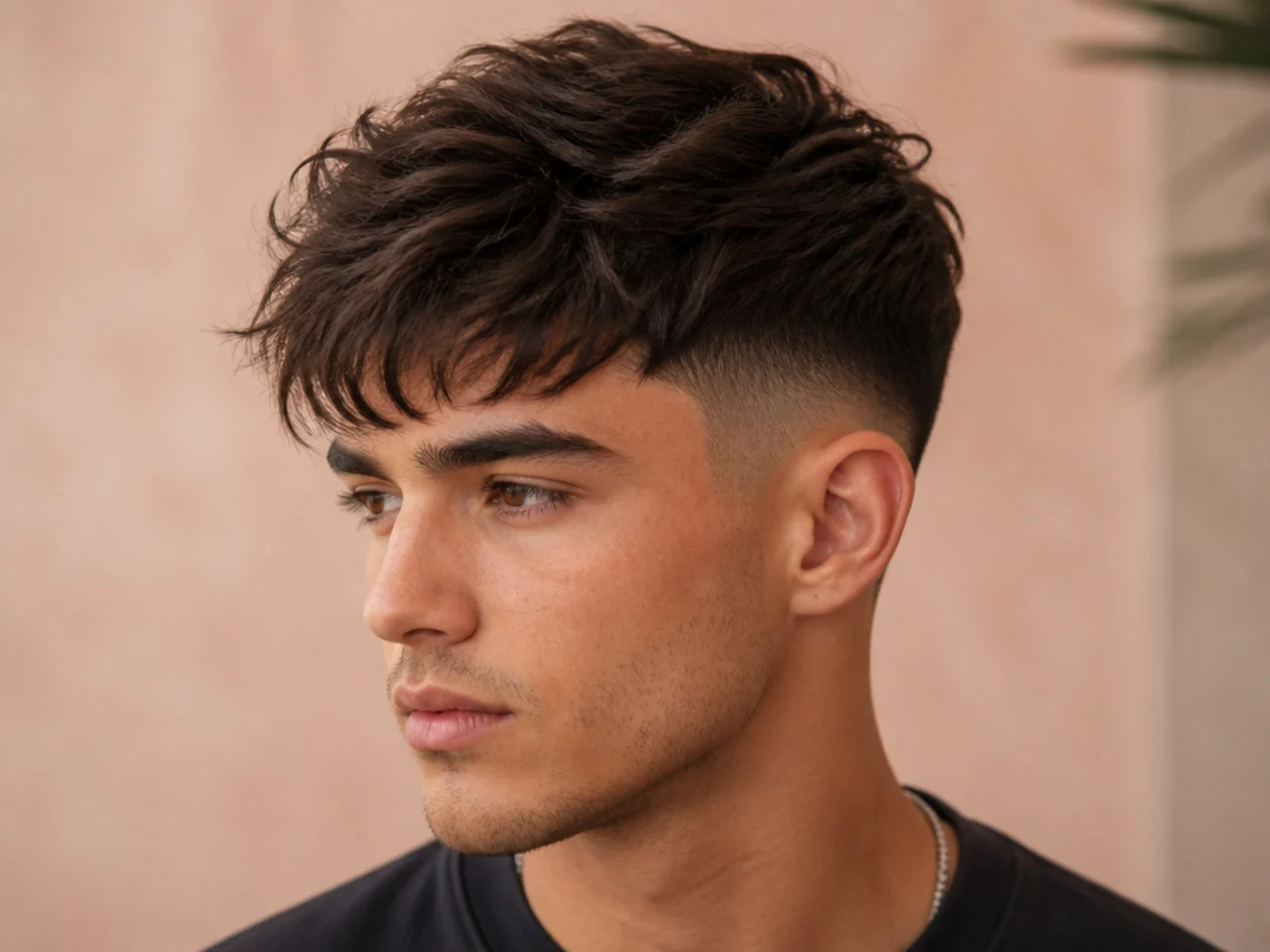
Not fully a quiff and not fully a fringe — this one splits the difference. The front lifts up and back, but the shortest front-most section falls forward across the forehead. It softens the shape and reads younger than a pure quiff.
Ask for five inches at the front graduated down to four across the forehead, a mid or low taper at the sides, and scissor layers on top. Style the back sections up and back with matte clay, then leave the front-most inch to fall naturally. Best for teenage and twenties-age men on oval or heart-shaped faces.
Blowout Quiff
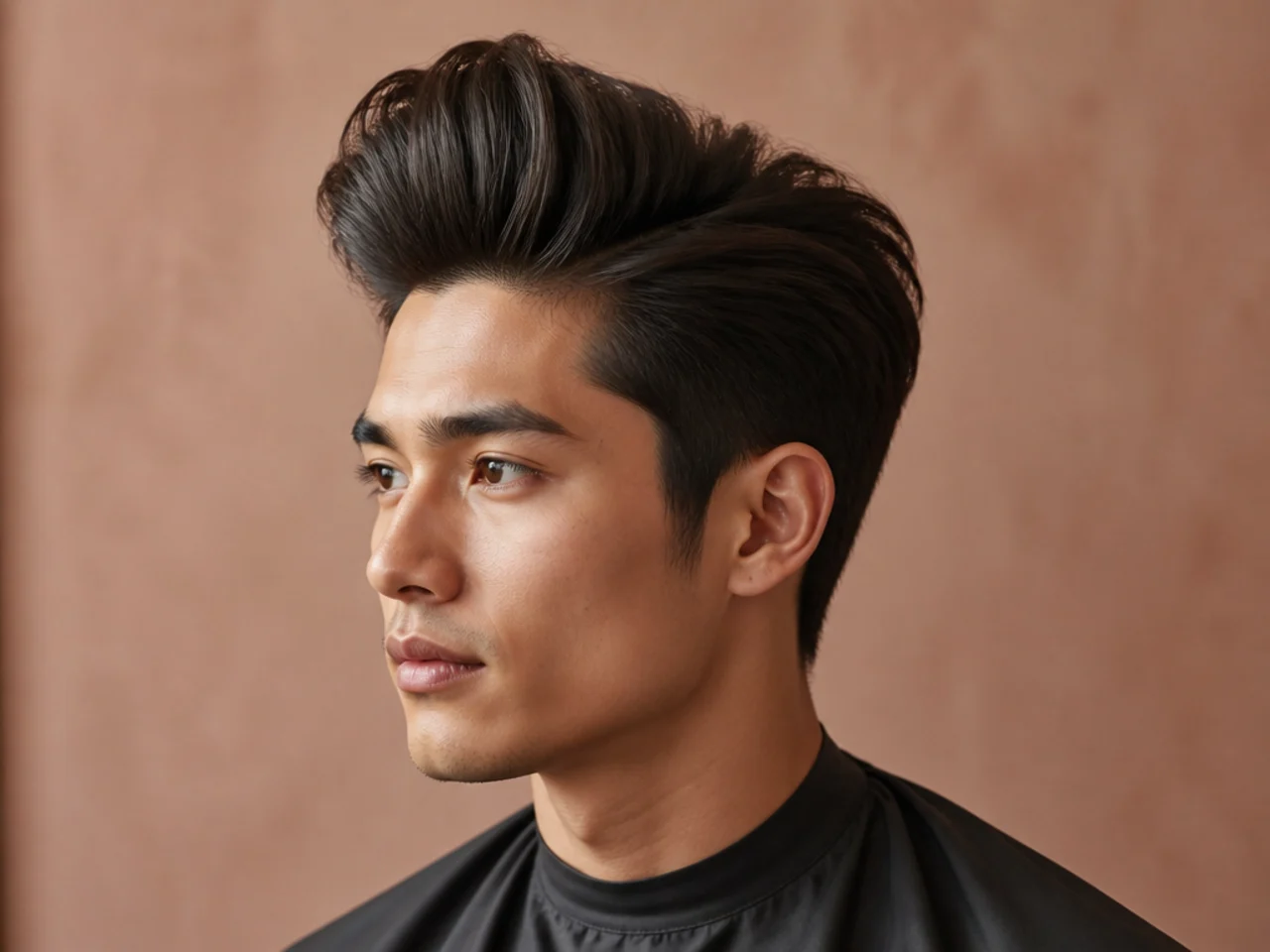
A quiff variation where the top blows forward instead of sweeping back. Same lift at the root, but the direction reverses — the shape borrows from the blowout taper family. Reads current and casual, less formal than a swept-back quiff.
Ask for a low or mid taper, five inches at the front, and scissor layers cut with a forward direction. Blow-dry from the back of the head forward with a round brush, then work matte clay through and push everything down and forward. Best for oval, square, and heart faces on medium-density hair.
Blonde Quiff
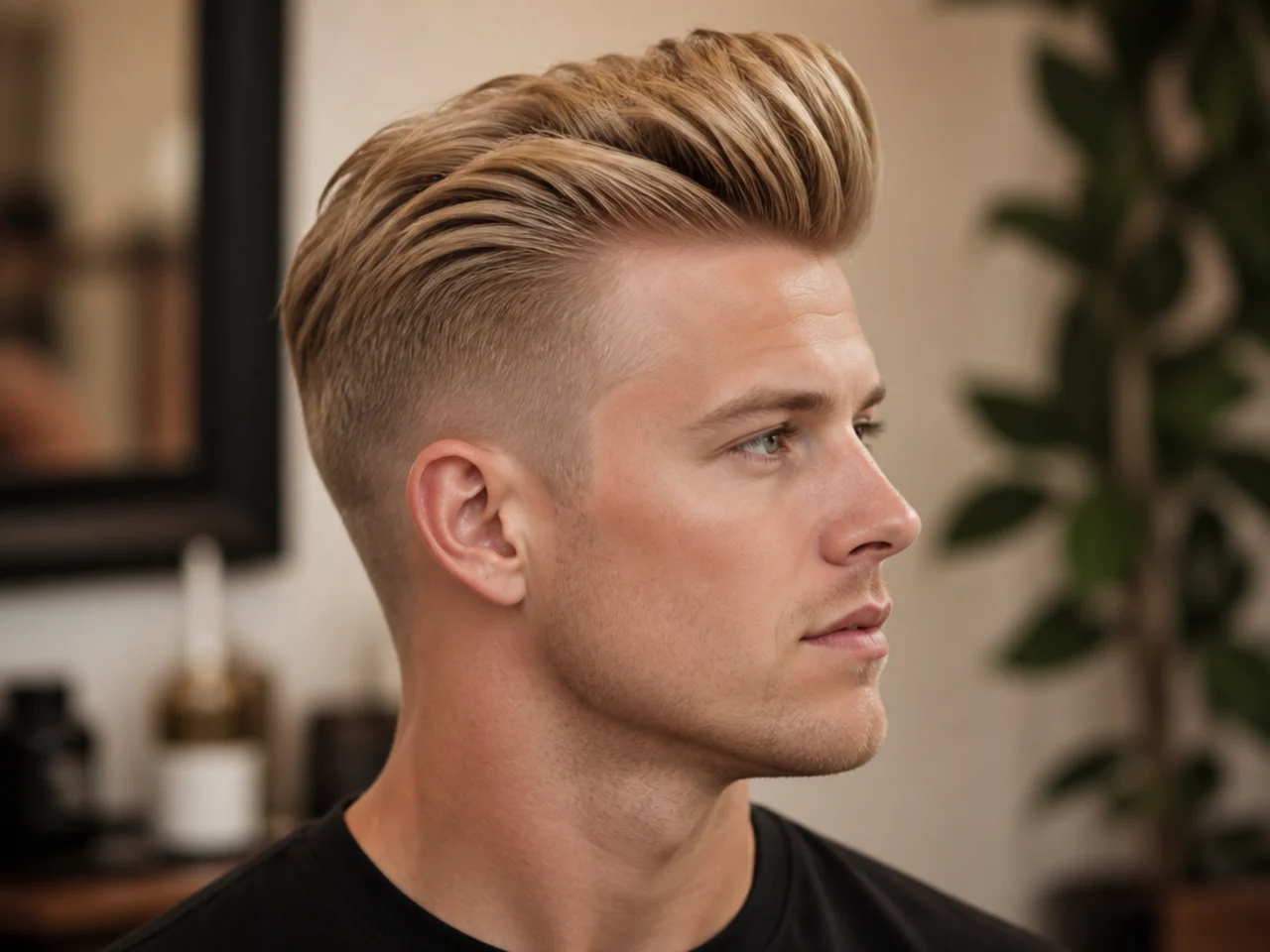
Add color to any textured quiff and the shape reads twice as loud. Platinum, icy blonde, honey, and ash tones all work — the lighter the tone, the more the texture pops in photos. Requires a colorist consultation before you commit.
Ask for the base cut first (usually a textured quiff with a mid or high fade), then talk to your colorist separately about lift and tone. Blonde takes two to three sessions on darker starting hair, plus toner every six weeks. Style with matte clay only — never anything shiny, since gloss on bleached hair reads brassy. Best for guys ready for the maintenance and cooler skin tones especially.
Korean Quiff
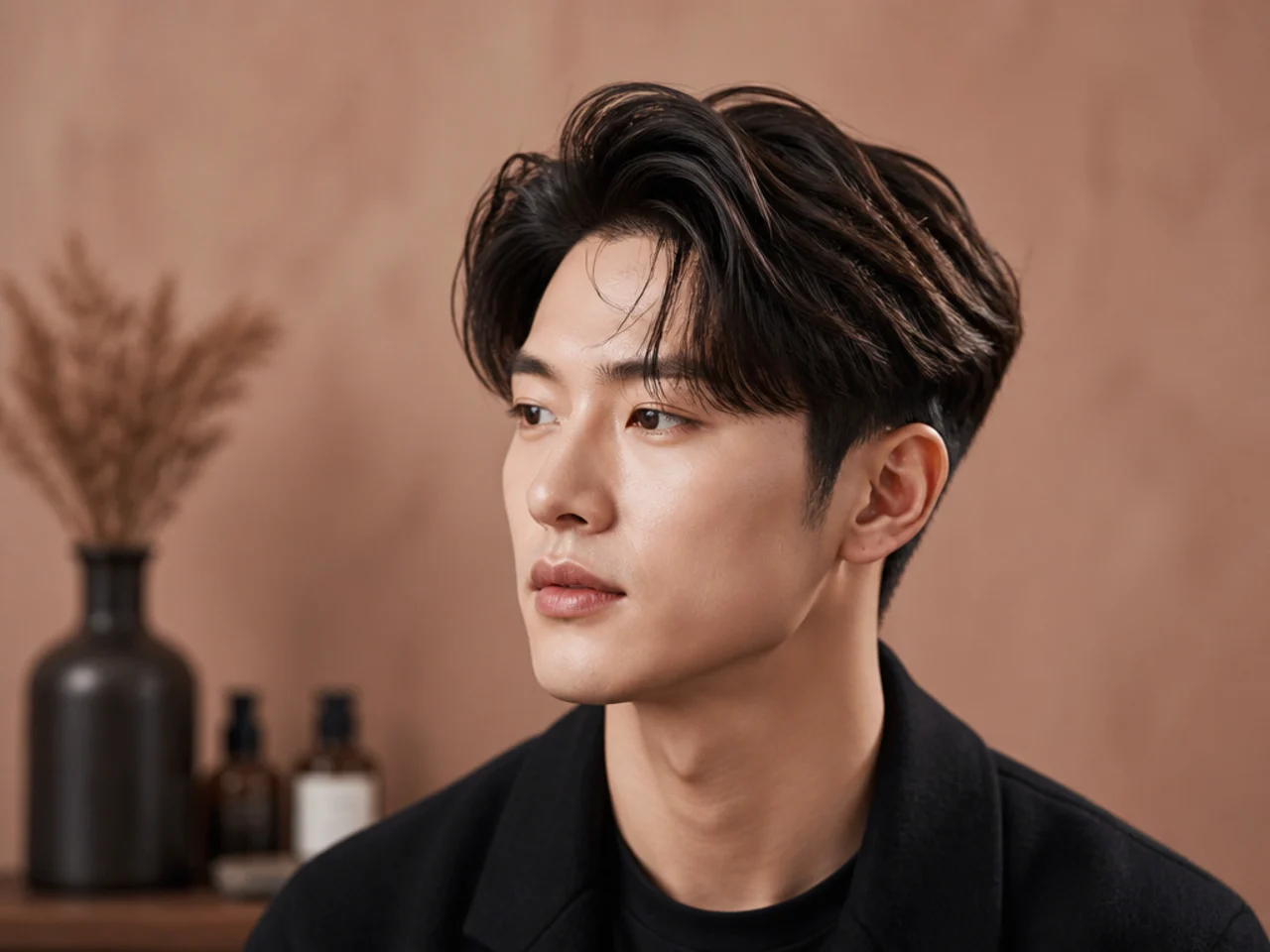
The K-pop take on the shape. Sides are trimmed short but the top runs longer and softer, styled up with less aggressive height than the Western classic. Often built off a Korean haircut or two-block base.
Ask for a soft undercut or two-block style at the sides, five to six inches on top, and layers that keep weight in the front. Prep with a light mousse, blow-dry with a round brush up and slightly back, then finish with a soft cream — not clay — for a rounded, glossy read. Best for straight, medium-density hair on oval, heart, or long face shapes.
Afro Quiff
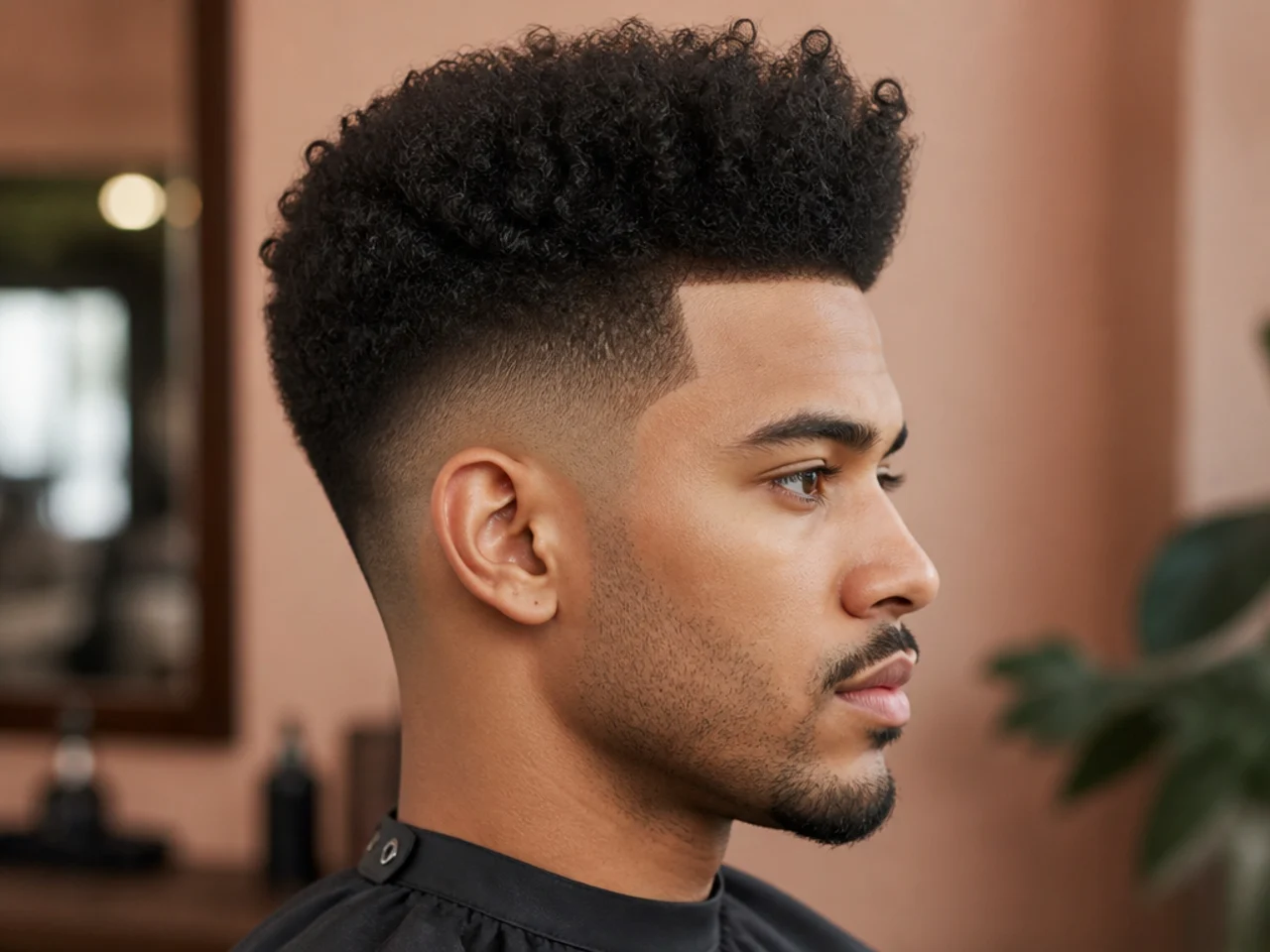
An afro-textured take on the quiff. The top is sponged or picked out into a defined front shape, then swept slightly back so the silhouette reads as a quiff rather than a full afro. Sides drop into a taper or a fade.
Ask for a taper fade or a skin fade at the sides — see the fade haircuts for black men guide — and length left on top proportional to your curl pattern (usually three to five inches stretched). Style with a sponge on damp hair to build texture, then use a light gel or foam to hold the front lift. Best for 3C through 4B hair on any face shape.
Executive Quiff
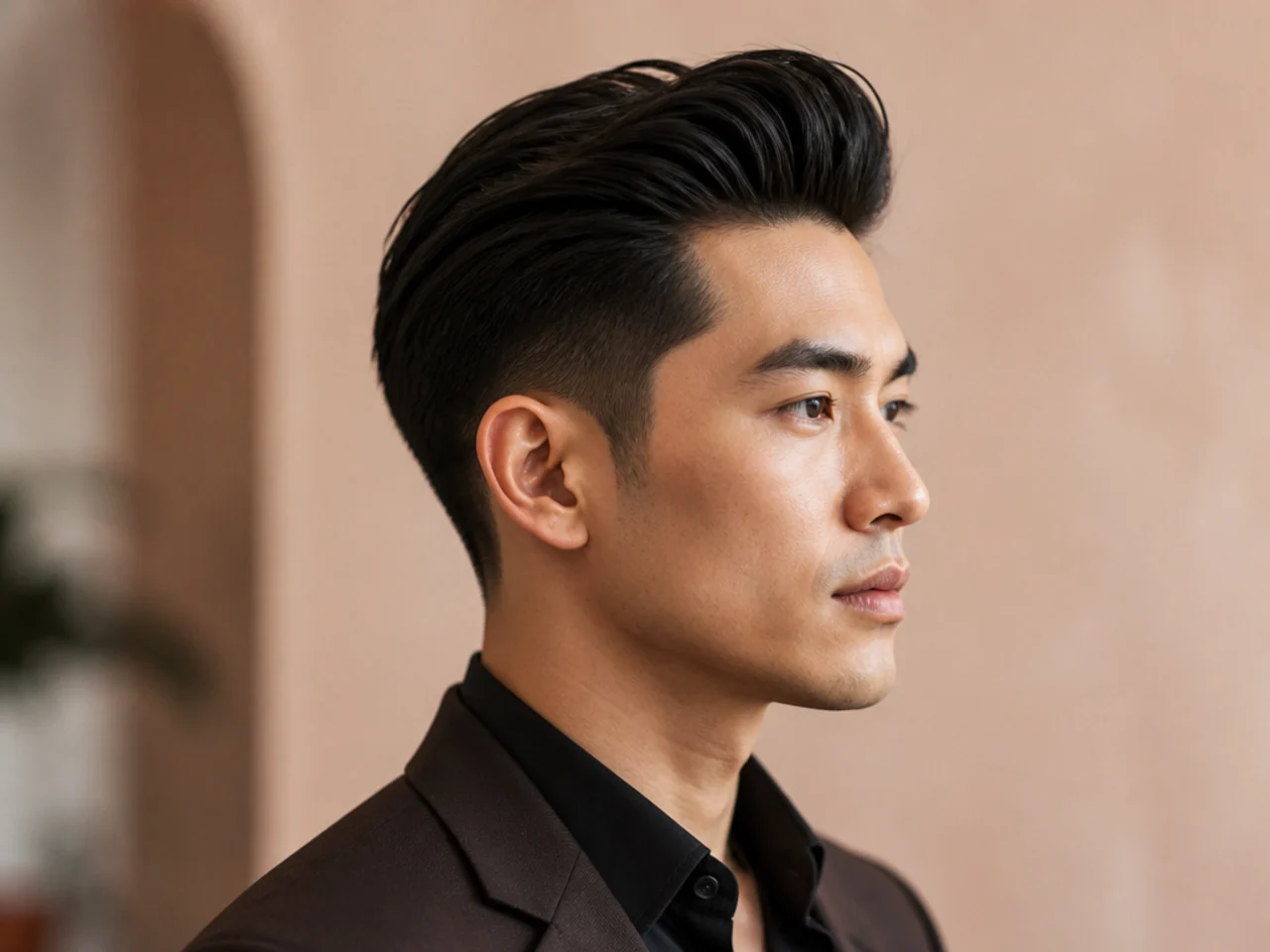
The boardroom-safe version. Combines a classic quiff shape with a hard side part and a low taper — nothing to distract from the finish, everything to communicate authority. It's what CEOs cut when they want to look modern without looking young.
Ask for a low taper fade, a hard side part cut in, and four inches at the front — enough for real lift, not so much that it reads casual. Style with a medium-hold water-based pomade combed cleanly along the part, then swept up and back on the longer side. Best for the thirty-plus crowd on square and oval faces.
How to Ask Your Barber
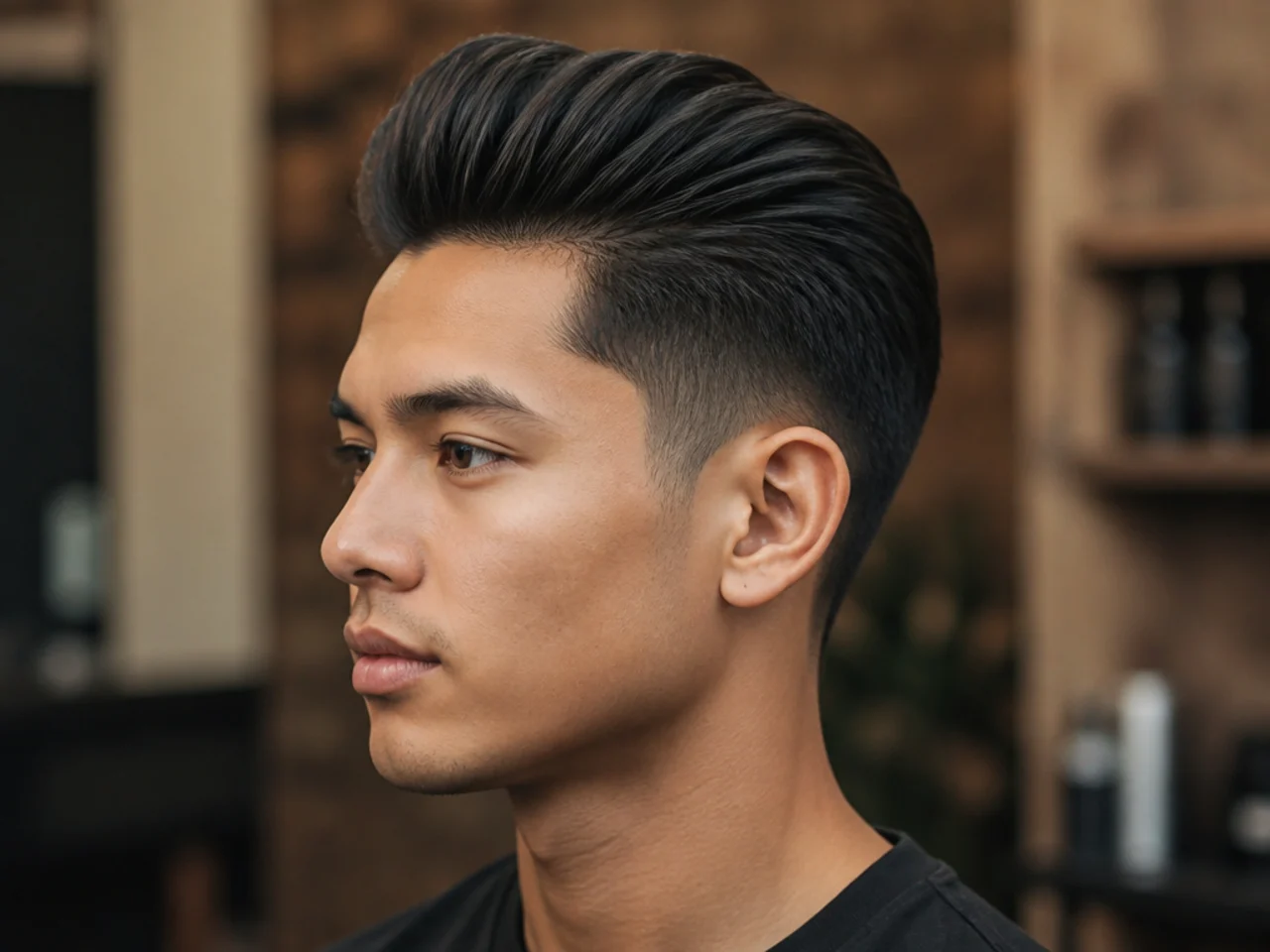
Bring a photo of the exact variation you want — one photo, not three. Then use the sequence below:
- Name the top length in inches at the front. Every quiff in this guide gives you a number; use it. "About four inches, swept up" beats "kind of medium."
- Name the side treatment. "Scissor taper" for the conservative classic. "Low fade," "mid fade," "high fade," or "skin fade" for anything more modern. "Burst fade" or "drop fade" if you want a specific shape.
- Name the finish. Matte and textured, or sleek and shiny. This tells your barber how much internal thinning to do — matte finishes want more texture, sleek finishes want less.
- Ask for the front to be left long enough to lift, not spike. This one line saves you from the "why is my hair too short to style" phone call three days later.
- Confirm the crown height. It should sit shorter than the front — a common mistake is leaving the crown too long, which turns the shape into a mullet.
- Ask for a soft edge at the parietal ridge. That's the ridge above your ear where hair meets skull curve; a hard line here reads dated.
- Finish with the styling question. "What product should I use at home?" Every good barber names a clay, cream, or pomade based on your hair. Buy that one.
Styling & Maintenance
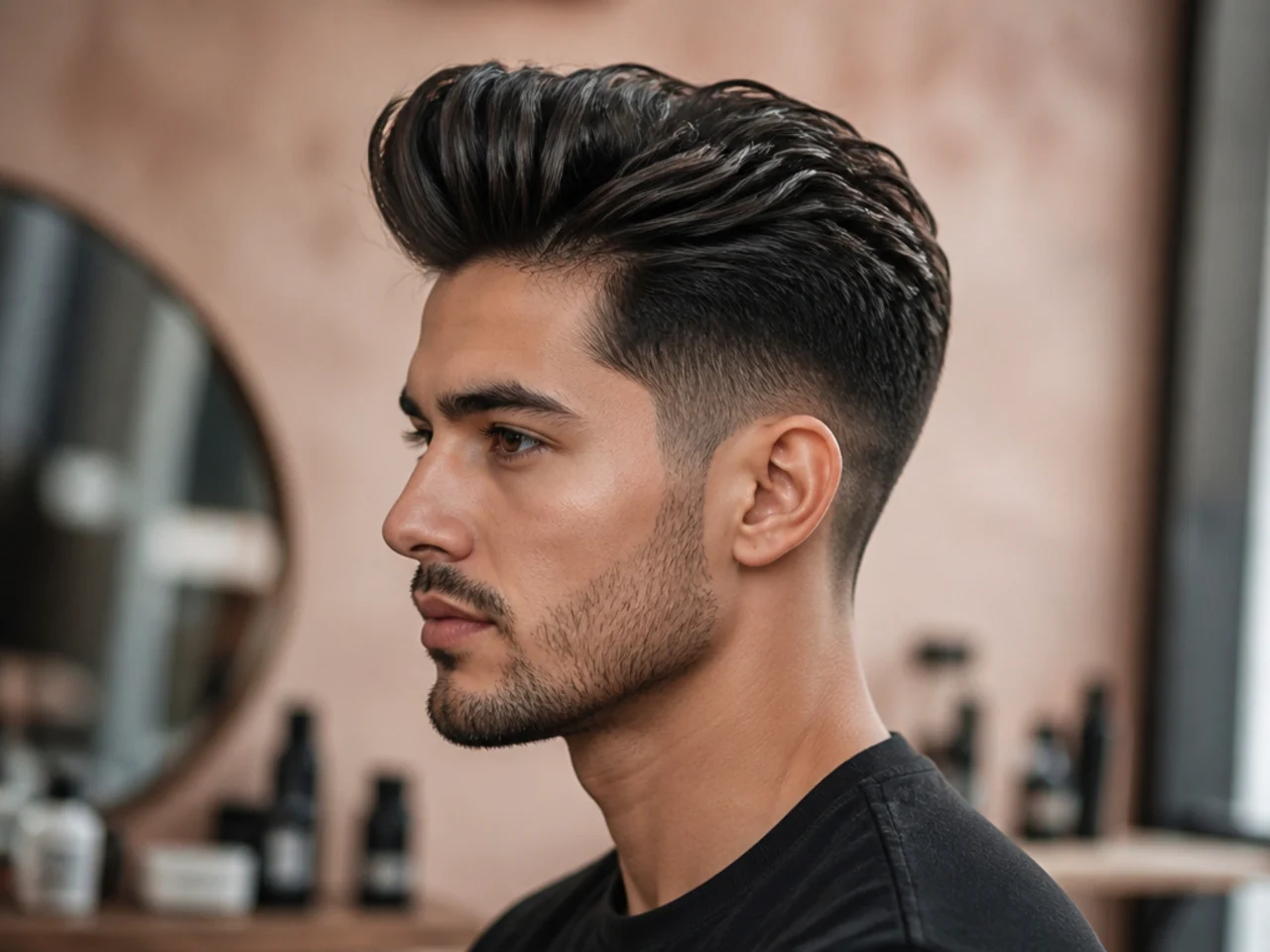
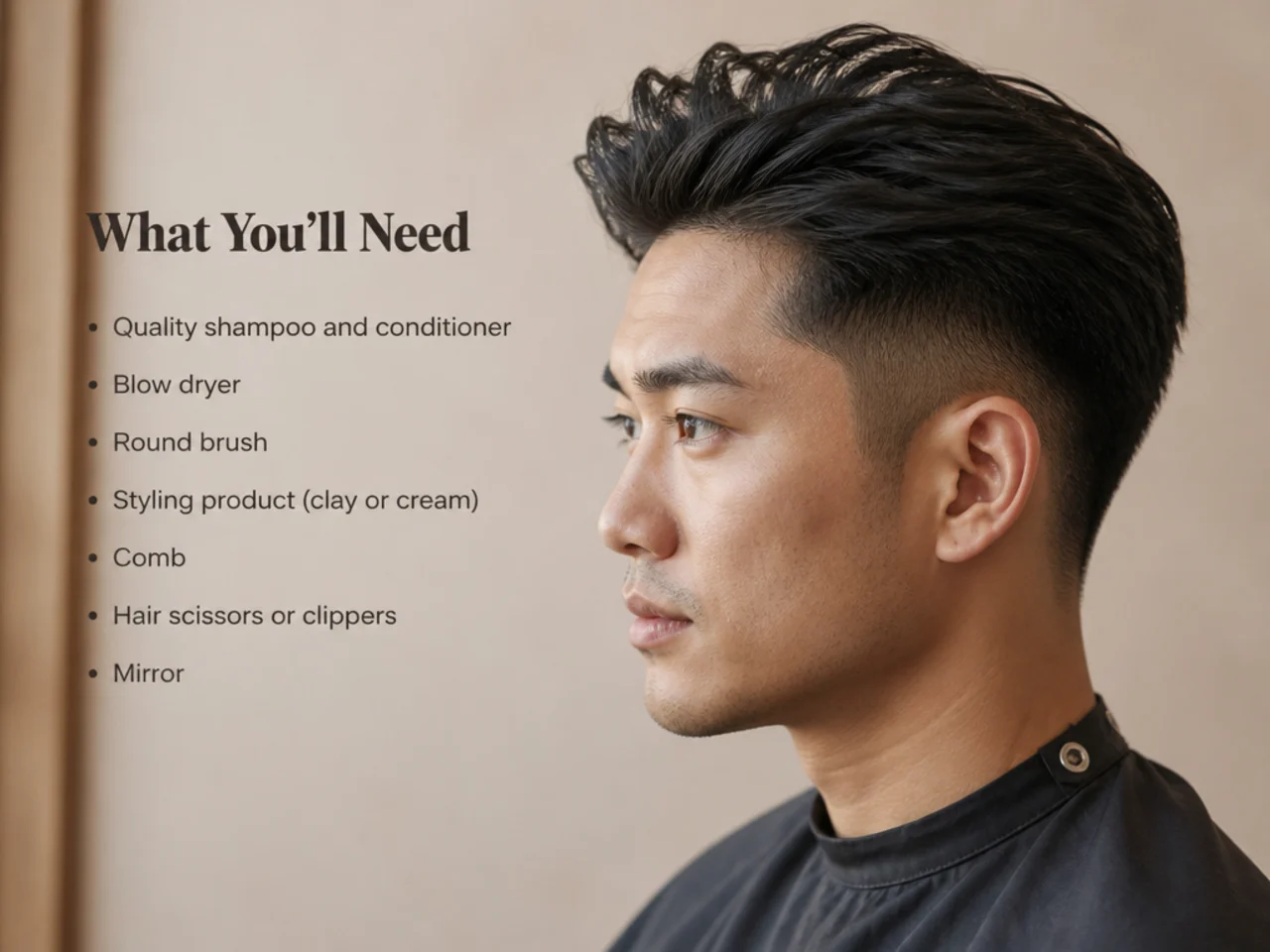
Styling a quiff takes three to five minutes if you do it in the right order. Wash the night before or the morning of. Towel-dry to damp — not dripping, not dry. Apply a light mousse or sea-salt spray from root to mid-length while it's still damp; that's the grip layer that keeps the finished shape from collapsing.
Blow-dry on medium heat with a vented or round brush, lifting the front up and back at the root. Point the nozzle down along the hair shaft to keep the cuticle smooth. Cool-shot the shape at the end to lock the direction.
Then match your styling product to the finish. Matte clay or paste for textured, modern quiffs. Water-based pomade for classic pomaded and executive versions. Fiber or cream for medium hold with movement. Curl cream for wavy and curly variations. Warm a nickel-size scoop between your palms until it turns clear, then apply to the ends first — never dump product at the roots, or you'll flatten the lift.
Push the front up and slightly off-center with your fingers or a wide-tooth comb. Dead-center is what makes a quiff look outdated. If your hair drops by afternoon, mist a light hairspray from eight inches away. One pass is enough — strong-hold turns the whole thing into a shell.
Book a fresh cut every three to four weeks for short and skin-faded versions, every five to six for medium and long. The moment the front loses its lift, the shape has grown out.
FAQ
Is a quiff good for beginners?
Yes. The medium quiff with a low taper fade is the friendliest starting point — five inches gives you room to learn the sweep and the shape tolerates imperfect styling. Grow into the tighter versions once you know your hair.
What if my hair is too thin?
Cut it shorter (two to three inches) and use a texture powder at the roots before styling. Skip the long versions — thin hair can't hold six inches in a lifted shape.
Can I wear a quiff to a wedding?
Yes — the pomaded classic or the executive version. Both read polished and hold through a full day. Cut three days before the event so the sides settle.
Do I need product every day?
Yes for most versions. Matte clay for modern styles, water-based pomade for classic ones, cream for curly and wavy hair.
Quiff versus pompadour?
A quiff sweeps up and back with a soft edge and matte or light-gloss finish. A pompadour rolls the front higher and tighter with heavier pomade and visible shine. Same family — the pompadour is the quiff turned to eleven.