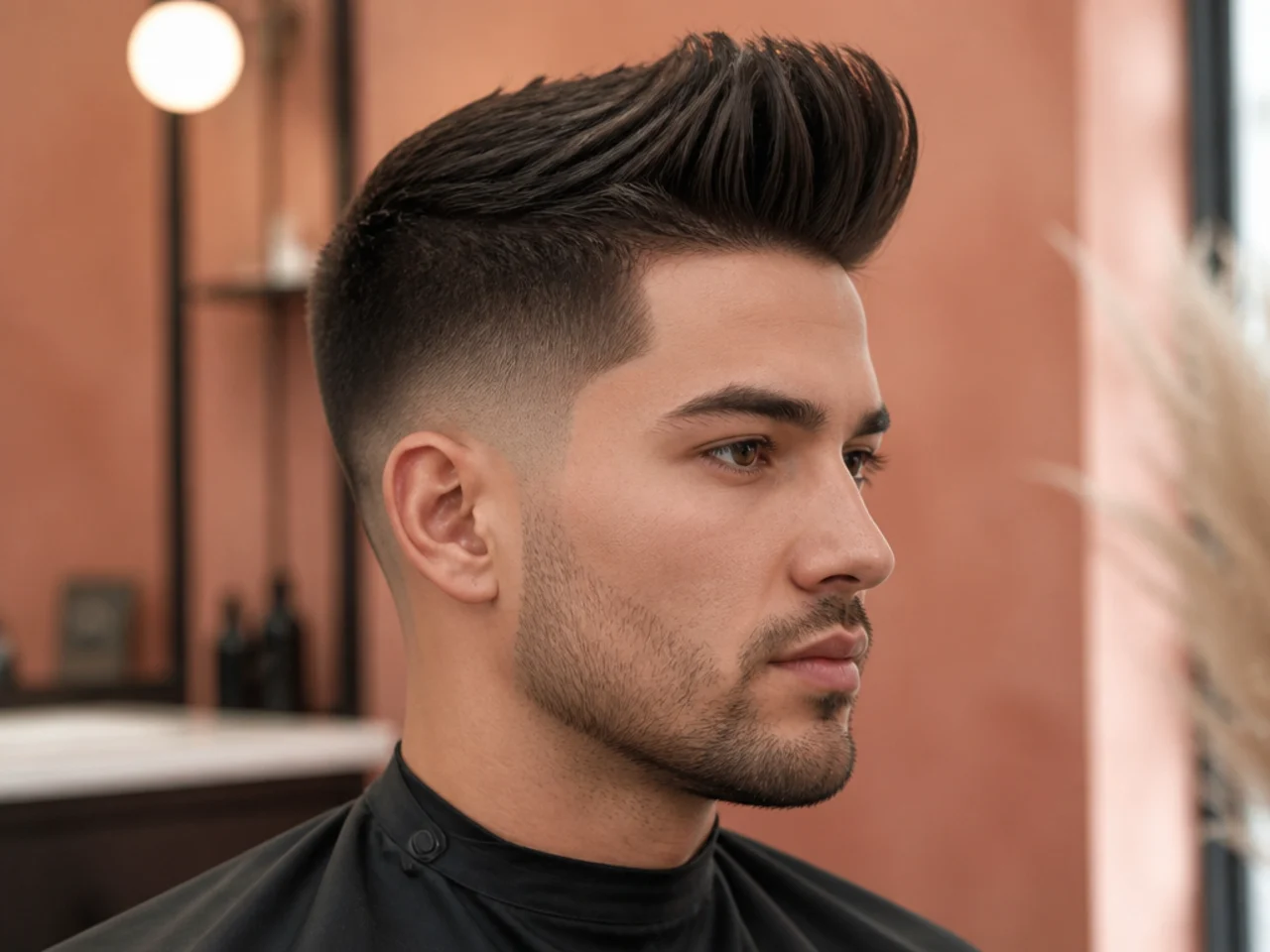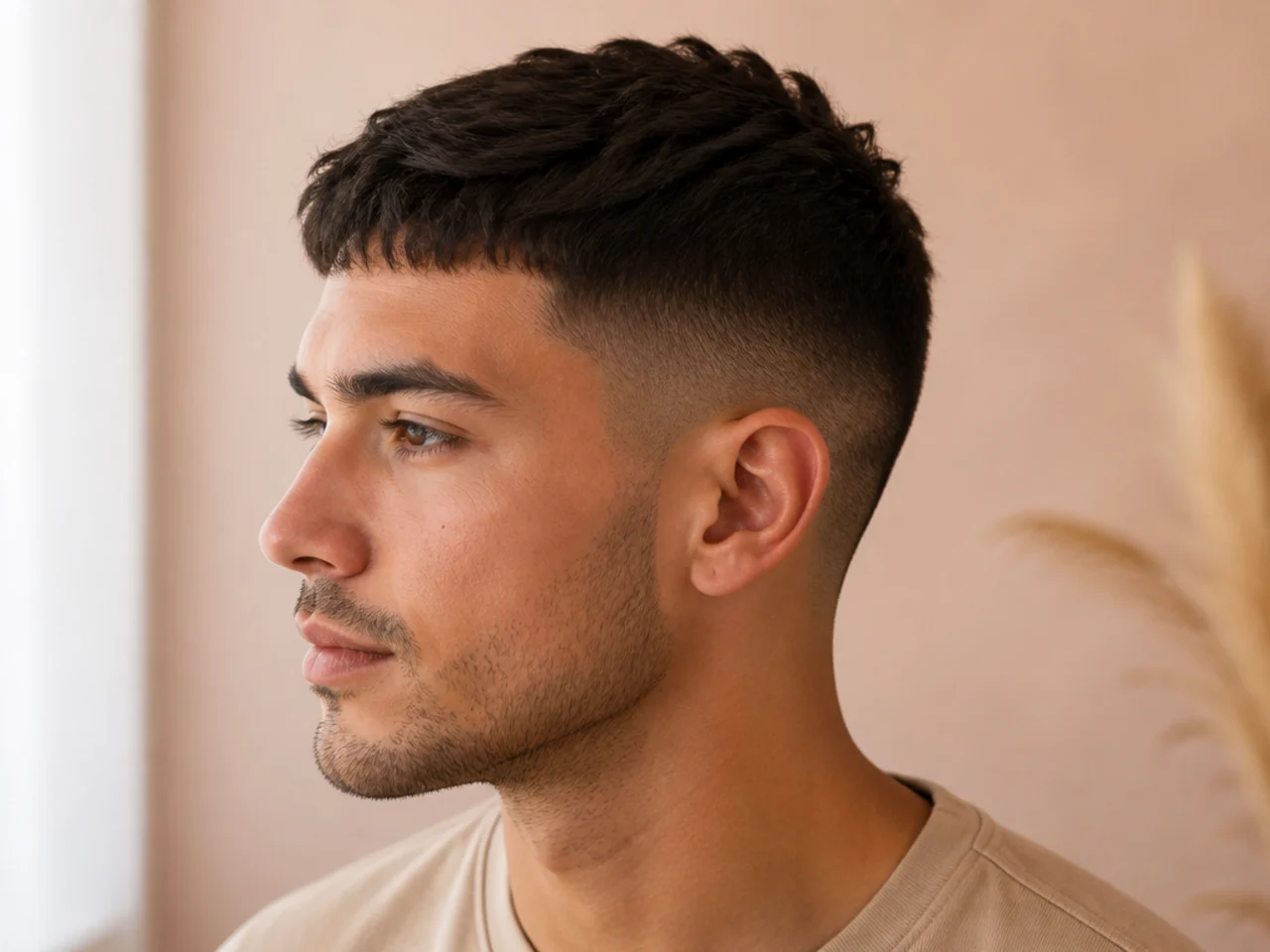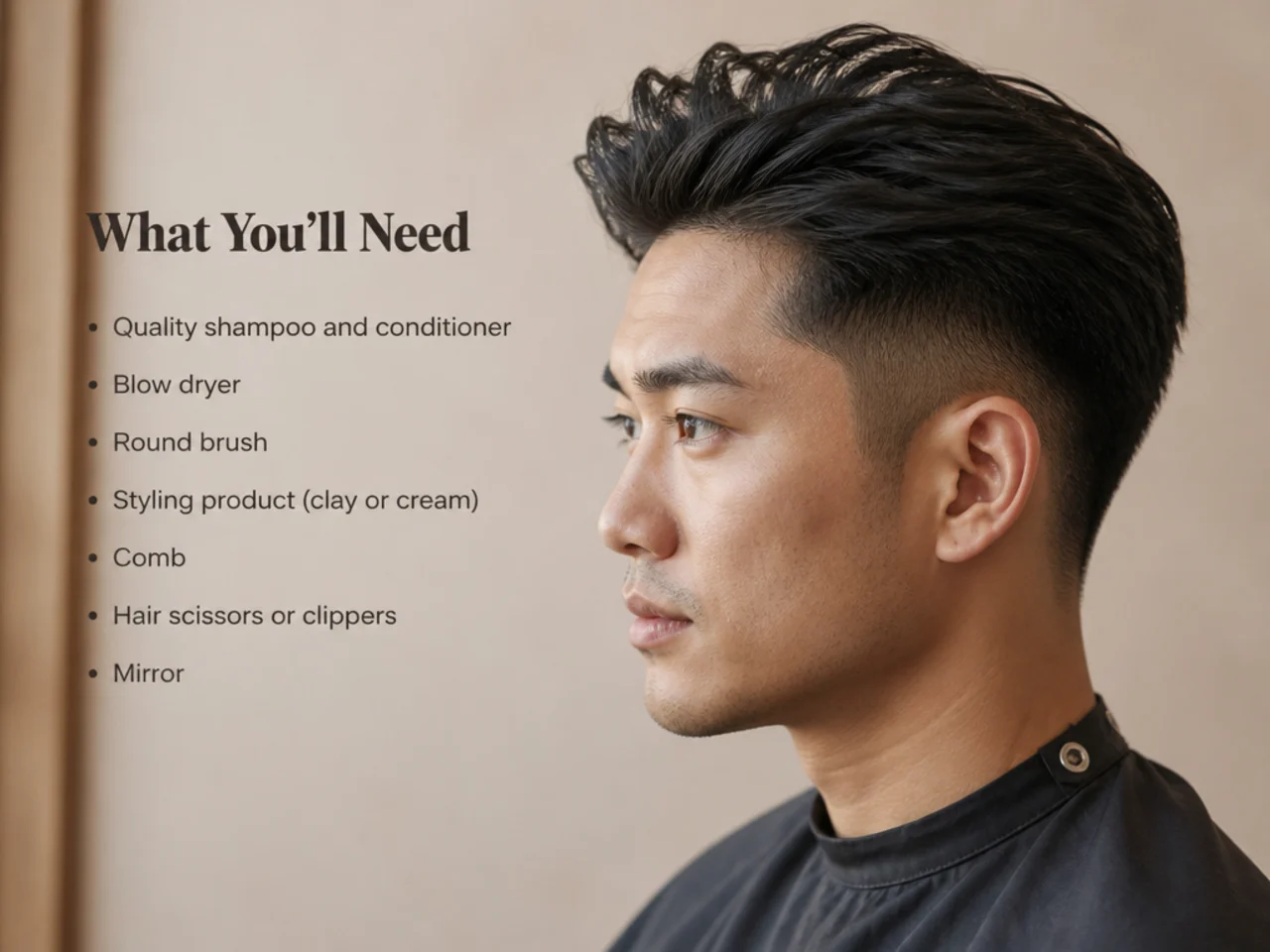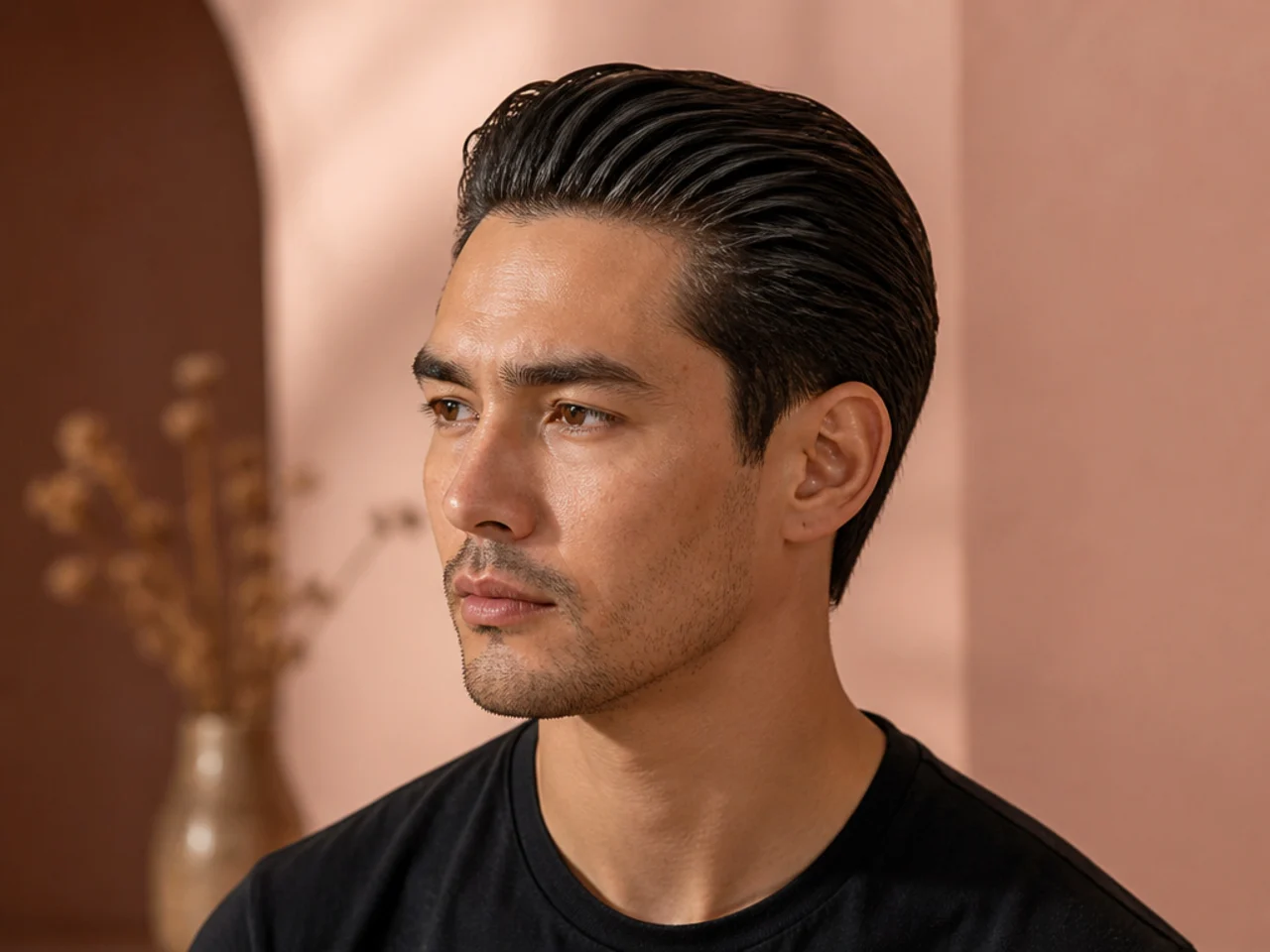
15 Men's Short Haircuts I Tried This Year
Fifteen cuts and adjustments across twelve months, and I chose almost none of them. A beanie, a wedding, a heatwave, a swimming pool and a passport photo set the dates and the lengths, and the barber simply executed them.
In this article · 22
- Why My Hair Changed Four Times This Year Without Me Deciding
- Planning Your Own Year
- The 15 Cuts and Adjustments, Month by Month
- 1. January — Beanie Season and the Cut That Survives It
- 2. February — Dry Indoor Heating and a Flaking Scalp
- 3. March — Growing the Top Out Before Spring
- 4. April — The Wedding Cut, Booked Ten Days Early
- 5. May — Going Shorter as the Weather Turned
- 6. June — Sweat, Daily Rinsing and Dropping the Product Weight
- 7. Late June — The Neckline I Tidied Myself Mid-Cycle
- 8. July — The Shortest Cut of the Year
- 9. August — Chlorine, Sea Salt and What They Did to the Ends
- 10. September — Back to the Office and One Register Up
- 11. October — The Seasonal Shed and a Shorter Cut That Hid It
- 12. November — The Passport Photo, Cut Two Weeks Before
- 13. Late November — The Guard I Dropped by One After the Photo
- 14. December — A Party and the Only Night I Used Shine
- 15. December — The Cut I Ended the Year On
- What Each Season Changed About Upkeep
- Mistakes to Avoid
- FAQ
- Final Thoughts
Fifteen cuts and adjustments in twelve months, and I picked almost none of them myself.
The driver was external every single time. Cold weather, a hat, a wedding, a heatwave, a swimming season, an autumn shed and a passport photo each decided a date and a length before I had an opinion.
A year of short hair is really four different problems in sequence. What works in January is actively wrong in July, which is why this list is arranged by month rather than by cut, and why the same head ends the year roughly where it started.
Why My Hair Changed Four Times This Year Without Me Deciding
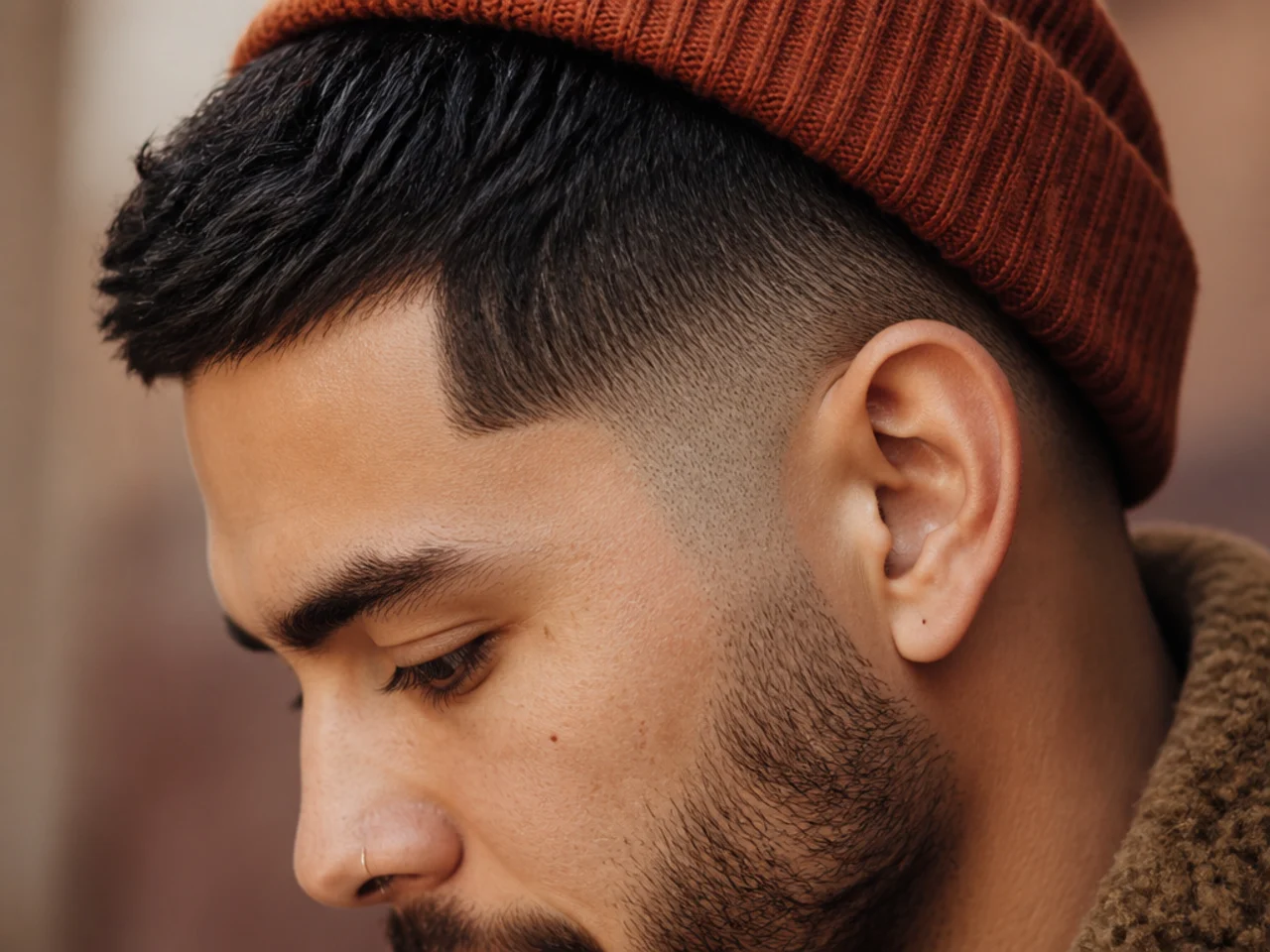
A hat flattens the cut every single day for three months. That takes any shape built on height out of the running, so through winter the only things worth cutting for are the sides and the outline.
Heat moves the wash cadence, and the wash cadence moves the product. Rinsing daily means nothing ever gets a full day to settle, so a heavy paste stops earning its place on your shelf.
Humidity brings out a wave that is invisible in winter. The same top that lies flat in February lifts and bends in July, which changes the cut without anybody having cut it.
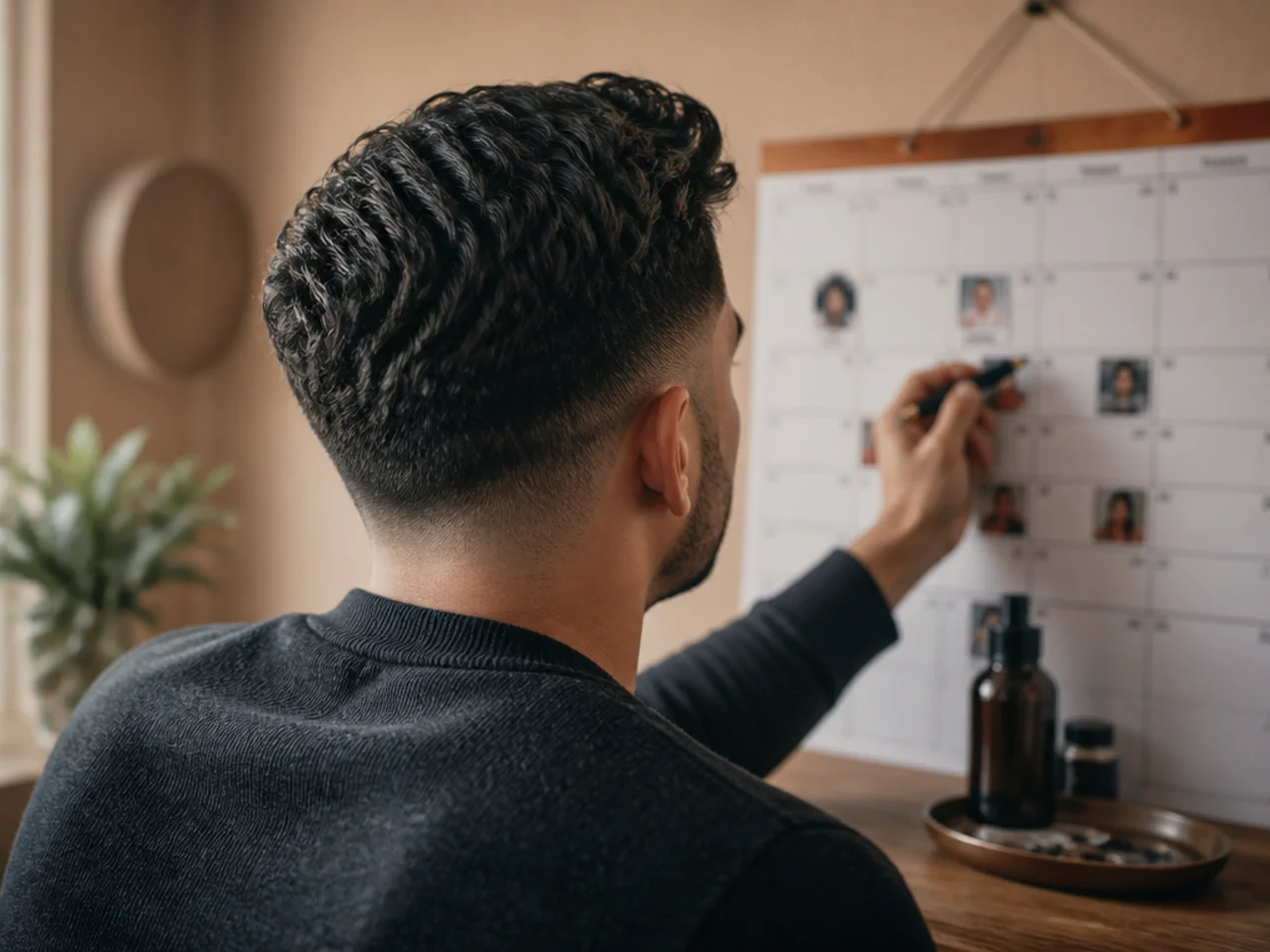
The calendar sets the appointment dates, not the barber. A wedding, a photograph and a first day back each pick their own week, and the cut cycle has to be arranged around them.
Planning Your Own Year
Book event cuts about ten days out. The lines have softened, the shape has settled, and it photographs as the cut you actually own.
Put the shortest cut of the year in high summer, not in spring. Spring is when you want the length you spent winter growing, and July is when you stop wanting it.
Plan a shorter cut into the autumn shed. Shorter sides reduce the contrast that makes thinning on top obvious, and that is a cut decision rather than a product one.
Decide in October what your hat cut is. Choosing it in December means three months of styling something that gets crushed before you leave the house.
The 15 Cuts and Adjustments, Month by Month
1. January — Beanie Season and the Cut That Survives It
A hat went on every morning for three months, and a beanie flattens any top that depends on height. I moved the interest down to the sides and the outline, so the cut still read as a haircut in the ninety seconds after the hat came off.
2. February — Dry Indoor Heating and a Flaking Scalp
Radiators on constantly all month dried my scalp out, and on short sides a flaking scalp is visible from a metre away. I dropped one wash and stopped using a clay that was pulling moisture out. The haircut itself needed no change whatsoever.
3. March — Growing the Top Out Before Spring
I skipped an appointment on purpose. At roughly 1.25 cm a month, one missed cut put the top somewhere near four centimetres, which is enough length to fall rather than stand, and falling was the shape I wanted once the hat was finally off for good.

4. April — The Wedding Cut, Booked Ten Days Early
Day one still wears the barber's blow-dry and every hard line is at maximum sharpness, which photographs badly. Ten days out, the cut had relaxed into the shape it actually holds, and that is the version that ended up in every photograph from the day.
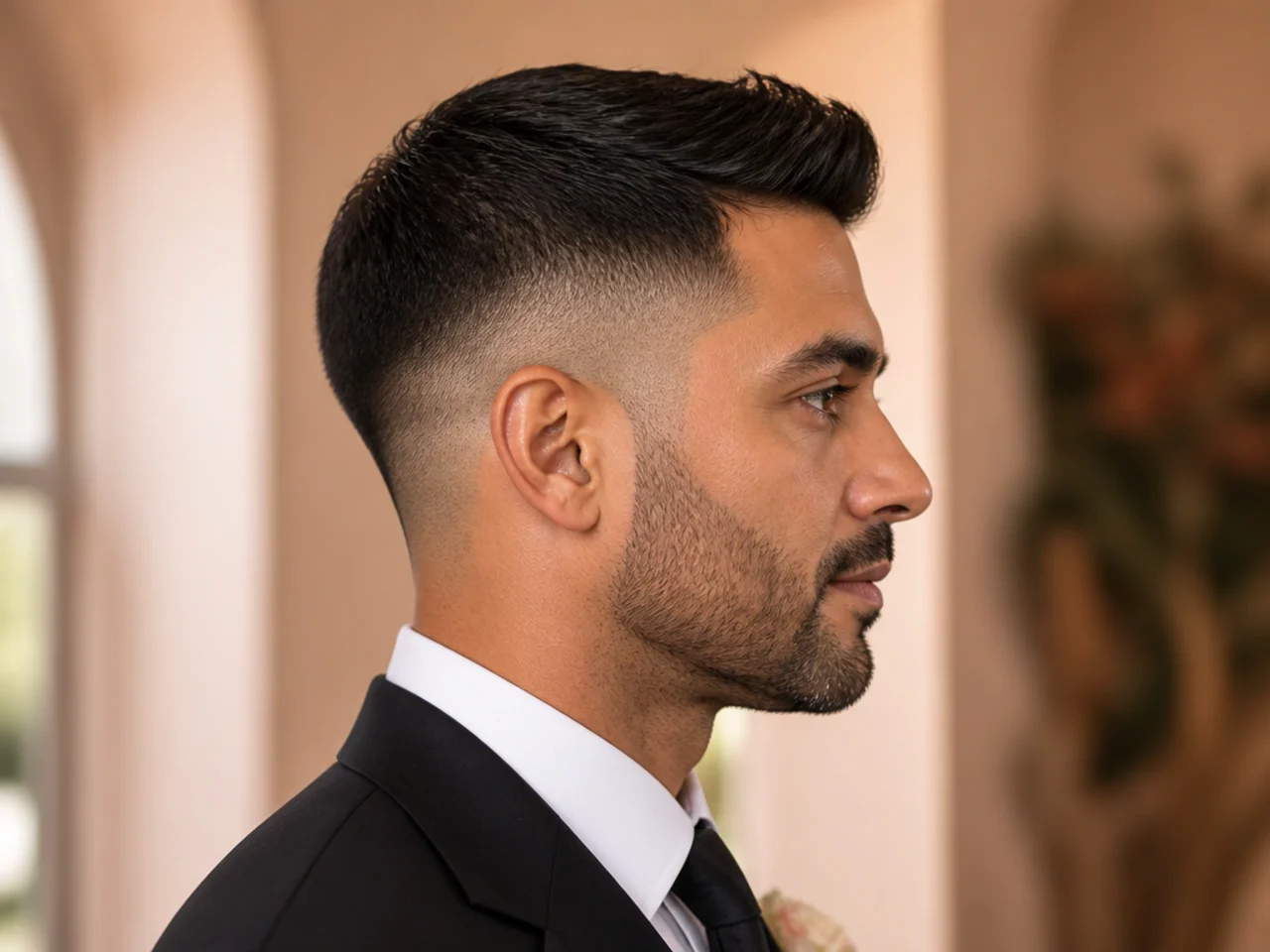
5. May — Going Shorter as the Weather Turned
The first genuinely warm week arrived and the top that fell so well in March started sticking to my forehead by mid-afternoon. I took two centimetres off instead of adding product, because more hold on a head that is sweating is a worse answer than less hair.
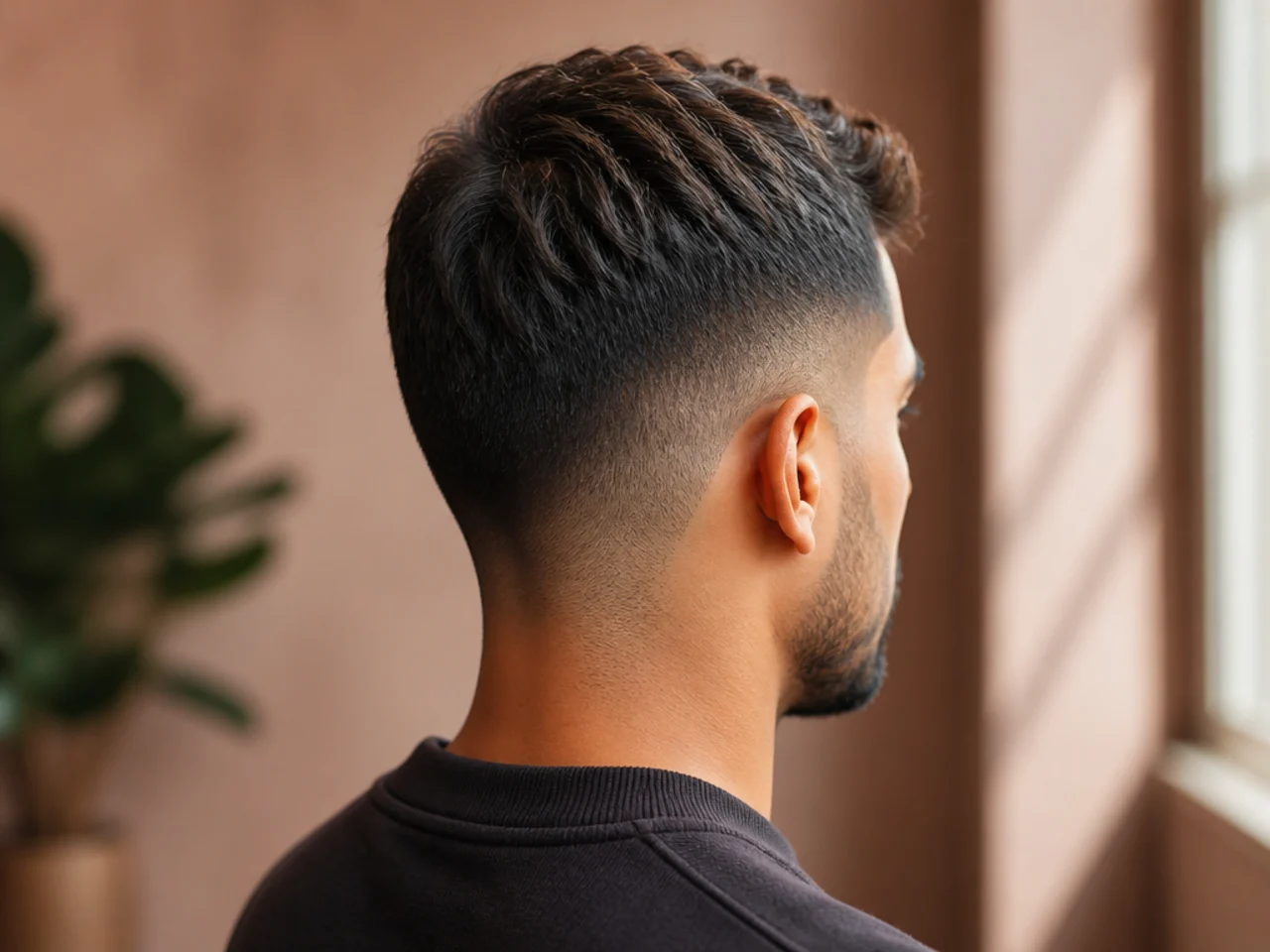
6. June — Sweat, Daily Rinsing and Dropping the Product Weight
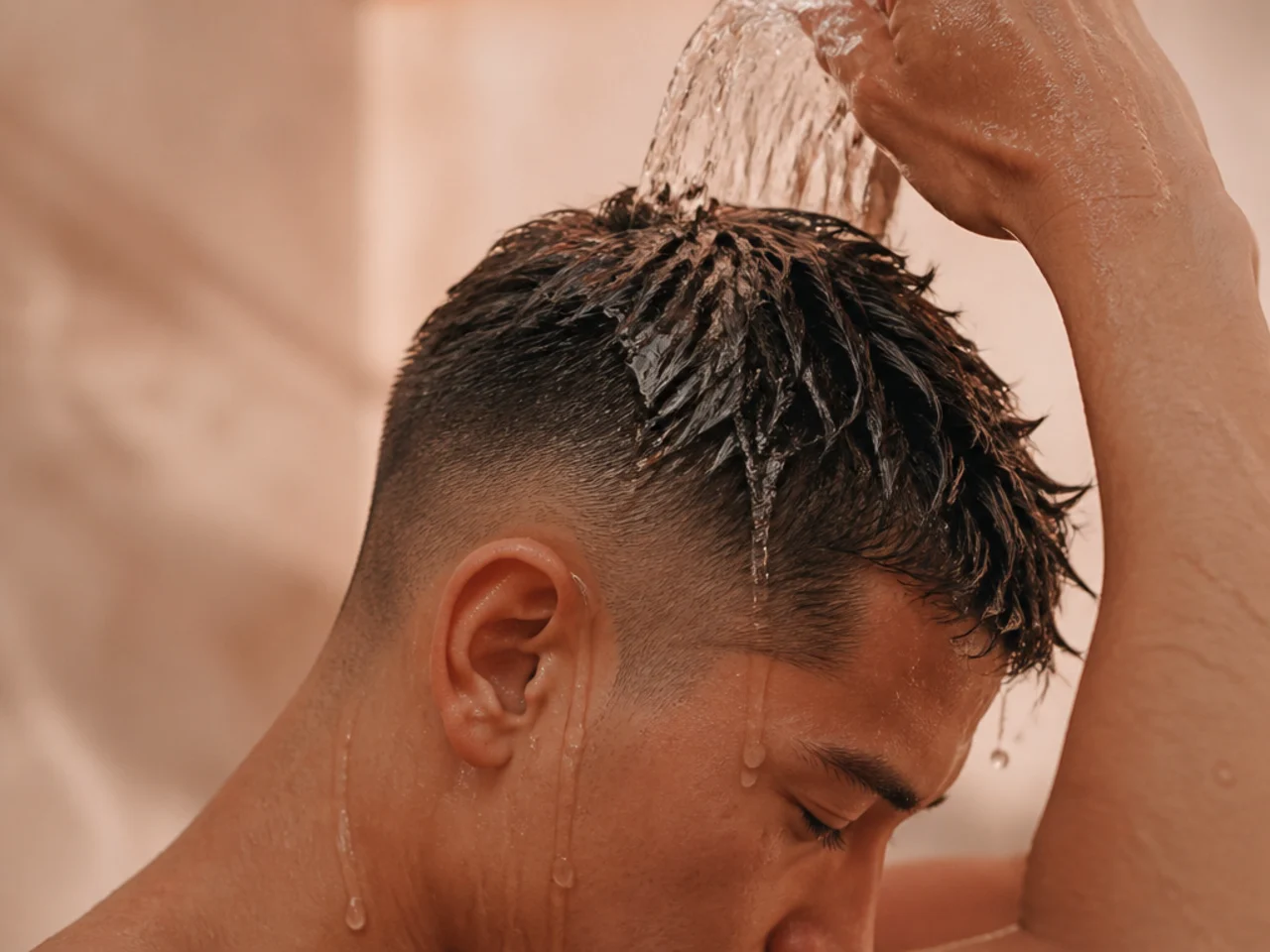
Rinsing every evening meant nothing ever had a full day to settle, so the paste I had used all winter never got the chance to do its job. A light cream on damp hair replaced it, because that reforms in seconds instead of needing a complete restyle.
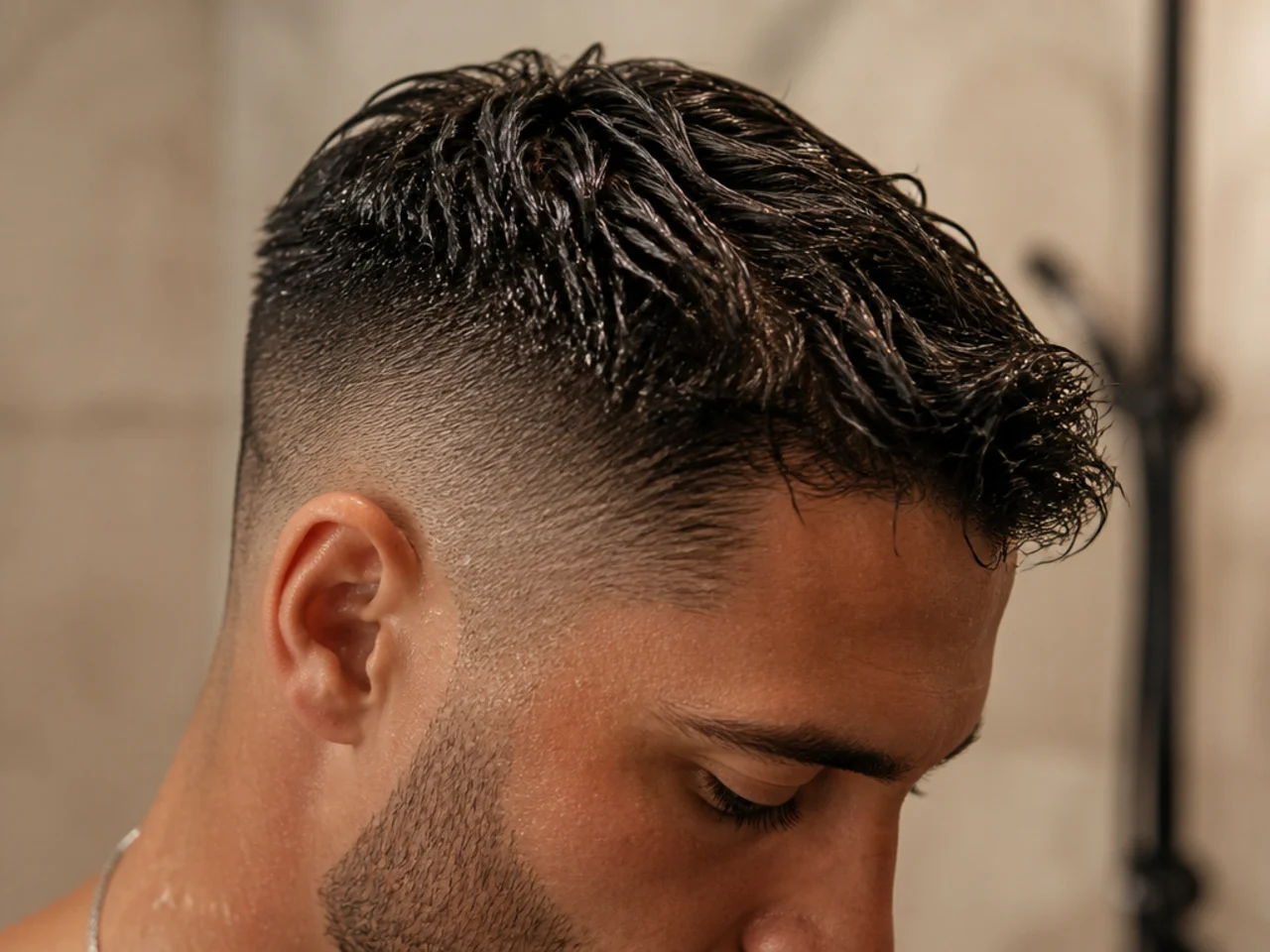
7. Late June — The Neckline I Tidied Myself Mid-Cycle
Three weeks in, the nape had grown a soft fringe below the line while everything above it still looked fine. A neckline is a straight edge and forgiving, so five minutes with a trimmer bought another week without going anywhere near the gradient above it.
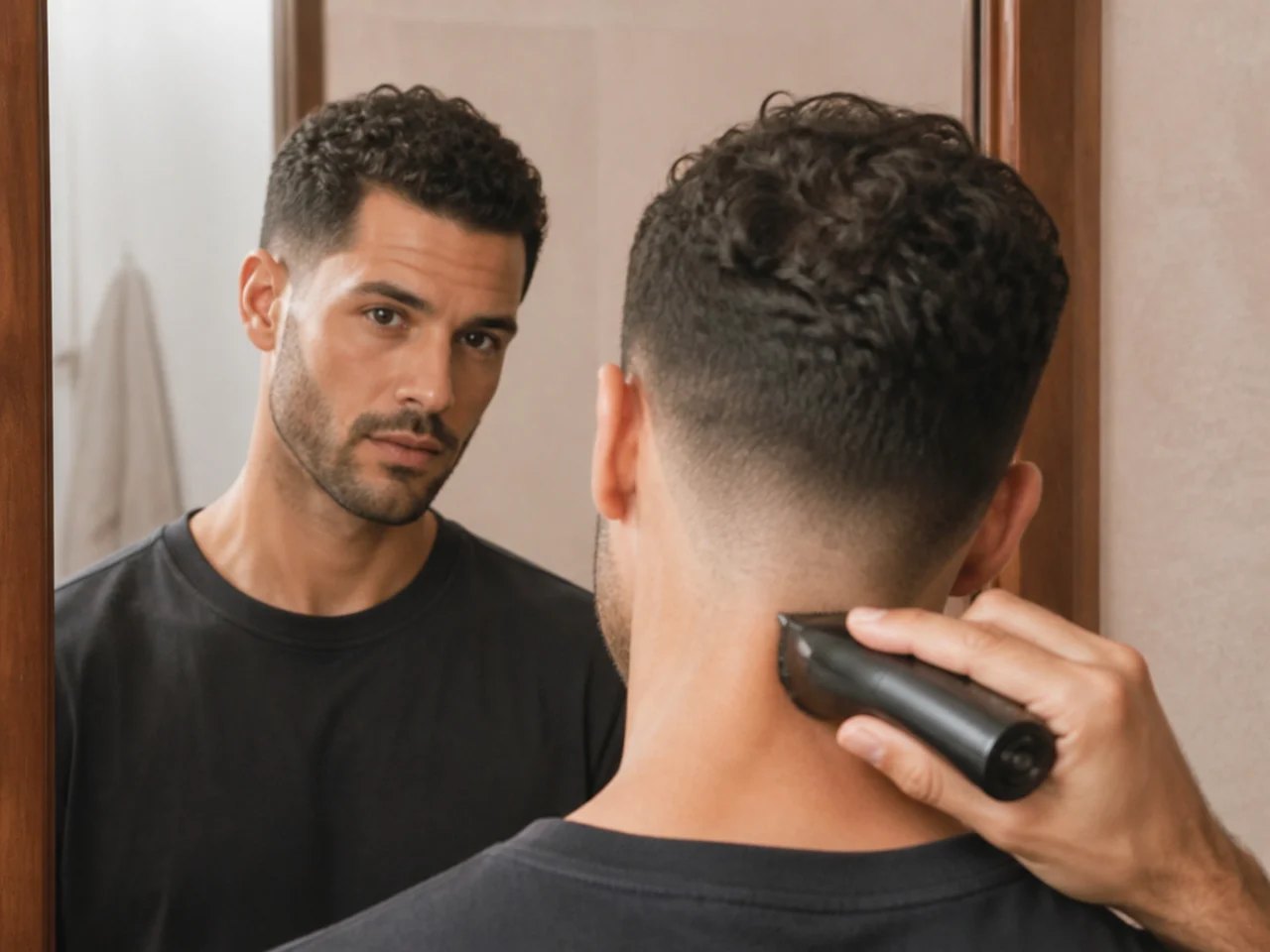
8. July — The Shortest Cut of the Year
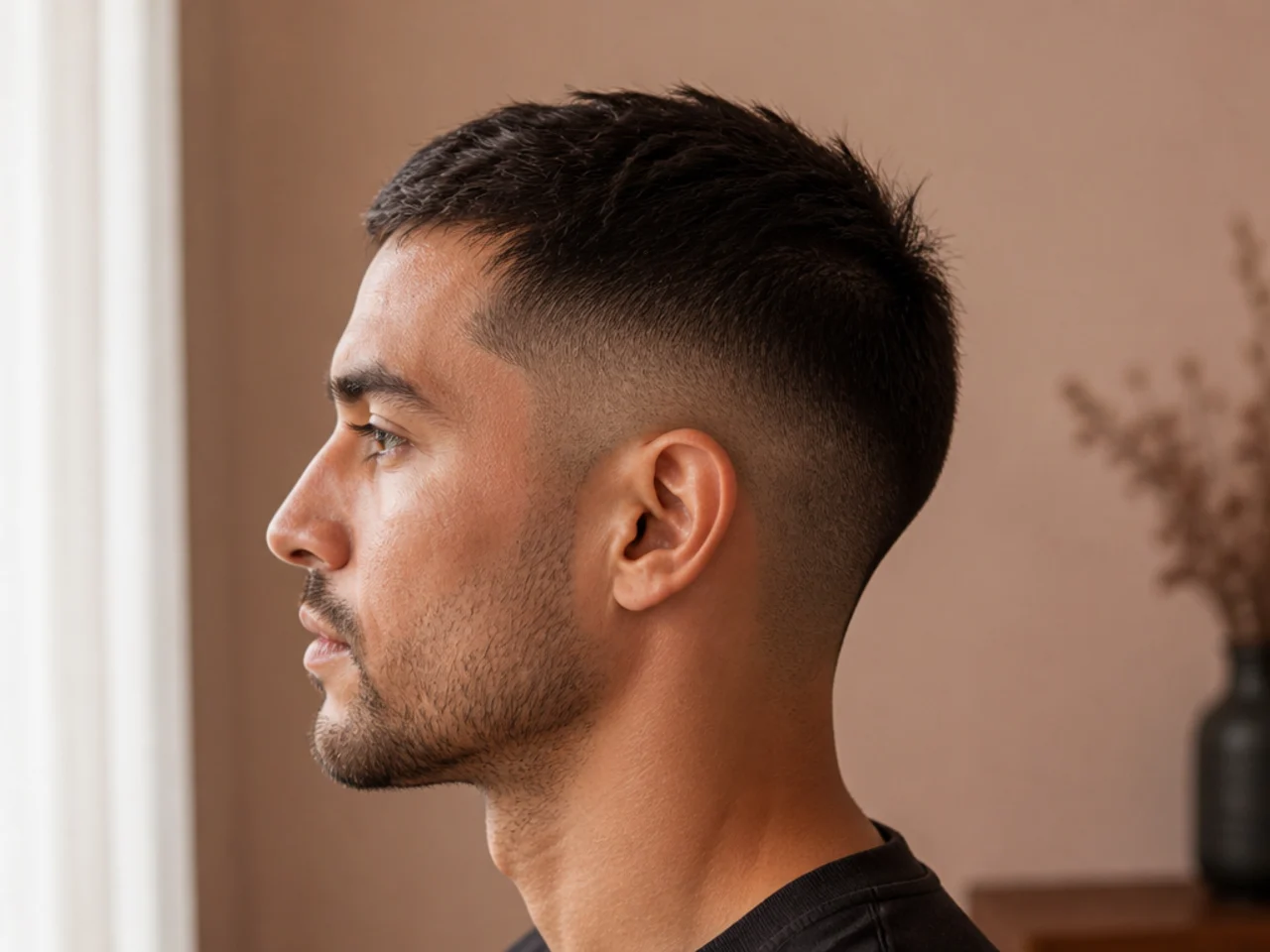
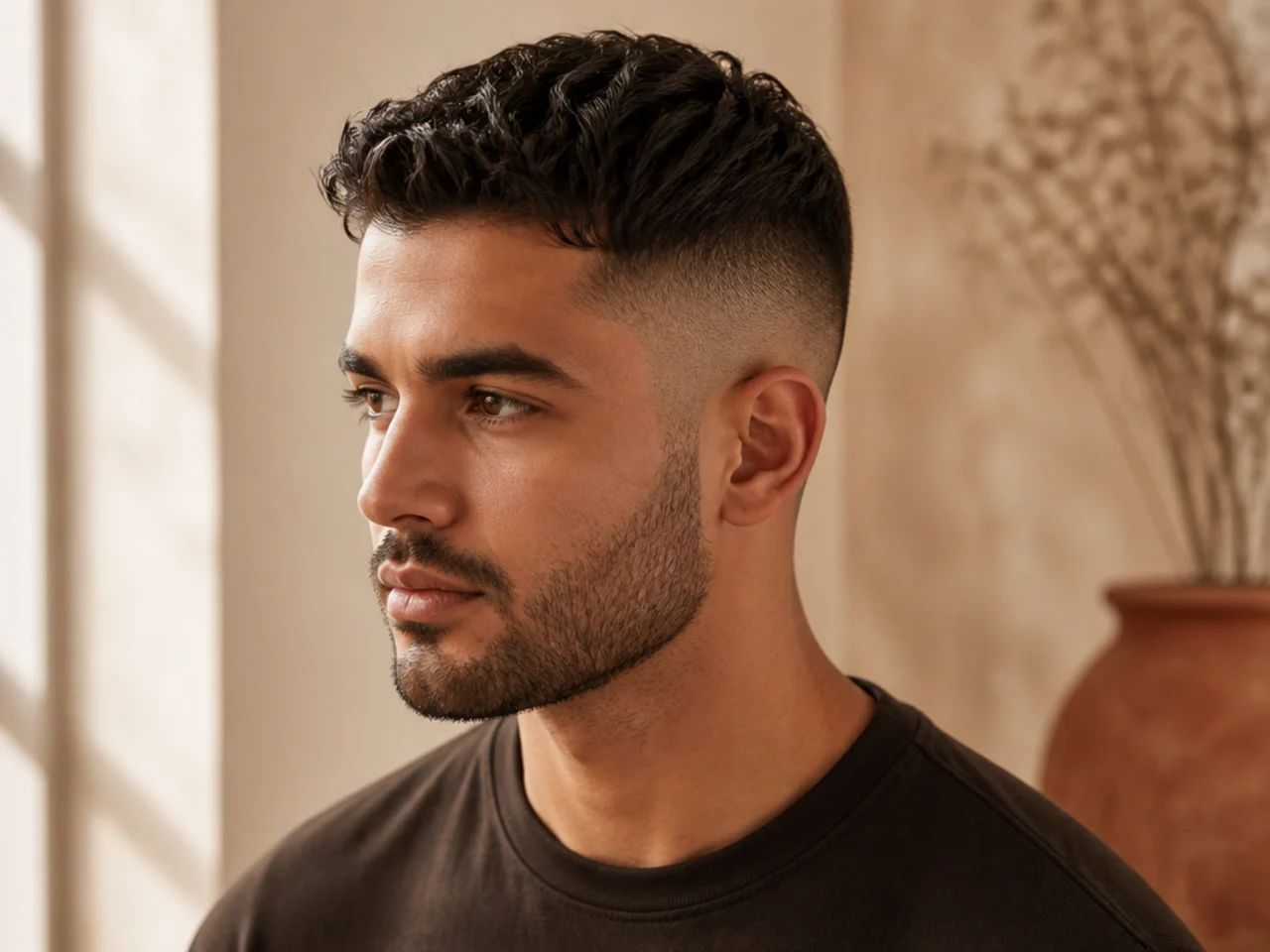
A #2 at 6mm on the sides and about two centimetres on top, the least hair I carried all year. In real heat the deciding factor stops being the shape at all and becomes how quickly the whole head dries after a rinse. On paper that is a crew cut, and in July it was simply the fastest-drying thing available.
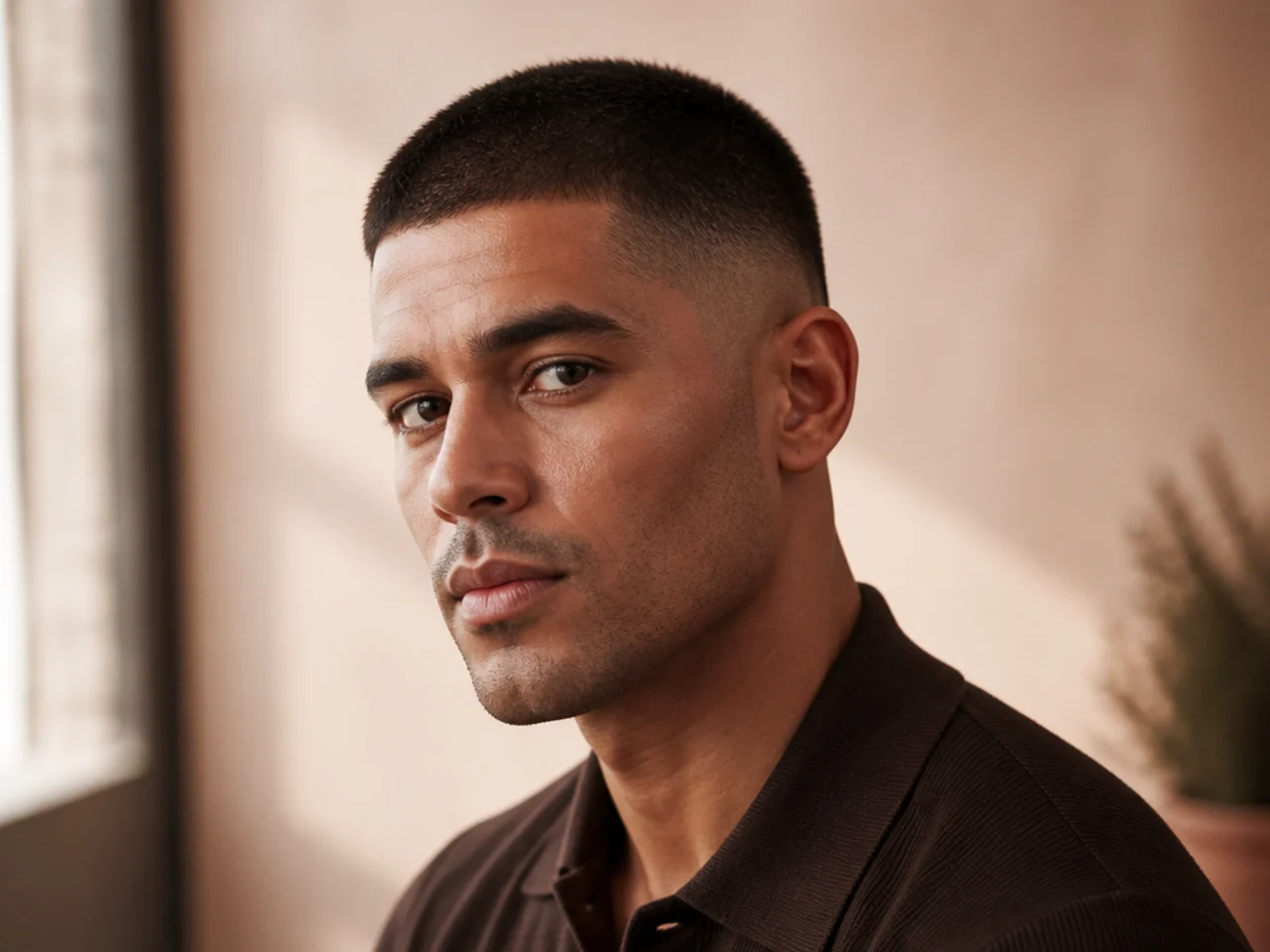
9. August — Chlorine, Sea Salt and What They Did to the Ends
Two weeks of pool and sea left the ends dry and slightly lighter, and on short hair that reads as a change of texture rather than of colour. Rinsing with plain water before swimming rather than only afterwards was the thing that actually helped.
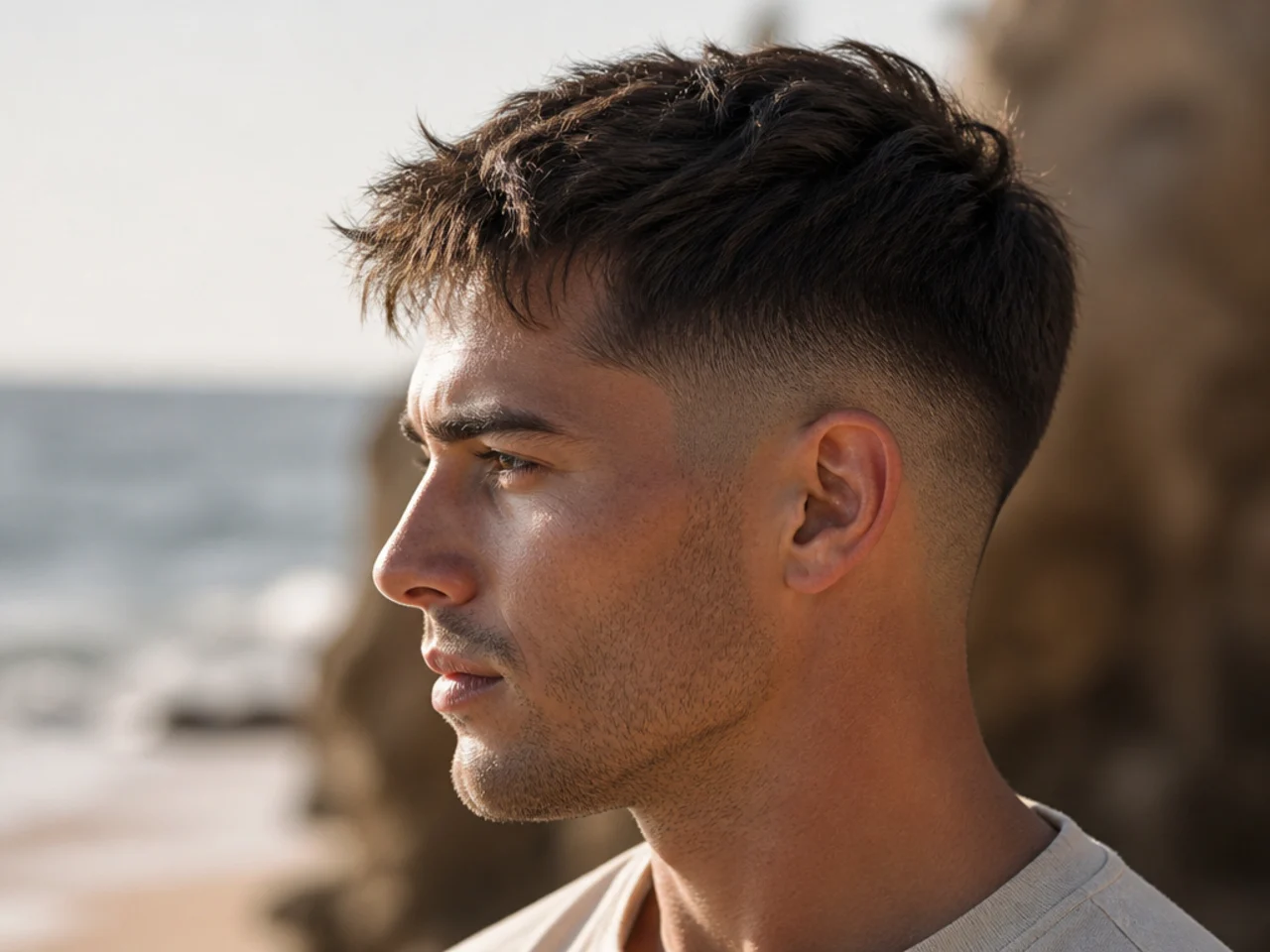
10. September — Back to the Office and One Register Up
Nothing about my hair changed, the room did. I asked for the taper to be taken cleaner and the neckline squared off, which is the same haircut wearing a tidier outline, and it read as a completely different level of effort across a meeting table. That outline is most of what a professional men's haircut actually consists of.
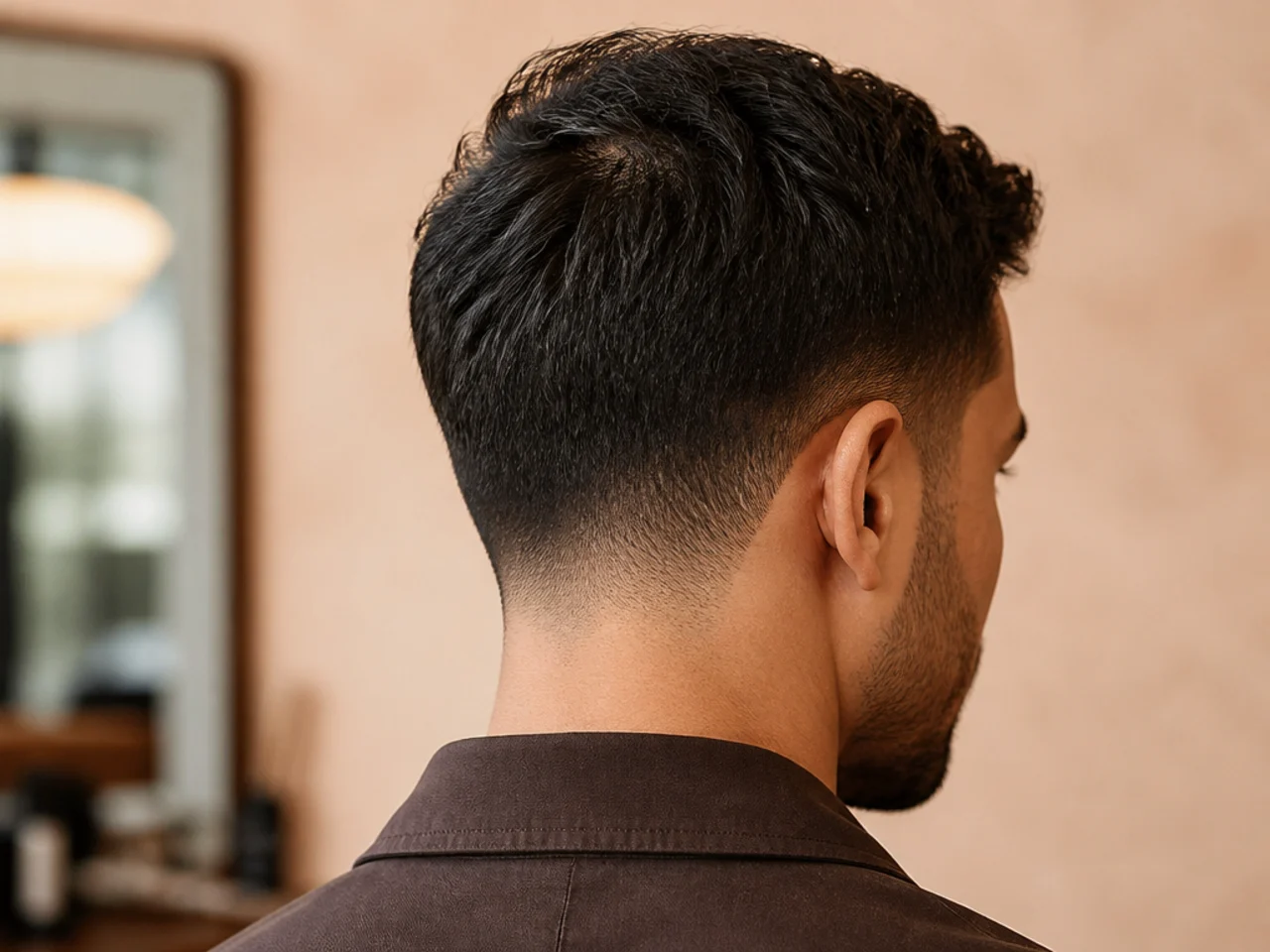
11. October — The Seasonal Shed and a Shorter Cut That Hid It
More hair in the sink every morning for about six weeks. Shorter sides reduce the contrast that makes thinning on top obvious, so dropping a guard did more for how it looked than anything I could have poured onto it. Taking it further into a short cut with a faded side removes the line between the two lengths altogether.
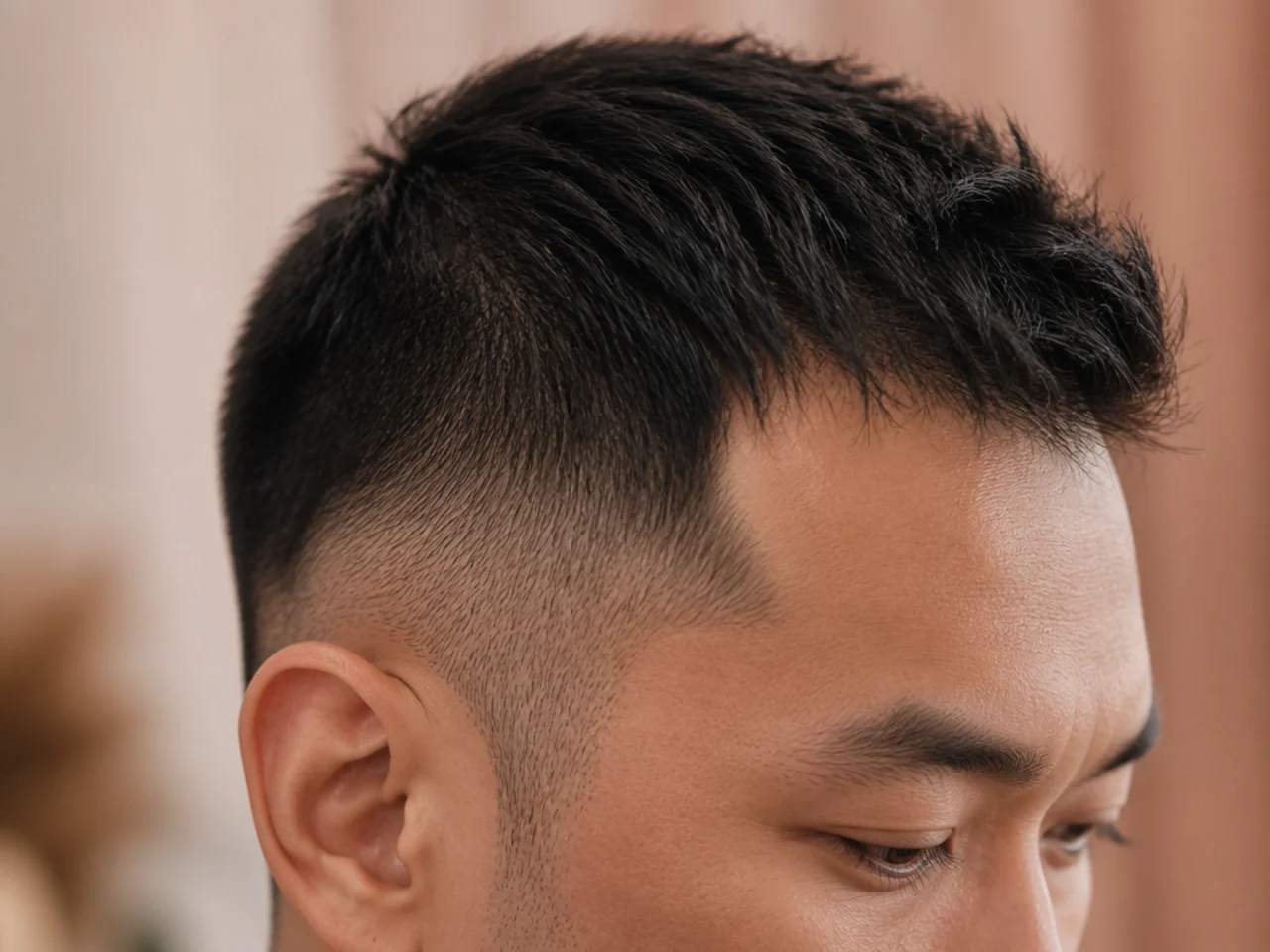
12. November — The Passport Photo, Cut Two Weeks Before
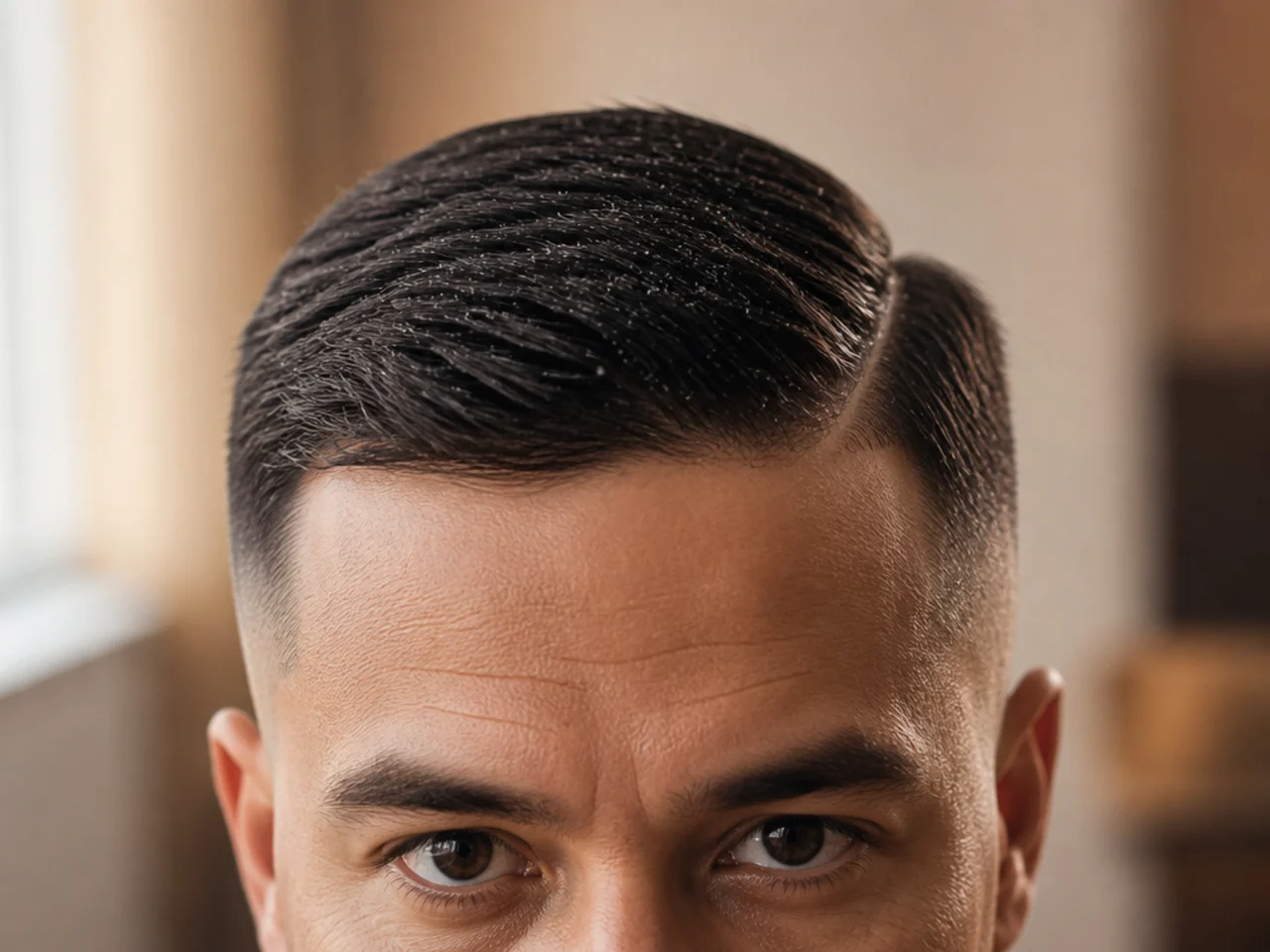
A passport photo is flat frontal lighting, which shows outline and almost nothing else. I booked far enough ahead that no line was still crisp, because a fresh hard part or a sharp fade edge is exactly the thing you end up staring at for ten years.

13. Late November — The Guard I Dropped by One After the Photo
With the photograph out of the way I took the sides from a #3 at 10mm to a #2 at 6mm. One guard is a 4mm change, small enough to be reversible inside a month and large enough to visibly tighten the silhouette going into winter.

14. December — A Party and the Only Night I Used Shine
Every other cut this year was finished matte. One evening under warm, dim indoor lighting a small amount of shine was what made the shape read at all, because matte product plus low light removes the definition that lets a short cut register across a room.
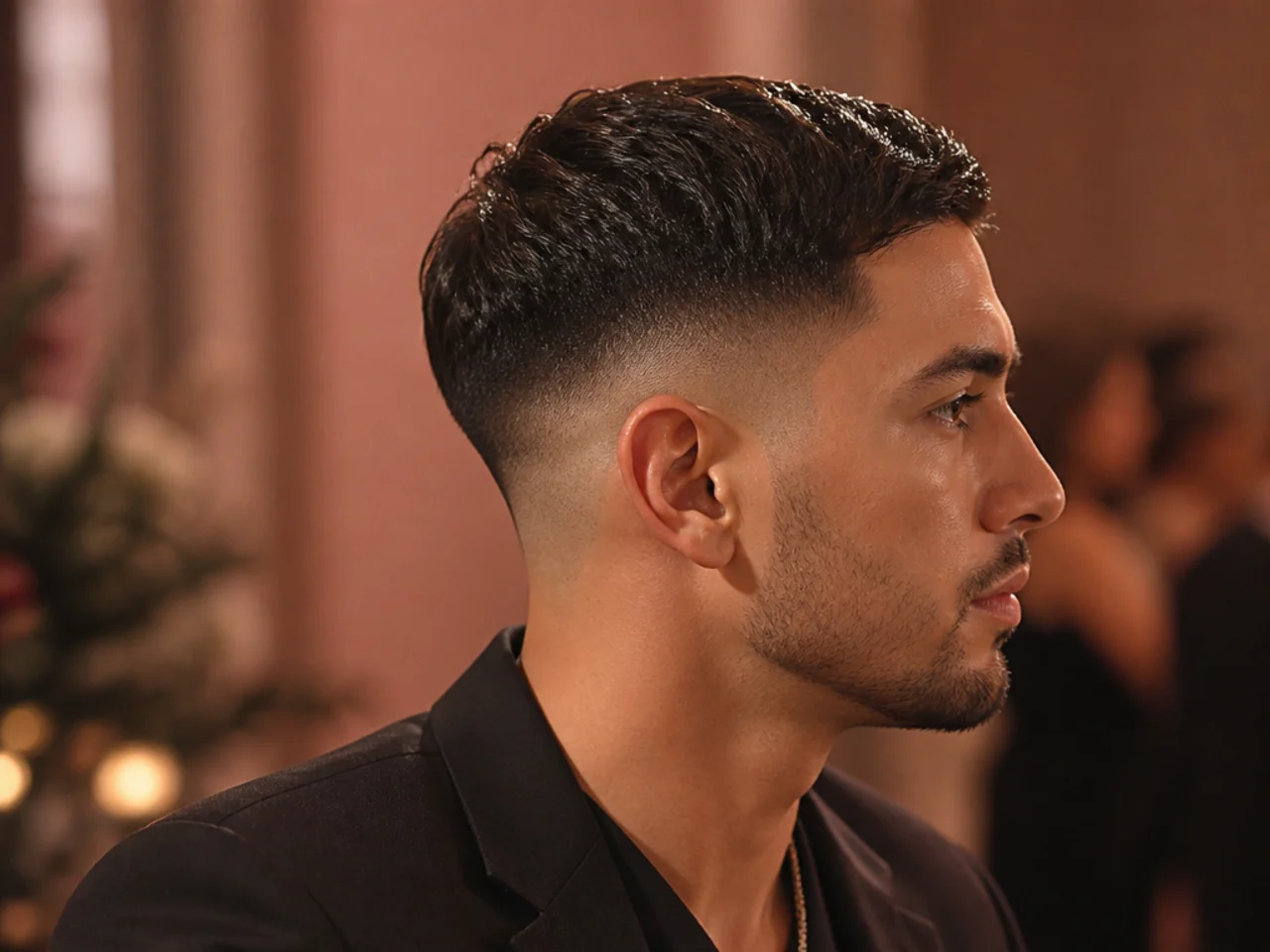
15. December — The Cut I Ended the Year On
Back to the January position, with the interest in the sides rather than the top, because the beanie was already out again. Twelve months and the shape had gone a full circle, driven the whole way by weather and diary entries rather than by taste.
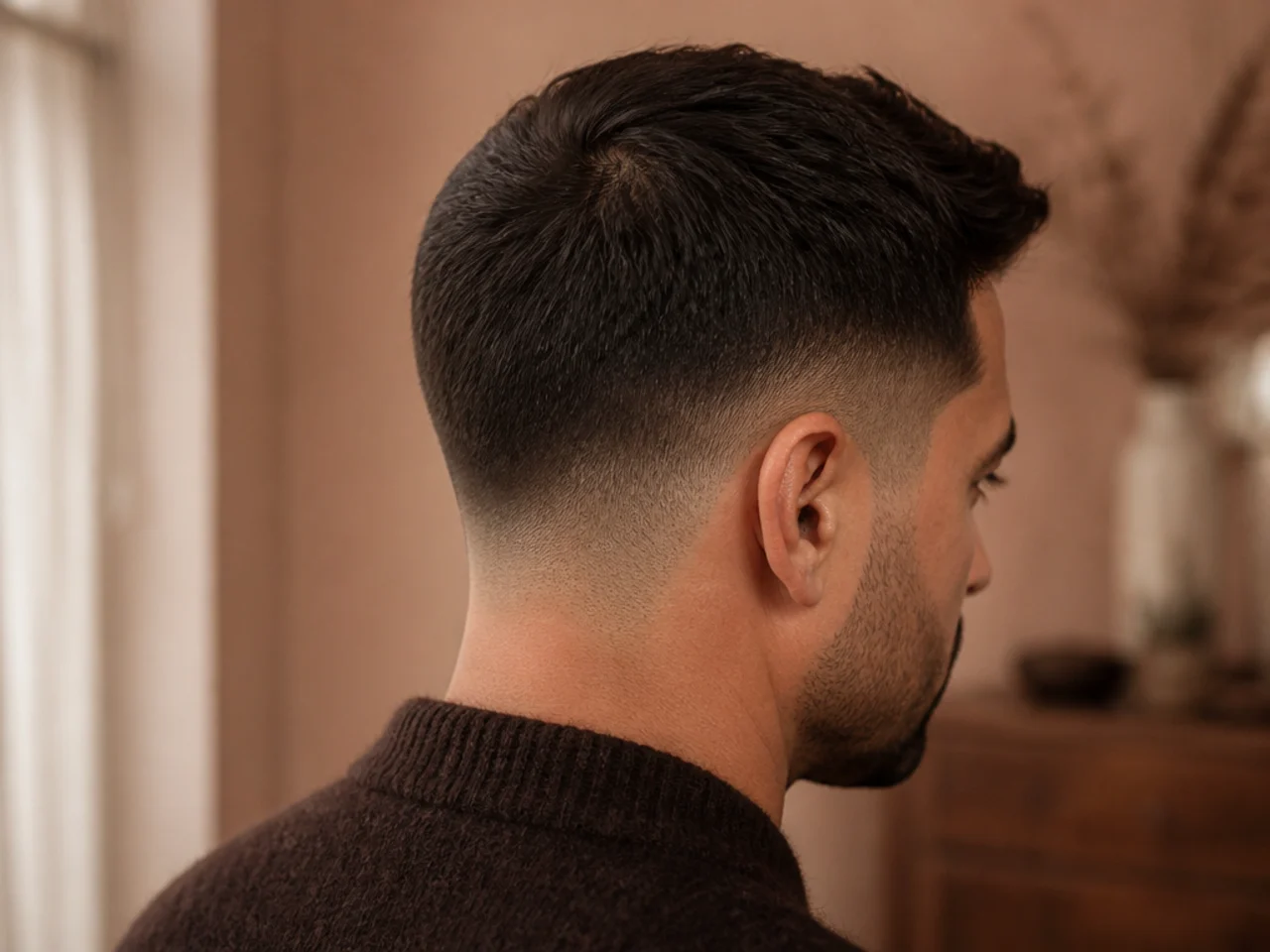
What Each Season Changed About Upkeep
Winter — one wash fewer and a less drying product. Indoor heating does the drying for you, and on short sides a flaking scalp shows immediately.
Spring — one skipped appointment. It is the cheapest way to gain a centimetre of top before you actually want it.
Summer — daily rinse, light cream, shortest guard of the year. Drying time becomes the metric that matters more than shape.
Late summer — rinse before swimming, not only after. Hair that is already saturated with plain water takes on less chlorine and salt.
Autumn — one guard shorter through the shed. Less contrast between sides and top is what stops the shed reading as a change.
Mistakes to Avoid
Getting the event cut the day before. Hard lines are at their sharpest on day one and that is exactly what a camera picks up.
Adding hold instead of removing length in heat. A sweating head defeats any product, and the only variable left is how much hair is up there.
Carrying a winter product into June. Heavy paste on damp, rinsed hair sits on the surface and never sets.
Cutting a tall shape in November. A beanie crushes it every morning, so you are styling something nobody will see.
Booking by the calendar month rather than by what is in the diary. The event picks the date, and a cut that lands two days late is a cut you did not get.

FAQ
Does a hat change the cut? It removes height from the equation for three months, so sides and outline have to carry it.
Shorter in summer? Yes, mostly because daily rinsing decides the product and the product decides the length.
How long before an event? About ten days, so the lines have softened and the shape has settled.
Final Thoughts
A year of short hair is not a series of choices, it is a series of responses. Once I accepted that the weather and the diary were making the decisions, booking got easier, because the only real question each time was which of the two was going to move next.
For shapes that survive a hat season with the least work see low-maintenance short men's cuts, and for a broader set to plan a year against see short men's haircuts. More in Men's Haircuts.