25 Textured Mid Length Haircut Ideas
Twenty-five textured mid length cuts, and the distinction that decides which one you should ask for. Texture is weight removed so hair moves. Choppy is weight removed so you can see where it was taken from.
In this article · 33
- What Textured Means
- Textured Versus Choppy
- By Hair Type
- How to Ask for It
- Daily Styling
- Upkeep and Grow Out
- The 25 Textured Mid Length Cuts
- 1. Point Cut Lob
- 2. Razored Shag
- 3. Invisible Layers
- 4. Curtain Bangs
- 5. Texture on 2B Waves
- 6. Curly Dry Cut
- 7. Piecey Ends
- 8. Butterfly Cut
- 9. Wolf Cut
- 10. Nineties Layers
- 11. Blunt Line With Hidden Texture
- 12. Shoulder Flick
- 13. Money Piece
- 14. Texture on Fine Hair
- 15. Debulking Thick Hair
- 16. Bottleneck Bangs
- 17. Choppy Ends
- 18. Texture for a Square Face
- 19. Texture for a Round Face
- 20. Air Dry Texture
- 21. Day Three Texture
- 22. Beach Waves
- 23. Week Twelve
- 24. Growing Out From a Bob
- 25. Gray Blending
- Final Thoughts
Texture is the most requested word in a salon and the least specific, which is why so many people leave with a cut they did not ask for.
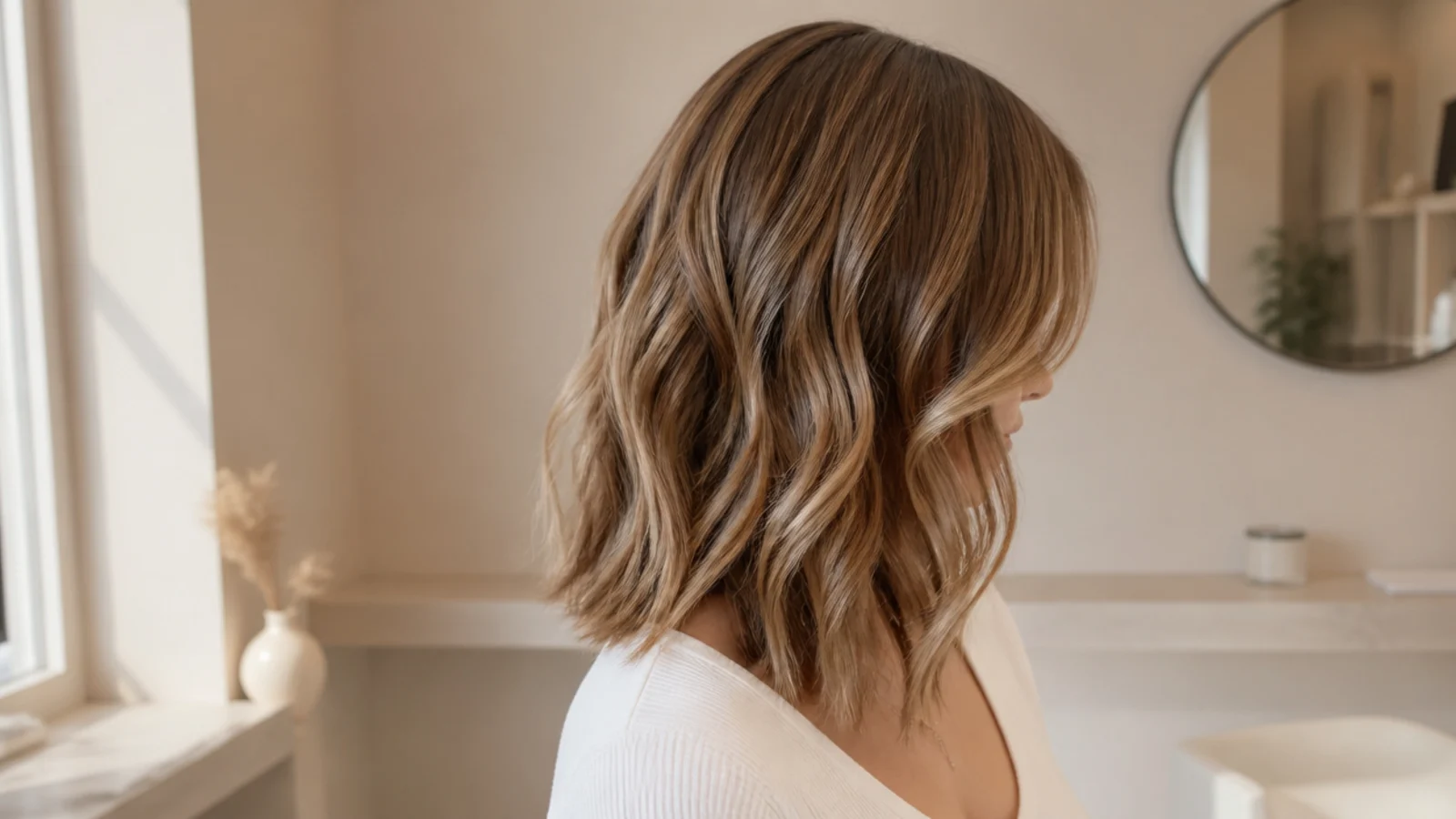
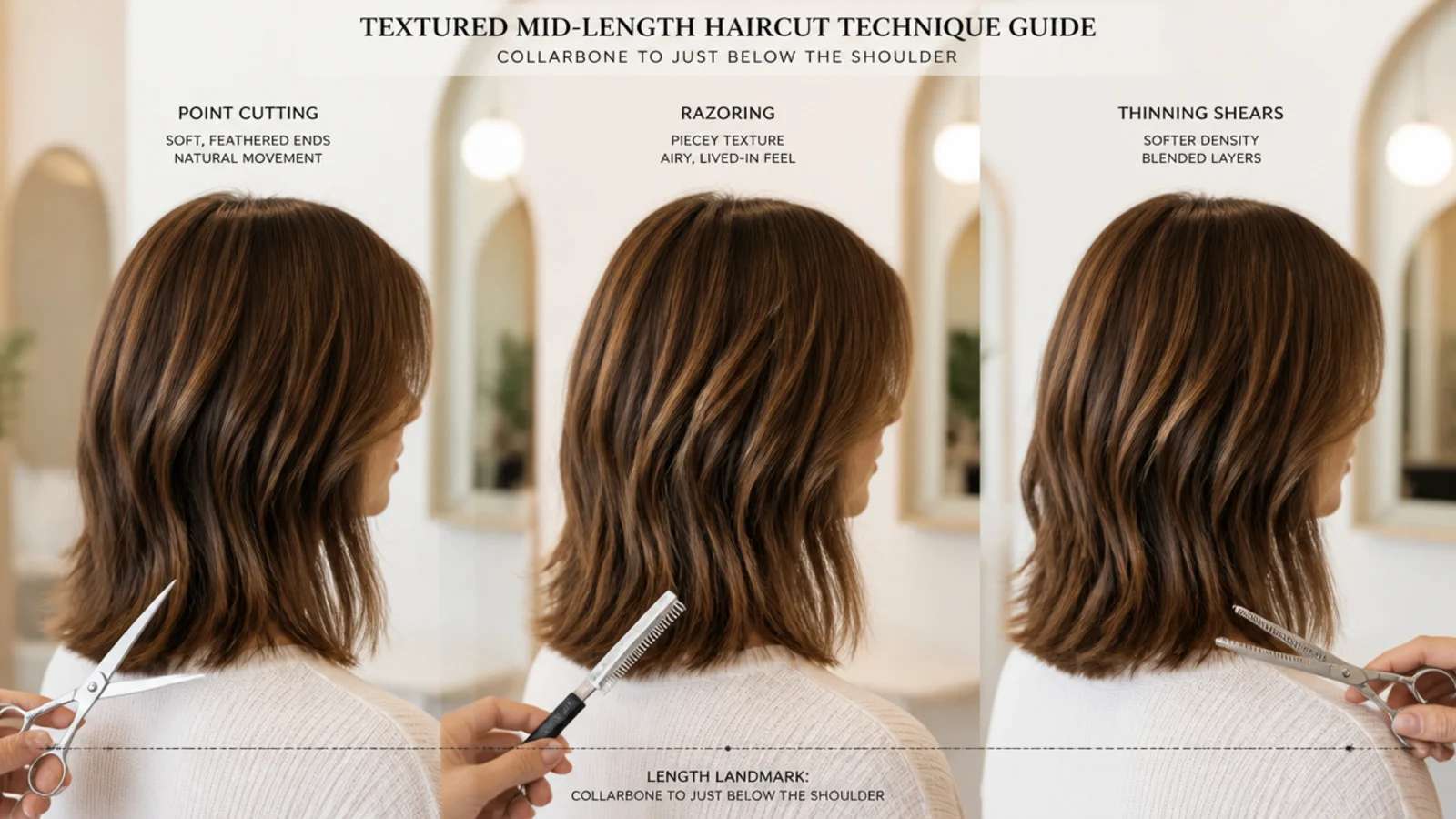
Texture is weight removed so the hair moves. Point cutting, slide cutting or a razor, cut shallow enough that you see movement rather than the technique that produced it.
Choppy is weight removed so you can see where it went. An inch or more into the ends, with the breaks left visible. Same tools, opposite intention, and a completely different grow-out.
What Textured Means
Strands finish at different lengths. That is the entire mechanism. A blunt line ends every strand together and reflects light as one edge; a textured line scatters it.
Point cutting is the shallow version. Scissors held vertically into the ends, removing small wedges without shortening the section.
A razor tapers the strand. It thins along the length rather than at the tip, which is why razored texture reads softer than scissor texture.
Slide cutting removes weight along a section. The blade travels down the hair, so the section thins gradually from the middle to the tip.
Textured Versus Choppy
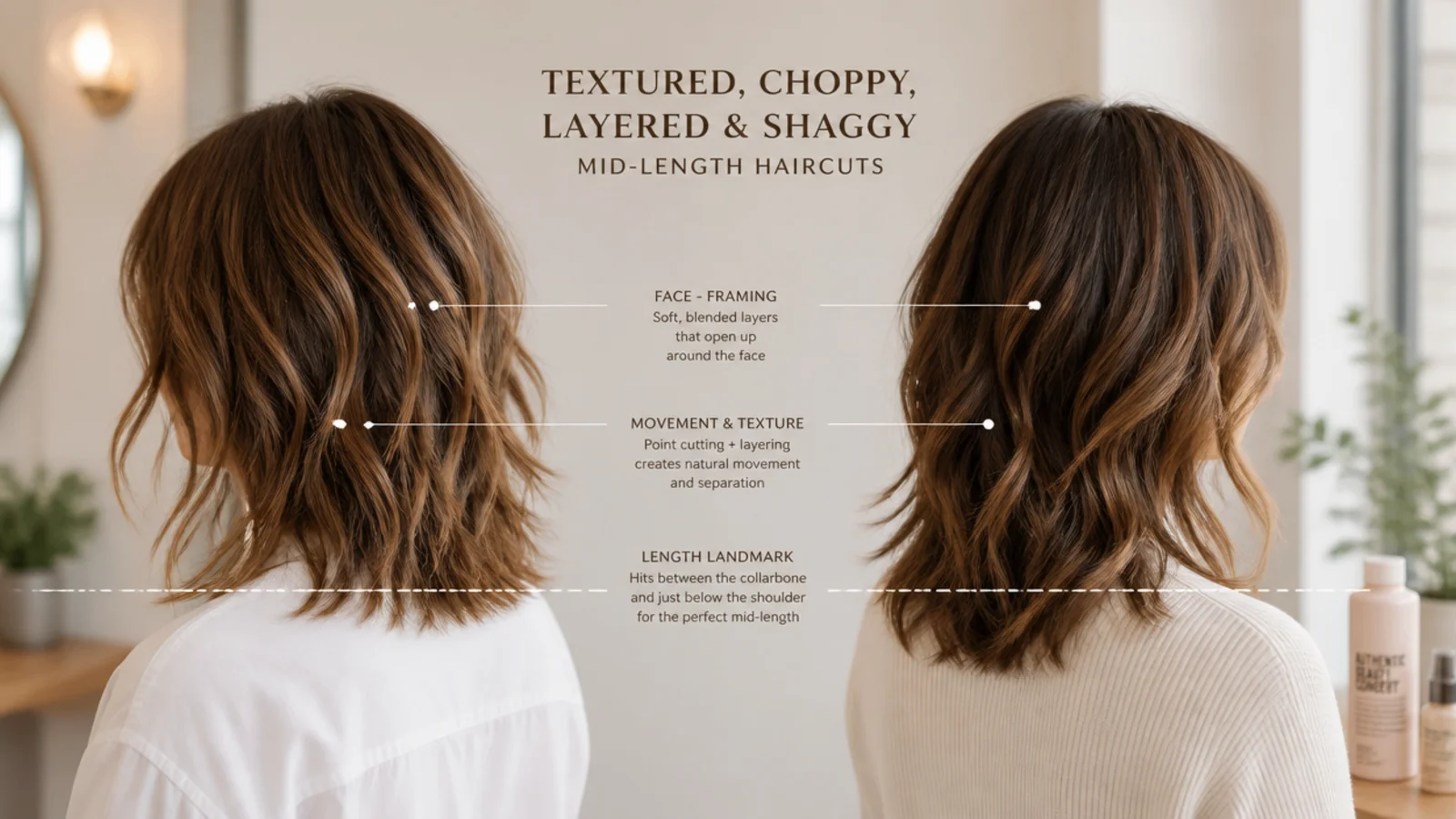
Depth is the only real variable. A quarter inch into the ends is texture. An inch or more is choppy.
Texture reads as movement, choppy reads as a decision. One softens a shape and the other announces it.
Choppy needs product to hold together. The separations are visible by design, and clean hair with nothing on it will not keep them.
Grow-out is where they differ most. Texture blurs invisibly. Choppy ends thin and split at the tips, so they need dusting every eight weeks or the shape unravels.
By Hair Type
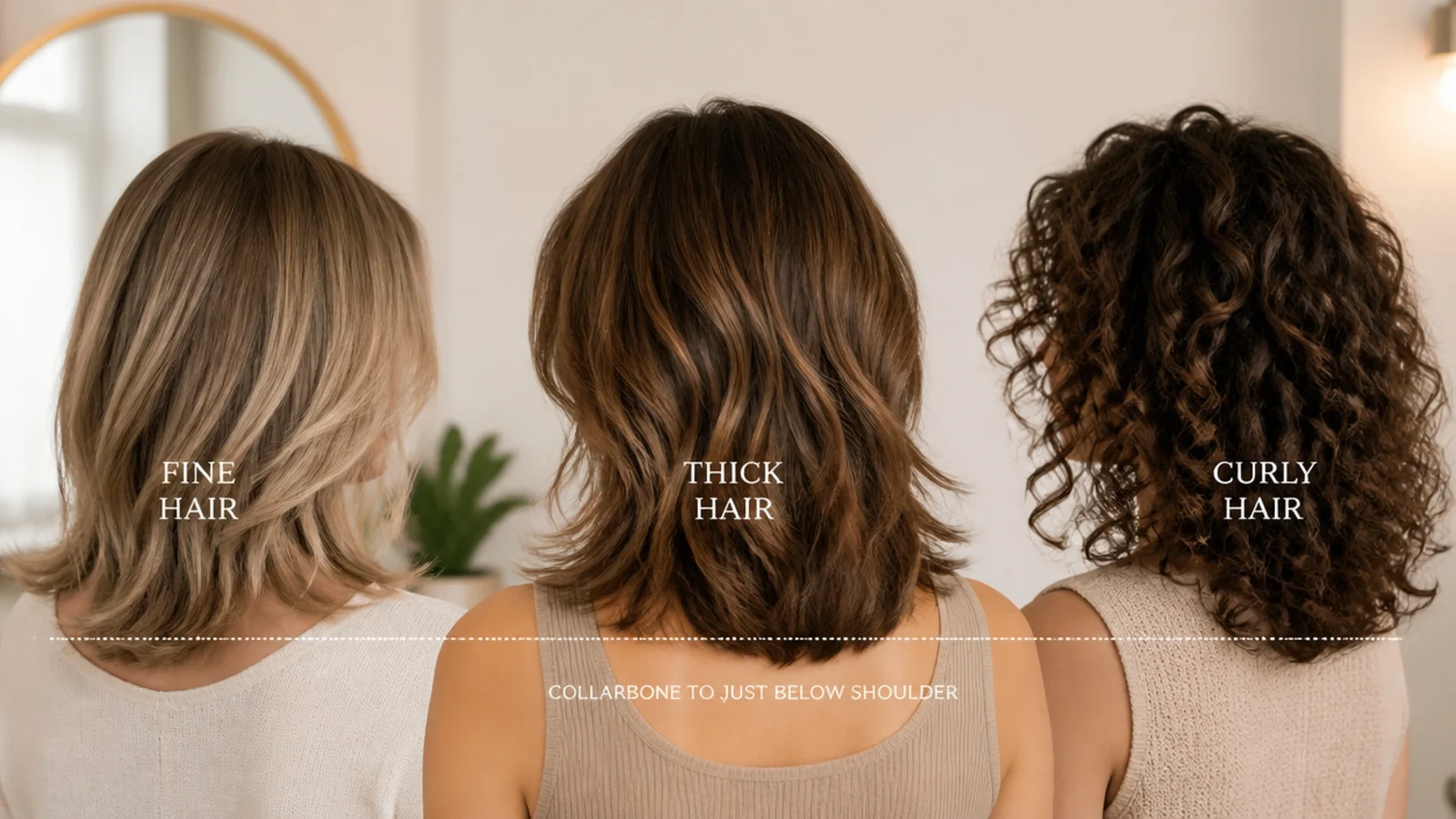
Fine hair takes texture on the surface only. Interior weight removal leaves nothing holding the perimeter up.
Thick hair takes it from underneath. Debulk the interior in vertical sections and the top layer finally lies down.
Wavy hair mostly needs weight removed, not texture added. The pattern is already there and is being flattened by the length below it.
Curly hair is cut dry, curl by curl. Wet, every curl is stretched and lying against its neighbours, so no two land where they appear to.
How to Ask for It
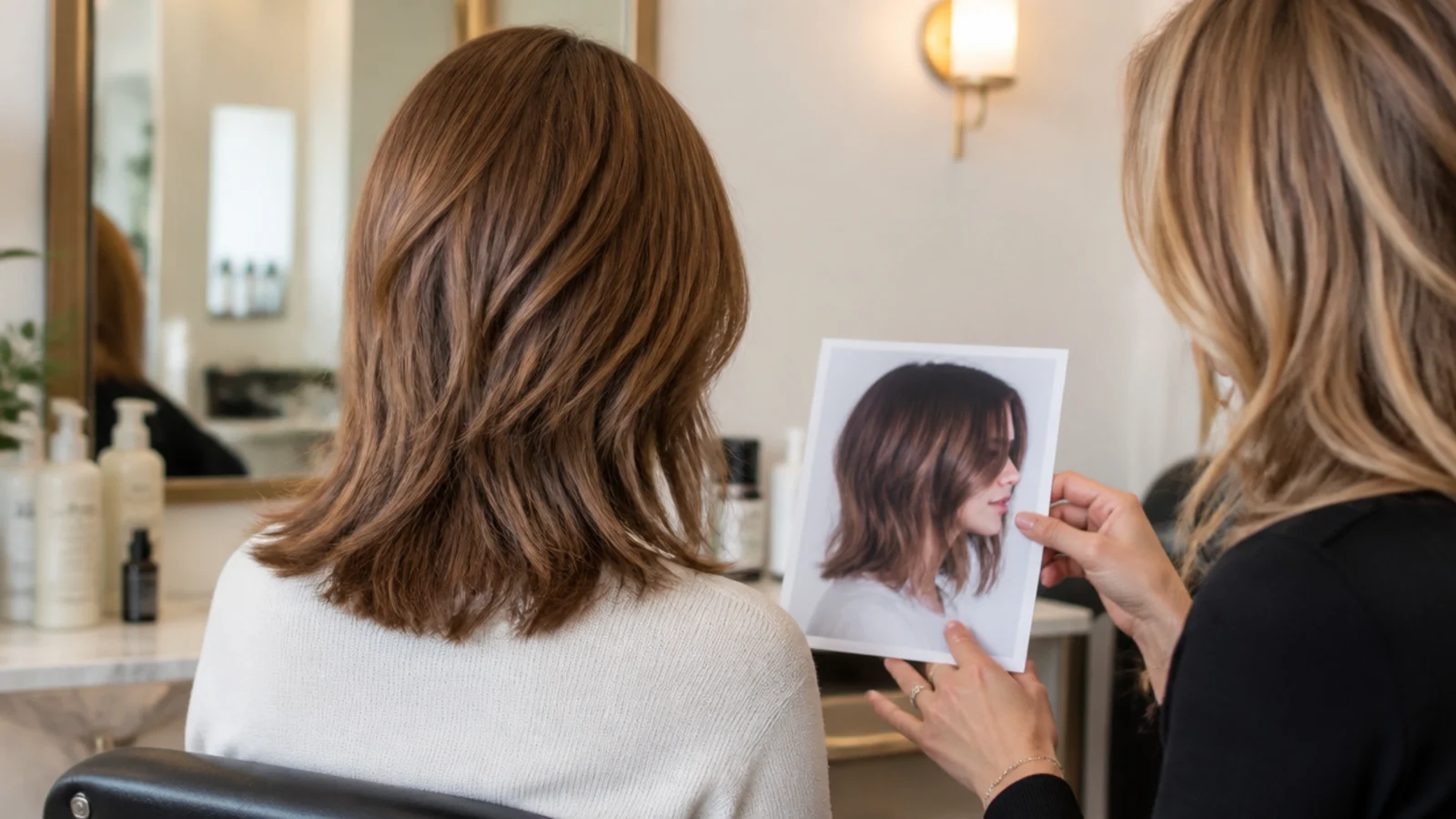
Say textured, not choppy, unless you mean choppy. They are the same request at two different depths and stylists take the words literally.
Name the tool if you have a preference. Point cut, slide cut or razor produce three different finishes on the same head.
Say whether the perimeter stays blunt. Interior texture under a blunt line is a completely different cut from a texturised perimeter.
Ask how much it will thin the ends. On fine hair this is the question that prevents the haircut you regret.
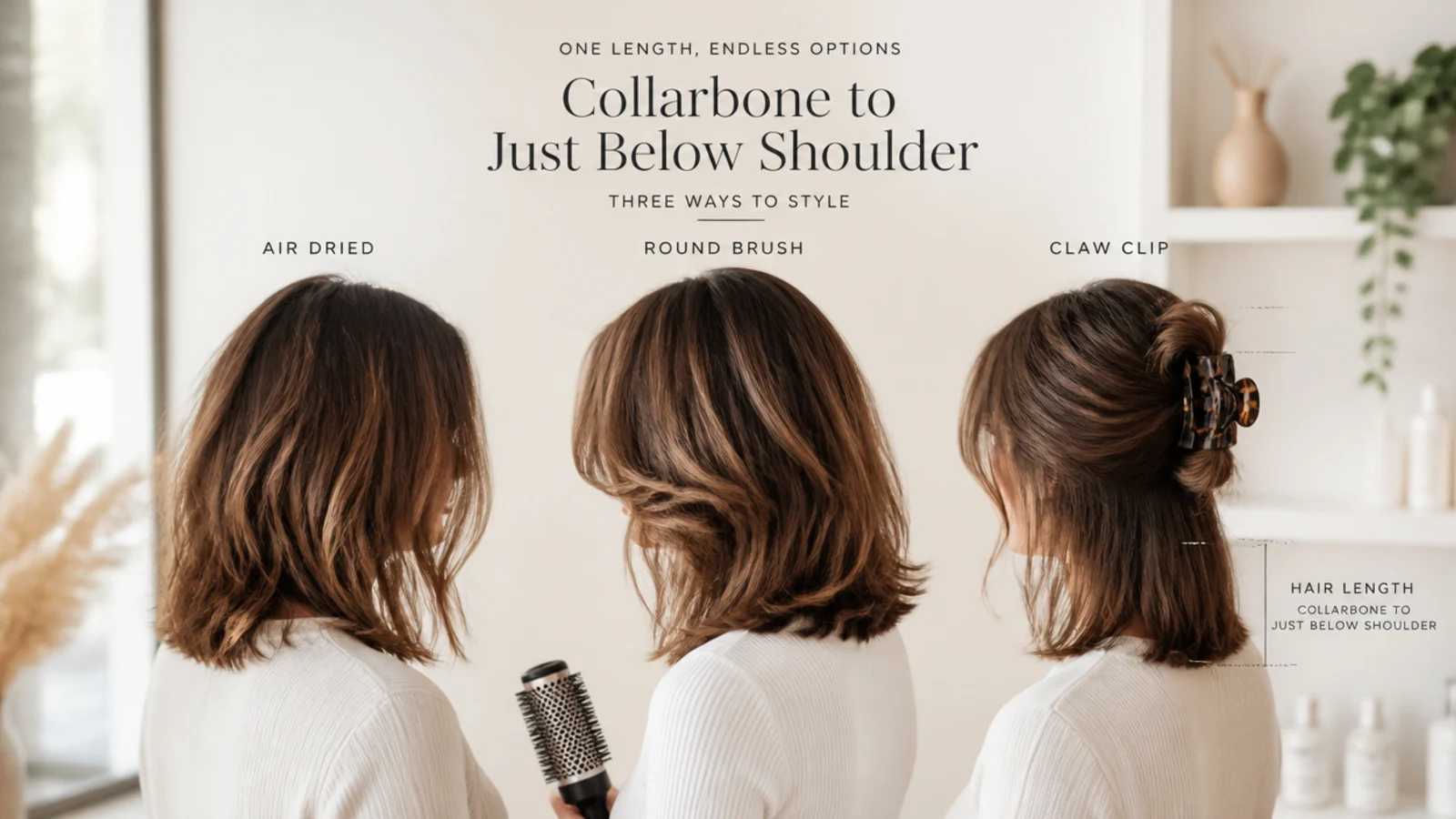
Daily Styling
Product goes on soaking wet. Water carries it evenly through the hair. Half dry hair takes it in patches.
Scrunch upward, do not comb down. Combing pulls the separations back together, which is the one thing a textured cut cannot survive.
Let it dry undisturbed. Hydrogen bonds reform as the water leaves, so every touch during drying is setting a new shape.
Finish with a texture spray, not a serum. Serum coats and weighs the ends, closing the separations the cut created.
Upkeep and Grow Out
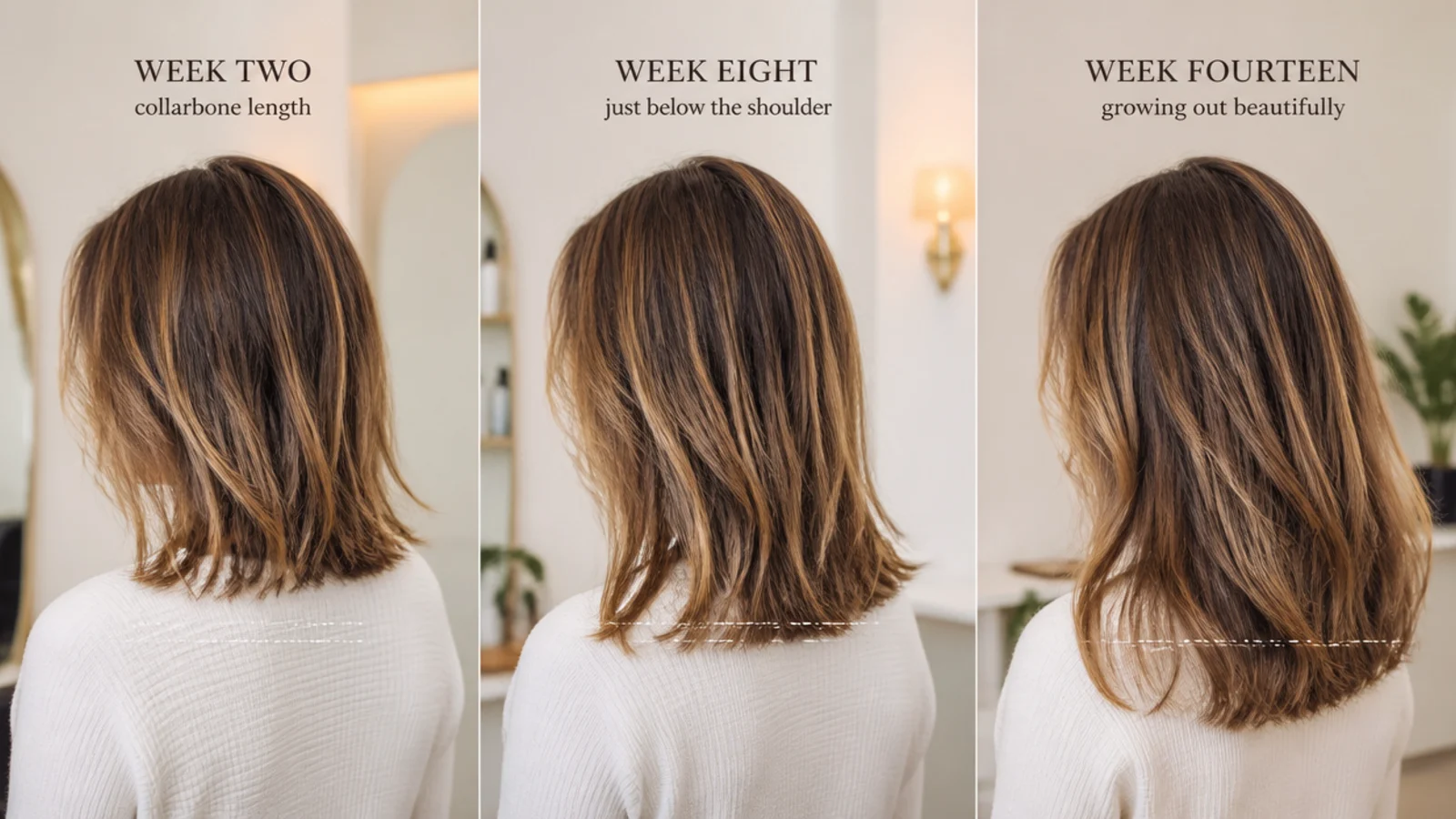
Dust the ends every eight to ten weeks. Point-cut tips are thinner than blunt ones and split sooner, so they need attention before the length does.
The shape softens before it lengthens. Half an inch a month blurs texture faster than it drops a perimeter.
Do not re-texturise every visit. Repeated texturising on the same ends thins them past the point where they hold any shape at all.
Ask for the perimeter to be recut before more texture goes in. Fresh ends take texture cleanly; worn ends just fray further.
The 25 Textured Mid Length Cuts
1. Point Cut Lob
Vertical scissor work into the ends removes small wedges, so strands finish at slightly different points. From across a room the perimeter still reads as a line, and up close it scatters light rather than reflecting it — which is exactly what texture means on a one-length cut.
2. Razored Shag
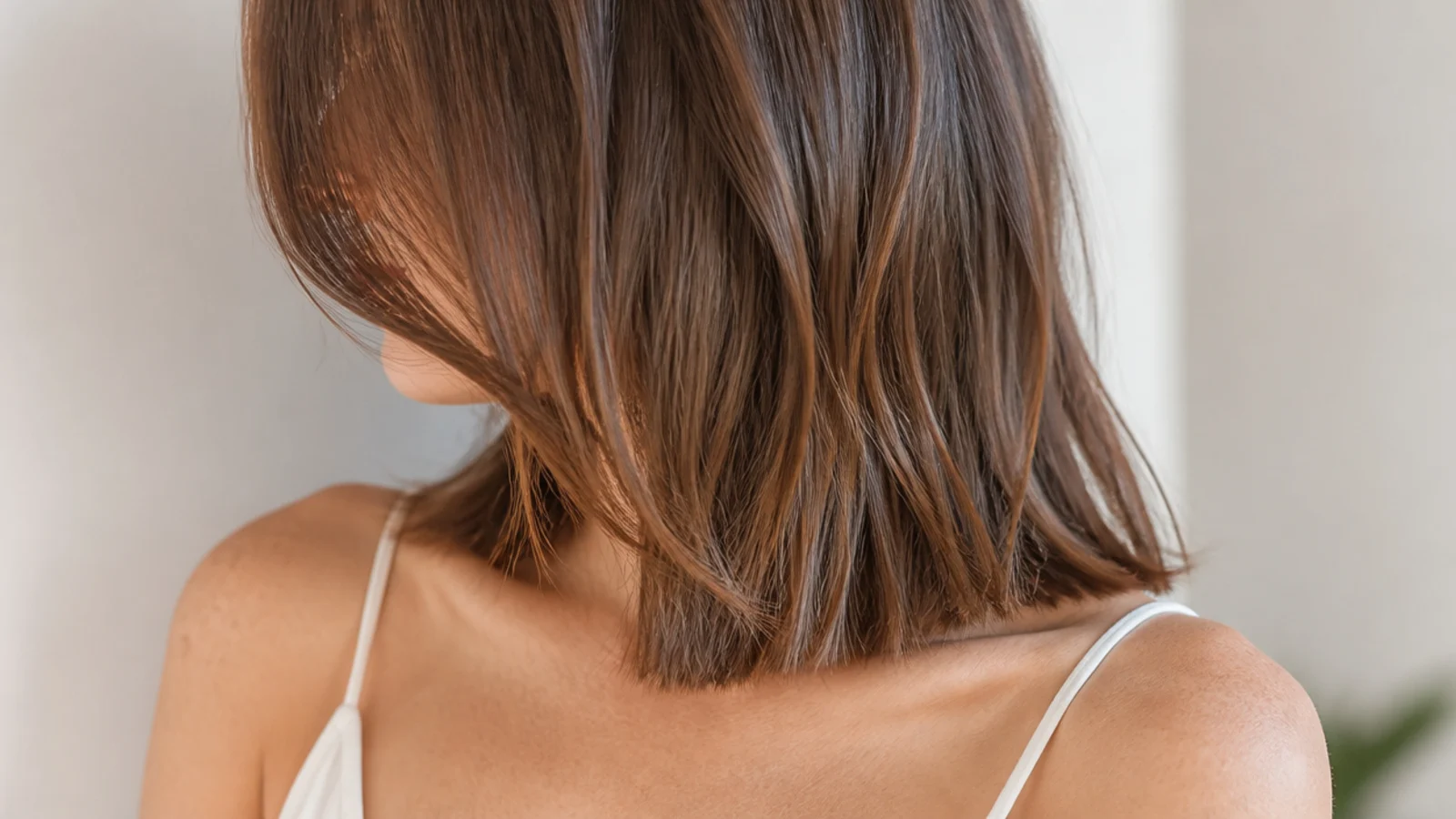
The razor tapers each strand along its length instead of ending it square, which is why razored texture looks softer than anything scissors produce. It only works on damp hair with a sharp blade, because a dull edge tears the cuticle and the frizz appears a week later.
3. Invisible Layers
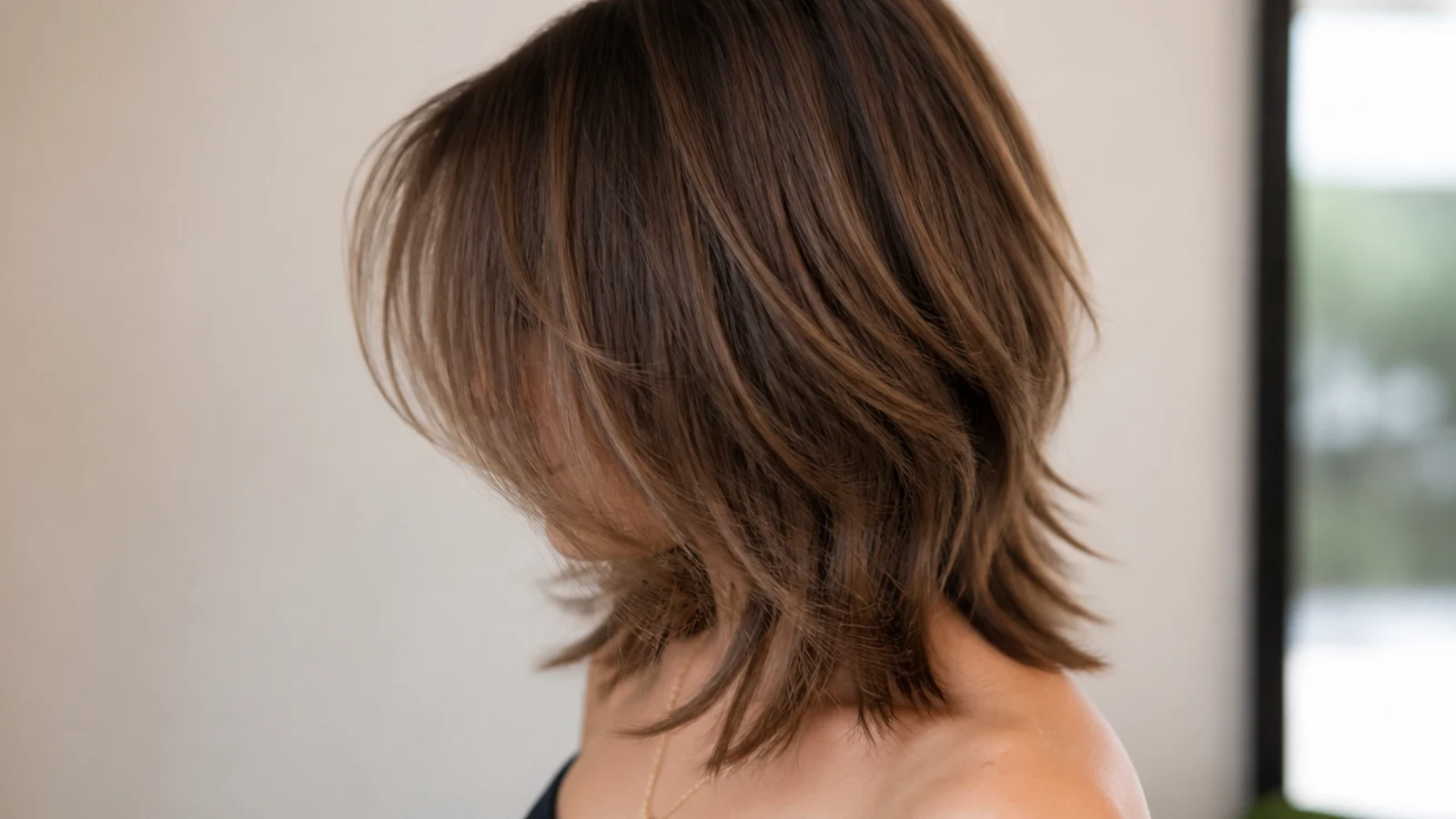
Sections over-directed back to a stationary guide finish longer than the layer above them, so weight leaves the interior with no step appearing at the surface. The texture here is entirely in how the hair moves, since at rest there is nothing to see.
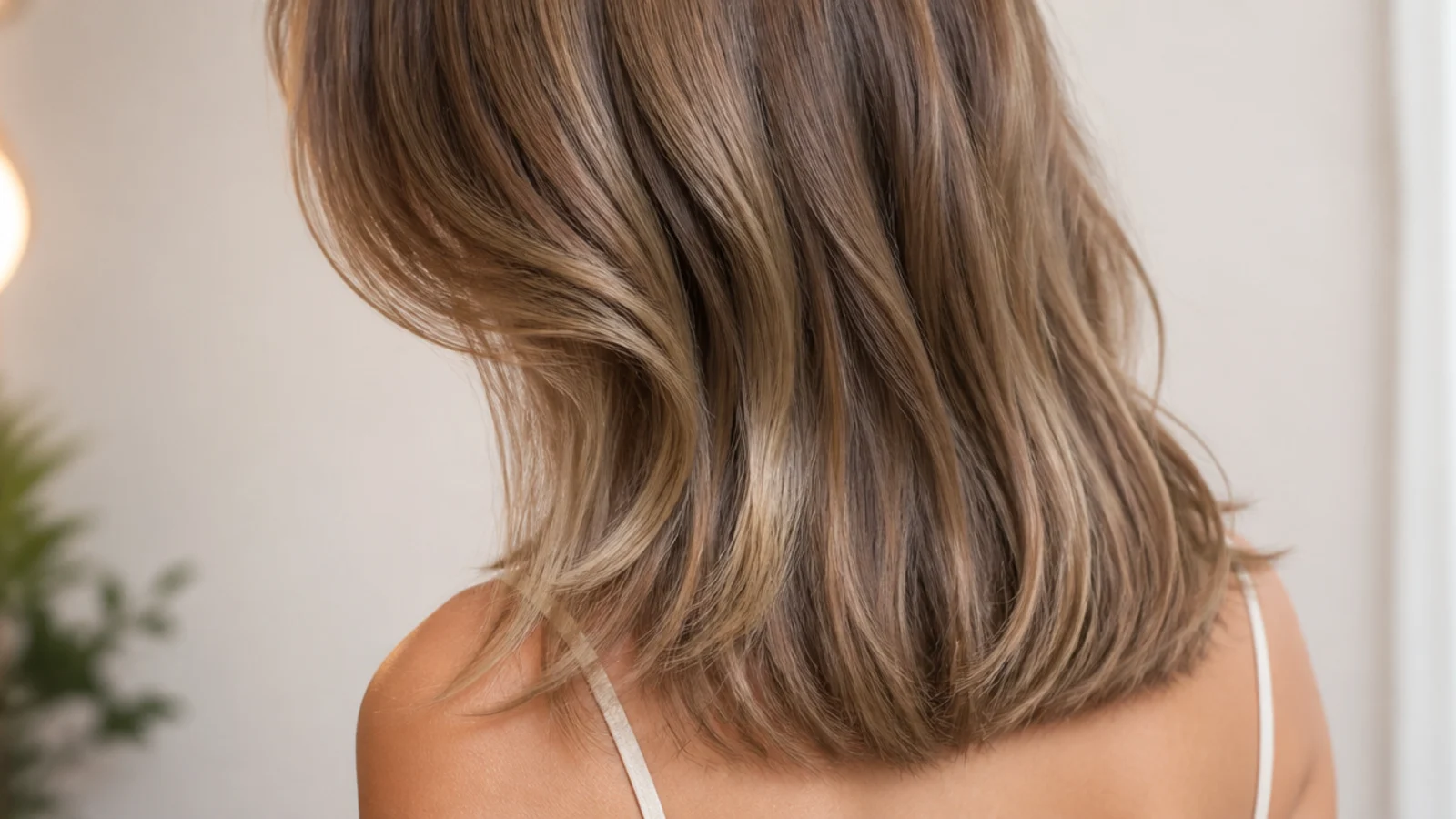
4. Curtain Bangs
Shortest at the cheekbone and opening outward toward the length. Texturising the last inch lets the fringe separate into pieces rather than hanging as one solid curtain, which is the difference between a fringe that frames and a fringe that covers.
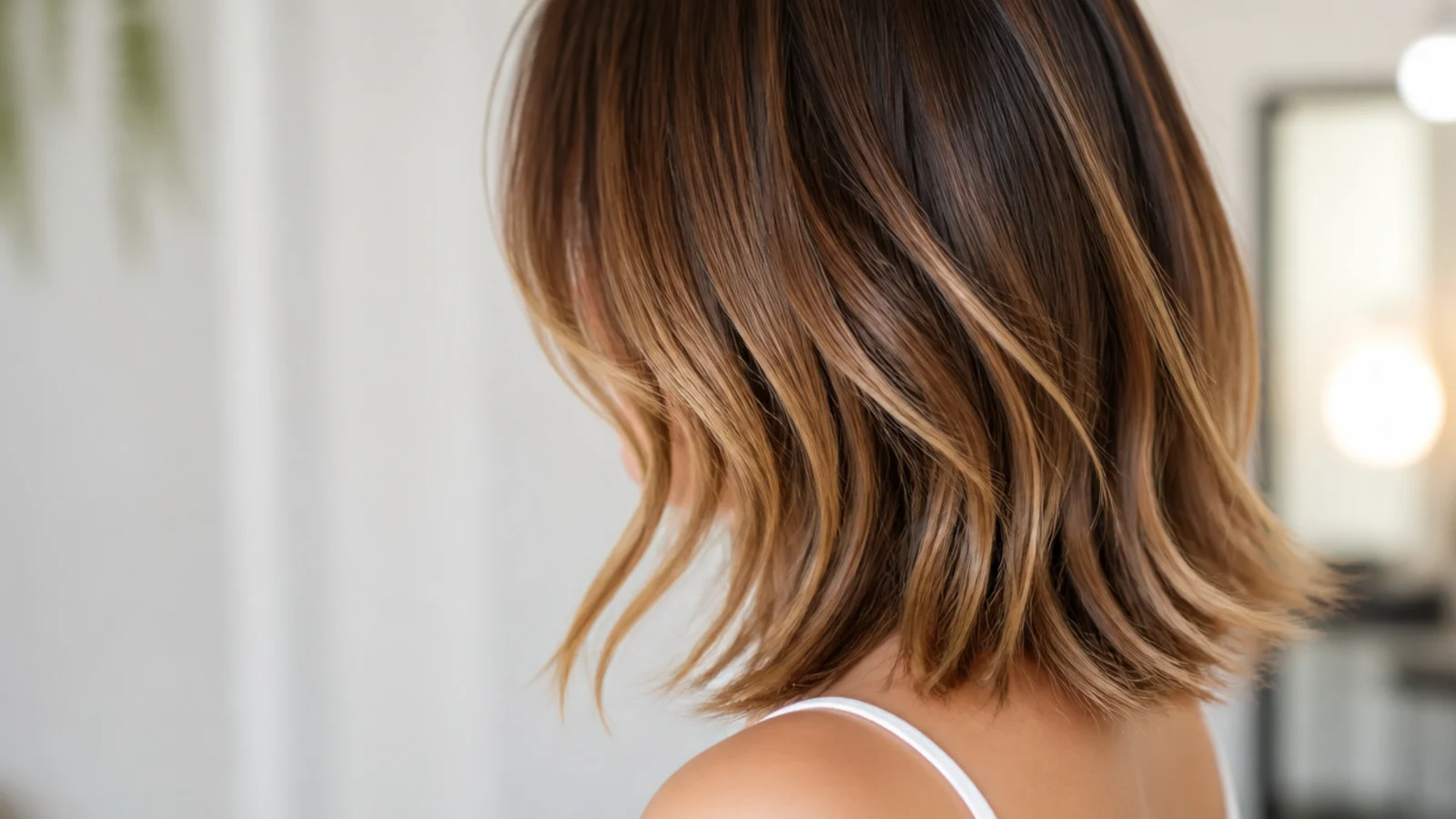
5. Texture on 2B Waves
A 2B wave starts bending around the mid-lengths, and the weight below that point is what flattens it. Removing weight above the bend releases a pattern that was already there, which is why wavy hair usually needs less texturising than people expect.
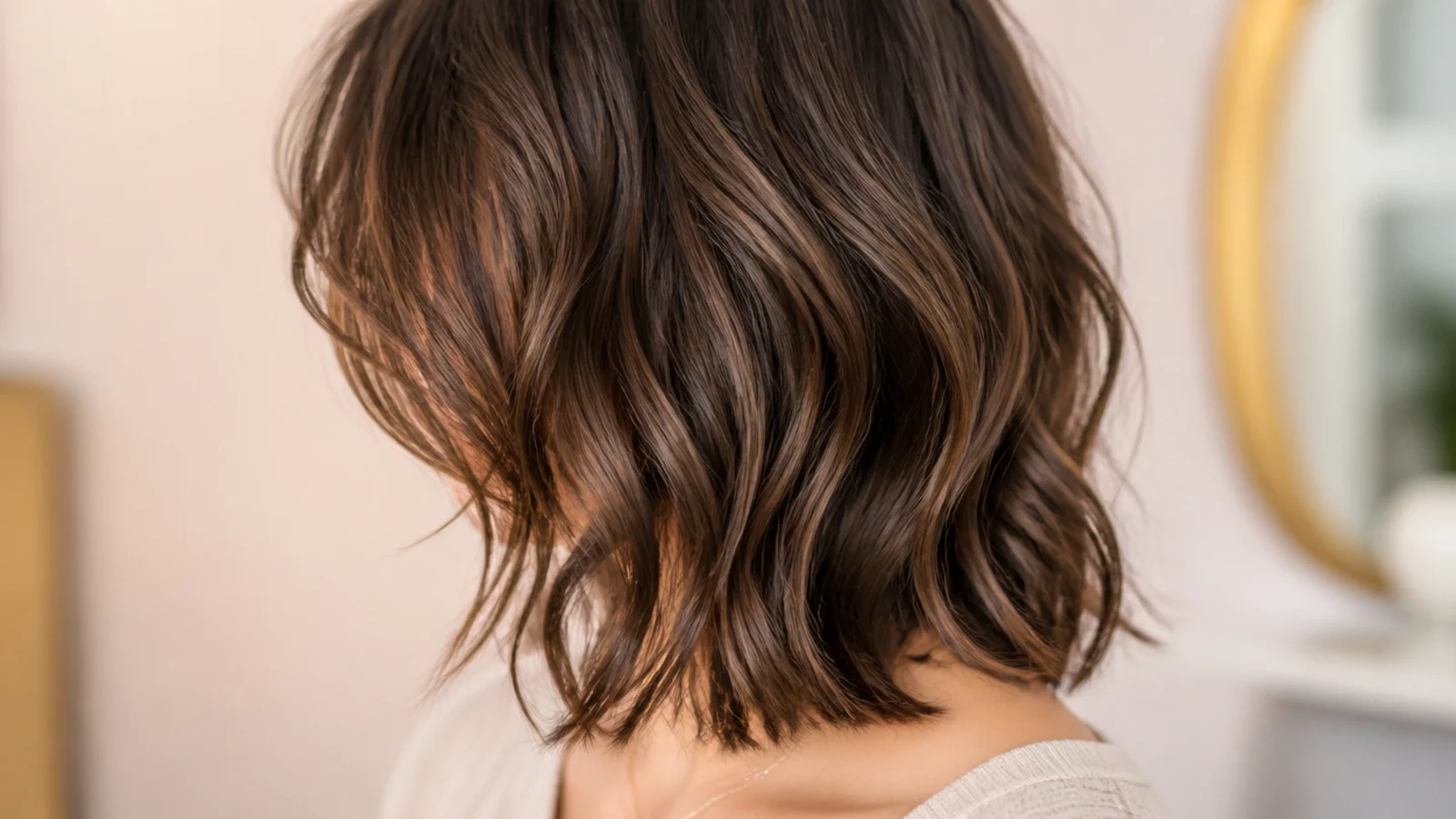
6. Curly Dry Cut
Each curl is cut where it actually sits, because wet hair is stretched and lying against its neighbours rather than in its own position. Cutting dry is the only way to place a layer on curly hair and know where it will land once it springs back.
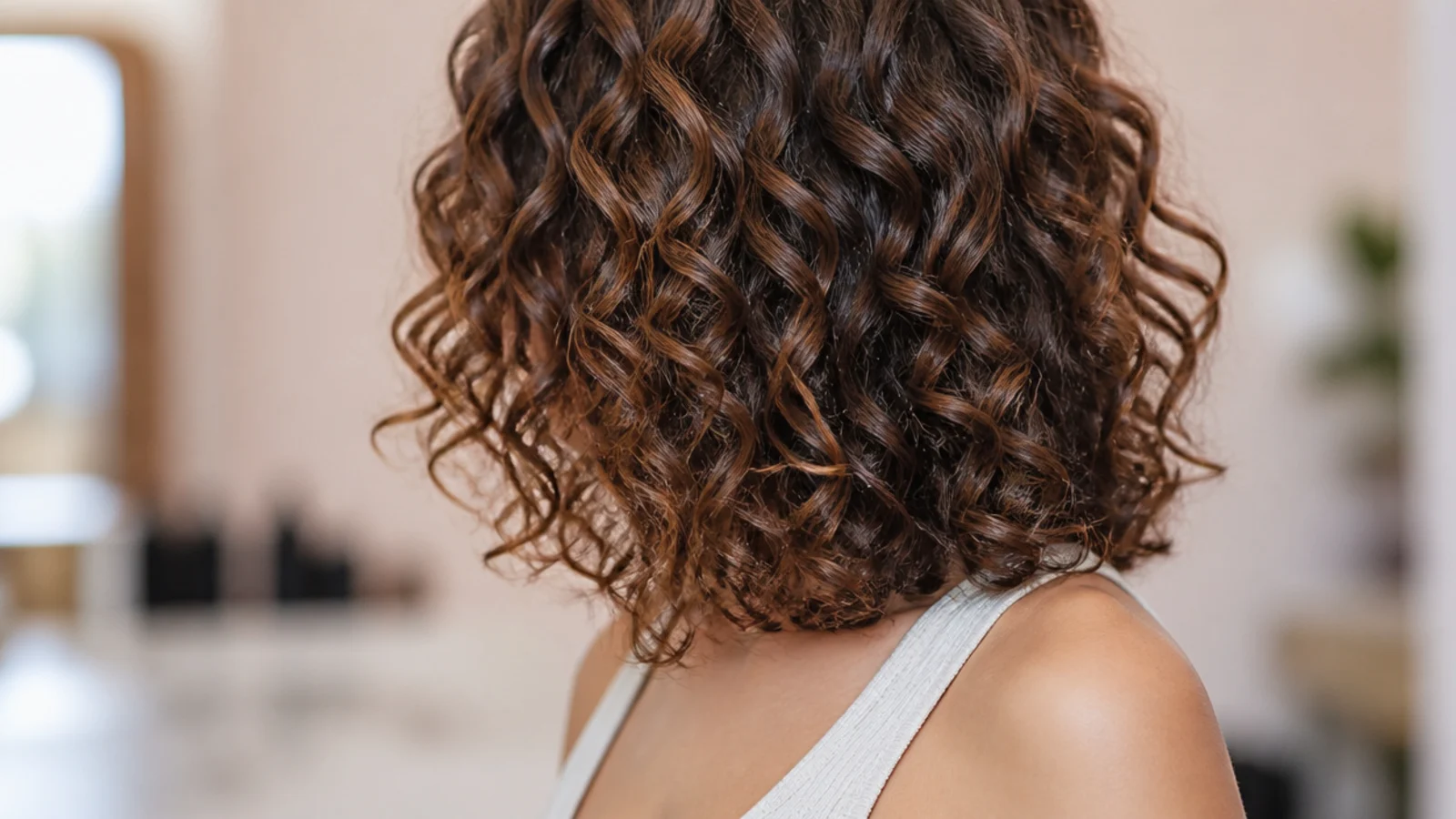
7. Piecey Ends
The surface is slide cut so small sections separate visibly from one another. Piecey is half a cut and half a finish, though — clean hair with no product will pull those sections back together within an hour of styling.

8. Butterfly Cut
A short tier around the chin sits over long layers below, so the cut reads as long hair down and as a shorter shape clipped up. Point cutting the short tier heavily is what stops it separating into an obvious second haircut sitting on top of the first.
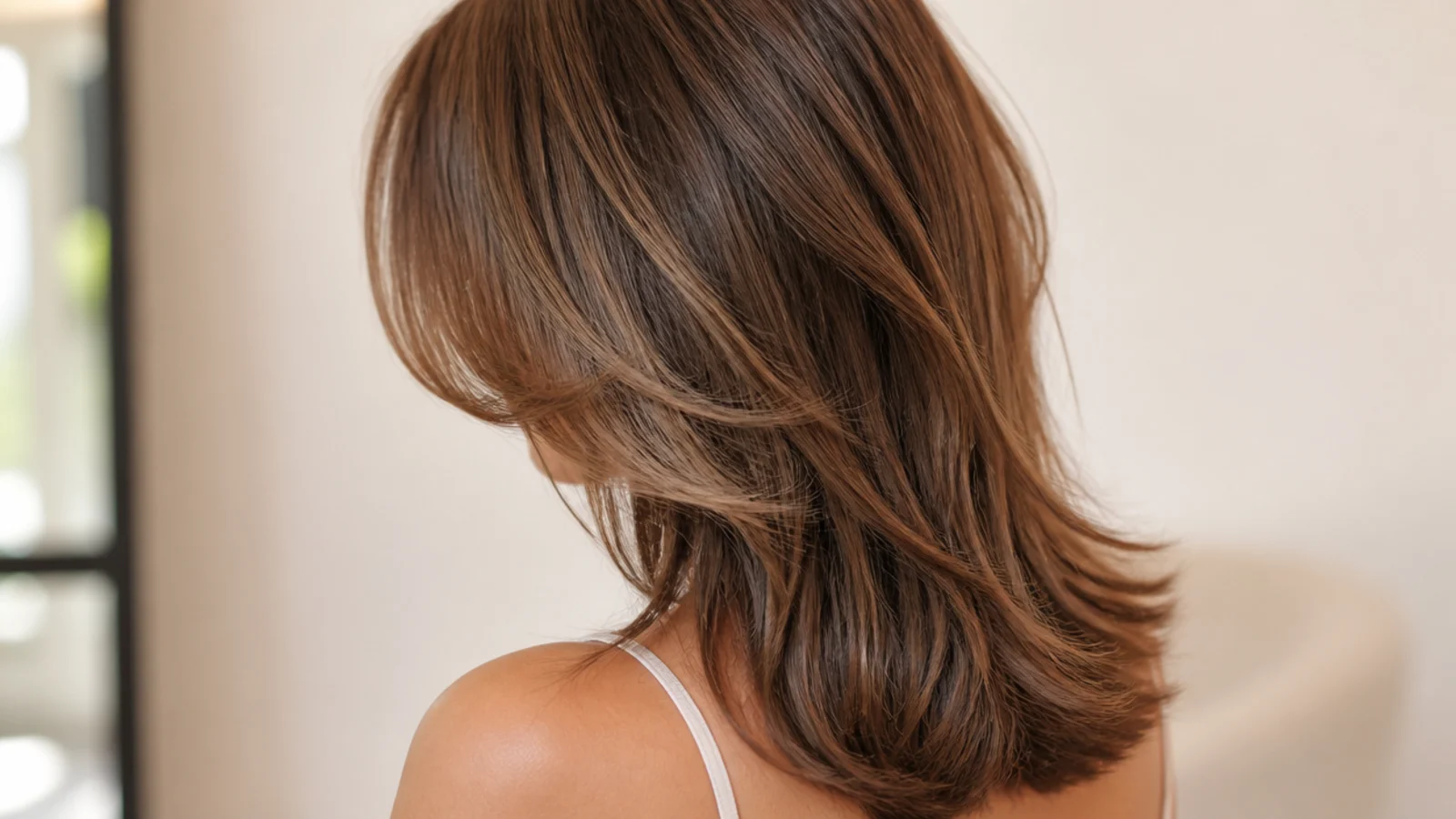
9. Wolf Cut
Short crown layers disconnected from long ends, with every tier texturised so the disconnection reads as movement rather than as a step. Without that texturising the gap between the two lengths becomes the first thing anyone sees.
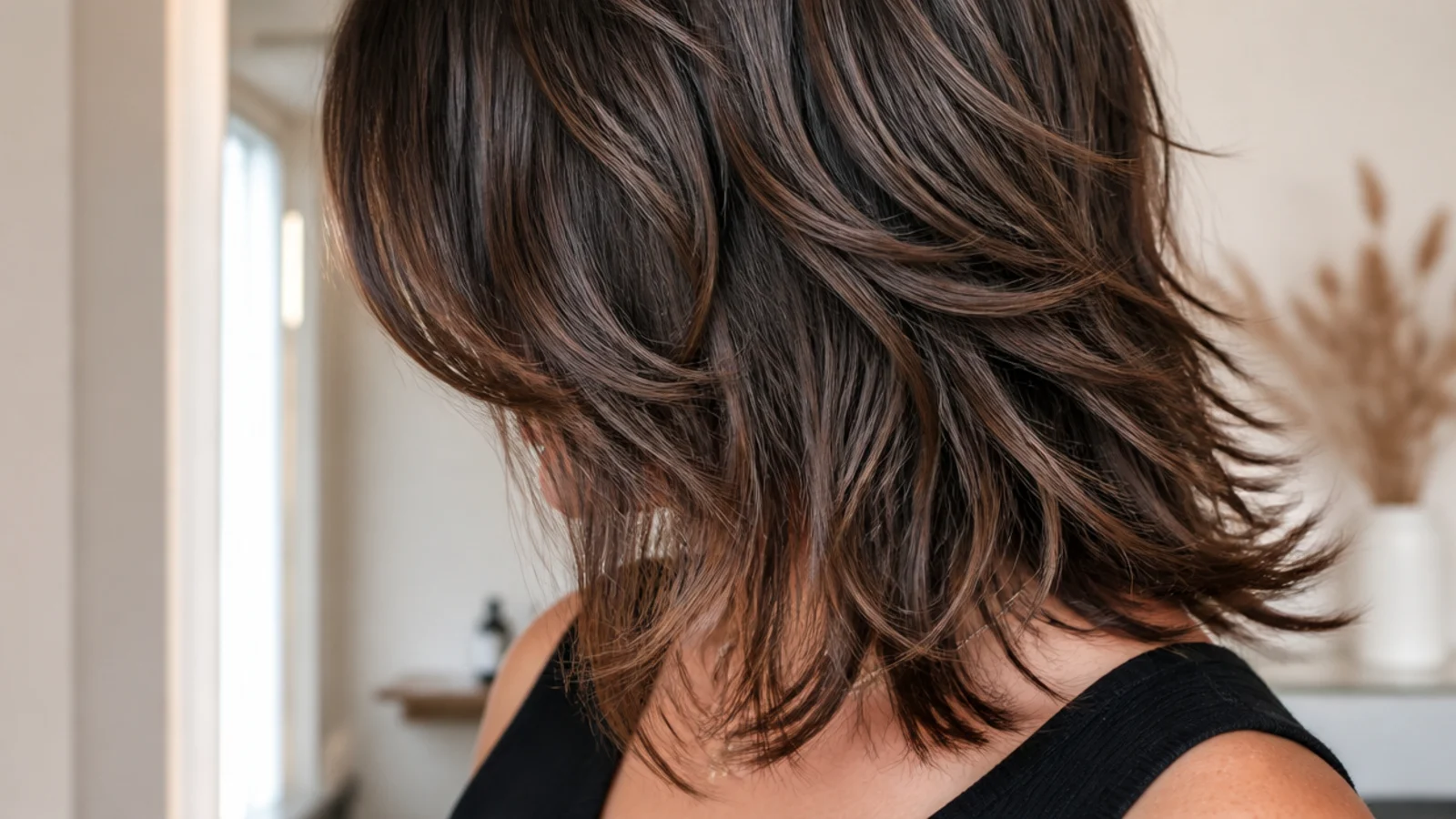
10. Nineties Layers
Long face-framing layers starting at the cheekbone and cut on a steep backward angle, so they flick away from the face as they fall. The texture comes from that angle rather than from thinning, which is why the shape holds its volume instead of going wispy.

11. Blunt Line With Hidden Texture
The perimeter stays completely blunt and all the texturising happens in the interior under the top panel. You get the apparent density of a solid line with movement underneath it, which is the most conservative textured cut on this list.
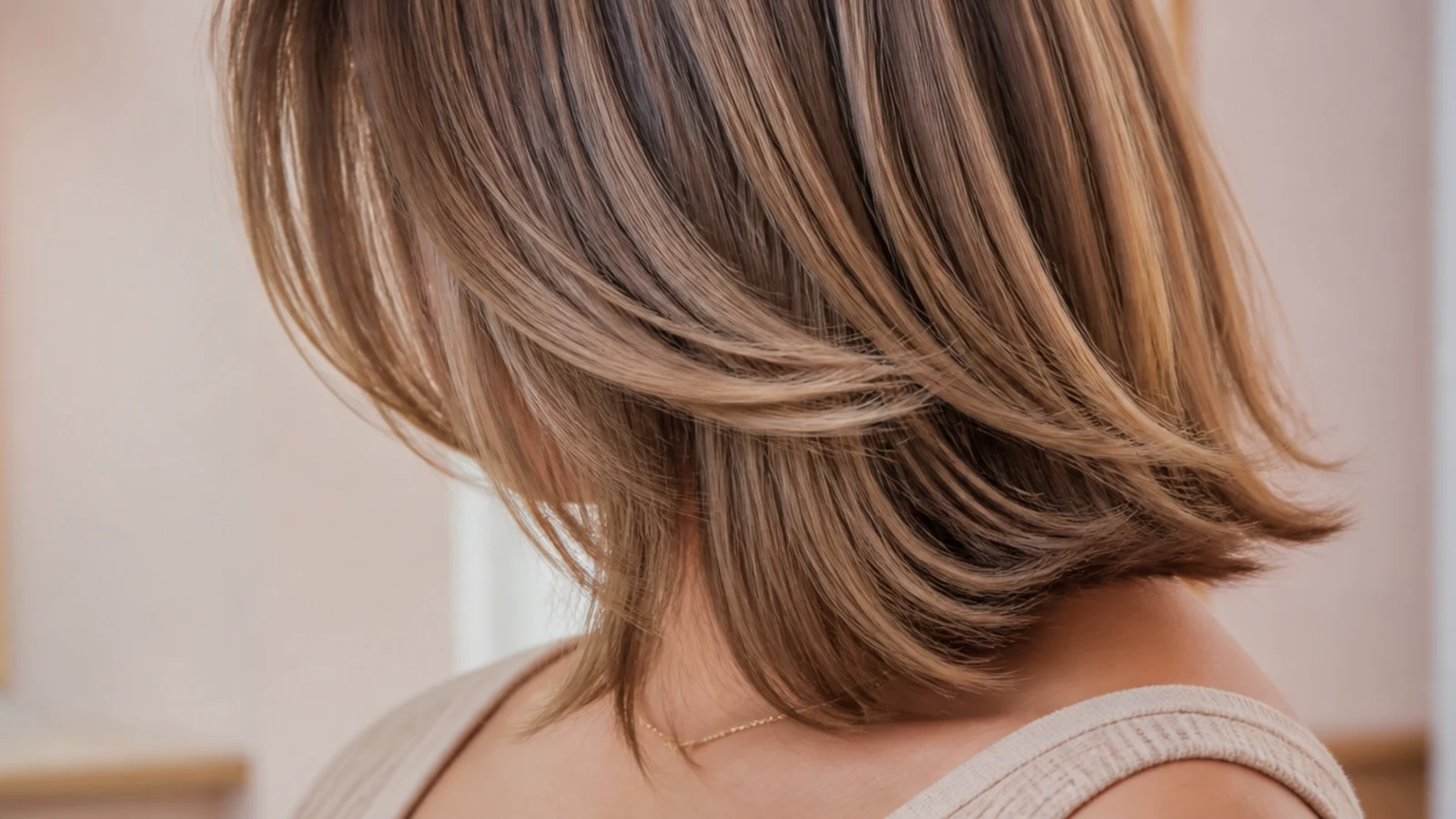
12. Shoulder Flick
Cutting the perimeter an inch above the shoulder lets the ends turn outward deliberately rather than being shoved out by the shoulder itself. Texturising those ends first means the flick separates into pieces instead of curling under as one solid block.
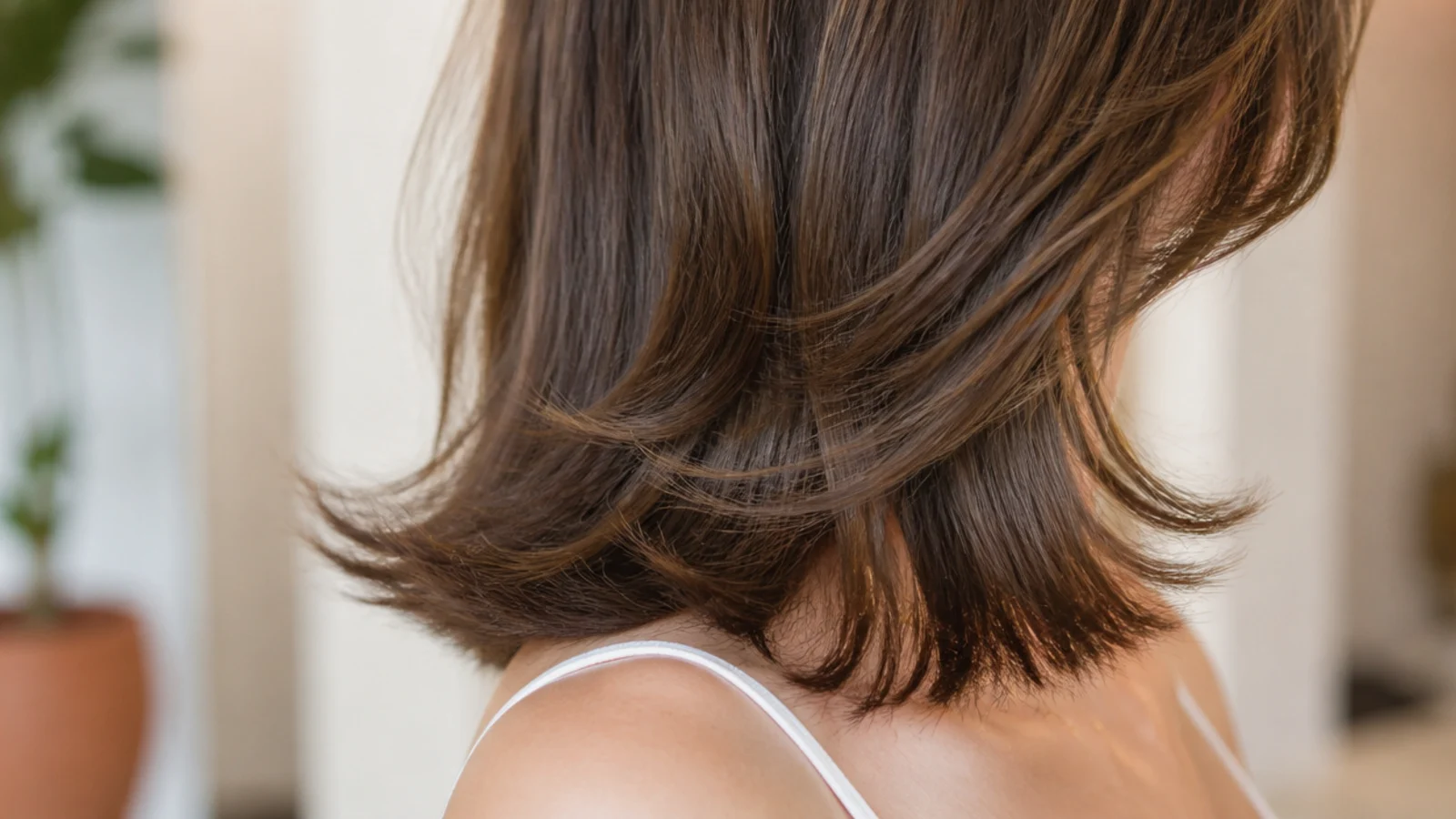
13. Money Piece
Two lightened sections at the front reflect more light than the hair around them, so they read first and hardest. On a textured cut that contrast makes the layering visible from the front, which is the angle where texture is otherwise hardest to see.
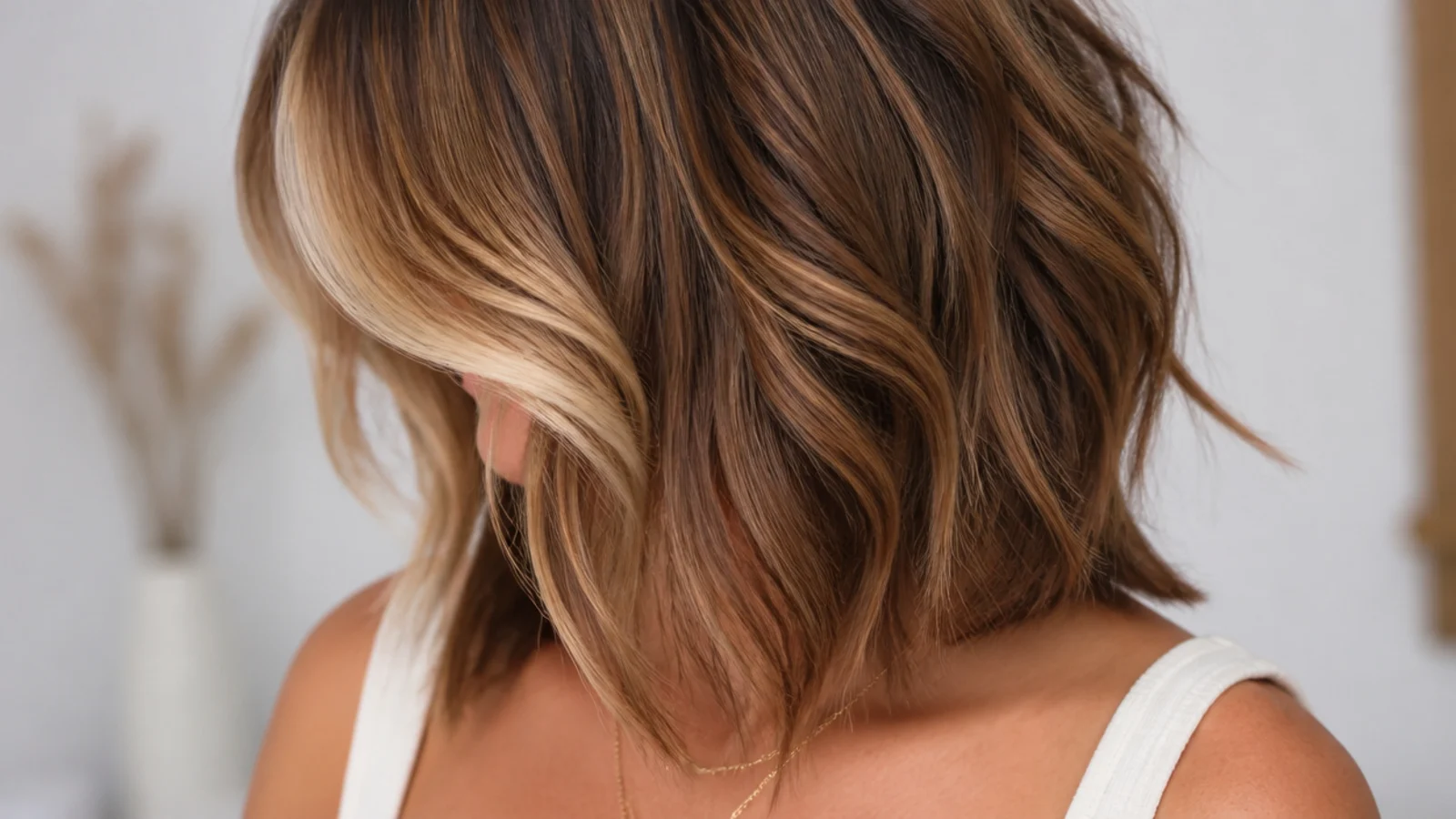
14. Texture on Fine Hair
All the work stays on the top layer, because removing weight from inside fine hair leaves nothing supporting the perimeter and the ends go wispy within weeks. Light point cutting on the surface gives movement while the line underneath keeps its density.
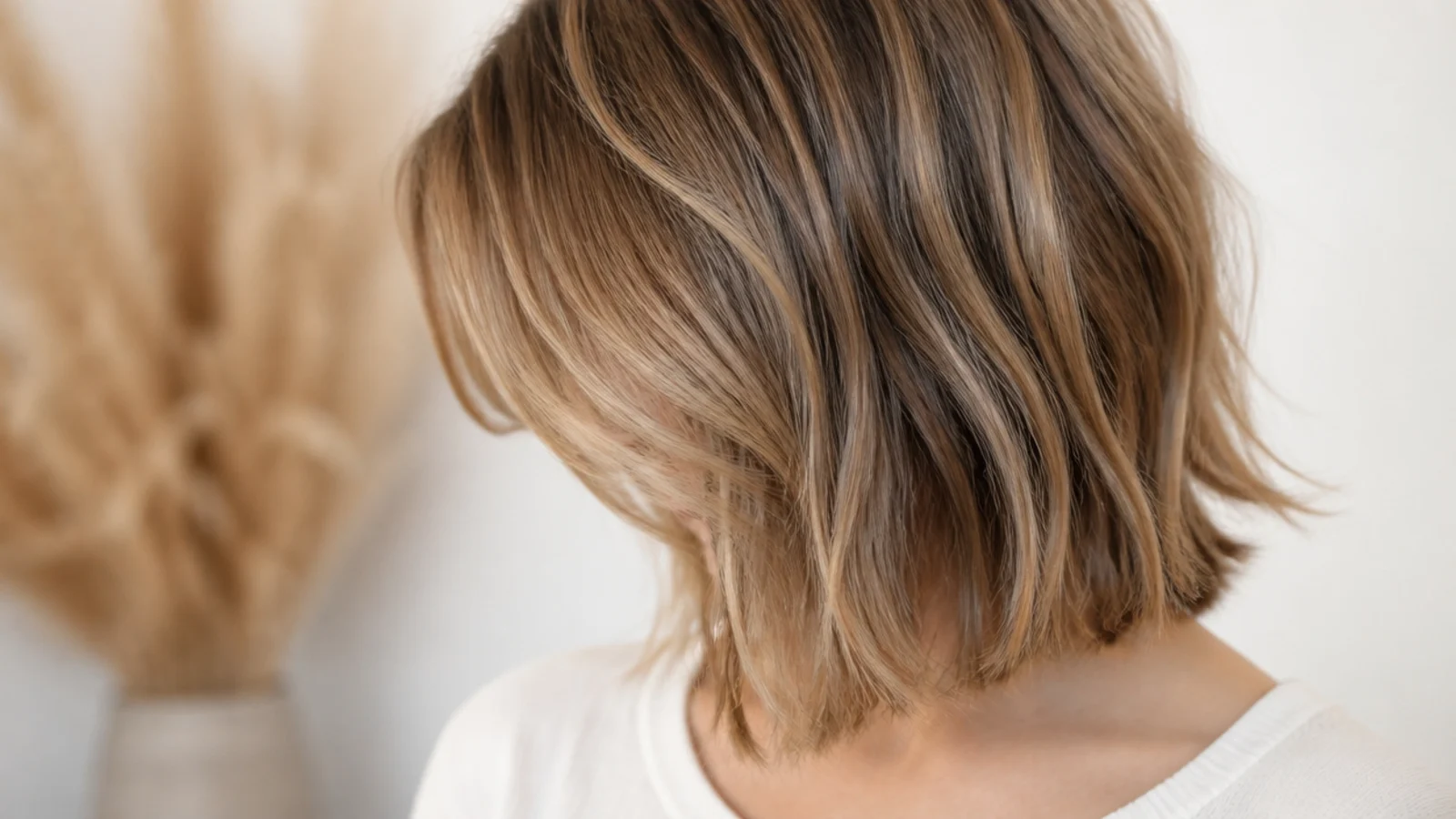
15. Debulking Thick Hair
The interior is thinned in vertical sections through the mid-lengths, never at the root and never at the tips. Thinning at the root leaves short spikes that push the top layer up, and thinning at the tips produces frizz-shaped ends rather than a shape.
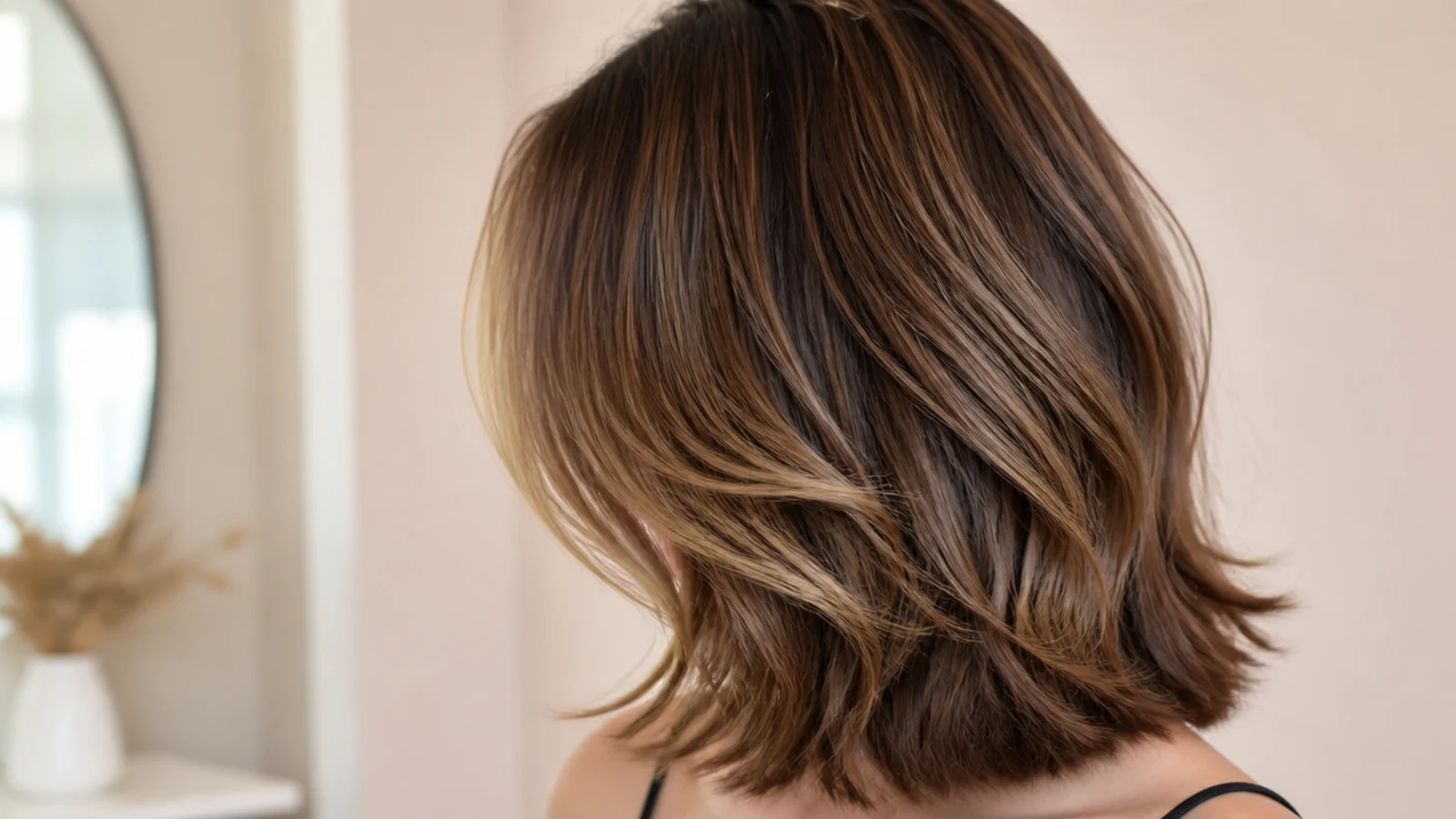
16. Bottleneck Bangs
Narrow at the top and flaring out toward the outer corners of the eye, which is where the bottle-neck name comes from. Texturising the flare joins the fringe to the shortest face-framing layer so no visible step appears between the two.
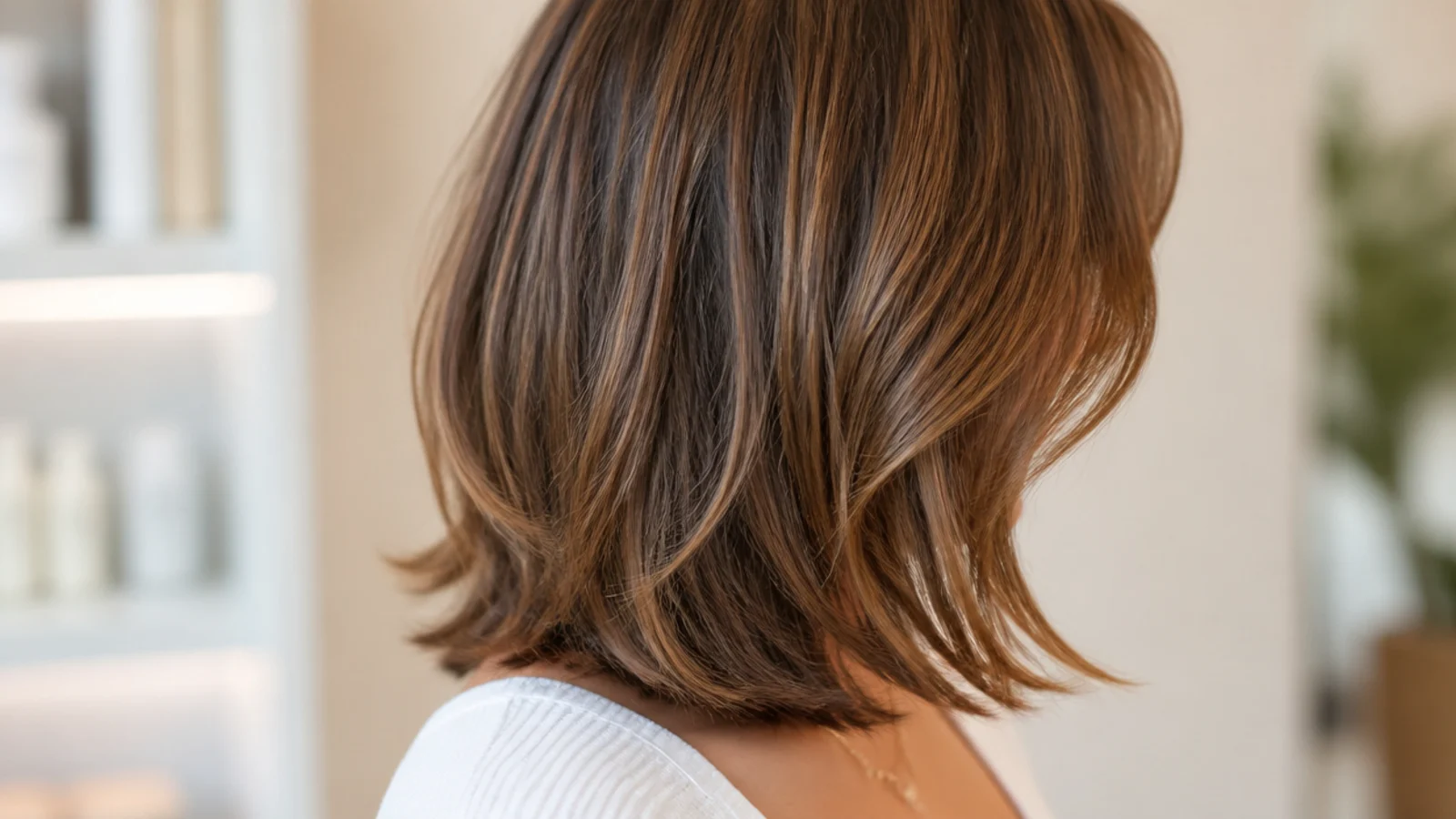
17. Choppy Ends
Point cutting driven an inch or more into the perimeter, so the breaks themselves are part of the design. It is the highest contrast finish here and the hardest to grow out, because the tips are thin enough to split before they lengthen.
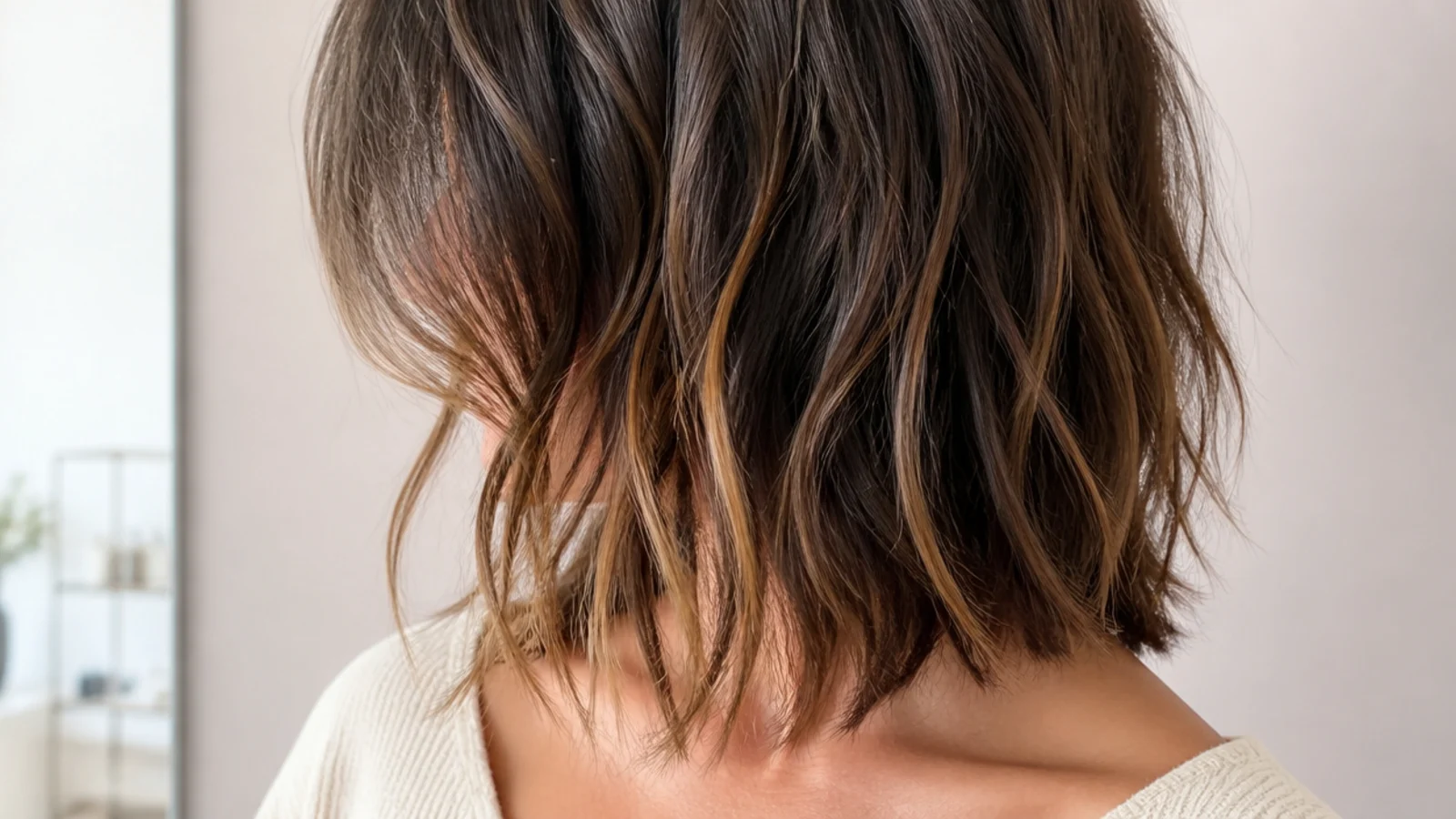
18. Texture for a Square Face
Face-framing pieces cut on a diagonal that crosses the jaw rather than stopping level with it, so no horizontal in the cut repeats the horizontal of the jawline. Texturising those pieces softens the crossing point so it never reads as a hard line of its own.
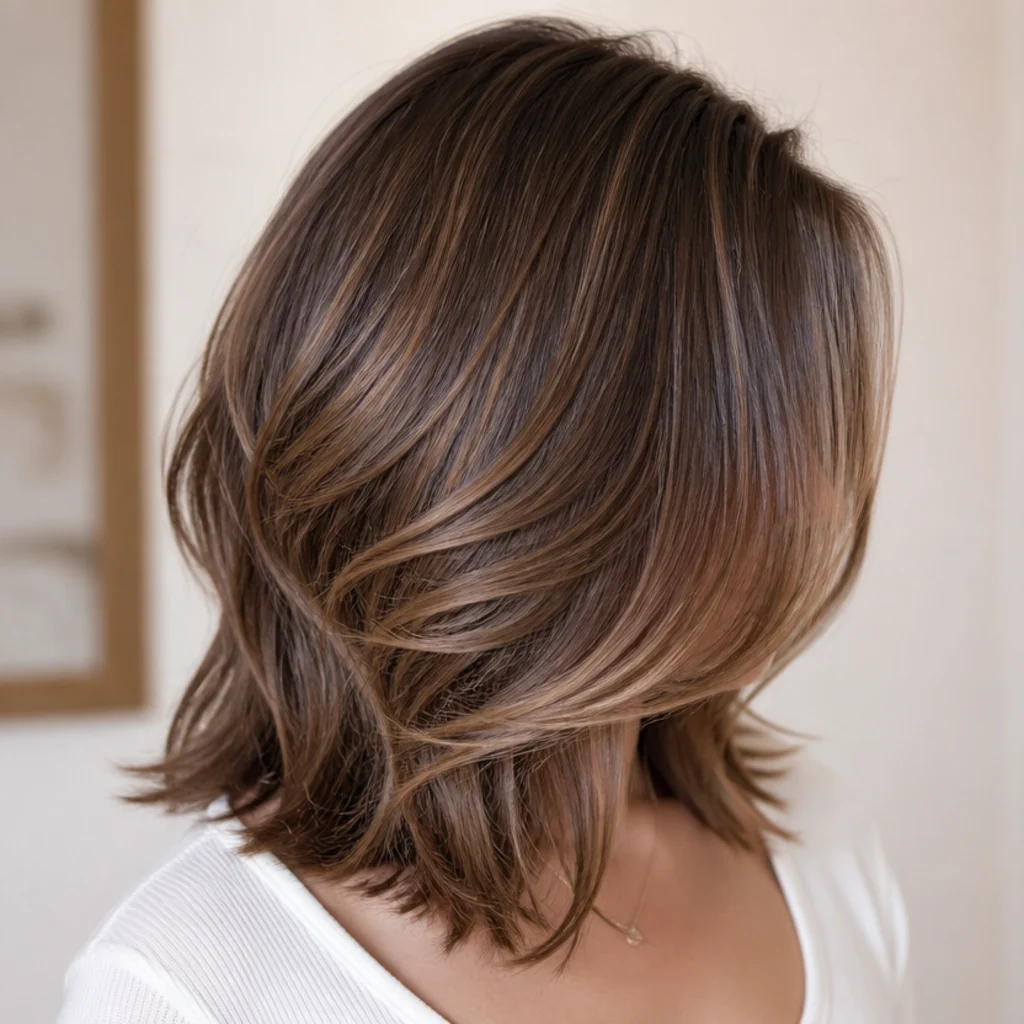
19. Texture for a Round Face
The texturising is concentrated below the chin so the visible movement sits under the widest part of the face rather than across it. Everything above stays long and vertical, which is the line a round face is borrowing from the shape.
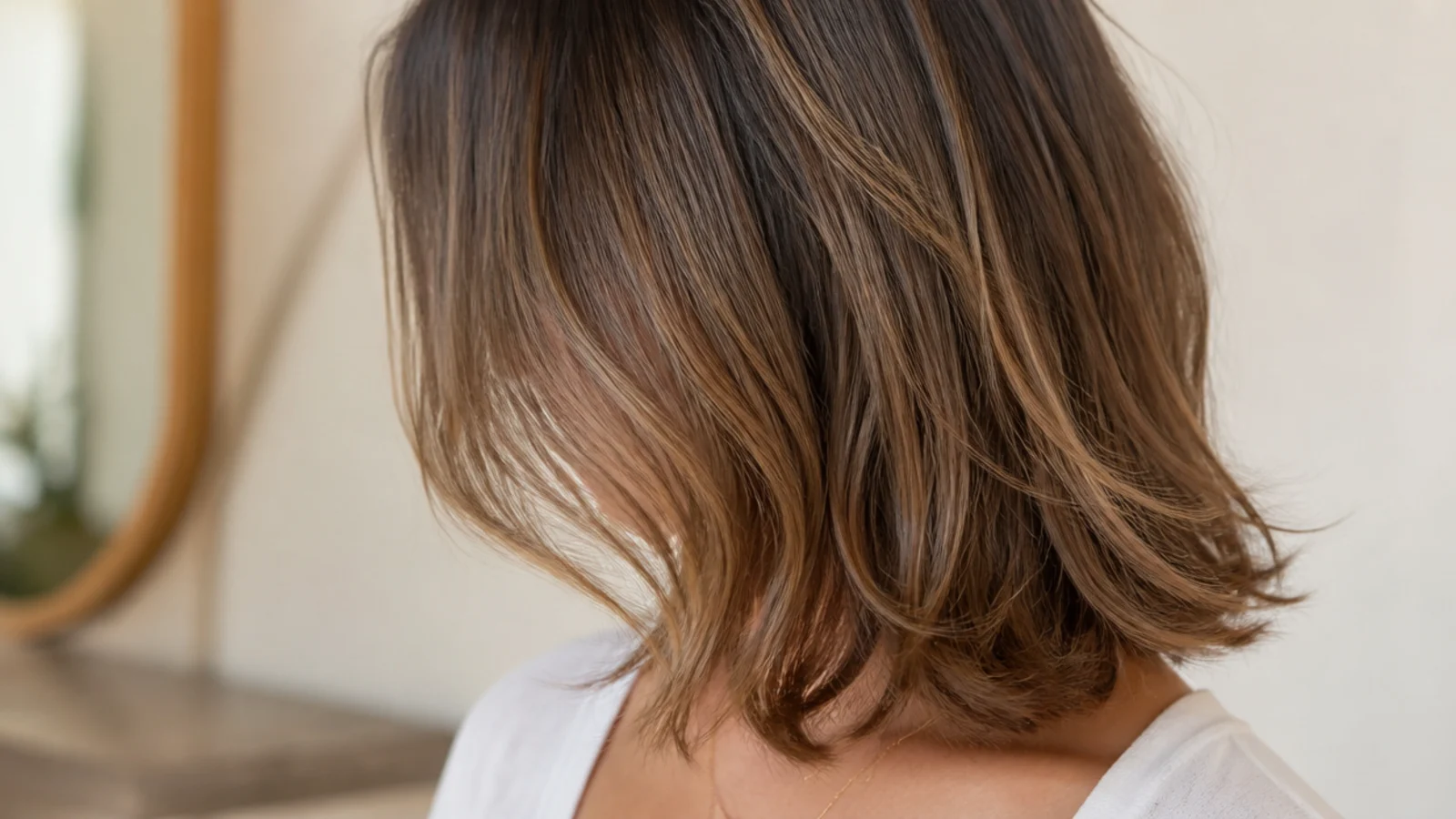
20. Air Dry Texture
Cream on soaking wet hair, scrunched upward, then left completely alone. Hydrogen bonds reform as the water leaves the shaft, so the shape sets during drying and every touch before it finishes is quietly setting a different one.
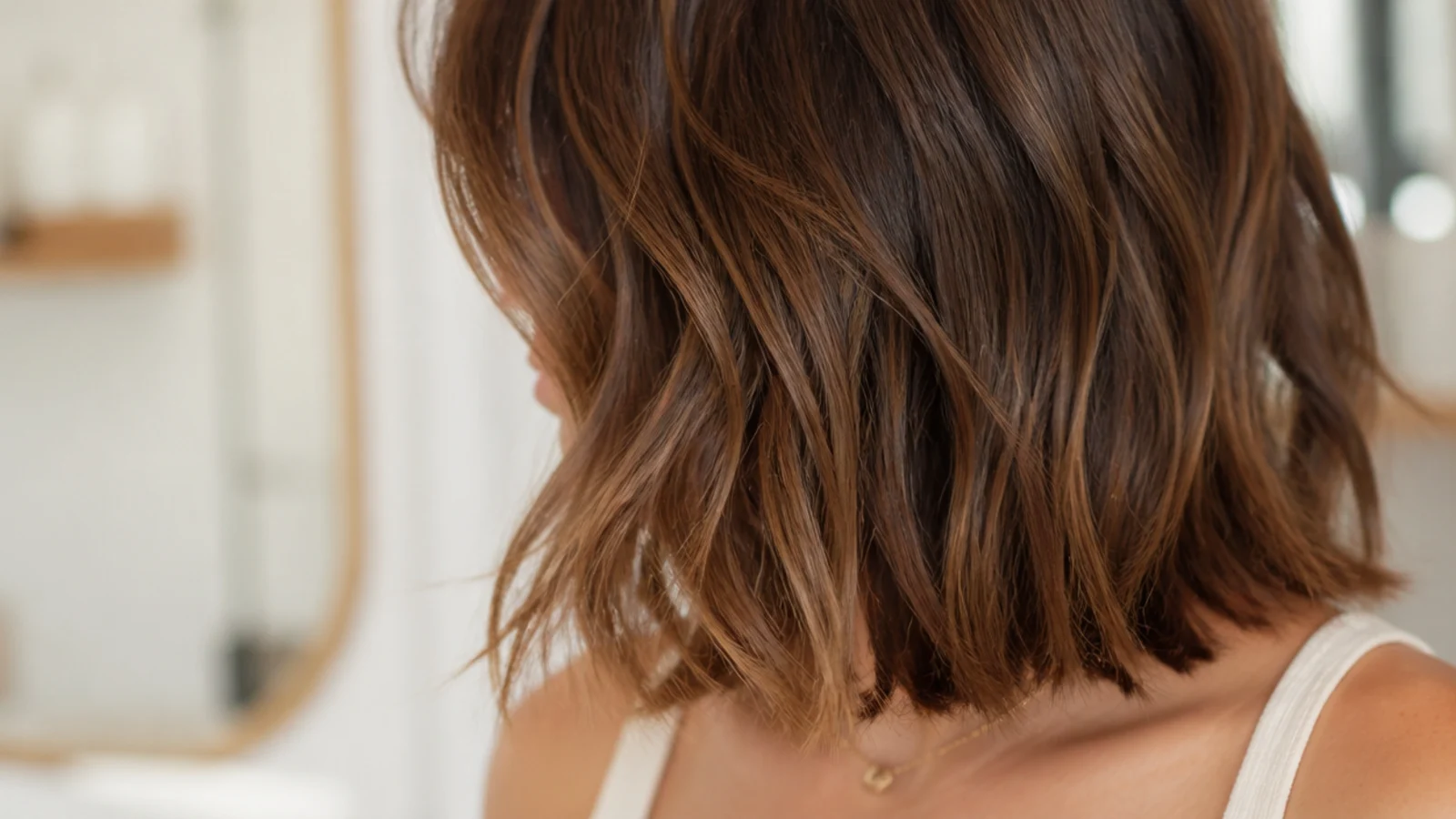
21. Day Three Texture
Sebum and a couple of nights of friction give the strands grip that freshly washed hair simply does not have. A textured cut looks better on day three than day one for that reason, which makes it one of the few shapes that improves while you ignore it.
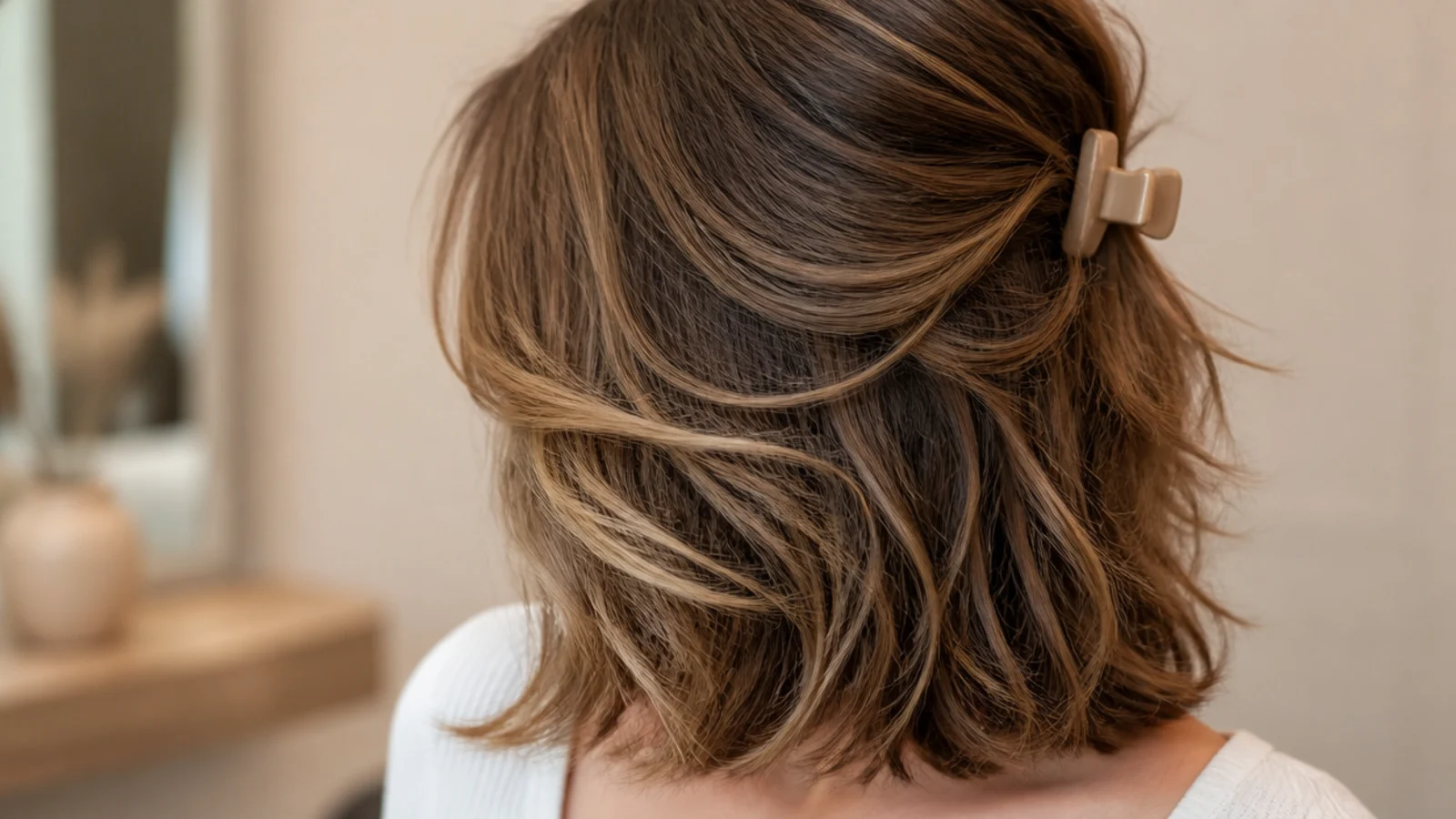
22. Beach Waves
Bends set with an iron and then broken apart with fingers once the section has cooled, never while it is still warm. Cooling is when the bond reforms, so separating a warm curl removes the shape you just spent thirty seconds making.
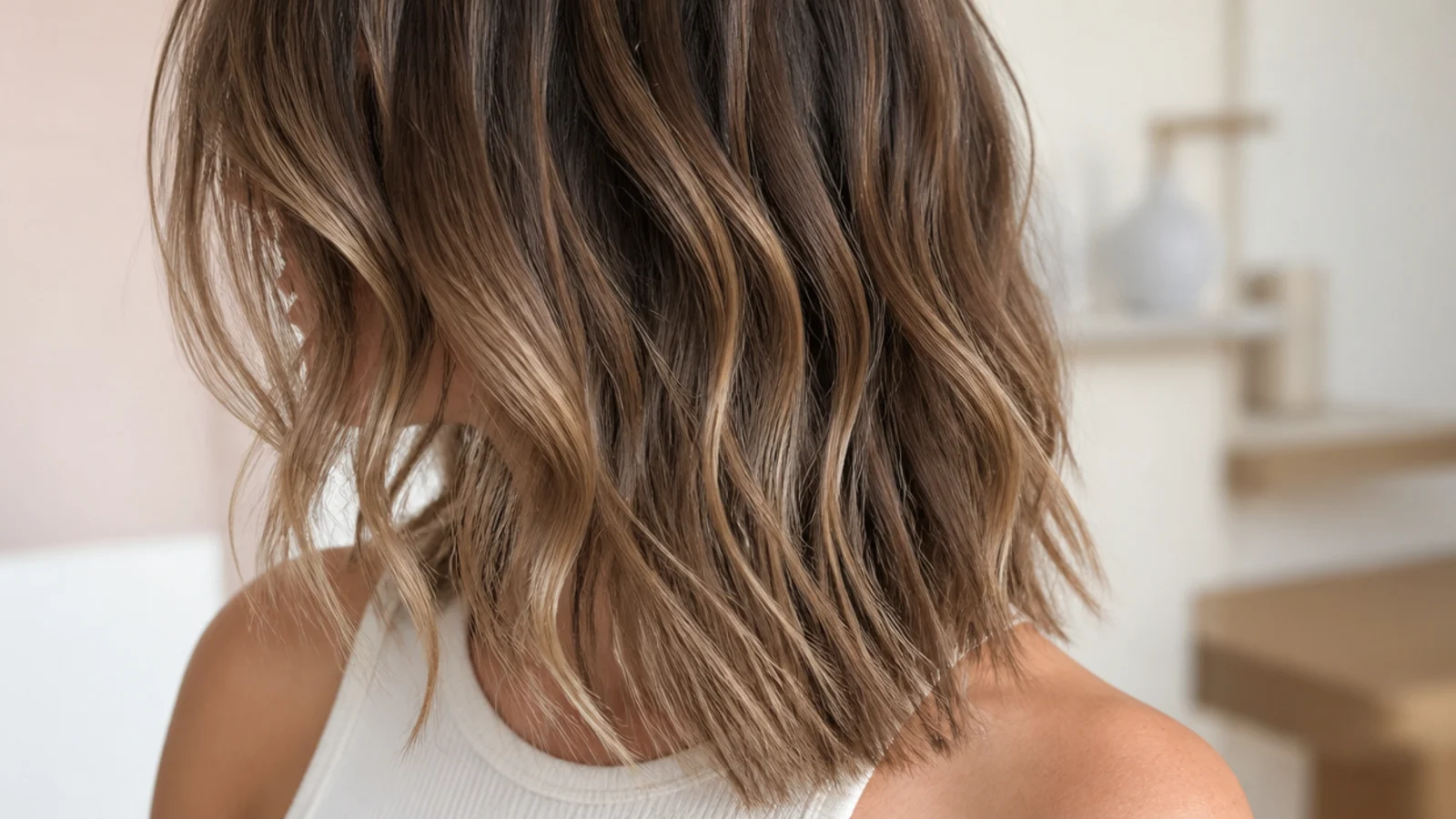
23. Week Twelve
Three months on, the point-cut tips have worn and the texture has blurred into general softness. The shape still works, but this is the stage where dusting a quarter inch off restores the definition far more effectively than adding new texture higher up.
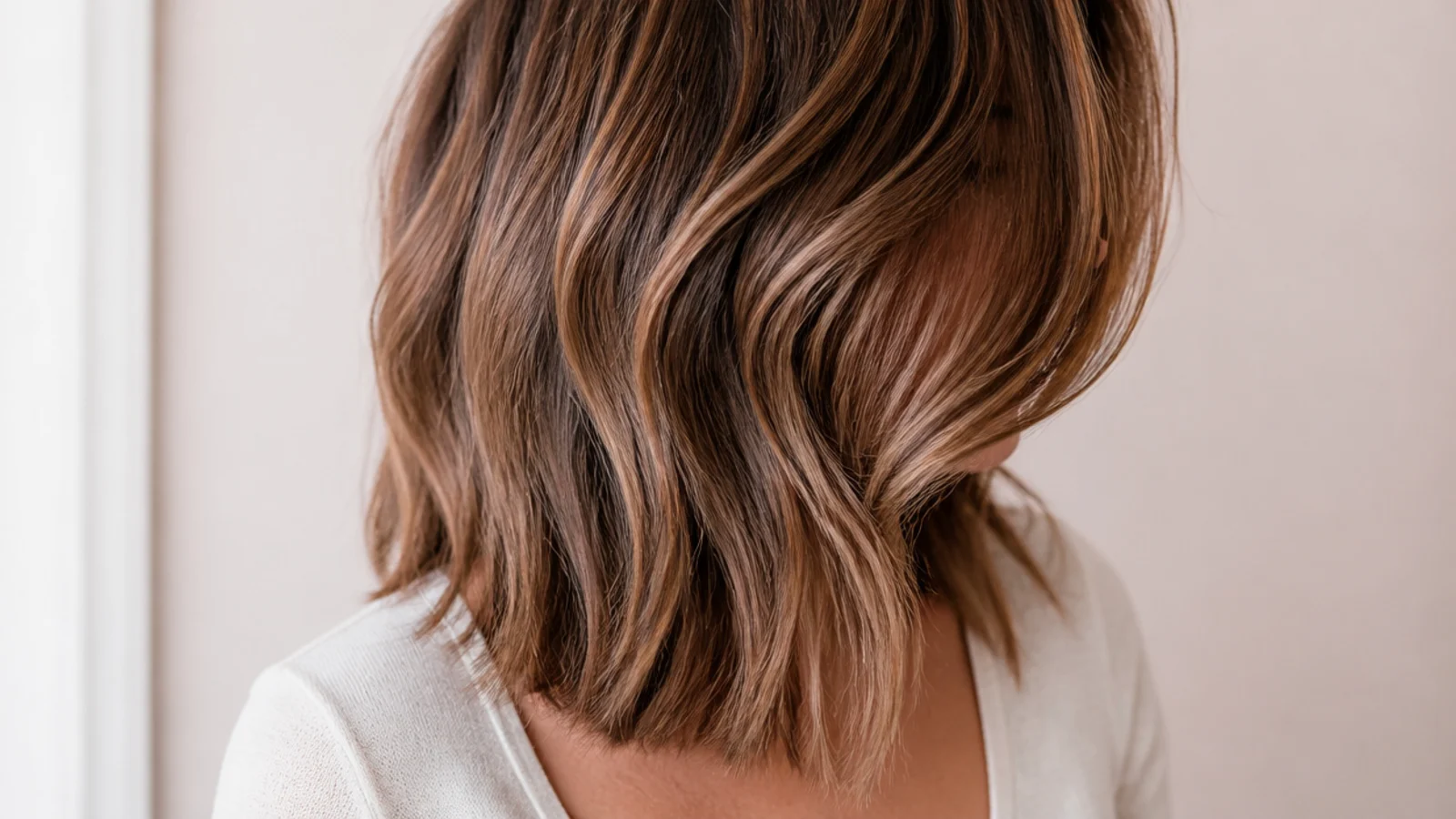
24. Growing Out From a Bob
Texture is the tool that gets you through the shoulder stage, because point cutting the perimeter stops the ends sitting on the shoulder as one solid block and flicking. It buys roughly two months of wearable hair in the middle of a grow-out.
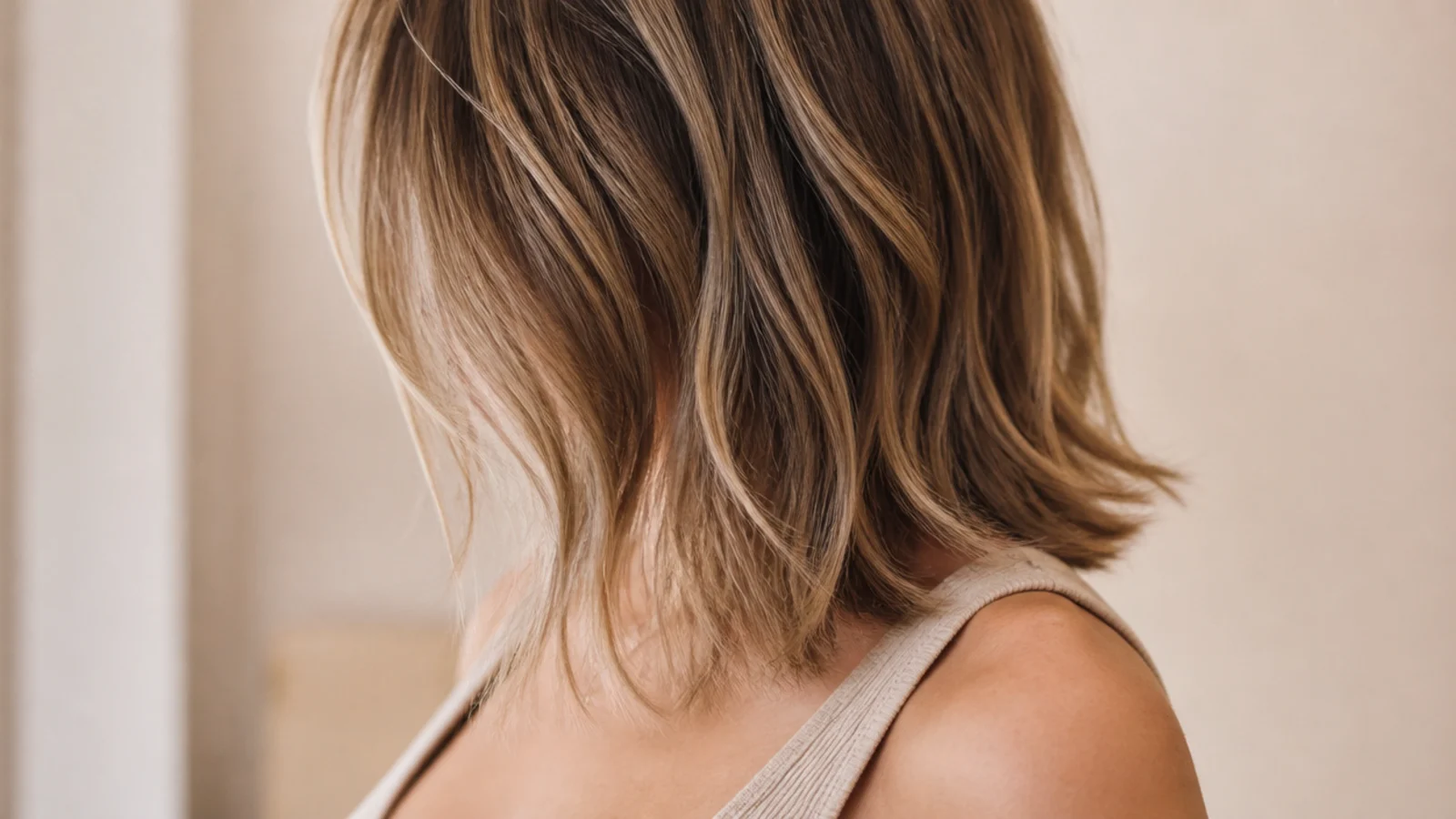
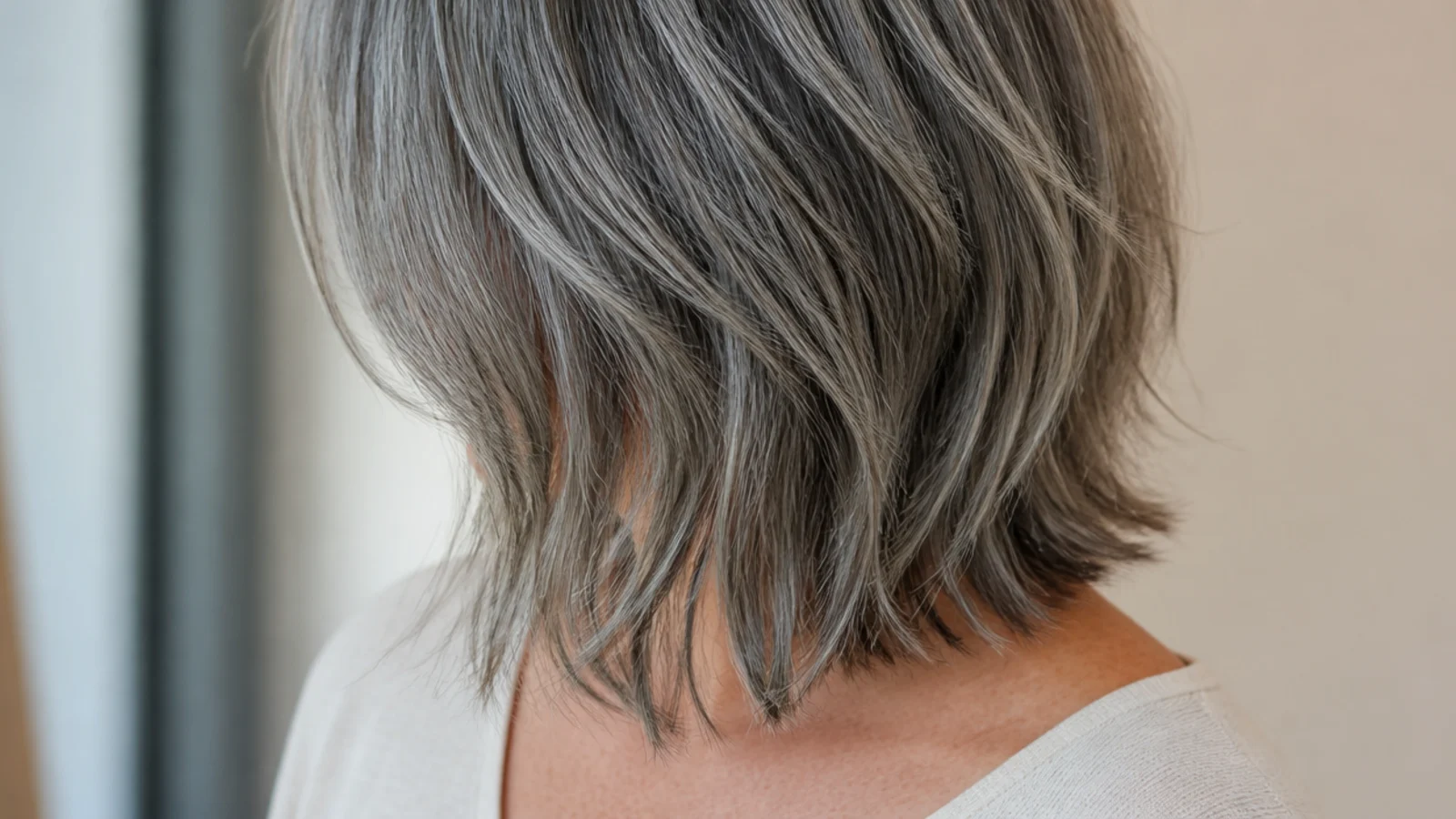
25. Gray Blending
Texture scatters light across the surface, so scattered grey strands read as highlights rather than as a stripe running through a solid block of colour. That makes a textured cut the cheapest grey-blending tool available, and it costs nothing at the colour bowl.
Final Thoughts
Ask for the depth, not the word. A quarter inch into the ends is texture and an inch is choppy, and saying which one you mean removes the single biggest source of disappointment with this cut. Then say whether the perimeter stays blunt, because interior texture under a solid line behaves nothing like a texturised perimeter.
After that it is a styling question. Product on soaking wet hair, scrunched upward, left undisturbed until dry, and a texture spray rather than a serum to finish. Dust the ends every eight to ten weeks, and resist adding new texture to ends that are already thin. For the same length worn on men see 7 tips to style medium length hair for men. More in Womens Hairstyles. See also the choppy version.