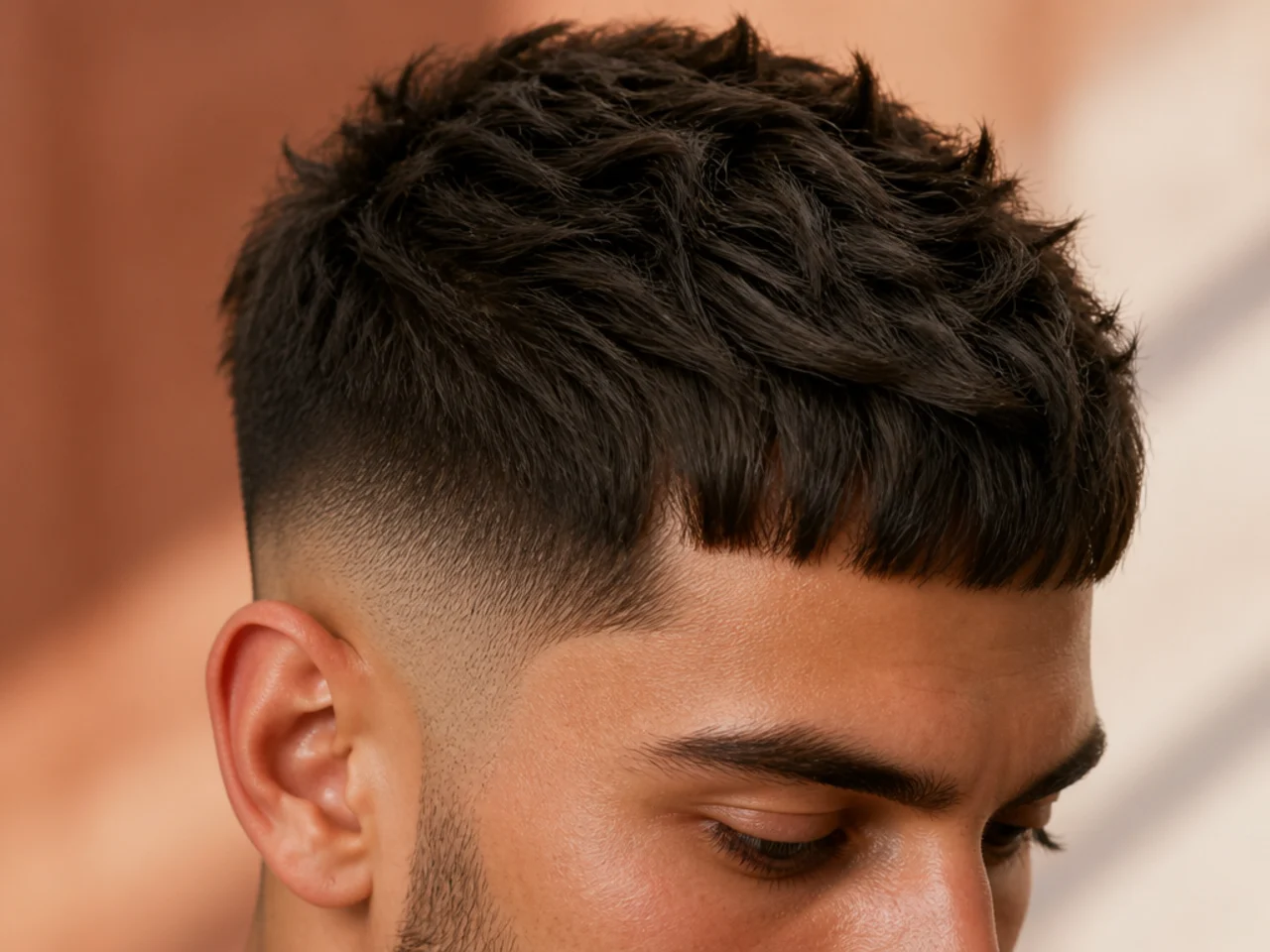
15 Textured Men Haircut Styles We Love
Texture is a technical description, not a look. It means the ends inside one section have been cut to different lengths so the hair separates into pieces, and every cut in this family is the same idea applied at a different length.
In this article · 22
- What Defines the Textured Family
- How to Choose Yours
- The 15 Textured Haircut Styles
- 1. The Textured Crop
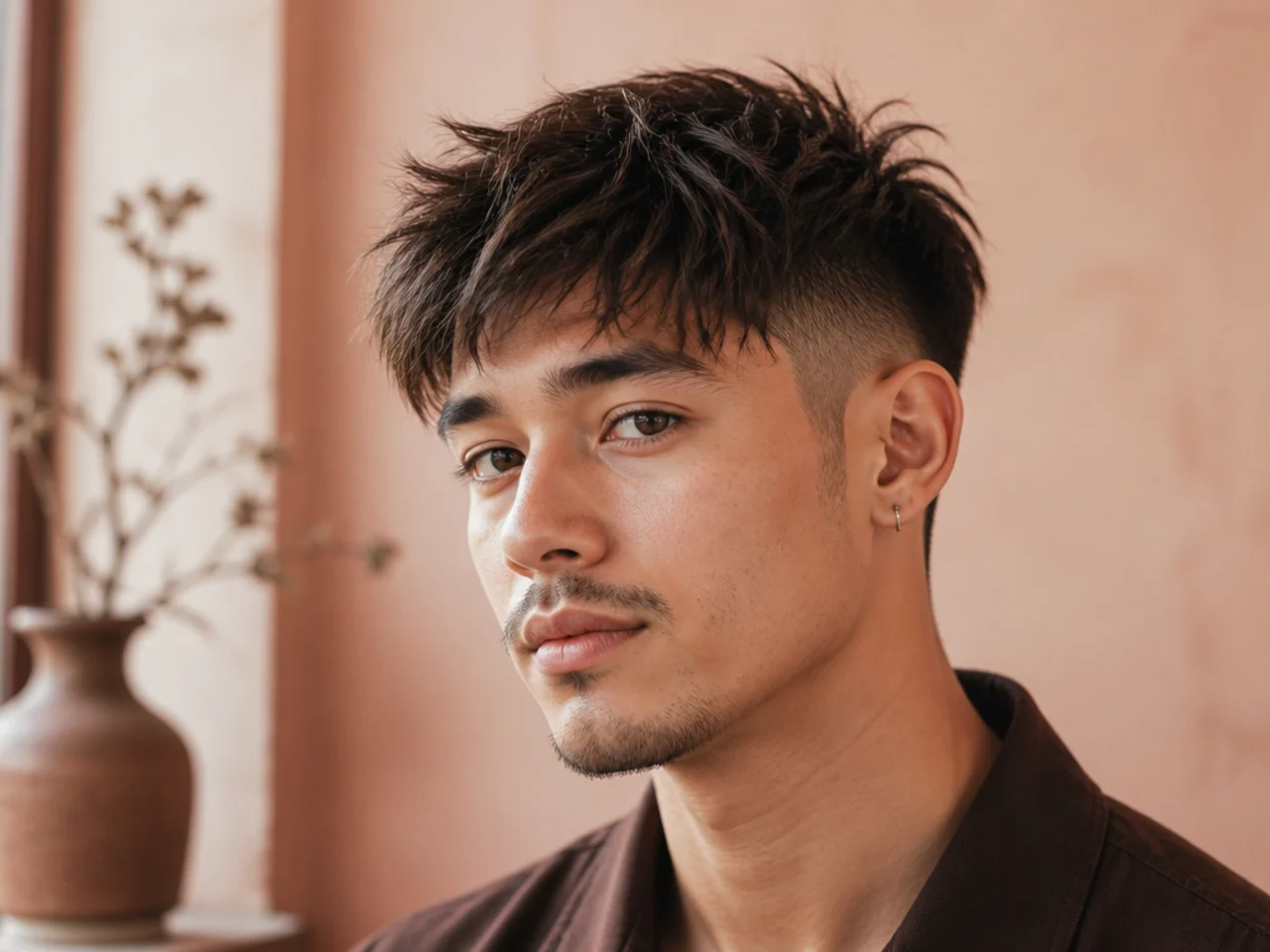
- 2. The Textured Fringe
- 3. The Slide-Cut Top
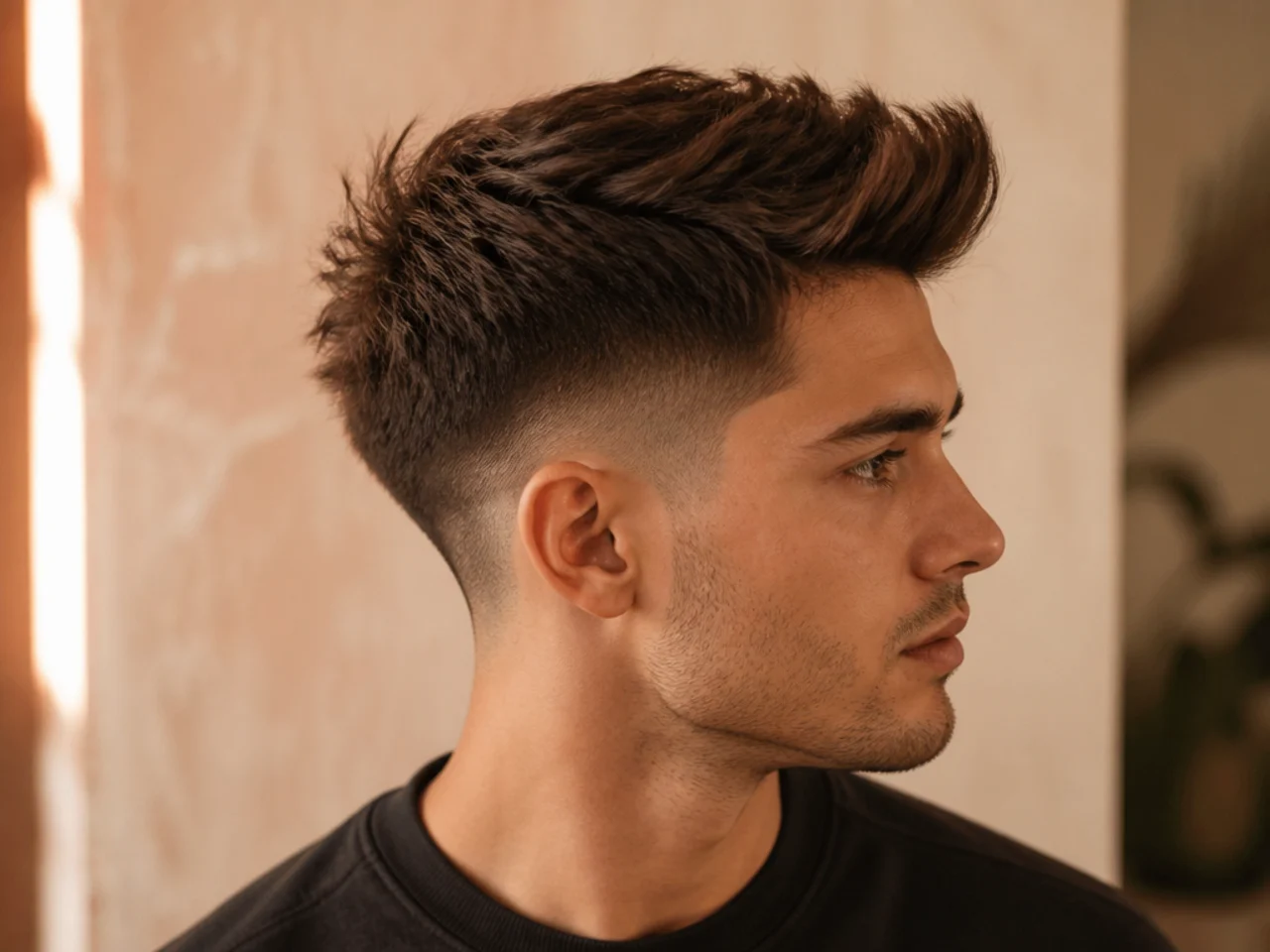
- 4. The Textured Quiff
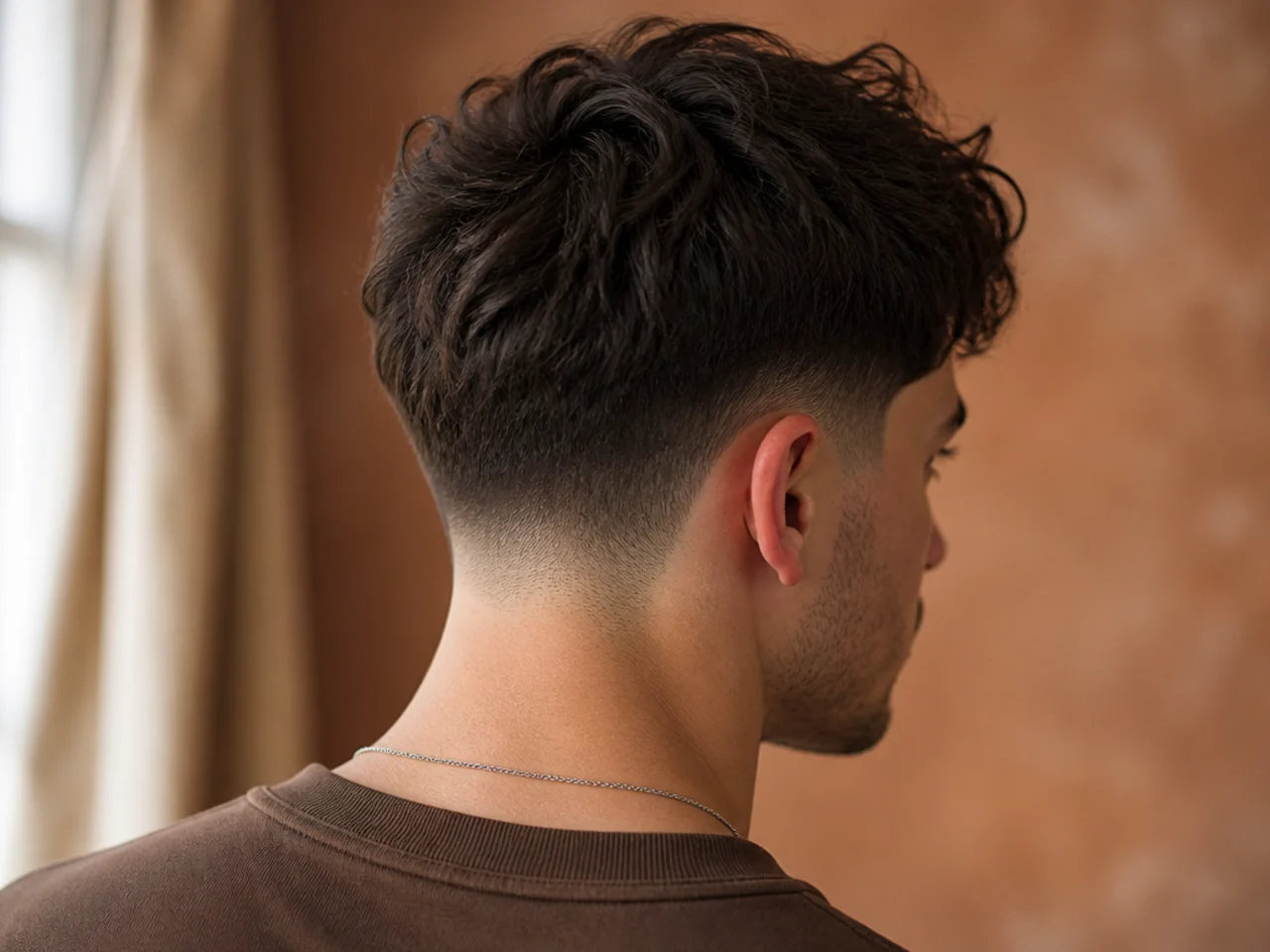
- 5. The Textured Taper
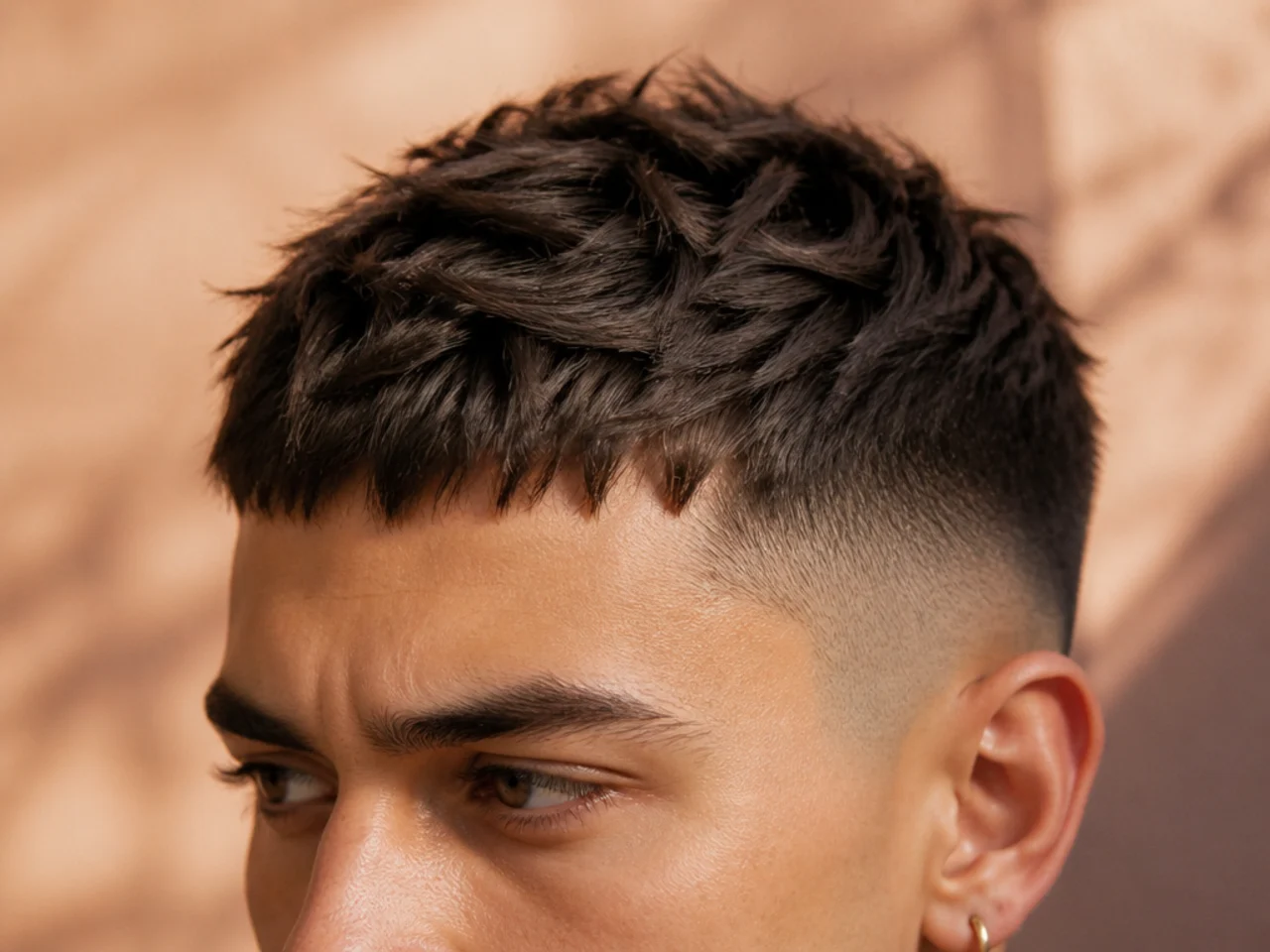
- 6. The Piecey Crop
- 7. The Textured Medium Length
- 8. The Shag
- 9. The Textured Mullet
- 10. Texture on Thick Hair
- 11. Texture on Fine Hair
- 12. Texture on Curly Hair
- 13. The Textured Two-Block
- 14. The Textured Buzz
- 15. The Week-Three Textured Cut
- Styling and Upkeep
- Mistakes to Avoid
- FAQ
- Final Thoughts
Texture is the most overused word in a barbershop, which is a shame because it has a precise meaning and the precise meaning is useful.
Texture means the ends inside one section are at different lengths. That staggering is what makes hair separate into pieces instead of falling as a solid sheet.
It is cut in, not styled on. A properly textured cut still shows separation with no product in it, and a cut that only separates with clay was not textured at all.
What Defines the Textured Family
Staggered ends within a section. Level ends give you a sheet, staggered ends give you pieces.
Three techniques do the work. Point-cutting, slide-cutting and notching, in various combinations.
Weight comes from inside. Texture near the visible tips creates frizz rather than separation.
No product required. If the separation disappears when the clay does, it was never cut in.
How to Choose Yours
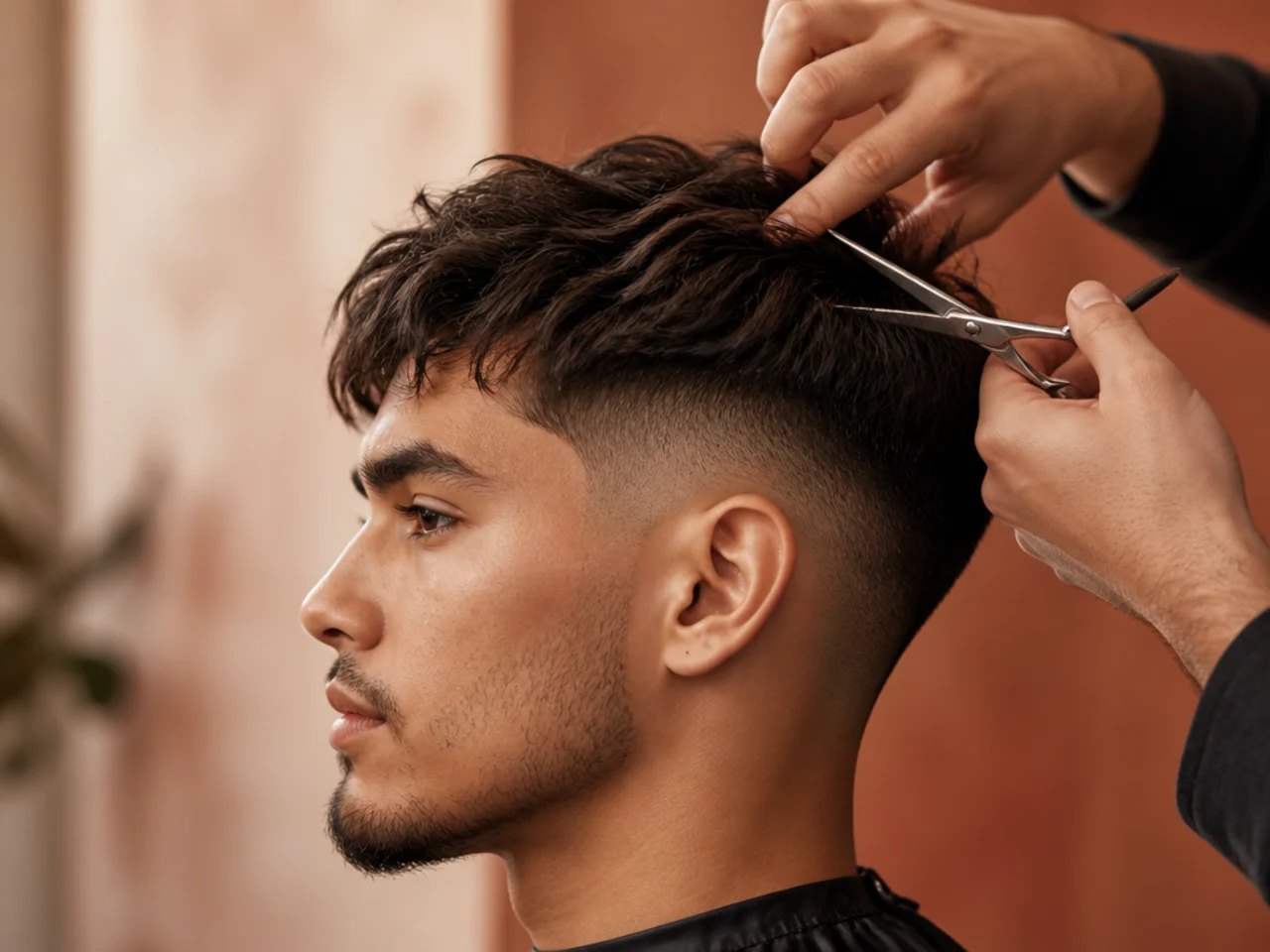
Name the technique, not the look. Point-cut, slide-cut or notched are things a barber can act on.
Match the amount to your density. Thick hair can take heavy texturing, fine hair cannot.
Keep it away from the tips on fine hair. Deep interior work only.
Buy matte product. Shine groups the pieces back together and cancels the whole effect.
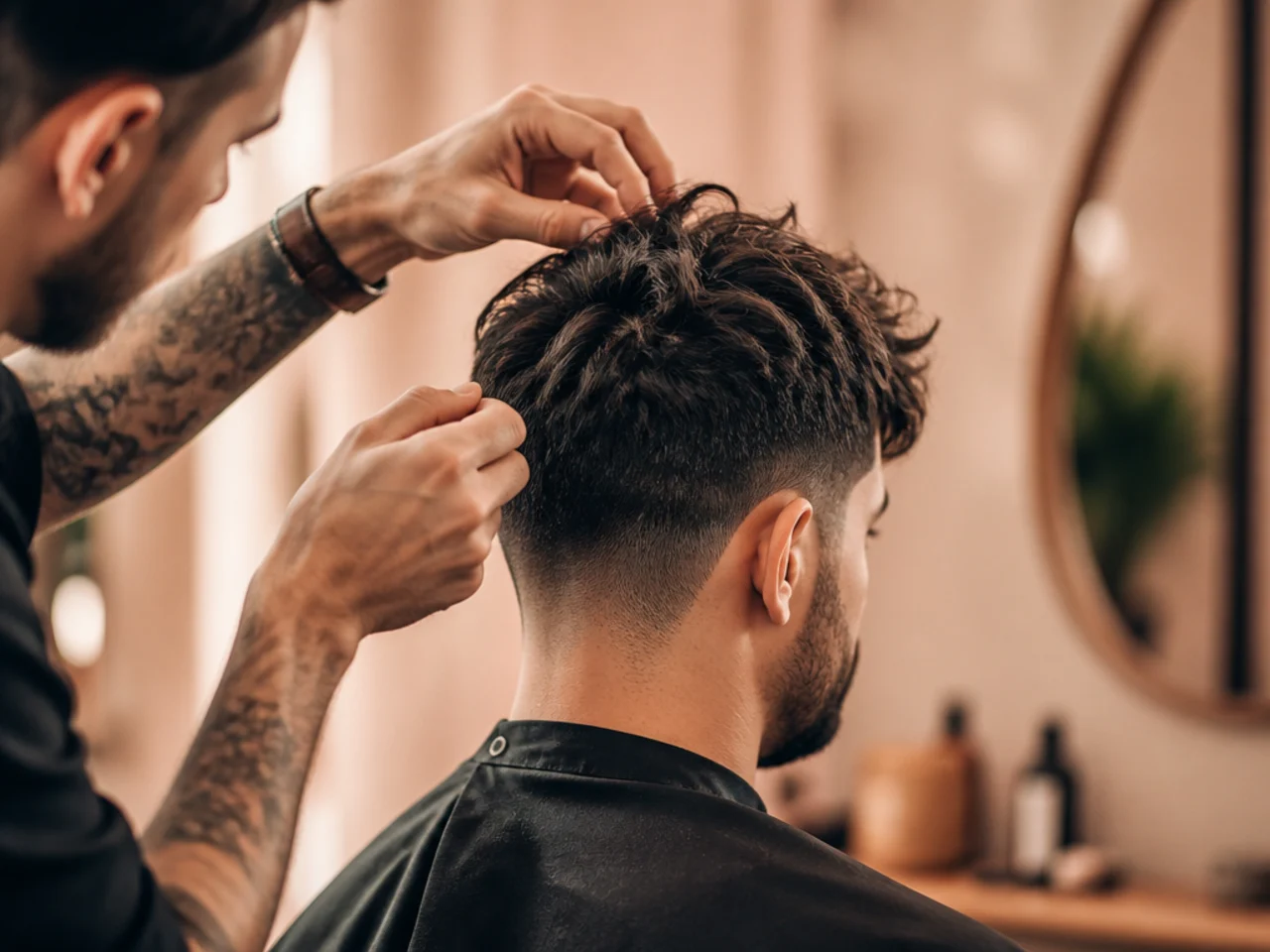
The 15 Textured Haircut Styles
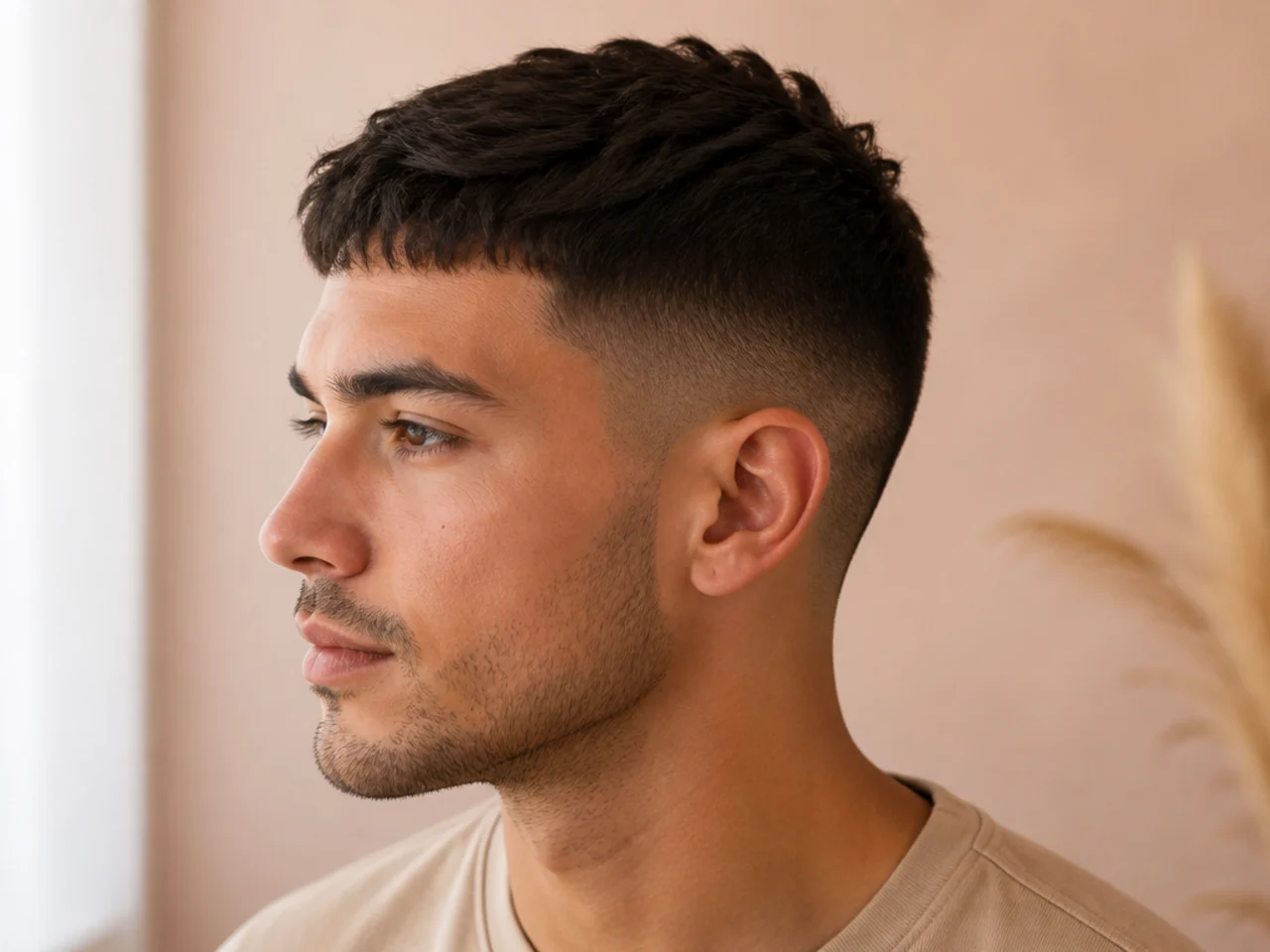
1. The Textured Crop
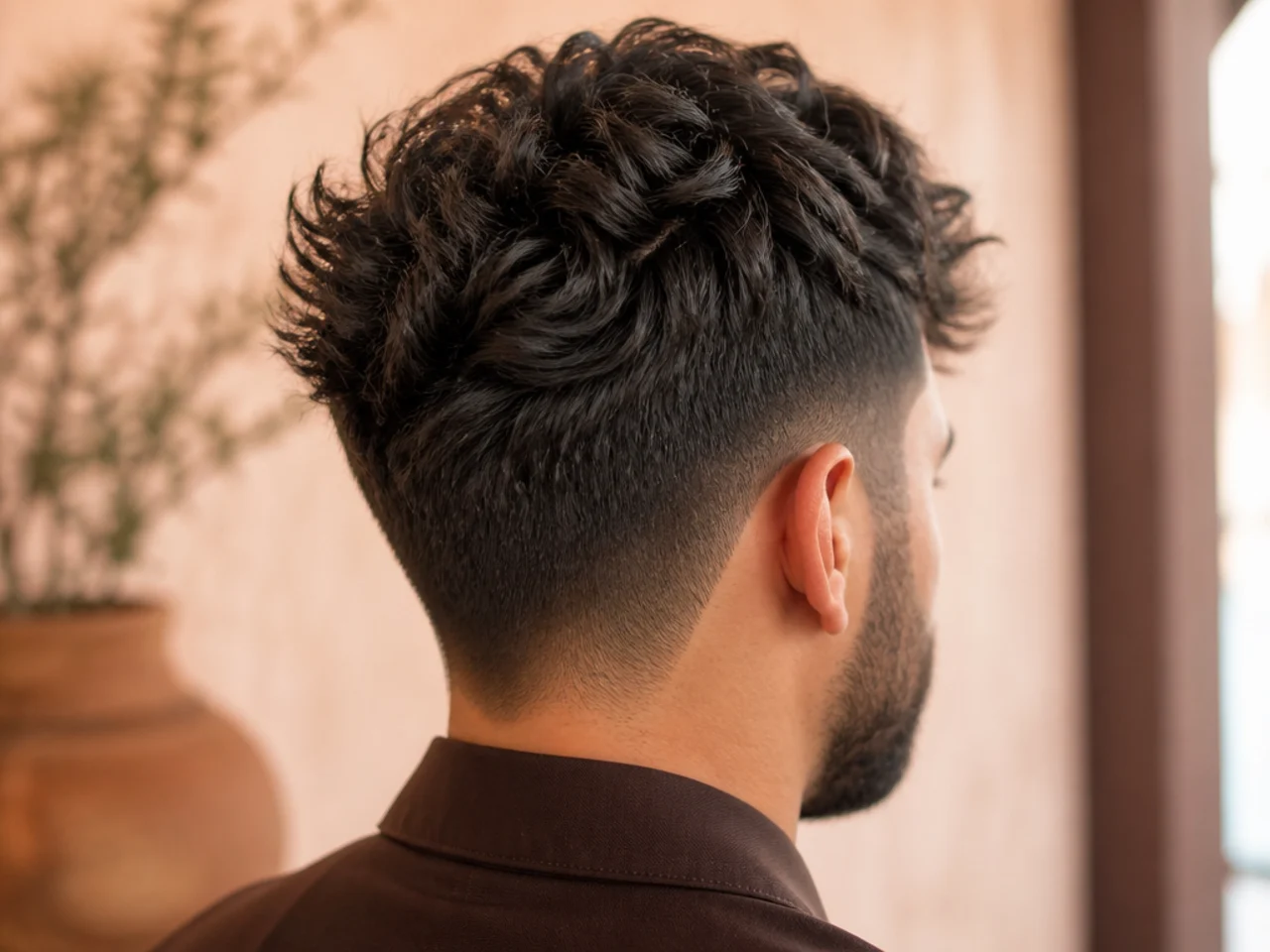
Short, forward, and cut at three or four different lengths within the same section. It is the family's clearest example, because the separation is visible even from a distance, and it is the cut most barbers reach for when a client asks for texture without naming a shape.
2. The Textured Fringe
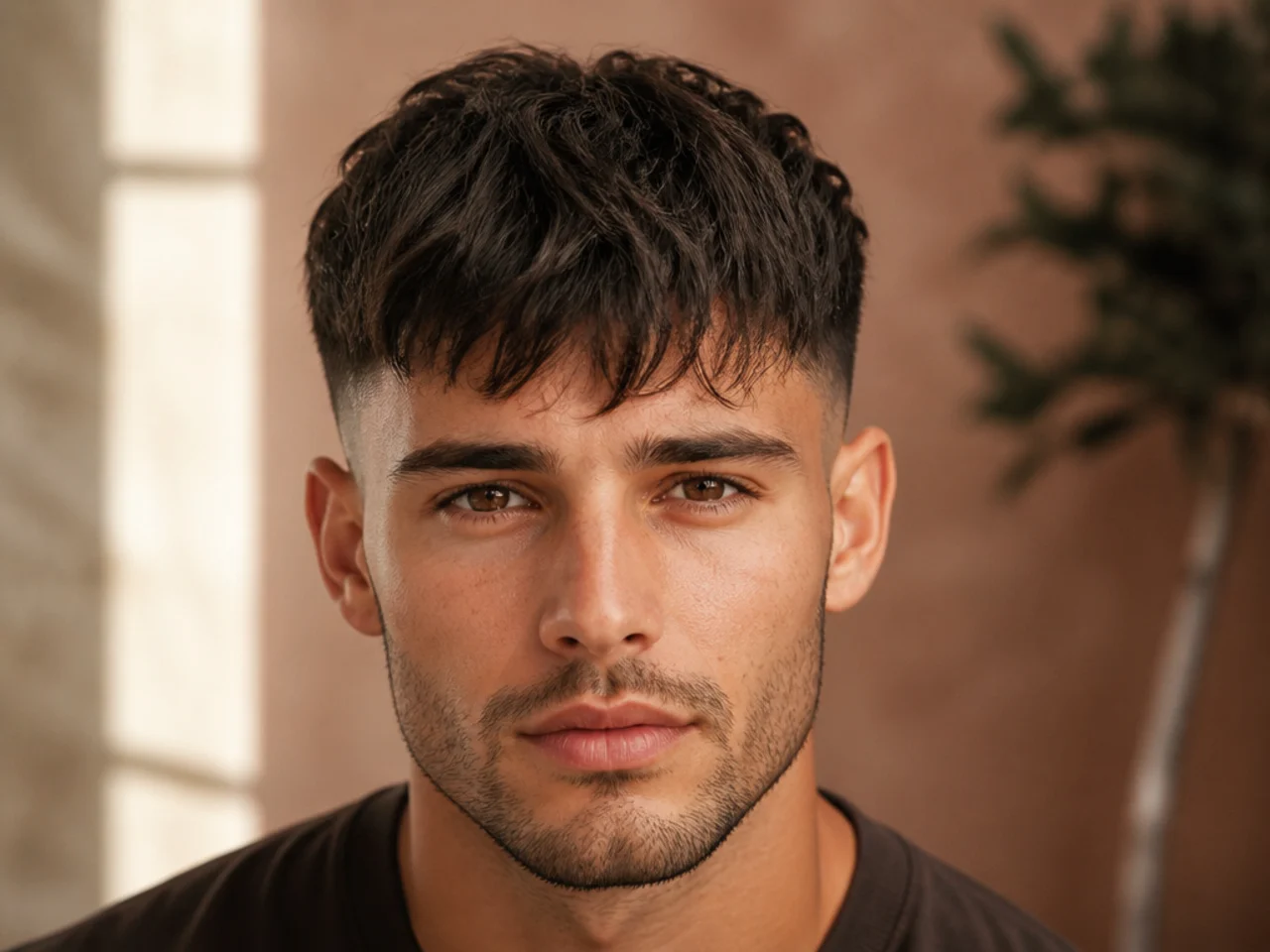
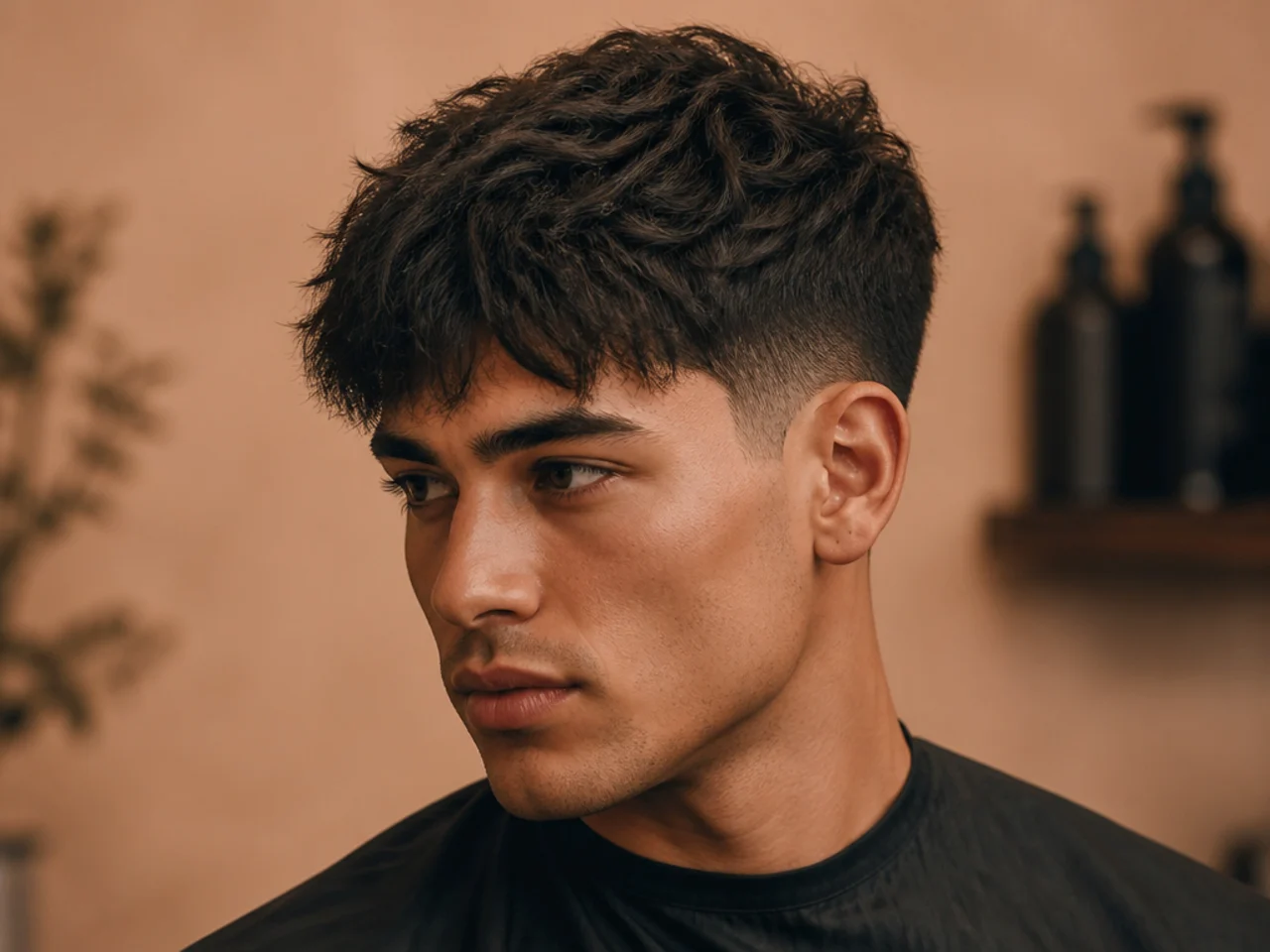
Front section point-cut so the perimeter is broken rather than blunt. It is what stops a fringe reading as a straight ruler across the forehead, and it buys roughly two extra weeks before the front looks like it needs cutting.
3. The Slide-Cut Top
The blades run down the length of the section, thinning gradually from root to tip. It is the most literal execution of graded weight in men's hair, and it only works on hair long enough for the blades to travel, so around three inches is the minimum.
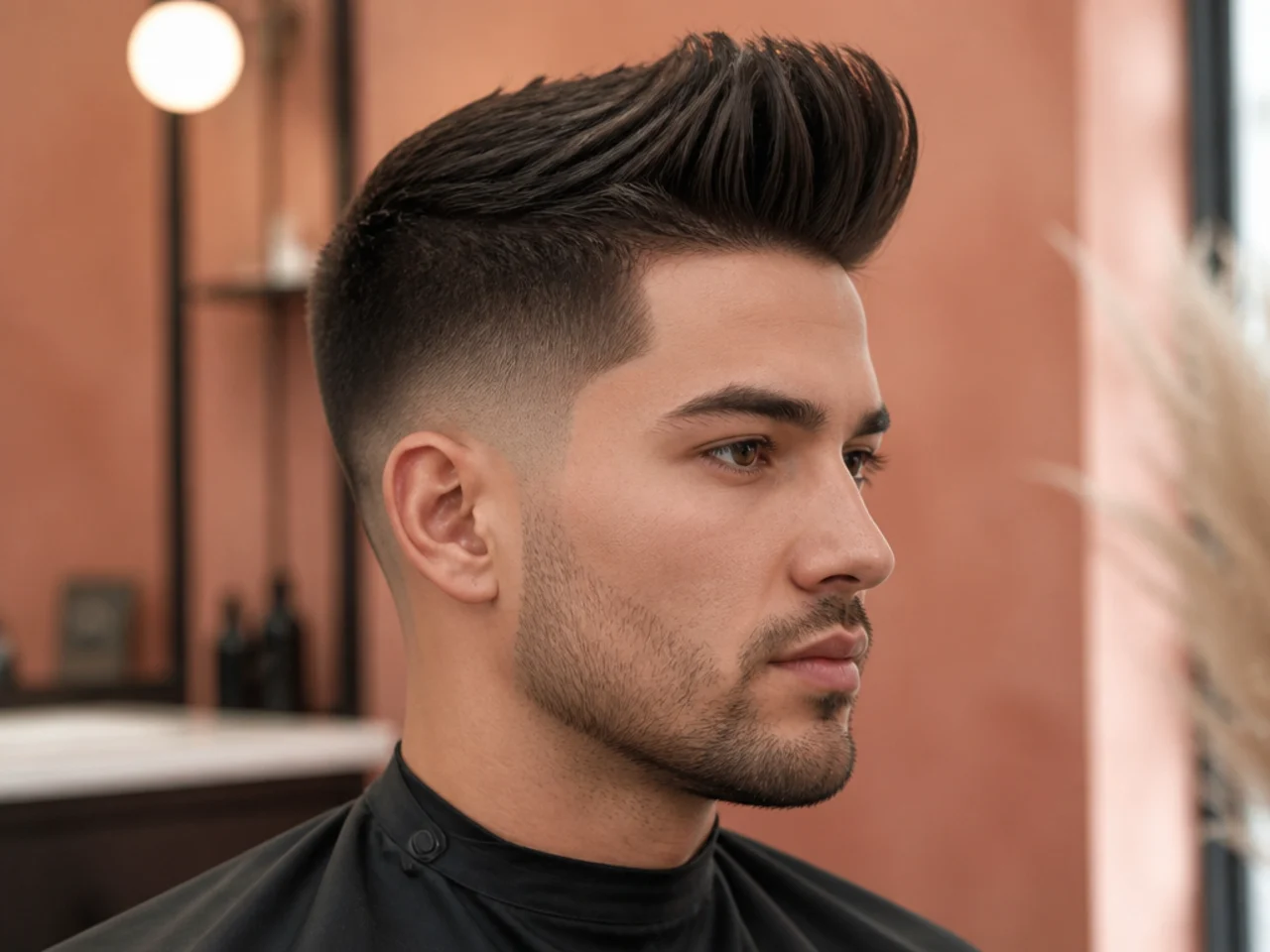
4. The Textured Quiff
Volume built from staggered lengths rather than from product. Because the height is cut in, it survives the point at which a product-built quiff collapses, which is usually somewhere around the middle of the afternoon.
5. The Textured Taper
Texture carried down through the sides rather than stopping at the top. It softens the boundary between the two without needing a blend, which suits scissor work where there is no clipper gradient to hide behind.
6. The Piecey Crop
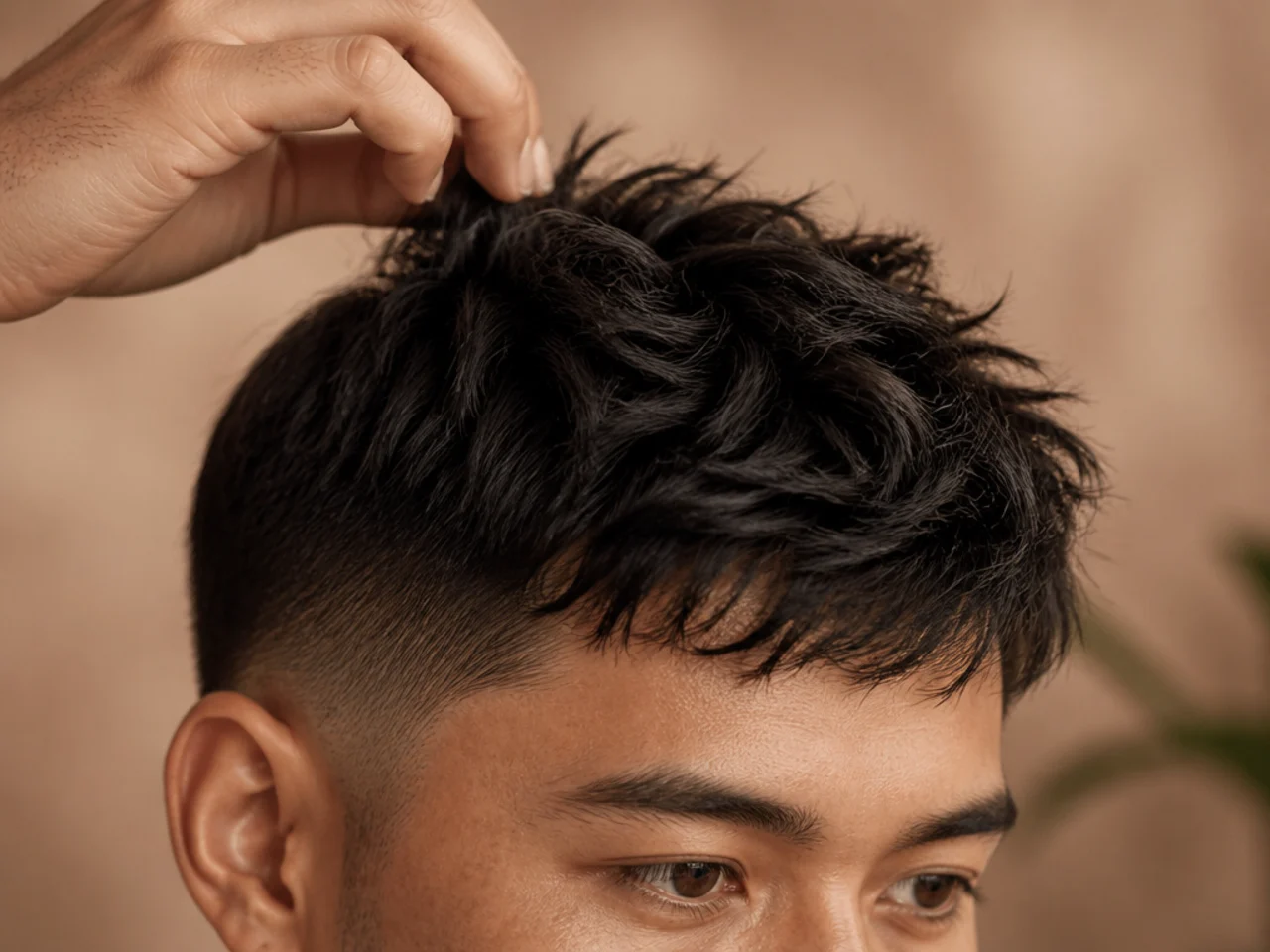
Short with the ends deliberately separated by hand as well as by the cut. It is the shortest length at which pieces are still visible as pieces, and below about an inch the separation stops registering at conversational distance.
7. The Textured Medium Length
Around four inches with heavy interior layering. Length gives the staggered ends somewhere to fall, which is why texture reads strongest here, and it is also the length at which untextured hair looks heaviest.
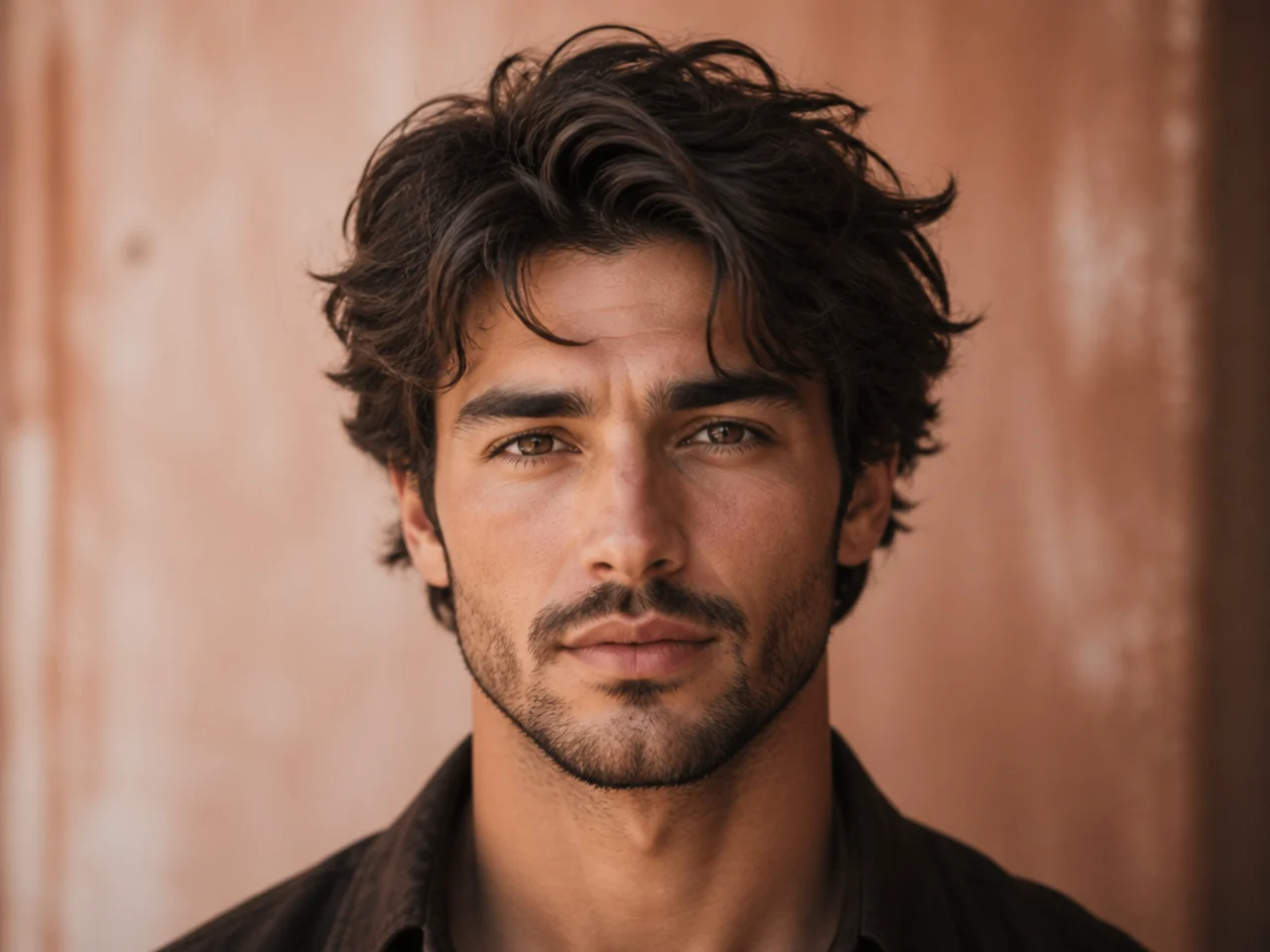
8. The Shag
Aggressive layering with an undefined perimeter. It is the point where texture stops being a finish and becomes the entire structure, so the cut has no outline left to grow out of shape.
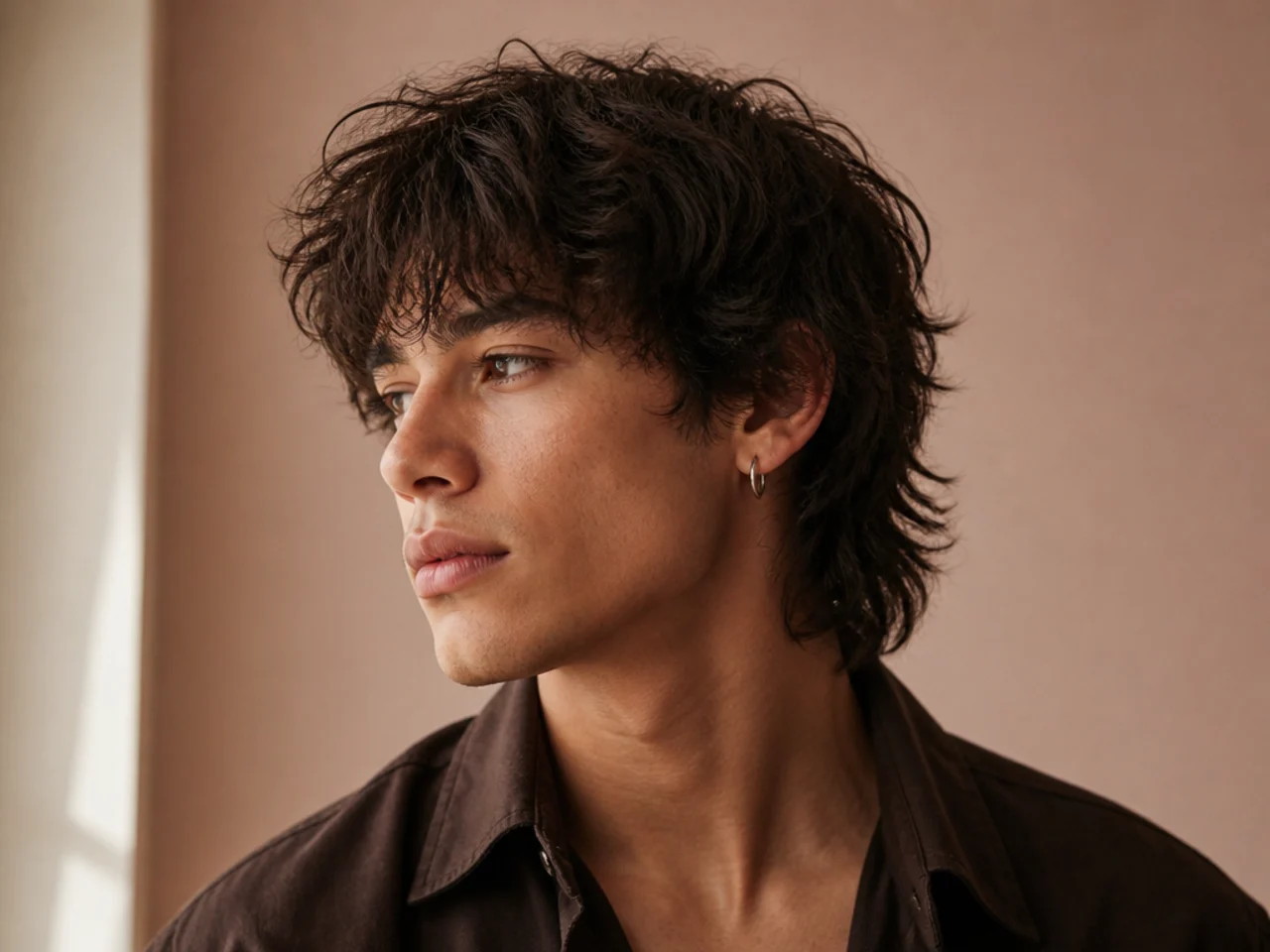
9. The Textured Mullet
Staggered lengths through the back so the length reads as movement rather than as a slab. It is the difference between the current mullet and the older one.
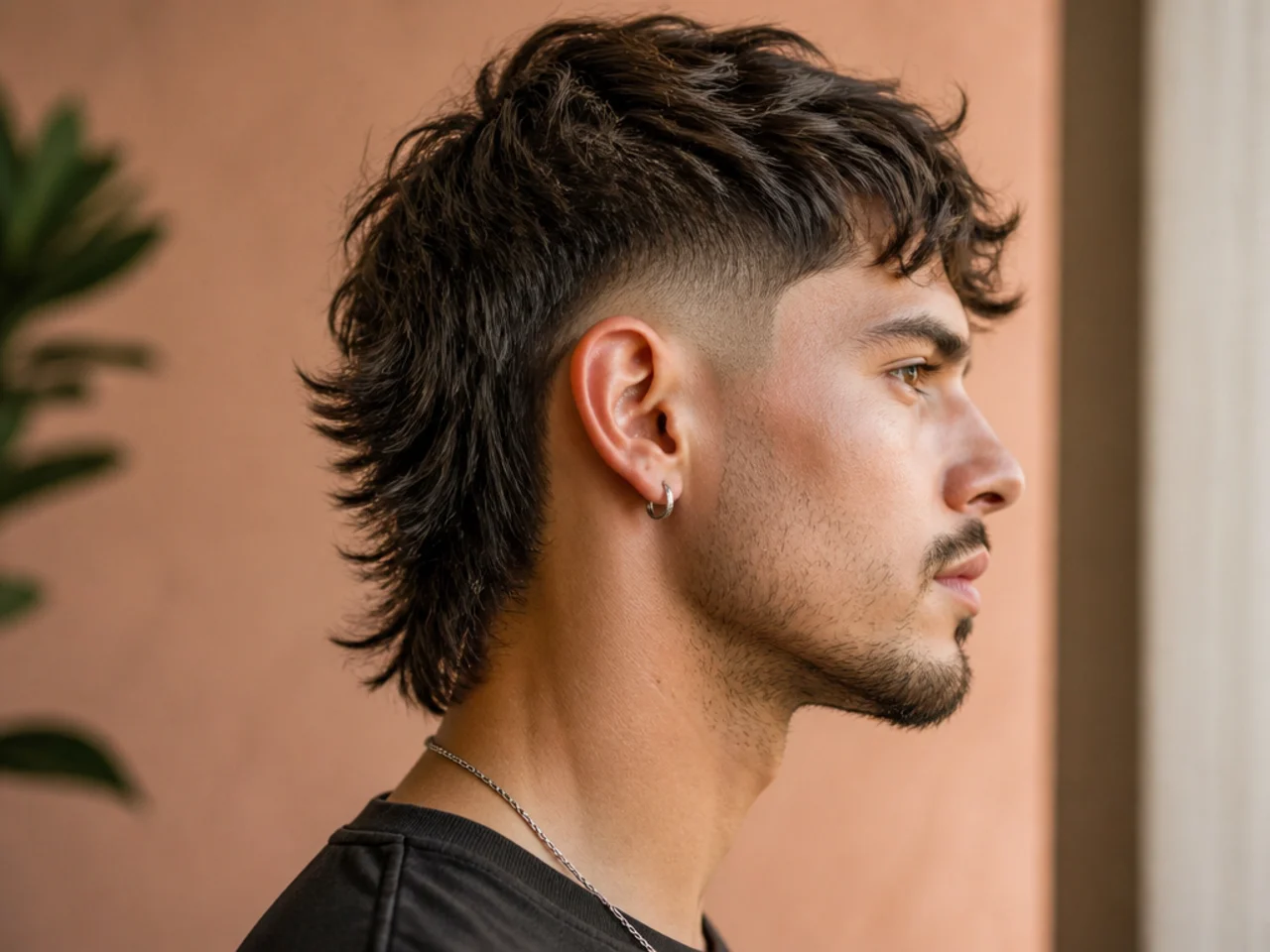
10. Texture on Thick Hair
Density is the ideal material for it, because there is plenty to remove. Weight has to come from deep inside the section or the surface will spike, and on thick hair that spiking is the most common complaint after a texturing pass.
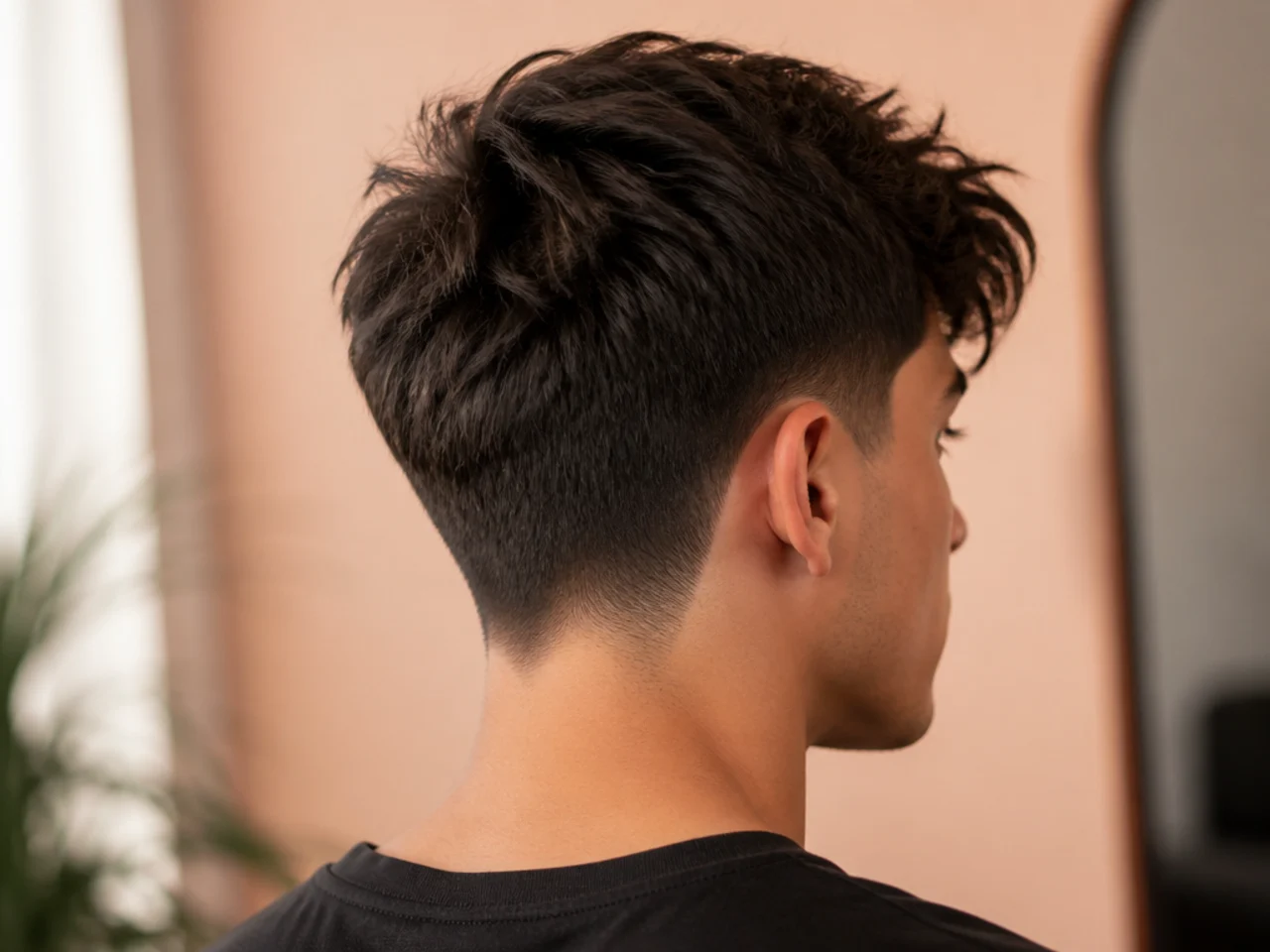
11. Texture on Fine Hair
Light interior work only, kept well away from the tips. Fine hair has no density to spare, so heavy texturing produces gaps rather than pieces, and gaps let light through to the scalp in exactly the wrong places.
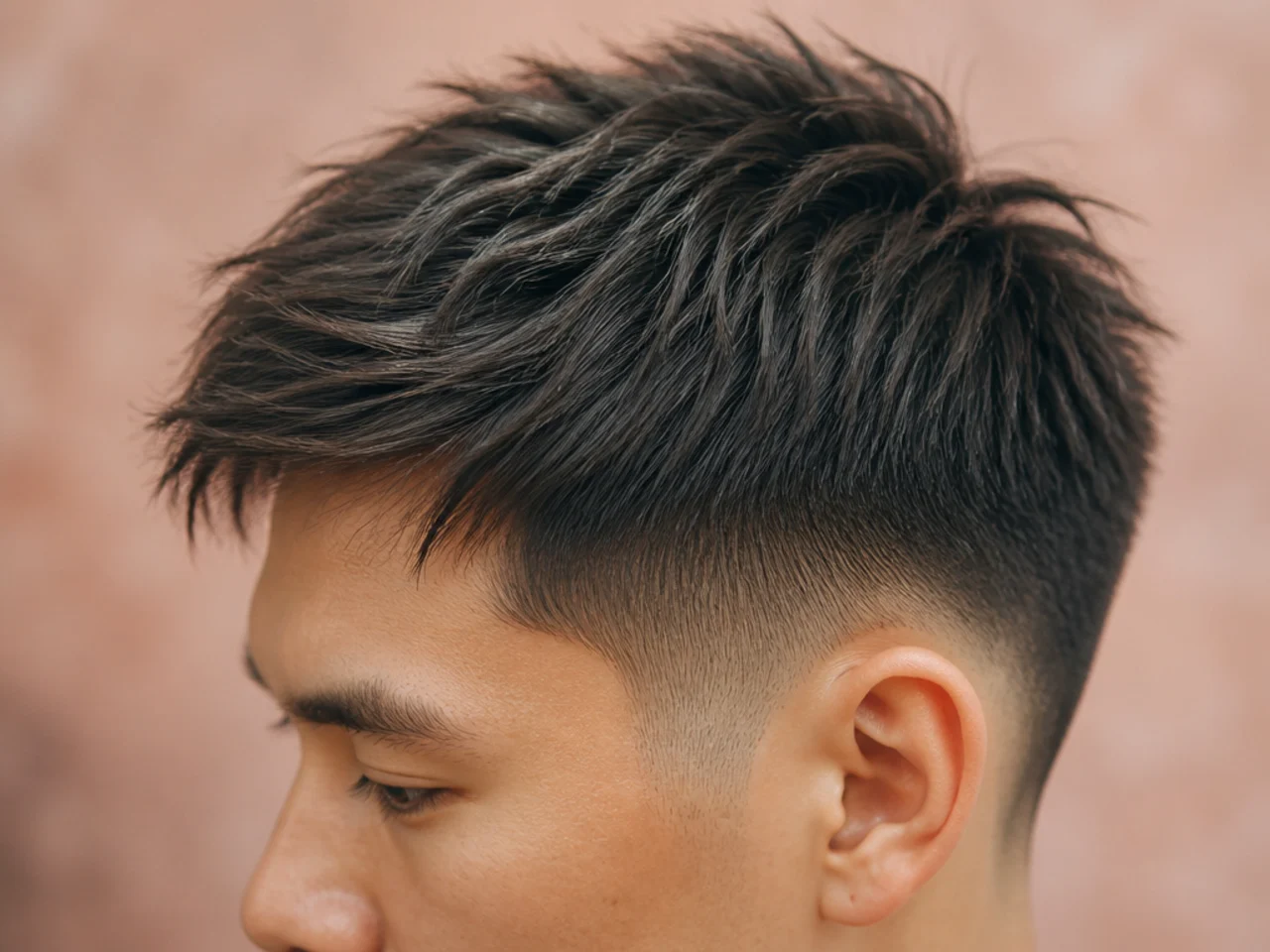
12. Texture on Curly Hair
Curl is textured by nature, so the cut removes weight rather than adding separation. Notching inside a curl leaves short ends that read as frizz.
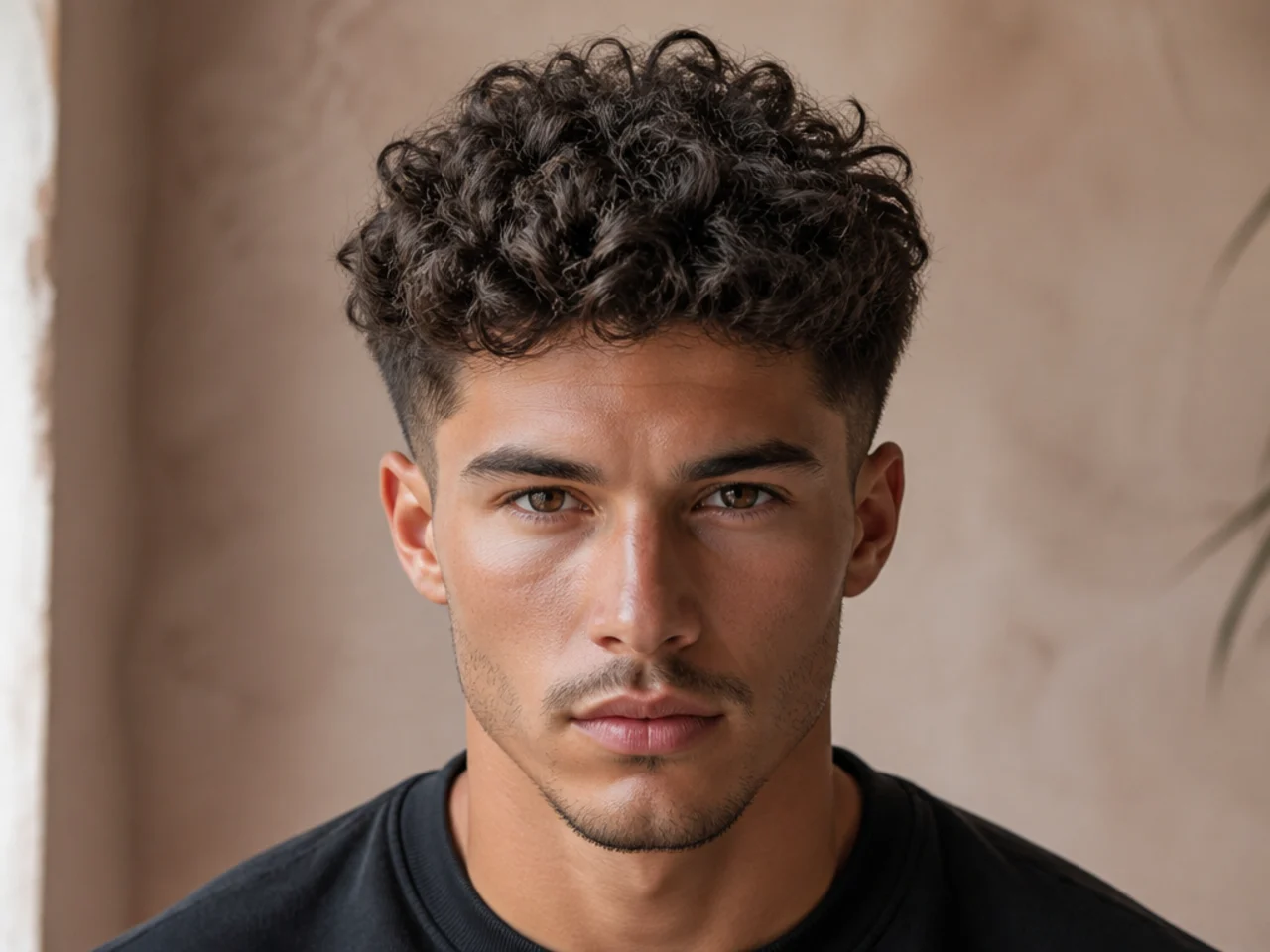
13. The Textured Two-Block
Staggered ends on top over a stepped side. The texture softens what would otherwise be a very hard structural contrast, and it is the reason the current two-block reads softer than the version that came before it.
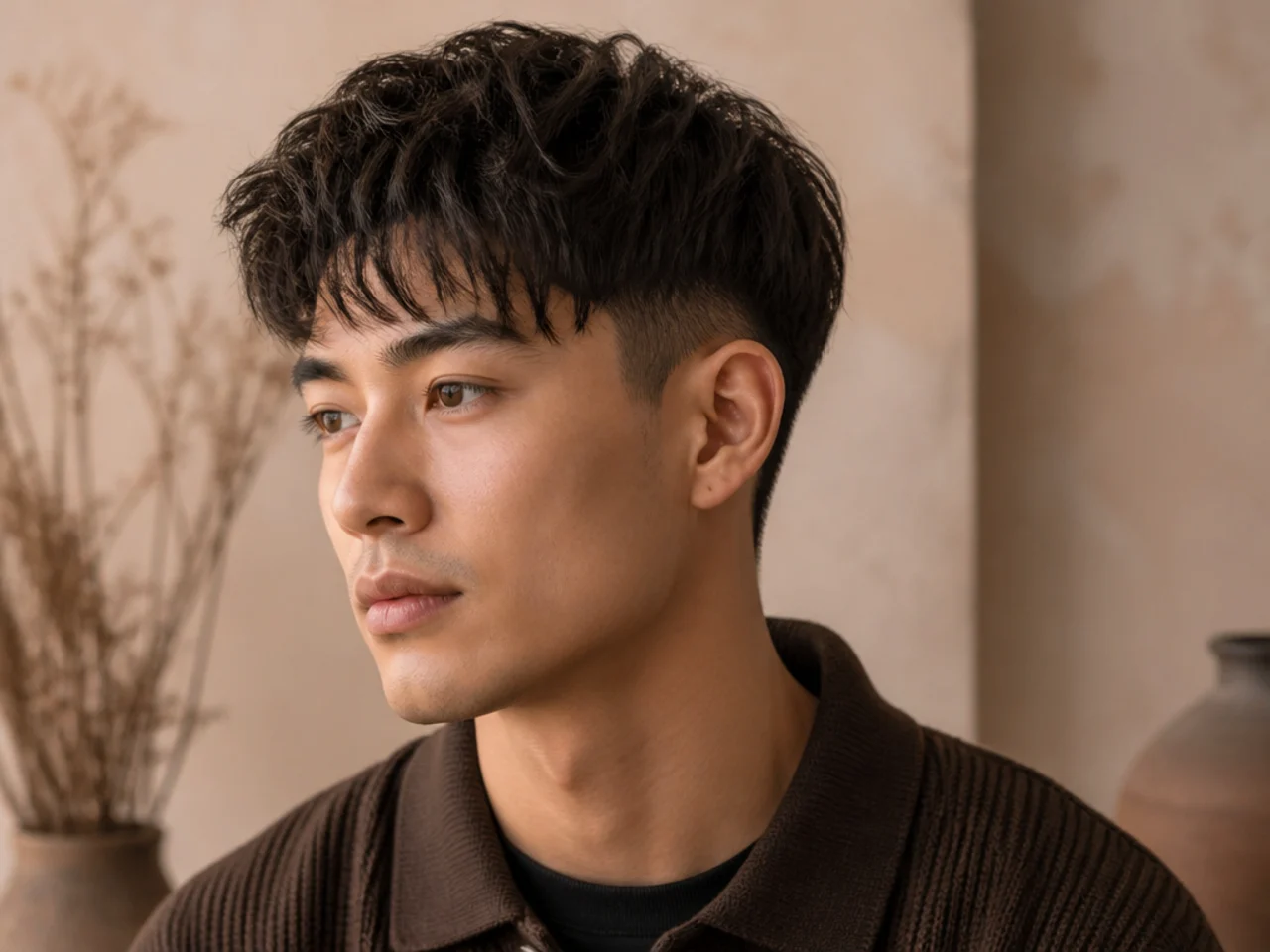
14. The Textured Buzz
Even a #3 at 10mm can be textured with a scissor pass over the top. It stops a uniform clipper length reading as flat, and it is the cheapest upgrade available on the simplest cut in the shop.
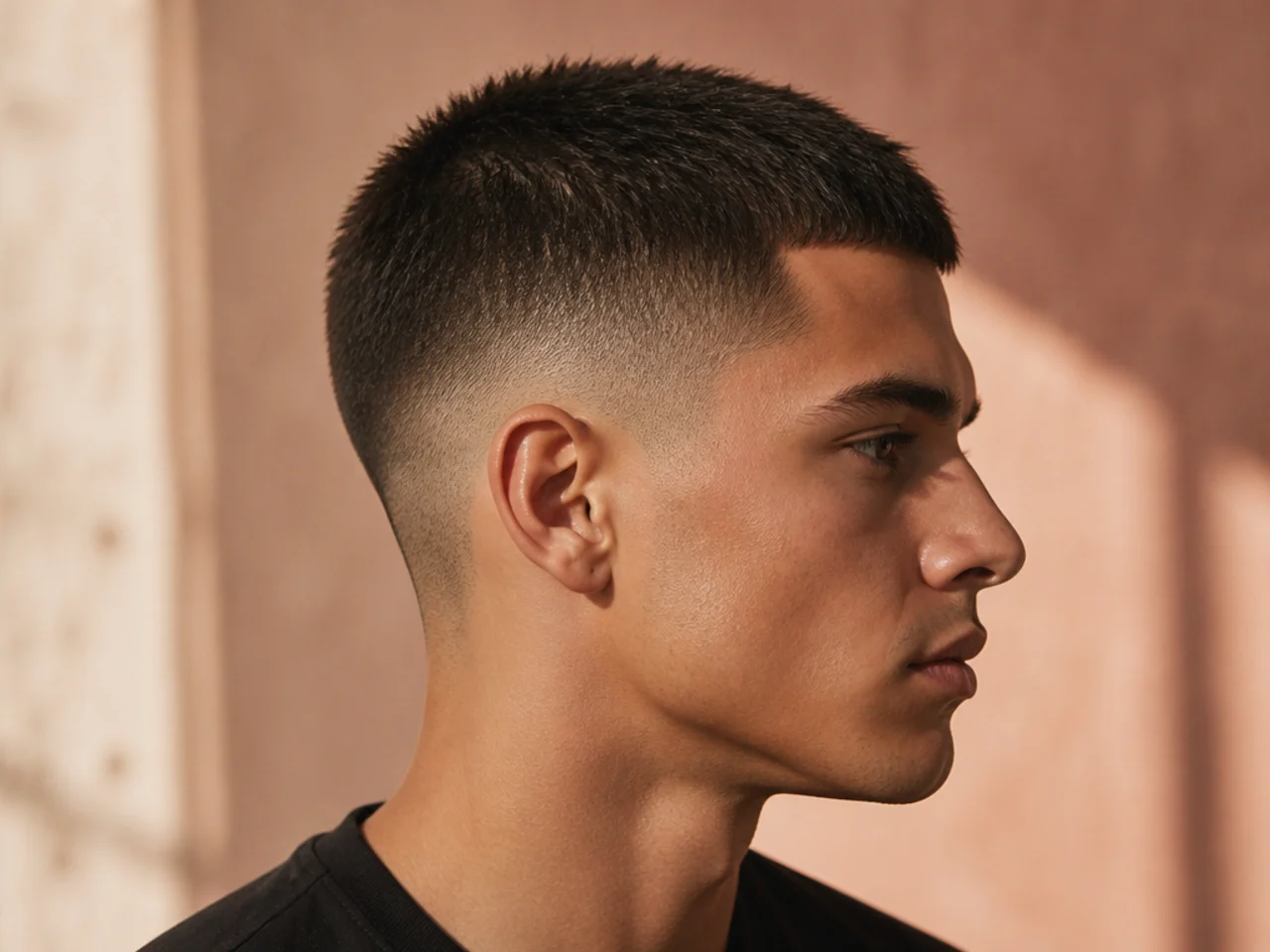
15. The Week-Three Textured Cut
Staggered ends grow at the same rate, so the proportions hold. It is why this family ages better than any blunt-cut alternative, where a level perimeter simply moves down the head and takes the shape with it.
Styling and Upkeep
Use matte clay only. Shine groups the pieces back into a sheet.
Apply to damp roots, finish at dry tips. Two stages with two different purposes.
Finger-dry, never comb. A comb aligns the staggered ends and cancels them.
Ask for the same technique by name each visit. Interior work is what a new barber approximates.
Let it grow past week two. Staggered ends soften rather than distort as they lengthen.
Mistakes to Avoid
Texturing near the tips of fine hair. It creates gaps rather than separation.
Using thinning shears inside curl. The cut ends stand out of the curl as frizz.
Combing a textured cut. One pass removes what the scissors spent ten minutes creating.
Asking for texture as a look rather than a technique. Name point-cutting or slide-cutting instead.
Adding shine product. It is the fastest way to undo a textured cut.
FAQ
What does textured mean? The ends inside one section are cut to different lengths.
How is it cut in? Point-cutting, slide-cutting and notching.
Does it suit fine hair? In small amounts, and never near the tips.
Final Thoughts
Ask for point-cutting or slide-cutting by name and check the separation before any product goes in. A textured cut that only works with clay is a styling arrangement rather than a haircut, and you will be paying for it again every morning.
For the shapes this technique produces see textured haircuts for men, and for its most common application see the textured crop haircut. More in Men's Haircuts.