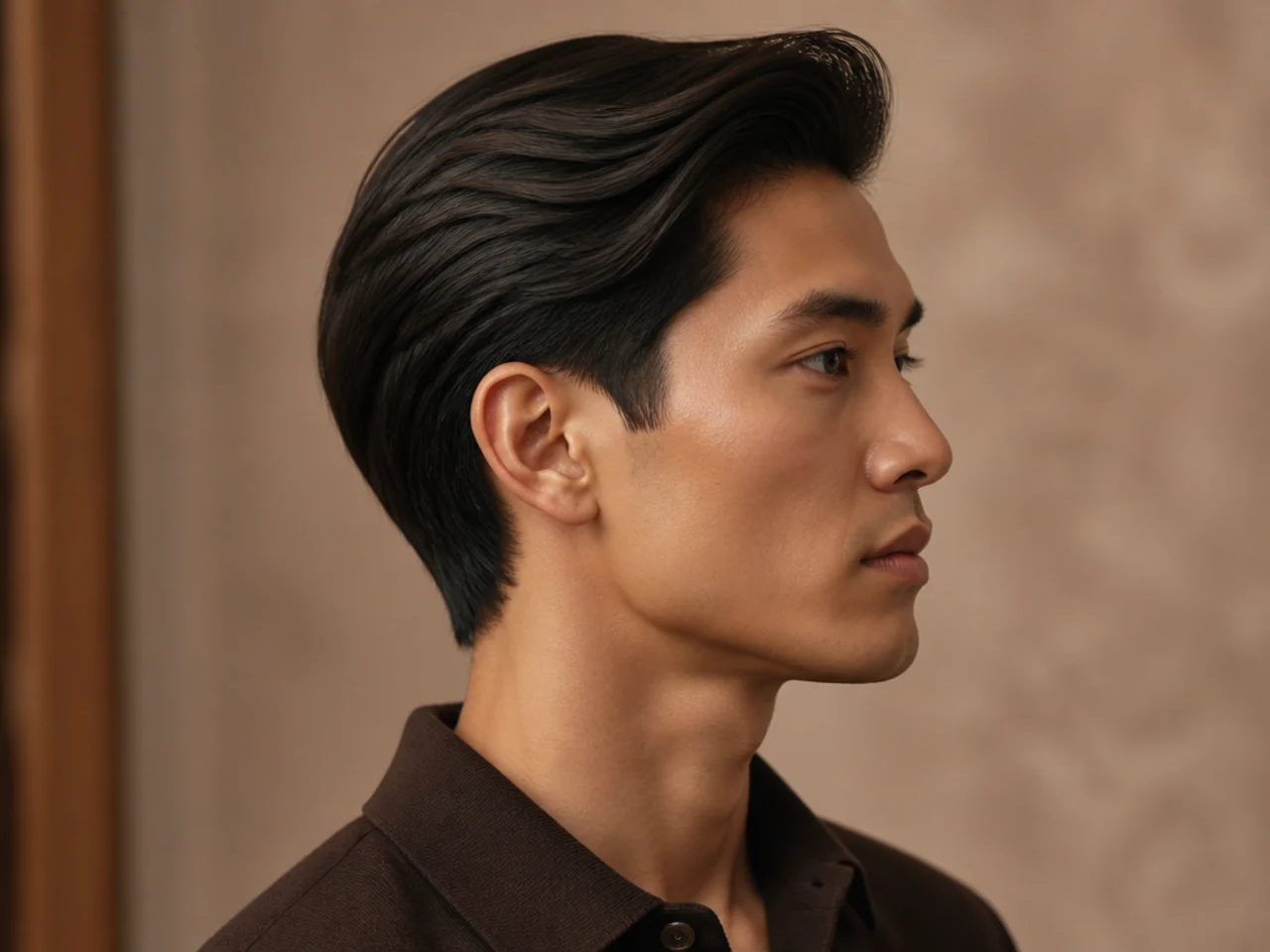
5 Reasons Old Money Cuts Beat Trendy Fades
Old money vs trendy fade — five real reasons the tailored cut wins on workplace fit, maintenance cost, and how it photographs at forty. Plus the one place the fade still wins.
In this article · 13
- The One-Line Answer
- What Counts as an Old Money Cut
- What Counts as a Trendy Fade
- Reason 1: Perimeter Beats Gradient on Longevity
- Reason 2: Workplace Universality
- Reason 3: Maintenance Economics
- Reason 4: Ages With the Man
- Reason 5: The Photograph Test
- Old Money vs Trendy Fade: Side by Side
- Where the Trendy Fade Still Wins
- Which Should You Pick?
- How to Ask Your Barber
- Final Thoughts
The trendy fade is the loudest cut in every barbershop right now — skin at the temple, a hard line at the hairline, a burst around the ear. The old money cut is the quietest — scissor sides, tailored top, matte finish, done. Weigh them across a full year — workplace fit, maintenance cost, how they photograph at forty — and old money vs trendy fade isn't much of a fight. Here are the five reasons old money wins.
The One-Line Answer
Old money beats a trendy fade on workplace universality, maintenance cost, aging, and how it photographs a decade from now. The trendy fade beats old money on one thing only — day-one visual impact when the barber first spins the chair. If the point of your haircut is to be seen this weekend, book the fade. If the point of your haircut is to keep working across your Monday meetings, your Saturday wedding, and your face in five years, book old money.
If you want the middle path, a scissor-tapered side part with a soft low fade under the temple gives you 90% of the tailored read and 10% of the drama. That's the old money haircut for men most guys land on when they stop chasing the trend cycle.
What Counts as an Old Money Cut
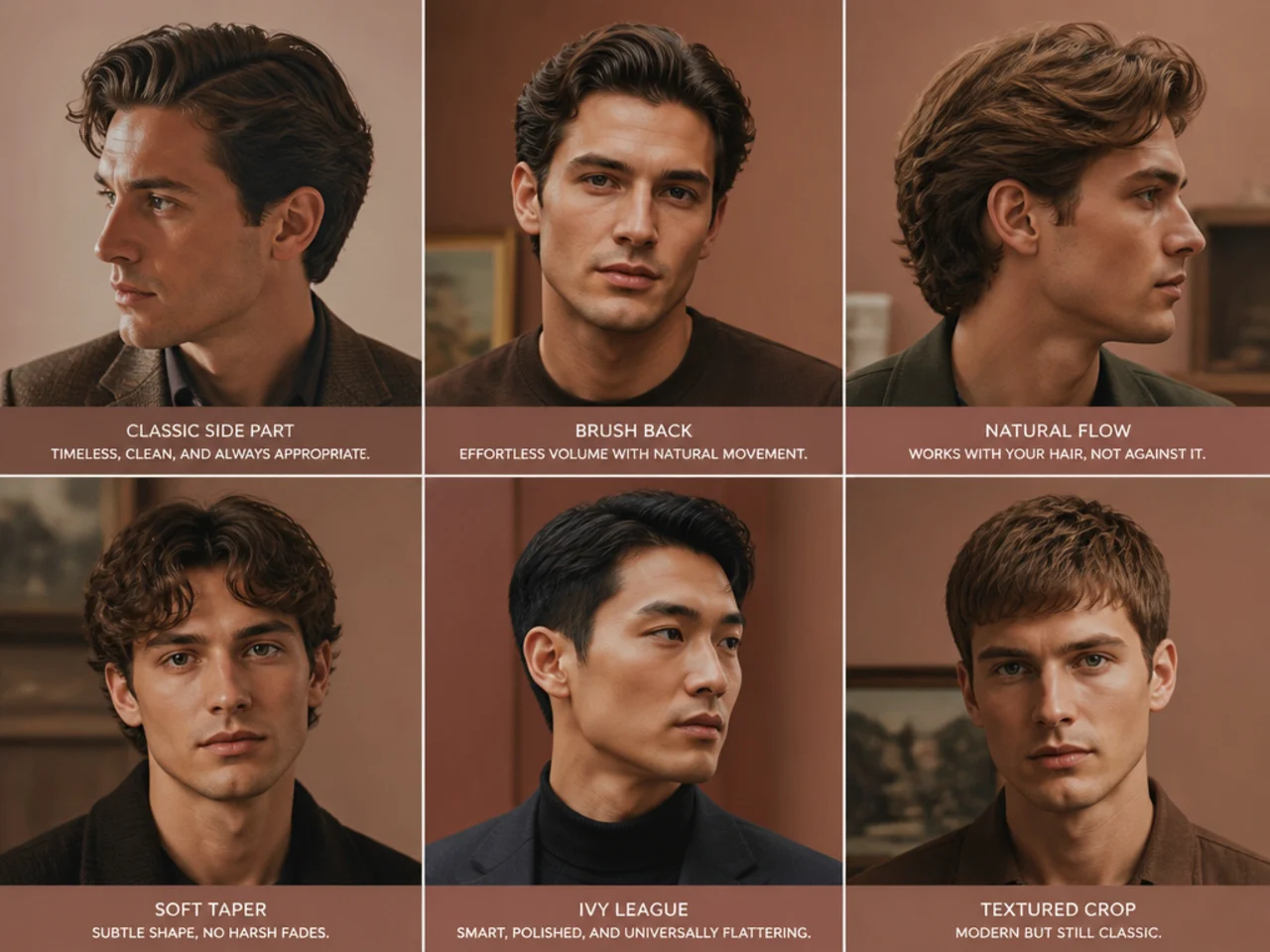
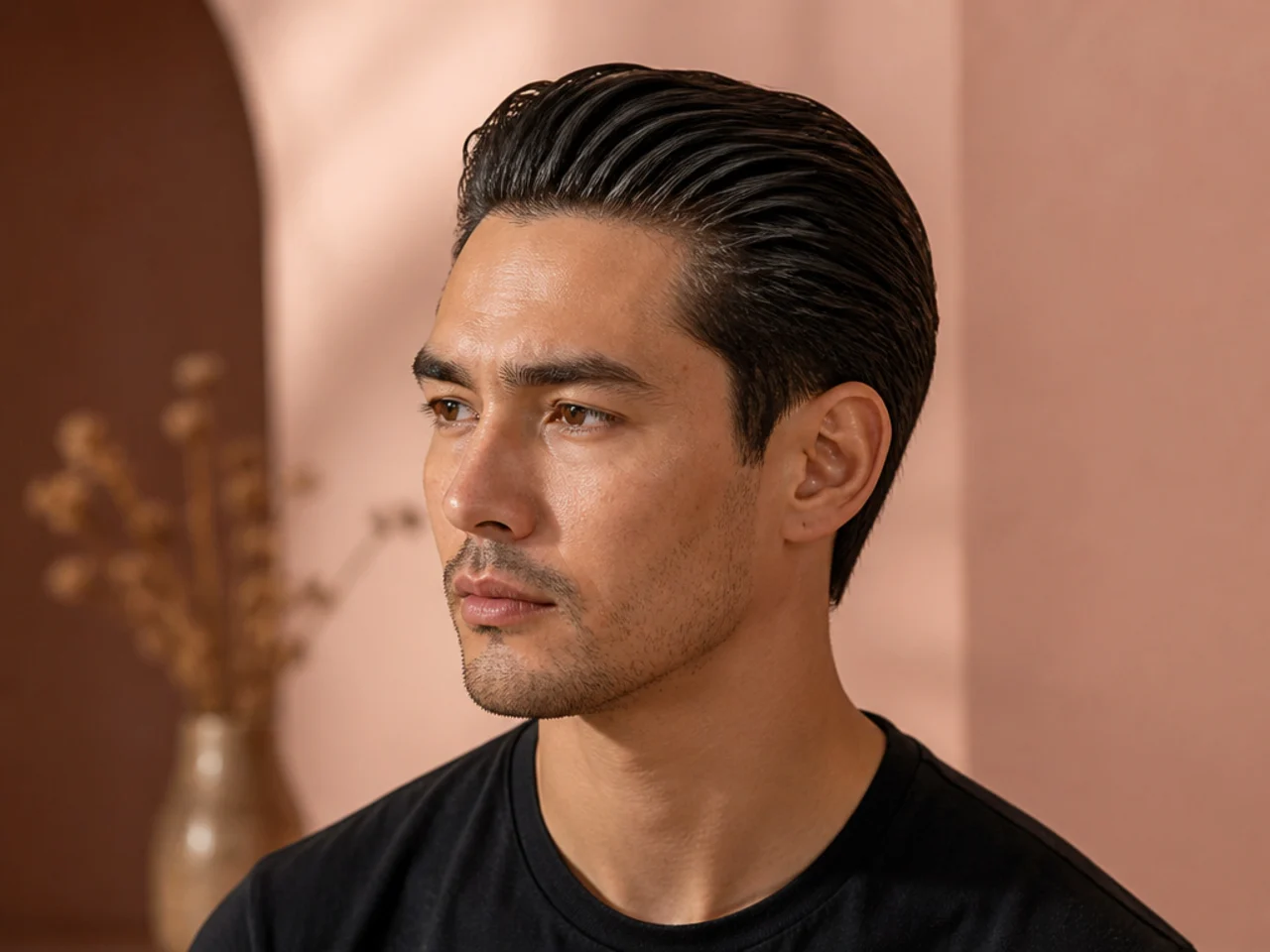
An old money cut is a family, not a single silhouette. What links every member: a tailored top between two and four inches, sides cut mostly with scissors rather than clippers, a matte or low-shine finish, and a perimeter sharp enough to still read intentional at week two. Nothing shaved into the hair. Nothing bleached. Nothing that would look out of place in a black-and-white photograph from 1962.
The core roster: the ivy league haircut, the tailored side part hairstyles for men, a sculpted comb-over, a matte-finish slick back haircut, a refined French crop, and any tailored scissor taper.
Where it lives on the head is straightforward. The top sits combed to the side, back, or forward — never spiked, never gelled, never lifted with heat past what a small comb can hold. The sides are scissor-tapered from a #4 or #5 down to a #2 above the ear, with no skin exposed anywhere the eye can find without looking twice. The neckline follows your natural growth line rather than a squared block or a razored line.
Workplace fit is total. Boardroom, courtroom, hospital, hospitality, creative agency, Saturday soccer — none of them register the cut as anything but "he made an effort." That invisibility is the point.
What Counts as a Trendy Fade
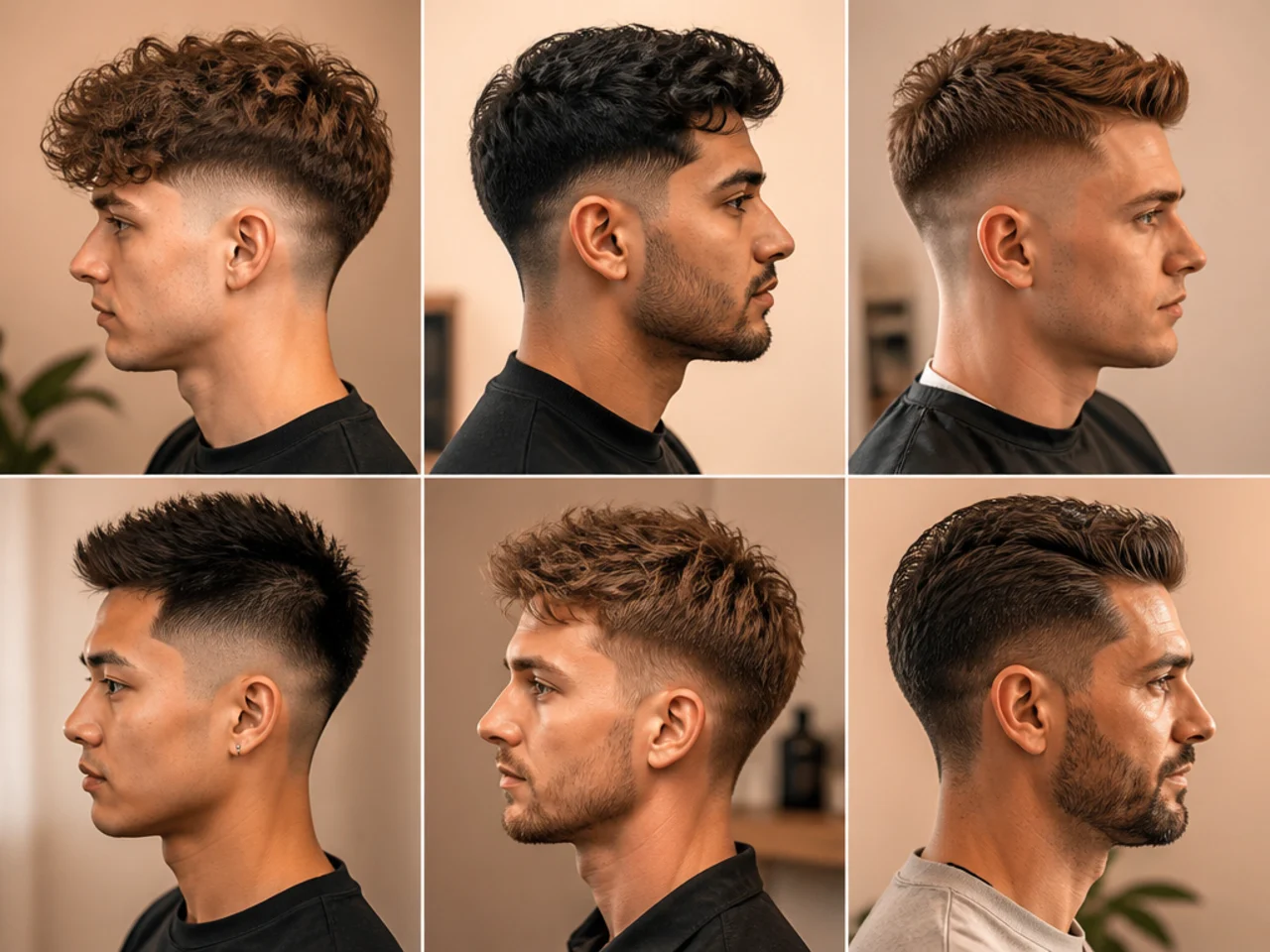
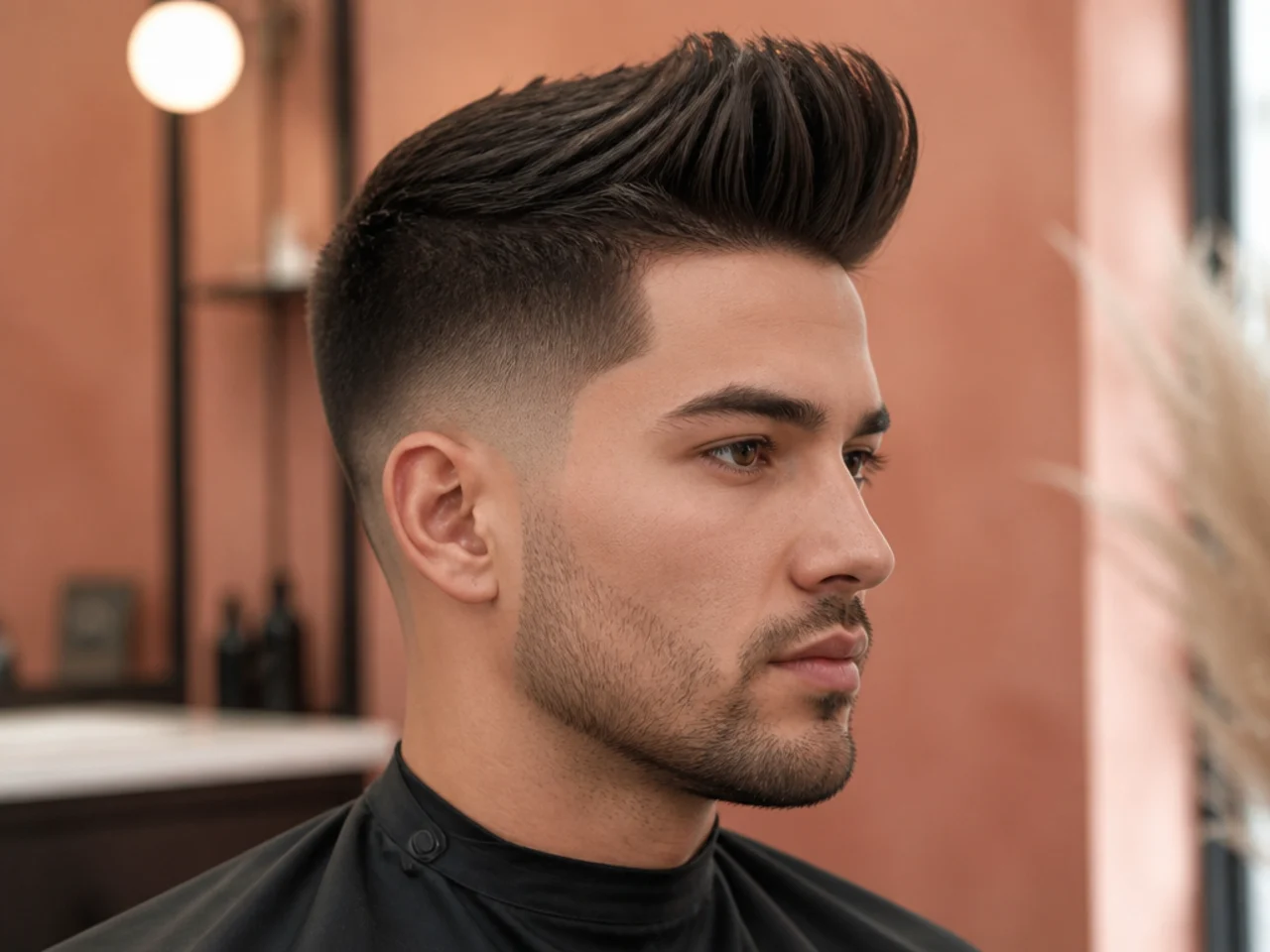
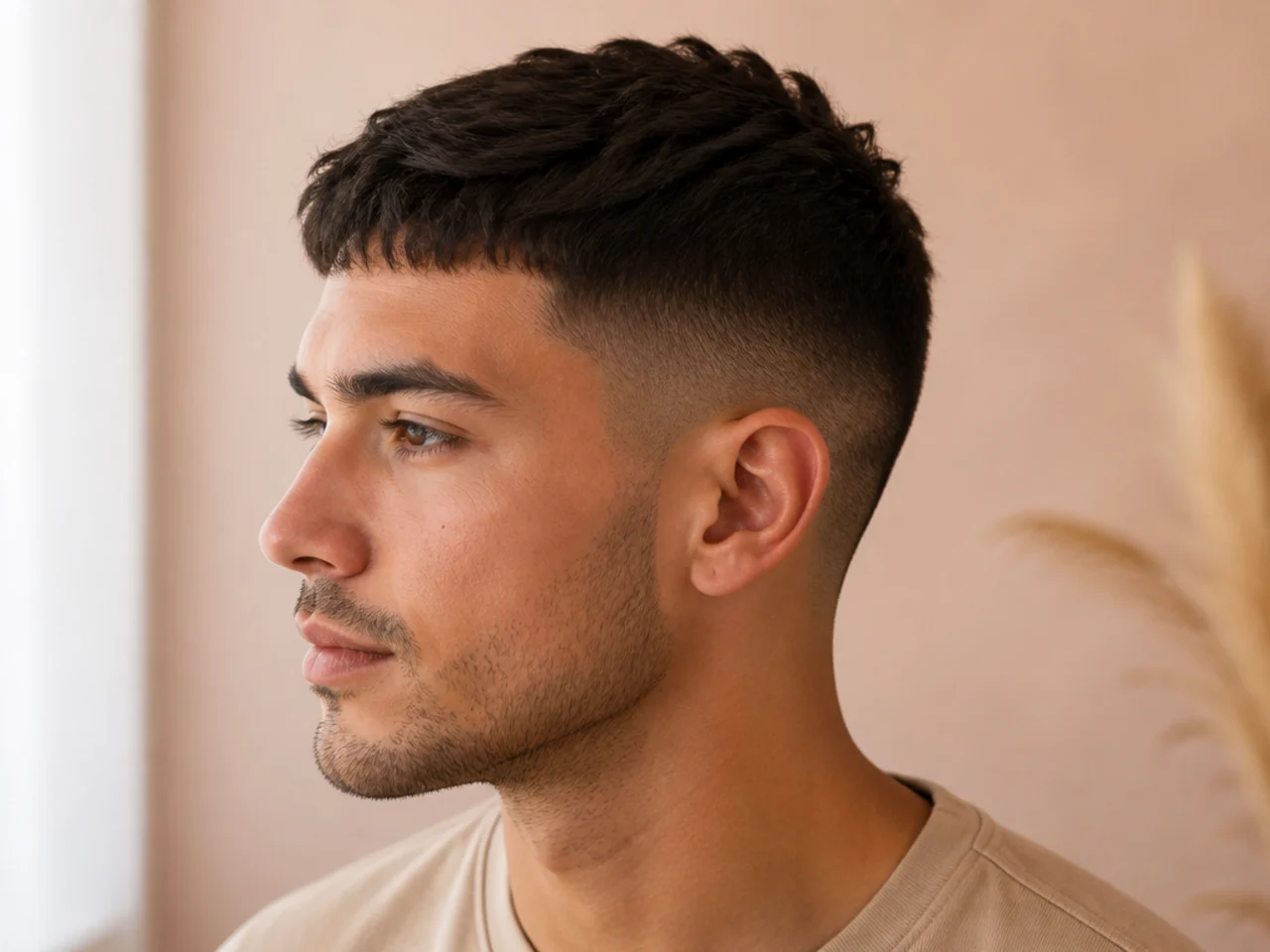
A trendy fade is a clipper-built cut where the gradient does most of the talking. The sides drop from a longer guard to bare skin over a short vertical distance — sometimes an inch, sometimes less. A defined line-up finishes the perimeter. The top is often shorter and shaped than an old money top: a textured crop, a comma piece, a two-block, a burst-fed mullet, or a middle-part flow that got its moment on TikTok.
Under this umbrella: the classic mid or high fade haircut, a burst fade, a drop fade with a hard part, a skin fade under a comma, a two-block undercut, a low fade under a mullet. All different silhouettes; all sharing the same DNA of clipper contrast plus current styling.
The read is intentional and current. Whoever cut it wanted you to see it. That's not a criticism — it's a job, and the fade does it well. The problem is that "current" is a moving target. What reads sharp in 2026 will read dated in 2029 the same way a 2019 slicked-side undercut with a beard fade reads dated now. The cut carries a timestamp built into the geometry.
Maintenance is high. The gradient collapses fast — a two-week grow-out on a skin fade is visible from across a room, and by week four the whole cut looks like a different haircut. That's the trade you sign up for.
Reason 1: Perimeter Beats Gradient on Longevity
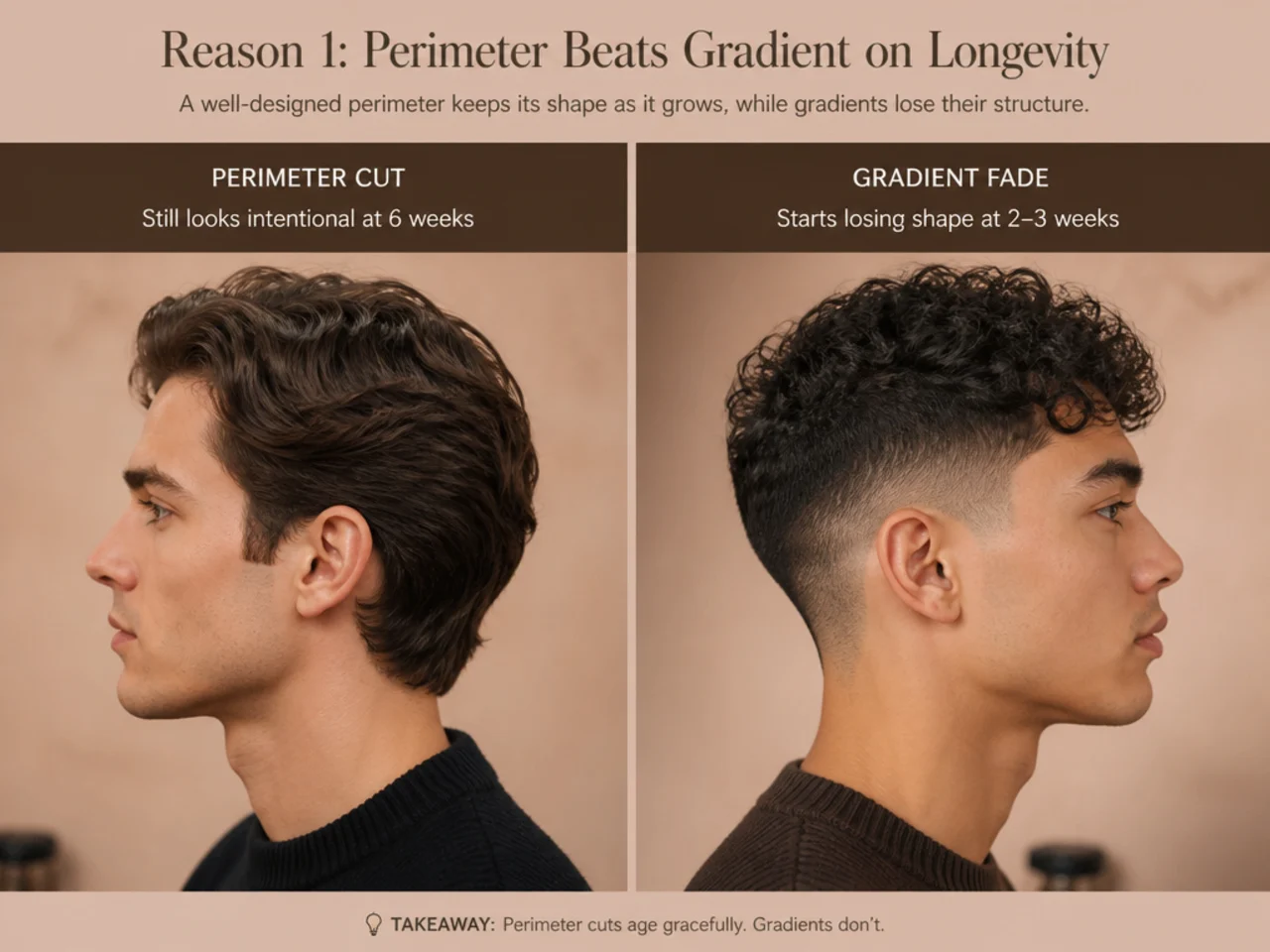
A trendy fade lives on its gradient. The moment the shortest point grows in by an eighth of an inch, the contrast that made the cut work starts to blur. Week two is soft. Week three is fuzzy. By week four you're looking at a different haircut than the one you paid for.
An old money cut lives on its perimeter — the sideburn line, the edge around the ear, the neckline. Perimeters grow slowly. A well-cut scissor taper reads sharp for two weeks, acceptable for four, and salvageable for six with nothing more than a razor at home. The whole shape doesn't collapse because there's no gradient to collapse.
This is why old-money-adjacent guys wear the same cut for years without their friends noticing they've stretched appointments. The perimeter carries the whole cut, and the perimeter is what your barber spends the last ten minutes on. That's the ten minutes worth paying for.
The math over a year isn't subtle. Book a skin fade every two weeks at $45 and you're at $1,170 before tips. Book a scissor taper every four weeks at $45 and you're at $585. Same barber, half the money, and the second cut looks fresher at week three than the first cut does at week two.
Reason 2: Workplace Universality
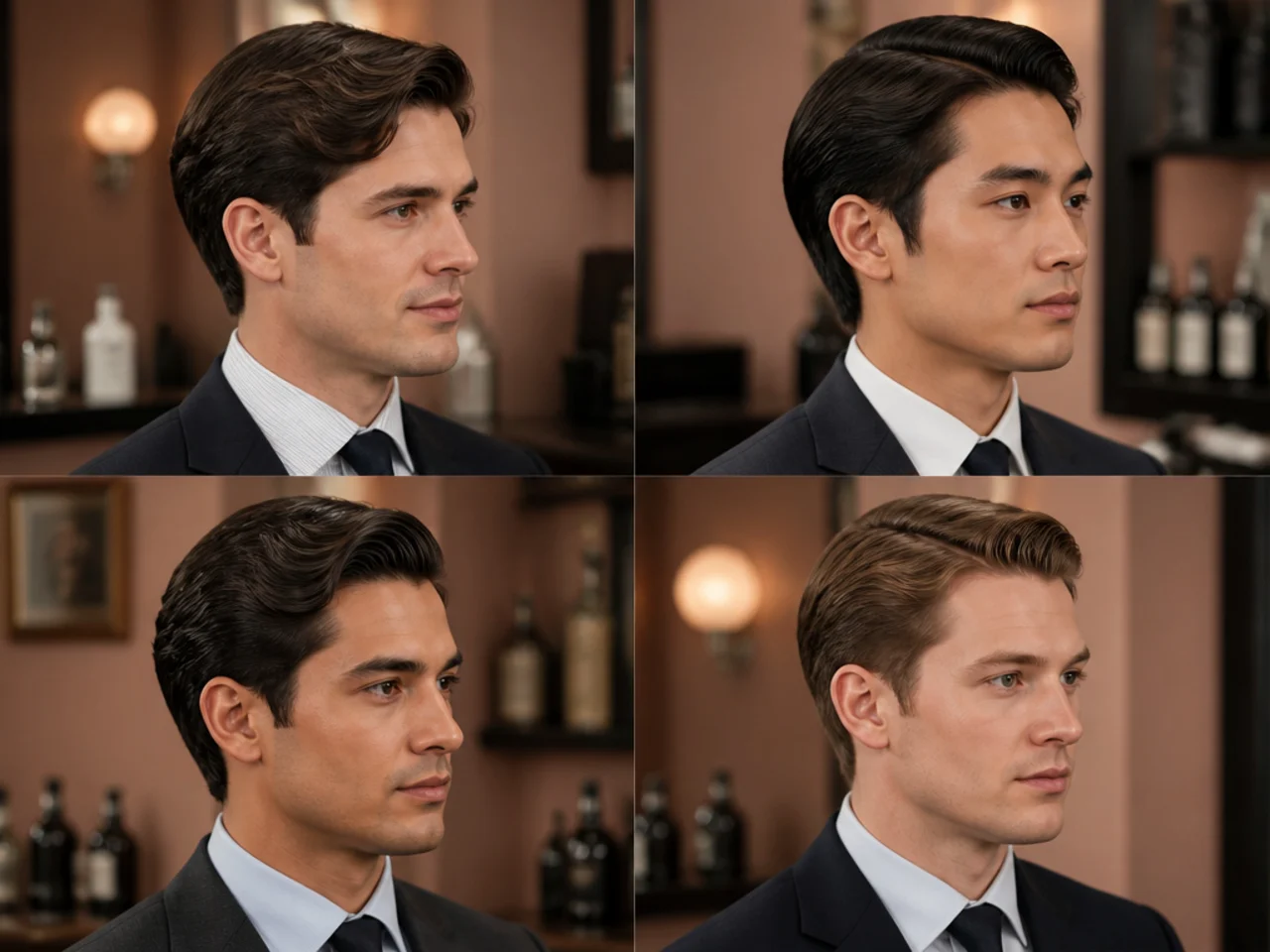
Traditional finance, corporate law, medicine, executive-track consulting, courtroom trial work, high-end hospitality — every one of these environments reads a hard skin fade as a style choice. That's not a moral judgment; it's a fact about how partners over 45 look at hair. The old money cut sidesteps the read entirely. It looks like you made an effort without telegraphing what the effort was.
The trendy fade splits along industry lines. Tech, creative, trades, service, hospitality kitchens, gyms, and startups don't blink at a mid skin fade with a hard part. That covers a lot of the American workforce — but if you're the exception, and you spend Monday through Thursday in a jacket, the fade adds friction to a room you're already working to win.
The old money cut solves this by disappearing. A tailored side part looks appropriate under a suit at a partner review, appropriate under a merino crewneck at a client dinner, appropriate under a linen shirt at your sister's wedding, and appropriate in a photograph at your kid's soccer game. Nothing about it competes with the room. The trendy fade earns the room's attention whether you asked for it or not.
If you're not sure which side of the workplace line you sit on, look at the three men in your office whose careers you'd trade for. If they all wear scissor tapers, that's your answer. If half of them wear textured crops with skin fades, the fade is on the table.
Reason 3: Maintenance Economics
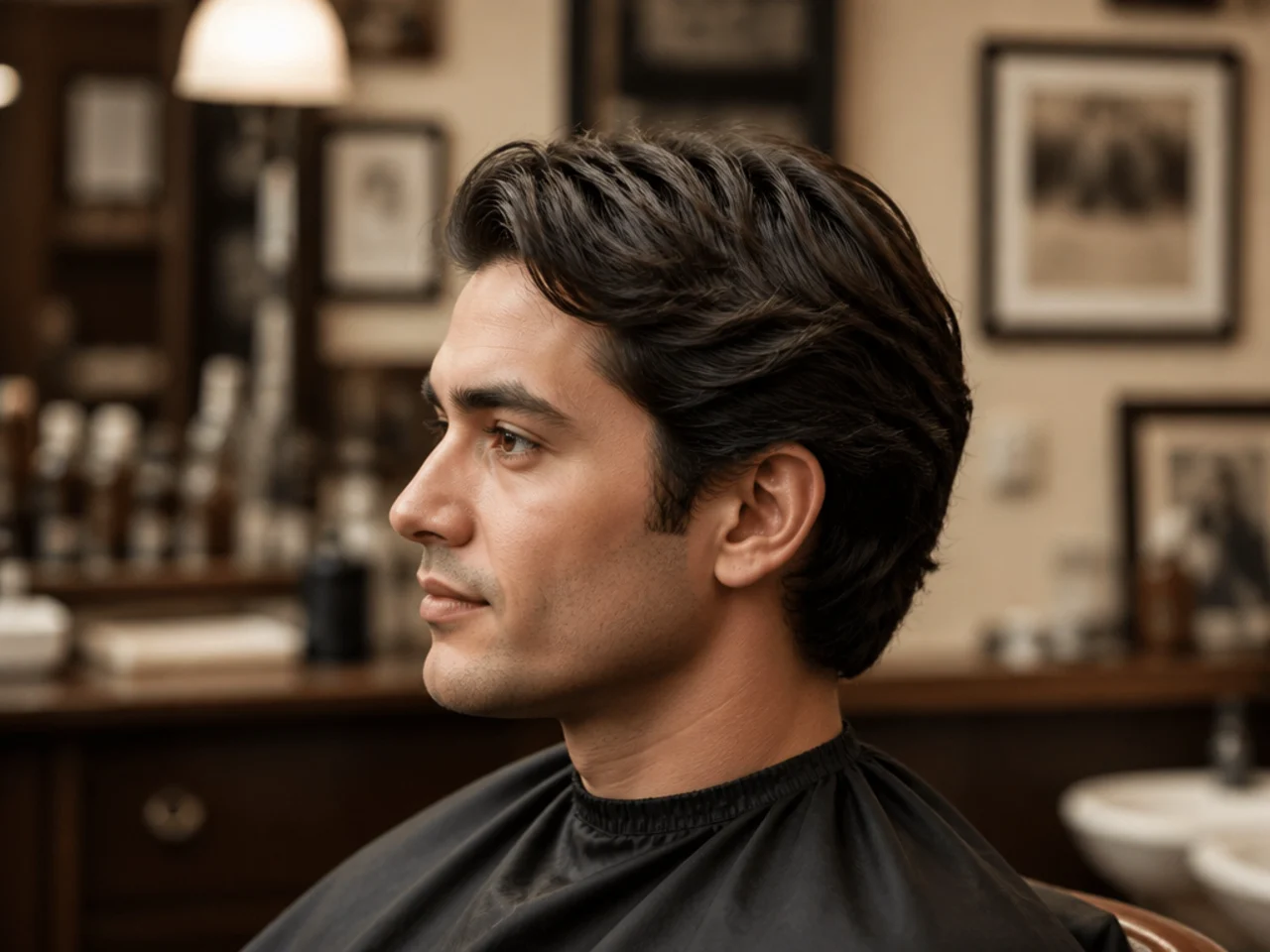
Trendy fades are expensive across three axes.
Time in the chair. A skin fade takes 40 to 55 minutes if your barber does it right — the gradient work is what you're paying the extra minutes for. A scissor taper takes 25 to 35. Over 26 visits a year, that's about ten hours of your life either sitting in a chair or driving to one.
Cost per year. A fade at $45 every two weeks runs $1,170. A scissor taper at $45 every four weeks runs $585. If your barber charges a premium for fade work — many do, because the labor is real — the gap widens. A $65 skin fade every two weeks is $1,690.
Cost per look. Fades depend on the skin panel staying skin. As soon as stubble grows back, the whole cut collapses to a shaggier version of itself. A scissor taper never had a skin panel to lose. Grow-out on old money looks intentional; grow-out on a fade looks overdue.
There's a fourth cost that doesn't show up on any receipt — the mental load of tracking a two-week rebook cadence. If you missed the appointment last time and the schedule slipped, the fade tells on you. The old money cut doesn't. Pick your battles; the barbershop shouldn't be one of them.
If your calendar has any pressure on it at all, the four-to-five-week cadence of the old money cut wins every argument.
Reason 4: Ages With the Man
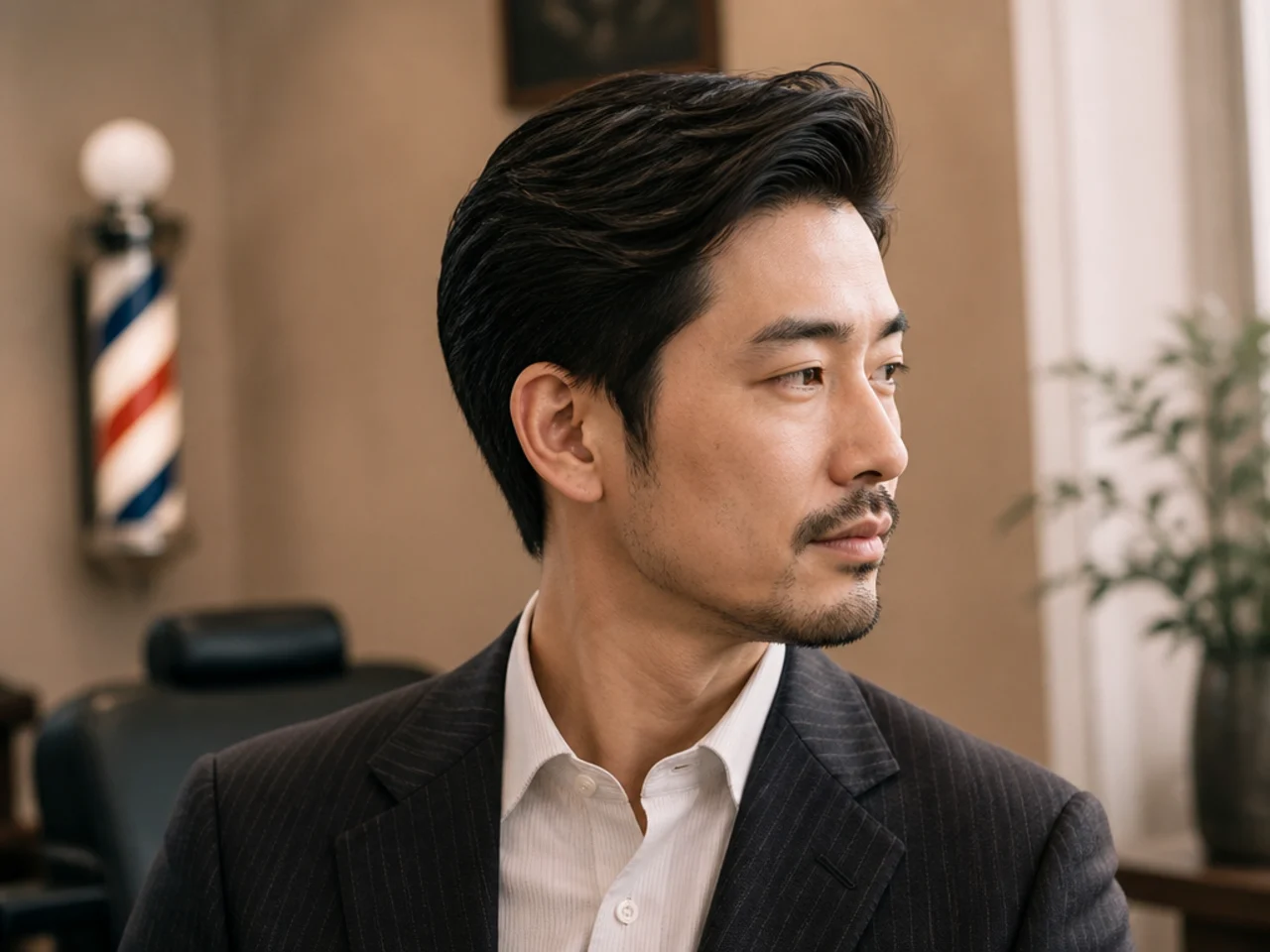
A trendy fade skews young. That isn't gatekeeping — it's geometry. The high-contrast gradient reads sharpest on thick, dark hair with no thinning at the temples. The moment your hairline starts to move or your density drops, the fade starts pointing at the thing you don't want pointed at. High fades in particular ride right up to the temple area, which is where most guys thin first.
An old money cut ages with you. The tailored top hides a shifting hairline honestly rather than aggressively. The matte finish reads full even when density drops because it doesn't reflect scalp. The perimeter still carries the cut, and perimeters don't care how old you are. Cary Grant wore a version of the same cut at 30, 50, and 70. The photographs still work.
There's a photograph problem worth naming out loud. Pull up a picture of yourself from a decade ago. If you were wearing a slicked-side undercut with a beard fade in 2016, that photograph tells you exactly when it was taken from thirty feet away. If you were wearing an ivy league haircut in 2016, the photograph could have been taken in 1996, 2006, or last week. That's what "timeless" actually means — the cut doesn't put a date stamp on your face.
If you're 25 today, that time-stamp problem feels theoretical. It doesn't stay theoretical. Every cut you post to social gets archived, gets pulled up at reunions, gets shown to your kids. Pick the one that ages with you.
Reason 5: The Photograph Test
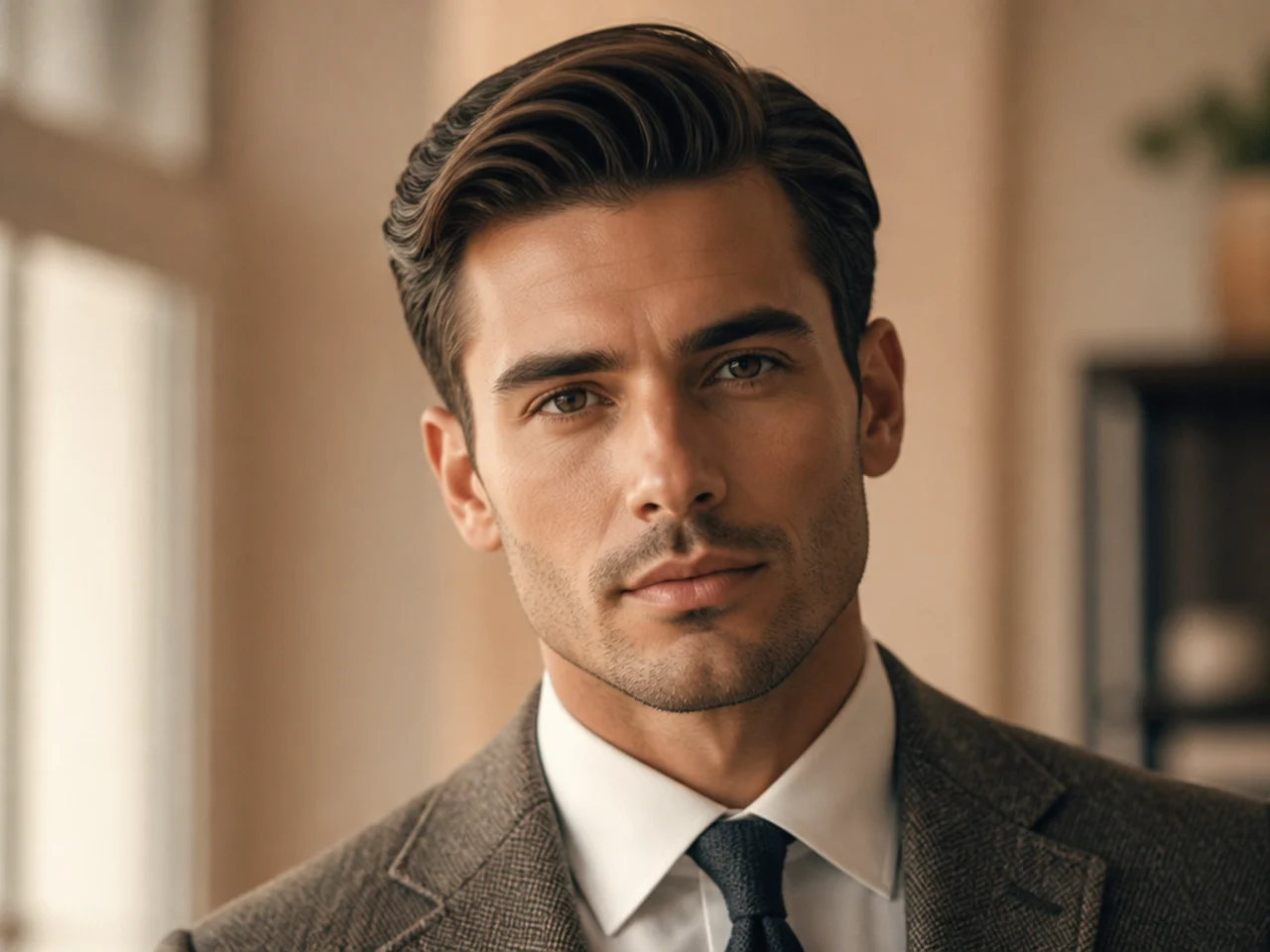
Ask any wedding photographer, headshot photographer, or portrait photographer which cut they prefer to shoot and they'll all give you a variant of the same answer: whatever reads clean under any light.
Old money cuts read clean under every light. Golden-hour outdoor, harsh overhead office fluorescents, warm interior tungsten, a phone flash at a rehearsal dinner, a black-and-white portrait — the tailored top and scissor perimeter photograph well in all of them because the cut has one silhouette and the silhouette doesn't fight the lighting.
Trendy fades are lighting-dependent. A high skin fade under harsh overhead light shows every stubble line at the low point. A burst fade shot from the wrong angle can look like the barber missed a spot. A hard part that photographs sharp under studio lights can look like a shaved line under a phone flash. None of this is a barber's fault — it's what happens when the cut depends on contrast and the light changes the contrast.
The stakes here aren't hypothetical. Every professional headshot, engagement photo, LinkedIn portrait, and family Christmas card gets taken under lighting nobody asked you to approve. If your cut only reads sharp under one condition, you'll spend the rest of your life at the mercy of whoever's holding the camera. If your cut reads sharp under all of them, you never think about it. That's the trade.
For anything you're shooting in the next 12 months — headshots, wedding, book cover, campaign — book the old money cut. For a Tuesday-night selfie, book whatever you want.
Old Money vs Trendy Fade: Side by Side
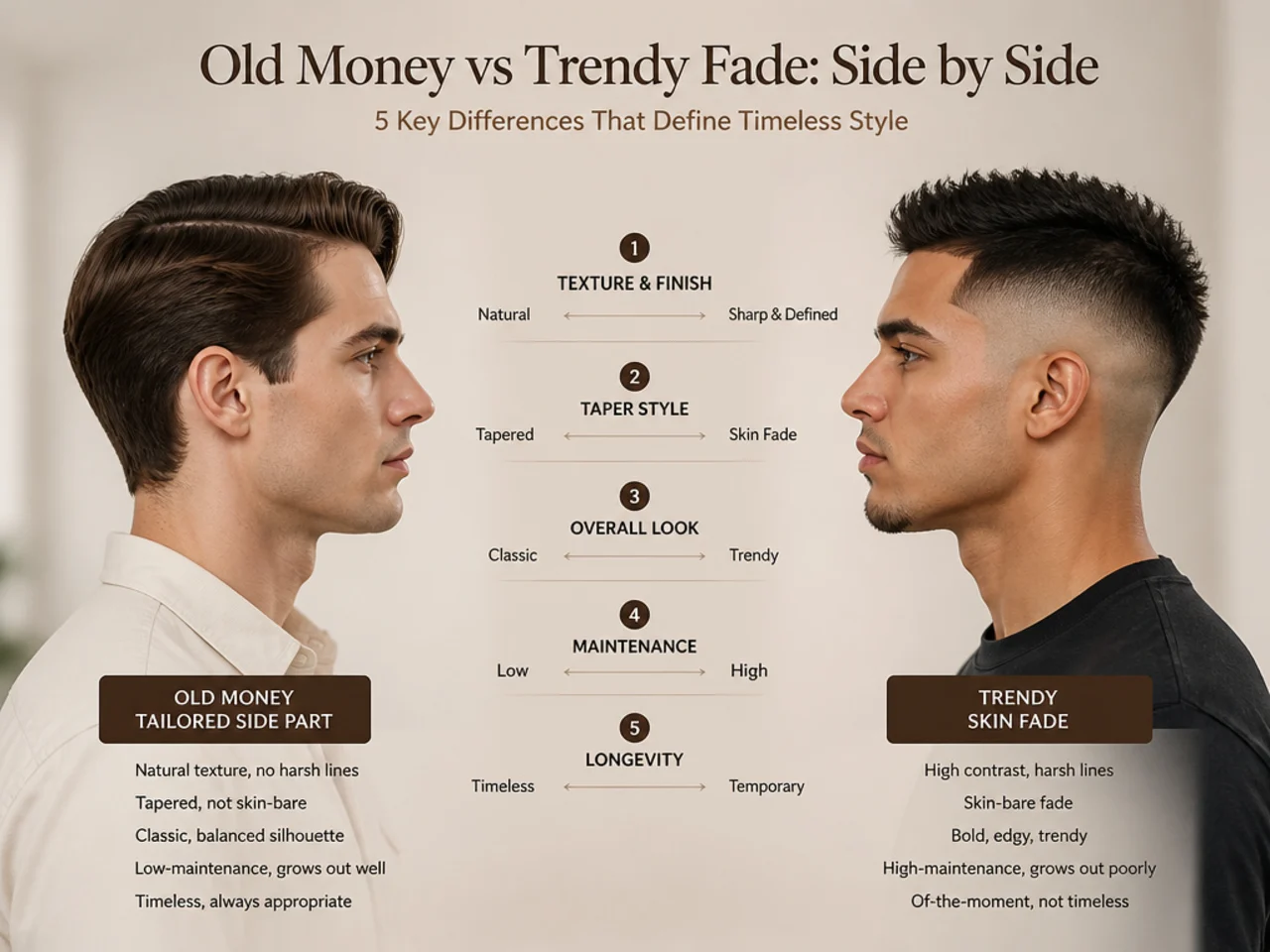
Here's the decision matrix, on one screen.
Two more numbers worth naming.
Product shelf. Old money needs a matte clay, a matte cream, and a light matte pomade — three tins that last a year. Trendy fades often need a texture spray, a stronger hold clay, a blow-dryer with a diffuser, and sometimes a curl cream. More product, more counter space, more decisions in the morning.
Regret rate. Ask any barber how many clients come back apologizing for a cut. Nine out of ten regrets are on the fade side. Nobody regrets a scissor taper. That's not a statistic anyone publishes — it's what barbers say when you press them.
Where the Trendy Fade Still Wins
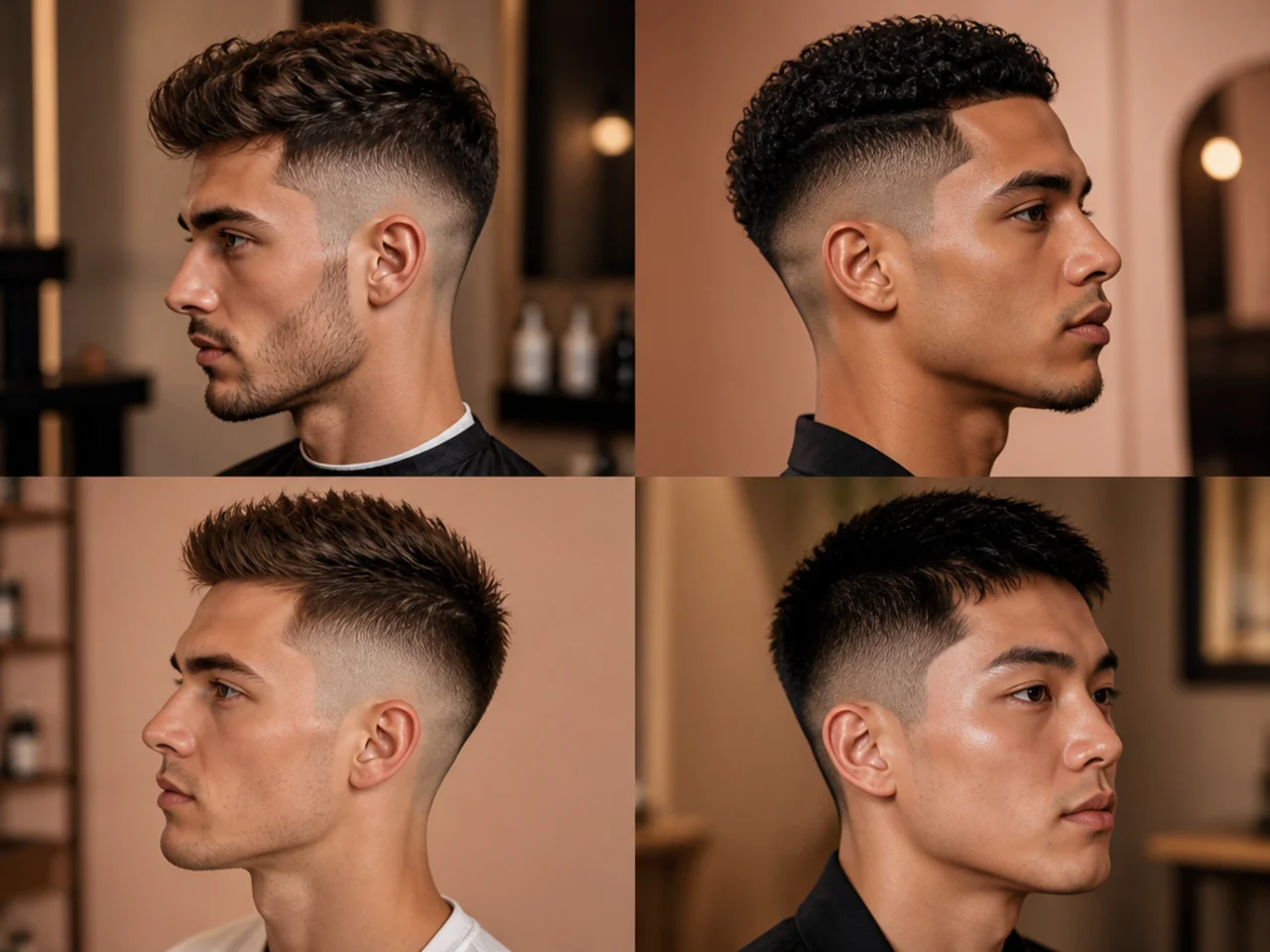
Fair is fair. Three places the trendy fade actually beats old money.
Curly and coily hair. Type 3 and Type 4 hair benefit from the exposed side that a fade creates. The clean skin quiets the visual weight at the ears so the curl pattern on top gets to be the loudest thing in the frame. An old money scissor taper on tight curls can leave too much width at ear level. If your hair is a #3B or tighter, a low or mid taper fade is often the better shape. See low taper fade for the softest version.
Round faces that want vertical lift. The tall skin panel of a mid or high fade visually stretches a round face upward. An old money side part gives some vertical lift too, but a well-cut mid fade with a textured top on top does it more efficiently.
When the whole point is being seen. If you're a musician, a stylist, an actor, or anyone who wears their look as part of the job, being remembered matters more than being invisible. The fade does that. Old money quietly refuses to.
If you fall into any of these three, book the fade. If you don't, the tailored cut wins the other 350 days.
Which Should You Pick?
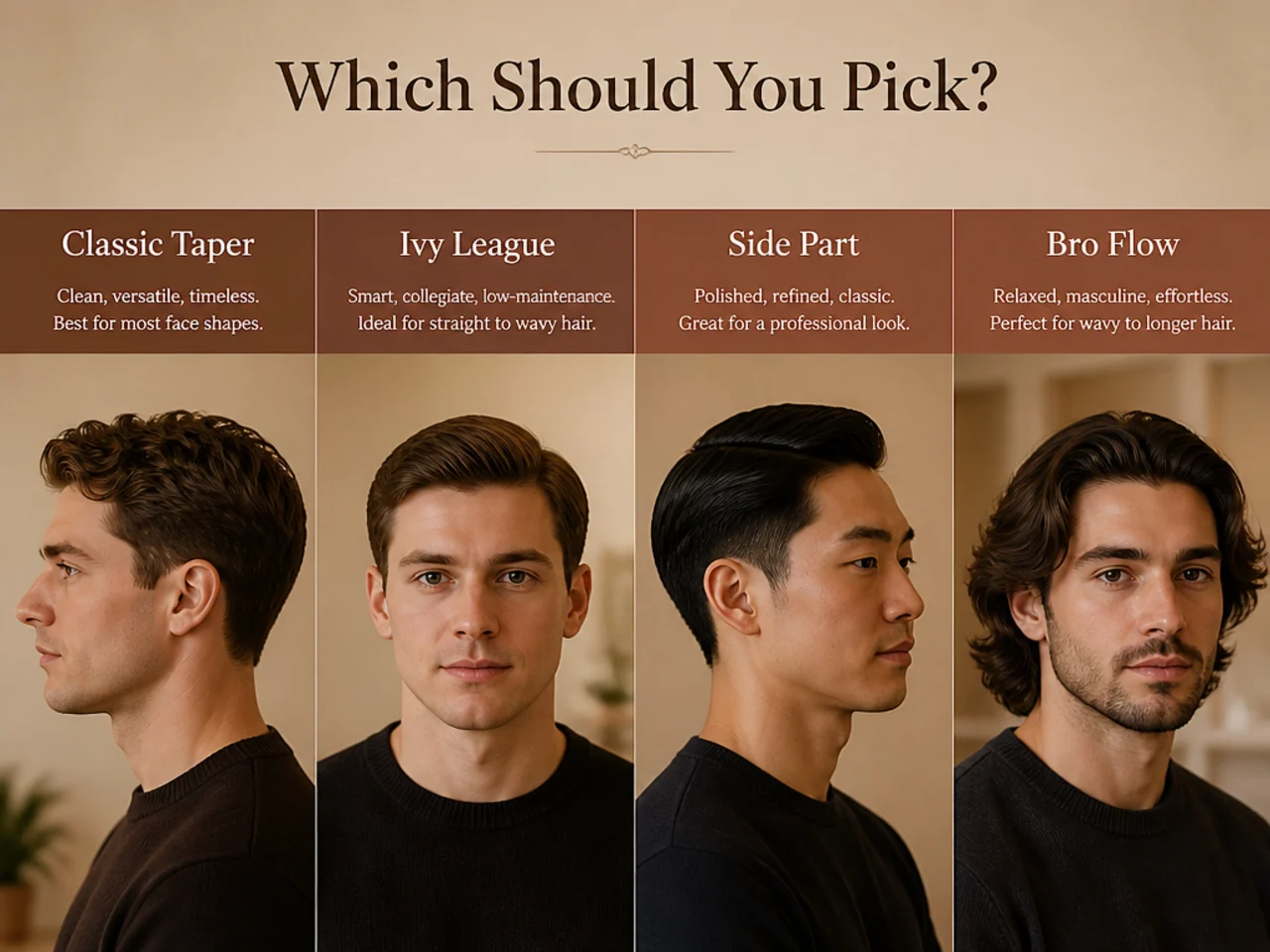
Pick the old money cut if:
- You work in traditional finance, law, medicine, or any conservative environment.
- You want your grooming budget to run under $700 a year.
- You have straight to lightly wavy hair.
- Your hairline is receding or your temples are thinning.
- You're over 35 and tired of your cut telegraphing which year it was cut in.
- You have professional photographs, a wedding, or headshots coming up.
- You want to book a barber every four to five weeks rather than every two.
Pick the trendy fade if:
- You have Type 3 or Type 4 curly or coily hair.
- You work in a creative, trade, or service industry with no dress code.
- Your face is round and you want the vertical lift a tall fade creates.
- You genuinely enjoy the two-week rebook cadence.
- You want the cut to be the visible thing about your look.
- You're under 30 and comfortable with the trend cycle.
If you're stuck between the two, book the middle path — a scissor-tapered side part with a soft low fade below the temple. That's what the guys in professional hairstyles for men all end up wearing eventually. You get 90% of the old money read plus the clean under-the-ear finish the fade fans want.
How to Ask Your Barber
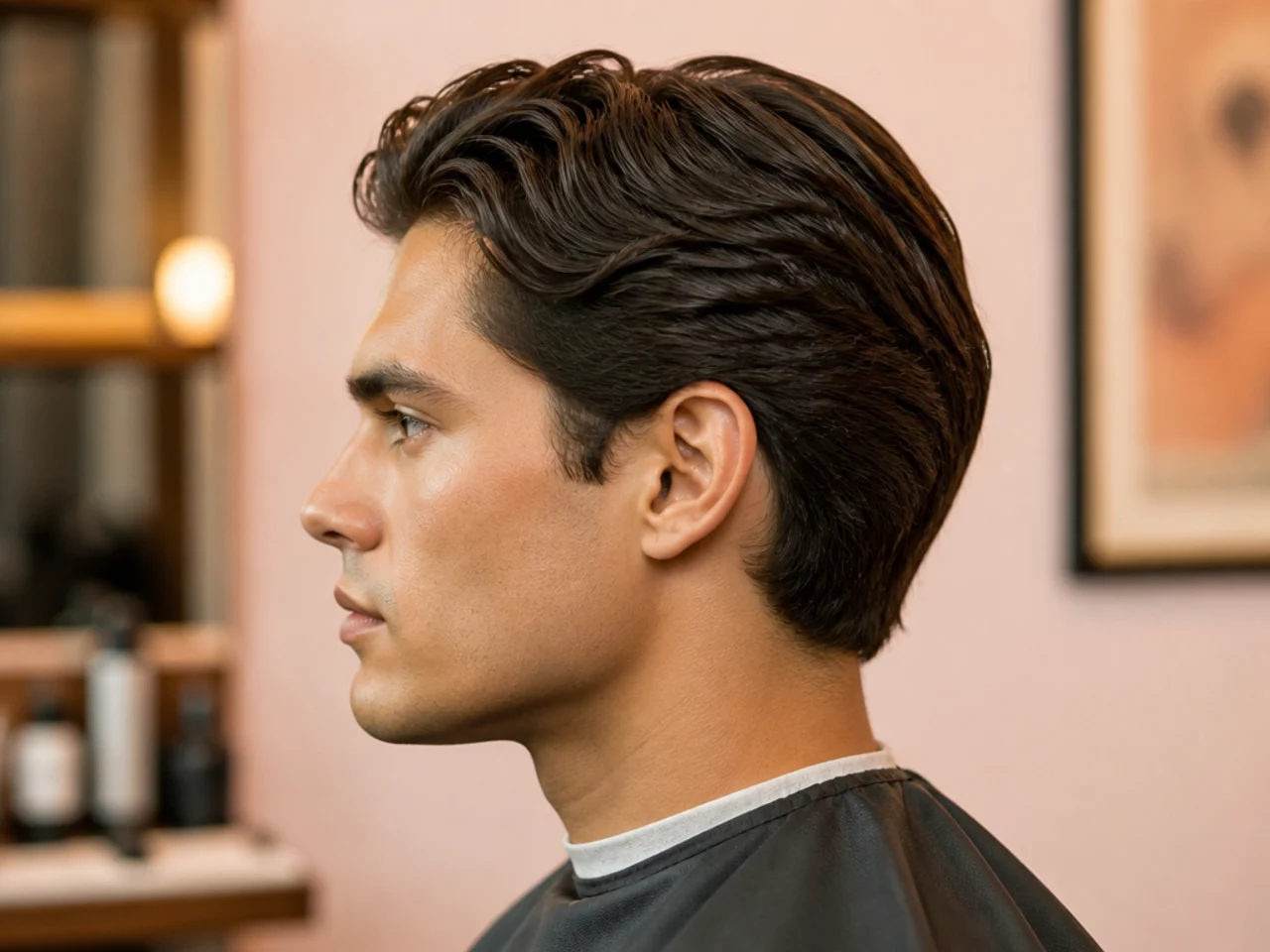
The specs matter more than the label. Whichever side you land on, hand your barber five things:
- A reference photo. Not the family — the specific version. Screenshot the cut you picked from this guide or from the old money mens haircut roundup and hand it over.
- The top length in inches. Two and a half for an Ivy League. Three for a tailored side part. Four for a comb-over or slick back. For a trendy fade top, one to two inches with the shape specified — comma, crop, two-block.
- The side treatment. For old money: "Scissor taper from a #4 down to a #2, no skin exposed." For a trendy fade: "Low, mid, or high skin fade, with a hard line-up at the sideburn and nape."
- The finish. Say "matte" for old money. Say "textured" for a fade with a modern top. Never say "shiny" unless you mean it.
- The rebook. Book the next appointment before you leave the chair. Four to five weeks for old money, two to three for a fade.
That's the whole conversation. The barber does the rest.
Final Thoughts
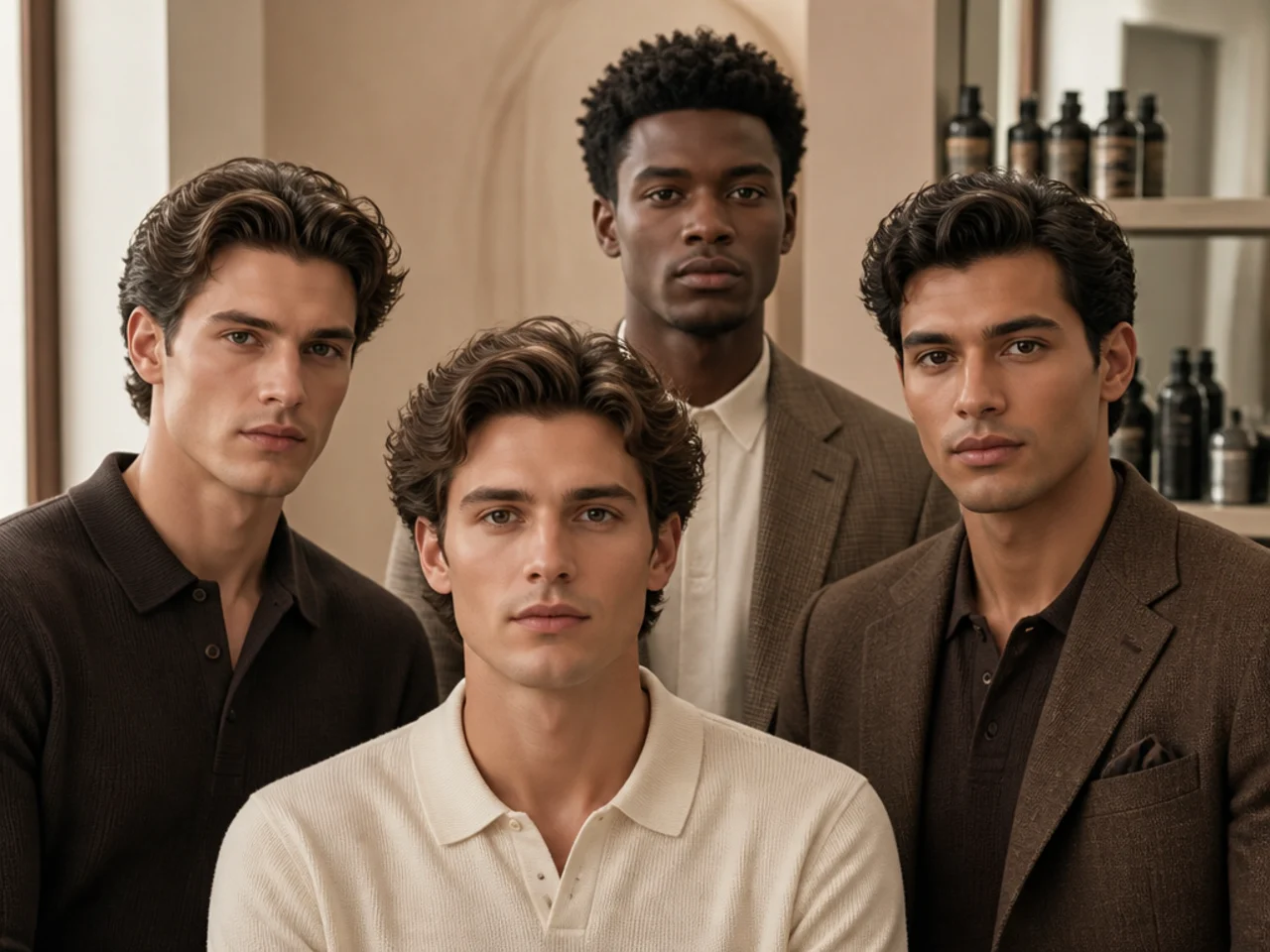
Old money vs trendy fade isn't really a fight — it's a lifestyle choice about how visible you want your grooming to be for the next thirty years. The trendy fade wins the moment you leave the chair. The old money cut wins every other moment: the Tuesday commute, the Thursday client dinner, the Saturday wedding, the LinkedIn headshot, the photograph your kids will look at in 2050.
If you're already committed to a fade and it's working for your face, your workplace, and your calendar, keep it. If you've been wondering why the guys whose careers you admire all wear the same tailored cut, this is why. Book the old money haircut for men that fits your face, say the numbers, rebook before you leave. That's the whole trick.