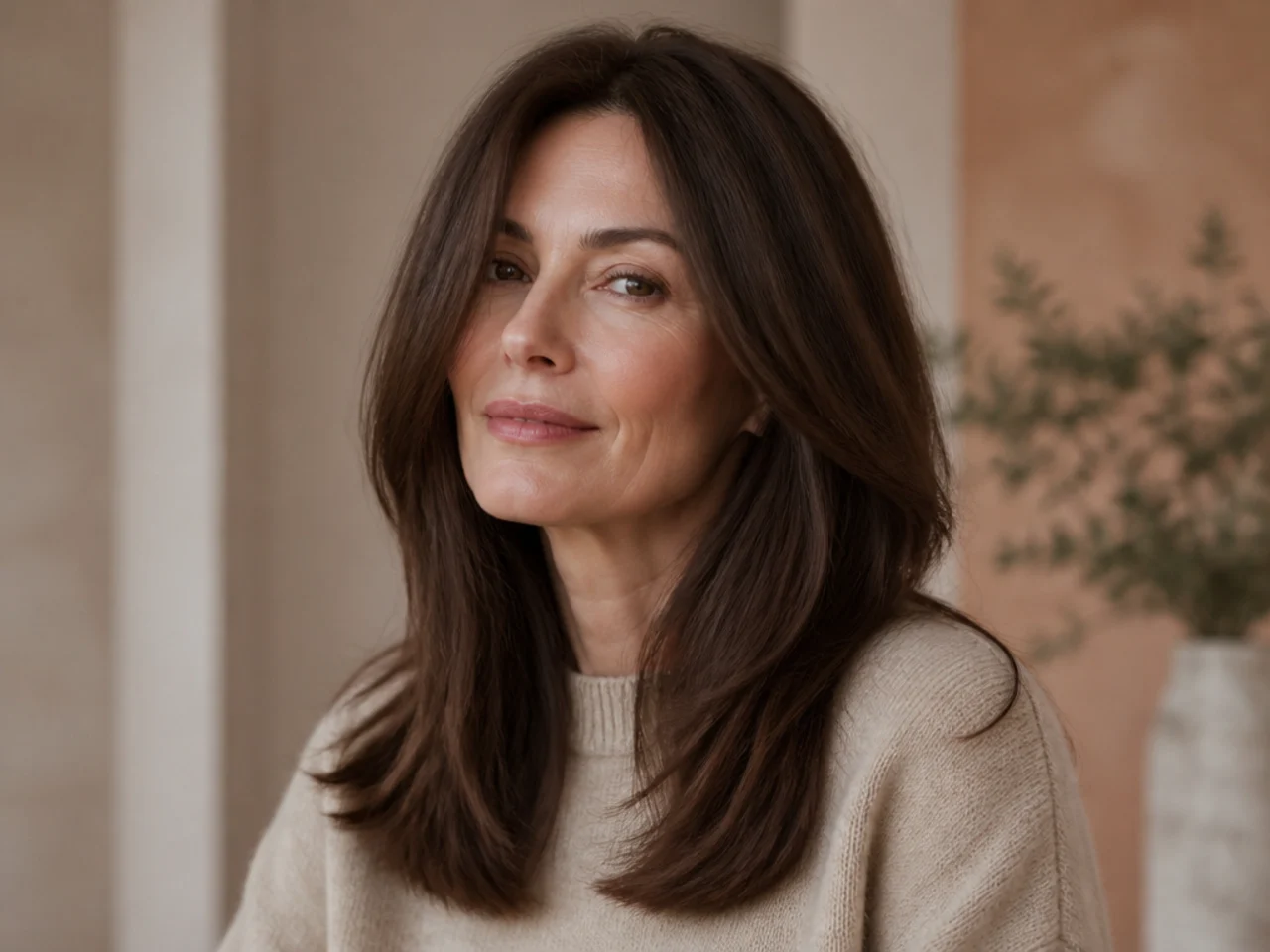
15 Ways to Style an Old Money Haircut
Fifteen ways to wear an old money haircut, and the one timing rule underneath all of them — stop blow-drying at about ninety per cent and let the rest air dry. That last ten per cent is what makes hair look set.
In this article · 22
- What Makes This Styling Work
- How to Choose Yours
- The 15 Ways to Style It
- 1. Ninety Per Cent Blow-Dry, Worn Down
- 2. Fully Air-Dried
- 3. Centre-Parted and Left
- 4. Soft Side Part
- 5. Tucked Behind Both Ears
- 6. Low Ponytail
- 7. Low Ponytail with a Ribbon
- 8. Simple Low Bun
- 9. Half-Up with a Barrette
- 10. Claw Clip Gather
- 11. Loose Plait
- 12. Overnight Plait Waves
- 13. Second-Day Hair, Untouched
- 14. Rough-Dried with Fingers
- 15. A Full Blow-Dry for Comparison
- Styling and Upkeep
- Mistakes to Avoid
- FAQ
- Final Thoughts
The styling repertoire for this aesthetic is deliberately small, and there is one timing rule underneath all of it.
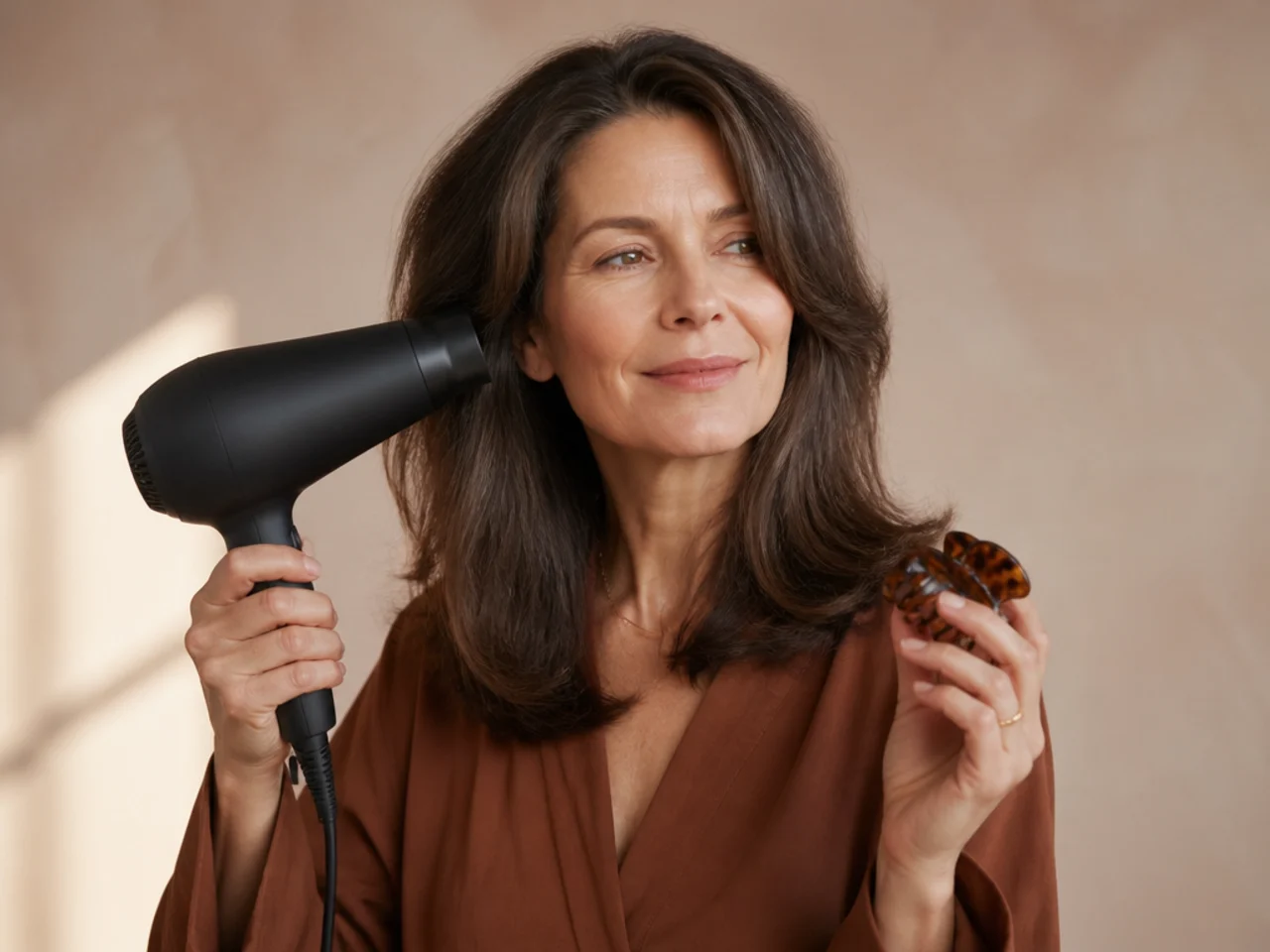
Stop blow-drying at about ninety per cent. Let the last ten per cent air dry. That final stretch is where hair goes from looking dry to looking set, because a fully blow-dried surface is uniform — and uniformity is what reads as styling.
Hair that finishes drying on its own keeps small irregularities in direction and texture. That is the entire difference.
What Makes This Styling Work
Ninety per cent, then stop. The single most useful habit in the whole aesthetic. It costs nothing, takes no extra time, and it is doing more than any product could.
Irregularity is the goal. Uniform surfaces read as done; slightly inconsistent ones read as natural. The eye finds a repeat instantly, and a repeat means a person made it.
Almost no product. Heat protectant, and occasionally a light cream on the ends. Nothing that holds. Hold products preserve regularity, which is the one thing this look cannot carry.
The cut does the work. If the styling has to fix something, the cut is wrong. That is the whole reason this aesthetic is expensive at the salon and cheap at home.
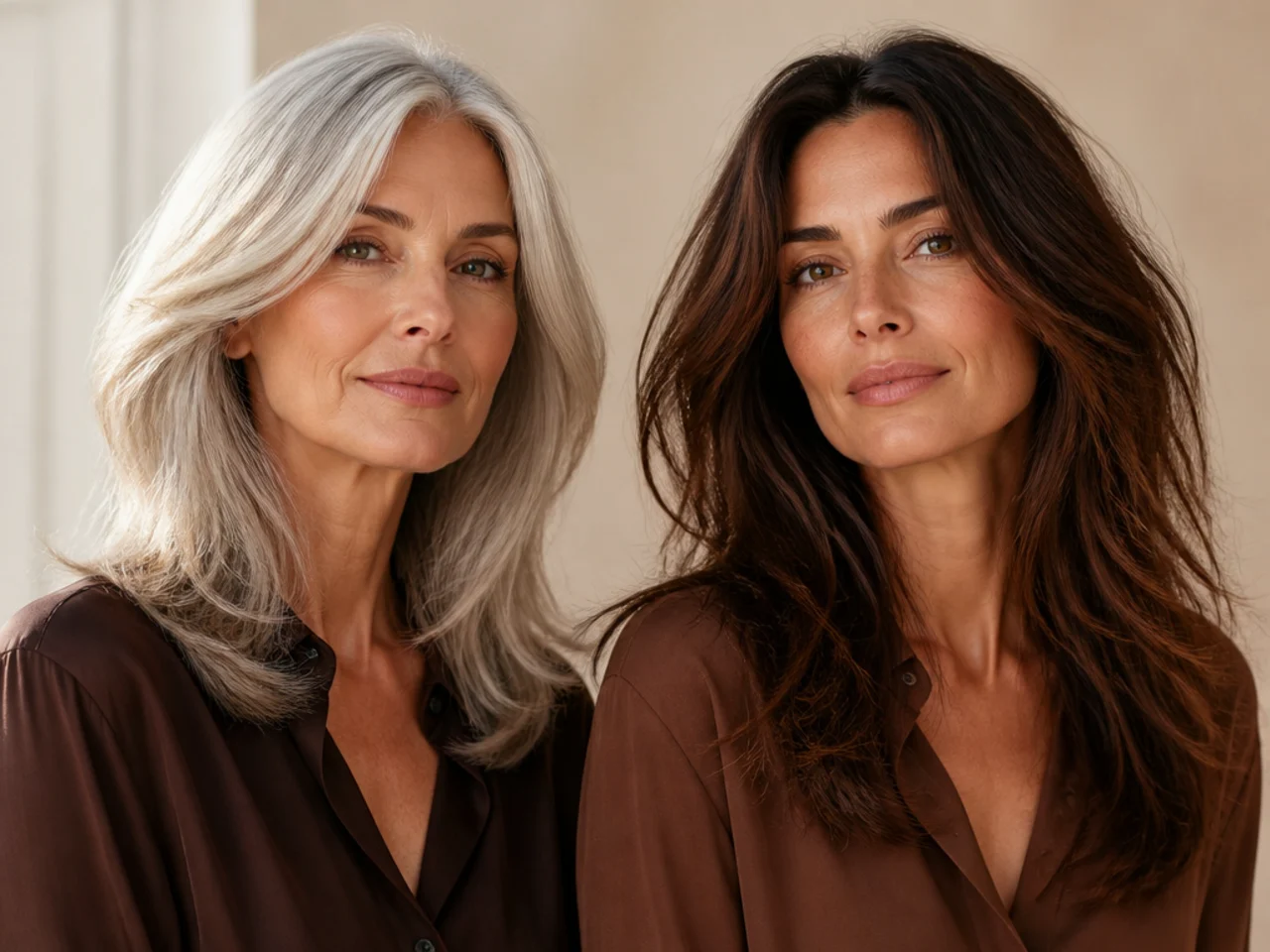
How to Choose Yours
Build the ninety per cent habit first. It changes everything else on this page. Every other habit here is easier once the surface is not uniform to begin with.
Keep the repertoire small. Four or five styles you can do without thinking. Thinking about it is what produces something that looks thought about.
Choose low over high, plain over structured. In every case. Low and plain is the default answer whenever there is a choice.
Add one accessory at most. A ribbon, a plain barrette, a claw clip. Plain metal or tortoiseshell — the moment it becomes decorative it stops fitting.
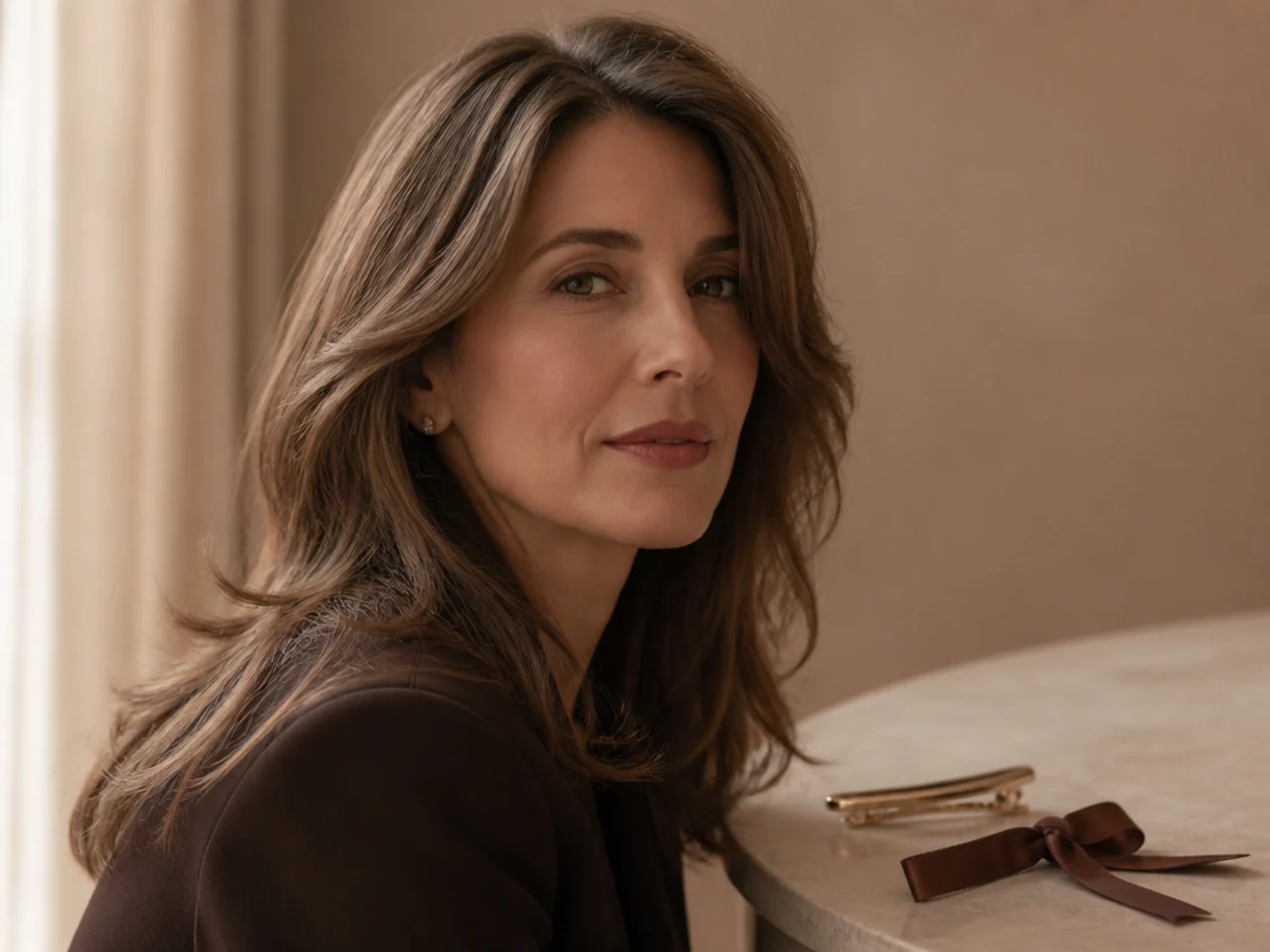
The 15 Ways to Style It
1. Ninety Per Cent Blow-Dry, Worn Down
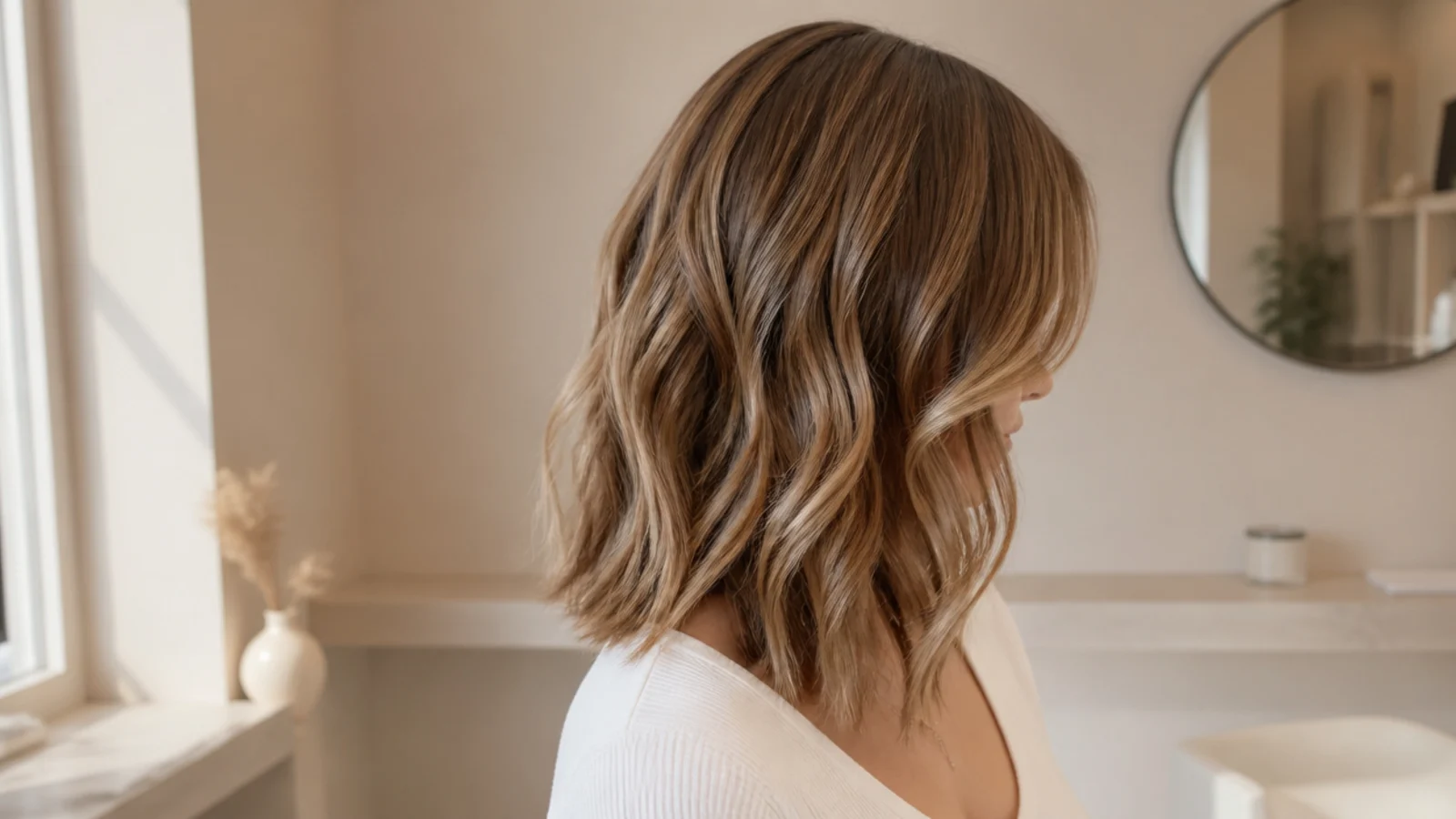
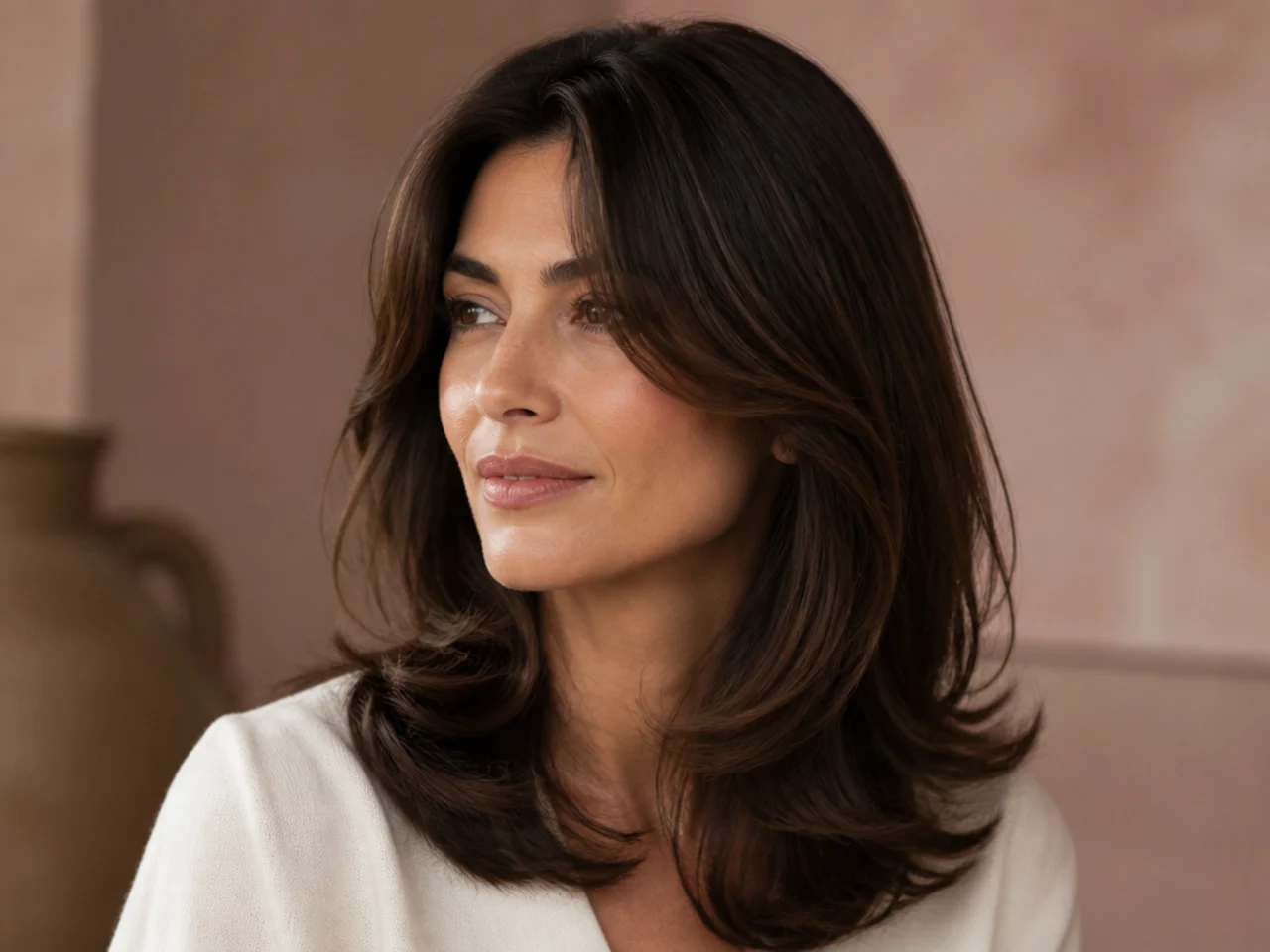
The default, and the one to learn first. The last ten per cent is where hair crosses from looking dry to looking set, so stopping short of it is the whole technique.
2. Fully Air-Dried
Nothing at all. Works when the cut is right. Air-drying exposes the cut completely, which is why this aesthetic puts its money into the cut rather than into styling.

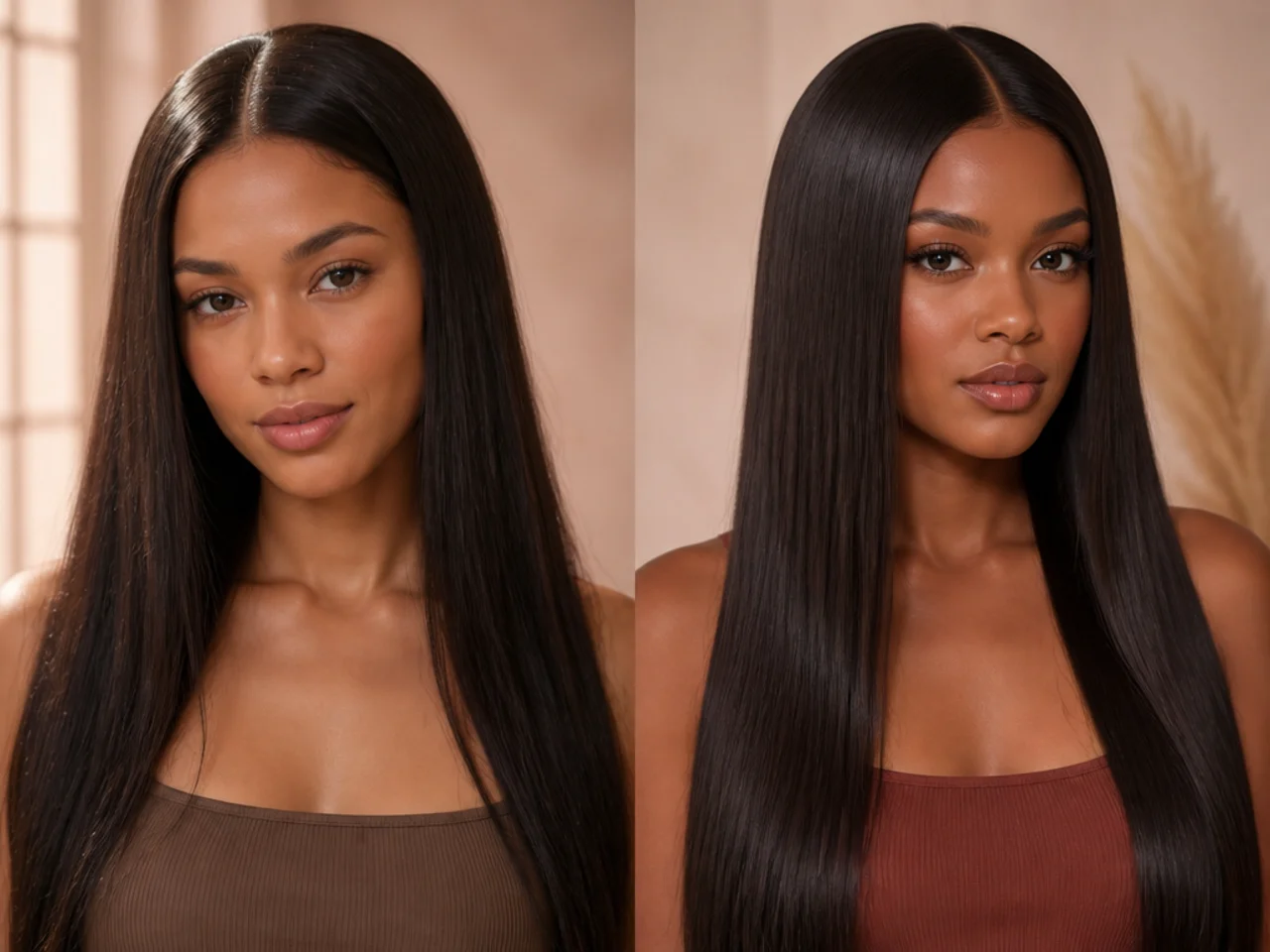
3. Centre-Parted and Left
No framing, no adjustment. A centre part is the least deliberate line available, which is exactly why it suits a look built on not appearing styled.

4. Soft Side Part
The one asymmetric option, kept gentle. Keep it shallow — a deep side part is a styling decision, and this aesthetic avoids visible decisions.
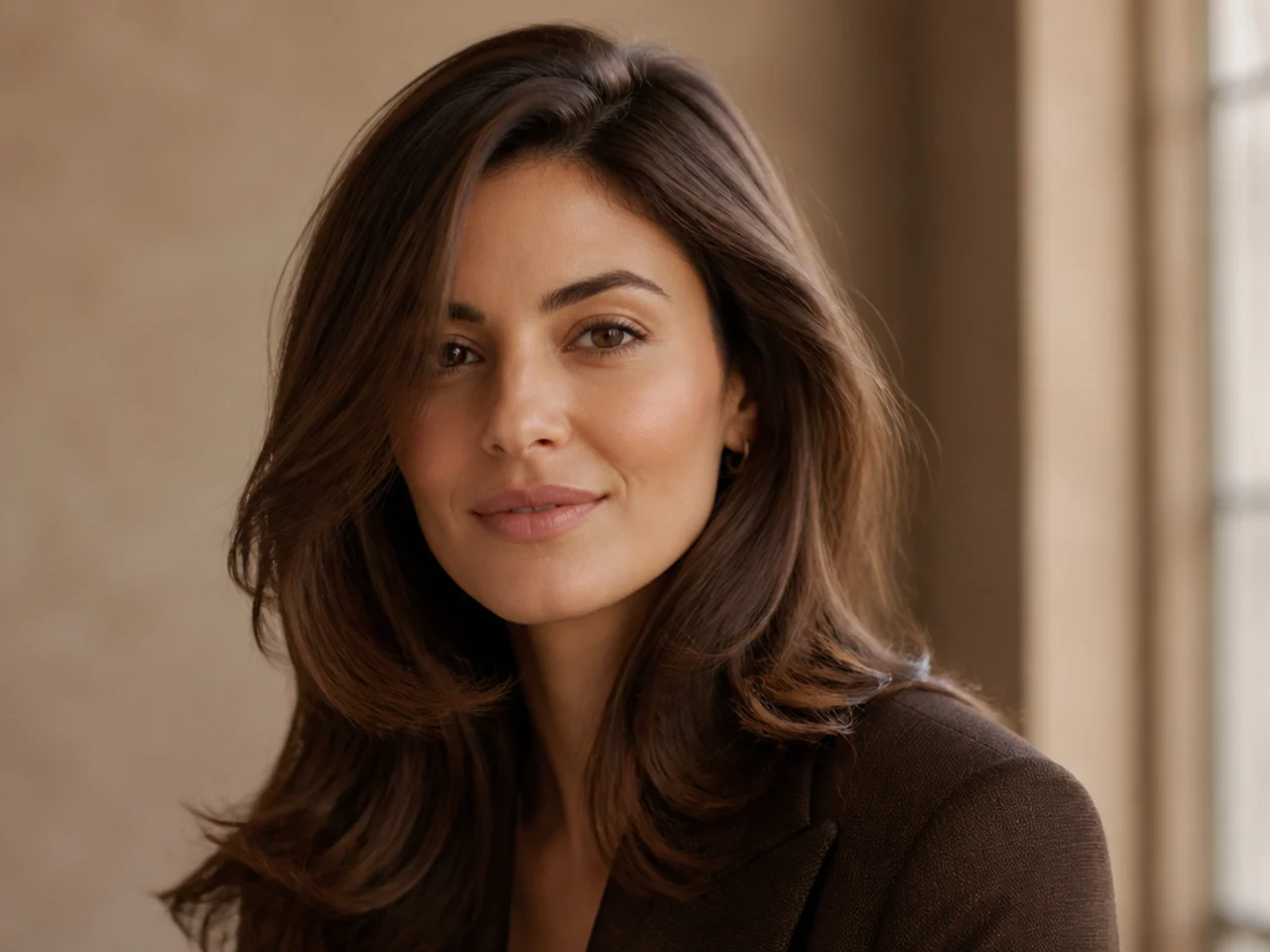
5. Tucked Behind Both Ears
The simplest adjustment there is. It changes the whole framing without touching the hair, which is the cheapest thing on this page.

6. Low Ponytail
Gathered plainly at the nape. Plain rather than sleek — no gel and no smoothing, because polish is what gives the effort away.
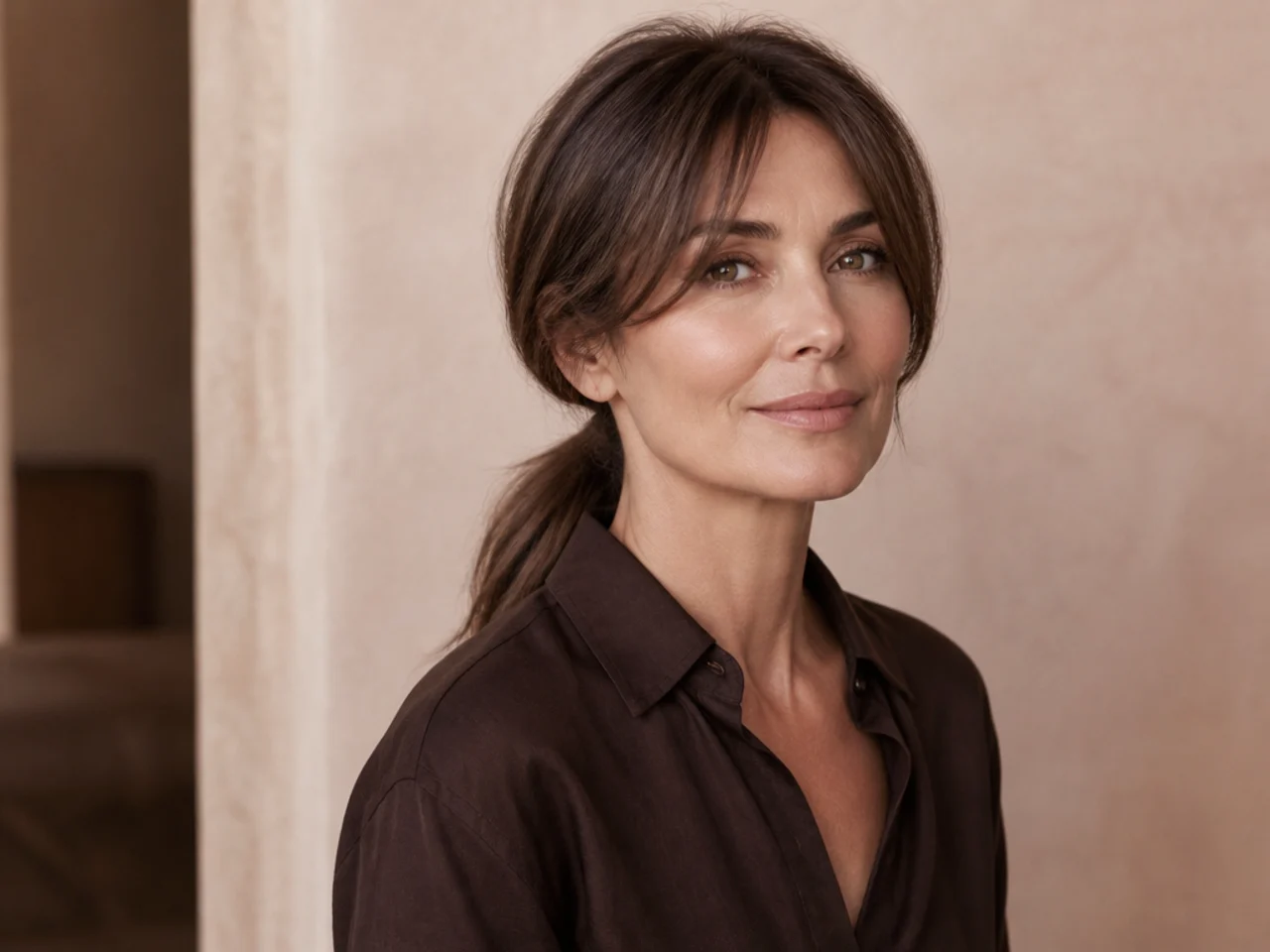
7. Low Ponytail with a Ribbon
The one permitted flourish, in the one permitted place. A ribbon at the nape reads as a small choice; anything higher or larger reads as an accessory.
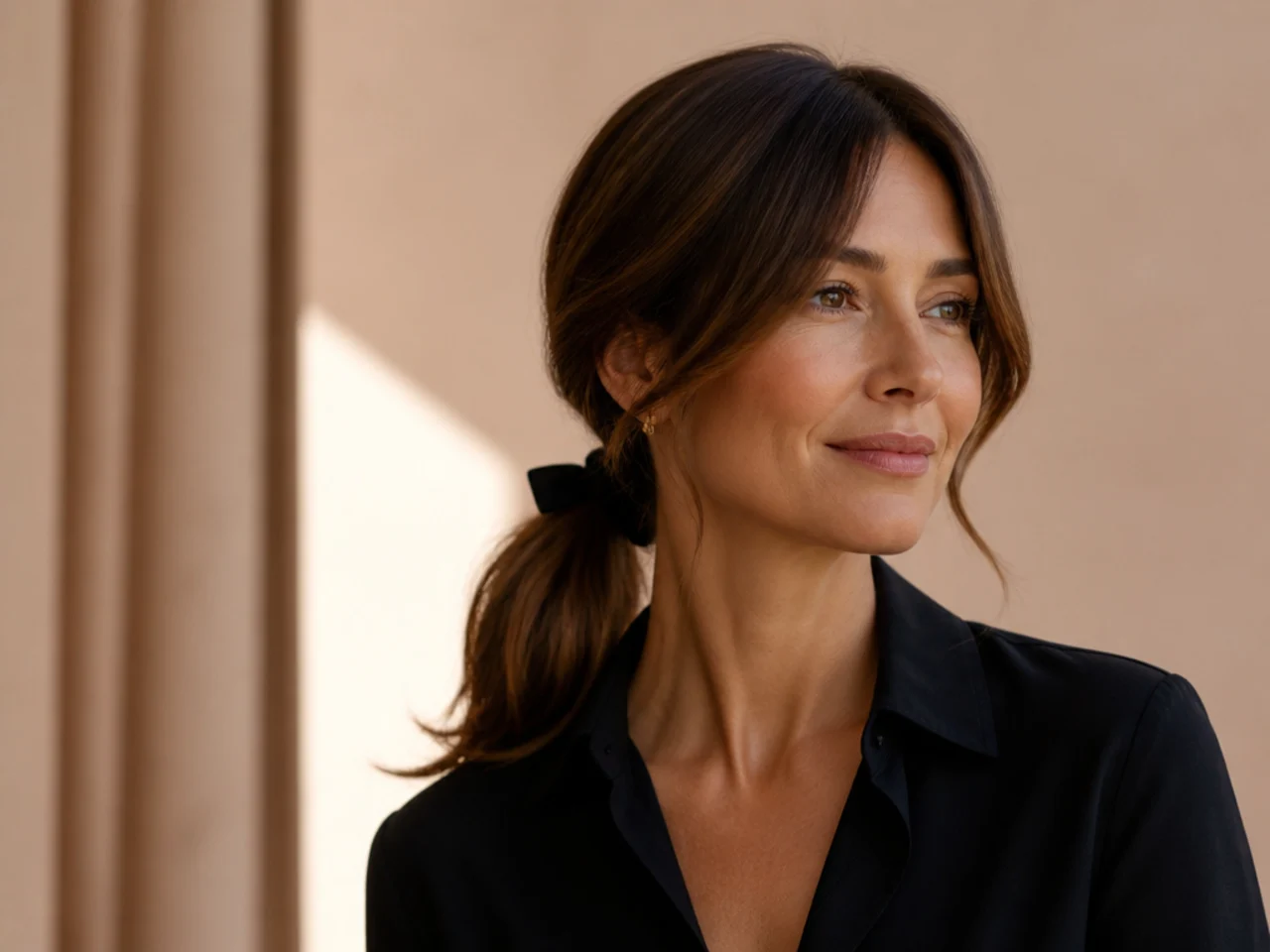
8. Simple Low Bun
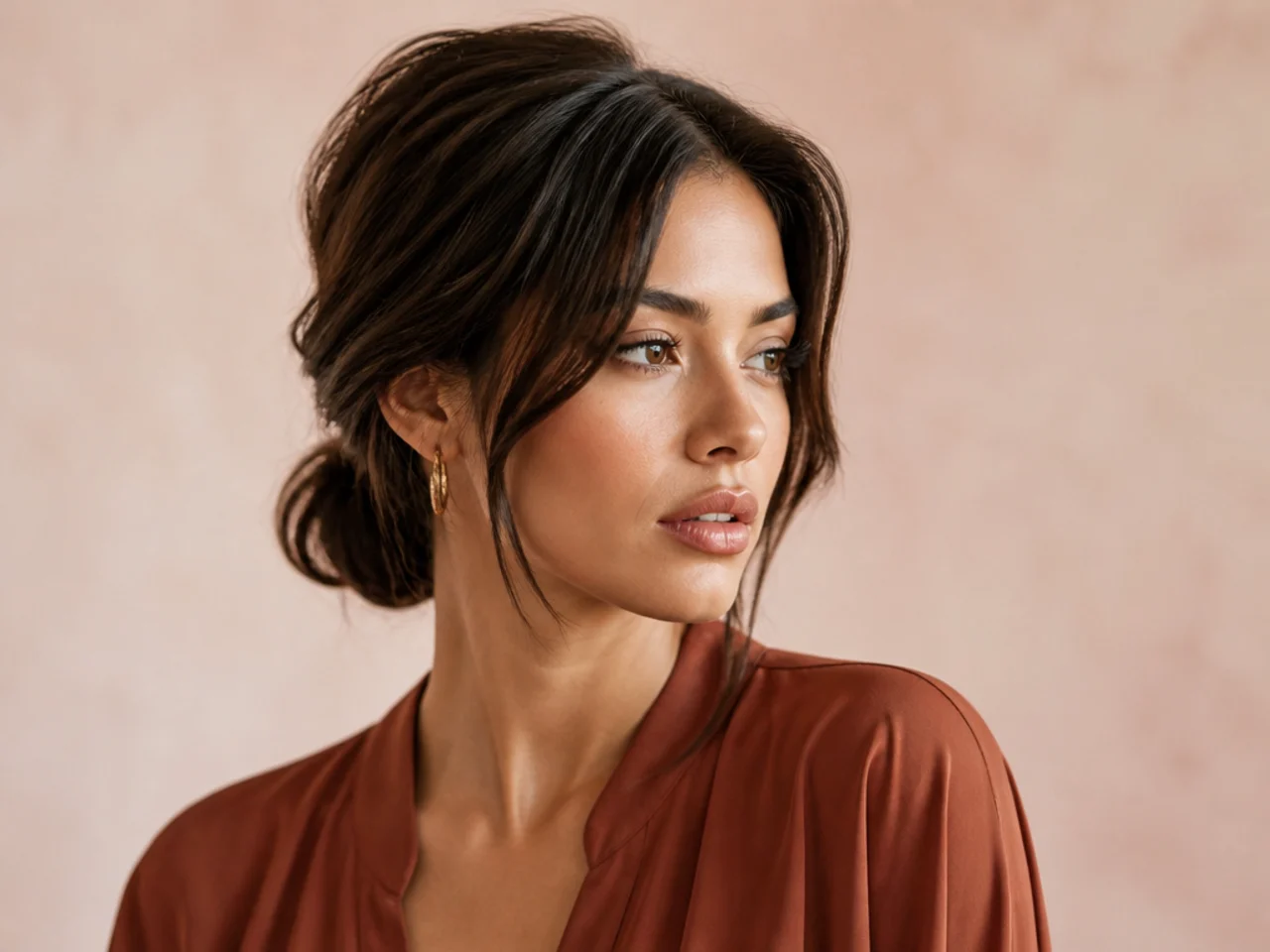
Neat rather than sleek. No gel, no polish. Neat means tidy edges; sleek means a smoothed surface, and only one of those belongs here.
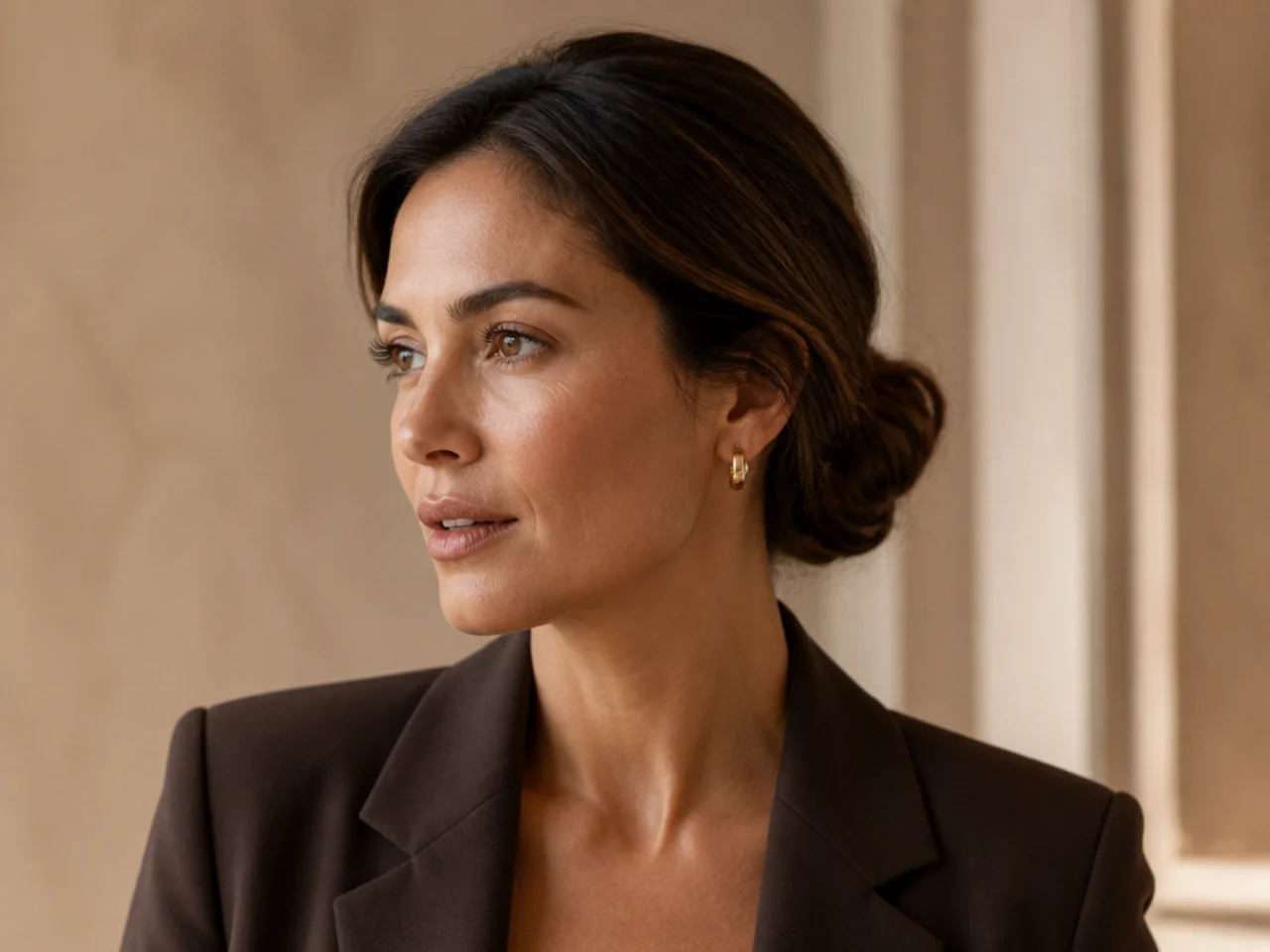
9. Half-Up with a Barrette
One plain clip, nothing else. Plain metal or tortoiseshell, and one — the moment it becomes decorative it stops fitting.
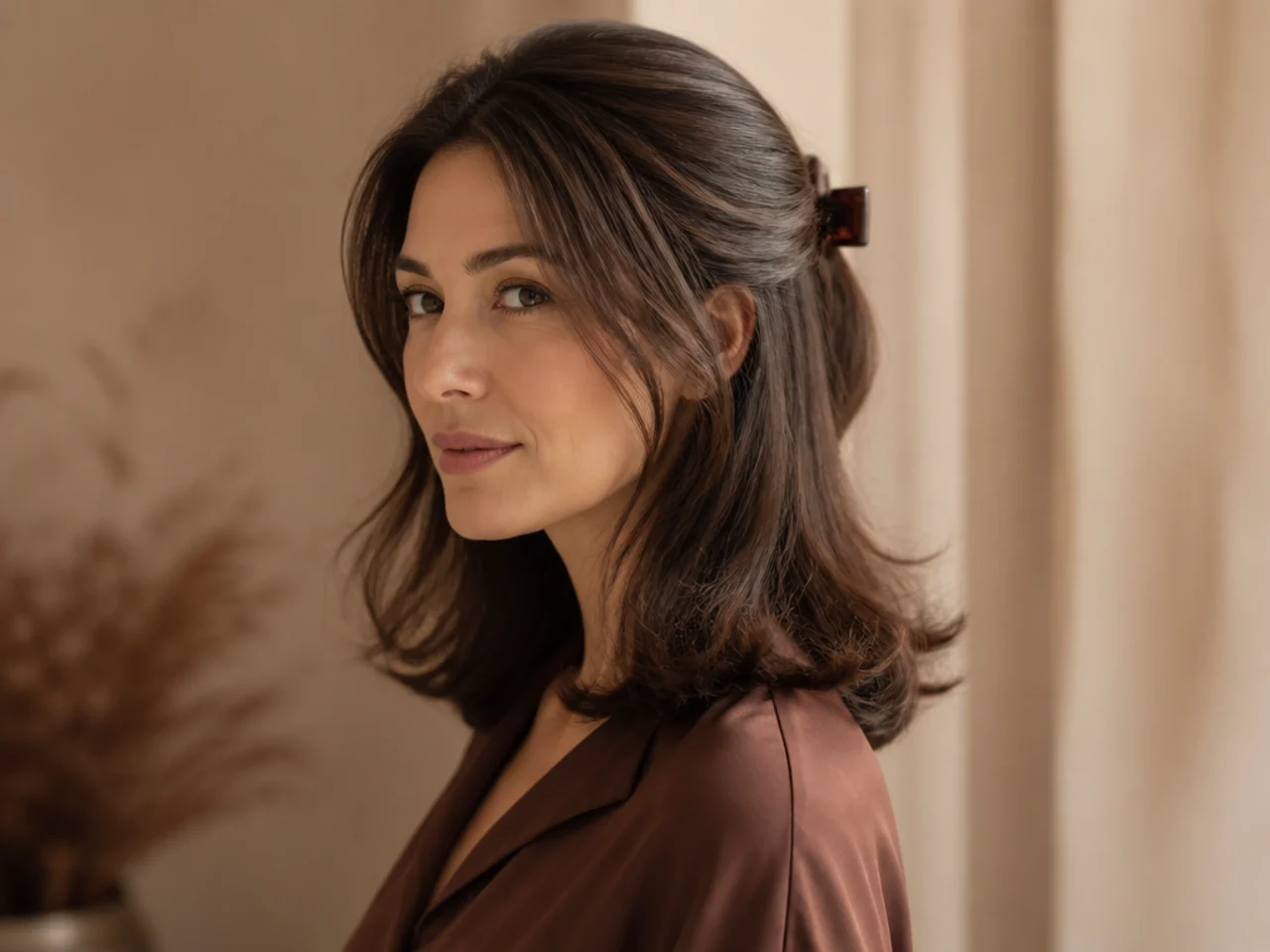
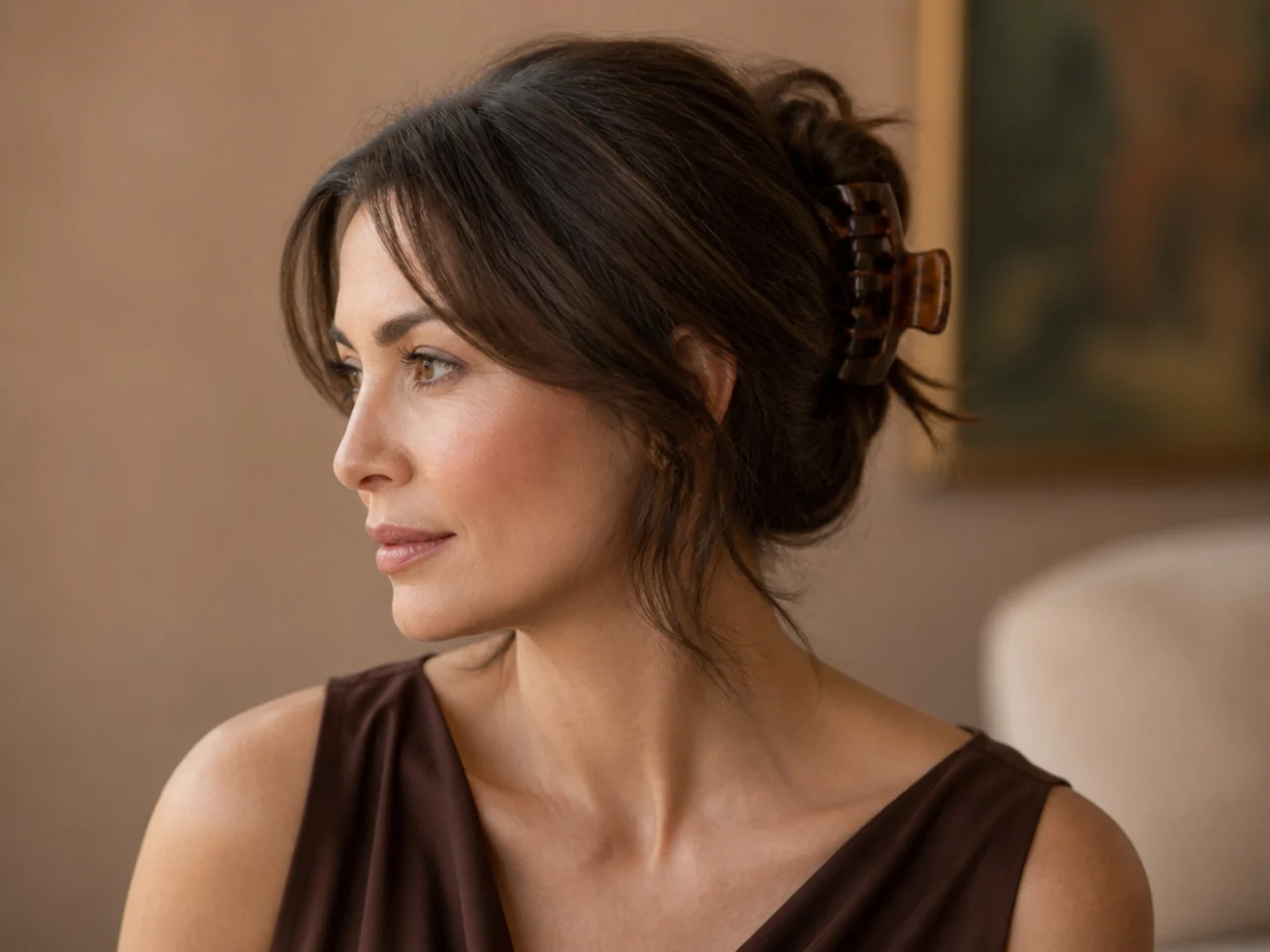
10. Claw Clip Gather
Twisted and clipped. Under ten seconds. A claw holds without needing product, which keeps the finish matte rather than polished.
11. Loose Plait
A single plait, not tight, ends left soft. A tight plait reads as done; a loose one with soft ends reads as something you did without thinking about it.

12. Overnight Plait Waves
Damp, plaited, undone. Irregular by construction. A plait bends hair at slightly different points along its length, which is why the result never comes out uniform.
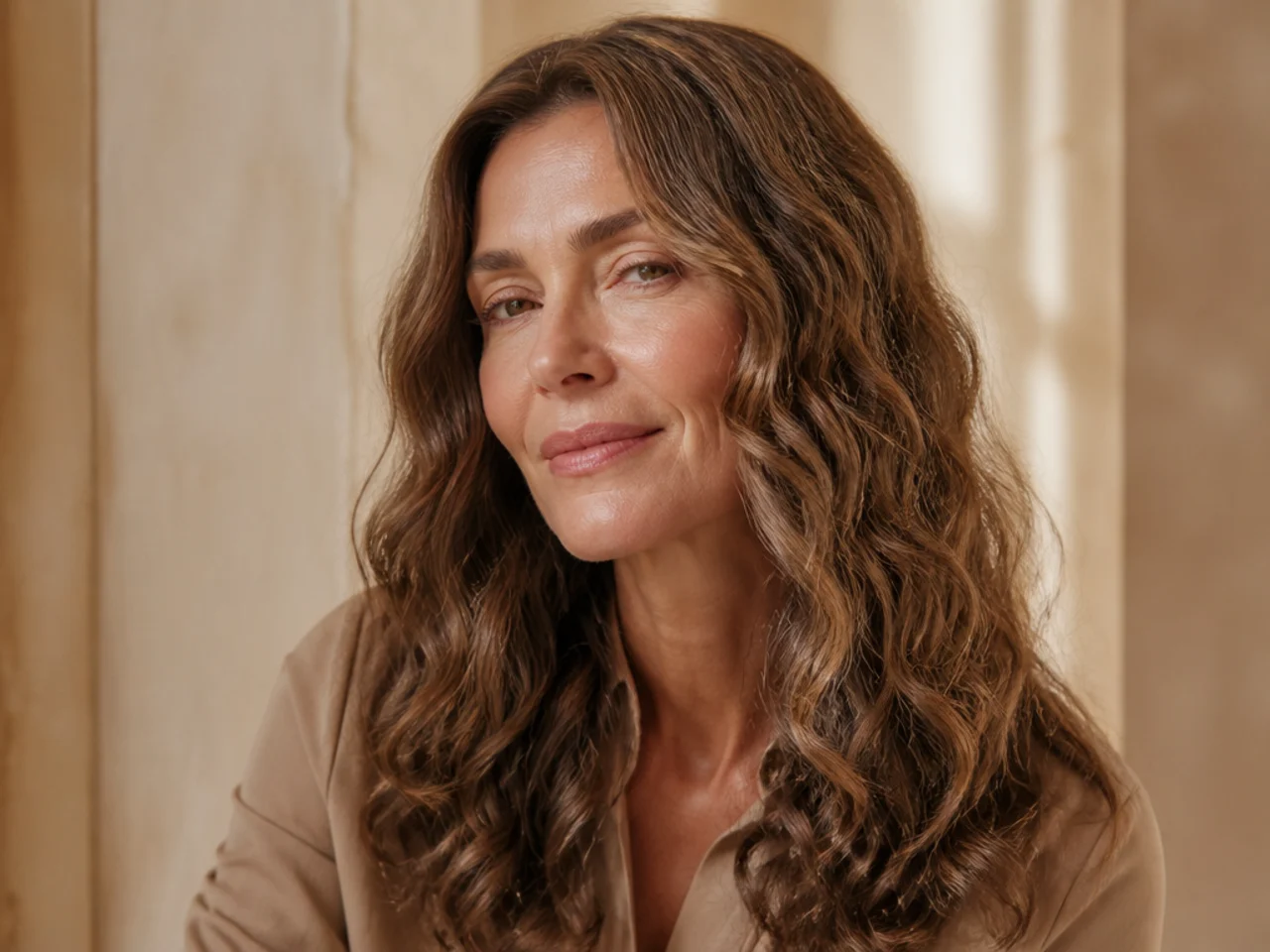
13. Second-Day Hair, Untouched
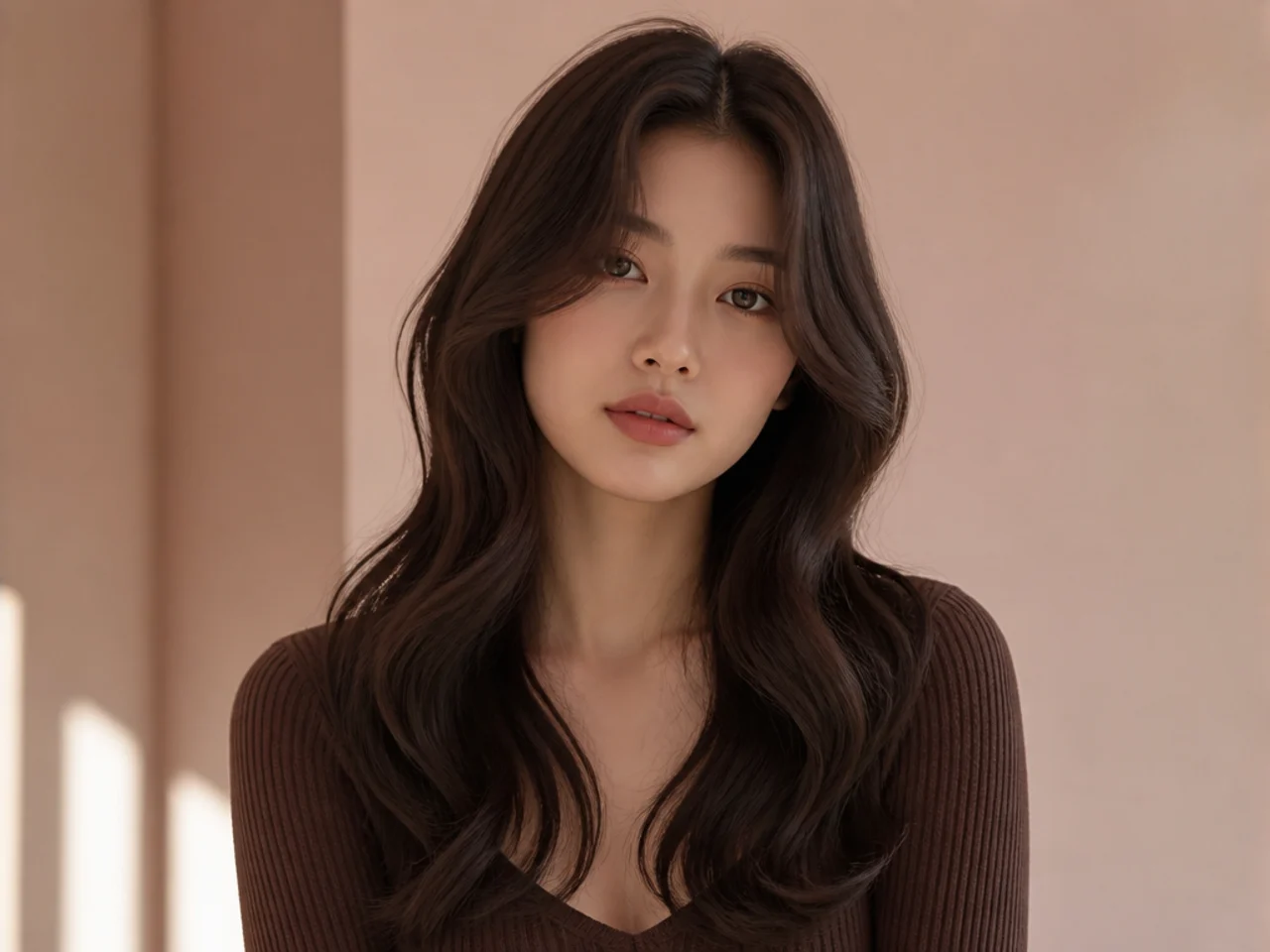
Often better than day one, and it takes no time at all. Day-two hair has settled into its own shape, which is closer to this aesthetic than anything you can produce with a dryer.

14. Rough-Dried with Fingers
No brush at any point. Movement kept. A brush unifies the surface, and a unified surface is the thing this whole approach is avoiding.

15. A Full Blow-Dry for Comparison
Uniform, smooth and unmistakably done. Every section the same, every strand lying the same way — which is precisely the tell.
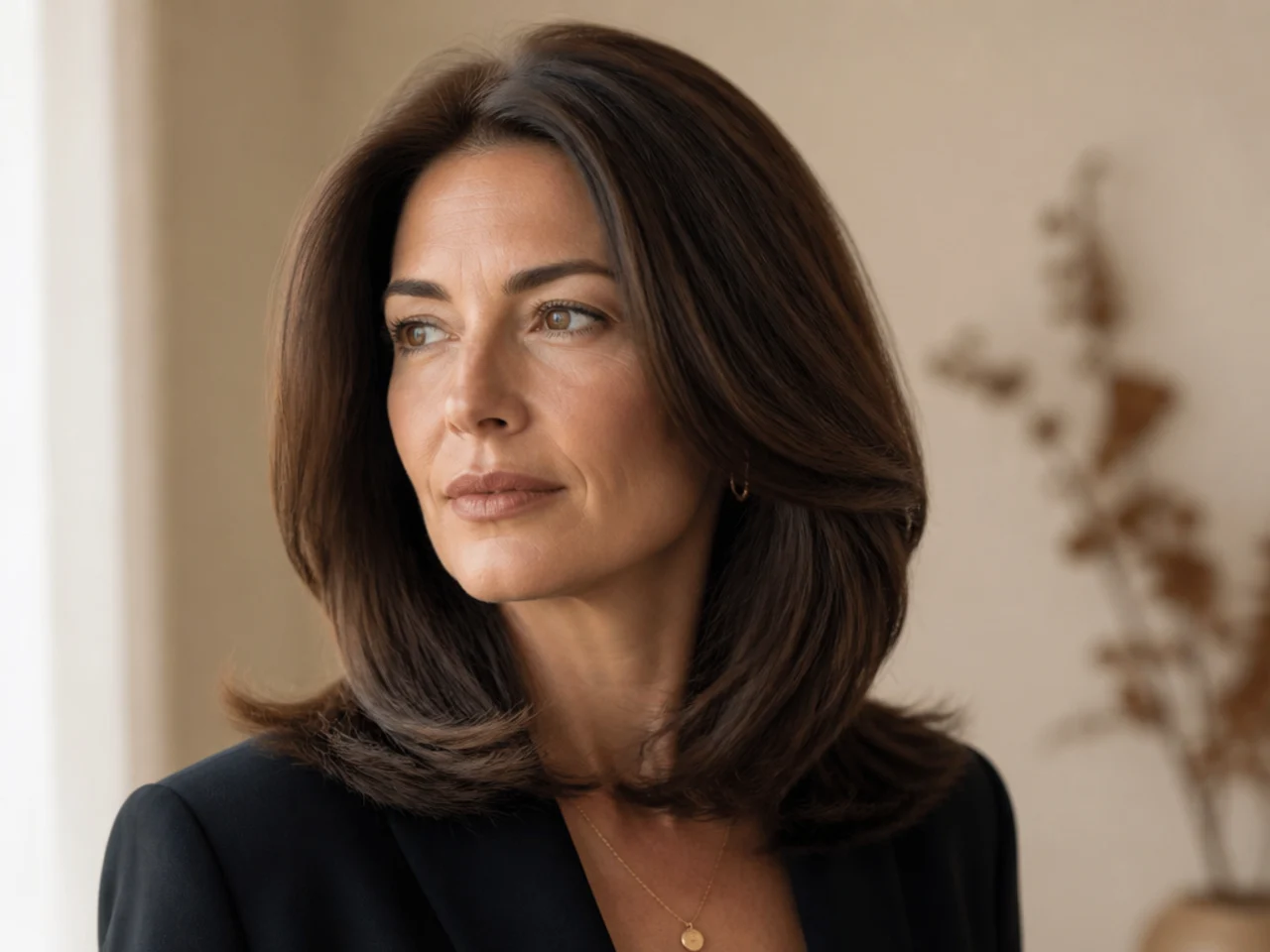
Styling and Upkeep
Stop at ninety per cent, every time. It becomes automatic within a week. You stop noticing you are doing it, which is the point.
Use heat protectant and nothing else. Any product with hold works against the look. Hold is visible, and visible technique is the failure mode here.
Do not brush after drying. Brushing creates the uniformity you just avoided. Fingers only, once the hair is dry.
Keep the tools minimal. A dryer, a brush for wet hair, a claw clip. That is the kit. No wand, no texturising spray, no round brush set.
Fix problems at the salon, not in the morning. Styling cannot correct a cut. A morning spent compensating is a sign to change salons rather than technique.
Mistakes to Avoid
Drying to completely dry. The last ten per cent is where it starts looking set.
Texturising or volumising products. Both add visible technique.
Brushing a finished dry style. It flattens it into uniformity.
Styling to fix the cut. It never works, and it always shows.
More than one accessory. One, or none.

FAQ
How do you style it? Stop blow-drying at ninety per cent and let the rest air dry.
Why does a blow-dry look too done? A fully dried surface is uniform, and uniformity reads as styling.
What products? Heat protectant, occasionally a light cream on the ends. Nothing with hold.
Final Thoughts
Put the dryer down earlier than feels right. It takes less time, uses less product, and it is the whole technique — because in this aesthetic the goal is not hair that has been styled well, it is hair that does not appear to have been styled at all.
For the full sequence from consultation to daily wear see 20 steps to the old money hair look, and for the aesthetic itself see 25 elegant old money haircut ideas. More in Women's Hairstyles.