20 Curl Routine Steps for Wavy Hair
Twenty definition techniques, and the principle that organises all of them — every action either forms clumps or breaks them. There is no neutral thing you can do to wet wavy hair.
In this article · 27
- What Each Technique Does
- How to Choose Yours
- The 20 Definition Steps
- 1. Form Clumps During the Rinse
- 2. Leave the Shower Soaking Wet
- 3. Apply With Praying Hands
- 4. Rake Once if Distribution Is Uneven
- 5. Scrunch Upward to Compress
- 6. Add Gel Over the Leave-In
- 7. Scrunch Again After the Gel
- 8. Plop for Ten Minutes
- 9. Do Not Plop for an Hour
- 10. Clip the Roots for Lift
- 11. Diffuse Without Moving the Hair
- 12. Diffuse on Low Airflow
- 13. Stop Touching It Entirely
- 14. Scrunch the Cast Out When Dry
- 15. Judge Dry, Not Wet
- 16. Try Finger-Coiling a Front Section
- 17. Try Brushing Clumps in the Conditioner
- 18. Squish to Condish
- 19. Change One Technique at a Time
- 20. Hair Touched Repeatedly While Drying
- Styling and Upkeep
- Mistakes to Avoid
- FAQ
- Final Thoughts
Wave definition looks like a product question and is mostly a handling question.
Every action either forms clumps or breaks them. There is no neutral thing you can do to wet wavy hair. Touching it, raking through it, scrunching it, wrapping it — each one changes the clump pattern.
Once you see the techniques that way, the whole definition question becomes a series of deliberate choices rather than a search for the right cream.
What Each Technique Does
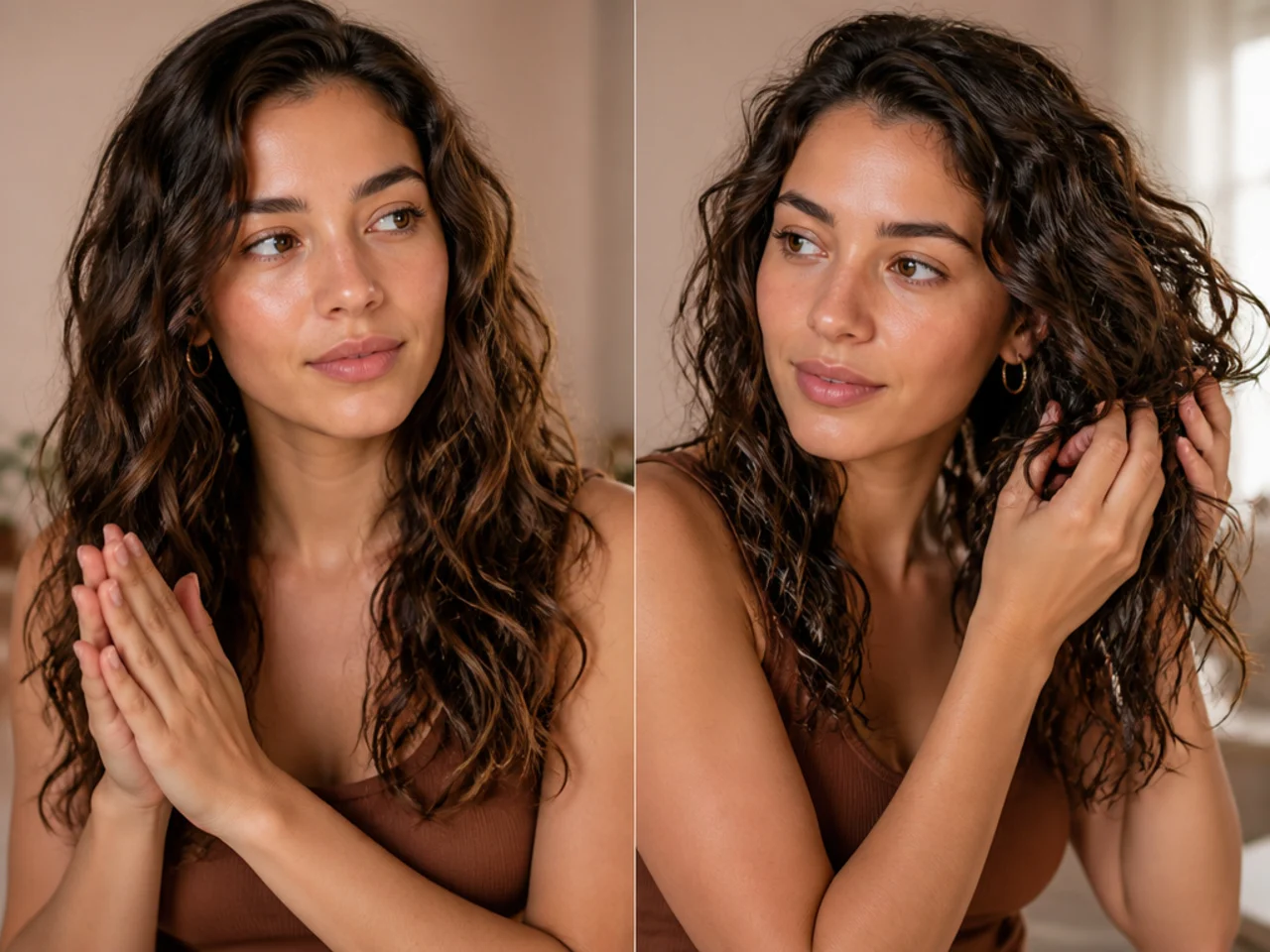
Praying hands preserves clumps. Product smoothed between flat palms, disturbing nothing. The gentlest application there is.
Raking splits them. More clumps, each smaller. Useful for even distribution.
Scrunching compresses them. Fewer, stronger, more defined waves.
Touching while drying destroys them. The only action with no upside.
How to Choose Yours
Decide whether you want more waves or stronger ones. Raking gives the first, scrunching the second.
Use praying hands when clumps have already formed well. It preserves what the rinse created.
Combine deliberately. Rake to distribute, then scrunch to compress.
Judge dry, never wet. Wet hair always looks more defined than it will be.

The 20 Definition Steps
1. Form Clumps During the Rinse
Scrunching under running water. Where it starts. Everything below is either preserving or destroying the clumps this step creates, so a passive rinse leaves the rest of the routine with nothing to work on.
2. Leave the Shower Soaking Wet
Water holds clumps together while you work. Surface tension is doing the holding, which is why the pattern visibly loosens the moment the hair starts to dry.

3. Apply With Praying Hands
Flat palms, smoothing down. Disturbs nothing. Use this when the rinse went well and the clumps are already where you want them — it adds product without reorganising anything.

4. Rake Once if Distribution Is Uneven
Splits clumps, but gets product everywhere. One pass distributes; every pass after that halves the clump size again, which is why raking twice reads as frizz rather than definition.

5. Scrunch Upward to Compress
Fewer, stronger clumps. Compressing a clump makes the wave tighter and shorter, so scrunching also lifts the overall length slightly.

6. Add Gel Over the Leave-In
Locks whatever clump pattern you have made. Gel does not create definition — it freezes whatever arrangement your hands left, good or bad.

7. Scrunch Again After the Gel
Once. More than once breaks what you just set. The gel is already starting to form its cast, so a second scrunch reorganises hair that had begun to hold.

8. Plop for Ten Minutes
Holds clumps against the head while excess water drains. Ten minutes is the useful window: long enough to lose the drip, short enough that the crown has not been pressed flat.

9. Do Not Plop for an Hour
Long plopping flattens the crown and loosens the pattern. An hour under a t-shirt is an hour of the crown being compressed against your skull, which is the opposite of root lift.

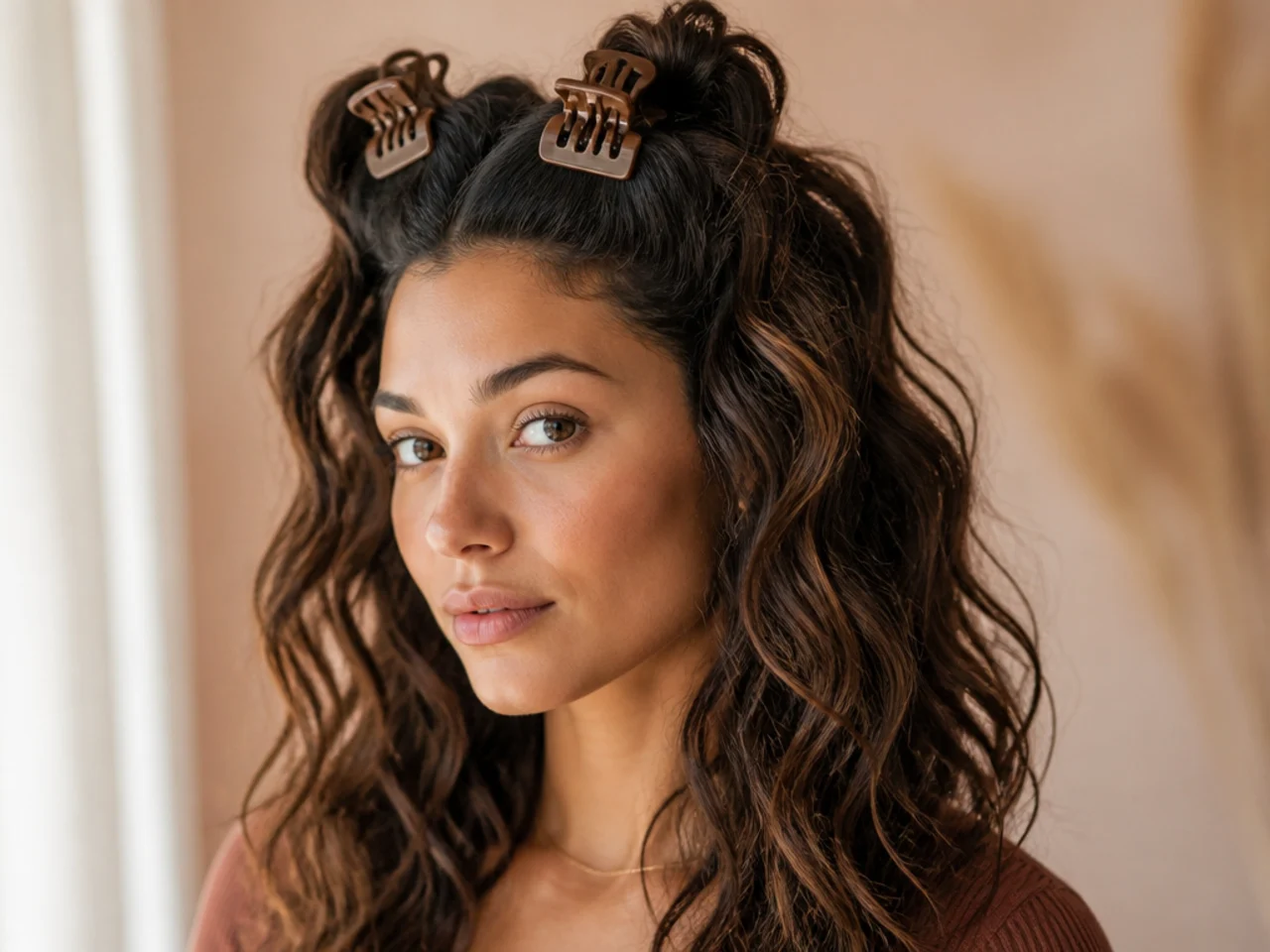
10. Clip the Roots for Lift
Volume at the crown without touching the clumps below. Two clips at the parting, in while wet, out when dry — the only way to get lift without handling the lengths.
11. Diffuse Without Moving the Hair
Cup and hold. Do not sweep the diffuser around. Movement is what separates clumps, and a sweeping diffuser is a fan pointed at the thing you are trying not to disturb.
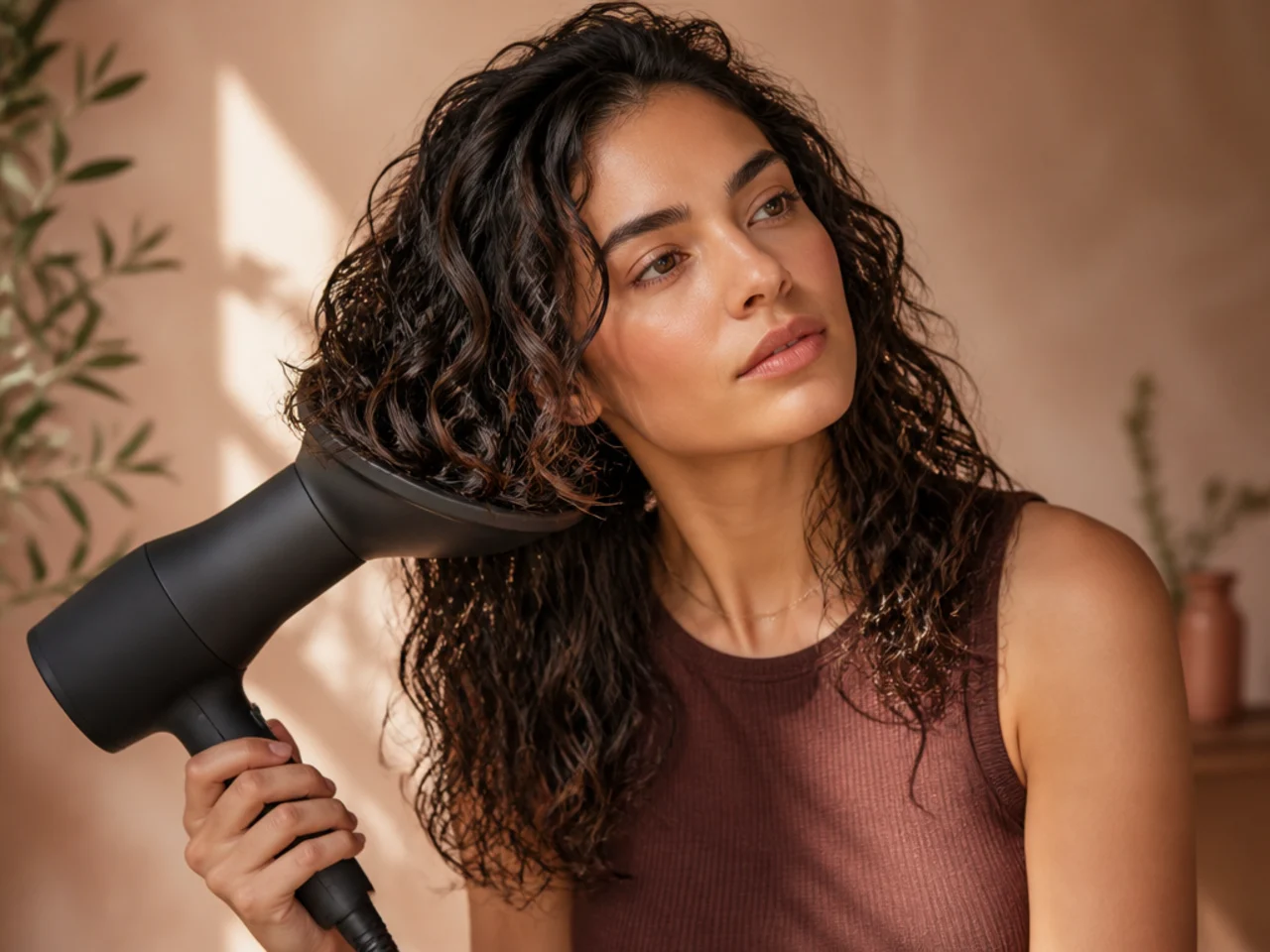
12. Diffuse on Low Airflow
High airflow separates clumps regardless of heat setting. Airflow matters more than temperature here, which is why a cool but powerful setting still produces frizz.
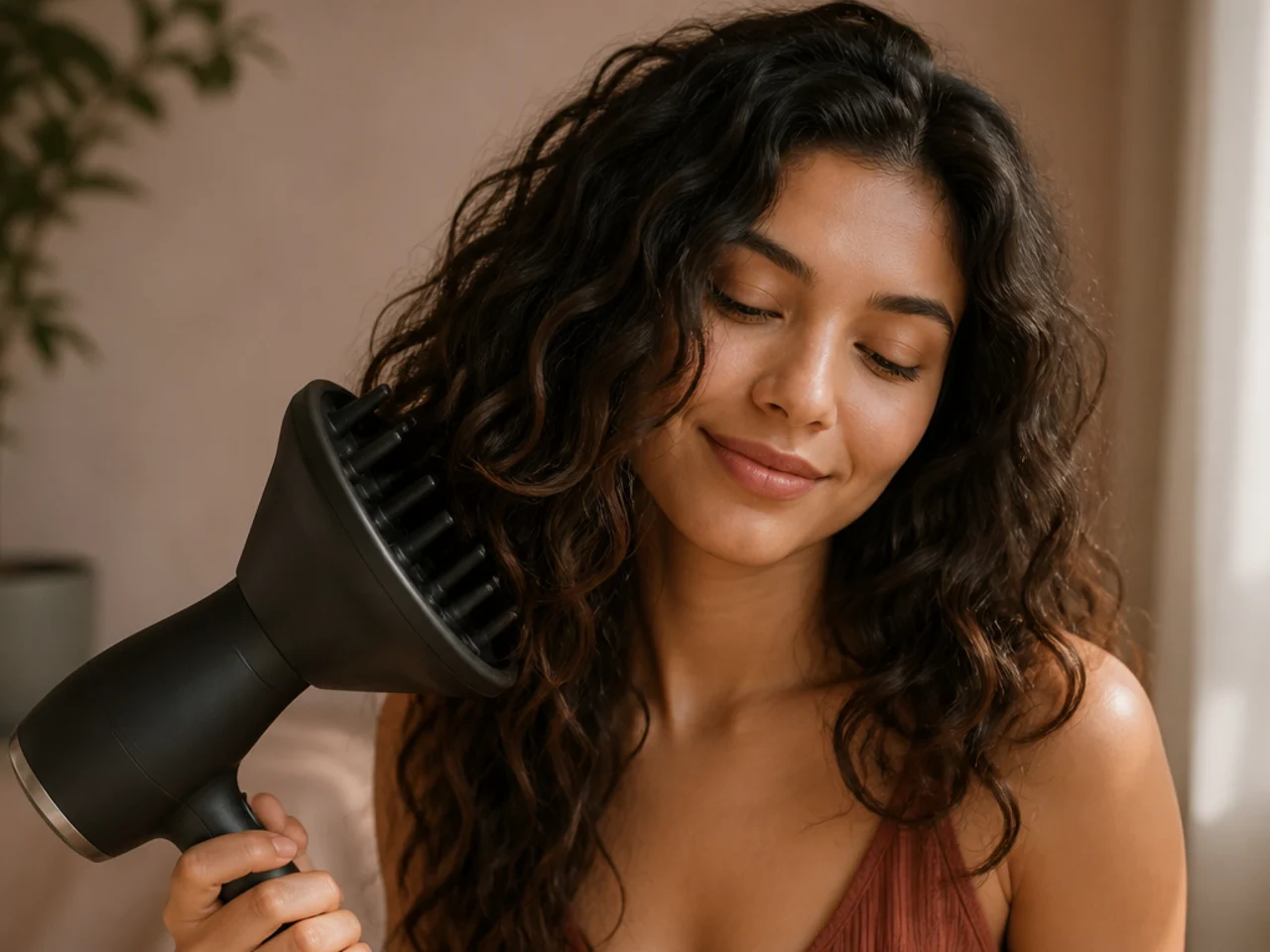
13. Stop Touching It Entirely
Until fully dry. The step with no exceptions. Half-dry hair is at its most fragile, because the clumps are formed but nothing has set them yet.

14. Scrunch the Cast Out When Dry
Both hands, until no crunch remains. Work it thoroughly; a half-broken cast is the single commonest reason people conclude gel does not suit them.

15. Judge Dry, Not Wet
Wet hair always looks better defined. Water weights and groups the strands, so every head looks two steps curlier in the shower than it will an hour later.

16. Try Finger-Coiling a Front Section
For the pieces that never clump on their own. Usually the shortest layers around the face, which get handled most and have the least length to group with.

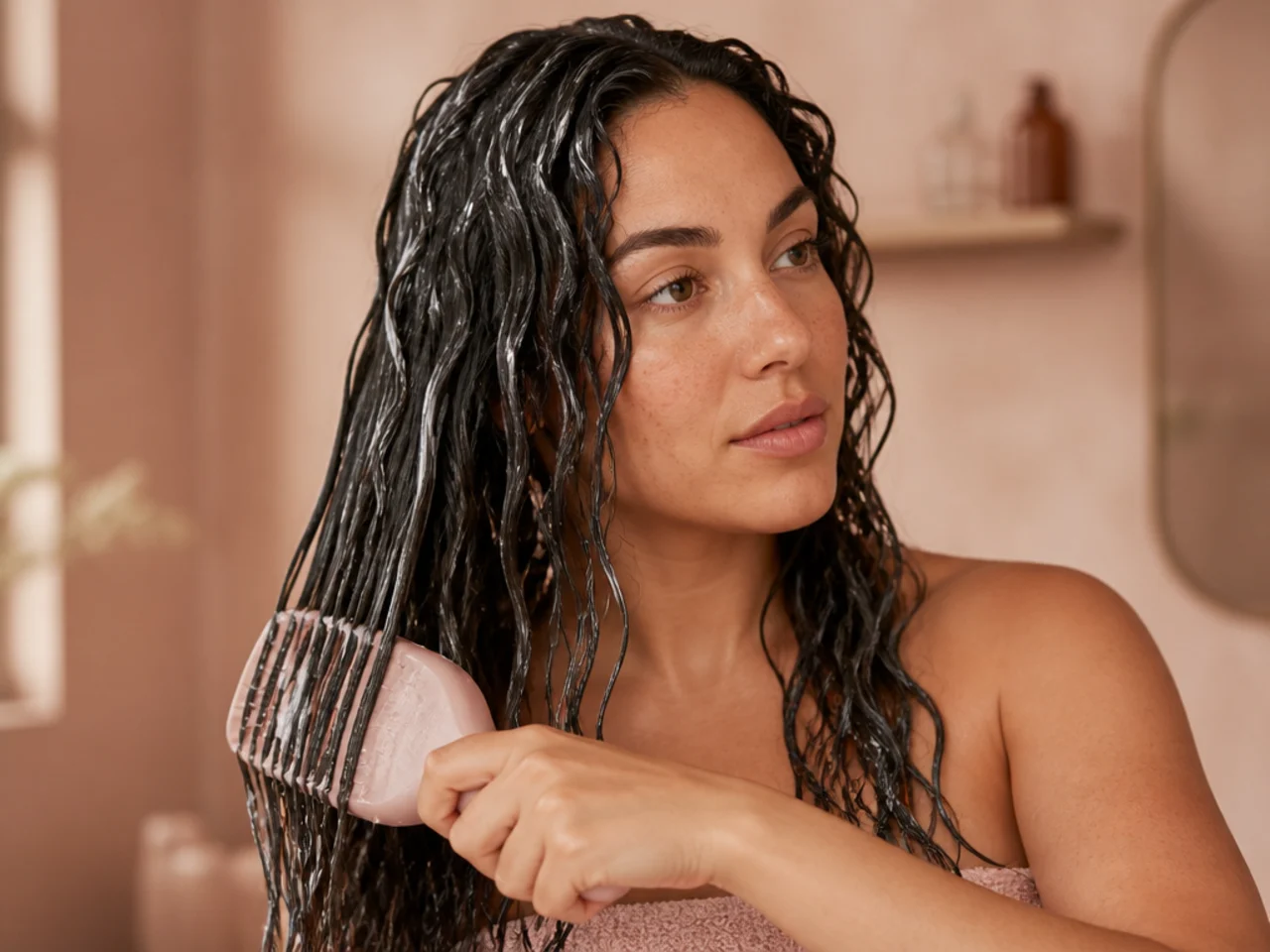
17. Try Brushing Clumps in the Conditioner
A brush through conditioner forms larger clumps deliberately. It is the opposite of brushing dry hair — under conditioner a brush gathers strands rather than separating them.
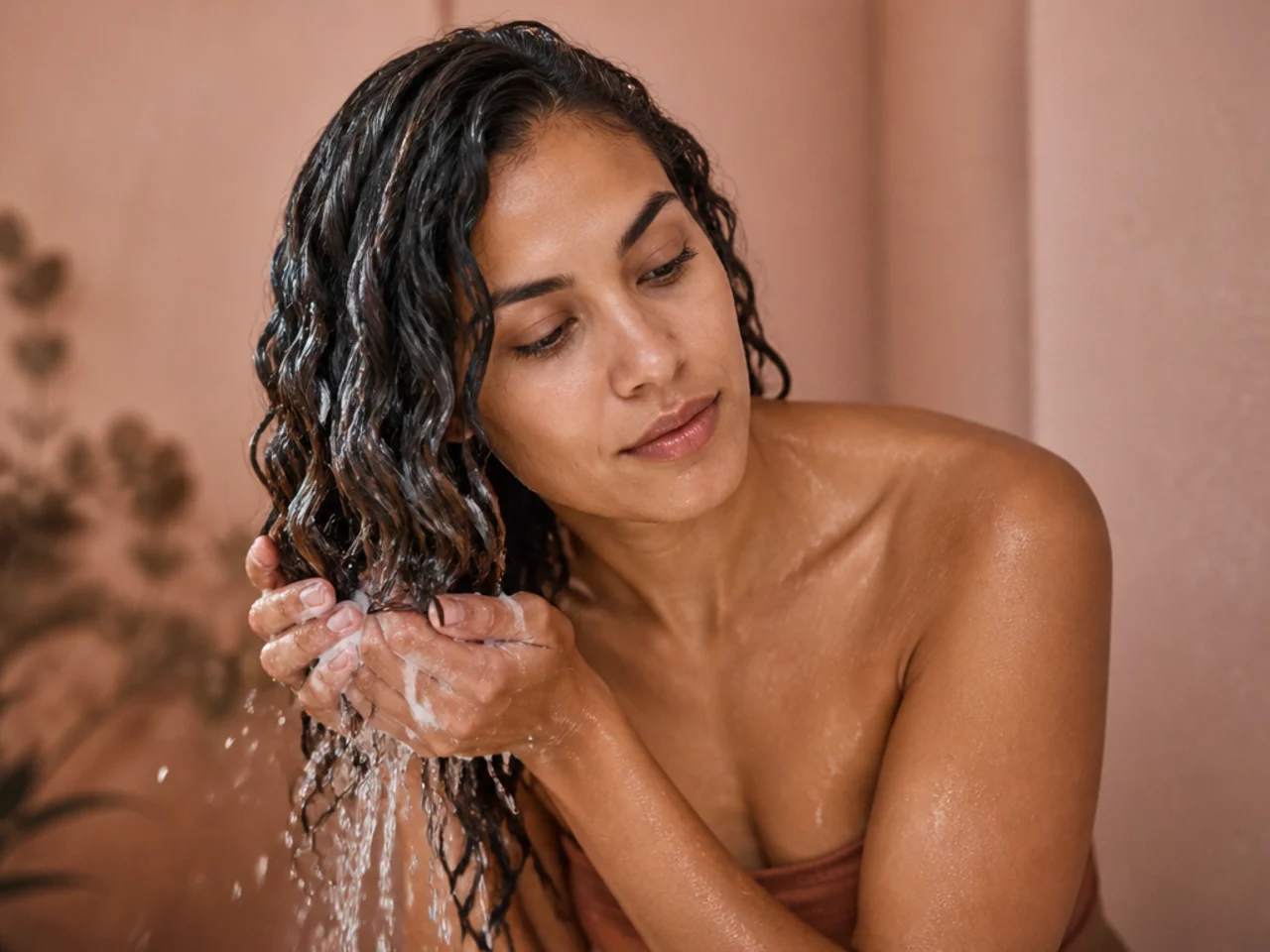
18. Squish to Condish
Squeezing water and conditioner upward through the hair. You should hear it — the sound means water is being pushed through the hair rather than run over it.
19. Change One Technique at a Time
Otherwise none of this is learnable. There are five or six variables on this page, and changing two at once makes the result unattributable.

20. Hair Touched Repeatedly While Drying
Every clump broken. The default outcome. It is also the hardest habit to break, because checking on it does not feel like interfering.

Styling and Upkeep
Pick a clump strategy and stick to it for three washes. Mixing them each time teaches you nothing.
Praying hands when the rinse went well. Raking when it did not.
Plop briefly or not at all. Ten minutes, not an hour.
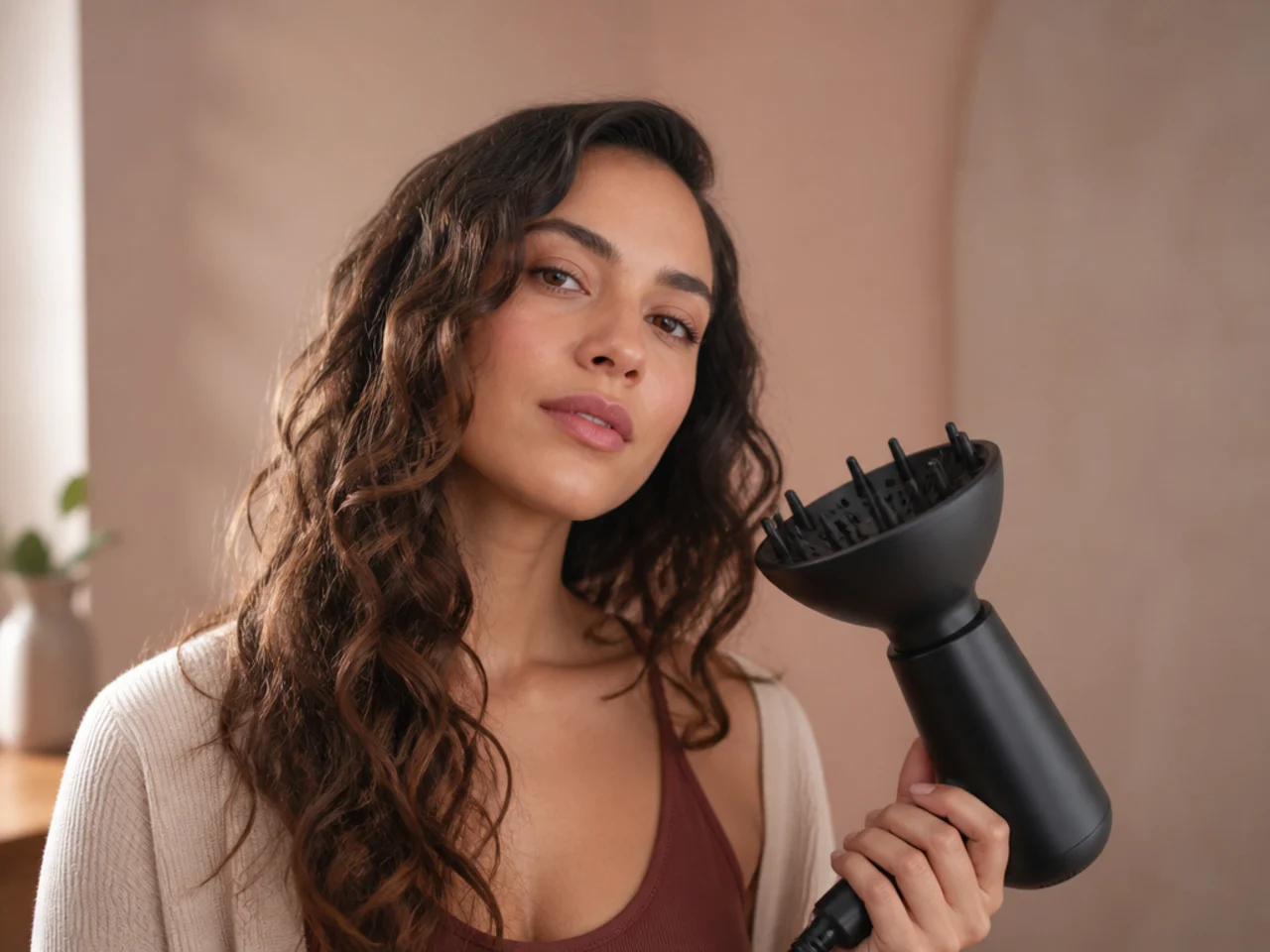
Diffuse by cupping, not sweeping. Movement is what breaks clumps.
Compare dry results only. Wet comparisons are always flattering.
Mistakes to Avoid
Treating touching as neutral. Every action changes the clumps.
Raking repeatedly. Each pass makes clumps smaller.
Plopping for an hour. It flattens the crown.
Sweeping the diffuser around. Airflow movement separates clumps.
Judging it wet. It will always look better than it ends up.

FAQ
How do you get definition? Choose techniques that form clumps rather than break them.
Rake or scrunch? Raking makes more, smaller clumps; scrunching makes fewer, stronger ones.
Why defined wet and not dry? The clumps were broken between the two.

Final Thoughts
Treat every action as forming or breaking clumps, because that is what it is doing. Once you stop looking for the right product and start counting what your hands are doing to the clump pattern, wave definition becomes something you can actually control.
For where clumps first form see 15 wavy hair wash routine tips, and for the full sequence see 25 steps for a wavy hair routine. More in Hair Care.