20 Curly Hair Growth Tips That Add Real Length
Twenty tips for curls that seem stuck at the same length, and the two things hiding your progress — shrinkage, which makes growth invisible, and breakage, which removes it. Only one of those is a real problem.
In this article · 28
- How Fast Curly Hair Grows
- Shrinkage Versus Growth
- Breakage Versus Growth
- Curl Type and Porosity
- Edges and Thinning
- Diet and Supplements
- The 20 Curly Hair Growth Tips
- 1. Squish to Condition
- 2. The Satin Pillowcase
- 3. A Dry Curl by Curl Trim
- 4. Finger Detangling
- 5. A Clarifying Wash
- 6. Scalp Massage
- 7. The LOC Method
- 8. The LCO Method
- 9. Plopping
- 10. Diffusing
- 11. The Pineapple
- 12. A Protein Treatment
- 13. Deep Conditioning
- 14. Two Strand Twists
- 15. Stretched Length Checks
- 16. Wash Frequency
- 17. Silk Scrunchies
- 18. Leave In on Wet Hair
- 19. Diet for Hair Growth
- 20. Rosemary Oil
- Final Thoughts
Curls that seem stuck at one length are usually being sabotaged by two different things, and only one of them is worth fixing.
Shrinkage hides growth. Breakage removes it. A loose wave might give up a fifth of its stretched length to shrinkage, a tight coil two thirds or more, and none of that is hair you have lost.
The plateau is almost always the ends. If your length has not moved in a year, the roots kept producing at their usual half inch a month and the ends kept snapping off at the same rate.
How Fast Curly Hair Grows
Roughly half an inch a month, the same as any other texture. About six inches a year from the follicle, and the curl pattern makes no difference to that rate at all.
Curls show less of it. A spiral occupies a fraction of the vertical space its stretched length would, so the same six inches reads as two or three depending on how tightly the hair coils.
Curls also keep less of it. Every bend in a strand is a point where the cuticle is more exposed and where a comb, a pillowcase or a hair tie finds purchase. That is why curls appear to grow slowly when they are simply retaining less.
Shrinkage Versus Growth
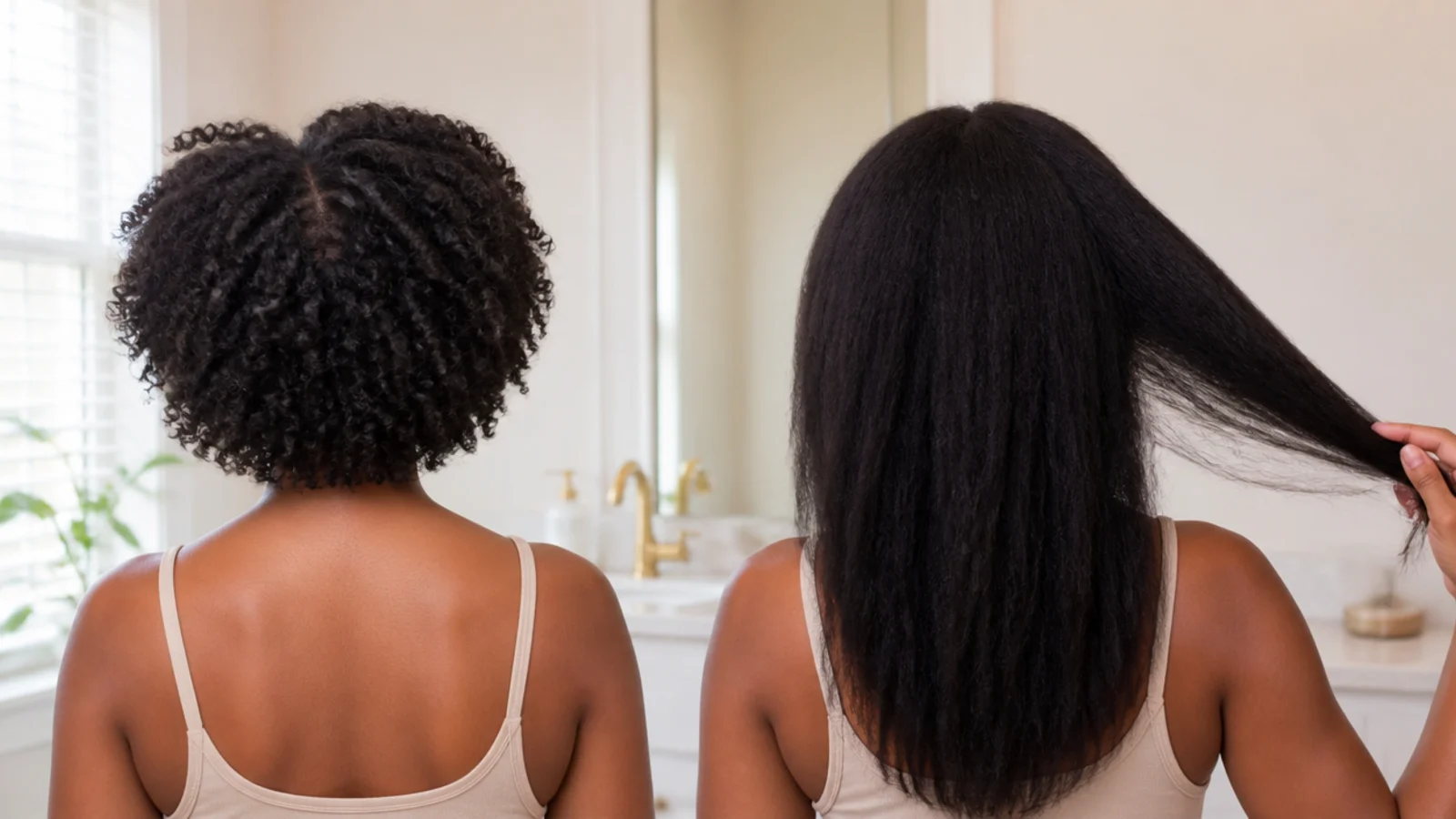
Shrinkage is not loss. It is the difference between the length a curl occupies and the length the strand actually is, and it varies from about twenty percent on a loose wave to well over half on a tight coil.
Healthy curls shrink more, not less. Shrinkage is elasticity — the strand springing back after being stretched by water and gravity. Hair that has stopped shrinking has usually lost that elasticity to heat or bleach, which is the opposite of a win.
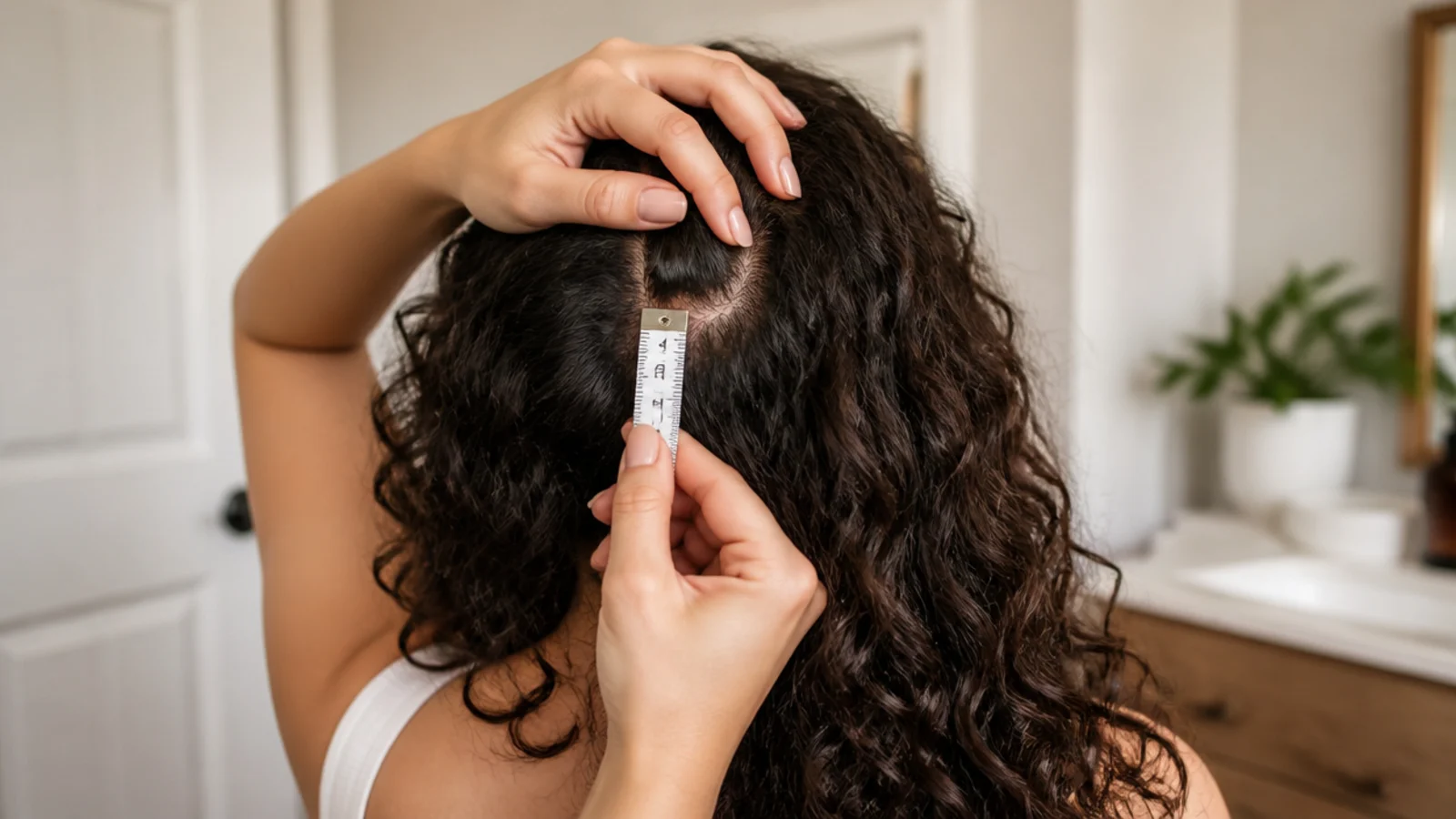
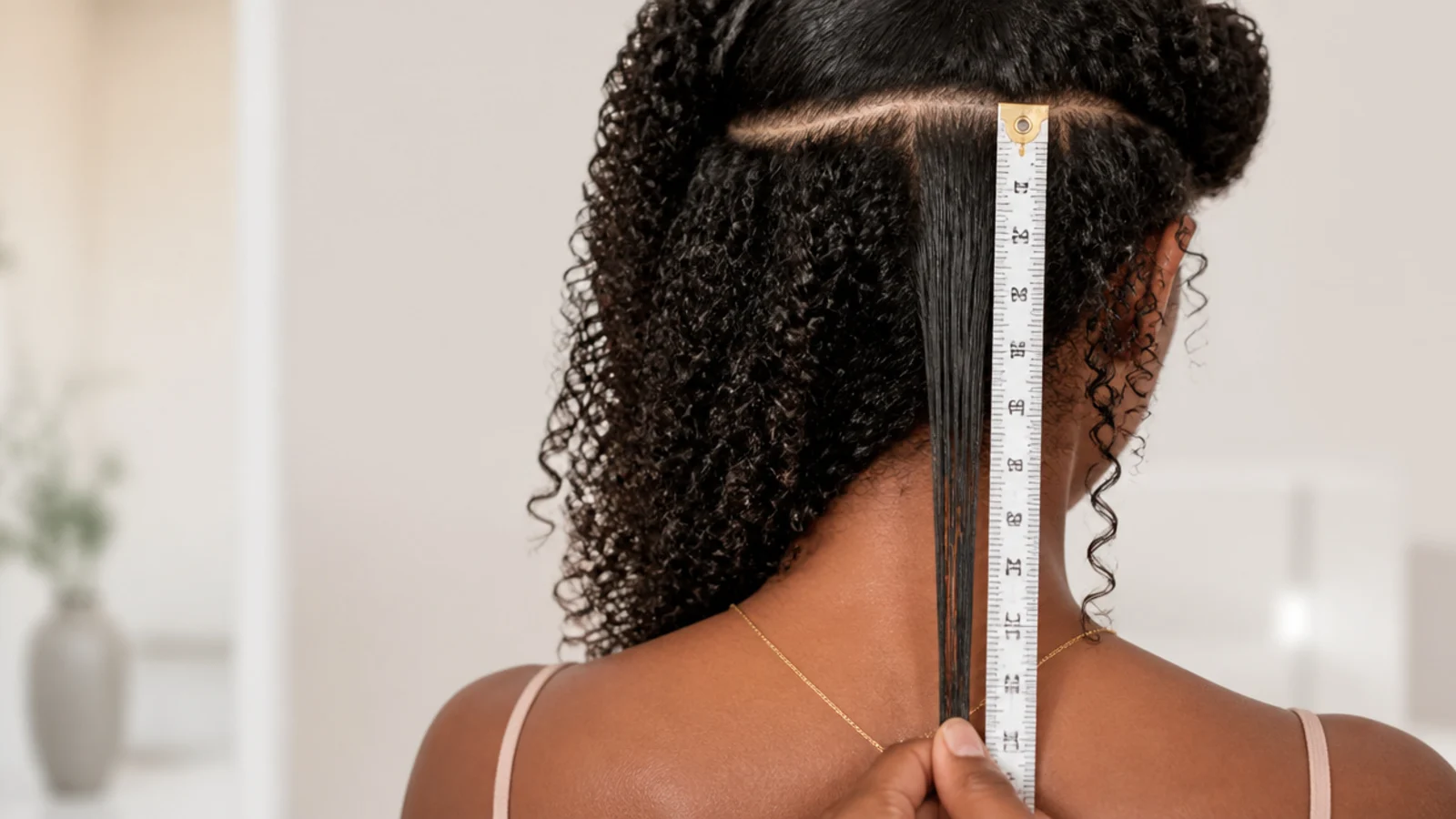
So measure stretched, or do not measure. One section, the same fixed mark, the same pull, once a month. Comparing a damp head in July with a dry one in March tells you nothing about growth.
Breakage Versus Growth
Shed hairs and broken hairs look different. A shed strand is full length with a small pale bulb at one end, and fifty to a hundred a day is normal for anyone. A broken piece is short, snapped at both ends, with no bulb.
A drain full of short pieces is a retention problem. No amount of scalp work fixes it, because the hair is being produced correctly and destroyed afterwards.
Wet hair is the weakest hair you have. Soaked through, the cortex swells and the cuticle lifts, and the strand stretches much further before it gives way — which is why it gives way at all. Detangle damp with conditioner in it, never dripping and never bone dry.
Curl Type and Porosity
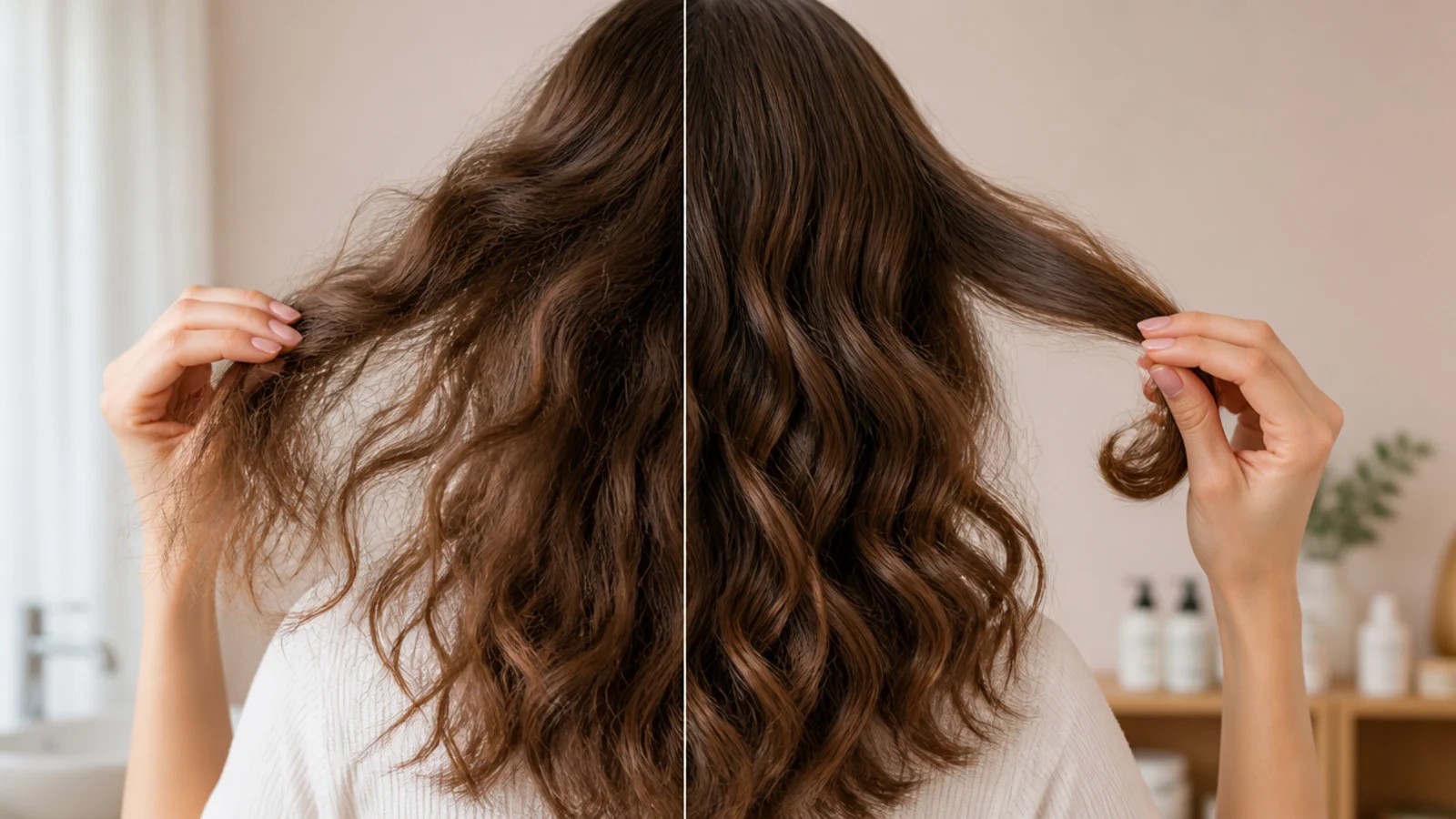
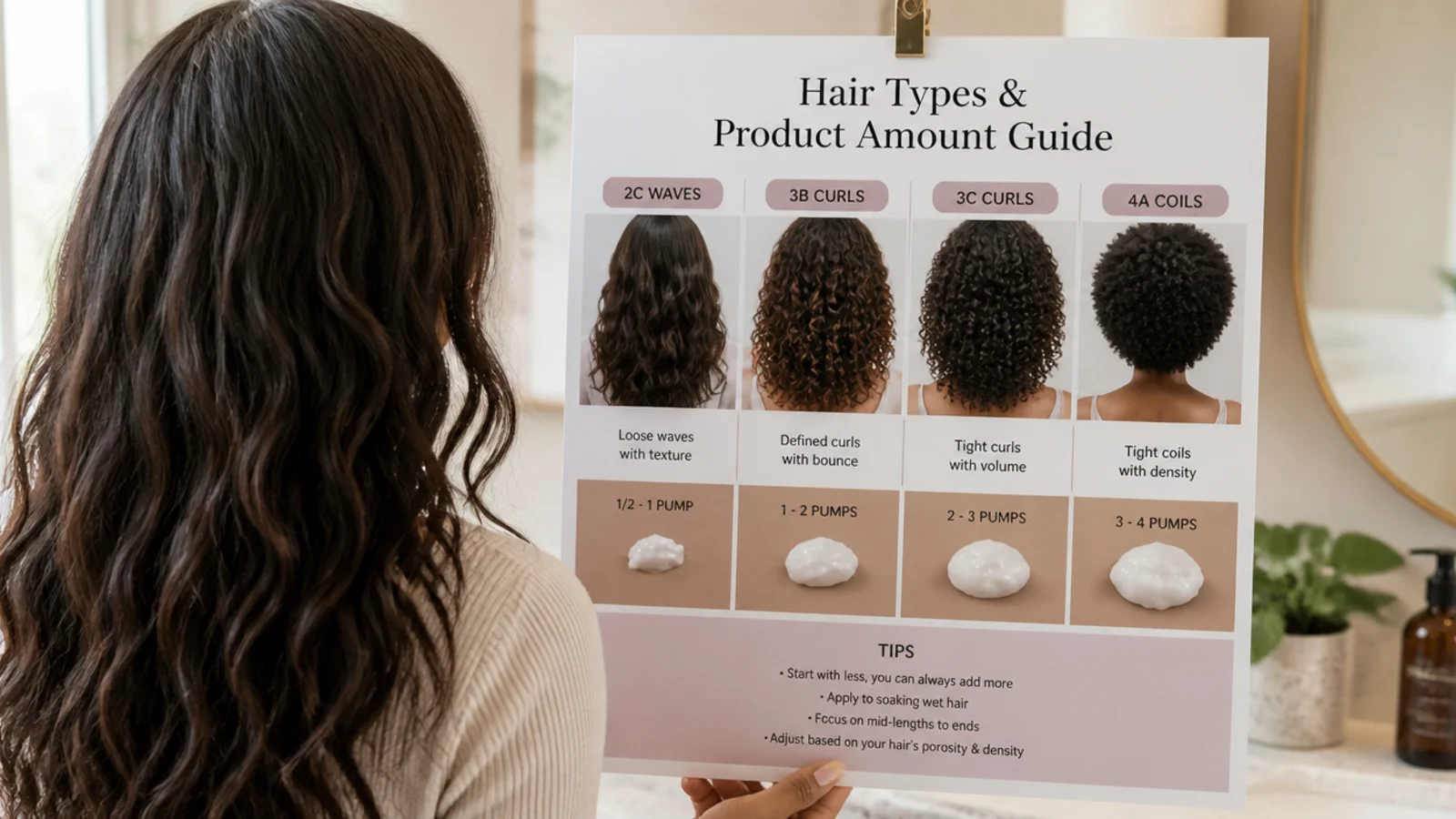
Curl type describes the shape. Porosity describes the behaviour. Of the two, porosity is what tells you which products to buy, and it is the one most routines ignore.
Low porosity means a tightly closed cuticle. Water is slow to get in and slow to get out, so the hair takes forever to wet and forever to dry. It wants lighter products, warmth to open the surface, and nothing heavy applied first.
High porosity means a raised or damaged one. Water soaks in immediately and leaves just as fast, so the hair is dry within the hour. It wants sealing layers and tolerates protein far better.
The test is timing, not floating. Ignore the glass of water — a shed strand floats according to how much product is on it. Wet a clean section and count how long it takes to soak and to dry.
Edges and Thinning
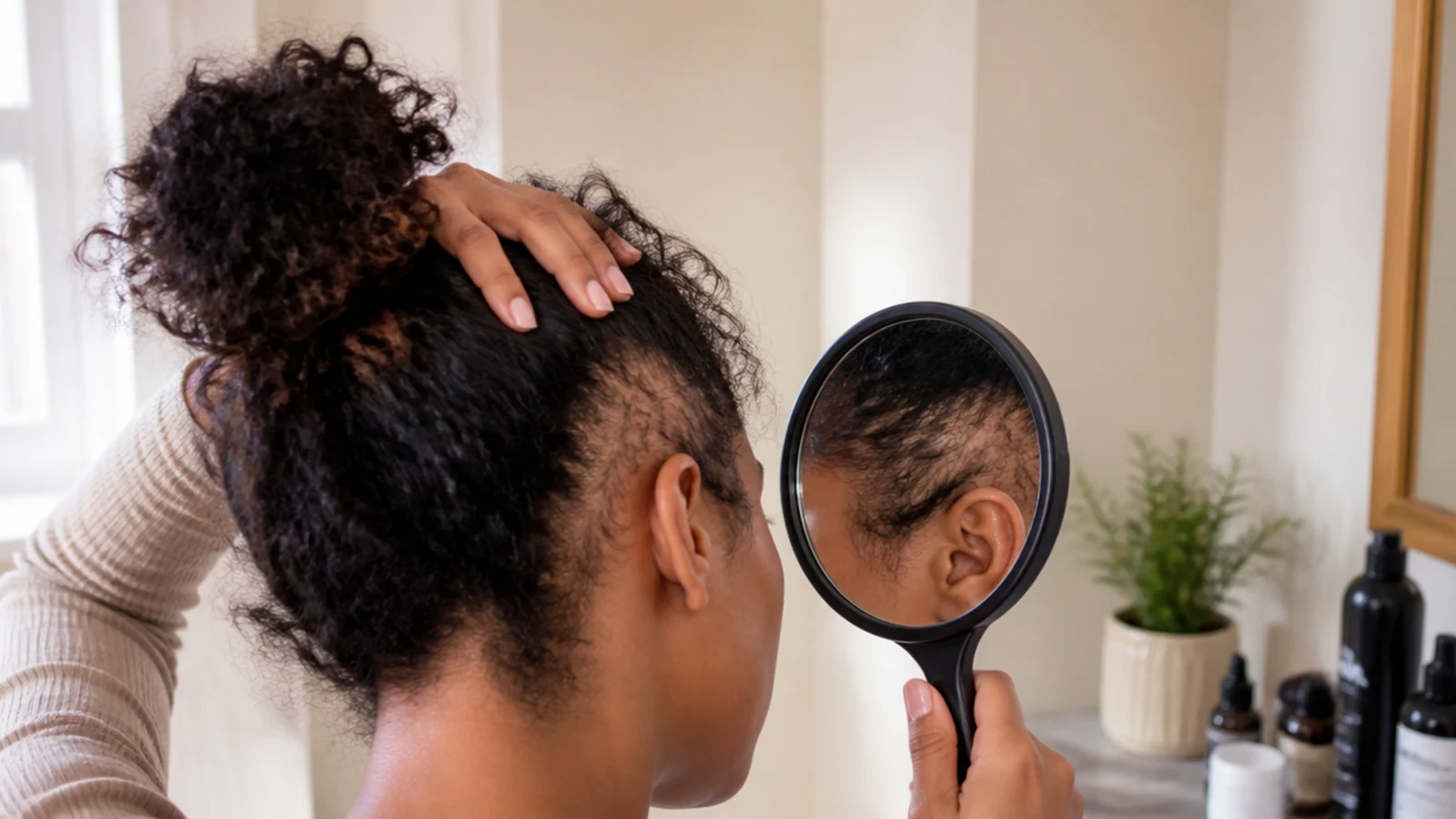
Thinning at the hairline is usually mechanical. Ponytails, buns and clip placements that always land in the same spot put a repeated load on the finest follicles on the head, sitting in the thinnest skin.
It is reversible until the follicle scars. Traction thinning that has been off tension for a few months and shows no regrowth is worth a dermatologist appointment rather than another season of oil.
Sudden shedding across the whole head is a different problem. That pattern usually traces to something systemic two to three months earlier — illness, a medication change, a birth, a crash diet — because the hair sheds one full cycle after the trigger, not during it.
Diet and Supplements
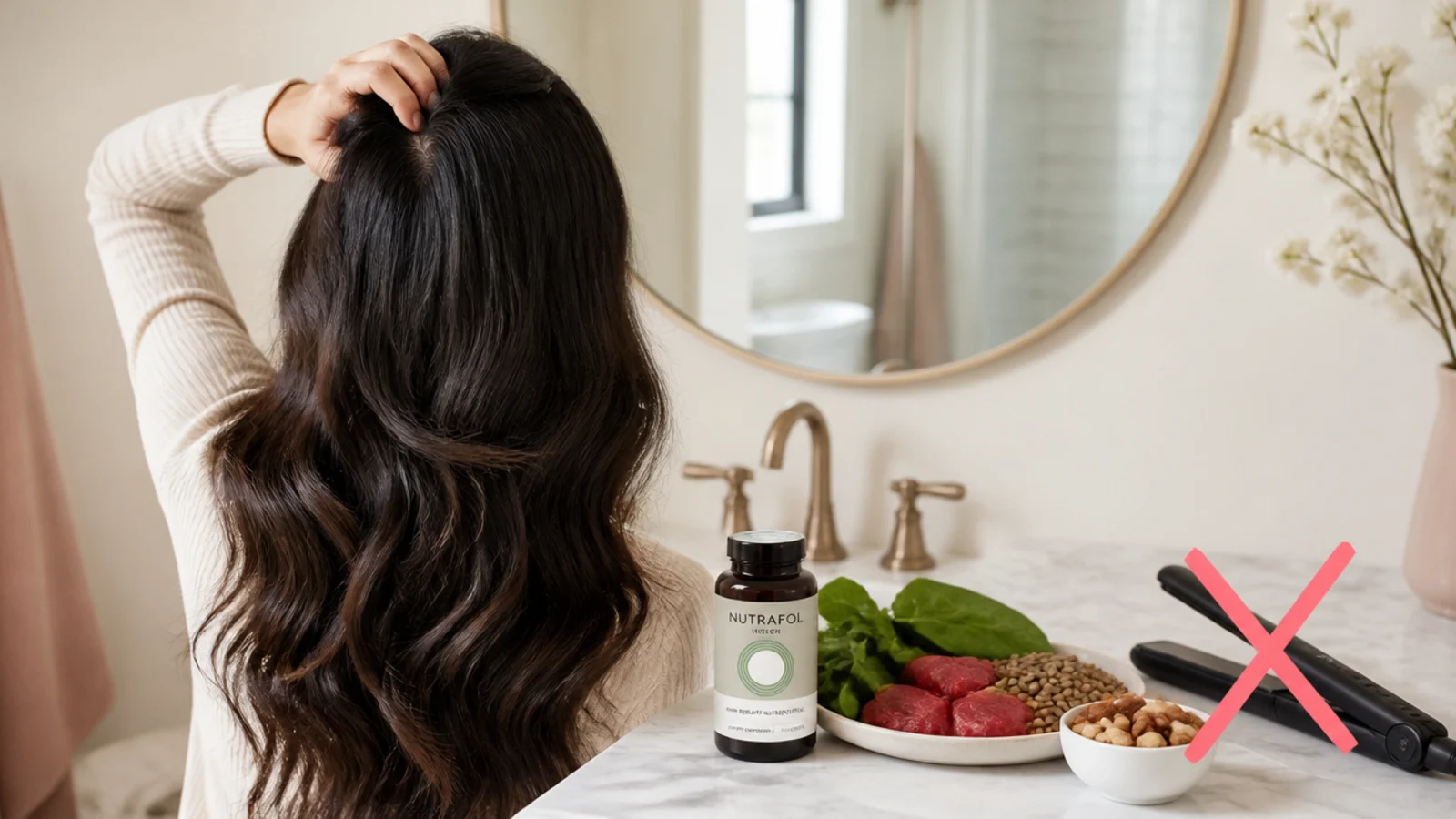
Supplements only help if you are short of something. Correcting a deficiency produces real regrowth; topping up a level that was already fine produces expensive urine and nothing else.
Ferritin is the number worth asking for. Stored iron can sit low while haemoglobin still reads normal, so a standard blood count on its own can miss one of the most common and most treatable causes of shedding. Vitamin D, B12 and thyroid function belong on the same request.
Biotin is oversold. Genuine biotin deficiency is rare, and supplementing without it has no demonstrated effect on hair. It also interferes with several common blood tests, including thyroid and cardiac ones, which is worth mentioning to anyone taking bloods.
Eat enough protein and enough calories. Hair is the first tissue the body deprioritises when either runs short, and it does so quietly, two or three months before you notice.
The 20 Curly Hair Growth Tips
1. Squish to Condition
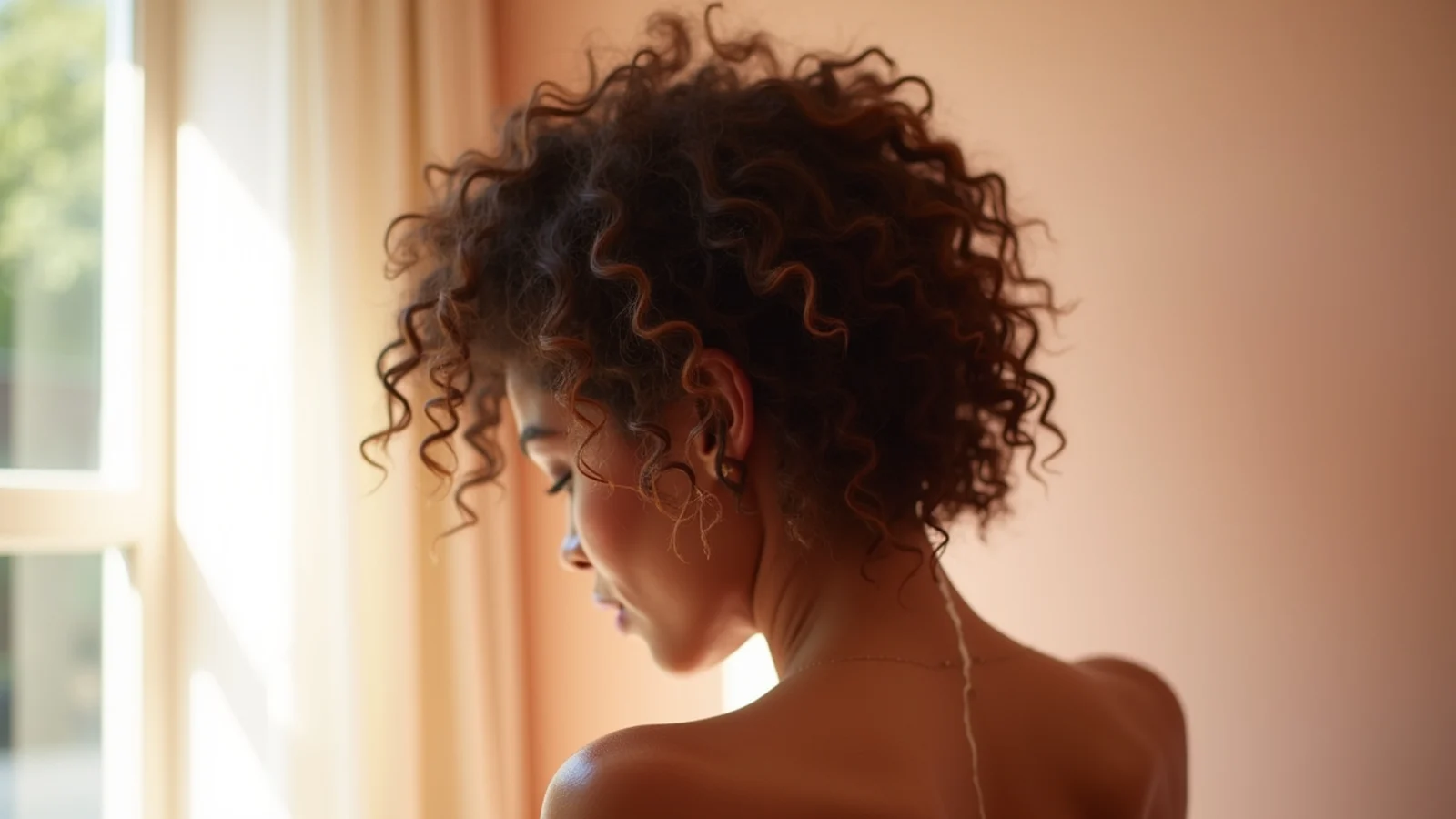
With conditioner already on and the hair soaking wet, cup handfuls of water and scrunch them up into the section until it squelches. The water is what hydrates the strand — squishing drives it in under the conditioner instead of leaving a coating sitting on a dry shaft.
2. The Satin Pillowcase
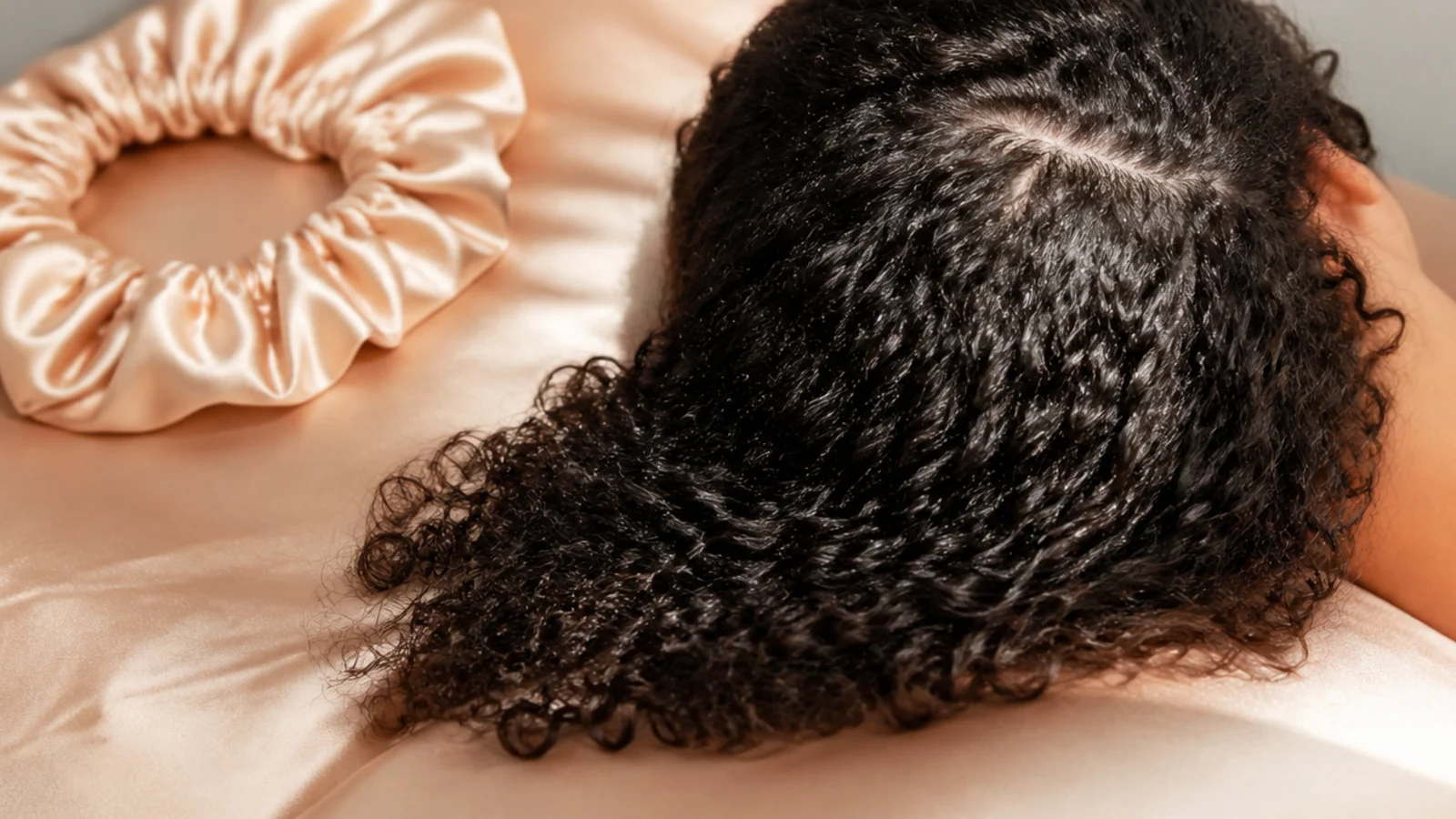
Cotton is absorbent and rough at fibre level, so it draws moisture out of the hair and catches the cuticle every time you turn over. Satin lets the strand slide instead. It is the reason one side of your head stops waking up flatter and frizzier than the other.
3. A Dry Curl by Curl Trim
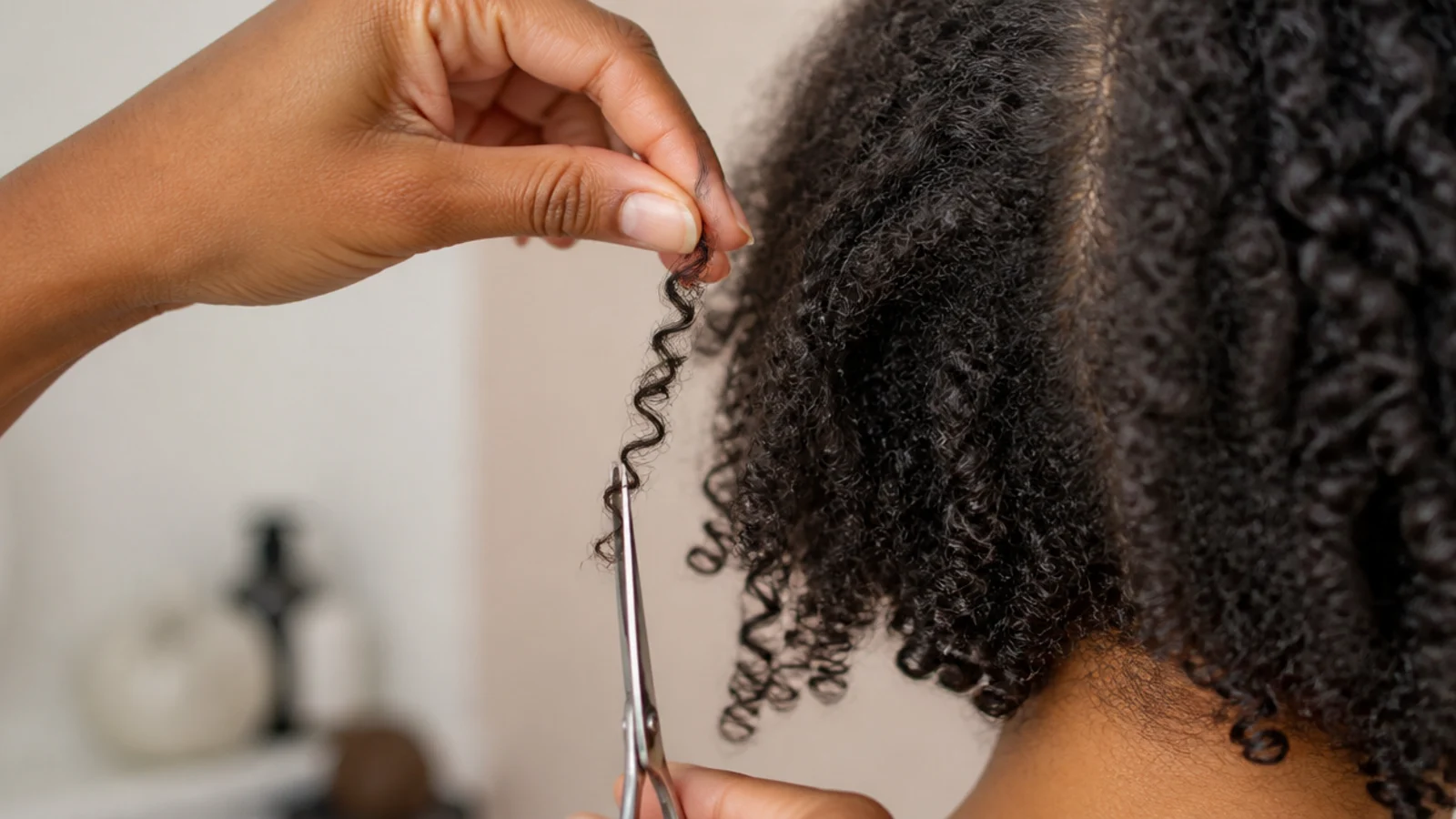
Cut wet, every curl is stretched by a different amount, so a level wet line dries into a ragged one. Cutting dry lets the stylist take each spiral where it genuinely ends. It costs more and takes longer, and it is the only way the shape you saw in the chair is the shape you keep.
4. Finger Detangling
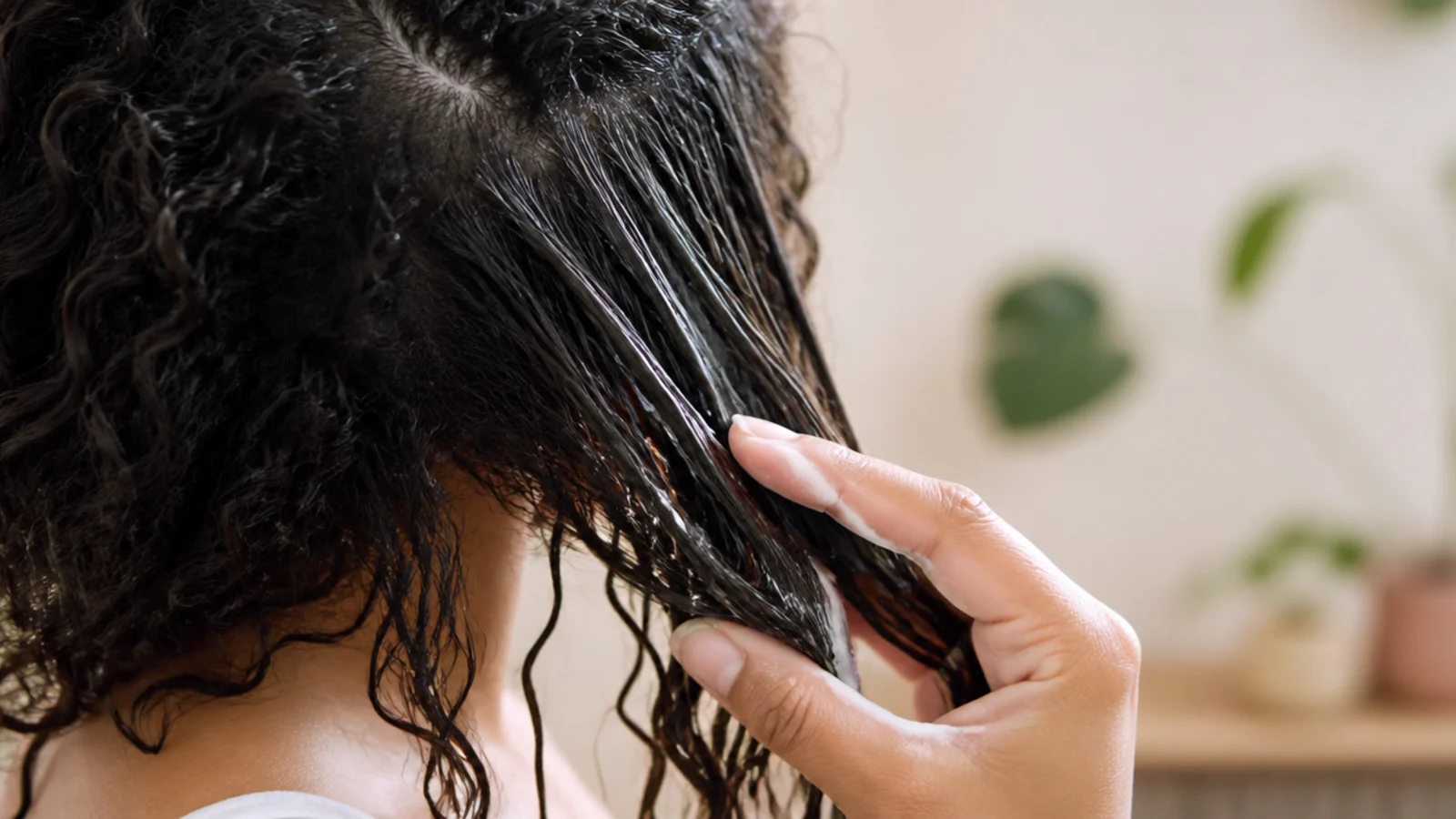
Fingers find a knot before they drive into it, which no comb can do. That matters on curls because most tangles are two spirals wrapped around each other rather than one dense snarl, and they separate rather than needing to be pulled through.
5. A Clarifying Wash
Creams, gels and oils build a film that water stops penetrating, and the symptom is hair that feels coated and refuses to hydrate no matter how much conditioner goes on. Clarify every four to six weeks and the rest of the routine starts working again on the same day.
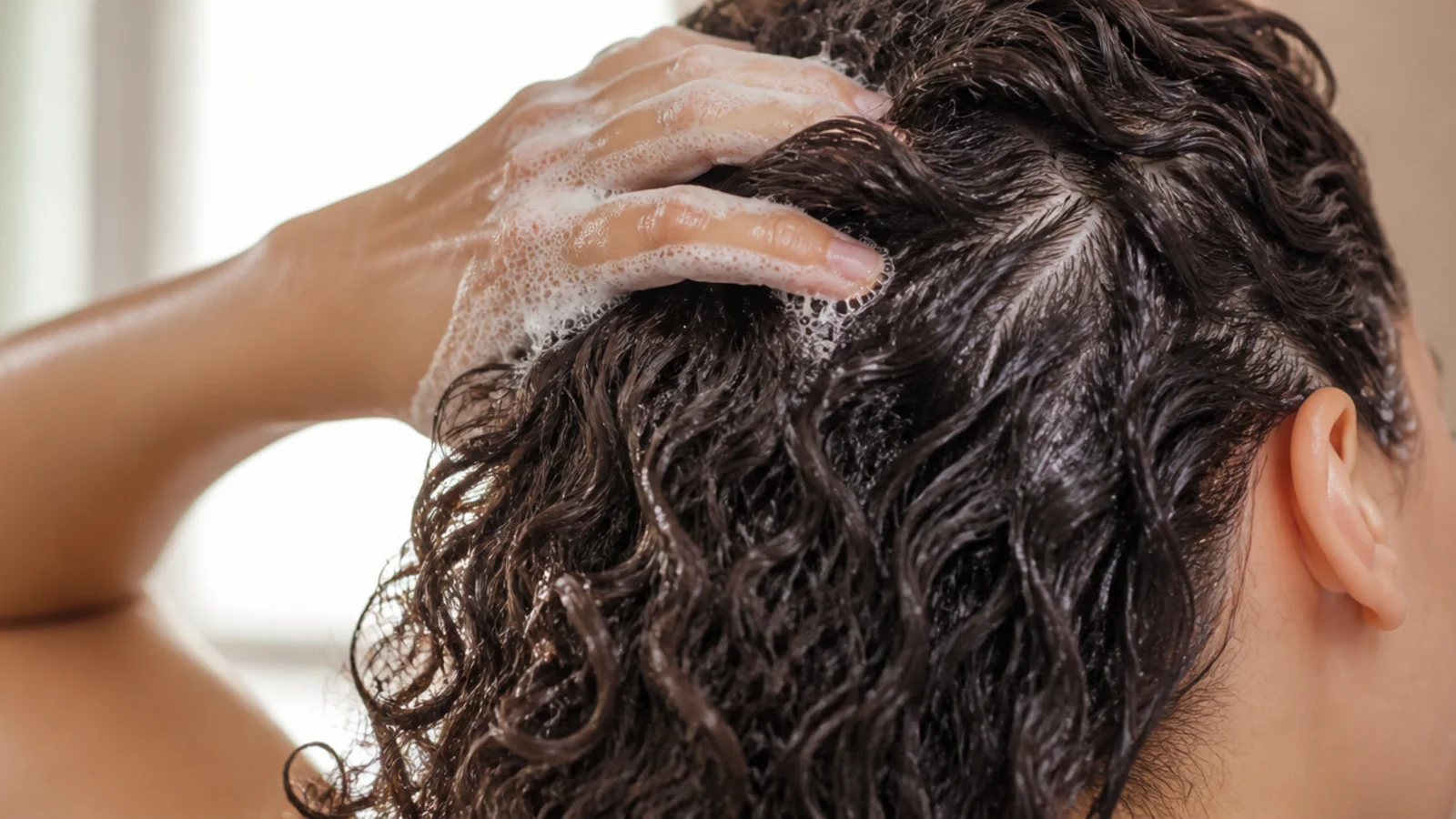
6. Scalp Massage
Five minutes with the fingertips, moving the skin across the skull rather than sliding through the hair. The published evidence is modest, but the mechanical benefit is not in doubt — it lifts flaking and product residue off the root, which is the environment the follicle actually grows in.
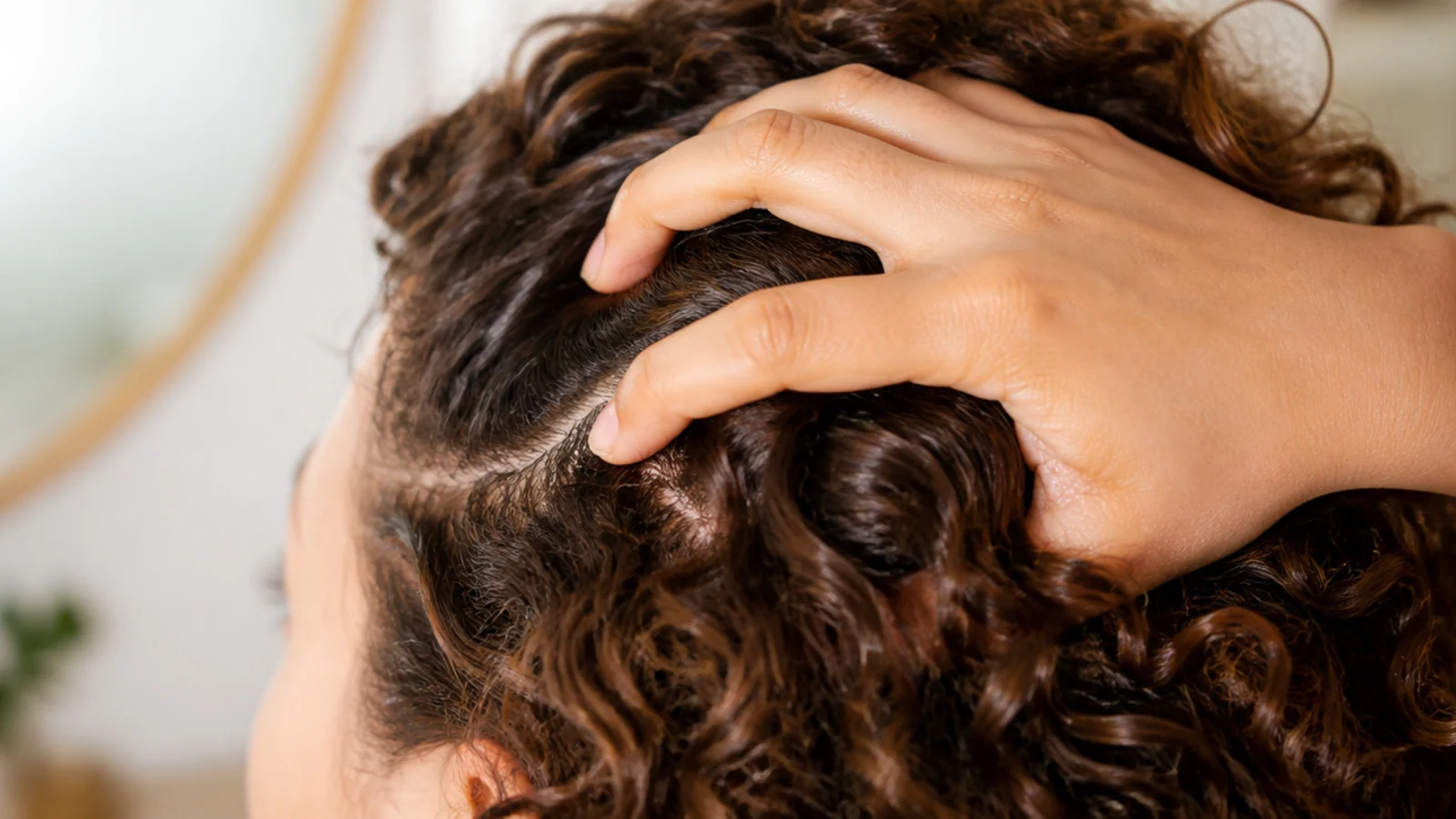
7. The LOC Method
Liquid, oil, cream. Built for high porosity hair, where the raised cuticle lets water out fast and the heaviest layer needs to sit outermost. The oil goes on early and the cream caps the whole stack, which is what buys you more than an hour of hydration.
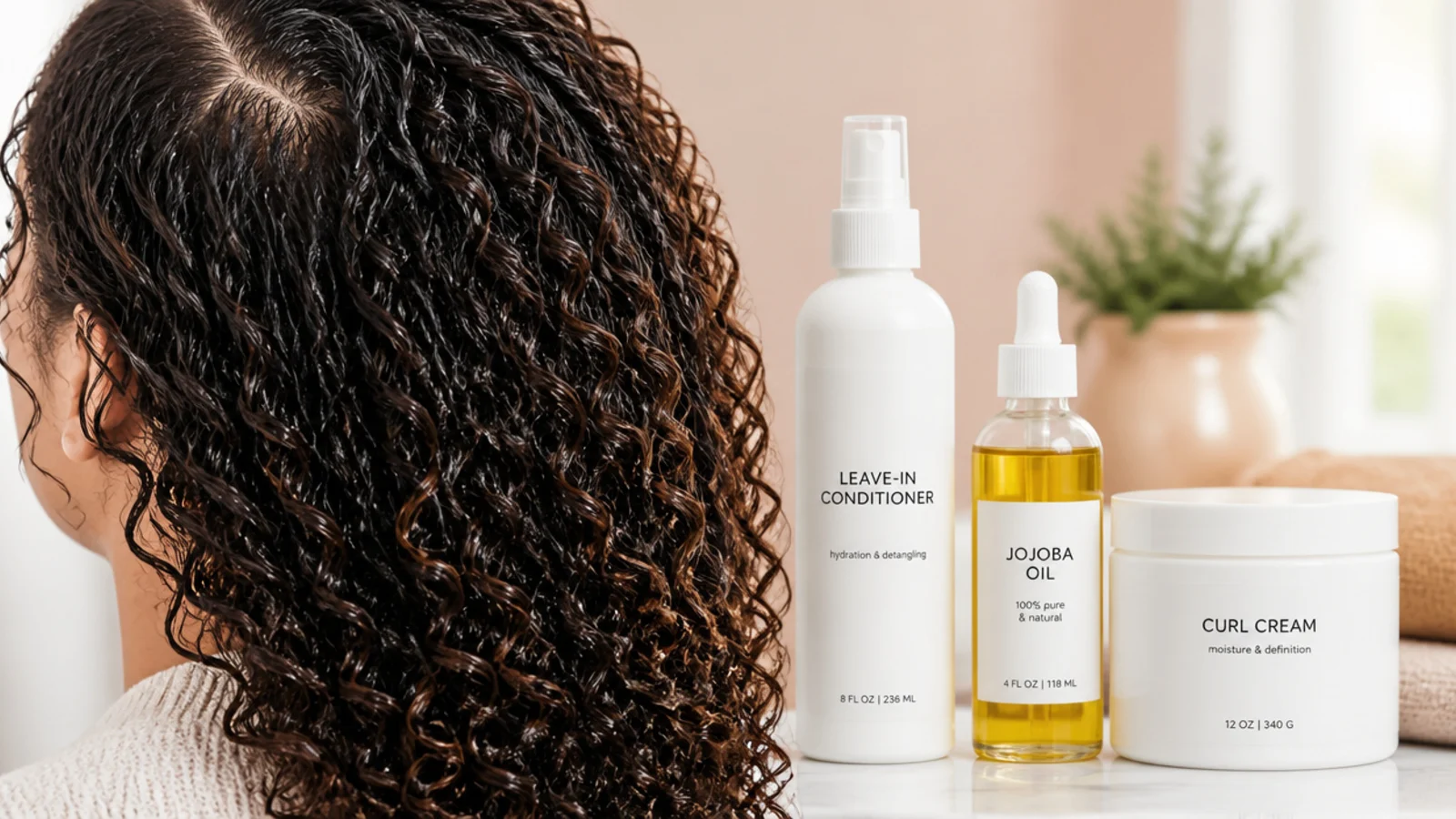
8. The LCO Method
The same three products with the cream before the oil, and it suits low porosity hair. A closed cuticle absorbs slowly, so a cream applied while the hair is still soaking has time to get in before the oil closes the surface over it. Reverse the order on low porosity hair and everything after the oil sits on top doing nothing.
9. Plopping
Wet curls carry their own weight in water, and gravity is what pulls a spiral out of shape while it dries. Laying the length into a cotton t shirt or microfibre wrap stacks the curls on themselves through exactly that stage, so the pattern sets in the shape it formed in.
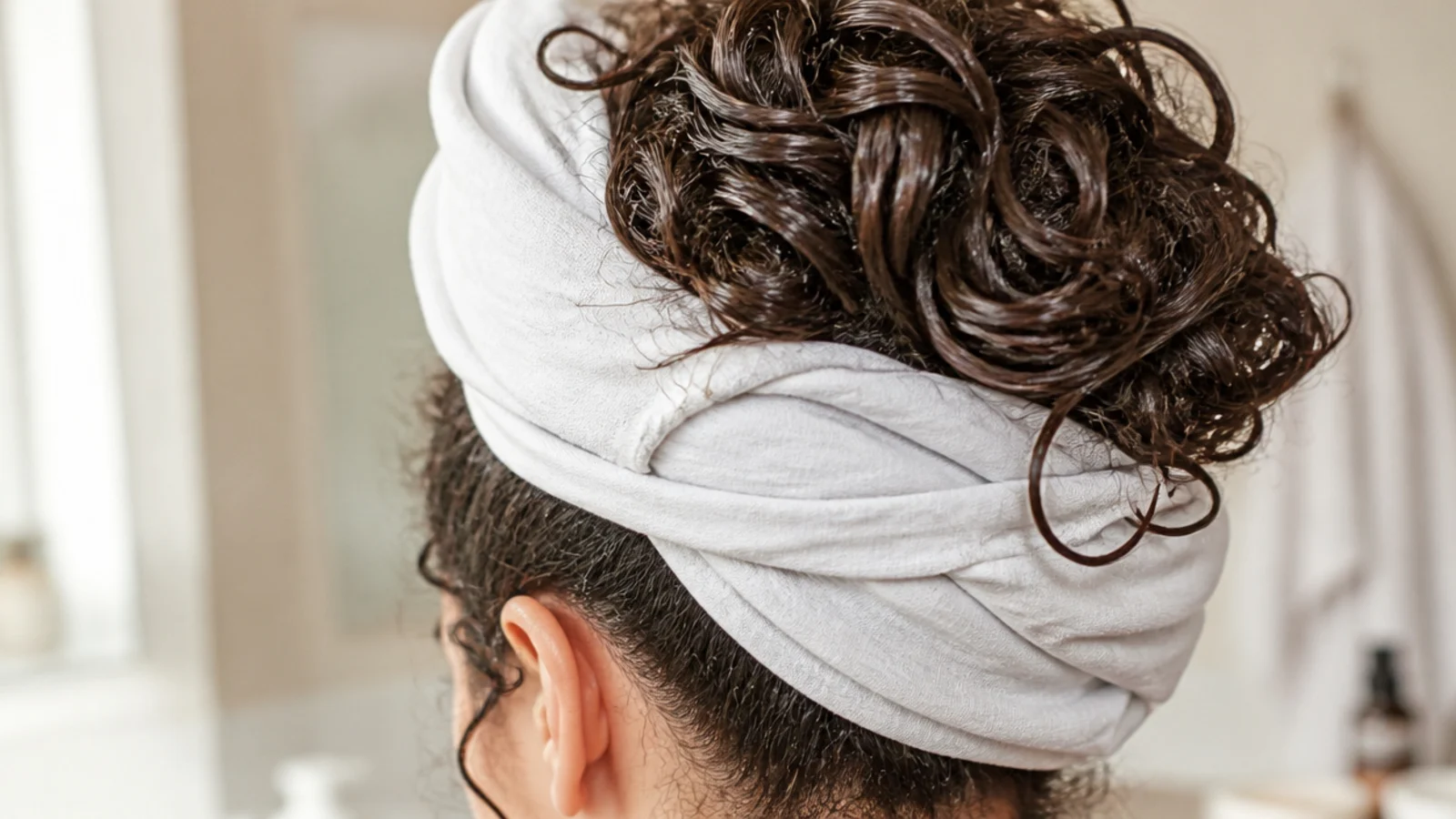
10. Diffusing
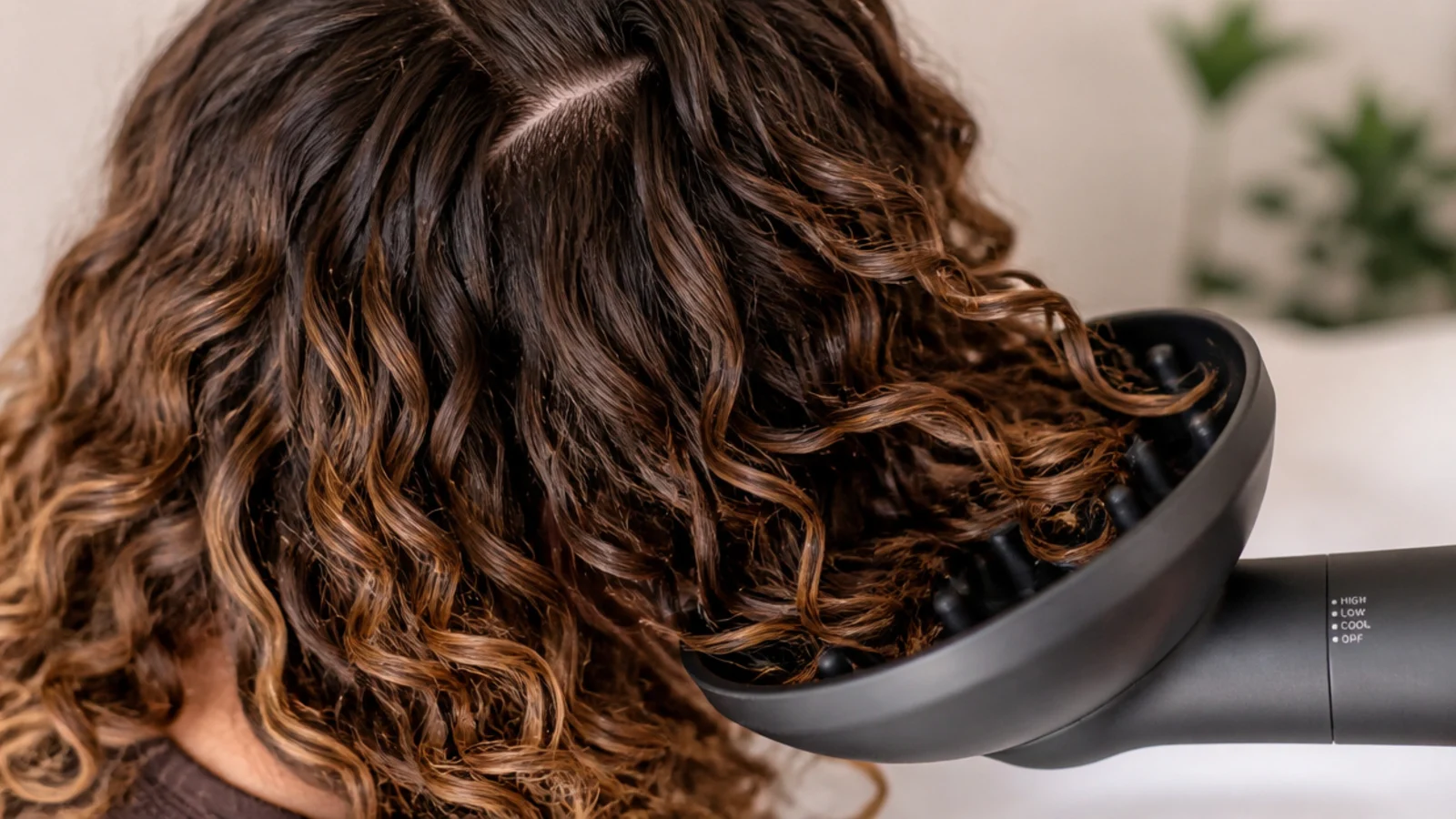
A diffuser spreads the airflow over a wide area rather than firing it at one point, so the hair dries without the clumps being blown apart. Low speed, moderate heat, and hold it still — curl definition is destroyed by moving air far more than by warmth.
11. The Pineapple
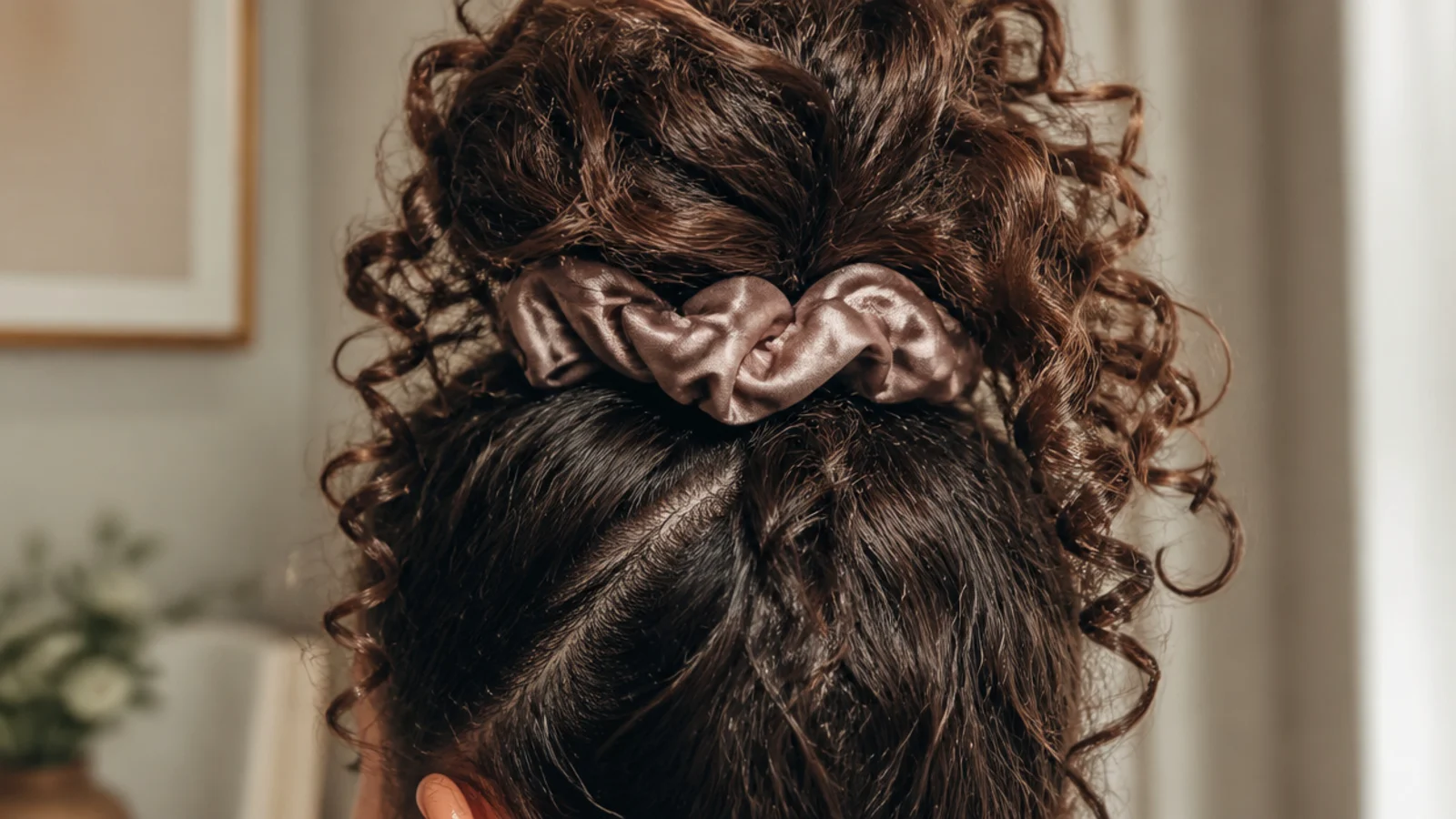
A loose high gather keeps the length off the pillow entirely, so the night's friction lands on the tie and on the crown rather than through the curls. Keep the elastic slack and set well forward, because the dent it leaves is the only thing you will have to wet down in the morning.
12. A Protein Treatment
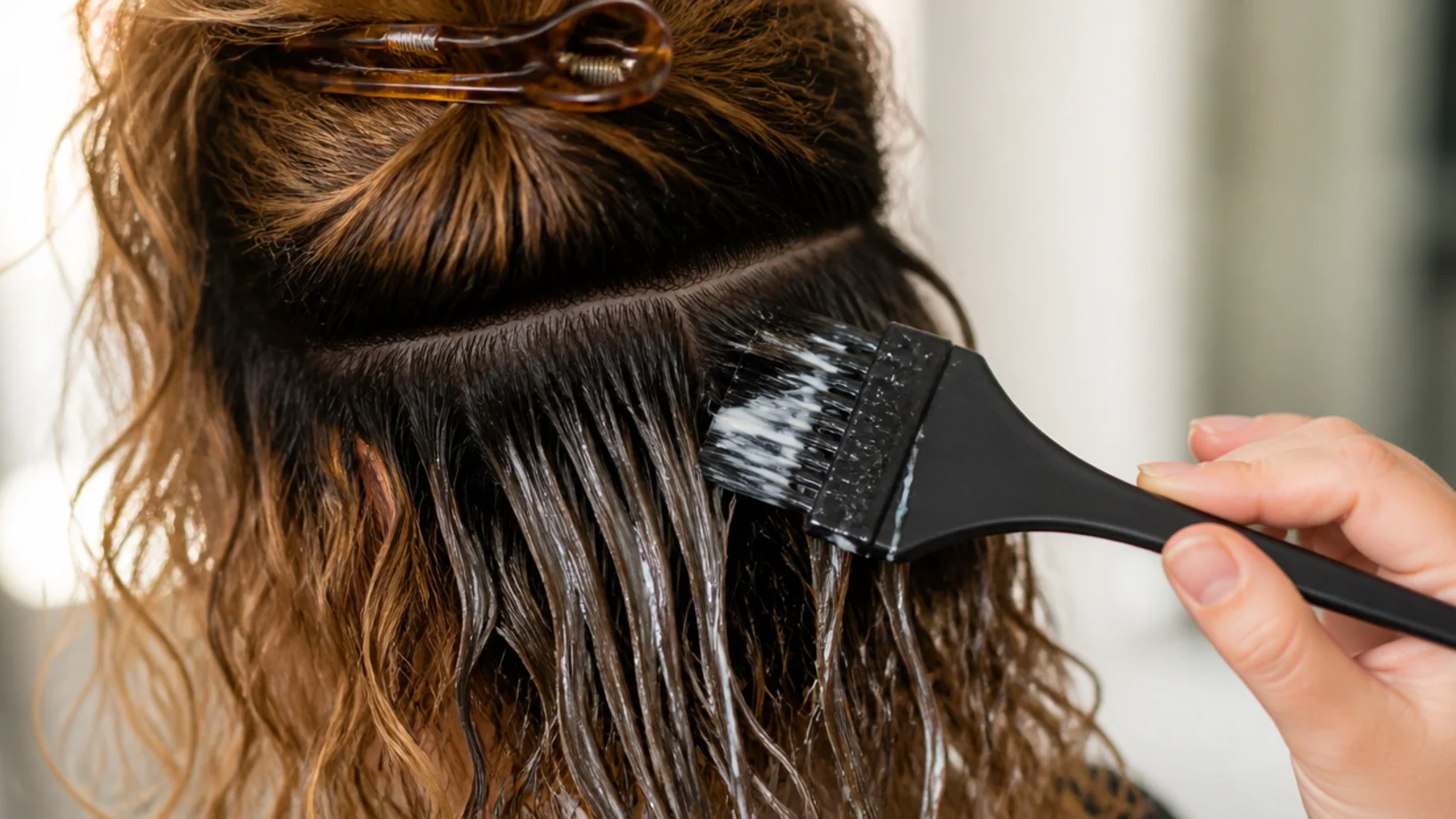
Protein fills gaps in a damaged cuticle and stiffens the strand temporarily, which is what stops it stretching past its limit before it snaps. Hair that feels limp, pulls a long way when wet and does not spring back wants it. Hair that feels rough and breaks dry has already had too much.
13. Deep Conditioning
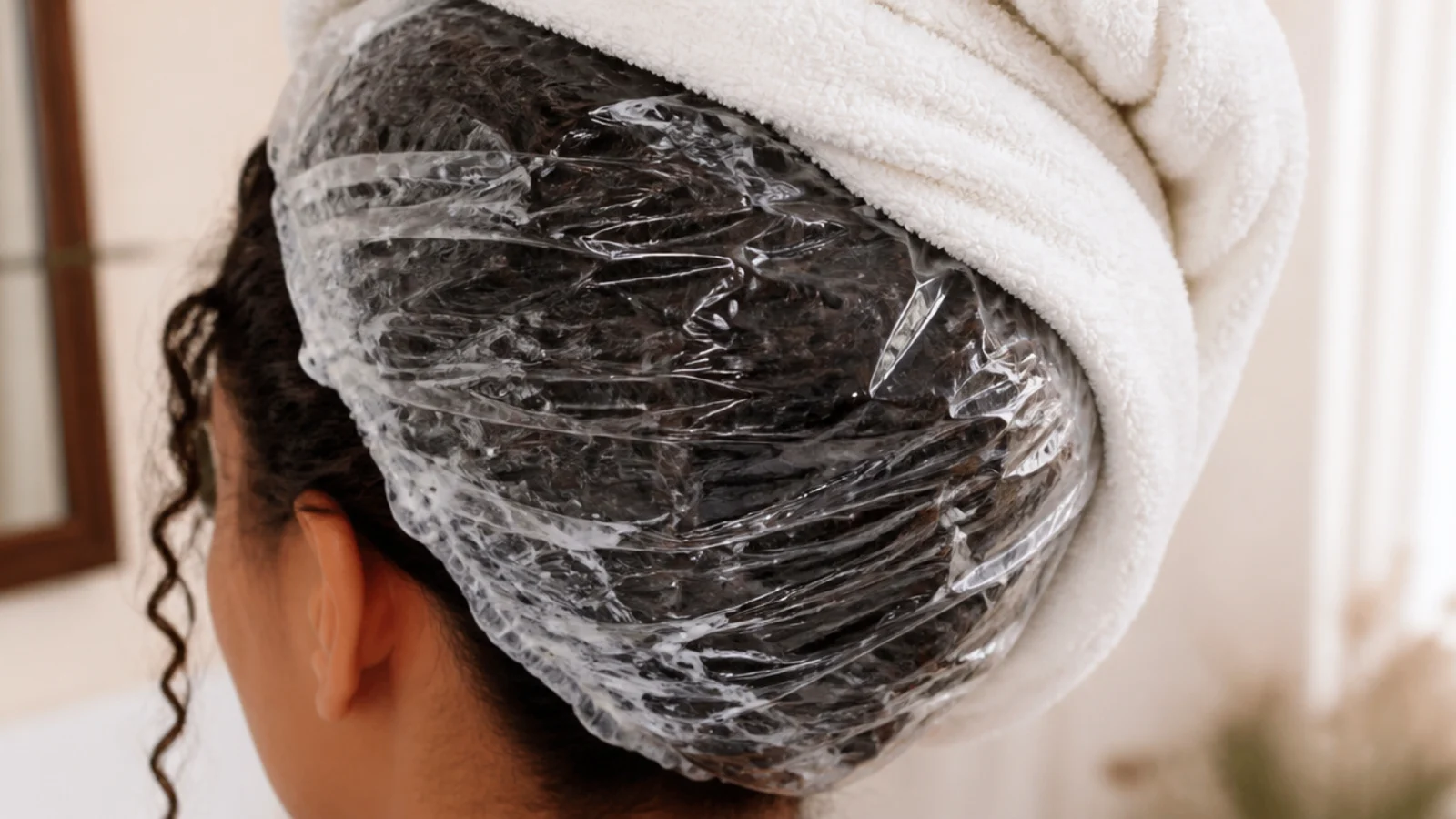
Twenty minutes under a cap beats an hour in open air, because trapped body heat keeps the hair damp and lifts the cuticle enough for the conditioner to move in rather than drying onto the surface. Once a week suits most curls, and much more than that starts softening the pattern.
14. Two Strand Twists
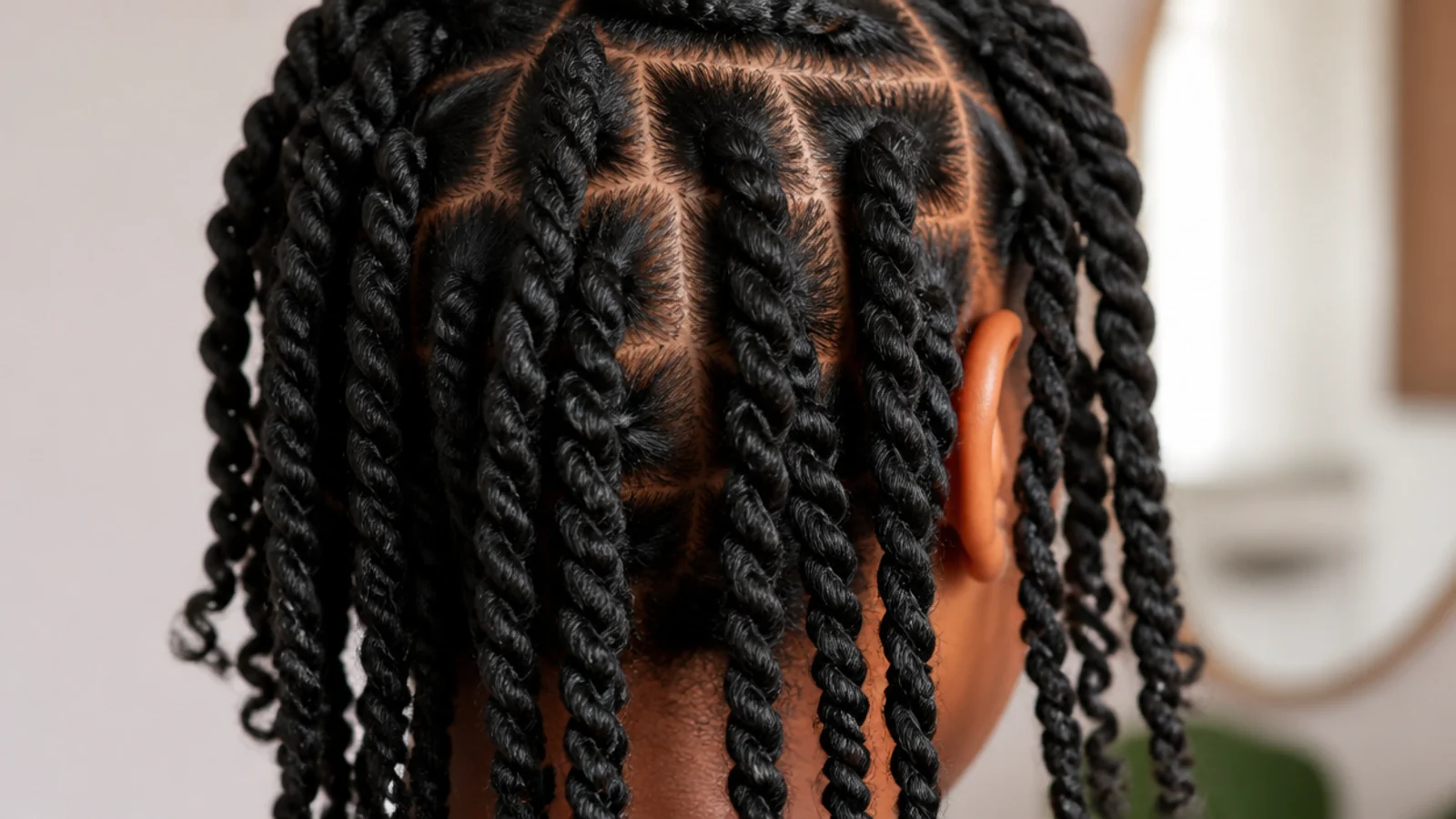
Hydrogen bonds break when hair is wet and reform as it dries, so the shape the hair holds while it dries is the shape it keeps. Twisting damp sections sets the length stretched and protects it overnight, and wearing the twist out for several days removes a whole week of styling passes.
15. Stretched Length Checks
Curls hide progress month to month, so compare against something that does not move. Stretch the same section to the same mark on the same shirt and photograph from the same distance. Keep the pull consistent, because wet hair stretches further and impatient hands stretch further still.
16. Wash Frequency
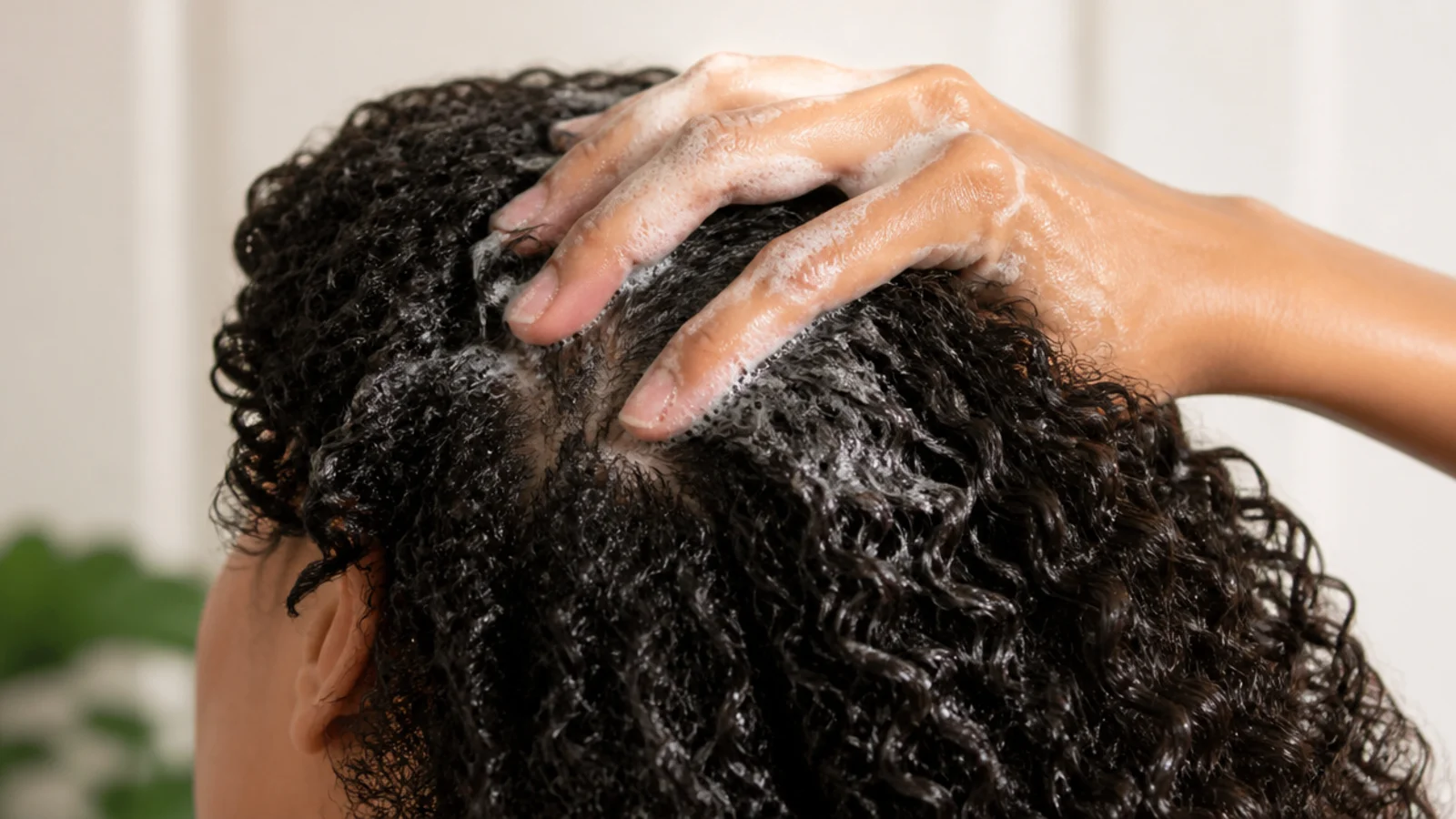
There is no correct number, only the one your scalp and your product habits agree on. Heavy gel and cream users need to wash sooner; oily scalps need to wash sooner still. Curls dry out from washing too rarely as often as from washing too much, because buildup blocks water just as effectively as a stripping shampoo removes it.
17. Silk Scrunchies
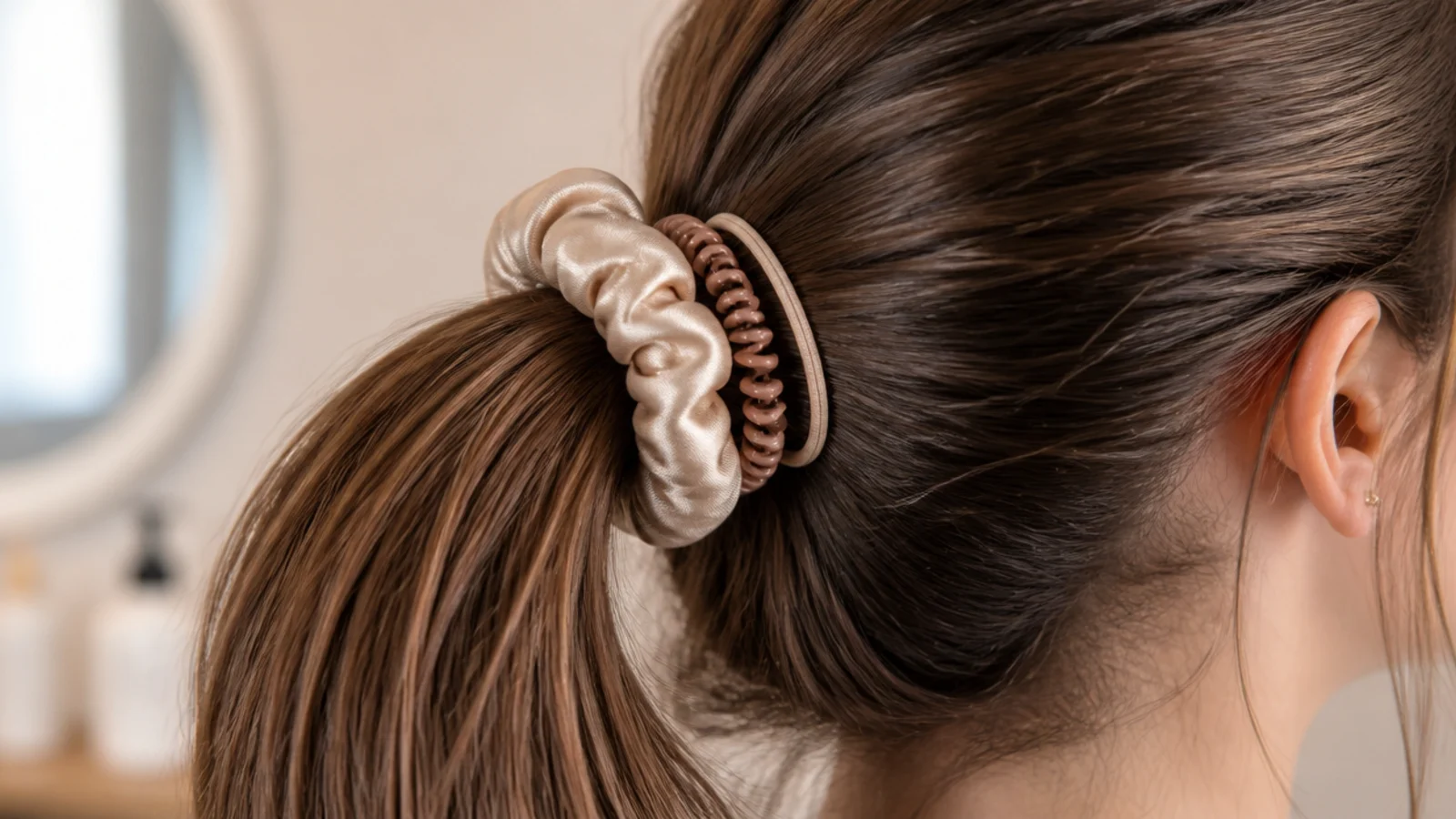
A thin elastic concentrates its whole grip on one narrow band of hair, and that band is where strands snap. A wide silk scrunchie spreads the same hold across far more surface, and skipping the metal join found on standard bands removes a second snag point at the same time.
18. Leave In on Wet Hair
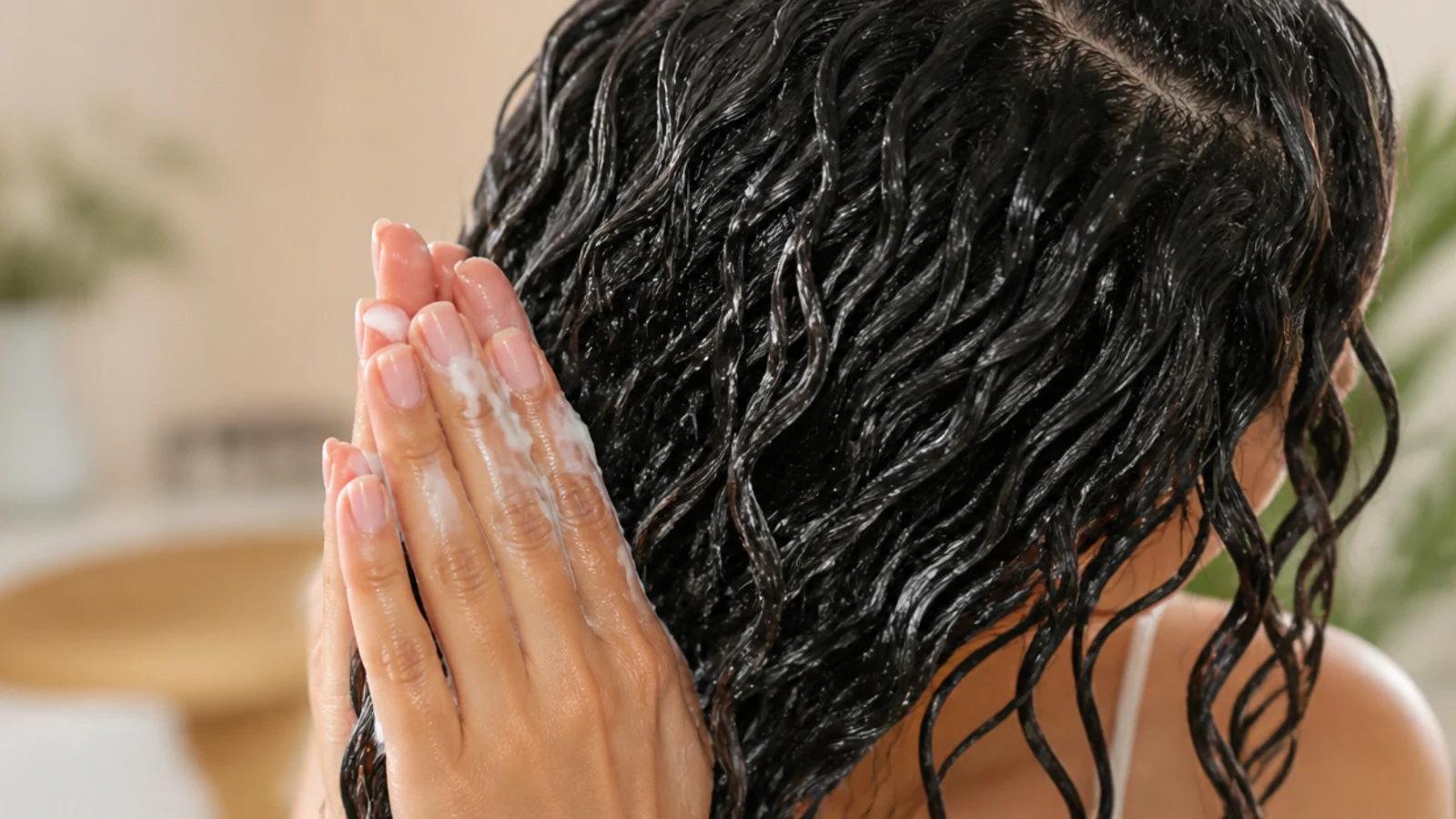
Product applied to towel dried hair has to work against a surface that has already begun to close. Applying the leave in while the hair is still soaking, ideally in the shower, means it goes on with water still inside the strand and traps that water rather than trying to replace it later.
19. Diet for Hair Growth
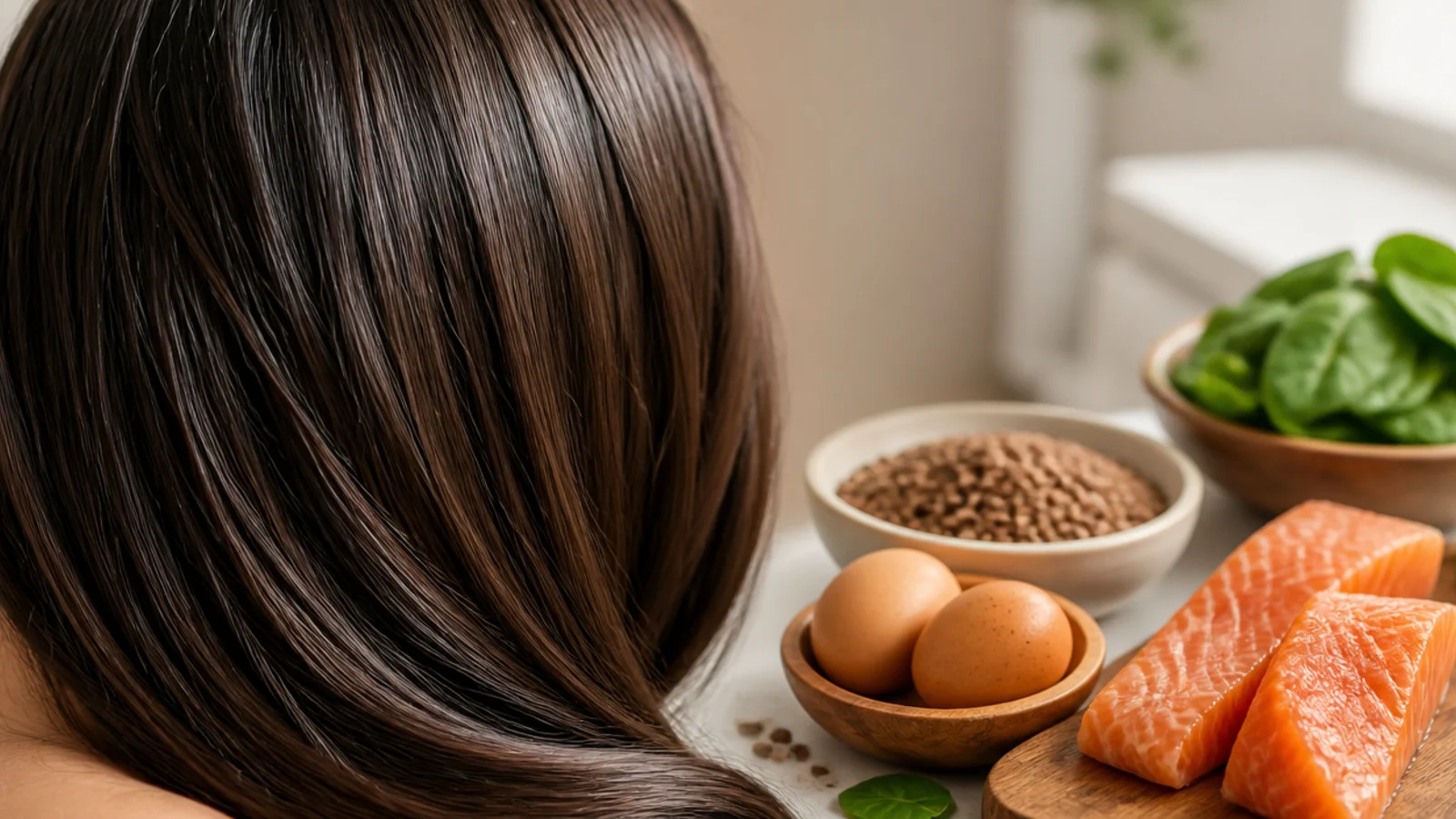
Hair is the first tissue the body deprioritises, so a sustained protein shortfall or a heavy calorie deficit reaches the scalp two to three months later rather than immediately. Steady protein across the day and enough total food does more for the follicle than anything you can pour onto it.
20. Rosemary Oil
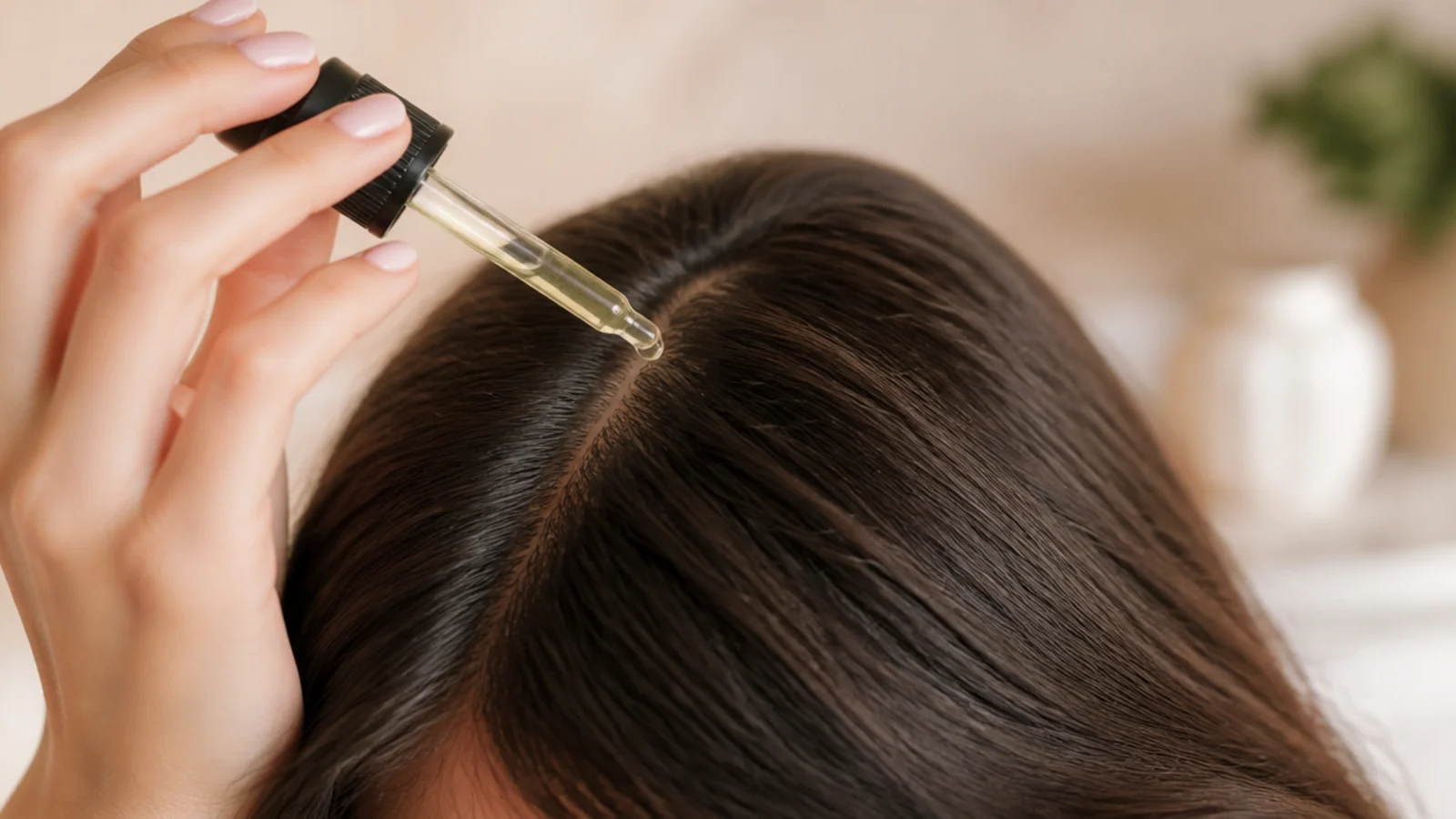
The one topical with a trial behind it worth mentioning, and the results in that trial took six months to appear. Dilute it in a carrier oil and massage it in rather than applying it neat. Anything you put on the scalp acts on the next growth cycle, not the hair already on your head.
Final Thoughts
Separate the two problems before you spend anything. If your stretched length has grown and your visible length has not, that is shrinkage and there is nothing to solve. If your stretched length has not moved either, the ends are the target, and every fix lives at night and at the comb rather than at the scalp.
Start with satin, finger detangling and a genuine trim, then leave the routine alone for three months and measure stretched. That is one full growth cycle and roughly an inch and a half of new hair — long enough to see whether you are keeping it. For cuts that suit the texture see the best curly hair haircuts, and for what real length looks like on curls see long curly hair ideas. More in Hair Care.