20 Braided Greasy Hair Hairstyles to Try
Twenty braided styles for unwashed hair — the technique that does all three jobs at once. But only if you start at the hairline, because a braid begun at the nape leaves every tell on display above it.
In this article · 27
- Start at the Hairline, Not the Nape
- Braids Hold Better on Oiled Hair
- The 20 Braided Styles
- 1. Single Dutch Braid from the Front
- 2. Two Dutch Braids
- 3. French Braid Crown
- 4. Crown Braid Wrapped Around
- 5. Dutch Braid into a Bun
- 6. Braided Headband
- 7. Fishtail Braid
- 8. Two French Braids into a Bun
- 9. Braided Half-Up
- 10. Side Dutch Braid
- 11. Braided Ponytail from the Crown
- 12. Rope Twist Braid
- 13. Boxer Braids
- 14. Braided Crown with Loose Length
- 15. Milkmaid Braids
- 16. Four-Strand Braid
- 17. Braided Space Buns
- 18. Braid with a Zigzag Start
- 19. Braided Updo with Pinned Sections
- 20. Overnight Braid, Worn Out
- Braiding Technique on Oiled Hair
- Mistakes to Avoid
- FAQ
- Final Thoughts
Braiding is the most effective thing you can do to unwashed hair, and the reason is that it is the only technique that addresses all three tells at once.
It breaks up the reflective surface. It covers the parting. It lifts the roots off the scalp. Dry shampoo does one of those, a bun does two, and a braid does all three — while also holding better than it would on clean hair.
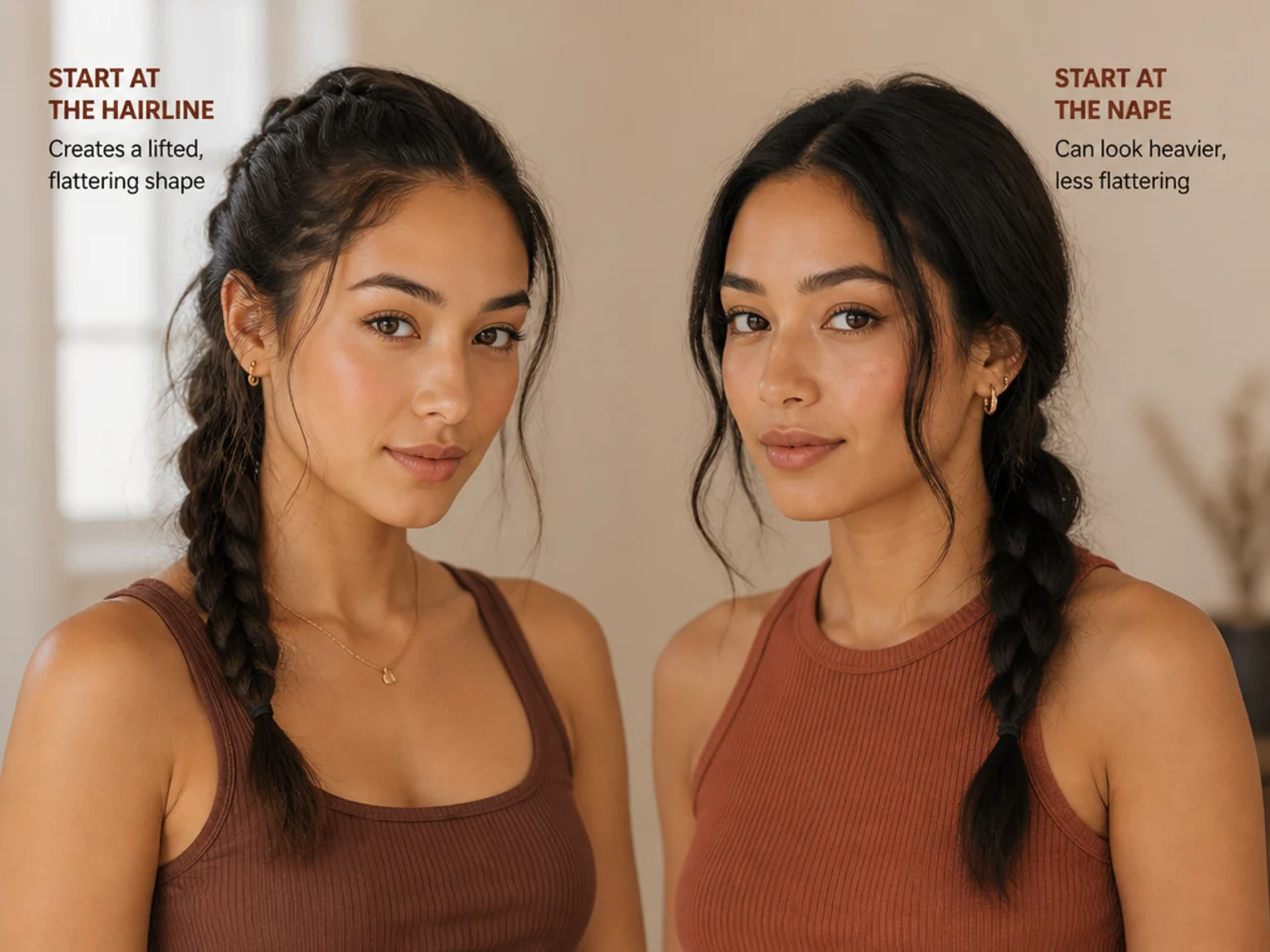
Start at the Hairline, Not the Nape
This is the whole thing, and it is where most people go wrong.
A braid that starts at the nape — or worse, one plaited from a ponytail — leaves the entire top of your head untouched. The parting still shows. The crown is still flat. The roots still reflect. You have put texture on the length, which was never the problem, and left every actual tell exactly where it was.
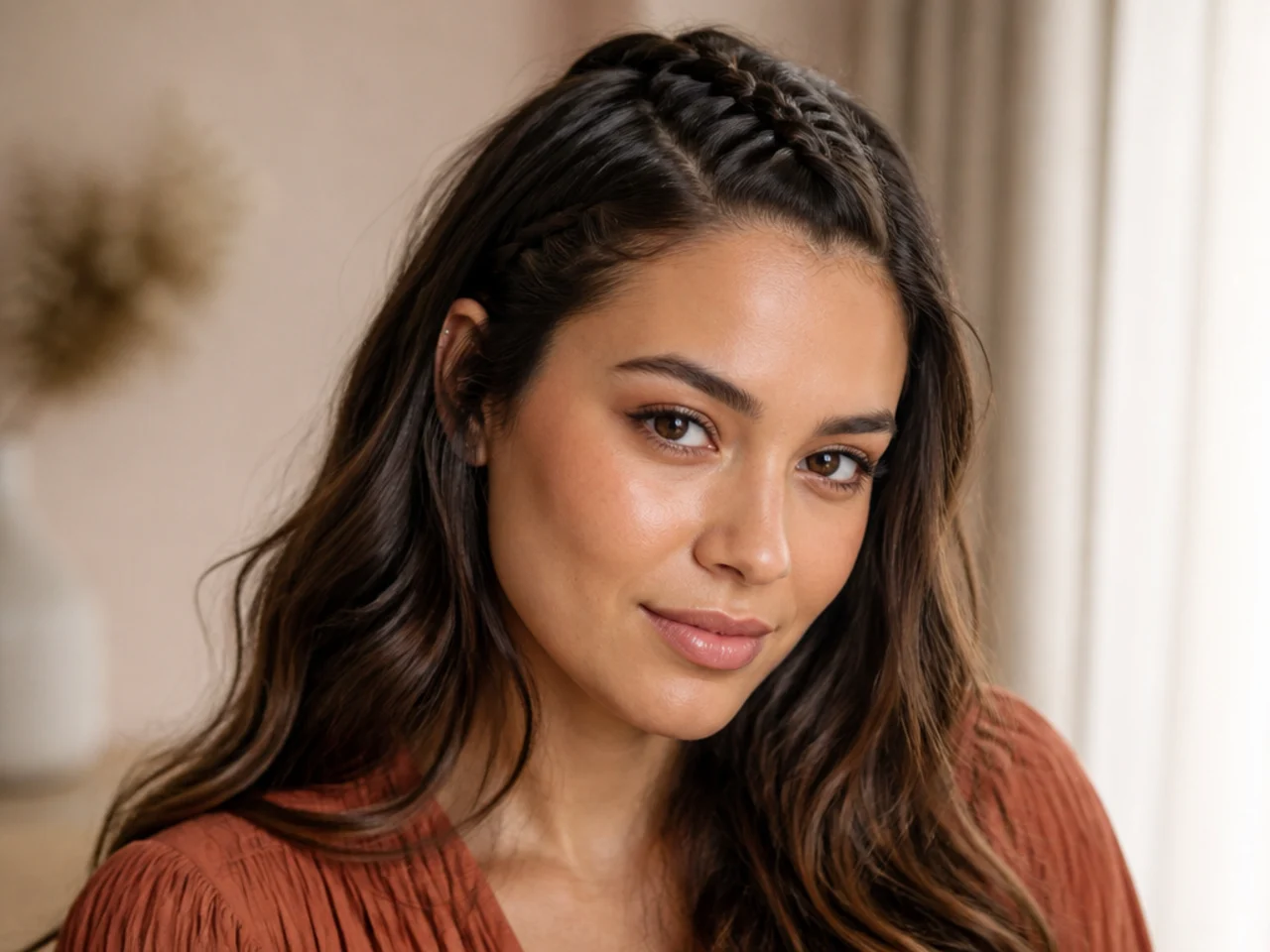
A Dutch or French braid taken from the front hairline works because it consumes the scalp area as it goes. By the time it reaches the crown there is no parting left to show and no flat surface to reflect.
If you learn one braid for greasy hair, learn a Dutch braid started at the front. Dutch specifically, because the strands cross under rather than over, so the braid sits proud of the head and covers more scalp.
Braids Hold Better on Oiled Hair
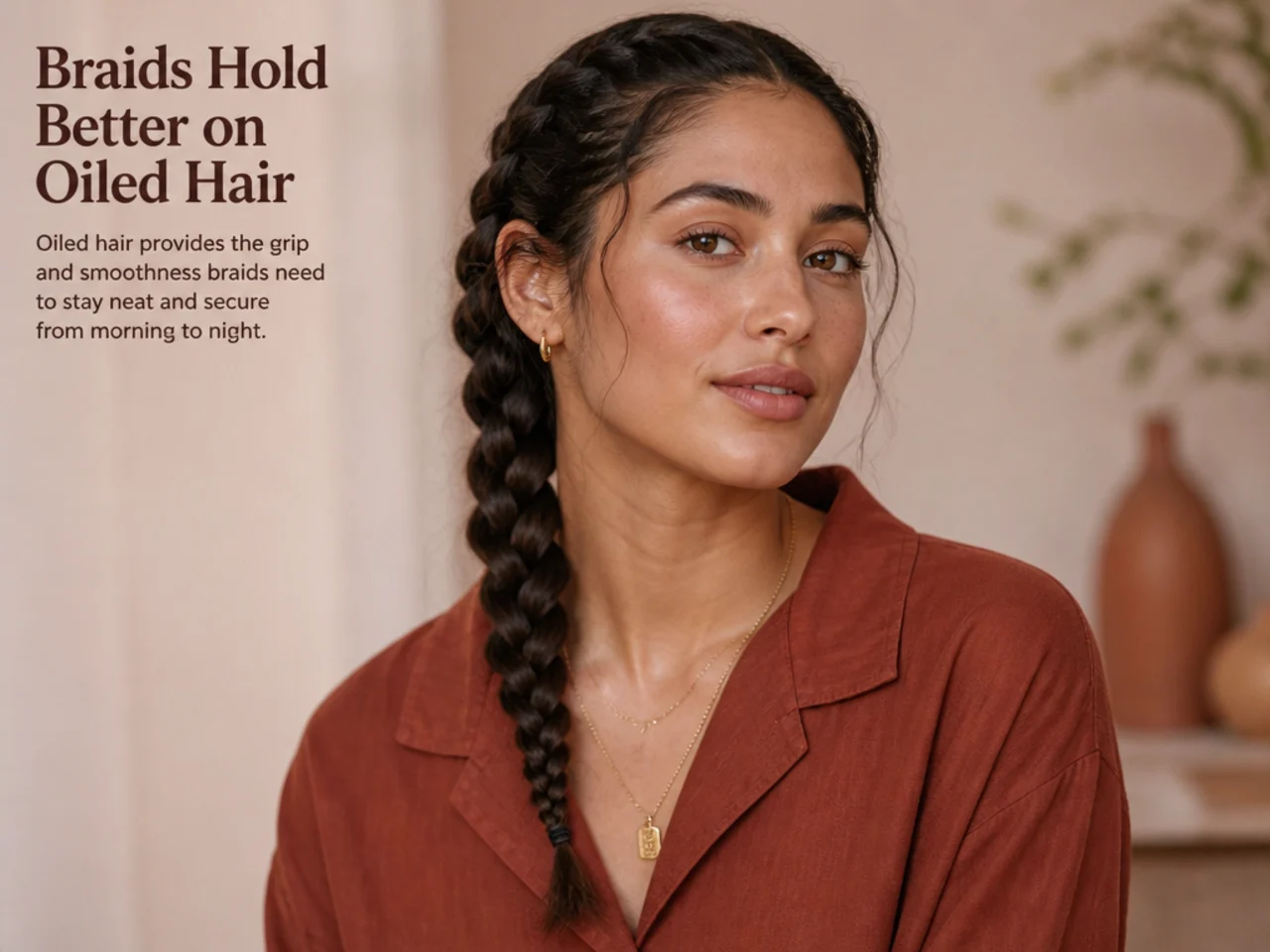
Worth stating because it changes what is worth attempting.
Clean hair slips against itself. A plait made on wash day loosens from the bottom up over a few hours, and intricate braids in particular tend to slide apart before lunchtime.
Oiled strands have friction. The braid stays where it was made, often all day without a single adjustment, and this is the one condition in which a fishtail or a five-strand braid is genuinely practical rather than a twenty-minute investment that unravels.
So day two is the day to attempt the braid you have been meaning to learn.
The 20 Braided Styles
1. Single Dutch Braid from the Front
The default. Starts at the hairline, covers everything.
2. Two Dutch Braids
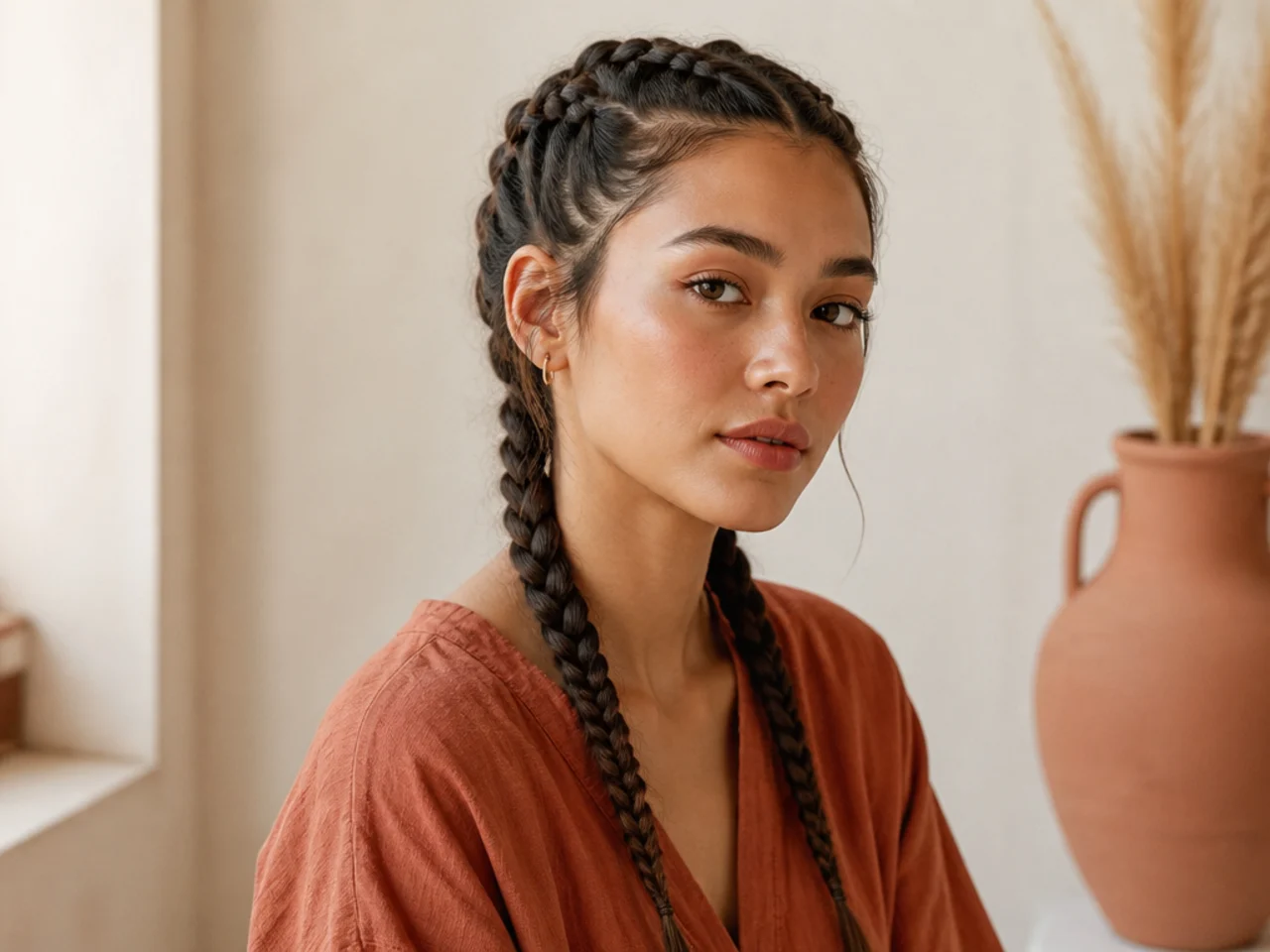
Both sides from the hairline. No parting visible anywhere on the head.
3. French Braid Crown
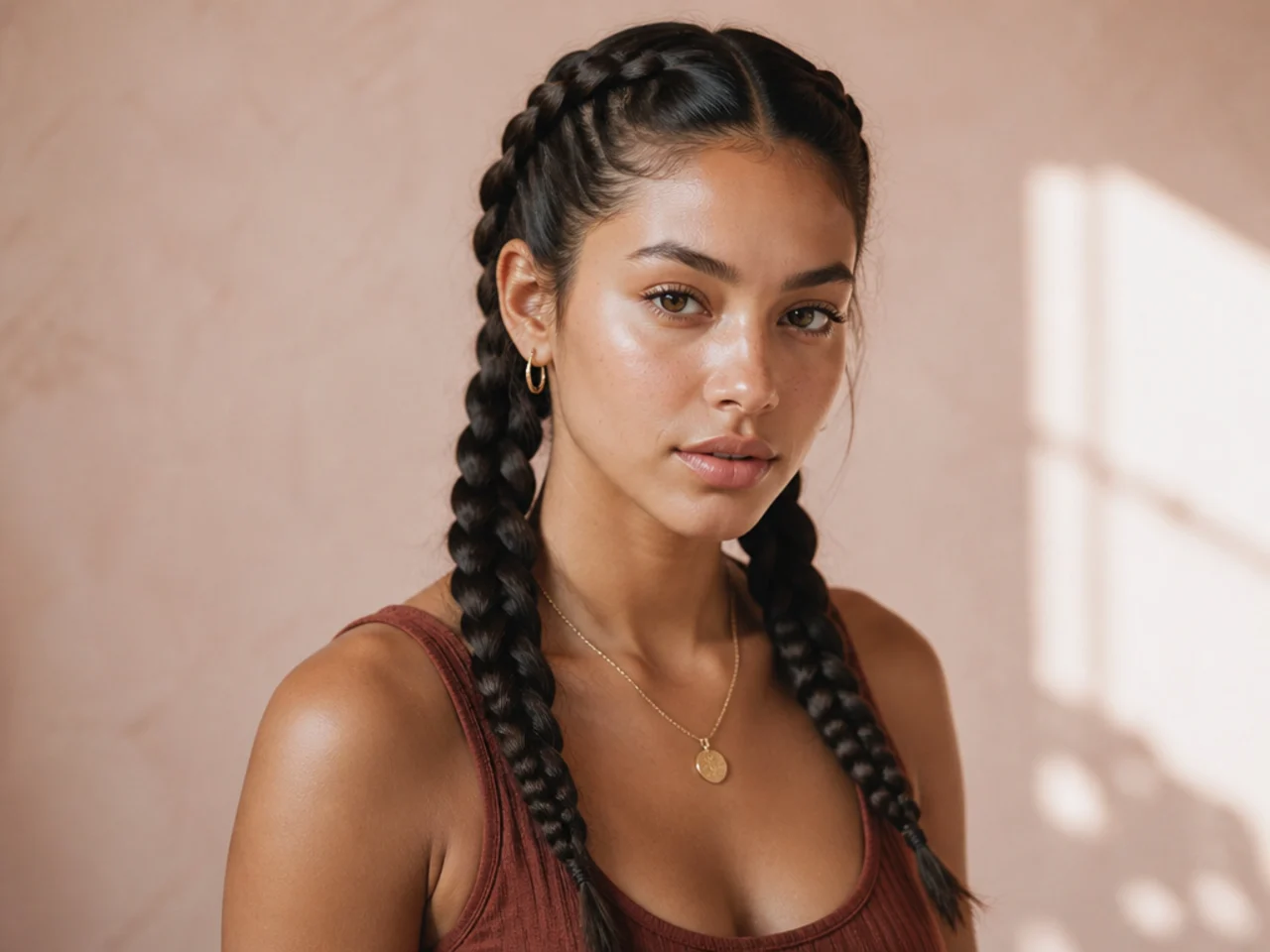
Braided across the top, which is exactly where the shine sits.
4. Crown Braid Wrapped Around
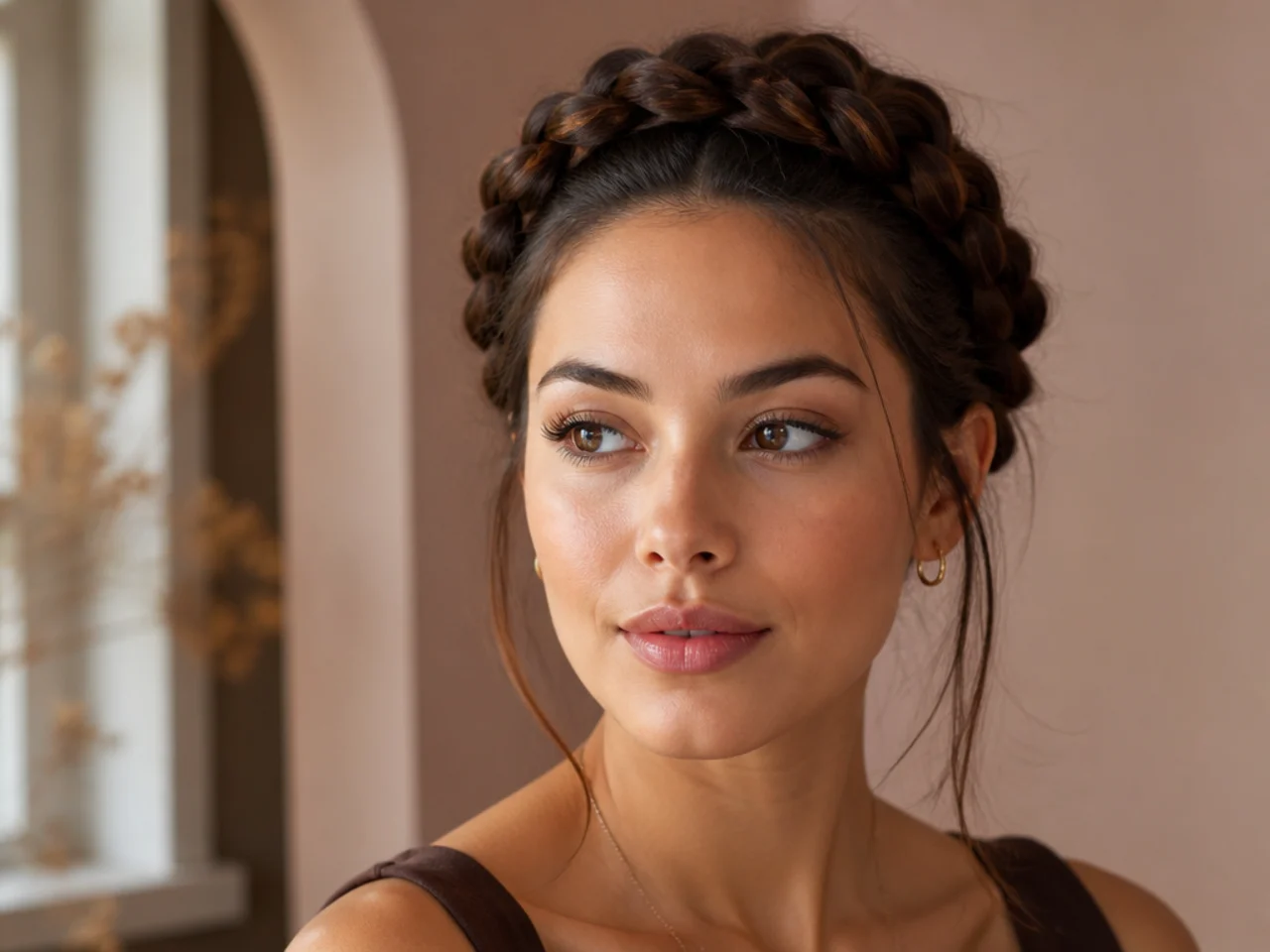
Around the head and pinned. No parting exists at all.
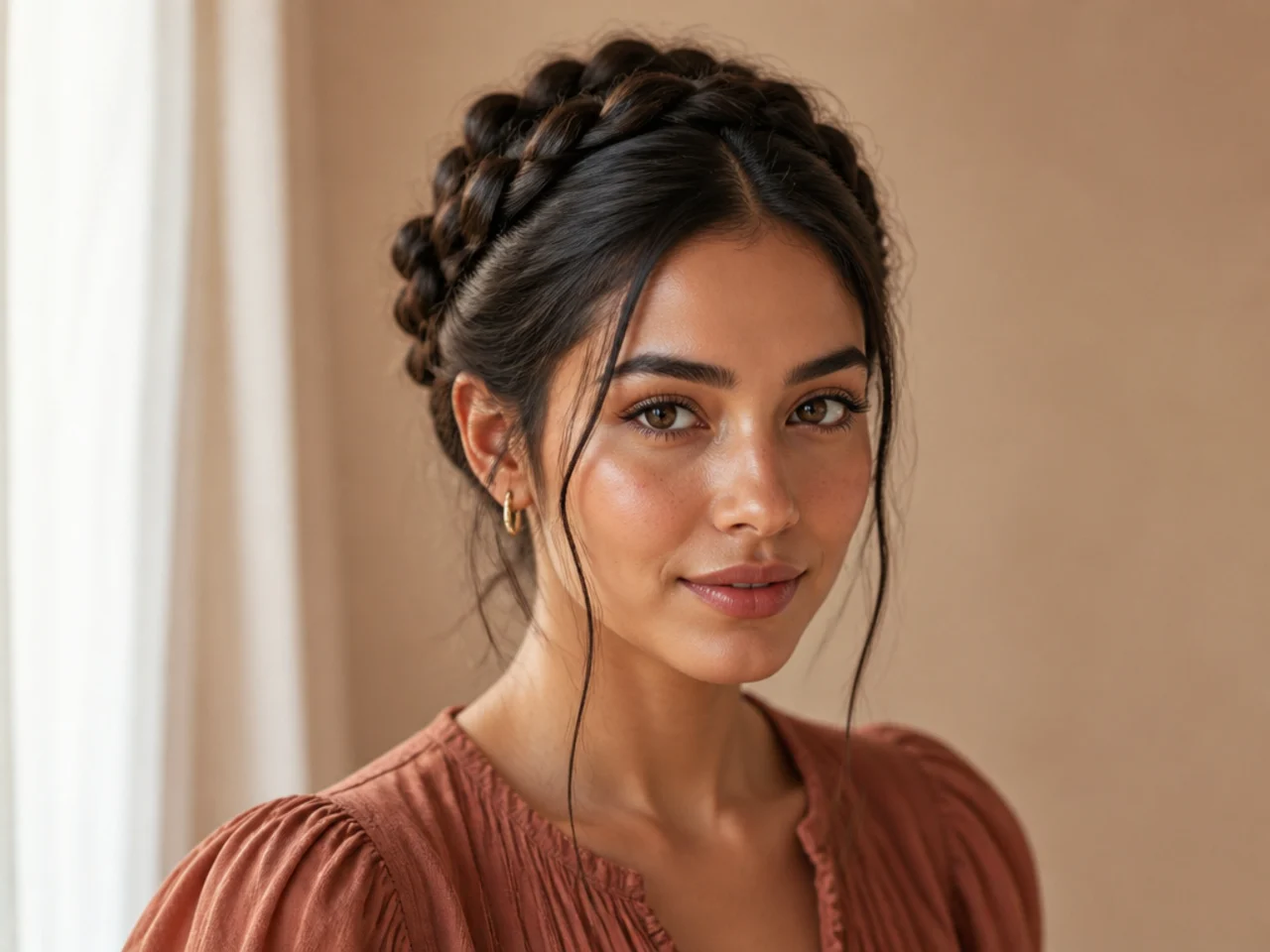
5. Dutch Braid into a Bun
Braided from the front, coiled at the nape. The most complete coverage here.
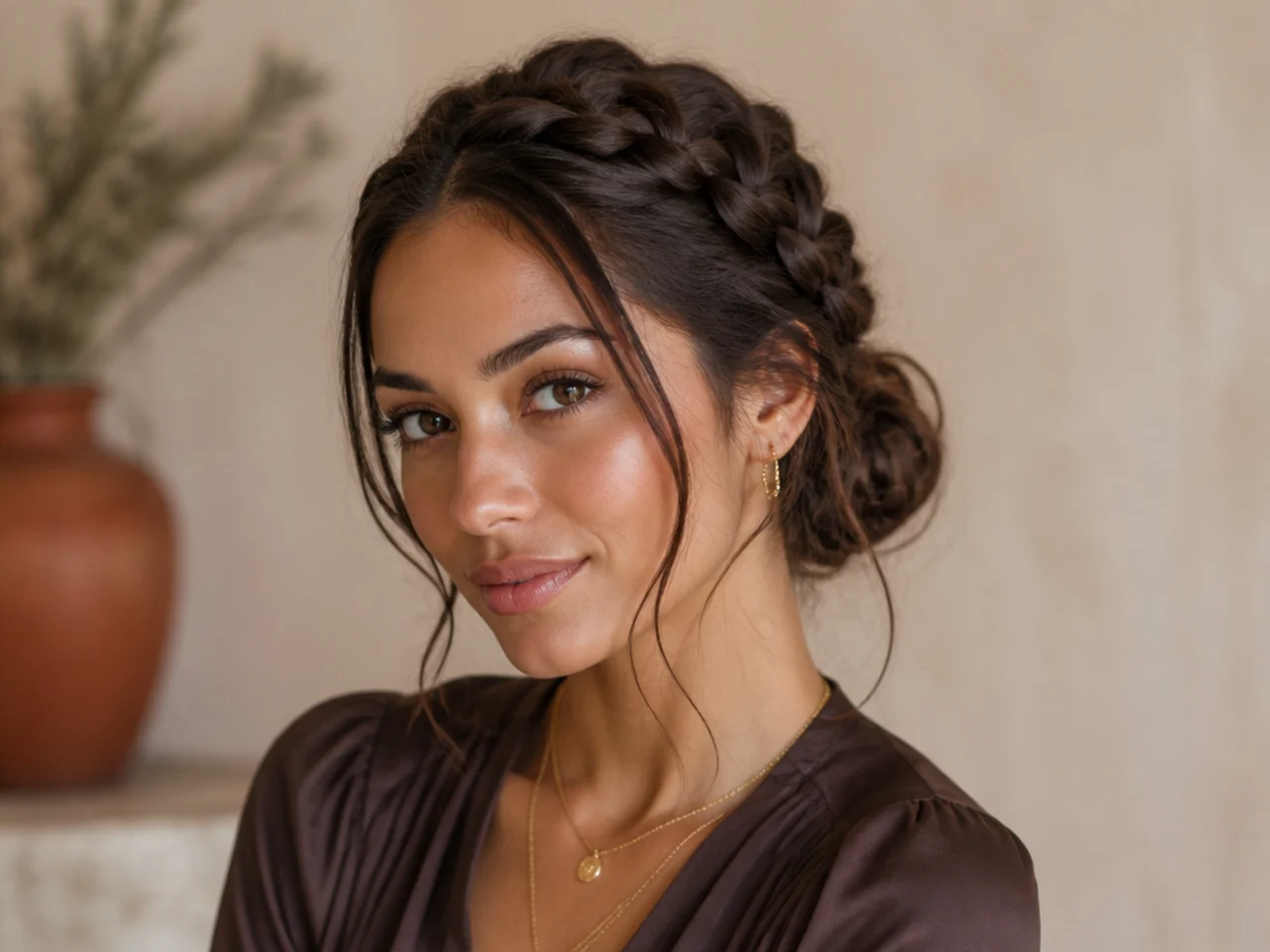
6. Braided Headband
One plait taken across the front. Ninety seconds, covers the shiniest strip.
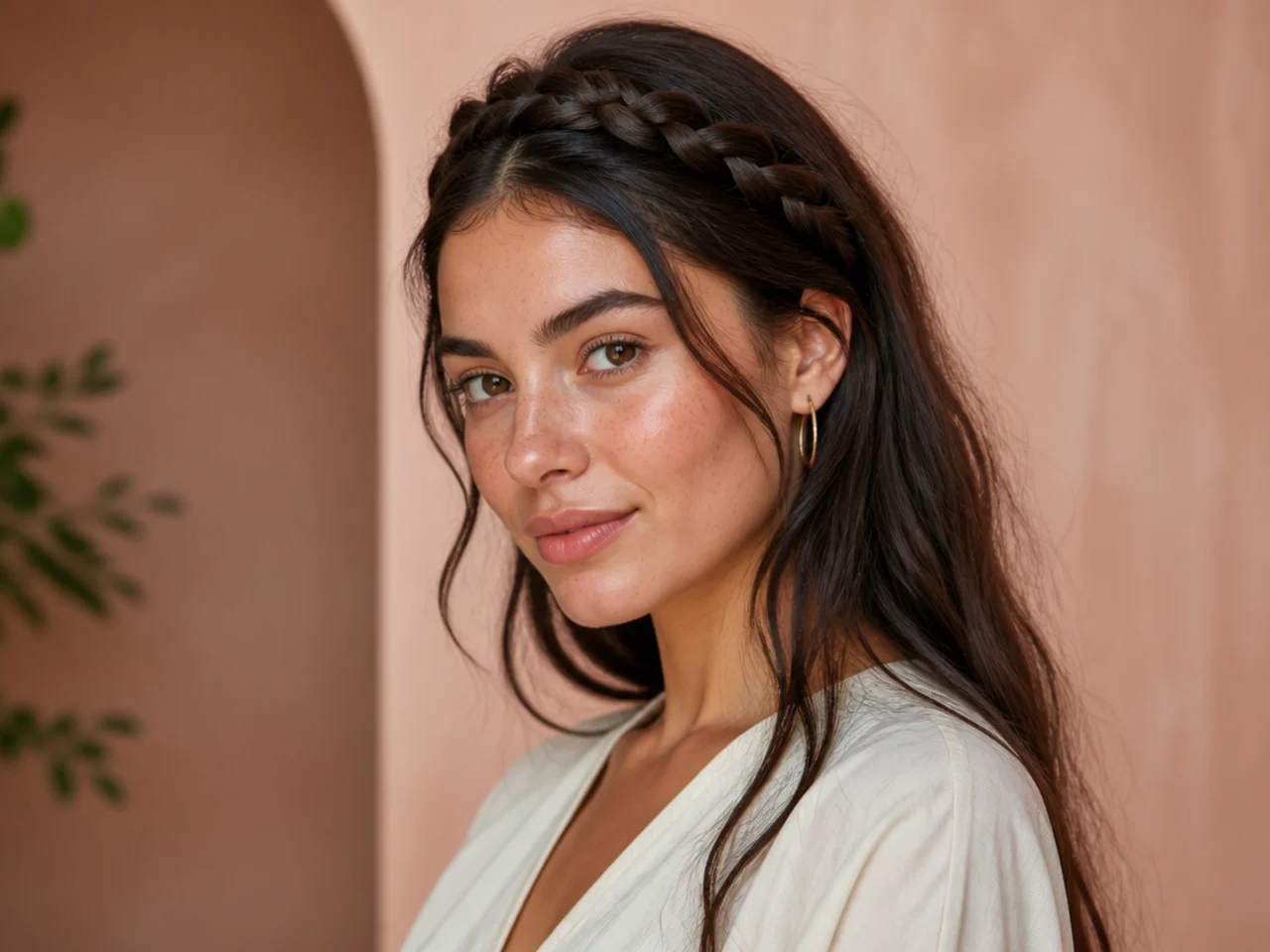
7. Fishtail Braid
Maximum surface texture. Nothing reflects evenly off a fishtail.
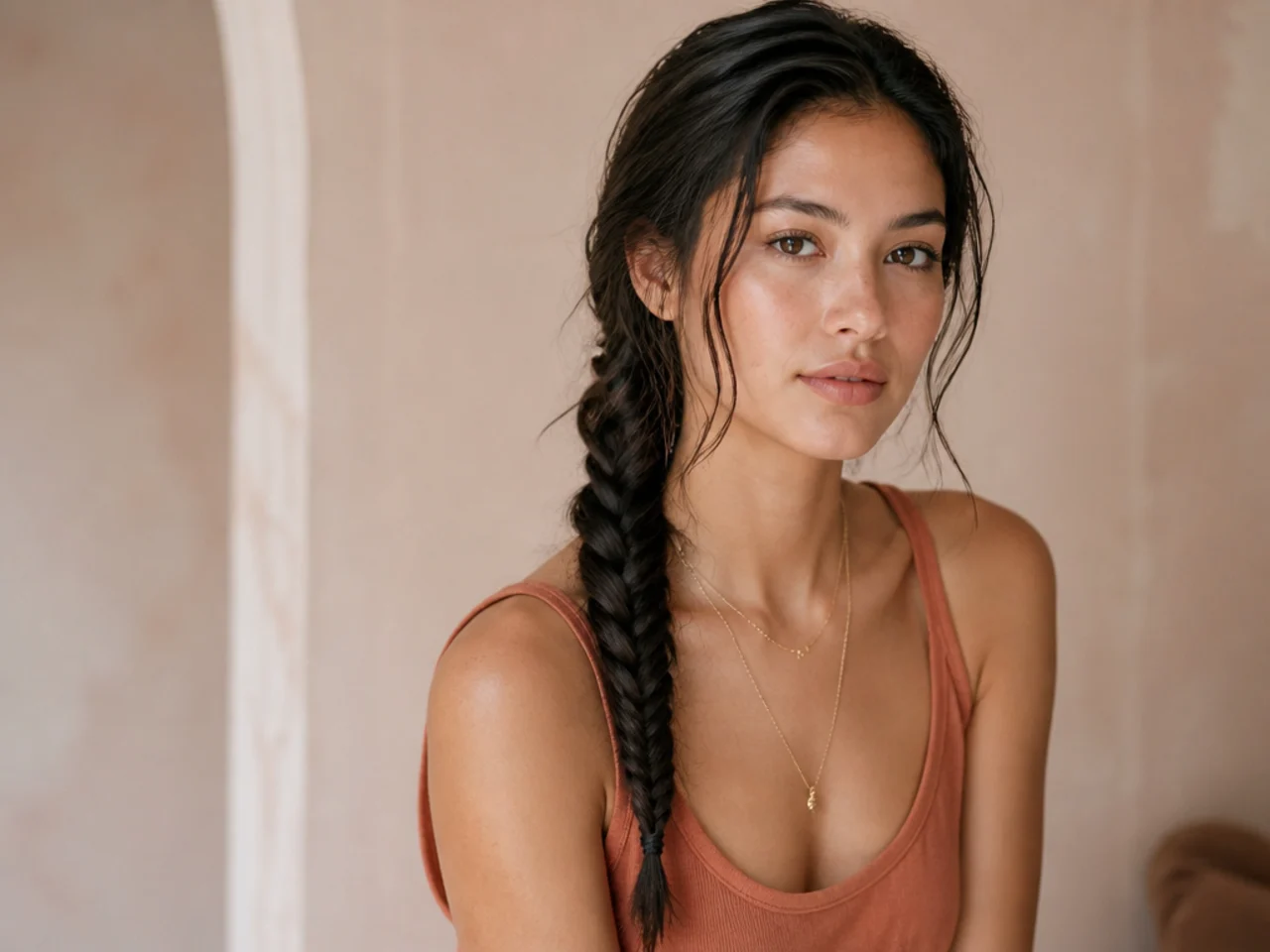
8. Two French Braids into a Bun
Both sides braided, gathered and coiled. Holds all day on oiled hair.
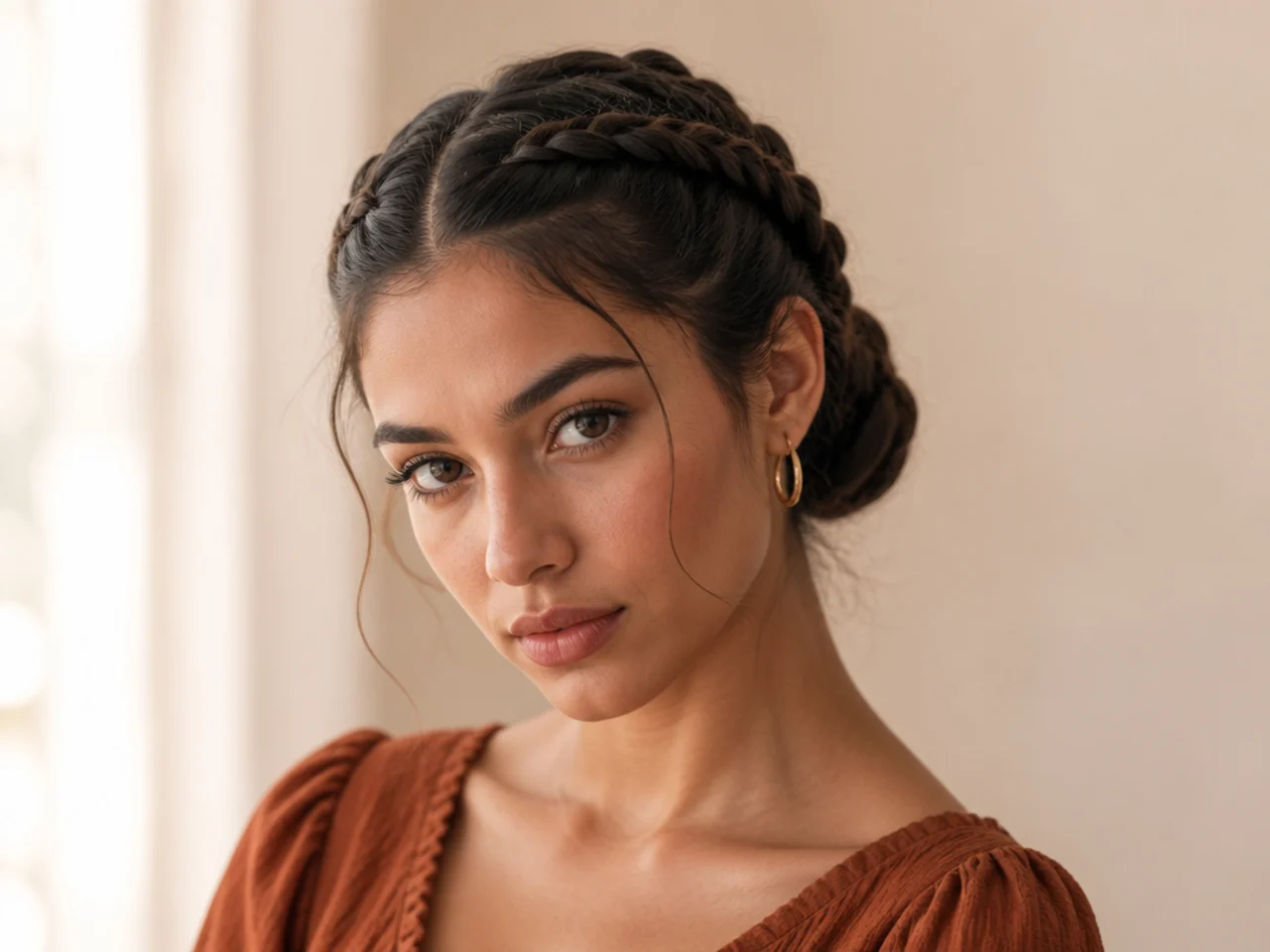
9. Braided Half-Up
Two braids taken back and joined. Fast, and it clears the parting.
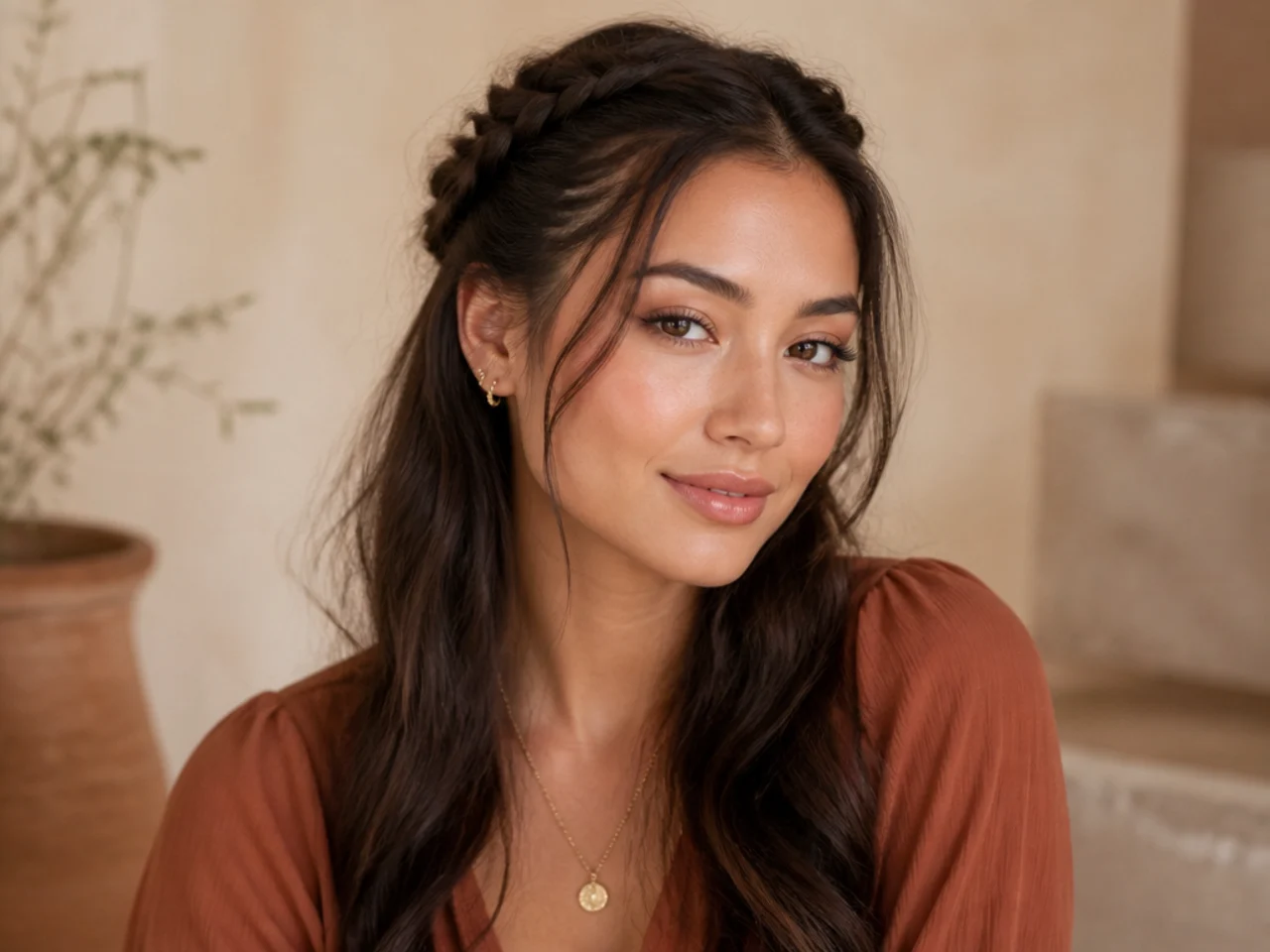
10. Side Dutch Braid
Angled across the head from one temple. Asymmetric and it covers the parting line.
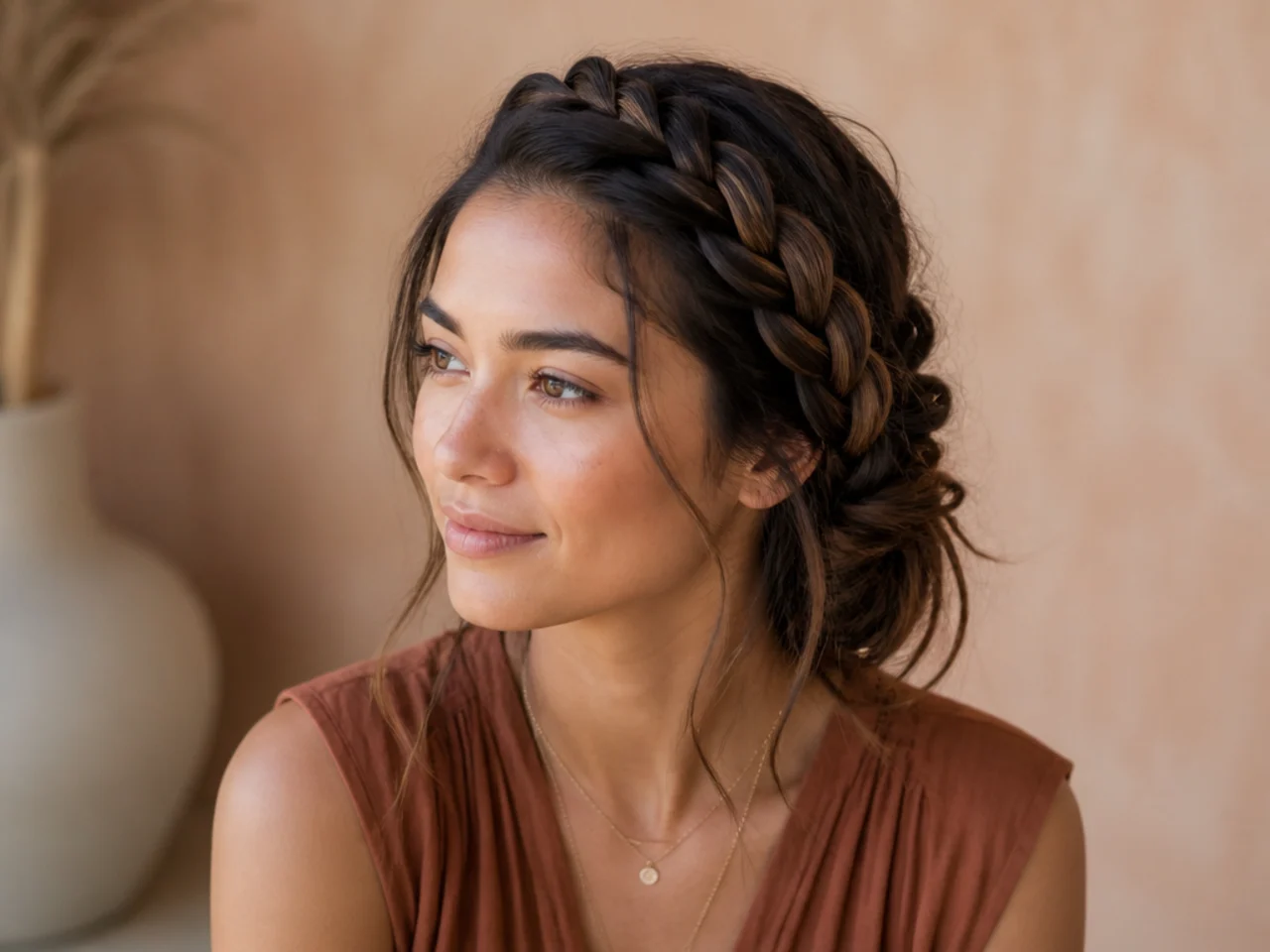
11. Braided Ponytail from the Crown
Braided from the front into a gathered tail. Both problems handled.
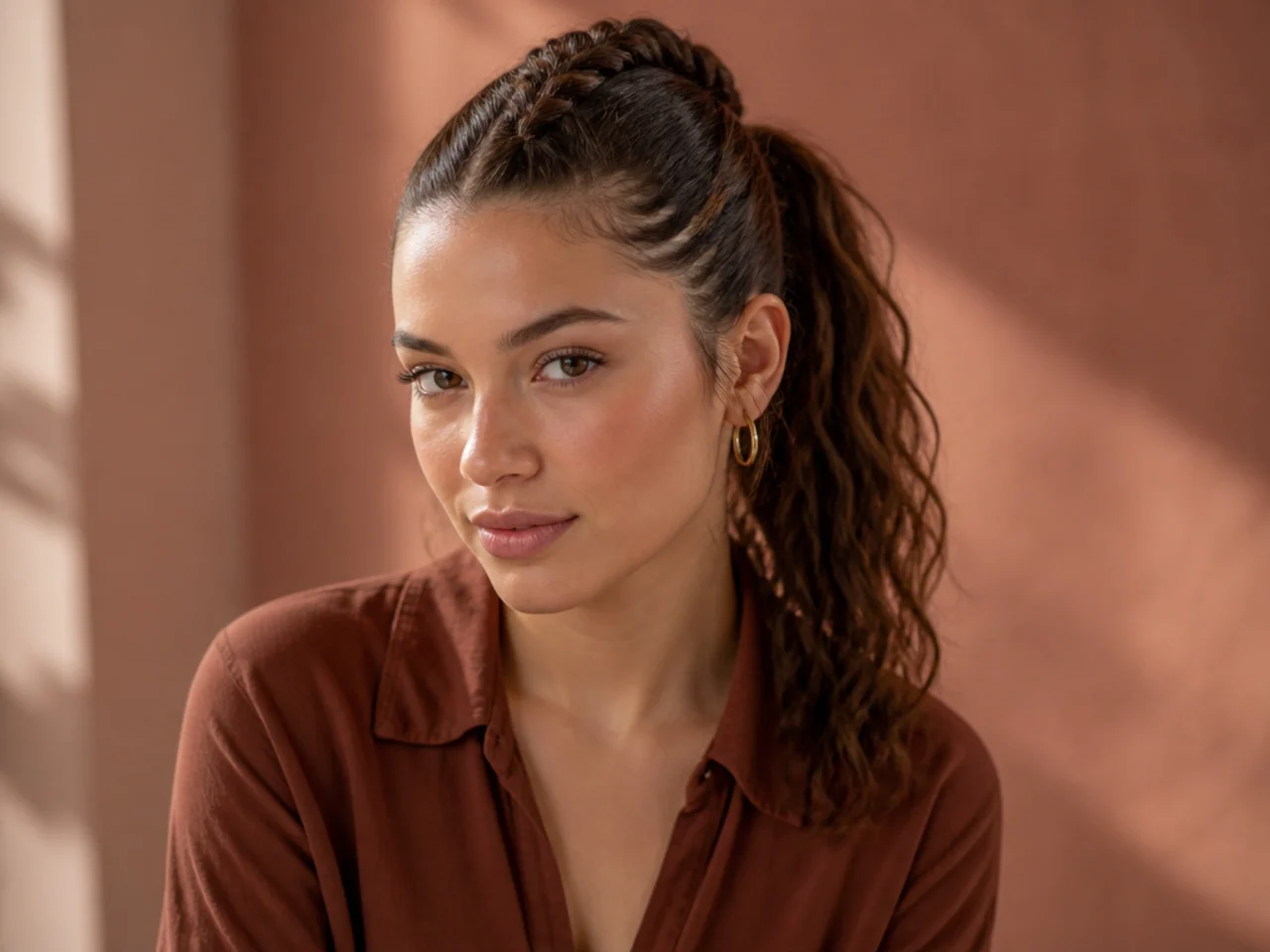
12. Rope Twist Braid
Two sections twisted around each other. Easier than a plait, similar effect.
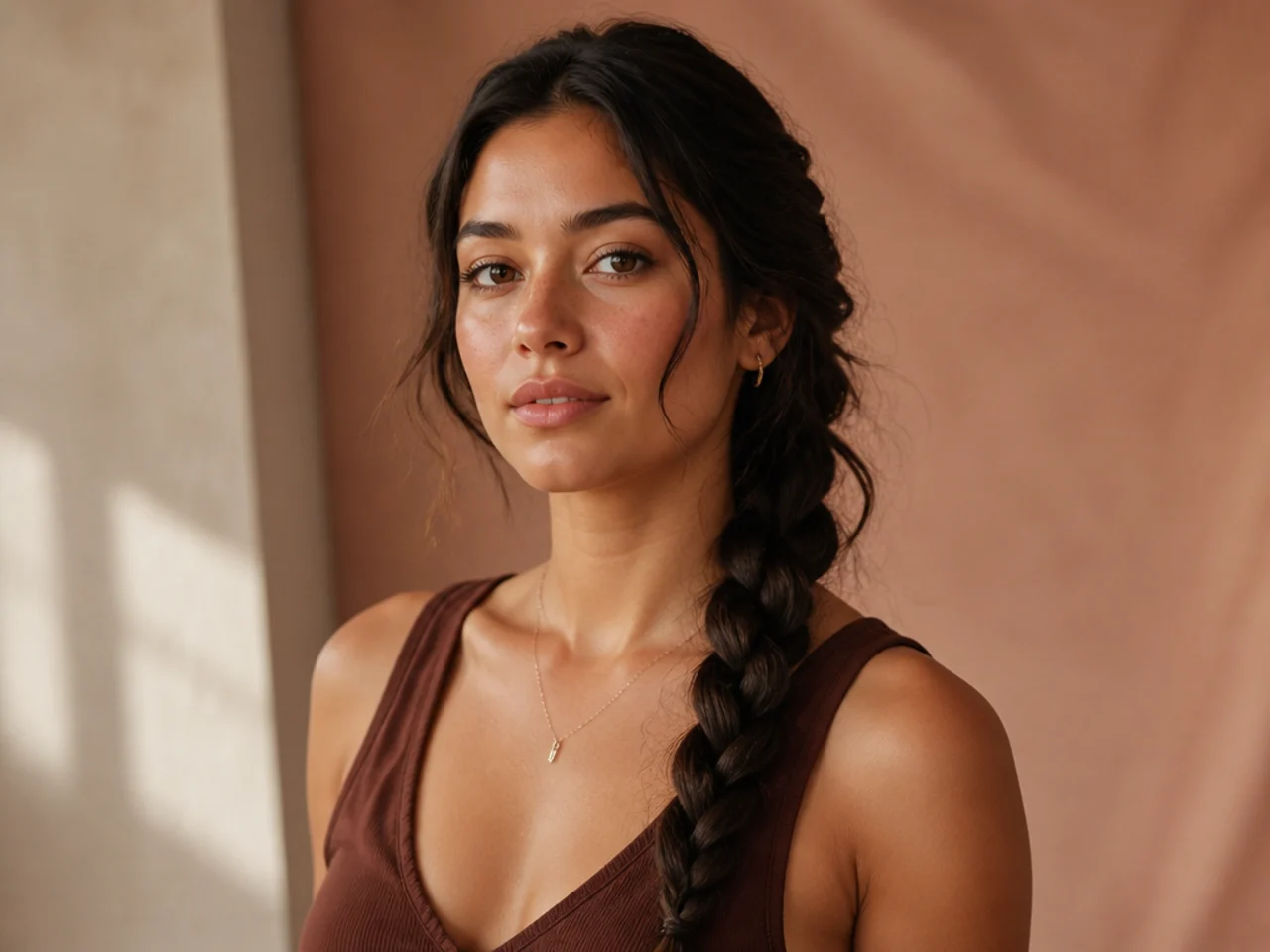
13. Boxer Braids
Two tight Dutch braids close to the scalp. Practical and it hides everything.
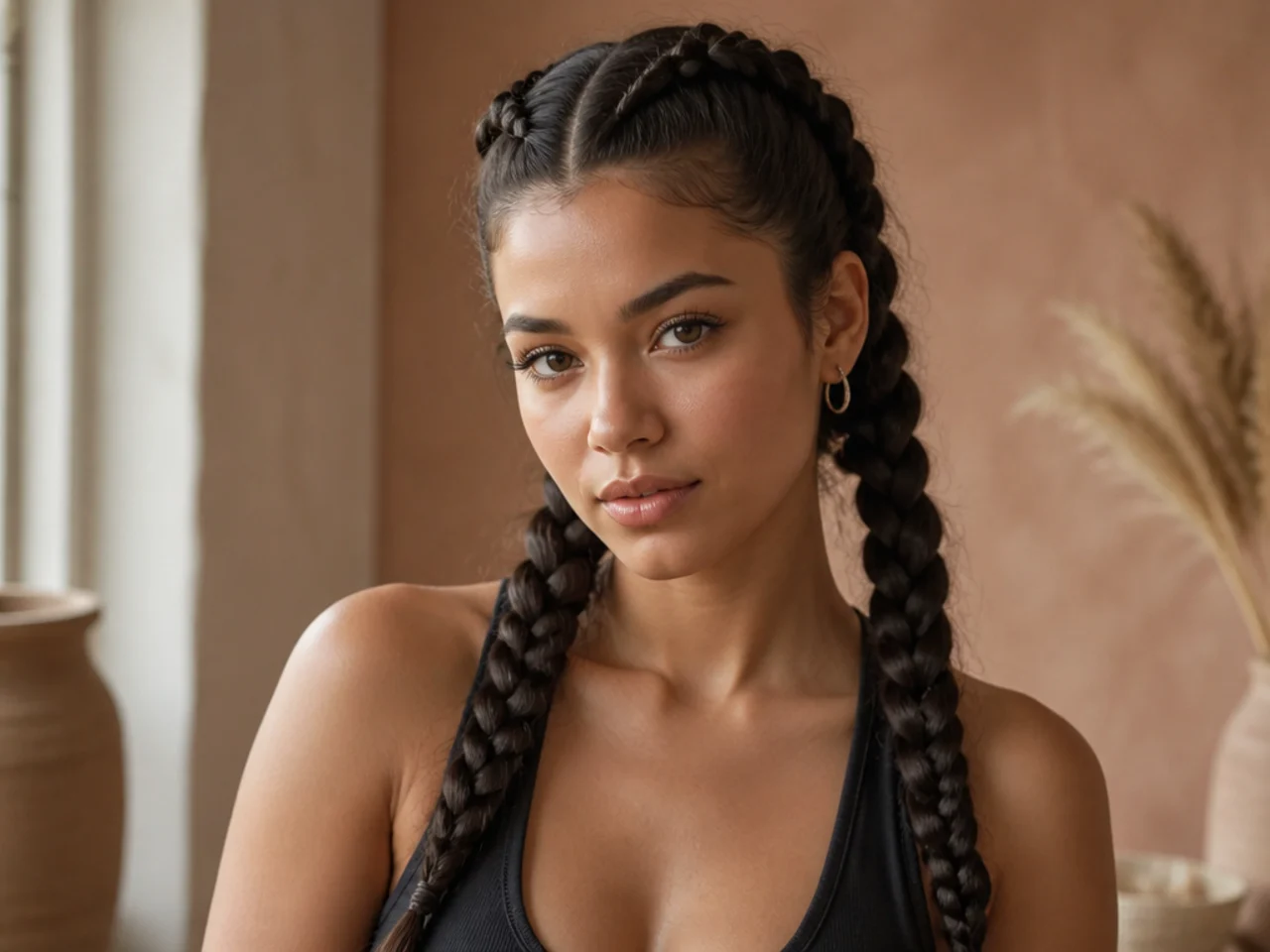
14. Braided Crown with Loose Length
Braided across the top, everything below left down.
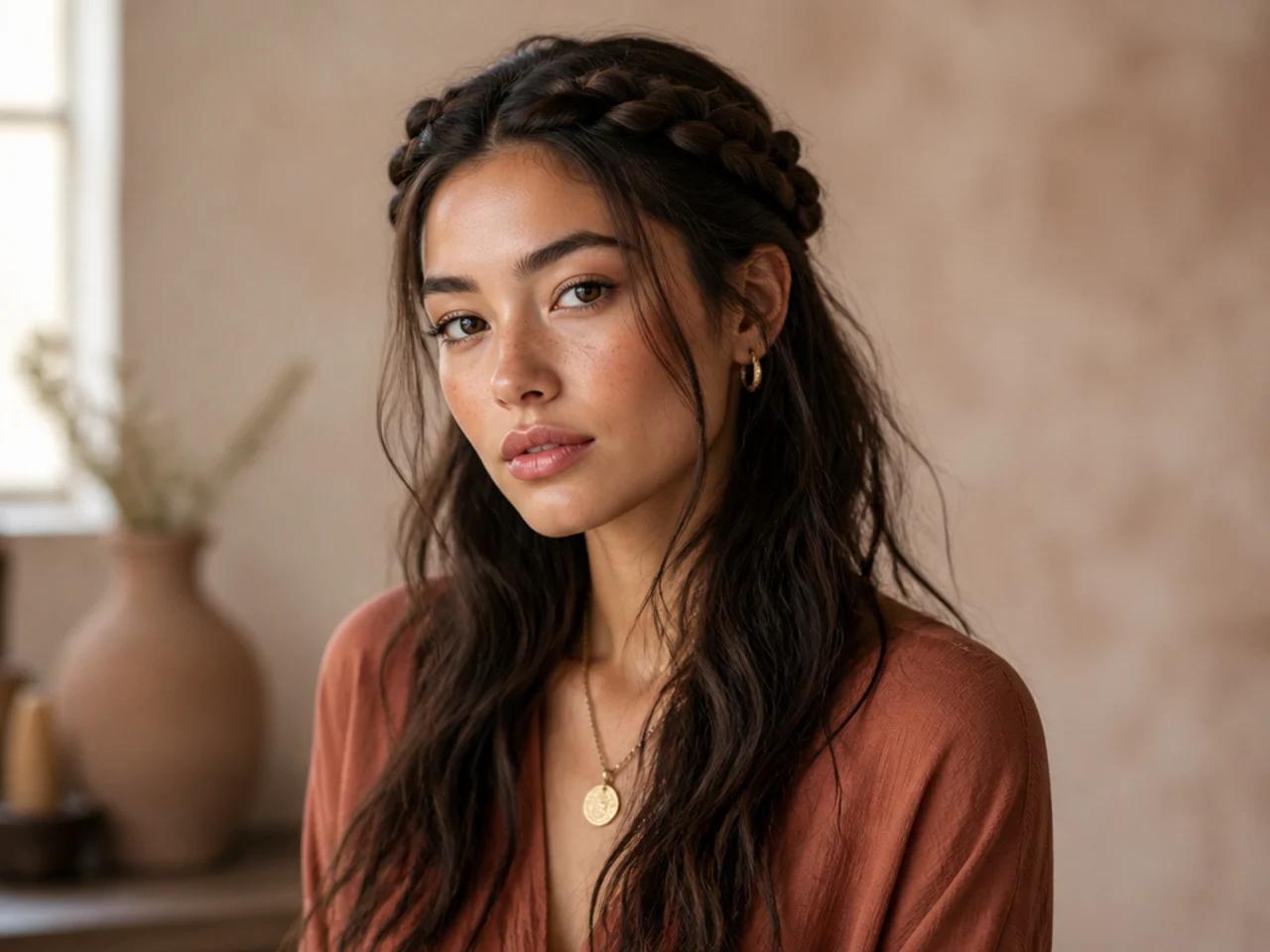
15. Milkmaid Braids
Two braids pinned over the crown. Formal-adjacent, and no scalp on show.
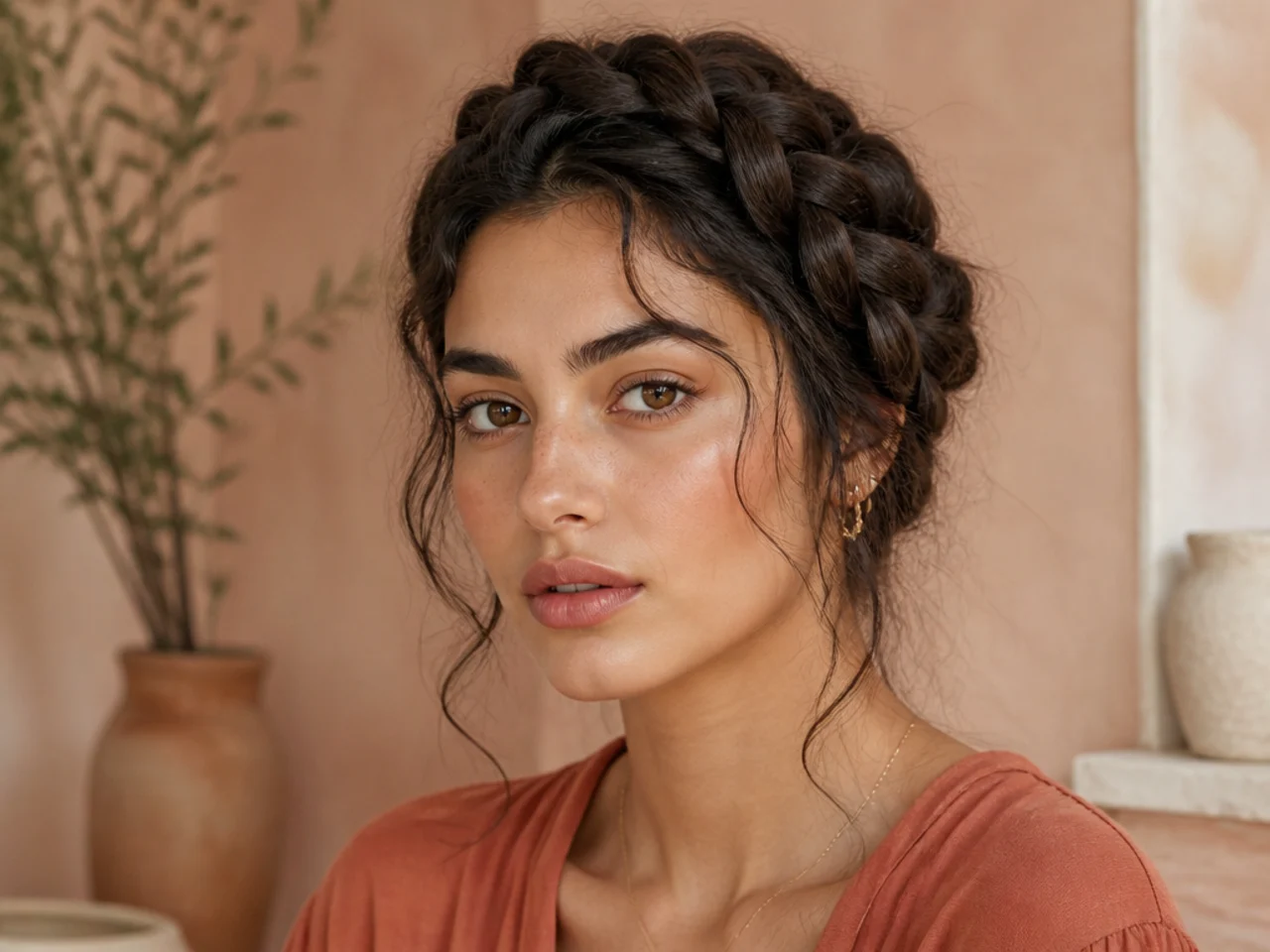
16. Four-Strand Braid
More texture than a three-strand, and oiled hair makes it feasible.
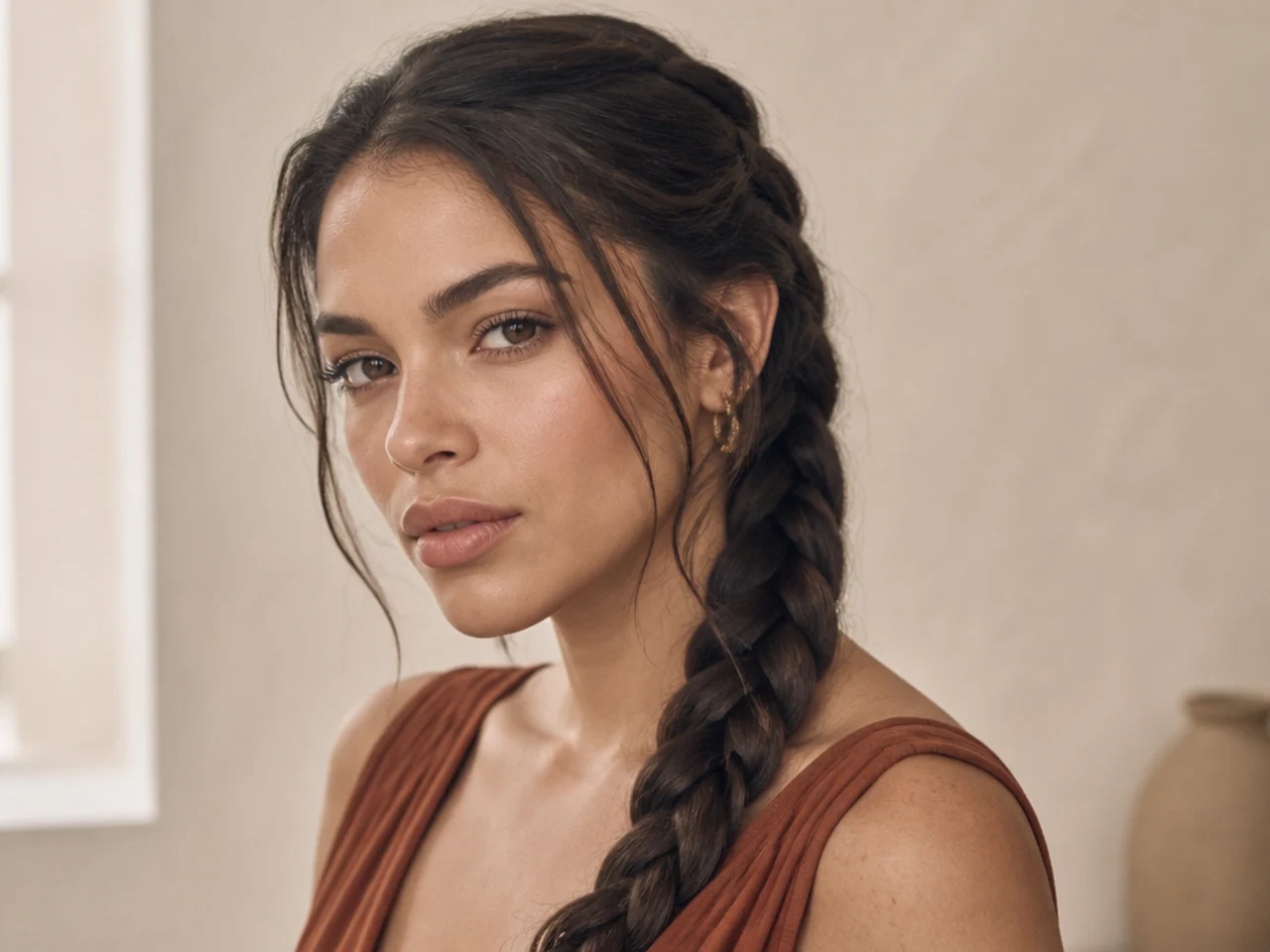
17. Braided Space Buns
Braided from the front into two high gathers.
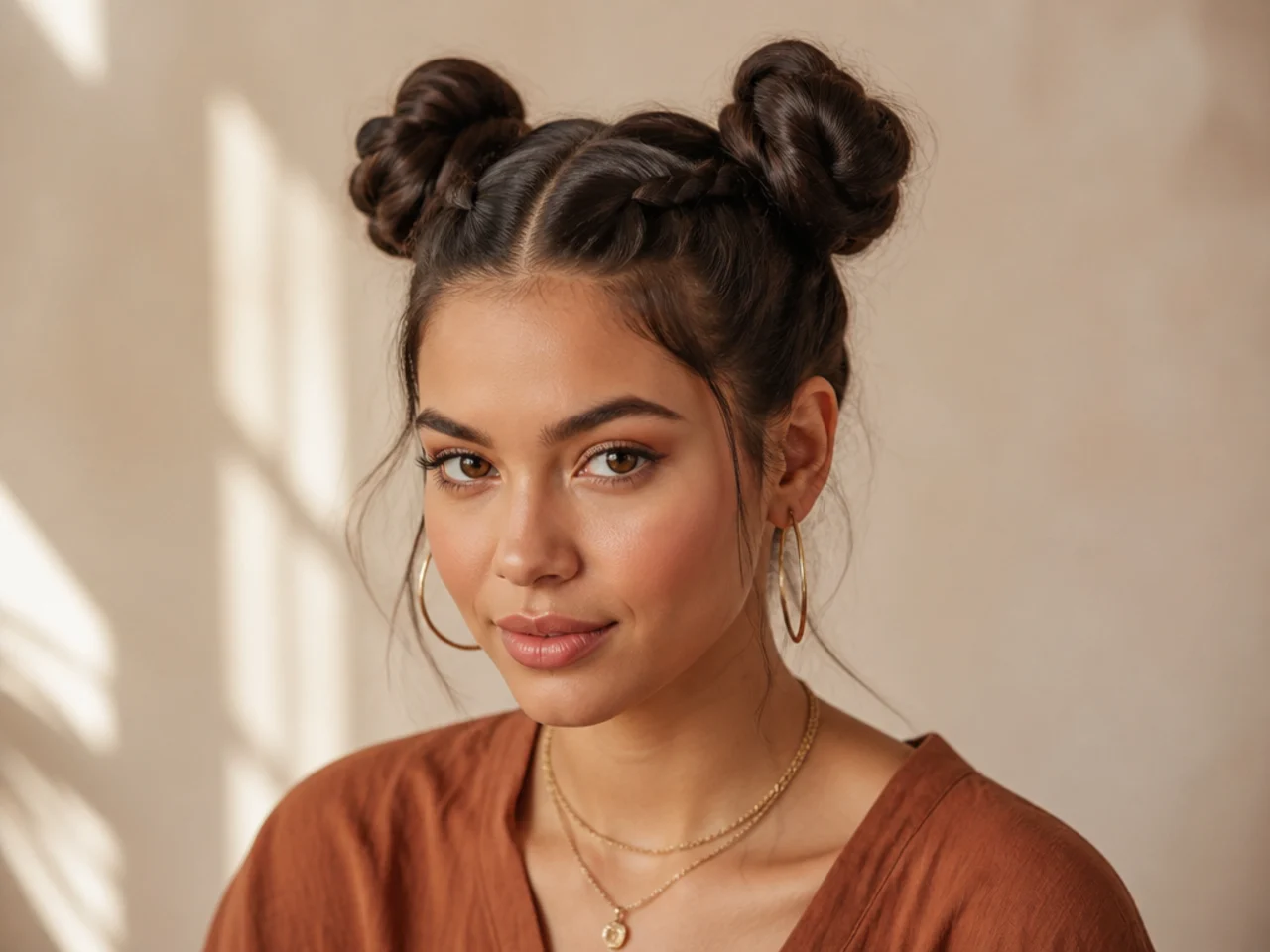
18. Braid with a Zigzag Start
Break the parting before the braid begins.
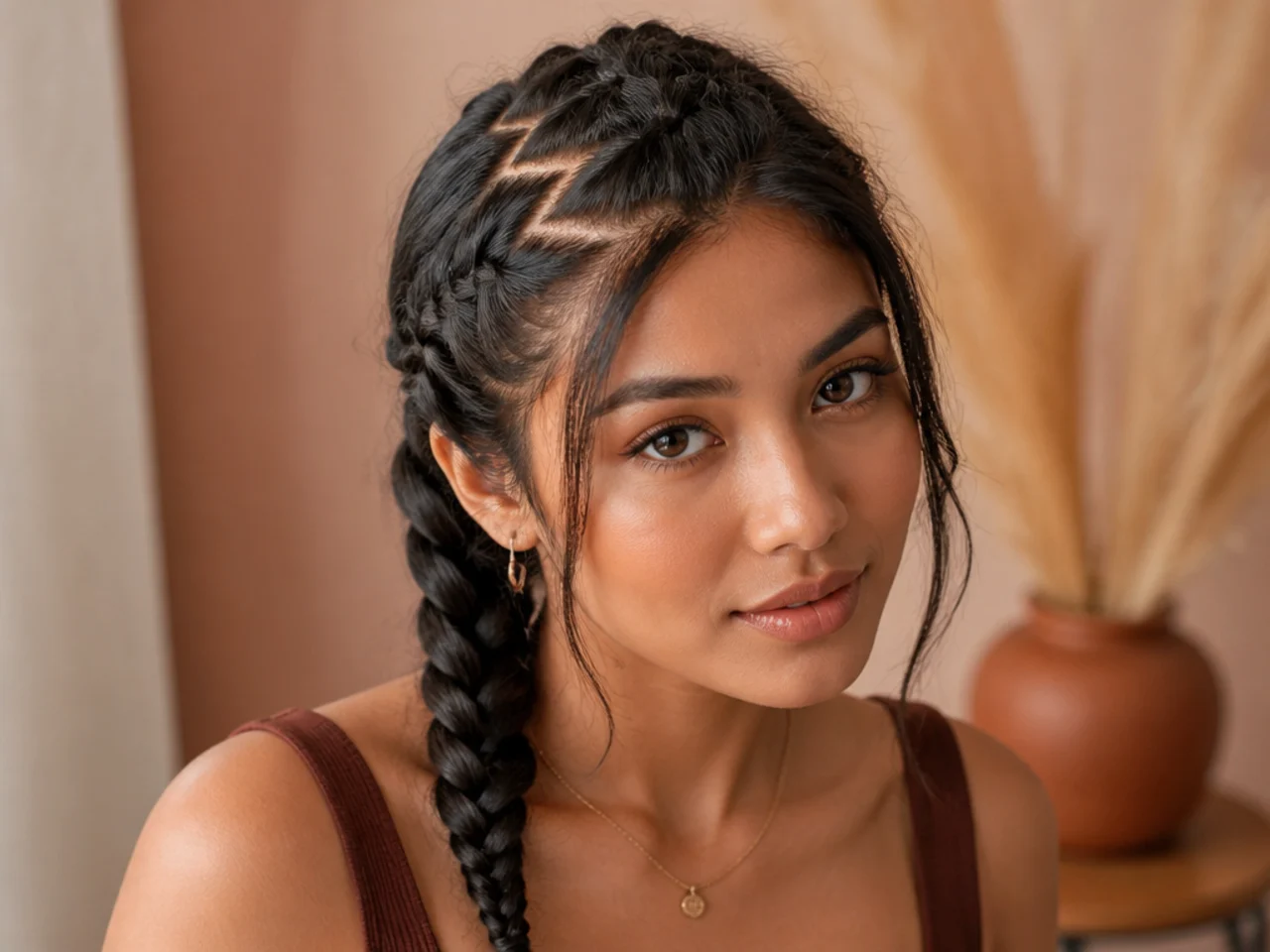
19. Braided Updo with Pinned Sections
Multiple braids pinned into a shape. Formal, and it covers the whole head.
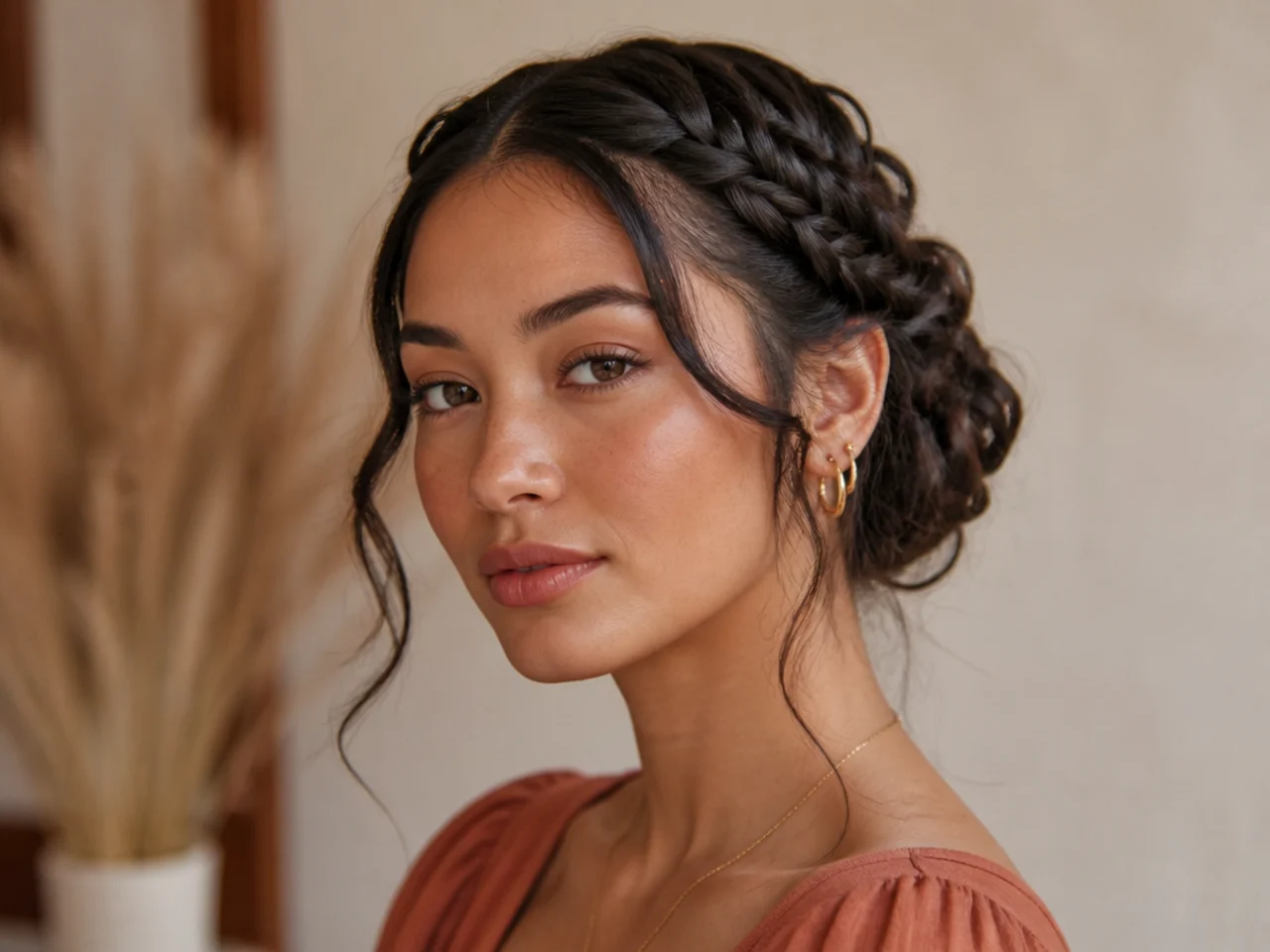
20. Overnight Braid, Worn Out
Braided on day two, released on day three as waves with texture.
Braiding Technique on Oiled Hair
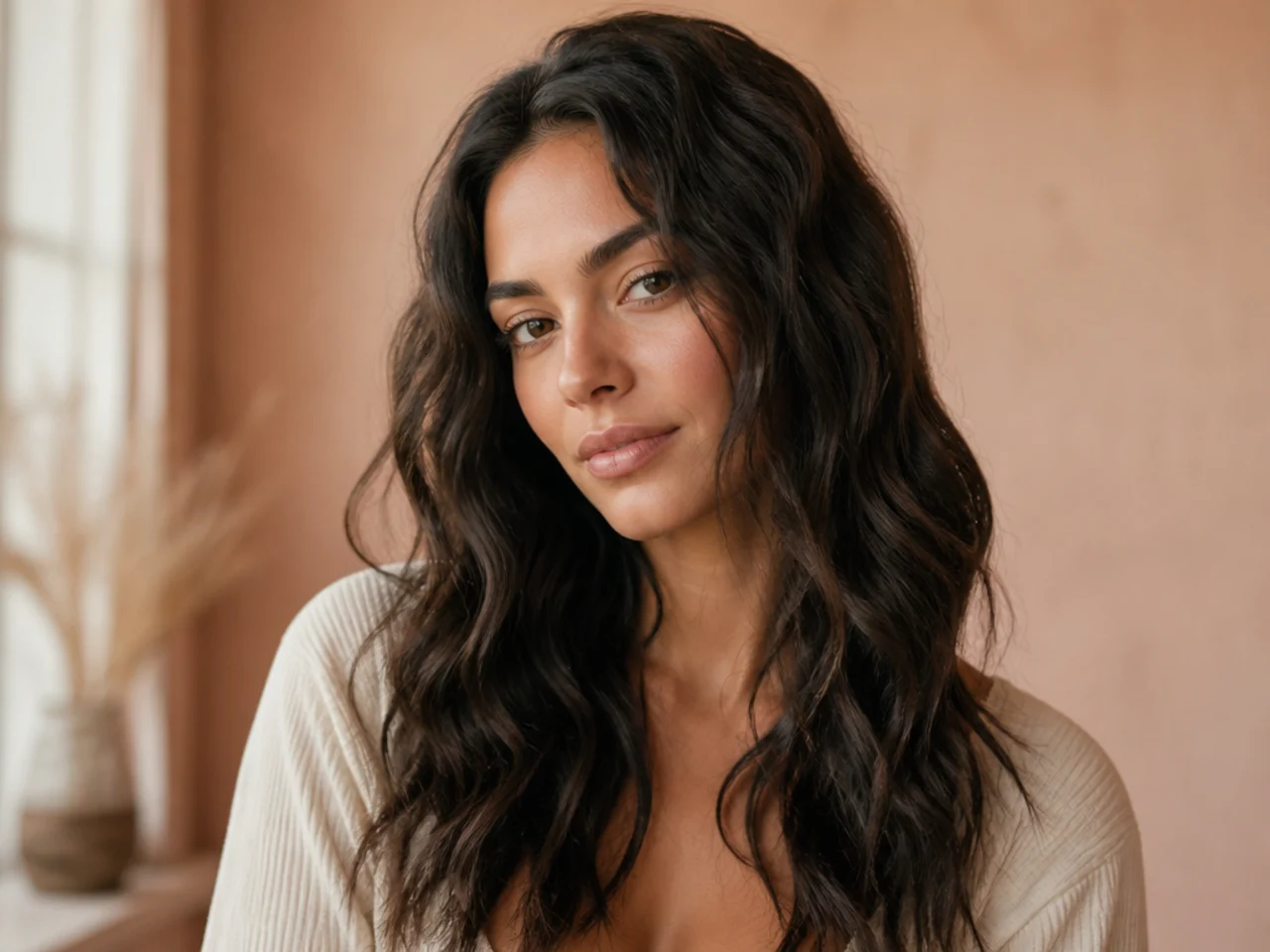
Do not brush first. Brushing drags scalp oil down the lengths and spreads the sheen into hair that was still clean. Separate sections with fingers.
Skip texture spray. You have grip already, and adding product makes the braid surface look coated.
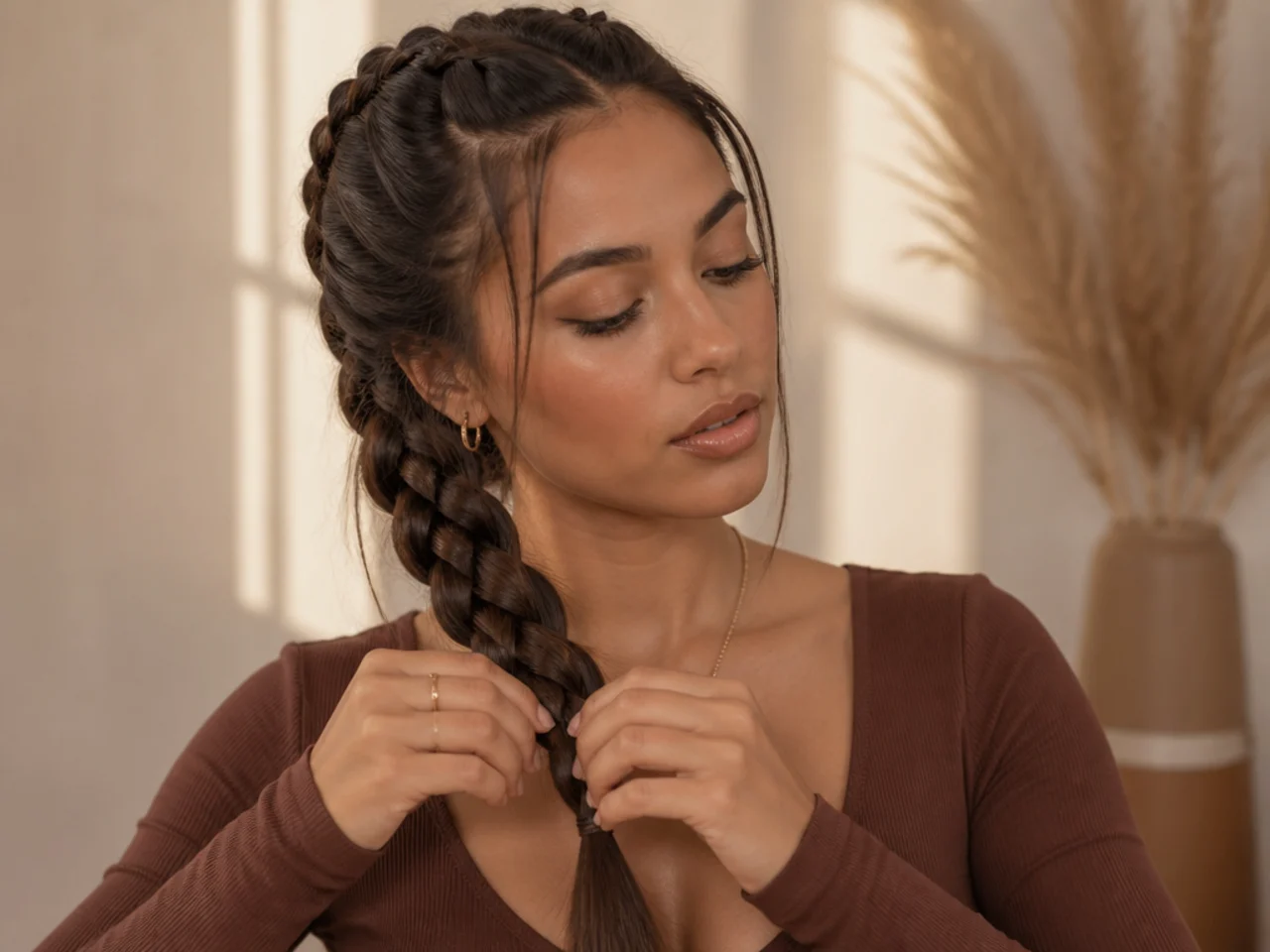
Braid tighter than usual at the roots, looser through the length. Tight at the scalp maximises coverage; loose below keeps texture.
Pancake the braid afterwards. Gently pull the edges of each section outward. It widens the braid, covers more scalp and adds the broken surface that scatters light.
Do not re-do it if it loosens. On oiled hair a slightly loosened braid reads as deliberately undone. Re-braiding just moves oil around.
Mistakes to Avoid
Starting the braid at the nape. Every tell stays visible above it, which is most of your head.
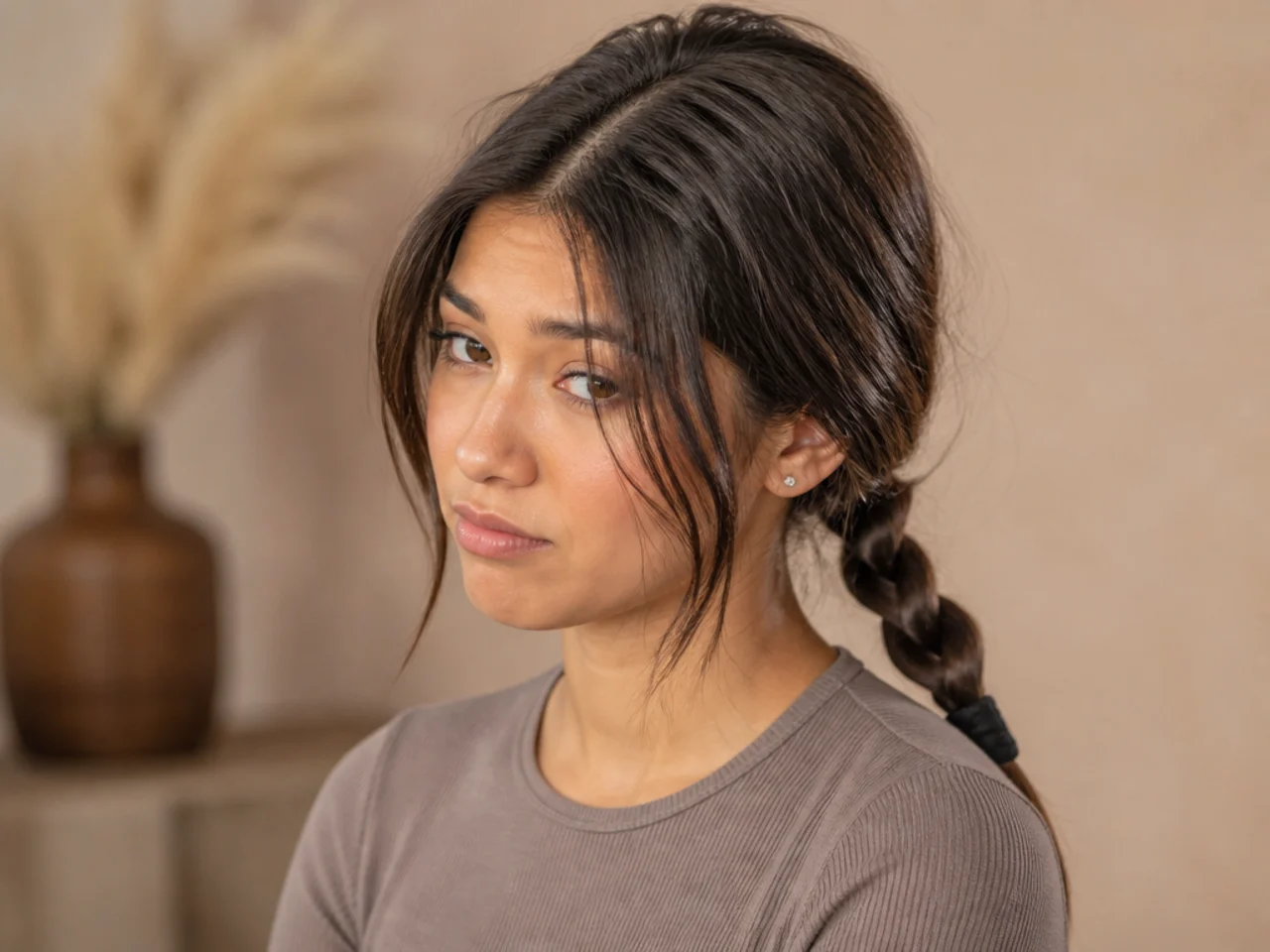
Braiding from a ponytail. Same problem, plus a taut shiny gather point.
Brushing before you start. It spreads oil down the lengths.
Adding product for grip. You have grip. Product adds shine you are trying to remove.
A braid that is too neat. Pancake it. A tight, flat, unbroken braid can still reflect light in one line.
FAQ
Are braids good for greasy hair? The most effective option — they address all three tells at once.
Where should the braid start? At the hairline, always. A nape braid leaves the tells on show.
Do braids hold better unwashed? Considerably. Oil gives the strands friction.
Final Thoughts
Learn one Dutch braid taken from your front hairline. It is the single highest-return skill in this silo — it hides every tell at once, it holds better on the days you need it, and it takes about four minutes once it is familiar.
For ponytails see 15 greasy hair ponytail ideas, and for the full range see 25 genius greasy hair hairstyles. More in Hair Care.