20 Natural Hair Growth Tips That Keep the Length
Twenty natural habits sorted by what they actually change. Almost none of them speed the follicle up, because the follicle is not the variable you control — the ones worth your time stop the length you already grew from snapping off.
In this article · 28
- How Fast Hair Grows
- Breakage Versus Growth
- Scalp Health
- Diet and Supplements
- Weekly Routine
- Specific Concerns
- The 20 Natural Hair Growth Tips
- 1. Rosemary Oil
- 2. Scalp Massage
- 3. Satin Pillowcase
- 4. Dusting Trim
- 5. Coconut Oil Prewash
- 6. Wide Tooth Comb
- 7. Lukewarm Rinse
- 8. Scalp Scrub
- 9. Satin Scrunchie
- 10. Microfiber Towel
- 11. Protein Foods
- 12. Aloe Vera
- 13. Peppermint Oil
- 14. Deep Conditioning
- 15. Castor Oil
- 16. Heat Limit
- 17. Overnight Twists
- 18. Blood Test
- 19. Onion Juice
- 20. Satin Bonnet
- Final Thoughts
Almost every natural hair growth tip is sold as a way to make hair grow faster, and almost none of them do that.
Hair grows about half an inch a month and that number barely moves. It is set by the follicle, and no oil, rinse or supplement shifts it in a way you could measure with a ruler.
What does move is how much of that half inch you keep. Hair that grows half an inch and loses half an inch off the ends reads as hair that never grows at all.
How Fast Hair Grows
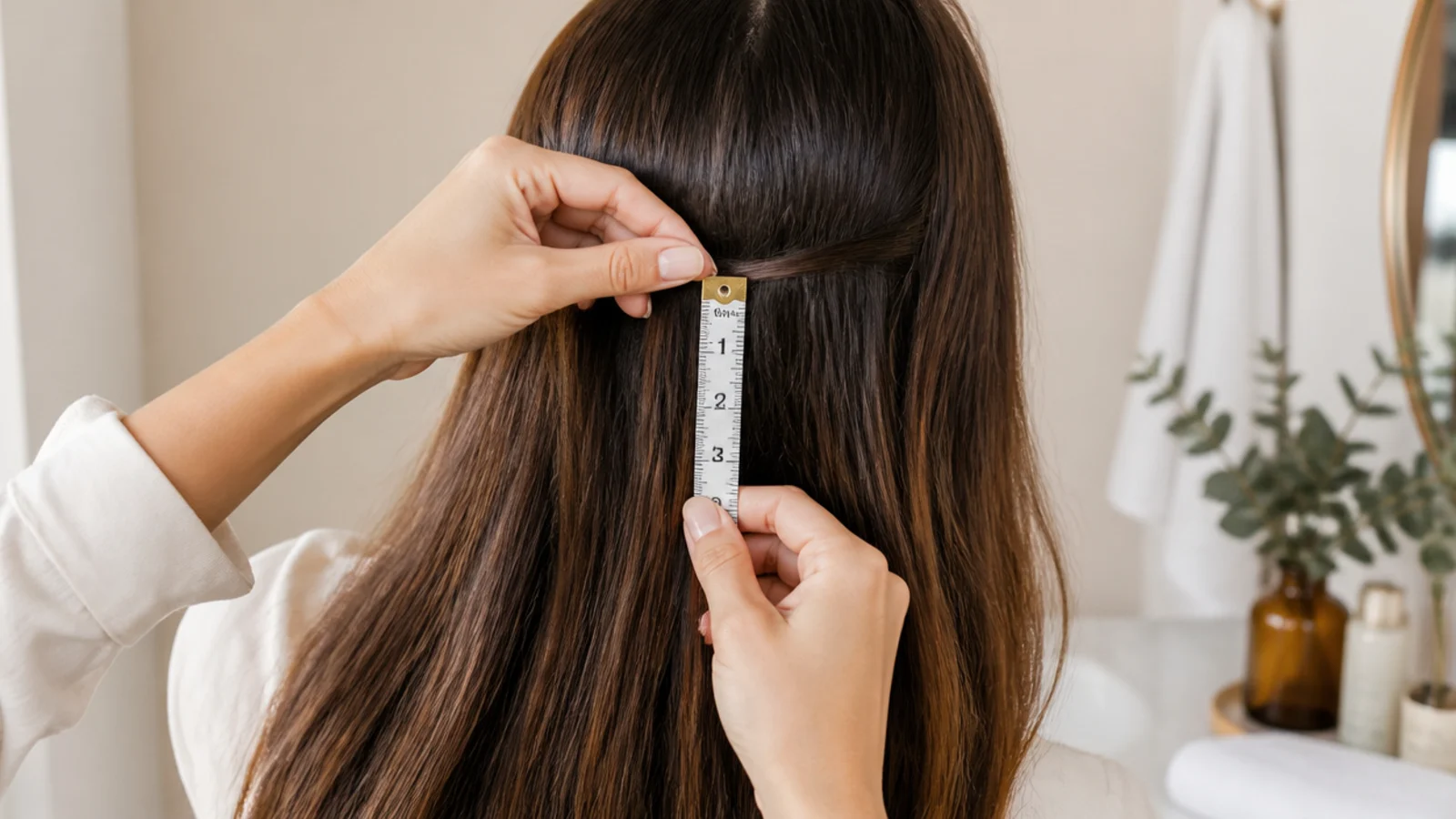
Half an inch a month, six inches a year. Slightly faster in summer, slightly slower with age, and not meaningfully different between one shampoo and another.
Length is capped by the growing phase. Each follicle stays in anagen for a set number of years before it releases the strand. Two to six years is the normal spread, and that spread is why one person reaches the waist and another stalls at the shoulders on the same routine.
Rate is genetic. Retention is not. You have very little say over the first and almost total control over the second.
Nothing topical adds inches. Judge any product by whether it reduces breakage or calms the scalp, because those are the only two levers that exist.
Breakage Versus Growth
Your ends are older than you think. Twelve inches of hair is roughly two years of washing, brushing, heat and daylight at the tip. Nothing else you own gets two years of that treatment.
Damage accumulates and never reverses. A cuticle scale that has lifted does not lie back down permanently. Conditioner lubricates it so it behaves, which is not the same as repair.
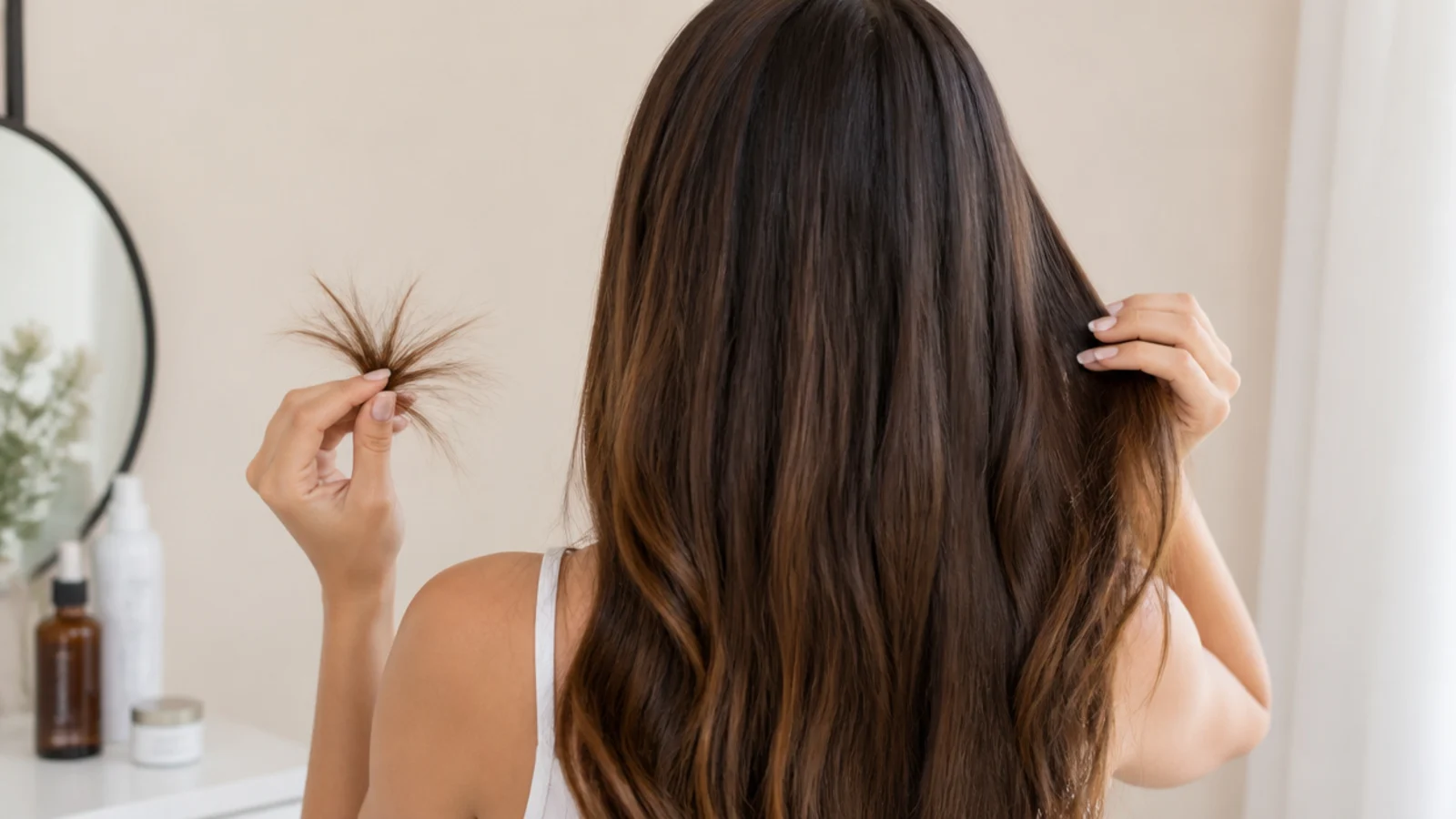
Breakage is silent. It shows up as a shorter, thinner perimeter and a shed pile of short broken pieces rather than full-length strands with a white bulb.
Half an inch gained and half an inch lost is a flat year. Every habit below is worth doing only in proportion to how much of that loss it prevents.
Scalp Health
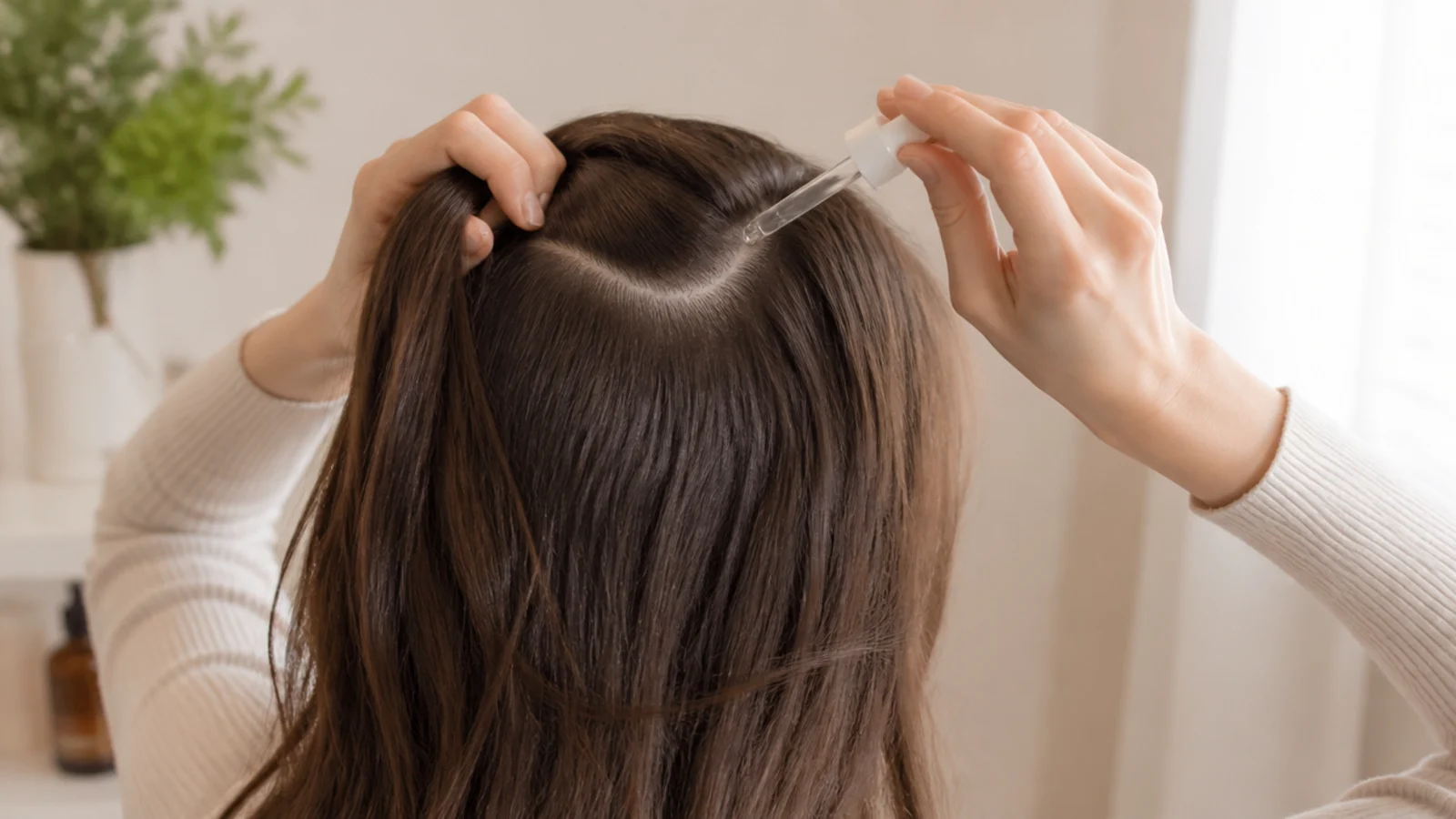
The follicle is a skin structure. Whatever is true of skin is true here — inflammation, buildup and irritation all interfere with what grows out of it.
Buildup is oil plus product, not dirt. Sebum sets into a film that traps flakes around the follicle opening, which is what makes a scalp itch and what makes you scratch it.
Wash frequency is set by your sebum, not by a rule. Oily scalps do better washed every day than left to congest for a week.
Scratching is mechanical damage at the root. It snaps new growth where the hair is at its finest, which is why an itchy scalp shows a halo of short broken hairs at the part.
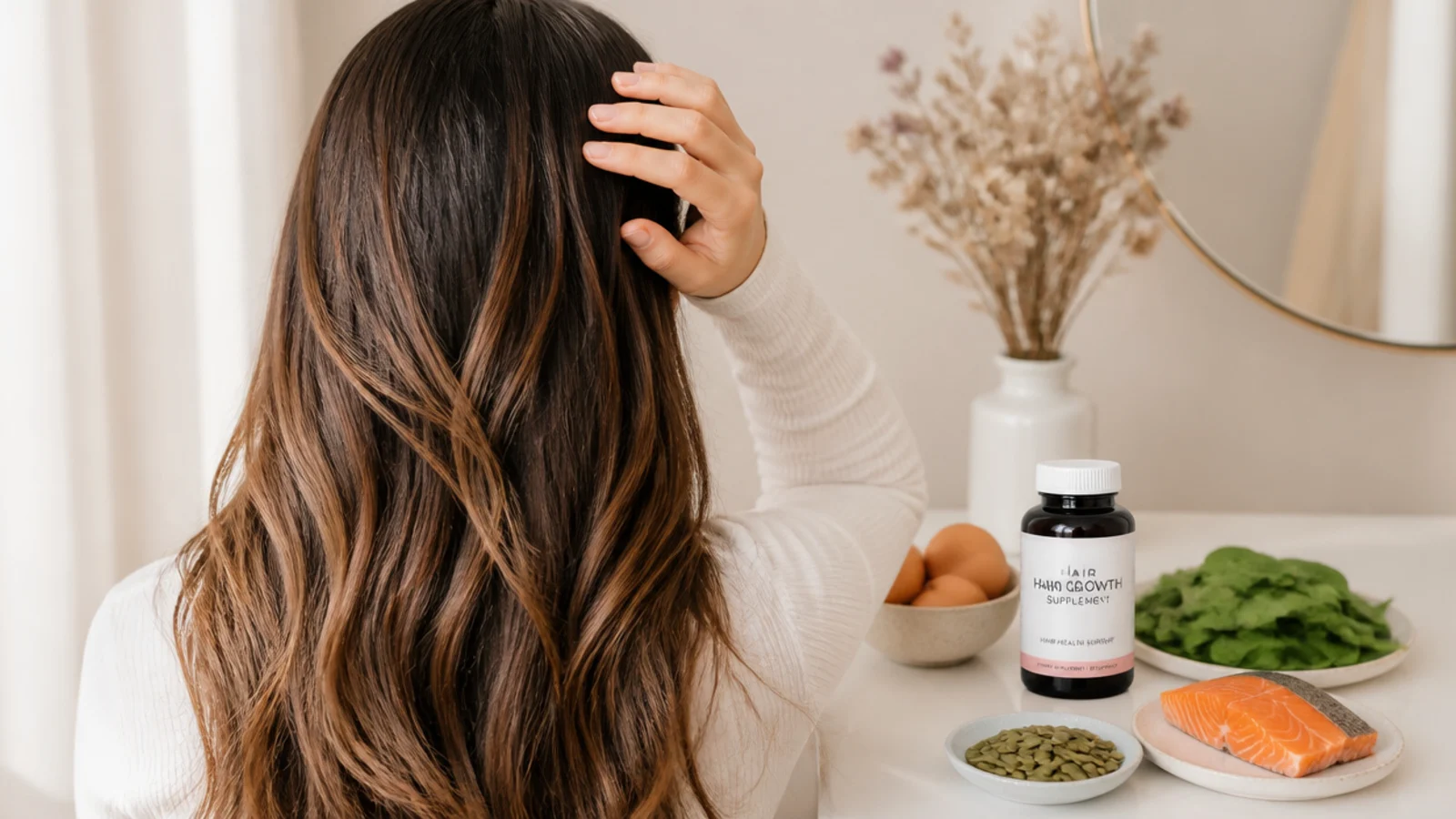
Diet and Supplements
Hair is made of protein and it is the first thing cut. In a shortfall the body diverts amino acids to organs that matter more, and follicles are pushed into the resting phase.
Iron, vitamin D, zinc and thyroid are the usual suspects. Low ferritin is the single most common finding behind diffuse thinning in women who are otherwise well.
Supplementing a level you are not low in does nothing. There is no bonus above sufficiency, and too much vitamin A or selenium causes shedding rather than curing it.
Rapid weight loss shows up in the hair two to three months later. The lag is why almost nobody connects the two.
Weekly Routine
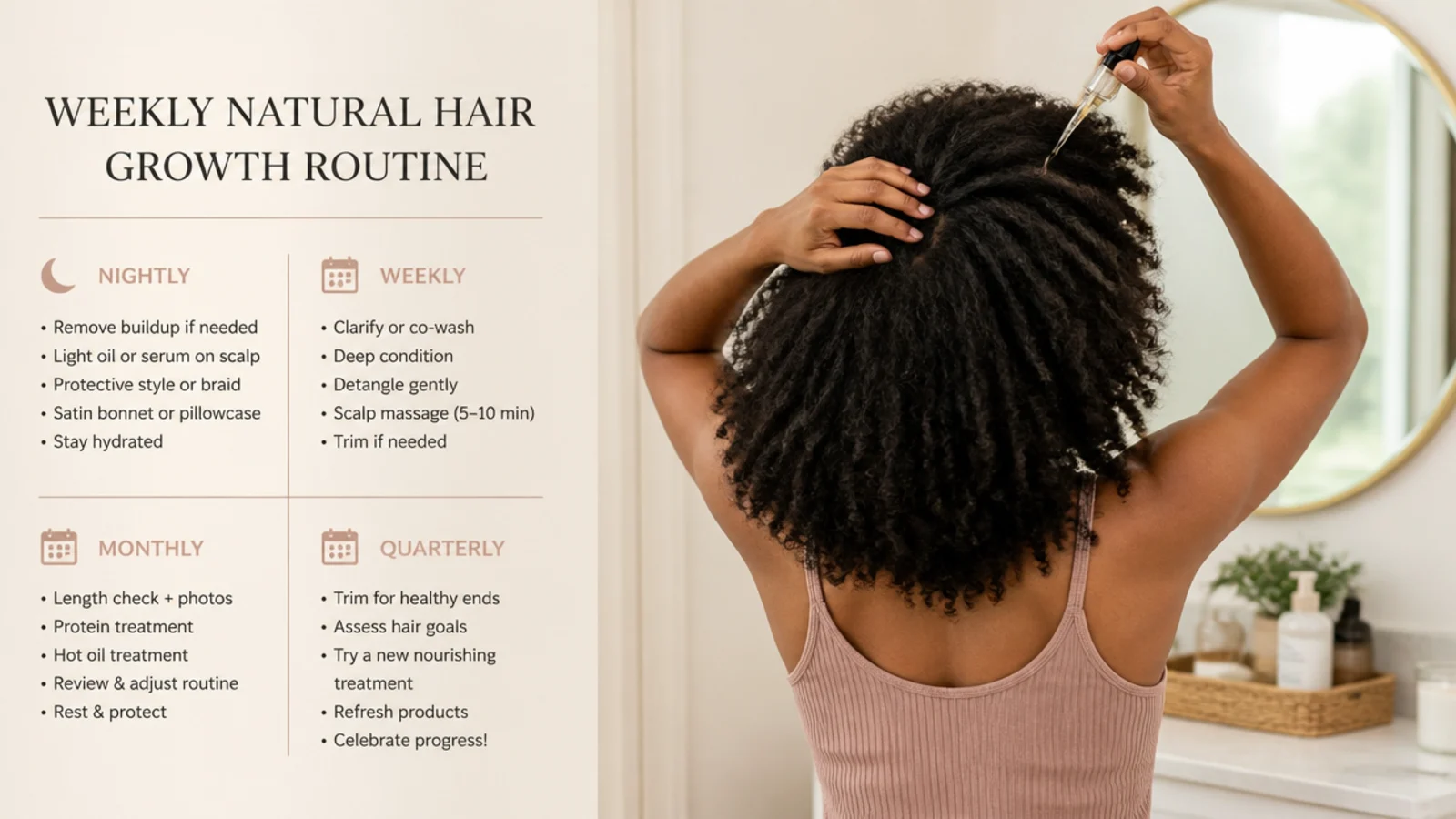
Two or three washes, scalp first. Shampoo belongs on the scalp and conditioner belongs on the lengths, and swapping them is the most common reason a routine underperforms.
One deep conditioner a week. Twenty minutes on the bottom two thirds, not on the roots.
One oil pre-wash if your hair is coarse or coloured. Applied before shampoo, not after, so it limits the swelling rather than sitting on top of it.
Four minutes of massage a day. The only free thing on this list, and the one with the most consistent evidence.
Satin every night, without exception. Eight hours of friction, repeated nightly, is the largest single source of mechanical wear most people have.
Specific Concerns
A widening part is not breakage. Breakage shortens the perimeter, thinning changes the density at the parting. They are different problems with different answers.
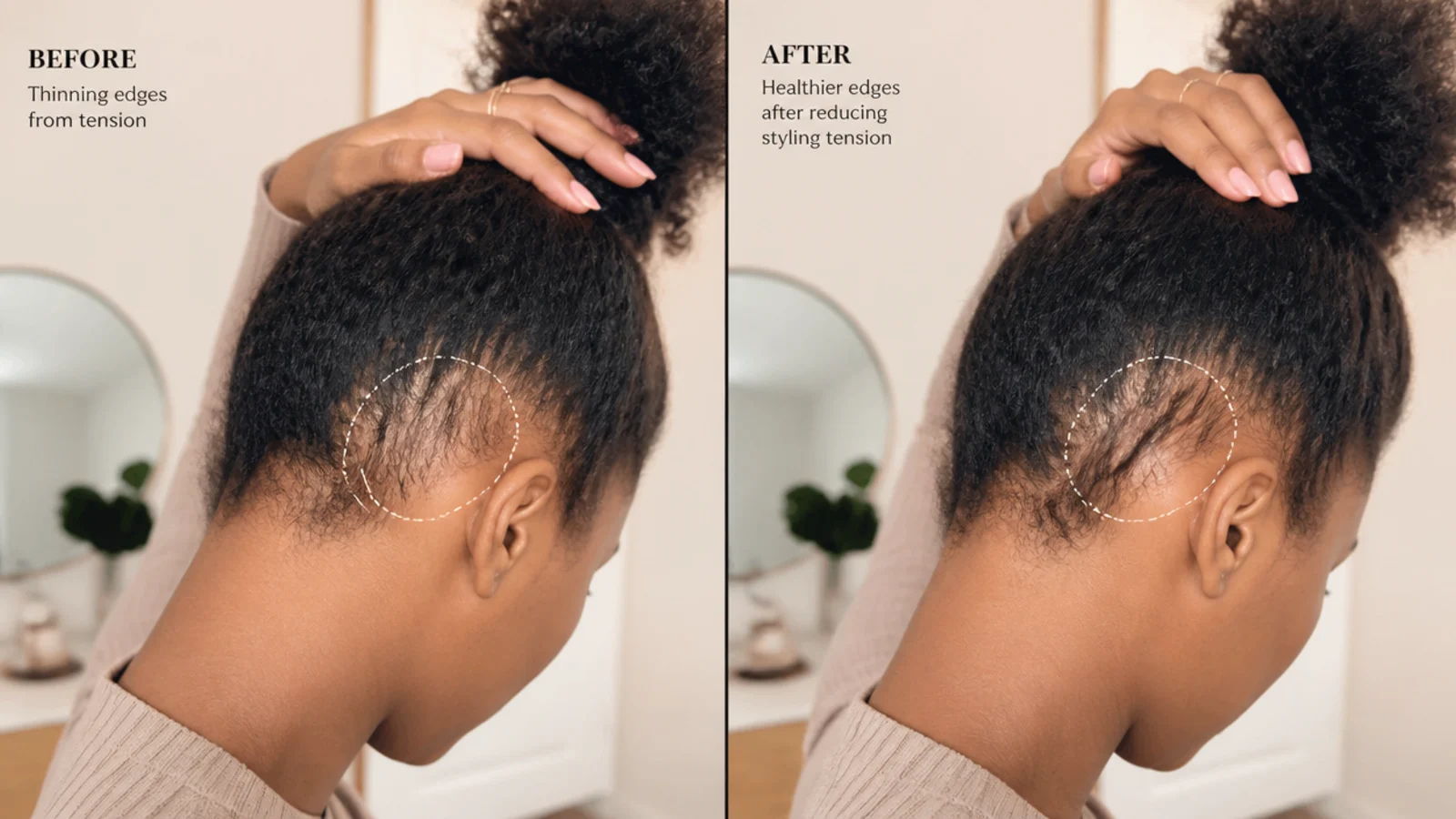
Hairline loss from tension is preventable and eventually is not. Repeated pulling at the temples scars the follicle if it goes on for years, and a scarred follicle does not restart.
Postpartum shedding is a synchronised release. Pregnancy holds hairs in the growing phase and they all leave at once a few months after birth. It self-corrects over six to twelve months.
Sudden diffuse shedding needs a doctor, not a shelf. If you are losing noticeably more than usual over weeks, the cause is systemic and a topical will not touch it.
The 20 Natural Hair Growth Tips
1. Rosemary Oil
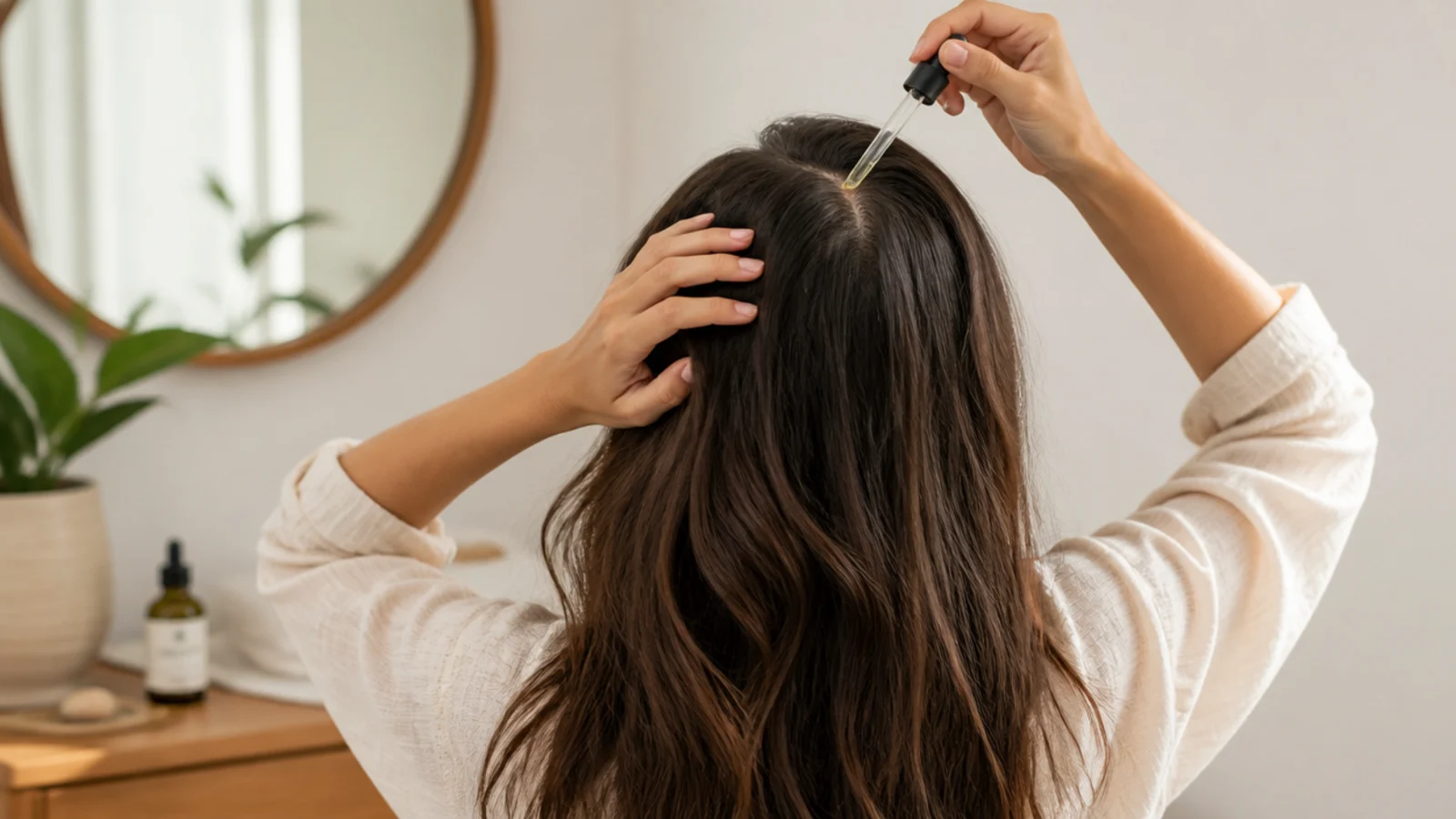
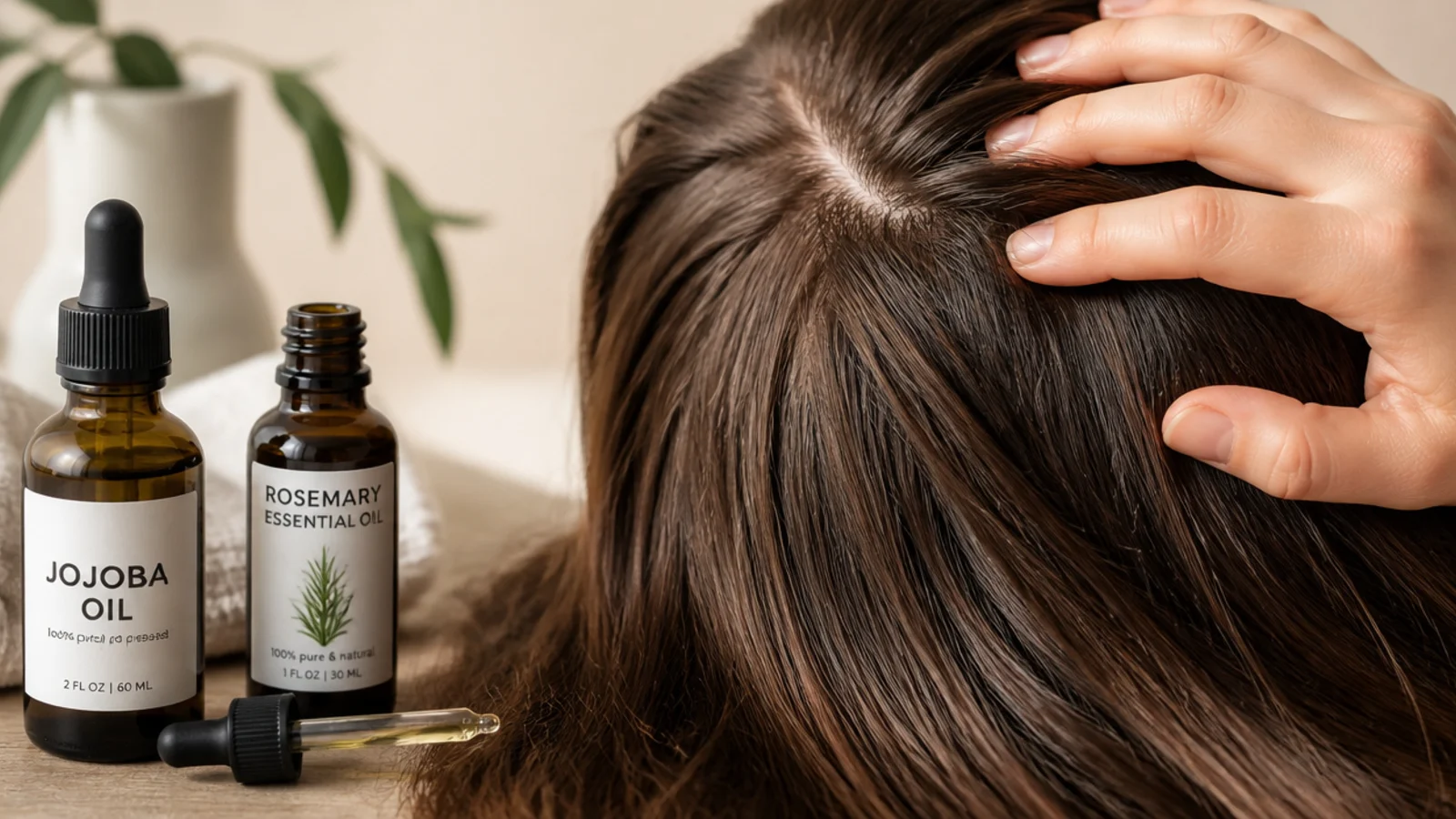
The only kitchen-cupboard remedy here with a controlled trial behind it, in which it performed comparably to a standard topical over six months. It works on the scalp, so it goes on the scalp and not down the lengths, and it needs diluting into a carrier oil before it touches skin. Expect nothing before month three.
2. Scalp Massage
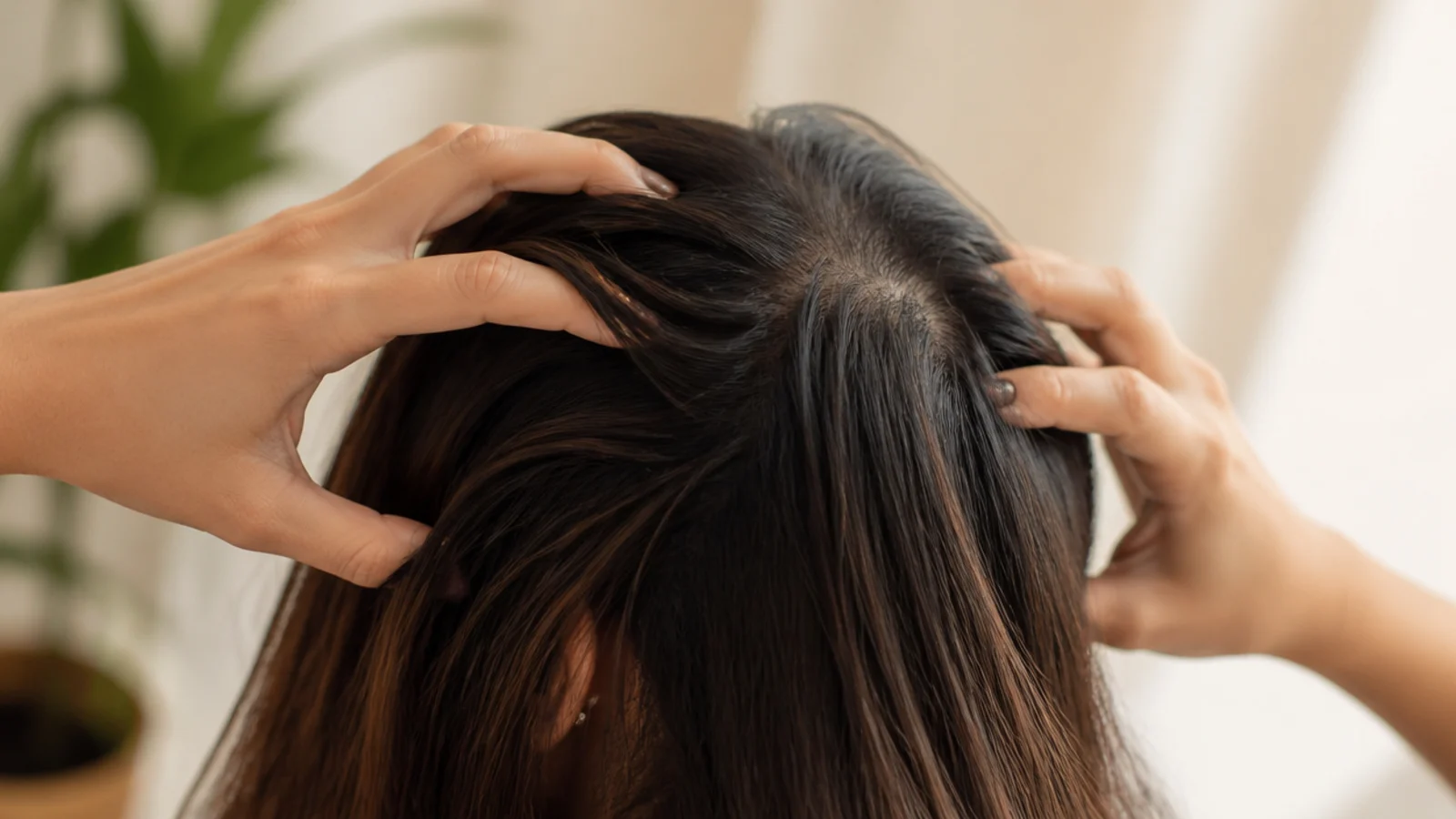
Four minutes a day with the pads of the fingers, moving the scalp over the skull rather than dragging through hair. The mechanical stretch appears to be what matters — the cells at the base of the follicle respond to being pulled, which is why a vibrating gadget on top of the hair does less than fingers on skin.
3. Satin Pillowcase
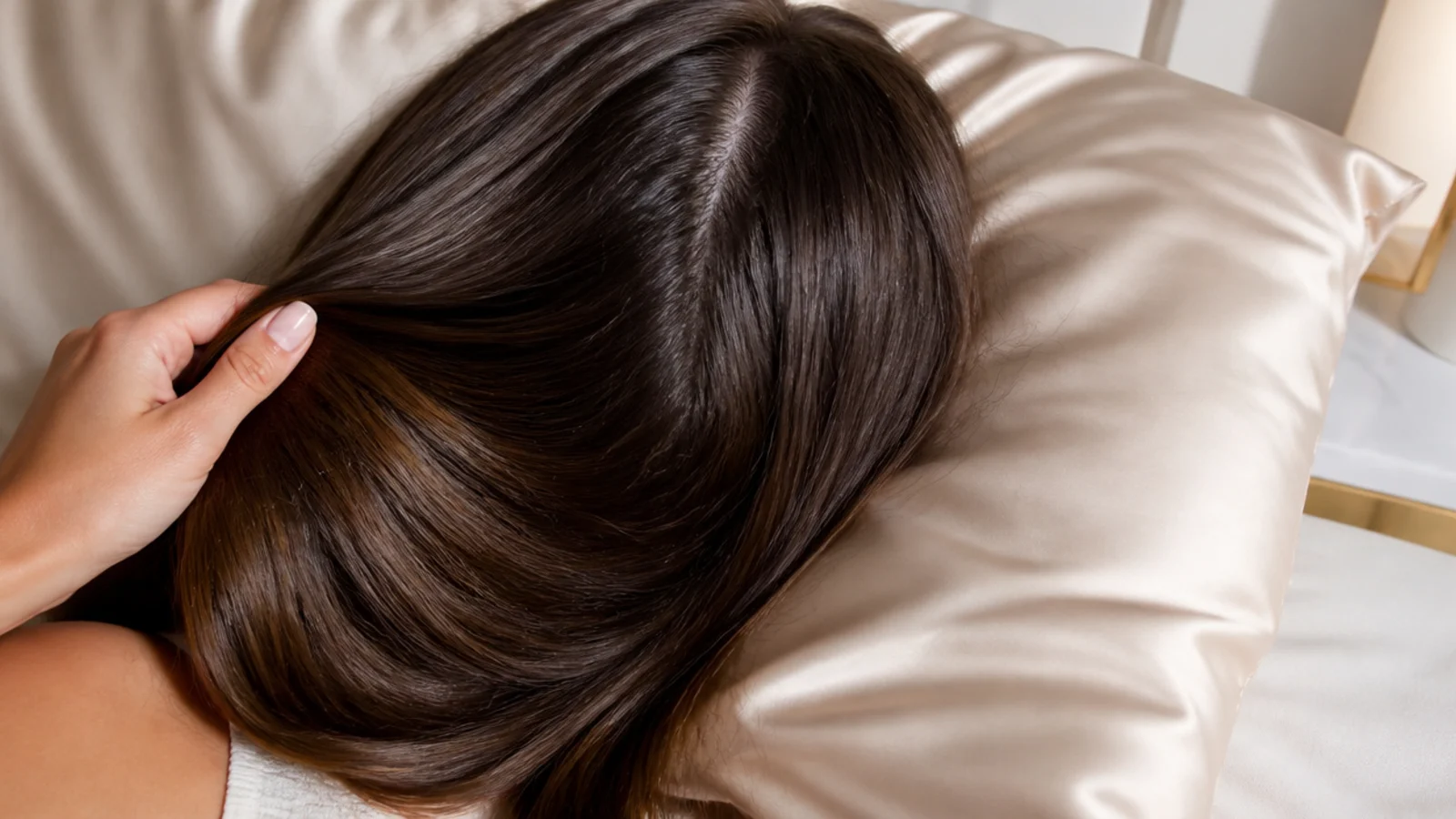
Cotton is both absorbent and rough, so it wicks moisture out of the shaft overnight and catches the cuticle every time you turn over. Satin has a flat, closed weave that lets hair slide across it, which removes the single largest source of friction most people have without changing anything else.
4. Dusting Trim
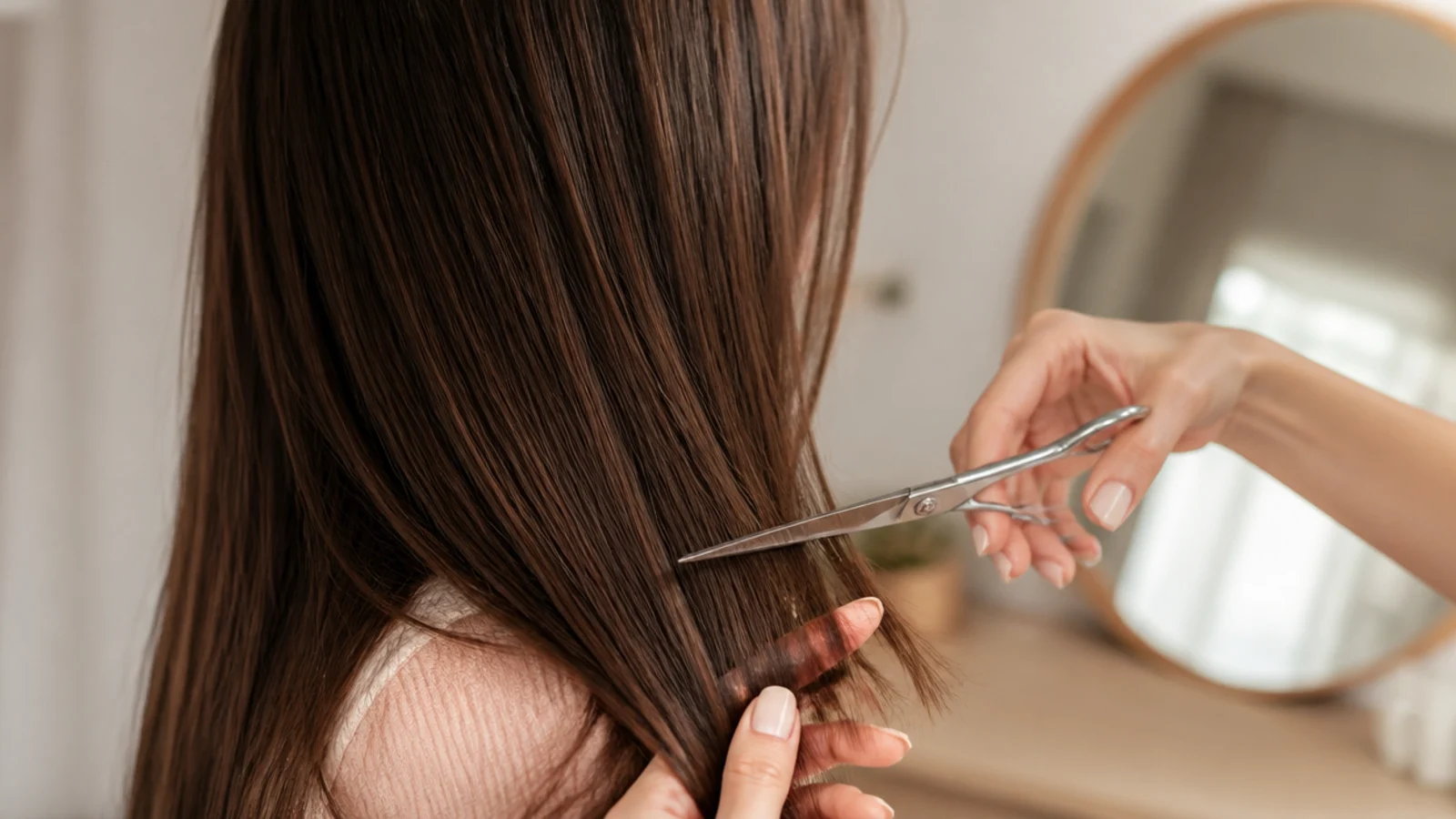
A split does not stay put. It travels up the shaft as the two halves catch on things, and by the time you cut it you are removing three inches instead of three millimetres. Dusting takes only the frayed tip off, so retention improves while the length on the ruler stays where it is.
5. Coconut Oil Prewash
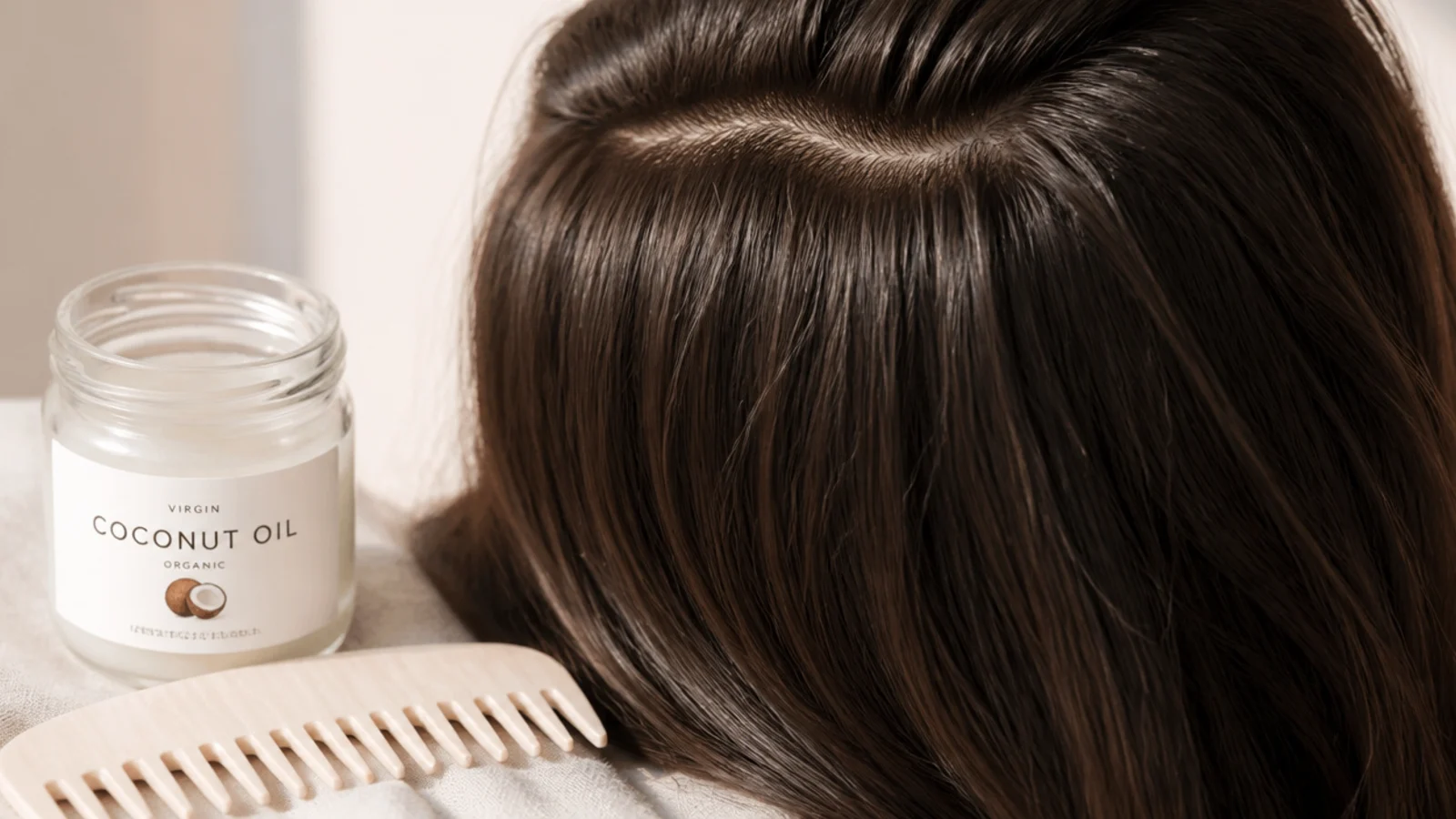
Washing swells the shaft with water and swelling costs protein. Coconut oil is unusual in that its main fatty acid is small and straight enough to move into the cortex rather than sit on the surface, so an hour before shampoo it reduces how much the hair swells and how much protein leaves with the rinse water.
6. Wide Tooth Comb
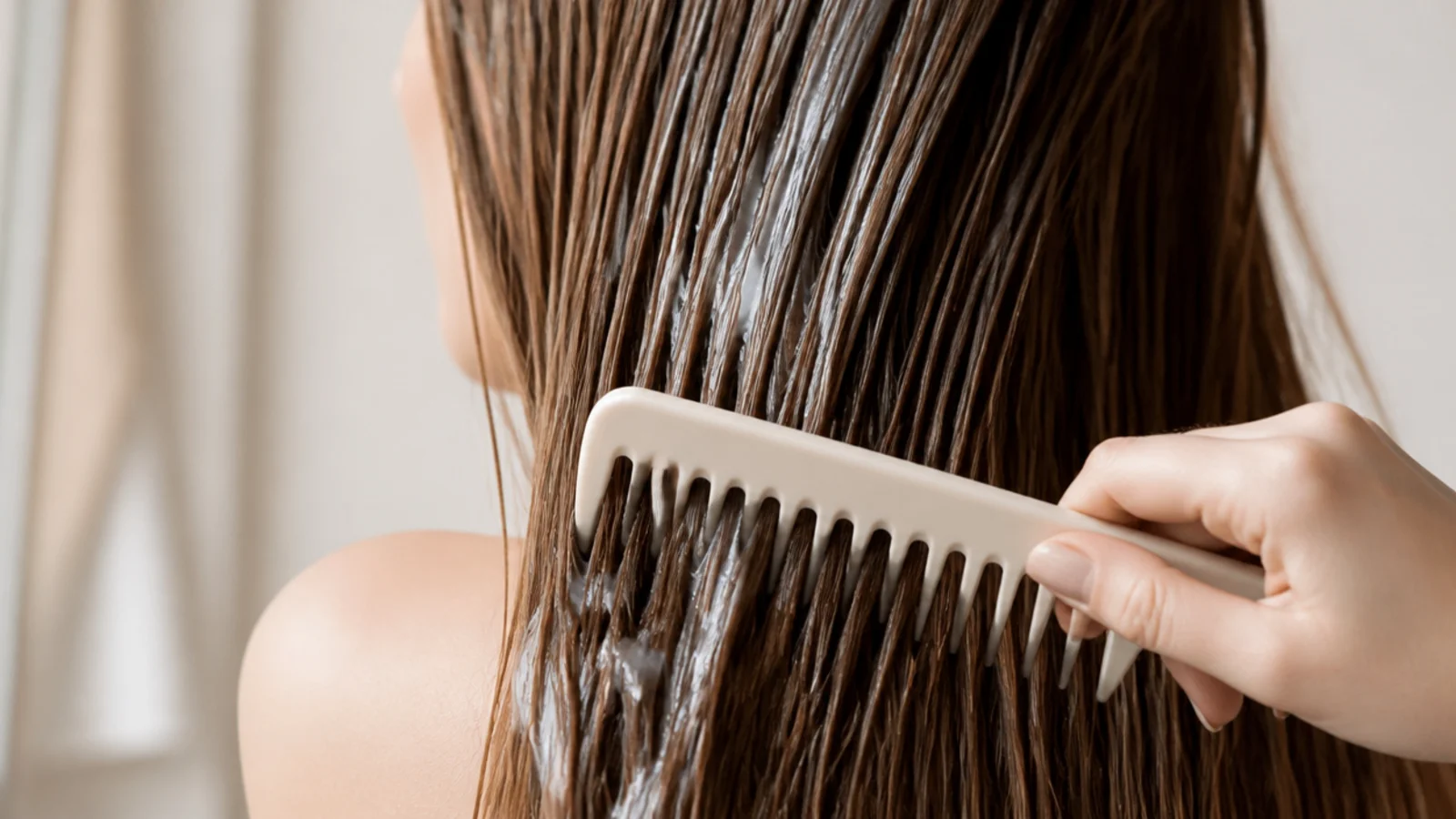
A fine comb meets a tangle and drives it forward into a tighter and tighter knot until something gives. Widely spaced teeth make far fewer contact points, so a knot gets separated instead of compressed, and starting at the ends means you are never pushing three tangles into one.
7. Lukewarm Rinse
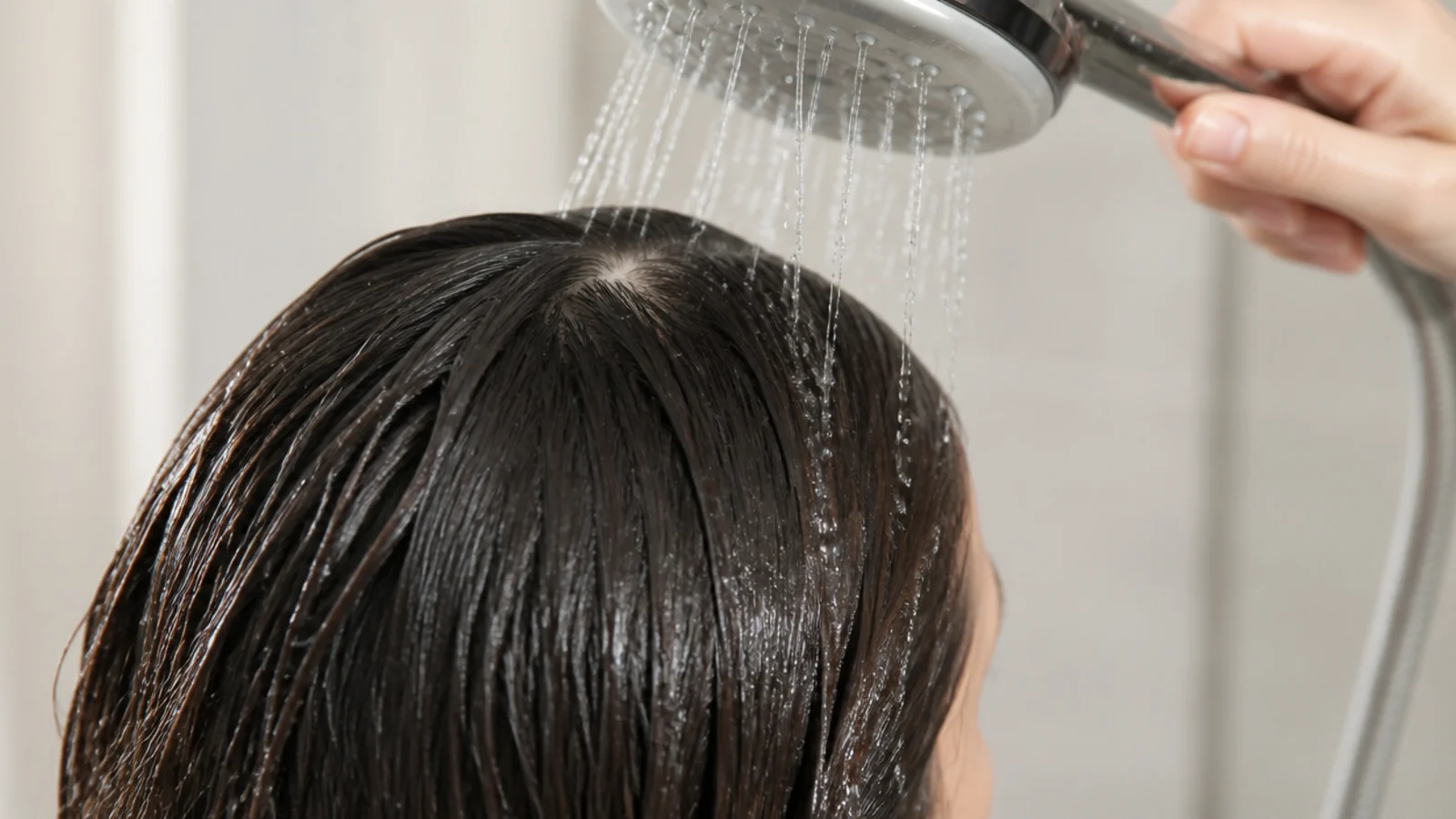
Hot water swells the shaft and lifts the cuticle scales away from the surface, which raises friction exactly when the hair is weakest. Finishing cooler lets those scales lie flatter, so wet combing drags less and the surface reflects light as one plane instead of scattering it.
8. Scalp Scrub
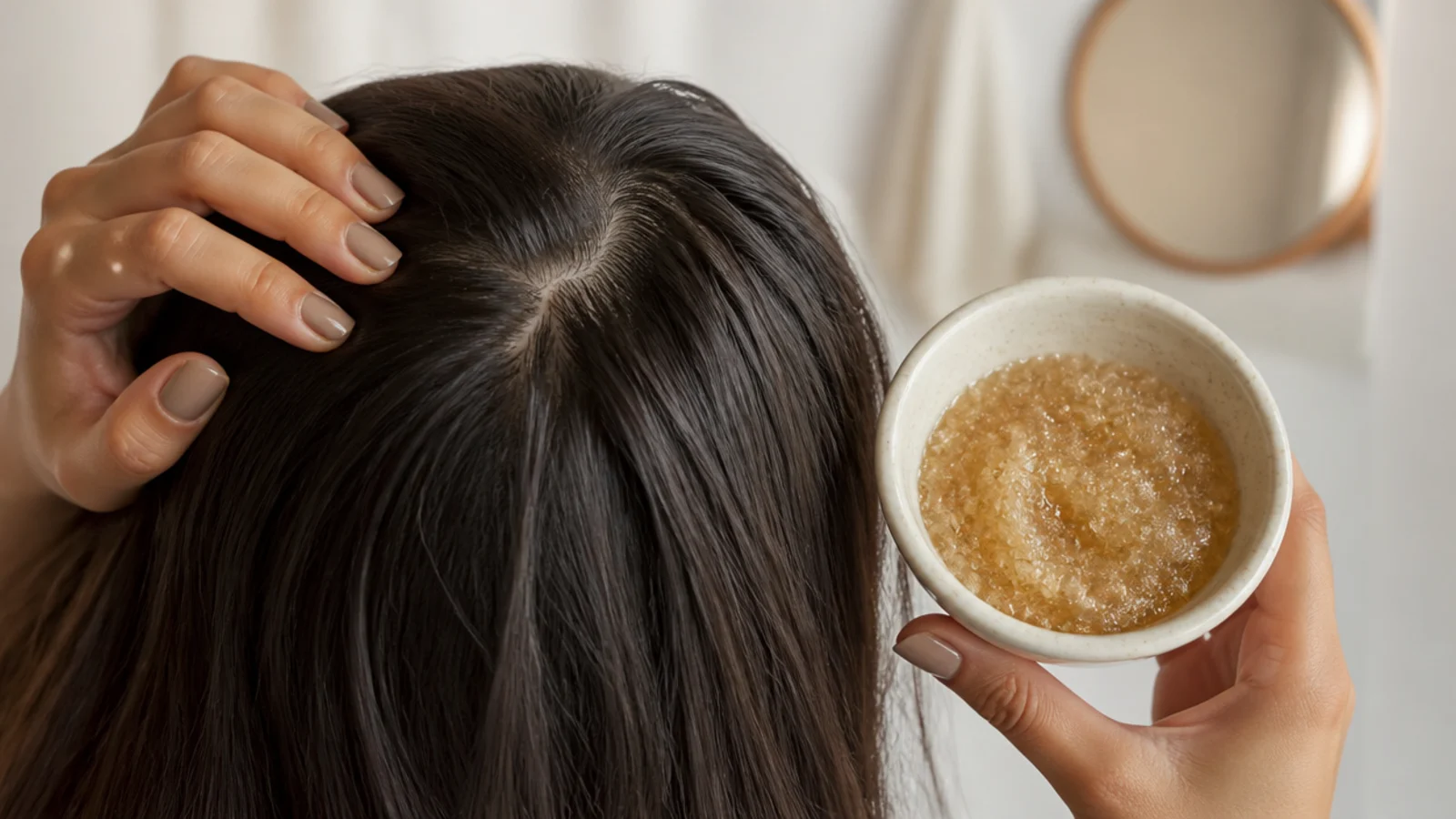
Once a fortnight, worked into the scalp rather than the lengths. It lifts the sebum and product film that traps flakes around the follicle opening, and the point is not cleanliness but the itch — a scalp that does not itch is a scalp you do not scratch, and scratching is what snaps new growth.
9. Satin Scrunchie
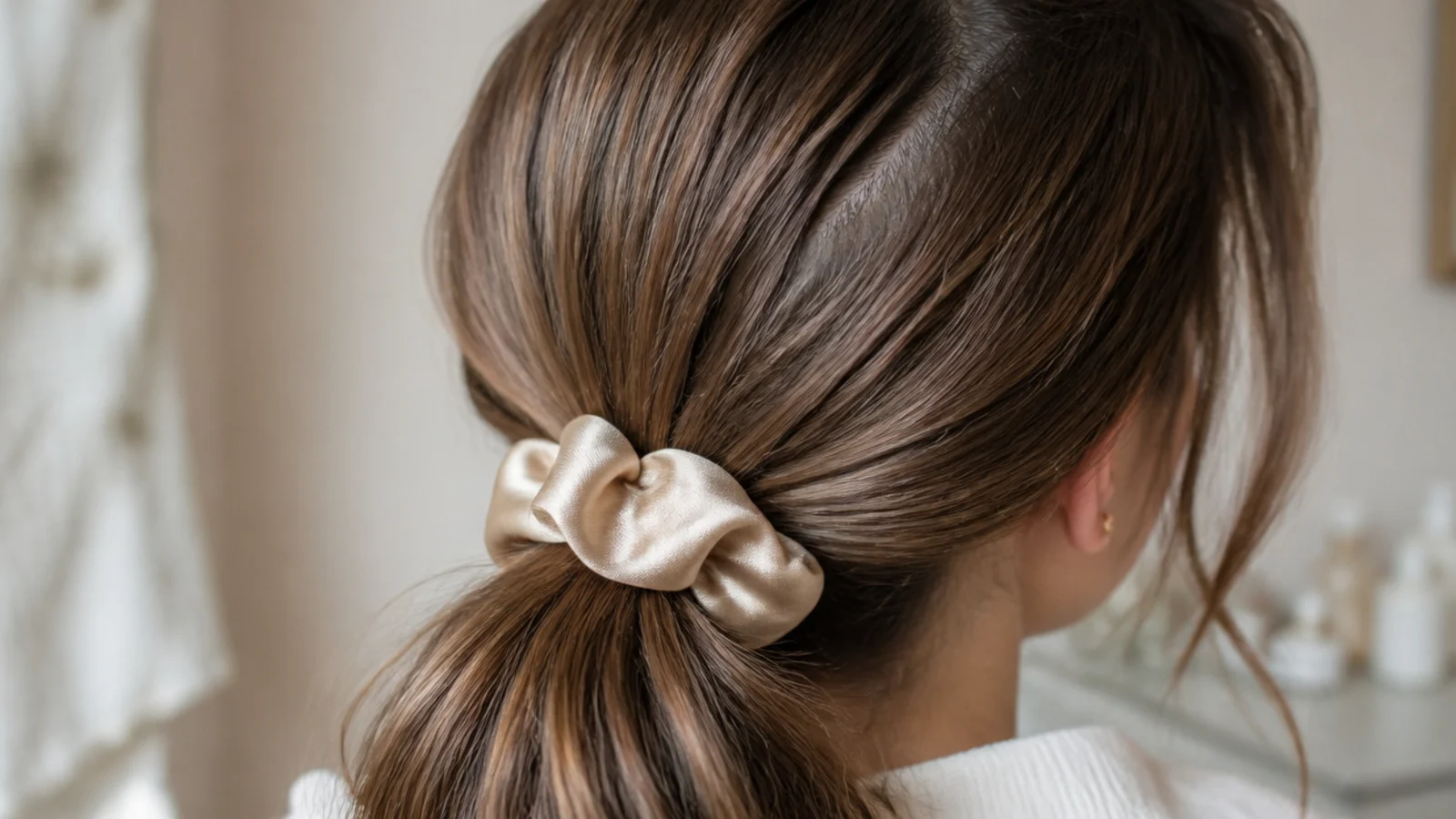
A thin elastic concentrates the entire holding force onto a narrow band of hair, which is why a hair tie leaves a dent and a broken row of strands in the same place every time. A wide satin scrunchie spreads that force over far more surface and has no metal join to catch on the way out.
10. Microfiber Towel
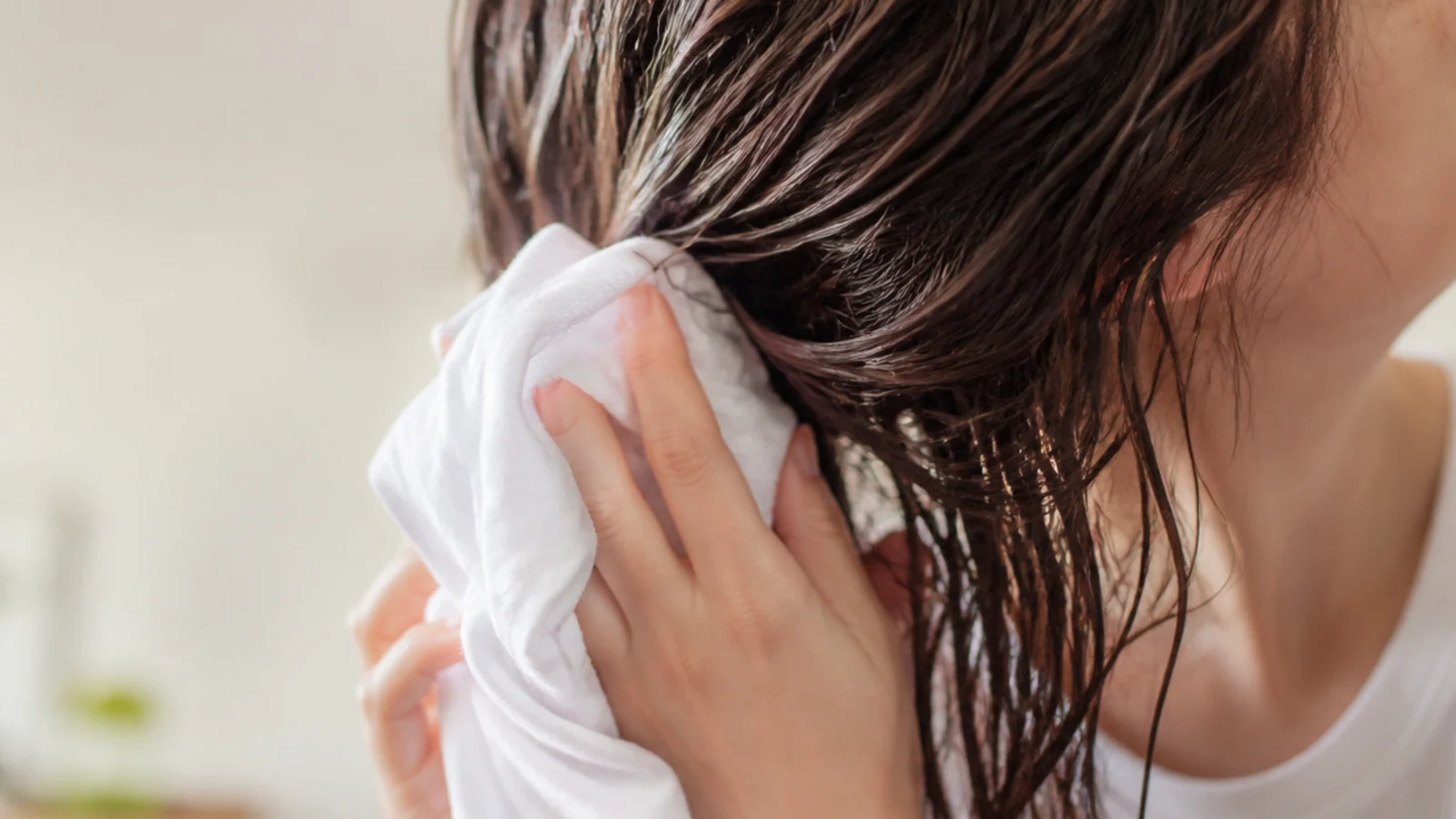
Water breaks the weak bonds that hold keratin in shape, so wet hair stretches much further before it snaps and is at its most fragile in the towel. Terry loops catch the cuticle when you rub, while microfiber pulls water out by capillary action, so you can squeeze and blot instead.
11. Protein Foods
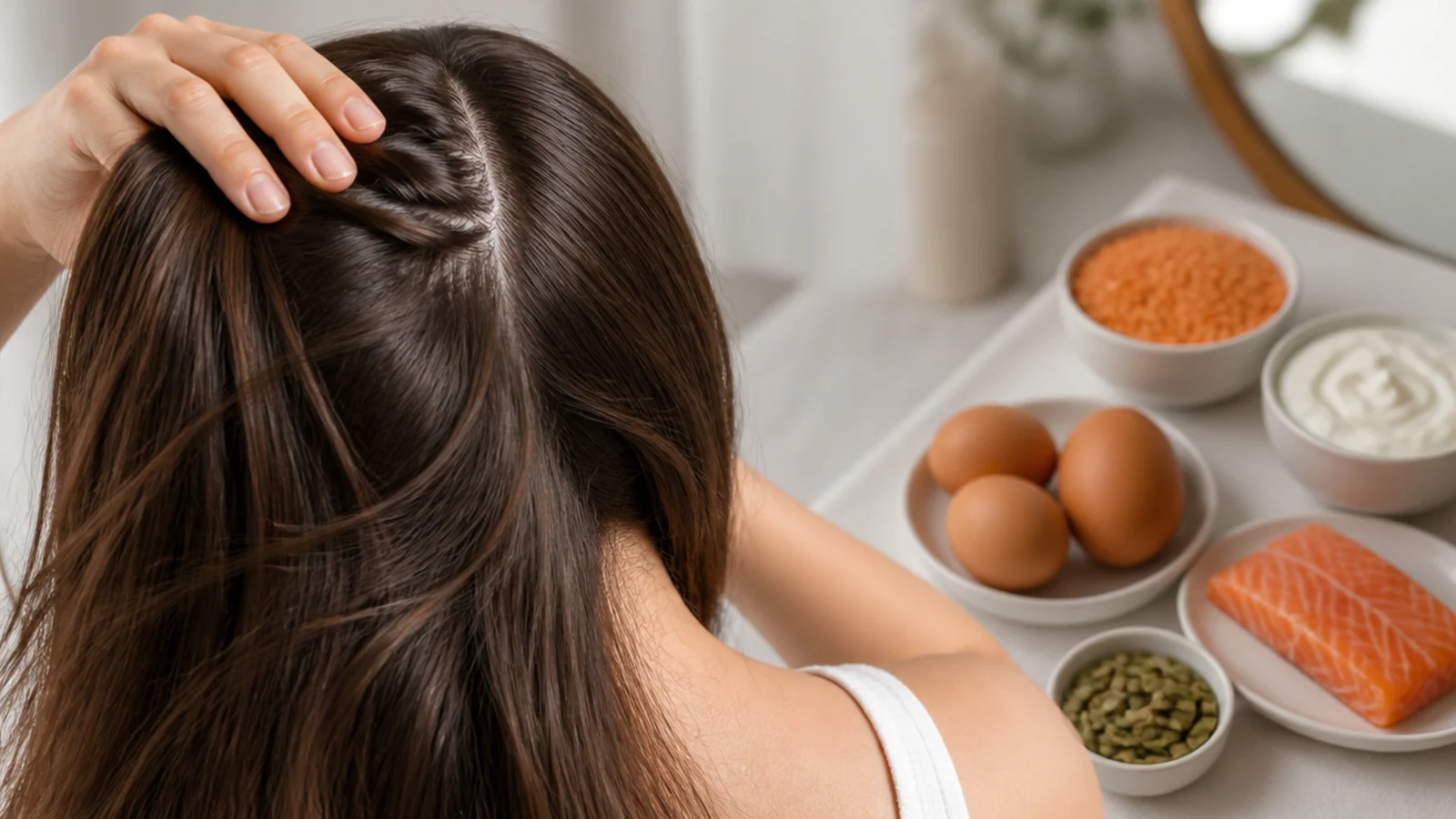
Hair is almost entirely keratin, and keratin is built from amino acids you have to eat. When intake drops the body treats hair as expendable and moves follicles into the resting phase, which is why crash diets produce a shed two or three months after the diet, not during it.
12. Aloe Vera
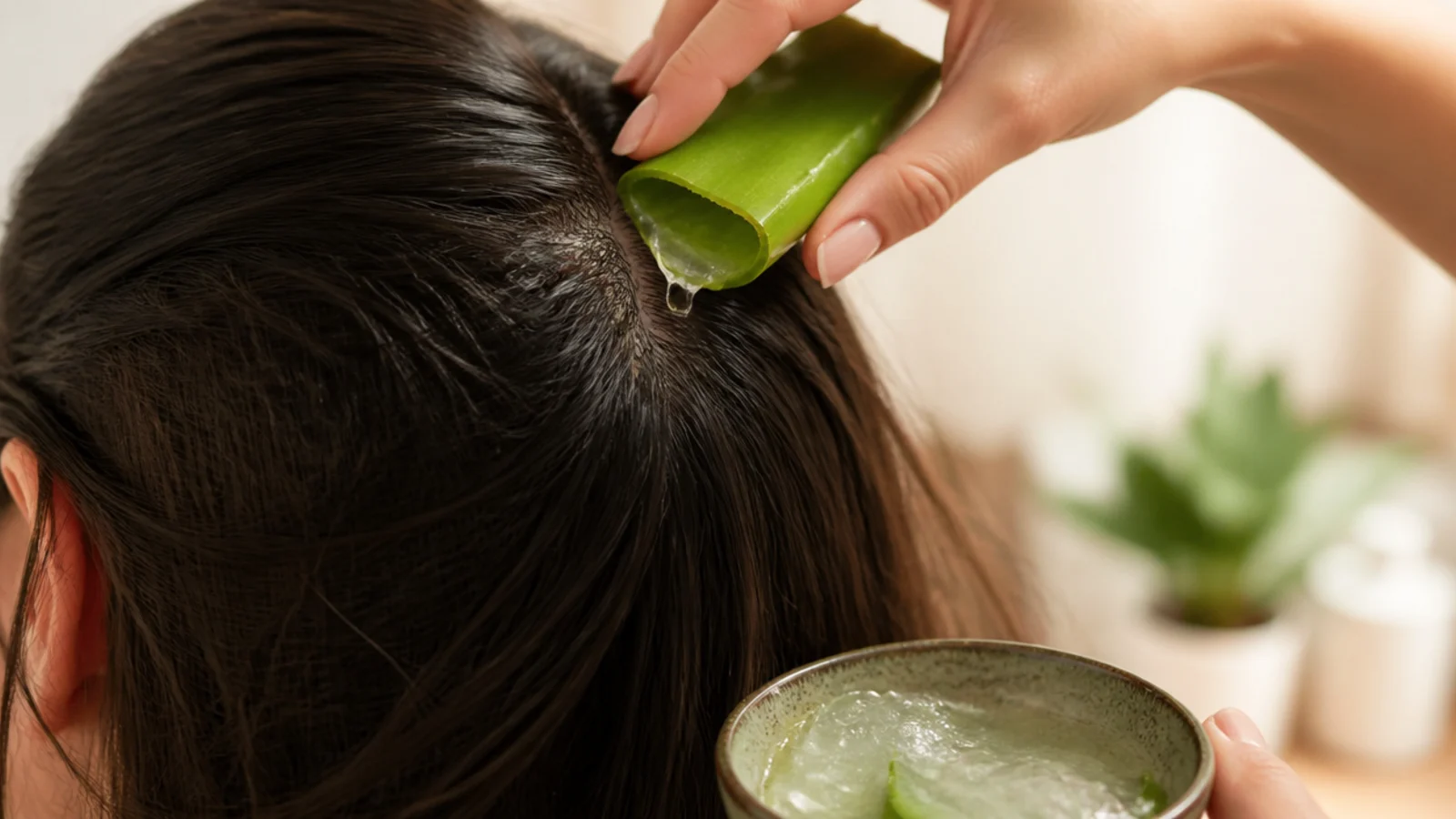
Mostly water and polysaccharides, which makes it a soothing, lightly humectant gel rather than a growth agent. Its real value is on an irritated scalp, where it takes the itch down, and on dry lengths, where it gives enough slip to detangle without dragging.
13. Peppermint Oil
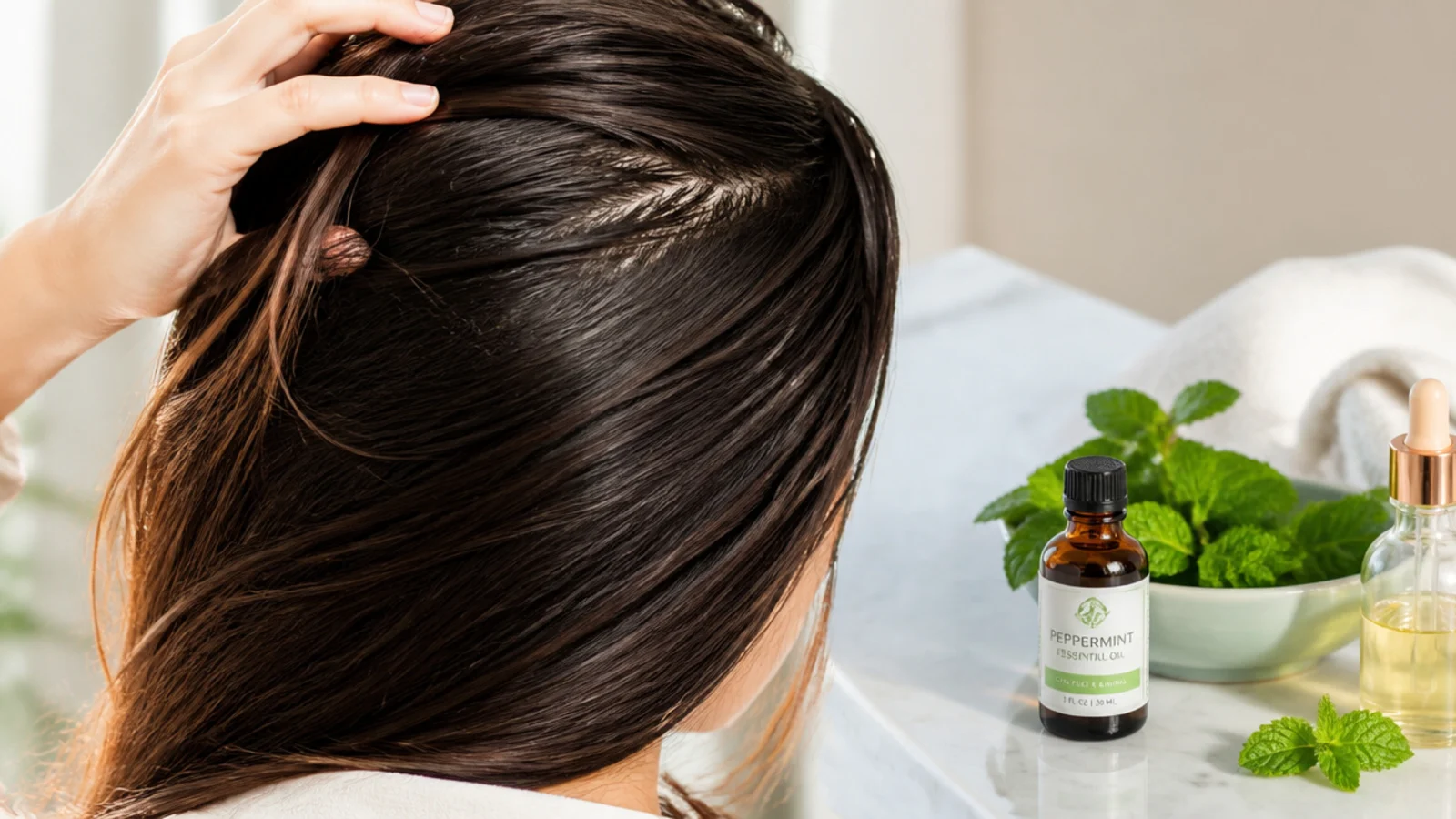
The cooling feeling is menthol acting on nerve endings, not evidence that anything is happening in the follicle. The animal data is interesting and the human data does not exist yet, so treat it as a pleasant scalp tingle, dilute it to about one percent, and never put it on undiluted.
14. Deep Conditioning
Damaged hair carries a negative surface charge, and conditioning agents are built to be positively charged so they stick to exactly the worn patches. That lowers the force needed to pull a comb through, which is where the benefit is measured. It lubricates rather than repairs, and it is still the most effective thing in the shower.
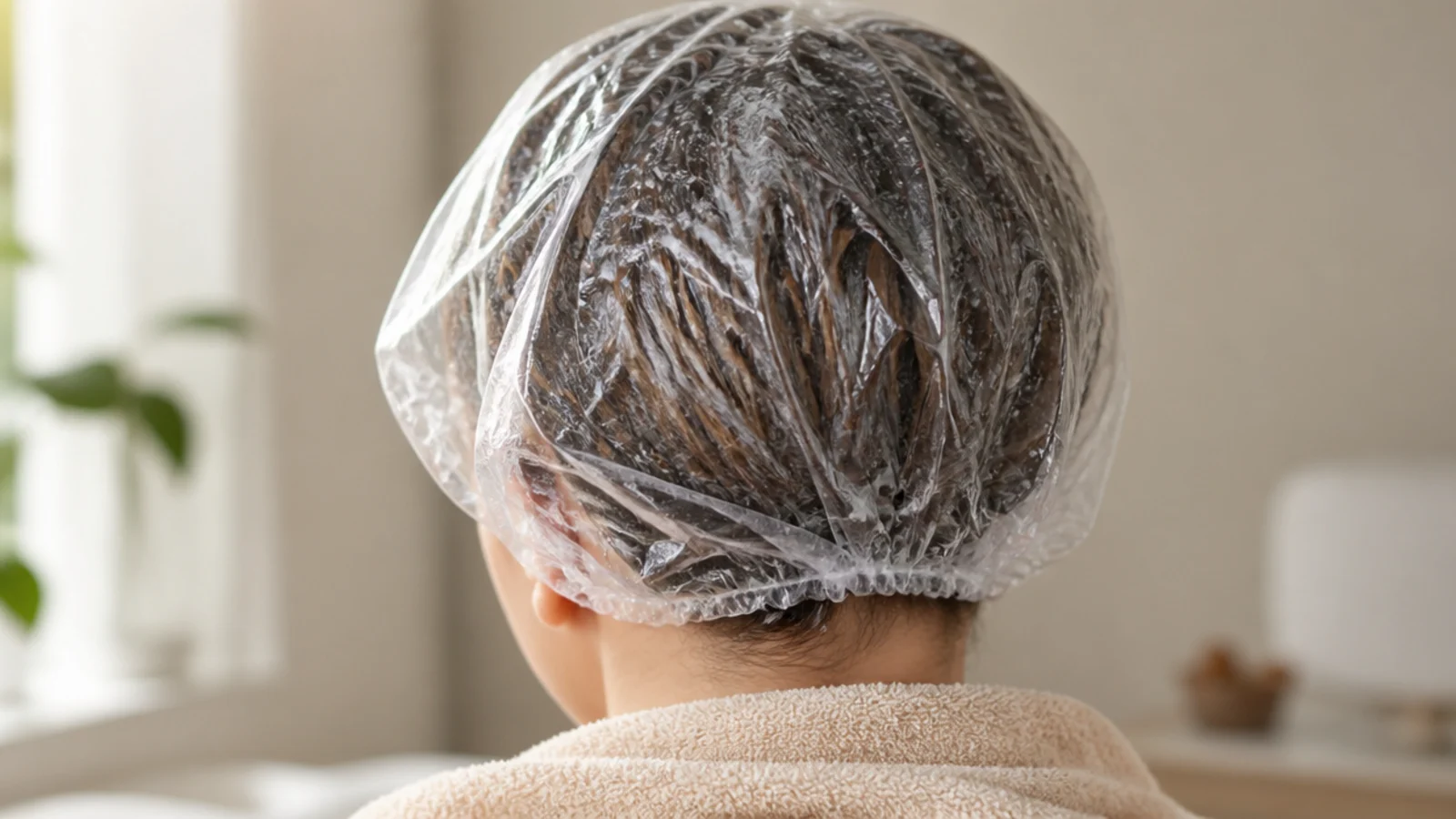
15. Castor Oil
Thick, sticky and slow to spread, which is both its appeal and its problem. It coats the shaft heavily enough to add real slip and shine, but neat castor oil mats fine hair into a felt that then has to be detangled, so cut it at least half and half with a lighter oil.
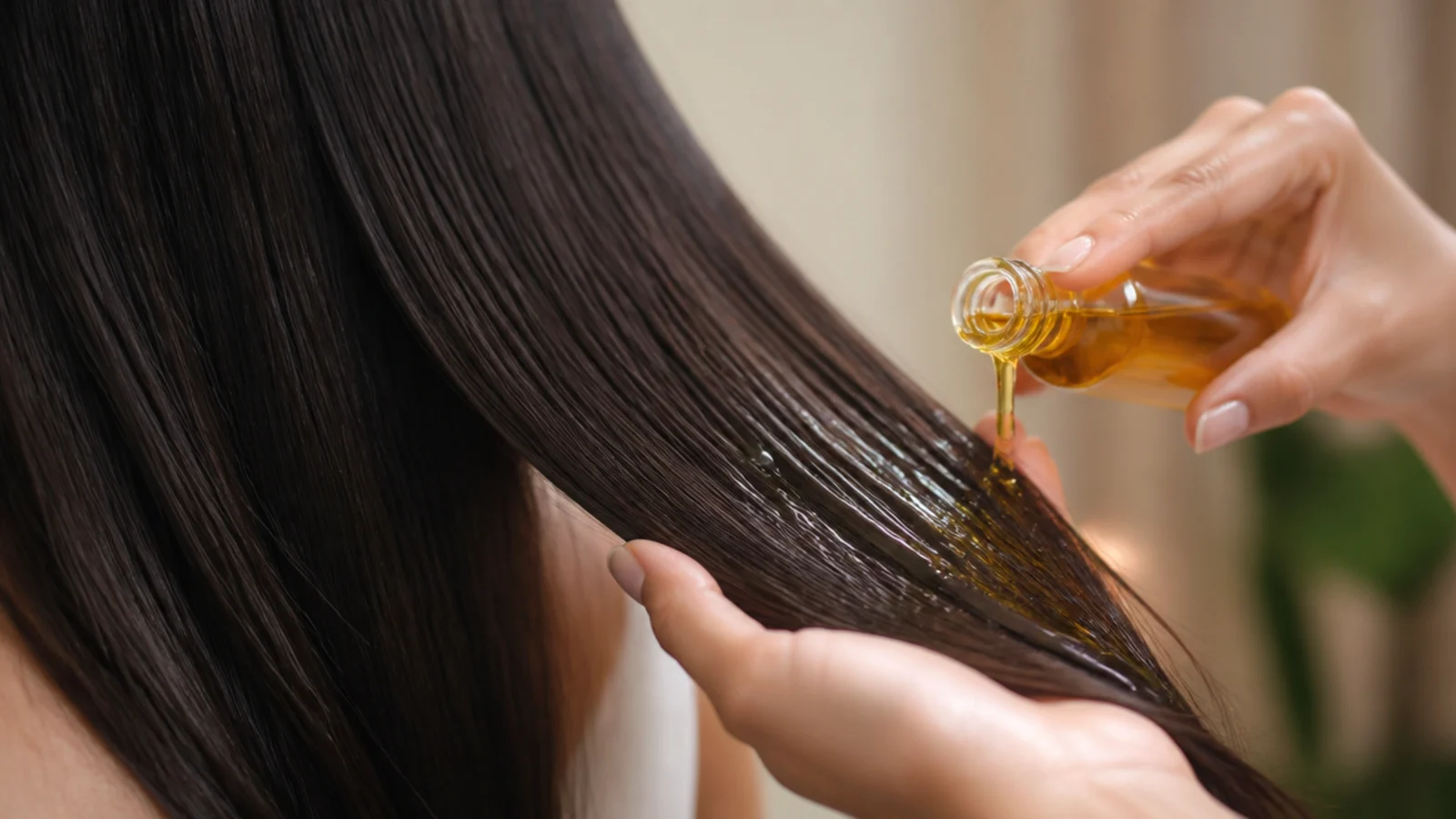
16. Heat Limit
Above roughly 175 degrees Celsius the water inside the cortex turns to steam faster than it can escape, which blisters the shaft from the inside out. Cap the iron there, and count passes as well as temperature — three slow passes at a lower setting do less damage than one at maximum.
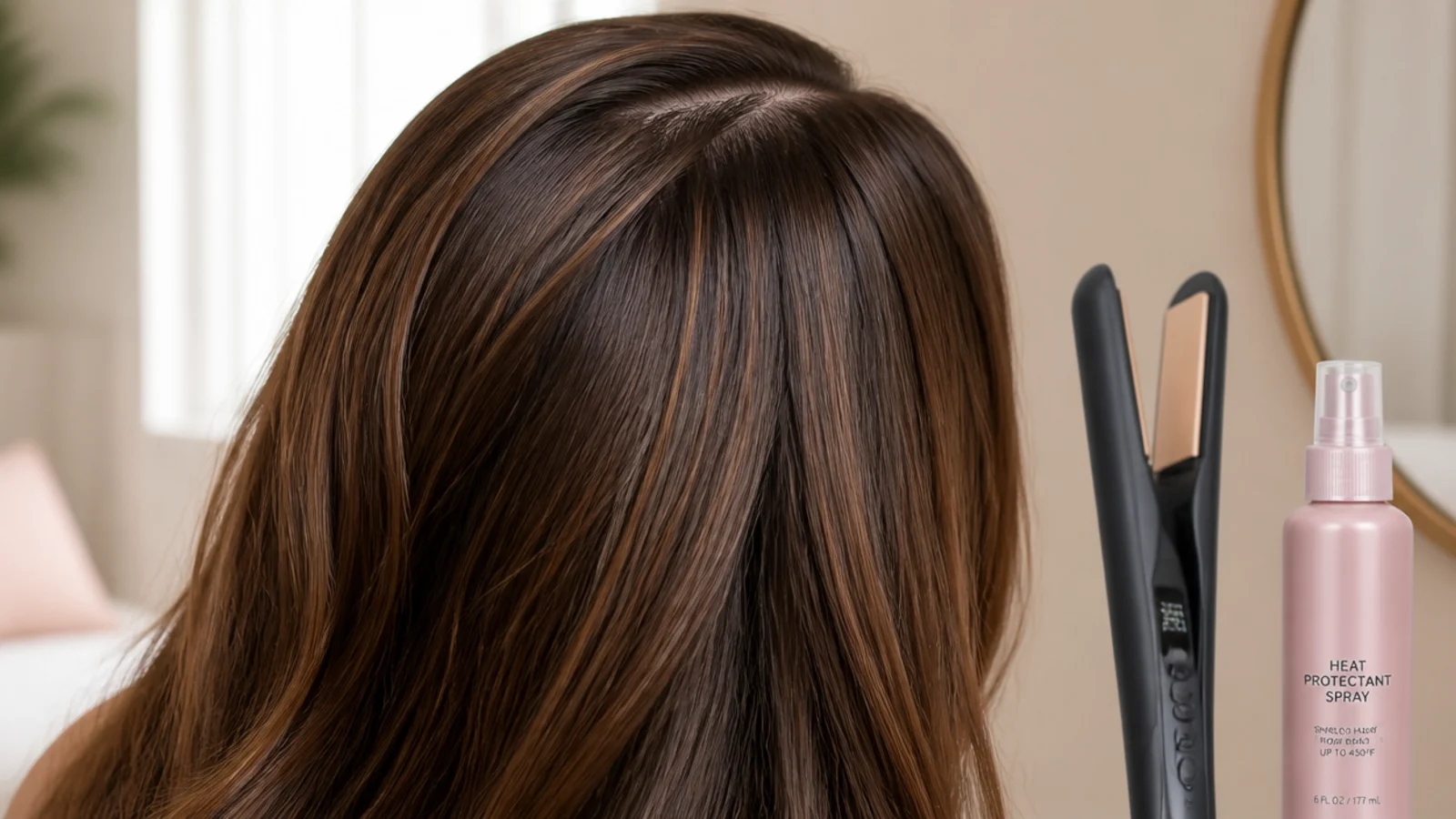
17. Overnight Twists
Loose hair on a pillow works itself into knots as you turn, and every one of those knots has to be forced apart in the morning. Two or four loose twists hold the strands in defined groups so they cannot cross, which turns a ten minute detangle into a thirty second one.
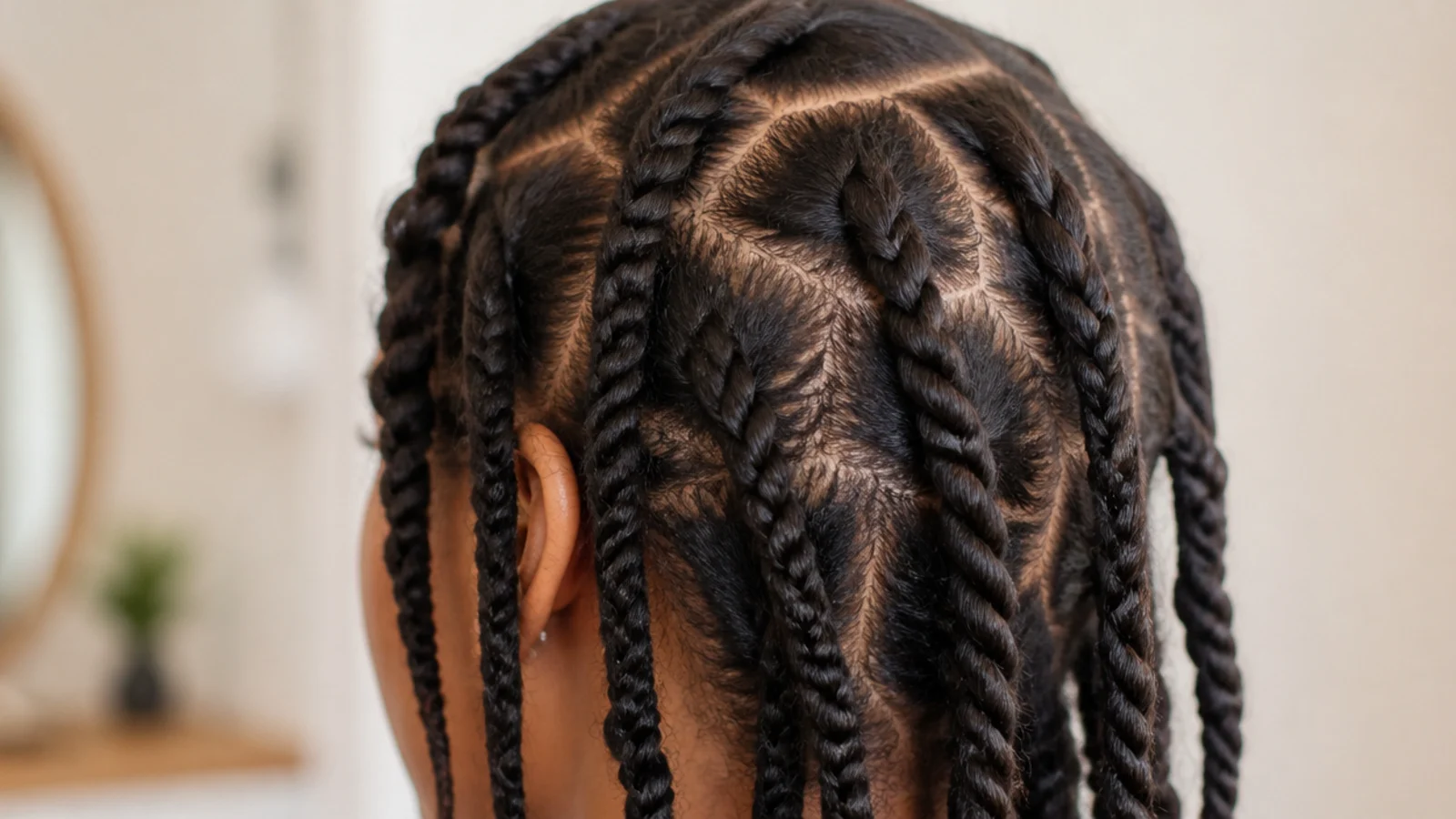
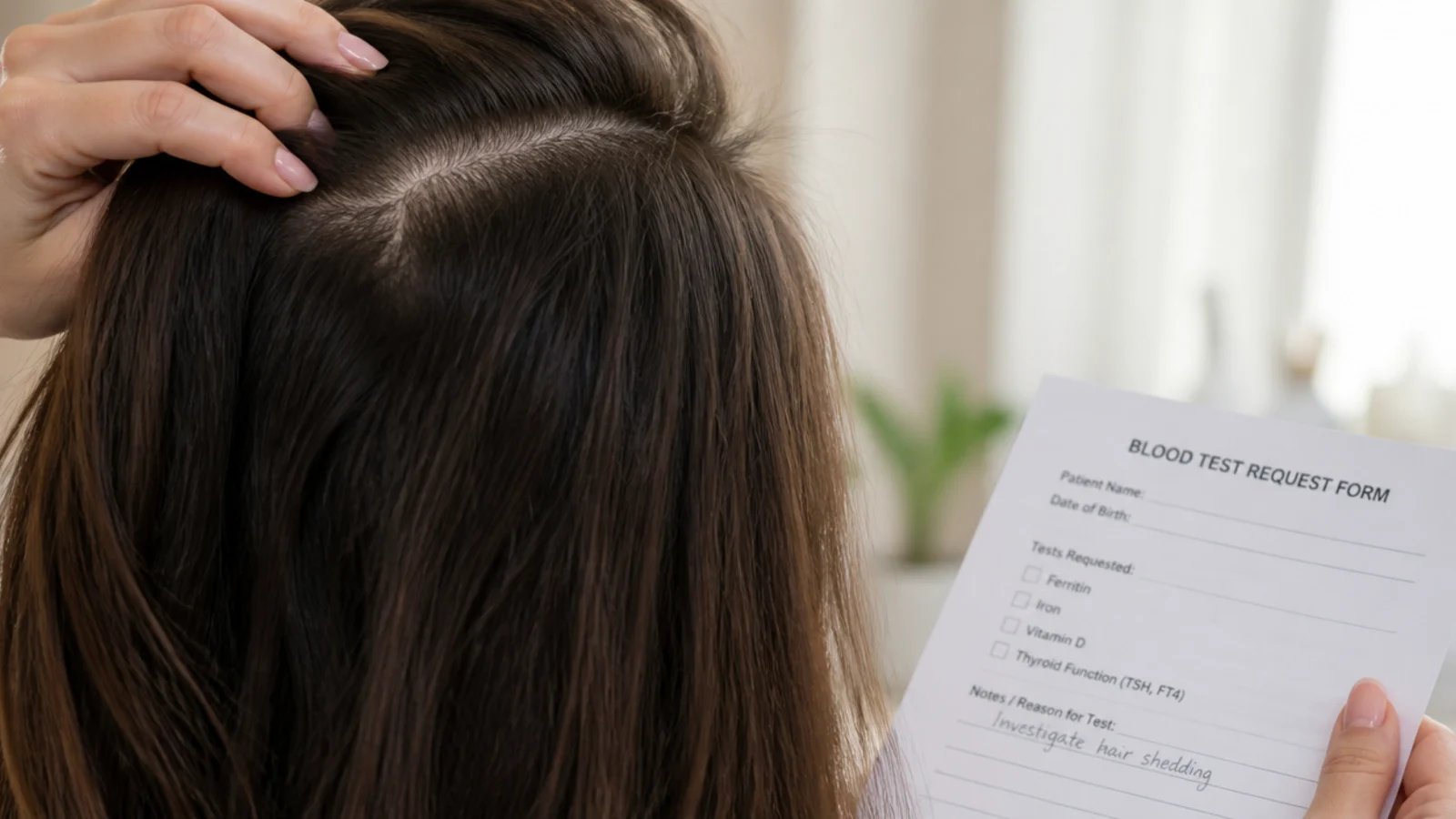
18. Blood Test
Ferritin, thyroid function and vitamin D between them explain most diffuse shedding that arrives without an obvious cause. Topicals cannot correct any of the three, and the shed lags the trigger by two to three months, so the useful test is the one taken now rather than after another season of oils.
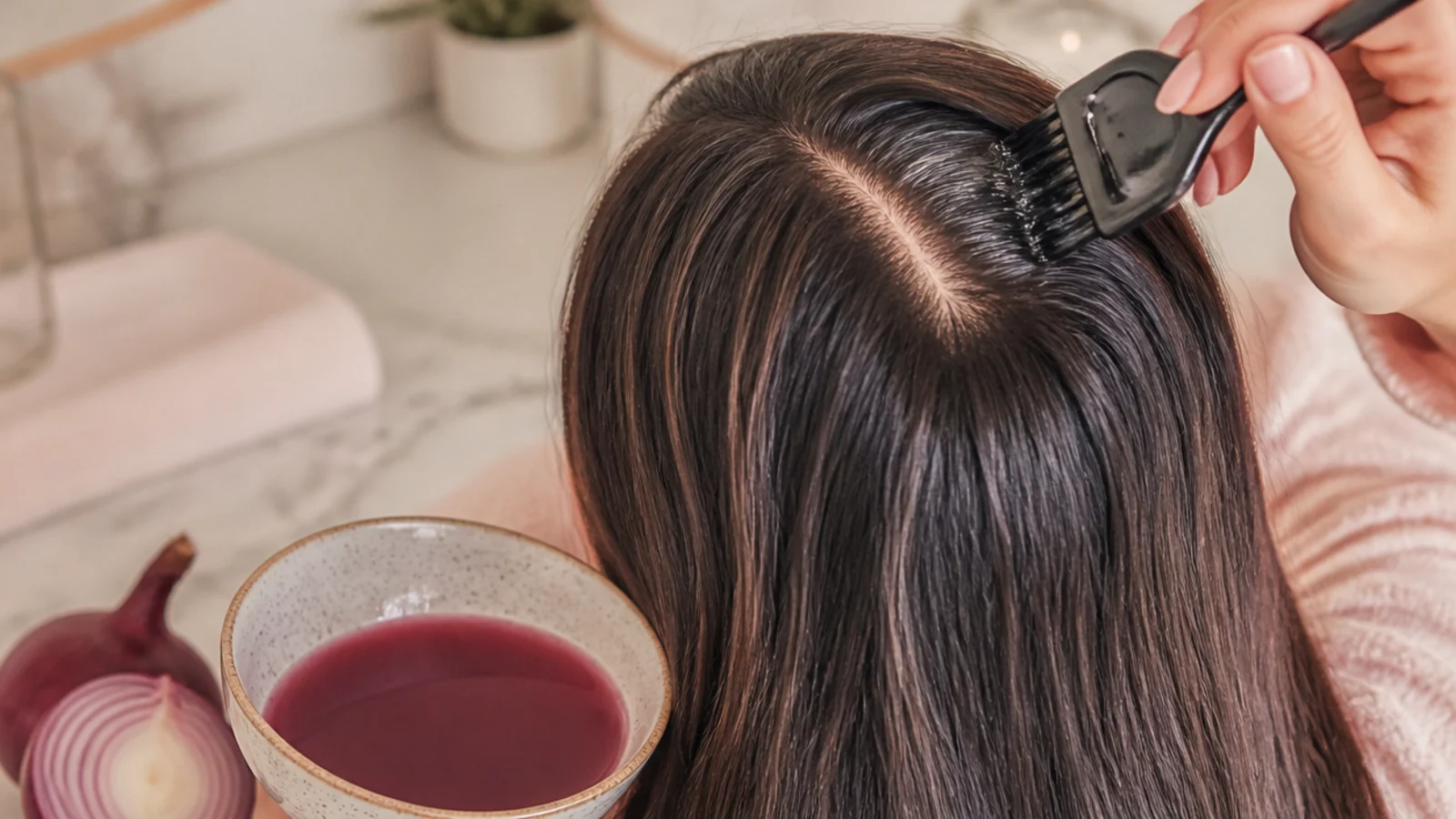
19. Onion Juice
The sulphur compounds are the supposed active, and the evidence is one small study in a specific autoimmune form of hair loss rather than in ordinary thinning. The smell survives two shampoos and clings to a pillow, which is the real reason almost nobody keeps it up for the months it would need.
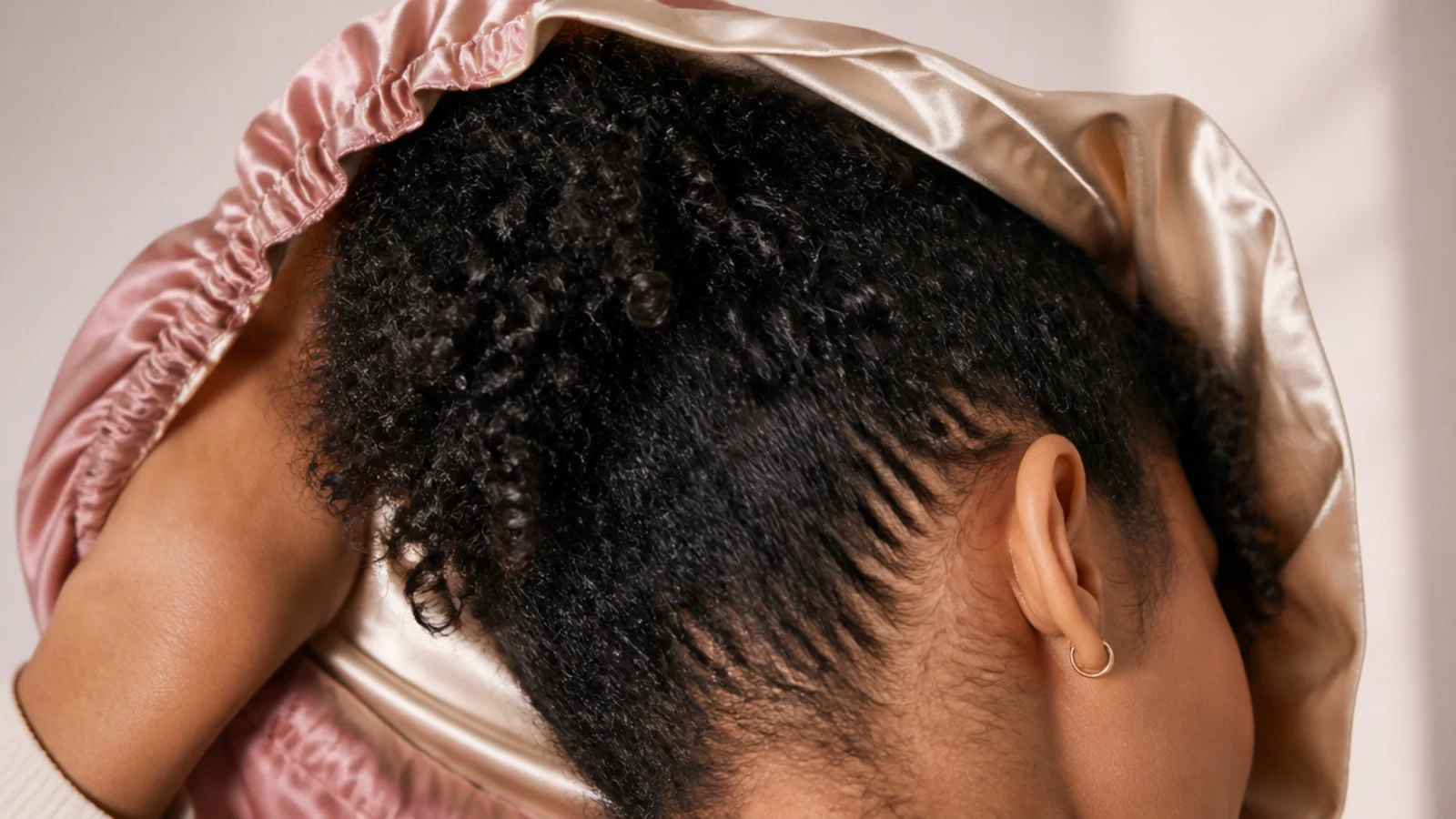
20. Satin Bonnet
A pillowcase only protects the hair that stays on it, and hair does not stay on it. A bonnet gathers the whole length into one place and travels with your head, so the friction of the night lands on the fabric rather than on your oldest and most fragile ends.
Final Thoughts
Sort this list by mechanism and it gets short. Massage, satin, wide teeth, cooler water, a coconut oil pre-wash and a dusting trim all reduce the amount of hair that leaves your head; protein and a blood test address the reasons the follicle stops producing in the first place. Everything else on the list is a pleasant scalp treatment that will not hurt you, which is a fair reason to use it and a poor reason to expect inches from it.
Give any change six months before you judge it, because half an inch a month means you cannot see a difference in less than that. Photograph the same section against the same shirt on the first of each month and compare the photographs rather than your memory. For styling that keeps the tension low, see straight hairstyles for natural hair, and if you wear it pulled back, high ponytail hairstyles for natural hair shows where to sit the base. More in Hair Care.