
20 Long Hair Tips for Growth and Retention
Twenty habits for growing long hair, the myths worth dropping first, and the milestones to expect along the way. The follicle already produces six inches a year, so everything useful happens at the other end of the strand.
In this article · 28
- Growth Rate Basics
- Growth Myths
- Breakage Versus Growth
- Scalp Health
- Length Milestones
- Diet and When to See a Doctor
- The 20 Long Hair Tips
- 1. Satin Pillowcase
- 2. Dusting the Ends
- 3. Scalp Massage
- 4. Wide Tooth Comb
- 5. Night Braid
- 6. Microfiber Towel
- 7. Silk Scrunchies
- 8. Low Ponytail
- 9. Clarifying Wash
- 10. Wash Schedule
- 11. Heat Limit
- 12. Air Dry
- 13. Deep Conditioner
- 14. Protein Treatment
- 15. Leave In Conditioner
- 16. Rosemary Oil
- 17. Biotin Gummies
- 18. Bloodwork
- 19. A Break Between Protective Styles
- 20. Measuring Length
- Final Thoughts
Long hair rewards patience and punishes handling, which is why two people on identical routines can be four inches apart after a year.
Six inches a year leaves the scalp regardless. The follicle is not the bottleneck and has never been the bottleneck.
Everything you can influence happens after the hair is already made. Friction, tension, heat and time decide whether last year's growth is still attached, and that is the only figure that shows up in a photograph.
Growth Rate Basics
Half an inch a month, six inches a year. Age, genetics and general health move it slightly. Nothing on a shelf moves it at all.
The shaft is dead tissue. Whatever you put on it stays on it, because there is no route back to the living part of the follicle.
Each follicle runs its own clock. They grow, rest and shed independently, which is why fifty to a hundred hairs a day is ordinary rather than alarming.
Your maximum length is a duration. A growing phase of two years cannot produce the same length as one of seven, no matter how well either is treated.
Growth Myths
Cutting does not speed growth. The follicle cannot detect what happened at the far end of a strand it finished years ago.
A hundred brush strokes is damage, not conditioning. Sebum barely travels past the first few inches, and every extra stroke is friction on old hair.
Cold water does not seal anything shut. It reduces the swelling that warm water caused, which is useful and much less dramatic than the claim.
Hair does not get used to a shampoo. What changes is buildup, water hardness and the season, and swapping bottles gets the credit.

Breakage Versus Growth
Length is growth minus breakage. Only the second term negotiates.
The last four inches are the oldest thing you own. They have survived several years of weather, washing and heat with no repair mechanism of any kind.
Flat length plus normal shedding equals breakage. You are producing six inches a year and losing six inches a year, at the ends, quietly.
Broken hairs have no bulb. A shed hair comes away with a small white root attached, a snapped one does not, and that is how you tell which problem you have.

Scalp Health
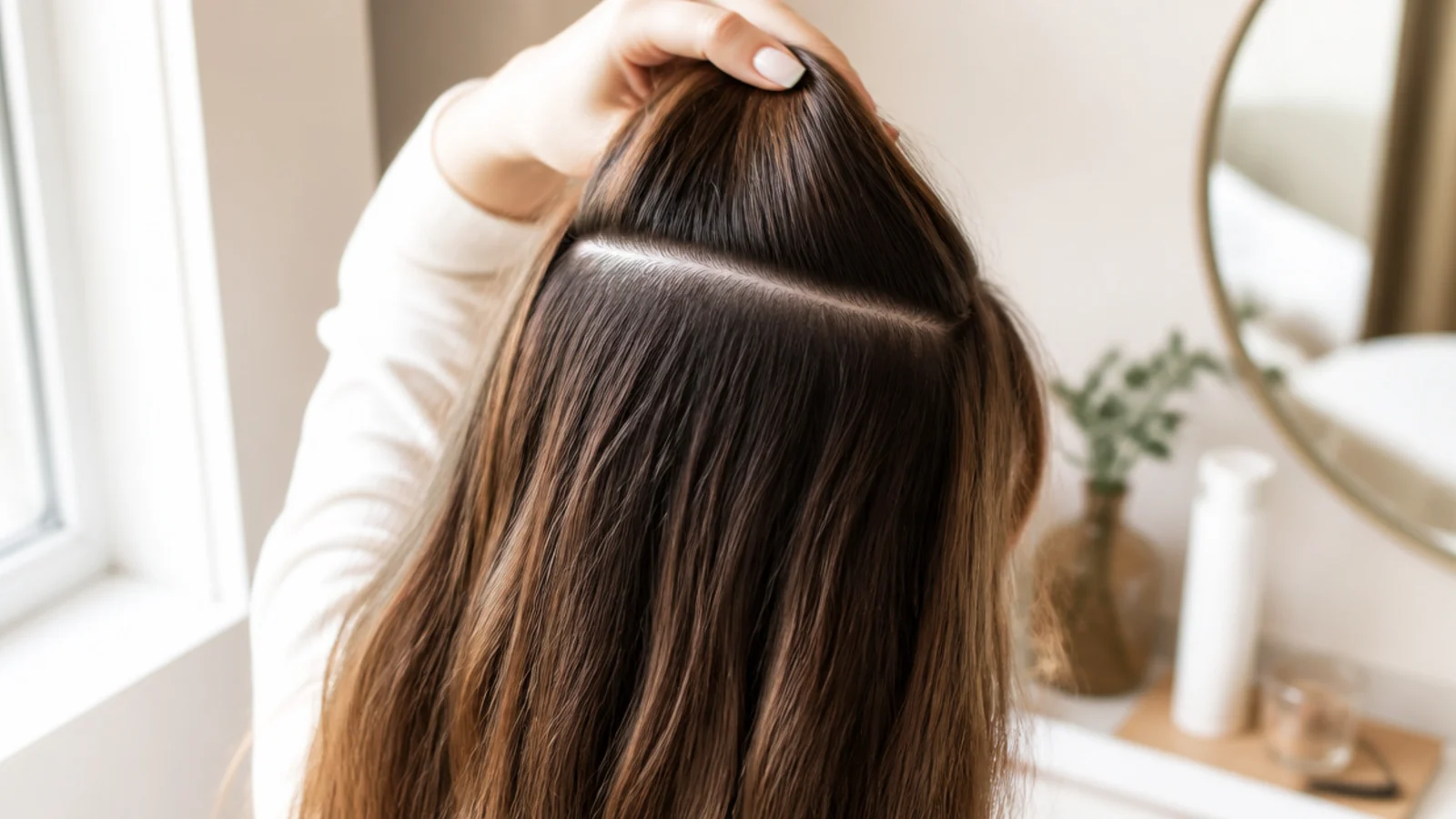
Growth happens here and nowhere else. By the time hair is an inch long it is finished and unchangeable.
Buildup is the usual cause of itching. Product film, sebum and hard water deposits, not dryness, and washing less makes it worse.
Massage with fingertips before you rinse. Move the scalp rather than pulling length through your fingers.
Inflammation costs hair. A scalp that itches for months is shedding more than a calm one, which is why every active gets diluted.
Length Milestones
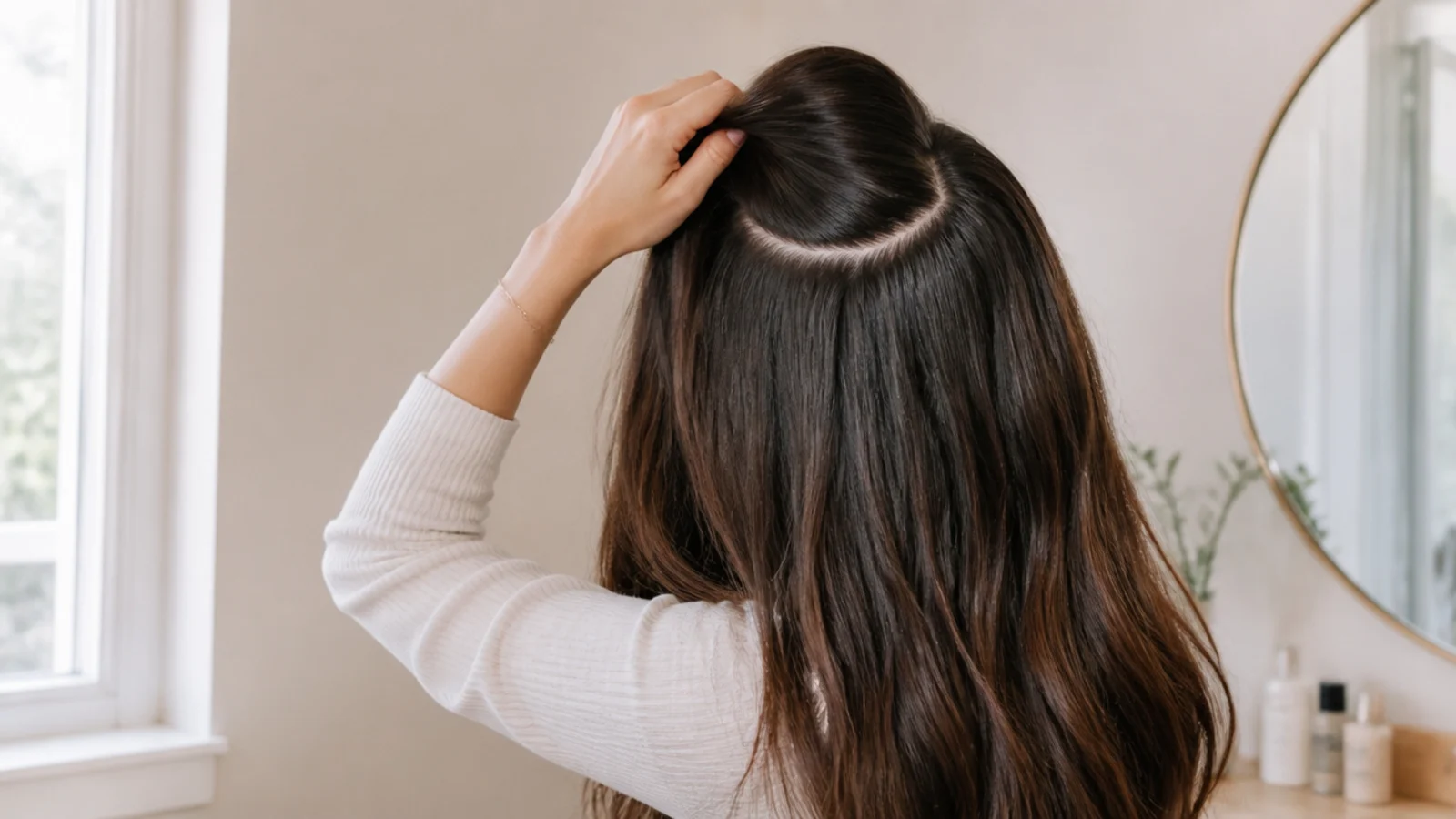
Chin to shoulder is under a year. Four to six inches at half an inch a month, and the first milestone that feels like progress.
Shoulder to mid back is about another year. Six inches, and the stage where ends start needing real protection.
Mid back to waist is one to two years more. This is where most people stall, because breakage catches up with production.
Waist and beyond is a retention result. Reaching it says more about how you handled four years of hair than about how fast it grew.

Diet and When to See a Doctor
Supplements correct shortfalls and nothing more. Adding a nutrient you already have enough of changes nothing at the follicle.
Ferritin, thyroid and vitamin D are the three to test. They explain a large share of unexplained shedding and none of them is visible.
Sudden diffuse shedding follows an event. Illness, surgery, childbirth or a crash diet, showing up two to three months later and usually resolving within six.
A widening part is not shedding. Losing density in one region rather than evenly across the head is a pattern worth having diagnosed early.

The 20 Long Hair Tips
1. Satin Pillowcase
Cuticle scales lie along the shaft like roof tiles pointing from root to tip, so friction running the other way lifts them open. A cotton pillowcase does exactly that for seven hours a night and absorbs water from the shaft while it works. Satin has neither property and needs no effort from you.

2. Dusting the Ends
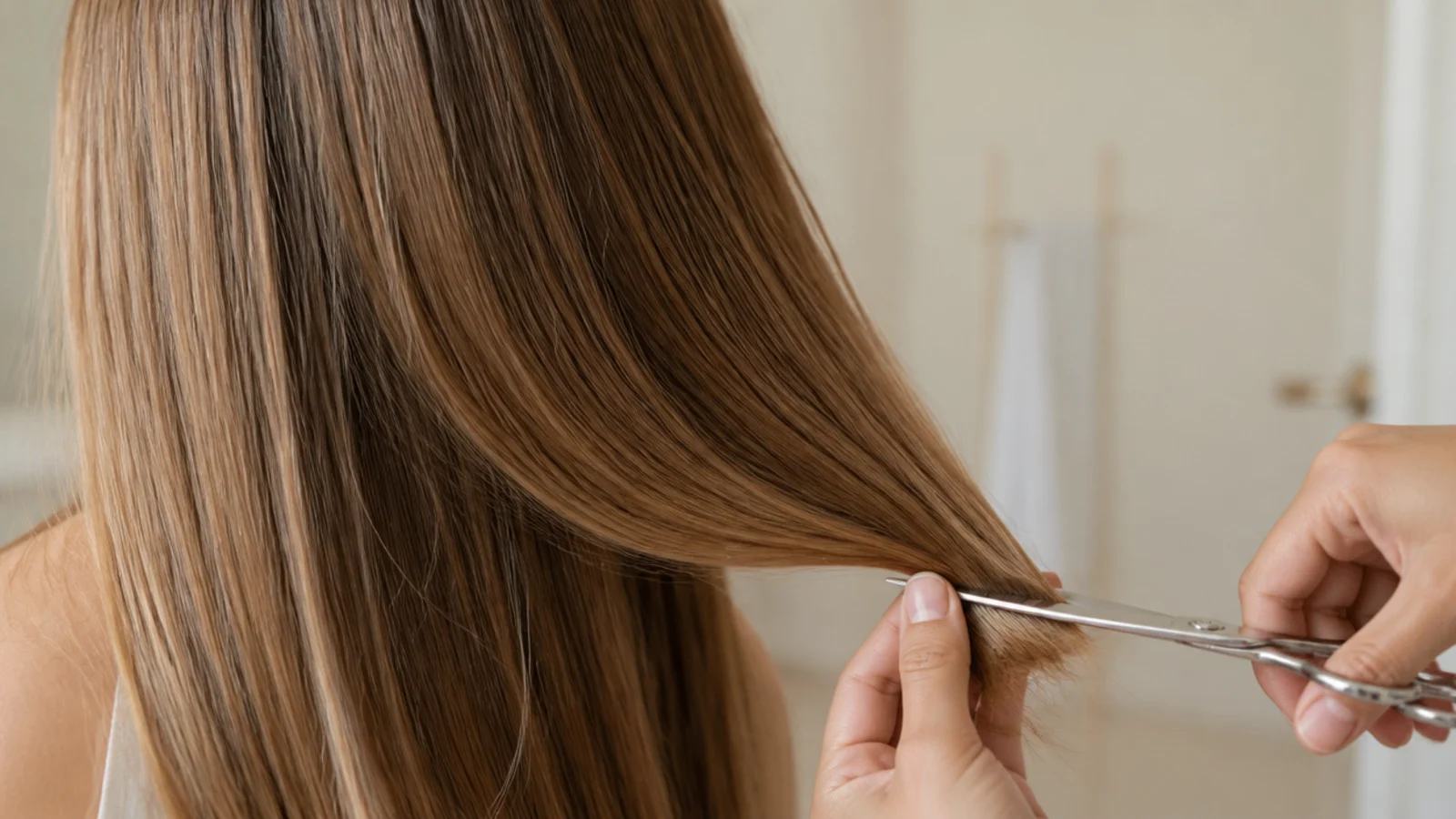
Dusting removes only the frayed tips rather than a measured length, so the perimeter barely moves while the damage leaves. It suits anyone unwilling to lose visible length but unwilling to let splits climb, and splits do climb under nothing more than ordinary combing.
3. Scalp Massage
The trial people cite ran for twenty four weeks, which tells you what kind of habit this is. Five minutes daily with the pads of the fingers, moving the scalp rather than the hair, is worth far more than an intense session once a fortnight because the proposed mechanism depends on repetition.

4. Wide Tooth Comb
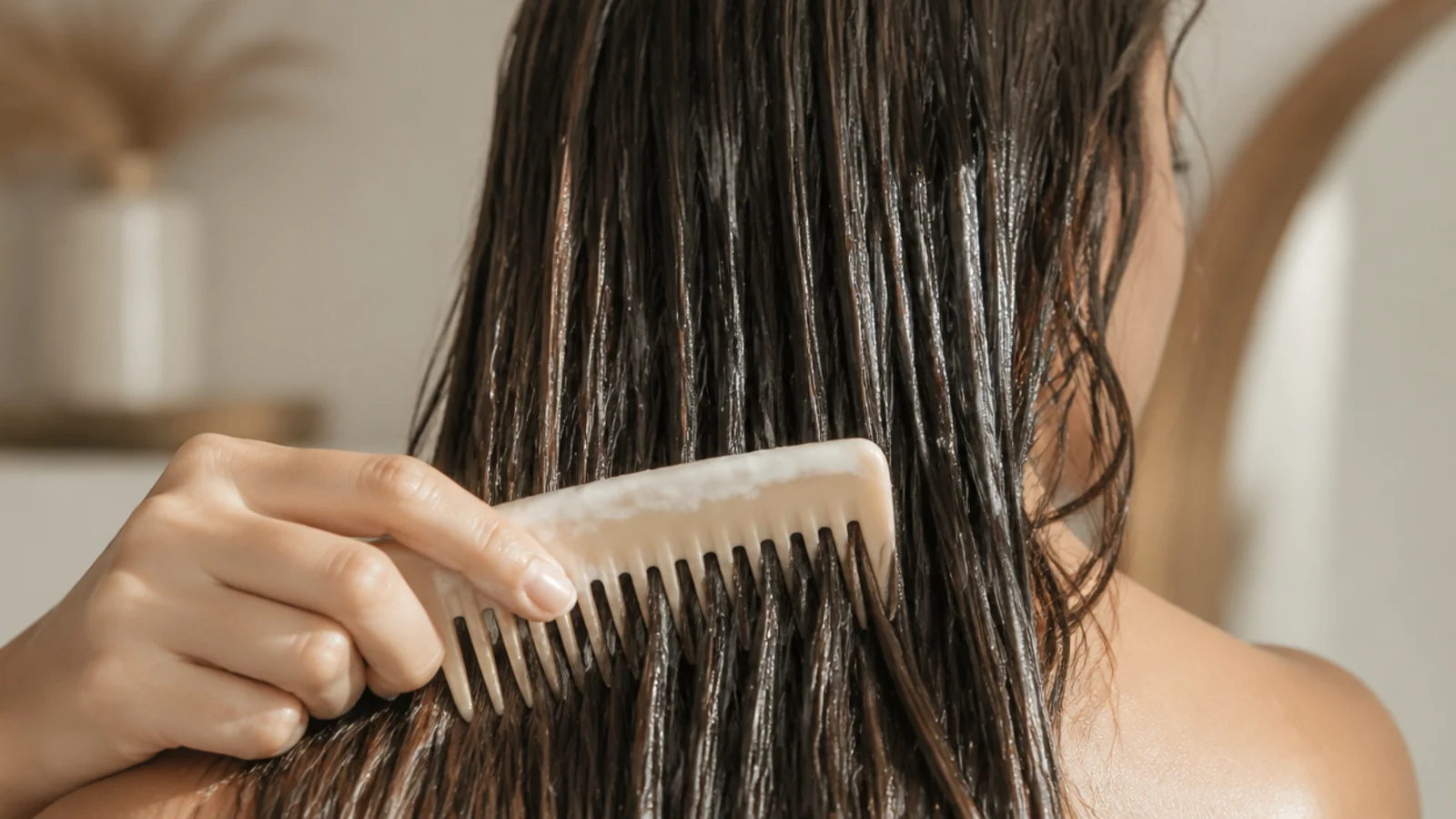
Hair loses a substantial share of its strength when wet because the cortex swells and the internal bonds loosen. A wide toothed comb passes through tangles rather than compressing them, and starting at the last two inches means each knot is released with almost no length behind it to resist.
5. Night Braid
Loose hair migrates around a pillow all night and knots against itself, and the morning detangle is where a surprising amount of length disappears. One loose braid contains the whole length so it cannot tangle, and kept slack at the root it adds no tension to the follicles at all.

6. Microfiber Towel
Long wet hair is heavy, and twisting it into a terry turban hangs that weight from the hairline while the loops catch every lifted cuticle scale. Microfiber pulls water by contact rather than abrasion, so blot and squeeze the lengths instead of wrapping and rubbing them.

7. Silk Scrunchies
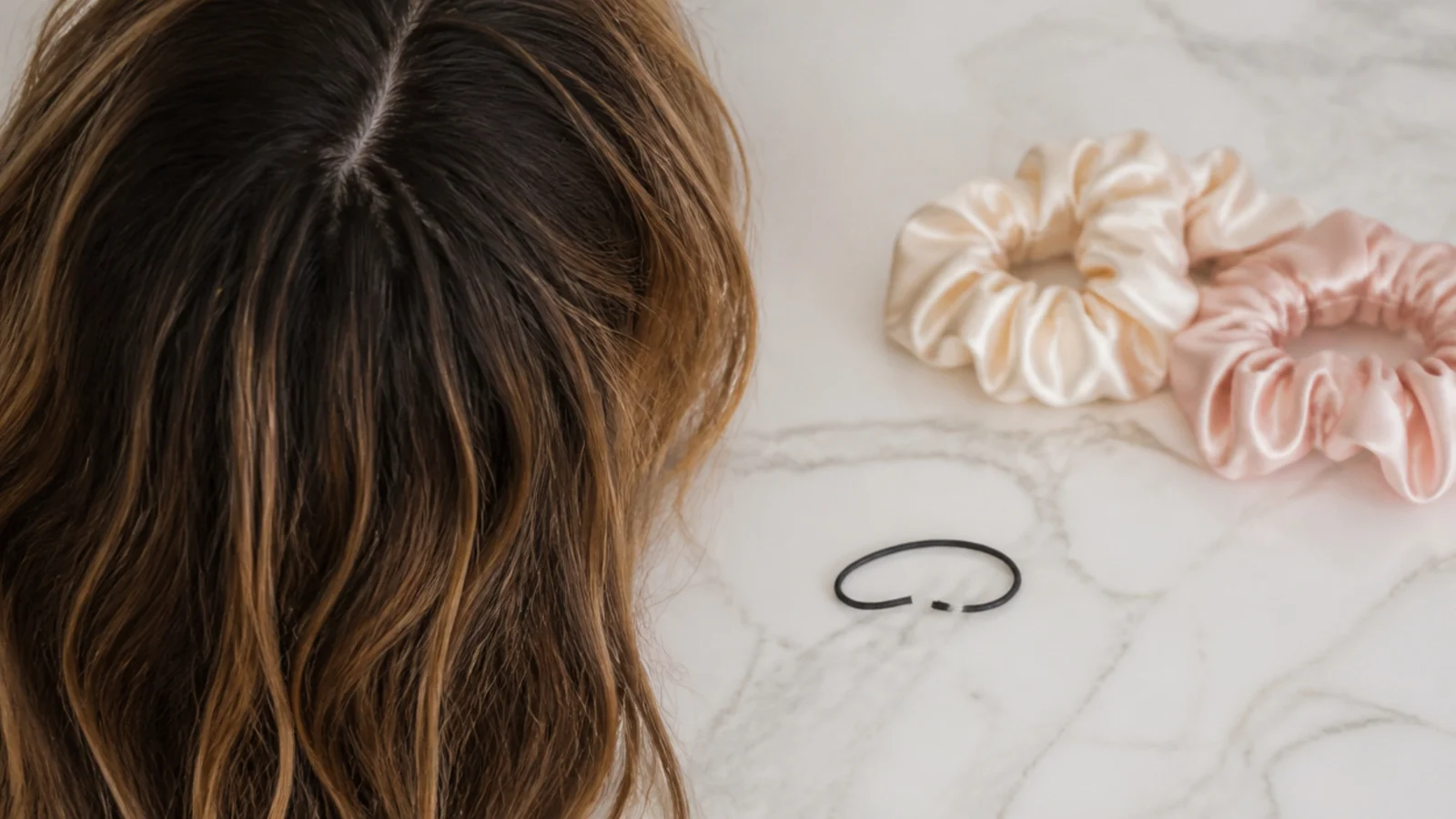
Breakage from a tie happens at the crease, where hair folds sharply against a thin band and the fold stays in place for hours. A wide silk scrunchie has no hard edge to fold against and enough slip that strands slide free, so the same ponytail stops leaving a line of snapped ends behind it.
8. Low Ponytail
The height of the tie decides which follicles carry the weight, and a high ponytail loads the hairline and crown, which are the least resilient areas on the head. Sitting it at the nape spreads the same weight across the whole scalp and takes the pull off the finest hair you have.

9. Clarifying Wash
Hard water leaves mineral deposits on the shaft that ordinary shampoo does not shift, and those deposits make hair feel rough and resist conditioner however much you apply. One clarifying wash a month clears them along with silicone and styling polymer, and more often than that starts removing lipid you need.
10. Wash Schedule
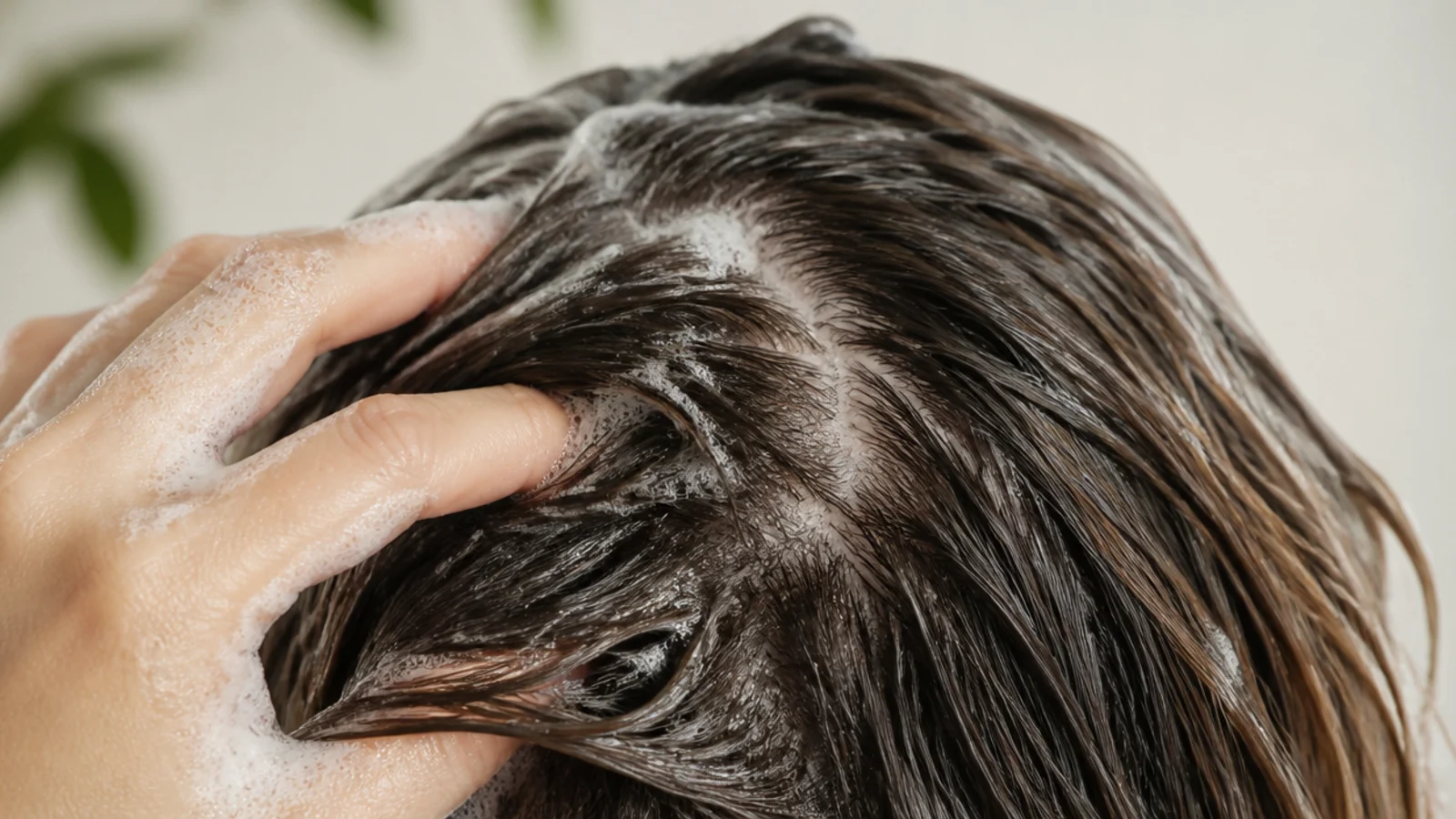
Wash frequency is a scalp decision, not a length decision. Long hair tempts people into stretching washes to protect the ends, which leaves the roots sitting in oil and product film, and that irritation costs more hair over a year than washing ever did.
11. Heat Limit
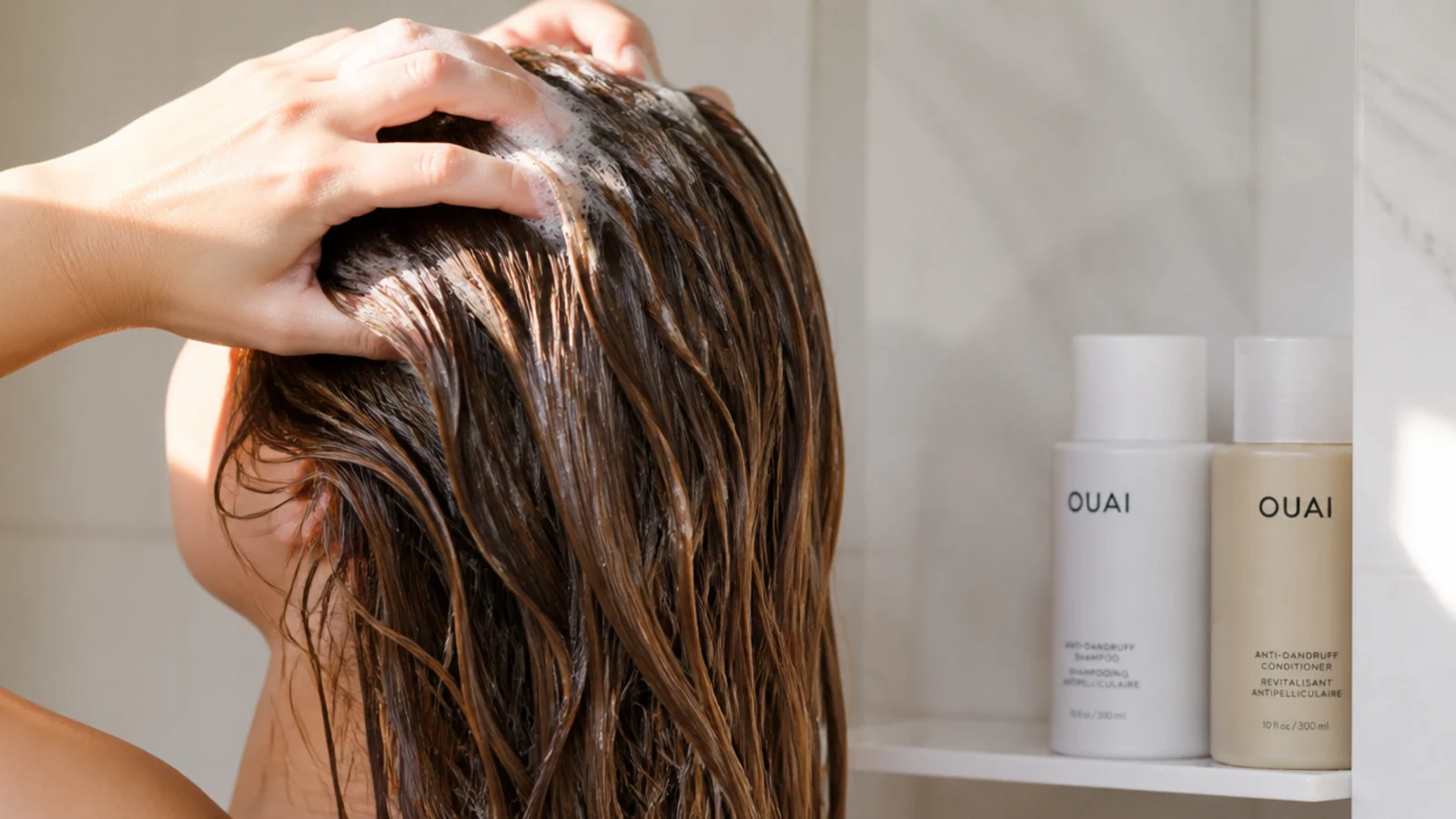
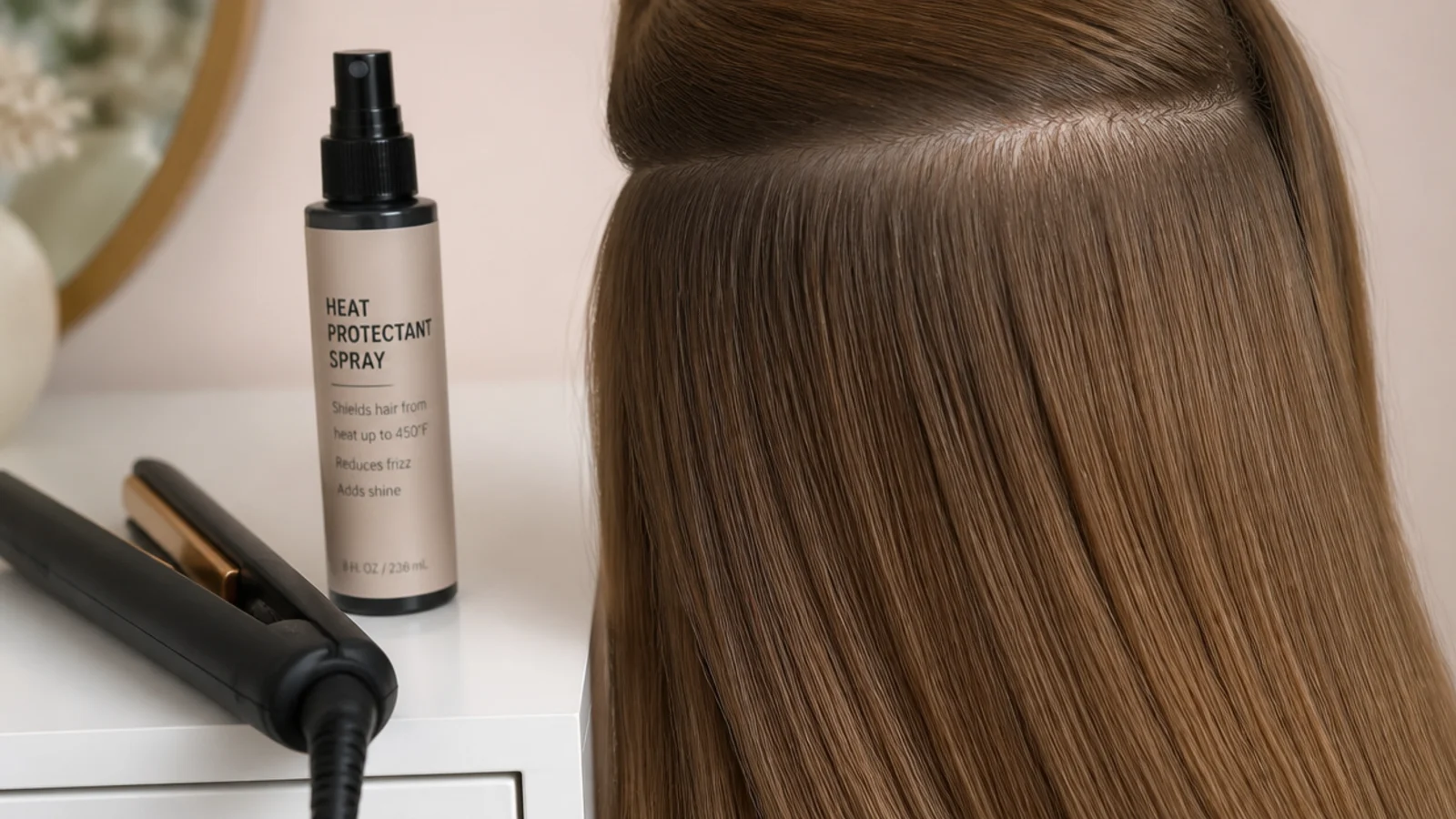
Damage from heat accumulates by the number of exposures, not by the worst single session, and long hair needs several passes per session simply to cover the length. Capping the temperature around three hundred and fifty Fahrenheit and the frequency at one day a week controls both figures at once.
12. Air Dry
Skipping the dryer removes a heat exposure from every wash, which over a year is the largest single reduction available. The exception is bedtime. Wet hair is swollen and weakest, so sleeping on it means a night of friction at the point where the shaft has least to give.

13. Deep Conditioner
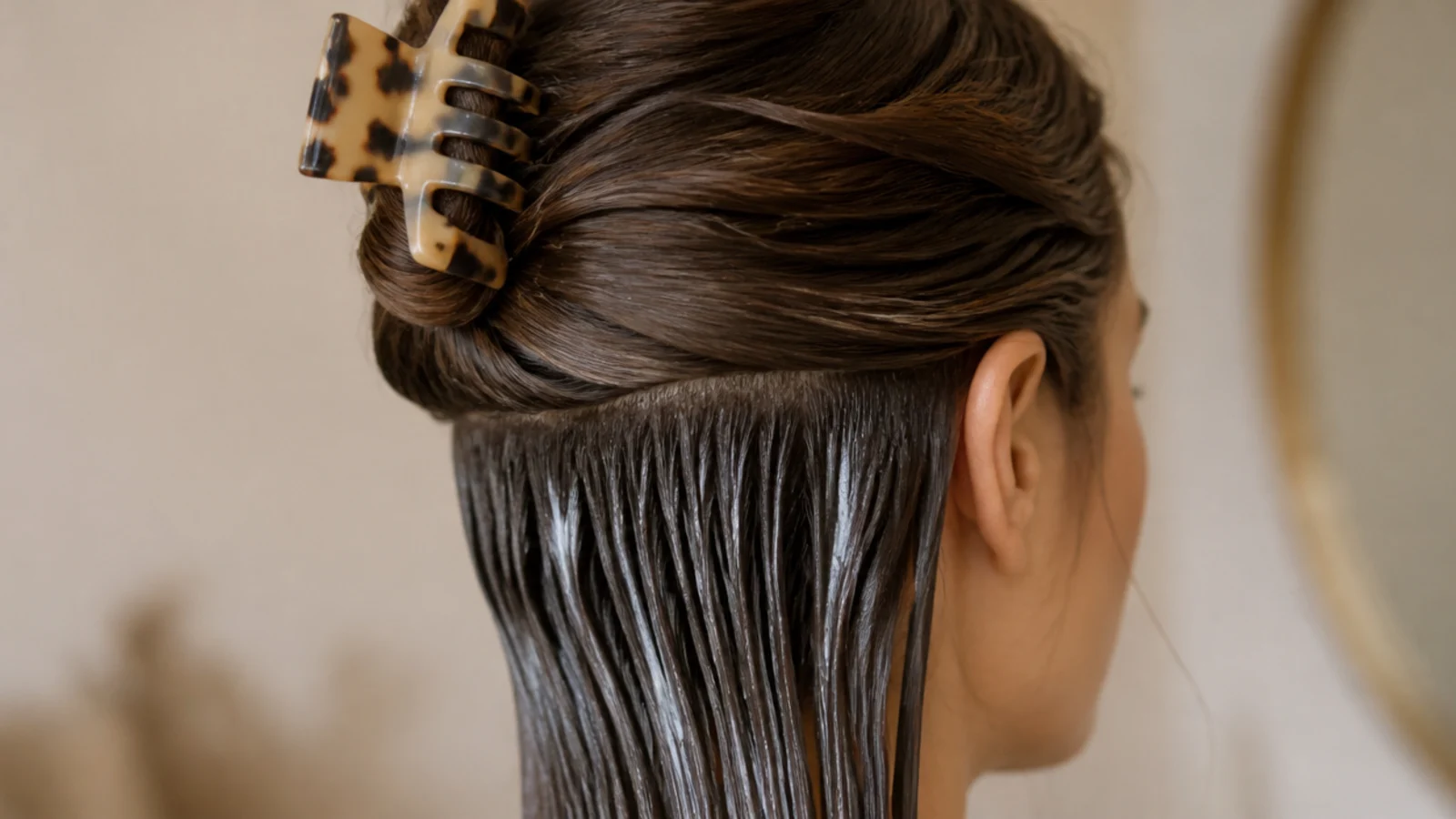
Conditioning agents need warmth and time to travel past the cuticle, which is why twenty minutes under a cap does more than an hour of the same mask applied cold. Put nearly all of it on the bottom third, since those inches are several years older than the roots and have lost most of their original lipid.
14. Protein Treatment
Protein stiffens the shaft, which strengthens hair that has lost structure and ruins hair that has not. Test first by stretching a wet strand, and treat only if it stretches without returning, because protein layered onto hair that already has enough produces brittleness that looks exactly like the damage you were treating.
15. Leave In Conditioner
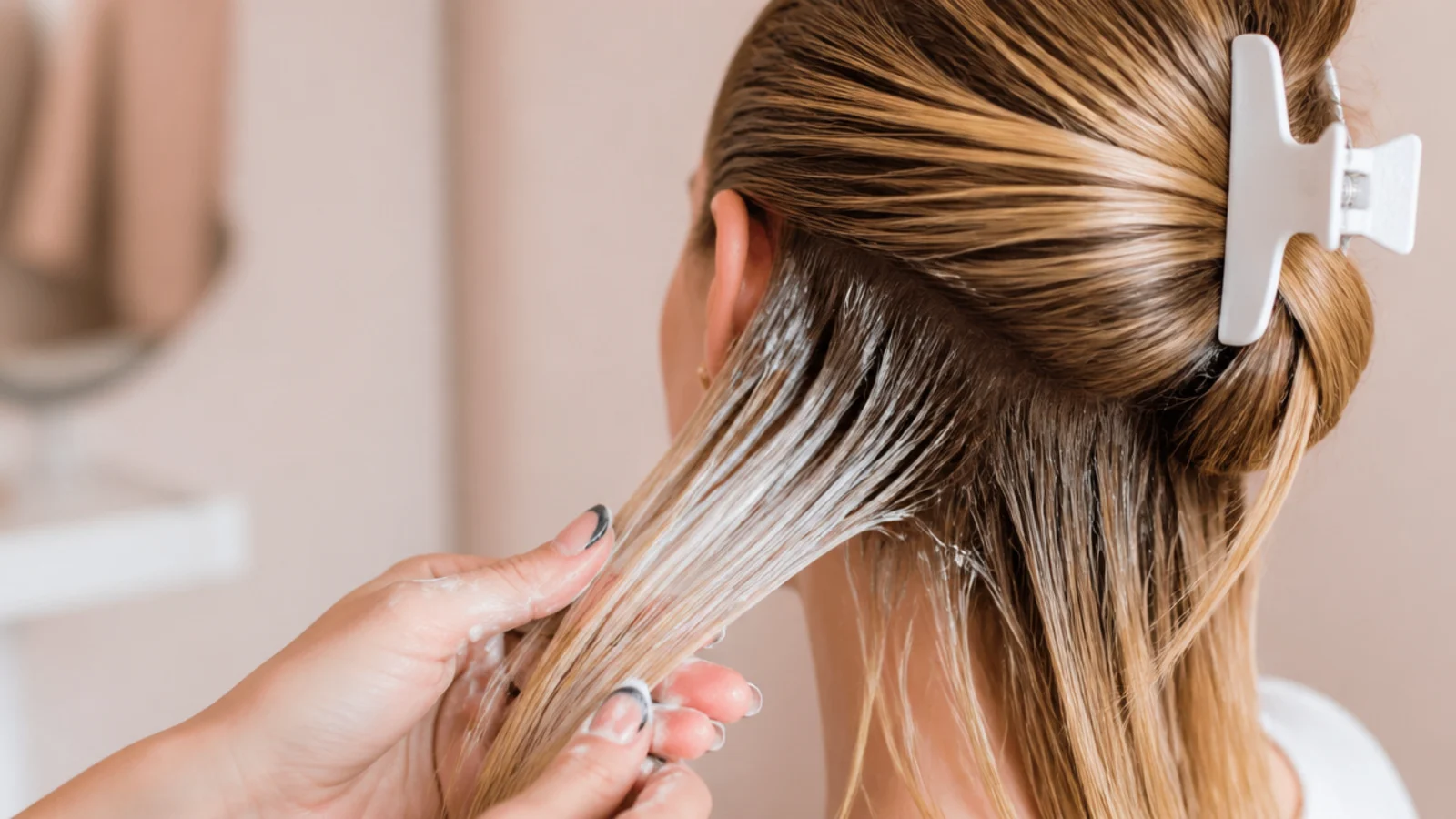
The measurable property of a leave in is slip, which is how much force a comb needs to travel through the hair. Lower friction means fewer strands snapping during the single most damaging thing you do to long hair, and slip is also why detangling wet with product beats detangling dry without.

16. Rosemary Oil
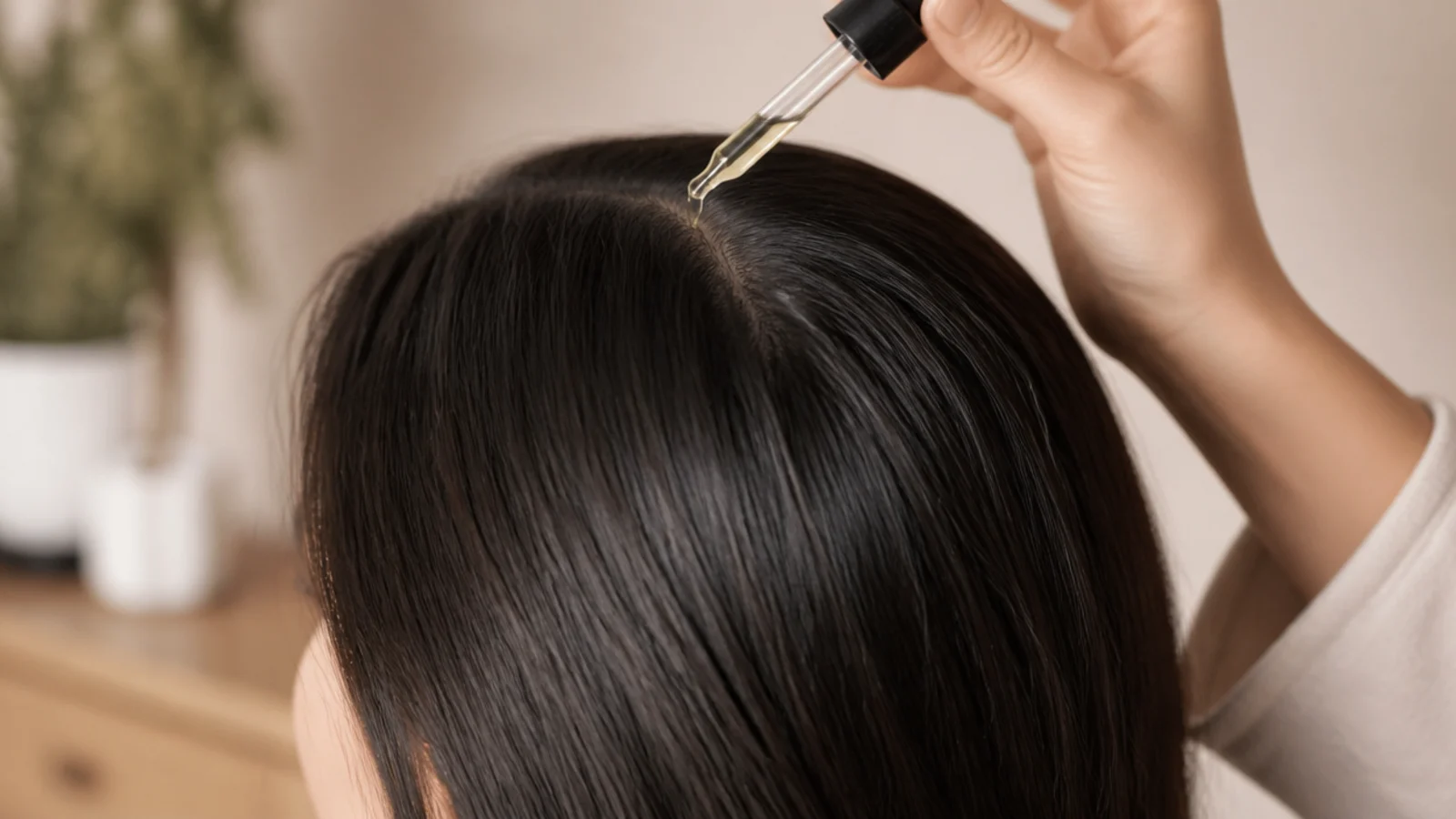
The evidence is one small six month trial finding a diluted preparation comparable to a low strength minoxidil, which is worth taking as the modest result it is. Dilute into a carrier and apply to the scalp only, because neat essential oil irritates skin and oil on the lengths does nothing for growth.
17. Biotin Gummies
Biotin helps hair only where a genuine deficiency exists, and that is rare outside particular medical conditions. It also interferes with common thyroid and cardiac laboratory assays, which can produce a result that sends a doctor in the wrong direction, so mention it before any blood test.

18. Bloodwork
Ferritin reflects stored iron rather than what is circulating, and hair loss frequently appears while a full blood count still reads as normal. Request ferritin, thyroid function and vitamin D by name and ask for the numbers, because a general reassurance that everything is fine is not a result you can act on.

19. A Break Between Protective Styles
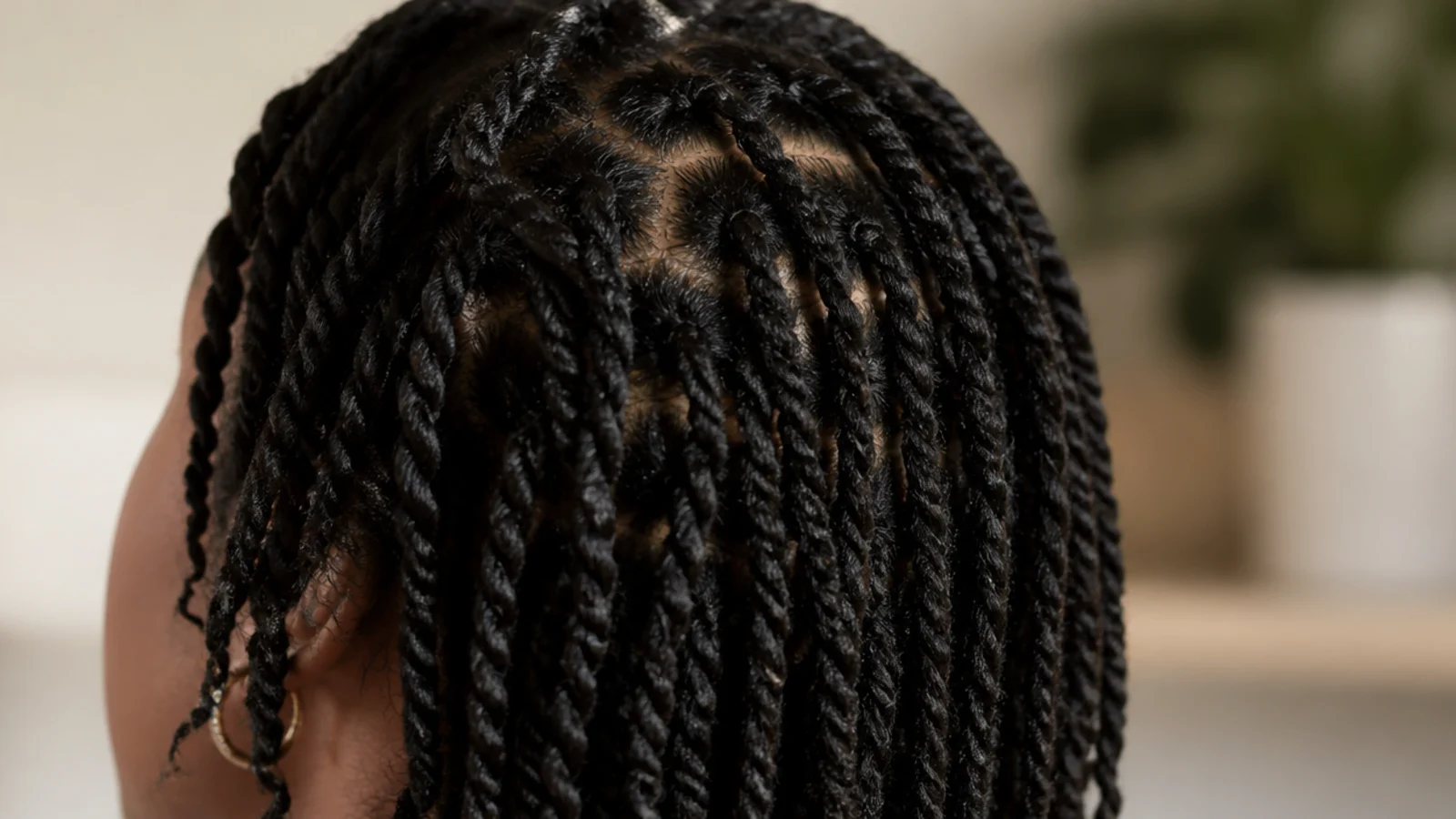
Braids and twists shelter the ends while loading the roots continuously for weeks, and the tension does not pause. A week or two of loose wear between installs lets pulled follicles recover, which is the line between protective styling and traction damage arriving one install at a time.
20. Measuring Length
Measure from a fixed point on the head rather than against a shoulder, because posture shifts the shoulder and quietly ruins the comparison. Once a month, hair pulled straight, same tape, same starting point, written down with the date. Half an inch is invisible to a mirror and obvious to a tape.

Final Thoughts
Nothing on this list is trying to make hair grow. The follicle has been producing six inches a year the whole time, and the reason two people on the same routine end up four inches apart is friction, tension and heat spread across four years of the same strand.
Pick the three habits that touch your hair most often — what it sleeps on, how you detangle it and what holds it up — and fix those before you buy anything. When the length is there and you want a shape that does not cost you any of it, 30 gorgeous wolf cuts for long hair with big layers and 25 stunning long mullet styles for thick wavy hair both work with the perimeter rather than against it. More in Hair Care.