25 Stunning Long Mullet Styles For Thick Wavy Hair
On thick wavy hair a long mullet is a weight problem before it is a shape. Twenty five versions, and where each one puts the density so the cut hangs rather than piling into a triangle at the ends.
In this article · 32
- What a Long Mullet Is on Thick Hair
- How to Choose Yours
- The 25 Long Mullet Styles
- 1. Long Layered Mullet With a Soft Disconnection
- 2. Curtain Bang Long Mullet
- 3. Shag Mullet With Ghost Layers
- 4. Long Mullet With a Heavy Fringe
- 5. Long Mullet With a Micro Fringe
- 6. Wolf Cut Mullet Hybrid
- 7. Face Framing Long Mullet
- 8. Long Mullet With Internal Thinning at the Crown
- 9. Blunt Ended Long Mullet
- 10. Long Mullet With Razored Ends
- 11. Middle Part Long Mullet
- 12. Deep Side Part Long Mullet
- 13. Air Dried Wavy Mullet
- 14. Diffused Long Mullet
- 15. Straightened Long Mullet
- 16. Long Mullet With Hidden Undercut Sides
- 17. Long Mullet With a High Weight Line
- 18. Long Mullet With a Low Weight Line
- 19. Collarbone Length Mullet
- 20. Waist Length Mullet
- 21. Long Mullet With Money Piece Highlights
- 22. Colour Melted Long Mullet
- 23. Long Mullet With a Half Up Tie
- 24. Long Mullet Braided Below the Layers
- 25. Long Mullet at Month Three
- Styling and Upkeep
- Mistakes to Avoid
- FAQ
- Final Thoughts
On thick wavy hair a long mullet is a weight problem long before it is a shape, and taking length off the ends makes it worse rather than better.
Thick hair carries its density at the perimeter. Left unlayered, all that mass sits at the ends and the silhouette widens into a triangle no styling can undo.
Waves multiply the effect. Every S bend makes a strand occupy more space sideways, so density and wave together produce the width that the cut has to be built around.
What a Long Mullet Is on Thick Hair
A short crown and a long back, joined not stepped. The crown layer sits above the mass and props it up. If it stands away instead, the cut reads as two haircuts.
Weight comes out of the interior. Removing hair from inside the section leaves the outline intact while the shape underneath collapses closer to the head.
The perimeter stays heavy. A blunt lower edge is what stops the whole thing turning into a shapeless cloud of ends.
The wave decides the layer spacing. Tight waves need layers further apart, because each bend already creates its own separation and stacking layers on top of that produces a pyramid.
How to Choose Yours
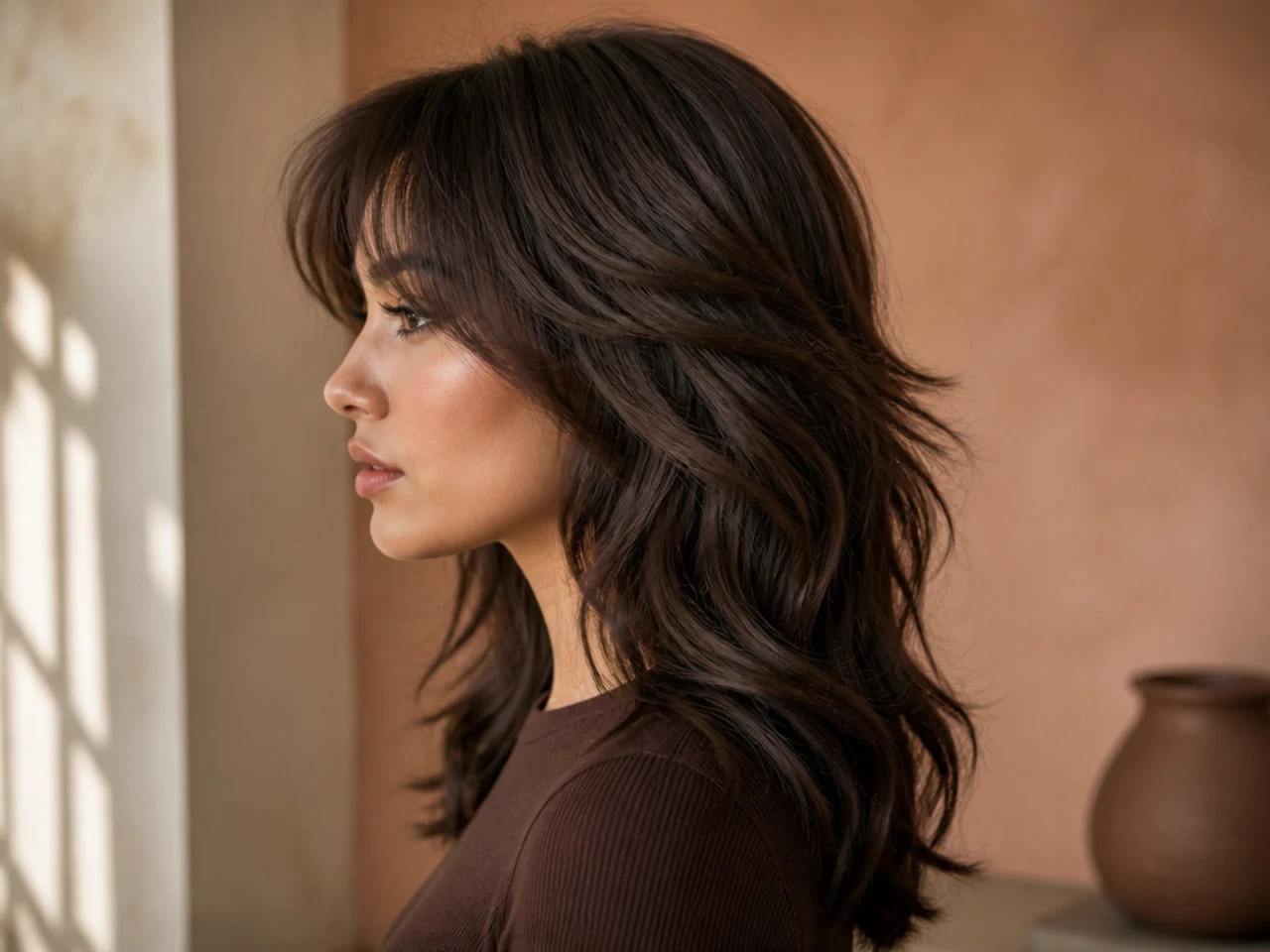
Choose by where your hair is widest. Most thick heads bulge at the ear line. Put the shortest layer above that point and the width drops.
Choose by your wave pattern. Loose waves hold a defined layer edge; tight waves swallow it and need a stronger disconnection to show at all.
Choose by how much drying you will do. Air dried hair keeps its natural bulk, so the cut has to remove more of it than a cut you plan to blow out.
Choose by growing out speed. Hair grows around a centimetre a month, which is roughly how long a crown layer keeps its distance from the length below it.
The 25 Long Mullet Styles
1. Long Layered Mullet With a Soft Disconnection
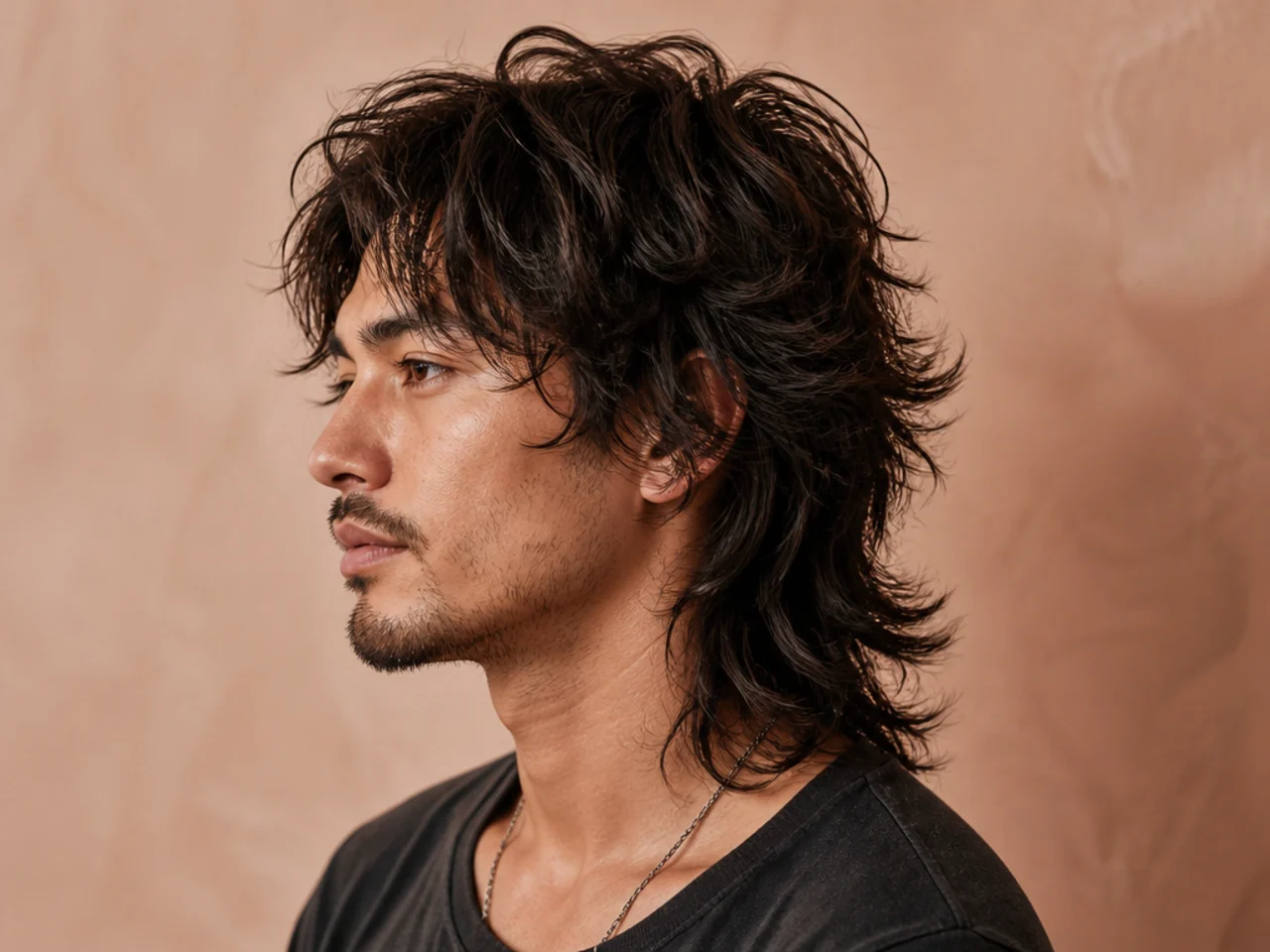
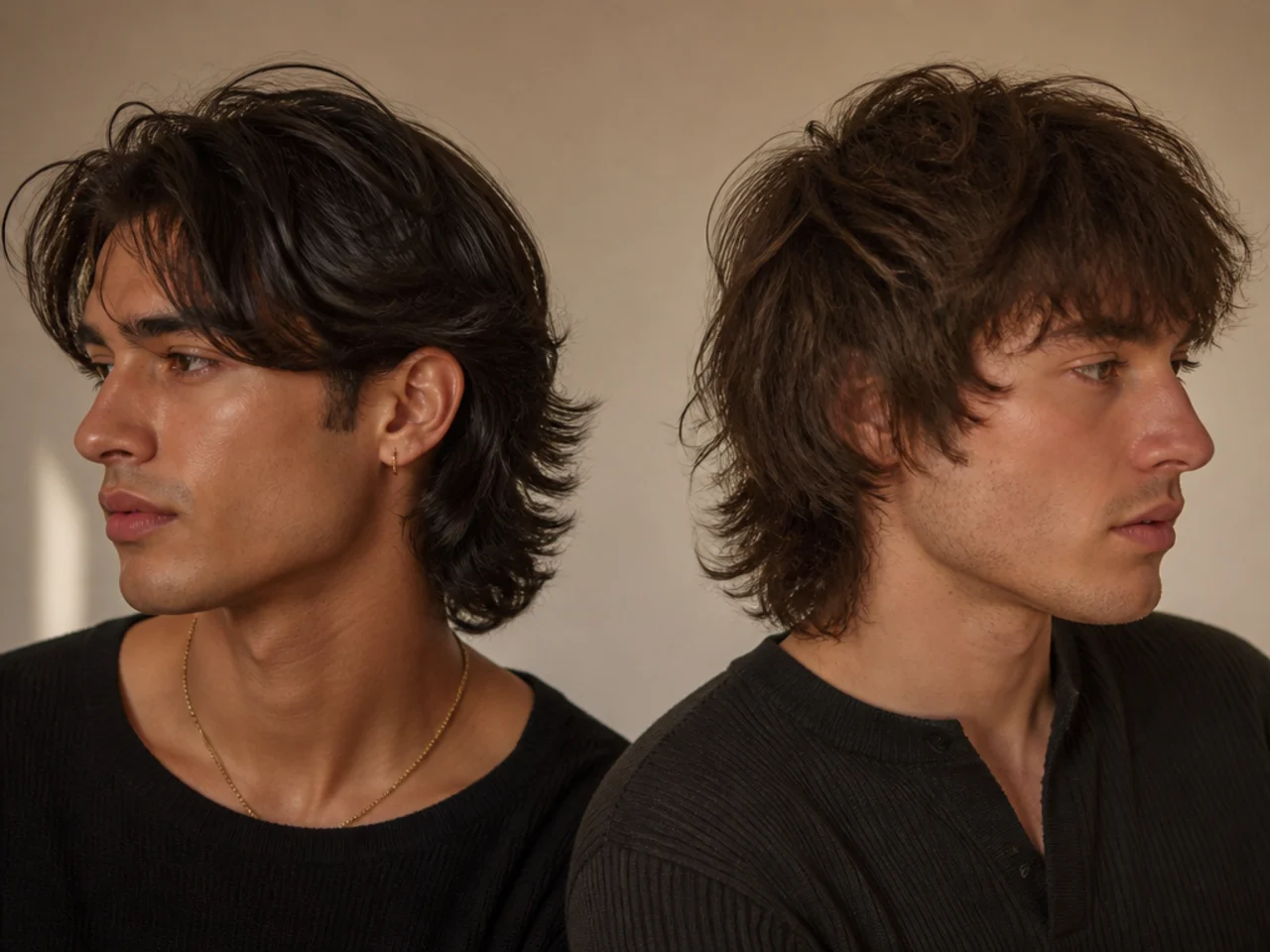
The crown sits clearly shorter than the back, but the two are joined by a run of medium layers rather than a hard step. On thick hair that join is what stops the shorter section perching on top of the mass like a cap.
2. Curtain Bang Long Mullet
The bangs open from a centre point at the cheekbone and run back toward the jaw, which sets the front of the mullet on a diagonal. That slope pulls the eye down the face rather than across it, so it counters the width thick wavy hair puts at the sides.
3. Shag Mullet With Ghost Layers
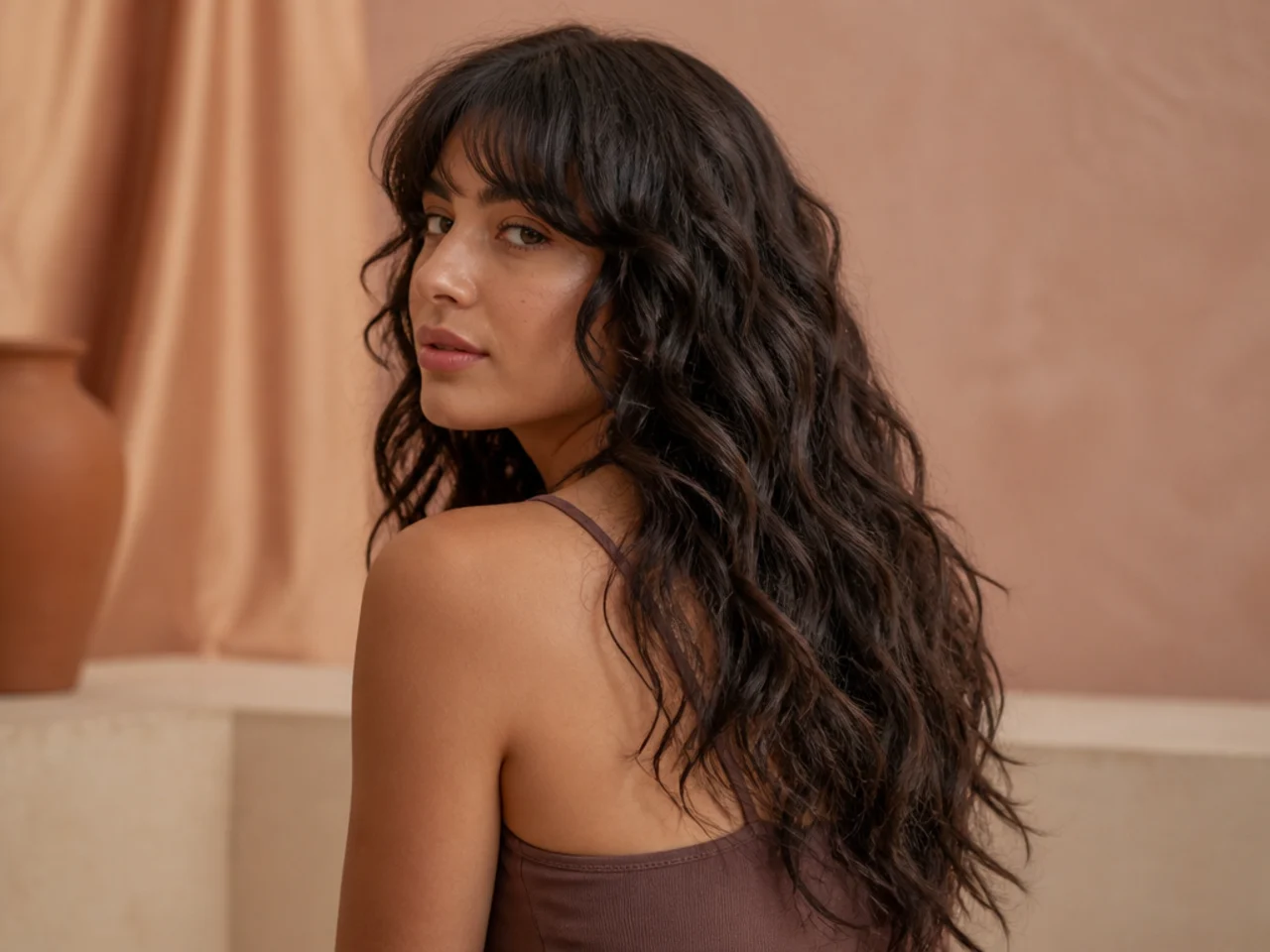
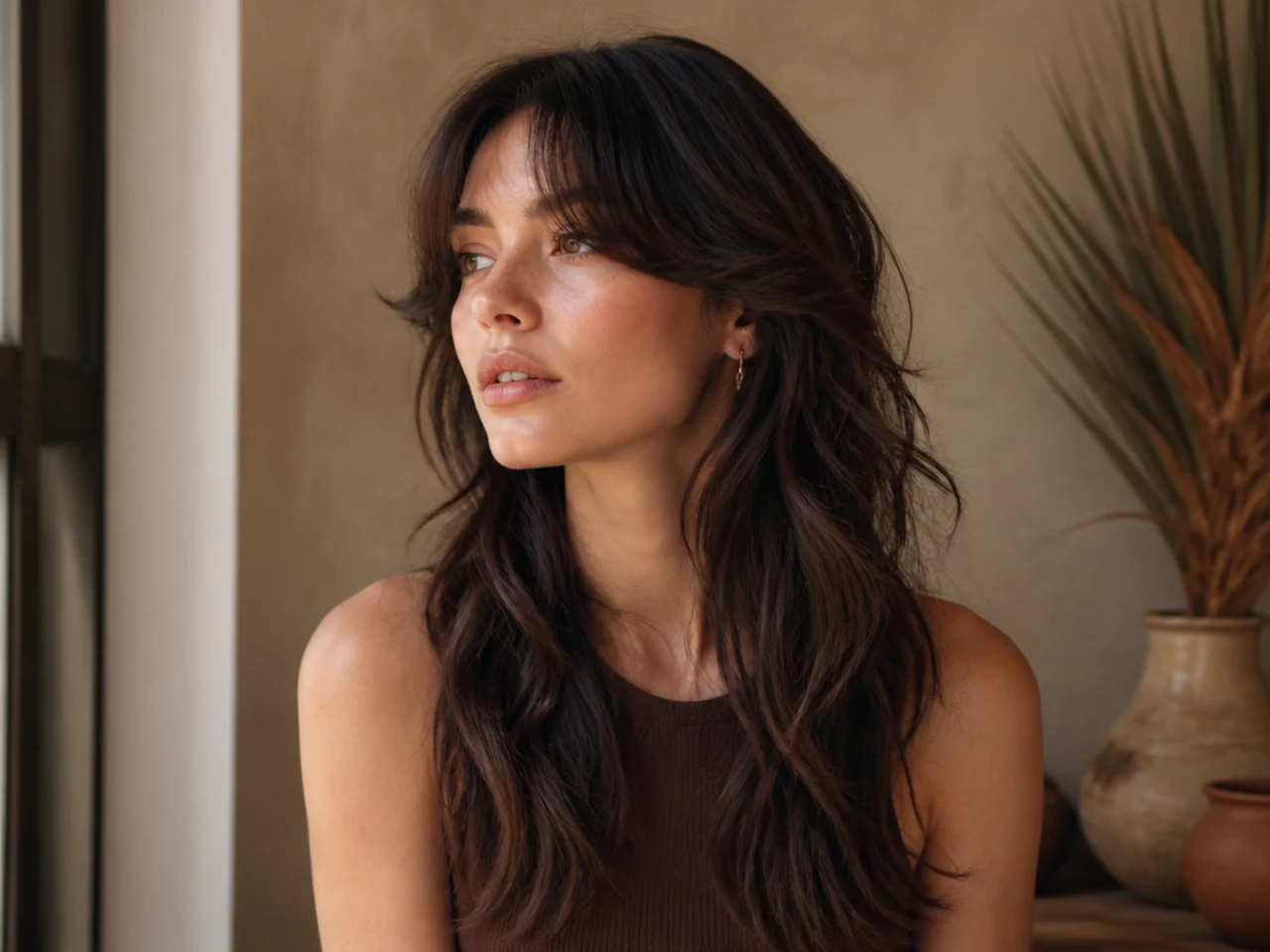
Layers cut inside the section and never allowed to reach the surface. The ends you see stay long and heavy while the bulk underneath is gone, which is the only way to thin a wavy head without producing short frizzy pieces on the top layer.

4. Long Mullet With a Heavy Fringe
A full blunt fringe to the brow with the mullet running long behind it. The fringe takes a real amount of density out of the top section and puts it somewhere useful, which on a thick head is a straight subtraction from the width at the sides.

5. Long Mullet With a Micro Fringe
A short fringe sitting above the brow, cut deliberately shorter than it will dry. Wavy hair recoils as it dries, so a micro fringe cut to the length you want while damp finishes a good two centimetres higher than intended.

6. Wolf Cut Mullet Hybrid
More layers through the crown than a mullet and more length at the back than a shag, covered at length in the long wolf cut. The extra crown layers mean more of the weight comes out high up, so the shape sits closer to the head at the top and flares only at the ends.

7. Face Framing Long Mullet
Two pieces cut short at the front and left long everywhere else. Because they are the shortest hair on the head they dry fastest and hold a bend longest, which is why they keep their shape after the rest of the cut has dropped.
8. Long Mullet With Internal Thinning at the Crown
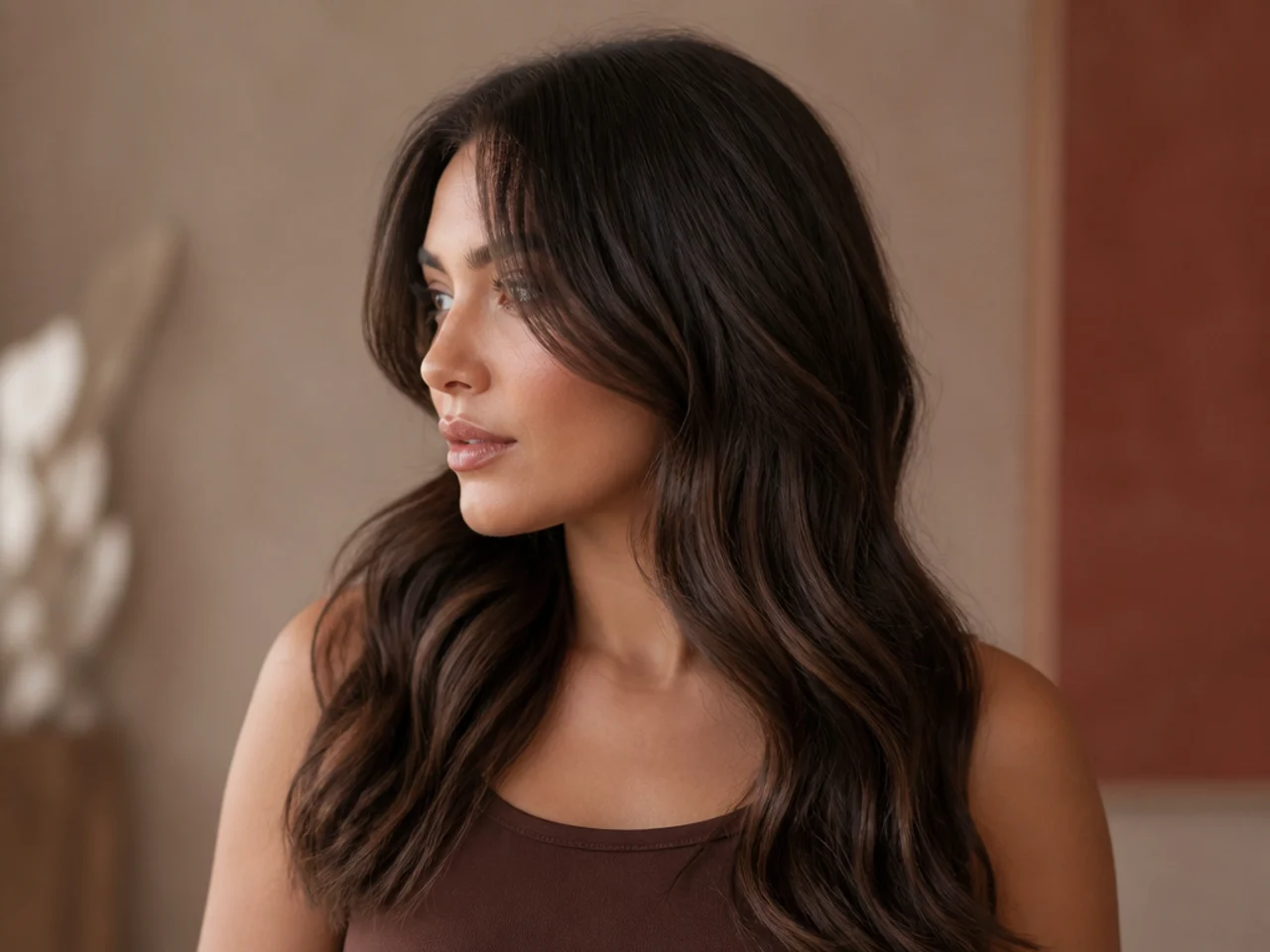
Weight removed from the middle of each crown section with the ends left untouched. The surface still looks solid while the section underneath has lost a third of its mass, so the crown lies down instead of standing off the head in a dome.

9. Blunt Ended Long Mullet
The perimeter cut straight across with no taper at all. On thick hair the blunt line concentrates the remaining density into a single edge, and that visible edge is what gives the eye a boundary instead of a fade into fluff.
10. Long Mullet With Razored Ends
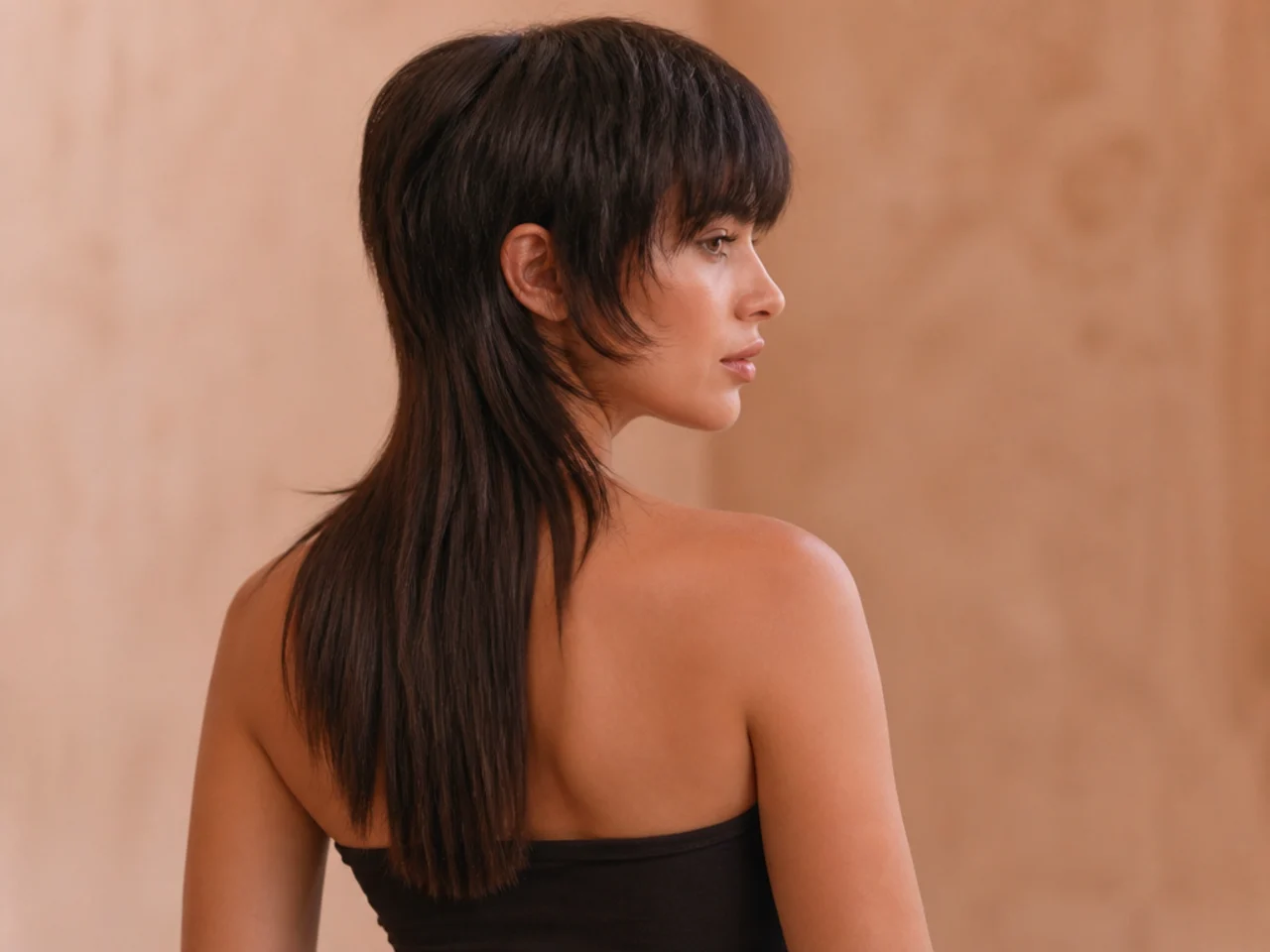
A razor tapers each strand end to a point, so the ends lose mass gradually rather than stopping dead. It has to be a sharp blade on damp hair, because a dull pass frays the cuticle and a frayed end on wavy hair frizzes instead of curving.

11. Middle Part Long Mullet
The centre part splits the crown weight evenly, which suits thick hair because neither side has to carry the whole top section. It also leaves the roots lying in the direction they grow, so there is less lift at the front and less width at the temples.

12. Deep Side Part Long Mullet
Moving the part sends the heavy side across the crown against its growth direction, which lifts those roots. On a thick head that is height you may not want, so it works best when the crown has already been thinned from the inside.

13. Air Dried Wavy Mullet
Product on soaking hair, then hands off entirely until it is dry. Gel and cream hold waves by drying into a film that links neighbouring strands, and touching the hair before that film has set breaks it, which is what turns a wave into frizz.

14. Diffused Long Mullet
Low speed, medium heat, hair cupped in the bowl and lifted to the scalp. Speed is the enemy rather than heat, because fast air blows the wave out of position while it is still wet enough to reset in the wrong shape.
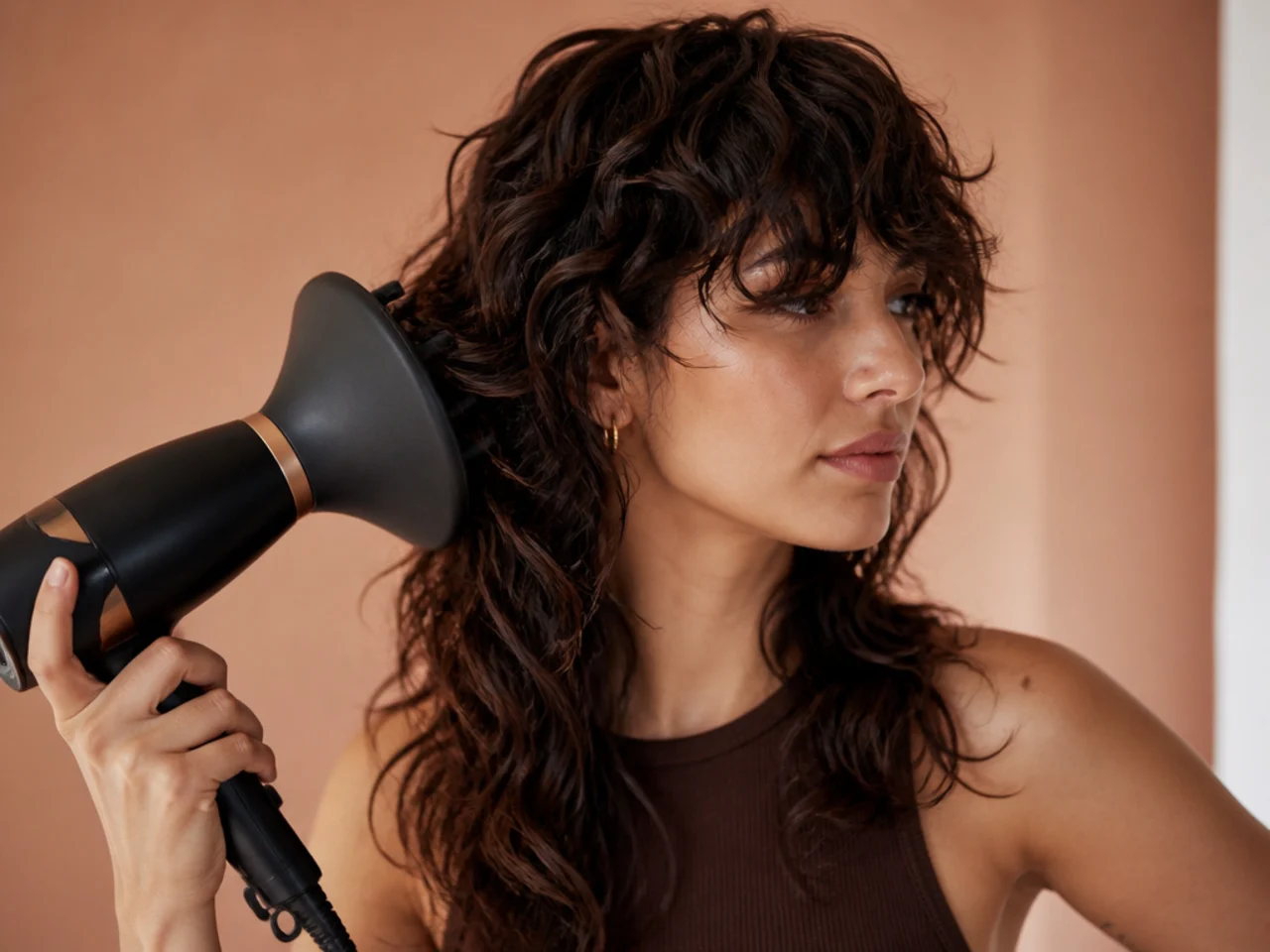
15. Straightened Long Mullet
Straightening reveals the layer structure that waves normally hide, so every uneven step becomes visible. It also drops the silhouette a full length category, since a wave sitting in S bends is measurably shorter than the same strand pulled flat.
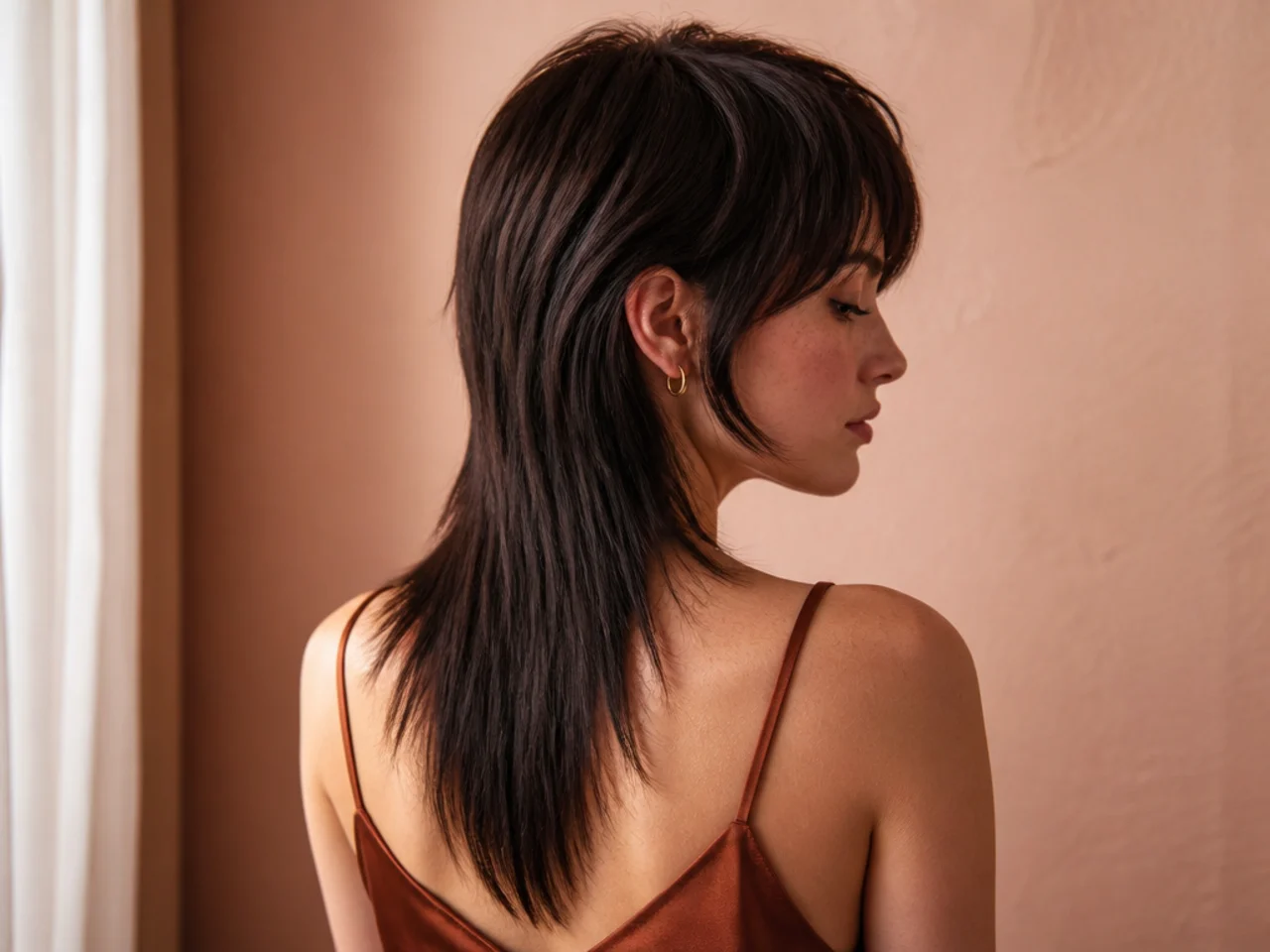
16. Long Mullet With Hidden Undercut Sides
A shaved or clipped panel behind each ear, covered completely by the length. It removes bulk exactly where a thick head is widest, which narrows the silhouette without changing anything you can see when the hair is down.
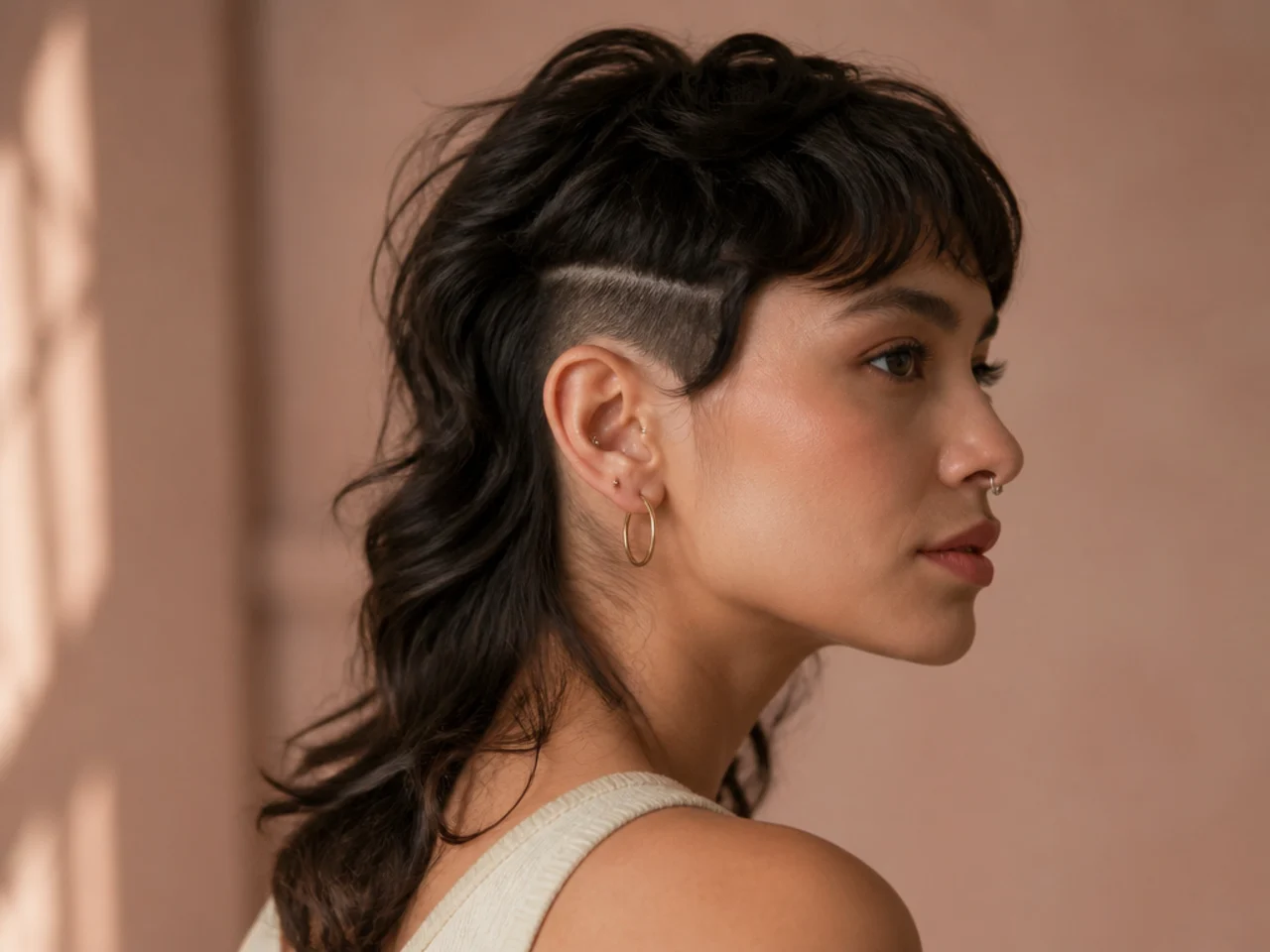
17. Long Mullet With a High Weight Line
The density concentrated near the crown, so the shape reads full at the top and tapers down. It suits a long face because the widest point sits high, but it needs a genuinely thick head to support it or the ends look thin by comparison.

18. Long Mullet With a Low Weight Line
The mass kept down near the perimeter with only the crown layered. On thick wavy hair this is the safer choice, since the weight at the bottom pulls the whole shape downward and stops it widening at the ears.

19. Collarbone Length Mullet
The shortest version that still counts as long, and the easiest weight to carry. At this length the mass sits above the shoulder line, so nothing is being pushed out of shape by the fabric it rests on.

20. Waist Length Mullet
Maximum contrast between the crown and the back, and maximum weight. Length below the shoulder blades pulls the wave pattern longer and looser, so hair that curls tightly at the ear can look almost straight by the waist.
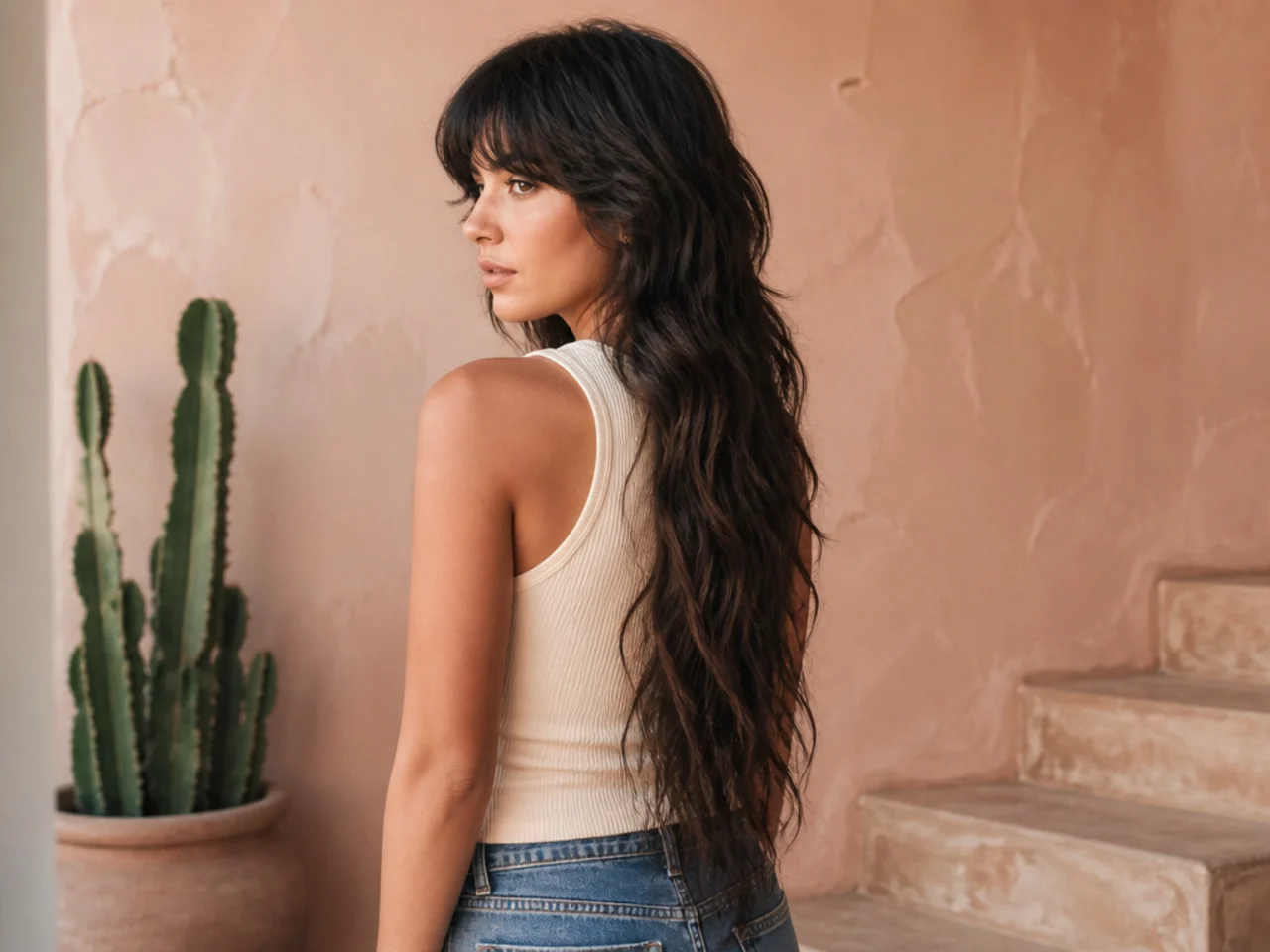
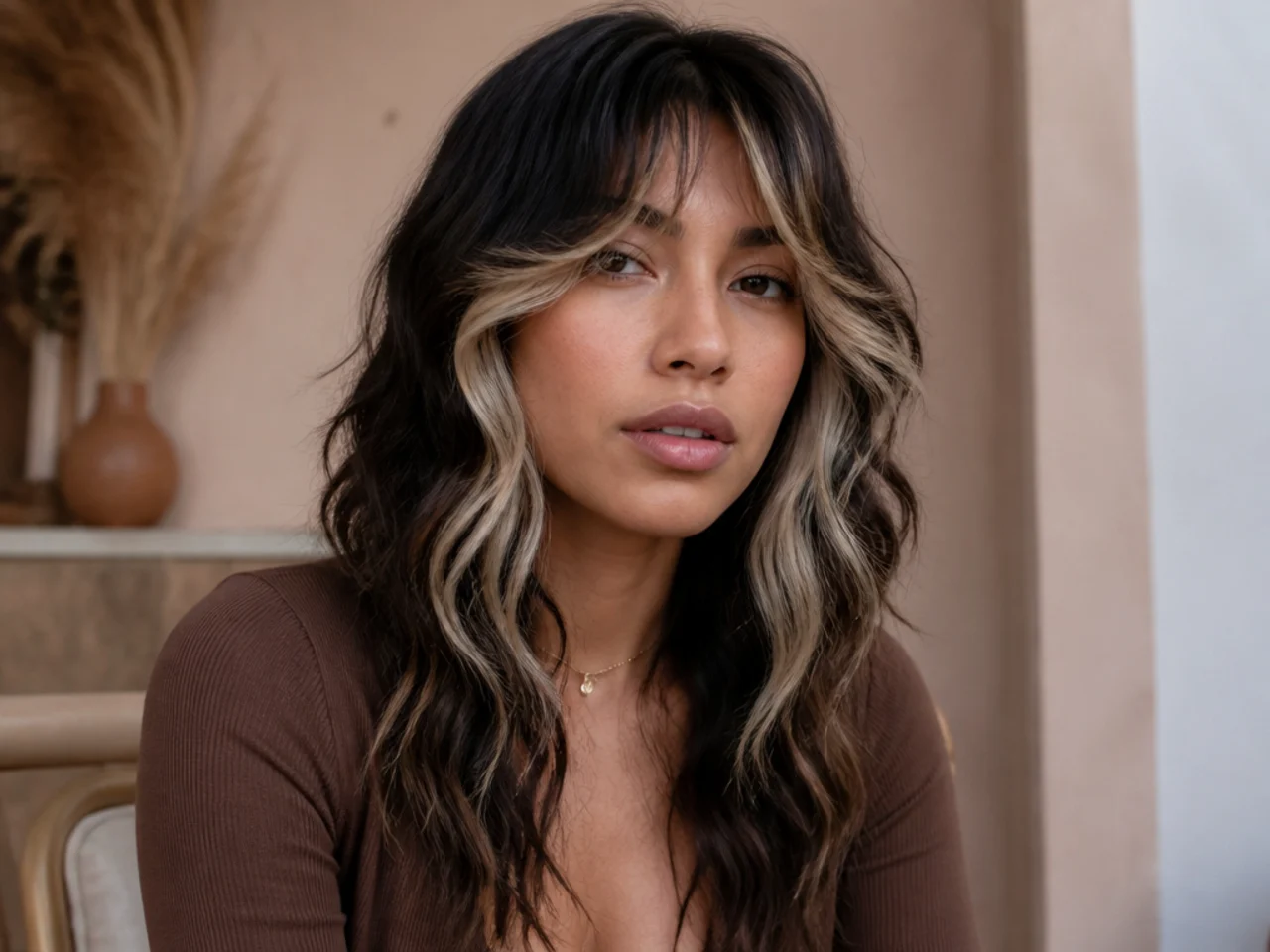
21. Long Mullet With Money Piece Highlights
Two lightened sections at the front of the part. Lighter hair reflects more light and comes forward visually, so the brightness pulls attention to the face and away from the width at the sides.
22. Colour Melted Long Mullet
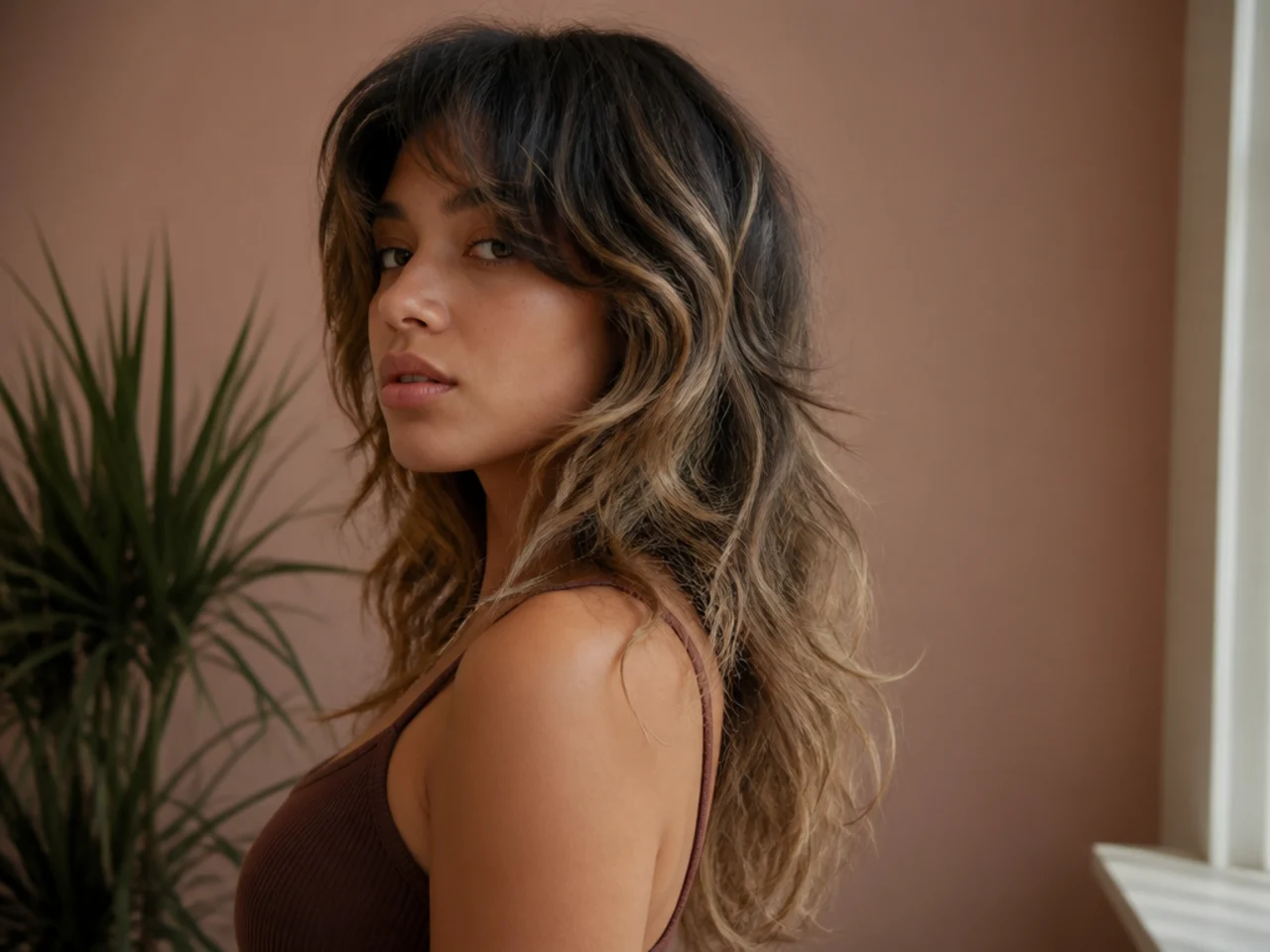
The darker root blended into lighter ends with no visible boundary. A hard colour line across a mullet lands somewhere along the layers and draws a horizontal exactly where you were trying to hide one, which is why the melt matters more here than on a one length cut.
23. Long Mullet With a Half Up Tie
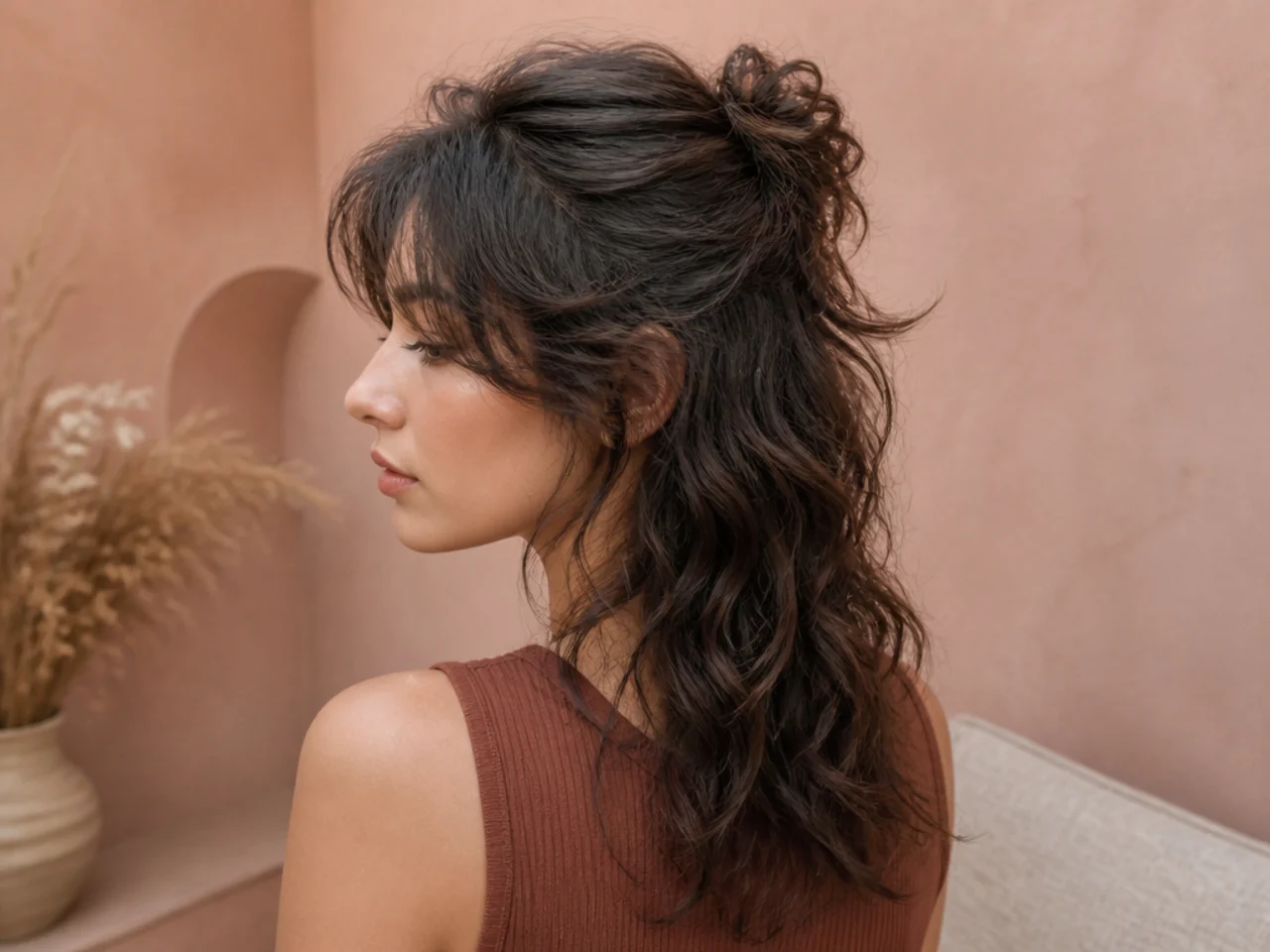
The crown gathered and tied with the length left hanging. It lifts the shortest layers clear of the mass, which is useful on day three when the crown has flattened but the ends are still holding their pattern.
24. Long Mullet Braided Below the Layers
A braid started below the shortest layers so the crown pieces stay free. Starting higher pulls those short layers halfway into the braid and they escape within an hour, leaving loose ends standing out along its whole length.

25. Long Mullet at Month Three
The crown layer has grown roughly three centimetres and is now nearly touching the length below it. The disconnection is gone and the shape reads as long layered hair, which is the point at which the cut needs the crown taken back up rather than the ends trimmed.

Styling and Upkeep
Apply product to soaking hair, not damp. Water spreads the film evenly across the strands. On damp hair it lands in patches and dries as clumps.
Dry the crown and leave the ends. The crown is what flattens overnight, and the ends hold their pattern with no help.
Trim the crown before the perimeter. The crown is the shape; the perimeter is the weight that holds it down.
Sleep with the length out of the way. Thick hair pressed under a shoulder all night sets a bend that no product will remove in the morning.
Refresh with water, not more product. Wetting a wave reopens the bonds so it can reform. Adding cream to a dry wave just coats a shape that has already dropped.

Mistakes to Avoid
Thinning shears on the ends. They cut hair to random short lengths, and on wavy hair every one of those short pieces stands up as frizz.
Layering a wavy head too close together. Each wave already creates separation. Stacked layers on top of it build a pyramid.
Cutting the fringe damp. Wavy hair recoils as it dries, and a fringe measured wet lands one to two centimetres higher than planned.
Brushing it dry. A brush separates every strand from the wave group it belongs to, and the pattern will not reform without water.
Trimming the ends to fix width. The width is coming from the interior, so removing length narrows nothing and shortens the shape.

FAQ
Does a mullet suit thick hair? Yes, provided the weight comes out of the interior rather than the ends.
Where does the shortest layer sit? On the crown, ending between the cheekbone and the jaw.
Razor or shears? Shears for safety. A razor is better on ends but needs a sharp blade and damp hair.
Final Thoughts
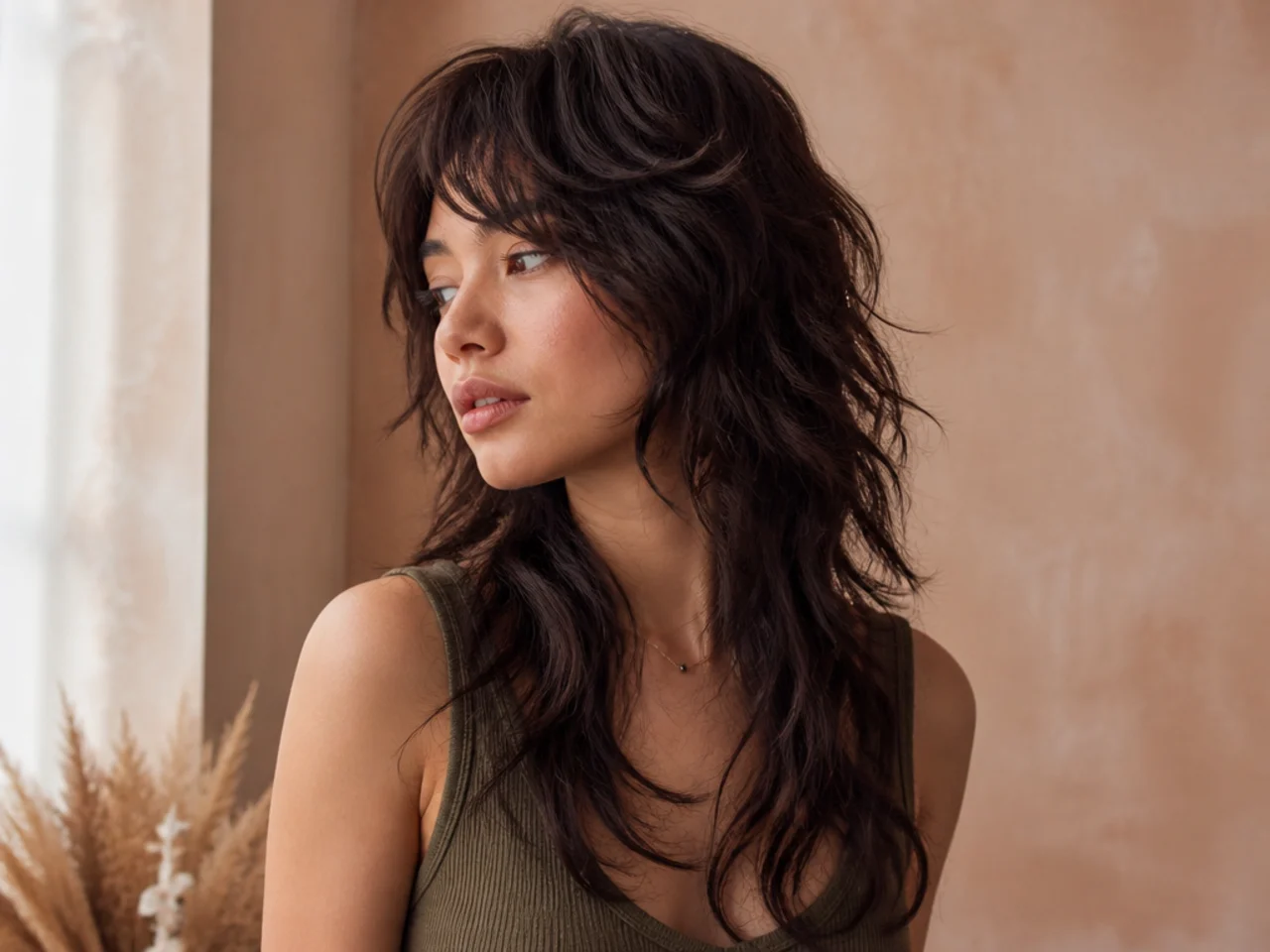
On thick wavy hair every one of these variations is the same decision made in a different place: where the weight comes out. Take it from inside and the cut hangs. Take it off the ends and the width stays exactly where it was.
For the layered version with more crown work see the long wolf cut, and for the front section on its own see curtain bangs for long hair. More in Mullet and Wolf Cut.