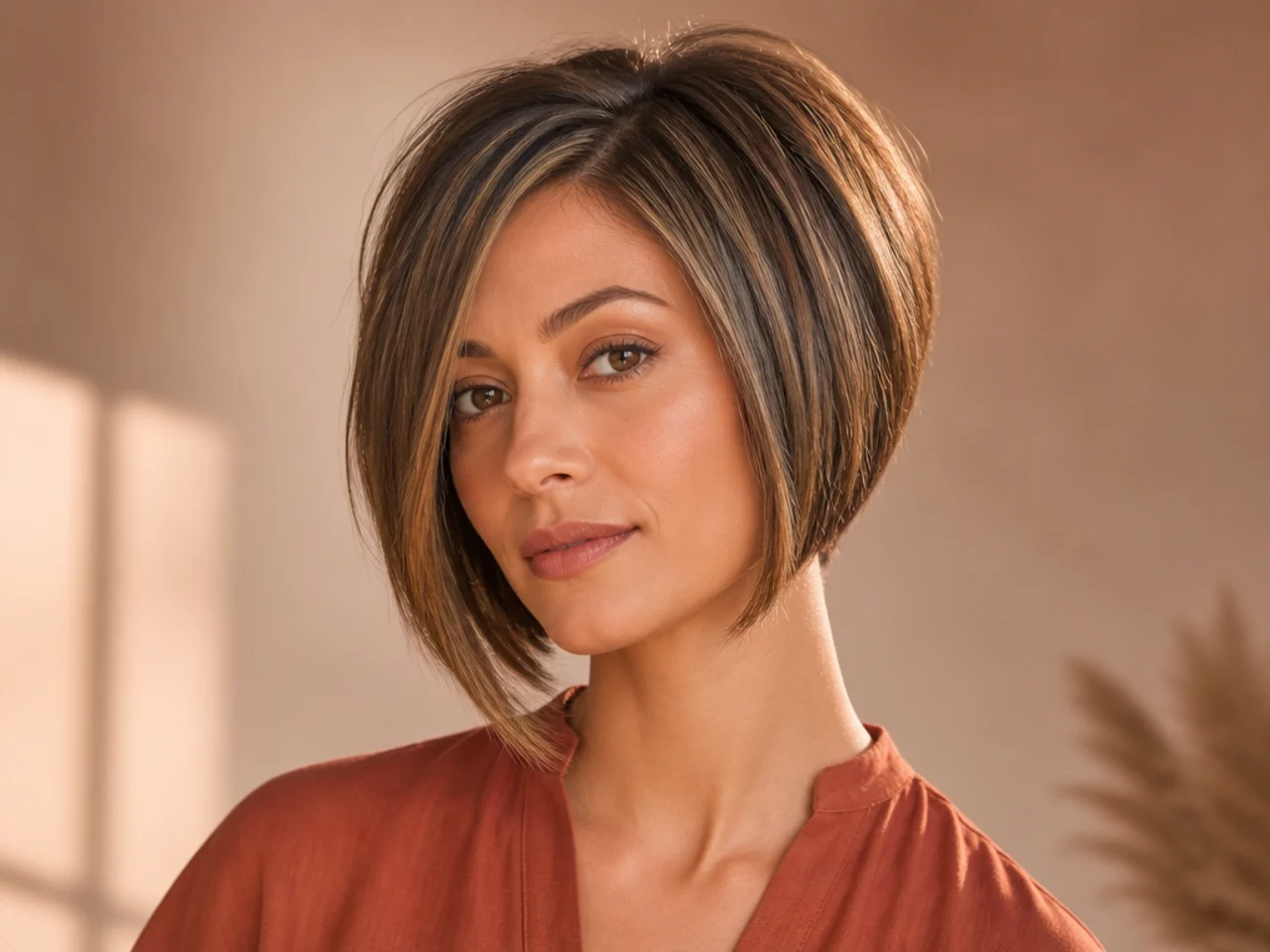
What Is “Karen Haircut”? Origins, Variations & Styles
The term “Karen haircut” is widely used online to describe a specific short-to-medium layered hairstyle that became recognizable through internet culture and memes. While the
In this article · 39
- What Is a “Karen Haircut”?
- Common Characteristics Often Mentioned
- Origin of the Term “Karen Haircut”
- Hairstyle Trends Before the Internet Label
- How Internet Culture Popularized the Phrase
- Why Did the “Karen Haircut” Become a Meme?
- Visual Recognition
- Internet Shorthand
- Ethical Considerations
- Common Variations of the “Karen Haircut”
- 1\. Stacked Angled Bob
- 2\. Inverted Bob
- 3\. Asymmetrical Bob
- 4\. Layered Short Bob
- 5\. Graduated Bob
- 6\. Highlighted Angled Bob
- 7\. Feathered Short Cut
- 8\. Choppy Layered Bob
- 9\. Tapered Back Bob
- 10\. Side-Swept Bang Bob
- 11\. Volumized Crown Bob
- 12\. Two-Tone Angled Bob
- Alternatives to the Karen Haircut
- French Bob
- Italian Bob
- Shaggy Lob
- Lob with Curtain Bangs
- Smooth, Rounded Pixie
- Curly Pixie
- Is the “Karen Haircut” Still Popular Today?
- Hairstyles as Cultural Symbols
- How to Talk About Hairstyle Trends Respectfully
- Conclusion
- FAQs
- Is the Karen haircut a real hairstyle?
- What is Karen Haircut?
- Why is it called a Karen haircut?
- Can these haircuts be modernized?
- Expert Perspective on Hairstyling Trends
The karen haircut is a specific silhouette. Not a slur — just internet shorthand for the sharp angled A-line bob that dominated salons in the mid-2000s. Think Kate Gosselin. Chunky highlights. Stacked crown. The shape is real. And when it is cut well, it still works. This guide covers the origin, breaks down twelve variations, and shows you how to modernize the silhouette without losing what makes it striking.
What Is a “Karen Haircut”?
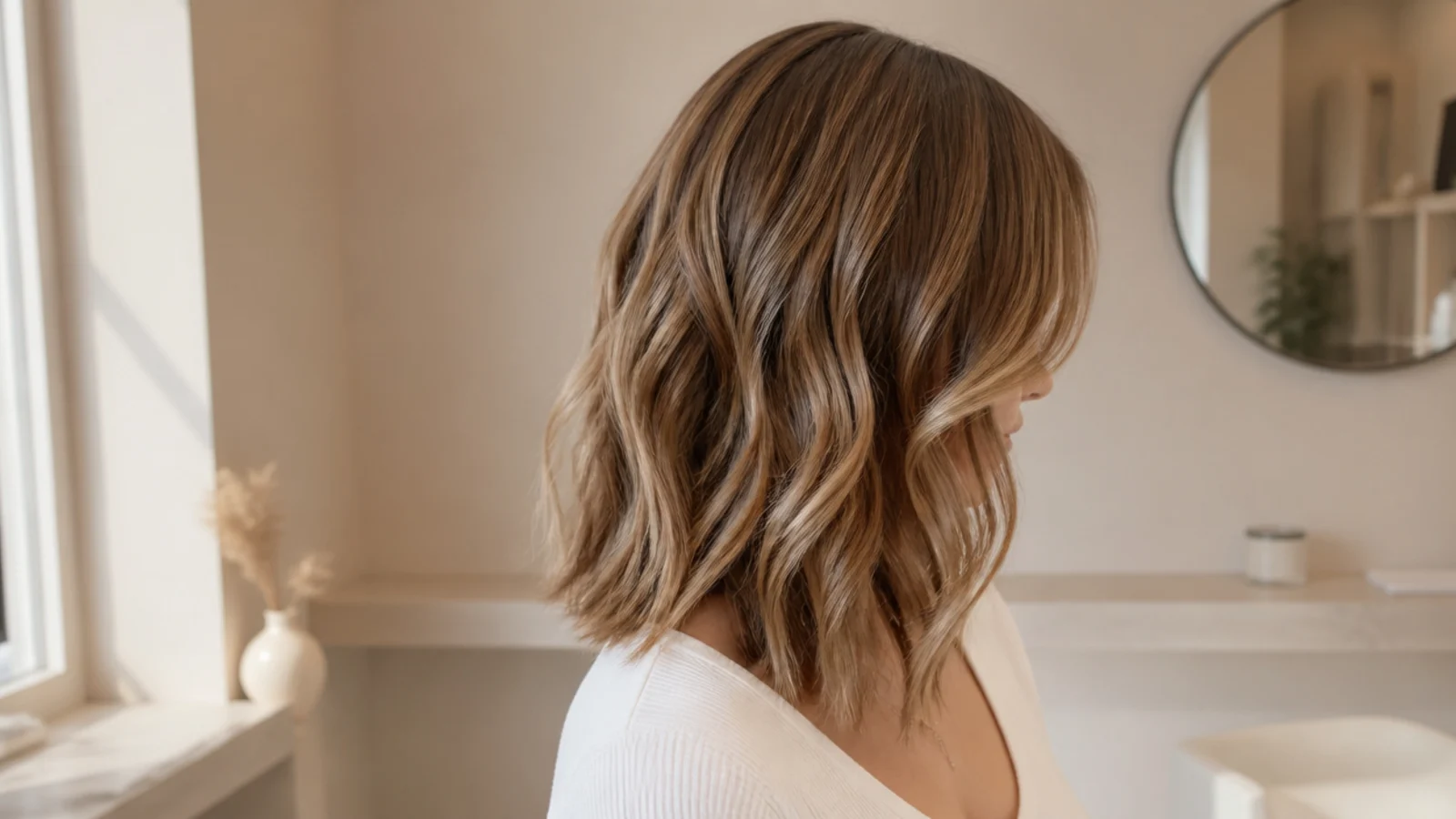
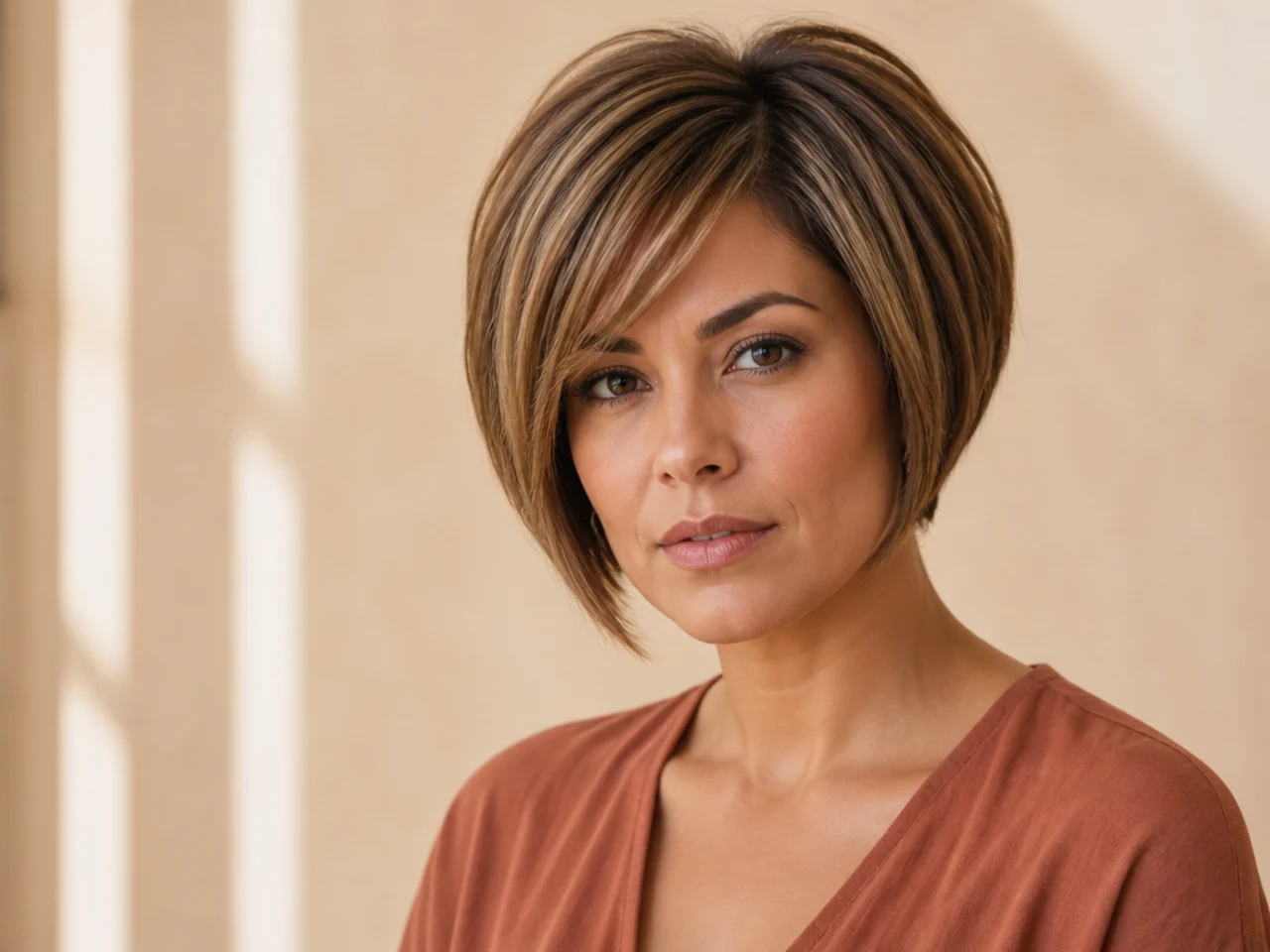
The karen haircut is a short-to-medium bob cut on an angle. Shorter at the back. Longer at the front. The crown carries volume. The nape sits close. That contrast — the stacked back against the sweeping front — is the whole signature.
The name is modern. The shape is not. Stylists have been cutting this silhouette for decades. It hit peak visibility around 2007, when Kate Gosselin wore an extreme version on national television. Salons booked out. The look spread. Then the internet gave it a nickname.
Underneath the meme, the karen cut is an engineering problem. You need clean weight lines at the back. A controlled slope through the sides. A front length that flatters your jawline. Get those three right and the shape reads sharp — not dated. For a wider look at how the karen fits alongside every other short shape, cross-reference our full bob haircut guide.
Common Characteristics Often Mentioned
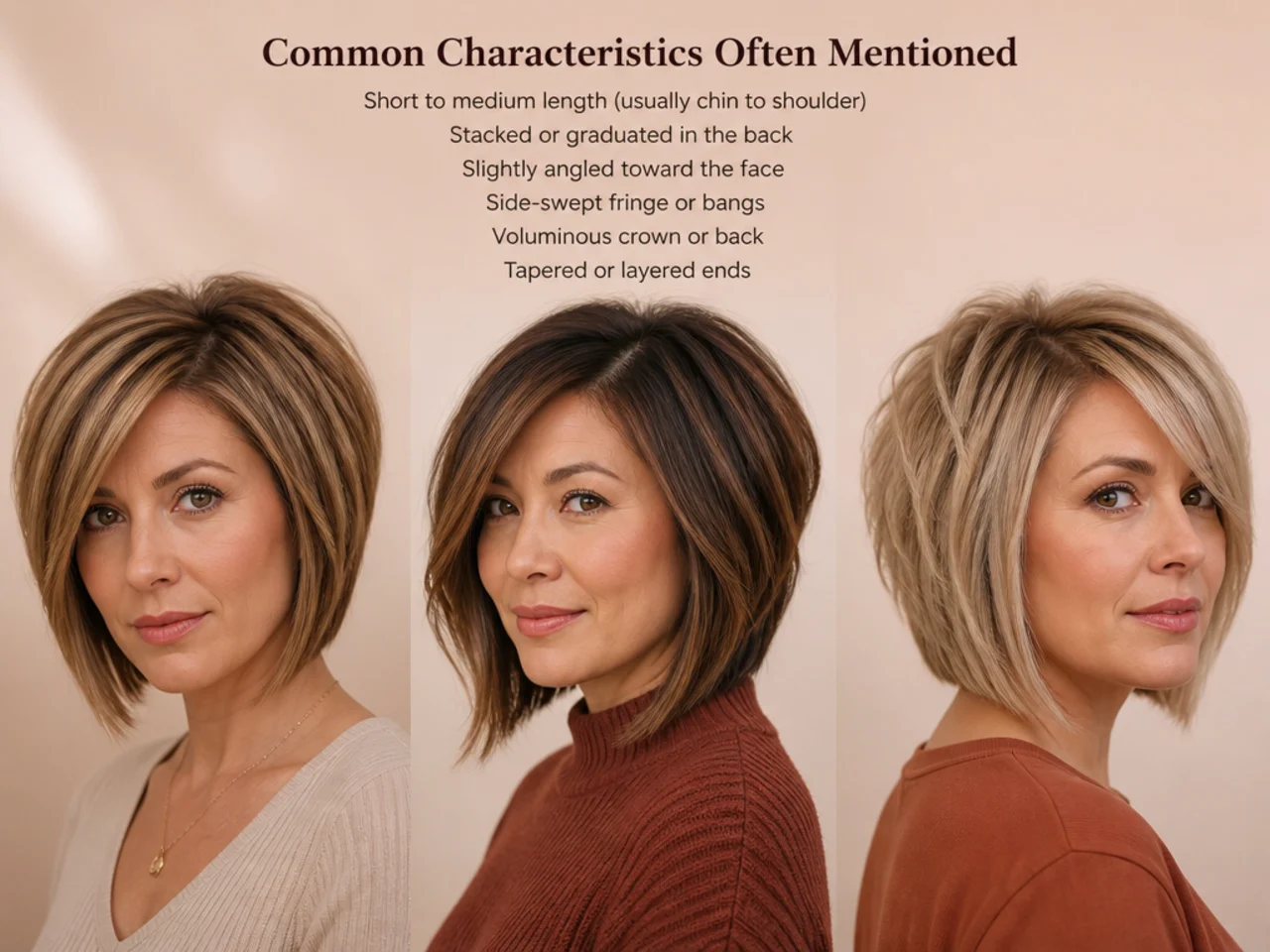
Every karen hairstyle shares five traits:
- Length contrast. Anywhere from one inch to four inches between the back and the front points.
- Stacked back. Graduated layers at the nape build density and lift through the crown.
- Blunt or piecey front. Forward pieces sit past the jaw, cut clean or textured depending on the version.
- Deep side part. The classic wears a hard side part with volume swept over.
- Contrast color. Chunky highlights or a two-tone base amplify the shape.
Skip any two of those and the cut reads as a standard bob. Include all five and it reads as the karen. Everything in between is a modern take.
Origin of the Term “Karen Haircut”
Hairstyle Trends Before the Internet Label
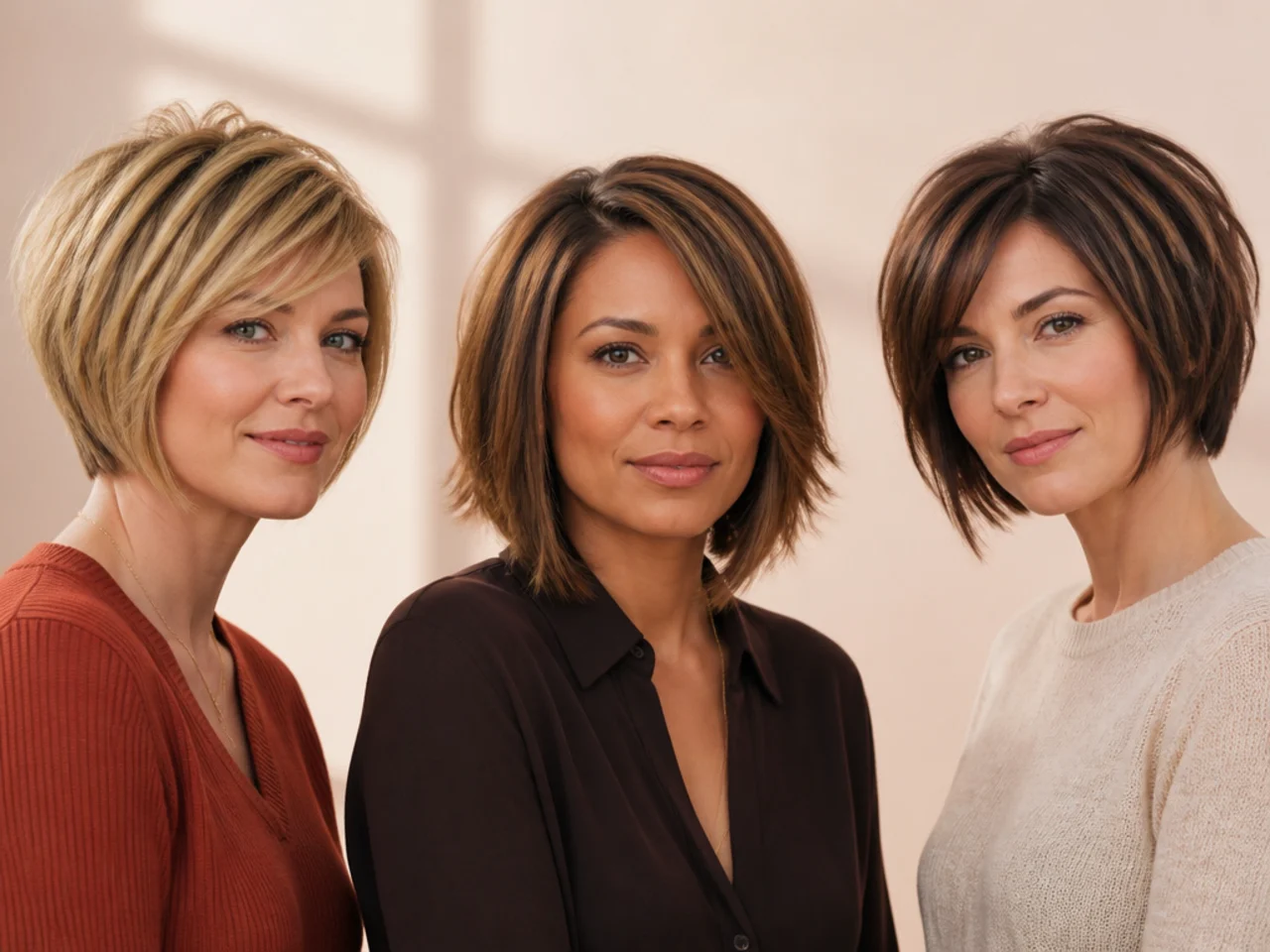
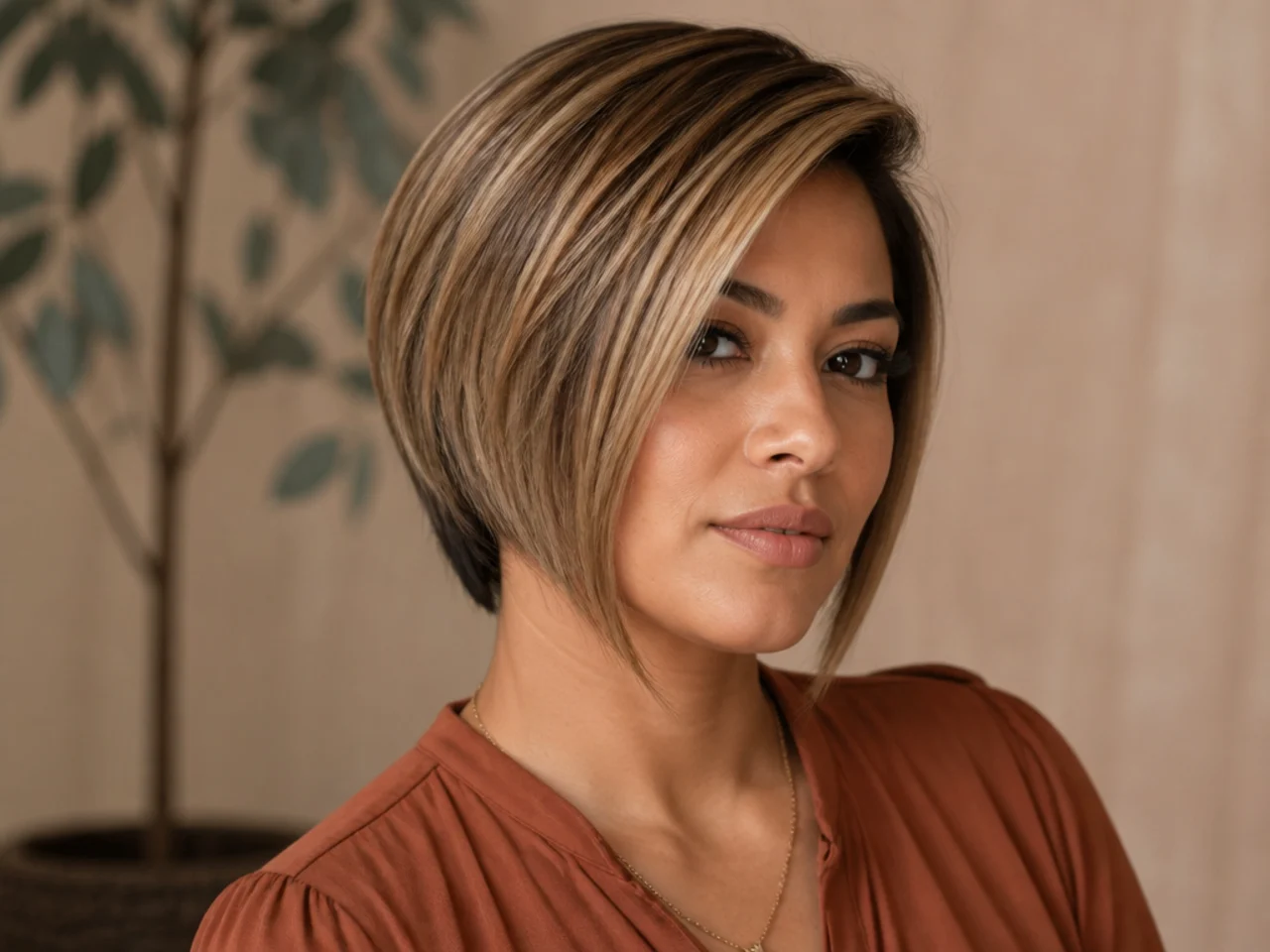
The angled bob predates the meme by decades. Vidal Sassoon defined the modern bob in the 1960s. The stacked variation came out of American salon culture in the 1990s. By 2005, angled bobs were the most-requested short cut in the United States, driven by celebrity magazines and reality TV.
The Kate Gosselin version — extreme back-to-front angle, chunky honey highlights, spiky crown — went mainstream in the late 2009s and early 2010s. Reality TV amplified it. Salon education programs taught it. For a few years, it was the default request from any client who wanted a low-maintenance change without going pixie-short.
How Internet Culture Popularized the Phrase
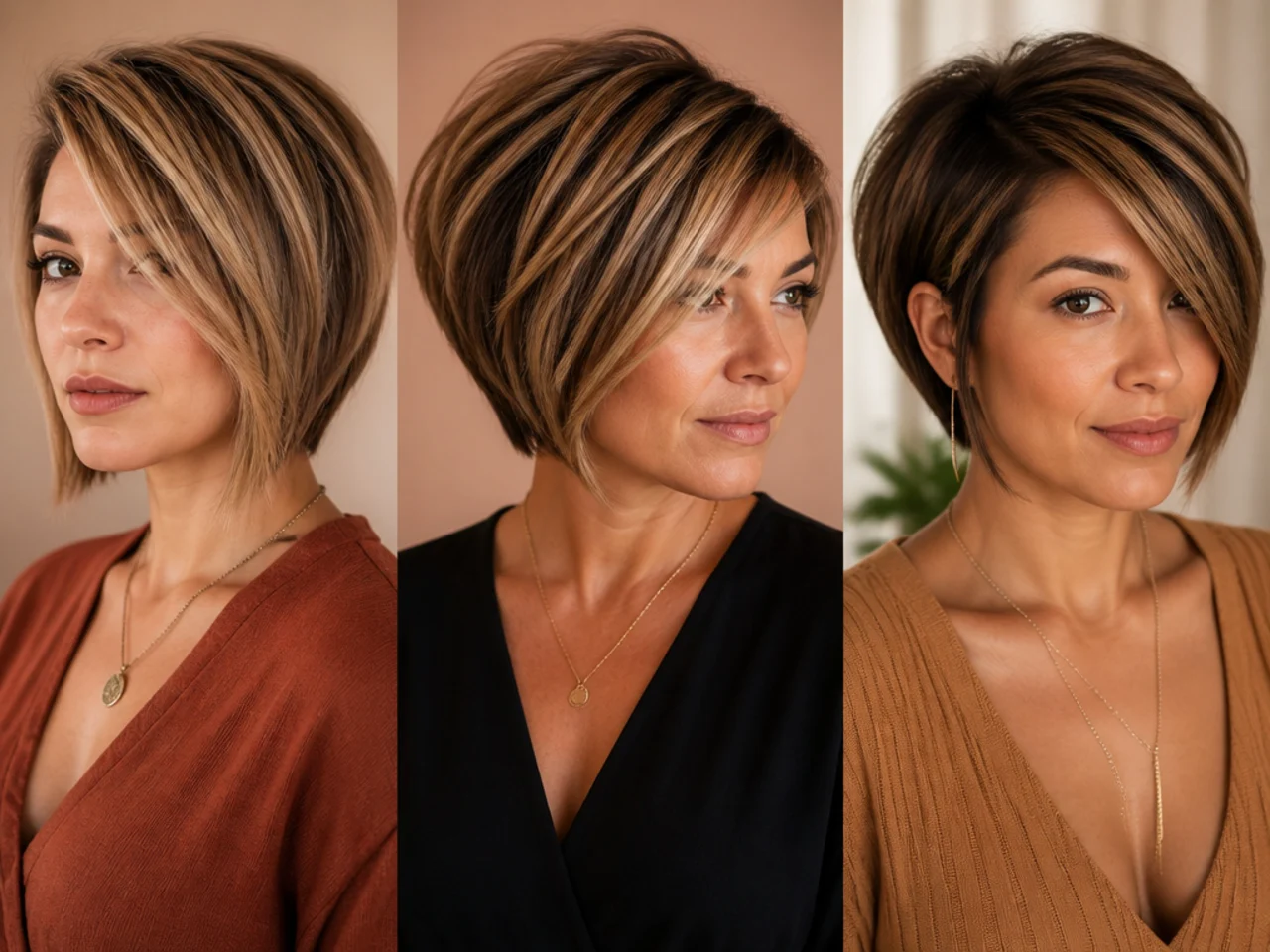
The label came later. Around 2016, the name “Karen” started circulating online as shorthand for a particular archetype. Meme culture attached the archetype to a visual — the same stacked, angled, highlighted bob that had been dominant a decade earlier. TikTok accelerated the association (one viral thread here).
By 2020, most people under thirty recognized the haircut by name. The shape itself did not change. The framing did.
Why Did the “Karen Haircut” Become a Meme?
Visual Recognition
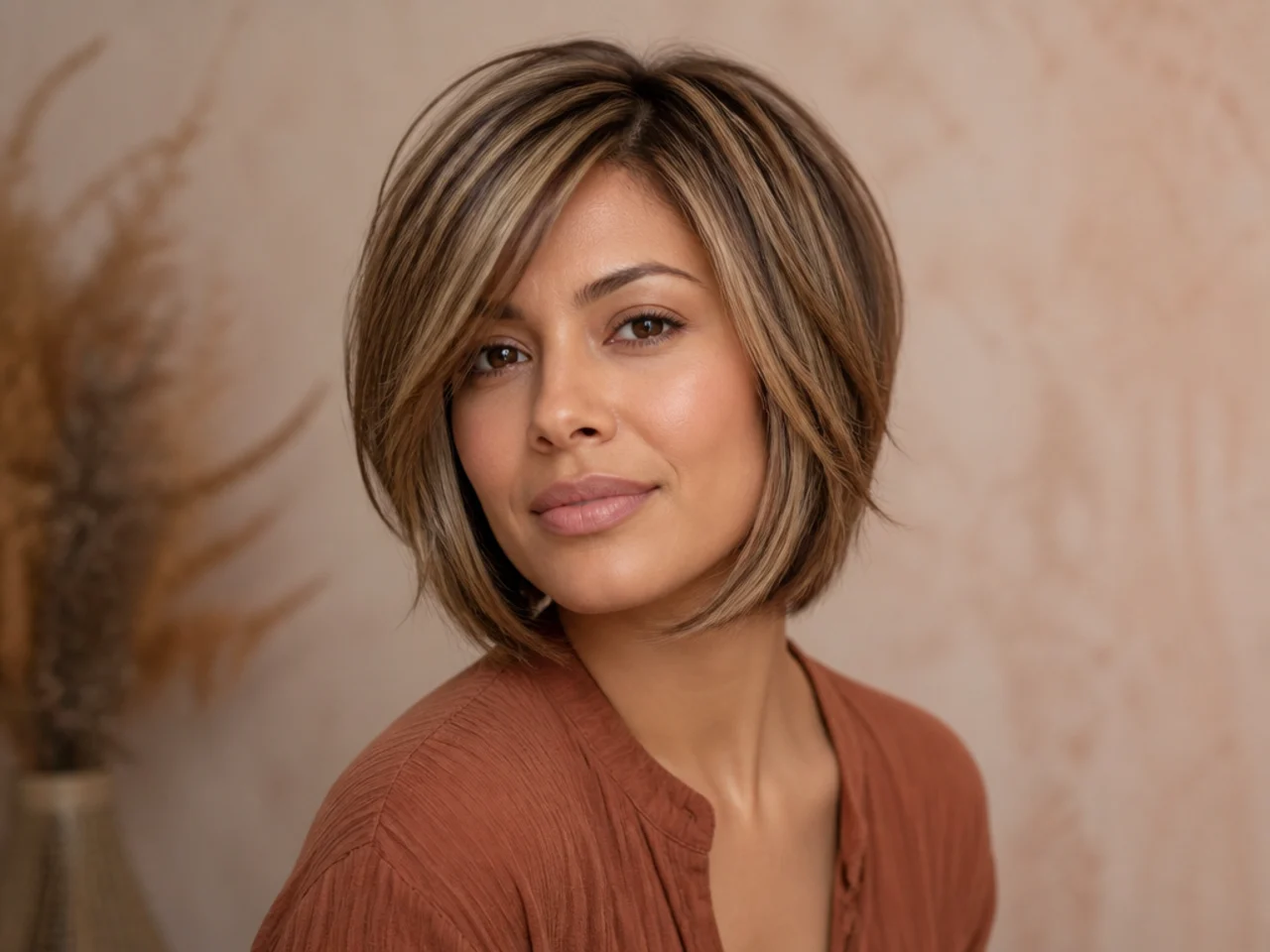
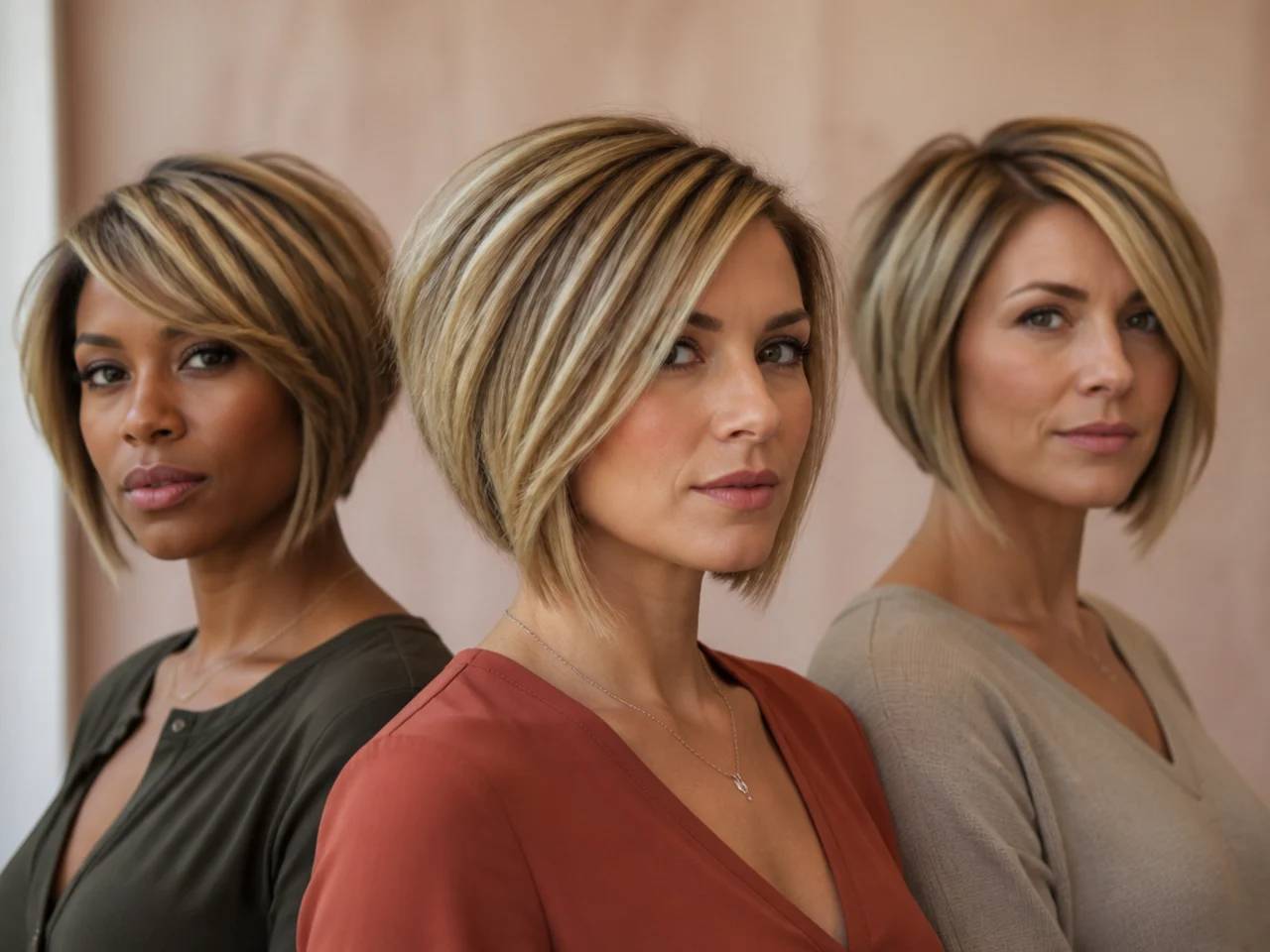
Certain silhouettes photograph well and read the same at a glance. The karen cut is one of them. Sharp angles at the jaw. Height at the crown. High-contrast color. The whole thing is designed to be legible from across a room — which also makes it easy to caption in a screenshot.
Internet Shorthand
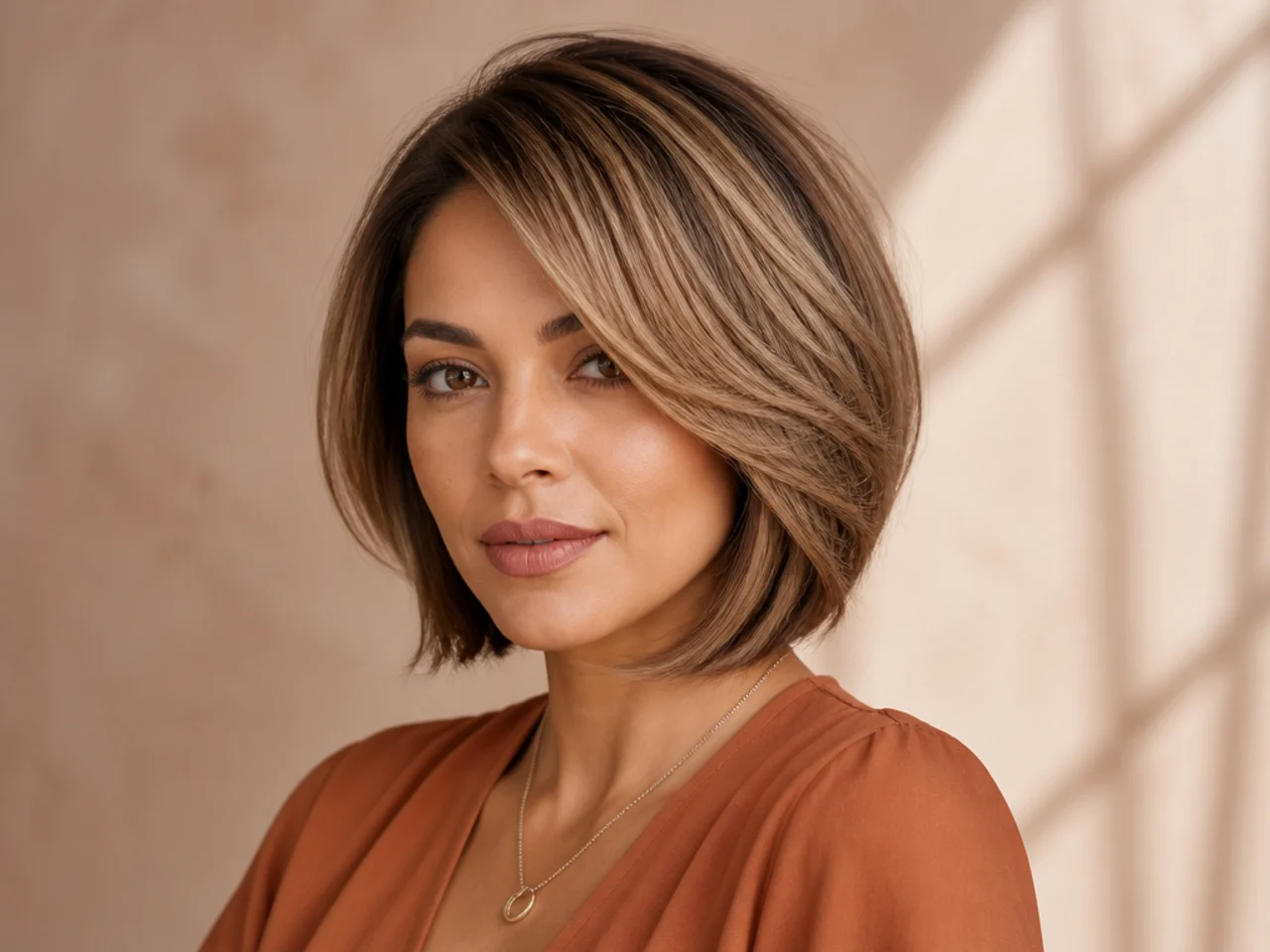
Memes work through compression. A single image has to carry a whole cultural reference. Hairstyles do that job well. The karen cut, the mullet, the fade, the shag — each one arrives with associations baked in. That efficiency is what made the label stick.
Ethical Considerations
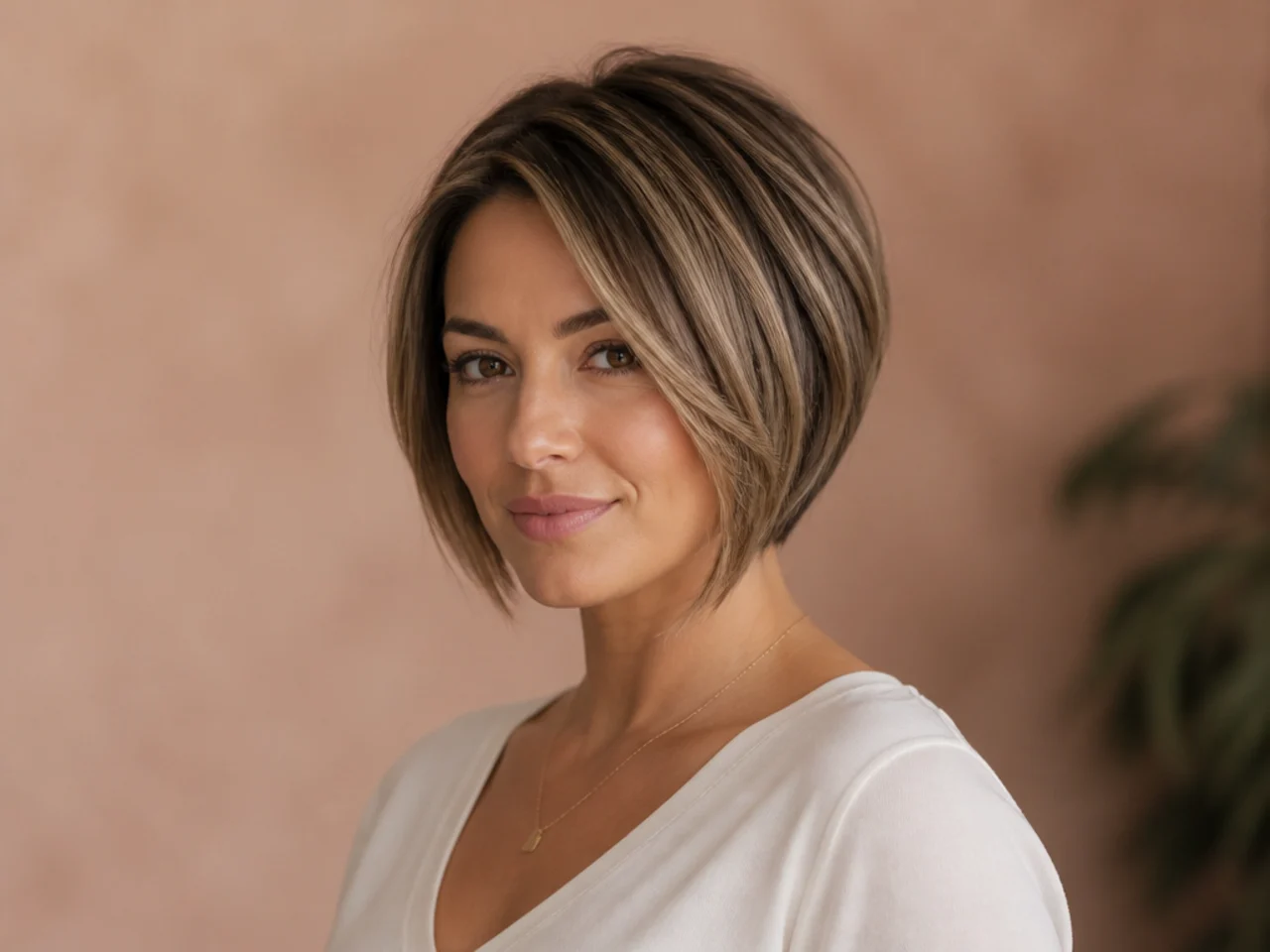
Judging strangers by their hair is lazy criticism. The cut says nothing about the person wearing it. Plenty of stylists still list the karen hairstyle origins on their most-requested boards because the shape works — flattering, low-effort, photogenic. If you want it, wear it. Style choices are yours to make.
Common Variations of the “Karen Haircut”
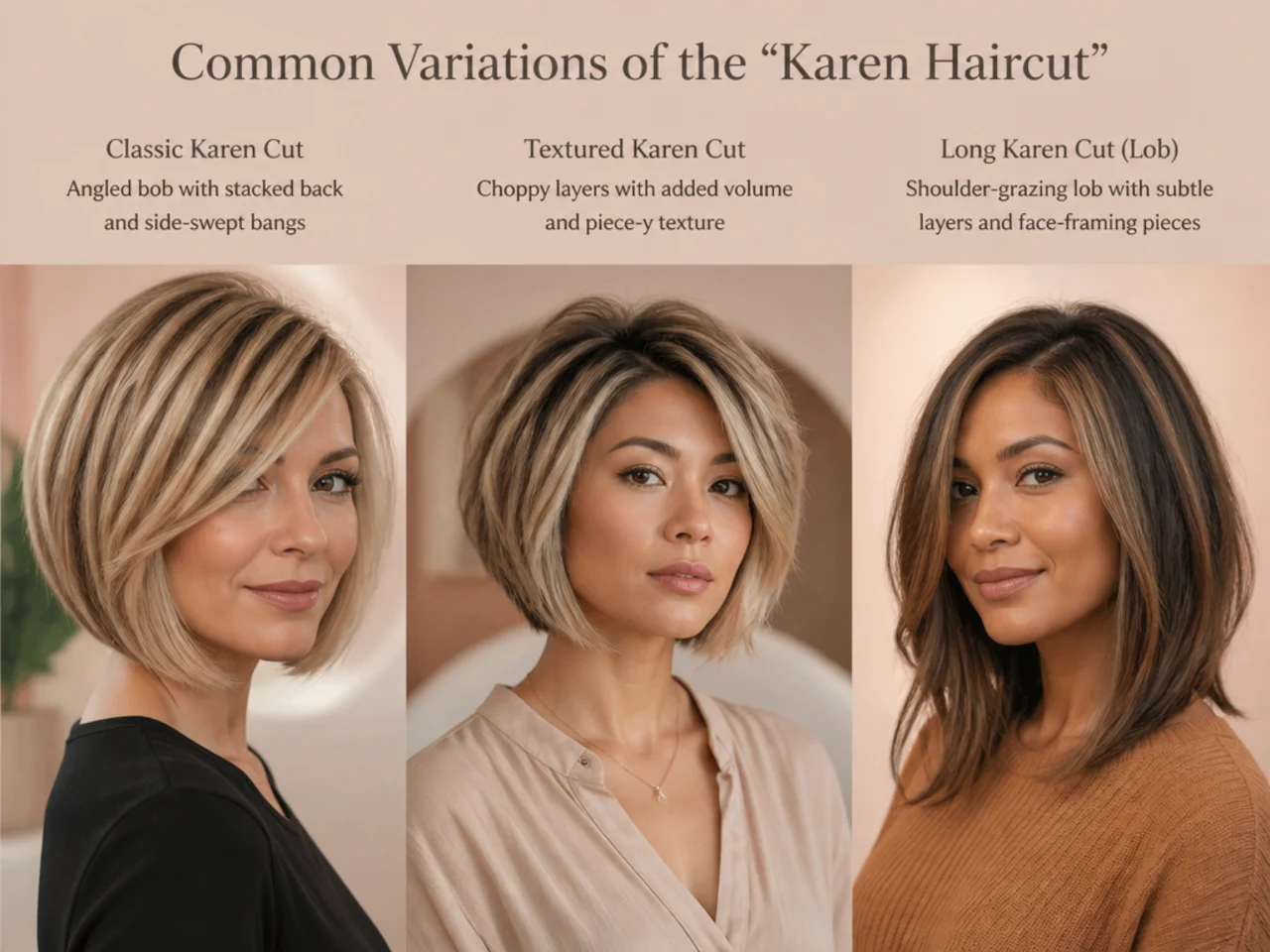
The shape splits into twelve recognizable versions. Each one shifts the angle, the layering, the color, or the finish. The core silhouette stays consistent — shorter back, longer front — but every variation solves a different problem. Look through the list and pick the one that matches your face shape and lifestyle.
1. Stacked Angled Bob
This is the archetype. The back sits at the occipital bone. The front drops to the jaw or the collarbone. Graduated layers build a shelf at the crown. It suits round and heart-shaped faces — length up front pulls the eye downward and lengthens the jaw. Ask for “a stacked angled bob with two inches of length differential and a blunt front line.” Style with a round brush at the crown, then flat iron down through the front for a smooth glide.
2. Inverted Bob
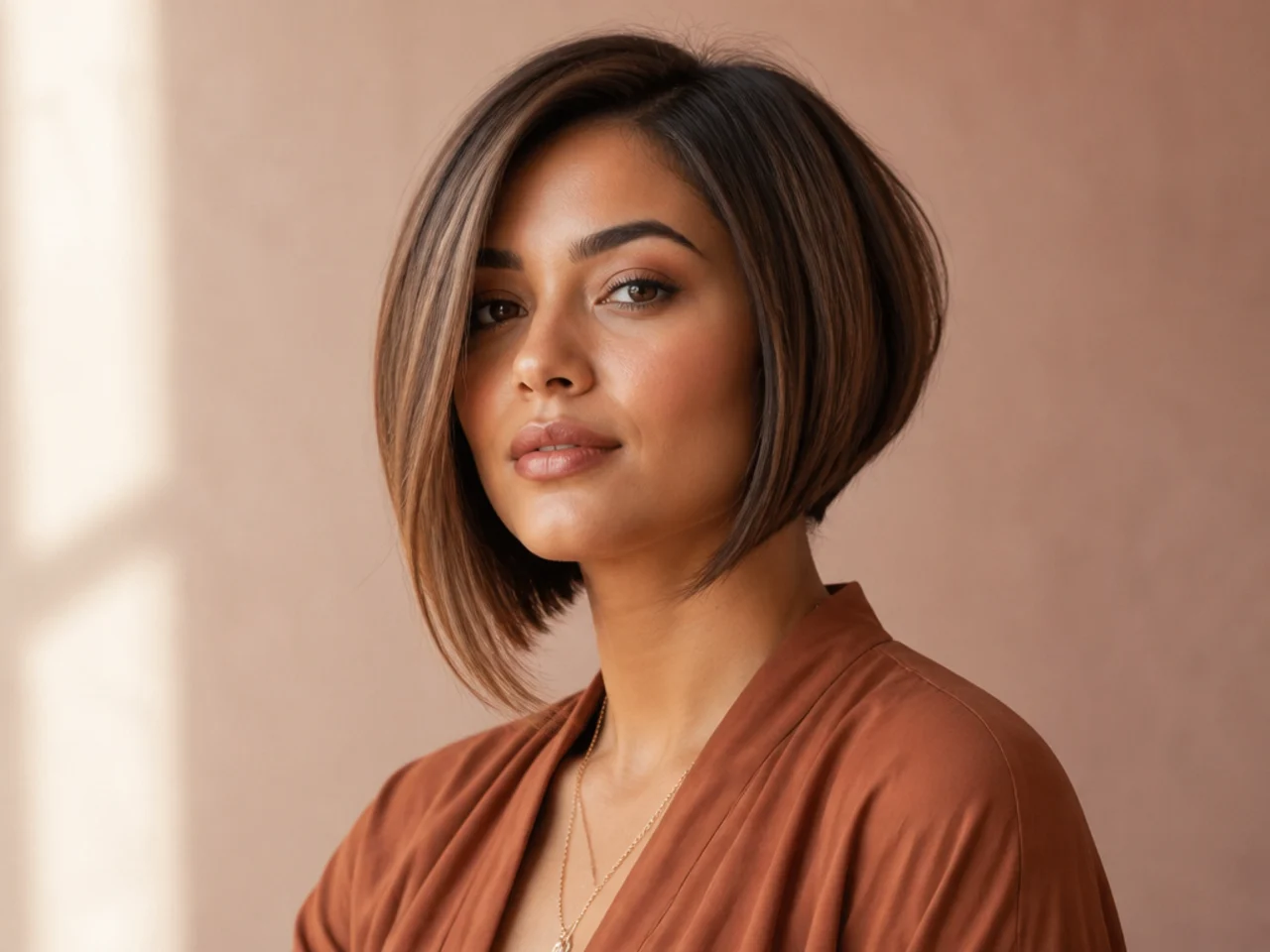
The inverted bob karen pushes the angle further. Expect three to four inches of difference between the nape and the chin. The back sits high and tapered. The front slopes down aggressively. Oval and long faces handle it best — the strong diagonal balances a longer bone structure. Ask for “an inverted bob, undercut angle, no visible layers through the front, four inches of length differential.” Blow dry with a paddle brush for slickness.
3. Asymmetrical Bob
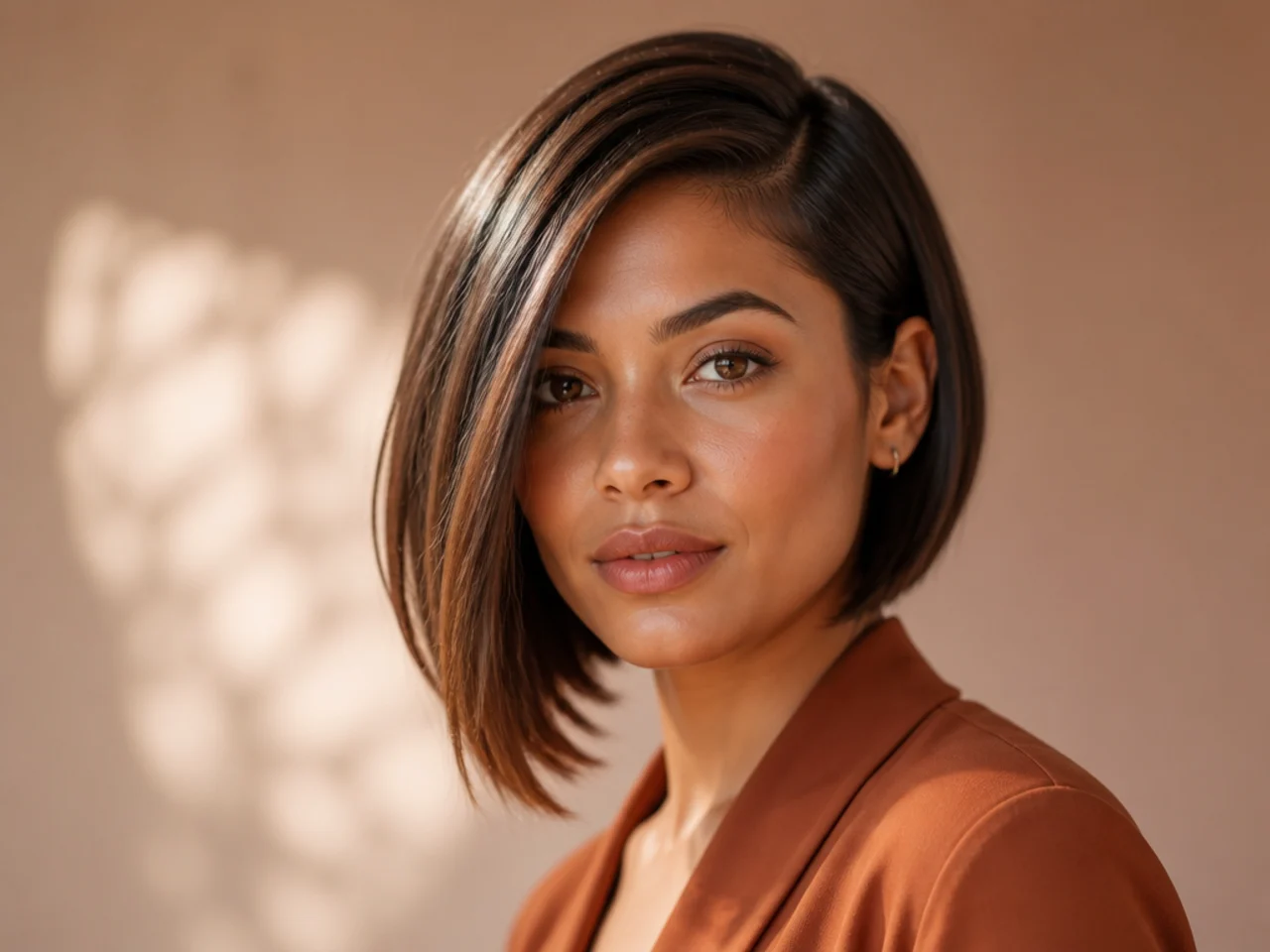
Same back structure, but the front lengths are uneven. One side sits at the earlobe. The other drops past the collarbone. Square and diamond faces benefit — the asymmetry softens a strong jaw. Ask for “a left-heavy asymmetrical bob with a two-inch front differential and a stacked nape.” Diffuse the ends to preserve the shape while adding movement.
4. Layered Short Bob
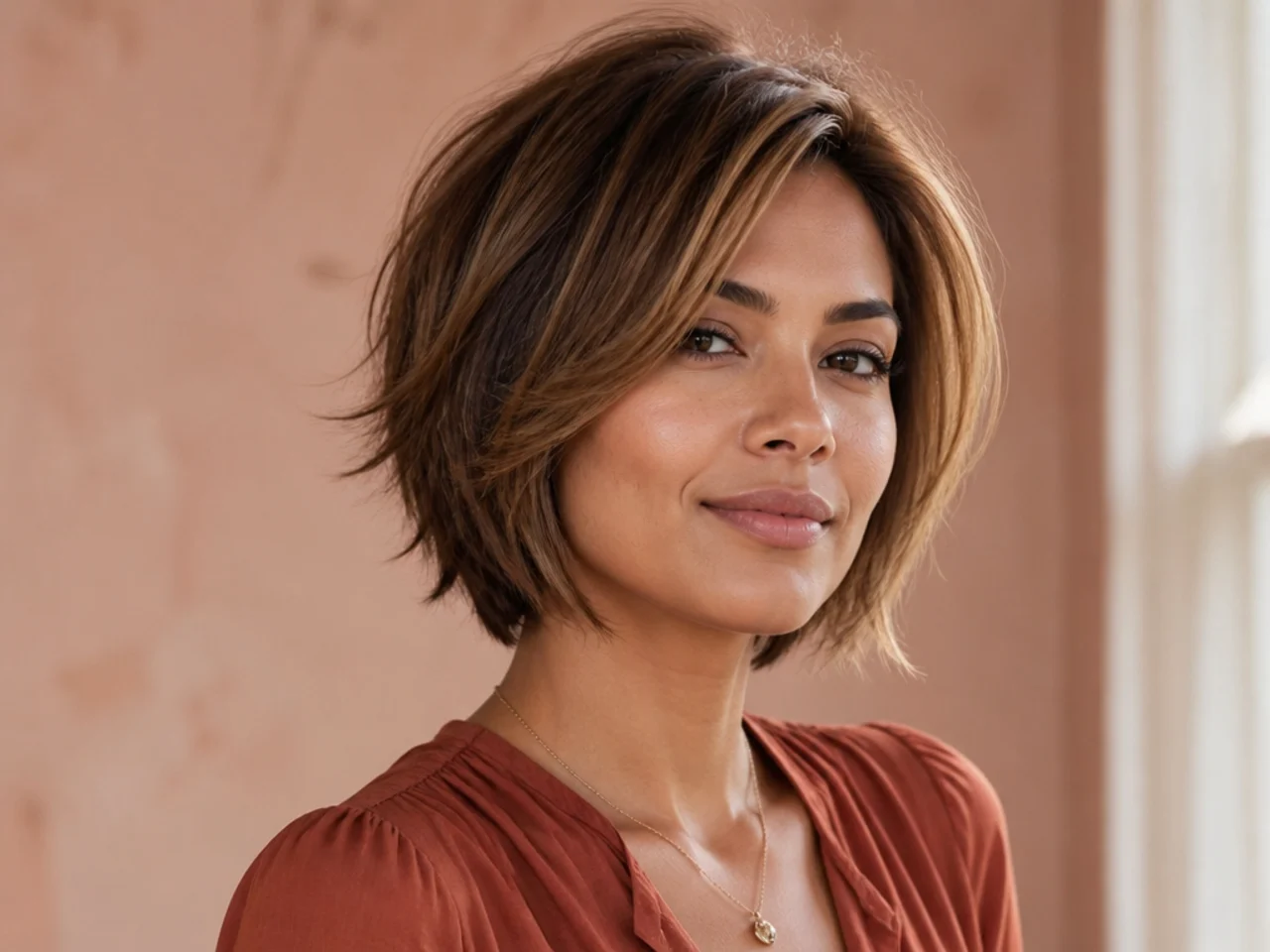
A gentler version. The angle is still there, but internal layers break up the density. This is where the modern karen lives — softer, less rigid, still recognizable. Round and oval faces suit it. See our guide to layered bob haircuts for more angle-and-layer combinations. Ask for “a short layered bob with a slight forward angle and internal weight removal.” Air dry with mousse for effortless texture.
5. Graduated Bob
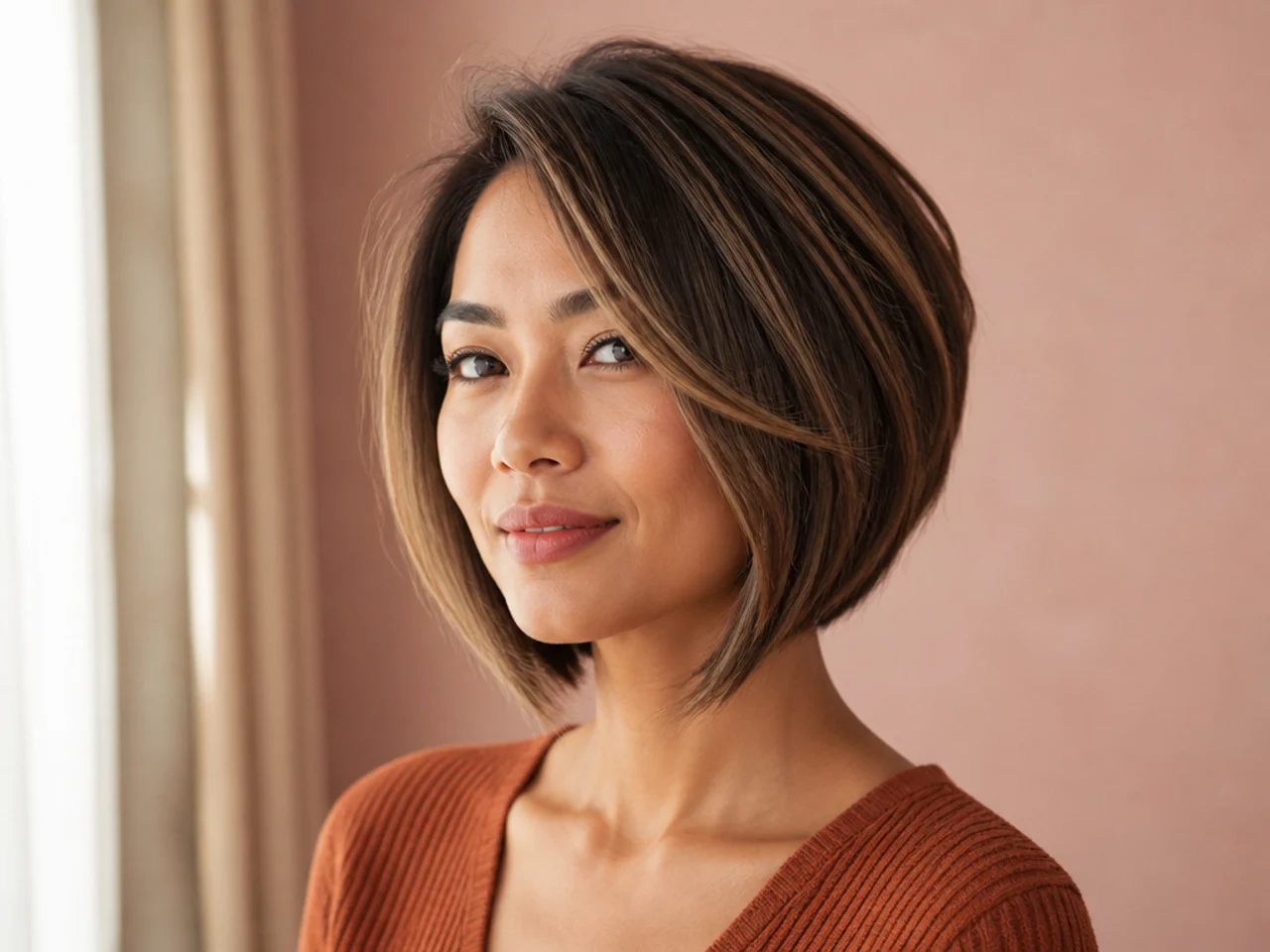
Graduation refers to how the weight builds from the nape upward. A graduated bob has short pieces at the neck and longer pieces at the crown. The result is a soft dome shape at the back rather than a hard stack. Best for oval and heart-shaped faces. Ask for “a graduated bob, chin length in front, nape length in back, no visible steps.” Round-brush the crown for lift.
6. Highlighted Angled Bob
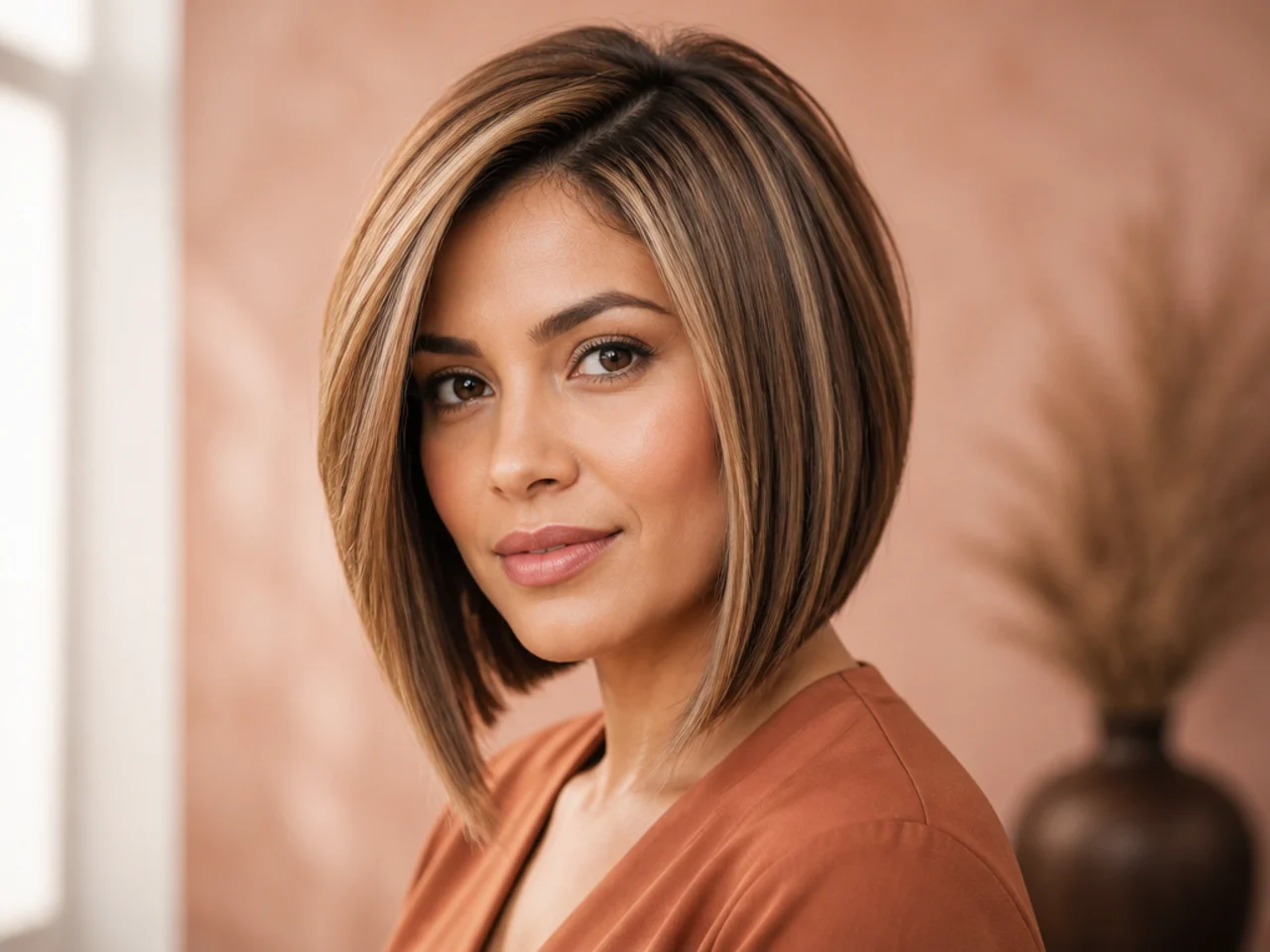
The chunky highlights are what made the karen cut visually iconic. Modern versions use finer, more blended highlights instead of the thick stripes from 2007. Every face shape works here — the color emphasizes whatever angle you already have. Ask your colorist for “money-piece highlights around the face plus light dimensional highlights through the mid-lengths.” Finish with a shine spray so the color pops.
7. Feathered Short Cut
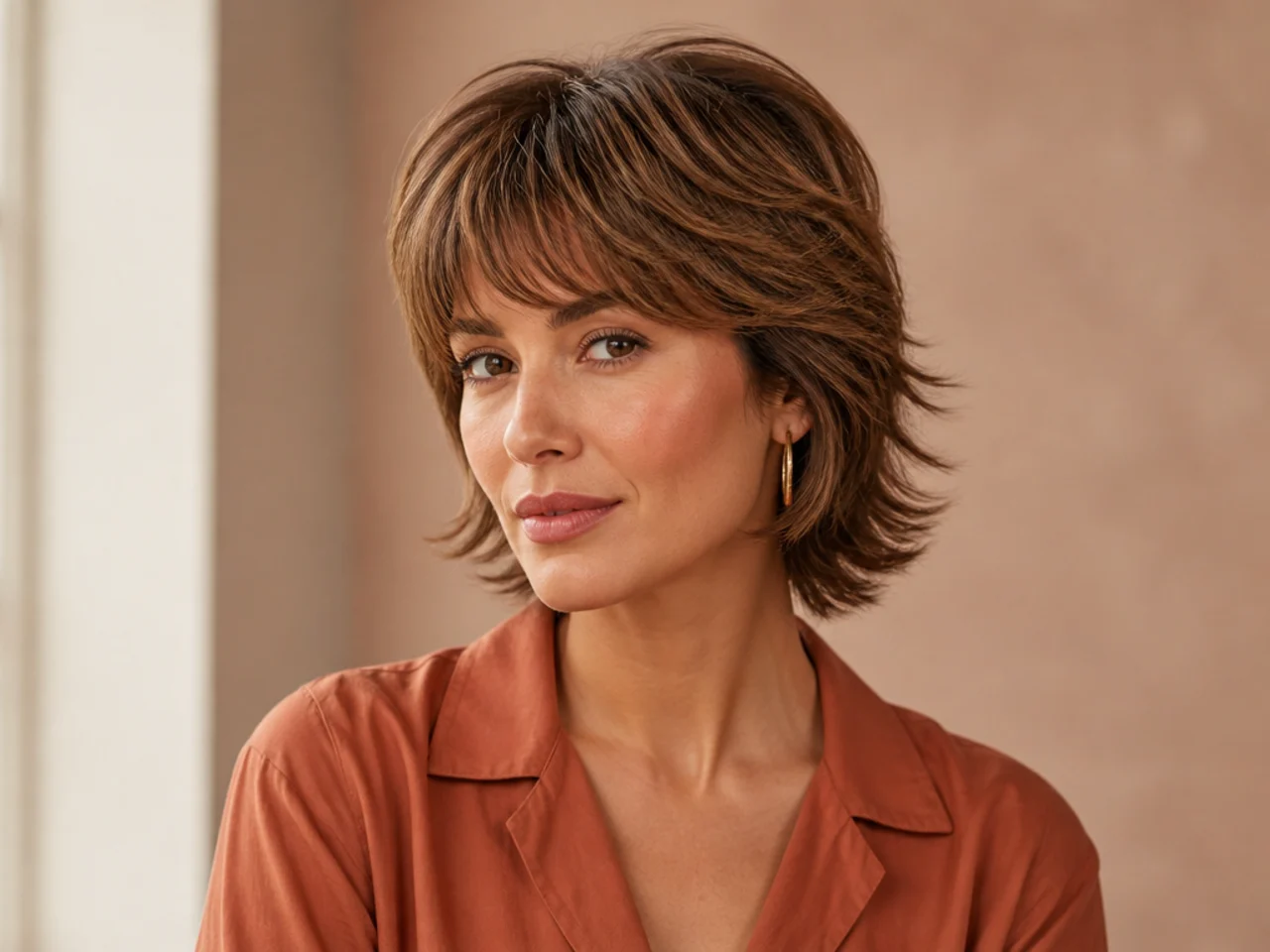
Feathering softens the ends. Instead of a blunt line at the front, the pieces are point-cut into wispy ends. The overall silhouette stays angled, but the finish is airy. Fine hair loves this cut — check our guide to short bob hairstyles for fine hair for more airy options. Ask for “a feathered angled bob with point-cut ends and a soft side fringe.” A light salt spray enhances the wispy texture.
8. Choppy Layered Bob
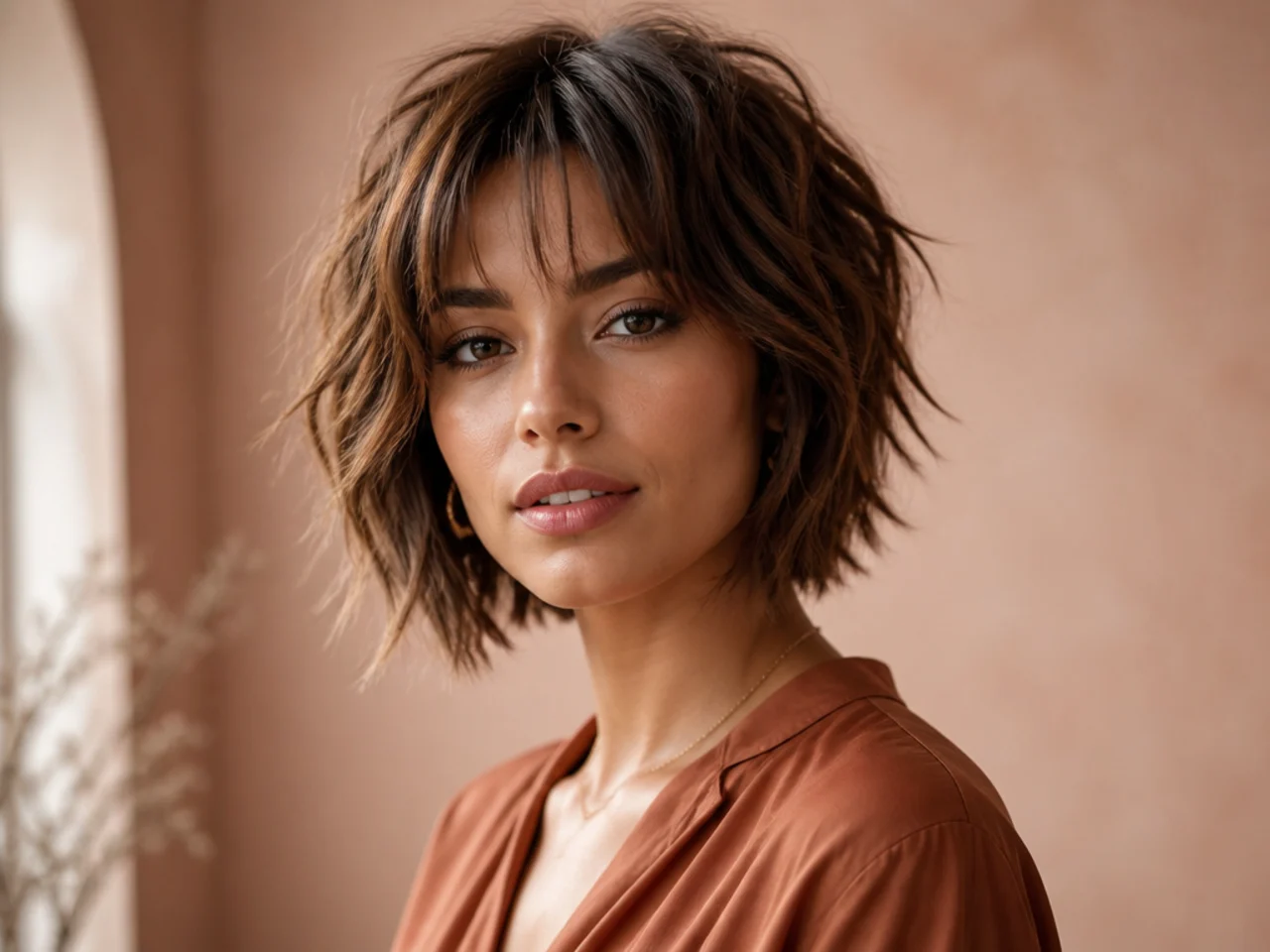
Choppy layers pull the karen shape into looser, more modern territory. The angle is still there. So is the shorter back. But the ends are cut with visible variation — some pieces one inch shorter than others. Square and round faces handle it well. Ask for “a chopped angled bob, razored ends, one-and-a-half inch length differential, choppy fringe optional.” Work a texturizing paste through the ends for lived-in movement.
9. Tapered Back Bob
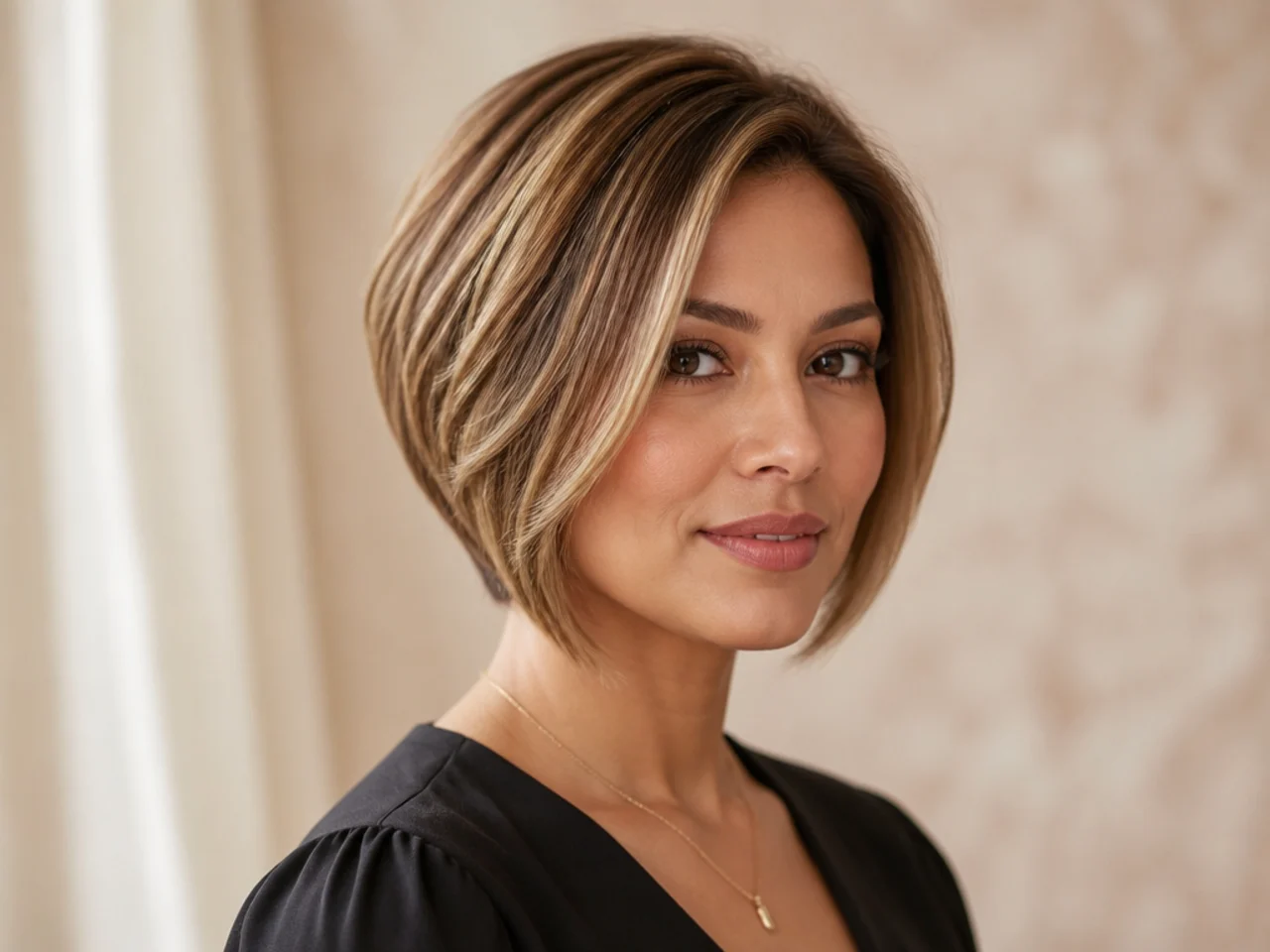
The tapered version cuts the nape almost to a point. The back is scissor-over-comb short. The front stays long. This is the most extreme angle in the family — closer to a mullet than a bob in silhouette. Angular faces (square, diamond) balance it best because the neckline draws the eye up. Ask for “a tapered nape bob with an undercut back and a jaw-length front.” Style the front smooth, the back messy, for contrast.
10. Side-Swept Bang Bob
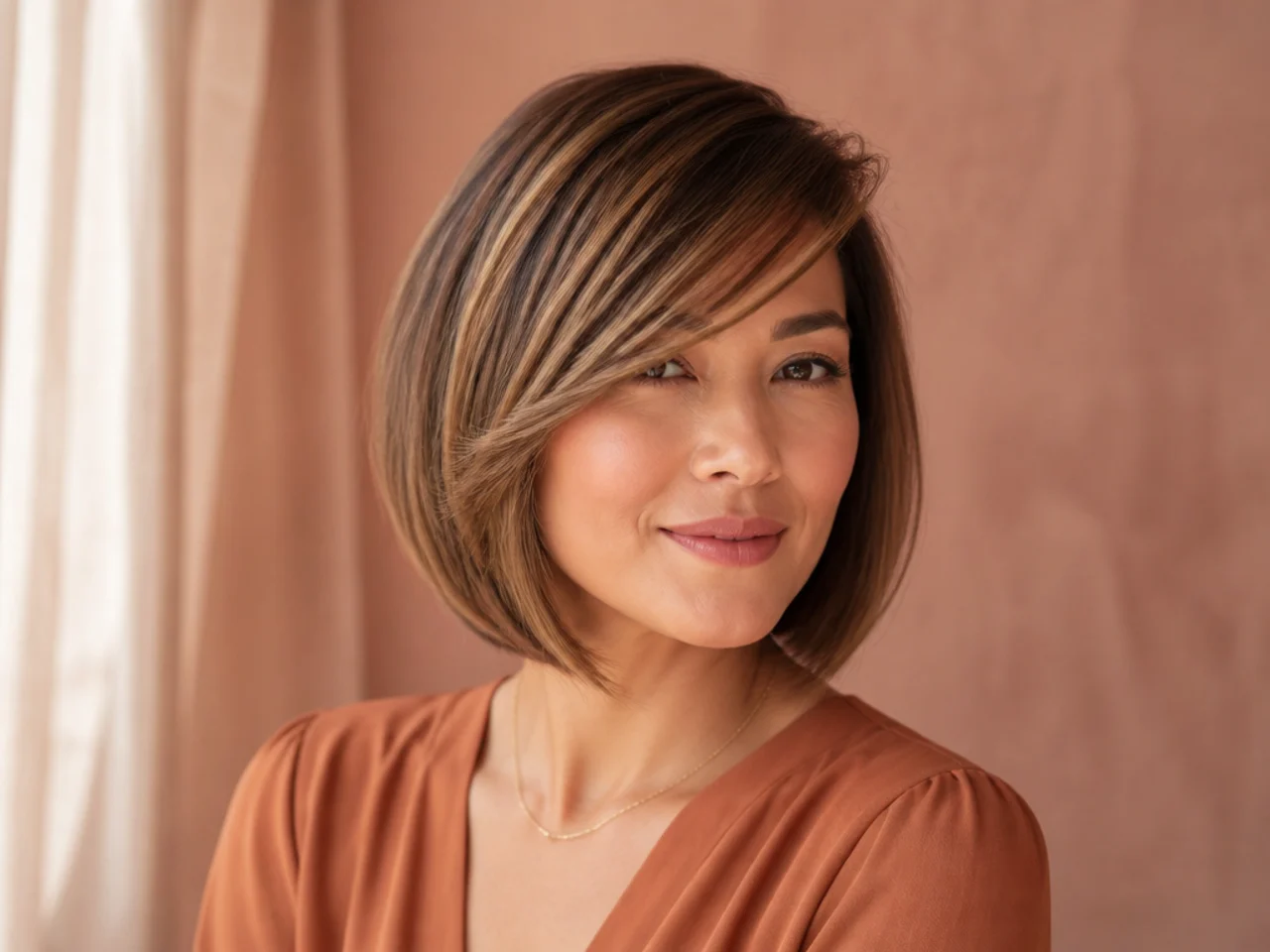
Add a deep side part and a long side-swept fringe. The fringe sweeps across the forehead and blends into the longest front piece. Round and oval faces suit it — the diagonal fringe adds structure. Ask for “a side-swept fringe cut in one continuous line with the front sections, no disconnection.” Blow dry the fringe across the forehead with a round brush for a smooth curve.
11. Volumized Crown Bob
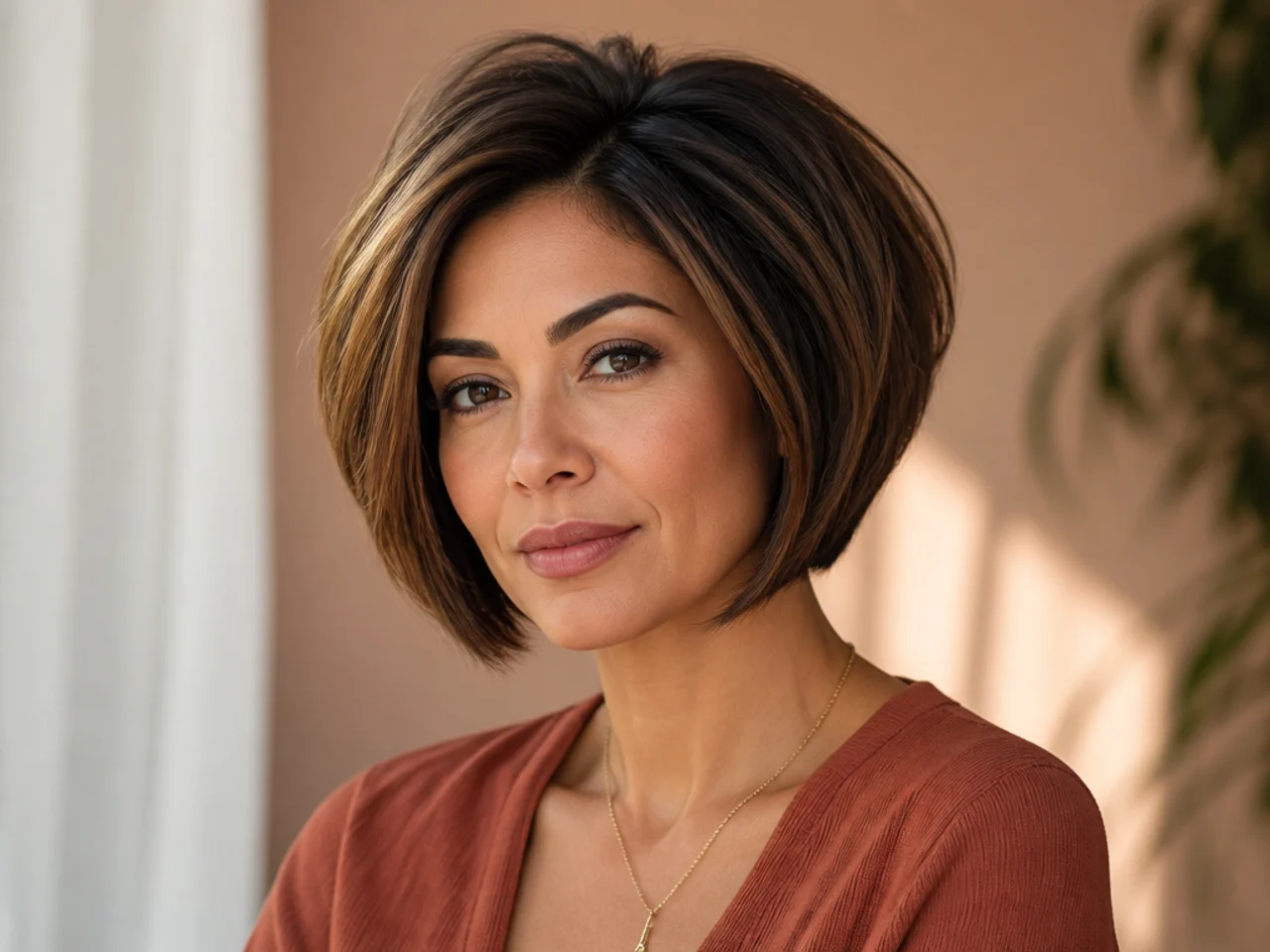
Volume is what separates the classic karen from a plain angled bob. Extra graduation at the crown lifts the entire silhouette. Flat hair types benefit most — the built-in lift means you do not have to work as hard with styling tools. Ask for “heavy graduation at the crown with a stacked back and a jaw-length front.” Backcomb the crown lightly and finish with a strong-hold hairspray.
12. Two-Tone Angled Bob
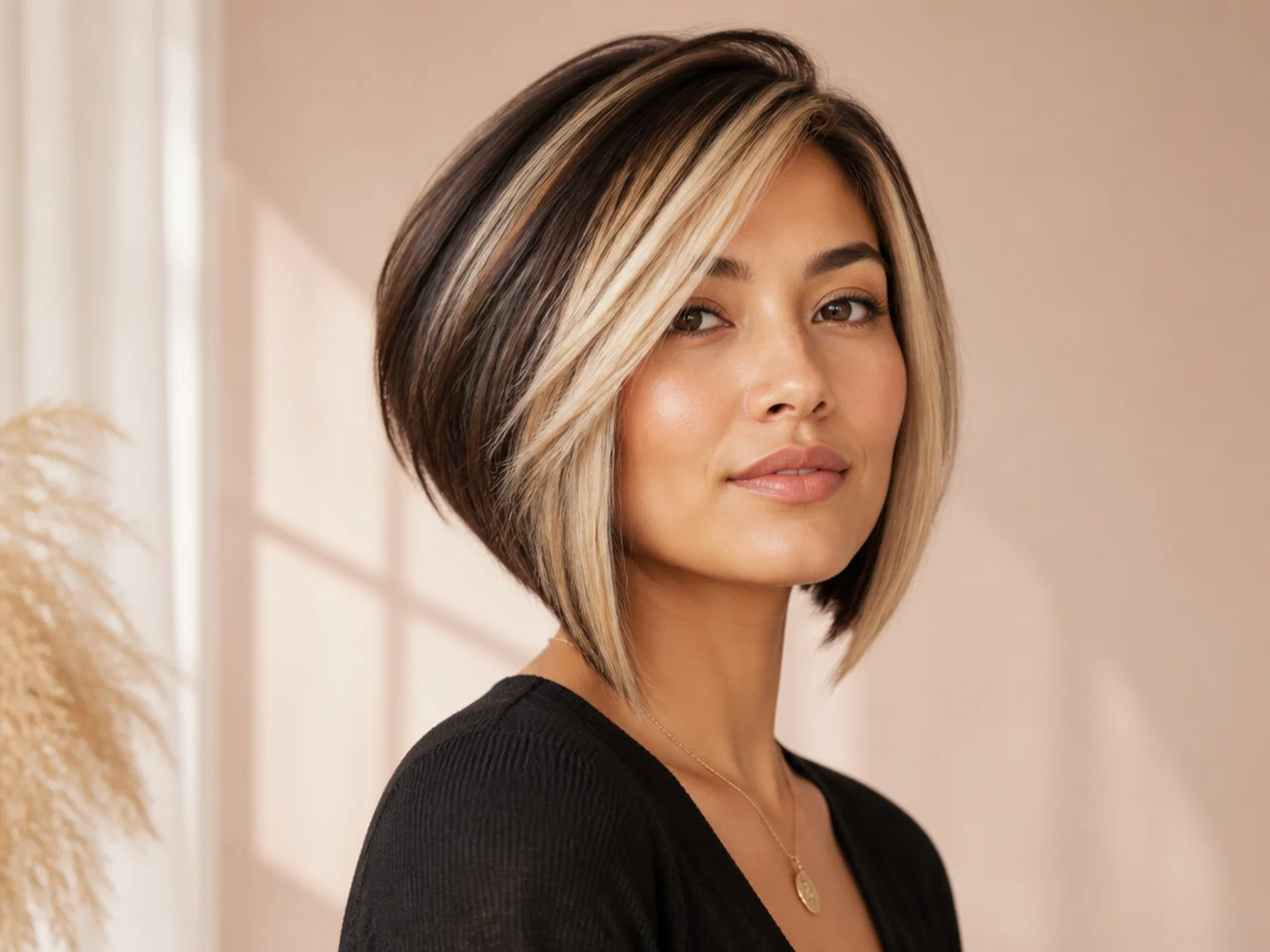
Two-tone color splits the hair into darker lower sections and lighter upper sections. It shows off the stacked back and the angled front simultaneously. Works on every face shape. Ask for “a shadow root with dimensional highlights through the mid-lengths and brighter money pieces around the face.” Curl the ends with a one-inch iron so the flip reveals the color contrast.
Alternatives to the Karen Haircut
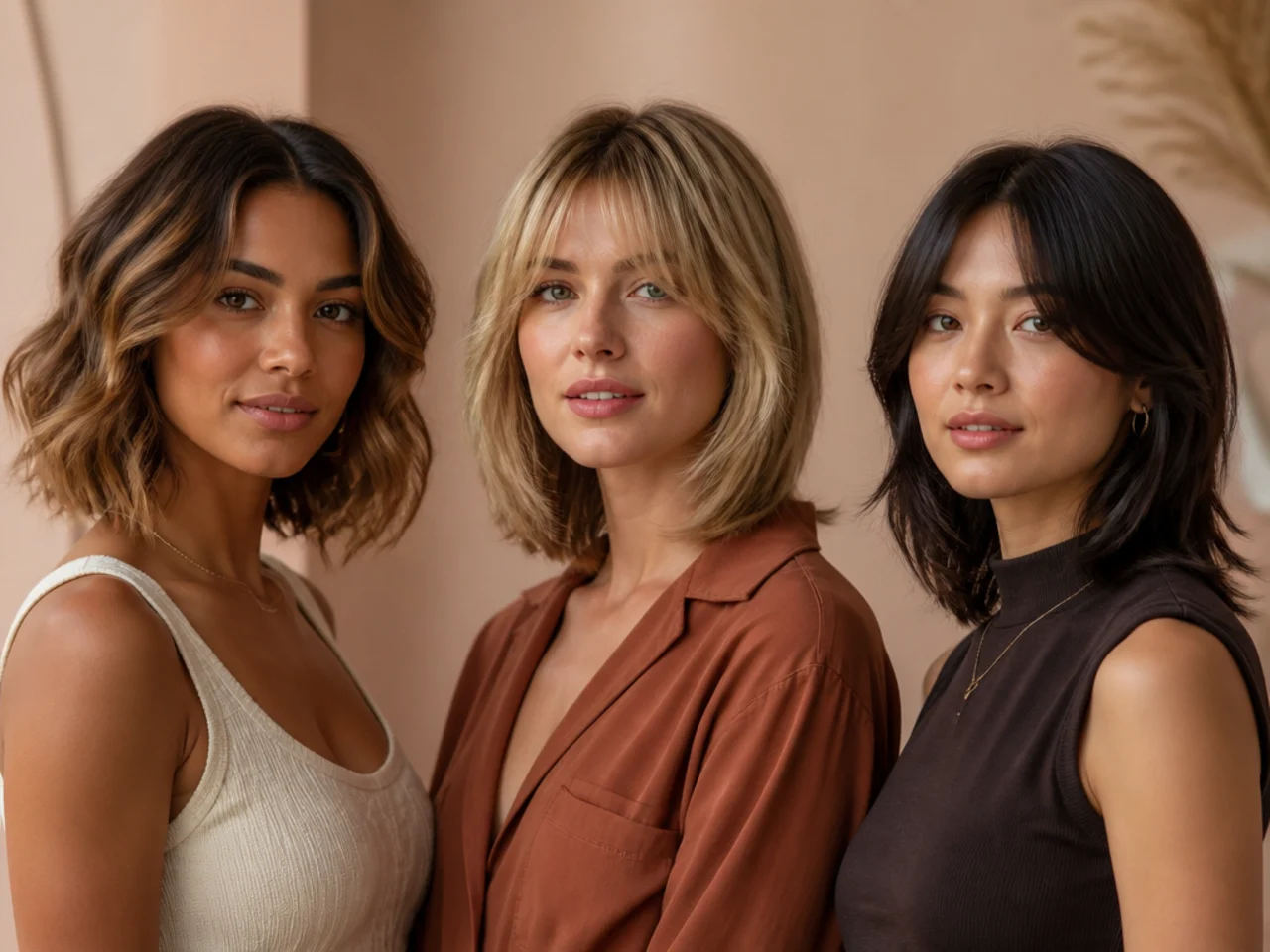
Not every angled bob has to lean into the karen shape. If you want the length and low maintenance without the sharp silhouette, these six alternatives give you the same convenience with softer styling. Each one keeps some element of the bob framework while dropping the rigid angle. For a wider look at short cuts that flatter every bone structure, browse our roundup of 15 trendy bobs for every face shape.
French Bob
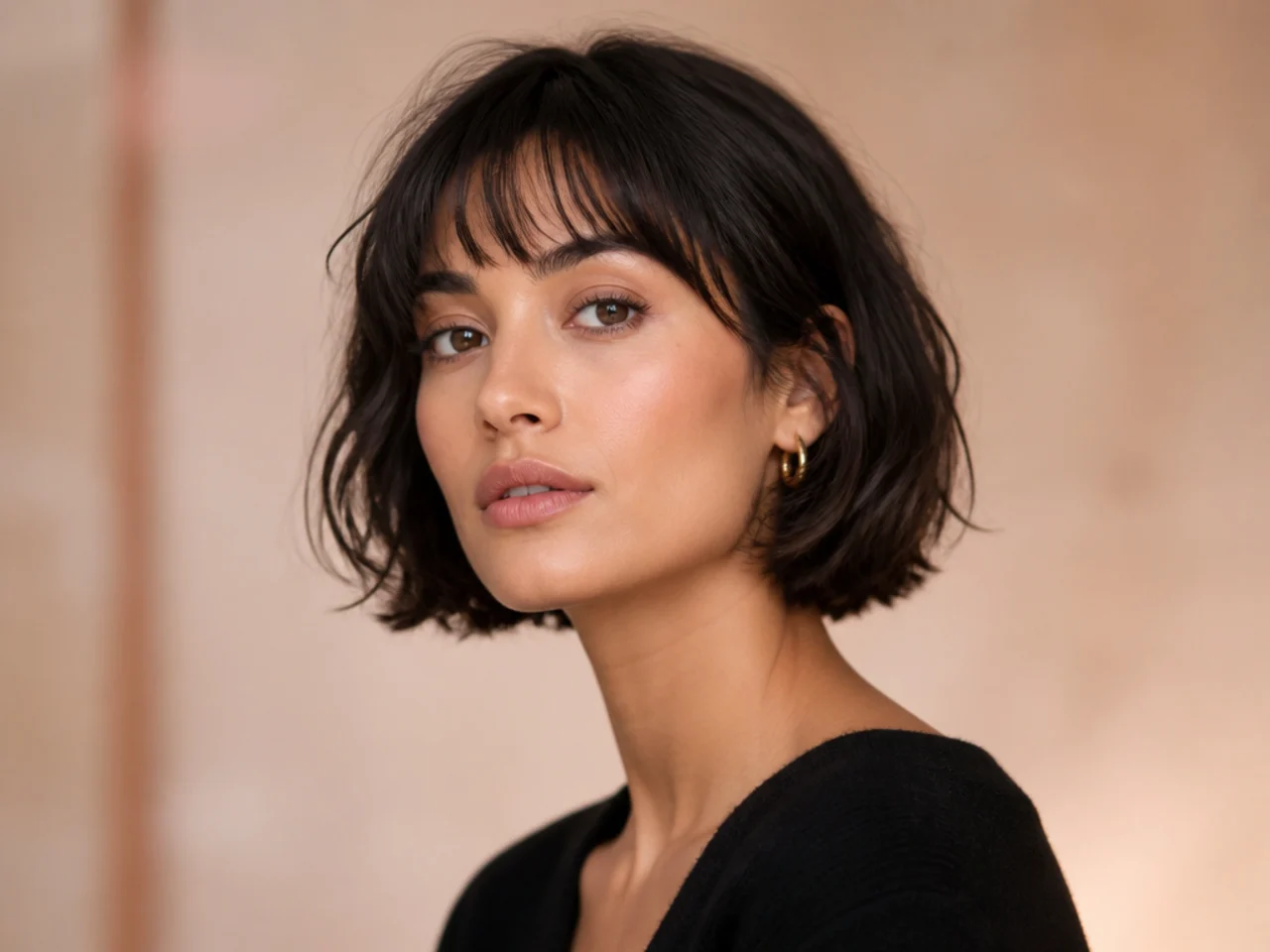
The French bob sits at the cheekbone. Ends are blunt. The fringe is short and slightly undone. There is no back-to-front angle — the whole shape is level. Style it messy on purpose. Air dry with a light cream and tousle with your fingers. You can also go for French Crop cut if you want the same energy at pixie length.
Italian Bob
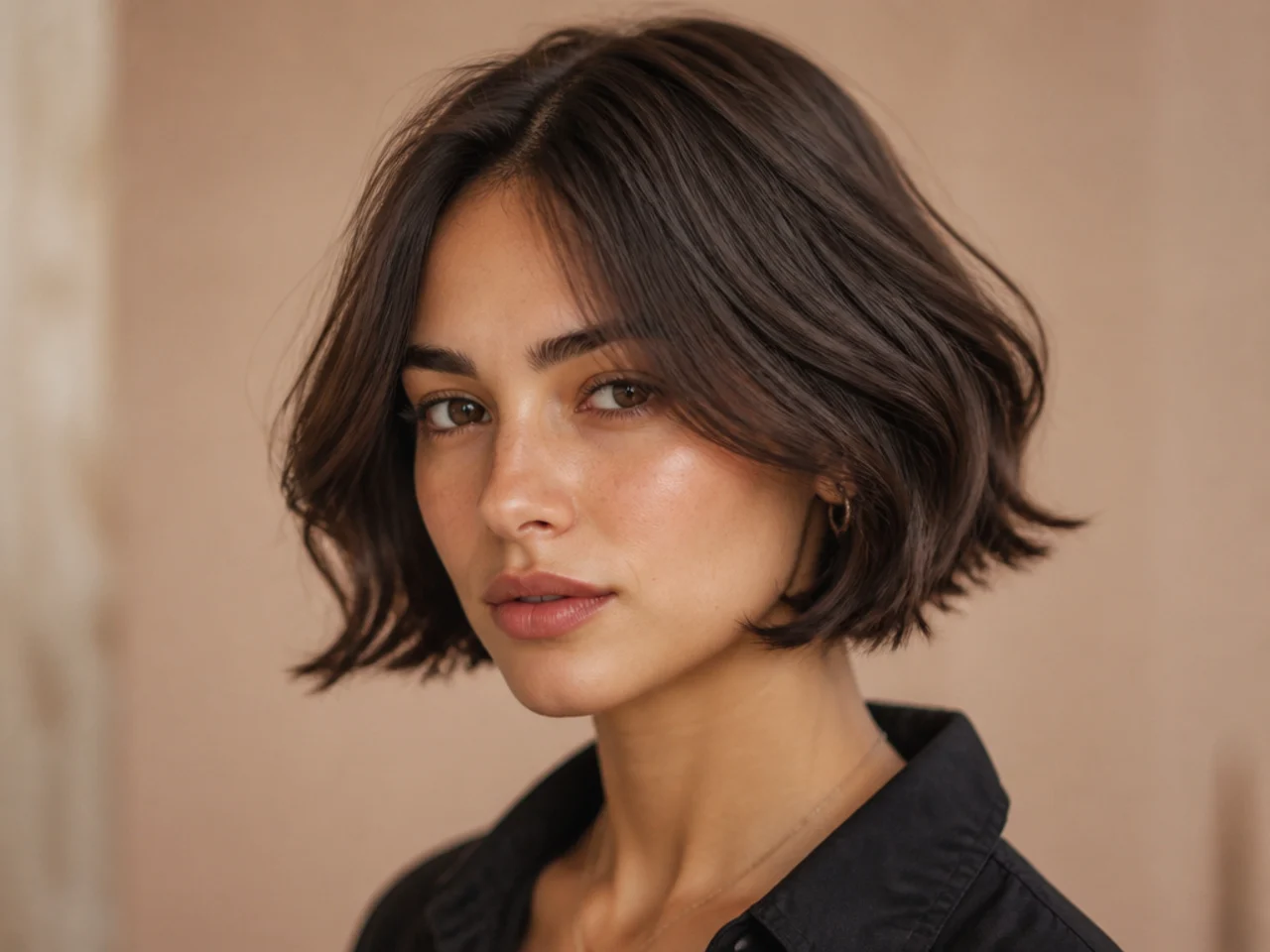
The Italian bob sits at the chin. Blunt line at the ends. Soft waves through the length. This is the polished cousin of the French bob — same level cut, more glamorous finish. Ask for “a blunt chin-length bob with internal weight removal and no visible layering.” Curl the ends inward with a one-inch iron to get that Sofia Loren memory into the shape.
Shaggy Lob
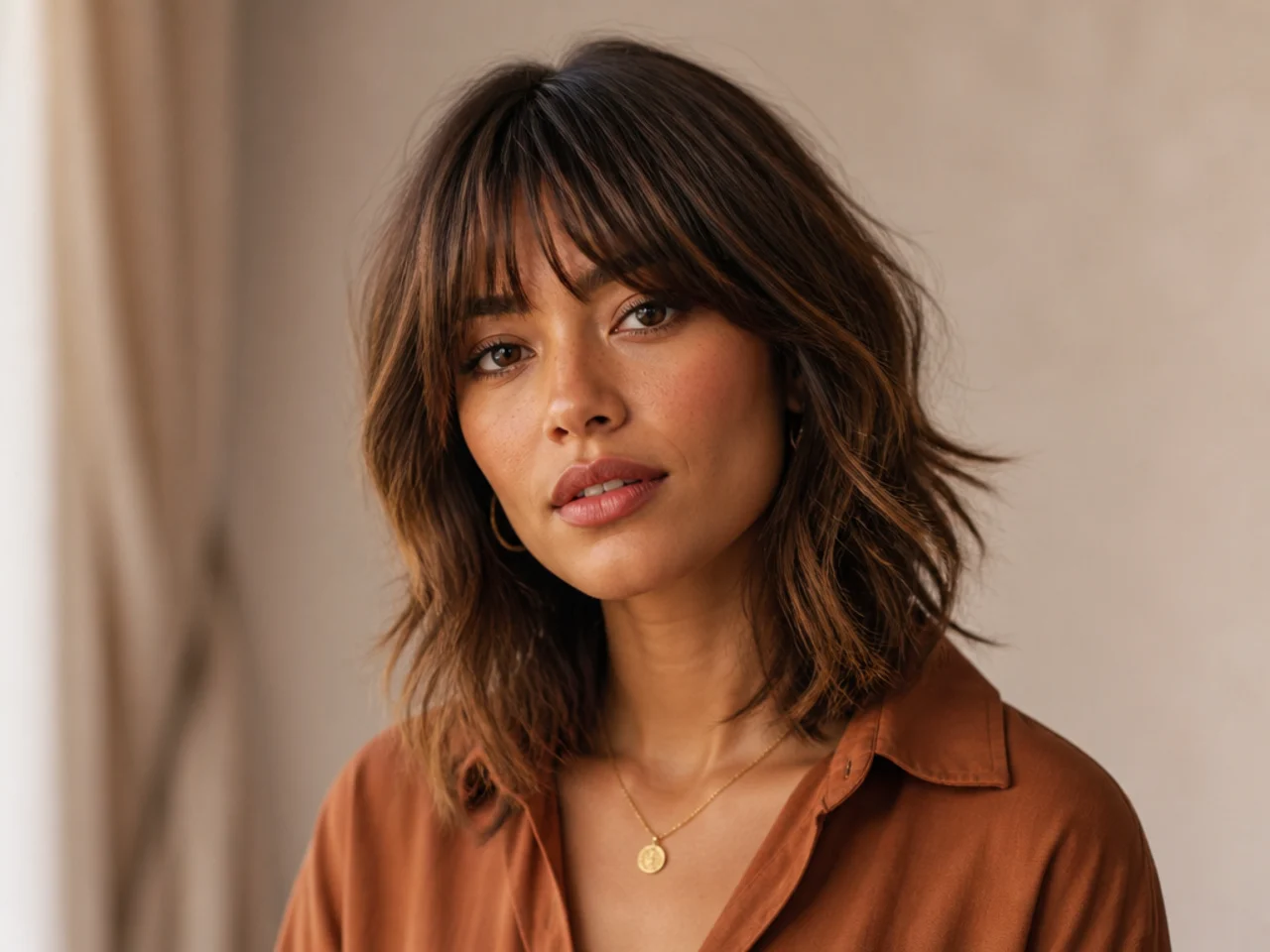
A shaggy lob drops the karen structure entirely. Long layers. Center part. Curtain bangs. Texture through the ends. It reads modern where the karen reads iconic. Air dry with a texturizing spray. Never touch a straightening iron. The whole point is movement.
Lob with Curtain Bangs
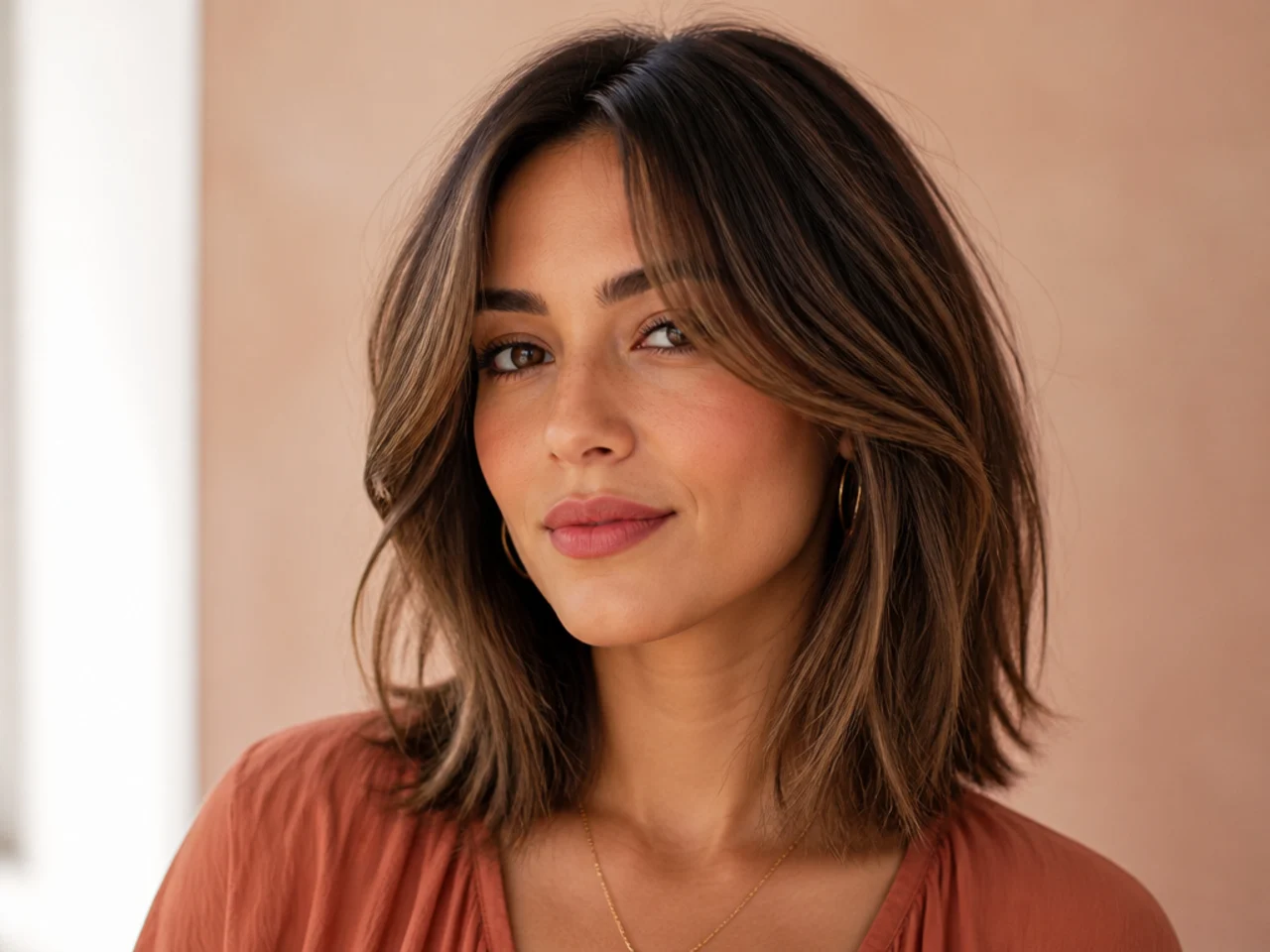
A lob is a long bob. This version sits at the collarbone with a middle part and curtain fringe that frames the cheekbones. Face-framing without commitment. Ask for “a collarbone lob with wispy curtain bangs and light face-framing layers.” Style with a beach wave spray for effortless movement.
Smooth, Rounded Pixie
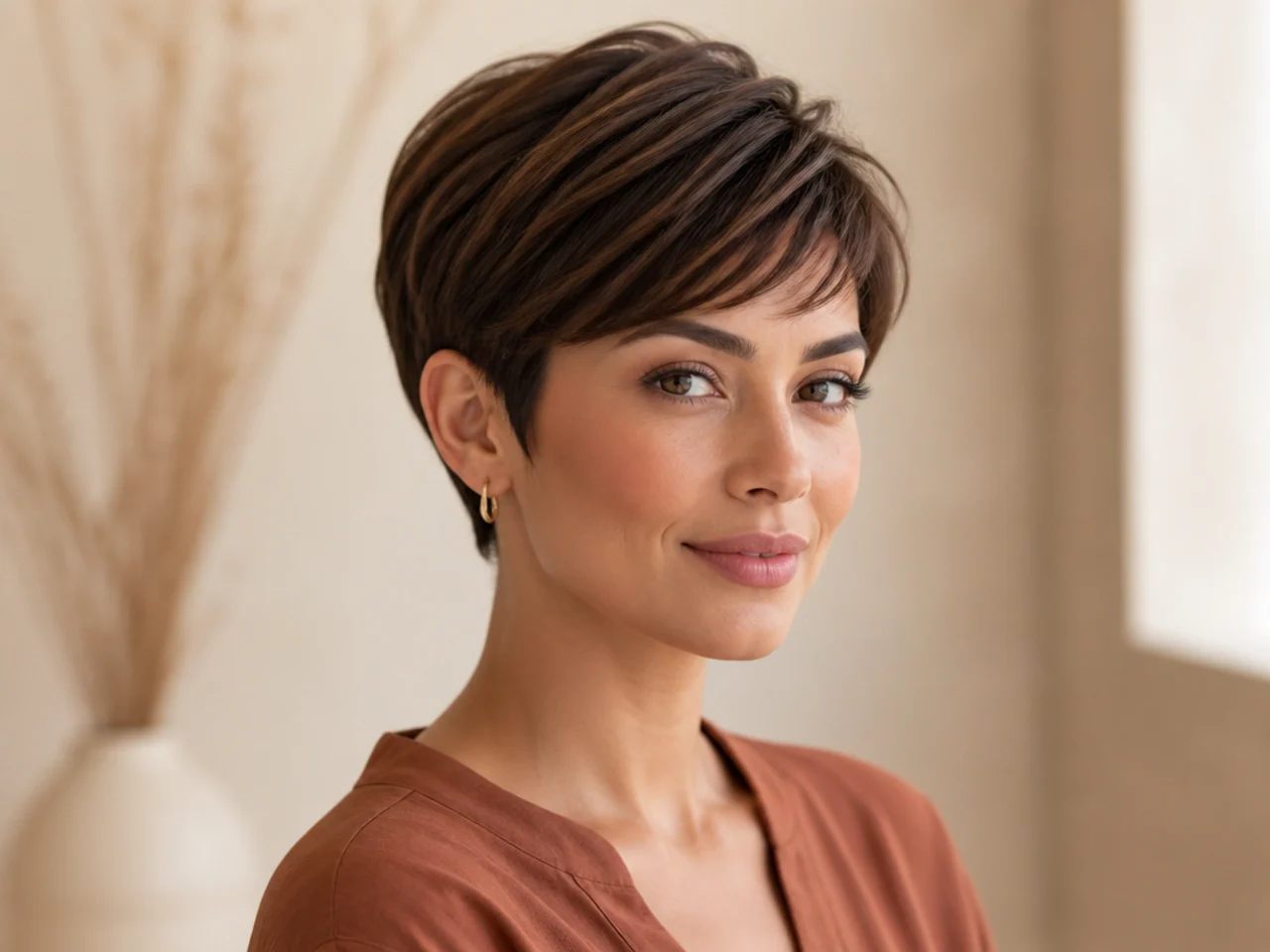
A rounded pixie shaves the whole karen concept down. Short all over. Soft edges. A little length in the fringe. Works on delicate features and strong bone structure alike. Ask your stylist for “a rounded pixie with a soft fringe and tapered sides.” Style with a matte pomade for definition without shine.
Curly Pixie
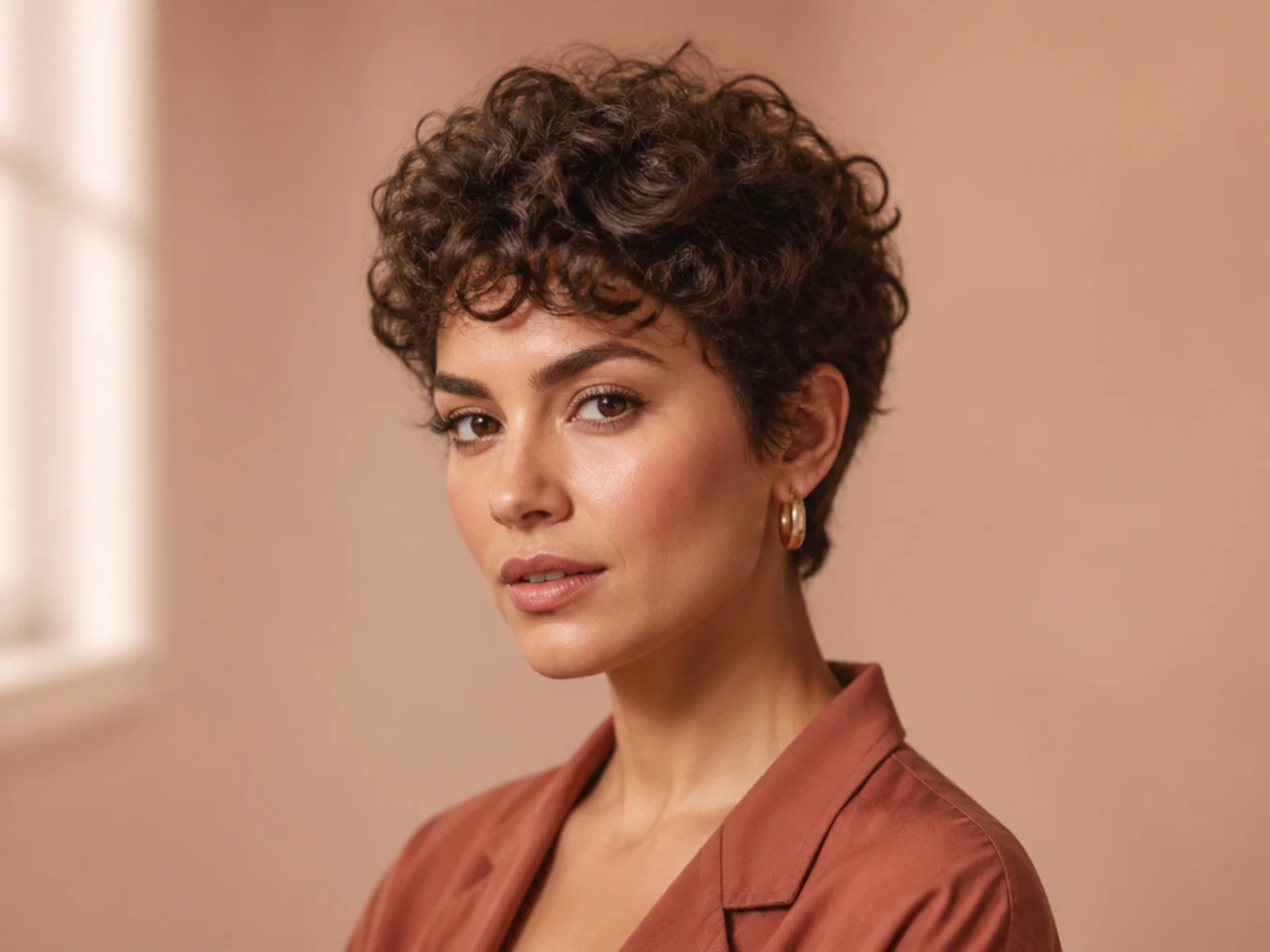
A curly pixie skips the sharpness completely. Natural curls or waves. Cropped shape. Zero blow-drying required. Browse our full pixie cuts collection for more variations. Ask for “a curly pixie cut on dry curls with internal weight removal.” Apply curl cream on damp hair, no towel drying — scrunch and air dry.
Is the “Karen Haircut” Still Popular Today?
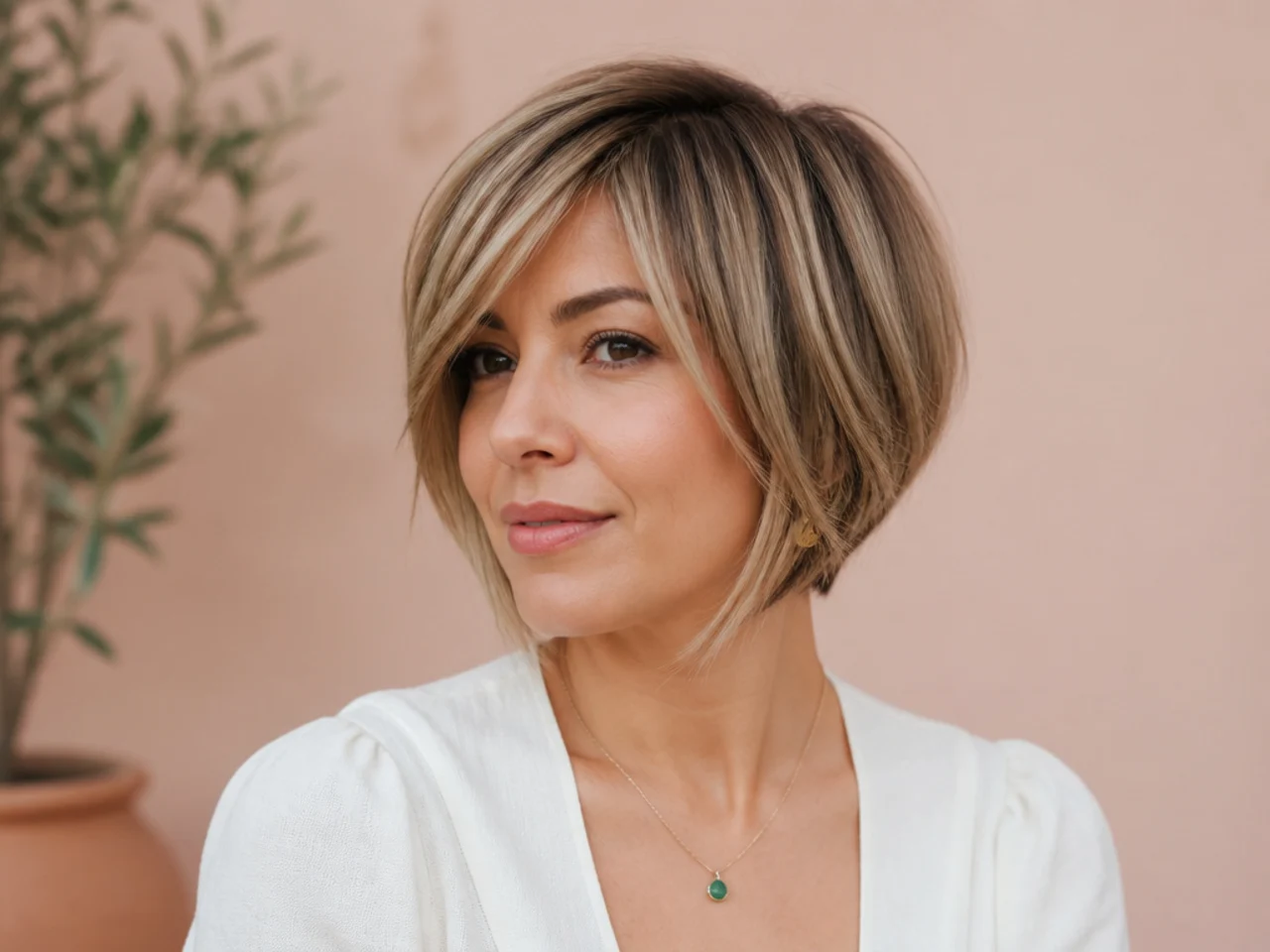
Popularity has shifted. The 2007 version — extreme angle, chunky stripes, spiked crown — reads as dated. The silhouette itself has not disappeared. It has evolved.
Modern stylists take the same framework and soften every edge:
- Angles blend instead of stack.
- Highlights are hand-painted, not foiled in thick stripes.
- Layers add movement, not architecture.
- The crown lifts without spiking.
The result reads as a modern angled bob rather than a period piece. If you show your stylist a Kate Gosselin photo and ask for that exact cut, most will steer you toward a softer version. That is not the internet’s judgment — it is just how trends age.
Want more low-maintenance shape options? Look through our roundup of messy bob haircuts that instantly make you look younger. And if you want structure with a more experimental twist, the Jellyfish cut is another direction worth trying.
Hairstyles as Cultural Symbols
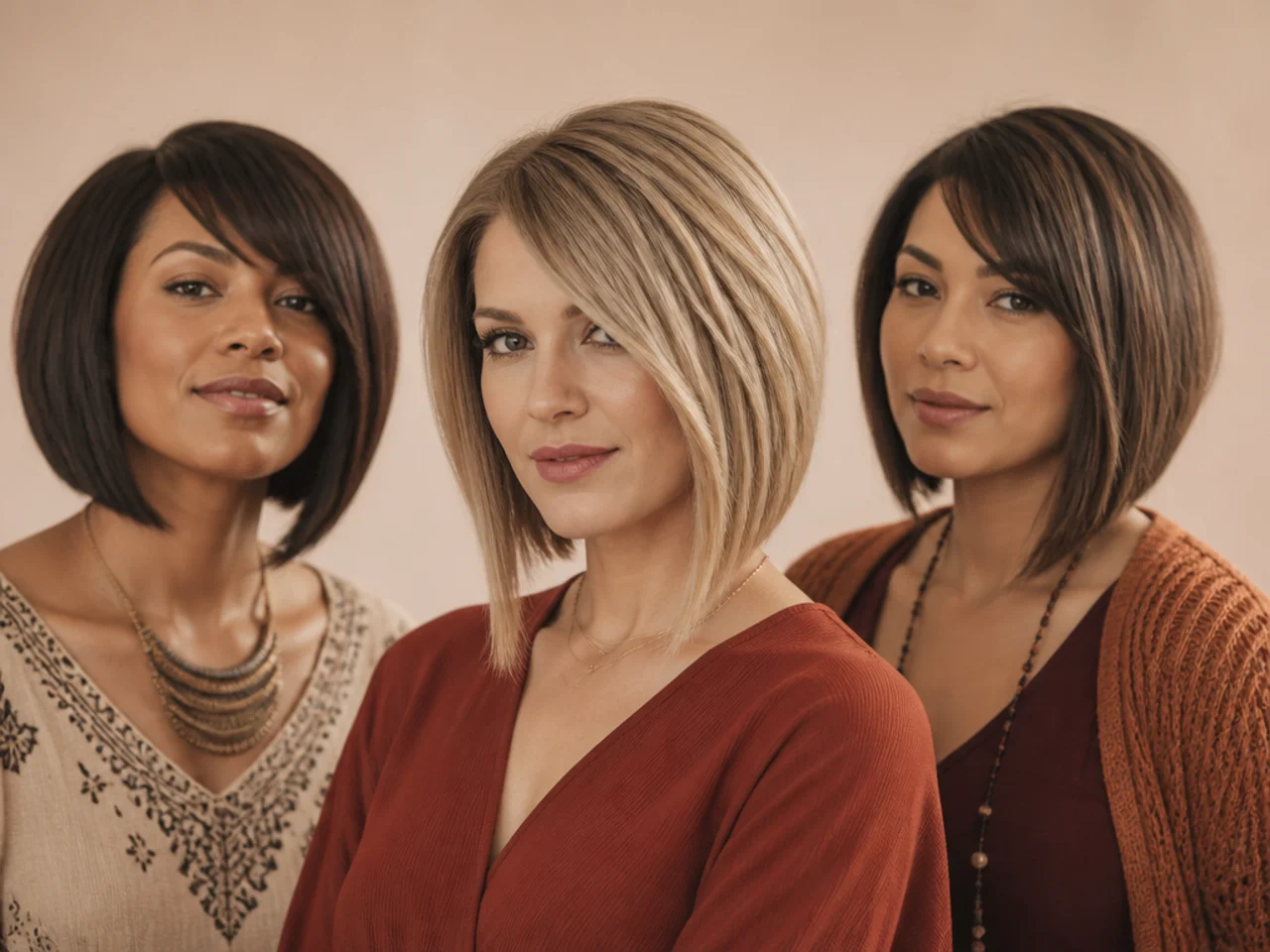
Certain haircuts stop being haircuts and start being period markers. The Rachel from Friends. The Farrah feathering. The 1960s Sassoon bob. The angled karen bob from the late 2000s. Each one belonged to a specific moment, then outlasted it as a visual reference.
That is not a bad thing. It means the cut worked. Enough people wore it that it became shorthand. Every generation gets one of these — the framing changes with time, sometimes flattering, sometimes not, but the underlying shape usually stays cuttable.
The karen bob’s cultural moment is over. Its usefulness as a haircut is not. Stylists still book it. Clients still love it. Whether you call it a karen cut or an angled bob depends on your audience.
How to Talk About Hairstyle Trends Respectfully
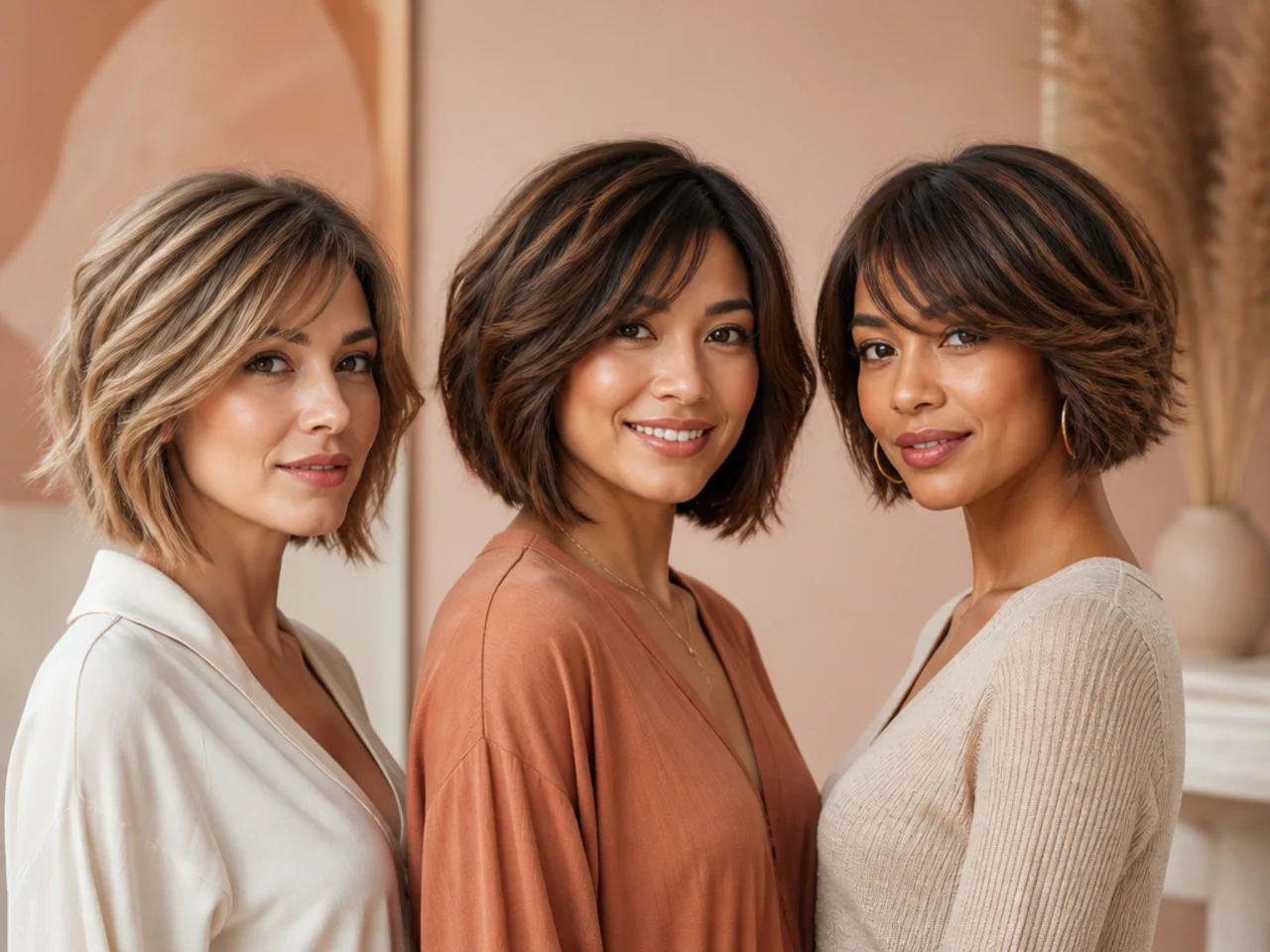
If you are a stylist, drop the label at the chair. Nobody wants to hear their haircut called a karen while it is being cut. Describe the shape instead:
- Length and length differential (in inches)
- Layer depth and internal weight removal
- Fringe type and part placement
- Coloring approach — babylights, balayage, or foils
- Face-shape compatibility
If you are a client, bring photos. The word “karen” means different things to different people. One person’s karen is a soft angled bob. Another person’s is Kate Gosselin’s 2008 look. Pictures skip the ambiguity.
For inspiration built around jawline framing, look at our guide to the blunt haircut with layers. The technical vocabulary transfers directly — length differential, weight removal, fringe placement — and applies to any bob-family cut you are considering.
Conclusion
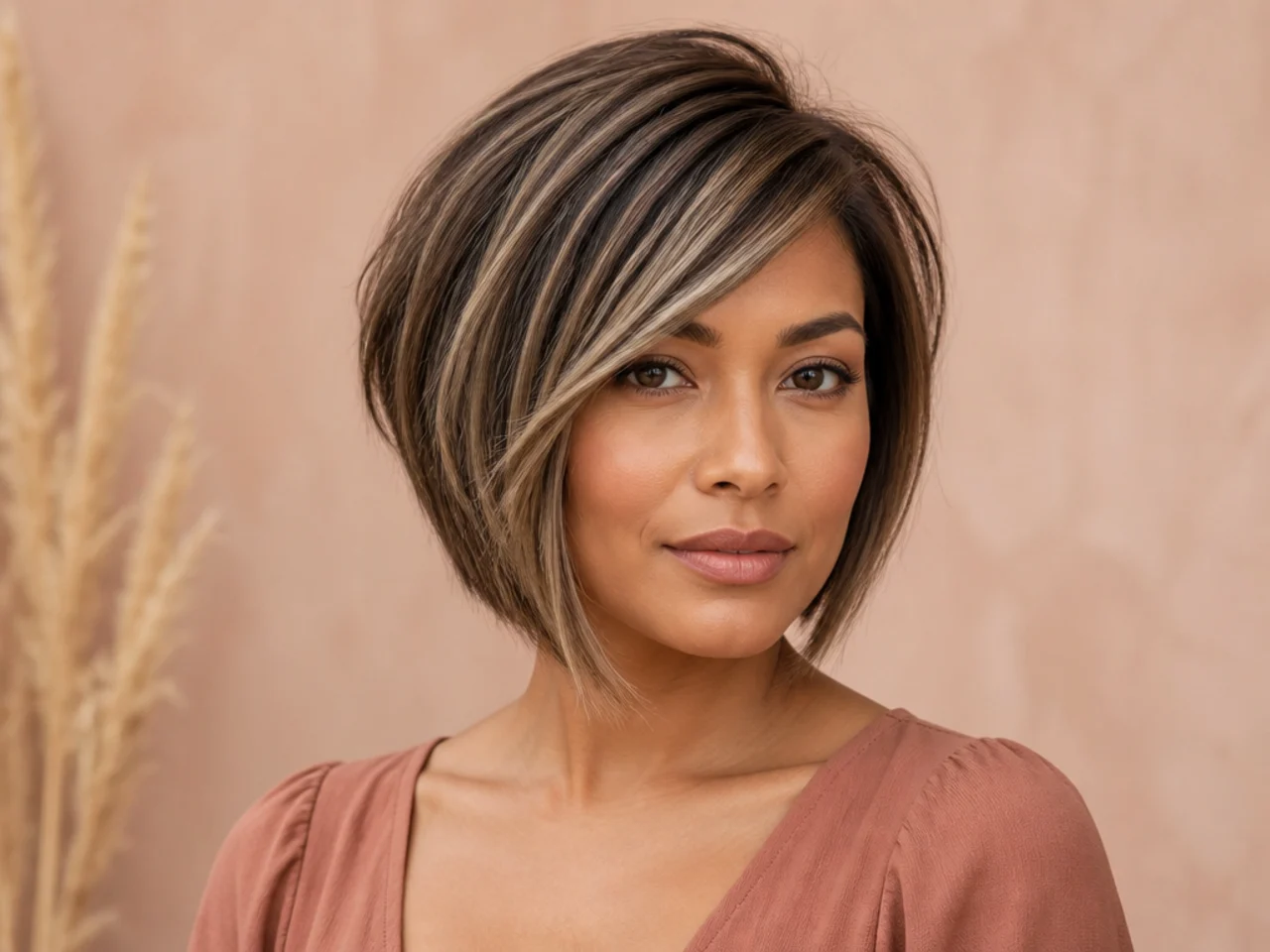
The karen haircut is a real shape with a modern nickname. Angled A-line silhouette. Shorter at the back. Longer at the front. Optional chunky highlights. It peaked in 2007 and has been evolving ever since.
Wear whichever version fits your face shape and lifestyle. Ask your stylist by technical terms — angle, length differential, fringe style — not by the label. The cut is still one of the most-requested short styles in salons for a reason: it flatters most bone structures, needs minimal styling, and photographs beautifully at every angle.
FAQs
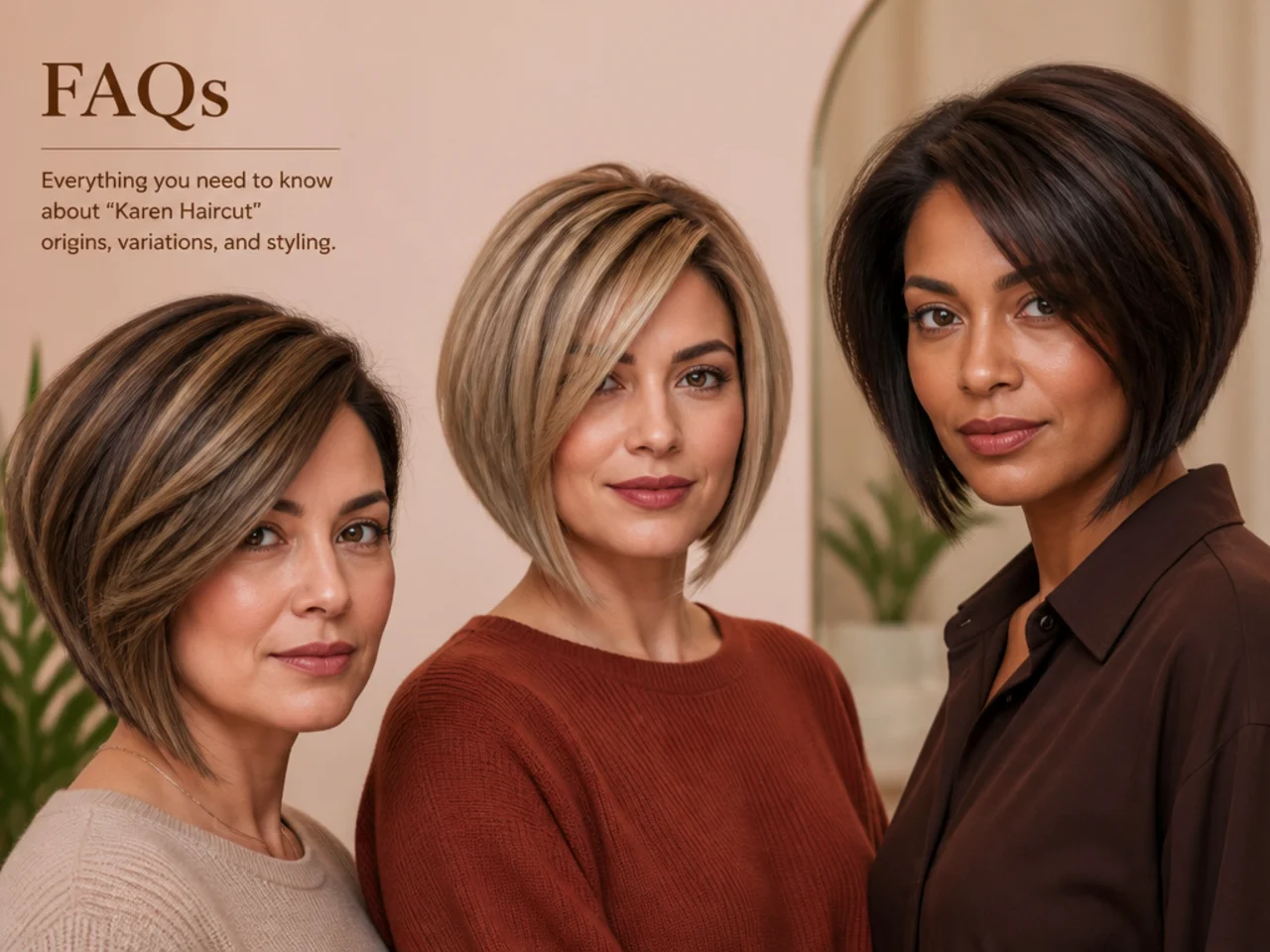
Is the Karen haircut a real hairstyle?
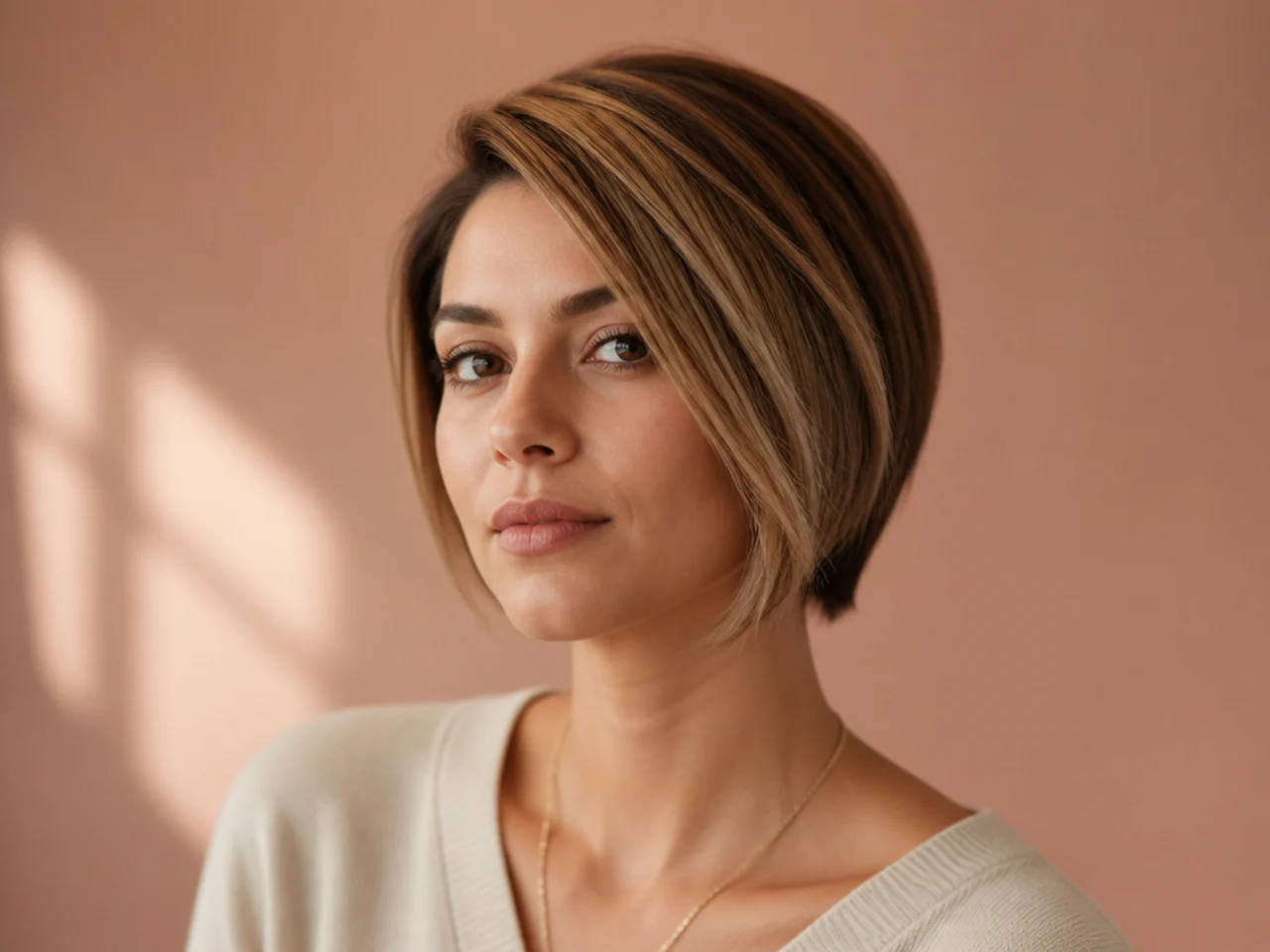
Yes. The shape — an angled A-line bob with a stacked back — is a legitimate salon cut with decades of history. The name is a modern nickname. The scissors work is real.
What is Karen Haircut?
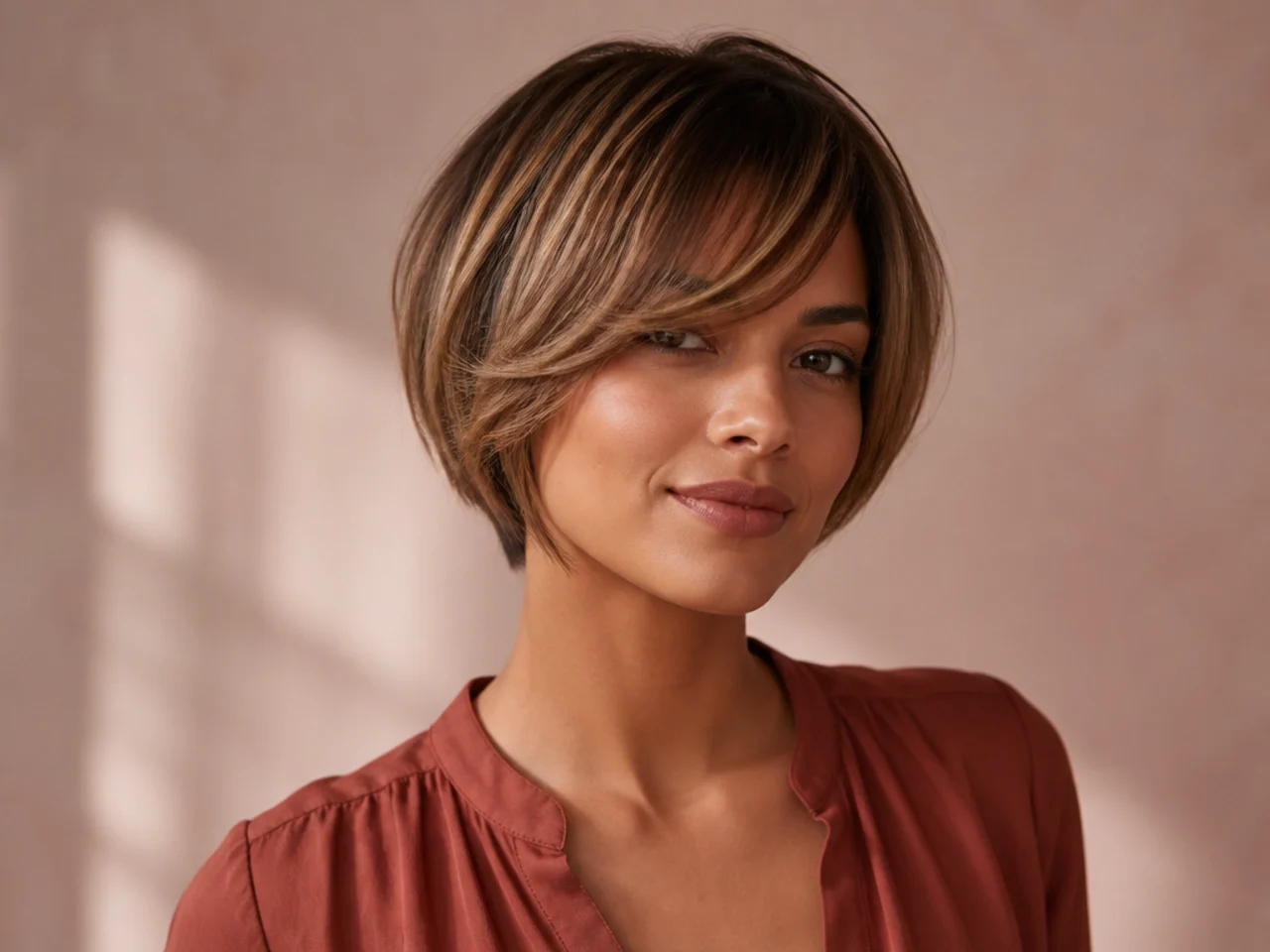
A karen haircut is a short-to-medium bob cut on a diagonal. The back sits above the nape. The front drops past the jaw. Graduation at the crown adds height. Chunky highlights or two-tone color often complete the look.
Why is it called a Karen haircut?
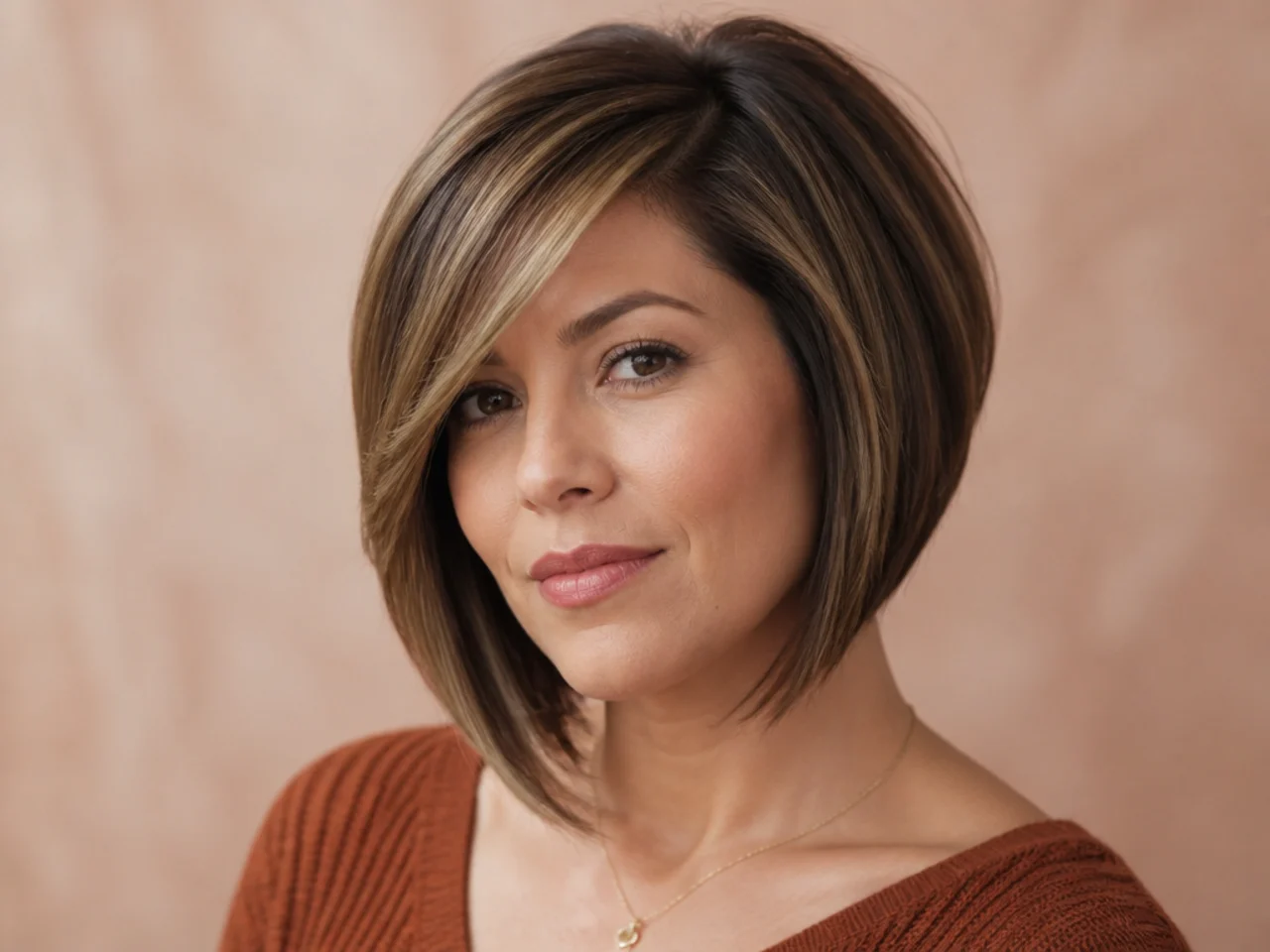
Internet culture attached the name in the mid-2010s. The angled bob had been mainstream for a decade at that point, and the label became visual shorthand for a specific archetype. The haircut itself predates the nickname by many years.
Can these haircuts be modernized?
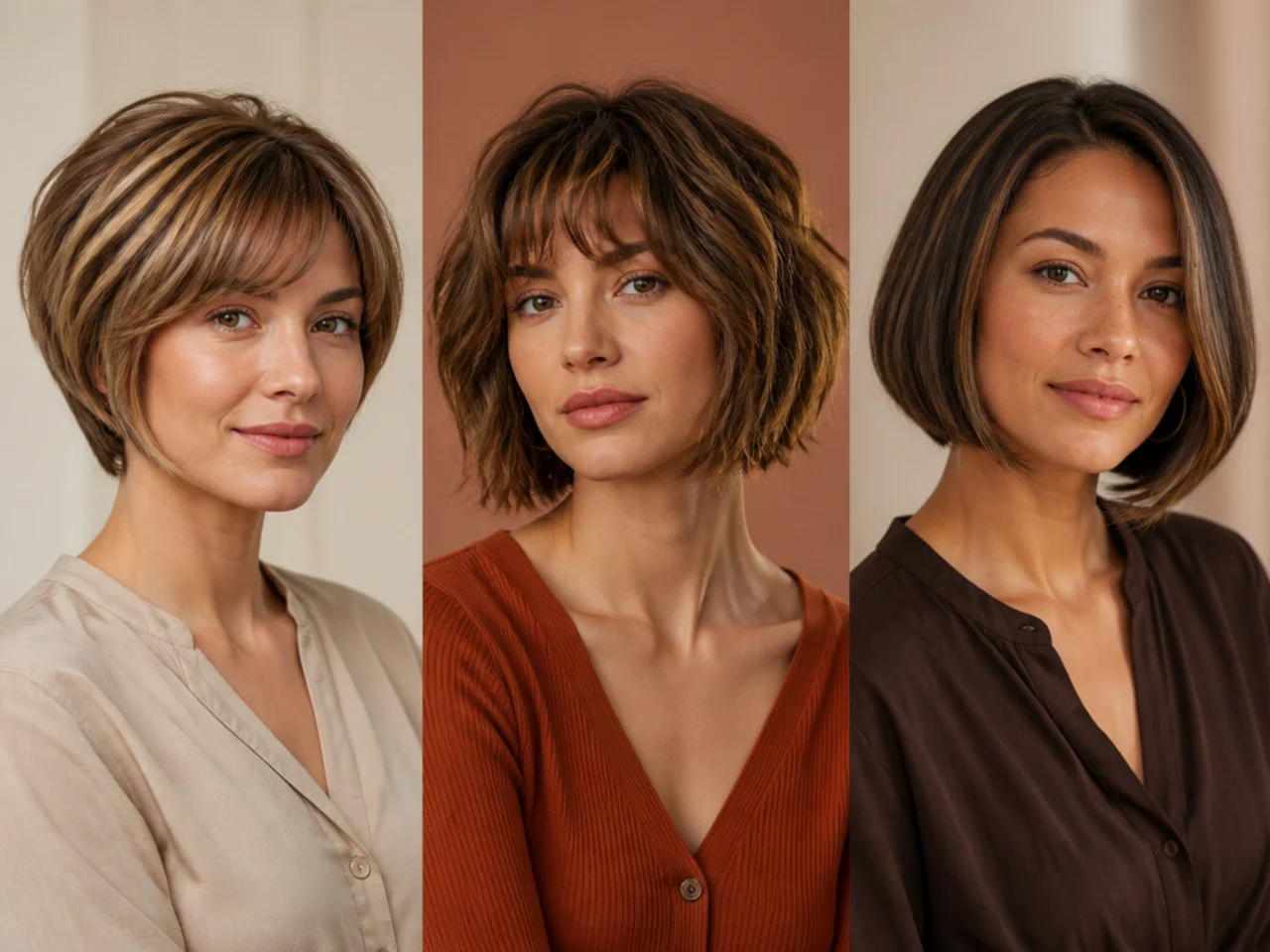
Yes. Soften the angle by an inch or two. Trade chunky highlights for hand-painted babylights. Add internal layers so the crown moves instead of stacking. The framework stays. The finish updates.
Expert Perspective on Hairstyling Trends
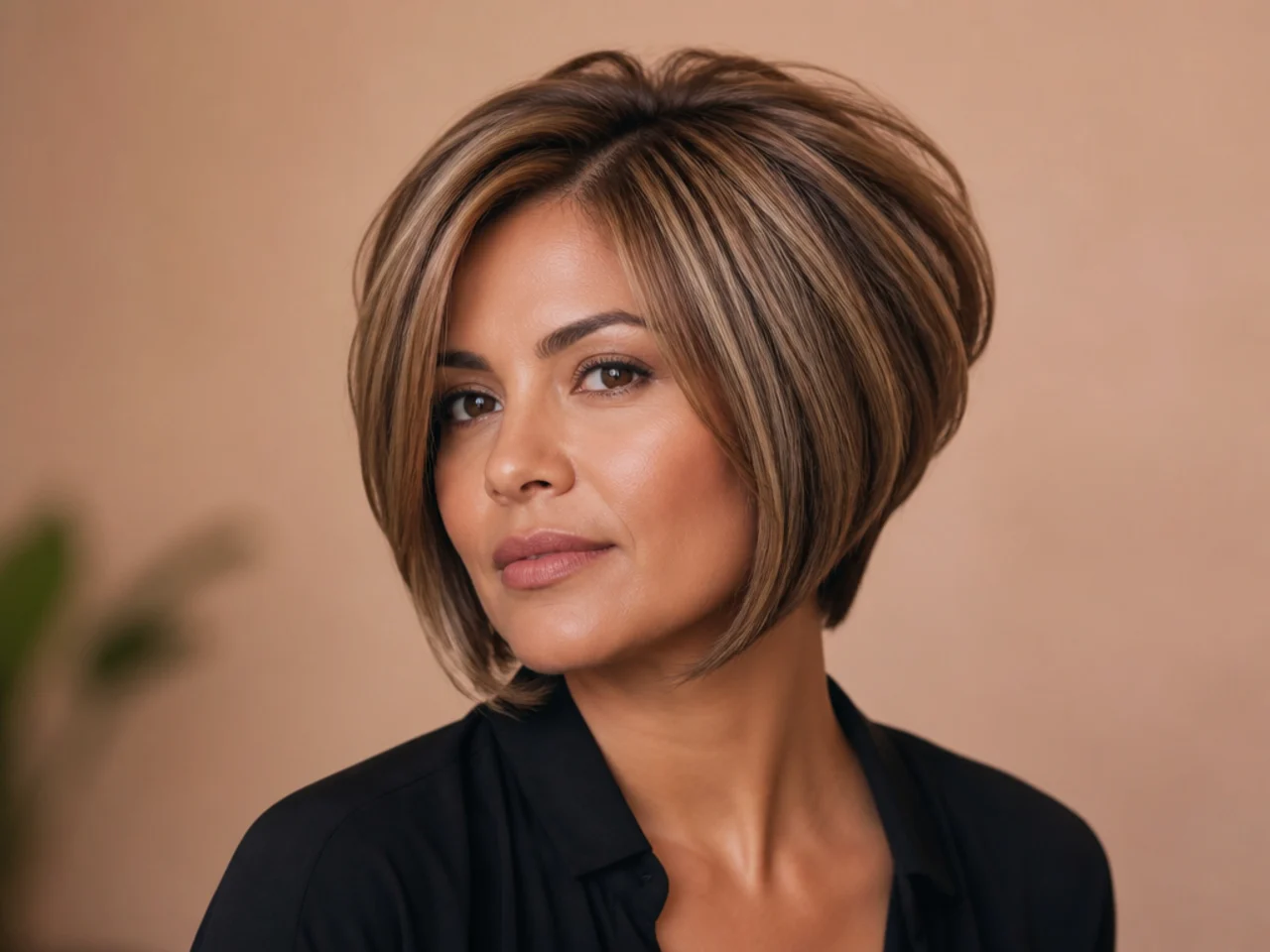
Trends cycle faster than they used to. The angled bob has already returned to salon menus under different names — the “chin-length graduated bob,” the “modern French stack” — because the underlying shape flatters most people and takes less than fifteen minutes to style at home.
If you are a stylist, keep the technique current. Learn to cut the shape both ways: the traditional stacked version for clients who want the classic, and the softened modern version for clients who want the flattery without the label. The muscle memory transfers. The consultation matters more than the scissors.
If you are a client, remember that hair grows back. Try the karen. Try the soft karen. Try one of the alternatives. Any short bob is a low-risk experiment because you can cut it shorter or grow it out within a season. The shape you land on will belong to you, not to a meme.