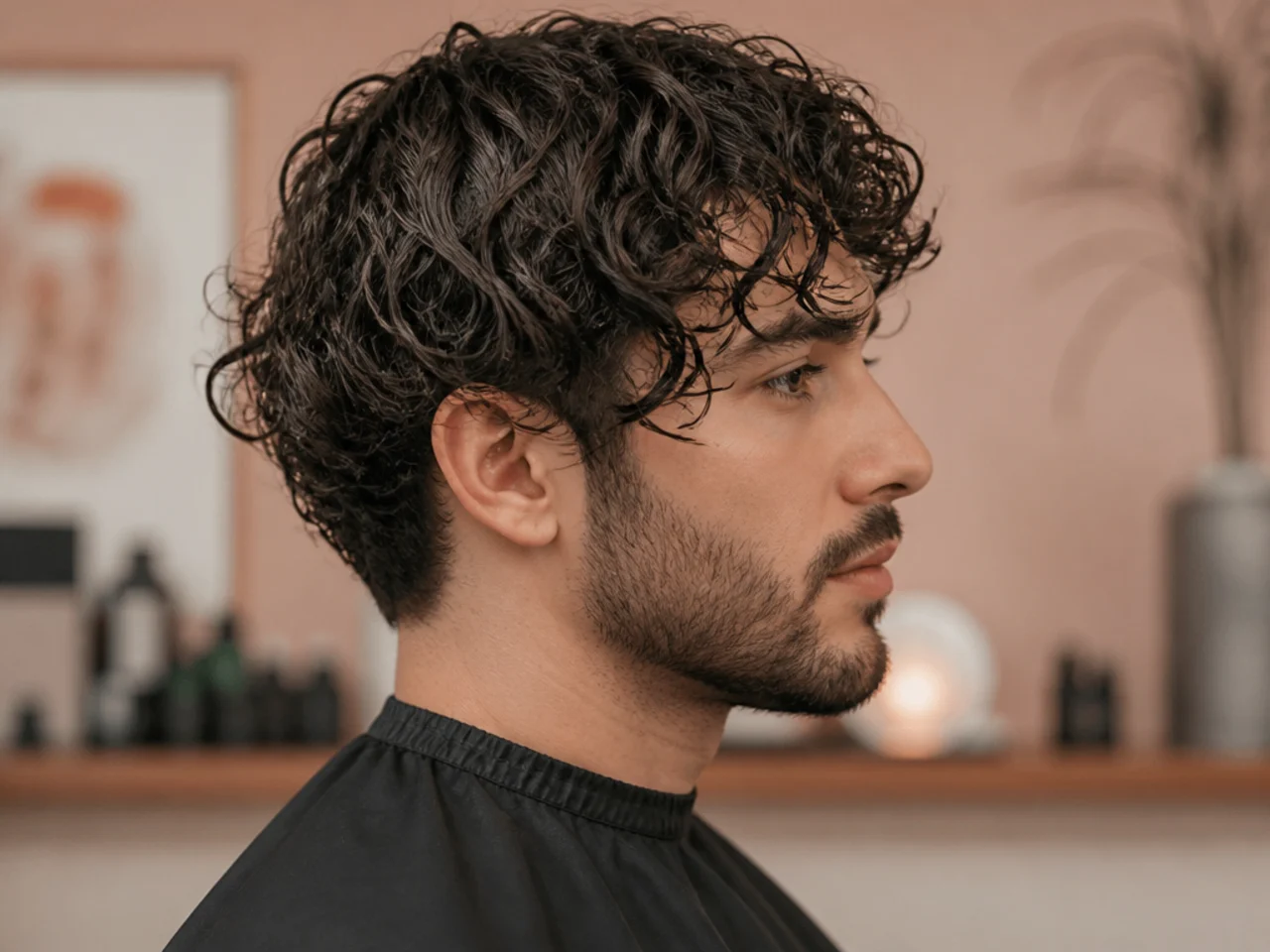
6 Things I Learned Growing Out Curly Hair
Six stylist-chair lessons on growing out curly hair men actually keep — the trim schedule, product order, and dry-cut technique that turn the awkward months into medium-length curly hairstyles that read intentional.
In this article · 18
- What Medium-Length Actually Means on Curly Hair
- Where the Grow-Out Actually Goes Wrong
- The Six Things I Learned Growing Out My Curls
- 1. Wet Cutting Cost Me the Shape
- 2. Skipping Trims Made the Grow-Out Longer, Not Shorter
- 3. Sulfate Shampoo Was Flattening My Curl Pattern
- 4. Air-Drying Looked Natural but Read Undone
- 5. Product Order Mattered More Than Product Brand
- 6. The Awkward Months Needed Stopover Shapes, Not Patience
- The Turning Point: One Habit That Fixed the Whole Grow-Out
- What to Do Next
- FAQ
- How long does it take to grow out curly hair for men?
- Should I keep getting trims while growing out my curls?
- What is the awkward stage of growing out curly hair?
- Should curly hair be cut wet or dry?
- What products should I use while growing out curly hair?
- How do I style medium-length curly hair as it grows?
Growing out curly hair men reach for on Pinterest takes eight months of looking half-finished before the medium-length silhouette starts showing up. I've walked more than a hundred clients through that transition in my stylist chair, and I made every one of these mistakes on my own head first. Below are the six things I learned about growing out curly hair — the trims, the products, the dry-cut technique, and the reference photos that turn the awkward stage into a shape worth keeping.
What Medium-Length Actually Means on Curly Hair
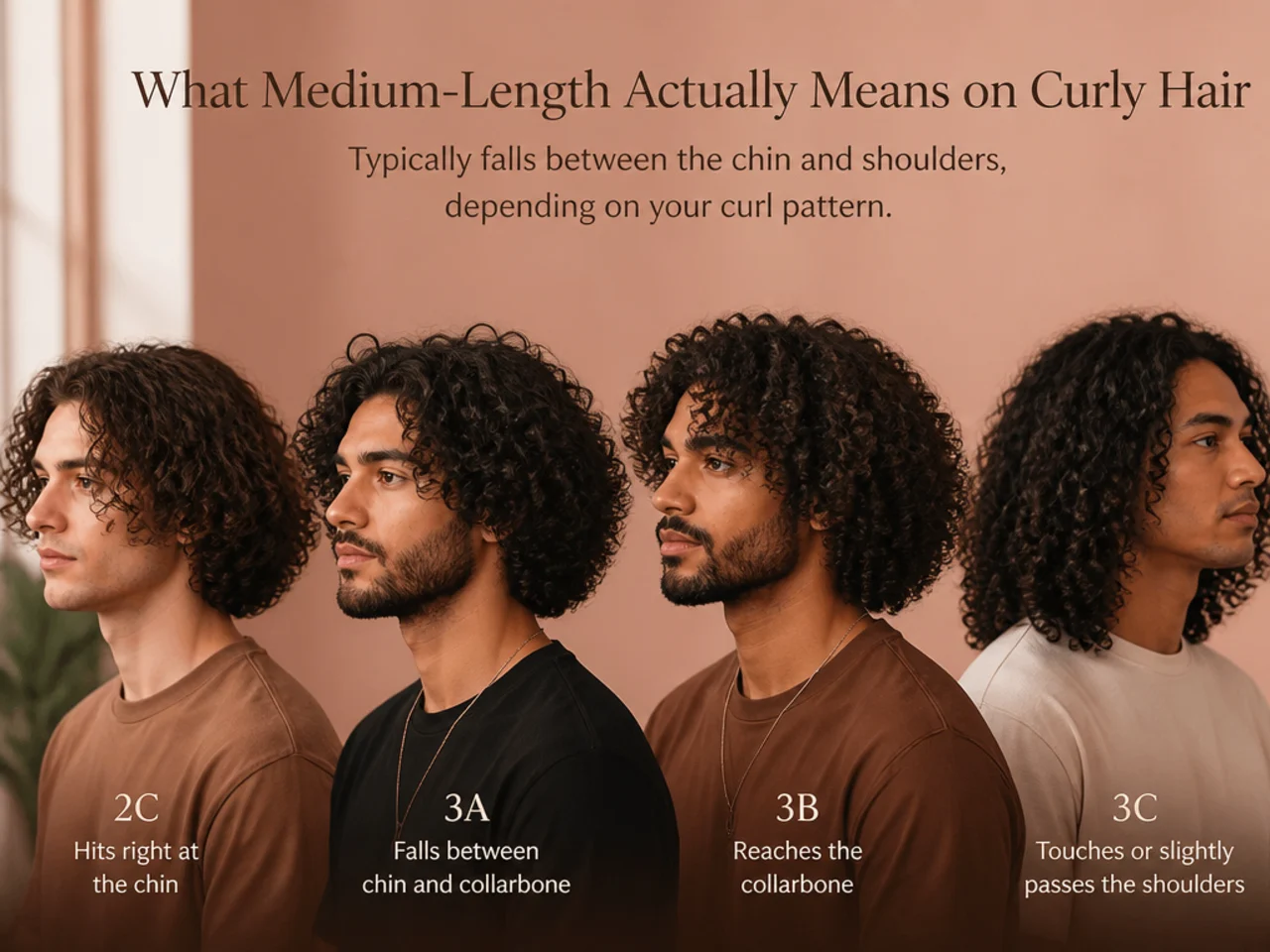
Medium-length on curly hair means three to five inches of stretched length on top. That reads as a hair length between two and three inches once your curl pulls back into its natural shape. Type 2 waves lose about twenty-five percent of their measured length to retraction. Type 3 curls lose forty to sixty percent. Type 4 coils lose seventy-five percent or more, which is why a client with 4A hair can grow out for a year and look like they've grown out for four months.
The finished shape sits in three parts. Length on top carries the volume and curl definition. Face-framing pieces at the temple soften the front and sit at cheekbone level once styled. The sides taper down or scissor-blend so the perimeter reads clean instead of mushroomed. Get those three parts right and you land at the medium length haircut men curly silhouette worth all the awkward months.
Where the Grow-Out Actually Goes Wrong
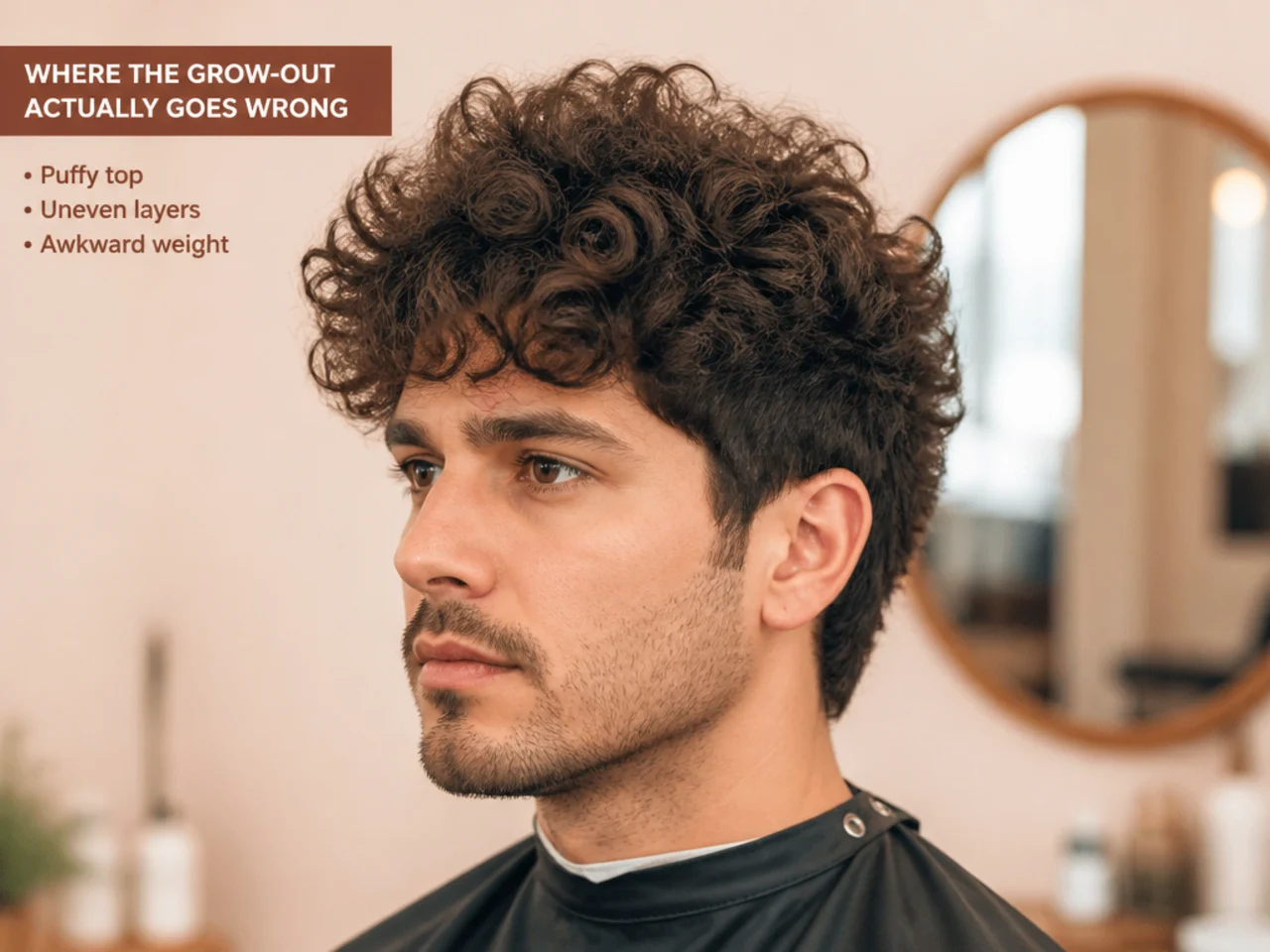
Nearly every failed grow-out I recut started somewhere between month three and month five. The sides caught up to the top, the fade was gone, the ends were splitting, and the whole silhouette turned into a mushroom every morning no matter what product went in. That plateau is the moment most guys give up and buzz it down. I've watched clients throw away four months of growth for one bad Tuesday.
The plateau is not the problem. The plateau is the moment the cut needs the most intention — a scissor-blended taper stopover, a dry-cut micro-trim, and a wet-set routine that reads shape into hair that would otherwise fluff sideways. Skip any one of those three and the mushroom wins.
Every lesson below solves one part of the plateau. The mistake, why it happens, the fix I hand my clients at the chair, and what better looks like once the fix lands.
The Six Things I Learned Growing Out My Curls
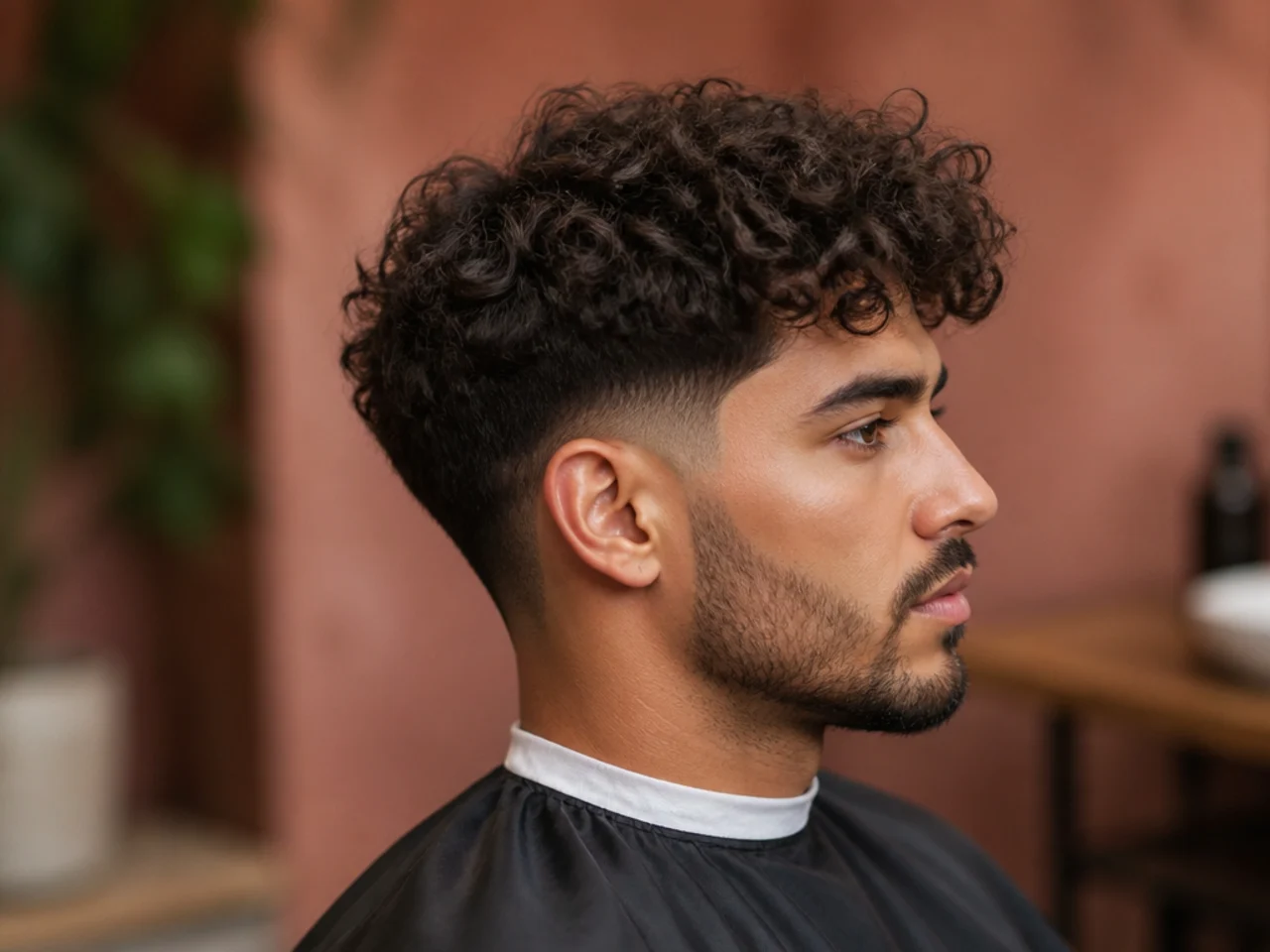
Six lessons, each attached to a client — or to myself — and each with a fix I've handed back at the chair more times than I can count. Read the one closest to where you are in the grow-out first, then borrow whatever else fits.
1. Wet Cutting Cost Me the Shape
The first time I grew my own curls out, I went to a barber who washed my hair, combed it flat, and cut it soaking wet. I walked out with a perfect uniform length, tipped him generously, and by Thursday my hair had retracted into a lopsided triangle with two inches of variance across the crown. I didn't understand what had gone wrong until I trained in curl-specific technique three years later.
The mistake is treating curly hair like straight hair. Wet hair is stretched to its longest state. A wet cut delivers uniform length on stretched hair — which becomes wildly uneven length once the curls pull back to their real shape. A 3B curl retracts about fifty percent, but not uniformly. The crown pulls tighter than the nape. The right side springs faster than the left. Wet cutting sends you home looking symmetrical and leaves you asymmetrical by day three.
The fix is finding a stylist who cuts curly hair dry. Curl by curl, in its natural retracted position. You will pay more. The cut takes twice as long. It's worth every dollar because the shape lasts three months instead of three days. If your city doesn't have a dedicated curl salon, ask any barber whether they trained in DevaCut, Rezo, or Ouidad technique — one of those names in their bio means they know why the dry cut matters.
2. Skipping Trims Made the Grow-Out Longer, Not Shorter
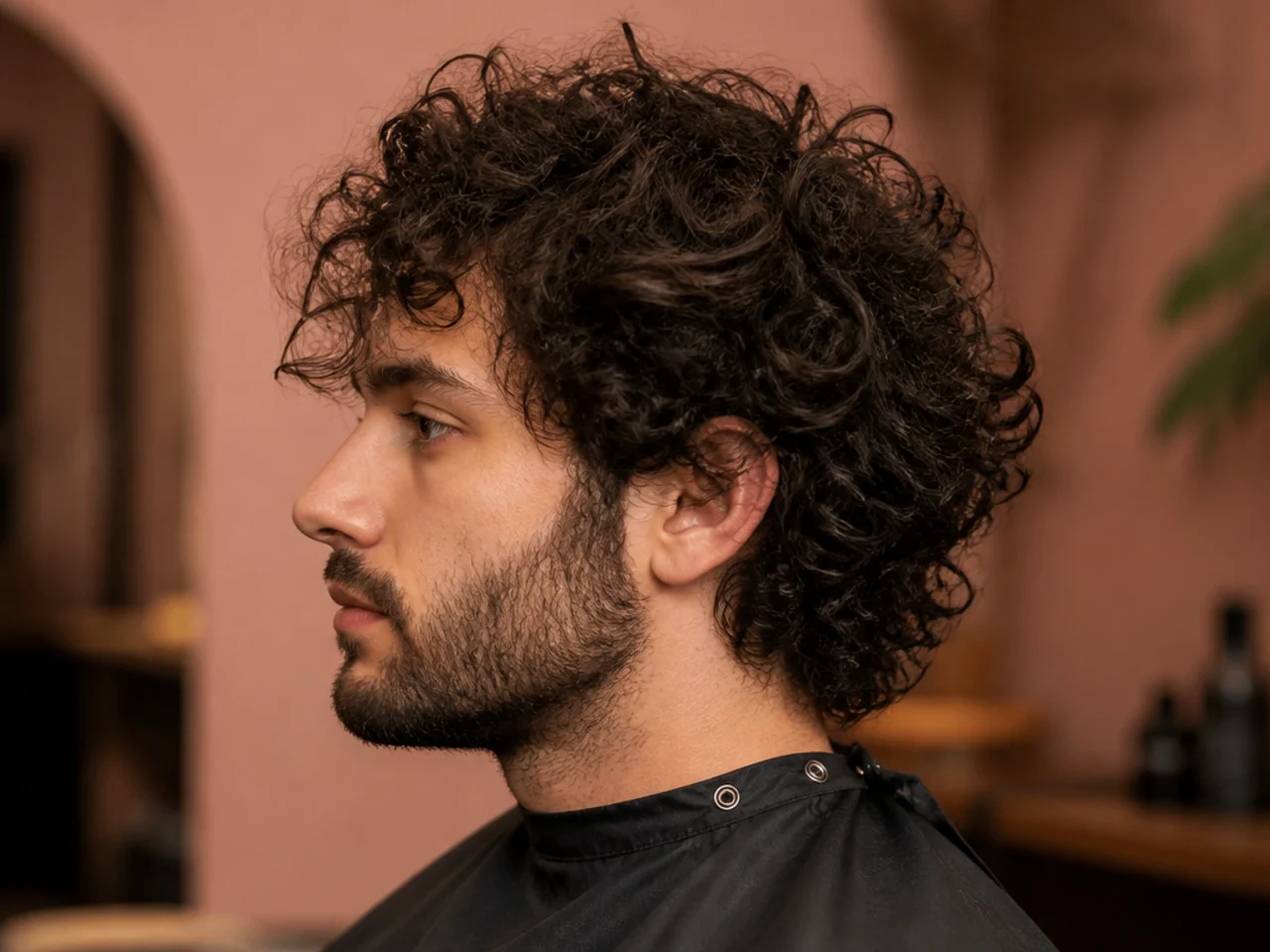
The logic of skipping trims to grow faster is the trap that adds three months to every grow-out I see. Your hair grows about half an inch a month at the root. That growth doesn't disappear when you get a trim — it disappears when your ends split and the split travels up the strand into the mid-lengths. By month four with no trim, you've lost more length to breakage than a stylist would have taken with scissors.
I tried it. Six months without a trim during my own grow-out. I thought I was six months ahead. I was three months behind because the ends had frayed so badly the whole silhouette read scraggly and I had to take two full inches off to reset the perimeter.
The fix is a dry-cut micro-trim every six to eight weeks. Not a shape change. Just a stylist dusting the very ends, one curl at a time, to remove the split and let the curl retract cleanly. On short-to-medium grow-outs I take a quarter inch. That quarter inch buys you the next six weeks of clean growth. Book it standing so you don't have to remember. My regulars who kept the six-week cadence hit their finished medium length hairstyles men silhouette in six months. My regulars who skipped it hit it in ten.
3. Sulfate Shampoo Was Flattening My Curl Pattern
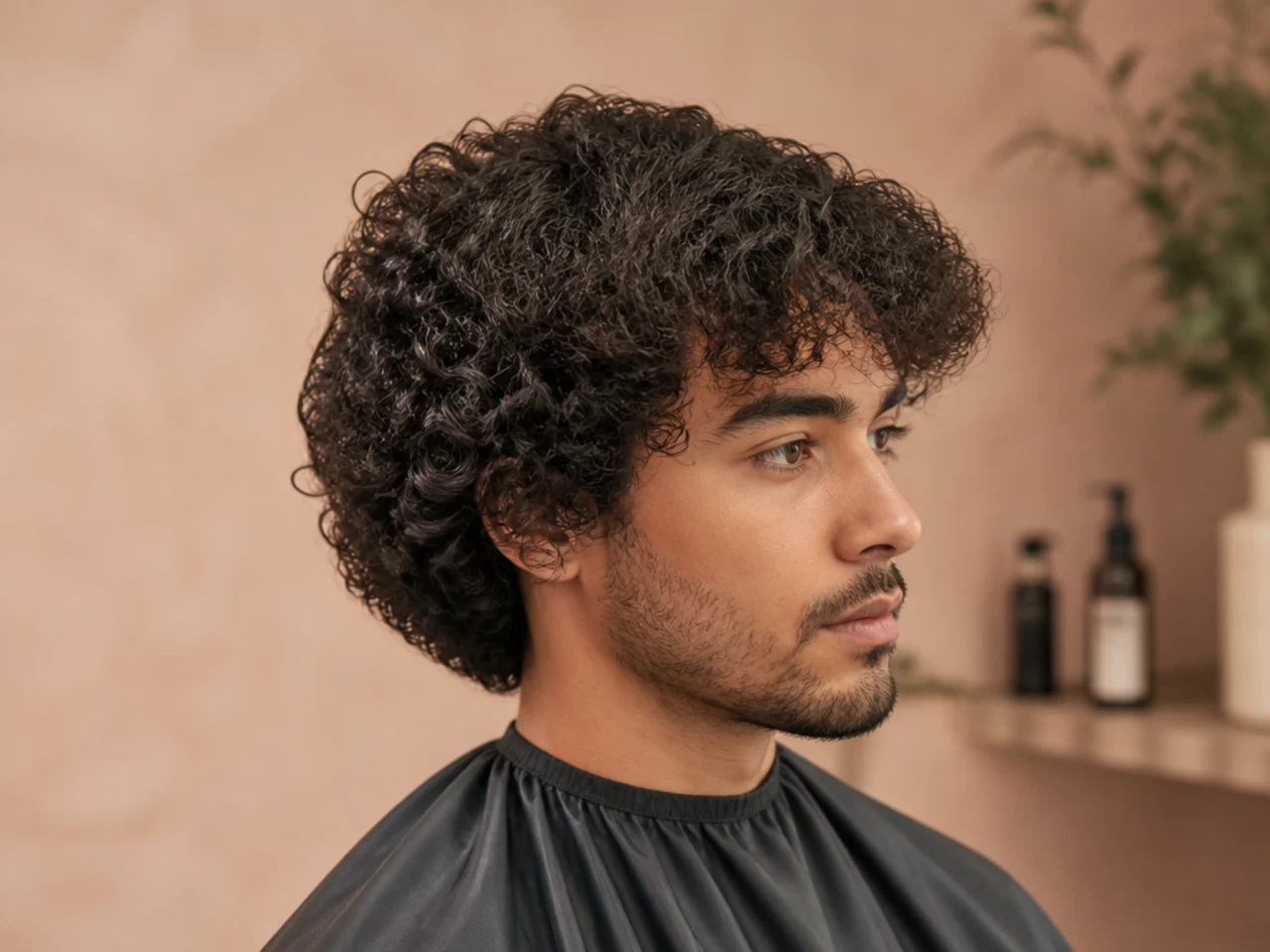
I used the same drugstore shampoo I'd used since I was fifteen — the one that lathered up like dish soap and left my hair squeaky. That squeak is the problem. Sulfates strip the cuticle open and the curl pattern collapses without the natural oil it depends on for spring. My 3A curls read as 2C waves the whole first year I was growing out, and I blamed my genetics instead of the bottle.
The fix took one shower. I switched to a sulfate-free shampoo for two weekly washes and a co-wash (a conditioner-based cleanser) between them. The curl pattern came back within three weeks. Definition sharpened, frizz dropped, and product started actually holding because the strands were no longer chemically stripped. I clarified once a month with a proper clarifying shampoo to reset any product buildup, and that was the whole cleansing routine.
The best wavy hair products guide covers the specific category-level picks that work across curl types — sulfate-free shampoo, silicone-free conditioner, water-soluble stylers. Read the ingredient list, not the marketing. If the second ingredient is sodium lauryl sulfate, put it down. If the product's silicone doesn't dissolve in water, it will build up and block moisture from reaching the strand. Two ingredient rules and your whole routine gets fifty percent better.
4. Air-Drying Looked Natural but Read Undone
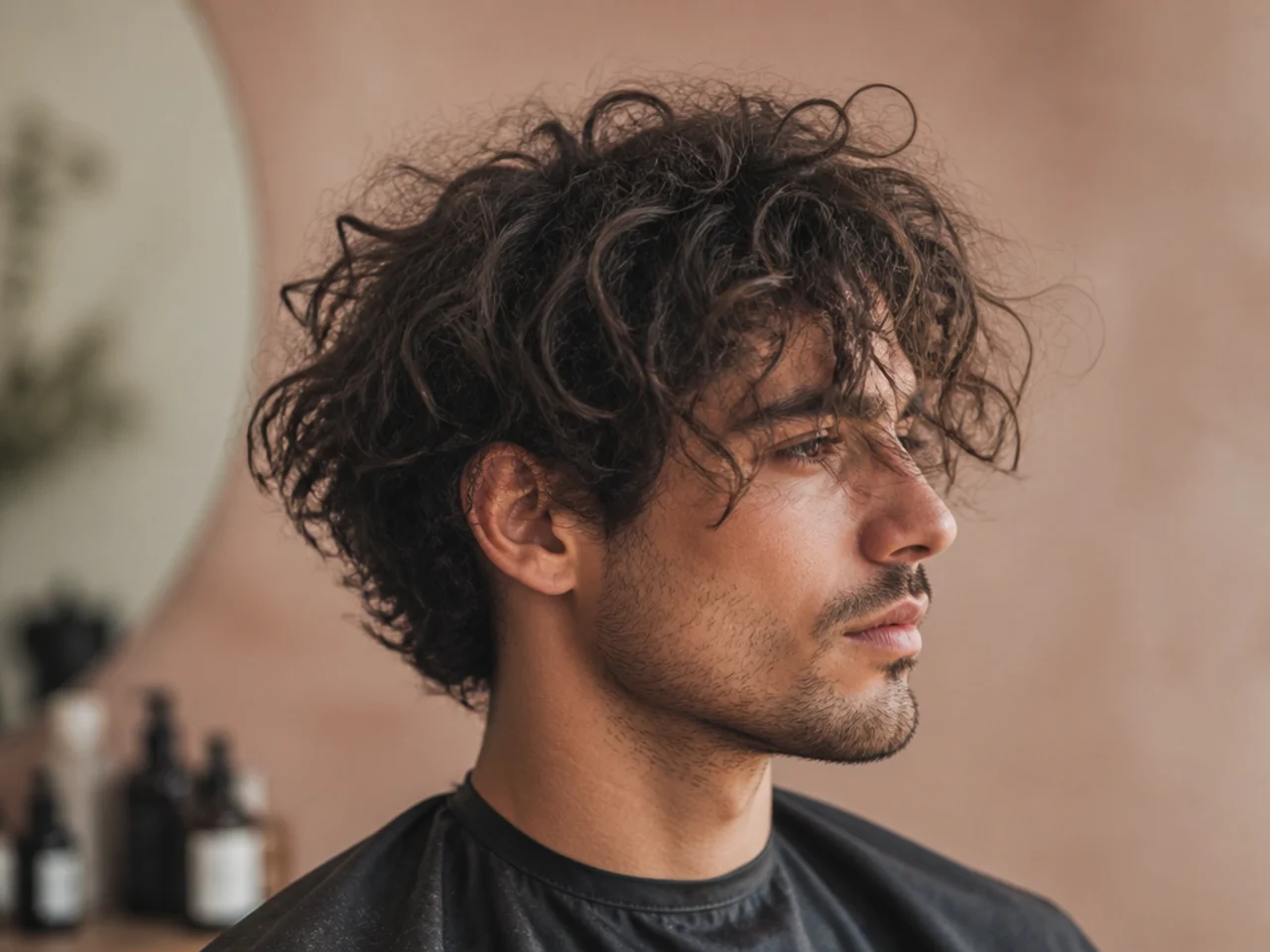
I resisted a diffuser for two years because I thought heat was for straight hair. Air-drying was supposed to be the low-effort curl move. My air-dried hair read flat by 2pm every day, the curl clumps separated, and the front pieces went stringy the moment I bent over to tie my shoes. I finally bought a diffuser out of frustration and watched my curl pattern lift and hold for the first time in my adult life.
The mistake is confusing air-drying with cast-drying. Air-drying wet curls leaves them flat because gravity pulls the curl cluster down to its longest point as it dries. Diffusing on low speed and low heat, with the head tilted forward and the curls cupped in the diffuser bowl, sets the curl at its natural spring point. The gel or mousse forms a "cast" around the set curl. You break the cast with a light scrunch after it's dry, and the curl holds its shape all day.
The rule I hand every client: diffuse on the coolest heat setting, the slowest air speed, and only to eighty percent dry. The last twenty percent air-dries so you don't overheat the cuticle. If you don't have a diffuser attachment, get one that fits your existing dryer — they're twenty dollars. That single tool is the biggest difference between a curly grow-out that reads intentional and one that reads bedhead by lunchtime.
5. Product Order Mattered More Than Product Brand
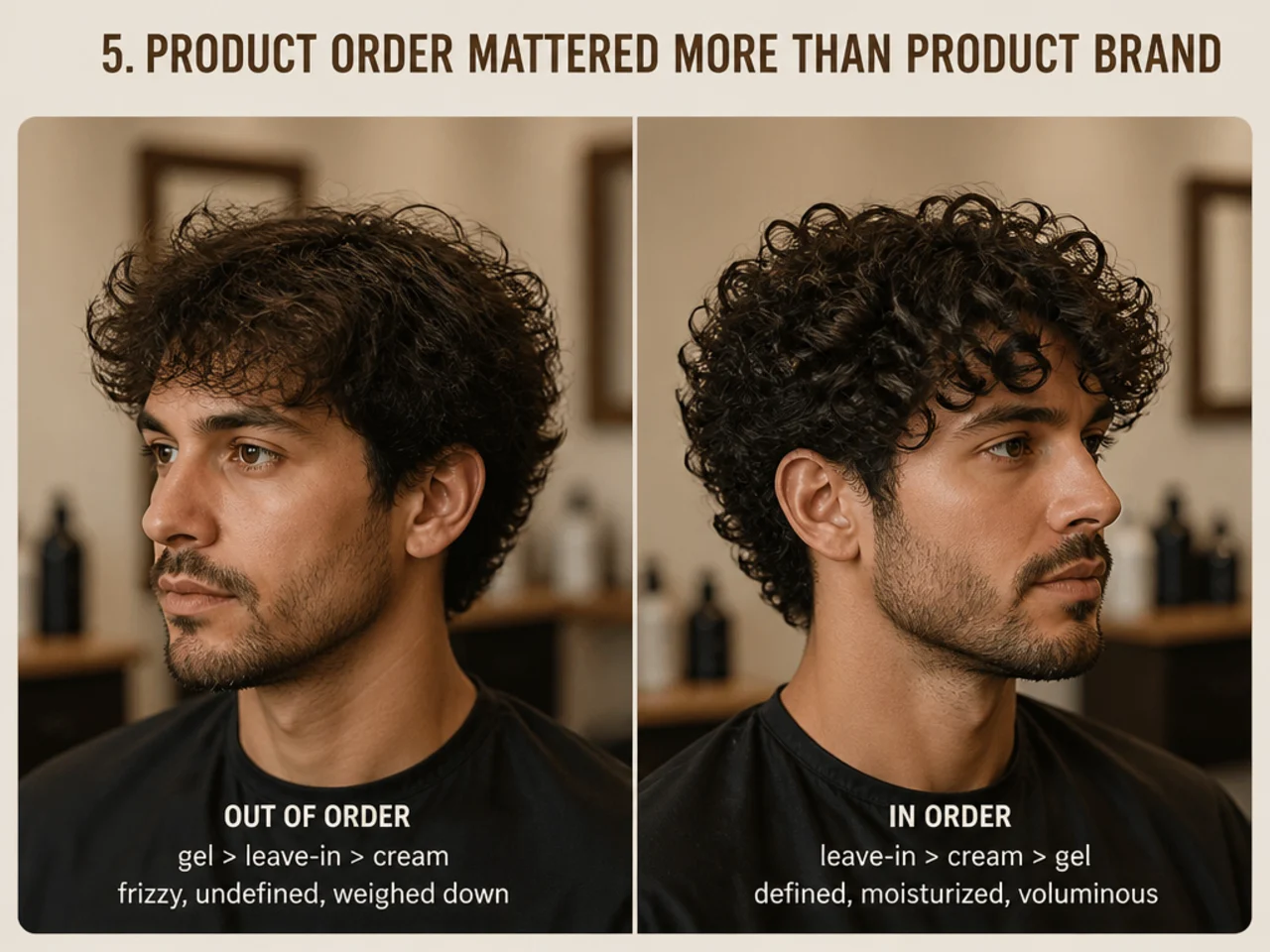
I spent two years buying every trending curl product on Instagram and getting the same mediocre result from each of them. The product wasn't the problem. The order was. I was scrunching gel into dry hair, layering cream on top of gel, and skipping the leave-in entirely. Each of those choices canceled out whatever the product was supposed to do.
The order is fixed. Leave-in conditioner first, on soaking wet hair, raked through with fingers to distribute evenly. Curl cream second, scrunched upward into the same soaking hair, palm-to-palm to build slip. Light-hold gel or mousse third, prayer-hands compressed downward through the length, then scrunched upward to encourage clumping. Diffuse. Break the cast. Done.
Break that order and each product fights the last one. Cream on top of gel means the gel can't form its cast. Gel on dry hair separates the curl clumps into stringy pieces. Skipping the leave-in leaves the strand thirsty and frizz sets in by evening. One product per step is enough. The curly hairstyles for men guide covers matte-clay-and-cream combinations for shorter versions and cream-and-mousse combinations for the medium and long grown-out silhouettes. Match the product hierarchy to the length, and the same three-step order applies at every stage.
6. The Awkward Months Needed Stopover Shapes, Not Patience
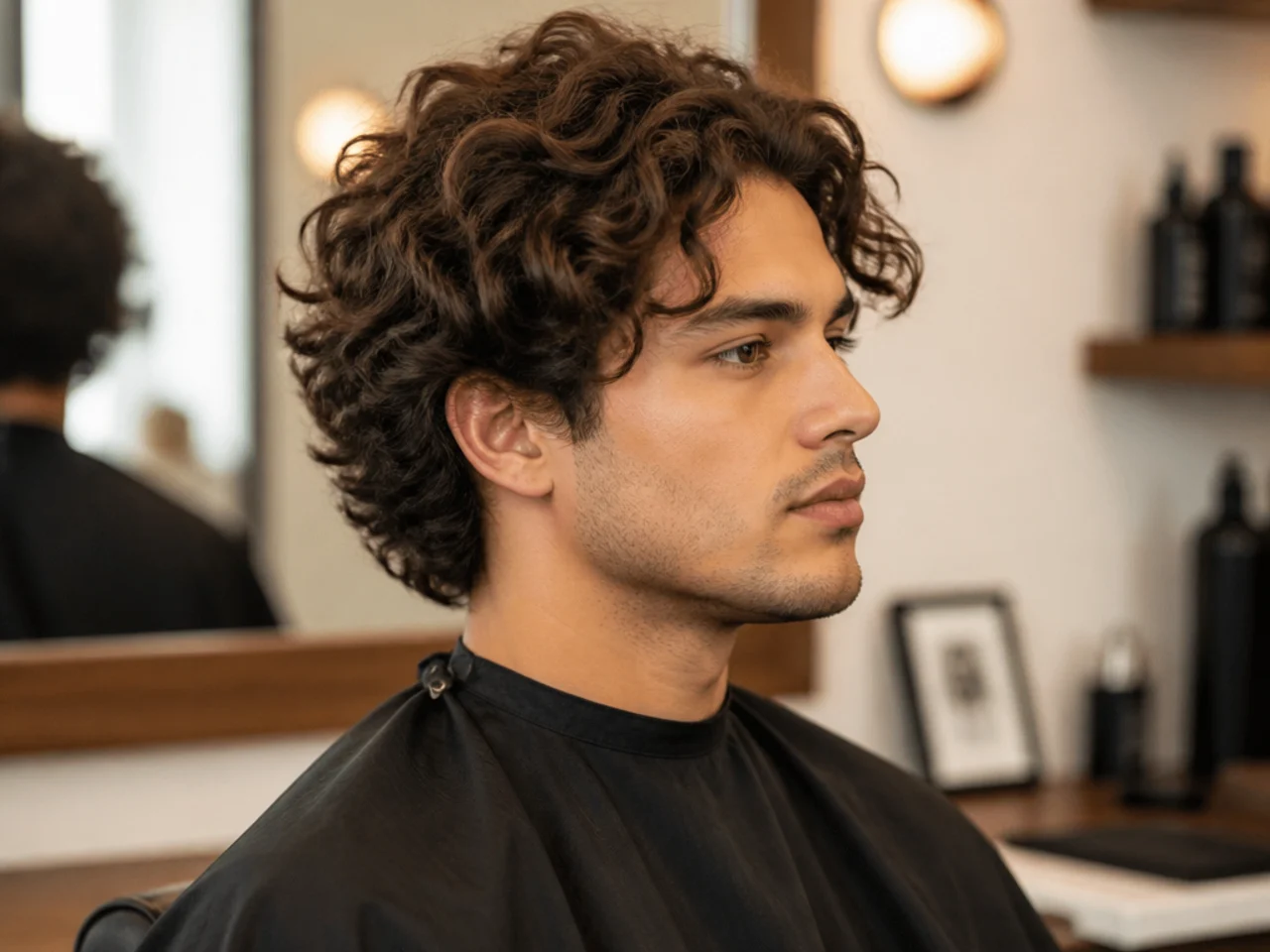
The advice I got when I started my grow-out was "just be patient." That advice sent me into month five with a mushroom silhouette and a resignation to shave it down. What I actually needed was a stopover shape. A different cut every two to three months that read intentional at each stage instead of one long undefined blur.
The plan I now hand every client at the start of a grow-out is a three-stopover map. Month one to two, hold the low taper fade short and let the top grow. Month three to four, transition to a scissor-blended taper — the fade grows out into a soft blend, and the top starts to sit as a defined curl crop. Month five to six, drop the fade to mid with the top now hitting three inches stretched, styled forward as a curly quiff or fringe. Month seven onward, the sides scissor-blend fully and the top reaches the brushable range and you're at the finished shape.
Each stopover reads as its own haircut. You never look mid-grow-out. The point is to plan the stopovers before the plateau hits, not to react to the mushroom after it's already there.
The Turning Point: One Habit That Fixed the Whole Grow-Out
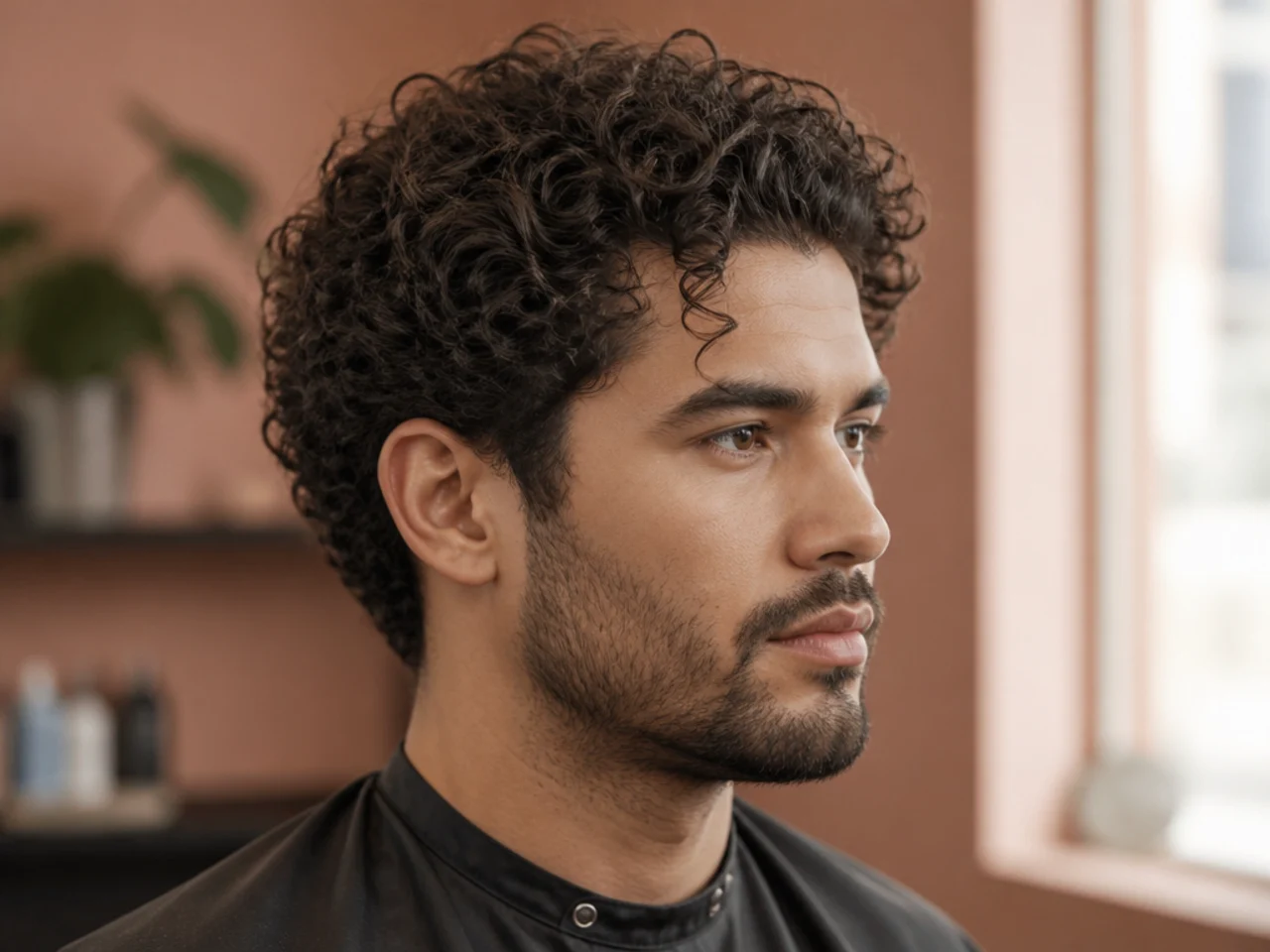
Every client I've walked through a successful grow-out had the same recovery arc. The bad early months, the recut with me, and then — the actual difference — a change in how they briefed the chair for every appointment after that.
They started bringing the same three reference photos to every visit. Not a new batch every time. Literally the same three files. A front, a side, a back — the finished silhouette they were growing toward. The reference held next to their face at the start of every appointment gave every stylist the same target, so each cut moved the shape one stopover closer instead of drifting sideways. Curly grow-outs drift a full stopover per session if the target changes between visits.
Reference photos plus standing appointments plus a fixed three-product wet-set routine. That's it. No expensive product line, no salon program, no protein treatment. The same photo, the same schedule, the same styling method every day. Your curly grow-out only reads intentional when your maintenance is intentional — everything else is the cut trying to work around a routine that wasn't designed for it.
What to Do Next
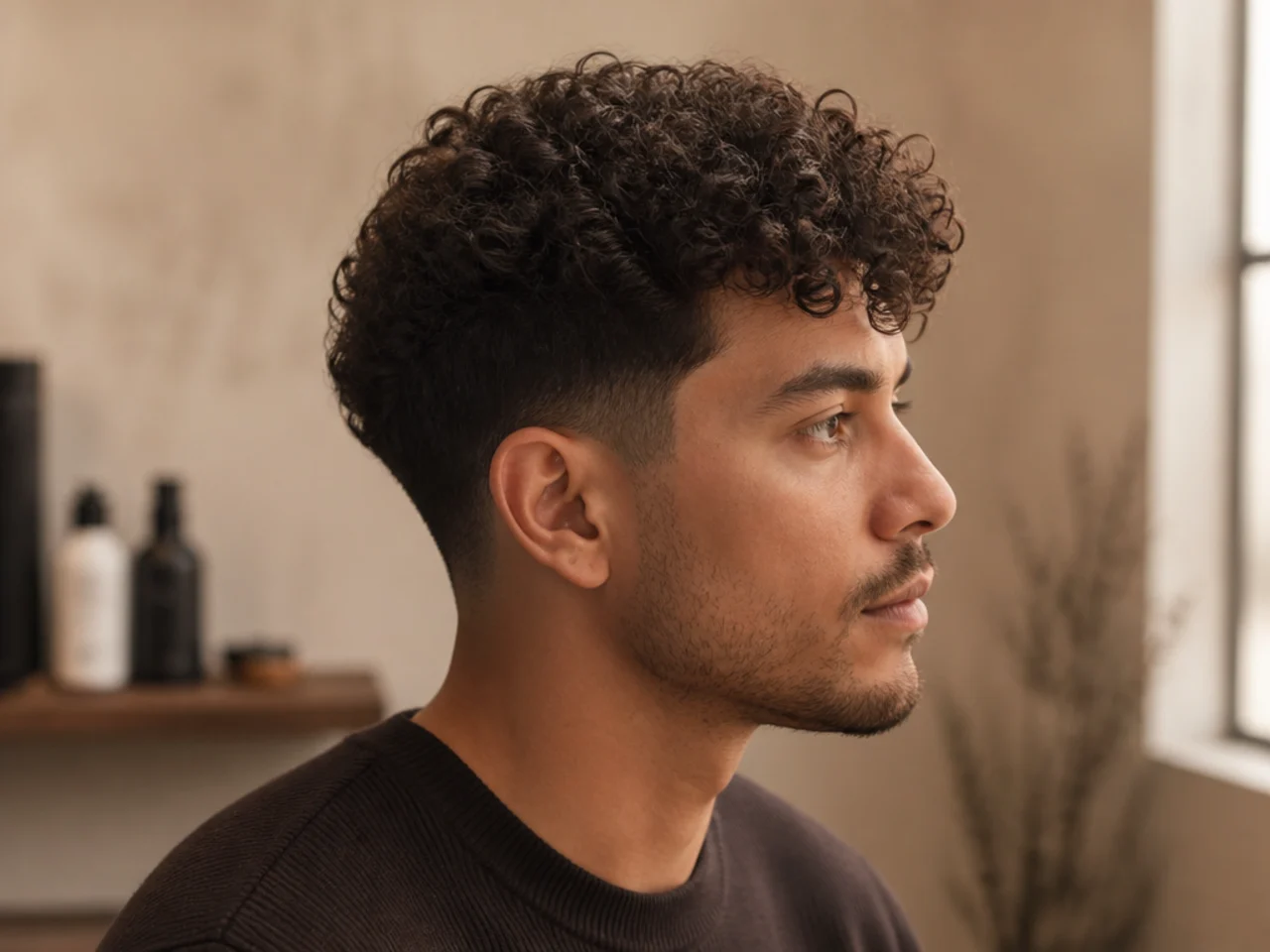
Pick your finished shape first. If you haven't landed on the exact medium-length curly silhouette you're growing toward, the curly hair men haircut library covers the full range — from short crops to shoulder-length — with reference frames and the chair language for each. Cross-check with the curl types guide so you know whether you're growing 2C waves, 3B curls, or 4A coils. The finished shape and the styling routine are different for each.
Then map your stopovers. If you're starting from a skin fade, the medium length haircut men fade guide walks through the transition — low taper at month one to two, scissor-blended taper at month three to four, mid fade at month five when the top hits three inches stretched. Book each stopover at the start, not when the plateau hits.
Find a stylist who cuts curls dry. Ask to see three photos of curly work on their Instagram before you sit down — not fades, not tapers, curls specifically. If a friend has one that reads well, ask them who cut it. Word of mouth beats Google reviews for curl-specific work every time.
Confirm cadence. The how often should men get a haircut guide covers why the six-to-eight-week window shifts at each stopover. If your calendar can't hold that cadence, the medium length hairstyles men hub covers the lowest-maintenance versions of the finished silhouette. Or, if you want to skip the medium stage entirely, the curly wolf cut men guide covers a shaggier finished shape with a bigger textured back.
FAQ
How long does it take to grow out curly hair for men?
Six to twelve months to reach a stretched three to five inches, depending on curl pattern and starting length. Type 2 waves reach a medium silhouette in five to seven months. Type 3 curls take eight to ten. Type 4 coils can run twelve months or more because shrinkage hides half the length you've grown. Track stretched length, not curled length, so you're measuring actual progress.
Should I keep getting trims while growing out my curls?
Yes — every six to eight weeks. Skipping trims doesn't add length; it lets split ends travel up the strand and turn the ends into frizz. A tiny dry-cut micro-trim protects the curl and reshapes the perimeter without giving up meaningful growth. A quarter inch off every six weeks buys you the next six weeks of clean growth.
What is the awkward stage of growing out curly hair?
Roughly months three through five, when the sides catch up to the top and the whole shape reads as a mushroom or a helmet by mid-day. Three fixes carry you through it: a scissor-blended taper stopover at the sides, a dry-cut micro-trim to reshape the perimeter, and a wet-set styling routine that holds definition. Plan the stopovers before the plateau hits.
Should curly hair be cut wet or dry?
Dry — every time. Wet cutting looks great in the chair and then shrinks into an uneven triangle by day three because different sections of curl retract at different rates. Book a stylist who cuts curly hair dry so they see the actual curl pattern and place every scissor cut exactly where it needs to land. DevaCut, Rezo, or Ouidad in a stylist's bio all point to proper dry-cut technique.
What products should I use while growing out curly hair?
A sulfate-free shampoo or co-wash, a leave-in conditioner, a curl cream, and a light-hold gel or mousse. Layer them in that exact order on soaking wet hair — leave-in first raked through, curl cream second scrunched upward, gel or mousse third prayer-hands compressed. Read the ingredient list before the marketing. Sulfate-free and silicone-free are the only two rules that matter.
How do I style medium-length curly hair as it grows?
Wet-style only. Rake leave-in through soaking hair, scrunch curl cream in next, follow with light-hold gel or mousse, then diffuse on the coolest heat setting and slowest air speed until eighty percent dry. Fingers only through the crown, no brushing through dry curls, and refresh second-day hair with a mist of water plus a pea of leave-in — never dry product on dry hair.