
20 Wavy Hair Routine Steps for Beginners
A four-week starting protocol rather than a daily routine, built around the rule that makes any of it learnable — change one thing at a time and give each change three washes. A single wash tells you nothing.
In this article · 29
- Why Testing Properly Matters
- Week One — Establish a Baseline
- 1. Photograph Your Hair as It Is
- 2. Change Nothing for Three Washes
- 3. Note How Much It Varies
- 4. Note Your Wash Frequency
- 5. Stop Rough-Drying With a Terry Towel
- Week Two — Test Drying
- 6. Stop Touching It While It Dries
- 7. Three Washes, Same Everything Else
- 8. Photograph Each One Dry
- 9. Compare Against Your Baseline
- 10. Keep It if It Helped
- Week Three — Test Application
- 11. Apply Whatever You Use to Soaking Wet Hair
- 12. Keep the Drying Change in Place
- 13. Three Washes Again
- 14. Try Halving Your Product
- 15. Note Whether It Went Flat or Undefined
- Week Four — Test One Product
- 16. Add a Light Gel, and Nothing Else
- 17. Three Washes, Same Technique
- 18. Scrunch the Cast Out When Fully Dry
- 19. Compare Against Week Three
- 20. Stop Here if You Are Happy
- Troubleshooting
- Mistakes to Avoid
- FAQ
- Final Thoughts
Most wavy hair advice is a routine. What a beginner actually needs is a way to find out which parts of it apply to them.
Change one thing at a time and give each change three washes. Wavy hair varies day to day for reasons that have nothing to do with your routine — humidity, how long since you washed, how you slept on it. One wash cannot tell you whether something helped.
So this is a four-week protocol rather than a daily routine, and it tests technique before products because technique is free and has the larger effect.
Why Testing Properly Matters
Day-to-day variation is large. Larger than most single changes you will make.
Three washes is the minimum signal. Fewer and you are reading noise.
Technique first, products second. Free, and it has the bigger effect.
Photograph everything. Memory across three weeks is not reliable.

Week One — Establish a Baseline
1. Photograph Your Hair as It Is
Dry, in daylight, from the front and side. Take it after a normal wash with your usual routine — this is the thing you are trying to improve on, so it needs to be honest.
2. Change Nothing for Three Washes
You are measuring the variation, not improving anything yet. It feels like wasted time and it is the number every later comparison depends on.

3. Note How Much It Varies
This is your noise floor. Anything smaller is not a result. If two unchanged washes differ noticeably, then a single wash can never tell you whether a change helped.

4. Note Your Wash Frequency
It is a variable, and most people never track it. Washing on day two versus day four changes the result more than most product swaps do.

5. Stop Rough-Drying With a Terry Towel
The one change worth making before you start testing. It has no downside at any pattern strength, so there is nothing to learn by testing it against itself.

Week Two — Test Drying
6. Stop Touching It While It Dries
The highest-impact technique change. Test it alone. Everything else on this list is smaller, so isolating it first gives you the clearest signal you will get.

7. Three Washes, Same Everything Else
Only the drying behaviour changes. Same shampoo, same product, same amount — the discipline is what makes the result readable.

8. Photograph Each One Dry
Same light, same angles. A window at the same time of day is enough; consistency matters more than quality.

9. Compare Against Your Baseline
Bigger than the noise floor, or not. If the difference is smaller than the variation you measured in week one, it is not a result yet.

10. Keep It if It Helped
And it almost certainly did. This is the change with the highest hit rate of anything in a wavy routine.

Week Three — Test Application
11. Apply Whatever You Use to Soaking Wet Hair
Not damp. The second free change. It costs nothing, requires no purchase, and is the second-largest effect available.

12. Keep the Drying Change in Place
You are adding, not swapping. Each week builds on the last, so by week four you are testing on a settled base rather than a shifting one.

13. Three Washes Again
The same discipline every time. Three washes per change is the whole method, and shortening it is how people end up back where they started.

14. Try Halving Your Product
The most common wavy-hair fix, tested rather than assumed. Most people have never tested the amount they use; they inherited it from a bottle written for curlier hair.

15. Note Whether It Went Flat or Undefined
Flat means too much. Undefined means too little. These two look similar at a glance and need opposite corrections, which is why naming which one you have matters.

Week Four — Test One Product
16. Add a Light Gel, and Nothing Else
The first product worth testing, once technique is settled. Testing a gel while your drying habits are still changing tells you about the drying, not the gel.

17. Three Washes, Same Technique
The technique is now the constant. That is the point of doing three weeks of technique first — you finally have a stable baseline to test a product against.

18. Scrunch the Cast Out When Fully Dry
Otherwise you will judge it crunchy and conclude wrongly. The cast is meant to be crunchy until you break it, and this single misunderstanding is why most people abandon gel.

19. Compare Against Week Three
Product against technique-only, fairly tested. You now know what the gel added, which is a question almost nobody can answer about their own routine.
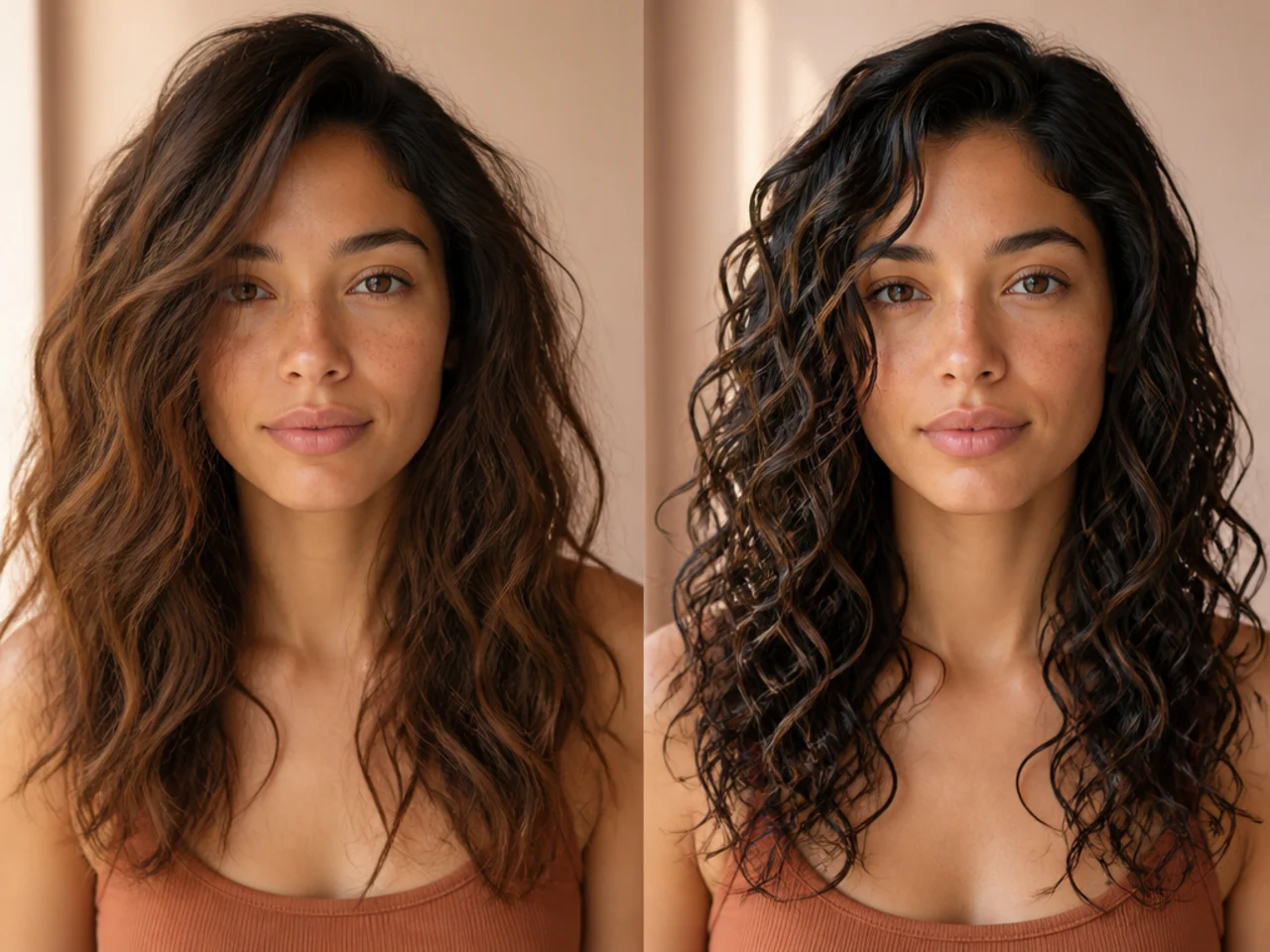
20. Stop Here if You Are Happy
A settled routine beats a longer one. There is no prize for more steps, and every additional variable makes the next problem harder to diagnose.

Troubleshooting
Every wash looks different and I cannot tell what works. Your noise floor is high. Photograph in consistent light and compare across three washes rather than one.
Nothing seems to help. Check the drying step first. It is the largest single variable and the easiest to be inconsistent about.
It looked better in week one than week four. Something you added is weighing it down. Remove the most recent addition and retest.
I cannot wait three washes. Then you will not know which change did what — but the drying change is safe to make immediately, since it has no downside.
It looks great wet and flat dry. You are touching it while it dries, almost certainly.
My hair is not wavy after all. Weighed-down waves look straight. Test the no-product version before concluding.

Mistakes to Avoid
Changing several things at once. The most common reason people learn nothing.
Judging after one wash. That is noise, not signal.
Buying products before fixing technique. Technique is free and larger.
Not photographing. Memory across three weeks is unreliable.
Continuing past the point it looks right. A settled routine is the goal.

FAQ
How long does it take? About a month if tested properly.
How many changes at once? One, then three washes.
What first? Technique before products — it is free and has more effect.

Final Thoughts
Spend the first week changing nothing. It feels like wasted time and it is the only way to find out how much your hair varies on its own — which is the number every later comparison depends on.
For the shortest working routine see 20 easy wavy hair routine steps, and for the full sequence see 25 steps for a wavy hair routine that works. More in Hair Care.