
20 Easy Wavy Hair Routine Steps for Beginners
Twenty steps ranked by how much they actually contribute, and the finding behind the ranking — three of them do most of the work. The other seventeen are refinements you can add later or never.
In this article · 27
- The Three That Matter
- How to Choose Yours
- The 20 Steps, Ranked by Effect
- 1. Do Not Touch It While It Dries
- 2. Apply Product to Soaking Wet Hair
- 3. Keep Conditioner Off the Roots
- 4. Use Half the Recommended Product
- 5. Squeeze Dry, Never Rub
- 6. Scrunch Upward Once
- 7. Wash Less Often
- 8. Detangle in the Conditioner
- 9. Rinse Cool
- 10. Sleep on Satin
- 11. Refresh With Water, Not Product
- 12. Add a Light Gel
- 13. Diffuse on Low Rather Than Air-Dry
- 14. Scrunch Out the Cast Once Dry
- 15. Use a Gentler Shampoo
- 16. Plop for Ten Minutes
- 17. Clarify Monthly
- 18. Try a Deep Conditioner
- 19. Experiment With Application Method
- 20. Buy a Second Styling Product
- Styling and Upkeep
- Mistakes to Avoid
- FAQ
- Final Thoughts
A twenty-five step routine is not wrong, but it hides something useful: the steps are not equally important.
Three of them do most of the work. Wash gently. Apply product to soaking wet hair. Do not touch it while it dries.
Everything else is refinement, and starting with all of it makes it much harder to learn what your own hair actually responds to.
The Three That Matter
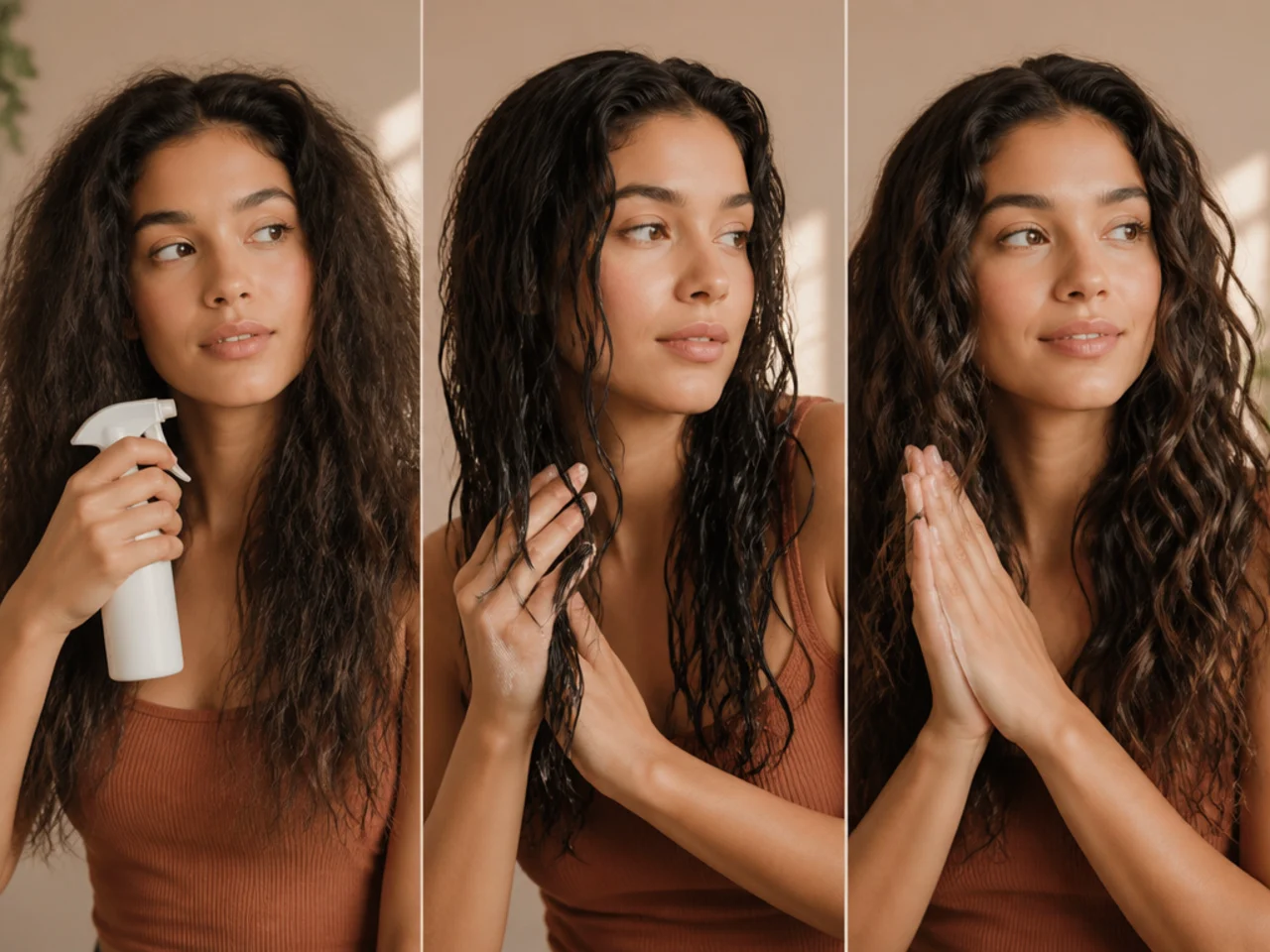
Wash gently, condition the ends only. Harsh detergent and root conditioner are the two things that most reliably ruin waves before styling begins. Both happen before you have picked up a styling product.
Apply product to soaking wet hair. Not damp. Wetter hair distributes product further and carries it more lightly.
Do not touch it while it dries. The hardest of the three and the one with the biggest effect.
Everything else is optional. Useful, but optional. Genuinely optional, not politely optional.
How to Choose Yours
Start with three steps. Add more only once those are automatic.
Add one refinement at a time. Otherwise you learn nothing.
Do not buy a product for each step. Most of the ranking below needs nothing new.
Judge after three washes. Wavy hair varies day to day for reasons unrelated to your routine.

The 20 Steps, Ranked by Effect
1. Do Not Touch It While It Dries
The single highest-impact step, and it costs nothing. Waves set as the water leaves them, so a hand through it half-dry undoes an hour of forming in a second.
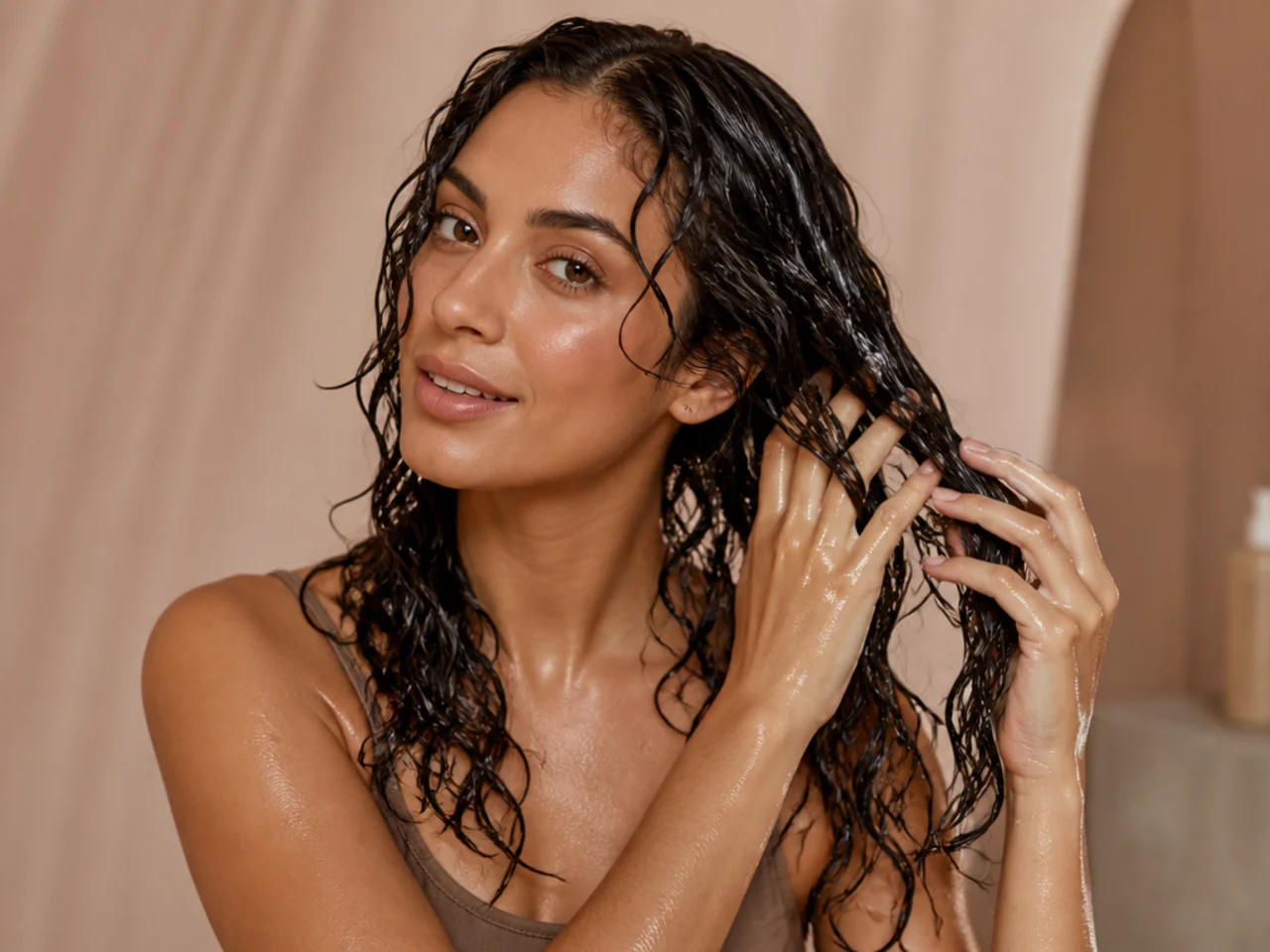
2. Apply Product to Soaking Wet Hair
Not damp. This one change transforms most routines. Water does the distributing, so wetter hair means less product spread further and carried more lightly.
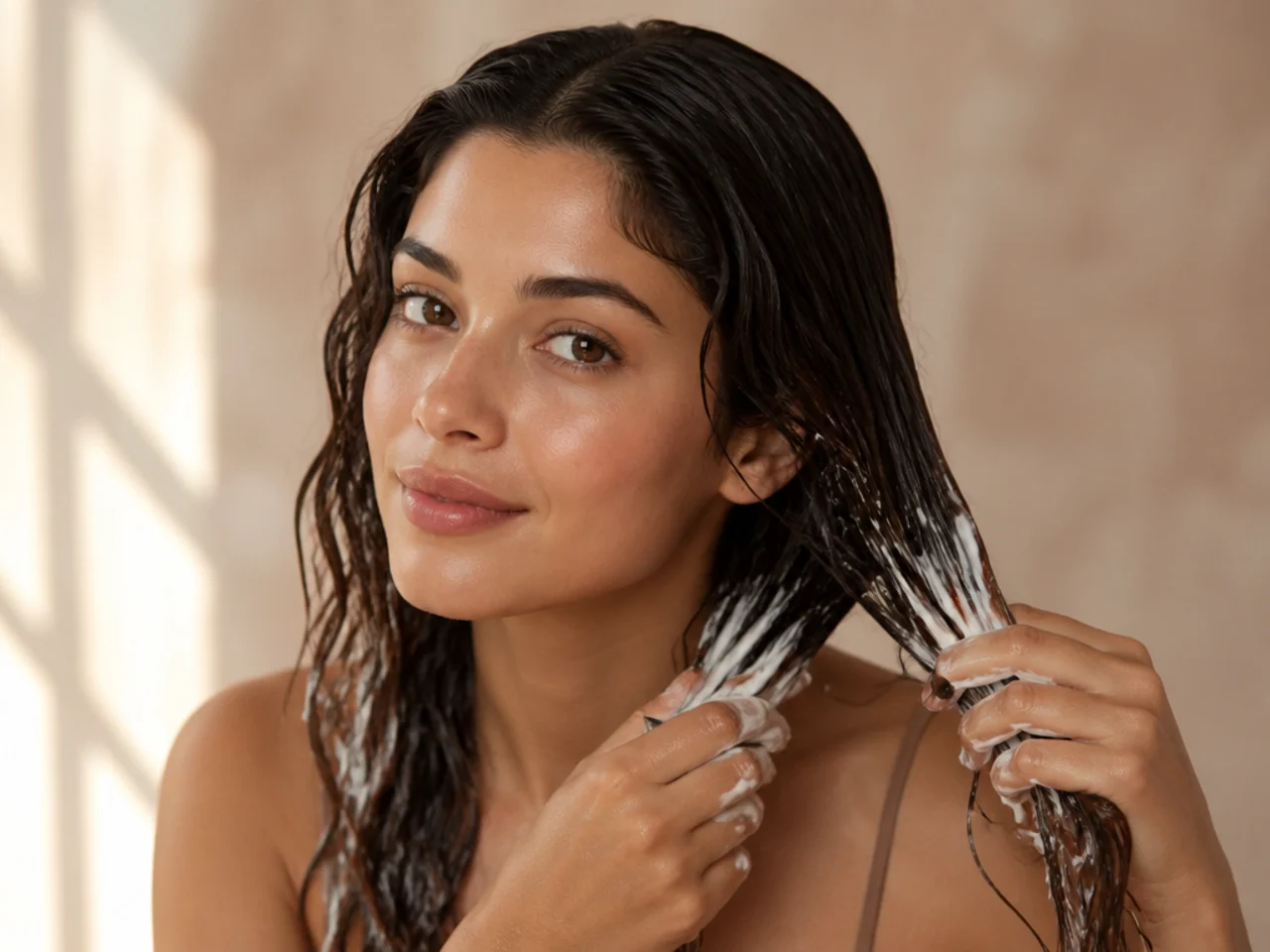
3. Keep Conditioner Off the Roots
Where flatness begins. The roots are the newest and strongest hair on your head and need it least, so anything applied there is pure weight.
4. Use Half the Recommended Product
Wavy hair cannot carry a curly-hair dose. Most bottles are formulated and dosed for hair with several times the structural strength of a wave.

5. Squeeze Dry, Never Rub
A microfibre towel or a cotton t-shirt. A terry towel has raised loops that lift strands out of their clumps, which is why hair frizzes right after drying.

6. Scrunch Upward Once
Encourages the wave to form rather than hang. Press up toward the scalp rather than squeezing down — you are compressing the wave, not wringing out water.
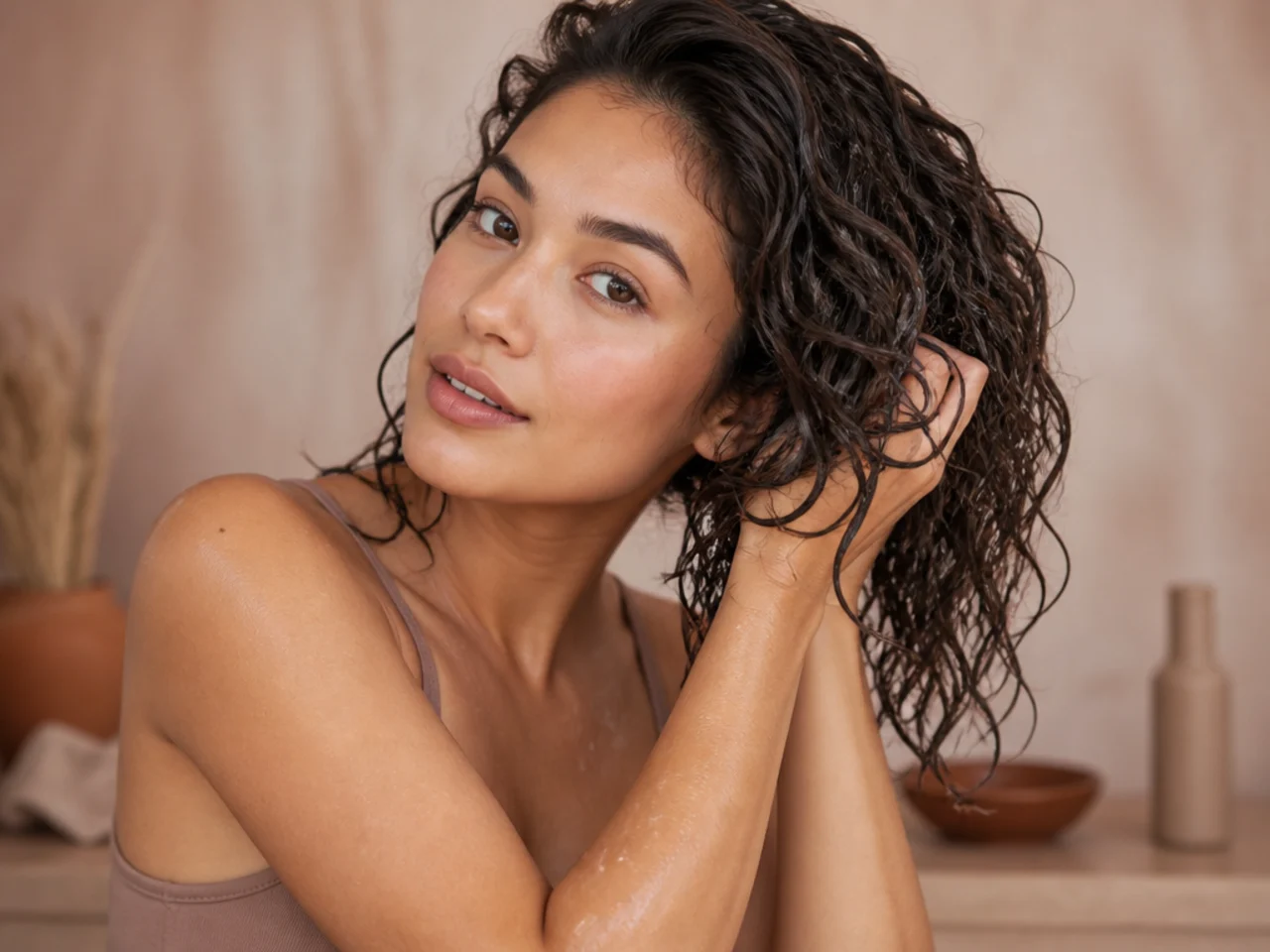
7. Wash Less Often
Waves improve on day two and three. A day of natural oil adds grip rather than mass, which is the only kind of weight a wave benefits from.

8. Detangle in the Conditioner
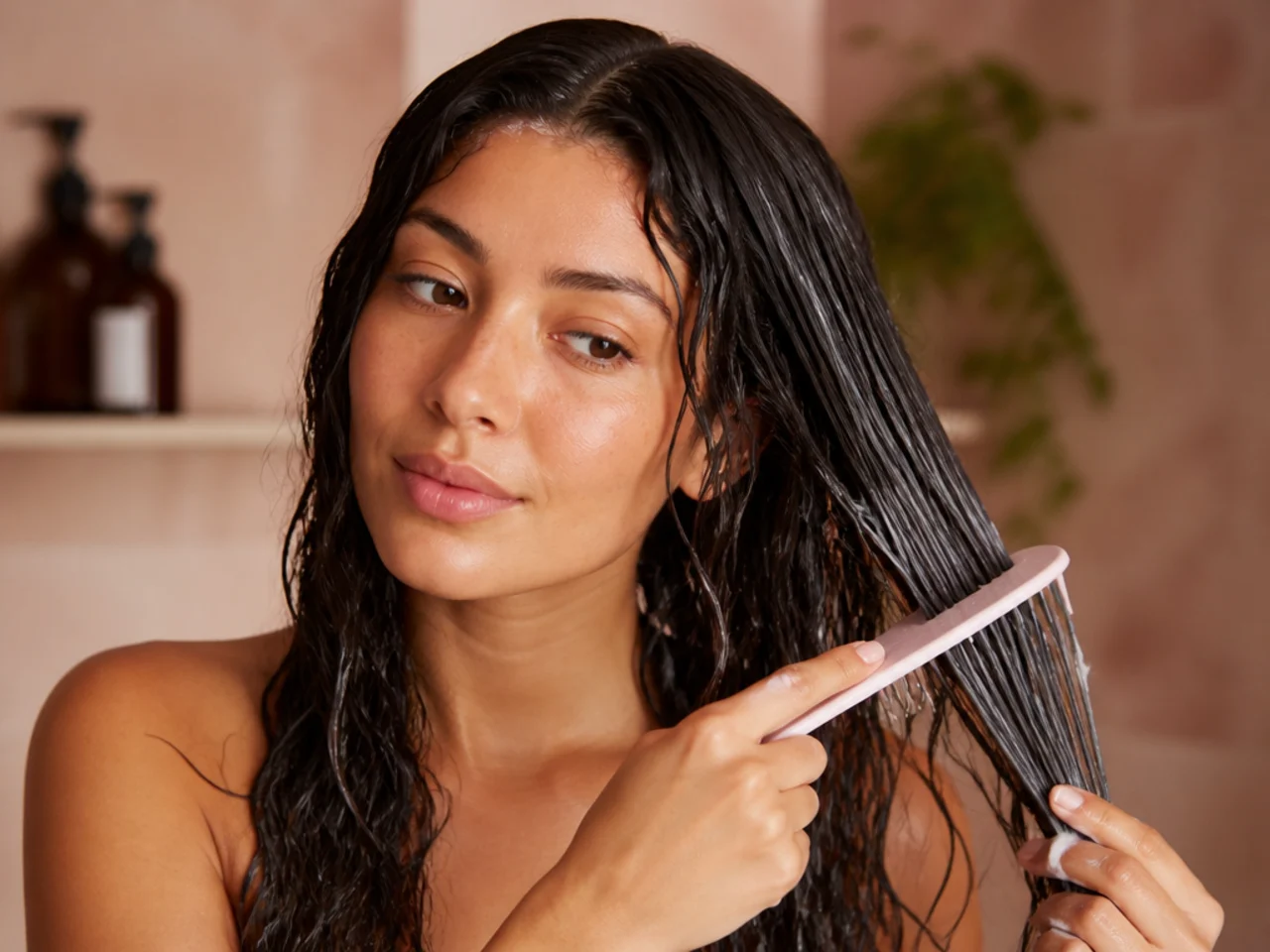
While the hair is slippery, never dry and wet. Conditioner lowers the friction enough for a comb to pass without snapping anything, and that window closes at the rinse.
9. Rinse Cool
Closes the cuticle and reduces frizz. A few seconds at the coolest comfortable temperature is enough; it does not need to be cold.

10. Sleep on Satin
Protects the pattern overnight. Cotton drags against hair for eight hours, which is where one side of most wavy sets flattens.

11. Refresh With Water, Not Product
Day two needs re-wetting more than more cream. Water reactivates the shape that is already there; cream adds weight to a pattern that has not lost any.

12. Add a Light Gel
Holds the clumps while they dry. The first optional product. Gel is where a routine starts costing money, and it is worth reaching only once the free steps are automatic.

13. Diffuse on Low Rather Than Air-Dry
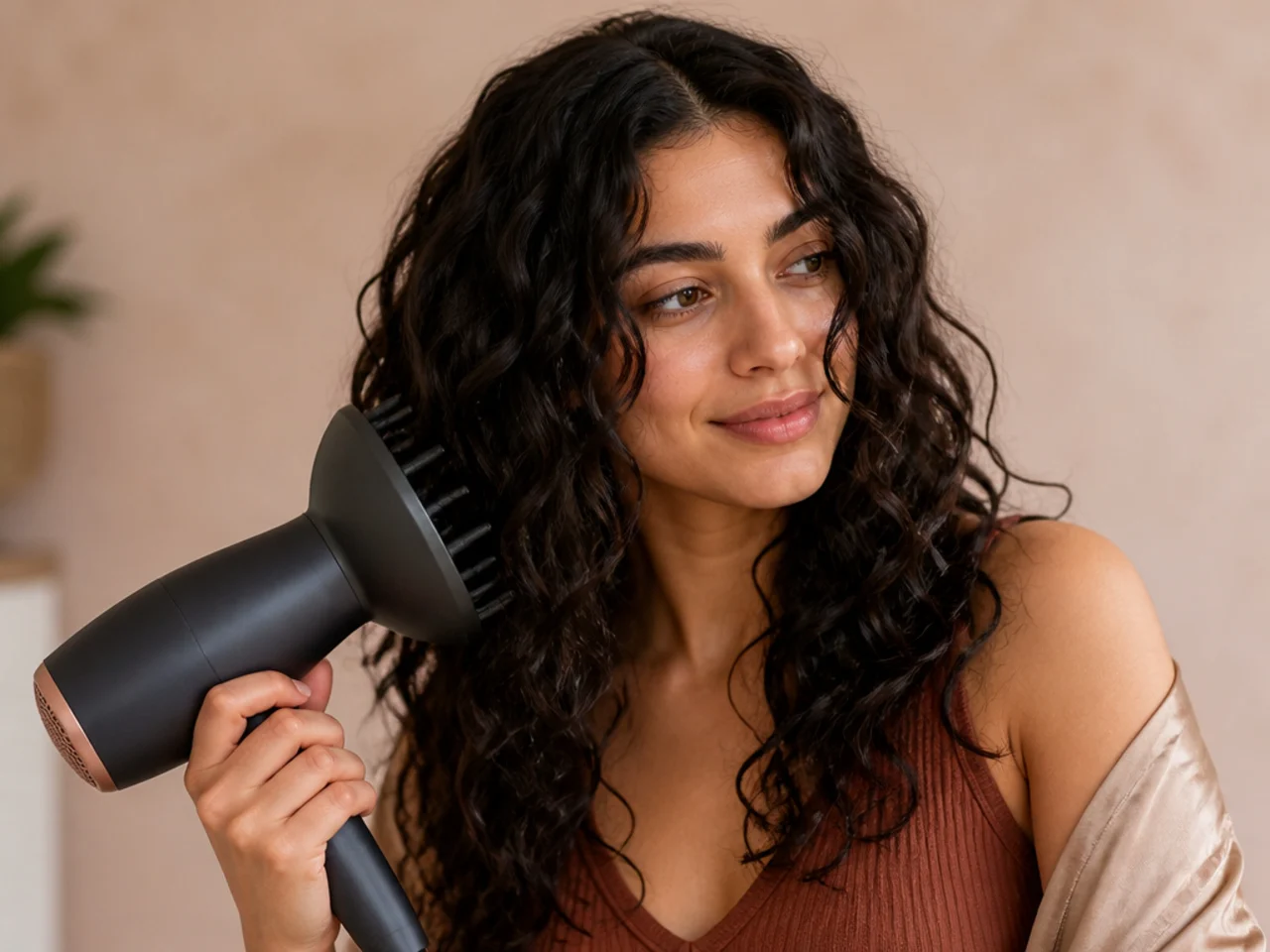
Faster, and it reduces the touching window. The main argument for a diffuser is not the result but the shorter period in which you might disturb it.
14. Scrunch Out the Cast Once Dry
Only if you used gel, and only when fully dry. Breaking a cast early leaves it half-set, which is what people mistake for the gel not working.

15. Use a Gentler Shampoo
Helps, and less than the steps above it. Worth changing eventually, and not before the drying and application steps are settled.

16. Plop for Ten Minutes
A refinement that helps some patterns and not others. Ten minutes at most — long plopping flattens the crown and undoes more than it sets.

17. Clarify Monthly
Only relevant once you are using products regularly. Build-up accumulates gradually, so it is easy to blame the product rather than the residue.

18. Try a Deep Conditioner
Useful for condition, marginal for definition. It makes hair stronger and shinier, which is worth having, but it will not change your wave pattern.
19. Experiment With Application Method
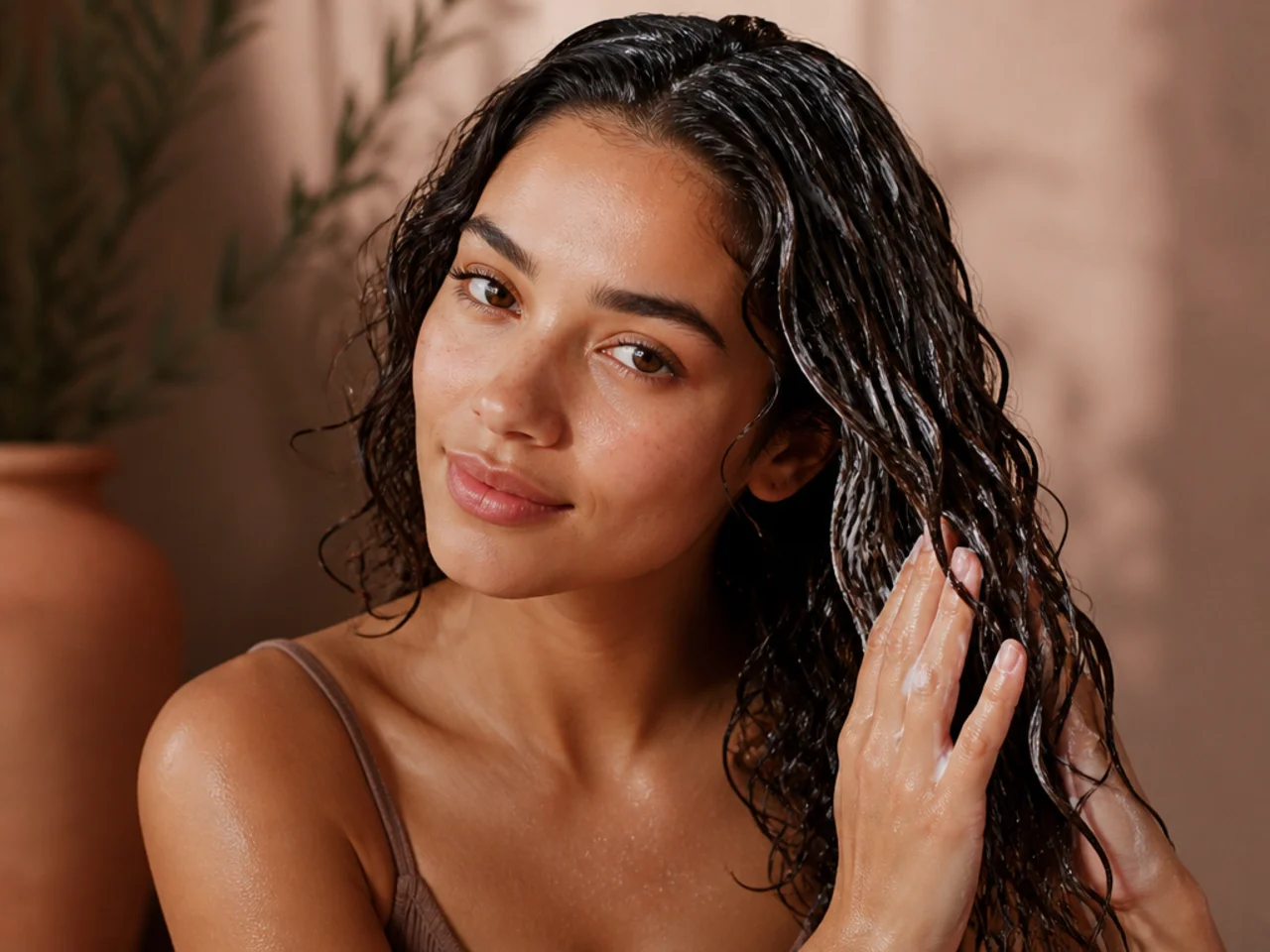
Raking, praying hands, scrunching. Small differences. Real but modest — worth exploring once, and not worth agonising over before the top five steps are in place.

20. Buy a Second Styling Product
The lowest-value step here, and where most people start. A second product is the most expensive change on this list and the one that alters the result least.

Styling and Upkeep
Master the top three before adding anything. They are most of the result.
Add one step at a time, three washes apart. The only way to learn what works.
Do not buy a product per step. Most of this list needs nothing new.
Keep a note of what you changed. Memory is unreliable across three washes.
Stop when it looks right. There is no prize for a longer routine.

Mistakes to Avoid
Starting with all twenty steps. You cannot tell what worked.
Buying products before mastering technique. The top three cost nothing.
Judging after one wash. Give any change three.
Touching it while it dries. The highest-impact mistake available.
Adding product because it looks undefined half-dry. It always does.

FAQ
What is the simplest routine? Three steps — wash gently, product on soaking wet hair, hands off while it dries.
Do you need all the steps? No, and starting with them makes learning harder.
Which matters most? Not touching it while it dries.

Final Thoughts
Do the top three for a fortnight and nothing else. They are free, they are most of the result, and starting there leaves you able to tell what each later addition actually did — which a twenty-five step routine never will.
For the full sequence see 25 steps for a wavy hair routine that works, and for how to test changes properly see 20 wavy hair routine steps for beginners. More in Hair Care.