
20 Tips for Healthy Hair Growth That Protect Your Length
Twenty habits aimed at the part of hair growth you can actually influence. The follicle sets the speed and it will not be hurried, so healthy growth means keeping the strand intact for the two or three years it spends on your head.
In this article · 28
- How Fast Hair Grows
- Breakage Versus Growth
- Scalp Health Habits
- Diet and Supplements
- Specific Concerns
- When to See a Doctor
- The 20 Tips for Healthy Hair Growth
- 1. Satin Pillowcase
- 2. Wide Tooth Comb
- 3. Loose Ponytail
- 4. Loose Night Braid
- 5. Protein Plate
- 6. Scalp Massage
- 7. Scalp Washing
- 8. Deep Conditioning
- 9. Heat Limit
- 10. Iron Temperature
- 11. Drying With a T Shirt
- 12. Lukewarm Rinse
- 13. Protective Style
- 14. Clarifying Wash
- 15. Quarter Inch Trim
- 16. Monthly Length Photo
- 17. Rest Between Styles
- 18. Colour Spacing
- 19. Bloodwork Check
- 20. Post Swim Rinse
- Final Thoughts
Healthy hair growth is not a faster version of ordinary hair growth. It is the same half inch a month arriving with the strand still intact.
The follicle sets the speed and it will not negotiate. Half an inch a month, six inches a year, decided long before you picked a shampoo.
Every strand has to survive years of wear. Hair at the shoulders is around two years old at the tip, and everything that happens in those two years is cumulative and permanent.
How Fast Hair Grows
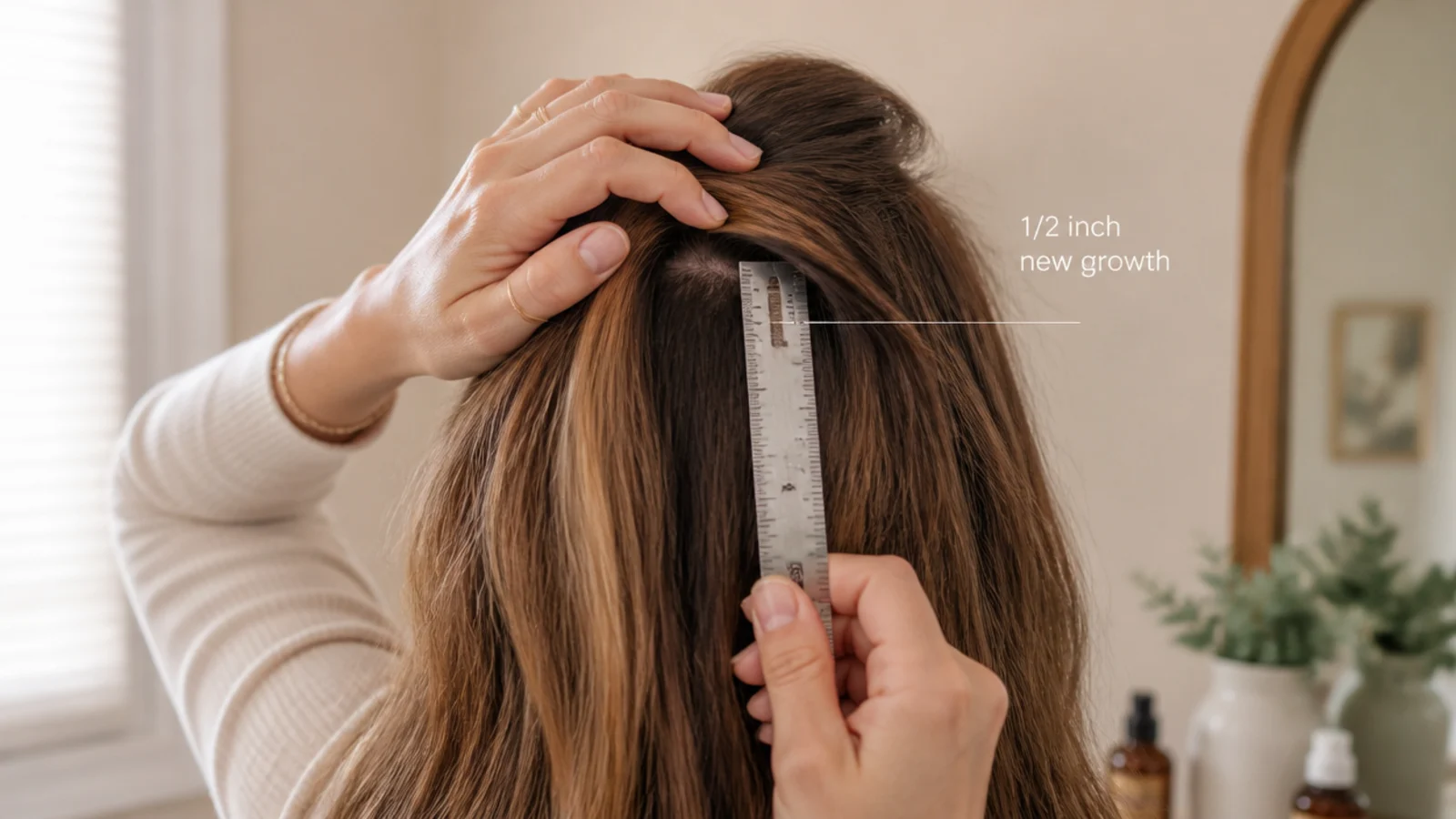
About half an inch a month. Roughly one and a quarter centimetres, and remarkably consistent across textures despite how differently they hang.
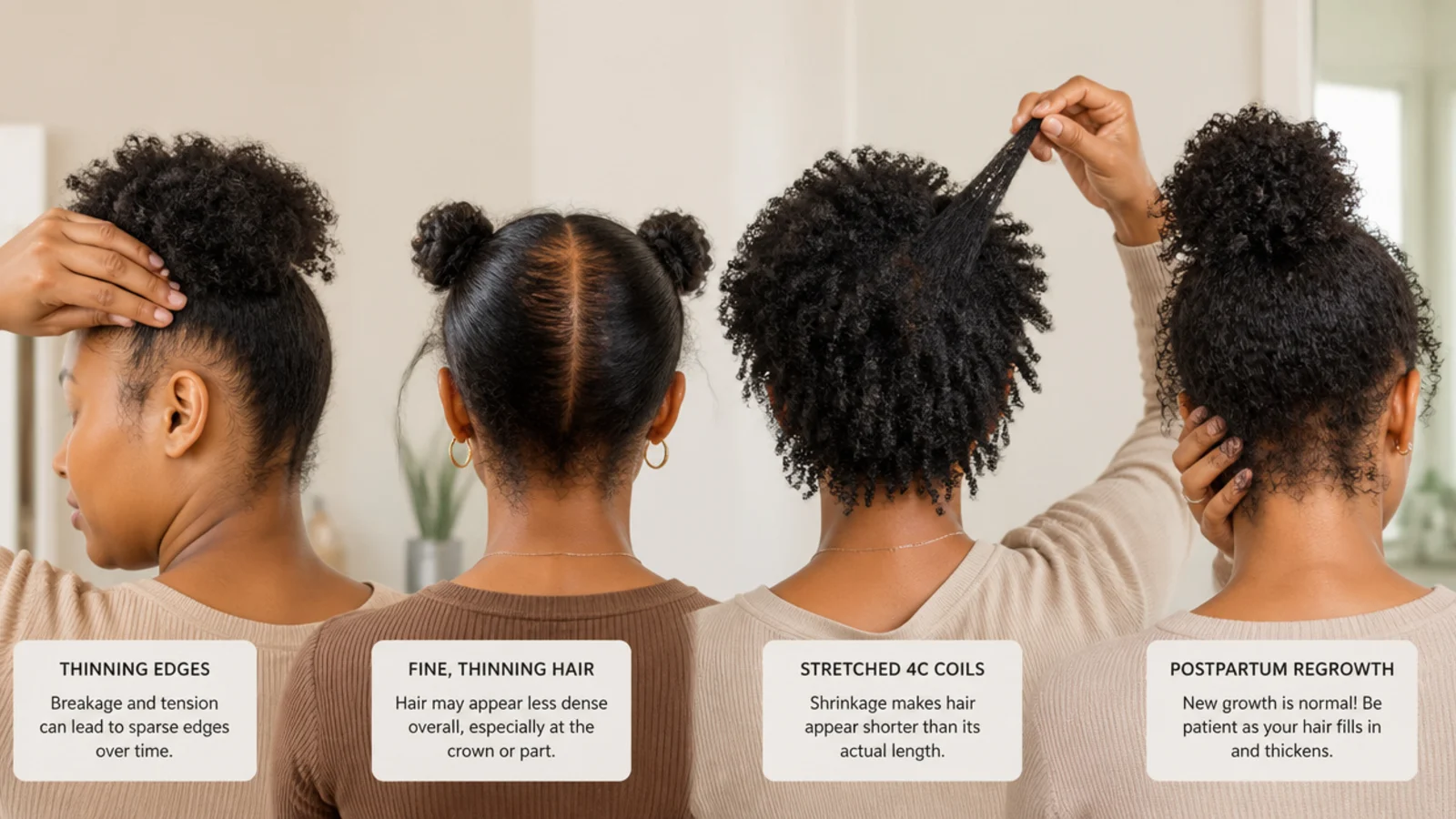
Coils look slower and are not. A tight curl pattern takes up a large part of its own length, so six inches of growth reads as two on the mirror.
Most of your hair is growing at any one time. The rest is resting or on its way out, which is why fifty to a hundred shed strands a day is normal rather than alarming.
Speed is not the lever. Two people growing at exactly the same rate finish the year at different lengths, and condition is the whole of the difference.
Breakage Versus Growth
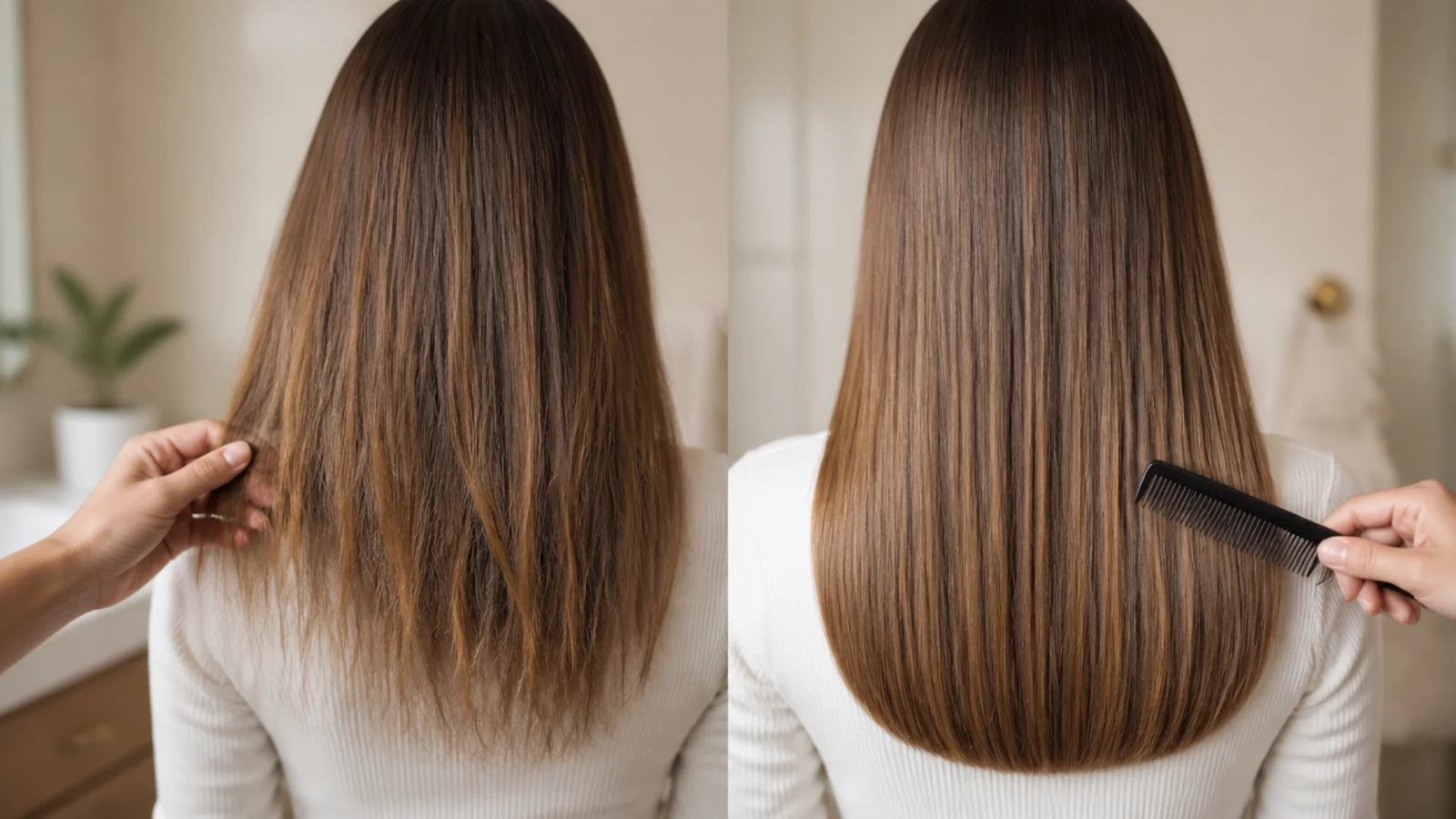
Ends are the oldest thing you own. Twelve inches of hair carries two years of washes, brushes, sun and heat at the tip and none of it at the root.
Nothing repairs a cuticle. Bond builders and masks improve how damaged hair behaves. They do not put back the scales or the protein that left.
Broken hair looks different from shed hair. A shed strand is full length with a pale bulb at one end. A broken piece is short with no bulb and a blunt or frayed end.
Retention is arithmetic. Six inches gained and six inches lost is a year that ends where it started, and that is the outcome most people describe as hair that will not grow.
Scalp Health Habits
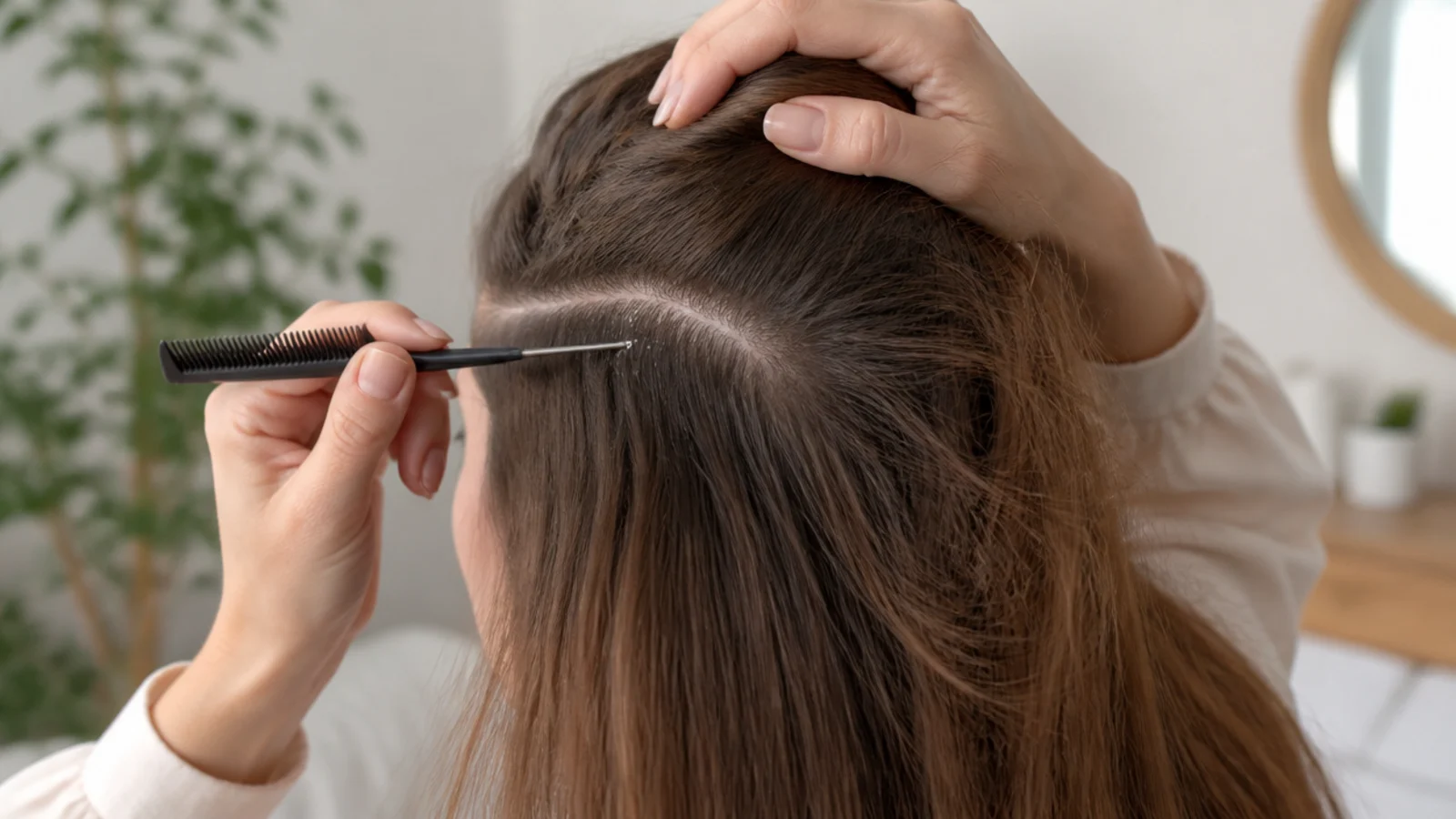
Fingertips, never nails. Nails cut the scalp surface and snap the fine new growth at the part, which is the hair least able to survive it.
Rinse for longer than feels necessary. Conditioner and product left at the roots is the most common cause of a scalp that itches two days after wash day.
Dry the scalp, not just the hair. A scalp left damp under thick hair for hours stays warm and occluded, which suits yeast and flaking far better than it suits you.
Sunscreen or a hat on the parting. The exposed strip of scalp burns like any other skin, and the hair sitting on it fades and weakens at the same time.
Diet and Supplements
Protein sets the ceiling. Keratin is built from dietary amino acids, and follicles are low on the body's priority list when supply falls short.
Iron is the most frequent gap. Ferritin can sit low enough to thin hair while a standard blood count still reads normal, which is why the specific test matters.
Adequacy, not stacking. Once a level is sufficient, more of it does nothing for hair. Excess vitamin A and excess selenium both cause shedding outright.
Under-eating shows up late. A restrictive stretch in January produces a shed in March, and the gap is long enough that almost nobody links the two.

Specific Concerns
Fine hair breaks before it looks damaged. There is less cortex per strand to absorb heat and tension, so the same routine that a coarse head tolerates will thin a fine one at the mid lengths.
Coloured hair has a shorter useful life. Lightening removes protein from the cortex permanently, so lightened ends need retiring at some point rather than rescuing indefinitely.
Coils are structurally fragile at the bends. Each turn in the pattern is a point where the shaft is thinner and the cuticle lifts, which is why detangling technique matters more than product choice.
Life stages count as causes. Postpartum, perimenopause, illness and rapid weight change all move follicles into the resting phase together, and the resulting shed lags the trigger by two or three months.
When to See a Doctor
Patchy loss with a defined edge. Smooth round bald patches are a different condition from thinning and need a diagnosis rather than a routine.
A scalp that burns, aches or scars. Pain, persistent redness or shiny patches where follicle openings have disappeared point to scarring, and scarring has a window in which it can be stopped.
Heavy shedding lasting more than three months. A single synchronised shed settles. One that keeps going means the trigger is still present.
A part that keeps widening. Progressive density loss at the crown responds to treatment that starts early and much less well to treatment that starts late.
Ask for the specific tests. Ferritin, thyroid function, vitamin D and a review of any recent medication change cover most of what a topical cannot.
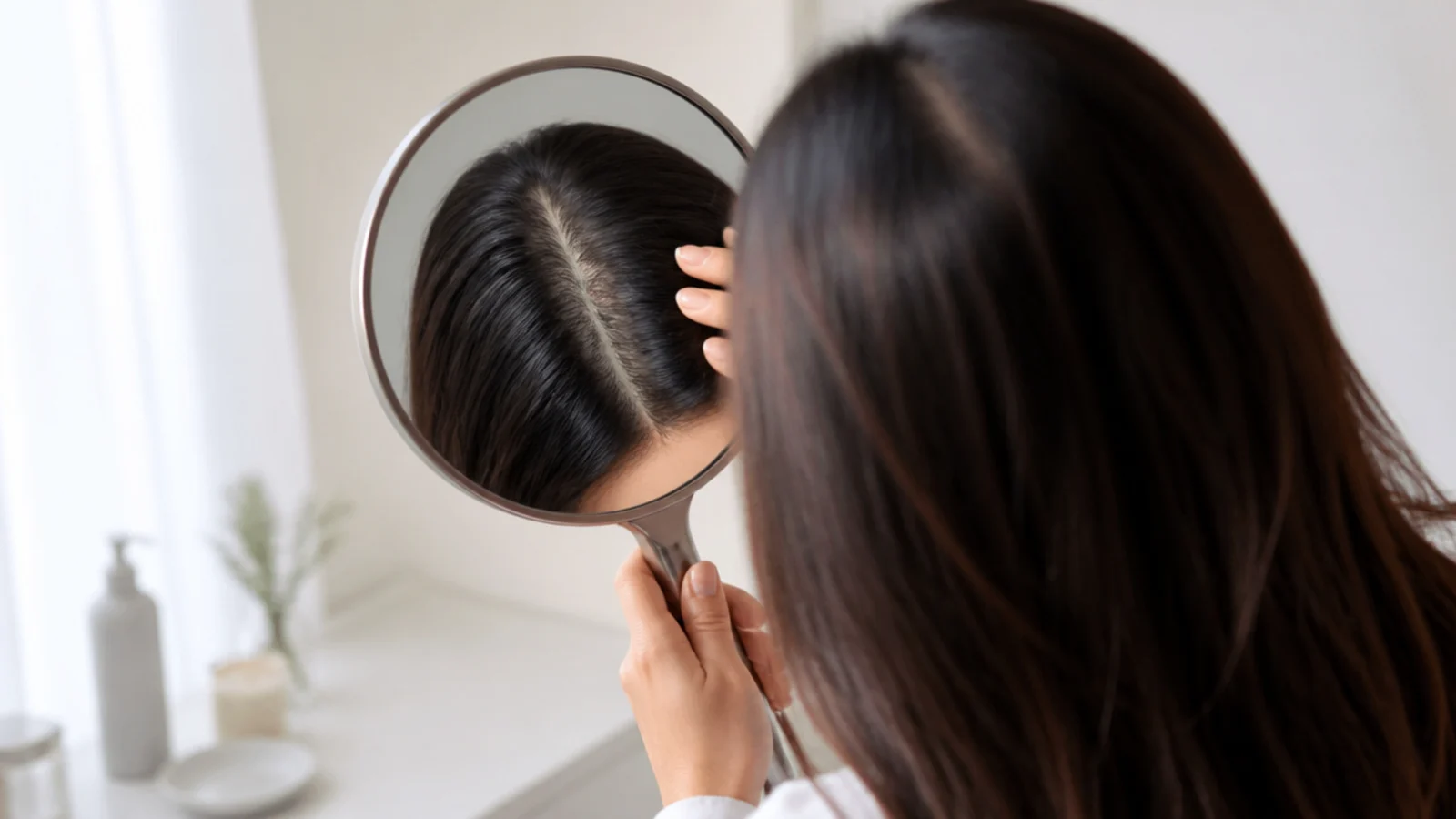
The 20 Tips for Healthy Hair Growth
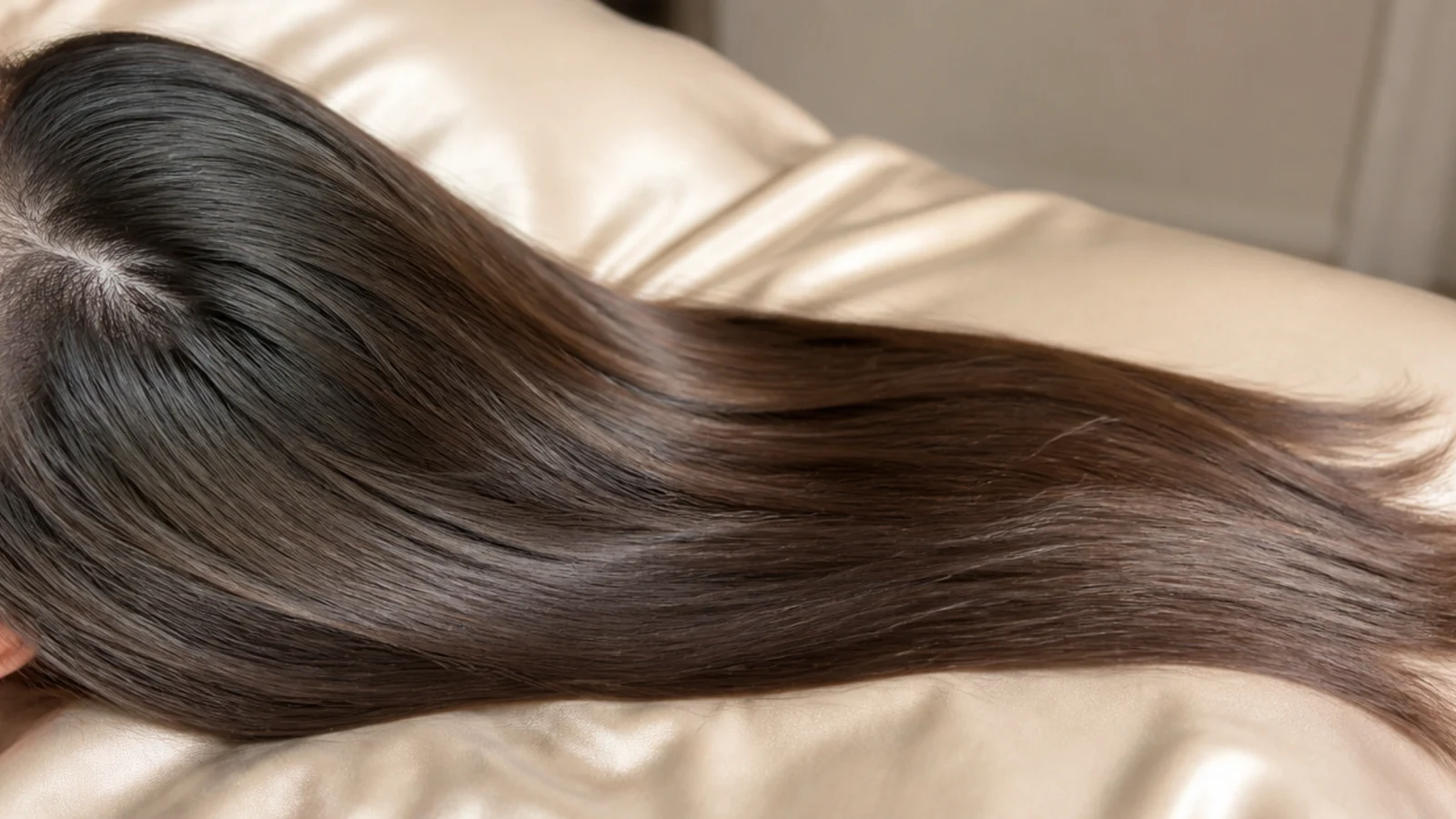
1. Satin Pillowcase
Cotton is absorbent and textured, so it draws moisture out of the shaft and grips the cuticle every time you move. Satin has a flat closed weave that lets hair slide across it instead, which removes eight hours of nightly friction from the mid lengths without you doing anything differently.
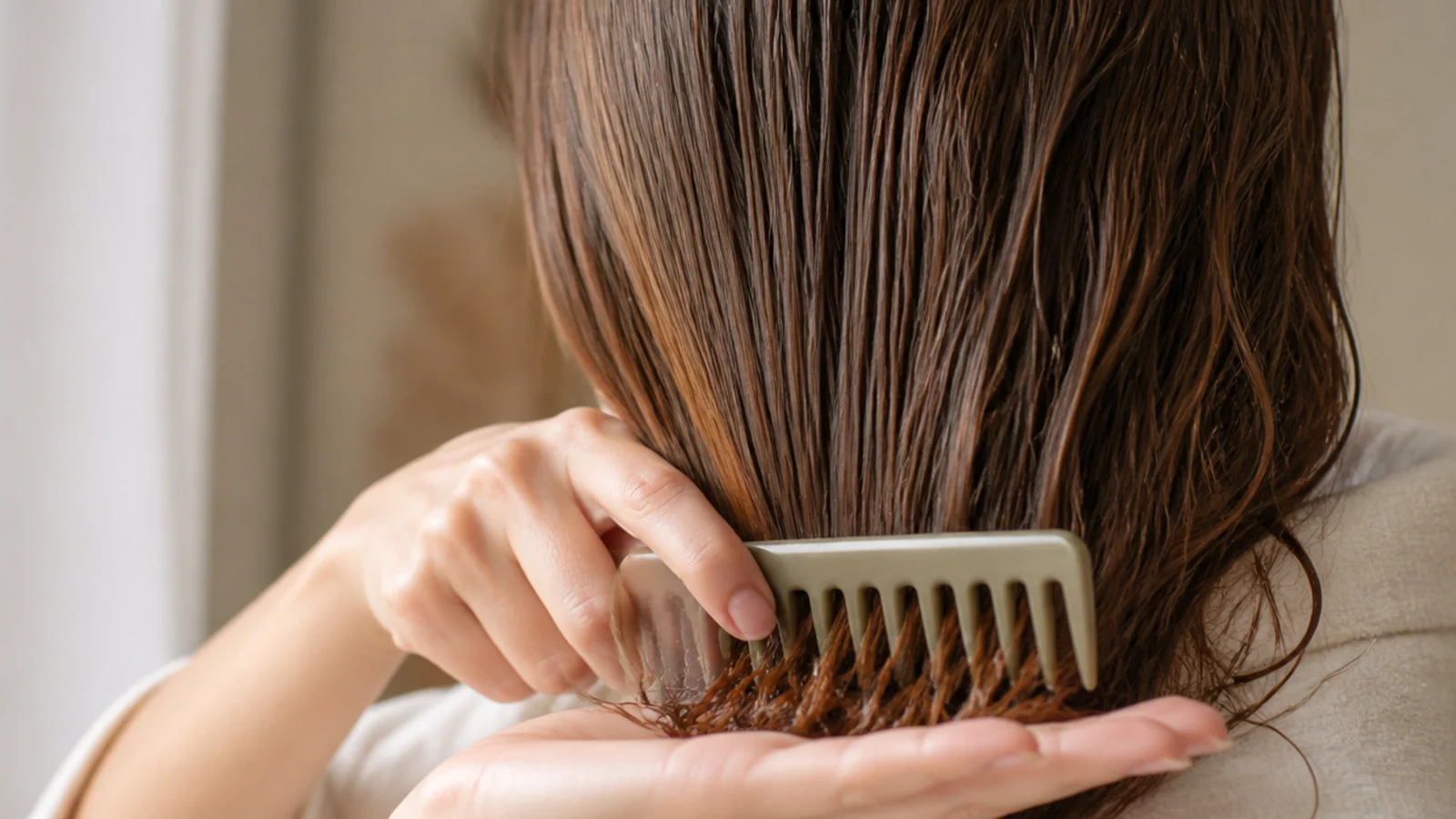
2. Wide Tooth Comb
A fine comb meets a tangle and compresses it forward until the knot is tighter than the strands are strong. Widely spaced teeth make far fewer contact points, so the tangle gets separated rather than driven into itself, and the comb passes without anything having to give way.
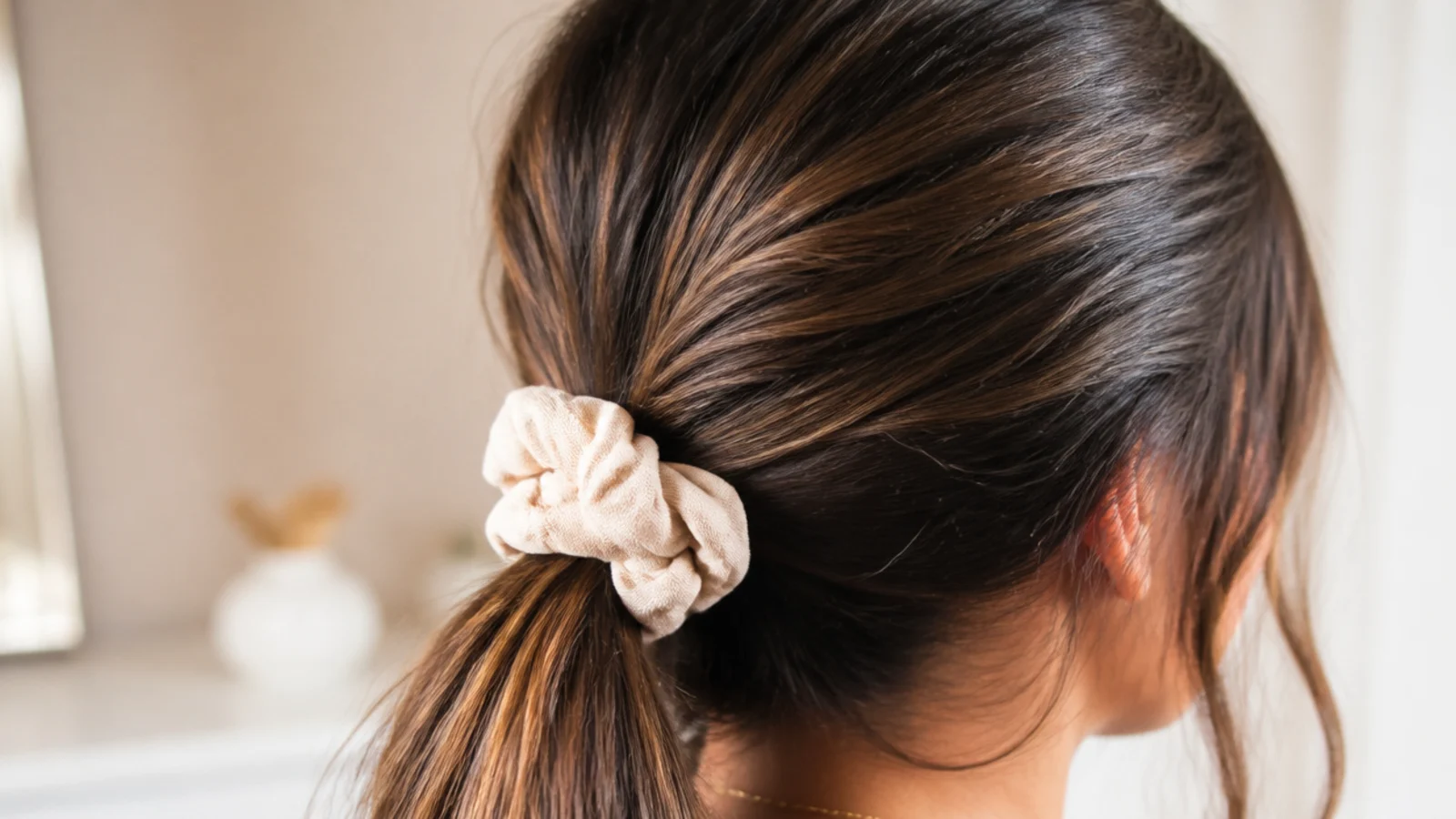
3. Loose Ponytail
Tension at the follicle is a physical load, and a load applied in the same place daily eventually pulls hairs out at the temples. Keeping the base loose enough to slide a finger under, and moving its position between high, low and side, spreads that load rather than concentrating it.
4. Loose Night Braid
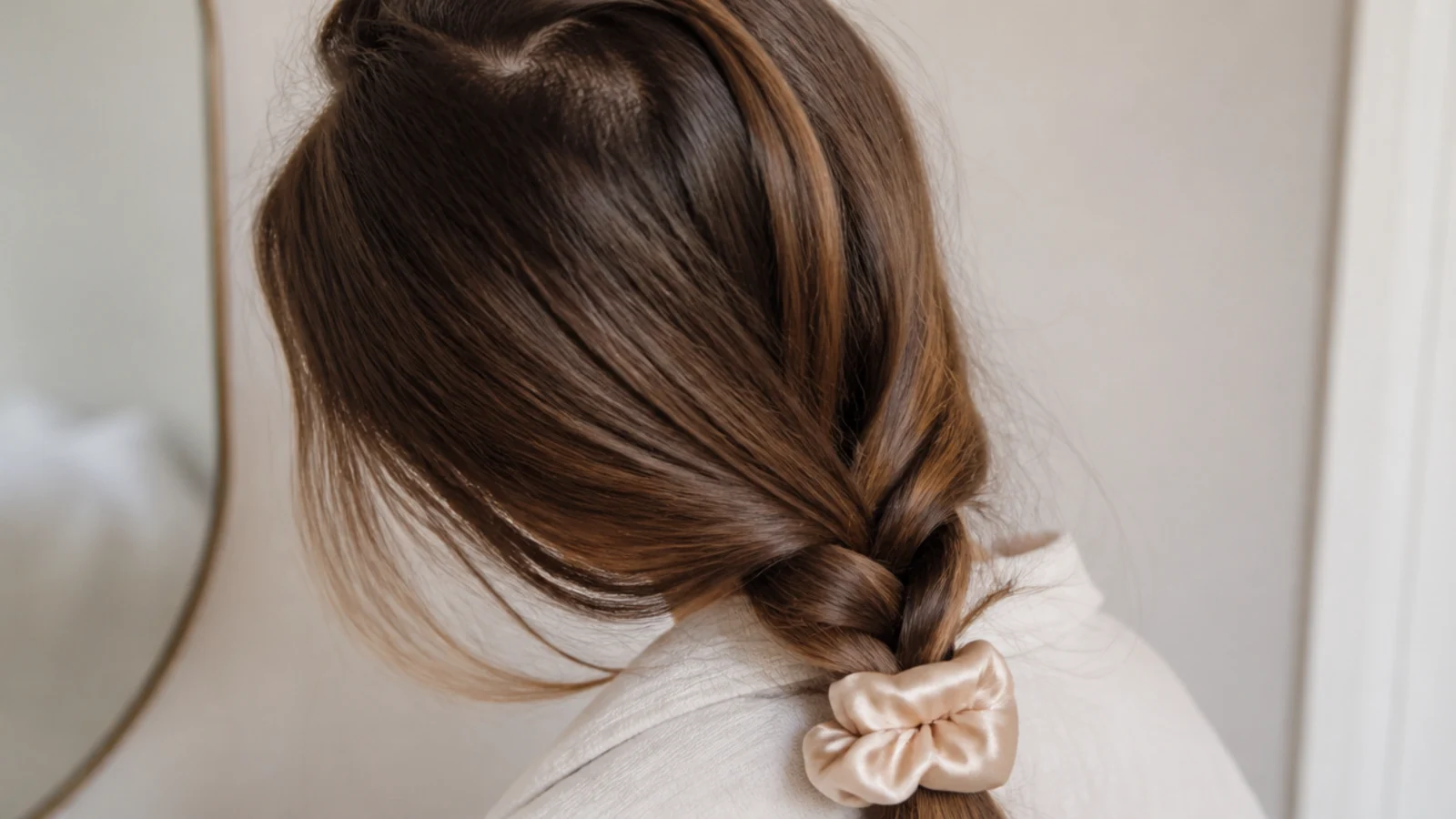
Hair left free on a pillow crosses over itself all night and arrives as knots that have to be forced apart in the morning. One loose braid holds the strands in order so they cannot tangle, and securing it at the very end keeps the elastic off the fragile root area entirely.
5. Protein Plate
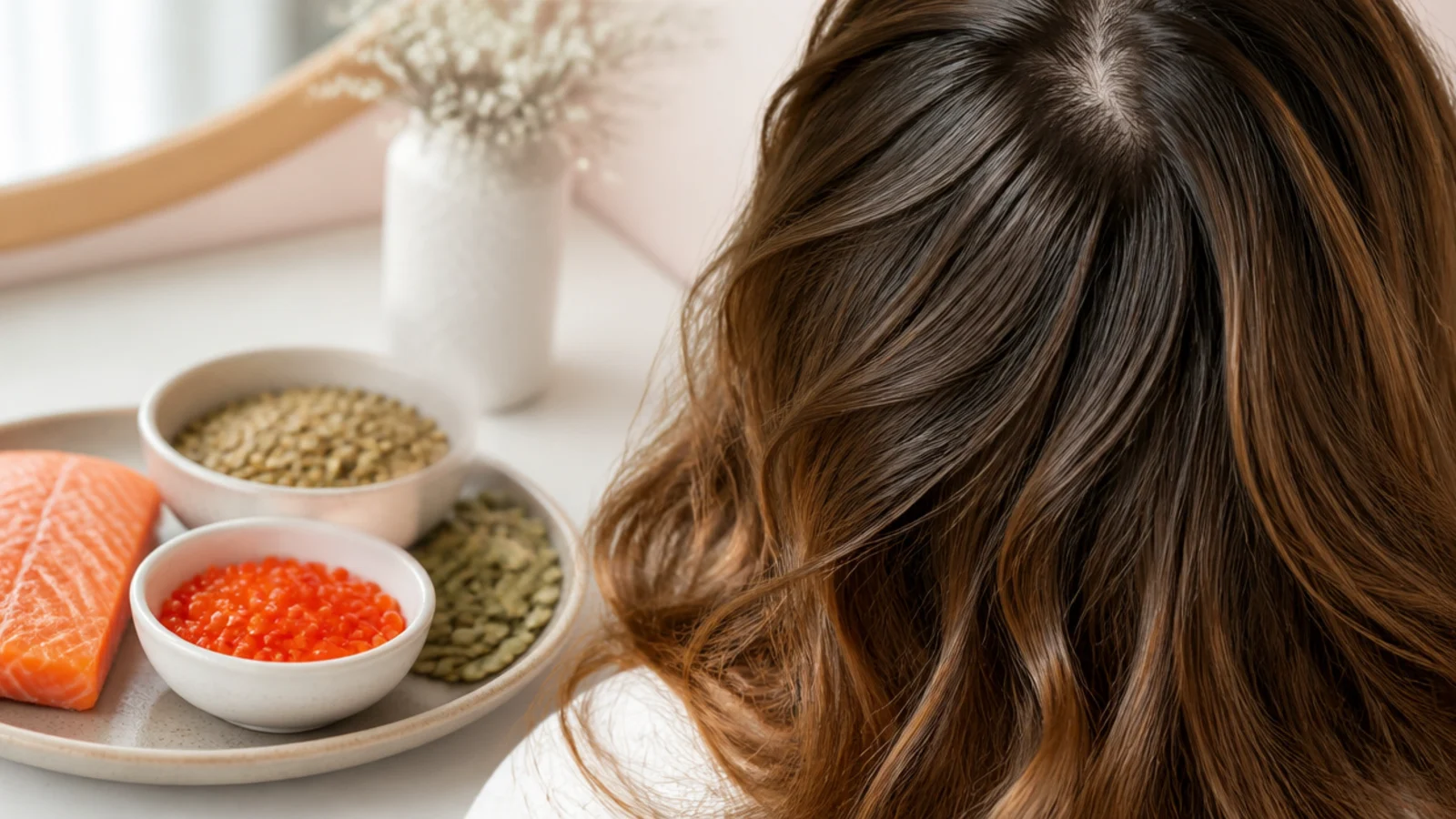
Every strand is essentially keratin, and keratin needs a steady supply of dietary amino acids that the body will divert elsewhere the moment it runs short. Getting protein into each meal rather than one large evening portion keeps that supply level, which matters because follicles work continuously and do not stockpile.
6. Scalp Massage
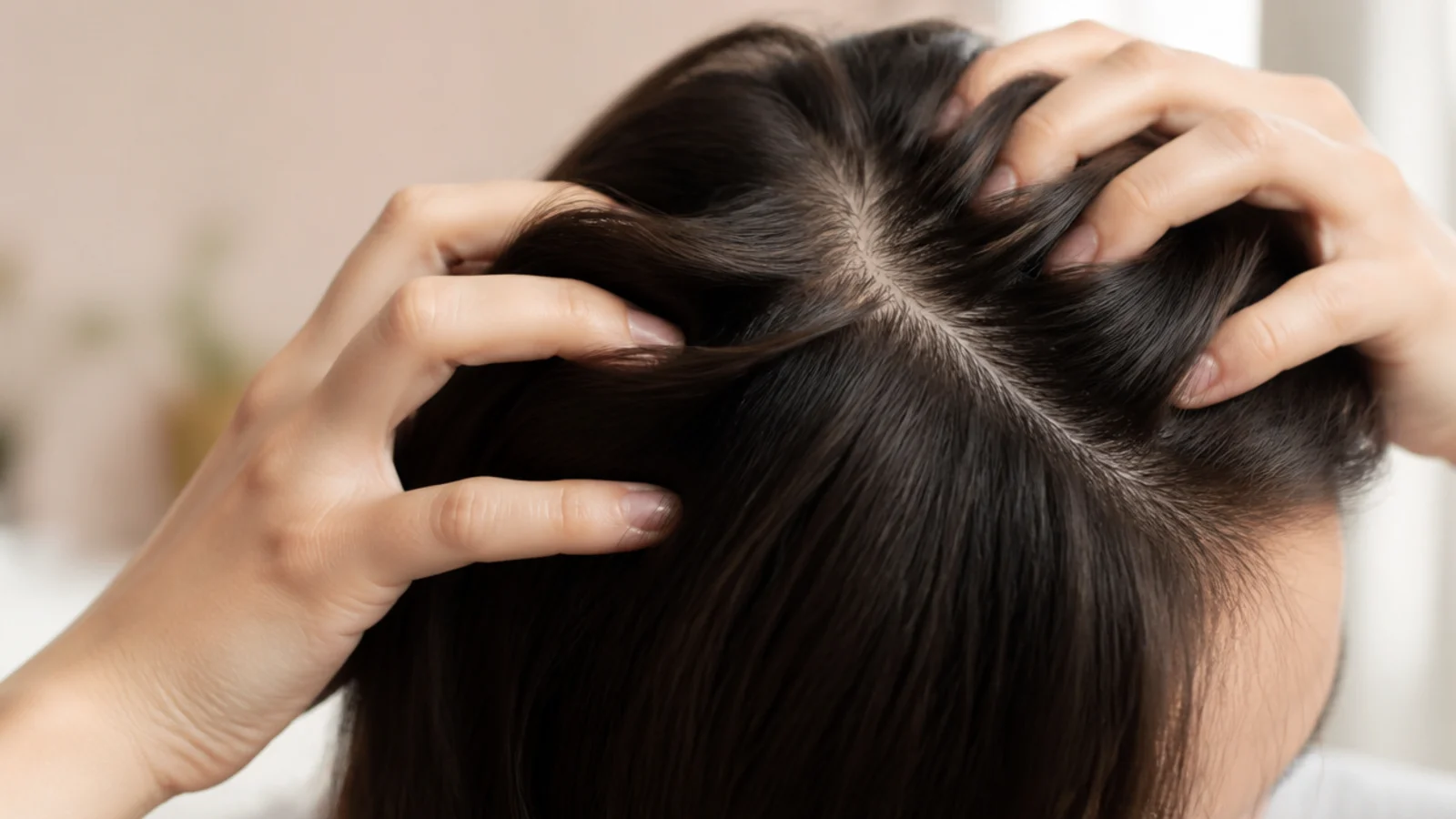
Four minutes a day with the finger pads, moving the scalp across the skull rather than rubbing the hair itself. The mechanical stretch on the tissue seems to be the active ingredient, which is why steady pressure beats speed and why a gadget skated over the top of the hair achieves less than hands on skin.
7. Scalp Washing
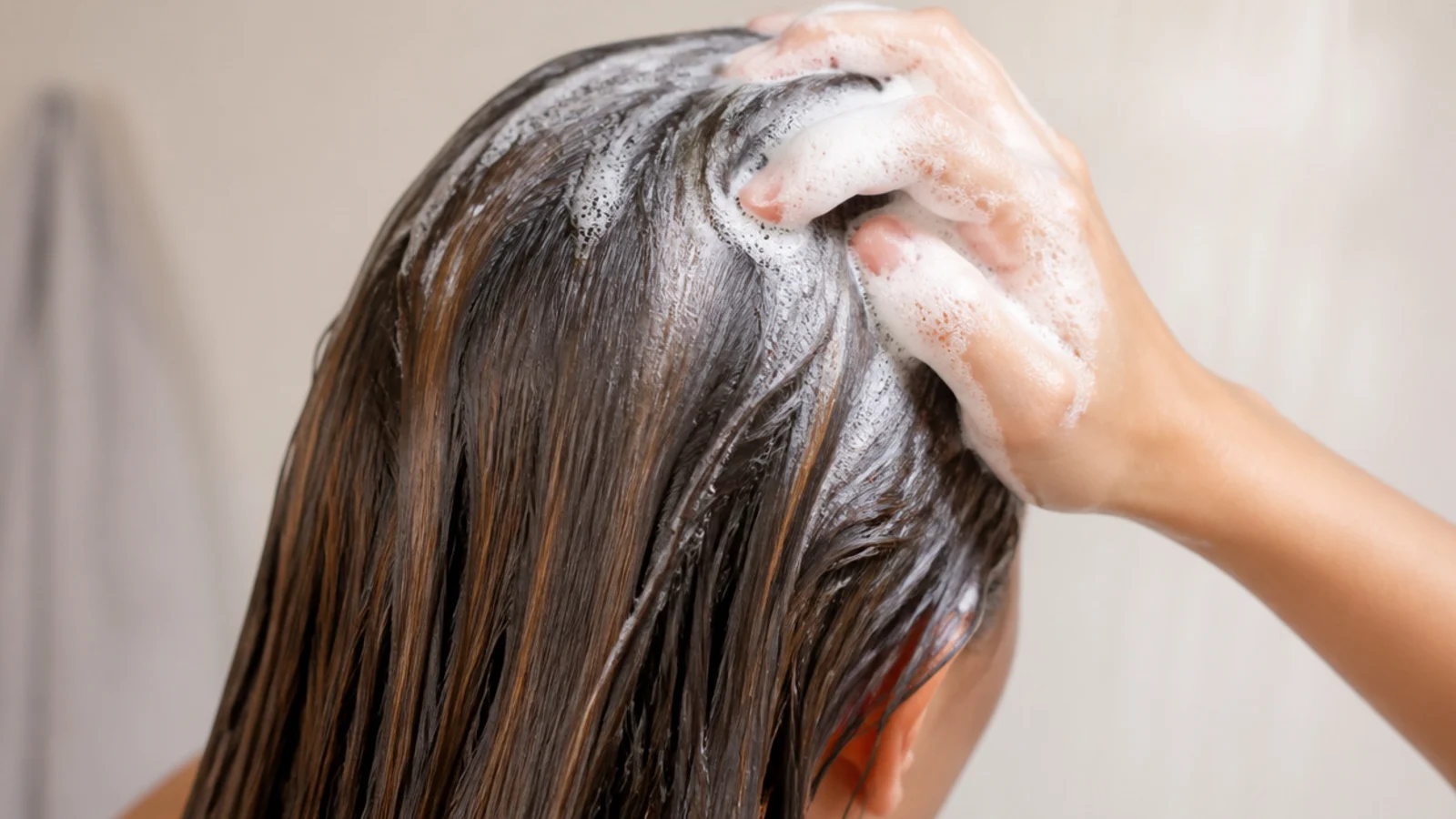
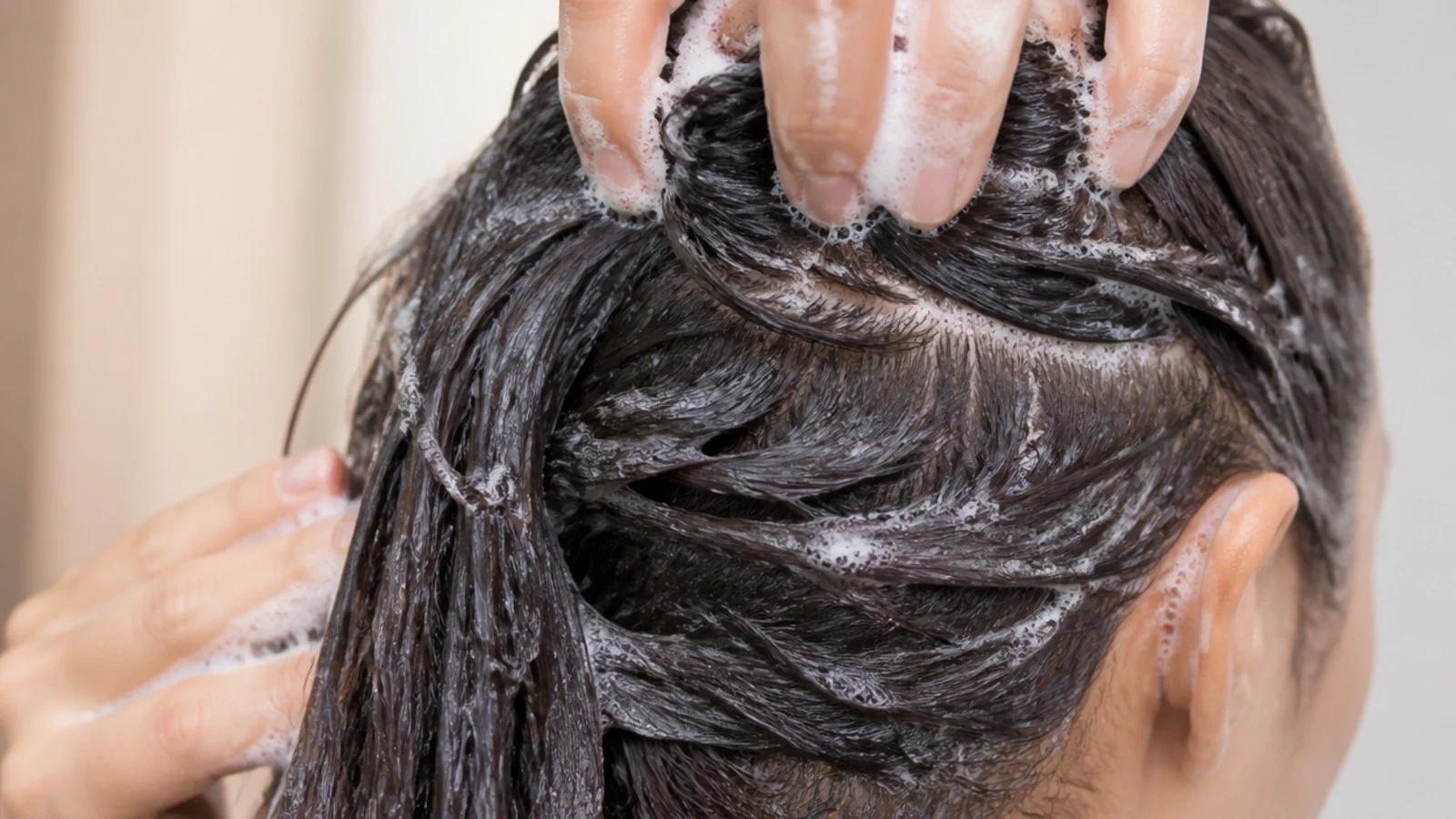
Shampoo is a cleanser built for skin and sebum, so it belongs at the roots and the lengths get cleaned by what runs down them. Washing to a schedule that matches how oily your scalp actually gets prevents the film of sebum and product that sits over follicle openings and starts the itch cycle.
8. Deep Conditioning
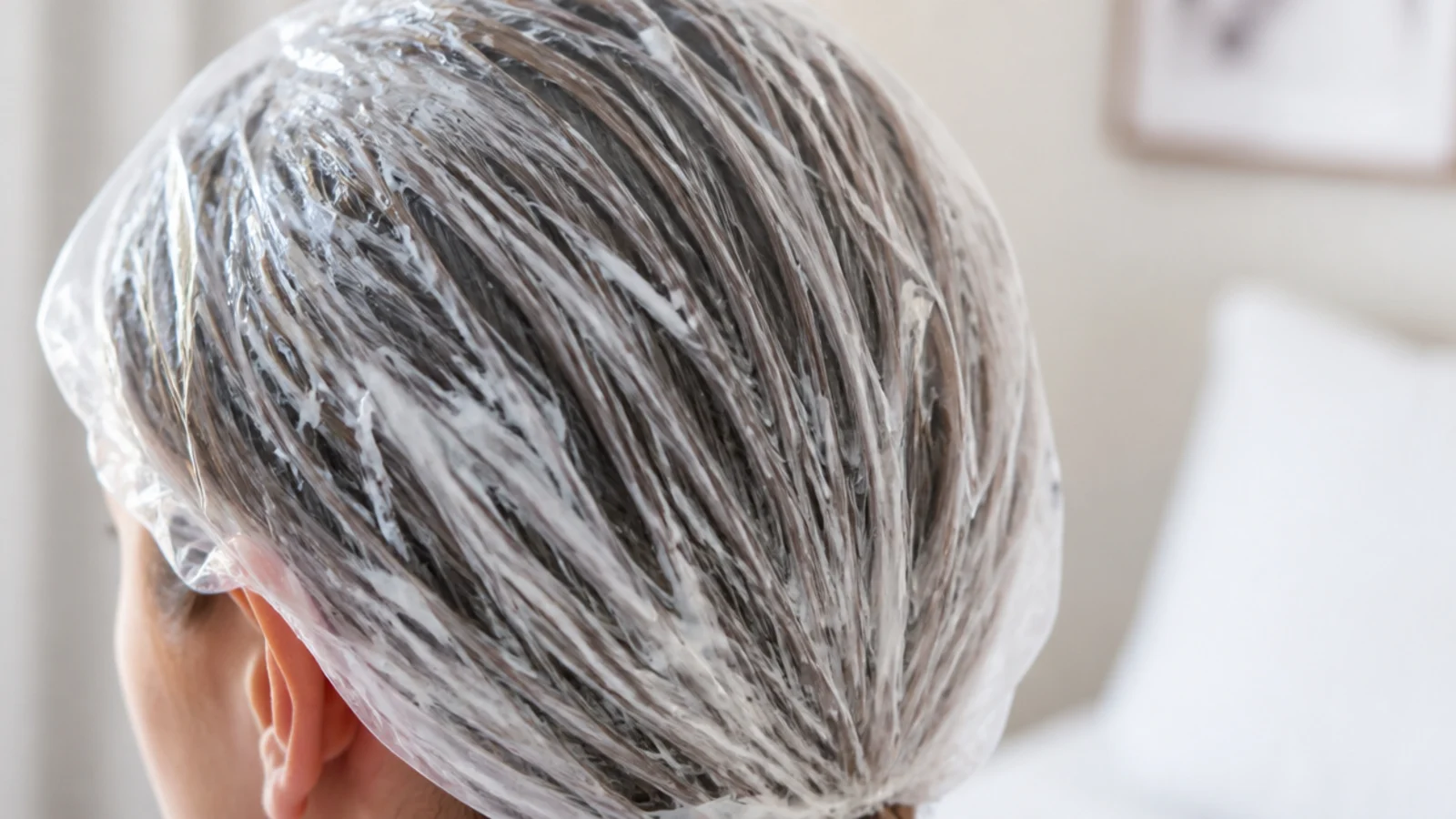
Worn hair carries a negative surface charge and conditioning agents are built positively charged, so they bind preferentially to the damaged patches. That lowers the force needed to pull a comb through, and since almost all breakage happens during combing, the benefit is measured in strands not lost rather than in repair.
9. Heat Limit
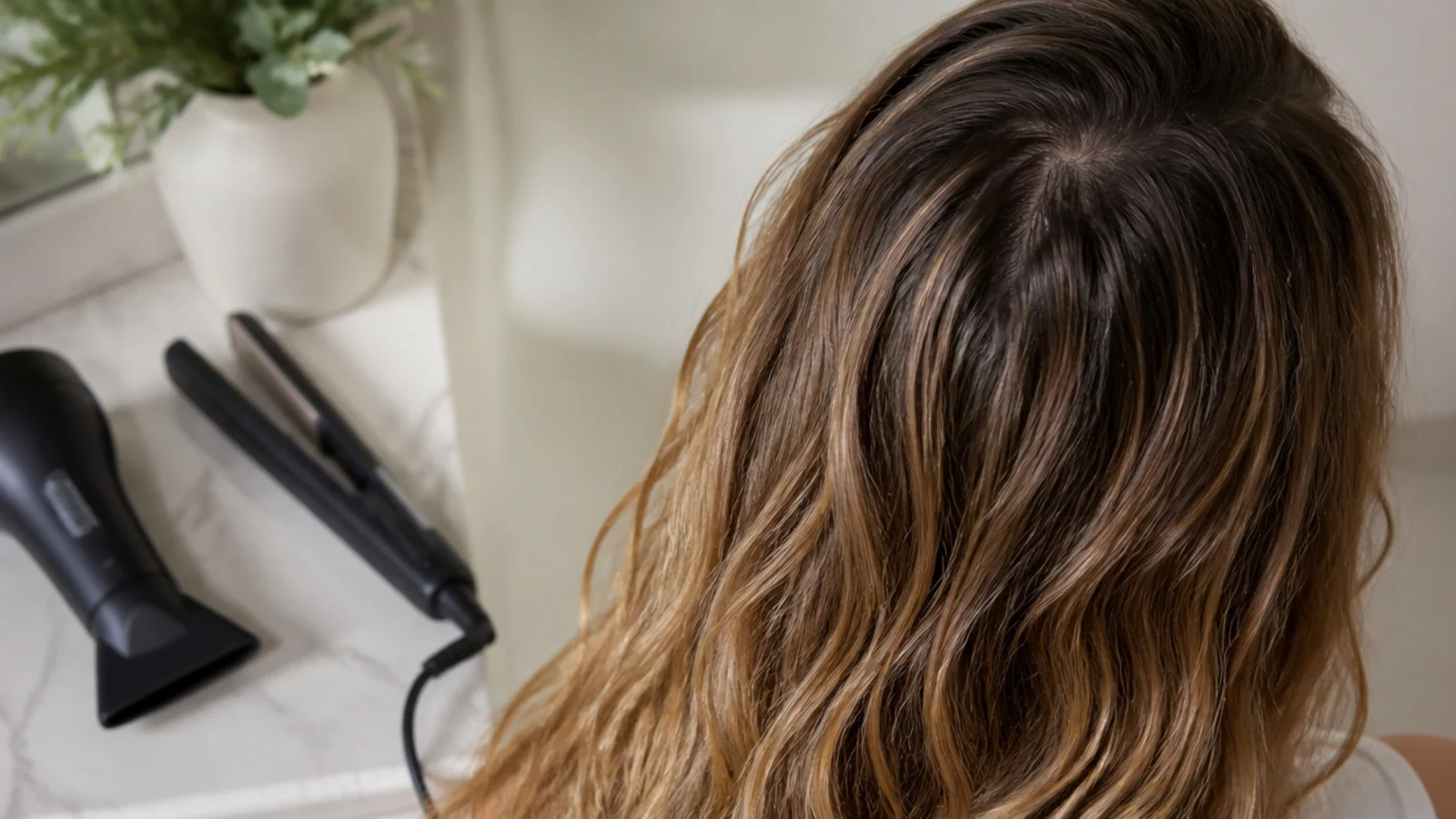
Damage from heat is cumulative across sessions, so the number of times you style matters as much as the setting you choose. Two heat days a week gives the hair five days it is not being dried out, and air drying most of the time is what makes the occasional blow dry affordable.
10. Iron Temperature
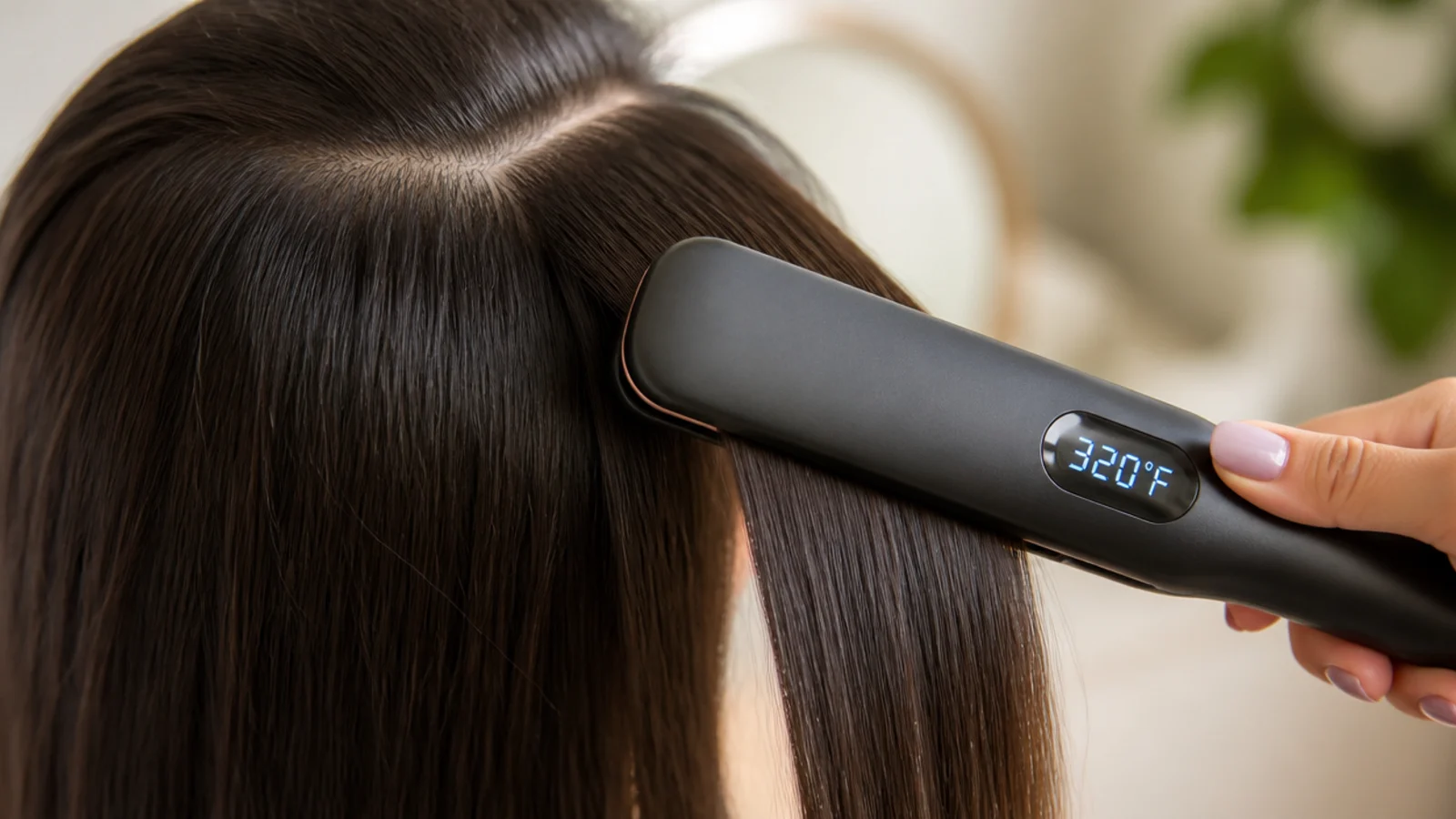
Above roughly 175 degrees Celsius the water held inside the cortex flashes to steam faster than it can escape, blistering the shaft from within. Fine and previously lightened hair needs a lower setting again, because there is less cortex to absorb the energy and it is already missing protein.
11. Drying With a T Shirt
Water breaks the weak bonds that give keratin its shape, so wet hair stretches much further before it snaps and is at its most fragile in the towel. A smooth cotton shirt has no terry loops to catch the cuticle, so you can squeeze the water out rather than rubbing it out.

12. Lukewarm Rinse
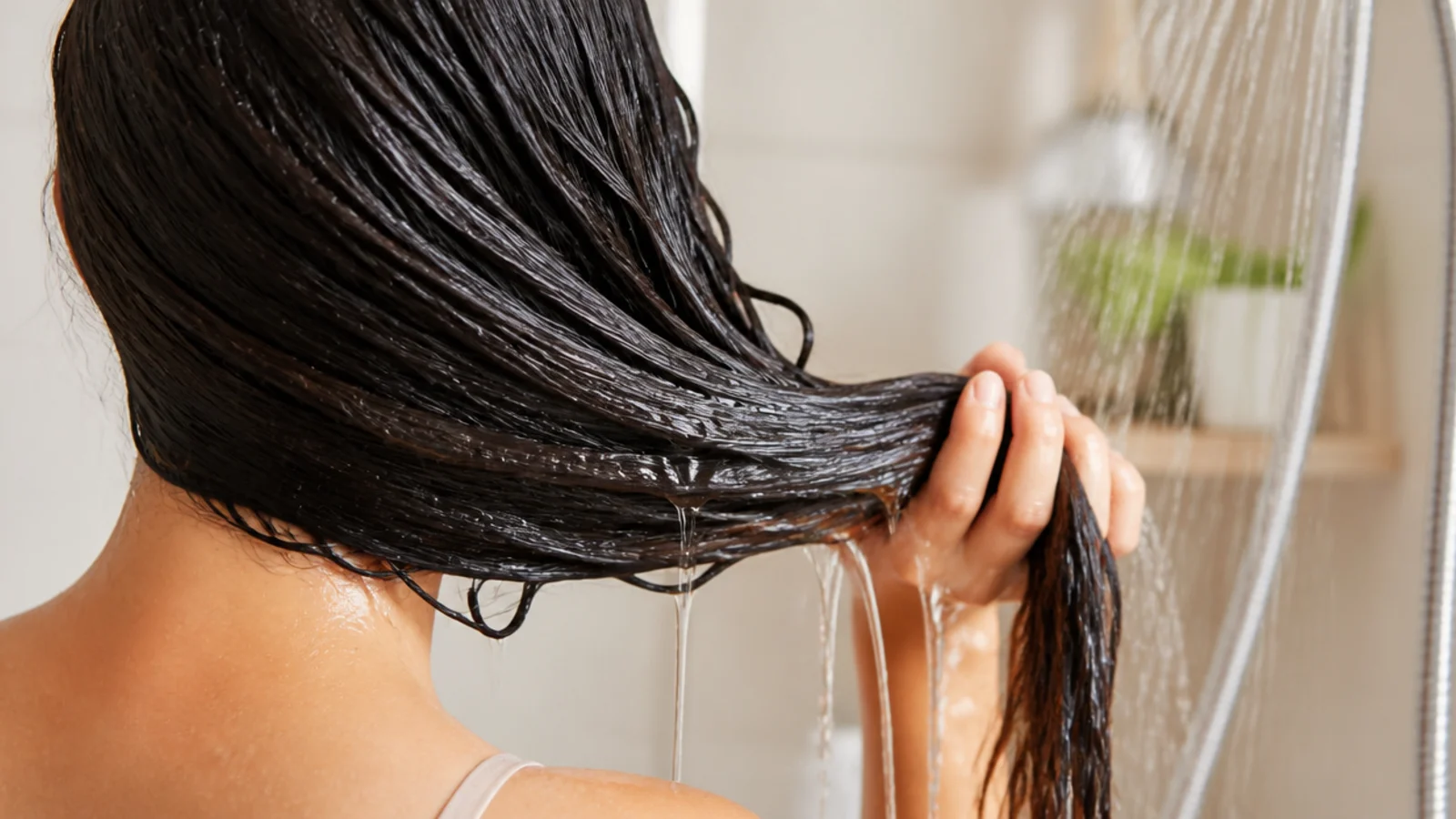
Hot water swells the shaft and lifts the cuticle scales away from the surface, which raises friction at the exact moment the hair is weakest. Finishing with cooler water lets those scales settle back down, so combing drags less and the surface reflects light in one direction instead of scattering it.
13. Protective Style
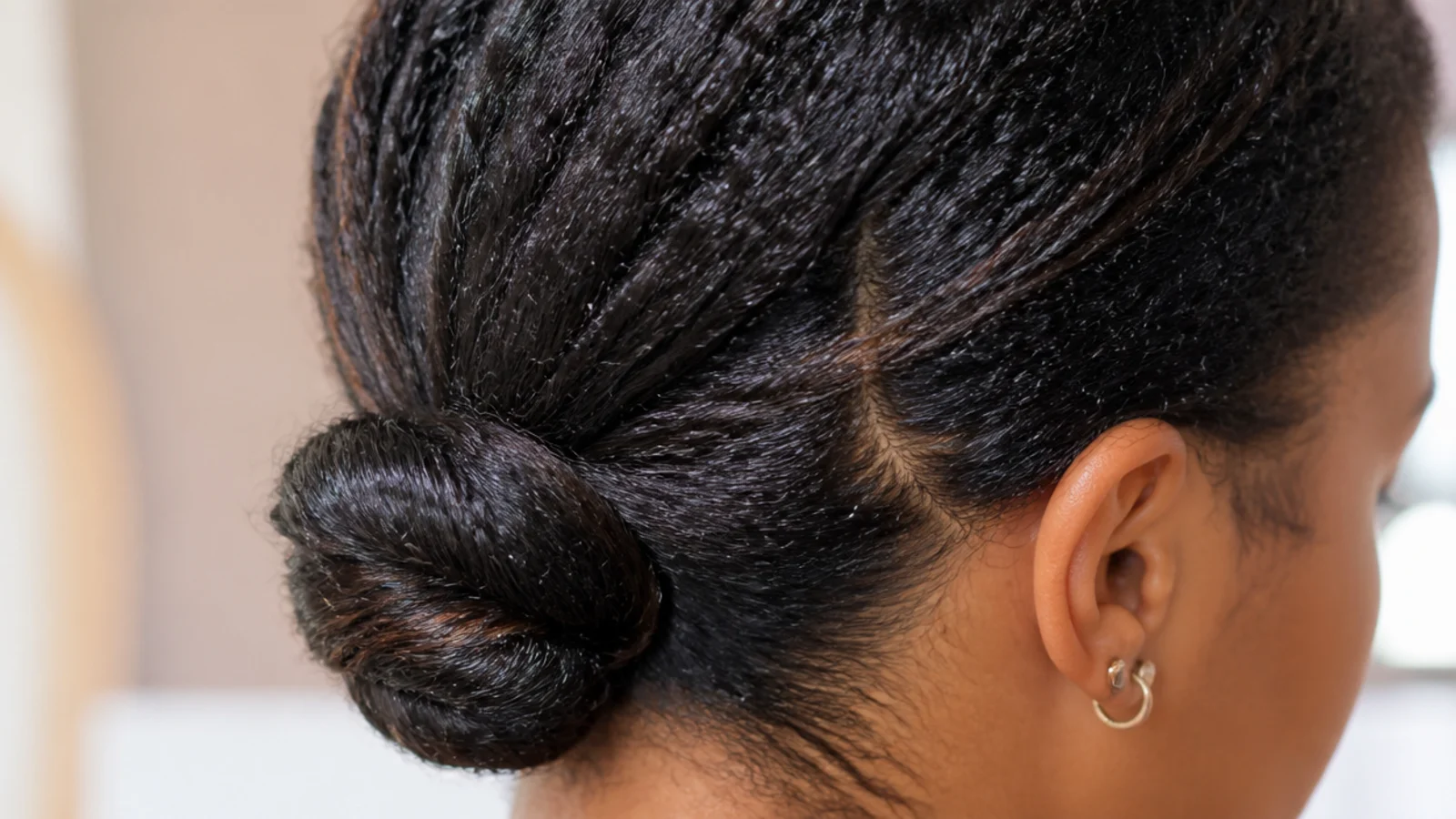
A braid or set of twists takes the ends out of contact with collars, seatbelts and bag straps, which is where a large share of mid-length abrasion actually comes from. The style only protects if it is loose at the root, since a tight install swaps damage at the ends for tension at the follicle.
14. Clarifying Wash
Silicone, oil and dry shampoo build into a film that ordinary washing leaves behind, and once it coats the hair, conditioner sits on top of it rather than reaching the cuticle. A clarifying wash every few weeks removes that layer, which is why the mask afterwards suddenly performs the way it used to.
15. Quarter Inch Trim
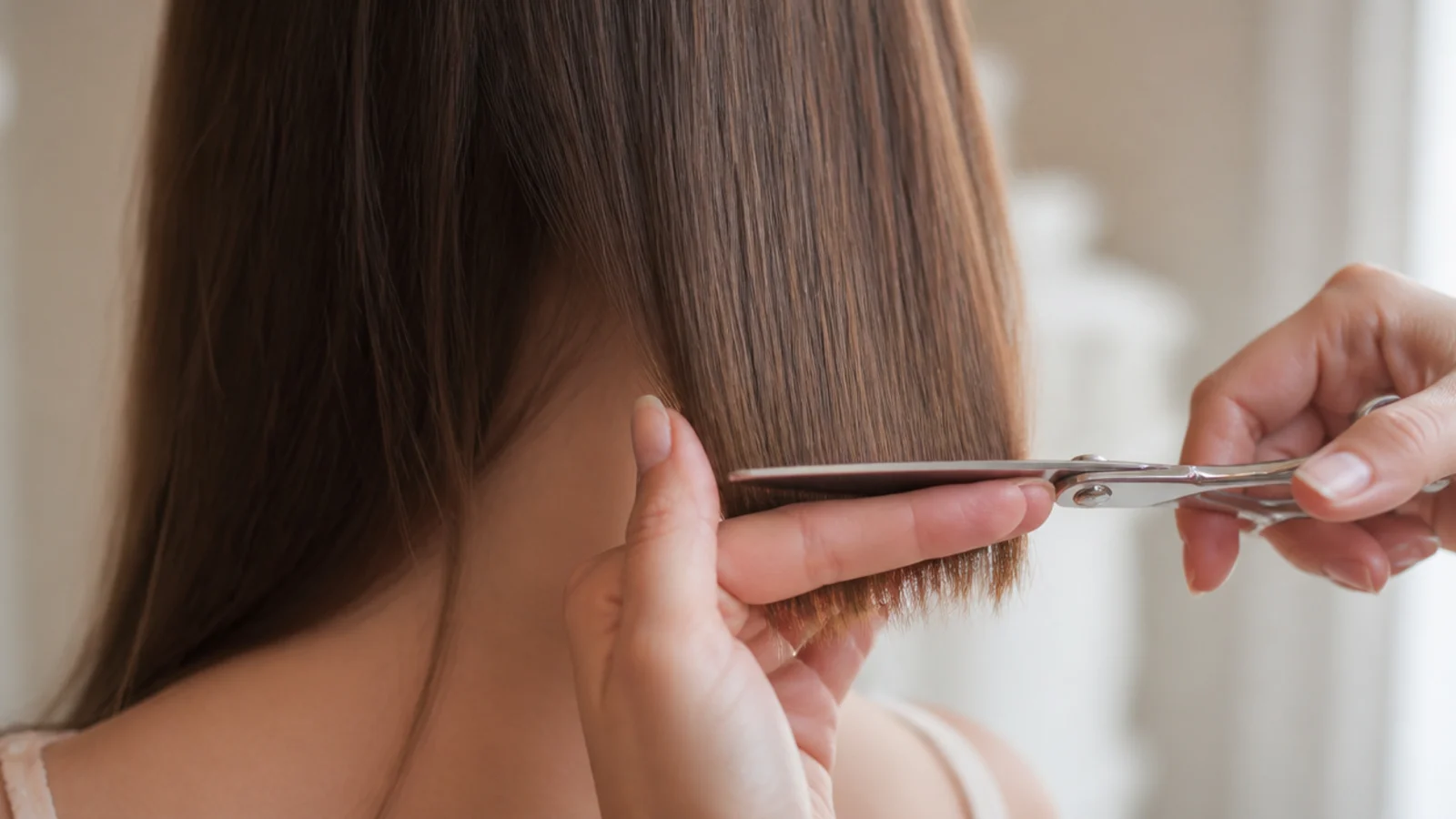
A split does not sit still. The two halves catch on fabric and combs and the tear runs further up the shaft, so waiting means cutting inches instead of a quarter. At half an inch of growth a month you can afford a quarter inch every eight weeks and still finish the year longer.
16. Monthly Length Photo
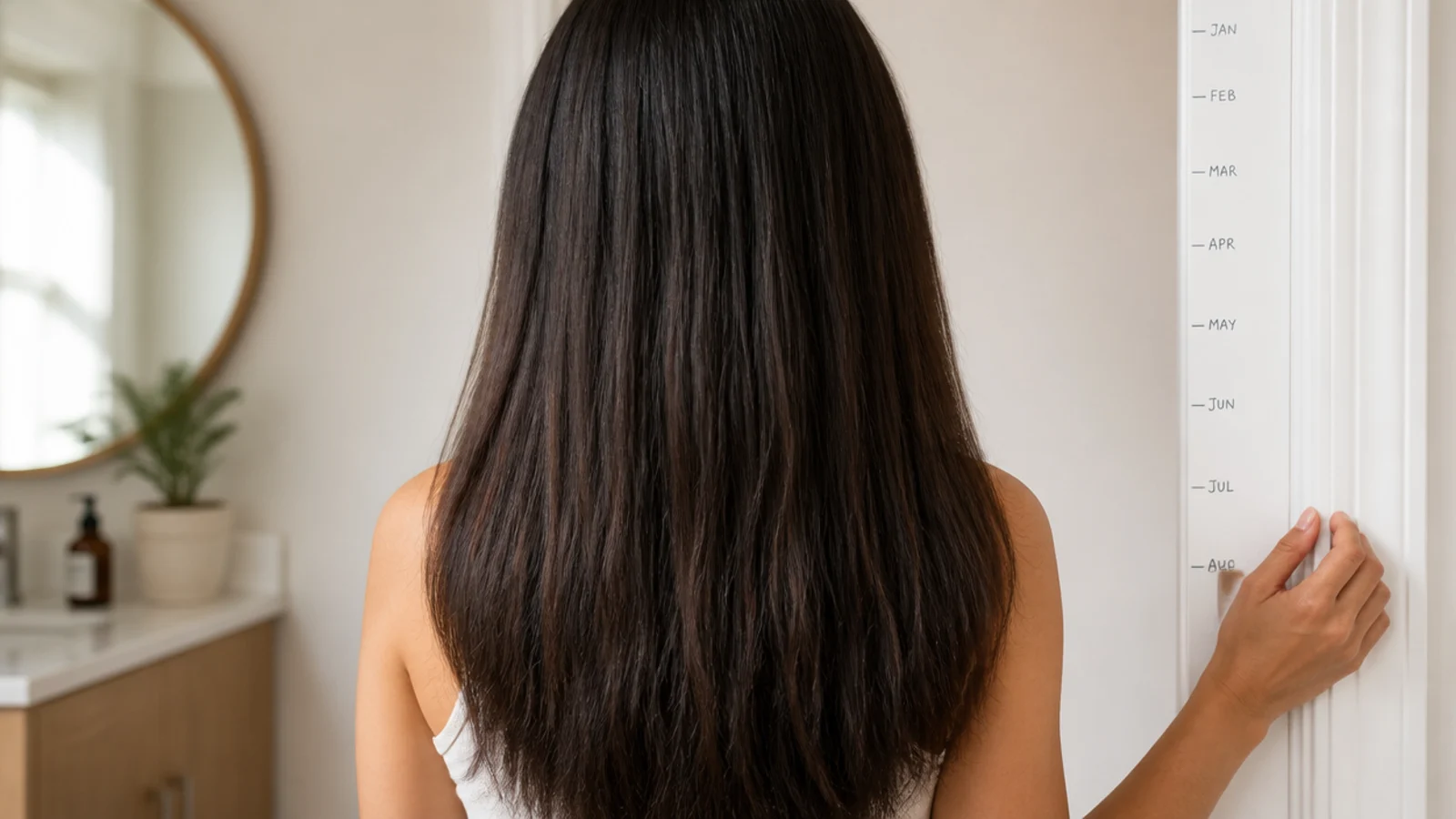
Half an inch a month is below the threshold at which memory is any use, so people abandon routines months before those routines could have shown a result. Same shirt, same wall, hair dry and pulled straight, once a month — six of those images answer a question that six months of guessing cannot.
17. Rest Between Styles
Braids and extensions apply steady tension for weeks, and the follicle needs time without load before the next install goes in. A week or two down, with the hair washed, conditioned and worn loose, is what stops repeated protective styling from becoming the reason your hairline recedes.
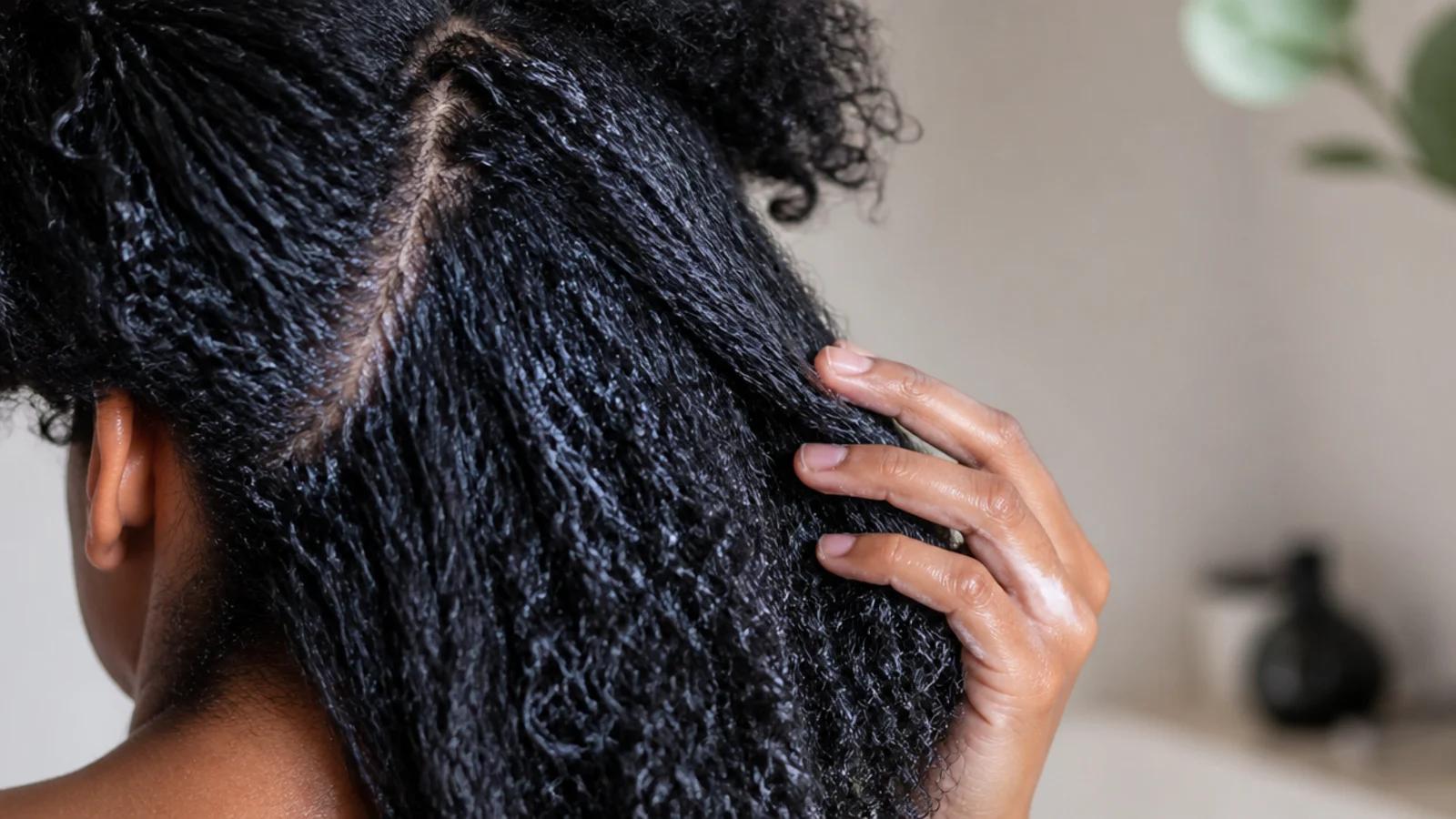
18. Colour Spacing
Lightener works by opening the cuticle and removing pigment along with structural protein, and the cortex does not rebuild what leaves. Spacing appointments eight to ten weeks apart and keeping fresh product on new growth only is what prevents the overlapping bands of processed hair that snap at the mid lengths.
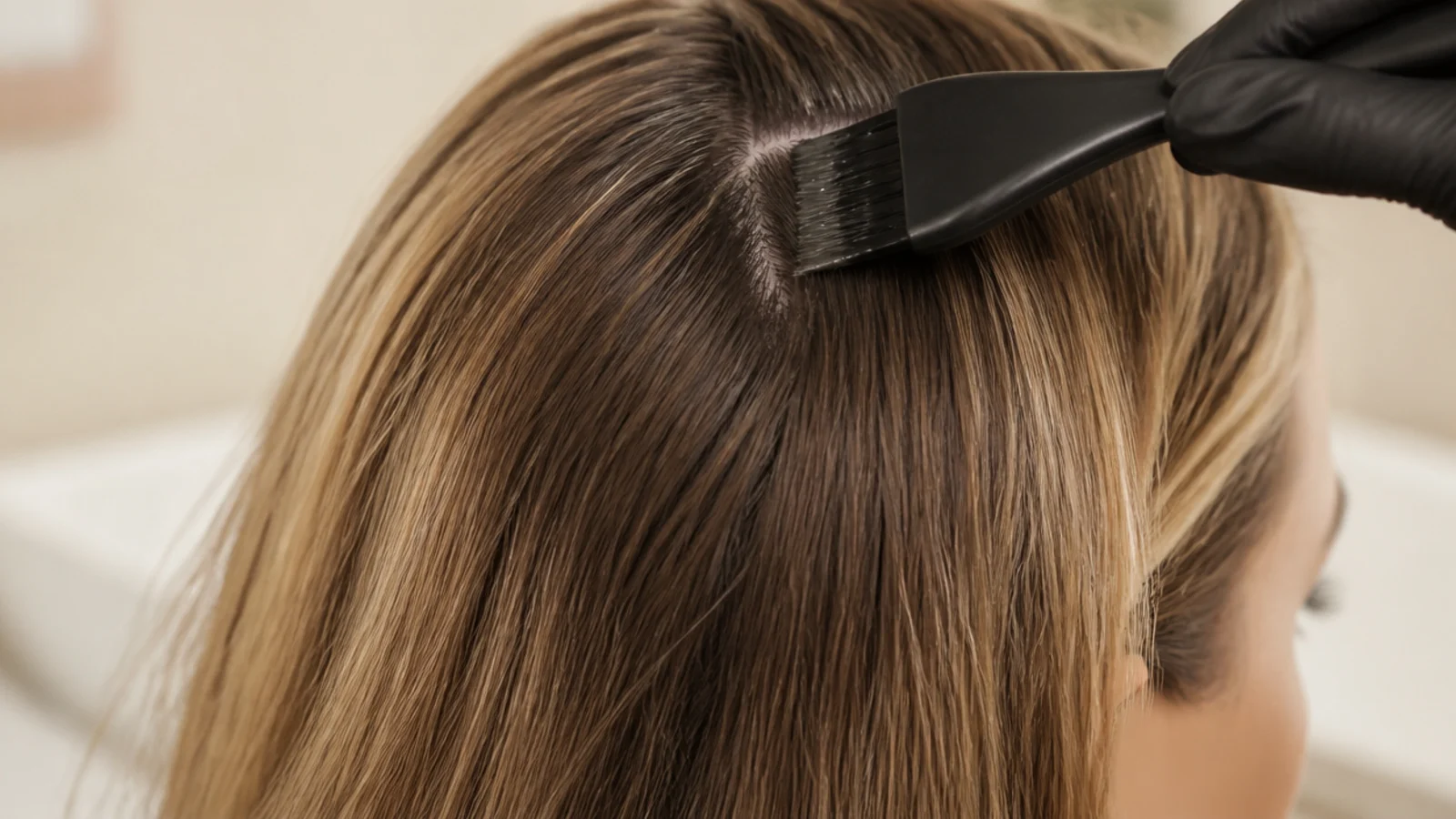
19. Bloodwork Check
Ferritin, thyroid function and vitamin D explain a large share of diffuse thinning, and none of the three responds to anything applied to the head. Testing also stops you supplementing blind, which matters because too much vitamin A or selenium causes the shedding people take them to fix.
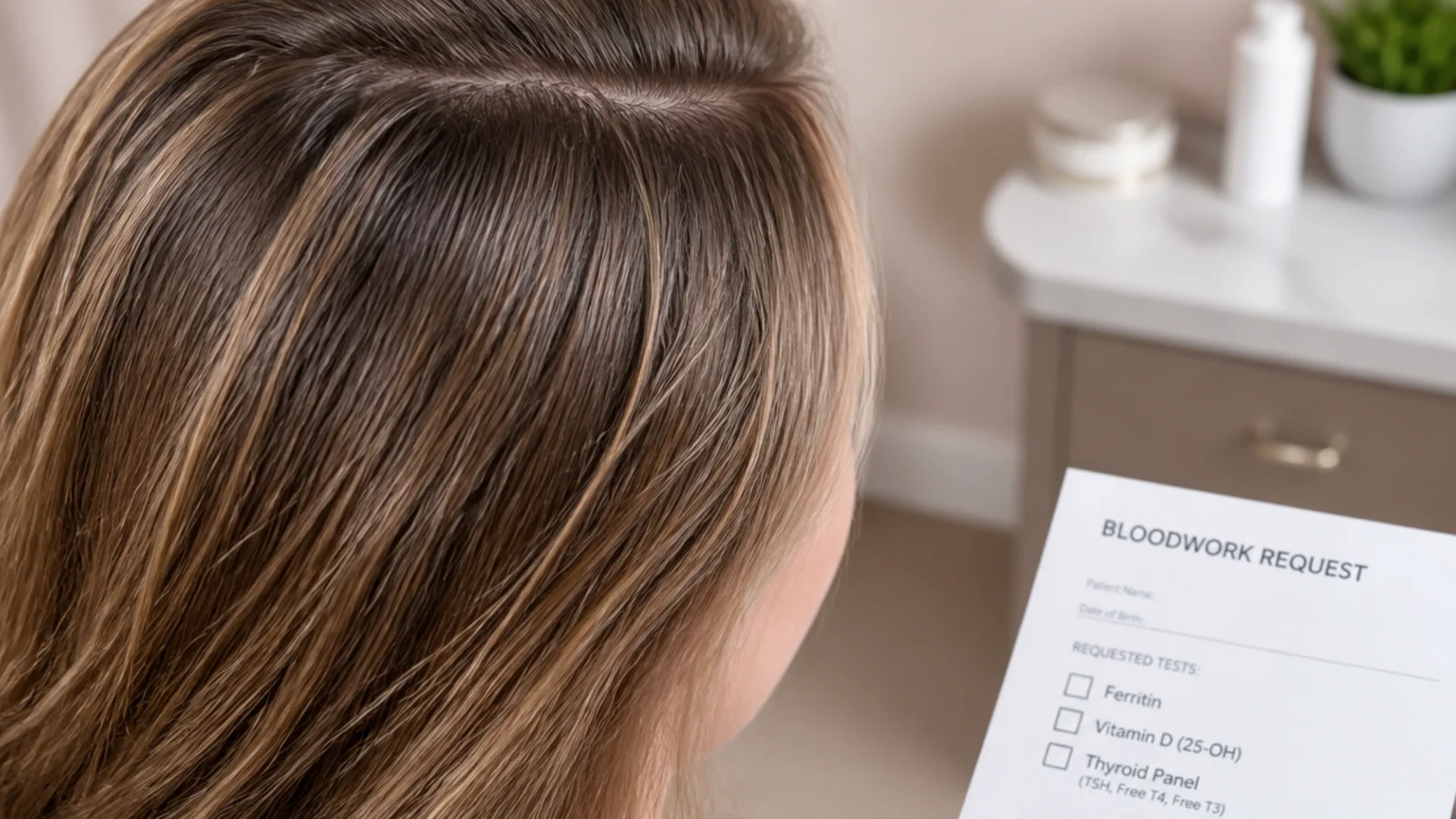
20. Post Swim Rinse
Dry hair takes on pool water the way a sponge does, so soaking it in clean water first means there is far less room left for chlorinated water to enter. Rinsing again straight afterwards clears the chlorine and dissolved copper that otherwise sit in the cuticle, drying the shaft and tinting lightened hair green.
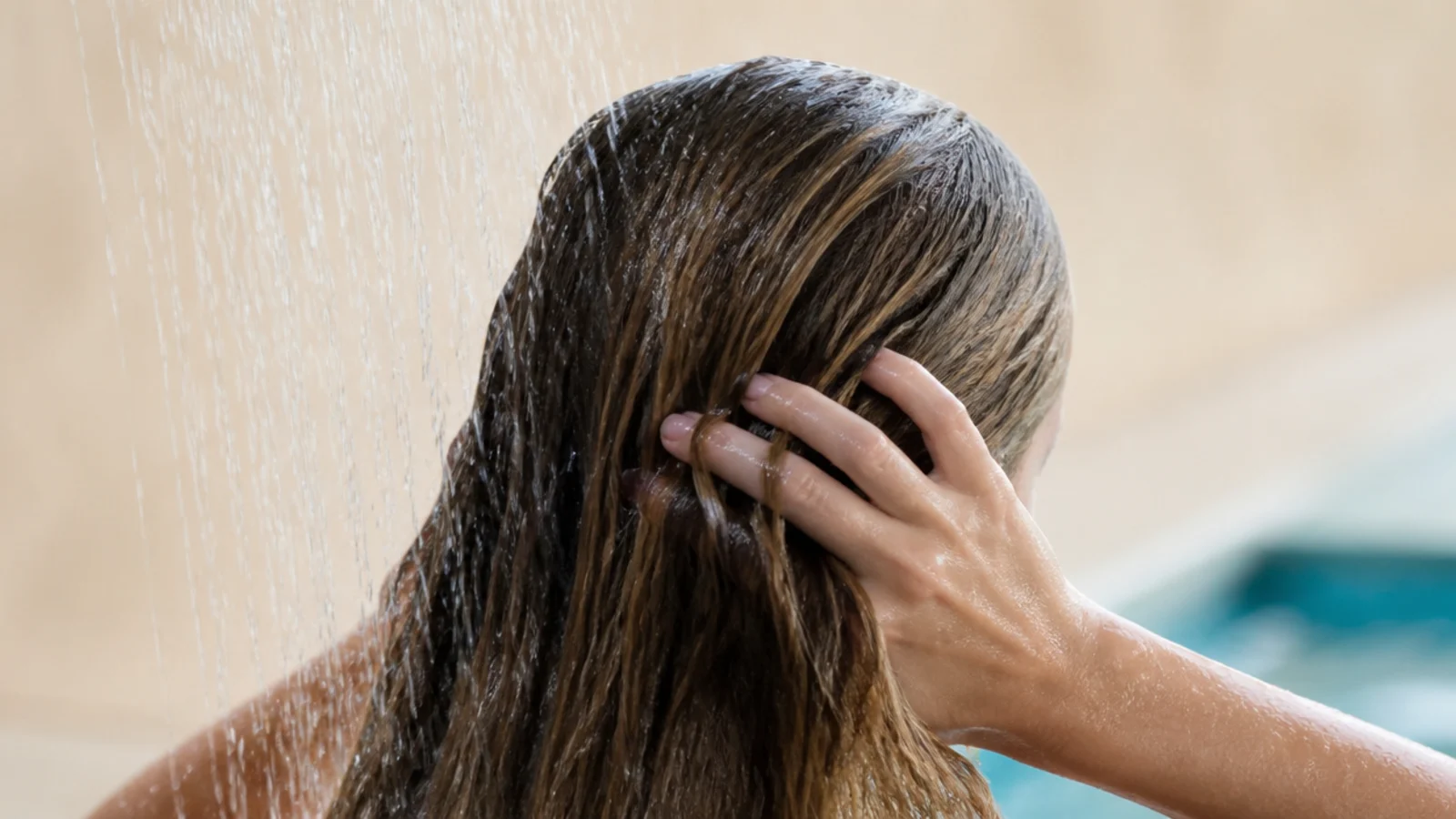
Final Thoughts
Every tip here is a way of reducing load. Tension at the follicle, friction at the cuticle, heat in the cortex and chemistry in the colour chair are the four things that shorten a strand's working life, and each one on this list removes a share of a single load. That is why the list looks unglamorous and why it works, while the products aimed at the growth rate itself cannot move a number that genetics already fixed.
Change four things and keep them for six months rather than changing twenty for a fortnight. Photograph the same section on the same day each month, and if the shedding is heavy, sudden or patchy rather than gradual, treat that as a medical question first and a routine question second. More in Hair Care. See also the care version and the 4c version.