
15 Hair Care Tips for Healthy Hair Growth and Less Damage
Fifteen tips built on the one fact that decides everything else — hair is not living tissue and cannot heal itself. Healthy hair is not damage you repaired, it is damage you never did.
In this article · 23
- How Fast Hair Grows
- Breakage Versus Growth
- The Scalp Health Routine
- The Weekly Routine Cadence
- An Honest Look at Diet and Supplements
- Triage for Specific Concerns
- The 15 Hair Care Tips for Healthy Hair Growth
- 1. Shampoo the Scalp Only
- 2. Scalp Massage
- 3. A Clarifying Wash
- 4. A Deep Conditioning Mask
- 5. Protein and Moisture Balance
- 6. Detangle From the Ends Up
- 7. A Satin Pillowcase or Bonnet
- 8. Heat Protectant Before the Flat Iron
- 9. The Quarter Inch Trim
- 10. Protective Style Braids
- 11. Silk Scrunchies Instead of Elastics
- 12. Protein Rich Foods
- 13. Bloodwork Before Supplements
- 14. Rosemary Oil on the Scalp
- 15. Sun and Chlorine Protection
- Final Thoughts
Hair is dead by the time you can see it, and that single fact decides what the word healthy can possibly mean.
A strand cannot heal. Cuticle that has been scraped off does not grow back, and a split does not knit together. Everything sold as repair is filling gaps temporarily and rinsing away again.
So healthy hair is damage you never did. The routine is defensive from start to finish, and the wins come from removing insults rather than adding products.
How Fast Hair Grows
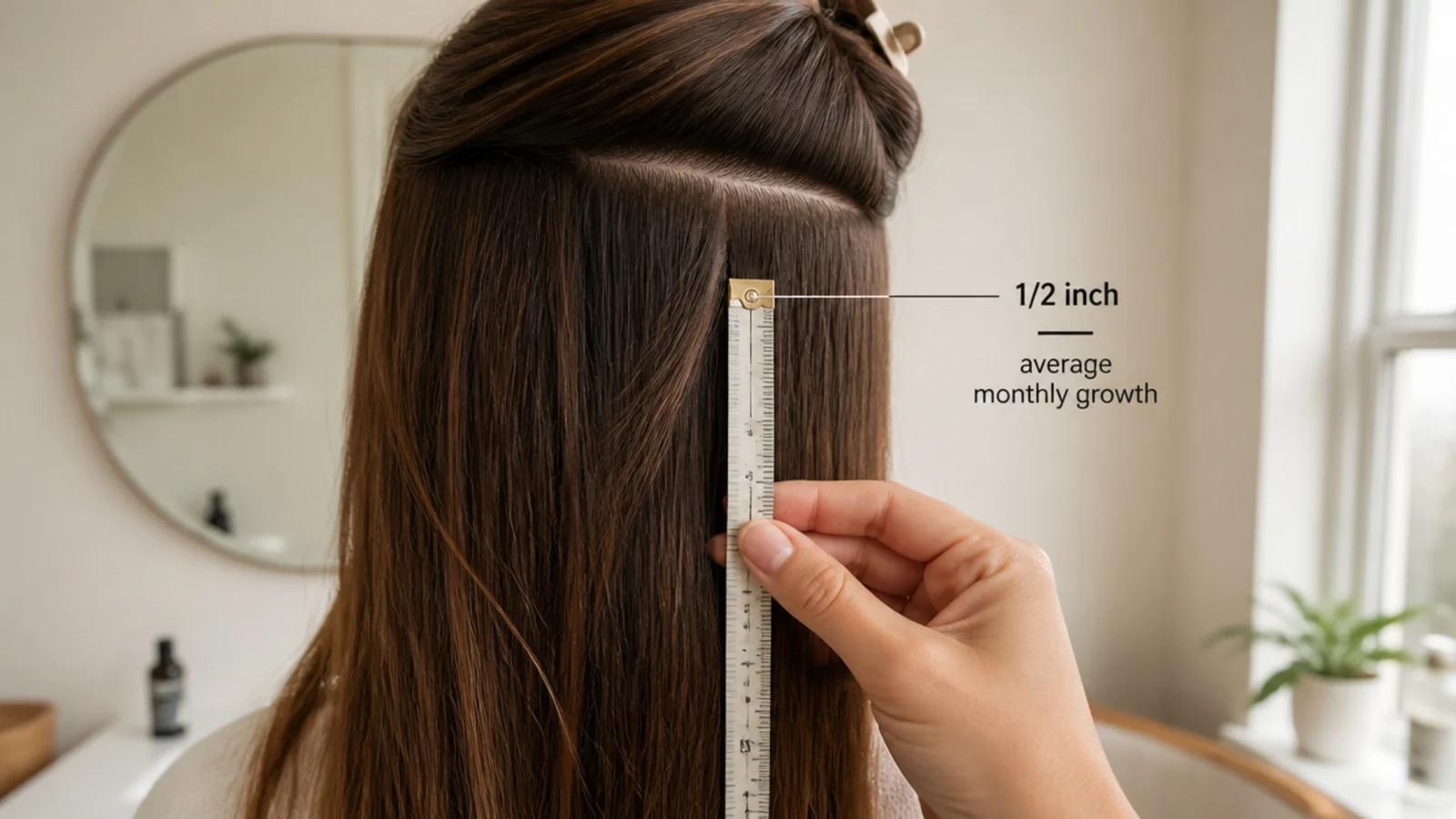
Half an inch a month, roughly six inches a year. That figure varies a little between people and drifts down with age, and nothing you apply to the scalp raises it meaningfully.
Which makes your ends old. Hair at your shoulders is around two years old. At your waist it is four or five. Every wash, every tie and every hot tool since is still recorded in it.
Nothing resets that record. You cannot restore two year old hair to the condition it left the scalp in, which is why the argument for a defensive routine is arithmetic rather than opinion.
Breakage Versus Growth
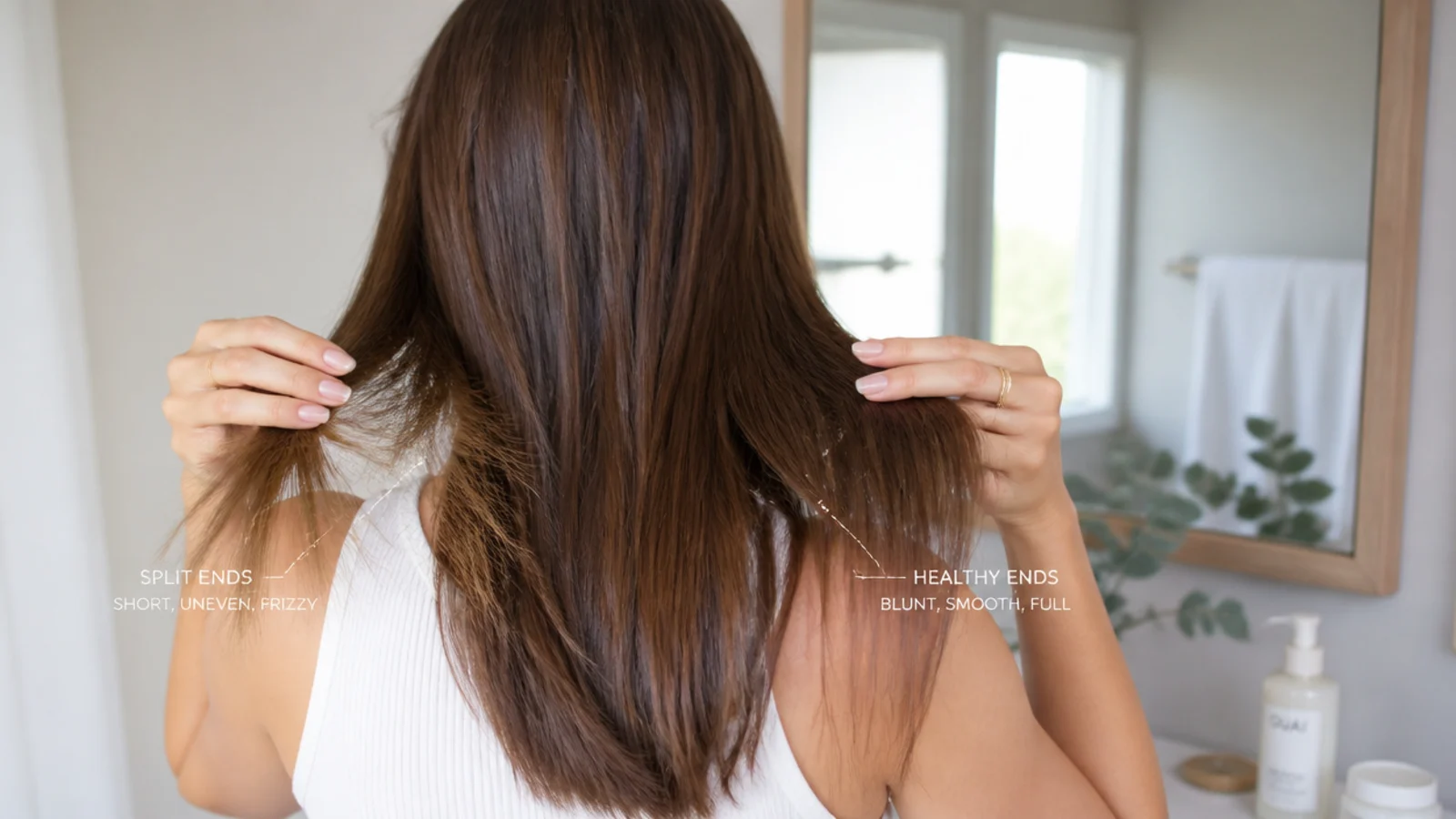
Shed and broken hairs look nothing alike. A shed strand is full length with a small pale bulb at one end, and fifty to a hundred a day is normal for anyone. A broken piece is short, snapped at both ends, with no bulb.
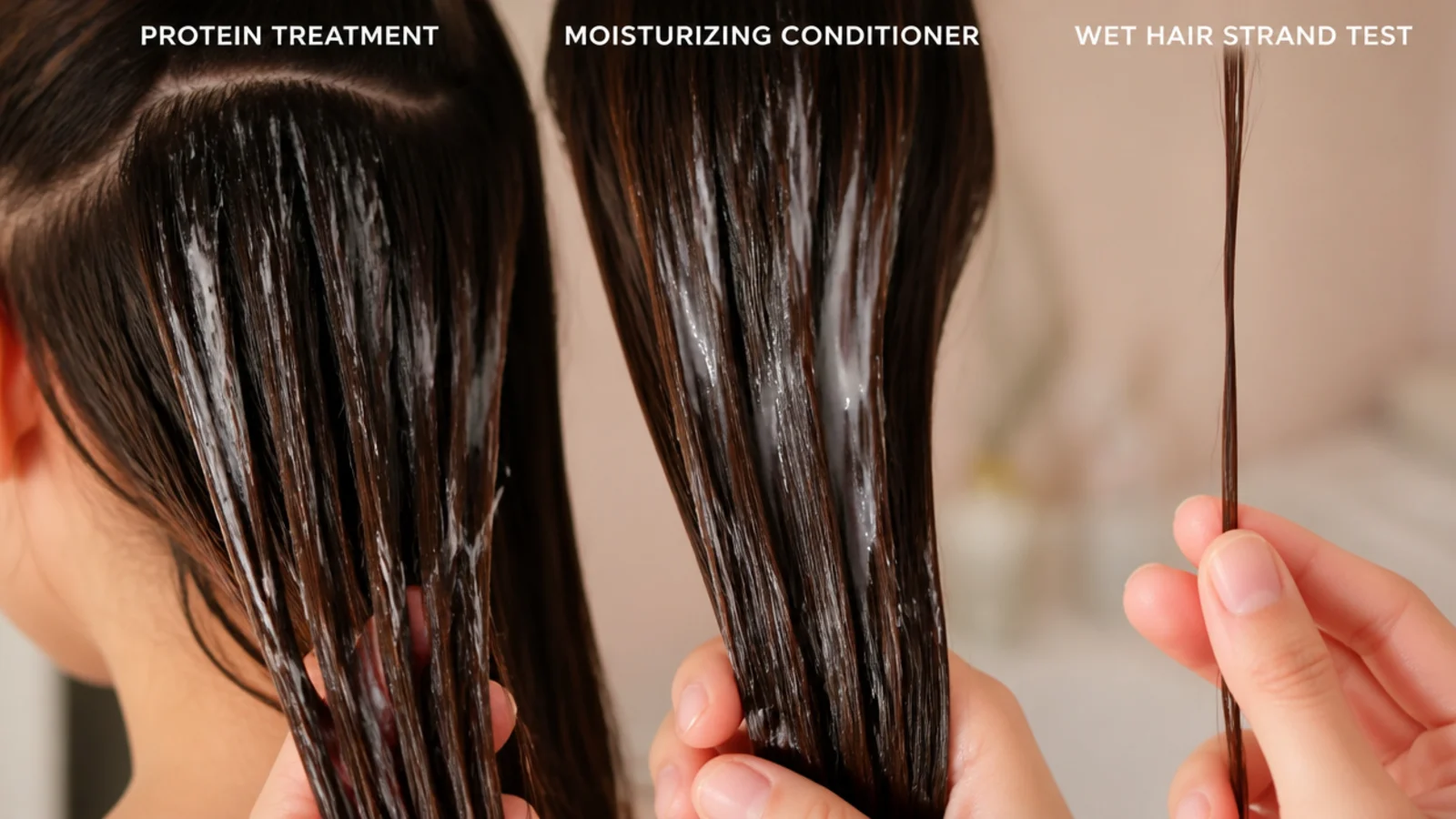
Test elasticity on a wet strand. Pull gently. Hair that stretches a long way and does not return has too much moisture and not enough structure. Hair that snaps almost immediately with no give is over proteined or heat damaged.
Wet hair is the weakest hair you own. Water swells the cortex and lifts the cuticle, so a soaked strand takes far more stretch before it fails and then fails suddenly. Damp with slip in it is the safe working state.
Breakage is the only variable you control. The follicle produces six inches a year whatever you do. How much of it is still attached next summer is entirely a question of what happened along the length.
The Scalp Health Routine
The scalp is skin, and it behaves like skin. It has a barrier, a resident microbiome and its own oil supply, and every scalp problem is a skin problem rather than a hair problem.
Flaking has two opposite causes. A dry scalp flakes because the barrier is stripped and wants less washing and more lipid. Seborrhoeic dermatitis flakes because of yeast overgrowth in sebum and wants an active shampoo used regularly. Treating one as the other makes it worse.
Actives need contact time. Medicated shampoo applied and rinsed straight off gives the ingredient no time to work, which is why so many people decide it does nothing. Leave it on for several minutes.
Never scratch with nails. Nails break the barrier, and the scratches itch as they heal, which starts the cycle again. Use the pads of the fingers.
The Weekly Routine Cadence
Two wash days for most people. Shampoo at the roots, conditioner from the ends up, cool final rinse. That is the whole of a wash day and it does not need extending.
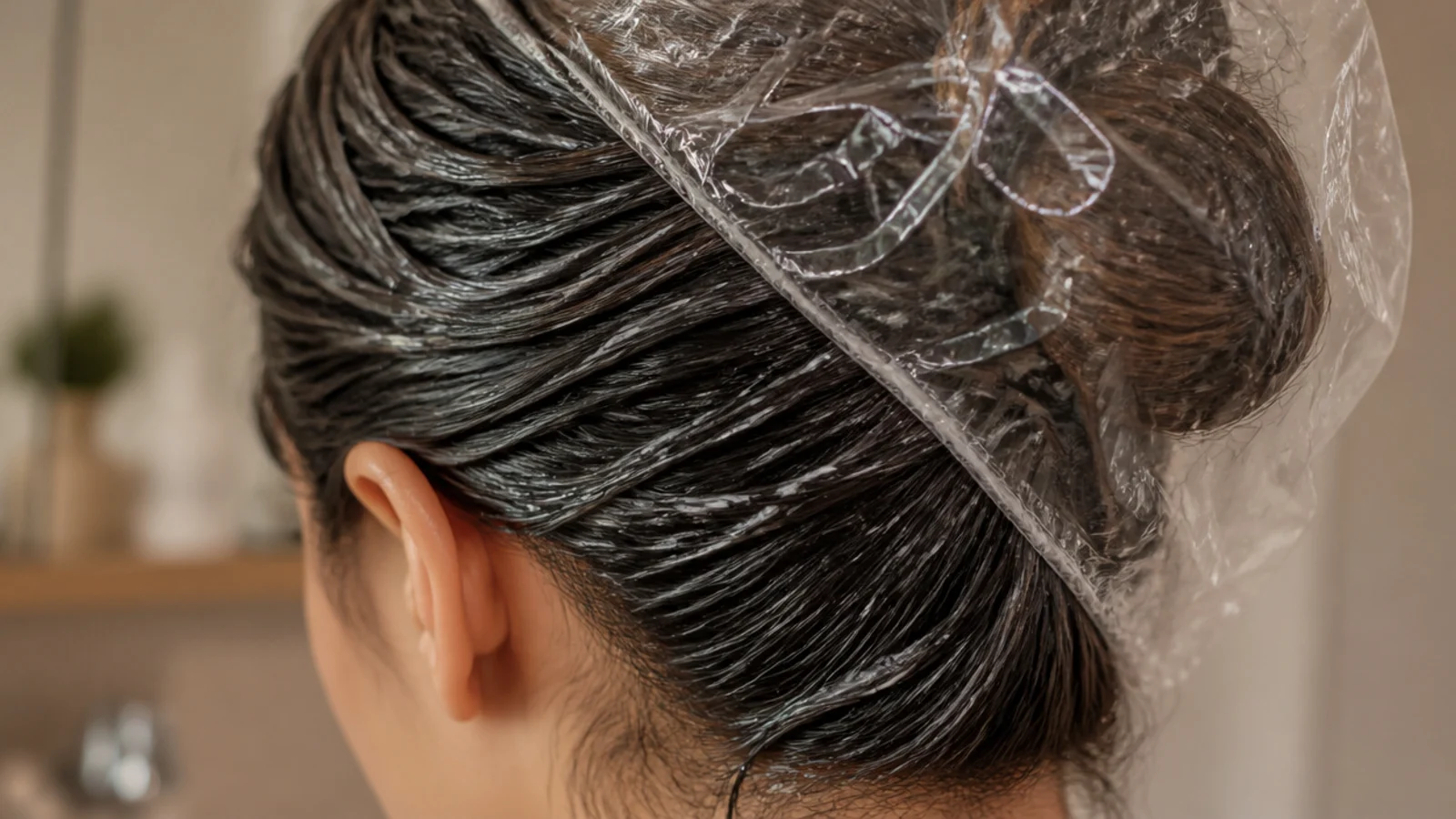
One treatment day. A mask or bond treatment on one of those washes, twenty minutes under a cap, on the bottom two thirds only.
Seven nights of protection. Satin and the length contained. This is the item that repeats most often and therefore compounds fastest.
One thing you should not add. A second mask, a leave in over an existing leave in, or a daily oil. Buildup blocks water as effectively as any detergent strips it, and most routines that stop working have grown rather than shrunk.

An Honest Look at Diet and Supplements
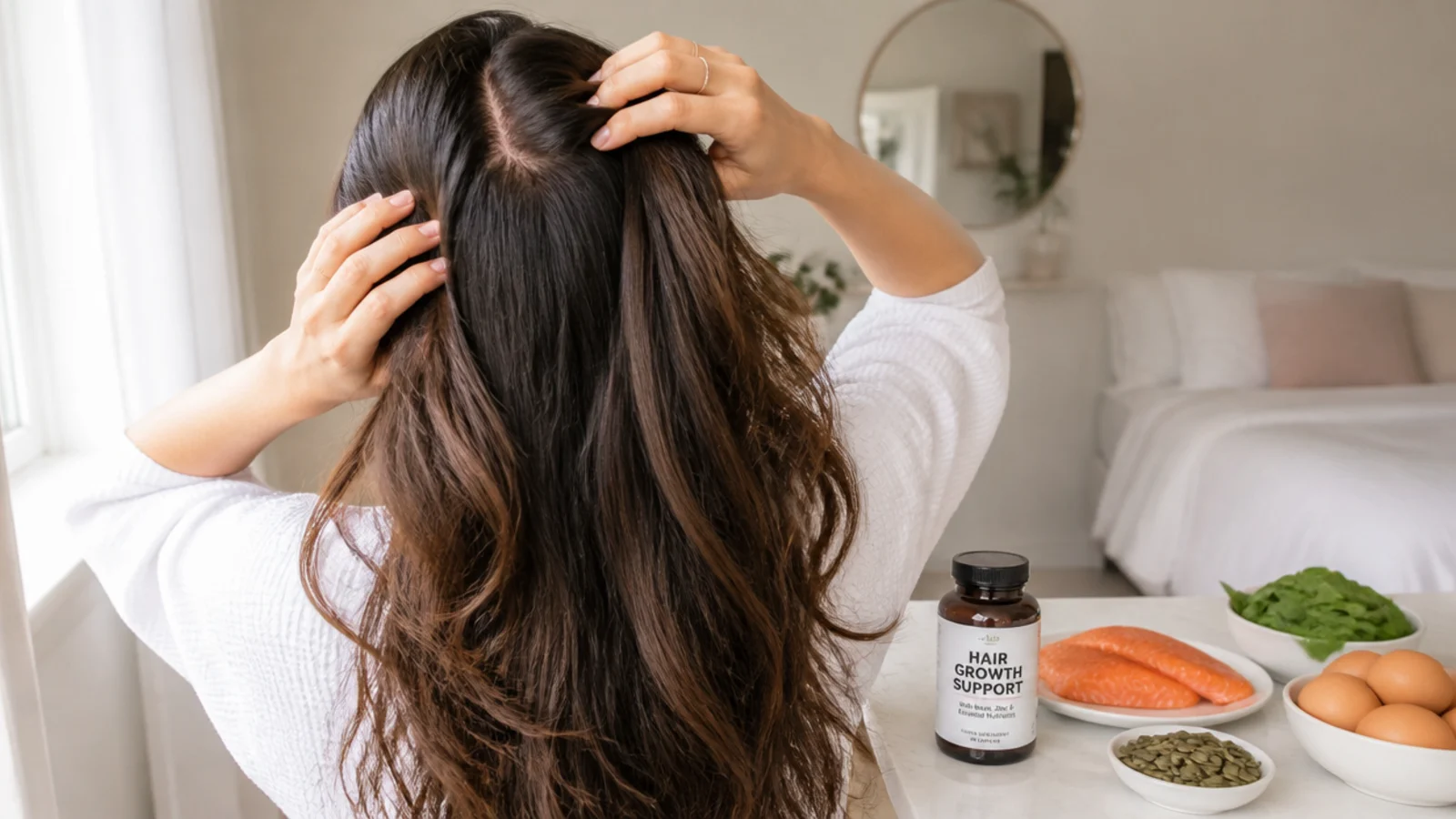
Supplements correct deficiencies and do nothing else. Bringing a low level back into range regrows hair. Pushing a normal level higher does not, at any dose.
Ferritin is the number to ask for by name. Stored iron can sit low enough to cost hair while haemoglobin still reads normal, so a standard blood count alone can miss one of the commonest treatable causes of shedding.
Biotin is the weakest claim in the category. Deficiency is rare, supplementing without it has no demonstrated effect, and biotin interferes with several common blood tests including thyroid and cardiac assays.
Eat enough, and eat enough protein. Hair is one of the first tissues the body deprioritises when either runs short, and it does so on a delay — a difficult few months shows up at the scalp two to three months after it has passed.
Triage for Specific Concerns
Frizz. Fix moisture and friction before you buy a smoothing product. Frizz is raised cuticle plus dry hair meeting humidity, and a satin pillowcase does more for it than most serums.
Split ends. There is one fix and it is scissors. Everything else is temporary glue that survives until the next wash.
Oily roots with dry ends. Two different problems on one head. Wash the scalp more often and treat the ends separately, rather than compromising in the middle and failing at both.
Colour damage. Cooler water, fewer washes, a bond treatment on the colour schedule. Bleached hair has less cuticle, so it absorbs water quickly and loses it just as fast.
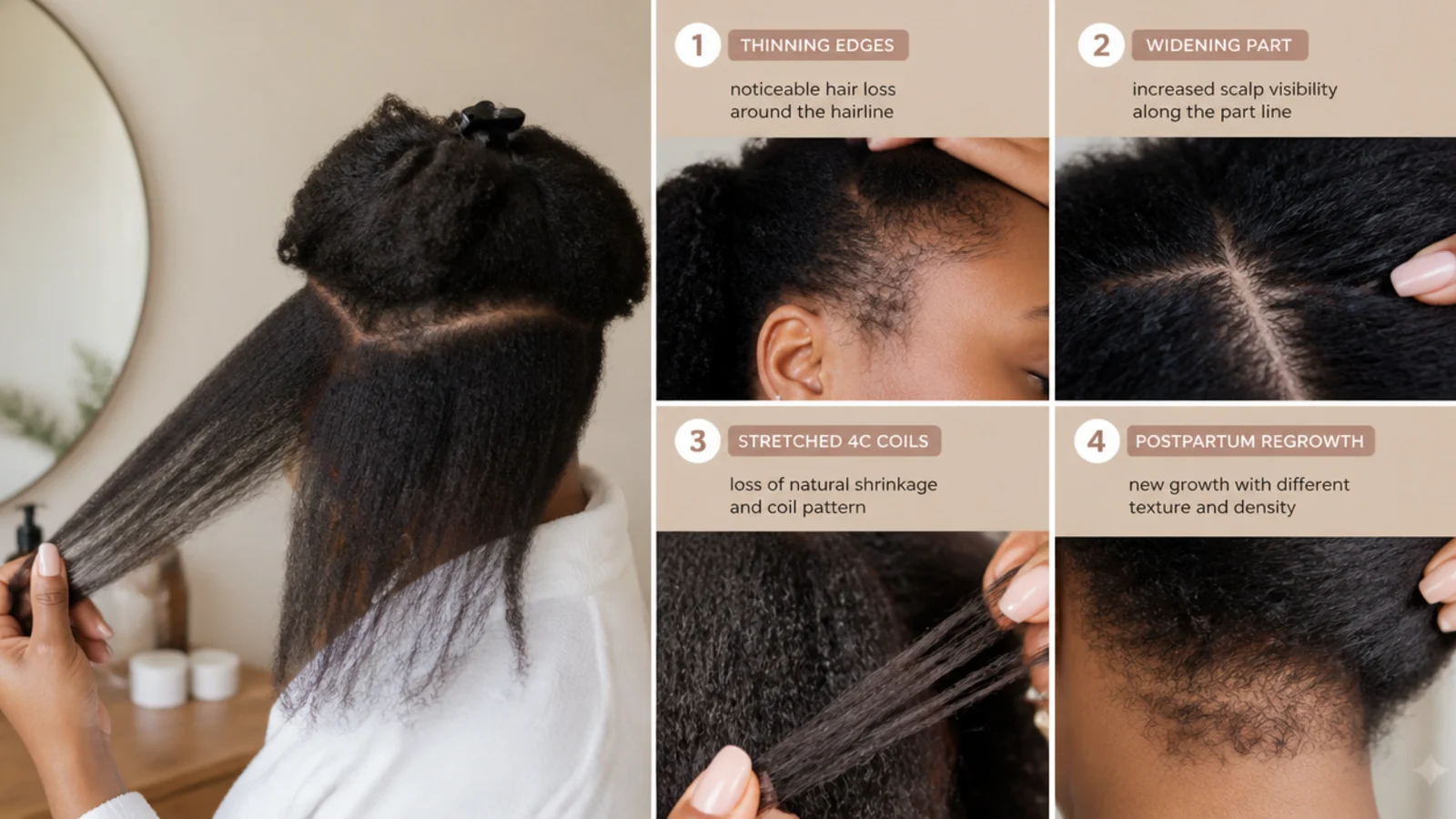
Thinning. Stop guessing. Bloods and a dermatologist, because the treatments that exist work better started early and none of them are on a shampoo shelf.
The 15 Hair Care Tips for Healthy Hair Growth
1. Shampoo the Scalp Only
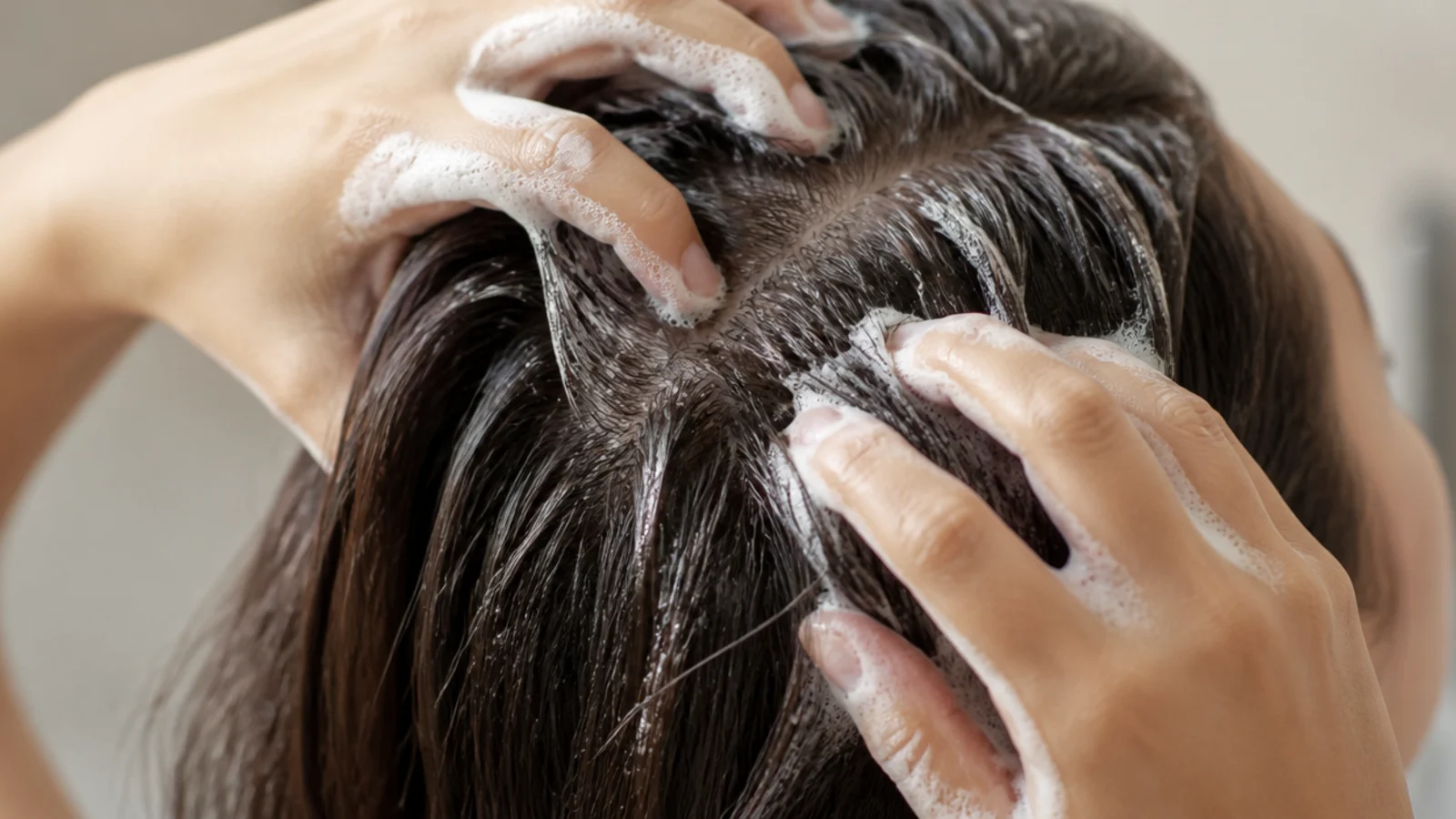
Detergent has a job at the roots and none at the ends, which are years old and already the most porous hair you own. Lather at the scalp with the pads of the fingers and let the rinse run down the length. That is enough cleaning for hair that was never actually dirty.
2. Scalp Massage
Move the skin over the bone with the pads of the fingers rather than sliding through the hair, and keep nails out of it entirely. Nails break the barrier and the healing scratches itch, which is the loop most irritated scalps are stuck in. Five minutes at firm pressure is plenty.
3. A Clarifying Wash
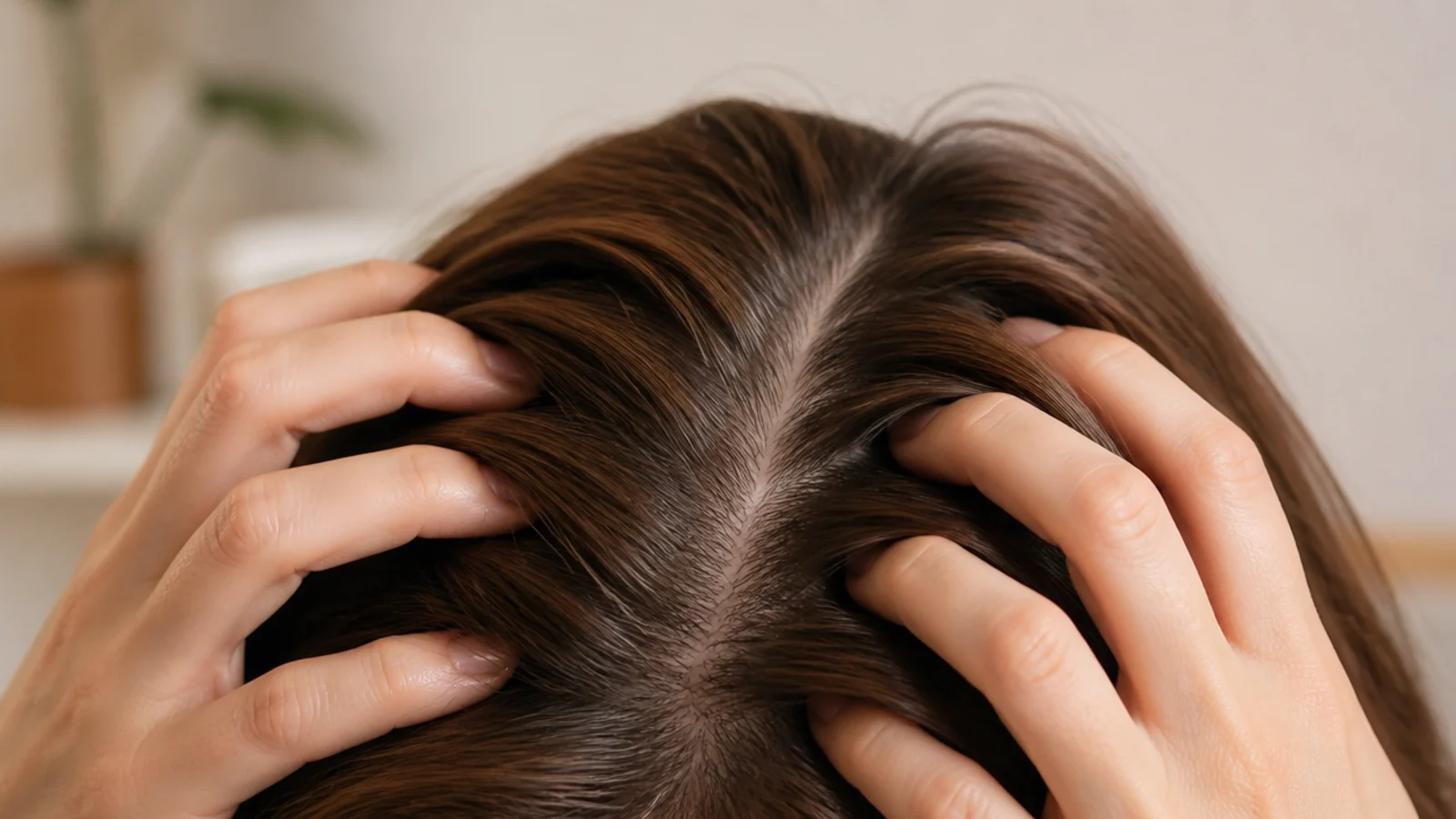
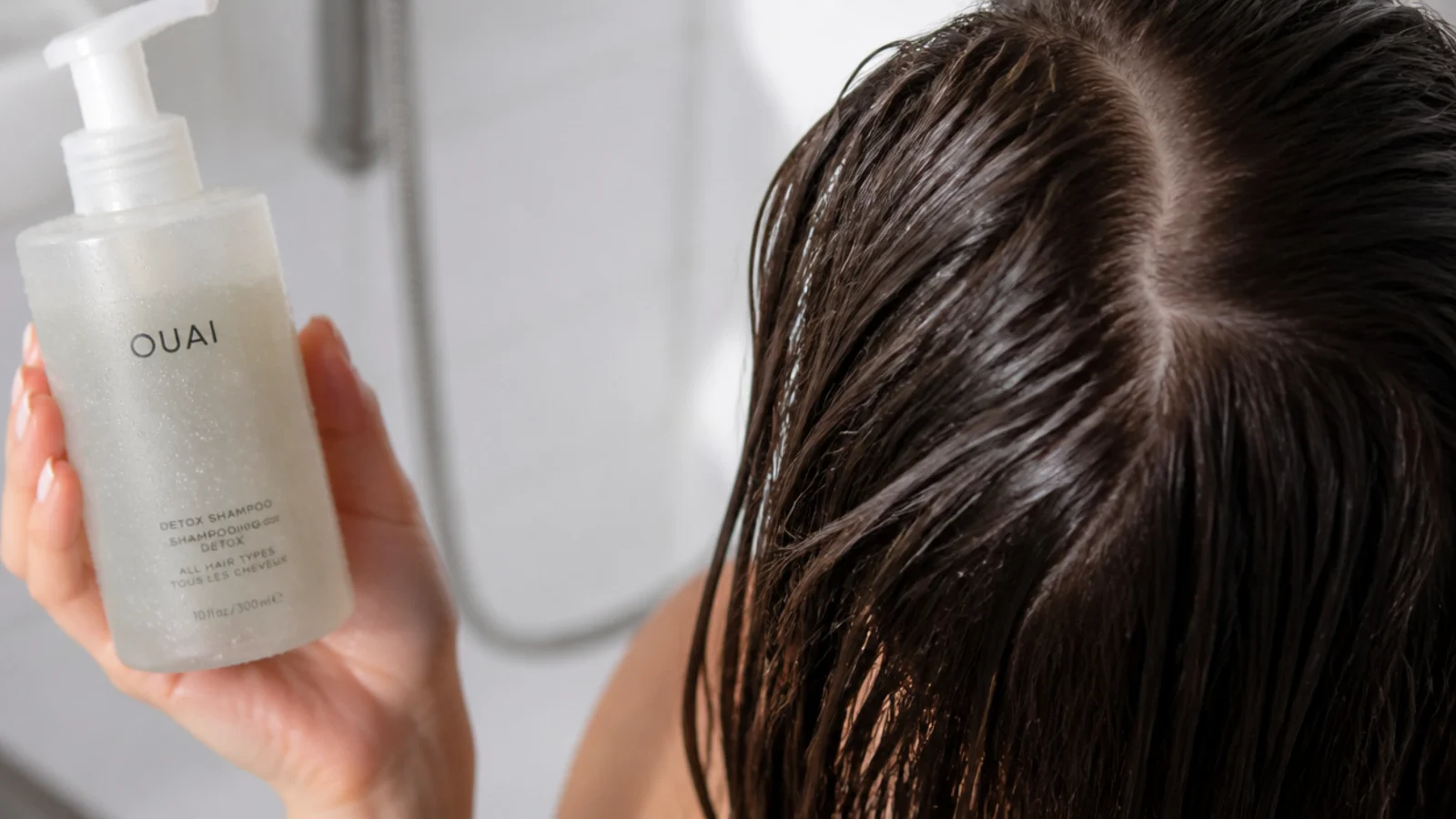
Monthly, or sooner with silicones and hard hold products. Buildup is a film water no longer passes through, and the symptom is hair that feels coated and stops responding to conditioner however much you use. Clarify and everything applied afterwards works the way it was designed to again.
4. A Deep Conditioning Mask
Twenty minutes under a cap. Trapped body heat keeps the hair damp and holds the cuticle slightly open so the mask moves into the strand, where the same mask in cool open air simply dries onto the outside and gets rinsed away unused.
5. Protein and Moisture Balance
Protein stiffens a damaged strand so it stops stretching past its limit; moisture keeps it flexible enough to bend without cracking. Too much protein and hair snaps dry with no give. Too much moisture and it stretches like elastic and never returns. Pull a wet strand gently and let its behaviour tell you which one to add.
6. Detangle From the Ends Up
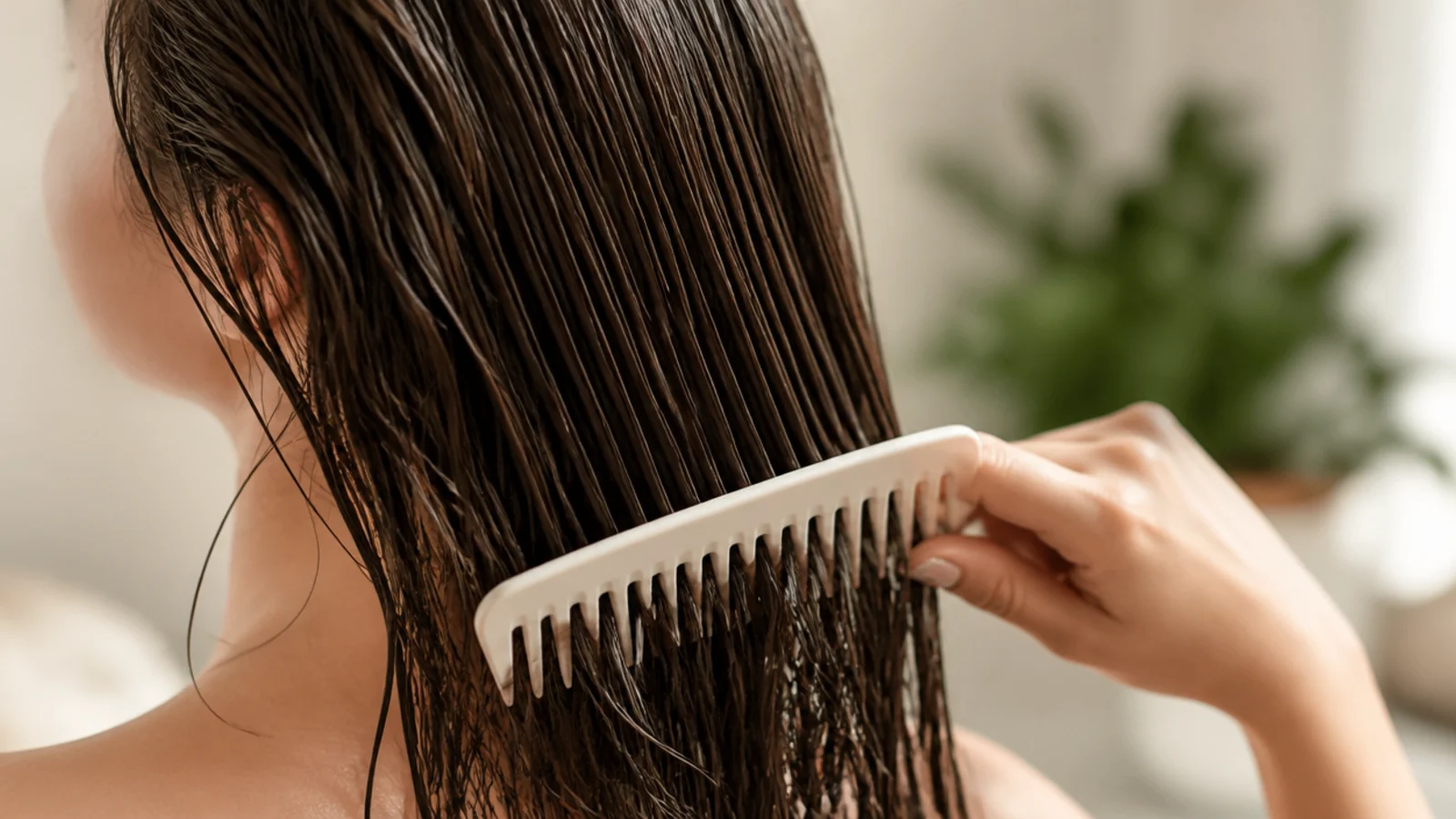
A comb driven from the root downward gathers every tangle in the section and compresses them into a single knot at the bottom. Working upward in short passes means each knot is met on its own with slack hair below it, and the whole section clears with a fraction of the force.
7. A Satin Pillowcase or Bonnet
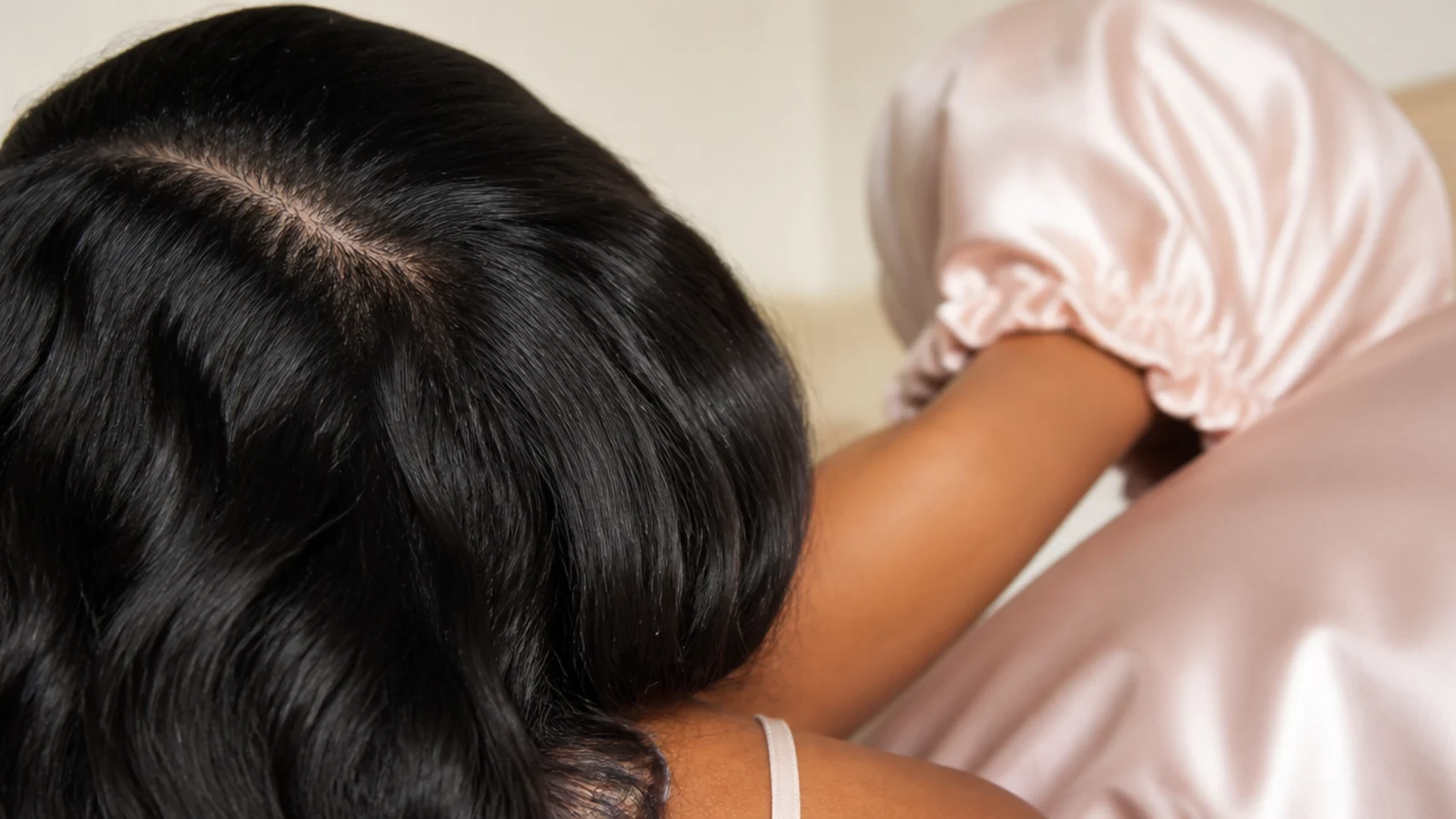
Cotton draws moisture out of the hair and its fibres catch the cuticle, and it does so for eight hours with your head weighting the contact. Satin removes the whole of that friction for the cost of one pillowcase, which makes it the highest return item on this list by a wide margin.
8. Heat Protectant Before the Flat Iron
A protectant spreads the heat along the strand and slows how quickly it reaches the cortex. The other half is dryness — hair that is not fully dry still holds water, and under hot plates that water flashes to steam and forces cavities through the shaft that never close again.
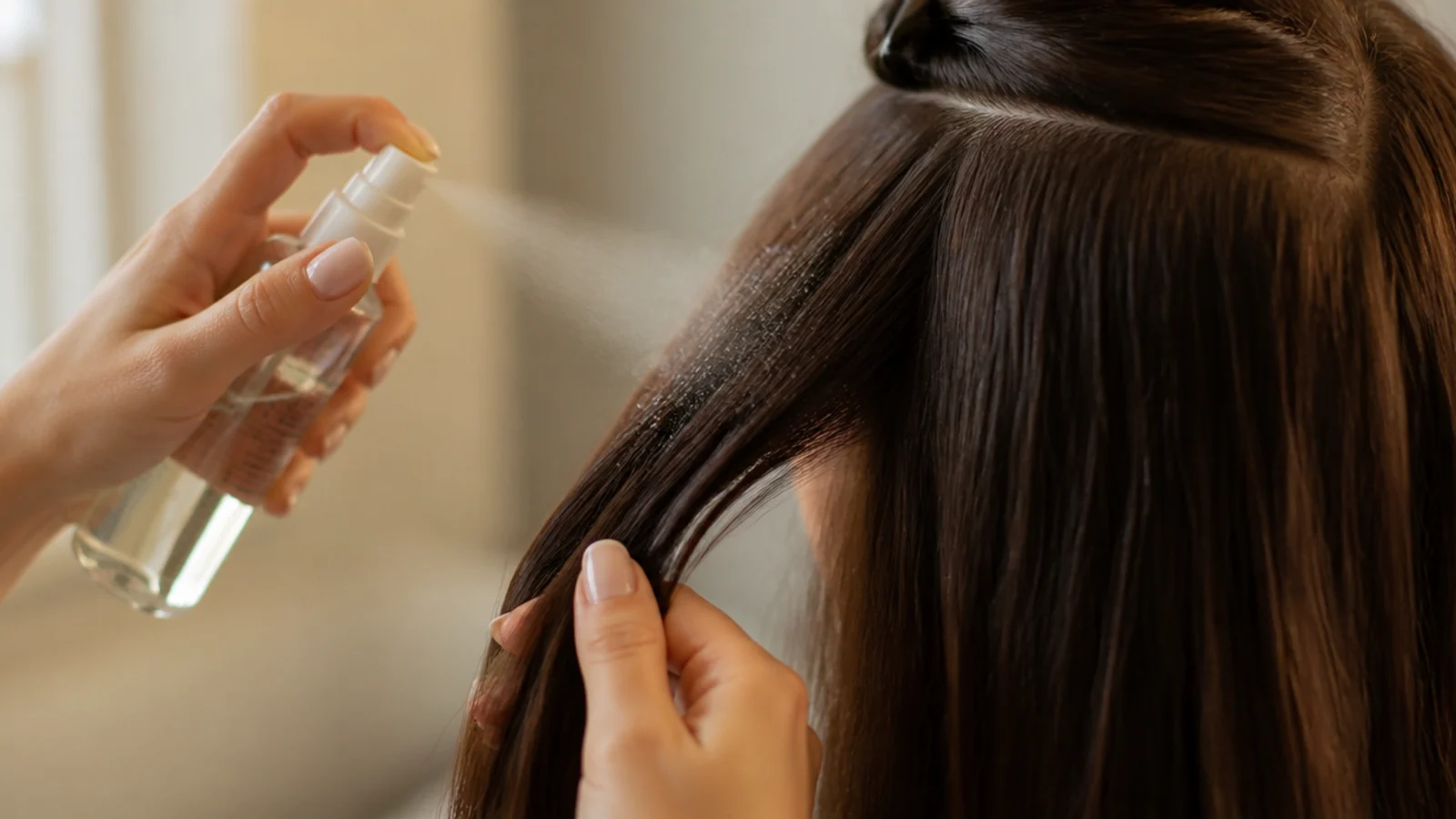
9. The Quarter Inch Trim
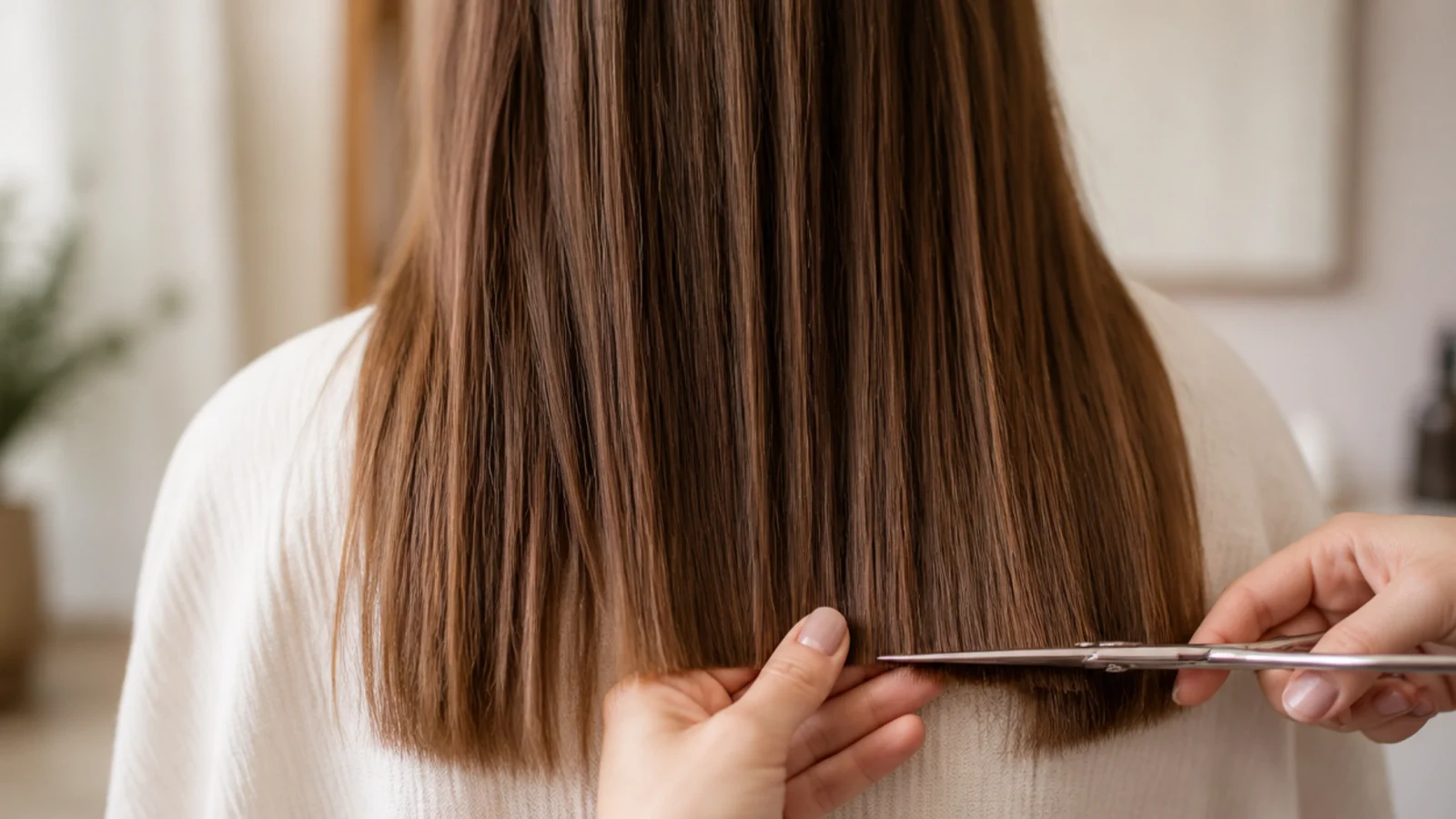
A split does not stay where it started. Once the cuticle opens at the end, the crack runs upward along the shaft, so removing a quarter inch early costs far less than the inch the same split takes by the time you notice it. Every eight to twelve weeks suits most hair.
10. Protective Style Braids
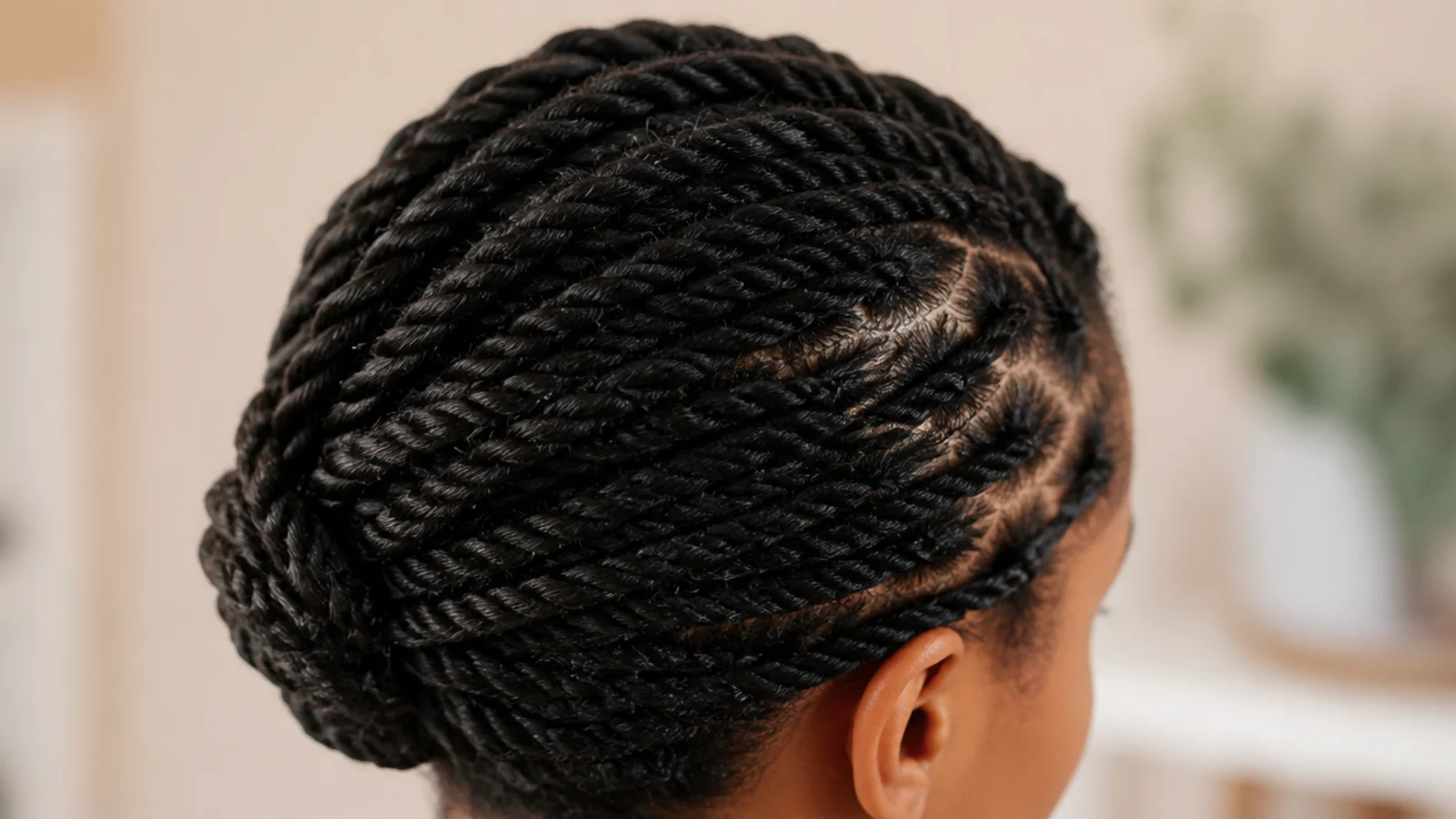
A braid or twist takes the ends out of circulation, and the ends are where nearly all damage lands. The trade is tension at the root, so keep the base slack and take it down at six to eight weeks — beyond that, shed hairs and new growth mat together and the takedown costs more than the style saved.
11. Silk Scrunchies Instead of Elastics
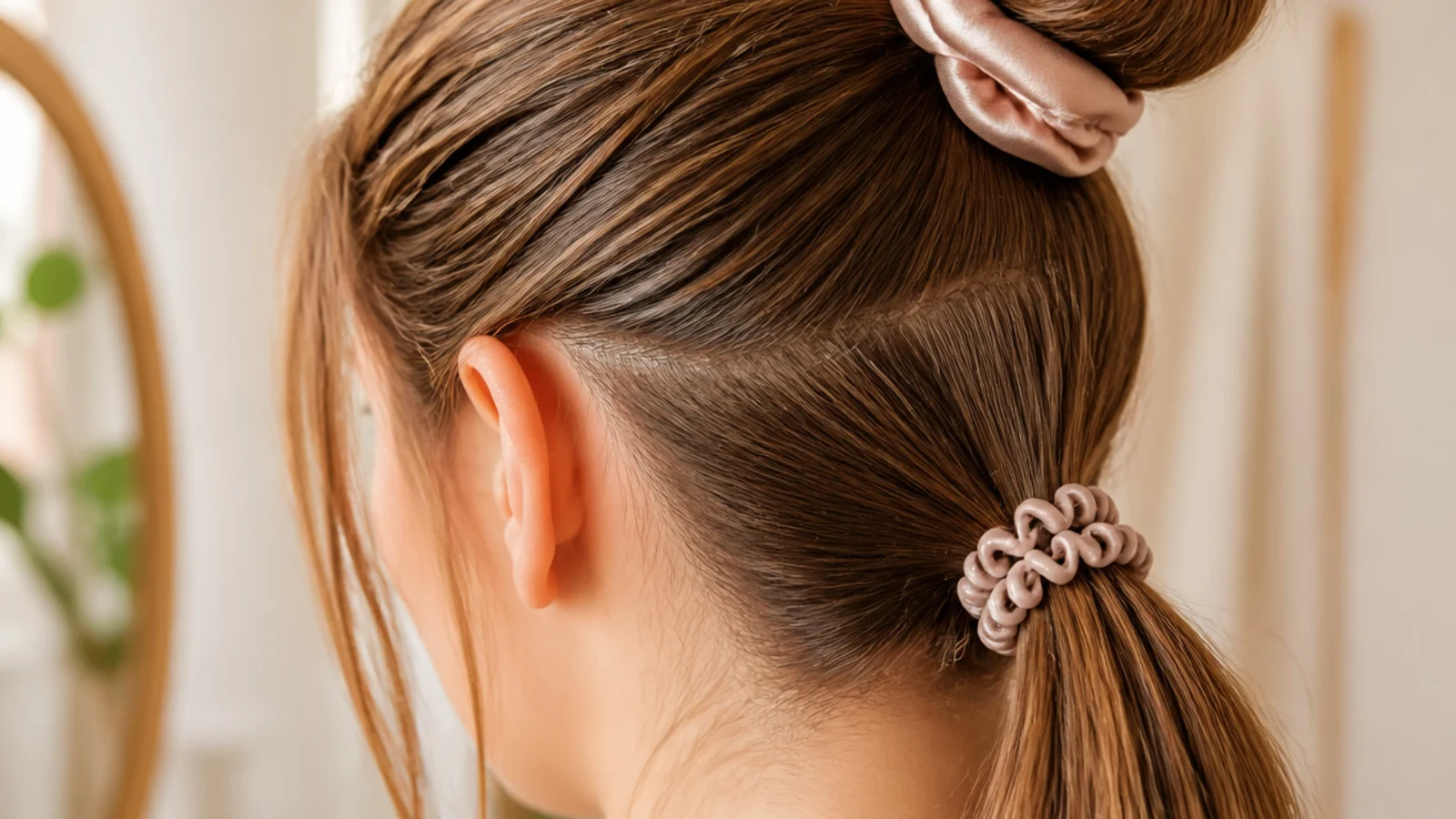
A thin elastic loads one narrow band of strands and holds them there all day, and the metal join on a standard band adds a snag point on top of that. A wide silk scrunchie spreads the same hold over far more hair, so no single group of strands carries the whole tension.
12. Protein Rich Foods
Hair is keratin, and the follicle is a low priority tissue, so a sustained protein shortfall gets cut there before anywhere you would notice. The delay is what catches people out — a difficult few months of eating shows up at the scalp two to three months after it has already ended.

13. Bloodwork Before Supplements
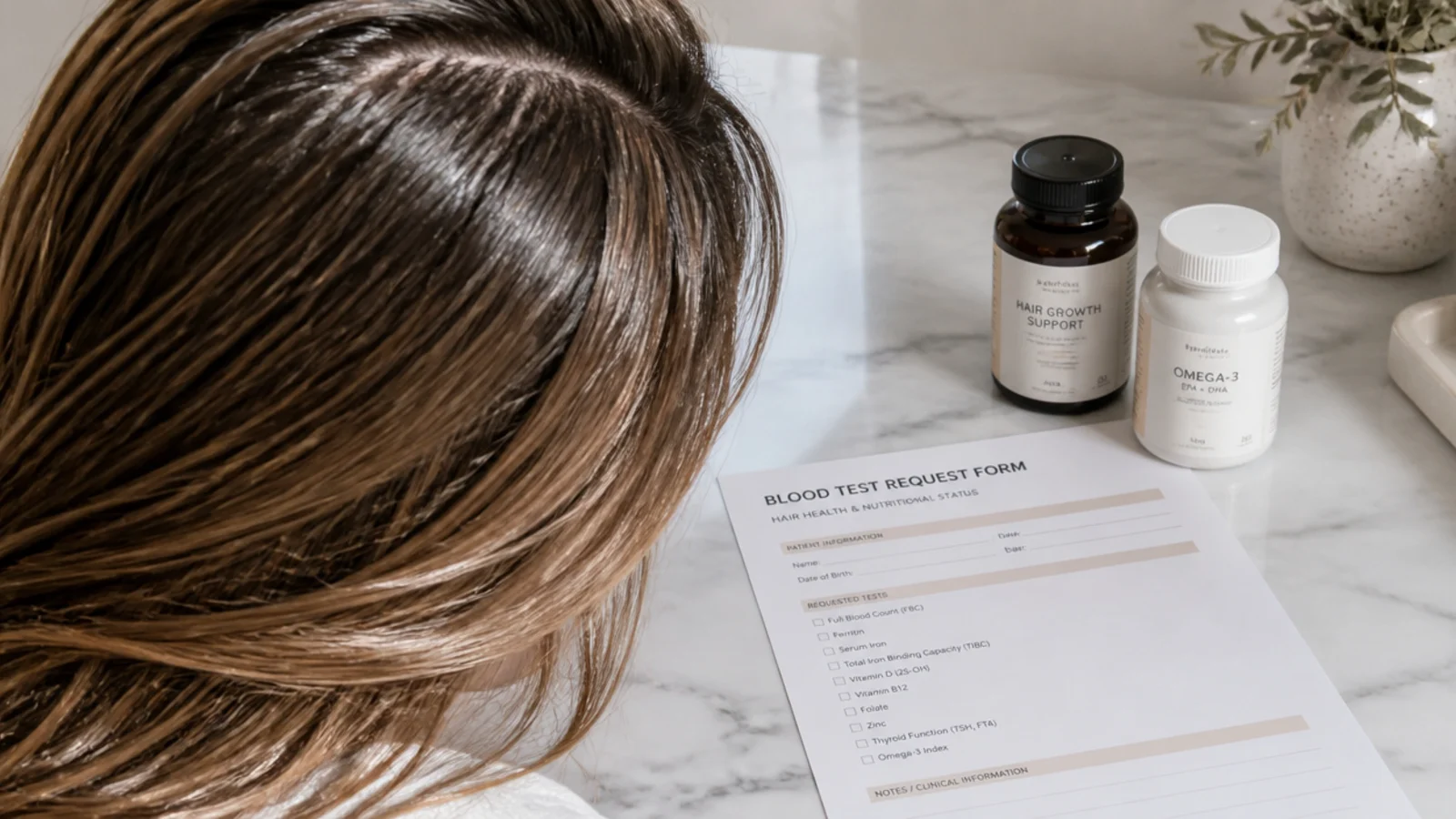
Ferritin, thyroid function, vitamin D and B12. Correcting a genuine deficiency regrows hair, and taking the identical capsules with normal levels does nothing measurable. One test tells you which of those two you are in and saves a year spent on the wrong one.
14. Rosemary Oil on the Scalp
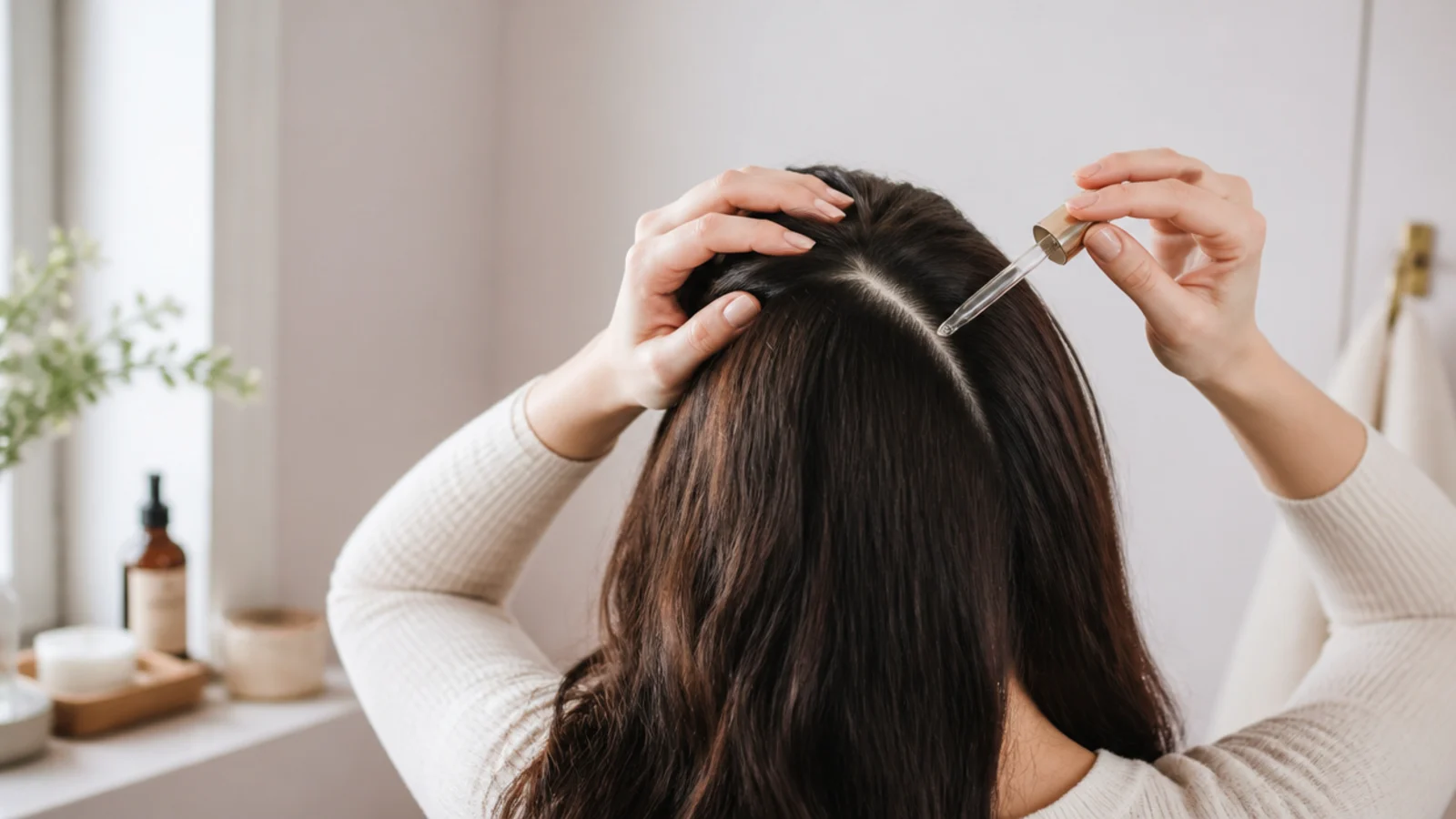
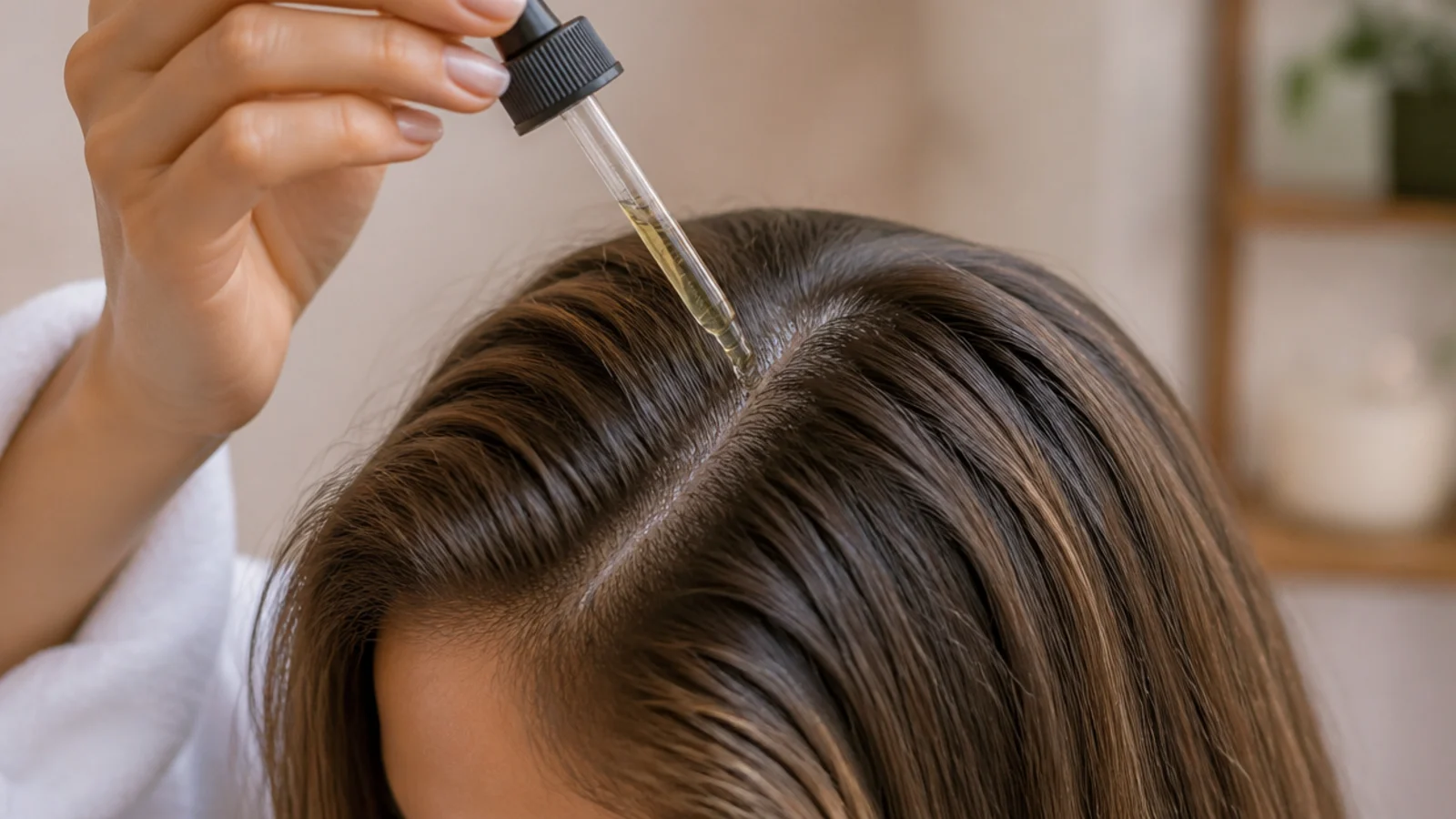
Diluted in a carrier oil and massaged in a few times a week. It has one trial behind it, run over six months against a low strength minoxidil, and the change was modest rather than dramatic. Anything topical acts on the next growth cycle, so give it two full seasons before you judge.
15. Sun and Chlorine Protection
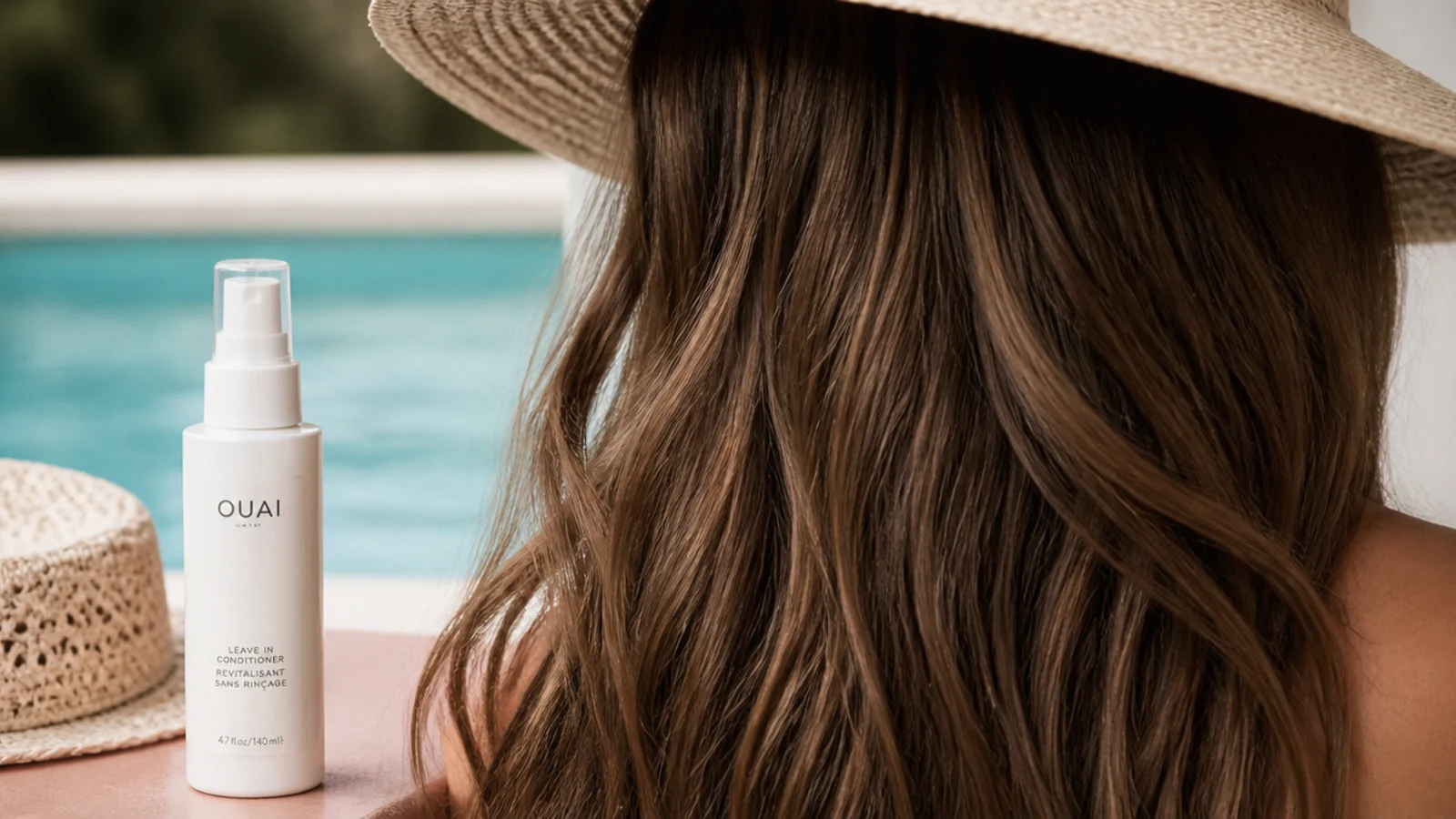
Ultraviolet breaks down keratin and fades colour, and chlorine dries the shaft and clings to lightened hair. Soak your hair with clean water before you get in the pool — a strand already full of water absorbs far less pool water, and a hat does the same job on a bright day.
Final Thoughts
Read the list again and notice how few items add anything. Most of them remove something — a towel, an elastic, a degree of water temperature, a pass of the comb. That is what a defensive routine looks like when hair cannot repair itself and every insult is permanent until it is cut off.
Give any change three months before you judge it, because that is one growth cycle and about an inch and a half of new hair. Anything reviewed sooner is being judged on hair that was already damaged before you started. For a version tuned to one texture see a wavy hair care routine. More in Hair Care. See also the care version.